

Beta reading can be a great way to give back to the writing community and help out your fellow authors. Coincidentally, a couple of my friends have decided to go into the beta reading business. Turning something you do for someone for fun into something that you’re charging for might require a different way of doing things. For a friend, you can be more casual about it, but to trade your time for cash will call for a bit more professionalism. If I were to go into beta reading for a few bucks (and I never will because I’m not interested in that) this is what I would do.
What are my qualifications? This is probably the most important, and something you might not consider. But charging for your services is different than reading for your friends for free. Authors who are giving you cash want expertise and experience in return. Simply being able to say that you’ve been a lifelong reader might be helpful, but may not be good enough. Do you have any formal education like a literature degree or an English degree? Do you know the genre conventions/reader expectations of the genre you’re going to read? Do you read the bestselling books in that genre? Do you know the tropes that make them bestselling books? Not every author you read for is going to be writing to market, that’s true, but just because it’s unsavory to some, there are authors who do want to know if they’re hitting the right beats, that the character arcs and plot arcs are in line with what’s selling, and that they’re nailing the end in a way readers are going to want. If you yourself are an author, how are your books selling? What are your reviews like? Beta reading is different from writing, that’s true, but you can’t expect to tell authors what they should be doing if you can’t do it with your own work. If I were going to answer these questions, I would say I have an English degree with a concentration in creative writing, I’ve been reading romance for years, have been writing romance for years, and finally am now making a little from the books I’ve published since I pivoted from 3rd to 1st person present and niched down. I would have to read more in my genre, though. I’ve said I don’t do it enough, and I don’t.
Decide what genre I would read. Let’s be honest here. If you go into beta reading, proofreading, or editing, you’re going to come across some stinkers. That’s just how it is, and probably why they’re asking for help in the first place–they know they need it. Reading something that needs work is tough enough; reading something that needs work written in a genre you don’t enjoy is even harder. Be firm with the genres you’ll read. If you choose romance, decide if you’re going to read open door sex scenes or not. I’m dirty and I’ll read it all. Some won’t. Same with swearing. I swear, my characters say Jesus Christ all day long, and I don’t mind reading it. Put together a set of wills and won’ts, and ask the person you’re beta reading for if their books contain those things.
How long are the books I read going to be? One thing that surprised me on Fiverr is how cheap inexpensive all the beta readers were–until I dug deeper and realized that betas charge on a tier system. 10 bucks for a short story, 25 bucks for a novelette, 50 bucks for a novella, 100 bucks for a novel 40-50k words long, 125 bucks for a novel 50-85k words, and 150 bucks or more for anything above 85k. (That’s just an example–I didn’t steal anyone’s prices.) They use the lowest fee to draw you in, and you’re massively disappointed when you can’t find a beta reader who charges 10 dollars for your enormous 160k word YA Fantasy. If you have limited time in your personal life you may want to limit how long those books are, or maybe you’re happy reading and charging for one book a month and digging into 150k words is your jam. But it’s helpful to know what length you like to read. I don’t read short stories, and I find novellas lacking in depth. I don’t buy novellas, but if the premise drew me in, then I would maybe beta read for a friend who needed it. Decide what you like and make sure your potential customers know.
What would I charge? This is icky for me since I beta for free at the moment. I’m selective and honest and only do it for my friends. If I’m busy, I say so. I don’t accept a project then get pissy because I don’t have the time (or don’t want to make time, for that matter). I read romance and I’ve made allowances, like reading a science fiction romance, because a friend asked me to take a look. That’s fine, and I’m happy to help. If I were charging, I’d be more strict with the genres I accept and probably put into practice a flat fee like I listed above. Some charge by the word, and some even by the hour, though I don’t now how you would keep track of (or prove) something like that. I’d enable a disclaimer and say I have the right to return a project if I can’t handle the first chapter. If the first chapter is badly written or just not my cup of tea, reading 50k plus more words wouldn’t be worth it. Life’s too short for that. Though, that could be feedback in and of itself. Starting out I would probably beta read at a discount until I had a few testimonials and could prove I make my customers happy. Maybe I would already have that if the friends I’ve helped gave a review of my work for my website. Like with anything else, you have to prove yourself before you can charge the maximum amount.
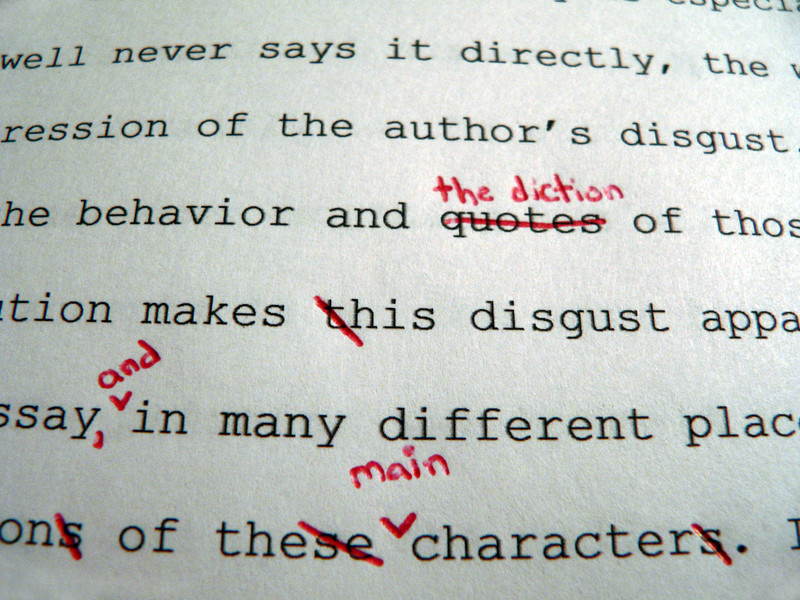
Decide if you’re going to proofread as you go. Some beta readers proof while they read–it isn’t all for plot and characterization. One beta reader I worked with couldn’t decide if she was going to proof for me or not. She marked some things, but for every one thing she found, she didn’t point out ten others. It was confusing. Don’t do that. Either be all in or be all out. If I proof for someone, they’re getting a line edit, too. I can’t overlook a mistake. I’d have to turn off my editor brain and I think unless they were close to publishing (the book had already gone through a critique group, for instance) I wouldn’t proofread as I went along. I’d read for plot, pacing, and characterization only. If they did ask for a proofread, that could be an extra fee. That would be up to you.
How would I give my feedback? Usually I just write up a separate Word doc and email it along with the manuscript I beta read (using Track Changes for short comments). I once proofed/beta read for someone using Google Docs, but since that’s live online, she read along with me and either fixed things or dismissed things while I was reading. That was creepy AF, and I will never beta read for someone using Google Docs again.
Can I give my readers resources in areas where they’re lacking? Probably the most satisfying part of beta reading for me is being able to point out resources for authors if they need some extra help. I read a lot of editing books, my favorite being Intuitive Editing: A Creative and Practical Guide to Revising Your Writing by Tiffany Yates Martin. Feedback is important, no doubt about it, but learning how to do a lot on your own before someone takes a look can save time and money down the road. I have a ton of editing resources, and if you want to take a look at my favorites, you can read this older blog post about publishing without an editor.
Where would I post about my business? It would make the most sense to add a page to this website, as being a paid beta reader would be a natural step after blogging for indies and publishing my own books. I already pay for the domain name, and I have to admit, when I see an editor, beta reader, or proofreader trying to sell their services and they don’t pay for a domain name, I write them off as unprofessional. http://www.sallyeditor.wordpress.com looks cheap and I can only assume, like readers assume a crappy cover indicates crappy insides, that if they aren’t willing to pay a few bucks a month for their domain name, that their services are on par.
How would I bill my clients? Creating an invoice in Canva would be the easiest, I think. You have to have a way to bill your customers because some authors write off their beta and editing expenses on their taxes, or at the very least, they keep track of their expenditures. And you as well, should keep track of how much you make so can report that income. The beta reader I worked with asked for half before she started and half when she finished. I didn’t mind that at all and would maybe follow something similar.
How would I accept payments? If you post your job listing on a website like Fiverr, they take care of that for you, and I’m assuming, take a small cut for helping you. I paid my beta through PayPal, but I’ve never accepted money through it, only sent it out. I would need to research that and figure out how people could pay me. PayPal seems to be popular still, but I would want to make paying me easy. Not sure how I would go about it, and I would definitely set that up beforehand so my clients knew the options available.
Beta reading for payment is a business choice, and like indie-publishing, it’s best to remain professional. Confidentiality is important. Not talking about your clients’ work to other people, maybe having a privacy clause on your website stating that their manuscripts are safe. When I beta read, I delete them from my computer after I send my feedback. Their stories and books don’t belong to me so I trash them when my work is done. It wouldn’t feel right keeping them, though technically I still “have” them in email because I don’t delete correspondence.
Beta reading is more than just reading–you’re helping an author put their books into the world. That’s nothing to take lightly. I’m always humbled when someone asks me for help. I think they value my opinion and respect my work. I offer that in kind, and I like to think I’ve added something to the writing community.
If you want to read more about starting your beta reading business, look here:
https://kindlepreneur.com/how-to-be-a-beta-reader/
https://www.scribophile.com/academy/how-to-become-a-beta-reader
Have a great week, everyone!






 Vania Margene Rheault