
1,422 words
8 minutes read time
Kindle Direct Publishing created some buzz last week when they announced that they extended their preorder window to eighteen months instead of the twelve months that we were allowed previously, and let you push back a preorder date two times. Once without penalty and the second time suspending your preorder privileges for six months.
From what I can tell, there were a lot of happy people. One reason is because not many people think Amazon treats indie authors well, and when Amazon does do something positive, it’s cause for celebration. The other is, well, I guess indie authors are going to take advantage of the longer preorder period.
Preorders are a slippery slope. You want to create excitement for your book and announcing a preorder is a way to do that. You can have a link for your CTA and start posting on socials, tell your newsletter, and start running ads. But over the ten years I’ve been in the business, authors tend to get a little overzealous, maybe a little too industrious, and pretty soon they’re canceling their preorder because the book isn’t ready.
Let me tell you a story. An acquaintance of mine has been talking about her newest release since May, maybe even before that. She put her book up on preorder under a pen name, and I preordered it because, you know, I wanted to read it. Then she took it down. I asked her what happened and she said she didn’t know when she wanted to publish it or if she even would. I can understand that publishing is kind of grueling, especially right now, and I forgot about it. Then I saw on social media that she put the preorder up under her main author name, and I got excited and preordered it again. She has long preorder times, two months or so (I consider that long, LOL) but I was excited that I was finally going to be able to read it. Then she announced that she was pushing back her preorder date again. After waiting so long to read it, I gave up and canceled it. I felt like she had jerked me and any other hopeful reader who wanted to finally get the book into their hands around too much. She lost a reader, and maybe more than me. Preorders are promises and when you break them, you break a reader’s trust.
I was a little surprised when I heard that Amazon had relaxed their guidelines and gave indies more time. They are all about giving customers a positive experience, and pushing back or canceling a preorder is not doing that. I also don’t think that’s going to solve the issue I see: indies overpromising and under-delivering. Some indies use a deadline as a way to encourage their productivity, and I guess I can understand that if you’re the type of person who thrives under pressure. But a lot of indies crumble, and what they thought was an exciting announcement turns into a noose around their necks a year later.
How do you decide if using a preorder is right for you? Here are some tips:
Be honest with your own capabilities and limitations.
If you’ve never written a book in a year before, you probably won’t start now. There’s more to a preorder than just writing. You do have to get the book finished, but you also have to edit it, have it formatted, and have a cover made, which all takes a lot more time than it sounds. Eighteen months may seem like a lot of time, but if your editor rips your book apart, that time can disappear.
Ask yourself why you want to do a preorder.
Preorders are not magical. They take the same amount of time and effort to market as anything else. Sometimes more. Readers want the thing the second they want the thing and you’re asking them to wait however many months to have it. I mean, eighteen months might not sound long to you because you’re working on the book. But to a reader–that’s a year and a half. A reader can read a hundred books in that time. Unless you’re a well-known author with a loyal fanbase who’s willing to wait, chances are you’re not going to find many who will. So ask yourself why you want to do a preorder and what your plan is to put that link in front of readers who will click.
Figure out how long you really need, and be smart about it
I’ve seen a lot of authors panic because they’re locked out of their book’s content and they’re not able to change the placeholder file to the completed file. Then it goes out to their readers and I’ve seen plenty of authors get mad about it and blame Amazon for locking them out. It’s better to put a book on preorder when you have the book done, or at least almost done (whatever that means to you) and you have a cover that you can upload that won’t need to be swapped out. Just because Amazon is giving you eighteen months doesn’t mean you need the entire eighteen months. The length of your preorder should serve a purpose, and everyone’s purpose is going to be different. The longer you ask someone to wait, the more opportunities there are for them to lose interest, forget why they wanted it, cancel it, or simply tackle their TBR. Personally, I would prefer to finish my book without telling anyone than putting my book on preorder and having to add marketing to my schedule so people know it exists. (Because if you don’t, your preorder number will be 0 and there’s no fun in that.)
Putting your book on preorder eighteen months before release is potentially giving yourself eighteen months of marketing a book no one can read yet. That’s a long time to keep readers interested, especially when you’re competing with books that they can buy and read right away. Unless you have a specific reason for needing that much time, you may be creating more work for yourself without getting much in return. Finishing the book first and using a shorter preorder period gives you something concrete to market without asking readers to wait a year and a half for the payoff.
Don’t use your readers as an accountability tool.
I understand that authors can plan out their preorders and stick to the schedule. I watched a 20booksto50k talk with Elana Johnson, and if she hasn’t changed how she publishes, she plans to release three or four preorders a year. She also writes full-time and has for many years. She doesn’t need an accountability partner. Writing and publishing is her job. But if you need an accountability partner, perhaps there’s a better option than Amazon. Every day I see people hating on Amazon so I’m not sure why you would willingly turn one of the most unstable publishing partners out there into a tool that can actually interfere with your book business if you mess up.
I’ve also said this before and no one liked it: Break too many promises and all you are is a liar. Readers are not going to trust you if you back out of a preorder too many times. They just won’t. Maybe one day I’ll buy that book I canceled, or maybe I’ll forget about it after I get over being mad. I’m sure she had her reasons for doing what she did, but those reasons aren’t my business. All I wanted was to read her book. I don’t know if she’ll notice that I canceled my preorder. Maybe. She probably wants that number to go up and not down. But it’s an author’s job to follow through, not my job to give her unlimited understanding. There are better ways to hold yourself accountable. You don’t need to set up a preorder so far into the future we’ll get the next season of Bridgerton first.
Are KDP’s changes a good thing? Undoubtedly people think so. Especially since they changed how they’ll reprimand you if you have to change a preorder date. But I think these changes also come with drawbacks that may not be evident right now. We’ll see how it goes.
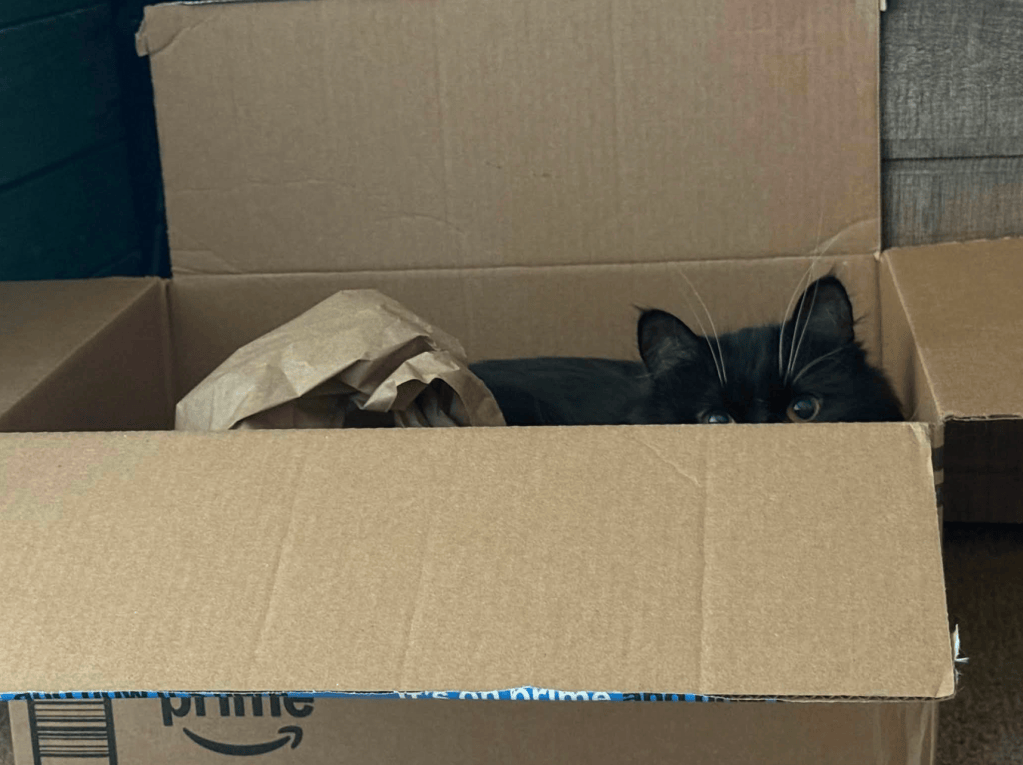
Good luck to you and your publishing schedule. And if you need an accountability buddy, I offer up Pim for her services. She’ll keep her eye on you!
Have a great week ahead!
Discover more from Vania Margene Rheault
Subscribe to get the latest posts sent to your email.


