
2,062 words
11 minutes read time
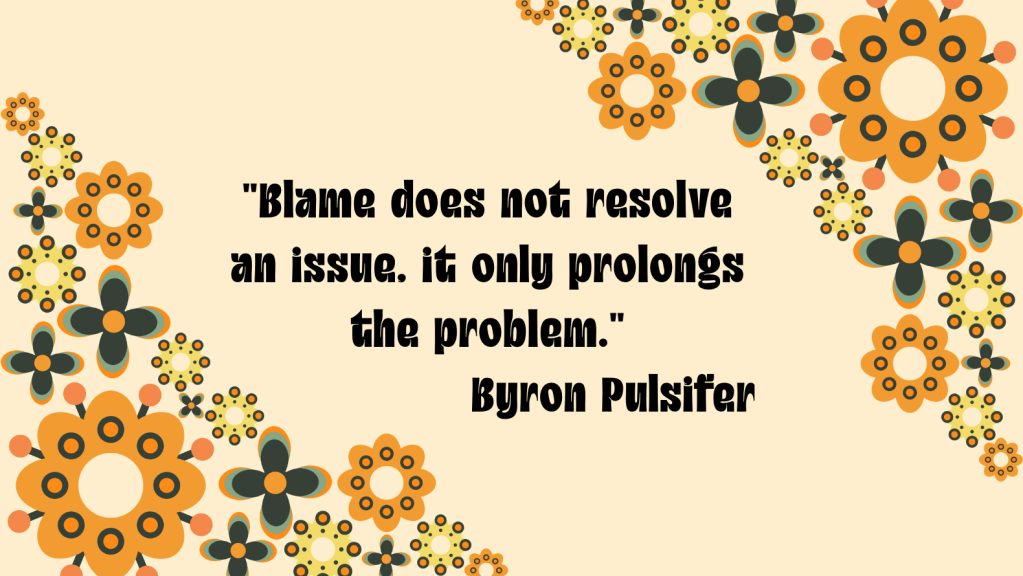
Since I’ve been back from vacation, I have seen a lot of things online about blame, and I get it, you know? Times are hard, sales are low, and we look for excuses and people, companies, and platforms to point our fingers at.
It’s exhausting because sometimes there isn’t anyone to blame–things are just the way they are. And even if there is someone to blame, does it do any good? I’ve watched indie authors try to take on Amazon and sometimes it works and sometimes it doesn’t. When it doesn’t, it just makes authors more bitter, and when it does . . . they’re happy for a little bit until something else happens.
Let’s take a look at what we’ve been blaming lately:
The KDP Sales Dashboard
This has been going on for a long time, and because KDP/Amazon isn’t exactly known for its transparency, even if there was a glitch with reporting, I doubt they’d tell us much about it.
I’ve seen authors post “proof” that KDP’s reporting is broken because a customer service rep told them there was a known issue and that they were working on it. But do you really think those reps have the most up-to-date information? I doubt it. They can only tell you what Amazon has told them, and I’d be surprised if the people answering the customer service chats knew much more about what’s going on behind the scenes than we do.
And those poor reps probably deal with angry authors all day long. I don’t know why so many authors accuse them of gaslighting when they’re just trying to help to the best of their ability and go home at the end of their shifts.
Another thing that really bothers me is authors trying to “catch” Amazon holding back sales and page reads by asking their friends to buy their books and read them in KU. Amazon has stated that there’s a lag in reporting and that monthly KU page-read totals aren’t finalized until around the 15th of the following month. Why authors are determined to read their dashboards in real time and then get pissy about it is beyond me, and seeing those posts has actually made it so I really don’t like being on Threads anymore. There are a lot of reasons why your dashboard doesn’t reflect sales and page reads immediately. People read on airplane mode; readers aren’t charged for paperback copies until they ship out; credit card processing differs from credit card to credit card and bank to bank. Stop trying to read your dashboard in real time. It won’t do anything except make you mad.
At the end of the day, I truly doubt Amazon is trying to cheat us out of money. They’re a ginormous company, and yes, there are going to be days when things aren’t working right. But a reporting glitch (real or imagined) doesn’t automatically mean Amazon is deliberately withholding royalties. It would be nice if Amazon would be more transparent when things weren’t working correctly, but that’s the price of doing business with them. You can put up with it or publish elsewhere.
AI Slop
This might be a legitimate concern, until we think of the phrase “Other authors aren’t our competition.” We hear that a lot, and maybe you think it’s true, maybe you don’t, but I honestly don’t see the influx of AI-written books as competition. Yes, it’s infuriating, but we’ve had to deal with other influxes of bullshit before.
Remember back during COVID when everyone had a book in them, and with no gatekeeping, everyone was able to publish it? The number of books published increased significantly, and there wasn’t anything we could do about it. And before that, we had authors using ghostwriters, people selling each other already-published manuscripts, click farms generating page reads, and blah blah blah. There’s always going to be something getting in the way of organic discoverability.
And this circles back around to Amazon again. We call for Amazon to take the AI slop down, but can you imagine them paying enough people to manually vet every book before it’s published? And if I recall correctly (and I’m pretty sure I do), Draft2Digital implemented an account maintenance fee to help cover the costs of reviewing content, and everyone bitched about it. When Amazon does try to do something, like limit the number of books uploaded per week or ask authors to disclose AI-generated material, it’s never enough for anyone.
Do I wish the AI slop would go away? Of course I do. But that’s also like saying you wish authors wouldn’t publish shitty books. There are always going to be poor-quality books in the marketplace, whether they’re mass-produced AI slop from scammers or books written by authors who can’t afford editing or haven’t found their voice and style yet. I’m not saying those authors have the same intentions as scammers trying to game the system, but I am saying that poor-quality books aren’t a new problem, and readers have always had to sort through them to find something they want to read.
In the scheme of things, I don’t see AI slop as some new obstacle that makes it impossible for the rest of us to succeed. Indie publishing is open to everyone, and if it weren’t, there’s a good chance neither you nor I would be able to publish our books either.
The Algorithms
Just this morning I saw someone on Threads talking about how Instagram’s changing algorithms have tanked her writing career. Her reach has disappeared, and with it, her sales. I can understand why she’s frustrated. When you finally find something that works and the platform changes the rules on you, what are you supposed to do?
But the first thing you learn as an indie author is to never plant your seeds in someone else’s garden. Is it inevitable? Yes, yes it is. And I know I’m doing that exact thing by enjoying the sales boost posting Reels has given me. But I’ve always been realistic about the fact that, at some point, it will stop. It might not be this year or next year, but one day posting Reels won’t do anything, and I’ll have to figure out what to do next, if anything. I might even find myself back where I was on July 24th, 2026, the day before I posted my first Reel.
You can blame the algorithms, and you’d probably be right. Platforms change, reach disappears, and there’s not much you can do about it. But you also have to admit that you built part of your business around what that platform was giving you. That’s not necessarily a mistake–sometimes you have to take advantage of an opportunity while it’s there. The question is what you’re going to do when that opportunity disappears and you’re left with nothing but tumbleweeds.
This is where I struggle with my own advice.
Before I started posting Reels, I’d done just about everything I could think of, and nothing moved the needle. Not a newsletter, not running ads (I came out even but never ahead), and not buying newsletter promotions like FreeBooksy. So when I say authors need to have a plan for when the algorithms decide to jerk you around, I’m well aware that I don’t have one myself.
I could retry some things, like going back to TikTok or posting more consistently on Pinterest, since I never really gave that a chance. I could try something brand new like Lemon8. Or I could get discouraged and threaten to walk away like I did over the summer.
I’m not sure what I’ll do. But I do know that if Instagram changes its algorithm tomorrow and my sales disappear, spending my days blaming Instagram isn’t going to bring those sales back. I can be frustrated. I can even be angry. But eventually I’ll have to decide whether I want to try something else, keep writing without worrying about sales, or walk away from publishing altogether.
The Market
I actually haven’t seen anyone blaming the market for a while. We all know trends shift and subgenres die until they come back again like a vampire when the sun goes down.
Writing to market used to be a dirty phrase, but I don’t hear it much anymore. I don’t know if that’s because people have accepted it as a way to sell books or because authors who aren’t writing to market aren’t so vocal about it anymore. I’ve never had a problem with writing to market. In fact, when I started my pen name, I did it so I could write even more to market.
Reader preferences can change, but from what I can tell, dark romance and hockey are still having their moments. There was some talk that billionaires were out, but I only heard that from other authors, and I take their opinions with a grain of salt. I don’t write for other authors, so I don’t really care if they hate billionaires because Bezos, Musk, and other shitty men have ruined the genre for them.
What you write is one of the few variables you can control, and depending on how fast you can crank out a book, you might be able to catch the wave of whatever’s popular. Or you could switch to an established subgenre like romantic suspense or small-town romance. If you don’t write romance, maybe mystery thrillers or domestic suspense are more your thing. Freida McFadden has certainly attracted plenty of attention, and if that kind of storytelling appeals to you, you could explore it yourself.
Of course, there’s no guarantee that chasing a trend will result in sales, but at least choosing what to write gives you an opportunity to respond to the market instead of simply complaining about it.
There was also some talk on Substack about leveling up your craft and writing a better book. I blogged about that because when I first read it, I was offended. I would assume most of us try to write the best book we can every time we open a new document. But the more I thought about it, the more it made sense. It’s easy to grow stagnant, and plotting a new novel that requires you to stretch your skills could be exactly what you need to improve your craft. Wicked Games was my twistiest book to date, and I enjoyed the challenge of making sure everything fit together. It pushed me in ways my previous books hadn’t, and I’m glad I wrote it.
If your books aren’t hitting, though, it’s hard to tell whether the problem is what you’re writing or a lack of discoverability. You can write a wonderful book that nobody finds, just like you can market the hell out of a book that readers aren’t interested in, and sometimes you won’t know which problem you’re dealing with. That’s why I think it’s important to keep writing what you love. If the sales and reader interest aren’t there, the enjoyment you get from writing might be the only thing that keeps you going.
Playing the Blame Game isn’t much fun, and for me, there’s not a lot of point to doing it. There are always going to be things happening in the industry that affect sales, and there are always going to be companies like Amazon that are difficult, and maybe downright skeezy, to work with.
We can’t control any of that, but we do have to make choices about how we respond. We can pivot when it makes sense, try something new if we have the time and money, or recognize when something simply isn’t working anymore.
Maybe that means experimenting with a platform you haven’t tried before, like TikTok, or writing in a different subgenre. Maybe it means taking a break from writing and marketing and coming back when you feel better. Those are decisions only you can make. And while it’s understandable to be frustrated by things outside of your control, spending all your time blaming them won’t help you figure out what to do next.
So, remember, when sales are low and you’re discouraged, there might not be anyone to blame. Sometimes things are just the way they are and all you can do is push yourself through the muck and keep going.
Discover more from Vania Margene Rheault
Subscribe to get the latest posts sent to your email.


