Got/Get: The laziest words.

I don’t write a lot on craft in this blog. I’ll share editing books I like and tell you over and over again that no matter what you do, ads, graphics, book promotion sites, what have you, if you’re not selling a good book, you’re not going to make it. I don’t mean a well-written book that doesn’t resonate with some readers. You’re not going to please everyone, and that’s just how it is. It’s one of the reasons why I’ve been able to keep going in the past few years of writing. Certain people may not like my stories–I’ve never written a character people hate more than Jax in All of Nothing, but never in any review have I ever read of my work has anyone told me I’m a bad writer. So whether or not people don’t agree with my characters and all their flaws, at least I can hold my head up and know I’m a good writer.

I’m not sure where I was going with that?

Oh, so I don’t offer much craft advice. That really should come from your beta readers, your writing group, your editor. What you choose to take from those people is your own business, and as one editor I know says, “It’s always going to be their book.” So yeah, I don’t like craft advice very much, at least, not giving it.

Lately I’ve been reading more on my Kindle. I pay for a KU subscription and I signed up thinking that I would keep up with my comp authors that way. A lot of romance authors are in KU and it’s always a good thing to keep up with what’s selling. That was my intention anyway, but I paid for a few months of it before I charged up my Kindle and decided I was going to take advantage of my subscription. I read a lot of non-fiction and reading in KU is a lot cheaper than buying paperbacks.

Anyway, so I finished a mystery/thriller the other day. It’s written in first person present, which is why I chose to read it. I’m writing my own stuff in first person present and for me, it’s easier to keep in that POV and tense.

It didn’t take me long to get annoyed. This author really, I mean really, liked the words GOT/GET/GOTTEN. Not short for Game of Thrones, like we associate that word now, but the.ย .ย .ย I guess it’s a verb?ย .ย .ย .ย got. Gotten. Getting. Get.

She’s got an open black peacoat revealing black slacks and a gray blouse beneath.

When I got in last night, (character name) was in the middle of working on a story.

I need to get to that hospital.

While everyone else has pictures or knickknacks on their desk, she’s got nothing.

I don’t need to do anymore, and it didn’t take me long to find these. The author turns sloppier toward the end of book, like he was tired of writing it and wanted to finish it as quickly as possible.

Maybe it’s just me because that word has already been a pet peeve of mine, but it really turned me off. There are better verbs you can use, and they aren’t hard to reach for–She’s wearing an open black peacoatย .ย .ย . Even as something simple as changing out GOT for HAS. While everyone else has pictures or knickknacks on their desk, she has nothing. Maybe it’s not any better, creatively speaking, but to me it reads a lot better.

He was able to comb through her devices after we got them from her parents.

It just sounds all around clunky and I’ve hammered it out of my writing. I know how easy it is to slip into easy language, and sometimes that’s all right. But the more you do it the more you can fall into “telling” a story rather than “showing” it. First person is particularly difficult because we’re writing someone’s thoughts, and people’s thoughts are messy and not particularly sophisticated.

And of course, I didn’t tag any dialogue because that’s how how speak. “To make it on time, we have to get going.” “We really gotta go now.” And if you’re speaking to kids, “We really gotta go NOW.”

I’m not blaming this author–I blame her editor for not catching it, or not caring enough to catch the repetitiveness of the word and asking the author to perhaps do a word search of her document and swap out the word where applicable. This wasn’t an indie published book, and unlike some indie where you’re not sure if an editor has gone over the book, this one has. It’s too bad because the word ruined a story I could have enjoyed.

In my own unfinished WIP (67k+) I used GOT 19 times. All but one time is in dialogue. In this particular conversation I used it to express character:

โ€œYou got balls, doll, but I guess youโ€™d have to, to lie to so many people for so long. Itโ€™s not going to be that easy for you, either, once your secret comes out. What got you into that mess, if you donโ€™t mind me asking?โ€

Murray Jameson, from an untitled WIP

I can search through that book and find GOT maybe every three pages, and I wanted send out a warning. Words like putting, getting, put, got–those are lazy words and you can do better. If you can’t pull the word you need out of your brain while you’re in the zone, I don’t blame you and you shouldn’t let it derail you. Keep going but make a note, maybe an actual note so you don’t forget, that you’ll need to do a sweep for that word in edits.

I don’t write literary fiction, and I’m not out to be the next Margaret Atwood, but I do want my books to read clean and give the reader a chance to immerse herself into my story. I don’t want sloppy grammar to pull her out.

I got into plenty of trouble after Hannah died.

So easily remedied: I found plenty of trouble after Hannah died.

I know we all have our voices, our own styles, and if you want to use GOT go ahead. There is a time and place for it, and I know that. But too much of a good thing can be bad.

And that is my craft post for the month.

“Got” a pet peeve that you’ve discovered in books? Let me know!

Thursday Musings: Working from home, new processes, and a new book!

Happy Thursday, everyone! We are all on pins and needles waiting for the election results. No matter who you voted for, I hope our president can make 2021 a great year for all of us!


Last week I finished another round of edits for my King’s Crossing Billionaire Series. I wish I could afford to send them off to an editor and wash my hands of them (except for putting in the edits afterward, of course) but I have no idea how a prolific author can afford an editor, even paying for simple proofreading, if the money isn’t coming in yet. I’ve snooped around for pricing, but man. Editors charge a lot. I totally get that, but scraping up the money for project after project, I don’t get how indies can afford it. I mean sure, I understand that eventually you’re going to make money, but if you’re not quite doing that yet, it’s tough to afford editing. Everyone says it’s an investment, and it really is, but you shouldn’t have to choose between putting out a quality book and paying for food. It’s tough. So I’ll be taking a break from those 6 books and come back to them after the New Year with fresh eyes. I”ll listen to them and make more changes and then go ahead and put them out.

Until then, I’ve started a standalone in first person present POV about a man who is tasked to marrying off his boss’s daughter for a share in his boss’s company. He falls in love with her instead, naturally, forfeiting his share of the company for love. Tentatively titled The Contract, it was supposed to be a reader magnet for my newsletter I wanted to get up and going this year. I’m 12,000 words into it already, (I started it Monday of this week) have most of the book outlined, and to be honest, I don’t want to give it away. I think it would be a great first book under my new name for the first person books I’m going to start writing. (I still go back and forth with what that will be. Some derivative of my real name is all I know.) This leaves me in a real jam because I should have my newsletter set up for the back matter of The Contract. I don’t need a reader magnet for organic signups like that, but I should have something which means writing something else in the near future. I just need something simple that will be a novella-length book that I won’t feel bad about giving away. Maybe I can pull something out of a plot generator and take six days to write 30,000 words of…something.


My new project would qualify me to do NaNoWriMo this year, but I’ve never needed the motivation to write quickly. I enjoy the work for what it is, and have enough support on Facebook in some of my groups. I don’t know how long The Contract will turn out to be, but it would be nice if I could hit the 80,000 word mark or so. We’ll see. I always stress about word count–it seems it’s part of my process.

Speaking of processes, starting a new project while working from home is different. When I used to go to work, I only had a notebook and pen, and being I was attached to my call station, I didn’t have any distractions. Working from home is a lot different environment, and sitting with a pad and pen here feels weird. I still need to outline–I’ll never be a good pantser. I need to know where the story is going or I would never be able to write as fast as I do. But not going into work doesn’t give me the downtime that was forced upon me, and I have to actively make time to daydream about my characters, brainstorm plots, and generally imagine the pieces of my book to put them together on paper. It’s definitely a new way of doing things.


I’ve had to pause all my ads because I’m eight dollars in the hole already this month. It would be nice if I could keep my series moving as it’s a winter wedding setting and takes place a couple weeks before Christmas, but this is a bad time of year and I don’t want to pump money into ads if no one is the mood to read. I see lots of that in my FB groups now–how everyone’s ads are dead, no one is buying and is there anything they can do? The answer is no. If there’s no demand, there’s no need for product. If people are worried about the election results, stressing if it’s safe to gather for Thanksgiving, and if the answer is yes, then doing the grocery shopping, Christmas shopping, and whatever else people are busy with this time of year, you can’t make them sit down and read your book. You’re better off forgetting ad maintenance for now and writing something new so you have a new release set up for when all this craziness is over. I know it’s a different story when you depend on your royalties, and I’m not there yet. But spending time tinkering with ads, trying to get them to deliver impressions and clicks is a waste of time.


That’s all I have for you on this Thursday’s author musings. I’m excited to be writing something fresh, and I don’t think it will take me long to get this book done. Hopefully I’m looking at a February release, and then over next spring and summer I can get my 6 book series out. I’m not so down in the dumps as I was a couple of blog posts ago. Life happens, and all you can do is roll with it.

Have a good weekend, and thanks for reading!


Editing: Can you edit too much?

As I look up wrapping up my six book series (I’m at 67k for book five) editing 540,000 words is weighing on my mind. It’s a daunting task. I edit my own books, which people tell me is quite a no-no, and I agree for first-time authors and writers still working on their craft. I use beta readers who hunt for typos and point out murky scenes and I take their opinions to heart and decide if what they say has any validation in my work. (It usually does.)

On the other hand, my betas are writers, too, not only readers, and writers don’t read like readers do. We are pickier, which may or not be a good thing. The problem is, the pickier you are, the more you’re going to nickel and dime your manuscript to death.

So how can you edit without sucking the life out of your story?

  1. Don’t write by committee. I have to thank Kristine Kathryn Rusch for this tip. While critique partners and writing groups can offer valuable tips and suggestions, the end product should always be yours. There is no “best” way to write. Readers read your work because they like your voice. Writing by committee is the fastest way to lose your voice. You simply can’t implement everyone’s suggestions, nor can you make your book “perfect.” There is no such thing. Your book could have a million endings, a million different twists. If what you have chosen gels (meaning no potholes, you have realized character acs, etc) there’s no reason to be swayed by someone else’s opinion if you like what you’ve already got.
  2. Too many cooks ruin the broth. Every beta reader is going to have an opinion and your mind can spin if you try to listen to everyone. Some people think the more beta readers the better, but all that does is give you more opinions to listen to. Maybe you like that. I have one or two trusted betas and that’s it. I wouldn’t even bother with that except it’s not a good idea to publish without another set of eyes just to be sure you’re not missing anything plot-wise.
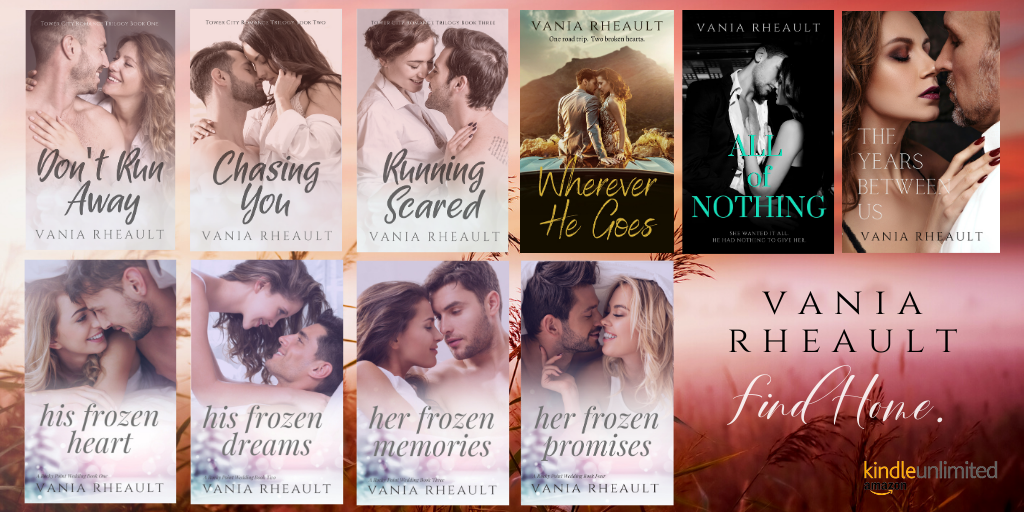
  3. Too many editing sweeps and you’ll edit the flavor right out of the story. I did this with Wherever He Goes. I wanted my first standalone to sound good, but all I did was make the opening chapters sound bland. It’s difficult to trust your gut, especially if you haven’t been writing for a while and you know your voice and writing style still need a little work. Going over and over your work won’t make it better–it’s already written. Make that particular piece the best it can be with as few editing sweeps as possible and move on to something new.
  4. Trust your instincts. I have already made some changes with my first couple of books in the series that I don’t agree with based on beta suggestions, and I regret them now. In my next editing sweep I’ll put them back. The things she pointed out and I changed were based on her personal dislikes and I should never have listened to her. I liked what I had before I made changes.
  5. Choose beta readers in your genre. I think that was part of my problem with number four above. The person who disliked aspects of my book doesn’t read or write in my genre. Sometimes this can be valuable, but usually having a beta familiar with your genre can help with tropes etc. and tell you if you hit the nail on the head or missed the mark. (Usually if you are an extensive reader in your genre, you’ll know without being told.)
  6. If you’ve been writing for a while, you may not need an editor. Hear me out. You may only need a proofreader so you can publish a clean copy of your work. As you’re writing evolves, you’ll become more confident and you won’t second-guess yourself like I did with Wherever He Goes, or even when I listened to my beta reader with the first couple of books when deep down I didn’t want to.

In closing, I’m not going to go all crazy with the editing of these books. I don’t want to edit my voice out of them. I want my characters to sound like themselves and that is a real risk when you over-edit. You can edit the spirit right out of your characters so they sound like every other character you’ll ever write.

You don’t want to publish a first draft, but you don’t want your editing to take longer than the actual writing either. There’re a lot of stories out there. Go write them.


If you want to hear Kristine Kathryn Rusch’s talk, she spoke at the 20booksto50k conference in Vegas last year. I think I might have referenced this video once before on the blog, but I’ll post it again if you’re curious.

Also, if you’re curious about a couple of good editing books, I just recommended these two to a friend on Twitter:

Self-Editing for Fiction Writers is a fabulous book and it’s highly recommended by a lot of writers, agents, and editors. You can find it here: https://www.amazon.com/Self-Editing-Fiction-Writers-Second-Yourself/dp/0060545690/

Taken from Amazon

And a new editing book that just came on the scene not long ago by Tiffany Yates Martin called Intuitive Editing: A Creative and Practical Guide to Revising Your Writing is fabulous! I heard about it in one of the FB groups I’m in, and it is awesome! I recommend you check it out! https://www.amazon.com/Intuitive-Editing-Creative-Practical-Revising/dp/1950830020/

taken from Amazon

Thanks for stopping in! Until next time! ๐Ÿ™‚