Introduce yourself! How did you get into editing and what are your qualifications? What genres do you enjoy editing most? My name is Hannah, but I also respond to April. Or as some of my authors like to call me—April Hannah. Editing was always a dream job of mine, but after getting my bachelor’s in English Linguistics, I got sidetracked and became a flight attendant instead. Now that I’ve been flying for about nine years, I have some seniority and a lot more flexibility with my schedule. I went from flying 18-20 days a month to about 12 days. I also panicked during COVID and realized I needed to have another income stream in case the world falls apart. So I went back to my love of reading and editing, took some courses online through ACES & the Editorial Freelancers Association, and dove right in. I edit primarily romance novels, but have dipped my toes into fantasy and am editing a horror novella right now which is a fun change of pace.
What is the biggest mistake you see indie writers making right now? (For example, info dumps at the beginning of their book, not enough conflict, too much tell vs. show, etc.) If you’ve worked with me before, you’ll know one of the first things I do is delete as many instances of ‘that’ from your book as possible. I have a personal vendetta against the word now. When it comes to the story though, the biggest pitfall I think a lot of authors struggle with is making each character unique. Dual POV is so popular, but I don’t think people realize how hard it is to write from two different points of view. Each character should have their own mannerisms: if one person plays with the ends of their hair all the time, it’s better to not have other characters doing that. Maybe he sighs a lot, but she rolls her eyes. Their dialogue should also stand out. I always suggest authors assign words and phrases to each character to help with this, and building good character profiles before you start writing is so helpful.
How do you keep the author’s voice intact while also guiding them with suggestions on how to make their book the best it can be? I always start out my feedback by saying all the edits and comments are suggestions, take what you want and leave the rest behind. At the end of the day, it’s their book and not mine. If I make big changes, I always explain why or leave multiple suggestions for rephrasing. I don’t want to cross over into ghostwriting. My goal is to use what they’ve given me and make small tweaks here and there to ensure everything flows together and remains consistent.
Is there ever a time when a book requires too much work? What do you tell a writer whose manuscript isn’t ready for a professional edit? What resources do you refer them to? Since I’m getting paid for the size of a manuscript (my rates are per word) instead of the time it takes to edit, I simply can’t help an author with every single issue within their manuscript. During my first read through, I start to notice trends and the major elements I believe they should focus on. I also don’t want their revisions to be too overwhelming, so narrowing things down helps us both out. I also have a section in the editorial feedback where I provide resources to help them improve their writing and premade cheat sheets I’ve made to help them with things I may have not had the time to fix or that aren’t part of the style of editing I was hired for. I love getting to work with authors for multiple books because each book improves more and more. As long as they have taken in the feedback for each one, we can move on to focus on other issues.
What advice can you offer an author who can’t afford a professional edit? Are there things they can do to sharpen their own self-editing skills? There are tons of resources out there for authors, and tools I’ve used to help myself become a better editor. I have a list of recommended reading on my website but “Romancing the Beat” by Gwen Hayes & “Self-Editing for Fiction Writers” by Renni Browne and Dave King are great places to start. I am also working on some self-editing courses geared toward authors who are unable to hire an editor. So stay tuned for those!
Have you noticed AI writing tools affecting the manuscripts you edit? What are your thoughts on authors using them in the writing process? I have a clause in my contract for this and will not work with authors who use genAI in their writing. So far, I have not noticed anything funky in the books I’ve worked on but I’m sure it’s only a matter of time before someone sneaks through the cracks. I think using AI eliminates the heart and soul from a novel, the creativity and uniqueness. I want no part of a romance written by a robot.
As an editor, it’s important you’re honest and give critical and actionable feedback. How do you offer this feedback so a writer doesn’t take it personally? With any edit, I always start off by telling an author what they’re doing right and what their strengths are. I think starting on a positive note makes it easier to take in feedback. It’s also helpful to let them know they’re not alone, and a lot of this feedback is common. I also provide lots of examples and resources to back things up and never tell an author they can’t do something or it’s wrong. A great benefit of working with indie authors is they can write the book how they want and don’t have to adhere to style guides and story structures.
Are there any other tips or thoughts you would like to add about editing or publishing? Don’t let self-doubt take you out. Nobody’s first draft is a bestseller. And find your community. It can get lonely, but I can guarantee there are others out there struggling with the same things you are or wanting to celebrate the same wins both big and small.
I saw something sad yesterday, and no it wasn’t my sales dashboard. Just kidding. I stopped looking at that.
No, even though I talk like I’m not a part of the writing community anymore, I’m still a member of a lot of writing and publishing groups on Facebook. It’s pretty much all that’s in my feed right now which works because I’m not really interested in much else besides the occasional spoiler for House of the Dragon. Anyway, so a woman that I have actually met in person when I tried to join a local writing group posted that her debut had just been published by a “small-press–” I use the term loosely–and her cover was . . . not great. It kind of looked like the romance covers that were coming out in 2016 when authors were doing it themselves and didn’t know how to blend or add a filter so the couple fit into the background. It made me curious about the publisher, and I went on their website. Unfortunately, nothing I saw boosted my confidence that this author would have a good experience with this small press.
I understand the appeal of wanting to publish with a small press, and I’ve known other people who have made the same choices. You can’t afford an editor, you don’t know cover design, and you wouldn’t begin to know where you’d get your book formatted. So a small press sounds like an answer to a desperate prayer. They take on your book and promise you editing, formatting, and a genre-appropriate cover. If they’re being honest, maybe they say that marketing efforts will be weak and that you’ll have to do the bulk of it, and you think that’s a fair trade in exchange for the services they’re going to provide.
Deciding to go with a small press presents the same challenges that an indie author faces having to hire out every step. When you’re looking at a small press and you’re thinking about submitting your work, there are a few things you should do first:
Look at what they’ve already published. This is huge because if you don’t like the covers on some, or most, of the books in their library, chances are really good that you aren’t going to like the one they do for you. Small presses tend to have one designer on their staff, and that one designer is going to have a certain way of doing things. If you don’t like their style, you may take that as a warning that what they come up with for your book won’t match what you had in mind. And what you want may not even be that crazy. Just a nice, normal cover that meets genre expectations and that looks professional. When I looked up the designer on the copyright page of my acquaintance’s book, the designer’s website looked sketchy as hell. So please click around the internet and look at what they’ve published, peek at the designer they use, and decide if you think they’re going to give you a cover that will actually sell your book.
Look at who the founders are. I don’t think judging someone by their looks is that great in most cases–we all have our bad hair days–but on the other hand, if you’re running a business, you should look professional in your picture. A founder of a small press who is wearing pajamas doesn’t inspire much confidence even if they work from home and wear pajamas for most of their day. Also, what are his or her credentials? What makes them a good fit for your book? Do they have previous publishing knowledge? What can they offer that you don’t have access to yourself? I can edit, format with Vellum, and make you a decent cover in Canva. But that doesn’t mean I know how to run a small press. I have no distribution channels besides knowing how to upload a book to KDP and IngramSpark. I can’t get your book into bookstores. I don’t have the connections or warehouse space for storage to do that. I have absolutely no money to hire someone to help me. Think about what your goals for your book are going to be once it’s published. Can the small press you’re considering do those things? Also look to see if they’ve published their own books. If their finished products don’t look professional, chances are good they won’t be able to do any better for yours.
What kind of editing do they do? It’s really important that you skim, if not read, a few of the books that the small press you are considering has published. If you find typos on the very first page, or if there are grammar or punctuation errors throughout, their editor may not be very good. When you’re going with a small press and giving them your rights, the least they can do is edit your book properly. Do they have an editing certification? Do they have testimonials saying that they’re good at what they do? If they’ve published their own books, do they sound good? How long will it take them to edit your book? Do they use AI tools, or will they do it themselves?
What kind of formatting do they do? Granted, formatting is probably the least of your worries if you’re finding red flags elsewhere. And from what I can tell, small indie presses just use Vellum. But you should still check out whether their books look nice on the insides. Do they add chapter headers? Ornamental scene breaks? I don’t pretty my books up too much, because I think story is king, and I have actually seen readers complain that gooped-up pages take away from the reading experience, but still. A nice chapter header can make a paperback look professional. Like, you know, someone actually cared. And if you can, make sure that they’ve taken a little time with an author’s front and back matter. You might not get all that with Amazon’s 10% sample pages, but look at what you can. Formatting, from my experience, is the simplest step. If they aren’t doing that, your editing and cover chances don’t look great.
What are they doing for distribution and visibility? To be fair, this was probably one of the only things that the small press that I referenced earlier was doing. Or looked like they were doing. Their website listed the book fairs they attended or were planning to attend. Whether they actually did, I guess no one knows, and what they did there would be a mystery unless you were present to see it. Since both the founder and the editor of that small press had published books, they could have been there to only represent themselves. Hard to know. If they aren’t going to show up on your behalf, will they pay for author copies or other swag so you can attend your own book fairs and signings? How are they investing in your books besides basic services? Zero investment may be more common than you hope, and maybe you think that’s asking too much anyway since author copies are expensive, but if they aren’t going to do anything, it’s better to know before you sign your life away.
And then after you’ve taken a look at all that and think it isn’t so bad, take a look at what they’re asking for. How long do they hold your rights? When can you get them back if you decide to? What happens if the press closes? Do you automatically get your rights back? Are your rights folded into a new small press? You might say this should be the first bullet point, and you might be right. If you don’t like the contract terms, none of the rest matters. But I also know some authors will accept contract terms that aren’t exactly awesome if it means they’ll have their editing, formatting, and cover taken care of. Is it a good trade? It really depends on what you’re comfortable with. You’re essentially giving your book away and may never get it back. Some small presses can be really nasty to their authors, never giving rights back or asking exorbitant amounts of money to break a contract. A mediocre cover is annoying. Being locked into a mediocre cover for seven years is a disaster.
I’m not sure what’s going to happen with my acquaintance and her book. Her cover broke my heart, but she could be happy with it and that would be okay too. It’s her debut, and maybe she’s not really aware that her cover doesn’t fit in with what contemporary romance covers look like now. If she’s happy, then I’m happy for her. But competition is so fierce–not in an author-eat-author way, but we’re at an all-time high for how many books are available to choose from–that a poor cover can kill a book before it’s even had a chance. If she would have posted in the group that she wanted to self-publish and needed help, I would have helped her and she could have kept her rights. Not everyone knows that I would do that, and maybe that’s for the best, haha, or if she didn’t trust me, I could have at least pointed her in the right direction so she could have hired out dependable people.
Wanting to go with a small press is an understandable choice, but if you have to ask, “If the publisher’s version isn’t better than what I could have reasonably done alone what exactly am I getting in exchange for my rights?” then maybe that small press isn’t for you.
Not all small presses are bad. Some do excellent work and provide opportunities that would be difficult for an author to access alone. The point isn’t to avoid small presses. The point is to investigate them with the same care you’d use when hiring an editor, cover designer, or formatter. Because the old adage, “If you want something done right, you have to do it yourself” may be truer than you want to admit and you could save yourself a lot of pain and heartache along the way.
Thanks for stopping in this week! Next week I’ll have another editor Q & A to post, and after that possibly an author update. By then summer will be half over. Do you have any goals you’re keeping an eye on that you’d like to finish up before the kids go back to school? Let me know so I can cheer you on!
Good morning to everyone except the people who hate Amazon and won’t shut up about it. Here’s your monthly reminder that if you hate them that much, you don’t have to publish with them! Ta-da! If that’s not you, I hope that wherever you are the skies are sunny and your coffee is hot!
There have been a couple things in the indie industry that caught my eye over the past couple of weeks and I thought I’d touch on them since I like keeping up with changes and then maybe I’ll mention quick what I’ve been doing at the end.
One of the biggest pieces of news that floated by me last week was that MailerLite is going down to only 250 subscribers in their free plan. I feel like this is in line with what I’ve been speculating since Draft2Digital launched a 12 dollar per year service fee for active accounts and everyone went crazy because of it. Free services are slowly being phased out, or the services are being so pared back that they’re almost useless. An author who is starting a newsletter with the intention of actually growing it isn’t going to begin with a platform that cuts you off at such a low number. That means if they’re going to hustle for signups, they could be looking at a platform change just months after starting or they’ve made the decision that they’re going to pay so they can stay.
I’ve always been of the mind to begin as you wish to continue–since it’s just easier that way all around–and I’d look for a different provider. If you’re looking to move or start a newsletter and want a bigger number, Kit seems to have the biggest number of free subscribers that I’ve seen in their free plan at 10,000 (that isn’t a typo). Use the slider to adjust to the 10k number and you’ll see that the free plan stays free for that number. I have never used Kit before, but I know people who have, and you need to get your SPF, DKIM, and DMARC in order and also use a professional email (like hello@pennymaxwellauthor.com) or your emails will go to people’s spam/junk folders. Gmail has tightened up how they deliver emails, and that’s just the way it is now. As they say, nothing in this life is free. Still, my email attached to this site is $84.00 a year, which doesn’t seem so bad if your newsletter aggregator is free. Kit will also integrate with BookFunnel if you pay for the Mid-List Author tier, though BookFunnel’s prices went up this year too, so you’re going to be paying for something if you want to offer a newsletter to your readers.
Whatever you do, export your list regularly! Don’t lose your list. Then you’re free to move to whatever aggregator you want, even if that means just blogging on your own website like I’ve started doing.
Another big news item that everyone lost their minds over is that KDP is now offering groundwood paper as a page color choice. I didn’t think this was a big deal really. Cream has always been fine for me, but there are a couple of things worth noting. For one, KDP will allow you to change already published titles to groundwood, which is interesting because page color used to be tied to your ISBN number. That appears to no longer be the case. I buy all my ISBNs from Bowker and KDP has offered me the choice to switch, though like putting my ebooks in libraries, I’m not going to bother.
The other thing to keep in mind is that your spine width might change. KDP encourages you to double check by using the Print Previewer and/or ordering a proof before you publish with the changes. Be sure to read their guidelines so your book will print properly if you make the change.
Amazon was on a roll with changes this month and sent out an email notifying authors that if they were using a Payment Service Provider that is not a participant in Amazon’s Payment Service Provider Program, you would need to change where your royalties are deposited. I didn’t get the email because I have my royalties deposited into a local bank, but there were plenty of authors who did, and of course, because it’s Amazon, everyone was unhappy.
h/t to Emma Hamm for showing us her email on Threads.
In other news that’s equally disheartening, is this article in The Independent. Three out of five winners of the Commonwealth Short Story Prize were accused of writing their stories with AI. Upon an investigation, those writers were cleared. Unfortunately, I think we are going to be seeing more and more of this as time goes on. What really bothers me is that there doesn’t seem to be any repercussions for the people doing the accusing. Accusations like that can destroy careers and reputations, but there doesn’t seem to be any consequences. Another thing that bothers me is that when they investigated the claims, they went over evidence including “working drafts, time-stamped documents, and notes.” What if we don’t have any of that? I write in one Word file and edit in that file. I have some notes in a notebook and I also have bits and pieces of prose since writing in a notebook is how I get unstuck, but that may not be enough evidence if I am ever accused of using AI to write my books.
Life has been kind of busy lately so I haven’t gotten much done on Frozen Assets. I’m 74,722 into it with maybe around 10k more to finish it up. I was a little concerned that it’s going to be shorter than my usual, but then I thought that gives me some leeway when I start writing Cold Mercy. I don’t have all of Celina and Trevor’s story plotted out yet, and it will make things easier if I don’t feel like I have to compete with a 110k word book. I’ve been thinking about Cold Mercy off and on and I’ll take a break after I’m done with Frozen Assets to watch more hockey documentaries and read We Breed Lions by Rick Westhead. The research has been half the fun of writing a hockey romance and I think I might have said in a different blog post that rather than using it for only two books, I’ve been thinking about a standalone after my duet is done. Though I was reading about an “Alpine Divorce” situation on Threads that gave me an idea, but that will have to get in the queue.
As of right now, I’m not sure when I’ll publish again, as I’m leaning toward saving up some books for the next couple of years or just putting them on my website for free when I feel like it. I have come to the sad conclusion there is no point in publishing anymore, not in the way that I have been with cover reveals, blurb reveals, ARC copies, trying to have a big launch, and paying for ads and buying promos. I’ve done all there is to do, and like I told a friend earlier, I’m taking my hands off the wheel.
I have two more editor Q & As to post, then I will be done with the people who were kind enough to give me their time. I hope you’ve been enjoying them. I know it’s been fun for me to see the different ways editors work.
This is all from me this week. Enjoy the rest of June, and if you have plans over the 4th of July, be careful and stay safe!
When I was an indie author back in 2016, branding and marketing weren’t really “big things” yet. Amazon had been letting authors publish since 2007 and it geared up around 2010 when they rebranded into what we know now as Kindle Direct Publishing. That set the foundation for the Kindle Gold Rush that took place between 2011 and 2013 when, as legend says, you could just publish a book and print your own money. I missed that by a couple of years and things were harder. There was more competition and the authors who had been publishing all that time understood things like putting good covers on your books and writing in a series and did things differently than us newbies to keep their readers and find new ones. They were on K-Boards sharing best practices while everyone else fumbled around in the dark.
I was staggering around on Twitter like a drunk along with thousands of other authors and we were divided into two camps: those of us who wanted to improve and do things the “right” way and those who chose indie to do things their way and only their way.
You can guess which camp I spread out my sleeping bag in. (Just kidding. I don’t camp. My idea of camping is staying at a hotel that doesn’t offer 24/7 coffee access.) I wanted to succeed, and after doing what I wanted when I wrote On the Corner of 1700 Hamilton and my Summer Secrets erotica novellas, that meant starting to follow the “rules.” Write to market, cover to market, make your book’s insides look their best. Even following best practices on what to put on your copyright page. I was the ultimate “Do it right or don’t do it at all” preacher, and if you look back at my blog posts from around that time, I was pretty nauseating. This isn’t the exact blog post I was thinking of, it’s old and I can’t find it now, but I have many that sound similar: https://vaniamargene.com/2021/10/18/you-dont-have-to-do-it-if-you-dont-want-to-how-true-is-that-statement/ And after a while they all said the same thing. Follow the rules or you won’t sell books. Or you’ll sell books but you won’t make your readers happy.
When things go to shit, one of the first things you’ll hear authors who have weathered the storms say, “You have to be able to pivot,” and then you get all the authors who have been at this a while say, “Yes! Pivoting saved my career.” With the way things are in publishing presently, I’ve been hearing a little bit of this now. Be flexible, mix things up. Take a chance. Evolve. It’s the only way to stay relevant.
They aren’t wrong, and I’ve done some pivoting myself. Did it make me money? No. Did it keep me relevant? Well, I wasn’t relevant when I pivoted. I was hoping that starting a pen name and doing everything intentionally would help put me on the map. Choose a genre and stick to it (billionaire). Follow the trends (writing in first person present). Fit in with other books in your genre (putting sexy men in suits on the covers). Create your brand (billionaires in sexy suits). For many many books, I did that and only slipped up once when I wrote my rockstars. (Still sexy, still rich, so I told myself I’d allow it).
It didn’t put me on the map. It . . . didn’t do anything. Pivoting was like walking down a street I had never been on before in a town that I lived in all my life. It was new but didn’t bring me anywhere that I hadn’t been before.
So, this is year ten of publishing and I’m where I was when I published my first book. That’s not totally true–the knowledge I’ve gained would probably be enough to teach a class on self-publishing and I know a lot about marketing now. But I’m making the same amount of money I did then, which to say not very much, and with nineteen books under this pen name and ten under the other, going to bed with zeroes on my dashboard would seem almost impossible, but I do it.
Given all of that, I’m thinking about pivoting again.
The thing is, I’m not going to pivot into something that’s even tighter than what I’m doing, if that makes sense. When I was writing in third person, I thought I couldn’t get anywhere writing contemporary romance. Romance is so narrowed into subgenres that “contemporary romance” is just too wide of an umbrella for any traction. When I pivoted, I niched down hoping that tightening up what I was doing (subgenre and covers) would help, so rather than twist the screw again, I’m going to loosen it up and maybe even toss it aside.
One of the biggest changes I think will be just putting whatever I want on the covers of my books and saying to hell with how they look. I’m tired of the guy in the suit. When I publish Bitter Love, maybe I’ll put a couple on the cover. It’s a small town romance, and I think a couple would be a good fit anyway. And I’m exploring what I want to put on my hockey duet. I was looking at hockey arenas and hot guys and none of that looks appealing anymore. All my covers, all my hot guys in suits, they look like they could be on any billionaire book, and maybe that isn’t a compliment. Branding is one thing. Boring is another. Maybe I’ll do an object cover. I’m still not sure if an illustrated cover would work, especially since my hockey duet is a bit unconventional. (Beckett retired at 21 because of a family tragedy and at 40 inherited the team his grandpa owned.)
I don’t want to be held prisoner by my own backlist, but that means I have to let go of the fear that if I veer off or pivot away from what I’ve been doing since 2020 that I’m not suddenly going to miss my chance to be a bestselling author. I’ve been doing the same thing for many years now and it has always been met with the same result.
I get needing to know what the package is going to look like, and I get that romance is tropey. I like tropes and I’m not talking about throwing away the things that make a romance work. I want to go back to when I was creating for me first and readers second, but marketing and the “rules” have sunk their teeth into me and it won’t be so easy to let them go. I’m going to try though, because things aren’t working and when things aren’t working, there’s no point in doing them anymore.
I’m scared of change, only because I’ve had FOMO since I started publishing and that probably won’t lighten up anytime soon. But these days I might be more afraid of what I’m going to miss if I don’t try something new rather than the opportunities I’ll miss if I keep doing the same thing. I’ve done the same thing since 2020, and I have to get over the idea that “one more book” will change things for me.
I want to be 2015 me, with a good cup of coffee, my cat, and two hours of writing time. Because what I’ve learned over the past ten years along with Canva and Vellum and WordPress and Bookfunnel and KDP and IngramSpark is that everything else is just noise.
Along with pivoting with my fiction, I may be pivoting with my blog and cutting back to only twice a month. After ten years, there’s not a lot to say about writing and publishing anymore and I’m really reluctant to keep writing weekly if I don’t have anything to contribute. I won’t shut down though–I’m paid up for a couple of years and people are still loving and needing that paperback cover Canva tutorial–so follow me and you’ll get notified when I have a new post up!
Lately I have come to realize that there is a certain subset of readers who are no longer reading for pleasure.
Before Al became a household name (I like to call him Al because in some fonts AI looks like Al… You know what, never mind), readers picked up a book to either be entertained or to find out information. There wasn’t really a reason to read a book otherwise. Maybe in the indie community someone slogged through a book they didn’t like in the name of “support,” and if you do your own detective work, sometimes you can still spot it every now and then, but these days there’s another reason readers read.
They’re searching to see if you used AI to write your book.
I don’t have concrete evidence for this of course, except that every post I see on Threads now leaves no room for writerly error.
Didn’t vibe with the style? AI
Too many inconsistencies? AI
Too many clichés? AI
Too many em-dashes, semicolons, any other punctuation that particular reader decided to dislike that day? AI
Too much echoing/too many filler words? AI
It’s never-ending, and I have a theory that those certain readers don’t sit down to just enjoy a story anymore. They’re reading to find AI tells, and when they think they’ve spotted something, they shout it to the whole world.
And I don’t mean they’re telling people to warn other readers not to read an AI-written book. They want to feel validated, vindicated, and smug they “caught” you.
When, in reality, unless an author leaves a prompt or a prompt answer in their book, no one is going to truly be able to tell. Because, and this is the sad part, a newer writer, or an author who couldn’t afford an editor, might have poured years of their life into a book that has all those things wrong with it. I’ve edited for people for many, many years, and we forget how raw a new author’s writing can be.
I think the existence of AI has changed how a lot of us, or even most of us, have started consuming content. A very vocal section of the internet does not want to consume any content that’s even partially AI, and for the most part, I agree. There isn’t much, if anything, that I would prefer to hear from Al instead of a human being, and I do get kind of disgusted with people when they can’t put in the work to write their own blog posts, Substack articles, and Threads posts (like the ones that need 5-20 posts to tell a story or recount an event). If you can’t put in that work, then don’t try to offer that content to people. There is so much noise online there’s nothing in it for you anyway.
I’ve noticed this particularly recently when the newest accusation popped up that if you don’t credit your cover designer or your editor on your copyright page, you used AI to create your cover and to write your book. A long time ago I started crediting the stock photo contributors on my copyright page, and I say that I make my own covers in Canva. It never occurred to me to add that I edit my own books, mostly because that sounds like an invitation to read my poorly edited books. It’s not anyone’s business, I don’t think, if I edit my own books or not, as long as they sound good and make sense. I’ve edited my own books for many years now simply because I can’t afford to hire out, especially at the speed I produce and with how little I make after publishing. And in an ironic twist, now days I don’t want to be scammed by an editor who will only drop my book into ChatGPT and ask him to find typos. I can do that myself . . . for free.
All of this has made readers wary, and I get it, but that doesn’t explain the vindictiveness I see toward books that aren’t to a reader’s liking. I feel bad for newer authors who are putting their first book out right now. Maybe they haven’t gotten their voice and style down yet, or they haven’t controlled their echoing, or they fall into clichés because they’re easy to write. Maybe they have terrible memories and hired basement-bargain editors. Then you get someone talking about you online and giving it the biggest insult there is: this was written by AI.
There are only three ways, that I know of, that you can potentially avoid having a bookstagrammer accuse you of writing your book with AI. You’d think the simple answer would be just not use AI, but unfortunately, it’s not that easy.
Don’t use an AI cover Almost everyone who is on writer/reader social media will assume your book was written by AI. Is it fair, no. But you’ll undoubtedly get people making the leap, like people in this thread on Threads:
I’m not saying you shouldn’t use Midjourney to make your cover, but you do have to realize that you are not giving your book its best start if you do. You’re going to be posting your cover on social media–I don’t think there’s any way around that even if you’re not actively marketing–and loud and proud anti-AI people are going to see it. If they make the assumption that your book was written by AI because Al made your cover, then unfortunately, you’re going to lose a lot of people right off.
DepositPhotos has a lot of stock, even if you filter out the AI offerings, and you can make a decent cover with a legit stock photo and good font. I would very much rather do that because I work really hard on my insides, and I’m sure you do too.
Do the best you can editing This sounds stupid, because I’m going to assume everyone does do the best they can while they’re editing. You can try to clean up your book as much as possible during editing by avoiding:
*Echoing the same words repeatedly (over time you can make a list of crutch words and search for them using the search feature of your writing program) *Reusing sentence structures (altering sentence length and structure just makes for a good reading experience anyway) *Characters saying similar things (each character should sound like their own person and have their own distinct personality) *Illogical situations (if you have a two year old in your book, don’t let her sound like an adult when she speaks or if you’re leaving her home alone, make sure she has a babysitter) *Plot holes (give your book a break for a couple of months to read with fresh eyes) *Inconsistencies (keep a character sheet for each character and write down eye color, hair color, careers, etc for easy reference)
I’m not going to tell you senseless fixes like avoiding em dashes or leaving typos in your book to prove that AI didn’t write it, or avoiding the rule of three. Some people are just not going to vibe with your voice, and that’s okay. Your writing was never meant to be for everyone and if the first conclusion they jump to is that AI wrote it, that’s on them, not you.
Credit your cover designer and editor You don’t have to do this on your copyright page, though that is probably the best place to do it. You can also add a link to your website on your copyright page and give your designer and editor attribution there if you have an About Me page or something. But also be prepared for people not to believe you. Once these particular people get a bee in their bonnet about your book, there isn’t going to be much that changes their minds, especially since people can lie. Anyone can say anything, and people will.
I think it’s pretty sad that we’ve come to this. That we can’t post our daily word counts because people will accuse you of using AI if you’re a fast writer. I just saw someone on Threads accuse Freida McFadden of using AI, when you know she can write full time and probably actually uses her time to write, like other heavy hitters such as Nora Roberts and Marie Force.
The readers who have turned Nancy Drew have stopped reading for pleasure and now read to investigate. That’s a real tragedy that doesn’t seem to have a happy ending.
Books are supposed to be an escape, not a crime scene.
And if you read thrillers, then you know that some mysteries are never solved.
Thanks for reading, and I’ll see you next time! Have a great week ahead!
Introduce yourself! How did you get into editing and what are your qualifications? What genres do you enjoy editing most? Hi! I’m Natalie. In 2024, my husband put the idea into my head to become an editor. I’d already self-published a book and was getting ready for the second one, so I acutely felt the need for quality, but affordable editors for indie authors. Since I love English and have often been dubbed a Grammar Nazi, he told me I should pursue not only writing, but editing as well. In 2025, I began Purple Moon Editing with offering beta reading while I obtained certification for proofreading and editing through the Virtued Academy International online. In the beginning of this year, I opened for all edits, and I have already been loving the work I get to do.
What is the biggest mistake you see indie writers making right now? (For example, info dumps at the beginning of their book, not enough conflict, too much tell vs. show, etc.) I think one of the main things I often have to point out is characterization. Characters need to be clear from the beginning. This is a tricky one, especially for writers who are “pantsters”, but it’s important for them to know their characters well. It can really jar the reader when characters fluctuate between motivations or when they say or do something totally out of personality. This is also one of my favorite things to address because I love finding out how to tighten and strengthen characters in the story, so it’s still a win for me. 😊
How do you keep the author’s voice intact while also guiding them with suggestions on how to make their book the best it can be? Even when I begin reading a new book (for leisure), it can take a while to get used to the cadence and style of the author. I like to just read a lot of the manuscript first before I even begin to edit so I can get the feel of that author’s personal style/voice. Then I go ahead with normal edits, which are usually quite typical. If something is considered “wrong”, but it seems to be part of the author’s style, I’ll mention it to them and let them decide how they want to proceed. For example, I delete the word “that” quite often because it is a filler word that clutters the flow of the story, but recently I noticed one author using it in her character’s dialogue. It seemed to fit the more formal, stilted style of their speaking, so I left it in the dialogue, though I did mention it to the author.
Is there ever a time when a book requires too much work? What do you tell a writer whose manuscript isn’t ready for a professional edit? What resources do you refer them to? I don’t think I’ve personally come across a manuscript that is too much work yet, but I think if I did, I’d suggest they back up and get the right type of edit first. Editing progresses as it goes, so the messiest draft needs to start with a basic beta read, which is a light edit, mostly dealing with development, but sometimes points out common mistakes too. I do offer beta reading, but authors can often ask friends to beta read as well. I think the hardest manuscript I’ve seen has come from an author whose first language is not English, so her grammar is understandably more challenging than normal. I admire her desire to write in English, and even though it takes me longer than most manuscripts, that’s what editors are for! It’s all part of the job.
What advice can you offer an author who can’t afford a professional edit? Are there things they can do to sharpen their own self-editing skills? I completely understand the financial strain of hiring professional editors. I’ve self-published twice, and that has been my biggest expense. That’s one of the reasons I began Purple Moon Editing, because I think indie authors desperately need more affordable resources. I encourage learning all you can about your craft, both the story-telling and the editing aspects, but I do not think authors make good editors for their own stories. I recently posted about this. Even as an editor, I will never completely self-edit my own books. The reason is that an author can see all the scenes in their heads, making it difficult to realize when information is missing or unclear. They also often see the same sentences so many times their minds become numb to the mistakes. They also already know what they’re trying to say, adding another layer of difficulty in picking out errors. If finances are very tight, I recommend gathering a team of beta readers (many friends or avid readers enjoy doing this for free) and using their feedback as developmental edits. Then make the manuscript as perfect as you know how and hire an editor for just a final proofread. Proofreading is often the cheapest type of edit, but it does help with spelling and punctuation and capitalization. Addressing just those issues can help so much. Too many indie authors try to skimp on editing, pushing out books that have so much potential, but they’re just hard to read. And that reflects badly on all indie authors, giving us the stereotype of being sub-par artists or amateurs.
Have you noticed AI writing tools affecting the manuscripts you edit? What are your thoughts on authors using them in the writing process? Thankfully, most indie authors I know or work with have strong feelings against using AI in their process. As artists who rely totally on themselves from start to finish and beyond (indie authors even have to do their own marketing), the idea that generalized artificial intelligence can imitate us and easily belittle our efforts hurts to the core. I haven’t noticed AI tools affecting the manuscripts I edit in a negative way. I believe AI is a tool which can be used intentionally and responsibly for some things, but I don’t think it has a place in creativity.
As an editor, it’s important you’re honest and give critical and actionable feedback. How do you offer this feedback so a writer doesn’t take it personally? That’s truly a balance I’d like to obtain! I try not to focus just on the mistakes or changes that need to be made, but also on all the good as well. I leave a lot of encouraging comments. I let authors know if I love a certain line, or if a scene was really strong. I even leave emoji reactions along the way. I think that helps soften the harder comments. I also try to be careful of my wording. It can be easy to get lazy and just leave the barest comments, such as, “Delete this. She already said this. This doesn’t make sense,” but if I’m addressing a bigger issue or a wording choice, I’ll offer the comment as a suggestion. “Maybe you could find a different word here. It could use a stronger verb,” or “I feel like this would be clearer if you deleted the first line.” I want to be helpful and supportive, and I want to sound conversational, not like an officer.
Are there any other tips or thoughts you would like to add about editing or publishing? I love stories. I believe they have power. I believe every story is needed in the world. Writing, editing, and publishing can seem scary and overwhelming, but they don’t have to be. Get a good support system, get help when you need it, and go for the dream. There are a lot of resources out there to help with every step of the way. I like to say, “To be a writer, you don’t have to be good at spelling or grammar or have a huge following or be agented. All you need is a story.”
It’s that time of time of week when I say I don’t have anything to talk about but then end up writing 2,000 words on how much I love to write while pretending I don’t care about my sales dashboard. I still love to write, and I’m trying to care less about my dashboard. I need to find my inner Gen X, stop giving a fuck, and go drink some water out of a garden hose.
Last week we had a heat wave and spent five consecutive days sunny and in the nineties. I didn’t mind this so much–because of my mother I’m a Floridian at heart–but Thursday night I had a terrible time sleeping and spent Friday in a heat-induced zombie state. That broke with a weekend of cloudy days and rain, but my car battery decided to lose charge and that was just a stress I didn’t need in the middle of it all. Luckily, it was under warranty from when I had it replaced in January, so it didn’t cost anything except some worry and time.
Friday morning Pim decided to chew on a sticker she peeled off the bottom of one of the dining room chairs, and I was lucky that years ago we had a cat who had what amounted to feline pica and knew right away she was trying to eat something she shouldn’t. I pulled two inches of paper out of her throat and she sauntered away like nothing happened while I laid down on the kitchen floor and peeled all the rest of the stickers off the chairs before I even had a cup of coffee. Picture of Pim for the cat tax:
Pim doing whatever she wants. Not thankful at all.
All that to say I had an eventful week last week.
I didn’t realize when I was thinking of post for this week that it would land on June first, and that’s perfect because now I can do a mid-year check in. Things have been pretty quiet around here. Wicked Games‘s launch did poorly, even with Amazon ads, hardly anyone reviewed out of the fifty or so ARC copies I gave away, and it’s just going to be another book added to a backlist that nobody’s reading. And that’s fine. It really is. I’m going to take a different route publishing Bitter Love next year, and for the rest of this year, I’m going to focus on writing my hockey duet. Since this is a check-in, let’s talk numbers. I’ll keep to my author side this time.
Number of words written this month I’m really happy to say I’m 46,000 words into the first book of my hockey duet, Frozen Assets. I jumped the gun and announced it last summer, but then I decided to re-edit a couple of books and wrote Bitter Love instead. So I’ve been thinking about these books for a long time and have them mostly plotted out. I hate that it’s gotten to the point where authors have to defend their word count so they’re not accused of using AI to write, even though 46k in a month (I created the Word file and started writing on May 3rd) isn’t terribly fast. It’s not even NaNoWriMo standards fast. I’m not trying to get this book done as quickly as I can like I have in the past . . . I’m just having a lot of fun writing Beckett and Sloane and write whenever I have free time, which, even with the shenanigans my work is having with my schedule, is still a lot. I’m not going to speculate when this book will be done, or when I can start Cold Mercy or when those books will be published. I will put them up somehow and eventually they’ll get to Amazon, but I have very little caring about anything right now except watching hockey documentaries in the evening and writing Beckett falling in love with his fake wife.
Author Website Numbers I still keep seeing authors ask if having a website is something they should do, because of cost or time or whatever, and even for as quiet as my hobby has become, I think it is. This year so far I’ve had 707 views of blog posts and 540 visitors. Maybe I still have the sun shining in my face, but I take that as a good thing. That’s 707 people who know who I am. Does it make a difference? Maybe not. But that’s more than I would have had without a website at all. My blog is connected to my old list of MailerLite newsletter subscribers, but I don’t send them every post because I don’t get the open rates to justify it. I’ve actually been tempted to delete my whole list, but the email addresses can sit there. I’m not going to bother to send if no one opens, but I like posting updates on my blog, and doing cover reveals and snippets and all the rest keeps me excited about my projects. I pay about 100 dollars a year (I pay for two years at a time for the discount) and if we’re talking measurable ROI, it might not be worth the cost to some, but I can afford it and I’ll keep it going.
Screenshot of my WordPress Author Site Dashboard
My Biggest Mistake Not like the biggest mistake I’ve made in publishing this year, but my reader magnet is still getting downloads. I don’t check the stats that often, but someone on Threads the other day was saying how discouraged she was because books sales weren’t there and she wasn’t getting any traction with the free stuff she was giving away on her website, either. My website page (vmrheault.com/subcribe) where my reader magnet lives, is in all my back matter and in all my bios across social media, like IG, Goodreads, and BookBub. In May I gave away 34 copies. There was a spike at one point, and the link must have been shared somewhere because I usually give away around 15 month. That’s still pretty good for a free book that’s just sitting on my website without much active promo. I think it helps that it’s a standalone and that I’m not asking for an email in return. I re-edited it not long ago, but it could probably use another sweep since I’ve been making my books sound more conversational and I re-edited that one before I started doing that intentionally. I have Rescue Me in the back matter for readers who like standalones, but I haven’t gotten many sales of that so I don’t think the link is doing anything. Still, I’m proud of My Biggest Mistake, and sometimes I wish I could give it a new cover, but the cover is in all my back matter as well and that’s too much work to change it when the cover I have on it now is just fine. I’m locked into giving it away for the rest of my life because I’m not editing back matter for 20+ books. If I ever feel like I’m missing out and need another book, I’ll just write one.
Wicked Games launch I published Wicked Games on May 15th, 2026, and I am sorry to say the launch did even more poorly than Loss and Damages back in September. I feel like every book I publish does less than the book before it. Only 11 people out of the 18 who took copies on Booksprout have reviewed, and I have the same number of reviews on Goodreads, which is pretty sad considering I gave away 35 copies to people on IG and my website. I wasn’t going to do Booksprout this time, but I caved. I won’t be doing it again. Because out of the 11 who have reviewed, not even half wrote a review a potential reader could use to decide to read my book. I’d rather have zero reviews than ten that say, “Good book. Would recommend.” That’s not a review. To me it’s just someone phoning it in because I asked them not to use AI. Harsh, maybe, but I’m also paying for the service, and readers are willingly downloading a copy of my book to read and review. Anyway, Wicked Games has made less than twenty dollars this month, 8.28 in sales, and 10.59 in KU page reads. I spent 11.81 on Amazon ads before I turned them off because lately my ads have been doing really good impressions- and click-wise but the clicks don’t turn into sales and I can’t let them get out of control like they did last month. I don’t have any plans to do anything else with it. I’m terribly proud of Seth and Avery, and the “real” reviews I’ve gotten have said it’s good and makes sense (which was one of my worries because no beta readers and no editor besides Pim and me) so like Rose dropping her necklace in the ocean, I’m just going to let it go and move on. Though, I’m not going to go to my stateroom and pass away. I don’t plan on going on any boats anytime soon.
Backlist Sales I don’t check yearly sales unless I’m writing a post like this, but across all my books this year, I’ve made $306.00. With Canva, WordPress, etc, I’m not ahead or even breaking even, and I don’t expect to ever again. I got really excited when I finished editing my Cedar Hill Duet and gave them new covers, and I spent $85.52 on Amazon ads trying to promote them. The ads went gangbusters, resulting in 436,861 impressions and 91 clicks while I had them running, but even at a lower click-rate, I couldn’t keep them going. Those books didn’t take off with their new covers like I thought they would, and maybe I’ll give them away later this month during a free promo. This year they’ve only made me 35 dollars together, and unfortunately, they aren’t worth spending money on.
It’s been a while now since my King’s Crossing Serial has been published and out in the world. Since I’m only doing a recap of 2026 so far, I’ll just give you those numbers. All six books together have sold in royalties $172.86, but I was running Amazon ads to those as well. Those ads also went crazy and I turned them off. I spent over 200 dollars on ads to that serial this year, resulting in a small loss.
This just circles back to what I’ve been having problems with for the past couple of years. I can get ads to work, but I operate on a small loss or break even. I can never get them to do more than that, and it requires me to keep a constant watch on them so I don’t wake up hundreds of dollars in the red.
Right now I don’t have any ads going to any of my books, and I don’t have any promos planned. I always think I should do this or I should do that, but then I think I’d rather write my book or something else and never do anything beyond the thought.
What’s aheadfor the rest of 2026 What’s ahead is just writing Beckett and Sloane and Sloane’s sister Celina and her love interest who has yet to be named. All my research has been paying off and I can drop cap talk and contracts into dialogue like nobody’s business. It’s also helpful to know that most of a hockey team’s management is still paid out their contract fees even if you fire them, and sometimes no matter how much a player sucks, you can’t cut them. A lot of what I know I learned from watching Faceoff: Inside the NHL on Amazon Prime and reading sports articles (who knew free agents could be so interesting!). I’m lucky I love watching documentaries and right now I’m watching NHL Hall of Fame stuff on Prime to get a feel for the career Beckett lost walking away from the sport. The worst is coming up with team names that haven’t been used before by an “important” or “real” team, but you still want the name to be powerful and befitting of a hockey team. So you can get silly, like the Idaho Gum Chewers, but it’s just in fun until you can think of something passable.
I have Bitter Love in reserve until I feel like editing and publishing it, which I doubt will be this year, to be honest because while I love Jesse and Jordan, I’m just not feeling it, and maybe next year I’ll re-edit my rockstar trilogy. I love the characters and their stories, so it won’t be a chore like Faking Forever was (I never want to read that book again), but I’ll do it when my hockey duet needs to breathe, and I can settle in and enjoy a couple months of that. They don’t need new covers, I’m very happy with how they look, but those books are a couple of years old now and could use a proofread.
I have things on the table to keep me busy, and summer is just starting. My sister, daughter, and I have a couple of roadtrips planned, and I think we’re postponing Florida until September when school starts and fewer families will be traveling to Disney. I’m feeling okay, every once in a while a bad day will knock me over, usually when the night before I didn’t get much sleep. I’d still like to lose a little weight, but I’d have to get off my butt a lot more than what I have been. I’ll be getting new author pictures done too, since the ones on social media are a good five years old now. I need some new clothes before that happens, and my sister and I will just drive to a city park near my apartment. I might even sit in the same place. The flowers the city plants make a nice background.
That’s it from me this week. Next week is another editor Q & A. I hope you’ve been enjoying them! I don’t have many left to post.
Take care, and have a great summer! See you next week! ☀️ 🌸
I’ve only had whiplash once in my life. When I was thirteen or so, I was taking the van home from church. I did this a lot even when my parents had also gone to church, because it was fun and one of my friends didn’t live that far from me and we rode the whole way together. The roads were slippery, and at an intersection, a school bus hit us from behind. I didn’t feel it for a couple of days, but when I did, I was miserable for weeks. Luckily, I have never been in a car accident where I have suffered like that again, but being online these days gives me a different kind of whiplash.
Everyone is talking about sales, KDP reporting, and what you can or can’t do to sell books.
On the one hand, there are people who say there’s nothing you can do. Good books are buried every day, and it doesn’t matter how well your book is written or how wonderful your cover is. The algorithms are against you, and it does feel like that. You publish a book and it joins the ranks of the thousand other books that are published that day. There is no organic discovery, it feels like Amazon no longer pushes your books (is the 30-day cliff even a thing anymore?), and word of mouth is bestowed among a fortunate few.
But on the other hand, I am seeing a lot of, If your books aren’t selling have you…?
started a newsletter posted on socials consistently? asked beged for reviews? optimized metadata? picked the right tropes? run ads? rapid released? made or bought the right cover? written the perfect blurb? built an ARC team?
And anyone who has been publishing for a while will say they’ve done all those things, and it can get annoying and frustrating hearing that same chorus over and over again.
Because we can dissect that list and find many reasons why they don’t work anymore. It’s harder than ever to entice, persuade, or cajole someone to sign up for your newsletter, and when they do, good luck getting them to regularly open it and engage with what’s inside. Social media is a time suck and you’re fighting a different kind of algorithm war. Reviews can be hit or miss, but my experience with BookSprout, PenPinery, and giving ARCs away on my FB author page and through my newsletter has been less than stellar. Optimizing metadata isn’t a secret anymore and everyone knows how important categories and keywords are. Running ads is a gamble, especially with Facebook making it increasingly harder with their AI and interest targeting changes. Not having the right cover is so 2016 and it’s easier than ever to make something yourself in Canva or buy a premade, and maybe people still struggle with blurbs, but they’re doing their best. We know how important it is to build an ARC team, but everyone is trying to build one, and while publishing is a marathon, you may die before you reach that finish line.
So, what’s left?
I know this post sounds like a lot of what I’ve been talking about for the past six months, maybe even the past year, but it’s only lately that I’ve been seeing the tug of war online . . . or maybe it’s always been there and I haven’t been sensitive to it until now.
Perhaps one thing that made me go, “Hey….” is Becca Syme’s recent Substack article. In it, she says to stop worrying about saturation and start writing better books. In a lot of areas, I agree with her. For the past fifteen years we’ve been swept up in the culture that faster is better and that more books will earn you more money. She mentions authors publishing their Minimum Viable Products, and that truly did used to be a thing–just get it done and out. I think authors still think faster is better, just for the sake of feeding the algorithm and building a backlist, or if not that, then they publish the second their book is done because they’re excited. I mean, I just saw someone post on Threads that they put the first two books of a new series on preorder, but now they have writer’s block and were panicking because they barely had anything written. I get being excited, I even understand needing a deadline to work toward to keep motivation up, but that sounded like unnecessary sabotage to me.
So, in some ways, Becca is absolutely right. Stop thinking you’re going to fade away into obscurity if you’re not publishing three times a year, focus on enjoying the process, and give your readers an experience that they won’t regret paying for.
But I also disagreed with her. Not because I think authors shouldn’t focus on craft–we should all be trying to level up every time we write a new book–but because the authors who write good books have the same problem that everyone else has: discoverability. In fact, some could argue that poorly-written books seem to do better, but that’s a discussion that leads to nowhere so we probably shouldn’t do that here.
The truth is both sides are right, and that’s what gives me whiplash. Yes, authors should focus on craft and giving a reader something they’ll love to read. Yes, we should package our books professionally, write the best blurbs we can, and understand the basics of marketing. But there comes a point where “Have you tried…?” stops being helpful and starts sounding rather accusatory and condescending, like if you had just posted one more reel or spent five more dollars on ads, you would have made it.
And you know the people who keep telling you to keep writing, those are the people who have made it, and they have the “Just Do It” mentality because it worked for them. That doesn’t make them wrong (maybe annoying, though), but people who have found success sometimes wear rose-colored glasses, and it’s difficult for them to take them off.
So we can look at publishing and focus on what we can control. We can level up our craft in a way that our time and expenses allow, we can put good covers on our books and write good blurbs. But I also think we need to be honest about what control actually looks like. Not everyone has the money for developmental edits, professional copywriting, or custom covers. Not everyone has an army of beta readers, honest author friends who will tell you the truth if your cover sucks, or an ARC team that will actually read and leave a coherent review. A lot of publishing advice assumes access to resources that a person working two jobs, parenting, and running a household may simply not have.
Over the past ten years I’ve learned a lot. I’ve leveled up my craft, and I know I have. I never could have written Wicked Games five years ago, and I have said in the past that I tabled A Heartache for Christmas because I didn’t have the skill to write the book I wanted to write. I’ve learned a lot about covers, not just making nice ones in Canva, but making ones that specifically fit the genre and vibe of the book. And yeah, I do it alone. But even though I do it alone, I don’t stagnate because I love doing what I do, and getting better is a part of having a passion.
In my last blog post, I said that this post would be about finding discoverability if you don’t like posting on socials and if ads don’t work for you. I’m not sure what I thought I was going to offer, since my books’ discoverability is pretty much nonexistent. I make pennies a day, even with nineteen books in my backlist. And because of that, I decided to stop writing to publish and write because I love it. I don’t know when I’ll publish again and that’s okay. I’ve done everything on that list and it’s time to move on.
I’m tired of thinking I could have done more, and I’m tired of being told I could have done more.
I don’t have whiplash anymore. I don’t go to church anymore, either, and the friend I used to sit with, she’s been in my past for a long time.
But five months out of the year the roads are still slippery, so I’ve learned to slow down and enjoy the view.
Introduce yourself! How did you get into editing and what are your qualifications? What genres do you enjoy editing most? My name is Megan Harris and I’ve been editing books for 14 years! I got my start as an apprentice under a small press, Evolved Publishing, that still operates today! Over time my services have expanded from only offering line edits to adding developmental editing services and helping with pitch materials including synopsis, book blurb, and query letter writing/revisions.
The genres I love to edit most are all in fiction and include horror, mystery, romance, and fantasy.
What is the biggest mistake you see indie writers making right now? (For example, info dumps at the beginning of their book, not enough conflict, too much tell vs. show, etc.) One recommendation I often make to indie authors is to trust their reader to draw their own conclusions. This can be a struggle when you’re first starting out (which is why we edit) because what may seem like something that needs explanation from the writer’s side may be intuitive once the reader is embedded in the world building the author has set up. For example, conversations between two people may mean fewer dialogue tags needed and more physical action than the writer initially describes. It takes some effort to thread that needle but is so worth it in the end!
How do you keep the author’s voice intact while also guiding them with suggestions on how to make their book the best it can be? I make it clear from the beginning of my author relationships that what I’m suggesting is not something they must agree with each time. When I’m making edits I explain the changes and why they are occurring, and it’s up to them to decide if the changes mesh with what they are trying to say. This partnership helps us both see each other’s perspectives while aiming for the same goal: a well-edited manuscript that readers will enjoy and that the authors is proud to publish.
Is there ever a time when a book requires too much work? What do you tell a writer whose manuscript isn’t ready for a professional edit? What resources do you refer them to? Yes, this has happened from time to time but can be avoided when an author and editor take time to work through a sample edit together. I offer 1,000-word line edit sample edits as well as a 3,000-word developmental edit for those looking for those services. For both, I request authors send over a sample from the middle of a manuscript so there is a better baseline to work from since most authors have a well-edited start to their story.
If it seems like the book needs more work than the agreed upon scope, I give a few different options such as changing the service (which can come with a change in the cost) or referring the work out to someone else that may be a better fit if they agree to it. This is often avoidable, however, if the vetting process that comes from working on a sample is followed.
What advice can you offer an author who can’t afford a professional edit? Are there things they can do to sharpen their own self-editing skills? Cost is often a barrier but that shouldn’t prevent an author to do the best they can with the resources they have. I recommend that authors who can’t afford a professional edit seek out critique partners that can help them improve their writing. You can find others to trade services with or barter skills. Maybe you’re great at making graphics and can trade manuscripts with someone who needs help in that area.
You can also see if an editor is willing to work with your smaller budget or if they have discounts. I offer them oftentimes and currently have a year-long discount for services to give authors a break during these challenging times. Not every editor is able to do this, but you won’t know until you ask!
Following a thorough self-editing process is also a great way to save on costs. For instance, if you’ve been able to self edit your book well and an editor determines from your sample that you only need proofreading, you’ve just saved yourself a lot of money because you’ve taken the time to carefully review your work. I recommend authors become familiar with study guides and books on craft to sharpen their self-editing skills. It can also help to ask others when you’re stuck for advice on word usage, either in writing communities or on social media.
Have you noticed AI writing tools affecting the manuscripts you edit? What are your thoughts on authors using them in the writing process? I don’t accept manuscripts which have been created with generative AI. It’s in my contract and personal credo to only work on projects written by humans. Other writing tools that assist with writing, such as spellcheck, are okay in my book so long as the author is putting in the work to write and revise.
This may be controversial, but it saddens me when authors lean too much into using AI to write. If you haven’t bothered to write your book, why should others bother to read it?
Our reliance on technology has led to people believing that they can cut corners and it shows up in creative spaces too often. Readers can tell when an author has put their original work out there and are more likely to want stories written by human authors, so I urge authors not to rely on generative AI tools to create their stories.
As an editor, it’s important you’re honest and give critical and actionable feedback. How do you offer this feedback so a writer doesn’t take it personally? No matter an author’s experience, I find it’s helpful to find what is working in a manuscript as often as I find what can be improved. My clients appreciate this candor and honest reactions to their stories which humanizes the experience and doesn’t look like I’m just checking boxes. For developmental edits, my writeup includes a section called “story strengths,” for instance, and in line edits I share with authors comments at times that tell them where something is working well.
When it comes to critical, actionable feedback, I ask a lot of questions in emails to get a sense of what they may have wanted to achieve in specific areas and then guide them gently through my thought process on changes that may improve what they have written. Sometimes there is pushback, but approaching their project in good faith helps authors know I’m on their side and rooting for them the entire time.
Are there any other tips or thoughts you would like to add about editing or publishing? It’s probably said often, but taking a break between writing and editing is such a crucial step in the process. If you write your story and put it away for a while, you’ll come back to it with a fresh perspective and a better idea of how to make improvements. I also encourage writers to think about tropes along the way or have a friend read their work to determine what may be most helpful to know. Using tropes in marketing has become a common tactic and even if this trend dies off, it’s helpful when you’re pitching your book to others to know what kinds of themes they can expect to encounter.
Lastly, it’s a good idea to have thoughts about how to market your book before you finish the editing process. Clients of mine usually plan their release date and work backwards, giving themselves plenty of time to hit the major milestones they need, such as completing edits and having the cover ready, before the release date. Creating a plan can help you build up the hype about the book so that when the release date comes you can feel satisfied that you did everything you could to make it a success.
And lastly, where can readers find you online? Authors can find me at my website, www.mharriseditor.com, where they can read blog posts with author tips and sign up for my quarterly newsletter. My username on most social media platforms is the same as my website: MHarrisEditor. Instagram | Threads | Facebook
Thanks for the opportunity to connect with your readers and answer these questions!
Don’t get me wrong. The title of this post is a little deceiving. There are some flowers here and there and the grass of our apartment complex is dotted with yellow dandelions that look cheerful. But, sparing you the Minnesota weather forecast, it’s still cold outside, and well, after dealing with the doom and gloom, it would just be nice to be able to go outside without a coat on.
Wicked Games will be out this Friday, May 15th, and I’m not really doing anything extra for it. The book has just kind of slipped out of my brain, and it will be a struggle to shove it back in, so maybe I won’t. I’m not running ads and I feel like I’ve exhausted how much people on social media care (even if the truth is no one has seen the posts in order to get tired of them). It used to be that releasing a book was a big deal, and it still is, in some ways. I’ve gotten good feedback about it, some nice reviewers posting on Instagram, but going through the publishing motions isn’t as exciting as it used to be. I don’t want to be a killjoy, and I’ve been trying very hard not to be on this blog because you don’t come here to listen to me whine.
But I think it’s safe to say that I don’t have the time, energy, or money to do what it takes to move books, and I’m not alone. I’m willing to do a lot of things, or, I was. Like sending out a newsletter, a real one, not just on my author blog, consistently releasing three to four books a year, and posting on socials. It used to be fun, and that’s the crux of it. The hustle isn’t fun anymore, and at fifty-one, I’m understanding what my limits are and don’t want to waste energy on things that consistently produce very little in return.
What still is fun? The writing, of course. I’d walk away completely if that stopped being fun. Cover design. Scrolling through stock photos is tedious and getting up there with being not fun, but for now, putting together a cover I can be proud of that accurately depicts the story is fun. Formatting, to some extent, is fun. I like deciding how pretty I want to get with the insides, but a lot of the time I think simple is best and at the last minute throw out any plans to get fancy/complicated and just do a clean formatting job instead.
Uploading files and entering metadata is not fun, and having to do it over and over again on different platforms is really not fun. Bookfunnel, Booksprout, Amazon, IngramSpark when the timing is right. It’s tedious, really, especially when you pair that with the stress of hoping that what you’re doing will help just a little bit and you might actually sell a few copies during your launch.
So, I think any sane person would say, just do the fun stuff then, and forget the rest. And honestly, I’m really close to doing that. I’ve been thinking about what I want publishing to be going forward, and with my personality in general, having fun means trying new things. That means doing something I haven’t done before, like only making my book available on my site for a while, or going wide with it instead (I know those are completely opposite ideas LOL). But publishing the way I always have is getting stale, and I’m hoping for different results doing the same thing every time. Because when I look at what I’ve done over the past couple of years, doing promos, book blasts, and running ads, I don’t get different results, and I don’t get different feelings either. So, I’m not thinking about things the way I used to. We’ll see. The easiest thing I can think of would be to do something like, put Bitter Love on Bookfunnel and give it away as a freebie for a couple of months. No thinking about sales, no hoping for reviews, just giving it away and seeing what happens. I wouldn’t even bother to collect email addresses because I would have to change my Bookfunnel plan and I don’t want to do that. It’s interesting to think about. I’m not selling much now, so giving away a book wouldn’t cannibalize any sales, and I doubt that will change within the next year or so because I’m not convinced the publishing landscape will get easier anytime soon.
In other news, I got a preorder reminder today, and it’s interesting that KDP is now locking your book down five days before your publishing date, not 72 hours. So, with that change I would suggest that you have your final files uploaded and ready for your preorder/scheduled date at least a week in advance. The warning doesn’t bother me at all because I never put my book on preorder until my book is 100% ready to go, but I know a lot of authors edit right up until the last minute, so I would keep this in mind if you like to live dangerously. I have both the print and the ebook scheduled, so this could only apply to the paperback, but it never hurts to be safe and just have both of them ready at the same time.
As of this writing, I’m 12,000 words into Frozen Assets, and I’m really liking my progress so far. Of course, you know I get the “This book is going to be so short!” fear while I’m writing, but then I look over my outline and think there is no way this book will be under 80k words. All the research I’m doing seems to be paying off, and my characters can talk about hockey naturally without sounding like I’m injecting facts just for the sake of sounding like a sports romance. I’ll still have to research as I go along because when we get to team dynamics, player positions, and contracts, I don’t know much about those things and I want to sound realistic and believable. Just in case a hardcore hockey fan happens to read my books. There are things you can fudge in the name of artistic freedom, but I want the important aspects correct at least.
Alex Newton of K-Lytics just came out with his annual sports report, and in the email, he says:
Romance > Sports is currently the #2 highest-ranking bestseller list out of 69 main Romance sub-categories on Kindle.
Even more striking: 11 out of the Top 100 highest-selling Kindle books of 2026 thus far are sports or hockey romance titles. Eleven!
Google search interest in sports romance and hockey romance surged to an all-time high at the end of 2025, just as the TV adaptation of Rachel Reid’s hockey romance Heated Rivalry became the biggest original series debut on record for Canada’s streaming platform Crave.
And the next publicity boost is already around the corner: Elle Kennedy’s Off Campus will premiere on Prime Video next week, on May 13.
if Alex’s numbers are anything to go by, hockey romance is an extremely popular subgenre right now and if you were thinking of sliding onto the ice, there’s probably never been a better time. If you want to purchase the report (that also covers football and other sports), I’ll give you the link (not an affiliate link). I used to buy them every once in a while, but I can’t afford to now. I’m sad, too, because his reports are very informative and I miss his data (and sense of humor). There’s a little more information about his seminar, and you can buy it here: https://k-lytics.com/sports-romance
That’s all I have for you this week. Next week I have an editor Q & A from the lovely Megan Harris, and after that, I’m going to talk about discoverability if you hate social media and ads don’t work.
Have a good week, everyone, and take time to smell the flowers! 🌺






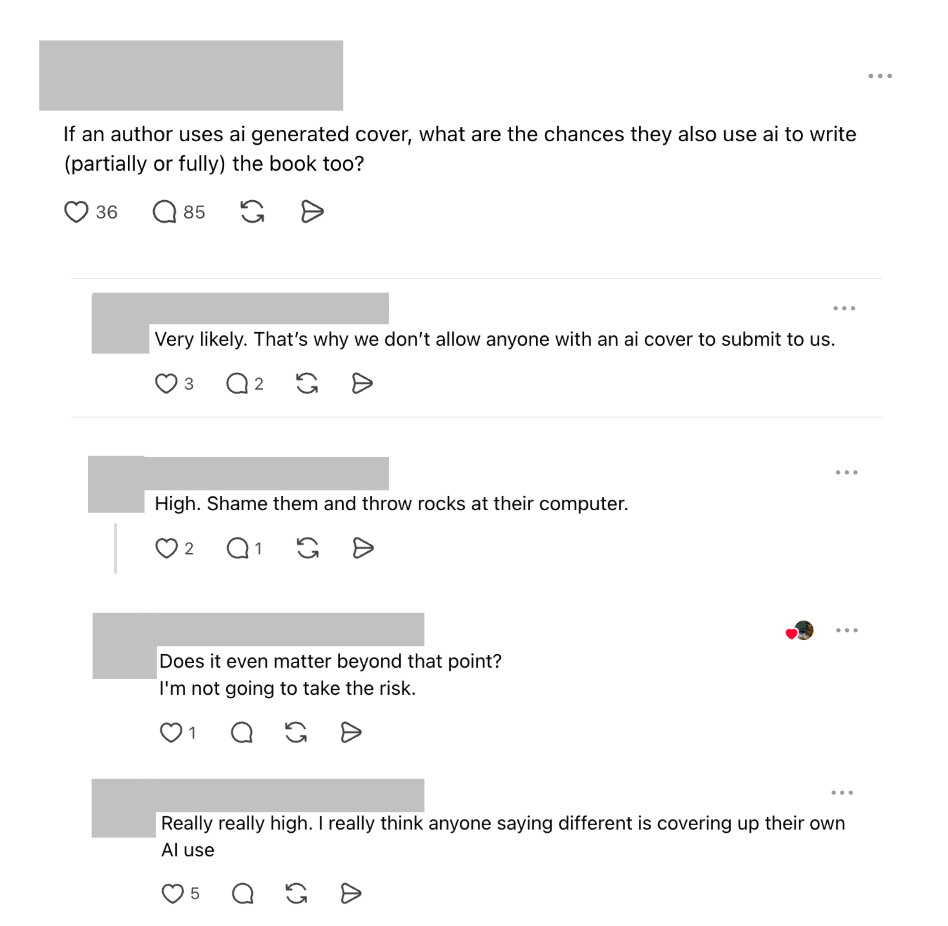


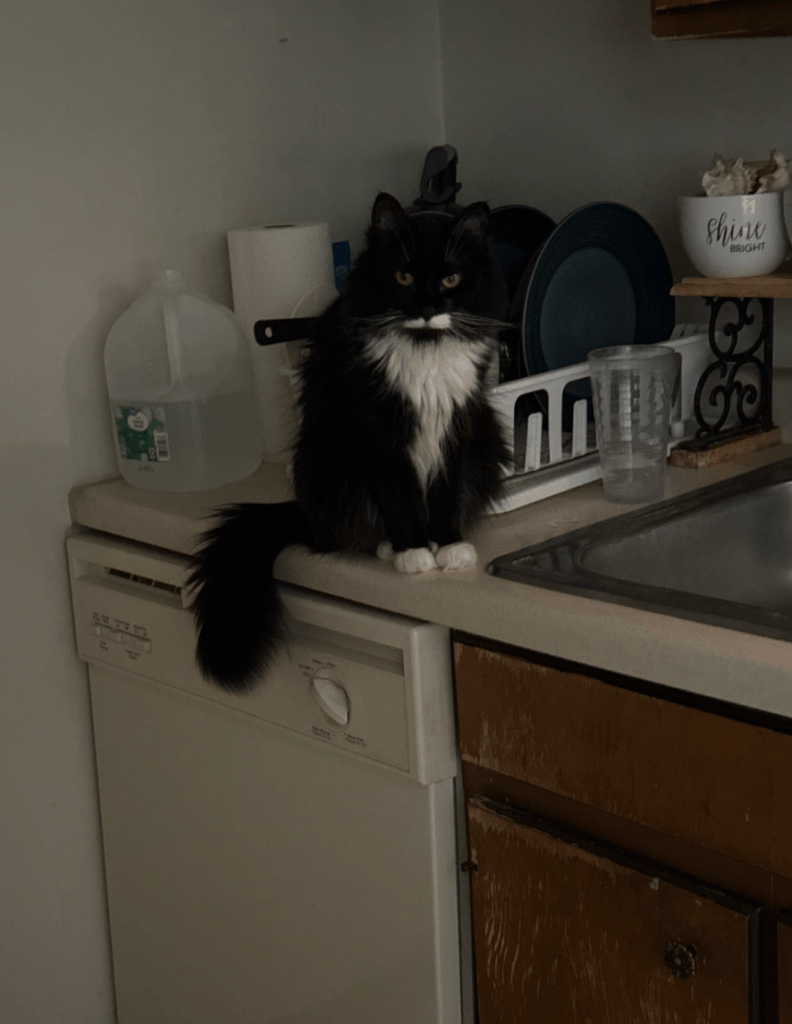
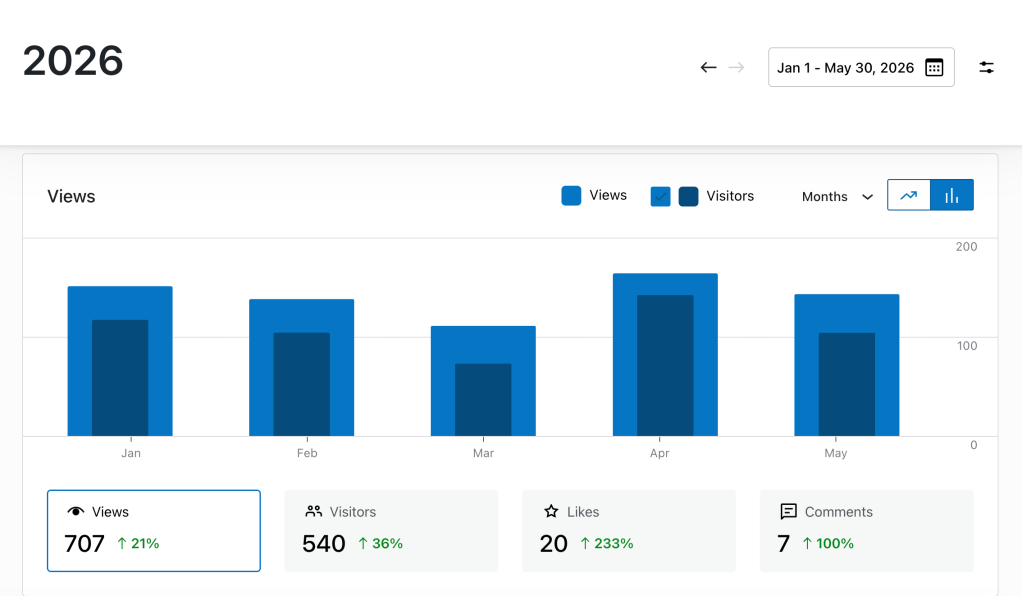
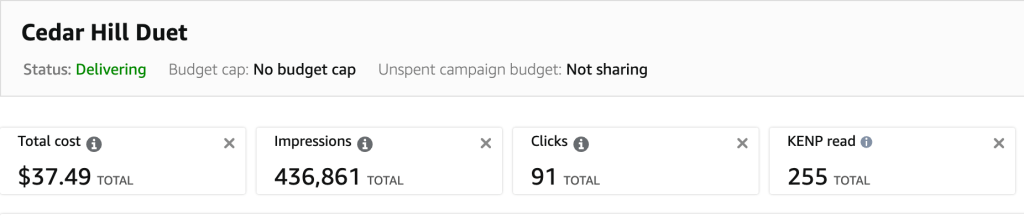
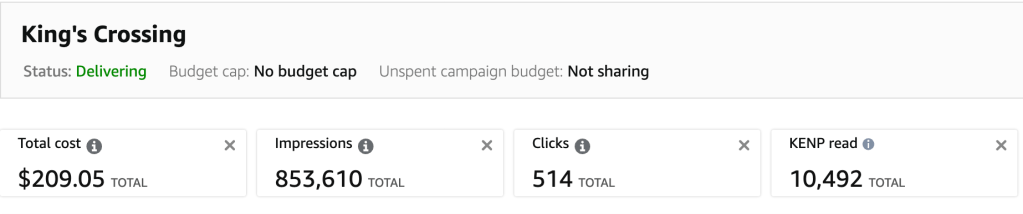



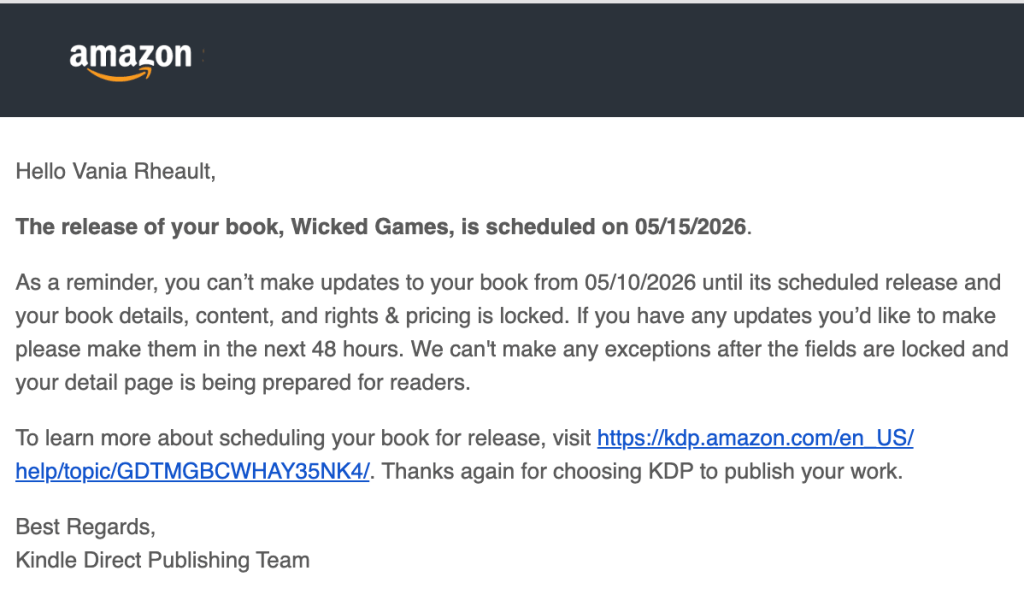

 Vania Margene Rheault