Four Things I Learned Editing My King’s Crossing and Rocky Point Wedding Series

1,933 words
10 minutes read time

For the past several months, from October of 2023 right after I published A Heartache for Christmas until January of this year, I was editing. I was editing my King’s Crossing Series, doing the final editing passes since I had sat on those books for over three years after I wrote them, and my Rocky Point Wedding series since I hadn’t looked at them since I published at the beginning of 2020. After so much time had gone by, I knew they could be better, and since a few people here and there were finding them, I thought while I was between projects, it would be a good time to edit them again.

But, editing ten books in a row dragged me down, so much so I didn’t even realize how icky I was feeling until those projects were finished and I started having fun writing again. Huge projects are a lot of work, especially when you don’t have help. My Rocky Point Wedding series might not have needed more editing if I’d had help in the first place, on the other hand, a lot of time had gone by and a lot of words too, so I was bound to get better regardless.

Since I doubt I’ll ever edit ten books back to back again, I thought I’d write out the four things I learned while editing these books.

Time between edits is really helpful.
When I wasn’t feeling well, I wrote nonstop. I would finish a book and move on to the next with barely a break. Before I knew it, I had several books on my computer and a different kind of anxiety started weighing on me. What was I going to do with all those books? So, while I was writing, in a way, I was taking a break from the others I had written before. I think my King’s Crossing books benefited the most from that because each time I did an editing sweep, I added more details I hadn’t thought of before and fixed inconsistencies I missed. As more time went by and I could edit with fresh eyes, I was able to fix the smaller and more intricate details and inconsistencies. I once said that something small in book two could have damning consequences in book four, but for me to remember that incident, I needed space between editing sweeps. Not everyone is going to take four years to edit a series, and I didn’t really, either, writing new books between editing sessions, but knowing how beneficial breaks can be, I’m going to try to stagger projects in the future so every editing sweep will feel “new.”

I had to develop a better memory.
Maybe it’s easier to write standalones, but while I was writing my King’s Crossing series it was difficult to remember things, and it might sound dumb, but you don’t remember what you forgot. When I was re-editing my Rocky Point Wedding series, I found a lot of places where I had forgotten things, like where a character parked her car, or when a character was supposed to be somewhere and I had him somewhere else. Also, characters had a habit of just “fading away” when I didn’t need them anymore. I was actually kind of surprised I messed that up so badly, and I could tell I learned a lot from editing my King’s Crossing series as those discrepancies were easy to spot. If you don’t have a good memory, you’re going to have to hire someone who does. I told a friend that by the time I was done editing my King’s Crossing series, I pretty much had all the books memorized. After editing them back to back three times in a row, I don’t think I had much of a choice. Now I think I have a better memory than before, though right now I’m only working on standalones and I don’t think I ever had a problem with those. I’ve gone through the standalones I have out and those were more of a garbage word sweep than anything else, maybe plumping up some scenes. But yeah, I definitely found out my memory wasn’t as great as I thought it was, but I can take steps to help with that now that I know.

Putting inside information into the books was a lot of fun, some I didn’t even consider until the fourth or fifth edit.
Probably what I loved best as I was getting to know the plot and the characters more was putting connected information from books 1-3 into books 4-6 . For instance, there’s a place in book six where Gage thinks, I bet Zane’s never gone through the public entrance of the airport, but we know in book three he did with Stella. What I loved was writing Max’s journal entries that Gage reads in books 4-6 that Max, as a character in books 1-3, wrote down. I really enjoyed writing the events of those books through Max’s eyes only for them to be interpreted into information Gage needed in books 4-6. I’m not sure if I would have even thought to do some of that stuff if it hadn’t been for the multiple rounds of editing those books went through. One of my biggest pleasures was when in book six, they need to go across the state in a hurry, and in the past Zane would drive. We didn’t really understand his fear of flying because of his parents’ plane crash until he says he’d get on a plane to save his sister.

I could tell I pantsed my King’s Crossing series a lot more than I did other books I’ve written.
I think one of the things I did the most was smooth out consistency issues, and maybe not even issues, just adding details to make books 1-3 and books 4-6 more cohesive. Because I didn’t realize that Zarah was going to get her own story until almost the very last second, that meant a lot of smoothing out books 1-3, adding details and motivations of characters to better explain what was going on. That was especially true of Max, when they didn’t really know why he was investigating Zane and Zarah’s parents’ plane crash, and the reasons he was come up in the later books.

I remember plotting out all the books in my Rocky Point series before I started writing, so the plot stuff there wasn’t too big of an issue while I was editing those, and I was happy about that. I did have one instance where I messed up and I had a character say he was doing something when he definitely was not. That was part of my memory issue too, but besides having to fix that, the plots were solid. I don’t like pantsing books because for me it takes a lot of work to edit them, but even if I had to put a lot of time into my King’s Crossing series, it was worth it in the end.


A friend and I were talking about series and how I keep details straight. Short of memorizing every single line of every single book, I really didn’t have an answer because that’s what I felt like I did, at least to the point I knew exactly the sentence to search for to get to the scene I needed to check something. I used a notebook at times, writing stuff down, but then I would never look at it again, so I don’t think writing anything down really helped me all that much. When I first decide to start a book, I write down character names and traits, that kind of thing, but once you’re five books deep into a series, that stuff doesn’t come up too often. I mean, once you establish a character’s eyes are blue, you don’t need to keep repeating it.

I think over such a long series, I had trouble more with keeping characters’ goals and motivations in check. For instance, Zarah’s therapist turns out to be a bad person, but I was vague as to how she came to be Zarah’s therapist to begin with. Once her therapist’s role became even more apparent, I could think of how she inserted herself into Zarah’s life. I’m hesitant to say that some of this stuff could have been avoided if I had written slower because I did write six books in a little over a year, and maybe that’s true, but these books were also the first 1st person dual POV books I ever wrote, so not only did I jump into a huge series, I hadn’t taken the time to learn how to write in first person after writing in 3rd all my life.

I haven’t gotten feedback on the series as a whole yet–books five and six have yet to release, and even though they were all available on Booksprout, the reviewers haven’t posted reviews of book six because it’s not time for them to. Only when feedback starts to come in of book six will I know if the series as a whole works. Probably everyone I ever tell I did these alone will think I’m crazy, but as prices go up and up, editing will be farther and farther out of a reach for a lot of authors. Which is unfortunate because if you don’t have the skill to edit your books yourself, there’s not a lot out there that can compare to a human’s feedback. ProWritingAid can only do so much, and no matter how “smart” Al is, this is just a level of editing he can’t handle.

I don’t know what the solution is. I had these beta read, both series, but you’re not going to get the kind of feedback you need to avoid inconsistencies like that unless you hire the right kind of editor and that costs. If I have to give any advice on doing something like this alone, it would be to plot, take your time writing, and give yourself plenty of space to edit, and then, when all is said and done, be okay with knowing you might not have caught everything. There probably are a couple things I missed editing my King’s Crossing series. Layers I could have added, details that would have made the story richer, but like with any book, you can’t chase perfect or you’ll never publish. That’s the simple truth.

If you’re thinking of writing a series or if you have trouble plotting in general and want to give it a try, I have a couple of resources for you (none of them are affiliate links). Next week I’ll do a proper author update, and the week after that I have a lovely interview planned with Brandi Easterling Collins.

Have a good week! Until next time!


Romance Your Brand: Building a Marketable Genre Fiction Series (Publishing How To Book 1) by Zoe York: https://www.amazon.com/gp/product/B07XMDKV1Y

Take Off Your Pants!: Outline Your Books for Faster, Better Writing: Revised Edition by Libby Hawker: https://www.amazon.com/Take-Off-Your-Pants-Outline-ebook/dp/B00UKC0GHA

Melody Loomis: How to outline a novel when you don’t know what’s going to happen:

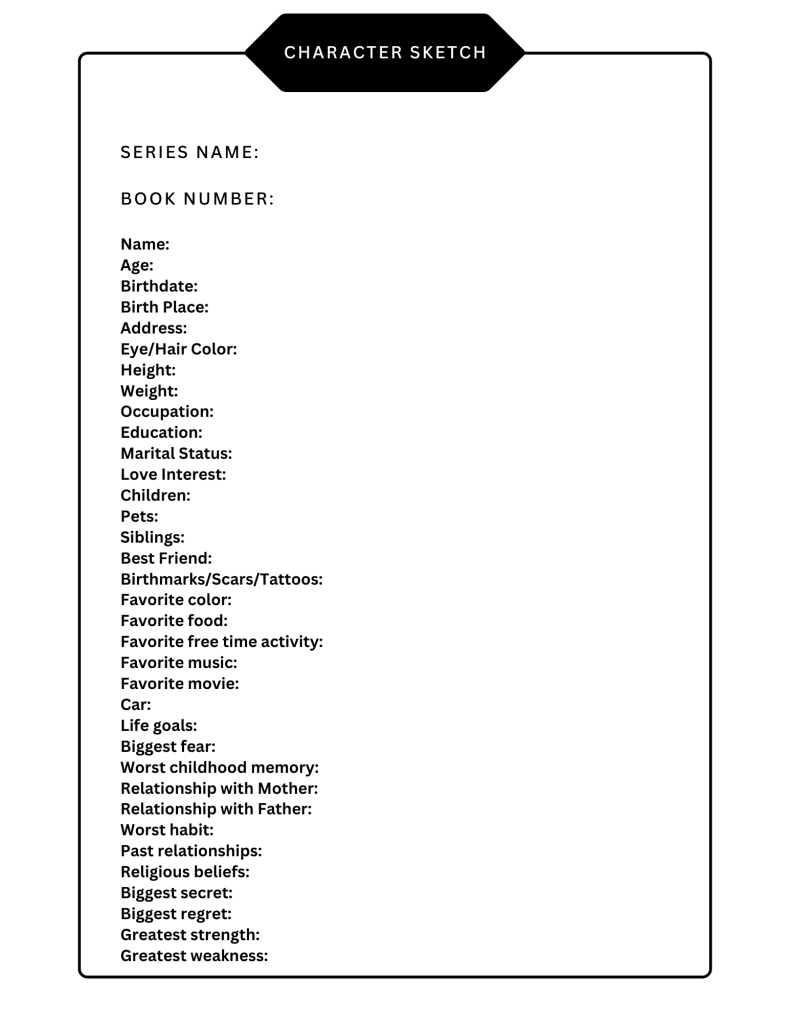
Melody also said I could share this graphic with you. She found the original via Priscilla Oliveras’s “Romance Writing” course and you can find it here: https://www.ed2go.com/courses/writing/writing-and-editing/ilc/romance-writing. She added a couple of things and so did I. Have fun filling it in–I’ve only used a notebook to write all these things down, but maybe I will try this instead. Have fun plotting:

save and print me!

Policing Other People’s Work

Words: 1225
Time to read: 6 minutes

This isn’t as fun as it looks.

One thing that has always puzzled me about authors is their need to police other people’s work. I see it all the time, from the authors who defend their right to leave bad reviews (thinking they’ll teach that author how to write correctly) to people who are loud and proud about the books they do not finish (DNF) for whatever reason. I came across this jewel the other day, and I gave myself a cookie for not responding:

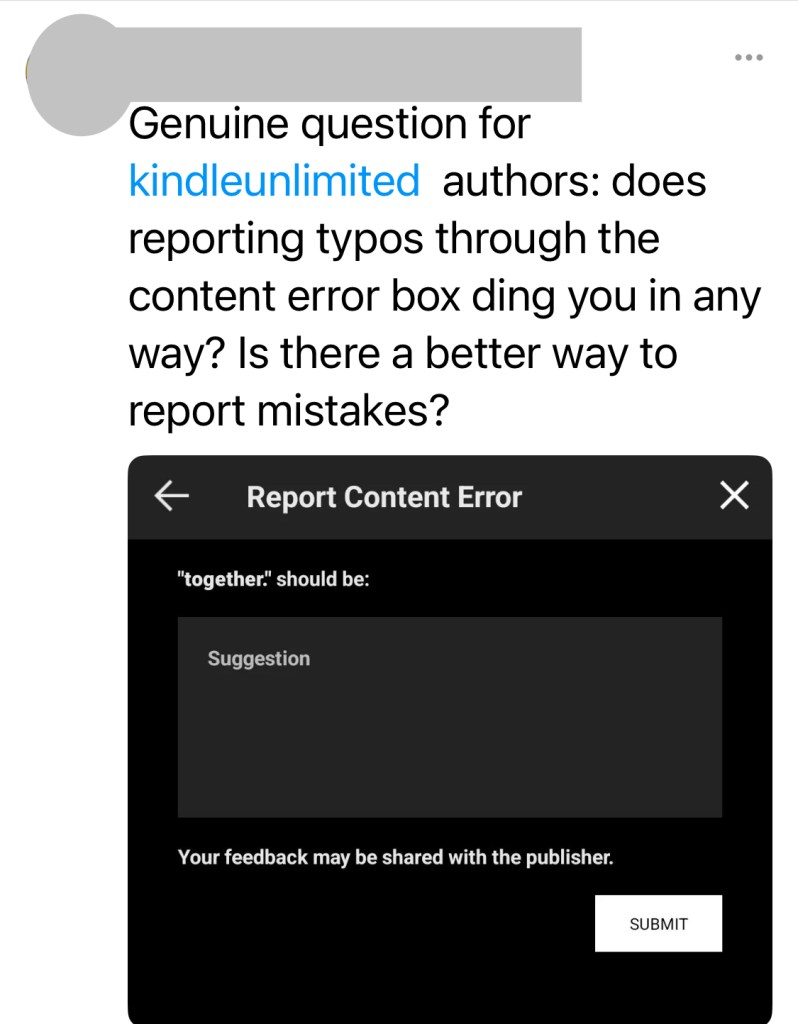
genuine question for kindle unlimited authors: does reporting typos through the content error box ding you in any way? Is there a better way to report mistakes?

Picture of reporting screen on a kindle

I actually see this a lot, with authors who are asking if it’s okay to email other authors about mistakes, or direct message them to inform them of errors. This isn’t the first time I’ve seen someone ask about the actual reporting feature on a Kindle either, and it just makes me so confused as to why someone would waste the energy to do something like this while they’re supposedly reading for pleasure.

This is one of the big reasons I don’t promo my books where other authors hang out. I have never met a more judgmental or pickier group. And not only are they judgmental and picky, they are not afraid to let others know. The reporting system on a Kindle is anonymous, but just the fact that she posted that on Threads tells me she actually uses it, or wanted to use it. Maybe the responses changed her mind, but knowing she would think about it gives me the ick and I don’t want her reading my books.

I’ve given this some thought as to why authors would want to police someone’s book:

So they can feel better about their own writing. I know this is a pretty crappy reason, and maybe that tells you something about me that I mentioned it first. I think the worst of people? Maybe, but I’ve also seen it enough that I do think authors enjoy being able to report typos or call a book out for bad editing. They like to feel like their books are better than someone else’s. It’s not a terrible thing, really. I think we all have read a book that we thought was bad and said, “If this book is a bestseller, then my books have a chance.” We need the validation, but that’s not a good way to go about getting it. Putting someone else down, even in the guise of being helpful, will never lift you up. It might make you feel better for a little bit, but as most authors become aware, what goes around comes around, and someone reading your book may not take so kindly to your typos, either. And trust me, no matter how many times you go through it, you’ll publish your book with a couple.

They really do want to be helpful. I don’t jump completely to negative assumptions–there are authors out there who genuinely want to tell an author what the problems are in their books so the authors can fix them. The problem is, not everyone has access to their files. If they’re traditionally published, or if they’re published by a small press, telling them about the typos, or plot holes, or that the male main character’s eye color changed halfway through the book, won’t help. You can report it, sure, maybe eventually Amazon will alert the author of the quality issues and prompt their publisher to submit the edits (from what I know this would be very unlikely), but what good is that going to do? You can email, but if every person emailed that author about their typos and they can’t do anything, think of how defeating that would be. You get an email once a week about an issue you can’t fix….how demoralizing that is. Detrimental to that author’s mental health, even. So you being helpful can turn into anything but being helpful.

I understand that you might want to help an author fix their book, but after publication is not the time for that. If you truly want to help, help a writer beta read, or offer to proofread. That book you’re so eager to give feedback on, that book could have gone through multiple rounds of editing, or maybe that author couldn’t afford an editor at all, did the best they could, and you’re rubbing salt in their wounds by needing to mention all the typos, words used in the wrong context, and punctuation errors.

Writers and authors have a really difficult time turning off their editing brains to read for pleasure. It’s part of the reason I don’t read as much as I should. It’s difficult for me to find authors whose writing styles I mesh with. Sometimes I don’t like the author’s voice from the first page, and it takes me a chapter or two to let go of my dislikes and get into the story. I, too, am picky, and I dislike characters who don’t act their age, or dual point of view books that have too much of the female point of view and not enough of the male’s. I’ve read books where the author couldn’t decide between past and present tense, books where the author (or editor) didn’t know how to punctuate dialogue. Books that didn’t take time to flesh out characters. Never, not in my wildest dreams, have I ever wanted to report an error through my Kindle, email an author, or direct message them. I would never take the time to edit a book like that or tell them that something they were doing didn’t work for me. Chances are really good that they wouldn’t care anyway, so when you think about reaching out to an author, figure out what you want the outcome to be. Do you want them to thank you? Is gratitude what you’re after? Will you be disappointed if you don’t get a response? What would you say if they wrote back and said, “Thanks for letting me know, but I’m published with a small press and I can’t do anything.”? Apologize for saying something? Not respond? Get embarrassed and crawl into a hole? Because that’s what I would do if that happened to me. You have no idea what an author’s circumstances are, and even if you are coming from a sincere place of wanting to help, you could be doing more harm than good.

I’ve known authors who police books, giving “honest” reviews, or even editing snippets of books on Twitter, and it’s never great when it comes back to them (and Karma’s like a Boomerang–it will). I keep my nose out of people’s business. Years ago I used to write “honest” reviews, too, even some on this blog that I have since trashed because it was a hard lesson learned that no one is better than anyone else and we’re all in this together.

If you just can’t stop yourself from emailing an author, at least offer to beta read their next book or join their ARC team. Offer some help instead of just emailing them a list of typos and expecting a thank you. Be kind and realize that they may actually not want your help. They might not be able to do anything with it, anyway. I’ve seen vindictiveness and I’ve also seen it returned. Instead of focusing all that energy on someone else’s book, concentrate on yours. It will be better spent.

Editor Interview: Kimberly Hunt

I met Kimberly on Twitter some time back, and I’m a member of her Facebook group, Revision Division. We’re also members of Romance Editor Q & A since I do a little editing myself and keep up the skill not only for my own books but for those I edit for on the side. I appreciate Kimberly’s time, and I hope you enjoy the answers to all the questions she so graciously filled out for me.


Introduce yourself! How did you get into editing and what are your qualifications? What genres do you enjoy editing most?
C.S. Lewis said “You are never too old to set another goal or to dream a new dream.” This is exactly what I did. After twenty years in the corporate world, I took a sabbatical and it shook my world to realize how amazing it is to fill my day with activities I’m passionate about. I have always enjoyed my work and the companies that employed me, so it was jarring to realize I could be happier. Before I set off on a vacation volunteering in Peru, a friend of the family asked if I’d read a novel he’d written. The story was amazing, but I couldn’t get past the number of errors. This was my inspiration to look into copyediting. My natural ability to spot punctuation, usage, grammar, and spelling errors lent itself well to copyediting, so I took courses to start there. My education introduced trusted resources like dictionaries and style guides and working with publishers taught me how to create and maintain a style sheet for consistency. The more advanced courses I took revealed my true passion is earlier in the process, with developmental editing. I love assessing the big picture elements like structure, plot, pace, point of view, and character development to help writers improve their stories. I love editing romance the most but I also enjoy editing women’s fiction, mystery, and psychological thrillers. I’ve edited all heat levels and time periods but prefer steamy contemporary.

There’s the saying that a writer needs to write a million words before they can write something publishable. Do you agree with this? Why or why not?
Whoa, that’s a loaded question without a simple answer! On one hand I don’t agree with the limitations of hitting an exact word count and refraining from sharing your work until it’s perfect. We grow and learn from making mistakes. I definitely don’t think writers should wait for an arbitrary milestone to publish. On the other hand, I agree with the sentiment of the saying where putting in the hours and the work makes for a better quality product in the end. Have you read Malcom Gladwell’s Outliers? He has a point about it taking 10,000 hours to become exceptional at something.

What is the biggest mistake you see indie writers making right now? (For example, info dumps at the beginning of their book, not enough conflict, too much tell vs. show, etc.)
I’ll admit I had to give this question some thought because I see such a wide variety of manuscripts with different issues. Considering both the unpublished manuscripts I edit and the completed books I read for pleasure, I’d say the biggest challenge seems to be related to pace because conflict is tricky. Many authors struggle to create believable conflict that escalates. Each chapter needs a purpose where the complications grow and the consequences are impactful. Many of my developmental editing projects require suggesting solutions for improving chapters without clear purpose. It’s hard to move the plot forward if the reader doesn’t know what the character wants, why they want it, or what stands in their way.

There’s a lot of talk about whether or not it’s necessary to have a manuscript edited before querying. What are your thoughts?
Most of my clients are independent authors, but I have helped several writers improve their story and polish with a copyedit prior to querying. I have more than one data point for authors gaining representation and eventually signing publishing contracts, but I can’t take credit for those achievements. Their storytelling talent far outshines my knowledge of where a comma goes. But as a businessperson who has reviewed cover letters and resumes before hiring someone, that first impression needs to be solid, so editing before querying could be beneficial even if it’s not required.

How do you keep the author’s voice intact while also guiding them with suggestions on how to make their book the best it can be?
Great question! My job is to point out both what works well and areas for improvement. I give suggested solutions in comments or in a revision letter for the more lengthy explanations. Changes made directly in the manuscript are usually corrections to indisputable errors. I reference Merriam-Webster dictionary and the Chicago Manual of Style to support the corrections I propose. When line editing, I tread carefully to make sure I’m respecting the author’s voice while keeping concision and clarity a priority.

Is there ever a time when a book would require too much work? What do you tell a writer whose book isn’t ready for a professional edit? What resources do you refer them to?
This has happened a few times. Sometimes an eager writer finishes that first draft and jumps to the editing stage too soon. Revision and self-editing are recommended in these cases and I often provide resources for finding critique partners or offer to take on the project as a writing coach instead if the manuscript isn’t ready for editing yet.

What advice can you offer an author who can’t afford a professional edit? Are there things they can do to sharpen their own self-editing skills?
Definitely! These tips don’t replace the value of working with a professional editor, but they do offer some cost-savings if you can self-edit as much as possible first. I have a bunch of videos and blog posts on this subject on https://revisiondivision.com/tips but here is my best advice: read aloud to yourself, others, or have Word read it aloud to you. You’d be amazed by how much this trick catches. It will highlight awkward flow and bring attention to missed words and sneaky errors.

As an editor, it’s important you’re honest and give critical and actionable feedback. How do you offer this feedback so a writer doesn’t take it personally?
Diplomacy. I aim to provide valuable feedback through constructive criticism AND praise. By pointing out a writer’s strengths and showing in their manuscript where something works well, they learn and grow. On a scale of one to ten, with one being a Positive Pollyanna and ten being brutally honest, I’m probably a moderate four. I’m a professional and my training emphasized how to provide actionable feedback tactfully.

Are there any other tips or thoughts you would like to add about editing or publishing?
Adding on to that last question, I’d like to encourage writers to expect good and bad feedback. But they shouldn’t react right away in order to avoid an emotionally defensive response. Edits can be overwhelming. After initially receiving feedback, it’s a good idea to set it aside and digest. See what resonates and come back to it later to make a plan for revisions. Most importantly, do not give up.

Thank you for this opportunity to talk about something I’m so passionate about. 😊


Thank you, Kimberly, for your time!

How to find Kimberly:

Website: https://revisiondivision.com/
Twitter: https://twitter.com/RevisionDiv
Instagram: https://www.instagram.com/revisiondivkimberly/
Facebook Group: https://www.facebook.com/groups/2376033425801031

Monday Author Update: Spring is Here!

There isn’t a whole lot going on with me–I’m in surgery today and I have some great guest posts lined up for the next three weeks. Barbara Avon is writing about being a multi-genre author on April 4th. She’ll also have a new book out by then, so watch for that! Vera Brook will be blogging about the benefits of writing short fiction, and that will post on April 11th, and I interviewed Paranormal Romance and Urban Fantasy author SJ Cairns for the 18th. That interview will have a giveaway, as well, so make sure you pop in!


I’m still plugging away trying to rewrite sentences to “take” out take and make out of my manuscripts. Those are just two crutch words I fell back on when I switched to 1st person present and I didn’t notice. After this series, I’m going to read over my reader magnet again and buff that up. While I start to build my newsletter signups after I edit my reader magnet one more time, I’ll have to edit my duet again. I mean, those words aren’t crazy to the point where the books sound bad or I would have hopefully noticed a lot sooner, but I can’t deny that the sentences are stronger when they’re rewritten. It’s such a drag, especially since I probably used those words in ALL my books, and I have two more books in a series I started and four more standalones that I’ll need to re-edit.

If you want to know what I’m talking about, I’ll give you an example:

Zarah will have that same power. I see glimpses of it when she’s feeling good. It makes me proud of her, but her legacy isn’t something I can comprehend.

This is a sentence from the fourth book of my series. You can see the “makes me proud” part of that sentence. I do that…all the time. In this example, it’s easy to fix it from that to simply, I’m proud of her, but her legacy isn’t something I can comprehend.

You might not think it’s a big deal, but when I do this 250 times in an 80k novel, it’s a bit much.

Another example is something like this: She stands from the couch and takes the pill bottle I gave her off her desk.

Rewriting this is simple too: She stands from the couch and lifts the pill bottle I gave her off her desk.

I use “takes” a lot as a verb (I used the word on average 200 times per novel) and it’s as boring as “got” and “get.” (In the book I’m reading now–the author uses “get” 300 times, and “got” 164 times, which is really distracting. But she doesn’t have my problem, and she uses “takes” only 70 times. Haha. We all have our issues.)

It’s not difficult to find a better verb, and the sentence is stronger and reads better.

As I said, it’s not time consuming, but when my brain is stuck, figuring out a different way to say the same thing can be difficult.

That pushes back my launch of my duet even longer than I had anticipated, surgery aside, but I’m trying to convince myself that’s a good thing. I want to launch this pen name strong, start off with a solid foundation because I’m tired of doing things the wrong way and wondering why nothing is working. And the very last thing I want to do is publish a book and have to re-edit it. I hate that. Part of my process for this new pen name is to try like hell not to mess up a release so I don’t have to go back and fix anything.

So, that’s my life. Editing, trying to set things up so I can launch my duet. My best hope now is to have my duet out this summer sometime. I don’t need long to re-edit a book, but sometimes I feel like it I need a lot of brainpower to rewrite a sentence. It’s actually pretty easy, but when your brain is stuck on something, you need to jiggle it loose and figure out another way to say the same thing. I don’t aim to take out all of them–I believe you can edit so much you edit out your style and your voice and I don’t want to do that–but now that I see them, I can’t unsee them, and I can see where my brain would get stuck in that rhythm while I was writing.


There’s a lot of talk about writing conferences this year, but I’m not going anywhere. Not because of COVID, just because I have so much in virtual stuff both paid and free to get through that I don’t have time to go anywhere. As much as I would love to be able to network in person, I would like to have some books out too, so I’m focusing on editing, publishing, and building my newsletter through social media while trying to consume the content I’ve paid for.

On a happier note, I looked at MailerLite’s emails, and they aren’t getting rid of their classic design. I don’t need to redo or relearn anything when it comes to my newsletter, so that was welcome news. But since I upgraded to a BookFunnel’s integration I’ll need to figure that out before I start promoting my reader magnet.


The Six Figure Author Podcast with Lindsay Buroker, Jo Lallo, and Andrea Pearson is ending soon. I was pretty bummed when they announced it during their last episode, but I can see where the podcast would be time consuming. Jo said in the comments of this episode they’re leaving their FB group up, so that’s nice. It’s a great resource for indie authors, and maybe they’ll post their career updates there instead of sharing on their podcast. If you want to listen to their latest episode, you can find it here:

I will try to update you all when I’m feeling better, probably on a Thursday since Mondays are booked for the next three weeks (which takes a lot off my mind) and I’m thankful I have friends willing to help me when I’m in a tight spot.

I hope you enjoy the guest posts and enjoy the warming temperatures! I know I will.

Working on your craft: Can you publish without an editor?

So, there was an interesting question that came up in one of my Facebook writing groups, and essentially, she asked, Can you really make a living publishing without an editor?

Considering that’s what I’m trying to do with my new pen name because I can’t afford to hire out, it piqued my interest.

All the answers, as you would imagine said, of course you need an editor. I was the only one who said, not so fast. There are a lot of variables when deciding something like that, and some of the questions I threw back at her were, How long have you been writing? Have you ever gotten feedback before, like, ever? Do you have a good memory to keep track of your own (in)consistencies and details? If you don’t know how to write a catchy beginning, avoid a saggy middle, create interesting and meaningful character arcs, and know your grammar and punctuation backward and forward, then you’ll probably need help. (It also helps immensely if you know what you don’t know and have the wherewithal to look it up.) During the first couple of years when decided to try write books to publish, I needed help, and I did use editors and beta readers. That was back when I had a large circle of friends who were willing to trade or charge very little and we all came through for each other. Now most of those friends are gone, and I’m alone. I said in my post, if you’ve written enough words to find your voice and style, then you’re one step ahead of most newbie authors. I’ve edited for a few new writers, and no amount of good editing will fix bad writing. The writer first has to give you something to work with, and if s/he doesn’t….

If you, or the original poster of that question, are looking for an easy way out, there isn’t one. Writing is like any other skill and it takes practice and a knowledge of the genre you’re trying to write in.

I admit, I love a writing craft book, and I read them all, but some of them get too formulaic, and I can’t follow. I tried reading Save the Cat! Writes a Novel: The Last Book On Novel Writing You’ll Ever Need by Jessica Brody, and it just wasn’t for me. (She also has a blog that you may find helpful.) The way Jessica broke down a novel’s components made my head spin. Another book I’ve read, (though not recently) is Romancing the Beat: Story Structure for Romance Novels (How to Write Kissing Books) by Gwen Hayes. Romance authors a million times over swear by this book, but I just couldn’t make it work for me. And it’s not because I’m a pantser and want to write as I discover the story. I’m a plantser, and have a general idea of how I want the story to go, what the characters’ backstories are and their emotional wounds from their pasts that haven’t healed and how they affect their futures, which is what any romance book is about. But turning writing into a formula, or consciously chopping up my plot into the three act structure is really difficult for me to grasp and I can’t do it. The only two things I do with regards to planning that way is making sure something happens at the 50% mark to avoid the saggy middle (the Mirror Moment as James Scott Bell calls it), and breaking up my characters around the 75% mark, because that’s most what romances do. To be honest, them breaking up and thinking all hope is lost is my favorite part of any romance, and I would do it anyway.

When you’re a new writer, betas or developmental editors are valuable. They’ll tell you where the story drags, if you’ve rushed your ending, if your characters have no substance, and over time, if you listen to their feedback, your writing will smooth out and you’ll start to include those elements naturally. I don’t think any writer who is writing a debut novel will have all that figured out, never mind having written enough to find their voice and style. It’s why whenever I see a writer saying they are querying their first ever book, I say good luck, because chances are, your book will sound like you’re a brand new writer, and an agent can’t sell that.

It’s really not fair, because a lot of good writing comes from gut instinct, or following an intuition that you’ve honed over a million words. You develop your own formula based on genre expectations and how you twist those reader expectations to make your tropes fresh and new. All that comes with practice and listening to feedback.

Once you have your voice and style down, once you know you can deliver to your readers, then yeah, I think you don’t need an editor, not someone who will deep-clean your manuscript, though it does mystify me how many people get angry when I say it. (I even left a Facebook group over it.) I don’t know if it’s because they resent having to use an editor, or are just defensive of indie publishing as a whole and how much crap is published on, let’s face it, a daily basis, or what. I really don’t know what makes people so mad when I say it, but that doesn’t make it less untrue. Besides, no one has any idea how hard someone will work not to need an editor. I read craft books like crazy, read in my genre (though not as much as I should) and write. Maybe that’s the issue people have? They aren’t writing? Look, it doesn’t matter who you are, you need to practice to get better, and that goes for anything you want to try to master. Olympic gold medalists have been honing their skills in their chosen sports since childhood. Same as musicians. But I suppose if you have twenty hours a week to write, and you’re talking to someone who only has five free hours a week, yeah, maybe there will be a little resentment there. I write a lot. I don’t have many friends, I work from home, I don’t go out much. When I’m not working, doing chores, running errands, or going to Tuesday movie night with my sister, I’m writing. That’s not something I’m going to apologize for, and neither should you if someone is giving you a hard time.

In reality, it’s a moot point, anyway. I know 6 and 7 figure authors with one-star reviews that say they needed an editor, when I know that hiring an editor is part of their publishing process. You won’t please everyone, so you might as well be honest. If you need help, get help, and if you can write a good story without help, don’t worry about it. You can’t achieve perfection, and I’ve already said this will be the last time I go through my 6 book series. I will ALWAYS be able to find something to change, but I need to let them go. I’m tired and I have many other stories in my head that I want to get onto the page.

So, how do you make your writing better, level up so you don’t need an editor?

Read a lot in your genre. A lot of developmental editing is finding those tropes and elements that make your genre what it is and helping you meet those reader expectations. You won’t know what those expectations are unless you read a lot in your genre. I know this stinks like writing to market, but every genre, be it romance, domestic thrillers, detective novels, have elements that you can’t leave out or you’ll just make readers mad. Writing a good story is all about the overall picture as much as knowing where your commas go.

Listen to feedback early in your career. When I first started writing again, it took me a lot of feedback to find my groove. My very first beta who volunteered pointed out all the “justs” and “thats” and that was my first lesson in filler words. That was a great start to learning what I was doing wrong. Another beta/editor told me to trust my readers because I had a habit of “reminding” them of what they’ve read in previous chapters. That was another great lesson, and one I still apply today when I find myself rehashing information. Repetition is tedious and boring. Echoing was another thing people pointed out to me, and I still do it, and it’s part of my editing to delete or replace repeated words. That’s one of the reasons why I’m going through my series again when I thought I was done. Because I found a couple of words that I used over and over and over again and I wanted to tighten up my sentences. Those are words I will always watch out for now, and you can make your own list of filler and crutch words to refer back to when you’re creating your own editing process.

Work on new projects. I learned a lot working on different books, and it’s the only way you’ll be able to practice crafting an engaging plot. As Kathryn Kristen Rusch says, rewriting will only teach you rewriting. You need to work on fresh projects to move forward.

Realize it will take time. “They” say you need to write a million words before you find your voice. I think that’s true–I wrote a 5 book fantasy series that will never see the light of day, plus a few novellas, and a book that would turn into book one of my first trilogy before I found my stride. That was in 3rd person past. I wrote a quarter of a million words in first person present before I found my voice in that POV, and I can tell reading through my series. That’s why I was so paranoid editing these books–I wanted book one to sound like book five, and it did take me a few extra thousand words added to books one, two, and three for them to smooth out and sound as good as books four, five, and six.

I feel bad for the beginning writer with no writing friends or money for resources. But as they say, if you don’t have money to spend, then you have to spend time, and that might mean swapping projects with another author who is in the same position as you. That’s not a bad thing. You can learn a lot editing for someone else, so it’s a great idea to join author groups on Facebook and make friends with authors who write in your genre. You’ll get help, and you’ll help others, so it’s a win-win for you and your writing career.

This was a very long introduction to what was supposed to be a list of craft books that have helped me. I linked to Save the Cat Writes a Novel and Romancing the Beat above. Just because they didn’t work for me, doesn’t mean they won’t work for you, and you should definitely give them a try.

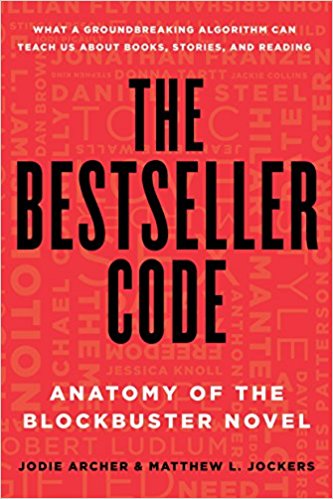
It’s surprising but one of the books that helped me a lot isn’t necessarily a craft book. It’s The Bestseller Code: Anatomy of the Blockbuster Novel by Jodie Archer and Matthew L. Jockers. This breaks down why bestsellers sell the way they do. This might be my favorite book in the whole world because it mixes craft and the publishing industry. I love it. I can’t recommend it enough.

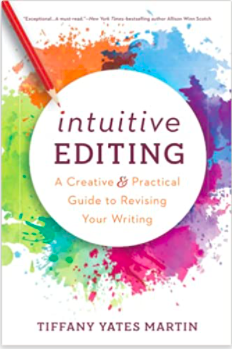
The second book that changed my life is Tiffany Yates Martin’s book, Intuitive Editing: A Creative and Practical Guide to Revising Your Writing. I love everything about this book. She reminded me about conflict, character arcs, character motivation, and stakes. Important elements that, if you skip or miss, will make any book fall flat. You need tension, and this book will help you find it. There’s even a section that mentions other editing resources if you can’t hire out. If you like audiobooks, she posted on Twitter she narrated it herself! (She also blogs, and you can sign up for her newsletter.)

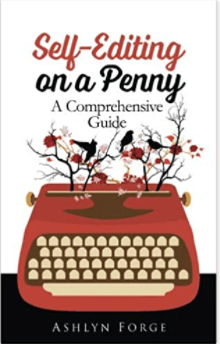
Though I haven’t read it for a long time, it was one of the first self-editing books I ever read, and it helped me a lot: Self-Editing On a Penny: A Comprehensive Guide by Ashlyn Forge.

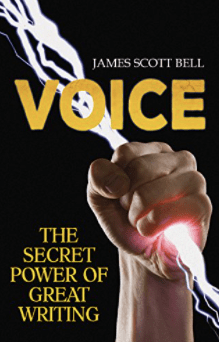
This book made so much sense. It was a real eye-opener, and now I recommend it to every new author: VOICE: The Secret Power of Great Writing (Bell on Writing) by James Scott Bell.

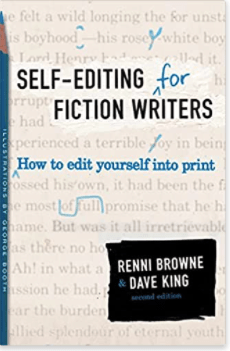
When I went to the Santa Barbara Writer’s Conference a few years ago, every agent in attendance said this book is a must have. I do have it, and it’s a great resource: Self-Editing for Fiction Writers, Second Edition: How to Edit Yourself Into Print by Renni Browne and Dave King.

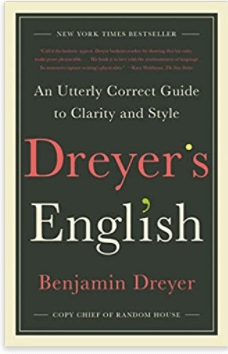
Someone recommended this book to me, and his sense of humor keeps this book from reading like a textbook–it was an enjoyable read, and I also learned a lot: Dreyer’s English: An Utterly Correct Guide to Clarity and Style by Benjamin Dreyer.

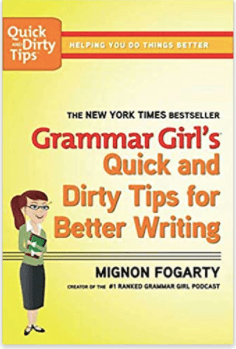
And last, but not least, Mignon Fogarty’s grammar guide is a must have. Written in a light, conversational tone, Grammar Girl is easy to understand, and she goes through everything you need to learn grammar and punctuation for all of your writing projects: Grammar Girl’s Quick and Dirty Tips for Better Writing (Quick & Dirty Tips) (Quick & Dirty Tips)

This post turned into its own animal, and that’s okay. Thanks for reading if you’ve gotten this far. In an age where everything is pay to play, including beta readers, even if you have plans to hire out, making your manuscript as perfect as possible will save you money. The less your editor/proofer has to do for you, the better for your wallet. You’ll never regret teaching yourself as much as you can. I haven’t.

Thanks for reading!

***Per usual, this post does not contain any affiliate links, and the book covers are screen grabs from Amazon.

Friday thoughts and author update.

Okay, so, I’m not doing too much lately besides writing. I’m 21k into the second book of my duet, and I’m liking the story. The loose ends I left in book one are just enough to anchor book two, and I have a pretty good idea of where the book needs to go and how it’s going to end. I don’t always have the end scene in my head when I’m starting out, and I need to get back to doing that. It makes things a lot easier for me.

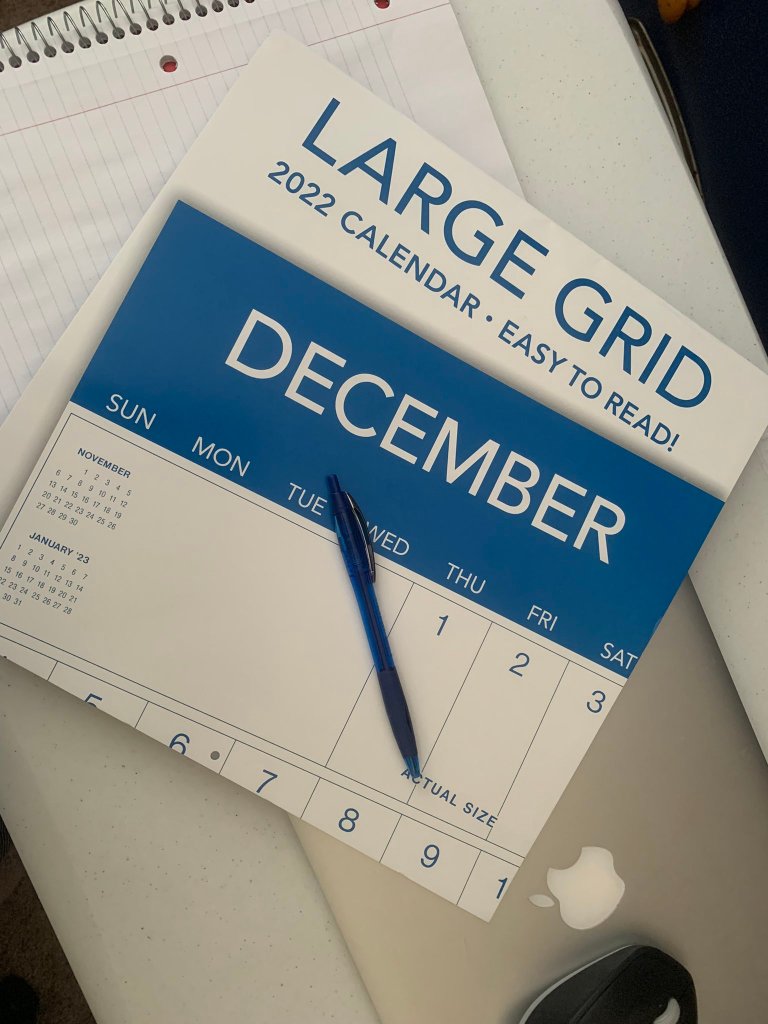
In the spirit of planning, I bought a large grid calendar for 2022.

I want to start planning out my releases and along with the releases, figure out a launch plan for each one. Tentatively, for 2022, I’m going to release book one of my duet in March or April, release the other one in about 10 weeks after that, a standalone that I’ve already written 10 weeks after that, and a billionaire Christmas novel in November because I’ve never done a novel specifically for Christmas and I would have plenty of time to write it.

That brings me to my releases for 2023, and all those books are written (though I will need to proof them, format them, and do the covers), and as I release my six book series during that time, I’ll finish the other series I started (two books in, four to go).

It feels good to have a plan, and the schedule of three-four books a year will give me breathing room to keep writing. I never want to be in a position where I write and release, write and release. That’s too much pressure to keep consistency going, and I would feel better to stay ahead in case something happens and I can’t write. To keep a schedule going requires motivation, discipline, and organization and that is something I’m going to work on in the years ahead. Banking books has helped, but I have to admit, the thought of dumping them all on Amazon has an appeal.


I’m still working through some of the 20booksto50k videos on YouTube from their giant conference in Las Vegas in November. My favorite one so far has been with Sarah Noffke. She really is so inspiring. I think I might have mentioned once before, but if I have and you haven’t watched it, I hope you do. It’s worth your 45 minutes!

There are still a lot of amazing presentations I want to listen to, but because I have such terrible tunnel vision, the only things I’ve been working on right now are book two of my duet and this blog. I’ve missed some webinars, and I need to watch the one I paid for via Jane Friedman and her courses. There was another one that I signed up to watch live, but because I was writing when Zoom notified me it was beginning, I skipped it, too, but luckily it’s part of the Author’s Guild Business Bootcamps for Writers, and you can watch the replay on YouTube here. Also if you want notifications of when things like this happen, bookmark this site!


What am I loving this week?

Two things about editing caught my eye, one is the course hosted by Jane Friedman with Tiffany Yates Martin. I love anything that involves Tiffany, and I signed up for this course right away. I hope I can watch it live. There are so many people who are “editors” these days, some have a legit business, while others offer the service when they shouldn’t be editing a gallon of milk. (Hey, if your book has a review that says you have typos and/or grammar and spelling issues, you shouldn’t be offering to edit someone else’s work–especially if you intend to charge them for it. Thank you for coming to my Ted Talk.) With that said, even if you find someone who knows what they’re doing, you may not know if they are a good fit for you. Hiring an editor is an investment in your book and your business and you don’t want to waste that money! Take a look at this class about finding an editor that is a good fit for you!

If you want to register you can do so here.

The other thing that pertains to editing is Roz Morris’s blog post on dealing with feedback and accepting developmental edits for your book. Getting edits back at all can be really hard on any writer, myself included. A while back I did my own blog post on how I reacted to feedback, and you can read it here. I’ll probably be all about editing for the next little while because even though I’ll be jumping right into a reader magnet (no really, I can’t keep going without one) I have a lot of books to edit and in the words of Elana Johnson, package, in the next little while.

It’s nice to be busy, and I’ll be more careful than I have in the past with lists and trying to be organized. If I find something that works, I will pass it on to you!

Have a great weekend ahead, and I hope you find these resources helpful!

Thanks for reading!

Thursday Thoughts, Kindle Vella, and where I am right now.

I feel like I’m running on a treadmill. I’m making progress toward my health, mental and physical, overall, but hell if I’m going anywhere. That’s how this phase of my writing is going.

It’s tough feeling like you’re not going anywhere.

I’m finished listening to the first book I’m going to release–a 1st person billionaire. There is still a lot to do before I can even get my hands on a copy of the proof, and I’ll create a checklist for you all as I get them done. This book doesn’t have a title yet, something so simple that is going to give me hives. I’ve made plenty of mistakes naming my books, and now that I’ve learned so much in the past four years of writing and publishing, there’s a lot of pressure to apply all that I’ve learned. I’ll still make mistakes, but cover, title, blurb, metadata, keywords, pricing, and everything else that goes into putting the book up for sale, those areas don’t give you a lot of leeway for error. Anyone can tell you who has had to make changes to an already published book, it’s just easier in the long run to get it all right so you can enjoy the launch rather than worry about having to fix the interior or change a typo on the cover. Yeah, that is a lot of added pressure, but slow down and don’t panic, and it will be okay.


There’s been a lot of talk about Kindle Vella, and this can cause its own kind of FOMO and anxiety. To be honest, I never cared about Kindle Vella, and once I heard someone break it down, it really didn’t entice me to want to try it. What she said is this: Writing episodic fiction is more than just sitting down and splitting up a novel at mini-cliffhanger-type scene breaks. Writing episodic fiction is a skill, in work you can see for yourself such as writing soap operas, telanovelas, and podcast fiction. You have to write with intent. You have to know the story you want to write and how to write it. I have no knowledge of writing episodic fiction, nor do I want to learn simply to try a new platform where I may or may not find success. I know how to write books, that’s it. Short stories, novellas, novels, and episodic fiction all have their own rhythms and nuances, their own reader expectations. Once I heard her say this, it made so much sense that I was glad I didn’t let myself get swept away in the hype.

If you do want to try Kindle Vella, or want to learn more about it, look here:

What is Kindle Vella? And Should You Join as an Author? (Reedsy Blog)
Amazon Kindle Vella for Serialized Stories Launches in the US
Kindle Vella Authors Facebook Group

As with any piece of writing, if you don’t write it correctly, with skill and talent, keeping reader expectation in mind (why are readers reading your work, what do they want to get out of it), you won’t go far. That’s true for anything from blog posts to articles on Medium, to submitting to a literary journal, to writing a book. Rather than jumping on the next big thing, ask yourself if your strengths and weaknesses will allow you to find any success. If you don’t have time to learn how to write episodic fiction, but you can crank out a novel in six weeks, ask yourself which is a better use of your time. You may decide after you break it down that it’s not right for you after all.


I wasn’t able to go to Georgia this week. My SO caught COVID and I had to cancel my trip. He’s doing okay, a little tired, a little achy, but I wasn’t able to go. In a small way, I was relieved. I don’t like flying. It’s not the flying so much as how so many people lately have had poor experiences with the airlines. Canceled flights, sitting on the runway for hours on end only to taxi back to the airport. It’s terrible, and I’m not sure if things will get any better. I never had a good experience flying before COVID (the Fargo, ND airport has never been able to get me to my layover on time) and it seems the pandemic made dealing with airlines that much more troublesome. We’ll figure something else out–he may come visit me in October. I’m just thankful he’ll make a full recovery after a few days of sleep.

So I’ll keep plugging away at my books, setting them up and seeing how I can optimize my launches. Making my books the best they can be, looking forward to fall, and trying to enjoy life on the hamster wheel.

Until next time!

Are Editors the Next Gatekeepers? Some people want them to be.

The one thing we say most about independent publishing is it has completely taken away the gatekeepers. You can publish anything you want, whenever you want, all you need is a properly (sometimes not!) formatted file and a good cover (sometimes not!). We all know that there are lot of good books that are indie-published every day. We also know there are a lot that aren’t.

I left another FB group the other day. The conversation turned so stressful that I was in a bad headspace all day. It’s hard to shake things off when people attack you for what you believe. What was it I said? I said some indie writers are good enough not to need the whole buffet of editing: development edit, copy edit, line edit, and a proofreader. That’s all I said, and I still stand by that. An author who is on book 30 is not going to need the time and attention an author is going to need publishing her debut novel. They simply aren’t. The craft is there, the skill is there, the experience is there. Two editors took my words the wrong way, or they were just spoiling for a fight, and tore into me.

Of course the conversation turned more ugly when price became a topic because everyone in the industry knows that editing is the most expensive part of publishing–especially if you do need the whole smorgasbord before you put your book out there–and the editors were defensive. I’ve never said an editor shouldn’t be paid what he or she is worth. I’d never devalue an editor’s work like that. You’re paying for a skill that they’ve (hopefully) honed for years. An excellent editor can take your lump of coal book and turn it into a diamond, I get that. On the other hand, not everyone can afford it, and they didn’t seem to understand that.

I agree with the belief that you shouldn’t publish until your book has been edited, at least by SOMEONE, but it’s also discriminatory to say that no one should publish at all if you can’t afford it. That’s gatekeeping all over again.

I didn’t point out in my exit rant that the people saying this were affluent white people who have the disposable cash to hire an editor. I’m white too, but I’m poor. I can’t afford a $2,000 development edit. I simply can’t. That’s three and a half months of rent. I do the best I can with the resources I have, and I will never let anyone insult me for it.

One of the big questions that come up when discussing editing fees is, why do editors cost so much? It’s not because each individual editor is trying to rip you off (though some are better than others, so ALWAYS ask for a sample and make educated choices). There’s an association that offers guidelines as to how much freelance editors should charge their clients. Editors/beta readers like Kimberly Hunt, the paid beta reader I referred to in my feedback blog last week, adheres by this association, and you can look at the pricing structure the Editorial Freelancers Association recommends. She, and many other editors, are charging the standard. Some editors who freelance on the side may charge more depending on where you’ve found them. Professional editors found on Reedsy, for example, are more than I can afford. On the flip side, there are writers and authors who want to start editing and charge a lot less because they are just getting their business going. It would be up to you whether you want to pay less. An editing sweep by a new editor will be better than no editing, but always make informed choices. Don’t just sign with her because you can afford her. And on the flip side of THAT, I wouldn’t pay a new editor the industry standard unless they can provide testimonials and proof that their skills are worth it.

Indie publishing has opened up a whole new world for scammers, and some of them don’t know they’re doing it. (Like the freelance book cover designer who will charge you 50 dollars for ten minutes of time in Canva. They think they’re running a business. I think they’re ripping you off.)

What can you do if you can’t afford an editor?

The obvious thing is to learn your craft inside and out. Learning your craft is a good first step in the editing process. It’s a lot easier to edit a good first draft than it is to tackle a draft that you know has plot holes, flat characters, and verb tense changes throughout. Hone your writing skills.

Then find feedback where you can, and like I said in the feedback blog from last week, listen to that feedback, or you’re just wasting everyone’s time.

And lastly, learn how to self-edit. Put the book in a drawer for a month or two, write something else, then come back to it with fresh eyes.

You can teach yourself to self-edit, and there are a lot of resources out there that will help. You can take editing classes, definitely edit for others (that’s why I do it for free for my friends because it helps me improve) or my favorite (and probably cheaper) way to learn how to edit is reading self-editing books.

Here are my go-tos:

Self-Editing for Fiction Writers, Second Edition: How to Edit Yourself Into Print by Rennie Browne and Dave King

Intuitive Editing by Tiffany Yates Martin

Cover to Cover: What First-Time Authors Need to Know about Editing (Read this book before you publish your book by Sandra Wendel (Hat tip to Jane Friedman for this find on her blog.)

You also should have a firm grasp on grammar and punctuation. No matter who reads your book, be it a paid beta reader or one of the authors you networked with who said they would give you feedback, make it easier for them to read you by knowing your grammar and punctuation. If you choose to pay a proofreader or a line editor, it will be cheaper if they don’t have so much to wade though.

Grammar Girl’s Quick and Dirty Tips for Better Writing (Quick & Dirty Tips) by Mignon Fogarty

Dreyer’s English: An Utterly Correct Guide to Clarity and Style by Benjamin Dreyer

I have all these books; I’ve read all these books. Self-editing is a different skill than learning and practicing how to write good books, but I think they go hand in hand.

I’m glad I left that group, but I wish I would have asked those snobby women what they do to help the indie publishing industry if they so despise what come out of it. Do they beta read for free? Do they edit pro bono twice a year? How are they making a difference? Complaining about the state of indie publishing is only being part of the problem not part of the solution.

I try to help when I can. Maybe my edits aren’t as good as someone with a real editing degree, but I have a Bachelor’s in English with a concentration in creative writing, and I educate myself all the time. I hope that the authors I’ve edited for have gone away with a better book.

Saying an author shouldn’t publish without a professional edit is shortsighted to say the least. Authors are going to publish without an editor no matter what anyone says because they don’t have the disposable income to afford it. Hell, I’ve read some traditionally published books that have read like they haven’t been edited, either. (See my crabby review of Jasmine Guillory’s The Wedding Date novel.) It’s up to the author to learn what they need to learn if they can’t afford an editor and aren’t willing to sell plasma like Jami Albright to hire one.

Readers will always be the new gatekeepers. You, as an author, need to do what you can to keep your readers happy. In the end it doesn’t matter how you go about doing it, only that you do. And if you don’t, your reviews and sales rank will be proof that you’ll need to start doing better. It will be up to you as to how.


Learning Craft + Feedback

On Monday I had guest author Sarah Krewis on my blog and she talked a little bit about the importance of learning craft so you can put out the best book you can when it is time to publish. She mentioned the Centre of Excellence and the writing modules they offered. In a private message I asked her if an instructor gave out critique and she said not in a way that I would probably want, which led to the topic of feedback.

You can learn the craft all you want, read all the books, take all the online courses you can afford, but at some point you’re going to need feedback on your work. We don’t like to ask for feedback because it hurts when we hear that our writing isn’t as perfect as we want it to be or thought it was. But you have to keep an open mind when people are reading your work and be receptive to the idea that your work needs, well, work.

If you want to see a cute little Venn diagram, an author’s process should probably look like this:

This isn’t the best, spacing it out was a pain, but you get the idea. Feedback and reading are just as important as the writing part of the craft. I know authors who read read read and prefer to hide from their own writing by reading other authors instead. I know writers who write write write but don’t ask for one ounce of feedback. Then there are others who thrive on feedback and implement every single little change, but then that leaves no room for moving on to other projects because they’re looking for perfection they probably aren’t going to find.

I’m not perfect–I don’t read as much as I should, but I am open to feedback and I hired my first professional beta reader this month.

Where you do find feedback? Before the pandemic, looking locally was easy. A call to your public library probably would have hooked you up with some local writers and maybe a NaNoWriMo group that met up at a coffee shop on Thursdays. But since everything has moved online and to Zoom meetings, it might be a little harder for you to find something in person. That might not be a bad thing for us introverts, but putting yourself out there is the price we pay when we said we wanted to be an author.

If you want a professional opinion, hiring a paid beta reader may be the way to go. They will give you more than “It was great!” They dig into story and characters. I’m using Mary Dunbar, and you can find her website here. She doesn’t list beta reading prices because she said she’s just been thinking about adding it to her list of services. Contact her through her website and ask if there is way she can help you with what you need. She’s an editor, too, and she critiques queries. I’ll be blogging about my experience with her in later blog posts. Another paid beta reader that I may use in the future is Kimberly Hunt from Revision Division. I’ve gotten to know her on Facebook and she’s gotten positive reviews. You can find her website here.

But if you’re a newbie writer, you may not be ready for paid services, and that’s okay. That’s where networking and forming relationships with your fellow authors comes in. It’s really important that your beta readers read and write in the genre you’ve written in. That way they can identify the tropes and tell you if you’ve hit the mark or if you’re too far off the path to keep your readers happy. There are a lot of FB groups that you can join and once you get to know a few people you can put it out there and say that you’ll beta read in return. As the diagram above shows, beta reading for someone else can be just as valuable as the the feedback you’ll receive.

What are some tips when it comes to finding and accepting feedback?

  • Know what you want. A beta reader reads your book after it’s finished. Some will point out typos, grammatical errors, etc, but you may not be in a place for that and just want general feedback. Let your beta reader know you want overall feedback like plot holes and character arc opinions and advice. An alpha reader reads as you write it, say chapter by chapter. They make sure you’re steering your ship in the right direction and can catch inconsistencies as you go along ensuring by the end of the book you don’t have a huge plot hole making you scrap half the book. It’s up to you and what your skill level is at and what you feel you need.
  • Remember you don’t have to take everything to heart. If you already know your plot, you don’t have to accept advice that’s different, unless you like it and think it will make your book better. We all have ideas and you can give six writers a writing prompt and come back with six different stories. It’s always going to be your book, but if your beta spots a plot hole and you choose not to fix it, that’s on you.
  • Don’t have too many opinions. Too many cooks spoil the broth and this is true for your book. Find one, two, maybe three betas in your genre that you trust that you know are good writers and listen to what they have to say. You don’t want to be overwhelmed with opinions. On the other hand, if they all have the same problem with the same thing, then you know that’s something you have to pay attention to. I’ve seen some authors confuse beta readers with ARC reviewers. While your beta readers may leave a review down the line, beta readers are not readers who receive an advanced copy of your book solely to leave a review. Two different readers.
  • If the relationship is not working, don’t force the issue. For whatever reason, you may not mesh with your beta reader. That’s fine. I wrote a blog post a long time ago about what to do if your business relationship with a friend goes south. You can try to be amicable about it, but hurt feelings comes with the territory. You never want to burn bridges in this industry because while it seems large, thousands and thousands of authors who publish every day, this is really a small industry and we all know each other. Word gets around and you don’t want to be that person who is known for not getting along with her peers. If the beta is too heavy handed or is too cruel to work with, simply say that you’re going to choose a different route and thank her for her time. An egift card for a coffee shop or 25 dollars to Amazon might ease some ruffled feathers. But be sure that when you beta read for someone that you aren’t the one being heavy handed. We all need kindness when giving our work to other people. It’s fear that keeps us from seeking out feedback in the first place.
  • Keep an open mind. Don’t waste someone else’s time. If you’re not ready to hear criticism, wait until you are. Betas, paid or for free, are giving you their time. Don’t waste it by being in a headspace where you aren’t receptive to their feedback.

If you’re new and don’t know where to look, try Googling writing critique groups. This article by thewritelife.com has a list and you can look at it here.

The Reedsy blog, a blog that I’ve referred to in the past that I trust, also has a list and you can find it here.

In short, writer eduction, feedback, and reading go hand in hand. As Sarah said in her guest blog post, there is no excuse not to keep learning, but you also have to know if you’re applying what you’ve learned correctly otherwise you could actually be unintentionally reinforcing bad habits that can take you years to break.

Good luck!

Where do you find feedback? Let me know!


Got/Get: The laziest words.

I don’t write a lot on craft in this blog. I’ll share editing books I like and tell you over and over again that no matter what you do, ads, graphics, book promotion sites, what have you, if you’re not selling a good book, you’re not going to make it. I don’t mean a well-written book that doesn’t resonate with some readers. You’re not going to please everyone, and that’s just how it is. It’s one of the reasons why I’ve been able to keep going in the past few years of writing. Certain people may not like my stories–I’ve never written a character people hate more than Jax in All of Nothing, but never in any review have I ever read of my work has anyone told me I’m a bad writer. So whether or not people don’t agree with my characters and all their flaws, at least I can hold my head up and know I’m a good writer.

I’m not sure where I was going with that?

Oh, so I don’t offer much craft advice. That really should come from your beta readers, your writing group, your editor. What you choose to take from those people is your own business, and as one editor I know says, “It’s always going to be their book.” So yeah, I don’t like craft advice very much, at least, not giving it.

Lately I’ve been reading more on my Kindle. I pay for a KU subscription and I signed up thinking that I would keep up with my comp authors that way. A lot of romance authors are in KU and it’s always a good thing to keep up with what’s selling. That was my intention anyway, but I paid for a few months of it before I charged up my Kindle and decided I was going to take advantage of my subscription. I read a lot of non-fiction and reading in KU is a lot cheaper than buying paperbacks.

Anyway, so I finished a mystery/thriller the other day. It’s written in first person present, which is why I chose to read it. I’m writing my own stuff in first person present and for me, it’s easier to keep in that POV and tense.

It didn’t take me long to get annoyed. This author really, I mean really, liked the words GOT/GET/GOTTEN. Not short for Game of Thrones, like we associate that word now, but the. . . I guess it’s a verb? . . . got. Gotten. Getting. Get.

She’s got an open black peacoat revealing black slacks and a gray blouse beneath.

When I got in last night, (character name) was in the middle of working on a story.

I need to get to that hospital.

While everyone else has pictures or knickknacks on their desk, she’s got nothing.

I don’t need to do anymore, and it didn’t take me long to find these. The author turns sloppier toward the end of book, like he was tired of writing it and wanted to finish it as quickly as possible.

Maybe it’s just me because that word has already been a pet peeve of mine, but it really turned me off. There are better verbs you can use, and they aren’t hard to reach for–She’s wearing an open black peacoat . . . Even as something simple as changing out GOT for HAS. While everyone else has pictures or knickknacks on their desk, she has nothing. Maybe it’s not any better, creatively speaking, but to me it reads a lot better.

He was able to comb through her devices after we got them from her parents.

It just sounds all around clunky and I’ve hammered it out of my writing. I know how easy it is to slip into easy language, and sometimes that’s all right. But the more you do it the more you can fall into “telling” a story rather than “showing” it. First person is particularly difficult because we’re writing someone’s thoughts, and people’s thoughts are messy and not particularly sophisticated.

And of course, I didn’t tag any dialogue because that’s how how speak. “To make it on time, we have to get going.” “We really gotta go now.” And if you’re speaking to kids, “We really gotta go NOW.”

I’m not blaming this author–I blame her editor for not catching it, or not caring enough to catch the repetitiveness of the word and asking the author to perhaps do a word search of her document and swap out the word where applicable. This wasn’t an indie published book, and unlike some indie where you’re not sure if an editor has gone over the book, this one has. It’s too bad because the word ruined a story I could have enjoyed.

In my own unfinished WIP (67k+) I used GOT 19 times. All but one time is in dialogue. In this particular conversation I used it to express character:

“You got balls, doll, but I guess you’d have to, to lie to so many people for so long. It’s not going to be that easy for you, either, once your secret comes out. What got you into that mess, if you don’t mind me asking?”

Murray Jameson, from an untitled WIP

I can search through that book and find GOT maybe every three pages, and I wanted send out a warning. Words like putting, getting, put, got–those are lazy words and you can do better. If you can’t pull the word you need out of your brain while you’re in the zone, I don’t blame you and you shouldn’t let it derail you. Keep going but make a note, maybe an actual note so you don’t forget, that you’ll need to do a sweep for that word in edits.

I don’t write literary fiction, and I’m not out to be the next Margaret Atwood, but I do want my books to read clean and give the reader a chance to immerse herself into my story. I don’t want sloppy grammar to pull her out.

I got into plenty of trouble after Hannah died.

So easily remedied: I found plenty of trouble after Hannah died.

I know we all have our voices, our own styles, and if you want to use GOT go ahead. There is a time and place for it, and I know that. But too much of a good thing can be bad.

And that is my craft post for the month.

“Got” a pet peeve that you’ve discovered in books? Let me know!