When Good Advice is Bad

1,681 words
9 minutes read time

picture of framed text that says when good advice is bad. generic white vases and a bronze bowl flanking the frame

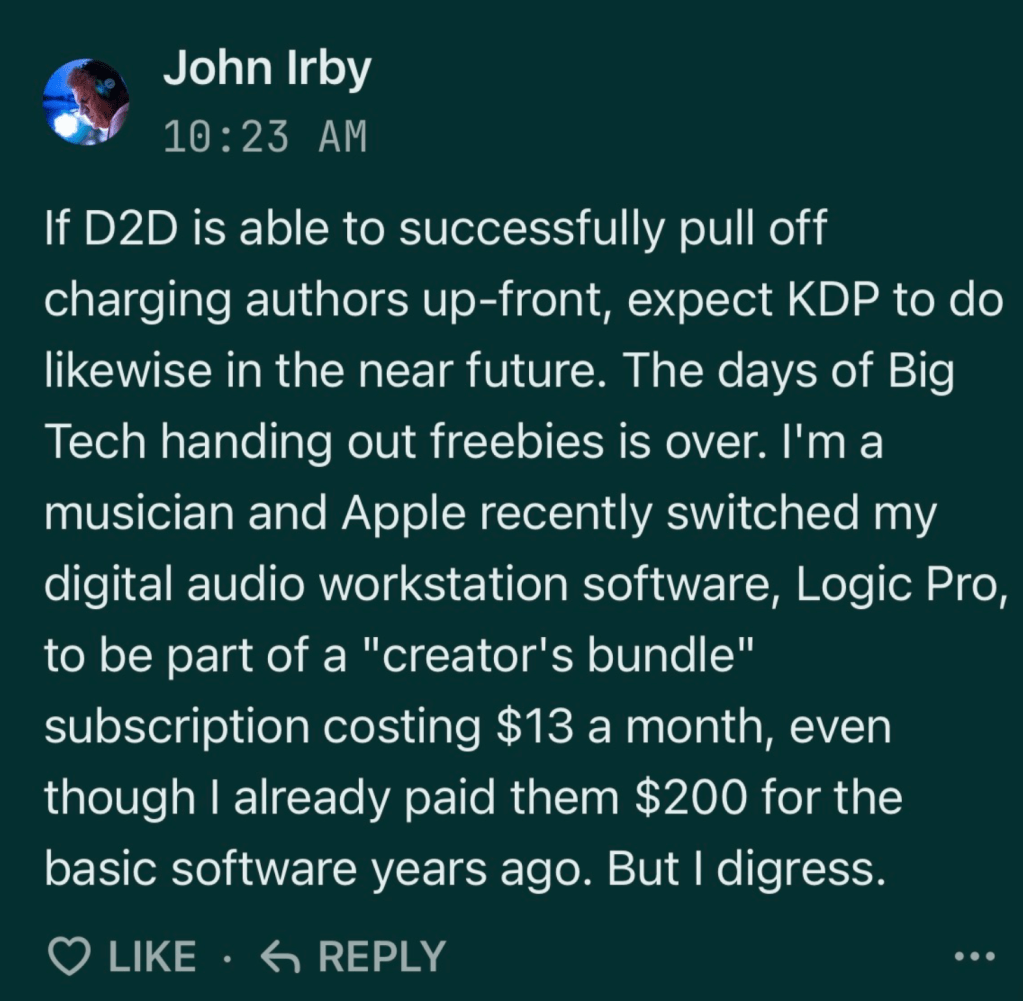
There’s a lot of advice out there, some of it good, have decent covers, write an exciting blurb, and some of it’s not so good, like doing whatever you want just because you can (which is advice I actually see a lot online).

What’s disheartening is when you hear good advice that doesn’t fit you, for whatever reason, like rapid releasing/writing quickly when you don’t have the life that lets you, or writing a long series when maybe you don’t have the patience to invest in several related books. It can be good advice, and I’ve given my fair share on this blog too, like trying to afford some ads to reach new readers, but it just isn’t going to be for you. Ads can be expensive and time consuming to learn, for example. So I get it, especially when I’ve touted the advantages of Facebook ads then turned around and shut them off due to burnout.

There was a bit of advice I got from someone in one of my romance groups, and it’s advice you might have heard before too. When you want to find hooks in your books to make graphics, they say to borrow your book in KU or buy the Kindle version and look at the parts other readers have highlighted. This is the example in the book I’m reading now, Dea Poirier’s Next Girl to Die. To find the highlights in the book you’re reading, press the three dots on the upper right. I’m using a Kindle Fire, so I’m not sure if the way to find them is the same on all devices. There you’ll see the Popular Highlights. I apologize for the glare. No matter where I moved in the room I couldn’t get rid of my shadow.

screenshot of my kindle. screens indicate where you can find the highlights of a kindle book.
I’m reading Dea Poirier’s Next Girl to Die. You can find it here: https://www.amazon.com/dp/B07QDC7Y6B

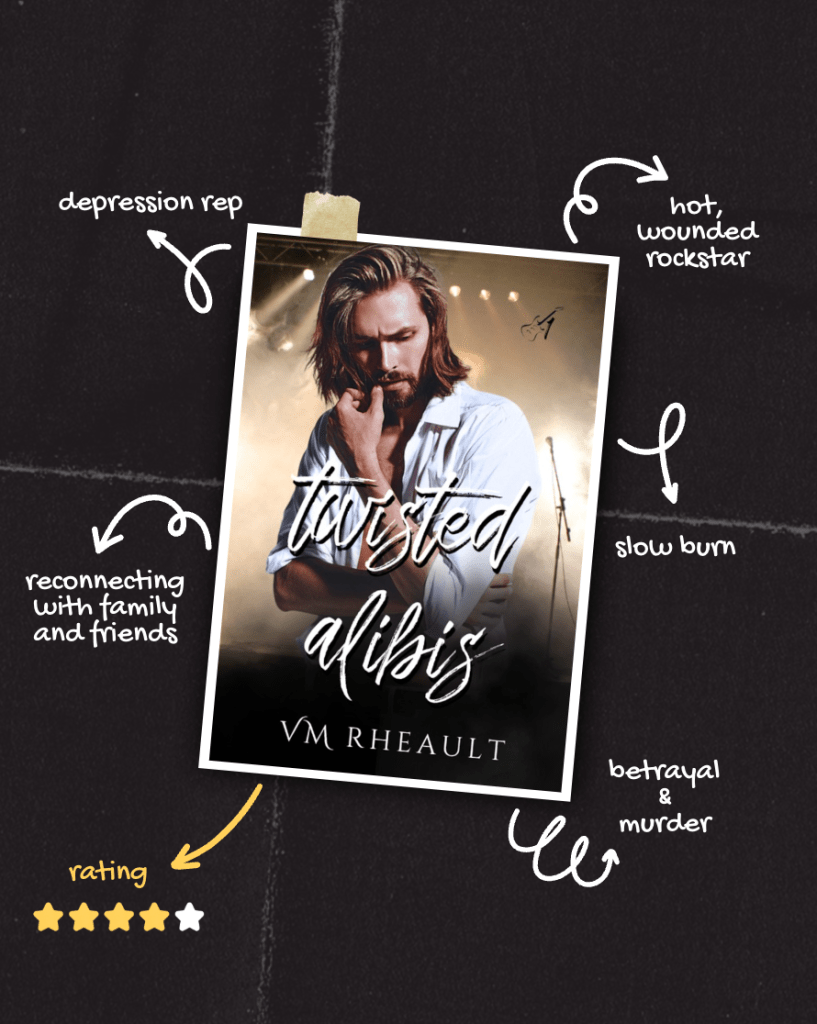
I think this is great advice, as I’ve read books that have the highlights and it would be so easy to use those as hooks on graphics for Instagram and TikTok. So, I figured I would look at the book I’ve sold the most of and check out those highlights. Now, let me tell you, the book I chose was Twisted Alibis. I’ve sold 132 combined paperbacks and ebooks, had the equivalent of 821 books read in Kindle Unlimited, and gave away 3,130 copies during a promo last year. I thought those numbers would give me the best chance of giving me the most highlights, and you know how many sentences I had highlighted? None. Not one person who read Twisted Alibis thought a sentence or paragraph was worth highlighting.

At first I thought I wasn’t looking in the right place, and I Googled how to find the highlights in a Kindle book. Where the option should be wasn’t and it took me a few minutes to understand that the option wasn’t there because I didn’t have any highlights.

To say I was disappointed is an understatement and it’s easy, very easy, to take something like that personally. Even now I can feel the shame. That book is 107k words long and not one of them touched a person enough to highlight them. Then I thought maybe it was a fluke and looked up Rescue Me. That book has sold 429 ebook copies, I’ve given away 4,916, and I’ve had the equivalent of 572 books read in KU. Nope, not one highlight. I was so embarrassed after I looked that I didn’t look at any other books.

There’s a lot you can take away from that, not any of it good, if you want to be honest, and I was still stinging when I saw someone on Threads ask how they grab hooks on a newly released book and one of the responses was to wait a few days then look at the highlights. I felt compelled to tell that person that they might not get any at all and to have a thick skin just in case they don’t. I guess I don’t have to say that I bristled with the assumption that if you just wait a few days readers will love your book so much they’ll highlight the hell out of it. Some authors don’t even get readers, let alone highlights from those readers.

I don’t actively read my reviews because I’m just not up to reading why someone (or many someones) didn’t like my book, and that’s okay. After that highlighting debacle, I’m not going to look for my highlights anymore either, because obviously, I might not like what I find.

So, what can you do when stuff like this happens? When what works for someone else is just a dumpster fire for you?

What you have to do, first and foremost, is to remember that your books are good. Know that deep in your heart. My books sell, and Twisted Alibis has 87 reviews on Amazon and a 4.5 star rating. Rescue Me has 112 with a 4.4 rating on Amazon. That may not be much to some, but it means the world to me. Just because they don’t have any highlights doesn’t mean readers didn’t enjoy reading them.

Remember that you are not the only going through this. There are a lot of books out there that for some reason or other don’t have highlights (or reviews). They aren’t being read or like in my case, those authors just didn’t have the readers who were into highlights for whatever reason. It helps to know you’re not alone even if you feel like you are.

Find alternatives. If something isn’t working for you, find a different way to do things. The highlights are easy because you can just go through your book and find the ones YOU like and flash them all over. Maybe those quotes will get people excited enough to read your book. Brag. You wrote the damn thing and loved it enough to publish it! Who cares what others think? In the case of reviews, ask a friend to go through them for you, or choose an hour to scroll, pick a couple that you like, and then close out of Amazon–and look on Amazon! Stay off of Goodreads for all that’s holy. Reward yourself for not falling down the rabbit hole of bad reviews and have a piece of chocolate or a glass of wine, them remember you don’t have to do that again–at least, not for that book. I understand the value in having a review or two for social media purposes, and I noticed this review of Twisted Alibis when I was on Author Central skimming the reviews coming in for my King’s Crossing series:

Verified Purchase
If you like the rockstar romances, this is one, true, BUT it is more. Lots of social issues addressed, done in a delicate way, no raging reality tv tropes, more like addressing things we all face with a nice romance tucked inside.It's heavy in places, prepare for that, but you'll come out better for it at the end.Gitcher readin glasses out and enjoy.

Text on white background. Verified purchase in red

Like everyone else where bad things are concerned, I’ll probably carry that shame for a long time. Everyone makes it sound so easy to get and use highlights, and I feel like I’m missing out on something big. Maybe I do have highlights somewhere, but I think it’s best if I don’t look because if I don’t, that’s only going to make me feel worse. I don’t put up a lot of graphics anyway, so I guess in the scheme of things I’m not missing out on much. But in the future I’ll definitely be taking everyone’s advice with a grain of salt.


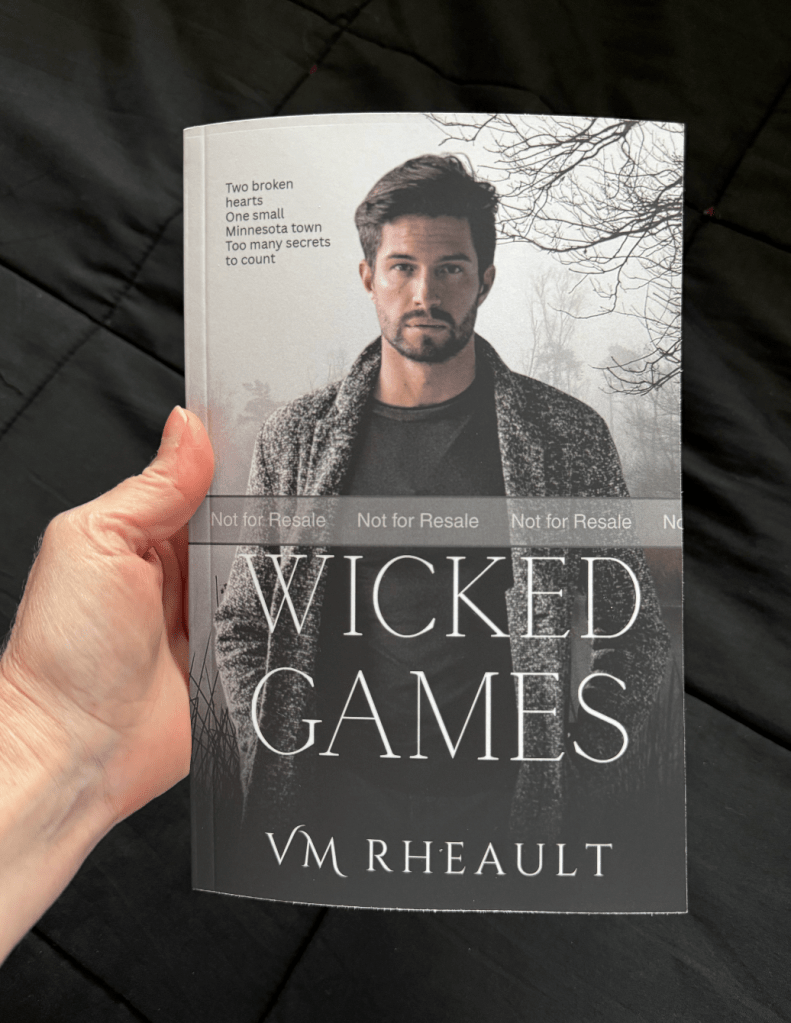
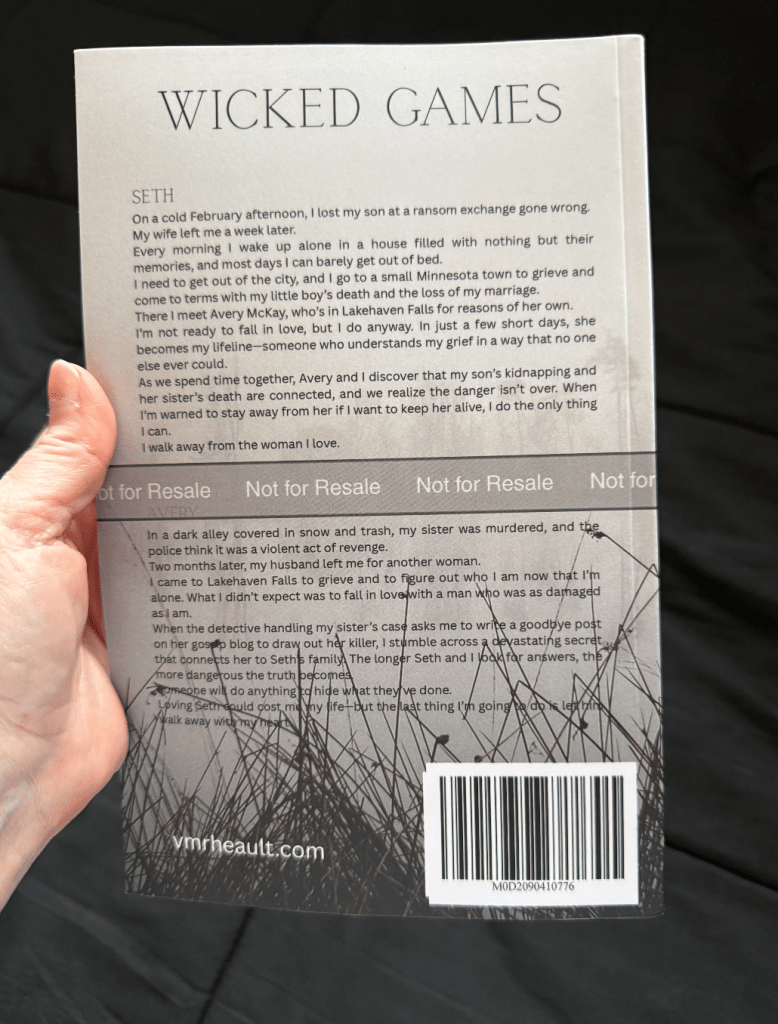
I suppose that’s all I have for this week. I’m 66k words into Wicked Games even though I said I would be taking it easy writing this book. I am, I don’t stress so much about it if I don’t feel like writing, but I guess it helps I’ve been thinking about this book for a long time and I know what I want to write every time I sit down. I was worried this book would be short, but after I ironed out a kink in the plot, I’m back on track and it will probably hit somewhere in the 90k range. After I reach 50k and swim through the murky middle, I really don’t care how long my books end up but I was a little worried about it when I didn’t know how to fit in what I needed without a setting change. They’re in a small town right now, but I just can’t finish it without them moving into the city where they both live, so that eased some of my worries. We’ll see how it turns out.

As far as anything else, my sales have all but slowed to a stop, even with the few Amazon ads I have going. I got my tax returns back and have a little “fun money” as my dad likes to call it, but I’m not too eager to start up my Facebook ads again. If I did that, I would only start one or two and push readers toward my King’s Crossing series as I have gotten good reviews on the books so far and the read-through would be amazing. Plus I might get a few sales here and there, especially since the first three are on sale right now. But we’ll see how that all shakes out after I pay all my bills and stash what I want to stash in savings. I could probably set aside a couple hundred and see what works, but I’d have to keep a close eye on clicks and be ready to pause if it looks like cost-per-click is greater than sales. I’m not into spending 5k to make 5k anymore. I really didn’t get anything out of it when I did that. Readers were reading but I didn’t see any evidence of an uptick in blog subscribers or read-through to other books in my backlist.

That’s all I have for now. The first day of spring is March 20th, so I’m looking forward to some warmer weather and more consistent sun. I hope wherever you are in the world the weather treating you okay, and my thoughts are with the people in the south who are dealing with tornadoes and their aftermath.

Thanks for reading and I’ll see you next week!

Monday Update: What a Mess

1,641 words
9 minutes read time

cleaning supplies.   black spray bottle and plain bottle. two white tubes of paper towels with a sprig of baby's breath (god knows why)

Text says, monday author update. what a mess

There are so many things that are baffling me right now, and I just don’t know where to start or if I should even write about any of it. Let me start with what I’ve been doing and then I’ll see if I’m brave enough to write anything else or if I’ll just call it good.

First, my fifth book in my King’s Crossing series launched on the 3rd. I made a handful of pennies because there were a few people who preordered it, then I made another handful because I had a couple people read it in KU. Honestly, this is not what I was hoping for launching this series, but I’m barely doing anything to promote it, so I guess the blame falls on me. On March 5th I paid for a Fussy Librarian bargain ebook promo, and I sold 15 copies on the day and two more the next and then sales sank to nothing, which is to be expected. Here’s what the promo looked like if you’re interested:

screenshot of fussy librarian cruel fate promo entry. 

picture is of cruel fate's cover and the blurb that says:
Six months ago, my parents were killed in a plane crash. They left behind me, my sister, and a billion-dollar company that’s my responsibility now.  The only things that have gotten me through are Zarah and my best friend, Ashton Black. Until I meet Stella. Ash hates Stella as much as I love her, and as I try to uncover the reason why my parents’ plane crashed, I struggle to keep both of them in my life. When she disappears, Ash says, “I told you so,” and all I have left is our friendship built on years of family loyalty, tears, and blood. Cruel Fate is book one in the King's Crossing six-book serial and ends with a cliffhanger.

I paid 26.00 USD, so the results were fine for how much it cost. Plus there is always read-through potential to the other five books, so we’ll see what happens. Generally speaking it could have been better, but I’m glad I remembered at the end of the blurb to mention that it was a first in series and that the book ends in a cliffhanger. Not everyone likes those, so it’s good to keep that out in the open and may account for why I didn’t sell that many. I should have also put in there the series was complete as many readers won’t start a series unless they’re all available and I’ll remember that for future promos.

I started some very low cost-per-click Amazon ads again and unpaused some of the ones I turned off months ago. Those never got the traction back they had when I turned them off, and the new ones aren’t doing much because the bid is too low for Amazon to show them. Don’t know why I’m bothering if I’m going to half-ass it like that, but sometimes I think doing a very little is better than doing completely nothing, though it’s probably not true. I don’t have anything else planned besides releasing the last book in my series in April, then all I have left this year is the launch of my next book in September. (I’ve been telling people it will be live September 15th and plan to stick to that.) But that’s too far ahead to think about because I’m not rushing through summer. I hope it’s hotter than hell so I can lie on my balcony and bake. Your girl is tired and needs a break.

My Rocky Point Series giveaway went okay. I mailed out copies to the one winner who emailed me back. I should have probably chosen someone else as a second winner, but if I would have done that, the actual second winner would have emailed me (that’s how my luck goes) and I would have needed to purchase more copies which would have taken a while. So I have a paperback set the second winner didn’t claim and I’ll figure out what to do with those later. I didn’t expect huge results and mostly it gave me things to write about on my FB author page and my newsletter.

Speaking of my FB author page, since I’ve been boosting posts, I’ve gotten a deluge of followers who just want to make me book trailers and others who didn’t look like they would care about a billionaire romance author. So, I took a couple of hours and culled my followers from 270 to 210. I know it’s better to have quality instead of quantity, but it really gave me the feeling (again) that my FB author page isn’t worth the energy and I haven’t posted since I did that. It’s something I can’t get rid of because over the years I’ve shared that link in various places and I hate beyond reason broken links. I may post on it every couple of days, just so it looks somewhat active, but it’s one of those things where I can’t measure ROI, I can only measure how I feel. I really don’t know what to do with myself in that regard because the motivation to post on social media just is not there, and I’m not really sure what would inspire me to post more. Sales, probably. Not engagement. Everyone yells about how much they want engagement, but if you’ve known me for a while, you know how special you are if you DM me and I answer you back. So, I’ll figure something out. The only good part about posting at all is that Canva makes it so easy, and I have to pay for that until I die because I have a lot of assets trapped there and I’ll never stop doing my own book covers.

Right now I’m about 60% done with WICKED GAMES but at 58k words I’ve lost motivation to work on it. I’ll finish it, no doubt about that because I still love Seth and Avery and want them to have their HEA, but I’m not running a sprint or a marathon and I work on it when I feel like working on it. It’s part of the “new me” I have going on for 2025, but I also think some of it has to do with hormones and the lackluster feeling I have sometimes of just being old and still alive. I mean, it’s not serious, I don’t have depression. I used to have depression, before my son was born, so I definitely know how that feels. This is more of a “meh” feeling, and it will pass. Spring is actually kind of gloomy here right now, the snow melting uncovering all the dog poop people didn’t pick up and the air stinks like dead things. Once it gets warmer and the sun shines more consistently and starts drying things out, that will perk me up.

My despondency is actually opening me up to reading a few books, but it’s a sad thing because these authors are on social media asking readers to share and I just can’t. I want to refer people to good books, and one book I read has so many commas they could have prevented the Titanic from sinking and the other has an info dump at the beginning that’s so boring that I cut out after 5%. Luckily one I had picked up during a free promo and the other I borrowed in KU and returned it, but still. While we’re complaining about the Amazon boycott and how people feel trampled because of what’s going on in the state of the world, I think it’s important to remember that as authors who might have people listening to our opinion, we shouldn’t waste our readers’ time and money. I want to recommend books that blew me away, that made me feel something other than annoyance. So, while I’m feeling listless, I’ll be going through my TBR which is a nice change from feeling like if I’m not writing to publish I’m not moving forward.

This Amazon boycott everyone (on Threads) is talking about is a real downer, and it’s interesting how all that blows up only to eventually disappear and never to be spoken of again. A friend told me that she hasn’t seen any of it on Twitter, and I have no idea if it’s made its way to BlueSky or not as I don’t scroll there. But personally, I think it’s all just talk because even if there are a few who actually do cancel their KU subscriptions or whatever, it’s not going to make a dent in the number of readers who use Amazon to buy and read their books. It’s frustrating to have to read that when I’m on social media. If your book sales are low or non-existent, again, it’s something you need to take responsibility for. I mean, I get it. There are ebbs and flows to publishing and any author who has been publishing for a while can tell you that. The political and economic climate also is not helping, but something isolated like this isn’t going to cause the collapse of sales for hundreds or thousands of authors. My sales stopped the second I stopped running ads. My experience might not mean anything to you, but to me it means that I actually do control my sales (not to be confused with royalties). No one can buy your book if they don’t know it exists, and I think it’s easy to forget that. If you truly are concerned about something like this and its effect on your sales, take a look at what the big-time authors who write in your genre are saying. If they are taking a hit and can trace it back to something like this, then maybe it’s time to be concerned. But if they’re carrying on as business as usual, then what you are experiencing probably isn’t caused by whatever people are talking about that day. We have to keep things in perspective. As I say, there’s a big world out there and it’s always a good idea when you get to caught up in the day’s/week’s/month’s drama to step out of that bubble and touch some grass. (Just avoid the dog poop. Gross!)

I think that’s all I have for this week. Thanks again to Brandi Easterling Collins for the interview she so graciously said she’d do that I posted last week. If you missed it, you can read it here.

No clue what I’ll write about next Monday, but I’ll be here with a smile on my face!

Have a great week!

Thursday Thoughts: The world is a large place

917 words
5 minutes read time

When I get up in the morning, I have a routine. I go to the bathroom, start a pot of coffee, and go out and feed the squirrels, bunnies, and the crows if they come. I have a bowl I use and fill it with cat treats (for the crows) bird seed, and peanuts in the shell, and toss it outside in my apartment complex’s parking lot. There is an empty parking spot and the animals, because we live in a quiet building, don’t mind picking around there for food. Anyway, so I toss the food out while the coffee drips, go inside and pour a cup, and scroll social media for a few minutes before I shower.

I always see some goofy stuff, some Amazon hate, politics (of course), the Cat Distribution System at work, that kind of thing. Today I saw a post that said (paraphrased), that if you’re bummed about sales there’s a Stuff Your Kindle Event going on and that could be why your sales are low.

I mean, I get it. I’ve gone through my own pity parties before (it seemed like mine went on for all of 2024) and I can get behind whatever you have to tell yourself to feel better. But, lying to yourself also does your books a disservice. The world is not that small that a Stuff Your Kindle Day would hurt your sales, especially if you don’t write romance.

That’s one thing that being stuck in the writing community will do: it will box you in to the point where you think nothing else is going on outside that bubble, and let me just remind you that’s not the case at all. I’ve joined Stuff Your Kindle Days, and out of respect for the person putting it together I’m not going to spew the numbers she shares with us, and I have no idea what Stuff Your Kindle event this is anyway. There are so many now it’s hard to keep track of them all. I hadn’t heard there was one going on today, but let’s just say there are 500 books available. That seems to be an average number where these things are concerned, so that means 500 authors are taking part. Some authors’ newsletters subscribers and social media followings can get pretty high, but if those 500 authors had 1,000 newsletter subscribers, that’s half a million readers this event is going out to. Not everyone opens their emails, so we can subtract a few thousand from that number but we can also add them in again to make up for authors posting on their social media. I would think a half million readers is pretty generous as authors just starting out can have as few as a hundred newsletter subscribers, and some none at all, using the event to jumpstart their writing careers.

A half million readers might seem like a lot, but according to Visual Capitalist, in 2020, there were five billion eighteen million adults in the world between the ages of 20 and 79. That’s a lot of readers that we might be forgetting about when we hear there’s a Stuff Your Kindle Day.

I think instead of being bummed there’s an event going on, or trying to blame your low sales on holidays (that not everyone celebrates) or a time of year that doesn’t affect all parts of the world at the same time, like summer (we have summer in the US while Australia has winter for a quick and harmless reminder), we could just use that energy to figure out how to reach readers all over all year round.

That’s easier said than done, of course, as my own sales being what they are don’t put me in a position to preach to anyone. But, I’m also realistic in that I don’t blame my lack of sales on things like Christmas. I take full responsibility for it.

It’s a better use of your time and energy to think of ways to reach those 5 billion plus readers such as write a reader magnet and build your newsletter list. Join a Facebook group of authors who write in your genre and introduce yourself. Networking is a great way to build relationships for newsletter swaps down the road. Experiment with some ads, they don’t have to be expensive. Double check that your categories and keywords are correct. The correct meta data will help Amazon position your book and help your ads work better too. Write another book, preferably a series. As much as I say how difficult they can be and how much energy they take, if you write a strong first book, read-through can lift your sales by more than you’d think.

When we place the blame of low sales on something like a Stuff Your Kindle Day, you’re taking power away from yourself. I know marketing can feel painful and not everything you do is going to work, but you can explore options to get the word out about your books.

Anyway, this was just a quick thought I had today. I hope you’re all staying warm where you are. It was a chilly -20F this morning when I went out to feed my animals. While I’m waiting for it to warm up I’m busy writing WICKED GAMES, but next week I’ll update you on what I’ve been doing.

See you on Monday!

QUICK LINKS:

I wrote about Stuff Your Kindle Days in a different post, and if you write romance or a romance subgenre and want to participate, you can find the list here.

If you’re interested in buying a promotion David Gaughran has a huge list, and some aren’t that much money. You can find the list here.

Remove What Doesn’t Serve You (or something like that)

1,698 words
9 minutes read time

beige background text says. letting go and finding your joy

I’ve heard this phrase a lot, and it makes sense. Remove the things in your life that aren’t a help to you, that drain you, that serve no purpose. I agree with it to an extent. I’ve never had a problem throwing stuff away, so much so that sometimes I’ve regretted it, not holding on to it long enough to find out if I’ll have a need for it later. Then I do need it and I regret throwing it away. I guess that’s where the meme about old cords comes in, saving a VCR cord from the eighties, just in case you might need it for something twenty years later.

But I also find the phrase somewhat selfish and self-serving, and it puts a bad taste in my mouth. Not everything is meant to serve you. Not every relationship you have will cater to you and your “needs.” What if, hear me out, you are put in the place you’re in to help someone else?

Before you Marie-Kondo your life, maybe think for a minute about just what you’re trying to accomplish.

I’m famous (no, not really) for keeping people in my life who don’t belong there. I’ve had friends in the past who have made our friendship all about them. Everything was about her life, her writing, her plans. Even if I was able to mention something, she wouldn’t acknowledge it, and I came away from every conversation I had with her drained. I’ve had other friends who have treated me badly, and I hung in there, hoping things would get better. I’ve thought a lot about why I let this happen, up until the point I just explode and say, “Forget it,” and I think it’s from getting bullied in school. I would latch on to people who were just a little bit nice to me, and this went on until I graduated high school. The need for friends, the need to create a connection with someone, is human nature, and once you meet someone with whom you think a sincere friendship can be made, it’s difficult to admit that they aren’t such good friends at all. As the years pass and I realize what’s important, I would rather be alone than have a “frenemy,” and I’ve learned to stop talking to people who take advantage of me and my kindness. I think anyone who’s read this blog for any length of time knows about my fiancé and how I let him lie to me for years before I finally cut him off. Maybe it wasn’t years, or maybe it was and I just didn’t realize it until they were too blatant to ignore. You really don’t know when people turn if you trust them and they’re good at hiding it. What stretched on for over five years could have ended in two or three and saved me a lot of pain.

I’m always willing to give people a second chance because we all make mistakes, but it’s in cases where having a relationship with that person isn’t a positive experience or makes your life worse than assumably it already is that you have to reassess why you’re keeping them around. I think there’s value in giving people the benefit of the doubt, not cutting people off without some kind of explanation. There was an article I read on Buzzfeed about a woman who ghosted her best friend of twenty years because she turned too needy, then regretted it after she found out her friend passed away. Rather than having an honest conversation with her friend, she just cut her friend off, blocked her, and well, when you look at a situation like that, who’s the bad friend? The person who thinks you can help and has the courage to ask, or you blocking that person because you thought she was using you? Remove what isn’t serving you. Yeah, she did. She cut her friend off, but she found out later that it didn’t come without consequences.

I understand the concept, I really do, but I’ve been unfriend and unfollowed after I’ve purchased other authors’ books to support them. Maybe I never said anything, maybe I thought being acquaintances on a platform like Twitter was enough, but it’s definitely not enough for some people, who, I don’t know, expect you to comment on everything they post. You know, that says more about them than it says about me who was quietly supporting them and didn’t think I needed to shout it around (because honestly, I think that just makes you look like you’re looking for praise and I don’t need to be patted on the back for supporting someone).

This isn’t just all about people, though I think that can have the most damning effect. I’ve seen a lot of people who regret deleting their TikTok and CapCut apps off their phones because they thought TikTok wouldn’t be around anymore (and all the apps ByteDance created). Turns out that TikTok barely went away and now those apps can’t be re-downloaded. I didn’t get rid of mine, relatively certain that TikTok was here to stay, though I don’t post on TikTok much at all and the only thing I use CapCut for is to add captions to videos I rarely make. But I don’t impulsively do stuff like that and whether or not the apps are eligible for updates, I’m rather proud of myself for my restraint.

Whenever you think about that phrase, I think it’s important to understand just what you’re relating it to. Overall I think that phrase is selfish, and maybe in these times we have to be. No one will take care of you but you. The US government is in shambles, and he’s only been our president for a month. Everyone has kind of a “fend for themselves” attitude, which I guess makes this saying a perfect slogan for the next four years. But I also think that we can combat what’s ahead by being kind, not doing something just for what you can get out of it. Not everything or every person on this earth was put here to serve you, but finding the balance between keeping things that aren’t working and keeping things that are is crucial.

I turned off my FB ads, and it was one of the best decisions I ever made. Ironically, my sales haven’t fallen, and now those royalties are mine, free and clear. I may not make the 5k I made last year, but I won’t be spending 5k either. So, in that instance, yes, removing something that was not serving me was the way to go and I feel lighter, mentally, than I have in a long time. I also removed the idea that I deserved (maybe deserved is too harsh a word, but not sure how else to phrase it) readers and royalties for all the work I put into my writing and publishing, and that’s not the case at all. Going back to basics and writing because I love it has also done wonders for my mental health and like I told a friend, I feel like I did five years ago, creating content for the joy of it, and for no other reason.

So, after all that, I would caution you. Think before you jettison someone out of your life–not everyone is there to kiss your feet. Sometimes you are in their lives, and they are making the same choice about you. Are you being a good friend? Are you upholding your part of the friendship, because relationships go both ways. If you treat people like trash, expect to be removed. No one has time, energy, or heart for that. Think before you turn off your ads or delete that social media profile. Think before you unfollow or block someone. You never know who is silently supporting you and you could be snubbing them without realizing it. If being in a group on Facebook isn’t beneficial, leave. I’m in 89 groups, and not all of them give me something. I could probably remove myself from half those and be just fine. But being in them doesn’t hurt me either, since I’m not on Facebook all that much anyway. Pick and chose where you want to give your time. Maybe you could leave some and that would open up space to join others that would serve you better.

There is a ton of products and services out there for indie authors and my FOMO goes crazy when I think of all the classes there are to buy, podcasts and webinars there are to listen to. Every time K-Lytics sends me a new report, I think I need to buy it. I can’t afford to buy every report they send out, nor do I need to because not all of them are about romance. I don’t even need the ones that are about romance because I think I keep a pretty good eye on industry information in other ways. Remove the noise that gives you a headache, but think about what’s beneficial first. That may mean trying an episode of a podcast you’ve had your eye, uh, ear, on and finding out you don’t mesh with the hosts. Maybe that means actually sitting down with the craft book you’ve been wanting to read, and finding out that it does have some valuable information in it.

There are are less callous ways to figuring out what you want than what this saying implies. Gently sweep what’s not working for you out the door, but realize what might not work for you is something that makes someone get out of bed.

Go easy and be gentle. Extricate yourself if you must, but do it with intent and if you’re doing it to person, use sensitivity, compassion, and empathy. And remember, you may be what people are removing from their own lives, so accept their decision with grace and honesty, and like with the coworker who ghosted me, it may be the best thing that ever happened to you. And I didn’t have to do a thing.

Written Word Media’s 2025 Trends: Part Two

2,028 words
11 minutes read time

If you’re just finding the blog and/or missed the first five trends I wrote about that are in Written Word Media’s blog post, you can find that post here: Written Word Media’s 2025 Publishing Trends: Part One. And if you want to read Written Word Media’s blog post yourself, you can find it here: https://www.writtenwordmedia.com/the-top-10-publishing-trends-for-2025/

Let’s jump right in to the trends.

Trend number six: Trad and Indie Converge in Due Course
We already see this happening in different ways, so I would imagine this will keep going. Publishers snapping up indies who are doing well to exploit the audiences they’ve already built, trad authors publishing titles on the side themselves, the Big Five using print on demand technology. Publishing is getting mixed up more than it ever has been, and that won’t stop as authors and publishers alike look for the best ways to find an audience, save money on printing and distribution, and keep as many royalties as they can.

I think what this means for indies is that as long as you put out a good book that has a good cover and has been edited, it’s not going to matter if you published the book yourself. The stigma that used to come from self-publishing is gone. Trad authors who publish on the side to either add extra books to their publishing schedule or publish books that their agent didn’t sell, or whatever the reason is, they have a loyal audience who buys all their books and it doesn’t matter if it was trad-pubbed or not. Indies don’t have that convenience of an already-made audience, so that’s one thing we have to take upon ourselves, but everything else is pretty much the same, especially when we read every day about a traditionally published book that needs more editing. If you want to read about traditional publishers using print-on-demand equipment, Jane Friedman wrote a blog post about it and you can read it here: https://janefriedman.com/dont-demonize-print-on-demand/

Trend number seven: AI Tools Become More Mainstream
I think anyone who really believes this isn’t tapped into the way a lot of authors feel. I get that being on Threads and seeing the hate AI evokes isn’t an accurate sampling of authors everywhere, but just knowing that there is a portion of authors out there who won’t use AI no matter what makes this prediction shaky at best.

As I discussed in my blog post about KC Crowne, I do understand that Al can be used for different things. WWM’s article also talked about non-fiction uses, such as “social media posting, to advertising, email, sales fulfillment, or tax management” and I think if authors start embracing Al in bigger numbers, that will be all they’ll use it for, because, here’s the thing. Writers actually like to write. We want to plot our stories, we want to come up with backstories, we want to delve into our characters’ feelings and emotions so we can evoke those feelings and emotions in our readers. If we turn to Al for any part of that creative process, why are we writing then? Like with KC wanting to relate to her readers, how can she do that when she won’t take the time to get to know her own characters and write her own work?

People who predict the controversy of using AI will go away don’t have their fingers on the pulse of what a lot of authors feel. We also want people to get paid for their work, which is why I would never ask Al to create a picture for me. Almost every single thing you want can be found on a stock photo site, and if you can’t find it there, hire an artist, and maybe she’ll be able to pay her internet bill with the fee you’re paying her.

Readers may not care if you use AI to write, or to make your books’ covers, or to make Facebook ads as long as their enjoyment of a book they read isn’t impacted. Which means that whether you use AI or not, your main goal when writing and packaging your book should be to deliver a good product that will keep readers coming back for more.

Trend number eight: AI Unlocks Licensing and IP Innovation
I think this trend will only work for the authors who can pay to do it correctly. A long time ago on Twitter I saw someone who said she was using AI to translate her English language books to German and then she was publishing them. She wasn’t using a German-speaking real live human to double-check Al’s work, and I think that is a big mistake. Al doesn’t understand nuance and context, and there’s a reason why the phrase “lost in translation” exists. But, paying a proofreader, any kind, costs money, and using AI is supposed to help us get around that, right? So yeah, she might have had more IP in her hands, but God only knows what she was selling her German readers. Maybe it isn’t that bad, but who’s going to know unless she starts getting bad reviews? By then, it’s too late.

AI narration is getting better and better every day, but I haven’t heard anything recently about the quality of KDP’s audiobook program. It made waves when it first came out, many authors cursing it to the depths of hell, others embracing it as an affordable way to finally have their books in audio format. When I found out that duo narration, preferred when writing dual POVs, wasn’t available, I lost interest in it anyway. I’ve always figured audiobooks will be out of my reach as I can’t afford production, and I kind of left it there. Considering a determined reader can figure out how to have a book read to them on their device, it may not matter much. If AI narration is getting better, so is text-to-voice and the experience for a reader that’s not too picky will be just fine.

I think the bottom line on AI and IP is that yeah, Al can help you put together translations and audio books and art for special editions, but it’s up to you to make sure the quality is there (no one wants to see a model who has six fingers on each hand and has three legs). Al can make mistakes, (just look at Grammarly and how often they recommend commas you don’t need) and going without a human to check and make sure what he’s doing is okay is a risk I wouldn’t want to take with my audience. Listen, I’ve edited for authors who have trusted Grammarly, and it’s harder to edit a manuscript like that than if they would have just handed me a rough draft. Grammarly and other editing software is not perfect so always use with caution.

You might end up with a lot of IP if you use AI to get ahead, but if it’s trash, it’s not worth much.

Trend number nine: Audiobook Accessibility Expands in 2025
We already talked about this a bit, but it will be up to authors who want to use AI narration and readers who want to listen to it. When it comes to AI, it isn’t just about availability and quality, it’s also about what you feel is best for you, your book business, and audience. Not everyone wants to support AI. Maybe we want to support true voice actors who depend on their jobs to make a living. Maybe readers would also like to support humans. Once you put out enough audio books, you’ll find an audience who will support either (or maybe even both). Maybe you’ll find a system where you hire narrators for full-length books but use AI for novellas, or maybe you write only shorts and AI is good enough for your needs. As access expands, it doesn’t mean authors will use it. And if authors us it, it doesn’t mean readers want to listen to it. So while this trend is true, it will expand, because why wouldn’t it, authors can choose not to create with it and readers can choose not to consume it.

Trend number ten: POD Goes Mainstream
We talked a little bit about this already, and it didn’t even occur to me that I’ve purchased a book from a trad author and her paperback book came printed by KDP (there was the time, date, and location stamp in the back). I was wondering what the heck and if she’d been dropped by her publisher and had gotten her rights back. It makes sense for publishers to use POD as it takes up less space than keeping stock and they don’t have to worry about titles going out of print. But as Drew Broussard in Jane’s blog post I linked to above says, there’s just a little lesser quality with a POD print than a book that came from a print run. You’re not going to get the embossed letters or fancy textures, you even run the risk of getting the wrong book between the covers, so I’m guessing that publishers will decide which title will get the POD treatment based on how big the audience still is and how old the book is.

This also could be why it takes so dang long to get author copies. Obviously the more authors who depend on POD the busier the equipment is, and that means planning ahead months if you need to order author copies. Especially since the more authors who use the equipment the more taxed they are and you don’t know if your books will come in good condition and you need to put in a replacement order.


Everyone says don’t write to trends, write the book you want to write because trends change too quickly to keep up. That’s not true, and Billionaire romance is proof of that. Everyone said that was a trend, that “mommy porn” was a passing phase, but it’s going on fifteen years since EL James published her Fifty Shades of Grey trilogy and Billionaire romance is still one of the top selling romance subgenres, though lately Mafia is giving it a run for its money. Trends take a long time to actually lose favor with readers, even if it feels like it happens overnight. These trends WWM talked about won’t fade because that’s just the direction publishing is going right now. AI won’t go away because too many people find value in using it, even if practices like using it to write or narrate books some find too abhorrent to do.

2025 will be like all the others, authors writing good books and trying to get them seen to build an audience of their 1000 true fans. Sometimes I think the publishing industry is glutted with too many books, but then I remember that readers can read a book a day and demand probably matches supply, even if we look at the thousands of books published every month and it doesn’t feel like it. Personally, I don’t think ramping your publishing schedule will help any. If someone doesn’t know you’ve written a book, they wont know you’ve written two. Being that the top marketing advice right now is to write the next book, advice I have passed along and believe in, I think we should still be writing with intent, trying to level up our craft each time we write, always trying to write a book better than our last.

The fact is, it’s difficult finding an audience, but the trick now is to not give up. Do what you have to do to stay interested and engaged and not lose heart. I’ve started to enjoy working on LOSS AND DAMAGES again, and I get excited talking about the next book I’m going to write. I like thinking about the future and the books I want to write, having material planned for well into 2027. I don’t know what life has in store for me, but I’m pretty sure writing is more than a passing trend.

Take care of yourselves this year, and in the meantime, I’ll you next week!

Written Word Media’s 2025 Publishing Trends: Part One

2,449 words
13 minutes read time

illustrated picture of brunette woman holding cell phone with a stack of books behind her

The first month of the year is almost over, but I’ve been promising this blog post for a while now, and I think Written Word Media’s 2025 predictions are still worth exploring. I need to break this post into two parts, five trends in each, or this blog post will get so long no one will want to read it, and honestly, I don’t have time to do all ten at once (still gotta get some editing in today). I linked to the article if you want to read the original first or as you go along. Some of them you might have seen before, here on this blog, or theirs. Sometimes it feel like publishing, especially indie publishing, can move quite fast, but in reality, publishing, both trad and indie, moves at a snail’s pace, and turning in any other direction than the one in which you are going is slower than the Titanic trying to avoid that iceberg.

Let’s begin:

Trend number one: Authors Focus on Building Loyal Audiences
I feel like this might be a given, and no offense to WWM or the author of the article, but I don’t see the point of adding it. Authors have always been focused on building a loyal audience, finding their true 1,000 fans. I’m not sure why it was included, except maybe to accentuate the fact that building a loyal audience is hard work. First you have to actually find your readers, then offer them enough books to either look forward to everything you write, or self-select out of your books because they don’t like your style or voice or whatever reason they have. How you go about doing this will be different for everyone, not to mention if you can only write and publish one book a year, it will take a long time. The authors who are making a living wage and who do have their 1,000+ fans have managed to accomplish this, so we know it can be done. But given the number of books out there, finding, and keeping, your readers is just a given of being an author. Write your books because without them, you won’t need an audience.

Tread number two: Authors Invest in Email Marketing
It’s always been known that if you’re an author, you should be building a newsletter, and if you’re not, that’s a personal choice that may come back and bite you in the butt. After the TikTok fiasco, I saw a lot of authors on Threads saying they might start one or start a blog so they have something that’s not social media. It’s probably the smart thing to do, since we saw a lot of desperation when TikTok almost went away, and even some now, because if you deleted TikTok off your phone or other device, you can’t get it back. The app store doesn’t allow you to download it anymore (and if you do still have it, there won’t be any new updates).

About availability of TikTok and ByteDance Ltd. apps in the United States
TikTok and ByteDance Ltd. apps are no longer available in the United States, and visitors to the United States might have limited access to features.
Apple is obligated to follow the laws in the jurisdictions where it operates. Pursuant to the Protecting Americans from Foreign Adversary Controlled Applications Act, apps developed by ByteDance Ltd. and its subsidiaries — including TikTok, CapCut, Lemon8, and others — will no longer be available for download or updates on the App Store for users in the United States starting January 19, 2025.

That’s not say you can’t use TikTok in your browser, but who knows what kind of reach it has. We’ll talk more about Meta in the next trend, but if you don’t like good old Zuck (for political reasons or other), you might not want to be dependent on Facebook, Threads, and Instagram, either. They say you can’t be everywhere at once, but maybe be on a place that you control first and foremost, and then use social media as a backup or Plan B. Evergreen content can be used over and over again, and all content can be repurposed. A blog post on your author site can be chopped into chunks to use on your FB author page or IG. I think the main thing here though, is to train your readers to look for you on your website. If you have an active FB page, make sure they know you have a website too. Turn your website and your newsletter into your primary source of news for your reader. Billionaires don’t care about you–we see this over and over again. Stop thinking they do and take care of yourself. Jane Friedman has a get-started-guide to newsletters, and you can read it here: https://janefriedman.com/email-newsletters-for-authors/

Trend number three: Meta Continues to Dominate
Unfortunately, because he owns Facebook, Instagram, and Threads, there’s not a lot of places for authors to go if you want to avoid Mark Zuckerberg. Personally, I think he’s an idiot for licking Trump’s feet. Be that as it may, he owns a lot of social media now, and if you have a large following on your Facebook author page or your Instagram page, you probably don’t want to leave. I think if anyone was still hanging around Twitter, they left after Musk’s Nazi salute. Finding anywhere else to go is difficult, Bluesky’s founder Jack Dorsey (that is such a good name though) not without his share of problematic activity. I don’t use social media a lot, though I’ve been posting more this month because I joined a challenge. Once the challenge is over at the end of the month, I’ll probably just go back to not posting at all. Being accountable to someone helps, but I should be feeling accountable to my readers and so far, that has only extended to my blog and my books. If I say I’m going to have a book out at a certain time, I do and that’s about as far as my accountability goes.

As far as ads, Facebook ads probably are the best ad platform an author is going to get, Instagram, Bookbub, and Amazon coming in close second, third, and fourth, though hard to tell which order. They all have their attributes and setbacks, and though I’ve struggled in the past, I would lean toward Facebook ads if I ever wanted to run more ads in the future.

I think the thing to remember about any social media, not just what Zuckerberg owns, is that if you’re trying to reach readers, that’s different than being part of the writing community. Approach each platform with the goal you have in mind. If you want to post graphics and reels all day that feature your books, Instagram seems to be the place for that. If you want to connect with other authors, Threads and Bluesky seem like the better choice. Facebook acts as a one-stop-shop, and you can join author groups for publishing and marketing information and networking with other authors to join newsletter swaps and author-driven promos, start an Author page for your readers, and run ads. Each platform does have different purposes, and while above I suggested you reuse content, not all content will be fit for all platforms. For an example, I’ve been posting a lot on my FB author page, but that’s kind of an anything goes platform, whereas, if you’re trying to create an aesthetically pleasing grid on Instagram, everything has to be in line with your theme which means you’ll be planning your posts. Choose your goal and have your plan. I post on FB and Instagram to promote my books to my readers, joined FB groups for publishing industry news and networking, and I joined Threads (though I said I wasn’t going to) to get book news and just post random crap that’s not fit for anywhere else. (How many people care I had to buy a new coffeemaker?)

It seems like Meta will be around for a bit, but always have a backup plan. When Meta servers go down, Facebook, Instagram, and Threads go down at the same time. That’s a lot of social media blackout. Know why you’re posting and what you want to get out of your social media use. If something isn’t working, move on. Algorithms are heartless animals, don’t let them beat you down.

Trend number four: Direct Sales Continue to Grow
I think this is really true. Authors are seeing the benefit of cutting out the middleman and earning more for themselves. But, on the flip side, if you don’t have the technical savvy (or patience) to pull it off, don’t have the space to store physical books, don’t have the spoons to think about any of it much less the ability to get to the post office two or three times a week, I wouldn’t worry about it. For as many authors who do sell direct, there are just as many or more who do not. Because my ebooks are in KU, I couldn’t sell those directly, but I could sell my paperbacks if I wanted. I don’t have the space to store stock, and though I know a couple people who could probably help me get some kind of system set up on my website, it just sounds like too much work.

Honestly, anything more than what I’m doing sounds like too much work. Direct sales doesn’t necessarily mean setting up Stripe on your website and shipping physical books out of your home. It could mean setting up a Patreon and asking readers to pay for exclusive content. It could mean setting up a paid newsletter. Anything where you are engaging with readers directly, where they pay you (minus the fees of whatever platform or system you’re using) directly for content they want. If I ever had a book take off, maybe I would create a special edition to sell directly to readers somehow, but all that seems so up in the air and you have to consider ROI. Are you getting enough from the time and stress it takes to put all that together? I sound like I’m against direct sales, but I’m not. If you have the energy, resources, and your books are available to be sold elsewhere other than Amazon, then you should do it. What I’m trying to do is tell authors who don’t want to or can’t do this right now, or ever, that it’s okay. Not everyone does it or wants to do it. With my luck, I would put paperbacks on my website and sales would explode. I don’t have a team to handle that. Amazon is okay for what I want it to do. They take care of taxes, distribution, and shipping, and royalties land in my account.

I don’t know what’s in store when it comes to a trend like this. More authors doing it? Maybe, as Amazon’s reputation gets worse and worse and Draft2Digital and IngramSpark get increasingly harder to work with. Indies go indie to be in control, after all, and there’s no greater control than selling your own books.

Trend number five: Authors Experiment with Pricing
I think all authors experiment to some extent, though from the small sampling I’ve seen on Threads, authors could be a bit more flexible. Amazon doesn’t make this easy, only giving us 35% if our prices are 1.99 and below, and we’re reluctant to price at .99 only to receive 34 cents per sale. This is where having a series can come in handy, putting your first book for .99 (or free if you’re wide) as a loss leader and recouping that loss when a reader reads all the books in the series. There are a lot of arguments as to what book blasts like SYKD do for anyone, though no one can truly know since evidence for or against is so elusive.

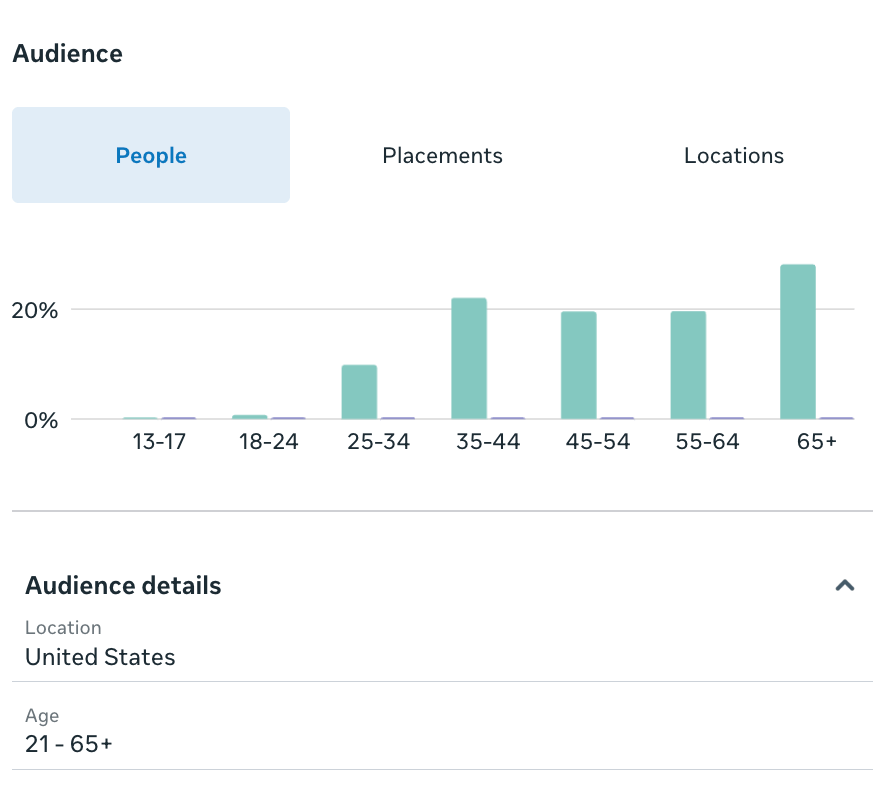
When I price my books, I think of two things: I’m in KU so price doesn’t mean that much, but I also want to be price-friendly for readers who do not have KU and have to pay out of pocket. Right now my six-book series is priced like this: Book One, .99; Book Two, 1.99; Book Three, 2.99; Books 4-6, 4.99 (USD). That’s still over twenty dollars if someone wants to read all six. That sounds crazy to me considering they could pay for a month of Kindle Unlimited for 11.99 USD plus tax. They could read mine and as many other books as they could for the month. I understand not every country has access to Kindle Unlimited but my audience is 75% US, so I always keep that in mind when I make decisions for my book business.

I gave away almost 15,000 books in 2024, and I see the benefit in giving away a first in series or even just a standalone to let readers get a free taste of what you offer, but as the article states, we have to price in a way that we still make money. That’s been something I haven’t quite figured out, and we all have to find that delicate balance among ad spend, giving away our books, and pricing low to keep readers happy but also to reach whatever monetary goals we have. I’ve decided making money isn’t going to be my focus in 2025, stopping all my ads and just letting the chips fall where they may. I’m focusing on enjoying the writing process and not thinking so much of how many books I’ll publish every year.

The more books you have, the more choices you have. You don’t have to think so much of price if you have only one book out or if your series isn’t complete. Look at the bigger picture when pricing your books, not just what you’ll get when one person buys one book. (I also touched on this in a different blog post and you can read it here: https://vaniamargene.com/2024/07/29/every-time-someone-reads-your-book/) Pricing your books is a sales and marketing strategy, so try to know what kind of outcome you want when figuring out what to price your books. You can’t measure return on investment if you don’t know what kind of return you want. Sometimes it’s not all about sales, it’s about exposure or read-through.

Experiment and see what works for you. The first three books in my series won’t be low forever, but I can’t guarantee when I’ll get around to changing them to 4.99 like the rest. It is smart though, to mix it up every now and then, even if it’s just so you have something to write about in your newsletter.


That’s about all I have for the first five of Written Word Media’s 2025 trends. I’ll do the other five next week. Here are some quick links if you’re looking for resources about what we talked about. I hope 2025 is treating you well. I can’t believe how fast time is flying by.

Until next time!


Links:

Bookbub also did a predictions list that focus more on AI: https://insights.bookbub.com/publishing-leaders-share-predictions-2025/

Jane Friedman and newsletters for authors: https://janefriedman.com/email-newsletters-for-authors/

How to do a Kindle Countdown Sale: https://www.writtenwordmedia.com/kindle-countdown-deals-explained/

TikTok Uncertainty Prompts the Book Business to Envision an Even Better Future: https://www.publishersweekly.com/pw/by-topic/industry-news/publisher-news/article/96889-tiktok-uncertainty-prompts-the-book-business-to-envision-an-even-better-future.html (You might hit a paywall if you’ve read all your allotted free articles)

KC Crowne and the Case of the AI Prompt

1,796 words
10 minutes read time

https://chatgpt.com/

I guess everyone is talking about KC Crowne’s AI faux pas now, and with AI being a hot button in author circles anyway, we might be talking about this for a long time.

Last week, a romance author published a book in their mafia romance series and I assume went about their business. It wasn’t long after an AI prompt was caught in the beginning of the book, signaling to everyone that they were using AI to help them write their books.

I’m not going to rake them over the coals for using AI. The fact is a lot of authors do and will continue to do so. Using AI is a choice, and it’s one authors make every day. I don’t use Al to help me write my books, but I do use him to help me with ad copy and just the other day I fed him my blurb to help me think of mini-tropes for an arrow graphic. I bounce blog ideas off him, for this blog and for my author newsletter, though mostly for that one I ask him for blog title ideas to help with my open rate. In my mind, he just takes the place of a friend who doesn’t have time to brainstorm. Not everyone is hanging around their phones and sometimes you can’t wait for feedback. My so-so attitude would probably get me canceled by authors who are so whole-heartedly against AI that they won’t even talk about it. I think there’s a time and a place for Al (for any man, really, haha), and for every author that’s going to be different. Some authors use him as an editor because they can’t afford a human, some, like KC, use him to plump up scenes (though I doubt a machine can create relatable characters. That seems redundant when even the author couldn’t make her characters as three dimensional as she wanted.). Some authors are like me and use him to think of ad copy and whatever else, leaving the actual writing of the books in their own hands. Like a stalker, Al isn’t going away. Resistance is futile.

What I wanted to talk about is a couple of things that have come up since readers found that AI prompt. One of the most frequent I’ve seen is, Why didn’t an editor catch it? I don’t know this author, don’t know what their editing process is like. They could have a million beta readers, editors, whatever, but I think what everyone wanted to do was accuse them of not using an editor at all. I doubt that a bestselling author like KC Crowne forgoes an editor, and the simplest explanation I can come up with is they were responding to feedback (a flat scene from the looks of it) and asked Al to help plump up that scene. Not every author asks their editors to look over changes, hoping that they aren’t editing in typos as they fix other things. They probably got Al’s help, copy and pasted, and away they went. They might have been in a hurry if they were working against a preorder deadline, and we all know mistakes can be made when you’re rushed. I’m not excusing them at all, I’ve published books with typos (that publishing anticipation never goes away and being in a hurry to upload your files to KDP can position you to make a lot of mistakes), but I can understand it happening. So that’s why I think that AI prompt was missed. That author was the last to look at it before they uploaded the files.

Another thing that was called into question was the number of positive reviews that book had that didn’t mention the AI prompt. A lot of those reviews came from Booksprout, and because I use that site to get reviews, I feel compelled to defend those reviewers. Booksprout reviewers want to help you, and for the most part, they will leave four and five star reviews. If they have an issue with a book, they tell you in private feedback. I’ve put a lot of books up for review, and the only review that was “critical” that I’ve gotten was for Give & Take, the first book in my Lost & Found trilogy. She admitted she wasn’t the target audience and she said the same in private feedback. She also mentioned she didn’t think Jack had enough emotional growth. I thanked her for her time and explained that his character arc was still developed in the next two books if she wanted to read them. She never responded and I didn’t push the issue.

I don’t know if KC’s reviewers on Booksprout caught the prompt. I don’t know if they told the author. I don’t know if they told the author and they didn’t read their feedback. I don’t always read or respond to my feedback. A lot of it is them catching typos, and if they reach out, I’ll thank them for telling me and that’s it. It’s kind of a hands-off site. Authors stay on our side and readers stay on their side. Except for a couple of readers who have reached out in other ways, I don’t communicate with my reviewers and most of the time it seems like they want it that way.

So when we ask why their Booksprout reviewers didn’t catch it, we don’t know they didn’t. The author, or her PA, could have not looked at the site after she uploaded her book on there, or maybe she was locked into preorder edits and couldn’t fix it right when it was discovered. That doesn’t seem to be the case, though maybe. I don’t know the publishing timeline. God knows how many readers it went out to if she had it on preorder and she had to wait to fix the mistake. Because we don’t know the whole story, I wouldn’t judge the reviewers on Booksprout, and I will continue to use that site for reviews with Loss and Damages. Like with any kind of social media or anything that has a measurable ROI, you get out of it what you put into it, and over the years I have met some lovely readers who pick up all my books.

I doubt this will be the last time we’ll see something like this happen. Authors are using AI and like someone said on Threads, we will read books that have been edited, co-written, or written by AI and edited by the author afterward, without knowing. It’s interesting because I was reading Written Word Media’s 2025 trends, and their first trend was that readers will be building loyal audiences and their seventh trend was that AI will become more mainstream. I’m going to talk more about all the trends next week (that was supposed to be my blog post for today) but I think authors who want to build loyal audiences and who use AI are going to have to work harder and smarter to connect with people. KC Crowne alienated a lot of people authors. Whether there will consequences remains to be seen. The one big difference between an author like me getting blog ideas and an author like KC who uses it to plump up scenes and make characters more relatable is that I don’t ask Al to feel. He’s a machine and regurgitates what he learned from other people and scrapes the web for information that’s already out there. He’s not going to be able to write about a man’s fear a woman doesn’t love him anymore, or a woman’s happiness when the man she loves asks her to marry him.

If anyone judges KC for anything at all, it should be for the fact that if they’re having trouble writing relatable characters, that’s a craft issue and nothing they should be looking to take shortcuts on. I only mentioned this because she posted an apology on Facebook:

Screenshot of Facebook message

PA Amanda
Hello everyone. This is KC Crowne using my PA's fb. Firstly, I want to say to that I understand your frustrations. To think that an author that you have enjoyed reading has Al generated books is understandably a cause for concern. I can assure everyone that all my books are written by me. I've been writing my books before Al came about. I've recently started the practice of using Al to make very minor edits. To be honest, I'm still learning about how to best use Al to make my reader's experience better but I can assure you that keeping my original voice strong is of utmost importance. I hope you can understand that enhancing the reader's experience is my ultimate goal. The last thing I would want is for my books to not be competitive in the market. Finally, I take full responsibility for the error in the file.

I don’t know how they think asking Al to help them will result in enhancing a reader’s experience. Only an author can do that, digging into backstory, emotional wounds, and stakes. They have to get to know their characters, what motivates them, what they love and what they hate. I don’t know if they’re spending time with their characters, letting their stories marinate. They say the best writing happens in the shower and while you’re washing dishes and this is absolutely true. If they’re writing quickly, perhaps slowing down and sitting with their characters would help. That author makes thousands a month on their books, and I can’t imagine the pressure that would create. The need to keep that going because they probably have people on their team they pay along with their own living expenses, but like I said in a previous blog post, turning to AI is not the answer. At least, not an answer to that particular question.

Another author’s thread I happened to see said using AI is lazy and authors shouldn’t do it. I was a little offended, as lazy is the last thing I am. It also insults authors who use a program like ProWritingAid when they can’t afford an editor. Is it lazy to ask Al for newsletter subject lines? Is it lazy to ask him for help naming a character? There is a line between not doing the work at all and working smarter. 75% of the time I use Al as a search engine, and he’s very quick at scraping the web for what I want to know. Is it lazy of me not to do a real Google search and comb through articles? I write all my own books. I do my own covers in Canva using stock from DepositPhotos. I know they have started adding pictures done with AI, and when I’m doing a search, I filter them out.

Whether an author wants to use AI or not isn’t for me to judge, but if they’re using AI for character development and making a scene richer, then maybe they need to step back and figure out why they’re writing, or still writing, in the first place. A machine can’t relate to people.

KC Crowne is lucky this TikTok BS came along. It will help bury their mistake and in a couple of months when they rebrand and rerelease that book (I would assume that’s what they’re going to do–why waste a good book?) everyone will have forgotten what happened until the next author who gets caught using AI comes along.

So, the outcome of this mystery? Slow down, enjoy the process, and read your proof!

Al might not be human, but you are, and we all make mistakes.

Until next time!

Author Websites: Do You Need One?

Words: 1918
Time to read: 10 minutes


Today’s topic on websites is thanks to Melody Loomis, and you can check out her website here: https://www.melodyloomis.com/


I’ve been a writer in some way, shape, or form, all my life, like most writers are, but when I found writing after a failed attempt at going into Human Resources as a career, I didn’t think to create a website. In fact, the idea of it sounded foreign, confusing, and costly. I dusted off my Twitter account–I had made one while I was in school to connect with HR people–and joined the writing community instead (thinking I’d make the connections I would eventually need to sell my books. Ha!). One of the first things they said was to start a website, so, despite my inhibitions, like everything else I’ve done in publishing, in December of 2015, according to my WordPress site, I jumped right in.

I didn’t create my website to tell people about my books though. I started an indie blog, the one you’re reading right now. Almost nine years later, I have never taken my website down or skipped a week publishing, for that matter. I was pretty hardcore back then, writing six times a month about stuff I knew nothing about. Arrogant, I suppose, like a lot of newbie authors are. I don’t recommend having a website where you blog for indie authors and try to sell your books to readers at the same time. Mixing the writing community and the reading community can leave a bad taste in someone’s mouth, be it the writing community who doesn’t like the kinds of books you’re writing or the reading community who doesn’t like what you have to say on your blog that’s intended for other writers and authors. In fact, after typing that sentence, I’m tempted to take my Books page down. I don’t promote them anyway, and really, they don’t belong on a website that I use to write about my publishing experiences. I could always add them to my true author website (vmrheault.com), nesting a page under that Books page and making it clear they’re written under another name, but that’s a thought for another day.

The title of this blogpost is “Author Websites: Do you need one?” and the answer to that question is yes. Yes, you do, and along with the reasons why, I’ll explain how I use my websites and how they differ from each other.

Don’t build your house on other people’s land.
This is really important and I can’t stress this enough. Just a couple of days ago, someone on Threads was saying how her Facebook Author page got taken down and she lost over four thousand followers. Imagine if she had created a newsletter/blog instead. I know this post is about websites, but websites and newsletters/blogs are almost one and the same. A website is yours, and so is your newsletter. Social media platforms come and go (not because they fall apart like Google + but because you’re at the mercy of a bot who decides if you’re breaking their guidelines), but your website and a newsletter will always be around (unless, for some reason, you take them down).

It’s where you should send newsletter subscribers.
It’s a very bad idea to use your newsletter aggregator’s landing page link to send readers to sign up for your newsletter. If you change your landing page or you have an issue with your newsletter, that link might not always work. When you put that link around online and for some reason it gets broken, readers will think you don’t have a newsletter anymore and you could lose a fan. Also, broken links just look plain unprofessional. If you send subscribers to your website instead, you can make changes to your newsletter sign-up link as needed. No one learned this lesson better or faster than I did when my MailerLite newsletter went up in a puff of smoke. I had an invitation to sign up to my newsletter in the back matter of over ten books. That’s a lot of links to change when you think of ebooks, paperbacks on KDP, and paperbacks on IngramSpark. Luckily, I was sending them to my website, and now instead of a landing page link, I edited what the page says and it invites them to subscribe to my blog. My reader magnet is on that page now, instead of in my welcome email, but it is what it is. I’ll never try another newsletter aggregator. I like being in control of my website and blog. The longer I’m in this industry, the more I learn it’s difficult to trust anyone with any part of your business. If you want to see what that page looks like, you can look here: https://vmrheault.com/subscribe/

It doesn’t cost that much.
I can only speak for WordPress. I use WordPress and let them host. I bought my domain name and the email I needed, vania@vaniamargene.com, when I set up my newsletter, through WordPress too. I’ve shared that email enough that I probably won’t get rid of it even if I don’t need it for MailerLite anymore. Way back people said you shouldn’t do that because you can’t enjoy plugins and other things on a WordPress-hosted site. I didn’t care about having popups or selling books on my site, and still really don’t. Selling my books here sounds like a big time-suck and I already have enough of those. So, I went with a Premium plan for both and pay $96.00 dollars a year, each, $19.00 for my domain names, each, and my G Suite email for $72.00. You don’t need all that. Personal plans are $4.00 a month or $48 a year plus the domain for $19. You can have a professional WordPress website for $67.00 a year. Some website providers are even free, and there’s no reason you can’t go that way, but you’ll still end up paying for a domain name. One of the things authors forget is that when you get your taxes done, you can write off your expenses. I keep track of all my yearly spend and give that and my yearly royalties to my accountant. With how much I spend in ads, I break even or I’m in the red, but I can still get some money back for all the money I put into my business. No matter which way you go, free or paid, or if you find a site that’s in between, set something up.

Your website will turn into your hub.
Your website will be around for years and years and years and as you publish books, you’ll add those to build a nice backlist. You don’t need to worry about SEO or how people will find you. You can add your website link to the backs of your books and on all your social media profiles. People who are searching for you or your books already know your name and what to Google. The only time you need to worry about building SEO is if you’re blogging on a topic and you want to be found when someone searches for information about that topic. That really doesn’t apply to authors, unless you write nonfiction, and then you’re probably blogging about your subject.

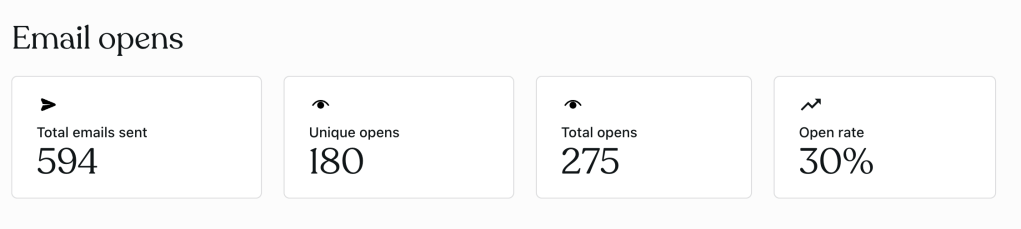
This website gets anywhere from 30-100 hits a day. Mostly because people are looking for instructions on how to make a paperback cover in Canva. The updated instructions have gotten over 6,000 views since I published it in June of 2022. I get my regular readers who will read every Monday, and they count too, but if you search for “making paperback covers in Canva” my blog post is on the first page of results. That doesn’t matter much since it doesn’t sell books, I’m just happy I can help people publish. I don’t sell books off this website, so that would be another reason to take my Books page down. If you’re worried about SEO for your website, the only thing you can do is blog consistently on it. Being that a normal newsletter is only sent out once a month, if you blog that infrequently, you’ll never get the SEO you want. Building SEO takes hard work and consistency. Anyone who blogs whenever they feel like it and hops around from topic to topic can tell you how difficult it is to grow your following. Still, if you choose a WordPress-hosted site, you can be part of the WordPress Reader. When I moved my newsletter to my blog, not only did my number of opens stay around the same, but my posts were seen in the WordPress Reader, a perk I hadn’t considered but appreciate now. If you truly want your website to come up if someone searches your genre, sell a lot of books. That’s all you can do.


People say they don’t want a website because they don’t have anything to put on it. To me, that sounds like a good reason to have one. There’s no maintenance. I guess then you can argue you’re paying for nothing, but you’re paying for an internet presence you own and you have no idea how helpful it is to have one until you don’t and you need it. I loving having both my websites, and I have to admit, I love blogging on both too. I never understood people who say they don’t have anything to write, and oh, my God, do I hear it a lot. You’re a writer. How hard is it to come up with 500-1000 words once a month? Talk about yourself. Talk about your books. People can’t get to know you or think they’ll try out your books if you don’t put yourself out there. Though, that’s neither here nor there since we’re just talking about websites and not blogging, but if you’re worried your website will become stale, at least copy over your newsletter content to a blog once or twice a month, and maybe you’ll get some new readers who haven’t subscribed to your newsletter.

Content is the name of the game, and you’d need something to post if you make up a Facebook Author Page. You definitely need to create content on FB if you want people to see it, otherwise the algorithms will sink your page faster than Amazon will sink your book. If you write lengthy posts on Facebook, repurpose those posts on your website.

When I started posting about my books on my author site, I really enjoyed myself, and I was surprised at the number of views and visitors I was getting. I put my ARC links up and though they haven’t gone as fast as I would have liked, more signed up than if I wouldn’t have made them available on my website at all.

Your website will be what you make it. It will reflect who you are as author and the kinds of books you write. We’re all grappling for discoverability, for our books to be seen. A website is a good way to do that.

Now, I need to set up a blog for my author site. I’m blogging more over there to create buzz for my series, and it’s working well. In the past week I’ve had 145 views and 95 visitors, plus the opens I get from the list I exported from MailerLite when I deactivated my account. I couldn’t be happier.

I hope you had a good weekend and that you’re enjoying the Labor Day holiday. Check www.vmrheault.com if you want to see what I’m writing to my readers.

Until next time!

Monday Musings and Author Update

It feels like it took forever, but I finally finished proofing the paperback proofs of my series. I would have thought since I was feeling better that proofing would have gone faster, but I was distracted just as I would have been if I had still been feeling bad. I can’t blame my health… I’m happy to say that besides looking for snippets for social media (what little I post) I’ll never have to read these again and that probably had more to do with it than anything else. Though, I did get a little teary-eyed when I finished. This is a bittersweet goodbye, for sure.

Overall, I’m very happy with the changes I made–some of the paragraphs needed some plumping up, even after having gotten this far. You just see, and feel, things differently when you read your book as a book. There’s still plenty of work to do, starting with putting in the edits. That always takes me longer than it should because I check and double-check that I’m not editing in typos. I also tweaked the covers and I’ll be checking those changes when I order new proofs along with the formatting. Then, after everything looks good, I have to make ebook files out of the paperback PDFs. Putting changes into six books was enough–there was no way I was doing twelve–but I’ll do that when I’m ready to put the ARCs up. I’m going to make a separate page for this series on my website, including a list of FAQs about the ARCs, Bookfunnel links when they’re ready, and trigger warnings. I still have a lot to do, but I feel like the hardest part is behind me. I can put on some music, make a cup of coffee, and have fun with what I have left.

In other news that’s not boring, I saw on my podcast app that the Self Publishing Show, the podcast that was hosted by Mark Dawson and James Blatch, recorded their last episode. I was a little sad to hear that since they’ve been a staple in the indie publishing community for as long as I’ve been around (2016) and longer. It’s not really a surprise though, considering I listened to a podcast maybe a month ago, and I was confused as to why James hosted that episode alone. No one talks about Mark’s (alleged?) plagiarizing, forcing him to step back, and I guess he’s coping with the aftermath. I’m not a part of the 20booksto50k group on Facebook any longer, nor am I member of the Self Publishing Formula anymore so I don’t have the inside scoop, if they were even mumbling about it. In a different group that I can’t remember now, one person said James was retiring from the podcast because it was too much to handle alone.

Considering they record for YouTube, production of the podcast probably was a lot. It also makes me wonder if they could afford to keep it going, if they’re tightening their purse strings and decided paying their team to produce the podcast was just too much. I have no idea how many indies faded away from their group and stopped buying the ads course and their Self Publishing 101 course because they didn’t want to be associated with Mark anymore. In that vein, I’m sure they planned out guests months in advance, and maybe they just couldn’t find people willing to be part of their podcast anymore.

I don’t have much information on their conference they held in London in June, but it sounds like they still had a good turnout. I can’t find any mention about Mark and if he made an appearance or if James handled it alone. If he did, he may not want to do that anymore, either. The way Craig Martelle talked about organizing the 20booksto50k conference in Vegas every year, it’s a lot, and maybe James won’t want to do it without Mark. It’s impossible to say if their friendship took a hit. We may never know the behind-the-scenes details like that.

I liked Mark, what I knew of him through podcast interviews and how he and James would interact at the beginning of each podcast episode. I’m not spreading gossip or rumors with a malicious intent–I’m simply wondering what’s going on and mourning a podcast I listened to pretty frequently as many did. If you want to listen to the last episode with guests Joe Solari and KDP’s Darren Hardy, you can listen to it here.


Listening to Joe Solari talk about Author Nation coming up in November, it did make me realize that I won’t want to go to any future [20booksto50k] conferences. I missed out on the conferences when they were the way I wanted to participate, and my chance is gone now. Author Nation is too big, too bright, for me and my fledgling author career.

I don’t know if there are any self-publishing conferences out there anymore geared toward authors who haven’t “made it.” Bryan Cohen and Jim Kukral hosted one in Chicago before the pandemic and it was fantastic. I met authors who just published their first book to authors who were making a living wage. Their panels (for everyone, they weren’t breakout sessions) were informative and I was able to ask questions anonymously, which took away the stress. I met up with a friend from Twitter, and overall I had a good time. Maybe I’m not in the loop anymore (which wouldn’t be surprising) but I don’t see these types of conferences offered. The ones I see are huge, requiring authors to make a certain amount to be invited in, like NINC. I should probably connect to some romance writers associations. A lot of the chapters under the RWA went out independently and they do host conferences, even if they’re just virtual. I kind of lost that side of my writing while I wasn’t feeling well, focused more on writing and creating to try to forget about how I felt. I’m missing that, and in the coming months, now that my series is done, I should think about adding it back.

Especially since connecting with people is so hard. I post on Threads, and most of my posts don’t even get 30 views. How can authors connect with other authors that way? I know my opinions aren’t always popular (don’t care about things other people foam at the mouth over), and I don’t have a cat to take pictures of anymore. And on that note, I’m going to stop answering questions on Threads. I get nothing back for answering someone’s question. Yeah, I’m tired and bitter. I don’t need to spend five minutes typing out a response to get a heart reaction. If they can’t take five seconds to type a “thank you!” then I’m not going to bother. They can depend on others for the information they could look up online. I used to think Twitter was bad, but I’m gritting my teeth thinking Threads is actually worse. I’ve been used in the past. It’s not fun and rather not keep up with that tradition. In fact, it takes a toll on my mental heath, and you can read a post where I wrote about that particular subject here: https://chaoscoffeeandconfessions.blogspot.com/2024/07/garbage-doesnt-always-take-itself-out.html


I think that’s about all I have for today. I’ll be taking some time off from writing–not blogging, for this blog or my author blog–but I’m not going to work on another book for a bit. I’ve accomplished a lot since December of 2019, and saying goodbye to my King’s Crossing series at the same time as finally getting some answers for my health issues (though not the kind of outcome I was hoping for) is kind of a turning point. I’m finding some equilibrium with my health and where my publishing is going. I love writing and publishing, but honestly I thought pivoting to first person present and niching down to Billionaire would do more for me and while it has, I’m still not seeing the results I was hoping for. Nobody’s fault, but you know how it is. The definition of insanity is doing the same thing over and over again and expecting a different result. I don’t want to stop, but I’ve been banging my head against a brick wall and I need to find a pillow instead so it doesn’t hurt so much.

Before I say, “Until next time!” you know I love sharing other authors’ journeys, and when I was talking to a friend yesterday morning and she mentioned all she learned posting to free sites like Wattpad, I asked her to write something about it for my blog. She said she already did for hers, so if you want to read about an author’s experience using free sites that led to her publishing through KDP, you can read it here. We all start somewhere, right? Even if it feels like years later we’re still in the same place. https://ananyascribblesaround.wordpress.com/2021/08/08/i-used-to-post-my-stories-online-for-free-and-i-dont-regret-it/

Thanks for your time, and I hope you have a great week!

Until next time!

Every Time Someone Reads Your Book….

….you might not actually get paid.

Words: 1798
Time to read: 10 minutes

There seems to be an idea floating around the author community that you should get paid every time someone reads your book. This is especially true when we talk about pirating. The main concern is that we aren’t getting paid for those reads. I get it, especially since two years ago I pivoted to first person present and focused on billionaires in an attempt to find a readership that will read all the books I’ll ever write.

But when it comes to books, we’re always saying books are meant to be shared. These days, we mean more word of mouth so that other people will take those recommendations and buy their own copies. Sharing books, physical or passing around a Kindle, has turned into something of a no-no because as an author, we want our cut, no matter how small that ends up being.

Nothing a book loves more than to be collected.

Eloise Bridgerton, Bridgerton, Season 3

I don’t know if the idea of not sharing is more popular now because pirating is more prevalent, authors complaining that the second their books are available online they end up on a pirate site, or because we’re fighting against all the legitimately free books out there. A reader can sign up for newsletter promos like Freebooksy, Red Feather Romance (that does feature free books sometimes) Ereader News Today, Robin Reads, and other newsletter promos that promote free books. If a reader opened those newsletters every day and took advantage of all their offerings, there’s a good chance that person wouldn’t have to buy a book to read ever again. And then there are subscriptions to programs like Kindle Unlimited and Kobo Plus, where readers aren’t paid as much as a sale (at least, that’s the way it is if an author participates in Kindle Select), and yeah, authors love to put Amazon down for it. And we can’t forget the huge free book blasts that are becoming more and more popular. (You can read about some of them here: https://www.bookbub.com/blog/stuff-your-kindle-day.) I joined one last year and there were over two thousand free books available for download. If a reader downloaded every book, even if they are voracious readers, how long do you think it would take them to read every single one? A year? Longer? And those blasts can happen two or three times a year, depending on the genre you like to read.

Free books are out there. And yours, whether you like it or not, might be one of them.

I’ll be fifty years old this year, and I remember when there weren’t Kindles, there wasn’t KU. There wasn’t online reading at all. Okay, you got me. There wasn’t internet, haha. If you wanted a book you needed to go to the library, pick up a paperback at a K-Mart or PAMIDA, if you remember those from so long ago. This was back when bookstores actually carried books and not toys and games and music, and if you wanted to read a series, you were very lucky if you could find them all in one place. There were other ways to get books, other ways that didn’t always ensure an author would see their royalties–thrift stores selling secondhand books, rummage sales. I have totes and totes of Harlequin Desires and Temptations because there’s not a thrift store I can’t go into without loading up.

Is it fair to an author?

At some point, I think it’s better if you let go of the idea you’re going to get paid for every read. The way books were created and designed was to be shared, and it’s been that way with other printed media like newspapers and magazines for decades. Publications try to curtail this loss of income by using online paywalls for their digital editions, but more often than not, if you hit a paywall, you click out, or you use an internet extension to bypass it if you can. To some extent, we think information should be free, but just like an author wants to be paid for their work, so does a journalist or, in some cases, a blogger or newsletter creator. Indie authors who go the nonfiction way to help other authors find a balance between free and paid information. Dave Chesson gives indie authors tons of free resources, everything from QR code and barcode generators to free Amazon ads classes. But, he also charges for things like Publisher Rocket and his formatting software, Atticus. There are other indie authors who give out free marketing advice or answer questions by giving up time to be interviewed or joining in podcasts but offer things authors can buy (I’m thinking of Zoe York who is very free with information on her YouTube channel who has written nonfiction books about writing a series and fiction writer Alessandra Torre who hosts an authors’ convention called InkerCon and runs a Facebook group of the same name).

Some authors do give away books, a reader magnet like I do, or a free first in series if they’re not exclusive with Amazon. You’d have to ask them why they’re okay with giving away books. Some of them have a large readership and just consider these books a loss leader because they know the return on investment is worth it. Some are very guarded with their books and rarely give anything away for free, thinking they deserve every penny for every second spent writing. In my opinion, this kind of attitude comes off as miserly. There was even one person in Mark Dawson’s Self Publishing group on Facebook (that I am no longer a part of) who said he wouldn’t be offering a paperback version of his book because he didn’t want people to share it. With that kind of attitude, I wonder if he found any readers at all.

This isn’t a post about giving away books. I’ve written about that before (https://vaniamargene.com/2022/11/28/author-update-thoughts-on-getting-blocked-and-giveaways-are-they-worth-it/). It’s really a personal and business choice and discussion around it can get very heated at times. What I’m really getting at here is that after someone purchases your book, what happens to it afterward can be out of your hands. They can give it to a friend, put it in a LFL (little free library), put it in a donation box for charity. When my son put together my bookshelves, I went through all my books that aren’t in storage. I gave my local library three big boxes of books I knew deep in my heart I would never read or didn’t want to keep (and yes, some of them were indie). I didn’t feel like I was cheating the authors out of royalty money. Some of the books I did buy from places where the authors would get their cut like Amazon, Barnes and Noble, the grocery store, and Walmart. Some I didn’t, like secondhand bookstores and thrift shops. I’m getting older and have trouble reading smaller print, and while I still love to hold a book, I prefer to read on my Kindle, and between the Freebooksy newsletter I subscribe to and my Kindle Unlimited subscription, I have plenty to read for many, many months.

There will always be someone selling the books they’ve purchased–third party sellers on Amazon and people trying to get rid of their copies on eBay. Some of my books are on eBay going for a helluva a lot more than if they would just buy from Amazon, and maybe sometimes those sellers make money but probably most of the time they don’t.

When it comes right down to it, authors make very little off their books, and that could be why authors are so guarded. I particularly see this attitude from newer authors who only have one book available and who’ve found their book on the pirating sites. They realized that when you print a 500 page book and have to price it at 25 dollars readers are paying Amazon for paper and those authors are lucky to make fifty cents (that’s actually an exaggeration, and if you you want to play with a print calculator, you can find it here https://www.draft2digital.com/podcalc). They don’t want to give books away for free, don’t see a value in it because they do only have the one book. I see authors raising their prices to try to make any kind of money at all, and that’s a business decision. Personally, I’d rather keep my prices reasonable, even on the low side. I’d rather have two readers for the price of one, but not everyone thinks like that. I’d rather have a reader in KU than lose out on page reads because I hate Amazon and I’m wide. We all have to make the choices that are best for us, but while owning a business can be stressful, there are things you can choose not to stress over and one of those things are readers reading your books for free. It will happen.

I don’t mind if people share my reader magnet after downloading it from Bookfunnel. I don’t care if someone buys one of my paperbacks and ten people read it after her. I’ve read free books, and it would be hypocritical not to expect it to happen to me because I’ve done it all my life. The idea that people shouldn’t be able to read a book for free needs to die down. There will always be free books everywhere, and if you believe you should get paid for every page, I’m sorry to say that you may be in for a hard time business-wise. There is value in ARCs, reader magnets, and loss leaders. There might even be value to your books being read on pirate sites. Who knows where you’ll pick up a fan.

Laura Zats and Erik Hane, the hosts of Print Run, recorded an interested podcast about the topic of secondhand books, more specifically, the used bookstore Half Price Books in Apple Valley, Minnesota. They’re agents who live in the Twin Cities area, so they talk about the trad side of things, but their conversation was interesting nonetheless, and you can listen to it here: (https://soundcloud.com/printrunpodcast/episode-166)

That’s all I have for this week. I’ll have an author update for you soon, and hopefully that will have some good news. I also would like to talk more about ads and I’m still mulling over what I want to talk about based off a comment about AI and algorithms I saw on Threads not long ago.

I hope you’re having a great summer. It’s two-thirds gone, and if you wanted to get anything done before fall hits, you might want to get on that. Summer will be gone before you know it!

Take care and thanks for reading!