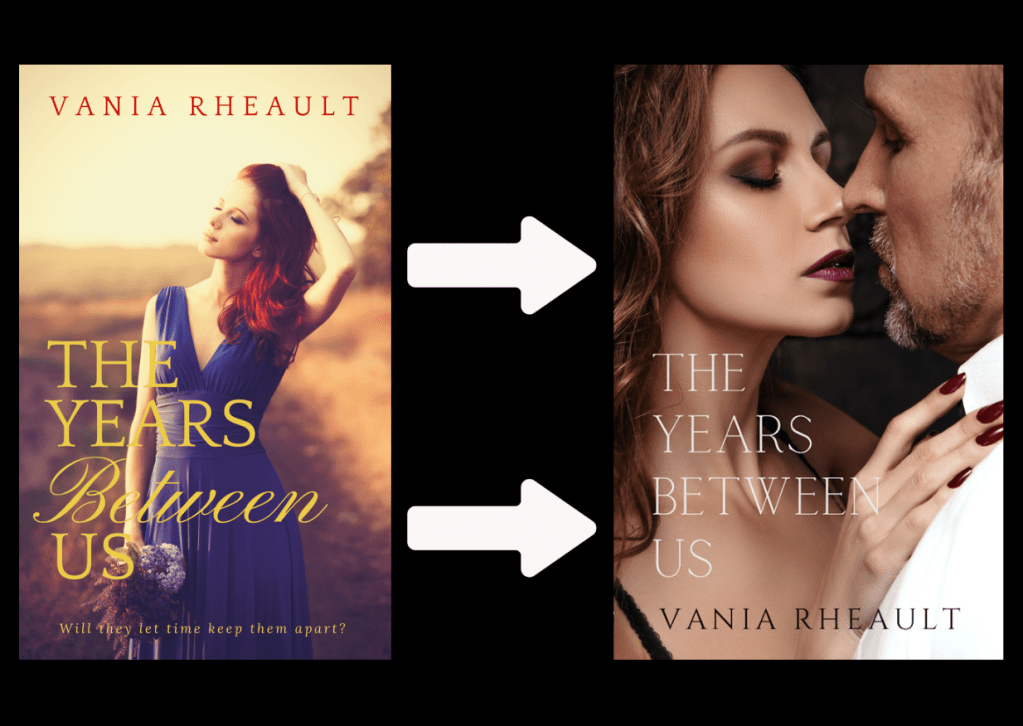
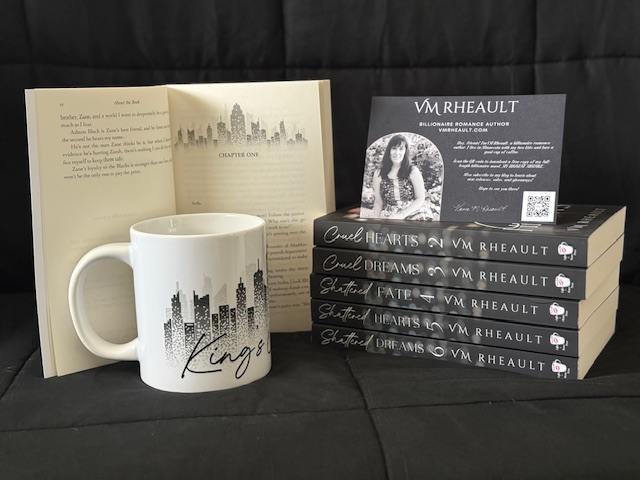
Four Things I Learned Editing My King’s Crossing and Rocky Point Wedding Series

1,933 words
10 minutes read time

For the past several months, from October of 2023 right after I published A Heartache for Christmas until January of this year, I was editing. I was editing my King’s Crossing Series, doing the final editing passes since I had sat on those books for over three years after I wrote them, and my Rocky Point Wedding series since I hadn’t looked at them since I published at the beginning of 2020. After so much time had gone by, I knew they could be better, and since a few people here and there were finding them, I thought while I was between projects, it would be a good time to edit them again.

But, editing ten books in a row dragged me down, so much so I didn’t even realize how icky I was feeling until those projects were finished and I started having fun writing again. Huge projects are a lot of work, especially when you don’t have help. My Rocky Point Wedding series might not have needed more editing if I’d had help in the first place, on the other hand, a lot of time had gone by and a lot of words too, so I was bound to get better regardless.

Since I doubt I’ll ever edit ten books back to back again, I thought I’d write out the four things I learned while editing these books.

Time between edits is really helpful.
When I wasn’t feeling well, I wrote nonstop. I would finish a book and move on to the next with barely a break. Before I knew it, I had several books on my computer and a different kind of anxiety started weighing on me. What was I going to do with all those books? So, while I was writing, in a way, I was taking a break from the others I had written before. I think my King’s Crossing books benefited the most from that because each time I did an editing sweep, I added more details I hadn’t thought of before and fixed inconsistencies I missed. As more time went by and I could edit with fresh eyes, I was able to fix the smaller and more intricate details and inconsistencies. I once said that something small in book two could have damning consequences in book four, but for me to remember that incident, I needed space between editing sweeps. Not everyone is going to take four years to edit a series, and I didn’t really, either, writing new books between editing sessions, but knowing how beneficial breaks can be, I’m going to try to stagger projects in the future so every editing sweep will feel “new.”

I had to develop a better memory.
Maybe it’s easier to write standalones, but while I was writing my King’s Crossing series it was difficult to remember things, and it might sound dumb, but you don’t remember what you forgot. When I was re-editing my Rocky Point Wedding series, I found a lot of places where I had forgotten things, like where a character parked her car, or when a character was supposed to be somewhere and I had him somewhere else. Also, characters had a habit of just “fading away” when I didn’t need them anymore. I was actually kind of surprised I messed that up so badly, and I could tell I learned a lot from editing my King’s Crossing series as those discrepancies were easy to spot. If you don’t have a good memory, you’re going to have to hire someone who does. I told a friend that by the time I was done editing my King’s Crossing series, I pretty much had all the books memorized. After editing them back to back three times in a row, I don’t think I had much of a choice. Now I think I have a better memory than before, though right now I’m only working on standalones and I don’t think I ever had a problem with those. I’ve gone through the standalones I have out and those were more of a garbage word sweep than anything else, maybe plumping up some scenes. But yeah, I definitely found out my memory wasn’t as great as I thought it was, but I can take steps to help with that now that I know.

Putting inside information into the books was a lot of fun, some I didn’t even consider until the fourth or fifth edit.
Probably what I loved best as I was getting to know the plot and the characters more was putting connected information from books 1-3 into books 4-6 . For instance, there’s a place in book six where Gage thinks, I bet Zane’s never gone through the public entrance of the airport, but we know in book three he did with Stella. What I loved was writing Max’s journal entries that Gage reads in books 4-6 that Max, as a character in books 1-3, wrote down. I really enjoyed writing the events of those books through Max’s eyes only for them to be interpreted into information Gage needed in books 4-6. I’m not sure if I would have even thought to do some of that stuff if it hadn’t been for the multiple rounds of editing those books went through. One of my biggest pleasures was when in book six, they need to go across the state in a hurry, and in the past Zane would drive. We didn’t really understand his fear of flying because of his parents’ plane crash until he says he’d get on a plane to save his sister.

I could tell I pantsed my King’s Crossing series a lot more than I did other books I’ve written.
I think one of the things I did the most was smooth out consistency issues, and maybe not even issues, just adding details to make books 1-3 and books 4-6 more cohesive. Because I didn’t realize that Zarah was going to get her own story until almost the very last second, that meant a lot of smoothing out books 1-3, adding details and motivations of characters to better explain what was going on. That was especially true of Max, when they didn’t really know why he was investigating Zane and Zarah’s parents’ plane crash, and the reasons he was come up in the later books.

I remember plotting out all the books in my Rocky Point series before I started writing, so the plot stuff there wasn’t too big of an issue while I was editing those, and I was happy about that. I did have one instance where I messed up and I had a character say he was doing something when he definitely was not. That was part of my memory issue too, but besides having to fix that, the plots were solid. I don’t like pantsing books because for me it takes a lot of work to edit them, but even if I had to put a lot of time into my King’s Crossing series, it was worth it in the end.


A friend and I were talking about series and how I keep details straight. Short of memorizing every single line of every single book, I really didn’t have an answer because that’s what I felt like I did, at least to the point I knew exactly the sentence to search for to get to the scene I needed to check something. I used a notebook at times, writing stuff down, but then I would never look at it again, so I don’t think writing anything down really helped me all that much. When I first decide to start a book, I write down character names and traits, that kind of thing, but once you’re five books deep into a series, that stuff doesn’t come up too often. I mean, once you establish a character’s eyes are blue, you don’t need to keep repeating it.

I think over such a long series, I had trouble more with keeping characters’ goals and motivations in check. For instance, Zarah’s therapist turns out to be a bad person, but I was vague as to how she came to be Zarah’s therapist to begin with. Once her therapist’s role became even more apparent, I could think of how she inserted herself into Zarah’s life. I’m hesitant to say that some of this stuff could have been avoided if I had written slower because I did write six books in a little over a year, and maybe that’s true, but these books were also the first 1st person dual POV books I ever wrote, so not only did I jump into a huge series, I hadn’t taken the time to learn how to write in first person after writing in 3rd all my life.

I haven’t gotten feedback on the series as a whole yet–books five and six have yet to release, and even though they were all available on Booksprout, the reviewers haven’t posted reviews of book six because it’s not time for them to. Only when feedback starts to come in of book six will I know if the series as a whole works. Probably everyone I ever tell I did these alone will think I’m crazy, but as prices go up and up, editing will be farther and farther out of a reach for a lot of authors. Which is unfortunate because if you don’t have the skill to edit your books yourself, there’s not a lot out there that can compare to a human’s feedback. ProWritingAid can only do so much, and no matter how “smart” Al is, this is just a level of editing he can’t handle.

I don’t know what the solution is. I had these beta read, both series, but you’re not going to get the kind of feedback you need to avoid inconsistencies like that unless you hire the right kind of editor and that costs. If I have to give any advice on doing something like this alone, it would be to plot, take your time writing, and give yourself plenty of space to edit, and then, when all is said and done, be okay with knowing you might not have caught everything. There probably are a couple things I missed editing my King’s Crossing series. Layers I could have added, details that would have made the story richer, but like with any book, you can’t chase perfect or you’ll never publish. That’s the simple truth.

If you’re thinking of writing a series or if you have trouble plotting in general and want to give it a try, I have a couple of resources for you (none of them are affiliate links). Next week I’ll do a proper author update, and the week after that I have a lovely interview planned with Brandi Easterling Collins.

Have a good week! Until next time!


Romance Your Brand: Building a Marketable Genre Fiction Series (Publishing How To Book 1) by Zoe York: https://www.amazon.com/gp/product/B07XMDKV1Y

Take Off Your Pants!: Outline Your Books for Faster, Better Writing: Revised Edition by Libby Hawker: https://www.amazon.com/Take-Off-Your-Pants-Outline-ebook/dp/B00UKC0GHA

Melody Loomis: How to outline a novel when you don’t know what’s going to happen:

Melody also said I could share this graphic with you. She found the original via Priscilla Oliveras’s “Romance Writing” course and you can find it here: https://www.ed2go.com/courses/writing/writing-and-editing/ilc/romance-writing. She added a couple of things and so did I. Have fun filling it in–I’ve only used a notebook to write all these things down, but maybe I will try this instead. Have fun plotting:

save and print me!

Thursday Thoughts: The world is a large place

917 words
5 minutes read time

When I get up in the morning, I have a routine. I go to the bathroom, start a pot of coffee, and go out and feed the squirrels, bunnies, and the crows if they come. I have a bowl I use and fill it with cat treats (for the crows) bird seed, and peanuts in the shell, and toss it outside in my apartment complex’s parking lot. There is an empty parking spot and the animals, because we live in a quiet building, don’t mind picking around there for food. Anyway, so I toss the food out while the coffee drips, go inside and pour a cup, and scroll social media for a few minutes before I shower.

I always see some goofy stuff, some Amazon hate, politics (of course), the Cat Distribution System at work, that kind of thing. Today I saw a post that said (paraphrased), that if you’re bummed about sales there’s a Stuff Your Kindle Event going on and that could be why your sales are low.

I mean, I get it. I’ve gone through my own pity parties before (it seemed like mine went on for all of 2024) and I can get behind whatever you have to tell yourself to feel better. But, lying to yourself also does your books a disservice. The world is not that small that a Stuff Your Kindle Day would hurt your sales, especially if you don’t write romance.

That’s one thing that being stuck in the writing community will do: it will box you in to the point where you think nothing else is going on outside that bubble, and let me just remind you that’s not the case at all. I’ve joined Stuff Your Kindle Days, and out of respect for the person putting it together I’m not going to spew the numbers she shares with us, and I have no idea what Stuff Your Kindle event this is anyway. There are so many now it’s hard to keep track of them all. I hadn’t heard there was one going on today, but let’s just say there are 500 books available. That seems to be an average number where these things are concerned, so that means 500 authors are taking part. Some authors’ newsletters subscribers and social media followings can get pretty high, but if those 500 authors had 1,000 newsletter subscribers, that’s half a million readers this event is going out to. Not everyone opens their emails, so we can subtract a few thousand from that number but we can also add them in again to make up for authors posting on their social media. I would think a half million readers is pretty generous as authors just starting out can have as few as a hundred newsletter subscribers, and some none at all, using the event to jumpstart their writing careers.

A half million readers might seem like a lot, but according to Visual Capitalist, in 2020, there were five billion eighteen million adults in the world between the ages of 20 and 79. That’s a lot of readers that we might be forgetting about when we hear there’s a Stuff Your Kindle Day.

I think instead of being bummed there’s an event going on, or trying to blame your low sales on holidays (that not everyone celebrates) or a time of year that doesn’t affect all parts of the world at the same time, like summer (we have summer in the US while Australia has winter for a quick and harmless reminder), we could just use that energy to figure out how to reach readers all over all year round.

That’s easier said than done, of course, as my own sales being what they are don’t put me in a position to preach to anyone. But, I’m also realistic in that I don’t blame my lack of sales on things like Christmas. I take full responsibility for it.

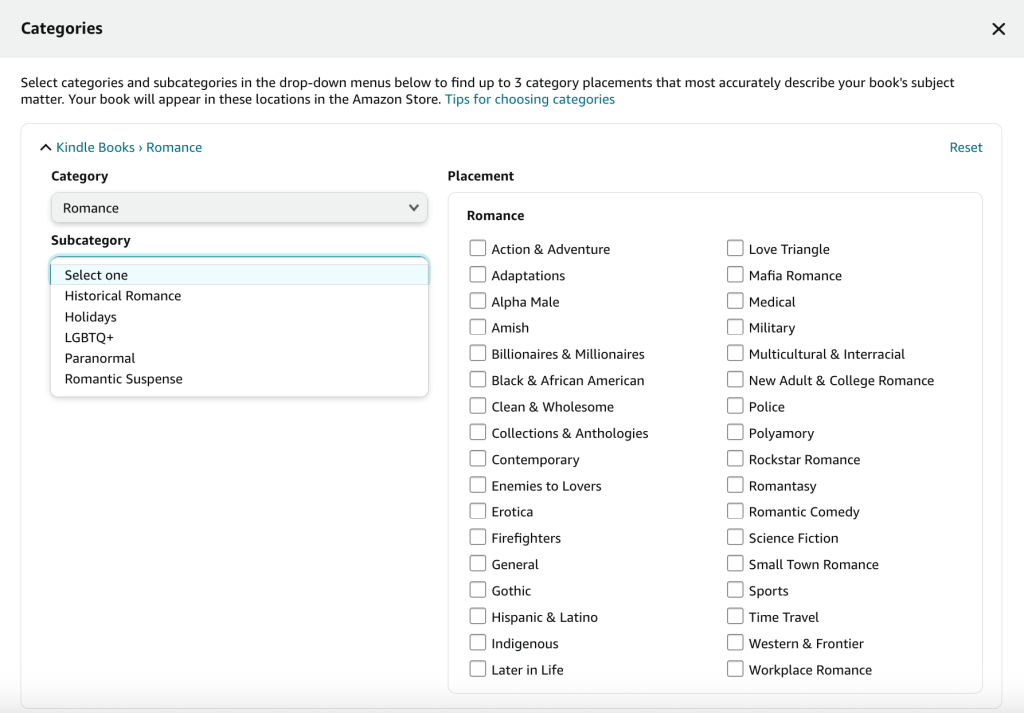
It’s a better use of your time and energy to think of ways to reach those 5 billion plus readers such as write a reader magnet and build your newsletter list. Join a Facebook group of authors who write in your genre and introduce yourself. Networking is a great way to build relationships for newsletter swaps down the road. Experiment with some ads, they don’t have to be expensive. Double check that your categories and keywords are correct. The correct meta data will help Amazon position your book and help your ads work better too. Write another book, preferably a series. As much as I say how difficult they can be and how much energy they take, if you write a strong first book, read-through can lift your sales by more than you’d think.

When we place the blame of low sales on something like a Stuff Your Kindle Day, you’re taking power away from yourself. I know marketing can feel painful and not everything you do is going to work, but you can explore options to get the word out about your books.

Anyway, this was just a quick thought I had today. I hope you’re all staying warm where you are. It was a chilly -20F this morning when I went out to feed my animals. While I’m waiting for it to warm up I’m busy writing WICKED GAMES, but next week I’ll update you on what I’ve been doing.

See you on Monday!

QUICK LINKS:

I wrote about Stuff Your Kindle Days in a different post, and if you write romance or a romance subgenre and want to participate, you can find the list here.

If you’re interested in buying a promotion David Gaughran has a huge list, and some aren’t that much money. You can find the list here.

Written Word Media’s 2025 Trends: Part Two

2,028 words
11 minutes read time

If you’re just finding the blog and/or missed the first five trends I wrote about that are in Written Word Media’s blog post, you can find that post here: Written Word Media’s 2025 Publishing Trends: Part One. And if you want to read Written Word Media’s blog post yourself, you can find it here: https://www.writtenwordmedia.com/the-top-10-publishing-trends-for-2025/

Let’s jump right in to the trends.

Trend number six: Trad and Indie Converge in Due Course
We already see this happening in different ways, so I would imagine this will keep going. Publishers snapping up indies who are doing well to exploit the audiences they’ve already built, trad authors publishing titles on the side themselves, the Big Five using print on demand technology. Publishing is getting mixed up more than it ever has been, and that won’t stop as authors and publishers alike look for the best ways to find an audience, save money on printing and distribution, and keep as many royalties as they can.

I think what this means for indies is that as long as you put out a good book that has a good cover and has been edited, it’s not going to matter if you published the book yourself. The stigma that used to come from self-publishing is gone. Trad authors who publish on the side to either add extra books to their publishing schedule or publish books that their agent didn’t sell, or whatever the reason is, they have a loyal audience who buys all their books and it doesn’t matter if it was trad-pubbed or not. Indies don’t have that convenience of an already-made audience, so that’s one thing we have to take upon ourselves, but everything else is pretty much the same, especially when we read every day about a traditionally published book that needs more editing. If you want to read about traditional publishers using print-on-demand equipment, Jane Friedman wrote a blog post about it and you can read it here: https://janefriedman.com/dont-demonize-print-on-demand/

Trend number seven: AI Tools Become More Mainstream
I think anyone who really believes this isn’t tapped into the way a lot of authors feel. I get that being on Threads and seeing the hate AI evokes isn’t an accurate sampling of authors everywhere, but just knowing that there is a portion of authors out there who won’t use AI no matter what makes this prediction shaky at best.

As I discussed in my blog post about KC Crowne, I do understand that Al can be used for different things. WWM’s article also talked about non-fiction uses, such as “social media posting, to advertising, email, sales fulfillment, or tax management” and I think if authors start embracing Al in bigger numbers, that will be all they’ll use it for, because, here’s the thing. Writers actually like to write. We want to plot our stories, we want to come up with backstories, we want to delve into our characters’ feelings and emotions so we can evoke those feelings and emotions in our readers. If we turn to Al for any part of that creative process, why are we writing then? Like with KC wanting to relate to her readers, how can she do that when she won’t take the time to get to know her own characters and write her own work?

People who predict the controversy of using AI will go away don’t have their fingers on the pulse of what a lot of authors feel. We also want people to get paid for their work, which is why I would never ask Al to create a picture for me. Almost every single thing you want can be found on a stock photo site, and if you can’t find it there, hire an artist, and maybe she’ll be able to pay her internet bill with the fee you’re paying her.

Readers may not care if you use AI to write, or to make your books’ covers, or to make Facebook ads as long as their enjoyment of a book they read isn’t impacted. Which means that whether you use AI or not, your main goal when writing and packaging your book should be to deliver a good product that will keep readers coming back for more.

Trend number eight: AI Unlocks Licensing and IP Innovation
I think this trend will only work for the authors who can pay to do it correctly. A long time ago on Twitter I saw someone who said she was using AI to translate her English language books to German and then she was publishing them. She wasn’t using a German-speaking real live human to double-check Al’s work, and I think that is a big mistake. Al doesn’t understand nuance and context, and there’s a reason why the phrase “lost in translation” exists. But, paying a proofreader, any kind, costs money, and using AI is supposed to help us get around that, right? So yeah, she might have had more IP in her hands, but God only knows what she was selling her German readers. Maybe it isn’t that bad, but who’s going to know unless she starts getting bad reviews? By then, it’s too late.

AI narration is getting better and better every day, but I haven’t heard anything recently about the quality of KDP’s audiobook program. It made waves when it first came out, many authors cursing it to the depths of hell, others embracing it as an affordable way to finally have their books in audio format. When I found out that duo narration, preferred when writing dual POVs, wasn’t available, I lost interest in it anyway. I’ve always figured audiobooks will be out of my reach as I can’t afford production, and I kind of left it there. Considering a determined reader can figure out how to have a book read to them on their device, it may not matter much. If AI narration is getting better, so is text-to-voice and the experience for a reader that’s not too picky will be just fine.

I think the bottom line on AI and IP is that yeah, Al can help you put together translations and audio books and art for special editions, but it’s up to you to make sure the quality is there (no one wants to see a model who has six fingers on each hand and has three legs). Al can make mistakes, (just look at Grammarly and how often they recommend commas you don’t need) and going without a human to check and make sure what he’s doing is okay is a risk I wouldn’t want to take with my audience. Listen, I’ve edited for authors who have trusted Grammarly, and it’s harder to edit a manuscript like that than if they would have just handed me a rough draft. Grammarly and other editing software is not perfect so always use with caution.

You might end up with a lot of IP if you use AI to get ahead, but if it’s trash, it’s not worth much.

Trend number nine: Audiobook Accessibility Expands in 2025
We already talked about this a bit, but it will be up to authors who want to use AI narration and readers who want to listen to it. When it comes to AI, it isn’t just about availability and quality, it’s also about what you feel is best for you, your book business, and audience. Not everyone wants to support AI. Maybe we want to support true voice actors who depend on their jobs to make a living. Maybe readers would also like to support humans. Once you put out enough audio books, you’ll find an audience who will support either (or maybe even both). Maybe you’ll find a system where you hire narrators for full-length books but use AI for novellas, or maybe you write only shorts and AI is good enough for your needs. As access expands, it doesn’t mean authors will use it. And if authors us it, it doesn’t mean readers want to listen to it. So while this trend is true, it will expand, because why wouldn’t it, authors can choose not to create with it and readers can choose not to consume it.

Trend number ten: POD Goes Mainstream
We talked a little bit about this already, and it didn’t even occur to me that I’ve purchased a book from a trad author and her paperback book came printed by KDP (there was the time, date, and location stamp in the back). I was wondering what the heck and if she’d been dropped by her publisher and had gotten her rights back. It makes sense for publishers to use POD as it takes up less space than keeping stock and they don’t have to worry about titles going out of print. But as Drew Broussard in Jane’s blog post I linked to above says, there’s just a little lesser quality with a POD print than a book that came from a print run. You’re not going to get the embossed letters or fancy textures, you even run the risk of getting the wrong book between the covers, so I’m guessing that publishers will decide which title will get the POD treatment based on how big the audience still is and how old the book is.

This also could be why it takes so dang long to get author copies. Obviously the more authors who depend on POD the busier the equipment is, and that means planning ahead months if you need to order author copies. Especially since the more authors who use the equipment the more taxed they are and you don’t know if your books will come in good condition and you need to put in a replacement order.


Everyone says don’t write to trends, write the book you want to write because trends change too quickly to keep up. That’s not true, and Billionaire romance is proof of that. Everyone said that was a trend, that “mommy porn” was a passing phase, but it’s going on fifteen years since EL James published her Fifty Shades of Grey trilogy and Billionaire romance is still one of the top selling romance subgenres, though lately Mafia is giving it a run for its money. Trends take a long time to actually lose favor with readers, even if it feels like it happens overnight. These trends WWM talked about won’t fade because that’s just the direction publishing is going right now. AI won’t go away because too many people find value in using it, even if practices like using it to write or narrate books some find too abhorrent to do.

2025 will be like all the others, authors writing good books and trying to get them seen to build an audience of their 1000 true fans. Sometimes I think the publishing industry is glutted with too many books, but then I remember that readers can read a book a day and demand probably matches supply, even if we look at the thousands of books published every month and it doesn’t feel like it. Personally, I don’t think ramping your publishing schedule will help any. If someone doesn’t know you’ve written a book, they wont know you’ve written two. Being that the top marketing advice right now is to write the next book, advice I have passed along and believe in, I think we should still be writing with intent, trying to level up our craft each time we write, always trying to write a book better than our last.

The fact is, it’s difficult finding an audience, but the trick now is to not give up. Do what you have to do to stay interested and engaged and not lose heart. I’ve started to enjoy working on LOSS AND DAMAGES again, and I get excited talking about the next book I’m going to write. I like thinking about the future and the books I want to write, having material planned for well into 2027. I don’t know what life has in store for me, but I’m pretty sure writing is more than a passing trend.

Take care of yourselves this year, and in the meantime, I’ll you next week!

Five Reasons Why You Should Proof your Proofs!

1,080 words
6 minutes read time

picture of four book covers. they have the not for resale stripe in the middle. a rocky point wedding series
I still love the way those covers turned out!

Back in the day, I used to be excited to order my proof from KDP. It was fun to see my book look like a book, and I’d take pictures of it, proud I was a published author. That was when we published through CreateSpace and they didn’t have that ugly stripe in the middle. When Amazon merged CreateSpace and the ebook part of KDP, I didn’t mind. I liked having my book versions together on one dashboard, and when they added the NOT FOR RESALE stripe, I was okay with it. A lot of physical ARCs have some kind of warning that it’s not the finished product, and these are no different.

But, there is also other value in ordering a proof (if you can) and as the years went on, I started going over my proofs. Now I’m always shocked to learn not everyone proofs their proofs, and they are missing out on a great opportunity.

A last editing sweep, of course.
Editors and other authors say to change your font in your Word document to make typos stand out or use the read aloud feature (listening to the voice read a word that’s not spelled correctly is funny), and those are both great ways to find typos that would normally slip by. But, also reading your proof is a good way to see run-on sentences, punctuation errors like broken ellipses, spelling mistakes, and more. One of the things I have noticed is that reading your proof can actually help you see where scenes could be plumped up or if it drags. Reading your book, flipping the pages, and seeing the words on a printed page allows you to feel how your book moves, and when I was proofing my King’s Crossing series, I made a lot of scene changes right at the last minute. There’s something real about holding your book in your hands and reading it, and if you don’t proof your proof, you’re missing out on that experience.

Check your formatting.
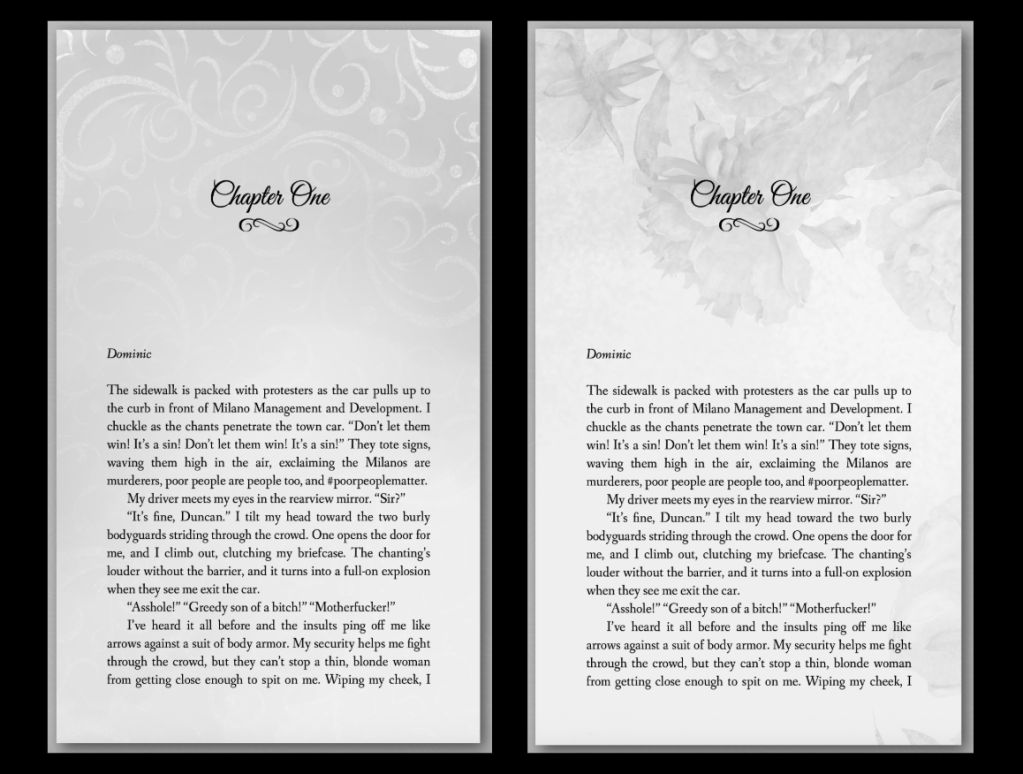
Sometimes things look okay on your screen but not in print. When I was proofing books 4-6 of my King’s Crossing novels, there are a lot of journal entries. Max left Gage his journal that described a lot of what happened in books 1-3 and played a huge part in Gage figuring out Zarah’s past. But I wanted to format those journal entries in a way that didn’t distract the reader from the story. I finally ended up just using italics, though I tried other things like setting them in in a block quotation or an alignment block. Then, once I decided on how I wanted them formatted, I had to go through all the books and make sure I changed them all and didn’t miss any for consistency. Sometimes you’ll end up with just a word or two on a separate page that you need to fix, sometimes the pictures in your back matter need to be adjusted. You won’t know those things if you don’t proof your proof.

Check the cover.
Print on demand isn’t always accurate, and KDP is notorious for printing dark. Sometimes you might decide to go with a matte cover instead of glossy. You are never going to get the colors you see on the screen, so it’s best to order a poof copy and make sure the colors are how you want them, that your spine looks good, and the back over looks professional. A lot of times I don’t get the gradients lined up to the spine just right and I have to move it over. You won’t be able to tell that looking at a PDF of your cover. One of the last-second catches I saw when I was proofing my Rocky Point Wedding series was that I still had A Rocky Point Wedding Book One on book four. KDP might have caught it when I published, but it was better that I saw it and fixed it myself.

This is book four. Ooops.

Look for lines and scenes that you can use in graphics and reels.
This will probably be one of the last times you read your book, and you can use this read-through to highlight hooky lines, dialogue, and scenes you can use in social media graphics and TikTok videos. One of the most time-consuming things is to page through your book, looking for lines you can use, and if you do this during your last edit, you’re saving yourself time in the long run. I wish I would have thought of this a long time ago, but social media isn’t my strong suit. You can be sure that I’ll be doing it from now on.

Peace of mind.
I see so many people who want their books in bookstores and libraries, yet they never order a proof to see exactly what their readers are getting when they pay 10-20 dollars to buy a paperback. I want to see exactly what my readers are going to get. I want the cover to look good, I want my formatting to look like a traditionally published book. I want to be able to catch all the typos I can (humanly) catch. I know that cost can be a barrier for some, the cost of the book and shipping might be too much after spending on editing and cover design, but as long as you are able, I would always recommend proofing your proof.

You probably don’t want to know how many proofs I ordered of my King’s Crossing series. That series is over four years in the making, and I changed the covers, too. I spent a lot on books I ended up throwing away, not needing them after fixing what I needed to fix. I throw away a lot of proofs, actually, because I don’t need them anymore. I only have room for so many, and prefer to keep a few author copies on hand instead. If you have the space, you might keep them for nostalgic purposes, but I don’t have much room, and I don’t see the sense in keeping them. The finished product is enough for me.

Ordering a proof is exciting, but it’s also a chance for one last read, no matter how sick you are of the story by now. Enjoy the last time you’ll read it, and quietly say goodbye to characters that you worked so hard on.

Written Word Media’s 2025 Publishing Trends: Part One

2,449 words
13 minutes read time

illustrated picture of brunette woman holding cell phone with a stack of books behind her

The first month of the year is almost over, but I’ve been promising this blog post for a while now, and I think Written Word Media’s 2025 predictions are still worth exploring. I need to break this post into two parts, five trends in each, or this blog post will get so long no one will want to read it, and honestly, I don’t have time to do all ten at once (still gotta get some editing in today). I linked to the article if you want to read the original first or as you go along. Some of them you might have seen before, here on this blog, or theirs. Sometimes it feel like publishing, especially indie publishing, can move quite fast, but in reality, publishing, both trad and indie, moves at a snail’s pace, and turning in any other direction than the one in which you are going is slower than the Titanic trying to avoid that iceberg.

Let’s begin:

Trend number one: Authors Focus on Building Loyal Audiences
I feel like this might be a given, and no offense to WWM or the author of the article, but I don’t see the point of adding it. Authors have always been focused on building a loyal audience, finding their true 1,000 fans. I’m not sure why it was included, except maybe to accentuate the fact that building a loyal audience is hard work. First you have to actually find your readers, then offer them enough books to either look forward to everything you write, or self-select out of your books because they don’t like your style or voice or whatever reason they have. How you go about doing this will be different for everyone, not to mention if you can only write and publish one book a year, it will take a long time. The authors who are making a living wage and who do have their 1,000+ fans have managed to accomplish this, so we know it can be done. But given the number of books out there, finding, and keeping, your readers is just a given of being an author. Write your books because without them, you won’t need an audience.

Tread number two: Authors Invest in Email Marketing
It’s always been known that if you’re an author, you should be building a newsletter, and if you’re not, that’s a personal choice that may come back and bite you in the butt. After the TikTok fiasco, I saw a lot of authors on Threads saying they might start one or start a blog so they have something that’s not social media. It’s probably the smart thing to do, since we saw a lot of desperation when TikTok almost went away, and even some now, because if you deleted TikTok off your phone or other device, you can’t get it back. The app store doesn’t allow you to download it anymore (and if you do still have it, there won’t be any new updates).

About availability of TikTok and ByteDance Ltd. apps in the United States
TikTok and ByteDance Ltd. apps are no longer available in the United States, and visitors to the United States might have limited access to features.
Apple is obligated to follow the laws in the jurisdictions where it operates. Pursuant to the Protecting Americans from Foreign Adversary Controlled Applications Act, apps developed by ByteDance Ltd. and its subsidiaries — including TikTok, CapCut, Lemon8, and others — will no longer be available for download or updates on the App Store for users in the United States starting January 19, 2025.

That’s not say you can’t use TikTok in your browser, but who knows what kind of reach it has. We’ll talk more about Meta in the next trend, but if you don’t like good old Zuck (for political reasons or other), you might not want to be dependent on Facebook, Threads, and Instagram, either. They say you can’t be everywhere at once, but maybe be on a place that you control first and foremost, and then use social media as a backup or Plan B. Evergreen content can be used over and over again, and all content can be repurposed. A blog post on your author site can be chopped into chunks to use on your FB author page or IG. I think the main thing here though, is to train your readers to look for you on your website. If you have an active FB page, make sure they know you have a website too. Turn your website and your newsletter into your primary source of news for your reader. Billionaires don’t care about you–we see this over and over again. Stop thinking they do and take care of yourself. Jane Friedman has a get-started-guide to newsletters, and you can read it here: https://janefriedman.com/email-newsletters-for-authors/

Trend number three: Meta Continues to Dominate
Unfortunately, because he owns Facebook, Instagram, and Threads, there’s not a lot of places for authors to go if you want to avoid Mark Zuckerberg. Personally, I think he’s an idiot for licking Trump’s feet. Be that as it may, he owns a lot of social media now, and if you have a large following on your Facebook author page or your Instagram page, you probably don’t want to leave. I think if anyone was still hanging around Twitter, they left after Musk’s Nazi salute. Finding anywhere else to go is difficult, Bluesky’s founder Jack Dorsey (that is such a good name though) not without his share of problematic activity. I don’t use social media a lot, though I’ve been posting more this month because I joined a challenge. Once the challenge is over at the end of the month, I’ll probably just go back to not posting at all. Being accountable to someone helps, but I should be feeling accountable to my readers and so far, that has only extended to my blog and my books. If I say I’m going to have a book out at a certain time, I do and that’s about as far as my accountability goes.

As far as ads, Facebook ads probably are the best ad platform an author is going to get, Instagram, Bookbub, and Amazon coming in close second, third, and fourth, though hard to tell which order. They all have their attributes and setbacks, and though I’ve struggled in the past, I would lean toward Facebook ads if I ever wanted to run more ads in the future.

I think the thing to remember about any social media, not just what Zuckerberg owns, is that if you’re trying to reach readers, that’s different than being part of the writing community. Approach each platform with the goal you have in mind. If you want to post graphics and reels all day that feature your books, Instagram seems to be the place for that. If you want to connect with other authors, Threads and Bluesky seem like the better choice. Facebook acts as a one-stop-shop, and you can join author groups for publishing and marketing information and networking with other authors to join newsletter swaps and author-driven promos, start an Author page for your readers, and run ads. Each platform does have different purposes, and while above I suggested you reuse content, not all content will be fit for all platforms. For an example, I’ve been posting a lot on my FB author page, but that’s kind of an anything goes platform, whereas, if you’re trying to create an aesthetically pleasing grid on Instagram, everything has to be in line with your theme which means you’ll be planning your posts. Choose your goal and have your plan. I post on FB and Instagram to promote my books to my readers, joined FB groups for publishing industry news and networking, and I joined Threads (though I said I wasn’t going to) to get book news and just post random crap that’s not fit for anywhere else. (How many people care I had to buy a new coffeemaker?)

It seems like Meta will be around for a bit, but always have a backup plan. When Meta servers go down, Facebook, Instagram, and Threads go down at the same time. That’s a lot of social media blackout. Know why you’re posting and what you want to get out of your social media use. If something isn’t working, move on. Algorithms are heartless animals, don’t let them beat you down.

Trend number four: Direct Sales Continue to Grow
I think this is really true. Authors are seeing the benefit of cutting out the middleman and earning more for themselves. But, on the flip side, if you don’t have the technical savvy (or patience) to pull it off, don’t have the space to store physical books, don’t have the spoons to think about any of it much less the ability to get to the post office two or three times a week, I wouldn’t worry about it. For as many authors who do sell direct, there are just as many or more who do not. Because my ebooks are in KU, I couldn’t sell those directly, but I could sell my paperbacks if I wanted. I don’t have the space to store stock, and though I know a couple people who could probably help me get some kind of system set up on my website, it just sounds like too much work.

Honestly, anything more than what I’m doing sounds like too much work. Direct sales doesn’t necessarily mean setting up Stripe on your website and shipping physical books out of your home. It could mean setting up a Patreon and asking readers to pay for exclusive content. It could mean setting up a paid newsletter. Anything where you are engaging with readers directly, where they pay you (minus the fees of whatever platform or system you’re using) directly for content they want. If I ever had a book take off, maybe I would create a special edition to sell directly to readers somehow, but all that seems so up in the air and you have to consider ROI. Are you getting enough from the time and stress it takes to put all that together? I sound like I’m against direct sales, but I’m not. If you have the energy, resources, and your books are available to be sold elsewhere other than Amazon, then you should do it. What I’m trying to do is tell authors who don’t want to or can’t do this right now, or ever, that it’s okay. Not everyone does it or wants to do it. With my luck, I would put paperbacks on my website and sales would explode. I don’t have a team to handle that. Amazon is okay for what I want it to do. They take care of taxes, distribution, and shipping, and royalties land in my account.

I don’t know what’s in store when it comes to a trend like this. More authors doing it? Maybe, as Amazon’s reputation gets worse and worse and Draft2Digital and IngramSpark get increasingly harder to work with. Indies go indie to be in control, after all, and there’s no greater control than selling your own books.

Trend number five: Authors Experiment with Pricing
I think all authors experiment to some extent, though from the small sampling I’ve seen on Threads, authors could be a bit more flexible. Amazon doesn’t make this easy, only giving us 35% if our prices are 1.99 and below, and we’re reluctant to price at .99 only to receive 34 cents per sale. This is where having a series can come in handy, putting your first book for .99 (or free if you’re wide) as a loss leader and recouping that loss when a reader reads all the books in the series. There are a lot of arguments as to what book blasts like SYKD do for anyone, though no one can truly know since evidence for or against is so elusive.

When I price my books, I think of two things: I’m in KU so price doesn’t mean that much, but I also want to be price-friendly for readers who do not have KU and have to pay out of pocket. Right now my six-book series is priced like this: Book One, .99; Book Two, 1.99; Book Three, 2.99; Books 4-6, 4.99 (USD). That’s still over twenty dollars if someone wants to read all six. That sounds crazy to me considering they could pay for a month of Kindle Unlimited for 11.99 USD plus tax. They could read mine and as many other books as they could for the month. I understand not every country has access to Kindle Unlimited but my audience is 75% US, so I always keep that in mind when I make decisions for my book business.

I gave away almost 15,000 books in 2024, and I see the benefit in giving away a first in series or even just a standalone to let readers get a free taste of what you offer, but as the article states, we have to price in a way that we still make money. That’s been something I haven’t quite figured out, and we all have to find that delicate balance among ad spend, giving away our books, and pricing low to keep readers happy but also to reach whatever monetary goals we have. I’ve decided making money isn’t going to be my focus in 2025, stopping all my ads and just letting the chips fall where they may. I’m focusing on enjoying the writing process and not thinking so much of how many books I’ll publish every year.

The more books you have, the more choices you have. You don’t have to think so much of price if you have only one book out or if your series isn’t complete. Look at the bigger picture when pricing your books, not just what you’ll get when one person buys one book. (I also touched on this in a different blog post and you can read it here: https://vaniamargene.com/2024/07/29/every-time-someone-reads-your-book/) Pricing your books is a sales and marketing strategy, so try to know what kind of outcome you want when figuring out what to price your books. You can’t measure return on investment if you don’t know what kind of return you want. Sometimes it’s not all about sales, it’s about exposure or read-through.

Experiment and see what works for you. The first three books in my series won’t be low forever, but I can’t guarantee when I’ll get around to changing them to 4.99 like the rest. It is smart though, to mix it up every now and then, even if it’s just so you have something to write about in your newsletter.


That’s about all I have for the first five of Written Word Media’s 2025 trends. I’ll do the other five next week. Here are some quick links if you’re looking for resources about what we talked about. I hope 2025 is treating you well. I can’t believe how fast time is flying by.

Until next time!


Links:

Bookbub also did a predictions list that focus more on AI: https://insights.bookbub.com/publishing-leaders-share-predictions-2025/

Jane Friedman and newsletters for authors: https://janefriedman.com/email-newsletters-for-authors/

How to do a Kindle Countdown Sale: https://www.writtenwordmedia.com/kindle-countdown-deals-explained/

TikTok Uncertainty Prompts the Book Business to Envision an Even Better Future: https://www.publishersweekly.com/pw/by-topic/industry-news/publisher-news/article/96889-tiktok-uncertainty-prompts-the-book-business-to-envision-an-even-better-future.html (You might hit a paywall if you’ve read all your allotted free articles)

My First Author Update of 2025

Words: 1450
Time to read: 8 minutes

Last year went out with a bang, and this year has come in with a whimper. I mean, the whimper isn’t because I’m in pain, it’s just how I’m going to live my year. I finished reading a book I started last fall, right before I decided to edit my Rocky Point Wedding Series, and started another, reading for pleasure. This weekend I’ll begin edits on Loss and Damages, but I took New Year’s Eve and New Year’s Day “off” and did some housekeeping instead.

KDP approved my new files for the ebooks and paperbacks of my series without giving me any hassle about keywords or licensing rights (or something else I wasn’t prepared to tackle). I was pleasantly surprised and relieved. Not so pleasantly surprised and relieved when I did the same for IngramSpark and ended up paying $200. Fifty dollars a book ($25 dollars per file) wasn’t something I could afford, but the changes were too drastic not to do it. It was something I had taken upon myself and paid the price. The books are better for it, and I’ll find the invoice somewhere and give it to my accountant, uh, next year as I did that on the first of January. This year’s taxes (2025) will look a lot different as I doubt there will be many royalties to declare and a lot less ad spend to claim.

I turned off all my ads after earning $1.76 in royalties on Saturday. I had two Facebook ads that had two dollars a day ad spend, and some Amazon ads that were going at .50/click. I can’t keep my ads on if my royalties aren’t at least breaking even, so I just put up my white flag completely and shut them all down, even my rockstars on Facebook I said I would never stop. I suspect it won’t take long for my books to sink, but like I keep saying, that’s okay. I used to think that breaking even was okay, or even a good thing, but all that takes energy and I don’t want to have to think about click spend or conversion anymore. I might still boost a post now and then. Facebook ad gurus say not to do that, but with the way the algorithms are, boosting a post once in a while is practically the only way to get views. Since I have my ad information all set up in Facebook anyway, boosting a post won’t be difficult. I am trying to get more followers on my author page, though I’m not sure to what end. It’s a nice thought that followers turn into readers who will buy, but I lost that dream when I was on Twitter and my 14k followers did nothing for me. But, like I told a friend in an email, without ads running, I need to do something or no one will know I’m still breathing.

Last year my books were in two promos in December. I paid for a Fussy Librarian and gave away 3,491 copies of A Heartache for Christmas, and in a Stuff Your Ereader promo, I gave away 3,130 copies of Twisted Alibis. I was disappointed because in previous SYKD events I’ve given away a lot more than that, and Twisted Alibis and my Ghost Town Trilogy as whole have done well. Not sure if my hook wasn’t hooky enough or what, but I don’t know if I’m going to participate next year. I was surprised my Fussy Librarian did so well (Al says they have 352,127 free promo contemporary romance subscribers which was more than I thought) but I gave away a Christmas novel in December, so that was probably just timing. I said in a previous blog post that I was going to do four of those kinds of promos this year, but I don’t know. I’m tired of pushing my books, tired of hoping for a result that probably isn’t going to happen. Giving away books has an ROI that can’t truly be measured, and I think I’ve given away enough books for the foreseeable future. I did an author unwrapped on Threads and looked up the free books I gave away last year. I gave away almost 15,000 books in 2024. I don’t mind giving away books, I really, really don’t, but at some point you have to decide how beneficial it is and I’m going to wait and see what kind of page reads and read-through those promos will produce, if any, in the next few months.

I did some website cleanup and moved my books off this website to my author site. I don’t blog to sell books anyway, and all my 3rd person stuff is old and not worth mentioning. I updated some bits and pieces on my author website and I’ll be fine leaving the sites separated. Blogging over there is going okay–I got a couple more downloads of My Biggest Mistake when I sent out a Happy New Year post. Checked my subscriber stats and I’m still losing people, but that’s okay. I don’t know how to cull my list on WordPress so them opting out is the only way to get people who don’t want to be there off my list.

I’m going into this year gentler, trying not to care as much, enjoying the writing and books in general. Tired of trying to make money and there are a lot of posts on Facebook and Threads right now from authors who have been at this for just as long or longer than I have making pennies a day. I’m not alone but knowing that doesn’t make me feel better. I’ve just come to terms with it, and honestly, it’s fine. I’ll accept the yearly loss on my subscriptions like Canva, Office 365, and WordPress because at this point not paying for that stuff is stepping away farther than I want to and I wouldn’t be able to help the authors I’m currently helping. My Alliance of Independent Authors membership is a must because you never know when I’ll need their support if Amazon does something to my account. Once all the books in my King’s Crossing series are done releasing, I can downgrade my Booksprout plan to only one book a campaign instead of unlimited, and I’m only paying $20 a year to Bookfunnel so they can distribute my reader magnet and my Addicted to Her easter egg. The money I have in my savings account needs to stay there, and I don’t have the energy to make sure my royalties are matching my ad spend, so it’s best just to turn them off and let my sales do what they will. The $200 I paid to IngramSpark hit me hard and will be my last big spend. I shot my shot and missed. Now I don’t have any money to play with. I knew it was going to happen, and I’m prepared. It is what it is and all that.

I’m still going to write and publish, like I said, so this blog will always be here. Besides, for some reason, I have 400 downloads in my DepositPhotos account I thought I needed, and I still have about 70 ISBN numbers to use out of that pack of 100 I bought a few years ago. I’ve learned to bootstrap book production–editing, covers, formatting–so maybe I’ll learn to bootstrap some marketing, though the only bootstrapping I know of is social media, and I’ve never been great at that. I did ask Al for some social media prompts geared specifically toward billionaire romance indie authors, and he did a good job. He gave me 31 prompts for the month of January that could actually work without much tweaking. Though, he’s not too helpful when it comes to videos (I’d never ask him to make them for me), if that’s what’s really moving the needle. At this point, my social media accounts are the only place I can talk about my books now, besides my newsletter, and I should talk about them somewhere. Especially since I still have three more books of my King’s Crossing series yet to release. Still working on keeping my books in my mind even after they’ve been published.

That’s about all I have this week. Thanks to my friend Melody for giving me a heads up about the Bookfunnel YouTube channel/podcast. Lately, while I’m cooking dinner, I’ve been listening to their episode on having a publishing plan. Because, you know, what else am I going to listen to when I’ve been saying for the past few weeks I’m going to go easy on my writing and publishing? [Insert rolling eyes here.] Whatever. It’s a great talk, and maybe it will fire you up for the next 51 weeks. If you want to listen to it, or check out their channel, look here:

That’s about all I got. I hope the new year treats you well!

Until next time!

Vania (VM) Rheault is a contemporary romance author who has written over twenty titles.
 
When she’s not writing, you can find her working her day job, sleeping, or enjoying Minnesota’s four seasons with a cup of coffee in hand.

Monday Author Update

holiday flat. holly berries, evergreen branches and a red present on black background.  text says. Monday author update

I haven’t done one of these for a while, but there’s nothing to update you on, either. I finished book three of my Rocky Point series, and since I dated the most recent edits, I was dismayed to find that it will have taken me four months (or more as I’m not done with book four yet) to get through these. Not that I should be bothered, these books are a strong series and a solid part of my 3rd person backlist, but I had planned to use this time to get ahead. It doesn’t matter. The longer I’m writing and publishing, the less I think there are repercussions to having long wait times between books. You’ll need to push your back list and communicate with your readers through your newsletter and/or social media, but we think too much about readers forgetting about us, and that’s really not the case.

We can burn ourselves out thinking about FOMO and drive ourselves mad thinking that readers will move on to other favorite authors. It’s true, some readers may be one and done, but any author has to face that possibility, not just slow writers. There are millions of readers out there and when you do get around to releasing that next book, you’ll find new readers and the readers who have enjoyed your books before will come back.

I’m not even looking at a long gap between releases, I don’t think, despite the four months I used to polish my old series. I have no idea how long it will take me to get Loss and Damages edited and packaged (I have the cover done, so we’re just talking writing the blurb and shoving my Word document through Vellum), but if I can do that by the end of March for a September release, I’m not going to need something new until January of 2026 . . . if I keep Amazon’s cliffs in mind, and at this point, I don’t know if I care. It seems silly to freak out over something that really doesn’t warrant it, but man, it’s difficult to let go of the RIGHT NOW mentality so many authors face every day.

Anyway, so how do I plan to to keep my readers interested in me and my books while they have to wait? What can you do if you have long gaps between releases? Here are a few things I plan to do next year.

Keep going with my newsletter. I’m a proud cheerleader of newsletters, but if I have to push myself to write them at times. I almost didn’t even send one out when my third book in my King’s Crossing series released, but people wanted to know as I had the highest open rate since I started my newsletter back in, I have no idea now, 2022 maybe. I was shocked and really pleased, so you might think no one wants to hear from you but just the fact they signed up says they do.

Do better with social media. I know (I use the word loosely because we don’t talk anymore) someone who would constantly take down her social media profiles. She’d have them up for a bit, post, gain a following, then take them down. I still check in with what she does (stalking sounds so nasty, doesn’t it? LOL) only because she does social media so well. She’s got almost as many followers on her new FB page as I do after having my author page up for six years. It’s not that I don’t have things to talk about. I have plenty of books and stuff going on in my life that having a blank author page really isn’t necessary and makes me look lazy and like I don’t care. I care, but I have a terrible time showing it.

Put my book(s) on sale. This is something else that I have a problem with. I don’t remember to use my free days very often, and I can’t remember the last time I even tried to do a Kindle Countdown Deal. Sales are also a good way to keep in touch with your readers so you have something to tell them, and obviously, sales are a great way to find new readers. A while back I heard Zoe York say you should plan a promo every quarter, so four times year. I’d like to do that, especially since I have more than enough product to rotate and there are newsletter promo sites like E-Reader News Today and Robin Reads that I haven’t tried yet.

Keep doing ARCs. There’s been some talk on Threads about authors not doing ARCs anymore, due to lots of reasons like piracy and reviewers not pulling through. If just for the sake of something to talk about, I will keep doing ARCs of my books, and you can probably look forward to ARCs of Loss and Damages sometime in June or July. I’d like to have all my ARC links taken down by the time I put my book on preorder, even if it is just a short one. Admittedly, this option is only good if you write ahead. Some people put their ARCs up just weeks after the book is complete, but Loss and Damages will be finished months before I need reviews. I even hope that by the time I put ARCs up, I’ll have the next standalone I want to write done and edited and almost ready to go.

The main thing is to communicate with your readers, and I’m terrible at it. I love talking writing and publishing with other authors, but I need to get used to talking about my books in a different way. I have dreams of being an obscure bestseller, but that’s an oxymoron at best. Even if I have never heard of a romance author who is making a living wage, that doesn’t mean she doesn’t have a huge fanbase she talks to on a regular basis. I need to start putting myself out there, and that’s really difficult for me. Not like, personally. I can talk about my health issues all day long (and have) or marketing or publishing, but talking about my books, hyping them up, is odd somehow. I’m proud of my books and I think I’m a good writer, even if I have to go back occasionally and do the extra editing sweep from time to time. I don’t know. Being proud of myself and my accomplishments is just different, but in 2025 I’m going to try to be better.

I’m not going to stress about my publishing schedule next year. I need to control my FOMO and just write and publish at my own pace and not think I’m going to fade off into the void if I don’t have books ready all the way until 2027. It’s ridiculous the pressure we put on ourselves, and no one is keeping score except us.

Write for the love of it, and publish because you want to share your stories. I’m excited for the books I’m going to be editing and writing next year. I want to change my perspective and talk about my books in a way that readers will want to read them.

Next week is my usual year-end summary, and after that we’ll see what the new year brings. I’m sure there will be the usual publishing predictions and I haven’t weighed in on them for a while. Mostly because it seems all the predictions are the same year after year (publishing moves slowly after all), but I haven’t really paid attention either, because of how I’ve felt, so this will just be another change in a long line of things.

I hope you have a happy week if you celebrate!

Until next time!

My 2025 Word of the Year

Words: 932
Time to read: 5 minutes

Pantone, a company that “provides a universal language of color for many industries” announced it’s color for 2025 . . . Mocha Mousse. Apparently, it’s the first time in 25 years that they chose a shade of brown.

It’s a thing, I suppose, to choose a theme, a color, a resolution, (I almost typed revolution, and maybe with the current political environment in the States, it’s that, too) to express what we plan to do, to describe the vibe we want to put forth into the coming year.

For years I never bothered because I knew every year was going to be the same as before. It’s really depressing and soul-sucking to have a health issue that doesn’t seem treatable, much less curable, and I treated each year as the same. This post isn’t about what I’ve suffered with (I’ve made you suffer with me on this blog, and I know we are both tired of that) but I can’t deny that now that I know what’s wrong and that there aren’t more serious matters to contend with (no colon or ovarian cancer, yay!) I can’t help but think of the next year in a different light.

A romance author I know went though breast cancer treatment this year, and she said she wouldn’t be able to approach writing her books in the same way. That made a lot of sense because when you go through trauma like that and can come out the other side, maybe not whole, but in pieces that can be glued together, you can’t help but be a different person.

You all know I’ve been at this for a long time, (no, this isn’t a woe-as-me post . . . I’ve had almost a million page reads in KU this year alone, so I definitely know that I’m luckier than a lot of authors) and if you do something long enough, maybe you don’t lose your joy, but you know. It stops being exciting, it stops being . . . I don’t want to say fun because I still do, have fun writing, that is. But no matter how much you enjoy something, if you feel you have to do it, it becomes monotonous, even if only slightly.

So my word of 2025 isn’t a word, but a phrase. “Be still and know.”

What’s funny is my sister, daughter, and I were shopping downtown Fargo, ND, and there are all these trendy little shops. We went into one and this saying was on journals and mugs and pens and paperweights. I liked it, the peace of it, and I asked my sister where it came from. She looked it up on her phone, and it’s actually a Bible verse: “Be still, and know that I am God” Psalm 46 verse 10.

I’m not religious. My parents sent me to a private Baptist school from Kindergarten through fourth grade, then they sent me to public school in fifth on, though I did attend Sunday church services until I moved to go to college. That kind of ruined organized religion for me because even though I was young, I saw how hypocritical people were. There may be exceptions, but I grew up learning religious people aren’t nice. And I do see that, as an adult, people using their religion to feel better than other people, or as an excuse to do nasty things that Jesus definitely wouldn’t have done while He was here.

For a while, that tainted the saying for me, but like any religious person, I can twist it to what I want it to mean for myself. Just kidding, kind of. I still like the peace of it, the quietness of the meaning.

The last few years I’ve done nothing but move forward, and I have accomplished a lot in that time. I still would like to do a few things in 2025, and I let you know what those were in a previous blog post. But I’m going to look at things differently, slow down, enjoy the silence, and work on my books in a way that I want and find that joy again.

I want to finally stand still and appreciate how far I’ve come and all that I’ve accomplished. I want to rest and breathe and do other things that aren’t book-related. Moving forward is great when you have goals and plans and somewhere to go, but maybe I’m done moving forward. Maybe I’ve reached my destination, and you know, that wouldn’t be a bad thing. I actually rather like the thought of it. We liken being authors and publishing to running marathons but even runners finish their races, and if they truly can’t, they get picked up wherever they happen to be on the course. I don’t need a ride, but maybe I finished, and now I can eat my banana and power bar, drink my bottle of water, take a hot shower, and do something else. A runner never stops running (okay, I did but I still go for walks), and I won’t stop writing, but maybe I don’t need to train to run any more races. Writing can go back to being fun, and now that I’m feeling better, I’m interested to see how that incorporates into the next projects I’m going to work on.

I suggest if you want to move forward, have goals to work toward. Know what your finish line is. After all, what is the saying? A goal without a plan is only a wish.

But wishes are nice too. Especially if they come in the form of chocolate cake that has mocha mousse frosting on top.

Your Best Marketing Strategy–TL;DR (Write more books!)

TEAL GREEN BACKGROUND STACK OF OLD BOOKS. TEXT SAYS. TL;DR: WRITE MORE BOOKS

We talk about marketing a lot, such as buying promos, setting up a newsletter, networking with authors in your genre to do newsletter swaps, learning an ad platform. Depending on the status of your mental health and how thin your wallet is, you should probably be doing all those things. As Meta buys everything and then enforces guidelines, (no more steamy snippets on Instagram, y’all) it’s getting more and more difficult to use free resources.

Social media could be useful, or has been, but as these company shy away from content they consider porn, or pörn, you run the risk of getting your account suspended, shadow-banned, or simply the algorithms just won’t show your stuff to anyone. TikTok is the worst in its guidelines they arbitrarily enforce, and I can’t remember the last time I even bothered to post a video. With the announcement of the new Instagram guidelines pertaining to sexual content, lots of romance authors are scrambling. Social media isn’t dependable, and hopping from platform to platform won’t do anything, and here’s why. Author problems are not reader problems. Instagram’s policies really don’t affect readers. We get caught up in the author world and forget that readers aren’t always where we are. Yeah, you might be posting hoping to catch the eye of a bookstagrammer, and if that’s part of your marketing strategy, then you’ll be dealing with the change, but for the most part, you can find readers other places.

The one best marketing thing you can do though–we hear it a lot and also ignore it–is to write the next book. There are caveats to that, and I think that’s why it gets pushed aside. If no one is reading what you’ve got, then why keep going, right? I agree to a point, and that’s when you have to make a decision. Learn how to market in other ways or accept that no one is going to read you. BUT, here’s the thing we don’t talk about. If a reader finds you an likes you, having a backlist is the best way to keep them with you.

Here are the reasons why I think it’s always important to be working on your next book despite what’s happening on social media… and your sales dashboard.

Publishing regularly keeps you relevant. There’s not a lot we can agree on when it comes to Amazon besides how frustrating it is to work with them, and this: Amazon gives you a 30-, 60-, and 90-day new release cliff. This is where they push your book, giving you a little bump that you’re supposed to run with. Once the first 90 days pass, you’re on your own, and authors frequently find out that being on your own is not a good thing. Ask any author who is pleasantly surprised by their positive ranking only to watch their rank sink. It’s why indies try to publish four times a year–they don’t want to fall off the cliff. You may not be able to publish four times a year, not unless you save up and slowly release, but the more you publish the more relevant you are to Amazon and to readers who will know you’re in it for the long haul.

You get better with every book. Writers need to write to get better. Each new book gives you the opportunity to try new things and level up your craft. Like I mentioned before in previous blogs, I plotted out A Heartache for Christmas years ago, but I couldn’t write it because I wasn’t good enough to execute the plot twist. After I wrote ten other books, I tackled the plot and the mystery with ease. Maybe the mystery isn’t a shocker, but it was more than what I was able to do when I was plotting the book in the first place.

Another great reason along these lines is you get faster with every book. All these social media posts that say books that are written in two months (or whatever) are trash are written by people who are jealous an author doesn’t need long to write something good. The more you write the faster you get and the less you need to spend on editing. You can’t get good at anything unless you practice.

More promotional opportunities. Events like Stuff Your Ereader Day and newsletter swaps are becoming more prevalent as social media becomes more unstable and more undependable. It really helps when you have more product to be able to rotate in these promos. Even when I buy a Freebooksy, I don’t always promote the same book, and you can find different readers by advertising different books because they’ll be written around different tropes/plots/characters. On the same token, you’ll have more books to put on sale. Even if you’re in KU, being able to put your books on sale is a great way to find new readers. Right now I have three of my King’s Crossing series on sale: Book one is .99, the second is 1.99, and the third is 2.99 to encourage readers to buy and try. I’ve sold 24 of book one since its release, and I don’t think I would have sold them unless they were on sale. Book one could potentially lead a reader to buy the other five, so never discount the power of putting a book on sale. Elana Johnson is a master of putting her books on sale. She talks about rapid releasing and book prices in her talk at the 20booksto50k conference a couple years ago. It can be intimidating to listen to her, but she’s motivating too. You can listen to her here:

You’ll have more to offer your readers. Readers want more from you, and while that can be scary, it can be motivating, too. You’ll have more to talk about in your newsletter (and on social media) more excerpts to share, more covers to reveal. If readers know you’re going to stick around, it makes it more likely they’ll stick around to see what you’ll be up to next.

You may motivate someone else. I’ve heard from a few people they have admired how many books I’ve been able to write in such a short amount of time. I was writing to hide how I felt, sure, but I also could have used my health as an excuse to wallow (no judgment to those who have health issues and can’t write as much as they’d like. I was fortunate. I was able to write, so I did). The fact is, I enjoy writing and it’s never a hardship to give up a few hours every day to get some words in. I hope that as a whole, my career has motivated a few people. I’ve gotten compliments on this blog, too, how I manage to stay consistent and try to help people with the topics I write about. I’ve said I really only can do that by being active in the writing community, trying new things (like my Goodreads giveaway), and be willing to spend a little money (like on ads) so I can write about my experiences. Writing and publishing your own books is difficult, and to keep doing it year after year is admirable. Willing to write about your failures is also admirable and can be a learning experience so others don’t have to go through it.

Keep a book on reserve. One thing you could do with an “extra” book is keep one on your computer and publish it at a time when things are rough and you can’t get the words down. Most authors I know wouldn’t do this because they write slowly and every book they finish they want to publish and put out into the world. But I do know one or two people who hang on to books for this very reason. They don’t know if they’re going to get sick, they don’t know if having a baby will slow them down. Life is full of uncertainties, and if you’re making any kind of money you can’t lose, having a book on reserve could be the difference between keeping your royalties up, or losing what momentum you’ve managed to create for yourself.

Use a book as a reader magnet. I’ve given away My Biggest Mistake over a thousand times since I put it up for free as a newsletter freebie in January of 2022. The downloads have slowed down a bit because I used to run an ad to my Bookfunnel link, but I don’t do that anymore. It got to be too expensive, and now I just give it away for free, casual like, and hope people will sign up for my blog instead. MailerLite did me dirty, and that’s okay. I like blogging and I’m still reaching readers, and I don’t mind giving away a taste of what readers will get if they buy one of my books.

If you’re going to be in this for a while, there’s no downside to writing the next book. It’s kind of like that running saying that I used to hear all the time back when I was running: You regret 100% of the runs you never take. Maybe it would help if you had a plan for the book before you start or while you’re writing it. Like, this will be my reader magnet, because I want to spend the second half the new year nurturing my list, or, this will be on standby because last year I was sick a lot and having something already written would easy some of the pressure. (Kinda like making saving your sick time for when you really are sick.) Maybe just working toward finishing a series is enough motivation to keep you going. At any rate, marketing can be time-consuming, creating graphics and looking for snippets, but none of that really means anything at the end of the day. A healthy backlist will look more impressive, and the more product you have the more product you can sell.

What are you goals for 2025? How many books do you want to write? How many do you know your capable of doing? I wish you the best of luck when writing!

Writing Billionaire Romance Novels (in these trying times)

Words: 1566
Time to read: 8 minutes

So someone on Threads said something interesting the other day. She said since the election and its outcome, she’s questioning even writing Billionaire romances anymore. She said the whole concept is not what it used to be, and I wondered about that.

There’s no mistake that billionaires don’t have a positive reputation, and maybe they never did. Elon Musk is kind of a slime (just my personal opinion–like him if you want), interfering with the election and caring more about space than helping people here on earth. Jeff Bezos is similar, I suppose, not letting the Washington Post endorse a presidential candidate and having his own odd fascination with reaching for the stars. I don’t know much about billionaires or their lifestyles, far from it, and when I write my own Billionaire romances, a lot of Googling is involved.

I can understand the idea. You don’t get to be a billionaire without stepping on a lot of toes, to put it mildly, and being willing to do that, some might consider you an asshole, cutthroat, unfeeling and uncaring. Female billionaires like Bezos’s ex-wife, MacKenzie Scott, who has been giving a lot of her divorce settlement money to charity, Ruth Gottesman who gave $1 billion to the Albert Einstein College of Medicine, ensuring free tuition for all future students, even Taylor Swift who donates heavily, have more positive reputations than any of their male counterparts.

That’s not to say that billionaires are… bad. I guess I could consider hoarding money bad, but I also admire the tenacity and intelligence of the people who are capable of earning that money on their own in the first place. Billionaires like Mark Zuckerburg and Bill Gates earned their money, even if it was through a lot of luck (hitting the market at the right time with their products). I wouldn’t know where to begin to build a social media/technological empire.

I think the point though, or at least, assuming without talking to her about it further, is the fact that no one needs that much money, no matter how much they give away. We all say tax the rich, and we should, but we also forget that where that money is supposed to go doesn’t always get there. You’ll find crooked, greedy politicians at every level of the government (and one will be our president), and just because the billionaires are taxed doesn’t mean us poor people will see a dime.

So what does this mean for Billionaire romance novels? I think it’s fair to say that readers will still read to escape… not everyone wants to read a novel that echoes real life. Sometimes someone wants to be trapped on Mars or get seduced by a handsome stranger in a rundown bar. There’s a certain fairytale feeling about Billionaire romance, a dreamlike quality readers like to get swept up in, especially, if, like myself, they’re so far removed from that kind of life there’s no possibility of even meeting a billionaire, much less one falling in love with them.

I understand the conundrum. The pull of having that much money but the repulsion of it too, how it makes people behave. As a Billionaire romance author, you can tackle that idea that a billionaire character doesn’t have to be bad. That being rich hasn’t turned him into an entitled asshole. Your conflict can come from other things, like Sam, in my novel Rescue Me. He’s a billionaire (on and off, he admits because he does give to charity), but he’s kind and worn out. His wife passed away from breast cancer, and he’s mourning her. His and Lily’s story doesn’t have much to do with money. She doesn’t fall in love with him because he’s rich, and he doesn’t not fall in love with her because she’s not. They’re just two people who are trying to live with their pain in the only way they know how.

There’s a danger in making your billionaire characters too soft, as another person on Threads noticed. She said she also writes kind billionaires, but she thinks thats why her books have never taken off. They aren’t alphaholes. I commiserated. My male characters won’t be mean to their love interests. I write instalove and I find it incredibly difficult to force my MMCs to mistreat the women they love. Sometimes they do because they simply don’t want to fall in love and they’re lashing out, but the kind of violence needed to write dark romance or some mafia, I’ll never be able to write.

That’s part of my point though. Just because you’re writing Billionaire, or any character that has more than a little money, you don’t have to make them mean and entitled. You don’t have to make them behave like children, stomping their feet and yelling at everyone. They can act grownup and go after what they want without hurting people. Does that sell books? (So far my answer is no. At least, I doubt I’ll ever find Haunting Adeline fame.) My characters hurt each other, don’t get me wrong, but they aren’t mean to each other just to be mean.

Readers want conflict and they want stakes, and they want men who will fall on their knees in front of their women begging them not to leave when they fuck up. That doesn’t have anything do with money, and maybe that’s where I’m going wrong.

A while back I posted a blurb in a Facebook group looking for help, and one person said just because my characters have money doesn’t make the book fall into the Billionaire category. She said this to me years ago, but it’s stuck with me, mainly because what she said is true. In a “real” Billionaire novel, characters’ problems come from having money. Like the two most famous Billionaires, Christian Grey (EL James) and Gideon Cross (Sylvia Day), you can blame most of their issues on the fact that they have money. People are always going after them out of jealousy. They have heavy backstories too, like Christian’s mother’s death and Gideon’s history with rape, and mixing their money and enemies with their backstories makes for some pretty anguishing novels. I use my characters’ money to help them get out of situations but their situations don’t always come from having money. The series I’m releasing now is probably the closest I’ve come to that. Zane’s and Zarah’s problems come from their father’s legacy–a multi-billion dollar company and more enemies than they can count. They don’t have backstories, all their problems are in their present, a first for me, because half the fun of writing is giving my characters a painful character arch they have to overcome to find happiness.

I doubt I’d sell more books not labeling them Billionaire. Just because their problems aren’t caused by money doesn’t mean that their money doesn’t influence how they live. I already put them in the contemporary romance categories anyway, so not much would change.

I’m not going to stop writing Billionaire romance, even though sales have slowed and I’m struggling like other authors. I’m ahead of where I was three years ago and I’m sure my pivot to first person present Billionaire is to thank. Not to mention, I just enjoy writing it, so why stop? Although, ironically enough, a lot of my royalties have come from my Rockstar trilogy I published in August last year. Maybe that’s a fluke or maybe Rockstars are where it’s at. Really hard to say, but unfortunately, I can only write what falls into my lap and I don’t have another rockstar plot in me at the moment. I do have three completed Billionaire novels waiting for my attention, one standalone plotted out (that I really should write before I forget it all), and two that I need to write that will complete an already-started series. That will keep me busy for quite a long time, unless all of a sudden I decide to pivot again, though with so much planned out, I’m not sure why I would.

I think the bottom line for me is that I’m going to keep writing Billionaire because I like to. Because whether my books are selling or not, my characters are kind and use their money for good. I don’t think as Billionaire authors we’re required to do anything different. Asshole billionaires sell books, and I wouldn’t begrudge any author if they didn’t want to change their ways. Nor should they have to just because of what’s going on in the world today. The fact is, there will always be billionaires, and there will always be billionaires who are fucking assholes, just like they will always be fucking assholes who are poor.

I’ll leave you with Zane’s thoughts in the third book of my King’s Crossing series, Cruel Dreams:

Pretending as if nothing is out of the ordinary, we mingle with the other guests. I see what Stella saw when she first started hanging out with Zarah and me. Jewels, gowns, expensive bags. So much waste trying to outdo each other and pretending to be better than everyone else. Talking tee times and country clubs, mergers and acquisitions. The meaningless words flow over me like a cold shower.

It’s a wonder Stella loves me at all.

Have a good week, everyone! Until next time!