Unknown's avatar

About Vania Margene Rheault

Vania enjoys reading and writing. She's lived in Minnesota all her life, and with a cup of coffee in hand, enjoys the seasons with her two children.

The evolution of a book cover

The creative process is messy, much like falling in love, and like relationships, sometimes you have to take two steps backward before you can take a step forward. Sometimes you rush, getting married or getting pregnant before you’re ready, publishing a book with a cover that’s only so-so, and while there are remedies for all three situations, they aren’t always pleasant.

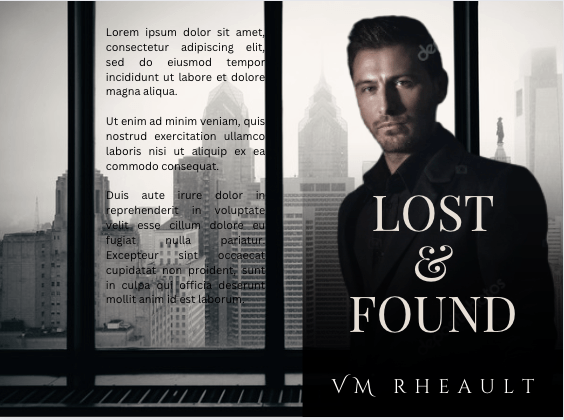
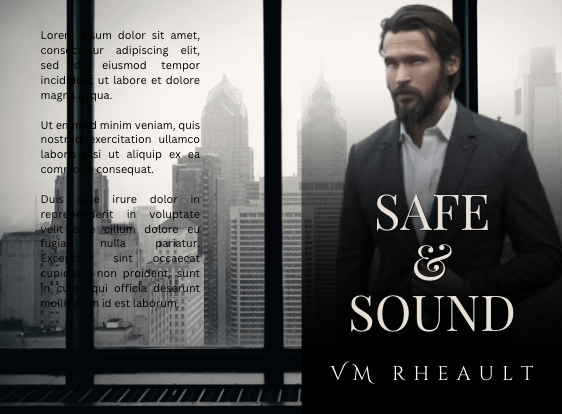
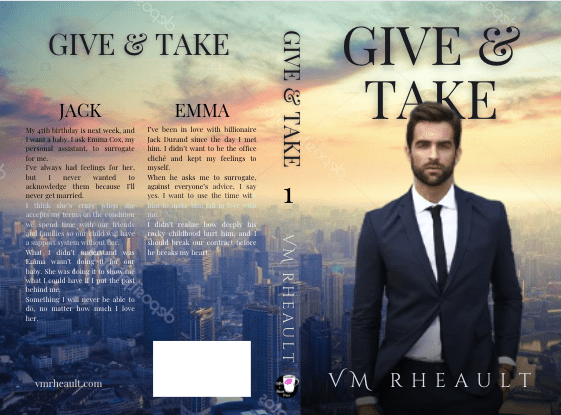
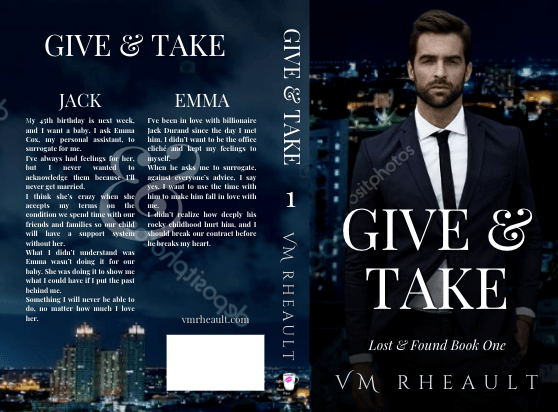
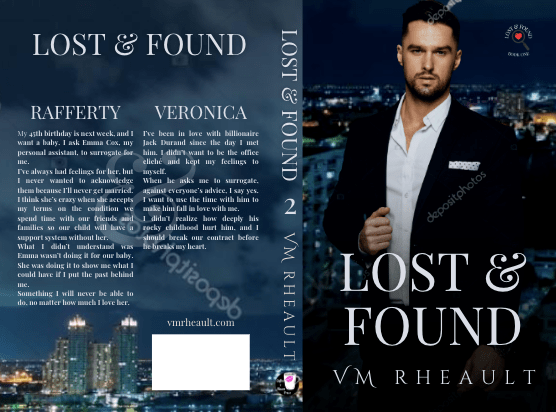
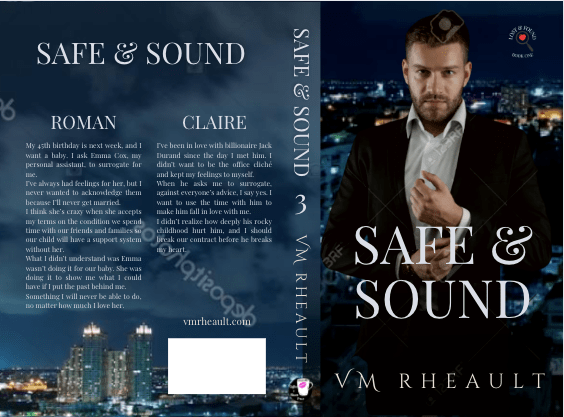
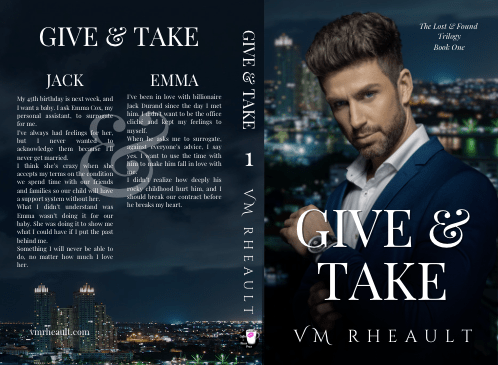
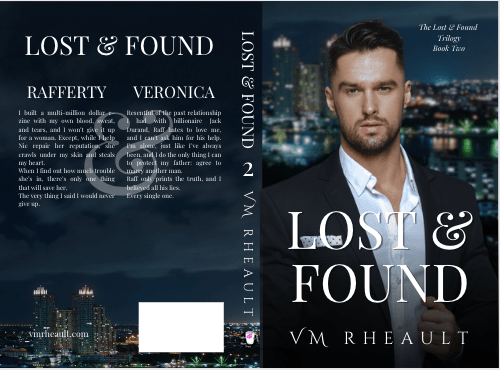
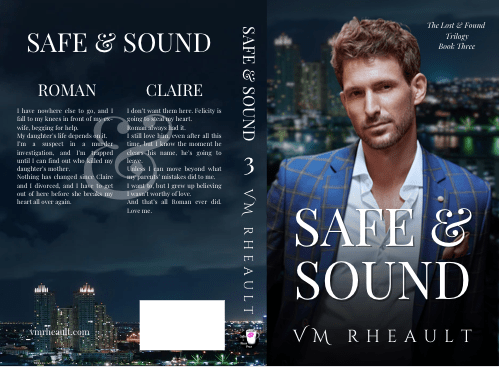
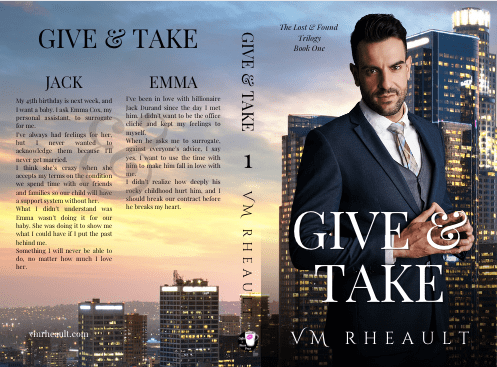
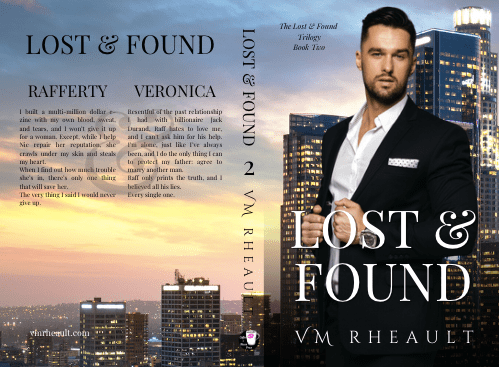
I started thinking about my Christmas cover the second I started writing A Heartache for Christmas. I knew I was going to need time to go back and forth, and I didn’t want to make the same mistakes I did when I published my Lost & Found Trilogy. I don’t like the covers, settled on them because I didn’t know what else to do and I wanted to publish. I’ve spent the past ten months regretting the decision, and only God will know what waiting and publishing with proper covers could have done for my launch and sales.

Sometimes you can get a burst of creative juice at the zero hour, and that’s pretty much what happened to me: I created the perfect cover two days before I uploaded everything to KDP to order my proof, and that was after eight weeks of writing, several attempts at a cover, and too many hours of scrolling through men to count.

The problem was, and I see a lot of authors go through this too, is that there is so much that needs to go into your cover. You have to blend in while standing out, do what the top 100 in your genre are doing without looking like your pilfering a design, try to stay away from the guys who are hogging the covers and give some other hot dude a chance, all the while trying to stay true to your brand and the look you want to present on social media and to your readers. It doesn’t help if your design skills are lacking because that only limits what restrictions are already in place. So, when I first started thinking about my cover, I started with these ideas:

*I looked at other billionaire Christmas novels. A big concern was that this isn’t a holiday RomCom, and I didn’t want to give any readers a false impression, so an illustrated cover was out. Not to sound harsh, but there were quite a few billionaire Christmas covers out there and they just seemed cheap, like you know you’re sitting down for a B-list movie and you’re expecting the worst. My blending skills are nil, so finding a background with a model that takes little manipulation is a must. I didn’t want my man to look cut and pasted in front of a Christmas tree, nor did I want to settle for a Christmas lovers stock photo that had been used before. I scrolled a lot, not finding anything to draw inspiration from and concluded that whatever I make would be fine. There was no set billionaire holiday cover to use as a template.

*I thought a lot about my genre. The billionaire Christmas thing was only part of my book. There is also a mystery involved and a little violence (not between my H and h, though) and I definitely wanted that to come across in the cover. This wasn’t a lighthearted romp, even if it did take place over Christmas and New Year’s Day. This novel is very angsty, kind of dark (but not sex-dark, if you know what I mean) and it also takes place in a small town, which means I couldn’t use the reliable city background that I’m used to. It’s a lot to take into consideration, but I also know you can’t (and shouldn’t) cram every facet of your book onto the cover either. Choose the themes that stand out the most, and I decided on dark and the guy. That gave me a lot more room to play with but even then I still made plenty of mistakes before I came up with the right thing.

*Choosing the guy. You know from a previous blostpost that I don’t like using male models that have been on hundreds of covers before. I think in some ways it can pull your book down and make readers confused. There was an article I read somewhere, or maybe it was a discussion on FB years ago, where it was speculated whale readers don’t remember the author of the book, they only remember the book. If that’s true, the last thing you need as a romance author is for a reader to think she already read your book because the cover might resemble a different book she read. You might think this isn’t a concern and that I’m over thinking it, and maybe I am. But seeing the same five models on a fresh wave of new releases can’t do much for your book if your new release is grouped in with them. If you you missed that blogpost, you can read it here.

*Title. Choosing a title has always been a pain in my ass, or a$$ as we have to say on TikTok, much like naming my characters. I pull something out of the air and hope for the best. I wanted something with Christmas or Holiday in it, because I wrote this book specifically for a Christmas release. It takes place over Christmas in Minnesota–I don’t think you can get more holiday than that. I also didn’t want to use modified Christmas lyrics, though I did sort through some songs just to see what I could find. I asked Al for help, but nothing he came up with triggered anything. I finally settled on A Heartache for Christmas because while this book does have an HEA, there is nothing happy about this book until the end. A friend gave me a few suggestions, and I almost with with Heartache for the Holidays because I like the alliteration, or Holiday Heartache, if you wanted to shorten it up, but this isn’t a Harlequin Desire so I didn’t think I needed to be cute. I also didn’t want to cram my title full of keywords like a lot of indie romance authors are doing right now —A Grumpy Billionaire’s Christmas Gift–for example because that just seems like you’re trying too hard. That’s what the blurb is for anyway.

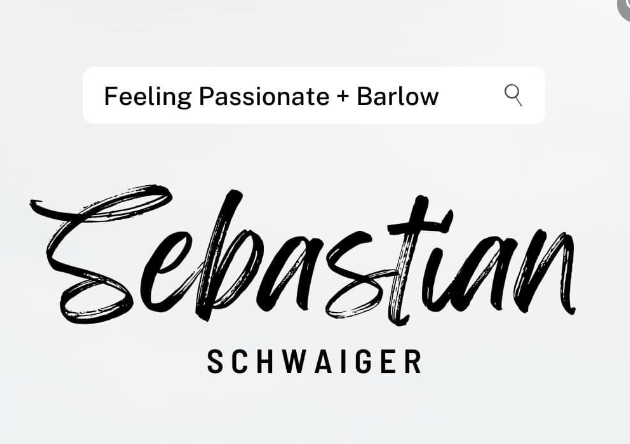
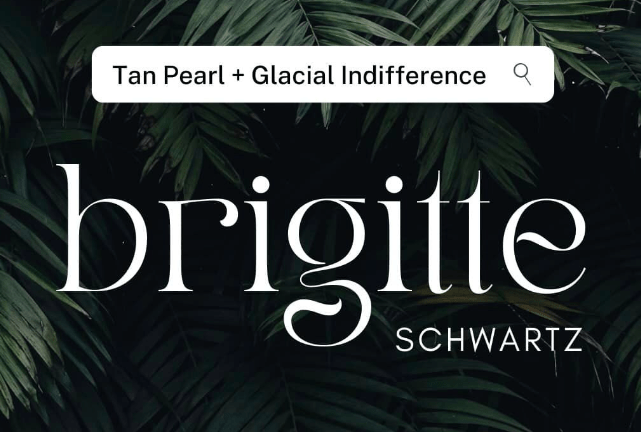
*Fonts suck. You can go through a million of them and nothing will work right. My go-tos when I have a hard time are Playfair Display, either in all caps (like my Lost & Found trilogy) or lowercase italicized (like my 3rd person holiday series). I also like Calgary if you need something simple yet classy (Faking Forever and my reader magnet My Biggest Mistake). I didn’t want to follow the trend of stuffing my title full of keywords, but I do like the script plus serif font duos that have been popping up. The fastest way to find a duo that goes together is to search duos on CreativeFabrica or do a Google search for font pairings. I ended up buying a font duo off CreativeFabrica for eight dollars. Canva also has some font duos, and I think I was looking in their newsletter emails because I captured some like this for future inspiration:

It helps to have the cover done so you can experiment, and finding my font duo was the last step I took, though I ended up changing the man and the background at the last minute. I kept the fonts because they still worked.

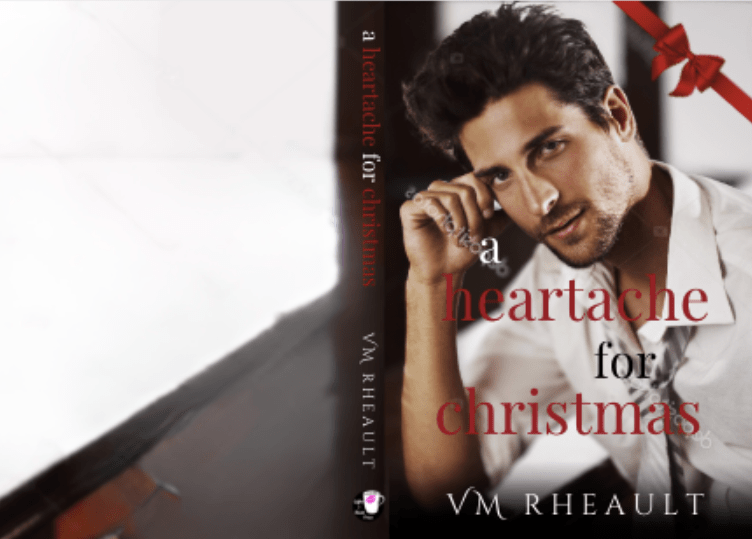
When I came up with my first cover, I decided on the guy because I had never seen him before:

This attempt didn’t stick around for very long. If you’re experimenting and come up with something you hate, that’s okay. It’s part of the creative process. You can see I went with my standby for the title font, but I struggled with how to make it look “Christmasy” — hence the bow — because that was a concern of mine at the time. The guy is younger than my MMC, and while I have never seen him on a cover before, he didn’t look right on mine, either. Canva has some great manipulation tools now. They aren’t 100% foolproof but I’ve used their magic erase with some success. This was the original picture of him:

After I decided against him, (though his drink looks really good) I thought maybe I needed to do more of the Christmas part of the story, and I looked through lots of Holiday stock photo backgrounds. Lots of trees and fireplaces, like this one:

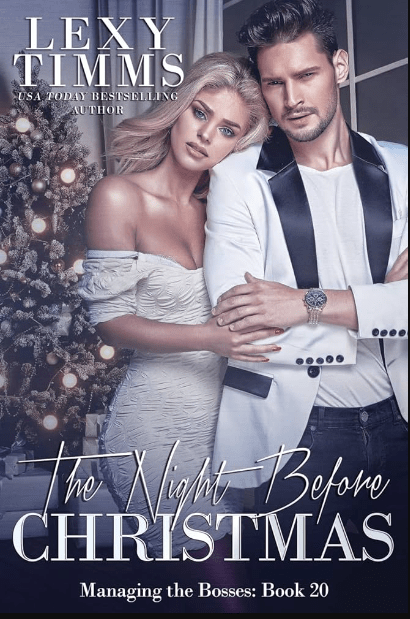
Lexi Timms used a similar background for hers, but I don’t have the skills to do something like it (and there’s that guy again):

I mocked up a lot of half-hearted attempts at trying to figure out what worked and what didn’t, what I could do with Canva and what I couldn’t. I came up with this one, and I mentioned it in my blogpost I referenced above about book covers:

It was one of my better attempts, but I still wasn’t happy with the guy. I liked the background and I thought I lucked out because it depicted Christmas but in a dark way. If hadn’t had time to play, I might have stuck with him just because it fit my needs. I’m not even sure where I was with writing it, but I knew I had time and kept looking for a better guy.

Later I found this model and kept the background:

I actually workshopped him in the Indie Cover Facebook group, and but everyone agreed there was something missing. I still think so too and maybe if I was’t writing Billionaires, it would have worked for a simple Romantic Suspense that took place over the holidays, but I knew I needed more. They also said the font wasn’t the best, and the word placement needed work. I agreed and went back to the drawing board. (Don’t skim over this part. Feedback is important and could trigger an idea that makes all the difference.)

I decided I was trying to put too much emphasis on the mystery part of the novel and in my next attempt went in a completely different direction while keeping with the Christmas theme:

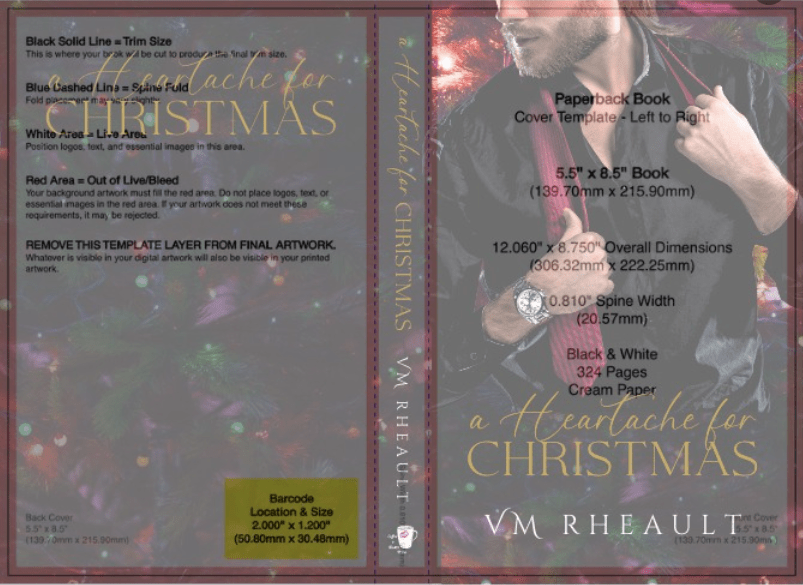
The title didn’t grab me but I did give other things a chance. I thought the guy and background was good. I like his hands and his watch, but I hated that his head was cut off, and when I put the KDP cover template on top of him I noticed that I was going to lose even more of his face:

That was when I thought I needed a new man (not the first time in my life, let’s be honest). I asked in the Book Cover Design 101 FB group I’m a part of and they offered some suggestions as to what I could do to keep the part of his face I had, but they were out of my skill set. Canva has a magic fill AI option but when I tried to build up his head using it, I got a caveman instead, and that idea went out the window. Here’s the stock photo I was trying to work with:

I almost still kept this cover though, because it was the best I had come up with by far and my time was running out. I had already finished and read through my book a couple of times by then and was almost settled on the final draft:

You can see I had almost everything in place besides the blurb I don’t write until I can’t do anything else without it. There is nothing wrong with this cover (depending on how much of his face I really would have lost, but I wouldn’t have found that out until I ordered a proof). It probably would have sold my book just fine. But there was still something pulling at me and telling me I could do better.

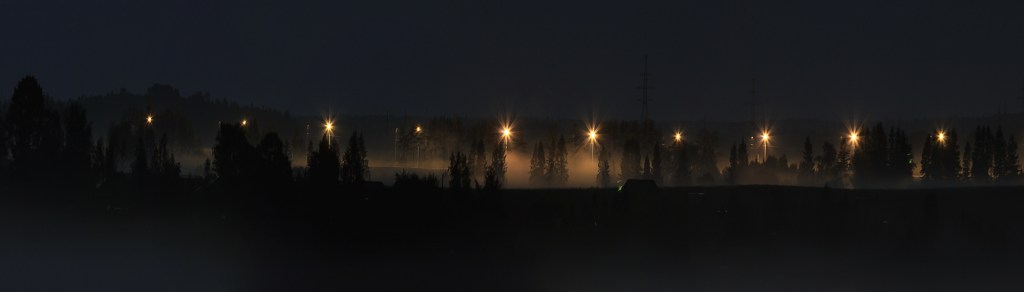
I started looking through backgrounds again on DepositPhotos. I looked up the trees, using search phrases like “dark trees” “dark Christmas” scrolling and scrolling. I found something almost by chance, (which is how most of my covers are made–by a chance find), and I favorited it right away so I wouldn’t lose it:

landscape wildlife Indian summer forest

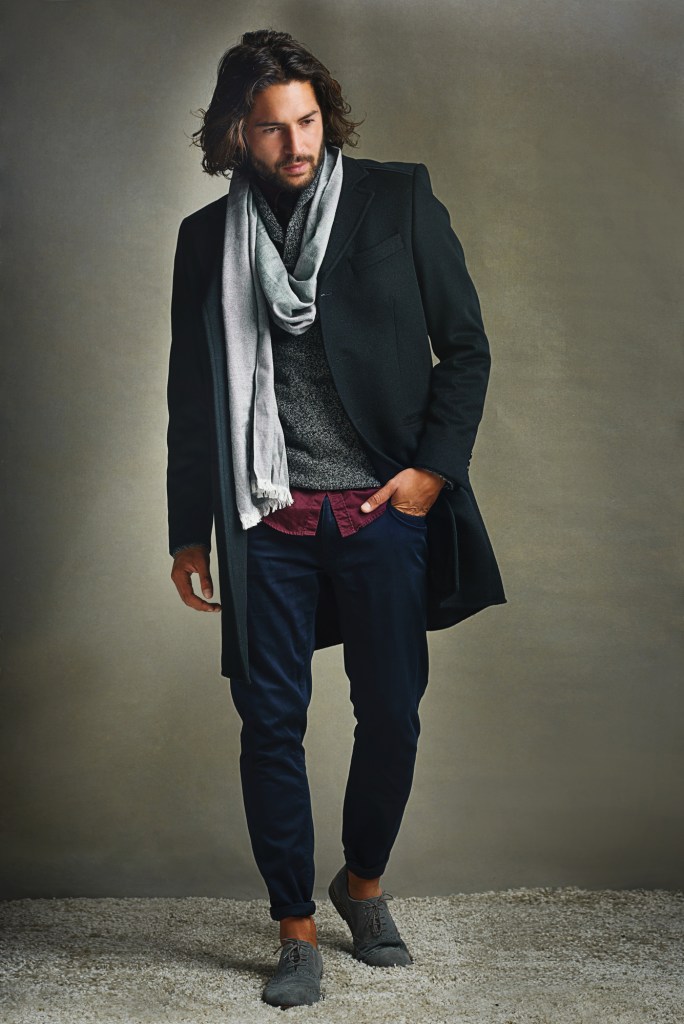
Then I started looking through all the stock photos of men I have starred over the past few weeks trying to build up a selection of models that haven’t really been used before but could still work on a cover meaning, handsome enough. I came across this guy, and after I plopped him in front of the background, everything fit together like the last handful of pieces of a jigsaw puzzle:

Shot of a stylishly dressed man posing against a gray background in the studio.

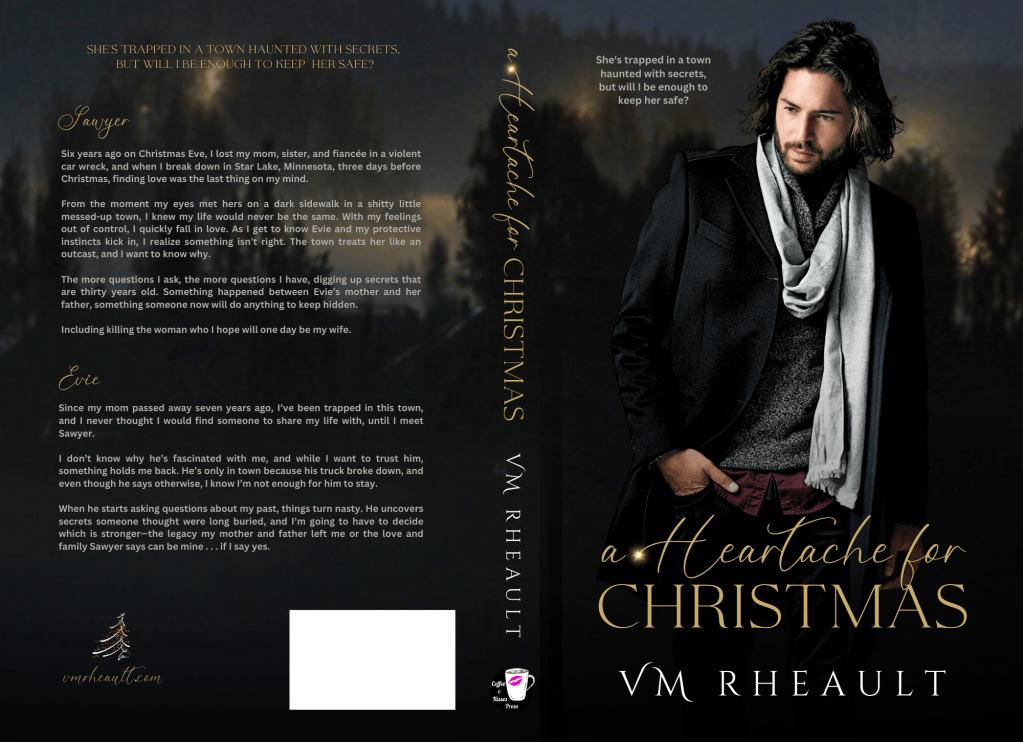
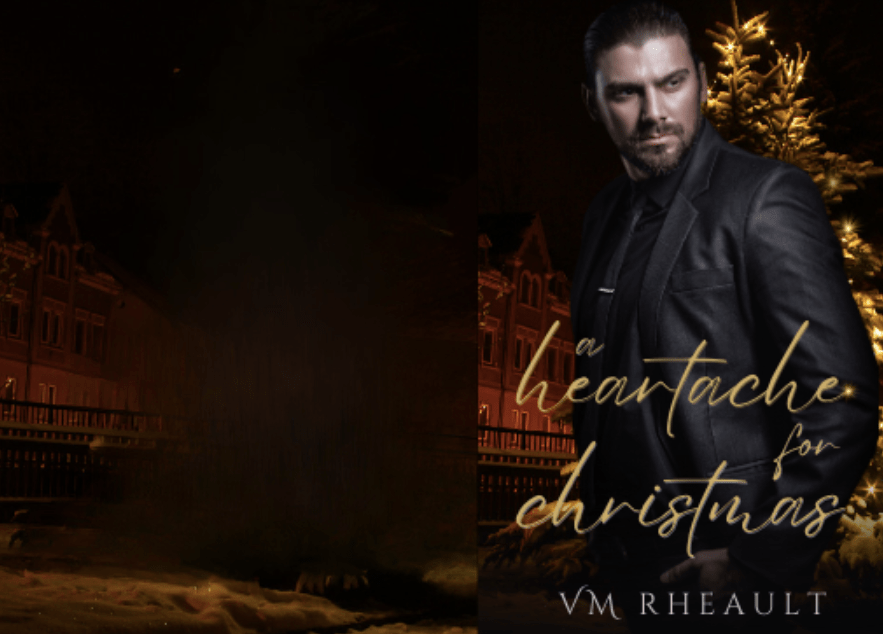
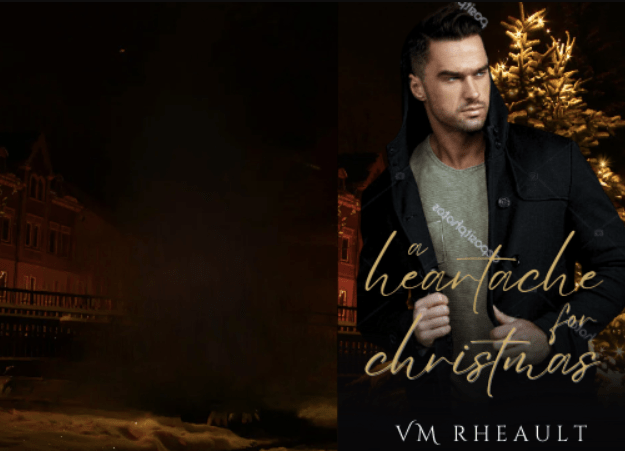
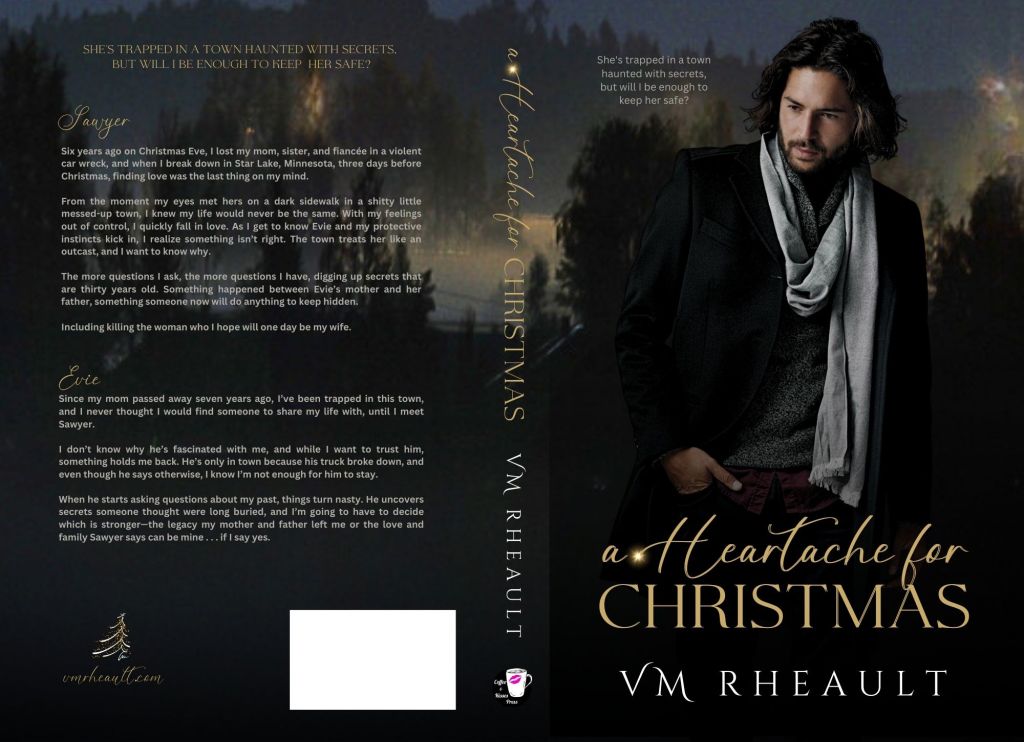
I zoomed in on the background, used Canva’s magic erase to blur out some of the lights, and with the font duo I had purchased, came up with a new cover two nights before I uploaded to KDP:

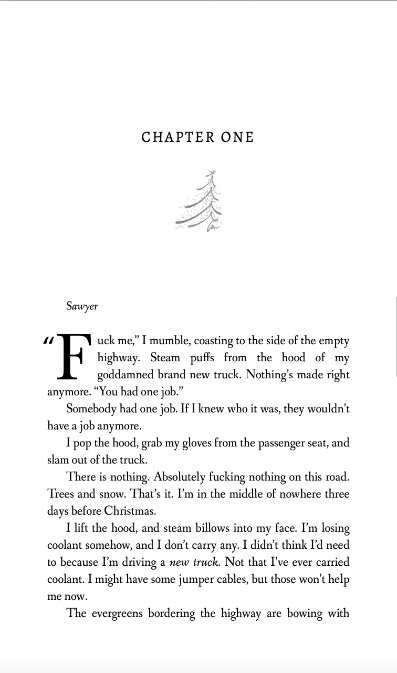
The Christmas tree vector in the corner on the back cover I used as my chapter headers:

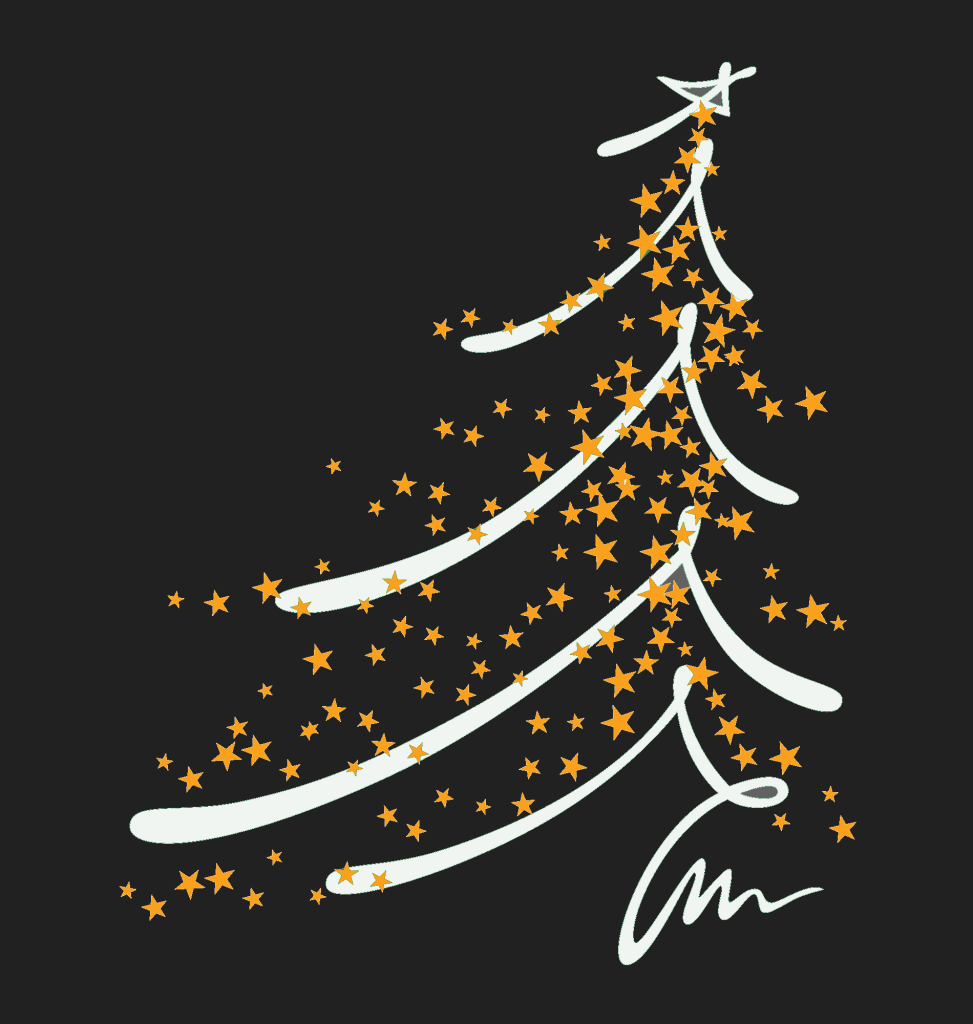
I needed to have a little knowledge of GIMP because this is the stock photo:

An abstract of Christmas tree with sketch stroke and yellow stars as decoration.

I used color fill in GIMP to change the colors:

Then I placed it on the back cover.

I used the title’s script font for my author website and that was the last detail I added to the back.

Overall, I’m really pleased with how this cover came out. I haven’t seen the proof yet, but I’m hoping it’s just as pretty in real life as it is on screen.

If you want to ask me for tips, this is what I would advise you to keep in mind:

*Manipulate, Manipulate, Manipulate. (As much as you know how.) Don’t forget you can use the adjust feature in the “edit photo” tools. You can use the shadows and highlights, brightness and contrast, and black and white to adjust the colors of your photos. Zoom in and crop when you need to. Flip if you have to. Canva isn’t as flexible as Photoshop or the person who knows how to use it, but there is still a lot you can do with Canva’s tools–you just have to experiment.

*Look for similar colors between the background and your model. My cover works well because he blends in without me having to do anything to him. His black melds with the trees, and his scarf pops with the clouds/fog. Even his skin tone complements the orange lights. The colors of my text blend in–the blurb and the tagline aren’t white–they’re a light grey. Attention to detail matters.

*Don’t be afraid to try things. I went through a lot of men and a lot of backgrounds. Not everything will work, but sometimes you won’t know until you use a screenshot or download the composite photo and try. The least likely photo might be the one to make it on your cover.

*Have patience. I didn’t have patience when I created my trilogy’s covers and now I’m still paying. It takes a lot of patience to scroll through and bookmark photos you think you may want to use some day. I have over 700 photos bookmarked in my DepositPhotos account. One I “gave” to a friend because I knew it would fit her book. Put on a TV show and scroll. I have a lot of men that might one day make it onto a cover. You just never know.

*Create a steal file of inspiration. Lots of authors do this. See a cover you like, save it. You’re not necessarily going to copy it, but if you pick it apart, study the vibe, you could find elements that you could use in your own covers. That goes for fonts, too. If you like a font, save a screenshot of it. In the Book Cover Design 101 group, I bet you there will be at least one person who can identify it for you, or use a website like What the Font to get similar examples.

*Start as early as you can. All this is a process and it takes time. Like getting good at anything, you can’t expect to create the perfect cover the first time out. Also, get feedback. It hurts to be told something you made isn’t working or could be better, but you need to know that. The ultimate goal is to sell your books, not boost up your ego. (Let sales do that.)

I hope this was a helpful post. Let me know if you have any questions in the comments, and I will do my best to answer them for you!

Have a great week!

Spoilers, to give or not to give.

picture taken from Canva and made with Canva Pro

Whenever I’m on social media, there’s always someone who doesn’t want to talk about their book’s plot details. They say, “Sorry, I can’t talk about that….SPOILERS,” like it’s life or death and they have to keep such information to themselves. We’re not talking nuke codes here, but authors who are asked what their book is about act as if we were.

I have a completely different take when it comes to spoilers. I don’t care about revealing them, and here’s why. Even if you let a plot twist slip, a reader still has the entire book to read, if they want to read it. I think a lot of authors overestimate just how interesting their books are, and honestly, I don’t have that problem. Romance books are a dime a dozen, and the ending is already spoiled: the couple gets together at the end. I can’t think of a worse spoiler than that. So, I don’t mind talking about my books’ details, fights and makeups, breakups, and secret babies. Sometimes spoilers can even be a good thing, like when you’re querying. I saw an agent on Twitter say exactly that. She said, please don’t hide your spoilers in the query letter. I need to know what your book is about.

I mean, can you really spoil a 80,000 word book with a sentence or two? That seems very unlikely, especially if your book has depth, deep character arcs, and a plot that moves. Personally, I think you if you can spoil a book giving away a few details, your book is in trouble. You need more than one or two interesting things about it.

I started thinking about this last night when I was watching a free Teachable lesson about TikTok. He was saying how you need to find the hooks in your book, and a well-written book should have, I can’t remember now, fifty or so hooks that you can pull out to suck a reader in to buying it. Hooks aren’t exactly spoilers, but they’re close. Couples fighting or hurting each other, telling each other secrets. Emotional scenes that force a reader to get invested in quickly. Romance hooks on TikTok aren’t going to be all sexy scenes. My romances aren’t dark, and while I have spicy scenes, I only have three or four per 80,000 words. That’s not a lot when you think about it, and while I have used sex scenes on TikTok (and just got my first ban for violating community guidelines), I also search for scenes where there is high angst–that I may have to stick with because I don’t want my account suspended.

You almost have to use spoilers because how else are you going to captivate a reader in such a short amount of time? A reader isn’t going to want to buy your book if all you offer is bland excerpts because you’re afraid of giving away the good stuff.

I don’t have a problem with giving my work away. I give out a free full-length novel for newsletter signups, buy a Freebooksy regularly, and participated in Zoe York’s free promo last month. I think there is value in giving away content, and if the free content is good, it will entice readers and customers to buy more content, which hopefully is as good as or better than what you’ve been giving away. I’ve actually had fights with people who have said giving away content is useless (the one woman who blocked me on Twitter for it later turned around and gave away ARCs, so I guess she found value in giving away books after all), but there is a lot of evidence to the contrary, especially if you’re giving away a first in a series and that book is so good it propels readers to buy the others.

Now that my publishing has slowed down for the rest of the year (I formatted my Christmas novel and ordered the proof) I’m going to go through my rockstar proofs and bookmark hooks that I can use in videos and in social media. It’s interesting that I can post the same content on IG, FB, and TT, and the only place I have to worry about saying the word ASS is on TT. It’s kind of ridiculous, especially since you see accounts that have all sorts of raunchy things in them that aren’t being hit with a violation. But I will tone it down because surprisingly, I’ve been having fun on there, and looking for hooks and short scenes for the videos helps me find ad copy for FB ads and FB and IG posts. Like book covers, you need an eye to find excerpts that will resonate with readers, and something that you might think is intriguing is actually kinda boring. Remember that you have your whole book memorized and understand the context, a new-to-you reader won’t, and you can’t confuse anyone. Like your blurb on your Amazon’s buy-page, if it’s confusing, that won’t convert a browser to a buyer.

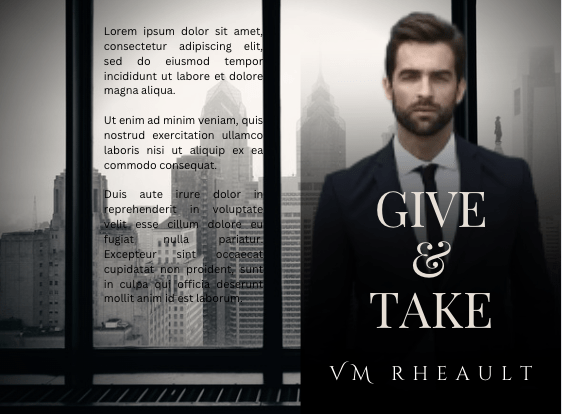
I’ve seen authors complain that sometimes a book review will reveal spoilers, and I have seen them with my books–one reviewer pointing out that there is no baby in Give & Take, a baby-for-the-billionaire trope. I wasn’t mad about it, in fact, it will encourage readers who want an actual baby (and not just the baby-making fun) in their books to steer clear. And it’s really important not to respond to reviews–reviews are for readers and you won’t gain any points with either reviewers or other readers if you comment or challenge. I never say anything–it was my choice not to make Emma pregnant in the story, and I’ll suffer whatever consequences come from that. But honestly, I don’t mind spoilers in any capacity–there’s a lot that goes into my books, and a spoiler isn’t going to ruin the experience for anyone if the rest of your book is as good as the plot twist that’s been “spoiled.”

Authors can be so precious about their books, but I see them as a product after they’re released and customers can say whatever they want about something they spent money on. Also, you need to put aside your feelings when it comes to reveals and spoilers because the one thing you’re hiding may be the very thing that draws in new readers.

Now, I’m going to go look for more spoilers, I mean, hooks, for TikTok videos that hopefully will not get me banned. It’s just another thing that made me crabby–this publishing can’t be easy, can it?

To read more about spoilers, look here:
Spoilers actually enhance your enjoyment

The case for spoilers: Why some people are happier knowing how the story ends

BOOKISH MUSINGS: DO SPOILERS ACTUALLY RUIN BOOKS?

Until next time!

Advertising versus Marketing: an Indie’s interpretation

Words: 2725
Time to read: 14 minutes
(FML, I’m sorry!)

When I go through and read threads and posts about marketing, I’m surprised sometimes by the misunderstanding. I shouldn’t be because I had the same misunderstandings long ago. I don’t think authors really grasp the concept of what a long game writing and publishing is. We’re still hopeful that we’ll be an overnight success and that marketing will be taken care of for us by a viral TikTok or a random influencer who happens to love our book. The problem with that though, is that even if something like that were to happen, a lot of us don’t have our ducks in a row to keep that tail going.

During my first five or six years of publishing, I didn’t get what marketing was because I was thinking of each book singly as I published it. I also didn’t understand the magnitude of putting my work out there for strangers to enjoy (or not)…the responsibility I had as an author who is asking for readers to pay for a product. I was caught in an indie Twitter bubble, and honestly, it took me many many years to get out of it, or to realize I was in it, to be honest. Looking back at the first three books I published that I had no right to publish at all, and then the first trilogy I published that is still not good but better than what I had published before, I’m a little embarrassed I was so clueless. Sometimes you can’t learn unless you do it and fuck it up while you’re at it, but when you’re selling something, you’re also playing with people’s money.

When we talk about advertising vs. marketing, we’re going to assume your book is as good as it can be inside. If you’re getting any type of poor review that indicates the editing isn’t there, your character arcs aren’t fully formed, or there’s just an overall discontent with your book, you may need to revisit and revise. No amount of advertising or marketing is going to sell your subpar book and you can’t build an author brand on a shaky foundation. That’s what took me six years to learn, and maybe you need six years too, but six years is a long time to waste if you just believe what I say instead.

So this is what I’ve parsed out in my years publishing, especially the past three when I started writing for my pen name:

Advertising: Deciding what book you want to write next! Yay!
Marketing: Choosing a standalone or a series and which genre, knowing if you’re going to meet reader expectations, if you’re going to write to market, how long the book(s) are going to be, and if you’re going to write a series, if you’re going to write them all at once and rapid release them or if you’re going to publish as you go and how long that’s going to take.
Publishing, as we say, is a very long game, and you have to be honest with yourself. If you’re planning a five book series but you work full-time and have children, how long is that five books going to take you to write? Five years? If you do that and want to publish as you go, how are you going to keep your audience interested so they don’t forget about you while you’re writing the next one? I’ve spoken a lot about series on this blog, and I’m not going to rehash my pros and cons here, but advertising one book because it’s done and published is a lot different than creating a marketing and publishing plan for an entire series–especially if it’s long and won’t be completed for several years.

Advertising: You’re creating a cover for your book that you’ll use in ads like Amazon Ads and Bookbub CPC ads and social media graphics.
Marketing: You’re creating a cover for your book that will fit in with the image you want to project as an author, build your brand, and be recognizable to readers the instant they see a cover that belongs to one of your books. Not to mention convey the genre your book is written in (because you chose a genre, right?).
I think this is one of the hardest lessons I learned. I was pretty adamant that I was going to make my own covers when I first started writing and publishing, teaching myself with the help from a book that is now 100% obsolete how to make a PDF in Word. Because of that, you can thank me for the Canva how-to blog posts I have here on the website, which gets hits every day. I never would have been able to do that for others if I hadn’t learned it for myself first. That’s not to say it was the smartest thing I ever did, considering I made a lot of mistakes I still see indies make today–using a free photo from Pixabay, et al, not having any idea of a consistency stretching across other books in their catalogue, and having zero idea that the cover should actually match the spice-level my book was written in (people will tell you to browse the top 100 in your genre for a reason). I guess because my book had no specific genre, that made it kind of difficult to do any research had I even known to do it. (Romantic Speculative fiction, anyone? Blah.) One of my favorite examples of what I mean is Melanie Harlow. She has the cutest font for her name, her covers all have the same vibe, and with the sweeping font she uses for a lot of her titles, I know right away if it’s a Melanie Harlow book. I love everything she does and she knows her brand like nobody’s business. If you want to see what I mean, look at her website: https://www.melanieharlow.com/
If you work with the same designer (or do them for yourself) you’ll eventually end up with a cohesive vibe. We all have our own styles, and that will show. Choose a nice font for your name that you won’t get tired of. Decide if you’re going to do single men, couples, lighthouses, streets, what have you, depending on your genre. You want your Amazon author page to look TOGETHER. I’ve seen some author pages that look like I’m digging through a giveaway book box at a rummage sale, and that’s not a way to grab a reader . . . or their loyalty.

Advertising: You’re buying a promo spot like Freebooksy, Bargainbooksy, E-Reader News Today, Fussy Librarian, or something similar for one of your books to see if you can generate some buzz.
Marketing: You’re mapping out your promos for the next 12 months based on what you have coming down your publishing pipeline.
I heard a big-time author say you should be doing something every quarter–that’s four times a year. (It comes in handy if you’re in Kindle Select because they give you 5 free days per title, you guessed it, four times a year.) If you don’t have the backlist (or the front list) to continually run sales, you have to sit down and decide how fast you can write and what the next three to five years are going to hold for you. You don’t have much to market or advertise if you’re not writing and publishing, and what you’re writing and publishing will be important. You can do a sale or do a free promo, but unless you’re in KU where you might get some page reads during your promo, it doesn’t make a whole lot of sense to give away a standalone novel, especially if it’s your only book. If all you have are standalone novels, make sure your back matter is pointing your reader to the next standalone (if you like this book, check out this book) and/or to your newsletter.
You may be thinking you can’t afford to do something like that four times a year, and I understand that completely. In time you’ll start to earn out your fee or get ahead, and if you never do, then the conversation turns back to quality (book covers and blurbs) and craft (how well are the insides written).
So, grab a wall calendar and map out the next 12 months. I can mark up my new releases from now until the beginning of 2025. Can you?

Advertising: You decide to write XX genre for your next release, but you’ve written and published XX genre under the same name so your backlist is going to look a bit wonky. That’s okay though because you’re going to focus all your social media efforts and advertising promo dollars on your new release.
Marketing: You’ve decided on Small Town Romance, that is where you will stay, and that is what you want to be known for.
Everyone tells you not to genre-hop, and a lot of indies don’t listen, saying that it boxes them in or stifles their creativity. I get it. I went from Billionaires to Rockstars because I wanted to write my Rockstar trilogy and that’s what I did. I had an amazing idea for a trilogy and I wasn’t going to not write it–that would be dumb, right? I mean, rockstars are rich too, and as I’ve pointed out in the past, my books are still more contemporary romance than true Billionaire romances. Just because I make them rich doesn’t exactly mean they’re going to meet reader expectations, but so far I haven’t gotten any feedback to indicate readers are unhappy. Romance is neat in that you can choose a genre like small town romance, but the sky’s the limit when it comes to tropes. Most romances are written with a trope for a foundation, and it doesn’t matter which genre or subgenre you choose. So far, I haven’t found that writing Billionaire is stifling–there are many many tropes and you can twist them your own way to keep them fresh. Here’s a blog post I did on consistency: https://vaniamargene.com/2021/12/20/buzzword-consistency/

Advertising: I’m going to post on Social Media every chance I get. All my followers are other writers, but that’s okay–authors are readers too.
Marketing: Starting a reader group or author page on FB and joining reader groups for the genre you write in. Using author groups for publishing information and networking to find beta readers, editors, and making friends for newsletter swaps.
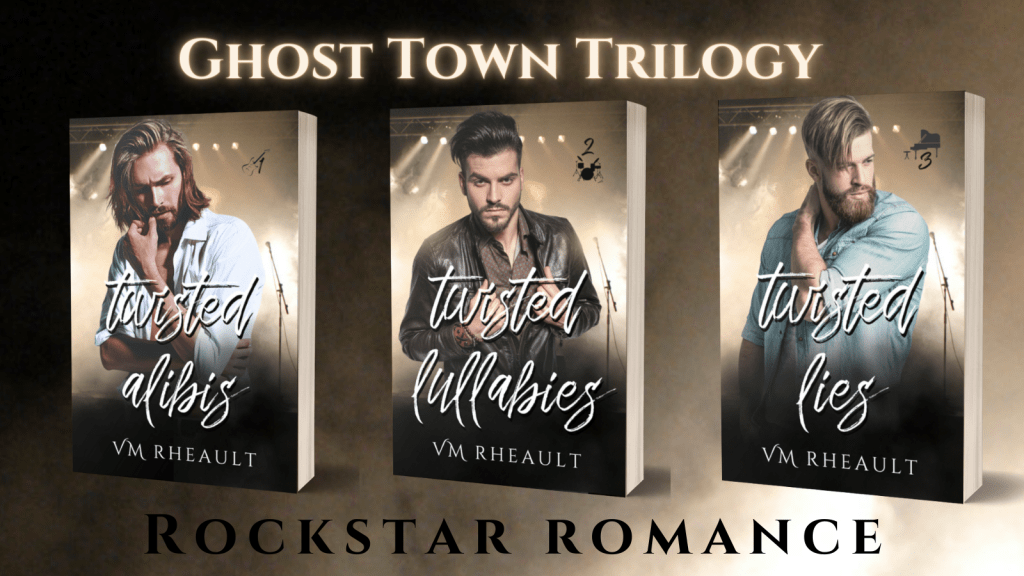
Bursting out of the writing community bubble was hard, but I think I’m finally doing it. It helps that Twitter imploded and I don’t waste time there anymore and besides all the authors whom I follow and who follow me back on IG where I rarely post, all my social media (besides this blog) now is for readers. I’m slowly building up a readership on my FB author page, VM Rheault, and my V’s Vixens Read Romance FB page, mostly because I run ads from it and I post so it doesn’t look empty. When I started my TikTok account, the smartest thing I did was not label myself as an author. I didn’t think it was necessary as I’m not posting non-fiction (like writing updates) there, and I’m keeping my author following to a minimum, too. I understand that social media is free and falling into the writing community is easy, especially on Twitter and Instagram, but there really is no cheap way to find readers that’s effective. Surprisingly, I’ve had better cost per click using Facebook ads, and when I paused my Amazon ads during Zoe York’s Stuff Your eReader day, I didn’t turn them back on. My sales haven’t suffered, so I’ll wait and see. I have two ads running on FB right now, one for Twisted Alibis and one for Rescue Me. I don’t want to say free social media is useless–established authors still have great success and engagement with reader groups, but filling your social media following with other writers or family and friends won’t get you the sales you’ll want long-term.

Advertising: You start a newsletter but don’t offer anything as an incentive to sign up and don’t push the link anywhere but on social media where the same people hang out.
Marketing: You start a newsletter and have a reader magnet that is a great sample of the kinds of things you’ll be writing or reflect what’s in your backlist. You add the sign up link to the back matter of all your books, you add the link wherever you can–Amazon Author Page bio, your BookBub Author Page bio, FB reader groups (if it’s allowed) and anywhere else you can get signups like BookFunnel or StoryOrigin promotions. You also push the link and your reader magnet with FB ads and promos like Fussy Librarian and Bookdoggy.
Probably the number one reason I hear for not starting a newsletter is that authors don’t like them so therefore don’t want to offer them, and the second is that they don’t know what to write. Like publishing, building a newsletter list a long game, but the longer you wait, the harder it is and the more urgent it will feel. I should have started one a long time ago, but I can genuinely say the first six years I’ve been doing this was all just one big learning curve. Maybe you aren’t ready for the information in this blogpost–and that’s okay. We do have to write the books of our hearts and in our own time, learn for ourselves that shilling books on Twitter will only go so far, and realize that if you try, you can actually make some money at this publishing thing.

If you don’t think I know what I’m talking about, I pulled up the graph from my lifetime of publishing. As you can see, I had some spikes, anomalies, but the slight upward trajectory since June of 2022 when I first released Captivated by Her and Addicted to Her means more to me than the unexplained sale spikes. Consistency will win the race, and one day my sales will make me a small, if not steady, profit.

I could be sad that it took me so long to figure things out, but I met some great people along the way and learned a lot. I wasn’t prepared for success to come any earlier, but if I wrote something and a TikTok influence loved it now, I would know what to do with the attention and that’s really important. I’m still small potatoes, and I know that, especially since I’ve joined some TikTok for Author groups on FB, and holy hell, can those billionaire/mafia/dark romance authors rake it in. But after all the books I’ve written, I think I found where my heart truly lies–with rich guys written in angsty first person. Finding my niche may have been the biggest accomplishment from the past six years. Now I can write happily in a genre while building my audience.

You can look at advertising as something you do in the present, something that builds buzz short term, but marketing is something you do over months and years, pushing yourself as an author, what your brand is, as well as your books and what they’re about. But, you do need content, and that’s what trips people up, I think. You need be writing, need to have something for people to read, be it books or newsletter content. Time can be a huge factor and that’s why I suggested buying a wall calendar and mapping out what you think you can do for the next year or two.

It’s tiring, believe me, I know. If I didn’t love writing so much, I would have quit long ago, but I do love it, already thinking of what I’m going to write next, even if that won’t be published until the spring of 2025. God knows if I’ll even be alive then with the way I feel some days, but I never want people to think I’m floating on this cloud tapping away at my keyboard, when you probably would never believe the number of down days I have. My sexy men keep me going, and I hope your characters, when you’re down, keep you going too.

Have a good week!

Monday Author Update

Being that I’ve been taking a break, I don’t have a lot to report this week. I managed to haul ten bags of clothes to the local thrift store, but that is only a fraction of what I wanted to get done. I still have a lot of books to go through and donate to the library for their book sales, both trad and indie books I’ll never get around to reading or never read again. I pay for a storage unit since I live in a tiny two-bedroom apartment that doesn’t have a garage, and weeding that out before it snows has somehow become a priority, if only to get rid of clothes I’ll never be thin enough to wear ever again and go through totes of books that I either need to donate or put on bookshelves once I get them purchased and my son puts them together for me. When I was out there last, I noticed I had a HUGE tote full of Harlequin Desires. Collecting them is a different activity than actually reading them, but running into a thrift store sale is too much of a temptation to avoid. I don’t have many vices, but buying old Harlequins at twenty-five cents a piece is, for better or worse, one of them.

September is slipping away from me, though, and I’ve read three out of four of the Lisa Marie Rice books I ordered. The post office lost one, so I ended up ordering it and reading it on my Kindle, which I should do for books anyway since it’s easier on my eyes and my carpal tunnel. I have one left, and then the other books that are related, but first we have a Hunger Games marathon and I have to read the prequel before the movie comes out. My sister, daughter, and I are going to a corn maze next month, so I’ll need to work on A Heartache for Christmas when I can so I can get it to my proofer by the middle of October. A November 1st publishing date is probably doable if I can get the book listened to this week. Formatting it will be a snap as I don’t think I’ll do the fancy insides like I did for my trilogy. The main thing is getting the cover done, since after some feedback in a cover group on Facebook, I decided to go in a completely different direction. This was the old one I was pretty much set on:

made with Canva using stock photos from DepositPhotos.com

It’s not terrible, but I think I was focusing more on the mystery part of the story instead of the romance part of it and my brand. So, with a lot of scrolling through DepositPhotos, I came up with a couple of different concepts:

The guy with the tie fits in with my books a lot better, and while it’s evident that’s a Christmas novel, the background doesn’t scream holiday, which is okay. The only problem I’m having at the moment is the font for the title, and maybe even the title itself, though I keep going back to it even after listening to suggesions from others. My default font choice when I have nothing else to use is Playfair Display, either plain or italicized and maybe all caps or not. My one problem with this guy is that the stock photo is only half of him, and it’s difficult (for me and my limited skills) to fill in the rest of the cover. The one with his whole upper body takes care of that issue, but then I don’t like how the title is off to the side. Here’s the stock photo I found:

found on DepositPhotos.com

I like him (love his watch) and he fits in with all my other billionaires, but he doesn’t come in a full-body pose where he’s doing the thing with his tie (why??). I don’t know if the cover that only has half of him works…I usually do have my titles over some kind of gradient to help them pop, but the men’s waists show, if only faintly. I know I said I would never cut off a man’s head, either, but here we are. DepositPhotos is getting really picked over when it comes to handsome stock photo men, and one of the things I do when I’m tired and feel like doing nothing but needing to do something is listening to music, scrolling through photos, and bookmarking them as potential cover models. The men in suits who are good looking and haven’t been used before (or very little) are getting few and far between so I may end up doing what Melanie Harlow does, and put men wearing t-shirts on her covers whether they are billionaires or not. What do you think?

I have time to decide since listening to my manuscript takes a few days and I won’t be done with that until I have to write another blog post next week.


I’m having fun on TikTok, or trying to, anyway. It still can take me over an hour to make a video simply because it takes so long to find a photo that fits in with what others are doing and to find a snippet. I posted one today and I forgot to take out one of the c*cks, so one of these days I’lll probably get suspended for going against community guidelines. Though, posting a snippet without the dirty words is rather annoying, and when I read a snippet from another author I feel like I’m playing fill in the blanks, sorry for the pun. I’m using more photos from DepositPhotos than ever before, not because I’m afraid of using what Canva has to offer, but the romance TikToks have a very gritty look to them, and while I don’t write dark romance, I still don’t want to look too out of place. I’ll probably buy another DepositPhotos pack from AppSumo as they go on sale around Black Friday. Anyway, I need to get into the habit of making them, since if I have time to make one, I probably have time to make two. It’s just choosing a book and finding a snippet that’s hooky enough to share.

I also find myself falling into different algos, and all of a sudden my feed is full of rescue horses. TikTok is very responsive to what you tell it you like, and #rescuehorsetok is not going to sell my books. I need to maybe unfollow some of the accounts and go back through the hashtag or #contemporaryromancereaders and push the algos back toward books. I hate seeing rescue vids anyway. They always make me so sad. I can’t wrap my mind around how cruel people can be.


I’m seeing on Twitter and in FB author groups some mild confusion about the new AI question on KDP when you publish a book. That wasn’t implemented when I published my rockstar trilogy, and I’m reluctant to go into a book’s content when I don’t have to, so I haven’t seen it for myself. There’s been a rumor that books will lose their discoverability if you don’t go through your backlist and check the boxes (for yes, your book was AI generated, or no, it wasn’t) but I don’t believe that. I’m not going through 20 books to check that box when I don’t have evidence (from Amazon) that I need to. Book sales ebb and flow, not to mention the sales dashboard lags, so if you’re having a slump, I wouldn’t jump to conclusions. Just like with the KU payout that somewhat snapped back, I’m going to keep on keeping on and only make changes if I have to. You can read an article about it here, but if I hear anything about discoverability of backlist titles, I will let you all know. https://www.theguardian.com/books/2023/sep/11/self-publishers-must-declare-if-content-sold-on-amazons-site-is-ai-generated


That is going to be it for me this week. I’d like to congratulate Brandie Easterling Collins on publishing her newest book! You can check it out here–available in Kindle, Kindle Unlimited, and Paperback. A new release is always so exciting! Good luck, Brandi, and Congratulations!

Technology in Novels: Pros, Cons, and Avoiding It Altogether

Words: 1735
Time to read: 9 minutes

Since I’m on TikTok to hopefully spread the word about my books, it makes sense that I’ve found some books to read, too. I’m on a “break” from editing my Christmas novel, and I’ve been trying to do other things like read books that I haven’t written, purge some old clothing, and do other annoying things I’ve put off like getting my oil changed. I’ve had success with some–I got my oil changed and an estimate for new tires before the snow comes (yikes!)–but failed at others, mostly reading books I haven’t written.

The book I picked up from TikTok promised a hot, sexy read, and it is. A reader will have no complaints about that part of it. But like any book, there needs to be more than sexytimes, and this one delivers that too, if only in passing. There’s the main plot (all the sex), the subplot, and a sub-subplot, that unfolds very slowly, and that’s fine. We talk about “literary” versus “commercial” books, and let’s just say, people aren’t reading this for the plot. Perfectly okay. After all, I did borrow it in KU and I’m not going to apologize, but what took me completely out of the story at about 50% or so, is the fact I could see where the subplot and the sub-subplot are going to tangle and explode. It’s not that I don’t like the direction the author is going, but the whole thing could be avoided by a quick Google search.

This is where technology can be the bane of an author’s existence… and a character’s too. I’ve heard authors say they write strictly historicals because they don’t want to have to deal with it. That’s fine, but if you write 80s books, I’m not reading it. I was born in 1974, and nothing interests me less than how things were in the 80s. I actually like technology. I jumped in when internet was still new, had dial-up through our landline and learned a few photo manipulation techniques on GIMP long before I decided to write books and design my own covers because I messed around with pictures of my kids. I’m not unlike anyone else who is constantly online, and if you think about it, characters in contemporary novels are online a lot too. It’s very difficult to get away from, and as authors, we have to assume that as with real life, information is but a touchscreen away.

You can make the argument that a character isn’t going to know what he doesn’t know, and that’s true. When you’re writing a mystery or a thriller, your character is going to start from scratch. That’s inevitable, but if your detective has agency and moves the plot forward instead of letting the plot push him around, he’s going to be curious, ask questions, and yes, do internet searches. You can’t get away from it if your character works for the FBI, the CIA, or an off-the-grid intelligence agency that you invent. They have software at their disposal like AFIS and face recognition software.

Mafia and Billionaire romance is steeped in technology, everything from paparazzi stalking them and posting photos online to the male characters doing background checks on their love interests to help them decide if she loves him for him or his money. That’s the part that hung me up in this book. The main guy is the son of a dirty billionaire, she has a mysterious past, and the thing that’s going to break them on page 500, he could have found on page two. Now, I don’t know for sure if that’s how it’s going to play out. The sub-subplot is mentioned so infrequently that I will more than likely have to read the entire series to see if my hunch is correct, but I’ve written my own twisty books and I doubt I’m far off.

The thing that bothers me most is that with the type of book this is and the types of characters are in this book, doing a background check on her would have been a no-brainer. Maybe the author is a pantser and didn’t fully plot out this series and decided on the direction she wanted to go too late, or she realized that if she didn’t plan it that way, there would be no book at all. It’s not like she cares. According to Publisher Rocket, the first book in the series is estimated to make $49,000 dollars this month alone, and who knows how many books are in the series. She doesn’t give one f*ck if a lowly indie author sniffed out a potential plot hole. And let’s face it, if you’re reading a book with that much smut, a plot that makes sense is a bonus (and I mean that in the nicest way possible, as it is well-written otherwise).

Technology, or deliberately excluding it, is the same as characters holding on to a secret–sometimes it makes sense and sometimes it doesn’t. I’m getting reviews for Twisted Lies, and one or two have pointed out that they should have just talked to each other. Sure, but then there would have been no book. It’s human nature to hold on to things you think another person is going to react negatively to, but when it comes to tech, is it human nature to avoid it? Maybe, depends on the kind of book you’re writing and if you can get away with it. In my Christmas novel, he’s stranded in a small town and stumbles upon a mystery about a woman he’s falling in love with. He wants to solve it for her, and he starts with a background check on her and another character. There definitely would have been no book if he wasn’t curious enough to start investigating, and as a billionaire, he has the resources that a poorer character may not have. He digs and backtracks, people lying to him or telling him things they think are the truth only for him to find out otherwise. Could he have solved the mystery without technology? Yes. But as he dug online, the readers also could piece together clues, which is what a real mystery is about–readers solving the puzzle along with your characters.

People text each other (rather than placing phone calls), they’re on social media, they stream rather than pay for cable. They’re on TikTok and Facebook, and even if you don’t mention some platforms by name in an attempt to make your book evergreen, it looks very suspect if you exclude these things from your writing. So, yeah, when a character doesn’t know something he could find out online, that’s always going to trip me up unless your character has a specific reason why he didn’t go looking in the first place. And you better consider if “he didn’t think of it” is going to be good enough because chances are it won’t be.

I don’t go crazy with technology in my books. My characters have cell phones, take classes online. Some have social media profiles, some don’t or if they do, I don’t mention it. It depends on the story and what should and would be naturally included. Most of my books require characters to do some kind of online research. The most important is for it to sound natural.

I was disappointed this author hid a fact that would have been found out in a five second online search, but I also read like a writer and not everyone is going to pick up on that or care. Sex doesn’t carry my books, so if I do cut corners out of laziness, I can’t use that as an excuse. Sometimes a character’s lack of information is just sloppy writing or the author didn’t do enough research on their side. When I was plotting Captivated, I spent hours on YouTube watching construction projects so I could get an idea for a realistic accident that would hurt Rick. On the flip side, when Devyn was investigating what happened, she too, watched clips on a video sharing site.

Technology is a part of our everyday lives, and it should be for your characters, too. After all, chances are good that your reader is reading your book on a tablet and she bought the ebook online.

I’ll skim the rest of the book I borrowed– I doubt I’ll find out if my hunch is correct until later books in the series. I may or may not get to those as I have other books on my list to read first.

If you want to read about more tips and ways to include technology in your books look here:

https://www.artfuleditor.com/blog/2019/6/12/how-to-use-modern-tech-in-your-novel

https://nickkolakowski.com/2022/02/01/how-to-weave-technology-into-that-thriller-novel-youre-writing/


In author and personal news, I finished the second read-through of my Christmas novel. I have a few things to do this week, so I’m going to let it sit before I listen to it, get a few things done around my apartment, and watch Queen Charlotte on Netflix. I also want to read a couple more books I have coming in the mail, and I want to work more on the cover (also working a blurb would be a good idea).

Over the weekend, I was experimenting with my billionaire trilogy covers, and I think I might have found some guys that will work a lot better than what I have now and also a city background that is more suited. I’m excited, and my first impulse is to change them out, but I’m going to wait until January when they have their first book birthdays and try to get a little mileage out of a re-release. I have plenty to do while I wait, but you know how it is. I’m not even going to put them up here until later, and I’ll write a whole blog post about it.

One more thing before I go, KENP page reads for August went up to $ 0.004108 compared to the $ 0.003989 it was in July. That’s good news, as a lot of us were expecting a downward trend. I feel justified telling my blog readers to stay calm and see what happens. It’s never a good idea to make decisions based on other people’s negative prophesies.

I suppose I should save some news until next week, so I will say goodbye for now and I hope you all have a good week!

The Secret to Leveling Up?

Words: 1291
Time to read: 7 minutes

Like any author publishing today, be it indie or trad, I’m always looking for ways to level up. Take your career to the next level. We hear a lot of advice, some I’ve repeated here: learn an ad platform, network with authors in your genre for promo opportunities and newsletter swaps, write and publish a lot, that kind of thing. It can be frustrating when you think you’re doing everything right, and the success you’re hoping for is still out of reach.

I can personally attest to how frustrating that is, to the point where I think that maybe this whole writing career thing isn’t meant to be, and it will always be considered a hobby by the people in my life and the IRS.

I read some advice about leveling and it was enlightening as well as confusing. She said, and this is an author who makes six to seven figures a year, to focus on writing the next best book you can.

It made me a bit crabby (no offense to the advice-giver because I love her and she does a lot for the indie community), because when you’re writing a book you intend to publish, you’re always thinking it’s going to be your best book ever. Back when I wrote All of Nothing, I thought it was an 85k word masterpiece. (Little did I know it would take several edits after initial publication for me to be happy with it, and one that I actually did not long ago.)

This is akin to the question, how do you know what you don’t know? But, if your books aren’t selling, and you’ve tried ads and newsletter swaps and you’ve bought a Freebooksy promo that didn’t move books, there is unfortunately, room for improvement.

Craft is difficult to tackle mostly because it takes so long to make any kind of positive progress–depending on how you already write, it could take months or even years and hundreds of thousands of words. You have to write a lot to get better at it, and not only do you have to write a lot, you need constant feedback on that writing so you know what’s working and what’s not. How do you level up your craft?

*Join a critique group or work with an alpha reader who reads as you write.

*Get lets of beta reader feedback. And find people who are honest. If your characters are flat, you want, and need, to know about it.

*Read the kinds of books you want to write. One of the very first “complicated” series I read when I was thinking of writing my own books was a romantic suspense series by Lisa Marie Rice. She’s since expanded on those books, but the four I read have stuck with me for years. In fact, I want to read them again just to see if they are as good as I remember.

https://www.amazon.com/dp/B087CN1LNB?

*Just swallow it and admit series sell and read-through is what will make you money. I love writing standalones, I do. The Christmas novel I just finished is a standalone and I fixed it so I couldn’t write any sequels from it. But the fact is, series sell because readers love reading them. But, from a writer’s standpoint, they’re difficult and stressful. They take planning, something a lot of pantsers aren’t willing to do too much of, but you need to have some details fit together from every book. If you’re a new writer, that’s hard to do. There’s a lot of details to remember, breadcrumbs to drop. You can start “small” and write a duet, then as you get more experienced, add books.

Writing a book, and a good one, is a group effort until you can get the hang of it. But what if you already think you have? When I read that advice, it didn’t know what to think. I feel like my writing is pretty good, I get positive feedback from reviews, readers reach out to me to say how much they enjoy my books. I have the skills, ability, (talent?) to write a long series–my six books I have coming out next year–and the beta feedback I’ve already received–is proof of that. So, I mean, what can you do if you think your work is already there?

If I had an answer, I’d probably be a six-figure author myself. You can study the market and see if what you’re writing is not hitting the target. Romantic suspense, psychological and domestic thrillers, and several other genres and subgenres will always be popular, but if you’re writing something mainstream and still not selling, maybe you aren’t including enough to meet reader expectations. Maybe your mystery plot isn’t twisty enough, or your characters are flat–meaning their backstories are bland and you haven’t given them enough to fight through.

Be that as it may, you can write the most perfect book in the world, and no one will be able to read it if no one knows it exists. There is the idea of word of mouth, and that does work if your book blows people away. It’s not like you can ask every reader who reads your book to spread it around like an STD, they have to want to do it, be passionate enough about your book to do it. If a booktoker doesn’t get a hold of it though, you’ll have to run ads or buy a newsletter promo spot. Those don’t work unless your cover is good, so part of leveling up may be refreshing book covers or doing better than you have in the past.

It helps to have a hook too, something I didn’t have with my first billionaire trilogy. I have decided for their book birthdays in January that I’m going to redo their covers and come up with better hooks for ad copy. Obviously, doing what I should have done a year after the fact was part of that commenter’s point. You lose a lot of time and opportunity if you don’t do what you should have done at the start. Still though, you can get some marketing juice from a relaunch–especially if you actually make improvements and the changes you make aren’t lateral moves. Maybe that means hiring someone like GetCovers to redo them, or learning new techniques on your own. Maybe that means letting go of what you want and putting a cover on your book that will sell.

As for me, we’ll see what my series does next year. I’m rethinking the covers since I made them last year and my tastes have changed. I also need to read through them one more time and make sure the writing is there. My beta/proofer found a few things, too, so I’m glad I sat on these books and waited to publish. Before I do that, though, I need to get my Christmas novel ready to go, finalize the cover (I changed the man again) write the blurb, listen to my manuscript, and get the paperback proof to my beta/proofer. Then the new covers for the trilogy, and then my series. I’m already thinking of what I’m going to write next while those release, six books at two months apart will give me all of 2024 to write something else.

Anyway, leveling up can take different forms, but there is always room for improvement. If people have read you and are willing to give you feedback, take their advice to heart. It’s okay to listen and realize that what you thought was good isn’t. It’s what you do with that and were you go from there that will help you really level up.

Have a good week, everyone!

Author Update and how I’m liking TikTok

bed flat: tray with coffee and wallet, a bouquet of roses, watch, and laptop on a navy blue pin-striped throw. Text says: author update

Things are about the same here, and as usual, I don’t have much news. I’m still not done with my Christmas novel despite saying I wanted to be done by the end of August, but I only have about ten thousand words left to finish it up. I helped a friend edit her book and that set me back, but my feet have always dragged toward the end of a book anyway. I want to get the ending just right, and while I’m always looking forward to the next project, it’s difficult to say goodbye.

I’ve been having mixed feelings about being on TikTok, mostly because I’m still learning and I’m resentful it takes time to learn things. I don’t know the platform well yet, and I’m more comfortable on my laptop than I am on my phone, which I discovered prohibits me from using some of creating tools like templates. I am 100% about keeping things simple, my greatest takeaway from my HR classes was when my instructor said, “Don’t reinvent the wheel” so of course this probably means I should start using my phone to post and hope it doesn’t aggravate my carpal tunnel any more than it already is. Once I turned on the sound while I was scrolling and I felt like I was listening to someone on crack click through TV channels. I was overwhelmed with music, voices, and noise, and I don’t think I will scroll through TikTok with my sound up again. I like flipping through the book snippets and getting ideas for how to create my own. My first attempts at videos were poor, and anyone who watches them will see that, but I’m getting better and it helps that my friend Sami-Jo and I trade tips. It’s always easier to try things out with someone, and instead of being perfect, I’m just going to try to have fun.

Creating tiktoks aside, I need to get more familiar with some of the newer music, and it seems like Taylor Swift is a good place to start. But, I also need to watch more videos by authors who write more like me, because I’m not sure what hole I fell into (haha, no pun intended), but TikTok likes to show me snippets of female characters losing their virginity, forced pregnancy, threesomes, and plot points that are just not in my books (I don’t know if I’ll ever write a kidnapping book, but it seems like an interesting trope to try). This isn’t a judgment, of course, but picking up tips from authors who write about 18 year olds who are married off by their fathers and losing their “v-cards” in dubious consent sex scenes won’t have the same kinds of videos I want to make. So while indie romance is broken into subgenres, so is indie marketing… at least on TikTok, and that is a lane I do not want to stray from.


I launched Twisted Alibis on August 28th, and the feedback I’ve been hearing is good. Booksprout reviews are not coming in the way they should be, and I’m thinking that maybe the books were too long for certain readers and they bailed after all (which does not bode well for my Christmas novel which will come in around 100k). I’ve found some great fans using Booksprout, but as it’s a business expense, I have to weigh the cost with the return on investment. I did veer off from my billionaire stuff, subgenre hopping like I said I wouldn’t do, so maybe the audience I’ve been cultivating since I published Rescue Me last year wasn’t interested. I’ll be going slightly off-brand again when I publish my Christmas novel, as I know not everyone likes holiday romance. Honestly, I can only write what I want to write, and my rockstars will find readers somewhere even if all the readers who claimed copies don’t review.


I broke even last month with royalties vs. ad spend, my Amazon ads taking off in a way they usually don’t, much to my wallet’s regret. But, I turned off the more expensive ones, and my spend won’t be as much this month. My FB ads are doing pretty good, especially the one that’s advertising my reader magnet (at a whopping .11 per click, that ad is cheaper than any Amazon ad I’ve ever ran). I gave that book away 246 times and gained 151 new subscribers. Due to ads and links in the backs of my books (I grab about 5 organic signups a month) I have 647 subscribers. My open rate hangs in at about 35% so we’ll see how they like being on my list in the coming months. I’ll have a lot of news to share.


Twisted Alibis didn’t have a strong launch despite running Amazon and FB ads, but a first in series, in my experience, never does well until all the books are out, so the true test will be how sales are after the third book releases on the 11th. I didn’t plan my release dates well–Labor Day and the anniversary of 9/11–but I’m hoping neither of those things interferes much with how the books do.


I’ve been trying to post more on IG and my FB author page in general, and I have no idea if that is helping sales, but people know I’m alive at least, which is more than I can say in prior months, or years for that matter. I never realized how little I posted, but it does help I don’t spend any time on Twitter anymore. My time has to go somewhere, and surprisingly, I do enjoy scrolling through silent TikTok and Instagram looking at ways I can create videos and graphics for my own books.

The one thing I have learned not being on Twitter anymore is that it is still difficult for me not to mix my writing with my books–assembly vs. finished product, I guess you can say. I’m thankful I have this blog post to share nonfiction ideas like marketing strategies, how my ads do, and what’s going on when it comes to indie news. It’s easy to want to talk about writing on TikTok, but I have to keep reminding myself that readers don’t care how you write your books, what your weekly word count goal is, what your latest marketing strategy is, or how many hours of scrolling you did to find a man for your cover. (Cover reveals and unboxings, yes, how many times Mr. Five O’Clock Shadow has been on a book cover, no.) It’s a mindshift, for sure, but one I’m enjoying. I think it’s made me slow down a little and have more of an appreciation for my books, at least, I like posting about my rockstar trilogy. Finding new ways to write ad copy and digging for snippets and hooks to share is something I’ve never taken time to do because once a book is published, I don’t tend to think about it anymore. That’s not a great way to sell backlist titles, and I’m still struggling with a “schedule” so I can organize how to create content and when to share it.

But things are moving along–at least, I don’t feel like I did two years ago before I started publishing 1st person POV and niching down. I still think that was a good move and even if I am breaking even with ads, I’m selling books. Building a readership takes time, but I think I finally found the right path.

I hope you all have a wonderful Labor Day! Have a good week!

Until next time!
Ethics in Indie Publishing

photo taken from Canva

Independent publishing has opened up a whole new world for scammers who want to make a quick buck, and we all know those kinds of people don’t have morals or scruples. But we don’t hear a lot about ethical behavior of the “kind of” innocent kind, at least not until recently with the rise of AI. I have a lot of opinions on AI, many I keep to myself because for the most part, it’s none of my business what other people do. I’m not going to take part in the witch hunts I see happening online, authors guilty until proven innocent. People can make mistakes, can be misled, or, can actually make the choice to use AI for whatever reason, and I’m not interested in being judge and jury for those people. I’m too busy with my own stuff going on, and honestly, unethical behavior happens everywhere, every day. You can’t take it all on (and for the sake of your mental health, why would you want to?).

I have spoken out about some of it, though, beta readers who take your money to beta read but actually don’t put in the work, “cover designers” selling Canva templates and calling them their own designs, editors who are paid to edit, when they shouldn’t be anywhere near a red pen. I don’t like when I hear about people getting ripped off, mainly because I don’t believe in paying people to do something you can do yourself. You can create your own cover using a Canva template for free–there’s no need to pay someone 50 to 100 dollars. You can do the bulk of your editing for free too, if you take the time to listen to your manuscript before sending it off, and there are a free resources for formatting, Draft2Digital and Reedsy to name two off the top of my head.

Like almost everyone in the indie space, I’ve been a victim of some unethical behavior, and I have been for as long as I’ve published. Editors who sit on manuscripts for months and then when they finally get to your work, they don’t give you the experience (*cough* time and effort *cough*) you gave them money for. They say you get what you pay for, but that’s not necessarily true–some people don’t actually know they shouldn’t be charging for the services they are. They don’t know they’re poor editors, they don’t know it’s an ethical grey area to sell Canva templates. Once on Twitter I saw a freelance editor bragging about some kind of award ProWritingAid gave her, and I was dumbfounded. I knew she was putting her clients’ manuscripts through it. Perhaps that’s part of her “editing process” but her clients are paying for that–it’s definitely nothing she should have been admitting in public. After seeing that, I never would have hired her for anything. I can run my own manuscripts through PWA if I wanted to use it (the Hemingway Editor is a free version of this). I don’t need to pay for someone else to do it.

The question, I guess, is how do you know what you don’t know? You have to be honest with yourself for one thing. A “cover designer” I called out starting her business selling Canva templates said she liked “simple designs.” No. She just admitted she has no skills. If you’re an author and you can’t edit your own books, you shouldn’t think you can edit for other people and get paid for it. If you don’t have time or the inclination to beta read, don’t offer or don’t accept a job. Honesty and integrity begin with yourself and it will extend to your clients. If you need the money that badly, get a second job. Ripping people off, no matter how unintentionally, is still ripping people off.

On the author side, is it ethical to use AI? I’m not going to poke that bear. I think in some instances it is okay to use AI. I chat with Al, brainstorm with him, and it’s fun to bounce ideas off him when I’m stuck with a plot issue or need sparks for ad copy. I don’t feel it’s any different than searching for a plot generator and sorting through the prompts, or making a huge list of tropes and pulling one out of a fishbowl when it’s time to write a new novel. Of course, that’s very different than asking him to write a short story and then turning around and submitting it to an online journal. I would never do that, and all my books are written by me and only me. I don’t copy and paste. Never have and never will. I like to write; I wouldn’t outsource that. If there ever comes a time when I think I might, I’m tired of writing in general and should quit altogether. In connection, I would never use a ghostwriter to publish a book then claim I’m an author, but people do that. I saw on Twitter one “author” who queried a ghostwritten book and landed an agent. I think that’s kind of disgusting, especially since books go through extensive editing and likely that person won’t have the skills to do that.

Dealing with people who don’t have any ethics, or who don’t know they are being unethical, is what makes indie publishing difficult. It’s a minefield and it would be a lot easier for everyone involved if people stopped trying to make a quick buck out of everything. Life is hard, though, and I don’t see that happening. Authors can’t afford to hire a professional at every turn, so we do what we can, cut corners, or try to, and sometimes we get burned.

But, when we do that, as authors, sometimes it’s our readers who get burned, too. When you’re trading a product for cash, your product needs to be the best it can be, and not everyone can do that alone. I’m not fond of gatekeeping–it’s one of the pillars of this blog. To give you resources to do things for yourself, be it editing, cover design, or formatting. But I’m well aware that even with all the resources in the world, not everyone can do all the things on their own, and the unfortunate fact is, if you can’t put out a decent product by yourself, you can’t find someone to help you for free, and you can’t afford to pay for a service, then maybe it’s just not your time to publish. I don’t say that with a light heart, either, but your customers and you readers deserve more.

I have a short list of things I see authors do that I would never do when it comes to my own business. I would never put book one of a series in KU but publish the others wide in an attempt to force readers to buy them to keep reading. People try to have it both ways, and I blogged about that here: KU vs. Wide (Can you have your cake and eat it too?) I would never enroll my books in KU and still put them wide, hoping to take advantage of Amazon, but authors do, and even brag when they aren’t caught. I would never not finish a series. I think starting a series and abandoning it is terrible for your readers and you look untrustworthy and like you have no follow-through. I would never post on social media that I’m writing a book and then not actually write it. I have changed my mind once or twice when blogging here, but any books I’ve committed to where my readers are, I have finished and published. (Let’s just say that fantasy series I blogged about will never see the light of day. I’ve put it away for good, and I am really really okay with that now.)

This whole thing started with a Facebook post accusing GetCovers/MiblArt of unethical behavior, notably plagiarizing covers of bestselling books. I won’t point to the post or the person who wrote it because most of the Facebook groups I’m in are private and it’s against group guidelines to share. I took the post with a grain of salt because while you can accuse anyone of copying a book cover, the fact is, it’s done all the time. Maybe not purposefully, but it is done. One of the best practices of covers is to blend in with your genre while having one or two elements that stand out. Anyone will tell you to go through the top 100 in your genre and see what other authors are doing. That’s standard advice. If an author asks GetCovers to do their cover like the latest LJ Shen’s billionaire romance, that’s what they’re going to get. That’s hardly GetCovers or MiblArt’s fault. It’s not even the author’s fault because they’re following advice that’s pretty common. Designers have their own code of ethics that prevents them from stepping on each other’s toes, and that’s great. We should all support each other, but some of those guidelines are hazy and grey, and sometimes it just comes down to common sense and courtesy–like a lot of ethical subjects. I didn’t talk about the ethics part of copying a cover, but I do talk about the “sameness” of billionaire covers here. If you see ten covers with the same background stock photo, maybe it wouldn’t be that hard to avoid that photo. If you see the same font used for titles, use something else? I don’t know the right answer because I do the same things. Your books need to look like they belong, but using the same background, font for your tile, and color scheme may not do what you want it to do. You’re not Nicole Snow, and the only person who is, is her. Build your own brand instead of trying to piggyback off of someone else’s–that’s probably the best advice you can follow. Plus, it’s more ethical and will serve you well in the long run.

As always, this post went longer than I wanted. If you want to read more about ethics in publishing, look here:

Ethics Tips for Self-Published Authors BY ANDREA MORAN

The Ethics of Self-Publishing: Staying Honest and Fair

Author Ethics and Utilitarianism (Or, “Why Authors are Bad People”) by Derek Murphy

Thanks for reading, and drop me a comment if have any thoughts! I’d love to hear them!
Author Update (not much going on)

orange flowers tied with brown and white polka dotted ribbon.  text says author update, end of the summer news, and what i'm doing for the rest of the year

Words: 1217
Time to read: 6 minutes

I really don’t have too much to say this week. I’m at 77k on my Christmas novel, close to being done, but not quite wrapping it up. If I had to guess, I think I still have about 15k-20k, but I’m not sure. Since I already have so many words, it can be as long as it needs to be to finish. At this point, I don’t care–it will just be nice to be done so I can breathe. I was playing around with the cover again, and I’m happy with what I have. That takes some pressure off since covers are my nemesis and I never feel good about a project until I can pin one down.

I don’t have any plans to write anything more this year, instead I’ll be using September and October to edit and package this book and do some things around the apartment that I should have done years ago, and in November and December, celebrate birthdays and the holidays and spend time with family. After that break, I’ll be diving headlong into my 6 book series–the first first-person books I wrote during lockdown in 2020 when I decided to pivot and write under a pen name. I haven’t read through them in a long time, and I haven’t looked over feedback from my proofer, so there might be a little work involved getting them out. There’s no publishing schedule for those yet, but I’ll have published 8 books this year, so I think I deserve a little time off.

Reviews for my rockstar trilogy are coming in from Booksprout and the few I have are favorable. It’s always a gamble writing something a little off genre, a little off trope (say, oh, I don’t know, a baby-for-the-billionaire trope with no baby) and that’s what my rockstars are. I have a difficult time incorporating what my characters’ occupations are with the main story, the romance the main focus of any of my books. Once when I was getting feedback for a blurb and cover in an FB group, one person said, just because you call them billionaires doesn’t mean they’re billionaire books, and well, guilty as charged. My rockstars are rockstars, but I have no idea how much their stories would have changed had I made them something else. I didn’t read any in the genre before I wrote them, so how they measure up to other rockstar novels is anyone’s guess. The book I’m writing now, the main male character who’s a billionaire, could be anybody. In fact, when I plotted this book years ago, he was a private investigator, and honestly, the story hasn’t changed that much. I don’t know if veering off hurts or helps–I certainly don’t look at my reviews to find out.

I’m on TikTok–not posting enough to get anywhere, but having fun and learning new things in Canva. Making videos is different, that’s for sure, time consuming figuring things out. I’m slowly learning, though, my videos are far from perfect. Between Canva and the tools TikTok has, I’ve posted a few to get the feel of it. I don’t mind showing my face, and the author copies I ordered for page flipping videos came a couple weeks ago. My main project when I finish this book is to set up bookshelves to have a more professional background behind me and to buy a cell phone stand for things like unboxing videos. I’ll be able to film one when my rockstars are completely live and I order author copies of the trilogy in a couple of weeks.

Here is a video I made, and I can see why people like TikTok–it has 246 views. I know that’s nothing on that platform, but with all the time I’ve spent on FB, Twitter, and IG, it’s pretty amazing to me.

One thing I’m not going to film is an empty KDP sales dashboard. I was scrolling TikTok, they have a For You tab and a Following tab like Twitter, and someone posted a video of their empty dashboard. I thought not being on Twitter anymore would stop me from having to see stuff like that, but I guess authors like bragging they have no sales. I really wish I could tell authors that it does the exact opposite of what you want it to do. When I see an empty dashboard, the last thing I want to do is check out that author. To me, if you’re not selling books, I think it’s because your books are bad or you’re not doing enough to market them, and that’s not a reader’s responsibility. In the amount of time it took that author to create that video, they could have made something positive. There are so many examples of videos that you never have to run out of ideas. It’s no one’s business if you’re not selling books, and if you’re not, do something about it. Yuck.

That’s really about all I have. I started my Facebook ad for newsletter sign ups again and in two days I’ve given away 35 copies of my reader magnet and have had 18 newsletter signups (you don’t have to sign up to download my reader magnet because I hate the hard sell), and I started my Facebook ad for Rescue Me again after my own sales slump (see I did something about it!) and my books are selling again. I think after this book is done and I take a break, I’ll dive deeper into Facebook ads. They might spend my money just a little faster, but the cost per click is lower, and I seem to grab more sales there than Amazon ads. To be fair, all my Amazon ads are old, and I know ads can grow stale. Killing some and creating more would probably help. But what I should really do is write some good ad copy for my trilogies, put the first ones on sale for .99 and see what kind of royalties that read-through will bring in. Selling Rescue Me for .99 has given me some traction, but I only earn 35% royalties on it, and after paying for a click, I don’t bring in much. I know it’s not all about the sales all the time, and I hope I’m finding readers and they’re subscribing to my newsletter when they’re done reading the book.

The marketing game is long, but I’m still doing better this year than I ever have before, and that gives me hope I’m on the right track.

This week my daughter starts her senior year in high school, and I’ll be getting used to a new routine, again. Summer went by in a flash, and I don’t feel like there was much summer at all. I rarely sat on my balcony and baked my brains out, and besides a road trip to Bismarck, ND, and a trip to the zoo last week, we didn’t do anything. My daughter is turning 18 on November 18th, so we’re going down to the Twin Cities for a couple days to celebrate. I’ll have had plenty of ups this year, so I’m going to use the time to celebrate my own wins in 2023. I may not be making enough to quit my job, (or even drop my hours) but you need to celebrate the little things or it’s easy to get burnt out. I’m sure I’ll post again next Monday, but until then, have a great rest of your month!

Kindle Unlimited Page Read Payouts Are Down. What I’m thinking, feeling, and my ultimate choice.

if you spend any time in author groups on Facebook, the number one topic of conversation this week is that the KENP page read payout has gone down again. It’s at an all time low of $0.003989. That means KDP will pay you $0.0039 whenever someone reads a KENP page of your book if it’s in Kindle Unlimited. For as long as I’ve been publishing and having my books in KU, it has never dropped below $0.04X and it is a little bit disheartening to see, mostly because it’s been decreasing over the summer, and it’s always easier to fall than to climb up, no matter what you’re doing.

Just as a quick reference, we can do the dreaded math. Take, for example, Rescue Me. It has an KENP of 391. You can find that information on your Bookshelf. Hover over the three dots to the right of your title, click on Promote and Advertise, and the information is at the bottom of the page.

To do the math, you multiply the KENP of your book with whatever the payout is. For Rescue Me, if I multiply 391 by 0.003989 I get $1.55. So in KU, every time someone reads Rescue Me from cover to cover I get $1.55. Which is less than 70% of $4.99 if someone were to buy my book. For June, it was $ 0.004042 and that math equals out to $1.58. Three cents it’s that big of deal especially to smaller indies who don’t sell many books. (But considering it was $ 0.004293 at this time last year, it’s worth keeping in the back of your mind.)

Of course, this has brought on a tidal wave of authors declaring they’re going to pull their books out of KU and go wide, but it’s not a good idea to make decisions in anger and hate for Amazon. This is your business, businesses go through ups and downs and it’s better if you run your business with informed choices.

Here are my thoughts:

You have to build a brand/readership no matter where you are. This is true no matter if you’re in KU or you’re wide. You need to find readers, you need to show them you are in it for the long haul. You need a solid brand so a new reader can look at your author page/book covers and know exactly what they are going to get if they read one of your books and stick with you. Building a brand/readership is even more important wide because unless you regularly run sales on your books, you’re asking a reader who has never heard of you before to spend $3.99+ to try you, and you better be giving them their money’s worth. Not only so they don’t waste money on your unedited book, but that is their one and only taste of your writing and you need them to crave your books enough to spend money on each and every book you ever publish.

You have to be consistent no matter where you are. When I went to the Sell More Books Summit in Chicago before the pandemic hit, they had a panel of indie vendor reps, among them, Ricardo Fayet from Reedsy, Brad and Brad from Vellum, and a rep from Kobo who is no longer in that position. The one thing that stuck out for me during that talk was when she said, don’t put your books in and out of wide. We remember you, readers remember you. Google Play, Apple Books, Nook, and Kobo and others have representatives that work with authors and book promos. They won’t okay you for a promo if they know your fickle. Why would they help you build a brand and an audience when they think all you’re going to do is pull your books out and put them in KU the next month? Going wide is hard, but so is being in KU. It doesn’t matter where you are, you still have to build that readership. Authors think being on more than one platform is a sure way to find readers, but that’s not true. Your book will sink anywhere if readers don’t know your book exists. Stick with one place, publish consistently, advertise, work with the platform reps with promotions and sales. Being wide takes work, but it’s only a different kind of work than being in KU. They say work smarter, not harder, and if smarter for you is being wide, then you should do that.

Go direct where you can. It’s tempting to put your book on Draft2Digital and let them take care of it, but no one considers that if you do that, you’re paying D2D to distribute, you’re paying Nook, Kobo, Apple, etc, to sell your book, and you’re left with what’s leftover. After everyone takes a cut, you might as well have stayed in KU and absorbed the cost of the lower payout. If you want to go wide, do the work and publish directly to the platforms you can. Upload at Nook, Kobo, Google Play (if they’re accepting new authors–for a long time they weren’t and I have no idea if they are now). Upload direct wherever you are able to save yourself the cost of the distribution fee D2D charges you. Their fee and other FAQs are here: https://www.draft2digital.com/faq/

Your KU readers won’t follow you. Some authors think that their readers will follow them if all of a sudden their books are not in KU on Amazon anymore, and with all the years I’ve been part of author groups, the one thing anyone can agree on is, no, they won’t. KU has over four million books in it now, and depending on the genre you write, your books are a dime a dozen. I’m not so self-important to understand that if readers who have read all 7 of my billionaire books in KU (and even LOVED THEM) suddenly had to pay wide prices for any other books I publish, they won’t buy them. They would write me off and move on to the next romance author. Wide readers and KU readers are very different audiences. I have a KU subscription myself. I don’t buy books on top of that and I won’t try wide authors who put their first in series for free because I know I would have to buy the rest of the series if I liked the first. (That’s a normal marketing strategy even for books in KU because read-through is what earns you royalties.) Readers are smart–they know if you’re in KU or not just by browsing the newsletter promo lists like Freebooksy and Fussy Librarian.

Here are the first two books in the Freebooksy contemporary romance promo newsletter I sign up for sent to me on Wednesday, August 16th. Any reader who has been reading books for any number of years knows that the Kindle-only book will be in Kindle Unlimited. It might not be reader knowledge that Amazon forces us into exclusivity, but they don’t need to know that. They see Kindle only, KU. When I go through these looking for books, I don’t even read the blurbs for books available everywhere. I don’t want to like a book that’s wide. I can’t afford to buy the others. Wide readers have a book budget, and KU readers have a book budget that’s wrapped up in their KU subscription fee. It’s too bad, but with rent prices out of this world, medical costs, parents doing the back-to-school thing, groceries, gas prices, and whatever else, the entertainment budget is the first to go. I’m not saying that so you stay in KU if you’re there, but you know, you have to build a readership with really great books and that takes time.

Change your mindset. Instead of moaning about the drop, do something about it. The piece of advice I see the most when this kind of thing happens is, “Write another book.” More books will earn you more money, no matter where you are, so get your butt into your chair and write. You can also write longer books to fill in that page-read payout shortage. If you write 70k books, write 75k books. Add a sex scene, or a couple of dialogue scenes between characters. Add an epilogue. You don’t have to add filler or fluff to lengthen a book. Also, if you haven’t already, start a newsletter. If you’re everywhere, a newsletter will be your reader hub. If you’re Amazon exclusive, readers can follow your Amazon author page and Amazon will email your readers when you publish a new book. If you’re wide, you want a place you can share with your readers about sales and promos and new releases. When you move your books over from KU, edit your interior and put your newsletter sign up link in the back matter of all your books.

If you don’t have one, you might think that’s just more work, but I don’t know if other platforms offer author pages like Amazon does. Kobo doesn’t. You can click on an author’s name and get their list of books, but it doesn’t look like you can follow an author, and I have no idea if Kobo will email you new releases once you’ve bought an author’s book. This is what I get when I searched Nora Roberts:

It’s just better to control that for yourself, and you can even put your newsletter sign up link in the author bio. Here’s mine on my Amazon author page.

What am I going to do? I’m going to hang in there a while yet. I have four more books coming out this year, and six next year, so we’ll see what happens. I could move my 3rd person books over, but then I would be courting two different audiences, and one for a name I’m not writing in anymore. I don’t think moving my older backlist titles is the answer. They aren’t selling, and I don’t use any of the tools given to me so they do. I can’t remember the last time I put All of Nothing or The Years Between Us for free, and since those are are standalones. I only get page reads for royalties if a reader happens to borrow instead of download when I do that, no read-through to other books.

It’s important to have some kind of plan in place when you make a decision like this, a goal, so you can measure if what you did worked.

Anyway, this will come up again and again, but I hope this is the last time it drops. You can assume a decrease when looking at your KENP royalties, and that’s what I do:

The biggest concern right now, for me, is if this downward trend keeps going. More than 50% of my royalties of any given month are from Kindle Unlimited, and like other authors say on various forums, if you’ve published for a bit and have built a brand around being in KU, you can feel trapped. You don’t want to stay because you’re scared to leave or don’t want to put in the work to move wide. It’s how I feel in my day job right now. I’ve worked there for 22 years, and finding something else is scary. I signed a contract saying I can’t say derogatory things about them online, so let’s jus say they aren’t the same company I worked for 20 years ago, and it’s discouraging not to be valued. Things change, and that includes Amazon. How much you want to put up with will be your own personal decision. If you don’t feel Amazon values you and your business, if you think you’ll be treated better elsewhere, then you should go. We all need to know our worth and act accordingly.

I blogged about wide resources and you and find some at the end of this blog post: https://vaniamargene.com/2021/09/06/ku-vs-wide-can-you-have-your-cake-and-eat-it-too/

I also tweeted all of the resources I knew about in a tweet thread here:

Whatever you choose, good luck!