Unknown's avatar

About Vania Margene Rheault

Vania enjoys reading and writing. She's lived in Minnesota all her life, and with a cup of coffee in hand, enjoys the seasons with her two children.

A short Monday author update!

Words: 418
Time to read: 2 minutes

I have a post I kind of worked on, but yesterday was a good writing day for me and I forgot to finish it and post it. I also wasn’t feeling good for a lot of last week. I feel like I have a urinary tract infection but the clinic said while my results were abnormal, they don’t indicate I have a UTI and didn’t prescribe me antibiotics. So, it’s been a long weekend for me health-wise and I have a message in to my doctor asking him what he wants me to do. I’m tired of dealing with my body.

Anyway, I wrote slightly over 6k words yesterday, and I’m up to 38 thousand words in total for the last book in my trilogy. I’m thinking that this book will be in the high 90s too, and I’ve got something in the works to keep my middle from sagging. I have an idea that would make sense, especially if I go back to book 2 and include some more foreshadowing. That’s one of the great things about keeping books until your series is done. If you need to change something, you can! So i’m happy with that, and looking forward to my next writing session.

Today I’m celebrating Easter and won’t be online much at all. Tomorrow I should be able to plan my next few scenes and how I want to get from where I am to the event that will save my middle. I should also be able to write most of Wednesday.

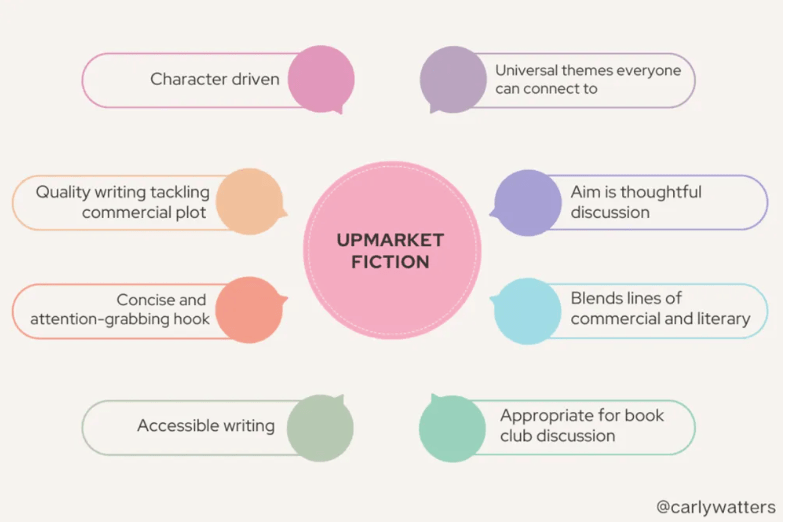
I don’t have much else to report. I read an interesting article on Jane Friedman’s blog about upmarket fiction and what it is by literary agent Carly Watters. It might be useful to those who are querying. Have a look at it here: https://www.janefriedman.com/what-is-upmarket-fiction/

taken from the article

I’m sorry this came out late. I had a weird week, but hopefully after the Easter holiday things will go back to normal. It’s finally warming up here, but we have a ton of snow that needs to melt. I still need to listen to a surprise episode of the Six Figure Author podcast that Lindsay, Jo, and Andrea recorded a few weeks ago. I’ve been so busy hammering out this trilogy for an August release I haven’t made the time, but now that the weather is warmer, I need to get outside and breathe. If you’ve been keeping up with them, you can listen to it here:

Have a great week, everyone!

Writing a taboo subject: is it worth it?

Dictionary
Definitions from Oxford Languages

ta·boo
noun
noun: taboo; plural noun: taboos; noun: tabu; plural noun: tabus
a social or religious custom prohibiting or forbidding discussion of a particular practice or forbidding association with a particular person, place, or thing.
"many taboos have developed around physical exposure"
Similar:
prohibition
proscription
veto
interdiction
interdict
ban
restriction
boycott
nonacceptance
anathema
Opposite:
acceptance
encouragement
a social practice that is prohibited or restricted.
"speaking about sex is a taboo in his country"

When you choose to write about a subject that people consider taboo, you’re setting yourself up from the get-go for readers not to like your work–at least, not that particular project. Incest is a big taboo subject (even today people still bring up VC Andrews’ Flowers in the Attic–a popular book wherein a brother and sister begin a sexual relationship), along with cannibalism, religion/rituals, bestiality, torture, necrophilia, among other things.

What people consider taboo will vary from person to person, and when you write about a sensitive topic, you’re taking a risk that the majority of your readers won’t mind or can get past the topic at least long enough to buy and finish the book.

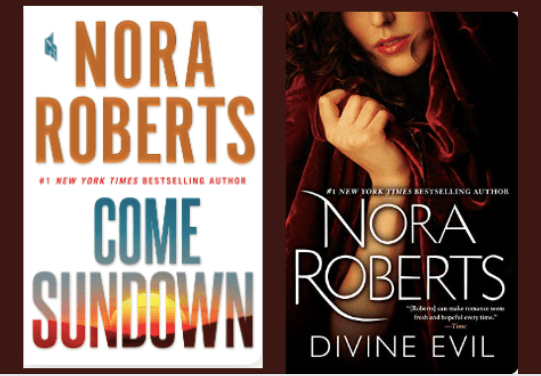
Book covers take from Goodreads

I don’t find many topics off-putting. I read Flowers in the Attic when I was younger, and reading about a brother and sister having sex was wicked and thrilling (at the age I was, reading about any sex was thrilling, haha! [If you don’t know by that comment, yes, I am an GenXer]). Sometimes a book will catch me off-guard, like Nora Roberts’ Sundown where a character is kidnapped and raped repeatedly throughout her life. I love Nora Roberts and have never had a problem with any of her books. I enjoyed Sundown as well, but I don’t remember Nora being so violent on the page. Still, I wasn’t upset and finished the book, an angsty and quick read for the length it is. If you want an example of ritual animal sacrifice, you can check out her Divine Evil which opens with a little girl watching her father participate in the ritual. It’s a flashback and has to do with what the book is about when the little girl is an adult and goes back to her hometown. I had to Google for the name of it, as I read it a very long time ago. The paperback said it was published in 2009, but I wasn’t reading much then, so it may be a re-release. Yes, I looked and the original copyright is 1992–I’m not crazy after all! Good to know!

I have found while reading both indie and trad books, taboo subjects are best swallowed when they are written well and have a reason for existing. In some of the indie I’ve read, authors confuse violence and shock value with conflict and insert unnecessary violent scenes when, with better writing, they needn’t have added it at all. Alluding to and writing it explicitly on the page are two different things, and you have to decide for yourself if writing it out in gory detail will enhance the story. It may not, and referring to it can suit your purposes all the same.

I’ve only been thinking about this because my trilogy involves cheating, and that, too, is a taboo subject for some people. In doing a brief bit of research before I started my rockstar trilogy, cheating among band members is, perhaps not typical, but it can happen. I’m hoping that cheating in a rockstar romance is considered tropy and not unsavory.

What are some of the things you can do to set up your book to have a better chance sales- and review-wise?

*Warn your readers. I’ve said in the past I don’t need trigger warnings and for the most part, don’t include them in my blurbs. There are a couple reasons for that, one mainly, is the rumor that Amazon will bury your book’s discoverability if you include a trigger or content warning in your blurb. Some bigger authors can get away with that–they have a loyal fanbase and don’t depend on Amazon’s algorithms the way smaller authors do. Amazon can bury your book’s ad, too, so they get you twice if you run ads to your books. Simply saying your book includes sensitive themes may not be enough. What people consider sensitive can vary greatly and being vague in hopes of tricking Amazon may not help. What you can do is add all your triggers to your website and point your readers there in an author’s note at the beginning of all your books. That may be a better way to go.

I use Booksprout for reviews before launch, and I will definitely include a trigger for the trilogy. They are also long so I’ll add that as well.

*Have a reason for including the taboo. Most taboo subjects will have a plot reason for being in your book, but make sure that if you’re writing a rape scene or you’re going to get graphic with child violence or the inhumane treatment of animals, that there is a need for it. Is it a clue in a thriller/mystery? Does the act move the character development forward . . . or backward? Violent scenes are not filler and shouldn’t be used to manufacture conflict.

*Have your characters learn from it. Cheating is actually fun to write about. Characters feel guilty falling in love with a person who is “taken.” They can learn a lot about themselves and other characters when they explore doing something that would be considered off limits. If you’re going to write about something taboo, make sure your characters (and maybe your readers as well) learn from it. Why is it taboo, and how do they justify the act? When is it okay to do it, and when is it not okay? Where is there a line? I love a morally grey character. That’s life, and none of us are perfect. We cheat on our income taxes, don’t correct a cashier when she forgets to ring up an item, don’t return money we found on the ground. Little things that would cast someone in a bad light if someone else found out about it. It doesn’t make us bad people–we have a lot of different facets that make us who we are. A reader will have an easier time reading something like cheating if your characters learn from it, or if there is a really good reason for why it happened in the first place.

I finished watching Daisy Jones and The Six last night, and there is some cheating and some alleged cheating, in it. I don’t want to spoil the book or the show for you if you haven’t read or watched either, but at one point the question came up, if you’re married to someone but are in love with someone else, should you honor your vows? Do you stay in a relationship you don’t want to be in? You never want to be with someone if they think you’re an obligation, and Daisy Jones explored that. In book 2 of my trilogy, Eddie fell in love with his bandmate’s wife. It turns out Clarissa was being abused, and Eddie protected her. She was too scared to leave her husband, and Eddie took matters into his own hands, another piece of the plot.

I’m not sure how well my trilogy will be received, but all I can hope is I executed them well enough that while readers may not condone what my characters are doing, they can feel sympathy toward them.


I don’t have much else this week. I compared my royalties with my ad spend for March, and I came out ahead, whoo-hoo! You really gotta watch those ads. Sometimes they can take off and eat up your money faster than a kid can eat through a box of cookies. I would have to do more math, but I’m ahead by quite a bit this year already, my trilogy doing good things, and my one-night-stand standalone doing well at .99. I think I’m going to leave it at .99 for a while. The FB ad is running with some likes and shares (social proof is always a good thing) and I make page reads off it, too. It can be my “gateway” book into my library for those who aren’t Kindle Unlimited subscribers but want to try my books. People are risk-averse, especially with new-to-them authors. Even priced at $4.99 for a full-length novel, if you’re writing in a series, you’re asking a reader to spend a lot of money on you. So I’m comfortable leaving Rescue Me at .99 indefinitely, I just need to make sure my FB and Amazon ads are running at profit to that book since I only make 35% royalties off ninety-nine cents, or a 1.32 for a full read in KU.

The third book is going well. I’m 19k into it at the time of this writing, but will be farther along by the time the post publishes. I’m hoping to be done with it at the end of this month–I still have my eye on publishing the first one in August.

That’s about all I have! It’s April, and it doesn’t feel like spring, but it will be nice when the weather starts warming up. We have a lot of snow, so I’m praying that the river near our apartment building isn’t going to flood. Not like a terrible flood–it usually does a little every year, but the amount of snow we got in the past couple weeks alone is worrisome. I will keep you posted!

Have a great week, everyone!

Does it matter how long your (romance) book is?

Words: 2128
Time to read: 11 minutes

There was some romance discourse last week, well, maybe not discourse, as the topic was broached by people who weren’t fighting about it (sometimes respectful discussions can happen), but it is worth a look. They were talking about the length of a romance novel, and how long a romance novel really should be. It’s kind of a sticky subject because there are a lot of reasons why romance books are longer than they should be, or, for that matter, shorter than they could be.

In a time where attention spans are short and money is scarce, I can see how someone wouldn’t want to write long novels–and charge for them. People read in bite-sized chunks (Hello Kindle Vella and Amazon Short Reads) and move on to something else. Novellas appear popular these days (I’ll add a question mark because I don’t know that to be true from a reader standpoint) and if you’re a writer and can write two novellas a month, you can build a backlist and readership that much quicker.

My main concern is how people feel about longer novels. You can pat yourself on the back if you write 100k+ novel. It’s quite a feat to be able to pull that off. It’s more extraordinary if you can hold someone’s attention for that long, and that’s the rub. According to the discussion that I peeked in on, few authors can.

I remember when Lucy Score came out with Things We Never Got Over. There was much discussion about the fact that it’s 570 pages long, or over 140,000 words. Does a romance novel need to be that long? And since publishing that in January of 2022, she’s come out with two more in that series: Things We Hide from the Light (February of 2023) which is 592 pages long, and Things We Left Behind which will be out in September 2023. We can assume that book will be equal in length, and that means to read through the entire trilogy, you’re committing to 400,000 words. You can argue that if she’s a good a writer it doesn’t matter how long the books are. But, she also works with a professional editor who would (hopefully) tell her if her stories dragged.

More indies than we realize (or want to acknowledge) work without editors, especially developmental editors that can charge $1,000 dollars or more per manuscript. Indies aren’t getting the feedback they could to tighten up their books, and I get it. When you can’t find a beta reader who will help you for free or trade, many indies go without any kind of feedback before publishing. They don’t get opinions on that subplot, or how much crap they’ve thrown at their couple to extend the story. They don’t know how to pace themselves and bog their stories down with info dumps and add characters that don’t do anything to enrich their books. I’ve also read authors by Montlake (an Amazon imprint) whose reviews say similar things . . . the books were too long, the novel could have lost 100 pages and been a better read. So working with an editor doesn’t necessarily mean you’ll end up with a perfect product.

Is this opinion, or fact?

Does it matter?

The problem is, quality is subjective, and an author sure as hell can’t do anything about a reader’s attention span. Negative reviews can make it feel like it was the author’s fault they didn’t write a good book, when it actually could be the reader who had too much going on to settle in a read something that was more than 150 pages.

On the other hand, a book that’s only 150 pages that’s poorly written can feel like 1,000 pages and I’ve read first chapters that took me all day because I just couldn’t get through them. It doesn’t matter how long or short a book is if the writing is terrible or you don’t care about the characters.

I suppose the answer is you’ll find your readers if you deliver consistently. Over time, readers will come to know what you write, and if they’ve tried you and didn’t like you, for whatever reason, they’ll avoid new books.

I can’t write short. I have three full-length standalone novels that prove that when I was trying to write a novella-length reader magnet for my newsletter. I finally ended up offering the shortest one (77k words) and giving that away rather than keep trying to write something I can’t. This is worrisome in its own way–when you’re told a reader likes certain things and you can’t deliver. I can’t write a book that’s 40k words long, and that leaves me and other authors who like to write long or want to write long with a problem–how do we make sure we’re finding the right kind of readers for our books?

No one wants a review saying our book was “bloated” or bogged down, or even worse, be accused of writing filler for the KU page reads. Like Zoe York pointed out in a tweet thread about this very topic, you get paid the full amount only if a reader reads the entire book. They can “flip” for the good parts, and if they flip to the end you get paid for the book, but what are the chances of that going to be if you bore a reader? If the reader is bored enough, they’ll close out and return it.

A reader can look to see how many printed pages your book is in the product information. Readers who are looking for a certain length can avoid books that are too long or too short for their tastes. I don’t usually do that unless I know for sure it’s an indie book. Some indies overprice their books because they feel all the work they put into their product deserves the inflated price. I’m not going to pay 1.99 for a short story, or 3.99 for a novella. Not when I price my 75k-100k novels at 4.99. Price is a different subject all together and I’m not going to get into it here.

The trilogy I’m writing now is on the longer side and I didn’t intend for that to happen. I would need beta readers to tell me if there’s anything I could cut, if getting my 107k manuscript under 100k is important to me. It’s not–I’m more concerned with all the books being around the same length. I don’t want my first book to be 107k and my third to be 75k if you know what I mean. But since they are longer–not quite that different from other my books, but still longer by about 20k–I wonder if it would be worth adding page length to the blurb. I dislike all the qualifiers that some authors are now putting in their blurbs. There was one book by an author I won’t name who added a paragraph of trigger warnings. While this blog post isn’t about trigger warnings either, reading all those put me off reading it. Life is hard, and I wouldn’t expect fiction not to be. My characters can have very angsty backgrounds, and to add triggers to my books warning readers my characters have . . . lived hard lives? . . . doesn’t seem realistic to me. So adding page length when I don’t even like adding trigger warnings seems too precious. On the other hand, it would save readers from picking up a book they don’t want to invest time in, so it is an impasse, for sure.

If you like scrolling through Twitter, here are the tweets I saw over the weekend. I’m not picking on Zoe. I love her and she really makes me think about the publishing industry and more specifically, publishing romance.

I listened to a talk once, but I can’t find the video, so I don’t want to say who I think it was because I might be wrong. But even if I can’t remember who said it, it’s worth mentioning. In her talk, she talks about leveling up, and one of the simple things she did to make more money was to write longer books as all her books were in KU. Of course, she’s not encouraging you to book stuff or bloat your books with filler. We all want to make readers happy. We know you can’t create a fanbase without doing that. I just like exploring all sides of a conversation, and if you write 50k word novels and think you aren’t happy with how much you make from KU, I don’t see the harm in looking over your books and deciding to write 70k books instead. But, it is important to look at how you view success and how much time you have to work on your books. Maybe every month is NaNo for you, and 50k every 30 days is manageable and because of your day job and family life, 70k is not. Also, what kind of readership do you have now? Do they want a 70k book or would they be happier with two 35k books? If you don’t have a readership yet, it’s worth exploring what you want to write and what you have time for.

My brand will always be full-length novels. I’ve come to realize I like trilogies–both reading them and writing them. I have a soft spot for standalones but six books in a series will be my limit. If I had a team who could help me package the books, that might be something different, but editing them, formatting them, and doing their covers wears me out and I don’t have the patience to do that often. Eventually, as I publish, readers will know each new release is a full-length novel. For courtesy, since I’m still using Booksprout, I’ll tell potential reviewers this will be a long trilogy. I appreciate all the reviewers and the time they shared with me and my books, but there was one who said Give & Take was too long. At 77 words, it’s one of my shorter books and it just goes to show you’re not going to make everyone happy. So a length warning may be helpful if only to let them know that if they review the entire trilogy they’re signing up for some serious reading time.


That’s about all I have for this week. I started book three of my rockstar trilogy, and I’m so pleased I decided to turn this into a trilogy. It will be a fabulous addition to my library. I love the characters and the over-arching plot I’ve developed. The couples were made for each other, and I’m having a lot of fun pushing them together.

I’ll be working on that book for the next little while, trying to get these ready for an August release. I don’t know if I’ll publish them one week apart like I did before. I don’t have an audience yet, so a rapid release doesn’t do anything for me. I just prefer to have a series ready to go so at least readers know their next read isn’t that far off.

Doing something like this is a lot of work. Sometimes I get discouraged. Sometimes I want to give up just like anyone else. I said something to someone last week I probably shouldn’t have. It’s none of my business how she chooses to run hers. I get frustrated when people don’t put in their time but think they deserve results. I’m not talking about a particular person now, I’m talking about anyone, anytime. I used to be like that. Maybe not entitled, but when I pushed Publish on my first book, I went to bed hoping like we all do that it would be a runaway bestseller. Of course it wasn’t. None of my books have been. I have 16 books out and make pennies a day. Not for lack of trying, and certainly not lack of hard work and willing to try new things. I think the one thing you can do for your business is know what you want and don’t be scared of it. Don’t be scared what other people think of it. If you want to make money, own it. If you want to win awards, don’t let people tell you awards don’t matter. Why you write and publish is no one’s business. Why you quit isn’t anyone’s business (but you can just leave. Stop announcing it every five minutes and just go). Why you keep pushing when year after year you keep seeing the same results isn’t anyone’s business.

I’ll keep writing and publishing and maybe I’ll luck out and have a runaway bestseller. I’ll never know if I quit.

Have a great week, everyone!

Monday Musings–when your book won’t sell–and Author Update

Words: 1792
Time to read: 9 minutes

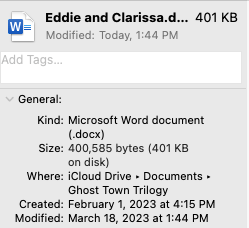
I’ll try to keep my musing short this week. I’m tired. I finished the second book in my rockstar trilogy. It came in at 92,633 which is shorter than the first one, but I didn’t expect them to be equal in length–not when the first turned out to be 107k. I created the file on February first, which makes no sense why I felt like I was working on this book forever, but I did.

Anyway, I’m proud of it and proud of the twists and turns that developed while I was writing it. I’ll have to take a break because while I know some of the backstory to both characters of the last book, I don’t know much else. I need to plot more before I start writing. In the meantime, I have a book coming out in May, and I’ll read that one more time and fix the back matter as I probably have the old covers to my duet there and maybe I’ll put the trilogy link there instead. They are better sellers no matter how much I push my duet, and there’s no point in beating a dead horse.


That’s part of my musings for today. Why some books sell practically by themselves and why some don’t. It seems every author has this issue. In fact, Joanna Penn said as much when I (finally) listened to her interview with Jane Friedman back in December. She said:

Because it explains why — like, I’ve got 35 books now, and most of my income comes from a handful of them. And, obviously, every single one I thought was going to sell, but it’s only a few.

JOanna Penn https://www.thecreativepenn.com/2022/12/19/changes-in-publishing-with-jane-friedman/

It’s disheartening, in a way. Not because books are our babies and we love them all equally, but I put a lot of time into each and every book. I watched hours of construction accidents on YouTube to write Captivated by Her. Yes, I might have fudged on a few things because it’s a romance and not a crane operating manual, but I did a lot of research to write Rick’s accident and what caused it as realistically as possible.

Of course, I made two mistakes when I put them out: I didn’t offer them to Booksprout first for reviews, and I published them with covers I changed–wasting the bump Amazon gives new releases. With almost no reviews on either book, that time is nothing I’ll get back. What also didn’t help was that I waited two months between books, when really what I should have done is just released them together or a week apart like I did my trilogy. At the very least, I should have put the second one on pre-order so readers who read the first book would know the second is coming in a decent amount of time.

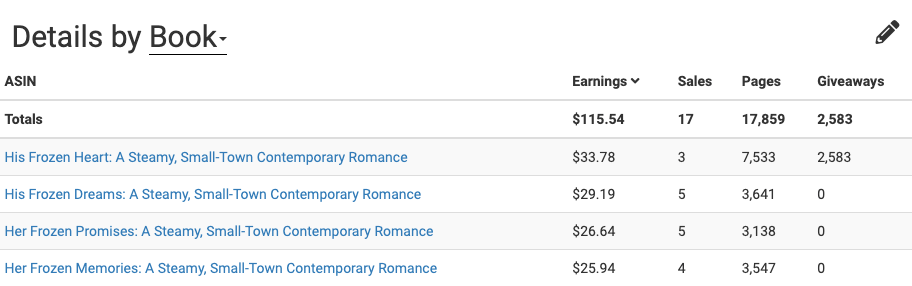
I can look back at those mistakes, but there’s no way to know that even if I had done those things it would have made a difference. I can always pull them out of KU and offer them to Booksprout reviewers, or take a chance with Amazon and put them on there anyway (I am definitely not comfortable doing that) or keep pushing them with promos and ads. Or, I can just let them go, which isn’t what I want to do, for obvious reasons. It doesn’t hurt to run low cost-per-click Amazon ads, impressions are free so you’re not necessarily wasting money setting them up, but looking at what a small backlist I have so far, it is a bummer that they aren’t doing better. Since their release last summer, they’ve made $214.62 together. To put that in perceptive, because I’m sure there are some of you who are saying that’s good, Rescue Me has made that on its own since its release in September.

I’ve moaned about this before, but actually, this is common. What’s depressing about it is when you have a very small backlist or if you only have one or two books out that aren’t doing well, you’ll have no sales or traction and you’ll have no idea why. Your book could have all the right things–good cover, good blurb, but just for some unknown reason it’s not “hitting” and the longer it’s out without sales, the faster it will sink. You can try to bump it up with a new cover, but if you’ve already spent money on a cover you’ll probably be reluctant to spend more–especially when positive results aren’t a sure thing.

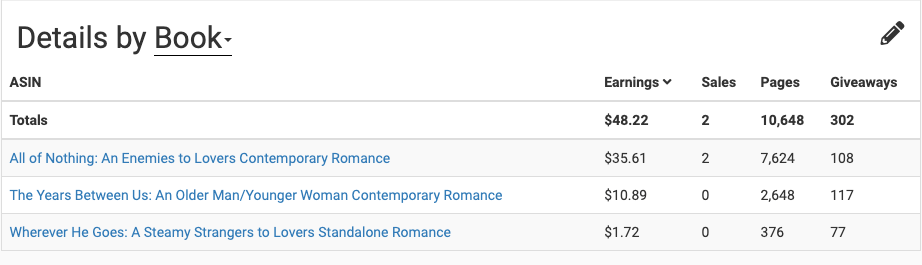
When I re-edited Wherever He Goes, I thought about putting an illustrated cover on it instead of what it is now (it’s funnier than my other books and the content would have supported that change). I don’t have any experience with illustrated covers and I would have had to hire out. It’s not a gamble I took, one because the book is old, but two, an illustrated cover wouldn’t have fit in with the rest of the books in my backlist. I like the cover that’s on it now, and I think the blurb is a good one, but despite it being my favorite, no matter how many ads I set up, I can’t sell it.

What can you do when this happens to you?

*Realize that it happens to everyone. Not every author’s books are going to sell like gang-busters–probably not even Colleen Hoover sells all her books equally.

*Focus on the books that do sell–even if it hurts. The ad gurus tell you to throw your money at your books that do sell, and that’s good advice if you don’t have a money to gamble with. If your books already have a natural momentum or easily find traction with a little bit of help, no point in trying to push a rock up a mountain when it can tumble down on its own.

*In that vein, you can try different advertising strategies if you have a little money to play with. Maybe you can’t get any impressions or clicks on with Amazon ads, but with the freedom of a graphic, being able to choose a target audience, and being able to use as many words as you want in the description, maybe you get more interested eyes using FB ads.

*Another thing you can do is write and publish more. I don’t want to say eventually you’ll write something that will sell, because that just sounds dreary and after a while you’re writing for money and sales instead of writing what you love. Wherever He Goes is a road trip/close proximity contemporary romance. There’s nothing unconventional about it. I loved writing it, and that will have to be satisfaction on its own.

*Think about the risks you want to take. Series are great for read-through, if your book one is solid and hits the market in the right way. A book one that sinks won’t get read-through to the other books. It’s a conundrum I see on Twitter a lot. Authors love to release books as they write them (find some patience, y’all), and then they’re faced with the question of, Is my book not selling because it’s not hitting the market in the right way, or is it not selling because it’s a book in a series and the series isn’t done yet. Then they have to decide if they want to keep going. It’s difficult to find motivation to keep writing a series when the evidence, misleading or not, points to the fact no one wants to read it. That’s a lot of work for no foreseeable gain. For better or for worse, I write all the books at once and only release when they’re done. I put my trilogy up on Booksprout and let reviewers download all of them so they could read the books separately but also review the trilogy as a whole (many did in the review of the last book). You can say that I take my risk ahead of time, and I do. Wasted time is wasted time, but at least I’m not constantly worried about finishing a series if I’m not finding any readers. Had I done that, I would have been in the same predicament many are. Captivated by Her is half of a duet, but I could never let myself not finish the story. Even if you only have one or two readers, I feel you owe it to them to give them closure. Don’t make them waste their time…or their money.


What am I going to do next? I haven’t run a promo on Captivated by Her, and I’ll plan one soon. I wanted to run a couple of free days when I paid for my Freebooksy for Give & Take, hoping to piggyback off that sale (and promo fee), but its time in Kindle Select was about to renew and KDP wouldn’t let me. So I can buy a promo somewhere I haven’t before if they don’t take the number of reviews into consideration when they vet the books for approval. Otherwise, I’ll just have to keep running ads and hope for the best. I can throw myself at my readers’ mercy and beg for reviews in the back matter, but this where you have decide where you want to put your energy. It’s not that I want to let those go, exactly, but the trilogy I’m working on now needs my attention or I”ll never get them done by the time I want to publish them.


That’s all I have for this week. Besides writing and watching my Freebooksy sale results fade on my trilogy, I’m not doing much else. My coworker finished hunting for typos with my King’s Crossing series, and she loved it! That’s a relief, but even bigger is she didn’t find any plot holes, which would have been a bear to fix at this point. After my rockstar trilogy is finished, I’ll be getting those ready for release–I need to fix what she found and tweak the covers. I have a standalone plotted out that I’ll write next as kind of a palette cleanser, and then on to another 6 books series. I have two written and don’t want them to go to waste, so I’ll work on those for a 2025 release. That is too far into the future for me, and I can only focus on getting through each day and hoping it doesn’t freaking snow anymore. By the middle of March in Minnesota, we are all waiting for spring to come.

Anyway, have a great week, and if you have a book that’s not selling or ideas on how to fix that, let me know in the comments! Until next time!

Adding discussion questions to your novel, yes or no?

Words: 823
Time to read: 4 minutes

Adding discussion questions to the backs of books seems like a very traditionally-published thing to do. When I first started publishing in 2016 I never thought about it, mainly because up until that point, I don’t know if I read books that had discussion questions in the back. If I did, I skipped them entirely because after the last sentence, I set the book aside. It was only after I became an indie author and started devouring every book I read cover to cover (what people sneak into their copyright pages can be really hilarious) did I realize just how much I was missing not reading past The End.

Always Read the Acknowledgments Page by Grace Bialecki via Jane Friedman’s blog.

Why would an indie add discussion questions to the backs of their books? I asked that question on Twitter and I received varying responses. One said because she thought her book didn’t warrant them, another said if was an indie book, they would obviously be written by the author which seemed strange. (As opposed to them written by an editor, I guess.) One said he didn’t want to think too much about his own book to come up with the questions.

Those are valid reasons, I suppose, but I think any book has the content required to warrant discussion questions. Every character makes choices, and every one of those choices can be dissected and measured. That’s what I like about adding discussion questions to some of my books. I like puzzling out why a character did what he did and if there was a better way for the outcome he wanted. As an author who is “supposedly” in control, that’s not always the case. I’m not one of those authors who spends years editing her book because she thinks of something better. I write the damned book, and it’s done. What’s there is what will stay there and my stubbornness actually gives me room to explore why I wrote what I did. Characters’ choices aren’t always going to be ours–a nasty character doesn’t make us nasty because we created them.

I like the idea of discussion questions in the back of romance books. Considering what kind of a reputation romance books have, even if a reader glances briefly at the questions, it maybe give them the idea to explore the deeper meaning underneath the kisses. Of course, there may not be any deeper meaning, and that’s okay too. I think every character is flawed and will make poor choices at some point, and reaching to understand the answers to those questions help us grow as readers and our ability to understand other people.

I had a difficult time thinking of questions for the back of Rescue Me. I added them because Sam made a choice or two that may not have sat well with a reader. Lily understood the choices he made, and if there was anything to forgive, she did so with an open heart. Was she right to forgive him? We can’t control how other people behave, we can only control our reactions to what they do.

I admit that discussion questions probably work better with standalone novels, and I’ll add discussion questions to my next standalone coming out in May. That book also deals with some sensitive topics and behavior from both my male and female characters.

Characters are flawed, they’re human, and they’re not always going to do what we expect in the heat of the moment. It’s what they learn from their choices, if anything, that matter in the end.

Is it vain to add questions to the back of self-published novel? Not any more vain than thinking your own work is worthy of being published at all. When indies publish with no greenlight from a gatekeeper, you have to have faith in your work. Why not have faith that a reader will want to explore your book with questions you thought were a good complement?

You never know–maybe your book will fall into the hands of a book club and they’ll appreciate the built-in discussion help.

If you don’t like the idea of coming up with your own discussion questions, perhaps ask a fellow author to give you a few interview questions about your book. You can answer them and then offering extra content won’t feel like such a one-way street. There are always ways to reach your readers, and the more involved they are with you, your characters, and your books, the sooner they will turn into true fans.

Here are a few more resources on adding discussion questions to your own novel:

Creating Discussion Questions Using Your Book’s Themes by by Sara Letourneau via DIY MFA

How to Write Great Discussion Questions by Janet Kobobel Grant via Books & Such Literary Management

And a list of books that have discussion questions in the back: https://app.thestorygraph.com/reading_challenge_prompts/6e172dac-df93-425b-ae9e-702ebe940358

Thanks for reading and have a great week!

Monday Author Update and Plot-Driven vs. Character-Driven Novels

Words: 1155
Time to read: 6 minutes

I have zero things to write about this week. All I’ve been focused on is getting words down for this trilogy, and as of right now I’m 62k into the second book. I am loving this couple though, and turning that standalone into more books was a good choice.

These are character-driven books, and every once in a while I get a touch of imposter syndrome. Are these books going to be boring? Is there enough going on? But I’ve come to realize that character-driven books are what I write. Probably the only book I’ve ever written where characters are actually moving around on the page is Wherever He Goes, but that’s a road trip novel. There’s not much of a road trip if they aren’t moving and things aren’t happening. I’ve described my books as “quiet”–characters exploring themselves and how they need to overcome their flaws to get what they want. There’s a fine line between a character-driven book that’s “quiet” and a book that drags. I don’t get a lot of feedback before I publish, but I’ve already had some volunteers for this trilogy. I’m going to need them, I think, if only to reassure myself that the books move forward and keep readers interested.

The biggest tip I have for anyone who wants to write a character-driven book, or think they are, is you can’t be repetitious. My books depend a great deal on dialogue, but that means when characters are speaking to each other, new information must be presented at all times or there must be some kind of internal revelation. If your characters are only rehashing what has been spoken of previously, you’re wasting your readers’ time. Always know what you want out of a scene, and if you have characters talking just for the hell of it, usually that’s a sign you don’t know what your characters need, what they want, or how they’ll go about getting it. With every conversation, information must be revealed for the first time and/or a personal discovery must be made because of that information. Most of the time, that’s not difficult, but sometimes, especially in real life, people need to hear something more than once for it to sink in, or they need to hear it from more than one person. That’s not a great thing in a novel and rehashing can slow your pace and bore your reader. Try to make each scene count.

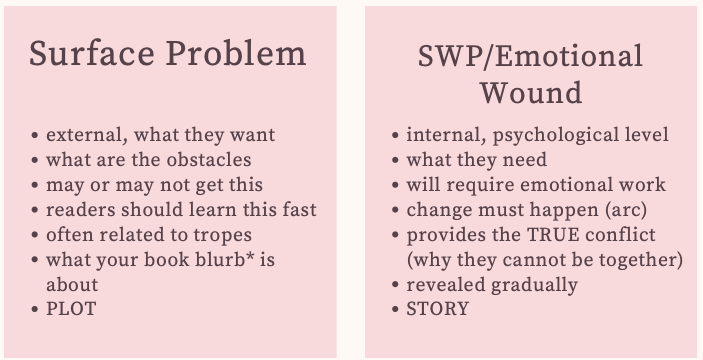
Some people might be a little confused between what a plot-driven novel is and what a character-driven novel is. There are plenty of resources out there if you want to explore, but I like this slide by a presentation Melanie Harlow did a while back.

Surface problems are usually not that important in a character-driven romance novel. It’s the emotional wounds of the characters that keep them apart and are a bitch to overcome. The emotional wounds and the flaws they must overcome is what the 3rd act breakup is all about–if there is one. As you can see, the emotional wounds are what causes the true conflict in a romance novel, and if you don’t have those, everything that keeps your couple apart is superficial and readers won’t be invested in your couple staying together for their happily ever after.

Melanie spoke at the 20booksto50k conference last November, but her talk is incomplete and the audio for what is available is poor. But, I mention it because the slides are available, and they are a goldmine of information if you want to download them. https://drive.google.com/drive/folder… She’s also part of a steamy romance panel, which I haven’t watched yet (hello work/life balance) so I can’t comment on quality, but you can check it out here.

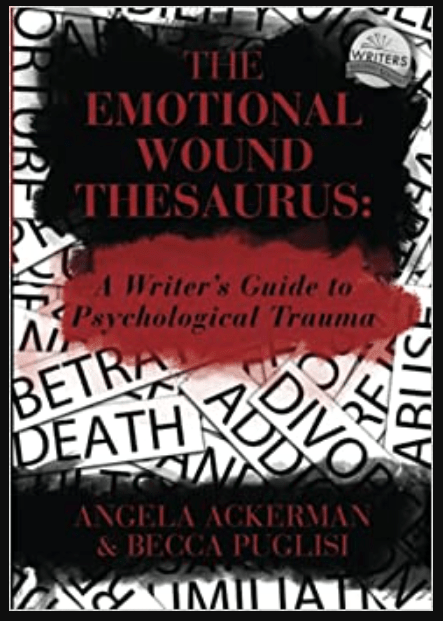
Also, there is an Emotional Wounds thesaurus available, and it’s great for digging and thinking up ideas for how to make your characters miserable. You can check it out here. https://www.amazon.com/Emotional-Wound-Thesaurus-Writers-Psychological/dp/0989772594

screenshot of cover taken from Amazon

My Freebooksy for the first in my trilogy went really well. For the two days it was free, I gave away 3,797 copies. I think people are still confused how this can convert to royalties earned, and I’ve said in the past that a Freebooksy only works well if you’re giving away a first in series. Read-through is where the royalties come in. Also, if you’re in Kindle Select some readers will borrow your book instead of downloading it, and if they do that, you get paid for page reads. You have to weigh the pros on cons of paying to give your book away. It won’t give everyone the return on investment they’re looking for. In my case, between borrows and read-through, I earned back my fee ($120.00) in 4 days and so far have had a ROI of 131%. (ROI = Net income / Cost of investment x 100.) People don’t read right away and my book is sitting on 3,797 Kindles. I can only hope that as the weeks and months go by that people get to my book in their TBR piles and go on to read the other two books in the trilogy.

I admit I dropped the ball and didn’t have Amazon ads running during that time. That will probably turn into a mistake for me as I had nothing propping up that promotion. The only other thing I was doing was running an FB ad to Rescue Me, and I already said last week how that turned out. Right now I’m running an ad to Captivated by Her, but I’m watching it closely as the last time I tried, I didn’t get any sales for the clicks. I ended up pausing the ad. I have it on sale for .99 right now and I used a different graphic to go along with the ad. I’m hoping for a better outcome.

The next big push might be a Freebooksy for Captivated when my next standalone book comes out in May. Though I did want to try Fussy Librarian and Robin Reads as well. It’s hard to believe that I’ll have had 7 books come out in 11 months, but I know some authors can do that all day long for years. I think this pen name is coming along though, and I have no regrets pivoting.


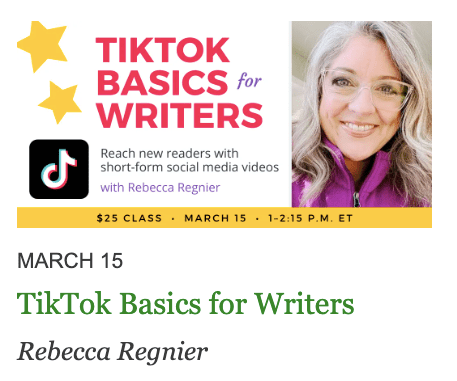
Screenshot taken from Jane’s website.

The only thing I have left is what I’m loving right now. I’m excited I signed up for a TikTok class with Jane Friedman and Rebecca Regnier. It’s $25 and the slides (if there are any) and a replay is available if you can’t watch live. TikTok is probably going to be my next step in trying to get the word out there for my books, but I like to explore and learn before jumping in. If you want to sign up, you can do it here. https://www.janefriedman.com/tiktok-basics-for-writers-with-rebecca-regnier/

That’s all I have for this week. Until next time!

What does investing in your business mean to you?

We all hear that we need to invest in our business. To different people that can mean different things. When it comes to being an author running a book business, there are a lot of different ways to shove resources at your books.

Money. When you’re an indie author, there are a lot of places your money can go. You have to decide where that money goes and prioritize that spending. ISBNs are not cheap in the US, book covers can be expensive, too. Subscription services like Office 365, Canva, WordPress, and Bookfunnel, just to name a few, eat up a lot of my business money. Then on top of that you have ads and promos, an email aggregator for your newsletter. The list is endless. But you have to put some money into your books or you’ll never get to a place where you can sell them.

Education. One of the things I didn’t realize when I started publishing was all that I was going to have to learn. Back in 2016 we didn’t have Vellum for formatting, and I didn’t start using Canva for book covers and graphics until about 2018 when my friend Aila turned me on to it. Like most software, I didn’t like it right away because I didn’t know how to use it. Now I love it, even though I still don’t know half of what it can do. The same goes for my Mailerlite account. I watched several YouTube videos to learn how to set up an automated welcome sequence, and I had a heck of a time figuring out landing pages and how to connect my Mailerlite account with my Bookfunnel account.

Some things you can find out on your own through free resources, and there are some things you might want to pay for. I always start with the free stuff first and move on to paid classes if I don’t learn what I need to know. There is always someone selling something, an Amazon Ads course or a book marketing course that promises you you’ll sell 1,000 copies of your next book. Around the holidays, especially Black Friday and Cyber Monday, I have terrible FOMO because a lot of that stuff goes on sale. I’ve wasted money buying classes I shouldn’t have. I paid $49 for a ticket to Mini InkersCon hosted by Alessandra Torre that I never attended, and I paid that much for a virtual ticket to the 20booksto50k Vegas conference back in November. I didn’t attend live so that was a waste of money as later, they put a lot of the speakers on YouTube for free. I regret not trying to attend as I missed a wonderful talk by Melanie Harlow that would have been worth the entire price of the ticket. There are a lot of craft classes, book cover design, and editing courses. I have to admit, I’m kind of a class junkie (if you didn’t know that by now) and I have classes I bought through Mark Dawson’s SPF that I haven’t finished, and also classes I purchased through Jane Friedman I have saved on my computer. I have always loved school (I would love to try to get my MFA before I die) and I’m always $50 away from my next class. But I think the idea behind a class is you have to be open to learning what you don’t know. I’ll end this section with this Tweet from a few weeks ago. Learning is vital to your business and you’ll fall behind if you think you know everything there is to know.

Time. Time is precious, and you’ll waste a lot of it doing things that don’t help your book business grow. It’s up to you how you want to spend your time where you think it’s best for return on investment. You can say you’re “networking” hanging out on Twitter all day, but be honest. Are you networking or scrolling to waste time? Is there a better place to network? A Facebook group with authors in your genre, perhaps? If you’ve hit a hard spot in your WIP, it’s easy to find something else to do, but when time is a limited resource because we all have more on our plates than just our books, you’ll find you can be stuck in the same spot for a lot longer than you’d like. Marketing shouldn’t take up that much time–you can’t forget that without books (product) marketing doesn’t mean much. In Elana Johnson’s book about writing and marketing systems, she recommends keeping track of where you spend your time. You may realize that getting out of bed a half an hour earlier, timing yourself on Social Media, or skipping another episode of your favorite show can open up the writing time you need to move forward.

What else can you do with your time?
1. Classes, like I said above. It does take time to do watch the classes and probably the main reason I have so many unfinished. I’d rather write.
2. Read in your genre–with intent but also to fill your creative well. Reading in your genre is really important. Not only do you see what’s selling, but you’ll learn what reader expectations are and how your comp authors are delivering it.
3. Sleep. That sounds crazy, but you’re not going to get good words down when you’re tired.
4. Practice. If you’re taking a class about book covers, you need to practice those skills. I watched a lot of videos when it came to learning Vellum, and the first couple of books I formatted weren’t only to publish but to learn the software. Even if you take an ads course, you still have to put your knowledge into practice on the actual platform. These platforms don’t make it easy, either, when they’re constantly changing their dashboards. It still takes me a while to properly set up a Facebook ad, but without ads, no one will know about my books, so that’s a return on investment I can get behind.

My friend Cara said I could use her response to my tweet in my blog, and this is what she said when I asked what investing in your business means to you:

Effort is a big one, and something I didn’t consider. It takes a lot of effort and energy to keep going, especially when you’re not seeing the results you want. As I just started a new pen name last summer, I’m no stranger to the amount of effort and energy you need to start over. Unfortunately, it can take a while to see if those decisions will pay off.

Sometimes we have to experiment with what will work and what won’t and be willing to let go the parts that aren’t working and try something new. I let go of Twitter a long time ago, and I’m glad. Now when I tweet about my books and get zero response, I can feel good knowing I have other ways of finding readers.

I did a little experiment myself this month and put Rescue Me on sale for .99. I ran an FB ad to it, and while I’m two days short of the end of the month, I’ll tell you how it went. This is my FB ad:

This is a standalone without any read-through potential unless they go on to read my duet or my trilogy. A .99 book on Amazon will only earn you .34 per book, so after you pay for a click (my cost per click is .14 on this particular ad), the ROI may not be that high (in this case, .20 per sale). Kindle Unlimited is good though, and if I get page reads for the entire book, I earn approximately $1.32. As of Sunday morning, I spent $72.20 on that ad. I’ve been running it for the entire month of February. Between sales and pages read, I’ve made $97.99, ($24.98 sales/$73.01 pages read) for a return on investment of $25.79. Maybe you don’t think it’s that much. Maybe you think it’s not worth it for only 25 bucks, but that’s where you have to think about what you want for your business, how much you’re willing invest, and what kind of resources you’re investing (for example, time to learn the FB ads platform and money for the clicks). There’s more to a sale than the royalties you earn. You could get a review, you could find a new fan. You could get a new subscriber to your newsletter. If anything, you’re finding out what kinds of ads work and what kinds of ads don’t. I would have made 0 royalties if my ad didn’t work. So, was it worth it to me? Yeah. But I won’t leave Rescue Me on sale forever. Maybe I’ll try this experiment with the same type of ad for Captivated by Her. There’s read through potential for that book as it’s the first half of a duet.

I also paid for a Freekbooksy for the first in my Lost & Found Trilogy, but I’ll wait to update you on how that went. It’s only 4 days old and I’m $23.00 shy of earning my fee back. I can run down how my February did as a whole, but let me tell you–I forgot I was running Amazon Ads in Canada. Bad move. They really took off and unfortunately, they didn’t have the sales to go along with them. That was my mistake and I’ll have to eat the ad cost. There’s a lesson to learn every day.


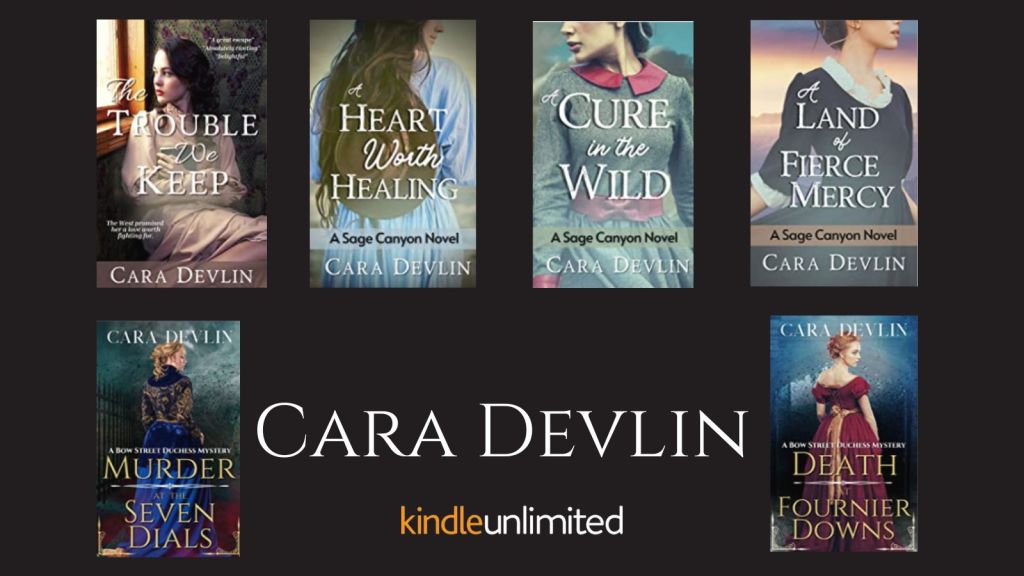
Thanks to Cara Devlin who said I could add her response to my tweet in this blog post. Her covers are gorgeous and if you like historical romance, check out her books.

Have a great week, everyone!
Monday Author Update: What I’m up to this week

Happy Monday! It’s President’s Day in the United States, and hopefully you have the day off to sit and relax and enjoy a slow, easy Monday! If not, I hope the holiday slows your workload down and it’s not such a hectic day for you.

I don’t have a lot of news this week. I’ve had some personal stuff going on–I think a lot of you know I lost my cat three weeks ago to old age and colon issues. Then the week after that my car battery died and that cost me a lot of money I didn’t have on top of Harley’s vet bill. It was a blow to my wallet and I’ll need a long time to recover. But, as the saying goes, just keep on keeping on because it’s all you can do.

I”m 40k into the second book of my trilogy as of this writing, and I’m excited I turned what was supposed to be a standalone into more books. This might be the first time with any of my series where I actually like all the characters equally. Does this happen to you? Maybe that might be getting ahead of myself as I haven’t written the third book yet, but I’m actually eager to start their stories. Bits and pieces of who are they’re going to be are already flitting to the surface of my brain, and that is the best feeling in the world.


I added up all my book spending and subtracted that with the royalties I made in 2022, leaving me in the red by 268 dollars. I did my year-end summary in December, but didn’t do a full tally like I have to for my accountant. In my blog post I approximated that I broke even, and I really would have, but last year I had two new things I paid for: Bookfunnel and my Alli membership. Two very important things that will aid my writing business, but my royalties did not cover everything I spent on my books last year. On the bright side, I’ve already made 34% of what I made for the entire year last year, so I’m hoping that trend continues.


I’m very excited about my Freebooksy Promo coming up on Thursday. I have two free days scheduled Thursday, February 23rd and Friday, February 24th. I have my promo booked on Thursday and I add an extra free day because not everyone opens their emails on that day and I would hate for anyone to miss out. I’m giving away Give & Take, the first in the trilogy I published last month. This promo will be different than the ones in the past and I’m hoping this promo will bump up sales overall. Here’s why I think it’s different than the ones I’ve done for my 3rd person books:

All my books are billionaire (I have 6 under my pen name right now). Unlike my 3rd person books, my billionaire books are the same sub-genre–though I do have a lot of fun with tropes. Hopefully that will make it easier for readers to want to read more of my books after the promo if they like Give & Take and hopefully the rest of the trilogy. When I bought a promo for my small town holiday series, those were the only small town holiday books I had. We like to fool ourselves and think readers will read anything if they like us, but you have to have a very large audience for that to actually work. When you’re just starting out, genre-hopping is hard and you’ll lose readers if the rest of your books aren’t what they like.

They’re written in first person present. I haven’t done a survey for the past couple of years, mostly because I drank the Kool-Aid and gave in, so the number of books written in first vs. third on the Amazon bestseller lists didn’t mean that much to me. But when I was promoting my small town holiday series, they were written in third person past which, for romance, has fallen to the wayside when it comes to popularity. We can take a quick look at what’s selling right now–not to prove myself right, but out of sheer curiosity now that I brought it up. The top five Billionaire Romances are:

1. The Temporary Wife by Catharina Maura: First Person Present, KU
2. Final Offer by Lauren Asher: First Person Present, KU
3. Black Ties & White Lies by Kat Singleton: First Person Present, KU
4. The Auction by Maggie Cole, First Person Present, KU
5. The Vow by Maggie Cole, First Person Present, KU

I could do that with other subgenres or Contemporary Romance in general, but it’s part of market research and just with that quick of a glance, I think any billionaire books written in 3rd person might be a tough sell. I get where authors would say, your book is going to sound the same as everyone else’s, but readers like familiar, they like similar, and in my case, I said, “If you can’t beat ’em, join ’em.” If I don’t have to work so hard to find readers, sign me the hell up!

Because I’m more curious than a cat, I looked at the top five of Contemporary Romance on Amazon, and three are the same. The two changes are The Wrong Bride by Catharina Maura (First Person Present, KU) bumped The Auction, and a new title coming in at Number 2 is Beyond the Moonlit Sea by Julianne MacLean (First Person Past, KU). This is a very small sampling, of course, and when I was debating switching over from 3rd to 1st I spent hours pouring over the lists to see where exactly the shift was taking place, when it did, and I guess more importantly, why. Maybe I never found out, but it still interests me nonetheless.

They’re in KU. My books always have been, but doing a free promo will usually lead to page reads. When a KU subscriber sees that it’s in KU, they will more than likely borrow it rather than download the free book. The promo brought our book to their attention, and we get paid for the page reads. When I did my free promo for my series back in November, it earned me page reads for the entire series.

I said in previous blog posts that my promo earned out, and it did. I gave away three other books at the same time, bumping me over the fee cost. I counted them because without the promo, those books never would have gotten the attention they did.

Anyway, that was an “oh well” kind of promotion because I’m not writing under 3rd person anymore and I don’t have a newsletter signup for that name, either. It was just something fun I did, but I also regretted spending the money and trying to garner attention for books that don’t really need it. That will probably be my last promo for those books I’ll do for a while. I can’t split my focus and my marketing budget anymore.

I’m doing my own version of “promo stacking.” Promo stacking is when you pay for more than one promo and you spread out your advertising to other promotional services. While I’m paying for a Freebooksy, I’m also running Amazon ads and paying for a Facebook ad to Rescue Me, which has sold 55 books this month (at .99 that’s only 17.99) and has netted me $46.36 in page reads. With the promo, I hope even more people see the .99 cent sticker on Rescue Me and go on to buy that too, or borrow it in KU.


Depending on how this promo does, I probably will do something with Captivated by Her when my next standalone is set to release in May. I’ll use the bump the new release of Faking Forever will give me and hopefully get some sales and reviews for Captivated and Addicted. What little feedback I’ve heard about those books is favorable, so I just need to push those books out there. I didn’t put them on Booksprout first, so the reviews are lacking. I had an FB ad running to Captivated, but something was off. I was getting clicks, but no sales, so my ad wasn’t giving readers the right idea and they were bailing when they reached my Amazon product page. I’ll have to think about what I can do to fix that.

Anyway, if you want some quick tips on how to make promos work for you, here’s what I’ve tried and what others advise:
1. Promo a first in series. You’ll earn your royalties with read-through.
2. Make sure your series look like a series. Amazon does a good job of letting a reader know what the next in series is, but make it easy for your reader, too. Make your covers cohesive.
3. Keep in mind your price. As you can see from my small-town holiday series above, a few people actually bought the other books instead of reading them in KU. At $4.99 that’s 15 dollars!) Make sure your price is competitive and in line with what others are doing in your genre. Readers won’t overpay for your book. There is too many choices out there for them to do that.
4. Don’t forget a call to action in your back matter. Add a newsletter sign up link, or the link to another book you really want them to read. All my back matter now has my newsletter signup link that offers a free full-length novel. Always give your reader somewhere new to go if they like your stuff.


While it won’t be a full picture of what my promo did (I’m hoping for a long tail), I will write about my initial first couple of days for my blog next week. Wish me luck, and I hope you all have a wonderful week!

Hating on Amazon: Can we just stop?

There are so many things that irritated me last week, and a lot of it boiled down to hating Amazon and its practices and the way they treat indies. I haven’t been immune to how frustrating it can be when I had my own go around with them over Large Print. I never did get it resolved and gave up. That’s the price of doing business with a large corporation who doesn’t have the time or the manpower to deal with everything on a case-by-case basis. You win some (being able to publish without an agent or the Big Five) and you lose some (having to deal with bots and issues lost in translation with employees who have English as a second language).

What is irritating to me is why indie authors think they are special enough not to have to deal with this. They act like Amazon is a big bully, pushing them around, but let’s remember that Amazon gave us the ability to self-publish and who knows how long that would have taken without them. For as many people who wish indies didn’t exist, it could have taken a long time.

I understand it’s scary when Amazon decides to take your books down because they found them on a pirate site, or they take your books down because they claim you don’t have proper licensing to use your stock photos on your covers. It’s frustrating when their return policy allows readers to return books, but the thing is, indie authors don’t want to behave like selling books is a business, and that’s exactly what it is. You are a business dealing with a business. That means doing what you need to do to keep your business running smoothly. Here are some tips to doing that:

Network. This might be surprising, but when adult authors who handle issues with professionalism have a situation with Amazon, they’ll not only post the problem, but how they resolved it. That’s important because maybe you haven’t had an issue with Amazon yet, but that doesn’t mean you won’t in the future. Knowing how another author handled the potentially same situation you may one day face is a great resource to getting your books back up with little hassle. The 20booksto50k group on FB is a wealth of information when it comes to this kind of thing.

Realize that indie authors can be doing it wrong and deserve Amazon’s slap on the wrist. There will always be an indie who doesn’t know they can’t use whatever they want on a cover. While it’s a pain in the butt to have to deal with something like that if it happens to you, all Amazon is insuring is that they aren’t helping you sell something illegal. You could be doing everything 100% correctly, but I’ll never blame Amazon for double-checking. It’s annoying when your boss is looking over your shoulder to see that you’re doing the work the way you’re supposed to, but for every 10 authors who follow the rules, there will be one who doesn’t know the rules or blatantly disregards them and will rip off a cover or use any picture they want from Pinterest.

Join an organization. Businesses have attorneys on retainer or have them as part of their staff. Businesses are also members of organizations in their field. It gives them credibility and resources to turn to if they need. Being an indie author isn’t any different. You are a business so you should invest in your books. Join Alli or the IBPA, or the RWA if you’re a romance author, or if you write Sci-Fi and Fantasy, join SFWA. All those organizations will give you to access to legal advice and have contacts at Amazon. They’ll reach out on your behalf and get your situation handled for you. A yearly membership isn’t that much–broken down it’s about 10 dollars a month) and it’s worth the peace of mind. Memberships can also include other benefits like IngramSpark uploads and revisions codes and discounts on editing and formatting. When I changed the insides for All of Nothing and Wherever He Goes, the revisions codes saved me almost half of what the membership cost. New uploads later this year will cover the rest of the fee. It doesn’t take long for the membership to pay for itself.

What really bothers me is the entitlement I see from indies. There was one woman who was accusing Amazon of ripping her off because they discounted her paperback book. Thank goodness people corrected her and said she still earns full royalties when they do that. I’m really just flummoxed by the attitudes lately, and I don’t know what’s causing it. Another author was in a rage because someone bought and returned her trilogy. Amazon has updated their returns policy and according to it, readers can’t return books that have been read or partially read up to a point. You’re a business–you should expect returns every now and then. (If you’re getting a lot then it’s a problem with your product, not someone’s return guidelines, and I don’t care who you publish with.) I think complaining about something like that is tacky. You don’t know what kind of financial situation your readers are in. Maybe she had an expense pop up and had no choice. It’s none of your business why they had to return, and griping about it on a public forum is trashy and tasteless. I hope her reader saw that tweet and never buys her books again. I could start a long list of people who behave badly and never buy their books. I don’t need to fuel such bitterness.

I think a lot of indies forget that Amazon has been the target of their share of indie scammers. Authors who used click farms to fuel KU borrows and reads, authors who would book stuff for the KU page reads, authors who would publish individual books wide and then put a boxed set in KU hoping to cash in, authors who would host giveaways like Chance Carter who tried to give away Tiffany jewelry . . . There was even a black market scam where authors sold their manuscripts so other authors could publish the same story under a different title, cover, and author name. It’s not like in all the years we’ve been able to publish we’ve been completely innocent. I would be shocked if Amazon didn’t learn from that.

I’ve been called naïve and privileged for sharing this simple solution: Don’t like Amazon? Don’t publish there. I was called privileged because Amazon is the biggest ebook retailer in the world, I think, but it most definitely is in the US and people say they can’t sell books without it. I don’t see why not. I’ve seen indies say their sales are bigger on Apple Books, Nook, and Google Play. It all depends on where you push your readers. At the very least, publish there and push your readers to Kobo. And if you’re not willing to do that, at LEAST shut up on a public forum about how you hate how Amazon treats indie authors. Not all of us have a big chip on our shoulder.

I understand publishing is hard, but there are ways you can make it easier on yourself. Join an organization who can go up to bat for you. Buy your images for your covers that will provide you with the licensing Amazon wants when they approach you. In the group I was scrolling, the author said Amazon didn’t accept the Shutterstock license. I was surprised, but it’s good to know. They accepted the DepositPhoto license when she changed her cover. I know Amazon will under no circumstances accept the licensing Canva gives you if you use photos under your Pro Plan. So far I haven’t heard an issue with fonts, but buy the ones you want to use. Creative Fabrica will give you the licensing agreement when you purchase fonts off that site.

And last, if not least, if you have an issue, approach it like an adult, not just assume Amazon is “out to get you.” They aren’t. Dealing with their red tape is the same as dealing with medical insurance, car insurance when you get into an accident, dealing with the IRS when you can’t afford to pay in. Dealing with Amazon is an adult thing you have to do because you’re an adult running an adult business.

The scammy stuff is really interesting, and I haven’t heard of what was going on years ago popping up again. Maybe being heavy-handed, Amazon took care of a lot of that and shady authors don’t want to risk it. I heard Chance Carter had surfaced under a different name and then once Amazon caught on, we never heard from him again. I think it’s funny we’re still friends on FB and I’m still following his Author Page that has a post-apocalyptic feel these days. He had such a great following and he had to ruin it. It’s amazing as it is mystifying.

If you want to read more about scammers, you can visit these links, and even my own old blog post about it:

I must have been having a bad day…..I’m very ranty LOL https://vaniamargene.com/2020/05/04/scammers-gonna-scam/

Bad romance: To cash in on Kindle Unlimited, a cabal of authors gamed Amazon’s algorithm By SARAH JEONG linked above)

Chance Carter And #Cockygate Collide by David Gaughran

#BOOKSTUFFING AND WHY IT MATTERS by Cait

Book Stuffing, Bribery and Bullying: The Self-Publishing Problem Plaguing Amazon

Amazon Scammers — An Unregulated Group Pushing out Women, LGBT+, and African American Authors in Romance Fiction

People need to calm down. It’s gonna be okay. Buy a promo, buy an ad. Pour a glass of wine and breathe. After a week of this, I know I will.

Have a great week!

Thursday Thoughts: Where do you post?

I was scrolling through Instagram the other day, and I saw a fun “about the author” type graphic–and I thought right away, that’s cute and if I did that, I could post it to Twitter. I had to stop and think for a minute. Even after saying I’m dropping the platform, it’s a habit I can’t break, and I still scroll religiously every day. I had to stop and think about what posting something like that to Twitter would do for me, and the answer is nothing. The last tweet that had any substance about me (not a retweet or an article) was only viewed 93 times–and I have almost fifteen thousand followers.

It doesn’t matter the why–no one likes me, the algorithms, I posted at a bad time of day–if I’m going to post and no one sees it, there’s no point in wasting time there.

My Facebook author page has 154 likes and 164 followers, only a small percentage of my followers on Twitter, and I get way more interaction when I post than when I tweet on Twitter, yet, I rarely post on my author page. I had to think about that for a minute. Why am I neglecting my page when it takes just as much time to create content for Twitter as it does anywhere else?

I think some of it is fear–the people who like my author page, most of them I know in real life. I have co-workers who like my page, family members, people I went to school with, and you can pick any school. High school, Moorhead State University when I was there getting my English degree, Moorhead State Community and Technical College when I had the misfortune of thinking I wanted to go into HR. These people know me, on a personal level, on a level that my followers on Twitter do not.

But while I’m afraid of those connections, when it comes to selling books, those connections would probably earn me a sale faster than tweeting promotions on Twitter. They say you shouldn’t ask your friends and family to buy your books unless you write in a genre they read to keep your also-boughts on Amazon pure, and I believe that, but platforms also like engagement and social proof, and for every family member who likes my post, that’s more valuable than followers scrolling past a tweet. It will help me earn followers who aren’t my family and friends.

It sounds as if maybe I don’t want my books to be found, and that’s not true. I buy promos, I’m paying for two FB ads right now (one to my newsletter and one for my .99 cent sale for Rescue Me) so it’s not a discovery fear or impostor syndrome keeping me from posting in places where people might actually engage with me. I’m really not sure what it is, except, I’ve been on Twitter forever and it’s a knee-jerk reaction to post there.

I did a blog post a while back about how 20% of your work should fuel 80% of your success, and if you don’t want to work yourself to the bone, anyone, in any business, needs to learn to work smarter not harder. That means focusing your time where you’ll receive the most ROI, and for most authors, that’s usually writing the next book. If you have a limited supply of time, that doesn’t leave you much to post on social media. You want to make your posts count.

You can always cross-post, which a lot of authors do, and I still don’t really subscribe to that, though there is no harm in posting on Twitter if you’re not going to get any views anyway–as long as you can handle the crappy feeling you get when you don’t have any engagement with your posts. Then again, you have to figure out what you want and where you want to get it from. I don’t find my readers on Twitter–I never have and I never will–BUT it’s a great place for blog traffic. Which makes sense considering I’ve been nurturing my Twitter account for non-fiction subjects for a long time. Like any author who is caught in the #writingcommunity bubble, it’s difficult to break out and it takes constant reminders that it doesn’t matter if I don’t get engagement on Twitter. It’s the shares and likes on my FB ads that count because the social proof on those ads will end up selling books.

Anyway, so I was just using this blog post to kind of think things through, and maybe my rambling will help you decide where you want to spend your time online.

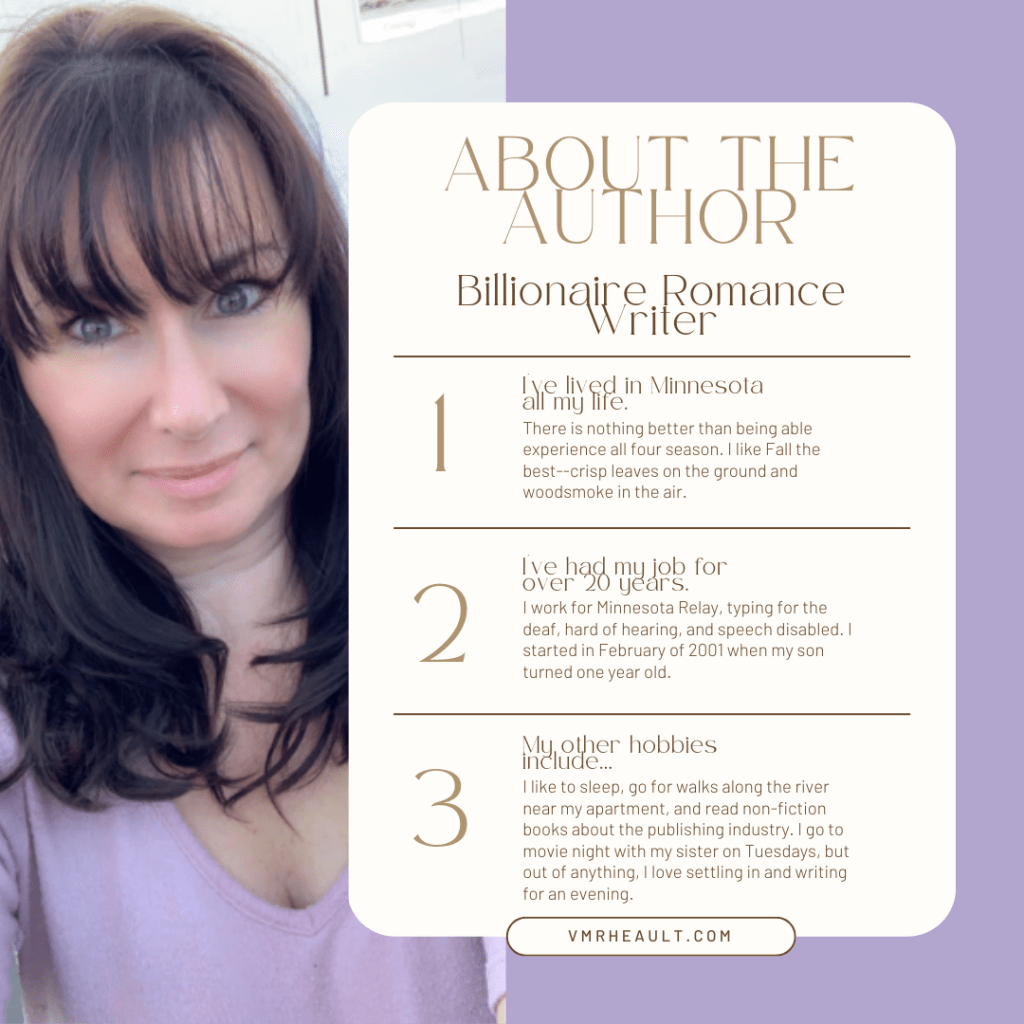
As for the graphic? I made it in Canva–their templates make posting things like this so cute and fun–and I’ll share on my FB author page and on Instagram.

Where are you posting your graphics? Let me know! Have a great weekend!