Moving the Goalposts: The Feeling of Not Doing Enough

1,343 words
7 minutes read time
toy soccer ball with toy goalie net. green background.  text says: moving the goalposts. the feeling of not doing enough

Years ago when I saw someone say being an indie author felt like always having homework, I laughed, but I didn’t quite believe it. When I was in school, I hated homework. Back in high school, anyway. College was a little different, and when I went to tech school to get my HR degree, I actually enjoyed homework and group assignments. I suppose age could have played a part in that, because I think as we get older we just naturally appreciate things more and I was grateful to have the resources to go back to school.

Anyway, so when it came to my writing and all the stuff that went along with it, I didn’t compare homework, a seemingly endless, joyless, task, to what I had to do to write, publish, and market my books.

But, when I wrote my blog post for last week, I realized that no matter how much an indie author gets done, there is always going to be more to do, and instead of being excited for the next cover design, formatting job, or editing sweep, it turns into a version of Groundhog Day that we can’t escape. That infinity loop also sucks the joy out of the past accomplishments, and something to be proud of, like a book release or the cover of a book that comes together perfectly, is just an item on the list that needs to be checked off.

When I really thought about why we never feel like we’ve done enough, a few things came to mind.

Because we’re indie: We control everything — writing, editing, marketing, covers, social media — there’s no external validation from a boss or coworker nor is there a stopping point we can work toward. There’s always going to be another social media post to create to keep your profiles from stagnating. There’s always going to be a newsletter to send out. Another ad to create. There’s always a WIP to work on because we all know that writing the next book is the best marketing and front list sells backlist.

Moving the goalpost: We hit one milestone (a release or a finished draft) and immediately reset the net. I think this one is what I was particularly feeling writing my blog post last week. No matter how much I accomplish there will always be more to do. Another goal to score, another game to win.

Comparison culture: We see other authors posting “I just hit 10k sales” or “my preorder is live,” and that fuels the sense we’re behind. This one is particularly triggering for me because I have a terrible fear of missing out. I don’t want other authors to be doing something I could be or should be doing too.

The creative push to keep moving forward: Creatives are wired for “what’s next?” The next book, the next painting, the next drawing. That desire to create makes us prolific, but it can also burn us out. This one I understand 100% because once I start thinking about characters for a new book, they don’t leave me alone until I set them free on the page. I mean, that’s a great place to be in–I never have to worry about writer’s block or what I’m going to write next–but it’s also draining because I don’t let myself properly rest between projects . . . or celebrate something I just achieved.

Lack of (what you consider) success: This one probably hit me the hardest because with all the books I have out, with all the hard work I’ve put into my author career in the past ten years, I don’t have the sales I hoped I would have. So I’m always reaching for that next book, that next social media graphic, that will get me there.

The indie hustle culture: This kind of goes along with comparing yourself to other authors. We see on social media what other authors are doing, but at the same time, there’s an underlying feeling of not doing enough and getting judged for it. You see it on Threads when people start their posts with, “It might not mean much to some . . .” or “It might not be a big deal to a lot of people here but . . .” We are constantly afraid that we’re being judged for our successes and achievements, and while a lot of people will tell you to stop worrying about what others will think because no one is watching you, for as many people who don’t care what you’re doing, there are just as many who do and are judging you. “You’ve only written one book this year?” “You’ve only made fifty dollars this week?” “You don’t post on TikTok? How do you expect to sell books?” “When is the rest of your series coming out?” The hustle culture online is real, you can see evidence of it every day, and it’s just another reason why you can never be happy with what you have because it will never feel like it’s enough. And it will never feel like that so long as someone you see online is doing more than you.

So, what can we do to combat this? It’s a question that I’ve been dealing with since the beginning of 2025 when I came to the conclusion my books would never be a business and that I would never make any meaningful earnings from it.

It was a disappointing and disheartening realization to come to, but it was freeing in some ways. I stopped my Facebook ads. I took time to go into my backlist and re-edit a few titles. I don’t stress about the fact that I have written only one book this year. I don’t let myself feel bad if I don’t feel like writing and would rather watch a show instead. Do the low sales numbers bother me? Sure. I think any author who publishes to a site where readers have to pay wants sales. But I just remind myself there is a lot of content out there and I can’t be, and don’t want to be, everywhere online. Creating content when you don’t feel like it is just as stressful as forcing yourself to write when you’re not in the right headspace.

But, no matter how many times I remind myself to loosen up or brush away those pesky feelings of inadequacy, they always manage to pop up, which is why I wrote my blog post last week to begin with. I needed the reminder that yes, I have accomplished a lot this year, and more than acknowledging it, I should celebrate it. Even if I closed my laptop today, after I schedule this post, and don’t open it again until January first, my 2025 year in review would still rock and it really has nothing to do with how much I’ve made this year and if I managed to break even with all that I’ve had to pay for to keep my hobby afloat.

I wrote a book I’m proud of. Maybe it won’t make me any money, but I wrote it with my whole heart, and I love Seth and Avery. I wrapped up five years’ worth of work when the last of my King’s Crossing serial released, and I doubt I’ll ever write anything like that again. I applied what I learned and re-edited three of my standalone books. I’ve helped hundreds of authors make their own book covers using my Canva instructions. I edited for someone who couldn’t afford to hire out and helped her get that much closer to publishing her next book.

It’s easy to forget even your biggest accomplishments when the to-do list never ends. Give yourself credit for everything you’ve managed to do–this week, this month, this year. Being an indie author really does feel like having homework sometimes, but maybe it’s time we start grading ourselves on how happy we are with what we’re doing, not on our output or the outcome of it.

And stop moving those goalposts. Run past them and don’t look back.

What I’ve Done This Year: Beating Up Imposter Syndrome

1,561 words
8 minutes read time

red boxing gloves hanging in front of black and grey background. 

Text says what i've done this year: beating up imposter syndrome

Sometimes you can look back and not feel especially productive. I feel like that this year since I have only one book written so far. But feeling like you haven’t gotten anything done is actually a form of Imposter Syndrome and instead of letting it win, I thought I’d pick apart my year and document everything I’ve done that moved my writing business forward.

January
According to older blog posts, I started editing Loss and Damages in January. I don’t know when I decided to release that book, but it had been written for a couple of years already. I spent the last four months of 2024 re-editing my Rocky Point Wedding series, so I was feeling a little burnt out. But I didn’t stop to rest, no that would be silly, and jumped into getting Loss and Damages ready for a September release.

I also kept up with this blog and wrote my four posts that I published on Mondays. But I must have had a lot of thoughts because I gave you seven posts instead of four. I feel like that might have started my year off on a good note, so let’s see if I kept that going.

**Shattered Fate released January 20th, 2025, but that seems like a very long time ago now.

February
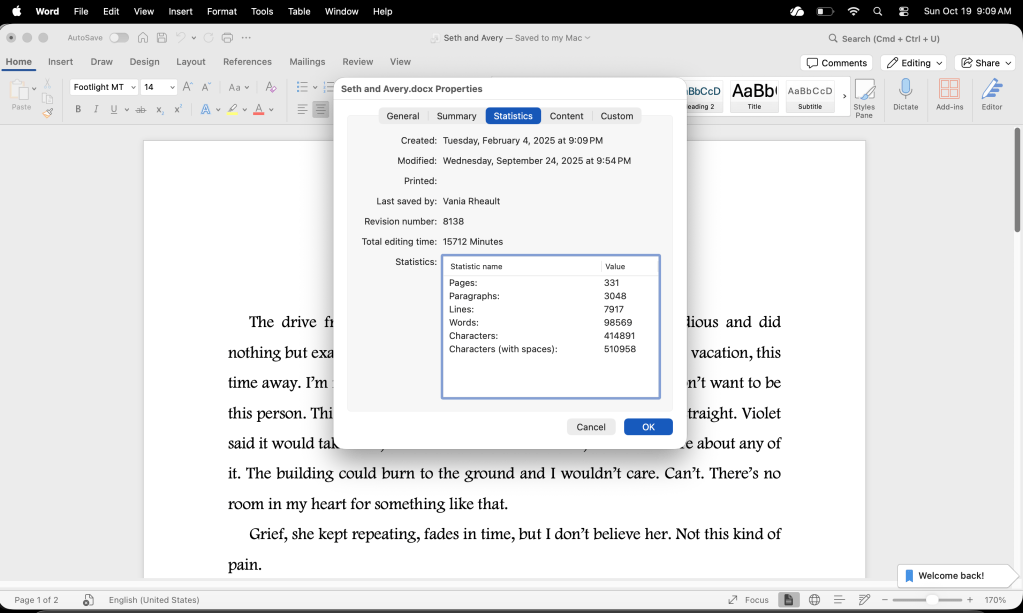
I started writing Wicked Games on February 4th, 2025

screenshot of statistics of Wicked Games. 
Seth and Avery.docx Properties
General Summary
Statistics
Content
Custom
Created: Tuesday, February 4, 2025 at 9:09 PM
Modified: Wednesday, September 24, 2025 at 9:54 PM
Printed:
Last saved by: Vania Rheault
Revision number: 8138
Total editing time: 15712 Minutes
Statistics:
Statistic name
Value
Pages:
331
Paragraphs:
3048
Lines:
7917
Words:
98569
Characters:
414891
Characters (with spaces):
510958
Cancel
OK

Besides my King’s Crossing serial slowly releasing around that time (they dropped six weeks apart), that was the biggest thing I did that month. Doing so much editing made me miss writing and I was excited to get back into it.

I also kept writing on this blog, and I must have had more to say that month as well since I wrote six posts instead of my regular four.

March
March seems like it was the same old, same old for me. I kept working on Wicked Games,(though I hit a bump with lack of motivation) kept posting on this blog, and Shattered Hearts, the fifth book in my King’s Crossing serial, published on the third. March can be really dreary in Minnesota too, so I was probably just waiting for the snow to get the hell out of here and for it to warm up. But, every little bit counts and releasing a book is a pretty big deal. I shouldn’t brush it off, even if SAD was probably getting me down.

April
According to a mid-month check-in blog post, I finished Wicked Games the first week in April. Getting a book done in three months tracks, so I’m not surprised that despite writing a whole blog post the month before about how “stuck” I was, that I finished a short time after. What else did I get done?
*I didn’t give myself a break and did another round of edits on Loss and Damages.
*I blogged four times.
*The last book in my King’s Crossing serial, Shattered Dreams, released.
Looking back, April was a pretty big month for me. I finishing writing a book and that series wrapped up five years of hard work. I was also working on a book that would turn out to be my next release. It was a good month but I doubt I took the time to celebrate anything. That’s just how I am.

May
May was a slow month for me. I was listening to Loss and Damages and thinking about what I wanted to write next. I’m amused because in my author check-in for May I was thinking about the book I’m writing now, Bitter Love. I hadn’t named it and only had the idea of a plot, but I guess that’s what happens when a story won’t let you go. I remember feeling burnt out still, and while I was considering diving into hockey, even started doing some research, that kind of project felt like it was too much to tackle.

That month was a breakthrough for my health though, and I stopped drinking our city’s tap water and switched to bottled spring water. That has made a big difference in how I feel. I’ll always have my lichen sclerosis and nerve damage from that hysterectomy I agreed to in desperation, but I’m closer to normal than I have been in the past five years. So May might have been quiet writing-wise, but it turned out to have a big impact on my life.

My blog had a good month: I had five posts, and one was an author interview. I like adding new voices occasionally since different perspectives are interesting to read and keeps things fresh. It’s tough finding people who will give you time though, so I only get to do that a couple times a year.

June
I was making some small progress in June. I got the proof of Loss and Damages in the mail and did some light editing of my rockstars. I was still debating on what I was going to write next, waffling between writing Bitter Love and hockey. That’s probably about as relaxed as I get. But I can tell while reading past blog posts that I lost a lot of the urgency I was feeling in previous years to move, move, move.

Blog was good. I wrote five posts.

July
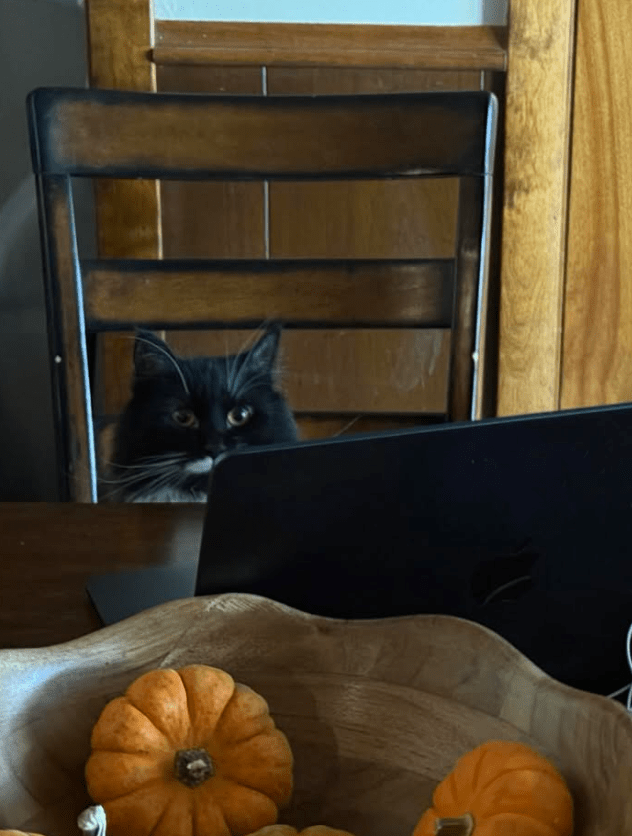
I re-edited Rescue Me and I’m happy I did. I found a timeline issue that I’m glad was easy to fix and just eased up on my dense prose. I think I got rid of about 1500 words and updated the formatting, and I ordered two proofs to make sure my changes looked okay. I uploaded new files at both KDP and IngramSpark. We also adopted my son’s friend’s cat and she’s been a nice addition to our family so far, her need for attention aside. (That has nothing to do with productivity, unless you count her helping me.)

tuxedo cat sitting on chair in front of black laptop.  small pumpkin gourds in foreground.

My blog was still chugging away–I had four regular Monday posts.

August
August was more of the same. I re-edited Faking Forever, which was a chore and a half, then moved on to A Heartache for Christmas. I ordered proofs of both of those books and updated the files with KDP and IngramSpark. Though at the time it felt like I wasn’t going anywhere, overall I’m satisfied that I took the time and with the results of those several weeks of re-editing. It was a crash course in readability, and all three books sound more conversational and not so stuck-up. I plan to do my Cedar Hill Duet after the New Year. I want to redo the covers after doing another edit. Those are good books but they can be better. I’ll have a little time after I finish Bitter Love, so that’s the next project on my list.

September
I started Bitter Love, but my friend was ready for me to edit her book, so that’s what I did for the majority of the month. Because of changes at my job, it took me a little longer than it has in the past, so I didn’t get much done on anything else.

Loss and Damages also released on the 15th, after trying to do a proper launch that included a cover reveal on IG, sending out ARCs, and a Goodreads giveaway. It didn’t hit big, most people who took an ARC didn’t leave a review, but I’ve sold two ebooks and have had the equivalent of eleven books read in Kindle Unlimited. It’s a long and character-driven book. I didn’t expect it to do much better.

Blog was fine–I published five posts.

Looking back, I’ve done a lot with my year so far, and I’m not sure why I don’t give myself more credit. I finished releasing a six-book series. I released a standalone. I re-edited three books and started a new WIP. I think one of the issues is that when you’re an indie author, there’s always something more to do so you don’t get the chance to feel like you finished anything or are any closer to your goal. There’s always another book to write, another book to edit, another TikTok video to make.

And think this is especially true when you haven’t gone viral, you haven’t earned an orange bestseller tag on Amazon, haven’t reached the number of followers you were hoping for. I think I might want to do a separate blog post on why goals never seem obtainable, even if you have reached milestones you should be proud of, so I’m going to leave that there for now.

Of course now the only thing that I’m thinking about now is getting Bitter Love done but I’m taking it easy and enjoying the process. Jesse and Jordan have been fighting inside my head for a few months now and it’s a relief to be putting them on the page. Motivation is the key to getting things done and getting things done is the only path to success, no matter what your definition is, but we also need to celebrate the little wins or everything we accomplish will feel hollow.

Be proud of yourself for sticking with it. Not everybody does. And if you’re reading this and thinking you haven’t done much this year, try making your own list. You’ll probably surprise yourself.

And that’s worth celebrating.

Have a great week!

Monday Musings and Author Update

It feels like it took forever, but I finally finished proofing the paperback proofs of my series. I would have thought since I was feeling better that proofing would have gone faster, but I was distracted just as I would have been if I had still been feeling bad. I can’t blame my health… I’m happy to say that besides looking for snippets for social media (what little I post) I’ll never have to read these again and that probably had more to do with it than anything else. Though, I did get a little teary-eyed when I finished. This is a bittersweet goodbye, for sure.

Overall, I’m very happy with the changes I made–some of the paragraphs needed some plumping up, even after having gotten this far. You just see, and feel, things differently when you read your book as a book. There’s still plenty of work to do, starting with putting in the edits. That always takes me longer than it should because I check and double-check that I’m not editing in typos. I also tweaked the covers and I’ll be checking those changes when I order new proofs along with the formatting. Then, after everything looks good, I have to make ebook files out of the paperback PDFs. Putting changes into six books was enough–there was no way I was doing twelve–but I’ll do that when I’m ready to put the ARCs up. I’m going to make a separate page for this series on my website, including a list of FAQs about the ARCs, Bookfunnel links when they’re ready, and trigger warnings. I still have a lot to do, but I feel like the hardest part is behind me. I can put on some music, make a cup of coffee, and have fun with what I have left.

In other news that’s not boring, I saw on my podcast app that the Self Publishing Show, the podcast that was hosted by Mark Dawson and James Blatch, recorded their last episode. I was a little sad to hear that since they’ve been a staple in the indie publishing community for as long as I’ve been around (2016) and longer. It’s not really a surprise though, considering I listened to a podcast maybe a month ago, and I was confused as to why James hosted that episode alone. No one talks about Mark’s (alleged?) plagiarizing, forcing him to step back, and I guess he’s coping with the aftermath. I’m not a part of the 20booksto50k group on Facebook any longer, nor am I member of the Self Publishing Formula anymore so I don’t have the inside scoop, if they were even mumbling about it. In a different group that I can’t remember now, one person said James was retiring from the podcast because it was too much to handle alone.

Considering they record for YouTube, production of the podcast probably was a lot. It also makes me wonder if they could afford to keep it going, if they’re tightening their purse strings and decided paying their team to produce the podcast was just too much. I have no idea how many indies faded away from their group and stopped buying the ads course and their Self Publishing 101 course because they didn’t want to be associated with Mark anymore. In that vein, I’m sure they planned out guests months in advance, and maybe they just couldn’t find people willing to be part of their podcast anymore.

I don’t have much information on their conference they held in London in June, but it sounds like they still had a good turnout. I can’t find any mention about Mark and if he made an appearance or if James handled it alone. If he did, he may not want to do that anymore, either. The way Craig Martelle talked about organizing the 20booksto50k conference in Vegas every year, it’s a lot, and maybe James won’t want to do it without Mark. It’s impossible to say if their friendship took a hit. We may never know the behind-the-scenes details like that.

I liked Mark, what I knew of him through podcast interviews and how he and James would interact at the beginning of each podcast episode. I’m not spreading gossip or rumors with a malicious intent–I’m simply wondering what’s going on and mourning a podcast I listened to pretty frequently as many did. If you want to listen to the last episode with guests Joe Solari and KDP’s Darren Hardy, you can listen to it here.


Listening to Joe Solari talk about Author Nation coming up in November, it did make me realize that I won’t want to go to any future [20booksto50k] conferences. I missed out on the conferences when they were the way I wanted to participate, and my chance is gone now. Author Nation is too big, too bright, for me and my fledgling author career.

I don’t know if there are any self-publishing conferences out there anymore geared toward authors who haven’t “made it.” Bryan Cohen and Jim Kukral hosted one in Chicago before the pandemic and it was fantastic. I met authors who just published their first book to authors who were making a living wage. Their panels (for everyone, they weren’t breakout sessions) were informative and I was able to ask questions anonymously, which took away the stress. I met up with a friend from Twitter, and overall I had a good time. Maybe I’m not in the loop anymore (which wouldn’t be surprising) but I don’t see these types of conferences offered. The ones I see are huge, requiring authors to make a certain amount to be invited in, like NINC. I should probably connect to some romance writers associations. A lot of the chapters under the RWA went out independently and they do host conferences, even if they’re just virtual. I kind of lost that side of my writing while I wasn’t feeling well, focused more on writing and creating to try to forget about how I felt. I’m missing that, and in the coming months, now that my series is done, I should think about adding it back.

Especially since connecting with people is so hard. I post on Threads, and most of my posts don’t even get 30 views. How can authors connect with other authors that way? I know my opinions aren’t always popular (don’t care about things other people foam at the mouth over), and I don’t have a cat to take pictures of anymore. And on that note, I’m going to stop answering questions on Threads. I get nothing back for answering someone’s question. Yeah, I’m tired and bitter. I don’t need to spend five minutes typing out a response to get a heart reaction. If they can’t take five seconds to type a “thank you!” then I’m not going to bother. They can depend on others for the information they could look up online. I used to think Twitter was bad, but I’m gritting my teeth thinking Threads is actually worse. I’ve been used in the past. It’s not fun and rather not keep up with that tradition. In fact, it takes a toll on my mental heath, and you can read a post where I wrote about that particular subject here: https://chaoscoffeeandconfessions.blogspot.com/2024/07/garbage-doesnt-always-take-itself-out.html


I think that’s about all I have for today. I’ll be taking some time off from writing–not blogging, for this blog or my author blog–but I’m not going to work on another book for a bit. I’ve accomplished a lot since December of 2019, and saying goodbye to my King’s Crossing series at the same time as finally getting some answers for my health issues (though not the kind of outcome I was hoping for) is kind of a turning point. I’m finding some equilibrium with my health and where my publishing is going. I love writing and publishing, but honestly I thought pivoting to first person present and niching down to Billionaire would do more for me and while it has, I’m still not seeing the results I was hoping for. Nobody’s fault, but you know how it is. The definition of insanity is doing the same thing over and over again and expecting a different result. I don’t want to stop, but I’ve been banging my head against a brick wall and I need to find a pillow instead so it doesn’t hurt so much.

Before I say, “Until next time!” you know I love sharing other authors’ journeys, and when I was talking to a friend yesterday morning and she mentioned all she learned posting to free sites like Wattpad, I asked her to write something about it for my blog. She said she already did for hers, so if you want to read about an author’s experience using free sites that led to her publishing through KDP, you can read it here. We all start somewhere, right? Even if it feels like years later we’re still in the same place. https://ananyascribblesaround.wordpress.com/2021/08/08/i-used-to-post-my-stories-online-for-free-and-i-dont-regret-it/

Thanks for your time, and I hope you have a great week!

Until next time!

Mid-Year Check In and Author News

Words: 1901
Time to read: 10 minutes

open journal with rose petals and pencil.  text says midyear check in and author news

It’s not exactly mid-year–we’re two months past that, but I thought I would write a check in, look back and what I’ve accomplished this year, and try to drag myself out of the self-pitying hole I fell into these past few weeks due to circumstance beyond my control.

January started with a bang, as that is the month I published my Lost & Found Trilogy. By no means did I have a strong launch, and while Give & Take, the first book in the trilogy, has sold better than a lot of my books, the trilogy in total has earned less than a thousand dollars since release. Depending on where you are in your career, that may sound pretty good to you, but I’ve put money into ads and promos and actual take-home from that total is less than five hundred dollars. Still though, despite my ongoing doubt about the covers, readers seemed to have liked them so far, and I’m going to put the first one in a promo in September and see how it does.

February, March, and April were slow months, only because I was busy writing my rockstar trilogy. I thought the first book was going to be a standalone but it turned out, like most side characters do, they wanted their own stories told, and I spent December of 2022 to May of this year writing them. Editing took some time, more adding and rewriting than I’ve done in the past to make them cohesive since the two others weren’t planned until I was almost done writing book one. I did the usual Amazon ads for my backlist, struggled with if I wanted to be on Twitter anymore, helped a friend edit and format one of her books, and mostly kept my head down.

In May, I published Faking Forever, a fake fiancée standalone I wasn’t sure about. I haven’t checked the reviews to see if anyone liked it or not. The reviews from Booksprout were favorable, but it’s not often, in my experience, people will really tell you what they think. Since I published it, it’s made less than a hundred dollars, and I really don’t know what to do about it. My other standalone, Rescue Me, has made around five hundred since I published it in October of 2022, but that’s also been on sale for a while now and I ran Facebook ads to it. That five hundred is not take-home, but if I look at how much I spent on ads to push that book, I just get depressed, so I won’t do that here. I’ve been thinking about pulling it off sale and putting Faking Forever at .99 to see what that does. I have a hooky hook for the ad copy, so I may do that at the end of the month and see what happens. I won’t do that until my SNAFU with KDP and the last book in my rockstar trilogy has worked itself out, but more on that later.

June and July were for getting my rockstar trilogy ready to release. Lost a beta reader and a friend, so that was disheartening, not only because I was counting on her feedback, but you know, it’s tough when people move out of your life for whatever reason. My other beta/friend/co-worker is still plodding along even though my books are (kind of) up. I told her I need to get them going for marketing purposes and if she finds anything I didn’t, I can change out the files later. She found only a couple things in book one, nothing major, so I’m confident that books two and three are just as clean. It’s not like I haven’t released books without feedback before, but I was trying something different that didn’t end up working completely in my favor. Such is life.

This month, August, I had a free book promotion opportunity fall into my lap. I had passed it by and then it opened up again, so I decided to take that as an omen and enter my book. I put Captivated by Her for free from August 4-6, and I’ve been moving some books–528 at the time of this writing, but we’re only half way through the promotion. Not a lot of people read free books, though, and so far that movement hasn’t gone on to the other books in my backlist. I guess we’ll see in the coming weeks if anyone reads it and goes on to buy/borrow Addicted to Her. I think the cover changed helped, but that duet has earned only a little over three hundred dollars since I published them in June of 2022.

I also lost a cat this month. Blaze was sick when we got her (we didn’t know that though), and we’ve had nothing but ongoing medical issues with her for the past five years. It was a relief to make the decision after some bloodwork, but I miss her dearly and it’s been such a blow to my mental health as this is the first time in over twenty years we haven’t had a cat in our apartment. We can’t get another unless my financial situation changes because we were grandfathered in when this property management took over our apartment building. We’ll be starting from scratch with them, and I can’t afford the pet deposit or pet rent they’ll charge us if we wanted another. I’m still missing Harley, too, so I’m just not going down that path right now, and maybe never will again.

So to recap the year so far:

Books published: 6.5-7
Royalties: $1,711.49 as of this writing. (I write my posts in advance so add, oh, I don’t know, ten bucks to that total unless for some reason I got extremely lucky.)
Ad spend: I don’t feel like doing the math, but I’ve spent $569.00 on Amazon ads, ran an FB ad to Rescue Me off and on for a couple of months and bought a Freebooksy promo through Written Word Media for Give & Take at $120.00. So obviously, the total royalties are not all take-home, but rarely is any author’s.

I haven’t found a way to get “sticky” with Amazon, struggling to “level up.” Each book I write has the “will this be the golden ticket?” feel about it, and then each book has a lackluster turn. I cleaned out my newsletter subscriber list–I got rid of 103 inactive email accounts. MailerLite is making me move over to their new platform so once my trilogy is out and I’m done sending newsletters for that for a bit, I’ll do the migration. Apparently it’s not smooth, and I’m worried about the setup I have with BookFunnel. I learned just enough to put in place what I needed for them to collect email addresses for me when I give out the link to my reader magnet. If that gets messed up, I’ll have to learn it all over again, and that will be painful since, for the most part, I’ve given up drinking for my physical health.

Ghost Town’s Fate:

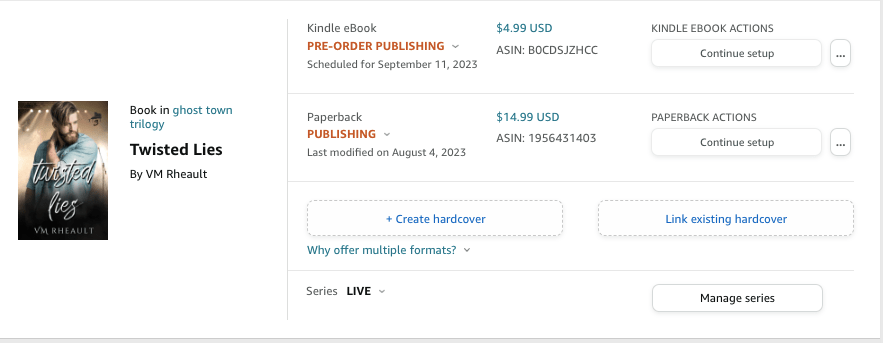
So, I was able to publish book one and two without an issue, but I was one of the (un)lucky ones and KDP asked me for copyright proof for the cover images for book three. I sent them what I had from DepositPhotos–screenshots of the licensing agreement that they give you when you download/purchase. I also gave them a screenshot of my DepositPhoto’s account profile. I’m lucky that my email address and my physical/mailing address match what I use for KDP as well, so they know it’s me. The first rep approved my proof and told me to go into my account and resubmit the books for publication. I did that, but then got another email from their content team and was asked for proof again. So I sent what I had before, plus the screenshot of the first rep’s email that said my books were okay. It didn’t take them long to get back to me and say my books were approved and would take up to 48 hours to publish. So, that is where I am now–this morning when I got up, they were still in review, but while I was writing this, I checked my dashboard and they have moved into “Publishing.”

So I’m going to assume that the third book is going to go through after all, and maybe by the time you read this, it will be live. (At the time of this writing, it’s only been 15 hours since the last email correspondence.)

As far as reviews, I put the books on Booksprout, and this trilogy is the slowest to get picked up since I started offering books. Only 16 of 35 copies have been claimed for each book, and either it’s because they’re long (I did warn readers of that in my note to readers section) or because no one cares about aging, depressed rockstars. Maybe both. Whatever the case may be, I hope this isn’t going to be more of the same when the books move out of preorder and are live. Once the third book is actually published and accessible, I can start ads to the trilogy, but I hope these do better than my gut is telling me they will.


I have to be honest, all this put me in a real downward spiral last night, and just an FYI, crying in the grocery store is not a good look. It also gave me a really queasy feeling for the past two days and I have not felt well. You’re probably thinking I sound burnt out, and I probably am. When that book goes through I’ll have published 7 this year, 8 if I get my Christmas novel done and published by November like I hope. I haven’t made much progress on it, as I went through my Ghost Town paperback proofs myself (glad I did) but that took an extra little bit of time. When I finish the first draft, I need to put it aside and take a real break while it breathes. Watch the shows I want to watch, read through some of the books on my Kindle (I still need to read the Hunger Games sequel before November). Network with some authors in my FB groups, experiment with making videos for TikTok. I need to find my joy because it has been sucked right out of me, and never did I want to throw my laptop over my balcony as much I did last night.

I don’t have any books planned for the next little while. I have that King’s Crossing 6-book series I need to polish up and publish starting in January. I’m having second thoughts about the covers, and my proofer/coworker went through them some time ago, and I haven’t looked at her feedback yet. That will be a project and I will love to get those off my plate. I also haven’t read them myself in a long time, so it will be fun to read them one last time before I publish.

Anyway, so stats here show that this blog post will take 10 minutes to read, so I’m going to wrap it up for now and get going on my Christmas novel. Have a great week, everyone, and thanks for listening!

Hustle Culture in the Indie Community

I didn’t even know what I was going to write about today, until I saw Kim Kardashian trending (when isn’t she) for telling people to get off their asses and get to work.

This comes at a great, or maybe not so great, time when several assistant editors in large publishing houses recently quit their jobs. It’s not a secret editors are underpaid and overworked, and houses cutting the positions due to budget cuts, something that’s evident when you pick up a traditionally published book and wonder why there are so many typos. (It wasn’t that long ago I read a book where the author kept using the word “sallow” as complimentary adjective. The word does not mean what she think it meant–an easy catch for an editor–and I wondered why no one told her to fix it.)

With gas prices soaring while the pandemic is still around (yeah, it really is), sometimes it’s difficult think of how someone could work harder than they already are. Cost of living has gone up (the price of meat is out of this world) but pay rates stay the same (my last raise was .25/hr–I’ll be sure not to spend it all one place), and there doesn’t seem to be a solution…especially when the overall sentiment these days is, if you don’t have money to pay your bills, you’re not working hard enough.

The same holds true for indies in the indie publishing industry. If you can’t crank out a book a month, you’re not working hard enough. Two of these tweets popped in my feed this morning, so it’s on people’s minds:

A lot has to do with the industry and the way it’s evolved since Jeff Bezos created the Kindle. Expectations changed, more authors than ever are publishing books. Thousands of new titles a month are published on Amazon, and while it’s easy to say a rising tide lifts all boats, it’s a lot easier to feel like your boat has a hole in it when you’re comparing your career to other people’s.

What it took me time to understand is that you can burn out doing what you love, and you can burn out doing what you love if you don’t see any small measure of success while you’re doing it. For the most part I love all that goes into indie publishing: learning how to do covers, watching ad platform workshops–I”m watching a craft workshop with Melanie Harlow later today. I love it all, but I resent it too, because how hard do I have to work to move the needle, how much money do I have to spend (which seems counterproductive to what I’m trying to do), and how long is my “overnight success” going to take?

The last thing I want is to let the industry drag me down so much that I don’t enjoy writing, on the other hand, my finances are taking a beating right now, like many who have found themselves in tight spots when the pandemic hit, and it’s really difficult to hang in there when I don’t know where my rent is coming from.

I agree with Kim to a point. You do have to work for what you want. You have to put in the work. You have to write the words, work on your craft. Before worrying about marketing or ads, or starting a newsletter, you have to learn how to write good books, and that’s a never-ending process. But after that, then what? When Amazon feeds into the hustle culture by rewarding your books with a new release bump that will fade after 30 days…. It’s why authors aim to publish so quickly–they’re trying to feed Amazon’s algorithm the best they can. Relevancy is rewarded with ad performance and rank, and you have to do a different kind of hustle if you can’t publish four times a year.

I understand what it’s like to feel guilty for taking a break–it wasn’t that long ago on my blog I was outlining the ways I could make my surgery recovery work for me, instead of, you know, resting. And even if I want to just lie in bed and “rest” I have plenty of webinars, both paid and free to watch, and hours of podcasts I’ve fallen behind listening to, that would maybe keep me from feeling like I was wasting my time. But what I won’t do, and probably a lot of people in my position wouldn’t do either, is flip on Netflix and watch TV all day.

The most insulting thing I find about what Kim said is that there are plenty of people who put in the time, they just don’t have anything to show for it…yet. She wasn’t always rich and famous. At some point, way at the beginning of her “career,” she was a personal shopper/dresser hanging around Paris Hilton making sex tapes, and it’s easy for her now to stand on her pedestal and preach about how hard she worked to get where she is.

I mean, I get what she’s trying to say. I see a lot of writers, especially on Twitter who say they don’t have time to write, yet in the next tweet (ahem) they’re talking about video games, or watching a new show, or what they’re baking, what they’re knitting. I can appreciate filling the creative well. I did replace my Kindle and renewed my KU subscription, so I’m all about reading for fun. But you are making a choice when you’d rather play on TikTok than sit down and write. That is a choice, but then I guess if you’re making that choice, the hustle culture conversation doesn’t apply to you because you already know how to relax (haha!).

We don’t have to work twenty-four hours a day, seven days a week, even if that’s what society is telling us we need to do. You have to take a break, and if you’re working two jobs, maybe that means writing falls to the wayside, and at this time in your life, there’s not much you can do about that except hope things turn around for the better. If you’re able to put in the time without getting burnt out, why not? But if you can’t, don’t let people make you feel bad. You’re doing the best you can.

I just wish my best paid off a little bit more.


My thoughts were kind of scattered today. I have a lot going on, and my energy has been focused on other worries lately. I hope after my surgery I can feel more like normal and things won’t look so bad. It really is amazing how things can perk up when you feel better. If you want to read more about the hustle culture or thoughts on assistant editors leaving their jobs, you can find the articles below. Thanks for reading today, happy Daylight Savings Time if you celebrate!

The Amazon Cliff by Limelight Publishing

Why are so many editors leaving publishing?
And how does it impact authors?

by Kern Carter via Medium

Letting go of hustle culture is harder than it seems by Serena Smith

The End of Editing
An author argues that editors have become too hands-off

By Sadie Hoagland

Trever Noah’s Reaction to Kim’s statement. He makes a lot of great points and worth a listen.

Thursday author update and lessons I’ve learned rereading old work.

I’ve been neglecting my blog as of late because I’ve been so swept up with my books. I finished the first of a duet last month, and after a couple of days’ rest, I hopped into writing the second book. I didn’t give myself enough time to think about what I needed to put into book two, and I stalled at 10k, burnt out and floundering.

I decided to take a break, but instead of stepping away completely, I dug up my five book epic fantasy series I began way back in 2015 before I starting publishing romance. These books are full of everything I learned not to do: head-hopping, word echoing, and oh my goodness, so much repetition and telling. They also don’t follow epic fantasy word counts–book two is only 57k. I remember writing these books, being so consumed by the characters, and the way I write hasn’t changed. When I start a new story, the characters and the plot monopolize my every waking moment. I would constantly think about these characters. I was more of a pantser back then, before I wrote more and drifted comfortably into the planster I am now.

I started rereading these because I really love these characters, and I’ve even thought about taking a detour and fixing them up. I wrote a blog post about it, but I never did pause my contemporary romance momentum to do it.

I have learned some lessons while rereading work that is six years old, and I thought I’d share them with you:

Not everything you write needs to be published. I’m not going to fix these and publish them. I have often thought about it because I love these characters and while I was writing them, I poured my heart and soul into them. But there is so much wrong with just the writing, never mind the non-existent characters arcs and weak conflicts, that I would have to rewrite them from the beginning. We’re talking 441,000 words, and not all of them are good words.

It’s important to know genre expectations. I don’t know why I thought I could write an epic fantasy. Back then, I hadn’t read Game of Thrones, nor had I much exposure to anything like that. The books aren’t word-count appropriate, and they don’t contain the required tropes, such as The Chosen One. (I do have one character who was “chosen” but she does not go on a journey to save a kingdom or find herself along the way.) While I can appreciate them for what they are with an author’s admiration for the start of what I hope will be a long-term and lucrative career, I know readers won’t value them as much as I do. That is one thing indies don’t seem to understand. Just because you love your work, if you’re not fulfilling reader expectations of that genre, your readers may not. It takes a lot of courage to look at your work and admit it’s lacking.

The core of who you are will always be evident in all your work. What’s funny is that I realized even after all this time, I used some phrases, favorite words, tone, and general feelings in these books that I have not lost. I suppose you can consider that my writing style, my author’s voice. It’s fun to see the ways I’ve changed, how I’ve grown into my writing, but how much of it has stayed the same.

I use the same character names. It’s probably best I created a table to keep track of the characters names I’ve used from book to book. No matter how imaginative I think I’m being, chances are I’m using names I’ve used in the past. In the second book of the duet I’m writing, my female main character’s name is Talia, and imagine my surprise when I opened these files and I have a female character named Talia. In this one thing, being consistent is not a good thing and can cause reader confusion if you do it too often or with books published too close together.

They were a foundation for bigger and better things. Jumping into a five book series as a “first book” laid a foundation for the books I’ve written since then. Looking back, I didn’t consider it such a daunting task. I was telling a story (and boy was I telling–no showing in 441,000 words) and it didn’t occur to me to be scared of the magnitude of the project. That attitude has served me well, and since then, I have written a trilogy, a four-book series, and a six-book series that I will publish under my pen name next year. There are times when jumping feet first without looking can have consequences, but in this case, writing this series without concern set me up to be utterly fearless in the trajectory of my career.

They weren’t a waste of time. Probably one of the biggest lessons I’ve had to learn over the past five years of writing and publishing is nothing I’ve done is a waste. It may feel like it, as last month I barely made $50.00 and that was after paying $25.00 for a promo and a little bit of ad spend. Not enough to mention, as my books are old and I’ve let them and my ads stagnate. But I do have to console myself every once in a while with all that I’ve learned:

*How to format–I learned the hard way copying and pasting my Word document into a KDP interior for a paperback book. There are so many programs now that will format for you in practically just one click of a button that it’s almost laughable how many hours I spent copying, pasting, and tweaking that template to create the perfect paperback interior.

*How to do covers. I read Chris McMullen’s A Detailed Guide to Self-Publishing with Amazon and Other Online Booksellers: How to Print-on-Demand with CreateSpace & Make eBooks for Kindle & Other eReaders, and he laid out step-by-step instructions on how to make the text boxes to do paperback covers in Word. Yeah, in Word. How to create the text boxes for the back cover, spine, and front cover. Published in 2012 by CreateSpace, back before KDP existed, I wouldn’t recommend purchasing it now, but it’s how I learned and knowing about the dimensions, bleed, and how to do the math still helps me every time I need to create a new canvas in Canva for a full wrap.

*Writing to market. I learned it’s not enough just to write a book. If it were, I could publish my epic fantasy and it would find a million readers. I’ve learned about tropes, genre/reader expectations, how to look at the top 100 in your genre for covers to help cover books to market. I spent a lot of time writing what I wanted to write. That should never be a bad thing, and for me, it hasn’t been, but you have to find a way to meet in the middle with writing what you love and also what readers love to read.

*Things about myself. While writing that series and the books since then, I’ve learned a lot about myself. I’ve learned that I love learning about the industry. I learned I love being part of the writing community. I learned that there’s nothing I’d rather be doing than writing. I learned I love writing this blog. I’ve learned that I love everything about writing a book, editing it, formatting it, doing the cover, and uploading it to KDP. (Notice I didn’t say I love writing the blurb LOL). I think this is why I’ve stuck it out for so long. I love every aspect of this industry. I’ve seen a lot of people come and go in the five years I’ve been publishing. Not everyone has the tenacity to stick with something where success seems so out of reach.


I’ll finish reading these, and in doing so, I’ll say goodbye to these books. As long as they are on my computer, I will always think in the back of my mind they are “fixable” when in reality, they are anything but. I’ll email them to myself and delete them from my hard drive. I don’t need them hanging around anymore. It will be bittersweet, but there are so many more stories, so many more characters to write about. I will never rewrite them. Sometimes we need something just for ourselves, something we aren’t going to share with anyone else, and these books will be that for me. No one has read them besides me, and no one will. I need to say farewell and look to the future.


Okay, I’m sniffling, and to move on from being sad, here is what I’m liking this week.

The 20booksto50k Facebook group hosted by Michael Anderle and Craig Martelle had their annual writing/publishing convention earlier last month. They’ve been putting up their presentations on YouTube for those who could not go in person to Las Vegas. One day I will, but not for a couple of years. I have too many responsibilities in November to make the trip–at least until my daughter graduates high school.

I’ve been slowly getting through some of the ones I really wanted to watch, and I loved, loved, loved Kyla Stone’s presentation on writing to market.

I don’t know why I get so enamored with that message, because I am a huge advocate of it, and all I do is nod my head. But her talk really spoke to me, and I am so amazed at what she has accomplished in such a short amount of time. I want to be Kyla when I grow up. Or hopefully in the next five years I’m writing and publishing. Check it out!


That is all I have for today. Thanks for hanging out with me!

Enjoy your weekend!

Conquering Writer’s Block

A lot of people ask me how I write books so quickly. I always say I love writing, and that’s true. I couldn’t spend 20+ hours a week doing something I didn’t like. I guess there is a running joke that writers hate writing, but if that were really true, there would be a lot fewer of us out there. I don’t suffer from writer’s block, in fact, I think I may suffer from the opposite. I have so many ideas for novels in my head that I could write for the next year and a half (at my pace) and not run out of books to write. What is my secret? I’m not sure, but I can pass along some tips that I use to keep myself fresh and ready to write.

Use your time wisely. That means if you have time to write, write, so when you don’t, you’re not beating yourself up about it. I’ve never written every day. My life doesn’t play nice and there are days I simply can’t. Sometimes I’m so busy that by the time I can steal an hour to myself I’m drained and don’t feel like it. I know there are people who say to write anyway, and sometimes I’ll read what I had written during a previous session and that helps boost my spirits enough to get a few words down. Usually, if I don’t feel like writing, I don’t. It doesn’t happen often, as I said before I enjoy writing and not much keeps me from it. But because I used my time wisely in the past, I don’t feel guilty when I can’t write and I’m not forcing myself to get words down because I haven’t written all week. Don’t force yourself to write out of guilt or shame. Write when you feel good and have time, then give yourself a pass when you don’t.

You’re stressed out. There are plenty of writers and authors out there who haven’t been able to write because of the pandemic. They are so worried about themselves and loved ones there is no room for anything else. I don’t know how to fix that. If you live with a lot of stress and that’s preventing you from writing anything, you’ll have to take a look at your own life and figure things out. There are some things I’ve been stressed with–my health for one that has only now turned around with working with my doctor for the past seven months. While I wasn’t feeling well, I took refuge in my stories and characters and used my writing time to think about something else other than my next doctor’s appointment. Not everyone can do that, and I completely get it. Not everyone can write after a day at a crappy job (I’m lucky I like mine), not everyone can write when they have sick children. Some stressors can’t be fixed, and you may have no choice but to put writing away for a little while and take a break. It could do your mental health good not to worry about the next book.

You’re tired. I have an old cat who cries a lot at night. There’s not much we can do for him. He’s on thyroid medication. Sometimes when he’s hungry he doesn’t like the food we give him and he’ll walk away still hungry and that makes him cry (and trust me, I’ve tried a lot of brands and flavors to no avail). (He reminds me of me when I was suffering from morning sickness–I was hungry but nothing sounded good.) He’s just old and our vet is reluctant to medicate him, so he wanders around the apartment at night and cries. I love the old coot, but he doesn’t make getting rest easy. I take naps when I can, go to bed early if my schedule allows it, and generally I work around him because one day he’s going to be too old to keep going and our vet will recommend putting him down. Sometimes getting enough sleep means being responsible and going to bed at a decent hour, and not staying up late reading or watching TV. I’m not your mom (I have two kids and don’t need any more) so you’ll make the choices you make, and if your writing suffers, you’ll have no one to blame but yourself. I can’t write when I’m tired. I don’t believe in the old adage “bad words are better than no words.” Not to me they aren’t, and if I’m tired I won’t bother to try and write.

You haven’t spent enough time with your novel in your head.

If you sit down and have no idea what to write, you haven’t spent enough time with your characters. There are plenty of memes out there that say writing is so much more than putting words down on paper, and this is true for me. I’m thinking about my book all the time. Plot points, character arcs, running dialogue like I’m an actress in a play. I spend more time with my characters inside my head than I do writing, but that makes writing much easier. In these days of social media, we are bombarded by information. There are podcasts to listen to, webinars to participate in, YouTube videos to watch, and Clubhouse rooms to listen in on. There is so much out there that takes up brain space that sometimes if you don’t give yourself time to THINK, you won’t be able to spend the time you need with your book. I don’t think we give enough emphasis to the thinking part of writing–time to unplug and daydream is more important than we like to believe. That’s why so many people have great ideas in the shower, or while they’re driving. It’s only when they are forced to take a moment to themselves that their brains are able to think about something else. This is really hard for me as I have a big fear of missing out. I’m always worried I’m going to miss the next big thing in marketing if I don’t listen to that webinar, or sit on on that room, or sign up for that class, but when it comes right down to it, there’s no reason to know any information about anything if you don’t have a book written. I take baths without a book, I go outside and sit without my phone. I snuggle my cats and doze and daydream about my book. Turn your brain off and see what happens.

You don’t like what you’re writing. Maybe you’ve been working on it for too long, or you’ve written yourself into a corner and you have no idea of how to fix it. Maybe this was supposed to be a standalone book and you decided to turn it into a series and now you regret it. There could be any number of things that make you loath to sit down and work on your work in progress. I had a friend who started something new whenever her current project got too hard, or she wrote herself into a corner, or she had no idea where the plot was going and decided it would be easier to start something new than figure out the book she was working on. That resulted in a lot of unfinished novels, burn out, and she hasn’t published anything in five years. If your characters aren’t playing nice, or you’ve written yourself in corner, or your character said something that changed everything, well, chin up because writing can be hard. I had a great idea for the book I’m working on now, but that required me rewriting a sex scene toward the beginning of the book. I know it will make the book a lot better, but I’m going to have to force myself to sit down rewrite it, and make it fit with the rest of what I have. If you’re hating writing your current project think about why, and be honest. If you’re just avoiding the real work of writing, then push through it. If you’re tired because you’ve been working on it for a long time, write something else and mix it up for a while. If you’re bored because you’ve lost interest, give yourself permission to write something different. No one should hate what they’re working on. On the other hand, you’re a professional and you have to show up and do the work.

I think the overall consensus is there is no such thing as writer’s block–only circumstances and situations that make it harder for us to write. Some of these we can control through better choices, some we can’t and we have to push through if we can. A change of mindset can help. If you’re a hobbiest and you don’t mind if you go days, weeks, or months without writing, then that’s great! If you’re trying to turn your writing into a day job so you can make a living doing what you enjoy, there isn’t going to be a lot of room for “writer’s block.” We’re all in different places in our writing careers with different goals. Whatever your plans are for your writing, I wish you the best!

And if you’re tired, a nap. I know I love mine.

Until next time!

found on Pinterest

Resources:


How to Overcome Writer’s Block: 14 Tricks That Work

How to Overcome Writer’s Block: 20 Helpful Tips

The 80/20 rule and how you can apply it to your writing and marketing (The Pareto Principle)

The 80/20 rule is pretty simple. You want 20% of your effort to bring in 80% of your results. If you did 80% of work for only a 20% ROI, you’d get burnt out pretty fast. So what does this rule really mean? When it comes to writing, publishing, and marketing, you have to figure out what will require the least amount of effort that will give you the most return. That can be different for everyone. Here are some tips to getting ahead with 20% of effort because no one has time to work for nothing.

  1. What are you writing? Bryan Cohen came up with an excellent analogy during the last webinar I listened to. He said, if you’re not selling books, take a look at what you’re writing. Is there a demand for it? He used underwater basket weaving memoirs as an example. If you’re writing a series about your experiences with underwater basket weaving but no one is into that, writing book after book isn’t going to help you find readers or increase sales. You’re just adding supply where there is no demand. You’re wasting a lot of effort for little return and eventually you’ll get burnt out and possibly give up. What can you do to fix that? Think about what you want to write. That is always important because you need to like what you’re writing. There are other genres I’m sure you like to write besides underwater basket weaving. If you can find what you enjoy writing and match that up with a genre that’s selling, you’ll be a lot closer to that 20% of effort because you won’t be spending so much time writing something that won’t sell.
  2. Find an ad platform that works for you. Beating your head against a wall trying to figure out Facebook ads and how to use them without going broke might be a huge waste of your time if Amazon’s auto placement ads bring in steady sales with a low cost-per-click. On the other hand, maybe your ads aren’t working at all because your cover isn’t on target for your genre and you’re getting plenty of impressions but no clicks. You’re wasting 80% of your effort trying to make ads work, and when you only gain maybe 20% in return, you’re either losing money on clicks that don’t generate sales or you’re wasting time fiddling with click cost, daily budget, and ad copy, which can be just as valuable, or even more so, if your life is packed and you have a limited amount of time in which to write. Amazon ads work well if your categories are set correctly, the keywords you chose when you published are accurate and relevant, and you have a good cover/title/blurb. Contrary to popular belief, if you show Amazon evidence you have a good book, they will help you promote it by showing your ad. Facebook ads work well if you can zero in on your target audience and can create a good ad–stock photo, headline, maybe an excerpt from your book. How you go about learning those platforms is up to you, as we all learn differently and click with different people teaching those classes.
  3. Choose your social media platforms wisely. If you’re on Twitter 80% of your “free” time and your engagement isn’t encouraging sales, maybe it’s time to rethink where you spend your time. It’s different if you’re on for social hour to relax or blow off steam, or if you’re wanting to make connections and network, or join in a chat, but tweeting promos all the time with no engagement (on your followers part) and no sales seems like a gigantic waste of time to me. You’d be better off creating a Facebook Author/Reader group and posting engaging content on there, or blogging about genre-specific topics to encourage your readers to buy your books. You could also start a newsletter and write a reader magnet, or if your reader magnet is old, create fresh content to spice things up. Whatever you do, if you’re not seeing a return for the investment of your time, it’s time to try something else.
  4. Make a list of what’s working… or not. If you’re like me, you haven’t been in the game long enough to know what works, or at it long enough to know what doesn’t. I’m not making much money. The five years I’ve been writing and publishing have been true lessons of what not to do. How can we make a list of the things that work if we don’t know them? Look to the pros. Everyone says newsletters are the key to a good launch and steady sales. I don’t have evidence to the contrary, so I started one. Writing without a niche didn’t give me very far, so I’m drilling down. Not networking in my genre has left me feeling lonely and I don’t have any opportunities for collaboration or newsletter swaps, so I’m joining in more. Those are all big mistakes, but if I correct those and experiment to see if those are things that will work for me, I can add them to the list.

Chances are, if you’re a writer, you can never go wrong with spending the most time writing your books. Building a back list can increase your overall sales, and consistently adding books to your front list will keep the algorithms at Amazon happy.

Ultimately, you want to work less but while doing so, achieve more. This is especially important if you’re like me and writing isn’t your day job. I have a lot of places for my time and attention to go, and doing things that won’t move my business forward will only be a waste of time in the end.

What are your 20% activities? What are some that are considered part of your 80% but still enjoy doing? Let me know!

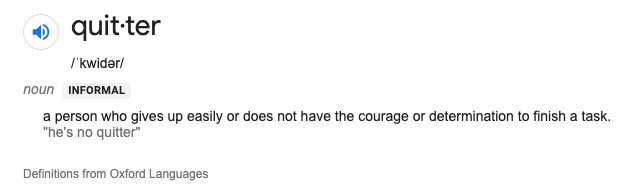
What makes a quitter?

taken from Google search for quitter definition

There’s been a lot of talk about quitting lately, and it’s not just Simone Biles who withdrew from Olympic competition citing mental health reasons.

In the writing community, I’ve seen writers quit querying, quit writing on a certain WIP that wasn’t working, quit Twitter, quit blogging. Quitting has negative connotations, and it’s a terrible thing to be called a quitter. But what if that thing you’re trying is hard? What if it takes too much time, or you don’t have the energy to spare after a long day? Quitting is akin to giving up and giving up implies that you’re weak. When is it okay to give up? When is it okay to say that you can’t handle the thing you’re trying to do anymore and walk away? Is it brave to know your limitations or are you a coward for not finding strength to keep going?

My friend Gareth posted an interesting think piece on his FB Author page, and I’ll quote it here (with his permission) because I think it’s something worth talking about:

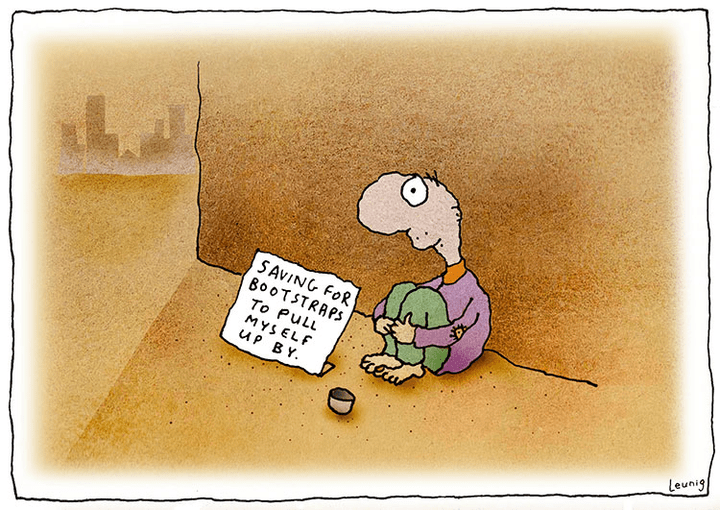
The “pull yourself up by your bootstraps” attitude is constantly leveled at people who are struggling. The general concept being: you struggle because you don’t work hard enough. This suggestion is often given unironically by people in privileged positions.

I don’t doubt there was a time when the opportunities were more readily available for a few hard-working souls to make enough money, not just to live on, but to be considered a successful person. Nowadays, I’d argue those opportunities are fewer and further between. People who become successful, often require luck, good timing, or a little help. This is even true of artists and creators.

As a sometimes writer, the whole landscape has changed in the world of writing and the belief is you just have to be talented, lucky… and teach yourself the skillsets of three or four jobs that used to be done by three or four different people. It’s a lot. To become a successful writer is very difficult, especially if you’re doing it alone. At which point JK Rowling is usually brought up. lol. No, it’s not impossible, just much harder than people think.

Beyond the obvious Trumps and Kardashians there are plenty of examples in the artistic and entertainment fields of those who perhaps had their bootstraps yanked up before they got started: Bradley Cooper, Taylor Swift, Paul Giammati, Emma Stone, Rashida Jones, Lady Gaga, Carly Simon, Nick Kroll, Rooney Mara & Kate Mara, Lana Del Rey, Robin Thicke, Kyra Sedgwick, Armie Hammer, Julie Louis-Dreyfus, Salma Hayek, Adam Levine, Edward Norton, Ariana Grande, Miley Cyrus, Tori Spelling, Bryce Dallas Howard, Balthazar Getty, Chevy Chase… the list is long.

There’s no doubt that talent and hard work is important, but the bootstraps mantra is a poisonous misrepresentation of the real world. I doff my cap to those writers who have found some success; to all who achieve their goals, and wish good fortune to those who are still working towards them.

taken from Gareth’s FB post

I see this a lot in the writing community, and even have been a part of it myself. The unrelenting Go! Go! Go! attitude can get exhausting, and I take responsibility for my part in it. You don’t get anywhere without hard work, and that can be said with just about any profession out there, some more demanding than others, such as doctors, lawyers, engineers. But along with that hard work is the need for a little luck. You networked with the right person who featured your book in their newsletter, or you courted the right book blogger at just the right time, or you applied for a BookBub featured deal, and the guy going over the submissions was in a good mood that day and approved yours. Of course, this brings to mind the preparedness+opportunity=success equation, or as Christian Grey told Anastasia during their interview, “I’ve always found that the harder I work, the more luck I seem to have.”

When it comes to publishing, or in Simone’s case, gymnastics, you do need to do the work. You can’t publish a book that hasn’t been written, and jokes aside that marketing is harder than finishing a book, finishing a book to some is the most daunting task. Then you hear that you shouldn’t publish until you’ve written a million words and who wouldn’t be discouraged? Gareth is correct in his author post, too. We do wear many hats–editor, graphic designer, copywriter. If we don’t excel in any of these areas, and we can’t afford to hire out to fill in the gaps of our own skillset, our books can fail. I may have spent as many hours learning what makes a good cover as I have writing because I can’t afford (don’t want to, and there is a lack of trust there, too) to hire out, and after watching tutorials and practicing I realize there’s potential for others to simply not be able to grasp those concepts. I’ve said many times before, if I didn’t write romance I’d have no choice but to hire a cover designer because my time is more valuable than learning how to do a to-market cover for any genre that requires more than what I’ve taught myself to do.

We can say that Simone Biles is a coward for dropping out of competition, but think of the hours of hard work she put into her practices just to make it there. If she had given up at any point in her career, did one hour less practice, slept in every morning she wanted to, she might not have made it as far as she did. Online, I’ve seen people use her withdrawal as an excuse to give up their own endeavors saying it’s brave to know your limits, and it is. But knowing what will break you mentally or physically is a lot different from stepping outside your comfort zone, something, it seems, few people are willing to do anymore. How can you find your best, move your career to that next level, if you’re not willing to push your boundaries? Giving ourselves permission to not do what we don’t want to do because it’s uncomfortable sets a dangerous precedence.

So how much bootstrapping do we need to do? I guess that’s up to you and your personal barriers. I’ve written through a divorce (I wrote All of Nothing during that time), I’ve written during carpal tunnel surgery (and I’ve admitted I probably didn’t give myself as much time to heal as I should have) and since December of 2020 when I contracted a disgusting, persistent, and painful case of bacterial vaginosis from dryer sheets, I’ve written three and a half books. If I had let ANY of that hinder me in any way, I wouldn’t be where I am right now–with a healthy backlist of 3rd person POV contemporary romance books, and a splendid start to a 1st person billionaire romance career.

I’ve worked my day job for twenty years, typing for the deaf and hard of hearing. When you think of your writing like a career–something you plan on doing and enjoying for the rest of your life–you make time for it. You show up whether you feel good or not, much like a regular job you count on to pay your bills. If you’re lucky, you like your day job. I like knowing I make a difference in someone’s life on a daily basis. I like my co-workers, and I like my supervisors. I’d have to, to show up 4-5 days a week for almost half my life. I also like writing, and I love every aspect of publishing–from editing my own books to doing the cover to writing the blurb. Loving what you do makes it easy to show up, and if you love what you do, the energy and the time you put into improving your business isn’t a task. I won’t say writing and publishing isn’t work even if you adore it because it is. It’s work to craft likable characters, it’s work to make sure they have a satisfying character arc. It’s work to nail your grammar and punctuation to give your reader an enjoyable experience.

Part of the problem with bootstrapping, especially in the indie writing community, is no one can tell you how long it takes to make it, how long you have to struggle (two years, five years, ten years?). In other professions, you can have a timetable at least. Night school will eventually lead to graduation, an internship will eventually lead to a paid position. No one can tell you when you’ll “make it” off your books, or what “making it” even entails these days. A living wage? Part-time earnings? $500 a month in royalties would get some authors I know into better living situations, or make it easier to put food on the table, or the vet bills for our cats easier to pay.

But I do know one thing, and it’s this: success won’t come if you quit. Simone didn’t get to where she was because she was a quitter, and the last thing she’d want is for you to use her choices as an excuse to quit. Simone isn’t a quitter, and if you want to see your book out into the world, you can’t be a quitter, either. It’s tough. I know how tough it is. Five years in the industry and all I’ve managed to do is spend money. I’ve learned a lot along the way–and knowledge is priceless–but it’s hard when I see authors who have been writing for less time than I have and are making it. They found a niche, they had their strike of luck, and they’re going gangbusters, making thousands a month on their books. I’m happy for them, but I wouldn’t be honest if I don’t say I’m waiting in line for my turn. That’s what Gareth’s post was getting at: success may never come my way, no matter how hard I work. Working hard without success is a quick way to find burnout, something I’ve been dealing with the past year–especially while I’ve been dealing with my infection.

Does it make me discouraged? Yes.

Does it make me work that much harder because I know it’s possible? Also yes.

The list of artists that Gareth shared all had one thing in common. They believed in their art and they didn’t give up. They kept producing, they kept putting themselves out there. I come from a generation where pop stars made their start at the local mall. I’ve seen videos of Britney Spears, Tiffany, and Debbie Gibson all performing in mall foodcourts, Other artists sing in dive bars and in the streets, anything to get out there. We do the same with our books. We buy ads, we share snippets on Twitter and on our blogs. We do what we can to get noticed.

Bootstrapping isn’t easy, but Taylor Swift still wrote her songs, Simone Biles still practiced, and you still need to write your words. Maybe that means writing through life’s turmoils, and we all have them, some more serious than others, but no one said this was easy. There are days where I haven’t felt good enough to write, in a mental or physical capacity, but I never stopped. I took a break, but I never stopped.

It’s funny because everyone is looking for the magic bullet, not wanting to admit the only magic bullet there is consistent hard work and tenacity, and yes, a lucky break.

So what makes a quitter? I don’t know. I’ve quit some things in my life. You can say I quit my marriage rather than hanging in there. I’ve quit running in favor of writing. I’ve quit friendships that took more than they gave. In doing so, my ex-husband and I will never get back together. It would be impossible for me to run a half marathon anytime soon, and if I wanted to repair those friendships, there’s a good chance that I wouldn’t be able to. Go ahead and quit, burn those bridges if that’s what quitting entails, but be sure to measure the rewards and consequences because sometimes there is no going back.

Until next time!

Thursday Thoughts: Keeping up with content and where I’m at right now.

Hello, May! I can’t believe how fast 2021 is going. Spring is right around the corner, though in Minnesota, it’s always been a little iffy when it will come and whether or not it will stick. We didn’t have a terrible winter at all, and due to some unusually warm temperatures in March, our snow disappeared a long time ago. I’ll probably do a little spring cleaning and put in a work order for a few things I need done around my apartment. While I don’t have many exciting things planned for summer, I’ve always enjoyed the lazy feel of the longer days. Do you have any plans for the summer?


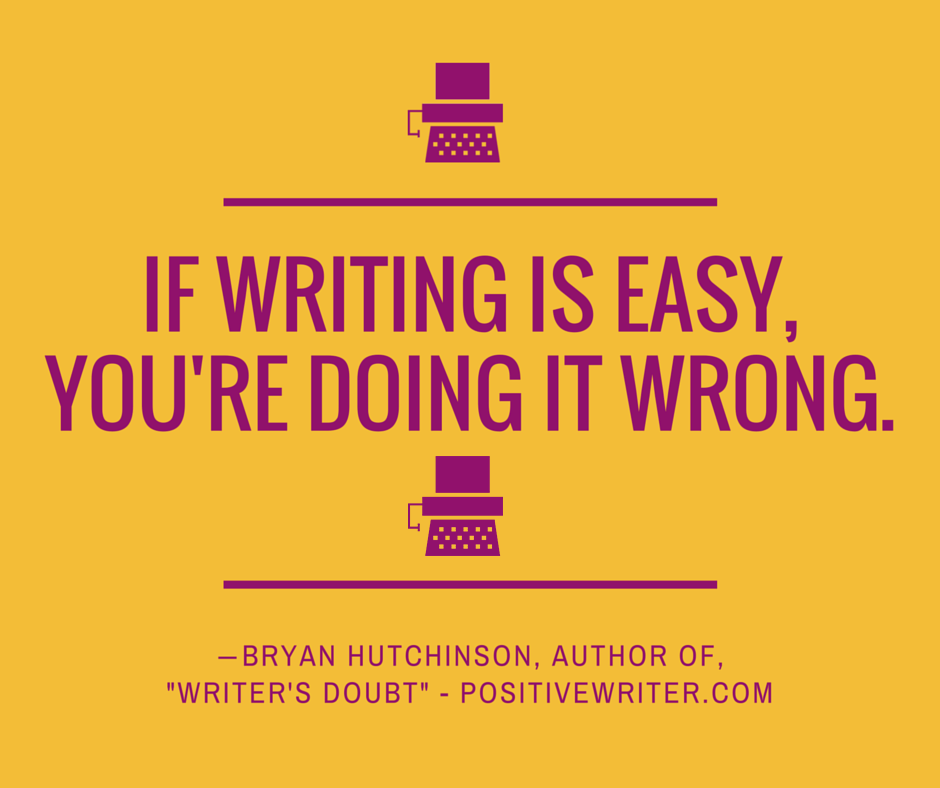
Writing a blog post ahead of time requires to me to look into the future, or at least, aim to achieve the goals I say I’ve met so my posts don’t require too much editing the night before when I proofread one last time before the blog goes live. I was hoping to be done with my third book of the year (I’m at 63k, but sadly I’ve been so tired lately I spend a lot of my free time sleeping) and I am fighting a bit of quality vs. quantity, imposter syndrome, and self-doubt a lot of writers face when things are going too well. A lot of the argument comes from quality of the fiction, and something deeper, something with a few more twists and turns or a few more chapters of character development, may need a little extra time in the oven before the timer goes off. I’ve never been one not to be completely honest with what I read and write. I read and write romance. Characters have their flaws, they move past them to find a happily ever after. That’s all I’ve ever written and that’s all I’ve ever wanted to write. It doesn’t cheapen the work–it can’t or any adult writing YA, Middle Grade, and children’s books would be set aside and not considered “real writers.” Maybe no matter what one chooses to write, it’s always going to be a personal thing as to how long a book will take from start to finish, but the phrase “If writing is easy you’re doing it wrong” is always in the back of my mind after a successful writing day.

Graphic taken from positivewriter.com/printable-quote-posters-on-writing-and-creativity/

I won’t know if my books resonate with readers until the feedback starts coming in. That’s all anyone can use to gauge their skills, I guess. Can you sell your work or not? If it’s not worth the money, the consumer won’t buy, no matter how pretty your cover is or how well-written your blurb is. Simple as that.

I’m still waiting on my beta reader to get back to me with what she thinks of my first 1st person present standalone I’ll be publishing this year. In the meantime I have plenty to keep me busy. I just can’t let myself start another book. There is more to the business than writing, even if we wished there wasn’t. I’ll be focusing on that as times goes on and I’ll keep you updated on those things as I get them done.


How do you search through all the content out there? I’ve blogged before about my fear of missing out, and I need a way to figure out how to consume the information I need when I need it. I’ve thought of a couple of tips to help with that, and I’ll share them with you. Like so many streaming services and shows/movies/documentaries to choose from, if you try to pay for it all and give all your time to what’s out there you’ll go broke and crazy.

  1. Where are you in your journey? For instance, if you’re just starting your newsletter, content such as what to put in them, or developing an on-boarding sequence may be more in-line with what you need rather than how and when to cull a percentage of your thousands of subscribers who don’t open. Those two things are very different needs, and we could be talking years between needing to know each one.
  2. Is it tried and true? Things happen so fast in the industry that sometimes it’s not worth it to learn something if you’re not going to need it when you learn it. For example, I’m taking a mini-course from Mark Dawson about his launch plan. Being that I’m going to hopefully publish a book in the near future, taking that course makes sense. But if you don’t have anything that you think you’ll be publishing for a while, spending money on his course maybe wouldn’t be the wisest investment. Things can change between now and when you’re ready to publish. A new promo site may develop, or the Amazon Ads dashboard may go through a thousand changes before you’re ready to use it. Facebook is known for changing how you set up an ad. There are very few things that will never change–even tropes, trends, and craft advice can change if you write commercial fiction–but advice on what to blog about, building your author platform, or going back to newsletters, how to offer good content so readers sign up, things like that will always be necessary.
  3. How much money is it? I’ve blogged before about how some of these courses can cost hundreds of dollars. Sometimes, depending on what you need when you need it, a book or a beginners free course will be enough to get you on your way without breaking the bank. Time can also be an investment. I don’t know about your life or finances, but I would rather spend time reading about something and researching than spending money on a course that will spoon-feed the information to me, but at a significant cost.
  4. Make a list of the things you need at the moment versus what you should always be doing. Networking is something everyone should do that never stops. Probably one of the biggest mistakes I’ve made in the past four years is not making friends with other romance writers. They can beta read for you, recommend editors, help with newsletter swaps, keep you up to date with industry news, and be all-around cheerleaders and sprinting partners. As introverts, it’s difficult to put yourself out there, but networking, especially in your genre, is something you should always be working on. Same as reading in your genre. You’ll have a better understanding of what’s going on in the genre you’re writing in than listening to secondhand information. Learning craft is another thing you should always be doing, but things like listening to a podcast about a new program like Kindle Vella can wait until you have the time to consider if it’s the right path for you.

Cutting through all the noise is hard, and it’s difficult to be a hoarder of information. What do you do with a piece of information if you don’t need it right at that moment? You can put it away and hope it’s still relevant when you pull it out again, but chances are something about what you know is going to change. Like I said, ad platforms are notorious for that. There will always be new promo sites, or sites that have worked in the past but don’t work now due to saturation.

I need to remind myself that I don’t need to know everything all the time. Joining Clubhouse (the audio-drop in app) has been really hard for me–I realized that the full-time authors who do a lot of the meetings and talking can do so whenever they want because they work from home and aren’t under anyone’s restraints but theirs. I still have a day job and more than once I’ve been disappointed I couldn’t listen in a room because I was working.

I feel a lot of pressure to know all of the things, and a lot of that is fueled by being truly interested in the publishing industry, both traditional and indie. At least it’s something I can recognize in myself and try to control it the best ways I know how.


As a reminder, the giveaway for Barbara Avon’s author interview is still open! Enter to win a paperback copy of her book, Sacrilege, and a $25 dollar gift card to Amazon. Click here to read her interview! And click here fore easy access to the giveaway! The giveaway ends Sunday, May 9th, so don’t forget!