Monday Misery and Giving Up (Kind Of)

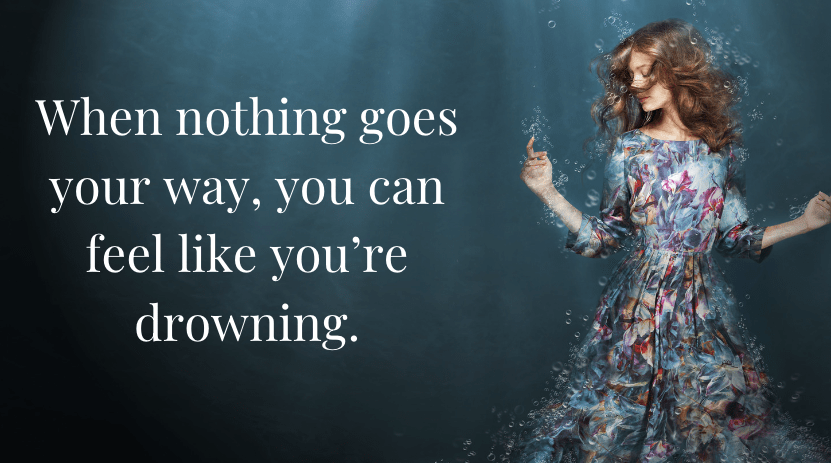
woman wearing floral dress under water. text says: when nothing goes your way, you can feel like you're drowning

It seems whenever I manage to figure out one thing, something else pops up in its place–which is the definition of adulthood, I guess. I’ve been feeling better, so of course that means another areas of my life have to go to crap.

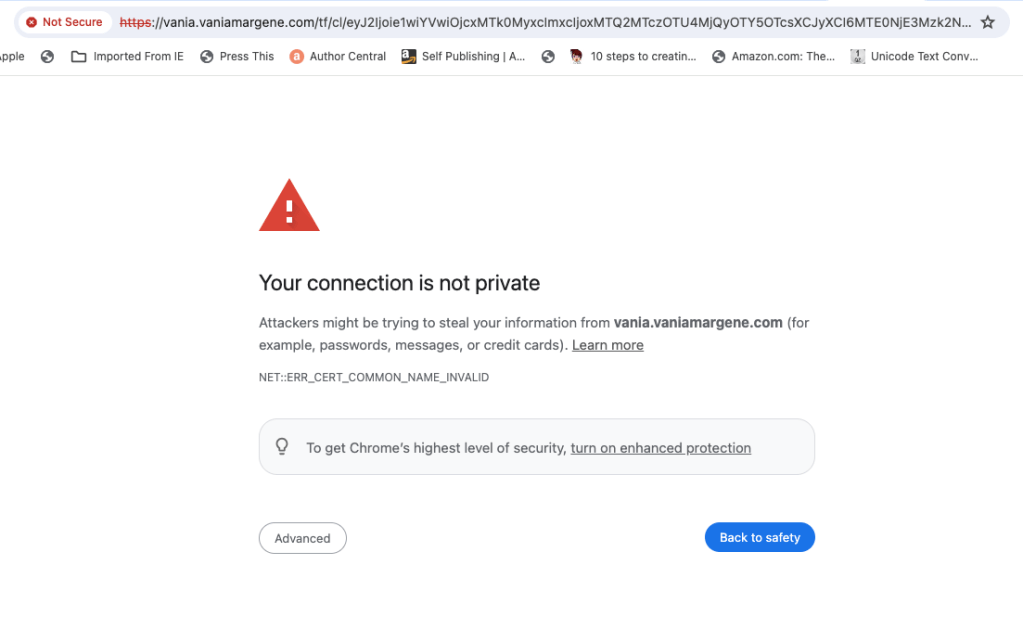
Ever since we had to authenticate our newsletters and align them with our websites, I have had nothing but problems. From actually taking down my website for twenty-four hours (thank God the WordPress chat was available!) to the newest disaster–broken links in my most recent newsletter I sent out on Friday, this has been one headache after the next. That SNAFU, broken links going to a scary error webpage–

webpage error message.  text reads, your connection is not private.  attackers might be trying to steal your information from vania.vaniamargene.com (for example, passwords, messages or credit cards) learn more.

–ended up resulting in me having to upgrade my MailerLite plan so I could contact their tech support. Because of the number of subscribers I have, that totaled a whopping 30 dollars a month, and honestly, I knew it wasn’t worth it. I had a 30% open rate, send once a month, and can’t pinpoint exact sales that have come from my newsletter.

So, I did what I tell you not to do–I made a choice based in frustration and anger and deleted my MailerLite account. I didn’t wait for the tech to get back to me, just exported my subscribers, deleted my account, and said screw it. It wasn’t completely spontaneous decision–I have a link in the back of all my books pointing them to my website where readers can sign up to my newsletter and download my free reader magnet. Luckily, the link was to my website and not a MailerLite landing page. I amended my website, said I would be blogging in place of a newsletter due to issues with my aggregator and that they can still download My Biggest Mistake. But instead of having to sign up for a newsletter to gain access, the Bookfunnel link is right there. Giving away a book like that with no strings is probably crazy, and after a while I may sell it, too. It won’t be in KU, but I can price it at .99 and have it pull double duty as a reader freebie and a book in my backlist if they want it that badly. I have choices, at least, but it will have to stay free on my website unless I want to update back matter for 20 books, and I actually do not want to do that.

I just was so tired of all this stuff–I’ve been dealing with the issues this authentication process has brought on since January, and honestly, I couldn’t take it anymore. The last straw was when I sent out that newsletter that had broken links in it. I can handle things going wrong on my end, but I do not want to look unprofessional or spammy to my subscribers. They trust me to keep their information safe, and that error message when they clicked on a link looked terrible. I never want to go through that again. I’ve been blogging on WordPress for eight years now, and nothing has ever happened like that before. All the links work, my site is secure, and I will never mess with the DNS records again.

If turning my “newsletter” into a blog loses me readers or subscribers, so be it. Dealing with MailerLite and the high monthly cost would have been very bad for my mental health long term. I don’t mind blogging, in fact, I love it, and content is content as far as I’m concerned. I was able to upload my MailerLite subscriber list to my author website and my subscribers will get an email when I blog. If they don’t want that, they can unsubscribe, though I’m not sure why they would. It really doesn’t matter where the content comes from.

A lot of them never opened my welcome email though, so that means they didn’t download My Biggest Mistake, and they can’t now unless they visit my website due to the links that probably won’t work even if they kept my newsletter emails. When I write my first blog post I’ll have to remind them to download it. I probably still will only blog for my readers once a month and that was another reason I was okay getting rid of MailerLite. I wasn’t using it very often and it makes sense to stay with a more cost effective alternative.

Of course, I’m like a lot of people and lying in bed at night will think about something humiliating and embarrassing that happened twenty years after the fact. This sting will stay with me for a long time, even though it was a MailerLite problem and not my fault. It helps I’m familiar with newsletter mixups. I’ve signed up for several, and usually once a month someone sends out a newsletter full of links and five seconds later there’s an amended newsletter sent out because the links were wrong, broken, or missing. My readers are probably used to that kind of thing too, but I was so grateful to anyone who gave me their email address that swallowing this humiliation is going to take some time. The only thing that I am happy with right now is how easy it was for me to turn my author website into a blog and that I had the wherewithal to export my list and add them to my website. I paid for a lot of those with FB ads and people signing up in the backs of my books. Those emails belong to me until they unsubscribe and they can do that if they wish. I’m not going to worry about where WordPress’s emails end up–if when I blog the updates end up in their promotions or spam. My site is safe, and I restored all the original DNS records. Maybe my updates won’t land in their inbox, but at this point, I just want to get back to writing and updating my readers when I have something fun to share and don’t care about the rest.

It was a costly lesson, energy and mental health wise, to learn some things just don’t matter as much as some people tell you it should. It was a relief to leave my newsletter groups–people are still talking and doing damage control regarding their own authentication nightmares, and I don’t need to see that anymore. I don’t need advice on what to share with my readers–I’m a writer and creating content is what I do.


I finished editing the 5th book in my series, and now I’m taking a break before I edit the last. I have a lot of admin stuff that doesn’t include newsletter clean up, such as getting my promo list I started a couple of years ago finished. I wanted a comprehensive list of promo sites that included how much it cost, if there was a minimum number of reviews required, that kind of thing. There are soooo many promo sites out there and one of my goals this year was to try the littler ones to expand my reach. I started up a Google Docs, and I’ll have to check over what I have and see if all the information is still accurate or if I need to update some entries. I also have a lot of screenshots on my phone of promo sites people have talked about in various groups and I want to add those as well. David Gaughran has a list that he updated last year, and you can see it here. https://davidgaughran.com/best-promo-sites-books/ I borrowed heavily from it, but there are a lot of promo sites that I picked up just scrolling around in my groups. Lee Hall also has one on his site, and you can look at it here: https://leehallwriter.com/2021/02/23/a-concise-list-of-book-promotion-sites/ I’ll finish it up this month and make it accessible for everyone.


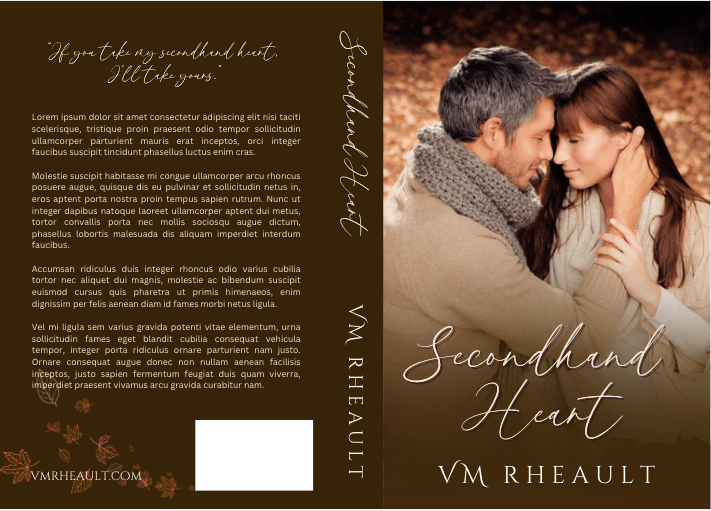
I also would like to add a tab to this website for book covers that I make that don’t have anywhere to go. I like making them when I’m bored and don’t have anything to do, or if I see an author cover that sucks and I redo it just for fun. Sometimes I’ll do a cover for someone without them asking, and as you can imagine, that never turns out well, and they say thanks, but no thanks. I’d like to put them up, free of charge for authors who need something but don’t know what to do or just need a placeholder until they can afford something better. One of the prettiest covers I ever did was this one, but I’ll never use it because I don’t write women’s fiction.

promo graphic of a fake book called the forgotten bride.  a blurry woman, back to camera holding a bouquet of lilies.

Anyway, so I’ll do that when my series is all done and up for preorder. I have a lot of mockups in my Canva account, but I would have to download the stock photos and clean them up enough that I would only have to change the author names and titles. They wouldn’t be high-end by any means, but if an author is just starting out and sees a cover they could use, then it would worth it for me.


I think among that, getting my series finalized, and doing my promo list, I have enough going on. I need to shake off what happened to my newsletter. I’m not the first it’s happened to, and I won’t be the last. One of the last posts I saw before I left those groups is a poor woman who lost 800 subscribers because MailerLite got rid of the free classic accounts and her account and all her subscribers were purged. She was upset, to say the least, but MailerLite told everyone over and over again. It’s why I did the migration in December of last year, though that was just first of the headaches that started.

I think that is all I have for this week, but it’s enough. 2024 has started out with a bang, that’s for sure, and though this might be inviting trouble, I just don’t know what else could go wrong. And it’s really weird, I guess because I posted on a Thursday when my subscribers aren’t used to it, but I posted about author transparency last week and no one read it. So strange. If you want to read my goose egg post, you can look here.

Thanks, and have a good week, everyone!

When Transparency Does Any Good

Words: 1284
Time to read: 7 minutes

When I was little, I grew up on Rainy Lake. Like, right on the shore. My dad would plow a skating rink on the ice for my birthday (which is in November) and I would have skating parties on the little inlet we lived on. Sometimes there would be winters when we didn’t get much snow, but the lake would still freeze over, and there was this one particular spot that froze solid, but was crystal clear. You could see all the way down to the bottom, the rocks and sand and weeds, and as you can imagine, if you stared long enough it could make you a little sick inside. You knew you were safe, but that didn’t stop your stomach from rolling, from telling your brain that you weren’t where you were supposed to be. The inlet wasn’t very deep, and I would feel almost the same in the boat, the water so clear you could see the fish swimming beneath you. The ice though, there was something almost unnatural about lying on it and staring to the bottom, and I’ll never forget how it felt.

We need transparency in publishing. It’s important that we share what we know. A few years ago the hashtag #publishingpaidme on Twitter exploded and so many authors came forward to share their experiences. You can read about it here: https://www.vox.com/culture/2020/6/17/21285316/publishing-paid-me-diversity-black-authors-systemic-bias and here: https://www.theguardian.com/books/2020/jun/08/publishingpaidme-authors-share-advances-to-expose-racial-disparities

Those authors and numbers are out of my league, but indie authors still share–I’ve blogged before about all the goose egg tweets on Twitter at the beginning of every month, authors lamenting that their sales dashboards flip to zero on the first. I have my own feelings on why this is kind of icky, mostly because author and reader spaces are merging closer and closer together and you really don’t need readers seeing your numbers. As my author platform grows, even I wonder how to keep this blog professional and unoffensive to any reader who happens to stumble upon it (grinding sausage that appears on a yummy breakfast platter is kind of disgusting, after all). Not to mention, when we talk royalties, or lack thereof, readers get sucked into that and it’s not their place.

I was actually kind of hoping that moving to Threads would solve that issue, of seeing goose egg posts, anyway, but authors are still sharing, even if it’s more of an informational post vs. the complaining I would see on Twitter.

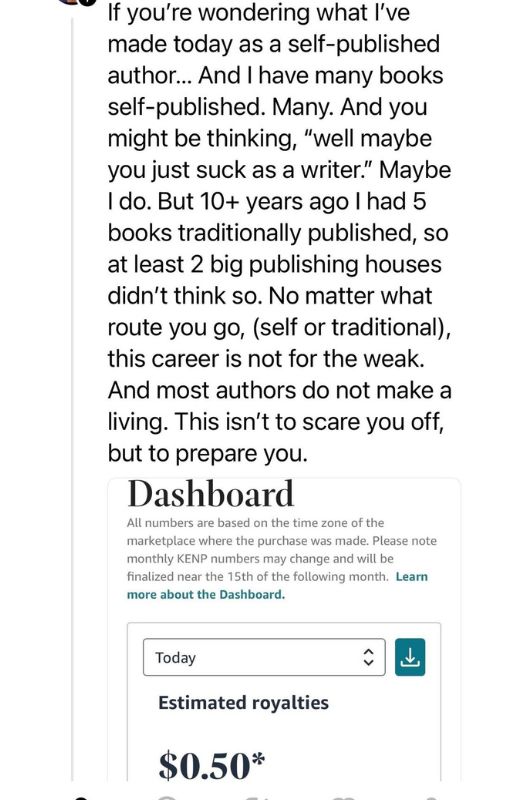
Threads post that says: If you're wondering what I've made today as a self-published author...And I have many books self-published. Many. And you might be thinking, "well maybe you just suck as a writer." Maybe I do. But 10+ years ago I had 5 books traditionally published, so at least 2 big publishing houses didn't thi so. No matter what route you go, (self or traditional) this career is not for the weak. And most authors do not make a living. This isn't to scare you off, but to prepare you. 

Dashboard

today's royalties:

$.50

I don’t mean to call her out, and I can’t anyway. I don’t follow her, don’t remember what her handle is, but I do disagree with a couple of things–one, for sure, is her saying most authors do not make a living. This is far from my experience, being that most of the romance authors I do know make a living, and telling authors that does them a great disservice. Just because you are not making a living doesn’t mean others can’t. And that leads me to the question of why she posted at all. To “warn” authors this is hard game? For sympathy? I can’t find the post now, which is probably just as well, so I’m not even sure if she got the responses she was looking for. I can’t look at her backlist either and I wish I would have paid more attention to who this poster was, but I screenshot it for a friend and as most timelines do now, it refreshed and the post was lost. I didn’t respond, though I wanted to. That was me turning over a new leaf, so I guess I’m showing you all my backside instead.

I messaged my friend and asked her, why do you think she posted it? And she speculated that she was just putting the information out there, as some sort of transparency play. Okay, but–and this is where I have the hard time–we’re missing half the conversation here, are we not? Because you’re not selling books, there’s a reason, and I feel that deserves some conversation. If you’re willing to put out your goose egg posts, I think you should be prepared to explain why. Why if you have what sounds like a solid backlist, why are you not selling books? I don’t think we talk about this enough. It’s one thing for a debut author to publish to crickets, because that happens. You have one book, rely on free social media, and unless you get lucky, that will only take you so far. But if you’ve been in the business for any length of time, you should have a handle on promoting your books and you should have figured out by now how to sell them.

But no one wants to ask why, and that missing half of the conversation is really important. It’s where the real learning starts. No one wants to admit mistakes though, or no one wants to admit that maybe they don’t know what they’re doing and haven’t bothered to learn. Maybe no one wants to admit that their covers aren’t hitting the mark or they aren’t promoting their books. That they haven’t started a newsletter and don’t want to learn how to run ads, if even just a few dollars a month to expand your reach. No one wants to admit that maybe they aren’t networking with authors in their genres, looking for cross-promotional opportunities (not that you can participate if you don’t have a newsletter anyway), or no one wants to admit they loathe Facebook and don’t have an author page.

I really think that if you’re going to post goose egg numbers, then you should be prepared to explain why. It’s not exactly taking culpability, but obviously, if you’re writing and publishing you want your books to sell. She may have seen this as educational, but after 10+ years in the industry with “many” books under her name, she doesn’t find it a little embarrassing too? Or she writes publishing off as “difficult” and the lack of sales isn’t her fault.

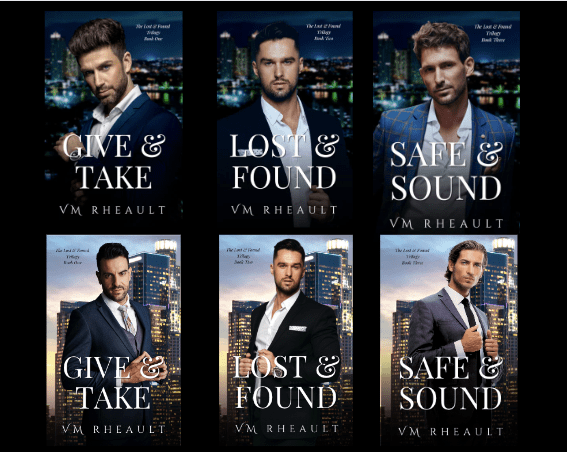
Sometimes you can look at an author’s books and see why they don’t sell. They don’t have many, or publish with years between books. They only write standalones which can be a hard sell since we all know read-through is where the real money comes in. Maybe they can’t afford a good cover and make do with what they can make for themselves in Canva (or they turn down better and free help because they want to do it alone). But if that’s the case, any of those, isn’t it worth mentioning? I’ve made plenty of mistakes–and I admit them on this blog all day long. I wasted a whole year on my Lost & Found trilogy because I didn’t like the covers and didn’t push them as hard as I could have. It’s just as well, because a year later I reedited them and I’m much more confident promoting them. Sometimes you need to revamp a book and maybe she needs to take some time to redo some of hers. Even a fresh blurb can make a world of difference. https://selfpublishingadvice.org/a-new-book-blurb-could-revolutionize-your-sales/

It would have been nice to have known what she thought of her low sales, what she thought she could do to fix it. There’s always something you can do–it’s not up to Fate or there wouldn’t be people making a living off their books. You have all the control in the world, but acting like you don’t doesn’t make it so.

It’s just interesting to me, and I like thinking about stuff like that. Be transparent, sure, but tell the whole story, otherwise, you’re just lying on a clear sheet of ice feeling sick inside.

Monday Musings; Do What You’re Supposed to do Already

Words: 1707
Time to read: 9 minutes

Happy Monday! I can honestly say that because Mondays are my Saturdays, and I’m fortunate I can work through the weekends and avoid them. I always say I don’t have much to say, but this week, it’s really true. I’m only three chapters into the fifth book in my series, and this chapter is 20k words long. It will take a bit to edit it, but getting through these is starting to burn me out, so I don’t mind going slow. It’s a big project anyway, and I should start playing with the covers when I don’t feel like editing. Mostly for now that’s just scrolling through stock photos and that’s becoming more and more disheartening. I can try a couple of different sites like dreamstime.com and 123rf.com. I don’t mind paying if I know I’ll use the photos. I’ve downloaded quite a few with my DepositPhotos packages I purchased through AppSumo, and I don’t end up using all of them. Because they were so inexpensive, it doesn’t matter, but if I’m going to go through a different site, I need to make absolutely sure I’ll use them and so far I haven’t bothered to hunt and peck through those sites.

It’s been a week and a few days since my appointment at the Mayo Clinic in Rochester, MN. The good news is she seemed to know what was wrong and I left with a couple of creams and a medication that suppresses my ovaries. This was part of the best news because since I had my hysterectomy in March of 2022, my ovulation cycle has made me feel like garbage every month. She explained why and when she offered me that medication, I jumped all over it. I’ve only taken it for eight days, but I can already tell a difference in the way I feel. The other stuff I’m dealing with hasn’t lightened up, but I knew going in that since I’ve been suffering for so long, there wouldn’t be an overnight fix. My treatment at this point is more of a journey than a destination, and I have a follow up appointment at the end of May. Now that we know what to expect and how to get around, this will just be a quick overnight thing and more than likely we’ll head back after my appointment instead of staying for another night. They were very efficient and she seemed to know what was wrong with me just by talking to me and a quick exam. So, there’s that update. Nothing too new there, but life has been smoothing out for me, thank God. I went and got my teeth cleaned and my oil changed last week, so now that my bumper fiasco is over, besides getting my taxes done (which is tedious because I print out all my book spend and report my royalties to the IRS in case I ever strike it rich), most of the drudgery of adulting is finished for the next little bit.

Even social media has been quiet, not much on Twitter (though I am liking to call it X more and more simply because I feel like it’s a warning to stay away), just some reviewer shaming, some people who are complaining about their books being returned, that kind of thing that I don’t see in my author groups on FB at least. It still is surprising to me how writers think that if they’re querying they don’t have to do anything. Don’t have to edit because an agent/acquiring editor will take care of it, don’t have to market because the publisher will take care of it. Even just today I saw a woman lamenting because she queried too soon (I wonder how she figured that out?), and I mean, if you get a book deal, wouldn’t you want to work your ass off to promote your book? Shouldn’t authors feel that way no matter who publishes their book? Yet it feels like so many writers think all they have to do is crank out 350 pages of brilliance and their work is done. A huge controversy last week (cause by this now-deleted tweet)–

–was over whether querying writers should have a website–some said no, some said yes–but if you don’t want to, is this a hill you’re going to die on? It’s free to set one up. Isn’t it better to have a social media presence before you query so potential agents have something to look at? Querying/having an agent and publishing is a partnership, but it seems like writers don’t want to be a partner, they want it all done for them. Let me tell you, from doing this from the ground up and seeing some of my author friends who have given up their rights to small presses and gotten them back, it’s a hell of a lot easier to be in charge of all your stuff yourself. And this isn’t a debate between querying/trad pub vs. self-pub. This is talking about taking control of your book business in any way you can. To know how to do covers in case you ever want to be hybrid and put out some books on your own, to know how to format, to know the back end of your own website. Knowing how your newsletter provider works. Knowing how to do things for yourself will never hurt you in the long run. Because you know what sucks? Depending on people to do stuff for you. You’re at their mercy . . . if they’re busy doing something else, if your relationship with them goes south, if they simply drop out of the game. Publishing is work. It will never not be work, and I should stop being amazed at the writers and authors who think someone else should be doing that work. Honey, just because you wrote 80k words, your work is only just beginning. Suck it up, pay for a Canva Pro account, and learn how to use it.

I had some super awesome Amazon ads going, so much so I spent 100 dollars in five days. Super good! Not really, because I wasn’t getting the sales or borrows (checking your rank to see if it goes up will tell you if you’re getting borrows. There really is no other way as Amazon sees a borrow as a sale and adjusts your rank accordingly.) Fifty pounds, fifty US dollars. I paused my UK ads because I couldn’t afford it, let my US ads keep going, and they are still rocking forty dollars later. I’m having some good impressions and clicks in Canada, too, but not nearly as expensive at only seven dollars, so I left those alone. Maybe my Lost & Found trilogy covers are working after all. I’m always very very leery of turning off a well-performing ad. Mostly because of ad and royalties reporting. Nothing Amazon does is in real time, and I would hate to shut off an ad only for my sales to die. In fact, they even added this disclaimer to their dashboard: All numbers are based on the time zone of the marketplace where the purchase was made. Please note monthly KENP numbers may change and will be finalized near the 15th of the following month.

text on plain white background says:  Dashboard 
All numbers are based on the time zone of the marketplace where the purchase was made. Please note monthly KENP numbers may change and will be finalized near the 15th of the following month.Learn more about the Dashboard.

Waiting until the following month for real page reads numbers…..yeah…..so you know not to do anything drastic or be ticked off too soon. You should never make decisions when you’re angry or disappointed. Things can change in an instant and you never want to regret anything. Pausing your ads and then restarting them can make them not turn on again at all, ruining the momentum they had before you shut them off. It’s the risk I took pausing my UK ads, but I’m going to have to be okay with it. I don’t have the cash to pay 50,000 dollars for 100,000 dollars worth of royalties. While that’s great ROI, I need to start smaller, and I’m guessing you do too.

I’m also running FB ads, so I’ll always have something going that costs money, but it sure would be nice if I could come out ahead every once in a while. Not that I’m complaining. Breaking even is fine too–I’m finding readers and that’s a good thing.

That’s about all I have going on for this week. I’m going shopping with my sister on Tuesday so I can buy some bookshelves for my living room. I live like a college student (and a poor one at that) and it would be nice to display my books. Now that we don’t have cats, I don’t have to hide them from a furbaby who wants to eat all my covers. She’s ruined plenty of spines using them as a scratching post, so while they will be displayed in a more pleasing manner, they will look well-loved indeed.

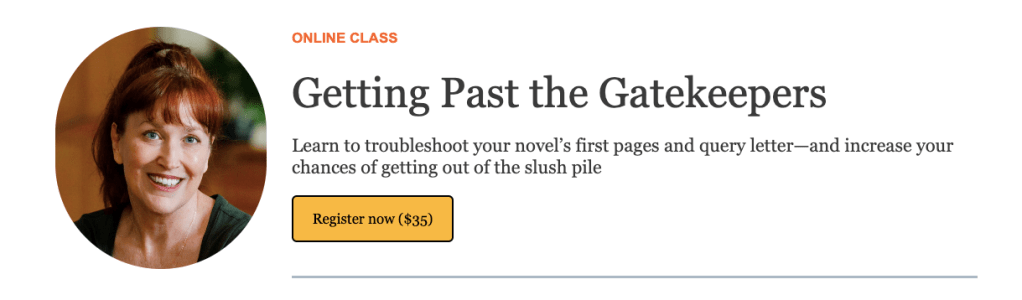
Speaking of querying and newsletters and all that, I must have gotten purged from Jane Friedman’s newsletter. I admit I don’t open my newsletters enough, and I missed hers, so I signed up again. She’s a good source of publishing news and also she hosts inexpensive classes with industry experts. If you want help with your query or first pages, take a look at this class hosted by her with guest Allison K Williams. https://janefriedman.com/get-past-gatekeepers/ (This is not an affiliate link.)

taken from Jane’s website

I’ve taken some of her classes before, and if you can’t watch it live, she makes the replay and all the handouts available after the fact, so don’t worry if you can’t fit it into your schedule. Her class with Allison is March 20th, 2024, from 1-3pm. It’s $35.00 and it will be worth every penny if landing an agent is one of your goals for 2024.

I hope you have a wonderful week ahead and good luck with all your endeavors! It’s not too late to hop on my social media calendar. I may end up making one for March. I’ve been able to stick to posting. My engagement isn’t the best, but it keeps my pages from looking so bleak. Nothing works without consistency, so we’ll see what happens in the coming months.

Until next time!

Writing Tics: What they are, how to spot them, and how to fix them.

Words: 1882
Time to read: 10 minutes

made with https://www.freewordcloudgenerator.com/

I don’t delve into writing craft that often on my blog. Writing quality is subjective, after all, and what is one person’s favorite book is another person’s trash. It’s fine, but I still believe there are some things that are universally downers like too much telling, too many crutch words, characters that are not well-rounded, scenes that aren’t anchored in a setting. There aren’t many things that can ruin a book for me, but one of my biggest pet peeves is characters who don’t act their age. I’ve read a few books now where the female main character is just a brat but we’re expected to believe a mature, grown (and running a billion dollar company as they are wont to do in billionaire books) hero is going to fall in love with her, warts and all. It instantly makes the story unbelievable–if I can’t stand reading her, how can he love her?

But, that’s not the point of my blogpost today. Last week I talked about redoing my covers for my trilogy, and I thought, well, there’s nothing I like more than reading my own work, so having a little look-see at the insides before I go through all the work of changing out the covers wouldn’t be a bad idea.

I’m glad I did because what I found was just not good. The first book wasn’t as bad as the other two, though I did find quite a few things to change. But when you go back to read something you haven’t looked at for ten months, that will happen. The second book…I have no idea what happened. This is where writing tics come in. A writing tic is something you write over and over again without realizing it. Maybe you get into a zone and the words are flowing, and before you know it you’ve got your favorite writing tic all over the place.

That’s what happened to me. I fell into a sentence structure I didn’t see. Since I didn’t see it, with all the editing I did, I couldn’t fix it. And it was only after ten months of distance did I read that book and think, WTF happened?

A writing tic can be almost anything. Your favorite word, turn of phrase, a description you can’t let go of (how many times can moonlight glimmer in her eyes?). My writing tic was using the word “as.” An example of that is a sentence like this: He sits back, turns the beer bottle on the table as he thinks. I found a few other tics too, during my read-through. I decided I liked the words when and while. While she was doing this, he was doing that.

Writing tics can be harmless, but if you get too carried away, they can actually destroy a good piece of writing. The problem is, sometimes you can’t always see them, and maybe if a reader is used to reading that particular tic, they aren’t going to see it either. Using “as” in first person writing seems to be common. Now that I’m sensitive to it, I see it everywhere, but that doesn’t mean I want it in my books, even if a reader isn’t going to notice it.

That’s why writing about craft is so difficult and why some authors and writers get so up in arms about it. Getting better takes work, and not everyone wants to put in that work (or thinks that they should or needs to). I did not have any fun practically rewriting all of book two… and book three. It was hard, messy, and time consuming, and I’m going to have to order more proofs and read the whole trilogy over again to make sure I didn’t edit in any typos which is always a concern no matter how meticulous you are. Not to mention how easy it is to adopt another tic while trying to edit out the one you noticed.

The real problem I have with tics is getting fixated on other books in my backlist and wondering if they have the same issue. I get almost manic with the need to go back and read them and find out if they sound good or not.

During one of my editing sweeps of my six book series, I noticed I had a love affair with the words “take” and “make.” They were all over the place, and once I realized that, I had a heart attack. By the time I noticed, I had written other books, and I found the same problem. Luckily, I had saved them up and was able to fix them. Tackling a writing tic in six books made me want to cry, and I am so so glad I didn’t publish them right away.

So, what’s next then? I’m going to finish editing out my writing tics in my third book. I’m forcing myself to go slowly because there’s no reason to rush. My books are out there, and who knows if readers think they’re poorly written. Sometimes a reader can overlook poor writing for a good story, and I may never have any proof that my tics ruined the book for them. So, I’ll take it slow, finish editing the third book over again, smooth out the prose. I’ll tweak the covers and fix a few things I found there, and order new proofs. Then, I need to read them all again to double check I didn’t edit in any mistakes. Yes, it’s a pain in the neck, and yes, it actually would have been nice if I could have done this the first time around. They were edited several times (unfortunately, only by me) and honestly, God only knows if a different editor would have spotted it.

I don’t edit for many people anymore, but one person I’ve edited for recently had the same “as” problem that I do. Another friend I edited for a while back used way too many hyphenated adjectives to describe a noun (think, long-legged blonde). When I read first person books that aren’t mine, the “as” sentence structure jumps out at me. I’ve blogged before that I can’t read a certain author who uses the word “got” over and over again. Once I saw them I couldn’t stop seeing them and now I can’t read anything from him. What’s funny is it just occurred to me now that got/get/gotten/getting could be his writing tic. Since I wrote him off my TBR list, I don’t know if his recent books still have this problem or if he’s managed to find an editor who told him to stop it. (He’s a small press author.)

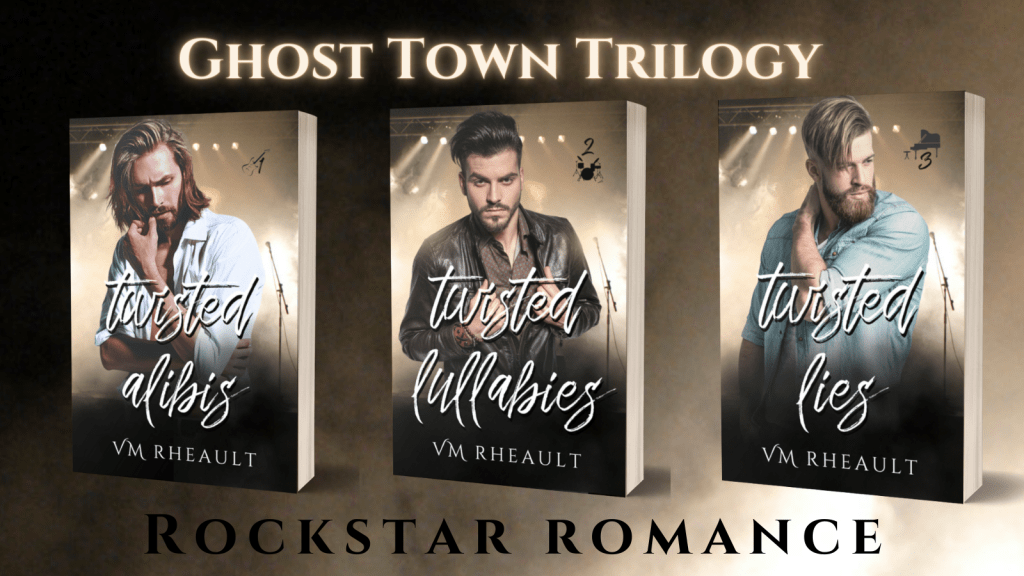
Anyway, the whole thing makes me sad. I’ve documented my struggles on here, and finding something in a book that’s been published (for almost a whole year too!) is depressing as hell. I’m not chasing perfection, but I would like to say my books are published to the best of my ability. The problem is, if you’re going backward, you can’t go forward, but after this trilogy, all my books will be how I want them to be. I’ve already gone back and did the same thing with my duet (I edited them after redoing their covers). I’ve pulled enough hooks from Rescue Me for TikTok videos to know that book doesn’t have the writing tic problem, at least, not the “as” one. I’ve read my rockstars so many times I know they’re good. With this new knowledge, the only book I could probably read again is Faking Forever, but, even if it is only a standalone, going back to that one doesn’t thrill me. Especially since I’m tweaking the cover of my Christmas novel and reading it over again while I wait for the second proof to make sure the cover is going to come out how I want it.

I hate feeling like the whole world is coming to an end, but I can’t stop feeling the urgency to get these books done as quickly as possible. I won’t let myself rush–that only sets myself up to make more mistakes, but this project definitely isn’t something I thought I would be dealing with right now. Still, it’s for the best. New insides, new covers, and I can push them hard after Christmas for their one year birthdays and see what happens, because no matter if the covers weren’t great or the prose wasn’t what I thought it was, they are still really good books. I was going to jump right into editing my series again and publish the first book in January, but I don’t think that’s going to happen now. They still need a lot of work, and I may not get that all sorted until March.

I can’t look that far ahead though. My two main priorities at the moment are getting through this trilogy and getting them done knowing I will never go back to them again, and publishing my Christmas novel in a timely manner with as few issues as I can. There should be no reason to have to go back to it, now that I know I have tics that need to be fixed that could show up in that novel. I still have plenty of time to hit the readers who like Christmas stories, so I just need to keep my head on straight and remind myself the world won’t come to an end if I miss my release date, which, at the moment, is November 13th.

Writing tics can cause a lot of trouble, especially if you do something so much you need to do a lot of rewriting like it did with my second and third books. I have no tips on how to spot them, except just letting time go by and then rereading (especially if you read or work on something between editing passes). That seems to do it for me. You may have a fantastic editor who spots those things for you, or you may use a program like ProWritingAid which would probably point them out too, depending on how bad they are.

I would suggest keeping a list, and that could help. I have a list of garbage words that I avoid, but the thing I’ve noticed with my writing tics is that they can change from book to book. It would be nice if I could just not write with any, but I don’t know if anyone can do that. I suppose I should just be thankful I spotted them at all. I’m so sensitive to asking people to spend their money on my books and I want them to have the best product possible. I would love to find a writing partner that I could depend on, but after so many years trying to make friends and connections, the one thing I’ve learned is that if you want something done (maybe not right, but at this point done at all), you have to do it yourself. No one will care about your books more than you. That’s a sad fact.

I will update you with other news next week! Have a great day!

If you want to read more about writing tics, look here:

https://patthomson.net/2016/06/23/writers-tics-its-all-about-the-invisible-gorillas/

I Finally Updated My Trilogy Covers!

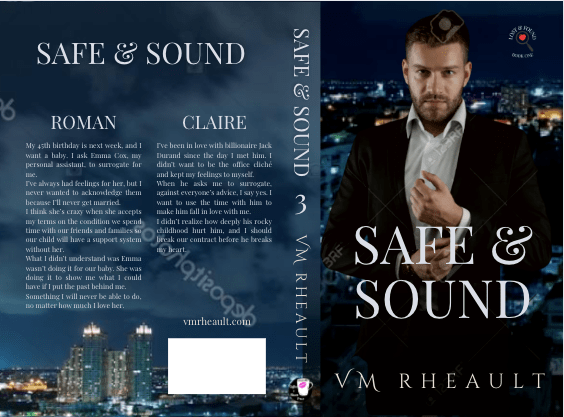
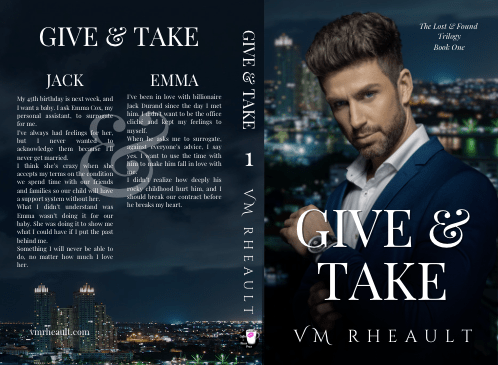
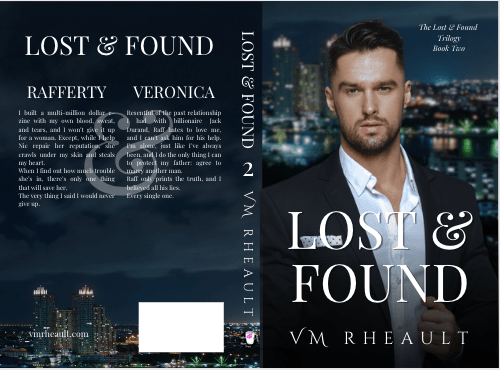
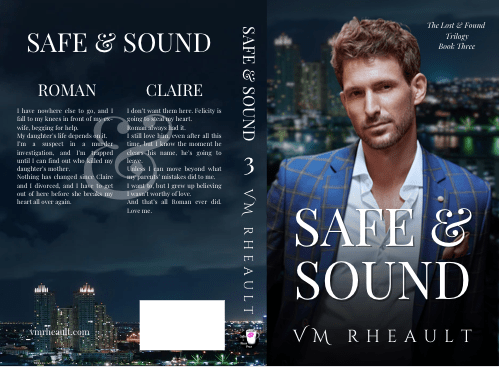
I’ve only been complaining all year about how I didn’t think my Lost & Found Trilogy covers were doing their jobs. Ten months after the fact, I finally had time in my schedule to redo them. Actually, as with my Christmas cover I talked about last week, redoing them was a process over several weeks (even months), and can outline it for you here.

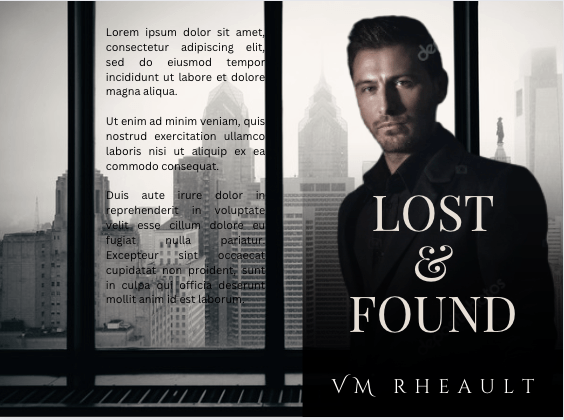
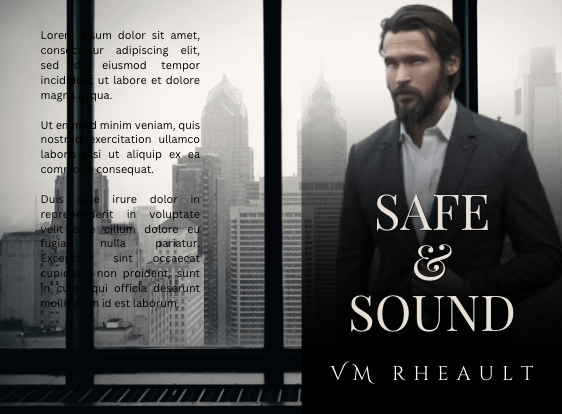
I always had the basic idea of a city background in mind. Billionaire book covers usually have a city behind them and sometimes the look of the male model positioned in front of a window, alluding to him being in his office. This was the look I was going for here:

I really, really like the background, and I still wish I could have made it work somehow. But the windowpanes are in a bad spot, and while Canva has tools that could get rid of them on the back cover, it just wasn’t working. I realized I wanted color.

I went the complete opposite way and came up with these. I’m not sure why I didn’t do the third, or maybe I did and deleted it, but at one point, I was almost sure I was going to go with these and even announced it on Twitter.

They aren’t bad. I remember looking through Google searches of Billionaire book covers and this was a style I borrowed off of a premade, I think. Floating around somewhere is a book that actually uses this background, but I’m not going to waste time trying to find it. Let’s just say she probably did a better job than I did. There’s nothing precisely wrong with these… I love the ombré look of the blurb… but they aren’t eye catching, either.

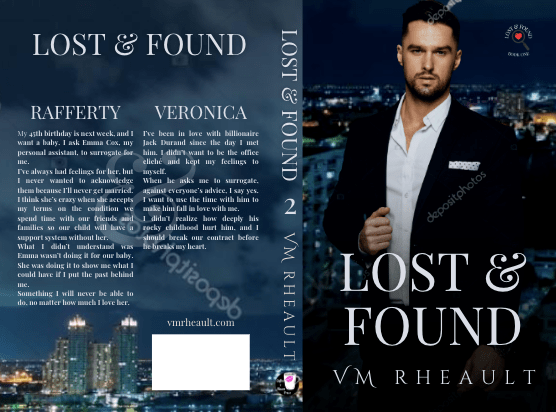
I went back to square one, and came up with different renditions of the the covers I published:

Part of the problem I had, and will always have, is looking for age-appropriate men. Two characters are in their middle forties, and one is in his middle thirties. I liked the dark background enough that I kept it, but I wasn’t sold on the models. Especially for Safe & Sound since he came from 123rf.com and I don’t have a package with them. Not that that would deter me if I found the perfect model, but as you can tell by now, I change my mind a lot, and there was no point throwing money at him if he wasn’t going to stick around.

In the end, I did stay with the background but swapped out the men at the last second. The only requirement was that they wore a navy suit, and my standards, no offense to the models I did use, should have been higher. Even if I’ve seen them on covers before, they were just not romance cover material.

By now I was at my wits’ ends, and I just didn’t care about anything but getting my books published, which was a bad move. I’m usually pretty patient when it comes to things like that, but It took me eight months or so to write and edit them. I’d been experimenting from the beginning because I knew how important the covers were going to be, but I blew it anyway.

So, since my Christmas novel was pretty much a wrap while the proof was with my proofer but I didn’t want to start working on my six book series until it was scheduled and the final files were uploaded, I decided to use the time to redo my trilogy. It was a long time in coming, but like A Heartache for Christmas things just kind of fell into place while I was scrolling. I’m waiting on the proofs now (I always order proofs whenever I change something significant with a book).

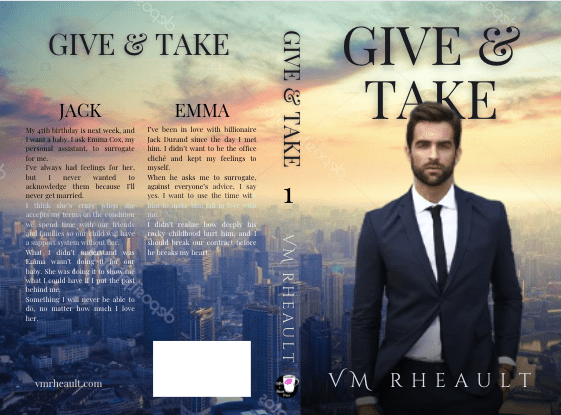
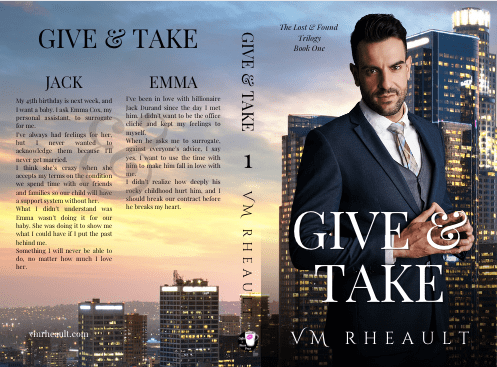
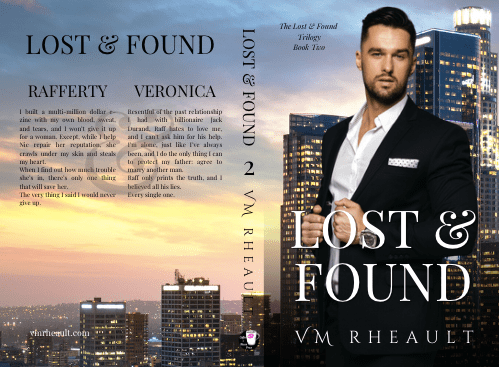
You can see I found a background image that depicts what I was trying to go for before. The sunset, but almost an arial view of the city. Like I commented in last week’s post, don’t be afraid to zoom in and move your photo around. This is the original:

Los Angeles downtown at sunset, California

I like the first guy a lot better than the smarmy man (my apologies to the model I chose for Jack) I published with, and the second guy is the same but in a different pose. He was fine, I didn’t have much to say about him. Maybe he’s a little plain with a guppy look thrown in, but hot businessmen are pretty picked over on DepositPhotos. The last guy I’ve seen around, but he’s a better fit than the model I used before and looks more like the character I think of. Plus his coloring blends in with the background which was lucky for me. I also like that they are all standing in a bit of an angle which makes them look cohesive.

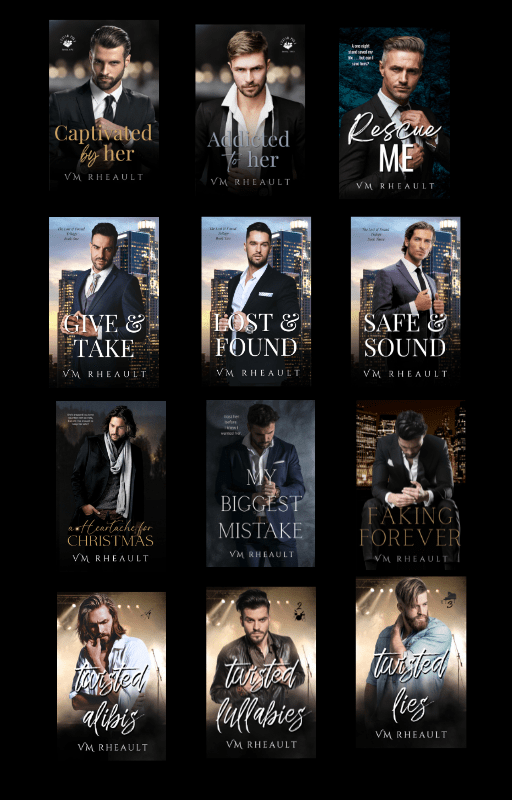
Changing out covers is a pain, and my track record so far hasn’t been the best–something I was trying to avoid when I started this pen name. I switched out the covers to my duet too, so out of eleven books if you include the Christmas one coming out soon, I’ve changed the covers to a little less than half. Surprisingly, I like the covers to my two standalones, and Rescue Me sells well. I don’t push Faking Forever because I don’t like the storyline all that much, but I’m thinking of putting it on sale for .99 and running an FB to it, just to see if I can sell some.

I’m relieved to have this done–I’ve lamented about the covers since practically I published, but I was so busy moving forward that I just didn’t want to take the time to redo them. I would scroll through photos when I was tired and didn’t feel like doing anything else, and I lucked out with the background. I had starred the model I used on the first book a while back so finding him was just a matter of going through my favorites on DepositPhotos and plopping him in front of the skyscrapers. Once I look over the proofs and okay them and change out the ebook covers and swap out the covers on IngramSpark, I’m not going to worry about those books anymore. It will be interesting to see if they sell better, and I’ll run some FB ads to the first one. I’ll definitely report back.

It would be nice if I could not have to redo covers at all, and I’ll try harder going forward. I love my rockstars, and those aren’t going anywhere. They sell well, and there’s nothing wrong with the models I chose. I’m also in love with A Heartache for Christmas, so that will be sticking around for a long time too.

Don’t feel bad if you have to or want to switch out covers to your books. Sometimes a refresh is needed to give older titles a boost, and since my trilogy was published in January, almost a year later a refresh could be just what they needed whether I liked the covers or not.

I’ll definitely be more careful with my six book series. I’m not going to do those covers over again, ever. I can’t think of a bigger pain. It’s bad enough I have to replace all the files for the trilogy, and the interior files too, since I name the photo contributor and photo ID on the copyright pages, but I refuse to do that for six books.

Hopefully, my mistakes can help you not to make any.

Do you have any before and after pictures of your book covers? Email them to me at vaniarheault(at)gmail(dot)com, and if I get enough, I’ll make a blog post out of them.

Thanks for listening to all the whining! Have a good week!

The evolution of a book cover

The creative process is messy, much like falling in love, and like relationships, sometimes you have to take two steps backward before you can take a step forward. Sometimes you rush, getting married or getting pregnant before you’re ready, publishing a book with a cover that’s only so-so, and while there are remedies for all three situations, they aren’t always pleasant.

I started thinking about my Christmas cover the second I started writing A Heartache for Christmas. I knew I was going to need time to go back and forth, and I didn’t want to make the same mistakes I did when I published my Lost & Found Trilogy. I don’t like the covers, settled on them because I didn’t know what else to do and I wanted to publish. I’ve spent the past ten months regretting the decision, and only God will know what waiting and publishing with proper covers could have done for my launch and sales.

Sometimes you can get a burst of creative juice at the zero hour, and that’s pretty much what happened to me: I created the perfect cover two days before I uploaded everything to KDP to order my proof, and that was after eight weeks of writing, several attempts at a cover, and too many hours of scrolling through men to count.

The problem was, and I see a lot of authors go through this too, is that there is so much that needs to go into your cover. You have to blend in while standing out, do what the top 100 in your genre are doing without looking like your pilfering a design, try to stay away from the guys who are hogging the covers and give some other hot dude a chance, all the while trying to stay true to your brand and the look you want to present on social media and to your readers. It doesn’t help if your design skills are lacking because that only limits what restrictions are already in place. So, when I first started thinking about my cover, I started with these ideas:

*I looked at other billionaire Christmas novels. A big concern was that this isn’t a holiday RomCom, and I didn’t want to give any readers a false impression, so an illustrated cover was out. Not to sound harsh, but there were quite a few billionaire Christmas covers out there and they just seemed cheap, like you know you’re sitting down for a B-list movie and you’re expecting the worst. My blending skills are nil, so finding a background with a model that takes little manipulation is a must. I didn’t want my man to look cut and pasted in front of a Christmas tree, nor did I want to settle for a Christmas lovers stock photo that had been used before. I scrolled a lot, not finding anything to draw inspiration from and concluded that whatever I make would be fine. There was no set billionaire holiday cover to use as a template.

*I thought a lot about my genre. The billionaire Christmas thing was only part of my book. There is also a mystery involved and a little violence (not between my H and h, though) and I definitely wanted that to come across in the cover. This wasn’t a lighthearted romp, even if it did take place over Christmas and New Year’s Day. This novel is very angsty, kind of dark (but not sex-dark, if you know what I mean) and it also takes place in a small town, which means I couldn’t use the reliable city background that I’m used to. It’s a lot to take into consideration, but I also know you can’t (and shouldn’t) cram every facet of your book onto the cover either. Choose the themes that stand out the most, and I decided on dark and the guy. That gave me a lot more room to play with but even then I still made plenty of mistakes before I came up with the right thing.

*Choosing the guy. You know from a previous blostpost that I don’t like using male models that have been on hundreds of covers before. I think in some ways it can pull your book down and make readers confused. There was an article I read somewhere, or maybe it was a discussion on FB years ago, where it was speculated whale readers don’t remember the author of the book, they only remember the book. If that’s true, the last thing you need as a romance author is for a reader to think she already read your book because the cover might resemble a different book she read. You might think this isn’t a concern and that I’m over thinking it, and maybe I am. But seeing the same five models on a fresh wave of new releases can’t do much for your book if your new release is grouped in with them. If you you missed that blogpost, you can read it here.

*Title. Choosing a title has always been a pain in my ass, or a$$ as we have to say on TikTok, much like naming my characters. I pull something out of the air and hope for the best. I wanted something with Christmas or Holiday in it, because I wrote this book specifically for a Christmas release. It takes place over Christmas in Minnesota–I don’t think you can get more holiday than that. I also didn’t want to use modified Christmas lyrics, though I did sort through some songs just to see what I could find. I asked Al for help, but nothing he came up with triggered anything. I finally settled on A Heartache for Christmas because while this book does have an HEA, there is nothing happy about this book until the end. A friend gave me a few suggestions, and I almost with with Heartache for the Holidays because I like the alliteration, or Holiday Heartache, if you wanted to shorten it up, but this isn’t a Harlequin Desire so I didn’t think I needed to be cute. I also didn’t want to cram my title full of keywords like a lot of indie romance authors are doing right now —A Grumpy Billionaire’s Christmas Gift–for example because that just seems like you’re trying too hard. That’s what the blurb is for anyway.

*Fonts suck. You can go through a million of them and nothing will work right. My go-tos when I have a hard time are Playfair Display, either in all caps (like my Lost & Found trilogy) or lowercase italicized (like my 3rd person holiday series). I also like Calgary if you need something simple yet classy (Faking Forever and my reader magnet My Biggest Mistake). I didn’t want to follow the trend of stuffing my title full of keywords, but I do like the script plus serif font duos that have been popping up. The fastest way to find a duo that goes together is to search duos on CreativeFabrica or do a Google search for font pairings. I ended up buying a font duo off CreativeFabrica for eight dollars. Canva also has some font duos, and I think I was looking in their newsletter emails because I captured some like this for future inspiration:

It helps to have the cover done so you can experiment, and finding my font duo was the last step I took, though I ended up changing the man and the background at the last minute. I kept the fonts because they still worked.

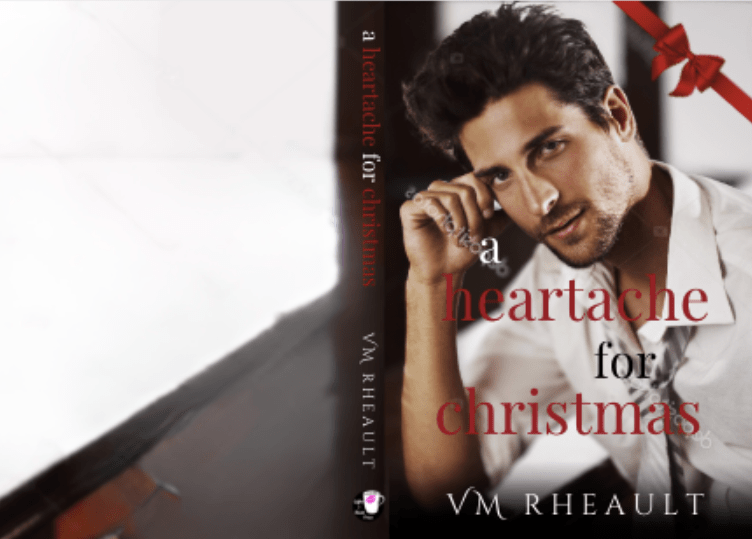
When I came up with my first cover, I decided on the guy because I had never seen him before:

This attempt didn’t stick around for very long. If you’re experimenting and come up with something you hate, that’s okay. It’s part of the creative process. You can see I went with my standby for the title font, but I struggled with how to make it look “Christmasy” — hence the bow — because that was a concern of mine at the time. The guy is younger than my MMC, and while I have never seen him on a cover before, he didn’t look right on mine, either. Canva has some great manipulation tools now. They aren’t 100% foolproof but I’ve used their magic erase with some success. This was the original picture of him:

After I decided against him, (though his drink looks really good) I thought maybe I needed to do more of the Christmas part of the story, and I looked through lots of Holiday stock photo backgrounds. Lots of trees and fireplaces, like this one:

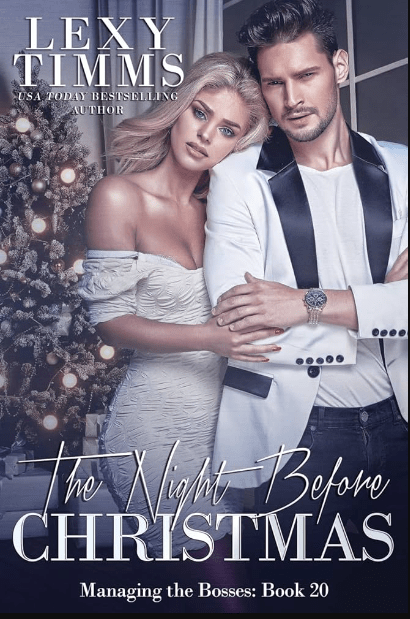
Lexi Timms used a similar background for hers, but I don’t have the skills to do something like it (and there’s that guy again):

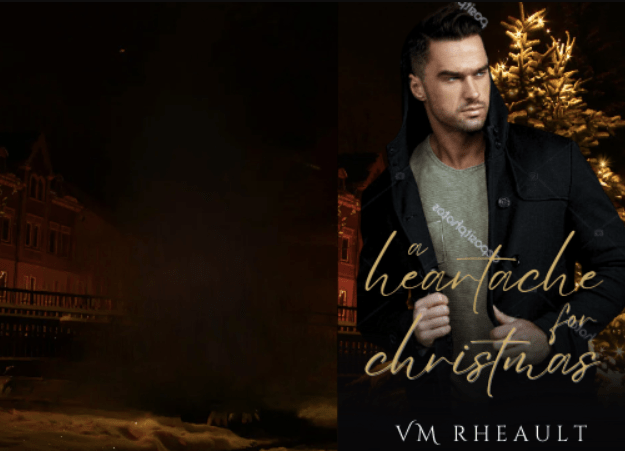
I mocked up a lot of half-hearted attempts at trying to figure out what worked and what didn’t, what I could do with Canva and what I couldn’t. I came up with this one, and I mentioned it in my blogpost I referenced above about book covers:

It was one of my better attempts, but I still wasn’t happy with the guy. I liked the background and I thought I lucked out because it depicted Christmas but in a dark way. If hadn’t had time to play, I might have stuck with him just because it fit my needs. I’m not even sure where I was with writing it, but I knew I had time and kept looking for a better guy.

Later I found this model and kept the background:

I actually workshopped him in the Indie Cover Facebook group, and but everyone agreed there was something missing. I still think so too and maybe if I was’t writing Billionaires, it would have worked for a simple Romantic Suspense that took place over the holidays, but I knew I needed more. They also said the font wasn’t the best, and the word placement needed work. I agreed and went back to the drawing board. (Don’t skim over this part. Feedback is important and could trigger an idea that makes all the difference.)

I decided I was trying to put too much emphasis on the mystery part of the novel and in my next attempt went in a completely different direction while keeping with the Christmas theme:

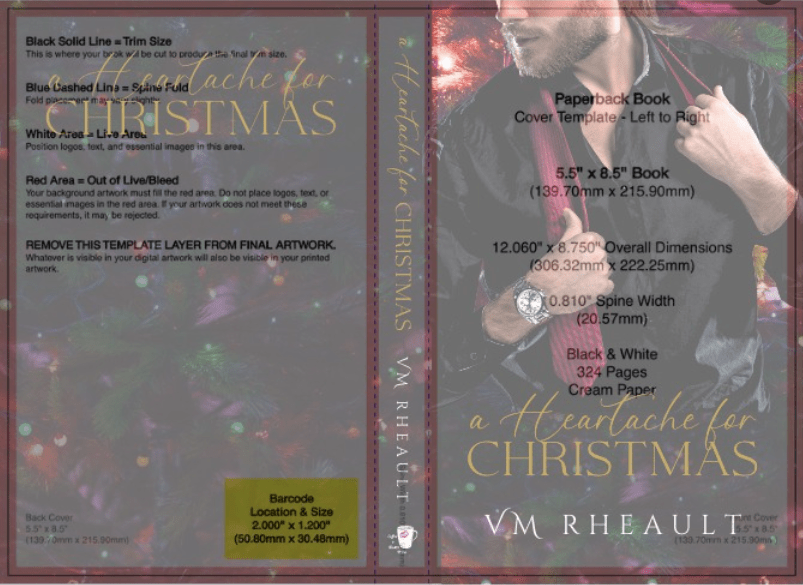
The title didn’t grab me but I did give other things a chance. I thought the guy and background was good. I like his hands and his watch, but I hated that his head was cut off, and when I put the KDP cover template on top of him I noticed that I was going to lose even more of his face:

That was when I thought I needed a new man (not the first time in my life, let’s be honest). I asked in the Book Cover Design 101 FB group I’m a part of and they offered some suggestions as to what I could do to keep the part of his face I had, but they were out of my skill set. Canva has a magic fill AI option but when I tried to build up his head using it, I got a caveman instead, and that idea went out the window. Here’s the stock photo I was trying to work with:

I almost still kept this cover though, because it was the best I had come up with by far and my time was running out. I had already finished and read through my book a couple of times by then and was almost settled on the final draft:

You can see I had almost everything in place besides the blurb I don’t write until I can’t do anything else without it. There is nothing wrong with this cover (depending on how much of his face I really would have lost, but I wouldn’t have found that out until I ordered a proof). It probably would have sold my book just fine. But there was still something pulling at me and telling me I could do better.

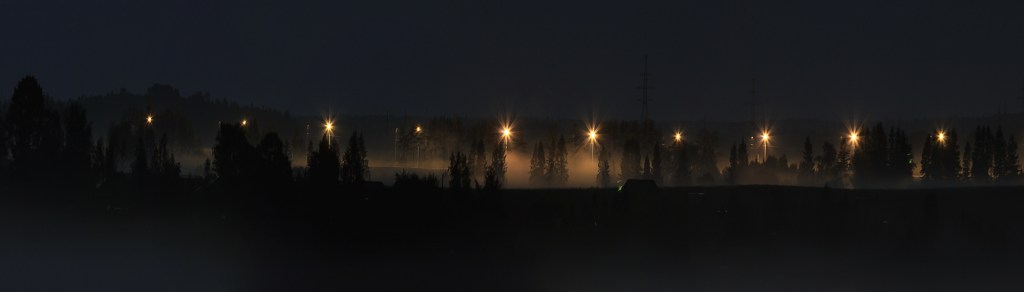
I started looking through backgrounds again on DepositPhotos. I looked up the trees, using search phrases like “dark trees” “dark Christmas” scrolling and scrolling. I found something almost by chance, (which is how most of my covers are made–by a chance find), and I favorited it right away so I wouldn’t lose it:

landscape wildlife Indian summer forest

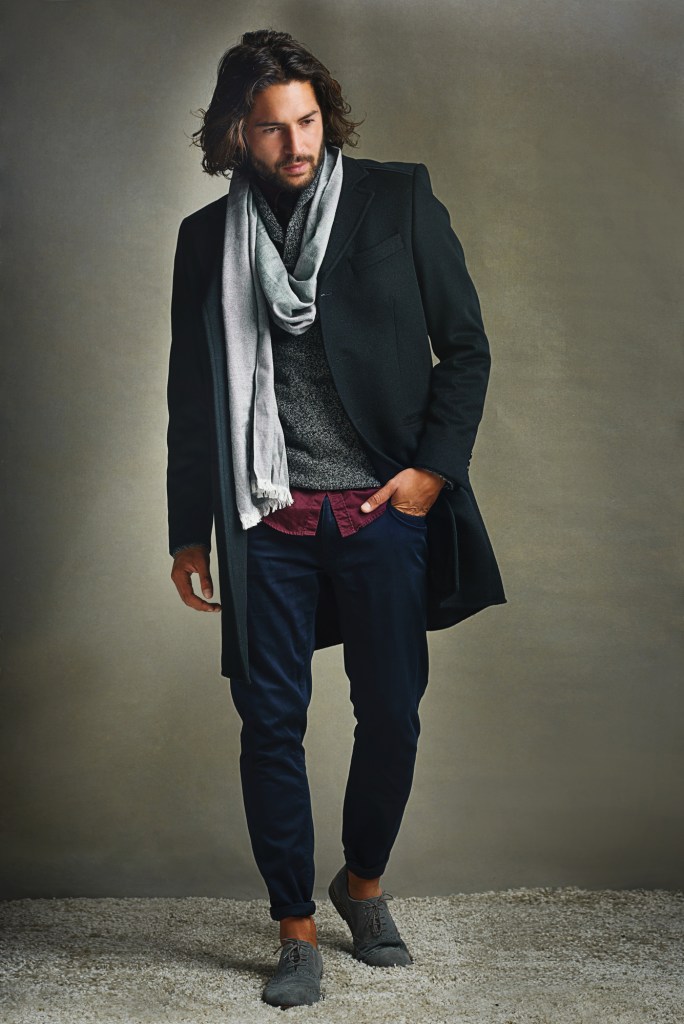
Then I started looking through all the stock photos of men I have starred over the past few weeks trying to build up a selection of models that haven’t really been used before but could still work on a cover meaning, handsome enough. I came across this guy, and after I plopped him in front of the background, everything fit together like the last handful of pieces of a jigsaw puzzle:

Shot of a stylishly dressed man posing against a gray background in the studio.

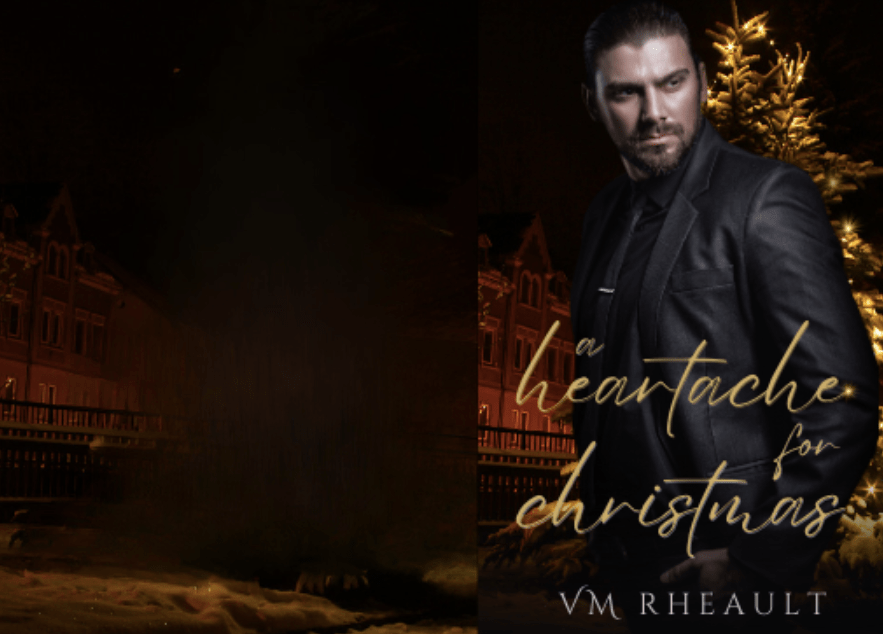
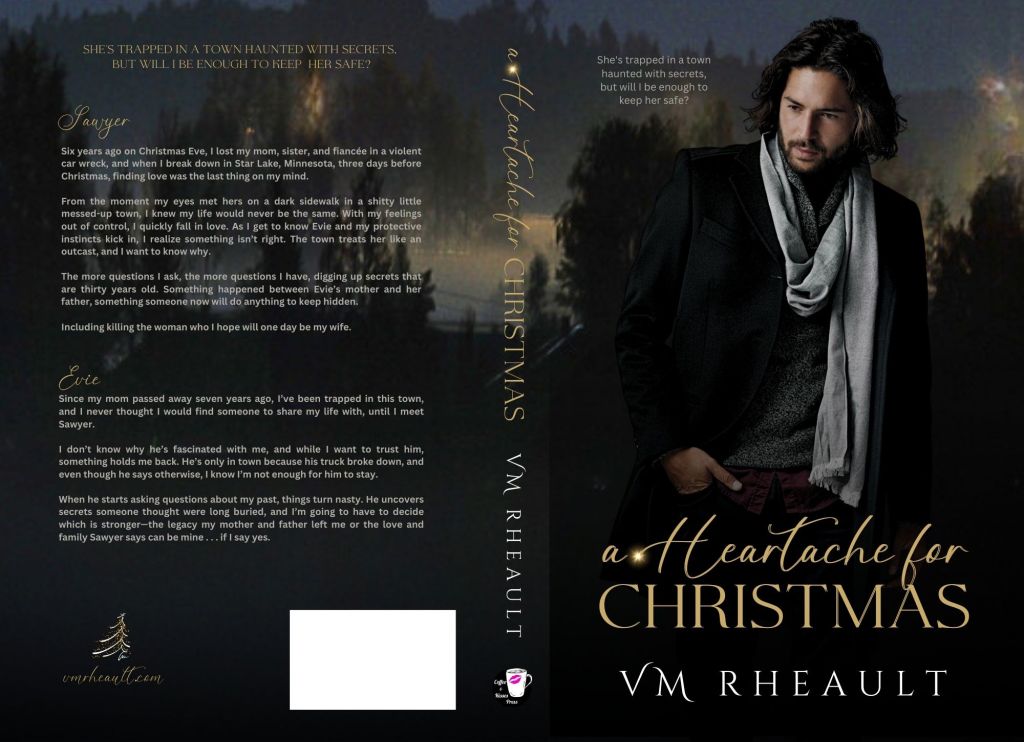
I zoomed in on the background, used Canva’s magic erase to blur out some of the lights, and with the font duo I had purchased, came up with a new cover two nights before I uploaded to KDP:

The Christmas tree vector in the corner on the back cover I used as my chapter headers:

I needed to have a little knowledge of GIMP because this is the stock photo:

An abstract of Christmas tree with sketch stroke and yellow stars as decoration.

I used color fill in GIMP to change the colors:

Then I placed it on the back cover.

I used the title’s script font for my author website and that was the last detail I added to the back.

Overall, I’m really pleased with how this cover came out. I haven’t seen the proof yet, but I’m hoping it’s just as pretty in real life as it is on screen.

If you want to ask me for tips, this is what I would advise you to keep in mind:

*Manipulate, Manipulate, Manipulate. (As much as you know how.) Don’t forget you can use the adjust feature in the “edit photo” tools. You can use the shadows and highlights, brightness and contrast, and black and white to adjust the colors of your photos. Zoom in and crop when you need to. Flip if you have to. Canva isn’t as flexible as Photoshop or the person who knows how to use it, but there is still a lot you can do with Canva’s tools–you just have to experiment.

*Look for similar colors between the background and your model. My cover works well because he blends in without me having to do anything to him. His black melds with the trees, and his scarf pops with the clouds/fog. Even his skin tone complements the orange lights. The colors of my text blend in–the blurb and the tagline aren’t white–they’re a light grey. Attention to detail matters.

*Don’t be afraid to try things. I went through a lot of men and a lot of backgrounds. Not everything will work, but sometimes you won’t know until you use a screenshot or download the composite photo and try. The least likely photo might be the one to make it on your cover.

*Have patience. I didn’t have patience when I created my trilogy’s covers and now I’m still paying. It takes a lot of patience to scroll through and bookmark photos you think you may want to use some day. I have over 700 photos bookmarked in my DepositPhotos account. One I “gave” to a friend because I knew it would fit her book. Put on a TV show and scroll. I have a lot of men that might one day make it onto a cover. You just never know.

*Create a steal file of inspiration. Lots of authors do this. See a cover you like, save it. You’re not necessarily going to copy it, but if you pick it apart, study the vibe, you could find elements that you could use in your own covers. That goes for fonts, too. If you like a font, save a screenshot of it. In the Book Cover Design 101 group, I bet you there will be at least one person who can identify it for you, or use a website like What the Font to get similar examples.

*Start as early as you can. All this is a process and it takes time. Like getting good at anything, you can’t expect to create the perfect cover the first time out. Also, get feedback. It hurts to be told something you made isn’t working or could be better, but you need to know that. The ultimate goal is to sell your books, not boost up your ego. (Let sales do that.)

I hope this was a helpful post. Let me know if you have any questions in the comments, and I will do my best to answer them for you!

Have a great week!
Spoilers, to give or not to give.

picture taken from Canva and made with Canva Pro

Whenever I’m on social media, there’s always someone who doesn’t want to talk about their book’s plot details. They say, “Sorry, I can’t talk about that….SPOILERS,” like it’s life or death and they have to keep such information to themselves. We’re not talking nuke codes here, but authors who are asked what their book is about act as if we were.

I have a completely different take when it comes to spoilers. I don’t care about revealing them, and here’s why. Even if you let a plot twist slip, a reader still has the entire book to read, if they want to read it. I think a lot of authors overestimate just how interesting their books are, and honestly, I don’t have that problem. Romance books are a dime a dozen, and the ending is already spoiled: the couple gets together at the end. I can’t think of a worse spoiler than that. So, I don’t mind talking about my books’ details, fights and makeups, breakups, and secret babies. Sometimes spoilers can even be a good thing, like when you’re querying. I saw an agent on Twitter say exactly that. She said, please don’t hide your spoilers in the query letter. I need to know what your book is about.

I mean, can you really spoil a 80,000 word book with a sentence or two? That seems very unlikely, especially if your book has depth, deep character arcs, and a plot that moves. Personally, I think you if you can spoil a book giving away a few details, your book is in trouble. You need more than one or two interesting things about it.

I started thinking about this last night when I was watching a free Teachable lesson about TikTok. He was saying how you need to find the hooks in your book, and a well-written book should have, I can’t remember now, fifty or so hooks that you can pull out to suck a reader in to buying it. Hooks aren’t exactly spoilers, but they’re close. Couples fighting or hurting each other, telling each other secrets. Emotional scenes that force a reader to get invested in quickly. Romance hooks on TikTok aren’t going to be all sexy scenes. My romances aren’t dark, and while I have spicy scenes, I only have three or four per 80,000 words. That’s not a lot when you think about it, and while I have used sex scenes on TikTok (and just got my first ban for violating community guidelines), I also search for scenes where there is high angst–that I may have to stick with because I don’t want my account suspended.

You almost have to use spoilers because how else are you going to captivate a reader in such a short amount of time? A reader isn’t going to want to buy your book if all you offer is bland excerpts because you’re afraid of giving away the good stuff.

I don’t have a problem with giving my work away. I give out a free full-length novel for newsletter signups, buy a Freebooksy regularly, and participated in Zoe York’s free promo last month. I think there is value in giving away content, and if the free content is good, it will entice readers and customers to buy more content, which hopefully is as good as or better than what you’ve been giving away. I’ve actually had fights with people who have said giving away content is useless (the one woman who blocked me on Twitter for it later turned around and gave away ARCs, so I guess she found value in giving away books after all), but there is a lot of evidence to the contrary, especially if you’re giving away a first in a series and that book is so good it propels readers to buy the others.

Now that my publishing has slowed down for the rest of the year (I formatted my Christmas novel and ordered the proof) I’m going to go through my rockstar proofs and bookmark hooks that I can use in videos and in social media. It’s interesting that I can post the same content on IG, FB, and TT, and the only place I have to worry about saying the word ASS is on TT. It’s kind of ridiculous, especially since you see accounts that have all sorts of raunchy things in them that aren’t being hit with a violation. But I will tone it down because surprisingly, I’ve been having fun on there, and looking for hooks and short scenes for the videos helps me find ad copy for FB ads and FB and IG posts. Like book covers, you need an eye to find excerpts that will resonate with readers, and something that you might think is intriguing is actually kinda boring. Remember that you have your whole book memorized and understand the context, a new-to-you reader won’t, and you can’t confuse anyone. Like your blurb on your Amazon’s buy-page, if it’s confusing, that won’t convert a browser to a buyer.

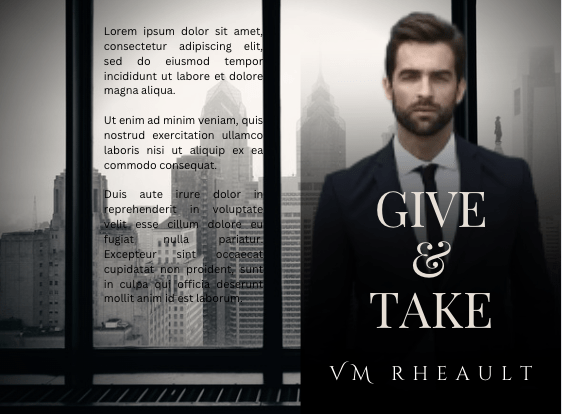
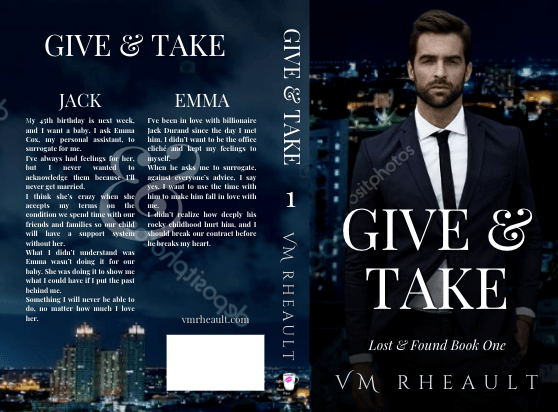
I’ve seen authors complain that sometimes a book review will reveal spoilers, and I have seen them with my books–one reviewer pointing out that there is no baby in Give & Take, a baby-for-the-billionaire trope. I wasn’t mad about it, in fact, it will encourage readers who want an actual baby (and not just the baby-making fun) in their books to steer clear. And it’s really important not to respond to reviews–reviews are for readers and you won’t gain any points with either reviewers or other readers if you comment or challenge. I never say anything–it was my choice not to make Emma pregnant in the story, and I’ll suffer whatever consequences come from that. But honestly, I don’t mind spoilers in any capacity–there’s a lot that goes into my books, and a spoiler isn’t going to ruin the experience for anyone if the rest of your book is as good as the plot twist that’s been “spoiled.”

Authors can be so precious about their books, but I see them as a product after they’re released and customers can say whatever they want about something they spent money on. Also, you need to put aside your feelings when it comes to reveals and spoilers because the one thing you’re hiding may be the very thing that draws in new readers.

Now, I’m going to go look for more spoilers, I mean, hooks, for TikTok videos that hopefully will not get me banned. It’s just another thing that made me crabby–this publishing can’t be easy, can it?

To read more about spoilers, look here:
Spoilers actually enhance your enjoyment

The case for spoilers: Why some people are happier knowing how the story ends

BOOKISH MUSINGS: DO SPOILERS ACTUALLY RUIN BOOKS?

Until next time!

Advertising versus Marketing: an Indie’s interpretation

Words: 2725
Time to read: 14 minutes
(FML, I’m sorry!)

When I go through and read threads and posts about marketing, I’m surprised sometimes by the misunderstanding. I shouldn’t be because I had the same misunderstandings long ago. I don’t think authors really grasp the concept of what a long game writing and publishing is. We’re still hopeful that we’ll be an overnight success and that marketing will be taken care of for us by a viral TikTok or a random influencer who happens to love our book. The problem with that though, is that even if something like that were to happen, a lot of us don’t have our ducks in a row to keep that tail going.

During my first five or six years of publishing, I didn’t get what marketing was because I was thinking of each book singly as I published it. I also didn’t understand the magnitude of putting my work out there for strangers to enjoy (or not)…the responsibility I had as an author who is asking for readers to pay for a product. I was caught in an indie Twitter bubble, and honestly, it took me many many years to get out of it, or to realize I was in it, to be honest. Looking back at the first three books I published that I had no right to publish at all, and then the first trilogy I published that is still not good but better than what I had published before, I’m a little embarrassed I was so clueless. Sometimes you can’t learn unless you do it and fuck it up while you’re at it, but when you’re selling something, you’re also playing with people’s money.

When we talk about advertising vs. marketing, we’re going to assume your book is as good as it can be inside. If you’re getting any type of poor review that indicates the editing isn’t there, your character arcs aren’t fully formed, or there’s just an overall discontent with your book, you may need to revisit and revise. No amount of advertising or marketing is going to sell your subpar book and you can’t build an author brand on a shaky foundation. That’s what took me six years to learn, and maybe you need six years too, but six years is a long time to waste if you just believe what I say instead.

So this is what I’ve parsed out in my years publishing, especially the past three when I started writing for my pen name:

Advertising: Deciding what book you want to write next! Yay!
Marketing: Choosing a standalone or a series and which genre, knowing if you’re going to meet reader expectations, if you’re going to write to market, how long the book(s) are going to be, and if you’re going to write a series, if you’re going to write them all at once and rapid release them or if you’re going to publish as you go and how long that’s going to take.
Publishing, as we say, is a very long game, and you have to be honest with yourself. If you’re planning a five book series but you work full-time and have children, how long is that five books going to take you to write? Five years? If you do that and want to publish as you go, how are you going to keep your audience interested so they don’t forget about you while you’re writing the next one? I’ve spoken a lot about series on this blog, and I’m not going to rehash my pros and cons here, but advertising one book because it’s done and published is a lot different than creating a marketing and publishing plan for an entire series–especially if it’s long and won’t be completed for several years.

Advertising: You’re creating a cover for your book that you’ll use in ads like Amazon Ads and Bookbub CPC ads and social media graphics.
Marketing: You’re creating a cover for your book that will fit in with the image you want to project as an author, build your brand, and be recognizable to readers the instant they see a cover that belongs to one of your books. Not to mention convey the genre your book is written in (because you chose a genre, right?).
I think this is one of the hardest lessons I learned. I was pretty adamant that I was going to make my own covers when I first started writing and publishing, teaching myself with the help from a book that is now 100% obsolete how to make a PDF in Word. Because of that, you can thank me for the Canva how-to blog posts I have here on the website, which gets hits every day. I never would have been able to do that for others if I hadn’t learned it for myself first. That’s not to say it was the smartest thing I ever did, considering I made a lot of mistakes I still see indies make today–using a free photo from Pixabay, et al, not having any idea of a consistency stretching across other books in their catalogue, and having zero idea that the cover should actually match the spice-level my book was written in (people will tell you to browse the top 100 in your genre for a reason). I guess because my book had no specific genre, that made it kind of difficult to do any research had I even known to do it. (Romantic Speculative fiction, anyone? Blah.) One of my favorite examples of what I mean is Melanie Harlow. She has the cutest font for her name, her covers all have the same vibe, and with the sweeping font she uses for a lot of her titles, I know right away if it’s a Melanie Harlow book. I love everything she does and she knows her brand like nobody’s business. If you want to see what I mean, look at her website: https://www.melanieharlow.com/
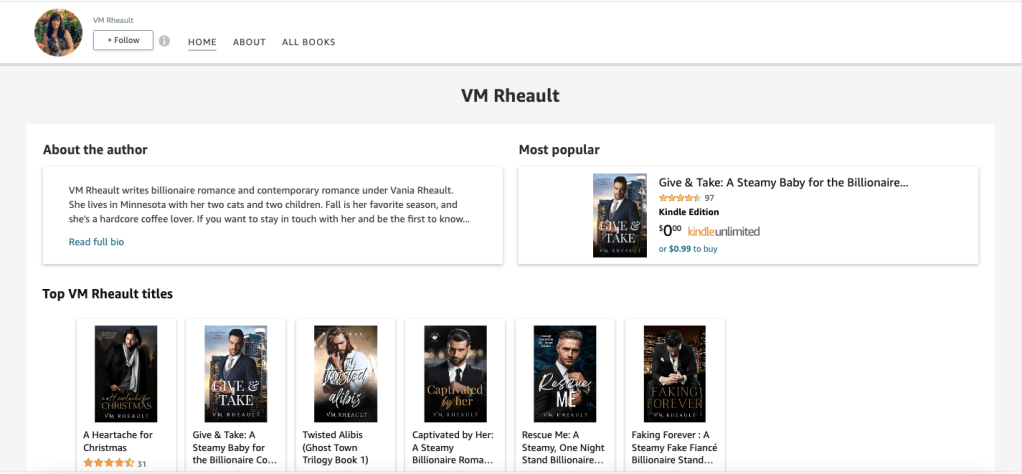
If you work with the same designer (or do them for yourself) you’ll eventually end up with a cohesive vibe. We all have our own styles, and that will show. Choose a nice font for your name that you won’t get tired of. Decide if you’re going to do single men, couples, lighthouses, streets, what have you, depending on your genre. You want your Amazon author page to look TOGETHER. I’ve seen some author pages that look like I’m digging through a giveaway book box at a rummage sale, and that’s not a way to grab a reader . . . or their loyalty.

Advertising: You’re buying a promo spot like Freebooksy, Bargainbooksy, E-Reader News Today, Fussy Librarian, or something similar for one of your books to see if you can generate some buzz.
Marketing: You’re mapping out your promos for the next 12 months based on what you have coming down your publishing pipeline.
I heard a big-time author say you should be doing something every quarter–that’s four times a year. (It comes in handy if you’re in Kindle Select because they give you 5 free days per title, you guessed it, four times a year.) If you don’t have the backlist (or the front list) to continually run sales, you have to sit down and decide how fast you can write and what the next three to five years are going to hold for you. You don’t have much to market or advertise if you’re not writing and publishing, and what you’re writing and publishing will be important. You can do a sale or do a free promo, but unless you’re in KU where you might get some page reads during your promo, it doesn’t make a whole lot of sense to give away a standalone novel, especially if it’s your only book. If all you have are standalone novels, make sure your back matter is pointing your reader to the next standalone (if you like this book, check out this book) and/or to your newsletter.
You may be thinking you can’t afford to do something like that four times a year, and I understand that completely. In time you’ll start to earn out your fee or get ahead, and if you never do, then the conversation turns back to quality (book covers and blurbs) and craft (how well are the insides written).
So, grab a wall calendar and map out the next 12 months. I can mark up my new releases from now until the beginning of 2025. Can you?

Advertising: You decide to write XX genre for your next release, but you’ve written and published XX genre under the same name so your backlist is going to look a bit wonky. That’s okay though because you’re going to focus all your social media efforts and advertising promo dollars on your new release.
Marketing: You’ve decided on Small Town Romance, that is where you will stay, and that is what you want to be known for.
Everyone tells you not to genre-hop, and a lot of indies don’t listen, saying that it boxes them in or stifles their creativity. I get it. I went from Billionaires to Rockstars because I wanted to write my Rockstar trilogy and that’s what I did. I had an amazing idea for a trilogy and I wasn’t going to not write it–that would be dumb, right? I mean, rockstars are rich too, and as I’ve pointed out in the past, my books are still more contemporary romance than true Billionaire romances. Just because I make them rich doesn’t exactly mean they’re going to meet reader expectations, but so far I haven’t gotten any feedback to indicate readers are unhappy. Romance is neat in that you can choose a genre like small town romance, but the sky’s the limit when it comes to tropes. Most romances are written with a trope for a foundation, and it doesn’t matter which genre or subgenre you choose. So far, I haven’t found that writing Billionaire is stifling–there are many many tropes and you can twist them your own way to keep them fresh. Here’s a blog post I did on consistency: https://vaniamargene.com/2021/12/20/buzzword-consistency/

Advertising: I’m going to post on Social Media every chance I get. All my followers are other writers, but that’s okay–authors are readers too.
Marketing: Starting a reader group or author page on FB and joining reader groups for the genre you write in. Using author groups for publishing information and networking to find beta readers, editors, and making friends for newsletter swaps.
Bursting out of the writing community bubble was hard, but I think I’m finally doing it. It helps that Twitter imploded and I don’t waste time there anymore and besides all the authors whom I follow and who follow me back on IG where I rarely post, all my social media (besides this blog) now is for readers. I’m slowly building up a readership on my FB author page, VM Rheault, and my V’s Vixens Read Romance FB page, mostly because I run ads from it and I post so it doesn’t look empty. When I started my TikTok account, the smartest thing I did was not label myself as an author. I didn’t think it was necessary as I’m not posting non-fiction (like writing updates) there, and I’m keeping my author following to a minimum, too. I understand that social media is free and falling into the writing community is easy, especially on Twitter and Instagram, but there really is no cheap way to find readers that’s effective. Surprisingly, I’ve had better cost per click using Facebook ads, and when I paused my Amazon ads during Zoe York’s Stuff Your eReader day, I didn’t turn them back on. My sales haven’t suffered, so I’ll wait and see. I have two ads running on FB right now, one for Twisted Alibis and one for Rescue Me. I don’t want to say free social media is useless–established authors still have great success and engagement with reader groups, but filling your social media following with other writers or family and friends won’t get you the sales you’ll want long-term.

Advertising: You start a newsletter but don’t offer anything as an incentive to sign up and don’t push the link anywhere but on social media where the same people hang out.
Marketing: You start a newsletter and have a reader magnet that is a great sample of the kinds of things you’ll be writing or reflect what’s in your backlist. You add the sign up link to the back matter of all your books, you add the link wherever you can–Amazon Author Page bio, your BookBub Author Page bio, FB reader groups (if it’s allowed) and anywhere else you can get signups like BookFunnel or StoryOrigin promotions. You also push the link and your reader magnet with FB ads and promos like Fussy Librarian and Bookdoggy.
Probably the number one reason I hear for not starting a newsletter is that authors don’t like them so therefore don’t want to offer them, and the second is that they don’t know what to write. Like publishing, building a newsletter list a long game, but the longer you wait, the harder it is and the more urgent it will feel. I should have started one a long time ago, but I can genuinely say the first six years I’ve been doing this was all just one big learning curve. Maybe you aren’t ready for the information in this blogpost–and that’s okay. We do have to write the books of our hearts and in our own time, learn for ourselves that shilling books on Twitter will only go so far, and realize that if you try, you can actually make some money at this publishing thing.

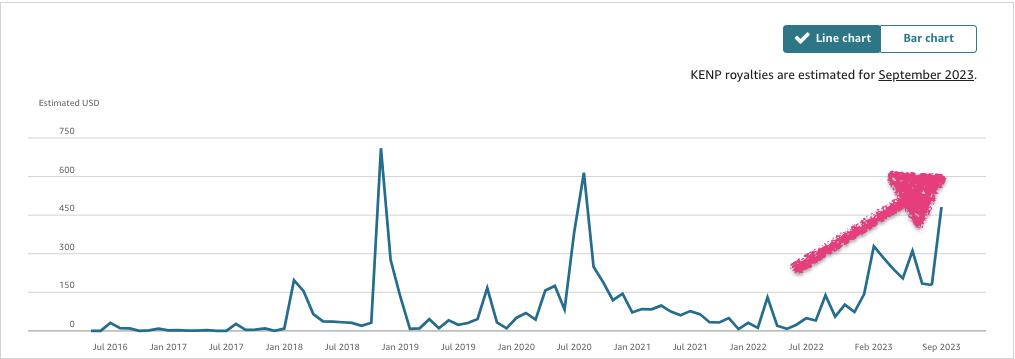
If you don’t think I know what I’m talking about, I pulled up the graph from my lifetime of publishing. As you can see, I had some spikes, anomalies, but the slight upward trajectory since June of 2022 when I first released Captivated by Her and Addicted to Her means more to me than the unexplained sale spikes. Consistency will win the race, and one day my sales will make me a small, if not steady, profit.

I could be sad that it took me so long to figure things out, but I met some great people along the way and learned a lot. I wasn’t prepared for success to come any earlier, but if I wrote something and a TikTok influence loved it now, I would know what to do with the attention and that’s really important. I’m still small potatoes, and I know that, especially since I’ve joined some TikTok for Author groups on FB, and holy hell, can those billionaire/mafia/dark romance authors rake it in. But after all the books I’ve written, I think I found where my heart truly lies–with rich guys written in angsty first person. Finding my niche may have been the biggest accomplishment from the past six years. Now I can write happily in a genre while building my audience.

You can look at advertising as something you do in the present, something that builds buzz short term, but marketing is something you do over months and years, pushing yourself as an author, what your brand is, as well as your books and what they’re about. But, you do need content, and that’s what trips people up, I think. You need be writing, need to have something for people to read, be it books or newsletter content. Time can be a huge factor and that’s why I suggested buying a wall calendar and mapping out what you think you can do for the next year or two.

It’s tiring, believe me, I know. If I didn’t love writing so much, I would have quit long ago, but I do love it, already thinking of what I’m going to write next, even if that won’t be published until the spring of 2025. God knows if I’ll even be alive then with the way I feel some days, but I never want people to think I’m floating on this cloud tapping away at my keyboard, when you probably would never believe the number of down days I have. My sexy men keep me going, and I hope your characters, when you’re down, keep you going too.

Have a good week!

The Secret to Leveling Up?

Words: 1291
Time to read: 7 minutes

Like any author publishing today, be it indie or trad, I’m always looking for ways to level up. Take your career to the next level. We hear a lot of advice, some I’ve repeated here: learn an ad platform, network with authors in your genre for promo opportunities and newsletter swaps, write and publish a lot, that kind of thing. It can be frustrating when you think you’re doing everything right, and the success you’re hoping for is still out of reach.

I can personally attest to how frustrating that is, to the point where I think that maybe this whole writing career thing isn’t meant to be, and it will always be considered a hobby by the people in my life and the IRS.

I read some advice about leveling and it was enlightening as well as confusing. She said, and this is an author who makes six to seven figures a year, to focus on writing the next best book you can.

It made me a bit crabby (no offense to the advice-giver because I love her and she does a lot for the indie community), because when you’re writing a book you intend to publish, you’re always thinking it’s going to be your best book ever. Back when I wrote All of Nothing, I thought it was an 85k word masterpiece. (Little did I know it would take several edits after initial publication for me to be happy with it, and one that I actually did not long ago.)

This is akin to the question, how do you know what you don’t know? But, if your books aren’t selling, and you’ve tried ads and newsletter swaps and you’ve bought a Freebooksy promo that didn’t move books, there is unfortunately, room for improvement.

Craft is difficult to tackle mostly because it takes so long to make any kind of positive progress–depending on how you already write, it could take months or even years and hundreds of thousands of words. You have to write a lot to get better at it, and not only do you have to write a lot, you need constant feedback on that writing so you know what’s working and what’s not. How do you level up your craft?

*Join a critique group or work with an alpha reader who reads as you write.

*Get lets of beta reader feedback. And find people who are honest. If your characters are flat, you want, and need, to know about it.

*Read the kinds of books you want to write. One of the very first “complicated” series I read when I was thinking of writing my own books was a romantic suspense series by Lisa Marie Rice. She’s since expanded on those books, but the four I read have stuck with me for years. In fact, I want to read them again just to see if they are as good as I remember.

https://www.amazon.com/dp/B087CN1LNB?

*Just swallow it and admit series sell and read-through is what will make you money. I love writing standalones, I do. The Christmas novel I just finished is a standalone and I fixed it so I couldn’t write any sequels from it. But the fact is, series sell because readers love reading them. But, from a writer’s standpoint, they’re difficult and stressful. They take planning, something a lot of pantsers aren’t willing to do too much of, but you need to have some details fit together from every book. If you’re a new writer, that’s hard to do. There’s a lot of details to remember, breadcrumbs to drop. You can start “small” and write a duet, then as you get more experienced, add books.

Writing a book, and a good one, is a group effort until you can get the hang of it. But what if you already think you have? When I read that advice, it didn’t know what to think. I feel like my writing is pretty good, I get positive feedback from reviews, readers reach out to me to say how much they enjoy my books. I have the skills, ability, (talent?) to write a long series–my six books I have coming out next year–and the beta feedback I’ve already received–is proof of that. So, I mean, what can you do if you think your work is already there?

If I had an answer, I’d probably be a six-figure author myself. You can study the market and see if what you’re writing is not hitting the target. Romantic suspense, psychological and domestic thrillers, and several other genres and subgenres will always be popular, but if you’re writing something mainstream and still not selling, maybe you aren’t including enough to meet reader expectations. Maybe your mystery plot isn’t twisty enough, or your characters are flat–meaning their backstories are bland and you haven’t given them enough to fight through.

Be that as it may, you can write the most perfect book in the world, and no one will be able to read it if no one knows it exists. There is the idea of word of mouth, and that does work if your book blows people away. It’s not like you can ask every reader who reads your book to spread it around like an STD, they have to want to do it, be passionate enough about your book to do it. If a booktoker doesn’t get a hold of it though, you’ll have to run ads or buy a newsletter promo spot. Those don’t work unless your cover is good, so part of leveling up may be refreshing book covers or doing better than you have in the past.

It helps to have a hook too, something I didn’t have with my first billionaire trilogy. I have decided for their book birthdays in January that I’m going to redo their covers and come up with better hooks for ad copy. Obviously, doing what I should have done a year after the fact was part of that commenter’s point. You lose a lot of time and opportunity if you don’t do what you should have done at the start. Still though, you can get some marketing juice from a relaunch–especially if you actually make improvements and the changes you make aren’t lateral moves. Maybe that means hiring someone like GetCovers to redo them, or learning new techniques on your own. Maybe that means letting go of what you want and putting a cover on your book that will sell.

As for me, we’ll see what my series does next year. I’m rethinking the covers since I made them last year and my tastes have changed. I also need to read through them one more time and make sure the writing is there. My beta/proofer found a few things, too, so I’m glad I sat on these books and waited to publish. Before I do that, though, I need to get my Christmas novel ready to go, finalize the cover (I changed the man again) write the blurb, listen to my manuscript, and get the paperback proof to my beta/proofer. Then the new covers for the trilogy, and then my series. I’m already thinking of what I’m going to write next while those release, six books at two months apart will give me all of 2024 to write something else.

Anyway, leveling up can take different forms, but there is always room for improvement. If people have read you and are willing to give you feedback, take their advice to heart. It’s okay to listen and realize that what you thought was good isn’t. It’s what you do with that and were you go from there that will help you really level up.

Have a good week, everyone!

Romance Covers: Finding the right stock photo

Words: 1507
Time to read: 8 minutes

You know when you buy a new (or new to you) car? You’ve never seen it on the road before, but once you drive yours off the lot, it’s everywhere? That actually has a name and it’s called the Baader-Meinhof Phenomenon. That happened to me when I bought my Ford Escape a few years ago. I never noticed one in my life, but after I bought mine, they were everywhere. Not just the make and model, either, but the color.

the Baader-Meinhof Phenomenon
Or you're thinking about buying a particular car, and you begin noticing the same make and model seemingly everywhere. Second take: Seeing the same car everywhere is one example of the Baader-Meinhof Phenomenon at work. It is known as the Frequency Illusion or Bias and, more informally, the Baader-Meinhof Phenomenon.

photo of an arial view of yellow cars that all look the same.
Screenshot taken from the first results page of a Google search

I think that can happen when we look for stock photos when we create covers for our books. You’re searching for the perfect man (haha, aren’t we all) who will accurately depict what your character looks like. He’s got the vibe, the dangerous glint in his eyes, and you think, Yes! He’s the one! And like what happens in real life, maybe he’s not the one after all.

A lot of romance authors and cover designers use DepositPhotos for stock images for our covers. Not only because I’ve heard Amazon will accept their copyright contract if KDP asks you for proof you own the licensing to use the photo without argument, but because with deals like AppSumo around Black Friday and one or two other times during the year, you can get a package of 100 photos for $39.00. It’s a cost-effective way to buy images safe to use.

But it also limits the selection, and as more and more authors publish books, we’re going to see the same models on romance covers. I, of course, haven’t been immune to the selection (as you will see below). And I can’t even call it a meagre selection because DepositPhotos offers hundreds of thousands of photos.

But what I do wonder is if using a stock photo that’s been used a hundred times before confuses readers, lowers discoverability, and maybe, in terms of Amazon since they only use your cover photo for their ads, suppresses the ad lowering impressions and clicks.

Covers found in a Google search, graphic made in Canva

I’m not posting these book covers to shame the authors–in fact, I have used the same stock photos many do, so I’m in the same situation. The male model I used for Rescue Me is everywhere, and I honestly didn’t even know he was everywhere until after I published.

Images found on Google and Amazon, made with Canva

It’s even to the point where similar backgrounds are being used by some authors. I saw this one by Nicole Snow first, and now different variations are used by other authors. Maybe not all the time, but we know as trends heat up, indie publishing is quick enough to follow them before they fizzle.

Images found on Google and Amazon, made with Canva

You can find your own by doing a search for business city window backgrounds.

When I did my covers for my Lost & Found Trilogy, one of the reasons I took so long was because didn’t, DID NOT want to use the same models other authors and book cover designers have. I wanted to be original but still fit in–the secret sauce for selling books. Of course, that didn’t work so well. I scrolled through pages and pages and pages of men. It didn’t help I write a bit older, and the good-looking models are in their 20s and 30s. I got so frustrated I finally just closed my eyes, said whatever, and poked at my screen with the DepositPhotos website up. That’s not exactly what I did, but it felt like it. I’m still not happy with the covers, but I’m getting reads and sales. The models have been on other books, but they aren’t the best. The first guy is too smarmy, the second is fine, and the third has an odd look about him that I ignored.

I chose a darker background because everyone at the time was going light (like the city window backgrounds above) and I wanted something different. Does it work? Probably not. I tried really hard though to get the covers, the titles, the trilogy name, and the backgrounds as tight as I could so marketing them would be easy. There is no mistake they are a trilogy, but I still think that I could do better with the models if I had time and wherewithal to hunt. Time is relative, and I do have it, at the cost of something else. Like this blog post, or my Christmas novel. It it worth it to go back? That’s where the energy part comes in, and I don’t know. Maybe if I had a different place to source photos it wouldn’t be so difficult.

My rockstar trilogy was easier, but the models have still been used before.

I am really really happy with these though, so the few covers I have seen with the same models don’t bother me.

When it comes to covers and models that have been used relentlessly, I don’t know if staying away from them is helpful. There’s not a lot written on the subject, and from what I can see in groups, not a lot of reader feedback, either. There was talk a couple of years ago that some authors were choosing to do the illustrated covers for something different, but that had consequences. The cutsie covers don’t depict the right level of spice in some of the steamier books and either readers don’t pick up those books because they want sexytimes, or they picked up those books because they didn’t and got a nasty surprise with the open-door sex scenes.

It’s difficult too, finding sexy guys who are dressed because Amazon ads won’t let you advertise manchest covers. That was hard because when I was doing my rockstar romances, I found several shirtless models who would have looked great. Unfortunately, I need ads to sell my books and using a model that would get me suspended wouldn’t work.

I’m not sure what the solution is, but I plan to try to stay away from the men who come up first when you search for “handsome man in a suit.” Which really is funny, because when I search for it, the first guy that comes up is the one I chose when I redid my covers for my duet.

the same male model wearing a tux on different book covers written by different authors
covers found in a Google search, mine, and the DP search results
https://depositphotos.com/stock-photos/handsome-man-in-suit.html?filter=all

You can try your best to give them a different background or flip them so they appear different, but that’s not always going to work.

When I was looking for my man for the Christmas novel I’m going to publish in November, I was really excited to find a guy I had never seen on a cover before. My novel is kind of a romantic suspense that takes place over the Christmas holiday, and I needed someone who looks dangerous but protective. I starred him so I wouldn’t lose him and downloaded the composite the second I scrolled into him:

But, you know, nothing can be easy, and while I was scrolling Instagram, I came across this book cover on an account that posts new releases. If you’re on Instagram, you should follow them. I love looking at their new book release compilations. https://www.instagram.com/sebrero_sisters/

Anyway, so this is my working book cover, and this is the cover I saw on IG:

I like the guy and finding him on a different cover won’t deter me for keeping him. He looks different enough that I had doubts it was even him, but the tiny spot under his lower lip without any whiskers gives him away. This is the only cover I’ve seen him on so far, but now that I spotted him, that will probably change.

I like studying covers and looking out for the trends. Illustrated covers seem here to stay–I could barely find any real models on romance Christmas books when I was doing research for my own. I’m not interested in those and wouldn’t fit the story I’m writing anyway. Since I’ve done my own covers since I started publishing and probably will never stop, researching and taking note of the models and font choices is fun homework.

Are there repercussions for using the same models over and over again? I don’t know. I have noticed that there are levels of professionalism that doesn’t always coincide with sales. Some of the drabbest covers I’ve seen on Amazon have reviews in the thousands, so I wouldn’t always discount a middle-class cover. It gives me hope as I’ve often wondered if my books would sell better if my covers were more professional, but at this point, I really don’t know. That would have to be an experiment that I’m not quite ready to run. At any rate, tell me what you think! If you read romance does a recognizable model turn you off or doesn’t it matter?
Until next time!
All photos screenshot from DepositPhotos.com. Compilation made with Canva