Author Update and Writing What You Love

Words: 1700
Time to read: 9 minutes

wooden background colorful cut out bunnies hanging from a ribbon by clothespins

text says. author update and writing what you love

If you celebrated Easter, I hope you had a lovely holiday. We’re celebrating today, in fact, because I work on Sundays and there’s no reason to use PTO to take the day off. We’ll dye eggs and I’ll cook a chicken casserole. A coworker gave me the recipe she found on TikTok. It sounded yummy and easy and I’m all about easy. I’ll let you know how it turns out.

I finished editing the last book of my series. I had to revise parts of the last two chapters and I wrote a 1900 word Epilogue that I think ends things beautifully, if I do say so for myself. Of course, I couldn’t just let that be it, and I went back to the beginning and I’m rereading the first book. I think it was around book 4 where I noticed I had a “with” problem, and that’s why I went back. I won’t need to read the series in it’s entirety again (I’ll save that for the paperback proofs and look for typos only), but I think I’ll do the first three, since book one is proving that to be a sound choice. It’s not taking as long as when I started them before, and that’s good. I’m very aware that I could be over-editing them as well, so I’m taking it easy and only editing out blatant over-use I didn’t catch the first time. I know these won’t be perfect and I’m keeping in mind books that have echoing and proofing errors sell like crazy all the time, so I can be gentle with myself and give myself grace. After all, I don’t want to work on these forever. I’m excited to start my standalone, though between setting these up on preorder and putting all the ARCs on Bookfunnel, it will be a while before I can open a new Word document.

When I was finished editing them, I decided against fancy formatting, but then I stumbled upon a vector of a city skyline that worked perfectly.
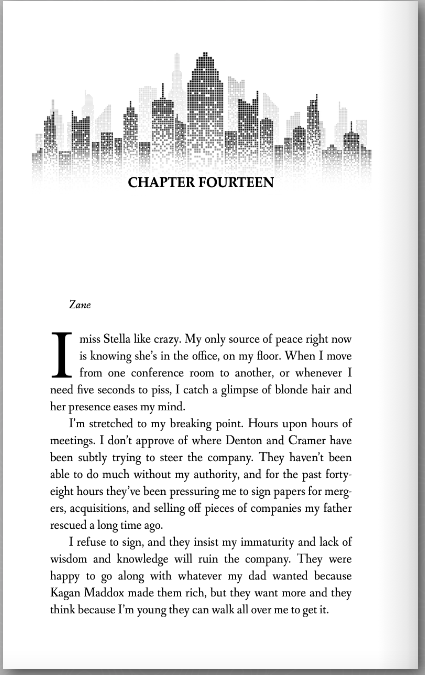
The photo was already faded at the bottom, but I brought it up a little more in GIMP so the chapter and number would stand out more. What I liked best was that even though it’s in black and white, I feel it meshed with the new background I chose for the covers.

I’m still playing with the models, but I have them chosen. They both come in lots of poses, so I’m in the process of finalizing them and don’t want to show you what I have just yet. Cover reveals don’t do much and I’ve never been interested, but I’d like to at least post them on my author website first. I’ll probably blog here about how I changed my mind because I have proofs that have a different background and models.

Because ebooks don’t have “pages” a set chapter photo like this isn’t possible, though something smaller under the chapter number is. I don’t know if I’m going to look through stock photos to find something. I’ll sell a lot more ebooks so it would be nice to offer those readers a little something. I have time to look but I don’t know for what yet. Usually when I find something that’s just right, it’s by accident, so I’ll just keep scrolling and see what pops up.

These feel like they’ll never be done, but then, I finished the initial edits before the deadline I gave myself, so if I can keep going, I’d love to be able to order a new set of proofs by the middle of April. Unfortunately, these things always take longer than expected, and I wouldn’t be surprised if the first one isn’t published until July. Way longer than I’d hoped, especially since I published A Heartache for Christmas in November, and that’s a lot more time between releases than I’d like. But this project is huge, any author would agree, and it’s better to take my time instead of rush and have regrets later. I may surprise myself, because I’m not starting from scratch, at least. All the blurbs have been written (and I’ve read them all and still like them, so that’s a relief), all the ISBNs have been assigned. All the keywords and categories have been selected on KDP, it’s just a matter of uploading new files, both interior and covers, and reading through new proofs. That might not take as long as I anticipate, but who knows what could happen.

I still haven’t posted a blog on my author site explaining what happened to my newsletter or given my readers an update there. I’ve been kind of waiting for things to cool down, and there isn’t any news that’s different from the last newsletter I sent out. Since I canceled my MailerLite account, I don’t even know what my open rate was for that last newsletter, though for once I hope it was close to nothing. I’m still humiliated a glitch like that would make me look so sketchy, and I’m bitter MailerLite handled it so terribly. I was upgraded for about five minutes before I deactivated my account, and unlike so many author services who will prorate your fees, MailerLite didn’t refund me one penny. An expensive lesson, indeed.


I heard something interesting the other day–I finally watched one of the free webinars I like to sign up for, and the first thing he said was, “If you write the book you love, don’t be surprised if readers don’t like it. You wrote the book you love, not a book others will love.” I’m paraphrasing, but I usually agree with advice like that. That kind of thinking is called writing to market, meeting genre expectations, meeting reader expectations. Writing first and then trying to market later is always a bad idea, but authors don’t understand that what you choose to write, what genre, what POV, if it will be part of a series, and if it is how far apart your books will be, the cover, the title, the series title, all that is part of the marketing process before you even write one word.

When I started my pen name, I was going to do everything right. I chose my subgenre, chose the POV (dual first person present), decided what kind of covers I was going to create to build my brand, all of it. I wrote most of my books around tropes, like a baby-for-the-billionaire, one-night-stand-with-my-boss, a fake fiancé, and a second chance. Some books I didn’t have any trope in mind, like the second book of my Lost & Found Trilogy or A Heartache for Christmas. Even my Cedar Hill Duet wasn’t written around tropes, but I’ve come to realize that if I’m writing a book that has romantic suspense themes, I’m meshing two subgenres, and I let the mystery part of the book fill in for the missing trope.

So this is the part where I admit that while I think I’m writing to market, I’m not actively writing to market, only hoping for the best. I’ve never sat down and started a book I wasn’t going to enjoy writing all for the sake of marketability or sellability. But, I am doing better than I have in the past, before I decided to at least stick to billionaires and package my books in a way that finally builds a brand.

I’ve also realized I don’t read enough to even know what’s selling–and that could be a big mistake on my part. You can’t fulfill reader expectations if you’re not reading to see what kinds of books readers are enjoying. Is it enough to say, “Well, I’m writing billionaire romance, I chose this trope, and I’ll give them a happily ever after?” I mean, writing a romance isn’t complicated (and romance authors will probably hate me for saying it). There are few rules to break, and I would like to think that my readers are getting well-rounded characters and in-depth backstories–that my books aren’t 90k words full of fluff. But, you need to read to compare, and I have plenty of books on my Kindle at the moment so when I do take a bit of time to fill my creative well once my series is up and there’s nothing I have to do for them anymore, I’ll do my own study and see if what I’ve been writing measures up.

So the TL;DR gist of it is, I used to think I was writing what readers love to read, but what I’m really doing is still writing what I want first and then hoping for the best. Which is what we’re all doing. I’m a little amused by this, since I’m such a write to market devotee, but I just have to admit that niching down, changing my POV, and packaging my books properly did more to bring readers in, and then what I’m writing will hopefully keep them coming back.

Speaking of tropes, since I had a little extra money after doing my income taxes, I bought a couple of books that I’ve had my eye on. I like to buy my nonfiction in paperback, even though they’re getting harder to read every day. But, I bought Jennifer Hilt’s Romance Trope Thesaurus. I haven’t had time to page through it yet, but I think it’s a great for market research or for brainstorming your next book. She has a generic Trope Thesaurus too, and one for horror. Give them a look on her author page on Amazon: https://www.amazon.com/stores/Jennifer-Hilt/author/B01GETN4LM
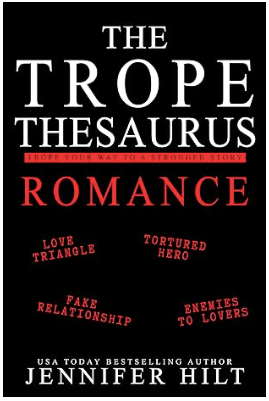
Trope Thesaurus book cover. red and white text. author name Jennifer Hilt
photo taken from Amazon

In case you missed it, my blog was mentioned in the Feedspot 100 Best Contemporary Book Blogs and Websites. This is a great list of blogs and I’m honored to have been chosen. If you’d like to take a look at the list and find other blogs to subscribe to, look here: https://books.feedspot.com/contemporary_book_blogs/?feedid=5675940

I was going to write more, but I’m already at 1700 words and so I might as well call it. I have other things to do today, and I would imagine, so do you.

Have a great week ahead!
When Transparency Does Any Good

Words: 1284
Time to read: 7 minutes

When I was little, I grew up on Rainy Lake. Like, right on the shore. My dad would plow a skating rink on the ice for my birthday (which is in November) and I would have skating parties on the little inlet we lived on. Sometimes there would be winters when we didn’t get much snow, but the lake would still freeze over, and there was this one particular spot that froze solid, but was crystal clear. You could see all the way down to the bottom, the rocks and sand and weeds, and as you can imagine, if you stared long enough it could make you a little sick inside. You knew you were safe, but that didn’t stop your stomach from rolling, from telling your brain that you weren’t where you were supposed to be. The inlet wasn’t very deep, and I would feel almost the same in the boat, the water so clear you could see the fish swimming beneath you. The ice though, there was something almost unnatural about lying on it and staring to the bottom, and I’ll never forget how it felt.

We need transparency in publishing. It’s important that we share what we know. A few years ago the hashtag #publishingpaidme on Twitter exploded and so many authors came forward to share their experiences. You can read about it here: https://www.vox.com/culture/2020/6/17/21285316/publishing-paid-me-diversity-black-authors-systemic-bias and here: https://www.theguardian.com/books/2020/jun/08/publishingpaidme-authors-share-advances-to-expose-racial-disparities

Those authors and numbers are out of my league, but indie authors still share–I’ve blogged before about all the goose egg tweets on Twitter at the beginning of every month, authors lamenting that their sales dashboards flip to zero on the first. I have my own feelings on why this is kind of icky, mostly because author and reader spaces are merging closer and closer together and you really don’t need readers seeing your numbers. As my author platform grows, even I wonder how to keep this blog professional and unoffensive to any reader who happens to stumble upon it (grinding sausage that appears on a yummy breakfast platter is kind of disgusting, after all). Not to mention, when we talk royalties, or lack thereof, readers get sucked into that and it’s not their place.

I was actually kind of hoping that moving to Threads would solve that issue, of seeing goose egg posts, anyway, but authors are still sharing, even if it’s more of an informational post vs. the complaining I would see on Twitter.

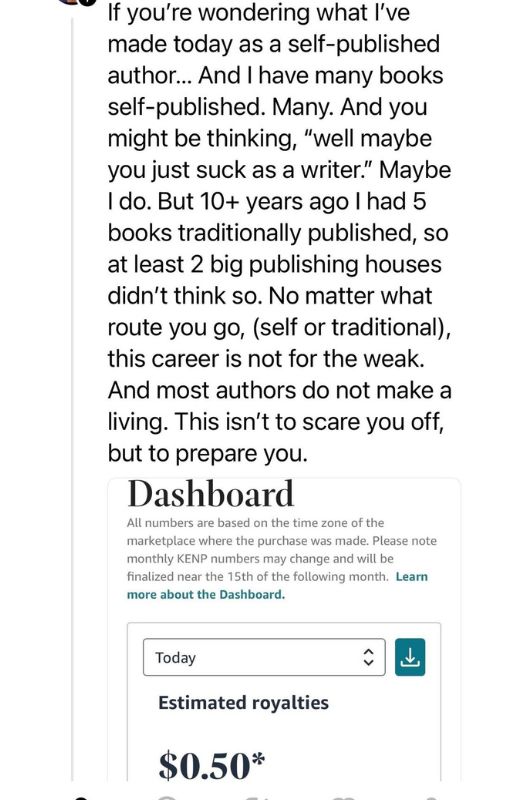
Threads post that says: If you're wondering what I've made today as a self-published author...And I have many books self-published. Many. And you might be thinking, "well maybe you just suck as a writer." Maybe I do. But 10+ years ago I had 5 books traditionally published, so at least 2 big publishing houses didn't thi so. No matter what route you go, (self or traditional) this career is not for the weak. And most authors do not make a living. This isn't to scare you off, but to prepare you. 

Dashboard

today's royalties:

$.50

I don’t mean to call her out, and I can’t anyway. I don’t follow her, don’t remember what her handle is, but I do disagree with a couple of things–one, for sure, is her saying most authors do not make a living. This is far from my experience, being that most of the romance authors I do know make a living, and telling authors that does them a great disservice. Just because you are not making a living doesn’t mean others can’t. And that leads me to the question of why she posted at all. To “warn” authors this is hard game? For sympathy? I can’t find the post now, which is probably just as well, so I’m not even sure if she got the responses she was looking for. I can’t look at her backlist either and I wish I would have paid more attention to who this poster was, but I screenshot it for a friend and as most timelines do now, it refreshed and the post was lost. I didn’t respond, though I wanted to. That was me turning over a new leaf, so I guess I’m showing you all my backside instead.

I messaged my friend and asked her, why do you think she posted it? And she speculated that she was just putting the information out there, as some sort of transparency play. Okay, but–and this is where I have the hard time–we’re missing half the conversation here, are we not? Because you’re not selling books, there’s a reason, and I feel that deserves some conversation. If you’re willing to put out your goose egg posts, I think you should be prepared to explain why. Why if you have what sounds like a solid backlist, why are you not selling books? I don’t think we talk about this enough. It’s one thing for a debut author to publish to crickets, because that happens. You have one book, rely on free social media, and unless you get lucky, that will only take you so far. But if you’ve been in the business for any length of time, you should have a handle on promoting your books and you should have figured out by now how to sell them.

But no one wants to ask why, and that missing half of the conversation is really important. It’s where the real learning starts. No one wants to admit mistakes though, or no one wants to admit that maybe they don’t know what they’re doing and haven’t bothered to learn. Maybe no one wants to admit that their covers aren’t hitting the mark or they aren’t promoting their books. That they haven’t started a newsletter and don’t want to learn how to run ads, if even just a few dollars a month to expand your reach. No one wants to admit that maybe they aren’t networking with authors in their genres, looking for cross-promotional opportunities (not that you can participate if you don’t have a newsletter anyway), or no one wants to admit they loathe Facebook and don’t have an author page.

I really think that if you’re going to post goose egg numbers, then you should be prepared to explain why. It’s not exactly taking culpability, but obviously, if you’re writing and publishing you want your books to sell. She may have seen this as educational, but after 10+ years in the industry with “many” books under her name, she doesn’t find it a little embarrassing too? Or she writes publishing off as “difficult” and the lack of sales isn’t her fault.

Sometimes you can look at an author’s books and see why they don’t sell. They don’t have many, or publish with years between books. They only write standalones which can be a hard sell since we all know read-through is where the real money comes in. Maybe they can’t afford a good cover and make do with what they can make for themselves in Canva (or they turn down better and free help because they want to do it alone). But if that’s the case, any of those, isn’t it worth mentioning? I’ve made plenty of mistakes–and I admit them on this blog all day long. I wasted a whole year on my Lost & Found trilogy because I didn’t like the covers and didn’t push them as hard as I could have. It’s just as well, because a year later I reedited them and I’m much more confident promoting them. Sometimes you need to revamp a book and maybe she needs to take some time to redo some of hers. Even a fresh blurb can make a world of difference. https://selfpublishingadvice.org/a-new-book-blurb-could-revolutionize-your-sales/

It would have been nice to have known what she thought of her low sales, what she thought she could do to fix it. There’s always something you can do–it’s not up to Fate or there wouldn’t be people making a living off their books. You have all the control in the world, but acting like you don’t doesn’t make it so.

It’s just interesting to me, and I like thinking about stuff like that. Be transparent, sure, but tell the whole story, otherwise, you’re just lying on a clear sheet of ice feeling sick inside.

Monday Musings; Do What You’re Supposed to do Already

Words: 1707
Time to read: 9 minutes

Happy Monday! I can honestly say that because Mondays are my Saturdays, and I’m fortunate I can work through the weekends and avoid them. I always say I don’t have much to say, but this week, it’s really true. I’m only three chapters into the fifth book in my series, and this chapter is 20k words long. It will take a bit to edit it, but getting through these is starting to burn me out, so I don’t mind going slow. It’s a big project anyway, and I should start playing with the covers when I don’t feel like editing. Mostly for now that’s just scrolling through stock photos and that’s becoming more and more disheartening. I can try a couple of different sites like dreamstime.com and 123rf.com. I don’t mind paying if I know I’ll use the photos. I’ve downloaded quite a few with my DepositPhotos packages I purchased through AppSumo, and I don’t end up using all of them. Because they were so inexpensive, it doesn’t matter, but if I’m going to go through a different site, I need to make absolutely sure I’ll use them and so far I haven’t bothered to hunt and peck through those sites.

It’s been a week and a few days since my appointment at the Mayo Clinic in Rochester, MN. The good news is she seemed to know what was wrong and I left with a couple of creams and a medication that suppresses my ovaries. This was part of the best news because since I had my hysterectomy in March of 2022, my ovulation cycle has made me feel like garbage every month. She explained why and when she offered me that medication, I jumped all over it. I’ve only taken it for eight days, but I can already tell a difference in the way I feel. The other stuff I’m dealing with hasn’t lightened up, but I knew going in that since I’ve been suffering for so long, there wouldn’t be an overnight fix. My treatment at this point is more of a journey than a destination, and I have a follow up appointment at the end of May. Now that we know what to expect and how to get around, this will just be a quick overnight thing and more than likely we’ll head back after my appointment instead of staying for another night. They were very efficient and she seemed to know what was wrong with me just by talking to me and a quick exam. So, there’s that update. Nothing too new there, but life has been smoothing out for me, thank God. I went and got my teeth cleaned and my oil changed last week, so now that my bumper fiasco is over, besides getting my taxes done (which is tedious because I print out all my book spend and report my royalties to the IRS in case I ever strike it rich), most of the drudgery of adulting is finished for the next little bit.

Even social media has been quiet, not much on Twitter (though I am liking to call it X more and more simply because I feel like it’s a warning to stay away), just some reviewer shaming, some people who are complaining about their books being returned, that kind of thing that I don’t see in my author groups on FB at least. It still is surprising to me how writers think that if they’re querying they don’t have to do anything. Don’t have to edit because an agent/acquiring editor will take care of it, don’t have to market because the publisher will take care of it. Even just today I saw a woman lamenting because she queried too soon (I wonder how she figured that out?), and I mean, if you get a book deal, wouldn’t you want to work your ass off to promote your book? Shouldn’t authors feel that way no matter who publishes their book? Yet it feels like so many writers think all they have to do is crank out 350 pages of brilliance and their work is done. A huge controversy last week (cause by this now-deleted tweet)–

–was over whether querying writers should have a website–some said no, some said yes–but if you don’t want to, is this a hill you’re going to die on? It’s free to set one up. Isn’t it better to have a social media presence before you query so potential agents have something to look at? Querying/having an agent and publishing is a partnership, but it seems like writers don’t want to be a partner, they want it all done for them. Let me tell you, from doing this from the ground up and seeing some of my author friends who have given up their rights to small presses and gotten them back, it’s a hell of a lot easier to be in charge of all your stuff yourself. And this isn’t a debate between querying/trad pub vs. self-pub. This is talking about taking control of your book business in any way you can. To know how to do covers in case you ever want to be hybrid and put out some books on your own, to know how to format, to know the back end of your own website. Knowing how your newsletter provider works. Knowing how to do things for yourself will never hurt you in the long run. Because you know what sucks? Depending on people to do stuff for you. You’re at their mercy . . . if they’re busy doing something else, if your relationship with them goes south, if they simply drop out of the game. Publishing is work. It will never not be work, and I should stop being amazed at the writers and authors who think someone else should be doing that work. Honey, just because you wrote 80k words, your work is only just beginning. Suck it up, pay for a Canva Pro account, and learn how to use it.

I had some super awesome Amazon ads going, so much so I spent 100 dollars in five days. Super good! Not really, because I wasn’t getting the sales or borrows (checking your rank to see if it goes up will tell you if you’re getting borrows. There really is no other way as Amazon sees a borrow as a sale and adjusts your rank accordingly.) Fifty pounds, fifty US dollars. I paused my UK ads because I couldn’t afford it, let my US ads keep going, and they are still rocking forty dollars later. I’m having some good impressions and clicks in Canada, too, but not nearly as expensive at only seven dollars, so I left those alone. Maybe my Lost & Found trilogy covers are working after all. I’m always very very leery of turning off a well-performing ad. Mostly because of ad and royalties reporting. Nothing Amazon does is in real time, and I would hate to shut off an ad only for my sales to die. In fact, they even added this disclaimer to their dashboard: All numbers are based on the time zone of the marketplace where the purchase was made. Please note monthly KENP numbers may change and will be finalized near the 15th of the following month.

text on plain white background says:  Dashboard 
All numbers are based on the time zone of the marketplace where the purchase was made. Please note monthly KENP numbers may change and will be finalized near the 15th of the following month.Learn more about the Dashboard.

Waiting until the following month for real page reads numbers…..yeah…..so you know not to do anything drastic or be ticked off too soon. You should never make decisions when you’re angry or disappointed. Things can change in an instant and you never want to regret anything. Pausing your ads and then restarting them can make them not turn on again at all, ruining the momentum they had before you shut them off. It’s the risk I took pausing my UK ads, but I’m going to have to be okay with it. I don’t have the cash to pay 50,000 dollars for 100,000 dollars worth of royalties. While that’s great ROI, I need to start smaller, and I’m guessing you do too.

I’m also running FB ads, so I’ll always have something going that costs money, but it sure would be nice if I could come out ahead every once in a while. Not that I’m complaining. Breaking even is fine too–I’m finding readers and that’s a good thing.

That’s about all I have going on for this week. I’m going shopping with my sister on Tuesday so I can buy some bookshelves for my living room. I live like a college student (and a poor one at that) and it would be nice to display my books. Now that we don’t have cats, I don’t have to hide them from a furbaby who wants to eat all my covers. She’s ruined plenty of spines using them as a scratching post, so while they will be displayed in a more pleasing manner, they will look well-loved indeed.

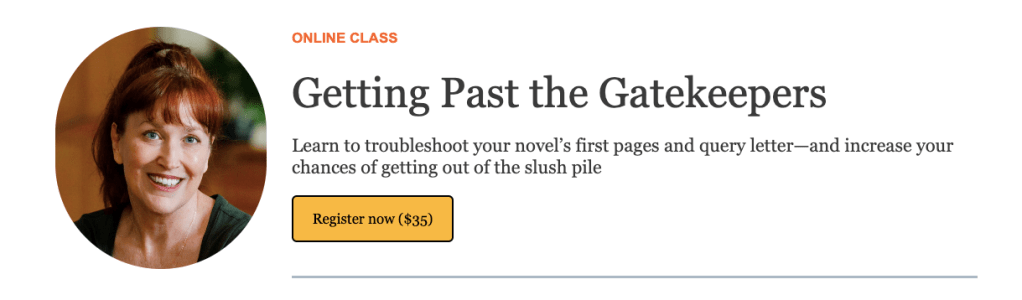
Speaking of querying and newsletters and all that, I must have gotten purged from Jane Friedman’s newsletter. I admit I don’t open my newsletters enough, and I missed hers, so I signed up again. She’s a good source of publishing news and also she hosts inexpensive classes with industry experts. If you want help with your query or first pages, take a look at this class hosted by her with guest Allison K Williams. https://janefriedman.com/get-past-gatekeepers/ (This is not an affiliate link.)

taken from Jane’s website

I’ve taken some of her classes before, and if you can’t watch it live, she makes the replay and all the handouts available after the fact, so don’t worry if you can’t fit it into your schedule. Her class with Allison is March 20th, 2024, from 1-3pm. It’s $35.00 and it will be worth every penny if landing an agent is one of your goals for 2024.

I hope you have a wonderful week ahead and good luck with all your endeavors! It’s not too late to hop on my social media calendar. I may end up making one for March. I’ve been able to stick to posting. My engagement isn’t the best, but it keeps my pages from looking so bleak. Nothing works without consistency, so we’ll see what happens in the coming months.
Until next time!

Monday’s Author Update

Words: 1616
Time to read: 9 minutes

Happy Monday! I don’t share many pics of myself, but this one was taken at the hotel in Minneapolis while we were decompressing after a day of shopping at the Mall of America. I literally have bedhead, haha. I hope the Thanksgiving weekend treated all of you to good food, fun family times, and some quiet relaxation for yourselves before the frenzied weeks of Christmas kick in.

Despite how busy my November has been, I’ve been able to get a few things done. My Lost & Found trilogy has been reedited and the covers have been updated (that was a lot of work and I’m glad it’s over). I haven’t taken the time to run ads to it yet, so I don’t have any data to share as to how the covers made a difference in sales. People actually have to know of a novel’s existence before they can buy it and right now the only way I do that is with ads. I can share now more on social media because I’m proud of the covers and before I didn’t really want anyone to see them. It’s difficult to market a book you’re not proud of and at least now I know the covers are the best they can be.

Ad cost over the next four weeks during the holiday season won’t be that great, and I won’t start any new ads until after the holidays. Everyone is going to be running ads to their products. I’ll keep the ads I have now going (keeping an eye on the cost-per-click), but I’ve heard CPC goes up around this time of year, and I don’t need to contribute to that.

I was a little curious as to how my rockstars were doing read-through wise, so I did some math to calculate. I’m not going to say how much they’ve made since their release (and with the numbers I share, please don’t try. So much varies with KU and sales, not to mention countries). I struggle between wanting to help fledging authors feel better about lower sales and showing my readers all that I have talked about and implemented over the years really did help me find readers and level up without flashing numbers. When you write a nonfiction blog it’s important you know what you’re doing, or at least if you’re going to experiment you’re honest that you’re experimenting and willing to share the results, but you can’t say “do this” without proof it works. No one would listen to me if I did that, and my blog would be worthless and meaningless. I’m not one of those smarmy marketing gurus that lands in your inbox, and I’m not trying to sell anything, but I do give advice and it is nice without taking screenshots of my KDP sales dashboard to be able to prove that my advice has a little weight behind it.

So, I took a few minutes to look up my stats. Twisted Alibis, in total, has sold 252 books. That’s with KENP page reads turned into full “books,” ebooks, and print sales. Twisted Lullabies has sold a total of 147 books, and that is with all the formats. Twisted Lies has sold 119 books, and that includes all the formats. I did the math and if you divide Twisted Lullabies’ sales (147) by Twisted Alibis’ sales (252) you get 58.3%. That means 58.3% of readers who read book one of my trilogy went on to read book two. I did more math and calculated that 80.9% of readers who read book two went on to read book three (119 divided by 147), and I was really really happy with those numbers. Especially since I’ve been told book two’s characters were hard to connect with and it wasn’t a classic, “boy meets girl, they fall in love, they break up, get back together, and get married” kind of romance. It’s not, really, but I believe there is room for all different types of tropes and stories and characters. I’m glad book two, despite the negative feedback, is enough for people to go on to book three, and I really hope book three nails the ending and gives my readers the closure they deserve after investing time to read 300,000 of my words. If you want to read more about read-through, how to calculate it, and why it’s important, you can read an article here by Mallory Cooper for Kindlepreneur.

What’s next for me? Right now I’m pleasure-reading/editing book two of my duet. I fell into a weird cadence overusing “while” “before” “after” and “when.” I don’t know why, and I don’t know how, unless I read a book while writing those that did the same thing. I don’t particularly like it, and there was one paragraph where I used five “whens” and it sounded like crap. I love the stories, though, so I’m pleasure-reading as much as I am fixing the sentences. It’s not a huge, anxiety-inducing priority to edit these books as my trilogy was, so I’m taking my time and still doing other non-writing things while I’m doing that. Mostly that has to do with the trip I was on for my daughter’s birthday, Thanksgiving I cooked for, and this week, tree-trimming and celebrating my birthday. I also want to spend more time on social media promoting my Christmas novel (I have five weeks to push it until no one cares), and I’ll do that while casually finishing reading book two and replacing all those files once it’s done. It’s not a big deal, and editing those books gives me a chance to update my Also By pages–I’ve written a lot more books since publishing my duet.

Otherwise I don’t have much else. I was going to take December off, but you all know me and I couldn’t take time off my books without feeling listless and, let’s face it, sad. I wouldn’t have much else to do, but I am going to read while I get my series ready because I want to start my research and plan/plot what I’m going to write next. I can’t write what I want if I don’t read and make notes of tropes and reader expectations (skipping from billionaire to rockstars to mafia), and honestly, some of these I picked up on TikTok and I want to know if they deserve all the hype. But, one thing at a time, and I want to delve into my series first, see how much work they need. I haven’t read them in a long time, and now that I’m aware of my writing tics and my new favorite garbage words, I can edit them with a fresh eye and publish them knowing I did the best I could. I need to take a deep breath and go slowly. We’re looking at a half a million words and that won’t be easy, even if they are, by my guess, 75% ready to be published. I’ve been talking about these for so long, many of you probably think they’re a myth and they aren’t really written at all. They are very real, and it will be a relief to get them polished and on preorder. I’ve held them back long enough.

Oh, and I did manage change out my Lost & Found trilogy files on IngramSpark, and I put my rockstars on there, too. I don’t use expanded distribution on KDP, preferring to use Ingram on the off chance I’m asked to do a signing and they want to order their own stock rather than me bringing in author copies. I always thought it was tacky anyway, asking bookstores to sell Amazon copies when Amazon is a bookstore’s biggest competitor. Have a little class and use Ingram for their distribution. I do both. Amazon doesn’t play well with others, so I publish there first, wait for the books and ISBN to “settle” for a few months (three or four), and then when Ingram publishes, they skip Amazon because my books are already there. It’s a system that has worked for me for 20 books, and if it’s not broken, I’m not going to try to fix it or do something else. I only messed up one of the six covers I submitted, and that by far is my best record yet. I must be getting used to how picky they are. Also, I recouped my Alli membership fee. One of the benefits of being a member is free IS file replacement. You can upload new titles for free, but if you make changes to existing books (I think it’s more than 60 days after publication) you still have to pay the fee for file replacement. That’s $25 for the interior and $25 for the cover ($50 for both). Being that I replaced both for all three books, my membership paid for itself and then some. Membership is $119 dollars and replacing all my files in my billionaire trilogy would have cost me $150. That alone was worth it, but I like being a member for peace of mind. You never know when you’re going to need an advocate to reach out to Amazon on your behalf. Anyway, so I was glad to get that done, and now my rockstar paperbacks are available everywhere. I don’t sell many, like I said, it’s mostly in case I’m ever invited to a book signing and they want to order their own copies. I do a 40% wholesale discount and don’t allow returns. I’ve heard some horror stories about dealing with IS, but I have never had an issue with getting hit with a huge return bill. There’s a first time for everything, so read up on what is best practice and make decisions for yourself and what’s good for your book business.

That’s all I have for this week. I hope you all have a fantastic one!

Until next time!

ARC Forms: Creating a review team

Words: 1284
Time to read: 7 minutes

Since I’m going to be releasing A Heartache for Christmas soon, I’ve been thinking about ARC teams (or street teams as some authors call them). I have to admit in my years of publishing, I wasn’t doing this right, and take this blogpost with a grain of salt because I’m still not. One of the things I did wrong was sub-genre hop, and it’s really difficult to build a review team from scratch if you do that. Think about it–you draw in your advanced review readers with a sweet (fade to black) small town romance, and then the next book you write is a dirty motorcycle club. You’re going to tell me that some romance readers will read anything if it has an HEA, and okay, maybe. But maybe you like writing sci-fi and then scooch over to YA dystopian. The point is, a lot of readers read one thing and your book has to sound pretty enticing for them to stray. So if you start out with billionaire romance and then change your genre to mafia, you probably will have some that will follow you because they aren’t too different, but like my billionaires to rockstars, you might have some that drop off.

I’ve gotten great requests for all my billionaire books on Booksprout, but the second I moved to rockstars, the number of requests went down by half. I’ve talked about that before, and it will be interesting when I go back to billionaire with my Christmas novel to see of those requests go up again.

The second thing I did wrong was not think about reviews at all until the book was published, and I made that mistake with my duet, not putting them on Booksprout before they were live. They sell the least out of all my books now, and I’m pretty convinced that it’s because they don’t have any reviews. That duet is a year and a half old, so at this point, I’m not sure what I can do about it. I gave away 950 copies of Captivated by Her in August of this year during a promotion and it yielded one review. I actually don’t know why I saw it–I don’t hunt for reviews–but it made me happy she liked it at least.

So, of course, I want reviews before my book goes live and with the exception of my rockstars, (their loss as they are selling well) I’ve had good results building a street team of sorts on Booksprout.

I do give away ARCs, and I use Bookfunnel to distribute them, which brings me to the subject of today’s blog post–where do I distribute them and how do I choose?

I have to admit, I don’t like the thought of review forms. I’ve never created one for people to fill out, and I’ve never filled one out. I’ve heard people mention creating them, and for the purpose of this blogpost, I looked up a few to see what in the world people are putting in them. (You can find some if you look at these Google search results.) I wasn’t sure I liked what I found… authors asking where the readers were going to leave the review, links to their social media accounts (for proof that maybe readers are active online?), how old they were…one author asked her readers if they were going to rate the book three stars or fewer to wait until after the launch week to do so. Another added the warning that just because a reader asked doesn’t mean that would ensure she got a copy. I mean, I get it. Reviews are tremendously helpful, but as a reader who is giving my time to an author, all those forms and questions turned me off.

We forget that when we ask readers to help us like that, we are asking them for a lot of time. A lot. And as someone who is going to be giving someone ten plus hours of my time, the last thing I need is to feel insulted before I even open my Kindle.

Have authors forgotten books are free everywhere? Every day? And that readers aren’t obligated to review? Like, ever?

I suppose that is part of what building an ARC team is–you want readers to want to read and review YOUR books, but I don’t think you need a form and to quiz your readers before they even have your book in their hands.

Where do I put the link when I upload my book to Bookfunnel? All the usual places I suppose: my FB author page, Twitter (I still have a few friends on there who will grab it), Instagram, and my newsletter. I don’t make unlimited copies free–I set the limit at about 30, and first come are first served. My standalones tend to go quicker because there’s no monetary commitment to read other books. That’s fine, though I am trying to build my brand on being in KU, so all my readers should know by now that if they get the first one for free during a promo they have access to the other ones with their subscription.

Between Booksprout and my ARCs I post elsewhere, my books tend to release with around fifty reviews. My rockstars still haven’t even reached twenty a piece, but that’s okay. It hasn’t hurt them–they’ve made up most of my royalties since they’ve been published.

Maybe my nonchalance is surprising, or maybe if you’ve read my blog for a while, you’ll think it’s par for the course with me. I just don’t make a big deal about things, leave a review if you want, if you don’t, whatever. I’m not watermarking my ARCs either. My books have ended up on pirate sites and that has nothing to do with ARCs, watermarked or not.

Perhaps if I was more strict about who would get a review copy, i would have built a better team by now, or a team at all, but authors and reviewers have a shaky relationship, mostly due to authors freaking out publicly over bad reviews or responding to reviewers when they shouldn’t be. Reviewer spaces are not for authors! I don’t want readers to think there is going to be some kind of backlash if they don’t review or don’t like the book. There are billions of people in the world, and if a handful of readers don’t like what I’m writing, I don’t care. There are books I’ve read I don’t like, so I really don’t understand why authors throw tantrums online. I want to put a vibe out there that I don’t take myself or my books that seriously because if you have a chip on your shoulder, it will show and you’ll get a reputation as an author who can’t handle negative feedback. If you start earning a reputation for that, you’ll stop getting good feedback, too. A gracious, “thanks for trying it!” if you’re tagged in a negative review can go a long way, and maybe that person will read the next thing you write and like that.

Anyway, I understand the purpose of an ARC form, but I don’t like the feelings I get thinking about creating one for my own books. Booksprout has been working well for me (damaged rockstars aside) and even though my newsletter list was built on a freebie, there are some who do open my emails, click on links, and download ARCs.

We all want readers to like our stuff, but as authors, we need to give readers the freedom to dislike our work, too. What do you think of ARC forms? Have you created one for a new release? How did it work for you? Let me know!

The evolution of a book cover

The creative process is messy, much like falling in love, and like relationships, sometimes you have to take two steps backward before you can take a step forward. Sometimes you rush, getting married or getting pregnant before you’re ready, publishing a book with a cover that’s only so-so, and while there are remedies for all three situations, they aren’t always pleasant.

I started thinking about my Christmas cover the second I started writing A Heartache for Christmas. I knew I was going to need time to go back and forth, and I didn’t want to make the same mistakes I did when I published my Lost & Found Trilogy. I don’t like the covers, settled on them because I didn’t know what else to do and I wanted to publish. I’ve spent the past ten months regretting the decision, and only God will know what waiting and publishing with proper covers could have done for my launch and sales.

Sometimes you can get a burst of creative juice at the zero hour, and that’s pretty much what happened to me: I created the perfect cover two days before I uploaded everything to KDP to order my proof, and that was after eight weeks of writing, several attempts at a cover, and too many hours of scrolling through men to count.

The problem was, and I see a lot of authors go through this too, is that there is so much that needs to go into your cover. You have to blend in while standing out, do what the top 100 in your genre are doing without looking like your pilfering a design, try to stay away from the guys who are hogging the covers and give some other hot dude a chance, all the while trying to stay true to your brand and the look you want to present on social media and to your readers. It doesn’t help if your design skills are lacking because that only limits what restrictions are already in place. So, when I first started thinking about my cover, I started with these ideas:

*I looked at other billionaire Christmas novels. A big concern was that this isn’t a holiday RomCom, and I didn’t want to give any readers a false impression, so an illustrated cover was out. Not to sound harsh, but there were quite a few billionaire Christmas covers out there and they just seemed cheap, like you know you’re sitting down for a B-list movie and you’re expecting the worst. My blending skills are nil, so finding a background with a model that takes little manipulation is a must. I didn’t want my man to look cut and pasted in front of a Christmas tree, nor did I want to settle for a Christmas lovers stock photo that had been used before. I scrolled a lot, not finding anything to draw inspiration from and concluded that whatever I make would be fine. There was no set billionaire holiday cover to use as a template.

*I thought a lot about my genre. The billionaire Christmas thing was only part of my book. There is also a mystery involved and a little violence (not between my H and h, though) and I definitely wanted that to come across in the cover. This wasn’t a lighthearted romp, even if it did take place over Christmas and New Year’s Day. This novel is very angsty, kind of dark (but not sex-dark, if you know what I mean) and it also takes place in a small town, which means I couldn’t use the reliable city background that I’m used to. It’s a lot to take into consideration, but I also know you can’t (and shouldn’t) cram every facet of your book onto the cover either. Choose the themes that stand out the most, and I decided on dark and the guy. That gave me a lot more room to play with but even then I still made plenty of mistakes before I came up with the right thing.

*Choosing the guy. You know from a previous blostpost that I don’t like using male models that have been on hundreds of covers before. I think in some ways it can pull your book down and make readers confused. There was an article I read somewhere, or maybe it was a discussion on FB years ago, where it was speculated whale readers don’t remember the author of the book, they only remember the book. If that’s true, the last thing you need as a romance author is for a reader to think she already read your book because the cover might resemble a different book she read. You might think this isn’t a concern and that I’m over thinking it, and maybe I am. But seeing the same five models on a fresh wave of new releases can’t do much for your book if your new release is grouped in with them. If you you missed that blogpost, you can read it here.

*Title. Choosing a title has always been a pain in my ass, or a$$ as we have to say on TikTok, much like naming my characters. I pull something out of the air and hope for the best. I wanted something with Christmas or Holiday in it, because I wrote this book specifically for a Christmas release. It takes place over Christmas in Minnesota–I don’t think you can get more holiday than that. I also didn’t want to use modified Christmas lyrics, though I did sort through some songs just to see what I could find. I asked Al for help, but nothing he came up with triggered anything. I finally settled on A Heartache for Christmas because while this book does have an HEA, there is nothing happy about this book until the end. A friend gave me a few suggestions, and I almost with with Heartache for the Holidays because I like the alliteration, or Holiday Heartache, if you wanted to shorten it up, but this isn’t a Harlequin Desire so I didn’t think I needed to be cute. I also didn’t want to cram my title full of keywords like a lot of indie romance authors are doing right now —A Grumpy Billionaire’s Christmas Gift–for example because that just seems like you’re trying too hard. That’s what the blurb is for anyway.

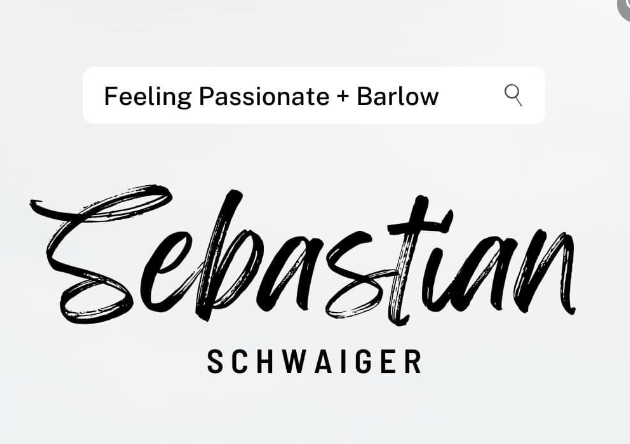
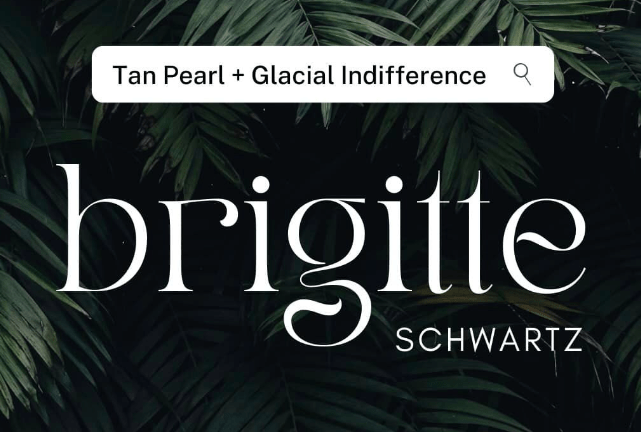
*Fonts suck. You can go through a million of them and nothing will work right. My go-tos when I have a hard time are Playfair Display, either in all caps (like my Lost & Found trilogy) or lowercase italicized (like my 3rd person holiday series). I also like Calgary if you need something simple yet classy (Faking Forever and my reader magnet My Biggest Mistake). I didn’t want to follow the trend of stuffing my title full of keywords, but I do like the script plus serif font duos that have been popping up. The fastest way to find a duo that goes together is to search duos on CreativeFabrica or do a Google search for font pairings. I ended up buying a font duo off CreativeFabrica for eight dollars. Canva also has some font duos, and I think I was looking in their newsletter emails because I captured some like this for future inspiration:

It helps to have the cover done so you can experiment, and finding my font duo was the last step I took, though I ended up changing the man and the background at the last minute. I kept the fonts because they still worked.

When I came up with my first cover, I decided on the guy because I had never seen him before:

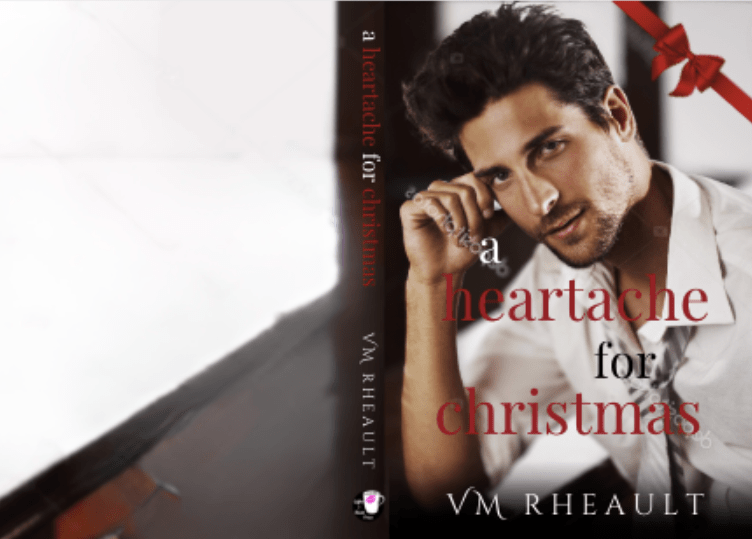
This attempt didn’t stick around for very long. If you’re experimenting and come up with something you hate, that’s okay. It’s part of the creative process. You can see I went with my standby for the title font, but I struggled with how to make it look “Christmasy” — hence the bow — because that was a concern of mine at the time. The guy is younger than my MMC, and while I have never seen him on a cover before, he didn’t look right on mine, either. Canva has some great manipulation tools now. They aren’t 100% foolproof but I’ve used their magic erase with some success. This was the original picture of him:

After I decided against him, (though his drink looks really good) I thought maybe I needed to do more of the Christmas part of the story, and I looked through lots of Holiday stock photo backgrounds. Lots of trees and fireplaces, like this one:

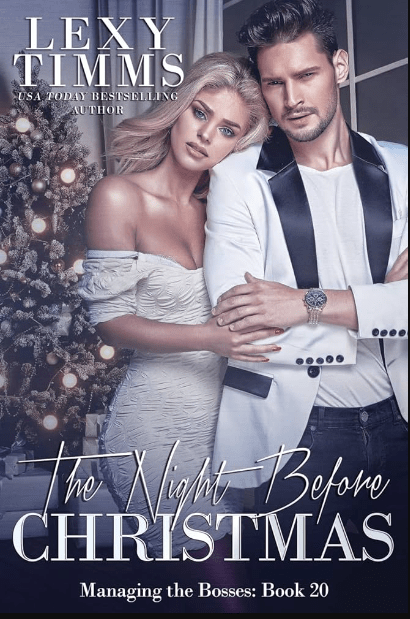
Lexi Timms used a similar background for hers, but I don’t have the skills to do something like it (and there’s that guy again):

I mocked up a lot of half-hearted attempts at trying to figure out what worked and what didn’t, what I could do with Canva and what I couldn’t. I came up with this one, and I mentioned it in my blogpost I referenced above about book covers:

It was one of my better attempts, but I still wasn’t happy with the guy. I liked the background and I thought I lucked out because it depicted Christmas but in a dark way. If hadn’t had time to play, I might have stuck with him just because it fit my needs. I’m not even sure where I was with writing it, but I knew I had time and kept looking for a better guy.

Later I found this model and kept the background:

I actually workshopped him in the Indie Cover Facebook group, and but everyone agreed there was something missing. I still think so too and maybe if I was’t writing Billionaires, it would have worked for a simple Romantic Suspense that took place over the holidays, but I knew I needed more. They also said the font wasn’t the best, and the word placement needed work. I agreed and went back to the drawing board. (Don’t skim over this part. Feedback is important and could trigger an idea that makes all the difference.)

I decided I was trying to put too much emphasis on the mystery part of the novel and in my next attempt went in a completely different direction while keeping with the Christmas theme:

The title didn’t grab me but I did give other things a chance. I thought the guy and background was good. I like his hands and his watch, but I hated that his head was cut off, and when I put the KDP cover template on top of him I noticed that I was going to lose even more of his face:

That was when I thought I needed a new man (not the first time in my life, let’s be honest). I asked in the Book Cover Design 101 FB group I’m a part of and they offered some suggestions as to what I could do to keep the part of his face I had, but they were out of my skill set. Canva has a magic fill AI option but when I tried to build up his head using it, I got a caveman instead, and that idea went out the window. Here’s the stock photo I was trying to work with:

I almost still kept this cover though, because it was the best I had come up with by far and my time was running out. I had already finished and read through my book a couple of times by then and was almost settled on the final draft:

You can see I had almost everything in place besides the blurb I don’t write until I can’t do anything else without it. There is nothing wrong with this cover (depending on how much of his face I really would have lost, but I wouldn’t have found that out until I ordered a proof). It probably would have sold my book just fine. But there was still something pulling at me and telling me I could do better.

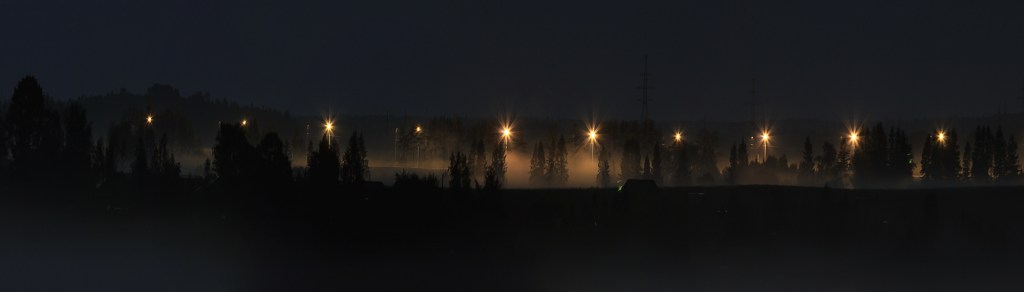
I started looking through backgrounds again on DepositPhotos. I looked up the trees, using search phrases like “dark trees” “dark Christmas” scrolling and scrolling. I found something almost by chance, (which is how most of my covers are made–by a chance find), and I favorited it right away so I wouldn’t lose it:

landscape wildlife Indian summer forest

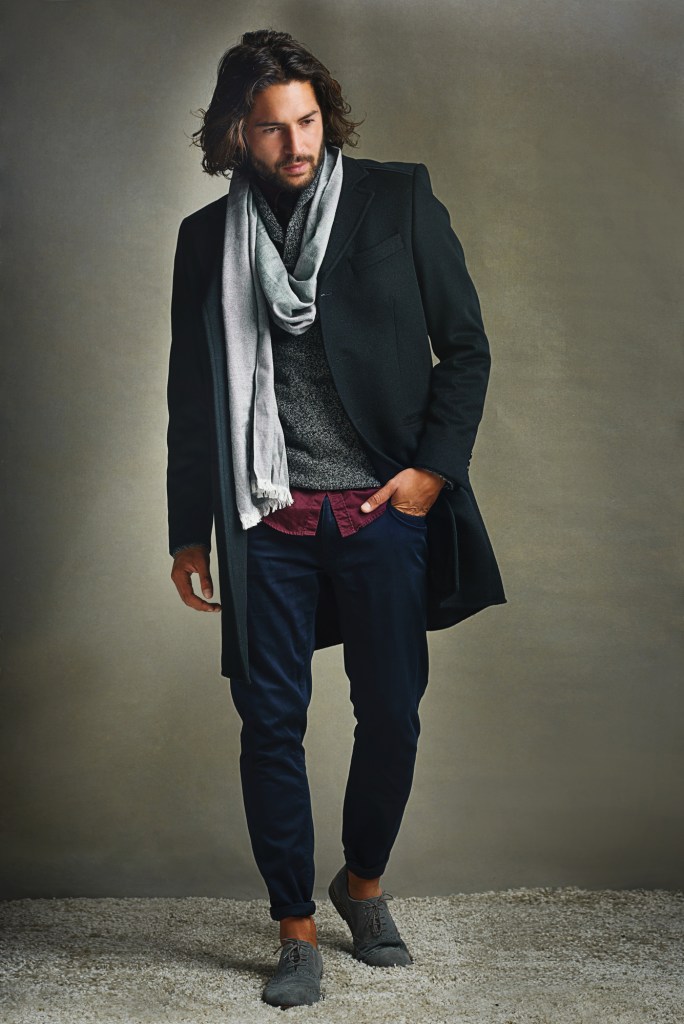
Then I started looking through all the stock photos of men I have starred over the past few weeks trying to build up a selection of models that haven’t really been used before but could still work on a cover meaning, handsome enough. I came across this guy, and after I plopped him in front of the background, everything fit together like the last handful of pieces of a jigsaw puzzle:

Shot of a stylishly dressed man posing against a gray background in the studio.

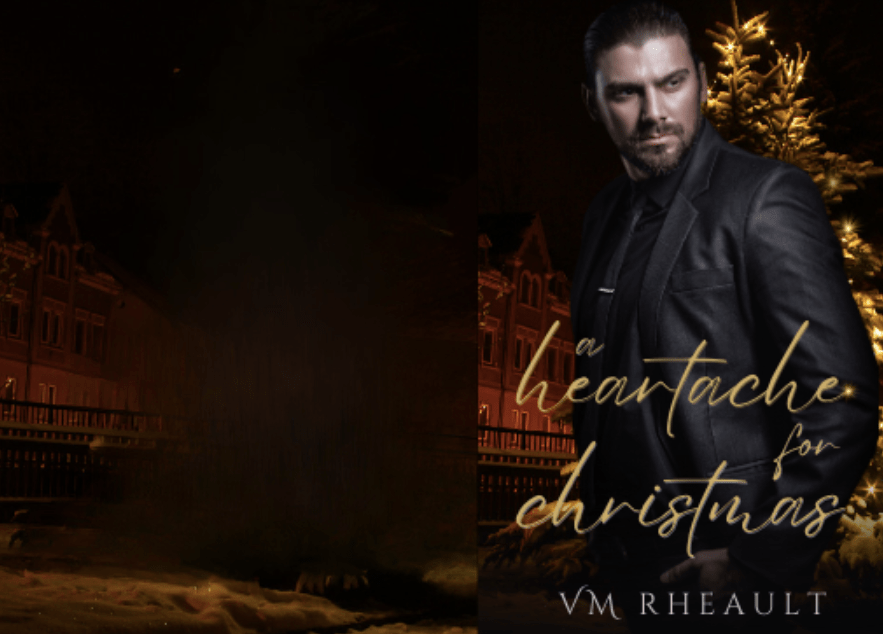
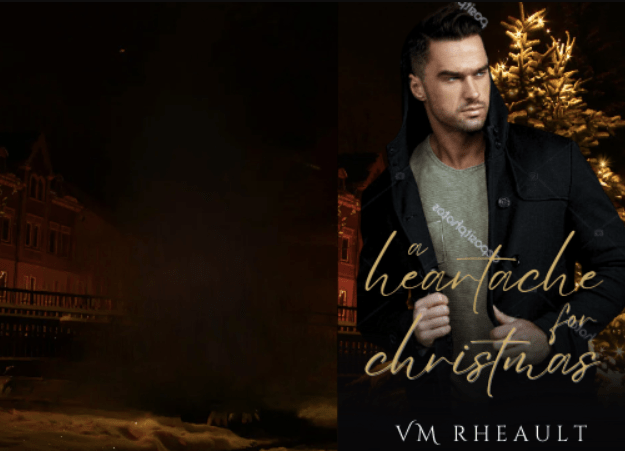
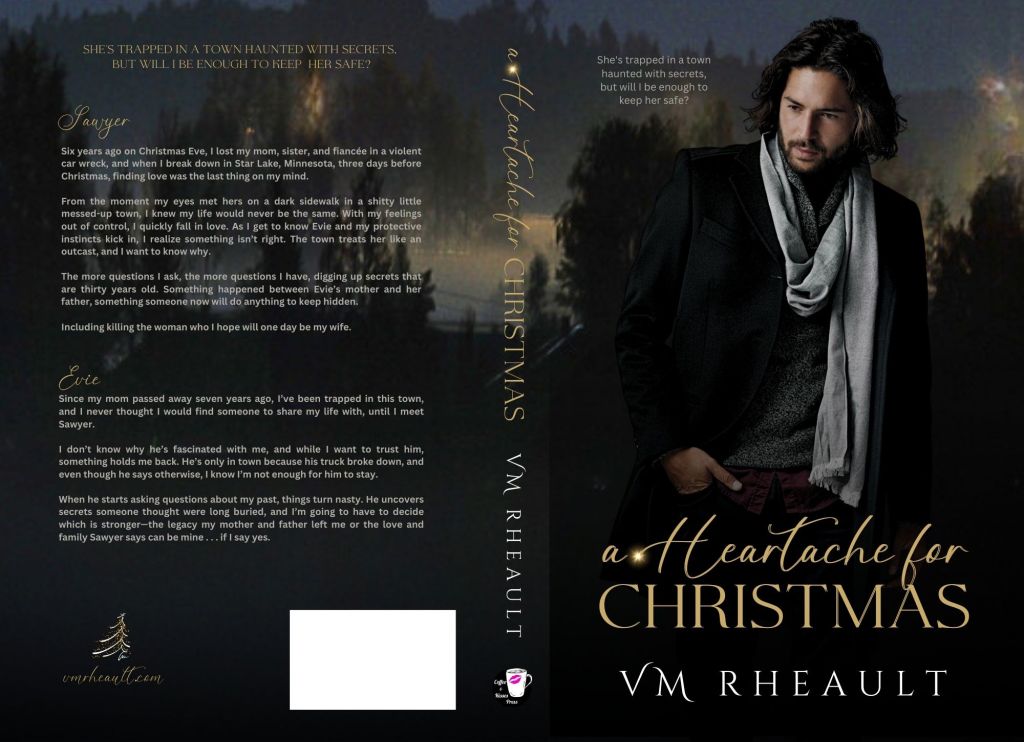
I zoomed in on the background, used Canva’s magic erase to blur out some of the lights, and with the font duo I had purchased, came up with a new cover two nights before I uploaded to KDP:

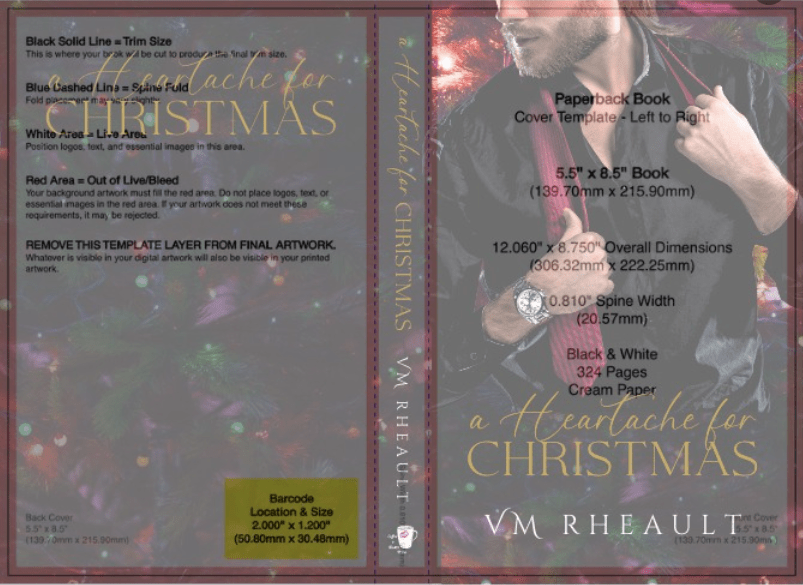
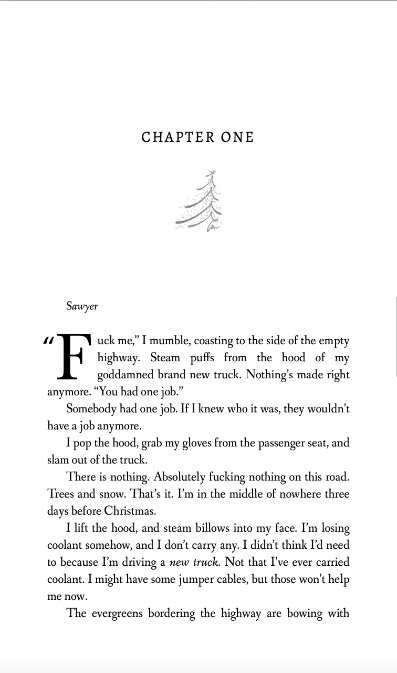
The Christmas tree vector in the corner on the back cover I used as my chapter headers:

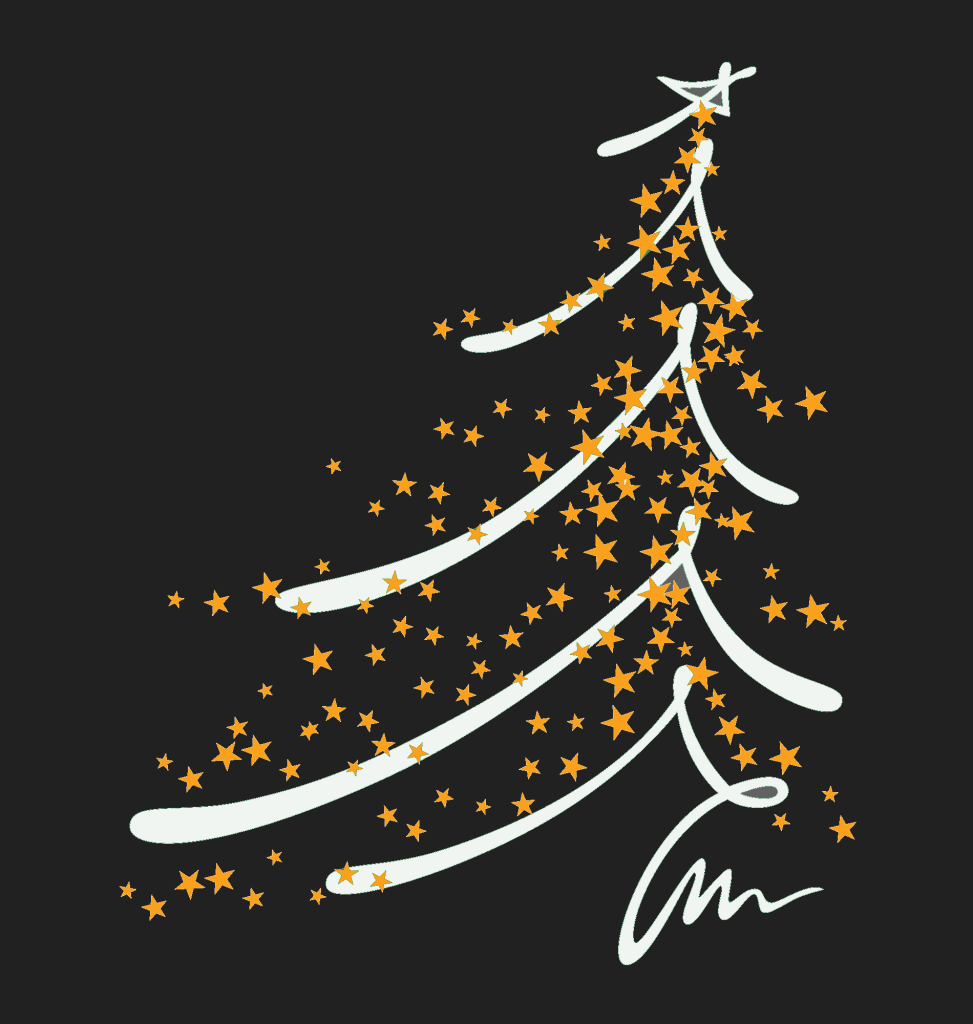
I needed to have a little knowledge of GIMP because this is the stock photo:

An abstract of Christmas tree with sketch stroke and yellow stars as decoration.

I used color fill in GIMP to change the colors:

Then I placed it on the back cover.

I used the title’s script font for my author website and that was the last detail I added to the back.

Overall, I’m really pleased with how this cover came out. I haven’t seen the proof yet, but I’m hoping it’s just as pretty in real life as it is on screen.

If you want to ask me for tips, this is what I would advise you to keep in mind:

*Manipulate, Manipulate, Manipulate. (As much as you know how.) Don’t forget you can use the adjust feature in the “edit photo” tools. You can use the shadows and highlights, brightness and contrast, and black and white to adjust the colors of your photos. Zoom in and crop when you need to. Flip if you have to. Canva isn’t as flexible as Photoshop or the person who knows how to use it, but there is still a lot you can do with Canva’s tools–you just have to experiment.

*Look for similar colors between the background and your model. My cover works well because he blends in without me having to do anything to him. His black melds with the trees, and his scarf pops with the clouds/fog. Even his skin tone complements the orange lights. The colors of my text blend in–the blurb and the tagline aren’t white–they’re a light grey. Attention to detail matters.

*Don’t be afraid to try things. I went through a lot of men and a lot of backgrounds. Not everything will work, but sometimes you won’t know until you use a screenshot or download the composite photo and try. The least likely photo might be the one to make it on your cover.

*Have patience. I didn’t have patience when I created my trilogy’s covers and now I’m still paying. It takes a lot of patience to scroll through and bookmark photos you think you may want to use some day. I have over 700 photos bookmarked in my DepositPhotos account. One I “gave” to a friend because I knew it would fit her book. Put on a TV show and scroll. I have a lot of men that might one day make it onto a cover. You just never know.

*Create a steal file of inspiration. Lots of authors do this. See a cover you like, save it. You’re not necessarily going to copy it, but if you pick it apart, study the vibe, you could find elements that you could use in your own covers. That goes for fonts, too. If you like a font, save a screenshot of it. In the Book Cover Design 101 group, I bet you there will be at least one person who can identify it for you, or use a website like What the Font to get similar examples.

*Start as early as you can. All this is a process and it takes time. Like getting good at anything, you can’t expect to create the perfect cover the first time out. Also, get feedback. It hurts to be told something you made isn’t working or could be better, but you need to know that. The ultimate goal is to sell your books, not boost up your ego. (Let sales do that.)

I hope this was a helpful post. Let me know if you have any questions in the comments, and I will do my best to answer them for you!

Have a great week!

Spoilers, to give or not to give.

picture taken from Canva and made with Canva Pro

Whenever I’m on social media, there’s always someone who doesn’t want to talk about their book’s plot details. They say, “Sorry, I can’t talk about that….SPOILERS,” like it’s life or death and they have to keep such information to themselves. We’re not talking nuke codes here, but authors who are asked what their book is about act as if we were.

I have a completely different take when it comes to spoilers. I don’t care about revealing them, and here’s why. Even if you let a plot twist slip, a reader still has the entire book to read, if they want to read it. I think a lot of authors overestimate just how interesting their books are, and honestly, I don’t have that problem. Romance books are a dime a dozen, and the ending is already spoiled: the couple gets together at the end. I can’t think of a worse spoiler than that. So, I don’t mind talking about my books’ details, fights and makeups, breakups, and secret babies. Sometimes spoilers can even be a good thing, like when you’re querying. I saw an agent on Twitter say exactly that. She said, please don’t hide your spoilers in the query letter. I need to know what your book is about.

I mean, can you really spoil a 80,000 word book with a sentence or two? That seems very unlikely, especially if your book has depth, deep character arcs, and a plot that moves. Personally, I think you if you can spoil a book giving away a few details, your book is in trouble. You need more than one or two interesting things about it.

I started thinking about this last night when I was watching a free Teachable lesson about TikTok. He was saying how you need to find the hooks in your book, and a well-written book should have, I can’t remember now, fifty or so hooks that you can pull out to suck a reader in to buying it. Hooks aren’t exactly spoilers, but they’re close. Couples fighting or hurting each other, telling each other secrets. Emotional scenes that force a reader to get invested in quickly. Romance hooks on TikTok aren’t going to be all sexy scenes. My romances aren’t dark, and while I have spicy scenes, I only have three or four per 80,000 words. That’s not a lot when you think about it, and while I have used sex scenes on TikTok (and just got my first ban for violating community guidelines), I also search for scenes where there is high angst–that I may have to stick with because I don’t want my account suspended.

You almost have to use spoilers because how else are you going to captivate a reader in such a short amount of time? A reader isn’t going to want to buy your book if all you offer is bland excerpts because you’re afraid of giving away the good stuff.

I don’t have a problem with giving my work away. I give out a free full-length novel for newsletter signups, buy a Freebooksy regularly, and participated in Zoe York’s free promo last month. I think there is value in giving away content, and if the free content is good, it will entice readers and customers to buy more content, which hopefully is as good as or better than what you’ve been giving away. I’ve actually had fights with people who have said giving away content is useless (the one woman who blocked me on Twitter for it later turned around and gave away ARCs, so I guess she found value in giving away books after all), but there is a lot of evidence to the contrary, especially if you’re giving away a first in a series and that book is so good it propels readers to buy the others.

Now that my publishing has slowed down for the rest of the year (I formatted my Christmas novel and ordered the proof) I’m going to go through my rockstar proofs and bookmark hooks that I can use in videos and in social media. It’s interesting that I can post the same content on IG, FB, and TT, and the only place I have to worry about saying the word ASS is on TT. It’s kind of ridiculous, especially since you see accounts that have all sorts of raunchy things in them that aren’t being hit with a violation. But I will tone it down because surprisingly, I’ve been having fun on there, and looking for hooks and short scenes for the videos helps me find ad copy for FB ads and FB and IG posts. Like book covers, you need an eye to find excerpts that will resonate with readers, and something that you might think is intriguing is actually kinda boring. Remember that you have your whole book memorized and understand the context, a new-to-you reader won’t, and you can’t confuse anyone. Like your blurb on your Amazon’s buy-page, if it’s confusing, that won’t convert a browser to a buyer.

I’ve seen authors complain that sometimes a book review will reveal spoilers, and I have seen them with my books–one reviewer pointing out that there is no baby in Give & Take, a baby-for-the-billionaire trope. I wasn’t mad about it, in fact, it will encourage readers who want an actual baby (and not just the baby-making fun) in their books to steer clear. And it’s really important not to respond to reviews–reviews are for readers and you won’t gain any points with either reviewers or other readers if you comment or challenge. I never say anything–it was my choice not to make Emma pregnant in the story, and I’ll suffer whatever consequences come from that. But honestly, I don’t mind spoilers in any capacity–there’s a lot that goes into my books, and a spoiler isn’t going to ruin the experience for anyone if the rest of your book is as good as the plot twist that’s been “spoiled.”

Authors can be so precious about their books, but I see them as a product after they’re released and customers can say whatever they want about something they spent money on. Also, you need to put aside your feelings when it comes to reveals and spoilers because the one thing you’re hiding may be the very thing that draws in new readers.

Now, I’m going to go look for more spoilers, I mean, hooks, for TikTok videos that hopefully will not get me banned. It’s just another thing that made me crabby–this publishing can’t be easy, can it?

To read more about spoilers, look here:
Spoilers actually enhance your enjoyment

The case for spoilers: Why some people are happier knowing how the story ends

BOOKISH MUSINGS: DO SPOILERS ACTUALLY RUIN BOOKS?

Until next time!

Advertising versus Marketing: an Indie’s interpretation

Words: 2725
Time to read: 14 minutes
(FML, I’m sorry!)

When I go through and read threads and posts about marketing, I’m surprised sometimes by the misunderstanding. I shouldn’t be because I had the same misunderstandings long ago. I don’t think authors really grasp the concept of what a long game writing and publishing is. We’re still hopeful that we’ll be an overnight success and that marketing will be taken care of for us by a viral TikTok or a random influencer who happens to love our book. The problem with that though, is that even if something like that were to happen, a lot of us don’t have our ducks in a row to keep that tail going.

During my first five or six years of publishing, I didn’t get what marketing was because I was thinking of each book singly as I published it. I also didn’t understand the magnitude of putting my work out there for strangers to enjoy (or not)…the responsibility I had as an author who is asking for readers to pay for a product. I was caught in an indie Twitter bubble, and honestly, it took me many many years to get out of it, or to realize I was in it, to be honest. Looking back at the first three books I published that I had no right to publish at all, and then the first trilogy I published that is still not good but better than what I had published before, I’m a little embarrassed I was so clueless. Sometimes you can’t learn unless you do it and fuck it up while you’re at it, but when you’re selling something, you’re also playing with people’s money.

When we talk about advertising vs. marketing, we’re going to assume your book is as good as it can be inside. If you’re getting any type of poor review that indicates the editing isn’t there, your character arcs aren’t fully formed, or there’s just an overall discontent with your book, you may need to revisit and revise. No amount of advertising or marketing is going to sell your subpar book and you can’t build an author brand on a shaky foundation. That’s what took me six years to learn, and maybe you need six years too, but six years is a long time to waste if you just believe what I say instead.

So this is what I’ve parsed out in my years publishing, especially the past three when I started writing for my pen name:

Advertising: Deciding what book you want to write next! Yay!
Marketing: Choosing a standalone or a series and which genre, knowing if you’re going to meet reader expectations, if you’re going to write to market, how long the book(s) are going to be, and if you’re going to write a series, if you’re going to write them all at once and rapid release them or if you’re going to publish as you go and how long that’s going to take.
Publishing, as we say, is a very long game, and you have to be honest with yourself. If you’re planning a five book series but you work full-time and have children, how long is that five books going to take you to write? Five years? If you do that and want to publish as you go, how are you going to keep your audience interested so they don’t forget about you while you’re writing the next one? I’ve spoken a lot about series on this blog, and I’m not going to rehash my pros and cons here, but advertising one book because it’s done and published is a lot different than creating a marketing and publishing plan for an entire series–especially if it’s long and won’t be completed for several years.

Advertising: You’re creating a cover for your book that you’ll use in ads like Amazon Ads and Bookbub CPC ads and social media graphics.
Marketing: You’re creating a cover for your book that will fit in with the image you want to project as an author, build your brand, and be recognizable to readers the instant they see a cover that belongs to one of your books. Not to mention convey the genre your book is written in (because you chose a genre, right?).
I think this is one of the hardest lessons I learned. I was pretty adamant that I was going to make my own covers when I first started writing and publishing, teaching myself with the help from a book that is now 100% obsolete how to make a PDF in Word. Because of that, you can thank me for the Canva how-to blog posts I have here on the website, which gets hits every day. I never would have been able to do that for others if I hadn’t learned it for myself first. That’s not to say it was the smartest thing I ever did, considering I made a lot of mistakes I still see indies make today–using a free photo from Pixabay, et al, not having any idea of a consistency stretching across other books in their catalogue, and having zero idea that the cover should actually match the spice-level my book was written in (people will tell you to browse the top 100 in your genre for a reason). I guess because my book had no specific genre, that made it kind of difficult to do any research had I even known to do it. (Romantic Speculative fiction, anyone? Blah.) One of my favorite examples of what I mean is Melanie Harlow. She has the cutest font for her name, her covers all have the same vibe, and with the sweeping font she uses for a lot of her titles, I know right away if it’s a Melanie Harlow book. I love everything she does and she knows her brand like nobody’s business. If you want to see what I mean, look at her website: https://www.melanieharlow.com/
If you work with the same designer (or do them for yourself) you’ll eventually end up with a cohesive vibe. We all have our own styles, and that will show. Choose a nice font for your name that you won’t get tired of. Decide if you’re going to do single men, couples, lighthouses, streets, what have you, depending on your genre. You want your Amazon author page to look TOGETHER. I’ve seen some author pages that look like I’m digging through a giveaway book box at a rummage sale, and that’s not a way to grab a reader . . . or their loyalty.

Advertising: You’re buying a promo spot like Freebooksy, Bargainbooksy, E-Reader News Today, Fussy Librarian, or something similar for one of your books to see if you can generate some buzz.
Marketing: You’re mapping out your promos for the next 12 months based on what you have coming down your publishing pipeline.
I heard a big-time author say you should be doing something every quarter–that’s four times a year. (It comes in handy if you’re in Kindle Select because they give you 5 free days per title, you guessed it, four times a year.) If you don’t have the backlist (or the front list) to continually run sales, you have to sit down and decide how fast you can write and what the next three to five years are going to hold for you. You don’t have much to market or advertise if you’re not writing and publishing, and what you’re writing and publishing will be important. You can do a sale or do a free promo, but unless you’re in KU where you might get some page reads during your promo, it doesn’t make a whole lot of sense to give away a standalone novel, especially if it’s your only book. If all you have are standalone novels, make sure your back matter is pointing your reader to the next standalone (if you like this book, check out this book) and/or to your newsletter.
You may be thinking you can’t afford to do something like that four times a year, and I understand that completely. In time you’ll start to earn out your fee or get ahead, and if you never do, then the conversation turns back to quality (book covers and blurbs) and craft (how well are the insides written).
So, grab a wall calendar and map out the next 12 months. I can mark up my new releases from now until the beginning of 2025. Can you?

Advertising: You decide to write XX genre for your next release, but you’ve written and published XX genre under the same name so your backlist is going to look a bit wonky. That’s okay though because you’re going to focus all your social media efforts and advertising promo dollars on your new release.
Marketing: You’ve decided on Small Town Romance, that is where you will stay, and that is what you want to be known for.
Everyone tells you not to genre-hop, and a lot of indies don’t listen, saying that it boxes them in or stifles their creativity. I get it. I went from Billionaires to Rockstars because I wanted to write my Rockstar trilogy and that’s what I did. I had an amazing idea for a trilogy and I wasn’t going to not write it–that would be dumb, right? I mean, rockstars are rich too, and as I’ve pointed out in the past, my books are still more contemporary romance than true Billionaire romances. Just because I make them rich doesn’t exactly mean they’re going to meet reader expectations, but so far I haven’t gotten any feedback to indicate readers are unhappy. Romance is neat in that you can choose a genre like small town romance, but the sky’s the limit when it comes to tropes. Most romances are written with a trope for a foundation, and it doesn’t matter which genre or subgenre you choose. So far, I haven’t found that writing Billionaire is stifling–there are many many tropes and you can twist them your own way to keep them fresh. Here’s a blog post I did on consistency: https://vaniamargene.com/2021/12/20/buzzword-consistency/

Advertising: I’m going to post on Social Media every chance I get. All my followers are other writers, but that’s okay–authors are readers too.
Marketing: Starting a reader group or author page on FB and joining reader groups for the genre you write in. Using author groups for publishing information and networking to find beta readers, editors, and making friends for newsletter swaps.
Bursting out of the writing community bubble was hard, but I think I’m finally doing it. It helps that Twitter imploded and I don’t waste time there anymore and besides all the authors whom I follow and who follow me back on IG where I rarely post, all my social media (besides this blog) now is for readers. I’m slowly building up a readership on my FB author page, VM Rheault, and my V’s Vixens Read Romance FB page, mostly because I run ads from it and I post so it doesn’t look empty. When I started my TikTok account, the smartest thing I did was not label myself as an author. I didn’t think it was necessary as I’m not posting non-fiction (like writing updates) there, and I’m keeping my author following to a minimum, too. I understand that social media is free and falling into the writing community is easy, especially on Twitter and Instagram, but there really is no cheap way to find readers that’s effective. Surprisingly, I’ve had better cost per click using Facebook ads, and when I paused my Amazon ads during Zoe York’s Stuff Your eReader day, I didn’t turn them back on. My sales haven’t suffered, so I’ll wait and see. I have two ads running on FB right now, one for Twisted Alibis and one for Rescue Me. I don’t want to say free social media is useless–established authors still have great success and engagement with reader groups, but filling your social media following with other writers or family and friends won’t get you the sales you’ll want long-term.

Advertising: You start a newsletter but don’t offer anything as an incentive to sign up and don’t push the link anywhere but on social media where the same people hang out.
Marketing: You start a newsletter and have a reader magnet that is a great sample of the kinds of things you’ll be writing or reflect what’s in your backlist. You add the sign up link to the back matter of all your books, you add the link wherever you can–Amazon Author Page bio, your BookBub Author Page bio, FB reader groups (if it’s allowed) and anywhere else you can get signups like BookFunnel or StoryOrigin promotions. You also push the link and your reader magnet with FB ads and promos like Fussy Librarian and Bookdoggy.
Probably the number one reason I hear for not starting a newsletter is that authors don’t like them so therefore don’t want to offer them, and the second is that they don’t know what to write. Like publishing, building a newsletter list a long game, but the longer you wait, the harder it is and the more urgent it will feel. I should have started one a long time ago, but I can genuinely say the first six years I’ve been doing this was all just one big learning curve. Maybe you aren’t ready for the information in this blogpost–and that’s okay. We do have to write the books of our hearts and in our own time, learn for ourselves that shilling books on Twitter will only go so far, and realize that if you try, you can actually make some money at this publishing thing.

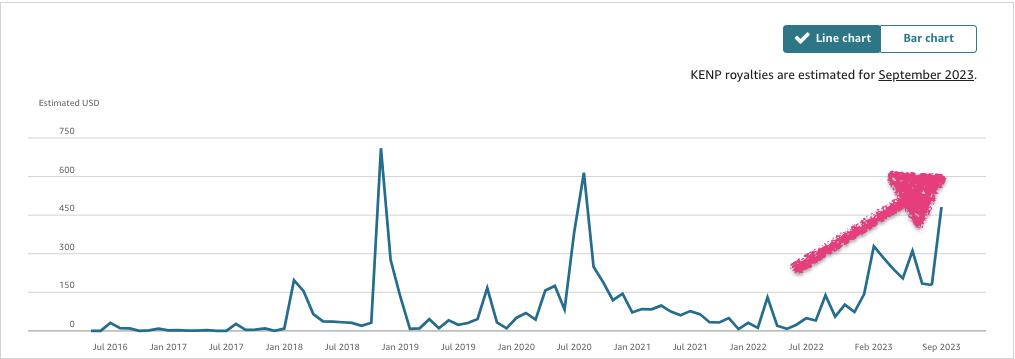
If you don’t think I know what I’m talking about, I pulled up the graph from my lifetime of publishing. As you can see, I had some spikes, anomalies, but the slight upward trajectory since June of 2022 when I first released Captivated by Her and Addicted to Her means more to me than the unexplained sale spikes. Consistency will win the race, and one day my sales will make me a small, if not steady, profit.

I could be sad that it took me so long to figure things out, but I met some great people along the way and learned a lot. I wasn’t prepared for success to come any earlier, but if I wrote something and a TikTok influence loved it now, I would know what to do with the attention and that’s really important. I’m still small potatoes, and I know that, especially since I’ve joined some TikTok for Author groups on FB, and holy hell, can those billionaire/mafia/dark romance authors rake it in. But after all the books I’ve written, I think I found where my heart truly lies–with rich guys written in angsty first person. Finding my niche may have been the biggest accomplishment from the past six years. Now I can write happily in a genre while building my audience.

You can look at advertising as something you do in the present, something that builds buzz short term, but marketing is something you do over months and years, pushing yourself as an author, what your brand is, as well as your books and what they’re about. But, you do need content, and that’s what trips people up, I think. You need be writing, need to have something for people to read, be it books or newsletter content. Time can be a huge factor and that’s why I suggested buying a wall calendar and mapping out what you think you can do for the next year or two.

It’s tiring, believe me, I know. If I didn’t love writing so much, I would have quit long ago, but I do love it, already thinking of what I’m going to write next, even if that won’t be published until the spring of 2025. God knows if I’ll even be alive then with the way I feel some days, but I never want people to think I’m floating on this cloud tapping away at my keyboard, when you probably would never believe the number of down days I have. My sexy men keep me going, and I hope your characters, when you’re down, keep you going too.

Have a good week!

Author Update and Personal Organization

Words: 928
Time to read: 5 minutes

My Christmas WIP is coming along. I’m 45k into it, and I’m actually kind of surprised I’m as far as I am. It could be it’s because in some way, this plot has been rolling around in my brain for years, or it could be I’m having a lot of fun writing the two. I don’t know, but I started writing Sawyer and Evianna on July 6th with a deadline of August 31st. I’ll be done before then, and I’ll have a few extra days to let it breathe. Last night I went back to the beginning, read from the first page, and made notes of all the breadcrumbs. This isn’t my first twisty book, and I’m getting better at writing them, but it’s helpful for me to keep track so I know what scenes I need going forward.

My proofer is plodding along with my rockstar trilogy, but I just bought my own set of proofs today. Unfortunately, giving up any kind of control just isn’t going to be in the cards for me, so I’ll proof them too, and together I hope we can spot all the typos. Listening to them is the best way to fix missing words, syntax issues, and misspellings (the voice sounds funny if you misspell a word) but it doesn’t catch everything. I always find stuff to fix when my books look like books, So that will be my main priority once they come in the mail.


I’ve been thinking of ways to set a schedule for some social media posts, and I would like to get into TikTok. Not even just because I think it’s a sure-fire way to sell books (like the Kindle Gold Rush, I think the TikTok Gold Rush has passed for everyone but a lucky few) but because creating content is fun, can be used multiple ways, and does eventually find readers. It wasn’t so much what to create (though pulling quotes and writing copy is an arduous task), but focusing on which books. I posted my question in a group on FB and one mistook my scheduling as a want to get an edge over the TikTok algorithms, which is not my intent, and impossible to do anyway. No, when I say schedule, what I basically mean is organization for my own mind (her question prompted the word ‘organization’ which was the correct word I was looking for). I have a duet, two standalones, a trilogy, a forthcoming trilogy, and soon, a holiday novel. I don’t want to create videos and post all crazy, but focus on one book for a week or so, then focus on a different book, etc. I know you can’t push a book for too long or readers will get tired of the same old same old. When you only have one book out, that gets dicey. You run the risk of people saying, “That book again? Doesn’t she have something new coming out?” So I was thinking a month at a time, but that’s too long. Especially if you’re posting multiple times every day. Maybe even go down to a week for each book before starting the cycle over again. Someone in the group did say not to be scared of recycling content–if a video gets few views, post it again. And that’s great advice–especially if you post at different times of the day.

One of the biggest reasons that gave me pause isn’t the idea of showing my face, but something a little sillier: The kind of music to attach to the videos. I’m not on TikTok yet, but I’m under the assumption there are a lot of different artists and songs to choose from. I did a reel on Instagram, and IG gives you a lot of choices too. I’m not a music connoisseur at all. I have certain songs I like and play them over and over again. I don’t listen to Taylor Swift and she seems to be a top choice. Like a book you want to sell, you have to look at the title, the cover, the blurb. I guess for a video to hit, you have to look at the content (the actual video) the tagline/ad copy, and then the song/music you choose. I’m getting better at ad copy, writing one sentence hooks, etc, and a lot of the reels and TikToks I’ve seen aren’t made with complicated videos. The packaging, I guess you can call it, will be important, and eventually the kinds of videos I create will build a brand.

Some people say to jump right in, don’t overthink it. I’ve never overthought anything a day in my life. I’m lazy and overthinking is too much work. But I’m a planster, and with any project, I would like to have an idea of what I’m doing before I start. I grew up around lakes, and I never jumped in feet first. I hate the mud at the bottom.


That’s about all I have for today. Summer is two-thirds over, and I hope you’re getting to relax, get some things done, and enjoy the weather. My sister and I are going to see Oppenheimer on Tuesday, so that will be fun, and in August, my daughter wants to see Barbie. Later in August, I’ll be busy launching my trilogy, and when I start up my TikTok account, I’ll blog about it. Now that I’m not on Twitter anymore, I have a little bit of time to spend on that platform.

Anyway, I hope you all have a great week!

Author Update: Knowing your limits and what I’m working on now.

flat desk.  mac laptop, paperclips. pink flowers. text: author update: knowing your limits and what I'm working on now.

Happy Monday! This week holds the first day of Summer, though we have felt the hotter temperatures for a while now. I don’t mind, and I frequently lie out on my apartment’s balcony with a podcast and soak up all the sun. This week is my sister’s birthday and we’re taking a road trip to Bismarck, North Dakota to eat at Cracker Barrel, bum around, and look at a different boring city with nothing to do there, either. But there are plenty of fields and plenty of cows, and I need a break.

I’ve been giving my trilogy a rest (to the best of my ability) and reading The Hunger Games books because I promised my daughter I would read the prequel before the movie comes out in November. Soon I’ll start listening to them (my books, not Suzanne’s), and I’ll have to divide my time or else I won’t them read and my books won’t get done for my proofer. I want to give her most of July so I have time to enter in the typo fixes and any cover changes I need. I only set an August deadline because if I don’t, I won’t work on my books in any meaningful timeline. But once I do set a deadline, and I announce to my newsletter that I have books coming out on a certain date, I’ll honor that. My publishing schedule is important to me; my integrity is important to me. Readers won’t trust you if you tell them one thing and then do another, and that’s why I got ticked off when one of my betas backed out of reading for me. (In the back of my mind I must not have trusted her because I still worked on them while she had them. I would have been even angrier had I waited thinking she was going to honor our agreement. It’s sad, but my lack of trust in people has served me well, and I don’t think I’ll ever change.)

Every week that passes, I see behavior like this in the writing community, and I don’t question why people are doing more and more on their own. If you want something done (and done right) you have to do yourself, and that’s evident in the uprising of sneaky AI covers, scammers charging for services they don’t have the right or experience to provide, and people unwilling or unable to keep their end of any bargain or contract they enter into. I’m always amazed when I look up the stats for my blog post on how to do a paperback wrap in Canva:

stats: 5.4k views, 13 likes, and 21 comments

I really shouldn’t be though because book cover designers aren’t cheap and with AI and scammers creating their own book cover design businesses who don’t understand you need to find your stock photos from a reputable (read: Amazon accepted) source, authors are just needing clear instructions on how to do it themselves because they’re the only ones they can trust to do it correctly.

I’m at the point where I have one online friend who will help me with blurbs and some shorter beta reading and a real life friend/co-worker who’s willing to help me proof my books. I’m tired of trying to weed through people who like the idea of helping but when it comes time to actually put in the work, they balk. It’s especially infuriating when you see them later tweeting about the time they are spending on their own work since they dumped yours. I’m bitter and refuse to put myself in that position again. So, when you offer to help someone, please follow through. It really hurts to get dumped. I’ve helped many authors since I’ve started this indie stuff. I’ve done everything from editing to blurb feedback to formatting, even some simple cover design work, and I have never, not once, backed out of a project. I do all of it for free (unless someone insists on throwing me a bone, but it’s not required) simply because I know how difficult trustworthy and affordable help is to come by. I couldn’t imagine getting halfway through a project and telling someone I couldn’t help them anymore. Even the idea makes me sick. Of course, like I said, life happens, and if my kids had an emergency, or my health was suddenly in peril (my mom and her mom both died from breast cancer) then that’s something else, but realistically, if you’re backing out because you bit off more than you can chew, that’s your own problem. What’s the saying? Don’t make your problem my emergency? Know your limitations and don’t offer to help anyone if you really don’t want to. Honestly, it’s a lot easier to say no than it is to back out of a project when someone is depending on you to finish. I’m not one for predictions, though I enjoy reading them at the beginning of every New Year, but I will say this: I think more and more indies will put out their work without any help. It’s just getting way too hard to pick through the scammers to find the dependable people, and indies are going to forgo the whole thing and just put their books out themselves. Whether or not they can put out a quality product is one thing, but the community is driving us to to do everything ourselves because it either costs too much or it’s too much of a headache to find someone who won’t screw you over.

Anyway, while my friend has my paperback proofs, I’m going to start writing my holiday novel. I found a notebook with the first chapter of a book and some plotting. I wasn’t experienced enough to connect the dots, and I tabled it. This was before COVID, maybe even a couple to three years before, so this shaky outline is old, but the plot has stayed with me. I’m going to turn it into a Christmas standalone. When I was plotting it, I hadn’t started my pen name yet, so I wasn’t writing strictly billionaire. When I go back, I’m going to have to figure out how to keep him in the situation he’s in because the original character didn’t have money and was essentially trapped where he is. But, I’m excited to use this plot, and I’m aiming for a November release. Even though it’s a Christmas novel, it will be dark, and I’m going to shoot for about 80k words. This will keep me busy during the remainder of the summer and into the Fall. I’m helping someone with formatting and editing, and I told her yesterday that Novembers can be busy for me. Decembers with Christmas can be too, but November will be particularly busy with my daughter’s golden birthday on the 18th, and my birthday on the 28th, and Thanksgiving I usually cook for. I wanted her to be able to plan accordingly but I won’t be working on any of my stuff by then. A standalone should be easy-peasy considering the two trilogies I’ve put together this year, and meeting my self-imposed deadline should be a snap.

I earned out my Fussy Librarian fee ($75.00), so that’s nice. (It was on the 9th of June.) I haven’t done the math to see what my read through is for the trilogy, but since my free promo wasn’t that long ago, my numbers would be way off anyway. It seems like I get decent read through, at least, book three is making money, so that’s something. We hear a lot about saturation. Is the market saturated? Too many books, not enough readers. Too many promos and not enough readers. I’ve read where these newsletter promos like Freebooksy, Fussy Librarian, and E-Reader News Today aren’t working as well as they used to. Being that I never used them FL or ENT, I can’t say one way or the other. I’ve used Freebooksy in the past, and I have proof a lot depends on your cover, if you write in a series, and how good your book is. I did a Freebooksy for the first book in my very first trilogy and it didn’t do well. My writing just wasn’t there and it didn’t earn back my fee. Same with All of Nothing. The writing was better, but that’s a standalone. Paying $120 dollars to give away a standalone doesn’t make any sense, and I didn’t have read through to other books because that’s an enemies to lovers and the only one in my 3rd person backlist. I’m going to keep an eye on how well my promos do for my 1st person brand. So far, the ones I’ve done have earned their fee back and then some, which is how you want it. But I made a conscious effort to niche down, change POVs, and write in more series. We’ll see if it pays off.

That’s about all I have for this week. I have plenty to keep me busy for the next little while, and I am really really excited to put out my rockstar trilogy. I thought my Lost & Found Trilogy was some of the best work I’ve ever done, but I’m really eager to see how readers like my rockstar stuff. I’m very proud of them, and I hope my readers love them as much as I do.

I hope you all have a good week, and if you ask, I can regale you with all the cow pictures I take on the road.

Until next time!