Author Life Lately: The ol’ bait and switch

1,919 words
10 minutes read time

Author Life . . . is the only life for me. (Just kidding, and no, I wasn’t tipsy writing this blog post.)
Happy Monday, if it is for you. I don’t mind Mondays, they’re a break after working four ten-hour shifts at my job. They usually entail some chores and couple of errands since I don’t have time for much while I’m working. Today I’ll be doing some of that and hopefully listening to more Loss and Damages. I’m halfway done . . . my trip to the Mall of America and the Minnesota State Zoo took up a large portion of last week and I didn’t get anything book-related done, though it was a nice break. I’m not really in any rush to finish it, but after having a heart to heart with a friend, I decided to work on my next series which will be called The Husband List just to get that off my plate. I have no idea how long it will take me to write four books and package them all. I’ve decided to write the four instead of rewriting book one to have only two left because I think it will just be easier to write four more plus it will be a nice addition to my backlist. But the minute I’m done with Loss and Damages and Wicked Games, I’ll be looking through stock photos for men for the covers. Six covers, six men, figuring out the series concept . . . that will take me just as long as writing the remaining four books. I like the idea of it though, so I’m going to jump in and see if I can turn that series into something special.

Besides that, it’s the same old, same old. Summer is coming and the days are getting warmer and longer. I don’t have anything planned for the next three months besides relaxing, writing, and going on a couple of day trips with my sister and daughter. We usually go to the zoo that’s in a town 45 minutes away and to Bismarck, ND, for my sister’s birthday in June. Last year it was raining and we couldn’t go to the zoo there, but we’ll try again this year. I’m kind of a zoo junkie, though I know how sad and inhumane it is for those animals be locked up.

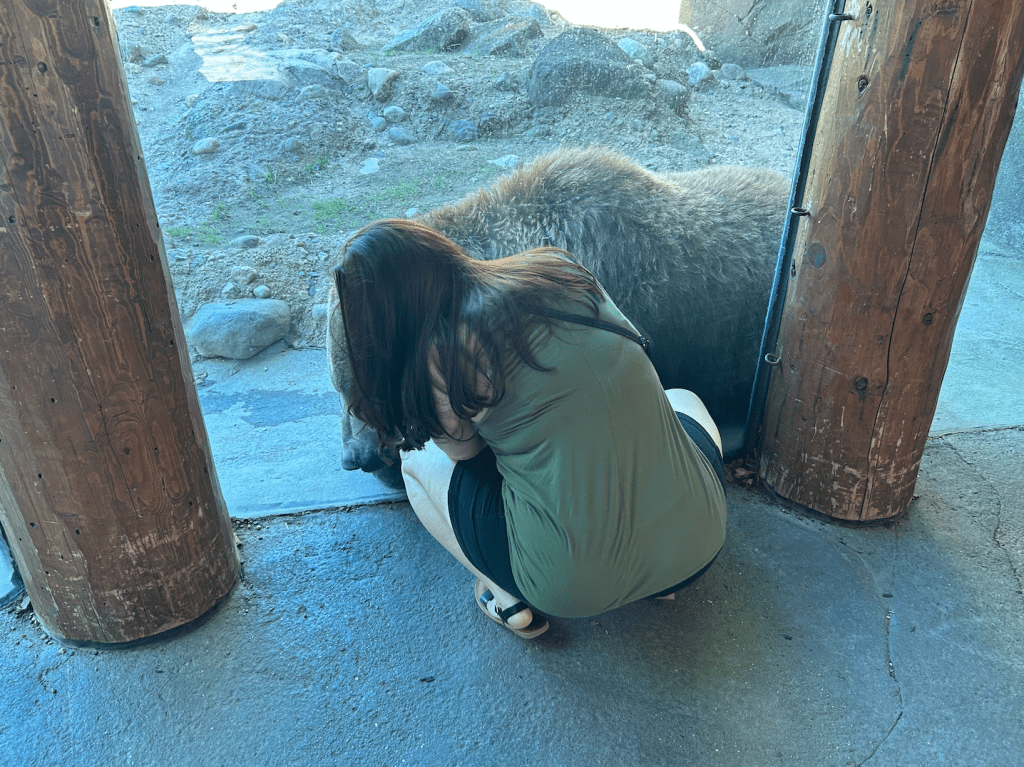
This is me bonding with a tired old bear. I know how he feels.

Russian Bear exhibit. Minnesota State Zoo

It was free, now it’s not, and isn’t that the way life goes?
As far as anything in the indie publishing industry is concerned, Bryan Cohen is doing his famous Amazon Ads Challenge again, but it’s disappointing because he decided to charge this time around. It’s not like anything that hasn’t been done before. There are quite a few indie publishing services that have started off as free and then as soon as they had customers who relied on their services, they changed to paid tiers only. The two that come to mind right off the top of my head are StoryOrigin and Booksprout. So, what Bryan is doing isn’t new, but it makes me wonder if he’s going to be subjected to any backlash or if the new authors who were planning to take his challenge will just pay the $9.00. For the information he gives you, that’s still a bargain, but I won’t be able to recommend his challenge as freely as I used to because if you’re an indie strapped for cash, even $9.00 can feel out of reach. I’m fluent in “poor” and $9.00 to me is three gallons of milk. Nothing to take lightly if you’re struggling paycheck to paycheck.

I also wonder what Amazon will think of Bryan suddenly charging for his challenge. For the past couple of years they’ve backed him and recommended his challenge to authors, and it makes me wonder if they’ll still encourage authors to participate or if they’ll be salty Bryan’s making money off them (or trying to. Who will actually pay remains to be seen). He wouldn’t be the first one to do that, either, so maybe it’s not a big deal. There are plenty of Amazon ads resources out there, including books from Janet Margo who is a former Amazon employee. Bryan’s been under fire in other ads groups on Facebook, some members saying that his approach is just flinging spaghetti noodles at the wall, but his challenge does more than just tell you how much to bid. Probably the most valuable part of his challenge is that he goes through what will actually make your book marketable. I’ve seen some pretty gnarly covers and read some very confusing blurbs during his challenges, and if anything, it makes authors open their eyes and choose covers that will sell, not only covers that they like. He also explains ad copy, page reads, and read-through. But if you’re looking for a book that does the same, Nicholas Erik has updated his book on book marketing, and I found it extremely useful. Also, you can keep his book, whereas Bryan’s course has a time limit even though you paid.

I won’t be paying to participate in his challenge. I’ve already taken it a couple of times and I feel I’ve been in this business long enough to understand what makes your book sell:
1. Good cover. It’s the first thing a reader sees, especially using Amazon ads where you don’t choose your own graphic.
2. Good blurb
3. A title that’s not confusing
3. Strong look inside (first 10% of your book)
4. Strong keywords (the seven fields you fill in when you set up your book to publish)
5. Categories that actually match your book’s genre
6. A list of comp authors and comp book titles if you choose to do keyword ads
7. A short hook if you want to add text to your ad
8. Competitive price

Those are pretty non-negotiable before you even set up your ads account. Once you do that, Amazon will know whom to show your ad to, and that can make or break your ads. Then bid .50 cents or so per click (it’s gone up over time due to market saturation, but NEVER go with their recommended), and you’re pretty much all set. I don’t think I revealed any super-secret information. Most of that stuff is no-brainer material anyway but can be difficult to come up with once you need it. Like the keywords you should choose while you’re setting up your book in the KDP dashboard. The number of reviews can affect sales, so can your book being first in a series but your series isn’t done. You need to take a lot of things into account for ads to work. And well, Bryan tells you that stuff whether you want to hear it or not. I’ll be interested to see how his challenge does now that it’s paid. Nothing in life is free, baby. Except this blog. You’re welcome.

Never kill the dog (unless you want John Wick to come after you).
There was some emotional discussion last week on Threads over an author who defended killing a dog in her book.

screen shot of thread post. text says
erinleeauthor
indieauthors
3d
I killed a dog in my book & said there's no afterlife. Then I watched a writing video that said pets can have big roles in books so be careful. & a beta reader asked me if a dog dies & said she checks a site with a list of books to avoid. Then a dating app guy said my afterlife rule was a "hard pass" & dipped. Damn, people. Dog culture is dire. They're a great pet, but stop acting like they have little moons orbiting them. Your behavior is raising our vet bills. They're not a child. Chill.

2.7k hearts 10k comments 745 rethreads or quotes 931 shares
https://www.threads.com/@erinleeauthor/post/DJZS7YSRIw- A million views? OMG.

This is a bad take. A bad take. A bad bad bad take. Especially after all the crap we had to read and hear about Kristi Noem killing her own pup last year. It’s kind of amazing how something can go viral (chances are good I could write the exact same thing and get the obligatory 10 views Threads seems to think I deserve), and I hope she got what she was looking for putting her nasty thoughts out in public. It does bring into question what should be listed on content warnings or if animal death is considered “normal” in the genre you’re writing in. Horror, I would imagine, can get away with a few things Romance can’t, for example. I killed a cow once, and it was very much needed for character trait evidence, but I don’t have it listed on any content warnings anywhere. Fortunately, the feedback I’ve gotten for that book has been nothing but positive. I told ARC readers on Booksprout there was an animal death, but no one mentioned it in their reviews. I don’t go out of my way to kill things, even people. When they die, it’s surprising to me and never planned. It just happens, much like real life. Though, when I was putting together the content warnings for my King’s Crossing page on my website, I included this:

screenshot of trigger warning on my website. text says
One last thing–people do die in this series, but if you read through to book 4, I assure you, Gage’s dog is okay through to the end. I would never hurt a dog!

picture of dog vector. german shepherd

Baby, actually, plays a pivotal role in the books where Gage is the MMC, and I considered her a main character in her own right. Anyway, nothing quite shakes up the internet like talking about dogs dying, so be careful what you say. Erin ended up taking her book down and now she has quite a few one-star reviews on her product page. What she thought was “any press is good press” didn’t turn out to be true. Wanna peek at the book she will now have to rebrand and publish under a pen name to hide? Look here: https://www.amazon.com/Dead-Aware-Erin-Lee/dp/B0CRZJDZJZ

Everyone complains, but no one says thanks.
Everyone complained when it wasn’t possible to buy books off the Kindle app on an iPhone or iPad because of Apple’s fees and restrictions on external purchases, but no one mentioned when a recent court ruling prevented Apple from doing so. Apple is appealing, but for right now, if you use the Kindle app on your iPhone or iPad you no longer have to go to the browser to buy a book. I read on my Kindle Fire anyway, and I’ve always purchased books on my laptop because for me, it’s easier to look around the product page. But this is a big win for authors right now and we can only hope it lasts. If you want to read more about that, you can here: https://www.theverge.com/news/661719/amazon-app-ios-apple-iphone-ipad-kindle-buy-books


That’s about all I have for this week. My schedule is back to normal and I’ll work on Loss and Damages on my days off work. It’s going to be hot, the highs in the 90s until Thursday, so I will also be lying on my balcony enjoying the heat and sun.

If you’re looking for something to listen to while you, too, are flirting with heat stroke, I’m going to be digging into this podcast episode with Jane Friedman. She’s got a new updated version of her book, The Business of Being a Writer, and she’s been promoting that. I love listening to her talk about the industry. If you’re interested, you can find it here: https://podcasts.apple.com/us/podcast/how-to-make-a-living-as-a-writer/id472152554?i=1000705377607

A new Craftwork conversation about the business of being a writer with Jane Friedman. Her book, The Business of Being a Writer, is now available in an updated second edition from the University of Chicago Press.

Friedman has spent 25+ years working in the publishing industry, with a focus on business reporting and author education. Established in 2015, her newsletter The Bottom Line provides nuanced market intelligence to thousands of authors and industry professionals; in 2023, she was named Publishing Commentator of the Year by Digital Book World. Jane’s expertise regularly features in major media outlets such as The New York Times, The Atlantic, NPR, The Today Show, Wired, The Guardian, Fox News, and BBC.

***

Otherppl with Brad Listi is a weekly literary podcast featuring in-depth interviews with today’s leading writers.

Have a great week, everyone!

It’s a Matter of Perspective (Ad Platforms)

Words: 1906
Time to read: 10 minutes


Things may seem bleak now, Brother. But if I’m learning anything from my art studies, it’s that it is almost always a matter of… perspective. I look at my art, and if I do not like what I see, I may always alter the color palette, but I certainly do not toss the entire design aside. Perhaps you, too, could do the same in your own life.

Benedict Bridgerton to his brother, Anthony

Season 2 Episode 7: ‘Harmony’ (2×07) | Produced by Netflix (Taken from: https://scatteredquotes.com/always-a-matter-of-perspective/)


There is a lot of advice online about indie publishing, and we all know to take advice with a grain of salt. People rarely post the whole story to any situation, but a lot of times that’s not their fault. When you’re given a character limit, there’s not a lot you can do. That’s why when someone is asking about ads or editing or marketing, there’s going to be a lot of missing, or misleading, information. Whole books are written on topics like that and there’s no way the person asking how to run Amazon ads will successfully learn everything they need to know in a Threads post or on Twitter. Even Facebook with their unlimited character limit, people won’t/can’t post everything you should probably know. Besides, it’s not their job to teach you, and their way may not be your way.

Part of the problem is the people asking don’t want to take the time research for themselves. We’re all busy and sitting down to read a 200 page book on Amazon ads may sound bland and time-consuming. They want to know the nitty-gritty, but the problem is, we all have different books, knowledge bases, different budgets, and yeah, different perspectives.

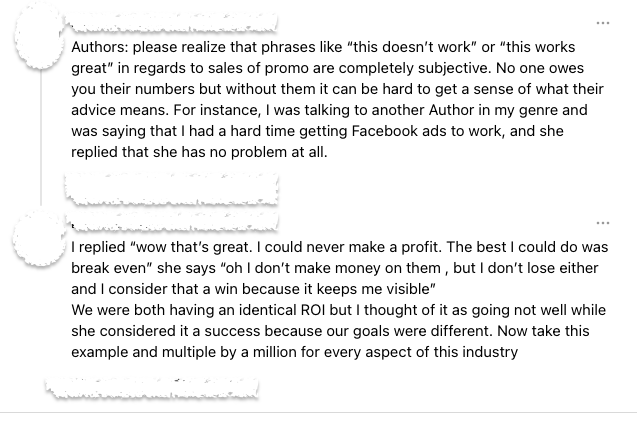
I never considered it until someone I’ve interacted with every once in a while relayed this story on Threads:

Authors: please realize that phrases like “this doesn’t work” or “this works great” in regards to sales of promo are completely subjective. No one owes you their numbers but without them it can be hard to get a sense of what their advice means. For instance, I was talking to another Author in my genre and was saying that I had a hard time getting Facebook ads to work, and she replied that she has no problem at all.


I replied “wow that’s great. I could never make a profit. The best I could do was break even” she says “oh I don’t make money on them , but I don’t lose either and I consider that a win because it keeps me visible”
We were both having an identical ROI but I thought of it as going not well while she considered it a success because our goals were different. Now take this example and multiple by a million for every aspect of this industry

I related to the post because I too, break even on Facebook ads, but I never considered myself “failing.” I reason that I’m finding readers–people are reading my books who wouldn’t have before–so I never considered the ads or my books, a failure. So, yeah, in a sense they are “working” but anyone who is in my shoes would want them to work “better.”

That’s why it’s important to know what you want out of your books, what you want out of your business, and what you want out of your ad platform. If you want to sell 100 books a month, your goals are a lot different from someone who’s happy to sell one. If they’re happy with that one book a month, then your marketing strategy is going to be vastly different from theirs.

I haven’t done a very good job of figuring out what I want, mostly because I’ve been happy simply writing the next book and breaking even. I’m rather vague, saying I just would like to make a part-time income to fill in some of the blanks my day job leaves behind. I need to change that mission to earning a part-time income without having to spend on ads, or making 200% ROI so I’m earning more than just being able to cover ad costs. I’m grateful I’m selling books at all, even if I have to pay for ads to do it, because the market is crazy right now–there are so many authors and books out there–and selling books isn’t a guarantee no matter how wonderful your books are or how big of a backlist you have.

So when you seek advice online, be prepared for advice given by people who have different goals and perspectives than you. Rarely do we all want the same things or have the resources to obtain them. Taking advice from someone who has very little to spend on ads will be a lot different than listening to advice from someone who can afford to throw $500.00 a month at them. They can because either they have the day job to afford it, or they’re making money off their books and they’re putting their royalty money right back into their business. You may be a ways off before being able to do that.

If you aren’t making money off your ads or you’re not selling books, changing how you look a your product can help too. Get honest feedback on your cover. Get help rewriting your blurb. We become very close to our books and we’re biased because we don’t want to think anything negative or bad about something we worked so hard on. But it’s essential to look at your book as a reader of that genre and not its creator. Change your perspective and you might be faced with a whole lot of truths that can only help you move forward.

When you think about ads or booking a promo through Written Word Media or something else like Fussy Librarian, it helps to know what you want. Do you just want to make your fee back? Maybe you want some reviews too (keeping in mind on average, only one reader out of 100 will leave a review). Maybe you’re just testing the waters and don’t mind losing a little money. Maybe you’re just paying to get your name out there, wanting the exposure, or maybe you’re pushing out your backlist and laying the groundwork for a new release. If you know what your goals are, you can study what others are doing and twist them to suit you and your business.

If someone does say they are having success with ads and you want to break down the hows and the whys, here are some basic things you can look at:

  1. How are their covers? Covers play an important part when you pay for ads, especially Amazon ads where the book cover is the only thing that’s featured (if you don’t choose to write ad copy). Are yours up to snuff? Because if they’re not and theirs is, you can throw their advice away. It won’t work for you.
  2. Blurbs. You need a strong blurb (and cover) or you could pay for clicks and once they reach your product page, they’ll back out and you won’t get any sales.
  3. How many reviews do they have? Opinions on this vary, but from my own experience, books that have more reviews do better than books that have fewer. If you have five and the person you’re talking to has 500, you’ll have to keep that in mind and maybe realize it will be harder for your ads to encourage sales.
  4. How often do they publish/how big is their backlist. If they publish four times a year and never fall off Amazon’s 90-day cliff, but you can only publish once a year, take that into consideration. You’re going to be pushing a boulder up a mountain, and that author is already at the top.
  5. Are they promoting other ways (like a newsletter)? Any way an author is pushing readers toward Amazon tells Amazon to push your books and ads will work that much better. It’s kind of a crappy cycle: the more you push readers to Amazon, the more they push your books, and the more your books will sell, and the more your ads work, and the more your books will sell, and the more Amazon will push your books. I believe that’s called being “sticky” an achievement I haven’t reached yet.

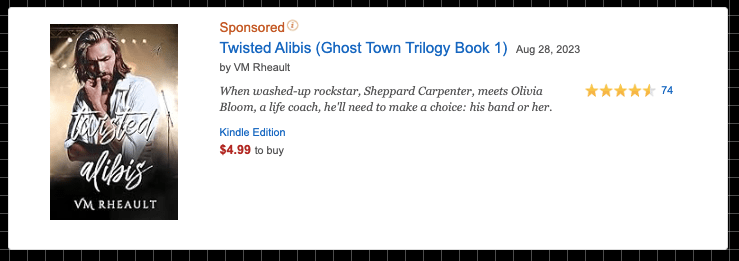
Changing your perspective can help in other ways, too. Experiment with your bid, experiment with your ad copy/tagline, even changing your keywords or categories. If something isn’t working, you need to look at it from a different point of view. This is what my ad would look like if I ran an Amazon ad with ad copy to Twisted Alibis.

For as good as it sells, I’m disappointed I don’t have more reviews, but it’s better than Captivated by Her that only has like, 11 star-reviews and maybe one text-review, so I’ll take what I can get.

You can study that ad and think of what you could do if it was your book. Is the cover good? If you’re in a country that allows you to add text, is your tagline hooky? How many reviews do you have? Is your Kindle price where it should be, or is it too much… or too little?

You have a lot more freedom with Facebook ads, though they’re making changes now and I bought a class from The Writing Wives because Mal is going to go over them. I’ll be logged into work and I won’t be able to watch it live, but I need to know what to do the next time I want to set up a Facebook ad. I have two running right now that have great social proof and I’m never going to turn them off. As of right now, even though I’m slightly losing money on them because sales are dismal, they are the only thing driving any kind of traffic to my books.

There are a lot of resources out there about how to set up Amazon and Facebook ads. A lot of it is technical information, and you have to take that information and tailor it to your books. Like with Facebook ads, not everyone is going to use the same featured stock photo, or use the same headline, or use the same description. All they can tell you is how to set up the ad and possibly give you tips on hooks. You’ll have to figure out what works and what doesn’t. Look at your ad in the POV of a reader and ask yourself if it would draw you in.

Anyway, Dave Chesson has a free Amazon ads course he just updated, and you can find it here:
https://courses.kindlepreneur.com/courses/AMS

There are others out there like Robert Ryan who have written books on Amazon ads, and Matthew J Holmes has a book on Facebook ads.

David Gaughran has a ton of information on Facebook ads, and he recently just did a tutorial on how to turn your book’s cover into a graphic using Canva.

This blog post has gotten way out of hand, and honestly, I’m not even sure what I’m trying to say. Listen to what people have to say, but be aware their goals may not be yours. That might not be a bad thing–getting others’ opinions can be helpful. Know what you want out of ads, and be honest with yourself if they’re not working. Or if they are working and you want them to work better, figure out what you can do, even if that’s just adding a dollar to your daily spend (if you can afford it and/or if you know you’ll earn it back). Right now, I’m stalled out, spending about 8 dollars a day and earning 6 if I’m lucky, but I think it’s because I haven’t published anything for a long time, and we always have to keep in mind that writing the next book is the best thing you can do.

It’s been kind of a long week, and it’s hot outside–86F. I’m going to go outside and give some water to my animal friends and walk around the block to clear my head. I swear to God I’ll be a different person once this series is done. Maybe I can finally get some rest.

Have a great week!

Author Update and Monday Musings

Words: 1625
Time to read: 9 minutes

desk flat.  pink flowers, blue candle. text says, author update and monday musings

I don’t have much to update you on this week. I’m slowly making my way through my King’s Crossing proofs and I’m in the middle of book two right now. I’m not finding much, a word that should have been deleted here, a word that should have been added there. Like many authors, some of what I mark I’ll decide to leave alone, and that’s usually the hint I need to realize that after proofing these, there isn’t going to be anything left to change or to make better. I recommend everyone reads their proofs because it’s amazing what you’ll find when your book is printed out, and actually, ordering a proof is a cheaper than printing it out at your local Office Max.

Anyway, so that’s all I have for my author update.


As far as my Monday Musings are concerned, I want to defend all my Canva book cover blog posts. There are opinions circulating on Threads that pretty much say it’s not safe to use a cover made in Canva because Amazon won’t accept them if they ask for proof of copyright. This isn’t correct and I do not want any baby authors to get scared or bummed out they can’t use Canva to create their covers. The truth is, KDP/Amazon doesn’t care how you made your cover. You can use Canva, BookBrush, Photoshop, Affinity Photo, InDesign, GIMP, or even Word. What they care about is where you got the stock photos that you used to create your cover. Canva Pro gives you access to hundreds of thousands of stock photos, and you can use them, for anything but book covers because if KDP asks you if you have the licensing rights to use the photos, they won’t accept Canva’s. That’s it. That’s all it is.

When you buy a stock photo, you’re not buying the copyright of that photo. you’re buying the licensing, or the permission, to use it. The photographer and the model, through a model release, say it’s okay for you to use the photo on your book, and that’s the documentation that KDP wants. Canva doesn’t give you the proper permission to use their stock photos, not in a way that Amazon wants, anyway. So, whenever I talk about Canva, I always say you should buy your photos from places like DepositPhotos, Shutterstock, Dreamstime, or 123rf. You can browse Canvas stock and find the source and purchase it directly. Sometimes the source is Getty, and we all know most of us can’t afford that. For that reason, I never practice book covers using their stock because I might fall in love with something I can’t use.

The same goes for places like Unsplash, Pexels, and Pixabay. Those places are fine if you’re using stock for blog posts and aesthetics, but for an actual cover where you’re going to be making money from your book, you should buy your stock photos.

The standard licensing is fine–the extended license of a photo is primarily if you’re going to use the photo on something you’re going to sell, like a coffee mug. The standard license is fine for a mug if you’re going to make one for a giveaway, or something else like bookmarks, but if you’re going to sell those coffee mugs and bookmarks at a book table at a convention, then you need the extended license, which is a lot more expensive. That’s why I don’t make swag. It’s expensive and I don’t have a readership that would pay. If you want to make bookmarks or business cards, or even post cards, the standard license is fine–knock yourself out. VistaPrint is a good option.

Another reason someone said it’s not safe to use Canva book covers is because someone could copy it and you can’t do anything about it because you can’t copyright what you make in Canva. The thing is, anyone can copy a book cover, and it doesn’t matter where you make your cover. The reason most authors don’t have their book covers copied, even if they’re gorgeous, is because you’re just asking for trouble if you do. There’s no faster way to get blackballed in the author/writer community than copying someone else’s work. Now, can the author you copied sue you for that? Sure. They might start off sending you a cease and desist email first, ask you to change your cover, counting on that to scare you enough, and if you’re baby author who got swept up in loving a cover, or you bought one from a designer and you didn’t know she “borrowed” the design, then a cease and desist letter would probably be enough. But the threat to sue, I don’t want to say is empty, but a lot of authors don’t have the money to take you to court. So, it doesn’t matter where your made your cover, anyone at any time can copy it.

When you’re a romance author, we do get into some shaky and shady territory. We use the same models, a lot, even the same backgrounds, a lot, and when that happens, sometimes vibes are the same. I think most of us authors understand that and we just shrug and say, “It happens.” I even blogged about it, and you can read it here: https://vaniamargene.com/2023/08/14/romance-covers-finding-the-right-stock-photo/

I’m not a copyright lawyer, and when I talk about stock photos and book covers, that’s all my knowledge pertains to. Canva is used by people who are not authors, and when someone uses their elements to make logos and social media graphics geared toward selling products, I have read those logos and social media graphics don’t belong to that company. Maybe that’s true. I have no idea. I don’t work for a company that asks me to make social media graphics, so I don’t have to know the legalities of it.

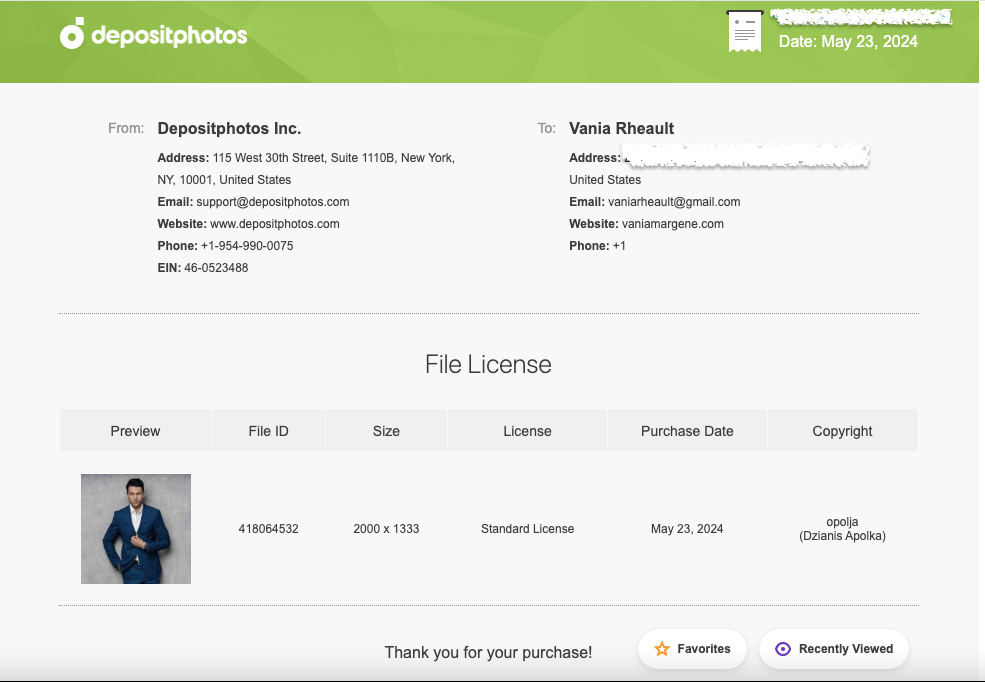
When I make a cover in Canva, sometimes I do use a Canva element, like a gradient or a glow star, but I use DepositPhotos for everything else. When Amazon asked me for licensing information for the 3rd book in my rockstar trilogy, I took screenshots of the download information of the background photo, the model’s photo, and my profile information. I had other things on my cover (a small piano vector indicating what instrument the guy in the third book played) but I didn’t give them that, or the font information. If you’re ever asked, give them as little information as possible because right off the bat you’re dealing with a bot that randomly picked you and you don’t want to muddy the water with information they don’t care about. Keep it polite, give them the stock photo information, and if you don’t have it, they’ll tell you to change your cover. If that’s something you have to do, be smarter and buy your licensing agreements the way you should (or never use that cover designer again). (Here’s a blog post I wrote about scammy cover designers–https://vaniamargene.com/2024/04/22/author-update-and-vetting-your-book-cover-designer/)

I hate when “important” information is passed around on a platform like Threads. There’s no way you can include all the information you need in a post so you don’t confuse people. And if you do see blanket statements like, “Don’t use Canva to make your book covers because it’s not safe,” I always suggest you look up who’s saying it. A lot of times it’s going to be someone who benefits from your fear, like, you guessed it, a book cover designer who is going to be out money because you’re making your own covers.

I saw that once last year. A book cover designer in a book cover Facebook group was trying to go after GetCovers because they were “copying” book covers. After a lot of back and forth and nasty comments, even between her and the GetCovers owner, or whoever he happened to be, what it boiled down to was she was a book cover designer who was angry they could charge so little and she felt it was eating at her potential client base. It’s the same for editors, too. Anyone who says you can’t publish without paying an expensive editor is probably an expensive editor who wants to guilt you into paying their prices.

I’ve turned so jaded lately I just always assume people are looking out for themselves first, most, and always, so always, before you get scared, do your research.

Thousands of authors use Canva to do their covers. Some use it properly, purchasing stock photos from reputable sources like DepositPhotos, some take chance and use Pixabay or Unsplash, thinking that their “free for commercial use” agreement is enough, some use Canva stock and hope for the best. If you’re going to use Canva because it’s easy and user-friendly, then you’re not doing anything others aren’t doing. I know that shouldn’t be much of a consolation, but you’re hardly breaking the law. Even if I make a cover for someone else and they’ve downloaded their photos, I download them too so I have the licensing agreement under my profile in my downloads. And what I would send KDP, or what I have sent, looks like this:

This is the purchase proof for the model who will be on the third book of my King’s Crossing series.

That way the author I’m helping can say I made their cover, and I can turn around and give her the screenshots she needs to prove I paid for the licensing agreement.

I have said in the past that your books are your business, and it really doesn’t feel true until KDP smacks you with a proof of licensing for a stock photo.

Anyway, that’s all I really wanted to say. Like almost everything, if you mess up, it’s the operator, not the machine.

Have a good week, everyone! I’m going back to proofing.

Author Resources–Five Things That You Can Use Right Now

There are a lot of resources out there, some free, a lot paid, and you can lose track of where they are and forget them if you ever need them. I thought I would put together a short list of the little out-of-the-way resources that you might want to bookmark in case you ever want to use them. (As as always, there are no affiliate links in this post.)

The first one is one that I use a lot, and it’s a site by Creativindie’s Derek Murphy (https://www.creativindie.com/). The 3D Cover Creator doesn’t need special software to use–all you have to do is upload your book’s cover, and spine, depending on the mockup you choose, download to a PNG for the transparent background, and you have a mockup for all your social media graphics. https://diybookcovers.com/3Dmockups/
What I really like about this site is during the design process, it’s a cool way to test if your book cover is going to look good. This is a graphic I made for Instagram when my Christmas novel came out.


The next resource I like to tell authors about is by Dave Chesson and his team at Kindlepreneur. I love the QR code generator. It’s absolutely free and you can add it to bookmarks and any other marketing paraphernalia you create. I love VistaPrint’s quality and their prices are decent. Add a QR code pointing potential customers to your website or Amazon author page. You can even add a logo to the middle. For lack of anything better, I added my imprint logo to this one and it points to my pen name’s author website.

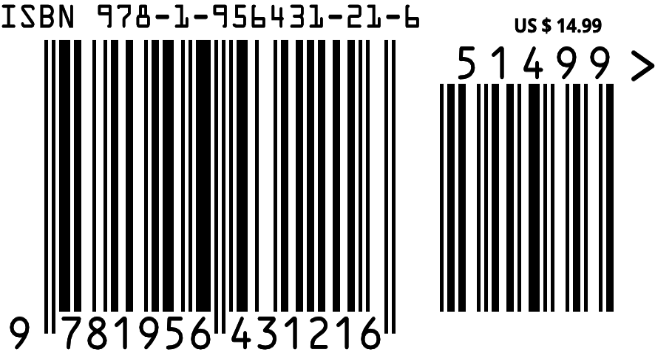
Another free resource Dave and his team provides is a barcode generator. I don’t use this because I just let KDP and IngramSpark add the barcode to my books for me, but if you wanted your price embedded into the code the way Barnes and Noble requires you to do if you want your books in their stores, this is a free and not very confusing way for you to do that. Create it and add it to your book’s cover before uploading and publishing your book. Here’s a barcode I created for one of my books, but I’ll just delete it as I won’t need it. You can find the barcode generator here: https://kindlepreneur.com/isbn-bar-code-generator/

Kindlepreneur has a lot of great resources on their website. Check out all they have to offer and sign up for their newsletter. https://kindlepreneur.com/


The next resource I use quite a bit when I’m looking for comparison authors for my books is https://www.literature-map.com/. The only con about using it is it doesn’t bring up indie authors unless they are bestsellers or have been picked up be a publisher like Amazon’s Montlake. Type in the name of an author that you want comps to and watch them populate. I put in Jodi Ellen Malpas, as she’s one of my comp authors.

This is a great tool for keywords for ads, finding your target audience, or just looking for something to read in your genre.


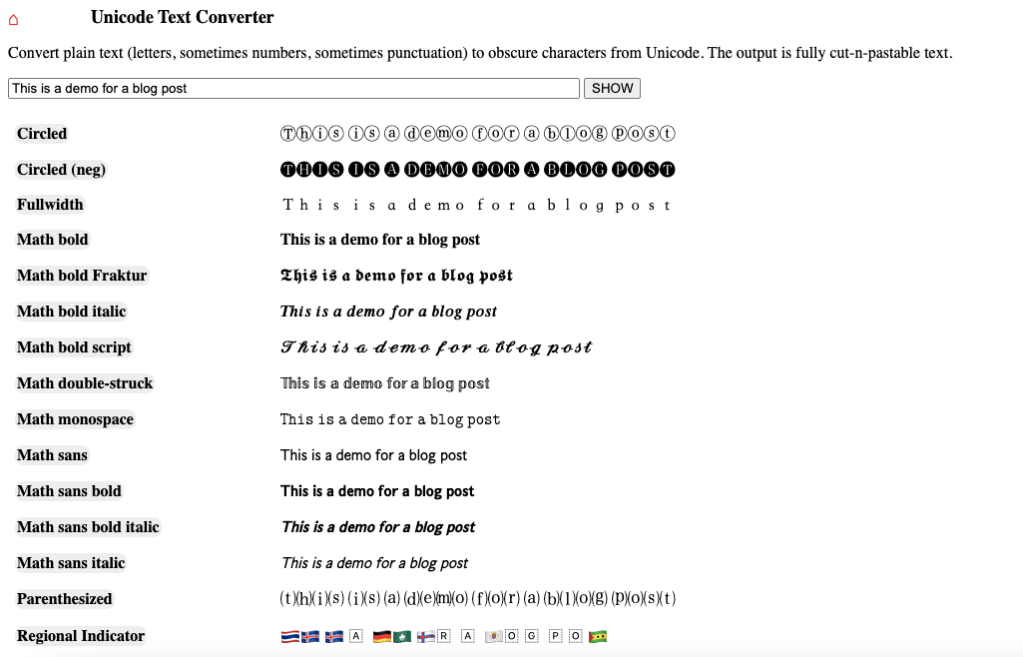
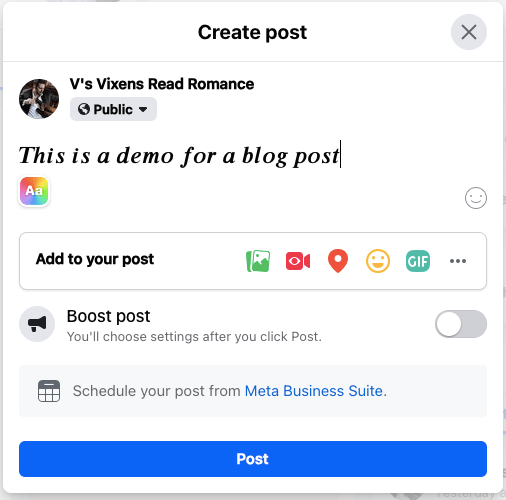
One of the last things I use almost on a daily basis is the Unicode Text Converter. https://qaz.wtf/u/convert.cgi?text=t If you’ve ever wondered how to bold and or italicize Facebook post text or Twitter tweets or Instagram text, this is how. Enter the text you want and click SHOW. Simply copy the style you want and paste where you want it to post.


These are little things that I use a lot that I thought you would like to know about, too. I don’t have much else for this week. My personal drama has seemed to have died down, and I’m happy about that. I finally finished editing the third book in my series and started on number four. I’m still stumbling upon a few scenes where I rushed, but I’ve always liked this couple just a little bit better and reading these last three won’t feel like such a chore. I still don’t have my car back from the auto body shop, but once I do, I feel better about that, too. On Wednesday my daughter, sister, and I are going to dinner and then to watch Titanic at the theatre. My daughter is 18 and has never seen it before, so I’m excited to see what she thinks. I said at least she can see where all the memes come from.

One last thing–I made a February calendar of social media prompts. I thought I would share it and you can save it if you need something to help you post next month. I bumped up the DPI so you can print it too, if that something you do, but I think the sizing is kind of odd. I’m going to try to stick to it since I was the one who made it. My Facebook author page is nothing but tumbleweeds, and I’d like to bump up my following there and get comfortable posting. I hope you all have a good week!

Until next time.

made in Canva using one of their templates

Happy Thanksgiving! Five Things I’m Grateful For

Words: 1164
Time to read: 6 minutes

It’s Thanksgiving Day in the States, and most times I don’t jump on the bandwagon for much, but I thought I would blog about the five things that I’m grateful for, not only in my life, but in the indie community, writing- and publishing-wise.

Number one, no doubt about it, is going to be my audience. I don’t pick up many subscribers on the blog anymore. One or two would sign up with every blog post I published, but I think that’s due to Twitter’s API and how WordPress can’t tweet my blogposts anymore when my blog goes live. I don’t go through the hassle of pushing my own blog on that platform (or anywhere for that matter). I was happy enough to let WordPress take care of it. Now I only have my own SEO to depend on, but I’m still finding a lot of discoverability with my how-to Canva posts and I might still get a follower or two out of those instructions. But, I’m not just grateful for the readers I’ve managed to pick up here. I have readers other places too, like my FB author page, and of course, the people who read my books. I started at 0, blogging for no one, writing for no one. It’s not a lot of fun, and without consistency, you can stay at 0 for a long time too. I’m grateful for all the readers who have stuck by me, in whatever capacity and on whatever platform, but I’m also grateful I hung in there for myself.

The friends I’ve made doing this crazy thing. I talk a lot about how lonely this gig feels, and I think you can feel that way no matter how many writer friends you have. Sitting behind your laptop and staring at a blank Word document can probably be one of the loneliest things you can do as a writer. No one can write your book but you. Sure, you can join sprints or writing groups, and those can be valuable. But writing starts and ends with you–it starts and ends with what’s inside your head. I’ve made lots of friends on Twitter and they were so helpful when it came to just starting out publishing. Most have faded now, not writing, family issues pulling them away, COVID, but I believe people come into your life when you need them. If they hang around, you still need them, and if they drift off, they’ve gone on to help someone else. I like to think I’ve done my share of helping and paying it forward because I value and appreciate the time people have given me. I don’t regret time I’ve given anyone–any relationship I’ve made in the past seven years I’ll treasure. Even if we don’t talk anymore, for whatever reason, I’m always wishing you the best.

People who are free with their information. I talk a lot on the blog about how “the information for success is out there,” you just have to know where to look for it. Several successful authors write nonfiction, and you’re crazy if you’re not listening to them speak or devouring their books. In no particular order, my favorite nonfiction authors are (and yes, I’ve read them all, and no, there are no affiliate links here):

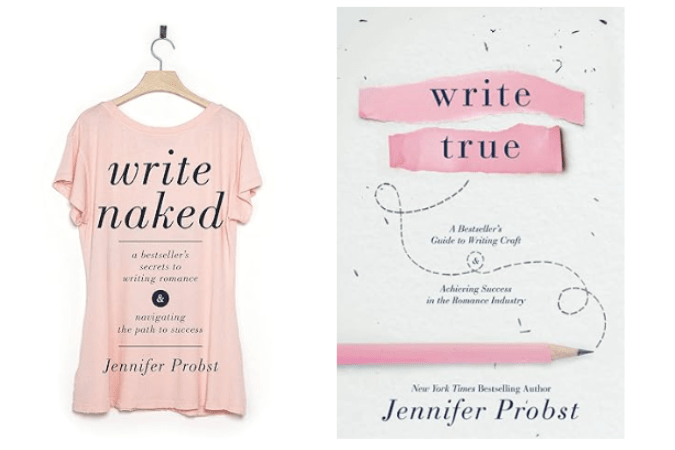
Jennifer Probst. I love her two books on writing. You can’t get a more honest look on being an author than these two books–Write Naked and Write True.
Write Naked: https://www.amazon.com/Write-Naked-Bestsellers-Secrets-Navigating-ebook/dp/B01N16FESI
Write True: https://www.amazon.com/dp/B08FLGFLL5

Zoe York. Her how to write a series series is fantastic, and I can’t recommend it more: https://www.amazon.com/dp/B082CZDK75

Elana Johnson. Her indie inspiration books are the best! https://www.amazon.com/dp/B07TWGGLCS

Craig Martelle. Read all his books. You won’t be disappointed! https://www.amazon.com/dp/B07SVG6GB9

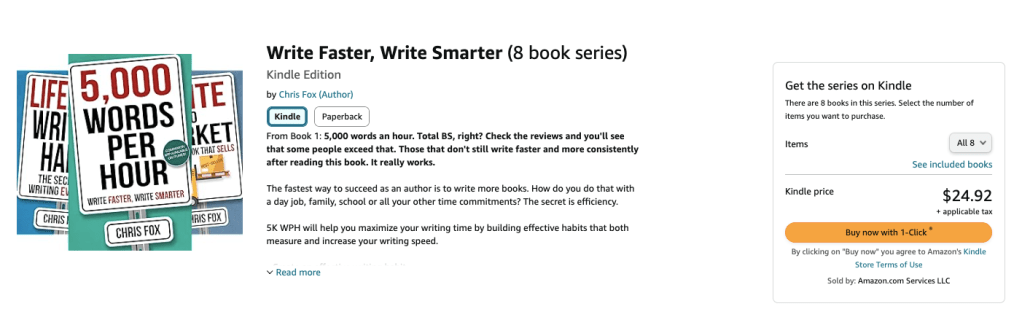
Chris Fox. His books aren’t only a source of information, they’re also motivational: https://www.amazon.com/dp/B074CJPMZ1

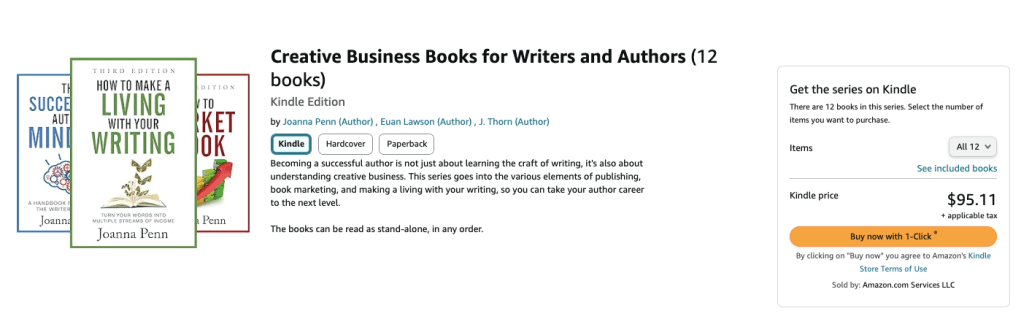
Joanna Penn. A pillar in the indie community, her books are a must have! https://www.amazon.com/dp/B085CBDFQJ

This is quite a list, and your wallet is probably crying. I read all these over the course of 7 years, so it didn’t seem like such time-consuming event. And, you’re probably saying, these aren’t exactly free, and you’re right. Books aren’t free. But, no one said these authors had to sit down and share their secrets either, so they should be paid for the time they put into their books. All these authors share this information for free in some way, shape, or form. They all speak on podcasts, are interviewed for blogs or host their own FB groups. If you’re a romance author, start with Jen’s and Zoe’s books. They’re a godsend.

The support I have in my real life. I’ve come to realize that even if I don’t have full-fledged support from the people on this side of the screen, I don’t NOT have it, either. As a character once said in one of the books I’m putting out next year, indifference can be a kindness, and it can be. People don’t say derogatory things about my writing, and a couple of co-workers take an interest, my proofreader included. I’ve heard some people say that they don’t get any support from friends and/or family whatsoever, that their partners can be downright hostile, and even at least, if my family and friends aren’t interested, they aren’t mean about it. I’ll take that as a win and be glad I have what I have.

That this gave me a haven in the storm. I’ve been pretty honest in the past few years about my struggles, and I’m still being honest saying that having the writing and publishing community to fall back on has been wonderful. There’s nothing better to forget your worries than plotting out a book, setting a deadline, and focusing on that until it’s complete. I really don’t know what I would have done had I not had writing, not had the passion I have for it. Somewhere to put my misery and nervous energy. Somewhere to shove my anxiety. It really helps too, that so many authors and writers experienced their own anxieties dealing with COVID and the obstacles that brought on. Being able to open my Word document and focus on bringing characters to life probably saved me more than I know. Also, having this blog helped, and I hope somehow I helped others by admitting that my life just hasn’t been roses and rainbows. I never let it slow me down, though. I never let it slow me down.

I hope you can find some good in your life, something to be grateful for. There are days that are better than others, when you feel like crap and that takes precedence over everything else. Not even physical, but mentally too. Just remember things will pass and trying to be positive helps. I’ve written a lot of books when essentially my life has been pretty crappy these past few years. Do what you can and be grateful we made it this far.

Happy Thanksgiving!

Playing with ChatGPT (An AI writer)

Last night I was playing around with the ChatGPT that everyone is talking about (https://chat.openai.com/auth/login). You have to create an account, but that’s not a big deal. I was curious about it, since I’ve seen references to it everywhere, and you probably have, too. No matter your thoughts on using AI generated artwork for book covers or books written exclusively from AI generated text, AI is here to stay, and in some ways, it can make your life a bit easier.

When I was playing with it, I was trying to brainstorm the next two books in my rockstar trilogy. Al, as I will call him now since AI in certain fonts looks like Al to me anyway, won’t talk about death, and that was a big problem. The whole trilogy centers around the tragic death of a bandmate, and brainstorming with someone who won’t/can’t/refuses to talk about death and dying ended our conversation before it even began. So that was one reason why chatting with Al was unhelpful. Another reason I found it hard to talk to him is while he must have all the information in the whole world at his fingertips, his responses were generic and filled with qualifications. Al isn’t allowed to have real thoughts and opinions, so if you ask him something like, “Do you think Martha is a pretty woman’s name?” he’ll say:

“As an AI language model, I don’t have personal opinions. However, the perception of names, including Martha, as pretty or not is subjective and can vary depending on cultural and individual preferences.”

What a wishy-washy response! I asked him to help me with names for my characters and asked him what secrets would tear up a couple. His answers were flat and unimaginative. I decided to flip from fiction to nonfiction, which is where people say it helps the most with blogging, copywriting, etc, and I asked Al, how do you market a book? He said:

“Marketing a book can be a complex and multi-faceted process, but there are several strategies that can be effective in promoting your book and reaching your target audience. Some of these strategies include:

  1. Building an author platform: This can involve creating a website, social media presence, and email list to engage with fans and promote your book.
  2. Networking with other authors and industry professionals: Attend book fairs, join writing organizations, and connect with others in the publishing industry to build relationships and gain exposure.
  3. Utilizing book review sites and blogs: Reach out to book bloggers and review sites to request reviews of your book. Positive reviews can help increase visibility and credibility.
  4. Hosting events and book signings: Consider hosting a launch party, book signing, or other event to generate buzz and connect with fans.
  5. Offering special promotions and deals: Offer limited-time discounts or giveaways to incentivize people to purchase your book.
  6. Leveraging traditional media: Consider reaching out to local newspapers, radio stations, or TV shows to secure media coverage and promote your book.
  7. Paid advertising: Consider investing in paid advertising, such as online ads, Facebook ads, or Goodreads ads, to reach a larger audience and drive sales.

Marketing a book is a continuous process, and success will often require a combination of these strategies, as well as creativity and persistence. The key is to have a clear understanding of your target audience and what will resonate with them, and to continually test and refine your approach over time.”

That actually doesn’t sound too bad, and in reality, does offer some advice that you can follow, but marketing a book is pretty cut and dried and Al didn’t say anything I didn’t already know. I asked him how important a book cover is, and he said:

“Book covers play a crucial role in book marketing, as they are often the first thing a potential reader sees and can impact their decision to purchase the book. A well-designed book cover can convey the tone and theme of the book, grab the reader’s attention, and create a memorable visual representation of the book. However, a poorly designed cover may discourage readers from purchasing the book, even if its content is of high quality. It’s important for publishers and authors to invest in a well-designed book cover as it can have a significant impact on the book’s overall success.”

That’s not really a surprise either, and I guess where I’m going with this is, Al isn’t going to give you any out of the box answers to black and white questions. He lacks the creativity to do so. I asked him how to build a newsletter, and he said:

“Building a successful newsletter requires careful planning and a strong understanding of your target audience. Here are some steps to help you build a successful newsletter:

  1. Define your goals: What do you want to achieve with your newsletter? Do you want to promote your business, share industry news, or build relationships with your subscribers?
  2. Determine your target audience: Who do you want to reach with your newsletter? What are their interests and needs? This will help you tailor your content to them and ensure that your newsletter is relevant and engaging.
  3. Choose a platform: There are many email marketing platforms available, such as Mailchimp, Constant Contact, or Aweber, that make it easy to create and manage a newsletter. Choose a platform that fits your needs and budget.
  4. Create compelling content: The content of your newsletter is critical to its success. Make sure it’s relevant, valuable, and engaging to your target audience. Use a mix of text, images, and multimedia to keep things interesting.
  5. Optimize for mobile: Many people read emails on their smartphones, so make sure your newsletter is optimized for mobile devices. Keep your layout simple, use large font sizes, and include clear call-to-actions.
  6. Build your subscriber list: Encourage people to sign up for your newsletter by offering incentives, such as exclusive content or special offers. Make it easy for people to subscribe by including clear sign-up forms on your website and in your email signature.
  7. Test and refine: Continuously test and refine your newsletter to ensure that it’s meeting your goals and resonating with your target audience. Pay attention to metrics such as open rates, click-through rates, and conversion rates to gauge its success.

Building a successful newsletter takes time and effort, but it can be a powerful way to build relationships with your audience and promote your business or brand. By following these steps, you’ll be well on your way to creating a newsletter that resonates with your audience and achieves your goals.”

It was a fun experiment, but don’t be afraid I’m going to turn this blog into AI generated content. Al isn’t publishing, he isn’t writing newsletters, he’s not trying to sell books running FB and Amazon ads. One of the best ways to connect with your readers, be it a blog post, a tweet, or a whole damned book, is to offer experiences, feelings, and emotions. Al isn’t experiencing anything and can’t connect with anyone that way.

I could use Al for inspiration, maybe ask him to help me come up with lyrics for a couple of songs that are expected to go with a rockstar romance, but at this point, copyright and legalities of using AI generated content is fuzzy and I don’t want to land in hot water by using and selling something that isn’t technically “mine.” I would never feed Al my blurb and ask him to come up with ad copy or hooks. I prefer to keep my own IP to myself for now, even that means I look like an untrusting idiot.

Al might be great at coming up with a plot–a billionaire moves to his hometown after a personal tragedy and he falls in love with a florist, but because Al doesn’t have feelings, he’ll never be able to help with the story–the real reason why a couple can’t be together. That was what I was trying to get at last night, but he’ll never be able to give me that. I’ll have to figure out my own characters’ backstories and their emotional wounds keeping them from being together.

Can Al come in handy? Maybe if you’re pressed for time and just want to copy and paste content into a blog post. The samples above aren’t empty–they provide actionable steps that an author can follow to build a newsletter or market your book, but it’s the personal experiences of authors who share what works for them and what doesn’t that will build a real audience full of real humans looking to connect with who you are as a person and what you have to share that can help them with their own endeavors.

If you try it, let me know what you think! Thanks for reading today and have a great week!