What’s Worth the Cost?

1,723 words
9 minutes read time

Promotional graphic for a blog post titled "What's Worth the Cost?" featuring a black marble background, gold accents, and a credit card image, symbolizing spending and financial decisions.

Two years ago I used to believe that you had to spend money to make money. It’s a common quote that holds some truth and I bought into it like the true business owner I wanted to be. For most of the time I’ve been writing and publishing, I’ve had more money going out than coming in, and every year I tried to do better, thinking if I tried hard enough and spent enough money, I could turn my books into a career.

The latest price increase news circulating Threads is Squarespace’s announcement that they were upping their prices by 26% (Business/Core plans increased to $348/year from $276) and not adding any extra features to make the price hike worth it. If you don’t know what it is, Squarespace is a website platform, and it sounds like a lot of authors and other creatives were using it. This coming right after MailerLite’s decision to cut their free plan down to 250 subscribers, Draft2Digital’s maintenance fee, and Bookfunnel’s price increases has made it a bad year for indie authors so far.

I think, from what I’m seeing online and what I’ve concluded during my own thought processes about all this, is that we need to separate the idea that if we’re spending money we have to make that back, and if we aren’t making money from our hobby, business, books, or however you view your writing, that it’s still okay to spend a little if you want.

The difference for me is intent. Do I want to spend that money or do I feel like I have to? I downgraded how I think about my books considerably and no longer think about what I’m doing as a business. I don’t even really want to think of my writing as a hobby. Labeling it anything has taken the fun out of doing it, and as of right now, I’m going to stop writing for anything other than the joy of creating.

I tried the ad route, as I have mentioned before, and 2024 was my highest spending year since I started publishing, investing $5,000 in Facebook ads. I know that might not sound like a lot to some authors who spend that much or more per month, but five thousand dollars is 15% of my yearly income and I didn’t spend it lightly. I earned that money back, but the stress of making sure I did so wore me out, and in 2025 I scaled back considerably to the point that right now, in 2026, I rarely run ads anymore. It didn’t help that in April of this year I spent $80.00 on Amazon ads to only make thirty dollars of that back.

When my Amazon ads didn’t even break even, it taught me a lesson that up until then I hadn’t needed to learn: ads aren’t guaranteed to make you money. It used to be that if you ran ads, you stood a really good chance of boosting your discoverability and selling some books. There were always exceptions, those with the bad covers or the bland blurbs, or the authors who priced their books too high, but if you had a commercially viable product, you could sell books if you ran a few low cost-per-click ads. That’s not true anymore, not for everyone, and you can blame it on the algorithms or saturation or AI being put in charge, but running ads no longer works well enough for me to justify the stress and expense.

I have the same opinion of Written Word Media’s promo newsletters like Freebooksy and BargainBooksy. I haven’t earned my fee back in a couple of years now and to be honest, with the number of AI covers I see in those newsletters, I don’t want my books to be in them anymore anyway. It’s not worth the money for me and the kinds of books I’m writing, and I have finally realized that. Same with the Goodreads giveaways. I used to not mind paying for exposure, but I stopped doing that. Life is too expensive to hand money over to something that has no measurable ROI.

But you need some kind of presence online which is why authors struggle with increased prices from their service providers. After a while it just feels like they’re price gouging the small folk, and it can make you bitter. So you have to decide where can you go that still gives you what you want at a price you can afford, and that answer, unfortunately, may be nowhere. Then you take the downgrade and make do with it because there’s no justification in paying more.

It’s the same with your newsletter. You can hunt around and find something that might work that doesn’t make you jump through too many hoops at a cost that you’re willing to pay, or maybe you decide that sending out a newsletter isn’t something you want to do anymore because your open rates are crap and no one is reading it anyway. I decided to stop sending my newsletter out unless I have big announcement like a free book blast or a new release and just put updates on my author site. Especially since for the most part, I don’t know when I’m going to publish again. No one wants to read, “Good morning! I’m 20k into Cold Mercy, but I have no plans to publish it yet. I’m having fun though. Have a great day! ♥️🥰♥️🥰” There’s nothing in that for them, and my open rates will get worse than they already are. So for me, there’s definitely no reason to spend money on an aggregator that doesn’t fit what I’m doing with my writing or the dead end publishing has turned into for me.

Maybe this is how it is for you too, but you have to understand that if you decide to go that route, you’re consciously making the choice to stop trying to sell books and that can be really hard. I’ve tried for many years, doing everything I was supposed to do, and it didn’t work. So dropping everything, like a kid not wanting to play with a deflated ball, was a very conscious choice, even though it hurt like hell.

That’s not to say that I stopped paying for everything. Otherwise I’d be scaling back in a way that I didn’t want to. My backlist is available for purchase, and though I don’t have plans to publish any more books this year, I’ll probably put out a book next year just because I don’t like books piling up in my computer (I know. What a terrible problem to have!).

So, I’ll always pay for Canva because I have a lot of IP in my account, and actually, a lot of other authors’, too. If I ever wanted to close my account, making sure everyone had everything I’ve made for them over the years would be a lot of work, and something I’d like to avoid. Even if I don’t publish to make money, I’ll eventually put my books up on my website and Amazon, and they’ll need covers and the occasional graphic for Instagram. I also make all my graphics for this blog in Canva, so I’ll be locked into paying for it until I completely stop doing this due to health or death. That’s fine. Canva, or some way to make graphics, is practically a must, but if you don’t post on social media that much and you hire out for your covers, you may not need it or can make do with their free plan, and that’s valid too. I’ll keep paying for it because it’s one of those websites where I always have a tab or three open at all times.

Bookfunnel I’ll keep, because I need to have a way to distribute my books from my website, and as I’ve said before, I’m locked into giving My Biggest Mistake away since it’s in all my back matter. I’m paying for their cheapest plan, so I don’t mind the cost for a service I need.

The last thing are my websites, but I pay for two years at a time and get a discount. I pay for two websites for two years and it costs about as much as Squarespace wants to charge for one year. My websites aren’t fancy but they do what I want them to do. I’ve been with WordPress.com for ten years and the only issues I’ve had were the ones I created myself–that their tech support was able to help me with, which is more than I can say for MailerLite when I had trouble there. To be fair, the fee isn’t cheap when you’re not writing for sales, and I still pay for my Google Workspace email from when I did have a real newsletter. I kept it because I attached that to my pen name’s Goodreads account, and well, I guess it’s just professional to have an email that’s not gmail in case I ever need it. Then I pay $20/year for my two domain names. All that comes to about $275.00 a year.

That might add up to a lot more than anyone wants to pay for an activity that you don’t even call a hobby, but my websites are important to me and worth the cost.

That’s the whole point of this post. If it’s not worth it to you, don’t pay it, and either find a workaround or be okay with going without it. That’s not a philosophy I’ve always had, and I’ll be honest, I used to kind of . . . disapprove of people who didn’t want to spend money on their business. But I’ve come full circle. I did pay and it didn’t help, so I’m done judging others for their choices. Maybe they knew something I didn’t and I had to figure it out for myself. Who knows. That’s just going to be another thing I’ll add to my list of things I’ve learned over the past ten years.

If you take anything away from this post today, it’s this: save money where you can. Stay professional where you can because your readers—the ones you had, have, and will have—deserve that.

Beyond that, only spend money on things that still make sense for your goals.

As for me, I’m done paying for things that have stopped working or never started.

And I don’t think I’m the only one.

Before You Sign with a Small Press

1,810 words
10 minutes read time

Graphic for a blog post titled "Before You Sign with a Small Press." An illustration of a contract and pen appears beside a checklist that includes covers, editing, formatting, distribution, and contract terms.

I saw something sad yesterday, and no it wasn’t my sales dashboard. Just kidding. I stopped looking at that.

No, even though I talk like I’m not a part of the writing community anymore, I’m still a member of a lot of writing and publishing groups on Facebook. It’s pretty much all that’s in my feed right now which works because I’m not really interested in much else besides the occasional spoiler for House of the Dragon. Anyway, so a woman that I have actually met in person when I tried to join a local writing group posted that her debut had just been published by a “small-press–” I use the term loosely–and her cover was . . . not great. It kind of looked like the romance covers that were coming out in 2016 when authors were doing it themselves and didn’t know how to blend or add a filter so the couple fit into the background. It made me curious about the publisher, and I went on their website. Unfortunately, nothing I saw boosted my confidence that this author would have a good experience with this small press.

I understand the appeal of wanting to publish with a small press, and I’ve known other people who have made the same choices. You can’t afford an editor, you don’t know cover design, and you wouldn’t begin to know where you’d get your book formatted. So a small press sounds like an answer to a desperate prayer. They take on your book and promise you editing, formatting, and a genre-appropriate cover. If they’re being honest, maybe they say that marketing efforts will be weak and that you’ll have to do the bulk of it, and you think that’s a fair trade in exchange for the services they’re going to provide.

Deciding to go with a small press presents the same challenges that an indie author faces having to hire out every step. When you’re looking at a small press and you’re thinking about submitting your work, there are a few things you should do first:

Look at what they’ve already published.
This is huge because if you don’t like the covers on some, or most, of the books in their library, chances are really good that you aren’t going to like the one they do for you. Small presses tend to have one designer on their staff, and that one designer is going to have a certain way of doing things. If you don’t like their style, you may take that as a warning that what they come up with for your book won’t match what you had in mind. And what you want may not even be that crazy. Just a nice, normal cover that meets genre expectations and that looks professional. When I looked up the designer on the copyright page of my acquaintance’s book, the designer’s website looked sketchy as hell. So please click around the internet and look at what they’ve published, peek at the designer they use, and decide if you think they’re going to give you a cover that will actually sell your book.

Look at who the founders are.
I don’t think judging someone by their looks is that great in most cases–we all have our bad hair days–but on the other hand, if you’re running a business, you should look professional in your picture. A founder of a small press who is wearing pajamas doesn’t inspire much confidence even if they work from home and wear pajamas for most of their day. Also, what are his or her credentials? What makes them a good fit for your book? Do they have previous publishing knowledge? What can they offer that you don’t have access to yourself? I can edit, format with Vellum, and make you a decent cover in Canva. But that doesn’t mean I know how to run a small press. I have no distribution channels besides knowing how to upload a book to KDP and IngramSpark. I can’t get your book into bookstores. I don’t have the connections or warehouse space for storage to do that. I have absolutely no money to hire someone to help me. Think about what your goals for your book are going to be once it’s published. Can the small press you’re considering do those things? Also look to see if they’ve published their own books. If their finished products don’t look professional, chances are good they won’t be able to do any better for yours.

What kind of editing do they do?
It’s really important that you skim, if not read, a few of the books that the small press you are considering has published. If you find typos on the very first page, or if there are grammar or punctuation errors throughout, their editor may not be very good. When you’re going with a small press and giving them your rights, the least they can do is edit your book properly. Do they have an editing certification? Do they have testimonials saying that they’re good at what they do? If they’ve published their own books, do they sound good? How long will it take them to edit your book? Do they use AI tools, or will they do it themselves?

What kind of formatting do they do?
Granted, formatting is probably the least of your worries if you’re finding red flags elsewhere. And from what I can tell, small indie presses just use Vellum. But you should still check out whether their books look nice on the insides. Do they add chapter headers? Ornamental scene breaks? I don’t pretty my books up too much, because I think story is king, and I have actually seen readers complain that gooped-up pages take away from the reading experience, but still. A nice chapter header can make a paperback look professional. Like, you know, someone actually cared. And if you can, make sure that they’ve taken a little time with an author’s front and back matter. You might not get all that with Amazon’s 10% sample pages, but look at what you can. Formatting, from my experience, is the simplest step. If they aren’t doing that, your editing and cover chances don’t look great.

What are they doing for distribution and visibility?
To be fair, this was probably one of the only things that the small press that I referenced earlier was doing. Or looked like they were doing. Their website listed the book fairs they attended or were planning to attend. Whether they actually did, I guess no one knows, and what they did there would be a mystery unless you were present to see it. Since both the founder and the editor of that small press had published books, they could have been there to only represent themselves. Hard to know. If they aren’t going to show up on your behalf, will they pay for author copies or other swag so you can attend your own book fairs and signings? How are they investing in your books besides basic services? Zero investment may be more common than you hope, and maybe you think that’s asking too much anyway since author copies are expensive, but if they aren’t going to do anything, it’s better to know before you sign your life away.

And then after you’ve taken a look at all that and think it isn’t so bad, take a look at what they’re asking for.
How long do they hold your rights? When can you get them back if you decide to? What happens if the press closes? Do you automatically get your rights back? Are your rights folded into a new small press? You might say this should be the first bullet point, and you might be right. If you don’t like the contract terms, none of the rest matters. But I also know some authors will accept contract terms that aren’t exactly awesome if it means they’ll have their editing, formatting, and cover taken care of. Is it a good trade? It really depends on what you’re comfortable with. You’re essentially giving your book away and may never get it back. Some small presses can be really nasty to their authors, never giving rights back or asking exorbitant amounts of money to break a contract. A mediocre cover is annoying. Being locked into a mediocre cover for seven years is a disaster.

I’m not sure what’s going to happen with my acquaintance and her book. Her cover broke my heart, but she could be happy with it and that would be okay too. It’s her debut, and maybe she’s not really aware that her cover doesn’t fit in with what contemporary romance covers look like now. If she’s happy, then I’m happy for her. But competition is so fierce–not in an author-eat-author way, but we’re at an all-time high for how many books are available to choose from–that a poor cover can kill a book before it’s even had a chance. If she would have posted in the group that she wanted to self-publish and needed help, I would have helped her and she could have kept her rights. Not everyone knows that I would do that, and maybe that’s for the best, haha, or if she didn’t trust me, I could have at least pointed her in the right direction so she could have hired out dependable people.

Wanting to go with a small press is an understandable choice, but if you have to ask, “If the publisher’s version isn’t better than what I could have reasonably done alone what exactly am I getting in exchange for my rights?” then maybe that small press isn’t for you.

Not all small presses are bad. Some do excellent work and provide opportunities that would be difficult for an author to access alone. The point isn’t to avoid small presses. The point is to investigate them with the same care you’d use when hiring an editor, cover designer, or formatter. Because the old adage, “If you want something done right, you have to do it yourself” may be truer than you want to admit and you could save yourself a lot of pain and heartache along the way.

If you want to read more about small presses, Writer Beware is a great source of information, and you can find it here: https://writerbeware.blog/2011/11/11/introducing-writer-bewares-small-presses-page/


Thanks for stopping in this week! Next week I’ll have another editor Q & A to post, and after that possibly an author update. By then summer will be half over. Do you have any goals you’re keeping an eye on that you’d like to finish up before the kids go back to school? Let me know so I can cheer you on!

I hope you all had a lovely 4th of July holiday!

Until next time!

Monday Musings: Indie News, AI Accusations, & What’s Next

1,392 words
7 minutes read time

Graphic for a Monday Musings blog post featuring a stack of white papers clipped together with a blue paperclip on a soft blue background. White daisies decorate the image, and gold text reads: "Monday Musings: Indie News, AI Accusations, & What's Next."

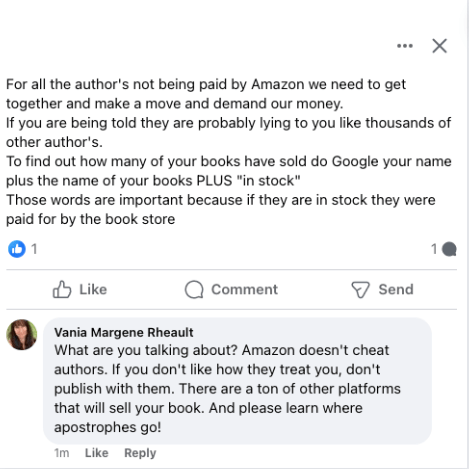
Good morning to everyone except the people who hate Amazon and won’t shut up about it. Here’s your monthly reminder that if you hate them that much, you don’t have to publish with them! Ta-da! If that’s not you, I hope that wherever you are the skies are sunny and your coffee is hot!

There have been a couple things in the indie industry that caught my eye over the past couple of weeks and I thought I’d touch on them since I like keeping up with changes and then maybe I’ll mention quick what I’ve been doing at the end.


One of the biggest pieces of news that floated by me last week was that MailerLite is going down to only 250 subscribers in their free plan. I feel like this is in line with what I’ve been speculating since Draft2Digital launched a 12 dollar per year service fee for active accounts and everyone went crazy because of it. Free services are slowly being phased out, or the services are being so pared back that they’re almost useless. An author who is starting a newsletter with the intention of actually growing it isn’t going to begin with a platform that cuts you off at such a low number. That means if they’re going to hustle for signups, they could be looking at a platform change just months after starting or they’ve made the decision that they’re going to pay so they can stay.

I’ve always been of the mind to begin as you wish to continue–since it’s just easier that way all around–and I’d look for a different provider. If you’re looking to move or start a newsletter and want a bigger number, Kit seems to have the biggest number of free subscribers that I’ve seen in their free plan at 10,000 (that isn’t a typo). Use the slider to adjust to the 10k number and you’ll see that the free plan stays free for that number. I have never used Kit before, but I know people who have, and you need to get your SPF, DKIM, and DMARC in order and also use a professional email (like hello@pennymaxwellauthor.com) or your emails will go to people’s spam/junk folders. Gmail has tightened up how they deliver emails, and that’s just the way it is now. As they say, nothing in this life is free. Still, my email attached to this site is $84.00 a year, which doesn’t seem so bad if your newsletter aggregator is free. Kit will also integrate with BookFunnel if you pay for the Mid-List Author tier, though BookFunnel’s prices went up this year too, so you’re going to be paying for something if you want to offer a newsletter to your readers.

Whatever you do, export your list regularly! Don’t lose your list. Then you’re free to move to whatever aggregator you want, even if that means just blogging on your own website like I’ve started doing.

Another big news item that everyone lost their minds over is that KDP is now offering groundwood paper as a page color choice. I didn’t think this was a big deal really. Cream has always been fine for me, but there are a couple of things worth noting. For one, KDP will allow you to change already published titles to groundwood, which is interesting because page color used to be tied to your ISBN number. That appears to no longer be the case. I buy all my ISBNs from Bowker and KDP has offered me the choice to switch, though like putting my ebooks in libraries, I’m not going to bother.

Screenshot of the Amazon KDP Bookshelf page for Wicked Games by VM Rheault. The Kindle eBook and paperback editions are live. The Kindle edition is enrolled in KDP Select and priced at $4.99 USD, while the paperback is priced at $14.99 USD. The page also displays options to promote and advertise the book, order author copies, create a hardcover edition, and add an Audible audiobook using a virtual voice.  Also groundwood option is shown

The other thing to keep in mind is that your spine width might change. KDP encourages you to double check by using the Print Previewer and/or ordering a proof before you publish with the changes. Be sure to read their guidelines so your book will print properly if you make the change.

Amazon was on a roll with changes this month and sent out an email notifying authors that if they were using a Payment Service Provider that is not a participant in Amazon’s Payment Service Provider Program, you would need to change where your royalties are deposited. I didn’t get the email because I have my royalties deposited into a local bank, but there were plenty of authors who did, and of course, because it’s Amazon, everyone was unhappy.

Screenshot of an Amazon KDP email notifying publishers about an update to the Payment Service Provider (PSP) Program. The message states that bank accounts linked to KDP must participate in Amazon's PSP program and complete know-your-customer (KYC) verification. Publishers are instructed to update their bank account information by August 1, 2026, or royalty payments will be placed on hold until the account is updated.
h/t to Emma Hamm for showing us her email on Threads.

In other news that’s equally disheartening, is this article in The Independent. Three out of five winners of the Commonwealth Short Story Prize were accused of writing their stories with AI. Upon an investigation, those writers were cleared. Unfortunately, I think we are going to be seeing more and more of this as time goes on. What really bothers me is that there doesn’t seem to be any repercussions for the people doing the accusing. Accusations like that can destroy careers and reputations, but there doesn’t seem to be any consequences. Another thing that bothers me is that when they investigated the claims, they went over evidence including “working drafts, time-stamped documents, and notes.” What if we don’t have any of that? I write in one Word file and edit in that file. I have some notes in a notebook and I also have bits and pieces of prose since writing in a notebook is how I get unstuck, but that may not be enough evidence if I am ever accused of using AI to write my books.

I don’t know how anyone can protect themselves, and stuff like this is part of what makes me feel so defeated. Accusers get away with it while the authors have to prove their innocence. It’s not right, but I don’t see anything changing. Burden of proof shouldn’t be on the author, but here we are. If you’d like to read it, you can read it here: https://www.the-independent.com/arts-entertainment/books/news/commonwealth-prize-clears-winners-ai-allegations-review-b3001994.html. Thanks to my friend Chris for the article, and if you’d like to read what he’s been working on, you can find it here: https://www.shadeofthemorningsun.com/


Life has been kind of busy lately so I haven’t gotten much done on Frozen Assets. I’m 74,722 into it with maybe around 10k more to finish it up. I was a little concerned that it’s going to be shorter than my usual, but then I thought that gives me some leeway when I start writing Cold Mercy. I don’t have all of Celina and Trevor’s story plotted out yet, and it will make things easier if I don’t feel like I have to compete with a 110k word book. I’ve been thinking about Cold Mercy off and on and I’ll take a break after I’m done with Frozen Assets to watch more hockey documentaries and read We Breed Lions by Rick Westhead. The research has been half the fun of writing a hockey romance and I think I might have said in a different blog post that rather than using it for only two books, I’ve been thinking about a standalone after my duet is done. Though I was reading about an “Alpine Divorce” situation on Threads that gave me an idea, but that will have to get in the queue.

As of right now, I’m not sure when I’ll publish again, as I’m leaning toward saving up some books for the next couple of years or just putting them on my website for free when I feel like it. I have come to the sad conclusion there is no point in publishing anymore, not in the way that I have been with cover reveals, blurb reveals, ARC copies, trying to have a big launch, and paying for ads and buying promos. I’ve done all there is to do, and like I told a friend earlier, I’m taking my hands off the wheel.

I have two more editor Q & As to post, then I will be done with the people who were kind enough to give me their time. I hope you’ve been enjoying them. I know it’s been fun for me to see the different ways editors work.

This is all from me this week. Enjoy the rest of June, and if you have plans over the 4th of July, be careful and stay safe!

Until next time!

Nancy Drew and You: The Rise of the Reader Detective

1,467 words
8 minutes read time

Cartoon illustration of a woman holding a magnifying glass and investigating a cluster of floating "AI" labels. The image humorously represents readers searching for signs of AI-generated writing.

Lately I have come to realize that there is a certain subset of readers who are no longer reading for pleasure.

Before Al became a household name (I like to call him Al because in some fonts AI looks like Al… You know what, never mind), readers picked up a book to either be entertained or to find out information. There wasn’t really a reason to read a book otherwise. Maybe in the indie community someone slogged through a book they didn’t like in the name of “support,” and if you do your own detective work, sometimes you can still spot it every now and then, but these days there’s another reason readers read.

They’re searching to see if you used AI to write your book.

I don’t have concrete evidence for this of course, except that every post I see on Threads now leaves no room for writerly error.

Didn’t vibe with the style? AI

Too many inconsistencies? AI

Too many clichés? AI

Too many em-dashes, semicolons, any other punctuation that particular reader decided to dislike that day? AI

Too much echoing/too many filler words? AI

It’s never-ending, and I have a theory that those certain readers don’t sit down to just enjoy a story anymore. They’re reading to find AI tells, and when they think they’ve spotted something, they shout it to the whole world.

And I don’t mean they’re telling people to warn other readers not to read an AI-written book. They want to feel validated, vindicated, and smug they “caught” you.

When, in reality, unless an author leaves a prompt or a prompt answer in their book, no one is going to truly be able to tell. Because, and this is the sad part, a newer writer, or an author who couldn’t afford an editor, might have poured years of their life into a book that has all those things wrong with it. I’ve edited for people for many, many years, and we forget how raw a new author’s writing can be.

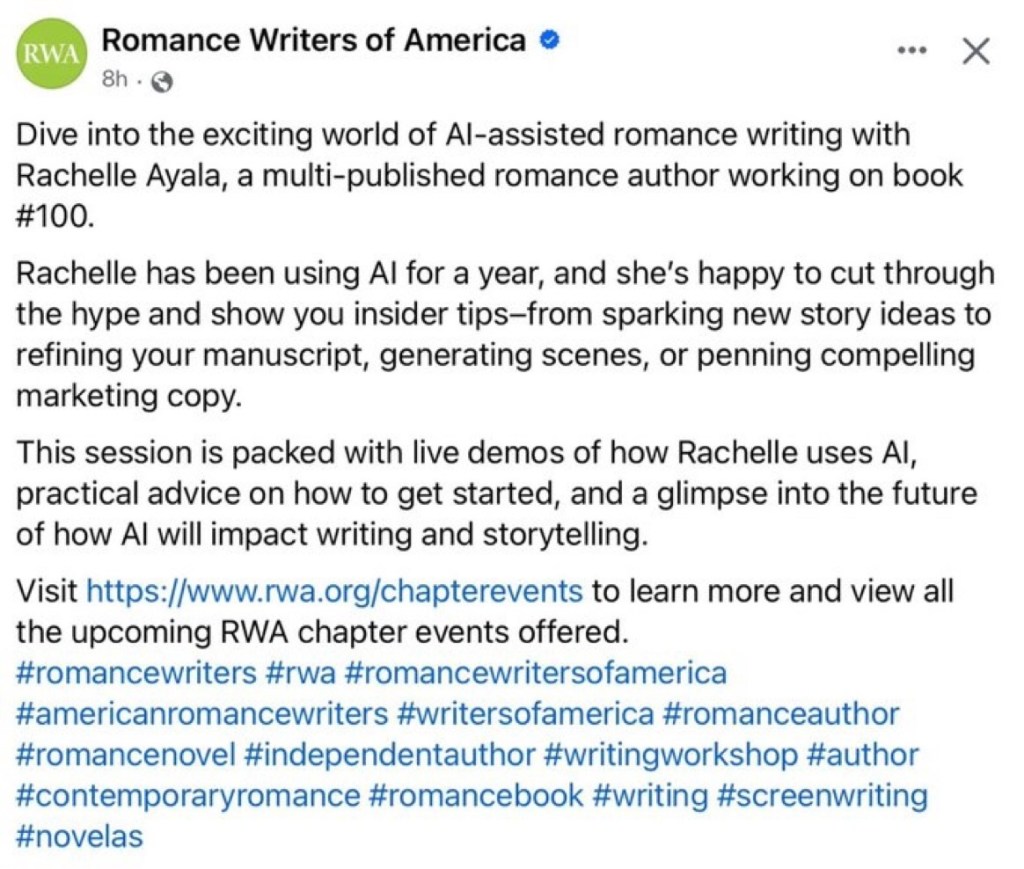
I think the existence of AI has changed how a lot of us, or even most of us, have started consuming content. A very vocal section of the internet does not want to consume any content that’s even partially AI, and for the most part, I agree. There isn’t much, if anything, that I would prefer to hear from Al instead of a human being, and I do get kind of disgusted with people when they can’t put in the work to write their own blog posts, Substack articles, and Threads posts (like the ones that need 5-20 posts to tell a story or recount an event). If you can’t put in that work, then don’t try to offer that content to people. There is so much noise online there’s nothing in it for you anyway.

I’ve noticed this particularly recently when the newest accusation popped up that if you don’t credit your cover designer or your editor on your copyright page, you used AI to create your cover and to write your book. A long time ago I started crediting the stock photo contributors on my copyright page, and I say that I make my own covers in Canva. It never occurred to me to add that I edit my own books, mostly because that sounds like an invitation to read my poorly edited books. It’s not anyone’s business, I don’t think, if I edit my own books or not, as long as they sound good and make sense. I’ve edited my own books for many years now simply because I can’t afford to hire out, especially at the speed I produce and with how little I make after publishing. And in an ironic twist, now days I don’t want to be scammed by an editor who will only drop my book into ChatGPT and ask him to find typos. I can do that myself . . . for free.

All of this has made readers wary, and I get it, but that doesn’t explain the vindictiveness I see toward books that aren’t to a reader’s liking. I feel bad for newer authors who are putting their first book out right now. Maybe they haven’t gotten their voice and style down yet, or they haven’t controlled their echoing, or they fall into clichés because they’re easy to write. Maybe they have terrible memories and hired basement-bargain editors. Then you get someone talking about you online and giving it the biggest insult there is: this was written by AI.

There are only three ways, that I know of, that you can potentially avoid having a bookstagrammer accuse you of writing your book with AI. You’d think the simple answer would be just not use AI, but unfortunately, it’s not that easy.

Don’t use an AI cover
Almost everyone who is on writer/reader social media will assume your book was written by AI. Is it fair, no. But you’ll undoubtedly get people making the leap, like people in this thread on Threads:

Screenshot of a Threads discussion about AI-generated book covers. The original post asks: “If an author uses an AI-generated cover, what are the chances they also use AI to write (partially or fully) the book too?” Responses include: “Very likely. That’s why we don’t allow anyone with an AI cover to submit to us.” Another commenter jokes, “High. Shame them and throw rocks at their computer.” Other replies say they would not take the risk of reading the book and believe authors using AI covers are likely using AI for writing as well.

I’m not saying you shouldn’t use Midjourney to make your cover, but you do have to realize that you are not giving your book its best start if you do. You’re going to be posting your cover on social media–I don’t think there’s any way around that even if you’re not actively marketing–and loud and proud anti-AI people are going to see it. If they make the assumption that your book was written by AI because Al made your cover, then unfortunately, you’re going to lose a lot of people right off.

DepositPhotos has a lot of stock, even if you filter out the AI offerings, and you can make a decent cover with a legit stock photo and good font. I would very much rather do that because I work really hard on my insides, and I’m sure you do too.

Do the best you can editing
This sounds stupid, because I’m going to assume everyone does do the best they can while they’re editing. You can try to clean up your book as much as possible during editing by avoiding:

*Echoing the same words repeatedly (over time you can make a list of crutch words and search for them using the search feature of your writing program)
*Reusing sentence structures (altering sentence length and structure just makes for a good reading experience anyway)
*Characters saying similar things (each character should sound like their own person and have their own distinct personality)
*Illogical situations (if you have a two year old in your book, don’t let her sound like an adult when she speaks or if you’re leaving her home alone, make sure she has a babysitter)
*Plot holes (give your book a break for a couple of months to read with fresh eyes)
*Inconsistencies (keep a character sheet for each character and write down eye color, hair color, careers, etc for easy reference)

I’m not going to tell you senseless fixes like avoiding em dashes or leaving typos in your book to prove that AI didn’t write it, or avoiding the rule of three. Some people are just not going to vibe with your voice, and that’s okay. Your writing was never meant to be for everyone and if the first conclusion they jump to is that AI wrote it, that’s on them, not you.

Credit your cover designer and editor
You don’t have to do this on your copyright page, though that is probably the best place to do it. You can also add a link to your website on your copyright page and give your designer and editor attribution there if you have an About Me page or something. But also be prepared for people not to believe you. Once these particular people get a bee in their bonnet about your book, there isn’t going to be much that changes their minds, especially since people can lie. Anyone can say anything, and people will.

I think it’s pretty sad that we’ve come to this. That we can’t post our daily word counts because people will accuse you of using AI if you’re a fast writer. I just saw someone on Threads accuse Freida McFadden of using AI, when you know she can write full time and probably actually uses her time to write, like other heavy hitters such as Nora Roberts and Marie Force.

The readers who have turned Nancy Drew have stopped reading for pleasure and now read to investigate. That’s a real tragedy that doesn’t seem to have a happy ending.

Books are supposed to be an escape, not a crime scene.

And if you read thrillers, then you know that some mysteries are never solved.

Thanks for reading, and I’ll see you next time! Have a great week ahead!
Monday Musings: Publishing Whiplash

1,431 words
8 minutes read time

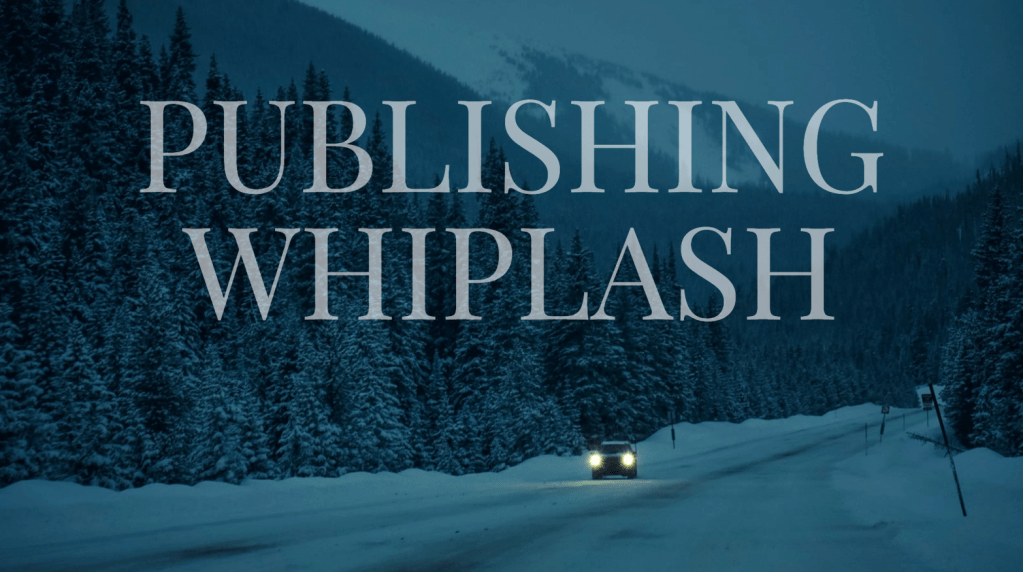
Graphic for a blog post titled “Publishing Whiplash,” featuring a snowy mountain road and a lone car driving through a winter forest at dusk.

I’ve only had whiplash once in my life. When I was thirteen or so, I was taking the van home from church. I did this a lot even when my parents had also gone to church, because it was fun and one of my friends didn’t live that far from me and we rode the whole way together. The roads were slippery, and at an intersection, a school bus hit us from behind. I didn’t feel it for a couple of days, but when I did, I was miserable for weeks. Luckily, I have never been in a car accident where I have suffered like that again, but being online these days gives me a different kind of whiplash.

Everyone is talking about sales, KDP reporting, and what you can or can’t do to sell books.

On the one hand, there are people who say there’s nothing you can do. Good books are buried every day, and it doesn’t matter how well your book is written or how wonderful your cover is. The algorithms are against you, and it does feel like that. You publish a book and it joins the ranks of the thousand other books that are published that day. There is no organic discovery, it feels like Amazon no longer pushes your books (is the 30-day cliff even a thing anymore?), and word of mouth is bestowed among a fortunate few.

But on the other hand, I am seeing a lot of, If your books aren’t selling have you…?

started a newsletter
posted on socials consistently?
asked beged for reviews?
optimized metadata?
picked the right tropes?
run ads?
rapid released?
made or bought the right cover?
written the perfect blurb?
built an ARC team?

And anyone who has been publishing for a while will say they’ve done all those things, and it can get annoying and frustrating hearing that same chorus over and over again.

Because we can dissect that list and find many reasons why they don’t work anymore. It’s harder than ever to entice, persuade, or cajole someone to sign up for your newsletter, and when they do, good luck getting them to regularly open it and engage with what’s inside. Social media is a time suck and you’re fighting a different kind of algorithm war. Reviews can be hit or miss, but my experience with BookSprout, PenPinery, and giving ARCs away on my FB author page and through my newsletter has been less than stellar. Optimizing metadata isn’t a secret anymore and everyone knows how important categories and keywords are. Running ads is a gamble, especially with Facebook making it increasingly harder with their AI and interest targeting changes. Not having the right cover is so 2016 and it’s easier than ever to make something yourself in Canva or buy a premade, and maybe people still struggle with blurbs, but they’re doing their best. We know how important it is to build an ARC team, but everyone is trying to build one, and while publishing is a marathon, you may die before you reach that finish line.

So, what’s left?

I know this post sounds like a lot of what I’ve been talking about for the past six months, maybe even the past year, but it’s only lately that I’ve been seeing the tug of war online . . . or maybe it’s always been there and I haven’t been sensitive to it until now.

Perhaps one thing that made me go, “Hey….” is Becca Syme’s recent Substack article. In it, she says to stop worrying about saturation and start writing better books. In a lot of areas, I agree with her. For the past fifteen years we’ve been swept up in the culture that faster is better and that more books will earn you more money. She mentions authors publishing their Minimum Viable Products, and that truly did used to be a thing–just get it done and out. I think authors still think faster is better, just for the sake of feeding the algorithm and building a backlist, or if not that, then they publish the second their book is done because they’re excited. I mean, I just saw someone post on Threads that they put the first two books of a new series on preorder, but now they have writer’s block and were panicking because they barely had anything written. I get being excited, I even understand needing a deadline to work toward to keep motivation up, but that sounded like unnecessary sabotage to me.

So, in some ways, Becca is absolutely right. Stop thinking you’re going to fade away into obscurity if you’re not publishing three times a year, focus on enjoying the process, and give your readers an experience that they won’t regret paying for.

But I also disagreed with her. Not because I think authors shouldn’t focus on craft–we should all be trying to level up every time we write a new book–but because the authors who write good books have the same problem that everyone else has: discoverability. In fact, some could argue that poorly-written books seem to do better, but that’s a discussion that leads to nowhere so we probably shouldn’t do that here.

The truth is both sides are right, and that’s what gives me whiplash. Yes, authors should focus on craft and giving a reader something they’ll love to read. Yes, we should package our books professionally, write the best blurbs we can, and understand the basics of marketing. But there comes a point where “Have you tried…?” stops being helpful and starts sounding rather accusatory and condescending, like if you had just posted one more reel or spent five more dollars on ads, you would have made it.

And you know the people who keep telling you to keep writing, those are the people who have made it, and they have the “Just Do It” mentality because it worked for them. That doesn’t make them wrong (maybe annoying, though), but people who have found success sometimes wear rose-colored glasses, and it’s difficult for them to take them off.

So we can look at publishing and focus on what we can control. We can level up our craft in a way that our time and expenses allow, we can put good covers on our books and write good blurbs. But I also think we need to be honest about what control actually looks like. Not everyone has the money for developmental edits, professional copywriting, or custom covers. Not everyone has an army of beta readers, honest author friends who will tell you the truth if your cover sucks, or an ARC team that will actually read and leave a coherent review. A lot of publishing advice assumes access to resources that a person working two jobs, parenting, and running a household may simply not have.

Over the past ten years I’ve learned a lot. I’ve leveled up my craft, and I know I have. I never could have written Wicked Games five years ago, and I have said in the past that I tabled A Heartache for Christmas because I didn’t have the skill to write the book I wanted to write. I’ve learned a lot about covers, not just making nice ones in Canva, but making ones that specifically fit the genre and vibe of the book. And yeah, I do it alone. But even though I do it alone, I don’t stagnate because I love doing what I do, and getting better is a part of having a passion.

In my last blog post, I said that this post would be about finding discoverability if you don’t like posting on socials and if ads don’t work for you. I’m not sure what I thought I was going to offer, since my books’ discoverability is pretty much nonexistent. I make pennies a day, even with nineteen books in my backlist. And because of that, I decided to stop writing to publish and write because I love it. I don’t know when I’ll publish again and that’s okay. I’ve done everything on that list and it’s time to move on.

I’m tired of thinking I could have done more, and I’m tired of being told I could have done more.

I don’t have whiplash anymore. I don’t go to church anymore, either, and the friend I used to sit with, she’s been in my past for a long time.

But five months out of the year the roads are still slippery, so I’ve learned to slow down and enjoy the view.

Author Update: Where are all the May Flowers? 🌸

1,330 words
7 minutes read time

Decorative blog header featuring pale blue baby’s breath flowers along the left side against a white background, with blue script text reading: “Author Update: Where are all the May flowers?”

Don’t get me wrong. The title of this post is a little deceiving. There are some flowers here and there and the grass of our apartment complex is dotted with yellow dandelions that look cheerful. But, sparing you the Minnesota weather forecast, it’s still cold outside, and well, after dealing with the doom and gloom, it would just be nice to be able to go outside without a coat on.

Wicked Games will be out this Friday, May 15th, and I’m not really doing anything extra for it. The book has just kind of slipped out of my brain, and it will be a struggle to shove it back in, so maybe I won’t. I’m not running ads and I feel like I’ve exhausted how much people on social media care (even if the truth is no one has seen the posts in order to get tired of them). It used to be that releasing a book was a big deal, and it still is, in some ways. I’ve gotten good feedback about it, some nice reviewers posting on Instagram, but going through the publishing motions isn’t as exciting as it used to be. I don’t want to be a killjoy, and I’ve been trying very hard not to be on this blog because you don’t come here to listen to me whine.

But I think it’s safe to say that I don’t have the time, energy, or money to do what it takes to move books, and I’m not alone. I’m willing to do a lot of things, or, I was. Like sending out a newsletter, a real one, not just on my author blog, consistently releasing three to four books a year, and posting on socials. It used to be fun, and that’s the crux of it. The hustle isn’t fun anymore, and at fifty-one, I’m understanding what my limits are and don’t want to waste energy on things that consistently produce very little in return.

What still is fun? The writing, of course. I’d walk away completely if that stopped being fun. Cover design. Scrolling through stock photos is tedious and getting up there with being not fun, but for now, putting together a cover I can be proud of that accurately depicts the story is fun. Formatting, to some extent, is fun. I like deciding how pretty I want to get with the insides, but a lot of the time I think simple is best and at the last minute throw out any plans to get fancy/complicated and just do a clean formatting job instead.

Uploading files and entering metadata is not fun, and having to do it over and over again on different platforms is really not fun. Bookfunnel, Booksprout, Amazon, IngramSpark when the timing is right. It’s tedious, really, especially when you pair that with the stress of hoping that what you’re doing will help just a little bit and you might actually sell a few copies during your launch.

So, I think any sane person would say, just do the fun stuff then, and forget the rest. And honestly, I’m really close to doing that. I’ve been thinking about what I want publishing to be going forward, and with my personality in general, having fun means trying new things. That means doing something I haven’t done before, like only making my book available on my site for a while, or going wide with it instead (I know those are completely opposite ideas LOL). But publishing the way I always have is getting stale, and I’m hoping for different results doing the same thing every time. Because when I look at what I’ve done over the past couple of years, doing promos, book blasts, and running ads, I don’t get different results, and I don’t get different feelings either. So, I’m not thinking about things the way I used to. We’ll see. The easiest thing I can think of would be to do something like, put Bitter Love on Bookfunnel and give it away as a freebie for a couple of months. No thinking about sales, no hoping for reviews, just giving it away and seeing what happens. I wouldn’t even bother to collect email addresses because I would have to change my Bookfunnel plan and I don’t want to do that. It’s interesting to think about. I’m not selling much now, so giving away a book wouldn’t cannibalize any sales, and I doubt that will change within the next year or so because I’m not convinced the publishing landscape will get easier anytime soon.


In other news, I got a preorder reminder today, and it’s interesting that KDP is now locking your book down five days before your publishing date, not 72 hours. So, with that change I would suggest that you have your final files uploaded and ready for your preorder/scheduled date at least a week in advance. The warning doesn’t bother me at all because I never put my book on preorder until my book is 100% ready to go, but I know a lot of authors edit right up until the last minute, so I would keep this in mind if you like to live dangerously. I have both the print and the ebook scheduled, so this could only apply to the paperback, but it never hurts to be safe and just have both of them ready at the same time.

Screenshot of a Kindle Direct Publishing email reminding the author that Wicked Games, scheduled for release on May 15, 2026, will be locked for updates beginning May 10.

As of this writing, I’m 12,000 words into Frozen Assets, and I’m really liking my progress so far. Of course, you know I get the “This book is going to be so short!” fear while I’m writing, but then I look over my outline and think there is no way this book will be under 80k words. All the research I’m doing seems to be paying off, and my characters can talk about hockey naturally without sounding like I’m injecting facts just for the sake of sounding like a sports romance. I’ll still have to research as I go along because when we get to team dynamics, player positions, and contracts, I don’t know much about those things and I want to sound realistic and believable. Just in case a hardcore hockey fan happens to read my books. There are things you can fudge in the name of artistic freedom, but I want the important aspects correct at least.

Alex Newton of K-Lytics just came out with his annual sports report, and in the email, he says:

Romance > Sports is currently the #2 highest-ranking bestseller list out of 69 main Romance sub-categories on Kindle.

Even more striking: 11 out of the Top 100 highest-selling Kindle books of 2026 thus far are sports or hockey romance titles. Eleven!

Google search interest in sports romance and hockey romance surged to an all-time high at the end of 2025, just as the TV adaptation of Rachel Reid’s hockey romance Heated Rivalry became the biggest original series debut on record for Canada’s streaming platform Crave.

And the next publicity boost is already around the corner: Elle Kennedy’s Off Campus will premiere on Prime Video next week, on May 13.

if Alex’s numbers are anything to go by, hockey romance is an extremely popular subgenre right now and if you were thinking of sliding onto the ice, there’s probably never been a better time. If you want to purchase the report (that also covers football and other sports), I’ll give you the link (not an affiliate link). I used to buy them every once in a while, but I can’t afford to now. I’m sad, too, because his reports are very informative and I miss his data (and sense of humor). There’s a little more information about his seminar, and you can buy it here: https://k-lytics.com/sports-romance

That’s all I have for you this week. Next week I have an editor Q & A from the lovely Megan Harris, and after that, I’m going to talk about discoverability if you hate social media and ads don’t work.

Have a good week, everyone, and take time to smell the flowers! 🌺

Author Update: Spring Reset

1,854 words
10 minutes read time

Pink flat-lay graphic with a clock, notebook, glasses, pens, and desk accessories surrounding white text that reads: “Author Update: Spring Reset.”

Hello, hello, from the frozen north where it actually got to 85F the other day and it made us all think that summer might once again be possible!

I have been very busy for the past few days, and I got a lot done. I finally finished edits for my Cedar Hill Duet, and got all the files uploaded to KDP and IngramSpark with their new covers. This will be the last time I edit them or redo their covers. What will be with them will be, but I was very excited to get that off my plate once and for all. If you want to see how the covers have changed since I published them four years ago, I dredged them up on Canva:

Graphic comparing cover evolution for the Cedar Hill duet. Top row shows three versions of Captivated by Her from 2022 release cover, 2023 redesign, and 2026 final cover featuring a lighthouse background. Bottom row shows three versions of Addicted to Her from 2022 release cover, 2023 redesign, and 2026 final cover featuring a city skyline background.

I don’t think my skill necessarily changed that much, but my taste did. The covers I just changed them to are more indicative of what’s inside, Rick with his lighthouse and Beau with the city behind him, rather than the generic background that a lot of billionaire novels have even today. I did end up changing the model for Addicted to Her, just because the guy didn’t match the vibe I had in mind for the character. I had to find a different pose for the other model because his arms were cropped and I needed all of him so I could show more of the city buildings. I really like how they turned out, and since I edited these within an inch of their lives, there’s no reason to revisit them ever again. It’s a good feeling. After KDP approved the paperbacks, I started some low cost-per-click Amazon ads and I’ll be thinking about what I can do for the “relaunch party” I want to have. I’d like to use my free days and run a Facebook ad to them or something because I think with the new covers they’ll sell better. Anyway, I’ll let you know what I decide and what the outcome is. If anything, it’s more content for social media because I always have trouble coming up with things to post.

While I was messing around in IngramSpark, I updated all of my prices (something they told us to do months ago), and I upped all my paperbacks to $16.99 which just seems so high considering I had some of my older books priced at $9.99. I don’t sell many paperback off there anyway–I only have my books listed in case a miracle happens and suddenly bookstores need access. So I adjusted my prices, made sure the discount was the same across the board, and turned off returns on the books that still had that on. Getting that pricing maintenance out of the way was a nice thing to check off my list, as was catching up and publishing my King’s Crossing serial, A Heartache for Christmas, and Loss and Damages. I was behind because I don’t like having to tweak the covers, but it will be a while before I have to do any more. I won’t be able to publish Wicked Games there until that title and ISBN “settle” on Amazon so I’ll get around to it this summer. It’s just a lot of busy work what with the covers and filling out all the meta data and uploading files.

I was going to wait to put Wicked Games on preorder since I had been messing around so much with my KDP account, but I ended up submitting the ebook for preorder anyway, and that went through just fine. I’m not sure what I was expecting, them to flag my account for unusual activity, I guess, but they didn’t bother me. I had an ARC reader message me on IG and told me about a typo that I fixed, but it will be there in all the ARC copies that were claimed and in the nine author copies that I have. It’s fine. I had typed “here” instead of “her” but honestly, if that’s all she caught because that’s all there is, I’m pretty happy. And I got this review on BookSprout and it makes me happy that this book has the potential to be a good read. That sounds doomsday, but you really don’t know how a book is going to hit until people start reading it.

A great suspense story that includes finding love at a difficult time and all that it involves.
What a lovely personality Avery has. Considering the pain she has gone through she is very generous to Seth when he is so cruel with his words to her. I know Seth has his demons too but I felt that didn’t give him the right to be so vicious early on in the story.
He redeems himself though and Avery gives him a second chance. What comes across is two people who have both suffered immense losses and whilst grieving are trying to find a way to live their lives.
There’s lots of intrigue and suspense throughout the whole story. I felt it was well written and it was intriguing with so many avenues to go down. Seth’s long standing friendship with his business partner Violet was an added dimension that Avery quickly understood.
Definitely worth reading, even if I did end up with a tear in my eye.

–BookSprout Reviewer

Eighteen out of twenty-five copies went on that site, and most of them were familiar usernames, meaning, they’ve stuck with me for several books. I was going to mention in the “Note to Readers” section that this would the last book, but I didn’t. I won’t be publishing anything else for a while, so I’ll cross that bridge when I come to it. I suppose it will depend on what kind of reviews I get this time. Not good or bad, I mean, quality. For Loss and Damages, I got one that was written with AI, and a lot of plot summaries. So, even though I don’t pay much, those aren’t the kind of reviews I want attached to my books anyway. If the reviews are better this time, I’ll reevaluate next year.

I gave away 35 out of the 50 I made available on Bookfunnel, I think mostly through Instagram since I boosted a post over there for a week. Here are my open stats for my “newsletter”–the subscribers I have from when I was building a list on MailerLite.

Screenshot titled “Email opens” showing campaign metrics: 594 total emails sent, 180 unique opens, 275 total opens, and a 30% open rate.
Latest emails
Opens
Clicks
Wicked Games ARCs are now available!
30.3%
1.85%

Out of a decent open percentage, only 1.85% clicked, which ends up being about 11 people. Of those, all of them could have downloaded, I’m not sure, but between BookSprout and my Bookfunnel link, I’m hoping Wicked Games can go live with around 50 reviews. Not because I think it’s a magical or number or anything, I just think the more reviews your book has, the better it looks and the better it will sell.

I said I was going to try a site called PenPinery for book reviews, and I’m glad I only paid ten dollars because that bombed. I don’t know if it’s still too new and they don’t have readers, or if I did something wrong. According to the site, I had one person apply, but I never got an email and when I tried to click on the notification to approve them, it didn’t do anything. That was after the campaign closed, because again, I didn’t get an email to know anyone applied, so I’m not sure if that had anything to do with it. Because it could have been an operator error and not the machine, I’m not going to ask for a refund, but it will be the only time I try them. Because if was my fault, then it shouldn’t be that hard to list a book, as I’m a fairly educated and intelligent person. Either way, my experience is what you come here for so I would find a better, perhaps a more straightforward, way to get reviews, and where maybe ten dollars will get you something more than confusion and disappointment.

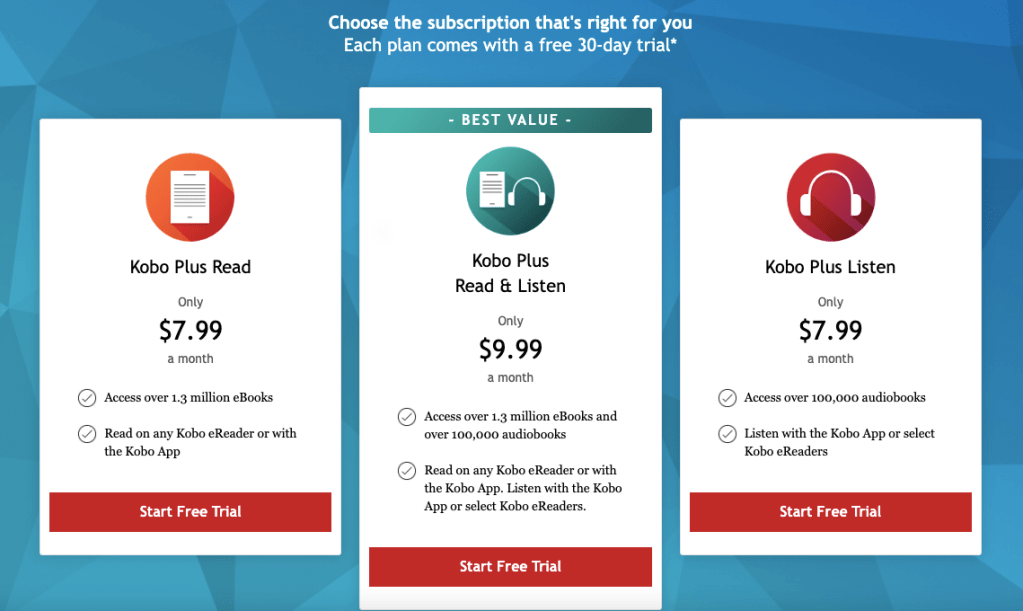
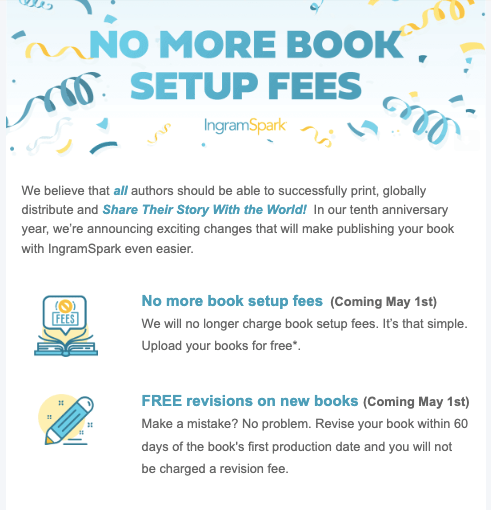
I don’t have much more to do on my list, which I am really grateful for. I was getting really burnt out and I needed the break. Not that doing ten hours of admin is a break, but uploading files while listening to music and drinking lime Perrier is a lot different than editing two books that are five years old. If I wanted to, I could upload all my books into Draft2Digital and put them into libraries, but it would take a lot of work and I’m not sure if it’s worth it. Like every other place that has books, libraries are saturated. People finding any of my books and borrowing one are slim so I’m not sure if it’s worth the time. I’m not concerned about the fees they implemented. Twelve dollars a year for distribution services and account maintenance sounds pretty fair to me, and I’m not going to say much beyond that because anything that could be said already has been . . . last week. I will leave this hypothesis here that someone left in a comment on James Blatch’s Substack article about the subject. You can read what he has to say here: https://jamesrblatch.substack.com/p/the-reaction-to-the-draft2digital

screenshot of comment. text reads:

John Irby
10:23 AM
If D2D is able to successfully pull off charging authors up-front, expect KDP to do likewise in the near future. The days of Big Tech handing out freebies is over. I'm a musician and Apple recently switched my digital audio workstation software, Logic Pro, to be part of a "creator's bundle" subscription costing $13 a month, even though I already paid them $200 for the basic software years ago. But I digress.

I think in the next few years, John is going to be right. Everything will be going to paid eventually, and what remains free will be so pared back it won’t be usable in any long-term way. So if you were one of the people who had a problem with how Draft2Digital decided to combat AI books and scammer accounts, I would ask that you look at your business and consider where you’re going to be in five years. You’ll always get back what you put into something, so it’s worth thinking about.

Now that I’m done with most of my admin list, I’ve been watching Faceoff: Inside the NHL on Prime and just mulling over plots and characters for my hockey duet. I think I’ll give myself another week of rest and then jump in at the beginning of next month. I haven’t decided what or when I’ll publish next, and it’s kind of freeing just to be writing to write. I finally got around to watching the new season of Bridgerton, and that was fine. I don’t think Benedict’s story is my favorite–that honor might always belong to Anthony unless Eloise’s story blows me away–but it was fine. I also watched Heated Rivalry to see what all the fuss was about–it was hockey so I considered it research–and that was okay. I didn’t freak out over it like most of Romancelandia, but I can at least say I watched it now so my FOMO can STFU, LOL.

Anyway, I think that’s all I have for this week. I’m in a really good place mental health-wise with my writing. I’m excited to start writing my hockey books and just have fun with the world- and team-building. It will be a lot of work, but I’m looking forward to it. 🏒

Enjoy the last week of the month!

Monday Author Update (April Showers Edition)

1,990 words
11 minutes read time

picture of mug of coffee and an open book next to a window that has rain on it

Last week was kind of a bummer. I was down, not really because of book sales, which have actually sprung up lately since it seems like Amazon has gotten their reporting back under control, but mostly the weather has been dragging me down. We got a lot of snow and it hasn’t warmed up enough to melt off completely yet. Along with all the brown grass and mud, it’s depressing to look at. I haven’t been hit by SAD in a long time, but I really hope that the sun starts coming out regularly and everything dries up. I think it will make me feel better.

I also had a painful carpal tunnel flare up that took me out for a couple of days. They happened to be my days off work which, fine, I didn’t feel terrible while I was working, but it did ruin my time off. That happens every couple of months where my elbows feel like they’re softballs on fire, and the pain goes up into my neck and back. Stretching helps a little, but mostly I just have to suffer until it goes away. I was taking a lot of Tylenol since it seems like with my health issues my body has a harder time tolerating ibuprofen. The Tylenol took the edge off, but really all I could do was wait it out. I feel okay now, besides a little puffiness in my hands that will never go away because I type forty hours a week for my job (I’m a relay operator for the deaf and hard of hearing which requires a lot of fast typing), and then on my days off and after my shifts I’m working on my books in some way.

If you’re reading this on the Monday it posted, I’m almost done going over my proof. I only have about the twenty-five percent left, thank goodness. I’m still fighting to make my prose and dialogue sound more conversational, and in this proof pass I’m still getting rid of a lot of words, though not so many that I should have to adjust my cover. It will be a heavy weight taken off my shoulders when this project is done. I promised myself I’d take a break, and I’m going to finish watching the second season of Faceoff: Inside the NHL on Prime as part of my research for when I start writing my hockey duet. I also saw the trailer for Finding Her Edge on Netflix, and between the hints of a love triangle I thought I saw and all the ice, I figured I could add this to my list of . . . research. If I’m going to take a break, I might as well make it worth my time, haha.

I don’t have much else going on at the moment. I’ve been scrolling Substack more and more and I came across this article by Zoe Lea about newsletters. You can read it here: https://substack.com/home/post/p-191487138

Like with a lot of things indies are “supposed” to do, I had a really difficult time deciding not to offer a “real” newsletter anymore and just blog on my author website. I know that blogging doesn’t offer the same benefits, like compelling readers to sign up with bonus content they can’t get anywhere else. If I write something, it will be for everyone. The free book on my website also doesn’t seem “special” when it’s available to anyone who happens to land on my subscribe page. I get all that. So reading Zoe’s Substack article about what she found out when she asked readers what they really wanted out of an author’s newsletter made me feel better about my choices.

We’re told to send out a newsletter once a month. To remind readers of who you are when you’re not releasing books. That’s hard to do when you’re a slow writer, maybe releasing a book a year, which is the rhythm I’m going to fall into now that my day job has changed things and I have less time to write. What do you write about when you’re not launching a book? More importantly, what do you write about that doesn’t waste a reader’s time and make them click the unsubscribe button, or worse yet, mark your newsletter as spam?

Zoe’s findings aren’t going to be representative of every reader out there, but when readers say they don’t want: cover reveals, slice of life posts, and newsletter swaps, I think we can listen and at least consider what those things are giving, or not giving, our readers. A cover reveal doesn’t do much without a CTA like a preorder link or a buy link. Slice of life posts don’t have much weight either. How many times can you say you like reading during a thunderstorm? But what surprised me was when they said they didn’t care when you featured a book by an author who writes in the same genre that you do. Newsletters swaps are one of the biggest marketing opportunities that indies have. You share your audience and I’ll share mine. So when readers say they don’t want book recommendations? That’s surprising and maybe a little unsettling.

I feel like I’ve reached a happy medium on my blog. I do the cover reveals and slice of life posts, but they don’t go out to my newsletter subscribers. They hang out on my website where they’re open to the public and will show up in the WordPress Reader. I also have those posts connected to my LinkedIn profile. I used to have it connected to my Facebook author page, but I stopped that since I usually do a condensed version of my blog post over there anyway. Then when I do have something huge to say, like a new release or a free book promo, I send that out to my newsletter subscribers as well as put it on my website. I haven’t gotten many new subscribers since moving my MailerLite newsletter to a blog, and I understood that going in. Why give me your email address for something you can read for free. Sometimes I’ll get a couple people sign up if I’m doing a huge push like a book launch and I’m boosting a lot of posts on Instagram. I think the only way I can “force” someone to sign up now is if I add email collection to my reader magnet, but Bookfunnel announced recently that they were upping their prices, so I doubt I’ll ever pay to do that again. That just starts a cycle of trying to build my newsletter list so I’m not wasting money, and I’ve been happier not getting caught up in that hustle. According to my Bookfunnel stats, I give away about fifteen copies of My Biggest Mistake every thirty days. That readers are coming to my site and downloading is enough for me.

Zoe’s article did offer a couple of things that readers did want, which is just as valuable, or even more so: bonus content related to a series they loved or behind the scenes research. While I was mulling this article over and trying to come up with what I could offer as bonus content, I realized that if I were to offer “extras” like a chapter written in the opposite POV from the one that’s in the book, I need to write that stuff while I’m drafting, or I don’t care about it. For example, in Wicked Games, the book opens with Seth’s POV. He drives into Lakehaven Falls and finds the house he rented for the summer. A fun bonus would be if I had written when Avery had also arrived in Lakehaven Falls and checked out the house she had rented. I can’t write that now because she has her HEA and I wouldn’t be able to get back into her head before she was fully formed in mine. I need to get all the extras that I want to offer written so when I move on, I don’t have to worry going back when I’m no longer interested. That does mean planning ahead and figuring out what I want to give my readers while I’m drafting or even plotting out the book so I know ahead of time what I want or need to write.

I think the information that readers shared with Zoe about their likes and dislikes is important–rarely do we get to hear what readers really want. But then my first question was, what do you write to your readers to keep them warm between releases? It’s something slow writers will always struggle with. You can’t send your readers eleven months’ worth of fluff, and bonus content will only go so far. And if they don’t want to hear about what you’ve been reading, the shows you’ve been watching, or what your cat is doing when she thinks you aren’t around, there’s very little else to say.

This will be something I’ll need to tackle after the release of Wicked Games in May because I’m not going to publish anything else until next year. I have Bitter Love written, but I’m sitting on it to have something to publish twelve months from now while I write my hockey duet and get them ready to go. That might not take me twelve months, but I can’t only talk about Bitter Love for six months or however long. I’ve been hyping up Wicked Games for the past two months and most days I feel like a broken record whenever I post to social media.

Anyway, I just found it interesting because what worked in the past might not be working now (for example, people’s tastes obviously changing and shorter attention spans) and it’s always better to be aware than be taken by surprise later.

That’s all I have for this week. Short and sweet, which normally I don’t do, haha, but the past few days have kicked my butt and I’m still trying to bounce back. I think I really will feel better after I get this duet re-published, and I’m looking forward to relaunching them with *cough* cover reveals and promos.

As a PS, I have seen some really terrible behavior online with authors sharing their chats with KDP support. Some authors have gotten downright nasty with those poor reps and then they think it’s cool to put the screenshot of the actual chat up in a public space. They get a lot of people agreeing with them or sympathizing with them, but all it does is make them look . . . You know, it’s kind of like how you don’t wanna date anyone who’s going to treat a server like garbage. I don’t wanna read a book written by anyone who’s going to treat KDP support staff like crap and be proud of themselves enough to splash it around. I’m sure I’m not the only reader who feels that way, nor do I want to work with anyone who would do that.

It makes me sad that people are doing this and I just hope the KDP support staff is treated well on the employer’s side of things and are compensated for dealing with . . . what they deal with. They’re just working a job that helps them take care of their families. I hope if you need ever need to contact KDP support you treat the reps with kindness. The Amazon’s issues are not their fault.

Special thanks to Zoe Lea for sharing what she learned in her reader groups and other places online. If you’re on Substack, give her a follow! Next week I’m going to post another lovely editor who is participating in my editing series. Lennon K. Riley was very nice and happily answered all of my questions. I’m looking forward to sharing them with you. Have a great week, and I hope the sun is shining where you are! ☀️

A Few Thoughts about Amazon Closing KDP Author Accounts

1,260 words
7 minutes read time

text that looks like a rubber stamp. red letters that say account closed

There’s a lot of talk online right now about Amazon closing KDP author accounts for what seems to be no reason. This isn’t an alarmist post, but this is activity you should be aware of and be prepared for. Five years ago, this didn’t seem to be happening so frequently, and I believe we can thank Amazon’s adoption of AI tools for this sudden increase in account terminations. Because there is little to no human input when accounts are closed, this really is something we all need to keep in the back of our minds.

I used to think it wouldn’t happen to me because I don’t do anything sketchy and never have, but the fact is, you don’t have to be doing anything suspicious for them to close your account. Someone on Threads had their account terminated all because they changed the price of one of their books after running a sale. I sometimes put my books on sale too, and I would hate for that option to disappear because I’m scared of Amazon’s inconsistent enforcement of their unclear guidelines.

But, I am a “hope for the best but be prepared for the worst” kind of gal, so here are a few things I’m going to do for myself and some resources I’ve collected that you can bookmark in case you or someone you know ever needs them.

• Know this can happen to anyone and that it’s not your fault.
You might automatically think you did something wrong, but bots don’t have brains–they just snag on something while they scan. I know you’re gonna panic–I’ll panic too if it happens to me–but first and foremost, don’t blame yourself.

• Don’t panic.
I know this is going to be easier said than done. Hell, I get nervous now checking my reports, thinking one morning I’m not going to have access, and then when I check my email I’ll have the BAD NEWS. It’s very anxiety inducing, and I’ve heard that from other people too. Still though, not panicking will keep you from lashing out and replying to one of those emails in a not-so-nice manner. Staying courteous and level-headed will serve you well. I’ve had a pretty crappy last few years, so if this ever happens, I’ll probably literally throw up. It’s just not something I need on my plate right now.

• Get all your stuff together.
*Find your KDP account number and keep it in a safe place. In one of the Facebook groups I’m in, someone said to write down your KDP account number because if your account is terminated, you won’t have access to that information. That’s a really good idea, and I did it the minute I read it. To find it, sign into your KDP dashboard and click on Account in the upper right hand corner.

screenshot of kdp dashboard.  text says. kindle direct publishing, bookshelf reports community marketing above, your account, english, help, sign out, feedback

You’ll be asked to enter the two-step verification code, and once you do that, the account number is on the left where the red box is on my screenshot:

screenshot of a kdp account. text reads account id, your identity, your account. account details getting paid, tax information.

Save that in a place where you can find it easily.

*Keep all your ASINs of your books in one place

*Start a list of contacts of anyone you think can help, like an author who might have access to an Amazon rep.

*If you’ve gotten your rights back from a small press or publisher, keep their rights reversal letter handy.

*Keep copyright information of all stock photos and art you used on your covers.

*If you’re a member of an author’s association like the Authors Guild or the Alliance of Independent Authors, find their contact email so you don’t have to hunt for it.

*CD Reiss put this Google doc together, and it goes step by step with what you should do and how to communicate with the KDP reps. It’s not foolproof, but you’re dealing with bots, so you can’t expect anything to be perfect. It’s a great starting point: https://docs.google.com/document/d/1PKd94sSvgD3XoFFWHaUC6Gxey2GOU6WH7cRLNpb3428/edit?tab=t.0

*Find an attorney that handles this sort of thing. Not everyone can afford an attorney, and I completely understand that. Hopefully between contacting KDP on your own and having help either from someone who has access to an Amazon rep or through an author’s association, it won’t come to that. But it never hurts to find an attorney now so you don’t have to choose one while you’re under duress.

Gather all this information now so you have it when you’re blindsided and can’t think.

• Email your association now and express your concerns.
There are a few authors I saw who aren’t waiting until something happens to email their author organizations. I am going to email the Alliance of Independent Authors as well–I’ve been a member for a few years now. I’ve heard from some authors that when they’ve asked for help, some organizations aren’t doing anything. I will take that with a grain of salt because they could be doing something in the background, and dealing with Amazon can take days or even weeks. So I’m not going to jump to any conclusions about their assistance or lack thereof, but one of the biggest reasons I joined Alli is to have someone on my side in case something like this ever happens. An email will also let your organization know that this is a huge concern in the author community. Stay polite, of course, because we have to believe we’re all in this together. And if you aren’t a member of an organization, it might be a good idea to look into it:
The Alliance of Independent Authors
Authors Guild
Independent Book Publishers Association
SFWA
RWA

Should you verify your identity if you haven’t been asked?
I wondered about this, since not long ago KDP was asking quite a few authors to verify their identity. I was not one of those authors, and maybe you weren’t either. I looked around online, and most people seem to agree that if you haven’t been asked, don’t volunteer the information. When dealing with Amazon, I think it’s safer just to give them the information they request when they request it. You may be tempted to overshare, thinking it will help, but giving them too many details when they don’t ask for it might actually muddy the waters and slow things down.

Make sure you do have proper identification on hand in case they ever do ask. Don’t let your state ID or driver’s license expire, and keep your banking information up to date. I know not everyone can afford to, but my kids and I recently got our passports. I’d recommend going through the process if you can. Not just to have it on hand if KDP asks to verify your identity, but to have it as a form of identification in general. The world is a messy place right now. Protect yourselves in every way that’s possible for you and your situation. If you want to read KDP’s help page on verification, you can find it here: https://kdp.amazon.com/en_US/help/topic/GH7TYHP6FR9QAUM9

No one likes to think that something like this could happen to them, but being proactive can take a lot of the stress off if you find yourself in this kind of situation.


I hope you all had a lovely Easter holiday if you celebrated, and that you’re having a nice spring so far. We just got a few inches of snow dumped on us, which is never great. It might be another month before the ground finally dries out, but, that’s Minnesota living for you.

Thanks for reading, and I’ll see you here next week!

Monday Musings: Mixed Bag

1,562 words
8 minutes read time

picture of a cream burlap shopping bag. cream/yellow flowers in the corner of the graphic. text says, monday musings mixed bag

There was a lot of stuff on my mind last week and over the weekend. Things that I saw online that bothered me, things that pertain to the publishing industry that bothered other people, and content for this blog. None of it’s bad… just stuff I simmer about while I’m taking a shower because I’m not writing a new book right now so something has to go through my head while I’m shaving. Yes, if you’re curious, I do shave all year around. I cannot stand being prickly. Anyway, we don’t need to get into that. The point is, if I’m not writing scenes in my head, there’s a lot of space in there for other things. And really, it doesn’t help that I scroll Threads while I’m drinking my morning coffee and trying to wake up. It just sets the rage-y tone for the rest of the day. That might not be a bad thing. I mean, how many of us just keep going out of spite? But, it can get a little tiring too. If you’re wondering if there’s a point to this, yes, there is, thank you for asking.

Spring is here, and for once it actually looks like Spring in my part of Minnesota. It’s dirty and wet, and big, grimy piles of snow are all that’s left. But, it’s proof that we made it through the blizzards and the wind chills. There’s something about the warmer temperatures and the sun shining that lets you breathe a little bit, and the longer days–of sunlight, I mean–aren’t so depressing. Not that I mind the dark so much. But you know, Spring is just a different vibe and it’s nice to get some fresh air in here after the windows have been frozen shut for four months.

Author Update
Not much has changed for me since last week–the second (and hopefully last) proof for Wicked Games came so when I have longer than a minute I can look over the formatting changes I did (I had blog posts and interviews in there that look better set off from the regular text) and make sure the cover is how I want it.

I’ve been making slow progress on my Cedar Hill Duet, but they are going to ✨ shine ✨ when I’m done. It’s always an aggravated pride when I re-edit a book. I’m annoyed I had to do it in the first place but I’m proud that I took the time. It’s strange, but I’ll be happy when those are done and republished with new covers. Proofing the proofs is slow going though, and new files probably won’t be ready until the end of April. It just takes a long time because I fight with myself between my natural voice and style and the conversational tone I’m now aiming for, but, fortunately, I’m not finding many actual typos. Just still smoothing out prose and finding the occasional discrepancy. Chunking out a timeline is a lot easier on paper. So, progress doesn’t feel like it’s being made, but it is, even if I’m grumbling about the whole thing.

It’s okay to have help
One of the things I saw on Threads the other day made me mad. She was saying how getting feedback and brainstorming was essentially “outsourcing” a skill writers need to learn for themselves. She brought AI into the mix because apparently she had read something where a writer used AI as a brainstorming partner. I disagree with her on so many levels. Not the AI part–I have chosen to be Switzerland when it comes to that–but the part where if writers ask for help, they’re keeping themselves from learning craft. I’m not quite sure where she came up with that idea, but seeing it on Threads made me mad and a little sad, too. New writers don’t need to be told that if they can’t do it alone they’re not building their skills. Writing is already so lonely.

So, yes, I think it is okay to have help. Get developmental feedback from an editor or beta reader. Brainstorm plots and twists with a fellow author. Read that craft book. Look up lists of tropes and mini-tropes for inspiration. My reader magnet exists because a long time ago back when she was on Twitter, Zoe York tweeted a list of tropes that included “ugly duckling.” It intrigued me–how could I write a MMC that didn’t sound like an arrogant, shallow bastard–and I wrote a whole book around it. Brainstorming with peers, reading craft books, and reading in your genre is how we learn. On top of writing and writing and more writing. It doesn’t matter where you get help, be it a friend or a writing class, you still have to sit down and write. But having support and someone to turn to if you’re stuck makes it a lot easier. There are a lot of gross takes out there, and yeah, I guess AI hasn’t helped, but pre-AI, there were always plot generators, trope lists, and writing prompts. I have no idea where all of a sudden having outside resources helping you write your novel is bad, but writing isn’t done in a vacuum and never has been. You can find a simple and fun plot generator here. I would mess around with it, but I have enough on my plate as it is. Likely, I have enough projects to keep me going until 2030. https://artisthu.com/plot-idea-generator/

Goodreads’ New DNF Shelf
This is another subject that came up last week on socials. Apparently Goodreads created a Did Not Finish (DNF) shelf for their users. Authors were a little perturbed by it, but I don’t see the harm. What does it really matter if readers don’t finish a book? I know authors wouldn’t like to see one of their books on that shelf, but more and more people read by mood, and I could see a DNF shelf turn into a Come Back Later shelf instead. I also think that authors just forget, or don’t want to admit, the sheer number of books out there right now, and readers don’t have to push through a book that doesn’t grab them.

I feel guilty if I don’t finish a book, so I usually try, even if that means skimming until I reach the end. I have to at least read the last chapter to know how the couple gets their HEA. Why I start skimming varies, but my top reason for skipping to the end is that there’s not enough male POV. I remember a while back that I really wanted to read a book two in a series. The premise sounded good, but being who I am, I needed to read book one first. Even though it was “dual” POV, there were too many FMC chapters in a row, and I didn’t keep reading. Unfortunately, I just figured that the author preferred writing the FMC POV and I didn’t make it to book two. You’re never going to please every reader, that’s just a fact, and whale readers will always keep track of their books. That’s just a fact too. Goodreads doesn’t tell you what readers are doing with your books, so it’s better just not to hunt for information you don’t want to know in the first place. If you want to read a little more about the DNF shelf on Goodreads, you can do it here: https://www.goodhousekeeping.com/entertainment/books/a70504162/goodreads-dnf-shelf/

Editor Series
A couple of weeks ago, I asked on Threads if there were any editors who would be willing to answer some questions about what it’s like editing for indies, common mistakes they see, their take on AI, etc. I got quite a few responses, unlike when I tried on Twitter a few years ago. So, I’m happy to say that I will be able to start posting those interviews starting next week! I like the idea of it because it seems like editing is a necessary evil. It’s expensive, you don’t know who to trust, and you need to find someone who’s a good fit. I’m hoping that these interviews will shed a little light on the process and maybe you’ll find your next editor.

I’m not going to post them all in a row, though. I think you would get tired of them, and you know me. I have too many opinions to be quiet for that long. So, I’m going to post one a month starting next week. I hope you enjoy reading their responses as much as I did!

That is all I have for today. Lots of talk about the Shy Girl debacle, but I really don’t have a lot to say on it. AI is everywhere, it’s not going away, and we just have to try to find our way around it. People are going to use it to write, authors are going to use it to edit, brainstorm, and research, and I’m not saying we have to live with it, but until there’s an infallible way to identify AI writing, it’s going to exist in the industry. If you want to read the Times’ article, you can here, and hat tip and big thank you to Cat Johnson and to various others on Threads for the gift link.

Have a great week!