Advertising versus Marketing: an Indie’s interpretation

Words: 2725
Time to read: 14 minutes
(FML, I’m sorry!)

When I go through and read threads and posts about marketing, I’m surprised sometimes by the misunderstanding. I shouldn’t be because I had the same misunderstandings long ago. I don’t think authors really grasp the concept of what a long game writing and publishing is. We’re still hopeful that we’ll be an overnight success and that marketing will be taken care of for us by a viral TikTok or a random influencer who happens to love our book. The problem with that though, is that even if something like that were to happen, a lot of us don’t have our ducks in a row to keep that tail going.

During my first five or six years of publishing, I didn’t get what marketing was because I was thinking of each book singly as I published it. I also didn’t understand the magnitude of putting my work out there for strangers to enjoy (or not)…the responsibility I had as an author who is asking for readers to pay for a product. I was caught in an indie Twitter bubble, and honestly, it took me many many years to get out of it, or to realize I was in it, to be honest. Looking back at the first three books I published that I had no right to publish at all, and then the first trilogy I published that is still not good but better than what I had published before, I’m a little embarrassed I was so clueless. Sometimes you can’t learn unless you do it and fuck it up while you’re at it, but when you’re selling something, you’re also playing with people’s money.

When we talk about advertising vs. marketing, we’re going to assume your book is as good as it can be inside. If you’re getting any type of poor review that indicates the editing isn’t there, your character arcs aren’t fully formed, or there’s just an overall discontent with your book, you may need to revisit and revise. No amount of advertising or marketing is going to sell your subpar book and you can’t build an author brand on a shaky foundation. That’s what took me six years to learn, and maybe you need six years too, but six years is a long time to waste if you just believe what I say instead.

So this is what I’ve parsed out in my years publishing, especially the past three when I started writing for my pen name:

Advertising: Deciding what book you want to write next! Yay!
Marketing: Choosing a standalone or a series and which genre, knowing if you’re going to meet reader expectations, if you’re going to write to market, how long the book(s) are going to be, and if you’re going to write a series, if you’re going to write them all at once and rapid release them or if you’re going to publish as you go and how long that’s going to take.
Publishing, as we say, is a very long game, and you have to be honest with yourself. If you’re planning a five book series but you work full-time and have children, how long is that five books going to take you to write? Five years? If you do that and want to publish as you go, how are you going to keep your audience interested so they don’t forget about you while you’re writing the next one? I’ve spoken a lot about series on this blog, and I’m not going to rehash my pros and cons here, but advertising one book because it’s done and published is a lot different than creating a marketing and publishing plan for an entire series–especially if it’s long and won’t be completed for several years.

Advertising: You’re creating a cover for your book that you’ll use in ads like Amazon Ads and Bookbub CPC ads and social media graphics.
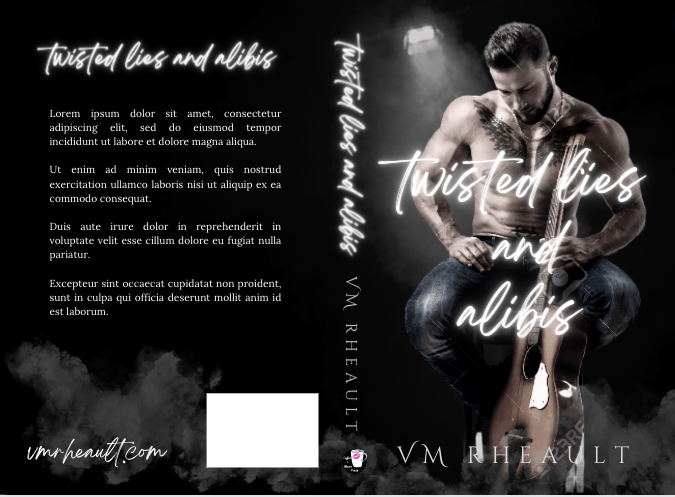
Marketing: You’re creating a cover for your book that will fit in with the image you want to project as an author, build your brand, and be recognizable to readers the instant they see a cover that belongs to one of your books. Not to mention convey the genre your book is written in (because you chose a genre, right?).
I think this is one of the hardest lessons I learned. I was pretty adamant that I was going to make my own covers when I first started writing and publishing, teaching myself with the help from a book that is now 100% obsolete how to make a PDF in Word. Because of that, you can thank me for the Canva how-to blog posts I have here on the website, which gets hits every day. I never would have been able to do that for others if I hadn’t learned it for myself first. That’s not to say it was the smartest thing I ever did, considering I made a lot of mistakes I still see indies make today–using a free photo from Pixabay, et al, not having any idea of a consistency stretching across other books in their catalogue, and having zero idea that the cover should actually match the spice-level my book was written in (people will tell you to browse the top 100 in your genre for a reason). I guess because my book had no specific genre, that made it kind of difficult to do any research had I even known to do it. (Romantic Speculative fiction, anyone? Blah.) One of my favorite examples of what I mean is Melanie Harlow. She has the cutest font for her name, her covers all have the same vibe, and with the sweeping font she uses for a lot of her titles, I know right away if it’s a Melanie Harlow book. I love everything she does and she knows her brand like nobody’s business. If you want to see what I mean, look at her website: https://www.melanieharlow.com/
If you work with the same designer (or do them for yourself) you’ll eventually end up with a cohesive vibe. We all have our own styles, and that will show. Choose a nice font for your name that you won’t get tired of. Decide if you’re going to do single men, couples, lighthouses, streets, what have you, depending on your genre. You want your Amazon author page to look TOGETHER. I’ve seen some author pages that look like I’m digging through a giveaway book box at a rummage sale, and that’s not a way to grab a reader . . . or their loyalty.

Advertising: You’re buying a promo spot like Freebooksy, Bargainbooksy, E-Reader News Today, Fussy Librarian, or something similar for one of your books to see if you can generate some buzz.
Marketing: You’re mapping out your promos for the next 12 months based on what you have coming down your publishing pipeline.
I heard a big-time author say you should be doing something every quarter–that’s four times a year. (It comes in handy if you’re in Kindle Select because they give you 5 free days per title, you guessed it, four times a year.) If you don’t have the backlist (or the front list) to continually run sales, you have to sit down and decide how fast you can write and what the next three to five years are going to hold for you. You don’t have much to market or advertise if you’re not writing and publishing, and what you’re writing and publishing will be important. You can do a sale or do a free promo, but unless you’re in KU where you might get some page reads during your promo, it doesn’t make a whole lot of sense to give away a standalone novel, especially if it’s your only book. If all you have are standalone novels, make sure your back matter is pointing your reader to the next standalone (if you like this book, check out this book) and/or to your newsletter.
You may be thinking you can’t afford to do something like that four times a year, and I understand that completely. In time you’ll start to earn out your fee or get ahead, and if you never do, then the conversation turns back to quality (book covers and blurbs) and craft (how well are the insides written).
So, grab a wall calendar and map out the next 12 months. I can mark up my new releases from now until the beginning of 2025. Can you?

Advertising: You decide to write XX genre for your next release, but you’ve written and published XX genre under the same name so your backlist is going to look a bit wonky. That’s okay though because you’re going to focus all your social media efforts and advertising promo dollars on your new release.
Marketing: You’ve decided on Small Town Romance, that is where you will stay, and that is what you want to be known for.
Everyone tells you not to genre-hop, and a lot of indies don’t listen, saying that it boxes them in or stifles their creativity. I get it. I went from Billionaires to Rockstars because I wanted to write my Rockstar trilogy and that’s what I did. I had an amazing idea for a trilogy and I wasn’t going to not write it–that would be dumb, right? I mean, rockstars are rich too, and as I’ve pointed out in the past, my books are still more contemporary romance than true Billionaire romances. Just because I make them rich doesn’t exactly mean they’re going to meet reader expectations, but so far I haven’t gotten any feedback to indicate readers are unhappy. Romance is neat in that you can choose a genre like small town romance, but the sky’s the limit when it comes to tropes. Most romances are written with a trope for a foundation, and it doesn’t matter which genre or subgenre you choose. So far, I haven’t found that writing Billionaire is stifling–there are many many tropes and you can twist them your own way to keep them fresh. Here’s a blog post I did on consistency: https://vaniamargene.com/2021/12/20/buzzword-consistency/

Advertising: I’m going to post on Social Media every chance I get. All my followers are other writers, but that’s okay–authors are readers too.
Marketing: Starting a reader group or author page on FB and joining reader groups for the genre you write in. Using author groups for publishing information and networking to find beta readers, editors, and making friends for newsletter swaps.
Bursting out of the writing community bubble was hard, but I think I’m finally doing it. It helps that Twitter imploded and I don’t waste time there anymore and besides all the authors whom I follow and who follow me back on IG where I rarely post, all my social media (besides this blog) now is for readers. I’m slowly building up a readership on my FB author page, VM Rheault, and my V’s Vixens Read Romance FB page, mostly because I run ads from it and I post so it doesn’t look empty. When I started my TikTok account, the smartest thing I did was not label myself as an author. I didn’t think it was necessary as I’m not posting non-fiction (like writing updates) there, and I’m keeping my author following to a minimum, too. I understand that social media is free and falling into the writing community is easy, especially on Twitter and Instagram, but there really is no cheap way to find readers that’s effective. Surprisingly, I’ve had better cost per click using Facebook ads, and when I paused my Amazon ads during Zoe York’s Stuff Your eReader day, I didn’t turn them back on. My sales haven’t suffered, so I’ll wait and see. I have two ads running on FB right now, one for Twisted Alibis and one for Rescue Me. I don’t want to say free social media is useless–established authors still have great success and engagement with reader groups, but filling your social media following with other writers or family and friends won’t get you the sales you’ll want long-term.

Advertising: You start a newsletter but don’t offer anything as an incentive to sign up and don’t push the link anywhere but on social media where the same people hang out.
Marketing: You start a newsletter and have a reader magnet that is a great sample of the kinds of things you’ll be writing or reflect what’s in your backlist. You add the sign up link to the back matter of all your books, you add the link wherever you can–Amazon Author Page bio, your BookBub Author Page bio, FB reader groups (if it’s allowed) and anywhere else you can get signups like BookFunnel or StoryOrigin promotions. You also push the link and your reader magnet with FB ads and promos like Fussy Librarian and Bookdoggy.
Probably the number one reason I hear for not starting a newsletter is that authors don’t like them so therefore don’t want to offer them, and the second is that they don’t know what to write. Like publishing, building a newsletter list a long game, but the longer you wait, the harder it is and the more urgent it will feel. I should have started one a long time ago, but I can genuinely say the first six years I’ve been doing this was all just one big learning curve. Maybe you aren’t ready for the information in this blogpost–and that’s okay. We do have to write the books of our hearts and in our own time, learn for ourselves that shilling books on Twitter will only go so far, and realize that if you try, you can actually make some money at this publishing thing.

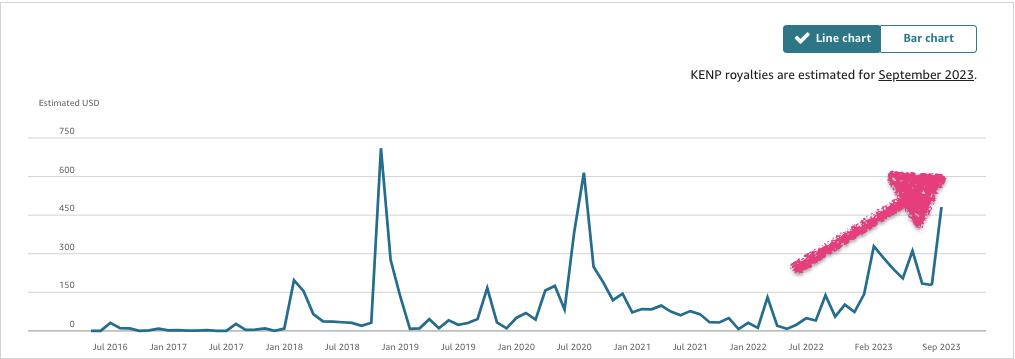
If you don’t think I know what I’m talking about, I pulled up the graph from my lifetime of publishing. As you can see, I had some spikes, anomalies, but the slight upward trajectory since June of 2022 when I first released Captivated by Her and Addicted to Her means more to me than the unexplained sale spikes. Consistency will win the race, and one day my sales will make me a small, if not steady, profit.

I could be sad that it took me so long to figure things out, but I met some great people along the way and learned a lot. I wasn’t prepared for success to come any earlier, but if I wrote something and a TikTok influence loved it now, I would know what to do with the attention and that’s really important. I’m still small potatoes, and I know that, especially since I’ve joined some TikTok for Author groups on FB, and holy hell, can those billionaire/mafia/dark romance authors rake it in. But after all the books I’ve written, I think I found where my heart truly lies–with rich guys written in angsty first person. Finding my niche may have been the biggest accomplishment from the past six years. Now I can write happily in a genre while building my audience.

You can look at advertising as something you do in the present, something that builds buzz short term, but marketing is something you do over months and years, pushing yourself as an author, what your brand is, as well as your books and what they’re about. But, you do need content, and that’s what trips people up, I think. You need be writing, need to have something for people to read, be it books or newsletter content. Time can be a huge factor and that’s why I suggested buying a wall calendar and mapping out what you think you can do for the next year or two.

It’s tiring, believe me, I know. If I didn’t love writing so much, I would have quit long ago, but I do love it, already thinking of what I’m going to write next, even if that won’t be published until the spring of 2025. God knows if I’ll even be alive then with the way I feel some days, but I never want people to think I’m floating on this cloud tapping away at my keyboard, when you probably would never believe the number of down days I have. My sexy men keep me going, and I hope your characters, when you’re down, keep you going too.

Have a good week!

Author News and Short Update

I’m not really in the mood to blog today. We put our kitty, Blaze, to sleep last week. After some testing, it was determined there was more wrong with her than just the bladder stones we were going to have removed. It was a really tough choice because we didn’t want to keep her alive for us. Her quality of life has been declining since we got her, and mentally I just couldn’t see her suffer anymore. The tests, euthanasia, and then the cremation still took a huge bite out of my finances, and my GoFundMe is still active. Any little bit would help, but at this point, I’m just glad her suffering is over and I can let my heart heal. After losing Harley not so long ago, not having any pets is a shock, and a situation that will take some getting used to.


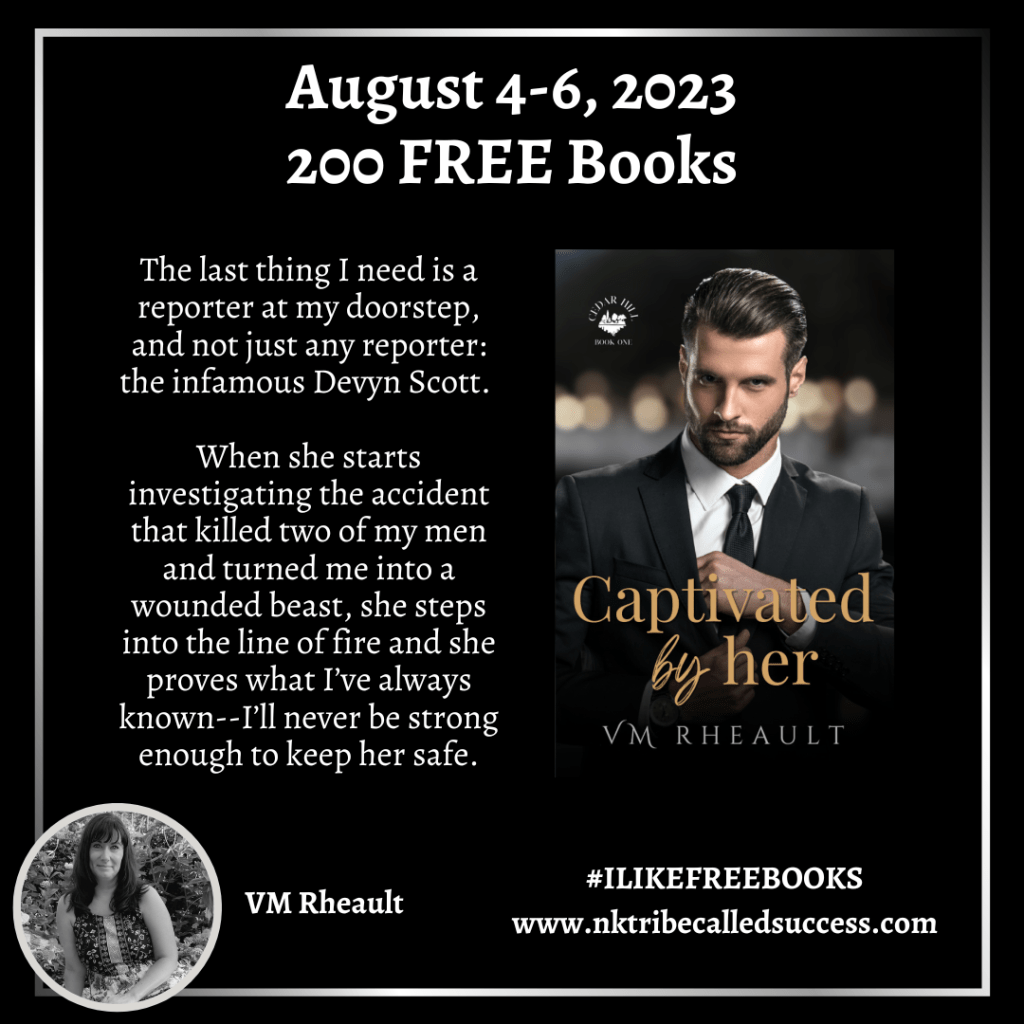
In other news, Captivated by Her is in a promo August 4th through the 6th and will be free on Amazon. This event will have over 200 free books available, and if you want to keep on the lookout for this promo for your own reading device, or if you want to share the link with your readers, you can direct them to https://naleighnakai.com/. They can sign up for the newsletter before the weekend, or they can look there starting on Friday the 4th. I’ll send this out in my newsletter, and I’ll probably be pretty annoying on social media this week. I need to do better promoting my books and more active when I’m joining in promotions like this. We all have to do our part to drive traffic to the site, but it’s a real change in mindset to post and be active. I don’t want to have a reputation in romance circles that I’m not a team player. There’s no better way to kill your career than for other authors to think you won’t put in your share of the work. So I’m going to put on some music and enjoy myself. I love my books and I want people to read them. They can’t do that if they don’t know they exist. I just gotta put on my pretty big-girl panties and get it done.


I’ve been reading through the proofs of my rockstar trilogy and I haven’t found much. My proofer is still working on them too, but I’ll be putting them up on Booksprout in the next week or so. I’ve only found a couple of true typos, the rest are just nit-picky things I don’t need to change but will because that’s how authors are. A reader wouldn’t care, but this will be the final time I read these. If my proofer finds anything wrong that I didn’t, I can change the files one last time before they go live, but I did a really good job listening to these, and I don’t think it’s likely she’s going to find anything I haven’t.

Anyway, so that’s all my news, and I’m going to try to keep pushing forward though Blaze’s toys scattered around still makes me sad, and my daughter was crying because she accidentally gave her fresh water the other night before we went to bed. It will be an adjustment–we’ve had cats for the past 20 years. But I need a break. My mind and heart are so tired of being worried about animals. As much as I miss them, I just need to breathe. I have a lot going on with my books in the next few weeks, and my daughter is getting ready for her last year of high school. Things will be okay. We move on.

I hope you all have a great week, and don’t forget to share that promo with your readers–not just even because my book is included–there’s a lot of good books of all genres in there.

Until next time!

Author Update and Personal Organization

Words: 928
Time to read: 5 minutes

My Christmas WIP is coming along. I’m 45k into it, and I’m actually kind of surprised I’m as far as I am. It could be it’s because in some way, this plot has been rolling around in my brain for years, or it could be I’m having a lot of fun writing the two. I don’t know, but I started writing Sawyer and Evianna on July 6th with a deadline of August 31st. I’ll be done before then, and I’ll have a few extra days to let it breathe. Last night I went back to the beginning, read from the first page, and made notes of all the breadcrumbs. This isn’t my first twisty book, and I’m getting better at writing them, but it’s helpful for me to keep track so I know what scenes I need going forward.

My proofer is plodding along with my rockstar trilogy, but I just bought my own set of proofs today. Unfortunately, giving up any kind of control just isn’t going to be in the cards for me, so I’ll proof them too, and together I hope we can spot all the typos. Listening to them is the best way to fix missing words, syntax issues, and misspellings (the voice sounds funny if you misspell a word) but it doesn’t catch everything. I always find stuff to fix when my books look like books, So that will be my main priority once they come in the mail.


I’ve been thinking of ways to set a schedule for some social media posts, and I would like to get into TikTok. Not even just because I think it’s a sure-fire way to sell books (like the Kindle Gold Rush, I think the TikTok Gold Rush has passed for everyone but a lucky few) but because creating content is fun, can be used multiple ways, and does eventually find readers. It wasn’t so much what to create (though pulling quotes and writing copy is an arduous task), but focusing on which books. I posted my question in a group on FB and one mistook my scheduling as a want to get an edge over the TikTok algorithms, which is not my intent, and impossible to do anyway. No, when I say schedule, what I basically mean is organization for my own mind (her question prompted the word ‘organization’ which was the correct word I was looking for). I have a duet, two standalones, a trilogy, a forthcoming trilogy, and soon, a holiday novel. I don’t want to create videos and post all crazy, but focus on one book for a week or so, then focus on a different book, etc. I know you can’t push a book for too long or readers will get tired of the same old same old. When you only have one book out, that gets dicey. You run the risk of people saying, “That book again? Doesn’t she have something new coming out?” So I was thinking a month at a time, but that’s too long. Especially if you’re posting multiple times every day. Maybe even go down to a week for each book before starting the cycle over again. Someone in the group did say not to be scared of recycling content–if a video gets few views, post it again. And that’s great advice–especially if you post at different times of the day.

One of the biggest reasons that gave me pause isn’t the idea of showing my face, but something a little sillier: The kind of music to attach to the videos. I’m not on TikTok yet, but I’m under the assumption there are a lot of different artists and songs to choose from. I did a reel on Instagram, and IG gives you a lot of choices too. I’m not a music connoisseur at all. I have certain songs I like and play them over and over again. I don’t listen to Taylor Swift and she seems to be a top choice. Like a book you want to sell, you have to look at the title, the cover, the blurb. I guess for a video to hit, you have to look at the content (the actual video) the tagline/ad copy, and then the song/music you choose. I’m getting better at ad copy, writing one sentence hooks, etc, and a lot of the reels and TikToks I’ve seen aren’t made with complicated videos. The packaging, I guess you can call it, will be important, and eventually the kinds of videos I create will build a brand.

Some people say to jump right in, don’t overthink it. I’ve never overthought anything a day in my life. I’m lazy and overthinking is too much work. But I’m a planster, and with any project, I would like to have an idea of what I’m doing before I start. I grew up around lakes, and I never jumped in feet first. I hate the mud at the bottom.


That’s about all I have for today. Summer is two-thirds over, and I hope you’re getting to relax, get some things done, and enjoy the weather. My sister and I are going to see Oppenheimer on Tuesday, so that will be fun, and in August, my daughter wants to see Barbie. Later in August, I’ll be busy launching my trilogy, and when I start up my TikTok account, I’ll blog about it. Now that I’m not on Twitter anymore, I have a little bit of time to spend on that platform.

Anyway, I hope you all have a great week!

Monday Musings and an Author Update!

Words: 1364
Time to read: 7 minutes

It’s another Monday, but not manic, sorry, Susanna Hoffs. I’m just tired AF. By way of author updates, I don’t have too much. A proof job fell into my lap last week, and I started and finished that before working on my own manuscript. I’m 91k into the last book of my rockstar trilogy, and I’m hoping to finish it ASAP. I want to dive into editing them and polishing them up for an August release. The week between books went really well for my other trilogy, so there’s no reason not to do that again if I work hard enough over the summer. It’s crazy how I’m already thinking about a Christmas novel, but we’ll see how much time I have when school starts. My daughter will be in her last year of high school this year, and September is always a little busy as we try to shake off the summer months. I am grateful I write clean first drafts, but my co-worker who read my series and proofed them for typos would like to read the rockstar trilogy before release, so if I take her up on that, I need to make time for it.


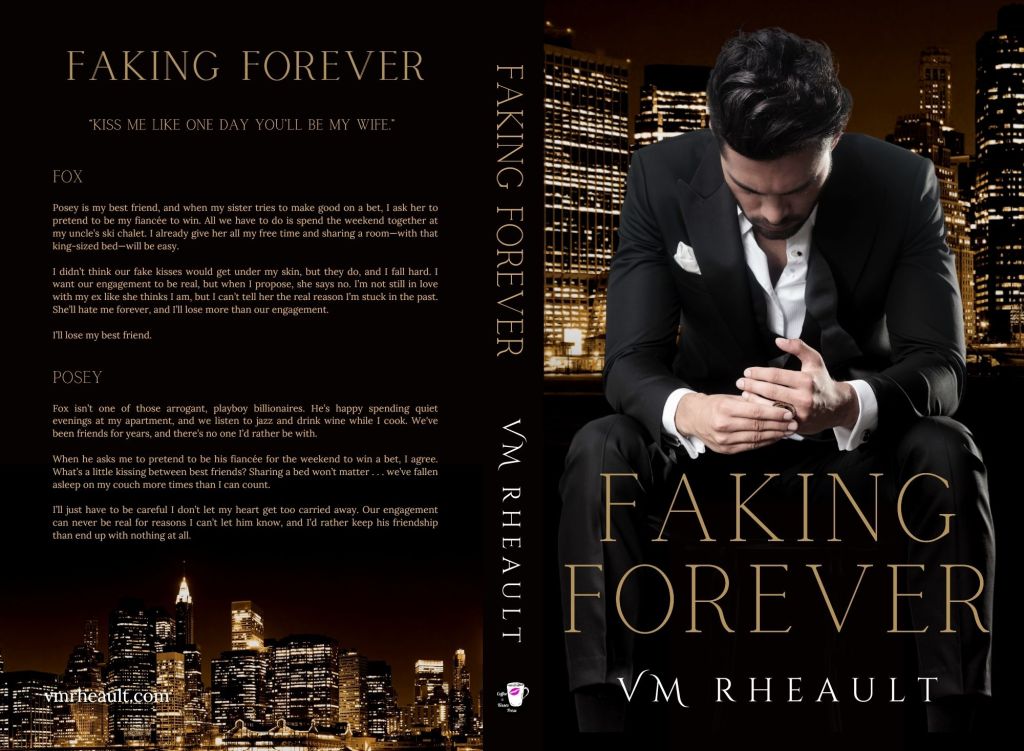
I have a book coming out on the 17th, and the first review on Booksprout put my mind at ease. I really wasn’t sure about Fox and Posey’s story, but I was honest in my author note to my reviewers and said as much. I have ARC copies available until it goes into KU on Wednesday, and you can download a copy from Bookfunnel if you’d like. There are eight left, but don’t download one unless you want to read it and leave a review: https://BookHip.com/PPSTKQF

I’ve been trying to shake off some doldrums and with the rain and my girl-stuff flaring up, it’s been difficult. I honestly wasn’t feeling a book launch, and it shows. I need to start Amazon ads to the preorder so they’re up and running when the ebook goes live, and I was going to schedule a promo for Give & Take on either ENT or Fussy Librarian to keep the ball rolling on my books. I haven’t done that either, and they book about a month out, so we’re looking at the middle of June before I can do anything now.

I guess this all kind of feeds into the discussions online lately about writers and their worth. I wrote a blog post about it a while back, which goes to show we’ll always have conversations about things like this. I sound bitter, frantic, almost, and what’s funny is my situation has changed very little. I’m selling more books because of the 1st person POV change, so that’s turning into a good move, but my fiancé and I broke up so I no longer have that “stream of income” I amusingly called it. (I did work for it, so it may be appropriate after all.) The blogpost I wrote in 2020 I could be writing now, except I’ve learned a lot over lockdown and actually put into practice those things as I started releasing new books last year. At any rate, it just goes to show some things will never change, and writers’ pay is one of them.

The conversation this time started over a tweet from an agent who said her agenting was a career and our writing was a passion. Let me dig it up so you can see it.

I honestly understand where she’s coming from (don’t come at me with pitchforks, please), and I often think of something similar myself when I see all the writers querying and complaining about all their rejection emails. Savannah probably could have been a little nicer about it, but agents have bills to pay and they can only pick up what they know will sell. It’s not rocket science. On the flip side, which is where my old blog post comes in, no one pays a writer for all the work that goes into writing a novel. All the months and years that we spend writing, there’s no pay for that, and sometimes, after we find an agent, get that book deal or self-publish, there’s still no pay for that. Certainly not a living wage.

It can be disheartening to keep writing, to keep producing for no little to no gain. And when we complain there’s no money in it, everyone piles on and says you shouldn’t be writing for the money. Which… is what Savannah did. It’s quite the conundrum, especially if you break down all the hours you work on your books for free. I work maybe 20-30 hours a week on my books. I have to if I want to write as quickly as I do. Part time wages compared to what I make full-time at my job would work out to be about 15k a year from just writing. I’ve said before how much easier my life would be if that were a reality. Of course I love it. Of course I love helping my friends publish their books. Of course I love the readership I’m building with my first person books. I don’t know how you can’t be a writer if writing calls to you. How do you shut it off simply because you’re not earning an income?

I listened to the latest Six-Figure Author podcast episode and could really feel Jo’s plight. He revealed he was getting a job for the first time in a long time, and that brought on a lot of emotions for him and the people listening. I doubt I will ever be able to quit some kind of a day job. I need the stability of a paycheck, and I would have to be earning a lot from my books to even think about it, even if my work barely pays me a living wage. If you want to listen to the episode, you can here. He starts talking about that 8:00 minutes into the video.


I guess I don’t know where I’m going with this post, except I can see both sides. There are ways to make your book enticing to agents before you query, just like there are ways to make your book more enticing to readers if you self-publish. Know what’s going on in your genre. Know who your comp authors are. Know what shelf your book is going to be in a bookstore. (It really is amazing how many authors say they wouldn’t know.) Work on your craft. Whenever I see a tweet that says they queried the perfect agent and still got a rejection, I just think the writing isn’t there. It’s a tough industry and you have no idea who’s right. Should you get an editor before you query? I don’t know. How strong is your writing? Should you get one before you self-publish? I don’t know. How strong is your writing? Either way, you have to know the industry. Read Publisher’s Weekly. Read Publisher’s Marketplace if you can afford it. Read Jane Friedman’s The Hot Sheet if you can afford it. Publishing is a business. Learn about the business you’re in. Someone DM’d me and asked me a question because she said I knew more about indie publishing than anyone else she knew. That’s not just from publishing books. That’s from listening to podcasts. Reading blog articles. That’s from listening to talks on YouTube like the 20books50k conference last year in Vegas. That’s from knowing the heavy-hitters in the industry and signing up for their newsletters. Sign up for workshops if you can. Anytime Melanie Harlow speaks, I’m on it. What do you do to stay on top of your industry? When you’re querying, what can you bring to the table? Everyone keeps saying the agent/writer relationship is a partnership. Okay, what’s in your half besides your book?

I don’t understand the helpless mentality online. You are not helpless. Your career is in your hands. You just have to decide how long you want to work for free, because it’s a lot longer than any of us realized it would be.

This is the first year ever that I have sold a book or had page reads every day since January 1st. My craft is better, my brand stronger, and my focus clearer. I didn’t know what I wanted when I first started publishing. I do now. And until I have to be like Jo and cut back to find something else that will pay the bills, I’ll never stop trying.

Hopefully, you don’t either.

Have a great week!

The surprising ways signing up for a newsletter isn’t as helpful as you think.

Words: 1028
Time to read: 5 minutes

I see it a lot on social media in the writing community–people sign up for each other’s newsletters to be supportive, thinking they are doing a good thing. I would never want to discourage anyone from trying to help out another author. Support and encouragement are so important, and sometimes just a simple, “I’m here for you if you need me” can be the difference between an author opening their laptop and writing that next chapter or walking away from everything for good.

So when someone mentioned they sign up for newsletters to show support and I said unless you’re engaging with that content it’s not really that helpful, I felt bad. I felt bad for making her feel bad because she genuinely thought what she was doing was a good thing. She, and a few others, were surprised signing up for a newsletter wasn’t as supportive as they thought it was, but here’s why signing up for a newsletter and not opening that email and enjoying and engaging in that content can be a real downer for the author sending out that newsletter.

Most email aggregators are pay to play. Unless you send out your own newsletter, you probably don’t realize that authors usually pay for their newsletter aggregators. Some of them have a free threshold, such as MailChimp at 500 email subscribers, or MailerLite who will let you have 1,000 under their free plan. Some you pay for the second you sign up, so every email they collect counts. Successful indie authors can afford their lists, and having some dead weight probably doesn’t hurt them as much as smaller authors who stretch their marketing pennies. So keep in mind that the author you’re supporting might very well be paying for you to be on their list.

We know if you’re not opening our newsletters. With the built-in stats our aggregator provides, we know if you’re opening our newsletters or not. Maybe not YOU specifically, but MailerLite tells me my open rate for each newsletter I send out. You can sign up for a newsletter from every author friend you have, but how supportive are you if you’re not opening the emails sent to you? If you just automatically toss them into the trash? Like people who promote their books for no sales, authors get discouraged when they send out newsletters and no one bothers to look at them. Here are the stats from my newsletter I sent out in March:

A picture of my stats. The subject like of that newsletter was Blizzards, Sales, and Rockstars. The stats are 570 recipients, 33.69% open rate, and 1.23% of those clicked on the link inside the newsletter.

I have 570 email subscribers and only 33.69% of them opened my email. I included a link to something, I can’t remember what to now, but only 1.23% of that 33.69% bothered to click. Authors can cull their lists when they get too expensive and there’s not enough engagement for the cost, but it’s better all around if you’re signing up for newsletters from content creators that you’ll enjoy hearing from.

A low open-rate can affect our ability to join promotions. Authors who use newsletter builder sites and promotional sites such as StoryOrigin and Bookfunnel want to know what your open rate is before they’ll join in promos with you or ask you to join in theirs. That’s another reason why signing up for a newsletter but not opening and engaging with that content is hurtful. Tammi Labrecque who wrote Newsletter Ninja and runs the Newsletter Ninja: Author Think Tank Facebook group says a good open rate is about 40%. If you’re not opening the newsletters you sign up for, you’re hurting our chances of getting into these promotions. That’s the opposite of being supportive.

We start and offer newsletters to sell our product. The main reason we start a newsletter is to reach our customers. If you’re an author, you start a newsletter to hopefully sell your books to your subscribers. We want to build a community of readers who want to read our books and are willing to buy them. If you’re just signing up for a newsletter and not engaging with the content, you’re not going to want to buy our books. If you won’t give us your time, you definitely aren’t going to give us your money. Newsletters are an author’s strongest marketing tool–but only if their subscribers want to be on it and are happy to hear from us.


If you really want to support your author friends, the best thing you can do is read their books and talk about them. If they write in genres you don’t read, that’s not your fault and being truthful can go a long way. It’s an author’s job to promote their books, not yours, and sometimes there’s nothing you can do. I’ve turned down three people in the past couple of weeks who have asked me to read and review their books. I don’t read in those genres and I said no. With running this blog, sending out my newsletter, writing my books, and working full-time, I’m stretched thin, and that’s okay.

This wasn’t a blog post to tell you never to sign up for a newsletter, but be selective and sign up for newsletters from people you want to hear from because you enjoy their work. Of course we love it when we see new subscribers, but we want those subscribers to open our emails, enjoy the content, click on the links, and look forward to new releases. It’s difficult starting a newsletter and feeling like you’re not writing to anyone. It’s difficult to write a blog to no one, and it’s difficult to write a book when you have no readers. We all start somewhere, and little by little we grow our community. The writing community isn’t necessarily going to be your reading community, and that’s fine. We all write different genres and it’s one of the reasons I don’t share my newsletter link on Twitter–or on the blog for that matter. If anyone wants to sign up–they know how. The link is at the end of my books, and that’s the best way to gain subscribers.

How do you support your fellow authors and friends who write? Let me know, and have a great week!

Monday Author Update and Plot-Driven vs. Character-Driven Novels

Words: 1155
Time to read: 6 minutes

I have zero things to write about this week. All I’ve been focused on is getting words down for this trilogy, and as of right now I’m 62k into the second book. I am loving this couple though, and turning that standalone into more books was a good choice.

These are character-driven books, and every once in a while I get a touch of imposter syndrome. Are these books going to be boring? Is there enough going on? But I’ve come to realize that character-driven books are what I write. Probably the only book I’ve ever written where characters are actually moving around on the page is Wherever He Goes, but that’s a road trip novel. There’s not much of a road trip if they aren’t moving and things aren’t happening. I’ve described my books as “quiet”–characters exploring themselves and how they need to overcome their flaws to get what they want. There’s a fine line between a character-driven book that’s “quiet” and a book that drags. I don’t get a lot of feedback before I publish, but I’ve already had some volunteers for this trilogy. I’m going to need them, I think, if only to reassure myself that the books move forward and keep readers interested.

The biggest tip I have for anyone who wants to write a character-driven book, or think they are, is you can’t be repetitious. My books depend a great deal on dialogue, but that means when characters are speaking to each other, new information must be presented at all times or there must be some kind of internal revelation. If your characters are only rehashing what has been spoken of previously, you’re wasting your readers’ time. Always know what you want out of a scene, and if you have characters talking just for the hell of it, usually that’s a sign you don’t know what your characters need, what they want, or how they’ll go about getting it. With every conversation, information must be revealed for the first time and/or a personal discovery must be made because of that information. Most of the time, that’s not difficult, but sometimes, especially in real life, people need to hear something more than once for it to sink in, or they need to hear it from more than one person. That’s not a great thing in a novel and rehashing can slow your pace and bore your reader. Try to make each scene count.

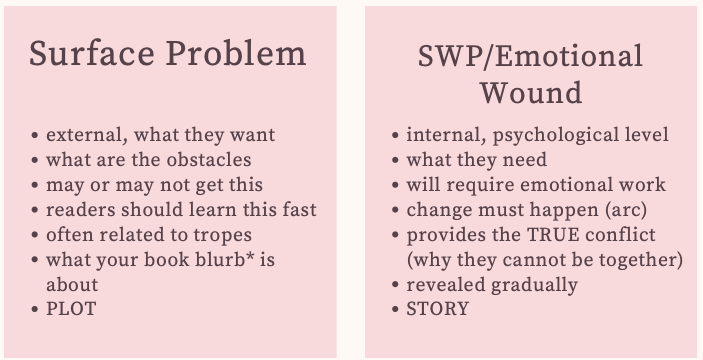
Some people might be a little confused between what a plot-driven novel is and what a character-driven novel is. There are plenty of resources out there if you want to explore, but I like this slide by a presentation Melanie Harlow did a while back.

Surface problems are usually not that important in a character-driven romance novel. It’s the emotional wounds of the characters that keep them apart and are a bitch to overcome. The emotional wounds and the flaws they must overcome is what the 3rd act breakup is all about–if there is one. As you can see, the emotional wounds are what causes the true conflict in a romance novel, and if you don’t have those, everything that keeps your couple apart is superficial and readers won’t be invested in your couple staying together for their happily ever after.

Melanie spoke at the 20booksto50k conference last November, but her talk is incomplete and the audio for what is available is poor. But, I mention it because the slides are available, and they are a goldmine of information if you want to download them. https://drive.google.com/drive/folder… She’s also part of a steamy romance panel, which I haven’t watched yet (hello work/life balance) so I can’t comment on quality, but you can check it out here.

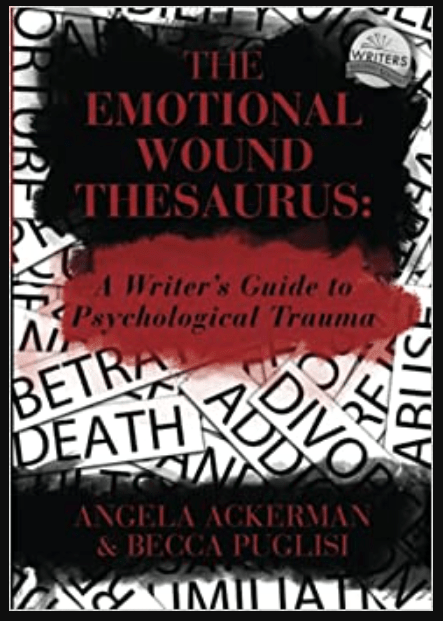
Also, there is an Emotional Wounds thesaurus available, and it’s great for digging and thinking up ideas for how to make your characters miserable. You can check it out here. https://www.amazon.com/Emotional-Wound-Thesaurus-Writers-Psychological/dp/0989772594

screenshot of cover taken from Amazon

My Freebooksy for the first in my trilogy went really well. For the two days it was free, I gave away 3,797 copies. I think people are still confused how this can convert to royalties earned, and I’ve said in the past that a Freebooksy only works well if you’re giving away a first in series. Read-through is where the royalties come in. Also, if you’re in Kindle Select some readers will borrow your book instead of downloading it, and if they do that, you get paid for page reads. You have to weigh the pros on cons of paying to give your book away. It won’t give everyone the return on investment they’re looking for. In my case, between borrows and read-through, I earned back my fee ($120.00) in 4 days and so far have had a ROI of 131%. (ROI = Net income / Cost of investment x 100.) People don’t read right away and my book is sitting on 3,797 Kindles. I can only hope that as the weeks and months go by that people get to my book in their TBR piles and go on to read the other two books in the trilogy.

I admit I dropped the ball and didn’t have Amazon ads running during that time. That will probably turn into a mistake for me as I had nothing propping up that promotion. The only other thing I was doing was running an FB ad to Rescue Me, and I already said last week how that turned out. Right now I’m running an ad to Captivated by Her, but I’m watching it closely as the last time I tried, I didn’t get any sales for the clicks. I ended up pausing the ad. I have it on sale for .99 right now and I used a different graphic to go along with the ad. I’m hoping for a better outcome.

The next big push might be a Freebooksy for Captivated when my next standalone book comes out in May. Though I did want to try Fussy Librarian and Robin Reads as well. It’s hard to believe that I’ll have had 7 books come out in 11 months, but I know some authors can do that all day long for years. I think this pen name is coming along though, and I have no regrets pivoting.


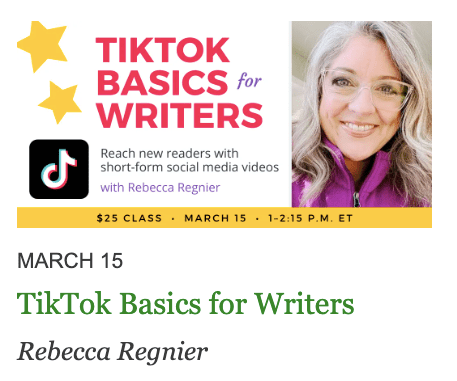
Screenshot taken from Jane’s website.

The only thing I have left is what I’m loving right now. I’m excited I signed up for a TikTok class with Jane Friedman and Rebecca Regnier. It’s $25 and the slides (if there are any) and a replay is available if you can’t watch live. TikTok is probably going to be my next step in trying to get the word out there for my books, but I like to explore and learn before jumping in. If you want to sign up, you can do it here. https://www.janefriedman.com/tiktok-basics-for-writers-with-rebecca-regnier/

That’s all I have for this week. Until next time!

Thursday Thoughts: Where do you post?

I was scrolling through Instagram the other day, and I saw a fun “about the author” type graphic–and I thought right away, that’s cute and if I did that, I could post it to Twitter. I had to stop and think for a minute. Even after saying I’m dropping the platform, it’s a habit I can’t break, and I still scroll religiously every day. I had to stop and think about what posting something like that to Twitter would do for me, and the answer is nothing. The last tweet that had any substance about me (not a retweet or an article) was only viewed 93 times–and I have almost fifteen thousand followers.

It doesn’t matter the why–no one likes me, the algorithms, I posted at a bad time of day–if I’m going to post and no one sees it, there’s no point in wasting time there.

My Facebook author page has 154 likes and 164 followers, only a small percentage of my followers on Twitter, and I get way more interaction when I post than when I tweet on Twitter, yet, I rarely post on my author page. I had to think about that for a minute. Why am I neglecting my page when it takes just as much time to create content for Twitter as it does anywhere else?

I think some of it is fear–the people who like my author page, most of them I know in real life. I have co-workers who like my page, family members, people I went to school with, and you can pick any school. High school, Moorhead State University when I was there getting my English degree, Moorhead State Community and Technical College when I had the misfortune of thinking I wanted to go into HR. These people know me, on a personal level, on a level that my followers on Twitter do not.

But while I’m afraid of those connections, when it comes to selling books, those connections would probably earn me a sale faster than tweeting promotions on Twitter. They say you shouldn’t ask your friends and family to buy your books unless you write in a genre they read to keep your also-boughts on Amazon pure, and I believe that, but platforms also like engagement and social proof, and for every family member who likes my post, that’s more valuable than followers scrolling past a tweet. It will help me earn followers who aren’t my family and friends.

It sounds as if maybe I don’t want my books to be found, and that’s not true. I buy promos, I’m paying for two FB ads right now (one to my newsletter and one for my .99 cent sale for Rescue Me) so it’s not a discovery fear or impostor syndrome keeping me from posting in places where people might actually engage with me. I’m really not sure what it is, except, I’ve been on Twitter forever and it’s a knee-jerk reaction to post there.

I did a blog post a while back about how 20% of your work should fuel 80% of your success, and if you don’t want to work yourself to the bone, anyone, in any business, needs to learn to work smarter not harder. That means focusing your time where you’ll receive the most ROI, and for most authors, that’s usually writing the next book. If you have a limited supply of time, that doesn’t leave you much to post on social media. You want to make your posts count.

You can always cross-post, which a lot of authors do, and I still don’t really subscribe to that, though there is no harm in posting on Twitter if you’re not going to get any views anyway–as long as you can handle the crappy feeling you get when you don’t have any engagement with your posts. Then again, you have to figure out what you want and where you want to get it from. I don’t find my readers on Twitter–I never have and I never will–BUT it’s a great place for blog traffic. Which makes sense considering I’ve been nurturing my Twitter account for non-fiction subjects for a long time. Like any author who is caught in the bubble, it’s difficult to break out and it takes constant reminders that it doesn’t matter if I don’t get engagement on Twitter. It’s the shares and likes on my FB ads that count because the social proof on those ads will end up selling books.

Anyway, so I was just using this blog post to kind of think things through, and maybe my rambling will help you decide where you want to spend your time online.

As for the graphic? I made it in Canva–their templates make posting things like this so cute and fun–and I’ll share on my FB author page and on Instagram.

Where are you posting your graphics? Let me know! Have a great weekend!

What I learned from an author’s literal, overnight success

This month was a good month for Chelsea Banning who tweeted about her book signing. When Henry Winkler quote tweeted it, other high-profile authors in the writing community picked her up and offered her support as well. If that wasn’t enough, news outlets like CBS tweeted about her too, and as a result her book sold hundreds (maybe even thousands) of copies.

I could fill my entire blog post with tweets mentioning her, but instead, you can search Twitter for her name or follow her here.

Not every one was happy for her, and like Brandon Sanderson’s success with Kickstarter there were some people who, let’s just say, weren’t thrilled with her sudden luck. That’s fine. Some people think success isn’t due unless it’s earned through back-breaking hard work, like somehow how hard you hustle should be equated with the level of success you can achieve (which is a terrible American way of thinking, to be honest, and if it were true, I’d be a millionaire by now).

Instead of feeling sorry for myself and how few books I’ve sold in my lifetime (which I didn’t, but I know there were some who did), I thought I would use her luck and success as a learning experience. What did I learn watching her career explode right in front of my face? Let’s take a look.

Have a great product. One of the biggest lessons you can learn is to put out a quality product because you never know when or where that bump will come from. It’s much easier to share someone’s work if it’s good quality. While Henry Winkler, Margaret Atwood, and Stephen King didn’t personally endorse her book or share a tweet with her book cover in it, her momentum may have halted in its tracks if her cover was bad or if her book wasn’t good enough to share. Not long ago I blogged about an author whose TIkTok went viral. He sold hundreds of copies of his book, but it wasn’t well-edited and his reviews reflected that. I felt so sorry for him and his read-through. While you don’t know what you don’t know, and we’re always putting out the best quality product we can at the time, having your book at least looked over by betas who can spot typos or hiring a proofreader and getting an inexpensive cover from GetCovers can go a long way if you’re a broke DIYer.

Have a way to capture readers. Chelsea went viral on Twitter and her followers reflect that. She went from a small following to over 10k almost over night, but we’re told the best way to keep a reader is to start a newsletter and grab their email address. (Chelsea has one through MailChimp and you can sign up here.) With the uncertainty of any social media platform (Musk taking over Twitter evidence of just how shaky a platform can be) it’s better to keep your readers on land you own. When you start a newsletter, you can export your list regularly so if you ever need to change aggregators, you can and not lose any subscribers. Please don’t try to set up a newsletter through a personal email account or something like vaniarheaultauthor@gmail.com (that is a legit email for me but I don’t check it so email me there at your own risk), as it can be illegal to do so. For more information about making sure your newsletter is compliant, check here, and you can find another great resource here. I go through MailerLite, though I don’t have a double-opt in feature. When I run ads to my reader magnet, people can give me their email address voluntarily and at the end of the book, they have another chance to sign up if they didn’t before. My unsubscribe link is clear at the bottom of every email, and I do get some occasionally. I like it because I can create pretty newsletters with specially placed text boxes and images–nothing like what you can do with gmail.

Have something to offer your new (new) readers. I don’t know what Chelsea’s situation is, and of course you can’t predict when something like this will happen, but I hope she has another book coming soon! If not, she can use her newsletter to keep readers engaged between books–and maybe she already has a reader magnet she gives away to her subscribers. Like Brandon Sanderson before he started his Kickstarter, he already had the four books written and was able to capitalize on his hard work. It’s also a great marketing tool to be able to say all the work is already done. If Chelsea doesn’t have a second book in the works, maybe she has an idea and can put up a pre-order for the next book. That’s another reason why writing in a series is a good move, and having them look like they all belong together encourages sales and read-through.

Put yourself out there. That is probably the biggest takeaway I learned from Chelsea’s experience. She stepped out of her comfort zone and approached a bookstore to host a signing. If you were a little jealous of her success, look at what you’ve done to step outside your comfort zone. She tried, set up an event on social media, and when it didn’t go her way, she shared that, too. That alone is worth more than a pat on the back, and more than likely, that bookstore was happy to host her because, looking at number one, her book is professionally put together. I have an independent bookstore not far from me, but I have never asked them to carry my books on consignment or otherwise. I know they do, as I flip through the local authors section every now and then and there are always books with the KDP Print stamp in the backs. I just have never bothered as being on a bookshelf has never been my dream, and I know my readers are mostly in KU. But if all you’ve ever wanted is to see your book on a shelf, then what are you waiting for? Your courage could lead to bigger and better things like it did for Chelsea.

I’ll never resent anyone who puts in the work and reaps from that work. With the start of the new year upon us, how do you plan to create your own luck?


I don’t have much personal news for myself. We had a lot of snow last week, and I ran over something and now my car is leaking oil. I can’t get it in until Tuesday, so fingers crossed I can get my errands done without trouble before I can get it fixed. I wanted to be at least 50k into my rockstar romance by now, but it’s been slow going, and I’m only at 46k at the time of this writing. Hopefully when you read this I can be at 50k because I can write all weekend without much interruption. I have 30 days before my first book in my trilogy releases and I’m going to try to do a few things from the 30 pre-launch plan that came with Stephanie Burdett’s social media kit that I wrote about last week. If anything, at least I can get my FB author pages going so they don’t look so empty. After Christmas I’ll put all three paperbacks on Amazon and list them on Booksprout for reviews. And for a kick, I’m still going to put book one of my duet on a couple of free days and buy a promo or two bump up my pen name. Just a lot of waiting, but I have my WIP to keep me occupied, so it’s all good.

There’s one more Monday where I’m going to post my end of the year recap, and unless I have something I want to say, I’m going to take Monday the 2nd of January off for a little break. I always say I’m going to take a break, but I never do, so we’ll see.

Have a great week!

Author Update: My Freebooksy results and knowing what you want

I’m only 19,400 words into my new WIP since starting it November 10th, and I’m having a difficult time getting into it. There are a couple of reasons, mainly I don’t know when I’ll publish it, and without that sense of urgency and anticipation, finding the motivation to write is difficult. I haven’t been wasting my time not writing–I read a book that some writers on Writer Twitter were bemoaning for the “stalkerish” tendencies of the male main character. I didn’t find it terrible, not in that way, but let’s just say, the book needed an editor and the possessiveness of the MMC was the least of that book’s problems.

I also reread Wherever He Goes, and talking about editing, that could use an edit. Not with any typos, though I did catch one “reign” where I meant “rein” and I had Kat driving West to make to Florida from Utah, but the instances of “had” when there didn’t need to be blew me away, and I think I probably should have edited it first before offering it for free and giving away 77 copies during my free promotion over the weekend. It’s a super cute book though, I still love the story very much, but if I ever wanted to go back and fix all those past perfect instances that don’t need to be there, I could also recover it with an illustrated cover that would be more fitting than what’s on it now. Back when I published it, illustrated covers weren’t popular, but it would be very fitting for the kind of plot it is. That is a project for another day, or maybe never as you can’t move forward if you keep looking back.


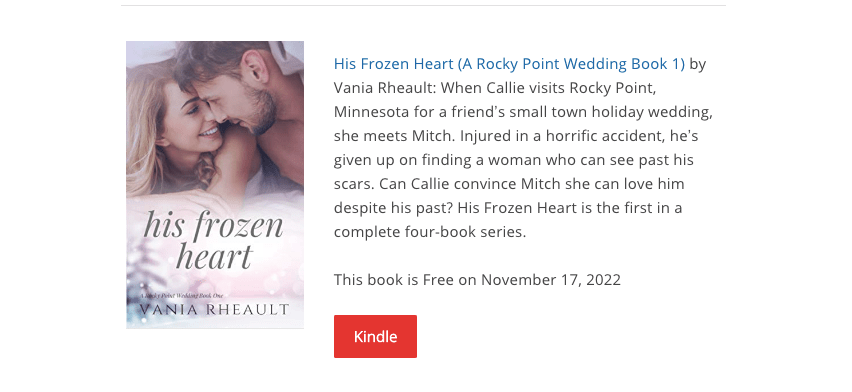
Speaking of looking back, I’ll give you the results I have for the Freebooksy deal I did on Thursday, November 17th. I took out a promo for that day, but I also extended my free days to the 18th and 19th. I don’t know why I decided to spend money on a Freebooksy for a pen name I’m not sure I’m going to write under anymore, except that I hadn’t ran a promo for those books in a long time, and I was just curious to see how they’d do. (Just a heads up–curiosity is not a good marketing strategy.) The problem with that mentality is, if you don’t have a plan or a desired outcome, it’s best not to spend the money. I’ll explain what I mean in a bit. The last time I did a Freebooksy on the first in my series, I earned my money back right away as it was a brand new series and I think I was still getting a lift from Amazon at the time. This time around, I gave away 2,583 copies of His Frozen Heart, the first in my four-book small-town holiday series. This is what the ad looked like in the Freebooksy newsletter:

I think the best it made in the free charts was number three in Contemporary Women’s Fiction.

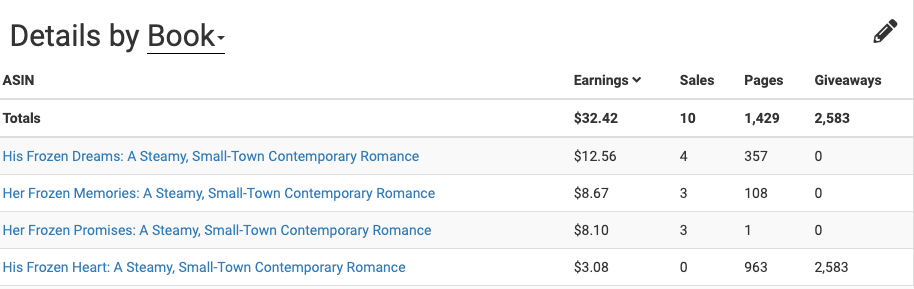
I don’t think I even made the top 100 with the holiday category that I wanted, but to me, it doesn’t matter where I fell on the free categories, because anyone can give a book away (I am all about bank over rank). My read-through didn’t come as fast as before, but hundreds of readers could spend the next several weeks or even months getting through my books. I may eventually recoup the cost of my fee, but I spent 115.00 on that promo, and so far have only earned 69.00 this month, which isn’t fair because I had sales of my duet and Rescue Me before the free promo. BookReport did a good job of breaking the numbers down so far:

ASIN	Earnings 	Sales	Pages	Giveaways
Totals	$32.42	10	1,429	2,583
His Frozen Dreams: A Steamy, Small-Town Contemporary Romance	$12.56	4	357	0Her Frozen Memories: A Steamy, Small-Town Contemporary Romance	$8.67	3	108	0
Her Frozen Promises: A Steamy, Small-Town Contemporary Romance	$8.10	3	1	0
His Frozen Heart: A Steamy, Small-Town Contemporary Romance	$3.08	0	963	2,583
Series Stats for the month of November
Standalone Stats for the month of November

So this brings me to what I really wanted to talk about today, and it’s this: always have a plan or some kind of vision of the ROI you want when you schedule a promo or run a sale. What is your reason why? Obviously, I had pie-in-the-sky hopes and dreams for this series and this promo, and I was hoping I’d make a lot of money. I have a couple of ideas why that didn’t happen but I should have given this promo a lot more thought before forking over the cash.

What did I hope to achieve giving my books away? If I wanted the exposure, what for? I don’t have plans to write under Vania Rheault anytime soon because those books are written in 3rd person and I’m not writing that anymore (and I don’t think indie contemporary romance in 3rd person is selling anymore either). Did I just want to see what would happen? Well, I’ve gotten half my fee back, so I can’t say it was an expensive experiment, but that money, if I really think about my plans for my releases coming up next year, could have been better spent. Did I just to give them one last hurrah before I turned my back on them for good? I love my books too much to do that, especially since I was just talking about re-editing Wherever He Goes and recovering it with an updated cover. So, for me, if I can’t answer those questions, I probably didn’t need to be spending money on a promo, “just for the hell of it.” It’s never a good idea, or a cost-effective idea, to throw spaghetti at the wall and see if it sticks. More than like it won’t, and all you end up with is a mess.

I didn’t have a concrete idea of what I wanted to achieve with this promo, and because money, especially this time of year, is in short supply, I kind of regret the ill-thought out spontaneity of my decision. I don’t regret all the copies I gave away, but I’m not nurturing that pen name anymore, and finding new readers for a limited supply of titles doesn’t make any sense.

So, before forking over the cash for a promo, or for any kind of marketing, really, think about what you want to get out of it. There are different kinds of return on investment after all, not just sales, and it’s okay to spend money for something other than that if you know what you want. Exposure is fine, and in these times, we do have to pay for that. Sales, how many do you want? How many sales or page reads would you need to break even or to reach your goals? Read-through? Is your first book strong enough to carry the read-through you’re hoping for? How many sales of books 2, 3, 4, etc do you want? What would make you happy? How old is your book, and have you had any new releases lately? Could you use a cover update before spending money? What about a fresh edit? Did you check your blurb to make sure it’s the best it can be before you pay for anything?

I’m glad that over 2,000 people thought my books were good enough to download. At least that tells me my covers are still decent, and the blurbs are holding their own. It also tells me that a promo on one book can affect the others. I didn’t run promos on my standalones and didn’t promote them in any way besides telling my newsletter about the free books that weekend. I simply put them for free and hoped for the best. So that was actually a nice surprise.

What’s next for me? This week is American Thanksgiving, so I’m going to be busy. I don’t have anything going on today (Monday) but I have Tuesday evening dinner and a movie with my sister. Wednesday my sister is coming over and we’re going to Downtown Fargo to snoop around, Thursday I work, but Friday I’m cooking and my sister and my ex-husband are coming over for drunk Trivial Pursuit and turkey. There won’t be much writing happening this week, but I am still excited for the story, and though I haven’t bought the images yet, I think this will end up being the cover. It’s a departure from the billionaire stuff I’ve been doing, as this is a rockstar romance, but it’s still in first person, so I’m hoping that I’ll still find readers. I haven’t had a cover come together so fast (besides Rescue Me, which took me ten minutes and I loved it from the first mockup) and likely it will stay:

stock photo preview from 123rf.com, cover made in Canva

Not sure what I’ll do with it once I’m done–doing anything for the sake of doing it isn’t wise, and while I would love to just hit publish and walk away, that’s the fastest way for a book to sink. Plus, if this is really the guy I’m going with, likely Amazon Advertising will kill any attempt to run ads which means back to Facebook–but only after Christmas.

My second set of proofs for my trilogy are good, all the little things fixed, so those are still set to publish after the holidays. I opened up book one on Bookfunnel if you want to give it a peek. You don’t have to give me your email address to download it. https://dl.bookfunnel.com/ntb40bhai8

Besides that I’m just keeping on keeping on. My carpal tunnel has eased up since I’m not writing so much right now, but the girlie stuff that has been bothering me for the past couple of years still hasn’t abated no matter what I try. Some people have suggested that because of my age and hormones, yadda yadda that maybe that could be just something that will never go back to normal. That could be, but it’s a depressing thought. I’m not the only one dealing with something on a daily basis, but it’s a bummer to have to put up with something so annoying with no hope of cure or treatment.

I hope you have a good week, and a happy Thanksgiving if you’re in the US and you celebrate!

Marketing ideas for your books

We tend to confuse marketing and advertising when it comes to our books. Advertising is what you do when you’ve already written it and published it and you’re only looking for readers. That’s running ads, buying a promo, tweeting about it, or posting in FB groups. That’s not really marketing. That’s shoving your book under someone’s nose and hoping they like it enough to buy it.

Marketing encompasses a lot more than that, and it starts with your product, a fact many indie authors don’t like because they prefer writing the book of their heart and hoping someone likes it enough to read it. That’s fine; whatever floats your boat. And honestly, it’s what you should do when you first start out. But writing the book of your heart, or the books of your heart, won’t get you very far unless you can meet in the middle between what you want to write and what readers are looking for. As I’ve said in the past, authors who can meet in the middle find their longevity in this business. Or rather than compromising on every book, write something you love, then something you know will sell, and go back and forth. I was reading Bryan Cohen’s new Amazon Ads book Self-Publishing with Amazon Ads: The Author’s Guide to Lower Costs, Higher Royalties, and Greater Peace of Mind and in it he quoted John Cusack, who said something like, “I do one project for them and one project for me.” I can’t find attribution for that quote, but for the sake of this blog post, let’s go with it. That’s not what this blog post is about, as it is your choice what you want to write, but as Seth Godin said, and I quoted him not long ago, “Find products for your customer instead of trying to find customers for your product.”

(And if you’re interested, a really great talk by Kyla Stone is available here. She talks about writing to market, but she couldn’t get to where she is today if she wasn’t writing what she loved to write.)

I’ve spent six years publishing and learning from my mistakes. Here are some tips I picked up from other authors and what you can implement with your next books.

Make sure your series looks like a series.
If you look at any big indie’s backlist all their series look like they belong together. It doesn’t matter if they’re all standalones and readers don’t have to read them in order. If they fit together, create their covers so they look like they do. Not only does a reader glancing at your Amazon page know they belong in a series, they just look nicer when they’re all branded in the same way. That means a matching background, maybe, cover models who have the same vibe. Create a series logo and add that to the cover as another way to identify one series from the next. If you do your own covers but publish as you write, create all your covers at once. That way you’re not stuck with one cover that’s already out in the world you can’t duplicate. That shoves you into a corner you don’t want to be in. Book covers are more important than we want to believe, but trust me. Look at any of your comparison authors’ backlists and see for yourself how they brand their series. Also make sure if you’re going to run ads that they meet Amazon’s policies. I had to tweak my small town contemporary series because Amazon kept blocking my ads. I had to zoom in on their faces and it ruined the entire look. I’m much more careful now.

These are books under this name. It’s easy to see the trilogy belongs together, the three standalones and then the small town series. Amazon didn’t like they were in bed. Too bad. They did.

Write in a series, but also don’t tie things up –until the very last one.
Elana Johnson calls these loops. You can end each book with an HEA, but with the overall plot, don’t wrap things up! This encourages the reader to read through your entire series to see how things finally end. With my small town series, everyone is in town for a wedding, and there are wedding activities throughout. The last book ends with the couple’s ceremony. What’s fun, the couple getting married isn’t even one of the couples featured in the books. They are background characters that help with the subplot of each book. That’s it. That might be a flimsy piece of tape holding the books together, but it was a fun way for me to end the series–with the reason why everyone was together in the first place. When Elana talks about loops, she doesn’t mean ending books on a cliffhanger, though it is well within your right and another marketing strategy you can incorporate into your writing. Elana has a wonderful series for indie authors, and you can look at the books here. I’ve read them all, and this isn’t an affiliate link.

Use your back matter.
When you write in a series, and the books are available, your Kindle can help you out by prompting you to read the next one. That can be a boost, but also, you want to take matters into your own hands and add the link to the next book in the back matter of the one before it. If you don’t write in a series, add a different book. If a reader loves your book, they’ll want to read more from you, and you might as well make it easy for them. Too many calls to action may confuse a reader, so you don’t want pages and pages of back matter asking a reader to buy a million books, sign up for your newsletter, and follow you on Twitter and Facebook. Choose the one most important to you, add it immediately after the last word of your book while they are still experiencing that reader’s high, and ask them to buy your next book or sign up for your newsletter. I have also heard that graphics work wonders and adding the cover along with the link is a great way to prompt readers to buy.

Introduce your next book with a scene at the end of the previous book.
This is one I learned from the writers in my romance group on Facebook. Say your novel is about Travis and Amy, but the next book is going to be about Rafe and Emily. End Travis and Amy’s book with a short chapter/scene in Rafe’s POV to get them excited for the next book. I haven’t started doing this, but the writers in my group give it 10/10 stars, would recommend as a great way to get readers buying the next book. Also, if you’re writing romance, readers gravitate toward those hunky men, so if you can, write from his POV. I’m definitely doing this with the trilogy I’m publishing in January, and with the six books that are with my proofer now, the third book ends with an HEA for that couple, but I added a chapter from the heroine’s POV for the next three books. I suppose I could have done it from his POV, but hers felt more natural, and I hope it will be enough to get the readers invested in her story and how the series plays out. You can do this with any genre you write in–if he’s a detective, maybe he stumbles onto a new case, or maybe something serious happens in his personal life. Whatever the case may be, add something that will entice readers to click on the link you’re putting in the back.

Bonus scenes for newsletter subscribers only.
I haven’t started this up yet because 1) you have to write the bonus content 2) I don’t know my newsletter aggregator well enough to make something like this happen, and 3) with my newsletter signup link already in the back, I’m giving away a full-length novel. If you don’t have a reader magnet, writing a bonus scene that is only available if readers sign up for your newsletter is a great way to add to your list and hopefully, the more engaged your list is, the more readers you have.

Looking at your entire backlist as a whole–or what you’ll be writing in the future.
If you think of marketing as an umbrella for your entire career, then think of advertising on a book by book basis. Marketing involves all your books, who you are as an author, and what your message is. That’s why so many authors want a logo–but attach feelings, emotions, and what you’re giving your reader in your books to that logo so they think of those things when they see it. It’s why soda commercials are always happy. They want you to equate having a good time with drinking their product. What do you want your readers to get out of your books? If you’re a romance author, an HEA, for sure, but what else? Is your brand a damaged hero? Found family? If you write women’s fiction, do you want your readers to expect a woman on a journey, or maybe sisters repairing their relationship? Best friends who have grown apart only to be reunited for some reason? Of course, that sounds like all your books will be about the same thing, but that’s not really the case. What is your theme, what is your message you want your reader to get from your books?

Publish consistently.
Training your readers to expect a book at certain time will help you build buzz as your readers will get used to your schedule. Figure out a comfortable schedule and try to maintain it. Once every 3 months seems like a good practice if you can keep up with that as you’ll never fall off Amazon’s 90 cliff. Also, if you’re writing a series, keep in mind readers don’t like to wait and you’ll have your work cut out for you if you can only release one book a year. You might just have to be resigned to the fact you won’t get the number of readers you want until all the books are released.

It’s a bit older now, but Jamie Albright spoke at the 20books convention a few years ago. She shared some good tips if you can only write and release one book a year.

Tweeting incessantly about your books isn’t marketing. Doing research on your next book before you write it, figuring out your comp authors and comp titles, doing cover research, and writing a good blurb is marketing. Running ads and buying promos to that book once you’ve written it is advertising.

It took me a really long time to figure this out–ten failed books because I genre hopped and was only writing what came to me. I didn’t publish on a schedule, didn’t have a plan. I’m still not publishing on a schedule, though I am going to try to aim for one book a quarter after my COVID stockpile is out into the world.

I’m getting a hang of this marketing thing, but it’s nothing you can achieve over night. I spent five years making mistakes. I’ll spend the next five fixing them.

Thanks for reading!


If you want resources on planning your career, Zoe York has a wonderful series of books that talk about that. You can get them here. https://www.amazon.com/dp/B082CZDK75

Sara Rosette also has a wonderful book on how to write series, and you can find it here. https://www.amazon.com/How-Write-Structure-Troubleshooting-Marketing/dp/1950054322/