One thing that has always puzzled me about authors is their need to police other people’s work. I see it all the time, from the authors who defend their right to leave bad reviews (thinking they’ll teach that author how to write correctly) to people who are loud and proud about the books they do not finish (DNF) for whatever reason. I came across this jewel the other day, and I gave myself a cookie for not responding:
I actually see this a lot, with authors who are asking if it’s okay to email other authors about mistakes, or direct message them to inform them of errors. This isn’t the first time I’ve seen someone ask about the actual reporting feature on a Kindle either, and it just makes me so confused as to why someone would waste the energy to do something like this while they’re supposedly reading for pleasure.
This is one of the big reasons I don’t promo my books where other authors hang out. I have never met a more judgmental or pickier group. And not only are they judgmental and picky, they are not afraid to let others know. The reporting system on a Kindle is anonymous, but just the fact that she posted that on Threads tells me she actually uses it, or wanted to use it. Maybe the responses changed her mind, but knowing she would think about it gives me the ick and I don’t want her reading my books.
I’ve given this some thought as to why authors would want to police someone’s book:
So they can feel better about their own writing. I know this is a pretty crappy reason, and maybe that tells you something about me that I mentioned it first. I think the worst of people? Maybe, but I’ve also seen it enough that I do think authors enjoy being able to report typos or call a book out for bad editing. They like to feel like their books are better than someone else’s. It’s not a terrible thing, really. I think we all have read a book that we thought was bad and said, “If this book is a bestseller, then my books have a chance.” We need the validation, but that’s not a good way to go about getting it. Putting someone else down, even in the guise of being helpful, will never lift you up. It might make you feel better for a little bit, but as most authors become aware, what goes around comes around, and someone reading your book may not take so kindly to your typos, either. And trust me, no matter how many times you go through it, you’ll publish your book with a couple.
They really do want to be helpful. I don’t jump completely to negative assumptions–there are authors out there who genuinely want to tell an author what the problems are in their books so the authors can fix them. The problem is, not everyone has access to their files. If they’re traditionally published, or if they’re published by a small press, telling them about the typos, or plot holes, or that the male main character’s eye color changed halfway through the book, won’t help. You can report it, sure, maybe eventually Amazon will alert the author of the quality issues and prompt their publisher to submit the edits (from what I know this would be very unlikely), but what good is that going to do? You can email, but if every person emailed that author about their typos and they can’t do anything, think of how defeating that would be. You get an email once a week about an issue you can’t fix….how demoralizing that is. Detrimental to that author’s mental health, even. So you being helpful can turn into anything but being helpful.
I understand that you might want to help an author fix their book, but after publication is not the time for that. If you truly want to help, help a writer beta read, or offer to proofread. That book you’re so eager to give feedback on, that book could have gone through multiple rounds of editing, or maybe that author couldn’t afford an editor at all, did the best they could, and you’re rubbing salt in their wounds by needing to mention all the typos, words used in the wrong context, and punctuation errors.
Writers and authors have a really difficult time turning off their editing brains to read for pleasure. It’s part of the reason I don’t read as much as I should. It’s difficult for me to find authors whose writing styles I mesh with. Sometimes I don’t like the author’s voice from the first page, and it takes me a chapter or two to let go of my dislikes and get into the story. I, too, am picky, and I dislike characters who don’t act their age, or dual point of view books that have too much of the female point of view and not enough of the male’s. I’ve read books where the author couldn’t decide between past and present tense, books where the author (or editor) didn’t know how to punctuate dialogue. Books that didn’t take time to flesh out characters. Never, not in my wildest dreams, have I ever wanted to report an error through my Kindle, email an author, or direct message them. I would never take the time to edit a book like that or tell them that something they were doing didn’t work for me. Chances are really good that they wouldn’t care anyway, so when you think about reaching out to an author, figure out what you want the outcome to be. Do you want them to thank you? Is gratitude what you’re after? Will you be disappointed if you don’t get a response? What would you say if they wrote back and said, “Thanks for letting me know, but I’m published with a small press and I can’t do anything.”? Apologize for saying something? Not respond? Get embarrassed and crawl into a hole? Because that’s what I would do if that happened to me. You have no idea what an author’s circumstances are, and even if you are coming from a sincere place of wanting to help, you could be doing more harm than good.
I’ve known authors who police books, giving “honest” reviews, or even editing snippets of books on Twitter, and it’s never great when it comes back to them (and Karma’s like a Boomerang–it will). I keep my nose out of people’s business. Years ago I used to write “honest” reviews, too, even some on this blog that I have since trashed because it was a hard lesson learned that no one is better than anyone else and we’re all in this together.
If you just can’t stop yourself from emailing an author, at least offer to beta read their next book or join their ARC team. Offer some help instead of just emailing them a list of typos and expecting a thank you. Be kind and realize that they may actually not want your help. They might not be able to do anything with it, anyway. I’ve seen vindictiveness and I’ve also seen it returned. Instead of focusing all that energy on someone else’s book, concentrate on yours. It will be better spent.
I really don’t have anything to write about this week. I finished editing book five of my series, and I’m on to book six … I’ve been looking at my covers thinking they’re a little plain, wondering if I should break my brand mold and put couples on them instead, but I don’t really want to do that. I don’t hate the covers I have now, but this series is special and I feel like they need a bit more pizzazz. Something might come at me while I’m updating the formatting–it seems my best covers materialize the night before I want to upload files, but all I know for right now is they’re missing something and I’m not going to publish until I’m completely happy. I did that when I published my Lost & Found trilogy and botched their launch. I doubt the launch of this series will go perfectly, but I want to do as well as I can and I know for right now these covers aren’t it.
In a rare move, I took last Wednesday off. Wednesdays are my biggest editing/writing days because it’s my last day off of the week (Mondays I do errands and cleaning around the apartment and Tuesday nights I go to dinner and a movie with my sister) and I don’t have any chores, errands, or plans. I can edit from sun up to sun down, and I usually get a good chunk of work done. On Tuesday I had finished book five and I just was not feeling jumping into book six. So I did some admin stuff, took a nap, brought my daughter shopping for a dress to wear to her high school graduation, made dinner, watched a replay of a YouTube live from an indie author I wanted to watch, and then I went to bed. It’s not like me to waste time like that, but I have been working so hard on this series I just needed a day to relax (if I can call that relaxing–yeah, I know).
I did a free run on Captivated by Her and Rescue Me from May 9th to yesterday, the 12th, and I gave away 4616 copies of Rescue Me and 98 copies of Captivated by Her. I paid for a Freebooksy promo for Rescue Me–that’s why I gave away more copies of that book–but I’m happy I moved a few copies of Captivated, too. I’m not sure why I did the promotion except that I hadn’t done one for a while and I’m still shaky on how to get my name out there without having to pay for it. I was happy with the placement of my book in their newsletter–I was first. I had to shrink my screen to fit it all in the screenshot, but this is how it looked:
I know giving away a book is easy, and making the free top 100 list isn’t anything to brag about, but I made it to number 6 in the contemporary romance category and number 15 overall in the free kindle store.
I was getting some page reads from Rescue Mei, but since it’s a standalone I’m not hoping to earn my fee back. I’ll keep an eye on how many people go on to read Addicted to Her, but being I gave away less than 100 copies of Captivated, it may not be that many. We’ll see what happens.
Anyway, so I watched a YouTube Live replay of a romance indie author who went over her six-month marketing plan and I noticed that she heavily used cross-promotion as a way to get the word out. I’ve moaned for a while now that my networking is crap, and while it’s really difficult to think you need to meet people with the intent of using them, I don’t see it that way. I’m more than happy to swap and share. Because writing and publishing is such a solitary thing, I don’t often think about including anyone else. I didn’t tell any of my romance groups in case they were looking for free reads for their subscribers, and when I planned those free days and set up my free days in my KDP dashboard, that was the first thing I should have done so other authors had a heads up in case they were looking for content. It’s just really hard for me to think in terms of including others in my plans and I know I need to do better.
She also was saying how important new releases are, and that you can get a lot of content out of a launch. I think we all know this…snippets…cover reveals… that kind of thing, but I am terrible at doing anything with it. I’ve said before that by the time I have a new book out, I’m already writing something else, and that is a terrible way to treat your newest release. Your books deserve all the love in the world, and I wonder if I haven’t wanted to take the time to do that kind of thing because I’ve been so busy trying to bury how I’m feeling. In the four years I’ve felt like garbage, all I’ve done is try to feel better and forget about how crappy I do feel. Immersing myself in writing has been pretty much the only way I’ve been able to do that, and pressing pause to promote a book has never been on my radar. Releasing six books two months apart will be a different thing for me and it would be a waste to publish these and not freaking tell anyone. There’s no sense in that, but fighting to be seen is a struggle and it’s difficult to add that struggle when you’re already struggling with something else. I try not to go too much into my health anymore because I don’t want to tire you and I really don’t want people to stop reading my blog because they’ll think it’ll be just more of the same. It was just interesting to me when a friend last week asked me if I still get the buzz of releasing a book, and it was a surprising revelation to think that I hadn’t really enjoyed anything in the past few years and that includes starting my pen name and releasing the eleven books I have so far. I mean, I have on some level, but not to the extent a healthy person would have enjoyed it.
So now that I know what’s wrong with me, that I’m on some kind of treatment–even more so since I’ll have had a followup by the time my series is ready to go–I’d like to intentionally enjoy these books and their launches. I would like to intentionally talk them up on social media, intentionally choose snippets and create posts. Intentionally write more blog posts about them and show them off to the world. I didn’t feel like doing that before. I wanted to be distracted by the next story, and I was, to the detriment of the other books. I mean, I’m grateful I was able to build a backlist so quickly, but it makes me wonder too, how I’ll feel writing the next book. If there won’t be such an urgency to write quickly and finish it to get on to the next. Maybe it will be different to savor the drafting part of it, enjoy my characters. I don’t know. It’s just an interesting thing to think about. When your quality of life sucks, can you enjoy anything?
In an uncharacteristic move, I think that’s all I have for today. I have a couple of personal things to do this month, like go to my daughter’s high school graduation ceremony on the 24th and I’ll be gone for two days to go to Rochester, MN for my followup appointment, Memorial Day and the day afterward. I’ve been walking a bit more, even if it’s just walking around the block during my half an hour lunch break when I’m logged into my day job. I bought a new lounger for my balcony and I’m looking forward to lying in the sun. I didn’t feel good enough last year and we didn’t have that great of a summer besides.
Things are topsy-turvy, and maybe heading in a good way for the first time in a while. It’s a different feeling, one I can’t embrace fully because I haven’t had the time to acclimate, but I mused to my friend how I would feel a year from now.
A lot of people wonder, when they start the publishing game, just how long and just how much money it’s going to take until you “make it.” And without muddying the waters with things like “success is what you think of it” or “every sale counts” let’s assume that “making it” is earning a full-time wage. That will be different for different people too (I could do a lot with an extra 30k a year) but let’s go with 50k since the group 20booksto50k put the number out there.
When you’re getting your book, or books, ready to publish, you can put as little or as much money into your product as you want, and chances are unless you publish a real stinker of a novel, the quality of your book will be just fine. Maybe you’ll be shocked to hear it, but when you look at books that have taken off, they aren’t literary masterpieces by any means. So, if you’re looking at editing, do I think you need to spend $1,000 on a developmental edit, $600 on a copy edit after you’ve made changes, then $200 on a proofread? No, and the people who say that you should are probably other authors who are snobs and editors who want you to hire them. I don’t believe you should publish without some kind of feedback, even if you just ask your spouse to read it to look for plot holes, unless you’ve been at this for a long time and have found your voice and you know what your tics and weaknesses are and can edit them out on your own. If you’re patient enough, shoving your book in a drawer for a month can go a long way to reading your manuscript with fresh eyes. Make use of critique partners and beta readers, catch typos on your own by listening to your manuscript and proofing the proof (mistakes really do jump out at you when your book looks like a book). So, the bottom line is, pay for the editing you can afford or think you need and use free where you can get it.
This also applies to covers–some authors make their covers for as little as $7.00 to buy the stock photo from DepositPhotos and use the free Canva plan, some spend hundreds, even thousands on a cover from places like 99Designs and Damonza, or hire artists for one-of-a-kind art. Of course I believe people judge books by their covers, but your cover is only going to be as good as what’s inside. I knew someone who used Damonza, and his cover was beautiful. I tried to read his book in KU to support him, but it was all telling. He had an entire trilogy in 300 pages because of all the telling. If your book isn’t good, the most beautiful, expensive cover in the world won’t help it take off. Your readers will review, your star rating will tank, and even if you can sell a book, that reader won’t enjoy it, she’ll think she wasted money and never buy you again. I think you can find a happy medium when it comes to covers. GetCovers is inexpensive, they do a decent job, and you’re supporting Ukraine. Or buy a premade for $100 dollars. It’s more important to know what the trends are and what other top authors are doing in your genre than how much money you put into your cover. Do your research because being original isn’t the flex you think it is.
Formatting doesn’t have to be complicated, and while you might want the fancy chapter headers, be honest and admit it’s for yourself and not your readers. I don’t sell many paperbacks, and ebook formats can’t support the fancy stuff authors are always talking about. Ebooks don’t have “pages” and frilly extras don’t apply. So you can pay the $300 for the formatting that will have black pages or full-spread graphics, if you think you’re going to put a lot of energy into selling paperbacks to get your fee back, or you can pay $50 for a simple formatting job. Or you can do it yourself for free using Draft2Digital’s free formatting tool, or Reedsy’s, or upload a Word document. It’s all up to you. I wrote about formatting and gave a lot of resources in this blog post, and you can read it here: https://vaniamargene.com/2022/08/22/formatting-your-paperback-books-interior-tips-and-tools-that-can-help/
That’s packaging your book, and there are always more things you can spend money on like an author logo, the ISBN, or registering your book with the copyright office. When I started my pen name, I swore I would start registering my copyright, but then the fee went up from $35 to $65, and I lost my resolve. If you’re not putting out many books, maybe the $65 dollar fee isn’t that bad, but it can add up if you’re publishing six books a year. Here’s the fee list if you want to bookmark it. https://www.copyright.gov/about/fees.html
I didn’t do a very good job explaining how much it costs to get a book ready to go because depending on their choices, costs can vary from author to author. Some want to bootstrap it because they don’t know if they’ll earn their money back and some don’t care. Some have disposable income and paying for services isn’t a big deal, some can barely afford the seven dollars to buy a stock photo. Some have a huge network and don’t pay for anything because they have a lot of free help or they’ve joined something of an author’s co-op where they all trade services. If you’re like me, pretty much doing this alone, do the best you can. You might be surprised your best is better than you think it is.
Once you have your book ready, reviews are kind of important. I don’t believe in the magical number of 50, but I think if you’re writing commercial fiction, putting your book on a place like Booksprout (there’s a small fee) would give you a few to start out. I didn’t with my duet and published without any, and now Captivated by Her and Addicted to Her are my poorest sellers. I’ve tried doing free promos for Captivated, but I think I ruined any momentum I could have had not launching with a few reviews. Maybe it’s circumstantial, but my other books always had a better launch maybe because I put them on Booksprout first. You never know.
So what do you do after you publish your book? How many times do you have to do that to “make it?” How much money do you throw at marketing to make your book sticky enough to quit your job? The sad part is, I don’t know or I would be doing it. I’m at a point where baby authors would probably envy me my sales dashboard, but authors who knew what they were doing from the very beginning and have been making six figures for the past few years would be unpleasantly surprised if they woke up to my numbers.
Even going viral, in some cases, won’t help. Chelsea Banning (and I’m not picking on her or throwing her shade in any way. She’s an interesting case study because I watched in real time how that all played out and what happened afterward.) went viral on Twitter after Stephen King quote-tweeted her. Suddenly, she was everywhere, from USA Todayto doing a video call on the Kelly Clarkson Show. But when something like this happens, not a lot of people are prepared to keep it going. Having a backlist helps because your sudden popularity will lift up all your books. If the timing is right and you have a new book ready to go, that will boost the algorithms too, as will throwing your unexpected royalty money at some ads (you’d have to borrow from yourself because of how Amazon pays out, but I think in this instance you’d be okay with that). But if you only have one book out, don’t have another ready to go, even if you run ads, you may not be able to keep the momentum going. You can save up a little money, maybe have a few hundred to a couple thousand depending on how viral you really went, to throw at your next book, but you need to be in the right place and be in the right mindset to make the most out of going viral. We all want it, but I don’t think we understand what the rewards and consequences of going viral can entail. At this point in my career, I would love to go viral (in a positive way). I have a few books out, trilogies that have good read through and standalones that have a number of decent reviews. I have a six-book series about to drop, and I have a newsletter (blog) in place to capture new readers. But even I would question if I have what it takes to keep that going–after a while, you get burnt out. Posting on social media to stay relevant is time consuming, and if you’re scrambling to get another book ready or to set up a newsletter because you didn’t have one, creating graphics for Instagram or your FB author page may not be on your list of priorities, especially since more than likely you have a full-time job and maybe some kids and a spouse you’d like to see every once in a while. I brought up Chelsea only because going viral didn’t seem to help her in the long run. She might have been able to put away a small nest egg, but on Threads she was asking people to buy her book because her husband had gotten laid off or some such, and she does only have one book out right now so while going viral must have been exciting, it was only a blip in her career. I wrote a little bit about her here: What I learned from an author’s literal, overnight success
And it’s really hard to say how many of those readers stay with you, or if they bought your books and interacted with you to taste your fifteen minutes of fame. Going viral is a flash in the pan, and no doubt helpful, but how can it compare to writing and publishing consistently for many years and organically attracting readers who love your work? Though I doubt anyone would turn down going viral–that’s like saying you wouldn’t take a $100,00 dollar jackpot because you were disappointed you didn’t win a million dollars.
So let’s go back to the question, how long do you have to fake it before you make it? And the honest answer is, I have no idea. Some unlucky authors fake it forever and don’t truly make it. And why they don’t make it is going to boil down to what they’re doing wrong on an individual basis. (I talked a little about this in my transparency post, and you can read it here: https://vaniamargene.com/2024/02/29/the-magic-of-transparency/)
I mean, obviously, there are things you can do to up your chances of consistently selling books:
Write in a popular genreand package it properly. Romance, Thrillers, Sci-Fi/Fantasy, maybe? I haven’t watched a K-Lytics report in a while, so I don’t know what the numbers are, but there are some genres that are harder to make a go at it, like horror (that’s not YA–I think Goth Cottagecore is having a moment right now) or speculative fiction, literary fiction. Like that. You’re already making it hard on yourself by choosing a genre that’s not already a bestseller.
Put up a website and start a newsletter/blog then put that link in the back matter of your books. I always have to qualify that now since I moved my newsletter to my blog, but start something where readers can find you and subscribe for updates. But do more than just start one. Keep it updated. If you’re putting out a book a year, you may think you have nothing to talk about, but doing character sheets, character interviews, talk about where and why you chose the setting you did, etc, can fill up a post a month. You can also do author interviews to keep your name out there.
Learn an ad platform. If you only have one book, it might seem repetitive after awhile, but ads are the best way to shove your book out into the world, especially if you don’t want to put it on sale or use any free days (and why would you? You want to make money.). There are millions of readers and you can run ads indefinitely so long as your spend doesn’t outrun your royalties. You can spend (waste) a lot of money if you don’t know what you’re doing. I would start with a solid list of comp authors–this will help whether you run FB ads or Amazon ads. Make sure your keywords and categories are solid and that your book’s cover, title, and blurb complements them. Figure out how much you want to set for a budget. Go slow and see what happens.
Network with authors in your genre, not just authors in the writing community. Romance is big for opportunities such as newsletter swaps, promos, anthologies, auctions, collaborations, and just genre news in general. I missed a lot of chances for exposure because I got sucked into the writing community on Twitter instead of meeting and getting to know authors who write romance. I’m getting better at it now, spending time in romance groups on Facebook, but I should have been introducing myself many many years ago.
One of the pieces of advice I hear from big indie authors is to have multiple streams of income. If you can’t do it now, that’s fine, I’m not in a position to right now either, but if you have an ebook, a paperback, and audio, that’s three ways, setting up a Patreon could be another, going wide rather than enrolling in KU could be one, starting a podcast that businesses could eventually sponsor could be another. Even adding a Ko-fi link to your social media profiles could be one, or maybe editing/beta reading on the side. If you already don’t have time to be working on what you need to be working on, absolutely none of this will sound appealing, and that’s okay. But if you look at what the big indies are doing, I’m thinking of authors like Joanna Penn and Lindsay Buroker, they have money coming in from a lot of places like translations. One day I would just like to add audio, and that’s a long ways off.
So, you can ask me the question again…. how long do I have to fake it before I make it? And does spending more increase my odds of making it? I’m just shaking my head and shrugging. No one knows. I know what to do to increase your chances and I implemented some of those things myself, but the only thing you can really do is publish your best book and publish your best book as often as you can. Build a backlist because the more product you have to sell the more you sell. Always be working on the next book. That might not get you to 50k in a year, or five, maybe not even ten. I’m on year eight, but I don’t know if not making the mistakes I made would have helped. It’s difficult to watch authors zoom ahead of you, and I have. Two that come to mind are Cara Devlin and Elizabeth Bromke. I met them on Twitter, both when maybe we are around the same level. All of sudden they took off making full-time earnings from their books. Then I see some of the authors who have been around for as long as I have, or even longer, who are still in the same place, maybe because they let their lack of sales get them down and they don’t write much anymore, or their covers and/or genres are just off the mark, or they don’t have money for ads and depend on free social media to get anywhere, or maybe life just got in the way and before they knew it, two years went by and they haven’t opened their Word document.
The problem is, we all write such different books, have different resources, have different lives, that someone like Elizabeth (who writes romance/women’s fiction) could tell me exactly what she did, and maybe I would pick up something here and there, but in the end, I’m not sure it would get me anywhere. She hires an editor and cover designer, but if she lives a life where she could afford that before she started making money from her books, that’s two strikes against me, so we could stop writing out the list already. I mean, it’s nothing to get bitter about–I’m sure there are some people who read my blog get a little annoyed when I recommend running ads. Spending ten dollars without a guarantee of ROI is a stretch and a luxury they can’t afford. I get it. So some of us, through no fault of our own, may be blocking our own paths to success.
I’ve given up the idea that I will ever make a full-time author’s wage. A lot of authors don’t–trad and indie–and not because their books aren’t good or they didn’t go viral. They weren’t at the right place at the right time, or they never wrote a book that hit the market just right. But as I always say to myself with every new release, maybe this will be the one.
It never is, but all you can do is keep faking it.
Is anything completely ours in this business? Maybe only our books.
Good morning! I hope you all had a good weekend! I worked more on my last book–getting ever so closer to finishing up. I’ll still have to take a break and read the proofs to look for typos I might have edited into my books, but the end is in sight, and I can’t wait! I might treat myself to a new Mac–my T is still driving me crazy, and it would be a nice little present for myself after working on this series for so long.
So, a week ago, on Monday, March 5th, Facebook, Instagram, Threads, and Messenger all went down. They were down for a couple of hours, but to say it spread panic across the author universe would be putting it mildly. I know a lot of authors happened to have releases that day, and I’m sure not being able to post was upsetting to a lot of people.
It was kind of eye-opening for me as well, because this was my first outage while on Threads instead of Twitter. Outages never bothered me because I was always able to flip from one platform to the other, but since Meta owns all of them, there was nowhere for me to go. A friend and I went to email for a quick exchange (just to assure each other we hadn’t been hacked), so all wasn’t completely lost, but not having any social media felt strange… scrolling is just habit. I finally was able to kick my Twitter addiction only because I found a substitute on Threads.
Anyway, so this gave way to some thought about how authors are always told never to build on someone else’s grass. I agree with that wholeheartedly–especially since TikTok gave me such a hard time, always accusing me of violating community guidelines. I’m glad I never got invested because it ticked me off and a ding on one of your videos like that affects your entire account and how they show your content.
But after my hassle with MailerLite, I realized that even a list you cultivate on your own doesn’t really belong to you. If your account, for whatever reason, goes down or glitches and you don’t regularly export your list as a backup, those emails you worked so hard for can disappear in a puff of smoke. Sometimes tech support can help, depending on your aggregator. MailerLite charges too much for their tech support and plenty of authors take their chances and stay on the free plan (that does not give you access to tech support) for as long as possible.
My WordPress site feels like it belongs to me. I pay for the domain and for the plan. I have access to tech support if something goes wrong (like when I accidentally deleted DNS records I needed), but the fact is, anything online can go down so even selling direct to avoid dealing with Amazon isn’t always a sure thing.
I guess this post is kind of a warning to pick and choose carefully. Last night I was thinking about all the author things I’m “stuck” with, and it’s kind of scary in a looking-into-the-future-and-adding-up-spend kind of way. Every single one of my books has a link to my author website and a call to action (CTA) to subscribe to my newsletter. Every single book. Over 20, which is over 60 files I would have to change if my author website ever went kaput (the ebooks and paperbacks on Amazon, and then all my paperbacks on IngramSpark). I mean, it wouldn’t be the end of the world to amend all that back matter, but if I didn’t have an IngramSpark code for free revisions, it would add up quickly. I was lucky I directed my readers to go to my website instead of a MailerLite landing signup page, probably one of the few things I did correctly from the start. My homebase, has been, and now with my newsletter gone, always will be, my author website.
Don’t get me wrong, I’m locked into other things too–things I want to keep at the very least because I like how they work. Like Bookfunnel. I may have gotten rid of my expensive plan that supported MailerLite integration after my migration to the new MailerLite platform screwed everything up (saving me 150 dollars a year), but I like how they deliver my free book and readers are used to that platform. The easter egg that I hid in Addicted to Her is delivered that way too. At least the team at Bookfunnel doesn’t seem to be going anywhere, and it helps that thousands, if not hundreds of thousands of authors, use them.
I’m also locked into my Canva account. I have so many designs there, and without it, I could never make changes to any of my book covers. I’ll always need my account, but luckily their business and reputation seem solid and hopefully won’t be disappearing anytime soon.
Maybe it will make you feel better to think that being locked into certain services isn’t only an author thing. I think Amazon is so integrated into our lives now that getting rid of it would cost–I have purchased several movies and TV shows on Prime. I would lose a lot of money if all of a sudden Prime Video disappeared. The same with my Kindle account. I’ve purchased many books that would disappear if something happened to my Kindle account. Several years ago I bought books on Nook, and when I dropped it into the tub, I lost all that content. I could have bought another Nook, but I preferred being on a Kindle anyway, so I swallowed the loss.
When you’re a baby author, as they like to say, you just don’t understand what you’re locking yourself into signing up for all these things. That would be the time to weigh what you’re willing to pay for, for pretty much all of your indie career. You get used to having access to those things and you tie up a lot of your IP into an account like Canva. But, when you’re new, you don’t know what you don’t know, and if you’re proud of your newsletter and start putting the landing page link everywhere, if something happens, you have no idea the damage control it takes to fix it.
I’m very fortunate that I linked to my website everywhere, and I’m very fortunate that I chose Bookfunnel as a way to distribute my reader magnet. I didn’t have to scramble to update any links–I don’t think I can portray in writing how relieved I was that I could just shut down my newsletter and not look back.
Building on someone else’s grass is definitely inconvenient at best (career damaging at worst), but sometimes you just can’t avoid it. We subscribe to products and services every day with the hope that those products and services have the longevity we need to keep our business afloat.
Only time will tell if the things we sign up for have staying power–in terms of the business itself and how we need to use them. I had thought MailerLite was a good fit and I recommended them several times, but they proved to be just as sketchy as any other business has the possibility to be, and some people just learn that the hard way. Lots of scammers in this business, and you’d like to think a steady business like that won’t turn, but like my daughter says, the risk is low but never zero.
I was lying in bed last night thinking about my blogs and how to make them seem more professional, if only on my author blog now, so it comes off as more newslettery and less bloggy, and I decided to create a “footer” of sorts for the ends of my posts. For eight years I’ve struggled with how to end my posts, and I’ve gone through various footers, like creating a graphic that has all my books on it and attaching my Amazon author page to it. This isn’t the right audience for that, but I would still like to end my blogs with some kind of signature so I came up with this. It’s especially important on my author blog now so no one misses the link to download their free book which I will add to every post.
Tell me what you think, and I hope you all have a great week!
I met Melody on Twitter when she was asking some questions about a Midwestern winter for her WIP. Being I’m in Minnesota, I was happy to help her with all the chilly details. We happened to have several inches of snowfall that winter, and I tweeted her lots of pictures. She asked me to beta read when she was finished, and I was happy to do that, too. We stayed in touch, and now I consider one of my friends. I asked her if she would be willing to do an author interview, and she agreed. Still getting her feet wet with the whole publishing thing, she was happy to share what her past couple of years have been like writing and publishing. She spills on her newest wintery release out this week… (Ironically, we don’t have much snow right now! I’m sure her FMC, Melissa, would love that!)
You write YA and Adult Contemporary Romance. What made you mix it up and do you think you’ll write other genres in the future? I knew before I published my first book that I wanted to write both YA and adult contemporary romance. I’ve always enjoyed a good love story, and growing up, I was very much into Judy Blume and similar authors. So those are the kinds of stories I like to read and write. I considered using different pen names, but in the end, decided it was too much of a hassle. And I think there will be readers who will enjoy both. I’m still writing in the contemporary genre, even though I’m writing for different ages. And I’m mostly targeting a female audience, though not that men can’t read them too!
As for branching out into writing other genres, I might like to tackle writing romantic suspense, because I enjoy reading that too. I’ve also considered writing picture books and humorous essays, but I’m not ready to do any of that yet.
You’re writing a series now. What do you like best about writing in a series and what do you find challenging? I love writing in a series because often, I’m not quite ready to let the characters go! I want to keep writing and find out what happens next in their story. Or, I want to explore the best friend’s story.
The thing I’ve found challenging about writing a series is that sometimes, my muse wants to work on other things, and I have to work hard to keep on track. I don’t want to leave a series unfinished. I’m currently working on my Storm Series, but stories 5 and 6 haven’t been written yet. Stories 3 and 4 need work. I think in the future, I will wait until the series is complete before publishing. That way, I’m not under any pressure to keep writing in that series if my muse won’t cooperate. This will probably be the only way I will ever “rapid release.” I consider myself a slow writer, and I like to put away projects for a long time to let them rest before I go back to revising and editing them.
You do your own covers. What prompted you to try and can you explain your creative process? For my first book, I reached out to a book cover designer, because I didn’t really know what I was doing. When she returned the cover, I thought, “Hey, I could have done that.” Plus, I wanted to try making my own covers to save a little money. I purchased Affinity Photo, which is a great alternative to Photoshop since you don’t have to purchase a subscription. I played around making mock book covers for months. I’m still learning the program, but I discovered that making book covers is a lot of fun.
I only suggest making your own book covers if you really enjoy it and are willing to learn the process, otherwise it can cut into your writing time. But looking at stock images gives me a lot of ideas for future stories, so that’s a plus.
You’re part of the #5amwritersclub. How did you realize early mornings are the best time for you to write and what would you suggest to other writers who are struggling to find time to write? Not everyone wants to get up early, but I’ve always been a morning person. It’s quiet before dawn, and I write best with silence. Also, I like to start off my day doing something that brings me joy. And the earlier I get up, the more time I have to write. Though I write at other times of the day, morning is simply the best time, as my creativity is at its sharpest. By early evening, I’m yawning and can barely keep my eyes open!
The best advice I can give, if you’re struggling to find time to write, is that you’re going to have to give up something. For me, that was a lot of TV shows. And YouTube. I used to have an Authortube channel over there, but making videos cut into my writing time.
Or sometimes, you just have to make time to write. Find a few minutes here and there. Maybe you can write for 15 minutes while dinner is cooking, or if you have kids, when they go to bed. For me, getting up before dawn is easy. But also, having a cat helps. They’ll ALWAYS wake you up early!
You self-publish. What is the hardest thing you’ve encountered about the process and what did you do to tackle it? The hardest thing about self publishing has always been the things I didn’t know or expect, like when my paperback showed up as temporarily out of stock, or when my pre-orders were not fulfilled and customer support wasn’t helpful. I also had an ISBN problem for my second book. And it’s not like I don’t know how ISBNs work. I’m a library assistant, and I look up ISBNs all day! But it surprised me that some sites wouldn’t allow me to use the same ISBN, even though it was one I had purchased.
The only thing I can do when it comes to these issues is to figure out what to do better next time. The first time, I didn’t go “direct” with Amazon for the paperback, and that was a mistake for me. As for the ISBN issue, Draft2digital support helped me out with that one by assigning me one of theirs. Talking to other writers and listening to podcasts has also been helpful in solving these kinds of issues. Maybe by the time I publish my next book, things will go smoothly. Fingers crossed!
Your book went live yesterday (December 17th)! Congratulations! What do you do leading up to your launch? Any marketing secrets you’d like to share? I’ll be the first to say that marketing is not my strong suit. I didn’t do any kind of marketing for my first book, other than social media posts and a YouTube video. For my second book, I did two book promotions through Written Word Media, In hindsight, I think it would have been better if I had spread those promotions out and not done both at once. I have no way of knowing which promotion brought me more sales because I did them at the same time. And once they were over, the sales dropped off again.
For this upcoming book, I’ve scheduled one promotion, and I’ll plan to do another one at a later date. Also, since this is book 2 in my series, and my romance books are in KU, I’m looking into scheduling some free days for book 1 at some point to introduce people to the series and hopefully encourage them to buy the next one. I’ll also do social media posts, what’s left of social media these days. I haven’t done any Amazon or Facebook ads yet. I’m just not mentally (or financially) ready for that. All I want to do for now is to write books, and if people read them, great. I believe my readers will find me eventually. I think for now, I will try to focus on building my email list. I’m still looking for my first 1000 superfans.
Share your favorite motivational quote about writing. It’s not actually a quote about writing, but there’s this quote by Nelson Mandela. “It always seems impossible until it’s done.” I think about this quote when I’m working on a novel. When the words won’t come, or when I’m stuck in the muddy middle, it’s hard to think that I’ll ever get to the end. But after some determination and butt-in-chair time, the draft gets finished. It always seems impossible until it’s done.
A couple of years ago, I purchased these motivational cards to put on my vision board, and I was excited that one of them had that very quote!
picture provided by Melody
Thank you for your time, Melody! It’s always fun to hear about other authors’ experiences. You can follow Melody at all the platforms listed below, and I pulled her book covers off Amazon so you can see them. You can also join her newsletter for updates at www.melodyloomis.com. Thanks for reading this week!
Happy Monday! As much as it pains me to admit, summer is a third over. I wouldn’t say our weather has been particularly great–not a lot of warm days and lots of rain–but I appreciate the slower feel to the days even if my job hasn’t gotten the memo and my work hours are just as busy as any other time of the year.
I finished with my rockstar trilogy. I formatted them with Vellum, assigned the ISBNs in Bowker (I live in the States), finished my covers, and ordered the proofs. Once they come, I’ll hand them over to my proofreader and hopefully get them up on Booksprout for reviews by the middle of August. It was a lot of work, but I’m happy with how they turned out. I tried something new with the formatting since I updated Vellum and I wanted to see how easy it was. I added a chapter header graphic that I found on DepositPhotos. Finding it was surprisingly fast, but I did have to use GIMP to flip it and crop the white out. Here is the original, the cropped version, and how it looks inside the book:
abstract musical background with notes–original from DepositPhotosflipped and cropped
Screenshot taken from Vellum
This is will be for the paperbacks only. Ereaders don’t support chapter headers so I’ll do the simple chapter images like I have in the past. It’s a little more work, but not much, and I think the paperbacks will be worth it, even if I don’t sell many. I had to up my prices too, because these are so long, and they’re going to be 14.99 instead of 12.99. I try to keep my prices low, and they’re 12.99 in countries like the UK and France, 14.99 in Canada, and 17.99 in Australia. I didn’t want to put them that high there, but considering I only make .50 off each purchase, it’s as low as I could go. My ebooks are still 4.99, and I think that’s the way they will stay. Rescue Me is still .99 and I might take that off sale soon. It’s been on sale for a few months now, so it might be fun to run a sale on Faking Forever.
I feel more confident about the covers, too, than for the ones I did for my Lost & Found Trilogy. I like the models better, even if they still don’t quite look 50. That’s okay. I found a background that I liked and added smoke to the bottom to help the title and my name pop. I didn’t workshop these, though I asked a friend what she thought. I looked through a lot of rockstar romance covers, and there wasn’t one set way authors were doing them. A few had an audience at the bottom with male model blended into the top, but I think the stage in the background suits, and I want to thank one of the members in the Indie Cover Project for her recommendation of the title font. I workshopped Rescue Me, and she suggested it. I didn’t end up using it, but I kept it in mind and it works here.
Maybe it’s a little premature to post them here, since I want to do a cover reveal to my newsletter subscribers later this week, but I wanted to show you how they look like they belong together. One of the biggest lessons I’ve learned in my years of indie publishing is to make your series look like they belong. It’s especially important as you build your backlist and your series will be listed on your Amazon author page. You want them easily identifiable at a quick glance–and I see authors struggling with this in some of my author groups. Sometimes I think it’s because they publish as they go–they are thinking about one book and one book only. Since I wait and publish together, I think of my trilogies and series as one large project, not each book on an individual basis. That might spill over into how I write them, too, as I have a review on Safe & Sound, the third book in my Lost & Found trilogy, that said she didn’t consider these books standalones within the series. When I write them, I think of them as one long, continual story, even if they are centered around different couples. I can’t start a series without reading them in order, and I guess I think most readers are like me.
I want to do better promoting these on social media–and I’ll start posting on IG and FB soon. I don’t think my proofreader is going to find anything serious–no large, gaping plot holes that will take days to fix–but I don’t want to post dates until I know for sure. While I do that, I’m going to dive into writing the Christmas novel I wanted to write. I need something quick and easy to put together after releasing two trilogies this year. I found the notes of the novel I want to write–but after skimming them, it’s no wonder I couldn’t put the pieces together. I have an idea and nothing more, so I’ll have to figure out what I was trying to do. I have a few notebook pages of story, and I don’t like what I where I was going with her, so I’ll need to rethink that character. Still, it has potential, and most times that can be enough to write something good. I just need to sit with a pen and notebook and brainstorm.
That’s about all I have for this week. It’s odd being between projects. I may never get used to the feeling of not actively writing something, but I’m trying to enjoy the short break. I should use the time to make up some social media graphics in Canva, too, and once again, after seeing a fellow romance author who went viral on TikTok post in a group she bought a car with her royalties, circling around to that platform, too.
For now, I’ve dumped Twitter. I’m not going to tweet much of anything and won’t post my new releases on there. I pared down my bio and put up a generic header. If I do post, it will be through sharing and I won’t check notifications. I want to focus what energy I wasted there on IG where I think I may get a better return on investment. I’m also trying to participate more in my romance FB groups. Like I said in my last blog post, I’ve been networking with the wrong people, and that is one of the mistakes I need to rectify. The friends I have made on Twitter know where to find me elsewhere, and can say adios without remorse.
I hope you had a good holiday if you were in Canada or the US, and find little ways to enjoy the rest of your summer.
This has been on my mind a little since there’s not a day that goes by when i see something online putting down authors who publish their own work. We aren’t included in some award competitions, people say readers don’t read self-published books (though I still don’t understand how readers know), and just a common misconception everywhere that self-published books are “less than” books that are gate-kept.
The problem is, not many, if any, books are truly self-published. What do I mean by that? Let’s take a look at book creation, design, and publishing.
Content: If you’re a writer, chances are 100% that you’ve brainstormed with someone. You’ve hit a plot hole and need help, or you can’t parse out your characters’ backstories to align with their present story. You bounce ideas off someone, more than likely another writer, who lights that creative spark that helps you figure out A to Z. Maybe you plot and use a plotting software like Plottr, or you use a plot generator or trope generator. Writing is a solitary endeavor, to be sure, but we rarely do it alone.
Content Part 2: After you’ve written your book, there are very few people who publish that book without a second set of eyes, be it a beta reader, editor, or proofer. Even though my editing routine is pretty hardcore (I mean, I listen to each and every book I publish, and that takes several days) I still miss things that a proofer picks up. I haven’t always used a beta reader or proofer, and with this pen name, I’m trying to get better with that. A second opinion (other than your own) can go a long way. While betas and editors can be expensive, there are ways around it–trading for services or asking a friend who isn’t in the indie community to help you in exchange for lunch. It could very well be by the time an author’s book is ready to publish, that book has been read by an editor, a proofer, and several beta readers.
Interior: Vellum makes it easy to format your own books. I’m lucky and my ex-fiancé bought me a Mac and the software. I format all my books with it, and to pay his kindness forward, I format for others for free. If you don’t have the resources to format your own book or don’t want to take the time to learn how using free software from places like Reedsy and Draft2Digital, an author is going to pay for their books to be formatted. Word does an okay job, but the PDF for the paperback can get a little complicated. I offered a lot of resources for formatting in a different blog post and you can look at them here.
Blurbs: Blurbs are probably one of the most difficult parts of publishing your book. You need one that’s hooky, that will draw a reader in, and if there is one thing out of any part of self-publishing that I make sure I do, it’s get help with my blurb. A bad blurb will turn away a potential reader just as quickly as a bad cover. A great-sounding blurb is your biggest marketing asset next to your cover. You have no idea how convoluted or confusing your blurb sounds until you workshop it. Especially with people who haven’t read your book before. Don’t put your blurb up on your book’s buy-page without feedback. No matter how good you think your blurb sounds, it can be better. Your book will thank you for it.
Covers: Considering my blog post on how to create your own cover in Canva has been viewed over five thousand times, more authors than ever are doing their own covers. It isn’t any wonder since cover designers can be a sketchy bunch, and costly, too, even the designers who are just starting their businesses because they have to recoup stock photo and font fees. You may do your own cover, but if you do, get feedback. I’ll post my covers on the Indie Cover Project on Facebook (find it here https://www.facebook.com/groups/582724778598761) and grab some tips. Often, people will see things you don’t. It’s tough though, because sometimes they’ll suggest improvements you don’t know how to do if you have limited skills, or they’ll suggest things that don’t go along with your genre. I’ve gotten some good feedback, but if you post your cover there, thicken your skin up first.
Marketing/Advertising: There are a lot of resources for indies on learning advertising platforms and marketing tips. Bryan Cohen, who offers a free Amazon Ad Profit Challenge every three months, runs a Facebook group, and that group has over twenty-seven thousand members in it. That is a lot of people to help you if you do the challenge with Bryan. Author Unleashed, another Facebook group hosted by Robert J. Ryan, has almost six thousand members in it. Authors Optimizing Amazon and Facebook Ads – Support Group, also on Facebook, has almost seven thousand members in it. That is a lot of support if you’re running ads and have questions. There are a ton of books, Facebook groups, webinars, and classes that will teach you what you need to do to market your books effectively.
Publishing: There are a lot of Facebook groups, podcasts, blogs, and books that talk about publishing. You can also join Facebook groups for authors in your genre. I’m in several for romance authors. Members are more than happy to answer ISBN, wide vs. KU, and other questions that constantly pop up. Right now there’s a big conversation about the Adult/Explicit Content and 18+ readership that KDP has started. If you have a publishing question, the 20booksto50k group is great for it. You can even tweet your question, but I’ve read some convoluted and not entirely true information over there, so it would be worth it to get a second opinion if you ask there.
Considering all the steps indies take while they’re writing, packaging their books, and publishing indies rarely do this alone, and if you truly do, I encourage you to find a group or create your own. I spent the better part of the past 7 years I’ve been publishing networking and getting to know the wrong people. Find authors who have the same goals as you do. I’ve run into some issues online lately and with writing acquaintances because we don’t have the same goals. I want my books to sell and will do what it takes to make that happen. Not everyone thinks like that–unable to separate the art from the business. I take my writing seriously. It’s not a hobby. I consider it a second job. If you feel like that too, hang out with authors who feel the same. It will save you a lot of hurt down the road.
I’m sorry this blog post was late! I was so busy formatting over the weekend, this post completely slipped my mind. I don’t want to start slacking as that is the easiest way for me to fall out of the habit of writing at all. After I post, I’m going to work on my covers. I’ll have a trilogy update for you next Monday.
Enjoy the 4th if you’re in the States, and have a great week!
Since I’ve been listening to my trilogy, that’s a question that has been on my mind the last few days. Listening to my books to find typos, missing words, extra words, and syntax issues is the last editing step I will never skip. In an FB group someone said they paid a proofer (an exorbitant amount, in my opinion) who missed too many errors for the price she was charging. Listening to your manuscript can help you find and fix all those issues, and from the feedback the reviewers give me on Booksprout, I catch 99.9% of mistakes. (One reviewer found only one typo in Faking Forever, and I was so proud of that!)
That doesn’t mean you shouldn’t have a second set of eyes on your books if you can find a set that doesn’t cost and arm and a leg, but like I wrote in my last blog post, finding people you can trust is impossible at worst and difficult at best.
So, when do I know when my book is done?
I honestly don’t spend a lot of time on my books and you can take that however you want to. Product quality will always be subjective, and I see that all the time online. People who can write quickly are judged and accused of putting out crap, as if spending more time on your manuscript means you’ve got the next great American Novel on your hands, ah, laptop. Not everyone wants to spend the next five years writing their next book. In fact, if someone told me I had to spend five years writing my next book, I wouldn’t even start. Some writers don’t bother to even finish a WIP before it’s on to the next shiny thing, but I can’t have projects overlapping in my brain. I need to finish one and then go on to the next. It’s just how I am.
When I write a first draft, it’s pretty clean. I don’t like to edit, though I’m getting better, and I never rewrite unless I find an inconsistency and I have no choice. There’s nothing I love more than reading my own books, but knowing I have things to fix makes me crabby and I try to avoid it. I edit as I go along, especially inconsistencies I know are there. Everyone will have their own process, but if you hate editing, plotting your books to avoid plot holes and knowing your grammar and punctuation to avoid errors can give you a cleaner first draft.
Standalones are easier than duets or trilogies just because you’re not dealing with so many words. The trilogy I’m working on now wasn’t supposed to be one, and I’m thankful I don’t publish as I go. I would have been in a world of hurt when it came to details that link all the books together. I had no choice, anyway, once I decided there was going to be a book two and three because there was so much foreshadowing to book one I needed to add.
Once I get them all written, I immediately reread them all and make notes of character details like eye and hair color, and who knows what. That was a big one for this trilogy as this has a twisty murder in it, and I needed to keep track of what information each character had. Even at the end of the trilogy, not everyone knows everything, and I had a few pages of notes to keep everything straight.
I read book one more times than the others, but books two and three got their share. The story is set in stone by the time I listen to them. In a perfect world, I would have a beta read them before I listen, but the more productive you are, the harder it is to find someone to help you. Especially if you can’t afford the help and are looking for free or are trading services. I had a free beta lined up for book one, before I knew it was going to be a trilogy, but after I decided to add books two and three I didn’t ask her. I know I write fast, I know I produce a lot of books, and that is just too much for someone to take on. Not many people agree with the idea you should edit your own work, but sometimes that’s just how it has to be.
I have a pretty decent memory and usually know when I’ve messed up with consistency. It’s difficult when a character says one thing at the beginning and near the end says something else. That usually happens because they’ve grown in the middle, but you have to make sure that growth is on the page and not in your head or the character’s head. If you’re having trouble picking that stuff out for yourself, you probably need a manuscript critique or a developmental edit if you can afford it.
In book two of my trilogy, Eddie wants to keep his relationship with Clarissa a secret. Well, he says he does, but every little thing he does negates what he says. He moves in with her, tells his best friend he’s living with her, is in love with her, and was having an affair with her while she was married to his bandmate. Parks in the driveway instead of hiding his car in the garage. Doesn’t mind when other people find out he’s seeing her. Little things add up to the fact that while he said he wanted to keep their relationship a secret, he really didn’t want to. He was doing his best to out himself even if he didn’t realize it. It even took me a while to realize that’s what he was doing, but after that clicked, it made total sense. He was tired of hiding her, and I hope my readers understand that. It’s funny when things like that make it into your writing, almost like a subliminal message. I only mention this because I thought I had a big problem with consistency. He was continually saying one thing but doing another. It wasn’t intentional, but it was, and I’m actually really proud of that. (And super glad I didn’t have a ton or rewriting ahead of me!)
I have to be pretty sure my books are how I want them before I start listening to them. How do I get to that point? I don’t get tired of my books, per se, but there is an eagerness to get them done and move on to the next thing. I don’t have a problem with perfection, and anyone reading in their genre and who can be honest knows some of the best selling books aren’t perfect either. I’m proud of my books, but doesn’t mean I’m going to reread them 120 times and haggle with myself over comma placement. If you don’t know about a comma, listen to the sentence both ways. You’ll right away if it belongs or not. For me, there’s only so much you can do for a book after it’s written. I’ve done my best by it and it’s time to nudge it out of the nest to see if it can fly.
Of course, you don’t want to publish too soon. I’ve seen this happen and the results can be… not good. You really don’t want readers to pay for a subpar product, and if my proofer finds stuff in the paperback proofs, of course I’m going to fix them. I wouldn’t ignore her findings because I’m in a hurry. That’s what she’s there for.
I’m not sure if I answered the question, “How do I know my books are ready to publish?” It’s more of a feeling, a proud sense of accomplishment that they’re done and ready to go out into the world. They sound good, the plot is solid. I had reservations about Faking Forever. I didn’t like Fox, and I was worried other readers wouldn’t like him either. But I wasn’t going to rewrite it or scrap the book. There actually was nothing I could rewrite. The story was what it was. The only thing I could have done was not publish it at all, but it was already there, already done, and I took a chance. That was a book that didn’t have a proofer or a beta reader. I put it out 100% on my own. Maybe had I had feedback first I wouldn’t have felt like I did. Or I might have felt worse. Who knows. I’m not looking at the reviews. You can do that if you want to see how readers like it.
You have to listen to your instincts and be honest about what your plans are. There are some writers who don’t ever plan to publish. They are in love with their characters and completing and publishing would mean they aren’t able to spend time with them anymore. That’s okay. I like publishing and I like knowing readers are reading my books. But I also like moving on to the next project. I’m trying to savor the process more–writing the blurbs, doing the covers, even uploading them on KDP. But trying not to be so quick is hard. Not really because I’m tired of working on that particular project, but because I’m excited to publish. It’s a lot of fun to put my books on Booksprout and send my newsletter ARC copies.
Probably the best advice I can give you is to not chase perfection. You’re not going to find it. I’ll reread books I’ve written and of course I find things I could change. That only means I’ve grown as a writer between writing it and that reread, but that doesn’t mean a reader won’t enjoy the book that exists. Kristine Kathryn Rusch has a talk about chasing perfection, and I post it every now and then. I think it’s a great. We’re our own worst critics and you can’t let that keep you from moving forward.
Beta reading can be a great way to give back to the writing community and help out your fellow authors. Coincidentally, a couple of my friends have decided to go into the beta reading business. Turning something you do for someone for fun into something that you’re charging for might require a different way of doing things. For a friend, you can be more casual about it, but to trade your time for cash will call for a bit more professionalism. If I were to go into beta reading for a few bucks (and I never will because I’m not interested in that) this is what I would do.
What are my qualifications? This is probably the most important, and something you might not consider. But charging for your services is different than reading for your friends for free. Authors who are giving you cash want expertise and experience in return. Simply being able to say that you’ve been a lifelong reader might be helpful, but may not be good enough. Do you have any formal education like a literature degree or an English degree? Do you know the genre conventions/reader expectations of the genre you’re going to read? Do you read the bestselling books in that genre? Do you know the tropes that make them bestselling books? Not every author you read for is going to be writing to market, that’s true, but just because it’s unsavory to some, there are authors who do want to know if they’re hitting the right beats, that the character arcs and plot arcs are in line with what’s selling, and that they’re nailing the end in a way readers are going to want. If you yourself are an author, how are your books selling? What are your reviews like? Beta reading is different from writing, that’s true, but you can’t expect to tell authors what they should be doing if you can’t do it with your own work. If I were going to answer these questions, I would say I have an English degree with a concentration in creative writing, I’ve been reading romance for years, have been writing romance for years, and finally am now making a little from the books I’ve published since I pivoted from 3rd to 1st person present and niched down. I would have to read more in my genre, though. I’ve said I don’t do it enough, and I don’t.
Decide what genre I would read. Let’s be honest here. If you go into beta reading, proofreading, or editing, you’re going to come across some stinkers. That’s just how it is, and probably why they’re asking for help in the first place–they know they need it. Reading something that needs work is tough enough; reading something that needs work written in a genre you don’t enjoy is even harder. Be firm with the genres you’ll read. If you choose romance, decide if you’re going to read open door sex scenes or not. I’m dirty and I’ll read it all. Some won’t. Same with swearing. I swear, my characters say Jesus Christ all day long, and I don’t mind reading it. Put together a set of wills and won’ts, and ask the person you’re beta reading for if their books contain those things.
How long are the books I read going to be? One thing that surprised me on Fiverr is how cheap inexpensive all the beta readers were–until I dug deeper and realized that betas charge on a tier system. 10 bucks for a short story, 25 bucks for a novelette, 50 bucks for a novella, 100 bucks for a novel 40-50k words long, 125 bucks for a novel 50-85k words, and 150 bucks or more for anything above 85k. (That’s just an example–I didn’t steal anyone’s prices.) They use the lowest fee to draw you in, and you’re massively disappointed when you can’t find a beta reader who charges 10 dollars for your enormous 160k word YA Fantasy. If you have limited time in your personal life you may want to limit how long those books are, or maybe you’re happy reading and charging for one book a month and digging into 150k words is your jam. But it’s helpful to know what length you like to read. I don’t read short stories, and I find novellas lacking in depth. I don’t buy novellas, but if the premise drew me in, then I would maybe beta read for a friend who needed it. Decide what you like and make sure your potential customers know.
What would I charge? This is icky for me since I beta for free at the moment. I’m selective and honest and only do it for my friends. If I’m busy, I say so. I don’t accept a project then get pissy because I don’t have the time (or don’t want to make time, for that matter). I read romance and I’ve made allowances, like reading a science fiction romance, because a friend asked me to take a look. That’s fine, and I’m happy to help. If I were charging, I’d be more strict with the genres I accept and probably put into practice a flat fee like I listed above. Some charge by the word, and some even by the hour, though I don’t now how you would keep track of (or prove) something like that. I’d enable a disclaimer and say I have the right to return a project if I can’t handle the first chapter. If the first chapter is badly written or just not my cup of tea, reading 50k plus more words wouldn’t be worth it. Life’s too short for that. Though, that could be feedback in and of itself. Starting out I would probably beta read at a discount until I had a few testimonials and could prove I make my customers happy. Maybe I would already have that if the friends I’ve helped gave a review of my work for my website. Like with anything else, you have to prove yourself before you can charge the maximum amount.
Decide if you’re going to proofread as you go. Some beta readers proof while they read–it isn’t all for plot and characterization. One beta reader I worked with couldn’t decide if she was going to proof for me or not. She marked some things, but for every one thing she found, she didn’t point out ten others. It was confusing. Don’t do that. Either be all in or be all out. If I proof for someone, they’re getting a line edit, too. I can’t overlook a mistake. I’d have to turn off my editor brain and I think unless they were close to publishing (the book had already gone through a critique group, for instance) I wouldn’t proofread as I went along. I’d read for plot, pacing, and characterization only. If they did ask for a proofread, that could be an extra fee. That would be up to you.
How would I give my feedback? Usually I just write up a separate Word doc and email it along with the manuscript I beta read (using Track Changes for short comments). I once proofed/beta read for someone using Google Docs, but since that’s live online, she read along with me and either fixed things or dismissed things while I was reading. That was creepy AF, and I will never beta read for someone using Google Docs again.
Where would I post about my business? It would make the most sense to add a page to this website, as being a paid beta reader would be a natural step after blogging for indies and publishing my own books. I already pay for the domain name, and I have to admit, when I see an editor, beta reader, or proofreader trying to sell their services and they don’t pay for a domain name, I write them off as unprofessional. http://www.sallyeditor.wordpress.com looks cheap and I can only assume, like readers assume a crappy cover indicates crappy insides, that if they aren’t willing to pay a few bucks a month for their domain name, that their services are on par.
How would I bill my clients? Creating an invoice in Canva would be the easiest, I think. You have to have a way to bill your customers because some authors write off their beta and editing expenses on their taxes, or at the very least, they keep track of their expenditures. And you as well, should keep track of how much you make so can report that income. The beta reader I worked with asked for half before she started and half when she finished. I didn’t mind that at all and would maybe follow something similar.
How would I accept payments? If you post your job listing on a website like Fiverr, they take care of that for you, and I’m assuming, take a small cut for helping you. I paid my beta through PayPal, but I’ve never accepted money through it, only sent it out. I would need to research that and figure out how people could pay me. PayPal seems to be popular still, but I would want to make paying me easy. Not sure how I would go about it, and I would definitely set that up beforehand so my clients knew the options available.
Beta reading for payment is a business choice, and like indie-publishing, it’s best to remain professional. Confidentiality is important. Not talking about your clients’ work to other people, maybe having a privacy clause on your website stating that their manuscripts are safe. When I beta read, I delete them from my computer after I send my feedback. Their stories and books don’t belong to me so I trash them when my work is done. It wouldn’t feel right keeping them, though technically I still “have” them in email because I don’t delete correspondence.
Beta reading is more than just reading–you’re helping an author put their books into the world. That’s nothing to take lightly. I’m always humbled when someone asks me for help. I think they value my opinion and respect my work. I offer that in kind, and I like to think I’ve added something to the writing community.
If you want to read more about starting your beta reading business, look here:
It’s another Monday, but not manic, sorry, Susanna Hoffs. I’m just tired AF. By way of author updates, I don’t have too much. A proof job fell into my lap last week, and I started and finished that before working on my own manuscript. I’m 91k into the last book of my rockstar trilogy, and I’m hoping to finish it ASAP. I want to dive into editing them and polishing them up for an August release. The week between books went really well for my other trilogy, so there’s no reason not to do that again if I work hard enough over the summer. It’s crazy how I’m already thinking about a Christmas novel, but we’ll see how much time I have when school starts. My daughter will be in her last year of high school this year, and September is always a little busy as we try to shake off the summer months. I am grateful I write clean first drafts, but my co-worker who read my series and proofed them for typos would like to read the rockstar trilogy before release, so if I take her up on that, I need to make time for it.
I have a book coming out on the 17th, and the first review on Booksprout put my mind at ease. I really wasn’t sure about Fox and Posey’s story, but I was honest in my author note to my reviewers and said as much. I have ARC copies available until it goes into KU on Wednesday, and you can download a copy from Bookfunnel if you’d like. There are eight left, but don’t download one unless you want to read it and leave a review: https://BookHip.com/PPSTKQF
I’ve been trying to shake off some doldrums and with the rain and my girl-stuff flaring up, it’s been difficult. I honestly wasn’t feeling a book launch, and it shows. I need to start Amazon ads to the preorder so they’re up and running when the ebook goes live, and I was going to schedule a promo for Give & Take on either ENT or Fussy Librarian to keep the ball rolling on my books. I haven’t done that either, and they book about a month out, so we’re looking at the middle of June before I can do anything now.
I guess this all kind of feeds into the discussions online lately about writers and their worth. I wrote a blog post about it a while back, which goes to show we’ll always have conversations about things like this. I sound bitter, frantic, almost, and what’s funny is my situation has changed very little. I’m selling more books because of the 1st person POV change, so that’s turning into a good move, but my fiancé and I broke up so I no longer have that “stream of income” I amusingly called it. (I did work for it, so it may be appropriate after all.) The blogpost I wrote in 2020 I could be writing now, except I’ve learned a lot over lockdown and actually put into practice those things as I started releasing new books last year. At any rate, it just goes to show some things will never change, and writers’ pay is one of them.
The conversation this time started over a tweet from an agent who said her agenting was a career and our writing was a passion. Let me dig it up so you can see it.
I honestly understand where she’s coming from (don’t come at me with pitchforks, please), and I often think of something similar myself when I see all the writers querying and complaining about all their rejection emails. Savannah probably could have been a little nicer about it, but agents have bills to pay and they can only pick up what they know will sell. It’s not rocket science. On the flip side, which is where my old blog post comes in, no one pays a writer for all the work that goes into writing a novel. All the months and years that we spend writing, there’s no pay for that, and sometimes, after we find an agent, get that book deal or self-publish, there’s still no pay for that. Certainly not a living wage.
It can be disheartening to keep writing, to keep producing for no little to no gain. And when we complain there’s no money in it, everyone piles on and says you shouldn’t be writing for the money. Which… is what Savannah did. It’s quite the conundrum, especially if you break down all the hours you work on your books for free. I work maybe 20-30 hours a week on my books. I have to if I want to write as quickly as I do. Part time wages compared to what I make full-time at my job would work out to be about 15k a year from just writing. I’ve said before how much easier my life would be if that were a reality. Of course I love it. Of course I love helping my friends publish their books. Of course I love the readership I’m building with my first person books. I don’t know how you can’t be a writer if writing calls to you. How do you shut it off simply because you’re not earning an income?
I listened to the latest Six-Figure Author podcast episode and could really feel Jo’s plight. He revealed he was getting a job for the first time in a long time, and that brought on a lot of emotions for him and the people listening. I doubt I will ever be able to quit some kind of a day job. I need the stability of a paycheck, and I would have to be earning a lot from my books to even think about it, even if my work barely pays me a living wage. If you want to listen to the episode, you can here. He starts talking about that 8:00 minutes into the video.
I guess I don’t know where I’m going with this post, except I can see both sides. There are ways to make your book enticing to agents before you query, just like there are ways to make your book more enticing to readers if you self-publish. Know what’s going on in your genre. Know who your comp authors are. Know what shelf your book is going to be in a bookstore. (It really is amazing how many authors say they wouldn’t know.) Work on your craft. Whenever I see a tweet that says they queried the perfect agent and still got a rejection, I just think the writing isn’t there. It’s a tough industry and you have no idea who’s right. Should you get an editor before you query? I don’t know. How strong is your writing? Should you get one before you self-publish? I don’t know. How strong is your writing? Either way, you have to know the industry. Read Publisher’s Weekly. Read Publisher’s Marketplace if you can afford it. Read Jane Friedman’s The Hot Sheet if you can afford it. Publishing is a business. Learn about the business you’re in. Someone DM’d me and asked me a question because she said I knew more about indie publishing than anyone else she knew. That’s not just from publishing books. That’s from listening to podcasts. Reading blog articles. That’s from listening to talks on YouTube like the 20books50k conference last year in Vegas. That’s from knowing the heavy-hitters in the industry and signing up for their newsletters. Sign up for workshops if you can. Anytime Melanie Harlow speaks, I’m on it. What do you do to stay on top of your industry? When you’re querying, what can you bring to the table? Everyone keeps saying the agent/writer relationship is a partnership. Okay, what’s in your half besides your book?
I don’t understand the helpless mentality online. You are not helpless. Your career is in your hands. You just have to decide how long you want to work for free, because it’s a lot longer than any of us realized it would be.
This is the first year ever that I have sold a book or had page reads every day since January 1st. My craft is better, my brand stronger, and my focus clearer. I didn’t know what I wanted when I first started publishing. I do now. And until I have to be like Jo and cut back to find something else that will pay the bills, I’ll never stop trying.

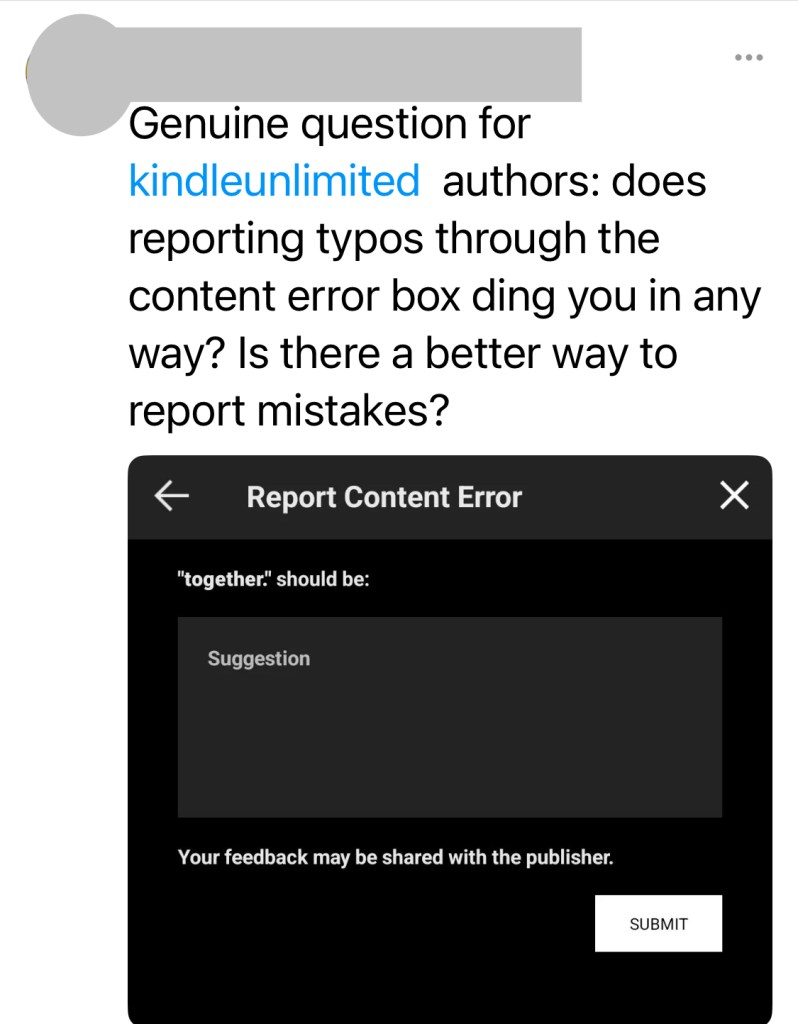

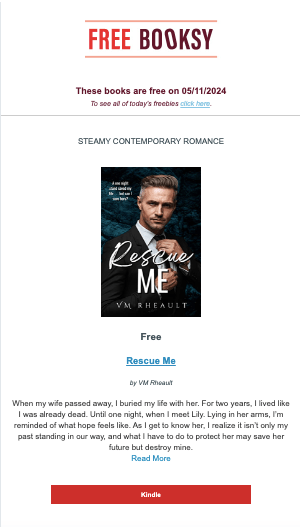





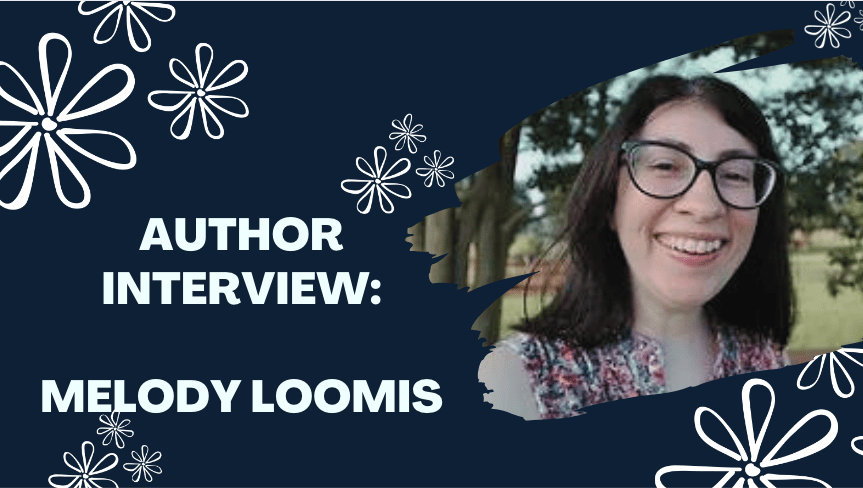
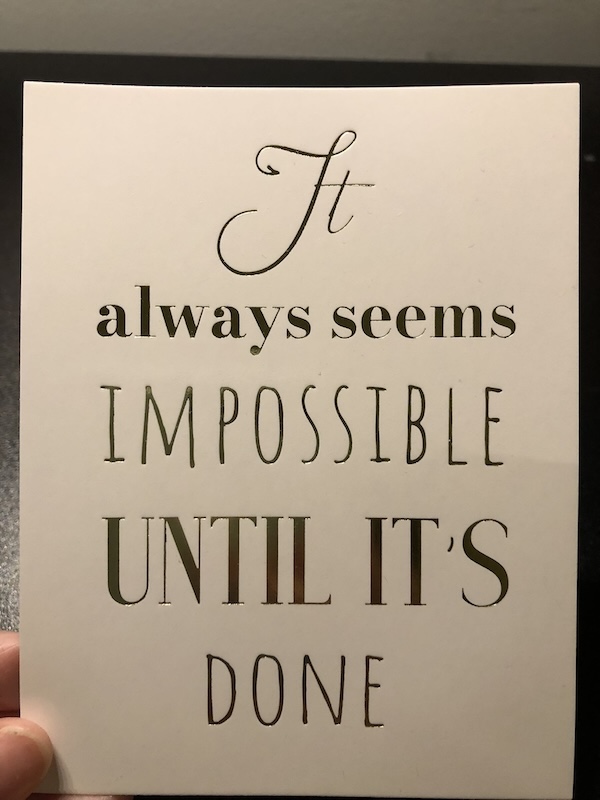
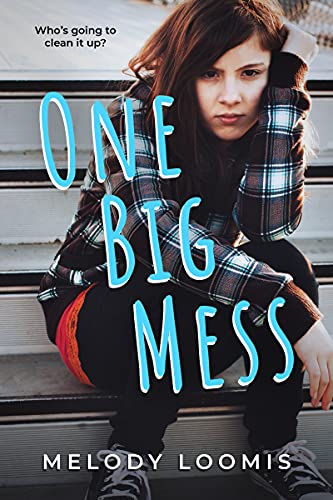
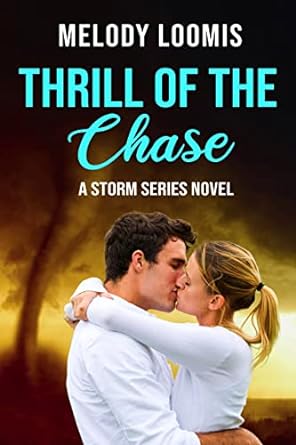
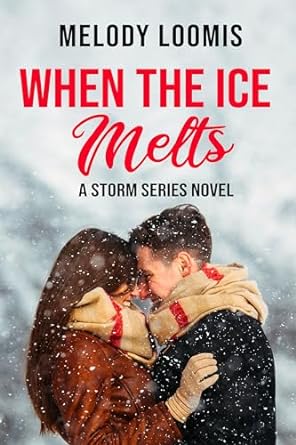



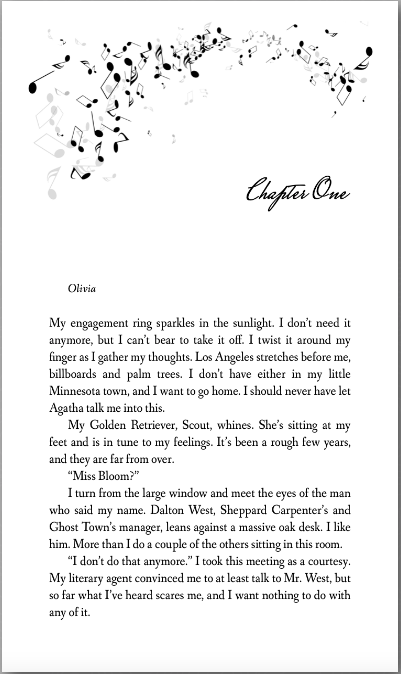

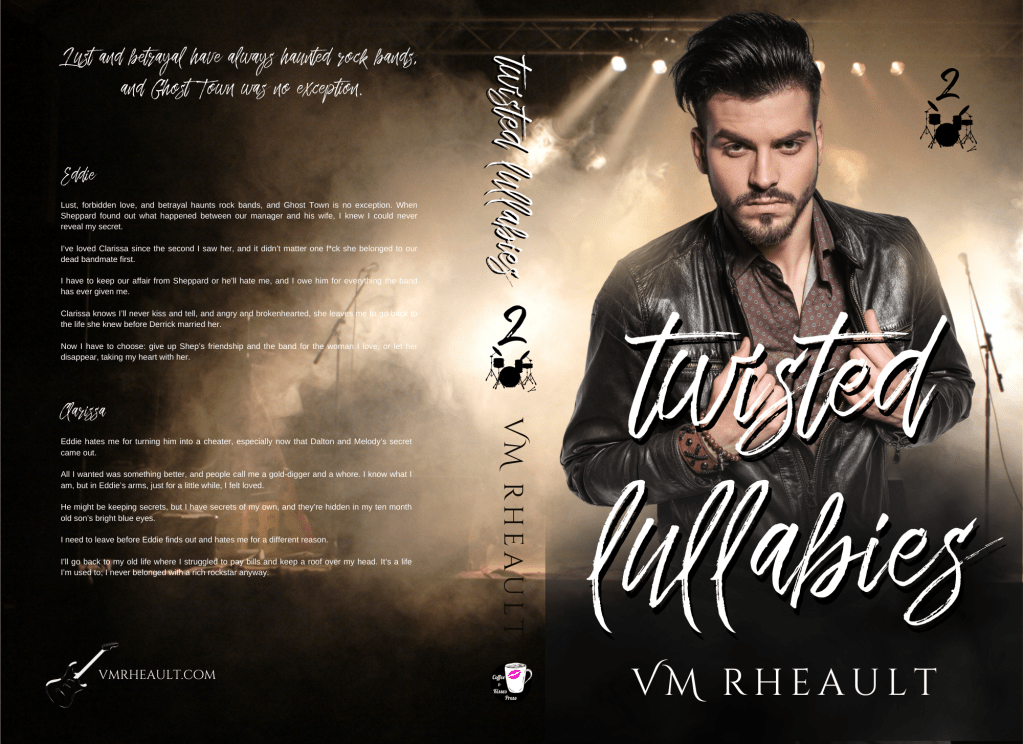
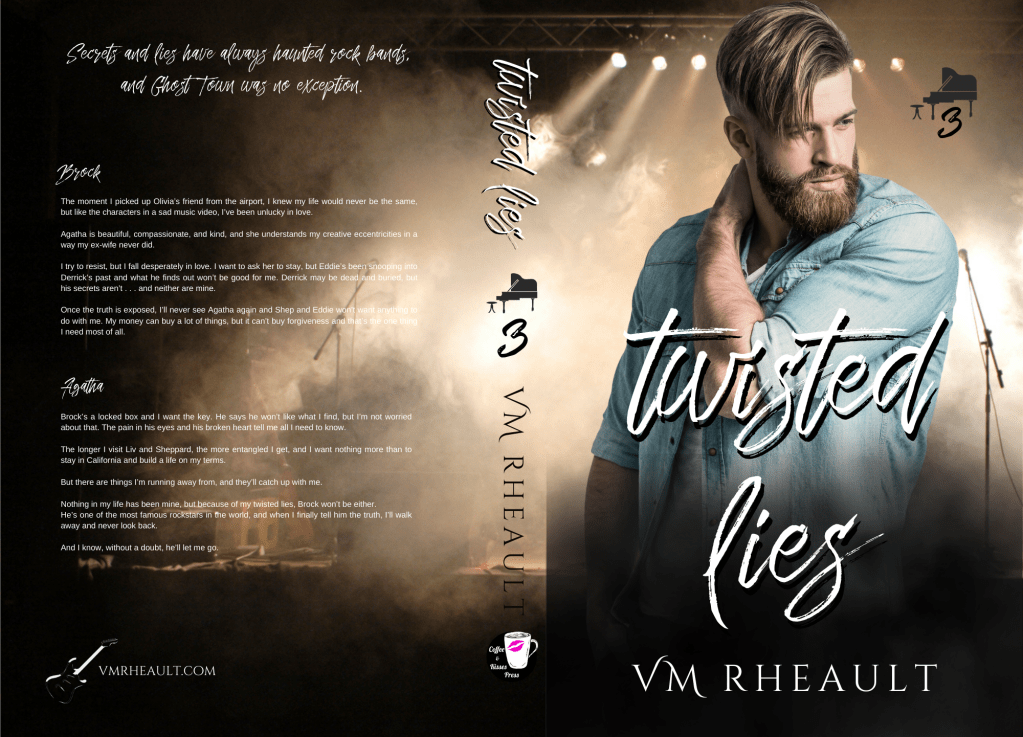



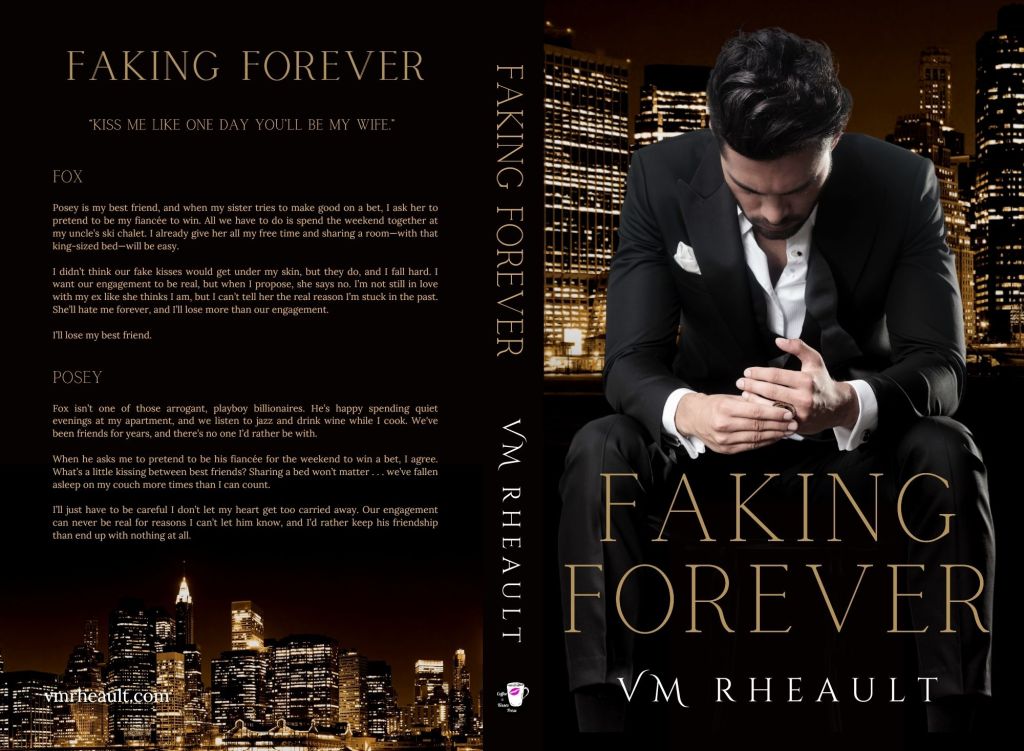

 Vania Margene Rheault