Unknown's avatar

About Vania Margene Rheault

Vania enjoys reading and writing. She's lived in Minnesota all her life, and with a cup of coffee in hand, enjoys the seasons with her two children.

Flexibility: When time and patience aren’t enough to achieve your goals.

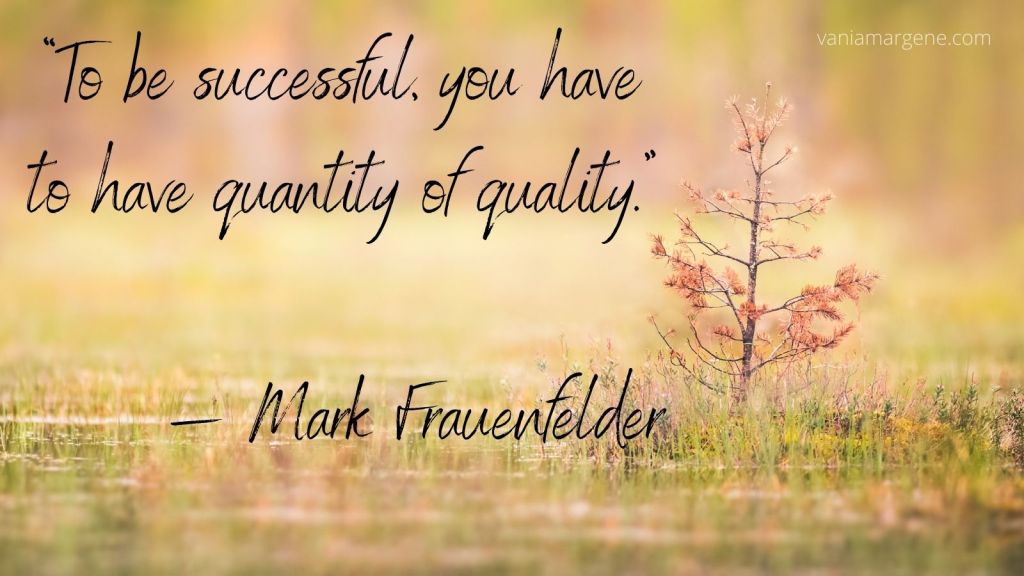
Spotted in my Instagram feed.

As indie authors we have a lot of flexibility. Blurb not working? Change it. Cover not working? Change it. Didn’t edit your novel well enough the first time, give it another editing sweep and upload the new file. We have a lot of flexibility when treating our writing like a business. We can pivot faster than any traditionally published author, chasing trends if we’re fast enough writers, or researching sub-genres and hopping onto a hugely-demanded but underserved niche.

This quote jumped out at me this morning as I scrolled all my social media feeds while I sipped on my much-needed first cup of coffee. I like it because as indies, we’re able to search out new ways if something we’re doing isn’t working. The problem is, there is such variety out there that it’s difficult knowing when to give up and try something new or sticking with what we’re doing and hoping that our tenacity will be rewarded. We need to give something ample time to see if it’s going to work, and bailing too quickly before something can stick could cut off something that could be really viable to your business. On the other hand, sticking with something that’s not working out of fear of the unknown won’t get us very far, either.

Knowing when to keep trying and when to throw in the towel is something that needs to be taken as case by case basis and perhaps the thing you’ve moved on from could work for you later. With all the information available to indies right now, it’s easy to get overwhelmed with all the choices.

Here’s a not-so-quick list of some of the things that we as indies have control over, when to let things ride, and when to maybe give new things a shot:

  1. POV. Changing up a POV may not be an option for some people. You need to definitely work with your strengths and admit your weaknesses. If you rock 3rd person past, it wouldn’t be wise to change to shaky 1st person present just because that’s what’s trending in some genres right now. The quality of the work should always come first, or what you do after that won’t make much sense. I find writing 1st person present easier than 3rd person past. I can write faster, and as my paid beta reader just got through the first book my first series and liked it, I feel I’m capable in that area. A comment made on this blog on one of my posts said I didn’t like writing it, but that’s not true. I wasn’t sure if it was the right choice when I decided to write a book in it, that’s true. It wasn’t what I gravitated toward when I started writing because I’d read 3rd person past all my life and stuck with what I knew. But my books also were not selling that well, and since I had nothing to lose, I mixed it up. This is one area where I probably could have stuck with 3rd person past and eventually seen some level of success. On the flip side, my 1st person present books could flop. I don’t know. The amount of flexibility we have can be a pro as well as a con. If you’ve been writing in a POV you may not click with, or you haven’t found readers to click with it, change it up. You never know where a new POV will take you.

    If your current POV is not clicking with readers, you don’t have to change POV to find traction. Maybe changing subgenres would help. When I was writing 3rd person past, I wrote steamy contemporary romance. I didn’t have to change to 1st person present to make a change–I could have started writing women’s friendship fiction, or domestic thrillers, or literary fiction. Again, you need to know where your strengths are. I like writing romance and have a difficult time plotting anything that doesn’t revolve around a man and woman falling in love. Changing POVs made more sense to me than seeking out another subgenre, but I could have made a less drastic change and started writing clean romance as well. There are all sorts of things you can do if what you’re writing isn’t hitting the mark and finding an audience. I was lucky and stumbled upon first person present billionaire romance. I enjoy writing it, I feel I’m good at it, and I’m hoping that even though that subgrene has peaked, I will still find readers when I’m ready to publish.

    POV: Choosing Between First-Person and Third Person Writer’s Digest


  2. Ad platforms. This is a tricky one because your ads can only do a well as the book you’re selling. Bailing on Amazon Ads in favor of Facebook ads may not do anything for you except eat up money faster. You also have to know what your business goals are. If you’re in Kindle Unlimited, it makes sense to run Amazon Ads, but if you’re wide, Facebook can reach more people who read on all platforms. I see some authors give up on ads saying they don’t work, but they aren’t advertising a book written to market, or the cover is bad, or the look inside is full of telling. Another important thing to consider is if you learned how to use the platform. There are a lot of free resources out there and I would never try to put together an ad on a platform I wasn’t familiar with. Once you are familiar and know your ad budget then you have to figure out if your return on investment is worth it to keep running ads. It may not be. So you table that ad platform and write another book, or just hold off on ads for a bit, or try BookBub ads instead. You have to give something time to work. When I was doing Bryan Cohen’s ad challenge, there were so many people who wanted to throw in the towel after the first couple of days. If you feel like that, then maybe you don’t have confidence in your product and your gut is trying to tell you something. If you know you’re advertising a good book, then you should have patience and faith in your product. Your book will be on sale forever (unless you pull it). You can afford to wait a couple months to gather ad data to make good choices.

    The quick and easy guide to Facebook and Amazon (AMS) ads for authors by Derek Murphy

  3. Newsletter. If you haven’t started one, you can start one anytime. If your newsletter has low open rates, figure what why readers don’t want to open your mail. Maybe you’re not giving them anything of value. Maybe you’re not emailing frequently enough. Maybe the only mail you send out is when you have a new release and readers are tired of your “buy buy buy” message you send out every three or four months. Maybe you need a new aggregator because the one you’re using now sends everyone’s mail to their spam folder. If you aren’t getting the results you want, figure out why. Change your newsletter sign up cookie, or offer the readers you already have more content. There is a lot of flexibility here and you can make it work for you.
  4. Your book’s package. It’s easy to fly off the handle with changes when Canva makes it easy to create a book cover, and changing the blurb is as simple as writing something quickly and logging into your KDP account. The thing is though, you have to wait to see if what you already have can work. Run ads, ask in reader groups, or send out your cover and blurb in your newsletter and ask for feedback. I’ve blogged before that it took me a year to change the cover of The Years Between Us, and when I did, I saw immediate results. But when I changed the cover of Wherever He Goes, it did nothing for sales. Whenever I do Bryan Cohen’s Amazon Ad challenge, the first part of the challenge is always taking a look at the product and making sure your book is sellable. Covers get changed, blurbs get changed, categories are added. I have no doubt that a lot of those changes are for the good of the book, but also if you’re running ads for the first time for only a handful of days and you’re not seeing impressions, that may not have anything to do with your book and going through the hassle of changing your cover may be for nothing. Oftentimes it’s helpful to take a step back and give yourself, and your book, time to breathe while collecting data.

When we talk about old ways keeping doors closed, what we’re doing is talking about years of collected data. I can look back on my 4+ years of indie publishing, and I know what I did wrong. I didn’t network with other romance authors, I don’t have a newsletter. Had I done those two things, maybe my 3rd person present stuff would have sold better. Maybe my POV switch wasn’t necessary and I was just grasping at straws making such a drastic change to my writing career. OR, it could breathe new life into my writing and it could offer more opportunities than I ever thought possible.

That’s the thing with being flexible. My third person books will always be there and I can always go back to them if my first person stuff doesn’t work out, or I need a change of pace. In fact, I had a good standalone idea for my next book that I was going to write before I made the change. Now I can write it in first person or put the idea on hold. I also have 20k of a book that I need to rewrite and finish that was part of a writing prompt I stumbled upon a couple years ago. I wasn’t in a place writing-wise where I could finish it, but my skills have come a long way, and I’d like to revisit it and finish it up.

We have a lot of flexibility as indie authors. Don’t get bogged down with the way you’ve always done things. You could be missing out on a new opportunity!

Until next time!


Reader Magnet Prep Work

A reader magnet is also known as a cookie to bribe, I mean, encourage readers to sign up for your newsletter.

During the past couple of days I’ve been plotting the novel that is going to be my reader magnet for my newsletter. A reader magnet, or a “cookie” as some refer to it like Tammi Labrecque and David Gaughran, (though I think David borrowed it from her as they’re friends) is something free to entice readers to sign up for your newsletter. Authors give away a whole gamut of things from little short stories to full-length novels. Something Zoe York said in an interview on a podcast I listened to a long time ago (I forgot which one, I’m sorry) said that as an author who writes novels, giving away a story that is less than novel-length doesn’t make sense, and I took that advice to heart. It would be more time/cost effective to write a novella, since I could probably write 20k in just a few days, but I don’t write novellas, nor do I sell them, so skimping on my reader magnet doesn’t make much sense.

But, as I write my novel, I’m going to have a hard time parting with it. As an author, I give away books all the time. I do a Freebooksy now and then, and if someone approaches me and says they can’t afford to buy a book, I’ll send the PDF at no charge. That doesn’t happen very often, and I only had one taker when I offered up Wherever He Goes in an exchange for a possible review. Writing a reader magnet for the sole purpose of attaching it to a newsletter sign up will be a different mindset altogether, though I know it needs to be done. Giving a book away in a newsletter is almost the standard these days, and you’re missing out on a newsletter-building opportunity if that’s something you’re not doing.

It’s frustrating, in a way, that indie authors have trained readers to give away their email addresses for a free book, and you sometimes will get only freebie-seekers when you do that. Curating a list of readers who are interested in your work and sign up to stay on top of what you’re doing can be time-consuming and one of the (many) reasons I haven’t bothered with a newsletter yet.

That’s why I decided to write a full-length novel and write it to be the best book it can be. I want readers to have a taste of what they’ll get when they read my future work.

The plotting is almost done, though I am missing a couple of the big things I need to make the book move. I always have something huge in the middle of the book to prevent saggy middle, and always the BIG BAD that breaks them up (momentarily) toward the end. I have their backstories ironed out for the most part and I had to do a lot of name research to name the male MC because I have a habit of reusing names.

I also had to figure out where the novel was going to take place–all my books, even the ones I wrote in 3rd person past, are set in Minnesota, usually a fake city so I don’t have to worry about details. I make the city how I want it, and no one can complain. A good setting can actually become a protagonist/antagonist in its own right. A long series that comes to mind is Susan Mallery’s Fool’s Gold, a fictional town in California with a mayor who appears to be able to do a little magic through some not-quite-believable coincidences. I chose a fictitious resort on a lake in Minnesota, and I’m using the Arrowwood Resort Hotel and Conference Center as my muse. It’s not that far from me, in true, physical distance, but I’ve never been there. Here’s a picture from http://www.planetware.com from the Arrowwood website:

This resort will have everything the characters need to occupy themselves, and hopefully get into a little trouble, too. With a spa, pool, waterpark, marina, and much more, there’s no lack of things my characters can do. Because we’re talking about a billionaire family, they’ll own the resort, naturally.

I’ve been doing the preliminary work for this book–but doing so taking some advice from Suzy K. Quinn and Elana Johnson. I’ve worked out the potential cover, the tropes, the tagline, and the subgenre. Keeping in line with the “Package is the Promise” idea, this is the working cover for I suppose what will appear on Bookfunnel (though I haven’t gotten that far in the research stages yet).

The plot is about what you would expect–he’s best friends with her brother and when she was in her teens, he made fun of her for her looks. She never forgot it, and now when they meet up ten years later, he’s a bit surprised at just how far she’s come. This is a fine line to walk because he has to love her for who she is or he’ll get skewered in the reviews for being shallow. That means I have to make sure they spend a lot of time together so he can get to know the type of person she is. They don’t work together. I had to think of away he wouldn’t know she changed. So she doesn’t work for the family company–she set out on her own to make a reputation for herself on her own merits. He’ll come to eventually respect her for that, but at the beginning of the book he hates she’s not working for the family. There are a lot of layers and I’m really excited to start writing this book.

Still not 100% sure if I’ll use my initials for my pen name. I’ve been told to use my real name and brand the books differently from my 3rd person stuff, and I’ve been told to find something romantic that is in line with the authors who write billionaire romance. Chances are pretty good that the readers who like my billionaire stuff won’t move over to my 3rd person books, and that’s okay–that the whole point of the pivot. I don’t want to distance myself too far from the real me, otherwise I’ll have a difficult time being authentic in my newsletter and other social media platforms. I don’t want to hide behind a pen name, but I want to make it clear these books are different. We’ll see what happens.

Writing a cookie and starting up a newsletter is an exciting (and long-coming) thing for me. I’m excited to see where it takes me.

Thanks for reading!


Monday Musings and where I’m at right now.

Happy Monday! I hope you all are having a terrific start to your week!

I don’t have much to share with you this week–I’m only going to be talking about a few things that I’ve enjoyed in the past few days and catch you up with what I’ve been doing.

First of all, I want to thank all my subscribers who come back week after week to consume and participate in the content. Last week I made it to 500 followers, and WordPress gave me this cute little congratulations.

Blogging is a slow road and sometimes it feels like you’re blogging to no one and without thanks. Building your SEO and reputation is long, arduous work, but I love blogging. It gives me a break from the novel-writing part of my brain, and I enjoy dipping into the publishing part of being a writer/author. I like sharing my ups and downs, mistakes and the (few) things I’ve done right. I hope to continue my blog and offer useful and relevant content in the years to come. Thanks for sticking with me, and I hope you find all the information I post on here useful and relatable.


I finished my WIP last week, the second book of the second series I’m writing in first person present. Since finishing to now blogging about it, not only have I finished it, I’ve given it two editing sweeps. To be honest, I’m not sure what my publishing plan is, or how fast I’m going to release any of the eight books I’ve written this and last year and are now just sitting on my laptop. They all need to be edited to some extent, so they aren’t exactly ready. The first thing I want to do, though, is take a break from this series and write my reader magnet for my newsletter. While I write my newsletter, I’m going to learn how MailerLite, Bookfunnel, and StoryOrigin work. I’ll keep you posted on the blog. My reader magnet will only be available for newsletter signups, and I’d like to have a few subscribers before I start launching books. I have a glimmer of an idea for it, but I have to plot it out and write it. Soft deadlines are good for me, so I want to finish it by the middle of April. I’m giving myself some extra time because I’ll be learning a whole bunch of stuff and well, I don’t even know what my characters’ names are yet, so I better get brainstorming!

Excerpt from Finn and Juliet, book 2 of my Billionaires of Briarwood series.

Last week, I listened to a really great author interview on the 6 figure author podcast. Lindsay, Jo, and Andrea interviewed Elana Johnson. I might have heard her name here and there, but to be honest, I didn’t know who exactly she was before the interview, now I want to gobble up all her content! One of the things that really stuck out to me was when she said, “The package is the promise, and you have to deliver on the promise.” What she meant is, you need a good cover and blurb that is genre-relevant, and then what is inside the cover matches reader expectations of that genre. Not a lot of authors talk about craft because they’re worried about stepping on toes, etc. And to be fair, it’s difficult to tell an author her books need more work. I’ve only said that to a couple people in my whole life and only because they asked for advice. A writer never really stops learning, but I like how Elana phrased it. The package is the promise. And the promise is you’ve written a great story. Besides being a bestselling author, she also writes nonfiction, and I’ll be reading her books soon. To look at the first book in her nonfiction series, click here. And here’s the interview if you want to give a listen.


That advice is similar to what I’m learning in Suzy K. Quinn’s Self Publishing Formula class, How to Write a Bestseller. I wish I could outline everything I’ve been learning, but that wouldn’t be fair to Suzy, who’s making an income off the class and would be disrespectful to the time she put into creating the class, and it wouldn’t be fair to me, really, who’s paid for it. But I will say, she starts the class by encouraging you to think about the book’s package. The genre, the cover/vibe, who your audience is. Create a tagline, and put together what the book will be when it’s finished. That’s not so far off from Elana saying, your book’s package is your promise to your reader. With this reader magnet, I’m going to create the package first before I begin writing it. I suppose you could say that creating the package is the fun part, but having everything in place will keep the book on the straight and narrow and give me an ending point to look forward to. I can’t wait to start!


In other news, I got the first book in my series back from my paid beta reader. I only went over the overview she sent me. (She liked it!) I haven’t gone into her track changes yet since I’m not ready to start editing that book, but I’m excited to see the things she liked and the parts of the book where she thought I could use a little more plumping. The few things she did touch on I agreed with, but I didn’t want to edit it too much more without feedback. I feel editing too much without feedback wastes time because I can’t see all the mistakes myself. So I’m making progress! I feel like I’m hoarding a secret and I can’t tell anybody what I’m doing until I’m ready.


On a more personal note, I asked to go back to work vs. working from home, and they told me no. I think now working from home has more to do with cost-saving measures rather than protecting us from COVID, and while I wasn’t surprised they said no, I was disappointed. This means if I do have some anxiety because of the cut-off feeling I have not going in to work, I’ll have to figure out a different way to alleviate that anxiety. I’m not feeling too much of it lately–having another day off during the week has helped and I don’t feel so stressed with getting my words in every week. As far as my butt pain goes from sitting on a hard chair, I’m standing up more during my shifts and it’s fading. Anything I’ve read about pelvic pain that has nothing to do with an infection (which I don’t have–remember I’ve been to the doctor twice to make sure) says that it can take up to 12 weeks for the pain to go away. I’ve been taking Aleve, too, and sitting on an ice pack when I do sit and it’s making a difference. BUT if I’m not feeling better by the end of the month, I’ll schedule another appointment. You just never know.


For Amazon ads check in, I’ve spent under 8 dollars this month, and I’ve grossed in royalties almost 50. (Net, around $42.00). I’ll have to think about what I want to do with these books. I still get a lot of my royalties from KU but if I’m not going to write in 3rd person past anymore (or not anytime soon) I may put them wide. I’m not sure. I don’t feel like I have the energy to market them wide and I may just leave them in KU. I don’t know. It’s the age old question of what’s best for your business and leaving all your eggs in one basket vs. multiple streams of income. It’s a tough choice. At least this month I’m in the black, and it’s still nice to see that people are reading all four of the Rocky Point Wedding books. That read through is always nice, and the validation you wrote a strong series can keep you motivated to write more. Soon it will be the one year anniversary of book one and I think it will be time to make up a boxed set. Luckily Velllum is good with that, and it won’t take me long at all.

Read-through for all the books in the series is small, but I’m grateful readers are reading from beginning to end.

My friend and fellow author Sarah Krewis is planning a Facebook live on her author page on the first of March. She’s giving away a paperback copy of my book, Wherever He Goes. Follow her page here and mark on your calendar to join in! Thanks, Sarah!

taken from Sarah’s FB author page

I guess that’s all the news I have for this week. I’ll be drifting a little bit as I plot out my reader magnet. I always feel hazy when I’m not actively writing–but since I don’t have a team and prefer to stay hands on with most aspects of the publishing and marketing side of things, there will always be times between books when I’m doing admin and production stuff. I enjoy it all, but I do get antsy when I’m not writing.

Have a good week everyone, and thanks for reading!


Another case of plagiarism. My question is why?

I follow Zoe York’s Facebook author page, and she brought to our attention another plagiarism case–S. M. Soto was found to plagiarize from author Kim Jones and Sylvia Day and possibly a couple other authors. I went to Twitter because you can always count on #romancelandia to give you the scoop, and it seems like this is the first person who shared Kim Jones calling out S. M. Soto, at least on Twitter. If you want to read the thread, click here. And if you want to read the Kim Jones’s Facebook post, click here.

A few other people confirm she did it. It’s difficult to give attribution to who posted first, but with the plagiarizing software out there, it’s easy for others to confirm it, like Claire Ryan who created her own software to help out. If you want to look at this thread, click here.

The author herself didn’t confirm or deny, only posted some wishy washy apology on her Facebook author page.

“As some of you may know, there’s been an issue with me and another author. I’ve been accused of plagiarism among other things. I wasn’t sure if I should even make a post but I wanted to share with my readers what’s been going on. On Sunday morning I was woken up by my PA over an alarming post she had seen. I immediately went to check my DMs, which were flooded with hateful messages, including one from the author who was accusing me. I immediately reached out to her and we had talked on the phone. I’m not one who checks my messages—in fact, I rarely do. I didn’t believe this would escalate as quickly as it did. What should’ve been a day of me enjoying my release party and spending the day with my family quickly turned sour. I understand that this shouldn’t have happened and I’ll be doing everything to make the appropriate changes. I can assure you I’ve never had the chance to read this author’s books so all of this is just a huge misunderstanding. I’m in the middle of rectifying this misunderstanding. Given the circumstances of the allegations, and after much thought, I have decided to unpublish the version that contains ANY similarities in wording or phrases to this author’s work. A new version will be put up soon after. I sincerely apologize for any misunderstandings and anyone that was potentially hurt. Being that this is a product with my name on it and I should be aware of every piece, every word, and every phrase that goes in, this is a decision I don’t take lightly, but do believe is necessary. I understand that this shouldn’t have happened and I’ll be doing everything to make the appropriate changes. Up until today, I’ve always stayed quiet about my personal life. I am a very private person and I don’t like bringing what’s going on in my personal life to my work life, which is the book community. I have a son, a family, which will always be my priority. 2020 affected us all in many ways and I was no exception to the hardships. I was able to get through some of the toughest emotional times I’ve ever gone through by having a few good friends along with my family by my side.The one part I will speak on is the witch hunt that has started. In the past forty-eight hours, I’ve contemplated leaving this community more so than I ever have before. The part that alarms me about this situation the most is the witch hunt that has started. The nasty messages I’ve received, the lies and stories that have been twisted, and the disgusting racial slurs and messages I’ve received. Yes, I am Mexican and I’m proud of it. I’m proud that I speak two languages, I’m proud of my heritage and my family. I won’t allow anyone to drag my family down. I won’t allow others to bully me into being ashamed of my race, ever. I could sit here and share all the messages that I’ve received but what good would that do? It will only fan the flames and create a bigger situation. It has become the standard for authors to share every tidbit of their lives with their readers, while I respect that, that’s not who I am. I like to keep my personal life separate. If you’re expecting that from me, you’ll be disappointed. I will share with you all what I find to be important. I reserve the right to share personal information to those who are closest to me. If you’re expecting a perfect author, then I’m not for you. I make mistakes daily. I lose my temper, I cuss more than I should, I shut down when I’m hurt, and you know what? That’s okay because I’m human and flawed. I’ve never portrayed to be anything other than a flawed human being. I don’t participate in drama or bullying posts. I’m always offline and I’m usually the last to know what’s going on with this community, and frankly, I enjoy being that way. There’s too much going on for me to add more things to my plate. I’m not here to do a he-said-she-said post. I won’t post screenshots, I won’t discuss what transpired on the phone call I had with the author. That will stay between me, my team, and my family—at least on my end. If you want to leave my group or not read my books anymore, I understand and respect your decision. I apologize for this misunderstanding. If you need me, please feel free to reach out to my PA. She’ll continue to answer any messages via email or Messenger. I’ll be offline until further notice.”

This makes the plagiarizing scandal that happened last year when someone stole work from Nora Roberts among others feel very close. I never heard the outcome of what happened to  Cristiane Serruya. Nora Roberts blogged about taking her to court and donating the proceeds, but Nora’s had other things on her plate in the past few months, namely the scandal when her first book in her trilogy ended on a cliffhanger and her poor readers who have to wait a year for the next book, and more recently, when Alyssa Milano was cast as the lead in a movie based off one of Nora’s books. Apparently, Alyssa is too political and maybe leaning too far to the left for some of Nora’s readers to be happy with the casting. It wouldn’t surprise me if Nora pushed that plagiarizing lawsuit onto her attorneys and forgot about it.

In any case, it seems like history will repeat itself this year, only we’ll swap Cristiane with S.M. Soto and Nora Roberts for Sylvia Day.

As a romance writer and reader, it’s hard for me to wrap my mind around that a romance author would do this to their readers. If you’re a real romance author, you want to nurture your readers, turn them into true fans. That doesn’t include duping them with books that have been ghostwritten, or filling your books full of another author’s work.

In the comments of the various Facebook posts authors and readers agreed that if you can’t write, don’t be a writer. Meaning, if you can’t write your own books, don’t publish. In the words of Kristine Kathryn Rusch, among others, there are easier ways to make money. The only thing though,I can’t think of anything that a normal person can do that can bring in the amount a fantastic-selling romance book can bring in per month.

Because sales rank and book price are public information, it’s aggravating to indie authors to see other authors raking in the bucks. Industry leaders can say, well, a book is #5 in the Kindle store, and at this price, they’re making this much per month. Maybe there is a thing about too much information being a bad thing. I quickly looked up S. M. Soto before the scandal spread too widely, and one of her books was set to bring in over $5,000 this month. Just one of her books, in just one month. The money is out there, and many authors are on a quest to find it–by ethical means or not.

It wasn’t hard for me to find places to hire ghostwriters. A search on Craigslist brought up a few local options, and also Upwork yielded some results. Fiverr brought up the most viable options, and I’m sure that’s where a lot of writers who want to use ghostwriters look first.

I don’t know what S. M. Soto’s personal life is like, or why she would hire a ghostwriter. I know in romance there’s a constant urgency to go go go and write more more more, a trap that I’ve fallen into myself resulting in some anxiety that I’ve been dealing with this past month and a half. Maybe she just needed a break and hoped that hiring a ghostwriter would give her a chance to breathe. We all need a break now and then, but when you’ve cultivated a following and they expect you to produce, I would imagine that can get pretty stressful. Romance readers are voracious, reading hundreds of books a year, especially in KU. If you’re courting that kind of reader, the pressure is serious to produce that level of content.

This won’t be the last we see of plagiarism. S. M. Soto wasn’t unique. Nora Roberts has taken other authors to court for plagiarizing her work, and in the indie space, authors (using the term loosely) like Chance Carter and Faleena Hopkins have been accused of hiring ghostwriters too. They were even associated with an underground group that sold already-published manuscripts.

I could never put my name on someone else’s work, a whole manuscript or even purchasing a plot. Which I didn’t know was a thing until only recently when someone in one of my Facebook groups was talking about it. I have to admit, plotting is hard. Trying to come up with characters, their backstories, conflict, stakes, and everything else is difficult. Not only do your characters need to grow and change, their backstories need to hold them back from what is happening in present time. Purchasing all that feels like cheating too, but there are freelancers who do it and sell off the outlines and there are authors who buy them and quickly write the book because the hard part is already done.

My problem is, my books have little pieces of me in them, and readers will eventually know they’re being duped by a ghostwriter because your books will lack sincerity and authenticity.

I think S.M. Soto even knew that when she wrote her FB post defending herself: she doesn’t get personal. But I can’t think of anything more personal than writing a book. That’s the real reason why authors want to sell books. Because when a book sells, and readers enjoy it, identify with the characters and their hardships, they are identifying with you, the author.

When we publish a book, we are putting pieces of ourselves out into the world, and that’s scary. We can talk about royalties and hitting the top ten, and those are things to aim for, but nothing means as much to us as a reader who loves our work and takes the time to say so either in a review or an email. Maybe you can’t pay rent with a good review, but there are other ways to get paid.


Tell me what you think about ghostwriting! Would you hire one? Let me know!

PS: WordPress ate half this blog post, or maybe my internet dropped and it stopped autosaving. At any rate, I think the first version definitely sounded better, but I tried to finish it up to the best of my ability even though I was pissier than hell. Haha! Have a great weekend, everyone!


When Writing to Market Doesn’t Go as Planned

Anyone who has followed the blog knows I’m switching gears and moving from 3rd person past contemporary romance to 1st person present billionaire romance in an attempt to write more toward what’s selling right now. The change was easier than I thought it would be–this coming from a self-declared hater of 1st person present novels.

I made the change thinking readers would be easier to find. I wouldn’t say that switching to billionaire romance was trying to catch a trend because billionaire romance has been around since 2011 when EL James made Christian Grey a household name. Billionaire romance has been in the spotlight for over a decade, and only now according to Alex Newton of K-lytics, is reader demand for the subgenre tapering off. (It seems due to COVID every romance writer has decided to move to billionaire romance–I can’t blame them for doing what I did–and the market is, unfortunately, saturated.)

Lately I’ve been putting my KU subscription to good use and reading some of the top billionaire romances on Kindle. With a sinking heart I’ve come to the sad realization that my books don’t sound like them. For one, my characters are at least a decade older. My Stella and Zane series I have on the back burner are more with what’s selling now–he’s 31 through most of the series and she’s 27–which is still about five years older than the average for the female MC. In this new series I’m working on, the characters in the first book are a lot older than the average I’ve come across: Colt is 37 and Elayna is 35. Not only are they older, they act like it.

If you’re reading billionaire romance, it stands to reason there’s going to be a billionaire in there somewhere, probably the male MC, and you’d hope he’s smarter than the average toaster. The heroine will be unlike any woman’s he’s ever met before. He’s captivated by her vulnerability and her fresh outlook of the world. At least, that’s what you would think picking up a book like that. In the books I’m reading now–we barely read the hero’s POV, it’s mostly the heroine, and she’s immature, makes terrible choices, and overall is unlikeable.

I read these female characters and wonder why a man with his resources and good looks would choose a woman who throws temper tantrums and is irrational to the point where you wish her parents would have spanked her as a child for being so insolent. Of course, that turns into the hero’s job–making her grow the fuck up.

Maybe it’s my age, maybe I just don’t have the patience for characters that aren’t likable, maybe I’ve already raised my children and don’t care for characters half my age, but it makes me worried because my characters do not fit in. And I wonder what I’m going to do with that.

Did these authors do market research? Are they writing heroines they know readers adore? I look at a book’s profile on Goodreads and it has over a thousand reviews and most of them are positive. What is carrying this book? The sex scenes? The sexy billionaire? The cover? Are the readers that much younger than me they identify with the heroine and her constantly snarky attitude? There’s so much eye-rolling going on that my own eyes get sore just reading it.

The problem is, even if I had read these books before I started writing, I’m not sure I’m capable of writing such immature characters. My characters act grown up because I want them to be. Because I am. They’re professionals. They’re tackling life’s problems while also navigating falling in love. Yeah, some of their problems are more over the top than mine will ever be (corporate espionage! murder! kidnapping!) but if I wanted to write quiet stories I would have stuck to my small town romances.

I keep going back to Ana and Christian. Yes, she was young when they met–just graduated from college, and the scene where she gets drunk and throws up all over Christian’s shoes is on par with the books I’m reading now. But she grew up and it didn’t take her that long, either. She found a job in her field. When Christian took her into “his world” she didn’t embarrass him. Of course, I didn’t read the books–my take is from the movies, and that could make the world of difference, too. I read the Crossfire Series by Sylvia Day, and while Eva made some mistakes, her mother, married to a multi-millioniare herself, was there to guide her into Gideon’s world. Eva didn’t want to embarrass Gideon, she wanted to be an asset. The women I’ve been reading are so against wanting their men for their money (a popular trope in billionaire romance–the heroine isn’t impressed by the money) that they forget he’s more than his bank account. He has a reputation to uphold. He’s human–with feelings.

Trying to write to market, I completely missed the mark. A lot of authors are against writing to market, and you might be saying, so what if I did miss what I was aiming for? You can only truly say that if you honestly don’t care if people read your books. I’ve published for four years and fought tooth and nail for every reader. I’ll always fight to find new readers, but being able to get picked up by the Amazon wave and riding it for a while would be nice, too.

So what am I going to do with a book or series that isn’t quite right? Publish it anyway. Write my reader magnet with the same sophisticated characters that I’ll always write in the voice and style I’ve honed for the past four years and hope the readers who sign up for my newsletter to grab that freebie like my style and stick around to purchase books going forward.

It’s all any author can do–hope that readers like their style enough to stick around.


It’s tough to pick apart another author’s work–and it’s why I don’t leave book reviews, negative or otherwise. I could list every stupid thing I hate about the book I’m reading now, but what would that get me? Besides, I’m obviously an outlier, and all that tells me, and all that should tell you, is that when you’re reading an author you don’t like, you aren’t their target audience. The authors on the top 50 of billionaire romance–they don’t care I don’t like their books. They’re doing just fine without me.

I’m glad I’m doing market research–it will help me when I’m ready to publish and I can create a list of adjectives that will describe my books. Mature. Elegant. Professional. Down to earth. Intelligent. I don’t know about you, but I find intelligence extremely sexy.

I just need to find readers who think that, too.


If you want to know more about selling books not written to market, Lindsay, Jo, and Andrea recently recorded two podcast episodes about that very thing, and you can listen to them here.

Thanks for reading!


February goals and what I’m doing this month.

I just wanted to say hello to everyone and give you all a quick heads up with what I’m doing this month. I will definitely finish the second book in my series by my soft deadline of Valentine’s Day. I’m at 66k right now and while I aim for 90k with these first person books, I’m at the point in the story where it will end how it will end. I have the rest of the book planned out and it shouldn’t take me long to finish it up.

After I finish, I’m going to learn MailerLite through their Academy. I’ve said enough about it on the blog, so I’m finally going to get that up and going, and while I do that I’m going to write a reader magnet to give away. That definitely won’t be a 90k novel, but it will be longer than a novella, complete and a standalone, and in the first person present/billionaire subgenre that I have decided to write in for the foreseeable future. I’m also taking Suzy K Quinn’s How to Write a Bestseller through Mark Dawson’s SPF University, and I’m going to write this reader magnet using the things I learn in her classes.

So I do have a few things coming this month, some of the “I don’t wanna” variety than really looking forward to doing them. The reader magnet will be fun, and I invite anyone to slap me if I even THINK about writing it to sell. I need something to giveaway. That’s a given. And the book before the one I’m writing now was supposed to be that magnet. It turned into a six-book series instead. Not good. There are authors who write a magnet to give away for newsletter subscribers and sell it too, but I’ve heard you can grab more emails if you are exclusively giving it away. On the other hand, all you grab then is the freebie seekers. On the other hand, I plan to put my books into KU and a lot of readers do feel that reading with KU is free, so I guess I’ll just have to take my chances and see what I get.

All I know for sure is:

  1. I need a newsletter.
  2. I need a reader magnet.
  3. Nurturing my list will be my main priority next to writing books.

2021 is the year to learn from my . . . I wouldn’t call the last four years of publishing a mistake, but I haven’t done things correctly, and the time to start that is now.

Also this month I’ve been dealing with a little anxiety. I don’t know where it’s coming from–other than the fact I’ve been trying to work too many hours at my job and still write as much as I always have. Due to some financial things going on, I had to go from part- to full-time last November. I’m fortunate in that I have been able to cut back my work hours just a little bit, and I hope that helps. I also have been sitting on a chair that is not made for sitting for so long and needless to say, it’s made my, ah, bottom a little sore. I think my anxiety latched on to that too, and I’ve been to the clinic a couple times for an ailment I simply don’t have. I need to stand up more during my working hours, that’s about it–and probably find a better chair to sit on.

Anyway, so I’ve decided to try a little counseling, and I made a tele-visit appointment with a counselor for the end of the month. I have a lot to talk through–working from home has been an adjustment–and a few other things. I don’t think one session is going to help me, but it’s a start in the right direction. I also need to take my health more seriously–I need to schedule a checkup soon for my girlie bits. I’m not a spring chicken any more, and my mom passed away when she was only ten years older than I am now. It’s not a pleasant feeling thinking about that. I’m going to try to be more proactive about my health in the coming months if it’s going to trigger my anxiety. I also try to do things with my sister and I walk with a friend every now and then (we wear masks) so I’m not completely cut off from the world because I’m working from home.

The main thing I need to remember is writing is fun, and while I still need to think of my writing as a business, I’m not going to want to do it for the long haul if I can’t enjoy it, too. I need to take a deep breath. Things will be okay.

How is your 2021 going? Let me know!


Are Editors the Next Gatekeepers? Some people want them to be.

The one thing we say most about independent publishing is it has completely taken away the gatekeepers. You can publish anything you want, whenever you want, all you need is a properly (sometimes not!) formatted file and a good cover (sometimes not!). We all know that there are lot of good books that are indie-published every day. We also know there are a lot that aren’t.

I left another FB group the other day. The conversation turned so stressful that I was in a bad headspace all day. It’s hard to shake things off when people attack you for what you believe. What was it I said? I said some indie writers are good enough not to need the whole buffet of editing: development edit, copy edit, line edit, and a proofreader. That’s all I said, and I still stand by that. An author who is on book 30 is not going to need the time and attention an author is going to need publishing her debut novel. They simply aren’t. The craft is there, the skill is there, the experience is there. Two editors took my words the wrong way, or they were just spoiling for a fight, and tore into me.

Of course the conversation turned more ugly when price became a topic because everyone in the industry knows that editing is the most expensive part of publishing–especially if you do need the whole smorgasbord before you put your book out there–and the editors were defensive. I’ve never said an editor shouldn’t be paid what he or she is worth. I’d never devalue an editor’s work like that. You’re paying for a skill that they’ve (hopefully) honed for years. An excellent editor can take your lump of coal book and turn it into a diamond, I get that. On the other hand, not everyone can afford it, and they didn’t seem to understand that.

I agree with the belief that you shouldn’t publish until your book has been edited, at least by SOMEONE, but it’s also discriminatory to say that no one should publish at all if you can’t afford it. That’s gatekeeping all over again.

I didn’t point out in my exit rant that the people saying this were affluent white people who have the disposable cash to hire an editor. I’m white too, but I’m poor. I can’t afford a $2,000 development edit. I simply can’t. That’s three and a half months of rent. I do the best I can with the resources I have, and I will never let anyone insult me for it.

One of the big questions that come up when discussing editing fees is, why do editors cost so much? It’s not because each individual editor is trying to rip you off (though some are better than others, so ALWAYS ask for a sample and make educated choices). There’s an association that offers guidelines as to how much freelance editors should charge their clients. Editors/beta readers like Kimberly Hunt, the paid beta reader I referred to in my feedback blog last week, adheres by this association, and you can look at the pricing structure the Editorial Freelancers Association recommends. She, and many other editors, are charging the standard. Some editors who freelance on the side may charge more depending on where you’ve found them. Professional editors found on Reedsy, for example, are more than I can afford. On the flip side, there are writers and authors who want to start editing and charge a lot less because they are just getting their business going. It would be up to you whether you want to pay less. An editing sweep by a new editor will be better than no editing, but always make informed choices. Don’t just sign with her because you can afford her. And on the flip side of THAT, I wouldn’t pay a new editor the industry standard unless they can provide testimonials and proof that their skills are worth it.

Indie publishing has opened up a whole new world for scammers, and some of them don’t know they’re doing it. (Like the freelance book cover designer who will charge you 50 dollars for ten minutes of time in Canva. They think they’re running a business. I think they’re ripping you off.)

What can you do if you can’t afford an editor?

The obvious thing is to learn your craft inside and out. Learning your craft is a good first step in the editing process. It’s a lot easier to edit a good first draft than it is to tackle a draft that you know has plot holes, flat characters, and verb tense changes throughout. Hone your writing skills.

Then find feedback where you can, and like I said in the feedback blog from last week, listen to that feedback, or you’re just wasting everyone’s time.

And lastly, learn how to self-edit. Put the book in a drawer for a month or two, write something else, then come back to it with fresh eyes.

You can teach yourself to self-edit, and there are a lot of resources out there that will help. You can take editing classes, definitely edit for others (that’s why I do it for free for my friends because it helps me improve) or my favorite (and probably cheaper) way to learn how to edit is reading self-editing books.

Here are my go-tos:

Self-Editing for Fiction Writers, Second Edition: How to Edit Yourself Into Print by Rennie Browne and Dave King

Intuitive Editing by Tiffany Yates Martin

Cover to Cover: What First-Time Authors Need to Know about Editing (Read this book before you publish your book by Sandra Wendel (Hat tip to Jane Friedman for this find on her blog.)

You also should have a firm grasp on grammar and punctuation. No matter who reads your book, be it a paid beta reader or one of the authors you networked with who said they would give you feedback, make it easier for them to read you by knowing your grammar and punctuation. If you choose to pay a proofreader or a line editor, it will be cheaper if they don’t have so much to wade though.

Grammar Girl’s Quick and Dirty Tips for Better Writing (Quick & Dirty Tips) by Mignon Fogarty

Dreyer’s English: An Utterly Correct Guide to Clarity and Style by Benjamin Dreyer

I have all these books; I’ve read all these books. Self-editing is a different skill than learning and practicing how to write good books, but I think they go hand in hand.

I’m glad I left that group, but I wish I would have asked those snobby women what they do to help the indie publishing industry if they so despise what come out of it. Do they beta read for free? Do they edit pro bono twice a year? How are they making a difference? Complaining about the state of indie publishing is only being part of the problem not part of the solution.

I try to help when I can. Maybe my edits aren’t as good as someone with a real editing degree, but I have a Bachelor’s in English with a concentration in creative writing, and I educate myself all the time. I hope that the authors I’ve edited for have gone away with a better book.

Saying an author shouldn’t publish without a professional edit is shortsighted to say the least. Authors are going to publish without an editor no matter what anyone says because they don’t have the disposable income to afford it. Hell, I’ve read some traditionally published books that have read like they haven’t been edited, either. (See my crabby review of Jasmine Guillory’s The Wedding Date novel.) It’s up to the author to learn what they need to learn if they can’t afford an editor and aren’t willing to sell plasma like Jami Albright to hire one.

Readers will always be the new gatekeepers. You, as an author, need to do what you can to keep your readers happy. In the end it doesn’t matter how you go about doing it, only that you do. And if you don’t, your reviews and sales rank will be proof that you’ll need to start doing better. It will be up to you as to how.


Learning Craft + Feedback

On Monday I had guest author Sarah Krewis on my blog and she talked a little bit about the importance of learning craft so you can put out the best book you can when it is time to publish. She mentioned the Centre of Excellence and the writing modules they offered. In a private message I asked her if an instructor gave out critique and she said not in a way that I would probably want, which led to the topic of feedback.

You can learn the craft all you want, read all the books, take all the online courses you can afford, but at some point you’re going to need feedback on your work. We don’t like to ask for feedback because it hurts when we hear that our writing isn’t as perfect as we want it to be or thought it was. But you have to keep an open mind when people are reading your work and be receptive to the idea that your work needs, well, work.

If you want to see a cute little Venn diagram, an author’s process should probably look like this:

This isn’t the best, spacing it out was a pain, but you get the idea. Feedback and reading are just as important as the writing part of the craft. I know authors who read read read and prefer to hide from their own writing by reading other authors instead. I know writers who write write write but don’t ask for one ounce of feedback. Then there are others who thrive on feedback and implement every single little change, but then that leaves no room for moving on to other projects because they’re looking for perfection they probably aren’t going to find.

I’m not perfect–I don’t read as much as I should, but I am open to feedback and I hired my first professional beta reader this month.

Where you do find feedback? Before the pandemic, looking locally was easy. A call to your public library probably would have hooked you up with some local writers and maybe a NaNoWriMo group that met up at a coffee shop on Thursdays. But since everything has moved online and to Zoom meetings, it might be a little harder for you to find something in person. That might not be a bad thing for us introverts, but putting yourself out there is the price we pay when we said we wanted to be an author.

If you want a professional opinion, hiring a paid beta reader may be the way to go. They will give you more than “It was great!” They dig into story and characters. I’m using Mary Dunbar, and you can find her website here. She doesn’t list beta reading prices because she said she’s just been thinking about adding it to her list of services. Contact her through her website and ask if there is way she can help you with what you need. She’s an editor, too, and she critiques queries. I’ll be blogging about my experience with her in later blog posts. Another paid beta reader that I may use in the future is Kimberly Hunt from Revision Division. I’ve gotten to know her on Facebook and she’s gotten positive reviews. You can find her website here.

But if you’re a newbie writer, you may not be ready for paid services, and that’s okay. That’s where networking and forming relationships with your fellow authors comes in. It’s really important that your beta readers read and write in the genre you’ve written in. That way they can identify the tropes and tell you if you’ve hit the mark or if you’re too far off the path to keep your readers happy. There are a lot of FB groups that you can join and once you get to know a few people you can put it out there and say that you’ll beta read in return. As the diagram above shows, beta reading for someone else can be just as valuable as the the feedback you’ll receive.

What are some tips when it comes to finding and accepting feedback?

  • Know what you want. A beta reader reads your book after it’s finished. Some will point out typos, grammatical errors, etc, but you may not be in a place for that and just want general feedback. Let your beta reader know you want overall feedback like plot holes and character arc opinions and advice. An alpha reader reads as you write it, say chapter by chapter. They make sure you’re steering your ship in the right direction and can catch inconsistencies as you go along ensuring by the end of the book you don’t have a huge plot hole making you scrap half the book. It’s up to you and what your skill level is at and what you feel you need.
  • Remember you don’t have to take everything to heart. If you already know your plot, you don’t have to accept advice that’s different, unless you like it and think it will make your book better. We all have ideas and you can give six writers a writing prompt and come back with six different stories. It’s always going to be your book, but if your beta spots a plot hole and you choose not to fix it, that’s on you.
  • Don’t have too many opinions. Too many cooks spoil the broth and this is true for your book. Find one, two, maybe three betas in your genre that you trust that you know are good writers and listen to what they have to say. You don’t want to be overwhelmed with opinions. On the other hand, if they all have the same problem with the same thing, then you know that’s something you have to pay attention to. I’ve seen some authors confuse beta readers with ARC reviewers. While your beta readers may leave a review down the line, beta readers are not readers who receive an advanced copy of your book solely to leave a review. Two different readers.
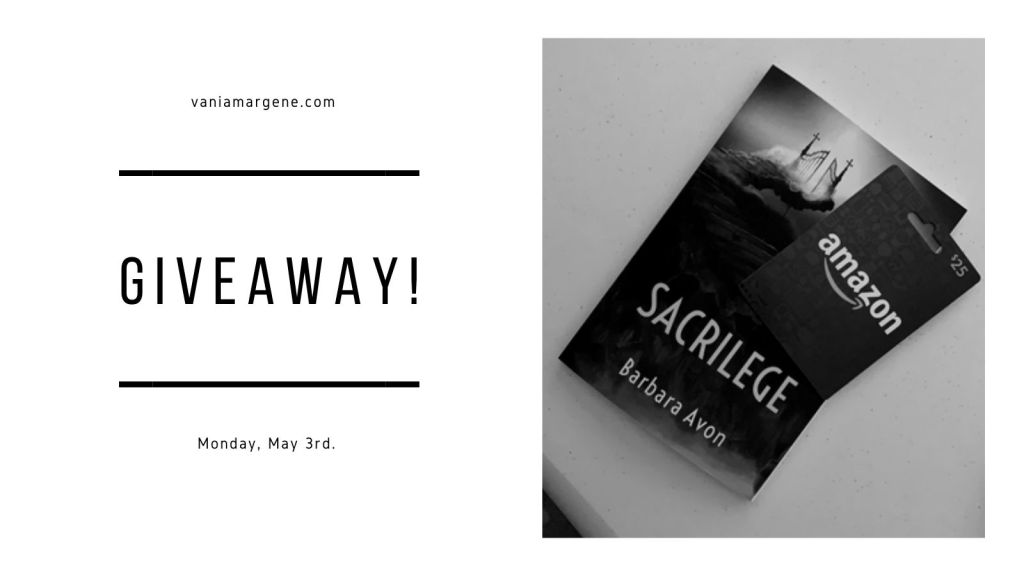
  • If the relationship is not working, don’t force the issue. For whatever reason, you may not mesh with your beta reader. That’s fine. I wrote a blog post a long time ago about what to do if your business relationship with a friend goes south. You can try to be amicable about it, but hurt feelings comes with the territory. You never want to burn bridges in this industry because while it seems large, thousands and thousands of authors who publish every day, this is really a small industry and we all know each other. Word gets around and you don’t want to be that person who is known for not getting along with her peers. If the beta is too heavy handed or is too cruel to work with, simply say that you’re going to choose a different route and thank her for her time. An egift card for a coffee shop or 25 dollars to Amazon might ease some ruffled feathers. But be sure that when you beta read for someone that you aren’t the one being heavy handed. We all need kindness when giving our work to other people. It’s fear that keeps us from seeking out feedback in the first place.
  • Keep an open mind. Don’t waste someone else’s time. If you’re not ready to hear criticism, wait until you are. Betas, paid or for free, are giving you their time. Don’t waste it by being in a headspace where you aren’t receptive to their feedback.

If you’re new and don’t know where to look, try Googling writing critique groups. This article by thewritelife.com has a list and you can look at it here.

The Reedsy blog, a blog that I’ve referred to in the past that I trust, also has a list and you can find it here.

In short, writer eduction, feedback, and reading go hand in hand. As Sarah said in her guest blog post, there is no excuse not to keep learning, but you also have to know if you’re applying what you’ve learned correctly otherwise you could actually be unintentionally reinforcing bad habits that can take you years to break.

Good luck!

Where do you find feedback? Let me know!


Plotting vs. Pantsing: How to have the best of both worlds

Lots of people ask me how I write so fast. Not only because I make time to write, but I genuinely enjoy the writing process and sitting down with my characters is actually fun for me. I don’t need all the accountability groups out there, nor do I need someone guilting me into getting my words written. Other writers ask me what I do, and I’ll tell you.

I’m a plantser.

It’s as simple and as messy as that.

Being a plantser, for me, means I come up with the general idea of the story. This means piecing the plot together weeks, even months, before I start putting anything down on paper. Hey, my brain is a messy, yet, organized, place. As the sign says in my nail salon:

watercolors in blue and grey. Text: welcome to my beautiful chaos.

Anyway, bits of dialogue comes to me, what the characters look like, their motivations and stakes. When I do sit down to write, what I know looks like this:

If you think about your book as an alphabet, I know the beginning, some of the middle–the biggest plot points that make up the story–and the end. I don’t always know the exact end except that they’re going to be happy and together, usually with a marriage proposal. I’ve been told in reviews I rush the endings of books, so I try to take my time, really make the characters work for it.

The rest I kind of figure out as I go along. I write completely in chronological order because I’ll mess up the character arcs if I don’t. Some say they write out their favorite scenes first, but I think that’s silly. The whole book should be your favorite scene, and a reader is going to know which scenes you didn’t like writing because they won’t like reading them.

I should have bolded the O, because at around 40k is when I make something huge happen. I’m not sure if this is the best way to combat that sagging middle, but so far it’s worked for me. When that happens, I try to make sure that it strengthens the couple and they can see how good they are together.

In romance you also have the “big bad” where they break up and the characters have to figure out if love is a good enough reason to go through the changes they have to go through to stay together. James Scott Bell says that’s a character’s “look in the mirror” scene in the book, but he pegs that at about 50% of the way, where I think mine is more 75% of the way, or I try to have about 20,000 words of the book left.

So I suppose we could add a few tags to the chart above:

There are little things that you have to add, but I think when you write a lot of books you do this intuitively and you don’t necessarily need to be told to include it. Like the Getting Together part of the story. They reconnect, or they meet, whichever romance trope you’re writing, but with the attraction also comes the reasons why they would never work as a couple. He’s a recovering alcoholic, she owns a popular bar. In the story I’m writing now, Juliet left Finn in college for another guy. She comes back eleven years later, and while she’s keeping a huge secret, that’s not even part of the story right now. He is still in love with her, but he hates her for leaving him. That’s a lot of conflict, and we’re not past the first chapter.

I like the freedom to fill in the blanks. Pantsers think that they don’t have any freedom when they have to plot a book, but if you think of the bones of the story, you can fill in the muscle as you go along and adjust accordingly. In the series I wrote last year, a character killed another character. It surprised me as much as it surprised the other characters because I was already planning books with this character still alive. The books I wrote after his death though are so much better. So while I like having plot points to work with, I appreciate having the freedom to pivot when needed.

This doesn’t mean that when I start writing that I have the whole book planned out. I notice now looking at the chart I made, I have the Something Bad figured out and I’m at 38k right now, about where I like the Something Bad to happen, but I completely have no idea how the BIG BAD is going to work, or what it’s going to entail. They have to break up at some point. There has to be so much weight on their relationship they crumble, but they have to come back better than ever. So, I’ll keep plotting as I write and something will come to me.

Sometimes when you’re traveling the main highway, you have to take detour but you can find some awesome things when you’re taking a side road.

All filled in, my chart looks like this:

This will be as close to a formula as I get. I’ve tried reading craft books like Save the Cat Writes a Novel, and Romancing the Beat and a few others. Nothing makes sense to me. I mean, in Save the Cat, the idea is to have your main character save a cat so your readers can see what a good person he is. Okay, then they say, well, put that in the first five percent of your book. I can’t think like that. The closest thing I come when thinking in those kinds of terms is when I say, “Put your inciting incident as close to the beginning as possible. The first page, if you can.” I go by this because the longer you keep your reader from finding out what the book is going to be about, the more of a chance you have of losing them. In romance, that means shoving your main characters together ASAP. And maybe the guy does “save the cat” by helping her cross the road, or he’s the grumpy boss who swallows his temper to help an intern pick up scattered papers. But it feels so, I don’t know, contrived when you say, I’m going to put that in, right HERE.

Some of the best writing advice I have read was from the book The Bestseller Code. I love that book, and I think I might have borrowed it out because I don’t know where it is but I want to read it again. They explained why the 50 Shades books did so well, and it’s simply this: for every good thing that happened to Ana and Christian, bad things counteracted it. Their highs and lows in book one looked like this:

I grabbed this from Deidre Beecher who posted this on a Quora thread, and you can look at it here. That’s what I try to do with my stories, too. Give my readers emotional highs and lows. You have to give them hope the couple will make it while tearing them apart.


So that’s my process in a nutshell. When you write a lot some things become innate and you do them without knowing you’re doing them. I’m not saying my way is the best way–I’m hardly a bestseller, but I’d like to think I know what a romance consists of. I’ve been reading them long enough. A lot of the secret is finding out your genre’s tropes and being sure to include them.

I plan out more than a pantser is probably comfortable with, but I leave way too much out to make a plotter happy. That suits me. I have a process that works and I’m not going to question it.

What’s your process? Let me know!


Here’s the first scene of book one of my billionaire series–not the one I’m letting breathe, but the second series I’m working on.

Thanks for reading!

***

My gut twists and sweat runs down my back. 

This is the meeting I’ve been waiting for. This is the meeting where Ryan Carmichael finally gives me what he promised me the day he took me under his wing. I shift in the leather seat that sits in front of his desk. My jacket feels too tight, my tie threatens to choke me. I’ve worked for this moment since I was ten years old, a little boy crying in his backyard.

The man standing in front of a wall made of glass looks over the city of Briarwood, his hands clasped behind his back, the world, literally, at his feet. 

I’ve always wanted to be him when I grew up.

Now he’s giving me the chance.

“My daughter needs a husband,” Ryan says without turning around.

I should have known his deal would have shackles. Shackles I will gladly lock around my ankle. “And you want me to marry her.”

Ryan laughs. “Not what I meant, son.”

“Then what did you mean?”

“Colt, I’ve raised you like my own kid the second your father high-tailed it out of the city. I’ve rewarded you like my own flesh and blood, and punished you, too.”

I press my elbow into the chair’s armrest and rub my lips with my finger. In the twenty-six years since my dad abandoned me and my mom, Ryan has been more of a father to me than my old man ever was.

“I’ve never complained.”

Ryan turns away from the windows and leans against his desk. “You haven’t. Not once, and that makes me believe you’re the only one who can do this job for me.”

Not marry Elayna?”

“No. She needs someone. She’ll be thirty-five years old in three weeks. Her mother is planning her the biggest party since . . . God knows what, hoping it will show her she finally needs to grow up. You know as well as I do that girl parties every weekend. She doesn’t need a birthday excuse to hit the clubs, and it needs to stop. She needs a husband to rein her in, and you’re just the man to find her one.”

“Elayna’s gorgeous, Ryan. She can find her own husband.” For the past ten, no, fifteen, years, I’ve been waiting with dread for her to do it. The only thing I want more than Elayna Carmichael is half her daddy’s company.

“She’s drunk all night and sleeps all day. She’s not looking for a quiet life. If you want to sign on the dotted line, you’ll make her see reason. When she has an engagement ring her on finger, I’ll draw up the contract.”

I think he’s joking, but his eyes glint hard, and his lips are pressed together.

“You’re serious.”

“As a heart attack.”

Fury zips through me. I haven’t worked my ass off for the past fourteen years to have a woman determined to do her own thing come hell or high water take it away from me. “How in the fuck am I supposed to do that?”

Ryan stiffens. “Watch yourself. I don’t think you should talk to me like that.”

“How the fuck—” I say deliberately, looking him dead in the eye— “do you think I should talk to you when you drop something like this on me? You promised.” 

I sound like a whiny kid, but what he’s asking me to do will be impossible. I’ll never see half this company. All the time, sweat, and tears I put into helping Ryan Carmichael build Carmichael Financial into the powerhouse it is today, right now, will be for fucking nothing because Elayna Carmichael, gorgeous, rich as sin, Elayna Carmichael, is a high-functioning alcoholic who does nothing but party and spend live off her trust fund. Almost thirty-five years old and she doesn’t have a job, does nothing with her social work degree she earned from the private university Ryan sent her to. The paparazzi have a blast reporting her comings and goings from all of Briarwood’s hotspots. 

She’s a train wreck.

A heartbreakingly beautiful train wreck.

“I did make a promise, and I’m not breaking it. I just need you to do this for me, Colt. You’re a good judge of character. You’ll find her a man who will treat her right. Dry her out. I’m not getting any younger. I want to see her settled.”

I swallow thickly. “You’re not sick, are you?”

Ryan huffs a laugh. “No. Just getting old. I don’t want to run myself into the ground. Marla wants to travel, see the world. Can’t do that when Elayna—well, we don’t need to talk about that. Finn Sullivan, bless the man, has kept her out of trouble, but he’s not God.”

“I’m not either.”

“No, but you can find her a man she’ll want to dry out for. Find her a man who will take over my fifty percent when I retire. Find her a man you’ll want to work with.” He stares hard at me.

I get it now. He’ll write off fifty percent of his company to me. Later, when he retires, I always assumed the other fifty percent would go to Elayna who is an only child. She’s not capable of running her father’s billion dollar company. Didn’t go to school for it. Ryan’s asking me to find a partner. 

“That’s a tall order.”

Ryan rounds his desk and pulls out a piece of paper from a drawer. “I’ve done some preliminary work for you. I’ve shortlisted my picks.”

I meet him halfway and take the paper he holds out. I scan the names and push aside a twinge of hurt when I see Sullivan’s name on the list, but not mine.

Ryan thinks I’m good enough to take over half his company, but not good enough to marry his daughter. 

Well, fuck him.

And fuck her too, for not seeing what’s smack in front of her face.

Publishing Predictions of 2021: Pricing

I love the new year! Not only for fresh starts, but because of all the publishing predictions that come our way. It’s so interesting to me how the publishing industry changes shape, like water poured into differently shaped containers. Authors and publishers will always be around in some form, but we have no idea what form it will take!

I was listening to the 6 Figure Author podcast last night while I was making dinner and cleaning the kitchen, and they broke down a few of Mark Coker’s predictions. He founded Smashwords, an ebook aggregator for authors who want to publish their book wide. He keeps his fingers on the pulse of the industry, and his hate for Amazon aside, it’s always interesting to hear his take.

If you want to read his predictions in its entirety, look here, and thank you to 6 Figure Authors (Lindsay, Jo, and Andrea) for discussing some of the topics, too! And if you want to listen to them instead of read me, that’s cool, and you can find their episode here. They talk about some of Mark’s predictions during the first half of the show.

Anyway, so what I want to talk about today is pricing your book. The decision takes a lot more thought than just wondering if you want to sell your book for $3.99 or $2.99, and one of Mark’s predictions states that authors will lose more and more of their royalties. Here are a couple of his reasons:

Subscription service. Of course, this is a jab at Kindle Unlimited, and it’s a business decision if you want to enroll and be exclusive in Kindle Select or if you want to be wide (on other retailers besides Amazon). What a lot of authors don’t think about though is do they want the sale or the page reads? And do they want 70% royalty or 35% royalty. I price my books at 2.99, which earns me a 70% royalty. I earn a little over two dollars for a sale, but when someone reads my book from start to finish in KU I only earn $1.64 give or take depending on how long my book is. (My small town wedding series falls between 69k-72k). Mark says that the subscription service devalues our work, and maybe that’s true. On the other hand, on the podcast they talked about how a subscription service allows more people to read than ever before. A KU subscription is about 10 dollars a month, and Amazon is always doing promotions. Enrolling my book in KU could find me readers I may not find other places because they can’t afford to purchase books singly. Kobo also has a subscription service, but authors don’t need to be exclusive to Kobo to join. Of course, this is what we want from Amazon, too, but don’t count on that happening.

Paying for advertising. No one wants to pay for visibility and discoverability, but there is no business where you don’t have to, either.

And it only makes sense to advertise on Amazon when a customer is already looking at books and in the mood to buy and read. Mark’s problem with this is we’re already paying Amazon to sell our book, we shouldn’t have to pay them to advertise it, too. When you think about it though, indies who are making a lot of money off their books don’t rely solely on Amazon Ads. Like I said in my other blog post about why I left an Amazon Ads FB group, indies making a living wage aren’t agonizing over the price of their bids. The bulk of their sales come from their newsletter subscribers, newsletter swaps, and in general, publishing consistently and letting Amazon do a lot of the discoverability work on their behalf. To be successful, you don’t have to buy Amazon Ads. Craig Martelle put it best: Amazon ads bring in new readers–your newsletter keeps them.

What should you look at then, when pricing your ebook?

How new are you? When you’re new and you spent a lot of time on that first book, you want to get paid for it. That’s what I’ve come across, anyway, speaking with new authors. That makes them price their book too high, and in a world where readers, yes, are used to a subscription model, you are not going to find sales. I found this book when I was scrolling through one of my FB groups:

I’m sorry, but this is her first book, and the look inside is all telling. She’s not going to get $5.99 for this book. She’s also wide, not in KU, so she can’t even count on a few page reads to bolster her spirits.

How many books do you have out? If you only have one, you’re better off pricing it as competitively as possible and quickly writing the next book. Once you have a large catalogue you’re freer to experiment. Have a permafree first in series, create box sets and run promos on those. The author above can’t use free days that a Kindle Select participant can. When you have more books published, you can have some of your backlist a little cheaper and charge more for the new releases. All my books are $2.99, but my catalogue is in KU and I don’t think too much about my prices because I concentrate on KU readers.

What is your genre? Supply and demand is a huge consideration when pricing your book. I write romance where there is a huge supply, but there is also great demand. It makes visibility difficult and there is too much supply for an author to overprice their books. Readers don’t have to pay to find books to read. In fact, a romance reader could download free books and read for the rest of their lives. There is just too much free content out there. Whether or not that reader is getting what they pay for is something else entirely and I’ve talked to death about quality on this blog. That poor author above writes romance, and she will never sell a book for $5.99 when that is more than half a subscription cost to KU for a month.


Mark Coker is all about readers trained to devalue our work, but it’s not just the publishing industry that has this problem. Spotify has been known for not paying their artists, and Audible will only give you a higher rate for your audio book if you are exclusive with them. And who wants to be now that their gross return system is all over the news?

If you want to be paid for your work, there are only a couple things you need to do: put out a good product–no one likes to pay for junk, and that includes a poorly written book–and nurture an audience. If you have a group of readers who will read you no matter what, you can price your books accordingly and know your readers will pay because they enjoy your books.

Amazon isn’t the problem. Subscription models aren’t the problem. It’s indies who are impatient and don’t publish quality. They give their books away to whoever will read them (especially in exchange for reviews), and they can’t nurture an audience because they don’t publish consistently. Everyday in the groups I see the indies who are doing it right, and the indies who are doing it wrong, like the romance author above. Of course, it took me a few years to figure out what I’m doing wrong, and now I’m adjusting accordingly and hoping to learn from my mistakes.

My main point is, your readers will pay you.You just have to find them first.

Another interesting article about pricing and how much authors are paid. It’s not just indies having a tough time: https://mybookcave.com/authorpost/how-much-do-authors-make/

Do you agree? Disagree? With me or with Mark? Let me know!