Three Things I’ve Stopped Doing (and Three Things I Always Will)

2,645 words
14 minutes read time
brown scale on brown background. low part says, three things I stopped doing (ampersand) and high part says, three things I always will
black text

Things change in indie publishing. Some quickly, like Amazon guidelines, and some take years to shift, like marketing trends. I’ve been in this game for a bit now, longer than a lot of people I met when I first started out, but shorter than some of the tried and trues I knew who were doing this for years already when I first created my Twitter account.

I have found the longer you stay in the game, the more data you’re going to collect (if you’re smart and keep track). What works, what doesn’t. What did but doesn’t anymore. There are some basic things that will always have merit like publishing consistently, having a website, and, in most cases, not genre-hopping if you want to build an audience. But there are some things that just don’t work anymore, like just simply publishing and watching the royalties roll in as they did during the Kindle goldrush days.

So, I thought I’d share the three things I’ll always do and three things I stopped doing. As the years go by and I hang in there, this list might change, but these are the conclusions I’ve drawn so far since I published my first book in 2016.

Three things I’ll always do in my publishing business:

Finish a duet/trilogy/series before release. I’ve blogged about this a few times, as for most authors this is a Catch-22. Some readers now won’t read until a series is done and they can binge, but an author is reluctant to write more unless they see interest in the first book. What will always convince to me to finish is the fact that if your series is never done, it will never get the readers it could if it was finished. Books don’t expire. In the digital landscape they can sit on a virtual bookshelf for decades. Indies make money on older titles all the time, but you are ensuring that you won’t if you don’t finish. My reasons go beyond the money, even beyond author courtesy and reader habits. I finish out of a sense of integrity for myself and my work. I mean, I don’t publish as I go because I have anxiety over consistency issues that I couldn’t fix if my books were already out in the world. I’m not that good of a writer, so I need to be able to go back and double-check until I’m satisfied. But I also just couldn’t walk away from a world and characters I created. I loved them or wouldn’t have created them in the first place. I’ll always stay true to that creative spark and finish what I start.

Marketing in a way that’s sustainable to me without feeling guilty. That means letting go of the idea I need to be on social media. I don’t like thinking of a hook or a theme and making a graphic and posting. I don’t want to make videos for TikTok even if I have gotten better at it and it doesn’t take me that long. I still post every once in a while so if a reader stumbles upon my FB author page or my IG profile I look like I’m still alive, but otherwise, the constant advice that I need to be posting all the time I will happily ignore. The fact is, a lot of authors don’t have the money or don’t want to spend the money on marketing. I understand that, but paying for ads and for newsletters like Freebooksy and Fussy Librarian is my way of reaching readers without worrying about algorithms or coming up with content and the best way to present it. If I run an FB ad, that’s my limit, since you do need a hook and a graphic that will make people click.

I understand that in a perfect world, an author will use both paid and free tools to market effectively. But when mental health comes in, not to mention time and finances, each author has to make the best choices for them. Even if that’s not posting on socials, not paying for marketing tools, and only joining in a free, author-driven book blast once a year. You have to take a look at what results those methods are bringing in and if you’re okay with that. After a lot of soul-searching, I am okay with breaking even or losing money. I didn’t start publishing to become rich and famous, and that’s okay because I never will be. (I still play the PowerBall sometimes though.)

I will always buy my own ISBNs. This is kind of a cheat, because I already made this decision, and four years ago I bought a pack of 100–after I had already bought a pack of ten and went through them. It cost as much as my rent (at the time–my rent has gone up considerably since then) and I was sweating bullets, but I charged it and paid it off after a few months. I have been called privileged for being able to do that, and you might think I’m privileged to be able to afford ads and paid promos, too. I don’t feel privileged, living paycheck to paycheck, depending on the rent money my kids give me every month, and I still have to charge bigger purchases, like the new mattress I had to buy a few months ago for my back pain. I have a small budget for ads and don’t pay myself a wage out of my royalties. Every penny I make on book sales gets put back into my business hobby. I think that’s another reason authors are hesitant to pay for things like ISBNs and ads. They don’t always make their money back because they don’t write to market or their covers are bad, but I have never seen any industry besides indie publishing where people think they can start a business and not spend any money.

Not everyone will agree that buying ISBNs is a valid expense, and that’s okay. Amazon may not be around forever and neither may IngramSpark, though chances are good they’ll still be here in my lifetime at least. But, I wanted to protect my work under numbers that I paid for and now I’m the publisher on record for my titles. That means a lot to me. I protect both my ebooks and my paperbacks, even when the general consensus is you don’t need an ISBN for your ebooks. I still have quite a few numbers left, even using two a title, and well, I don’t think I’ll need to buy anymore. Obviously, buying ISBNs is a personal business decision but I have never regretted mine.

Bonus Entry:

I will always be a member of ALLi. This is something that I thought of last minute, but I’ll always be a member of the Alliance of Independent Authors. As someone running a business, I think it’s important to be part of an organization that will have your back. I mostly joined so I would have help if Amazon ever closed my account. There are a lot of other benefits too, like discount codes on formatting and publishing services, and I save a little every now and then if I have to update a file at IngramSpark. While it seems like a waste of money on the outside, paying for something that you don’t use (like an old gym membership that’s on autopay) it will be there whenever I need it and in these days of scammers and thieves, having some who’s in your corner is worth more than what they charge for a yearly membership.

Three things I have stopped doing since I started publishing:

Building and sending out a newsletter. Last year when MailerLite screwed me over when I was trying to make my newsletter compliant, I said “fuck it” and shut my newsletter down. I didn’t want to search for another newsletter aggregator and I exported my listed and imported it into my author website. I decide I would turn my newsletter into a public blog, and so far, things have been going okay.

There are a lot of disadvantages to this, to be sure. I can’t offer “bonus content” because what I post goes to everyone. Segregation of an email list isn’t possible on WordPress, nor is culling my subscribers. They have to opt out or my list is stuck with them. I can still force people to give me their emails if they want my reader magnet, but I would have to pay for that privilege on Bookfunnel and that’s not where I want to put my money right now.

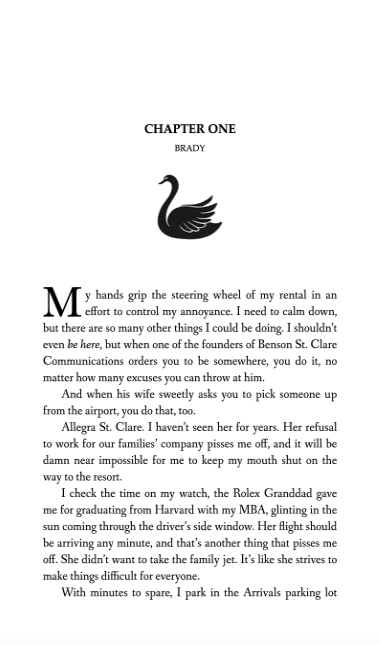
So, as far as newsletters go, my blog is still sent out in email form but posted on my site and it will show up in the WordPress reader. People might think I’m crazy for giving away a book without strings, but what’s a book? I can always write another one. Kind of like when your hair stylist does a crappy job. Your hair will grow back. Eventually. Books are a dime a dozen and My Biggest Mistake has served me well. I’ve given away over a thousand copies, and because the back matter in all my books advertises this free book on my website, I’m afraid I’ve trapped myself into giving it away forever. My only ask is you subscribe to my blog, but that rarely happens. Still, I prefer the laid-back approach I’ve adopted since I’ve been working on not taking my books so seriously. I’ve given myself permission to relax, especially in the evenings after a full day. I’ve started watching Lucifer, because, you know. Tom Ellis.

This is one of those things that may change, but I’m not sure what would prompt me to move my list again. I like what I’m doing, and because I’m comfortable with WordPress, maintaining it isn’t a nightmare. In fact, I just refreshed the header, colors, and font on my author page. I hadn’t since I set it up and it looks nice. If you want to take a look around, you can find it here: vmrheault.com.

I’m getting rid of the hard back matter sell. A long time ago in a romance marketing room on Clubhouse, I heard the advice to do the “hard sell” right after the last paragraph of your book. There were all these little caveats, like you couldn’t even use a spacer or a hard enter because that would “force” the content on to the next “page” on an ereader. It was advised to put your call to action (CTA) practically right after the last period, and I did start doing that along with many many many authors. When I look back at my older books now, I hate it. I hate it, hate it, hate it, and I’ve been going through and getting rid of it. Why? Because after I have just read an amazing book, I want to sit with the happy ending, I want to sit with the characters who touched my heart. I don’t want to be yelled at to join a mailing list or to buy another book. So, while I was re-editing Rescue Me, I got rid the immediate CTA to go to my website. (I’ve always pointed people to my website and not a landing page, and that saved me a ton of headache when I stopped using MailerLite.) I didn’t get rid of it completely, but it’s on its own page now. Ebooks are flowable and don’t have pages, but I think a reader has to “flip” to see what else is in the back of the book after the content ends. I’m doing Faking Forever now, and along with updating my list of books, I’m also getting rid of the hard sell. I didn’t it do it on my new releases and that is a trend I’ll stick with. If readers loved your books they will find a way to stay in touch. Like moving my newsletter to my blog and cutting back on the number of books I’m publishing every year, I’m just going to ease up and stop trying so hard. Because you know what? It didn’t do that much anyway.

I’m not adding subtitles on my ebooks. That was another really popular thing to do, and I even wrote a blog post about it. I guess this goes along with the hard sell, and I’m not going to add subtitles to my ebooks anymore. I’m going to start letting my cover, title, and blurb speak for itself, and make sure my categories and keywords I choose when publishing do the heavy lifting. Adding a subtitle to your books was a very trendy thing to do to drive discoverability, and you may think that with market saturation that not doing it anymore might be going backward. But, Amazon doesn’t like it, either, and honestly, now I think shoving mini-tropes into a subtitle just looks desperate and ridiculous. So, as I update my books, along with taking out the hard CTA at the end, I’m going to be taking off the subtitles. It will make my buy-pages look cleaner. Am I telling you not to do it? No. Unless you really do want to be careful around Amazon, then maybe I would rethink that, but if you like to take chances and want to pack your subtitle full of mini-tropes, then you should still do what you want to do. This is the new and improved relaxed version, remember?

Bonus Entry:

I won’t ever use an illustrated cover. Obviously I was thinking about my hockey novels and the kind of covers I wanted to put on them. I don’t fault anyone for using an illustrated cover but I have just come to realize those are not for me. I understand the reasons why authors turn to them. There’s more of a selection when scrolling through vector art than there is real stock models and if you’re one to go with the trends, you don’t want to feel left out and think you could be leaving readers on the table. But at this point, illustrated covers would be at odds with the brand I’ve built for myself over the years, and if I can find what I need and there are still real people on the kinds of books I’m writing, then I don’t see any reason to change. I also have never, and probably will never, write a story light-hearted enough where an illustrated cover would fit, so instead of moaning about that, I’ll lean into my strengths and keep putting hot, sexy men on my covers.


When it comes to indie publishing, or just publishing in general, the ability to pivot and be flexible is probably one of the biggest assets you can have. Things change at a snail’s pace until all of a sudden everyone is talking about it and doing it a different way. What’s especially interesting is when things used to be the standard (like subtitles on ebooks) and that changes to something that no one does anymore.

I have extreme FOMO, I really do, but this year I have managed to brush a lot of that aside, for the most part because I think I know everything there is to know and there isn’t going to be a magic piece of advice that will push me to the next level. And that’s okay. Accepting that is actually freeing. I can do what I want, write what I want, and be happy with it. After the few years I’ve had, that is a really great place to be.

Next week I’ll give you a rundown on what I’ve been doing. July is almost gone, y’all. I hope you’re making the best of what’s left of summer.

See you next week!

Past Decisions and Their Consequences

Words: 1535
Time to read: 8ย minutes


Too tired to look for a stock image. Imagine something pretty here.


Everything we do results in some kind of consequence, some kind of reward, whether we know it or not. Whether we want to admit it or not.

Last week was another crazy day on social media when I saw someone encouraging people to use KDP’s POD, but mark up their paperback prices on Amazon to $200.00 so they could sell off their website instead. This is such a bad take for so many reasons, and when I replied saying that at least IngramSpark was a better option because you can print without distributing, she went off on me saying IS wasn’t viable for everyone and that I was toxic and privileged for even suggesting it. That really hurt and I dropped out of our conversation because I’m not going to let people assume how I live. It’s not toxic to suggest a better way of doing things, it’s not privilege to suggest a platform many authors have access to. She wanted to be right, and there were plenty of people who agreed with her. That’s fine. Look like an idiot selling your paperback for $200.00. Doesn’t bother me at all.

The main issue is that IngramSpark costs money. If you live in the US, you know how expensive ISBNs are. Part of her privilege insult was because she assumed I buy my ISBNs and that I was telling people they should do the same by suggesting they use IS. She doesn’t know that yeah, I did buy a pack of 100 (costs $575 which was almost as much as my rent) but I charged them on a credit card and it took me several years to pay them off. My ex-fiancรฉ said he would buy them for me, but you know how that turned out and I ended up paying off a massive credit card bill that he said he would take care of. Anyway, the outcome of that story is that yeah, I did buy own ISBNs, and it’s none of her business it took me years to pay them off.

Very rarely on this blog do I suggest you spend money on your book business, but on the flip side, I’m very clear that I believe you can’t start a business properly without spending some cash. If you want to sell YOUR book off YOUR website because you’re running a business YOU own, why would you want to use an ISBN that didn’t belong to you? That’s MY main reason for buying ISBNs. They belong to me, I’m registered as the publisher, and if Amazon is ever a dick and closes my account, my books are safe. For all the hating on Amazon over on the sewing platform, they’re quick enough to take what Amazon gives them.

Anyway, so when you use free ISBNs you’re taking a risk Amazon will treat you well and if you take free ISBNs from anywhere else, you’re accepting any eventual consequences.

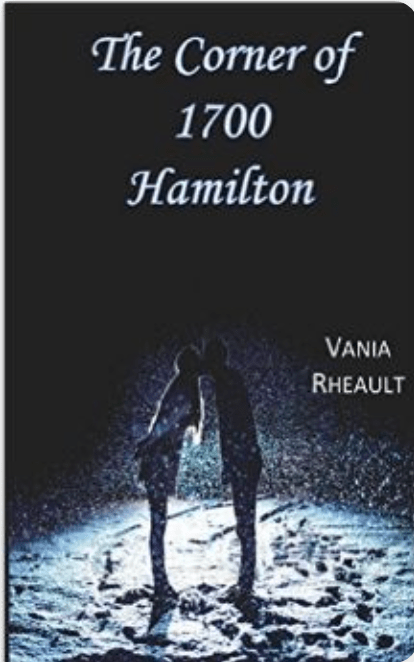
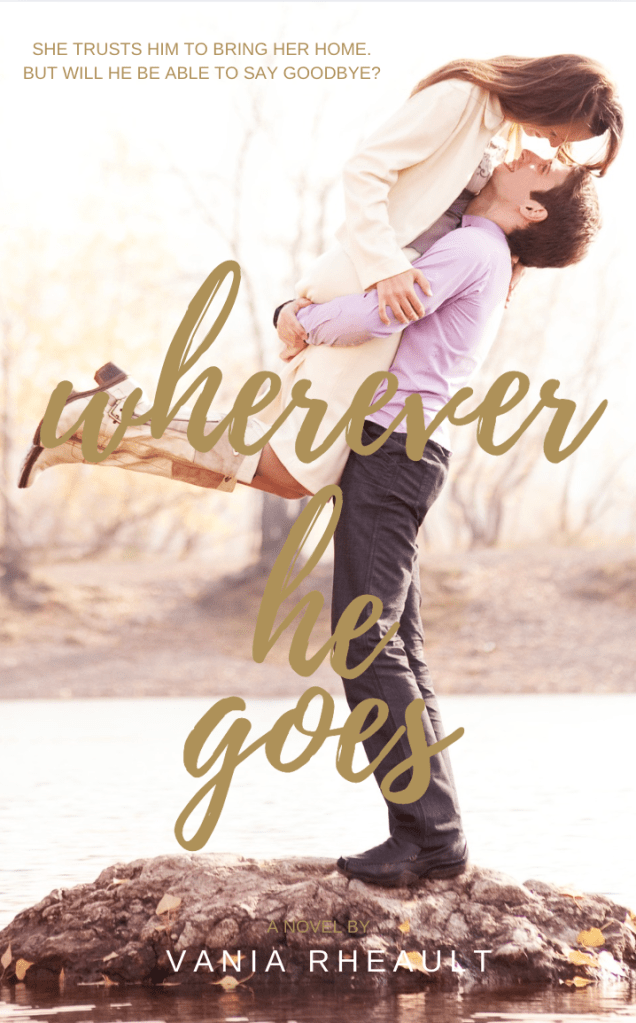
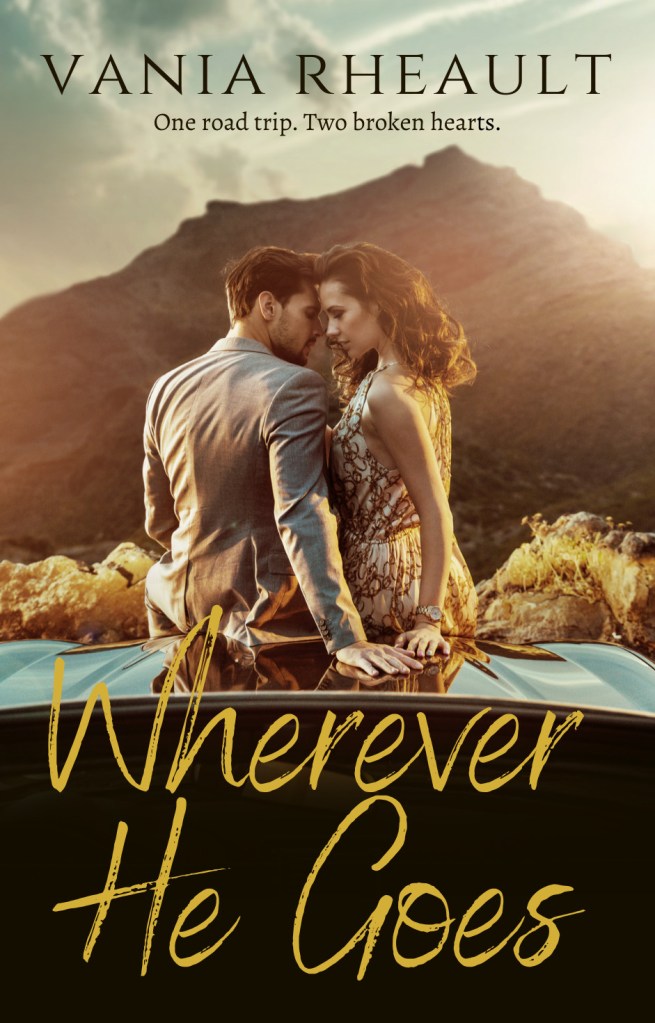
This isn’t a post just about ISBNs. You take risks making your own covers, especially if you don’t have the skill to create a cover that will tell readers what your genre is and won’t look homemade. Just the other day someone was bemoaning the fact he couldn’t get preorders for his book. I told him to look at his cover and maybe redo it, that it looked homemade. He actually was very nice about it, and maybe he will change it, I have no idea. That kind of consequence you may never see–you could not sell any books and blame it on lack of marketing or algorithms. Unless someone you believe and trust says your cover is garbage and you change it, you could go years without knowing what kind of damage your cover caused. I mean, you know I do my own covers, and back in the day they weren’t great. I still see the free stock photo I used on 1700 Hamilton other places, and I published that book eight years ago now. Canva templates taught me a lot, and I still like how this cover came out, the first for Wherever He Goes, even though I changed it to something sexier later that’s still the cover on the book now.

Not listening to your editor and having a book bomb after the fact can have dire consequences–a reader won’t give you another chance if they spent money on a book that had plot holes and grammatical errors every two sentences. And, you know, poor reviews last forever. I’ve been editing my own books for a while, and I know the risks, may have even suffered from some of them. God only knows who’s read my books and said they’d never read me again. I also know the risks of trusting people, and well, tired of that, so you have to choose the lesser of the two evils.

My biggest regret so far was not starting a newsletter sooner, and I wonder how far I’d be now if I had given as much attention to a newsletter as I have to this blog. Maybe because of the change in direction I decided on in 2020, it wouldn’t have mattered, or those people who signed up wouldn’t have cared either way.

After unpublishing some hardbacks and Large Print, I thought about unpublishing a couple of my first books, just because they aren’t the quality of the others, nor are they in the genre I decided to write in. Some say romance is romance, but my romantic speculative fiction could probably go, also my erotica that I decided I couldn’t write because there was just too much sex. (If you have to remind yourself to put in the sex scenes, erotica probably isn’t for you.) When you say you want to write and publish whatever, those consequences can catch up with you. Difficult to make a brand out of “whatever” and you may look back in five years at all the word salad you hoped people would buy.

The one thing all these have in common is that no one can tell you these things. I mean, yeah, the advice is out there, cover to market, hire an editor, start a newsletter, buy your ISBNs if you can. All that’s out there but it’s funny because we’ve turned being indie into defying the rules and maybe some rules are meant to be broken, but this is a business and whether we like it or not, there are best practices.

I almost didn’t write this blog post because I realize the subject is boring and repetitive, even if I’ve made similar mistakes. The bad advice out there can really take me aback, and that woman who had supporters telling people to price up their book left me speechless. What would readers think stumbling upon a book that cost $200.00? How is that author going to tell those readers she preferred to sell off her website? It all seemed so bizarre to me, yet people agreed, said they were going to try it. I don’t know, it just seems like one of those things that you could look back on later and say, “What was I thinking?” Of course, you can do that for just about anything, the cover that wasn’t right, blowing off your editor, not listening to someone who knew what they were talking about because you were determined to fail on your own. That’s how people learn, and I’ve had people tell me to hire an editor, but some things are easier said than done.

So this post is 1200 words of drivel (it’s almost Thanksgiving in the US so I’ll refer to it as turkey gravy), but honestly, my brain is fried. I’m halfway through editing my age-gap. I’m really loving the story and it’s fun to see how far my writing as come, but editing is tiring, probably more so than simply writing. I also have to proof my series proofs, and that will take a minute, but I’m hoping that I’ll get everything wrapped up by the end of the year. I want to start working on my first person stuff again, putting into practice the things I finally know that I didn’t before. I’ve come a long way working on my King’s Crossing series. Really, smoothing out over a half a million words taught me a lot, and I know it did because working on my Rocky Point series was really eye-opening. I agree that sometimes you have to fail on your own to learn, but you do have to keep working on your craft and level up on your own if you don’t want to take anyone’s advice.

That’s all I have for this week. I’ll probably post my Billionaire post next week. I think it’s still relevant, and tempers, while they haven’t cooled all the way down, aren’t so hot, at least, and even if it makes some readers crabby, I think it was wise to wait.

After that, well, it’s year-end stuff, and before you know it, it will be January. The world keeps spinning, no matter what kind of rut you’re in. Do your best to keep moving forward, and hopefully you’ll see more rewards than consequences.

My Marketing Secret–Shh!

fall leaves on dark background. text says: My marketing secret
This photo has nothing to do with anything. I just really liked the colors.

Most of the marketing we hear about is how, what, and how often to post on social media. Snippets and book trailers, TikTok videos and reels. Be yourself, don’t talk about your book all the time, support others.

Like I mentioned in a previous post, we think about marketing after we’ve written our books. That’s… not a great time to think about it, to be honest. Yes, we should all love what we’re writing and I’m not even talking about that, necessarily. One of the lessons I learned too late was how important your cover and title are. Each book you put out ends up in your backlist and your backlist is your brand. Each book is a brick in your author career’s foundation, and you want your bricks to look the same, be made of the same material, and be able to hold the same weight as the other bricks. I’m not saying you can never deviate, but having a solid foundation makes it a lot easier to experiment.

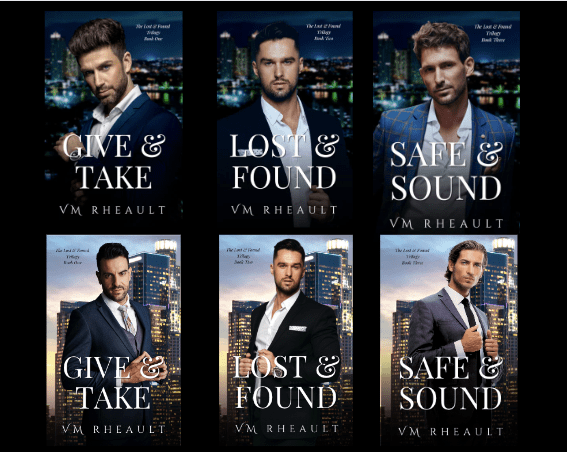
I’ve changed five of my books’ covers. My duet got an update I think only 6 months after publication, my Lost & Found trilogy, a year. By then I’d settled into a brand, and I knew that they were okay, but not the best they could be.

When I was writing Rescue Me, I knew it was high-angst, and both characters had some pretty crappy backstories. I wrote a poignant scene between them where they were sitting in the park. They were sharing stories, and he says to her,

โ€œI saw a woman sitting alone in a booth, staring so forlornly into her wineglass she could have been a mirror image of how I was feeling. I sat down with her, and something happened. I canโ€™t describe it. I thought, this woman understands me. I havenโ€™t spoken one word to her, but she understands. When she gathered her purse to leave, I had never felt panic so debilitating. I had to ask her to be with me, and miraculously, she said yes. I was a stupid son of a bitch and didnโ€™t get her name. Donโ€™t ask Samantha what I was like the week afterward.โ€ He blows out a breath, his chest expanding against my back. โ€œYouโ€™re not the only one whoโ€™s been trampled on. Youโ€™re not the only one who feels unfit for someone else because of your pain. If you take my secondhand heart, Iโ€™ll take yours.โ€

REscue me, Vm rheault

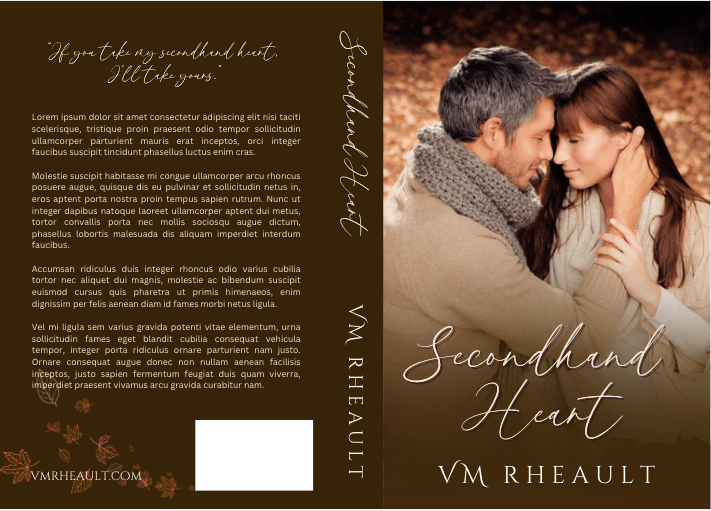
Right away, I thought, what a great title. Secondhand Heart. I even started on a book cover for it. I lucked into the perfect couple, as Sam is older and Lily is a redhead, and the scene above happens to take place in the autumn in a park. I couldn’t have been happier.

mock up of Rescue Me's first book cover and alternate title, Secondhand Heart.

Couple sitting in a park at autumn time.

But by then, I’d already published my duet, and if you remember, I had several books on my computer waiting to be published. I had to make a decision–where did I wanted my brand to go? Billionaires have a specific feel. They’re in suits, they’re wearing “the watch,” they’re meticulous, sometimes they’re coldhearted. They’re untouchable until they meet the right woman. And all that needs to be conveyed in the cover, the title, the font, and the blurb.

The cover above is perfect, but it wasn’t going to meet the vibe of the genre I chose, and while the title fits perfectly, it’s not as hard and as edgy as it needed to be. The cover above is great for a contemporary romance novel, and while Billionaire is contemporary romance, the main category I put all my books into is, well, Billionaire.

And this is the lesson I kind of want you take away from this blog post. Even if the cover and title are perfect, it may still miss the mark and give readers the wrong message.

This is the cover I made that I went with. You’ll notice he’s in a Billionaire suit, and I think he’s wearing a watch. He’s stoic. When I chose him, I didn’t realize that I’d see him everywhere all the time (this model is very popular among indies), but he fits the way Sam looked in my head, and even knowing he’s been used, I would still choose him. Also, the title is a lot stronger–they did rescue each other the way couples who fall in love do. This is a one-night-stand-with-my-boss trope, and I was very happy with the tagline I came up with.

rescue me's full paperback wrap. 

Handsome man wearing black suit adjusting his tie. Rescue Me title

If you compare the two covers, they look really different, don’t they? The titles make them sound like different books, too.

You can start thinking about this stuff when you’re writing your book. Study other books in your genre, the bestsellers, the covers that are reeling readers in. How do the blurb, title, and cover work together to convey the genre? What kind of tagline or hook is on the cover, or the top of the blurb on the Amazon page?

This is part of marketing that we don’t talk about nearly enough. We always say that the cover is your biggest marketing tool, but we don’t say what kind of cover. You could have paid 1,000 dollars for the best cover ever, but if it doesn’t hit the mark with what your book is about and what category it’s in, it won’t matter how much you paid or how professional it is. It won’t entice readers. Or it will, but they’ll be the wrong kind of readers and you’ll pay for it with poor reviews.

Chances are the cover I made with the couple would have been okay–but they wouldn’t have fit in with my overall brand anyway, so an author has a lot to think about when it comes to cover design and title.

I have a terrible terrible time thinking up titles. I’m crap at it, and it took a couple of hours of brainstorming with my ex-fiancรฉ to title my duet. I’m proud of their titles, and I like their covers now too. I need to push them more, but what I’ll do is a different blog post.

I like the direction my brand is going. Even though I slipped off the path for a second and did some rockstar romance, the covers blend in to what I have and they still sell better than all my other books (but I’m not taking the hint. I have no more rockstar plots in me, I’m afraid. Shep and Olivia landed in my lap, and maybe that will happen again one day, but I’m not going to look for it.)

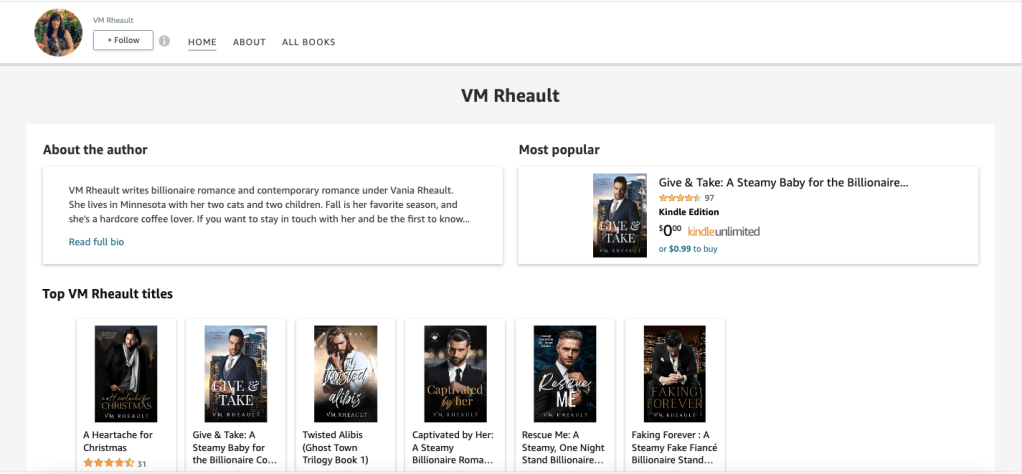
How your books look on Amazon is important. A reader clicks on you, and they can see most of your covers at once. If they’ve already liked one of your books, knowing you’re going to deliver more may make them a fan. Maybe they’ll give you a follow. (This is the top half of my author page on Amazon.) https://www.amazon.com/stores/VM-Rheault/author/B0B1QSXVK4

a screenshot of the author's amazon author page

I’m all for consistency and lots of people say that genre-hopping isn’t that bad, but even if you know an author who is doing well at it, you have no idea how much they’re spending on ads and promos and other marketing activities. Without that transparency, their monthly royalties may look good but they could be pushing all their money back into their business leaving them breaking even at the end of every month.

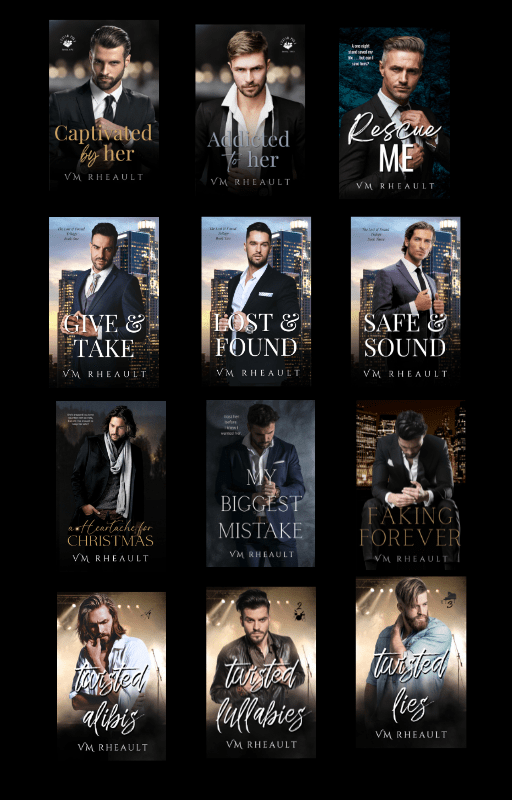
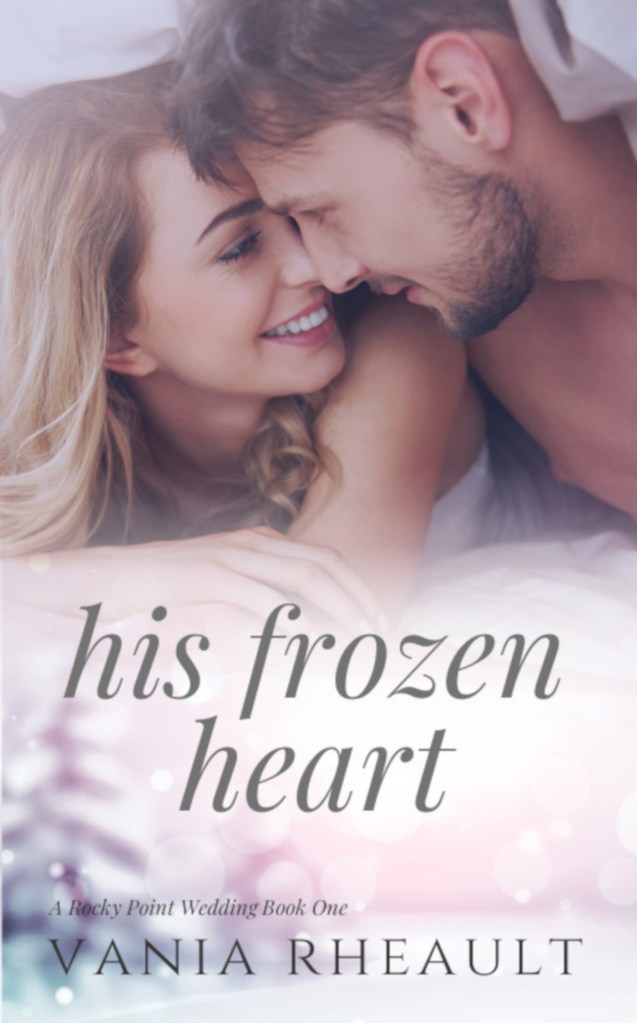
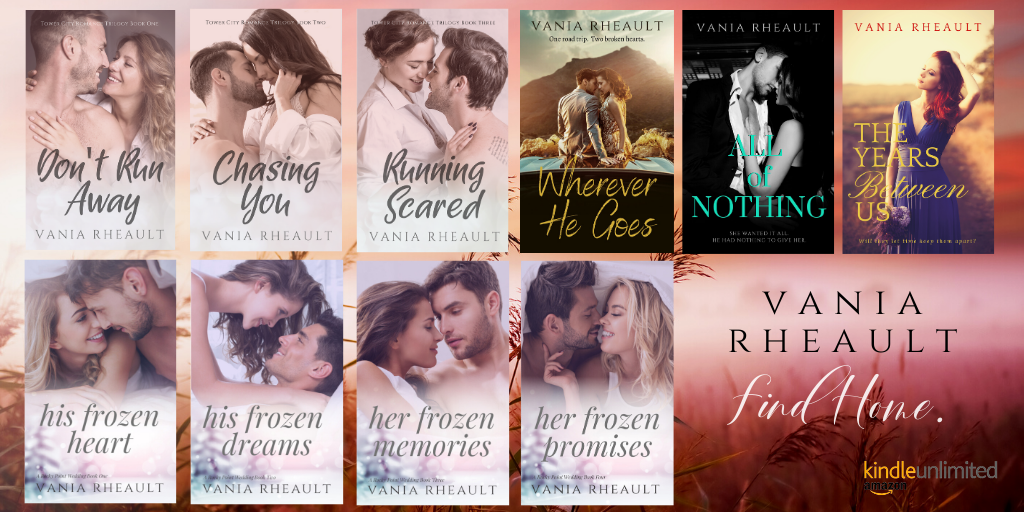
Now that I have a brand, I want to keep it going, and I have to think of what kind of titles and covers I want for my books going forward. My six-book series is going to fit right in, and I’ve already made the cover for the standalone I’m going to write afterward. I won’t share my series covers yet, but here are the 11 books I have under my pen name right now, plus my reader magnet that is still free on my sister site. I’m proud of how they look. (And the guy on Faking Forever, I think is Eddie on Twisted Lullabies–don’t tell anyone!)

a compilation of the author's books under her pen name.

I’m not going to turn this post into a do-it-my-way-because-it’s-the-right-way post. It took me a long time to change my mindset around and start packaging my books in a way that would target the genre and in ways that would sell. It’s also something you need to learn, a lot through trial and error, researching genre and book covers, and in some instances, ignoring trends and staying true to your brand. Just because illustrated covers are still in, or because discreet covers haven’t gone away, that doesn’t mean you have to do it. Your covers are for your readers. Maybe one day down the line because of the lack of variety on DepositPhotos, I may have to start cutting off heads or doing item covers or text covers, but I’ll be really deep into my backlist then and hopefully have more of a readership that will borrow/buy anything I write.

I see covers all the time that don’t look very good, don’t fit the genre their authors say their books are in. It really doesn’t help when other people say their covers are lovely. Yes, they might be, but we already know, and maybe from personal experience like mine, that just because it’s lovely doesn’t mean it’s going to fit. Fit the genre, fit your story, fit your brand. And I think this is a lot of why we don’t talk about it–because negative, or constructive, feedback feels a lot like an attack on what you like. I still believe after all my time writing and publishing you can find a happy medium between what you like and what you need to do to sell your books.

If writing and publishing is really your way or the highway, there’s not much room for improvement. Flexibility got me where I am right now and I’ve already made half of what I did for the whole year last year. I hope finally releasing my series will keep that going.

I know it also took me a long time to get to where I am. Thousands of hours of writing and planning. Organizing and fixing mistakes. There’s always going to be mistakes, but if you can look ahead maybe you won’t make so many. I’m making fewer and fewer. I’m not going to re-edit A Heartache for Christmas because I was aware of my tics when I was writing it. I’m not going to re-edit my rockstars either, though I know I had a “when” problem. They still sound good and readers aren’t counting. This six-book series will probably be the first books where I was aware of everything before I published, but it only took 12 books. We all still learn every day, and the best news is, covers can be changed. Blurbs can be changed.

Put in place what you learn and keep doing it.

That’s all any of us can do.

If you want to read more about how “perfect” covers can still be wrong for your book, look at this BookBub article: https://insights.bookbub.com/gave-professional-book-covers-makeover/

Thanks for reading and have a great week!

picture of author that says, VM Rheault is a contemporary romance author who has written over twenty titles. 

When she's not writing, you can find her working her day job, sleeping, or enjoying Minnesota's four seasons with a cup of coffee in hand.

Monday Author Update

Being that I’ve been taking a break, I don’t have a lot to report this week. I managed to haul ten bags of clothes to the local thrift store, but that is only a fraction of what I wanted to get done. I still have a lot of books to go through and donate to the library for their book sales, both trad and indie books I’ll never get around to reading or never read again. I pay for a storage unit since I live in a tiny two-bedroom apartment that doesn’t have a garage, and weeding that out before it snows has somehow become a priority, if only to get rid of clothes I’ll never be thin enough to wear ever again and go through totes of books that I either need to donate or put on bookshelves once I get them purchased and my son puts them together for me. When I was out there last, I noticed I had a HUGE tote full of Harlequin Desires. Collecting them is a different activity than actually reading them, but running into a thrift store sale is too much of a temptation to avoid. I don’t have many vices, but buying old Harlequins at twenty-five cents a piece is, for better or worse, one of them.

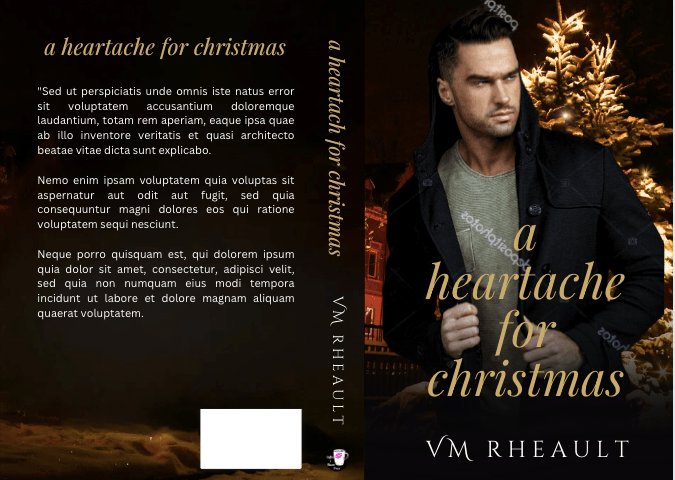
September is slipping away from me, though, and I’ve read three out of four of the Lisa Marie Rice books I ordered. The post office lost one, so I ended up ordering it and reading it on my Kindle, which I should do for books anyway since it’s easier on my eyes and my carpal tunnel. I have one left, and then the other books that are related, but first we have a Hunger Games marathon and I have to read the prequel before the movie comes out. My sister, daughter, and I are going to a corn maze next month, so I’ll need to work on A Heartache for Christmas when I can so I can get it to my proofer by the middle of October. A November 1st publishing date is probably doable if I can get the book listened to this week. Formatting it will be a snap as I don’t think I’ll do the fancy insides like I did for my trilogy. The main thing is getting the cover done, since after some feedback in a cover group on Facebook, I decided to go in a completely different direction. This was the old one I was pretty much set on:

made with Canva using stock photos from DepositPhotos.com

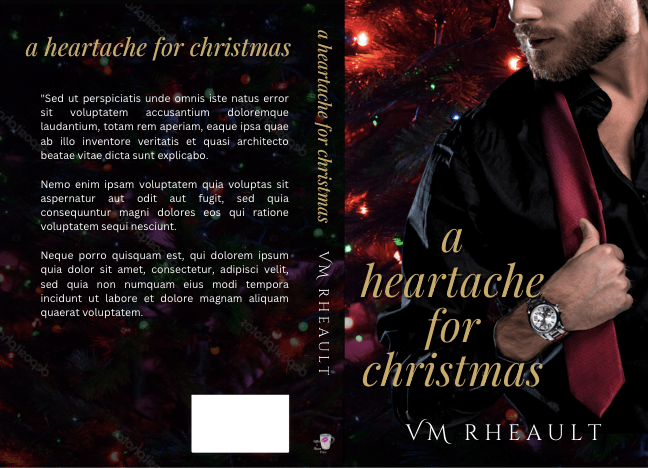
It’s not terrible, but I think I was focusing more on the mystery part of the story instead of the romance part of it and my brand. So, with a lot of scrolling through DepositPhotos, I came up with a couple of different concepts:

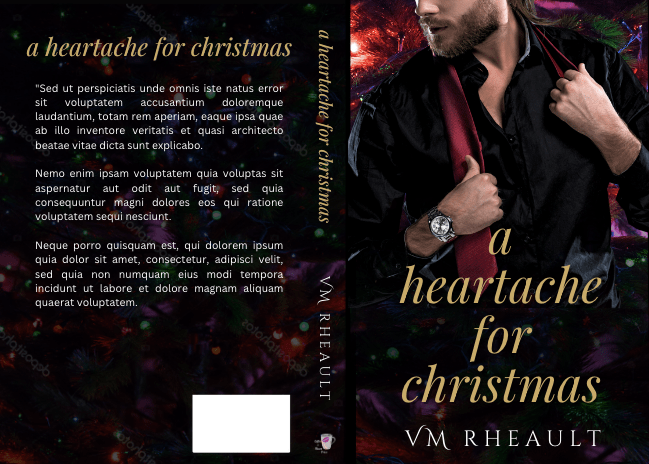
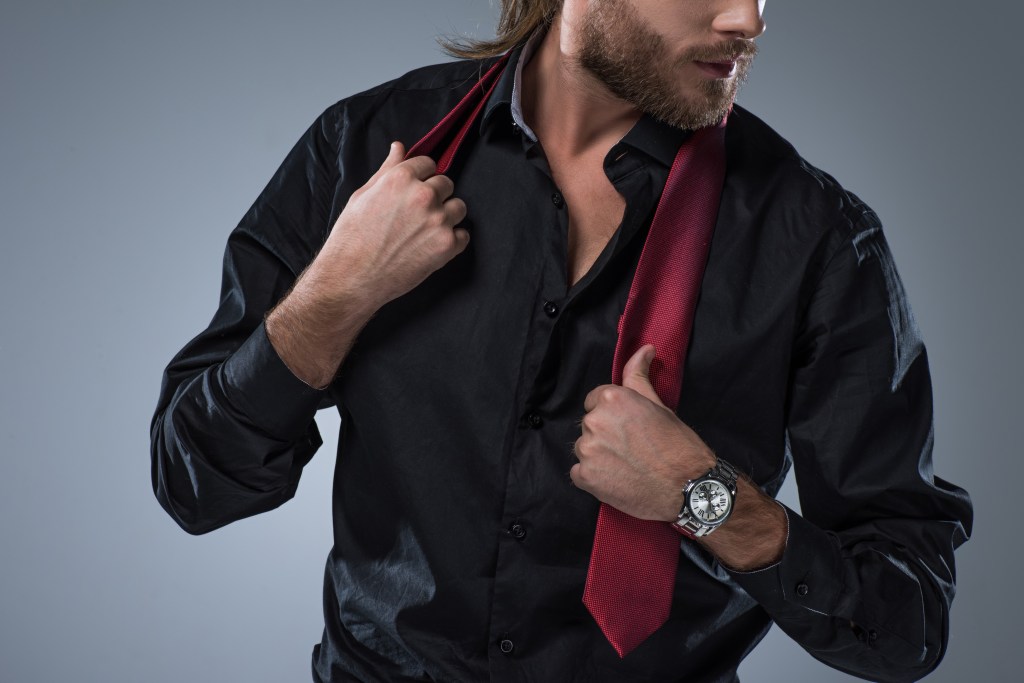
The guy with the tie fits in with my books a lot better, and while it’s evident that’s a Christmas novel, the background doesn’t scream holiday, which is okay. The only problem I’m having at the moment is the font for the title, and maybe even the title itself, though I keep going back to it even after listening to suggesions from others. My default font choice when I have nothing else to use is Playfair Display, either plain or italicized and maybe all caps or not. My one problem with this guy is that the stock photo is only half of him, and it’s difficult (for me and my limited skills) to fill in the rest of the cover. The one with his whole upper body takes care of that issue, but then I don’t like how the title is off to the side. Here’s the stock photo I found:

found on DepositPhotos.com

I like him (love his watch) and he fits in with all my other billionaires, but he doesn’t come in a full-body pose where he’s doing the thing with his tie (why??). I don’t know if the cover that only has half of him works…I usually do have my titles over some kind of gradient to help them pop, but the men’s waists show, if only faintly. I know I said I would never cut off a man’s head, either, but here we are. DepositPhotos is getting really picked over when it comes to handsome stock photo men, and one of the things I do when I’m tired and feel like doing nothing but needing to do something is listening to music, scrolling through photos, and bookmarking them as potential cover models. The men in suits who are good looking and haven’t been used before (or very little) are getting few and far between so I may end up doing what Melanie Harlow does, and put men wearing t-shirts on her covers whether they are billionaires or not. What do you think?

I have time to decide since listening to my manuscript takes a few days and I won’t be done with that until I have to write another blog post next week.


I’m having fun on TikTok, or trying to, anyway. It still can take me over an hour to make a video simply because it takes so long to find a photo that fits in with what others are doing and to find a snippet. I posted one today and I forgot to take out one of the c*cks, so one of these days I’lll probably get suspended for going against community guidelines. Though, posting a snippet without the dirty words is rather annoying, and when I read a snippet from another author I feel like I’m playing fill in the blanks, sorry for the pun. I’m using more photos from DepositPhotos than ever before, not because I’m afraid of using what Canva has to offer, but the romance TikToks have a very gritty look to them, and while I don’t write dark romance, I still don’t want to look too out of place. I’ll probably buy another DepositPhotos pack from AppSumo as they go on sale around Black Friday. Anyway, I need to get into the habit of making them, since if I have time to make one, I probably have time to make two. It’s just choosing a book and finding a snippet that’s hooky enough to share.

I also find myself falling into different algos, and all of a sudden my feed is full of rescue horses. TikTok is very responsive to what you tell it you like, and #rescuehorsetok is not going to sell my books. I need to maybe unfollow some of the accounts and go back through the hashtag or #contemporaryromancereaders and push the algos back toward books. I hate seeing rescue vids anyway. They always make me so sad. I can’t wrap my mind around how cruel people can be.


I’m seeing on Twitter and in FB author groups some mild confusion about the new AI question on KDP when you publish a book. That wasn’t implemented when I published my rockstar trilogy, and I’m reluctant to go into a book’s content when I don’t have to, so I haven’t seen it for myself. There’s been a rumor that books will lose their discoverability if you don’t go through your backlist and check the boxes (for yes, your book was AI generated, or no, it wasn’t) but I don’t believe that. I’m not going through 20 books to check that box when I don’t have evidence (from Amazon) that I need to. Book sales ebb and flow, not to mention the sales dashboard lags, so if you’re having a slump, I wouldn’t jump to conclusions. Just like with the KU payout that somewhat snapped back, I’m going to keep on keeping on and only make changes if I have to. You can read an article about it here, but if I hear anything about discoverability of backlist titles, I will let you all know. https://www.theguardian.com/books/2023/sep/11/self-publishers-must-declare-if-content-sold-on-amazons-site-is-ai-generated


That is going to be it for me this week. I’d like to congratulate Brandie Easterling Collins on publishing her newest book! You can check it out here–available in Kindle, Kindle Unlimited, and Paperback. A new release is always so exciting! Good luck, Brandi, and Congratulations!

Formulaic writing: What does that mean?

I’m lurking in writing groups and on social media way more than I should be, but there are days where you just need to sit with a cup of coffee and scroll. I admit, I like a little discourse with my coffee along with my chocolate creamer, and like the engagement questions thrown about on that bird app all the time, I like to ruffle feathers, too. My most recent, and I think most successful as it garnered more engagement than most of my tweets in the past was this one:

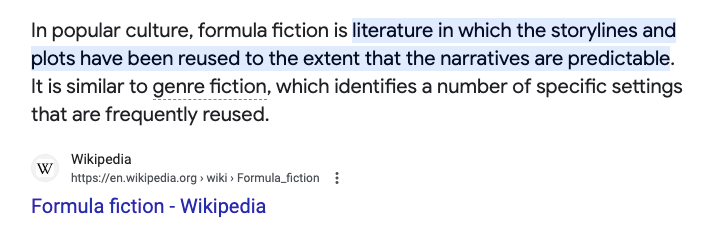
One of the most surprising things people said was that studying the market that way leads for formulaic writing. You can scroll through the replies yourself if you want: I’m not interested in calling anyone out because this actually is a common way of thinking.

So what is formulaic writing:

In popular culture, formula fiction is literature in which the storylines and plots have been reused to the extent that the narratives are predictable. It is similar to genre fiction, which identifies a number of specific settings that are frequently reused.

Formula fiction - Wikipedia

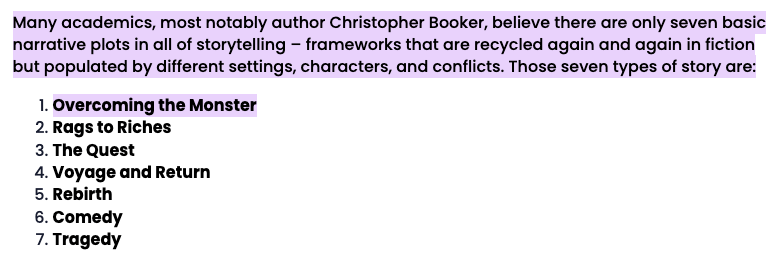
Personally, I don’t understand what all the fuss is about. We all know there are only seven plots out there, and we reuse those plots over and over.

Many academics, most notably author Christopher Booker, believe there are only seven basic narrative plots in all of storytelling โ€“ frameworks that are recycled again and again in fiction but populated by different settings, characters, and conflicts. Those seven types of story are:

Overcoming the Monster
Rags to Riches
The Quest
Voyage and Return
Rebirth
Comedy
Tragedy
https://www.autocrit.com/blog/7-stories-world/

Obviously there is a lot of room to twist these plots into your own story, and we all do as thousands of books are published every month. Having seven plots is very much like writing romance using tropes. There is no right or wrong way to do it, and as a writer, you are free to twist them in any way you want. Why Ali Hazelwood got so much flak for revealing in a Goodreads interview that she wrote one of her books with the tropes her agent suggested will never not make me speechless. If you want to read the article, you can look here.

Regardless of what her agent suggested, it’s still her book, her characters, her writing style, her voice. It’s not any different than a romance author digging into a fishbowl full of little slips of paper and pulling out a trope that they want to write their next book around. (I really should get on that only one bed.)

So why is there so much dislike when it comes to writing this kind of thing? Authors want to think of themselves as artists first–their books are works of art, and writing to market is like a painter using a paint-by-numbers kit. There’s no originality, no creative exploration at play. Which I think is a load of crap. People crotchet use patterns, so do people who sew quilts. People who make clothing can use patterns too–are they any less talented than the designers who create fashions and dress models who strut the catwalk?

We fear writing books that are predictable (read: boring), but if every romance author had that fear, we would never write anything. There is nothing more predictable than a 3rd act break up and a happily ever after. But in the romance genre, that’s the point. Romance readers want that and expect that, and there is hell to pay in nasty reviews if an author says their book is a romance but it doesn’t end happily (that’s a love story, by the way).

There’s a snobbishness about all of it, but there is value in not reinventing the wheel. Why build a graphic from scratch when you can use a Canva template? We see book covers all the time using a Canva template. We search newsletter and blog prompts for things to write about. We even ask ChatGPT for his ideas. There is no true originality out there anymore, and I guess that’s the point. Authors who think they are being original like to lord it over those who aren’t, but let me tell you. I’m lazy. You work your ass off for your mixed genre book with your ten points of view, and I’ll be over here having fun playing with tropes I know readers are going to want to read.

I tweeted that because it never will never cease to amaze me how much authors want their work read, how much authors want sales to show up on their sales dashboards, but whenever they ask how other authors do it, they shun the answer! The answer is right there, and it gets completely ignored, or worse, authors are written off as selling their souls or writing subpar work.

There’s a science in writing to market, to writing books with beats. That’s why there are books out there that tell you how to do it. Romancing the Beat by Gwen Hayes is popular, so is Save the Cat! Writes a Novel by Jessica Brody. You can read more about what makes a book a bestseller The Bestseller Code by Jodie Archer and Matthew L. Jockers. Books written in this way give readers what they want: a feel good read. That’s why “they” say you shouldn’t genre hop when you’re trying to build an audience. You want to consistently deliver books your readers want, and what they know they’ll like.

For more on formulaic writing, you can look at this article–they did a better job explaining it than I did. Formulaic Books: Faulty or Fabulous? https://gosparkpress.com/formulaic-books-faulty-or-fabulous/

I don’t think I’ll be spending much time on Twitter anymore if the changes Musk threatened us with takes place. I don’t have the money to pay for a checkmark–I’d rather save that money for ads and promos. My life will probably be better for it, and I’m slowly following more people on Instagram so I don’t entirely lose touch with all my friends. Maybe my blood pressure will go down when I’m not constantly bombarded with idiotic ideas or not-so-subtle insults about my writing.

Anyway, this third book is going well, but I’m not going to finish by the end of the month like I hoped. I’m not feeling good again. For just a little while I had a time where my girlie issues weren’t such a big deal, but I had a flare up last week that sent me to the clinic. All my test results came back negative, so it’s just my body not cooperating and there’s not much I can about it except try to ease the symptoms as there doesn’t seem to be a cure. I sympathize with anyone trying to write with a chronic issue, but it does give me something else to think about. I’ll just have to be a little more liberal with the pain meds–I try not to take them if I can help it, but there’s no point in playing the martyr either.

That is all I have for this post. I hope you had a good holiday if you celebrated and have a wonderful week!
Marketing ideas for your books

We tend to confuse marketing and advertising when it comes to our books. Advertising is what you do when you’ve already written it and published it and you’re only looking for readers. That’s running ads, buying a promo, tweeting about it, or posting in FB groups. That’s not really marketing. That’s shoving your book under someone’s nose and hoping they like it enough to buy it.

Marketing encompasses a lot more than that, and it starts with your product, a fact many indie authors don’t like because they prefer writing the book of their heart and hoping someone likes it enough to read it. That’s fine; whatever floats your boat. And honestly, it’s what you should do when you first start out. But writing the book of your heart, or the books of your heart, won’t get you very far unless you can meet in the middle between what you want to write and what readers are looking for. As I’ve said in the past, authors who can meet in the middle find their longevity in this business. Or rather than compromising on every book, write something you love, then something you know will sell, and go back and forth. I was reading Bryan Cohen’s new Amazon Ads book Self-Publishing with Amazon Ads: The Author’s Guide to Lower Costs, Higher Royalties, and Greater Peace of Mind and in it he quoted John Cusack, who said something like, “I do one project for them and one project for me.” I can’t find attribution for that quote, but for the sake of this blog post, let’s go with it. That’s not what this blog post is about, as it is your choice what you want to write, but as Seth Godin said, and I quoted him not long ago, “Find products for your customer instead of trying to find customers for your product.”

(And if you’re interested, a really great talk by Kyla Stone is available here. She talks about writing to market, but she couldn’t get to where she is today if she wasn’t writing what she loved to write.)

I’ve spent six years publishing and learning from my mistakes. Here are some tips I picked up from other authors and what you can implement with your next books.

Make sure your series looks like a series.
If you look at any big indie’s backlist all their series look like they belong together. It doesn’t matter if they’re all standalones and readers don’t have to read them in order. If they fit together, create their covers so they look like they do. Not only does a reader glancing at your Amazon page know they belong in a series, they just look nicer when they’re all branded in the same way. That means a matching background, maybe, cover models who have the same vibe. Create a series logo and add that to the cover as another way to identify one series from the next. If you do your own covers but publish as you write, create all your covers at once. That way you’re not stuck with one cover that’s already out in the world you can’t duplicate. That shoves you into a corner you don’t want to be in. Book covers are more important than we want to believe, but trust me. Look at any of your comparison authors’ backlists and see for yourself how they brand their series. Also make sure if you’re going to run ads that they meet Amazon’s policies. I had to tweak my small town contemporary series because Amazon kept blocking my ads. I had to zoom in on their faces and it ruined the entire look. I’m much more careful now.

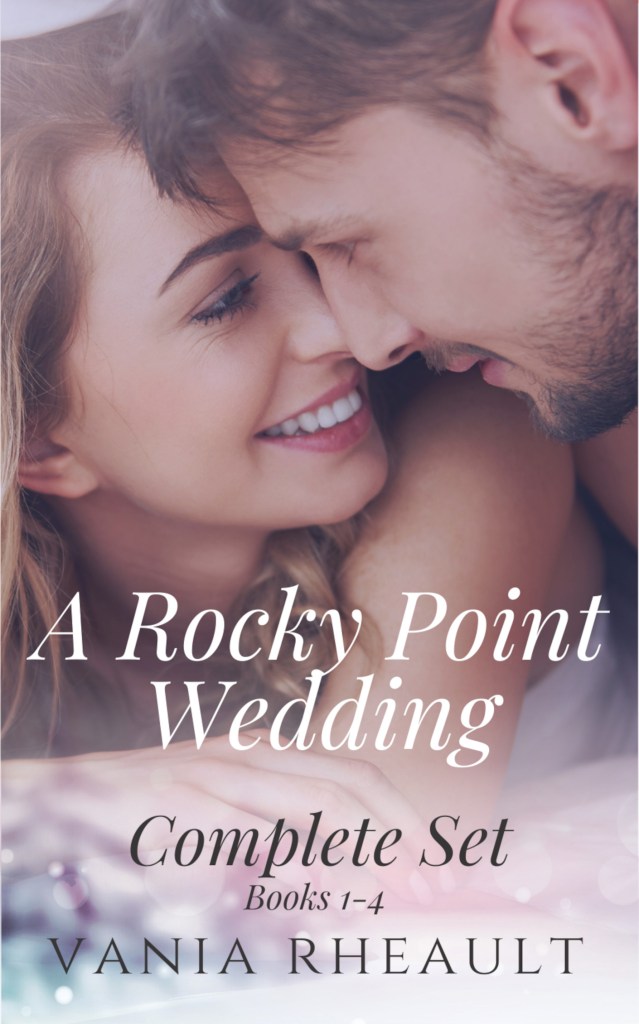
These are books under this name. It’s easy to see the trilogy belongs together, the three standalones and then the small town series. Amazon didn’t like they were in bed. Too bad. They did.

Write in a series, but also don’t tie things up –until the very last one.
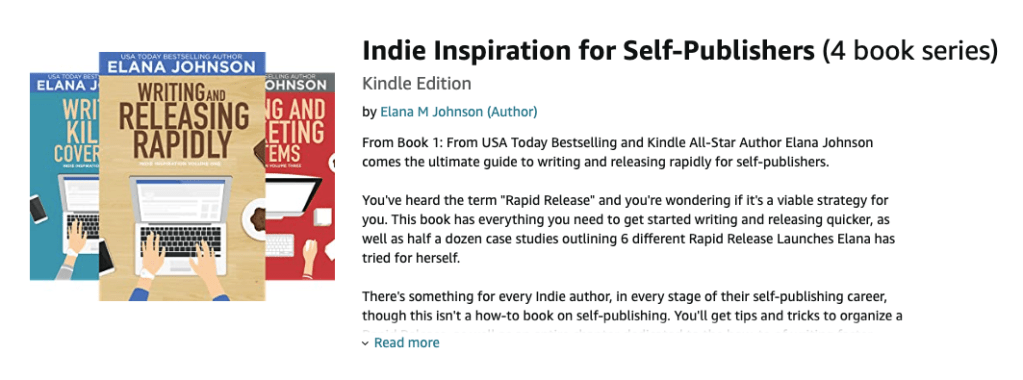
Elana Johnson calls these loops. You can end each book with an HEA, but with the overall plot, don’t wrap things up! This encourages the reader to read through your entire series to see how things finally end. With my small town series, everyone is in town for a wedding, and there are wedding activities throughout. The last book ends with the couple’s ceremony. What’s fun, the couple getting married isn’t even one of the couples featured in the books. They are background characters that help with the subplot of each book. That’s it. That might be a flimsy piece of tape holding the books together, but it was a fun way for me to end the series–with the reason why everyone was together in the first place. When Elana talks about loops, she doesn’t mean ending books on a cliffhanger, though it is well within your right and another marketing strategy you can incorporate into your writing. Elana has a wonderful series for indie authors, and you can look at the books here. I’ve read them all, and this isn’t an affiliate link.

Use your back matter.
When you write in a series, and the books are available, your Kindle can help you out by prompting you to read the next one. That can be a boost, but also, you want to take matters into your own hands and add the link to the next book in the back matter of the one before it. If you don’t write in a series, add a different book. If a reader loves your book, they’ll want to read more from you, and you might as well make it easy for them. Too many calls to action may confuse a reader, so you don’t want pages and pages of back matter asking a reader to buy a million books, sign up for your newsletter, and follow you on Twitter and Facebook. Choose the one most important to you, add it immediately after the last word of your book while they are still experiencing that reader’s high, and ask them to buy your next book or sign up for your newsletter. I have also heard that graphics work wonders and adding the cover along with the link is a great way to prompt readers to buy.

Introduce your next book with a scene at the end of the previous book.
This is one I learned from the writers in my romance group on Facebook. Say your novel is about Travis and Amy, but the next book is going to be about Rafe and Emily. End Travis and Amy’s book with a short chapter/scene in Rafe’s POV to get them excited for the next book. I haven’t started doing this, but the writers in my group give it 10/10 stars, would recommend as a great way to get readers buying the next book. Also, if you’re writing romance, readers gravitate toward those hunky men, so if you can, write from his POV. I’m definitely doing this with the trilogy I’m publishing in January, and with the six books that are with my proofer now, the third book ends with an HEA for that couple, but I added a chapter from the heroine’s POV for the next three books. I suppose I could have done it from his POV, but hers felt more natural, and I hope it will be enough to get the readers invested in her story and how the series plays out. You can do this with any genre you write in–if he’s a detective, maybe he stumbles onto a new case, or maybe something serious happens in his personal life. Whatever the case may be, add something that will entice readers to click on the link you’re putting in the back.

Bonus scenes for newsletter subscribers only.
I haven’t started this up yet because 1) you have to write the bonus content 2) I don’t know my newsletter aggregator well enough to make something like this happen, and 3) with my newsletter signup link already in the back, I’m giving away a full-length novel. If you don’t have a reader magnet, writing a bonus scene that is only available if readers sign up for your newsletter is a great way to add to your list and hopefully, the more engaged your list is, the more readers you have.

Looking at your entire backlist as a whole–or what you’ll be writing in the future.
If you think of marketing as an umbrella for your entire career, then think of advertising on a book by book basis. Marketing involves all your books, who you are as an author, and what your message is. That’s why so many authors want a logo–but attach feelings, emotions, and what you’re giving your reader in your books to that logo so they think of those things when they see it. It’s why soda commercials are always happy. They want you to equate having a good time with drinking their product. What do you want your readers to get out of your books? If you’re a romance author, an HEA, for sure, but what else? Is your brand a damaged hero? Found family? If you write women’s fiction, do you want your readers to expect a woman on a journey, or maybe sisters repairing their relationship? Best friends who have grown apart only to be reunited for some reason? Of course, that sounds like all your books will be about the same thing, but that’s not really the case. What is your theme, what is your message you want your reader to get from your books?

Publish consistently.
Training your readers to expect a book at certain time will help you build buzz as your readers will get used to your schedule. Figure out a comfortable schedule and try to maintain it. Once every 3 months seems like a good practice if you can keep up with that as you’ll never fall off Amazon’s 90 cliff. Also, if you’re writing a series, keep in mind readers don’t like to wait and you’ll have your work cut out for you if you can only release one book a year. You might just have to be resigned to the fact you won’t get the number of readers you want until all the books are released.

It’s a bit older now, but Jamie Albright spoke at the 20books convention a few years ago. She shared some good tips if you can only write and release one book a year.

Tweeting incessantly about your books isn’t marketing. Doing research on your next book before you write it, figuring out your comp authors and comp titles, doing cover research, and writing a good blurb is marketing. Running ads and buying promos to that book once you’ve written it is advertising.

It took me a really long time to figure this out–ten failed books because I genre hopped and was only writing what came to me. I didn’t publish on a schedule, didn’t have a plan. I’m still not publishing on a schedule, though I am going to try to aim for one book a quarter after my COVID stockpile is out into the world.

I’m getting a hang of this marketing thing, but it’s nothing you can achieve over night. I spent five years making mistakes. I’ll spend the next five fixing them.

Thanks for reading!


If you want resources on planning your career, Zoe York has a wonderful series of books that talk about that. You can get them here. https://www.amazon.com/dp/B082CZDK75

Sara Rosette also has a wonderful book on how to write series, and you can find it here. https://www.amazon.com/How-Write-Structure-Troubleshooting-Marketing/dp/1950054322/

Thursday Thoughts and Personal Update

I think it was two weeks ago I blogged a list of the things I needed to accomplish in the short term to get the ball rolling on publishing some books. I am happy to say that I’ve managed to check of quite a few of those.

I proofed the proof for Faking Forever, put the changes into Vellum, generated new files and corrected the mistakes on the cover/full wrap–more on that. I created a Large Print edition and ordered a new proof of the regular print and the proof of the large print. Since I never used to utilize the back matter of my 3rd person books, it was strange to add a sign up link to my newsletter to the back matter of these. I should add a buy link to the next book as well, but I’ll have to go back and edit those as I have books available. For now the back matter only has one call to action, and that’s to sign up for my newsletter. Organic sign-ups are the best though, so I will be happy if I get any from that.

To ease some of the pressure of learning Bookfunnel and how to segregate lists in MailerLite, I decide to forego offering a reader magnet for the moment. I can write something quickly, maybe after Christmas, but I was putting too much pressure on myself when really what I want to do for right now is publish a couple standalones and start getting my pen name out there. I don’t know how Bookfunnel works, and I need to figure that out and spend more time in the MailerLite dashboard to figure out who goes where when they sign up for what. It will help when I get some signups, and then I can see what happens. I don’t want anyone not to be offered a free book because I don’t know what I’m doing. Needless to say, I decided to sell the book I’d decided to use as a reader magnet, but once I get the ball rolling and familiarize myself with my newsletter I’ll write something else. It was a blow, but at the same time a ball of anxiety loosened in my chest. I know offering a reader magnet is the best way to entice people to sign up, and I will get to that eventually, but for now. I just want to focus on getting some books ready to publish.

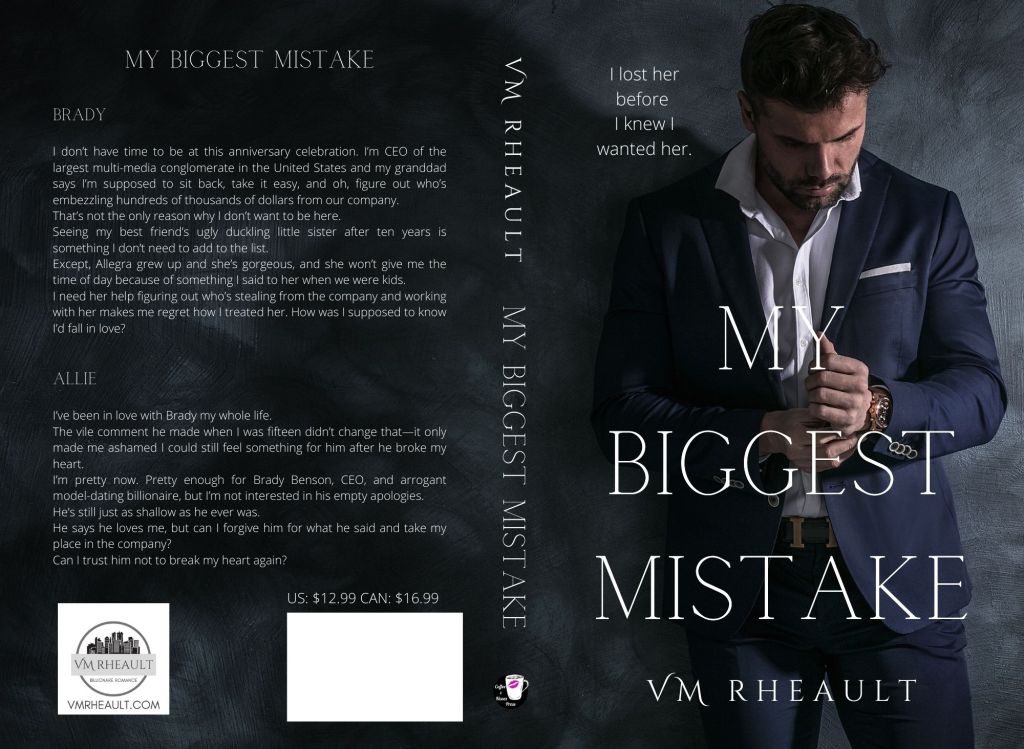
I also formatted My Biggest Mistake and did the cover. I have another blog post coming about this, but I asked for feedback on the blurb in my various FB writing groups. Here is the cover for this ugly duckling standalone, and the interior I formatted with Vellum:

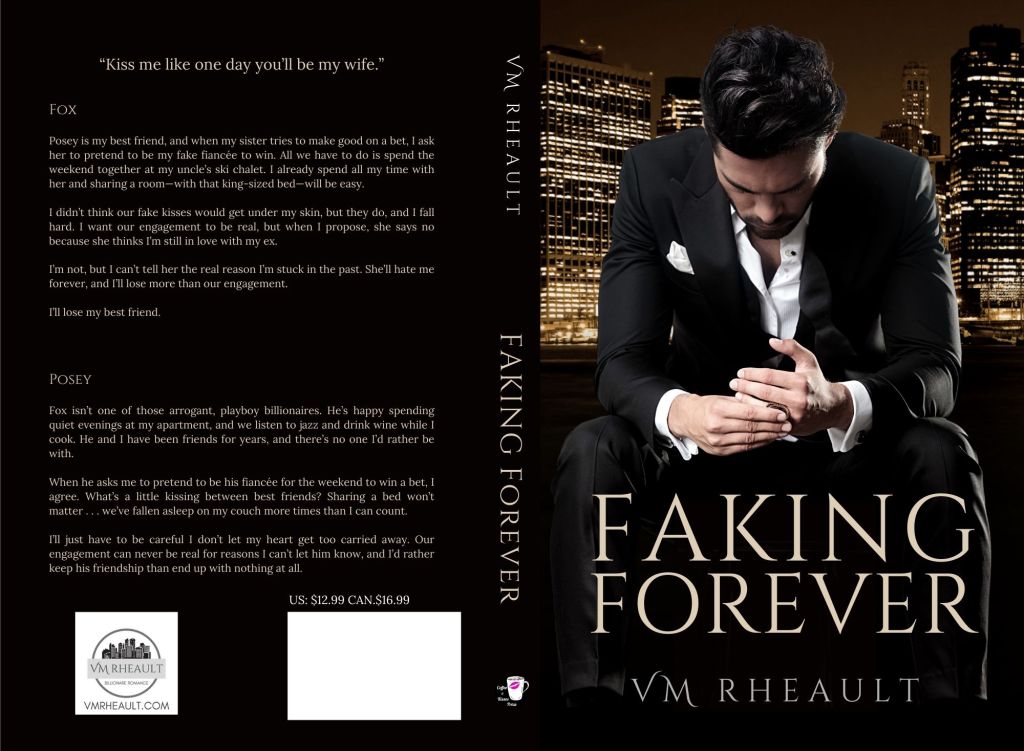
Probably I’m not going to be able to use a dark-haired sad guy looking down again, since he looks similar to the cover to Faking Forever:

Initially I had my name at the top, above his head, but since I’m trying to keep more of an idea of branding for my books and not having to go back and redo anything, I moved my name to the bottom. I think it looks nicer. The proofs I have coming will have my name at the top, but I won’t need to order proofs again for such a small change.

I have seen other photos of the two men, and they are two different gentlemen (with some stock photos, you never know), but I’ll have to keep this in the back of my mind and go for a different look for my next few books. That should be easy to do since after I proof the proof to My Biggest Mistake, I’ll be starting to (finally) edit and get my series ready that I wrote last year during the lockdown. I am really excited to take a look at those books with fresh eyes, and it will be a challenge to do six covers, a trilogy for Zane and Stella and a trilogy for Zarah and Gage, but have them all feel similar since the story reaches over all six books. I should do the smart thing and hire out, but I like the control, and with so many scammers out there, trust is hard to come by.

This week I’ve been taking a break–it’s hard not be writing anything, but the proof for My Biggest Mistake will come Saturday, and after that I’ll be jumping into a few months of non-stop work. I’m trying to enjoy the time off, but not actively writing anything, especially since I know what I want to write next, (and it isn’t a reader magnet) is a bit strange. I’ve been reading a domestic thriller I bought a few months ago and I need to format and do a cover for the box set of my wedding series. I think that is the biggest item on my list I haven’t crossed off yet. It’s not hard–just moving Vellum files over to create a large one, but it’s busy work. I need to make a mug of coffee one evening, put on some music and get it done. I don’t want to wait too long–the Christmas books are already starting to pop, and I think I could get some good KU page reads and sales, especially if I sell it at .99 from October until December.

They’re all in KU singly, but I haven’t gotten many reads on them in the past few months. In fact, I’ve stopped looking at my sales dashboard, and only keep an eye on my ads to the extent that they are breaking even. I was going to try to find a different couple for the front so I can run some ads to the box set, but I don’t know if it’s worth it. I tried looking for a different pose of the couple on the first book, but they are all in bed, or doing dopey things like being sad at a pregnancy test result. I could zoom in on their faces to take the “lying down” element out of it and see if that works, but as they are positioned right now, Amazon won’t let my ads go through, and it’s been very hurtful for the series as a whole.

That might actually work. It would be an easy fix to upload new ebook covers for books without having to change too much if the new cover could get through Amazon’s cover guidelines. All I can do is try to submit and see what happens. It would be nice to be able to advertise these this winter. I can add zooming in on their faces to my to-do list.

As far as health news goes, my infection is gone, but an ultrasound revealed an ovarian cyst that is making me feel not so great. So I have a follow up next month to see what’s going on with that. I’m not in pain, just a sense of discomfort most days and some bloating. I’m getting old though, so I suppose it’s to be expected.

I guess that’s all for now. Things are moving along, though this week slowly. It will be nice when things pick up. I didn’t want to start writing a book. Then I would be suck for six weeks while I finished it. I’m trying to convince myself that having a week off isn’t a bad thing, and today all I’ve done is take a walk and write this blog post.

Later I’ll be creating author interview questions for Nina Romano, and there will be a giveaway…I’m thinking for fall… so stay tuned for that in coming weeks.

Thanks for checking in! Have a great rest of your week!
Writing Themes: What do you want your books to say?

teal background with quote: if theme is the soul of a story, then characters are its beating heart by karen azinger

This isn’t really a craft post, more like a, “let’s dig into the messages of your writing and explore where they come from” post.

I listened to Lyz Kelley speak on Clubhouse the other night and she gave a really great talk on finding the messages in your stories and how you can build your brand and market your books off those themes.

Sometimes we don’t even recognize the themes we’re putting into our books until we go through our backlist and can pinpoint the themes and messages that have come up over and over again. Recognizing themes can help us when we have writer’s block and show us the way to new stories, plots, and character arcs.

Where do those themes come from?

Usually we put a little bit of ourselves into every one of our books. Our characters have our flaws and our dislikes and likes, or we give them stories that we wish we could have experienced in our own lives. When it comes to crafting characters we dig deep into our own emotional wells and create characters that are just as injured and damaged as we are. Sometimes they get a happy ending, such as if you’re writing romance, or sometimes they learn a life lesson that maybe you learn with them as they go along, like women’s fiction, or the hero’s journey in an epic fantasy.

What Lyz pointed out though, is that a lot of times our themes come from a trauma that we experienced, usually in our early teens. Unconsciously, that trauma pops up in our writing. When that happens frequently over the course of many books, you are finding the “why” of why you write. Not the generic why, such as you want to make readers happy or forget their problems for a while or give them a good beach read, but more of a deeper “why.” For example, for most of your life you’ve felt unloved and you want readers to know it’s possible to find love despite the odds.

This makes a lot of sense to me. Anyone who’s read my books knows that my characters have issues with their parents. They were abandoned, or their parents passed away when the character was small, or their parents are demanding and my characters scramble for parental approval. No matter what happened in the past with their parents, it affects who they are today, in their story. I write contemporary romance, so my characters’ relationships with their parents almost always affects their romantic relationships. Maybe if they were abandoned they don’t feel good enough to be loved, and that’s part of their character arc–learning they deserve love. Or they want approval and will do anything to get it, and that includes betraying their love interest or choosing their parent over the person they’re falling in love with.

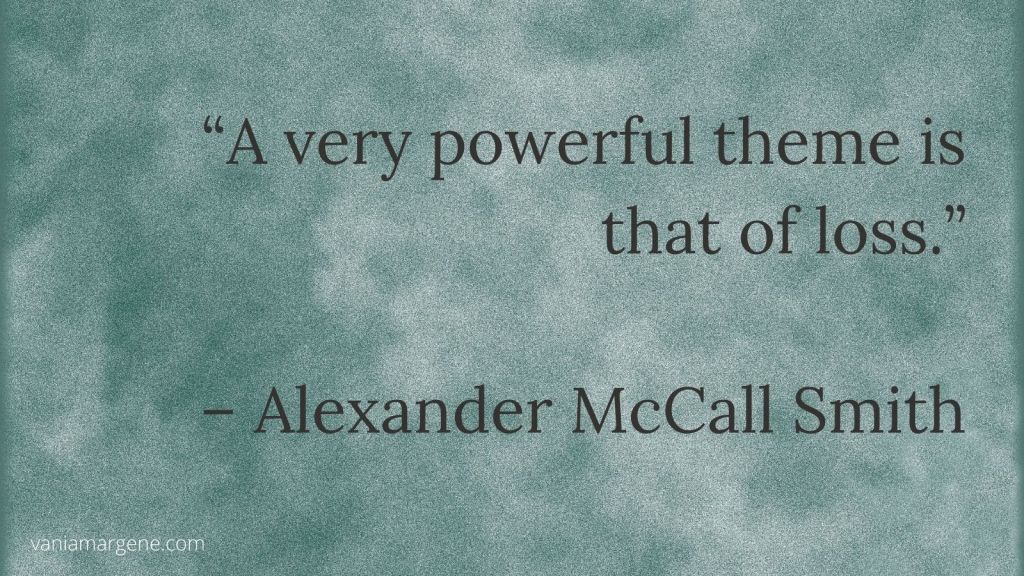
teal background with quote: a very powerful theme is that of loss by alexander mccall smith

It’s easy to pinpoint my why: When I was fifteen I knew my parents weren’t going to make it. They fought all the time. I was an only child and my mother experienced severe empty nest syndrome. She went on to have two more kids (sisters I’m very close to despite our age differences), but that didn’t save their marriage. In fact, it made things worse, and because of this, I have never touched the “a baby will save our relationship” trope. My father started having an affair with a woman he met at church and my mother took my sisters and moved to Florida, where she was originally from. She was very angry when she asked me to move with her and I said no. I’d met the man who would become my husband and didn’t want to leave Minnesota. She didn’t talk to me for over a year.

Because of other reasons that I don’t need to get into here, I haven’t been on good terms with my dad for many many years and my mother passed away from breast cancer eleven years ago this month. To say I had a poor relationship with my parents is an understatement and that comes out in my writing.

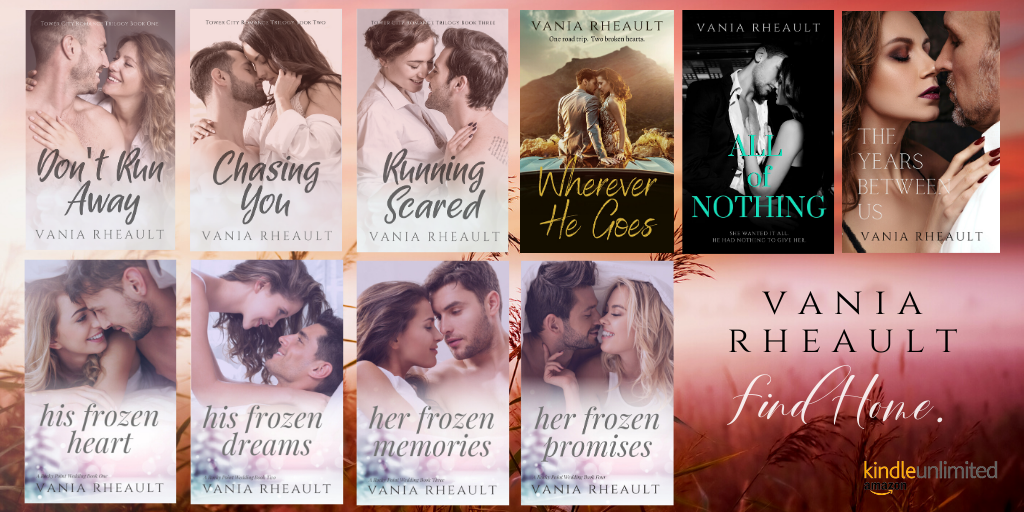
I can use those themes in marketing and branding my work. When I was writing my 3rd person books, my tag line was “Find Home.” My characters didn’t feel like they had a home a lot of time because of their relationships with their parents–in their past and in their present–and when they fell in love, they found the acceptance and love they were looking for that didn’t come from their mom and/or dad. I still carry those themes with me while I’m writing my billionaire romances. In the story I’m writing now, my male character, Dominic, has a very sticky relationship with his parents. His mother has never loved him, and it’s part of the plot as he finds out why. Because he grew up without his mother’s love, he’s strived to earn his father’s all his life, even doing things that are against his moral compass because he knows his father will approve of them. Most of Dominic’s character arc is going to be realizing that his father’s love shouldn’t have to come at a price–and that price is the woman he’s falling in love with.

Knowing what kinds of themes and messages you use in your books can help you from repeating plots and backstories. Not every character is going to have mommy and daddy issues, and I need to make sure I explore other areas for my characters’ development.

When you’re struggling with finding your themes or messages you want to convey in your writing, take Lyz’s advice and think back to when you were younger and what happened that molded you into the person you are today.

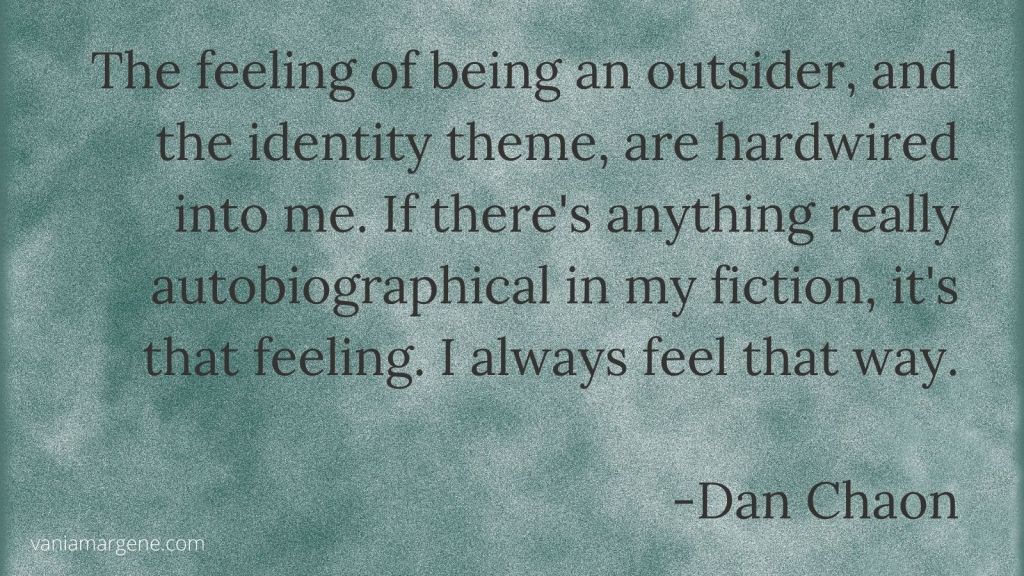
teal background with quote: the feeling of being an outsider, an the identity theme, are hardwired into me. If there's anything really autobiographical in my fiction, it's that feeling. I always feel that way by dan chaon

It’s funny because depression hit me when I was about thirteen. Mental health awareness wasn’t as prevalent as it is today and my mom didn’t know where to go to get me help (okay fine; she didn’t even acknowledge I had a problem). I cut for ten years and tried to commit suicide three times. I say it’s funny because even though depression affected my life for many years, my characters do not struggle with depression. My relationships with my parents have more weight in my writing than my mental health. I wonder if it’s because I’m no longer depressed, yet I still feel guilty for the way I treated my mother and for not moving with her when she asked. I often wonder how my life would have turned out if I had moved with her and not stayed in Minnesota. I’ll never know, but I put that melancholy and wistfulness into my writing.

So when you’re looking for themes or messages that you want to convey, look at your childhood. Maybe you didn’t have friends and now all your characters grapple with a friendship issue: they struggle to keep friends or their “friends” betray them. Maybe you have a disability and an event shaped your life and now your characters share that same disability. In Lyz’s example, an author’s theme is all her characters are curvy and her tag line is “Curvy girls deserve love, too.” Maybe as a child one of her parents told her to lose weight, or a boyfriend broke up with her because she wasn’t skinny. Things have a way of simmering in the background and manifesting in our writing in ways we never thought possible.

What are your themes? Why do you write? What kind of messages do you want to send to your readers? That it’s okay to have a mental illness? That it’s okay to have one best friend than a hundred okay ones? That you don’t need your parents’ love to be a functioning human being and that you yourself can be a good parent despite how you were raised?

I find self-exploration fascinating, but it’s difficult for some to face the demons of their past. Especially if they still affect you right now. I think though, that the more self-awareness you have the deeper you can explore your characters wants, needs, motivations, and in turn recognize what their stakes and consequences and rewards are. And knowing what ties your characters together will help you brand your books and market them to the readers who will want to read those messages.

Do you have any reoccurring themes? Let know!
Until next time!

Having Fun with Your Characters: Aesthetics

Sometimes I forget how much fun a writer can have with their characters. In the age of writing and publishing as quickly as possible, we forget that there is a lot we can do to help readers dive into the worlds we create and get to know the characters who live there.

I rarely do this because of the time it takes. Writing a character sheet or character interview isn’t too bad, but when you create an aesthetic you can drop down the rabbit hole of stock photos for days. There’s where I lose time, and eventually, if I can’t find what I’m looking for, I’ll give up and I’m angry about all the time wasted.

But these days there are plenty of opportunities for you to share a character sheet/character interview/aesthetic/mood board, and I’m changing my mind about investing some time in doing this.

I also think that this can help me as a writer: dig deeper into character motivation, what drives them to do what they do, why they fight for what they fight for and get to know them for the simple pleasure that they are my creations.

You can share a character aesthetic on your FB author page, your blog, newsletter, bonus material for newsletter signups, or Instagram. Anyplace really, where readers may find joy in getting to know a bit more about the characters in their favorite books.

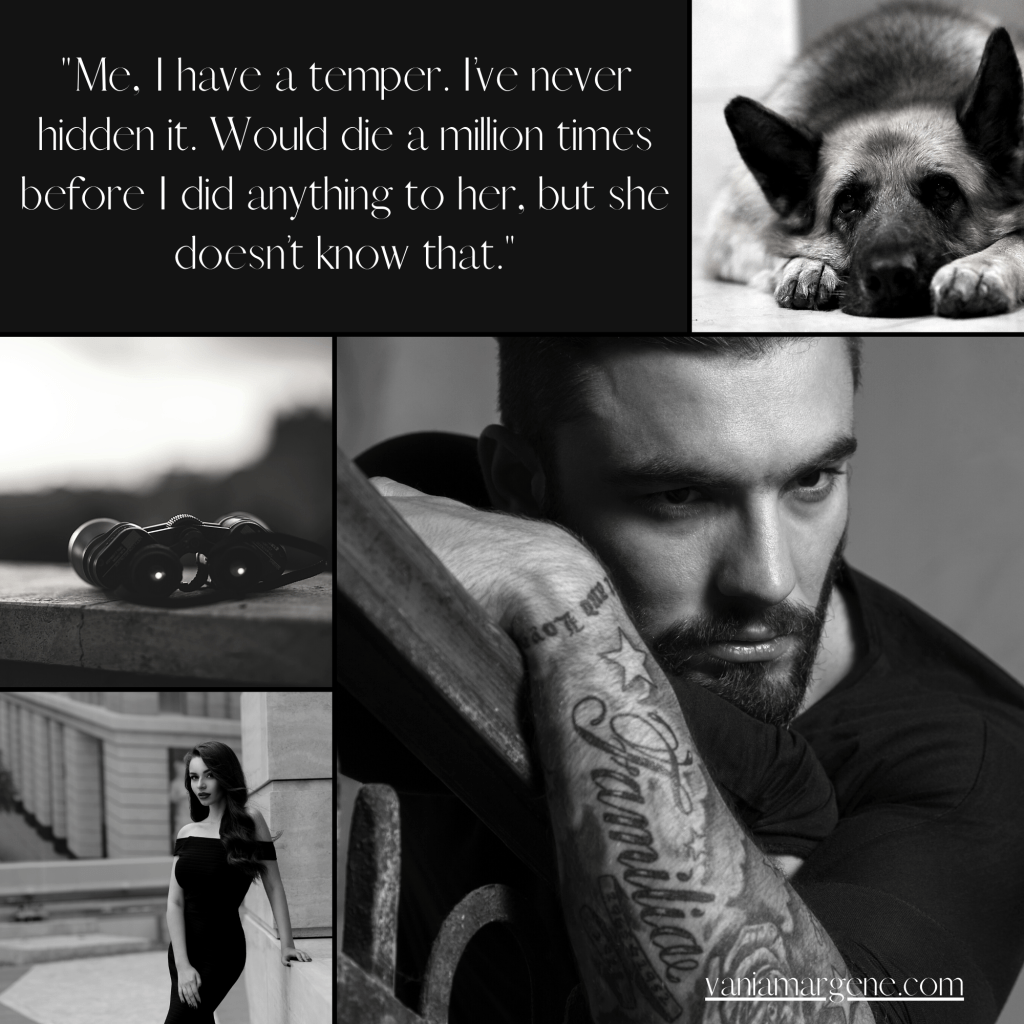
Using Canva, (look under elements and search grids) you can find an aesthetic grid where all you have to do is plug in the pictures. Save room in a box for a quote from your book that showcases your character’s true personality, or book’s release date, or other information you want to showcase.

You can also use Canva to make a character sheet and save it as a PNG or PDF but for today I’ll write into my blog post and use Canva to make Gage Davenport’s aesthetic.

Gage is my main male character in the second trilogy of my King’s Crossing Serial. Books 1-3 are for Zane and Stella, Books 4-6 are centered around Zane’s sister, Zarah, and her love interest, Gage. I love writing Gage. He’s mouthy, but so kind, and he loves Zarah from the second he sees her. Zarah has a lot of issues, though, and some baddies are after her, but there’s no better man to save her than Gage, a private investigator in business with his dad.


Gage Davenport

Age: 37
Occupation: PI in business with my dad
Lives in: King’s Crossing, Minnesota
Apartment or house: Apartment near the industrial park
Pets: A Husky/German Shepard named Baby
Favorite food: Anything that doesn’t give me heartburn
Vehicle: A brand-new truck that’s almost paid off
Love Interest: Don’t ask
Family: My parents are divorced. My half brother is deceased. My mother remarried to a guy who’s okay, but I’m not interested in forming much of a relationship with him.


Look, I only have time for a few words. I have to take Zarah back to her place, and you know how long of a drive that is. Two full hours on the road. The way there, I don’t mind so much, on the way back, I miss her like crazy, the pull of it stronger as the miles go by. Are we going to end up together? Doubtful. You know she’s rich, right? And I’m not. That usually doesn’t mix well. You’d look at me and think I don’t have any insecurities, but that’s a big one. That and I hate thinking about Pop not being around anymore. I got a lot of time before that happens, but Pop, Zarah, my dog, Baby, those are the big three in my life. Sorry, Mom. I know you miss me, but you’re only on my case because of what happened two years ago. Like I said, I gotta get going. These late nights are killing me. Ciao.

This didn’t take me as long as it could have. I used all Canva pictures because I’m not looking to make money off this aesthetic. Technically, they’re promoting my books, but I’m not using them for book covers. Like I’ve said in the past, I will always buy all my photos for my covers.

With this serial, I’m going to try to have more fun with it, take the time to post quotes and excerpts of all six books while I’m writing them, formatting them, etc. I don’t know if it will help with sales, but I’m going to do it because I love these characters, and I’m tired of writing book after book without taking the time to smell the roses, so to speak.

Do you make aesthetics for your books and characters? What do you do with them, and where do you share? Let me know!


Happy Thursday! Author musings, and holy cow, why is it so hot outside?

Minnesota has been going through a heatwave, and I’ve never been more glad than when I emailed our property management last week and had them look at our air conditioner. The maintenance man cleaned it out and now we hold steady at about 71F in our apartment. I don’t mind the heat, and I’ll go walk in it or run errands without bitching, but only if I can find some relief when I’m tired of baking my brains out. Trying to sleep when your bedroom is 85F is tough. And trying to write without any sleep is tougher yet. Am I right? First world problems at their finest, I suppose.

Health Issues.

I had a scare last week when a new brand of coffee made me sick to my stomach, and I mean, SICK. I drink a lot of coffee, and for a handful of days I felt so terrible I thought I had stomach cancer. Luckily I put two and two together and after I switched back to an old brand, I felt a lot better. I’ve also started wearing my splints again. I wear my elbow compression sleeves off and on to keep the nerves in my elbows in check, but I forgot about my wrist splints, and wearing those again have helped my pain, too. For a little bit, between my back pain and my stomach issues, I was feeling pretty miserable. But I’m back up to 98%, and as a friend said, after you hit 40, 98% is about as well as you can hope for. I know I’ll always have carpal tunnel issues, and like anyone else with a chronic health problem, it’s easy to get lost in a mini pity-party. But I took a walk yesterday and a cyclist zoomed past me on the trail. This guy had a prosthetic arm that attached at his shoulder, and it shut me up real quick. I’m sure he’d trade a bit of carpal tunnel pain to have his body whole, and it’s always a gentle reminder to be thankful for what you have.

Back to the writing part of it.

In writing news, I finished the second read-through of the last book in my first person trilogy. I’m so happy with this trilogy, and the writing went very smoothly. Now I’m worried about how the second trilogy is going to go, but I want to start writing the first book soon. While I write, I’m going to go ahead and format the first three (and hahahaha, do their covers) and order the proofs. There’s no rush to get these done. While I was going to do a pen name for these books, I’ve decided that yes, I won’t publish under Vania Rheault, but I don’t want to distance myself using a whole different name like I was thinking about. So I’ll publish these under VM Rheault. It won’t be a secret I wrote these, but I do want to keep them separated from my 3rd person books. I’m thinking more about my brand this time around and every book under VM Rheault will be a lot more consistent with feel and sub-genre than my other books. Not sure if this will help sales, but I’ve been sniffing around my FB groups learning, and it’s time to apply what I’ve picked up and see if it helps me too.

Last month, I ran a handful of ads to my Tower City Romance Trilogy Box Set and I got a few nibbles but no sales, so I shut the ads off. It included the sequel novella I wrote a couple months ago when I re-edited the trilogy, but because I didn’t sell any of the box set, I published the novella separately this morning. There’s no point in keeping it exclusive material for a set that’s not selling. I can throw some low-bid ads at the first book and see if anything happens. I have it set up as a paperback too, but the cover needs tweaking. I’ll do that later this week, I suppose, though I doubt anyone is going to want to buy the paperback. It won’t be worth the price. It’s a substantial novella as far as they go (29,500 words), but it was still too slim to put text on the spine (at least, KDP couldn’t center it correctly and I finally just took it off rather than fight with the uploading system on KDP and the PDF). But it will be available, so I guess it doesn’t matter in the end.

This morning I also set up a freebooksy for book one of my Rocky Point Wedding series. I was thinking about doing a Christmas in July type thing, so I was able to tailor the ad copy in that general direction. Whether it will hit or miss remains to be seen, but I have that set up for the middle of July and my free promo days are already set up on Amazon. I actually did okay buying a freekbooksy a couple years ago for the first book in my Tower City Romance trilogy. I made back the cost of the promo and then some in KU page reads, and I can’t remember how many downloads my book got, but I made it quite high (in the top ten) in the free steamy contemporary romance category. I’m hoping I do better this time around with an extra book and better writing. I haven’t calculated read through for my series yet, since the last book has only been out two weeks, but people are buying it, so I’m hoping this series has better read-through potential. I just checked because I was curious, and I noticed that the last book in my series wasn’t enrolled in KU. Sigh. I can only blame myself for not checking, and I hate to think what that has done to potential page reads when the first three are in KU and the last wasn’t. Everything else is, but at least I figured it out before the promo went live next month. Live and learn, folks. Live and learn.

Newsletters.

I’m still looking into starting my newsletter. I’ve decided to go with MailChimp since Jane Friedman and Mark Dawson use it. That was probably one of the hardest decisions because there are so many newsletter providers out there and they all have their own sets of pros and cons. But if heavy-hitters like Jane and Mark use MailChimp, then it should be good enough for me. I did have a newsletter set up with them a couple years ago, but I never sent out anything, not even to myself as a tryout. I wasn’t as research-savvy as I am now though, and I’ll be watching plenty of tutorials on how to set up a newsletter effectively. And I’ll probably need to blow off the dust on my author email account. I’m not worried about content, just the over all learning the platform and setting things up so my emails are sent smoothly. Everything is a learning process. I’ll also be typing out a novelette that I wrote at work over the course of a few weeks, and though it’s got kind of an ambiguous ending, I’m considering using it as a reader magnet. I have to type it out though first–20 handwritten pages front and back. I think that equals about 15,000 words give or take. Not terrible, and written in first person present, so it’s a lead-in to my pen name. Now I’ll have to look into group promos to build my list but that’s more research and a post for another day.


How is everyone doing? Getting stuff done writing-wise? This is a great tip from my friends Petyon and Scarlett on Twitter:

I would definitely encourage you to follow these lovely ladies on Twitter! Until next time, everyone. ๐Ÿ™‚