Monday Musings: Is Publishing Your Book like Letting a Bird Fly Free?

Happy Monday! This week is off to a great start! I finished my book yesterday, all 97,000 words of her. I know that will change in edits, and I’ll jump right into the first read through today! My characters have changed a little from the beginning to the end, and I want to clean up the discrepancies while they’re fresh in my head. After that I’ll let it sit, and go to work on the ugly duckling trope I got back from my beta reader/editor a couple weeks ago. While I jump into those edits I’ll get my MailerLite newsletter stuff up and going. It might take a couple of days to figure things out, but as Andrea Pearson says on the 6 Figure Author Podcast, once I take the time, I never have to do it again. Will I jump into a new book? Guys, I have 11 books on my laptop right now–all in various states of editing–from nearly-ready-to-publish to just-finished-yesterday. They include a six-book series I wrote last year during COVID, three standalones, and two books that will belong to another six-book series. Needless to say, all the standalones I’ve written, I’ve written with the intention of using one as a reader magnet, otherwise I never would have taken a break with the second series I’d started. But I NEED to start publishing these, so I’m going to try really really hard not to start writing another book, at least for a little while.


Taken from Jane’s website.

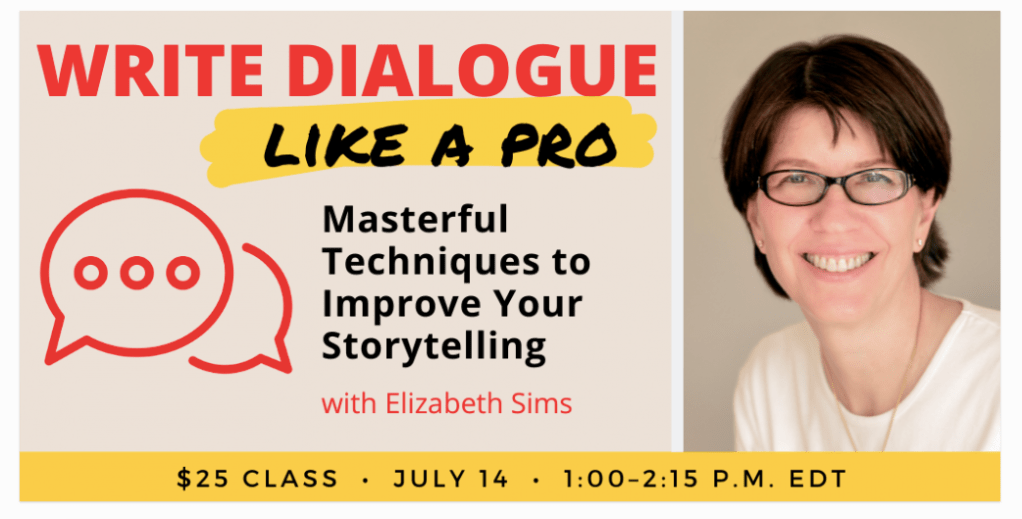
What else has been going on? There are a lot of webinars coming up in the following weeks, and one I’m really excited about is one hosted by Jane Friedman and Elizabeth Sims on writing dialogue. I love craft classes just as much as I love marketing classes and I’m looking forward to it. If you want to check it out, look here.


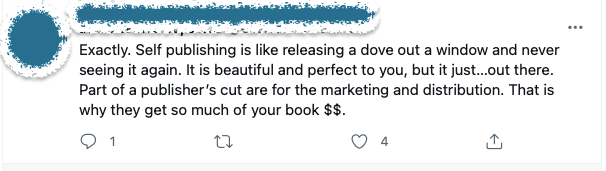
I came across this opinion the other day, and it kind of flummoxed me that a) someone could feel this way and 2) no one told her there are things you can do for your book and your business that won’t make you feel like you pressed publish and then walked away.

I’m an indie publisher, and never once have I felt like when I published a book it was like opening a bird’s cage and letting the little bird fly away, never to be seen again. Though I suppose that’s how it can feel to some authors when their book sinks in the charts and they don’t know what to do about it. My books may not be successful, and that’s my fault and my fault alone. Today I tweeted that you can learn just a good of a lesson from making a mistake as you can from making a choice that will bring you success. I know why my books aren’t doing well, and that’s why I’m starting a pen name and hoping to apply what I’ve learned these past five years into another five that are more successful.

What can this person do to make sure that when/if she ever self-publishes her book, it won’t feel like she’s letting a bird fly out her window? Here’s what I would tell her, and this is what I plan to do too.

Make sure your cover/blurb/title convey the genre you’ve written in, and make sure your story follows the genre guidelines that readers will expect when they pick up your book. This is more than just “writing to market.” If your book hits it out of the park with genre/plot/characters, readers of that genre will recommend your book to other readers. It all starts with the story and nothing else will get you word of mouth than a compelling story and characters your readers will care about.

Start a newsletter and put the link for sign ups in the back of your book. This was a big fail for me, and who knows where my career would be right now if I had started it years ago. Even if I had decided to go in an opposite direction, I could have asked my readers if they wanted to follow me in the new direction. Some may have, some might not have, but it’s better than starting at zero like I am right now.

Write the next book. Nothing sells your book like writing the next book. Don’t take a break (unless your burnt out, then take a vacation and celebrate all your hard work) and jump right into writing the next book, or if you’re like me and you’re stockpiling, get the next book ready to publish. I have found that rapid releasing doesn’t do much if you don’t already have readers hungry for your books. Until I find a fanbase, I probably won’t rapid release anymore. But writing the next book, or getting the next book ready, will keep your mind off your launch and it’s a much better use of your time than refreshing your sales dashboard every ten minutes.

Run promotions. I understand if you’re traditionally published this may not be something you can do or even something you’ll want to pay for with your own money (though rumor has it this is what your advance is for). You’ve given control to your publisher and what they will pay for is anyone’s guess. But if you’re an indie author, you can mark your book down to .99 or offer free days and buy promotion slots through Written Word Media like BargainBooksy or Freebooksy, or other promotional sites like Robin Reads and Ereader News Today. You can “stack” them (booking them at the same time) for a strong launch, or you can space them out and keep sales steady. Whatever you plan to do, booking promo sites is nothing like letting that bird go.

Learn ads. Even if you don’t have a lot of money, you can run low-budget, low-cost per click ads. While I don’t plan to write more 3rd person past contemporary romance anytime soon, I still run low-budget ads to my books. Without those ads I would sell nothing. Nothing. The two or three books I sell a day because of those ads are more than some authors sell in weeks because they don’t want to take a small risk to see what those ads can do for their book(s). If you’re confident in your cover/blurb/title/story, your ad spend will not be a waste.

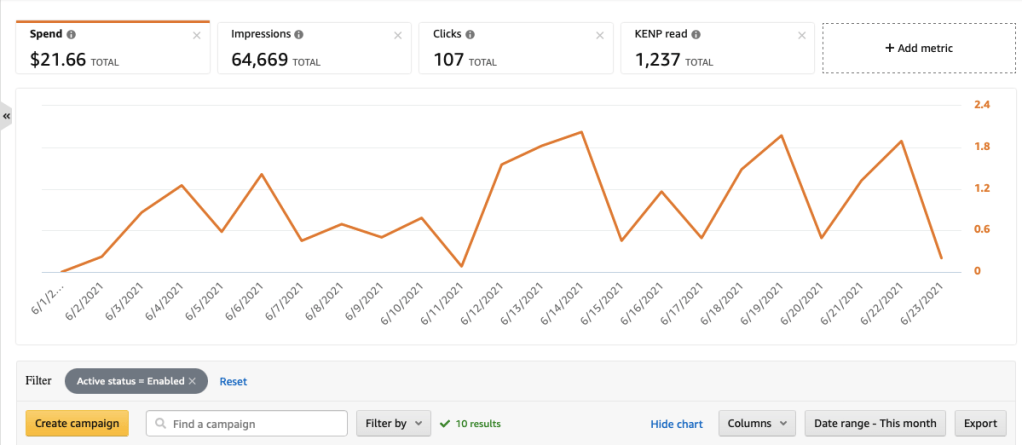
Just to show you that I’m not spending a ton of money on ads here are my stats for June (as of the 23rd): I have ten ads going, a couple for each standalone and the one Amazon approved for His Frozen Heart. (That was a fluke and anytime I’ve tried to create more they always suspend them because of the cover.)

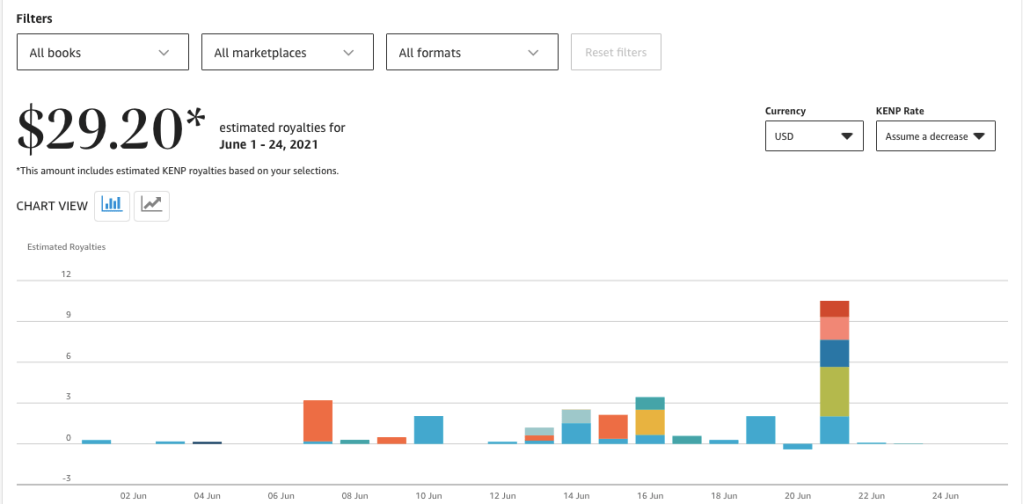
To date my royalties are:

I’ve made 7 dollars this month, but that’s 7 dollars more than I would have without ads and I’m finding readers. Maybe they’ll leave a review. Maybe they’ll tell a friend. Maybe the paperbacks I sold on the 21st will be passed around and a lot of people will read them. I could run more ads and I should refresh my ads with new keywords, but being that I won’t have a new title out under that name, I’ll just leave my ads how they are. That being said, if you’re actively promoting and writing, there’s no reason why you can’t learn an ad platofrm and see what happens. There are a lot of free resources out there and it won’t break the bank to do some testing. You never know. Your book could take off and your royalties will far exceed the cost of the ads. Which is the main goal anyway.

I don’t understand the mentality that once you publish your book is out of your hands. There are all sorts of things you can do to bring readers in. They may cost a little money, and some ideas, like starting a newsletter is a time investment as well. It’s why I’ve put off doing certain things–because the writing is always the fun part to me, and doing anything else is like going to the dentist. It’s a time suck but necessary evil.


Thank you for all the kind feedback regarding the Canva paperback wrap post I did last week. So many people found it helpful! If you know someone who could use the information, pass it along! I love to help!

I think that is all I’m going to post about for now. My carpal tunnel has flared up a bit, so a writing break will be welcome. I haven’t been sleeping well, either. Let’s say say three cats are two cats too many, but they are part of the family so there’s nothing I can do but take naps when I can.

I hope you all have a wonderful Monday, and let me know how you’re doing!

Until next time!

Thursday Author Updates, 3D Characters and Newsletter Aggregators

Happy Thursday!

Things are going okay, but as life happens, not everything can go smoothly. More on that!

My paid beta reader has sent back my ugly duckling trope novel and I’m going to dig into her notes as soon as I’m done with this current WIP. (I’m currently at 23k.) I can’t focus on two books at once, and I’d rather have my current WIP done before I switch focus to another book. I skimmed her letter and she noted a small problem with my MMC saying he seemed a bit flat to her. So while I finish my current “my brother’s girlfriend is forbidden” trope, I’ll be brainstorming how to breathe more life into him. I don’t think she’s wrong: I know that since I’ve switched over to 1st person present POV I have a bit of a problem connecting with my characters. I depend very heavily on dialogue to move my stories along and I need to explore how to dig deeper into characters’ thoughts, feelings, relationships, and hobbies, and possibly giving them more backstory to make their current story richer.

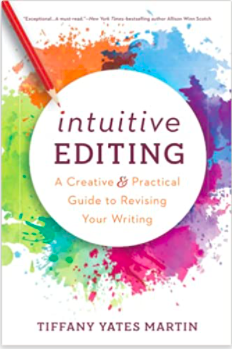
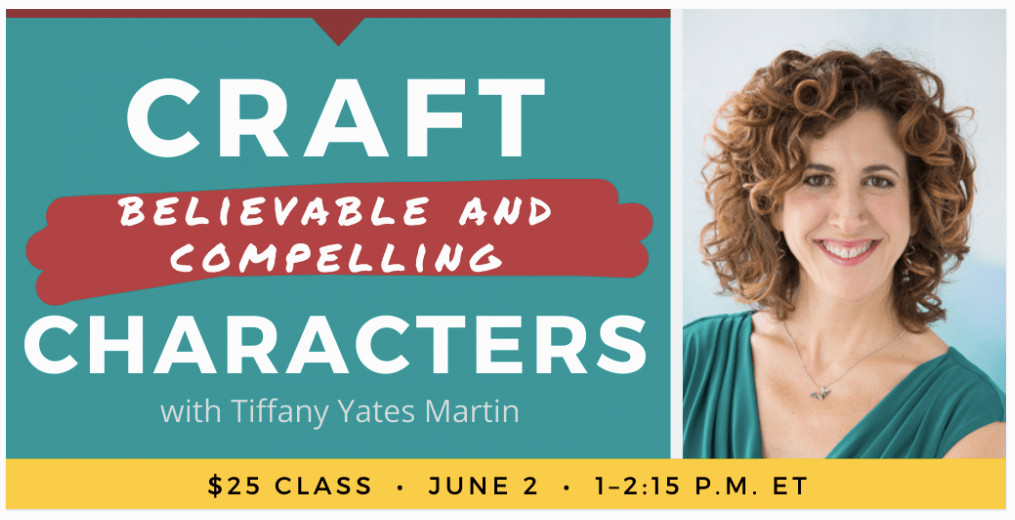
If you want to explore how to create compelling characters, you can check out this class with Jane Friedman and Tiffany Yates Martin. I love Tiffany’s editing book, Intuitive Editing: A Creative and Practical Guide to Revising Your Writing and I am on board with anything she has to say with regards to editing and writing craft. You can check out the class here. It’s only $25 dollars and well worth the fee, in my opinion. While I subscribe to Jane’s newsletter–and you should too–I have to to thank Sarah Lou Dale for tweeting about this class over on Twitter. I think I would have missed it otherwise. Thanks, Sarah!


In other news, I’m sure you’re tired of me lamenting on the state of my newsletter, or lack of one. While I think I have it figured out, too many choices will be the death of me, I swear. I just unsubscribed from one, (I think I got signed up by entering a giveaway or something) and I noticed she used ConvertKit. Recently, Jami Albright said in a podcast episode she uses Mailchimp. A friend on Twittter, Scarlett West, said she loves FloDesk, and Craig Martelle, whom I consider a freaking genius when it comes to all things indie publishing and from the 20booksto50k FB group and writer’s convention, uses SendFox. For myself, I created an account with MailerLite, not only because they give you the first 1,000 email sign-ups for free, they have a MailerLite channel on YouTube that will walk you through everything you need to know to get up and going. If their channel doesn’t click with you, there are several tutorials by different marketing experts that also go through MailerLite step by step. Maybe you don’t need that, and I think that’s great, but this is coming from a gal who watched hours of Vellum tutorials before I even opened my Vellum software when I first purchased it. Research nerd, anyone? So, while there are a lot of great choices out there, I think for now I will stick with MailerLite and not be tempted like a kid in a candy store.


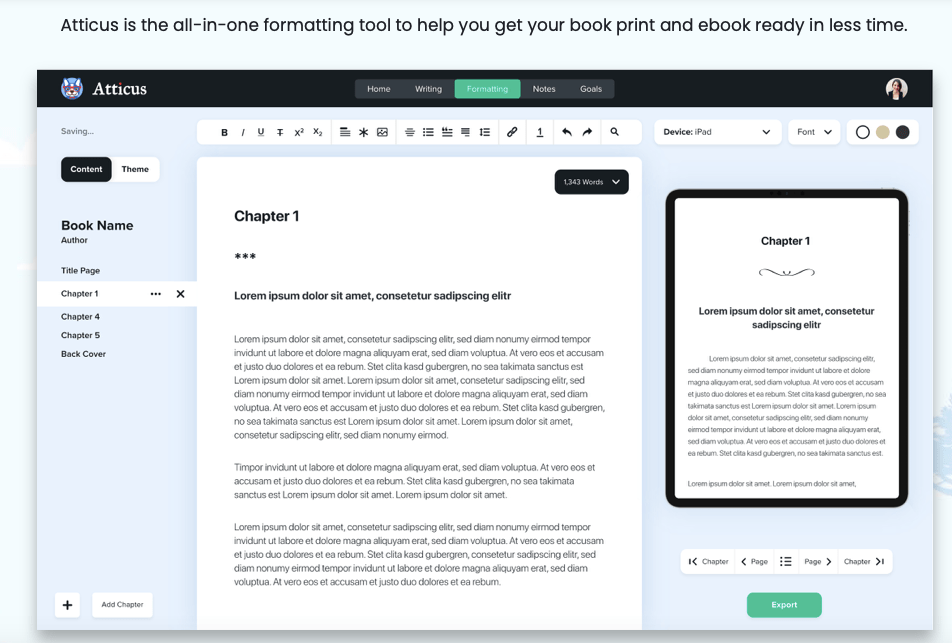
Graphic taken from atticus.io

Speaking of Vellum, another thing I wanted to let you know about in case you haven’t heard is that Dave Chesson is close to releasing his new formatting software called Atticus. It will be more than just a formatting software like Vellum–he says it will also work as a writing software like Word or Scrivener. It’s going to be half the cost of Vellum (ebook and paperback capability is $250.00 for lifetime, unlimited use right now) and will be available on all operating systems. (Vellum runs on Mac only.) You can check out the website here and sign up for updates! While I probably won’t purchase Atticus (I like Word and Vellum does what I need it to do), I think it will be a great alternative for those who can’t afford Vellum, or a Mac if you don’t already have one. My fiancé purchased a Mac back in 2018 for me because my Windows laptop just wasn’t cutting it for all I wanted it to do for my books. My Mac runs a lot better and faster and I will never go back to a Windows operating system. (I am an Apple girl at heart, anyway–I’d already had an iPhone and I love my iPad.) So stay tuned to Dave Chesson and his awesome software coming soon!


As for a more personal update, you all know I’ve been struggling with an infection that hit me in December of last year and I’m still dealing with today. I’ve been on four courses of antibiotics and this last one may have done a little more for me than previous prescriptions. Time will only tell as I just finished them two days ago, but fingers crossed that maybe I’ll start feeling better. I thought my body was taking care of it on its own, but that wasn’t to be the case. Anyway, I’m walking more, with a goal to lose a few pounds this summer, and going to a low carb diet. (Besides the mocha creamer in my coffee, of course!)

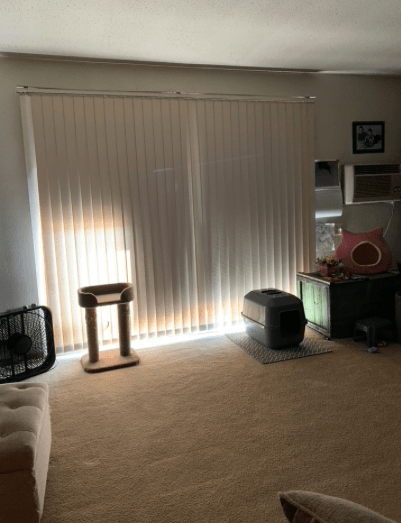
Another thing I’ve had to deal with is how hot it gets in my apartment. My A/C doesn’t work that great and I need to call our property management and ask that maintenance takes another look at it. I had them out last summer and they washed out the unit, and it worked better for about two days. After that I didn’t bother to call again because fall was right around the corner. But our A/C hasn’t worked well for years and this management company is a bear to deal with. I wish I could move but I’m stuck for the foreseeable future. I had to put up sun-blocking clings to our balcony windows because they face east and it can get soooo hot in our living room when the sun goes down (close to 85 degrees F). Hopefully it will help. If you need to try them where you live, you can look at what I purchased here. (This isn’t an affiliate link.) They were so-so to put up–my son helped me. We ran out, but we figured it would give the cats a place to still look outside. The clings can turn your space into a cave, though, so be prepared for that.

For better news, my daughter only has six days of school left, and it will be so nice not to have to bring her to school and pick her up every day. There is so much road construction going on in my city that I’m going to limit when I go to the grocery store to only and Walmart once a month for the summer. I hate dealing with road construction, especially since I’m not sure where you live, but it all seems so unnecessary. It’s ridiculous and while I’m not one to give in to road rage, I’d rather just stay home.


That’s it for the personal updates and what I have going on. Summer in Minnesota can be pleasant, or it can be hotter than hell and crappy to deal with. It’s nice when we have a bit of a mixture. I already have a sunburn from walking, but the cooler temps give us a little relief, too.

I hope you all are doing well and have a pleasant weekend ahead!

Mare of Easttown: A Character and Plot Study plus Author Resources. (Spoiler Alert!)

**Spoiler Alert!** I’m going to talk about the HBO Max crime show starring Kate Winslet, Mare of Easttown. I won’t give everything away, but if you haven’t yet started and want to keep all the details a surprise, skip this blog post. I won’t be mad. 🙂

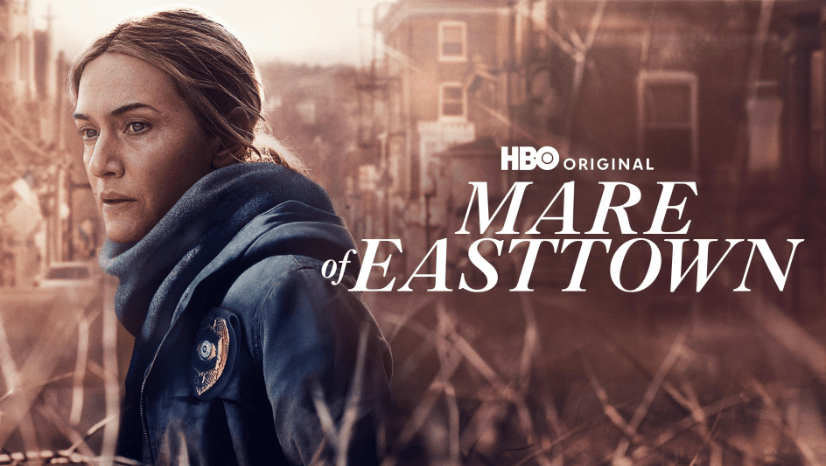
Photo borrowed from HBO MAX: https://www.max.com/shows/mare-of-easttown/c1517b80-50ab-4733-8208-ae2c2765c0e7

If you’re not familiar with the show, Mare of Easttown is about a detective played by Kate Winslet who lives in a rundown New England town. When a homicide takes place, she investigates. While it’s only on its third episode as of this writing, it didn’t take me long to get sucked in, and after every episode, I’m excited to get back to my own manuscript. Not many shows or movies encourage me to want to write, but Mare of Easttown definitely gets the creative spark going every time I watch.

Mare is a typical detective, and until you list her attributes and flaws, you don’t realize how cliche her character is to the police procedural, crime genre. Of course, that can be a good thing–you have to meet reader and viewer expectations. She drinks too much, though I wouldn’t quite call her an alcoholic. She has a tragic back story: dealing with the death of a child, the death of her father when she was young, and a divorce. Those are important because they make her what she is–a rough around the edges, but kind, character. She doesn’t let anyone get too close to her, and that includes her friends, her mother, and her remaining child.

The one thing that sets my teeth on edge, and I suppose you could consider that a good thing, as it’s eliciting some kind of emotion, is that her life would be a lot easier if she made better choices. Everything from her temper to the way she treats her friends and family to the way she drinks while she goes over evidence and police reports at home, it all makes me want to shake her and tell her her life doesn’t have to be this way. Probably, if she’s got a good character arc going for herself courtesy of the writers of the show, she’ll figure it out. What remains to be seen is how much she’s going to have to lose before she does.

Other facets of the show that are actually tropes of the genre are the out-of-town detective who is also assigned to the case because Mare isn’t doing a good enough job, her ex-husband getting remarried, and she develops a love interest with an outsider–a guest author who is teaching at the local college. Right away we see that the detective also assigned to the case is going to cause friction, though to my surprise it didn’t take many episodes for them to start getting along, but I was glad of that. Mare has so many other conflicts with her personal life that she doesn’t need to add any more in her professional life. Her professional life is already rocky as the Chief of their department, her boss, isn’t happy with her performance with a previous still-open case and that has consequences later on. Her ex-husband is implicated in the homicide, and of course, I would bet in one of the episodes that her love interest will also be implicated in some way. That’s just the way these shows and books go. Whether anything will come of it, we don’t know. Red herrings are what make this genre. The best writing is when everyone is a little bit guilty and the red herrings have a some merit.

I really like the feel of the show, how gritty it is, and we get a taste with the opening credits. It’s rainy, cold. There is no sun, and even if it’s not raining, everything looks washed out and old. You can tell right away that this is a poor town. Not enough money to go around–Mare lives with her mother to help share costs, and her mother is another source of conflict. I just cringe the way she treats her mother when I have so much regret with the way I treated mine before she died. Anyway, life is hard, and we see that in the way the sun never shines and everyone is walking around in a winter jacket frozen to the bones.

There would be a lot that goes into writing something like this–because at the heart of the show is the homicide that Mare has to solve. All the other stuff like relationships and how she deals with her losses, or how her family members are connected to the crime, they are all just obstacles she has to overcome or at least bury so she can do her job. As a casual consumer, it was fun to watch her and her new partner search a local park at night for shell casings and/or a stray bullet, but as a writer and one with zero knowledge of police work, I watched carefully how Mare found a chip off a building caused by a ricocheting bullet, and how she followed (imagined?) the trajectory to find the bullet buried in a tree. That’s tenacious, but we also get a glimpse that under the beer and vaping and personal problems, she is (was?) a good cop.

Under the heart of all of it is the police work, and it has to fit into the story as seamlessly as the rest.

Would I want to write something as involved as Mare of Easttown? I’m not sure. I like the romance part of writing, and I don’t think that Mare and her guest author are going to ride off into the sunset. That’s not the kind of show this is. My detective would definitely need a love interest, a serious one, but one that brings as many problems to her life as it solves.

The only things I know about police work are from the eight seasons of Castle that I loved to watch, but when you get into crime fiction like this, unfortunately, the devil is in the details. If real cops shot their guns as many times as Kate Beckett does in one episode, they’d be out of a job. No, I’d definitely need to dive deep into the world of police work, and besides enjoying watching Castle and Mare of Easttown, I’m not quite sure if that level of interest would fuel a book or a series like the one I’m reading now about Emma Griffin, an FBI agent by AJ Rivers.

If I wanted to write crime like this I would have to prepare big-time, and I would start with these:

1. Read Cops and Writers: From The Academy To The Street by Patrick J O’Donnell. When looking at resources, it’s important to try to find things that are current. Police policy and laws change all the time. You want to start off as close to this year as you possibly can, then you can research details as you write. This book was published in 2019. Not bad.

2. Listen to these two podcast episodes on the Self Publishing Formula. One is with Patrick J O’Donnell, the gentleman who wrote the book above, and Hollie S. Roberts.

3. Join the FB group that Patrick and James talk about. I’m not a member but it sounds like a great resource for writers. You can find it here.

4. Watch more shows like Mare of Easttown and definitely read more books. I started Big Little Lies on HBO as well, and that is also an interesting show where the plot revolves around a murder. I enjoyed reading the two detective books from Dea Poirier, and if I did decide to write in this genre, I would definitely dig up more. (No pun intended.)

5. I would have to decide if writing a series is the way to go or a standalone, and even these days domestic thrillers/crime are being written more in the first person POV as AJ Rivers’ and Dea’s books are. First person and third person both have limitations and would dictate how you write your books. I’m very comfortable with first person right now, but it’s not so easy to give another character their POV like it is in third person. They are a little old, but Tami Hoag’s detective series is written in third person past and they are based in Minneapolis, which I enjoyed.

6. I would buy a police scanner and listen to the types of calls that come in around my area. Not only would it give me a feel for the kind of crime that is committed in my city, but I think it would also spark story ideas.

7. Undoubtedly I’d want to make a contact at my local police department. It can be something as small as taking a tour, or something more involved as requesting a ride-along, but chances are good I’m going to need someone I can email questions to. Contact your the PR department for your local police department and ask how you can reach out to a police officer.

While I may never want to write crime/detective novels, there’s no doubt that there’s a certain dark romance to them that intrigues almost everyone. Whether I want to devote time to a new genre, that decision won’t come until much later. I have several things on my plate right now, but I’m going to bookmark Mare and come back to her time after time. Everyone can use a little motivation now and then, and she’s mine.

Until next time!

Thursday Thoughts: How fast do you write?

Happy Thursday, everyone! I hope the week is treating you well.

There isn’t much going on in my corner of the world. I’m close to finishing my fake fiancé billionaire romance. I keep saying I’m going to take a break from writing and do other things, things I need to do like set up my newsletter, but I always dive into another book. After this book is done and breathing, I will get my newsletter sorted out and go through the edits my beta reader will give me when she’s done with my ugly duckling trope I gave to her a few weeks ago. I’m going to have my newsletter link and welcome email ready for the back of that book and publish it as soon as it’s ready. That is my plan for the next couple of months, providing everything goes well.

I only say that because I’m still dealing with this infection and while it’s only a bit painful and uncomfortable, it still takes away my focus. With any health issues, minor or major, sometimes you can’t help but worry about what’s going on. Thinking I might have to live with this for the rest of my life (there are only so many rounds of antibiotics I want to subject my body to) causes me some stress, though thank goodness I don’t have the anxiety I had at the beginning of the year. I admire anyone who can write while they have health issues, mental or physical. I am doing my best to stay positive and keep writing, and hopefully, one day, this too shall pass.


On that note, I want to talk a little bit about writing speed. There’s been some talk on Twitter about quality versus quantity, and the majority agreement seems to be you can’t have both. I have to admit, this makes me a little cranky because as someone who has a lot of time to write, and uses that time, I do manage to write a romance novel of about 75k to 80k in about two months, give or take. Writing in 3rd person past tense was harder for me for some reason, and writing in 1st person present tense, the books seem to go faster. All that is besides the point though. There will be writers who take years to finish a novel, and there will be others who can finish a book in a month, or even a couple of weeks.

I think one of the main reasons we still think it should take time to write a book is because the traditional publishing industry only publishes one book a year by an author. (Normally. Nora Roberts’ publicist just mentioned on Nora’s FB official page that Nora writes four books a year. They have to go somewhere.) That is their publishing schedule, and we tend to to think they do that because the author needs that year to write the book, when in reality, that author probably wrote that book in three months, and it takes the rest of the year for edits, book cover design, formatting, and a huge marketing push before the book comes out.

With indie publishing, any timetable is non-existent. Write as fast as you want, publish when you want. Depending on the genre–romance, cozy mysteries–authors can write books quickly, send them off to their editors, hire out formatting and book covers, and keep up with a schedule that might seem grueling to some, but easy for them. That does not mean their books are crap.

I really resent anyone who implies my books are crappy because I can write them in a reasonable amount of time. There are writers who are faster than me. Lindsay Buroker averages 10k to 12k days (not weeks) regularly. Does that mean her words are crap? She’s a seven figure author. She’ll tell you her readers say, no, her books are not crap. There are writers who dictate and can write thousands of words an hour. Do I feel slow writing romance? Maybe. I feel REALLY slow knowing I haven’t published anything since early 2020 and I’m taking the steps I need to rectify that.

I could go into my daily routine and show you all my obstacles and how I write despite them, but you all know I’m divorced and a single mom of two human kids and three cat kids. I work full time. I do the shopping alone. I read fiction and nonfiction, write this blog, spend time with my sister, listen to podcasts, and go for walks. I still write 10-15k words a week.

If you have to belittle someone for using the time they have to write, you need to look at yourself and your own schedule. Where does your time go? What is your mindset? Where do you want your career and business to go and how fast? Do you think of your writing as a business or is it just a hobby? If you say you don’t want to write one day because you’re not in the mood and all you’ll write is crap, guess what? You need to write the crap before you write the quality. In quantity comes quality. It takes thousands of hours of practice to master anything. If you don’t put in those thousands of hours, you won’t have the quantity and your quality will suffer. I learn something new about myself and my writing every time I write a new book. A writer will never stop learning, and every book he writes will be better than the one before. That’s quality and quantity in a nutshell.

Craig Martelle did a 5 Minute Focus on the topic of quality. You can listen to it here:

So please stop sneering at the people who write quickly. It doesn’t mean their books are terrible. There are going to be terrible books out there. A debut novel will never sound as good as that author’s tenth, even if they worked on it for five years. I’ve clocked a lot of hours writing, a lot of hours going through beta readers’ notes, and editors’ comments. I write. I learn. I write some more. I’ve earned a two-month book.

If you want to increase your speed, here are two great resources! Check them out. 🙂

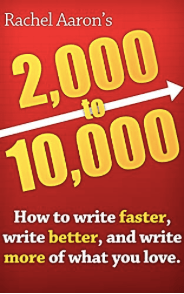
Rachel Aaron’s 2k to 10k: Writing Faster, Writing Better, and Writing More of What You Love is a fabulous resource.

Photo grabbed from Amazon.com

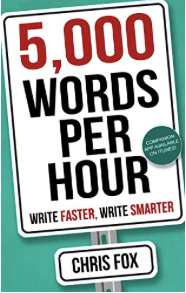
Also, Chris Fox’s 5,000 Words Per Hour will help you boost your word count.

Photo grabbed from Amazon.com

Chris also did a really fun interview on the Six Figure Authors Podcast where he talks about writing speed, making your writing time count, and writing to market. I love listening to him speak, and you can listen here:


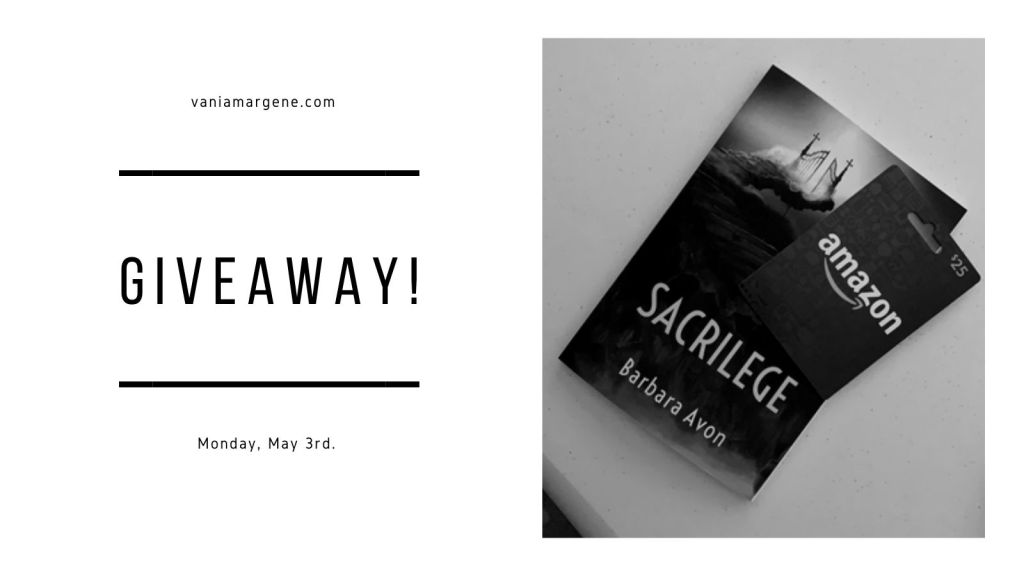
And last, but not least, I’m formatting interview answers by the lovely Barbara Avon! She’s been writing and publishing for a little while now and she has some great advice when it comes to navigating the indie publishing world. I’m also giving away a paperback copy of her book Sacrilege and a $25 dollar Amazon gift card. That interview will show up on Monday, so check back and enter!


That is all for now, I hope you have a lovely weekend! Keep writing!

Until next time!

Thursday Updates: Indie Publishing’s Reputation, and more.

Lately, I feel like I don’t have time to get anything done. I’ve been doing a lot of vet stuff for my cat–she ended up going to the animal ER because the antibiotics she was on a couple weeks ago didn’t work. She’ll need to be on special food for the rest of her life and that is going to be a long, hard road (especially since she’s only three years old). She’s on pain medication now and another round of antibiotics, but time will only tell if the special diet will take care of her bladder issues. It’s been a little time-consuming, and I haven’t gotten much done on my next project as I’d like.

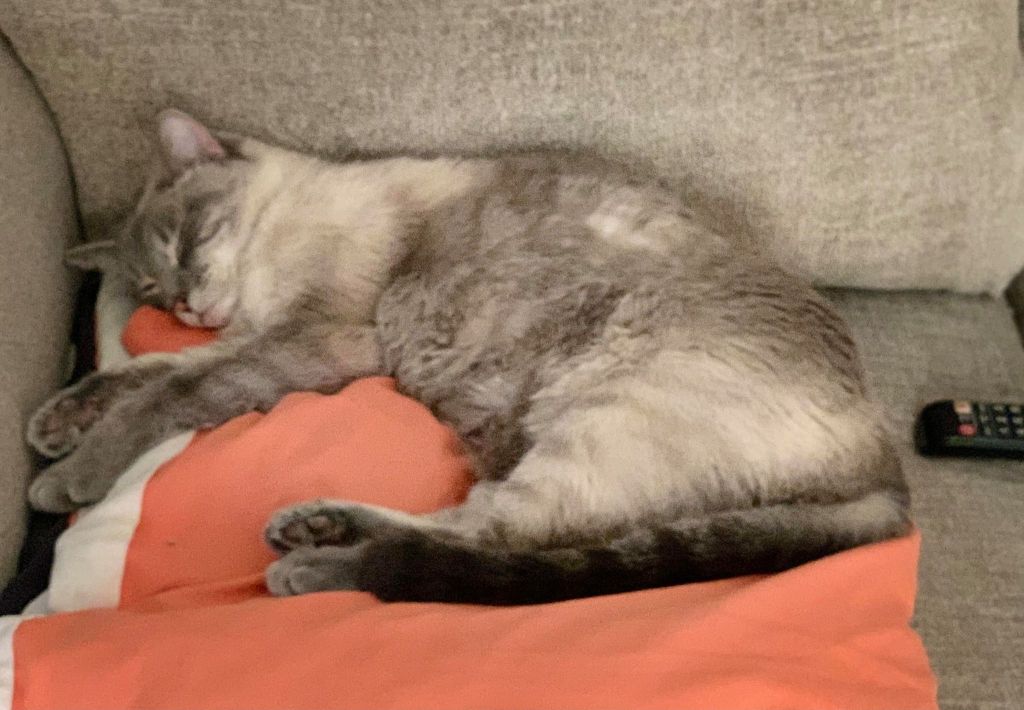
Here’s a picture of her sleeping after a dose of pain medication. She matches our couch almost perfectly.


In other news, I did start a new project, and I chose the “fake fiancee” trope. He needs a fake fiancee to win a bet, and we’ll see what happens. I’m 10k into it. I wanted to try a fresh take on the trope and tried to think outside the box. I didn’t want my hero to need a fiancee to inherit a boat-load of money, or to appease a dying parent. A bet may not be that original, but with his backstory, and why my heroine needs the cash he’ll pay her, I’m hoping this story will be something new that readers will enjoy.

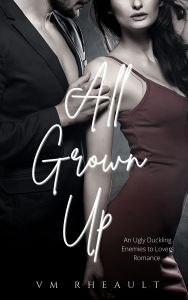
I’m still not sure if this will be the cover for my ugly duckling romance–I need to work shop it in a covers group on FB and see what people think. I like it, though it’s not exactly what’s out there right now. (Mostly a single guy in a suit looking ticked off with a bold font.) I’ve shown it off before on the blog, but this time I’ve zoomed in on the couple a little more. I love the font, but maybe going with something more easily read will be the end result. Or I could be trolling Deposit Photos and find a completely different couple. Who knows?

While I’m doing that, I sent it to my (paid) beta reader, and she’s going to do her thing. I’ll format it myself in Canva, and I still need to learn MailerLite. I know, I know.

If you want a list of fake relationship books, BookBub put one together, and you can find it here.


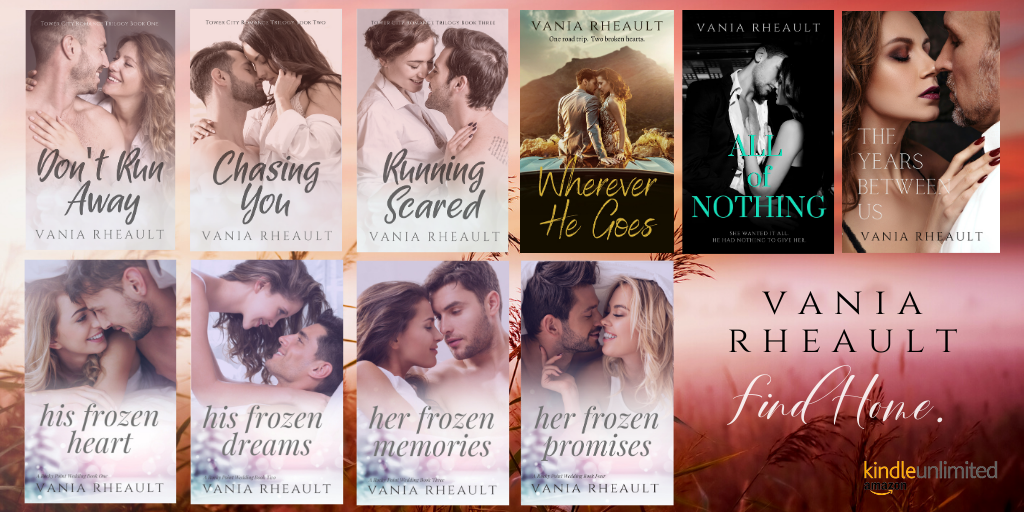
I finished reading another billionaire romance the other day, and I have noticed some things that bother me while I’ve been reading through the top 100 on Amazon. For one thing, the characters are really young, and I touched on that subject in a previous blog post. In the book I finished reading, the hero was 28 and the heroine was 21. The book takes place over the time span of a year and a half, which makes the heroine roughly 23 by the end of the book, and at the end, she’s having a baby. I don’t know about you, but at twenty-three, I wasn’t thinking about babies, and the end of the book felt false to me. A happily ever after doesn’t always have to include children. In fact, because of their histories, some of my couples have agreed not to have children, even though they are old enough to want them and afford them. I’ve been guilty of giving my couples pregnancies–she ends up pregnant at the end of The Years Between Us and All of Nothing. There is a lot of baby talk among my characters in my Rocky Point Wedding series, but for the most part, they are agreeing they don’t want (biological) children. I’m not saying couples who want kids at the end of romance books are not to my liking, but when the characters are that young, I’m almost wincing with dismay. Live a little first, figure out who you are as a couple without kids. Sound advice, even in real life. This is only an opinion, but if an author wants their characters to start a family right away, it would be simple to age them up to an appropriate age for that.

My characters fall between 35-45 years of age, for the most part. In The Years Between Us, she was younger, only because the trope was younger woman/older man. The first person present series I finished that I’ve been sitting on for the past few months, they are younger, but they don’t talk about babies. It’s been a bit of resting for me with that story, but if I remember correctly, they don’t talk about babies at all. I like babies, in real life, and in books, but I think it helps the relatability and realistic factors if the characters are actually old enough to want to have them. What do you think?


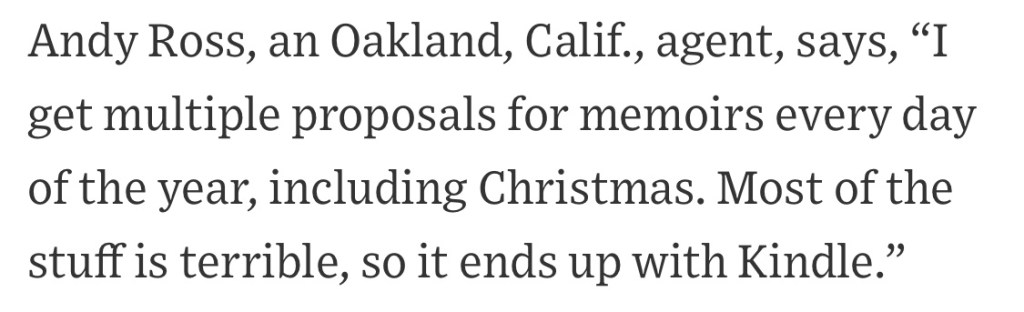
Just one last thing I’m going to touch on in this blog post. I was on Twitter the other day and came upon this Wall Street Journal article: An Epidemic of Memoir-Writing. The lockdowns have spread of virus of non-memorable life stories, by Peter Funt. It wasn’t that this is ground-breaking news. Even in the fiction community, output of authors rose exponentially during the pandemic and saturated indie publishing. But what I found interesting was this grab from the article: “Andy Ross, an Oakland, Calif., agent, says, ‘I get multiple proposals for memoirs every day of the year, including Christmas. Most of the stuff is terrible, so it ends up with Kindle.'”

Guys, we’re never going to get past the stigma of indie publishing if we don’t start putting some effort into the things we publish. Indie publishing will always look like a last resort for people who don’t take the time to polish what they have before publishing. This is really disheartening to read because most authors I know do put 110% of effort into everything they publish. Writing is hard, and you can’t do it alone. You need critique partners, beta readers, editors. You have be willing to ask for and process feedback, whether it’s negative or positive.

If you want to learn more about writing a memoir, you can look here. Reedsy just happened to pop something into my email today and I’ll share it with you: What is a Memoir? True Life Stories, Minus the Boring Parts.

That’s all I have for today! Enjoy the rest of your week, and have a wonderful weekend!

Monday Musings and Happy March!

I don’t know about you, but to me, these past two months flew by! March can be the crappiest time of year in Minnesota, but if we can get through the month without a blizzard, that would be wonderful. Spring lands on March 20th, and we have daylight savings this month, too, on the 14th, when we go back to lighter mornings and darker evenings, for a while.

My goals for March are mostly the same as every other month. Work hard on my books, try not to stress too much about things I can’t control, wait for it to warm up. I don’t have much going on in my life where I measure time by an upcoming event. Life slips away while I work, write, spend time with my family and friends. I wonder if I feel some discontent because my characters talked about this not long ago. “Do you ever think, this is all there is?” she asks. And sometimes that’s me. Is this it? Would I be happy if it were? What am I working toward? They say happiness isn’t a destination, it’s a journey, but you still have to know where you’re going. All those who wander are not lost, but you still decided to put your foot on that path and take the first step, right?

I guess I’m just a little reflective because of the past couple months. I’ve had a hard time transitioning from work to working from home, my cat, even though he’s on medication, still won’t let us sleep, and I’ve been dealing with a sensitive health issue. There is good news on that front, and I’m on an antibiotic now. I hope I can start feeling better. I’ve been dealing with this for eight weeks. Please don’t ever let a doctor tell you you’re okay if you feel like you’re not. The third doctor I saw finally found the problem (hopefully) and I would be dealing with something potentially dangerous if I had given up. Plus, I have a mammogram scheduled for tomorrow (Tuesday), so I am taking my health seriously from here on out. While I won’t turn this blog into a health and diet diary, I am on a mission to lose a little weight, and I hope now with warming temps on the horizon that will be easier.

On that note, what else have I been thinking about lately?

We can’t please everyone. No one knows that better than an author. A while back, I signed up for Derek Murphy’s newsletter and in one post he talks a little bit about his new book Book Craft. It turns out the book that I like very much a lot of people don’t. It’s difficult when you put your heart and soul into something only to be told it’s not good enough. We do that all the time when we publish and always, without fail, there will be someone who has to say that they don’t like it. Sometimes they’ll pick it apart bit by bit–the review is longer than the book itself! That’s why authors are told not to respond to reviews. It’s not worth it. If you want to read the blog post where he talks about his book, look here. While he had a pragmatic approach to looking at the bad reviews, it still makes me feel bad he’s going through this.

So, yeah, we can’t please everyone, and we’ll only hurt ourselves trying. All of you know about the kerfuffle with a certain author I had over the weekend. I don’t go for click bait, nor do I want to stir the pot like Jerry Springer or Perez Hilton. I don’t need the drama for the views, prefering to give my readers useful information. This isn’t a gossip blog. I want to share my experiences with writing, publishing, and marketing, my opinions on what’s going in with the industry. I’m not going to change what I like to write about because I make one or two people unhappy.
That being said, I’ve come to realize that there is a dark side to indie publishing, and it’s not just the bookstuffers trying to make an extra buck in KU, or the authors using ghostwriters who plagiarize. When I decided to publish my books, I had no idea this other side existed, and now that I know it does, I’m going to stay as far away from it as possible. It shouldn’t have surprised me there’s a dark side because there’s a dark side to anything. I’ve heard about the dark web, and the dark side of Twitter where only the accounts with hundreds of thousands of followers are allowed to go. When authors start making millions of dollars a year publishing books, they are elevated to a stratosphere many of us can only dream of, and with software like Publisher Rocket, that information is available to us with just a few clicks of a mouse. (And I’m beginning to think that’s information we shouldn’t have.) Where authors have the power to tear down another author out of fear, jealousy, or spite. Where an author can destroy another author’s career simply by siccing their fans onto that author’s Goodreads profile and trashing her books.

I entered this industry thinking everyone is kind to everyone else, but I guess when you’re making millions and your livelihood is at stake, you’ll do anything to protect it. We hear all the time that people will say if they find some kind of success that they won’t let it change them, but of course we change. We may just change for the better, when some people change for the worse.

Like a lot of my blog posts, I’m not quite sure where I’m going with this. I beta read, I edit, I format for others when they can’t afford to do it for themselves. I give back and I don’t keep score. I would like to think success won’t change me–if I find it. Entitlement is nasty, and this pandemic brought out the bad side in more than a few people. I’m blessed with what I have and I’m saying I’m sorry to everyone who reads this blog that something I wrote was taken the wrong way and my post was dragged unnecessarily through the mud. It’s not what I want for my blog, or the readers who loyally come back every week to see what I have to say.

We can’t please everyone, we can only control our response and move on the best we can. I have a lot of things to look forward to, and I hope you do too!

Happy Spring, everyone! Until next time!


She flicks a glance at me. “Do you ever wonder if this is all there is?”

“What do you mean?” I shift in my seat, suddenly uncomfortable. 

“Like, this is it. Work. Dates with people who don’t mean anything to you. Won’t mean anything more. Can’t, really, because they’ll never understand you. More work. A party here and there. It all feels so, I don’t want to say useless, but I want my life to go somewhere. You know?”

“You mean you don’t want your life to be one big party?” I can’t keep the bitterness out of my voice, and she catches it, loud and clear.

She turns in her seat and meets my eyes, her irises blazing in the firelight. “You think all of us have let you down.”

Christ. Talk about not beating around the bush.

“Yeah, yeah, I do.”

“I can see why you would think that, but don’t you also think that we’re allowed to go our own way?”

“Why? I wasn’t.” 


Learning Craft + Feedback

On Monday I had guest author Sarah Krewis on my blog and she talked a little bit about the importance of learning craft so you can put out the best book you can when it is time to publish. She mentioned the Centre of Excellence and the writing modules they offered. In a private message I asked her if an instructor gave out critique and she said not in a way that I would probably want, which led to the topic of feedback.

You can learn the craft all you want, read all the books, take all the online courses you can afford, but at some point you’re going to need feedback on your work. We don’t like to ask for feedback because it hurts when we hear that our writing isn’t as perfect as we want it to be or thought it was. But you have to keep an open mind when people are reading your work and be receptive to the idea that your work needs, well, work.

If you want to see a cute little Venn diagram, an author’s process should probably look like this:

This isn’t the best, spacing it out was a pain, but you get the idea. Feedback and reading are just as important as the writing part of the craft. I know authors who read read read and prefer to hide from their own writing by reading other authors instead. I know writers who write write write but don’t ask for one ounce of feedback. Then there are others who thrive on feedback and implement every single little change, but then that leaves no room for moving on to other projects because they’re looking for perfection they probably aren’t going to find.

I’m not perfect–I don’t read as much as I should, but I am open to feedback and I hired my first professional beta reader this month.

Where you do find feedback? Before the pandemic, looking locally was easy. A call to your public library probably would have hooked you up with some local writers and maybe a NaNoWriMo group that met up at a coffee shop on Thursdays. But since everything has moved online and to Zoom meetings, it might be a little harder for you to find something in person. That might not be a bad thing for us introverts, but putting yourself out there is the price we pay when we said we wanted to be an author.

If you want a professional opinion, hiring a paid beta reader may be the way to go. They will give you more than “It was great!” They dig into story and characters. I’m using Mary Dunbar, and you can find her website here. She doesn’t list beta reading prices because she said she’s just been thinking about adding it to her list of services. Contact her through her website and ask if there is way she can help you with what you need. She’s an editor, too, and she critiques queries. I’ll be blogging about my experience with her in later blog posts. Another paid beta reader that I may use in the future is Kimberly Hunt from Revision Division. I’ve gotten to know her on Facebook and she’s gotten positive reviews. You can find her website here.

But if you’re a newbie writer, you may not be ready for paid services, and that’s okay. That’s where networking and forming relationships with your fellow authors comes in. It’s really important that your beta readers read and write in the genre you’ve written in. That way they can identify the tropes and tell you if you’ve hit the mark or if you’re too far off the path to keep your readers happy. There are a lot of FB groups that you can join and once you get to know a few people you can put it out there and say that you’ll beta read in return. As the diagram above shows, beta reading for someone else can be just as valuable as the the feedback you’ll receive.

What are some tips when it comes to finding and accepting feedback?

  • Know what you want. A beta reader reads your book after it’s finished. Some will point out typos, grammatical errors, etc, but you may not be in a place for that and just want general feedback. Let your beta reader know you want overall feedback like plot holes and character arc opinions and advice. An alpha reader reads as you write it, say chapter by chapter. They make sure you’re steering your ship in the right direction and can catch inconsistencies as you go along ensuring by the end of the book you don’t have a huge plot hole making you scrap half the book. It’s up to you and what your skill level is at and what you feel you need.
  • Remember you don’t have to take everything to heart. If you already know your plot, you don’t have to accept advice that’s different, unless you like it and think it will make your book better. We all have ideas and you can give six writers a writing prompt and come back with six different stories. It’s always going to be your book, but if your beta spots a plot hole and you choose not to fix it, that’s on you.
  • Don’t have too many opinions. Too many cooks spoil the broth and this is true for your book. Find one, two, maybe three betas in your genre that you trust that you know are good writers and listen to what they have to say. You don’t want to be overwhelmed with opinions. On the other hand, if they all have the same problem with the same thing, then you know that’s something you have to pay attention to. I’ve seen some authors confuse beta readers with ARC reviewers. While your beta readers may leave a review down the line, beta readers are not readers who receive an advanced copy of your book solely to leave a review. Two different readers.
  • If the relationship is not working, don’t force the issue. For whatever reason, you may not mesh with your beta reader. That’s fine. I wrote a blog post a long time ago about what to do if your business relationship with a friend goes south. You can try to be amicable about it, but hurt feelings comes with the territory. You never want to burn bridges in this industry because while it seems large, thousands and thousands of authors who publish every day, this is really a small industry and we all know each other. Word gets around and you don’t want to be that person who is known for not getting along with her peers. If the beta is too heavy handed or is too cruel to work with, simply say that you’re going to choose a different route and thank her for her time. An egift card for a coffee shop or 25 dollars to Amazon might ease some ruffled feathers. But be sure that when you beta read for someone that you aren’t the one being heavy handed. We all need kindness when giving our work to other people. It’s fear that keeps us from seeking out feedback in the first place.
  • Keep an open mind. Don’t waste someone else’s time. If you’re not ready to hear criticism, wait until you are. Betas, paid or for free, are giving you their time. Don’t waste it by being in a headspace where you aren’t receptive to their feedback.

If you’re new and don’t know where to look, try Googling writing critique groups. This article by thewritelife.com has a list and you can look at it here.

The Reedsy blog, a blog that I’ve referred to in the past that I trust, also has a list and you can find it here.

In short, writer eduction, feedback, and reading go hand in hand. As Sarah said in her guest blog post, there is no excuse not to keep learning, but you also have to know if you’re applying what you’ve learned correctly otherwise you could actually be unintentionally reinforcing bad habits that can take you years to break.

Good luck!

Where do you find feedback? Let me know!


Guest Post Sarah Krewis: Writer Education and Resources

The Importance of Writer Education and Using Centre of Excellence to Learn

A special thank you to Vania for letting me get my blogging fix by doing another guest post for the blog.

Today I want to talk about the Importance of Writer Education. As a newbie self-published author, I have learned so much based on personal experience over the last six to seven years. I can’t believe it’s been that long since I began penning my debut novel, Broken Tomorrows.

Picture a barrel racing horse bursting from the start line and racing around the barrels. That was me when it came to writing. I didn’t think about everything I should have learned before I started my writing business. In fact, I didn’t even think about the business until after I’d published my book the first time. Even when I republished the book, I still didn’t have my full head in the writing business mindset. I published because I wanted to get my story out there and have people read it. 

There’s one problem when you do things that way; that book I wanted to get out there and have people read, wasn’t being read. 

In 2021, I am pumping the breaks and winding back the clock. I’m marching myself back to the starting line and figuring things out the way I should have done in the beginning. 

Ways to Educate:

There are a lot of ways to further your writer education. You can listen to podcasts like Joanna Penn. You can join Facebook groups like #20booksto50k. You can take online courses from places like WriteAcademy or Centre of Excellence. Or you can read the countless non-fiction books out there about any topic in writing that’s ever existed. 

Centre of Excellence

Today I’m going to focus on Centre of Excellence because it’s the place I’ve now taken a few courses and I really like what I’ve learned from there. Centre of Excellence is a UK based online company that offers courses in everything from Writing, Mental Health, Photography, and so much more. So far I’ve taken their Novel Writing Course, and Proofreading and Copyediting Course. Each course consists of about 10 modules. Each module has a few pages of reading and then a 10-question assessment (multiple choice and essay form). The cost of the courses are pricey at $186-ish dollars, but they are always offering deals and I’ve never paid more than $37 for a course. At the end, you get a diploma/certificate. 

Disclaimer: I don’t make anything from this post. Neither does Vania. I’m speaking on this because 1) I love these courses and 2) I’m going to share a few things I’ve learned in the novel writing course. 

What I’ve Learned in the Novel Writing Course:

POV- One of the most important elements of writing is knowing which POV and how many you want to use in your story. You need to know this before you even start writing the book. Will it be in first person (I, me, us) or will you use 3rd person (they, she, them)? Will you have two POVs or four? 

For my assessment on POV we were given a photograph of a man and women close together being seen through a window. We had to write from both first person and third person POV using the same image. 

My First-Person Response:

I couldn’t believe my eyes, maybe the binoculars had some sort of defection where you see only what you want to see. That had to be it because my husband couldn’t be standing in my neighbor’s bedroom stripping her body of what little clothing she wore. I knew Matthew was hiding something from me; his late nights, early mornings, and his sudden interest in running threw up countless red flags, but I was too stubborn to listen. Sure, we had some problems, fights that were petty on my part, but was that really an excuse for him to cheat? I can feel my throat go dry as I watch him kiss her neck the same way he’d done mine not thirty minutes earlier. But wait! What is he doing now? He’s gripped her by the hair and is twisting her towards the wall. Ouch! I can’t watch anymore. I wonder if I call Cecilia’s house if it’ll distract him enough to ease up. Or did she like it rough?

What I enjoyed about this prompt was that it allowed me to try something different in writing first person. I usually write in third person POV. There were more prompts like this in the course regarding POV but the point of this exercise is to help you determine what POV you’ll want to write in. Some writers start out writing in one POV only to switch and watch the gates of heaven open because of how much it changes their writing and success in sales. Regardless of how many you use, you need to know which POV to write in before you write the story. You can always change it in the second draft, but you don’t want to bounce around when it comes to who is telling the story.

Villain- All stories need to have an antagonist, the obstacle preventing your protagonist from getting what they want. Sometimes your antagonist is the main character and that’s okay. Villains can appear in any genre of writing. Typically, when I hear the word Villain, I think murderer, but that’s not always the case. During the course, we were asked to write a small passage where our villain commits a crime. As a Domestic Suspense author, this was a prompt I allowed myself to escape into. I swear, I’m a nice girl. 

My Villain Response:

Mason wiped the sweat off his forehead, creating a brown streak of mud along the hairline of his overpriced haircut. It was almost finished, the cage foundation took longer than he wanted but within the hour, he’d be ready to place the cage and pour the cement. Deep down a voice told him to stop, maybe it was his father who passed away years ago, leaving him in a world with untrusting women. His mother had never been this way towards his father, he knew that to be true. But, the women needed to learn and this was the best way to teach them. 

Once everything was in place, he walked the three feet to his car and pulled out the five-foot three woman, wrapped in a soft blanket and tied at the ends like a present. She wasn’t screaming anymore, probably tired out, but be noted the rise and fall of the blanket. She was alive. Bonnie was her name, a cute girl he’d picked up at a local hotel. She’d been desperate, easy…not his usual M.O.

Back at the cage he placed the blanket on the ground and untied the top, giving her fresh air. He’d leave the blanket, he wasn’t that heartless, and a bottle of water against the railing. The rest would be up to her. 

He padlocked the cage and covered the twelve-by-twelve frame with nearby limbs and bushes. As he climbed into the car, he pulled out a notepad from his dusty suit and added one more tally mark on the page. Fifteen and Counting…

These prompts are without editing. My point in showing these two examples to you today is to show you the kind of writing you can do when given prompts. A wise woman once (or twice or three times) told me that in order to get better at writing, is to keep writing. Taking online courses is a great way to get motivated to doing prompts. You never know…one of the exercise prompts could lead to a really great story idea. 

I’ll be writing Mason’s story in 2022 or 2023 and I cannot wait to use what I learn this year in my writing in the near future. 

Writer education is such an important element into being successful in the writing business. Don’t skimp on it just because you want to get your story out and into the world for people to read. They won’t.

Side note: Centre of Excellence is just one of the many resources out there to continue your writer education. While it’s not as expensive as some other courses I’ve seen out there, I’ve also noticed it doesn’t give personal constructive feedback on the assessment essay problems. It’s not a perfect solution but the information is fulfilling. In the end, you have to find which route is best for you. Online courses are one of the many options out there and it’s all about what suits you best and only you can determine that. Like I’ve listed above, there are many podcasts available, books in the millions with all kinds of information on how to write, edit, and market a book, as well as blogs. My final point is that it doesn’t matter what avenue you get your education, there is enough resources out there for authors, in many income brackets, that there’s no excuse why you shouldn’t be constantly learning the craft of writing.

What are some ways you further your education in the writing business? Share in the comments below. 

Thank you again, Vania for allowing me to guest blog today. 

Until next time, Happy Writing!


Plotting vs. Pantsing: How to have the best of both worlds

Lots of people ask me how I write so fast. Not only because I make time to write, but I genuinely enjoy the writing process and sitting down with my characters is actually fun for me. I don’t need all the accountability groups out there, nor do I need someone guilting me into getting my words written. Other writers ask me what I do, and I’ll tell you.

I’m a plantser.

It’s as simple and as messy as that.

Being a plantser, for me, means I come up with the general idea of the story. This means piecing the plot together weeks, even months, before I start putting anything down on paper. Hey, my brain is a messy, yet, organized, place. As the sign says in my nail salon:

watercolors in blue and grey. Text: welcome to my beautiful chaos.

Anyway, bits of dialogue comes to me, what the characters look like, their motivations and stakes. When I do sit down to write, what I know looks like this:

If you think about your book as an alphabet, I know the beginning, some of the middle–the biggest plot points that make up the story–and the end. I don’t always know the exact end except that they’re going to be happy and together, usually with a marriage proposal. I’ve been told in reviews I rush the endings of books, so I try to take my time, really make the characters work for it.

The rest I kind of figure out as I go along. I write completely in chronological order because I’ll mess up the character arcs if I don’t. Some say they write out their favorite scenes first, but I think that’s silly. The whole book should be your favorite scene, and a reader is going to know which scenes you didn’t like writing because they won’t like reading them.

I should have bolded the O, because at around 40k is when I make something huge happen. I’m not sure if this is the best way to combat that sagging middle, but so far it’s worked for me. When that happens, I try to make sure that it strengthens the couple and they can see how good they are together.

In romance you also have the “big bad” where they break up and the characters have to figure out if love is a good enough reason to go through the changes they have to go through to stay together. James Scott Bell says that’s a character’s “look in the mirror” scene in the book, but he pegs that at about 50% of the way, where I think mine is more 75% of the way, or I try to have about 20,000 words of the book left.

So I suppose we could add a few tags to the chart above:

There are little things that you have to add, but I think when you write a lot of books you do this intuitively and you don’t necessarily need to be told to include it. Like the Getting Together part of the story. They reconnect, or they meet, whichever romance trope you’re writing, but with the attraction also comes the reasons why they would never work as a couple. He’s a recovering alcoholic, she owns a popular bar. In the story I’m writing now, Juliet left Finn in college for another guy. She comes back eleven years later, and while she’s keeping a huge secret, that’s not even part of the story right now. He is still in love with her, but he hates her for leaving him. That’s a lot of conflict, and we’re not past the first chapter.

I like the freedom to fill in the blanks. Pantsers think that they don’t have any freedom when they have to plot a book, but if you think of the bones of the story, you can fill in the muscle as you go along and adjust accordingly. In the series I wrote last year, a character killed another character. It surprised me as much as it surprised the other characters because I was already planning books with this character still alive. The books I wrote after his death though are so much better. So while I like having plot points to work with, I appreciate having the freedom to pivot when needed.

This doesn’t mean that when I start writing that I have the whole book planned out. I notice now looking at the chart I made, I have the Something Bad figured out and I’m at 38k right now, about where I like the Something Bad to happen, but I completely have no idea how the BIG BAD is going to work, or what it’s going to entail. They have to break up at some point. There has to be so much weight on their relationship they crumble, but they have to come back better than ever. So, I’ll keep plotting as I write and something will come to me.

Sometimes when you’re traveling the main highway, you have to take detour but you can find some awesome things when you’re taking a side road.

All filled in, my chart looks like this:

This will be as close to a formula as I get. I’ve tried reading craft books like Save the Cat Writes a Novel, and Romancing the Beat and a few others. Nothing makes sense to me. I mean, in Save the Cat, the idea is to have your main character save a cat so your readers can see what a good person he is. Okay, then they say, well, put that in the first five percent of your book. I can’t think like that. The closest thing I come when thinking in those kinds of terms is when I say, “Put your inciting incident as close to the beginning as possible. The first page, if you can.” I go by this because the longer you keep your reader from finding out what the book is going to be about, the more of a chance you have of losing them. In romance, that means shoving your main characters together ASAP. And maybe the guy does “save the cat” by helping her cross the road, or he’s the grumpy boss who swallows his temper to help an intern pick up scattered papers. But it feels so, I don’t know, contrived when you say, I’m going to put that in, right HERE.

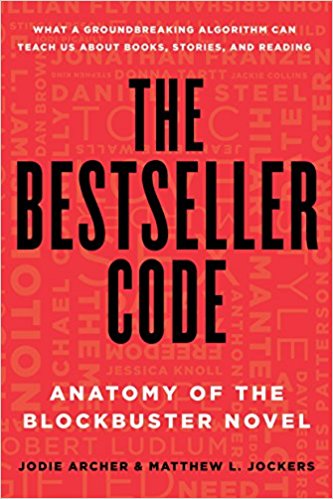
Some of the best writing advice I have read was from the book The Bestseller Code. I love that book, and I think I might have borrowed it out because I don’t know where it is but I want to read it again. They explained why the 50 Shades books did so well, and it’s simply this: for every good thing that happened to Ana and Christian, bad things counteracted it. Their highs and lows in book one looked like this:

I grabbed this from Deidre Beecher who posted this on a Quora thread, and you can look at it here. That’s what I try to do with my stories, too. Give my readers emotional highs and lows. You have to give them hope the couple will make it while tearing them apart.


So that’s my process in a nutshell. When you write a lot some things become innate and you do them without knowing you’re doing them. I’m not saying my way is the best way–I’m hardly a bestseller, but I’d like to think I know what a romance consists of. I’ve been reading them long enough. A lot of the secret is finding out your genre’s tropes and being sure to include them.

I plan out more than a pantser is probably comfortable with, but I leave way too much out to make a plotter happy. That suits me. I have a process that works and I’m not going to question it.

What’s your process? Let me know!


Here’s the first scene of book one of my billionaire series–not the one I’m letting breathe, but the second series I’m working on.

Thanks for reading!

***

My gut twists and sweat runs down my back. 

This is the meeting I’ve been waiting for. This is the meeting where Ryan Carmichael finally gives me what he promised me the day he took me under his wing. I shift in the leather seat that sits in front of his desk. My jacket feels too tight, my tie threatens to choke me. I’ve worked for this moment since I was ten years old, a little boy crying in his backyard.

The man standing in front of a wall made of glass looks over the city of Briarwood, his hands clasped behind his back, the world, literally, at his feet. 

I’ve always wanted to be him when I grew up.

Now he’s giving me the chance.

“My daughter needs a husband,” Ryan says without turning around.

I should have known his deal would have shackles. Shackles I will gladly lock around my ankle. “And you want me to marry her.”

Ryan laughs. “Not what I meant, son.”

“Then what did you mean?”

“Colt, I’ve raised you like my own kid the second your father high-tailed it out of the city. I’ve rewarded you like my own flesh and blood, and punished you, too.”

I press my elbow into the chair’s armrest and rub my lips with my finger. In the twenty-six years since my dad abandoned me and my mom, Ryan has been more of a father to me than my old man ever was.

“I’ve never complained.”

Ryan turns away from the windows and leans against his desk. “You haven’t. Not once, and that makes me believe you’re the only one who can do this job for me.”

Not marry Elayna?”

“No. She needs someone. She’ll be thirty-five years old in three weeks. Her mother is planning her the biggest party since . . . God knows what, hoping it will show her she finally needs to grow up. You know as well as I do that girl parties every weekend. She doesn’t need a birthday excuse to hit the clubs, and it needs to stop. She needs a husband to rein her in, and you’re just the man to find her one.”

“Elayna’s gorgeous, Ryan. She can find her own husband.” For the past ten, no, fifteen, years, I’ve been waiting with dread for her to do it. The only thing I want more than Elayna Carmichael is half her daddy’s company.

“She’s drunk all night and sleeps all day. She’s not looking for a quiet life. If you want to sign on the dotted line, you’ll make her see reason. When she has an engagement ring her on finger, I’ll draw up the contract.”

I think he’s joking, but his eyes glint hard, and his lips are pressed together.

“You’re serious.”

“As a heart attack.”

Fury zips through me. I haven’t worked my ass off for the past fourteen years to have a woman determined to do her own thing come hell or high water take it away from me. “How in the fuck am I supposed to do that?”

Ryan stiffens. “Watch yourself. I don’t think you should talk to me like that.”

“How the fuck—” I say deliberately, looking him dead in the eye— “do you think I should talk to you when you drop something like this on me? You promised.” 

I sound like a whiny kid, but what he’s asking me to do will be impossible. I’ll never see half this company. All the time, sweat, and tears I put into helping Ryan Carmichael build Carmichael Financial into the powerhouse it is today, right now, will be for fucking nothing because Elayna Carmichael, gorgeous, rich as sin, Elayna Carmichael, is a high-functioning alcoholic who does nothing but party and spend live off her trust fund. Almost thirty-five years old and she doesn’t have a job, does nothing with her social work degree she earned from the private university Ryan sent her to. The paparazzi have a blast reporting her comings and goings from all of Briarwood’s hotspots. 

She’s a train wreck.

A heartbreakingly beautiful train wreck.

“I did make a promise, and I’m not breaking it. I just need you to do this for me, Colt. You’re a good judge of character. You’ll find her a man who will treat her right. Dry her out. I’m not getting any younger. I want to see her settled.”

I swallow thickly. “You’re not sick, are you?”

Ryan huffs a laugh. “No. Just getting old. I don’t want to run myself into the ground. Marla wants to travel, see the world. Can’t do that when Elayna—well, we don’t need to talk about that. Finn Sullivan, bless the man, has kept her out of trouble, but he’s not God.”

“I’m not either.”

“No, but you can find her a man she’ll want to dry out for. Find her a man who will take over my fifty percent when I retire. Find her a man you’ll want to work with.” He stares hard at me.

I get it now. He’ll write off fifty percent of his company to me. Later, when he retires, I always assumed the other fifty percent would go to Elayna who is an only child. She’s not capable of running her father’s billion dollar company. Didn’t go to school for it. Ryan’s asking me to find a partner. 

“That’s a tall order.”

Ryan rounds his desk and pulls out a piece of paper from a drawer. “I’ve done some preliminary work for you. I’ve shortlisted my picks.”

I meet him halfway and take the paper he holds out. I scan the names and push aside a twinge of hurt when I see Sullivan’s name on the list, but not mine.

Ryan thinks I’m good enough to take over half his company, but not good enough to marry his daughter. 

Well, fuck him.

And fuck her too, for not seeing what’s smack in front of her face.

Got/Get: The laziest words.

I don’t write a lot on craft in this blog. I’ll share editing books I like and tell you over and over again that no matter what you do, ads, graphics, book promotion sites, what have you, if you’re not selling a good book, you’re not going to make it. I don’t mean a well-written book that doesn’t resonate with some readers. You’re not going to please everyone, and that’s just how it is. It’s one of the reasons why I’ve been able to keep going in the past few years of writing. Certain people may not like my stories–I’ve never written a character people hate more than Jax in All of Nothing, but never in any review have I ever read of my work has anyone told me I’m a bad writer. So whether or not people don’t agree with my characters and all their flaws, at least I can hold my head up and know I’m a good writer.

I’m not sure where I was going with that?

Oh, so I don’t offer much craft advice. That really should come from your beta readers, your writing group, your editor. What you choose to take from those people is your own business, and as one editor I know says, “It’s always going to be their book.” So yeah, I don’t like craft advice very much, at least, not giving it.

Lately I’ve been reading more on my Kindle. I pay for a KU subscription and I signed up thinking that I would keep up with my comp authors that way. A lot of romance authors are in KU and it’s always a good thing to keep up with what’s selling. That was my intention anyway, but I paid for a few months of it before I charged up my Kindle and decided I was going to take advantage of my subscription. I read a lot of non-fiction and reading in KU is a lot cheaper than buying paperbacks.

Anyway, so I finished a mystery/thriller the other day. It’s written in first person present, which is why I chose to read it. I’m writing my own stuff in first person present and for me, it’s easier to keep in that POV and tense.

It didn’t take me long to get annoyed. This author really, I mean really, liked the words GOT/GET/GOTTEN. Not short for Game of Thrones, like we associate that word now, but the. . . I guess it’s a verb? . . . got. Gotten. Getting. Get.

She’s got an open black peacoat revealing black slacks and a gray blouse beneath.

When I got in last night, (character name) was in the middle of working on a story.

I need to get to that hospital.

While everyone else has pictures or knickknacks on their desk, she’s got nothing.

I don’t need to do anymore, and it didn’t take me long to find these. The author turns sloppier toward the end of book, like he was tired of writing it and wanted to finish it as quickly as possible.

Maybe it’s just me because that word has already been a pet peeve of mine, but it really turned me off. There are better verbs you can use, and they aren’t hard to reach for–She’s wearing an open black peacoat . . . Even as something simple as changing out GOT for HAS. While everyone else has pictures or knickknacks on their desk, she has nothing. Maybe it’s not any better, creatively speaking, but to me it reads a lot better.

He was able to comb through her devices after we got them from her parents.

It just sounds all around clunky and I’ve hammered it out of my writing. I know how easy it is to slip into easy language, and sometimes that’s all right. But the more you do it the more you can fall into “telling” a story rather than “showing” it. First person is particularly difficult because we’re writing someone’s thoughts, and people’s thoughts are messy and not particularly sophisticated.

And of course, I didn’t tag any dialogue because that’s how how speak. “To make it on time, we have to get going.” “We really gotta go now.” And if you’re speaking to kids, “We really gotta go NOW.”

I’m not blaming this author–I blame her editor for not catching it, or not caring enough to catch the repetitiveness of the word and asking the author to perhaps do a word search of her document and swap out the word where applicable. This wasn’t an indie published book, and unlike some indie where you’re not sure if an editor has gone over the book, this one has. It’s too bad because the word ruined a story I could have enjoyed.

In my own unfinished WIP (67k+) I used GOT 19 times. All but one time is in dialogue. In this particular conversation I used it to express character:

“You got balls, doll, but I guess you’d have to, to lie to so many people for so long. It’s not going to be that easy for you, either, once your secret comes out. What got you into that mess, if you don’t mind me asking?”

Murray Jameson, from an untitled WIP

I can search through that book and find GOT maybe every three pages, and I wanted send out a warning. Words like putting, getting, put, got–those are lazy words and you can do better. If you can’t pull the word you need out of your brain while you’re in the zone, I don’t blame you and you shouldn’t let it derail you. Keep going but make a note, maybe an actual note so you don’t forget, that you’ll need to do a sweep for that word in edits.

I don’t write literary fiction, and I’m not out to be the next Margaret Atwood, but I do want my books to read clean and give the reader a chance to immerse herself into my story. I don’t want sloppy grammar to pull her out.

I got into plenty of trouble after Hannah died.

So easily remedied: I found plenty of trouble after Hannah died.

I know we all have our voices, our own styles, and if you want to use GOT go ahead. There is a time and place for it, and I know that. But too much of a good thing can be bad.

And that is my craft post for the month.

“Got” a pet peeve that you’ve discovered in books? Let me know!