Are Editors the Next Gatekeepers? Some people want them to be.

The one thing we say most about independent publishing is it has completely taken away the gatekeepers. You can publish anything you want, whenever you want, all you need is a properly (sometimes not!) formatted file and a good cover (sometimes not!). We all know that there are lot of good books that are indie-published every day. We also know there are a lot that aren’t.

I left another FB group the other day. The conversation turned so stressful that I was in a bad headspace all day. It’s hard to shake things off when people attack you for what you believe. What was it I said? I said some indie writers are good enough not to need the whole buffet of editing: development edit, copy edit, line edit, and a proofreader. That’s all I said, and I still stand by that. An author who is on book 30 is not going to need the time and attention an author is going to need publishing her debut novel. They simply aren’t. The craft is there, the skill is there, the experience is there. Two editors took my words the wrong way, or they were just spoiling for a fight, and tore into me.

Of course the conversation turned more ugly when price became a topic because everyone in the industry knows that editing is the most expensive part of publishing–especially if you do need the whole smorgasbord before you put your book out there–and the editors were defensive. I’ve never said an editor shouldn’t be paid what he or she is worth. I’d never devalue an editor’s work like that. You’re paying for a skill that they’ve (hopefully) honed for years. An excellent editor can take your lump of coal book and turn it into a diamond, I get that. On the other hand, not everyone can afford it, and they didn’t seem to understand that.

I agree with the belief that you shouldn’t publish until your book has been edited, at least by SOMEONE, but it’s also discriminatory to say that no one should publish at all if you can’t afford it. That’s gatekeeping all over again.

I didn’t point out in my exit rant that the people saying this were affluent white people who have the disposable cash to hire an editor. I’m white too, but I’m poor. I can’t afford a $2,000 development edit. I simply can’t. That’s three and a half months of rent. I do the best I can with the resources I have, and I will never let anyone insult me for it.

One of the big questions that come up when discussing editing fees is, why do editors cost so much? It’s not because each individual editor is trying to rip you off (though some are better than others, so ALWAYS ask for a sample and make educated choices). There’s an association that offers guidelines as to how much freelance editors should charge their clients. Editors/beta readers like Kimberly Hunt, the paid beta reader I referred to in my feedback blog last week, adheres by this association, and you can look at the pricing structure the Editorial Freelancers Association recommends. She, and many other editors, are charging the standard. Some editors who freelance on the side may charge more depending on where you’ve found them. Professional editors found on Reedsy, for example, are more than I can afford. On the flip side, there are writers and authors who want to start editing and charge a lot less because they are just getting their business going. It would be up to you whether you want to pay less. An editing sweep by a new editor will be better than no editing, but always make informed choices. Don’t just sign with her because you can afford her. And on the flip side of THAT, I wouldn’t pay a new editor the industry standard unless they can provide testimonials and proof that their skills are worth it.

Indie publishing has opened up a whole new world for scammers, and some of them don’t know they’re doing it. (Like the freelance book cover designer who will charge you 50 dollars for ten minutes of time in Canva. They think they’re running a business. I think they’re ripping you off.)

What can you do if you can’t afford an editor?

The obvious thing is to learn your craft inside and out. Learning your craft is a good first step in the editing process. It’s a lot easier to edit a good first draft than it is to tackle a draft that you know has plot holes, flat characters, and verb tense changes throughout. Hone your writing skills.

Then find feedback where you can, and like I said in the feedback blog from last week, listen to that feedback, or you’re just wasting everyone’s time.

And lastly, learn how to self-edit. Put the book in a drawer for a month or two, write something else, then come back to it with fresh eyes.
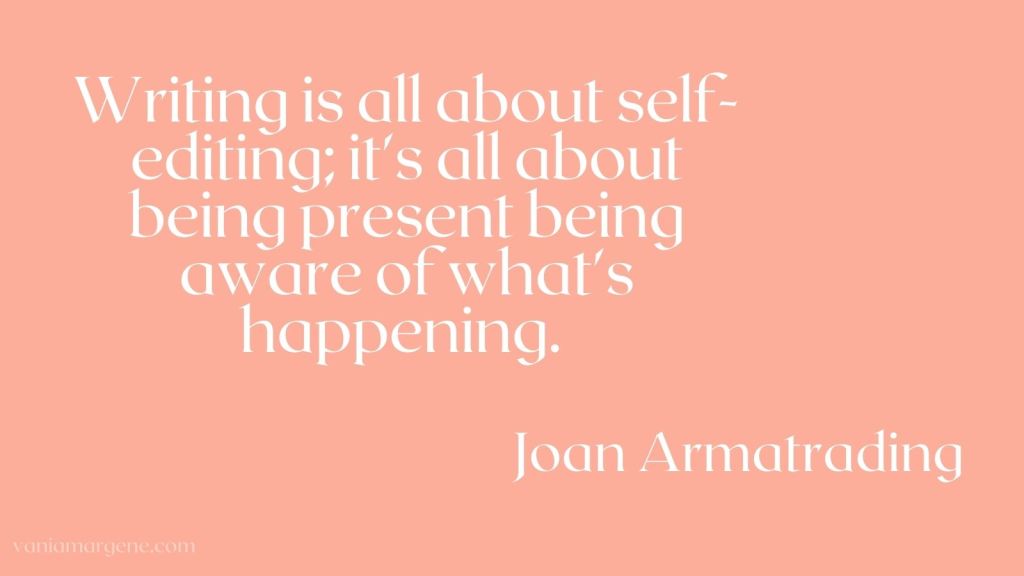
You can teach yourself to self-edit, and there are a lot of resources out there that will help. You can take editing classes, definitely edit for others (that’s why I do it for free for my friends because it helps me improve) or my favorite (and probably cheaper) way to learn how to edit is reading self-editing books.

Here are my go-tos:

Self-Editing for Fiction Writers, Second Edition: How to Edit Yourself Into Print by Rennie Browne and Dave King

Intuitive Editing by Tiffany Yates Martin

Cover to Cover: What First-Time Authors Need to Know about Editing (Read this book before you publish your book by Sandra Wendel (Hat tip to Jane Friedman for this find on her blog.)

You also should have a firm grasp on grammar and punctuation. No matter who reads your book, be it a paid beta reader or one of the authors you networked with who said they would give you feedback, make it easier for them to read you by knowing your grammar and punctuation. If you choose to pay a proofreader or a line editor, it will be cheaper if they don’t have so much to wade though.

Grammar Girl’s Quick and Dirty Tips for Better Writing (Quick & Dirty Tips) by Mignon Fogarty

Dreyer’s English: An Utterly Correct Guide to Clarity and Style by Benjamin Dreyer

I have all these books; I’ve read all these books. Self-editing is a different skill than learning and practicing how to write good books, but I think they go hand in hand.

I’m glad I left that group, but I wish I would have asked those snobby women what they do to help the indie publishing industry if they so despise what come out of it. Do they beta read for free? Do they edit pro bono twice a year? How are they making a difference? Complaining about the state of indie publishing is only being part of the problem not part of the solution.

I try to help when I can. Maybe my edits aren’t as good as someone with a real editing degree, but I have a Bachelor’s in English with a concentration in creative writing, and I educate myself all the time. I hope that the authors I’ve edited for have gone away with a better book.

Saying an author shouldn’t publish without a professional edit is shortsighted to say the least. Authors are going to publish without an editor no matter what anyone says because they don’t have the disposable income to afford it. Hell, I’ve read some traditionally published books that have read like they haven’t been edited, either. (See my crabby review of Jasmine Guillory’s The Wedding Date novel.) It’s up to the author to learn what they need to learn if they can’t afford an editor and aren’t willing to sell plasma like Jami Albright to hire one.

Readers will always be the new gatekeepers. You, as an author, need to do what you can to keep your readers happy. In the end it doesn’t matter how you go about doing it, only that you do. And if you don’t, your reviews and sales rank will be proof that you’ll need to start doing better. It will be up to you as to how.

Learning Craft + Feedback

On Monday I had guest author Sarah Krewis on my blog and she talked a little bit about the importance of learning craft so you can put out the best book you can when it is time to publish. She mentioned the Centre of Excellence and the writing modules they offered. In a private message I asked her if an instructor gave out critique and she said not in a way that I would probably want, which led to the topic of feedback.

You can learn the craft all you want, read all the books, take all the online courses you can afford, but at some point you’re going to need feedback on your work. We don’t like to ask for feedback because it hurts when we hear that our writing isn’t as perfect as we want it to be or thought it was. But you have to keep an open mind when people are reading your work and be receptive to the idea that your work needs, well, work.

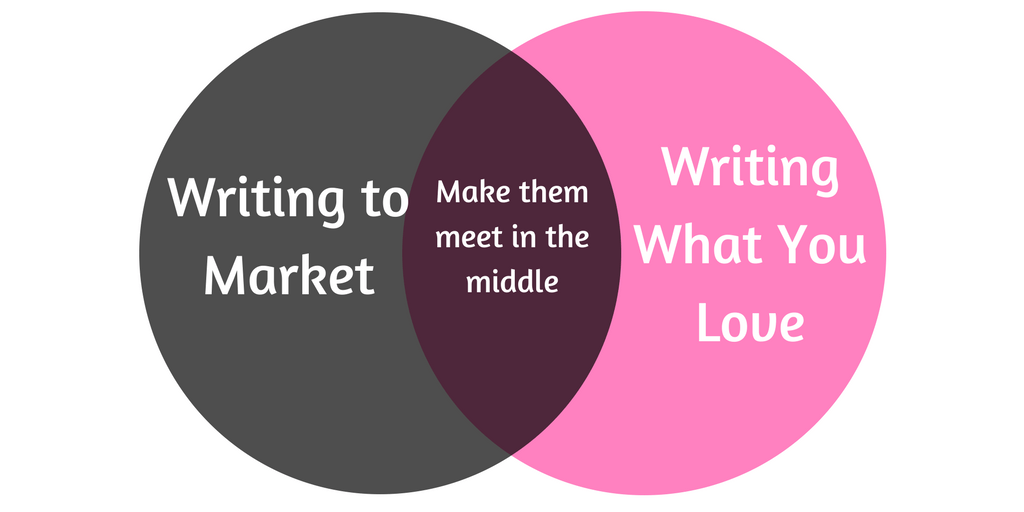
If you want to see a cute little Venn diagram, an author’s process should probably look like this:

This isn’t the best, spacing it out was a pain, but you get the idea. Feedback and reading are just as important as the writing part of the craft. I know authors who read read read and prefer to hide from their own writing by reading other authors instead. I know writers who write write write but don’t ask for one ounce of feedback. Then there are others who thrive on feedback and implement every single little change, but then that leaves no room for moving on to other projects because they’re looking for perfection they probably aren’t going to find.

I’m not perfect–I don’t read as much as I should, but I am open to feedback and I hired my first professional beta reader this month.

Where you do find feedback? Before the pandemic, looking locally was easy. A call to your public library probably would have hooked you up with some local writers and maybe a NaNoWriMo group that met up at a coffee shop on Thursdays. But since everything has moved online and to Zoom meetings, it might be a little harder for you to find something in person. That might not be a bad thing for us introverts, but putting yourself out there is the price we pay when we said we wanted to be an author.

If you want a professional opinion, hiring a paid beta reader may be the way to go. They will give you more than “It was great!” They dig into story and characters. I’m using Mary Dunbar, and you can find her website here. She doesn’t list beta reading prices because she said she’s just been thinking about adding it to her list of services. Contact her through her website and ask if there is way she can help you with what you need. She’s an editor, too, and she critiques queries. I’ll be blogging about my experience with her in later blog posts. Another paid beta reader that I may use in the future is Kimberly Hunt from Revision Division. I’ve gotten to know her on Facebook and she’s gotten positive reviews. You can find her website here.

But if you’re a newbie writer, you may not be ready for paid services, and that’s okay. That’s where networking and forming relationships with your fellow authors comes in. It’s really important that your beta readers read and write in the genre you’ve written in. That way they can identify the tropes and tell you if you’ve hit the mark or if you’re too far off the path to keep your readers happy. There are a lot of FB groups that you can join and once you get to know a few people you can put it out there and say that you’ll beta read in return. As the diagram above shows, beta reading for someone else can be just as valuable as the the feedback you’ll receive.

What are some tips when it comes to finding and accepting feedback?

  • Know what you want. A beta reader reads your book after it’s finished. Some will point out typos, grammatical errors, etc, but you may not be in a place for that and just want general feedback. Let your beta reader know you want overall feedback like plot holes and character arc opinions and advice. An alpha reader reads as you write it, say chapter by chapter. They make sure you’re steering your ship in the right direction and can catch inconsistencies as you go along ensuring by the end of the book you don’t have a huge plot hole making you scrap half the book. It’s up to you and what your skill level is at and what you feel you need.
  • Remember you don’t have to take everything to heart. If you already know your plot, you don’t have to accept advice that’s different, unless you like it and think it will make your book better. We all have ideas and you can give six writers a writing prompt and come back with six different stories. It’s always going to be your book, but if your beta spots a plot hole and you choose not to fix it, that’s on you.
  • Don’t have too many opinions. Too many cooks spoil the broth and this is true for your book. Find one, two, maybe three betas in your genre that you trust that you know are good writers and listen to what they have to say. You don’t want to be overwhelmed with opinions. On the other hand, if they all have the same problem with the same thing, then you know that’s something you have to pay attention to. I’ve seen some authors confuse beta readers with ARC reviewers. While your beta readers may leave a review down the line, beta readers are not readers who receive an advanced copy of your book solely to leave a review. Two different readers.
  • If the relationship is not working, don’t force the issue. For whatever reason, you may not mesh with your beta reader. That’s fine. I wrote a blog post a long time ago about what to do if your business relationship with a friend goes south. You can try to be amicable about it, but hurt feelings comes with the territory. You never want to burn bridges in this industry because while it seems large, thousands and thousands of authors who publish every day, this is really a small industry and we all know each other. Word gets around and you don’t want to be that person who is known for not getting along with her peers. If the beta is too heavy handed or is too cruel to work with, simply say that you’re going to choose a different route and thank her for her time. An egift card for a coffee shop or 25 dollars to Amazon might ease some ruffled feathers. But be sure that when you beta read for someone that you aren’t the one being heavy handed. We all need kindness when giving our work to other people. It’s fear that keeps us from seeking out feedback in the first place.
  • Keep an open mind. Don’t waste someone else’s time. If you’re not ready to hear criticism, wait until you are. Betas, paid or for free, are giving you their time. Don’t waste it by being in a headspace where you aren’t receptive to their feedback.

If you’re new and don’t know where to look, try Googling writing critique groups. This article by thewritelife.com has a list and you can look at it here.

The Reedsy blog, a blog that I’ve referred to in the past that I trust, also has a list and you can find it here.

In short, writer eduction, feedback, and reading go hand in hand. As Sarah said in her guest blog post, there is no excuse not to keep learning, but you also have to know if you’re applying what you’ve learned correctly otherwise you could actually be unintentionally reinforcing bad habits that can take you years to break.

Good luck!

Where do you find feedback? Let me know!


Guest Post Sarah Krewis: Writer Education and Resources

The Importance of Writer Education and Using Centre of Excellence to Learn

A special thank you to Vania for letting me get my blogging fix by doing another guest post for the blog.

Today I want to talk about the Importance of Writer Education. As a newbie self-published author, I have learned so much based on personal experience over the last six to seven years. I can’t believe it’s been that long since I began penning my debut novel, Broken Tomorrows.

Picture a barrel racing horse bursting from the start line and racing around the barrels. That was me when it came to writing. I didn’t think about everything I should have learned before I started my writing business. In fact, I didn’t even think about the business until after I’d published my book the first time. Even when I republished the book, I still didn’t have my full head in the writing business mindset. I published because I wanted to get my story out there and have people read it. 

There’s one problem when you do things that way; that book I wanted to get out there and have people read, wasn’t being read. 

In 2021, I am pumping the breaks and winding back the clock. I’m marching myself back to the starting line and figuring things out the way I should have done in the beginning. 

Ways to Educate:

There are a lot of ways to further your writer education. You can listen to podcasts like Joanna Penn. You can join Facebook groups like #20booksto50k. You can take online courses from places like WriteAcademy or Centre of Excellence. Or you can read the countless non-fiction books out there about any topic in writing that’s ever existed. 

Centre of Excellence

Today I’m going to focus on Centre of Excellence because it’s the place I’ve now taken a few courses and I really like what I’ve learned from there. Centre of Excellence is a UK based online company that offers courses in everything from Writing, Mental Health, Photography, and so much more. So far I’ve taken their Novel Writing Course, and Proofreading and Copyediting Course. Each course consists of about 10 modules. Each module has a few pages of reading and then a 10-question assessment (multiple choice and essay form). The cost of the courses are pricey at $186-ish dollars, but they are always offering deals and I’ve never paid more than $37 for a course. At the end, you get a diploma/certificate. 

Disclaimer: I don’t make anything from this post. Neither does Vania. I’m speaking on this because 1) I love these courses and 2) I’m going to share a few things I’ve learned in the novel writing course. 

What I’ve Learned in the Novel Writing Course:

POV- One of the most important elements of writing is knowing which POV and how many you want to use in your story. You need to know this before you even start writing the book. Will it be in first person (I, me, us) or will you use 3rd person (they, she, them)? Will you have two POVs or four? 

For my assessment on POV we were given a photograph of a man and women close together being seen through a window. We had to write from both first person and third person POV using the same image. 

My First-Person Response:

I couldn’t believe my eyes, maybe the binoculars had some sort of defection where you see only what you want to see. That had to be it because my husband couldn’t be standing in my neighbor’s bedroom stripping her body of what little clothing she wore. I knew Matthew was hiding something from me; his late nights, early mornings, and his sudden interest in running threw up countless red flags, but I was too stubborn to listen. Sure, we had some problems, fights that were petty on my part, but was that really an excuse for him to cheat? I can feel my throat go dry as I watch him kiss her neck the same way he’d done mine not thirty minutes earlier. But wait! What is he doing now? He’s gripped her by the hair and is twisting her towards the wall. Ouch! I can’t watch anymore. I wonder if I call Cecilia’s house if it’ll distract him enough to ease up. Or did she like it rough?

What I enjoyed about this prompt was that it allowed me to try something different in writing first person. I usually write in third person POV. There were more prompts like this in the course regarding POV but the point of this exercise is to help you determine what POV you’ll want to write in. Some writers start out writing in one POV only to switch and watch the gates of heaven open because of how much it changes their writing and success in sales. Regardless of how many you use, you need to know which POV to write in before you write the story. You can always change it in the second draft, but you don’t want to bounce around when it comes to who is telling the story.

Villain- All stories need to have an antagonist, the obstacle preventing your protagonist from getting what they want. Sometimes your antagonist is the main character and that’s okay. Villains can appear in any genre of writing. Typically, when I hear the word Villain, I think murderer, but that’s not always the case. During the course, we were asked to write a small passage where our villain commits a crime. As a Domestic Suspense author, this was a prompt I allowed myself to escape into. I swear, I’m a nice girl. 

My Villain Response:

Mason wiped the sweat off his forehead, creating a brown streak of mud along the hairline of his overpriced haircut. It was almost finished, the cage foundation took longer than he wanted but within the hour, he’d be ready to place the cage and pour the cement. Deep down a voice told him to stop, maybe it was his father who passed away years ago, leaving him in a world with untrusting women. His mother had never been this way towards his father, he knew that to be true. But, the women needed to learn and this was the best way to teach them. 

Once everything was in place, he walked the three feet to his car and pulled out the five-foot three woman, wrapped in a soft blanket and tied at the ends like a present. She wasn’t screaming anymore, probably tired out, but be noted the rise and fall of the blanket. She was alive. Bonnie was her name, a cute girl he’d picked up at a local hotel. She’d been desperate, easy…not his usual M.O.

Back at the cage he placed the blanket on the ground and untied the top, giving her fresh air. He’d leave the blanket, he wasn’t that heartless, and a bottle of water against the railing. The rest would be up to her. 

He padlocked the cage and covered the twelve-by-twelve frame with nearby limbs and bushes. As he climbed into the car, he pulled out a notepad from his dusty suit and added one more tally mark on the page. Fifteen and Counting…

These prompts are without editing. My point in showing these two examples to you today is to show you the kind of writing you can do when given prompts. A wise woman once (or twice or three times) told me that in order to get better at writing, is to keep writing. Taking online courses is a great way to get motivated to doing prompts. You never know…one of the exercise prompts could lead to a really great story idea. 

I’ll be writing Mason’s story in 2022 or 2023 and I cannot wait to use what I learn this year in my writing in the near future. 

Writer education is such an important element into being successful in the writing business. Don’t skimp on it just because you want to get your story out and into the world for people to read. They won’t.

Side note: Centre of Excellence is just one of the many resources out there to continue your writer education. While it’s not as expensive as some other courses I’ve seen out there, I’ve also noticed it doesn’t give personal constructive feedback on the assessment essay problems. It’s not a perfect solution but the information is fulfilling. In the end, you have to find which route is best for you. Online courses are one of the many options out there and it’s all about what suits you best and only you can determine that. Like I’ve listed above, there are many podcasts available, books in the millions with all kinds of information on how to write, edit, and market a book, as well as blogs. My final point is that it doesn’t matter what avenue you get your education, there is enough resources out there for authors, in many income brackets, that there’s no excuse why you shouldn’t be constantly learning the craft of writing.

What are some ways you further your education in the writing business? Share in the comments below. 

Thank you again, Vania for allowing me to guest blog today. 

Until next time, Happy Writing!


Welcome Guest Blogger Women’s Fiction and Domestic Thriller Author Sarah Krewis

a stack of books. quote says: what i learned when i published my debut novel
Provided by Sarah

I want to thank Vania for allowing me to guest post on her blog today. Our friendship began a little over four years ago, I believe, and with it has come some pretty stellar conversations about the life of an indie author. Today I want to talk about a few tools necessary if you want to succeed in this business, based on personal experience. 

When I began writing my debut novel, four years before I published it the first time, I had no idea what I was doing. Through research, my love of reading, and a handful of supportive people on Twitter, I figured out the barebones of how to write and publish a novel. It still wasn’t enough. 

I was stupid and naive. I thought that because I had a cover made, I had someone edit the book, and someone else to format it too, that it was all I needed to publish my story. Sure, my book cover was really well done. But I was impatient. I didn’t have a clear vision for my story so I wasn’t able to work with the designer to get it how I wanted because I didn’t fully know what I wanted. My editor gave it a first glance edit and made constructive notes. I made changes that I thought needed to be made, then I was done. I thought one round of edits would be enough and I didn’t need to have anyone else look at the book. I had set a publishing date, made the announcement on social media, and was two steps ahead of anyone who’d graciously offered to help me. 

I imagine now, when I look back on that time, a clear picture of those who helped me, standing on a sidewalk. Shock and disappointment on their faces, watching the cloud of dust behind me as I flew straight for the finish line with my unfinished project that I was so sure was this great thing. Back then, I had a lot of support on social media. I felt important, accepted, and successful. 

Then, I published. And I fell flat on my face. 

It seemed like overnight I lost 95% of support from social media. I sold approximately 25 books that first day, which isn’t bad but most of those were family members. Then sales dropped off a few days until I had months with no sales. The friends that were still in my corner were concerned for me and I was lost in a darkness of shame and disappointment in myself. I had no backbone for the blows I endured during that time and I felt defeated. 

My first review was from a FB friend who hadn’t even bought or read the book. That 5-star review was posted on the day the book went on sale. Before there were any sales.  Then, family members finished reading the book a few weeks later and I got more 5-star reviews. A few friends who read the book gave 5-star reviews or 4 stars. I was so excited! 

After about six months, I finally sat down and read my book again as a reader. I couldn’t believe it. The book wasn’t a 5-star book. At. All. At best, if I’m being nice, I’d give it a three. Once we got settled into our new home, I began a new edit and commissioned a new cover. December 1st, 2019, I released the newly edited version of my debut novel, Broken Tomorrows

It’s still not a 5-star book. 

Over the last three years since I first published the novel, I have grown and learned as an author. I have attempted to mend some of the friendships that I lost, and I took a good look at how I reacted and how sensitive I came across to those who knew me. If they left a 5-star review because they didn’t want to hurt my feelings, that’s on me. I never want anyone to feel like they can’t be truthful with me because it’ll hurt my feelings. 

In 2020, I took six months and focused on myself. I reviewed my life since I joined this business of writing and I asked myself some really tough questions, like, is writing really what I want to do with my life? I also stripped Broken Tomorrows off Amazon and redid about 75% of the story with the intent of republishing a third time. How do I know I’ve grown? I took a step back and realized that I need to write something new and fresh. I need to walk away from my characters and meet new ones. I do have a plan for what I rewrote of Broken Tomorrows, but that will come in a couple of years after I’ve shared some other characters with my readers. 

Authors should never pick up the task of writing a book unless they are prepared for everything that goes into it. Here are five tools you MUST understand before you begin writing that book, tools that I learned the hard way are essential to the craft.  

Read Reviews with Caution: As authors, we aren’t supposed to read reviews as they aren’t really for us. They are for other readers to share if the book is worth buying. I can do a whole other blog post about my thoughts on reviews, but I’ll save that for another time. IF you find yourself peeking (believe me, it’s hard not to do), take them for what they are: Someone else’s opinion. Read it, process it, check it, and then move on. 

Get a Backbone: This was one of my biggest lessons I had to learn, and it’s not something that happens overnight. Sometimes we need to read bad reviews and get negative feedback to strengthen us. But we also need to be stronger than the sensitive versions of ourselves. How to do this? Don’t take everything so personal. If someone gives you a negative reaction, take the good you can learn from it and grow. 

Have a solid Writing Community: I went into this business thinking that everyone in the writing community were supportive and loving people. That’s not true. There’s a saying out there that says something like, “other writers aren’t our competition” but in reality, not everyone believes that. While I did eventually find a handful of really great writers who support each other, it’s rarer than you might think. Reach out to other authors in the genre you write and support them. Some of those people may give you support back, or some may use you because your support goes a long way. Know what to look for and at the end of the day, understand that when people say writing is a lonely business, it’s not a false statement. 

Own Save the Cat Writes a Novel: I wish I had this book back in 2014 when I first started drafting Broken Tomorrows during NaNoWriMo. It gives a clear breakdown on each scene that needs to be written and why. It’s the perfect guide for those who enjoy outlining their novels. I get nothing for recommending this book to you, I just really believe in it. You can find the book on Amazon by Author Jessica Brody. 

Invest in Yourself: I used to scoff when people would tell me to do this. I mean, when you don’t have the money for an editor or cover designer, you don’t have it. But, while you may not be able to afford that $1800 Developmental Edit, you can buy books that will teach you how to edit yourself. You can find a way to enroll in inexpensive courses online to teach you the craft. Groupon got me into a Write Academy course and a 6-month subscription to The Writer Magazine. There are deals out there you just need to look for them. Sell items that you don’t use anymore and start a Writing Fund. Network with other authors and reach out to University students. 

Vania knows a lot about making writing a business. If this is your first time on her blog, I recommend following her because she has a lot of useful advice based on personal experience. I’ve learned that you have to treat this like a business if you want to make it as a successfully published author. Don’t let these tips above discourage you from doing what you love, if writing is what you feel destined to do. Writing has a lot of tough moments, but when you are holding your bestseller in your hands, you’ll remember those tough moments as paying your dues for success. 


Writerly things I’m enjoying right now!

Happy New Year and welcome to my first blog post of 2021. I thought I would take this blog post as an opportunity to tell you about a few things that I’m enjoying this month! I know money is tight, and I do like to recommend low cost or no cost items on this blog. Read to the bottom to enter into a giveaway for CreativIndie, Derek Murphy’s new book, Craft Book, a book on, well, you guessed it, craft. It’s one of my favorite things this month.

Let’s get started!

Bryan Cohen’s Amazon Ad Profit Challenge
If you’ve read my blog at all, you’ll know that I am a fan of this challenge. Bryan has taught me what I need to get started with ads, and if I pay attention to ad spend there are very few months where I lose money. It take a little time and patience–comparing ad spend to royalties and pausing ads that are spending more than they are bringing in, but I’m just at the beginning of this journey and what Bryan teaches you is free. While it is a tactic to bring in students to his ad school, he DOES teach you enough to get started. I’m well aware of the webinars and infomercials that are full of “Information” but don’t tell you a damned thing. Bryan’s ad challenge isn’t like that. In the challenge he’ll teach you how to:

*contact KDP and add categories to your book and ebook to optimize the category ad placement in the ad dashboard
*ad a subtitle to your ebook to highlight subgenre or trope to your potential reader.
*teach you to write easy ad copy for the kinds of ads where you can add a hook
*find relevant keywords for your ads
*find a workaround if you published via a different platform than KDP and still want to run ads
*what to bid and what your daily budget should be to be profitable with ads
*teach you what conversion means. If you have plenty of clicks and no sales, something is wrong. He’ll help you puzzle out why your book isn’t selling.

The group also offers a ton of support. His successful Amazon Ad School students help him moderate the FB group page and answers all the questions! They also moderate his FB live segments. There is plenty of support if you missed something or need clarification.

Some information is the same, some is different as between each challenge, Amazon tweaks the ad dashboard. I participate in the background to glean new information, but this will be my 5th ad challenge, and I don’t think I can do anything more with the information he’s given me except 1) join his ad school and/or 2) publish more books.

If you’re interested in his next challenge, it starts January 11th, and you can click here for the signup website.*

*This is not an affiliate link. I don’t get anything for recommending this challenge to you.


The 2021 Author’s Planner
I’m not much of a planner, but when Craig Martelle from 20booksto50k mentions something, it’s worth taking a look. He posted about this author’s planner, and I went ahead and bought a copy. His link is for Lulu, and the book is spiral bound. That is great for not ruining a book’s spine if you need full access to write on the page. Amazon also offers one with a perfect-bound spine, meaning as with KDP it’s glued together. That’s not such a big deal if you need to save a little money and you don’t mind cracking a spine to have access to the whole page. I’m pretty hard on my books and cracking a spine never has bothered me. (Don’t look at the covers of books I’ve taken into the bathtub!)

Taken from the Amazon Product page

The book looks fun and helps you stay on track with writing, publishing, and your newsletter. I’m excited because I have a lot going on in 2021, with new releases, and new “pen name” and the start up of a new newsletter. It’s difficult for me to pivot this way, but I’m going to use what I learned in the last four years to really make a mark with my books. Having a plan will go a long way to keeping me accountable!

Here is the link for the Amazon perfect bound edition.*

Here is the link Craig posted for the Lulu spiral bound edition.*

Let me know if you buy it and what you think.

*These are not affiliate links. I don’t get anything for recommending this book to you.


Five-Minute Focus by Craig Martelle
Speaking of Craig Martelle, what I’m really enjoying these days are his 5 minute focus videos on YouTube. He takes 5-6 minutes to talk about something like hooks, blurbs, covers, motivation, whatever and he’s just a lot of fun to listen to. He’s making a lot of money with his books, and he has a right to be excited, but no matter where you are in your author journey you have a lot to be excited about too, and his enthusiasm is infectious.

Here’s a taste of what I’m talking about. Listen to them all at once, or one a day. He seems to record them regularly. I also like the talks between him and Michael Anderle. If you want to listen to two men talk successful indie publishing with a huge dose of gratitude for what they have, these are your men.


A Book on Craft
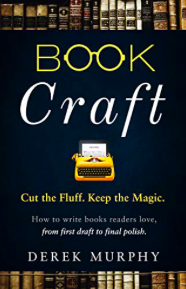
Last, but not least, is Derek Murphy’s book Book Craft: How to write books readers love, from first draft to final polish. I’m only fifteen percent into it, but I’m really enjoying it so far. It’s not stuffy like some nonfiction books, and I like his voice and his stories. Just a warning though, if you don’t like books that tell you to write to market, you may not enjoy this one. Derek is all about helping you write a novel and while he wants you to write your passion project, he also wants to guide that project into a book that readers will want to read.

Me reading this book is like listening to a preacher while I’m standing in the choir, but we all need to be reminded now and then that after our book is written and published, it’s up to the readers to decide if you’ve written what they are going to enjoy.

I’ve been in this business long enough (and have learned the lessons) that you can’t make it if you don’t write what readers what to read and package it in a pleasing manner. I’ve seen authors publish books in the double digits and barely sell any every month for the simple fact their covers are bad or the look inside is boring because they started their story in the wrong place.

While it’s not fair to leave a glowing review of a book when I’ve only finished 15%, I have a feeling I’m going to enjoy the whole thing, and I think you will too!

Here are the cover and the blurb:

Image and blurb taken from Amazon.

Everybody wants to write a book, but most authors fall short.

You have a gift, but it’s not enough. Deep magic isn’t a spontaneous explosion of creative energy. That burns too hot. It’s unstable and unpredictable. Real power comes from deliberation, skill and craft. But you need a guide to unlock a writing practice that ignites your true potential. This is it.

You have been told that writing is a type of magic, that all craft-based strategies are blasphemy. But smart authors recognize that even if writing is an art, it’s also a craft to be mastered. It’s time to peer beyond the veil, and unlock your unique brand of powerful book craft.

This is not a book, it’s an initiation. You’re here because you love the alchemical process where your creativity and inspiration bleed onto the page. You’ve tasted the power of using letters to communicate ideas and cast spells, bewitching readers and captivating them with the powers of your mind.

You’ve got a taste for it, but you want more. So you’ve sought me out, and here we are. This information took me decades to uncover, and I don’t reveal it lightly. Not every author is ready to hear the valuable lessons I’m about to share with you, but this book isn’t for them. It’s for you.

The truth is, there are things that great books have in common- and even more informative, there are definitely signs of weak writing, which can be easily identified and avoided. 

This book will help you to…

  • Plot your book without stifling your creativity
  • Hit crucial turning points to keep readers engaged
  • Improve pacing & backstory without info-dumps
  • Increase stakes, drama and conflict
  • Double your word count and stay motivated
  • Avoid common amateur mistakes & lazy writing
  • Heighten intrigue & suspense to keep readers invested
  • How to know your book will sell before you write it
  • Why readers stop reading and how to fix it
  • Simple plotting and outlining strategies so you can write faster 
  • Revise and edit your first draft and identify problems fast 
  • Save thousands of dollars on editing and increase book sales

Ready to move from the slush pile to the bookshelf?
Scroll up and improve your writing today!

If this is a book you think you’ll enjoy, leave a comment at the end of this blog post, and on January 11th I’ll choose a winner and send the winner a copy of the ebook.


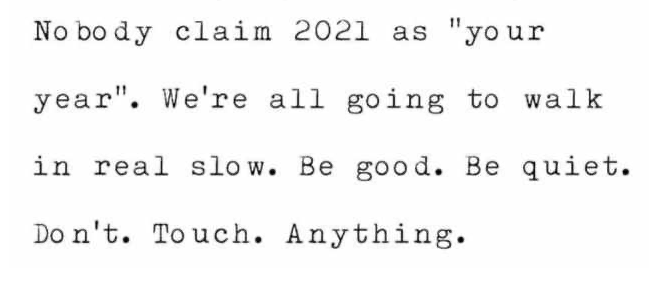
2020 is over and it’s time to kick the dust of your boots. There’s a meme out there that says you can’t claim 2021 as your year, but hell yeah, do it anyway. I have. 2021 is a fresh start to many aspects in my life, and I bet it is for you too! Hopefully these tools can help you succeed! Happy New Year!

What. Ever.

Tuesday Thoughts, Large Print, and Getting Rid of Twitter

Hi, everyone! I know I usually post on Mondays, but to tell you the truth, I’ve been struggling with finding things to blog about lately. I go through that sometimes. I feel like anything I have to say has already been said a million times by someone else, and especially when it comes to writing and publishing, I don’t have much new to share.

I did decide to take a Twitter break, and if you follow me, you can either friend me on FB, or like my FB author page and we can touch base that way. I just couldn’t take the negativity anymore, and it was bringing out my own negativity toward other people. Twitter as a whole is very emotional, and I just can’t handle how sensitive (and insensitive) people can be and when they lash out because of it. I’m not a fragile flower, but geez, there are only so many times I can be “put in my place” without feeling it. To be perfectly honest, I don’t feel like a whole lot of people are writing over there anyway, and it’s not such a great place to find supportive writers who want you to succeed. Last week, I made a graphic and congratulated an author on her release, and she never bothered to retweet it. I think that was the start of me being so discouraged I just wanted to leave. If you can’t support me supporting you, then why are you on there?

twitter logo bird with a red circle through it. no more twitter

I didn’t delete my profile or deactivate my account, but I did pin a “see you next year” tweet to my profile and I deleted the app off my phone. I logged out on my laptop to remind myself when I go on there just to go on there that I’m trying to break the habit. I’m sure it’s one of those things where I’ll go through withdrawal for a few days and after it’s over I’ll feel better.


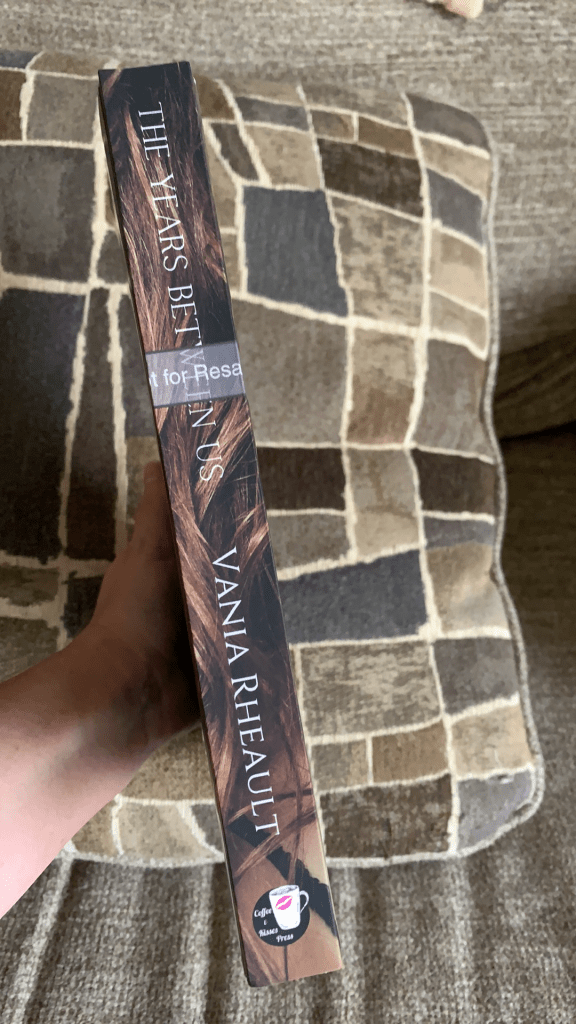
I blogged about doing large print for The Years Between Us, and I got the proof in the mail the other day. It looks great! I approved the proof and I didn’t have any problems with KDP flagging it as duplicate content. I may do some other books as time allows, though Amazon has stopped putting Large Print as a buying option on the book’s product page. So even though I know there are visually impaired people who would appreciate a Large Print book, I have to weigh time versus return on investment. In the scheme of things, doing the Large Print didn’t take very long, so I could do most of my backlist in the next year or so if I did one per month. We’ll see how it goes. I buy all my own ISBNs, and I have to keep in mind that expense as well. With the way Ingram has been glitching lately and not accepting Vellum files, this book is only available on Amazon, and I didn’t check the box for expanded distribution. I’m impressed that I could price it at 14.99 and still make a couple dollars. In expanded distribuion, I would have made fifty-six cents.


I’m still editing my series, and I suppose that’s going to be something you’ll hear from me for the next little while. I get discouraged when I think about needing to figure out newsletter stuff. I’ve looked around StoryOrigin, and I don’t think I’m going to be using it for right now. I feel like authors forget that cultivating a newsletter list is more than just getting people to sign up for it. You’re supposed to be collecting emails from readers who are going to be fans of your work and support you. I may get the newsletter stuff figured out so I can encourage them to sign up in the backs of my books and aim for as many organic signups as possible. I don’t want to lure readers with a free book to sign up. I know that’s the thing to do, but freebie seekers will cost money eventually because you’ll pay for them to be on your list but they won’t buy when you send out email blasts about a new release.

You guys, I know the rules, but I’m tired of playing this game. I just wanna write and make money doing it. Yep.

Well, I don’t have much else. I did Bryan Cohen’s ad profit challenge, but he didn’t offer anything new from what he showed us in his last challenge. I don’t think I’ll be doing any more of those, though I have met some nice people doing them.

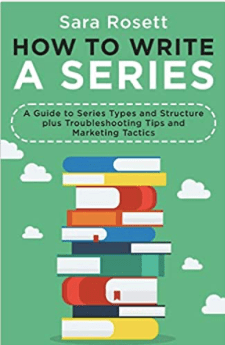
I’m always on the look out for new non-fiction to read, but I haven’t been reading much since I’ve started working from home. It’s a lot easier to get words down now that I am, and I’m reading less. Which is probably why I’m all dried up when it comes to blogging. That said, I’m still listening to podcasts, and the Six Figure Authors podcast has Sara Rosett on this week. She wrote a non-fiction book about writing a series. Since that is one thing I’ve managed to make myself bend for (I prefer standalones) I figure anything that could make the process more tolerable (and profitable!) I need to look into. I ordered How to Write a Series, and I will tell you how I like it. I didn’t realize there is also a workbook that goes with it until I accidentally clicked on it trying to grab the link for you all. Check them out!


If you want to listen to her interview on the podcast, you can find it here:

Thanks for reading!

What do you NEED to be a writer/author? Pick and choose at your own peril.

So if any of you follow Mark Dawson or you’re concerned about marketing strategies, or you were thinking about taking an ads course, or if you’re in any writing groups at all on Facebook, you know that Mark Dawson’s Ads for Authors course closed last week. Whenever Mark opens up his course, I have a huge case of the nerves. Why? Because everyone raves about this course. How helpful it is. How it’s a lifetime pass to ads and all your questions and all of the answers until you die. You can’t be an author and learn how to sell your books without it. After hearing it’s God’s gift to sales, you’ll run out and sign up, right? Well, the next time it opens is in the winter, and you’ll need that time to save up the fee, because you know why I haven’t signed up? It’s $849.00. You read that correctly. It’s almost a $1,000. And if you take the cheapest payment plan, it does cost over $1,000 dollars payable over two years’ time.

You know how indies say, “I can’t afford a cover, or a professional edit, etc, etc, etc, because I’ll never earn my money back?” Yeah. That. How many books would I have to sell to earn back $849? That’s the whole point of the ads course, right? To learn how to make that kind of money? Sure.

So how about this one? In Mark’s SPF University, there’s a course on how to write a bestseller by Suzy K. Quinn. People have raved over this, and I’m always wanting to work on the craft part of being an author. Some would say working on craft is the most important part of being a writer because it always starts with a good book. But her class is a whopping $297.00. People say they learn so much from that class. But hey, that’s two car payments for me. Or half a month’s rent.

And I’m not picking on Mark Dawson. John Truby also has a writing class. He gave a intro talk about it at the 20booksto50k conference in November last year. And you can watch it here.

His course is $397.00. You can check it out here if you’re interested.

My favorite Amazon Ads School guy, Bryan Cohen, runs an Ads Course, too, and his costs $397.00. During his ads challenges (the next one is in July) he’ll throw in some blurb writing or something a little extra to entice you to sign up. And that’s great. A lot of these indies who are offering courses try to throw in a little something for nothing. But where does it stop?

Adam Croft, under his Indie Author Mindset brand offers courses under $50.00. You can check them out here. I love his Facebook group, and I encourage you to check that out, and his podcast, too. Andrea Pearson, one-third of the Six Figure Authors podcast and Facebook group offers classes too, also in bite-sized fees, and if you listen to the podcast she just recently gave out a code for a percentage off. Her classes range anywhere from $5.00 to $50.00. Jane Friedman offers classes, as well. I’ve taken a couple and they are usually about $25.00. You can look on her blog to keep up-to-date on the courses she offers.

And that’s just classes. We haven’t talked tools yet.

Bookbrush. A platinum yearly fee with them is $250.00. Canva. A yearly membership with them is $120.00 a year. But if you compare the two, you get quite a lot more with Bookbrush, as you should since it’s double the cost. There there’s Vellum, and if you don’t have a Mac you have to run it through Macincloud, and if you do want a Mac, well, everyone knows how much they cost.

Then there’s ProWritingAid (lifetime is $224.00), the Hemingway App ($19.99 one-time fee), Grammarly (the premium is $139.95 a year).

Scrivener ($49.00).

Publisher Rocket ($97.00).

Let’s do promotions: A Freebooksy with Written Word Media is all over the map, with the popular genres around $100.00. E-reader News Today is between $50.00 to $140.00 depending on the price of your book. Book Barbarian runs about $50.00. Fussy Librarian is isn’t terrible, but you still have to sell books to make a profit.

Never mind paying for clicks on Amazon Advertising, and the same goes for running Facebook ads and Bookbub ads. (Don’t bother with running ads on a platform you don’t understand. You might as well give me your money. I’ll use it to buy promos.)

Can we add newsletter providers too?

Oh, I forgot about website hosting and a domain name. Maybe a business upgrade on WordPress.

A yearly subscription to Microsoft Office 365.

Forgot coffee. And booze. Are you even a writer if you’re not drinking something like a fish?

Let’s just say that indies have a lot of resources and not all of them cheap, ah, budget-friendly.

How much does it cost to be a writer? Well, nothing. I mean, literally 0 dollars. It takes no money to be a writer. Maybe two dollars. Grab a pen and notebook from the dollar store. Or scrounge your kids’ school supplies for things they didn’t use after everything moved to online learning because of COVID-19.

There’s a joke in the running world that running is the most expensive free sport there is. Shoes, race fees, GPS watches, the rest of the gear. The list is almost as long as what a writer needs to be an author. Being an author is the most expensive free thing you can do right? Tell that to my $150.00/pair Brooks running shoes so I don’t get tendonitis in my ankles.

But how much money does it really take to invest in your business?

The problem is, not anyone is going to know but you.

I had a friend step back from writing. She’s focusing on her family. That’s great; she has to do what’s best for her. And while she’s never said she won’t come back into the writing/indie space, what she did invest in will just sit while she decides what she wants to do. She bought a Mac, she purchased Vellum. She bought a yearly subscription to Canva Pro. Granted, that can run out, but I don’t know how much of her paid year will go to waste while she’s not using it. She purchased her domain name for a blog she took down. I gave her a free developmental edit of her book, so there’s something, but she paid for a cover for a book that will sink in the Amazon store because she won’t be promoting it (and by promoting it, I really mean writing the next book) while she takes a break.

So how much money should you spend? Start small. I pay for Word. I don’t use a writing software like Scrivner. But you don’t have to purchase Word, either, though the .docx is compatible with Vellum and other conversion websites as well as KDP. There are free options like Open Office or Google Docs.

There are some things indie professionals say you can’t skimp on like a professional edit, or a decent book cover. And that’s true. You don’t have anything if you don’t have a good book. That’s why there’re craft classes out there. But you don’t have to pay $300.00 for a class. There are a ton of craft books, and all you need is to invest some time into reading them. In fact, there are a lot of free resources on YouTube if you learn better listening to a speaker. Brian Sanderson has a set of lectures on Youtube people say are really good, and you can get started here. And over the years John Truby has spoken about craft and you can watch those YouTube videos for free. I’ve shared several talks I’ve enjoyed from the 20booksto50k conference in Vegas last year. The group puts those on YouTube for free too. Chris Fox’s channel is valuable, as is David Gaughran’s new channel.

I suggest narrowing down what you need at the moment you need it. If you only have one book out, probably you don’t need an $800.00 ads course. If you only have one book chances are working on craft would suit where you are in your career a lot better than learning an ad platform or any kind of marketing strategy.

I have fear of missing out, and a lot of writers I know do too. It’s tough not to want the newest brightest thing. Especially when all your groups on Facebook are raving about it. I can’t afford Mark Dawson’s class, and if you can’t either, there’s no point in feeling bad about it. It is what it is. I’ve learned a lot taking Bryan Cohen’s free ad challenges, and he doesn’t push you to pay for his class. I break even with my ads, and that’s okay. I’m not losing money and I’m picking up new readers. At this stage in my career, that’s a win for me.

Having all the tools and technology won’t make you a writer and I have a feeling that was what my friend was aiming for. She was collecting the tools of the trade, but in two years wrote only 60,000 words. For some indies, that’s a word total per month.

Think about what your goals are, what you want out of your career and when you want them. My fiancé bought me a Mac and purchased Vellum for me. I format a lot of books, and pay my fiancé’s kindness forward and will format free for others. Like I said, I pay for Word. It’s my main (umm, only) writing software and I use it every day. I pay for Canva. I bought Publisher Rocket because I do experiment with ads (and right now those small ads are my main source of sales). I’m ashamed to say I threw $40.00 at something I don’t even know what it is or how it will help me. All I know is she said it was her final offer because she wasn’t going to sell it anymore, and I swallowed it hook, line, and, sinker. Some kind of author toolbox website that I probably will never be able to find because I was too busy throwing money at her to pay attention to what I was buying.

It happens, and probably more frequently than we want to admit. The panic sucks. The fear of missing out on something that will make us a bestseller. And we especially panic when we think everyone else but us has the magic bullet.

A good rule of thumb is to exhaust all the free possibilities before going to paid. Newsetter providers have tutorials. So do lots of people on YouTube wanting to help you. Podcasts have been a great way to learn things, and I like to multi-task. Listen while you’re doing chores, or running errands, or taking a walk. I use my phone to take notes if they mention something of interest I don’t want to forget.

No matter how you learn what you learn, probably the one thing you’re going to need to invest is time, and in a lot of cases, that time is better spent writing.

How much does it cost be a writer? Nothing.

Okay. Two dollars.

Tell me what you think!


Writing with tropes in mind. What I learned from reading Zoe York’s Romance Your Brand

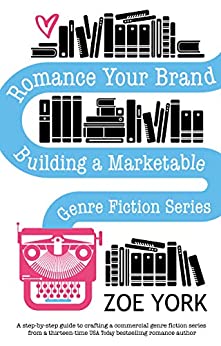
Last weekend I read Romance Your Brand: Building a Marketable Genre Fiction Series by Zoe York.

I love reading nonfiction by indie authors. It’s like being able to pick their brains without actually bothering them. An author shared a screenshot of the books on her Kindle in one of the Facebook groups I’m in, and Zoe’s book caught my eye. Zoe is a well-known in the indie publishing space as a contemporary romance writer. I first heard of her when she was a contributor of the now defunct podcast Self-Publishing Round Table, one of the first podcasts I listened to about self-publishing.

I was excited to see that she started writing nonfiction and I purchased her book right away.

I’ve written two series: one trilogy and another with four books. They don’t sell that great, but though to be fair, I don’t promote them much, either, and I thought Zoe could share some things that worked for her.

She goes through the reasons why a series is good–namely read-through and creating a world fans can fall in love with. I already know that, which is why I tortured myself all of 2019 writing one. It’s not to say I didn’t enjoy it, but there are things you have to consider like consistency and bringing other characters into the story of the main couple because they’re all friends and people simply don’t disappear when you don’t need them at the moment.

Zoe goes into some of the planning, encouraging you to draw a map of where your series is going to take place. She writes small-town romance, and my Rocky Point Wedding Series is placed in a small town, too. I knew my series wasn’t going to be very long — I don’t have an attention span for several books, so I trusted myself to keep Rocky Point’s details in my head without writing them down. But if you plan to write 5+ books, it may be advantageous to treat your setting like a character and write a detailed sheet to keep facts straight.

Other tips she offers are keywords, naming your series, and plotting out the books. This is where my ears perked up so to speak because Zoe is a genre fiction author. She subscribes to the Venn Diagram where you need to write to market while writing what you love and finding that sweet spot to sustain a lucrative, but happy and satisfying, career for yourself.

When I plotted my series, I started with setting first. For me that’s the easy part. I set the books in a fictional small town in Minnesota based on my hometown. I even gave my town the same attributes — along the Canadian border, a shut-down paper mill, and a similar Main Street. I’ll probably always set my stories in Minnesota. I love the seasons and the variety they can bring to the plots.

Then I move onto characters. I think this is where I dropped the ball and Zoe opened my eyes that actually when I plan out my books I don’t keep tropes in mind.

Every romance novel is based on a trope or two, and while you might scoff or want to deny it because your books are better than that drivel, I need to remind you readers love tropes. The kind of trope the book contains is why the reader chooses to read your book.

While plotting my series I forgot that, and it’s why my books aren’t as strong as they could and should be. Of course my books contain tropes, but I assign the tropes after the fact when I should be planning my stories around them. Knowing the tropes I want to include beforehand will give my books a stronger spine.

What are some romance tropes? These are from Zoe’s book:

  1. friends with with benefits
  2. married to the enemy
  3. marriage of convenience
  4. enemies to lovers
  5. fish out of water (new town, fresh start)
  6. forced proximity
  7. bad boy
  8. ugly duckling
  9. unrequited love
  10. friends to lovers
  11. strangers to lovers

There are more, these is only a sample. A Google search can come up with a couple more:

  1. forbidden love
  2. age gap
  3. secret baby
  4. fake date
  5. fake marriage

You can have a lot of fun with tropes. Take forced proximity. Maybe two strangers have to share a shelter during a tornado, or the elevator stalls (that’s pretty popular) or there’s only one bed (another that’s popular). Anything where the characters need to spend a lot of time together in a close space with no chance of escape. Like a cabin during a blizzard.

Zoe encourages you to list the tropes as you plan the books in your series and I’m going to start doing that with all my books. For now I can list the tropes that my books do contain (I can list them for marketing and ad copy purposes) and going forward use new tropes as I plot.

Knowing what tropes your books includes can help with blurb-writing and writing ad copy. As Jami Albright says, tropes sell. If you can make the tropes easy for readers to see, you’ll be more apt to make a sale.

Writing a series takes a bit of planning. At least the first few books so you can fit the pieces of each book together like a puzzle. Some series can go on for a while see (Robyn Carr) and there is no way to plan twenty books at one time. But if you can list the elements you want to include in the first few hopefully consistency won’t be too big of an issue and you (and your characters) can find a groove.

Zoe’s book gave me a new perspective and I feel there are things any genre writer could benefit from. I encourage you to pick it up. You’ll be glad you did.


A note about sub-genre and tropes.

Some writers blur the line between sub-genre and tropes. The easiest way to explain the two is to give an example.

Take Aidy Award’s books. She writes curvy-girl romance. That’s her sub-genre. You know when you grab one of her books the heroine will be voluptuous. But that can’t be the plot. The plot will contain tropes that pertain to genres that aren’t only curvy-girl. Like close proximity or enemies to lovers.

Billionaire romance is another example. Maybe every single male character an author writes will be a billionaire, but those characters will have their own plots that contain their own tropes.

I have noticed that some of the bigger in the writers like Aidy focus on one sub-genre. Then they have fun with the tropes. They have an easier time branding their books and that helps marketing and sales. It’s something to think about moving forward.


If you want to grab Zoe’s book, look here. She has another book related to this one, and I’m going to grab it as soon as it’s available.

To check out her Amazon author page, and take a peek at her contemporary romance books, look here.


Thanks for stopping by!

Letting go: stopping the search for perfect.

By the time you read this, I’ll be done going through my backlist. The loss of some of my Vellum files spurred me on to the idea that if I was going to reformat them to get my files back, I might as well re-edit them too.

While I haven’t written anything fresh in quite some time, I’ve re-edited and reconstructed the Vellum files of seven books. It was a lot of work, but I’m glad I took the time. I found tiny inconsistencies, typos, and in some earlier books, hammered out telling, and for some reason in On the Corner of 1700 Hamilton, lots of passive voice. (That is a weird speculative fiction kind of book, and I’m not sure where my mindset was when I wrote it. The other day someone borrowed it in KU, read one page earning me .01 cent, and returned it [I’m assuming they returned it because they didn’t read anymore.] I can’t say that I blame them any.)

I can see how I’ve grown as a writer and where I can still improve.

But probably the hardest thing for me is finally letting these books go. They are the best they are going to be. It’s a little scary because no writer wants to put subpar work out into the world, and when we put out books with spelling errors, typos, or plot holes that’s what we do.

My anxiety comes from thinking my books have them (even though they could be 100% clean) and I need to let that worry go. I had a moment of panic when I was fixing something in Wherever He Goes. I thought I fixed it and moved on. Later, I went back to reread what I had edited and I discovered autocorrect had changed a word I misspelled to something completely different than what I had intended. Even the word misspelled would have been better than what autocorrect inserted instead.

Suddenly, my life flash before my eyes and I envisioned my whole book full of autocorrected words rendering my pages to a book full of gibberish.

That isn’t likely to happen, but it’s enough to give any author hives. But no matter how many times we go over our books with a fine-tooth comb, chances of putting out a 100% error-free book are slim to none.

There will always be something to change and you get to the point where it’s not a change for the better–it’s only different.

There is a certain peace in knowing these books are as good as I can make them for the skills I have right at this minute. I fully believe that as writers we will never stop growing. We’ll try for twistier plots, more points of view, we’ll get better at breadcrumbing backstory and clues, and we won’t info dump at the beginning of stories. Our eyes will get sharper and we’ll catch more of our own mistakes and we’ll realize we have crutch words and weed them out before handing off our stuff to an editor.

We’ll refine our editing process and grow more efficient. Our first drafts will be cleaner.

When I was editing my Tower City trilogy, I came to two realizations: my writing from two years ago wasn’t as bad as I had thought, but my story (particularly the first book) was just as lackluster as I’d try to deny myself.

To be kind, you can call these books “quiet.” Internal conflict, some stuff going on, but not a lot of character growth, if you know what I mean, and if you don’t, in editor-speak that means not completely formed character arcs. I didn’t understand how to tie in past demons with the present story. What I did know came from instinct and a lifetime of reading romances. Sometimes the “beats” are ingrained and you know by feel what needs to go where. Some might say that’s skill, or talent, but I call it luck and it’s what made Don’t Run Away a half-way decent read as my first contemporary romance book.

In the second book, I had “Let’s meet an ex in a public place” scene like in the first book, and I don’t know if it was bad memory, or if I didn’t care, but at least I stopped that in my other books.

Part of the reformatting included doing a new box set for the trilogy and I wrote a “Where are they now” novella for the end. It was easy to write because I was fortunate to have written what I did in the original books. The novella practically wrote itself.

Now, even though the novella won’t make up for the slow start of book one, at least I can confidently brush my hands of that whole thing. They are re-edited, I changed the covers last year, and all the couples have a new happily ever after. There’s nothing more that I can, or even want, to do with those characters.

They are finally on their own.

Chasing perfect will never end well. Sometimes you’re at a point in your writing life where you can’t give it to yourself no matter how hard you try. Sure, I could write a better book one now, but what is the point when I could use my developing skills to write an entirely new book? If it were part of a ten-book series it might be worth it for the read-through, and if that’s you, then maybe it would be worth your time.

Like anything, your mileage may vary.

Some may see the time I took as a waste, but I disagree. If I found peace of mind in these two and a half months of going back and making sure my books were the best I can do as of Spring 2020, then it was worth it to me, but the trick now is to leave them alone and focus on the new.

My books aren’t dumpster fires. Maybe they aren’t 100% perfect, but no book is. I need to accept that, let my anxiety go that there are things that could be fixed. There probably are, but I need to forget about that and market my books with confidence.

Chasing perfect is an unattainable goal.

Maybe there are tiny fires in the form of an errant apostrophe, or a number I typed out that didn’t need to be, but I need to shrug those little things off, pull up a log, and grab my marshmallows.

A little fire doesn’t have to be a bad thing.


If you want to hear a talk about chasing perfection, Kristine Kathyrn Rusch has a great one she gave at 20booksto50k Vegas last year in 2019.


Also, just by chance, my friend Sarah also wrote a post on her blog a few days ago about her own struggles with perfection, and you can find it here: https://sarahkrewis.com/survivingperfectionisminwriting/


Being a Career Author. Do you have what it takes? Part 3

Hello writers and authors! This is the third blog post in this series that is exploring the findings in an author survey conducted by Written Word Media, the company that brings you Freebooksy and Bargainbooksy and other promotional tools.

You can read the intro to this blog series here and read the second part about how much time career authors spend writing here.

The third thing this survey found about these authors is that they invest in professional editing.

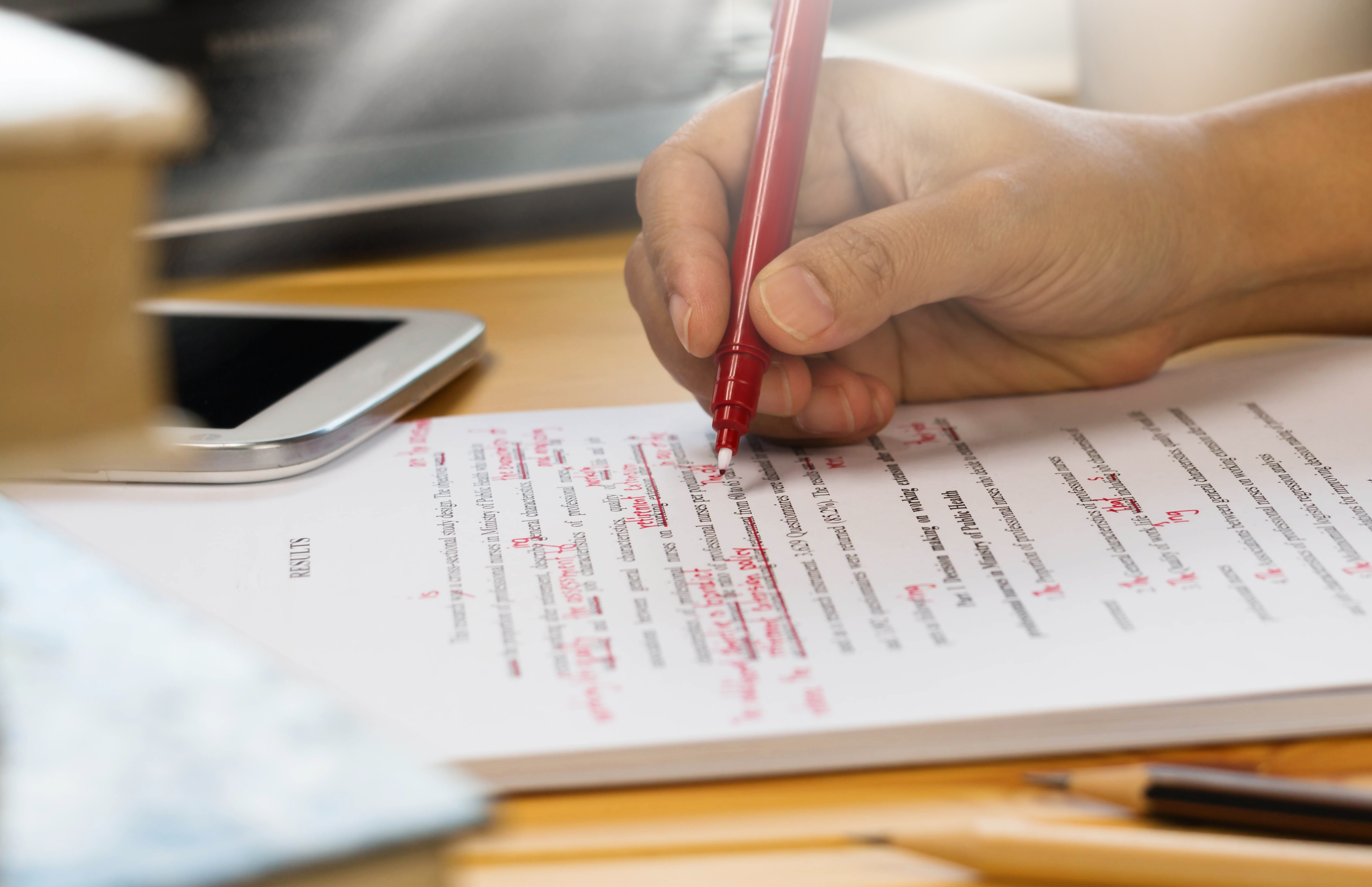
hand holding red pen over proofreading text

Editing can be costly and scary, but it’s much needed by every author.

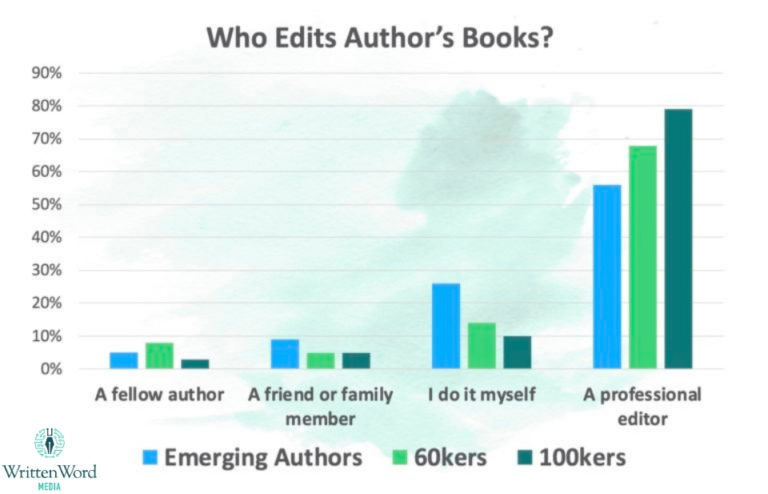
Remember, emerging authors have six books in their catalog, have never made more than 60k in a year, and spend on average 18 hours a week writing.

60kers have 22 books in their catalog, and, on average, spend 28 hours a week writing.

100kers have 28 books in their catalog and spend, on average 32 hours a week writing.

As we can see by the graphic below that accompanied the original survey, all three kinds of authors use a professional editor the most. But when it comes to editing, new authors have it tough. We’re not making money yet, but we never will if we’re not selling a good product.

Marketing-Is-Hard-3-768x494

And while technology makes it easier than ever to find typos (thanks, Grammarly) technology makes it easier for readers to complain. When you read a book on a Kindle, for example, a reader can highlight a typo or mistake and report it.

Crazy, huh?

It stands to reason a well-edited book will earn you more money in the long run. But when you have no money, it’s hard to come up with the fees.

Not to mention, there are different types of editors, and you may not understand what kind you need, and the cost can add up if you need more than one kind.

If you’re a new writer, you may want to invest in a developmental editor. They’ll weigh in on character arcs, character development, plotting, and pacing. Readers aren’t going to like a book with flat characters and plot holes. Learning craft is hard, but you may only need to hire a developmental editor once to steer you on the right path for the rest of your writing career.

A line editor is different. They check facts (does your sun set in the west and rise in the east?), word usage, and syntax. They’ll correct you if you used the word sporadic when you meant erratic. If you’re not good with details, this kind of edit can help you a lot. I still use advice and tips I learned from the people who beta read and edited my earlier books. I used a lot of garbage words and learned how not to echo words in the same sentences and paragraphs.

Proofreading is a quick read through of the book as a last step for typos, missing words, etc. before publication. This is also the cheapest kind of editing.

If you can afford editing, make sure you ask for a sample first. The indie community is full of people charging for services they have no business providing because they don’t know what they’re doing. Be smart. Reedsy offers a list of professional editors, as well as Joanna Penn.

As for me, as I said above, early on I asked for lots of feedback and I took a lot of their advice. My first beta reader, Joshua Edward Smith, gave me invaluable advice that I still use (and I still laugh over some of my mistakes and his comments).

These days, against popular opinion, I do a lot of my own editing. I have nothing in my defense except that so far I’m not making a lot, and it’s hard to justify the expense. I do use beta readers, and they’ll look for typos for me after I run my manuscript through Grammarly.

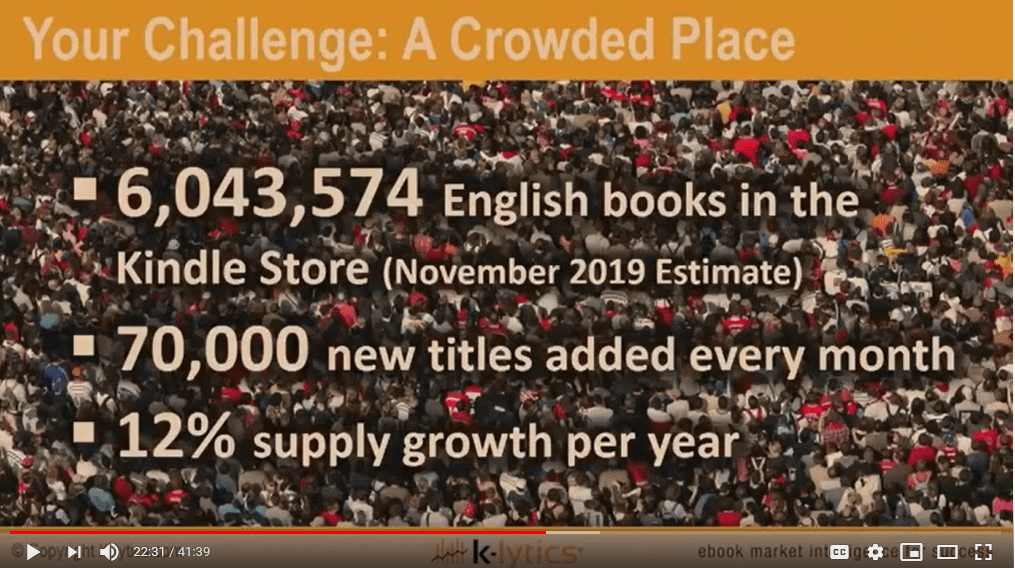
2019-11-24You could argue I’m not making any money because my books aren’t edited properly. Maybe. But I’ll use this reasoning instead. Remember Alex Newton’s K-lytics report from one of my previous blog posts? I prefer to blame the saturation of the industry. Shh! I don’t spend much on marketing, so I would prefer to think people don’t know my books are out there.

Can you get by without an editor?

That depends on where your skills are with the craft, how much writing you do, how much feedback you listen to and apply. It depends if you can catch all your own typos, or if you know enough to use Grammarly effectively. (Not everything Grammarly flags needs to be fixed, so you can’t trust it blindly.) Usually the answer to those questions is no.

Would I advise a new author to publish without an editor? Nope. There’s no denying a book will sell better with a strong plot, three-dimensional characters, great grammar and punctuation than one without those things. And if you’re a new author, you’re unlikely to catch all those things on your own, or even know what to look for while editing.

You can building a writing career on a bad book, but it will take you longer than if you start strong.

What can you do?

  1. Join a writing group on FB and swap with someone in your genre. Just be careful and have a thick skin. Ideally, you’d want to form relationships with people in those groups before you ask. At least if you’re more than acquaintances they’ll hopefully be kind and actually be helpful. People can be cruel, and some just like to tear others down out of their own self-esteem issues, or they think they’re better than everyone else. You may need to pick through a few people before you find a good match. Twitter is also good if you search #betareader with maybe a hashtag of your genre. There’s been lot of activity on the hashtag in the past six months or so. Just look for someone who will be willing to give you some real and useful feedback.
  2. Do what you can on your own when it comes to craft and grammar. The cleaner your manuscript when you hand it off, the less time an editor will have to spend on it, and that can cut down on costs. There are a lot of books out there that can help. Two of my most favorite books are James Scott Bell’s VOICE: The Secret Power of Great Writing and Grammar Girl’s Quick and Dirty Tips for Better Writing. Sit down and read it just like you would any other book. Mignon is funny and very easy to understand. She didn’t write it like a reference book, and you’ll be amazed at what you didn’t know. Another good editing book that everyone at the Santa Barbara Writers Conference I attended a couple years ago said was a must have is Self-Editing for Fiction Writers. How to Edit Yourself into Print. 
  3. Publish on WattPad for feedback. I don’t really condone this, as I feel that if you’re going to use the platform as a publishing site, putting up work only to take it down to publish it elsewhere might not sit well with your readers. On the other hand, I’ve heard from other writers that do this, and it seems to be an acceptable thing. If WattPad has turned into kind of a testing site for books and stories, then I’m not one to say anything. It’s something to consider at least, if you think a plot isn’t working, or you want general feedback overall.
  4. Keep an open mind. When you ask for feedback you need to keep an open mind. I hear some writers say they would never change their plot/characters/POV whatever based on feedback alone, yet they say they’re querying. A book being published without needing edits is almost unheard of, so if you’re querying without an open mind, you’ll never get published and you’re wasting everyone’s time. If you are honest and know that you’re not going to take people’s valid opinions into consideration, you’ll never grow as a writer. There is always room for improvement.

This wraps up the editing portion of the survey. Smart authors get their books edited/apply feedback, and the authors who don’t will deal with the consequences (ie, bad reviews and poor sales).

Next up, the survey asks about book covers and what the three levels of career authors do in that instance.

See you then!


end of blog post graphic