Things may seem bleak now, Brother. But if I’m learning anything from my art studies, it’s that it is almost always a matter of… perspective. I look at my art, and if I do not like what I see, I may always alter the color palette, but I certainly do not toss the entire design aside. Perhaps you, too, could do the same in your own life.
There is a lot of advice online about indie publishing, and we all know to take advice with a grain of salt. People rarely post the whole story to any situation, but a lot of times that’s not their fault. When you’re given a character limit, there’s not a lot you can do. That’s why when someone is asking about ads or editing or marketing, there’s going to be a lot of missing, or misleading, information. Whole books are written on topics like that and there’s no way the person asking how to run Amazon ads will successfully learn everything they need to know in a Threads post or on Twitter. Even Facebook with their unlimited character limit, people won’t/can’t post everything you should probably know. Besides, it’s not their job to teach you, and their way may not be your way.
Part of the problem is the people asking don’t want to take the time research for themselves. We’re all busy and sitting down to read a 200 page book on Amazon ads may sound bland and time-consuming. They want to know the nitty-gritty, but the problem is, we all have different books, knowledge bases, different budgets, and yeah, different perspectives.
I never considered it until someone I’ve interacted with every once in a while relayed this story on Threads:
I related to the post because I too, break even on Facebook ads, but I never considered myself “failing.” I reason that I’m finding readers–people are reading my books who wouldn’t have before–so I never considered the ads or my books, a failure. So, yeah, in a sense they are “working” but anyone who is in my shoes would want them to work “better.”
That’s why it’s important to know what you want out of your books, what you want out of your business, and what you want out of your ad platform. If you want to sell 100 books a month, your goals are a lot different from someone who’s happy to sell one. If they’re happy with that one book a month, then your marketing strategy is going to be vastly different from theirs.
I haven’t done a very good job of figuring out what I want, mostly because I’ve been happy simply writing the next book and breaking even. I’m rather vague, saying I just would like to make a part-time income to fill in some of the blanks my day job leaves behind. I need to change that mission to earning a part-time income without having to spend on ads, or making 200% ROI so I’m earning more than just being able to cover ad costs. I’m grateful I’m selling books at all, even if I have to pay for ads to do it, because the market is crazy right now–there are so many authors and books out there–and selling books isn’t a guarantee no matter how wonderful your books are or how big of a backlist you have.
So when you seek advice online, be prepared for advice given by people who have different goals and perspectives than you. Rarely do we all want the same things or have the resources to obtain them. Taking advice from someone who has very little to spend on ads will be a lot different than listening to advice from someone who can afford to throw $500.00 a month at them. They can because either they have the day job to afford it, or they’re making money off their books and they’re putting their royalty money right back into their business. You may be a ways off before being able to do that.
If you aren’t making money off your ads or you’re not selling books, changing how you look a your product can help too. Get honest feedback on your cover. Get help rewriting your blurb. We become very close to our books and we’re biased because we don’t want to think anything negative or bad about something we worked so hard on. But it’s essential to look at your book as a reader of that genre and not its creator. Change your perspective and you might be faced with a whole lot of truths that can only help you move forward.
When you think about ads or booking a promo through Written Word Media or something else like Fussy Librarian, it helps to know what you want. Do you just want to make your fee back? Maybe you want some reviews too (keeping in mind on average, only one reader out of 100 will leave a review). Maybe you’re just testing the waters and don’t mind losing a little money. Maybe you’re just paying to get your name out there, wanting the exposure, or maybe you’re pushing out your backlist and laying the groundwork for a new release. If you know what your goals are, you can study what others are doing and twist them to suit you and your business.
If someone does say they are having success with ads and you want to break down the hows and the whys, here are some basic things you can look at:
How are their covers? Covers play an important part when you pay for ads, especially Amazon ads where the book cover is the only thing that’s featured (if you don’t choose to write ad copy). Are yours up to snuff? Because if they’re not and theirs is, you can throw their advice away. It won’t work for you.
Blurbs. You need a strong blurb (and cover) or you could pay for clicks and once they reach your product page, they’ll back out and you won’t get any sales.
How many reviews do they have? Opinions on this vary, but from my own experience, books that have more reviews do better than books that have fewer. If you have five and the person you’re talking to has 500, you’ll have to keep that in mind and maybe realize it will be harder for your ads to encourage sales.
How often do they publish/how big is their backlist. If they publish four times a year and never fall off Amazon’s 90-day cliff, but you can only publish once a year, take that into consideration. You’re going to be pushing a boulder up a mountain, and that author is already at the top.
Are they promoting other ways (like a newsletter)? Any way an author is pushing readers toward Amazon tells Amazon to push your books and ads will work that much better. It’s kind of a crappy cycle: the more you push readers to Amazon, the more they push your books, and the more your books will sell, and the more your ads work, and the more your books will sell, and the more Amazon will push your books. I believe that’s called being “sticky” an achievement I haven’t reached yet.
Changing your perspective can help in other ways, too. Experiment with your bid, experiment with your ad copy/tagline, even changing your keywords or categories. If something isn’t working, you need to look at it from a different point of view. This is what my ad would look like if I ran an Amazon ad with ad copy to Twisted Alibis.
For as good as it sells, I’m disappointed I don’t have more reviews, but it’s better than Captivated by Her that only has like, 11 star-reviews and maybe one text-review, so I’ll take what I can get.
You can study that ad and think of what you could do if it was your book. Is the cover good? If you’re in a country that allows you to add text, is your tagline hooky? How many reviews do you have? Is your Kindle price where it should be, or is it too much… or too little?
You have a lot more freedom with Facebook ads, though they’re making changes now and I bought a class from The Writing Wives because Mal is going to go over them. I’ll be logged into work and I won’t be able to watch it live, but I need to know what to do the next time I want to set up a Facebook ad. I have two running right now that have great social proof and I’m never going to turn them off. As of right now, even though I’m slightly losing money on them because sales are dismal, they are the only thing driving any kind of traffic to my books.
There are a lot of resources out there about how to set up Amazon and Facebook ads. A lot of it is technical information, and you have to take that information and tailor it to your books. Like with Facebook ads, not everyone is going to use the same featured stock photo, or use the same headline, or use the same description. All they can tell you is how to set up the ad and possibly give you tips on hooks. You’ll have to figure out what works and what doesn’t. Look at your ad in the POV of a reader and ask yourself if it would draw you in.
David Gaughran has a ton of information on Facebook ads, and he recently just did a tutorial on how to turn your book’s cover into a graphic using Canva.
This blog post has gotten way out of hand, and honestly, I’m not even sure what I’m trying to say. Listen to what people have to say, but be aware their goals may not be yours. That might not be a bad thing–getting others’ opinions can be helpful. Know what you want out of ads, and be honest with yourself if they’re not working. Or if they are working and you want them to work better, figure out what you can do, even if that’s just adding a dollar to your daily spend (if you can afford it and/or if you know you’ll earn it back). Right now, I’m stalled out, spending about 8 dollars a day and earning 6 if I’m lucky, but I think it’s because I haven’t published anything for a long time, and we always have to keep in mind that writing the next book is the best thing you can do.
It’s been kind of a long week, and it’s hot outside–86F. I’m going to go outside and give some water to my animal friends and walk around the block to clear my head. I swear to God I’ll be a different person once this series is done. Maybe I can finally get some rest.
I don’t have much to update you on this week. I’m slowly making my way through my King’s Crossing proofs and I’m in the middle of book two right now. I’m not finding much, a word that should have been deleted here, a word that should have been added there. Like many authors, some of what I mark I’ll decide to leave alone, and that’s usually the hint I need to realize that after proofing these, there isn’t going to be anything left to change or to make better. I recommend everyone reads their proofs because it’s amazing what you’ll find when your book is printed out, and actually, ordering a proof is a cheaper than printing it out at your local Office Max.
Anyway, so that’s all I have for my author update.
As far as my Monday Musings are concerned, I want to defend all my Canva book cover blog posts. There are opinions circulating on Threads that pretty much say it’s not safe to use a cover made in Canva because Amazon won’t accept them if they ask for proof of copyright. This isn’t correct and I do not want any baby authors to get scared or bummed out they can’t use Canva to create their covers. The truth is, KDP/Amazon doesn’t care how you made your cover. You can use Canva, BookBrush, Photoshop, Affinity Photo, InDesign, GIMP, or even Word. What they care about is where you got the stock photos that you used to create your cover. Canva Pro gives you access to hundreds of thousands of stock photos, and you can use them, for anything but book covers because if KDP asks you if you have the licensing rights to use the photos, they won’t accept Canva’s. That’s it. That’s all it is.
When you buy a stock photo, you’re not buying the copyright of that photo. you’re buying the licensing, or the permission, to use it. The photographer and the model, through a model release, say it’s okay for you to use the photo on your book, and that’s the documentation that KDP wants. Canva doesn’t give you the proper permission to use their stock photos, not in a way that Amazon wants, anyway. So, whenever I talk about Canva, I always say you should buy your photos from places like DepositPhotos, Shutterstock, Dreamstime, or 123rf. You can browse Canvas stock and find the source and purchase it directly. Sometimes the source is Getty, and we all know most of us can’t afford that. For that reason, I never practice book covers using their stock because I might fall in love with something I can’t use.
The same goes for places like Unsplash, Pexels, and Pixabay. Those places are fine if you’re using stock for blog posts and aesthetics, but for an actual cover where you’re going to be making money from your book, you should buy your stock photos.
The standard licensing is fine–the extended license of a photo is primarily if you’re going to use the photo on something you’re going to sell, like a coffee mug. The standard license is fine for a mug if you’re going to make one for a giveaway, or something else like bookmarks, but if you’re going to sell those coffee mugs and bookmarks at a book table at a convention, then you need the extended license, which is a lot more expensive. That’s why I don’t make swag. It’s expensive and I don’t have a readership that would pay. If you want to make bookmarks or business cards, or even post cards, the standard license is fine–knock yourself out. VistaPrint is a good option.
Another reason someone said it’s not safe to use Canva book covers is because someone could copy it and you can’t do anything about it because you can’t copyright what you make in Canva. The thing is, anyone can copy a book cover, and it doesn’t matter where you make your cover. The reason most authors don’t have their book covers copied, even if they’re gorgeous, is because you’re just asking for trouble if you do. There’s no faster way to get blackballed in the author/writer community than copying someone else’s work. Now, can the author you copied sue you for that? Sure. They might start off sending you a cease and desist email first, ask you to change your cover, counting on that to scare you enough, and if you’re baby author who got swept up in loving a cover, or you bought one from a designer and you didn’t know she “borrowed” the design, then a cease and desist letter would probably be enough. But the threat to sue, I don’t want to say is empty, but a lot of authors don’t have the money to take you to court. So, it doesn’t matter where your made your cover, anyone at any time can copy it.
When you’re a romance author, we do get into some shaky and shady territory. We use the same models, a lot, even the same backgrounds, a lot, and when that happens, sometimes vibes are the same. I think most of us authors understand that and we just shrug and say, “It happens.” I even blogged about it, and you can read it here: https://vaniamargene.com/2023/08/14/romance-covers-finding-the-right-stock-photo/
I’m not a copyright lawyer, and when I talk about stock photos and book covers, that’s all my knowledge pertains to. Canva is used by people who are not authors, and when someone uses their elements to make logos and social media graphics geared toward selling products, I have read those logos and social media graphics don’t belong to that company. Maybe that’s true. I have no idea. I don’t work for a company that asks me to make social media graphics, so I don’t have to know the legalities of it.
When I make a cover in Canva, sometimes I do use a Canva element, like a gradient or a glow star, but I use DepositPhotos for everything else. When Amazon asked me for licensing information for the 3rd book in my rockstar trilogy, I took screenshots of the download information of the background photo, the model’s photo, and my profile information. I had other things on my cover (a small piano vector indicating what instrument the guy in the third book played) but I didn’t give them that, or the font information. If you’re ever asked, give them as little information as possible because right off the bat you’re dealing with a bot that randomly picked you and you don’t want to muddy the water with information they don’t care about. Keep it polite, give them the stock photo information, and if you don’t have it, they’ll tell you to change your cover. If that’s something you have to do, be smarter and buy your licensing agreements the way you should (or never use that cover designer again). (Here’s a blog post I wrote about scammy cover designers–https://vaniamargene.com/2024/04/22/author-update-and-vetting-your-book-cover-designer/)
I hate when “important” information is passed around on a platform like Threads. There’s no way you can include all the information you need in a post so you don’t confuse people. And if you do see blanket statements like, “Don’t use Canva to make your book covers because it’s not safe,” I always suggest you look up who’s saying it. A lot of times it’s going to be someone who benefits from your fear, like, you guessed it, a book cover designer who is going to be out money because you’re making your own covers.
I saw that once last year. A book cover designer in a book cover Facebook group was trying to go after GetCovers because they were “copying” book covers. After a lot of back and forth and nasty comments, even between her and the GetCovers owner, or whoever he happened to be, what it boiled down to was she was a book cover designer who was angry they could charge so little and she felt it was eating at her potential client base. It’s the same for editors, too. Anyone who says you can’t publish without paying an expensive editor is probably an expensive editor who wants to guilt you into paying their prices.
I’ve turned so jaded lately I just always assume people are looking out for themselves first, most, and always, so always, before you get scared, do your research.
Thousands of authors use Canva to do their covers. Some use it properly, purchasing stock photos from reputable sources like DepositPhotos, some take chance and use Pixabay or Unsplash, thinking that their “free for commercial use” agreement is enough, some use Canva stock and hope for the best. If you’re going to use Canva because it’s easy and user-friendly, then you’re not doing anything others aren’t doing. I know that shouldn’t be much of a consolation, but you’re hardly breaking the law. Even if I make a cover for someone else and they’ve downloaded their photos, I download them too so I have the licensing agreement under my profile in my downloads. And what I would send KDP, or what I have sent, looks like this:
This is the purchase proof for the model who will be on the third book of my King’s Crossing series.
That way the author I’m helping can say I made their cover, and I can turn around and give her the screenshots she needs to prove I paid for the licensing agreement.
I have said in the past that your books are your business, and it really doesn’t feel true until KDP smacks you with a proof of licensing for a stock photo.
Anyway, that’s all I really wanted to say. Like almost everything, if you mess up, it’s the operator, not the machine.
Have a good week, everyone! I’m going back to proofing.
I was going to write about book covers at the end of my post, but I decided to move it to the top so if you don’t want to read my author update but still want to read that part, you don’t have to scroll to skip it.
One of the things I’ve been seeing a lot of online is scammers who are making premade book covers. That doesn’t seem so terrible–even I’ve mentioned making covers and putting them on this website, only for free in case anyone is having a difficult time and needs something quick that looks decent–and it’s not terrible, if they go about it right way.
Not everyone who makes premades is intending to rip you off, but many of them are. They think because you don’t know how to make a spine and back cover, that gives them the right to charge you $50-$100 dollars for something you can learn how to do on your own. I get that time is money and money is time, and for some authors it is worth it to pay out rather than learning how to do it yourself, and if you’re okay spending money on something someone did in under an hour, that’s a personal (and business) choice. What I am saying though, is that if you do decide to buy a premade, it’s really really important you vet where your designer is getting their stock.
Canva makes things really easy, and who knows, my instructions on how to do a full wrap may even be contributing to it. Anyone can make a cover on Canva, but what’s even worse is when scammers use Canva’s templates and only change the text to what the author wants. Years ago I was aware this was happening, but I kind of fell out of looking for it on Facebook, and it seemed to have died down. Then I was chatting with someone on Threads who saw it not long ago, and it made me realize scammers don’t every really stop, we just stop seeing it.
I also was talking to someone who does premades and she uses the stock photos that come with the Canva Pro option. Canva Pro has a lot of stock available, and they’re from all of the stock photo sites–Getty (which we know is god-awful expensive), Shutterstock, Pexels, and others. The problem with using the stock that Canva gives you access to is that KDP won’t accept Canva’s licensing agreement. I told the woman that and she didn’t care. Of course she didn’t care. She won’t be the one responsible if Amazon asks her authors for proof of copyright. They won’t have anything to give Amazon and what will happen is they won’t be able to use the cover they paid for. Scammed.
Some people think KDP won’t ask and in eight years of publishing, they didn’t ask me either, until the third book of my rockstar trilogy I released last summer. I had to give them screenshots of my DepositPhotos account (proof I was the owner and I’m glad my name matched my KDP account), proof that I downloaded the photos there, and the licensing agreement that goes with each photo. I had to do this for two photos (the man and the background) and I had to do it twice, because the first time, the KDP rep cleared me and told me to submit my book for publication again, but when I did, I was flagged again. That time after I re-sent all my screenshots, they let my book pass, but it was a very long and stressful wait. I couldn’t imagine being an inexperienced author having to deal with it, and having a book cover designer who wouldn’t care (and who couldn’t help you). I would be bawling my head off. Actually I was bawling my head off. Publishing is stressful, even when things go right.
So, how can you prevent getting scammed? The number one way is to ask for proof of licensing. DepositPhotos isn’t the only place you can buy stock at affordable prices. There’s also Dreamstime and 123rf. There’s Shutterstock which isn’t bad, but be careful with Adobe Stockif you’re a romance author. In their terms and conditions, they say they don’t want their stock used for romance book covers. You should always stay away from sites like Pixabay and Pexels and Unsplash. They may have free for commercial use pictures, but anytime you’re using a photo to sell something, like a book, always pay for the privilege. Stock photos aren’t that much, even if you buy them singly. A photo from DepositPhoto is only seven dollars. It’s worth it for peace of mind.
I don’t mean to imply people who make “simple” covers are scammers because they have no skills to make complicated ones (I make simple ones too, for myself and for others), but some premades can look fairly uncomplicated, sometimes cheap, and if you can say, “I could do that,” it’s usually a red flag you shouldn’t be spending more than twenty or thirty bucks or so. This is my opinion, but thirty dollars will pay them for the hour it took to put your cover together, seven dollars for the stock photo, and maybe a couple dollars for the font. I made this cover in an hour–it took longer to find the adjustable silver frame I needed to fit the bleed lines of the KDP template than it did anything else:
I’m not suggesting book cover designers aren’t worth their fees–we’re talking about relatively simple romance/women’s fiction/thriller covers here that only require the right photo and correct font and font positioning to look decent, not in-depth fantasy covers that require hours to create. You can do a Google search for Canva book templates or look here: https://www.canva.com/templates/s/book/
Book covers and editing seem to be the top two services where scammers are abundant and vetting editing services will have to be a topic for another day. Please look out for yourself if you’re hiring out for a book cover or looking at premade websites. Always ask where they get their stock photos and if they tell you Canva Pro, or one of the free sites like Pixabay, don’t use them. Or, if you have the stock photo you want but not the skills to turn it into a book cover, buy the photo yourself and pass it on to your designer. Then you get the best of both worlds.
So, yeah, do ask for licensing proof. Also familiarize yourself with Canva’s templates. They have hundreds, maybe thousands, and browsing and noting what looks good, what fonts they use, etc, is actually a good way to teach your eye things like colors and balance. If you suspect your cover was made using a Canva template or you want to know where your designer got the stock photo, you can use a reverse look up. I use https://tineye.com/.
That’s all I have on the book covers topic. If you want to read my author update, you can keep going, otherwise I hope you have a wonderful week ahead!
I can’t believe April is going by so quickly. We don’t have much left of it but I’m hoping to finish my second to the last read through of book three by the end of the month. I’ll go ahead and read books 4-6 but I’m hoping it won’t take me long. While I do that, I’ll need to get serious about firming up the covers (I’m always having doubts) so that once I’m done, I can jump right into finishing up formatting and ordering proofs.
I said I would give you numbers on my blog post over on my author website, and I was poking around my stats. For my first author blog post, I had 26 visitors and 32 views. That’s just readers popping by on the website. I clicked on the subscribers tab (something I have never done for this blog) and it turns out WordPress does give you some email stats, and I had 300 opens and 27 clicks of links I put inside. I had a huge post that day, so the clicks could have been anything. The book promo that got botched in my last newsletter, or the buy-link for Give & Take since I said I was going to be taking that off sale soon, or the Bookfunnel link for my reader magnet that I’m going to put at the end of every blog post. I think with the number of subscribers compared to the number of opens, I have a 38% open rate on that email, and that’s about what I’ve always had. So perhaps the same people who were opening it before will still open it, and now that my blog is available to the public, I’ll continue to get more views and visits.
I have to admit, having it sent to emails, having it show up in the WordPress reader, and then linking the blog post to my FB author page makes it almost a preferable choice to a newsletter. I mean, I guess they’re the same, but they feel different, and I just think I’ll enjoy blogging more than sending out a newsletter. (And sometimes I boost a post on my FB author page for exposure, so there’s always that, too.) It’s a funny coincidence, but recently, Anne R Allen blogged about this very thing on her blog. Thanks to Nick Thacker’s ThackStack for bringing it to my attention. Nick consolidates the top weekly indie news stories, and if you like lists like that for easy access, you should sign up for his newsletter here: https://www.thackstack.com/
Anyway, so Anne has been a cheerleader for blogging for years, and she makes some great points between blogging and sending out a newsletter. Not that I’m trying to sway you into dropping your newsletter if you have one, rather, I’m making myself feel better for not jumping into another newsletter aggregator. She mentions Substack, a free newsletter option that’s available if you want to send a newsletter but don’t have the cash. You can read her blogpost here: https://annerallen.com/2024/04/substack-vs-blogging/ I didn’t consider using Substack as the newsletters I’ve read using that aggregator are geared more toward nonfiction, and blogging, since I’ve been doing it here for so long, seemed more of an easier transition. Coincidentally, I also have her book, The Author Blog: Easy Blogging for Busy Authors. I found it when I was going through all my books. It might be worth rereading since I’m doing away with my newsletter.
I’m not interested in monetizing anything–helping people on this blog is its own reward, and blogging for my readers is supposed to be a lead-up into buying my books. I would never charge for exclusive information, and I wouldn’t know what to make exclusive, anyway. I think a paid newsletter option is more for nonfiction writers who want to share their expertise in mini-chunks and still get paid. I suppose fiction writers could do the same, offering exclusive content, but the romance authors I know who do that require a signup to their newsletter or have tiers on Patreon. I’m nowhere near writing exclusive content like that (I’d just as soon add it to the actual book) or offering books before they’re published or commissioning artwork to share. I’m still finding an audience, finding readers, and trying to publish good books. I agree authors need a place for readers to find them, and that will be my website. At least my subscriber link in my back matter already pointed there, and that will just be my hub from now on.
I don’t have much other news on the author update front. I think my mind will implode once I don’t have my series to think about anymore. It’s been like a weighted blanket all these years–comfortable and heavy, but sometimes a little too much if you lie under it for too long. It would really be nice if it sold so I could stop worrying about my job situation that gets nearer and nearer as time slips away, but besides publishing the best series I can, that seems to be out of my hands so all I can do is enjoy the process.
I haven’t given you a health update since I don’t like sounding like a scratched record, but my health has improved since my appointment back in February. The creams are working and the pills to regulate my ovaries have had good results. I don’t feel as down as I used to and my ovulation symptoms for the most part have disappeared. Every once in a while I still get bloated and achy, but not as much as I used to. There are days where I can feel pretty “normal” but my mind can’t relax and enjoy it. That might be something I’ll have to deal with for a long time. I’ve felt like garbage for so long that my mind doesn’t understand my body’s feeling better. I don’t have anxiety attacks anymore, which is nice, though I do get a sense of unease sometimes, but it doesn’t feel like it used to. A little of that is probably work related because we’re going through some software changes and that makes everyone tense, and my coworker/friend is still ghosting me. I haven’t heard from her since the latter part of January, so I figure we’re done and even if she apologized, I would tell her to keep walking. If there’s one thing I’ve learned as I’ve gotten older is being alone is better than having faux friends in your life. Even now I have no idea why she stopped talking to me, other than keeping up friendships needed too much energy for her. I get it–I’ve lost a few friends during my health issues and you just can’t help it if you don’t have the spoons. But running low on spoons doesn’t make it okay to completely drop off, for her, or for me, so don’t think I’m playing with double standards. It’s just tough to get used to, kind of like wrapping my mind around feeling better. I’m not feeling “best” or “normal” but I can’t expect to after so little of a time, and maybe never since I dove deeper into what she told me at my appointment and found out there’s no outright cure. But I guess my coworker’s timing isn’t that bad. She chose when I was feeling better at least, instead of kicking me while I was down.
So, all in all, life has calmed down for me a lot and I’m looking forward to getting this series out and hopefully a hot summer. We didn’t have much of a summer last year, and I wasn’t feeling well enough to enjoy it.
This is a huge blog post, so I should wrap it up for now. Thank you if you’ve made it this far. I appreciate you all more than words can say. I hope you have a wonderful Monday!
I was going to write about Indie April in a different post, but I don’t have to much to say regarding my author update, so I thought I would squish them together.
I wrote out my first blog post on my author website last week. I gave a brief update on my King’s Crossing series and let everyone know that I’m going to put Give & Take back to the normal price. It’s been .99 for a long time and I need to put it back before the summer promotions begin and my series launches. I can update you on how many views/visits it received once it’s been up for a bit longer. I hope this will be a successful alternative to my newsletter because I don’t know when or if I’ll ever go back to a newsletter aggregator. I’ll give blogging a try for a few months and see how it does. Readers are clicking on the link in my books’ back matter, going to my site, and still downloading my reader magnet. According to my Bookfunnel stats, I’ve given away 4 copies of My Biggest Mistake this month, and 6 copies in the last 30 days. So, even if they aren’t subscribing to the blog, my back matter is doing its job at least, and readers will know if they want updates to look on my website. Do I mind giving away a book for what seems to be no reason? Not really. I’ve been giving away My Biggest Mistake since about 2022 when I first launched my pen name and I’ve given away over 1,000 copies. I love the book and the characters, and I kind of look at it as a loss leader and an introduction to the kinds of books I write hoping to hook readers and entice them to read my other books.
I started reading my series over again, and it’s going faster this time. Each book is only taking a week, as opposed to when I was adding more to the scenes and each chapter was taking 4-7 days to get through. I’m liking the changes I made and some of the things I added surprise me, but in a good way (because I forgot I added them). I was only going to read the first three and then save the entire read through when I ordered the paperback proofs, but I can take a look at the other books and see how they sound. The more work I put into them now before I order the proofs, the more work I save myself later. I hate how long this is taking, but it’s such a big project that I’m probably smart not to rush even though I am getting impatient and want to write something new.
I don’t have much else in terms of an author update. I need to drag out my calendar and look at promo dates and figure out what books I want to put up for what months. I haven’t pushed a book since December, and I want to do one this spring, possibly in May before my series starts to launch, and then in the fall. I’m tired of Written Word Media promos like Freebooksy and BargainBooksy. Even their Red Feather Romance has the same audience. I tried a Fussy Librarian and I would have to log into my profile and see which book I did and figure out the ROI, but being that I can’t remember, the results probably weren’t that great. I think I’m going to try a site I haven’t tried before like Love Kissed or Robin Reads. I might do Rescue Me, since I haven’t pushed that book in a while. It’s got 79 reviews, so it might do okay. I have never done a free promo on Twisted Alibis and since my King’s Crossing series will have started to drop by then, I might put that one for free in say, September. Then of course, I have A Heartache for Christmas that will need some promo October through December, but instead of putting it for free, I might just start up my Facebook ads again. Besides running FB ads to Twisted Alibis and Give & Take, I haven’t done promo for any of books in a while, I need to get something new going.
I think that’s really I have on the author front this week. So let’s talk about #IndieApril.
I hadn’t heard about #IndieApril until a few years ago scrolling on Twitter, something about supporting indie authors, lifting up fellow writers, and promoting your own work without shame.
It sounds great and probably why it’s been around for so long. I appreciate the concept, I really do, but it’s nothing I want to participate in. I support my friends in other ways, like editing and formatting, doing covers if my skill is up to the challenge. Not that I don’t support my friends online too, by sharing their posts and commenting, but we all know social media is a blackhole, and for every 20 minutes I spend making a graphic to promote one of my books somewhere, I earn fewer than 100 views, sometimes even a lot fewer than that, and it’s not worth the time.
But here are the real reasons I don’t participate in Indie April:
It’s mostly other authors hyping up their work and their friends’ books. Like I just said, I think that’s great, but while you can say until your face is blue that authors are readers too, authors (your friends and acquaintances and authors who pop up on your “for you” page) will never buy your books in the numbers you would need to make the sales you want for any kind of real traction or career. Indie April is nothing but preaching to the choir, and what’s the point of that?
I will say this until I die: Readers don’t care who publishes your books. If you’re indie, or small press, or trad, they don’t look, and as long as you’re giving them a good read for their time and money, they will never care. Shouting from the rooftops that you’re an indie author won’t get you anywhere. Indies are always complaining about the line between Trad and Indie, I see it on Threads, and it was a big topic on Twitter too, but you know who draws that line? Indies do! It wouldn’t even exist if indies weren’t calling themselves that all the time. We’re writers, we’re authors. Indie April gives you no traction as an author. What gives you traction as an author is finding readers, who, once again, don’t care how your book is published. This indie reputation was started and cultivated by us. Maybe one or two readers will care if they get seriously burned by an author, but in all honestly, readers will more than likely not read that author again. It has no effect on you or your books.
Indies have a difficult time breaking out of the writing community bubble and then they wonder why they aren’t selling books. I did the same thing–it’s tough, but that’s the line you should pay attention to. Not every author friend is going to buy and read your book. You have a better chance finding a larger number of readers marketing your book to people who read and don’t write. It really doesn’t help when all your author friends follow you on all the social media platforms. I have the same followers on Twitter to Instagram. I’m being introduced to new people on Threads, though most are writers and authors. I didn’t join Threads with the idea to promote my books, but I’m not a surprised others are. They see the platform as another free platform in which to promote their books, and free, unfortunately, doesn’t get you very far anymore.
I understand the concept of us banding together and supporting each other, but we need to let go of the idea our author friends need or will want to read and review our books. There’s a whole world of readers out there, and my ideal reader is a mom who hides from her kids in the tub with a glass of wine and wants to dip into a good story that has a little spice. She doesn’t write her own books. She’s a reader who reads romance, has a KU subscription, and she’ll either binge my trilogies or a quickly read a standalone, and she’s off reading something–someone–else.
Supporting our friends is great, and I love my friends who support me too, but I don’t ask them to, and it’s never an expectation.
Anyway, so I don’t promote my books on Threads, or even on social media at all anymore. I had a good run using a February content calendar but March passed by without a single post from me, and we’re already into the middle of April. Should I be posting more, yes, at the very least so my accounts don’t look abandoned, and maybe after my series is on preorder and I don’t have to think about them much anymore I’ll have the headspace. I’m so caught up in these books (and how I’m feeling) nothing else matters. I know that’s not healthy, either, but it’s how I work and now that I’ve posted my first blog post on my author site, I’ll keep that going. I have no problems blogging every Monday, so I’ll get into a routine over there, as well. I really just wanted to let the MailerLite debacle die down. I’m still embarrassed, but it wasn’t my fault and I rectified the situation in the only way I knew how. Hopefully it works out.
That’s all I have for this week! Have a lovely Monday!
I’ve heard from more than one person that they are kind of intimidated by IS, usually because they’ve heard horror stories of other people using it, or more accurately, trying to use it. Honestly, yeah, the platform can be a bit glitchy, but it’s nothing so scary that I would stop putting my books on it. I realized Faking Forever isn’t up on IngramSpark, though I did publish it last summer, I think, so I can use that title as a tutorial. I’ll screenshot my process and hopefully it will take some of the mystery out of the platform.
There are a couple of things I want to tell you before we get started, and these really aren’t anything I would expect a new author to know.
The first is ISBNs. You need one of your own to publish on IngramSpark IF you are also going to publish separately on KDP, and you should publish direct whenever you can. Amazon won’t take an ISBN issued by IngramSpark, and the same is true vice versa. If you’re in the States and buy from Bowker, you can use the same ISBN both places.
Second. Now, some people have said that you CAN’T use the same ISBN both places because either one place or the other will tell you the ISBN is already in use and you can’t use it. I get around this by publishing to KDP first using an ISBN I buy from Bowker, and then I wait for a couple of months for that ISBN to “click in.” Then when I publish on IngramSpark, they’ll skip Amazon because my book is already listed there. I don’t know where I heard this from, but I have done it this way for over 10 books and I have never gotten an error from either platform saying my ISBN is in use. You’ll have to decide if you want to wait those couple of months. Paperback sales aren’t a big deal to me so I don’t mind having my paperbacks only on Amazon for a while if it’s going to make the process smoother. Long story short: your paperback book should only have one ISBN attached to it.
In the first point, I said go direct whenever you can, and you should do that for a few reasons. The first is that Amazon doesn’t play well with others, so if you use IngramSpark to distribute to Amazon, Amazon can (and will) mark your book out of stock, which is a pain to fix. I would rather be writing my next book than policing my buy-page. Another is an author was complaining because she let IngramSpark distribute to Amazon, and she lost her buy-button, which means she’s not the primary choice for the sale. That’s bad because it looks like you’re not the seller. You can’t stop third-party sellers from buying your book and reselling it, but you always want to be the primary seller. The last point is you don’t want to pay IngramSpark to distribute and then pay Amazon for selling it. There is very little by way of royalties as it is, so just cut out the middleman and publish to KDP directly.
One last thing–your cover will be different than the one you use to upload to KDP. IngramSpark uses a different weight of paper which makes the spines thinner. If you use something like Canva, this is easy–just duplicate your KDP cover, download the IngramSpark template, and adjust spine text size and re-center your title and author name on the front cover. I go over this in my full paperback wrap tutorial. Those will need to be adjusted because due to the thinner spine, your front cover is “bigger” if that makes sense. If you’re using a cover designer, they should already know this, and if they don’t… [insert grimacing emoji here].
Draft2Digital uses IngramSpark’s POD to print. I helped a friend not long ago and one tip I learned is that D2D doesn’t like the barcode box on the back of a paperback cover, and you can, in fact, skip putting the white box on all three platforms. They’ll add the barcode for you, or use a barcode generator like Dave Chesson’s and add it yourself. But that was a handy tip we learned, and if you don’t want to supply your own barcode, leave the white box off completely and let them add it for you… unless you want Barnes and Noble to carry your book. Then you have to embed the price into your barcode. If you do that, you can’t change the price of your book unless you change the barcode too. IngramSpark wants the price on your cover to match what you’re selling your book for. If you want/need to increase the price, keep that in mind. I have stopped putting the price on my books and let both KDP and IngramSpark supply my barcodes. Much easier that way, but I don’t care about Barnes and Noble stocking my book, either. That’s a choice you’re going to have to make.
Here is the cover to Faking Forever that I’m going to be using:
And if you’re curious, this is how it looks with the IS template on top of it:
You’ll notice that the template has a barcode already included, but I never use it. It’s too big of a pain to cut it out and add it to the cover. I build over it and call it a day.
Once you have your formatted interior file, your cover sorted, and you know what you’re going to do with your ISBN and where and when you’re going to publish your book, you’re ready to upload to IngramSpark.
The first thing you have to do is create an account if you don’t have one. Go to www.ingramspark.com and click create account. It’s been a very long time since I’ve done that, but it’s more than just being able to upload your book. You have to have your banking information ready so you can have your royalties deposited and any fees deducted. If I remember correctly, they may ask you for a tax ID number or an EIN but I don’t have an LLC and just used my SSN. I’m in the States, so I don’t know how it works in other countries. I’m not going to give business advice, so beyond showing you how to upload your book, all the other choices that you have to make you’ll need to research on your own.
Once you’ve created an account, your home screen should look like this:
Click on Titles on the left hand side in the menu.
Then click on Add Title.
Some people use IngramSpark to distribute their ebooks and their print books. I wouldn’t use them for ebooks–if you’re going wide, Draft2Digital is probably the better choice, and as always, with print and ebooks, go direct whenever you can. You’ll always earn more royalties. Click whichever one you want, but for this blog post I clicked on Print Book Only.
Are all your files ready? You’ll need your interior and your cover that was adjusted/made using the IngramSpark template. But you’ll also need your ISBN, your blurb, and your categories and keywords. If you’re ready, Click Yes, all my files are ready.
They really wanna make sure you have what you need, so click the boxes that confirm you have your paperback cover wrap and your formatted interior file.
Then click on what you want to do. I do want to print, distribute, and sell my book. Click it to highlight it and then press Continue.
This is where you start filling out your book’s information. Put in your title, the language, which for me is always English, add your ISBN number or take the free one. Click that you own your copyright, and that you’re not trying to publish public domain work. When you click that you own your copyright, a warning box pops up:
They started adding this box a couple of years ago, and if you click Yes, that your book includes names of famous people or brands, IngramSpark won’t let you publish. I don’t know why they implemented this because we all know it’s okay to say your characters ate lunch at Dairy Queen, or that your male character’s favorite brand of shoes is Nike. It’s pretty much understood that as long as you’re not saying anything derogatory about a brand, it’s fine to mention them. My characters, for whatever reason, love Apple products, and they’re always using their iPhones. So, I’m not saying to lie, but I am saying that if you check the box that you do mention McDonald’s or that your characters go shopping at Walmart, IngramSpark will tell you to amend your book and resubmit. I’ll let you make the choice. I don’t remember what Faking Forever has in it. My characters live in a fake Minnesota city and I think for the most part everything I mentioned brand-wise was made up. But, you do you, and I’ll do me, and for the sake of this blogpost, I’m going to click No and keep going.
The last question in this section is about AI, and I never use it. I do my own covers using stock that’s not AI generated, and I write my own books. If you use AI in any way, you’ll have to fill out what they ask. I’m not even going to bother to click on Yes and find out what they want. I’ll never use AI and don’t care.
In this next section, you fill out your author name. I don’t have any other contributors, like maybe if you were a children’s author and needed to list an illustrator.
You’ll also see here that my imprint, Coffee & Kisses Press popped up. That’s because when you buy ISBNs from Bowker, you’re able to create an imprint for yourself. Back when I first started publishing, I created my imprint, and my ex-fiancé and my son designed the logo for it. I’ve been publishing under Coffee & Kisses Press for years and years but I don’t have any plans to publish anyone else at this time. I help a lot of people but never for money or a share of their royalties. Jane Friedman has a good article about creating your own imprint if you’re interested in the pros and cons. https://janefriedman.com/why-self-publishing-authors-should-consider-establishing-their-own-imprint/ Also when you create your own imprint, your imprint will be the publisher on Amazon and other product pages. Here is the information on Amazon for Faking Forever:
My ranking is bad. I guess I better up my marketing game.
This is my product information for Rescue Me on Walmart.com.
You can read and research all day about imprints, but I’ll stop there and continue on.
Subjects are your categories. Mine are usually Contemporary Romance and Billionaire, but they have a Rockstar category too, which I used when I published my last trilogy. Click on Find Subjects and search for your category/genre. I recommend using the search bar and typing in what you want. If you only scroll, sometimes you can miss what you’re looking for.
Click and highlight what you want and click Add Subjects.
Select Audience is next, and if you’re writing genre fiction for adults, that’s Trade/Adult General.
The next field is where your blurb goes. I usually just copy and paste it from my Amazon product page.
The keywords are similar to the seven fields on KDP you fill out when you publish on Amazon. The ones I fill out on KDP are a little different because I add KU/ Kindle Unlimited to some of the fields for discoverability, and you don’t need that for paperbacks on IngramSpark. When you’re done, scroll down and click Continue.
The next section is Print Information. You should already know the trim size of your book since you have your formatted interior file and your cover. If you’ve already published on KDP, all this information should match what you put on that platform. Things like trim size and color of the pages are attached to your ISBN, so make the same selections you did on KDP.
Colored pages are only for things like cookbooks or children’s books. There’s a higher cost to printing color, and I was even seeing some talk the other day that IngramSpark is going to start charging you more if your book has black pages. Beautifully formatted books are having a moment, but all that ink… even if you’re printing in black and white it’s going to cost you money. I don’t get too crazy with my interiors. I’m just not excited about paperbacks in general, so the last thing I really care about is black pages that have white text. As I’ve said, that’s your personal choice, but everything costs so be prepared to up your price to have even the slightest royalty per book.
This is part of what can trip up some authors who upload their books. I chose black and white pages, and cream because I also print my fiction books on cream paper. I don’t know if Amazon gives you a choice to print on Groundwood, but if you can’t over there, you can’t here because remember, the color of your pages is attached to the ISBN and you can’t change unless you unpublish.
I chose paperback here, but do you see the Perfect Bound option? Even if it’s the only option there, you still have to click on it and turn it green. Some authors get tripped up by that, so be sure to click on it.
I always choose a matte cover. I’ve seen glossy covers that peel and I don’t like them. Covers can be changed and upon a quick Google search I’m confident to say that if you want to change from glossy to matte or vice versa, you can as the type of cover isn’t attached to the ISBN.
I don’t know what Duplex Enabled means, and since there’s not an asterisk by it, I’ll skip it. Number of pages–you can look at your interior file (you should already know this because either you or your cover designer needed this information) or I snag mine off my Amazon product page.
Print pricing is next, and there’s a lot to say on topic, but on the same token, nothing at all. What you choose for pricing, discounts, and if you’re going to allow returns is going to be a personal choice based on what you want for your business and how much you want to make per copy per sale.
I don’t offer paperbacks to make money, and I don’t even print through IngramSpark to be in bookstores. Honestly, I have no idea why I print through IngramSpark. Faking Forever is $12.99, and I do a 35-40% discount and I don’t allow returns. That’s what I do, but you’ll have to research for yourself. I choose a 35% in the countries I can because that’s what Robin Cutler (who created the indie side of IngramSpark many years ago) recommended, and I never stopped. Here are my fields filled out. You can see I dropped Australia’s price as low as I could. Actually, I could have made one cent if I chose to sell my book for $15.99 instead of $16.99. Book prices there are crazy, and I’m happy for the .55 if it means someone there can afford to buy my book.
Go ahead and click that you agree on all the little asterisks and then go down to Printing Options. For those options, I only click on the Enable Look Inside feature. I figure since a reader can read 10% of your book on Amazon, I might as well give readers the same opportunity elsewhere. You can do large print, but KDP blocked my attempts as duplicate content so the only way I would do Large Print now is if I printed only to sell off my website. I would like to, some day, but I won’t be doing it any time soon. The right-to-left content is self-explanatory, so skip that, too.
The last on this page is the Print Release Date. If you waited, this could have been a few months ago, so if you don’t remember, grab the date off your product page on Amazon.
When you’re done filling all that out, click Continue. It’s hidden here by the Support icon.
This is where you upload your files. You can either Drag and Drop, or Upload. This is also where the glitches happen, and we can see if IngramSpark is going to give me a hard time today. I don’t have a preference either way, drag and drop vs. uploading, and I’ve done it both ways.
It looks like today they decided to be glitch-free, and you can see the dates and times of the uploads. I know from experience that if it doesn’t show dates and times, your files haven’t uploaded properly. You can try logging out and logging back in (save and exit first), clearing your cookies/cache, trying a different browser (Chrome vs. Safari, for example) or using an incognito window. I’ve tried all of those when IngramSpark has been a bear to work with and usually one of those will push the process along. I almost wish IngramSpark would have given me a hard time so you could see what it’s like, but then again, I shouldn’t be asking for trouble.
The email upload link at the bottom is for a cover designer or your formatter if they have your files. You don’t want to give them access to your whole account since you put your banking information into your profile, so use the email link if you had help putting your book together. Click Continue (that’s hidden under the Support icon).
The next page verifies your information. This can actually take a few minutes, so don’t panic if it makes you wait.
Click Continue.
Confirm your book’s information and click the little square in the upper right.
Then you want to click on Complete Submission. This will also make you wait for a couple of seconds.
I haven’t submitted to IngramSpark for a bit, so this congratulations screen is new to me. Once you’ve submitted your book, they’ll email you as to whether you need to fix anything or if the eproof they send you can be approved. Because I always publish on KDP first and put my books through a rigorous proofing-the-proof process, I don’t order a physical proof through IngramSpark. Once the eproof (PDF) comes, I might scroll through it just to check out the cover, but honestly, I just approve it and move on.
There aren’t many times I submit a book where I don’t have to fix the cover in some way. Sometimes I don’t make the text on the spine small enough, or I don’t move the title and author name over, or whatever. If I’m dealing with a gradient, sometimes I don’t have it moved over enough so that’s flush with the spine. They’ll tell you in the email they send you what needs to be fixed, and then you just do what they say and resubmit the file. I’ll probably look over the eproof when I get it just to be sure I didn’t screw up somehow because I was distracted writing this blog post while I was filling everything out and submitting.
But that’s really all you need to do to publish with IngramSpark. The ISBN stuff is a hassle, and waiting for a couple of months after you publish to KDP first is annoying, but I use my ISBN both places and have never had an issue so I’m not going to fix what isn’t broken.
I hope this post was helpful and waylaid some of the fear. Like anything once you do it, the easier it becomes.
I wrote out this post long enough in advance that IngramSpark approved my files and they sent me an email saying I can approve the proof. This took about three days.
On Threads, someone was saying they were waiting weeks, but what can happen is you don’t get an email and your title needs to be fixed somehow. I’ll show you where you go to see the actual status of your book if you don’t get an email after a week of waiting.
Once you get your email, click Approve EProof.
IngramSpark will make you log in, so do that.
They’ll direct you to this screen:
Click on the title of your book.
Scroll down until you see the green bar that says Download Proof for your ISBN.
I save it using the title so I can find it later if I want it.
Open it up, and you’ll see they sent you the entire book. This certainly doesn’t take the place of looking at a paperback copy of a KDP proof, and if you do want to order a paperback proof, you should. I never do, and before I published this book to KDP, I think I ordered a proof about four times. IngramSpark’s printing isn’t that much different, and if it passed the IngramSpark submission process, then I know it will be okay.
You can also see here that they did add the barcode for me, and they placed it where KDP puts theirs.
I scrolled through, and I notice I could have updated my Also By in the back of my book. I think fixing that and resubmitting will be too much hassle, and I’ll let it slide.
Once you know you’re happy with the proof, scroll down the page more.
This where you approve or your title. If you decide to make changes, click the appropriate selection. I clicked the first because my book is okay to distribute. Scroll down more and click Continue.
They’ll ask you if you want to promote your book. There’s a fee there, and I think the last I clicked it was $250.00. Apparently they’ll promote your book in the bookseller’s catalogue, and I did this for All of Nothing and didn’t see any ROI. But like all business decisions, it’s up to you. I’m going to click No.
When you click No, you’ll be sent this this screen:
But in my experience, processing doesn’t take long–at least, not on the dashboard part of it. It can take a few days for your book to start popping up in the marketplaces. Since (again) I don’t care about that stuff, I don’t look, so don’t quote me on how long it takes.
If you click on Titles on the left, you can see that Faking Forever is already available.
Titles and Titles Pending is also where you can look to find out your book’s status if you’re waiting for an email after you’ve submitted your book. A while back I resubmitted covers for my duet, and I messed up Addicted to Her. I didn’t get an email saying that I needed to fix anything, but I didn’t get an email saying that my book was ready for approval, either. If you’ve been waiting for email after submission and it didn’t land in your spam, always go to your dashboard and check on the title in question. That will give you the most up-to-date information. If your cover needs tweaking, it will tell you there. There are always ways around waiting–information is usually available if you know where to look.
Part of the reason I don’t order an author copy first is because I never see the option. I have no idea where to click to find a proof before publication. I must miss it every time, but for the life of me, I never see it. But, like I said, I’ve already seen a KDP proof a million times, so I’m okay not ordering one from IngramSpark. If you really want to see the quality, you can order an author copy for yourself, but I’m hearing IS has the same problems as KDP. Their printers are overworked and underpaid, and covers can be messed up, or your cover may be right, but there’s a completely different book inside. Some boxes have a mix of books–one erotica author, I think on Threads, said she got a box full of Bibles. All can I really think when it comes to this kind of thing is that the indie publishing industry is bursting, and POD–machines and workers–can’t keep up. So, if you’re ordering stock for an event, do it months and months in advance, not only to give the printers time to print and shippers time to ship, but also to give yourself enough time to reorder if your shipment’s damaged in any way. I know you have to be super organized to plan that far ahead, but it will save you a lot of headaches in the long run, I promise you that.
Since I was able to walk you through the approval process too, I think that concludes the IngramSpark tutorial. I hope it was helpful, and as always, there are no affiliate links in this post.
When I was little, I grew up on Rainy Lake. Like, right on the shore. My dad would plow a skating rink on the ice for my birthday (which is in November) and I would have skating parties on the little inlet we lived on. Sometimes there would be winters when we didn’t get much snow, but the lake would still freeze over, and there was this one particular spot that froze solid, but was crystal clear. You could see all the way down to the bottom, the rocks and sand and weeds, and as you can imagine, if you stared long enough it could make you a little sick inside. You knew you were safe, but that didn’t stop your stomach from rolling, from telling your brain that you weren’t where you were supposed to be. The inlet wasn’t very deep, and I would feel almost the same in the boat, the water so clear you could see the fish swimming beneath you. The ice though, there was something almost unnatural about lying on it and staring to the bottom, and I’ll never forget how it felt.
Those authors and numbers are out of my league, but indie authors still share–I’ve blogged before about all the goose egg tweets on Twitter at the beginning of every month, authors lamenting that their sales dashboards flip to zero on the first. I have my own feelings on why this is kind of icky, mostly because author and reader spaces are merging closer and closer together and you really don’t need readers seeing your numbers. As my author platform grows, even I wonder how to keep this blog professional and unoffensive to any reader who happens to stumble upon it (grinding sausage that appears on a yummy breakfast platter is kind of disgusting, after all). Not to mention, when we talk royalties, or lack thereof, readers get sucked into that and it’s not their place.
I was actually kind of hoping that moving to Threads would solve that issue, of seeing goose egg posts, anyway, but authors are still sharing, even if it’s more of an informational post vs. the complaining I would see on Twitter.
I don’t mean to call her out, and I can’t anyway. I don’t follow her, don’t remember what her handle is, but I do disagree with a couple of things–one, for sure, is her saying most authors do not make a living. This is far from my experience, being that most of the romance authors I do know make a living, and telling authors that does them a great disservice. Just because you are not making a living doesn’t mean others can’t. And that leads me to the question of why she posted at all. To “warn” authors this is hard game? For sympathy? I can’t find the post now, which is probably just as well, so I’m not even sure if she got the responses she was looking for. I can’t look at her backlist either and I wish I would have paid more attention to who this poster was, but I screenshot it for a friend and as most timelines do now, it refreshed and the post was lost. I didn’t respond, though I wanted to. That was me turning over a new leaf, so I guess I’m showing you all my backside instead.
I messaged my friend and asked her, why do you think she posted it? And she speculated that she was just putting the information out there, as some sort of transparency play. Okay, but–and this is where I have the hard time–we’re missing half the conversation here, are we not? Because you’re not selling books, there’s a reason, and I feel that deserves some conversation. If you’re willing to put out your goose egg posts, I think you should be prepared to explain why. Why if you have what sounds like a solid backlist, why are you not selling books? I don’t think we talk about this enough. It’s one thing for a debut author to publish to crickets, because that happens. You have one book, rely on free social media, and unless you get lucky, that will only take you so far. But if you’ve been in the business for any length of time, you should have a handle on promoting your books and you should have figured out by now how to sell them.
But no one wants to ask why, and that missing half of the conversation is really important. It’s where the real learning starts. No one wants to admit mistakes though, or no one wants to admit that maybe they don’t know what they’re doing and haven’t bothered to learn. Maybe no one wants to admit that their covers aren’t hitting the mark or they aren’t promoting their books. That they haven’t started a newsletter and don’t want to learn how to run ads, if even just a few dollars a month to expand your reach. No one wants to admit that maybe they aren’t networking with authors in their genres, looking for cross-promotional opportunities (not that you can participate if you don’t have a newsletter anyway), or no one wants to admit they loathe Facebook and don’t have an author page.
I really think that if you’re going to post goose egg numbers, then you should be prepared to explain why. It’s not exactly taking culpability, but obviously, if you’re writing and publishing you want your books to sell. She may have seen this as educational, but after 10+ years in the industry with “many” books under her name, she doesn’t find it a little embarrassing too? Or she writes publishing off as “difficult” and the lack of sales isn’t her fault.
Sometimes you can look at an author’s books and see why they don’t sell. They don’t have many, or publish with years between books. They only write standalones which can be a hard sell since we all know read-through is where the real money comes in. Maybe they can’t afford a good cover and make do with what they can make for themselves in Canva (or they turn down better and free help because they want to do it alone). But if that’s the case, any of those, isn’t it worth mentioning? I’ve made plenty of mistakes–and I admit them on this blog all day long. I wasted a whole year on my Lost & Found trilogy because I didn’t like the covers and didn’t push them as hard as I could have. It’s just as well, because a year later I reedited them and I’m much more confident promoting them. Sometimes you need to revamp a book and maybe she needs to take some time to redo some of hers. Even a fresh blurb can make a world of difference. https://selfpublishingadvice.org/a-new-book-blurb-could-revolutionize-your-sales/
It would have been nice to have known what she thought of her low sales, what she thought she could do to fix it. There’s always something you can do–it’s not up to Fate or there wouldn’t be people making a living off their books. You have all the control in the world, but acting like you don’t doesn’t make it so.
It’s just interesting to me, and I like thinking about stuff like that. Be transparent, sure, but tell the whole story, otherwise, you’re just lying on a clear sheet of ice feeling sick inside.
There are a lot of resources out there, some free, a lot paid, and you can lose track of where they are and forget them if you ever need them. I thought I would put together a short list of the little out-of-the-way resources that you might want to bookmark in case you ever want to use them. (As as always, there are no affiliate links in this post.)
The first one is one that I use a lot, and it’s a site by Creativindie’s Derek Murphy (https://www.creativindie.com/). The 3D Cover Creator doesn’t need special software to use–all you have to do is upload your book’s cover, and spine, depending on the mockup you choose, download to a PNG for the transparent background, and you have a mockup for all your social media graphics. https://diybookcovers.com/3Dmockups/ What I really like about this site is during the design process, it’s a cool way to test if your book cover is going to look good. This is a graphic I made for Instagram when my Christmas novel came out.
The next resource I like to tell authors about is by Dave Chesson and his team at Kindlepreneur. I love the QR code generator. It’s absolutely free and you can add it to bookmarks and any other marketing paraphernalia you create. I love VistaPrint’s quality and their prices are decent. Add a QR code pointing potential customers to your website or Amazon author page. You can even add a logo to the middle. For lack of anything better, I added my imprint logo to this one and it points to my pen name’s author website.
Another free resource Dave and his team provides is a barcode generator. I don’t use this because I just let KDP and IngramSpark add the barcode to my books for me, but if you wanted your price embedded into the code the way Barnes and Noble requires you to do if you want your books in their stores, this is a free and not very confusing way for you to do that. Create it and add it to your book’s cover before uploading and publishing your book. Here’s a barcode I created for one of my books, but I’ll just delete it as I won’t need it. You can find the barcode generator here: https://kindlepreneur.com/isbn-bar-code-generator/
Kindlepreneur has a lot of great resources on their website. Check out all they have to offer and sign up for their newsletter. https://kindlepreneur.com/
The next resource I use quite a bit when I’m looking for comparison authors for my books is https://www.literature-map.com/. The only con about using it is it doesn’t bring up indie authors unless they are bestsellers or have been picked up be a publisher like Amazon’s Montlake. Type in the name of an author that you want comps to and watch them populate. I put in Jodi Ellen Malpas, as she’s one of my comp authors.
This is a great tool for keywords for ads, finding your target audience, or just looking for something to read in your genre.
One of the last things I use almost on a daily basis is the Unicode Text Converter. https://qaz.wtf/u/convert.cgi?text=t If you’ve ever wondered how to bold and or italicize Facebook post text or Twitter tweets or Instagram text, this is how. Enter the text you want and click SHOW. Simply copy the style you want and paste where you want it to post.
These are little things that I use a lot that I thought you would like to know about, too. I don’t have much else for this week. My personal drama has seemed to have died down, and I’m happy about that. I finally finished editing the third book in my series and started on number four. I’m still stumbling upon a few scenes where I rushed, but I’ve always liked this couple just a little bit better and reading these last three won’t feel like such a chore. I still don’t have my car back from the auto body shop, but once I do, I feel better about that, too. On Wednesday my daughter, sister, and I are going to dinner and then to watch Titanic at the theatre. My daughter is 18 and has never seen it before, so I’m excited to see what she thinks. I said at least she can see where all the memes come from.
One last thing–I made a February calendar of social media prompts. I thought I would share it and you can save it if you need something to help you post next month. I bumped up the DPI so you can print it too, if that something you do, but I think the sizing is kind of odd. I’m going to try to stick to it since I was the one who made it. My Facebook author page is nothing but tumbleweeds, and I’d like to bump up my following there and get comfortable posting. I hope you all have a good week!
Last week was not the greatest week I’ve ever had, but as they say, things could always be worse, and since things have smoothed out a little I’ll agree . . . for now. Let me get the “real” issues out of the way first and then I can tell you about a few personal things that haven’t exactly gone my way either.
Newsletter/Email Authenticationand adding SPF and DKIM records I’m subscribed to Holly Darling’s newsletter and she’s an expert in email marketing. I bought her MailerLite tutorial a couple of years go during a Black Friday sale. I haven’t gotten around to watching it *wincing* and with the migration I completed a few weeks ago maybe it won’t help me much now anyway, but it signed me up to her newsletter. In it, she outlined what you need to do to so Gmail and Yahoo will keep delivering your newsletter to your subscribers who use them as their email service provider. Luckily, she also has a blog, and you can read the article here:
I knew changes were coming, but I didn’t realize they would be coming quite so soon. Most of these changes need to be completed by February 2024 (which is poor timing if you wanted to migrate to the new MailerLite because you also have to do that by the first of February), and I do not like waiting to do things until the last minute. That just begs for things to go wrong with no time to fix it–and I had plenty go wrong.
Way back when I started blogging, I let WordPress handle my hosting even though I was warned my site wouldn’t have all the bells and whistles that it could have if I found a different host. I didn’t want to mess with GoDaddy, Bluehost, GatorHost, SiteGround or anything else and didn’t need anything fancy. I didn’t start blogging to sell books–thank goodness too, because this blog does not sell books, and that’s fine. People who read this blog want to sell their own books, and I’m happy to help if I can. So, I was a little concerned when all this news started circulating that I was going to have to authenticate my newsletter account. I wasn’t sure if I even could with WordPress, but fortunately, the answer is yes.
I decided to start a newsletter last summer, no, was the summer of 2022 since 2023 is gone now. The first thing I did was pay for an email address linked to my website. Even back then people said not to use a regular email account, and I paid for a G-Suite account. You can email me at vania@vaniamargene.com if you want. I’ll get it eventually (my apologies to Debbie who wrote me some really nice things about A Heartache for Christmas that sat in my spam folder for two weeks). WordPress made that easy to do as well, and I pay $72 dollars a year for it. I looked up all my renewal notices and I pay $187.00 a year to WordPress for this site ($96 for the Explorer plan, $72 for the G-Suite account, and $19 for my domain name), and $66 dollars for my vmrheault.com author site ($48 for the personal plan and $18 for my domain name). It’s no wonder I’ve barely been breaking even doing this author thing. I pay WordPress a decent chunk of change, but websites are necessary and the email I set up to go with my newsletter is a must (and it will be for everyone after February 1). I thought I would have some trouble because I decided to write under a pen name, but I’m not hiding who I am and even give my first name in my welcome letter, so it’s not a big deal my newsletter shows they come from vaniamargene.com. I only set up a separate author website because my 1st person books are very different than my 3rd person books and I don’t promote the books I was writing under my full name . . . though I probably still should.
Anyway, long story not-so-short, I thought I was in for some trouble, but if you also host with WordPress because you were as confused as I was, don’t worry. I can show you were to go.
Click on your profile name:
You’ll get a new menu. Click on manage domains or it might say just one domain. I have two, as I just stated above.
Click on the one you want:
Scroll down to DNS records. Click it to make it expand then click Manage.
This is where you go to enter the information that your newsletter aggregator will give you. Click add a record and that opens up a new menu where you can chose the type and that will allow you to enter the name and value. I honestly don’t want to go any further than that to capture screenshots because when I was adding the information MailerLite was telling me to enter, I messed something up and took my whole site down for over 24 hours and didn’t even realize it. I was really lucky that WordPress’s chat was available and a Happiness Engineer knew exactly what I did wrong and helped me fix it in only 10 minutes, but I missed out on over 200 hits while it was down. I apologize to anyone who was trying to find the instructions on how to make a full book cover wrap in Canva (I know it’s all you guys love me for haha).
The good news is that DNS menu is going to look similar no matter where you host your website. The information your newsletter aggregator might be a bit different, but just copy it from them and paste it where it should go in your website’s DNS records.
Here is the MailerLite DNS tutorial.
Next you’ll want to add the DMARC, and what’s really cool is that DMARC is the same for everyone. I copied what Holly put into her domain and you can copy what I put in mine: TXT is the type, _dmarc is the name, and v-DMARC1: p=none; is the value. MailerLite also has a tutorial for this, but if you did the SPF and the DKIM, then this will be more of the same.
I didn’t do it the way they did, but what I did worked and I’m not going to go back and change it.
Holly goes through this in her video that she shares in her blog article, and she tells you how you can know if what you did worked by sending yourself a test newsletter email.
This is what my content looked like before I did the authentication and the DMARC:
What all this does is tell someone’s email platform where your email is coming from and you want it to say your website, not your newsletter aggregator.
My test email came to me all right and my website is back up and doing okay now. I won’t know 100% for sure if everything is fine until this blog post posts correctly, my next campaign is sent and opened, and February comes and goes and doesn’t cause any trouble.
It’s really difficult to stay in compliance with all of these things and I’ve seen authors who have just given up having a newsletter. I can understand that, especially after tallying up all the money I put into WordPress alone. I probably don’t need more than a personal package for this site but I upgraded when I thought I needed more. Saving $50.00 a year I guess isn’t that big of a deal, but I’ll consider it if I ever get to the point where I have to pay for MailerLite. So far I’m under 1,000 subscribers and likely will stay that way since my Bookfunnel integration went down the drain with the MailerLite migration to the new platform. Though, I’m saving money not running ads to my reader magnet anymore, and that money can go toward ads to the books I’m actually selling.
This wasn’t meant to be a detailed tutorial because there are so many different website hosts out there and so many newsletter aggregators too. I feel like everyone is scrambling to get this done and hosts and newsletter support are familiar with everyone’s troubles. Reach out to your support if you need to. I don’t send many emails but I want to stay in compliance so that the emails I do send are delivered properly.
If you run a newsletter and want to test the spammy-ness of it, this is a fun website. Send a test email to it and see what your score is. https://www.mail-tester.com/
Promos Because I downgraded my Bookfunnel account, I promptly spent the money on a BargainBooksy through Written Word Media. I’m advertising Give & Take, the first real promo I’ve done for that book and the trilogy since I redid the covers and edited the insides. I dropped the price of book one to .99 and I’ve been selling a few here and there. I’m running a Facebook ad to it, and I’ve sold 29 ebooks since the first of the year. I’ve also had 5907 page reads which equals out to about 15 books. Hopefully the BargainBooksy will kick that into gear and I can finally move my trilogy. It really is a shame I dropped the ball with the covers when I released them but I didn’t know the insides were so messy, so giving them an overhaul was the right choice. If you don’t remember what my covers were like before, here’s the comparison:
I’ll never get that first year back, but the insides weren’t my fault. I grew as a writer and spotted the flaws after the fact. That’s all you can really do, and as an indie, I have the freedom to fix the mistakes that were made. Now that I know what my tics are, I can write better books moving forward.
King’s Crossing Series Update Not much new to report there. I’ve been distracted with newsletter changes and glitches, not feeling the best, and my son started a new job and I’ve taken on the role of unpaid taxi driver (he gets anxiety behind the wheel and doesn’t have his driver’s license). I’m working on Book 3, rewriting sentences, smoothing out scenes, adding words, deleting sentences. I think what I’ve learned in going back and redoing the trilogy and now this series is that taking time away from your WIP is very helpful. You can see more clearly what’s missing. I’m only on chapter eight of twenty-four, and I’ve already added 3k words. I’ll probably double that by the time I’m done. But it sounds richer, the scenes don’t sound as choppy. I’ve spent three years with these characters and I’m adding more emotional depth. This is slow going, but I’m pleased with how they’re sounding so far. I’m also playing with covers, but I’ll do a separate post about that later.
Personal Adventures Last Monday I woke up to my back bumper ripped halfway off my car. I don’t know if someone hit it or tried to pull it off, but either way, they caused over 2k worth of damage. I just paid it off, literally, a month prior, so this was not the way I was hoping to celebrate. Luckily, I pay for full coverage and the car is drivable until I can get into the body shop and have it repaired. On top of the migration issues I was having then still not feeling all that great, I didn’t need this on my plate. Fortunately, I was able to get into the Mayo Clinic in Rochester, MN sooner than I thought, and I only have to wait three weeks to hopefully get some answers. My deductible would have paid for that trip, but it is what it is. Things happen. It could have been worse, and I’m thankful I can still at least drive it. My sister also experienced some car issues, and I had to pick her up and take her home after the tow truck towed her car to the dealership for engine trouble. 2024 hasn’t been kind, but I’m trying to keep my spirits up.
That’s all I have for this week, but at 2,100 words, I suppose that’s enough. I just hope that all I did for my newsletter compliance will suffice and that I don’t have to do anything else with my newsletter for a long time. My promo for Give & Take runs on Thursday, the 18th, and if you want to see what it looks like, you can subscribe to the BargainBooksy newsletter. They’ll drop you emails telling you what the bargain books are for the day.
It’s Thanksgiving Day in the States, and most times I don’t jump on the bandwagon for much, but I thought I would blog about the five things that I’m grateful for, not only in my life, but in the indie community, writing- and publishing-wise.
Number one, no doubt about it, is going to be my audience. I don’t pick up many subscribers on the blog anymore. One or two would sign up with every blog post I published, but I think that’s due to Twitter’s API and how WordPress can’t tweet my blogposts anymore when my blog goes live. I don’t go through the hassle of pushing my own blog on that platform (or anywhere for that matter). I was happy enough to let WordPress take care of it. Now I only have my own SEO to depend on, but I’m still finding a lot of discoverability with my how-to Canva posts and I might still get a follower or two out of those instructions. But, I’m not just grateful for the readers I’ve managed to pick up here. I have readers other places too, like my FB author page, and of course, the people who read my books. I started at 0, blogging for no one, writing for no one. It’s not a lot of fun, and without consistency, you can stay at 0 for a long time too. I’m grateful for all the readers who have stuck by me, in whatever capacity and on whatever platform, but I’m also grateful I hung in there for myself.
The friends I’ve made doing this crazy thing. I talk a lot about how lonely this gig feels, and I think you can feel that way no matter how many writer friends you have. Sitting behind your laptop and staring at a blank Word document can probably be one of the loneliest things you can do as a writer. No one can write your book but you. Sure, you can join sprints or writing groups, and those can be valuable. But writing starts and ends with you–it starts and ends with what’s inside your head. I’ve made lots of friends on Twitter and they were so helpful when it came to just starting out publishing. Most have faded now, not writing, family issues pulling them away, COVID, but I believe people come into your life when you need them. If they hang around, you still need them, and if they drift off, they’ve gone on to help someone else. I like to think I’ve done my share of helping and paying it forward because I value and appreciate the time people have given me. I don’t regret time I’ve given anyone–any relationship I’ve made in the past seven years I’ll treasure. Even if we don’t talk anymore, for whatever reason, I’m always wishing you the best.
People who are free with their information. I talk a lot on the blog about how “the information for success is out there,” you just have to know where to look for it. Several successful authors write nonfiction, and you’re crazy if you’re not listening to them speak or devouring their books. In no particular order, my favorite nonfiction authors are (and yes, I’ve read them all, and no, there are no affiliate links here):
This is quite a list, and your wallet is probably crying. I read all these over the course of 7 years, so it didn’t seem like such time-consuming event. And, you’re probably saying, these aren’t exactly free, and you’re right. Books aren’t free. But, no one said these authors had to sit down and share their secrets either, so they should be paid for the time they put into their books. All these authors share this information for free in some way, shape, or form. They all speak on podcasts, are interviewed for blogs or host their own FB groups. If you’re a romance author, start with Jen’s and Zoe’s books. They’re a godsend.
The support I have in my real life. I’ve come to realize that even if I don’t have full-fledged support from the people on this side of the screen, I don’t NOT have it, either. As a character once said in one of the books I’m putting out next year, indifference can be a kindness, and it can be. People don’t say derogatory things about my writing, and a couple of co-workers take an interest, my proofreader included. I’ve heard some people say that they don’t get any support from friends and/or family whatsoever, that their partners can be downright hostile, and even at least, if my family and friends aren’t interested, they aren’t mean about it. I’ll take that as a win and be glad I have what I have.
That this gave me a haven in the storm. I’ve been pretty honest in the past few years about my struggles, and I’m still being honest saying that having the writing and publishing community to fall back on has been wonderful. There’s nothing better to forget your worries than plotting out a book, setting a deadline, and focusing on that until it’s complete. I really don’t know what I would have done had I not had writing, not had the passion I have for it. Somewhere to put my misery and nervous energy. Somewhere to shove my anxiety. It really helps too, that so many authors and writers experienced their own anxieties dealing with COVID and the obstacles that brought on. Being able to open my Word document and focus on bringing characters to life probably saved me more than I know. Also, having this blog helped, and I hope somehow I helped others by admitting that my life just hasn’t been roses and rainbows. I never let it slow me down, though. I never let it slow me down.
I hope you can find some good in your life, something to be grateful for. There are days that are better than others, when you feel like crap and that takes precedence over everything else. Not even physical, but mentally too. Just remember things will pass and trying to be positive helps. I’ve written a lot of books when essentially my life has been pretty crappy these past few years. Do what you can and be grateful we made it this far.
You guys know I’m in a lot of groups on Facebook and most groups have the motto: “The first rule about Fight Club is we don’t talk about Fight Club.” That’s fine…everyone needs a “private” place to vent or to share information. In one of the groups they were talking about being a full-time author and apparently there were a few ruffled feathers when this group started to, I don’t know, break into smaller groups. I think that’s normal really…authors tend to gather by genre or subgenre, fiction or nonfiction, and that’s just the way it is. Lots can depend on the genre you write and what works for a sci-fi author in terms of marketing may not necessarily work for a romance author. Hang around any group long enough and you’ll find that out for yourself.
But the argument here was a group that supports authors shouldn’t be breaking into smaller groups based on earnings. Full-time authors shouldn’t have their own clique. But, guess what? All authors who are making it full-time and don’t have to work a day job do belong to a secret club, and the real reason people get mad about it is that there’s no secret handshake or password for admittance into this group.
Full-time authors get special privileges that authors who still work a day job don’t have–time to hang out on Clubhouse all day, money to go to cons like the 20booksto50k, and I don’t even mean their big meetup in Las Vegas. Craig hosts smaller meetings in luxurious locations like Bali for mastermind talks. Invitations to full-time earning author cons only like NINC (which is held in Florida so not only do you need the royalties to get invited you need the time and money to pay to go down there) will never be available to authors making three or four figures a year. Full-time authors will always have advantages over authors who still have to work, and grousing about it in a group that’s supposed to support all authors (and it really does, whether the members split off or not) isn’t going to help you move up to the next level.
I think another problem is authors are afraid if they’re excluded they’ll miss information on how to do that–level up, I mean. The thing with that though is the information is out there, you just have to be ready and willing to listen and accept it. Twitter is especially bad for authors who only want validation for their poor choices. Just the other day there was a thread about how this author thought FB ads were a waste of money and everyone chimed in to agree. I said they worked for me, and I got crickets for my effort. I just dislike blanket statements like that because it’s always going to be the operator and not the machine. You can go to any author’s profile or Amazon author page to see just what they’re trying to sell, and most of the time just from the cover alone you’ll know why their ads aren’t working. That’s why I like hanging out on Facebook more, at least authors there are willing to listen to feedback and advice. Whether you can take it and make it work for you is another matter.
I consider myself a full-time author…I put in at least 30 hours a week on my books. It might not always be writing (revamping my trilogy took A LOT of time with editing and looking through stock photos to redo their covers) but authors who are truly full-time earning authors aren’t writing ten hour days either. They’re marketing or networking, or writing nonfiction books like Sacha Black and Elana Johnson. They admin their own indie Facebook groups or host writing and publishing rooms on Clubhouse. While they are doing those things, they’re earning a full-time income on the books they’ve published. Unfortunately, I might put in a full-time author’s hours, but I’m nowhere near earning a full-time author’s income. Last month I made enough money to pay my rent–before I subtracted what I spent on ads.
I may never be able to earn enough to be invited to NINC, I may never have the time or spending money to go to a 20booksto50k conference. Writing may always be considered “just” a hobby to my friends, family, and the IRS when really, it’s my passion, what gets me out of bed in the morning, what got me through my divorce and the pandemic, my health issues and my broken engagement. Writing and publishing is part of me and words run through my veins just as much as blood ever will, but what bleeds me dry and what bleeds others dry who do this with me is the fact that we may never, ever, have the income to show for it.
If a large group is going to split off and have their own stickers and secret cocktail, I’m not going to care. I could get bitter because I’ve worked just as hard as most who have “made it” but what’s the point of that? They networked with the right people when I stayed in “indie territory” for too long, or they paid for their covers when I insisted (and still do) on doing my own. They hired editors and I still edit my own books. For every right thing they did and do, I probably did twenty wrong ones because I was still feeling around in the dark and didn’t know any better. Some people are just naturally lucky or have the money to do things the “right way” from the start. They start at the top and can keep climbing. I’ve learned a lot in the past six years. A LOT. Whether or not it will help me in the months and years to come is something else.
I do know that for every hour I put into my books, that one hour brings me closer to where I want to be. Without that time, I wouldn’t be where I am today. Even if my backlist doesn’t sell quickly or a lot, I have good books out there–books I took the time to write. You can’t get anywhere in this line of work without product, and if there’s one thing I can say about the last few years is at least I’ve been doing that one thing–writing.
Lindsay Buroker, Andrea Pearson, and Jo Lallo recently posted a new podcast episode (I’ll link it at the bottom of this paragraph) and Andrea was talking about financial planning and levels of success. She said something like, a rich person can afford to think years in advance, a middle-income person can think months in advance, but a low-income person who’s barely scraping by thinks week to week, or day to day because that’s all they can afford. You can twist that into any kind of currency you want, not just dollars–spoons, time, energy pennies in Becca Syme speak. Someone who has more resources will always be able to think ahead while those barely making ends meet can’t plan past writing their next chapter. The trick, really, is to understand and use what resources you have and figure out a way to think ahead, plan, and implement those plans so future you is really excited about what past you set up for yourself. Maybe that means sticking with a blog so five years down the road you have a steady and engaged audience, or putting all your spare time into TikTok so by this time next year you have a platform that offers some ROI on all that energy spent. Maybe that means planning six months ahead toward a book promo and using those six months to save up for the fee. Maybe you don’t have any spoons and just need your time to write, and if you can recognize that, you’re one step ahead of anyone who can’t understand why they’ve been working on their WIP for the past five years with nothing to show for it. I love their podcast and you can listen to their latest episode here:
There’s no secret knock that will open the door to a full-time author status. You have to put in the work whether you’re working a full-time job or not. It’s hard, it’s really really hard, but you can’t let yourself get bitter. At the risk of sounding trite, you have to determine for yourself what success is. I’ve stayed in the game for years, and that to me is its own form of success. Quitters never win, that’s true, but you have to find your own way to win at this game we’re playing so you don’t quit.
And maybe, just maybe, one day you’ll be walking down the street and a white van will stop alongside you. Someone will shove a burlap sack over your head and you’ll find yourself on a beach in Bali with a piña colada in your hand and part of a secret mastermind group because you wrote that one book that tipped the scales in your favor.
Just don’t get mad at me when I tell you that you have to write the book first.

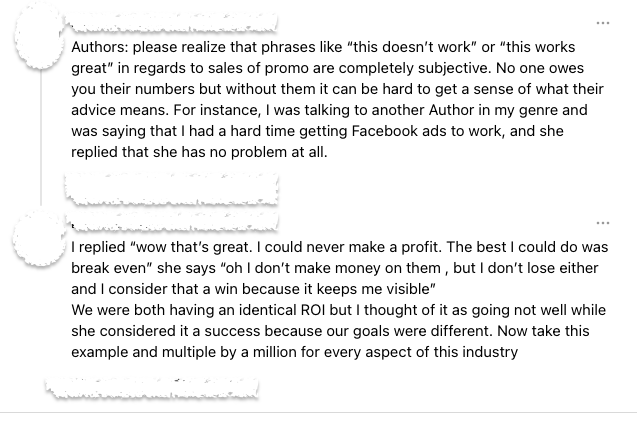
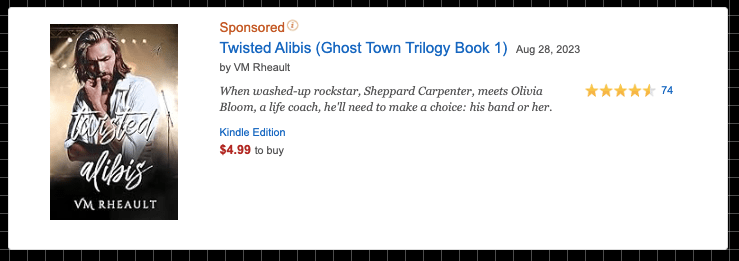
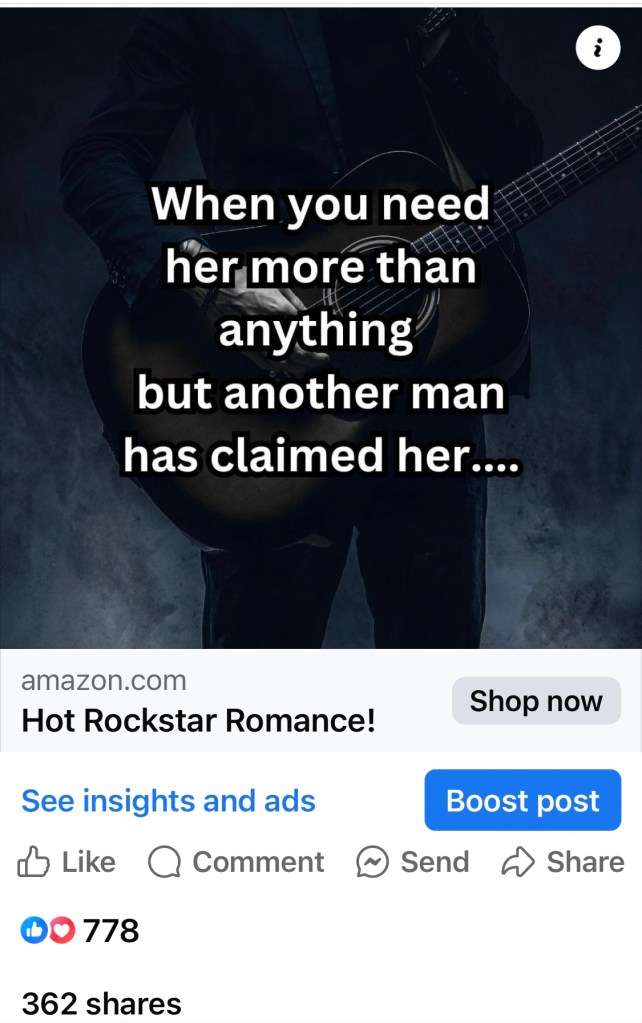
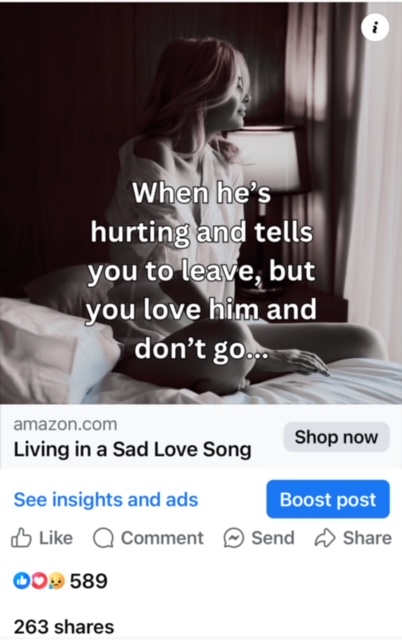


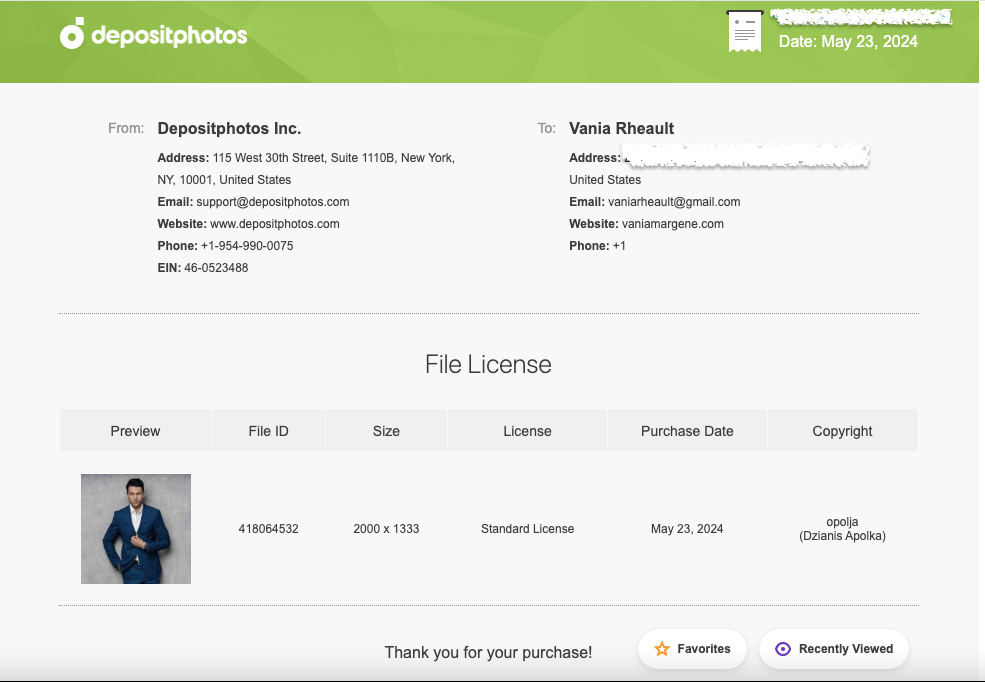

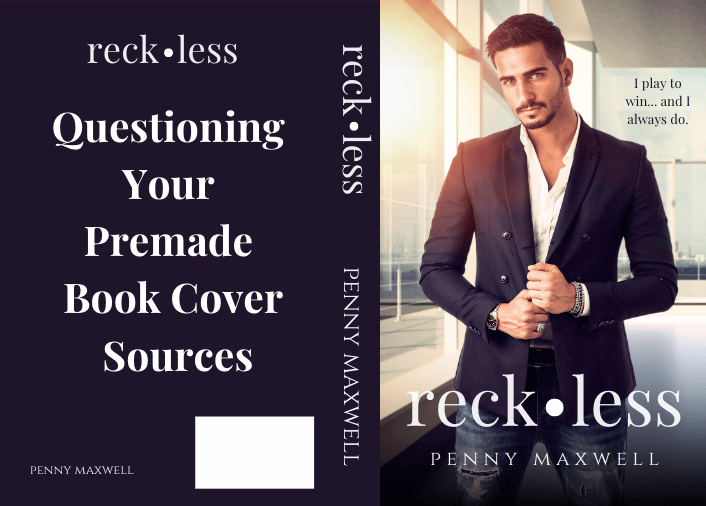
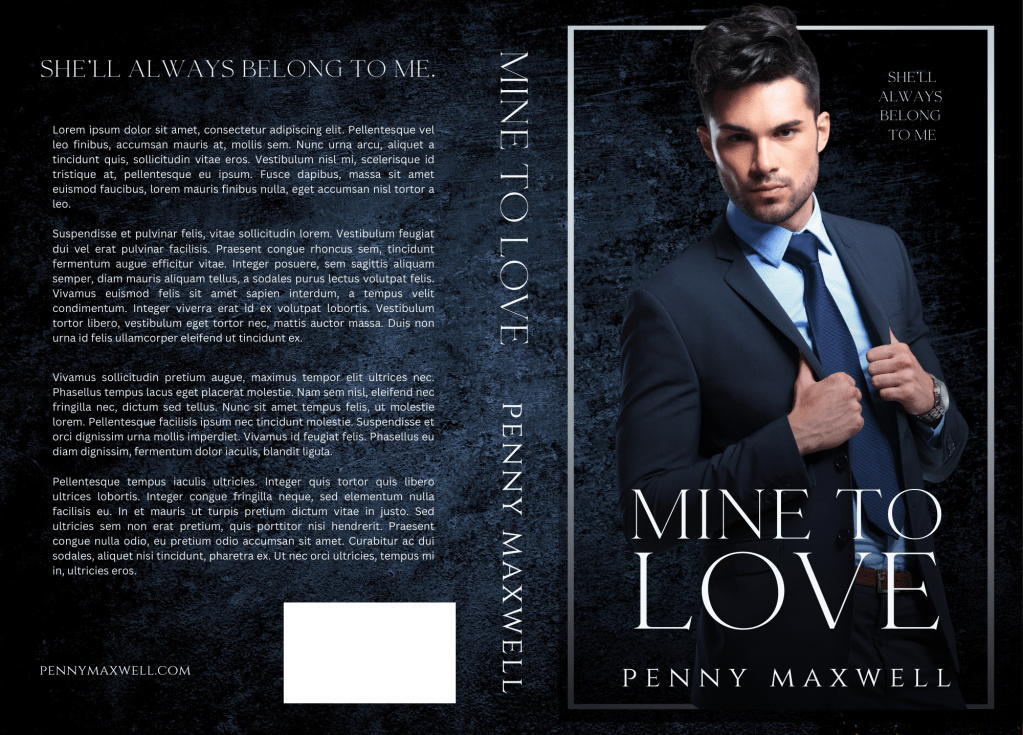


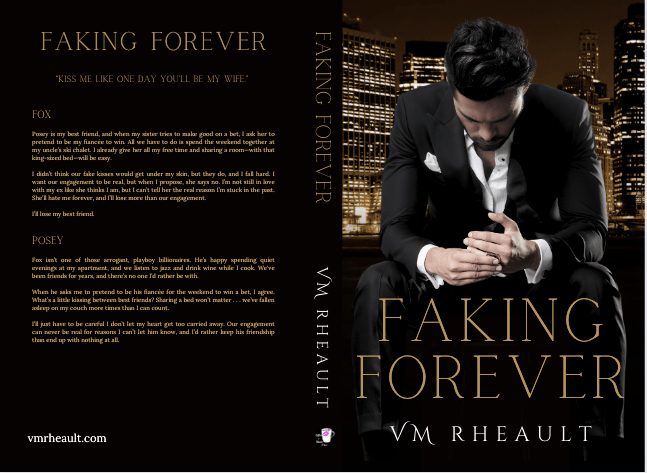
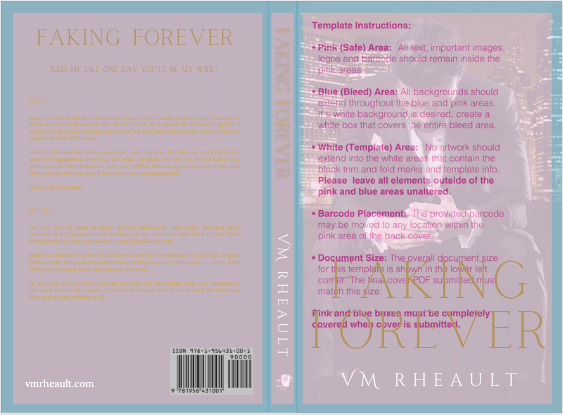
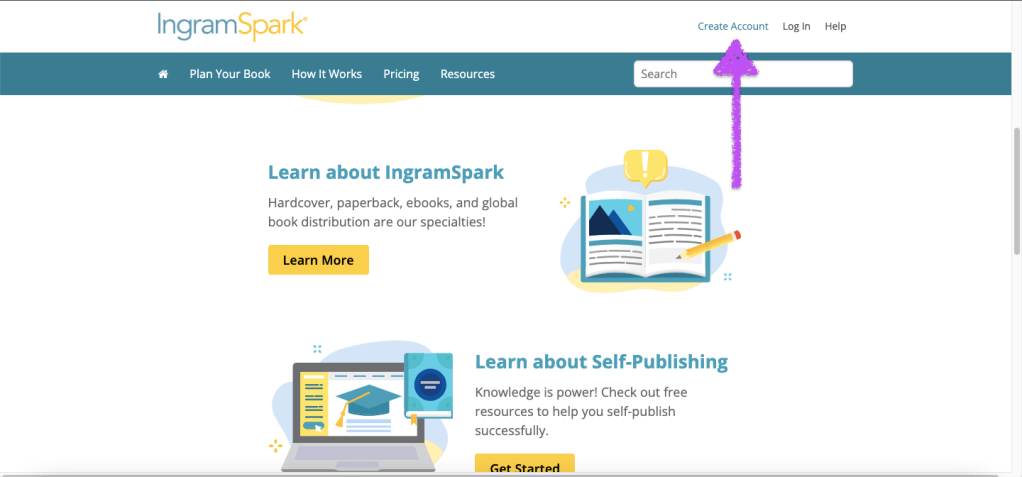
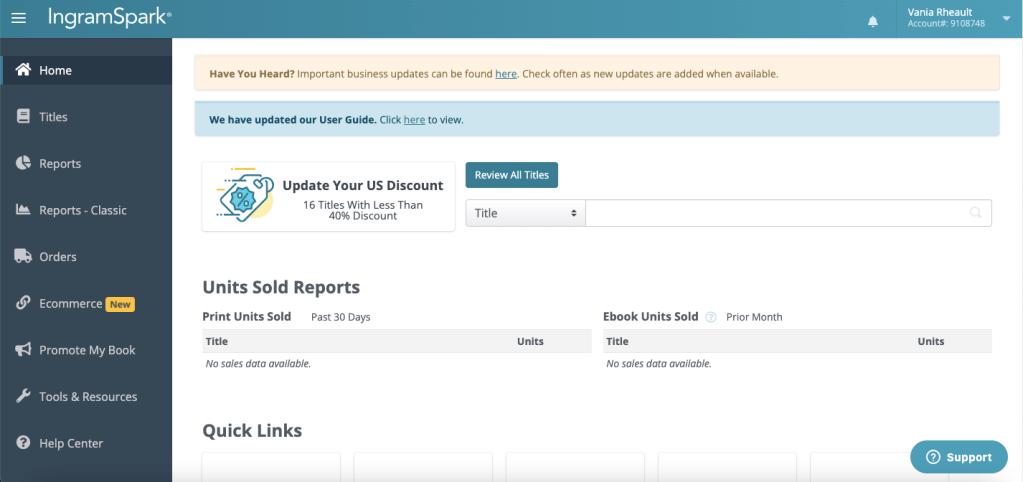
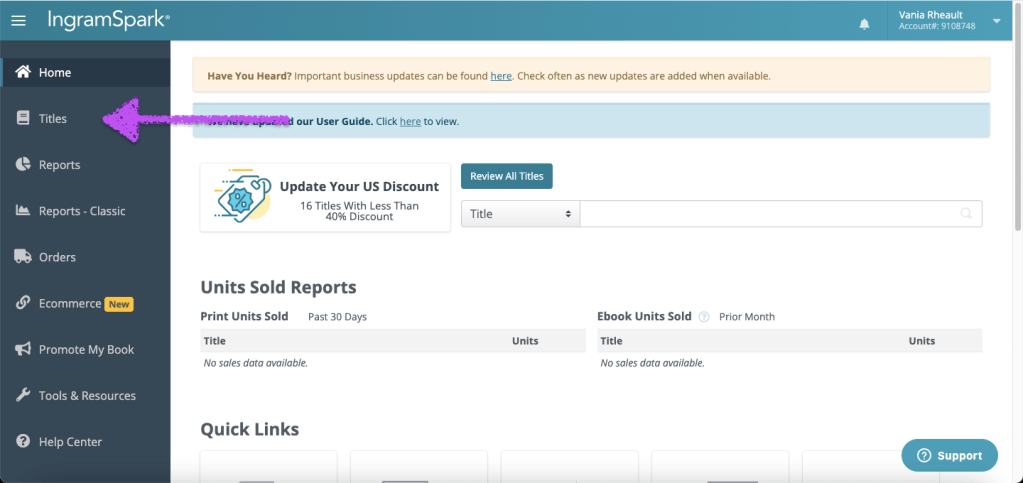
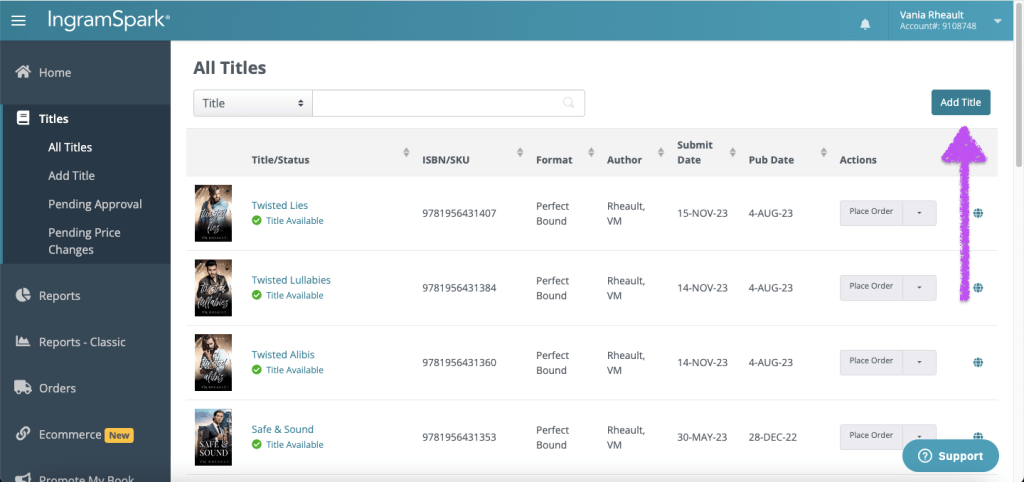
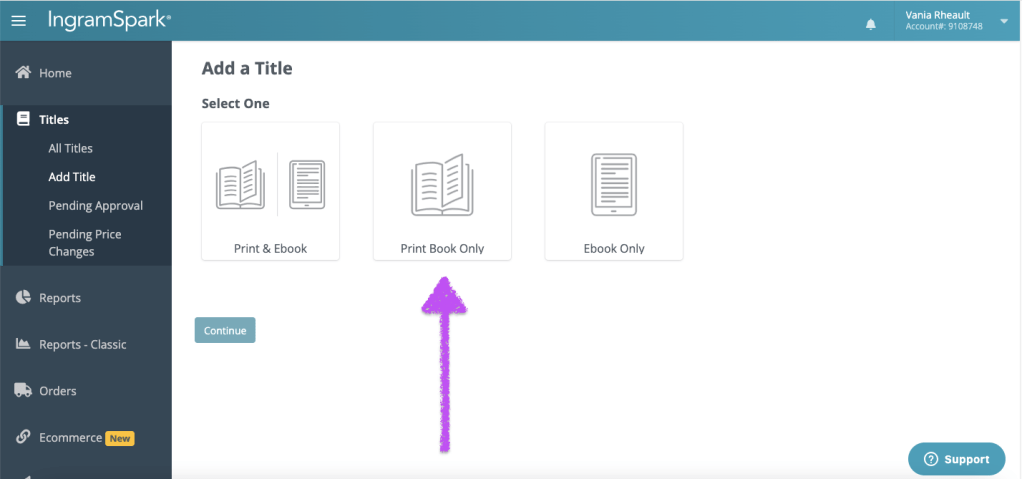
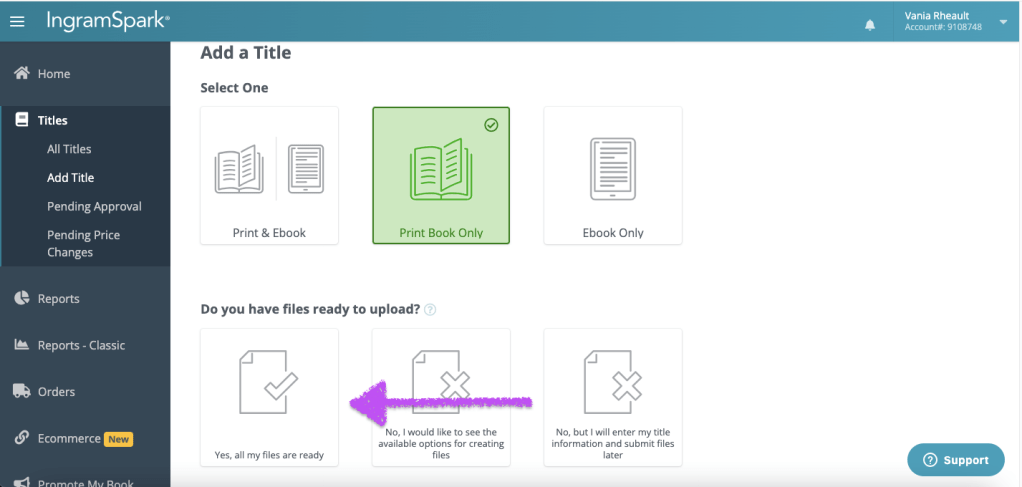
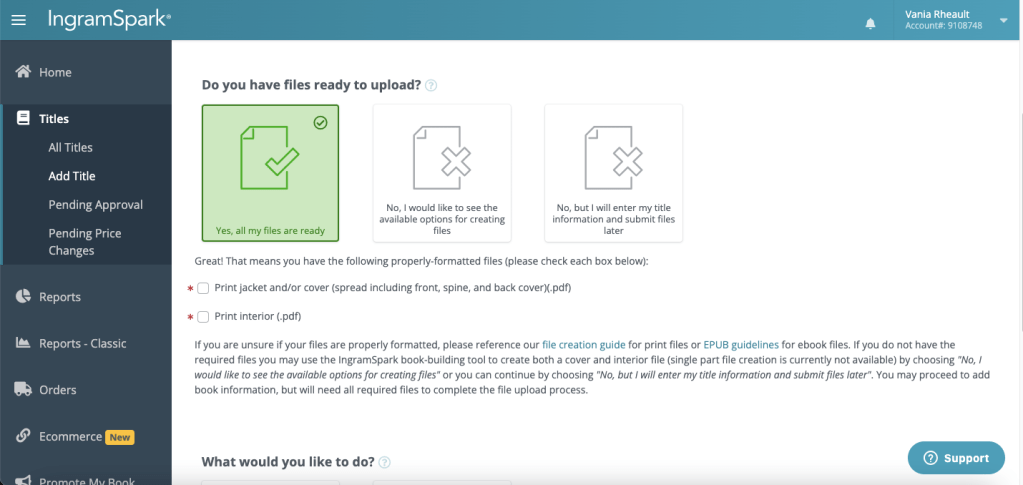
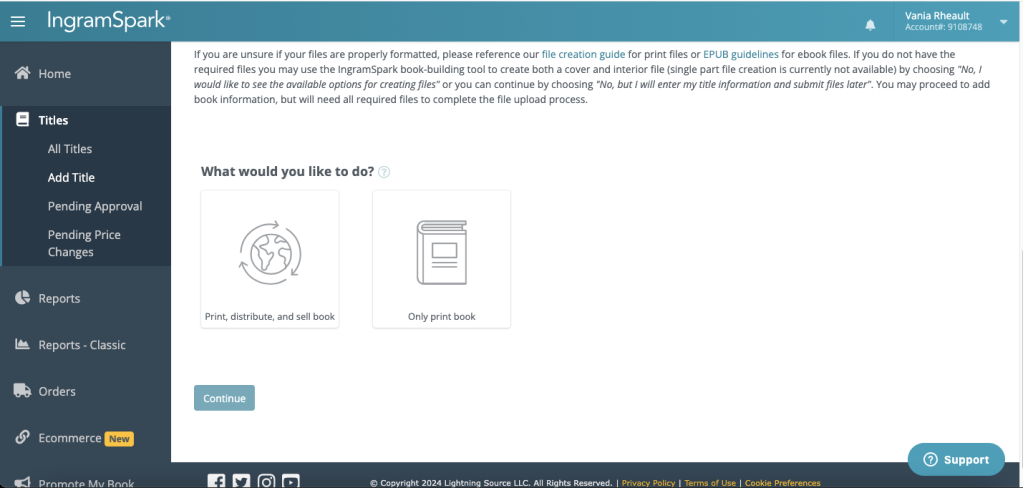
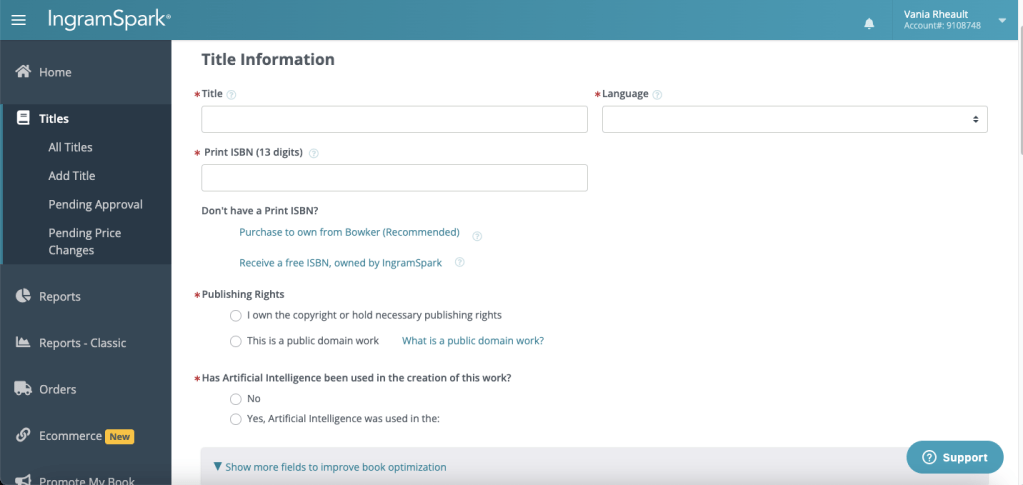
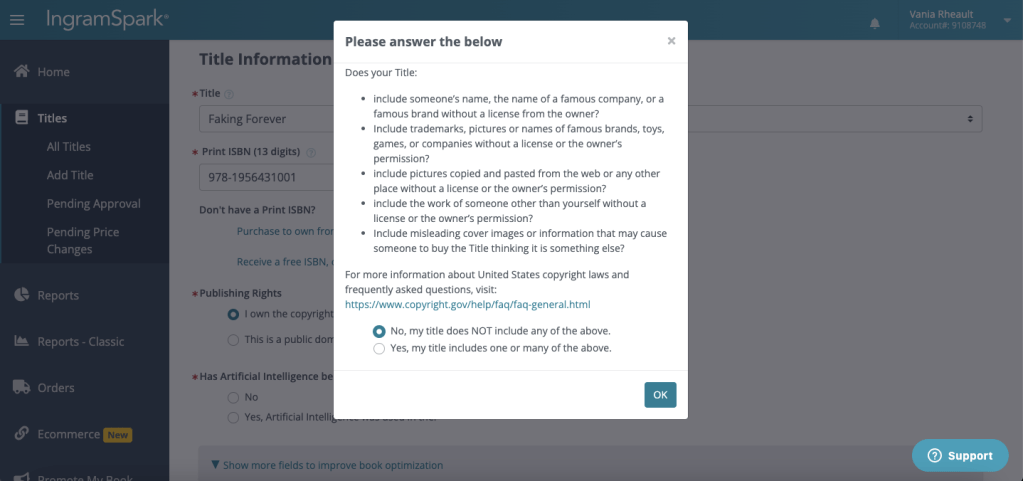
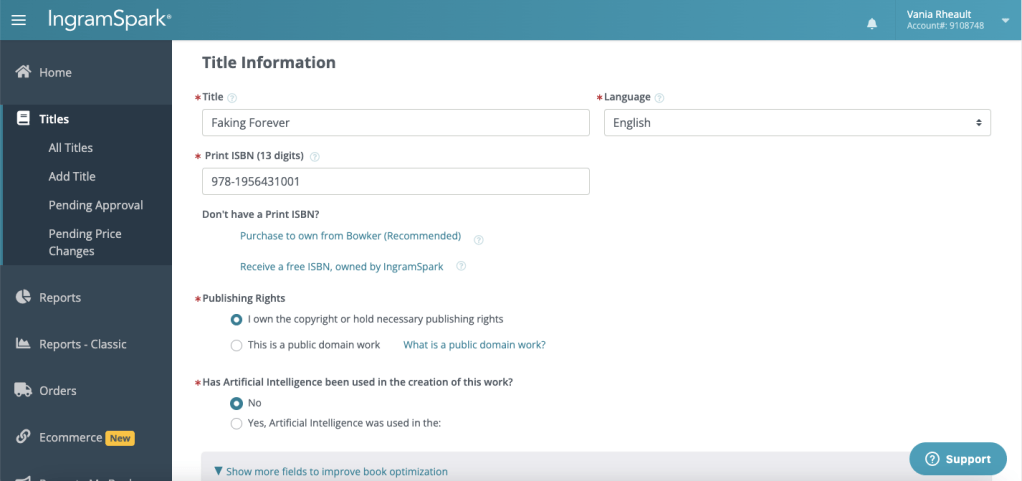
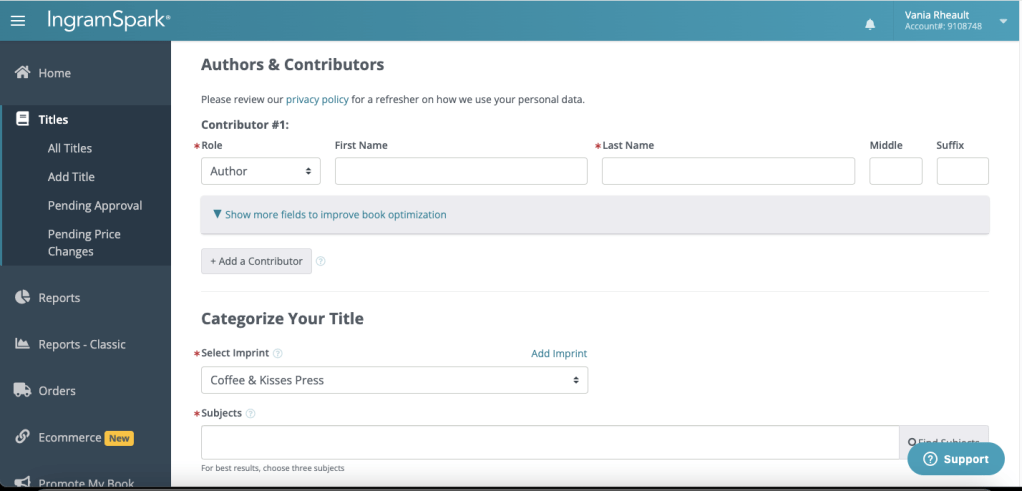
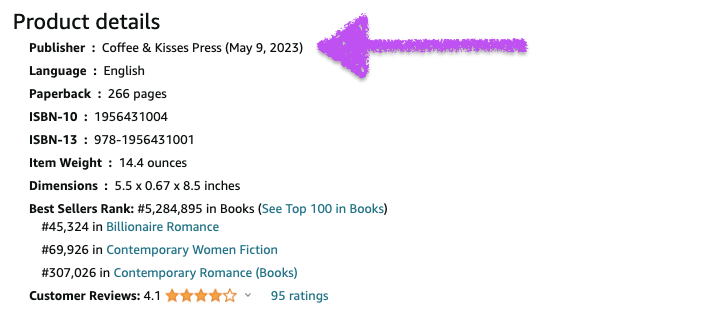

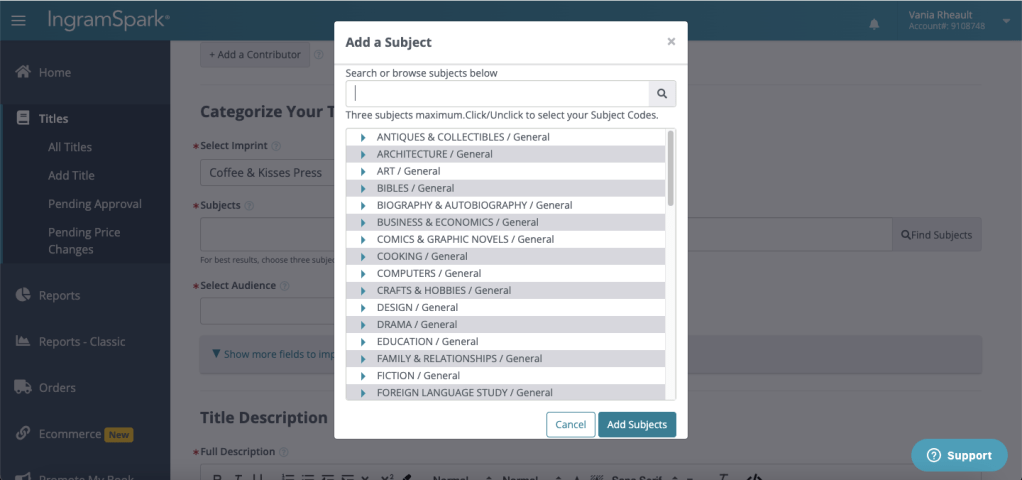
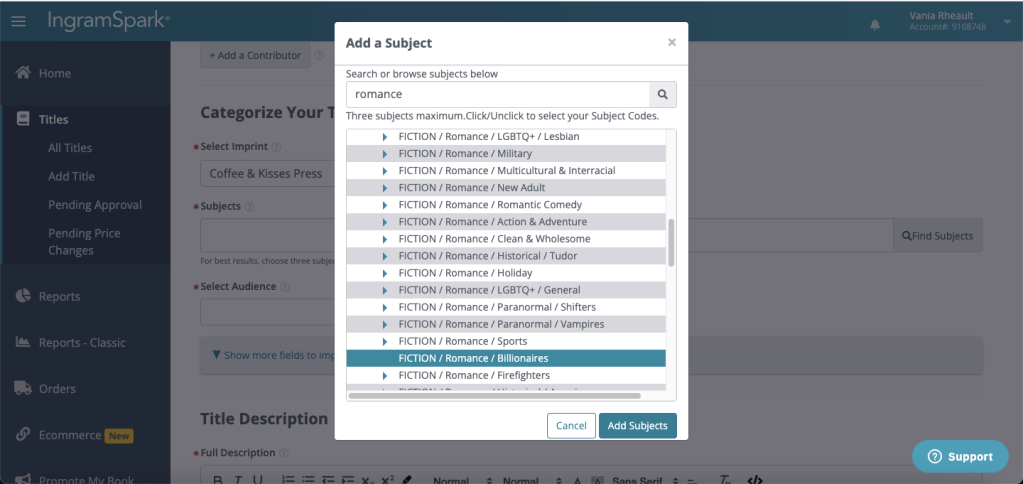
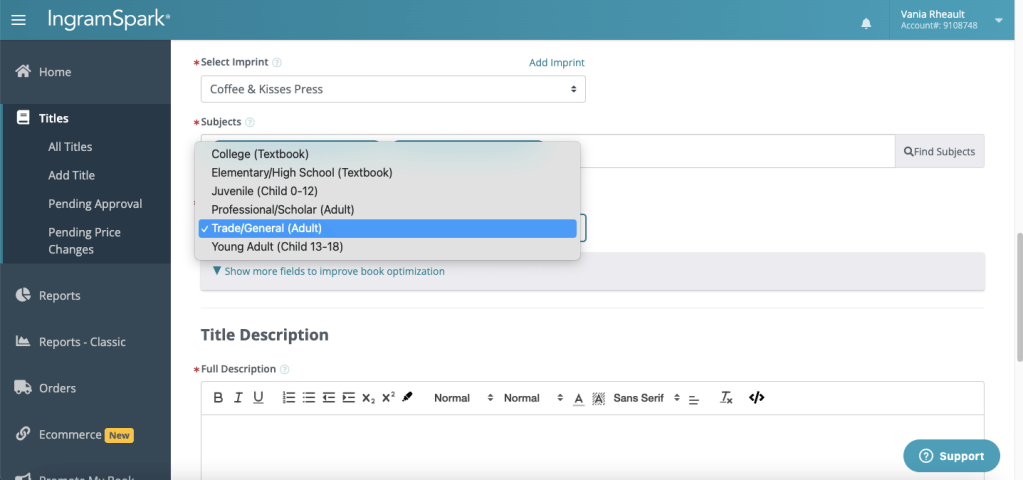
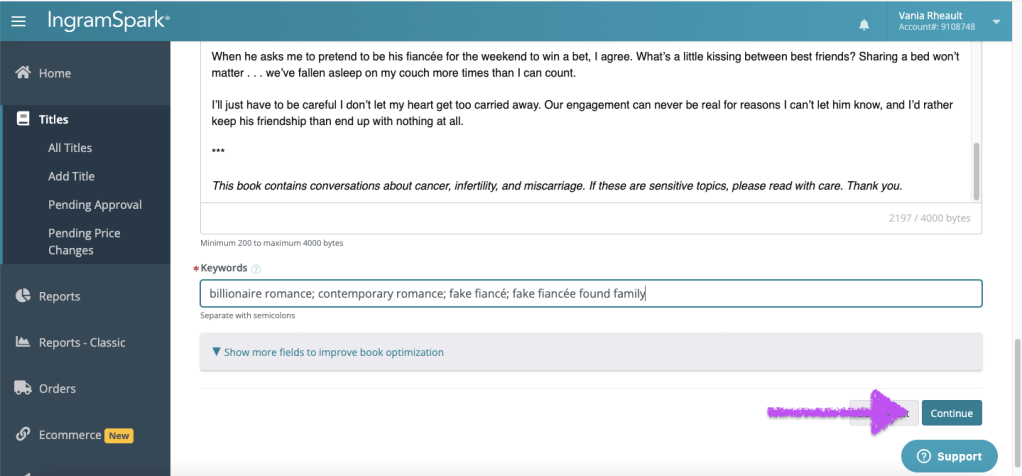
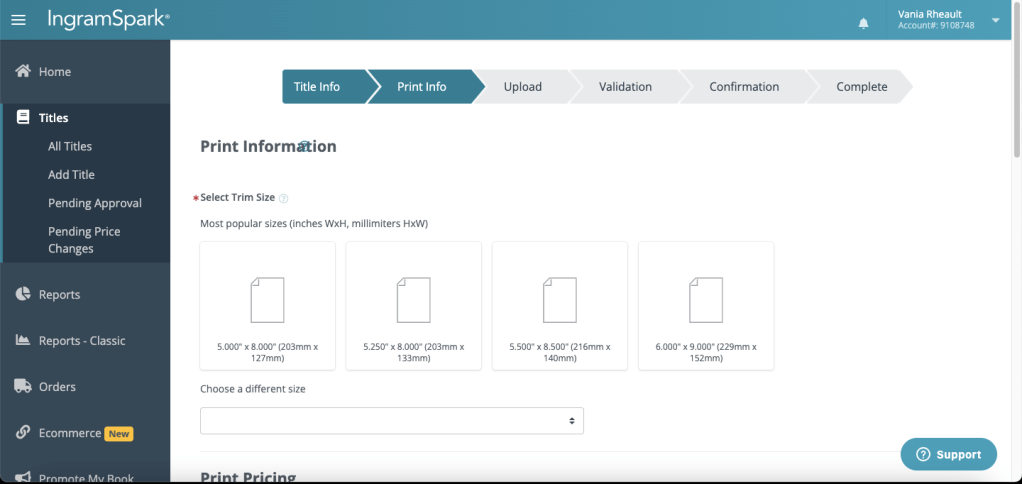
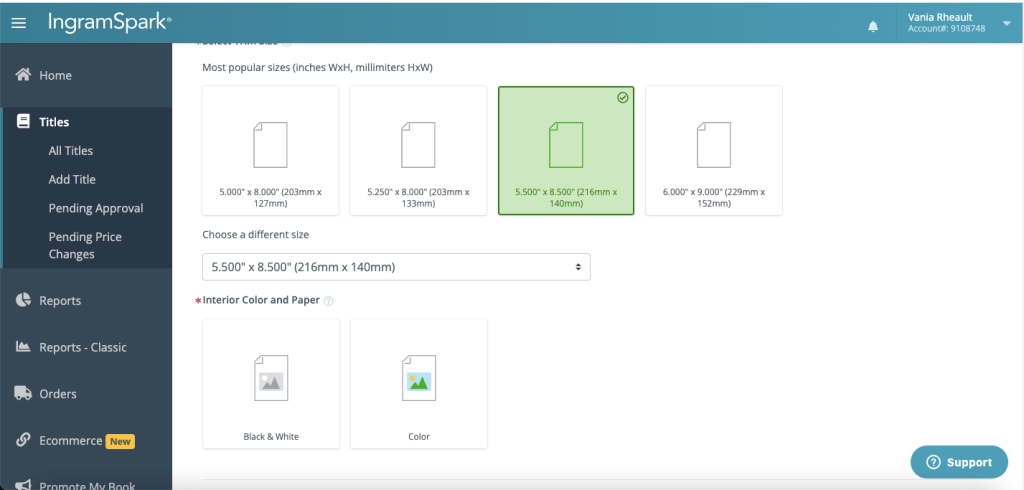
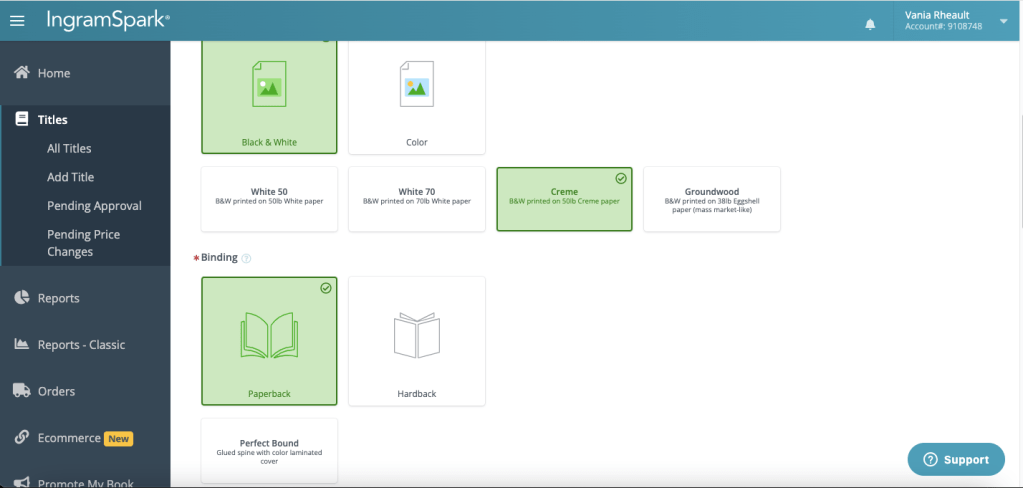
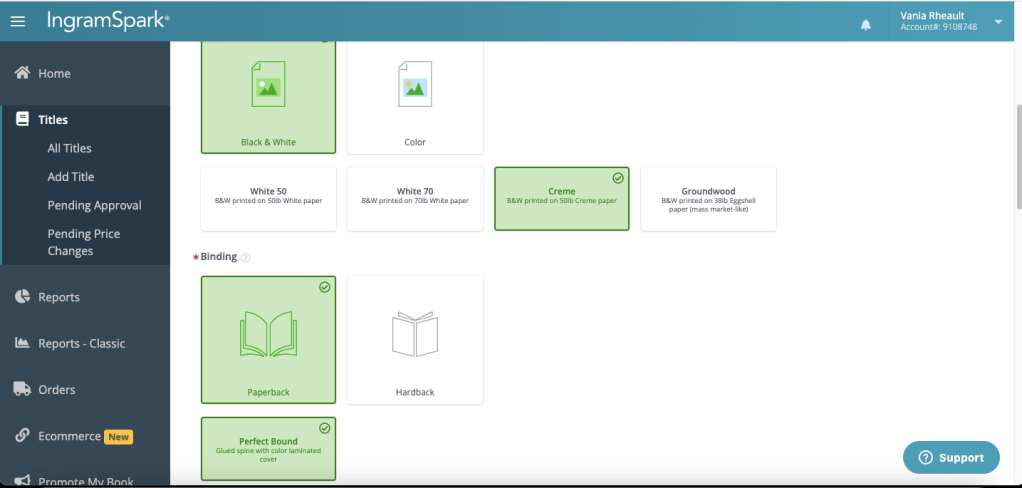
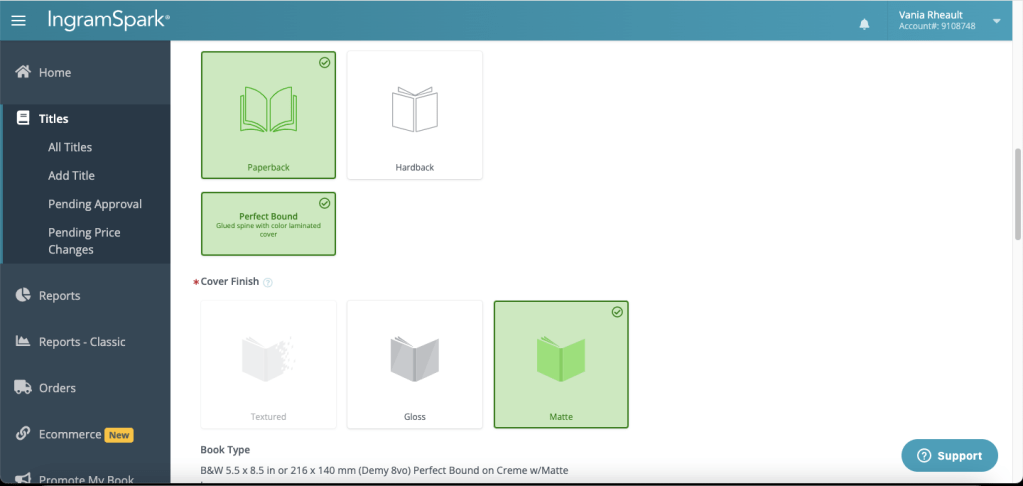
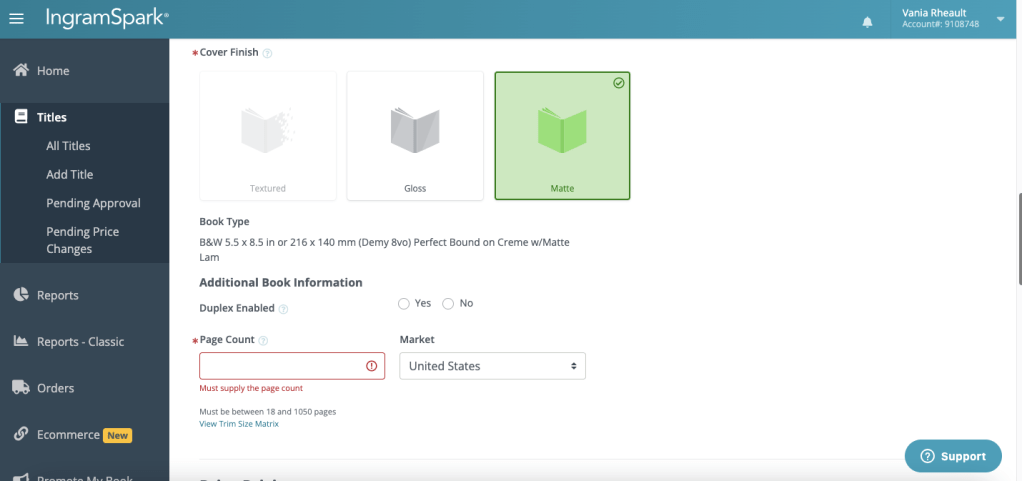
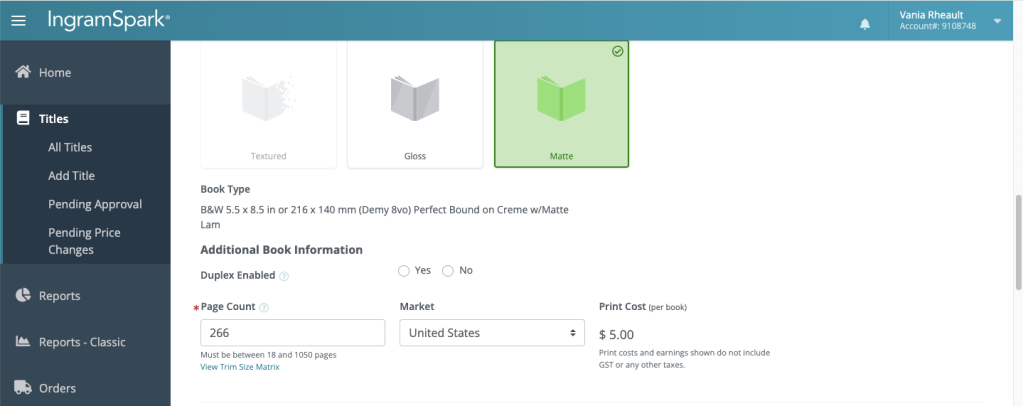
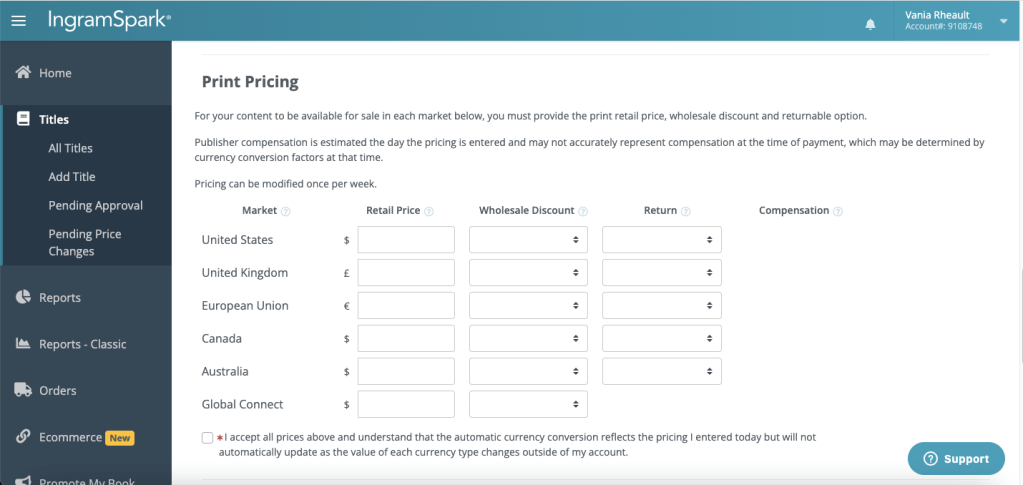
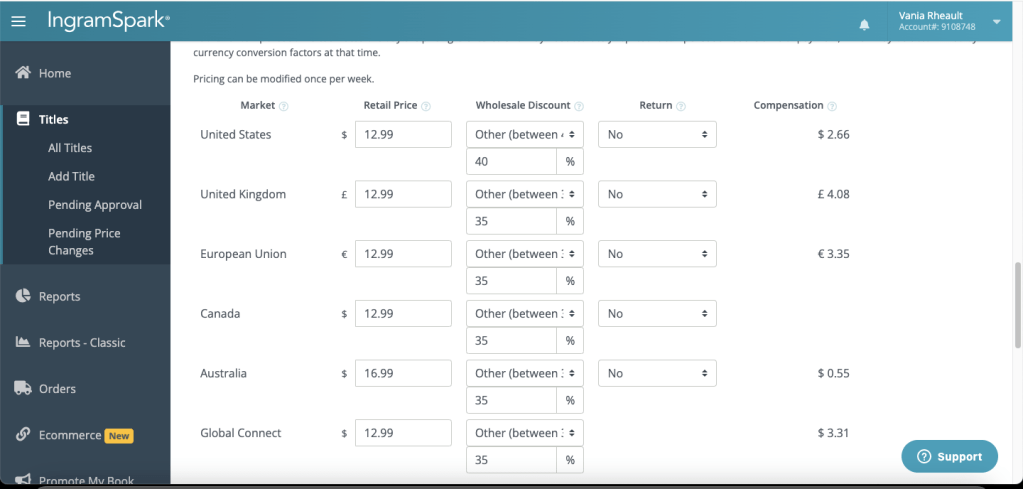
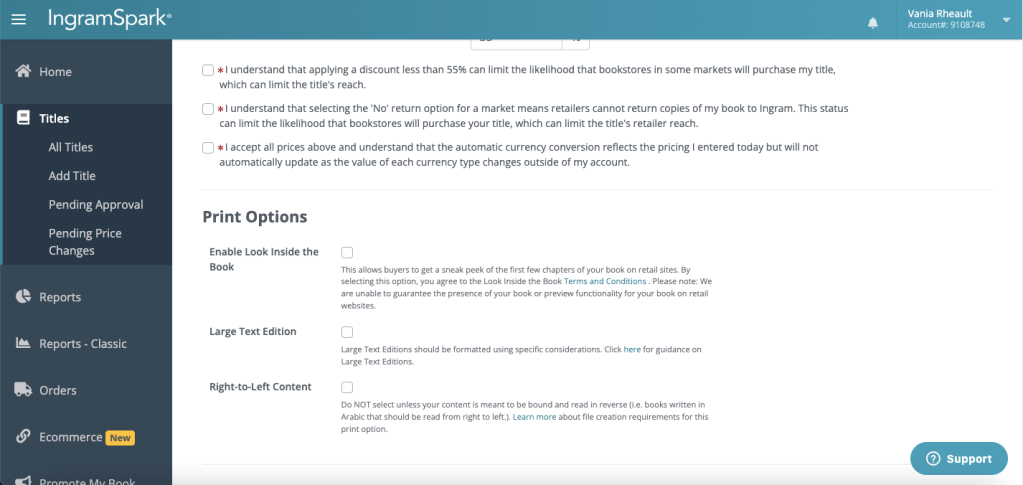
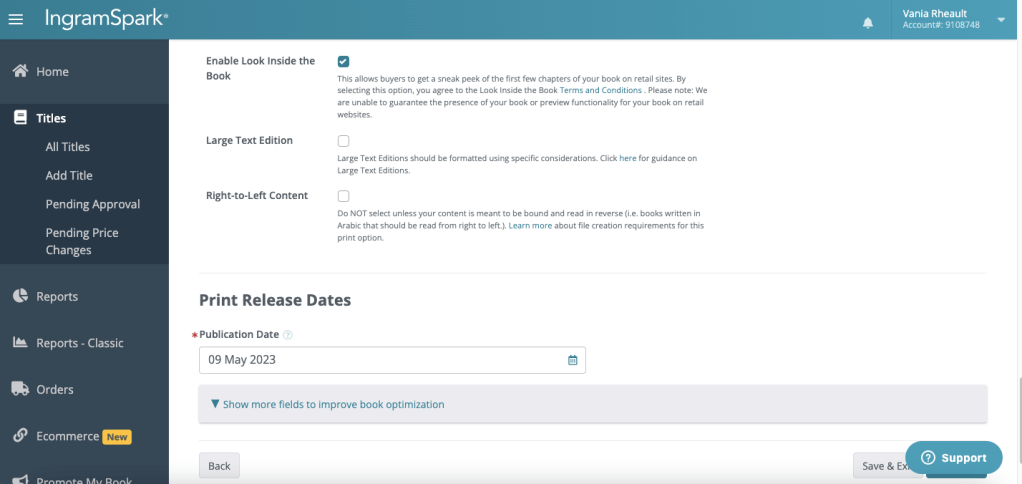
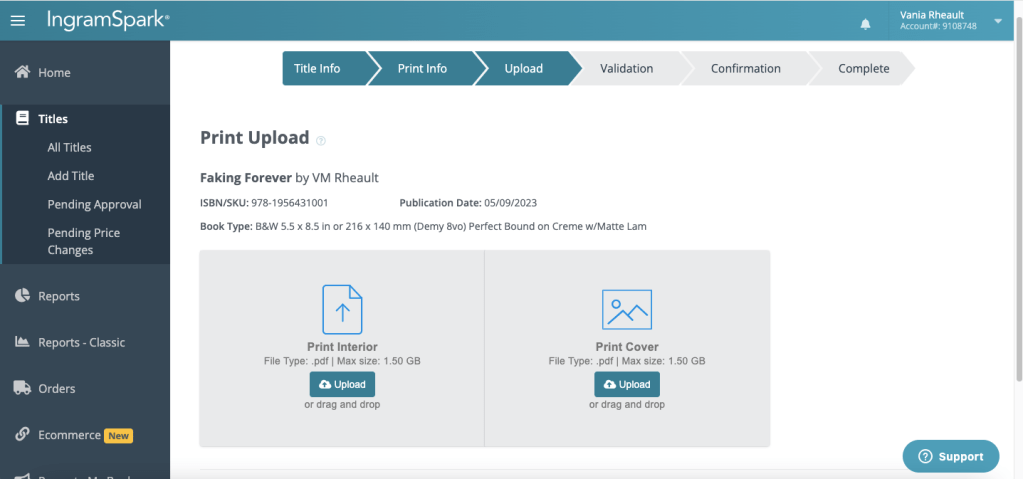
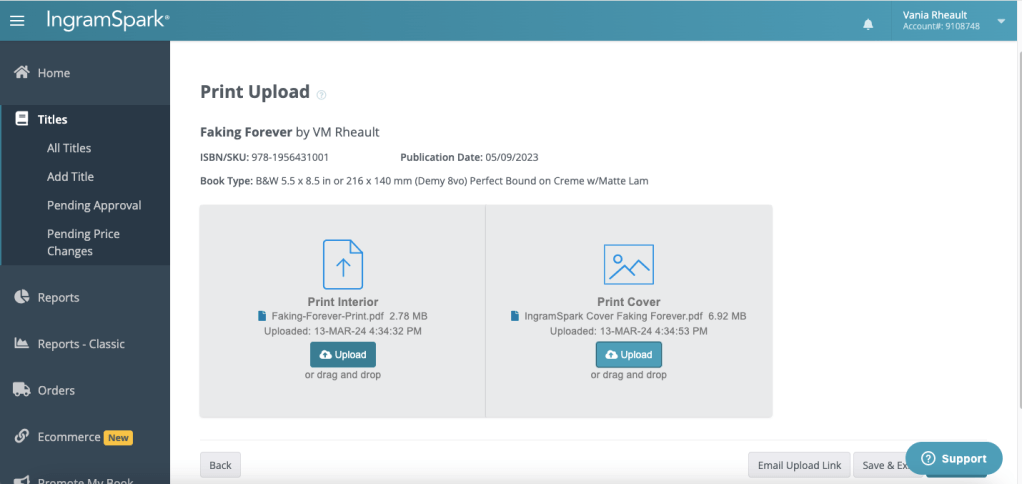
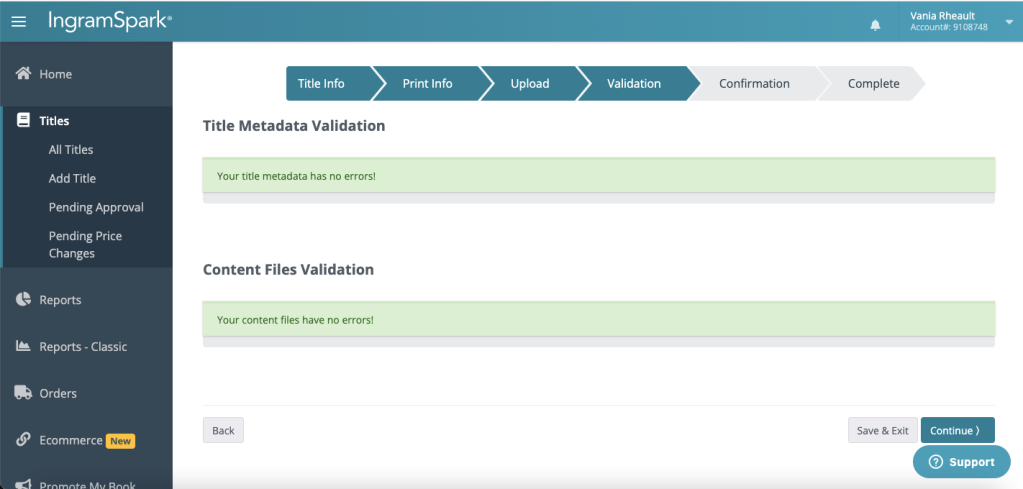
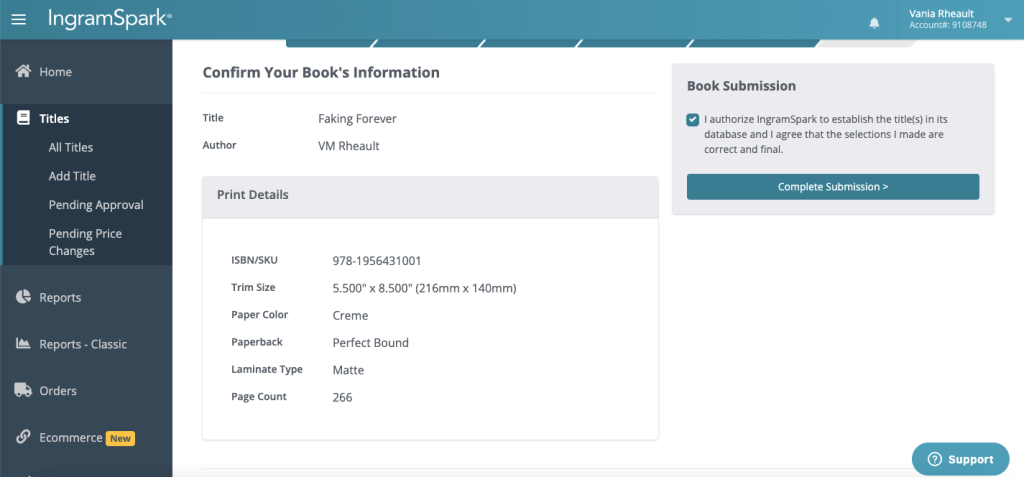
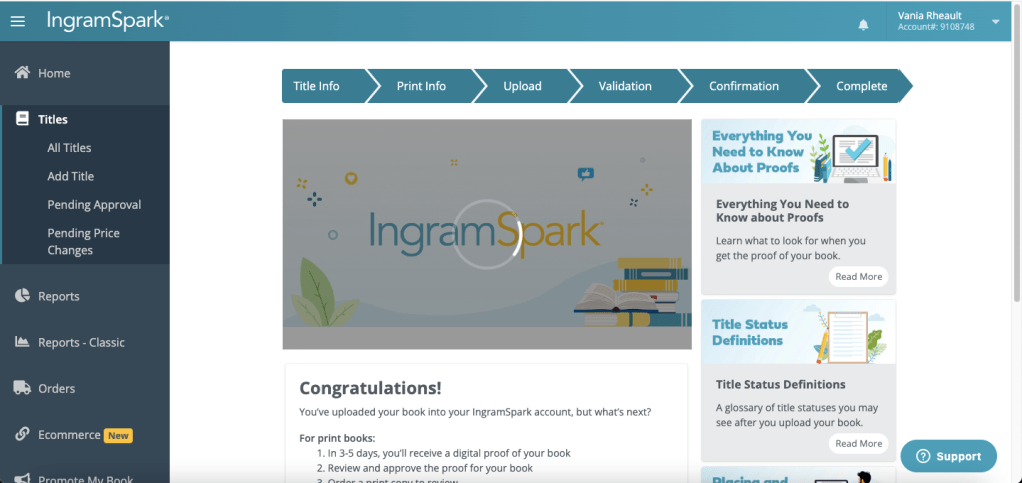
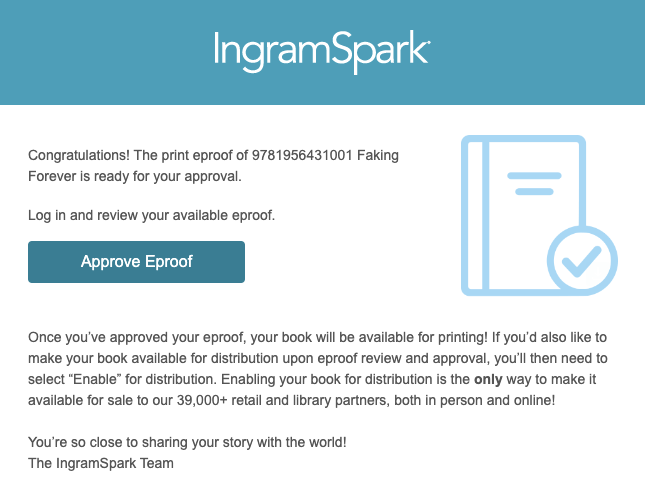
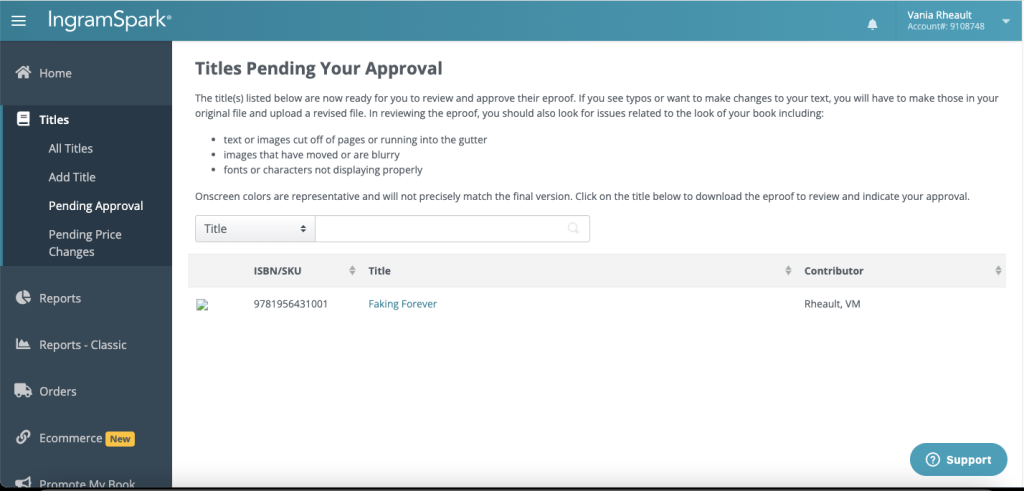
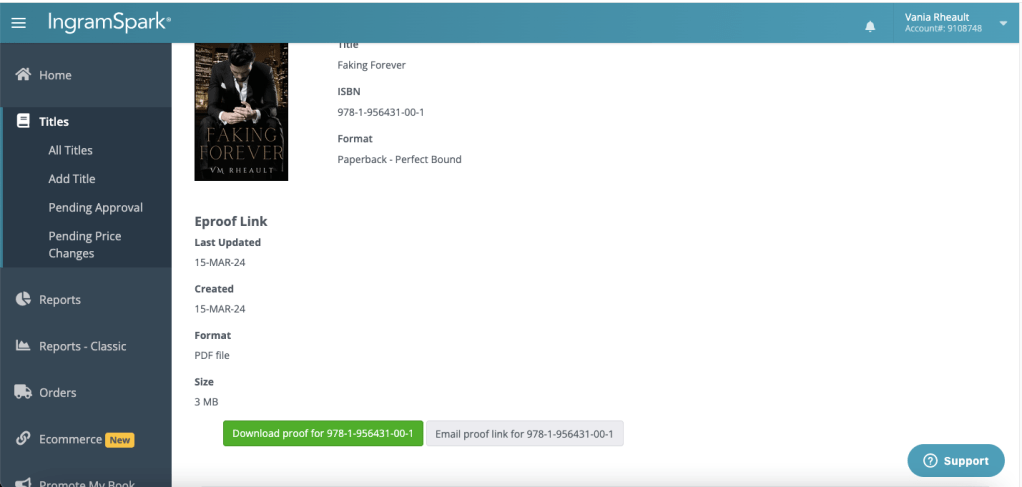
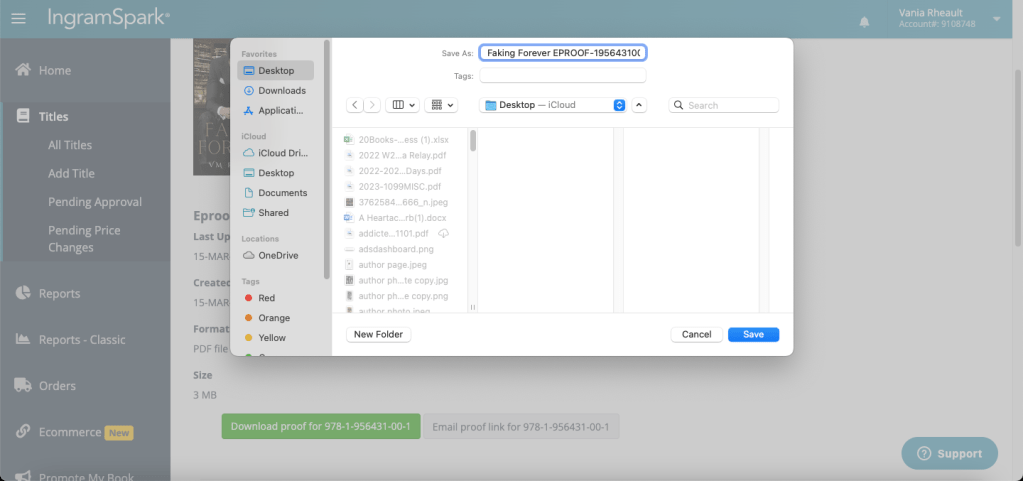
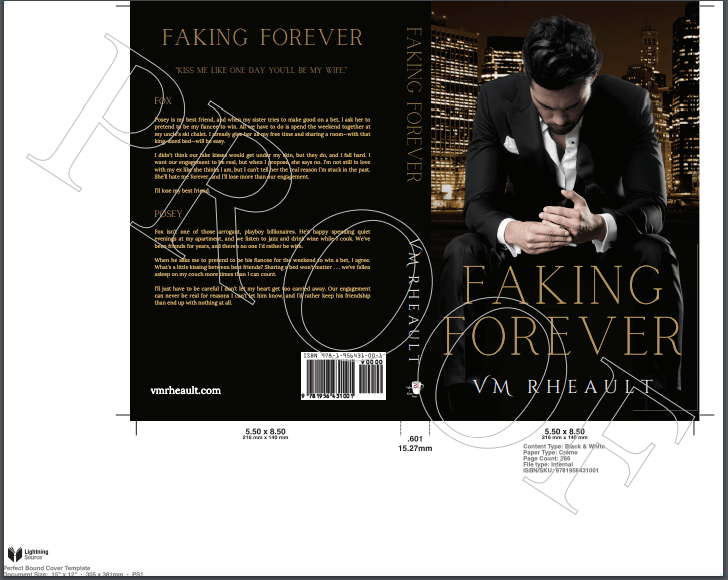
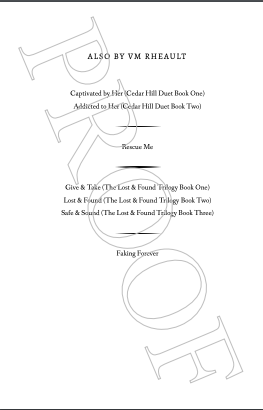
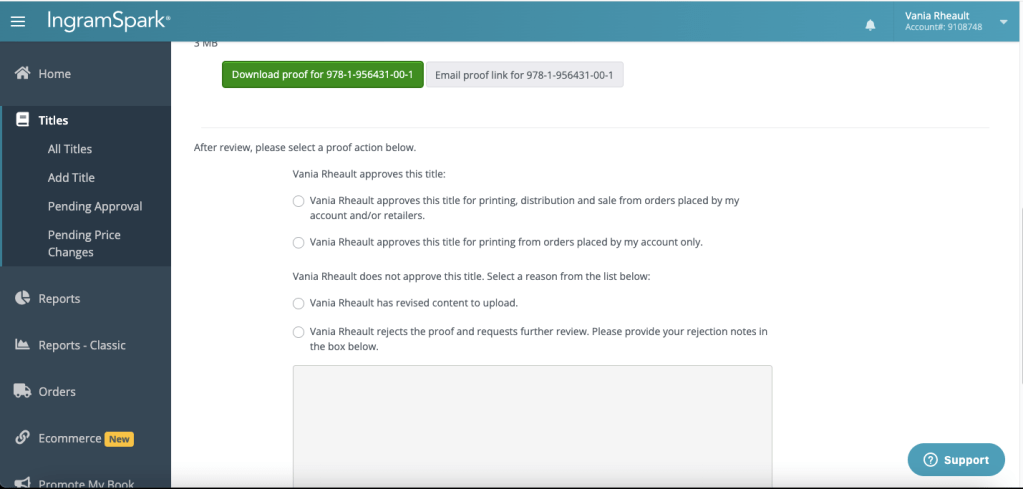
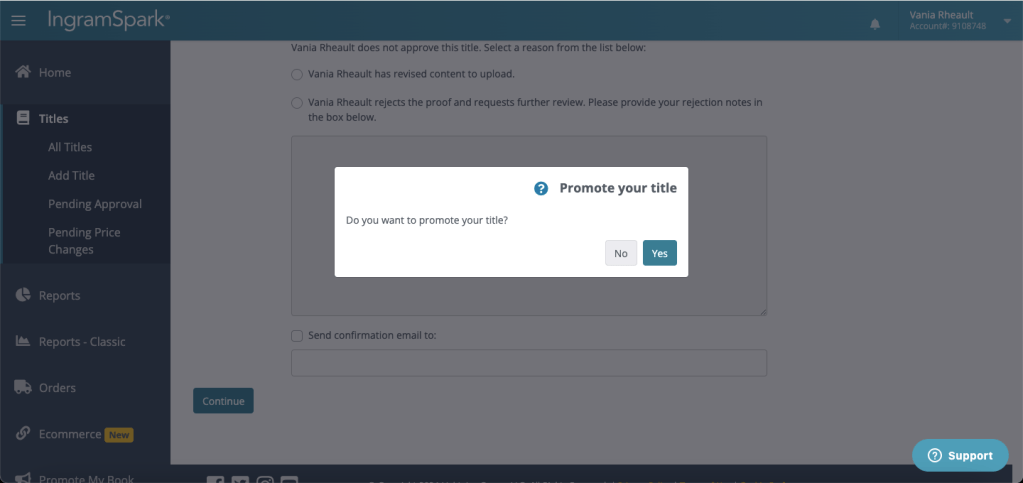
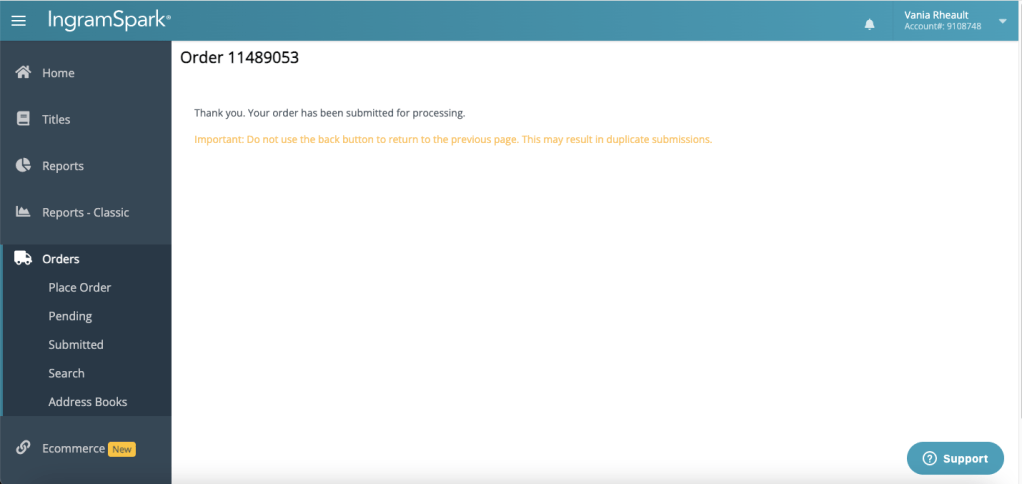
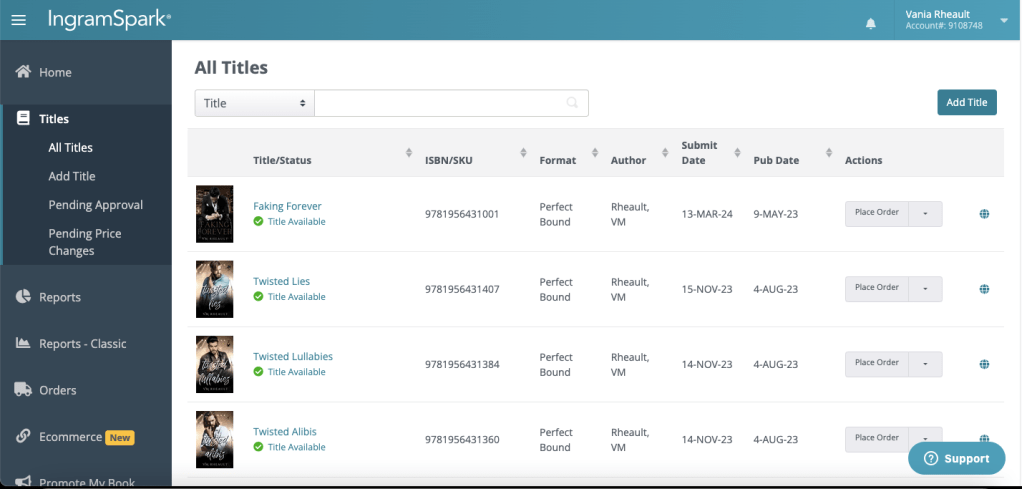

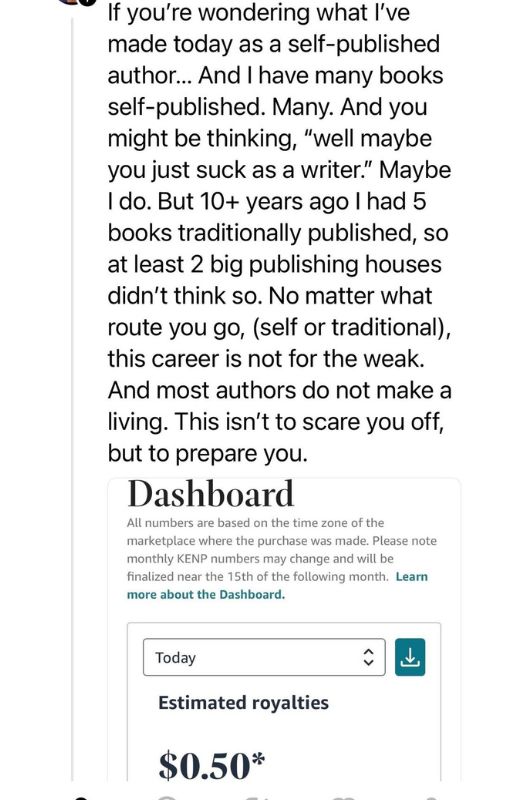


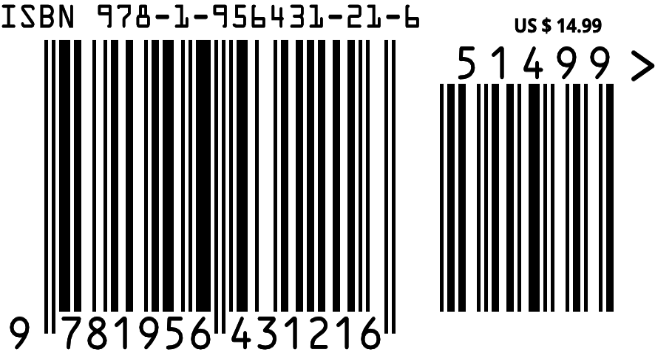

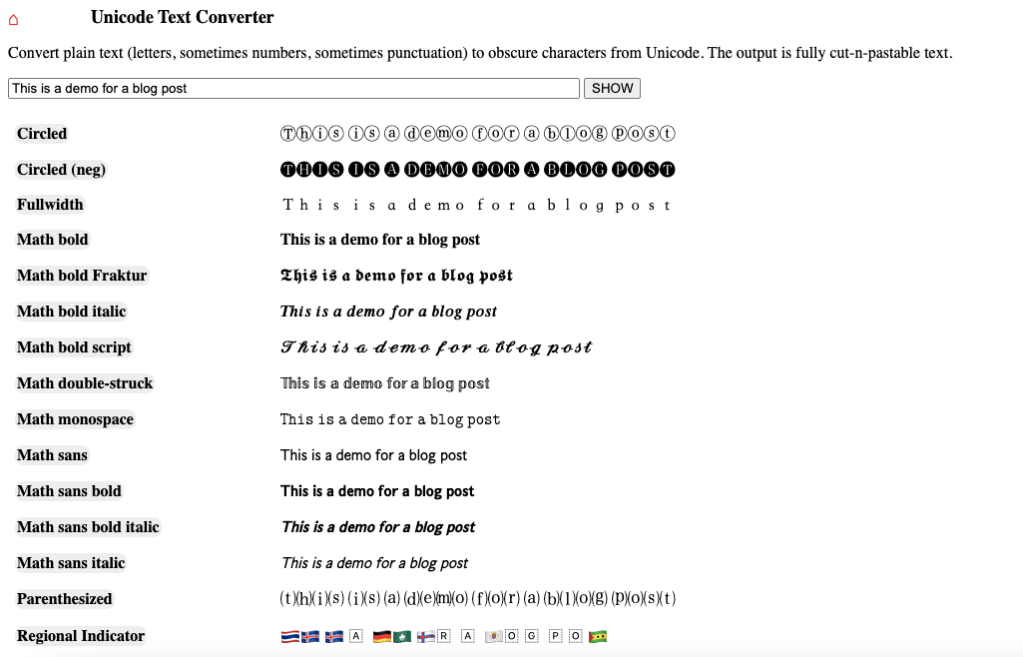
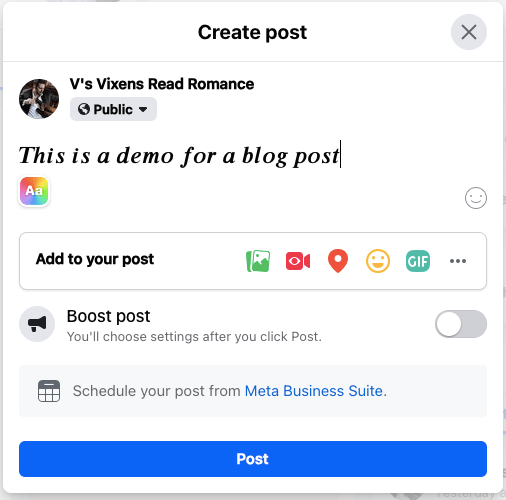


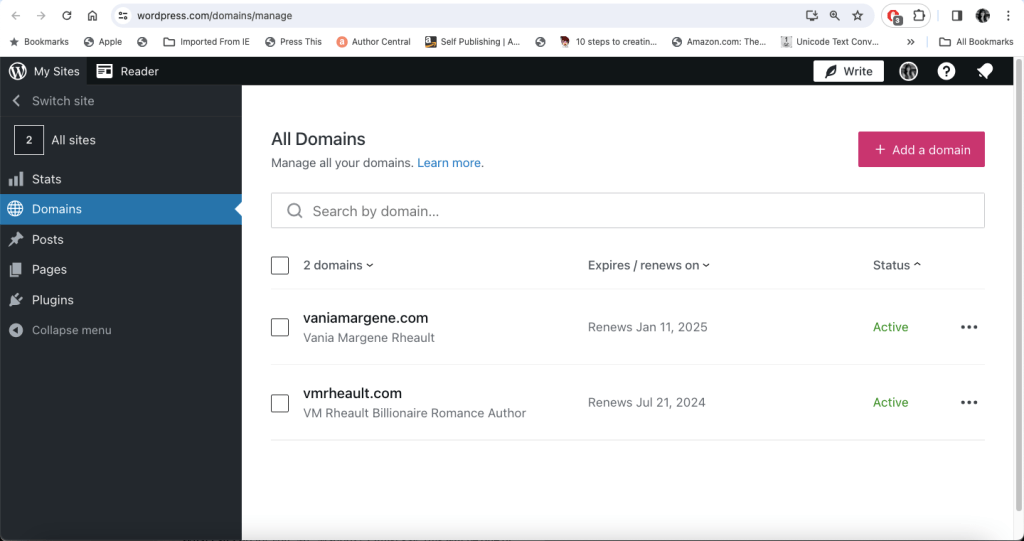


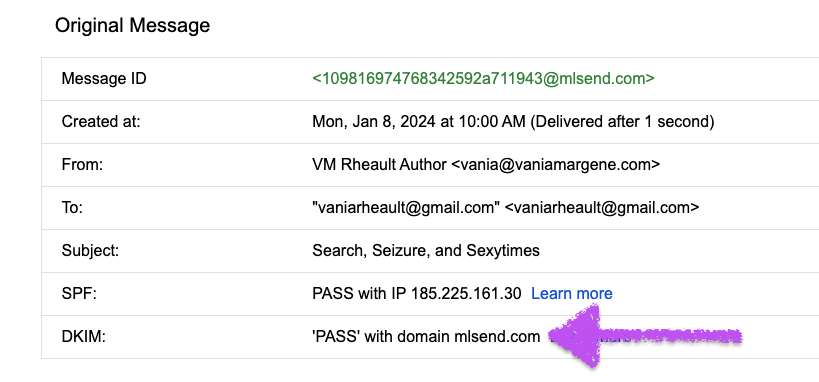

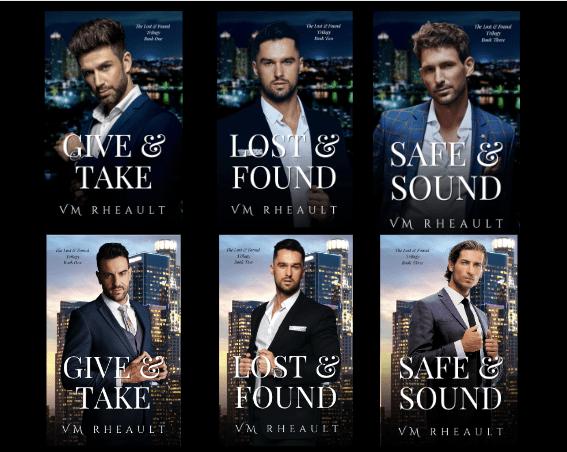

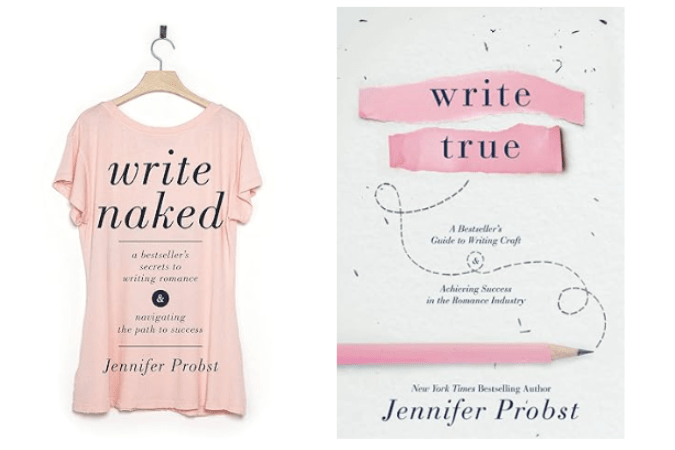


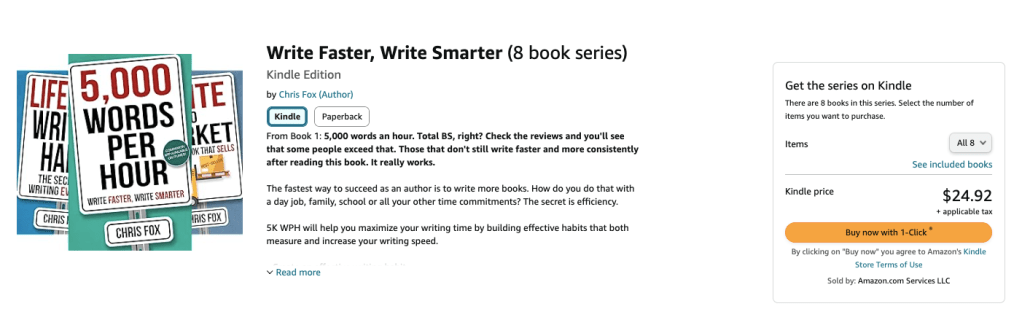
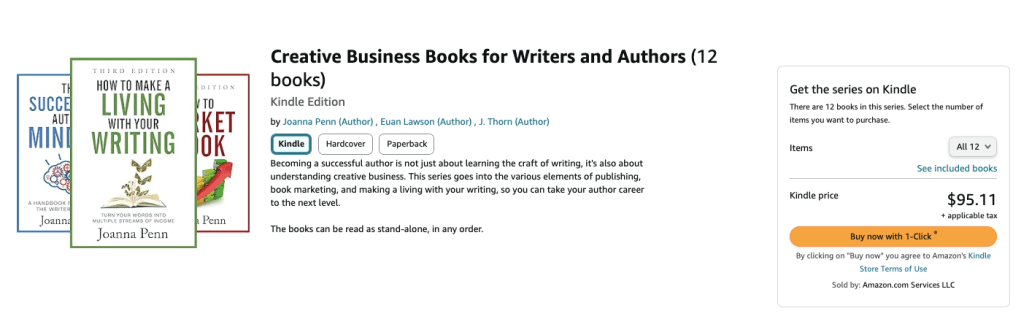


 Vania Margene Rheault