Writing, publishing, and marketing is like running on a treadmill. You’re working your butt off and not getting anywhere.
Okay, that’s not exactly true. I finished my latest round of edits on my trilogy and now that that’s done, I’m going to dive into writing the blurbs and creating their covers. I need to do a little better on these than I did with my duet. I’ve complained that those covers just haven’t hit the way I wanted them to, but it could be a few things, not just the models I chose. With a new pen name it will take time to find traction and my Amazon ads haven’t run long enough for me to collect any data on if the covers are helping or hurting. Surprisingly, well, it’s not really as this issue has plagued me from the second I published the stupid thing, The Years Between Us has always performed well, meaning, I get a TON of clicks, but then no one goes on to buy. I know it’s because the cover is pretty but no one wants to read an age gap romance, and they’re turned off when they hit the product page. There’s not much I can do about that. But in September, I did sell a handful of my duet, and I’ve been playing with buying a promo soon. Now I think I’ll wait until January after the holidays are over and I’ll have six books under my name instead of just three. I might as well wait. I’ll keep running ads and hope for the best.
I started up my Facebook ad for my reader magnet again and we’ll see what happens there. Ads are so weird and there are so many variables as to why it wouldn’t work. The wrong graphic, the wrong headline, maybe your description wasn’t right on the money, or your target audience is off. Whatever it is, I did take my time putting it together so hopefully I can build up my newsletter some more. Despite paying for an ad for signups, my open rate was 36% last month (I’ve heard 40% is decent) and I only had four people unsubscribe. The person who won my giveaway never responded to the email I sent her, so as always, that giveaway was a wash and honestly I just don’t care about hosting them anymore. I also gave away more ARC copies of Rescue Me on Twitter than I did for my own newsletter which was surprising but whatever, I guess. I probably shouldn’t even have offered it there, but I made 20 available and gave away ten before I took the listing down when the book went into KU.
Reviews are still coming in from Booksprout and one sounds so ludicrous I think maybe an AI bot wrote it. I don’t want to offend anyone, especially since there has been some crossover between my blog and new readers under my pen name, but once again, it makes me wonder if paying for the service is worth it and if I should even bother to keep offering my books there.
I have three months to edit and package my trilogy but I’m not going to need that long so I’m at a crossroads for what I want to work on next. I have a standalone in mind that would probably work better in 3rd person under my name and it will need some research as it’s about a rockstar who suffers from depression and doesn’t want to perform anymore. His record label pays for a therapist to move in with him to convince him to do another album but she has her own backstory. I don’t know anything about being a rockstar and I’m looking forward to watching documentaries of that kind of life. I think will be just a little darker, like All of Nothing, and it will take me longer to write it. If I decide not to work on that, I have 2 books of a 6 book series completed and I should really write the last four and get those put out. The file information said I created the first one on November 2, 2020, so I think it’s about time to tackle those and get them off my plate. A standalone sounds welcome after working on a trilogy and my other six book series that will be going to a proofreader this week as the second set of proofs came yesterday, but getting that series done would be a load off my mind. I have my publishing schedule set until the middle of 2024, so I have plenty of time to do both and cleansing my palate with a standalone sounds like what I need to take a break but still write.
Because authors need someone in their corner, especially with how trigger-happy KDP has been lately with blocking author accounts and not accept copyright information, I decided to join the Alliance for Independent Authors. I’m familiar with Orna Ross and Joanna Penn and some of the others that are affiliated with the organization and at 119.00 USD annually, it’s a good investment. I do everything I can to ensure that my books meet copyright requirements–I buy my photos from DepositPhotos, make sure I have licensing for the fonts I use. I have my receipt from Vellum if there is ever a question on how I format my books. If they ever close my account for any reason, at least I have someone going to bat for me.
I suppose that’s all I have for this week. I have a few topics for blog posts planned and also something up my sleeve with a couple other authors I’ve met on Twitter. I need to reach out to them and hammer out a time we can collaborate.
I think the only thing left is mentioning that this month, Bryan Cohen is hosting his quarterly Amazon Ads Profit Challenge. Since I’m not actively writing right now, I think I’ll carve out the time to sit and listen to the videos and go through the steps. There are some things that have changed since the last time I sat down and went through all the material, so it will probably be beneficial this time around. I’ve been working with the info that I learned a couple years ago taking his challenge, and staying up to date is always a good thing. If you’re interested in joining, click here. It’s not an affiliate link; I don’t get anything if you sign up.
Thanks for hanging out with me, and Happy October!
We all have marketing advice coming out our ears. I’m to the point where I don’t even care about marketing advice right now. I stopped listening to Clubhouse, I’m not an active participant in any Facebook group. All I’ve been doing is writing, writing, and more writing because let’s face it, marketing won’t do anything if you don’t have product. But more than that, marketing won’t do anything if you don’t have the right product. So here are my top six reasons why listening to marketing advice is a pain the you know what.
You don’t have the same backlist as the person dispensing the advice. Frontlist drives backlist. Right? Maybe you’ve never heard it phrased like that. Maybe you’ve heard “writing the next book is the best marketing for the current book.” I like frontlist drives backlist better because sometimes we think that after a book is so many months old it will stop selling. Maybe in traditional publishing circles this is true–when bookstores yank your paperbacks off the shelves, but we’re digital now, and books on the digital shelf don’t get old. So when you have someone who’s been publishing for a while saying that their newest release earned them lots of money–you don’t know if it’s from the current release or if their new book bumped up all the books in their catalog. Listening to someone talk about how they are promoting their 20th book might not do much for you if you’re planning a second. They are 100 steps ahead of you. Take notes if you want, but chances are good what they are saying won’t apply to you. I’ve been in that position, too. Listening to big indies is discouraging. Rather than listening, I go write.
You’re not in the same genre/subgenre/novel length/platform. If you write thrillers, what a romance author is doing may not help that much. Maybe you’ll get some ideas because a lot of marketing is universal, but for example, lots of romance authors are on TikTok right now. Whether that is beneficial for you, you would have to do your research and figure it out before you waste time learning how to make the videos. Marketing for wide isn’t going to be the same if you’re in KU, just like listening to a webinar on how to market a historical saga isn’t going to do much for you if you’re a children’s book author. Marketing advice isn’t created equal and it helps to figure out what you’re selling before listening to advice. Even marketing for historical romance would be different than marketing mafia romance. If you write short stories, chance are marketing those will be different than if you’re writing long novels.
They have money–you don’t. It’s easy to say, “Oh, I bought a Freebooksy, put my first in series for free, and watched the royalties roll in through page reads.” That sounds like the answer to anyone’s prayers, except, then you rush to Written Word Media and see a Freebooksy spot is $40 to $175. If you’re trying to promote a standalone, there’s no way you’ll get that money back paying to give away a free book. Amazon ads aren’t nearly as expensive (I have six ads going and have only spent 4 dollars this month so far) but if you don’t know how to put together a Facebook ad, they are happy to take your money and run leaving you with no clicks and no sales. Unfortunately, there’s not a lot you can do for free anymore, all the begging going on right now on Twitter is proof of that. So it would be in your best interest to find a couple of nickels to rub together, make sure your book is advertising ready, and hope that you can find some traction with a low cost-per-click ad. If you’re afraid of losing money, do what you can with your product so that doesn’t happen. The person who DOES make their money back and then some on ads and promos has a product that people want and all they’re doing is helping readers find it.
They have a newsletter. You don’t. Ever listen to a 6-figure indie author talk about their marketing campaigns? They give you all the sales numbers, all the rank, and someone asks them how they did it and they say…. “I emailed my newsletter and told them I had a new book out.” Where are the melting face emojis when you need them?
courtesy of Canva
Here they are. There is nothing so disheartening as thinking you are going to hear a nugget of information that will take your author career to the next level. Don’t get me wrong, you need a mailing list. That bomb she dropped is proof of that. Only, her list was six years in the making and you’re stuck on MailerLite tutorials on YouTube. That doesn’t mean you can’t listen and write down her advice for later. She built up her newsletter somehow and she probably has a lot of tips on how she did that. Gave away a reader magnet, joined in Bookfunnel promotions (or StoryOrigin), she networked with other authors and they featured her in theirs to get the ball rolling. But you have to understand that she’s six years ahead of you. I’ve heard Lucy Score has 140,000 subscribers on her email list. You may never, ever, get there, and her marketing strategies will not be yours.
They write and publish faster than you. I remember when I settled in for a good marketing talk with a big indie author. I had a notebook, a pen, a cup of coffee, and I was going to absorb all the knowledge. She was talking about ads and promos and the usual, and then she got to how many books she released a year.
That really sums how how I felt. There’s no way I could do that. I write fast–I can crank out four books a year with no help. No editor, no beta reader, no formatter, no one to do my covers, just me. But she multiplied that by four, and my heart sank. Obviously, their marketing techniques are going to be way different than yours. They can put a first in series for free, buy a promo, and get a ton of read-through from the get-go. They can run ads to several books and create boxed sets. What they can do in a year, you might be able to do in five, so you need to adjust accordingly. It doesn’t mean you won’t be successful, it just means you won’t be successful as quickly. When listening to marketing advice from prolific authors who are doing this as their day jobs, keep your expectations realistic. Save up advice that you might be able to use later, but realize that you can’t do anything without product first.
They could just be a better writer than you (for now). No one likes to talk about craft. We don’t. It’s messy and subjective and it’s easy to start talking about rules and editing and first person vs. third person, and before you know it, you’re not talking to anybody anymore because everyone is ticked off about the Oxford Comma. But the fact is, good books sell. You can run ads and sell a bad book once, but you’ll never build an audience or a loyal readership off a crappy book. People work hard for their money and they don’t like to waste it. Time is precious and trying to read a book that isn’t well written is a drain when they could be reading something better, catching up with a show they’re behind on, or spending time with a significant other or their kids. You can’t be cavalier about asking people to spend time with you. People who have writing careers write good books. So if you’re discouraged because the authors you’re listening to are telling you that they don’t lose money on ads, and/or they have a huge newsletter, it’s because their books are good. Do you think this author has readers who are invested for the long haul?
I’m not making fun of anybody–he obviously has readers–I would do a lot for 458 reviews–but when 41% of them are one and two stars, you’re not offering content readers will come back for. Imagine how this book could have taken off if it had been well-written. It’s the first in a trilogy, and I don’t have to tell you the other two books aren’t doing well. The loss of potential is devastating to me. I can’t even imagine how he feels. Maybe he doesn’t even understand his own self-sabotage and is happy with the instant gratification.
It’s really difficult to listen to marketing advice. We all write such different books. Our genres will be different, our covers. Our willingness to put ourselves out there for the sake of networking. Our author voices and style will be different. Before you try to follow any advice, your books have to be marketable or any marketing you do will be for nothing.
This is why writing about marketing is hard. It’s why it’s difficult to listen to advice. And really, what no one talks about is how much marketing you have to do before you even write that book. We try to find customers for our product, when really, it’s a hell of a lot easier to find product for already existing customers. Finding your comparison authors makes it easy to find readers–their readers are your readers. We don’t like to study the market because we’d prefer to write what we want to write. The authors with the most longevity meet in the middle between what the market wants and what they love to write. It’s easy to do market research these days–Alex Newton of K-lytics takes the work right out of it, and you can watch a short trend report that he made this month for free here. https://k-lytics.com/kindle-e-book-market-trends-2022-september/
Read on for more resources and have a great week!
If you want to work on your craft, Tiffany Yates Martin has all her classes on sale for NaNoWriMo for $29.00/each. Check them out here! https://foxprinteditorial.teachable.com/
I write a lot about covers but the fact is, formatting your paperback book’s interior is probably the most frustrating part of publishing your book. While there are tools out there to help, even super awesome tools such as Vellum that will format your book almost perfectly with just a few clicks, there are things that can trip you up.
I ordered a paperback the other day and it was double spaced. I usually look at the interior of a paperback on Amazon before I buy because I have said many times on this blog that I don’t read books that aren’t formatted properly, but this was a friend’s book and I purchased it out of faith. Like some readers who won’t buy books if the cover is bad, I don’t like buying books that are double spaced or not fully justified. They look bad and poor formatting pulls me out a story before I even start reading.
Here are my top two reasons to format properly:
Professionalism Indies lament constantly about how difficult it is to get into bookstores and libraries. Part of the problem is their books don’t look professional. This goes beyond a bad cover. When a manager for an indie bookstore flips through your book, it needs to look like a book inside. Librarians also will be reluctant to spend their funds on books that do not look professional. Barnes and Noble won’t stock your book if it won’t fit in with the other books on their shelves. Your book takes up space–they want products that will sell. Not to mention, the product they stock reflects their reputation.
Cost KDP and IngramSpark charges you for paper. You either eat that cost as a publisher or your make your readers eat it by charging for extra paper. When your book is double spaced and/or your gutters and margins are too wide or even if your indents are deeper than they need to be (.50 as opposed to .25) it all wastes space. Draft2Digital tweeted a calculator not that long ago, and we can run the numbers. Say you have a book with a 6×9 trim size, it’s 350 pages double spaced and wide margins. You price your book at $15.99 USD. This is what you get:
Your author copies will cost you $5.61 and you make $1.59 per book. But what if you formatted it with single spaces and narrowed the margins? Say you can decrease your pages by 30. This is what you get:
Your author copy price goes down to $5.23 and your royalty goes up to $1.97. If you wanted to price your book cheaper to give your readers a break, you could price your book at $14.99 and this is what happens:
Your royalty goes down to $1.52, but you’re saving your reader a dollar because you aren’t charging them for paper. I don’t know how many pages you would save single-spacing a manuscript, but saving paper will always be cost effective and kinder to trees. Plus, shipping cost goes down because your books aren’t so unnecessarily heavy.
I admit, I don’t do fancy formatting. I use Vellum and it’s fast and easy, but I’m also using version 2.6.7 when they’re on 3.3. They’re always adding bells whistles, but honestly, I just don’t care. There is something to be said for a fancy paperback though, and I do get tempted to play when I see books like Sienna Frost’s Obsidian. Here are some pictures of her paperback interior that I stole from this tweet. (With her permission. The ebook is on sale for .99 from today until August 28th, 2022.)
You don’t have to go all out like Sienna did, if that’s not your thing. I put my time elsewhere, but maybe one day I’ll create collector’s editions of some of my books. For now, I use plain vectors from DepositPhotos as chapter header images, like the wine and beer glasses from Rescue Me as they met in a bar. Beer for his chapters and wine for hers.
The IBPA lists the publishing standards that are needed for a book to be considered professionally published. You can download the list, but sometimes it’s easier to pull a book off your shelf and just look at it. Look a what the copyright page consists of, what that publisher and author used in the front and back matter. In all the excitement of putting out our books, sometimes we forget what a real book looks like and it helps to have the real thing as an example. The guidelines are a big help, though, a checklist of sorts, and you can find them here. https://www.ibpa-online.org/page/standards-checklist-download
It’s all fine and good to have a list and know what you’re supposed to do, but having the means and the tools is something else entirely. I was lucky and my ex-fiancé bought me a MacBook Air and Vellum. I knew I would be formatting a lot of books, and between my own books and the books I’ve formatted for friends, I’ve saved a lot of money, despite how much a Mac can cost.
Since this blog is all about how to do things professionally but on a shoestring budget, here are some free or cheap ways to format your books:
Word Word is crude tool for formatting these days, but there are ways to make it work for you. KDP offers templates that you can use–simply delete their sample content and copy and paste your own into it. This is how I used to format my books before I had Vellum. Download the template with the placeholder text–all the margins, gutters, and front and back matter are in place. You do have to have a little knowledge of Word as I doubt you’ll have the same number of chapters as the template, but it’s better than starting from scratch. My friend Joe Garland has tutorials on YouTube that can help you, and Dave Chesson from Kindlepreneur also just blogged about formatting in Word. He offers templates as well, so you could give them a try.
Atticus Dave Chesson’s baby, Atticus, is a low cost answer to Vellum, available for both PC and Macs. I’ve heard reports it’s glitchy, but their customer service is very helpful. You can check it out here. At 147.00 and a 30 day money back guarantee, there’s not a lot of risk trying it out. https://www.atticus.io/
Reedsy Reedsy offers a free formatting tool. I tried it once a while ago, and there’s a small learning curve. Sometimes people just have a knack for learning new things and some people don’t. I don’t remember liking it all that much, but that doesn’t mean you won’t. Free to use and the files are eligible to be uploaded anywhere.
Network Unfortunately, sometimes you just have to network. In some of my groups on Facebook there have been times an author has displayed frustration to the point of tears and there is always a kind soul who will help out. I’ve done covers for people when their ads aren’t working because of their covers, and I’ve edited and formatted for people too. The only problem with asking for a favor is that the file isn’t yours and any changes you make will make you feel guilty for asking. If you can find a way to format yourself, having control can be priceless. Anne Wheeler does book formatting using Vellum. She said I could post with her permission. Reach out to her if you have a book that needs simple formatting without a super short turnaround time. Carol Beth Anderson also does formatting using Vellum for $50.00/book. You can contact her as well. Nicole Scarano offers book formatting using Vellum. Unlike me, she updates hers and offers premium formatting. Join her Facebook group if you’re interested in learning more. (These women are friends of mine, but i haven’t used their services. My recommendation is not an endorsement and they are not affiliate links.)
The fact is, booksellers won’t take your book for their stock if it’s not formatted properly, libraries won’t want your book in their stacks, and readers won’t want to read. It’s not that difficult to properly format your interiors. It’s not being snobby to want the books you buy to look like books, because if an author doesn’t care about doing it properly, I shouldn’t care about reading it. I’m not going to make allowances and exceptions for an author who should know better, and neither do booksellers. There’s a tweet I responded to by my friend Anne I mentioned above, about the stigma self-publishing still faces, and there doesn’t have to be. (Though I know for a fact her books are beautiful!)
I had a whole blog post set up about the comp title thing that happened on Twitter last week. I decided not to post it since there is just too many hard feelings surrounding those tweets, and I didn’t want to step into the middle of it. I just want to say that I think comps are important, that comparison titles and comparison authors are needed for BookBub, Facebook, and Amazon ads, which can play a vital role in indie marketing. While Allison, the woman who tweeted, was primarily talking about querying, comps have a place and can be hard to find if your book is unconventional. Many marginalized authors and writers chimed in (we all know how white the publishing industry is, and they should be loud about it, we all should), and being I’m a white cis/het woman myself, I don’t feel I add anything to the conversation. So if you’d like, and have the time, to fall into this rabbit hole, start here:
I say this with love in my heart: Every time an author says "My book doesn't have any comps" I think one of two things: 1) You don't read very much, do you? 2) You haven't done even the most cursory of websearches on your topic. HERE'S HOW TO FIND YOUR DAMN COMPS:
— Allison K Williams (@GuerillaMemoir) July 15, 2022
I’m doing pretty good for the writing part as of right now. This week I’ll put my second book in duet up for a very short preorder, just so that I can get my links, add some A+ content, and add the link for book two in the back matter of book one (I also have to fix a typo, so thanks to SJ Cairns for pointing that out). I should have this all up and going so the ebook will launch on August 1st. Then I have a standalone I’m going to release in October (not Halloween related, I only picked that date for timing), and if all goes well, I should have a trilogy to release in January. That hadn’t been my original plan, but I wanted to experiment and see what releasing all three books at once would do. If I can get a promo going for book one, the read-through might take off.
As you can imagine, that’s going to take some planning, and nothing I would have tried three years ago, but this is what I’m thinking about:
1. Covers. I can’t have all my covers look the same all across the board. I have a six book series almost ready to go (I just need to read the proofs or find someone who will do it for me to check for consistency and typos.) Those covers are set in stone as I purchased all the stock photos, and I realized I was going to run into to some trouble with a trilogy. Each series/trilogy/duet should look the same to go along with your author brand, but different enough to set them apart from other series/trilogies/duets in your catalogue. Standalones are a little easier since you only need one stock photo and you’re done. A series/trilogy/duet need to work together, have a consistent vibe, and searching for stock photos while keeping in mind Amazon Advertising guidelines (because Amazon ads ARE a big part of my marketing plan) is tougher than it sounds. Hot men who haven’t been used a million times or showing more skin than Amazon ads will allow is actually quite a big ask and requires a lot of scrolling. I also feel like these books are a little softer, and they are 10,000 words shorter per book that I usually write (so far, I have one of three left to write) so I thought maybe I didn’t need such edgy and dark covers. This is what I have so far, but I’m sure they’ll go through a few changes before I hit publish:
There’s a lot of reasons why I won’t go with all of them: Guys one and three look similar, and guy three with the smoke in his hand will disqualify him from ads (though I really like the look of him and he feels real in my head). Guy two doesn’t 100% fit, but he’s a lot of what I picture when I think about the character. I’m also a little worried they’re too plain, but sometimes that’s not a bad thing. Anyway, so while I’m writing, I’m also thinking about covers, which for me, since I do my own, is almost the hardest part of the whole thing.
2. New Marketing Tactic. I haven’t tried this yet, so this will be somewhat of a test to see if it works. We all know to put a little teaser at the end of a book to excite the reader for the next book. But, I’ve read about some authors taking it a step further, and actually using the last CHAPTER of a book to introduce the character of the next book. I would imagine this works really well if you already have the books ready to go and can even add a buy-link to that last chapter. I’m going to try this and see how it works. If you don’t understand what I mean, this is an example: Book One is about Jack and Emma. I write in 1st Person Present Dual POV and alternate between them giving them (approximate) equal screen time. So before trying this marketing tactic, Book One would end with either Emma’s or Jack’s POV, maybe an epilogue to wrap things up (I don’t hate epilogues but don’t use them very often. In fact, I’ve started labeling them as the last chapter instead of calling it an epilogue.) But instead, Book One ends with a very short chapter in the next book’s character’s POV. In this case, since I’m always going to go with the male POV because it’s been studied that romance readers prefer, and look forward to, the next hero, that would be Raff. I’m excited to see if this works or if I’ll be accused of money-grabbing. The books are standalones, in the true sense there is no over-reaching arch the readers need to finish, so I’m not sure how it will be received. It will be a while before I can tell you, but you can be sure I’ll blog about it!
3. Overall Consistency/Relevancy. I’ll need to create a logo for the trilogy, write up my blurbs, and write a list of the keywords I’m going to use when I upload my files into KDP. It’s a lot of work to do them all at once, but everything will be the same for each book. Relevancy is important when you want ads to work. Categories and key words should help Amazon point your book to readers who will want to read it. Amazon rewards relevancy and the more on-point your book is, the easier it is for Amazon to sell. I’ve already done this a couple of times, so I’m hoping my process is a lbit more streamlined and it won’t take so long to put these books together.
4. Reviews. Not paying for Booksprout was a big mistake. Captivated by Her still doesn’t have any reviews, though since I published it, I’ve sold around twenty-five books (some sales mostly page reads in KU) and I don’t have one review on Amazon. While I haven’t ran a promo for that book since book two isn’t out yet, exposure hasn’t been the best. Only a few Amazon ads have brought me the sales that I’ve had, and my lack of reviews, not even one, is disheartening. So I think for the first in this trilogy, I’m going to pay the $9.00 on Booksprout and put Give & Take up for review. You can publish the paperback and let the reviewers leave a review for that. Then once all your reviews have come in, (or not, just delist the book from Booksprout and hope the reviewers lagging will pull through) you can publish the ebook, and the reviews will appear for both versions. You don’t have to delist at all if you’re wide and your book isn’t in KU. It takes a little planning, a little looking ahead, but if you want to publish your ebook with reviews, you need to be organized. I don’t have an ARC team, and my newsletter is primarily made up of readers who signed up for my reader magnet. I’m not saying they aren’t quality subscribers, but I haven’t earned their trust for them to want to do anything for me at this point, even leaving a review.
Even though it is a lot of work, I’m excited to be publishing again.
I also have a lot of housekeeping to get taken care of once I’ve written book two and can take a short break. I need to publish Captivated by Her to IngramSpark and fix VM’s website. I have large print listed there because in the past, Amazon didn’t give me a hard time publishing them, but this time they did, and Captivated was blocked as duplicate content. So either I’m going to publish my large print with IngramSpark (if I can do it in a way that won’t tick off Amazon) or at the very least, set it up on my website so I can sell direct. I can order author copies through IngramSpark without publishing, and I can keep a few on hand for website orders. I have All of Nothing and The Years Between Us available in large print and I sell one every once in a while. I would like to offer large print because 1) I want to be accessible, and 2) I already wasted an ISBN on the ones I have under VM Rheault. Why Amazon gives us the choice to publish large print and then blocks it as duplicate content is confusing to me, but I don’t want to mess with Amazon and I won’t try again. I wish there were a live person to talk to that had the authority to unblock my book because it is a legitimate large print book that they shouldn’t have blocked in the first place, but the one rep I did talk to couldn’t do anything. They told me they would remove it from my dashboard but they haven’t, and no one did answer my email when I sent a complaint to Jeff Bezos’s email address. This is still in the back of my mind because I don’t like arbitrary rules telling me no. I’ll find a way around it, I’m just not sure yet. I would like to actually publish to reach as wide of an audience as possible, and maybe since you can publish paperbacks on Draft2Digital and you can choose where, I could skip Amazon if they’re going to make a stink. But I’m already publishing my regular print on IngramSpark for expanded distribution (they skip Amazon when they see the ISBN is already in use there), and I don’t want to use different distribution channels if I don’t have to. So, we’ll see. I haven’t asked in any of the Facebook groups yet, but when the time comes, I’ll ask a few questions.
What I’m loving right now.
Janet Margot used to work for the Amazon ads team, and she wrote a book about using Amazon Ads to advertise your books. She released only an ebook, but when Amazon sent me an email and asked I was still interested in that book (those work, people! Never count out the Amazon algorithms) I clicked on it and saw she finally created a paperback. I picked it up right away. More than just creating an ad, she talks you through cover, metadata, keywords, comp titles and authors, etc so you can make sure your book is advertising-ready before you create your first ad. Here’s Blaze with the book, and you can find it here: https://www.amazon.com/Amazon-Ads-Indie-Authors-How/dp/1737476118/
Kindle Vella
Kindle Vella is taking off, it seems, as I see more and more people publishing on that platform. My friend Dareth started up a blog, and her first post is about her experience with Kindle Vella. You can check it out here if you’re interested in publishing your own serial to the platform. https://www.darethpray.com/post/publishing-on-kindle-vella
If you’re interested in running a promo to your Kindle Vella link, Bookdoggy is one of few promo newsletters that will promote your Vella link. You can look at other services they have for authors, too. https://bookdoggy.com/for-authors/. I’ve never used them before, but if you have a few dollars to throw at a promo, it never hurts to try.
I had an interesting conversation with a friend the other day. Not really a conversation I guess, because it’s long been established that we don’t see eye to eye on writing, publishing, and marketing, and that’s okay. Just looking at her back list and mine makes it clear we have different paths and different goals. She’s 100% indie, does her own thing when it comes to books, genres, writing craft, as well as covers and where she publishes her books. She’s happy, (I’m assuming she is as she has never told me otherwise) and wants to stay on that path.
I learned over the five years I’ve been writing and publishing romance is just because I want to do it the way I want to do it, it may not align with my business goals and what I want for my books. That’s an important distinction. Just because it’s the way I want to do it, it may not be the best way to make the dreams I have to come true. So, I’ve learned to niche down to a sub-genre and study what’s on the covers of the books doing well in that sub-genre. I create my covers not only with what I like (and what my skills will allow), but I also have to take into consideration what is selling, and what will meet Amazon’s guidelines when it comes to ads. Just because you’re indie doesn’t mean your books can’t look and read as professionally as they should, and this made me think: we can publish indie books while borrowing from the best of indie and trad worlds.
What do I mean?
Covers: Think like a trad author. As an indie you can put whatever you want on your cover, but the fact is, after you publish, you aren’t competing with only indie authors. In fact, the line between indie and trad grows blurrier every day. Readers don’t care who publishes your book as long as they get a good read for a fair price. You’re in complete control of your cover, but once you start tweeting your book to generate interest, or you run any kind of ad, you’re going to compete against a lot of other authors. Authors who are traditionally published by the Big Four, authors who are published by a small press, authors who can afford to spend $500 dollars on a cover, authors who know a photo manipulation software backward and forward, and authors who put their cover together in the middle of the night high on caffeine using Microsoft Paint. This is an area where we can learn from traditional publishing. Create your cover to fit in with other books in your genre. People do judge books by their covers and who knows how many readers pass you by if your cover isn’t up to standards. Unfortunately, you may never know.
Blurbs: Think like an indie. Up until recently, and I mean, like the past couple of years (which is recent when you’re talking about publishing) blurbs (plot teasers on the product page, not one-sentence praise from your peers) were written in third person present tense. It was just the way things were done, and there are still indie authors who write their blurbs this way, despite that their book is written in first person/present/past. It took me a long time to wrap my mind around a romance that was written in first person, and it took me actually writing a romance in first person dual POV for me to fall in love with it (no pun intended). While this was going on, the savvy authors started writing their blurbs in first person, using the voice of their characters. If you look back, the authors who started that and bucked the system were GENIUS. Blurbs have always been, and always will be, a marketing tool. Because it’s a trad thing to write your blurb in 3rd person present, there have been some people who are reluctant to move away from that (and I blogged about that too.) Personally, I think blurbs written in first person makes sense (and only applies to authors who write in first) and you can have a lot of fun writing your blurb that way. This is time for a good reminder that you should always research what other authors are doing in your genre and what reader expectations are. Writing your blurb in third could lose you readers, or make readers unhappy when they read a 3rd person blurb and expected a book written in 3rd person as well. There are some readers who detest first person books and go out of their way to avoid them. If you like to troll Twitter (and I mean scroll, not be a jerk) you can read some more thoughts on 3rd person vs. 1st person blurbs using these Twitter search results: https://twitter.com/search?q=1st%20person%20blurbs&src=typed_query
Release schedules: Think like an indie. Being an indie when it comes to how often you can publish and when can help you build an audience quickly. Trad authors are stuck to once a year, maybe twice if they’re with a small press with a flexible schedule. It seems Amazon imprints like Thomas and Mercer or Montlake allow their authors to publish a little faster, but all in all, authors who can release a book quarterly (3-4 a year) have a better chance at building an audience so why not use that to your advantage? It hurts to save up books, but if you’re a slow writer, why not? Write, edit, and package three, then write more as you release. this can start a publishing schedule that you can maintain and after a while, your growing audience will know when to look for a new release. In the time a trad author publishes three, an indie could publish nine to twelve, and that just means more money in your pocket.
Series: Think like an indie and trad author. Indies are getting better at this, but I’ve seen some books in a series that don’t look like they’re a series because their covers don’t look the same and don’t have a similar vibe. Trad has always been great with series branding, using the same fonts, backgrounds, and characters. For instance, the first book in the Flowers in the Attic series was published way back in 1979.
Series branding is important, but these days in the era of fickle attention spans, a trad house may pull the plug before a series is complete because it’s not selling. Sometimes an author gets a chance to wrap up, but sometimes not. Readers get angry, but like my friend Dea pointed out on Twitter the other day, it’s not up to an author if they have a book deal whether or not to continue a series [unfortunately since I wrote this post, Dea left Twitter and the link no longer works]:
This is where being an indie can make all the difference. IF YOU’RE AN INDIE AND YOU’RE WRITING A SERIES, FINISH IT, OR AT LEAST WRAP IT UP! Readers don’t like being left hanging, and when you’re publishing your own books, there’s no reason not to finish. The release consistency subject above also comes into play here. If you’re going to make use of a cliffhanger, you better have the next book ready to go (hopefully on very short preorder), or you’ll get bad reviews like this one:
Use your freedom to your advantage and keep your readers informed. I was tweeting with this author, trying to figure out the best way to let her readers know so this didn’t happen again. Is posting a publishing schedule in the first book’s blurb the way to go? Perhaps this would be a good reason to use A+ content? I’m publishing a six-book series next year, and yes, I do use cliffhangers. But unlike the author above, they are all written and I will be releasing all six in one year. When I read the Crossfire series by Sylvia Day, she did give the characters a happily for now ending just for the fact she’s a trad author, knew her readers would have to wait a year between books, and wanted to give her readers a bit of closure until the next book came out. When you’re indie and you need time, maybe that is the better way to go. Personally, I’m not sure what the answer is, but I will never not have all my books written in a series before I publish. Just for the fact avoiding small plot-holes and consistency issues will always be reason enough for me to wait to publish while I write.
The overall look of your book: think like a trad author.
A lot of authors don’t know this, but there is a set of guidelines you can (should) follow when you publish. The Independent Book Publisher’s Association lists them on their website and covers everything from what you should have in your copyright page to reminding you that your interior should be full-justified. It’s amazing that you can be a life-long reader, but when it comes to assembling your own book, how a book should look flies right out of your head. I’ve seen books that are left-justified only, no page numbers, spaces between paragraphs (this is okay for non-fiction, but I’m referring to fiction books), double spaced, no front matter except a title page, nothing in the back, not even an About the Author page. There’s no reason you can’t put out a professional product. To find the list of guidelines, look here: https://www.ibpa online.org/page/standardschecklist
While I understand the disgust thinking about traditional publishing can evoke in an indie, there are lessons trad can teach us. Your book should look professionally put together, even if you’ve done it all yourself. When you’re asking a reader to pay for your product, it’s up to you to make sure they are paying for quality. It doesn’t matter how you reach that standard, it’s only important that you do. If that means hiring out every step of the way, then that’s what it means. Some may only need an editor, some can edit their own work and do just fine. Some indies are a one-stop shop and do every single thing for themselves, or use $50 dollar premades to cover their books that go on to make thousands of dollars. As indies, we have so much flexibility, but don’t use that as an excuse to do what you want. Once you put your book out into the world, you want readers and you want readers who will recommend your book to others. You want people to take photos of your books in their gardens, next to their cats, at the beach, and they won’t do that if your book has a crappy cover on it.
You CAN have your cake and eat it too. Just maybe scrape a little frosting off it first.
This blog post was updated on June 4th, 2025 to reflect Canva’s recent glow-up and I used a new cover as I didn’t end up using the cover I demonstrated with in the previous post.
Quick note: I use Canva Pro, and some of the features I talk about are not available in their free plan. Before Canva added those features, I taught myself a few things in GIMP, a free version of Photoshop. (Find it here: https://www.gimp.org/downloads/) It will be up to you to learn the things you don’t know. And as always, there are no affiliate links in this post.
Because of the changes KDP made to their template generator and the updates Canva added to their software, the blog post I wrote a few years ago now on how to use Canva to create a full wrap paperback cover is basically obsolete. The good news is KDP took away the need to do any math, and I think that will make a lot of people happy. Oh, and the CMYK vs. RGB issue if you want to publish on IngramSpark is gone as well, since Canva (on the Pro Plan) added the option to download your PDF in either.
While there are some things that still pertain to doing your cover in Canva such as making sure your stock photos are 300 dpi so your cover isn’t pixelated, there is a lot that has changed, too, so let’s dive in.
Before you start, you’ll want to make sure you have a formatted manuscript. This includes all your front matter and back matter, your dedication page, acknowledgments, about the author, etc. If you do it yourself with Word, Vellum or Atticus, InDesign or other, you can make changes whenever you want (and you probably will). KDP gives you a 10 page grace, so don’t go crazy. If you hire out, you’ll need the total number of pages of the formatted manuscript that you’ll upload into KDP or IngramSpark and the trim size you’ve chosen for your book.
Once you have that, you can download the cover template that will show you the bleed areas to stay away from when creating your cover. Go to https://kdp.amazon.com/cover-calculator and enter in all the information they want.
1. Paperback or hardback That’s your choice, and the the instructions on how to do the cover are the same. I’ve made hardcover editions and after a while took them down. They didn’t sell and it didn’t seem worth it to keep them on my product page. Going forward, I won’t offer hardcovers–to me, they aren’t worth the time or expense of the ISBN number.
2. Because you’re not creating a coffee table book or a cook book that requires colored pages (those projects are beyond the scope of this blog post) choose a black and white interior.
3. Cream pages for fiction, white for non-fiction is usually the norm. Your page color is attached to your ISBN number, so you can’t change your mind after you publish.
4. Page turn direction is left to right.
5. I choose inches.
6. Choose your trim size. Trim size is also attached to your ISBN so you can’t change the size of your book unless you republish. If you have a very long book, you may want to go with 6×9 due to printing costs in KDP, especially since not long ago they said they needed to increase their prices. Look at what other authors in your genre are doing. Amazon makes it easy to find the product information of any paperback book. I used to go with 5×8, but under my new pen name I’m going with 5.5×8.5 for all my books. You’ll need to tell your interior formatter which size you’re going with as well.
7. Enter the page count. This determines the thickness of your spine. (Press Enter if the yellow button doesn’t light up.)
8. Click Calculate Dimensions.
With the new way KDP offers you the template, all you need for the canvas size in Canva are the numbers for the full cover. The width is 12.045 and the height is 8.75. Before, you used to have to do the math (adding the front and back covers and spine and bleed) to figure out this number, but not anymore.
Click download template on the lower left. It will come in a ZIP file. Open the file and save the PNG under a name you’ll remember so you can find it to upload it into Canva.
The template will have all the information you entered into the template creator and will remind you of the canvas size: 12.045 (width) x 8.75 (height).
In Canva, on the home page, you’ll want click Create and choose Custom Size:
There, you’ll enter in the numbers that the KDP template gave you:
Click Create New Design.
When you do that, you will have the exact sized canvas you need to fit the template you downloaded.
Upload the PNG of the template and add it to the canvas.
Adjust it like you would any picture or element you use in Canva.
And really, it’s that easy. No more math. No more guessing the canvas size. This is the template for a standalone I’m releasing later this year. I’m using a 5.5×8.5 trim size, the pages of the book are 318 and I print on cream paper.
In my other blog post, I took you through the steps on how to use the template, and I can do that here. I’ll use the cover for my September 2025 release, Loss and Damages.
The stock photo I used is very zoomed in and cropped. I added the original stock photo so you can see that you can manipulate a stock photo to twist it to suit your needs.
Original:
This image is zoomed in so I only get the brick wall.
Using the transparency, you can see the bleed lines I’ll need to stay away from when adding text. It’s why I build on top of the template, but you can always guess, and then using transparency, put the template on top of your finished cover and see if you stayed away. That’s a lot of adjusting if you’re not used to making covers, especially text sizing on the spine, but you’ll do what works for you.
Next I darken the image and add the guy. I pay for Pro, so I’m not sure what features are available in the free plan but I think the background remover is worth the price alone. DepositPhotos, where I buy all my stock, also has added a background remover, and if you have a “busy” photo, sometimes it makes a difference if you use both.
I removed his background and played with the brightness and contrast until I like how he looks against the new background. I also used Magic Edit to change the little part of his white shirt to black because it interfered with the placement of the title. Whatever your views of AI are, assisted or generative, it will be up to you if you want to use those tools or not. If you don’t want to use Magic Edit, you can use GIMP and the Clone tool to cover up anything you don’t want showing. Canva is limited, even using their tools, and I still use GIMP on some book covers as well. Especially on people’s heads because the background remover doesn’t always remove the background mixed in with pieces of hair.
I like how he looks now, but I need something that would make the title font and my author name pop and cover up the sliver of brick wall between his legs. So I found a black gradient element and put it at the bottom. (You’ll need to rotate this one so the solid part is at the bottom of the cover.)
Now I have space for the title and my author name. Canva Pro offers a lot of font options, too, and while I try to buy my own just for my own peace of mind, sometimes I do use theirs, but I always give attribution on my copyright page at the front of my books.
This is why I build on top of the template. So I can see where to place the text so it’s a safe distance from the bleed marks.
The font I’m using is Brown Carolina Sans for LOSS and DAMAGES and Candara Beauty Script Regular for the AND in the middle. When I rebranded for this pen name I decided on Cinzel Decorative for my author name. (Editing tip: If the font isn’t looking the way you want, check the kerning under the advanced formatting tab when the text is selected.)
I would also use the transparency option on the gradient so you can see where your name is in relation to the bleed line. You can see I adjusted his size and the black gradient covers up where his legs are cut off.
When you add a gradient or you’re not using the same stock photo for the back and front, you want to be aware of the line between the spine and front cover. If you don’t line up your elements exactly right, they can bleed over or leave a gap between the spine and front cover.
How it looks so far:
When you’re doing the spine text, you can zoom in to see the bleed lines clearly.
Print on Demand is iffy at best, and I’m cutting it close with AND. I’ll make that a bit smaller to give the printers some wiggle room. There’s always someone online complaining their spine text isn’t centered, but I’ve given up worrying about it. It’s nothing you can control. Just give the printer enough space to mess up so your text doesn’t bleed onto the back or front cover.
Add your name and imprint to the spine if you want and then do the blurb or whatever else you’re going to put on the back cover. I’ve only added my author photo with my bio one time. You can skip putting the barcode white box on the back. KDP will add it for you if you leave that space blank.
Keeping the transparency low on the background lets you see that the text for the blurb isn’t too close to the edges.
You’ll want to tweak it, but when you change the transparency to zero you can see how it will look when all the pieces are in place.
In the bottom left of the back cover, I call that the crap corner. I’ve always had a hard time figuring out what to put there because there’s not a lot of room for anything, and with the barcode in place, the corner just looks empty. I’ve started putting my author website there for lack of anything better and I think it works okay. Like I said, I leave the barcode box blank. Both KDP and IngramSpark will add it if you don’t buy or make your own barcode. Dave Chesson of Kindlepreneur has a free barcode creator if you want to create your own barcode. You can find it here. Barcode Creator. (Okay, I lied. I added it so you can see what it looks like. Search elements for square. You can adjust the size and color. Use transparency to fit it over the yellow box on the template.)
One of the updates that surprised me was when Canva added the choice (for Pro Plan) to download in RBG or CMYK. IngramSpark prefers the CMYK and KDP, I don’t think, cares. I’ve always uploaded an RBG because that’s all Canva has offered in the past. Flatten your PDF.
This takes some of the worry off using IngramSpark because I hated seeing their error messages even though I knew what I was doing was okay. My covers always came out fine (POD mistakes aside) so I never worried about it either way, but it’s nice to have the choice.
You can use this cover for IngramSpark, too, but make the text on the spine smaller. Their spines are narrower because of the kind of paper they use. IngramSpark also has a cover template generator, and if you want to make sure you’re in the bleed lines, you can download it and lay it on top your cover. Using your transparency, you can adjust the font and then delete it when you’re done. (I linked to the Lightning Source template generator because the one from IngramSpark was taking too long to be emailed. They are the same template though. It just seems that Lightning Source’s website is more dependable.)
As you can see, I would want to adjust the title on the spine because it’s narrower than KDP’s template. Adjust the text on the entire cover so it’s still centered (there isn’t much difference but you’d probably notice when you print them), and you’re done with covers for both templates and platforms. Labeling them helps me not to mix them up.
**If you are going to print and/or distribute through Draft2Digital, they use IngramSpark’s POD machines so use the IS version of your cover. Also, leave off the barcode square. I did a few covers for a friend who uses them and they do not want the white box. They’ll kick the cover back to you.
Here’s what the finished product looks like. The cover looks a hazy, but that’s because I took a picture in a sunlit room and my phone’s camera was dirty. I don’t think the colors need adjusting in real life, but I can move the black gradient to the left though, closer to the spine. Other than that, I think it looks pretty good.
I think I covered everything there is to know with the updates. If you have a cover from a designer and you need to resize it, entering the numbers and generating your own template into Canva is easy. (Get their permission first.) Another update Canva Pro added is you’re able to upload PDFs, not just PNGs, JPGs, and JPEGs. Sometimes I do that to make the ebook cover. I blogged about how to do that, and you can read it here. https://vaniamargene.com/2024/09/09/how-to-turn-your-books-cover-full-wrap-pdf-into-an-ebook-cover/
Atticus is a new interior formatting software created by Dave Chesson and his team at Kindlepreneur. Atticus is available for all computers, not only for Mac like Vellum is. You can find Atticus here. If you have a Mac and want to play with Vellum, you can try it for free. They’ll charge you only if you want to generate files. Find Vellum here. If you don’t have the cash for either, but still want to do it yourself, KDP also supplies interior templates with bleeds and gutters and front matter in place. Download the template with sample content. Delete theirs and copy and past your own into the template. You can find info about the interior templates here. (That is actually how I formatted my books before I bought Vellum.)
Developing your eye takes time and practice. Looking at Canva templates and the top 100 in your genre on Amazon can teach you a lot. You can look up Canva Templates here. I also look at premade covers for inspiration.
Another month has come and gone, and I still feel like I’m trudging through quicksand, though, to be fair, I have gotten a lot done in the past couple of weeks. It’s more of a personal thing that I feel like I’m not making any progress when, in fact, I’ve made so much I’m freed up to write again. That I won’t have room in my publishing schedule until 2024 isn’t a concern, more of a blessing in disguise as I’m plotting out a new trilogy and having a difficult time. I feel like I may be broken since I haven’t written anything in months and the momentum I’ve had for the past two years is definitely gone. It is true, what they say, it’s better to have written as I have really enjoyed editing these books over the past few months, but I also like to write and I need to have at least a loose outline of all three books (for breadcrumb purposes) first before I can really dig into writing book one.
Despite a new diagnosis of a yeast infection (I swear, the fun never stops with me these days) I managed to format, write blurbs for, and create six covers for my King’s Crossing series. I’ve ordered proofs for them all, and here are the covers.
I have to admit, I’m pretty proud of these, but like I’ve mused in other blog posts, I may have been too far ahead of myself for these to stick. I’m hoping covers for billionaire books don’t do a complete 180, though illustrated covers are becoming more and more popular. I just don’t think that an illustrated cover would provide an accurate depiction of what I write about (high angst), so at least I don’t have to worry about that no matter how heavy the cover trends lean in that direction.
Last week, I spent more time than necessary (because they changed their platform since I’ve last used it) setting up a Facebook ad for Captivated by Her, which was released on the 1st. I don’t expect anything to come of it; I’m still getting my new pen name out there and unfortunately paying to do it. I have just a little under 200 on my newsletter subscriber list, and surprisingly, I’ve only lost four. I did go ahead and offer them an ARC of Captivated, but only 26 subscribers took me up on it. That’s fine, even if just one or two of them leave an honest review that they liked it, it will be a nice gauge into if my books will resonate with anyone. So for now, I’m running a very small budget FB ad to Captivated, turned my ad back on for my reader magnet to build my list, and I’m running a couple of Amazon ads that don’t have much traction yet. I didn’t think an ad to a preorder would, I just wanted the algorithms to pick me up.
I might buy a newsletter promo with ENT or Fussy Librarian for Captivated when Addicted to Her comes out in August. I don’t have a preorder for it because I’m reluctant to put something on preorder for that long. It would just sink on Amazon because nobody wants it, so I feel it’s better to wait and do what I did this time–put it on preorder for a week so I have a link and in that time I can run some ads to it so Amazon knows it exists. Am I doing this right? I have no idea. I won’t know for a long time if I’m going to make any money off these books, but underneath the need for financial validation, I sure had fun the past two years writing them all.
There is always TikTok. Apparently you need to be on there ASAP if you’re a romance writer, but honestly, I’d rather throw money at ads for now than learn how to work another platform. I still don’t have a complete grasp on MailerLite and all it can do (I have a course by Holly Darling I bought during a Black Friday sale that I haven’t taken yet, either), and if I wanted to put time into anything else, I need to learn how to participate in Bookfunnel promotions because I’m paying for the privilege.
For now, I’m just happy to be writing again, even if I’m having a bit of trouble plotting, but I’ll get back into it easy enough. I’m also trying to figure out what more I can offer on this blog. I’m going to look into an indie editor series because besides my author updates, there just isn’t a whole lot going on in indie publishing right now. TikTok is all the rage and I could experiment just for the sake of telling you about it, but with only one book out anyway, I feel it would be a waste of time. So, we’ll see what happens. I won’t stop writing, but I like being able to offer content that’s helpful. I guess I’ll be brainstorming more than just plot for the next little while.
What I’m loving right now:
When I sent a newsletter out hoping to prompt the readers who downloaded Captivated into leaving a review, I knew there was a way to create a link that would send the reader straight to the review page instead of just asking them to hunt for it on the book’s product page. Dave Chesson of Kindlepreneur usually has all the answers, and indeed, he has a YouTube video on how to create a review link, and also a blog post that explains it a bit better. This was a golden find for me and so helpful for your readers if you ever need to ask for reviews!
When I decided to run ads to my BookFunnel page to attract newsletter sign ups, I heard the usual: you’ll attract freebie seekers who will just want your free stuff, or, you don’t want to pay for signups, it sounds sketchy like paying for reviews.
I know, and with anything free you give away, you’ll always find people who just want the free stuff and drop off when the well dries up, and in defense of paying for reviews, if it wasn’t legit sometimes, Kirkus would be out of business. So, I did weigh everyone’s opinions, and it came down to this: this is a pay to play world. I think we lost organic reach for anything at least five years ago, and anyone who tries to market their book without shelling out realizes this. You have to be able to put a little money into your business to get the word out.
I think I might have mentioned on this blog before about the seven touches someone needs before they act, and it really is true. That’s why if you can afford it, you run Facebook ads, Amazon ads, mention your book on social media, ask for newsletter swaps, apply for promos in BookFunnel and StoryOrigin, and pay for promos in newsletters like Freebooksy, Fussy Librarian, and ENT. If you send out enough spiders, eventually they’ll start trapping readers in their webs. My Facebook ads to my BookFunnel link will capture the email address of anyone who wants to sign up for my newsletter. Signing up to download my book isn’t mandatory (I’m trying to portray my author brand as easy-breezy, let’s have fun and read romance), and I was worried about how many would download the book without signing up. Here’s what my book’s form looks like on BookFunnel:
They are 100% free not to check the box when they enter their name and email. The email is for Bookfunnel to email them the link to download my book, and if they do check the box, Bookfunnel will record their email address for me and my autoresponder in Mailerlite sends them a thank-you-for-signing-up email where I introduce myself and what they can expect from me if they don’t unsubscribe.
I was a little worried that the reluctance to do the “hard sell’ would result in a whole bunch of people downloading my book and disappearing (which, really, isn’t a bad thing. If they read my book, maybe they’ll turn into a fan.) but surprisingly, that doesn’t seem to be the case. My ad as only been running for four days (as of Sunday evening when I updated my numbers) and it’s been clicked on 90 times. Of that 151 times, 77 people have claimed my book so far and of those 77 people, 67 people have given me their email address. I’ve spent $13.34 and crunching the numbers, that means I’ve paid .19 cents per email address. The cost per click for the ad is only .08 right now, which is way cheaper than any click I’ve paid for on an Amazon ad, but we’re comparing apples to oranges and that doesn’t mean anything. I’m only telling you because it’s rumored that Facebook is expensive and will spend your money, but depending on how well your ad is put together and if you’re targeting the right audience, that isn’t always true.
The fact is, I’m getting my pen name out there, and that’s the most important part. I don’t know for sure how many of those people who clicked my ad and didn’t claim my book just haven’t done it yet. They could let the offer sit in their inbox for a while before they decide they want to claim it, so all hope isn’t lost. After three days, I feel like this is a good start. My ad and the small excerpt I added is appealing enough for people to click on it, and that’s the true test of any ad. Will Facebook scrollers like it enough to click, and then after that will they like your product enough to take action, ie, buy your book? I’m sorry it’s so tiny, but I had to zoom out to capture the entire ad.
I didn’t start the ad with any real expectations, and just seeing my email list grow with people who wanted to be on it (or they wouldn’t have opted in since I gave them a choice) makes me feel positive, at least. I don’t have a specific goal to aim for. I’m running the ad for two months, hoping to get all I can out of it before I release my first book.
I set my daily cap at 3.00 a day. Some people say five or ten dollars a day, but I don’t have any sales coming in to offshoot the ad spend, so I wanted to take it easy and just experiment.
I didn’t go into the ad creation blind–a while back I took Mal Cooper’s Facebook 101 class, and she walked us through the ad platform and explained what we needed. She has the course available on her website for what I paid, and I wonder if it’s even the same one as she recorded it. You can look at it here and decide if it’s what you want to sign up for: https://www.thewritingwives.com/video-courses
David Gaughran just posted a free video and he does the exact same thing as Mal, talking you through how to set up an ad from top to bottom. He goes about it in a different way, and I guess you would have to decide for yourself which way you want to lean with your own ad creation. I watched David’s video after I created mine. I wanted to see how he did it and if it was worth recommending to you, which it is, and I can appreciate that it’s free.
Before you go with either of these courses, or try to set up your ad on your own, there are a couple of things I recommend you do before you try:
Know what your objective is. I had to set up my Mailerlite account, hook it up to Bookfunnel, and make sure everything was working before I ran ads to my Bookfunnel link to give away my reader magnet. That was a lot of background work before I could even think about setting up an ad. You might just want to run an ad to your book’s product page on Amazon, but if you’re wide, are you going to run an ad to every store, ie, Kobo, Nook, etc. Know what you want out of your ad before you begin because setting it up will be a lot easier.
Know who your comp authors are–the bigger the better. Facebook’s list of authors don’t always include indies, no matter how big they are. Facebook isn’t like Amazon where you can use an author’s name or their book titles as keywords, so knowing who your comp authors are will help you create your audience faster. This is where reading in your genre comes in handy. My two biggest comps are E. L. James and Sylvia Day, then I went onto their author pages on Amazon and looked up authors who customers also bought. Not every author is going to be available, so the bigger the list, the easier time you’ll have. I ended up targeting only 4 authors when I created my ad for my reader magnet. I need to do more reading to make sure that the authors I’m targeting are really writing books like mine.
Look for stock photos for your creative. David Gaughran creates his ads with his book cover using Canva, but Mal suggests just using a stock photo that hints at the vibe of your book. Billionaires will always require a sexy AF handsome man dressed in a crisp suit, and I used the guy on my cover and also chose him in a different pose. I don’t want to get into how to create an FB ad because I’ll only be regurgitating what I’ve learned from others, but if you can choose three our for stock photos with the same vibe as your cover, you can add all of them to your ad and FB will show the stock photo to the people they think will react to it the most favorably. I use DepositPhotos for all my FB ads, and that is where I find my stock photos for all my covers, too. You can watch David’s video on how to make an FB ads graphic using Canva here:
Being I’m a newbie at this, I don’t have any success to share, only my resources I found to help me along the way. If you sign up for Mal’s course (not an affiliate link) and it is the one she recorded during the class I took with her, be prepared for a change in the FB platform. That is why I like David’s up-to-date video, even though his process differs from Mal’s and I prefer the way Mal creates her audience. David’s video will show you how the FB ads dashboard looks now, and it’s a lot easier to follow long.
Starting up a newsletter was one of my main goals of 2022, but even though I’ve started that, I can’t scratch it off my list just yet. I still have to send out my first email to my subscribers, and if you haven’t started a newsletter because you’re afraid you don’t have anything to say, Tammi Labrecque’s Newsletter Ninja gives you a ton of tips on content.
So, I’m satisfied with what I’ve going going on so far, and I’m excited that I ordered the proofs for Captivated by Her and Addicted to Her. They should be here soon, but I always have stuff to tweak before approving the books and publishing them. It will be fun to publish again. It’s been a long time and you know from my blog posts I’ve been feeling down about working so hard without seeing “success.” My success, for now, is all the books I have on my computer waiting to be published, but it’s a different thing entirely to have them out in the world.
You may have glanced at the title of this post and shrugged. “I write novels and series. I’m not interested in short fiction.” Maybe you even rolled your eyes. “It’s just not worth my time.”
But wait! Don’t go away yet. I promise there are great reasons to consider writing short fiction alongside your novels and series—both to hone your craft and to market your longer fiction and reach new readers. So let’s dive in and discuss six of these reasons, shall we?
Actually, it might be helpful to first define short fiction. I dwell in the world of science fiction and fantasy, and in that world, we break down short fiction into four main lengths. Flash fiction is typically 250 to 1000 or 1500 words; a short story is between1500 and 7500 words (with 3000 to 5000 words considered a sweet spot); a novelette is 7500 to 17500 words; and a novella is 17500 to 40000 words. Anything longer than 40000 words is a novel. Other genres may use different definitions, so it’s good to familiarize yourself with some short fiction in your genre.
I also want to mention from the start: if you want to write short fiction, you need to read short fiction first. Not a huge amount, but some. It will help a great deal. If you find a story that absolutely blows you away, you can study it for craft and apply what you learn in your own writing. And by searching for short fiction to read, you will also discover markets where you could submit and publish your own short fiction later on.
How do you find short fiction to read? There is a rich plethora of short fiction magazines and anthologies out there, some in print, some digital, and many available in both formats. My favorite tool to search for magazines and anthologies (to submit to but also to read), and to track my submissions, is the Submission Grinder. You can search by genre and length, pay rate, response time, etc. And it’s absolutely free to use (although you could support the creator to help the good thing going). The Best of… anthologies are also a great choice, as long as they are pretty recent.
Okay. Let’s first talk about the benefits of writing short fiction in terms of craft, and then about all the different ways to use short fiction to market your longer works and widen your readership.
Craft reason #1: Practice and improve your openings.
The openings of novels are crucial. When a reader comes across your book on Kobo or Amazon, they’re very likely to open the ebook sample and read the first chapter or so. If the opening grabs them and pulls them in, they will get the book. The same happens in physical bookstores. The reader picks up a paperback and reads the first few pages.
The opening is crucial! But how often do we get to practice writing the opening? If you write long novels, not very often. Just once per novel. Short fiction lets you practice writing different kinds of openings and get better and better at them. A super helpful skill that you can directly apply when writing your next novel.
Craft reason #2: Practice and improve your endings.
If the opening sells your current book, the ending sells your next book (or so the saying goes, and I think it’s true). But as novelists, how many endings do we get to write? Not many. Again, just one per book. Short fiction lets us write lots of endings and different kinds of endings, and as with openings, practice makes perfect, and the improvement is directly applicable to novel writing. Stronger, more effective endings could also make a huge difference for the success of your series, where the read-through rate is critical and you want to do your best to compel the reader to jump directly to the next book in the series.
Craft reason #3: Experiment with new genres and genre mash-ups.
Maybe you write crime mystery and want to try adding a speculative element, like a futuristic technology or a paranormal ability. Or vice verse: you write speculative fiction but want to venture into the psychological thriller territory.
However, it can be daunting to jump straight into writing a novel in a new genre. Short fiction is a perfect playground to try it out and see what happens, without investing too much writing time and effort. In fact, even reading short fiction in a new genre is a great way to get the lay of the land, including popular tropes that you could play with and subvert as you wish—as long as that short fiction is current, published in the last decade or so.
So far so good? Great. Onward to using short fiction for marketing!
Marketing reason #1: Put your writing in front of readers who love the genre.
Let me ask you this: What’s the biggest challenge for writers today? It’s discoverability, isn’t it?
Whether you are self-published, with a small indie press, or with a traditional publisher, it is incredibly tough to get readers to find your book. I don’t know how many millions of books there are on Amazon, but it’s an astronomical number, and advertising is expensive.
If only there was a way to reach the readers in your genre—the readers who are most likely to enjoy your writing—and introduce yourself to them… Well, there is!Short fiction magazines in that genre. If you can get your story published in a magazine like that, guess what will happen? Hundreds or thousands of readers who already love the genre will read your story and discover you, the author, and all your other books! I discovered some of my favorite authors that way—by reading their short story in a magazine first.
If your flash fiction or short story or novelette gets published in a top tier market, you will also get paid a nice amount; and even better, if the contract is good, you will get paid for only for the first-publication rights and anthology rights, but you can republish your short fiction in your own collection later on.
Imagine that! A terrific promotion—and you get paid for it, instead of the other way around.
To be fair, the best magazines and anthologies are competitive. Don’t expect to send them your first story and get an acceptance email (although if you do, congrats!). Rather, think of short fiction as part of your writing journey. It will take time to write good short fiction; it will take time to get it published. But I truly believe it’s worth it. In fact, personally, I consider writing and submitting short fiction as important to my writing career as my novels or series, at least for now.
One last idea: When you are done with a series, consider writing a short story in that world. In most magazines, if your story gets published, it would be accompanied by your short bio, and the bio could mention your series and encourage the readers to pick up book one. Be careful not to include spoilers in the short story. And just to be safe, you could center it on a minor character or event, rather than the major character or the main story arc. But if your story is compelling and intrigues the readers enough to want to know more, you could gain new fans for your entire series!
Marketing reason #2: Reader magnets to build your newsletter list.
Short fiction also works great as a reader magnet (for new readers to sign up for your author newsletter). By definition, short fiction is short, and therefore takes less time and effort to write than a novel. This makes it easier to give it away for free than an entire novel, especially when you are just starting out and only have a few novels published (like I do). And a fun short story or novelette can still entertain the readers and, if they like it, bring them one step closer to becoming your fans.
The last bit of advice on reader magnets: Use a strong, compelling short story. It should be as good as you can make it in terms of your writing craft, even if it’s short. Don’t forget that the goal is to woo and impress a new reader enough to read more of your work and become a loyal fan over time. A careless, poorly edited short story will not cut it, and you could actually lose a reader that way.
Marketing reason #3: Gifts to reward your loyal fans and keep them engaged in between books in a series.
Another terrific way to use short fiction is as a giftfor your loyal fans, already on your mailing list. And one time when such a gift might come in handy? When you are in between books in a series, and your fans are anxiously awaiting the next installment. Unlike with a short story that you would submit to a magazine, for new readers who are not familiar with the series, here you are writing primarily for fans who know the characters and the plot inside out. You may still want to be careful with major spoilers, just in case a few readers are behind in their reading. But you have more leeway in terms of what you could refer to in the short fiction, and it might be fine to assume quite a bit of knowledge of the series already.
A quick mention, since this post is already getting long: Many authors use short fiction as Patreon rewards for their supporters. It’s a similar idea to gifting a short story to your fans through your newsletter. And the best part? Whenever you gift short stories to your fans, once you have enough stories, you could publish a collection of your short fiction! How cool is that? I adore individual-author collections. And it’s another book to your name, so helps with discoverability too.
One last thing I wanted to mention: Nowadays, both reader magnets and gift copies are distributed electronically, and that’s especially true for short fiction, which may be too short to publish as a paperback. So basically, you would use an ebook version of your short story or novella to give away. You want to make sure that the ebook is correctly formatted, including epub and mobi files, but the distribution can get complicated pretty quickly because of all the reading devices out there. So my recommendation would be to use a service like BookFunnel where you can open an account (for about $20 a year currently), upload the files with your short story (you will need a cover!), set up a landing page for the readers to download the ebook, and then share the link.
That’s all for now. I think I ran over the word limit a little bit. (Oops. Sorry, Vania. I hope that’s okay.)
Before I let you go, here are a few of my favorite resources on the craft and the marketing uses of short fiction. Best of luck with your writing!
Resources:
Writing Excuses podcast – a long-running podcast about writing and publishing fiction, with the focus on helping the listeners improve their craft and become better writers.
Mary Robinette Kowal’s guest lecture on writing short stories – part of a series of lectures on the craft of writing science fiction and fantasy directed by Brandon Sanderson.
Vera Brook is a science fiction, fantasy, and romance writer, and the author of the SAND RUNNER SERIES. Her latest book, THE KISS, a paranormal love story, came out in November 2021. She’s working on two entirely new series, a standalone novel, and a whole lot of short fiction. You can learn more about her writing on her website at verabrook.com. She also tweets about her writing journey, books she loves, and things that interest her at @VeraBrook1.
Good morning, and Happy Monday! I think I’m always excited about Mondays because they are my Saturdays, and usually after a morning of errands and chores, I spend the rest of the day writing. I hope anyone who is facing a full workweek starts off with a productive day!
Lots going on in the indie community last week, most of it centered around Brandon Sanderson and his 24 million dollar Kickstarter. Now, most of what I’ve seen on Twitter has been derogatory at best and downright nasty at worst, and it’s really sad that there is so much jealousy when an author finds so much success. I would never speak ill of any writer who has taken the time to build an audience, nurture loyal fans, and deliver on the promises he makes to those fans. Some people on Twitter confused Kickstarter with GoFundMe, which is incorrect. GoFundMe is a site for donations only. Kickstarter is an investment website, and those people support others monetarily in exchange for product after that product has been manufactured. I’ve seen Kickstarters for more than only books–video game developers use it as do board game creators are two off the top of my head that I’ve seen. I got a little crabby with Twitter when I didn’t see one person offer him any kind of congratulations at all. Of course, that’s Twitter, and when I moved on to Facebook where Brandon is doing a lot of what my peers are trying to do, over there the tone changed to awe, support, and viewing what he’s done as motivation for their own careers.
The thing to remember about what Brandon Sanderson did is this: we all have the power to do it. Brandon has been nurturing his career for many many years, and he’s known for writing science fiction and fantasy. You can look at his career as a case study for your own, and see that he was consistent with genre, consistent with output (I’ve heard people say he’s quite prolific), and consistent with quality. If you want to get down on him for treating his books like a business, then go ahead, but there is something to be learned by his success. Maybe a 24 million dollar Kickstarter propels him into outlier status, but it’s nothing he hasn’t earned, and nothing that you can’t aspire to with hard work and dedication to your business and craft. While they aren’t doing 24 million dollar Kickstarters, every genre has its own powerhouse authors, and in the romance that industry that’s LJ Shen, Melanie Harlow, Ava Harrison, Willow Winters, Tijan, Lucy Score, Skye Warren and many others. Some, like Skye, even share what they’ve learned (she’s the founder of Romance Author Mastermind). One of the best author interviews I ever heard was with Melanie Harlow and James Blatch on the SPF podcast. I’ve mentioned her interview on the blog before, and you can listen to it here:
Brandon, too, shares his secrets on YouTube, and you can watch his classes here:
There is no one more generous than a successful writer. They’re always willing to tell you how they did it, but the fact is, it won’t matter to you if you don’t work on your own craft and be flexible enough to change things that aren’t working. Just the other day I saw someone on Twitter say, I ignore all book marketing advice. Okay. Do what you want to do, but the thing is, two months from now, she’ll be whining she’s not selling books.
If you want to read an interesting article about Brandon on Slate, you can look here:
I finally received the email that Booksprout is raising their prices and that there will be no free option for a review plan. It’s unfortunate, and I’m still struggling to decide if I want to pay or not. The decision would be easier if the quality of reviews was better. Some of the reviews from there were just a five star with a three sentence summary of the book. Readers won’t glean anything from a review like that, and when they say that their review was given freely in exchange for a free book, it looks fishy and spammy as hell. I know it’s better for reviewers to say they were gifted the book in exchange for a review, but since there isn’t a free plan on Booksprout anymore, we’re essentially buying reviews, and we’ve always been told that’s not a good idea. Some others in different groups mentioned Voracious Readers Only but that’s also pay to play at $20/month. It may be better to concentrate on my newsletter and build up my subscribers than to invest 240 dollars a year in a review service. At least those readers will be mine and they’ll be happy forever as long as they keep enjoying my books. If you’re interested in the new pricing for Booksprout you can find it here.
I guess that’s all I have for this week. I’ve been formatting my guest blogger posts for next month, and I still have to get Sami Jo her interview questions. Hopefully I’ll work on that today. Right now I’m focused on getting my series edited one more time since I know what I’m looking for now.
Here’s a funny meme that brings to mind all the times I’ve gone through these books courtesy of @AneAbraham on Twitter:
But as they say, comparison is the thief of all joy, and I just finished reading a 75k word Billionaire dual first person POV and I noticed that author, too, like to use the words “take” or “taking.” When I searched my Kindle for the word, she used it over 200 times. Many more than I did in my novel that has 11k more words in it. Do I regret going over my books again after discovering this? Not really. I’m not “taking” them all out–sometimes the sentence just makes sense with it in there, but the sentences I am rewriting sound better, stronger. It’s unfortunate I thought to look though, as the book, according to Publisher Rocket, is set to make $7,000 this month. It just goes to show that what will bother you won’t bother other people, and to write the best book you can and not compare your work to others.




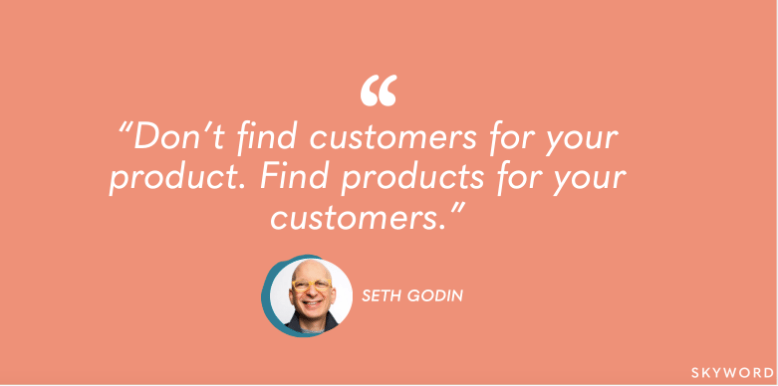

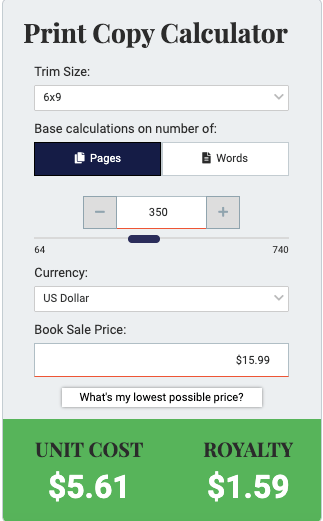

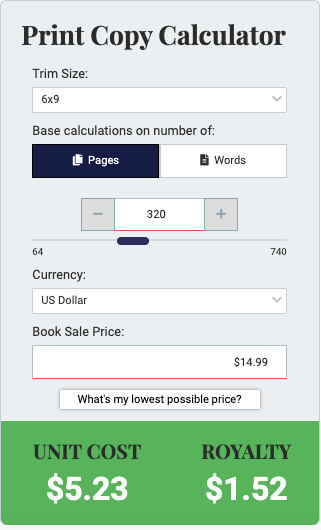
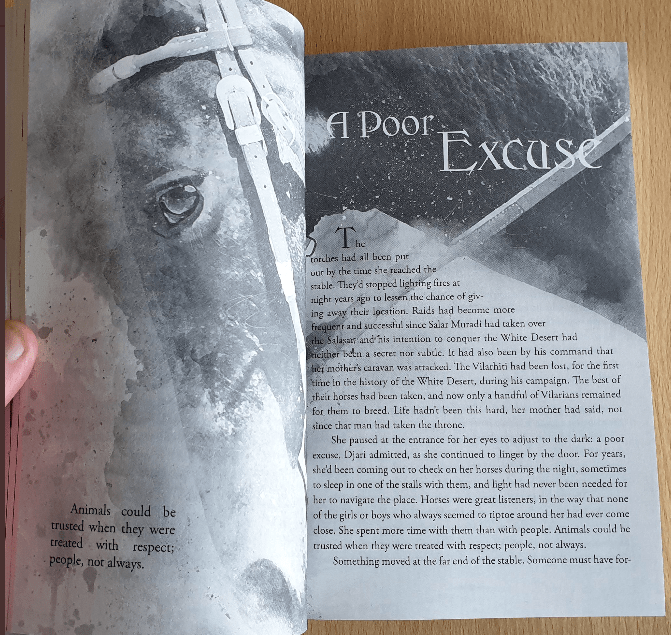
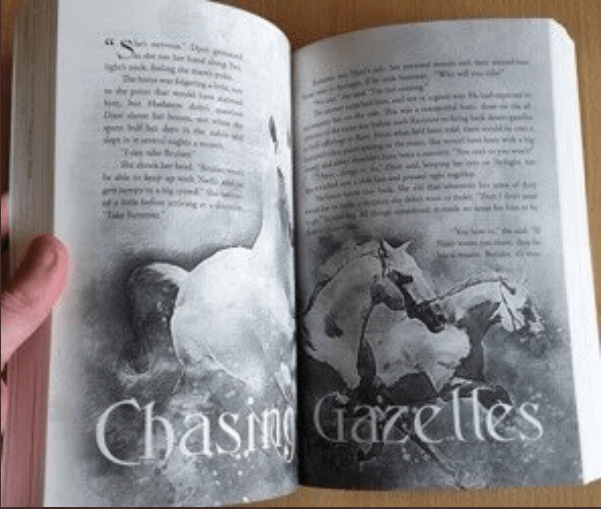
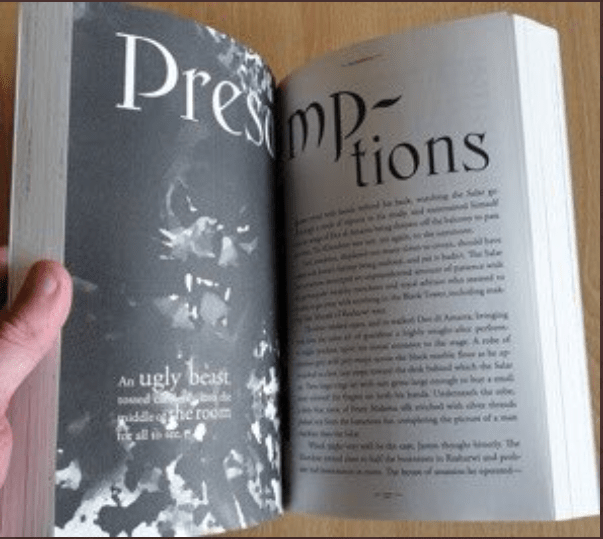
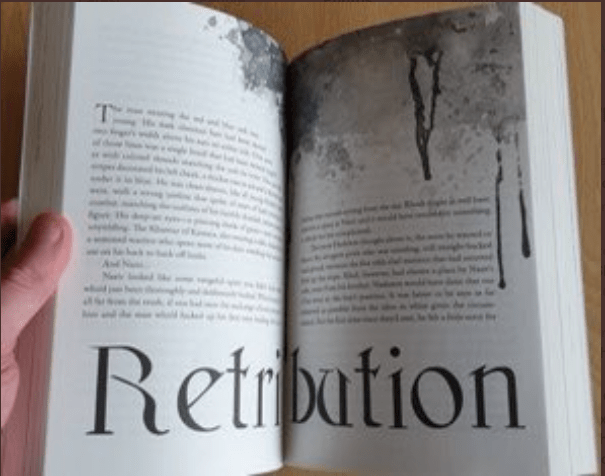

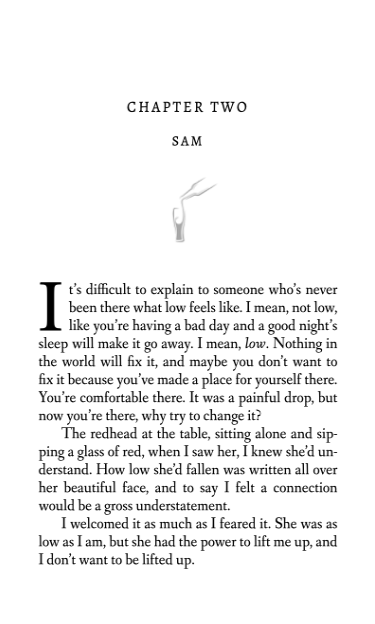

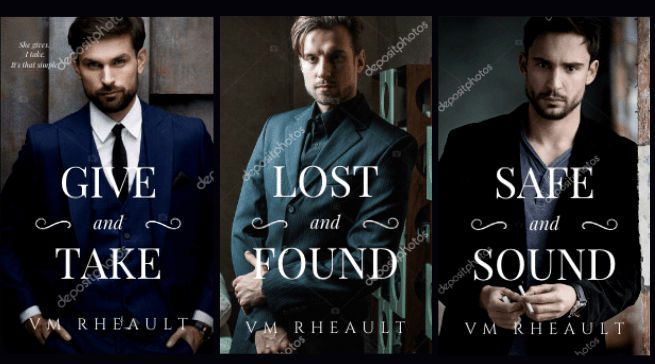
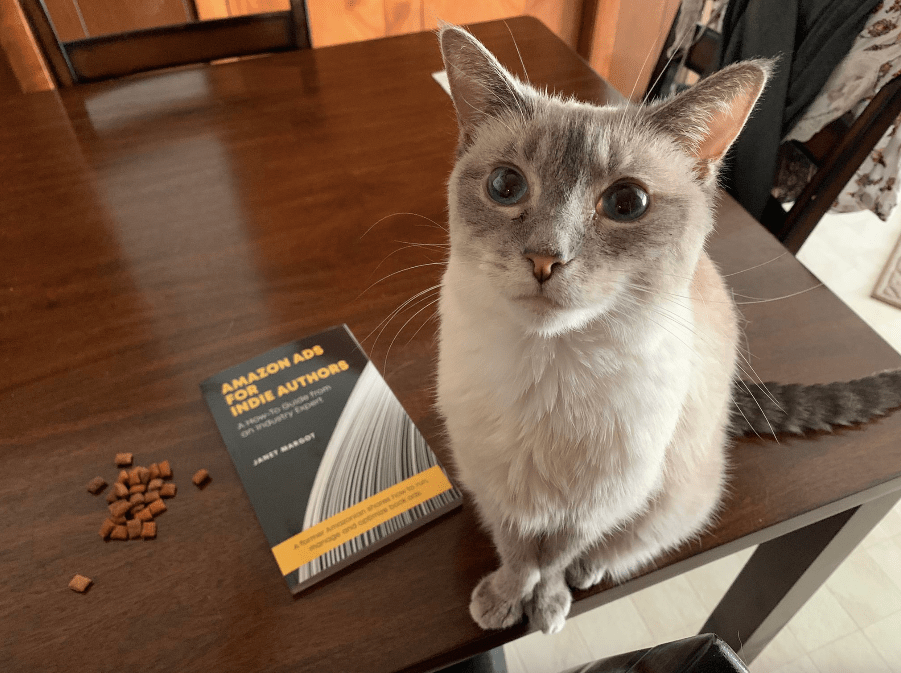






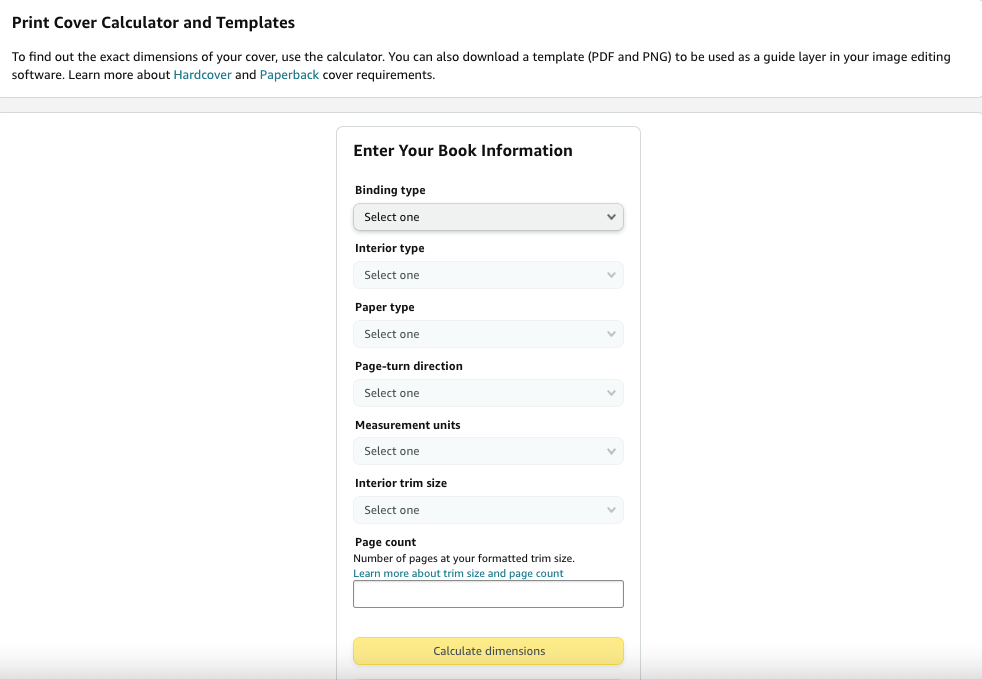


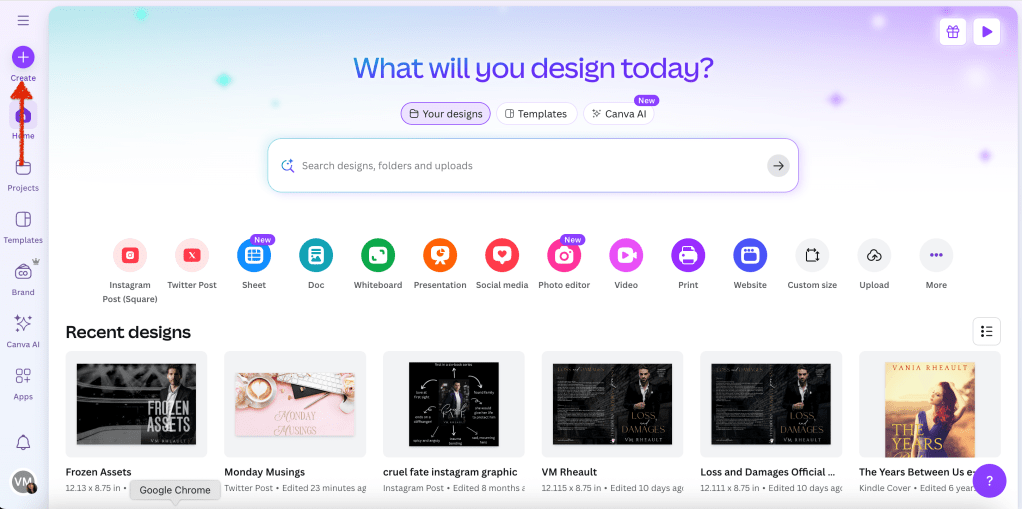

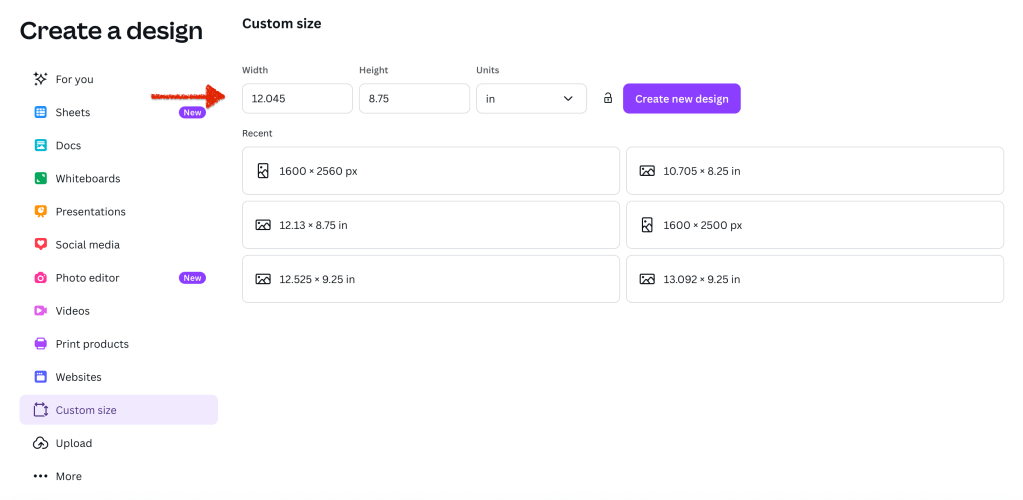
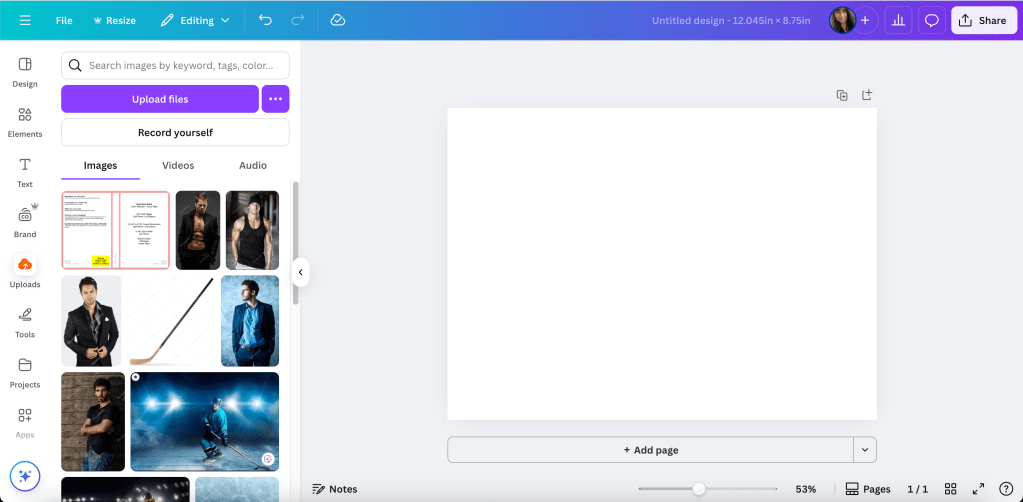
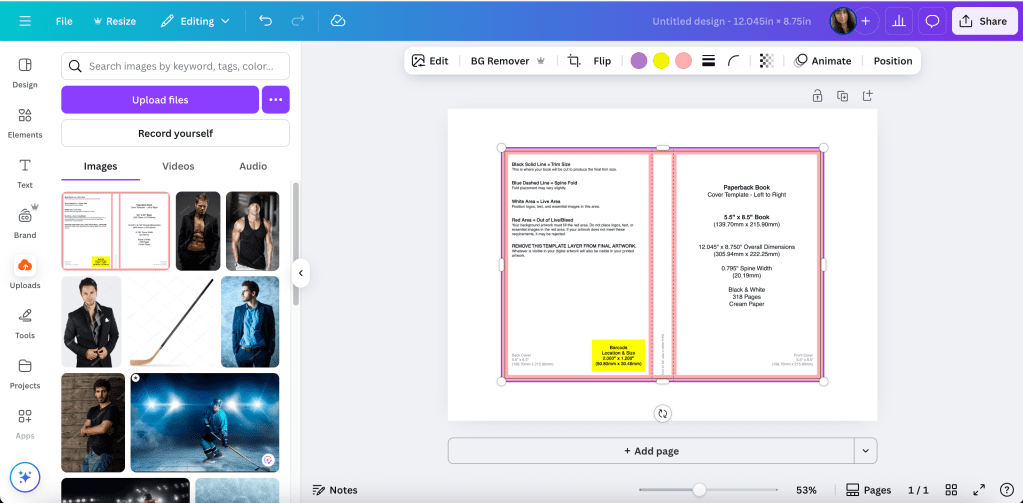
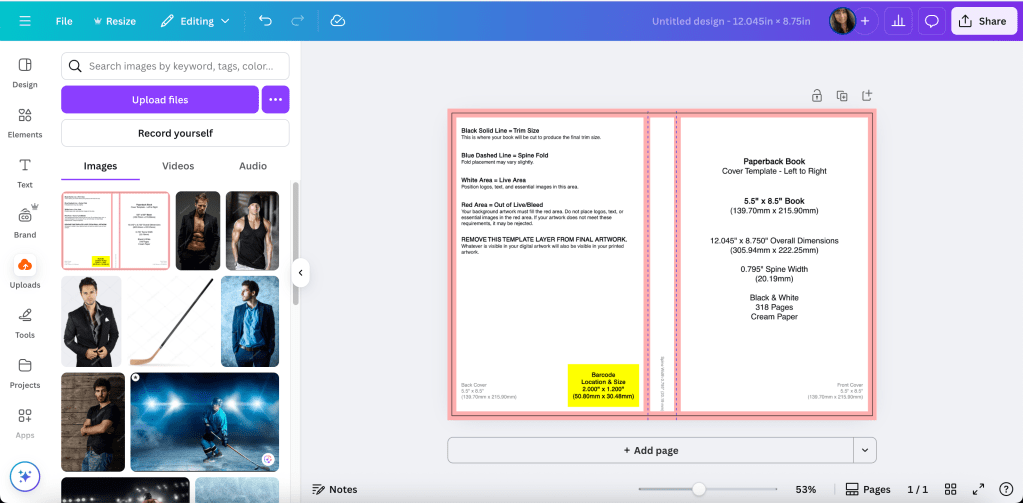
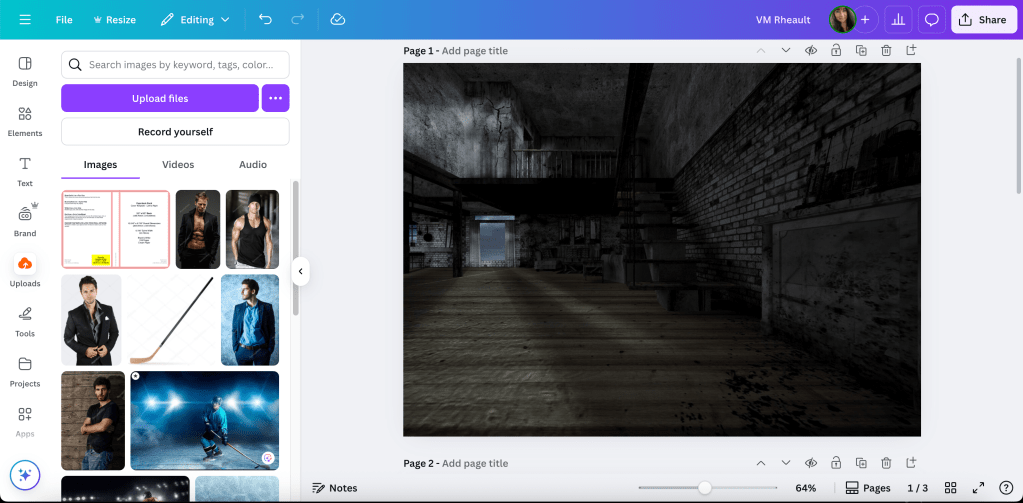


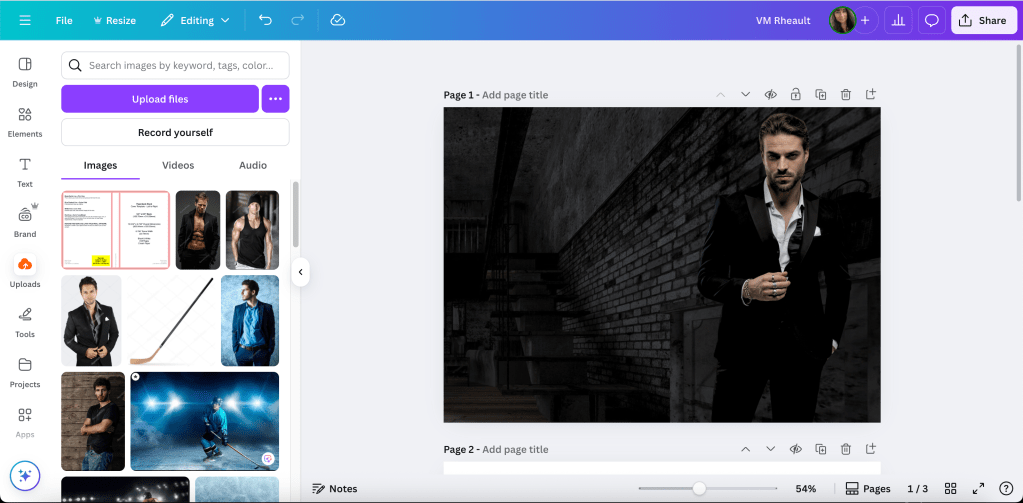

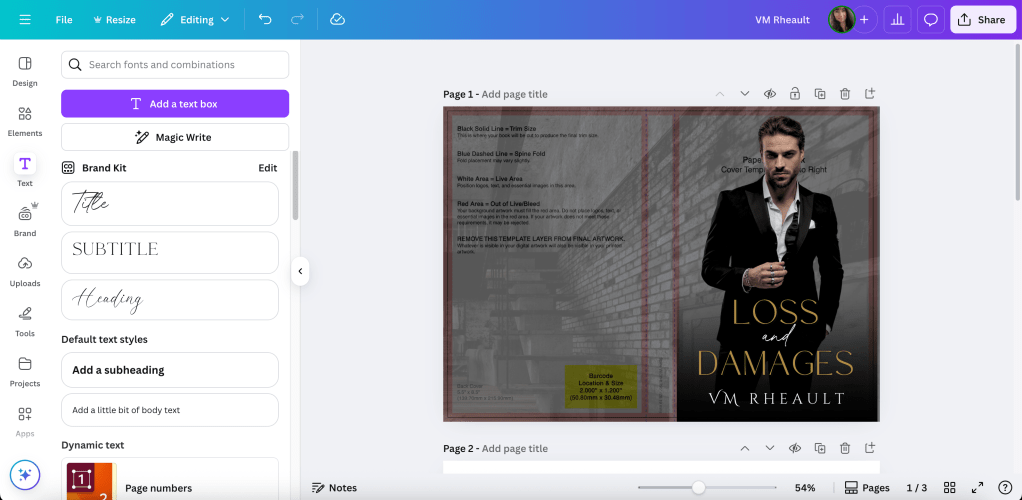

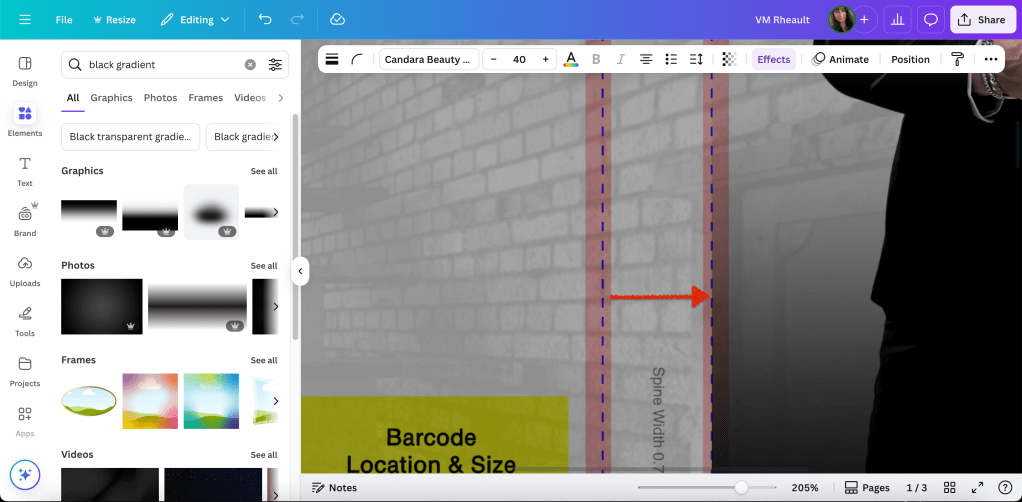
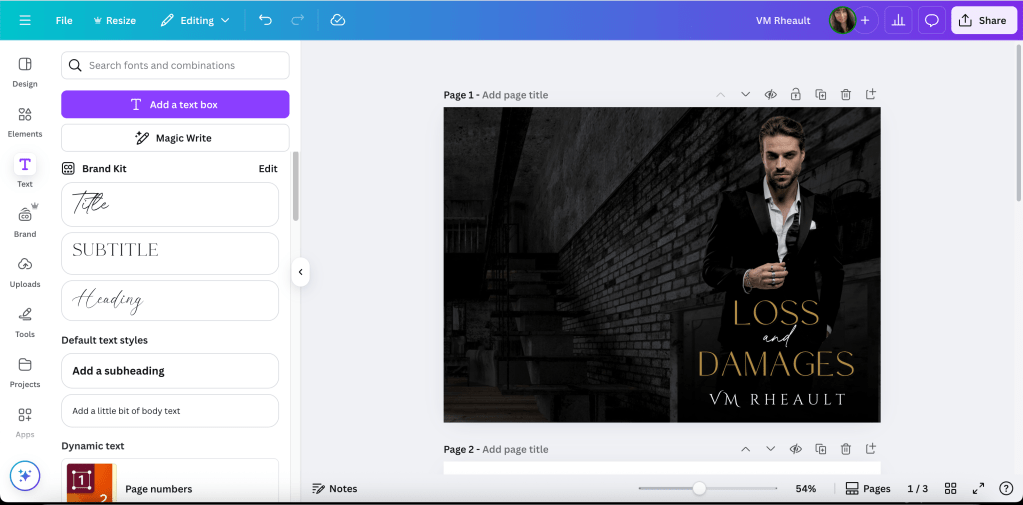

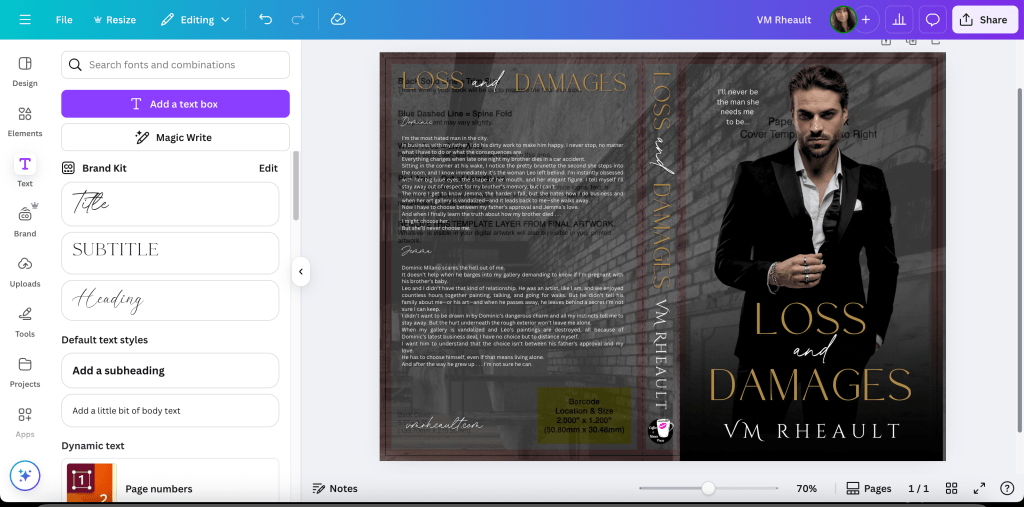
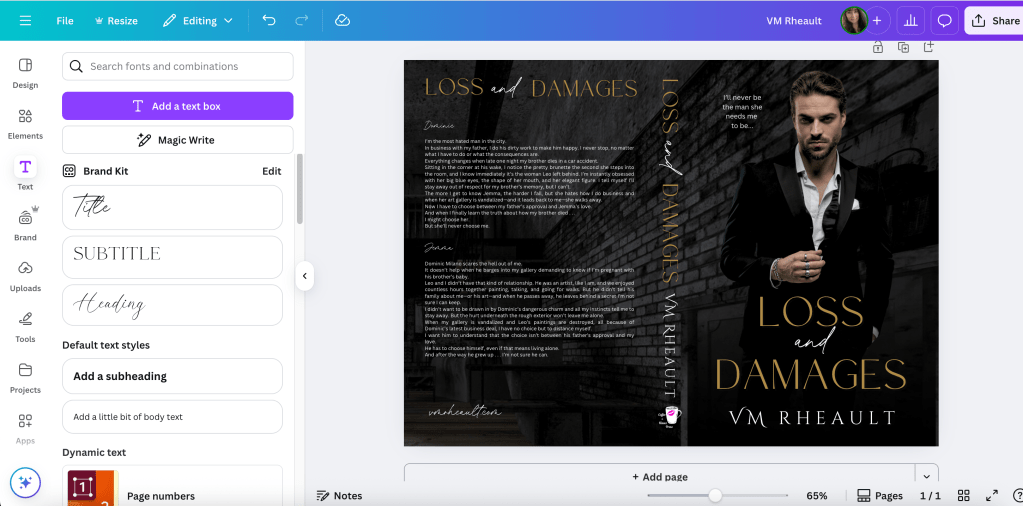
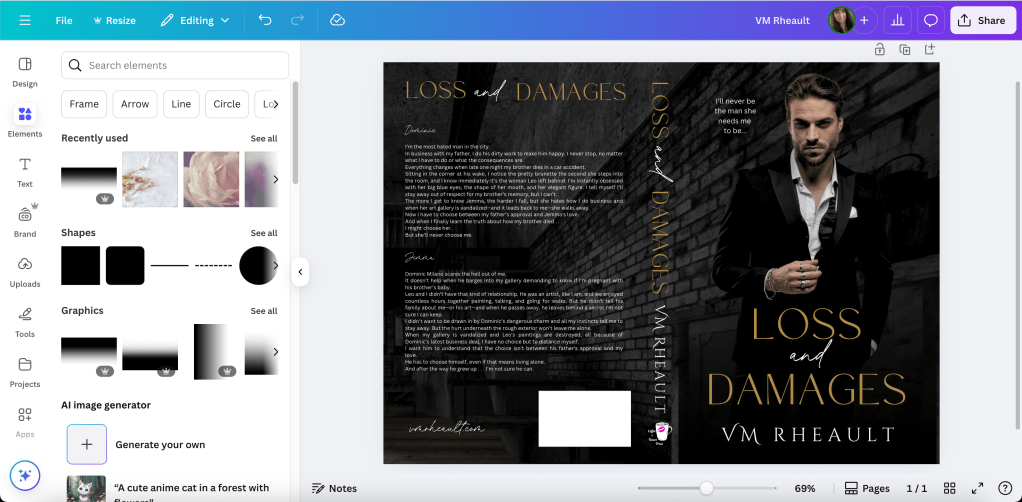
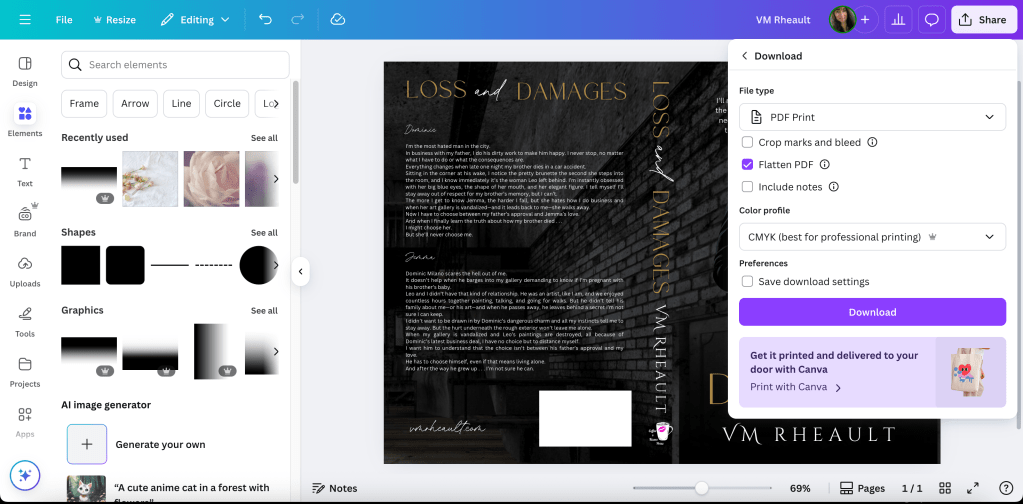
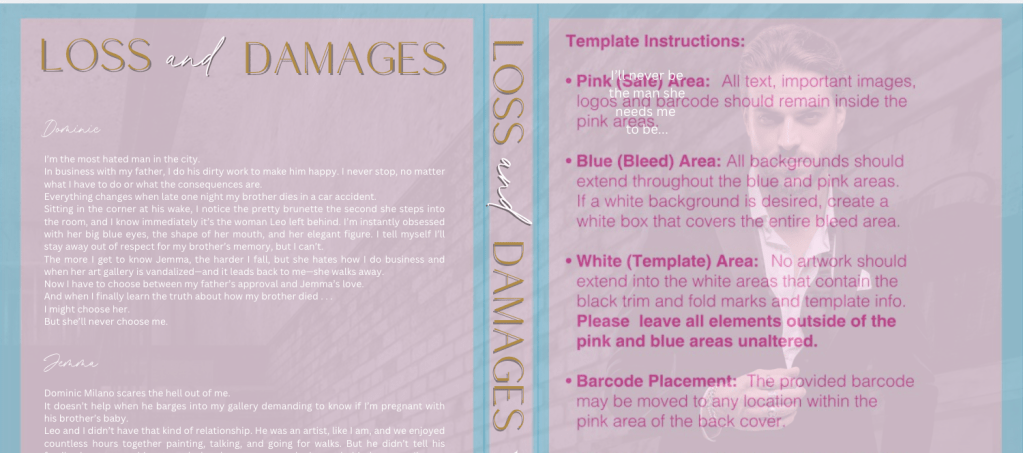

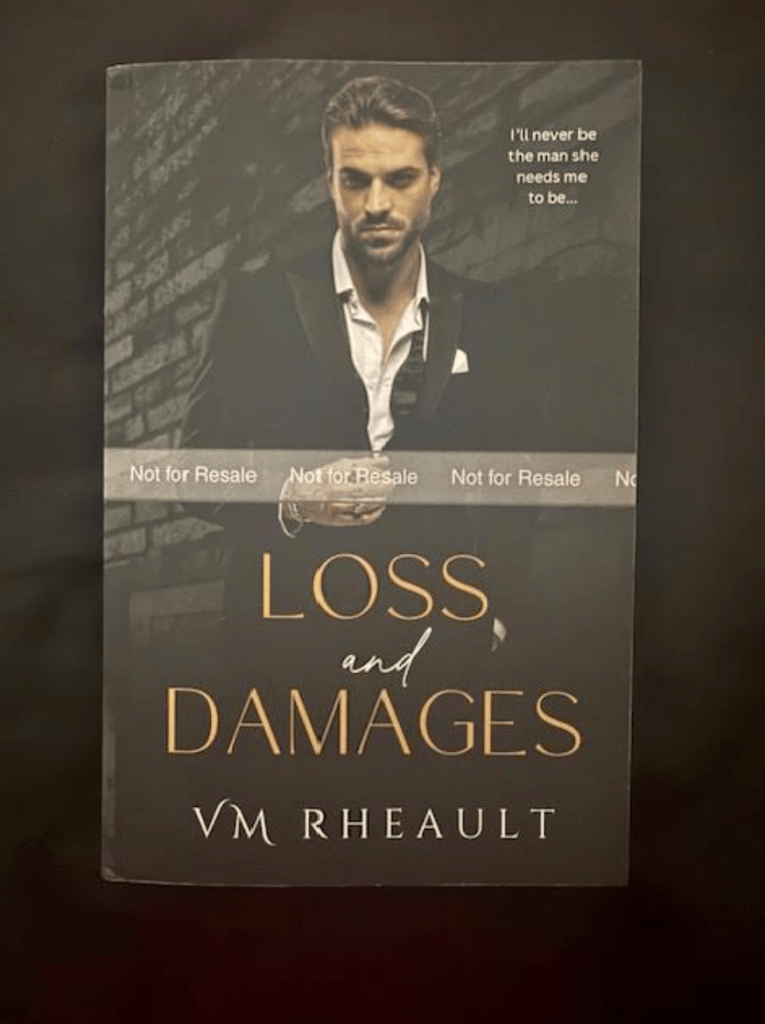

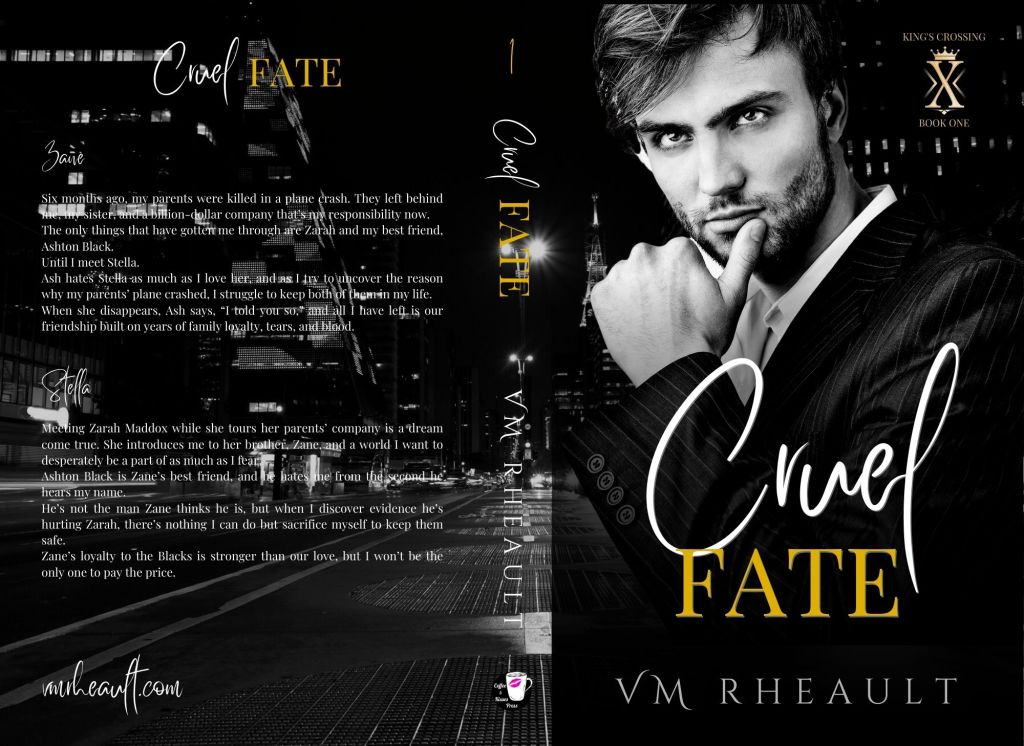
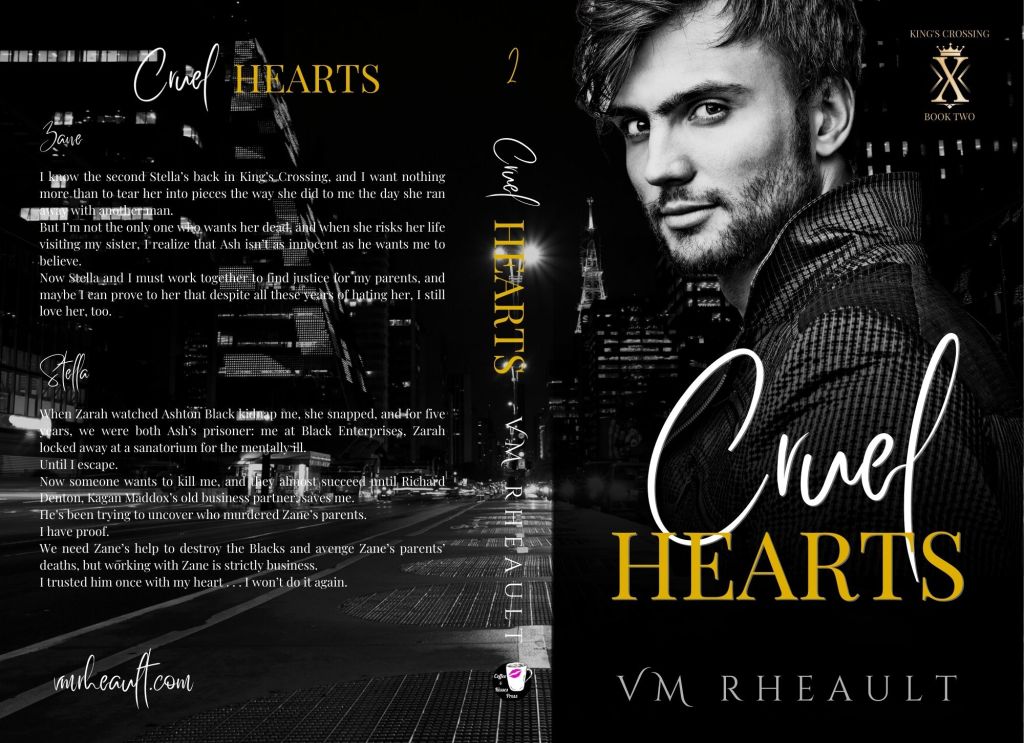
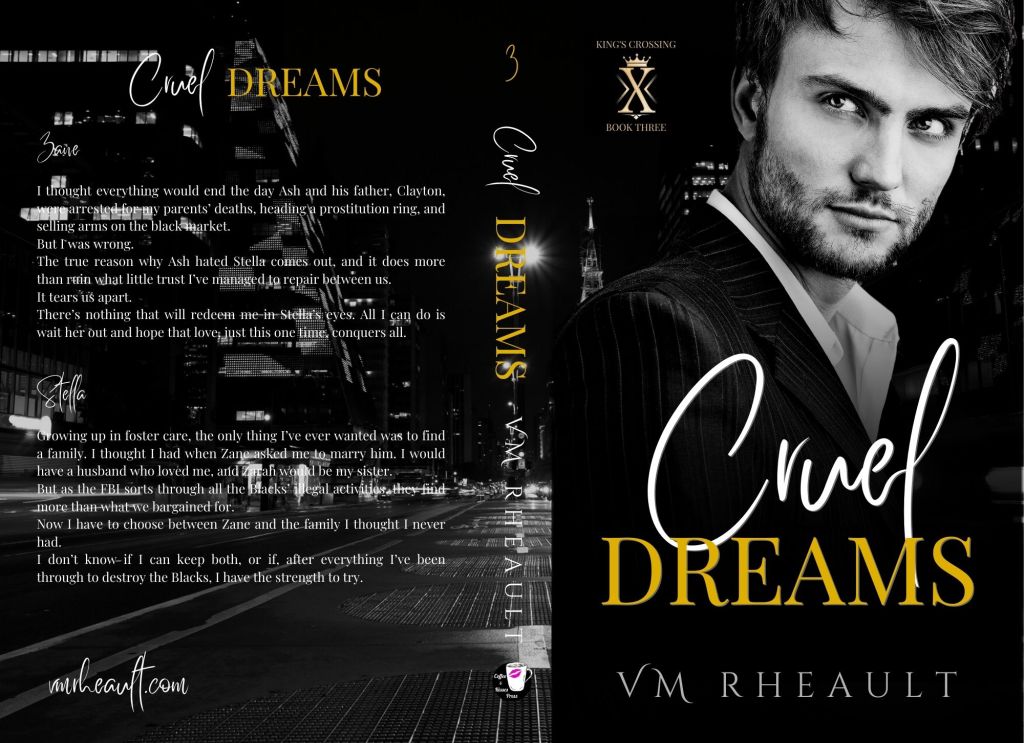
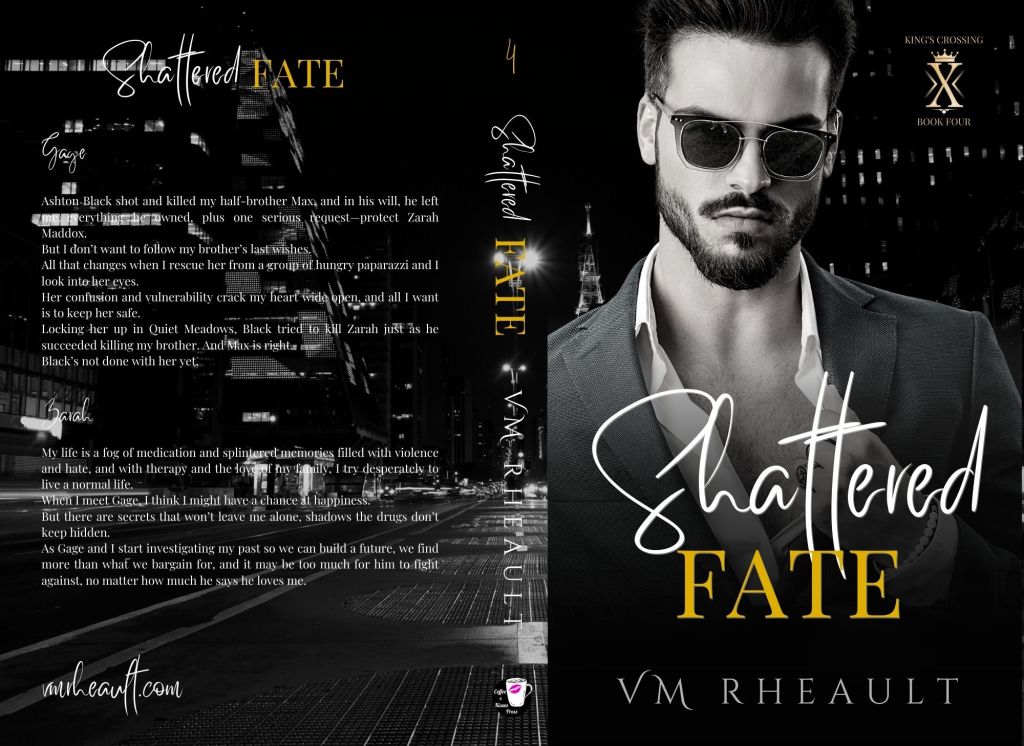
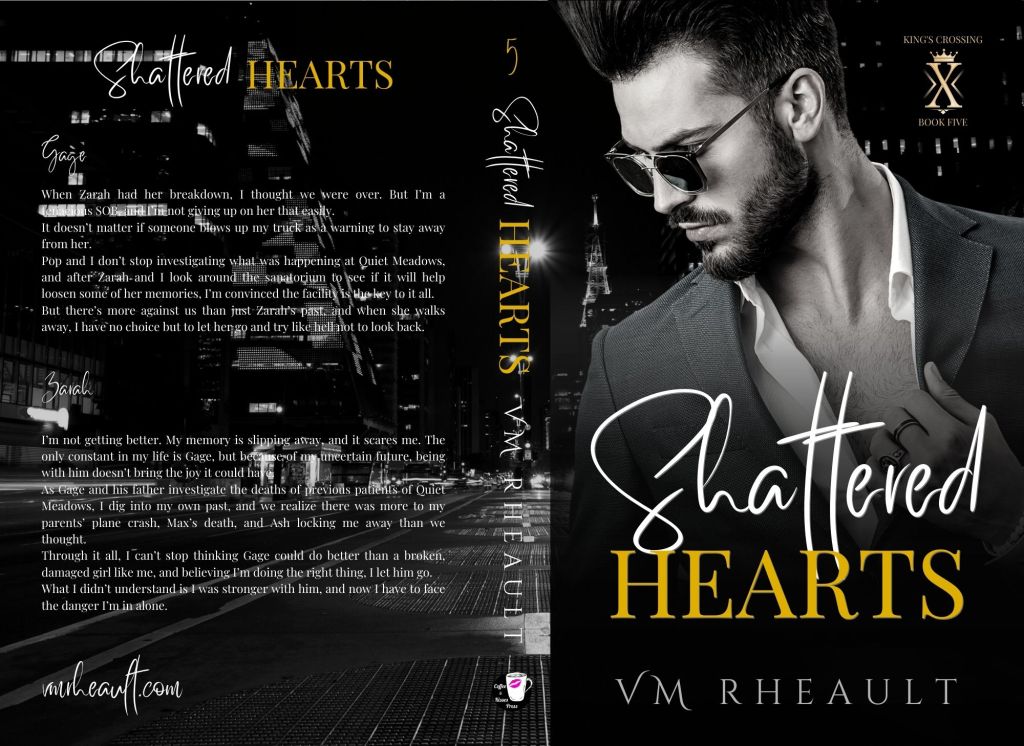
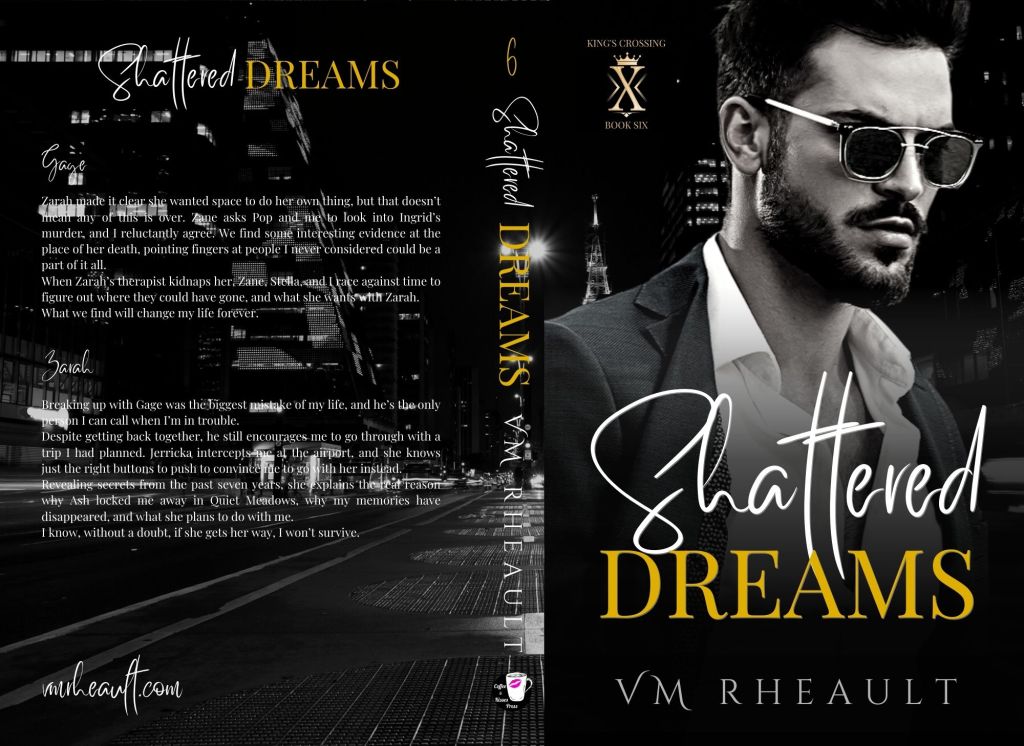

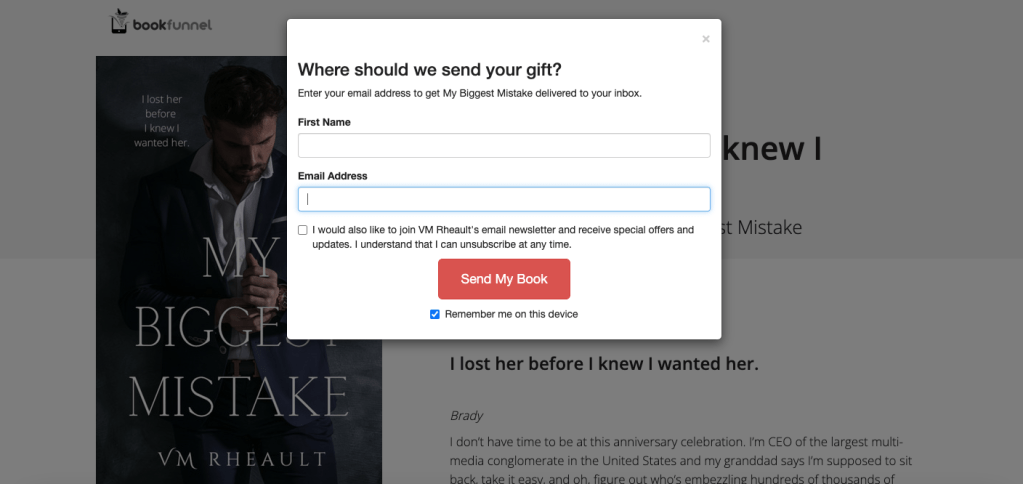





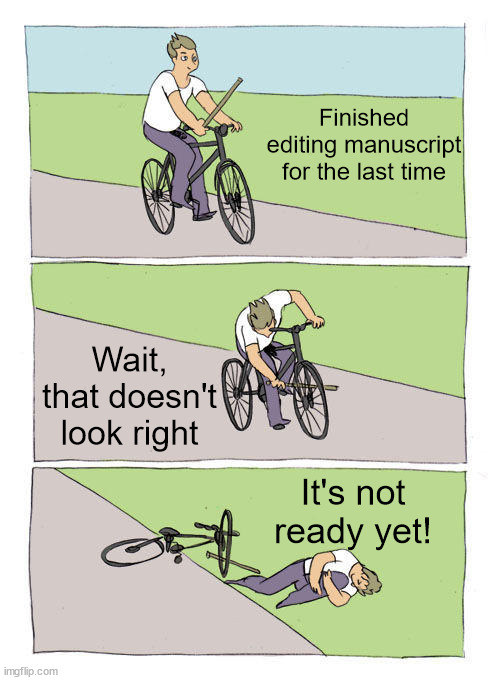

 Vania Margene Rheault