When Dumbing Down Your Writing Isn’t Dumb

1,419 words
8 minutes read time

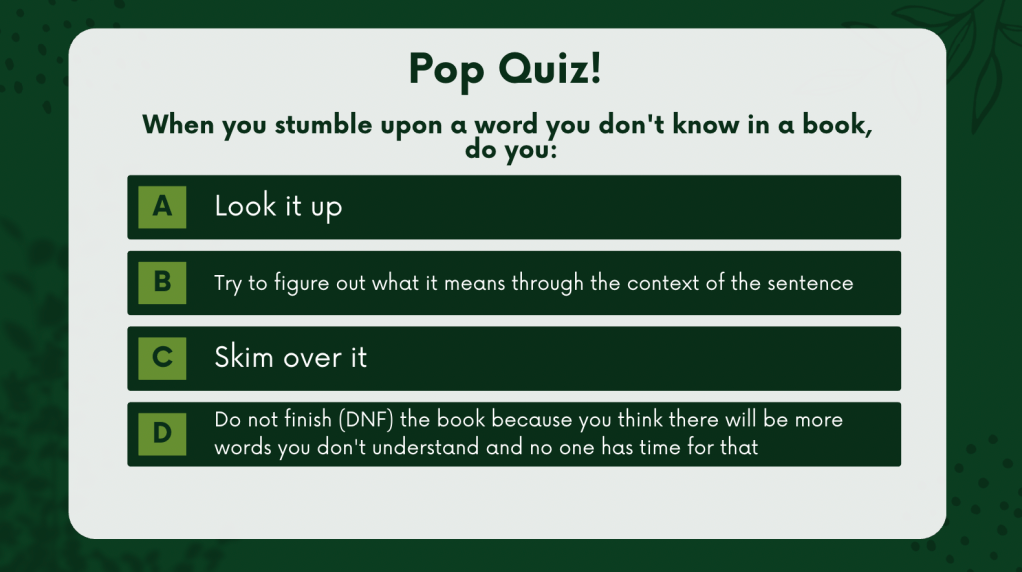
Pop Quiz! 

When you stumble upon a word you don't know in a book, do you:

A) Look it up
B) Try to figure out what it means through the context of the sentence
C) Skim over it
D) Do not finish (DNF) the book because you think there will be more words you don't understand and no one has time for that

green background with grey letters

If you’ve kept up with what I’ve been doing lately, you’ll know that I’ve been re-editing some older work. I’ve said in the past you can’t go forward if you’re looking back, but sometimes the road to success isn’t a straight line and I’ve been happy with my decision to polish a couple of books that I published a few years ago.

What I’ve discovered is that I have/had a very pretentious way of writing, and when you’re writing commercial fiction, especially romance, that might not be a good thing. We’re told to write how we want to write, that readers will come back for our voice and style. But what if that style isn’t good? What if what sounds “natural” to you sounds like a dictionary and a thesaurus had a baby to your reader?

The average adult reading level in the United States is 7th to 8th grade according to The Literacy Project (https://www.sparxservices.org/blog/us-literacy-statistics-literacy-rate-average-reading-level), and that can impact how readers read your books. Readers don’t want to struggle to understand what your book is about, sift through complex words when something simpler would suffice do, or get bogged down in purple prose that doesn’t do anything to move the story forward.

That doesn’t mean every “big” word is bad, but it does mean that maybe using a “big” word when a simpler word would work just as well is the way to go. The problem is, making that conscious choice to swap out, say, adept for skilled seems like a cop out and maybe even disingenuous insincere if you have a big vocabulary and using those words is natural.

I certainly didn’t mean to bog down my books with words like “lambaste,” “derision,” and “ramifications” but those words were there in my head because, well, they just were. Unfortunately, too much of a good thing is bad, and thrown all together, A Heartache for Christmas sounds like I was trying too hard when really, I was writing what came instinctively.

But then we get into what would fit the character rather than what sounds easy. I write billionaire (for the most part) and that implies my MMCs are educated, sometimes disgustingly so (you don’t want to know how many degrees Rick Mercer has in Captivated by Her). They’re smart, they earned their money, and making them sound like a redneck who dropped out of school in sixth grade wouldn’t fit. So yeah, Sawyer might use words like “palpable” and “derision” but that’s part of who he is.

The trick is to make your characters sound like themselves while also staying true to your voice, but also keeping in mind that your reader just wants to have a good time reading your book.

Here are some of the sentences I found when I was re-editing A Heartache for Christmas and what I changed to make the sentences more relatable and easier to read.

Original: He was adept with the tow but he didn’t give off mechanic vibes.
Changed: He was skilled with the tow but he didn’t give off mechanic vibes.

Original: It goes against everything I am as a gentleman, as a decent person, to let McLeod berate Evie for attending the festival.
Changed: It goes against everything I am as a gentleman, as a decent person, to let McLeod chastise Evie for attending the festival.

Original: McLeod’s State Bank never would have worked with me on a payment arrangement.
Changed: McLeod’s State Bank never would have worked with me on a payment plan.

Original: Gray lambastes me for having the audacity to show my face at the festival, even when I try to defend myself.
Changed: Gray tears into me for coming to the festival, even when I try to defend myself.

Original: Alone in the quiet, the shakes set in, the ramifications of what Billy could have done to me if Sawyer hadn’t checked on me hitting me in the gut.
Changed: Alone in the quiet, the shakes set in, the reality of what Billy could have done to me if Sawyer hadn’t checked on me hitting me in the gut.

Original: I miss her and I should have invited her up to my room even if she would have declined.
Changed: I miss her and I should have invited her up to my room even if she would have said no.

I think you get the idea. Some aren’t so bad, like “arrangement” versus “plan” or “berates” versus “chastised.” You can say that maybe “chastised” is no better than “berates,” but when it comes to how familiar or common a word is or how conversational it sounds, choosing the one that sounds more relatable to readers will always be the best option. The thing is, the “best option” will vary by author to author and book to book.

So, I don’t think it’s necessarily dumbing own your prose or your language when you exchange one word or phrase for a simpler word or phrase. What you’re doing is:

  • Using clear, common words that almost everyone instantly understands.
  • Keeping emotional beats from getting buried in overly fancy phrasing.
  • Making the writing feel “invisible,” letting the story, not the language, have the attention.

I read this article by Shane Snow–I’ll link it at the bottom–and he says:

I did an informal poll of some friends while writing this post. Every one of them told me that they assumed that higher reading level meant better writing. We’re trained to think that in school. But data shows the opposite: lower reading level often correlates with commercial popularity and in many cases, how good we think a writer is.

He goes on to say,

We shouldn’t discount simple writing, but instead embrace it. 

I think this is why we’re so hard on books that do well when we think they aren’t worthy. They’re written simply, letting story and emotions shine through, and as writers who are trying our best, we think that’s not good enough when to the average reader, it’s what they want and what makes a bestseller.

That’s not to say you can’t use “big” words, just use them sparingly because as with any spice in any dish, too much can ruin the flavor. I think that might be where I was at with the standalones I’ve been re-editing these past few weeks, especially Faking Forever. It’s nothing I thought to watch out for, and I did have a beta reader read A Heartache for Christmas and she didn’t say one thing about any words that sounded out of place.

As for what I’m going to do now, after discovering my penchant for love of words that fit but don’t fit, of course I’m going to be paranoid my other books sound like that. I spot-checked my proof of Loss and Damages and that came out fine as far as I could tell. Rescue Me is okay. Faking Forever and now A Heartache for Christmas will be okay. I’ll have to trust that my King’s Crossing serial sounds good because there’s nothing I want to do less than read those again. My rockstars are okay. I lightly re-edited them not long ago but I haven’t updated back matter or uploaded the new files in KDP. I’ll get around to that sometime. At this point, I’m going through what probably all authors go through, and that’s being obsessed with perfection. Well, maybe not that specifically, but I want my books to be the best they can be, and after the last few years of not feeling well and craft improvement just because I’ve been writing, I’m worried that they aren’t.

Like I said in my last blog post, I’m learning how to relax, but when it comes to “big” words, I’ll have to be conscious of using them because it’s just natural. I’m not bragging I have a big vocabulary, in fact, I’m probably pretty average compared to other writers when it comes to the words I know. Still, the words I use aren’t needed, at least, not as often I do. The trick will be to find a happy medium between my style and toning it down but still sounding like me.

Pop Quiz!

When you’re in the zone which word do you reach for?

  • Exacerbate
  • Aggravate
  • Worsen

That will be up to you, but I know which one I’ll use going forward . . . and it’s not the one I can’t spell.

Have a good week, everyone!


Shane Snow’s article: https://shanesnow.com/research/data-reveals-what-reading-level-you-should-write-at

Romanticizing Cheating (In Fiction)

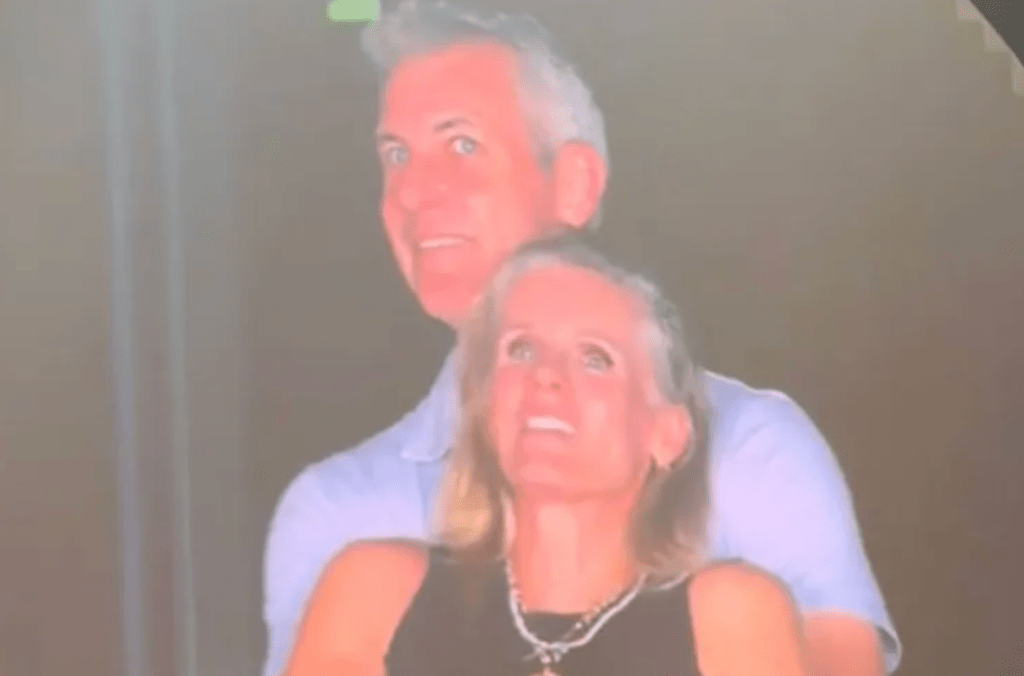
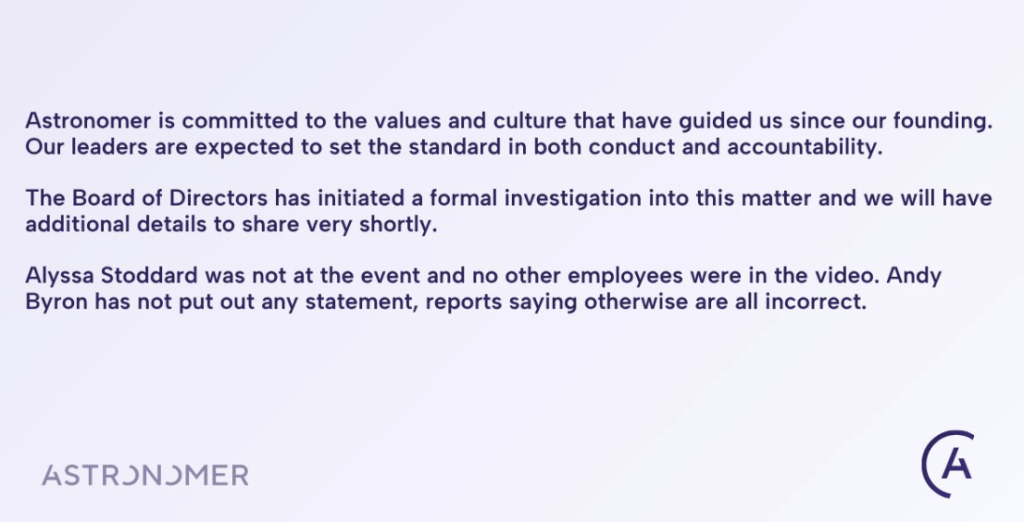
One of the most talked about things that happened last week was when the CEO of Astronomer, Andy Byron, attended a Coldplay concert with his mistress and HR chief, Kristin Cabot, and got caught on camera.

Of course, the first thing I thought was, “What’s Astronomer?”

The second thing I thought was, “That’s too bad. They looked cute together.”

The third thing I thought was (as someone who has an HR degree), “Is she going to have to fire herself for fraternizing?”

The fourth thing I thought was, “How can we learn from this from a craft perspective?”

Going all the way back to the beginning of time, we’ve been taught to view cheating as this horrible, vile thing that we should never do, and the responses online validate that belief over and over again. Andy, and Kristin too, were called some pretty nasty names, and the general consensus was that they deserved each other.

As someone who was married for about fifteen years (what is time 😵‍💫) and has since divorced, I never thought it was as clear cut as that. Marriages, relationships, fall apart all the time, and for the most part, it’s not anyone’s business why. We don’t know what’s going on in Andy’s home life that warranted him stepping outside his marriage–he and his wife could have simply grown apart. We tend to need to place blame, automatically calling him a bastard for hurting his wife and her a bitch for dating a married man.

Where does this thinking come from, in a society that celebrates couples staying together for fifty plus years, even though, at the end, they can’t stand to be in the same room together and have slept in different beds for the past thirty. There’s failure in divorce, failure in not “sticking it out.” No matter how miserable you are. Being unhappy is the American Way.

I bring up divorce because everyone thinks that’s the solution. Don’t cheat, have the integrity to get divorced first before you start seeing someone else. And I think, up to a point, that’s true. But divorce can be messy, it can be expensive, not only paying for attorneys but for what happens afterward (I have seen on more than one occasion couples who have gotten divorced but still live together because they can’t afford to move out), and if you have little kids, complicated.

It probably sounds like I’m defending Andy, just another rich white guy fucking around and not liking the finding out part. That might be what he is, and maybe I’ll get backlash for being, if not understanding, a bit sympathetic, at least. But I’m thinking of cheating in terms of, well, how romantic it is, not the kind of people they look like because they did it in the first place.

There’s a reason why forbidden love is a trope, after all.

And done right, readers love it.

In a private group I’m a member of on Facebook, an author polled her readers, asking them what tropes they liked best. I won’t share the group, but she said we could share the results–you have to give her your email address to download the pdf–and you can find it here through Bookfunnel: https://BookHip.com/QDMZAFS (this is not an affiliate link)

Anyway, I was a little surprised by the results. She gave her readers these tropes to choose from:
Billionaire, Alpha, Age-Gap
Cowboy, Small Town, Medical Second Chance, Love Triangle, Cheating
Enemies to Lovers, Arranged Marriage, Secret Baby
Holiday, Workplace, Fake Relationship
Secret Identity, Motorcycle Club, Rejected Mate
Ugly Duckling, Celebrity
Friends To Lovers, Grumpy/Sunshine, Second Chance

I think she got most of them, maybe she forgot Mafia, or even true forbidden romance that can fit into any subgenre. Anyway, want to guess which trope came in first?

Second chance.

But the second was cheating.

That kind of took me aback not only because Andy and Kirstin were the top news story on social media when I downloaded Maya’s reader poll results, but because I have written the cheating trope and was warned there are two different kinds and I would be in big trouble if I chose the wrong one.

One kind is where the characters are married and they cheat with other people to find an HEA outside their marriages. Readers don’t want their main characters to be with other people. So when you write a romance where your characters are already married when they meet and start their relationship, you’re going to have some unhappy readers.

The other form of cheating is when you have characters who were involved with people who were already married and something happens. Characters die or they leave the people who were taken and go on to relationships with characters who are available. They’re still cheaters, but it’s softer somehow, more acceptable.

My rockstar trilogy is full of cheaters. Well, kind of. In Twisted Alibis, Sheppard falls in love with Olivia, who he thinks is engaged. It turns out her fiancé had committed suicide and she still wore her ring out of guilt and lost dreams. He struggled with that, and it affects how he deals with his depression. In Twisted Lullabies, Eddie cheats with Clarissa, who happened to be married to one of their bandmates. Her husband’s murdered, but that doesn’t make it easy for Clarissa and Eddie to be together. Eddie finally confesses to Sheppard, and their conversation is one of my favorite scenes:

“When Olivia and I met, I thought she was engaged. She wore an engagement ring, and I took that at face value as I’m sure many would. I tried to fight how I started feeling about her because I knew it was wrong, but the way she would listen when I talked, the way it seemed she always knew what I needed, how she would wrap herself around me as if she were trying to absorb all my pain . . .” He sighs. “After you and Brock were here and we talked about Derrick . . . I needed her as badly as I have ever needed anything in my life, and I went out to the beach and kissed her. I didn’t care she was engaged, in fact, I blamed him for letting her be here at all. I didn’t care. All I knew was I couldn’t live without her. That’s when she told me. That’s when the paparazzi took that picture of us in the water.”

Olivia sniffles and wipes a tear off her cheek.

Shep stares at the photo, lost in thought. “It scared me, that my feelings were so strong I would try to steal another man’s woman, and I grappled with that for a long time. What kind of person that made me, what kind of person Olivia would have been had she been willing to cheat on him with me. When love is dirty, but you crave it, need it to survive. I suspected Melody was seeing someone, but it wasn’t that she was. It was that she felt she had to hide it. Honesty is important, and she should have told me she was in love with Dalt and divorced me properly. I don’t know what Derrick would have done if you’d told him the truth. It sounds like he didn’t want her. Maybe he would have just let you have her.”

The only way Clarissa was able to escape her marriage was the way things went down, but I say, “Sharyn wouldn’t have let him let her go. She wanted to turn his reputation in the press around, and she did. He went from a rich, rockstar playboy to husband of the year practically overnight. The tabloids loved pictures of them, and I bet Sharyn leaked those herself. I begged Clarissa to leave him, but she stayed because she has integrity. She stayed because she knew she’d made a mistake and thought she should pay for it. She stayed long after Derrick died because—”

“Because she knew Mason’s yours and she wanted to be a family.”

In Twisted Lies, Agatha had been seeing a married man and confessed to Brock, thinking that he wouldn’t be able to see past her mistake. His conversation with Eddie is another scene I loved to write. (Trilogy link: https://www.amazon.com/dp/B0CDQJ28SB)

We look down on cheating in real life, calling people nasty names for disrespecting their spouses, but using cheating as a plot point can bring a lot of complicated emotions and feelings to your story because cheating doesn’t always come from a place of selfishness. People can’t control who they fall in love with, but how they handle that can be classy or trashy.

Astronomer issued a statement, and I wonder after this if Andy and Kristin will stop seeing each other. I guess it depends on if he wants to save his marriage (if his wife will even let him try), or if he doesn’t, if he and Kristin can get past the shame of not only being found out but how they reacted to it.

What’s funny is I think he wanted to be–found out, that is. You can’t go to a public event like that without knowing you’re taking a risk. Even if the camera hadn’t caught them hugging, they could have ran into any number of people who knew them and thought it was suspicious they were together past working hours.

So, where does this all go? Cheating in real life is icky, but cheating in fiction (like the TV drama Scandal) is so yummy we can’t get enough? Is there hypocrisy there? I think a lot of it, if not most, is that when people do it in real life, like Andy and Kristin, we don’t have any context, and when we see it in movies, TV shows, and read it in books, we get all their heartbreaking reasons why.

That’s addicting, and maybe we don’t want to admit it, but . . . relatable.

Humans are messy, and if you write them right, so are characters. To have a full character arc, they need to make mistakes, learn from those mistakes, and come out better people in the end.

Maybe Andy’s full character arc includes resigning from his position and “finding himself” in whatever way that makes sense to him. My characters had a lot of regret too and moved on the best they could.

He might not have chosen to have his affair blasted all over the internet, but I have to admit, sympathetic to his and Kristin’s plight or not, it would be perfect for the beginning of a funny RomCom.

And you can be sure, the next time they meet up, it will be in a private hotel room with room service.


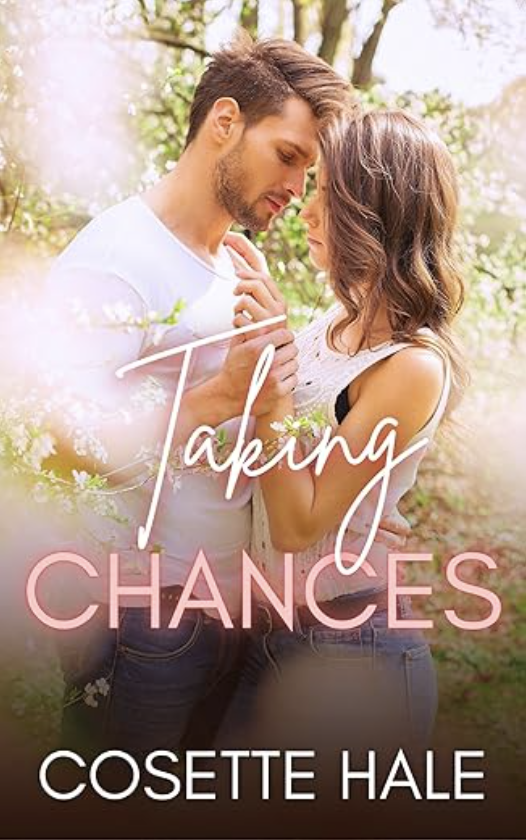
I actually just bought a romance novel that centers around cheating. I grabbed it when I went through my BookBub email newsletter. The cover drew me in and the blurb made me click. If you’re interested, you can find it here:

https://www.amazon.com/Taking-Chances-Cosette-Hale-ebook/dp/B01M146WPF

One lie. One affair. One chance to take her life back.

Audrey Hale has it all—a devoted husband, a dream vacation to the Virgin Islands just days away, and a secret she can’t wait to share.

One moment, she’s holding four positive pregnancy tests. The next, she’s cradling a broken dream—and a gnawing suspicion that her husband’s late nights have more to do with sex than sales.

The worst part? Her best friend—the glamorous, magnetic Natalie— might be in on it.

When one heartbreak leads to another, Audrey is left raw, vulnerable… and searching for truth in a world that’s quickly unraveling.

And the only person who seems to be there for her is Natalie’s husband—Harvey.

He’s off-limits.
He’s furious.
He might be the only one who sees what’s really going on.

As secrets are uncovered and stolen glances become charged, the line between comfort and temptation starts to blur.

Because betrayal cuts deep—but desire cuts deeper.

Pity Isn’t a Good Marketing Plan

1,483 words
8 minutes read time

box of tissues, with one coming out of the top. pink background. text says pity isn't a good marketing plan

It’s valid to talk about our struggles as authors. It’s something I do almost every Monday. We like to know that we’re not alone, that we can relate to people and what they’re going through with writing, marketing, and publishing.

But sometimes it gets out of hand. In the past week or so, there’s been a big TikTok account that has taken the concept of sharing our struggles just a little too far, and what started out as “I really need some support” has turned into a huge marketing strategy constructed pretty much on just . . . pity. I don’t want to go into all that, the article I linked to actually does a really good job, and honestly, I’m not interested enough in that person to do a deep dive to write my own post about it.

Actually, I see a rendition of it on social media all time. Little posts like, “I haven’t sold a book this week/month/year,” or “My husband just got laid off, any sales will help!” or, “I just had a death in the family. I’ll donate proceeds to their funeral if you buy my book,” or “I can’t afford my cat’s vet bills, please, any reads in KU will help a lot.” I sympathize with each and every one of those people. I really, really do. I’ve had financial trouble. I lost three cats in five years, and let me tell you, the vet costs were astronomical. I’m not a stranger to needing money, but what I didn’t do was ask my readers to help me by buying my books. Why? Because:

One: Book royalties don’t work like that. Amazon doesn’t pay us for today’s sales for three months, so even if I managed to guilt-trip a few people into buying my books, it wouldn’t help. Three months is a long time to wait when you need the money now.

Two: My financial situation isn’t my readers’ business nor is it their responsibility. Asking them to buy my book so I can have some cash to pay bills or whatever else grossly oversteps the author/reader relationship.

Three: It erodes reader trust. After a while, they won’t want to see your social media posts because they’ll be afraid you’re going to ask them to do something they can’t do. Not all readers have a ton of disposable income, and if you have a short backlist, maybe they already supported you and will feel bad now if they’ve already bought your book and don’t want to buy it again.

Four: It takes attention away from your books. As an author trying to create a professional reputation and a credible and enjoyable backlist, that diverted attention could cost you. Not only for just that day, or that week, or that month you’re begging for help, but . . . forever. Followers can mute you without unfollowing, so you may never know the true damage you cause. Out of sight is out of mind, and in this time of content saturation and short attention spans, it doesn’t take much for a reader to forget she ever read anything you wrote.

The only time you should be asking readers if they’d like to read your books is when you know that what you’re offering them is something you think they would enjoy, either because you know they’ve read similar books to yours or they asked for a recommendation and you have something they’re looking for. That’s it.

But, I can hear a lot of you saying, I share my bleak numbers and empty sales dashboards to have support and so others don’t feel alone. That’s understandable and you’re not alone thinking that, but unfortunately, the reader/author line blurs more every day. I know this and take the risk keeping this blog up. Maybe a reader would find my indie talk not to their liking and skip out, either from this blog or my books too, and that’s okay. It’s unrealistic to think that we can keep our roles completely separate, so let’s just say begging for sales in most ways is unappealing wherever you happen to be hanging out online.

Besides, and I wrote a whole blog post about this before: transparency means diddle squat if you’re not prepared to have a conversation about why your sales are in the toilet and how to fix it. Saying you had zero sales so far for the month of June means little. That’s pity marketing if I ever heard it. You can frame it any way you want: “Just letting people know how tough it is out there. No sales this month.” “Being transparent today. No sales for this month. Keep on keeping on.” “No KU page reads this month and we only have a couple days left. Fingers crossed next month is better.” Those all sound familiar because we hear them all the time, but what I really want to ask is, What are you doing marketing-wise to combat this? Are you only posting on Facebook? Only Threads? Pinterest? How’s your cover, how’s your blurb? Is your book first in a series that won’t be done until 2030?

If you’re not ready for the hard conversations, then you have no business sharing. Some people will ask, out of a want to help you, and mostly I hear, I don’t have money for ads, or ads didn’t work for me. There are a lot of reasons why ads don’t work, the top one being your book isn’t advertising-ready. The cover is off, the blurb is confusing. You didn’t choose the right keywords or categories and the ad platform is confused and doesn’t know who your readers are. Those things are fixable. The money thing, not so much, but indie publishing is the only business venture I know of where people think they can start a business with no start-up cash. It’s completely unrealistic to think you can publish a book and have it be successful completely for free. People get really mad at me when I say stuff like that and call me privileged, but it’s true. Even a simple artist who wants to sell paintings on Etsy needs money to buy canvas and paint. It’s really crazy and probably why Kickstarter has had another surge in popularity recently. Authors need money to produce books. It’s always been that way.

So, the biggest takeaway from this post today is, should you be sharing that online? Do you really want your readers to see it? Do you really want your peers to be feeling sorry for you? I have a lot of sympathy for my “co-workers” such as they are, but whenever I take a look at their books, I can usually find a hundred ways to fix what they’re complaining about. New cover, new blurb. Get that series done. Fix your formatting, your title is confusing. Your ads won’t waste money if you’re selling a book people want to read. You may need to experiment a bit with your audience–Facebook wants to shove your ad in front of everyone which we all know rarely works–but even though I’ve complained about my own ads, I’ve never lost money. Simply broken even which I don’t consider a failure, I was just having mental health issues and decided to step back from the grind.

Anyway, so 2025 is half over. We’ve got six more months to get stuff done. Can you go through your backlist and make a list of things to fix?
*Cover–just because you like it doesn’t mean it’s working
*Blurb–too confusing or too vague because you don’t want to give away spoilers may turn readers off
*Look Inside: the first 10% is important. If nothing is happening or you start off your book with an info dump, you won’t hook readers.
*Make sure your categories and keywords are solid
*Price competitively

Then you can:
*Do a couple of free days and join an author-driven promo
*Learn Amazon ads
*Buy a promo from Written Word Media or places like Fussy Librarian and Robin Reads

Let’s stop the pity marketing and take matters into our own hands. We have the power to fix things and acting like you don’t just makes you look bad.


One more thing before I head off to get my errands done for the day: Angela James is offering a deep POV workshop on July 8th for $30.00. Improving craft is another way to increase sales. No one wants to read a book that sounds like crap and is full of telling. Angela’s a fabulous editor who used to work for Harlequin’s Carina Press. Take a look at her workshop, and if you haven’t invested in your author business so far this year, this money will be well spent. This is not an affiliate link: https://angelajames.co/deep-pov-workshop/

Have a good week everyone, and if you live in an area that’s been hit by storms, stay safe!

Writing Tics: What they are, how to spot them, and how to fix them.

Words: 1882
Time to read: 10 minutes

made with https://www.freewordcloudgenerator.com/

I don’t delve into writing craft that often on my blog. Writing quality is subjective, after all, and what is one person’s favorite book is another person’s trash. It’s fine, but I still believe there are some things that are universally downers like too much telling, too many crutch words, characters that are not well-rounded, scenes that aren’t anchored in a setting. There aren’t many things that can ruin a book for me, but one of my biggest pet peeves is characters who don’t act their age. I’ve read a few books now where the female main character is just a brat but we’re expected to believe a mature, grown (and running a billion dollar company as they are wont to do in billionaire books) hero is going to fall in love with her, warts and all. It instantly makes the story unbelievable–if I can’t stand reading her, how can he love her?

But, that’s not the point of my blogpost today. Last week I talked about redoing my covers for my trilogy, and I thought, well, there’s nothing I like more than reading my own work, so having a little look-see at the insides before I go through all the work of changing out the covers wouldn’t be a bad idea.

I’m glad I did because what I found was just not good. The first book wasn’t as bad as the other two, though I did find quite a few things to change. But when you go back to read something you haven’t looked at for ten months, that will happen. The second book…I have no idea what happened. This is where writing tics come in. A writing tic is something you write over and over again without realizing it. Maybe you get into a zone and the words are flowing, and before you know it you’ve got your favorite writing tic all over the place.

That’s what happened to me. I fell into a sentence structure I didn’t see. Since I didn’t see it, with all the editing I did, I couldn’t fix it. And it was only after ten months of distance did I read that book and think, WTF happened?

A writing tic can be almost anything. Your favorite word, turn of phrase, a description you can’t let go of (how many times can moonlight glimmer in her eyes?). My writing tic was using the word “as.” An example of that is a sentence like this: He sits back, turns the beer bottle on the table as he thinks. I found a few other tics too, during my read-through. I decided I liked the words when and while. While she was doing this, he was doing that.

Writing tics can be harmless, but if you get too carried away, they can actually destroy a good piece of writing. The problem is, sometimes you can’t always see them, and maybe if a reader is used to reading that particular tic, they aren’t going to see it either. Using “as” in first person writing seems to be common. Now that I’m sensitive to it, I see it everywhere, but that doesn’t mean I want it in my books, even if a reader isn’t going to notice it.

That’s why writing about craft is so difficult and why some authors and writers get so up in arms about it. Getting better takes work, and not everyone wants to put in that work (or thinks that they should or needs to). I did not have any fun practically rewriting all of book two… and book three. It was hard, messy, and time consuming, and I’m going to have to order more proofs and read the whole trilogy over again to make sure I didn’t edit in any typos which is always a concern no matter how meticulous you are. Not to mention how easy it is to adopt another tic while trying to edit out the one you noticed.

The real problem I have with tics is getting fixated on other books in my backlist and wondering if they have the same issue. I get almost manic with the need to go back and read them and find out if they sound good or not.

During one of my editing sweeps of my six book series, I noticed I had a love affair with the words “take” and “make.” They were all over the place, and once I realized that, I had a heart attack. By the time I noticed, I had written other books, and I found the same problem. Luckily, I had saved them up and was able to fix them. Tackling a writing tic in six books made me want to cry, and I am so so glad I didn’t publish them right away.

So, what’s next then? I’m going to finish editing out my writing tics in my third book. I’m forcing myself to go slowly because there’s no reason to rush. My books are out there, and who knows if readers think they’re poorly written. Sometimes a reader can overlook poor writing for a good story, and I may never have any proof that my tics ruined the book for them. So, I’ll take it slow, finish editing the third book over again, smooth out the prose. I’ll tweak the covers and fix a few things I found there, and order new proofs. Then, I need to read them all again to double check I didn’t edit in any mistakes. Yes, it’s a pain in the neck, and yes, it actually would have been nice if I could have done this the first time around. They were edited several times (unfortunately, only by me) and honestly, God only knows if a different editor would have spotted it.

I don’t edit for many people anymore, but one person I’ve edited for recently had the same “as” problem that I do. Another friend I edited for a while back used way too many hyphenated adjectives to describe a noun (think, long-legged blonde). When I read first person books that aren’t mine, the “as” sentence structure jumps out at me. I’ve blogged before that I can’t read a certain author who uses the word “got” over and over again. Once I saw them I couldn’t stop seeing them and now I can’t read anything from him. What’s funny is it just occurred to me now that got/get/gotten/getting could be his writing tic. Since I wrote him off my TBR list, I don’t know if his recent books still have this problem or if he’s managed to find an editor who told him to stop it. (He’s a small press author.)

Anyway, the whole thing makes me sad. I’ve documented my struggles on here, and finding something in a book that’s been published (for almost a whole year too!) is depressing as hell. I’m not chasing perfection, but I would like to say my books are published to the best of my ability. The problem is, if you’re going backward, you can’t go forward, but after this trilogy, all my books will be how I want them to be. I’ve already gone back and did the same thing with my duet (I edited them after redoing their covers). I’ve pulled enough hooks from Rescue Me for TikTok videos to know that book doesn’t have the writing tic problem, at least, not the “as” one. I’ve read my rockstars so many times I know they’re good. With this new knowledge, the only book I could probably read again is Faking Forever, but, even if it is only a standalone, going back to that one doesn’t thrill me. Especially since I’m tweaking the cover of my Christmas novel and reading it over again while I wait for the second proof to make sure the cover is going to come out how I want it.

I hate feeling like the whole world is coming to an end, but I can’t stop feeling the urgency to get these books done as quickly as possible. I won’t let myself rush–that only sets myself up to make more mistakes, but this project definitely isn’t something I thought I would be dealing with right now. Still, it’s for the best. New insides, new covers, and I can push them hard after Christmas for their one year birthdays and see what happens, because no matter if the covers weren’t great or the prose wasn’t what I thought it was, they are still really good books. I was going to jump right into editing my series again and publish the first book in January, but I don’t think that’s going to happen now. They still need a lot of work, and I may not get that all sorted until March.

I can’t look that far ahead though. My two main priorities at the moment are getting through this trilogy and getting them done knowing I will never go back to them again, and publishing my Christmas novel in a timely manner with as few issues as I can. There should be no reason to have to go back to it, now that I know I have tics that need to be fixed that could show up in that novel. I still have plenty of time to hit the readers who like Christmas stories, so I just need to keep my head on straight and remind myself the world won’t come to an end if I miss my release date, which, at the moment, is November 13th.

Writing tics can cause a lot of trouble, especially if you do something so much you need to do a lot of rewriting like it did with my second and third books. I have no tips on how to spot them, except just letting time go by and then rereading (especially if you read or work on something between editing passes). That seems to do it for me. You may have a fantastic editor who spots those things for you, or you may use a program like ProWritingAid which would probably point them out too, depending on how bad they are.

I would suggest keeping a list, and that could help. I have a list of garbage words that I avoid, but the thing I’ve noticed with my writing tics is that they can change from book to book. It would be nice if I could just not write with any, but I don’t know if anyone can do that. I suppose I should just be thankful I spotted them at all. I’m so sensitive to asking people to spend their money on my books and I want them to have the best product possible. I would love to find a writing partner that I could depend on, but after so many years trying to make friends and connections, the one thing I’ve learned is that if you want something done (maybe not right, but at this point done at all), you have to do it yourself. No one will care about your books more than you. That’s a sad fact.

I will update you with other news next week! Have a great day!
If you want to read more about writing tics, look here:

https://patthomson.net/2016/06/23/writers-tics-its-all-about-the-invisible-gorillas/

How to start a beta reading service

Beta reading can be a great way to give back to the writing community and help out your fellow authors. Coincidentally, a couple of my friends have decided to go into the beta reading business. Turning something you do for someone for fun into something that you’re charging for might require a different way of doing things. For a friend, you can be more casual about it, but to trade your time for cash will call for a bit more professionalism. If I were to go into beta reading for a few bucks (and I never will because I’m not interested in that) this is what I would do.

What are my qualifications? This is probably the most important, and something you might not consider. But charging for your services is different than reading for your friends for free. Authors who are giving you cash want expertise and experience in return. Simply being able to say that you’ve been a lifelong reader might be helpful, but may not be good enough. Do you have any formal education like a literature degree or an English degree? Do you know the genre conventions/reader expectations of the genre you’re going to read? Do you read the bestselling books in that genre? Do you know the tropes that make them bestselling books? Not every author you read for is going to be writing to market, that’s true, but just because it’s unsavory to some, there are authors who do want to know if they’re hitting the right beats, that the character arcs and plot arcs are in line with what’s selling, and that they’re nailing the end in a way readers are going to want. If you yourself are an author, how are your books selling? What are your reviews like? Beta reading is different from writing, that’s true, but you can’t expect to tell authors what they should be doing if you can’t do it with your own work. If I were going to answer these questions, I would say I have an English degree with a concentration in creative writing, I’ve been reading romance for years, have been writing romance for years, and finally am now making a little from the books I’ve published since I pivoted from 3rd to 1st person present and niched down. I would have to read more in my genre, though. I’ve said I don’t do it enough, and I don’t.

Decide what genre I would read. Let’s be honest here. If you go into beta reading, proofreading, or editing, you’re going to come across some stinkers. That’s just how it is, and probably why they’re asking for help in the first place–they know they need it. Reading something that needs work is tough enough; reading something that needs work written in a genre you don’t enjoy is even harder. Be firm with the genres you’ll read. If you choose romance, decide if you’re going to read open door sex scenes or not. I’m dirty and I’ll read it all. Some won’t. Same with swearing. I swear, my characters say Jesus Christ all day long, and I don’t mind reading it. Put together a set of wills and won’ts, and ask the person you’re beta reading for if their books contain those things.

How long are the books I read going to be? One thing that surprised me on Fiverr is how cheap inexpensive all the beta readers were–until I dug deeper and realized that betas charge on a tier system. 10 bucks for a short story, 25 bucks for a novelette, 50 bucks for a novella, 100 bucks for a novel 40-50k words long, 125 bucks for a novel 50-85k words, and 150 bucks or more for anything above 85k. (That’s just an example–I didn’t steal anyone’s prices.) They use the lowest fee to draw you in, and you’re massively disappointed when you can’t find a beta reader who charges 10 dollars for your enormous 160k word YA Fantasy. If you have limited time in your personal life you may want to limit how long those books are, or maybe you’re happy reading and charging for one book a month and digging into 150k words is your jam. But it’s helpful to know what length you like to read. I don’t read short stories, and I find novellas lacking in depth. I don’t buy novellas, but if the premise drew me in, then I would maybe beta read for a friend who needed it. Decide what you like and make sure your potential customers know.

What would I charge? This is icky for me since I beta for free at the moment. I’m selective and honest and only do it for my friends. If I’m busy, I say so. I don’t accept a project then get pissy because I don’t have the time (or don’t want to make time, for that matter). I read romance and I’ve made allowances, like reading a science fiction romance, because a friend asked me to take a look. That’s fine, and I’m happy to help. If I were charging, I’d be more strict with the genres I accept and probably put into practice a flat fee like I listed above. Some charge by the word, and some even by the hour, though I don’t now how you would keep track of (or prove) something like that. I’d enable a disclaimer and say I have the right to return a project if I can’t handle the first chapter. If the first chapter is badly written or just not my cup of tea, reading 50k plus more words wouldn’t be worth it. Life’s too short for that. Though, that could be feedback in and of itself. Starting out I would probably beta read at a discount until I had a few testimonials and could prove I make my customers happy. Maybe I would already have that if the friends I’ve helped gave a review of my work for my website. Like with anything else, you have to prove yourself before you can charge the maximum amount.

Decide if you’re going to proofread as you go. Some beta readers proof while they read–it isn’t all for plot and characterization. One beta reader I worked with couldn’t decide if she was going to proof for me or not. She marked some things, but for every one thing she found, she didn’t point out ten others. It was confusing. Don’t do that. Either be all in or be all out. If I proof for someone, they’re getting a line edit, too. I can’t overlook a mistake. I’d have to turn off my editor brain and I think unless they were close to publishing (the book had already gone through a critique group, for instance) I wouldn’t proofread as I went along. I’d read for plot, pacing, and characterization only. If they did ask for a proofread, that could be an extra fee. That would be up to you.

How would I give my feedback? Usually I just write up a separate Word doc and email it along with the manuscript I beta read (using Track Changes for short comments). I once proofed/beta read for someone using Google Docs, but since that’s live online, she read along with me and either fixed things or dismissed things while I was reading. That was creepy AF, and I will never beta read for someone using Google Docs again.

Can I give my readers resources in areas where they’re lacking? Probably the most satisfying part of beta reading for me is being able to point out resources for authors if they need some extra help. I read a lot of editing books, my favorite being Intuitive Editing: A Creative and Practical Guide to Revising Your Writing by Tiffany Yates Martin. Feedback is important, no doubt about it, but learning how to do a lot on your own before someone takes a look can save time and money down the road. I have a ton of editing resources, and if you want to take a look at my favorites, you can read this older blog post about publishing without an editor.

Where would I post about my business? It would make the most sense to add a page to this website, as being a paid beta reader would be a natural step after blogging for indies and publishing my own books. I already pay for the domain name, and I have to admit, when I see an editor, beta reader, or proofreader trying to sell their services and they don’t pay for a domain name, I write them off as unprofessional. http://www.sallyeditor.wordpress.com looks cheap and I can only assume, like readers assume a crappy cover indicates crappy insides, that if they aren’t willing to pay a few bucks a month for their domain name, that their services are on par.

How would I bill my clients? Creating an invoice in Canva would be the easiest, I think. You have to have a way to bill your customers because some authors write off their beta and editing expenses on their taxes, or at the very least, they keep track of their expenditures. And you as well, should keep track of how much you make so can report that income. The beta reader I worked with asked for half before she started and half when she finished. I didn’t mind that at all and would maybe follow something similar.

How would I accept payments? If you post your job listing on a website like Fiverr, they take care of that for you, and I’m assuming, take a small cut for helping you. I paid my beta through PayPal, but I’ve never accepted money through it, only sent it out. I would need to research that and figure out how people could pay me. PayPal seems to be popular still, but I would want to make paying me easy. Not sure how I would go about it, and I would definitely set that up beforehand so my clients knew the options available.


Beta reading for payment is a business choice, and like indie-publishing, it’s best to remain professional. Confidentiality is important. Not talking about your clients’ work to other people, maybe having a privacy clause on your website stating that their manuscripts are safe. When I beta read, I delete them from my computer after I send my feedback. Their stories and books don’t belong to me so I trash them when my work is done. It wouldn’t feel right keeping them, though technically I still “have” them in email because I don’t delete correspondence.

Beta reading is more than just reading–you’re helping an author put their books into the world. That’s nothing to take lightly. I’m always humbled when someone asks me for help. I think they value my opinion and respect my work. I offer that in kind, and I like to think I’ve added something to the writing community.

If you want to read more about starting your beta reading business, look here:

https://kindlepreneur.com/how-to-be-a-beta-reader/

https://www.scribophile.com/academy/how-to-become-a-beta-reader

Have a great week, everyone!

The top 6 reasons listening to marketing advice is a pain in the A$$.

We all have marketing advice coming out our ears. I’m to the point where I don’t even care about marketing advice right now. I stopped listening to Clubhouse, I’m not an active participant in any Facebook group. All I’ve been doing is writing, writing, and more writing because let’s face it, marketing won’t do anything if you don’t have product. But more than that, marketing won’t do anything if you don’t have the right product. So here are my top six reasons why listening to marketing advice is a pain the you know what.

You don’t have the same backlist as the person dispensing the advice.
Frontlist drives backlist. Right? Maybe you’ve never heard it phrased like that. Maybe you’ve heard “writing the next book is the best marketing for the current book.” I like frontlist drives backlist better because sometimes we think that after a book is so many months old it will stop selling. Maybe in traditional publishing circles this is true–when bookstores yank your paperbacks off the shelves, but we’re digital now, and books on the digital shelf don’t get old. So when you have someone who’s been publishing for a while saying that their newest release earned them lots of money–you don’t know if it’s from the current release or if their new book bumped up all the books in their catalog. Listening to someone talk about how they are promoting their 20th book might not do much for you if you’re planning a second. They are 100 steps ahead of you. Take notes if you want, but chances are good what they are saying won’t apply to you. I’ve been in that position, too. Listening to big indies is discouraging. Rather than listening, I go write.

You’re not in the same genre/subgenre/novel length/platform.
If you write thrillers, what a romance author is doing may not help that much. Maybe you’ll get some ideas because a lot of marketing is universal, but for example, lots of romance authors are on TikTok right now. Whether that is beneficial for you, you would have to do your research and figure it out before you waste time learning how to make the videos. Marketing for wide isn’t going to be the same if you’re in KU, just like listening to a webinar on how to market a historical saga isn’t going to do much for you if you’re a children’s book author. Marketing advice isn’t created equal and it helps to figure out what you’re selling before listening to advice. Even marketing for historical romance would be different than marketing mafia romance. If you write short stories, chance are marketing those will be different than if you’re writing long novels.

They have money–you don’t.
It’s easy to say, “Oh, I bought a Freebooksy, put my first in series for free, and watched the royalties roll in through page reads.” That sounds like the answer to anyone’s prayers, except, then you rush to Written Word Media and see a Freebooksy spot is $40 to $175. If you’re trying to promote a standalone, there’s no way you’ll get that money back paying to give away a free book. Amazon ads aren’t nearly as expensive (I have six ads going and have only spent 4 dollars this month so far) but if you don’t know how to put together a Facebook ad, they are happy to take your money and run leaving you with no clicks and no sales. Unfortunately, there’s not a lot you can do for free anymore, all the begging going on right now on Twitter is proof of that. So it would be in your best interest to find a couple of nickels to rub together, make sure your book is advertising ready, and hope that you can find some traction with a low cost-per-click ad. If you’re afraid of losing money, do what you can with your product so that doesn’t happen. The person who DOES make their money back and then some on ads and promos has a product that people want and all they’re doing is helping readers find it.

They have a newsletter. You don’t.
Ever listen to a 6-figure indie author talk about their marketing campaigns? They give you all the sales numbers, all the rank, and someone asks them how they did it and they say…. “I emailed my newsletter and told them I had a new book out.” Where are the melting face emojis when you need them?

courtesy of Canva

Here they are. There is nothing so disheartening as thinking you are going to hear a nugget of information that will take your author career to the next level. Don’t get me wrong, you need a mailing list. That bomb she dropped is proof of that. Only, her list was six years in the making and you’re stuck on MailerLite tutorials on YouTube. That doesn’t mean you can’t listen and write down her advice for later. She built up her newsletter somehow and she probably has a lot of tips on how she did that. Gave away a reader magnet, joined in Bookfunnel promotions (or StoryOrigin), she networked with other authors and they featured her in theirs to get the ball rolling. But you have to understand that she’s six years ahead of you. I’ve heard Lucy Score has 140,000 subscribers on her email list. You may never, ever, get there, and her marketing strategies will not be yours.

They write and publish faster than you.
I remember when I settled in for a good marketing talk with a big indie author. I had a notebook, a pen, a cup of coffee, and I was going to absorb all the knowledge. She was talking about ads and promos and the usual, and then she got to how many books she released a year.

calico cat grimacing

That really sums how how I felt. There’s no way I could do that. I write fast–I can crank out four books a year with no help. No editor, no beta reader, no formatter, no one to do my covers, just me. But she multiplied that by four, and my heart sank. Obviously, their marketing techniques are going to be way different than yours. They can put a first in series for free, buy a promo, and get a ton of read-through from the get-go. They can run ads to several books and create boxed sets. What they can do in a year, you might be able to do in five, so you need to adjust accordingly. It doesn’t mean you won’t be successful, it just means you won’t be successful as quickly. When listening to marketing advice from prolific authors who are doing this as their day jobs, keep your expectations realistic. Save up advice that you might be able to use later, but realize that you can’t do anything without product first.

They could just be a better writer than you (for now).
No one likes to talk about craft. We don’t. It’s messy and subjective and it’s easy to start talking about rules and editing and first person vs. third person, and before you know it, you’re not talking to anybody anymore because everyone is ticked off about the Oxford Comma. But the fact is, good books sell. You can run ads and sell a bad book once, but you’ll never build an audience or a loyal readership off a crappy book. People work hard for their money and they don’t like to waste it. Time is precious and trying to read a book that isn’t well written is a drain when they could be reading something better, catching up with a show they’re behind on, or spending time with a significant other or their kids. You can’t be cavalier about asking people to spend time with you. People who have writing careers write good books. So if you’re discouraged because the authors you’re listening to are telling you that they don’t lose money on ads, and/or they have a huge newsletter, it’s because their books are good. Do you think this author has readers who are invested for the long haul?

I’m not making fun of anybody–he obviously has readers–I would do a lot for 458 reviews–but when 41% of them are one and two stars, you’re not offering content readers will come back for. Imagine how this book could have taken off if it had been well-written. It’s the first in a trilogy, and I don’t have to tell you the other two books aren’t doing well. The loss of potential is devastating to me. I can’t even imagine how he feels. Maybe he doesn’t even understand his own self-sabotage and is happy with the instant gratification.


It’s really difficult to listen to marketing advice. We all write such different books. Our genres will be different, our covers. Our willingness to put ourselves out there for the sake of networking. Our author voices and style will be different. Before you try to follow any advice, your books have to be marketable or any marketing you do will be for nothing.

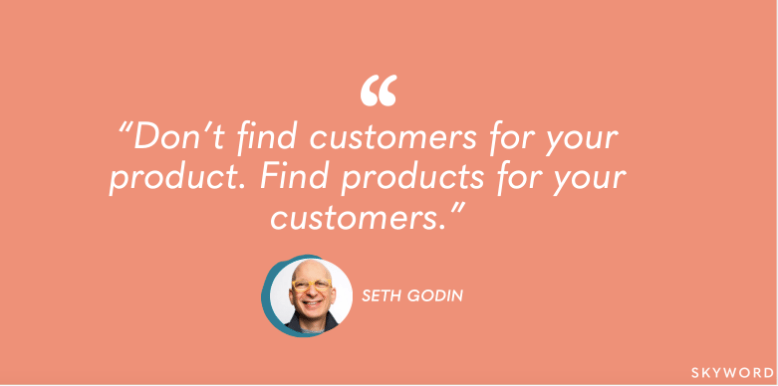
This is why writing about marketing is hard. It’s why it’s difficult to listen to advice. And really, what no one talks about is how much marketing you have to do before you even write that book. We try to find customers for our product, when really, it’s a hell of a lot easier to find product for already existing customers. Finding your comparison authors makes it easy to find readers–their readers are your readers. We don’t like to study the market because we’d prefer to write what we want to write. The authors with the most longevity meet in the middle between what the market wants and what they love to write. It’s easy to do market research these days–Alex Newton of K-lytics takes the work right out of it, and you can watch a short trend report that he made this month for free here. https://k-lytics.com/kindle-e-book-market-trends-2022-september/

Read on for more resources and have a great week!


If you want to work on your craft, Tiffany Yates Martin has all her classes on sale for NaNoWriMo for $29.00/each. Check them out here! https://foxprinteditorial.teachable.com/


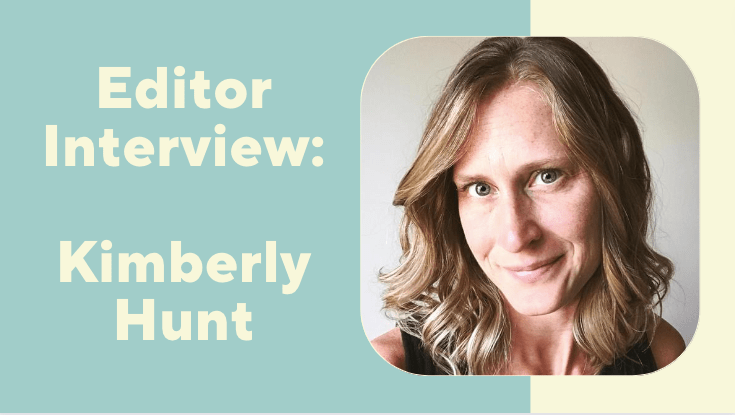
Editor Interview: Kimberly Hunt

I met Kimberly on Twitter some time back, and I’m a member of her Facebook group, Revision Division. We’re also members of Romance Editor Q & A since I do a little editing myself and keep up the skill not only for my own books but for those I edit for on the side. I appreciate Kimberly’s time, and I hope you enjoy the answers to all the questions she so graciously filled out for me.


Introduce yourself! How did you get into editing and what are your qualifications? What genres do you enjoy editing most?
C.S. Lewis said “You are never too old to set another goal or to dream a new dream.” This is exactly what I did. After twenty years in the corporate world, I took a sabbatical and it shook my world to realize how amazing it is to fill my day with activities I’m passionate about. I have always enjoyed my work and the companies that employed me, so it was jarring to realize I could be happier. Before I set off on a vacation volunteering in Peru, a friend of the family asked if I’d read a novel he’d written. The story was amazing, but I couldn’t get past the number of errors. This was my inspiration to look into copyediting. My natural ability to spot punctuation, usage, grammar, and spelling errors lent itself well to copyediting, so I took courses to start there. My education introduced trusted resources like dictionaries and style guides and working with publishers taught me how to create and maintain a style sheet for consistency. The more advanced courses I took revealed my true passion is earlier in the process, with developmental editing. I love assessing the big picture elements like structure, plot, pace, point of view, and character development to help writers improve their stories. I love editing romance the most but I also enjoy editing women’s fiction, mystery, and psychological thrillers. I’ve edited all heat levels and time periods but prefer steamy contemporary.

There’s the saying that a writer needs to write a million words before they can write something publishable. Do you agree with this? Why or why not?
Whoa, that’s a loaded question without a simple answer! On one hand I don’t agree with the limitations of hitting an exact word count and refraining from sharing your work until it’s perfect. We grow and learn from making mistakes. I definitely don’t think writers should wait for an arbitrary milestone to publish. On the other hand, I agree with the sentiment of the saying where putting in the hours and the work makes for a better quality product in the end. Have you read Malcom Gladwell’s Outliers? He has a point about it taking 10,000 hours to become exceptional at something.

What is the biggest mistake you see indie writers making right now? (For example, info dumps at the beginning of their book, not enough conflict, too much tell vs. show, etc.)
I’ll admit I had to give this question some thought because I see such a wide variety of manuscripts with different issues. Considering both the unpublished manuscripts I edit and the completed books I read for pleasure, I’d say the biggest challenge seems to be related to pace because conflict is tricky. Many authors struggle to create believable conflict that escalates. Each chapter needs a purpose where the complications grow and the consequences are impactful. Many of my developmental editing projects require suggesting solutions for improving chapters without clear purpose. It’s hard to move the plot forward if the reader doesn’t know what the character wants, why they want it, or what stands in their way.

There’s a lot of talk about whether or not it’s necessary to have a manuscript edited before querying. What are your thoughts?
Most of my clients are independent authors, but I have helped several writers improve their story and polish with a copyedit prior to querying. I have more than one data point for authors gaining representation and eventually signing publishing contracts, but I can’t take credit for those achievements. Their storytelling talent far outshines my knowledge of where a comma goes. But as a businessperson who has reviewed cover letters and resumes before hiring someone, that first impression needs to be solid, so editing before querying could be beneficial even if it’s not required.

How do you keep the author’s voice intact while also guiding them with suggestions on how to make their book the best it can be?
Great question! My job is to point out both what works well and areas for improvement. I give suggested solutions in comments or in a revision letter for the more lengthy explanations. Changes made directly in the manuscript are usually corrections to indisputable errors. I reference Merriam-Webster dictionary and the Chicago Manual of Style to support the corrections I propose. When line editing, I tread carefully to make sure I’m respecting the author’s voice while keeping concision and clarity a priority.

Is there ever a time when a book would require too much work? What do you tell a writer whose book isn’t ready for a professional edit? What resources do you refer them to?
This has happened a few times. Sometimes an eager writer finishes that first draft and jumps to the editing stage too soon. Revision and self-editing are recommended in these cases and I often provide resources for finding critique partners or offer to take on the project as a writing coach instead if the manuscript isn’t ready for editing yet.

What advice can you offer an author who can’t afford a professional edit? Are there things they can do to sharpen their own self-editing skills?
Definitely! These tips don’t replace the value of working with a professional editor, but they do offer some cost-savings if you can self-edit as much as possible first. I have a bunch of videos and blog posts on this subject on https://revisiondivision.com/tips but here is my best advice: read aloud to yourself, others, or have Word read it aloud to you. You’d be amazed by how much this trick catches. It will highlight awkward flow and bring attention to missed words and sneaky errors.

As an editor, it’s important you’re honest and give critical and actionable feedback. How do you offer this feedback so a writer doesn’t take it personally?
Diplomacy. I aim to provide valuable feedback through constructive criticism AND praise. By pointing out a writer’s strengths and showing in their manuscript where something works well, they learn and grow. On a scale of one to ten, with one being a Positive Pollyanna and ten being brutally honest, I’m probably a moderate four. I’m a professional and my training emphasized how to provide actionable feedback tactfully.

Are there any other tips or thoughts you would like to add about editing or publishing?
Adding on to that last question, I’d like to encourage writers to expect good and bad feedback. But they shouldn’t react right away in order to avoid an emotionally defensive response. Edits can be overwhelming. After initially receiving feedback, it’s a good idea to set it aside and digest. See what resonates and come back to it later to make a plan for revisions. Most importantly, do not give up.

Thank you for this opportunity to talk about something I’m so passionate about. 😊


Thank you, Kimberly, for your time!

How to find Kimberly:

Website: https://revisiondivision.com/
Twitter: https://twitter.com/RevisionDiv
Instagram: https://www.instagram.com/revisiondivkimberly/
Facebook Group: https://www.facebook.com/groups/2376033425801031

Guest Blogger: Six Great Reasons to Write Short Fiction by Vera Brook

SIX GREAT REASONS TO WRITE SHORT FICTION

By Vera Brook

You may have glanced at the title of this post and shrugged. “I write novels and series. I’m not interested in short fiction.” Maybe you even rolled your eyes. “It’s just not worth my time.” 

But wait! Don’t go away yet. I promise there are great reasons to consider writing short fiction alongside your novels and series—both to hone your craft and to market your longer fiction and reach new readers. So let’s dive in and discuss six of these reasons, shall we? 

Actually, it might be helpful to first define short fiction. I dwell in the world of science fiction and fantasy, and in that world, we break down short fiction into four main lengths. Flash fiction is typically 250 to 1000 or 1500 words; a short story is between1500 and 7500 words (with 3000 to 5000 words considered a sweet spot); a novelette is 7500 to 17500 words; and a novella is 17500 to 40000 words. Anything longer than 40000 words is a novel. Other genres may use different definitions, so it’s good to familiarize yourself with some short fiction in your genre. 

I also want to mention from the start: if you want to write short fiction, you need to read short fiction first. Not a huge amount, but some. It will help a great deal. If you find a story that absolutely blows you away, you can study it for craft and apply what you learn in your own writing. And by searching for short fiction to read, you will also discover markets where you could submit and publish your own short fiction later on. 

How do you find short fiction to read? There is a rich plethora of short fiction magazines and anthologies out there, some in print, some digital, and many available in both formats. My favorite tool to search for magazines and anthologies (to submit to but also to read), and to track my submissions, is the Submission Grinder. You can search by genre and length, pay rate, response time, etc. And it’s absolutely free to use (although you could support the creator to help the good thing going). The Best of… anthologies are also a great choice, as long as they are pretty recent. 

Okay. Let’s first talk about the benefits of writing short fiction in terms of craft, and then about all the different ways to use short fiction to market your longer works and widen your readership.

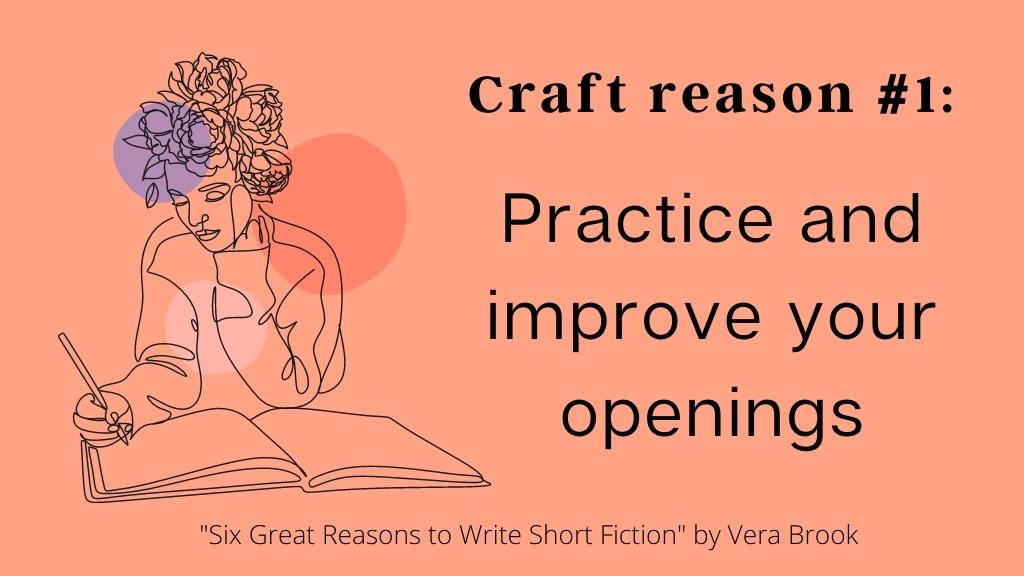
Craft reason : Practice and improve your openings

sketch of woman sitting at desk. orange background text: craft reason 1: practice and improve your openings

The openings of novels are crucial. When a reader comes across your book on Kobo or Amazon, they’re very likely to open the ebook sample and read the first chapter or so. If the opening grabs them and pulls them in, they will get the book. The same happens in physical bookstores. The reader picks up a paperback and reads the first few pages. 

The opening is crucial! But how often do we get to practice writing the opening? If you write long novels, not very often. Just once per novel. Short fiction lets you practice writing different kinds of openings and get better and better at them. A super helpful skill that you can directly apply when writing your next novel.

Craft reason #2: Practice and improve your endings

sketch of woman sitting at desk, green background, text: craft reason 2: practice and improve your endings

If the opening sells your current book, the ending sells your next book (or so the saying goes, and I think it’s true). But as novelists, how many endings do we get to write? Not many. Again, just one per book. Short fiction lets us write lots of endings and different kinds of endings, and as with openings, practice makes perfect, and the improvement is directly applicable to novel writing. Stronger, more effective endings could also make a huge difference for the success of your series, where the read-through rate is critical and you want to do your best to compel the reader to jump directly to the next book in the series. 

Craft reason #3: Experiment with new genres and genre mash-ups

sketch of woman sitting at desk: aqua background, text: craft reason 3: experiment with new genres and genre mash-ups

Maybe you write crime mystery and want to try adding a speculative element, like a futuristic technology or a paranormal ability. Or vice verse: you write speculative fiction but want to venture into the psychological thriller territory. 

However, it can be daunting to jump straight into writing a novel in a new genre. Short fiction is a perfect playground to try it out and see what happens, without investing too much writing time and effort. In fact, even reading short fiction in a new genre is a great way to get the lay of the land, including popular tropes that you could play with and subvert as you wish—as long as that short fiction is current, published in the last decade or so. 

So far so good? Great. Onward to using short fiction for marketing!

Marketing reason : Put your writing in front of readers who love the genre

sketch of woman sitting at desk: orange background, text: Marketing reason 2: put your writing in front of readers who love the genre

Let me ask you this: What’s the biggest challenge for writers today? It’s discoverability, isn’t it? 

Whether you are self-published, with a small indie press, or with a traditional publisher, it is incredibly tough to get readers to find your book. I don’t know how many millions of books there are on Amazon, but it’s an astronomical number, and advertising is expensive. 

If only there was a way to reach the readers in your genre—the readers who are most likely to enjoy your writing—and introduce yourself to them… Well, there is! Short fiction magazines in that genre. If you can get your story published in a magazine like that, guess what will happen? Hundreds or thousands of readers who already love the genre will read your story and discover you, the author, and all your other books! I discovered some of my favorite authors that way—by reading their short story in a magazine first. 

If your flash fiction or short story or novelette gets published in a top tier market, you will also get paid a nice amount; and even better, if the contract is good, you will get paid for only for the first-publication rights and anthology rights, but you can republish your short fiction in your own collection later on. 

Imagine that! A terrific promotion—and you get paid for it, instead of the other way around. 

To be fair, the best magazines and anthologies are competitive. Don’t expect to send them your first story and get an acceptance email (although if you do, congrats!). Rather, think of short fiction as part of your writing journey. It will take time to write good short fiction; it will take time to get it published. But I truly believe it’s worth it. In fact, personally, I consider writing and submitting short fiction as important to my writing career as my novels or series, at least for now. 

One last idea: When you are done with a series, consider writing a short story in that world. In most magazines, if your story gets published, it would be accompanied by your short bio, and the bio could mention your series and encourage the readers to pick up book one. Be careful not to include spoilers in the short story. And just to be safe, you could center it on a minor character or event, rather than the major character or the main story arc. But if your story is compelling and intrigues the readers enough to want to know more, you could gain new fans for your entire series!

Marketing reason #2: Reader magnets to build your newsletter list

sketch of woman sitting at desk, mauve background, text: marketing reason 2: reader magnets to build your newsletter list

Short fiction also works great as a reader magnet (for new readers to sign up for your author newsletter). By definition, short fiction is short, and therefore takes less time and effort to write than a novel. This makes it easier to give it away for free than an entire novel, especially when you are just starting out and only have a few novels published (like I do). And a fun short story or novelette can still entertain the readers and, if they like it, bring them one step closer to becoming your fans. 

The last bit of advice on reader magnets: Use a strong, compelling short story. It should be as good as you can make it in terms of your writing craft, even if it’s short. Don’t forget that the goal is to woo and impress a new reader enough to read more of your work and become a loyal fan over time. A careless, poorly edited short story will not cut it, and you could actually lose a reader that way.   

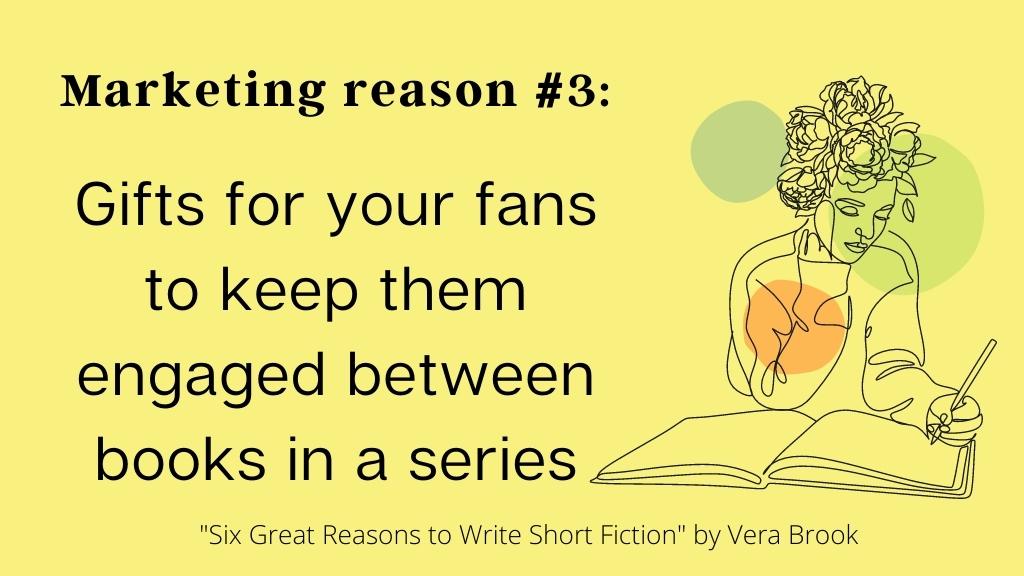
Marketing reason #3: Gifts to reward your loyal fans and keep them engaged in between books in a series.

sketch of woman sitting at desk, yellow background, text: marketing reason 3: gift for fans to keep them engaged between books in a series

Another terrific way to use short fiction is as a gift for your loyal fans, already on your mailing list. And one time when such a gift might come in handy? When you are in between books in a series, and your fans are anxiously awaiting the next installment. Unlike with a short story that you would submit to a magazine, for new readers who are not familiar with the series, here you are writing primarily for fans who know the characters and the plot inside out. You may still want to be careful with major spoilers, just in case a few readers are behind in their reading. But you have more leeway in terms of what you could refer to in the short fiction, and it might be fine to assume quite a bit of knowledge of the series already. 

A quick mention, since this post is already getting long: Many authors use short fiction as Patreon rewards for their supporters. It’s a similar idea to gifting a short story to your fans through your newsletter. And the best part? Whenever you gift short stories to your fans, once you have enough stories, you could publish a collection of your short fiction! How cool is that? I adore individual-author collections. And it’s another book to your name, so helps with discoverability too. 

One last thing I wanted to mention: Nowadays, both reader magnets and gift copies are distributed electronically, and that’s especially true for short fiction, which may be too short to publish as a paperback. So basically, you would use an ebook version of your short story or novella to give away. You want to make sure that the ebook is correctly formatted, including epub and mobi files, but the distribution can get complicated pretty quickly because of all the reading devices out there. So my recommendation would be to use a service like BookFunnel where you can open an account (for about $20 a year currently), upload the files with your short story (you will need a cover!), set up a landing page for the readers to download the ebook, and then share the link. 

That’s all for now. I think I ran over the word limit a little bit. (Oops. Sorry, Vania. I hope that’s okay.)

Before I let you go, here are a few of my favorite resources on the craft and the marketing uses of short fiction. Best of luck with your writing!


Resources:

Writing Excuses podcast – a long-running podcast about writing and publishing fiction, with the focus on helping the listeners improve their craft and become better writers. 

Mary Robinette Kowal’s guest lecture on writing short stories – part of a series of lectures on the craft of writing science fiction and fantasy directed by Brandon Sanderson.

Kristin Kathryn Rusch’s lecture “How to Write A Short Story: The Basics” – practical advice on crafting short fiction from an award-winning, multi-genre professional writer and editor.

The Submission Grinder – a free online tool to search for short fiction markets and track your own submissions. 

The Science Fiction & Fantasy Writers of America (SFWA)’s collection of model publishing contracts – includes anthology and magazine contracts. 


Vera Brook is a science fiction, fantasy, and romance writer, and the author of the SAND RUNNER SERIES. Her latest book, THE KISS, a paranormal love story, came out in November 2021. She’s working on two entirely new series, a standalone novel, and a whole lot of short fiction. You can learn more about her writing on her website at verabrook.com. She also tweets about her writing journey, books she loves, and things that interest her at @VeraBrook1.

Copyright © 2022 by Vera Brook

Working on your craft: Can you publish without an editor?

So, there was an interesting question that came up in one of my Facebook writing groups, and essentially, she asked, Can you really make a living publishing without an editor?

Considering that’s what I’m trying to do with my new pen name because I can’t afford to hire out, it piqued my interest.

All the answers, as you would imagine said, of course you need an editor. I was the only one who said, not so fast. There are a lot of variables when deciding something like that, and some of the questions I threw back at her were, How long have you been writing? Have you ever gotten feedback before, like, ever? Do you have a good memory to keep track of your own (in)consistencies and details? If you don’t know how to write a catchy beginning, avoid a saggy middle, create interesting and meaningful character arcs, and know your grammar and punctuation backward and forward, then you’ll probably need help. (It also helps immensely if you know what you don’t know and have the wherewithal to look it up.) During the first couple of years when decided to try write books to publish, I needed help, and I did use editors and beta readers. That was back when I had a large circle of friends who were willing to trade or charge very little and we all came through for each other. Now most of those friends are gone, and I’m alone. I said in my post, if you’ve written enough words to find your voice and style, then you’re one step ahead of most newbie authors. I’ve edited for a few new writers, and no amount of good editing will fix bad writing. The writer first has to give you something to work with, and if s/he doesn’t….

If you, or the original poster of that question, are looking for an easy way out, there isn’t one. Writing is like any other skill and it takes practice and a knowledge of the genre you’re trying to write in.

I admit, I love a writing craft book, and I read them all, but some of them get too formulaic, and I can’t follow. I tried reading Save the Cat! Writes a Novel: The Last Book On Novel Writing You’ll Ever Need by Jessica Brody, and it just wasn’t for me. (She also has a blog that you may find helpful.) The way Jessica broke down a novel’s components made my head spin. Another book I’ve read, (though not recently) is Romancing the Beat: Story Structure for Romance Novels (How to Write Kissing Books) by Gwen Hayes. Romance authors a million times over swear by this book, but I just couldn’t make it work for me. And it’s not because I’m a pantser and want to write as I discover the story. I’m a plantser, and have a general idea of how I want the story to go, what the characters’ backstories are and their emotional wounds from their pasts that haven’t healed and how they affect their futures, which is what any romance book is about. But turning writing into a formula, or consciously chopping up my plot into the three act structure is really difficult for me to grasp and I can’t do it. The only two things I do with regards to planning that way is making sure something happens at the 50% mark to avoid the saggy middle (the Mirror Moment as James Scott Bell calls it), and breaking up my characters around the 75% mark, because that’s most what romances do. To be honest, them breaking up and thinking all hope is lost is my favorite part of any romance, and I would do it anyway.

When you’re a new writer, betas or developmental editors are valuable. They’ll tell you where the story drags, if you’ve rushed your ending, if your characters have no substance, and over time, if you listen to their feedback, your writing will smooth out and you’ll start to include those elements naturally. I don’t think any writer who is writing a debut novel will have all that figured out, never mind having written enough to find their voice and style. It’s why whenever I see a writer saying they are querying their first ever book, I say good luck, because chances are, your book will sound like you’re a brand new writer, and an agent can’t sell that.

It’s really not fair, because a lot of good writing comes from gut instinct, or following an intuition that you’ve honed over a million words. You develop your own formula based on genre expectations and how you twist those reader expectations to make your tropes fresh and new. All that comes with practice and listening to feedback.

Once you have your voice and style down, once you know you can deliver to your readers, then yeah, I think you don’t need an editor, not someone who will deep-clean your manuscript, though it does mystify me how many people get angry when I say it. (I even left a Facebook group over it.) I don’t know if it’s because they resent having to use an editor, or are just defensive of indie publishing as a whole and how much crap is published on, let’s face it, a daily basis, or what. I really don’t know what makes people so mad when I say it, but that doesn’t make it less untrue. Besides, no one has any idea how hard someone will work not to need an editor. I read craft books like crazy, read in my genre (though not as much as I should) and write. Maybe that’s the issue people have? They aren’t writing? Look, it doesn’t matter who you are, you need to practice to get better, and that goes for anything you want to try to master. Olympic gold medalists have been honing their skills in their chosen sports since childhood. Same as musicians. But I suppose if you have twenty hours a week to write, and you’re talking to someone who only has five free hours a week, yeah, maybe there will be a little resentment there. I write a lot. I don’t have many friends, I work from home, I don’t go out much. When I’m not working, doing chores, running errands, or going to Tuesday movie night with my sister, I’m writing. That’s not something I’m going to apologize for, and neither should you if someone is giving you a hard time.

In reality, it’s a moot point, anyway. I know 6 and 7 figure authors with one-star reviews that say they needed an editor, when I know that hiring an editor is part of their publishing process. You won’t please everyone, so you might as well be honest. If you need help, get help, and if you can write a good story without help, don’t worry about it. You can’t achieve perfection, and I’ve already said this will be the last time I go through my 6 book series. I will ALWAYS be able to find something to change, but I need to let them go. I’m tired and I have many other stories in my head that I want to get onto the page.

So, how do you make your writing better, level up so you don’t need an editor?

Read a lot in your genre. A lot of developmental editing is finding those tropes and elements that make your genre what it is and helping you meet those reader expectations. You won’t know what those expectations are unless you read a lot in your genre. I know this stinks like writing to market, but every genre, be it romance, domestic thrillers, detective novels, have elements that you can’t leave out or you’ll just make readers mad. Writing a good story is all about the overall picture as much as knowing where your commas go.

Listen to feedback early in your career. When I first started writing again, it took me a lot of feedback to find my groove. My very first beta who volunteered pointed out all the “justs” and “thats” and that was my first lesson in filler words. That was a great start to learning what I was doing wrong. Another beta/editor told me to trust my readers because I had a habit of “reminding” them of what they’ve read in previous chapters. That was another great lesson, and one I still apply today when I find myself rehashing information. Repetition is tedious and boring. Echoing was another thing people pointed out to me, and I still do it, and it’s part of my editing to delete or replace repeated words. That’s one of the reasons why I’m going through my series again when I thought I was done. Because I found a couple of words that I used over and over and over again and I wanted to tighten up my sentences. Those are words I will always watch out for now, and you can make your own list of filler and crutch words to refer back to when you’re creating your own editing process.

Work on new projects. I learned a lot working on different books, and it’s the only way you’ll be able to practice crafting an engaging plot. As Kathryn Kristen Rusch says, rewriting will only teach you rewriting. You need to work on fresh projects to move forward.

Realize it will take time. “They” say you need to write a million words before you find your voice. I think that’s true–I wrote a 5 book fantasy series that will never see the light of day, plus a few novellas, and a book that would turn into book one of my first trilogy before I found my stride. That was in 3rd person past. I wrote a quarter of a million words in first person present before I found my voice in that POV, and I can tell reading through my series. That’s why I was so paranoid editing these books–I wanted book one to sound like book five, and it did take me a few extra thousand words added to books one, two, and three for them to smooth out and sound as good as books four, five, and six.

I feel bad for the beginning writer with no writing friends or money for resources. But as they say, if you don’t have money to spend, then you have to spend time, and that might mean swapping projects with another author who is in the same position as you. That’s not a bad thing. You can learn a lot editing for someone else, so it’s a great idea to join author groups on Facebook and make friends with authors who write in your genre. You’ll get help, and you’ll help others, so it’s a win-win for you and your writing career.

This was a very long introduction to what was supposed to be a list of craft books that have helped me. I linked to Save the Cat Writes a Novel and Romancing the Beat above. Just because they didn’t work for me, doesn’t mean they won’t work for you, and you should definitely give them a try.

It’s surprising but one of the books that helped me a lot isn’t necessarily a craft book. It’s The Bestseller Code: Anatomy of the Blockbuster Novel by Jodie Archer and Matthew L. Jockers. This breaks down why bestsellers sell the way they do. This might be my favorite book in the whole world because it mixes craft and the publishing industry. I love it. I can’t recommend it enough.

The second book that changed my life is Tiffany Yates Martin’s book, Intuitive Editing: A Creative and Practical Guide to Revising Your Writing. I love everything about this book. She reminded me about conflict, character arcs, character motivation, and stakes. Important elements that, if you skip or miss, will make any book fall flat. You need tension, and this book will help you find it. There’s even a section that mentions other editing resources if you can’t hire out. If you like audiobooks, she posted on Twitter she narrated it herself! (She also blogs, and you can sign up for her newsletter.)

Though I haven’t read it for a long time, it was one of the first self-editing books I ever read, and it helped me a lot: Self-Editing On a Penny: A Comprehensive Guide by Ashlyn Forge.

This book made so much sense. It was a real eye-opener, and now I recommend it to every new author: VOICE: The Secret Power of Great Writing (Bell on Writing) by James Scott Bell.

When I went to the Santa Barbara Writer’s Conference a few years ago, every agent in attendance said this book is a must have. I do have it, and it’s a great resource: Self-Editing for Fiction Writers, Second Edition: How to Edit Yourself Into Print by Renni Browne and Dave King.

Someone recommended this book to me, and his sense of humor keeps this book from reading like a textbook–it was an enjoyable read, and I also learned a lot: Dreyer’s English: An Utterly Correct Guide to Clarity and Style by Benjamin Dreyer.

And last, but not least, Mignon Fogarty’s grammar guide is a must have. Written in a light, conversational tone, Grammar Girl is easy to understand, and she goes through everything you need to learn grammar and punctuation for all of your writing projects: Grammar Girl’s Quick and Dirty Tips for Better Writing (Quick & Dirty Tips) (Quick & Dirty Tips)

This post turned into its own animal, and that’s okay. Thanks for reading if you’ve gotten this far. In an age where everything is pay to play, including beta readers, even if you have plans to hire out, making your manuscript as perfect as possible will save you money. The less your editor/proofer has to do for you, the better for your wallet. You’ll never regret teaching yourself as much as you can. I haven’t.

Thanks for reading!

***Per usual, this post does not contain any affiliate links, and the book covers are screen grabs from Amazon.

It’s all about genre.

Happy Monday! It’s almost the end of July and then we have just a few more weeks of summer left! While fall is my favorite season (woodsmoke! crunching leaves! cooler weather!) I don’t like to rush my time along, and I’m going to make the most of August and the lazy days still ahead.


At any rate, I love being plugged into the indie industry, listening to what other top indies are doing, and where their heads are at right now. Mostly, at least last week while I was consuming information, it seemed the subject was choosing genre.

Choosing genre can be really hard for some writers, reluctant to settle on one thing for fear it will stifle their creativity, or they choose not to do it all together, claiming to be multi-genre authors with “something for everyone.” While I agree that we should write what we want to write so we never lose that spark of wanting to create, I’m still of a mindset that if we want readers to consume our work, then we need to figure out how to deliver that work into the hands of the people who will enjoy it most. A friend of mine writes in several genres, never publishes under a pen name and she spends a lot of time on Twitter directing readers to books she thinks they’ll enjoy. That’s great, and if she’s willing to network and “show people to their seats” like a theatre usher, then she should have at it. But while she’s curating her own library for her readers, when is she writing the next book? “Something for everyone” is hell on marketing.

I was listening to the Wish I’d Known Then Podcast for Authors with Jami Albright and Sara Rosett, and they interviewed guest Lee Strauss. I haven’t read any of Lee’s work (she doesn’t write a genre I read) but she had some great advice about choosing genre and figuring out what you like to write best through trial and error. (Hint: what you LOVE TO READ BEST is probably a good starting point for figuring out what you’d like to write best. And don’t @ me and say you read everything–I read widely as well, but if you take an honest survey of what you read, you’ll find a genre that tips the scales.) I commented on their FB page for their podcast that while this kind of information is great, the writers listening probably already know settling on a genre is the best way to go. Jami gentle corrected me and said you never know who will need to hear something like that. I agreed, but, on the other hand, a listener also has to be open to hearing the information, accepting it, and willing to apply it to their own careers.

Back when I started writing, if someone had told me to focus on one genre, I would have said, “But I am.” Little did I know that contemporary romance isn’t a genre. Contemporary romance is the ocean. Thriller is the ocean. Mystery is the ocean. Women’s fiction is the ocean. Drilled-down subgenre is a pond, a little pond where you can specialize in what you want to be known for to your readers. A duck can get lost in the ocean. Probably eaten by a shark. A duck is cute and safe in a pond. Lee’s interview proves my point–she settled into historical (1920s) cozy mystery. Can’t get any more drilled down than that.

If you want to listen to her interview here it is. She also goes a little bit into character attachment and what that means to a reader. I found it really interesting and may write a blog post about that another time.

I think talking about genre is interesting. There are so many people who think that choosing a genre will pigeon-hole them they refuse to do it, yet they try to query. Agents don’t want a book that’s a mix of three different genres. Your agent wants to see your book on a bookshelf at Barnes and Noble just as much as you do, and if you’ve ever gone into a bookstore, their shelves are still divided by genre. If you’ve got a romantic fantasy horror just waiting to get out, where is the manager of that Barnes and Noble going to stick your book? Romance? Fantasy? Horror? (Never mind what that cover is going to look like :P)

I like writing romance, I’m always shipping couples who don’t need to be shipped. I look for romance everywhere. It wasn’t hard for me to figure out that’s what I wanted to write, but when I say contemporary romance isn’t a genre, I mean it’s too big of a genre to write in, too many subgenres and tropes, and like my friend who writes everything, my readers have to pick through my books to figure out what they’re going to enjoy most. That’s not a way to keep readers and, while it isn’t difficult, doesn’t have the return on investment that it could.

I think we get a little confused because when we publish on Amazon, or Kobo, Nook, iBooks, Google Play, we no longer think of shelves. There aren’t any shelves in the Amazon store, no end caps featuring the latest deal or overstock stores want to get rid of. Because of this, browsing is a lot harder for a reader, and they need to search for what they like, such as Vigilante Justice, or Small Town Romance. Then, if you have your keywords and categories correct, your book will show up on the results page. But, you’re saying, you can genre-hop and this will still work.

It will. When someone wants small town romance, maybe my Rocky Point Wedding series will pop up. (Likely not since my books are old and they don’t have many reviews, rending me useless to Amazon.) But say they like your Women’s Divorce Fiction you wrote under the Women’s Fiction genre–and they want more Women’s Divorce Fiction. Oh, you only wrote the one book, too bad, and they move on. Chances are really really good that they might read another one of your books anyway, but if you had more Women’s Divorce Fiction for them to choose from, you just caught yourself a reader who will read your entire backlist. Think of your Amazon Author Page as a store, and your list of books as a shelf. Do they all fit on that shelf? My books fit in Contemporary Romance, but with a sports romance trilogy, enemies to lovers, age gap romance, close proximity, then a four-book small town romance series, you can kind of see why a reader would like to read my enemies to lovers then drop off from the rest of my backlist. They aren’t similar enough to hold a reader’s interest. I wanted to be like Nora Roberts–able to write everything. I’ll never be like her. Her career and mine will never be the same.

I can see why you’d be balking, even to me it sounds extremely limiting, but the secret is to choose a subgenre and then have fun with the tropes. I chose Billionaire Romance to start up my pen name, but I can do anything I want with tropes. Enemies to lovers, fake fiance, my brother’s girlfriend is off limits, even a little mystery suspense. I’ll grab every reader who wants billionaire and more importantly, keep them because they know that’s all I’ll offer them. Had I known that, maybe I would have focused all my other books on small town romance. I am from a small town, after all, but it actually wasn’t until recently that it occurred to me to even write to trope. After four years of writing, you’d think that would have clicked into my brain a long time ago, but like many new authors, I was just writing the stories as they came to me and assigning the genre/subgenre/trope after the book was written, if there was even a trope after all was said and done. My sports trilogy and my Rocky Point Wedding series don’t follow tropes very well. It’s no wonder the ten books I have out never really did anything. I didn’t have a direction. Maybe all those who wander are not lost, but my books now are out in the weeds and there’s no pulling them back.

As for readers of blog posts like this, and listeners of podcasts like Jami and Sara’s, and even writers and authors who watch YouTube videos by indie authors like Derek Murphy who extol the idea of writing to market and writing to trope, maybe you aren’t ready to do things this way. Maybe you never will be, content to be a theater usher using social media and marketing to direct readers to that one book in your backlist they’ll enjoy. That’s okay. I don’t think my friend will ever change how she does things–she says she enjoys writing whatever she wants. Maybe you enjoy the creative freedom so much that you’ll take worrying about where your readers will come from in exchange. Or maybe in a couple years you’ll think back on this post and realize you’re in the same spot you were in when you read this and you’ll be open to a new way of doing things. And maybe Jami is right after all–maybe there are writers out there who don’t know there’s a better way to do things.

If you want to watch Derek Murphy’s latest video, here it is:

For me, this kind of content is interesting. While I was listening to Lee, I kept nodding, smiling even, because what she found out, I too have found out the hard way by way of little traction and no audience.

If you’re interested in trying it my way, and the way of other indies who have built and audience and are making a livable income off their books, how can you start?

  1. Pick an ocean genre. Contemporary romance, thriller, women’s fiction. The biggest umbrella you can find. Because while I said most readers don’t hop around, some do, and this wide net will catch a lot of fish. But then–
  2. Choose a subgenre. Subgenres are not tropes. Subgenres are niches within the larger genre such as billionaire romance, small town romance, vigilante justice, hard-boiled detective, family saga.
  3. Then choose your tropes. You might think that Billionaire Romance is limiting, but I’ve written 11 books so far, and I haven’t run out of ideas yet. It’s kind of like the idea “free as a bird in a cage.” You have boundaries and you know what they are so you have more fun playing. If you feel safe, you’re more secure in your story, and your confidence will come out in your writing.

Of course, coming from me, it would make more of an impact if I could say, see, my Billionaire Romance has made me $100,000 this year (God, that would help me with so many worries!). Of course, I can’t, but you can take a look at any indie author making it to see they stuck to a certain subgenre and used familiar tropes in their writing to see that I’m not wrong.

As far as genre and subgenre and tropes as buzzwords, I guess they’ll always be around. No matter how much you want to brush them off for the sake of your creative freedom, they are there for reasons that may we not understand let alone want to accept. That will have to be a choice you make, and I wish you the best!

Here is a good list of Genres and Subgenres from Writer’s Digest. I can’t help but note what the start of the article says. 114 Fiction Sub-Genre Descriptions for Writers

I didn’t find a list of subgenres or tropes for Women’s Fiction. Indie publishing has drawn hard lines when it comes to romance, something it took me a lot of time to discover. Women’s fiction is blurrier, but if you look women’s fiction authors, they still tie their books together, like Pamela Kelley and her Nantucket series, or Elizabeth Bromke and her family sagas. I did find a list of themes, and I think the article explains women’s fiction well and worth a read if that’s what you’re looking to write: Themes in Women’s Fiction


This is it for me this week. You can think of this blog post as filler, if you’d like, because I’ve blogged about this before (I hope it will be the last because I’m even starting to bore myself), but I’m spending the week in Georgia and my mind is already on vacation. I think genre, subgenre, and tropes are important though, they are the core of each book we write whether we want to admit it or not. Something clicked with me when I decided to write to trope, and maybe it will for you, too. Have a great week ahead!