Thursday Thoughts and Author Update

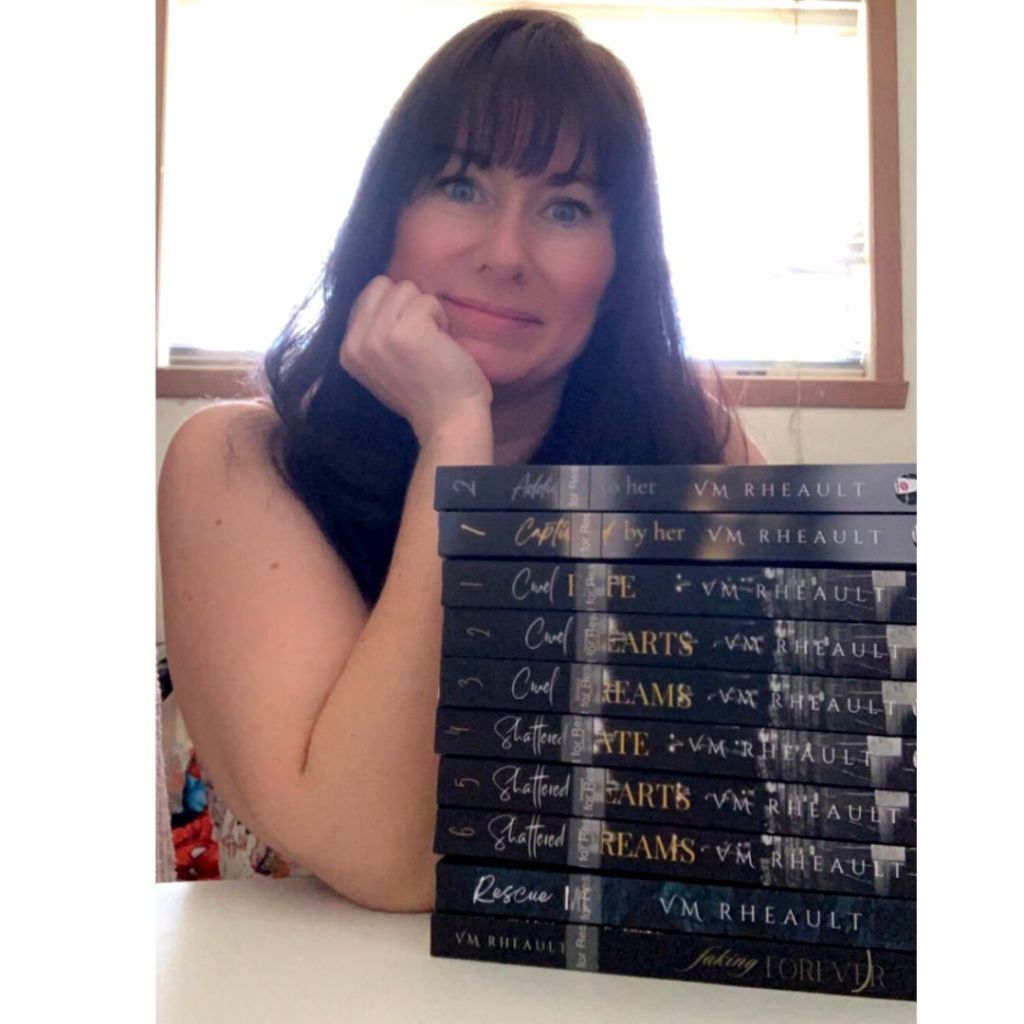
I haven’t give you an author update for a while, but mainly I’ve been listening to my series and slowly getting that ready for my 2023 release. I just started book 3, and I’ve been tweaking, checking consistency with the other books, making sure there aren’t any discrepancies with what the characters say and the information they find out from book to book. You might wonder how I can do this, and let’s just say, I have 75% of my 480,000 words memorized. Haha. I’m kind of kidding, but kind of not and it definitely helps that I’ve already read through this series about five times and let months go by between reads (I wrote these in 2020). Also, listening to these books is a different way of consuming them, and I’m finding things I wouldn’t catch by reading only.

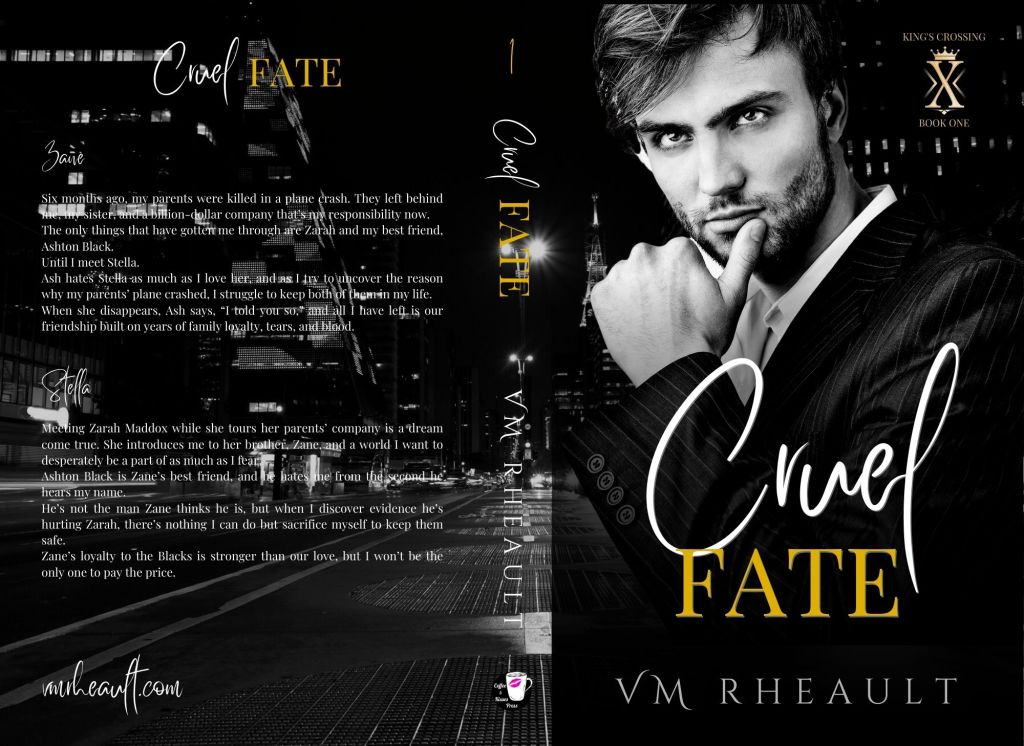
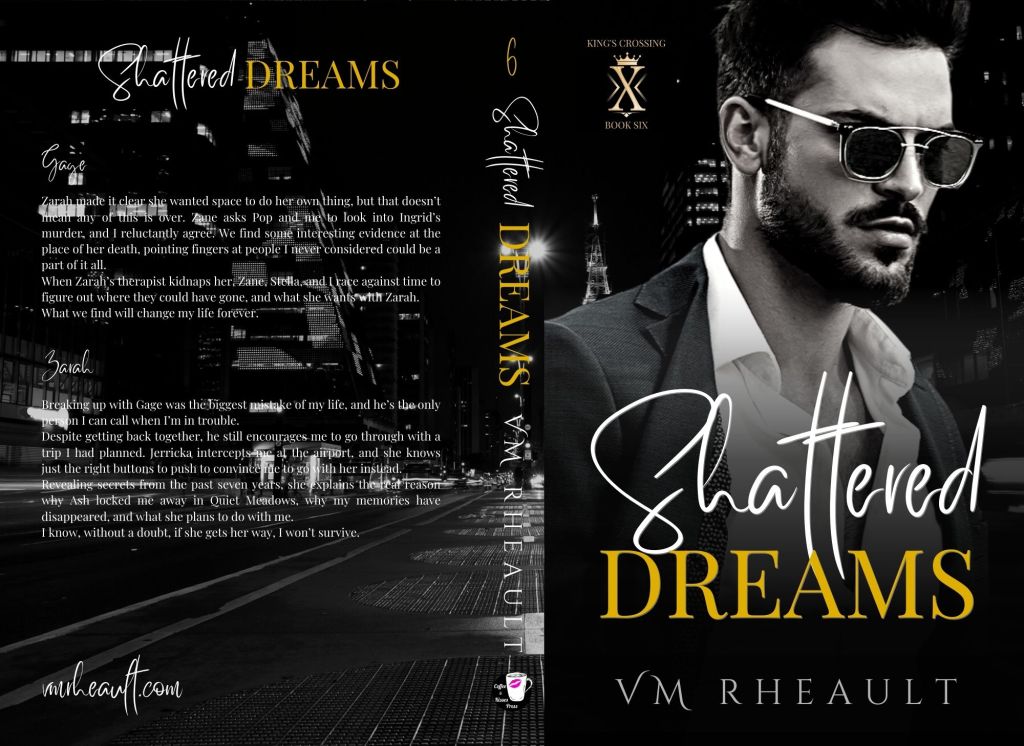
I am very satisfied with how these are coming along, and despite a mini-breakdown I had a few weeks ago about finding beta readers and proofers, I feel good about them all as a whole. I’ve come to the painful realization that I won’t have any betas or proofers, mostly because now isn’t the time to test proofers and betas. I should have set up a system and formed my “team” long before this, and it’s just too big of a project to be trying people out now to see if they are a good fit. While it’s always is a good idea to have more than one set of eyes on your books–especially for newbie authors–sometimes that just isn’t possible for one reason or another and while no one likes to admit it, there are indies out there who publish with the barest of editing and do just fine. In a perfect world, I would love to have some feedback on the overall story and to make sure all the details are consistent, but with my English degree and my firm grasp of grammar and punctuation, I’m not worried about the technical side of things, at least. I’ve been sifting through stock photos too and marking the ones I like but I won’t be able to do the covers until closer to the end of the year when I can get a better look at what will be trending. Who knows what will be hot for Billionaire covers a year from now? There’s no use getting set on a couple or anything else if I’m going to have to redo them later. Cover-to-market is really important, especially in romance, and getting impatient will just create more work for myself.

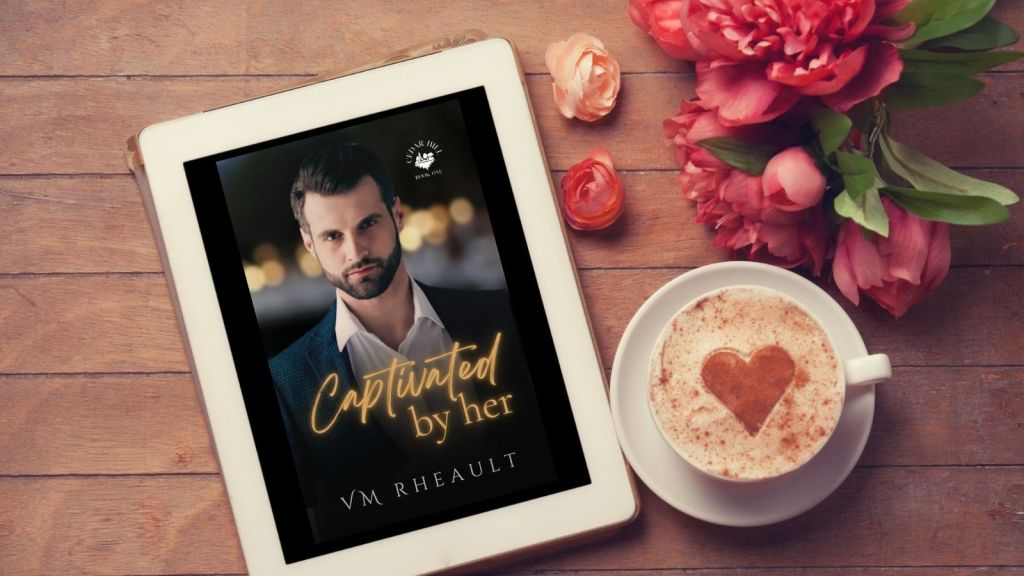
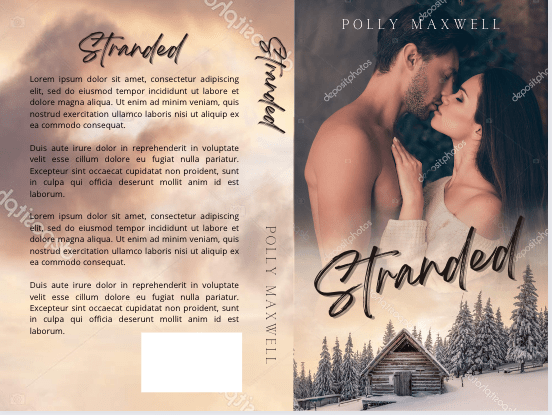
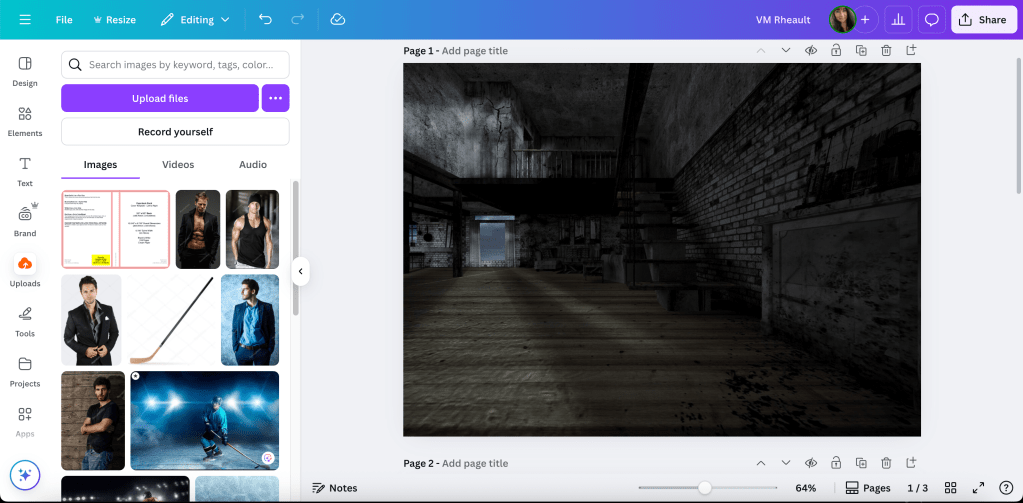
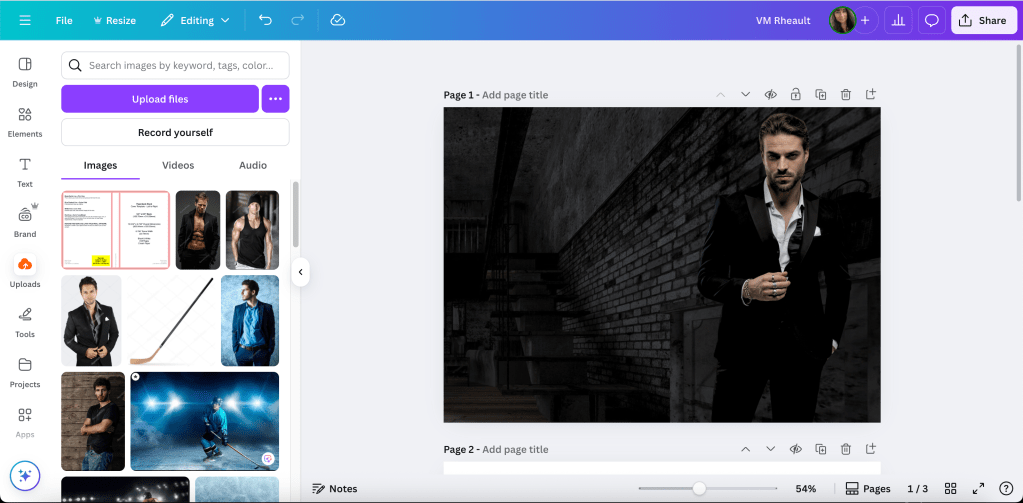
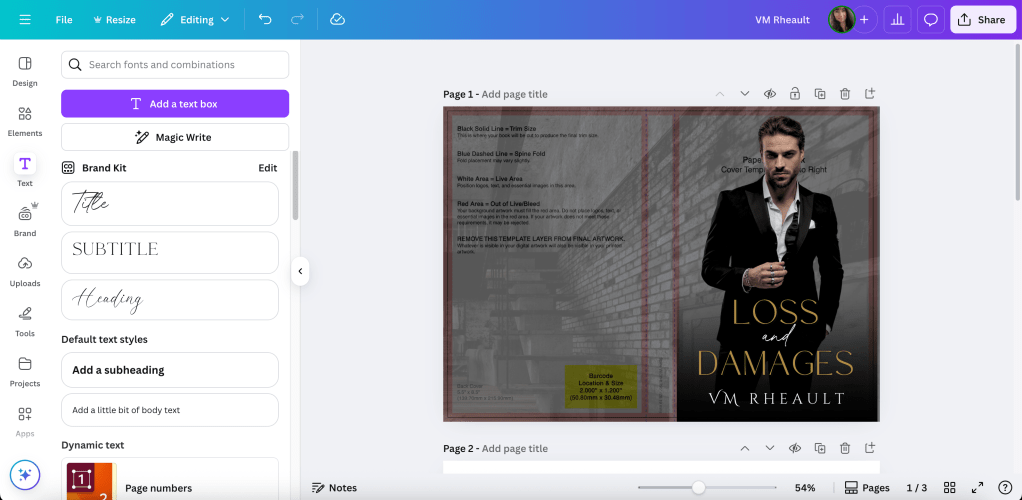
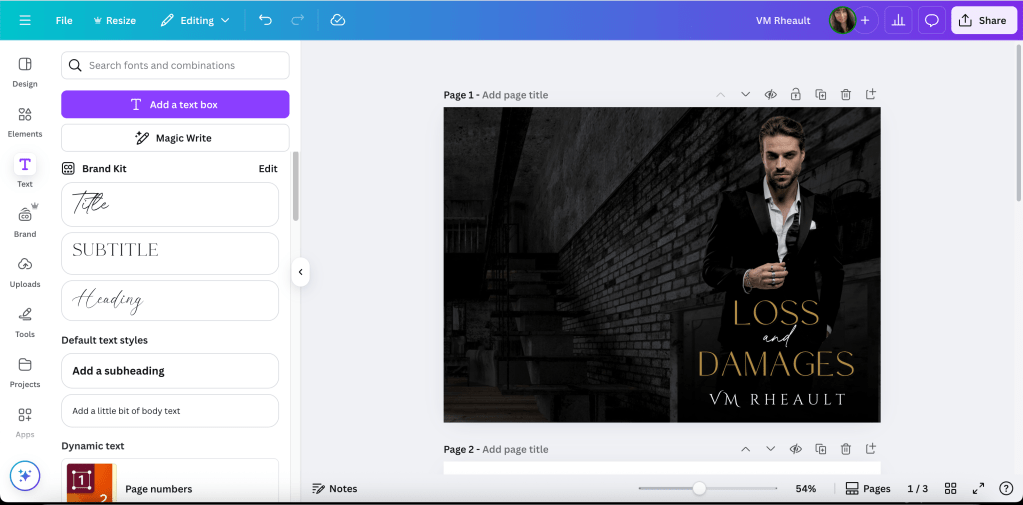
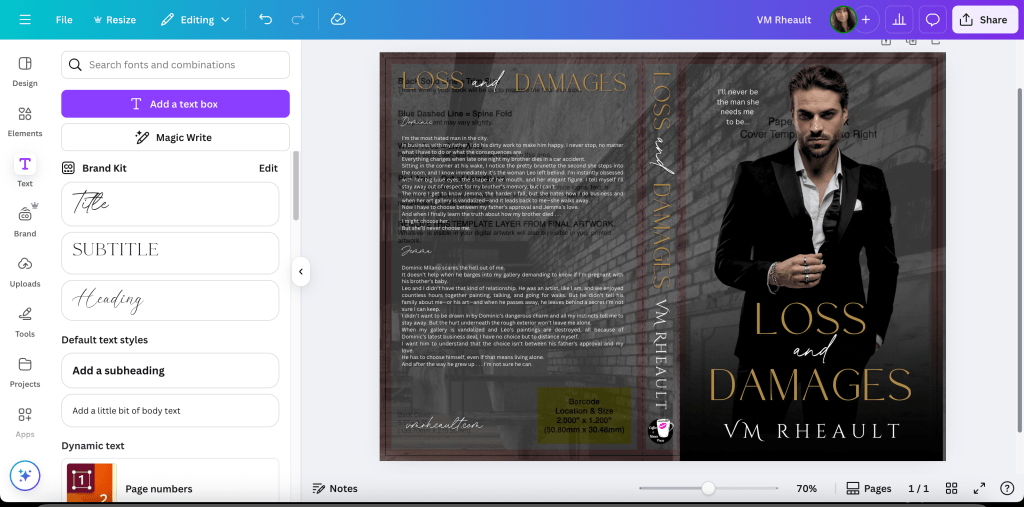
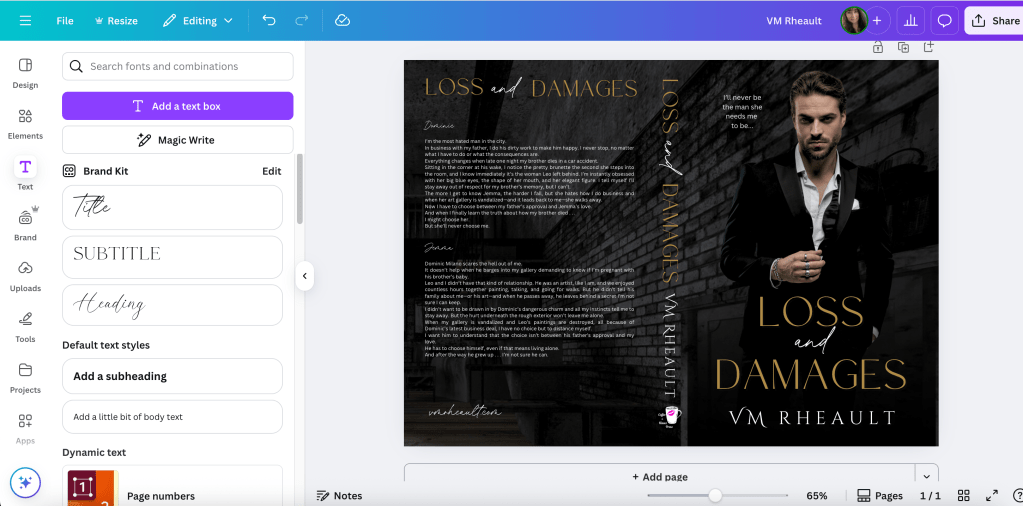
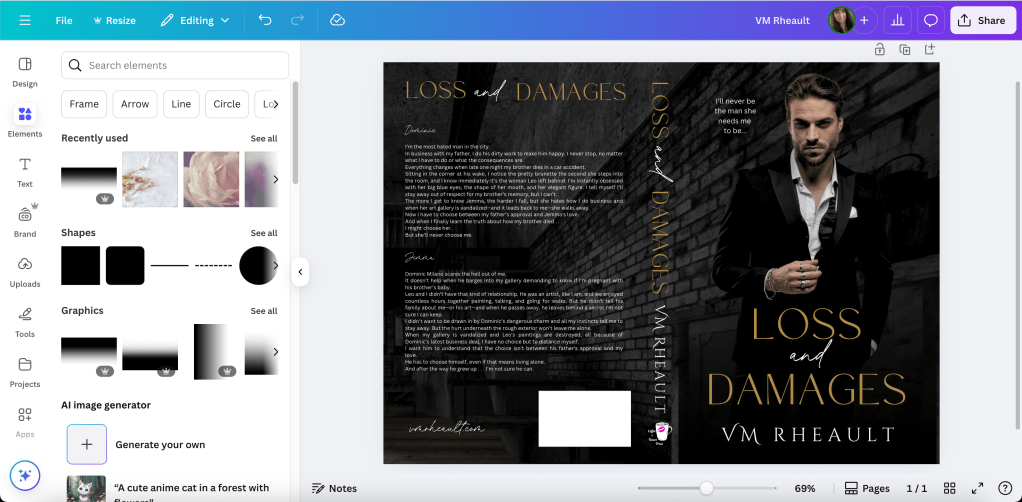
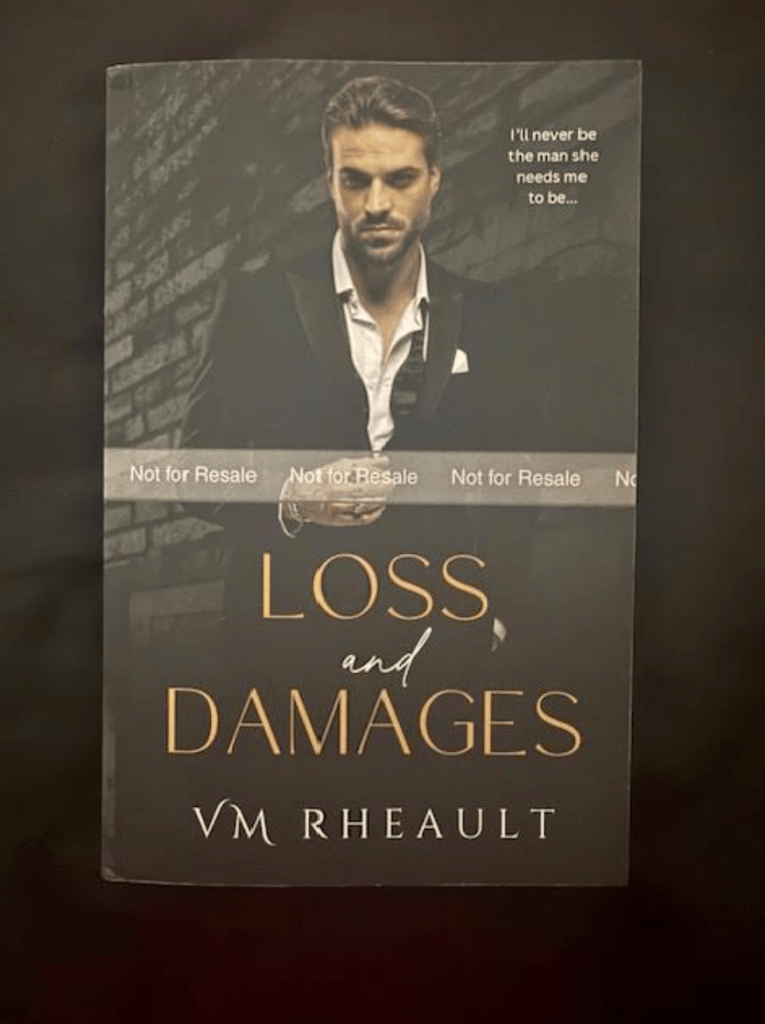
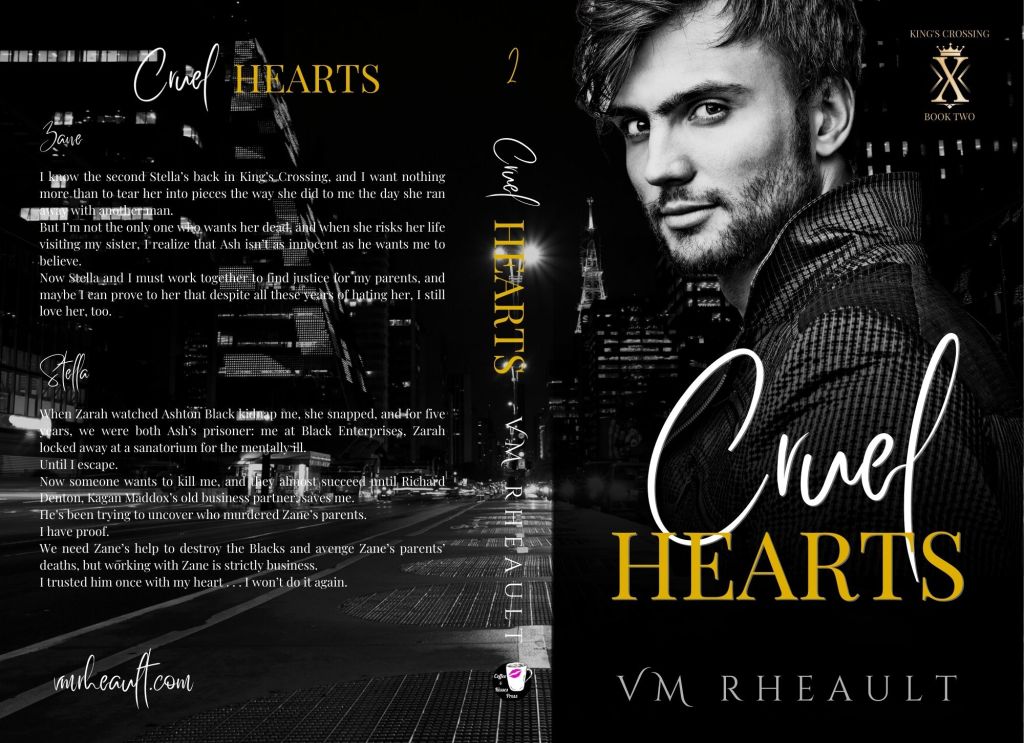
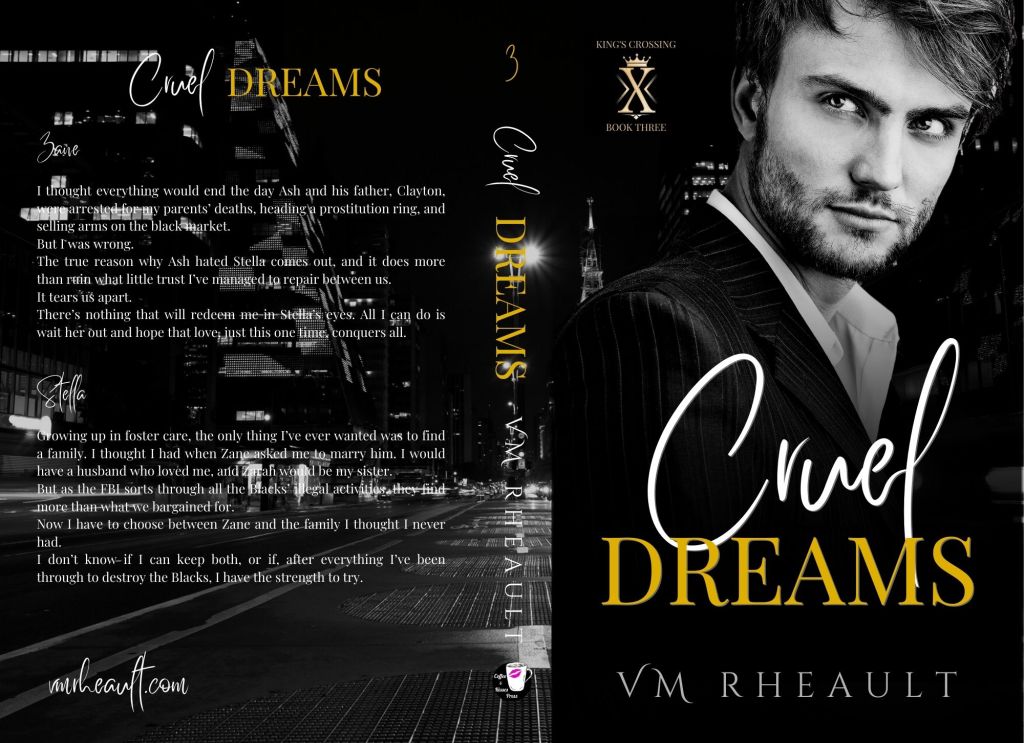
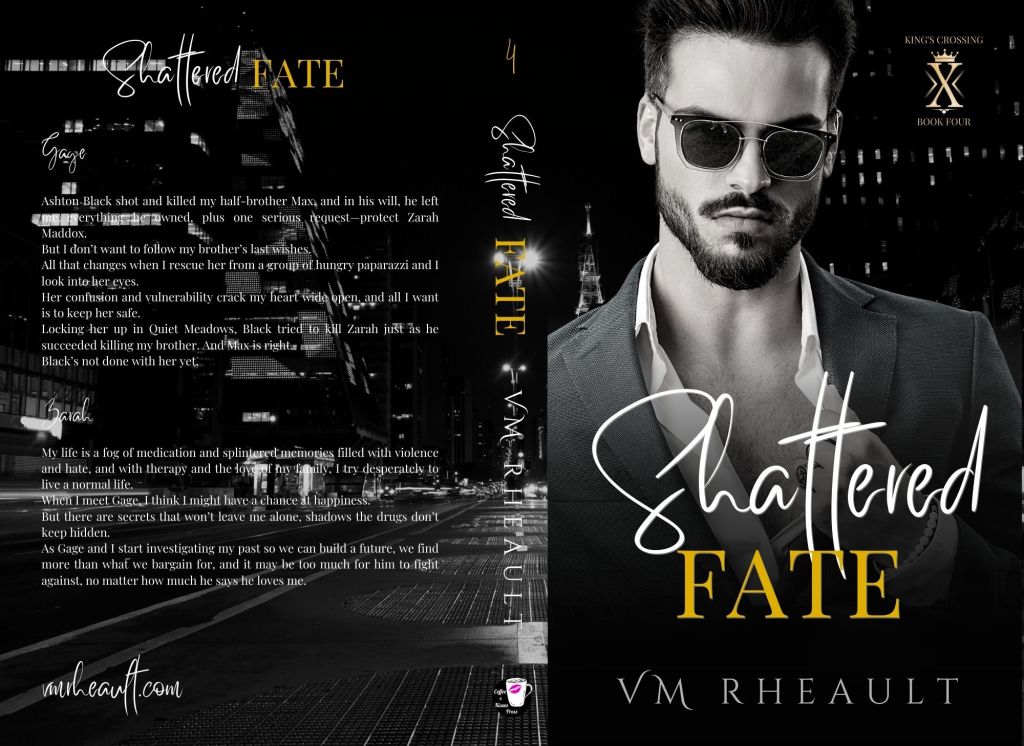
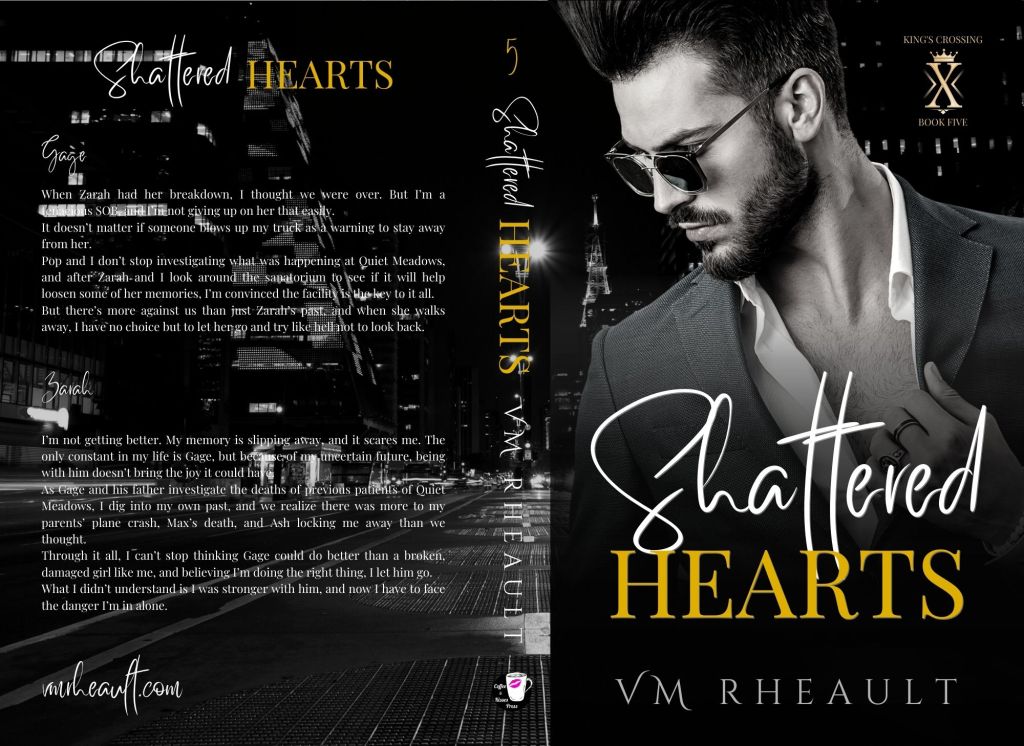
I’ve already had to redo my covers for my duet, as black and white covers with a pop of color for the title are slowly starting to slip away. I revamped the covers for my Cedar Hill duet, making them color instead of black and white. Excuse the rough shape they’re in. They aren’t set in stone, and I haven’t purchased the stock photos yet. Tell me which ones you like the best:

Anyway, so I won’t be doing the covers for the series, but I can do everything else, and I’m hoping I’m finished with them by the summer as I still think I want to write a Christmas novel for release at the beginning of November. Listening to these isn’t taking as long as I anticipated it would, so I should have plenty of time to write it while doing everything else to get my duet ready for release thing spring and my series ready for next year.


This is a topic that would probably better fit a Monday post, but I just want to complain a little bit about it here. The other day, an agent on Twitter tweeted this advice:

Twitter tweet snapshot:

It breaks my heart when I get a great pitch for a book somewhere between 50 and 70k. It's almost always a no. There are exceptions, of course, but in general, adult fiction is between 80k and 120k. 60k is just too short to fit comfortably on the shelf.

12:03AM 2/6/22 Twitter Web App

81 Retweets 264 Quote Tweets 714 likes

Writer Twitter blew up. This agent was attacked on so many levels, and so many people who had to weigh in on this agent’s advice and opinion. She eventually locked her account down and I wasn’t privy to most of the horrid aftermath. I’m appalled at the way the writing community treated her, and I feel terrible she was subjected to such aggressive behavior for simply offering a guideline to help querying writers.

No one wants to hear there are rules, and there’s not a day goes by on Twitter when I don’t see “I’m an indie so I don’t have to follow the rules,” or “Rules are made to be broken.” There are rules, and break them at your own detriment. If you want to query, follow the agent’s guidelines. That includes the genre they rep and the length of the book they prefer. If you want to indie publish, go for it, but there are industry standards. You need to format your book correctly, and include all the correct parts. You can’t use any photo you want for the cover. You can’t use song lyrics in your book unless you write to that artist’s record label and ask permission and probably pay a fee. (If you want more legal advice, Helen Sedwick’s book, Self-Publisher’s Legal Handbook, Second Edition: Updated Guide to Protecting Your Rights and Wallet is invaluable.) There are a gazillion “rules” we must follow every time we publish a book. To say there are no rules is destructive. Not following the rules can prevent you from finding readers at best and can land you legal hot water at the worst. I don’t understand why writers and authors continue to beat a dead horse, but there are rules.

Here is a tweet threads to scroll through if you want. I thought I saved more, but I can’t find the other one where I stole the screenshot of the tweet to begin with. The agent’s tweet and thread is gone–it disappeared for me when she locked her account down, but there’s plenty of fodder if you want to scroll through on your lunch break.

If you want to read another agent’s thread about word count and guidelines, here’s Laura Zatz’s thread:

When it comes to word count, I have found that reaching a higher count can be difficult for newbie writers because 1) they don’t understand how to twist a subplot into the main plot, 2) don’t develop their characters well enough to explore full character arcs 3) don’t know how to write engaging conflict and/or 4) they tell, not show, which always takes fewer words–showing takes a lot more room on the page. Also, some, but not all, indies have gotten into the habit of writing shorter because it helps them publish faster keeping them on top of Amazon’s algorithms.

If you’re a romance author, and like writing novellas, look at Carina Press–the digital arm of Harlequin. They take agent-free submissions, and they publish novellas that are 35k words and up.

Anyway, I’m going back to listening to my book–which is 91k, by the way. Every book in this series is between 85-93k, but they are as long as they need to be for that section of the story.

Be kind to each other, y’all. How you present yourself online will stick with you, and may come back to bite you in ways you never would have dreamed possible.

Until next time!

Five reasons why taking advice from writers about what readers like is a (really) bad idea.

Writing, marketing, and publishing advice is plentiful online. There’s excellent advice that can take your business to the next level, good advice, mediocre advice, very very bad advice, and some advice that is straight up, literally, illegal.

But when it comes to writers giving other writers advice about what readers want, I have found that, depending on where you get it, a lot of that advice isn’t to be trusted. Here are some reasons why it’s probably not a good idea to apply advice from other writers when you’re trying to write, publish, and market to readers–especially to readers who don’t write.

Writers don’t read like readers do. This is a big one. I hate seeing writing advice online. I hate it. I try to avoid it on this blog unless a pet peeve like my “got” issue (and not Game of Thrones) crawls too deeply under my skin and I have no choice but to speak up. Writers don’t read like readers do. How may times have you heard an author say, “I couldn’t get into the book. I was too busy dissecting/editing/proofing it to enjoy it.” A mom hiding from her toddler in the tub with her Kindle and a glass of wine isn’t going to critique your book. She wants a good story, characters to fall in love with, maybe some sexytimes, and if you give her that, she’s not going to care about small issues like whether or not you used the Oxford comma. She actually probably won’t even care how many times you use the word, “got” if the story is engaging and she cares about the fate of your characters. Give your readers a good story, and forget about the writing advice you see online. Keep changes between you, your beta readers and your editor.

A related thing I dislike is hearing writers say, “I read everything, and I write for readers who read everything, too.” The fact is, there are very few people who will read “everything” and writing and marketing to people who read “everything” is like throwing a handful of gravel into the wind. The pebbles scatter, and the force behind your throw is wasted, but throw ONE rock as hard as you can and watch it fly, right? You can’t write for everyone, you want to write for readers of a particular sub-genre. It will make it much easier to find readers because you already know what they like. Whale readers devour everything they can get their hands on in the sub-genre they prefer to read. They don’t stray much outside of their lanes, which is why writers are also counseled to stay in one lane–at least for a while.

Other writers may not have the same audience goals as you. We all want to find readers, but that doesn’t mean we have the same goals. I want to make a living with my writing. That may not be someone else’s goal. Maybe they want to sell only a handful of copies to say they are a published author. If we don’t have the same goals, we aren’t going to run our business the same way, or even think of our books as a business at all. That means anything from being a multi-genre author instead of niching down, not putting their books in KU when yours would do well there, or writing whatever they want when you would prefer to follow what’s selling in the market.

This goes hand-in-hand with writers who will give you plain old harmful advice. The other day on Twitter there was a writer who asked if she should separate her different genres with a different pen name. I can’t tell you how many authors told her not to bother and my jaw dropped. I wanted to explode, but I kept scrolling. Unless your genres are closely related, (billionaire romance/mafia, paranormal romance/speculative women’s fiction with romantic elements, mystery/thriller/domestic thrillers) you’ll do better if you separate your genres with pen names. It will make marketing easier, your also-boughts on Amazon won’t get messed up, and you can cultivate two sets of readers. It’s work though, and that’s why the thought of pen names turns off a lot of writers. Readers will appreciate the separation. Even if you don’t keep your identities a secret, they’ll appreciate knowing which name you write under that they like best. Writers say they want to take credit for all their hard work. You can still take credit–inside on the copyright page. So many people told me that I didn’t need to separate my 3rd person contemporary romances from my 1st person billionaire books. I wanted to because they have different tones, though the subject matter (my characters’ personal problems) is largely the same. I felt validated when Zoe York mentioned in a Clubhouse room that she separates her 3rd person from her 1st person. It just made sense to me all around, though readers probably can switch from reading 3rd to 1st easier than I can writing it.

Writers don’t read enough to know what’s going on in their genres and the industry as a whole. For every rule there is an exception, and there are probably a lot of writers who read regularly. I’m not one of them, and I should be. I should be gobbling up every billionaire romance out there. I did read some, when I decided to make my switch, but I didn’t, and still don’t, read enough. I’m willing to bet that if writers read more in their genre, they wouldn’t be giving the advice they do. They would know what readers want, what they look for, what they’re willing to pay for. They would know the book cover trends, what kind of blurbs capture a reader’s attention. Advice steeped in ignorance is not advice you want to take. I have bemoaned on this blog so many times about how a lot of indies don’t understand the industry, and if you don’t understand the industry, you don’t know what’s selling, or why it is. That’s important.

“I don’t read newsletters, so that’s why I’m not offering one.” This is, by far, the craziest thing I have ever heard. You are a writer. We’ve already ascertained you more than likely don’t read enough, so saying you’re not subscribed to any newsletters isn’t surprising, but it’s not a reason why you shouldn’t offer one to your readers. Readers are not like us. You need a way to communicate with them. I haven’t offered a newsletter in the five years I published under Vania Rheault, and it’s my biggest mistake. If you don’t offer a newsletter, your readers have no way of staying in touch with you. I gobble up non-fiction content and I’m subscribed to many newsletters from big indie names like Dave Chesson, Derek Murphy, David Gaughran, Jane Friedman, Ricardo Fayet from Reedsy. I also get newsletters from Kobo Writing life, Reedsy, BookBub and more. Their information about publishing is valuable, and I subscribe, and, more importantly read, to stay in the know. Your readers, if they enjoy your books, will want to sign up for your newsletter to stay up to date on what you’re doing. This does mean that if you offer a newsletter, you have to send one out on occasion. Content wasn’t the issue with me. I’ve managed to regularly blog for 6 years and rarely do I run out of something to say. I didn’t offer a newsletter because I’m lazy. I didn’t want to learn how to use MailerLite. I didn’t want to take the time to figure out how to create a landing page, how to set up an autoresponder, the technical issues of signing up for a professional email, blah blah blah. But, I finally did it. Now I’m five years behind. Don’t offer a newsletter because you haven’t subscribed to any. You’re not a reader. You’re a writer.

Stubborn indie writers are set in their ways and won’t change even if that behavior hinders finding readers. The two most stubborn groups of people in the world are runners who are injured and who should take a break from running to rest and heal…and indie writers. Taking advice from a writer who isn’t open to new ideas and bristles at constructive criticism is a terrible idea. Feedback and kind criticism are a necessity to grow in craft and in your business. I wish I could count how many times I see an agent say, NO PROLOGUES and a writer say, “I’m gonna write all the prologues” then cry when they can’t find an agent. Are you going to listen to someone who is intent to do it their own way damned the consequences, or are you going to listen to someone who knows what’s going on in the industry and is flexible enough to pivot and or try new things? (By the way, agents know the editors {who are the people who actually buy the books} who know readers and what they like. Just a thought.) As far as readers go, what’s expected in your genre? Fantasy uses prologues. Mystery/thrillers do too, often in the POV of the villain. If you want to write a prologue and your genre supports it (meaning your readers are used to them) write a prologue. If a prologue won’t enhance your story, maybe you don’t need it. I like epilogues. I like writing them, I like reading them, and they are often found in romance novels to tie up loose ends. I’m not doing anything out of the ordinary writing an epilogue. Sometimes a story needs it, sometimes it doesn’t, but prologues and epilogues are not a hill you need to die on. What is best for YOU and your genre? Romances don’t do well with prologues. Readers want to get to the meat of the story as quickly as possible. Introduce your heroine and hero ASAP. Writers have made too much of an issue about something that should be considered on a book by book, and genre by genre, basis.


Writers do their best to sabotage their own businesses–sometimes not thinking about their books as businesses at all is the first mistake they make. Everything you do should be geared toward finding and keeping readers. Writing what you want is only good advice if you know the genre you want to write in, the reader expectations of that genre, and if you enjoy writing that genre and those tropes readers expect. Many people have asked me if I feel boxed in writing billionaire romance, but I don’t. The same tropes (and yes, I structure my novels around tropes) apply to people who have money as to the characters who are broke. They handle problems differently, sure, but that’s fun, too. Make what you love to write meet in the middle with what readers want to read. You can’t listen to a writer who says a book cover doesn’t matter or tells you readers don’t read blurbs. Over on Twitter, I’ve heard it all, and it’s concerning because the writing community has thousands of members, and some of the information passed through those hashtags is harmful at best and toxic at worst. Think like a reader from start to finish and you’ll never go wrong with writing, publishing and marketing of your books.

Fighting Analysis Paralysis: What you can do when you feel overwhelmed.

The end of the first month of the new year is upon us, and in Minnesota, that means waiting for February and March to go away so we can start enjoying some milder temperatures. I don’t mind these months so much, especially working from home now, and since I replaced my little Neon two years ago, the winters and the snow aren’t that stressful.

But we can also feel time slipping away, and New Year’s resolutions, for some, are a faint memory. Sometimes we can let these go, but sometimes the passing months just means more time we don’t have to get what we wanted to get done.

I’m starting a new pen name this year, and with it comes pressure to put everything I’ve learned in the past five years toward good, marketable books, while building a readership that will keep coming back for as long as I want to publish. That’s a weighty burden I’ve placed on myself, and to say I struggle would be an understatement. It would be nice if I could find a happy medium between building a readership without losing the joy of writing. I get bogged down with the writing, the editing, the covers, promotions, the newsletter, and sometimes it just makes me want to close out of everything and turn on a movie. Of course, watching Endgame over and over again won’t get me what I want either, but mentally running through everything I can do and should do is stressful all on its own.

How can you combat analysis paralysis in the coming months? Here’s what I plan to do:

Make a list. This can be a huge list of everything you want to accomplish this year, or what you want to get done in a monthly or weekly timeline. A huge master list of what you want to get done in the remaining eleven months of the year might be more stressful than helpful, but giving yourself an overall view of the things you want to accomplish can actually be motivating.

Then chunk it down even further. I know what I want to get done in the next 11 months: release my duet, release a standalone. Write a Christmas novel for this year’s release if I have time and can think of a good story. Edit my 6-book series, format them, and do their covers. Get a proofer to proof the proofs. Get them set up to release in 2023. All of that sounds exhausting, and perhaps, when I’m having a bad day, impossible. Yesterday I was off because I wasn’t feeling well and I was tired, and thinking about tackling my series brought me to tears. That was analysis paralysis at its finest, with some Imposter Syndrome thrown in for good measure. (Is my series good? Is it worth the time to package and publish?) What can I do to make all that easier to swallow? Take it slow. My duet is with a beta. There’s nothing I can with it until he’s done. I can’t format it because there could be changes I need to make and it would be easier to do that in the Word document. I can’t do the covers (not the full one, anyway) because I don’t have the formatted interior files. I have the blurbs written. All I can do is be patient and work on something else, so I’m tackling the first book in my series. The Christmas novel will be a bonus if I have time to write it, and if I don’t, I’m not going to worry about it. Christmas comes every year, and I can write one for 2023.

Don’t worry about what other people are doing. The first the year is terrible with authors tweeting and posting about their New Year goals. Some of the number of books authors say they are going to release is staggering, and you have to keep in mind that you can only do what your life allows you to do. The authors putting up the big numbers do this for a living. They write eight hours a day, or close to it, anyway. They have a system and have managed their obligations so they can write a book in two weeks. If that isn’t you, you can’t worry about it. Analyzing what other authors are doing is a sure way of making yourself feel terrible. Even my schedule might make you wonder how in the world I have time for it all. All I’ve done is write for the past two years, and that was a mistake on its own, but it’s helpful I have books completed–the hard part is already done. Now it’s making time for the busywork and pushing them out there. I’m only releasing three books this year which is a low number by romance genre standards, but I don’t want to be known for putting out ten books a year. You teach your readers what to expect from you, and three books a year is a good number. Not the best, as four books a year keeps you relevant in Amazon’s algorithms, but three books a year is doable for me, and if I can do four, that year will be a bonus. Even if could write full time, I would never be capable of releasing a book a month, and it’s not something I ever want to do.

Control your FOMO. My fear of missing out is over the moon, but if you can’t control the fear of all the things you might be missing out on, you’ll never get anything done. There will always be a marketing webinar to watch, a group to join, a Clubhouse room to listen to, a new podcast episode to consume, and if you can’t focus on what needs to be done when it needs to be done, you won’t get anything accomplished. For the meantime, I’ve stopped listening to marketing podcasts, and the only thing I do regularly now is listen to my Level Up Romance Marketing Monday hour on Clubhouse. That is also a networking opportunity for me as well as listening to some great information, and I don’t work Mondays, so it fits into my schedule. Because here’s the thing: If you don’t have good books to publish, nothing else matters. I know what I need to do in terms of marketing: make sure my covers are to market, make sure my blurbs are good, make sure the stories are what people want to read. If you don’t have those things figured out, no amount of marketing is going to help you sell books anyway. I know now to run Amazon ads without losing money. I have a newsletter signup opportunity ready for my back matter along with a reader magnet. I have all the bits and pieces ready to go, and the only thing I have left now is to see if my stories resonate with readers. So think of what you need to do with where you are at the time. Are you working on your first book? Craft and feedback might be more important to you than learning how to run Amazon ads. Can you not afford a book cover? Learning how to your own might be what you need to focus on right now. Narrow your focus on what you need for the place in your writing career you are at, and a weight will drop off your shoulders. I promise.


I had a crappy day yesterday and was doubting my abilities to put out good books. I’m still feeling a lot alone in this endeavor–so many of my friends have dropped out of the writing community since I met them five years ago, or we’ve drifted apart for other reasons. I was feeling overwhelmed with all I wanted to get done this year, and when you feel like you don’t have help, community, or support, a long list can seem quite daunting. A list can put things in perspective, and while I might feel alone, I’m not. I have a great community on Twitter, and I’m doing my best to cultivate relationships with my romance authors on Facebook. Everyone feels inadequate somehow, like they aren’t enough to make it in this business, but you’re not alone in thinking this. Lack of sales can do it, burnout can do it, too. We’re all struggling, but I hope knowing that you’re not alone can jolt you out of your own analysis paralysis and you have a productive 2022.

Until next time!

Starting out with BookFunnel, and yeah, as always, Happy Monday!

Good morning! I don’t have any new goals except that I would like to finish listening to the second book in my Cedar Hill duet so I can format them and order the proofs from KDP. I’m going to take a break before proofing those and I probably will write the billionaire-wants-a-baby trope novel that’s been in my head for a little bit. I wasn’t going to, but I need something to do with my time. It was going to be a standalone, but my FMC has single friends, and I realized it would be a good start to a 5 book series, or so, though the rest of them will have to be put on the back burner for the time being. I’m still looking at an April release for book one of the duet, and I’m gathering information on launch plans and forming a tentative schedule for the first month of its release. Maybe I’ll blog about launch plan ideas for next week and give you some of the resources I’ve been checking out and my thoughts on them.

Today and I wanted to talk about BookFunnel. BookFunnel has been around for a long time as a book distributor and also a newsletter builder. I’ve heard a lot about BookFunnel in recent months, especially at the beginning of this year as we all look toward our new goals for the year and how we can better run our businesses. It’s not a secret that I’ve been talking about my newsletter on the blog, all the steps I’ve had to take to set up a newsletter through MailerLite, and my back and forth and back and forth with whether to offer a reader magnet or not. I did, in fact, decide to offer a newsletter magnet–one of my shorter (78k) standalones I was going to publish this year. Instead, I uploaded it to BookFunnel, and in my welcome email, I give readers the link they need to go to BookFunnel and download it.

When I was looking into setting up my account, I wanted to research how to do things on there before diving in. That’s just my way. Before I even opened Vellum (a formatting software) I watched hours of how-to videos so everything would look familiar. I hate stumbling around, not knowing what I’m doing. I watched this how-to video on Mark Dawson’s SPF channel on YouTube:

That was very helpful, and it talks you through initial set up. While I believe, like Elana Johnson, to begin as you wish to continue, I just signed up for the $20/year plan.

You can look here for what the plans offer. Ultimately, I’d like to go with the mid-list author plan as the $20.00 plan doesn’t collect email addresses if you send traffic directly to the download page. It creates an additional step for your reader as you have to send them to your newsletter sign up page and ask them to sign up before they have access to download your book. You can say it will weed out the freebie seekers, as if they do go through all the steps to sign up for your newsletter to have access to your free book, chances are they really like what you’re writing and will remain a lifelong fan. On the other hand, you want to make things as simple as possible, and well, extra clicks will always turn some people off.

I just pay so much for other writerly things right now that another $100.00/year on a pen name that I’m not sure will take off just seems a bit much. (My Office 365 subscription, Canva Pro, and my WordPress subscription come to mind off the top of my head.) I’m going to release a duet and a standalone this year (and possibly a Christmas novel in November/December if I can find some Christmas spirit) to get my feet wet, and I think that will be a good enough gauge to see if my books are going to resonate with readers. I can upgrade at any time. Probably the most inconvenient thing about choosing the cheaper plan is that you can’t run a Facebook ad to your reader magnet. A lot of authors I know will run FB ads to their BookFunnel download page and let BookFunnel collect the reader’s email address for the newsletter signup before they can download the free content. BookDoggy will also promote your BookFunnel download link. Paying for newsletter signups is a bit controversial, but I’ve heard good things about running Facebook ads to your BookFunnel link to grow your mailing list. I just want to test out my books first to see if there’s even an audience there before spending more money. I’ll have my newsletter sign up in the backs of my books, the cover of the reader magnet, and the blurb to entice readers to sign up.

The downloading page is beautiful. Here’s the page to my reader magnet:

The landing page displays the entire blurb, but this is what it looks like before you scroll down. I’m not going to share the link with you, but I do offer a short story, and I’ll share that link with you now.

I had an idea for what to do with a short story that I wrote a couple of years ago. It doesn’t have a happy ending, doesn’t fit in with the brand I’m trying to create for myself, and I had no idea what to do with it. It sat in a notebook for a long time, and when I was writing the second book of my duet, I had an idea of what to use it for. In my second book, Talia, my FMC, gives her email address to Beau, the MMC. I don’t know about you, but when I was a kid and there was a phone number in the book I was reading, I dialed it. If only to hear the “That number is not in service, please check the number and dial again” recording. I’ve always been curious, always wanting to know what, where, when and why (and the name of the dog), and I’m still like that. It drives my kids and sister crazy. Anyway, when Talia gives her email address to Beau, I thought, what if someone emailed that address and what if Talia responded? It’s a fun Easter egg probably no one will ever figure out, but if you email her address, you’ll receive an autoresponder message that thanks the reader for emailing, apologizes that she can’t get back to you personally, but as a thank you for emailing, please download a short story she had to write for English class (she’s in college in the book). I created an email address for her– taliajeanscott(at)gmail(dot)com –and set up a vacation autoresponder with the BookFunnel link inside it. Was it a lot of work probably for nothing, yes. But I don’t think I would have bothered to do it if I hadn’t had the short story already written.

If you want to test out BookFunnel as a reader to see what your readers will get if you use it, you can download Talia’s short story as a demo. Be careful if you read it–it’s 5 chili peppers on the heat scale–which is another reason I felt I didn’t have anything to do with it. I write open-door sex scenes, but nothing like that short story that borders on erotica, I think. Anyway, here’s the link, and a picture of the landing page if you don’t care about downloading it: https://dl.bookfunnel.com/xwng7qjy2w

Yes, I had to format the short story with Vellum (another writerly purchase, but has earned back what I paid and much more), add the copyright page and author’s note in the back, and I created the book cover with Canva using a Deposit Photo stock photo. It probably was a whole lot of work for little gain, but it was something fun, so whatever. I’m not the first author to provide Easter eggs in their books, and these days, we’re all looking for a bit of an edge over the competition. Feel free to steal this from me, and if you do, I hope it works for you!


There are a lot of benefits to using BookFunnel, and I barely touched on any of them, mostly because I haven’t had the chance to try out everything they offer. I’ve heard a lot about how you should have your own newsletter built up before attempting to join any promos for building your list, and I”m not interested in using BF for that… yet. I would like to grow my list organically first, from the sign up link in the back of my books, though I know that could double or triple the time it will take for me to grow my list. But, that’s getting ahead of myself considering I don’t have even one person signed up for my newsletter yet. Hopefully that will change in April when I release my first book.

If you want to hear Damon Courtney talk about BookFunnel at the 20booksto50k Vegas conference last November, you can watch it here.


There’s not a whole lot going on for me besides just keeping on keeping on. I’m trying my best to remain optimistic, but with my impending release, that’s getting easier. I haven’t published for so long, it’s giving me something to look forward to. I didn’t remember how much work it is. No wonder I’ve spent the past two years burying my head in the sand and just writing.

I think that’s all I got for today. I hope you have a lovely week ahead!

Until next time!

Author Musings: Personal Update and Amazon’s Also-Boughts

Happy Thursday! Thursday’s aren’t so great for me because they’re actually my Mondays, and work has been super busy lately. But I have been able to get a lot of editing done on my days off and I might be able to publish a little sooner than the April release date I was aiming for. Anyway, so I missed my blog post for Monday–I was just so into editing last week I completely spaced on it. Not much is going on right now in the indie publishing world anyway, so probably a lot of my blog posts for the next little while will just be my writing updates as I finally publish after two years of not.

But I was perusing Twitter like I’m wont to do, and there have been many authors lamenting over their lack of sales, especially as the new year has rolled around, and lots of celebrating when they manage to cajole one of their followers into a purchase. I just want to caution anyone who begs for a sale by saying this: a sale isn’t just a sale.

When you’re an indie author going through a dry spell, you might not think that’s true. You celebrate every sale, and to an extent, you should. But on the other hand, if the readers who buy your book don’t regularly read in that genre (i. e. they bought your book as a favor or to do something nice or to “support” you) their sale isn’t helping you.

Amazon’s algorithms are stronger than we want to believe, and it’s IMPERATIVE that when you publish a book, Amazon knows exactly what genre it is and exactly who will read it. I’m sure you’ve all gotten those emails of recommended books. I’ve seen tweets from amused (and bemused) authors wondering why Amazon would email them about their own book. It’s really because you’re been looking at your own product page without using an incognito window and now Amazon thinks that’s the kind of book you’re interested in. This happens when you look up any of your friends’ books, too. I get emails for all kinds of books I would never actually buy–because I’m clicking on links from Twitter, looking at books mostly to see why the author is complaining they aren’t selling.

While this can be amusing, maybe even frustrating, it’s actually a demonstration of how you can use Amazon’s recommendation emails to your advantage. You want Amazon to email potential readers about your book, right? You do want Amazon to list and feature your book at the bottom of another author’s product page and encourage them to buy it because it’s similar to the book they’re already looking at?

This isn’t successfully done if you don’t train Amazon to understand who your book is for. When you receive an email about a book that doesn’t interest you, you simply delete. But what if Amazon emails you books you might actually like? You at least click over to the product page. I’ve purchased several non-fiction books this way because I’ve taught Amazon to know I love publishing industry books through my order history.

For example, I was looking at an author’s product page whom I know from Twitter, and the authors in the CUSTOMERS ALSO BOUGHT ITEMS BY section were all authors I recognized from Twitter. This doesn’t have to be a bad thing. Twitter authors were obviously supporting each other, but they all wrote in different genres. It’s obvious this author wasn’t finding readers in his genre. His friends were supporting him, and while that’s great, you can’t make a living like that, either.

So what can you do? In this case, a sale isn’t just a sale. A sale to the wrong reader can muddy your book’s sales history on Amazon and either Amazon will send emails to the wrong readers, or worse yet, not bother to promote you at all.

Amazon algorithms can help you sell books, but you have to help it help you.

How?

  1. Make sure your book’s categories are correct. You can add more than the two KDP allows you to choose when you publish if you email support
  2. Make sure your meta data is correct when you publish (the 7 spaces for keywords you fill in when you publish)
  3. Don’t promote to your #writingcommunity friends
  4. Run ads and target your category/comparison authors/comparison titles
  5. Use newsletter promos (choosing the right category) to attract new readers. David Gaughran has a great list here.

The more in alignment your book is to your genre, comp authors, and comp titles, the better chance you have of Amazon helping you sell your book.

If you want more information about also-boughts, David Gaughran has an in-depth blog post and you can read it here.

If you want to learn more about the Amazon algorithms, Reedsy has a great course they will email you for free. It will explain what the algorithm is and how you can make it work for you. You can sign up here.


I love keeping an eye on what’s going on in the industry, and I think another trend that’s coming is longer books. My first person books are naturally longer than my 3rd person, and when I made the switch, I was surprised I could consistently hit a 80-85k+ word count when before I was happy with 70-75k. But lately I’ve been seeing billionaire/bad boy/mafia romances coming in at 100k+ word counts. Are romance books getting longer? And if so, why? A lot of romance authors are in KU, and many romance authors also write in series which can up the word count because they are setting up the next book.

Will this affect my writing? Probably not. 85k is a sweet spot for me and unless I work harder at creating subplots, I think that word count works for the way I write my stories. It is interesting though, how it seems romances are getting longer and could be evidence that readers would prefer longer books over books half that size or even novellas. Longer books also give writers room to build that slow burn, and explore deeper and richer character arcs. I’ve read several books that are huge with including family and friends. When your characters explore relationships outside of their romance plot, that can also deepen your character arcs and add words. Ultimately, you do have to do what’s right for your book and the story you need to tell. But I’ve always been big with meeting reader expectations, and if a reader is expecting a 350 page book, and you give them half that, you could find yourself with unhappy reviews.

I think this kind of goes along with the pricing increase I’ve been seeing as well. A longer book does mean a higher paperback price due to printing and paper shortages, and indies are pricing their ebooks at 3.99, 4.99, 5.99, and even 6.99. If you’re going to price that high, you definitely want to give your readers what they are paying for. I, too, will probably raise my prices this year, though my marketing strategy isn’t focused on ebook sales (my books will be in KU) or paperback. I’ll leave my paperback prices as low as I possibly can make them and still earn a dollar a book. I love reading paperbacks, but unfortunately, I can’t afford 15.99 per paperback, even if I understand why authors need to price them that high.

If you want to check out the word counts of your favorite books, or keep an eye on what other authors in your genre are doing, you can use Word Counters, and you can find it here.


I’m going back and forth with writing a Christmas novel for this year, and it’s hard for me to get into the Christmas spirit three weeks after the fact. I can not offer one, and publish three books this year, or I can write it later this year. The problem with writing it later is that I’m going to spend the rest of 2022 getting my six book series ready to publish in 2023. I probably will need all year because these books still need a bit of an edit, formatting, covers, and a beta reader/proofer if I can find one who is willing to do it cheaply and be time efficient. (A big ask, I know.) I don’t want to stop my editing and production momentum to take a break writing something for Christmas. So either I do it after my duet is done and before I start editing my series, or I skip it all together. I have another standalone hanging around I could prepare and publish, but I don’t know how well a non-holiday book would do with a December release.

Anyway, that’s about all I have for an update. Monday, and I will get to a blog post, will be about BookFunnel, my reader magnet, and my experience with setting up my account.

Have a great weekend!

Tentative launch plan for my duet: thinking aloud and plans for the next three months

It’s a nice thought!

Happy first Monday of 2022! I hope the start of the new year has gone well for all of you!

Two days ago I was thinking about writing another book. It would be a reader magnet for my newsletter, but in the end, I talked myself out of it. I’ve been saying for a while now that I want to start launching some of my books, and I can’t do that if I’m writing. In 2022 I’ve decided to play to my strengths, or at the very least, try to co-exist with them and I can’t write one book while writing or editing another. It will be easier for me to accept it and postpone something new because I’d never get any of my older books off the ground. So I gave myself a pat on the back, even though this book is all plotted out and I even played with covers. I’ll write it after my duet is set and ready to go, and not a minute before.

So, now that that crisis has been averted, I can start to drill down on what I need to get done for these two books. I’m still going to try to launch in April. Being that I still have to listen to both books to make sure I don’t have any typos and I still proofread the paperback proofs no matter what, a mid-April release day for the first book should be doable.

So here’s what I’m thinking:

  1. This week I’m going to look at comparison authors and titles for ad keywords. I already have been doing this a little when I was doing cover research. Billionaire is all over the place now with everything from models in color, to black and white, to objects. I can’t get a bead on anything that’s trending definitely, except it seems a single male still graces more covers than a couple. I have a small list of the big-named authors that dominate the top 100 on Amazon, but I’m also going to dig deeper and make a list of mid-list authors that I may not have heard of that are still doing well. Publisher Rocket is great for finding out info on the “competition” and that software will let me know if it’s worth my time to add them to my comp author list.
  2. This week I’m also going to write my blurbs and try for feedback in the romance groups I’m most active in. I read T. Taylor’s 7 FIGURE FICTION: How to Use Universal Fantasy to SELL Your Books to ANYONE and pulling out the universal fantasies from my books and building blurbs around them makes a lot of sense. You can grab the book, and also join the Facebook group here. Asking for feedback has always been iffy for me a) because I’m not always as active as I should be and you should never ask for a favor unless you’ve already give one and b) a lot of what I’ve been told just hasn’t been helpful. I wrote a blog post about asking for blurb feedback and you can read it here.
  3. I’ve said for months I’m going to create a list of newsletter promos that don’t require a minimum number of reviews. I’ve been sitting on this for months because I haven’t needed it, but it will be a great resources for people, so what I need to do is settle in with a snack, put on some music, and just get it done. I have list after list of promo sites, I just need to go onto each website and break them down. Starting up a new pen name without any reader group/newsletter/ARC giveaways pretty much guarantees me to releasing with 0 reviews. But even though I didn’t get the best results with Booksprout, I wasn’t writing to market as well as I could have been, so giving that site a try with my new books might be something I’ll consider. I have come to realize that if you use Booksprout correctly and publish frequently, it’s a place on its own where you can build a community of readers who will snap up every book you put up for reviews. Changing my mindset may be helpful considering it will take a while to build my own reader group, and nurturing a community on Booksprout may be faster, at least for this year’s releases. If you want to read about my Booksprout experience, you can look here. If you’re curious about the review site, you can look here.

So that’s what I have going on this week–mostly a lot of busy work while I give the books time to rest. During the last two passes I made some changes to the breadcrumbs I had to leave for the characters to solve the mystery part of the plot, and I want to give myself space so the next time I read them through I can see if the changes make sense.

In the meantime, I can nail down the covers I’ve been playing with. Because of the feedback, I switched out both of the models and changed up the background, so it was helpful. The covers for these two books hold a lot of weight because not only are they setting the tone for what’s inside, but they’re also setting the tone for my entire catalogue of books going forward and my author brand. There was no point in niching down if my branding isn’t consistent. That’s another reason why making a list of comp authors by hand instead of letting Publisher Rocket pull a list for me is really important. I need to make sure I’m aligning myself with the correct authors. Here’s what I have so far:

Part of the problem with asking for feedback is that people will throw out solutions like you know how to do those things. When you have limited capabilities like I do, it can be tough to follow everyone’s advice. I asked for feedback for the guy on Addicted‘s cover because I’m not 100% I like the shadow on his forehead, but when everyone told me how to “fix” it, I had no clue, so watch out for that. I can’t use photo manipulation software in a way a lot of authors and graphic designers can, I can usually only look for a different stock photo or try my best with what I know in GIMP. Chances are I’m making a big deal over nothing because both models have shadows. It’s probably more important that they look cohesive and that they belong together as a set.


Finally? A reader magnet? I’ve only been talking about it for months….

Talking with my significant other, he gave me the idea to go ahead and use My Biggest Mistake as a reader magnet. It’s a 74k standalone, and with the way I have my publishing schedule set up, I won’t be publishing it for a while. It’s already edited, formatted and has a cover. What this means is I would have to figure out BookFunnel in a hurry. I have the barebones of my newsletter signup worked out, though I do have a MailerLite course by Holly Darling that purchased on Black Friday for my birthday that I haven’t started yet, either. I have a landing page set up with the welcome email. I think all I would need to do is create an account with BookFunnel and download the book files and add the BookFunnel link to my welcome email for the download. I probably do have time to do all that, but it’s my nature to watch tutorials and see how others do it before trying to do anything myself. Considering that it’s my shortest standalone and that I don’t have plans to publish it anytime soon, I think it makes sense to use it as a reader magnet for the next little while. It doesn’t change too much for me, just adds more to my to-do list that needs to be completed by April because I’ll need to have it all in place for the duet’s back matter.

It really is no wonder why indies have it so tough these days. So much jumping through hoops to play the game.

My inspiration quote for you for 2022 🙂

The last thing I’ll need to do is get all my files ready and submit a preorder for book two so I have have the link available to put in the back matter of book one. It’s not that I like preorders or think they’re beneficial, especially since my audience will be in KU and they don’t preorder books, but in this case, I need them up so I can claim my Amazon Author page and my Goodreads profile. It’s been so long since I’ve done either of those that it’s going to take me a couple days to figure it out again. I can also start running low cost-per-click ads to the preorder and test my keywords to see if I get any impressions and clicks. I’m going to release at full price, though I’m not sure what that will be. Prices are rising, and $2.99 books are considered on the lower-end of pricing. I may bump up to $3.99, maybe even $4.99 since I’m not targeting people who will buy my books, though if they wanted to, I wouldn’t argue. No, my target audience is the whale readers who devour books in KU. I’ll have to up my prices on paperbacks, too, because the of the paper shortages. It’s really too bad because I’ve always tried to keep my paperback books affordable, but IngramSpark is raising the cost of their fees. Between that and the cost of paper, it’s expensive to publish through IS these days. I know one thing, if you put your price on your back cover, IngramSpark makes you match the price in your account, so if you don’t want to keep tweaking your cover, don’t put the price on the back. I’m not even sure if I’m going to publish with Ingram with this new pen name. I probably will, but I just don’t know if the effort is worth it.


So, I have a lot to keep me busy, and of course I’ll keep you guys updated! I’ll have a lot of new experiences to write about in the coming weeks. I hope you all had a fantastic start to the new year!

Until next time!
2022 Goals, Plans, Process, and Learning about Yourself.

When we start a new year, we always have a ton of plans. In the past two years, a lot of those plans have been derailed by COVID, but we’ve (hopefully) made the best of it.

I’ve been struggling lately to figure out how I want my publishing schedule to go moving forward. I’ve read a lot about consistency, not only what (sub)genre you write in, or how long your books are, but also when you release them. I’ve seen firsthand with this blog how posting consistently can build a readership, and I don’t think it’s any different for books. So, I’ve been trying to figure out what will work for me and create a schedule that I can maintain going forward for years to come.

The problem is, you need to know a lot about yourself before you can plan out something like that. Here’s what I’ve learned by taking a look at how I’ve worked and how I’ve spent my time in the last two years, which, to be fair, isn’t as accurate as it could have been because of the pandemic, and I know others are in the same situation. Still, I’ve been working from home for the past year, and my health issue aside, things have calmed into a lifestyle that will be constant for the foreseeable future. This is a list of discoveries I’ve put together that will hopefully help me develop good work habits that I can keep going.

  1. I have to shower and do my hair and makeup for the day–even if I’m not going anywhere. When I started working from home, it took me a week or two to realize that I can’t get anything done in my pajamas or skip taking a shower. To feel professional, I need to look somewhat professional. My kids make fun of me and my sister teases me, but I just feel better. I don’t have a desk and do a lot of my writing on my bed (space and privacy are hard to come by in our tiny little apartment) but I’m more productive and not prone to take a nap, either, which can be a time suck because when I nap, I nap. I’ve stopped trying to figure this out and I just go with it. The first thing I do after I take my daughter to school is shower, and I always get ready for work as if I’m going into the office, even though I’m just logging into my computer in the bedroom.
  2. I don’t like writing fiction in the morning. Not because I can’t function before noon, but because I find my creative spark in the evenings. I’ve learned, over time, that if I didn’t have to get up in the mornings for anything, I’d probably write from about 8pm until 2am, and sleep in the next morning. Because I can’t do that, I have to work around it. I usually write in the afternoons from noon to 3pm, and this is when I get a lot of my writing done on my days off. I also write as soon as dinner is over (in the winter, this works especially well as it’s already dark by 5pm–I love to write in the dark!) until I have to go to bed around 10pm. Knowing this is helpful because I can use the mornings after I get my daughter to school and shower to blog, create ads, and submit my books for promos. I can do administration stuff before noon and turn on my creative brain for the rest of the day.
  3. I can write a 85k book in about six to eight weeks. That’s not bad (some authors are a lot faster), but I’ve never timed how long it takes me to do the rest. And by “the rest” I mean edit it, get the feedback from betas I need to feel good about the story, format it, create the cover, and load everything (ebook, paperback, large print) into KDP. In the years I’ve been publishing, I have come to the frustrating realization that editing will always take longer than I think it will, and creating the cover always takes a long time because I need to research what’s trending in the market, find the stock photos I would need, and experiment with fonts, placement, etc. I don’t want to hire out, and I will avoid it for as long as possible. So, I can write a book in six weeks, but the editing and the rest of the production can also take another six weeks. This is something I definitely need to know so I never miss a deadline, self-imposed or otherwise, or a preorder date.
  4. I have no problem getting things done, but giving myself daily to-do list is always going to be a waste of time. I’m good with things I need to get done on a macro-level. “Finish writing the book this month” is a good example of how I can put something huge on my to-do list and get it done, but breaking things down into micro-level daily tasks will never work. This is why I’ve never been able to work with planners. This was actually a huge revelation for me. Like today, I didn’t plan on doing a blog post. I was going to write on my book all day, but this idea popped into my head, and I decided to write the core of it down for Monday. I think I can work around this mental block, and I’m going to plan weekly and monthly goals. I’ll plan out what I want to do for the week, say write 20,000 words on my WIP, do a blog post, and search for stock photo models, and then, instead of trying to force myself into a daily schedule, write down at night before I go to bed what I’ve managed to accomplish. Hopefully, if I plan Monday to Monday, by Sunday night I’ll have everything crossed off my list and I can start a new list for the following week.
  5. I will always write before anything else. This is a such a big pro that I hate to turn it into a con. I mean, if you don’t have books, you can’t do the rest, so I’ve always given myself a pass when it comes to getting other things done. I don’t like writing blurbs. I like creating covers, but I don’t like having to put together the full wrap for a paperback, or creating a separate full wrap for IngramSpark, or loading to either KDP or IngramSpark. Vellum makes formatting easy, but it’s still not writing and passing it off to a formatter would only cause more work because I need to be able access to my files to change back matter when necessary. On the other hand, if you’re not willing to suck it up and do the parts you don’t like, no one will ever be able to read your books because they’ll be held captive on your computer. What this means going forward is I’m going to have to start rewarding myself for the non-writing tasks that get done when a book is in production and after it’s published. I don’t take time to celebrate, and because I love the writing part of it so much, I don’t take much of a break between projects, either.
  6. My tunnel vision will always make things harder. I work on one book and one book only. I know how much faster my schedule could go if I could edit one book in the early afternoon and write on a different WIP in the evening. Tunnel vision is another area where it’s too good of a pro to be considered a con. I never EVER get distracted by shiny object syndrome. Yes, I can get antsy toward the end of writing a book, look forward to new characters and a new plot, especially if I’m writing a series, but I have never abandoned a WIP to write something new. I will finish a book and edit it and only then move on to the next set of characters. Unfortunately, like I said, this can slow me down, and I’ll have to make peace with that.

It’s all fine and good to have goals, but if you don’t understand your own processes and personal limitations, it will be difficult for you to reach those goals. You might have noticed I don’t have many external obstacles. My children are older (my son is 22 and still lives with me and does the bulk of the chores around the apartment, and my daughter is 16 and self-sufficient) so they don’t take up much time. I’m divorced. I work from home now which has eliminated driving time to and from work. I don’t have much stress. I like my job, and I don’t have many commitments besides movie night with my sister on Tuesdays. If you have little kids or you have a demanding day job, you’ll have to adjust your goals accordingly. I don’t watch much TV. If you’re juggling three or four different shows, you’ll have to work around that lost writing time. Looking at your daily schedule, your weekly schedule, and your monthly schedule can give you an idea of where your time goes and how you can create attainable goals for yourself.

I did buy a planner for myself, and what prompted me to take a look at what I have going on internally that could interfere with a writing/producing/publishing schedule is Elana Johnson’s book, Writing and Marketing Systems.

I had to buy the planner, it was just too cute not to. While I’ve tried to use planners before, I’ve never succeeded, but hopefully using it in a different way will help.

It’s frustrating to work so hard and not feel like you’re going anywhere. I want to climb out of my rut and start making some things happen. What are you going to do for 2022 to dig yourself out of your own rut? Let me know!

Until next time!
End of the Year Wrap Up! Goodbye, 2021!

I always look forward to the end of the year wrap up! I love looking back to all that I accomplished over the year and making a mental note of what I can do better during the next year.

Here’s a look at what I did during 2021:

Books/Novels/WIPS

Number of books published: 0
I didn’t publish anything this year. In fact, I haven’t published anything since February of 2020 when the last of my Rocky Point Wedding series released. And even as I was releasing those, I had been writing my first person books, so in my head, I had essentially already moved on. I am planning to release in the spring of 2022, but we’ll see how that goes. I had every intention of publishing this year, but I got too caught up in writing to take the time to do any production or marketing of anything I’ve done.

Number of books written: 6.5
I’m 57k into the second book of the duet I plan to release in the spring, so I can’t count it as a full book I’ve written this year. I won’t finish it before December is over, but that’s fine. I’ve written approximately 560,000 words this year (which is 30,000 less than last year, ha!) and here is the list of couples and the month I started their book:
Finn and Juliet (book two of a series I haven’t completed. I wrote Colton and Elayna, book one, in November/December of 2020) January 2021
Fox and Posey (Faking Forever, standalone) April 2021 This book is loaded into KDP and all I need to do is hit publish
Dominic and Jemma (standalone) May 2021
Brady and Allie (My Biggest Mistake, standalone) July 2021 This book is also complete and loaded into KDP
Sam and Lily (standalone) August 2021
Rick and Devyn (Book one of Cedar Hill Duet) October 2021
Beau and Talia (Book two of Cedar Hill Duet) November 2021; will finish January 2022

I have a small gap between Finn and Juliet and Fox and Posey because this year I had a health thing with my girly parts. I’ve blogged about that a little bit–no one wants to hear about my health issues–but I can’t believe I’ve been dealing with consequences from using the wrong dryer sheets for 12 months. I had a reaction to Snuggle (and I only realized that was what it was after hours of reading through women’s online health forums) which gave me Bacterial Vaginosis, and I am still dealing with unbalanced vaginal pH even though my infection is gone. Suffering from that, getting it diagnosed, and trying to figure out treatment and a cure took up a bit of time (and headspace), but, let me tell you, I am very proud of myself for writing through it and not giving in to the crappy mindset dealing with this has put me in. Am I feeling better now? Yes and no. I’m feeling better than I did at the beginning of the year but not completely. I am in a better place mentally because at least I know what I’m dealing with and doing what I can to get back to normal. For three months I didn’t understand what was going on because I had no idea dryer sheets could do that. I’m hoping my body can right itself, and that 2022 will be better for me than just selling books.


I haven’t stopped running ads to my backlist. Even though I won’t write 3rd person again in the foreseeable future, running low cost-per-click ads doesn’t hurt as long as I keep an eye on them and don’t lose money.

Here are my stats for ads and royalties:

I didn’t quite make $1,000 this year, but what I did make was a surprise considering I haven’t published anything for a while, and I don’t promote that often. Ignore the 34 books. I have 10, but I have a couple of boxed sets, too.

As for Amazon ads, this is my year to date, and I’m actually pretty impressed that I made more than I spent in ads.

I stopped babysitting them, mainly because for a little while, Amazon didn’t mind the covers to my Rocky Point Wedding Series, and later they deemed them against their guidelines and my ads were suspended. That, as you can imagine, was a big disappointment, but by then, I was writing my 1st person billionaire stuff and I didn’t bother changing the covers. It was a huge lesson to keep Amazon’s guidelines in the back of your mind when designing your cover or hiring out. I was looking at premades not long ago, and some of the “billionaire” stock photo models were holding alcoholic drinks. (Rich guys sure like their aged whiskey, haha!) But those covers would never pass Amazon’s restrictions and you end up paying for a cover you can’t use to run ads. Anyway, so I stopped running a lot of ads to my books, which, in turn, didn’t translate well into sales. But, you live and learn and change your covers.

I spent another $25.00 on a promo when I created a boxed set to my Rocky Point series and ran it at the beginning of November. I didn’t earn the fee back. I did, but not on the boxed set, only sales overall, so I considered it a fail.

I used three free days for my Rocky Point boxed set just last weekend and gave away 41 boxed sets. Nothing to write home about, but I didn’t buy a promo for them. I usually grab a spot in a Freebooksy newsletter to promote my freebies, but I didn’t care enough, and I’ll be looking forward to something new in 2022.

That’s it for my books (and my health).

Website/Blog Stats

I blog every Monday and most Thursdays and since I’ve fallen into a schedule, I’m seeing growth little by little every year.

taken from my WordPress stats

A few days ago, WordPress just congratulated me on 6 years of blogging, and I can’t believe so much time has gone by. I truly enjoy blogging about my writing, publishing, and marketing experiences.

As you can see, even staying on topic and blogging consistently my growth is slow. Right now, I think I get about 30-50 visitors a day, and gain 1-2 new blog followers every time I post.

One thing I have learned this year is to have a goal to work toward, or you’re just ambling through the brush. I don’t have a plan for this blog except that I’ll keep writing and trying to help you all through the weeds of publishing and marketing by writing about my mistakes and what has worked for me. I have no plans to try to monetize it with ads or affiliate links. Writing a non-fiction book about indie publishing doesn’t interest me, nor does starting a podcast. I like blogging because if i don’t feel like writing fiction, I can come here and blog about whatever, and I’m still writing and keeping my fingers in the pie.

Probably one of the strangest things I’ve come across since publishing is how little indies care about what’s happening in the industry. It’s difficult (and time-consuming) to listen to podcasts, read other blog posts, and join in webinars, but I don’t understand how authors expect to make it in this business if they don’t know what’s happening. Maybe I’m the only one who enjoys it? I have no idea, but you can be sure I’ll always keep you posted!

What are my 2022 plans?

I will release next year. I said it this year, but I have to get over my fear of releasing to no one. I’m going to move forward with the knowledge I’ve accumulated over the past few years, and even if it takes another five, I’ll be in a better place in 2027 than I am right now. Nothing is a waste. You can’t succeed unless you fail, but as Jo Lallo said in an episode of the Six Figure Authors podcast, there is no greater reason for burnout than working hard without achieving some success.

One of the best podcast episodes I heard this year was when they talked about what they would do starting fresh if they had the knowledge they have now. It was really eye-opening and helped me plan out the next two years of releases. You can listen to it here:

Maybe they’ll give you some tips on how you can run your book business in 2022.


I’m not going to go into what I’m planning for next year. I’ve blogged about it quite a bit, and things change. What I have in place now might not work, but I am trying to make a writing and publishing schedule I can stick to without sucking the joy out of what I like to do most: write.

Probably the biggest lesson I learned about myself this year is that while I want to write for readers and start making money, I am afraid of turning something I love into something I have to do to pay bills. That might not happen, and even if I found moderate success, I like my day job and probably would never quit. There’s no point in worrying about something like that, but as I read books about writing and publishing systems, schedules, and all the talk about planners (HB90 is a popular one this year, y’all), it’s a concern that’s in the back of my mind I can’t quite pry loose. I guess we’ll see where this crazy business takes me.

I hope you all have a wonderful New Year’s, and I’ll see you back here in 2022!

Until next time!
Buzzword: Consistency

When you follow any type of industry, Human Resources, Business, Publishing, lots of buzzwords get thrown around. They’re trendy you know? No one does more “reaching out” or “approaching” than an HR rep. Every profession has their own language, and it’s been interesting to me to hear some of what publishing’s words and phrases are. (A while back I did a post on relevancy, and you can read it here.)

Lately, I’ve been hearing a lot about consistency. In HR, consistency means a lot of things. As an employee, one of the biggest ones you probably appreciate is when management treats everyone the same. Transgressions are punished equally, it doesn’t matter who the employee is. One of the best (or worst) examples of inconsistency I’ve seen in the workplace is preferential treatment given to smokers. They need their smoke breaks and are allotted time others aren’t to be away from their desks. I’ve seen employees come and go because of inconsistent training, inconsistent treatment, inconsistent guidelines, and inconsistent pay. (Ever work for a company where a new hire makes more than someone who’s been there for years because they didn’t adjust the pay of the other employees? Sucks, right?)

In indie publishing, consistency is almost a naughty word, but if you think about your life outside of writing and publishing, I can’t think of an instance where consistency is bad. Your body likes it when you go to bed at the same time and wake up at the same time. It appreciates it when you consistently feed it nutritious food and consistently exercise. Sometimes consistency can be a matter of health: who reading this needs to take medication at the same time every day? Who goes to the doctor every month? Every six months? The dentist? And you visit the same doctor right? You have a family practitioner you’ve developed a rapport with, someone who knows your medical history.

Here are other instances where consistency is good:

*You pay your rent/mortgage on the first of every month, you renew your lease at the same time every year.
*You go to work and leave at the same time every day.
*Probably you park in the same parking spot, too.
*Your work pays you at the same times every month. Wouldn’t it suck for you if they decided to pay you whenever they wanted?
*You train your pets to expect food at the same time every day. They don’t appreciate it when you forget.
*You pick up your kids from school at the same time very day. They don’t appreciate it when you forget, either. (Haha!)
*You bring your car in for an oil change every three months because you can’t afford the potential repairs if you don’t.

There are so many more ways in which consistency helps you or when/where you depend on it. In fact, we love consistency and routine so much that we fight change. (Who ignores their computer and phone updates?) We hate it, we can’t cope with it, and it causes us anxiety. There’s a reason why we say, “Jump before you’re pushed”– because we need the control in an otherwise uncontrollable situation.

So why then is consistency such a nasty word when we apply it to our books and our book business?

For one, I think we fear it will stifle our creativity. When we hear the advice to “stay in our own lane” or to “niche down and find a subgenre you like and stay there” we automatically think we won’t be able to be as creative, but that is actually the opposite of how our brains respond. Humans find freedom in boundaries. Take little kids–they thrive on schedules. They need to know what is happening because they find safety in routine. They have a difficult time coping being shuttled from parent to parent in a divorce, and not knowing where they’re going to sleep from one night to the next causes them anxiety and fear. Routine for children and adults is conducive to good mental health.

You can apply that to what you write. If you choose a niche instead of being a multi-genre author, your readers will have an easier time finding something in your catalogue to enjoy (hopefully everything!). I can use myself as an example. Under Vania Rheault, I wrote in all the subgenres: billionaire, age gap, small town. I thought I was writing “contemporary romance” but publishing has changed and while I was writing that, I was technically genre hopping and it didn’t help with sales. I had a difficult time marketing. I decided to write billionaire under VM Rheault, and I have been writing and hoarding books for the past two years. I’ve written 13 books plus the one I’m writing now. That might not be much, not when we’re talking about a career, but I already have plans for four more books to round out a series I’m not done with, and I’m rereading the Crossfire Series by Sylvia Day and making notes to write another long billionaire series.

Rather than think that I’ll eventually run out of things to write about billionaires, I think the opposite. I can take any trope I want and make it a challenge. How can I take this trope, apply it to the billionaire subgenre and write a book or series readers of that subgenre will fall in love with? Giving yourself too much freedom can actually cause writer’s block. We wonder how prolific writers can write so fast, and it’s because they thrive with the boundaries they write in.

Covers are the same. You need your cover to convey your genre and fit in with the other books in that genre. I didn’t understand that, and in romance, steam level also dictates how much clothing a couple on the cover is wearing. Amazon’s new guidelines haven’t helped with this and has made covering our books that Amazon will approve for ads a little more trickier. Billionaires are pretty easy–you have a suave, handsome man in a suit, or a bad boy in a black and white photo glaring into the camera. Readers are used to what they want, and if you’re too different, they’ll think they won’t like what you have to offer. Do you ever see packaging for a favorite product change? The first thing they do is put on the front in bold letters NEW LOOK! SAME GREAT TASTE! They don’t want to scare you off when they decide to rebrand. We are automatically repelled by the change, and companies know that.

Being that there is no room on a book cover to comfort potential readers and assure them that even though your cover is different there is still a story in there they will enjoy, just give the audience you’re trying to reach what they’re used to. Why fight it when the cover is only a small thing to compromise on. You want readers right? Yeah, you do.

Be consistent with a publishing schedule. This is a big one with me, and something I struggled with. The indie authors I know who are making it publish on certain days every month, every year. I would like to publish three-four books a year, though I’m not 100% sure what those days and months will be. I want readers to know, for example, in April I’ll have a book out, and then July, and then October, and then December if I happen to have something for Christmas. I know a lot of indies have an issue with this because they write when they have time to write and publish when the book is done. Then they do it over and over again without any real schedule. It can take a couple of years to figure out how fast you can write a novel, how fast your editor will give it back to you (if you have one), how fast you can put those changes in, how fast it will take you to secure a cover. We don’t like to think of books as products, but there is a “production” process very book goes through before it’s ready to be sold. In Elana Johnson’s book, Writing and Releasing Rapidly, she encourages you to figure this out. It takes me six weeks to write a 80k word novel, but because I don’t have a “team” to help me, I do a lot of the editing/proofing myself and that takes time. Going through stock photos and playing with how the cover will look takes more time than ordering a premade or hiring a designer. Formatting might not take that long with Vellum, but it’s still time you have to put aside.

If all that sounds crazy and unattainable because you have little kids and a day job, of course you won’t be releasing ten books a year, unless you write novellas and you can write one in two weeks. It’s a process to understand what your strengths and weaknesses are and work with them instead of letting them work against you. Begin how you wish to continue. Under-promise and over-deliver, so during good years if you can crank out an extra novel, your readers will be pleasantly surprised instead of disappointed because you overtaxed yourself and can’t meet a deadline.

Be consistent in the length of your novels. We don’t talk about length of a novel very often. If you’re in KU you are paid by the page read, and obviously the longer the book is, the more you’re paid. Some authors write with this in mind, and only offer full-length novels. I don’t write novellas. Not only for that reason, but because I can’t plot a novella. I always have too much going on, and when you’re writing in 1st person, I have found (for me, at least) that it takes up a lot more space on the page. Readers like to know what they’re getting. They don’t want to pay $3.99 for a novella when they think they are buying a full-length novel. That’s not to say you can’t disperse a novella here and there as extra content, for example extra content between books in a series. Plenty of authors do that, but I think it would be very difficult to find a readership when you write full-length novels, novellas, novelettes, and short stories. Write a consistent word count so your readers don’t have to guess what they’re buying when you release a new “book.”


Consistency is anything but boring. In a world where chaos reigns, consistency is a comfort. If you can change your mindset and give consistency a chance instead of eschewing it because you think you’ll be bored, you may be pleasantly surprised. I love writing billionaire. They are people too, and they suffer the same problems everyone else does. Do they have different ways of solving problems? Sure, but all of my characters, (and most I’ve read by other authors, too) learn that money can’t buy happiness, and by the end of the book would happily throw their fortunes away for true love.

Maybe this makes sense and it will encourage you to take a look at your business in a new way. Maybe you think I’m full of crap and you’ll continue to write and publish whatever whenever you want, but the next time the road you take to work is closed and you’re forced to take a detour, think about how you feel, how utterly inconvenienced you feel. Suddenly your morning routine is gone and the rest of your day is messed up. Your readers like consistency, they like knowing exactly what they are paying for when you release a new book.

I mean, this whole blog post is only my opinion, though I do have a list of resources below that back me up. If you’re writing whatever and publishing whenever, and you don’t have a problem with the results that brings your business, don’t change; this blog post isn’t for you. But if you’ve been publishing for a while and not finding the results you want, it never hurts to take stock and figure out where you can do better.

That’s what I did, and I will let you know how it works for me!

Until next time!

Resources:

Finding that middle ground between your daily routine and new opportunities will get you the best of both worlds and make for a happy, fulfilling life

Do You Need More Restrictions on Your Writing?

The Paralyzing Effect of Freedom

The Psychology of Limitations: How and Why Constraints Can Make You More Creative

Author Comparisonitis and leveling up.

Last week, there was a little kerfuffle online about Sky Warren’s RAM (Romance Author Mastermind) conference, and like a true gossip, I like nosing around and seeing what the issue is.

I’m not writing this to call anyone out or judge any author, in fact, quite the opposite. If you’ve read my blog for any length of time, you know I blog to the new author, the one stumbling around trying to find his way in the industry where there are EIGHT MILLION books on Amazon with thousands more added every day.

This is a screenshot taken from a free webinar by Alex Newton of K-lytics. I screen-grabbed it in May of 2021, so the numbers are a bit outdated–and probably worse today.

I’m transparent in that I’ve written a few books, published them on my own–edited them with the help of a couple of beta readers, formatted them with Vellum, did my own covers. I haven’t found any real success–not the kind we really want when we publish a book. (We can all say we don’t want to make money or be a bestseller, but if you’re putting your book on Amazon, you’re hoping for an outcome such as that and there’s no point in lying to yourself. It will only bog your business down.)

So when conversation turns to leveling up, ad spend in the thousands, and launching to number one in the Kindle store and staying there for weeks on end, we have to realize that a conversation like this is like the difference between a janitor-in-training on his first day, and the CEO of that building conducting a billion-dollar meeting. It just isn’t the same.

I feel like these conversations come up every year, despite the information being proprietary to those conferences. You have to be making enough to be invited to attend RAM, and I am a long way off. That doesn’t mean I don’t appreciate the information that comes out of it, but in reality, I’m not in any position to take it, either. I wrote about that before in a different blog post–we’re all at different stages in our journey and what one 6- or 7-figure author can do is not the same as what I can do with the resources that I have. That doesn’t mean you can’t listen to them talk, or take notes, or tuck away what works for them for later use, but is it going to help you with what you need help with NOW? Probably not.

I think the conflict came with the latest episode of the 6 Figure Authors podcast when Andrea Pearson recapped what she learned attending RAM. You can listen here. (Usually they post it on YouTube, but this episode is not available there. You can also listen to it on your podcast app of choice.) Because I write romance, it’s interesting to hear what the big authors are doing in regards to their business, but I know I’m not there yet. I’m not even in the black most months, so I listen with curiosity, a huge grain of salt, and a wish in the back of my mind that one day these lessons will apply to me.

How can we listen and not compare ourselves to these authors? Here are some things I take into consideration:

Are you doing the minimum first? This is a big one for me because if you’re not doing the 101 stuff, you’re not ready for the 301 level coursework. You know exactly what I mean, too. Are you writing in a series? Are you sticking to one genre to find a readership? Have you started a newsletter? Is your book GOOD? That is something we lose sight of–your book needs to be GOOD. Well-written with on-point grammar and punctuation, good story/genre appropriate/following the expected tropes and reader expectations, good cover, good blurb. If you don’t have the core quality of your product down, you’re never going to level up, or be in a position where that’s possible. It’s the difference between the crappy Frostee Freeze and the huge, brightly-colored popular Dairy Queen. Where would you rather buy your chocolate-dipped cone? (No offense to the Frostee Freezes out there, but ours is located in the ghetto and looks like the movie set of a Lifetime murder movie.)

What are your business goals? Everyone talks about this–what do you want out of your book business? But the fact is, if you don’t know, nothing you consume will help you get there. Why do you write? What do you want to get out of your business? A bestseller? Hit the top ten in your category? Do you want to have a huge launch? How many books do you have? How many books will you have by the end of the year? Are you writing a series? How fast are you going to release them? How long are you willing to do this before you see any success? This is part of the 101 stuff I was talking about above.

Find information that will help you NOW. This is probably why I like listening to the presentations from the 20booksto50k conferences in November. They are very generous and post most of the speakers on YouTube. There’s a little bit of everything for everyone, unlike the mastermind classes where you already have to be at a certain level to get anything out of it. There are a lot of resources out there for newbies–podcasts and blogs, free ads courses, etc. Figure out what you need help with in regards to where you are at the present time. Are you working on craft? Looking for an editor? Exploring doing your own cover? Preparing for a launch? If you haven’t released your first book, listening to someone talk about how they’re spending 10,000 dollars on ads every month won’t matter to you, and it shouldn’t get you down. There’s no way you would (or probably could) spend that launching your first book. You’d never get that money back. Ever. There are so many resources for someone just starting out. My favorite is David Gaughran’s free course, Starting From Zero.

If you’re going to compare, at least be smart about it. I think a lot of what people don’t understand when they hear authors spending so much on their ads is that first, the authors have been writing for years and have a huge backlist (not to mention a huge readership), and second, a lot of their ad spend comes from savings of royalties already made. When you’ve been at this for years, you have savings. You’ve invested your money into CDs or high-yield savings accounts. When your interest accrued every year is as much as someone working a part-time job, you can afford to put some of that back into your ads. If you want to compare yourself to another author and base that comparison in reality, look at their genre. Is it the same as yours? Look at your backlist and how long it will take you to get to the same place. How is their book quality compared to yours? I could market my books the exact same way Janie Crouch does–but my books will never be like hers. Even if I copied the covers, genre, and tropes, our author voices and styles will never match. This is what they mean by “Your mileage may vary.” You are not another author and you never will be. How can you achieve your own kind of success?

I love this recap thread by Zoe York on Twitter. She’s so down to earth and pushes you to do what’s best for you and your books while giving you the encouragement to see that anything is possible if you work hard and don’t give up.

As far as I can see, there is no reason to get angry if someone wants to recap a high-end conference or be bitter they did. It’s the same as buying a marketing book from an author who is killing it. You can grab morsels of information but the likelihood you’re going to be able to apply 100% of what you’re consuming to your business that very second is slim.

Personally, I know why my publishing career is at a standstill. I made poor choices I didn’t know where poor choices. I know now through trial and error and listening to what mid-list authors have done to achieve their success. That’s why I did a 360 with my writing and started writing first person billionaire instead of the 3rd person contemporary romance. Will it help? I don’t know. I don’t know of my writing will resonate with readers. I may not know for a couple of years, and that’s something I’ll have to be okay with. Not everyone will make money in this business and I’ll have more choices to make if I’m not one of them. For now, I’m enjoying the process and I’m having fun writing. I’m not going to be condescending and say that’s all that matters, because it’s not. I want monetary compensation for the time I’ve spent writing and producing my books. Otherwise I would publish them on Wattpad or my own website and call it good enough.

You’ll have to decide what matters to you.

Your mileage may vary.

Thanks for reading!