Putting a Price on Writing and Publishing a Book

1,998 words
11 minutes read time

person wearing sneakers standing next to stack of books (only feet and books are visible). text on cream square overlay says putting a price on writing and publishing a book

This is an age-old question: How much does it cost an author to write and publish a book? This comes up a lot because after the book is finished, edited, formatted, the cover made and blurb written, paying for book set up on a distribution site then paying them for said distribution, authors would like their money back.

But, unfortunately, that isn’t so simple.

Before I started writing, I used to run. I’m not sure how I even started, but it got to the point where I was running six or so miles a day, five or six days a week. Running, though while considered free (much like writing), is anything but. I developed tendonitis in my left ankle, and this required buying new shoes every three to four months. I had to buy Brooks Adrenaline, and they were at least $120.00 a pair at the local running store–I shopped a local, small business store. Then all the running clothes, Garmin watches, race fees, gym membership fees to run in the winter if the temperatures and snow were bad, and protein bars, shakes, and other health food, I was spending just as much or even more to run as I do right now running my book business (pun not intended).

Then we have to factor in time. At my peak, I could run six miles in an hour. I never really got better than that, and that was fine. Having a new personal record (PR) was fun, but nothing I worked toward. After that hour or so of running, I had to cool down, stretch, then shower. And sometimes I would go longer than six miles, especially in the last year or two when I trained for a half-marathon. When you’re not very fast, running ten or eleven miles takes a long time. While my kids were in school and I did the longer runs on my days off, running could easily eat up most of my morning.

I mentioned all that because I wanted to give you a real life example of why I understand, and not only understand, but I’m okay with, spending money on my book business. I spend a lot that could be considered a “waste.” Two websites, paying for things like a Red Feather promotion on a standalone book (no read-through, you see), paying the Goodreads fee for their giveaways, a business email even though I don’t run a newsletter anymore, author copies and postage for reviewers who prefer paper, Bookfunnel for distribution of my reader magnet and ARCs. When I started writing instead of running, all my running money kind of shifted into this new hobby, and I didn’t think much of it at all. It was just something I had to do. New shoes to stay healthy, check. Websites to look legit, check.

But, writing costs more than just what it does to your wallet, and that’s mostly what I wanted to talk about. There’s an old adage that says, “If you don’t spend money, you’ll spend time,” and that’s especially true in indie publishing. On top of everything I listed above, indies pay for a lot of things, and if they don’t pay, they have to learn how to do those things themselves. There are free tools to format your book, like Reedsy and Draft to Digital, but there’s a learning curve to get familiar with even the simplest software. Then you have to learn a different kind of software like Canva or Bookbrush to make graphics for marketing.

Posting those graphics isn’t easy, either. Learning the algorithms of a platform takes a lot of trial and error. Not all social media platforms are the same, and their audiences respond to different content. Some authors cross-post which can work, but not often. I’ve never been a big fan of cross-posting, mostly for that reason. So we have to learn all the quirks of each platform so our posts are seen by at least some people. Then we have to learn ad platforms and those are changing all the time. Just when you think you have things figured out, they change the way you have to put an ad together and it can eat up hours of your time relearning where everything is.

When we spend time writing, learning craft, being a good literary citizen by helping others, reading in your genre, and marketing, we are not doing other things like spending time with family and friends, chores, errands, taking the dog for a walk or playing with your cat. There’s an emotional trade-off happening, and it can make you feel guilty when you want to work on your book but you’re pulled in the opposite direction. Lately I’ve been a victim of this. Our cat Pim, who has been with us since June, knows I’m a sucker. When I’m trying to write, she’ll come into the bedroom, sit near the bed, and stare at me. She’ll stare at me until I get up, go in the living room, and play with her. Her favorite thing is chasing after a crumpled up piece of notebook paper. Sometimes she’ll bring it back in a cute little game of fetch. Her previous owner didn’t tell us she liked to play this game–he might not even have known–I figured it out because I took the time to get to know her. So, she definitely knows that if she stares long enough, she’ll get me off my butt. But, that’s a half an hour or forty-five minutes I could have been writing.

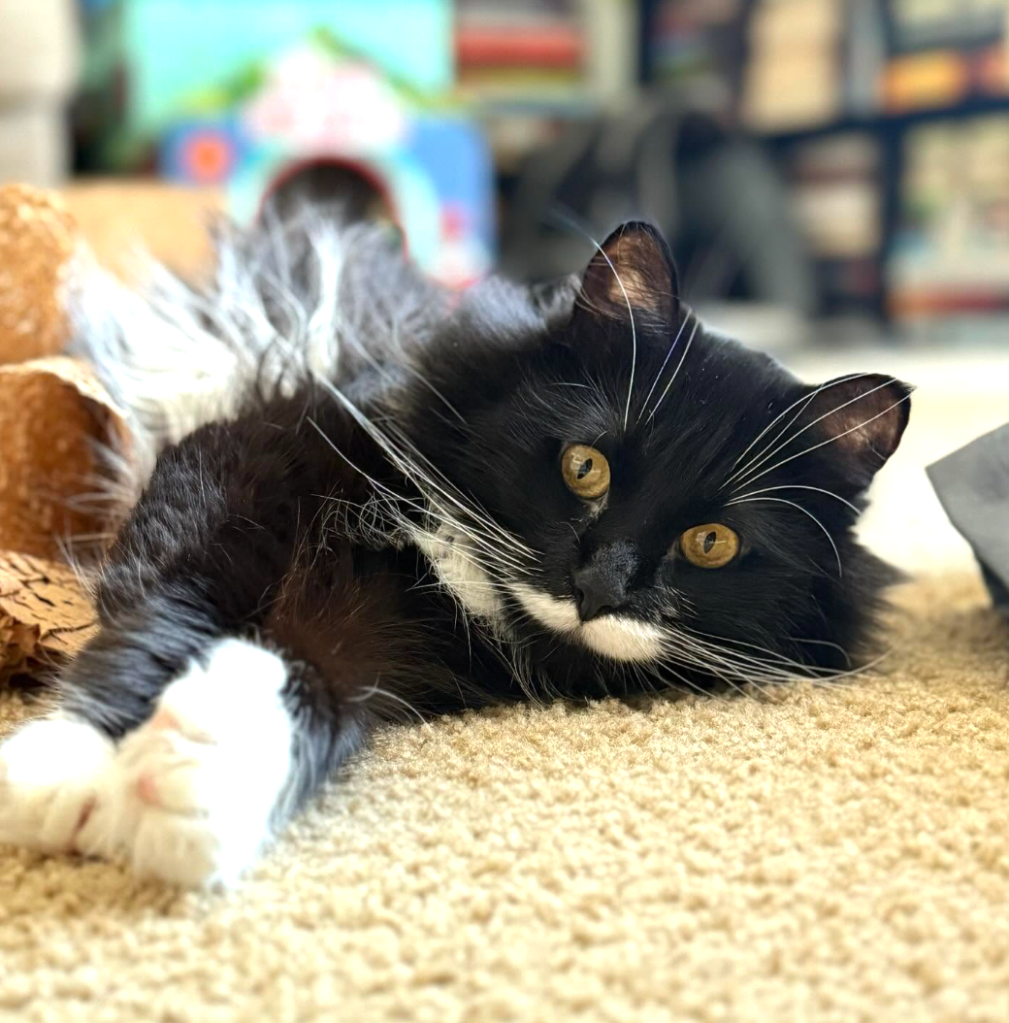
Here she is for the cat tax:

black and white tuxedo cat lying on the floor staring into the camera. amber eyes, brown carpet

This past year I’ve been trying to let go of the urgency I feel when I’ve spent too much time away from writing, and it’s been happening more and with changes at my work. My writing time has been cut in half, but my personal obligations have stayed the same and so there’s a push/pull that happens when I want to write but want to do other things too, like play with Pim, go to a movie, or go for lunch with my daughter. Over time this can create an emotional toll that we don’t even realize is there.

So, when we talk about how much it costs to write and publish a book, there are hidden expenses we pay that can’t always be calculated.

But the same holds true for “getting our money back.”

At the beginning of 2025, I made peace with the idea that my books would never turn into a full-time income. But when your sales dashboard is all zeroes, it’s good to remind yourself that positive return on investment (ROI) can be just as hidden as the emotional costs of writing and publishing.

Here are some of the things I’ve gained since I started writing ten years ago:

The skills you learn along the way
There’s no denying that even with my BA in English, my writing and editing skills have significantly improved. I’ve read quite a few self-editing books since I started my indie journey, edited for friends, and of course, written millions of words. There’s no way I could have gotten ROI like that without actually doing the work. I’ve developed an eye and can make passable, if not decent, book covers. I’m getting better at writing ad copy (thanks for nothing, TikTok!). All those things add up to valuable ROI, and I know this because without my time in the indie trenches, my resume would look pretty bleak.

Being part of a community
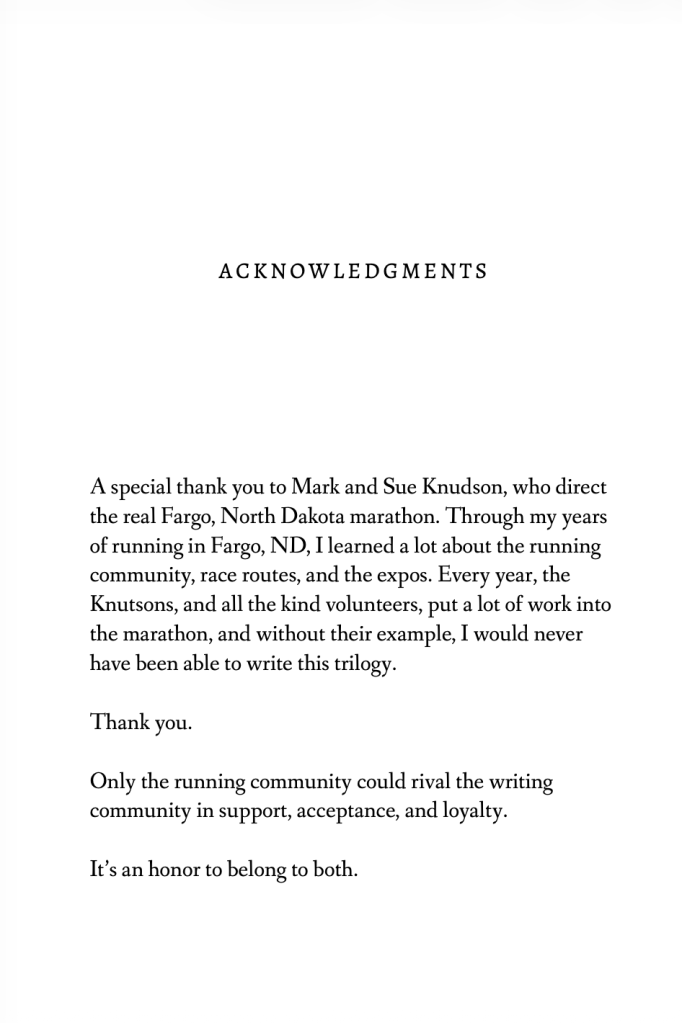
I know I’ve bemoaned the state of the indie community–it seems like deteriorated along with Twitter after Musk bought it. But I know that my opinion is valued because I get thousands of hits on my blog every year. I’ve made friends and connections these past ten years, even if more people have fallen out of my orbit than have come into it. Runners, as well, have a strong community, and when I was still running but had started writing, I was in both and that was the best feeling in the world. In fact, I thanked both communities in my acknowledgments in the last book of my running trilogy, Running Scared. In that book, my MMC isn’t part of the running community but he falls in love with a hardcore runner who is hired to be the city’s university running coach.

ACKNOWLEDGMENTS
A special thank you to Mark and Sue Knudson, who direct the real Fargo, North Dakota marathon. Through my years of running in Fargo, ND, Hearned a lot about the running community, race routes, and the expos. Every year, the Knutsons, and all the kind volunteers, put a lot of work into the marathon, and without their example, 1 would never have been able to write this trilogy.
Thank you.
Only the running community could rival the writing community in support, acceptance, and loyalty.
It's an honor to belong to both.

I miss being a part of the running community, but being an indie is very rewarding too.

Emotional Satisfaction
In running circles there’s a saying, “You only regret the runs you didn’t take.” I don’t think that can be so easily applied to writing, but I know that if I have time to write and don’t, it’s the same guilt factor. There’s an emotional satisfaction to lacing up, just like there is when you sit down, stay off socials, and use an hour to put 1,000 words down. I know for me and most other authors there’s nothing better than opening up that envelope and holding a proof of your book baby in your hands. You worked hard in more ways than one to get to that point in time, and you should always be proud of yourself.

Long-term Impact
Two years ago, the director of the Fargo, ND marathon, Mark Knudson, whom I mentioned in my acknowledgements above, died when he lost control of his bicycle and was hit by a truck. The running community was devastated. He had put so much time into getting the Fargo Marathon off the ground, and for his life and contribution to be so suddenly ended was traumatic for everyone who knew him.

The longer you’re in the writing community, the more impactful that time is, even if it doesn’t feel like it. The time you spend blogging, helping other indies, and of course, the books you write, all contribute to a lasting legacy.

Writing and publishing a book has concrete, evident costs, money and time, and also hidden ones like hits to your mental health, lost time with family and friends, and choosing to write rather than do something else you also enjoy like watching TV. But there are more rewards than just sales and KU page reads.

So, when we’re asked, “What’s the cost of writing a book?” The cost is higher than most of us imagine, but the rewards, like skills, connections, creative satisfaction, and legacy, are far richer than anything you could ever report to your accountant.


I only have a couple weeks of my “Favorite Things” segment left, and this week I’m highlighting a new self-editing book by Angela James. I love a good editing book, and I cannot wait to dig in. This is her bio on her website:

Helping fiction authors build strong stories—and stronger careers

Hi, I’m Angela James. I’m a #1 New York Times bestselling indie editor and author career coach with over two decades in publishing. I help authors write better books and build sustainable, satisfying careers—on their own terms. Whether you’re indie, trad, or hybrid, I meet you where you are and help you get where you want to go, using clear editorial feedback, coaching, and frameworks that support both your storytelling and your career growth.

Together, we create stories that connect with readers, and an author business that works for you.

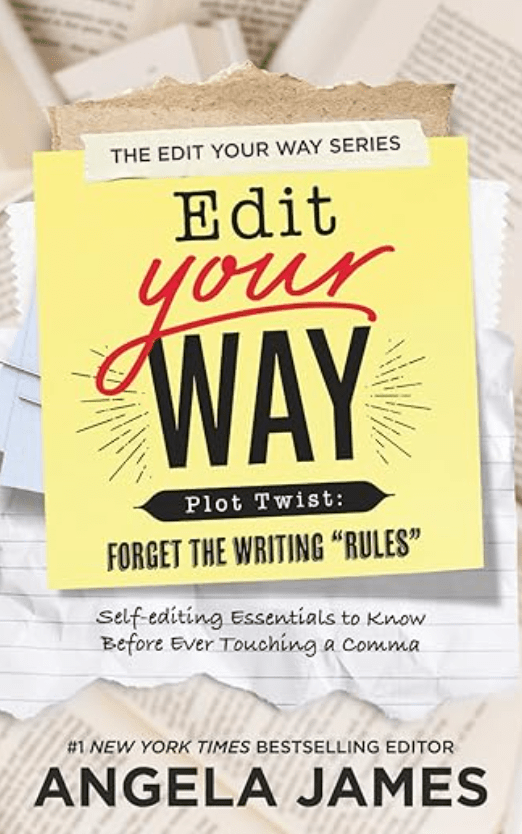
Edit Your Way: (Plot Twist: Forget the Writing “Rules”) is available from your favorite retailers (AKA, wide). Here’s the Amazon link and book cover: https://www.amazon.com/dp/B0G63FR1Q8 (This is not an affiliate link.)

book cover.  text says. edit your way plot twist; forget the writing "rules" angela james new york times best selling editor

That’s all I have for this week. Next week I’ll do an author update and the week after that, my year-end recap. It’s hard to believe this year is almost over, but the timing for the other two blog posts works out perfectly.

I hope the holiday season (and all the cold temperatures!) haven’t been too hard on you. Have a good week and I will see you next Monday!

Under Fire: Talking about Hot Takes

2,077 words
11 minutes read time

bonfire in the dark on some rocks. mountain silhouettes in background

I’ve seen a lot of hot takes online recently and I thought maybe it would be fun to talk about some of them. I know most hot takes are just engagement or rage bait (like arguing that a romance doesn’t need a happily ever after–if you don’t want to write a happily ever after ending, your novel is a love story–see the movie that is actually called Love Story with Ali McGraw and Ryan O’Neal where she freaking dies at the end) but there are are some hot takes that are worth discussing. When we talk about writing, publishing, and marketing, there is no one way to do things, and we can get caught up in the drama of opinions equalling fact or causation equalling correlation which usually is never true because there’s always going to be an exception that proves the rule.

Let’s go over some of the ones I’ve seen recently, and I’ll give you my opinion.

Releasing quickly doesn’t always mean writing fast or using AI
I’m kind of surprised more people don’t realize this–that an author can write a book or five, get them all prepped, and not do anything with them until they want to publish them. I think a lot of this stems from the idea that authors don’t sit on books, only because their own impatience dictates that they publish the second their book is ready.

If you’re a slow writer and have been working on a book for the past three years or whatever, I can understand the excitement of releasing the second your book is put together (edited, formatted, and cover done and blurb written), but for some people, waiting until they have a launch strategy is normal. Also, some authors like to rapid release books in a series to drive read-through. And while we, okay, I mean I, think it’s a pipe dream, there are authors out there who do this for a living and have the time to write for eight hours a day. They aren’t scrolling Threads or Twitter–they’re getting their books written because their paychecks depend on it. If you’re going to accuse someone of using AI because they released six books this year, take a step back, check your jealousy, and admit there are plausible reasons for how that’s possible.

Prologues and epilogues are fine . . . if done correctly
Talking about prologues and epilogues is always going to irritate some people because it’s not only a matter of preference, it’s a matter of craft.

Of course there are going to be prologues written by new authors who think they need to use one to “set up” the story rather than sprinkle in the details readers need to know throughout. They haven’t written enough to understand how to do it, so they info dump all the “important” parts first thinking a reader needs to know all that before they start reading the “real” story.

I’ve only written two prologues in my life, and that was in books one and five of my fantasy series I’ll never publish. Did it work? I’d like to think so. The series is about a women who gets pulled back in time because she’s a Healer and a sorceress needed her power. Then I added another prologue to the end of the last book where her ex-boyfriend also gets pulled back, and then later finds her living it up engaged to a prince. I thought it was quite clever, actually (don’t tell me it’s not), but then I switched to contemporary romance where prologues aren’t used as much.

Romance authors like to use epilogues, and there those make sense. Readers love a glimpse at the happy couple years later, and a lot of romance authors write more than one epilogue and use them as bonus material for newsletter signups. Sometimes I label my epilogues epilogues and sometimes I just label them the last chapter and put “three years later” or whatever at the top. I don’t think it really matters. With the way my “newsletter” is a blog on my author website now, it doesn’t make too much sense to write bonus material unless I wanted to pay for email collection on Bookfunnel. I don’t care about it that much and by the time I get done writing a book, I’m really not in the mood to write ten different endings. It’s one of my greatest faults as a writer is to say “See ya!” practically before I type the last period.

Whether you love or hate prologues and epilogues, either writing them or reading them, that’s personal taste. If you write a prologue make sure it serves purpose beyond an info dump, like letting us into the head of a murderer in a thriller, or letting your reader take a peek into the foundation of a world like GRRM’s prologue in Game of Thrones when the book opens beyond the Wall and the men of the Night’s Watch encounter the White Walkers.

When it comes to prologues and epilogues, it’s essential to know where your story starts and where you want it to end. Make each word count.

Tropes don’t take the place of stakes
A while back there was a lot of heated discussion about those book graphics that have the cover of the book on it then the squiggly arrows that point out the micro-tropes. Like this:

black background. cover of Twisted Alibis by VM Rheault. man looking down, stage in background. arrow graphics pointing to hot, wounded rockstar, slow burn, betrayal and murder, rating (four stars) reconnecting with family and friends, depression rep
made with a template in Canva

People were saying that they love them because they give you a quick glance into what the book is about, others said they hated them because it’s just a long list of spoilers. I’ve been of the mind that spoilers don’t spoil a book. After all, a happily ever after in a romance is the biggest spoiler of all–it’s the couple’s journey to get to that point that matters. And that’s where stakes come in. There’s no hook, there’s no exciting plot, without stakes, motivation, and consequences. What will the couple lose choosing love? What will they gain? What will they lose if they go their separate ways? Is what they will gain be enough to make up for that loss?

It wasn’t that long ago that I read a romance blurb that was packed full of mini-tropes. Small town, second chance, fake dating. You name it, and it was in there. But what the blurb lacked was stakes. What did they lose if the fake dating scheme didn’t work out? What did that couple stand to lose if the MMC didn’t stay in the little town he left so long ago? What would she lose if he leaves? Her heart? The blurb sounded exciting until you dug just a little deeper and realized that blurb could have been the blurb of any small-town, second chance book out there. Nothing made it that author’s. Nothing in that blurb screamed, “I’m different! Read me!”

I think arrow graphics can definitely be used as a quick “at a glance” vibe for your book, especially if you add something that is unique to your characters. And I wouldn’t worry about spoilers. If a little spoiler can ruin your entire book, you better rethink that plot.

Not everything is Amazon’s fault
I’ve defended Amazon quite a few times in the past on this blog. I know they have their flaws, just like any other employer or company that you do business with, but a lot of what I see isn’t just Amazon, it’s authors refusing to take responsibility for their actions, like missing a preorder date and having their privileges taken away or not ordering stock in time and blaming Amazon for not getting their books to them during the busy holiday season. I actually saw someone on Threads complaining that it will take six weeks for their books to come, and that it happened to them last year. Like, if you know this is going to happen but don’t take the steps to avoid it, then all you’re doing is blaming someone else for your own mistake.

I know that Amazon isn’t perfect. They’ve shipped my books with a body lotion order and that could have had a poor outcome. I have also seen pictures of books coming damaged because they weren’t packed correctly. I’m not saying they’re entirely blameless, but instead of making Amazon the eternal bad guy, it would be nice to see some people just taking ownership of their actions like the adults they are.

Just because you can doesn’t mean you should
Indie authors have a lot of freedom, and that can be great. We can re-edit a book and upload new files or change our covers whenever we want. We can run ads or not, use social media to promote our books or not. We can take five years to put out a book or we can publish twelve novellas in a year. We have 100% say in how we run our businesses.

But we should use that freedom wisely because I see a lot of hot-take behavior from indie authors that makes me squirm. I see authors canceling preorders, airing their dirty laundry on social media, making fun of readers for their reviews, making fun of other authors for what they like to write. The list is endless.

We are in an era where nothing online seems real. There is so much AI and so many scammers out there that it’s difficult to parse through for real and true information. I read a Substack article by Claire Taylor and she was saying that one of the most important things readers will be looking for going forward is trustworthiness and integrity from the authors they choose to read. I think this is a valid point and really important. Do what you tell your readers you are going to do. Have follow-through. And be kind while you’re doing it.

Your peers and coworkers need to know they can trust you too. Don’t say you’ll send out author copies for an event if you don’t think you can. Don’t sign up for book conventions and then back out. Don’t say you’ll help a fellow indie and then change your mind. I know life happens, and so does everyone else, but at some point you have to look at yourself and ask if you’re dependable. If not, you need to figure out why and what’s going on in your life that you need to change.

I think Claire is on the right track when she says that trustworthiness, integrity, and dependability is going to be your number one marketing strategy next year. How are you going to show up to your readers? As 2025 draws to a close, it might be a great time to think about that.

Just because you can doesn’t mean you should. And what kind of person will you look like if you do?

Hot takes are hot for a reason: they spark debate and can hurt feelings. They can ruffle feathers, not only for their basis of truth (or not), but because they force us to question ourselves and our beliefs. And what do we think of the people who have a different opinion than we do? I like listening to hot takes. Some of them are valid, some are pure BS, and some challenge what I think.

In the end we all make our own choices–write a prologue or not, save up your books before publishing or not, follow through with that promise or not–but remember, hot takes were made to get attention, so keep your cool . . . at least where people can see.


As part of my “favorite things” segment I’ve been including until Christmas, I want to highlight the Authors Guild YouTube channel. They have great content like where to find your readers, querying tips, and how AI is changing the publishing industry. You don’t have to be a member of the Authors Guild to watch these videos.

If one of your New Year’s resolutions is to learn about the publishing industry, this is a great channel to subscribe to. There are some videos geared more toward traditional publishing, but as an indie, I think it’s important to keep up to date on what’s happening in publishing as a whole.

Look here for a list of their videos and you can subscribe to their channel: https://www.youtube.com/@AuthorsGuild

screenshot of the Authors Guild youtube channel header.  AG in green circle
Authors Guild
@AuthorsGuild
•
2.77K subscribers
•
199 videos
More about this channel 
...more

Subscribed
The oldest and largest community of writers resouces guidance support


That’s all I have for this week! Thanks for checking in and I’ll see you next Monday!

Monday’s Author Update

1,284 words
7 minutes read time

thanksgiving flatlay.  pumpkin green gourd gold ribbon silver and gold silverware. text says. monday's author udpate

Hello, hello! We are nearing the end of November, and US Thanksgiving is this week! I have everything I need except potatoes, and I’ll grab them during my usual grocery run on Wednesday. When my schedule at work changed, I had no idea how much I depended on my routine and I probably will always have to grapple with when I can get stuff done while still trying to write as much as I can. Anyway, some weeks are better than others, but that’s life in general, and despite those changes, things are okay.

WIP Update
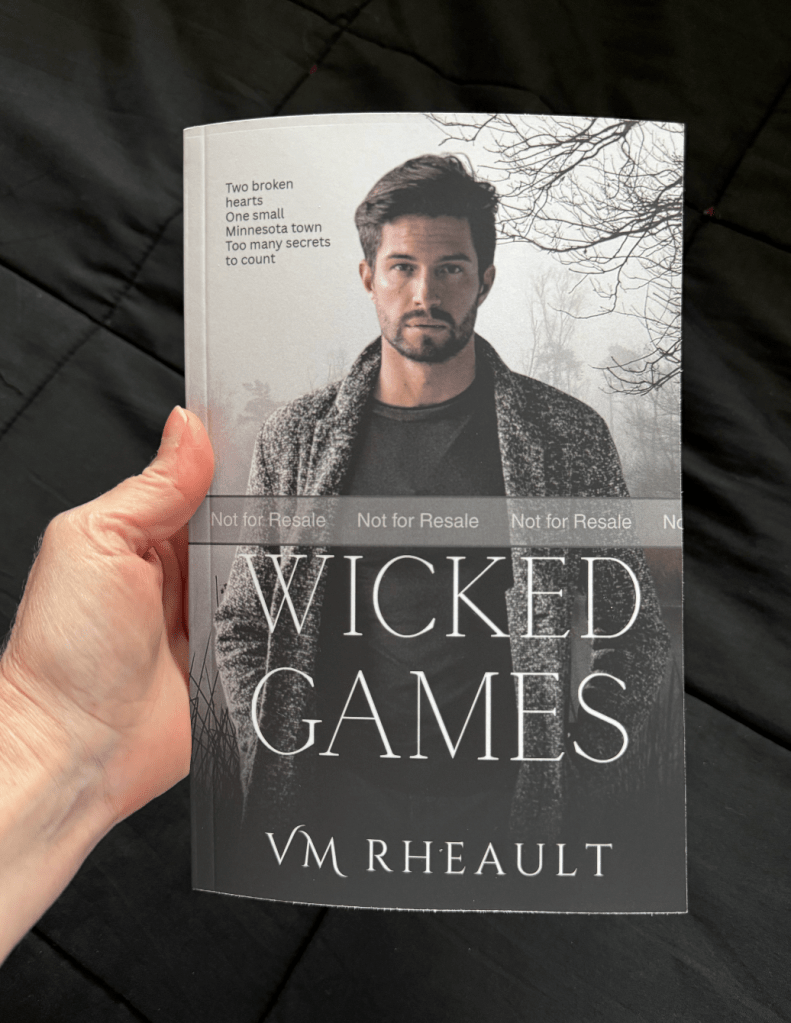
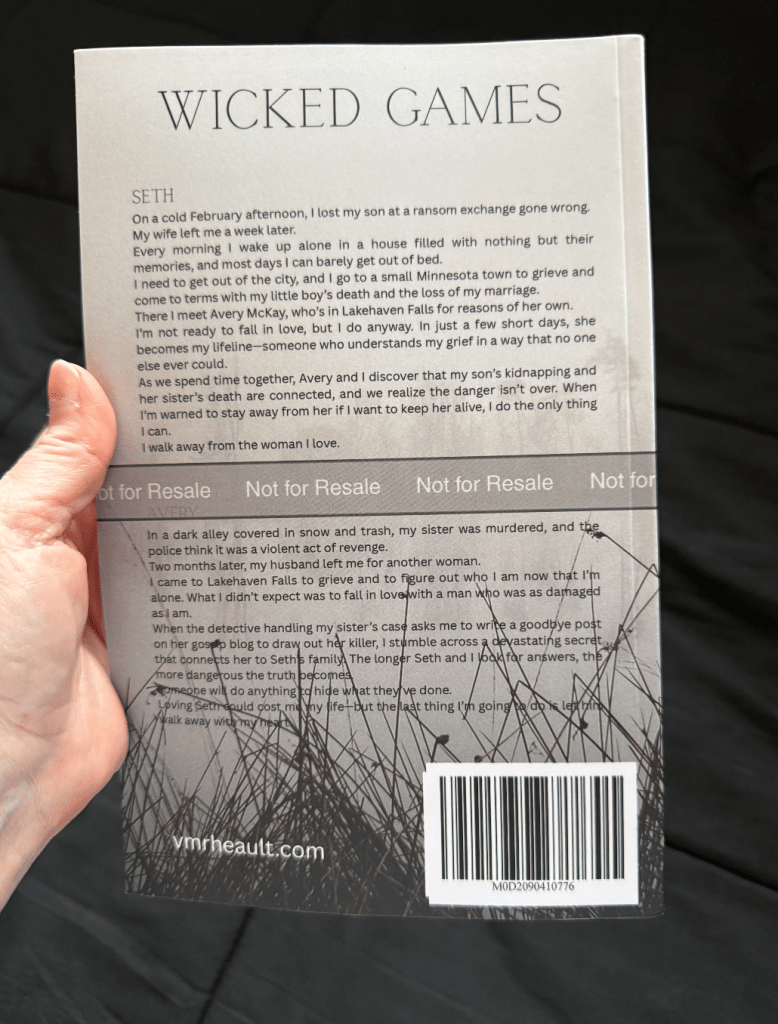
Even though my writing time being severely cut, I’m still making great progress on Bitter Love. I’m 59,000 words into it and I am so happy with the progress I’ve made this month. I joined ProWritingAid’s Novel November, but I haven’t been keeping track of how many words I’ve written so far. My only goal was to get this book done by the end of the year, and I think I can do that. I have the last third of the book plotted out, which is the hard part, in my opinion, so writing the rest should be easy enough. I was going to jump into my hockey duet, but I’m going to put that on the back burner again, and in January re-edit and re-cover my Cedar Hill duet. That will take me a month or so, and then when I’m done with that, I’ll get Wicked Games ready to go for a May release. (I already announced it so I don’t want to lie to the few people who were listening.) I’m struggling with whether or not to do ARCs considering that my attempts in the past have had lackluster results. People take but don’t review, so there’s really no point in handing them out. I canceled my BookSprout subscription because the quality just wasn’t there for the price I was paying. I listed some other alternatives in a previous blog post, so I might try something new, if just as an experiment so I can blog about it later.

Then once Wicked Games is off my plate, I have a cute story idea about a woman who inherits a bakery she doesn’t want and a billionaire who wants to buy it. She can’t sell because of some stipulations in her grandma’s will, and he can’t work around them because of his own obligations. With some of the dialogue that’s already going through my head, it might be more romcom, if I can find my funny bone, and the characters already have names which means I will definitely be writing them in 2026.

So my plan is:
*Finish Bitter Love
*Revamp my Cedar Hill duet
*Get Wicked Games ready to release in May 2026
*Write One Tough Cookie
*Jump back to Bitter Love to get that ready for release maybe at the beginning of 2027 or the end of 2026, whichever works out

It’s nice to have so many plans and an idea of what I’ll be doing for the next little while, but it also makes me kind of sad too. I’m not doing this for anyone but me, which, I know, that should be the only reason a writer does anything–for themselves first–but it can be disheartening after a while and it doesn’t seem like there’s much I can do to fix it.

Deleting TikTok
I mentioned in a previous blog post that I was having fun with a reader account on TikTok, and I was even getting a few views above the 200 view dungeon a lot of people seem to get stuck in. Then they started suppressing my carousels and labeling them as AI. This ticked me off for two reasons: one, they weren’t AI. I used stock photos from DepositPhotos (that were not AI) and two, there actually is a lot of AI on TikTok they aren’t flagging and the hypocrisy drives me insane. So, I deleted my accounts. Both my reader one and my personal one I started a long time ago.

The hit to my mental health was just too much and I don’t have the bandwidth to put up with it. It’s too bad because I was getting into a groove posting, and doing slides is a great way to learn how to pull hooks out of your books and write ad copy. But maybe I’ll just try to post more on Instagram. I barely post there and even though Facebook keeps telling me that my author page is getting views, I haven’t posted there in three weeks. I saved all my carousels in my Canva account, and turning them into Reels would be easy enough, but I’m not sure if I really care that much to do the work. Posting on social media is something I struggle with anyway, though I do like talking about my books to the handful of people who see my posts.

Black Friday Promo
I wasn’t sure if I was going to buy a promo for any of my books this holiday season, but I went ahead and bought a promo in the Red Feather Romance Books newsletter and set my Christmas novel to free for three days around Black Friday. I’m not sure what else I’m going to do, if anything, because while I think giving away books can be beneficial if you have a plan, I have no plan, and don’t really care either way about giving books away. Mostly, all I think it does is create high hopes that it will finally do something and then it never happens. Chances are 100% I won’t make back the $135.00 I spent on their fee, but I’m really proud of the changes I made to the book when I re-edited it a couple months ago, so I wanted to give it another push. But A Heartache for Christmas is getting old, so maybe one day I’ll write another Christmas novel, if I can think of a plot.

The Future of this Blog (It’s good!)
I had to renew my plan for this website, and they gave me a discount if I paid for two years instead of one, so I’m locked into this website and blog until the end of 2027. I suppose that was kind of optimistic, though I have no plans to go anywhere. I enjoy blogging very much, and having all my things in one place has been nice. I get why people write on Substack, but having a WordPress plan isn’t very expensive and having a main hub where readers can find you is less confusing for everyone. Granted, blogging on my author site isn’t the same as having a true newsletter, and even though I regret not having one, I still don’t think I’ll ever try that again. My author website is also locked in until March of 2026 and that auto renews every two years as well. I pay $156.00 for those two years and I think that is a decent price for a site that only has about 100 visitors a month.

That’s about all I have for this week. As part of my “Favorite Things” section of my blog I have going until Christmas, I want to tell you about this free crossword puzzle maker that I used to make a romance crossword for my Facebook author page. You make up the questions and answers, and the website spits out the puzzle. It’s fun, and you can find it here: https://crosswordlabs.com/

Here’s the one I made with the answers. You can steal it if you want. I don’t mind.

Happy Thanksgiving to all those who celebrate!

I’ll talk you you next week!

Who is gatekeeping success in the publishing industry?

2,377 words
13 minutes read time

picture of a lock holding a chain together. the text says, who is gatekeeping success in the publishing industry?

I saw a post on Threads a few days ago accusing authors of gatekeeping information, namely how to sell books, and lots of them. Needless to say, she got reprimanded in the comments because most authors are nothing but transparent when it comes to what worked and didn’t work for them.

I’m not sure what they were looking for, most of that information is common knowledge. Write a good book and publish it with a good cover, title, and blurb that meet genre and reader expectations, and do that over and over again, forever. I think the problem comes from authors who have done that and haven’t gotten anywhere. They think there’s special information out there and successful authors are keeping it to themselves. I understand the frustration, being in the predicament situation I’m in, but the longer you’re in this business, the more you realize that there is no magic bullet that will ensure your success.

That got me thinking about the “real” gatekeepers out there, and I mean in indie publishing, not so much traditional because we all know those are agents and editors who acquire the books. We like to think there are no gatekeepers in indie publishing, but, unfortunately, there are. You can tell me if you agree with me or not.

What kind of gatekeeping am I talking about? Let’s explore.

Money–the obvious but unspoken gatekeeper
We don’t think much about the money part of indie publishing because in all actuality, you can publish without it. Edit yourself or trade if you can find someone willing, do your own cover in Canva, format using a free tool like Draft2Digital’s software, take the free ISBN from Amazon, and you’re all set. It sounds easy, and plenty of authors publish this way. But the hard reality is, a lot of people aren’t willing to trade services anymore, preferring to get paid for giving their time, and a lot of authors can’t edit on their own or have the skills to create a good cover. You can format yourself, but you can say goodbye to fancy chapter headers and forced edges.

Money also enables you to buy ads and promos, what you need to start a newsletter and have an author website, and other resources like nonfiction resource books and classes.

There are a lot of free things out there, but free will only get you so far until eventually you’ll run into a dead end. After a while your books and author platform won’t be able to compete with authors who can invest in their business.

Time–money’s invisible twin
Anyone who says we all have the same twenty-four hours in a day can fuck right off. If you have a full-time job, take care of littles, have a spouse, run errands, do chores, wrangle a pet, and try to write on top of it, you know how difficult it is to get the words down and the books published. I’ve said on this blog many times that if you can’t pay with money, you’ll pay with time, and that’s something you can’t get around.

If you can’t pay for an editor, you have to teach yourself. If you can’t buy a premade book cover or hire a designer, you have to teach yourself how to make one–at least enough to get a handle on the basics (a good font and stock photo can go a long way). If you can’t hire a formatter, you have to learn how to do it yourself, and Draft2Digital’s free software is the easiest I’ve found to use.

Then there’s the marketing: constantly creating graphics and writing ad copy to go with them, networking, engaging with readers. Writing newsletters or blog posts. Writing a reader magnet and bonus material. A lot of that will fall to the wayside if your time is limited because it’s more important to get that book written. Lucky are the few who have the time to write and market while doing the thousand other things that make up a life.

Time is a powerful gatekeeper, and to the people who write during naptimes and after your kids have gone to bed, I see you.

Access–who you know and where you exist online
Networking used to mean meeting connections in your MFA program. Now it means joining Facebook groups where authors in your genre hang out, joining author chats and Discord groups. It means knowing authors who write in your genre not only to be invited into promotional opportunities like newsletters swaps and anthologies, but because authors really are willing to share what works for them, and you never know if just one tiny tweak to an ad or a change to your back matter will be what lifts your business to the next level.

It’s not about trying to bust your way into established cliques–it’s about having access to information that could boost you up. Here’s a funny story, or actually, not so funny (it’s rather pathetic, if you want to be honest). I’m a romance author and have been publishing romance for around ten years. When I first started out, I networked with indie authors, not necessarily romance indie authors, and I missed out on some big connections. I kind of knew who Zoe York was, but didn’t really get to know her or other romance authors of her caliber until I joined a romance marketing chat on Clubhouse, that, incidentally, I only learned about by being in the connected Facebook group. Zoe runs a huge book blast promo group, and I didn’t know about it for eight years. I’ve tried to make myself feel better by telling myself I just wasn’t ready to know, and maybe that’s true, but it’s a sad testament that I wasn’t networking and meeting the right people. Even if I wasn’t ready to participate, I should have at least known about it.

Not everyone has time to hang out in Facebook groups or participate in chats, and some people don’t feel comfortable joining groups or talking to people they don’t know. I used to be a lot more involved, but I don’t have the time anymore to answer questions or give feedback. It’s tough, and like any other professional industry, a lot of success can boil down to who you know and the opportunities they bring with them.

Overall, authors with the right connections learn faster what’s working, which platforms are paying off, and how to pivot. Without those connections, you’ll always feel behind, and chances are, you probably will be.

Luck and Timing–the chaos gatekeepers
Unfortunately, luck and timing are two things that you can try your best to control, but you never will. You can go crazy with it, trying to go viral on TikTok or publishing your book on a certain day of the week. Bad timing can pop up when you least expect it, like inadvertently releasing the same day as a bigger author in your genre, or as a lot of authors who released in 2020 found out, during the start of a world-wide pandemic. Or, as I found when I launched one of my books in my King’s Crossing series, on the inauguration day of a president nobody wanted.

It’s uncomfortable to admit, but luck and timing can have just as much weight as skill, strategy, networking, or money. They aren’t predictable. They aren’t earned, which is why so many authors get bitter when someone they don’t consider “worthy” gets all the attention. And, unfortunately, someone else’s luck or good timing can’t be replicated, not even by the person experiencing it.

You can position yourself to take advantage of luck if it eventually comes your way, but you can’t force it to show up. This is one of the hardest parts of the industry because it means success isn’t guaranteed to those who work harder than others. Hard work raises the odds of success, but it doesn’t promise a payoff. As far as timing goes, sometimes you completely miss your window (like when a reporter for the New York Times wanted to talk to me about one of my blog posts and she emailed an email address I don’t check but stupidly had in my contact information). Sometimes you never get a window that opens–it’s always glued shut. And sometimes the window flings open wide when you least expect it and you happily jump through, much to the envy of those around you.

Emotional endurance–the gatekeeper everyone talks about but there are only so many spoons to go around
The ability to keep going after you’ve done everything right and have still fallen short of your expectations might be the biggest gatekeeper of all. I’ve been around for ten years, which can seem like a long time to those who are just publishing their first novel, yet, I know people who have been around for double that time. They were around when the Kindle Goldrush was a thing, and are still writing and publishing books. But I would guess for every one person who was around then and are still going strong, a hundred authors have quit and disappeared.

I used to be a hardcore cheerleader of Team Endurance, spouting nonsense like “A quitter never wins and a winner never quits” and “The harder I work, the luckier I am.” Actually, I think Christian Grey said that one first, but you know what I mean. These days I’m still in the game, and not just dipping my toes in indie waters. I constantly dive in, writing books, keeping up a publishing schedule, and trying to remain at least somewhat visible online. I’m proud of that, though sometimes it does wear me out. Not because of the work itself, but because it produces so few results. “Write what you love and you’ll find readers who love it too” isn’t true. “Write for yourself” is the only saying that I can fully get behind these days because with the industry how it is, you might be the only one reading it.

“Publishing is a marathon not a sprint” is another pithy saying, but I stopped running for the same reasons I’m facing this wall in indie publishing. I ran a half marathon in 2015. It’s one of my biggest achievements. But no one was there to congratulate me at the finish line. I drove home, took a shower, and went to work.

And I never raced again.

I still write, and with all the plots in my head and characters banging around begging me to let them out, I have no plans to stop. But I no longer “Live to write,” another line I used to say that makes my stomach churn now. Maybe one day I won’t have any more stories to share, but unless that happens I’ll keep going. Not because of endurance, but for the simple fact writing is a part of me and has been all my life. At this point, it would be harder to let it go than to keep going, and maybe that’s true for you too.

Privilege–the gatekeeper no one wants to admit is there
The publishing industry is a white man’s world, and it would be remiss of me if I didn’t include privilege in this list of hidden gatekeepers, though if you’re a marginalized author, this particular gatekeeper isn’t so hidden. It’s something you have to fight against every day. Marginalized authors aren’t the only ones who deal with the lack of privilege in the industry. Disability, economic background, sexuality, geography, language, and education all play a role in how accessible publishing is. And not just indie publishing, but the entire writing and publishing industry.

A white, cis-het author like me doesn’t have to worry about certain biases, like how my name and author photo will be judged, whether my characters will be considered “marketable” or not, if a cover featuring people who look like me will get beaten down by social media (algorithms, bots, and keyboard warriors alike), or whether agents/editors/ARC reviewers will dismiss my work before they even read the first page. Authors who belong to marginalized groups face barriers I can’t even imagine, and pretending that everyone is on the same playing field only encourages the problem.

Privilege shows up in smaller ways that, as a white author, you might not have thought about:
* Who feels welcome in author groups
* Who gets boosted by influencers without asking
* Who agents assume is “commercial”
* Who feels safe being visible online

What can you do to fight against this? Read widely, boost up your fellow authors any way you can, be friendly and welcoming to everyone you meet, online and at author events, and acknowledge that some authors have more stacked against them than you realize.

Authors aren’t gatekeeping other authors. It’s just a sad fact that no two authors are alike and we’re all trying to do the best we can with what we have. If there is ever anything I can help you with, be it resources, a question about publishing or marketing, or if you have an issue and you can’t find a clear solution, email me. I’ll always do what I can. There’s enough holding us back.


I’m sorry this post is so long! My biggest thank yous to those who made it to the end! Or maybe by now you’re used to me being long-winded, haha.

My last little bit is my “Favorite Things” section that I’m adding to the end of every blog post until Christmas, and this week’s favorite thing is Master Lists for Writers, Gold Edition, by Bryn Donovan. This book of lists is amazing and covers everything from facial expressions to settings. I have the first edition she published back in 2015, and I was so excited when I saw on Instagram she wrote an updated version. (Kind of validates that social media can sell books….noooooo! LOL)

Master Lists for Writers, Gold Edition, is definitely one of my favorite things this year, and you can check it out here (this is not an affiliate link): https://www.amazon.com/MASTER-LISTS-WRITERS-Bryn-Donovan-ebook/dp/B0FXDQ79G2

master list for writers book cover. gold with brown lettering. title is master list for writers the expanded volume of the popular writing reference book  bryn donovan

Thanks for hanging in there with me this week! Have a great day!

Monday Author Update and a Quick Glimpse into 2026

1,368 words
7 minutes read time

You all know i have a terrible fear of missing out, and it was triggered this week by the announcement that Flodesk, the newsletter aggregator, is going to stop their unlimited pricing structure at the end of the month and you need to lock in that plan before it goes away. This shouldn’t concern me because for one, I don’t have a newsletter anymore, I blog on my author site, and two, I probably will never have the number of signups that would require the need for an unlimited pricing plan.

screeshot of a flodesk ad. the text is black and says flodesk...now is the itme unlimited emails, unlimited subscribers, subscribe before november 28th

sign up bar in purple
This ad popped up in my Instagram feed

But that didn’t stop the “what ifs” from running through my mind. What if I ever wanted to start up a newsletter again? What if I pushed my business to the next level and I needed that unlimited plan? WHAT IF I’M MISSING OUT ON THE BEST DEAL OF MY LIFE?

Cue the panic, right?

But this made me stop and think about where my business is and where it’s going. As of right now, I don’t have a book business. While I have money going out and money coming in, I have more money going out and I consider operating in the red more of a hobby than anything else. That reminded me I probably shouldn’t take on any more services that would dig my financial hole even deeper than it already is. Because if I paid for Flodesk, I would have to pay Bookfunnel for integration because I wouldn’t stop giving my reader magnet away. I already did that once with MailerLite, and while I did build up my newsletter to close to 1,000 subscribers back when I was trying, that is just more money than I want to spend for where I’m at and where I’m going.

So far, I’ve been able to eke time out in the week to keep this blog afloat, and surprisingly, it’s been easier than I thought. I do have a little free time on the days I work, but it’s not conducive to fiction writing, so I’ve been able to blog and make carousels for my secret TikTok account. That’s been a huge relief because when my work did all that changing up, I was really worried about having to cut back on this blog. I enjoy writing it and it gives me a place to put my thoughts about what’s going on in the industry and where I am in my indie life. So, unless work decides to mix things up again, or cut me loose all together, I think I can confidently say that I can keep writing my blog posts every Monday.

I have lost a lot of writing time though, and adding a “real” newsletter when my publishing schedule is taking a hit doesn’t make much sense–especially since I already pay for my WordPress website–so I might as well use it, even if it doesn’t have the same functionality as a newsletter aggregator. That doesn’t mean that from now until November 28th every time I see that ad I won’t think I’m making a huge mistake not signing up. That’s just the way I am. And I’m sure with Black Friday right around the corner there’s going to be more deals and steals I’ll have to say no to because I already have what I need to write and publish books. (I’m looking at you, AppSumo DepositPhoto sale when I already have 358 downloads available.)

I signed up for ProWritingAid’s Novel November, but I’m behind, or at least, I think I am. I’m not keeping track of the words I’ve written so far, but I’m 46k into Bitter Love, and if I can keep up the pace, I should be able to finish by the end of the year like I want. I’m at the point now where I go back and read from the beginning so I’ll be taking a couple days to do that, fix any plot points that got lost as the story developed and make sure the ending’s on track. I’ll have to add slow-burn to the list of tropes because this story needed so much setup, but a lot of secrets had to come out so hopefully even if the characters take their time hopping into bed it’s not boring or slow.

Besides that, I really don’t have much else. November is always kind of busy with my daughter’s birthday, Thanksgiving, and my birthday rounding out the month, but I’m not doing anything this year (I turned 50 on Thanksgiving Day last year and I think all that excitement will hold me over for a couple of years). I lucked out with my work schedule and I have Thanksgiving Day off, so that’s a nice break, and my daughter is still deciding where she wants to eat her birthday dinner.

Overall, things are okay, nothing bad happening, which I’m thankful for. Pim is doing great, but I’m trying to turn her into an internet star and that’s not working out. The last photo I posted of her on Threads only got 82 likes, but I’m probably lucky she got that since I think I post there maybe four times a month and the algorithms have no idea who I am.

tuxedo cat hiding under piece of brown perforated paper. face is visible along with her two front white paws.

But, I started a reader/book profile on TikTok, as opposed to my personal one and that seems to be doing better in terms of views. I didn’t tell anyone about it so I can’t “taint” the algorithms, but I didn’t use a VPN or anything. Just my personal iPhone using a gmail address I don’t use for much else. At least I broke out of the 200 views dungeon for a lot of my carousels, one getting over 3k views, but I haven’t gone viral . . . yet. I’m getting better finding hooks and writing ad copy, and I’m staying away from sex which always got me in trouble on my other profile. So far going for angsty instead of spicy has been serving me well, and now that I’ve slowed down with the writing, I’m making more time to post there. We’ll see how it goes.

I’m starting to think about promos for the holiday season, and I forgot that I have a nice four-book series set in the winter around Christmas I could promote if I wanted to. There’s a big author-driven book blast taking place next month but I don’t think I’ll officially put a book in it. It’s not that I don’t think free books are worth it, because I still think they can be if used strategically, but I’ve kind of given up hoping promos like will build into anything that lasts. So rather than take space from authors who are trying to use the blast to their advantage, I could just put a book or two free and piggy-back off the momentum of the day and see what that does. Or I could pay for something, but I doubt I would make my money back, so I would have go into it know that and being happy that people were just interested enough to download a copy. I’m not sure yet. Books are a dime a dozen, in every way that means, so what I do or don’t do won’t have any effect on me or my book business. It’s just something to do if I feel like it.


My Favorite Things
I’m going to end every Monday blog post from here until Christmas with something that I’m liking in the author space, be it a writing resource, tool, or service that I find especially helpful. Today’s feature is the Trope Thesaurus series by Jennifer Hilt. I have the romance trope book, and I have to admit, when I’m feeling down, I get out my copy and flip through it. There are so many tropes out there I haven’t tried and it gets me really excited for all the books I haven’t written yet. There’s one for horror and fantasy/sci-fi and it looks like just a general one as well. Check them out here (this isn’t an affiliate link): https://www.amazon.com/dp/B0BFYR9L4Z

book covers on black background:

the trope thesaurus (general) (all colors lettering) 
the trope thesaurus horror (orange lettering) 
the trope thesaurus romance (red lettering)
 the trop thesaurus fantasy and science fiction (yellow lettering)

That’s all I have for today. Thanks for reading, and I will see you next week!

Moving the Goalposts: The Feeling of Not Doing Enough

1,343 words
7 minutes read time

toy soccer ball with toy goalie net. green background.  text says: moving the goalposts. the feeling of not doing enough

Years ago when I saw someone say being an indie author felt like always having homework, I laughed, but I didn’t quite believe it. When I was in school, I hated homework. Back in high school, anyway. College was a little different, and when I went to tech school to get my HR degree, I actually enjoyed homework and group assignments. I suppose age could have played a part in that, because I think as we get older we just naturally appreciate things more and I was grateful to have the resources to go back to school.

Anyway, so when it came to my writing and all the stuff that went along with it, I didn’t compare homework, a seemingly endless, joyless, task, to what I had to do to write, publish, and market my books.

But, when I wrote my blog post for last week, I realized that no matter how much an indie author gets done, there is always going to be more to do, and instead of being excited for the next cover design, formatting job, or editing sweep, it turns into a version of Groundhog Day that we can’t escape. That infinity loop also sucks the joy out of the past accomplishments, and something to be proud of, like a book release or the cover of a book that comes together perfectly, is just an item on the list that needs to be checked off.

When I really thought about why we never feel like we’ve done enough, a few things came to mind.

Because we’re indie: We control everything — writing, editing, marketing, covers, social media — there’s no external validation from a boss or coworker nor is there a stopping point we can work toward. There’s always going to be another social media post to create to keep your profiles from stagnating. There’s always going to be a newsletter to send out. Another ad to create. There’s always a WIP to work on because we all know that writing the next book is the best marketing and front list sells backlist.

Moving the goalpost: We hit one milestone (a release or a finished draft) and immediately reset the net. I think this one is what I was particularly feeling writing my blog post last week. No matter how much I accomplish there will always be more to do. Another goal to score, another game to win.

Comparison culture: We see other authors posting “I just hit 10k sales” or “my preorder is live,” and that fuels the sense we’re behind. This one is particularly triggering for me because I have a terrible fear of missing out. I don’t want other authors to be doing something I could be or should be doing too.

The creative push to keep moving forward: Creatives are wired for “what’s next?” The next book, the next painting, the next drawing. That desire to create makes us prolific, but it can also burn us out. This one I understand 100% because once I start thinking about characters for a new book, they don’t leave me alone until I set them free on the page. I mean, that’s a great place to be in–I never have to worry about writer’s block or what I’m going to write next–but it’s also draining because I don’t let myself properly rest between projects . . . or celebrate something I just achieved.

Lack of (what you consider) success: This one probably hit me the hardest because with all the books I have out, with all the hard work I’ve put into my author career in the past ten years, I don’t have the sales I hoped I would have. So I’m always reaching for that next book, that next social media graphic, that will get me there.

The indie hustle culture: This kind of goes along with comparing yourself to other authors. We see on social media what other authors are doing, but at the same time, there’s an underlying feeling of not doing enough and getting judged for it. You see it on Threads when people start their posts with, “It might not mean much to some . . .” or “It might not be a big deal to a lot of people here but . . .” We are constantly afraid that we’re being judged for our successes and achievements, and while a lot of people will tell you to stop worrying about what others will think because no one is watching you, for as many people who don’t care what you’re doing, there are just as many who do and are judging you. “You’ve only written one book this year?” “You’ve only made fifty dollars this week?” “You don’t post on TikTok? How do you expect to sell books?” “When is the rest of your series coming out?” The hustle culture online is real, you can see evidence of it every day, and it’s just another reason why you can never be happy with what you have because it will never feel like it’s enough. And it will never feel like that so long as someone you see online is doing more than you.

So, what can we do to combat this? It’s a question that I’ve been dealing with since the beginning of 2025 when I came to the conclusion my books would never be a business and that I would never make any meaningful earnings from it.

It was a disappointing and disheartening realization to come to, but it was freeing in some ways. I stopped my Facebook ads. I took time to go into my backlist and re-edit a few titles. I don’t stress about the fact that I have written only one book this year. I don’t let myself feel bad if I don’t feel like writing and would rather watch a show instead. Do the low sales numbers bother me? Sure. I think any author who publishes to a site where readers have to pay wants sales. But I just remind myself there is a lot of content out there and I can’t be, and don’t want to be, everywhere online. Creating content when you don’t feel like it is just as stressful as forcing yourself to write when you’re not in the right headspace.

But, no matter how many times I remind myself to loosen up or brush away those pesky feelings of inadequacy, they always manage to pop up, which is why I wrote my blog post last week to begin with. I needed the reminder that yes, I have accomplished a lot this year, and more than acknowledging it, I should celebrate it. Even if I closed my laptop today, after I schedule this post, and don’t open it again until January first, my 2025 year in review would still rock and it really has nothing to do with how much I’ve made this year and if I managed to break even with all that I’ve had to pay for to keep my hobby afloat.

I wrote a book I’m proud of. Maybe it won’t make me any money, but I wrote it with my whole heart, and I love Seth and Avery. I wrapped up five years’ worth of work when the last of my King’s Crossing serial released, and I doubt I’ll ever write anything like that again. I applied what I learned and re-edited three of my standalone books. I’ve helped hundreds of authors make their own book covers using my Canva instructions. I edited for someone who couldn’t afford to hire out and helped her get that much closer to publishing her next book.

It’s easy to forget even your biggest accomplishments when the to-do list never ends. Give yourself credit for everything you’ve managed to do–this week, this month, this year. Being an indie author really does feel like having homework sometimes, but maybe it’s time we start grading ourselves on how happy we are with what we’re doing, not on our output or the outcome of it.

And stop moving those goalposts. Run past them and don’t look back.

What I’ve Done This Year: Beating Up Imposter Syndrome

1,561 words
8 minutes read time

red boxing gloves hanging in front of black and grey background. 

Text says what i've done this year: beating up imposter syndrome

Sometimes you can look back and not feel especially productive. I feel like that this year since I have only one book written so far. But feeling like you haven’t gotten anything done is actually a form of Imposter Syndrome and instead of letting it win, I thought I’d pick apart my year and document everything I’ve done that moved my writing business forward.

January
According to older blog posts, I started editing Loss and Damages in January. I don’t know when I decided to release that book, but it had been written for a couple of years already. I spent the last four months of 2024 re-editing my Rocky Point Wedding series, so I was feeling a little burnt out. But I didn’t stop to rest, no that would be silly, and jumped into getting Loss and Damages ready for a September release.

I also kept up with this blog and wrote my four posts that I published on Mondays. But I must have had a lot of thoughts because I gave you seven posts instead of four. I feel like that might have started my year off on a good note, so let’s see if I kept that going.

**Shattered Fate released January 20th, 2025, but that seems like a very long time ago now.

February
I started writing Wicked Games on February 4th, 2025

screenshot of statistics of Wicked Games. 
Seth and Avery.docx Properties
General Summary
Statistics
Content
Custom
Created: Tuesday, February 4, 2025 at 9:09 PM
Modified: Wednesday, September 24, 2025 at 9:54 PM
Printed:
Last saved by: Vania Rheault
Revision number: 8138
Total editing time: 15712 Minutes
Statistics:
Statistic name
Value
Pages:
331
Paragraphs:
3048
Lines:
7917
Words:
98569
Characters:
414891
Characters (with spaces):
510958
Cancel
OK

Besides my King’s Crossing serial slowly releasing around that time (they dropped six weeks apart), that was the biggest thing I did that month. Doing so much editing made me miss writing and I was excited to get back into it.

I also kept writing on this blog, and I must have had more to say that month as well since I wrote six posts instead of my regular four.

March
March seems like it was the same old, same old for me. I kept working on Wicked Games,(though I hit a bump with lack of motivation) kept posting on this blog, and Shattered Hearts, the fifth book in my King’s Crossing serial, published on the third. March can be really dreary in Minnesota too, so I was probably just waiting for the snow to get the hell out of here and for it to warm up. But, every little bit counts and releasing a book is a pretty big deal. I shouldn’t brush it off, even if SAD was probably getting me down.

April
According to a mid-month check-in blog post, I finished Wicked Games the first week in April. Getting a book done in three months tracks, so I’m not surprised that despite writing a whole blog post the month before about how “stuck” I was, that I finished a short time after. What else did I get done?
*I didn’t give myself a break and did another round of edits on Loss and Damages.
*I blogged four times.
*The last book in my King’s Crossing serial, Shattered Dreams, released.
Looking back, April was a pretty big month for me. I finishing writing a book and that series wrapped up five years of hard work. I was also working on a book that would turn out to be my next release. It was a good month but I doubt I took the time to celebrate anything. That’s just how I am.

May
May was a slow month for me. I was listening to Loss and Damages and thinking about what I wanted to write next. I’m amused because in my author check-in for May I was thinking about the book I’m writing now, Bitter Love. I hadn’t named it and only had the idea of a plot, but I guess that’s what happens when a story won’t let you go. I remember feeling burnt out still, and while I was considering diving into hockey, even started doing some research, that kind of project felt like it was too much to tackle.

That month was a breakthrough for my health though, and I stopped drinking our city’s tap water and switched to bottled spring water. That has made a big difference in how I feel. I’ll always have my lichen sclerosis and nerve damage from that hysterectomy I agreed to in desperation, but I’m closer to normal than I have been in the past five years. So May might have been quiet writing-wise, but it turned out to have a big impact on my life.

My blog had a good month: I had five posts, and one was an author interview. I like adding new voices occasionally since different perspectives are interesting to read and keeps things fresh. It’s tough finding people who will give you time though, so I only get to do that a couple times a year.

June
I was making some small progress in June. I got the proof of Loss and Damages in the mail and did some light editing of my rockstars. I was still debating on what I was going to write next, waffling between writing Bitter Love and hockey. That’s probably about as relaxed as I get. But I can tell while reading past blog posts that I lost a lot of the urgency I was feeling in previous years to move, move, move.

Blog was good. I wrote five posts.

July
I re-edited Rescue Me and I’m happy I did. I found a timeline issue that I’m glad was easy to fix and just eased up on my dense prose. I think I got rid of about 1500 words and updated the formatting, and I ordered two proofs to make sure my changes looked okay. I uploaded new files at both KDP and IngramSpark. We also adopted my son’s friend’s cat and she’s been a nice addition to our family so far, her need for attention aside. (That has nothing to do with productivity, unless you count her helping me.)

tuxedo cat sitting on chair in front of black laptop.  small pumpkin gourds in foreground.

My blog was still chugging away–I had four regular Monday posts.

August
August was more of the same. I re-edited Faking Forever, which was a chore and a half, then moved on to A Heartache for Christmas. I ordered proofs of both of those books and updated the files with KDP and IngramSpark. Though at the time it felt like I wasn’t going anywhere, overall I’m satisfied that I took the time and with the results of those several weeks of re-editing. It was a crash course in readability, and all three books sound more conversational and not so stuck-up. I plan to do my Cedar Hill Duet after the New Year. I want to redo the covers after doing another edit. Those are good books but they can be better. I’ll have a little time after I finish Bitter Love, so that’s the next project on my list.

September
I started Bitter Love, but my friend was ready for me to edit her book, so that’s what I did for the majority of the month. Because of changes at my job, it took me a little longer than it has in the past, so I didn’t get much done on anything else.

Loss and Damages also released on the 15th, after trying to do a proper launch that included a cover reveal on IG, sending out ARCs, and a Goodreads giveaway. It didn’t hit big, most people who took an ARC didn’t leave a review, but I’ve sold two ebooks and have had the equivalent of eleven books read in Kindle Unlimited. It’s a long and character-driven book. I didn’t expect it to do much better.

Blog was fine–I published five posts.

Looking back, I’ve done a lot with my year so far, and I’m not sure why I don’t give myself more credit. I finished releasing a six-book series. I released a standalone. I re-edited three books and started a new WIP. I think one of the issues is that when you’re an indie author, there’s always something more to do so you don’t get the chance to feel like you finished anything or are any closer to your goal. There’s always another book to write, another book to edit, another TikTok video to make.

And think this is especially true when you haven’t gone viral, you haven’t earned an orange bestseller tag on Amazon, haven’t reached the number of followers you were hoping for. I think I might want to do a separate blog post on why goals never seem obtainable, even if you have reached milestones you should be proud of, so I’m going to leave that there for now.

Of course now the only thing that I’m thinking about now is getting Bitter Love done but I’m taking it easy and enjoying the process. Jesse and Jordan have been fighting inside my head for a few months now and it’s a relief to be putting them on the page. Motivation is the key to getting things done and getting things done is the only path to success, no matter what your definition is, but we also need to celebrate the little wins or everything we accomplish will feel hollow.

Be proud of yourself for sticking with it. Not everybody does. And if you’re reading this and thinking you haven’t done much this year, try making your own list. You’ll probably surprise yourself.

And that’s worth celebrating.

Have a great week!
Why Sitting on a Finished Book Isn’t Always a Bad Thing

1,325 words
7 minutes read time

woman sitting on a stack of books while reading a book.   woman has dark skin and dark hair. She's wearing a yellow and maroon blouse and jeans text says why sitting on a finished book isn't always a bad thing.

Writing a book takes a lot of time, and if you’re busy with work, kids, and maybe have an active social life, it can take even longer than someone who has more free time than you. It’s addicting to release a book the second you finish it, and what I mean by finishing it is you have most of your editing done and have a working cover. These days, not too many authors are willing to sit on a completed book, but I think the biggest reason is FOMO. You’re excited and want readers reading that book ASAP and having a finished book sitting around feels wrong. Also, you want to prove to your author friends that yes, you are writing and publishing, not just saying you are.

But after my time in the indie trenches, I think probably one of the most detrimental things you can do to your publishing schedule is publish as you go.

I see it a lot in indie circles. They’ve written a book, can’t wait to put it out, then they do. They do the ARCs and the launch, have an exciting week or month, and then there’s nothing else. And I mean, nothing. For years. Because they don’t have another book written, not even started, maybe they don’t even know what they’re going to write next. So they talk about the book or books they do have, and as the months and years go on, you can tell they get a little stressed out because the pressure to publish another book is intense.

Here are a few other reasons why I think it’s beneficial to publish a book behind . . .

Readers love consistency.
Readers like to know when your next book is coming out. It gives them something to look forward to. When you create buffer it means you can have a manageable writing and release schedule that won’t leave a gap and readers won’t wonder if you disappeared. I’ve seen authors push back on this, saying readers are rude for asking, but then I have to ask, is it really though? Are they being rude or are you being sensitive because you know how much time has gone by? Especially if you’re writing a series. Especially if that book ends on a cliffhanger.

You have built-in time for marketing and a launch strategy.
Rather than finishing up and book, diving into launch and marketing activities and then having all that fizzle the second you hit Publish, you are on a continual content loop of talking up an older book while building buzz for the new one that’s already written…while working on your next book. It took me a little bit to get into this kind of posting schedule. Once I publish a book I tend to forget about it and focus on the next, but keeping a published book in mind while being excited about one that is coming out in the next six months or so, and also writing the next one keeps motivation high because you removed the stress of not having a next book. I’m not one to really do cover or blurb reveals, but having a few months before a launch can give you lots of time for teasers, something I actually enjoyed doing for Loss and Damages, the book I released last month.

You give yourself room for quality control.
I think every single one of us has rushed through editing because we wanted to publish. I’ve published with covers I didn’t 100% like because I wanted to get my books out ASAP and that only hurt me and my launch in the process. The fact is the editing and packaging of a book (meaning formatting, cover, and blurb-writing) takes a lot more time than we realize and we tend to rush through it all because it’s already been so long since we published last. Having a book waiting in the wings ensures you’re giving yourself time to edit, choose a cover or create a cover you like, write an enticing blurb, and make sure it all looks great before pushing it out into the world.

Flexibility for life interruptions.
There’s nothing like life getting in the way of what you want to do. I discovered that when my work decided to fire everyone and mess with my schedule. Suddenly I went from having an obscene amount of time to write to almost nothing–just like every other writer who still works forty hours a week to pay their bills. It was a great relief to know I had a book already written and mostly edited. (I started Wicked Games on March 18th, 2025, finished it three months later, and now I’m not publishing it until May of 2026.) When life gets in the way, you can get through whatever pops up that much easier because you don’t have to worry about your readers and if they’re wondering when your next book will be out. It will already be written and planned.

All that sounds great, you say, but how do you do that?

Well, actually, that’s the hard part. It takes extreme willpower and patience (or nonchalance) not to publish a book just because you can, and takes triple that patience if you’re already caught in a writing, publishing, and waiting loop because that just means more time waiting while you write more to “catch up.”

Since I’ve published most of the books I wrote during lockdown, I’m now facing that same issue. I just released Loss and Damages in September of 2025 and I won’t be releasing Wicked Games until the middle of 2026 because I need time to write Bitter Love. I got waylaid by an editing project so I’m not as far as I’d like to be, but I’m still hoping I can write the bulk of it this year. Then I probably won’t publish it until the end of 2026 or the beginning 2027 because I need the time to write my hockey duet. Those books will just be interconnected standalones, so it might be okay to release them with space apart. I’m not sure yet.

Do I mind that I have Wicked Games almost ready and no immediate plan to publish? Not really. Maybe it’s just a mental thing, but I get most excited about the book I’m writing at the moment, and right now that’s Bitter Love. I mean, I love Seth and Avery in Wicked Games, but their story is done and I’m not in a rush to push them out into the world. I guess you can see that as a flaw, but I think it takes the pressure off to get my work out there as quickly as possible.

How can you make up a schedule like that? Here are a few tips that helped me:

  1. Know Your Writing Pace. Track how long it usually takes you to finish a draft and get through edits. That way you’re working with realistic timelines instead of what you think you can do.
  2. Decide on a Sustainable Release Schedule. Don’t compare yourself to authors who are doing this for a living. If one or two is all you can do, plan around that.
  3. Commit to Holding Back. This is the hardest part! Even when a manuscript is polished and ready, remind yourself that waiting gives you breathing room later.
  4. Enjoy the Writing. Remember that your readers aren’t counting the months like you are. They’d rather wait a little longer for a book you loved writing than get a rushed one.

It’s tough to start a schedule like that, but once you get into the groove, you might find a little wiggle room helps you write and you just enjoy the process more.

If you do this and love it or hate it, let me know. If you have any other tips, those are welcome too.

Have a good week, everyone!

Is writing a (long) series worth it?

1,715 words
9 minutes read time

graphic of my king's crossing serial. all book covers with a red x in front of them.

In a blog post a couple of months ago, I shared my series’ sales and read-through numbers with you, and it really got me thinking about whether or not it’s worth it in this reading and publishing climate to write another series. Of course, if I really wanted to write another one (and I will some day because I have 2/6 done in a series I started years ago and I won’t let those two books go to waste) I would no matter where the evidence pointed. But because I’m curious by nature, like knowing the landscape of the publishing industry, and well, I just like plain old BSing, I wonder, how worth it these days is it to write a series in the first place?

Any author with a huge series and a strong audience for those books will say it’s worth it: JD Robb (In Death 60 books), Marie Force (McCarthys Of Gansett Island Books 28 books) Robyn Carr (Virgin River 20 books), and Susan Mallery (Fool’s Gold 22 books), to name a few. There are indie authors who write long series too, like Shannon Mayer (Rylee Adamson 10 books), A.J. Rivers (Emma Griffin® FBI Mystery 37 books) and more I don’t have the energy to look up. But if there’s one thing they all have in common is that they didn’t start writing those series recently. They’ve been building their audiences for years, when things were different. So where does this leave a new indie author who’s planning to write a ten-book series?

The blog post I referenced was written back in July, and my numbers haven’t gotten much better: (FYI the person who bought my series in print was my aunt.)

Book	Paid eBooks	Print	KENP Read	Est. Paid Books (KENP ÷ KENPC)	Total Paid + Print + KU
Cruel Fate	76	1	32,050	74	151
Cruel Hearts	26	1	29,027	62	89
Cruel Dreams	13	1	26,438	57	71
Shattered Fate	8	1	19,871	45	54
Shattered Hearts	9	1	16,028	36	46
Shattered Dreams	11	1	14,268	32	44

When doing series read-through, you can see how many readers are going from book one to book two and on. I don’t have big numbers to play with here, and for some reason my KDP dashboard decided not to show me all the free ebooks of book one I gave away during promos like Fussy Librarian and Freebooksy. That just makes my stats look even worse anyway, so let’s stick with paid books for now.

From Book	To Book	Total Units (From → To)	Read-Through %
Cruel Fate	Cruel Hearts	151 → 89	59%
Cruel Hearts	Cruel Dreams	89 → 71	80%
Cruel Dreams	Shattered Fate	71 → 54	76%
Shattered Fate	Shattered Hearts	54 → 46	85%
Shattered Hearts	Shattered Dreams	46 → 44	96%

You can see my biggest drop is from book one to book two, but once readers get invested they keep going. Though, these numbers look deceiving because when you do the math, read-through from book one to book six is only 29%. (Dividing 44 (sales of Shattered Dreams)/151 (sales of Cruel Fate)x100=29%.) It’s rather disheartening to know that only 29% of readers who read book one went on to finish the series.

Of course my experience isn’t indicative of what’s going on in the entire indie industry when it comes to what people are doing and what their success or lack of it is. But it does make me wonder if there is an overall shift in what authors are doing or will be doing because of the changing landscape.

What do I mean by changing landscape?

People’s attention spans are shorter than ever. According to a Microsoft study, the average human has the attention span of 8.25 seconds. That means it’s difficult to grab someone’s attention and keep it where you want it. There’s competing content everywhere–ads, reels, books, podcasts, movies, TV shows, and even if a reader enjoyed book one, that doesn’t mean they’re going to want to read the rest of your series. People get bored and may not want to follow the same set of characters for hundreds of thousands of words. In fact, Lauren Brown in an article on The Bookseller writes:

Publishers are noting a shift in industry mindset around short stories as readers embrace shorter works, with a number feeling like “something is slowly shifting” and that “there’s a real excitement around stories again.”

Getting readers excited about diving into a series that has five, six, seven or more books might be more work than an author wants to admit, or put in.

Authors may also not want to invest time to write a series. “Build it and they will come” isn’t true anymore, and there’s nothing more heartbreaking than putting years of your life into something no one wants. Writing a series is a serious time commitment and when there’s no guarantee a reader will make it all the way to the end of a series, the investment might not be worth it. When you think about it, an eight-book series could be a four-book series, a duet, and two standalones–books that are much more easier to digest and easier entry points for readers.

This also brings up the argument you can’t get away from when we talk about series. Readers may not want to start until all the books are released, but authors don’t want to write more books unless there’s proven interest in what’s already published. This creates a strange Catch-22, and the bottom line is an author would have to write, and finish, a series for their own personal fulfillment first rather than continuing based on positive reader response.

That’s not to say there isn’t advantages to writing a series, which is why the advice used to be so popular ten years ago. A series can build loyal readers. A well-written series can practically sell itself, but your first book has to be so strong that your series has actual read-through or you could end up with my 29%. Unfortunately, you don’t know how your book is going to hit the market, and what you think is a strong start could be boring to readers. But, if you have an engaging book one that leads readers to the rest, as long as your books keep reader attention, that’s money in your pocket and time well-spent writing them.

We’ve changed so much from where we were ten years ago that maybe readers and authors are moving in a different direction. Readers’ attention spans have shortened, there is a lot of content out there to compete with–from real authors and from people using AI to write their books, and authors are burning out trying to compete with all that content and getting frustrated when readers don’t want to wait for the next book.

What’s the solution? (If you think there needs to be one.)

Writer short “series.” Series that have four books in them instead of a massive list, or write trilogies or duets.

Write interconnected standalones. These types of series you can stop writing at any time if you get burned out, bored, or if readers stop reading.

Write a long series in novella length rather than full-length novels. You can still write a ten-book series, but if you cut the length of the book in half, you don’t have to put so much energy into writing them and readers don’t have to put so much time and energy into reading them. You can write them faster, save them up and do a rapid-release style launch and still get almost the same rewards. Your page reads may drop because longer books have higher KENP, but you may get more readers to settle in and binge.

Or go even shorter and write 10k-20k shorts. Sadie King has an excellent book on that if you write romance, and you can find it here: https://www.amazon.com/Writing-Short-Romance-Pleasure-Profit-ebook/dp/B0CFKTRC13

I wrote this blog post as a way to feel out what’s been happening in the industry. From my own experience and the complaints I’ve been seeing online with regard to reader retention and author burnout, I think we’re going to see a shift in the coming years. Offering a selection for readers to choose from has always been solid advice anyway. Even if a series is fabulous, not ever reader wants to sign up for the time or financial commitment of reading one. Not to mention the mental and emotional requirement to get invested. Standalones, duets, and trilogies are great entry points for readers who haven’t read you yet or just want something they can read in a day or over the weekend. Offering a diverse backlist can only help you find and keep readers.

As for what I’ve got next, that series I started years ago will take more years to finish. I have Wicked Games done (standalone), working on Bitter Love (standalone), and have my hockey duet waiting in the penalty box. After those are finished, I have a Mafia duet simmering (but I could turn that into a trilogy as the premise is new for me and I’m excited to write it. I won’t be surprised if I want to stay in that world for longer than two books.), and only after that will I have the time and maybe the want to do work on something else. So it might be quite a while before I want to tackle the last four books in the series I started. But fortunately, I don’t publish until I have my series all written, so the books are trapped on my computer. Readers aren’t wondering where the rest are, and that takes a lot of pressure off me to keep going.

What do you think of the publishing landscape? Do you think it’s changing or do you see readers still getting excited for longer series? Let me know in the comments!


With the changes at my work, I think the time has come that I’ll have to cut my blog posts down to twice a month. Not only did they do a reduction in workforce, they shuffled my days off around which impacts my writing time during the week. I’ll still do my best to post weekly, but I’m not sure how easy that will be for me while still writing as many words as I want on my books during the week. When they let a lot of my coworkers go, I thought this might be coming, but then they changed my work schedule from something I had been working for years, so I need to get used to a new routine. Hopefully I can bounce back because I love writing on this blog, so we’ll see how it goes in the coming months.

I have no idea what I’m writing about next week, but I’ll try to show up and see you then.

Have a lovely day!

Monday’s Author Update

1,617 words
9 minutes read time

higher view of a state park in autumn. browns dull greens and oranges over a hilly field. lake to the left a murky green water.
Maplewood State Park, Maplewood, MN October 2024

It’s cooling down in the evenings and the leaves are just beginning to change colors, which is lovely. We’re tiptoeing into my most favorite part of the year, the yummy months when it isn’t summer but it isn’t winter. In Minnesota, no one can accurately guess how long that time will last, but I’ll enjoy it for however long it stays.

My editing and proofing is done!
I finally finished proofing my Christmas novel that I was re-editing in time for the holiday push. I ordered a second proof just to make sure the formatting is still okay, but I’m not reading it over again. I changed a lot of word choices and phrasing, just like I did for Faking Forever, and going forward I’ll be trying to sound more conversational while staying true to my voice.

One of the things I had in the back of my mind when I re-edited those three standalones (Rescue Me, Faking Forever, and A Heartache for Christmas) was those books not sounding like me if I made too many changes. But, I’m trying to lighten up because since I’ve been reading a little bit more I’ve noticed that popular romance books just don’t get too deep with the prose and vocabulary. Whether this is a conscious choice of the author or just their own light writing style, I’m going to try to meet in the middle. I can only write how I write . . . but I can be mindful of word choices and syntax and maybe my books will be a little easier to read. I wrote a blog post on the changes I was making in A Heartache for Christmas and you can read it here: https://vaniamargene.com/2025/08/18/when-dumbing-down-your-writing-isnt-dumb/

I’m going to set up an Amazon ad for it, I think, and maybe set up a Facebook ad for it at the end of October. I really let up on the Facebook ads this year, and the only ad I’ve purchased was for getting my ARCs of Loss and Damages seen. I did manage to give away quite a few ARCs of that book through the ad, but since I gave them away on good faith (meaning no Google form to fill out and no email collection), I doubt much will come of it.

Goodreads giveaway update.
My Goodreads giveaway is doing well, though I guess I don’t have a gauge to tell. I have 1,150 entries at the time of this writing, and I’m pretty happy with that. Like the ARC giveaways through my FB ad, I doubt much will come of it, but if you don’t get your name out there somehow, no one will know who you are. It’s especially true these days with so much content to choose from.

New book and new editing project.
I’m 6,563 words into Bitter Love, but I’m going to have to table that for now. One of my friends I edit for has the next book in her series ready for me, and I’ll be putting Jesse and Jordan aside to take care of that. Because of the changes at my work and just basic free time slipping away, it will take me a while to get that editing project done and I probably won’t get Bitter Love finished this year like I wanted. My day job has just been stressful overall, and I’m at the point where I’m not sure what would be harder: staying and toughing it out or finding something new after twenty-four years. All I’m grateful for is that I’m feeling better physically every day, so if/when I decide to jump into the job search I can at least handle the change. It still won’t be easy because change is hard, but at least I won’t have the physical stuff to deal with if it come to pass.

Posting on social media.
I’ve still been trying to post on socials, and though I’ve pulled way back on FB ads, I’ve been boosting posts on IG a little more. That hasn’t translated to sales as far as I can see, but I have gained a few followers pushing me close to 500 after having the account for thirteen years. I only post graphics, not reels, so I don’t know if growing my IG account will do anything for me, either in the long or short runs, but I think I prefer posting on IG rather than my FB author page. I have come to realize I hate that page. I have three friends who like all my posts and besides that, reach is non-existent. I wonder if it would be smart to start over, but I’ve had that page for almost as long as I’ve had Instagram so I have no idea where that link is out in the world. I hate broken links so I’ll keep it up and just repurpose my IG posts for it. I started a new TikTok account and just named it something generic that has to do with books. I’m testing to see whether a “book” account will do more for me than an “author” account, like my reader page on Facebook I run ads off of when I bother. It doesn’t seem so advertise-y, so we’ll see what comes of it. Content creation is still the main issue, but I’m good with Canva and just try to juggle creating on my laptop and posting on my phone (I have the Canva app). Even if I’m stuck in what’s considered the TikTok dungeon, the low views (my last carousel got 353 views) still beats what I get on FB and IG combined, even when I boost a post on IG. I don’t want to try to be everywhere, just where I can have the most eyes without a lot of work.

Blog cleanup.
Speaking of broken links, I’ve been cleaning up my blog posts and trashing some of my older ones I did with other authors who have since flaked out or have changed their own links (or even author pen names!) making the post useless or obsolete. I didn’t like doing that, but some of my relationships with those authors have gone so far south I didn’t like having them on my blog anymore anyway. So if you happen to run into a link that doesn’t work anymore, you weren’t missing much and there’s a reason why the post no longer exists. I’ve also gone back and updated a few older posts that kept getting hits even though they were six, seven, or eight years old. Back then I had no idea what I was doing and the posts are only getting hits because my SEO on this site is actually pretty good. So, I updated those older posts with actual relevant information and now I won’t feel bad when people are reading them to find out about something.


Library distribution of Kindle Select books.
There’s been a lot of talk in indie circles about KDP letting ebooks into libraries even if you’re enrolled in Kindle Select (the author side of Kindle Unlimited).

I didn’t jump on this bandwagon for one simple fact: you still have to be selected by a librarian to be in a library. Your books don’t just automatically show up there because they’re available. And with the deluge of indie books now being available, your chances of being selected are that much worse. So, no I didn’t go upload all my books to Draft2Digital to use their site as a distribution service to libraries, and I probably won’t. My paperbacks have always been available through IngramSpark and as far as I know a library has never purchased one of my books. Like being in a bookstore, being in a library has never been a dream of mine, and I just don’t care. If you care about being in the library system and want to take advantage of that for your Kindle Unlimited ebooks, you can make an account with Draft2Digital and when selecting storefronts, select library distribution only. This article gets a little more detailed: https://newshelves.com/kindle-unlimited-authors-can-now-distribute-to-libraries/

What’s on the blog next week.
I was going to get into if writing a long series anymore is a good idea and talk about some current information I’ve run into that has possibly proved that it’s not. But right now, this blog post is already eight minutes long, so it’s probably better if I wait to talk about it another day.

Peak leaf-looking season will be coming in a couple of weeks and I’ll be taking a day off to go to a state park near here with my sister and daughter. We went last year and I took some amazing pictures. It’s nice to spend the day outside in cooler temperatures and then we go out to dinner after we get back into town. Things will change a lot for me if I have to get a different job, but change doesn’t have to be bad. It’s the getting-through-it part that’s uncomfortable, but with my health issues, the past five years have been hellish and maybe finding a different job will be a piece of cake after that. Anyway, I will keep you posted on all that as I know more.

Next week, let’s say I’ll write that blog post on whether or not it’s worth an author’s time to invest in a long series. With attention spans dwindling and a reader’s need for instant gratification, I feel the old advice of writing a long series is slowly becoming as obsolete as some of my old blog posts.

Chat more about that later! Have a great week!
murky photo of a lake through dark brown and black tree branches. brown and orange trees off in the distance
Maplewood State Park, Maplewood, MN. October 2024.