Free, interactive way to learn Amazon Ads hosted by Bryan Cohen

I use this blog to pass along the information about writing and especially publishing I’ve heard about, information I’ve learned from, especially the free stuff since I know how difficult it is to scrape up cash for every little thing that seems to come up when you want to write and publish a book.

In Written Word Media’s predictions for 2020, one stood out among all the others–this is a pay to play industry, and there is no getting around it. (I did a blog post about that prediction, and you can read it here.) You need to learn an ad platform to make your books visible in a vast sea of other books.

Use Amazon Ads to make your book stand out!

If you think you don’t need to learn, if you think that publishing a book and telling your Twitter followers will be enough, it won’t be. Not for the kind of sales you’re hoping for. It’s tough breaking out of the friend and family bubble, but if you want strangers, ie, READERS to find your book, you’re going to need to pay to shove it in front of them. It’s that simple.

And that scary.

70316258_10106981372290788_8409044794424164352_n

Photo taken from the FB group. To ask to join the group, click here.

Bryan Cohen is a leading figure in the indie industry (he weighed in on some predictions in the Written Word Media 2020 predictions article). He runs a blurb-writing business, has written HOW TO WRITE A SIZZLING SYNOPSIS, is co-host of The Sell More Books Show podcast, is founder of Selling for Authors, and runs an Amazon Ad School. He knows how to sell books, not just ours, but his own. If you want to see his backlist, look at his Amazon author page. I met him at the Sell More Books Show summit last year in Chicago (no, I didn’t, I was too shy to introduce myself, but he seemed to be a very nice guy, and it was my fault we didn’t chat, not his) and I participated in a different ads challenge last year. It was participating in that challenge that taught me:

  • the importance of using correct keywords
  • where to find them
  • how to navigate the Amazon ads platform
  • how to bid for clicks, and how to keep them low
  • how to set a manageable daily budget
  • how to correctly identify if your ad is a money suck or if you have any ROI (in other words, are you getting sales or KU page reads?)

    and most importantly,

  • you don’t have to spend a lot of money to see results

That was one of the main concerns that people brought up the ad challenge I participated in, and a subsequent challenge I had to drop out of because I was too busy putting my series together to give it any real attention. I was part of the Facebook group, and I did pop in and encourage other authors, and unfortunately, it was a worry for many using the ad platform.

Ads are scary, and yes, you do need a little bit of cash to experiment with. But you remain in control of the ads the whole time. You can pause an ad without penalty. If you’re getting tons of clicks and your ad spend is a little too high for your liking, you can kill an ad, and that’s that.

Bryan has a new ad challenge that will be starting April 13th. While Covid-19 is heavy on people’s minds, a lot of us are staying at home, and this might be a great time for some of you to take an hour from your day for a week and learn something that could help you for months, maybe even years, to come.

The ad challenge is free (besides ad cost). He’ll walk you through how to find keywords, what to do with them, how to bid, how to set your daily budget. He shows you how to do all this for FREE, though he is transparent in that he wants you to sign up for his Amazon Ad School. Some of you may decide to do that after taking his challenge, some of you may join the challenge just for the free information. He gets it. But he also gives you enough information that you can run some low-cost ads and get comfortable with the platform without breaking the bank and without needing to pay for his ad school for additional information.

There is one caveat to the challenge, and it’s this: HE ASSUMES YOU’RE ADVERTISING A GOOD BOOK. He assumes that your cover is on point, that your blurb on your Amazon product page is hooky and well-written. He assumes your look-inside will grab a reader to want more and buy your book.

IF YOUR BOOK IS NOT UP TO PAR, DON’T WASTE YOUR TIME ON THE CHALLENGE.

People waste money on ads because their cover is on point, but their blurb sucks. Or they don’t get any clicks because their cover is too plain, doesn’t convey genre, etc. Impressions are free (which is great!), but if you end up with 200,000 impressions and no clicks, you’ll get discouraged.

The ad challenge won’t work if you don’t have a good product to sell.

That said, I’m writing this blog post specifically to ask you to join it, learn the platform, and get your books into the hands of readers. Break that Twitter and Facebook bubble, and reach out to people who read your genre. There are hundreds of thousands of readers out there and you need a way to reach them!

man in white dress shirt and black pants sitting on bench

Do you want him reading your book? Of course you do!                                                   Photo by Andrea Piacquadio on Pexels.com

Here is the link to sign up for his ad school: https://bryancohen.lpages.co/amazon-ad-profit-challenge-landing-april-2020/?affiliate=bestpageforward

One of the best things about the challenge is the community that it brings together on the Facebook page. We share our impressions, clicks, disappointment. We ask questions, and they’re answered either by Bryan himself, so someone else. It’s a wonderful community and I’ve met some amazing and helpful authors on there. Here is the link to the FB group: https://www.facebook.com/groups/2230194167089012/ He’ll tell you about the group in the welcome video that’s available to you when you sign up.

You’re probably wondering why I’m pressing this so hard–Bryan is so generous, and I’m always impressed by what he’s willing to share for free. Trust me, what you learn in this ad challenge will get you started on the right path–he doesn’t leaving you hanging at all. Not like some webinars that are really just infomercials to try to get you to buy something. This isn’t like that.

I’ve had some small sales since learning how to do the ads. Admittedly, I don’t pay nearly enough attention to them, but this ad challenge will be different. My series is slowly dropping. Book one is out, and book two will be by the time the challenge starts. Book three will be available at the end of the April, and book four at the end of May. Shoving some money at the first in the series won’t hurt, not at all. I’ll share my numbers with you for the month of March:

Screen Shot 2020-03-29 at 11.05.00 PM

This makes it look like I’m losing money, but Sales doesn’t include KU page reads, and Bryan will go into that with us, so I’m not freaking out that my spend is more than my sales. But see, I have only spent not even $20.00 for the month of March, and I wanted to show you that to prove to you that ads don’t have to be expensive!

For the $19.13 I’ve spent so far this month, I’m running:

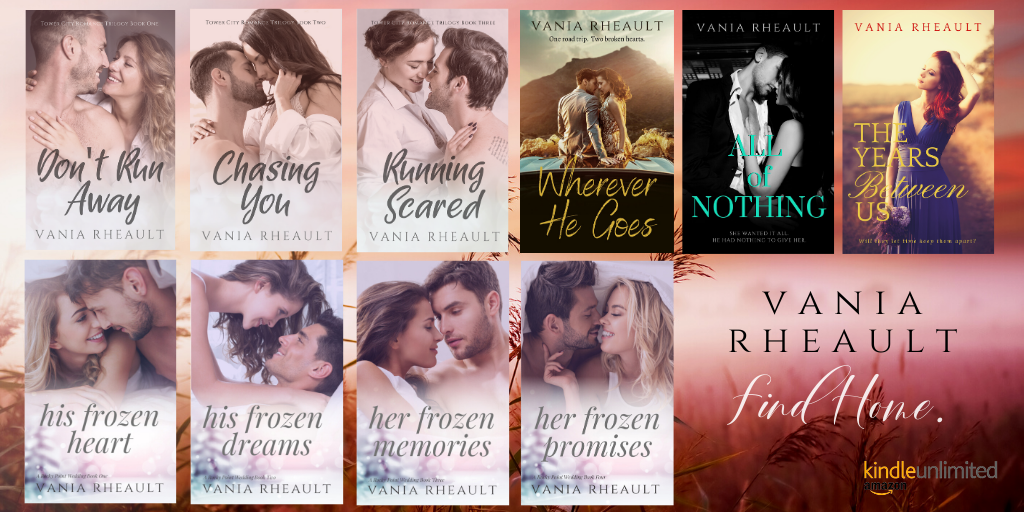
10 ads for All of Nothing

4 ads for His Frozen Heart

10 ads for The Years Between Us

0 for Wherever He Goes and the other books in my backlist

That’s not a crazy ad spend for 24 ads, and a lot of authors run more ads than that at any give time.

What I’ve made so far in sales and KU Page reads:

Screen Shot 2020-03-29 at 11.31.46 PM

So I’ve spent 20 dollars to make 20 dollars. That’s a little more than breaking even, but when you’re just starting out that’s better than losing. Since I’ve adjusted my blurb on The Years Between Us, I’ve started getting sales so don’t despair right away if you get impressions or clicks without sales. Things can be changed. They aren’t set in stone–take comfort in that. Plus you only have to run the number of ads you’re comfortable with. I dip my toes in, obviously. I don’t have time to do more than that.

Anyway, it’s late here, so I need to wrap up. I just really can’t say enough about Bryan and his challenge. He taught me so much, and I can’t wait to do the challenge again! I hope you join me!

Until next time!

end of blog post graphic

COVID-19 Check in, what’s been going on, and still trying to get things done.

This is a hard time for everyone, and I just wanted to check in with my readers and ask how everyone is doing. How many of you are working from home? How many of you are not working at all because your workplace has closed? How many of you are considered essential personnel and still need to go in? If you’re still working, please be safe, and thank you for doing all you can during these trying times.

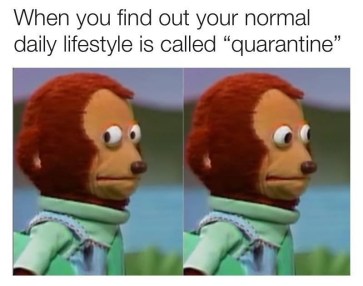
when-you-find-out-your-nomal-daily-lifestyle-is-called-quarantine-memeI’m considered essential personnel (I type for the deaf and hard of hearing) so I still go in for my shifts at the call center. For right now, things haven’t changed too much in my life. My daughter is no longer in school, and her teachers are preparing to start online learning soon. Tomorrow she has to go to school and clean out her lockers and bring everything home. Though they haven’t announced it for her school, I don’t think she’ll be going back to finish out the school year.

My son had a wound check last week, and we were screened by gowned and masked nurses before being allowed into the clinic. They pushed back his next appointment to the middle of next month, but I have a feeling that that appointment, too, will be pushed back. He’s healing well, though, so I give thanks for that. It would be hard to worry about him and feel like we don’t have access to his doctor and nurses. I know they are limiting people going in and out, and I’m thankful we’re not in a position to need them on a regular basis. I pray for those who do still need to attend the doctor regularly.

I go to the grocery store only when necessary, and I went yesterday for milk and a few things for dinners. I won’t have to go back for a while now.

I still try to have some motivation to get things done regarding my books. The secondkeep motivated during qurantine book in my series will release on March 31st. I’m working on my first person trilogy. I sent book one to my friend Sarah, and she proofed it and found some mistakes. She was also a bit taken aback because this trilogy is going to be more of a serial than a series, and book one ends on a massive cliffhanger. She did have one observation, so I’m going to take a look at the ending and see what I can do in regards to that, but otherwise, I think she liked it.
It’s hard to focus during a time like this, but I have to remind myself that if I let this time go by, once it passes, I’ll feel terrible that I didn’t get anything done. I know lots of people are panicked now, and a lot of us are just trying to get through one day at a time. But if you can, try do a little something for your writing every day. If you have the time to write a little, you should try to put some words down. If you can’t focus on the words, there are other things you can do to forward your career.

  1. Keep blogging. If you choose topics that don’t depend on current events, you can write evergreen posts that will always be part of your platform. Lots of us are reading more, so post reviews, recommend books in the genre you write in, or if you’re writing to writers, dissect books and explain what you liked about them as a writer, what you learned as a writer reading them, and how you can apply what you learned to your next book.
  2. Look back at your 2020 goals and see what you can check off the list with some of your new free time. Did you say you wanted to start a newsletter? Revamp your website? Trust me, after all this is over, if all you did was binge Netflix because you couldn’t wrap your mind getting something done, you’ll regret it later.
  3. Learn an ad platform.posted quite a few free resources that can help you learn ad platforms, and now is a great time to dip your toes into experimenting  with something. There’s been a lot of talk of stopping ads during this time, and authors are reluctant to promo because it seems self-serving. There are a lot of books out there, and I don’t see the harm in running ads and helping people who are stuck at home find good reading material. I haven’t turned off my ads, but I’m not making all that much anyway. I’m still coming out ahead, making about .50 a day in sales after subtracting ad cost. But learning is just that, learning, and it takes practice to figure out what will work for you.
  4. Practice something else that you wanted to master. Lots of authors do their own covers just because it’s difficult to afford editing, formatting, and cover services. There are lots of tutorials out there that will help you learn GIMP and Photoshop, and Canva has free online resources that teach you how why things look pleasing to the eye. The best thing you can do is practice. Look up the top 100 on Amazon in your genre and practice copying the elements that make the cover look good. This is one of those things where you’re going to have to take time over the course of months and maybe even years because developing an eye is just something that takes time.
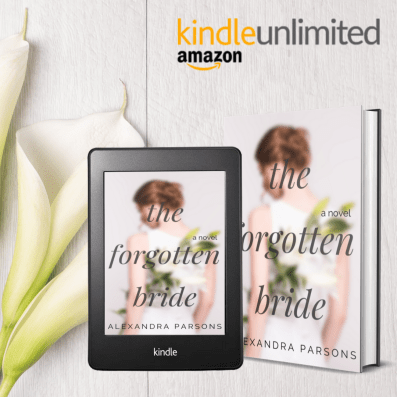
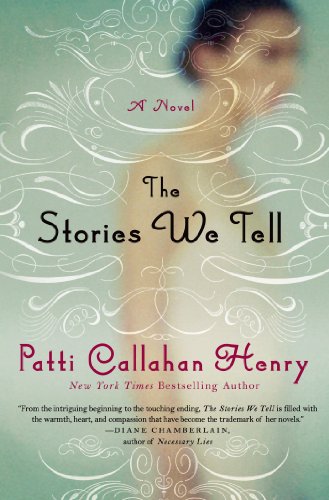
    This is an example of doing your own cover and graphic just as practice for when you need to do the real thing. I took a look at the top 100 Contemporary Women’s Fiction books on Amazon right now.
    I liked this one. It’s doing pretty well. Number four in sister’s fiction in the Kindle store at the time of this blog post.
    515+yEzlUHL
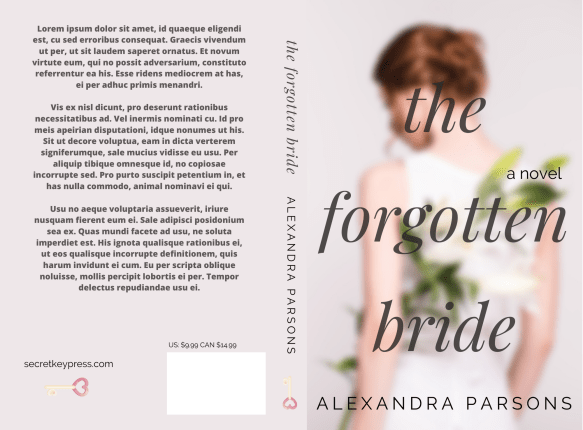
    So I decided to try my own hand at it, and I came up with this:
    the forgotten bride
    It’s not exactly the same. I don’t like the swirly things on the other one, but I did like the concept of the blurry woman. Here’s my take on it. Us indies are held to a slightly different set of standards, and it’s frowned upon to have a review on the cover of our books, so I skipped that part, too. But you get the idea. The image was purchased on depositphoto.com and the cover was made entirely with Canva. The Font is an italicized Playfair Display, and the font for the author’s name is Raleway. And I do practice what I preach. I try my hand at fake covers a lot.
  5. Do some busy work. Is there a book that needs to be reformatted? Were you going to refresh a cover and didn’t want to make the time? Rewrite a blurb? If you can put on some music and lose yourself in an activity, you’re not wasting time, and you’re doing something that can have rewards later on. Even if you just sit in your email and unsubscribe from some pesky emails that you never look at and always delete, that can be helpful, too.
  6. Work on craft. If you can’t sit down and work on your book, try a short story, flash fiction, poem, or something else.
  7. Get outside. Social distancing and living in quarantine doesn’t mean you can’t go outside. In Minnesota, the weather is warming up, the snow is melting. I spent a lovely day yesterday at Buffalo River State Park getting air, hiking around. Take the opportunity to get away from the news and plot out a new book or work out a plot hole that you can’t resolve. Sometimes unplugging can be a stress reliever and exercise will give you a hit of endorphins that can ease anxiety.

The fact is, we’re not sure when this will all be resolved. It could take months. I’m not planning to go to my book marketing summit in May. Even though they haven’t canceled it yet, it wouldn’t feel the same, and I think we’ll still be dealing with the aftermath of all that’s occurred. To be sure, it won’t have the same feeling as before the coronavirus outbreak, and it’s best to just stay home and look forward to a conference in 2021.

For right now I’m working on my trilogy and planning the second trilogy that will end the first. There will be six books in this series, and I hope to write these and be done with them by the end of the year. I wrote the first three very quickly but with summer coming, I do have plans, and may be a little slower with the second three.

Anyway, we’ll see how it goes.

I hope you all are doing as well as you can, and try to remember that even if you’re self-isolating, you’re not alone.

Until next time!

the forgotten bride graphic


end of blog post graphic


The Big Five Using KU? Let’s Discuss

2020 indie publishing predictions

I know we got this virus thing going on, and we’re all stuck at home. I’m struggling to keep going with a writing schedule and blog schedule because even though being home and not having to do anything is a writer’s dream, my body really does only want to dream and it’s a struggle to stay awake. I still walk, and blog, and yes, I’ll even be going to work. Not sure how that’s going to play out, but, anyway. My Mac ate some of my Vellum files, so I’ll be reformatting some of my books too, as this drags on.

At any rate, I will keep my blog posts up, of only because 2020 will be over by the time these prediction posts come out, so I want to get them done. Without further ado, we’ll keep going on, to what I think, is a very interesting topic.

The next prediction Written Word Media talks about in their 2020 predictions is that the Big Five Publishing houses will start using KU to push their huge author backlists. Michael Anderle predicted this saying, “We will see Big Five publishers using KDP (Amazon Kindle Unlimited) in 2020 as they seek to acquire income with their enormous backlists.”

This is interesting to me because:

  1. We know how much the Big Five hates Amazon. Using KU would require them to set aside prejudices and admit that Amazon isn’t the bad guy. I don’t know if this can happen. I feel like there is too much resentment toward Amazon to admit that KU can/will help them sell books. They already hate being dependent on Amazon – we know how much they depend on the retail giant, and we know how much they hate it by the amount of complaining they did last year before Christmas when Amazon didn’t order as many books as expected due to storage space. It was all the traditional publishing industry could talk about until Amazon increased their orders and all was right with the world.
  2. They still look for the “big book” every year. Their business sales model still depends on finding a huge book and shoving everything they can at it. (See: American Dirt) There’s no mid list anymore and they make a lot of their sales with the tried and true authors like Nora Roberts and Stephen King. The prolific authors who put out two books a year and make a gazillion dollars on each one. The Big Five are always looking ahead for the next big thing (which can be a good thing) and don’t, in my opinion, care about older books (which is bad for their authors but good for us indies–more on that later).
  3. The Big Five don’t like to share. Macmillan has already limited books that go to libraries, saying borrowing library books negatively affect their bottom line, when there are several studies that prove the opposite. With those kinds of attitudes, I doubt they would enroll books, even older books, in an author’s backlist in a subscription service. At least owned by Amazon. The idea that they start their own subscription service may be something worth looking out for.
  4. The price of KU may go up. The chances the Big Five being content with how much a page read is worth (usually about .0045 cents) is slim to none. If the Big Five lobby for a higher page read royalty — someone is going to be unhappy. That could be the reader who may need to cover that with a higher per month subscription price (right now a Kindle Unlimited subscription is 9.99/month), or us indies will get shafted having less royalties to claim (traditionally published books have always had more perks than we’re offered). Amazon will do what they need to do to make money and keep customers happy. Luckily for us they don’t kowtow to the Big Five, but that means they don’t care about what us indies want or need, either.

I feel with the bad history that is between the Big Five and Amazon a partnership won’t be likely. Amazon is stealing authors away like Dean Koontz and Sylvia Day. And they have their own imprints that make money and keep the Big Five from those potentially well-selling authors. Amazon doesn’t need the Big Five backlist, so I don’t see it will be likely they would give the Big Five a deal that they would be happy with.

I have agreed with most of the predictions made in this article so far, but not this one. There is too much bad blood.

But what if it were to happen? The number of books available would number into infinity. If the Big Five allowed even a fraction of their authors’ backlists into KU, I feel like that would be the beginning of the end for us, at least in KU. And perhaps even on Amazon in general. In the past, readers would by indie, and maybe still do, because our e-book prices are cheaper than a Big Five publishing house. I’m not saying readers are settling, but in these economic times, readers save where they can. If suddenly hundreds of thousands of traditionally published books are available, essentially for free, I have a hard time believing readers won’t devour those books. If that happened, I have my own prediction — indie authors would pull out of KU. The small fish, like us, not the authors like Michael Anderle who already make hundreds of thousands in KU, and move over to Kobo and Nook. We would focus on the smaller platforms that Draft2Digital helps us publish on ….

  • Apple Books
  • Barnes & Noble
  • Kobo (including Kobo Plus)
  • Tolino
  • OverDrive
  • Bibliotheca
  • Scribd
  • 24Symbols
  • Baker & Taylor
  • Hoopla

…. and we would put all of our energy into going wide more than ever before.

No one has come out and said that the bad blood between the Big Five and Amazon hasn’t given indies the space to find readers, but I believe it has. What would we do if the traditional publishing houses and Amazon saw themselves as partners instead of rivals?

I would hate to find out.

What do you think? Would KU stay the same if the Big Five started using it? Let me know.

The next prediction we’ll explore is the scammers are going to keep on scammin’. See you then!


end of blog post graphic

2020 Indie Publishing Predictions: Pay-to-Play and ad platform resources for indie authors

2020 indie publishing predictions

Thank you for staying with me through this blog series about Written Word Media’s predictions for 2020. I’m discussing these predictions as an Emerging Author who has less than 10 books published and making less than $60,000 a year (let’s be honest according to my 1099s I made less than $2000 in 2019).

In the last post we talked a little bit about author collaboration because there is power in numbers, though the group opportunities don’t mean much to me because I’m still building my own career in my own right. Just as I’m sure most readers of my blog are.

The next point WWM predicts is that running ads will become a requirement. This isn’t a prediction so much as it’s already a fact. You need to learn an ad platform and not be afraid to use it. Meaning, you can’t be afraid to spend a little money to make a little money.

Various people say that Amazon ads are the smartest way to go. You’re putting your ad in front of shoppers who’re already in the mood to buy books. I like Amazon ads, too, because you’re selling books to readers who do not have a KU subscription and your enticing readers to borrow your book if they do.

It shouldn’t need to be said that running successful ads means you’re advertising a quality product. Unfortunately you may waste a little money on clicks figuring this out. You may recall in a prior blog post of mine where I described losing some money in ads for The Years Between Us. My ad copy was good, my cover was good, but I was losing people at the blurb. The Years Between Us is an older man/younger woman novel, but it’s not naughty. I was marketing it as a older man/younger woman, when maybe my blurb should have emphasized the forbidden love aspect instead. At any rate, you may need to experiment. If your ad doesn’t get any clicks, but you are getting some impressions, maybe your ad copy isn’t hooky, or your cover looks too homemade or doesn’t reflect the genre clearly. In any case, the blurb cost me clicks. I should have turned my ads off a lot sooner than I did. I was optimistic and I paid the price.


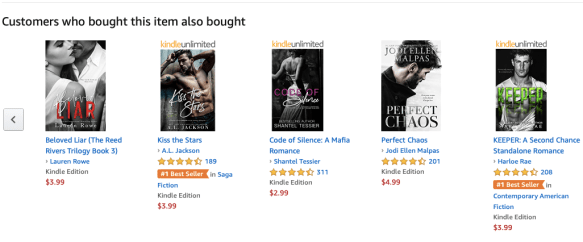
Mark Coker has is own opinion on this prediction–it’s evident he hates that Amazon took this direction. He claims that being pay-to-play makes us compete against other authors. He also states that since Amazon took away the also-boughts at the bottom of the product pages and replaced those with sponsored ads, Amazon is pitting us against each other. (Amazon is always playing with their platform looking for ways to improve the customer experience. Just because they are gone today doesn’t mean they won’t be back tomorrow, or a variation of them.) My book, All of Nothing, does still have some also-boughts, and I’m happy to say that they seem to fit into the kind of book All of Nothing is.

Screen Shot 2020-03-14 at 6.33.41 PM

It’s true that when you search an author, their product pages can be peppered with ads. That’s business. It’s no different than driving down the main strip of the city and having your choice of Dairy Queen, Hardee’s, Burger King, McDonald’s, Sonic, Popeye’s, KFC, and a million other places. It’s up to their marketing team to make them stand out, just like it’s up to you to have a good cover, blurb, title, and look inside, so your potential reader isn’t lured away by a prettier cover and better ad copy.

The motto of the 20booksto50k group is a “A rising tide lifts all boats.” There’s no competition. Be the best you can be, put out the best quality product you can. If you write against the grain (the book of your heart), and/or can’t afford an editor and/or can’t find someone to trade with you, if you have to make your own cover, these are choices in situations you’re going to have to work with. Your book isn’t anyone else’s responsibility.

I don’t agree much with Mark Coker. We aren’t competing against each other. It helps to look at other authors as allies instead of competition. Make friends, not enemies, and stay in control of what you can–the quality of your own books.

I like Amazon ads. They don’t cost much money, and they are surprisingly easy to learn how to use. I haven’t ventured into the UK, or Germany territory. I advertise in the US store, and small sales I do have are because I run ads. But you may find better luck with Facebook or Bookbub ads. In my experience, they eat up money faster. We can blame, or try to blame, Amazon for a lot of things, but taking your money isn’t one of them. Except for when they do–but then that usually is due to operator error not the machine.

No matter where you advertise, you’ll need comp authors and their book titles. You need these because in Amazon’s case they’ll be your keywords, in Facebook’s case they will help you find an audience to target. That’s why it’s important to know what genre you’re writing in, and what books fit with yours. Always stay up-to-date with what’s happening in your genre. Keep an eye on authors who are doing well who write the same kinds of books you do.

Take time to learn how ads work. There are a lot of free resources out there. All they take is a little bit of time to listen to a podcast or to read a book a generous person (usually an indie author himself or herself) has taken time to write for the rest of us. Going in blind is silly and will cost you money. As a writer, you should be used to researching. This isn’t any different – you’re only researching wearing your businessperson’s hat and not your writer’s hat. I’ll list them at the bottom of the blog post.

When it comes to this prediction, the future is now. You won’t get far without some kind of paid advertising. You won’t have a launch, strong or otherwise, without ads, and they are especially important in keeping your book in front of readers if you’re going to take a while to release another. Jami Albright has said she wouldn’t make the money she does releasing one book a year without depending on ads.

They are a huge piece of the indie–publishing puzzle.


Resources

Amazon

Bryan Cohen hosts an Amazon ads challenge every once in a while. The next one is scheduled for April 2020. In this ad challenge, he teaches you the fundamentals of Amazon ads: where to find keywords, how much to bid, what to set your daily limit at. Ultimately, he wants you to buy his Amazon Ads course, but in the challenge, he’ll teach you beginning information for free and it’s enough to get you started. It runs for a week, then a week after that he closes down the information. If you miss participating, you have to wait until he does it again. Eventually he may stop doing the ad challenge and think of something else to advertise is Amazon Ad course.

Follow Bryan on Facebook. This is his Facebook group for his business, Selling for Authors. Join his group for lots of Amazon ad tips, blurb help, copywriting tips and more. This is where he’ll announce a new ads challenge. You can request to join the ads challenge group here. He may not approve your request until the ads challenge opens up again. He’s very generous with his time, and if you have a question, he’ll do his best to answer it. He posts a lot of info on Instagram, too. I would follow him there, as well.

Dave Chesson has made how-to-learn Amazon ad videos. You can access them for free and watch at your own pace. He teaches you the same as Bryan: how to find keywords, how much to bid, how much to set your daily limit. His way is a little different from Bryan’s methods. Though like Bryan, he wants to sell you something and Dave wants to sell you a Publisher Rocket, a software to analyze what the competition is doing, how much they’re making, how many books are selling. It’s also a keyword grabber, though both gentlemen kindly teach you how to find keywords for free. I have Publisher Rocket and it’s worth the money.

Reedsy also has a course that is delivered in chunks to your email. Taught by Ricardo Fayet, this course is free, and you can sign up for it here. 

Facebook

There is only one free way to learn Facebook ads, that I know of, that’s signing up for the email class by Reedsy. Otherwise, you need buy a book explaining how to do them, or take a paid class. I recommend you do something before diving in because Facebook loves to take your money, and if you don’t have the proper audience targeted, or your ad isn’t put together correctly (bad graphics, bad ad copy) you’ll be broke and your ads won’t attract any engagement, never mind convert to sales. Mal Cooper is the powerhouse here, and she has an updated Facebook ads book available (you can even download the ebook version for free though I would encourage you to throw her some coin for being so great!), and she was just interviewed about Facebook ads on the 6 Figure Authors podcast. You can watch it here.


Bookbub

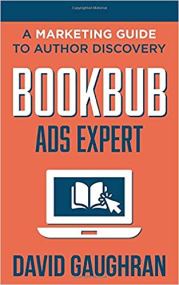
41hhK-35Z0L._SX311_BO1,204,203,200_As with Facebook ads, free ways to learn the platform are scarce. To be clear, Bookbub ads are not the same as being approved for a featured deal. Those are expensive and you have to submit and be approved. Bookbub ads are what they sound like — ads you make yourself using Canva or BookBrush that are placed at the bottom of their newsletters they send out to their subscribers. The only authority I know of is David Gaughran. He wrote a book about them, and you can find it here. In partnership with Reedsy, he also did a course that is delivered in segments for free to your email address. You can sign up here.

He’s very generous with his time, and he includes links in the book to a forum where you can ask questions. He’ll answer or someone else will help out. The book is a year old, so if you have a question and you search the forum you might find your answer without having to ask. But Bookbub is good for discounted books only. That’s the basis of their whole platform and they’ve trained their readers to look to them for deals. Don’t advertise a full-priced book there. You’ll get plenty of clicks and no sales.

The pros say to choose one platform and get really good at it.

Good luck!

PS: Since I love throwing podcasts at you, this is one by Joanna Penn with Russell Blake and Michael Beverly. Michael founded Adwerks, a business that runs Amazon ads for indie authors who don’t have the time to manage them on their own. They are a wealth of information on how the Amazon ads work, and they give you a peek into the mysterious Amazon Algorithms. I highly recommend it!


The next prediction that Written Word Media talks about is the Big Five putting books into KU. See you there!


end of blog post graphic

An Author’s Thursday Thoughts: How book one is doing, what’s up next, and cliffhangers.

Happy Thursday!

Happy Thursday! March seems to be going just quickly as February did! I hope you’re getting a lot done while the weather is still a bit dreary, as I know how difficult it is to get those words down when all you want to go is go outside.

I’m still doing the 2020 publishing predictions from Written Word Media with a dash of Mark Coker (from Smashwords) thrown in for good measure. But sometimes life gets in the way. My son had a procedure done that needs wound care, so that has created a new morning and evening schedule. It wasn’t serious, and he’s healing, but I’m still his mother and sometimes doing something while you’re stressed doesn’t work. Hopefully things will get back to normal in a couple weeks.

Until then, I can update you on a few things.

My second book in A Rocky Point Wedding will drop at the end of the month. My manuscript is loaded into the pre-order, but I still need to go in and add the pre order link to book three to the back matter. Not that it matters. Because I have one pre-order for book two. So I’m doubtful if putting the pre-order link in the back of book two for book three will do anything. Such is life.

His Frozen Heart went live on February 11th, 2020, and I suppose you want to know how the launch did. It didn’t break any records, and even though I tried to drum up a little enthusiasm, which is a lot more than I usually do before a release, it didn’t help. Since its release I’ve made $16.51 and that includes both KU page reads and ebook sales. I’ve had no paperback sales. I think the only thing I’ve managed to do is gather some bad reviews, which I have to admit, let bother me for a little while. Now I just shake it off because it is what it is.

I tried to keep an open mind given the fact that both the main characters went through something unpleasant. Truthfully, even the other characters seemed to be carrying enough baggage to sink a ship, which makes up for unnecessary drama.
This is a nice enough book, it started well for me then just went downhill fast because of some of the character’s wishy-washy attitudes. — Goodreads Reviewer

Anyway, I’ve blogged a lot about what I think is selling right now, and we’ll just see what happens with the other books I have lined up to release under a pen name this year. I think I’ll concentrate on the pen name for a little bit. I’m having more fun than I thought writing first person, and I have a continuation in mind that is spun-off from one of the characters from this new trilogy. I’ll spend my summer writing that, and honestly, trying not to worry so much about sales.


I’m done with the last book in my trilogy I just mentioned. It took a little longer than usual to finish this book, mainly because I wanted to make sure that I ended the trilogy on a good note, and end that book well in general. I have a tendency to rush endings because, well, it’s the end, and even with what I have I’ll probably add a little more in editing. I’ve been looking at stock photos for the covers, may have even picked out the couple since I managed to find a nice male and female in different poses that might look good next to each other.

But there is one thing about this trilogy that has me thinking now. I was scrolling through Mark Dawson’s Self Publishing Facebook group and there was a woman posting about cliffhangers, particularly in romance. Should she, shouldn’t she? Do readers like them? Loathe them? A little of both?  As you can imagine, she got quite an earful, both pro and con.

Happy Thursday!-2

Then it made me wonder, I have a MASSIVE cliffhanger at the end of book one. I had already planned on releasing these books pretty close together, for that very reason. It’s one big story, after all. A reader has to read book one first, or two wont’t make sense, and reading three before either one or two, well, they just wouldn’t get anything out of it. Now I’m wondering if that’s the death knell for the whole entire series. I mean, I’m all for writing what you want, do that (at your own peril) and if I can avoid some issues before publication, then I should do that. But honestly, I have NO IDEA how I would fix the cliffhanger short of just taking a little bit from the beginning of book two and tacking it on there. But that’s silly. I started book two exactly where I wanted to start it, and it would water down book one’s ending.

It’s a dilemma.

As a writer, we don’t care we write cliffhangers, because the information and “what’s next” is at our disposal. But as readers, is it fair to make them wait, even one second? Would an excerpt from book two be enough to appease them?

I’ve already thought that this isn’t your typical romance. I might not even categorize these as such. Perhaps domestic thriller with romantic elements, or plain thriller, though there’s not too much mystery involved. The thing is, the couple featured aren’t together all that much, though the romance part of it is more than a subplot. I already knew in the back of my mind trying to market it as a full-blown romance won’t cut it.

That’s what happens when you write from your heart, kids. You have a book you don’t know what to do with.

Well, whatever, I suppose. I’ve had more pressing problems in my real life at the moment.

On that note, I am going to bed. It’s already been a long week. With my son’s wound care, sister time, editing for a friend of mine, and of course, all the cats doing all the things, I’ve been pretty busy.

There’s never a dull moment.

I hope all of you are doing well, and I will try my best to be back at it on Monday! Have a lovely weekend!

Happy Thursday!-3


Do you need money to write? A poor indie author weighs in.

Words: 1998
Time to read: 11 minutes

There’s an article in the Guardian that is making the rounds on social media right now. Written by Lynn Steger Strong, she talks about writers and money. The title is an eye-catching:

A dirty secret: you can only be a writer if you can afford it.

If you read my blog, you know I love to talk about money. In particular, writers making money, or more precisely, not making money. This is a favorite topic of mine because I’m convinced there is money out there, somewhere, but only the lucky few find it, and even fewer are able to hang on to it for any length of time.

Lynn, (I’m sure she won’t mind if I call her that) publishes traditionally, has a Master’s in I’m going to assume, writing of some kind, and teaches college classes. That’s a pretty common way to be a “serious” “full-time” writer and author. Through her graduate program, she found an agent, and she teaches, again I’m going to assume some kind of English class, creative writing class, or even literature. She says her husband’s job helps, and she seems (according to the tone of the article) content, or at the very least semi-satisifed, to write and publish the academia way.

But not everyone can do that, or even wants to do that. A lot of writers I know whom I have met on Twitter, especially, don’t have an English degree, or American Lit, or Brit Lit, or have never taken a creative writing course. So, right away, opportunities (teaching jobs and agent referrals) aren’t accessible to many writers who want to go the traditional route. And surprisingly, many still do. It’s actually quite amazing to me how many writers want to query, want the book deal. They think theyr’e going to be the next JK Rowling, Cassandra Clare, Sarah Maas, Leigh Bardugo. They write epic YA fantasies, or they’re trying their hand at “serious” literary novels, wanting to be short-listed for the Booker, and they think “book deal” means money and fame, and really, does traditional publishing even deliver that anymore?

It’s no secret even if you get The Book Deal, you’re often on your own with marketing and publicity, (and editing. I hate throwing Jasmine Guillory under the bus, but go on Goodreads sometime and look at the reviews for her books. It’s a shame really, that her publishing house *cough* Penguin, couldn’t invest in a a couple editing sweeps and continued to let her flounder for many subsequent books) something new writers who query still don’t seem to understand. Even Lynn, in this article, mentions a published author spending her advance on a publicist. I suppose some want book deals because they think they’re going to luck out and land an agent who will hold their hand through their whole career. They’ll nurture them, and guide them, mold their novels into bestsellers. (Where did you go, Max Perkins?)

Publishing doesn’t do that anymore. In fact, Lynn’s way to publishing, I’m going to predict, will go the way of the dinosaurs in the next few years. Indie publishing is taking over, and the die-hards don’t want to admit it because there are still some successes. In Scratch, by Manjula Martin, you can read an account of how Cheryl Strayed lived hand to mouth with her husband while she wrote Wild. It paid off because she landed a huge book deal, and was able to pay off the credit cards they lived on while she wrote. She didn’t give numbers, but she also admitted that when Reese Witherspoon picked up her book for a movie deal, that also help her finances. I’m sure it did. She must have had a huge amount of faith to think her creative memoir was going to sell big. And she was lucky it did. Who else can put their rent on a credit card? I wouldn’t want to.

So, yeah, sure, you need money to write. Time is money, and if you have time because your significant other pays the bills, or your kids are old enough not to need daycare and you don’t have to make that up in wages, or you’re renting instead of buying and your rent is half the cost of a mortgage, you’re fortunate and have twenty hours a week to write.

But, you need money to sell your books. How many of you would really, let’s be honest now, throw your book deal advance into marketing? How many of you would would throw your 10,000 dollar advance at a publicist? Really? Whether you’re trad published or not, you still need to pay for marketing your own book.

This is where I think most people get hung up. They make time to write, and maybe it takes six months to a year to finish a novel. But then what? Never mind paying for ads. If you’re a debut novelist and you don’t have an MFA or even an under graduate degree in creative writing, you’re going to need a developmental editor ASAP, and those don’t come cheap. Because let’s face it, every day people publish absolute crap. They do. Some of them even know it, but they don’t know how to fix it. Everyone says, hire an editor, but people (often the people who can afford it) forget that a developmental editor costs as much as two months of my rent. I’m sure it’s that way for other people, too. Hmm, a roof over my head, or an editor? Sometimes you can’t choose. So they publish crap and moan when they don’t sell books.

Then there’s the cost of cover design and formatting and throwing a great launch, and paying for ads for the rest of your life.

You can be a writer–that’s free. It’s the rest that slows us down.

I understand where Lynn is coming from. Hell, I’ve even been tempted to try to apply to an MFA program. I picture us sitting around a university classroom, sipping on espresso and discussing why Hemingway was such an asshole, or if F. Scott Fitzgerald was a good writer because he was an alcoholic, or despite it. I picture myself pulling a Donna Tart and spending the next ten years writing the next great American, Pulitzer prize-winning novel while I teach English 101 classes to kids who can’t spell because our educational system is going down the toilet. But how am I living doing that? Hand to mouth because teachers don’t make anything, and programs at universities are shrinking because no one can afford school anymore.

What can you do then?

  • Recognize that it’s going to take a lot of work and a lot of time to start making good money. I’ve been writing and publishing for three years, and I made sixty dollars in the month of February–and you need to subtract the 20 dollars I spent on ads. A 40 dollar return on investment is nothing, and at this stage of the game, I’d be better off appreciating the fact that people are paying to read my books, even if that number is few. But, forty dollars won’t even pay my cell phone bill every month.
  • Do what Lynn suggests in the article and find a job that won’t zap all your creative energy so you have the mental and emotional capacity to still write at the end of the day while you’re trying to make it big.
  • Find the sweet spot between what’s selling and what you love to write. You don’t have to write a literary work of art. Half the battle is writing what people enjoy reading. 
  • Focus on craft. We all can do better with plotting, character arcs, and finding our voices.
  • Learn an ad platform and make it work for you. You can start small–five dollars a week.
  • Network with bigger players in your genre and see if you can get a little help with the marketing end of it with newsletters swaps and sniff out promotions that won’t break the bank. One can hope that you’ll always make more money than you spend.

There is money out there. There are readers out there. They want to read good books. Write one and then pay to find them.

No teaching required.


If you need proof there’s money in indie publishing, Publisher Rocket has the goods. I use that software to find keywords for my Amazon ads, and it scrapes data from Amazon. How much is the hottest contemporary romance novel projected to make this month?

51QY58RfpnL

Lauren Landish put out a book a few days ago: The Dare. At the time of this writing, it’s number 10 in the entire KINDLE STORE, and number 1 in her genre categories. Do you know how much that book is projected to make this month? Almost a quarter of a million dollars. Yes you read that right. It seems almost . . . I don’t know, illegal, to have that kind of information out there. So much for privacy in the digital age. But no one, especially traditionally published authors, wants to admit that that kind of money is out there. That it’s ACHIEVABLE. (I would also be amiss not to point out that her book is exclusive to Amazon, and I bet most of that money comes from KU reads since her book is available in Kindle Unlimited.)

And admittedly, that book is number one in contemporary romance meaning she must have worked her ass off to get that far, and she’s written a lot of books. So there’s no way I’m going to resent her that income. But let’s try the book that’s listed in the 100 slot in the top 100 of contemporary romance today:

41F7yYZ+yJL

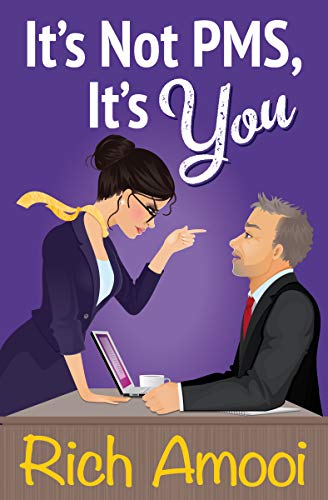
The book is by Rich Amooi, and I have to admit, I’ve never heard of him before. He’s projected to make $12,000 dollars this month. That’s a steep drop from Lauren’s paycheck, but probably you wouldn’t turn your nose up at that kind of royalty check from KDP.

Lynn, the author of the Guardian article, has a book coming out, Want: A Novel, and I wonder how much her advance was from Macmillan, how much of it went to her agent, and what her own plans for marketing her book will be when her book is finally published (it’s on preorder). I wonder if she looked at genre trends, researched the market before she wrote her book. I wonder how long her agent shopped it around before she found the book a home. I wonder if she’ll earn out her advance. She’s not going to make a quarter of a million dollars. I’d bet my next year’s royalties on it.

So where am I going with all this? 1900 words later, I guess I want to say that the money is there, but it depends on the path you choose to determine how long it’s going to take you to find it. I’m working my butt off–I write every day, I try to publish consistently and put out good books. My books haven’t caught on yet, and that’s okay. I’m exploring new things, (switching to first person present for one) and I’m flexible (I don’t mind learning what’s going on the indie publishing world). I’m lucky that my fiancé supports my writing–he pays my rent and makes a credit card payment every once in a while so I can buy groceries. My ex-husband pays me alimony and child support, and I do work. I piecemeal an existence together like a lot of writers. It’s probably why I sound so hardcore whenever I blog about writing. I don’t want to waste the time granted to me by other people’s generosity. I want to make that time count. My life would look very different if I didn’t have money coming in from different avenues, and I probably wouldn’t write as much. It’s Lauren’s numbers that keep me going.

I’m going to make it some day.

And you can, too.


end of blog post graphic

Is writing a hobby, or are you just telling people it is?

Happy March! I’m taking a break from my Written Word Media blog series on 2020 indie-publishing predictions to give you a blog post full of motivation that will hopefully bolster you through until Spring! I’m sure the New Year, New Me, New Goals enthusiasm has cooled off, but let’s find that spark to keep you going back to your laptop!

You teach people how to treat you-4

So, let’s discuss hobbies! Is your writing a hobby?  More than that? It’s probably not a career yet–not if you’re making twenty dollars a month in sales. But maybe you’re hoping your writing is somewhere in between a hobby and full-time profession. I fall into that crack . . . not making a whole lot, I still have a day job, but I put A LOT of time into my writing.

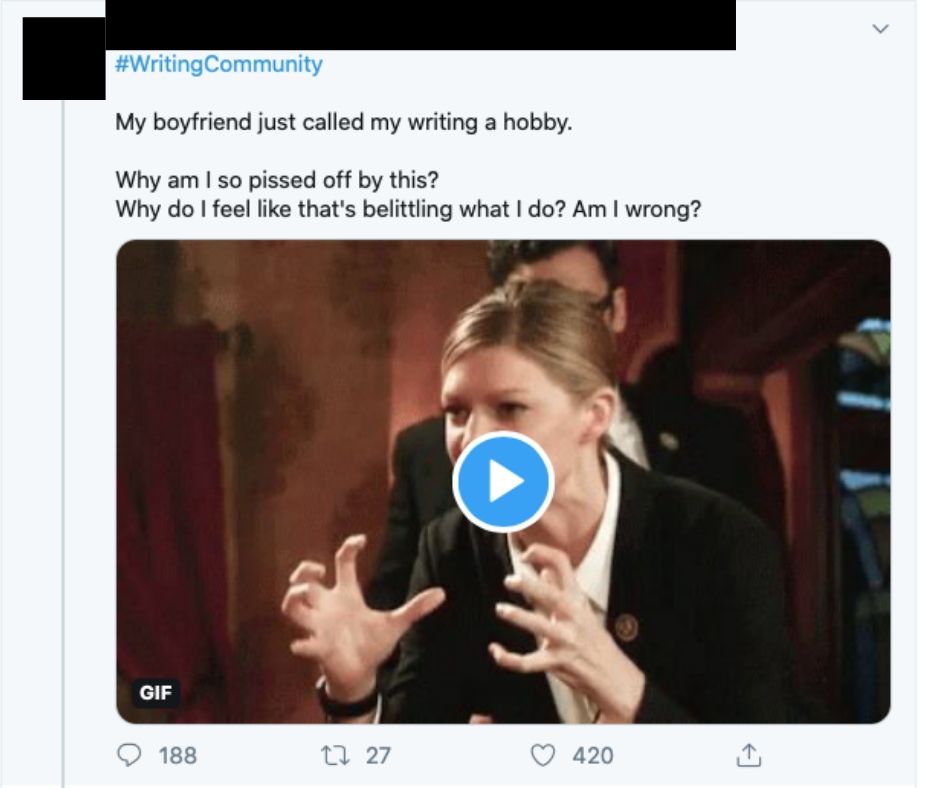
But when I take a little down time, I scroll Twitter, and the other day I came upon this tweet:

Untitled design

All the comments were along the lines of “what a jerk”, or “how insensitive”, or “why would he say something like that”?

My first instinct was to agree, because I know not everyone’s significant other is supportive. But then I thought, wait. And I responded, “That depends. Do you take your writing seriously? Are you writing? Publishing? Querying? He can only see what you let him see.”

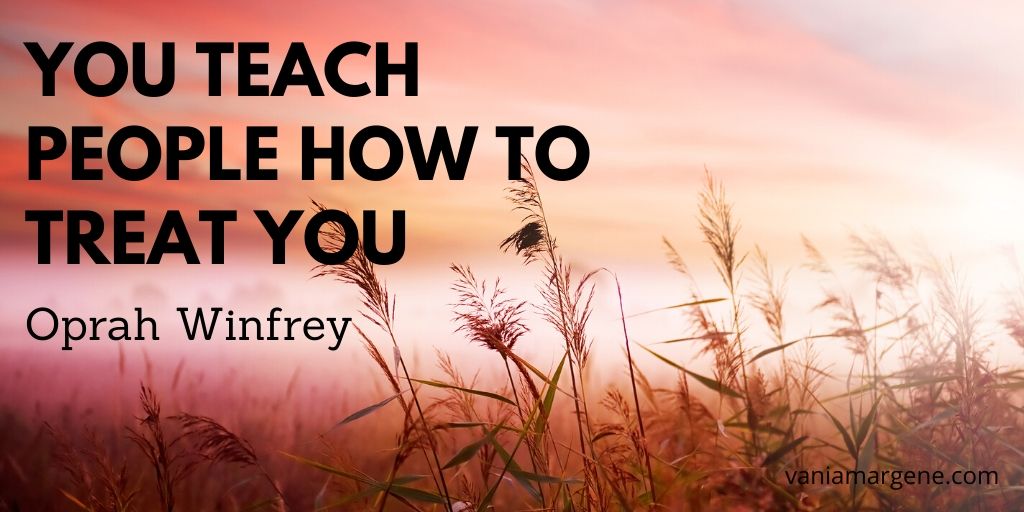
He didn’t respond, but he’s not the first person who’s complained people in their lives don’t take their writing seriously. And sometimes I wonder why that is. Oprah says, “You teach people how to treat you.” I believe this 100%. If you don’t take writing seriously for yourself, you have no reason to be offended when others don’t, either.

You teach people how to treat you

Do you defend your writing time? Do you respect your writing time once you have it? Meaning, do you actually use the time to write and not play on social media or secretly watch Netflix? Do you turn down friends if you haven’t gotten your words down for the day?

How can you get angry at someone calling your writing a hobby if that’s how you treat it? When someone doesn’t take you seriously because you find reasons you can’t write, or you keep breaking self-imposed deadlines, or that book you say is coming and never does, can you justify being angry when someone calls you out on it?

What can you do to change people’s perceptions?

  1. Change your own perceptions. Treat yourself how you want others to treat you. If you want to be treated as a writer, you have to write.
  2. Be realistic. Sometimes we don’t have a lot of time. Maybe 1000 words is all you can do in a day. That’s fine. You don’t have to put out 12 books a year to be a writer, or six, or three, or even one. You can only do what you have time to do. But if you’re wasting the time you do have, that’s no one’s fault but your own.
  3. Stop breaking deadlines. Or don’t make them in the first place. You announce goal after goal on social media hoping for accountability. And then you break deadline after deadline, promise after promise. What does that do for you? What message does that send to people on social media? You have to be accountable to yourself before others will hold you accountable. Keep deadlines and promises for yourself. Stop letting yourself down and you’ll build up your self-esteem and confidence.
  4. Protect your writing time and respect the time you’ve been given. If you’re not going to write during the time you fight for, why fight for it? Train your friends and family to understand writing is important to you. Then act like it is. And show them results.
  5. Realize you don’t have to be a writer. It’s okay to want to do other things. If you’d rather go out with friends, or be a gamer, or read instead of write. It’s okay to write two hours a week or write 1000 words a month. That’s your choice, it’s your life. But you can’t be upset when someone calls your writing a hobby because that’s what it is.

You show people what and who you are by your actions. Writers write. They produce books to query and publish, and going back to the guy on Twitter, I have no idea if he’s querying, or publishes, or writes short stories for magazines, or nonfiction for Medium or anything in between. I have no idea if his partner is right or wrong. He never replied. In fact, I don’t think I even follow him.

The point is, everyone pointed a finger at his partner, and I wanted to bring attention to the idea that it’s not always the other person. Sometimes it’s you. And if it is, there’s nothing you can say to defend yourself because you taught them to see you that way, and only you can fix it.

You teach people how to treat you-2

This is one of the rare times I didn’t bring up money and writing (okay, maybe I did a little bit). Maybe that’s what his partner’s problem is–he’s not making money at writing, or like in my case and some of my friends’ situations, writing and publishing actually costs money. There’s not a lot you can say to someone who expects you to have overnight success (or any kind of success right out of the gate. Sometimes it takes years to find a foothold in this industry). All you can do is point out that without the work, there’s no success and hope that they accept it.

You teach people how to treat you-3

What are your plans for the rest of 2020? Land an agent? Publish a book? Do you have a big launch planned for this summer?

Get busy, and let me know how you do!

Thanks for reading!

If you want to read more articles on writing as a hobby, look here:

Writing: Is It a Hobby or a Job? by Brian A. Klems

Five Reasons Why Your Writing Matters (Even if No-One Will Take You Seriously) By Ali Hale


end of blog post graphic