Unknown's avatar

About Vania Margene Rheault

Vania enjoys reading and writing. She's lived in Minnesota all her life, and with a cup of coffee in hand, enjoys the seasons with her two children.

Thursday Author Updates, 3D Characters and Newsletter Aggregators

Happy Thursday!

Things are going okay, but as life happens, not everything can go smoothly. More on that!

My paid beta reader has sent back my ugly duckling trope novel and I’m going to dig into her notes as soon as I’m done with this current WIP. (I’m currently at 23k.) I can’t focus on two books at once, and I’d rather have my current WIP done before I switch focus to another book. I skimmed her letter and she noted a small problem with my MMC saying he seemed a bit flat to her. So while I finish my current “my brother’s girlfriend is forbidden” trope, I’ll be brainstorming how to breathe more life into him. I don’t think she’s wrong: I know that since I’ve switched over to 1st person present POV I have a bit of a problem connecting with my characters. I depend very heavily on dialogue to move my stories along and I need to explore how to dig deeper into characters’ thoughts, feelings, relationships, and hobbies, and possibly giving them more backstory to make their current story richer.

If you want to explore how to create compelling characters, you can check out this class with Jane Friedman and Tiffany Yates Martin. I love Tiffany’s editing book, Intuitive Editing: A Creative and Practical Guide to Revising Your Writing and I am on board with anything she has to say with regards to editing and writing craft. You can check out the class here. It’s only $25 dollars and well worth the fee, in my opinion. While I subscribe to Jane’s newsletter–and you should too–I have to to thank Sarah Lou Dale for tweeting about this class over on Twitter. I think I would have missed it otherwise. Thanks, Sarah!


In other news, I’m sure you’re tired of me lamenting on the state of my newsletter, or lack of one. While I think I have it figured out, too many choices will be the death of me, I swear. I just unsubscribed from one, (I think I got signed up by entering a giveaway or something) and I noticed she used ConvertKit. Recently, Jami Albright said in a podcast episode she uses Mailchimp. A friend on Twittter, Scarlett West, said she loves FloDesk, and Craig Martelle, whom I consider a freaking genius when it comes to all things indie publishing and from the 20booksto50k FB group and writer’s convention, uses SendFox. For myself, I created an account with MailerLite, not only because they give you the first 1,000 email sign-ups for free, they have a MailerLite channel on YouTube that will walk you through everything you need to know to get up and going. If their channel doesn’t click with you, there are several tutorials by different marketing experts that also go through MailerLite step by step. Maybe you don’t need that, and I think that’s great, but this is coming from a gal who watched hours of Vellum tutorials before I even opened my Vellum software when I first purchased it. Research nerd, anyone? So, while there are a lot of great choices out there, I think for now I will stick with MailerLite and not be tempted like a kid in a candy store.


Graphic taken from atticus.io

Speaking of Vellum, another thing I wanted to let you know about in case you haven’t heard is that Dave Chesson is close to releasing his new formatting software called Atticus. It will be more than just a formatting software like Vellum–he says it will also work as a writing software like Word or Scrivener. It’s going to be half the cost of Vellum (ebook and paperback capability is $250.00 for lifetime, unlimited use right now) and will be available on all operating systems. (Vellum runs on Mac only.) You can check out the website here and sign up for updates! While I probably won’t purchase Atticus (I like Word and Vellum does what I need it to do), I think it will be a great alternative for those who can’t afford Vellum, or a Mac if you don’t already have one. My fiancé purchased a Mac back in 2018 for me because my Windows laptop just wasn’t cutting it for all I wanted it to do for my books. My Mac runs a lot better and faster and I will never go back to a Windows operating system. (I am an Apple girl at heart, anyway–I’d already had an iPhone and I love my iPad.) So stay tuned to Dave Chesson and his awesome software coming soon!


As for a more personal update, you all know I’ve been struggling with an infection that hit me in December of last year and I’m still dealing with today. I’ve been on four courses of antibiotics and this last one may have done a little more for me than previous prescriptions. Time will only tell as I just finished them two days ago, but fingers crossed that maybe I’ll start feeling better. I thought my body was taking care of it on its own, but that wasn’t to be the case. Anyway, I’m walking more, with a goal to lose a few pounds this summer, and going to a low carb diet. (Besides the mocha creamer in my coffee, of course!)

Another thing I’ve had to deal with is how hot it gets in my apartment. My A/C doesn’t work that great and I need to call our property management and ask that maintenance takes another look at it. I had them out last summer and they washed out the unit, and it worked better for about two days. After that I didn’t bother to call again because fall was right around the corner. But our A/C hasn’t worked well for years and this management company is a bear to deal with. I wish I could move but I’m stuck for the foreseeable future. I had to put up sun-blocking clings to our balcony windows because they face east and it can get soooo hot in our living room when the sun goes down (close to 85 degrees F). Hopefully it will help. If you need to try them where you live, you can look at what I purchased here. (This isn’t an affiliate link.) They were so-so to put up–my son helped me. We ran out, but we figured it would give the cats a place to still look outside. The clings can turn your space into a cave, though, so be prepared for that.

For better news, my daughter only has six days of school left, and it will be so nice not to have to bring her to school and pick her up every day. There is so much road construction going on in my city that I’m going to limit when I go to the grocery store to only and Walmart once a month for the summer. I hate dealing with road construction, especially since I’m not sure where you live, but it all seems so unnecessary. It’s ridiculous and while I’m not one to give in to road rage, I’d rather just stay home.


That’s it for the personal updates and what I have going on. Summer in Minnesota can be pleasant, or it can be hotter than hell and crappy to deal with. It’s nice when we have a bit of a mixture. I already have a sunburn from walking, but the cooler temps give us a little relief, too.

I hope you all are doing well and have a pleasant weekend ahead!

Giving your books room to launch and living with your characters: an author’s befuddled musings.

When writers finish a book there’s a lull. We’ve finished what we’ve been working on, maybe for months, sometimes years, and there’s a . . . silence after we type The End. There’s a strange letdown even as we’re excited to finally finish. Sometimes that can lead to confusion because we don’t know what to write next, or we get excited to start a new project while that one breathes, or we love editing and jump head first into reading and rewriting.

No matter what your plans are, chances are you go through a period where you just don’t know what to do, and that feeling is even worse once you publish and that project is done forever. Multiply this feeling by 100 if you wrap up a series.

But how done is it?

Do you really move on when you finish a book? Do the characters let you? If you’ve established a fanbase, do your readers? I’ve been thinking about this lately as I try to figure out some kind of publishing plan for my books. “They” say rapid release can be great to keep the Amazon algorithms going in your favor and to keep readers happy. But based on my experience when I rapid released my series last year, that only works if you already have an audience who is waiting for the next book. That isn’t me or anyone trying to start a new pen name.

One thing I heard on the Six Figure Author podcast not long ago is the idea to give your books room as you publish because that gives readers time to build a community around your books. This makes sense and takes some of the pressure off to publish quickly. Posting to a Facebook reader group and giving out extras to your newsletter subscribers will keep readers excited, and it will give you more time to run ads and build book buzz.

But then I think, well, how long is an author supposed to linger over a series or readers’ favorite characters?

Authors like E L James and Stephanie Meyer, J K Rowling, and Sylvia Day keep getting sucked back into their bestselling worlds. Do you think that Erika ever gets tired of thinking about Christian and Ana, or do you think she’s just grateful they made her the bestselling author she is today? I mean, what happens when your readers are hooked on one book or series, but your author mind has already moved on to something else?

Granted, it’s a nice problem to have, and if it ever happens to me, I won’t complain, but it doesn’t give an author room for something new. Maybe if you have fans clamoring over your books like that, it doesn’t matter if they want short stories and more books and/or the same books and scenes from different points POV–you’ll be happy to give that to them. It’s just hard for me to wrap my mind around giving your readers all these extras from books and worlds that you, as the author and creator, might have already moved away from.

That brings me back to the beginning of the post when I talk about downtime between books. Is there downtime? I suppose it all depends on your mindset and if you can keep up the excitement for all your characters and their worlds and if you can, or even want, to whip up a short story or novella (2.5 anyone?) here and there or an extra bonus scene for a series or novel that, in your mind, is old, because you’re excited about a new project. Lindsay Buroker seems she can do this easily enough, even though she’s very prolific and has several series that contain several books for sale.

Slowing down and taking time to smell the insides of my books will be an interesting concept.

One I will be tackling soon because I just can’t keep writing without stopping to edit and publish one of these days. I don’t know how much time I want to wait between releases. How much is not enough, or how much is too much because we can say take all the time you want and do things the way you want to do them, but consistency is important and staying relevant with Amazon can make a big difference when you need exposure and discoverability.

I’m taking a mini-course by Mark Dawson about his launches. He has an established audience, so his launches are going to look a lot different from mine, but he pads a lot of time before the launch. He posts to his author page on Facebook regularly, months before the launch. He offers giveaways and changes the banners to all his social media to graphics that feature that particular release. I have never done that. I don’t recall ever changing my banner for a release of any book. He also changes the text on the graphic from a pre order request to a buy it now order when it’s live. But while he’s doing all that, I’m assuming he’s writing the next book, and maybe it’s just how I’ve functioned for the past few years, but I’ve only ever thought about one book at a time. And maybe, if I’m fortunate enough, I may need to start thinking about past books for years.

E L James first published Fifty Shades of Grey in April of 2012. Let’s not go into the history of the book as it was when she self-published it. It’s not really important unless you want to add even more time to how long Erika has lived with these characters. Fast forward to now of 2021, and she’s still publishing in that world, the last book in Fifty Shades with Freed coming out in June, in Christian’s POV. That’s nine years of living with Christian and Ana. Some readers might not even remember she published The Mister in 2019. (I still think she ended that on a slight cliffhanger and I’m waiting to see if it’s the first in a trilogy I think it is or if she’s going to write something different.)

We can do the same with Stephenie Meyer. She published Twilight back in 2007 and she just published Midnight Sun, Twilight from Edward’s perspective this year. Not to mention she did a few other projects based off Twilight such as The Short Second Life of Bree Tanner: An Eclipse Novella (The Twilight Saga) and Life and Death: Twilight Reimagined (The Twilight Saga). Someone in my NaNoWriMo group accused Stephenie of writing her own fan fiction, but I don’t know how that’s possible if she’s doing what the fans want. As a reader, I’ve always enjoyed the male POV more so than that of the female main character, especially when we’re talking romance, and it could just be both E L and Stephenie were giving fans what they wanted.

Sylvia Day didn’t have to write completely different novels in Gideon’s POV when she wrote the Crossfire series. She wrote three books in Eva’s POV only, then incorporated Gideon’s POV into the remaining books. I’m betting because fans wanted his POV and her publisher told her to start writing in his POV. Unless she started just to round out the remaining books, but I doubt I’ll never know the real answer. She, too, was unable to leave behind Gideon and Eva so easily when she wrote Butterfly in Frost, where the female main character is friends and co-workers with Eva. We get a glimpse of how, seven years later, Eva and Gideon are doing, and what happened to Cary, Trey, Tatiana, and the baby they were going to have together. The first Crossfire book was published in 2012 and she came out with Butterfly in Frost in 2019.

I’m only bringing this up because I can’t fathom still being interested in a world I created seven years later. I may need to get over that as backlist books are bread and butter to a lot of authors, both indie and traditionally published, and doing promotions on older books, particularly first in a completed series, can bring in a steady stream of sales. I’m not going to stop running ads to my 3rd person books, but I know that not taking a personal interest in them any longer won’t help sales. Don’t get me wrong, I love all my books and all my characters, but when I give them their happily ever afters, their stories are done in my mind. Bad thing? Good thing? I have no idea.

How do you feel about looking back? As readers, it’s natural to have a favorite book, I’ve read The Sun Also Rises several times, but I wonder how often Ernest Hemingway thought of it after his career took off and he was immersed in writing other books. I’ve read several of Nora Roberts’ books over and over again as well. Nora’s publicist is in charge of her social media, so it’s Laura (or her assistant) who pulls quotes and makes graphics from Nora’s backlist to keep the buzz going. Nora, with help, has her mind free to always be thinking forward. To me, and to many other authors who can’t afford a virtual assistant, that’s a luxury.

Anyway, you have sat through 1600 words of musing, and for that, I thank you. I was thinking of going into a personal update, but I’ll do that on Thursday. Have a great week everyone!

Until next time!

Mare of Easttown: A Character and Plot Study plus Author Resources. (Spoiler Alert!)

**Spoiler Alert!** I’m going to talk about the HBO Max crime show starring Kate Winslet, Mare of Easttown. I won’t give everything away, but if you haven’t yet started and want to keep all the details a surprise, skip this blog post. I won’t be mad. 🙂

Photo borrowed from HBO MAX: https://www.max.com/shows/mare-of-easttown/c1517b80-50ab-4733-8208-ae2c2765c0e7

If you’re not familiar with the show, Mare of Easttown is about a detective played by Kate Winslet who lives in a rundown New England town. When a homicide takes place, she investigates. While it’s only on its third episode as of this writing, it didn’t take me long to get sucked in, and after every episode, I’m excited to get back to my own manuscript. Not many shows or movies encourage me to want to write, but Mare of Easttown definitely gets the creative spark going every time I watch.

Mare is a typical detective, and until you list her attributes and flaws, you don’t realize how cliche her character is to the police procedural, crime genre. Of course, that can be a good thing–you have to meet reader and viewer expectations. She drinks too much, though I wouldn’t quite call her an alcoholic. She has a tragic back story: dealing with the death of a child, the death of her father when she was young, and a divorce. Those are important because they make her what she is–a rough around the edges, but kind, character. She doesn’t let anyone get too close to her, and that includes her friends, her mother, and her remaining child.

The one thing that sets my teeth on edge, and I suppose you could consider that a good thing, as it’s eliciting some kind of emotion, is that her life would be a lot easier if she made better choices. Everything from her temper to the way she treats her friends and family to the way she drinks while she goes over evidence and police reports at home, it all makes me want to shake her and tell her her life doesn’t have to be this way. Probably, if she’s got a good character arc going for herself courtesy of the writers of the show, she’ll figure it out. What remains to be seen is how much she’s going to have to lose before she does.

Other facets of the show that are actually tropes of the genre are the out-of-town detective who is also assigned to the case because Mare isn’t doing a good enough job, her ex-husband getting remarried, and she develops a love interest with an outsider–a guest author who is teaching at the local college. Right away we see that the detective also assigned to the case is going to cause friction, though to my surprise it didn’t take many episodes for them to start getting along, but I was glad of that. Mare has so many other conflicts with her personal life that she doesn’t need to add any more in her professional life. Her professional life is already rocky as the Chief of their department, her boss, isn’t happy with her performance with a previous still-open case and that has consequences later on. Her ex-husband is implicated in the homicide, and of course, I would bet in one of the episodes that her love interest will also be implicated in some way. That’s just the way these shows and books go. Whether anything will come of it, we don’t know. Red herrings are what make this genre. The best writing is when everyone is a little bit guilty and the red herrings have a some merit.

I really like the feel of the show, how gritty it is, and we get a taste with the opening credits. It’s rainy, cold. There is no sun, and even if it’s not raining, everything looks washed out and old. You can tell right away that this is a poor town. Not enough money to go around–Mare lives with her mother to help share costs, and her mother is another source of conflict. I just cringe the way she treats her mother when I have so much regret with the way I treated mine before she died. Anyway, life is hard, and we see that in the way the sun never shines and everyone is walking around in a winter jacket frozen to the bones.

There would be a lot that goes into writing something like this–because at the heart of the show is the homicide that Mare has to solve. All the other stuff like relationships and how she deals with her losses, or how her family members are connected to the crime, they are all just obstacles she has to overcome or at least bury so she can do her job. As a casual consumer, it was fun to watch her and her new partner search a local park at night for shell casings and/or a stray bullet, but as a writer and one with zero knowledge of police work, I watched carefully how Mare found a chip off a building caused by a ricocheting bullet, and how she followed (imagined?) the trajectory to find the bullet buried in a tree. That’s tenacious, but we also get a glimpse that under the beer and vaping and personal problems, she is (was?) a good cop.

Under the heart of all of it is the police work, and it has to fit into the story as seamlessly as the rest.

Would I want to write something as involved as Mare of Easttown? I’m not sure. I like the romance part of writing, and I don’t think that Mare and her guest author are going to ride off into the sunset. That’s not the kind of show this is. My detective would definitely need a love interest, a serious one, but one that brings as many problems to her life as it solves.

The only things I know about police work are from the eight seasons of Castle that I loved to watch, but when you get into crime fiction like this, unfortunately, the devil is in the details. If real cops shot their guns as many times as Kate Beckett does in one episode, they’d be out of a job. No, I’d definitely need to dive deep into the world of police work, and besides enjoying watching Castle and Mare of Easttown, I’m not quite sure if that level of interest would fuel a book or a series like the one I’m reading now about Emma Griffin, an FBI agent by AJ Rivers.

If I wanted to write crime like this I would have to prepare big-time, and I would start with these:

1. Read Cops and Writers: From The Academy To The Street by Patrick J O’Donnell. When looking at resources, it’s important to try to find things that are current. Police policy and laws change all the time. You want to start off as close to this year as you possibly can, then you can research details as you write. This book was published in 2019. Not bad.

2. Listen to these two podcast episodes on the Self Publishing Formula. One is with Patrick J O’Donnell, the gentleman who wrote the book above, and Hollie S. Roberts.

3. Join the FB group that Patrick and James talk about. I’m not a member but it sounds like a great resource for writers. You can find it here.

4. Watch more shows like Mare of Easttown and definitely read more books. I started Big Little Lies on HBO as well, and that is also an interesting show where the plot revolves around a murder. I enjoyed reading the two detective books from Dea Poirier, and if I did decide to write in this genre, I would definitely dig up more. (No pun intended.)

5. I would have to decide if writing a series is the way to go or a standalone, and even these days domestic thrillers/crime are being written more in the first person POV as AJ Rivers’ and Dea’s books are. First person and third person both have limitations and would dictate how you write your books. I’m very comfortable with first person right now, but it’s not so easy to give another character their POV like it is in third person. They are a little old, but Tami Hoag’s detective series is written in third person past and they are based in Minneapolis, which I enjoyed.

6. I would buy a police scanner and listen to the types of calls that come in around my area. Not only would it give me a feel for the kind of crime that is committed in my city, but I think it would also spark story ideas.

7. Undoubtedly I’d want to make a contact at my local police department. It can be something as small as taking a tour, or something more involved as requesting a ride-along, but chances are good I’m going to need someone I can email questions to. Contact your the PR department for your local police department and ask how you can reach out to a police officer.

While I may never want to write crime/detective novels, there’s no doubt that there’s a certain dark romance to them that intrigues almost everyone. Whether I want to devote time to a new genre, that decision won’t come until much later. I have several things on my plate right now, but I’m going to bookmark Mare and come back to her time after time. Everyone can use a little motivation now and then, and she’s mine.

Until next time!

Thursday Thoughts: Keeping up with content and where I’m at right now.

Hello, May! I can’t believe how fast 2021 is going. Spring is right around the corner, though in Minnesota, it’s always been a little iffy when it will come and whether or not it will stick. We didn’t have a terrible winter at all, and due to some unusually warm temperatures in March, our snow disappeared a long time ago. I’ll probably do a little spring cleaning and put in a work order for a few things I need done around my apartment. While I don’t have many exciting things planned for summer, I’ve always enjoyed the lazy feel of the longer days. Do you have any plans for the summer?


Writing a blog post ahead of time requires to me to look into the future, or at least, aim to achieve the goals I say I’ve met so my posts don’t require too much editing the night before when I proofread one last time before the blog goes live. I was hoping to be done with my third book of the year (I’m at 63k, but sadly I’ve been so tired lately I spend a lot of my free time sleeping) and I am fighting a bit of quality vs. quantity, imposter syndrome, and self-doubt a lot of writers face when things are going too well. A lot of the argument comes from quality of the fiction, and something deeper, something with a few more twists and turns or a few more chapters of character development, may need a little extra time in the oven before the timer goes off. I’ve never been one not to be completely honest with what I read and write. I read and write romance. Characters have their flaws, they move past them to find a happily ever after. That’s all I’ve ever written and that’s all I’ve ever wanted to write. It doesn’t cheapen the work–it can’t or any adult writing YA, Middle Grade, and children’s books would be set aside and not considered “real writers.” Maybe no matter what one chooses to write, it’s always going to be a personal thing as to how long a book will take from start to finish, but the phrase “If writing is easy you’re doing it wrong” is always in the back of my mind after a successful writing day.

Graphic taken from positivewriter.com/printable-quote-posters-on-writing-and-creativity/

I won’t know if my books resonate with readers until the feedback starts coming in. That’s all anyone can use to gauge their skills, I guess. Can you sell your work or not? If it’s not worth the money, the consumer won’t buy, no matter how pretty your cover is or how well-written your blurb is. Simple as that.

I’m still waiting on my beta reader to get back to me with what she thinks of my first 1st person present standalone I’ll be publishing this year. In the meantime I have plenty to keep me busy. I just can’t let myself start another book. There is more to the business than writing, even if we wished there wasn’t. I’ll be focusing on that as times goes on and I’ll keep you updated on those things as I get them done.


How do you search through all the content out there? I’ve blogged before about my fear of missing out, and I need a way to figure out how to consume the information I need when I need it. I’ve thought of a couple of tips to help with that, and I’ll share them with you. Like so many streaming services and shows/movies/documentaries to choose from, if you try to pay for it all and give all your time to what’s out there you’ll go broke and crazy.

  1. Where are you in your journey? For instance, if you’re just starting your newsletter, content such as what to put in them, or developing an on-boarding sequence may be more in-line with what you need rather than how and when to cull a percentage of your thousands of subscribers who don’t open. Those two things are very different needs, and we could be talking years between needing to know each one.
  2. Is it tried and true? Things happen so fast in the industry that sometimes it’s not worth it to learn something if you’re not going to need it when you learn it. For example, I’m taking a mini-course from Mark Dawson about his launch plan. Being that I’m going to hopefully publish a book in the near future, taking that course makes sense. But if you don’t have anything that you think you’ll be publishing for a while, spending money on his course maybe wouldn’t be the wisest investment. Things can change between now and when you’re ready to publish. A new promo site may develop, or the Amazon Ads dashboard may go through a thousand changes before you’re ready to use it. Facebook is known for changing how you set up an ad. There are very few things that will never change–even tropes, trends, and craft advice can change if you write commercial fiction–but advice on what to blog about, building your author platform, or going back to newsletters, how to offer good content so readers sign up, things like that will always be necessary.
  3. How much money is it? I’ve blogged before about how some of these courses can cost hundreds of dollars. Sometimes, depending on what you need when you need it, a book or a beginners free course will be enough to get you on your way without breaking the bank. Time can also be an investment. I don’t know about your life or finances, but I would rather spend time reading about something and researching than spending money on a course that will spoon-feed the information to me, but at a significant cost.
  4. Make a list of the things you need at the moment versus what you should always be doing. Networking is something everyone should do that never stops. Probably one of the biggest mistakes I’ve made in the past four years is not making friends with other romance writers. They can beta read for you, recommend editors, help with newsletter swaps, keep you up to date with industry news, and be all-around cheerleaders and sprinting partners. As introverts, it’s difficult to put yourself out there, but networking, especially in your genre, is something you should always be working on. Same as reading in your genre. You’ll have a better understanding of what’s going on in the genre you’re writing in than listening to secondhand information. Learning craft is another thing you should always be doing, but things like listening to a podcast about a new program like Kindle Vella can wait until you have the time to consider if it’s the right path for you.

Cutting through all the noise is hard, and it’s difficult to be a hoarder of information. What do you do with a piece of information if you don’t need it right at that moment? You can put it away and hope it’s still relevant when you pull it out again, but chances are something about what you know is going to change. Like I said, ad platforms are notorious for that. There will always be new promo sites, or sites that have worked in the past but don’t work now due to saturation.

I need to remind myself that I don’t need to know everything all the time. Joining Clubhouse (the audio-drop in app) has been really hard for me–I realized that the full-time authors who do a lot of the meetings and talking can do so whenever they want because they work from home and aren’t under anyone’s restraints but theirs. I still have a day job and more than once I’ve been disappointed I couldn’t listen in a room because I was working.

I feel a lot of pressure to know all of the things, and a lot of that is fueled by being truly interested in the publishing industry, both traditional and indie. At least it’s something I can recognize in myself and try to control it the best ways I know how.


As a reminder, the giveaway for Barbara Avon’s author interview is still open! Enter to win a paperback copy of her book, Sacrilege, and a $25 dollar gift card to Amazon. Click here to read her interview! And click here fore easy access to the giveaway! The giveaway ends Sunday, May 9th, so don’t forget!

Thursday Thoughts: How fast do you write?

Happy Thursday, everyone! I hope the week is treating you well.

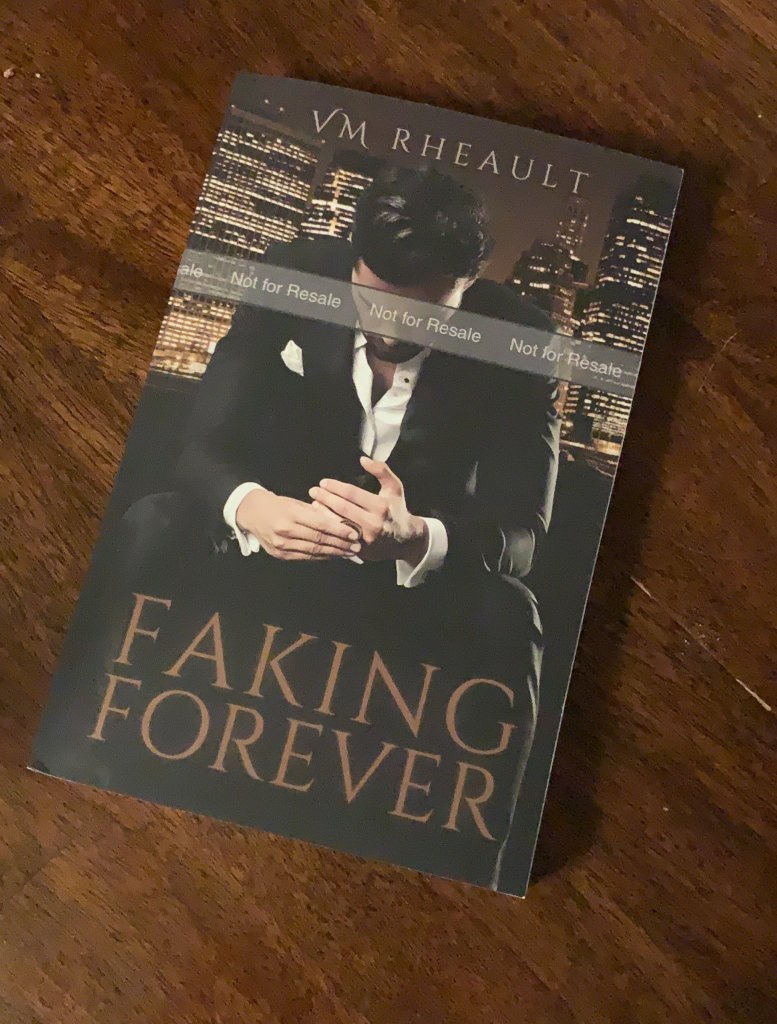
There isn’t much going on in my corner of the world. I’m close to finishing my fake fiancé billionaire romance. I keep saying I’m going to take a break from writing and do other things, things I need to do like set up my newsletter, but I always dive into another book. After this book is done and breathing, I will get my newsletter sorted out and go through the edits my beta reader will give me when she’s done with my ugly duckling trope I gave to her a few weeks ago. I’m going to have my newsletter link and welcome email ready for the back of that book and publish it as soon as it’s ready. That is my plan for the next couple of months, providing everything goes well.

I only say that because I’m still dealing with this infection and while it’s only a bit painful and uncomfortable, it still takes away my focus. With any health issues, minor or major, sometimes you can’t help but worry about what’s going on. Thinking I might have to live with this for the rest of my life (there are only so many rounds of antibiotics I want to subject my body to) causes me some stress, though thank goodness I don’t have the anxiety I had at the beginning of the year. I admire anyone who can write while they have health issues, mental or physical. I am doing my best to stay positive and keep writing, and hopefully, one day, this too shall pass.


On that note, I want to talk a little bit about writing speed. There’s been some talk on Twitter about quality versus quantity, and the majority agreement seems to be you can’t have both. I have to admit, this makes me a little cranky because as someone who has a lot of time to write, and uses that time, I do manage to write a romance novel of about 75k to 80k in about two months, give or take. Writing in 3rd person past tense was harder for me for some reason, and writing in 1st person present tense, the books seem to go faster. All that is besides the point though. There will be writers who take years to finish a novel, and there will be others who can finish a book in a month, or even a couple of weeks.

I think one of the main reasons we still think it should take time to write a book is because the traditional publishing industry only publishes one book a year by an author. (Normally. Nora Roberts’ publicist just mentioned on Nora’s FB official page that Nora writes four books a year. They have to go somewhere.) That is their publishing schedule, and we tend to to think they do that because the author needs that year to write the book, when in reality, that author probably wrote that book in three months, and it takes the rest of the year for edits, book cover design, formatting, and a huge marketing push before the book comes out.

With indie publishing, any timetable is non-existent. Write as fast as you want, publish when you want. Depending on the genre–romance, cozy mysteries–authors can write books quickly, send them off to their editors, hire out formatting and book covers, and keep up with a schedule that might seem grueling to some, but easy for them. That does not mean their books are crap.

I really resent anyone who implies my books are crappy because I can write them in a reasonable amount of time. There are writers who are faster than me. Lindsay Buroker averages 10k to 12k days (not weeks) regularly. Does that mean her words are crap? She’s a seven figure author. She’ll tell you her readers say, no, her books are not crap. There are writers who dictate and can write thousands of words an hour. Do I feel slow writing romance? Maybe. I feel REALLY slow knowing I haven’t published anything since early 2020 and I’m taking the steps I need to rectify that.

I could go into my daily routine and show you all my obstacles and how I write despite them, but you all know I’m divorced and a single mom of two human kids and three cat kids. I work full time. I do the shopping alone. I read fiction and nonfiction, write this blog, spend time with my sister, listen to podcasts, and go for walks. I still write 10-15k words a week.

If you have to belittle someone for using the time they have to write, you need to look at yourself and your own schedule. Where does your time go? What is your mindset? Where do you want your career and business to go and how fast? Do you think of your writing as a business or is it just a hobby? If you say you don’t want to write one day because you’re not in the mood and all you’ll write is crap, guess what? You need to write the crap before you write the quality. In quantity comes quality. It takes thousands of hours of practice to master anything. If you don’t put in those thousands of hours, you won’t have the quantity and your quality will suffer. I learn something new about myself and my writing every time I write a new book. A writer will never stop learning, and every book he writes will be better than the one before. That’s quality and quantity in a nutshell.

Craig Martelle did a 5 Minute Focus on the topic of quality. You can listen to it here:

So please stop sneering at the people who write quickly. It doesn’t mean their books are terrible. There are going to be terrible books out there. A debut novel will never sound as good as that author’s tenth, even if they worked on it for five years. I’ve clocked a lot of hours writing, a lot of hours going through beta readers’ notes, and editors’ comments. I write. I learn. I write some more. I’ve earned a two-month book.

If you want to increase your speed, here are two great resources! Check them out. 🙂

Rachel Aaron’s 2k to 10k: Writing Faster, Writing Better, and Writing More of What You Love is a fabulous resource.

Photo grabbed from Amazon.com

Also, Chris Fox’s 5,000 Words Per Hour will help you boost your word count.

Photo grabbed from Amazon.com

Chris also did a really fun interview on the Six Figure Authors Podcast where he talks about writing speed, making your writing time count, and writing to market. I love listening to him speak, and you can listen here:


And last, but not least, I’m formatting interview answers by the lovely Barbara Avon! She’s been writing and publishing for a little while now and she has some great advice when it comes to navigating the indie publishing world. I’m also giving away a paperback copy of her book Sacrilege and a $25 dollar Amazon gift card. That interview will show up on Monday, so check back and enter!


That is all for now, I hope you have a lovely weekend! Keep writing!

Until next time!

Pricing Your Book: Who is your reader?

My local mall doesn’t have a lot to offer. You might think that’s crazy–why would the city mall in Fargo, ND be lacking? Joking aside, there aren’t many stores in the mall anymore. “Back in the day”, there used to be something for everyone: toy stores, candy stores, bookstores, clothing and shoe stores for every family income range. Back to school used to be an exciting day-long event.

Now, not so much.

The other day I noticed they are putting in a Sephora–that’s expensive makeup to anyone who doesn’t know.

Last month they opened an Athleta to replace Gap. That’s an expensive workout clothing store to anyone who doesn’t know.

I wondered why they put in an Athleta when we got a Lululemon last year. That’s more expensive workout clothes if you didn’t know. Pair those stores with a Dry Goods and a Francesca, and the only affordable place left is JC Penney with customer service so bad I don’t bother to shop there. I don’t want to go through the hassle of paying for something if I find something I want.

You’re probably wondering where I’m going with all this, and my point is, if you’re financially challenged, you’re not shopping at my local mall. You’re going to bring your limited spending money to places like Kohl’s (don’t forget your coupon!), TJ Maxx, Old Navy, and Marshall’s.

This made me start thinking about where the mall finds their customers, and how indie authors find their readers.

Whether my mall has intended to do so or not, they are shutting out the little shoppers. Shoppers who can’t afford $100 dollars for workout leggings. Shoppers who could spend $100 at Kohl’s and buy three or four pieces of clothing–maybe more.

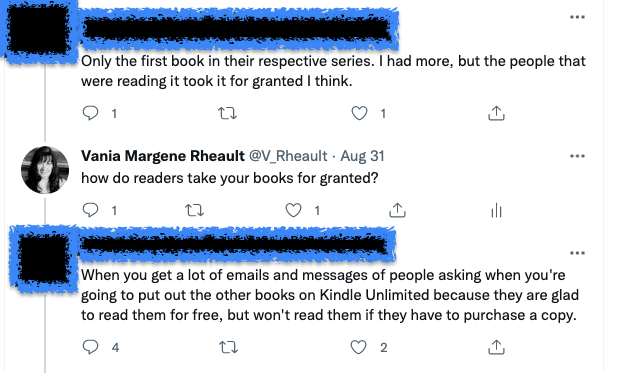
When you price your book at launch and you choose if your book is going to be in Kindle Select to take part in the Kindle Unlimited program, or wide (on other platforms like Books and Nook) you are consciously deciding where your readers are coming from and how much money they have.

In KU, readers pay $9.99 a month to read an unlimited number of books. Granted, not all books are in KU–a lot of traditionally published books are not, so a reader is sacrificing selection for value (though with the number of books published every year, month, and day that’s not much of a sacrifice if you ask me).

Anyway, so KU readers are one type of readership. They may be whale readers and read a book a day, or every two days, and their subscription fee pays for itself in a week and the rest of the month really is “free” for them. They may love indie authors and binge every book that author has written before they move on to another author. No matter how or what they read, they have limited income and $9.99 a month is a bargain.

Being wide cultivates a different readership, though you do have more flexibility with your prices and sales–if you choose to use them and many indies do not. When indies are wide they expect readers to pay for their books (duh). They can’t be borrowed like the KU model (unless you’ve enrolled your book in the program Kobo offers, but if I’m not mistaken you have to publish directly to Kobo instead of using an aggregator for the option to join).

Readers on other platforms may have more disposable cash and will buy your $2.99 book if they really want to read it. They won’t blink an eye at spending $11.97 for a four-book series at $2.99/each. Sometimes indies will do a permafree book, meaning it’s free everywhere, usually the first book in a long series to draw readers in, or they’ll run a .99 cent sale, but when you’re wide, you have to figure out your marketing strategy or no one will know you’re having a sale.

I’ll scroll through Twitter and see a book promo that makes me interested enough to click on it. Sometimes I’ll click on that link and see the book isn’t in KU, but the author hasn’t added any other store links to the tweet to indicate they are selling on other platforms, too. That ends up wasting my time, and other readers’ time when they have a KU subscription and are looking for books to read in KU. What’s the point of going wide if all you’re going to do is promote your Amazon buy-link?

This isn’t a blog post about enrolling into KU versus selling your books wide. There are plenty of those, and I don’t need to add my voice to the noise. But what this blog post is about is knowing who your reader is and guesstimating how much money they have to spend on books. With all the free content out there, and sales, too, a reader with a KU subscription or limited funds isn’t likely to spend $4.99 on an ebook. Especially if that ebook is only 50k words like a lot of romances out there. My opinion may be unpopular, especially with indies being told these days to “know your worth.” I know my worth, and I also respect my readers’ pocketbooks.

So what exactly am I proposing?

*If you’re wide, promote your books and all their platforms. You can use Books 2 Read, a universal link creator that will create a link to your book that will point your reader in the direction of their favorite retailer.

*Make your reader aware of sales. You can use social media for this, and your newsletter, but also use promo sites that let readers know your book is on sale. Some readers who like you when your books aren’t in KU or Kobo Plus have to wait until your book is on sale, and that’s the choice you’re making not enrolling into one of these programs.

*Read Wide for the Win by Mark Leslie Lefebvre. This is a great resources for reaching all the readers you can while publishing wide. Which is why you went wide in the first place, right?
Joanna Penn interviewed him recently on her podcast, and you can listen to it here:

*Research how to sell books at regular price. More often than not you’re asking readers to buy a book at full price. Some readers still have a hard time swallowing the idea of parting with money for something they can’t hold in their hands–like an ebook. Check out David Gaughran’s video on how to sell your book at full price:

*Research how to reach wide readers with ads specifically for wide books. David Gaughran also has a really awesome book on how to use BookBub ads, and you can find it here. Mal and Jill Cooper has a fabulous book out on how to use FB ads, and you can find it here.

*Make your books available in the library system. This is one of the sad things about having to be exclusive with Amazon while my books are in KU. I can’t add my ebooks to the library system. When you are wide, aggregators like Draft2Digital will enroll your books in library systems like Overdrive and bibliotheca. Ask readers to request your book from their local libraries.

*Go wide with your paperbacks too. Clicking expanded distribution on Amazon with your paperbacks is limiting and earns you less royalties than if you publish with IngramSpark. IngramSpark will distribute your paperbacks to all the online book retailers and also enroll your book into the library system.

My local mall has lost sight of who its customer is. Unfortunately because of what they offer (or don’t) I can no longer be one of them. I can’t afford to shop at most of their stores, and the one or two that interest me aren’t worth the hassle of finding a parking spot, navigating down the corridors to the store and then leaving again. Customers with money can browse the high-end selection from Lululemon or buy games and other computer/gaming equipment from Best Buy–an anchor store that replaced Sears when the chain went out of business.

When you sell anything, you have to know who your customer is so you can tell them about the products you have. Probably the most profound piece of marketing advice I ever heard was this: Don’t force customers come to you, you go to your customer. I don’t know who said it first, I think Craig Martelle said it in one of his YouTube videos–it could have been anyone in indie marketing space, honestly–and it’s true. “Build it and they will come” doesn’t apply to books. My mall needs to show me they want my business by offering me stores I can afford to shop at. Since they aren’t, they’re telling me they don’t care about my business, that the customers who can afford to shop there are enough for them.

When you’re wide and you only put your Amazon link in a tweet, you’re telling a potential customer that a) you don’t care if they have a KU subscription or you’re hoping they don’t and b) you don’t care if they like to read on a different platform.

I don’t care if you’re wide or not, your business plans are not any of my concern, but if you are, I can’t buy your book, not unless you somehow let me know your book is on sale. Unfortunately, that’s the kind of reader my income has turned me into and there are a lot of readers like me out there.

What’s really interesting is that just this morning I was listening to Andrea, Lindsay, and Jo on their newest podcast episode of Six Figure Author, and Andrea polled her newsletter subscribers. She asked them why her newest series hasn’t done so well, and the resounding answer was that readers lost a lot of disposal income due to COVID. Also a lot of people just weren’t in the mood to read because the past year has been so stressful. If you want to listen to the podcast you can listen here:

Find your reader, market to them.


Coming up, I’m going to have an author interview with Barbara Avon and maybe a giveaway too! Have a good week, everyone!
When Authors Act Out Online

Last week there was a bit of drama when an author lashed out on Twitter at readers for leaving less than a five star review. Of course everyone was offended, and in true form, went to her Goodreads book profile and slammed it with one star reviews in retaliation.

When stuff like this happens, it’s always a train wreck, and we can’t look away as the author goes down in flames.

This isn’t the first time an author has behaved badly on social media–I recall the author who had their book deal terminated because she tweeted a derogatory remark about a Black woman eating on a train.

We’ve probably all had our fair share of cutting it close on social media–pressing an opinion on someone who doesn’t want to hear it, posting about religion, politics, or a hot take about COVID. Lots of authors say they should be able to post whatever they like, and to a point, I believe that, too. My personal Facebook profile is public and I post memes that have the F word in them–a lot. I have a dry sense of humor, but I try not to share anything that would be offensive (I don’t spread racism or body-shaming and wouldn’t even if I wasn’t an author). I support a lot of wildlife rescues, and if you follow my feed long enough, you’ll see that I love bats and foxes. On Twitter I get into spats–someone called me a twat the other day because I defended Stephenie Meyer and her Twilight series–and if you ask for an opinion, I’ll give you mine. If I hate your cover, yessir, I will let you know. It’s not my problem if you agree with it or not, but I’ll tell you straight.

One thing we don’t consider is the state of an author’s mental health when they lash out. When I read all the drama that author put on herself–slamming those reviewers for less than five star reviews–I didn’t automatically call her a bitch or entitled. I thought, what is that author going through she has to lash out because of a good review? What is that author’s life like? Does she see a therapist? Is she on medication? Did she just go through a breakup? Did the stress of launching of her book make her snap? If you comb through some tweets, someone reveals the author was high and tweeting in the middle of the night. I have no idea if this is true, but it wouldn’t be the first time an author, or anyone for that matter, has been drunk or high and posted something they later regretted. Drunk-texting an ex and begging him to come back isn’t the same as tweeting something so terrible it could ruin your career, but you get my meaning.

Authors are already a lonely bunch, and I haven’t met many writers who are actually in a good place mental-health wise. They’re only good at hiding that they aren’t. Even the woman who called me a twat defaulted to rage someone had the audacity to disagree with her. That’s a lot of anger built up to attack someone you don’t know for having a differing opinion. I would imagine this author has been querying for a while and hasn’t managed to grab a book deal and she’s furious someone like Stephenie could not only secure a book deal, but became an international bestseller and was offered a movie deal, too. Maybe anger isn’t a mental health issue, but anger management is in the behavioral health department, and this author should find some help.

Anyway, I got a little off track there. The whole point of this blog post is that things aren’t always what they seem, and I hope I wasn’t the only one to have given this author the benefit of the doubt. Maybe that’s misplaced and she does feel entitled to 5 star reviews, but I tend to think this last year has been hard on everyone, and not enough people are giving others grace. The world is a huge place, but when we are stuck in our little bubbles, it’s hard to walk a mile in someone’s shoes–especially if we’ve been under lockdown for the past 12 months.

I don’t know what this will do to her career. I Googled a bit, but at the time of this writing, there isn’t a blog post or article I can reference that even speculates. I don’t know what her publisher will do, or if she has a PR manager who can do damage control or if they’re interested in doing that. I do know she’s lucky in that something will take her place–I’ve already heard grumblings about the Vivian finalists that the RWA put out a couple days ago. I didn’t renew my membership so I don’t know what book title is evoking the anger (something about a serial killer romcom?), but #romancelandia will be interesting to watch coming up.

What can you do to keep your social media on track?

  • Pause before you tweet or post. I’m always taken with this poster in my clinic’s office when I check in. If what you’re going to to post isn’t any of those things, maybe you don’t need to put it out into the world.
Think before you speak: 
Is it True? Is it Helpful? Is it Inspiring? Is it Necessary? Is it Kind?
  • Double check what you’re posting on social media is the message you want to convey to the people who follow you. A lot of authors don’t know what their brand is, and I’m not really any different. To the indie authors in the community, I want to be seen as helpful, kind, supportive. I don’t want to be known as someone who is willing to make a buck off iffy information, and trust me there is a lot of that out there. I’ll tell the truth. If you’re cover isn’t working for the genre, it’s not working. If it looks homemade, I’ll tell you. That may not be seen as kind if it’s not the feedback you’re looking for, but there is a huge gap between Writer Twitter and the professionals in the Facebook groups I’m a part of who are making a living wage with their books. I’m not looking to bridge that gap, but if I can help one person make one more sale than they would have, then speaking up is worth it.
  • What are your social media goals? I’m on social media to have fun, network, learn new things about the industry, and drive readers to my blog. I don’t have a reader group on FB (yet), I post what I want on IG without regard to trying to find readers. There is a strong romance community (that I have found, anyway) but it mostly consists of writers sharing the romance novels that they love to read when they aren’t writing. It takes a while to realize that social media (free book marketing) doesn’t work as well as it used to.

If you’re angry, you may not take that pause before lashing out, or maybe you need to vent and have no where to put it but a long FB post. Censoring yourself may be one the hardest things you can do if you feel passionately about something, but the last thing you want to do is lose out on a networking opportunity or a collaboration, or even a book deal if that’s what you want because of something you said in a moment of weakness online.

Mental health is a serious issue, but if you follow along with that author who lashed out and see what other writers and book bloggers did to her book on her Goodreads profile not everyone is willing to give the benefit of the doubt or a second chance. I realize you can’t live your life in fear, but you can think about what you’re projecting out into the world. That might actually help your mental health in the long run.

Do you want to read more about the mental health of writers? Look here.

The Writing Life: Writers and Mental Health

Shattering the Misery Myth: How to Nurture Your Mental Health as a Writer

Thursday Thoughts, Clubhouse, and Time to Think.

It seems all anyone can talk about these days is Clubhouse, and I was lucky enough to be invited into the app exclusive for iPhone users (thanks Aidy!). If you haven’t heard of Clubhouse, it’s an app where you can drop in on any room of your choosing and be a fly on the wall. I’m a part of a couple of indie writing rooms and a publishing room. One of the rooms, or I guess “club”, is hosted by my Level Up Romance Group on Facebook. There I get to listen to the speakers “on stage” chat about whatever topic they’ve decided on (today it was Kindle’s new platform Vella, but that’s a different blog post). It’s not scripted, not like a podcast where the interviewer answers questions previously given to them by the hosts. It’s fashioned as more of a chat/discussion, or if you’ve ever been to a conference (not just a writing conference but any professional conference) I liken it to dropping into a breakout session and listening in. If you don’t get anything out of it, or you need to attend a different session, you can slip out the door, or in the app’s case, you can press on “leave quietly” and leave the room.

I don’t know all the ins and outs of this app–I’ve never spoken and haven’t been invited to. (My area of expertise is limited and I’m not making any money selling books so I doubt an invitation will be forthcoming in the near future.) I’m still learning how to move about the app (or hallways), and the first time I attended a room, I was scared to blow my nose because I wasn’t sure if I was muted or not. (Unless you’re invited to speak, you are, but it’s up to you to unmute yourself when it’s your turn to contribute.)

As you can imagine, there is a lot of information passed along these casual chats and it feeds right into my Fear Of Missing Out.

I present myself as a pretty stable individual mental-health wise, and for the most part, I am. But when it comes to the indie publishing industry and all the information out there, I have a desperate fear of missing out on the NEXT NEW THING. How are authors making money, what are they doing, what are they trying? I can get a bit obsessive when it comes to gathering information, and it’s only been in the past six months or so where I’ve tried, consciously tried, to loosen the reins and dump some Facebook groups. I don’t listen to nearly as many podcasts as I used to, either. I haven’t listened to Joanna Penn for quite some time, and it’s been while since I listened to the Wish I’d Known Then podcast hosted by Jami Albright and Sara Rosett, though that one should be at the top of my list since they both write romance and interview romance authors on the regular. I don’t listen to The Sell More Books Show since Jim Kukral left. I don’t care for the new format (no offense, Bryan!) and I don’t click with H. Claire Taylor, Bryan’s new cohost. The only podcast that I listen to every week is the 6 Figure Author podcast. I like Lindsay, Jo, and Andrea, though if it’s just the three of them talking, sometimes their information can get a bit repetitive, and I’m not always interested in their guests, though they are more business-minded than some podcasts I’ve listened to about publishing (recently they interviewed Joe Solari).

The reason why I stopped listening to so many podcasts is because if I listened to as many as I think I needed I wanted, or as many as are available, my mind would not rest. I need the time unplugged to think about my books. I need the time to mull over my plots, what my characters are doing, where they’re going, and how they’re going to get there. If I constantly have a voice yipping in my ear, my brain can’t wander, I can’t brainstorm, and my books will never get done.

There isn’t only one way to write a book, but this is my way. It helps me keep writer’s block at bay. There is no quicker way for me to shut down than if I sit at my computer and I don’t know what I need to write during that session. I call myself a planster, and I plot as I go along, and for me, that does mean knowing what I need to write that day even if I don’t know what I need tomorrow.

This applies to blog posts too. I thought a lot about what I wanted to say on the drive home from dropping my daughter off at school. I never would have had that time if I would have been listening to a Clubhouse meeting or a podcast. Sometimes even music takes away the space in my brain, and in the past I’ve been able to write with music in the background, but I’m moving away from that and writing in silence more and more.

So, enter Clubhouse and my need to know everything. So far the app is new, and there aren’t many rooms you can join, which is a good thing for me. To add to the urgency, rooms aren’t recorded. Either you can join and listen at that moment or you can’t. At least with a podcast, webinar (most offer replays though you can’t join in with a live Q & A session), or even a YouTube video, you can listen at your leisure. While Clubhouse could be a fabulous resource for authors down the road (especially once they are out of beta and you don’t need an invite to join) FOMO is real for a lot of people, and it will be interesting to see how others handle their time.

I don’t know everyone who is on stage most of the time, I know a few of the authors who speak, and they are all full-time authors. I mean, if you’re making ten grand a month on your books, I guess you can feel like you can make time to listen and join the rooms. I need all of my writing time still, because I work full time, have three cats (one of which is always needing something) two kids, and a social life. I need time to shut my brain off or my books won’t get written.

Time to think about your stories and blog posts and other content you share on social media is important, and I need to remind myself constantly that I don’t need to know everything. I like knowing what’s going on in the industry, especially romance. I probably wouldn’t have started writing in first person present had I not been keeping my ear to the ground. I wouldn’t have gone with MailerLite if it wasn’t the most recommended newsletter aggregator. Chances are if I wasn’t paying attention to the indie news in general, I wouldn’t have known to ask for a Clubhouse invite in the first place.

But I have to make sure I have space in my brain for books–which is doubly difficult if you’re already worried about something going on in your life. For me, it’s my health, but I’m slowly getting back to normal there, and eventually that space can be taken up with something else–hopefully nothing quite so serious. The next time I need an oil change, maybe, or when I need to make an appointment for a hair trim. It’s emotionally exhausting worrying about something, and when you can find quiet, it’s best to take it instead of cuing up a podcast or joining a room on Clubhouse.

It’s all about finding that elusive balance.

And that’s always easier said than done.

All stock photos supplied by Canva Pro.

First Person POV Blurbs: A debate?

Writer Twitter is always so interesting to me. Not because I like to stir up a debate (or sit back and watch), but I am honestly curious what people are passionate about in the writing and publishing community. Especially since most the opinions are coming from writers who are trying to read like readers but really read like writers. This one caught my eye just because it’s something I’ll be dealing with soon:

Does the POV of your blurb match the POV of your story?

At some point, people started complaining because blurbs were in 3rd while the book was in 1st and that was "misleading", so authors started matching the POV and I HATE IT.

BLURBS ARE WRITTEN IN THIRD PERSON.

This author (whom I didn’t identify so she didn’t feel called out) could even have taken it one step further: Blurbs are written in third person present, which is actually even more messed up if you think about it. I guess the present tense of a third person blurb is supposed to incite an urgency in the plot that encourages readers to buy the book to satisfy their curiosity.

It took me a long time to come around to any kind of first person POV thinking, especially when it came to romance. I wrote about the shift way back in July of 2019, and as I had predicted that it wasn’t going anywhere, most steamy romance now is written in dual first person present. I rebelled, and then last year I finally came around. Does third person past romance sell? Well, my abysmal sales aren’t the main reason why I changed (anyone can tell you correlation does not equal causation), but I’m thinking writing third person past when first person present is popular didn’t help any. Writing and publishing is hard enough as it is during the best of times, there’s no reason to make it any harder on yourself.

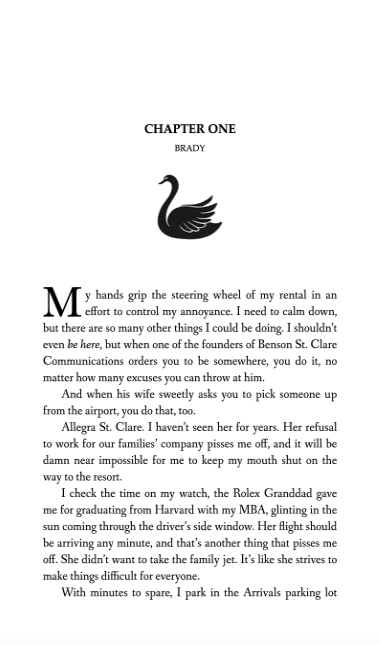
Lately I’ve been reading a lot of first person billionaire romances for research (read: I’m not doing it right) and as a reader searching for her next book to read, I assume if the blurb is in third person, the book will be, too. Most first person billionaire romances have first person blurbs, and those are the ones I zero in on when searching for a new book to read.


As a reader who's been reading 1st person books to stay in the 1st person POV while I write, if I see a blurb written in 3rd person I'll skip it thinking the book is written in 3rd person. As more romance is being written in dual 1st person POV, I think blurbs will change too.


I guess I don’t understand this because blurbs are traditionally written in third person no matter the POV of the book. This thing where people are writing blurbs in any POV besides third is new.

I had a little back and forth with her as you can see, (and if you want to read the whole thread and others’ responses, you can click here) and I zeroed in on one word she used: traditionally. I think it’s safe to say that with indie publishing, a lot of what we used to know has gone out the window and publishing is changing. I used to gripe a lot about it, in a “Get off my lawn” kind of way, but while you can focus on the negatives that indie publishing created (lack of quality in books, poor covers, authors publishing novellas and short stories rather than full-length novels) there are a lot of positives too (no gatekeepers, flexibility to write and publish what you want). Traditional publishing will always lag behind whatever indies do, if they even choose to adopt whatever practice indies have picked up. One day traditional publishers might start using first person blurbs for first person books.

Like anything, a first person blurb has to be well-written. I’ve read lots of icky third person blurbs, and lots of icky first person blurbs–especially first person teasers on Facebook ads. (Ooof! If you don’t get your ad teaser right, you’ll never sell any books.) You have to write a good blurb, period, or you lose a potential reader no matter what POV you’ve written your book in.

To me, it makes sense to match your blurb’s POV to your book. It’s a smart marketing tactic since a lot of readers still prefer one over the other and you don’t want to waste anyone’s time.

Want more opinions?

Marketing Copy: The First- Versus Third-Person Debate by Jan O’Hara


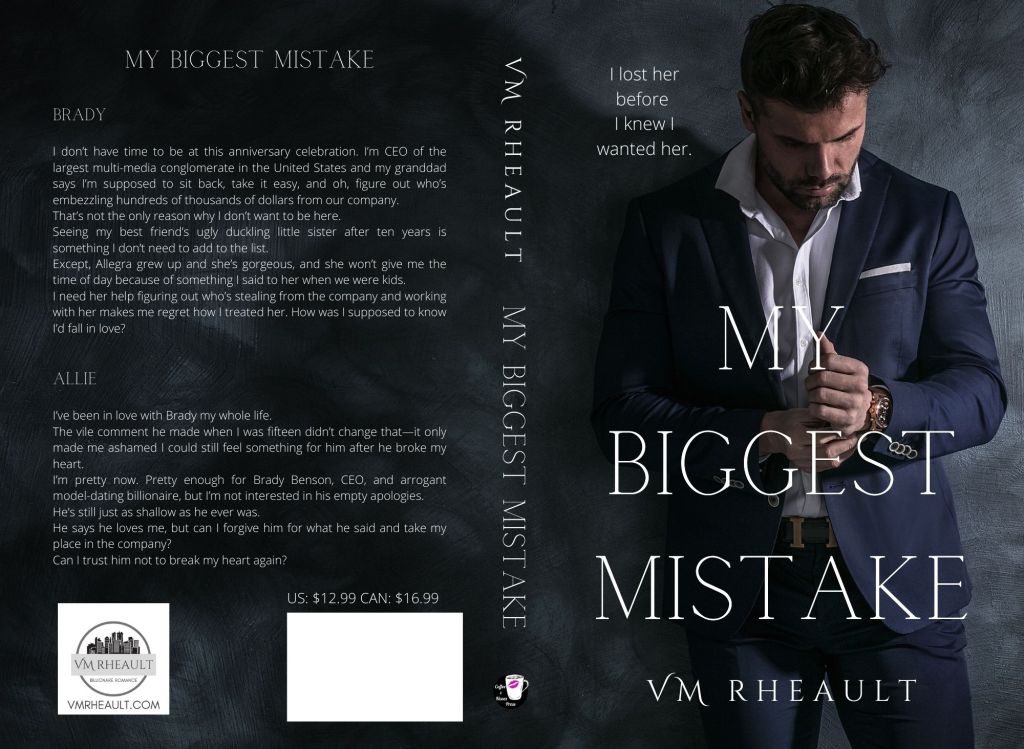
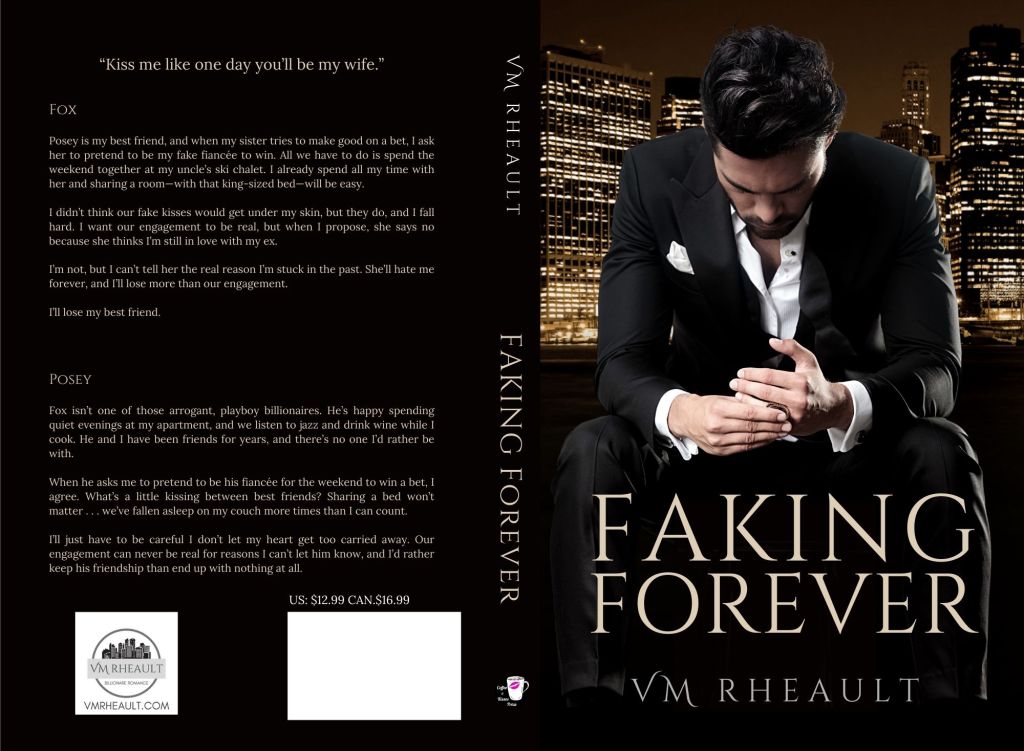
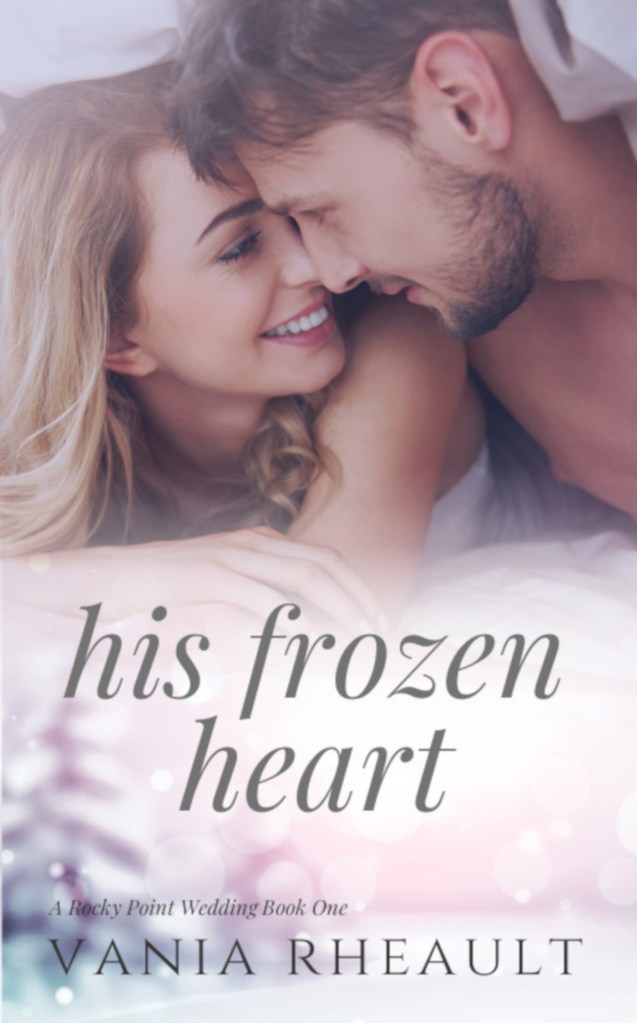
As you can see, I’ve stopped posting my graphic with all my books on it that linked to my Amazon page author page. I don’t blog for readers, I don’t even blog about romance all that much, and I mainly posted my graphic as social proof that yes, I am part of the writing and publishing community because look I have written and published. But as I have veered off from my Vania Rheault author name and will focus on VM Rheault in the coming months (maybe years) I’ve stopped posting my books’ graphic. What will go here instead? I’m not sure. I’m exploring logos right now, futzing around in Canva looking to make my own that will identify my brand as a billionaire romance author. I don’t particularly want to hire out for this, and I’ve been looking up examples online and experimenting with what I like and what I want my brand to be going forward. I have come to realize, too, that if I want to use a website as a newsletter sign up vehicle, I’ll have to create a new website for my pen name, even if it is just a home page with a pop up box.

I may end up just writing out my name and begin to “sign” my blog posts as with this blog, I have nothing to sell. I can keep my Vania’s Books page up and I can keep it updated, though I’m not sure when or if I’ll ever write another 3rd person book. I did have a lovely idea for a 3rd person book I was going to write before the plot of my 6-book first person series plopped into my head last year and I wrote like a mad woman to get it all onto the page. The ideas are there–it’s the time and my general lack of direction right now that will hold me up. In the meantime, I’ll leave the end of my blog posts blank, and if you have an idea what I can put here, or if you want to see my books’ graphic come back, let me know.