
Words: 1338
Time to read: 7 minutes

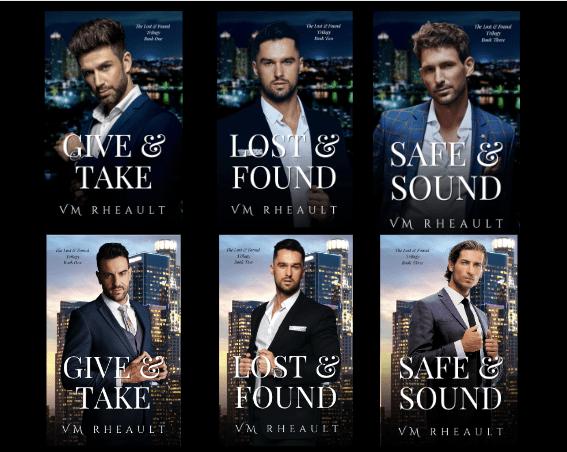
I don’t listen to many podcasts anymore–I’m hoping that will change after I get more answers at my appointment on Tuesday… and after I get this blasted series done. I have four chapters left, but I know in one of the chapters there’s a scene I want to add to, just to circle back to something a character mentioned in book four that would wrap up this couple’s HEA all the better. I don’t want to rush the rewrite and I conceded a long time ago these would be done when they get done. I’ve been working more seriously on the covers, but damned if I can do better than what I have. I’ve looked at cover after cover, from dark billionaire romances to romantic suspense and the problem I keep running into is that the vibes don’t match. I don’t mean my brand, but the vibes of the stories. While these characters are a little younger than I’m used to, that’s the only difference between this series and what my backlist offers. I can’t go too dark and even if there is a lot of suspense, nothing in the romantic suspense genre grabbed me. I’m stuck with the models–one guy in a suit because he’s the billionaire, one guy (who has been used everywhere FML but I like how he’s dressed) because he’s a PI and wears a suit all of one time in the stories. You wanna see them? Here they are:


The guy on the left is Zane Maddox, billionaire. The guy on the right (who might be familiar as I played with him when I was doing my Christmas novel cover) is Gage Davenport, the PI who falls in love with Zane’s sister. They go well together and match the background I chose for them. Deviating from what I made for covers months ago feels wrong, but I’ve tried because I think the covers are on the plain side. I mean, they’re a good plain and they’ll fit in with the books in my backlist, but I really wanted these to be special, and I feel like I’m letting this series down somehow. Maybe I’m blowing my covers out of proportion. They don’t look any different than the books I’ve published before, but my sales aren’t great and it takes me a lot of telling myself it’s not because of my covers. Because in all honesty, my covers don’t look any worse than anything else that’s out there, and I still like people on my covers, no matter what the trend happens to be right now. I need elegant, not edgy, and even if they are subdued, I think ultimately they’re what I’m going for.
Anyway, so I bring this up because I listened to Craig Martelle’s State of the Industry talk in his Successful Indie Author Facebook group. I like listening to what he has to say. He’s practical and down-to-earth. Maybe in a way that only already successful authors can be because he’s making money and even “slow” periods don’t affect him that much, but he doesn’t freak out about stuff, and I can appreciate that. If you want to listen to what he has to say, he posted it on YouTube here:
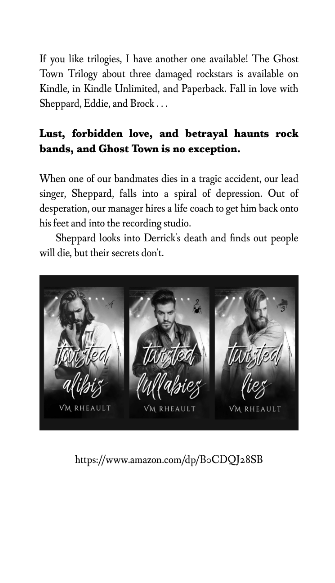
I listened to it because I always like hearing speculation and trends, where people think indie publishing is going. Personally, I feel like small-time authors like me are stagnating. Nothing can help us get ahead. Right now FB ads are the only way I’m selling books, and even yesterday I had to go in and pause two of my ads. I spent 140 dollars between two ads for the first book in my duet. The clicks were only costing me .14 USD which is way cheaper than any of my Amazon ads I’ve run, but I wasn’t seeing the sales. I don’t get many sales of Captivated (I think it’s a number of reviews issue), and I would have known if those clicks were turning into buys. In fact, you can go to your Author Central page and look at the sales ranks for your books. My ad spend was going up as my book rank plummeted. That’s not a great match. I have two going for the first in my rockstar trilogy and they have ton of likes and shares. They don’t have an end date and I’ll likely never turn them off. Those two are the only things driving my sales right now. My Freeobooksy for Rescue Me did better in terms of KU reads than I thought, but I haven’t made my fee back yet. (I’ll get into numbers when I do my half-year check in.)
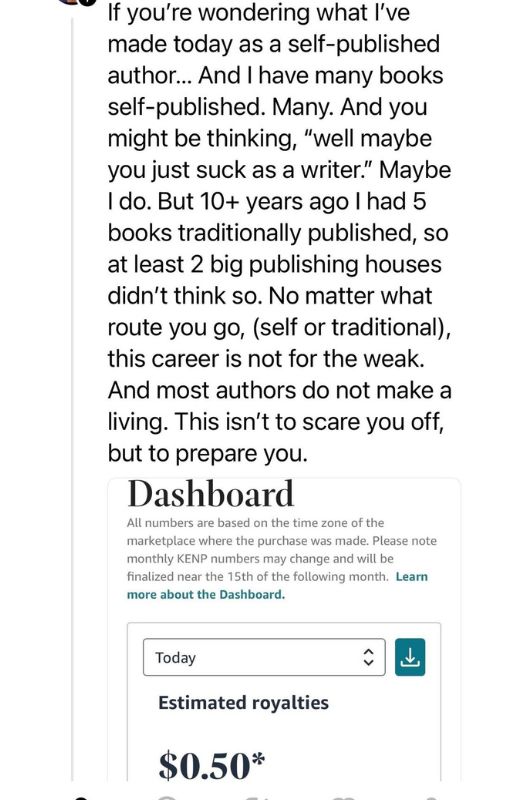
So if you’re a small-time author, or a baby author, you’re going to think the state of the industry is pretty crappy, and you probably aren’t liking the advice everyone throws at you: write the next book. I get the next book is important, but I can understand the conundrum. If no one is around to read it, why write it? It’s very very easy to be defeated, especially since it seems like there aren’t many people around to cheer you on. Everyone is busy with their own struggles and there just aren’t that many people who have time to hold your hand or pat you on the back. I don’t want this post to go all “woes me–” I’d like to keep it practical at least. What can a baby author do to get ahead? What can any author do to move the needle. I understand where people are going when they say write the next book. I’ve said it too. But now many will be enough? There are some authors who have written 100+ and that must feel very intimidating to a debut author whose book sinks a week after launch. The state of the industry is confusing–there has never been a better time to be writer in terms of ease and resources, but I also feel like COVID upped our competition and that competition never really went away. Al (I asked ChatGPT) said 60,000 books are published every month. I used to think that was more, but I haven’t watched a K-lytics report in a long time to know. But even 60,000 books a month is a lot. Other authors aren’t our competition, but when you start throwing numbers around, it sure feels like they are.
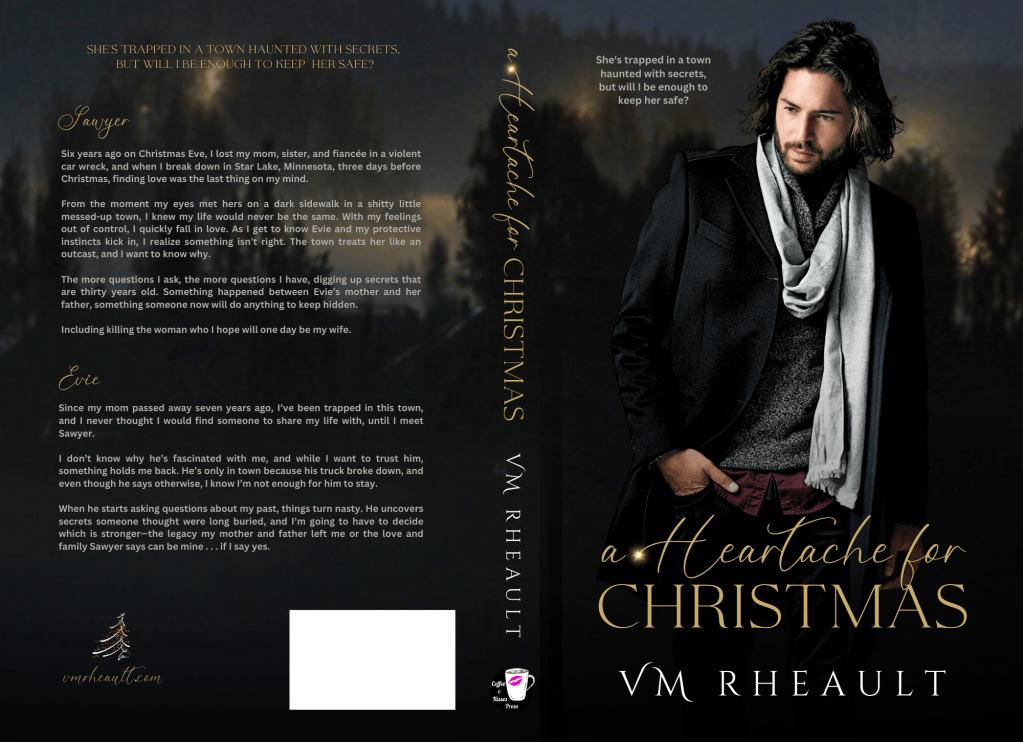
Craig also said a few other things, like the election not doing us any favors, and I can believe that. Trump winning wore us down, Biden winning after lifted us up. Whether Biden can win again remains to be seen, but either way, this fall tension will be high. It always is. The holidays don’t do anyone any favors unless you have a Christmas novel to put out, so you could start writing one now and hopefully have it ready to go by November. I’ll push A Heartache for Christmas because last year between November first and December 31st, I sold 31 books and had the equivalent of 96 books read in KU. I also ran ads to it, so I could have technically broke even, but these days, that feels like the best you can do.
I don’t know if Craig said much else. I don’t think he spoke with an outline in mind and he went off on some tangents every once in a while, but I still enjoyed listening to his talk. I guess you take away some negative bits from it (as it seems I have) but the real takeaway I should have gleaned from his talk is that you can’t sell a book that hasn’t been written. That’s true for any author, no matter how many books they have in their backlist, and no one knows that more than an author who has readers wanting their next book.
It’s finding those readers without growing broke or sacrificing your mental or physical health along the way.
That’s the real state of the industry.






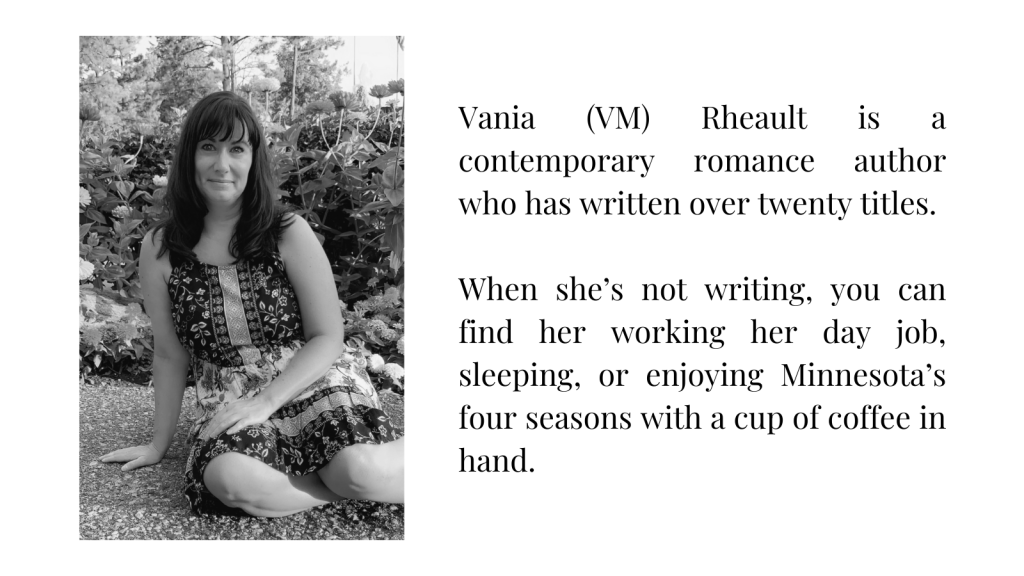

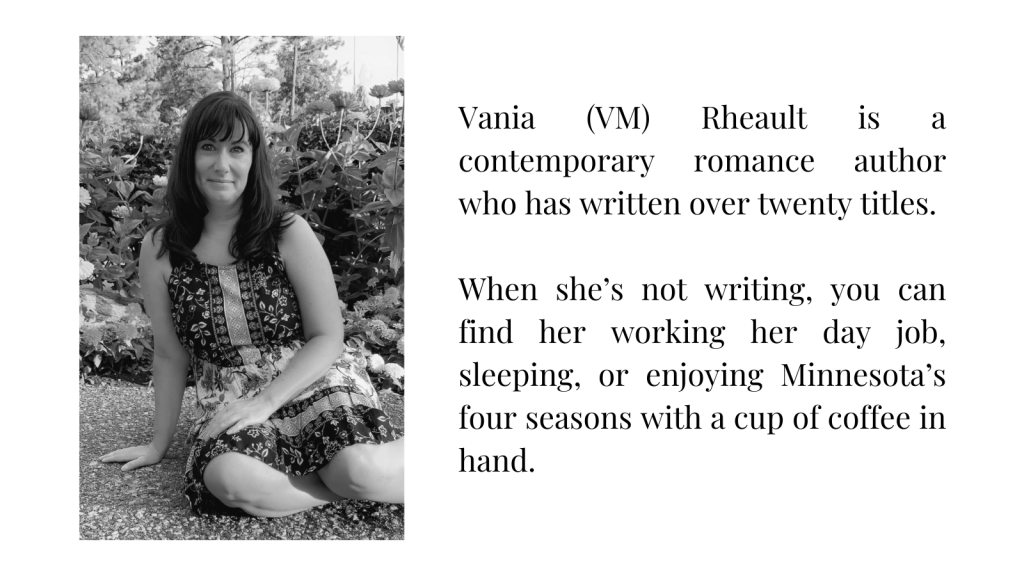
















 Vania Margene Rheault