Author Update, Thoughts on Getting BLOCKED, and Giveaways, are They Worth it?

Image by Mint Miller from Pixabay

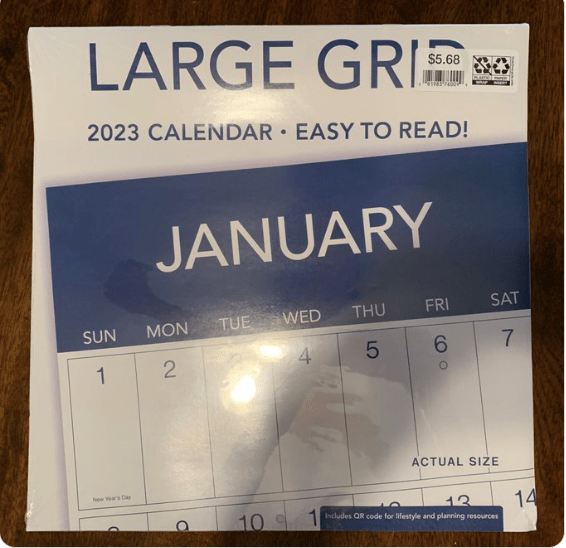
Things around here are the same. I had a good Thanksgiving with my kids, sister, and ex-husband. The turkey came out well (which is always a gamble for me as I tend to over cook), all the sides were good, and I only peeled a little skin off my finger when I was peeling potatoes. The questions when we played Trivial Pursuit weren’t even that difficult, and though my sister won both times like she normally does, I didn’t feel stupid (like I normally do) so that was a win for me all by itself. I started editing for a friend of mine, and I’m excited to read something different for a change and keep my editing skills sharp. It’s been a long time since I’ve edited for someone and it’s a fun break from my own book. I’m 28k into my new WIP and I think at this point I have all the bits and pieces I need to finish it. I don’t know how long it’s going to be–I have a list of the plot points I haven’t hit yet, so I’m guessing I’ll need at least another 50k words before it’s done. Still no idea what I’m going to do with it, but I may just hire a proofer and publish it when it’s ready. I bought a 2023 calendar to keep track of all my releases and promo dates, and I’m going to force myself to use it next year. I always buy a cute planner (last year I even bought a calendar blotter though I have no idea why because the only desk I have is for work and I don’t write there) that I ignore, but I’m going to try my best to make 2023 more professional for me and my books.

I have this calendar for 2022, but I changed my release plan for several of my books, and didn’t end up using it. I wrote and packaged a duet and a trilogy instead and that used up a lot of this year. 2023 is a big year for me and I’ll be releasing quite a few books. My co-worker isn’t reading my series (she prefers watching Netflix and watching TikTok videos, SMH), so I’ll have to ask for those proofs back and figure something else out. I really wanted to have a second set of eyes on these, but even a proofreader at $70/ book (which totally isn’t bad for a proofreader, honestly) would still cost me almost 500 dollars for all six. It’s tough, it really is, and the last thing I want to do is read them again, but I may not have a choice. This series will butter my bread if they take off, and I want them perfect before I publish them.

Anyway, so one thing at a time, and I’m looking forward to publishing my trilogy in January. There doesn’t seem to be anything getting in the way of that, and I’m proud of these books so I won’t be pushing them back for any reason (unlike my series because they don’t feel ready and I don’t feel ready). What will come after them remains to be seen as I have a standalone ready to publish, but by then I might just do my rockstar romance and then figure out what I want to publish in the summer. Choices, choices, but it’s a good problem to have.


Saturday I got caught up in a squabble on Twitter about giveaways, and not to my surprise, she blocked me. It’s fine. What I said, and what I will stick to, is if your giveaway isn’t doing what you want–new readers, read-through, whatever the case may be as to why you hosted a giveaway, fix your book. Fix your cover, fix the copy that you used with the giveaway, fix your blurb (anywhere, everywhere), fix the look inside. What ruffled her feathers was when I said, free junk is still junk. She said it was harsh, but so what if it is? I’ve been on Twitter for a long time. A long time, and the most common theme that I’ve run into is when people complain their books don’t sell, but are unwilling to take advice on why. If I say I don’t like your cover because I don’t think it will meet reader expectations, I’m not insulting you. I WANT your book to sell. And YOU want your book to sell or you wouldn’t be asking for feedback. Anytime someone blocks me, my feelings are hurt, and I don’t like hurting other people’s feelings. The fact is though, I should stop offering my opinion. People truly don’t want it. Especially when they’ve already gotten ten tweets saying how wonderful their Canva cover is and I’m the only one who says it looks terrible and maybe you should be studying the Amazon top 100 in your genre to figure out where you went wrong. Staying in my own lane has always been difficult, but think of how much time I would have if I stayed off Twitter. My self-esteem levels would probably increase, considering there isn’t a week that goes by where someone doesn’t tell me, “Thanks for your input but fuck off. I like my cover how it is.” But I get the last laugh when a month later they’re complaining because their book didn’t take off like they wanted it to. Shrug. It is a pretty crappy merry-go-round that I’ve hitched myself to, an addiction that needs to be broken. That could be one of my 2023 New Year’s resolutions. I’ve never stayed where I’m not wanted, and that goes for friendships and romantic relationships as well.

If you’re thinking about a giveaway, I have some quick thoughts to make your giveaway go as smoothly as possible and hopefully you get out of it what you want.

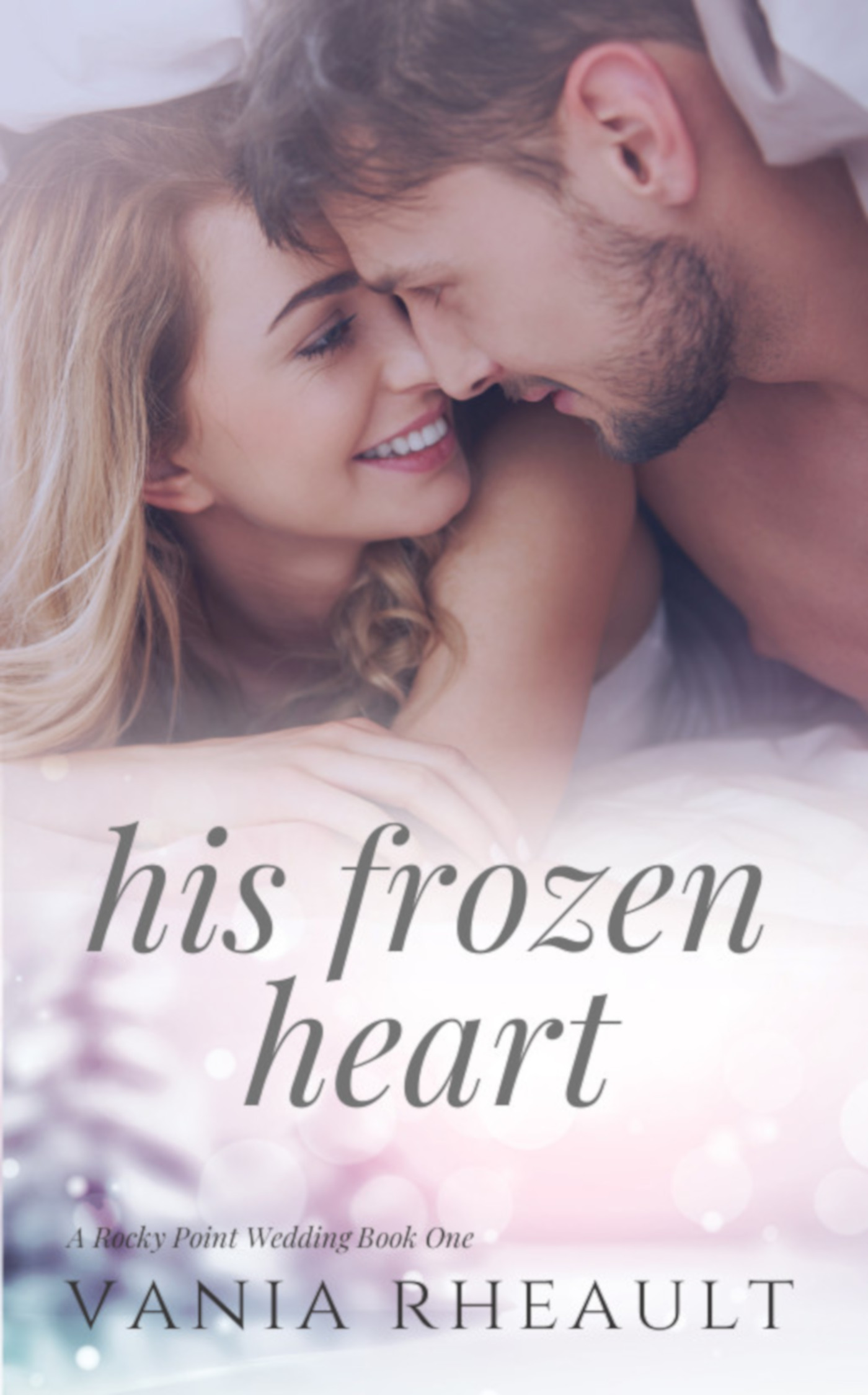
Fix your book before your giveaway. When I did my promo for His Frozen Heart, I fixed the back matter of all four books, changed the covers back how they were before Amazon suspended my ads, edited the look insides of all of them and made sure the blurbs still held up. This is really important. If you’re buying a spot on in a Freebooksy promo or you were approved for a Bookbub Featured Deal, your book is still going to compete with other books. True, some readers load up their e-readers with every free book they come across, but if your book has a fabulous cover and a hooky blurb, readers may read your book first and if your book is solid, you may have found a life-long fan of your work. These were all the free books on November 17th when I ran my promo. Your book has to compete with others’. There is no getting around it. https://www.freebooksy.com/?s=november+17

Know why you’re giving your book away. This, too, is important or you’ll only disappointed yourself after the fact. As my friend Jeanne and I were talking about couple days ago, ROI doesn’t always mean sales. ROI could be exposure, a borrow though Kindle Unlimited, a newsletter sign up, or read-through to the next book, either through a sale or a borrow. I didn’t have a plan when I bought my Freebooksy for His Frozen Heart, and because I didn’t have a plan, my results weren’t optimal. I wanted to give it away because it’s the closest thing to a holiday novel I have, and it’s nearing Christmas. I wanted to give it away because I hadn’t done a promo for that series for a long time. But, I also don’t have plans to write 3rd person under that name anymore, so I wasn’t giving a book away to build that author name, and if you aren’t using your cement blocks to build a foundation, you’re wasting concrete.

Have realistic expectations. The woman arguing with me asked me if I saw immediate sales after my promo. I gave away 2,000 copies of His Frozen Heart, and in her mind, I should have sold 2,000 copies of other books to make up for that. It doesn’t work that way. Yes, I got read-through, and I have still gotten read-through of my other three books and will continue for a bit though those sales are trickling in now. I may not earn back my fee this month (I still stand a chance of that before the end of the year), and that’s fine. People need time to read and the holidays are busy. Some people may not have liked the first book and won’t read the others. That’s a risk when you publish any book. You can’t be all things to all people.

Ask yourself if this is the right time to do a giveaway or other promo. I was listening to Zoe York in a Clubhouse room and she said try to do some kind of promo every three months to keep sales moving. I agree and I’ve fallen dismally behind in that regard because I’ve been too busy writing to think about my backlist. Once I settle into my pen name, all my momentum going forward will be for those books, and like a car going down a steep hill, I hope I can keep up the speed even if my foot is off the gas. I said in my last blog post that had I really been thinking overall about my business, I shouldn’t have paid for that promo, and it’s still true. I should have saved that money to push my 1st person books next year. Now I have to take that loss. I spent $115.00 on the Freebooksy spot and as of this writing have spent $8.97 on Amazon ads for the month of November. I’ve only made $83.97 this month which puts me in hole $40.00. (Because of all the extras I pay for throughout the year, I’ve only finished out a couple of years in the black, so that’s the overall state of my publishing career up until now. It’s not a surprise though, and something I’m obviously trying to change.)

If you don’t want to give a book away, don’t. I’m not your mom telling you what to do. Return on investment will be different for everyone, but the main reason I see for authors not wanting to give their book away is because they think they should be paid for their time and what they think they are worth. It’s true that some people value the things they have to pay for, on the other hand, COVID is still a thing, there’s over six million people who are unemployed in the United States, and people are struggling to buy food and pay their rent. As someone who is fortunate enough to have a little money for ads but still stresses about monthly bills, I understand both sides. Yes, I want to be paid for all the work I put into my books, but I also pay for a KU subscription because I couldn’t read as much as I want without it–especially the indie authors who aren’t in libraries. So undersand that if you, under no circumstances, are never going to give your book away, you are limiting yourself to readers who can afford to pay for every book you publish. If you’re asking 4.99/book and you’re selling a 6 book series, that’s $30.00; not a little sum to many people. Wide authors can be extremely successful, but they do run promos on book ones all the time to draw in new readers. If you don’t want to do that, that’s a business decision that only you can make for yourself and your books.


Free trash is still trash, and if you can’t judge your product with honest skepticism, I can’t help you. Maybe my words were harsh, but I don’t think she needed to block me. Mute me if she didn’t want to hear my opinions anymore–we weren’t following each other, I would have disappeared from her Twitter feed forever. I rubbed her the wrong way, and maybe one day she’ll change her mind and think giveaways are the best marketing strategy for her books. I can’t say it doesn’t bother me because it hurts to be shunned for your beliefs and maybe I’m too thin-skinned for Twitter (or to acerbic for my followers which is probably closer to the truth). Honestly though, I need to keep my nose out of people’s business and actually stop trying to help people. It will save me a lot of hurt, and people are going to do what they want regardless of what my opinions are. We’re all struggling against the stigma of indie publishing, and you’d think people would try to do their very best to fight against it, instead they do what they want and just validate those people who think indies are trash. It is what it is. As one of my friends likes to say, not my circus not my monkeys, but I sure do like to buy tickets.

Thanks for reading! I hope you have a wonderful rest of the month!

Discussion with indie authors A.K. Ritchie and Jeanne Roland

I asked indie authors Jeanne Roland and A.K. Ritchie to chat with me about writing a second book, publishing, and marketing. I think it’s fun to pick the brains of my writer friends. You never know when someone will share something that will elevate your career to the next level. While I don’t think our conversation will turn your book into a best seller, sometimes it’s just helpful to know we’re all struggling. I thought we would chat for half an hour, I’d ask a few questions then we’d log off. We ended up talking for over two hours, and this is the bulk of our chat. I hope you find it entertaining if not useful. Thanks for pulling up a seat at our table. If you want to follow them or check out their books, their links are posted at the end. Enjoy!


Vania: A.K. Can we start with you? How long have you been writing and what made you decide you wanted to publish?

A.K.: Sure! I’ve been writing since I was five! My first book was dictated to my teacher and she turned it into printed books for us to create the pictures to go with the story. That’s when I was hooked! In terms of publishing, I’ve always wanted to! I don’t know where it began. I went to a publishing conference in 2019. It was for traditional publishing and while it sounded really interesting, there were a few things that turned me off traditional publishing. That’s when I decided to learn as much as I could about self-publishing. I was hooked.

Jeanne: Can I ask what turned you off trad publishing, if you remember?

A.K.: Oh, quite a few things. One, I listened to agents talking about how something as simple as a name would turn them off a manuscript. Two, they said it could take a year or even up to five years to get a book on the shelves. It was discouraging to hear.

Jeanne: Yes, don’t even get me started on names! That was the first thing that I was going to have to “change” to get mine published, and I get it. The name of my book doesn’t “work,” if one thinks of the book as a commodity. It won’t “sell.” But it’s the name of my book!

Vania: That seems to be a vibe even now from agents. They’re looking for books that require almost no work to get from your computer to the shelves.

A.K.: Yes! I understand they need to market, but to not even have someone read past the first page because of it is disheartening!

Jeanne: It’s probably a volume issue. An easy way to weed down the stack. I’m sorry I keep interrupting! I’m just very chatty. I’ll try to rein it in.

A.K.: That’s what they said, that there’s just too many to read them all.

Jeanne: I hate to say it, but I also think that agents are looking for authors to sell, not books to sell, too. Are you as an author someone or someone with a story or angle that lends itself to marketing? If not, forget it. There has to be a “story” behind the book, not just the book itself.

A.K.: Agreed!

Vania: Any angle, to get ahead, but I think indies do the same thing. Looking for the next biggest and best thing to somehow get ahead and find readers. A.K., that’s really cool that your teacher fed your passion. I hear so many people who have been shut down by their teachers. I’m glad she had a positive impact on your life! Jeanne, can you tell us a little about how you started writing and why you decided to publish?

Jeanne: Glad to hear that about teachers, too. Sure, here goes … I’ve always loved literature and language, I’ve studied a lot of it and done a lot of nonfiction writing. I write all the time for my job. But … even though I always wanted to write something creative, I thought I had to have something important to say, to write great literature, and that held me back from trying. My father was a professor of American history, and he died rather youngish. When he was terribly ill, he realized he’d always wanted to write something creative and hadn’t done it and then he tried a bit to do it while he was dying. That didn’t work, and I thought I don’t want that to happen to me. If I want to write, I should try. Around that time I read Hunger Games … and I thought, hmm. On the one hand, this is brilliant. I could never write something as brilliant and as well-plotted, but on a sentence level, sure, I could write that! And maybe I could just write something fun and escapist, the romantic escapes I myself enjoy reading. So about 12 years ago, I sat down and started writing Journeys, just as a daydream on paper, to entertain myself. I thought it was terrible and I put it aside then I came back to it a year or two later, sat down, and it just flowed out of me! That’s my story.

Vania: I guess I only have Twitter to gauge, but that seems to be a common quality among
writers–wanting to convey a deeper meaning with their writing. How did you marry wanting to write something deep and deciding to write something fun?

A.K.: That’s so great! I’m glad you came back to it! Sometimes you need to step back from a project to really see it for what it is. And I felt much the same. In my 20s I thought it had to be this massive novel that could “change the world” basically. That goal can be paralyzing.

Jeanne: I guess I matured enough to realize that I just love a good story, and that maybe the meaning comes through the writing, not the other way around.

Vania: I wonder if that’s why some authors look down on commercial fiction–they don’t think it’s deep enough or conveys enough feeling, yet, I think sometimes light and frothy is the perfect way to tackle darker themes.

Jeanne: I do a lot with ancient Greek literature, and it isn’t as moralizing or trying to send one message, and that’s why it is so compelling. It’s about exploring a situation and all its intricacies, and I’m certainly not saying I’m writing something like that, but I think particularly YA that is message-driven is just boring and dry. Don’t get me wrong. I think there are a lot of important things in my book, but they came in the back door.

A.K.: Yes. I think that applies to me too. I wrote a novel based on the music scene I loved and I turned into something more and focuses on healthy relationships, which hadn’t been my intention starting out. Haha.

Jeanne: Yes, I think themes develop in the writing!

Vania: If “lighter” books couldn’t talk about dark things, I think we’d all be in trouble. How could we write about anything worth reading?

Jeanne: For example, my heroine was kicked in the face by a mule and horribly scarred. It’s not “sexy,” and she appears to most to be ugly. That NEVER changes. No one ever finds her physically beautiful. But she is valued and even desired eventually for her character and actions. No “I think I’m not pretty but I am!” for me.

A.K.: I agree. I mean, there are definitely some books that don’t, but life has to be tough for everyone and fiction often reflects that.

Jeanne: And I think a great book doesn’t have to have messages. It can simply be a rip-roaring, well-written read. She also has dreams & goals and breaks herself trying to achieve them, and fails. I think it is so damaging, this lie that we can all get whatever we want if we just want it and work for it enough. That’s just not true! She adapts, and she has to get knocked down and get back up again.

Vania: I agree. I like exploring a person’s darker side. In one of The Years Between Us’ reviews, she says, how did anyone like this book? Everyone is nasty. Well, people can be! No one is perfect and there’s a million shades of gray when we talk about ethics and morality. A.K., you published your second book not long ago. How was that different from publishing your first?

A.K.: Yes! It’s hard to escape horrible people in real life too. Publishing my second book was way less stressful and much faster. Haha. Instead of being nervous to hit publish, I couldn’t wait to do it! Since I knew who I needed to hire and where to find these things, it was much smoother.

Vania: Did you run into any obstacles?

A.K.: I actually found it more difficult to find ARC readers for book two than my first one. As it wasn’t too long after my first book, I hadn’t established a pool of readers outside family and friends yet. I wanted ARC readers who were impartial. It didn’t result in the reviews I hoped for. Other than that, it was smooth.

Vania: That’s great!  Every time I publish, I seem to screw it up somehow. Jeanne, if I recall, you edit your own books? Do you use beta readers or ARC readers?

A.K.: I’m not an expert, but I’m pretty good at troubleshooting if you need help with something for any upcoming books 😊

Vania: A.K. for your next book, if you can afford the $9.00 fee, I suggest you put your book on Booksprout. It generated some good reviews for my standalone Rescue Me. I recommend it.

Jeanne: Yeah, I edit my own. I have one super good friend who reads my stuff and gives me advice/input as I write, and my sister and another friend or two have usually read my books before I publish them, but I do my own editing.

A.K.: Do you have a way of catching pesky typos that spell check and such doesn’t?

Jeanne: I should say that I actually had an agent for Journeys, who suggested some edits and did some proofreading. But I decided to self-publish rather than do what would have been necessary to get trad published, which was mostly to cut it waaay down, because it’s massively long.

Vania: Oh, that must be so helpful! Finding help is definitely one obstacle that we have to deal with. Especially since everything is pay to play now.

Jeanne: I wish I could help w/ the typos! But I’m sure there are many in my book b/c it is really long, but I have to rely on my handful of friends.

A.K.: Vania, do you self-edit as well?

Vania: I listen to my manuscripts before I upload them into KDP–you would be surprised at how much you find. Then I read the proof like I was a reader reading it for the first time, and I think that catches the rest. Yep! I do.

Jeanne: A word about editors, if I may …

A.K.: That’s great! I should start doing that as well.

Vania: I also edit on the side for other people, but they just pay what they can. Sliding-fee scale, I guess.

Jeanne: It isn’t because of either money or arrogance that I edit my own books … I’m sure I’d have caught more errors, etc. with a good one … but how in the world is a self-publisher supposed to know who is a good freelance editor? How are we supposed to trust someone else to edit our works? Any really really good editor is going to be massively expensive and/or not available to selfies. Some of the folks who offer their services … what are their credentials? Do they actually know grammar, even? There are so many people out there who scam indie authors. I trust my friends’ knowledge of grammar more than that of some people offering their services.

Vania: Oooooh, I know. Don’t get me started. Indie publishing has opened up a whole world to scammers who have no idea what they’re doing but are happy to charge you for it! Besides, some of it for me is arrogance. I write my books how I want them to be, and maybe suggestions could make them better, but maybe not?

Jeanne: Yes, this! You know, this idea that a book MUST have an editor … did Shakespeare have an editor? Aeschylus?

A.K.: I definitely agree with that. I picked an editor off Fiverr because it wasn’t expensive and I wanted someone who understood Canadian spellings. I really just wanted another set of eyes. I had no real way of knowing her credentials and while she did help with some things, it wasn’t the quality I hoped for.

Vania: Jeanne, was publishing your second book easier than the first?

Jeanne: It was sort of a unique situation, because it is a continuation of the story. You can read Journeys and end there, but you can’t really read the sequel without having read the first one which meant I knew I was going to have a small audience and there was little point doing any kind of launch … so I was SUPER stressed about putting it out. I was sure that I was going to be massively depressed. I thought no one would buy it and I’d be upset, but at the same time I thought, what if the people who read the first one and loved it are disappointed and hate it? I was really worried about that. Plus, I felt like I’d forgotten how to do it all. Vellum for formatting, uploading to KDP, getting the ISBNs. I’d only done it once, so I’d forgotten everything! It felt like I was supposed to know how to do my 2nd launch better, but I was worse at it, and I ended up super soft launching, no ARCS or advance copies at all, nothing.

A.K.: When you did launch it, did you find it brought any additional momentum to the first book?

Jeanne: All I did was announce it to my readers whose email addresses I had gathered, from asking them to ask for the 1st chapter of it at the end of the 1st book, a pretty short list. So this was the big surprise! YES! In fact, the moment that I put it up, the 1st one started getting interest again, particularly on KU.

A.K.: Amazing!

Jeanne: I had my biggest month of all time last month, b/c of that bump from the second one. 3x the number of KU reads. I think it “might” be because Amazon now lists them as 1 of 2 and 2 of 2, even though there are going to be 4 … so maybe KU readers think it’s a complete series. I feel bad about that, but besides that I say plainly in the blurb that there will be more, I’m not sure what to do about it. Yeah, I’ve started to think that all the effort I make means nothing. My book does ok when Amazon pushes it, for whatever reason then when they stop showing it, it dies. End of story.

A.K.: I don’t think you can change the number of books in the series unless you have pre-orders for them up at least. Mentioning in the blurb seems like a smart idea!

Jeanne: Yeah, I didn’t want people to think I was trying to fool them! But really, my books are Loooooong. If you get to the end of 2 of them, then probably you aren’t going to mind that there are more lol.

A.K.: Do either of you plot out and/or write your whole series before publishing the first?

Jeanne: So for me, I have the whole “main plot” plotted, I know how I’m going to tie up all the loose ends and all the main plot points, but it evolves, grows, and changes as I write. I like to think of it as knowing the destination and many of the big stops on the way, but leaving the exact route a little flexible. You? But mine are one continuous story, too, I should say that.

A.K.: I haven’t intentionally written in a series before, so I’m curious about other people’s processes!

Vania: Yeah, I couldn’t publish a series if I didn’t do that. Under this name I have a trilogy and a four-book series that I wrote, formatted, and did covers for all at once, and under my initials I did my duet at one time, and I’m releasing a trilogy in January with a week between books, and a co-worker is typo-hunting a six-book series that’s done. She’s reading the KDP proofs. I’m very afraid of consistency issues. My six-book series is all one story, too, and I’m afraid of how to market. Most of them end on cliffhangers and the only entry point to reading is book one.

Jeanne: I also have the issue that mine involves a big cast of characters, who keep doing things for x reason, which then seems to involve a y subplot! It’s hard! I’ve pretty much just been marketing book 1, b/c of that very reason.

Vania: I totally relate! My six books wasn’t supposed to be six books. It was supposed to be a trilogy, but then someone killed someone else, and bam! Three more books. LOL A.K, I would at least have a loose plot for most of the books, if only to be able to foreshadow to keep readers wanting the next book.

Jeanne: If I had to do it over again, I wouldn’t publish the first one until I’d written them all, like you. In fact, I wasn’t planning to, but it’s a long story about how I ended up publishing Journeys. It grew out of depression over what happened w/ the agent, and the realization that I wasn’t willing to do what I had to do for her to sell it; even getting her was a result of something else, not of my making. Yes, I’m afraid that my 2 more books might be 3 more books … I have a few characters who WILL NOT behave! I’d wait myself until I was 100% done, if I were doing it over again, frankly.

A.K.: This is really interesting! Thank you for sharing this! The idea for my intentional series is forming. It’s intimidating a little. Haha.

Jeanne: I will say this, too. My books are super long. SUPER long. And that’s probably cost me some interest from readers, scared some off, sure – those who notice. BUT it’s mostly publishers who don’t want a long book. I think readers don’t care, as long as it is interesting and keeps their interest. Length is relative. A slow book that drags is longer than a long book that flies by!

Vania: Some people don’t have the patience, and that’s fine too. It’s not even impatience for me as it is I just need to be able to go back and change things if I have to. Being like this actually will keep me from doing anything longer than 4-6 books because how would I ever be able to save up 10+ books before I publish? A.K., you will never see me so scared as when I opened the file for book 4 knowing I needed to come up with 240k words to complete my series. I wondered how in the HELL I was going to do that. But I did. You just have to take a deep breath and not think about it too hard. Stay in THAT book, that moment, with those people, and it will all come together.

Jeanne: For me, it’s the stress of finishing. As chance would have it, those few who read my book 2 loved it more than the first one thought it was terrific. That’s great! But now I am SUPER STRESSED about not being able to follow that w/ a decent next book.

A.K.: When people are engrossed in the world they don’t want books to end! And yes, Vania, that’s a smart way of doing it. It seems like the most cohesive way too.

Vania: I agree. I don’t think they care either as long as the words have quality and it’s not all filler for page reads.

Jeanne: So this is all an argument for finishing before you publish!

A.K.: I wonder if it will always be like that, worried about not following what you’ve already done.

Jeanne: Yeah, I know that the next book just won’t be as good as the first two. That’s ok. But I worry about it being utter crap. I’d feel better if I’d written it all before publishing no. 1! What if I can’t pull it out of me AT ALL?!

A.K.: “About not living up to what you’ve already done” is what I meant.

Jeanne: Yea, so funny story. When I was writing the book in the first place, I wasn’t thinking about page numbers. I was writing for myself, single spaced, etc. It didn’t seem like it was longer than average …

Vania: Realllly, Jeanne? I’m always afraid my first book will be too weak to carry the rest.

Jeanne: I had no idea about word counts, etc. Then I found out. And I was like, hmmm. So I guess it’s too long! Everyone was shocked, too, b/c it’s a fast read. but it’s long. Well, if the first one is weak, then ppl won’t read it, no problem. But if they read the first one and loved it, then … there’s expectation. That’s what I’m worried about. Readers who love book 1, then thought 2 was even better … they are expecting 3 to be even better! But it is going to be so much worse, lol.

Vania: Yeah that’s a problem when you’ve already written them all!

A.K.: As a reader, even if the second or third book is weaker, it doesn’t stop me from committing to a series. I know what the author is capable of. And I’ll come back for more.

Jeanne: I’m hoping that will be the case for my little pool of readers. but there’s also something depressing about working on massively long books knowing that the number orf readers is just going to decrease over time, not grow, b/c you have to have read the others and some will stop the series. So it’s like you read all the time about people growing their fan base, but I feel like I am just shrinking it, lol. Let’s just say, if and when I ever finish this series, no more series for me! Standalones all the way, baby.

Vania: Yeah, but they grow their fanbase over multiple books and multiple series and multiple years. that’s why everyone says not to genre-hop.

Jeanne: Haha, considering that I have no genre, that won’t be a problem!

A.K.: I only planned on standalone, but a few people wanted more of my characters. It seems hard to avoid! I still try to write them as standalones in their own way.

Jeanne: That sounds like the ideal – a book that can stand alone, but then more for the hungry readers! Perfect.

Vania: That’s how most romances are. The couple has an HEA but there’s some kind of overreaching arch that finishes at the end of the series. I have to admit, I had a lot of fun writing the long story, but I’m really concerned with how it’s going to sell. A.K. do you have a book 3 in the works or are you writing something different? Is what you have a duet?

A.K.: I’m taking a step back from that series to work on something else. I didn’t intend to write a second book in that world so I need some time to figure out what needs to go next. There’s a large pool of characters so there’s potentially more.

Jeanne: Are you working on a different project, then?

A.K.: Right now just working on something random for NaNoWriMo to clear my head a bit. Yup! Just a standalone that may or may not be published in the future. Haha.

Vania: Weren’t you writing a Christmas thing? Is that it?

Jeanne: I’ve always been curious about NaNo but can’t do it.

Vania: I’ve never been that excited about it, though I’ve never needed the motivation or the camaraderie. I find that just by scrolling Twitter, though that may change.

A.K.: The Christmas story was supposed to be book 3 in the series but it wasn’t working out the way I wanted and I felt pressured to write it quickly. Decided after NaNoWriMo, when I’m in the Christmas spirit, I’ll make another attempt and maybe have a Christmas story for next year! I’ve been doing NaNoWriMo for over 15 years. It was a good way to connect with writers back then! Not so necessary now, but I like the ceremony of it.

Jeanne: I’ll confess that I’ve been tempted to write some straight-up, short romance books under a different pen name, but my heart isn’t in it.

A.K.: For me, it seems to be the theme that makes it difficult to write. Haha no, I was writing a short story about a virus that took out the world and then… Covid happened. I love the end of the world fiction. Haha. It has to SAY something in that type of fiction. Not my forte.

Jeanne: Oh, man! I’m out, lol. I think I’ve already established that I have nothing to say.

Vania: Like, the characters have to learn something? Hahaha. I write romance. Out of the three of us, I’m pretty sure I’m the one who doesn’t say a damned thing 😛

A.K.: Hahaha. I love books that don’t say something.  Post-Apocalyptic fiction always seems to comment on the state of our current world. I don’t want to do a critique of our society. I think that’s why I don’t write it.

Jeanne: I don’t know. My series is about a 15-year-old (she’s probably 16 by now!), b/c I love this age – when you are still young enough for things to be firsts, when you are young enough to have big hopes & first loves, etc. I think I have some ideas of what it’s like to grow up. BUT …

A.K.: I prefer to write just about people coming together. That’s why I enjoy romance plots so much. The connection! ❤️

Jeanne: I don’t think my books are really very YA. So there’s a huge disconnect. I’m writing first person POV, present tense, about teens and there’s a TON of lusting after hot boys, but … it’s not really a young person’s book. All my readers pretty much are adult women. And I THOUGHT I was writing a romance, but lo and behold, it has to fit a very strict pattern to be that, and mine doesn’t fit it! So I don’t know what it is, lol.

A.K.: Romance does feel pretty rigid and my first doesn’t fit there either so I’m leaning into the women’s fiction label. As for your novel, there’s definitely a market for books about youth that can be enjoyed by adults. I always go back to YA books as comfort reading.

Jeanne: Yeah, I am calling it YA because I do think that it’s where adult women look for similar books (if there are any? Not sure there are!), and because there’s no sex in mine – just a lot of rather adult sensuality, but nothing that would satisfy most romance readers today, from what I can gather on Twitter!

A.K.: Makes sense! YA would give them the right expectation by the sounds of it. 😊

Jeanne: How about marketing? How do you guys do that? V, I know you do Amazon ads. Mine attempts at ‘zon ads all fail spectacularly, even though I think I’m doing them right. But my cover, title, and lack of clear genre mean that they don’t convert. Any other great ideas?

A.K.: This is likely Vania’s area. I haven’t gotten a grasp of it yet. However, I have found two awesome readers on TikTok. Haha.

Jeanne: Ah, are you conquering TikTok?

A.K.: I’m attempting TikTok. It’s not fruitful at this time. TikTok is very focused on spicy content. And the niche groups are harder to find (however not impossible, I hear).

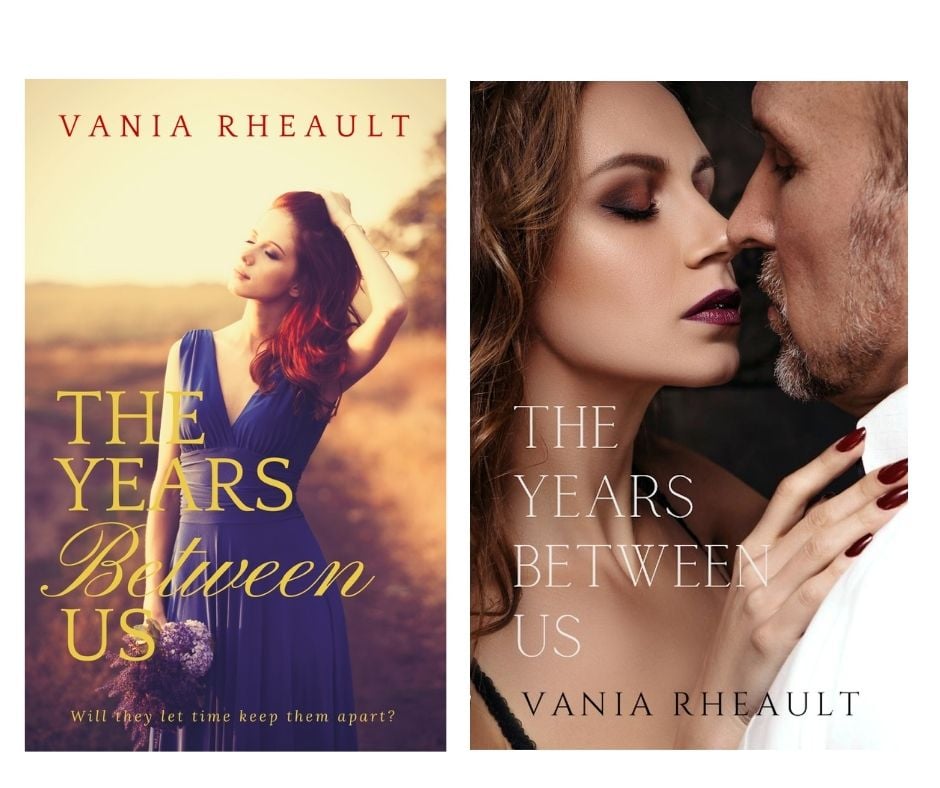
Vania: Through trial and error, I’ve realized that Amazon Ads are very cover-dependent. (Who knew, right? 😵‍💫) I always show this as an example:

I had one cover for my age-gap romance, but it screamed women’s fiction. I was getting a ton of clicks because the cover was pretty, but once they read the blurb, they wanted nothing to do with it. I changed the cover and now at least when I get a click, I’ll sometimes get a sale. At least I’ve stopped wasting money.

Jeanne: That’s the problem for me. Besides that I don’t like the platform, mine just is not spicy.

A.K.: Ohhhhh. Yeah, those are totally different genres. Smart move!

Vania: But I don’t have enough books to scale. Under my name was sub-genre hopping, and now under my initials I don’t have enough books out to say either way. I make money off my ads, just not a lot.

Jeanne: Yeah, I think I had that same problem. At first I could get some clicks, but the cover looks more “grown up” historical fiction, and the blurb reads more juvenile lust fest, so the 2 don’t match up, so now Amazon just won’t show the ads. Why should it bother? Lol

Vania: I don’t wanna do TikTok. I have carpal tunnel, and the thought of being on my phone like that makes my skin crawl. I know there are ways of posting on my laptop, but ugh.

Jeanne: Hey, if you make money rather than lose it, you are ahead of the game!

Vania: To play with TikTok’s algos, don’t you also have to follow and comment on other people? That sounds like sensory overload to me.

A.K.: Making money from ads is great! My plan for the winter is learning Amazon ads. Yes, TikTok is all about engagement. You need to do a lot to get a little in return. As for marketing, I’m looking to redo the cover of my first novel. I think it’s holding me back. Just need to figure it out!

Jeanne: And to do it well, you have to be so purposeful. To be honest, I’m just not interested in being that purposeful about anything. It’s exhausting, and I’ve pretty much given up on the idea that I will ever actually be “successful.” I’m trying to get back to just having fun and enjoying it. The only thing I do wish is that I had more readers. I think my books are great, for the right people, and I think there are more ppl out there who would like them, so I would like to get them into those people’s hands. Same here. I KNOW my covers don’t help me. I just cannot figure out what they should be instead, and …

Vania: If Amazon doesn’t know where to put you, they will definitely bury you. On the bright side, if you run them and they do that, they don’t cost you any money LOL

Jeanne: I’ve been feeling perverse about it lately, like, “these are the covers, dammit! And I’ve gotten some ppl to read the book, even with unlike covers. My covers.” That’s so unhelpful to myself, but I’ve been feeling feisty. I’ll get over it!

A.K.: Covers are hard. I need outside opinions because I’m not certain of how to do visual expression.

Vania: I don’t want to use TikTok to sell my book. I want to use it because I enjoy being on it, you know? Posting mini book trailers all the time or “teasers” for the sole purpose of selling my book seems even more scammy than tweeting a link all the time.

A.K.: Hahahaha. TikTok is overwhelming that way. It feels scammy for sure.

Jeanne: Yeah, Amazon is definitely happy to bury me! Unpopular opinion here, but I have no issue spamming my book.

Vania: When I was doing my trilogy covers, I took it very personally. I wanted what I wanted, and I liked the models that chose the first time, and honestly, you just have to disconnect that part of yourself and say, I’ll put what I need to sell my books on them and be done. So I used some guys that have been used before and did a background that would blend in with other books, and I just hope it’s enough. I don’t mind buying ads, but when you’re on a social media platform and that’s all you use it for, or that’s all you go into it thinking that’s what you’re going to use it for, that’s hard for me. I have no interest in TikTok and that’s all it would be for me.

Jeanne: I know. And I’ve been *this* close to changing. But I don’t know what to change them to, or even if the covers are really the issue. Maybe it’s the blurb. Maybe it’s just the books – they are for a specific audience, and maybe that’s not a big audience anymore.

Vania: I do all my own covers, A.K. I’m happy to brainstorm with you anytime.

A.K.: For my second book, I had my friend read it and suggest a cover for me and I was like “thank you!” Because I never would have gotten there. Is it a marketable cover? Not sure, but I love it and it fits my book.

Jeanne: Oh yeah, I have no interest in TikTok. If my books were spicy, then sure. I’d pretty much have to, but then I’d have ready-made content and I’d be pretty sure eventually it would help me sell the books. As it is? I already find myself overselling the “sexiness” of my books, b/c that’s what people want, and there is a lot of lust and sensuality, but that’s not the essence of my books, and I feel sleazy afterward.

A.K.: Thank you, Vania!

Vania: Sex sells, but you can’t be too misleading either, or you’ll disappoint readers who are looking for that and then it’s not there.

A.K.: I like making videos sometimes, so I do it. TikTok though requires a schedule and a commitment, etc. I work full time so it’s not really possible.

Jeanne: To be honest, I hired someone to do my cover at the beginning. I was going to get a professional cover! Yay! And then I felt like even though it was supposedly super reputable and a great place for indies and yada yada yada, I felt like I got scammed. So I was still willing to pay again, but to whom? Who could I trust to give me a great cover and not rip off a defenseless nobody? That’s when I made my own.

A.K.: People get very upset if they go into a book they think is smutty and there’s no sex. I always tag mine #nospice on TikTok to avoid backlash. Haha. Yes, it’s hard to know who to pick!

Jeanne: Ah, yeah – mine’s YA so I think that should be at least clear that it’s not going to be smut! It’s probably a little spicy for YA, not b/c of what happens, but because of the adult sensibilities and sensuality, but hey. I had a reviewer call it “panty-melting PG,” lol.

A.K.: Some YA can get pretty spicy without crossing the line. Haha that’s an awesome review.

Jeanne: Yeah, also calls the MMC “Darcy on steroids” – love that, too.

A.K.: Sometimes reviewers know how to sum up our characters and plot better than we do. Haha. That’s great though.

Jeanne: For sure! Sometimes they remember what happened better than I do, too.

A.K.: Haha! I went to BookCon and apparently one author uses fan art or fan wikis to remember characters eye colours. I wish I could remember which author said that. Made me laugh.

Jeanne: Right now I’m doing an event on my author FB page that I’m calling “13 day of Journeys,” posting a series of posts w/ content and interactive stuff Journeys’ publication. It’s a lot of work but it’s very fun — just a really small little group of participants, but it’s great. That’s hilarious! I usually don’t mention my characters’ eye colors, so that’s helpful, ha!

A.K.: What? That’s so cool! Such an awesome idea.

Jeanne: Yeah, I wish I’d thought it out a little better so it had better content, but it’s been fun. If you’re bored and want to check it out to see what I’ve done, I put a hashtag on it so that ppl could mute it if it was too much for them & their feeds, but that also means you can search it. It’s #13daysofjourneys.

A.K.: I will!

Vania: I wish I was as creative as you, Jeanne! Even just what you tweet on Twitter is amazing!

Jeanne: It’s all pretty juvenile, but that’s me. If I have to be entirely professional about it all, what’s the point? I’ve already got a profession! Oh, gosh! Thanks! I think I have a really big advantage, and that’s that I don’t really have to care if I ever “make it” as a writer. I’m old, I have a full-time job. I’ve already accepted that I won’t support myself with it. So I can just have fun with it all. That’s very freeing. It means I don’t have to follow all of the “rules”.

Vania: If we can’t have fun writing, we might as well all stop. The second this becomes a chore, I’m out. I need to love what I’m doing, or I might as well get a second job. I could use the money LOL

Jeanne: Oh, sure–I could use money! But in fact I’m losing money on my book, so …!

A.K.: Yes! I would just like to work my day job a little less and write a little more. That’s my goal!

Vania: Are you guys winding down? We actually hit most of the questions unless you want to answer my last, and that is, what do you have planned for 2023 when it comes to your writing, publishing, and marketing? Seems so simple yet so far away, doesn’t it, A.K.?

Jeanne: Sure, I’ll answer. I have GOT to get book 3 out! I’ve already got readers who want it, and I want to finish it for myself, too. As for marketing, that’s the rub, isn’t it? It’s going to be a long time before I have a new book, and then it’s a number 3 in a continuous series, so … yeah, marketing is pretty dead for me. That’ll be interesting!

Vania: How long does it take you to write 600 pages?

A.K.: For 2023, I’m hoping to have at least one more book out in the world! I would like to learn more about marketing and the best way to reach ideal readers. It seems like a good next step with two books out. Looking forward to what 2023 holds for this journey. 😊

Jeanne: Ha ha! It’s all relative. That first book … when I came back to it and got on a roll, I wrote most of it in about 8 months or so …

A.K.: 600 in 8 months is wild! Awesome!

Jeanne: The second book (1273 KENP, so figure! It’s longer) took me a lot longer, b/c I didn’t have the same ability to stay in the flow and just write. It took me some years. And it all depends for me on the writer’s block/ inspiration. If I’m writing the right thing, then I can write fast. But if I’m not … if I’m thinking about it wrong or have the wrong things happening and I get stuck, well … I might never finish! This book 3 has been kicking my ass.

Vania: It’s the fortunate writer who actually has time for it.

Jeanne: Yeah, I have none. and it isn’t just time. It’s mental clarity/mental “time.” Last year was the worst of my whole life. It took all the momentum out of everything. It didn’t leave a lot of room for creativity. But I also care about these books. They don’t have to be great. Or masterpieces. Or anything. BUT it does matter to me that I can feel that I like them, love them, even, and that’s not always easy to achieve. Just writing down the words to tell the story isn’t enough for me for this series. I really need to feel like I’ve done a decent job of it, at least, and I’m not sure I can do that.

A.K.: Sometimes it’s hard to get that clarity. I have a lot of family things always on the go and it takes up a lot of my mental capacity. I try to squeeze it in, but it can sometimes be hard!

Jeanne: Yes, family and kiddos take up so much energy! And I’ve learned the hard way.

A.K.: For sure. I am child-free but I help my aging grandma and chronically ill mom. I’m lucky they’re more independent than children. But it’s still draining.

Jeanne: Writing when I’m not “feeling it” is detrimental. I end up with garbage on the page but after it gels for a while, it is hard for me to change. It’s like I’m a potter making a pot. While the clay is fresh, I can change it. But once it dries, it’s the pot. I can’t do anything but try to disguise the flaws with glaze. Oh yes! I’ve got an aging mother and I know how stressful that can be – even though she’s in a retirement apartment so I’m not doing the care myself.

A.K.: That makes sense! It’s good you know your limit or what you need at least. I, on the other hand, need to keep writing even if I don’t want to because getting out of a routine is bad for me. I just don’t force myself to write anything specific.

Vania: I am so sorry, A.K. that does sound like it would take a lot of time and energy. I’m sorry you’re going through that. I understand, Jeanne. I have never been a “write every day” kind of person. I need to want to write or else why bother. A.K. that’s why I blog–if I don’t feel like writing, at least I’m still putting words somewhere. it’s a different outlet for me that keeps my hand in.

A.K.: Good call! Well, I do have to head out! Have some pre-bed time things to take care of around the house. I just want to thank you, Vania, for facilitating this! It was wonderful learning about your processes and your writing lives! Also, for allowing me to share about my own. ❤️

Vania: Thanks for taking the time, A.K.! I appreciate it very much.  Have a wonderful night!

A.K.: It was lovely chatty with you both. Have a good night!

Jeanne: Thanks for hosting this, V! Great chatting w/ you guys.

Vania: You’re welcome! It was fun sharing what we’ve been working on and what we find frustrating about the business.  Maybe we can do this again sometime. Goodnight!


If you want check out Jeanne’s and A.K.’s books or follow them on social media, here are the links:

Jeanne: Her books are available on Amazon, on Kindle, Kindle Unlimited, and Paperback. https://www.amazon.com/dp/B09L6KZ8D7
And you can also like her author Facebook page here: https://www.facebook.com/jeannerolandwrites

A.K.: You can find her books on Amazon here: https://www.amazon.com/A-K-Ritchie/e/B09HJX6R6P
And check out her author website: www.akritchie.com

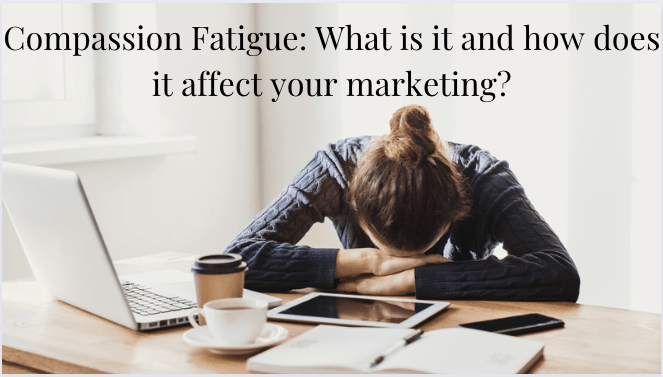
Compassion Fatigue. What is it, and how does it affect your marketing?

Tired and sad woman sitting at desk with forehead resting on her hands.

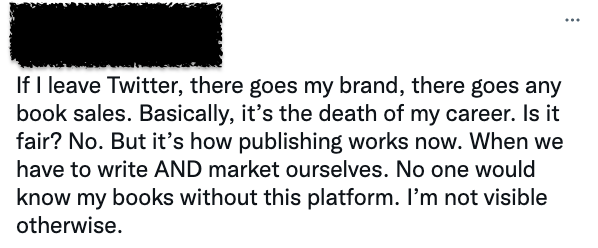
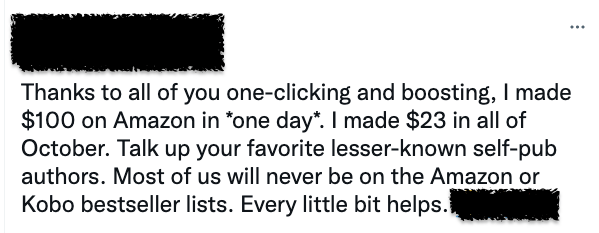
Lots going on over on Twitter last week. Elon Musk reluctantly took over causing a tsunami of emotions. A lot of people talked about leaving (and still are), only to follow up that thought with, where else is there to go? Twitter is a unique experience, offering bite-sized content and opportunities to respond to other people in 280 characters or less. If you’ve read any of my prior blog posts, you’ll know I spend a lot of time over there, but I don’t use it as a promotional tool. Plenty of people do, and what started popping up in my feed after Musk took over surprised me. More than one person said, “If I have to leave Twitter, there goes my writing career.” As an example:

This is actually a common refrain, people depending on Twitter and nothing else because it’s free, and as long as you tweet regularly so the algorithms remember who you are, you can nurture a decent reach. But no matter how far you reach, after a while you will run out of people who will want to buy your books. Maybe that saturation point will take a while, especially if you’re new and you put a lot of effort into building your account, but anyone with a huge account can tell you that Twitter doesn’t sell books in the number they wish it did.

Where does compassion fatigue come in? Let’s first take a look at what it is. I hadn’t heard of it until I was chatting with my friend Sami-Jo about this very topic which led to this blog post. According to WebMD compassion fatigue is:

Compassion fatigue is a term that describes the physical, emotional, and psychological impact of helping others — often through experiences of stress or trauma. Compassion fatigue is often mistaken for burnout, which is a cumulative sense of fatigue or dissatisfaction.

https://www.webmd.com/mental-health/signs-compassion-fatigue

When you think of Twitter and marketing, you think of posting promotional material like this:

made with Canva

Or maybe something not so fancy like this:

Add a link, and there you go. Something quick and cute that can reach hundreds, if not thousands, of people in a few minutes. I can see why Twitter would be people’s first choice. Free and easy, it gives off the illusion you’re marketing. I say only the illusion of marketing because to truly market and advertise your books, you need to show those ads to readers who read your genre and want to buy. Writer Twitter is full of writers, and while, yes, we are readers, we don’t read nearly as much as a reader who doesn’t write. Also, there is a mish-mash of genres on Twitter, and even if your promo reaches 1,000 of your followers, only 10 of those could read the genre you’re writing in.

So, let’s take this a little farther. You’re promoting your books, chatting with other authors, sell a handful, but not as many as you think you should because you spend A LOT OF TIME on Twitter (and buying indie books, but let’s not go there because a buy for a buy is icky and we don’t do that, right?). Time that could be better spent writing, if you’re honest with yourself. And this is where compassion fatigue comes into play. You start complaining about sales. Tweeting screenshots of your empty sales dashboard, moaning that a new release didn’t take off. Then some of your friends buy one of your books to cheer you up, and for that customer, you’ve reached your saturation limit. Then you do it again and again for every new release, and you get more bitter and more bitter because your friends aren’t going to buy every book you write. They can’t. They can’t afford $4.99 a book every time you release. They have their own careers and family obligations to see to, and let’s face it, $4.99 is a gallon of milk, right? They have kids they need to feed, and times right now are tough. You get angry your books aren’t selling because you need money too, they get sad and not a little upset because they’ve helped you and can’t anymore.

Complaining about sales when you use Twitter to find readers will only tell the people who have bought your books that their purchases weren’t enough.

When you complain on Twitter and you garner some sales from tweeting your empty sales dashboard, those sales turn into pity buys, and that is not a good sustainable marketing strategy.

So when someone says, I don’t have a writing career without Twitter, I’m baffled because yes, while it’s free, there are several other ways to promote your books. Relying on only one way is a fool’s game and one you won’t win. I’ve blogged a lot over the past couple of years on ways you can market your book that’s not Twitter, and those are: buy a promo from places like Free/Bargainbooksy, E-reader News Today, Robin’s Reads, Fussy Librarian, and more. Buying a slot in one of those reader newsletters will grab you more readers than hours of tweeting into the void. Write a reader magnet, set up a newsletter, and build your reader list through platforms like Bookfunnel and StoryOrigin. Learn how to use Amazon ads and run a couple of low cost-per-click ads. I would rather run ads and sell a couple of books a day than spend hours on Twitter begging people to buy my book. Publish consistently, and that means the number of books a year as well as not genre-hopping for a bit to build an audience for that genre.
I get that authors are afraid to sink money into their books, but ads and promos are only expensive if your book isn’t advertising ready and it doesn’t sell (after all, you’re supposed to make more than you spend. That’s the point of an ad.). I’ve seen people say, I bought a promo and didn’t earn my fee back. That’s a you problem, not a promo problem (and definitely not a Twitter problem). Likely, your cover wasn’t good enough, or the ad copy they ask you to write to go along with a picture of your cover wasn’t hooky enough. Maybe you were trying to promote a standalone when a lot of earning a fee back consists of read-through or the purchases of other books in the series.

The good news is, if you’re losing money on promos, you can adjust. Write something new. Replace your cover with something from GetCovers (their prices are very inexpensive compared to some that are out there). Workshop your blurb and change it on your Amazon product page. But out of anything you can do, stop complaining on Twitter. Your friends and followers aren’t responsible for your writing career. They can’t carry you. They want to write and sell their own books. After a while, they’ll get sick of seeing your promos and hearing you beg. They’ll mute you out of bitterness and a feeling of worthlessness that their support wasn’t good enough for you.

If Elon Musk shuts down Twitter either by fault or design, how fucked would you be? Would you consider your writing career destroyed, or would you simply adjust your sails and chart a different course? I’d miss some friends I’ve met on Twitter and don’t know how to contact any other way, and maybe I wouldn’t see as much traffic on my blog as I do now, but Twitter closing up shop would have zero affect on my book sales. That’s a good thing. If you depend on Twitter and you’re telling yourself you have nowhere else to go, you’ve trapped yourself there out of fear. Don’t do that. You are in control of your writing career, not Elon Musk. Figure things out for yourself because not everything is forever.

As for the tweet above? She did end up with a few pity buys, and maybe that’s the way publishing works for her, but it’s not the way it works for me, and I hope it’s not the way it works for you.

At some point I’ll probably get beat up for this blog post, and I’m not trying to make anyone feel bad or embarrass anyone. Writing and publishing for me is pretty much my whole world, and if I depended on one unsteady platform for my longevity, I would quit writing and funnel my passion into something else. It truly is a lonely road, and isolating yourself only makes it worse. There’s talk now that everyone will need to be verified on Twitter if they want their tweets seen, and the cost will be $11.00 a month. Why sink further into the pit if you plan on paying that? If Twitter isn’t working for you now, it won’t work for you then.

With the holidays coming up and a shaky economy, I wish all of you good luck writing and publishing and hope 2023 is your best year ever.

Thursday Author Update

It’s been a while since I posted on a Thursday, mostly because I haven’t had that much to say and I’ve been using Mondays as my author update days. Since last Monday was about book reviews, I thought I would use today to update you on my trilogy and what I’m doing now.

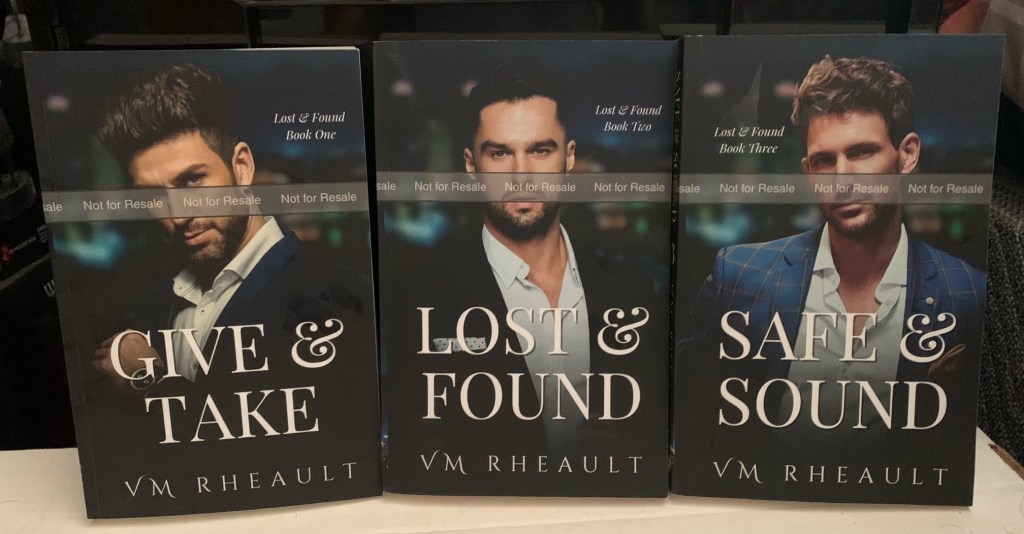
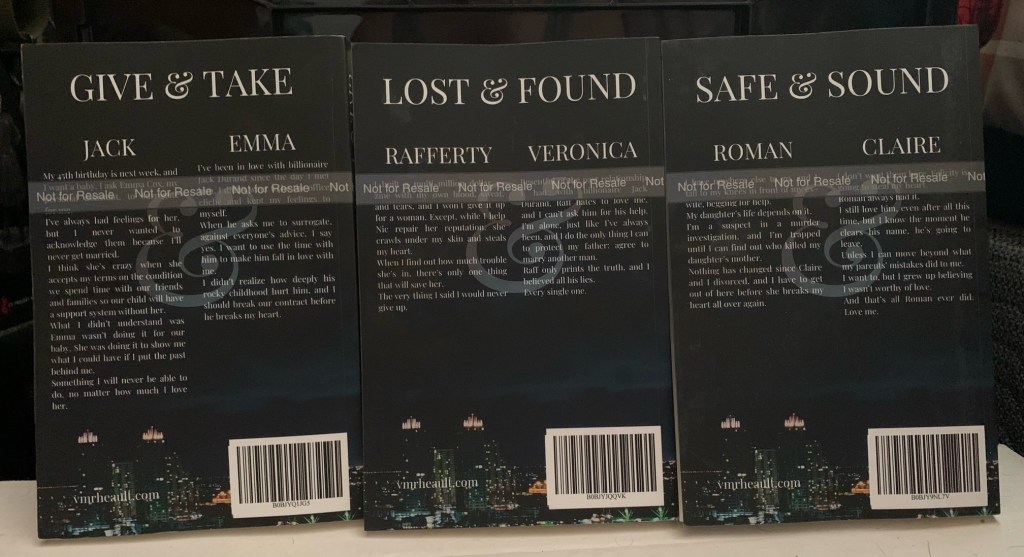
My proofs for my trilogy came back, and they are lovely. There are always going to be some tweaks, and I think I’m going to sharpen the background pictures a little more so that they look like they are actually standing in front of a city. The blur above the models’ right shoulders is actually the two buildings on the lower left of the back covers. Otherwise, I think the background colors are rich and beautiful and I have no doubt (not like my duet) that these will hit the market okay. I’ve gotten a few compliments on the large ampersand on the backs, as well, and I’m going to make the changes upload the final files this week/weekend.

I was going back and forth on what to write next as I have three standalones I could write pretty quickly, but in the end, I decided to finish a series I started last year. I have two books done, and I need four more. The first book I started as a standalone but as I got into it, it made sense for me to turn it into a series. It’s about a woman who’s father decides she should settle down and marry. He devises a list of acceptable potential husbands and tells his business partner that if he wants 50% of the company he needs to see to it that his daughter marries one of the men on the list. His business partner is in love with his daughter, of course, and the twist is, he’s not on the list, forcing him to choose between love with and 50% of a company he worked all his life for. It was a fun book to write, but while I was writing it, I realized that the men on the list could use their own stories, and that’s how the whole project was born.

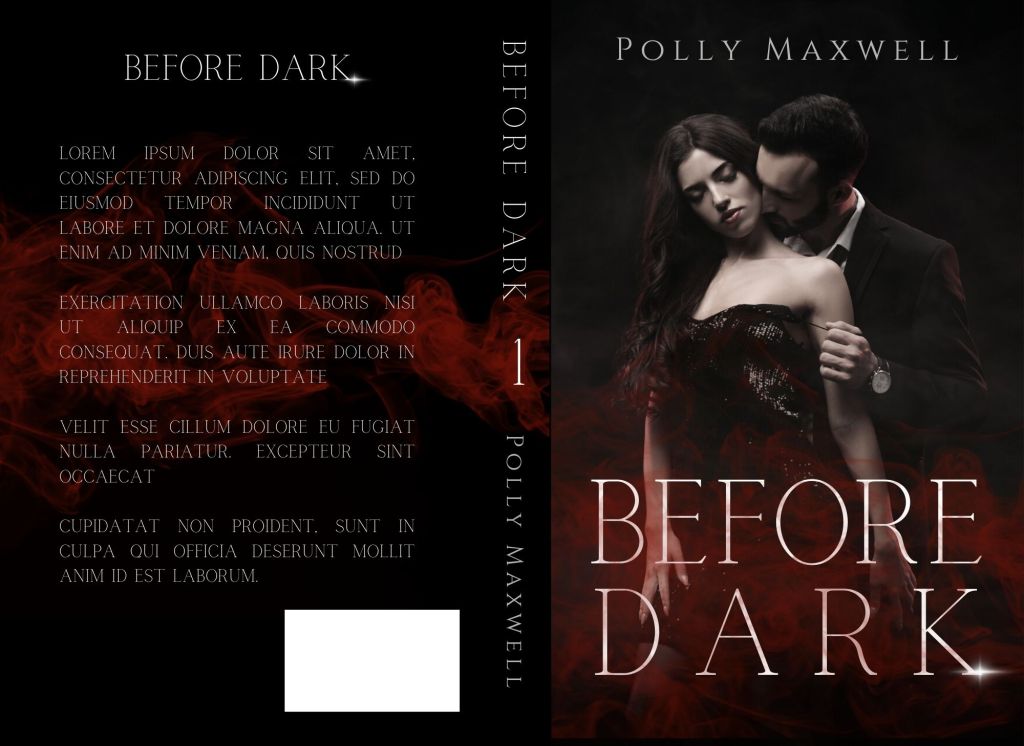
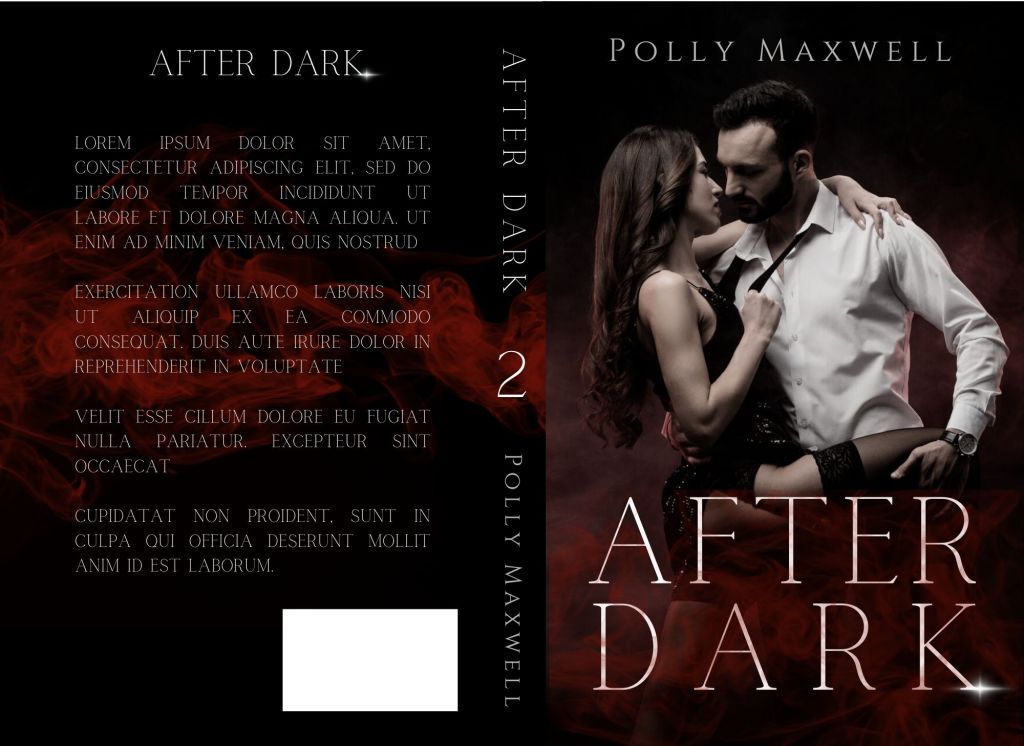
It’s a little unsettling to realize that committing to this series will tie up the next year of writing for me. I can write relatively quickly for all the stuff I have going on in my life… I can comfortably write 80k words in 6-8 weeks, but then there’s editing and formatting, and covers to consider. Not to mention these books aren’t plotted out yet, and figuring out the story and how it layers into the plot is the real work of writing something this big. I waited until the last minute to put together my trilogy covers, unease and uncertainty chasing me until I practically hit publish, and I’d like a more solid plan this time around. (I already played with covers and titles for the first book–before I realized it would launch a series, or be a part of a new billionaire brand under my pen name. It’s so funny how covers and concepts evolve.) (And headless models. FFS, no! LOL) These are covers attached to a blog post on titling your book, and you can read it here.

I’m also thinking of how to brand this series, and what it’s going to be called. I like the idea of calling the series The List, and titling every book after the male character featured in it. It’s a departure from what I normally do, and I won’t have to think of titles for six books (which, let’s be honest, is a real headache).

So yeah, the last time I had a whole year accounted for, we were in lockdown and things felt pretty isolated anyway. I’m going to have to settle in, fall in love with these characters, and keep in touch with online writing friends so I don’t get lonely. But these books will be a nice addition to my backlist and I’ll be proud of them once their done.

In the mean time, I’ll make the adjustments to my trilogy, but I don’t know if I want to put the first one on BookSprout only because book one with reviews and books two and three with none would look odd (and give the impression of no read-through). Maybe I’ll look into paying for the next package so I can put all three books up at the same time, and I’ve always offered free copies to Twitter and my newsletter hoping for more reviews (that never come). So I have side things to keep me busy.


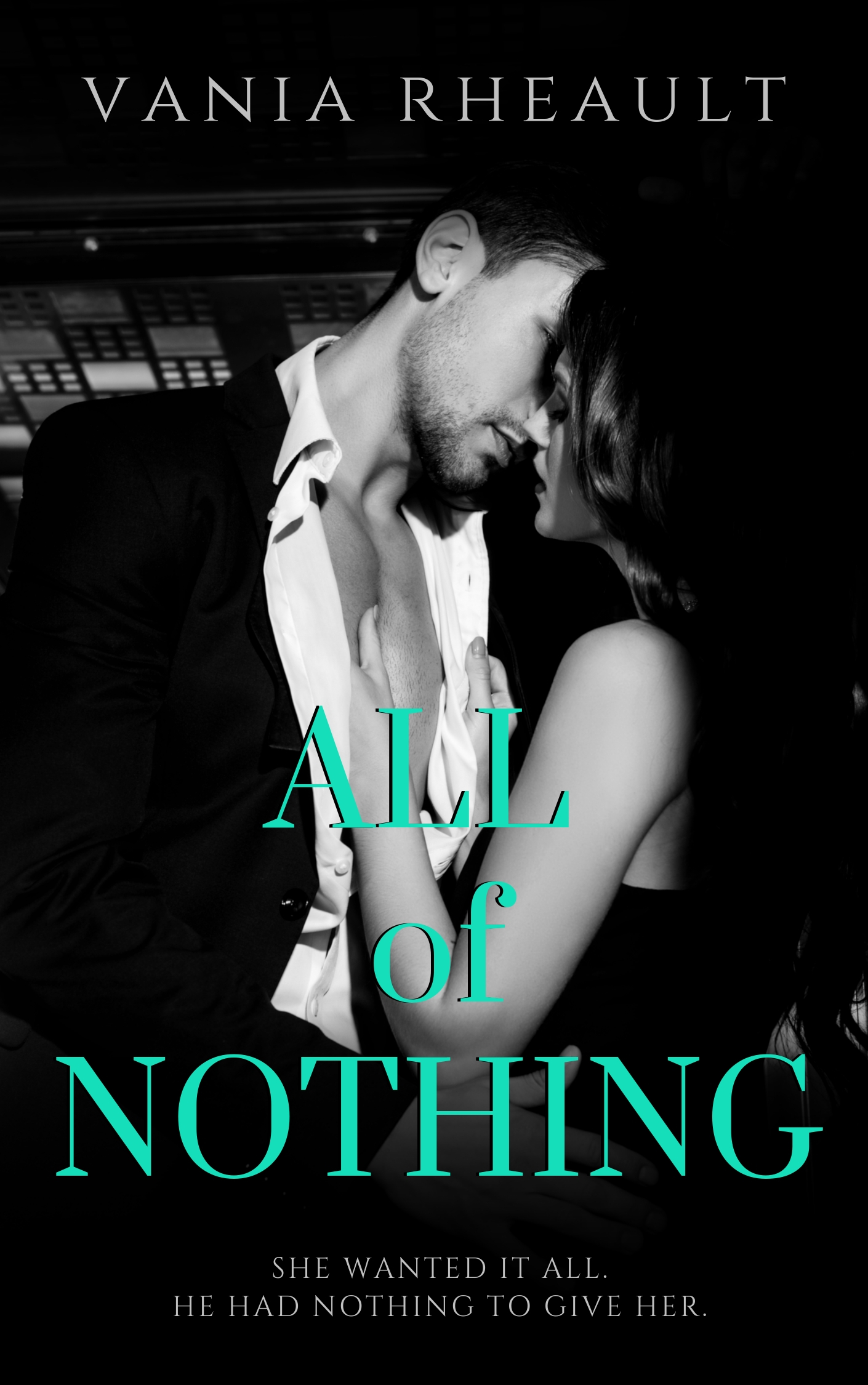
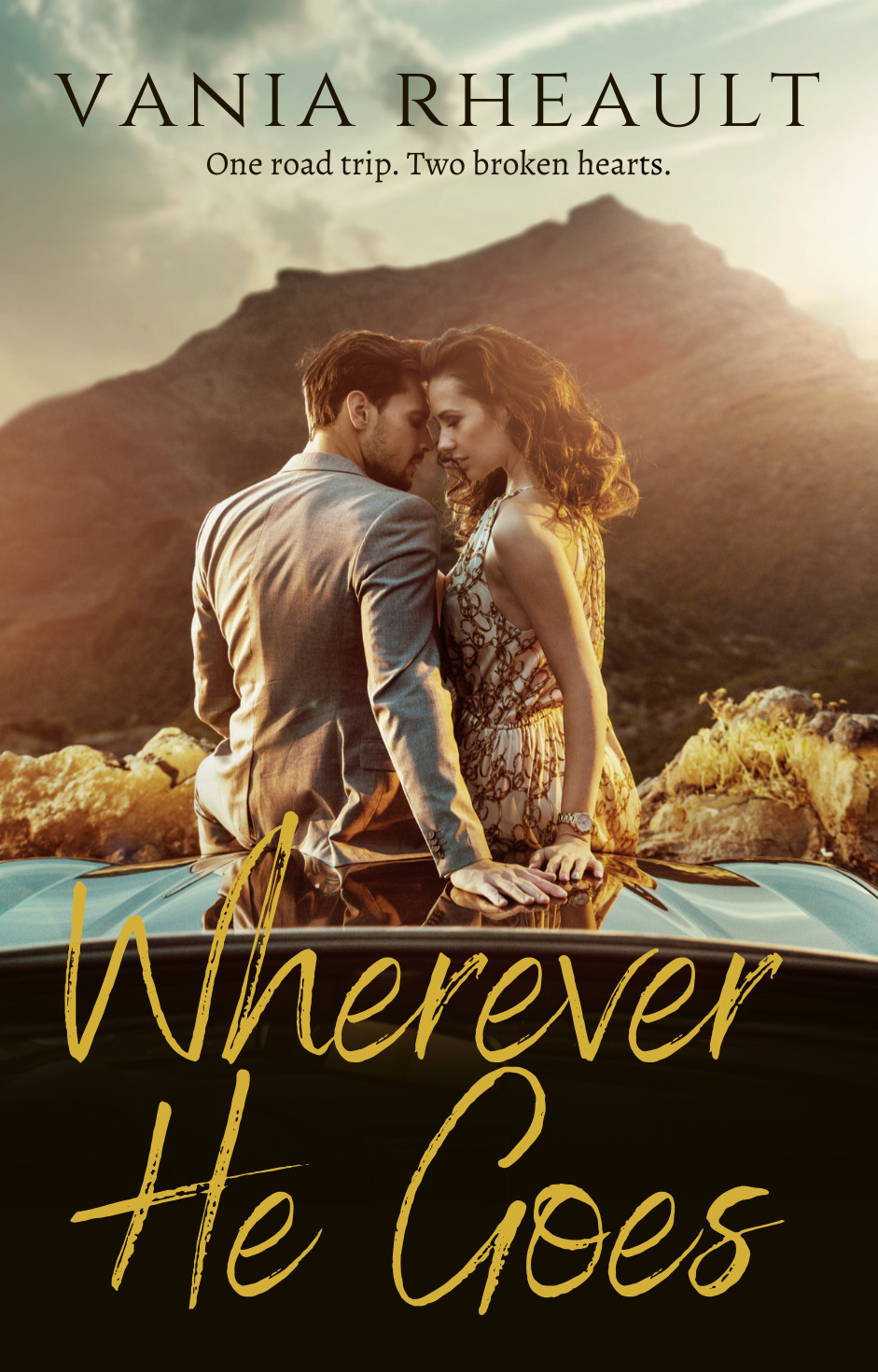
I haven’t given any love to my 3rd person books in a long time, so I scheduled a Freebooksy for my small town holiday wedding series for November 17-19th. I’m not even sure why I bothered since I’m not nurturing that pen name anymore (meaning, I’m not writing new books for it) but if the promo does as well as it did before (and the first book has six times the reviews it had before) then there’s no money lost. If you want to read how it went the first time, you can find it here. For the hell of it, since I’m not moving books anyway, I also scheduled the same free days for All of Nothing, The Years Between Us, and Wherever He Goes. The best thing about free days is if a reader has a Kindle Unlimited subscription, they’ll usually borrow it in KU before downloading it for free (and a borrow has the same weight as a paid sale). That’s why free promos, if you’re in KU, pay for themselves. It will be an exciting weekend, to say the least. I’m going to go ahead and still do another promo in January when my trilogy releases and focus on my 1st person books. But it makes sense to promote holiday books around the holidays, so no harm done. And for some reason, my paperbacks are extremely cheap right now, so maybe this promo will move some paperbacks, too. Who knows.

That’s about all I have going on. Going on a road trip with my sister on Monday to Bismarck, ND to eat at their Cracker Barrel and roam their mall. I’m hoping by that Tuesday I’ll be done with trilogy stuff and can really hop into this series. I was doing a little planning on it last night, old school, with pen and paper, but I didn’t get too far into it with my trilogy proofs mocking me from my desk. I never really could work on more than one thing at a time, but at least I don’t have “Look! Squirrel!” syndrome and finish the projects I start.

For Monday’s blog I’ll talk about my hardcovers, and I have a chat coming up with Jeanne Roland and A. K. Ritchie about publishing a second book, marketing, and all the fun stuff in between.

Thanks for reading today, and have a great weekend!

The top 6 reasons listening to marketing advice is a pain in the A$$.

We all have marketing advice coming out our ears. I’m to the point where I don’t even care about marketing advice right now. I stopped listening to Clubhouse, I’m not an active participant in any Facebook group. All I’ve been doing is writing, writing, and more writing because let’s face it, marketing won’t do anything if you don’t have product. But more than that, marketing won’t do anything if you don’t have the right product. So here are my top six reasons why listening to marketing advice is a pain the you know what.

You don’t have the same backlist as the person dispensing the advice.
Frontlist drives backlist. Right? Maybe you’ve never heard it phrased like that. Maybe you’ve heard “writing the next book is the best marketing for the current book.” I like frontlist drives backlist better because sometimes we think that after a book is so many months old it will stop selling. Maybe in traditional publishing circles this is true–when bookstores yank your paperbacks off the shelves, but we’re digital now, and books on the digital shelf don’t get old. So when you have someone who’s been publishing for a while saying that their newest release earned them lots of money–you don’t know if it’s from the current release or if their new book bumped up all the books in their catalog. Listening to someone talk about how they are promoting their 20th book might not do much for you if you’re planning a second. They are 100 steps ahead of you. Take notes if you want, but chances are good what they are saying won’t apply to you. I’ve been in that position, too. Listening to big indies is discouraging. Rather than listening, I go write.

You’re not in the same genre/subgenre/novel length/platform.
If you write thrillers, what a romance author is doing may not help that much. Maybe you’ll get some ideas because a lot of marketing is universal, but for example, lots of romance authors are on TikTok right now. Whether that is beneficial for you, you would have to do your research and figure it out before you waste time learning how to make the videos. Marketing for wide isn’t going to be the same if you’re in KU, just like listening to a webinar on how to market a historical saga isn’t going to do much for you if you’re a children’s book author. Marketing advice isn’t created equal and it helps to figure out what you’re selling before listening to advice. Even marketing for historical romance would be different than marketing mafia romance. If you write short stories, chance are marketing those will be different than if you’re writing long novels.

They have money–you don’t.
It’s easy to say, “Oh, I bought a Freebooksy, put my first in series for free, and watched the royalties roll in through page reads.” That sounds like the answer to anyone’s prayers, except, then you rush to Written Word Media and see a Freebooksy spot is $40 to $175. If you’re trying to promote a standalone, there’s no way you’ll get that money back paying to give away a free book. Amazon ads aren’t nearly as expensive (I have six ads going and have only spent 4 dollars this month so far) but if you don’t know how to put together a Facebook ad, they are happy to take your money and run leaving you with no clicks and no sales. Unfortunately, there’s not a lot you can do for free anymore, all the begging going on right now on Twitter is proof of that. So it would be in your best interest to find a couple of nickels to rub together, make sure your book is advertising ready, and hope that you can find some traction with a low cost-per-click ad. If you’re afraid of losing money, do what you can with your product so that doesn’t happen. The person who DOES make their money back and then some on ads and promos has a product that people want and all they’re doing is helping readers find it.

They have a newsletter. You don’t.
Ever listen to a 6-figure indie author talk about their marketing campaigns? They give you all the sales numbers, all the rank, and someone asks them how they did it and they say…. “I emailed my newsletter and told them I had a new book out.” Where are the melting face emojis when you need them?

courtesy of Canva

Here they are. There is nothing so disheartening as thinking you are going to hear a nugget of information that will take your author career to the next level. Don’t get me wrong, you need a mailing list. That bomb she dropped is proof of that. Only, her list was six years in the making and you’re stuck on MailerLite tutorials on YouTube. That doesn’t mean you can’t listen and write down her advice for later. She built up her newsletter somehow and she probably has a lot of tips on how she did that. Gave away a reader magnet, joined in Bookfunnel promotions (or StoryOrigin), she networked with other authors and they featured her in theirs to get the ball rolling. But you have to understand that she’s six years ahead of you. I’ve heard Lucy Score has 140,000 subscribers on her email list. You may never, ever, get there, and her marketing strategies will not be yours.

They write and publish faster than you.
I remember when I settled in for a good marketing talk with a big indie author. I had a notebook, a pen, a cup of coffee, and I was going to absorb all the knowledge. She was talking about ads and promos and the usual, and then she got to how many books she released a year.

calico cat grimacing

That really sums how how I felt. There’s no way I could do that. I write fast–I can crank out four books a year with no help. No editor, no beta reader, no formatter, no one to do my covers, just me. But she multiplied that by four, and my heart sank. Obviously, their marketing techniques are going to be way different than yours. They can put a first in series for free, buy a promo, and get a ton of read-through from the get-go. They can run ads to several books and create boxed sets. What they can do in a year, you might be able to do in five, so you need to adjust accordingly. It doesn’t mean you won’t be successful, it just means you won’t be successful as quickly. When listening to marketing advice from prolific authors who are doing this as their day jobs, keep your expectations realistic. Save up advice that you might be able to use later, but realize that you can’t do anything without product first.

They could just be a better writer than you (for now).
No one likes to talk about craft. We don’t. It’s messy and subjective and it’s easy to start talking about rules and editing and first person vs. third person, and before you know it, you’re not talking to anybody anymore because everyone is ticked off about the Oxford Comma. But the fact is, good books sell. You can run ads and sell a bad book once, but you’ll never build an audience or a loyal readership off a crappy book. People work hard for their money and they don’t like to waste it. Time is precious and trying to read a book that isn’t well written is a drain when they could be reading something better, catching up with a show they’re behind on, or spending time with a significant other or their kids. You can’t be cavalier about asking people to spend time with you. People who have writing careers write good books. So if you’re discouraged because the authors you’re listening to are telling you that they don’t lose money on ads, and/or they have a huge newsletter, it’s because their books are good. Do you think this author has readers who are invested for the long haul?

I’m not making fun of anybody–he obviously has readers–I would do a lot for 458 reviews–but when 41% of them are one and two stars, you’re not offering content readers will come back for. Imagine how this book could have taken off if it had been well-written. It’s the first in a trilogy, and I don’t have to tell you the other two books aren’t doing well. The loss of potential is devastating to me. I can’t even imagine how he feels. Maybe he doesn’t even understand his own self-sabotage and is happy with the instant gratification.


It’s really difficult to listen to marketing advice. We all write such different books. Our genres will be different, our covers. Our willingness to put ourselves out there for the sake of networking. Our author voices and style will be different. Before you try to follow any advice, your books have to be marketable or any marketing you do will be for nothing.

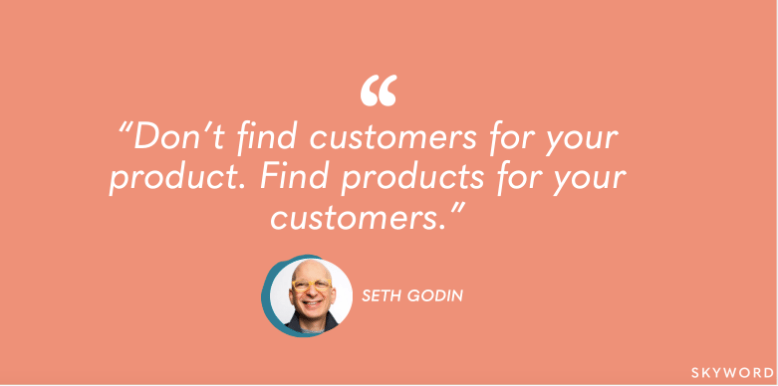
This is why writing about marketing is hard. It’s why it’s difficult to listen to advice. And really, what no one talks about is how much marketing you have to do before you even write that book. We try to find customers for our product, when really, it’s a hell of a lot easier to find product for already existing customers. Finding your comparison authors makes it easy to find readers–their readers are your readers. We don’t like to study the market because we’d prefer to write what we want to write. The authors with the most longevity meet in the middle between what the market wants and what they love to write. It’s easy to do market research these days–Alex Newton of K-lytics takes the work right out of it, and you can watch a short trend report that he made this month for free here. https://k-lytics.com/kindle-e-book-market-trends-2022-september/

Read on for more resources and have a great week!


If you want to work on your craft, Tiffany Yates Martin has all her classes on sale for NaNoWriMo for $29.00/each. Check them out here! https://foxprinteditorial.teachable.com/


Author Update and Tropes in (Romance) Novels

Happy Monday! It’s Labor Day in the US, and most people have off work. I have Mondays and Tuesdays off, and today I’ll be catching up on chores. I finished editing my Bridgeport Trilogy (I don’t think that’s going to be the name of it, but I haven’t thought of anything better) and book three is off with a beta reader (S. J. Cairns, and I did an author interview with her earlier this year). I did more pantsing with that book than others in the past, so I just wanted to be sure the little mystery and plot twists made sense. After I get it back and put in any suggestions if she has any, I’ll listen to them and package them up. Book One is 76k, Book Two is 77k, and Book Three is 81k as it wraps up the trilogy. I’m happy with these and can’t wait to get them out in January!


Against my better judgement, I published the paperback of Rescue Me so I can list it with BookSprout for a couple of reviews. I paid the $9.00 to offer one book a month (which is fine–that’s all I’ll need anyway) and after KDP approves the paperback I’ll put it up for reviews. Per their help page, they don’t recommend having your ebook in KU while it’s listed for reviews, so I’m going to stick with the ebook publication date of October 1st. The readers who grab a copy shouldn’t need a whole month, but I know they’re reading more than just my book too, so I don’t want to rush anyone.

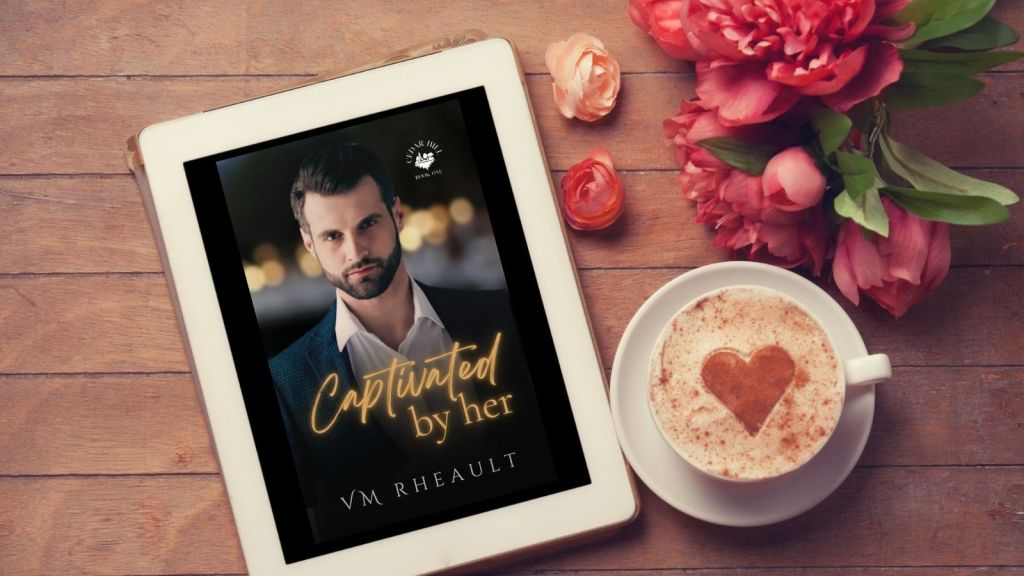
I probably should have done this with my duet, but I was hoping running ads and mentioning my book in my newsletter would help with reviews. I’ve been selling slowly primarily running Amazon ads. Since its publication in June, Captivated by Her has sold 5 ebooks, 3 paperbacks, and has had 10,736 page reads which is the equivalent of 26 Kindle books sold. Not extraordinary, but next month after the ebook version of Rescue Me releases, I’ll use a couple of free days in Select and buy a promo. I’ll have three books out by then and hopefully not only will I start to create a buzz, I’ll earn my fee back.

I understand it’s a very slow process, and I’m okay with that. I admit that I’d rather write than do anything else, and since June I’ve been busy writing my trilogy. I already know what I want to write next, it’s only a matter of how long I can hold off the urge to sit down and get to work. I am also very much wanting to write a duet that will go with these covers, but no plot means no writing, so we’ll see what happens.

But I also need to read my six-book series because I’ll start publishing them after my trilogy in January. I wrote them in 2020, so I need to stop stalling and just get them out there. I have the proofs for them, and reading them all in printed form for typos is the last thing I need to do before publishing.


There was lots and lots and lots of discourse when it came to Ali Hazelwood’s interview on the Goodreads site last week. Tropification of romance novels has been a sore subject for a long time, and I don’t think that’s ever going to change. Ali admitted that her agent suggested tropes and she wrote a book around those tropes. Personally, I don’t see what the fuss is about. Ali’s background came from writing fanfic, where characters and their backstories already exist. She didn’t know how to write a novel from the ground up, and her agent, who discovered her through her fan fiction (not unlike EL James) kind of talked her through it. I’m still struggling to figure out what the big deal is. Her agent obviously saw her writing potential and that’s why she signed Ali in the first place, but apparently Ali not knowing how to craft a novel rubbed a lot of people the wrong way, since, I guess, there are thousands of writers out there who do know how to write a book without handholding.

I see there are two different issues here–1) Ali was signed without the blood sweat and tears that usually accompanies querying, and 2) not that she was told what tropes to write, but that romance books are more than the tropes they’re made of and being that she admitted she didn’t know how to write a book from scratch, this caused a lot of outcry.

We can tackle the first one easily enough, and boil that outrage down to plain old jealousy. I’d never resent someone success of that nature: Ali, EL, Brandon Sanderson and his KickerStarter triumph as examples, because there’s usually a lot of groundwork being laid that we don’t know about (it’s the same as being an “overnight success” which never happens overnight). I’ve never read Ali’s fan fiction but she must have been popular, EL James already had the buzz and the traffic she earned simply writing a story readers like to read, and for years Brandon has been writing and cultivating an audience that would pay for his books. How anyone can be jealous of that is beyond me. Put in the work, reap the rewards. It’s the same as these bigger indies who worked hard, put their books out, hustled for newsletter subscribers all so Montlake (Amazon’s romance imprint) could approach them and pick them up. Am I going to be jealous of that? No. Am I going to work hard so it happens to me? Damned straight.

The other point about the tropes, I guess I can see the concern. Romance books are more than the tropes they’re built around, and when you focus on tropes to describe your book, you’re not telling a potential reader anything more about the plot. Sure, your book could be enemies to lovers, but why are they enemies? Why do they turn into lovers?

While I have built my pen name around tropes because they are easier to sell and because let’s face it, knowing your tropes and the whys of your characters’ motivations makes it a lot easier to write a book (a fact Ali’s agent knew), twisting that trope is part of the fun. In the first book of my trilogy, the trope is a baby for the billionaire. He hires his personal assistant to surrogate, but in all of the 76 thousands words, she doesn’t get pregnant. I didn’t make that the focus of the book. The real focus is why he needed to hire someone (hello, backstory) and her signing on the dotted line to spend time sleeping with him hoping to get him to fall in love with her. It honestly didn’t occur to me to let her get pregnant. His family issues were a lot more important to me, and they carried over to his sister who has her own book.

This trope stuff is made even worse by the subtitles we’re pressured to add to our ebooks on Amazon and like I said before in a previous blog post, all the qualifiers we’re encouraged to add to a blurb to ensure the “right” reader buys our books so they don’t leave a bad, or even worse, lukewarm, review is simply maddening in a amusing and bemusing way, of course.

“Author’s Note: This book contains a billionaire possessive alpha-hole and steamy scenes.”
“Full-length enemies-to-lovers office romance with slow-burn sizzle. Witness one commanding single dad become so enchanted with the hellion he can’t stand that he’ll do everything to keep her forever.”
“Twisted Love is a contemporary brother’s best friend/grumpy sunshine romance. It’s book one in the Twisted series but can be read as a standalone.”
“Grumpy vs. sunshine on steroids. This book is packed with banter, red-hot heat, and lots of dog-sized bow ties.”

It didn’t take long to find books with the summarization sentence at the bottom of the blurbs for these books. They are written by popular authors, so they know what they’re doing. I don’t do this. I don’t do this! I always forget. Should I be? Probably! Is there a lesson here? Probably! It took me long enough to add a hooky line and put that at the top in bold, a marketing strategy that has been adopted by every author on the planet at this point.

But then I have some books that just don’t have a trope. I mean, friends to lovers can encompass any kind of romance book, really, and says absolutely nothing about anything. And that’s how the second book in my trilogy is. The third book is the same. Second chance. That also could mean anything.

So the takeaway I got from all this is, you still need a damned good blurb to sell books. If your blurb is too vague because you’re scared to give too much away, or it’s confusing because you didn’t ask for some feedback, you’re not going to sell book no matter how many tropes you cram into the subtitle field of your ebook when you publish. Your cover also needs to convey what genre you’re writing in and wanting your readers to buy, and Amazon’s ads guidelines make this damned difficult, let me tell you. That I add steamy anywhere I can to make it clear I have sex in my books is imperative because I can’t add sexy manchest to my covers and think I can run ads. I can’t. Until I start selling by name and reputation alone, I will need ads. Need them. The meagre sales I’ve gotten so far on my duet are solely from Amazon ads because I haven’t advertised my book anywhere else. And God forbid someone who hates sex in their books reads my billionaire romances because he’s fully dressed thinking I have sex off the page. That is the fastest way for any author to get bad reviews. So.

I understand how difficult it is to try to steer readers toward your book if you think they’ll like it, but also AWAY from your book if you think they won’t. Readers need more than tropes though. They need plot, fully rounded out characters. Natural dialogue. Juicy backstory. Throwing a bunch of tropes at them is only half the job.

Apparently this all started with BookTok, a place I haven’t visited. They’re going crazy over tropes, but that’s easy to explain. It’s the fastest way to describe a book. So, use a trope to grab a reader’s attention, but use your cover and blurb to reel them in the rest of the way.

Want to read some more articles about this:? Look here. Thanks for reading, and if you’re in the US, enjoy the holiday!

Book Tropes that Every BookToker Secretly Loves – BookTok Favorites

MY FAVORITE BOOKTOK BOOK TROPES by MARIANA BASTIAS

BookTok is feeling romantic by Meera Navlakha

THE TROPIFICATION OF MARKETING ROMANCE NOVELS

Being an indie author means using what works for you, no matter the source.

I had an interesting conversation with a friend the other day. Not really a conversation I guess, because it’s long been established that we don’t see eye to eye on writing, publishing, and marketing, and that’s okay. Just looking at her back list and mine makes it clear we have different paths and different goals. She’s 100% indie, does her own thing when it comes to books, genres, writing craft, as well as covers and where she publishes her books. She’s happy, (I’m assuming she is as she has never told me otherwise) and wants to stay on that path.

I learned over the five years I’ve been writing and publishing romance is just because I want to do it the way I want to do it, it may not align with my business goals and what I want for my books. That’s an important distinction. Just because it’s the way I want to do it, it may not be the best way to make the dreams I have to come true. So, I’ve learned to niche down to a sub-genre and study what’s on the covers of the books doing well in that sub-genre. I create my covers not only with what I like (and what my skills will allow), but I also have to take into consideration what is selling, and what will meet Amazon’s guidelines when it comes to ads. Just because you’re indie doesn’t mean your books can’t look and read as professionally as they should, and this made me think: we can publish indie books while borrowing from the best of indie and trad worlds.

What do I mean?

Covers: Think like a trad author.
As an indie you can put whatever you want on your cover, but the fact is, after you publish, you aren’t competing with only indie authors. In fact, the line between indie and trad grows blurrier every day. Readers don’t care who publishes your book as long as they get a good read for a fair price. You’re in complete control of your cover, but once you start tweeting your book to generate interest, or you run any kind of ad, you’re going to compete against a lot of other authors. Authors who are traditionally published by the Big Four, authors who are published by a small press, authors who can afford to spend $500 dollars on a cover, authors who know a photo manipulation software backward and forward, and authors who put their cover together in the middle of the night high on caffeine using Microsoft Paint. This is an area where we can learn from traditional publishing. Create your cover to fit in with other books in your genre. People do judge books by their covers and who knows how many readers pass you by if your cover isn’t up to standards. Unfortunately, you may never know.

Blurbs: Think like an indie.
Up until recently, and I mean, like the past couple of years (which is recent when you’re talking about publishing) blurbs (plot teasers on the product page, not one-sentence praise from your peers) were written in third person present tense. It was just the way things were done, and there are still indie authors who write their blurbs this way, despite that their book is written in first person/present/past. It took me a long time to wrap my mind around a romance that was written in first person, and it took me actually writing a romance in first person dual POV for me to fall in love with it (no pun intended). While this was going on, the savvy authors started writing their blurbs in first person, using the voice of their characters. If you look back, the authors who started that and bucked the system were GENIUS. Blurbs have always been, and always will be, a marketing tool. Because it’s a trad thing to write your blurb in 3rd person present, there have been some people who are reluctant to move away from that (and I blogged about that too.) Personally, I think blurbs written in first person makes sense (and only applies to authors who write in first) and you can have a lot of fun writing your blurb that way. This is time for a good reminder that you should always research what other authors are doing in your genre and what reader expectations are. Writing your blurb in third could lose you readers, or make readers unhappy when they read a 3rd person blurb and expected a book written in 3rd person as well. There are some readers who detest first person books and go out of their way to avoid them. If you like to troll Twitter (and I mean scroll, not be a jerk) you can read some more thoughts on 3rd person vs. 1st person blurbs using these Twitter search results:
https://twitter.com/search?q=1st%20person%20blurbs&src=typed_query

Release schedules: Think like an indie.
Being an indie when it comes to how often you can publish and when can help you build an audience quickly. Trad authors are stuck to once a year, maybe twice if they’re with a small press with a flexible schedule. It seems Amazon imprints like Thomas and Mercer or Montlake allow their authors to publish a little faster, but all in all, authors who can release a book quarterly (3-4 a year) have a better chance at building an audience so why not use that to your advantage? It hurts to save up books, but if you’re a slow writer, why not? Write, edit, and package three, then write more as you release. this can start a publishing schedule that you can maintain and after a while, your growing audience will know when to look for a new release. In the time a trad author publishes three, an indie could publish nine to twelve, and that just means more money in your pocket.

Series: Think like an indie and trad author.
Indies are getting better at this, but I’ve seen some books in a series that don’t look like they’re a series because their covers don’t look the same and don’t have a similar vibe. Trad has always been great with series branding, using the same fonts, backgrounds, and characters. For instance, the first book in the Flowers in the Attic series was published way back in 1979.

photo taken from https://thebookmelon.weebly.com/blog/flowers-in-the-attic

Series branding is important, but these days in the era of fickle attention spans, a trad house may pull the plug before a series is complete because it’s not selling. Sometimes an author gets a chance to wrap up, but sometimes not. Readers get angry, but like my friend Dea pointed out on Twitter the other day, it’s not up to an author if they have a book deal whether or not to continue a series [unfortunately since I wrote this post, Dea left Twitter and the link no longer works]:

This is where being an indie can make all the difference. IF YOU’RE AN INDIE AND YOU’RE WRITING A SERIES, FINISH IT, OR AT LEAST WRAP IT UP! Readers don’t like being left hanging, and when you’re publishing your own books, there’s no reason not to finish. The release consistency subject above also comes into play here. If you’re going to make use of a cliffhanger, you better have the next book ready to go (hopefully on very short preorder), or you’ll get bad reviews like this one:

Use your freedom to your advantage and keep your readers informed. I was tweeting with this author, trying to figure out the best way to let her readers know so this didn’t happen again. Is posting a publishing schedule in the first book’s blurb the way to go? Perhaps this would be a good reason to use A+ content? I’m publishing a six-book series next year, and yes, I do use cliffhangers. But unlike the author above, they are all written and I will be releasing all six in one year. When I read the Crossfire series by Sylvia Day, she did give the characters a happily for now ending just for the fact she’s a trad author, knew her readers would have to wait a year between books, and wanted to give her readers a bit of closure until the next book came out. When you’re indie and you need time, maybe that is the better way to go. Personally, I’m not sure what the answer is, but I will never not have all my books written in a series before I publish. Just for the fact avoiding small plot-holes and consistency issues will always be reason enough for me to wait to publish while I write.

The overall look of your book: think like a trad author.

A lot of authors don’t know this, but there is a set of guidelines you can (should) follow when you publish. The Independent Book Publisher’s Association lists them on their website and covers everything from what you should have in your copyright page to reminding you that your interior should be full-justified. It’s amazing that you can be a life-long reader, but when it comes to assembling your own book, how a book should look flies right out of your head. I’ve seen books that are left-justified only, no page numbers, spaces between paragraphs (this is okay for non-fiction, but I’m referring to fiction books), double spaced, no front matter except a title page, nothing in the back, not even an About the Author page. There’s no reason you can’t put out a professional product. To find the list of guidelines, look here:
https://www.ibpa online.org/page/standardschecklist

While I understand the disgust thinking about traditional publishing can evoke in an indie, there are lessons trad can teach us. Your book should look professionally put together, even if you’ve done it all yourself. When you’re asking a reader to pay for your product, it’s up to you to make sure they are paying for quality. It doesn’t matter how you reach that standard, it’s only important that you do. If that means hiring out every step of the way, then that’s what it means. Some may only need an editor, some can edit their own work and do just fine. Some indies are a one-stop shop and do every single thing for themselves, or use $50 dollar premades to cover their books that go on to make thousands of dollars. As indies, we have so much flexibility, but don’t use that as an excuse to do what you want. Once you put your book out into the world, you want readers and you want readers who will recommend your book to others. You want people to take photos of your books in their gardens, next to their cats, at the beach, and they won’t do that if your book has a crappy cover on it.

You CAN have your cake and eat it too. Just maybe scrape a little frosting off it first.

Until next time!

Author Update: Summer Plans

Housekeeping before I jump into the post: There is still time to read Jeeves Reads Romance’s interview and enter the giveaway. The last time I looked at the entries, there weren’t that many, so there is a good chance of winning! I’ll ship to the US and Canada and the giveaway goes on until July 4th, 2022.


Sometimes it’s great not to have anything to report. Kind of makes for a boring blog, but I’d almost rather have nothing to say than too much to grouse about because my luck went sour (who am I kidding–it’s been sour for a long time and only now just starting to turn around). I’m hoping those days are over for a little bit as for now, nothing is going on with my health (feeling better with the girly issues that have been plaguing me for the past year and a half) and I’m slowly getting over my breakup. I think it will hurt for a long time, but it’s not as heart-shattering as it used to be. The next couple of weeks are all about finishing up my adulting with a mammogram, eye doctor appointment, and a dental cleaning scheduled. But once I get those checked off my list, I won’t have much more to do and I can enjoy the rest of the summer. I’m loving the heat and I spend as much time outside as my schedule allows.


It’s been 27 days since the launch of my first book in my duet and the first book under my initials as a pen name. I’ve gotten a sale and some page reads, but I expected that. Book ones (in my experience) never do well because readers wait for the other books to release. When the second comes out, I’ll use a couple of free days in Kindle Select for book one and buy a cheaper promo. I’ve always gone with Freebooksy which is $120 for a steamy romance, but I’ll try something new like Ereader News Today or Fussy Librarian, maybe even Mark Dawson’s Hello Books. Authors are saying they don’t see the return on investment they used to, but I’ve never used any of those before and if the readers see a new name maybe they’ll take a chance on a free book. It still has 0 reviews and I wonder if I made a mistake not using Booksprout. There is just something about a book that doesn’t have any reviews. The product page looks like something’s missing. I’d even settle for a four-star a this point. At least it would tell potential readers it’s an honest review.

Wha’t I’m probably more excited about is I’m 73k into a new book that will be book one of a trilogy. I think I’ll work on them through the summer and into the fall, and just drop them all at once after Christmas. I need more books on my author page and if I do that, I’ll have six by the end of January. Then I can slowly release my 6 book series like I planned and have 12 by the beginning of 2023. I’ll have a good gauge if my books will resonate with readers by then. Right now the reads I’ve gotten from KU for Captivated are slow and spread out enough I know the people who have borrowed it read until the end, so that’s good news, at least, and probably the only perk to a snail’s pace start.

I’m looking forward to starting an editing series on the blog, and I’ll be interviewing up to 5 editors who edit for indie authors. I’ll start posting those after the 4th of July. I think craft and quality go a long way to how well you can market your book. It doesn’t matter how much money you spend on a cover, ads, or if you pay to get your blurb written for you. If the inside is disappointing, you won’t turn your readers into repeat customers. I (hopefully) geared the questions as something indie writers can learn from, so whether you’re writing your first book, indie publishing and looking for writing tips, or querying, you can read advice from editors who have seen it all.


I’ve been a little disappointed with the quality of covers on Twitter these days, and to keep my hand in with my own cover skills, sometimes I’ll redo them (for my own satisfaction). I would never approach an author and say their cover is bad and offer to replace it, so mostly they stay in Canva. I like this one, and maybe one day I’ll even write a book for it. The cover I redid also had a snowy cabin at the bottom and a couple up top, but I wanted to see if I could mesh the colors in a more cohesive manner and find a way to position the title better. This is not the name of the book nor the author who published the original. Actually, I think it’s one of my better covers, and I’m pleased with the stock photos I found. I didn’t buy the photos since I didn’t think it was worth it for now, and I used a combination of Canva and GIMP.

Speaking of Canva for book covers, the updated instructions I published this month have been viewed 94 times, so it’s it’s still a popular topic. The older post gets the most hits, but the information is still good and I pointed them to the updated post if they want to read that instead.

I’m eagerly anticipating what the rest of the summer will bring. More writing and more blogging, for sure, and book 2 of my Cedar Hill duet will release August 1st.

Enjoy the rest of the month!

Is sharing your sales dashboard helpful or tacky?

taken from getbookreport.com. Manchest sells, amirite? But good luck getting Amazon to approve an ad with that as your cover. :/

I compare Facebook authors and Twitter authors a lot. Facebook author groups seem more professional, always trying to do what they need to sell books, be it writing to market, covering their books to market (vs. putting whatever they want on the cover because they like it) using TikTok even if maybe that’s not what they would most like to be doing at the moment. While Twitter feels like it’s just this hodgepodge of writers shoving books onto Amazon hoping to find readers for their 6-genre mashup that’s either a 20k novella or so long no reader in their right mind would tackle it. I know it’s not fair, and not an accurate description of either platform, but there is one thing both platforms have in common: authors share their sales dashboards.

There are a lot of reasons why an author would screenshot their sales dashboard. They want to inspire others either by showing people that there is money to be made selling books, or showing people that they too, aren’t selling anything and to never give up.

On Facebook, I’ve seen the sales stats of 7 figure authors, 6 figure authors, authors who have made 5 figures off their debut book. I’ve seen lifetime stats, monthly stats, even weekly stats from authors launching books and detailing their launch plans. I’ve also seen authors who don’t make money, are thrilled with a 3 figure month, even a 2 figure month since we all have to start somewhere.

On Twitter, most of the sales dashboards I’ve seen are empty of sales and page reads, authors looking for solidarity in their lack of royalties–which they find because, as I’ve said, the vibe doesn’t necessarily scream professionalism and you can’t run a successful business doing whatever you want. Then there are the authors who don’t show their sales dashboards but complain of lack of sales, and that’s just as bad, maybe even worse, because complaining won’t find you readers, unless you want a pity-buy, and who wants to sell a book because someone feels sorry for you?

So, is showing off your dashboard classy or trashy?

I don’t share numbers on Twitter very often. I don’t think my sales or lack thereof is anyone’s business. I’ve blogged about my slow start in this business, and I feel the difference between tweeting your empty KU page reads graph and blogging is that while I share my numbers, I also try to figure out where I went wrong and what I can do to fix it. In a tweet, there isn’t much room for that, and no one particularly wants to discuss what they’re doing wrong (ie, genre-hopping, poor covers, no defined also-boughts on Amazon because all the readers you do find are your friends from Twitter). In a Facebook group, at least there’s room for discussion. Maybe a revamp of a cover, or a blurb rewrite. Maybe a price adjustment. Maybe the answer is simply just writing more because you started a series and you’re not that deep into it yet.

I think posting your dashboard can be a learning experience if you’re willing to look at your royalties or lack thereof in a critical manner and learn from the advice you’re probably going to get posting something like that to begin with. If you’re posting just to whine, I don’t see how that can benefit anyone, and if you want commiseration, try to find it in a more private way.

What I have found, and what authors are still struggling with, is that readers aren’t where authors hang out (which makes marketing on writer Twitter pretty much useless) but every once in a while a reader may stumble upon one of your Twitter grumps and could actually be offended at the type of content you’re putting out there. An author shouldn’t bring author business into a reader space. It’s not a reader’s responsibility to lift you up if you’re not having a good sales month, and information like that can harm your author reputation and your brand.

Romance readers don’t read this blog and I stopped posting a link to my books years ago. I post the blog links on Twitter and people find my posts using search engines when they are looking for information about independent publishing. I’m not worried about a reader finding this and being offended. I started a different website that I won’t blog on, that will just be a home for my romance books and newsletter signups and nothing more. It’s difficult to keep your writing community and reader space separate, and you may not think they’re separate at all if only your writing friends buy your books.

So, the next time you post your empty KDP dashboard, think about what you want to get out of it. Are you looking for support? Maybe find it in a more private way. Are you looking for an actionable plan? You’re not going to find that on Twitter with its 240 character limit. Do you want to show your followers that you’re having a bad month? #Indieapril over on Twitter seemed to be particularly harsh for many authors, though I’m not sure why you would put so much stock into one month when your aim should be selling books all year round. Do you want to lift people up, give them an idea of what you did to achieve the numbers that you did? If I had a great launch, I would definitely blog about it here and tell you all exactly what I did to help you find that kind of success.

As always, though, whether or not you approve of people sharing their numbers, it almost always never matters because chances are almost 100% they aren’t writing the books you are and vice versa. I could follow the advice of the top selling billionaire romance author in the business, but that doesn’t mean my type of billionaire romance will sell like hers. The covers won’t be the same, the writing style will be different, her backlist will definitely always be bigger than mine because she’s had years of a head start. So while I appreciate the authors who share their numbers and what they did, those numbers really boil down to just a few things:

  1. consistency in product quality (craft) and release dates
  2. quality covers and blurbs
  3. writing in one genre to create a foundation of readers
  4. building a newsletter
  5. mastering an ads platform be it Amazon, Facebook or Bookbub

And through the years of reading posts like that on Facebook, the authors who “make it” year one are always outliers. The authors who post big numbers have been at it for a while, and that is what I hope to achieve with my new billionaire direction. I do plan to be at this for years, and while I’m releasing my first book on June 1st, I know it won’t do anything–it’s a mere brick in the foundation I hope to build. I’ll have to work at it for a while, but maybe this time next year, I’ll have a sales dashboard worth showing off, and then I can tell you all about how I did it, if I’m tacky enough to show you.

Monday Musings

Preview in new tab

Happy Monday! laptop with red coffee mug, paperclips and scratch paper that says happy monday

Good morning, and Happy Monday! I think I’m always excited about Mondays because they are my Saturdays, and usually after a morning of errands and chores, I spend the rest of the day writing. I hope anyone who is facing a full workweek starts off with a productive day!

Lots going on in the indie community last week, most of it centered around Brandon Sanderson and his 24 million dollar Kickstarter. Now, most of what I’ve seen on Twitter has been derogatory at best and downright nasty at worst, and it’s really sad that there is so much jealousy when an author finds so much success. I would never speak ill of any writer who has taken the time to build an audience, nurture loyal fans, and deliver on the promises he makes to those fans. Some people on Twitter confused Kickstarter with GoFundMe, which is incorrect. GoFundMe is a site for donations only. Kickstarter is an investment website, and those people support others monetarily in exchange for product after that product has been manufactured. I’ve seen Kickstarters for more than only books–video game developers use it as do board game creators are two off the top of my head that I’ve seen. I got a little crabby with Twitter when I didn’t see one person offer him any kind of congratulations at all. Of course, that’s Twitter, and when I moved on to Facebook where Brandon is doing a lot of what my peers are trying to do, over there the tone changed to awe, support, and viewing what he’s done as motivation for their own careers.

The thing to remember about what Brandon Sanderson did is this: we all have the power to do it. Brandon has been nurturing his career for many many years, and he’s known for writing science fiction and fantasy. You can look at his career as a case study for your own, and see that he was consistent with genre, consistent with output (I’ve heard people say he’s quite prolific), and consistent with quality. If you want to get down on him for treating his books like a business, then go ahead, but there is something to be learned by his success. Maybe a 24 million dollar Kickstarter propels him into outlier status, but it’s nothing he hasn’t earned, and nothing that you can’t aspire to with hard work and dedication to your business and craft. While they aren’t doing 24 million dollar Kickstarters, every genre has its own powerhouse authors, and in the romance that industry that’s LJ Shen, Melanie Harlow, Ava Harrison, Willow Winters, Tijan, Lucy Score, Skye Warren and many others. Some, like Skye, even share what they’ve learned (she’s the founder of Romance Author Mastermind). One of the best author interviews I ever heard was with Melanie Harlow and James Blatch on the SPF podcast. I’ve mentioned her interview on the blog before, and you can listen to it here:

Brandon, too, shares his secrets on YouTube, and you can watch his classes here:

There is no one more generous than a successful writer. They’re always willing to tell you how they did it, but the fact is, it won’t matter to you if you don’t work on your own craft and be flexible enough to change things that aren’t working. Just the other day I saw someone on Twitter say, I ignore all book marketing advice. Okay. Do what you want to do, but the thing is, two months from now, she’ll be whining she’s not selling books.

If you want to read an interesting article about Brandon on Slate, you can look here:

How Angry Should Other Writers Be About Brandon Sanderson’s $22 Million Kickstarter?
Parsing the reactions to the sci-fi/fantasy author’s record-setting campaign.
BY LAURA MILLER


I finally received the email that Booksprout is raising their prices and that there will be no free option for a review plan. It’s unfortunate, and I’m still struggling to decide if I want to pay or not. The decision would be easier if the quality of reviews was better. Some of the reviews from there were just a five star with a three sentence summary of the book. Readers won’t glean anything from a review like that, and when they say that their review was given freely in exchange for a free book, it looks fishy and spammy as hell. I know it’s better for reviewers to say they were gifted the book in exchange for a review, but since there isn’t a free plan on Booksprout anymore, we’re essentially buying reviews, and we’ve always been told that’s not a good idea. Some others in different groups mentioned Voracious Readers Only but that’s also pay to play at $20/month. It may be better to concentrate on my newsletter and build up my subscribers than to invest 240 dollars a year in a review service. At least those readers will be mine and they’ll be happy forever as long as they keep enjoying my books. If you’re interested in the new pricing for Booksprout you can find it here.

I guess that’s all I have for this week. I’ve been formatting my guest blogger posts for next month, and I still have to get Sami Jo her interview questions. Hopefully I’ll work on that today. Right now I’m focused on getting my series edited one more time since I know what I’m looking for now.

Here’s a funny meme that brings to mind all the times I’ve gone through these books courtesy of @AneAbraham on Twitter:

meme in three parts: first part, cartoon man riding bike, holding a stick with text: finished editing manuscript for the last time. 

middle panel: guy shoving stick through the spokes of front tire with text: wait, that doesn't look right.

last panel: guy lying on the ground with the bike tipped over next tot him with the text: it's not ready yet!

But as they say, comparison is the thief of all joy, and I just finished reading a 75k word Billionaire dual first person POV and I noticed that author, too, like to use the words “take” or “taking.” When I searched my Kindle for the word, she used it over 200 times. Many more than I did in my novel that has 11k more words in it. Do I regret going over my books again after discovering this? Not really. I’m not “taking” them all out–sometimes the sentence just makes sense with it in there, but the sentences I am rewriting sound better, stronger. It’s unfortunate I thought to look though, as the book, according to Publisher Rocket, is set to make $7,000 this month. It just goes to show that what will bother you won’t bother other people, and to write the best book you can and not compare your work to others.

That is all I have for this week!

Comparison is the thief of joy. Text typed over pink and white flower petals.