
I asked indie authors Jeanne Roland and A.K. Ritchie to chat with me about writing a second book, publishing, and marketing. I think it’s fun to pick the brains of my writer friends. You never know when someone will share something that will elevate your career to the next level. While I don’t think our conversation will turn your book into a best seller, sometimes it’s just helpful to know we’re all struggling. I thought we would chat for half an hour, I’d ask a few questions then we’d log off. We ended up talking for over two hours, and this is the bulk of our chat. I hope you find it entertaining if not useful. Thanks for pulling up a seat at our table. If you want to follow them or check out their books, their links are posted at the end. Enjoy!
Vania: A.K. Can we start with you? How long have you been writing and what made you decide you wanted to publish?
A.K.: Sure! I’ve been writing since I was five! My first book was dictated to my teacher and she turned it into printed books for us to create the pictures to go with the story. That’s when I was hooked! In terms of publishing, I’ve always wanted to! I don’t know where it began. I went to a publishing conference in 2019. It was for traditional publishing and while it sounded really interesting, there were a few things that turned me off traditional publishing. That’s when I decided to learn as much as I could about self-publishing. I was hooked.
Jeanne: Can I ask what turned you off trad publishing, if you remember?
A.K.: Oh, quite a few things. One, I listened to agents talking about how something as simple as a name would turn them off a manuscript. Two, they said it could take a year or even up to five years to get a book on the shelves. It was discouraging to hear.
Jeanne: Yes, don’t even get me started on names! That was the first thing that I was going to have to “change” to get mine published, and I get it. The name of my book doesn’t “work,” if one thinks of the book as a commodity. It won’t “sell.” But it’s the name of my book!
Vania: That seems to be a vibe even now from agents. They’re looking for books that require almost no work to get from your computer to the shelves.
A.K.: Yes! I understand they need to market, but to not even have someone read past the first page because of it is disheartening!
Jeanne: It’s probably a volume issue. An easy way to weed down the stack. I’m sorry I keep interrupting! I’m just very chatty. I’ll try to rein it in.
A.K.: That’s what they said, that there’s just too many to read them all.
Jeanne: I hate to say it, but I also think that agents are looking for authors to sell, not books to sell, too. Are you as an author someone or someone with a story or angle that lends itself to marketing? If not, forget it. There has to be a “story” behind the book, not just the book itself.
A.K.: Agreed!
Vania: Any angle, to get ahead, but I think indies do the same thing. Looking for the next biggest and best thing to somehow get ahead and find readers. A.K., that’s really cool that your teacher fed your passion. I hear so many people who have been shut down by their teachers. I’m glad she had a positive impact on your life! Jeanne, can you tell us a little about how you started writing and why you decided to publish?
Jeanne: Glad to hear that about teachers, too. Sure, here goes … I’ve always loved literature and language, I’ve studied a lot of it and done a lot of nonfiction writing. I write all the time for my job. But … even though I always wanted to write something creative, I thought I had to have something important to say, to write great literature, and that held me back from trying. My father was a professor of American history, and he died rather youngish. When he was terribly ill, he realized he’d always wanted to write something creative and hadn’t done it and then he tried a bit to do it while he was dying. That didn’t work, and I thought I don’t want that to happen to me. If I want to write, I should try. Around that time I read Hunger Games … and I thought, hmm. On the one hand, this is brilliant. I could never write something as brilliant and as well-plotted, but on a sentence level, sure, I could write that! And maybe I could just write something fun and escapist, the romantic escapes I myself enjoy reading. So about 12 years ago, I sat down and started writing Journeys, just as a daydream on paper, to entertain myself. I thought it was terrible and I put it aside then I came back to it a year or two later, sat down, and it just flowed out of me! That’s my story.
Vania: I guess I only have Twitter to gauge, but that seems to be a common quality among
writers–wanting to convey a deeper meaning with their writing. How did you marry wanting to write something deep and deciding to write something fun?
A.K.: That’s so great! I’m glad you came back to it! Sometimes you need to step back from a project to really see it for what it is. And I felt much the same. In my 20s I thought it had to be this massive novel that could “change the world” basically. That goal can be paralyzing.
Jeanne: I guess I matured enough to realize that I just love a good story, and that maybe the meaning comes through the writing, not the other way around.
Vania: I wonder if that’s why some authors look down on commercial fiction–they don’t think it’s deep enough or conveys enough feeling, yet, I think sometimes light and frothy is the perfect way to tackle darker themes.
Jeanne: I do a lot with ancient Greek literature, and it isn’t as moralizing or trying to send one message, and that’s why it is so compelling. It’s about exploring a situation and all its intricacies, and I’m certainly not saying I’m writing something like that, but I think particularly YA that is message-driven is just boring and dry. Don’t get me wrong. I think there are a lot of important things in my book, but they came in the back door.
A.K.: Yes. I think that applies to me too. I wrote a novel based on the music scene I loved and I turned into something more and focuses on healthy relationships, which hadn’t been my intention starting out. Haha.
Jeanne: Yes, I think themes develop in the writing!
Vania: If “lighter” books couldn’t talk about dark things, I think we’d all be in trouble. How could we write about anything worth reading?
Jeanne: For example, my heroine was kicked in the face by a mule and horribly scarred. It’s not “sexy,” and she appears to most to be ugly. That NEVER changes. No one ever finds her physically beautiful. But she is valued and even desired eventually for her character and actions. No “I think I’m not pretty but I am!” for me.
A.K.: I agree. I mean, there are definitely some books that don’t, but life has to be tough for everyone and fiction often reflects that.
Jeanne: And I think a great book doesn’t have to have messages. It can simply be a rip-roaring, well-written read. She also has dreams & goals and breaks herself trying to achieve them, and fails. I think it is so damaging, this lie that we can all get whatever we want if we just want it and work for it enough. That’s just not true! She adapts, and she has to get knocked down and get back up again.
Vania: I agree. I like exploring a person’s darker side. In one of The Years Between Us’ reviews, she says, how did anyone like this book? Everyone is nasty. Well, people can be! No one is perfect and there’s a million shades of gray when we talk about ethics and morality. A.K., you published your second book not long ago. How was that different from publishing your first?
A.K.: Yes! It’s hard to escape horrible people in real life too. Publishing my second book was way less stressful and much faster. Haha. Instead of being nervous to hit publish, I couldn’t wait to do it! Since I knew who I needed to hire and where to find these things, it was much smoother.
Vania: Did you run into any obstacles?
A.K.: I actually found it more difficult to find ARC readers for book two than my first one. As it wasn’t too long after my first book, I hadn’t established a pool of readers outside family and friends yet. I wanted ARC readers who were impartial. It didn’t result in the reviews I hoped for. Other than that, it was smooth.
Vania: That’s great! Every time I publish, I seem to screw it up somehow. Jeanne, if I recall, you edit your own books? Do you use beta readers or ARC readers?
A.K.: I’m not an expert, but I’m pretty good at troubleshooting if you need help with something for any upcoming books 😊
Vania: A.K. for your next book, if you can afford the $9.00 fee, I suggest you put your book on Booksprout. It generated some good reviews for my standalone Rescue Me. I recommend it.
Jeanne: Yeah, I edit my own. I have one super good friend who reads my stuff and gives me advice/input as I write, and my sister and another friend or two have usually read my books before I publish them, but I do my own editing.
A.K.: Do you have a way of catching pesky typos that spell check and such doesn’t?
Jeanne: I should say that I actually had an agent for Journeys, who suggested some edits and did some proofreading. But I decided to self-publish rather than do what would have been necessary to get trad published, which was mostly to cut it waaay down, because it’s massively long.
Vania: Oh, that must be so helpful! Finding help is definitely one obstacle that we have to deal with. Especially since everything is pay to play now.
Jeanne: I wish I could help w/ the typos! But I’m sure there are many in my book b/c it is really long, but I have to rely on my handful of friends.
A.K.: Vania, do you self-edit as well?
Vania: I listen to my manuscripts before I upload them into KDP–you would be surprised at how much you find. Then I read the proof like I was a reader reading it for the first time, and I think that catches the rest. Yep! I do.
Jeanne: A word about editors, if I may …
A.K.: That’s great! I should start doing that as well.
Vania: I also edit on the side for other people, but they just pay what they can. Sliding-fee scale, I guess.
Jeanne: It isn’t because of either money or arrogance that I edit my own books … I’m sure I’d have caught more errors, etc. with a good one … but how in the world is a self-publisher supposed to know who is a good freelance editor? How are we supposed to trust someone else to edit our works? Any really really good editor is going to be massively expensive and/or not available to selfies. Some of the folks who offer their services … what are their credentials? Do they actually know grammar, even? There are so many people out there who scam indie authors. I trust my friends’ knowledge of grammar more than that of some people offering their services.
Vania: Oooooh, I know. Don’t get me started. Indie publishing has opened up a whole world to scammers who have no idea what they’re doing but are happy to charge you for it! Besides, some of it for me is arrogance. I write my books how I want them to be, and maybe suggestions could make them better, but maybe not?
Jeanne: Yes, this! You know, this idea that a book MUST have an editor … did Shakespeare have an editor? Aeschylus?
A.K.: I definitely agree with that. I picked an editor off Fiverr because it wasn’t expensive and I wanted someone who understood Canadian spellings. I really just wanted another set of eyes. I had no real way of knowing her credentials and while she did help with some things, it wasn’t the quality I hoped for.
Vania: Jeanne, was publishing your second book easier than the first?
Jeanne: It was sort of a unique situation, because it is a continuation of the story. You can read Journeys and end there, but you can’t really read the sequel without having read the first one which meant I knew I was going to have a small audience and there was little point doing any kind of launch … so I was SUPER stressed about putting it out. I was sure that I was going to be massively depressed. I thought no one would buy it and I’d be upset, but at the same time I thought, what if the people who read the first one and loved it are disappointed and hate it? I was really worried about that. Plus, I felt like I’d forgotten how to do it all. Vellum for formatting, uploading to KDP, getting the ISBNs. I’d only done it once, so I’d forgotten everything! It felt like I was supposed to know how to do my 2nd launch better, but I was worse at it, and I ended up super soft launching, no ARCS or advance copies at all, nothing.
A.K.: When you did launch it, did you find it brought any additional momentum to the first book?
Jeanne: All I did was announce it to my readers whose email addresses I had gathered, from asking them to ask for the 1st chapter of it at the end of the 1st book, a pretty short list. So this was the big surprise! YES! In fact, the moment that I put it up, the 1st one started getting interest again, particularly on KU.
A.K.: Amazing!
Jeanne: I had my biggest month of all time last month, b/c of that bump from the second one. 3x the number of KU reads. I think it “might” be because Amazon now lists them as 1 of 2 and 2 of 2, even though there are going to be 4 … so maybe KU readers think it’s a complete series. I feel bad about that, but besides that I say plainly in the blurb that there will be more, I’m not sure what to do about it. Yeah, I’ve started to think that all the effort I make means nothing. My book does ok when Amazon pushes it, for whatever reason then when they stop showing it, it dies. End of story.
A.K.: I don’t think you can change the number of books in the series unless you have pre-orders for them up at least. Mentioning in the blurb seems like a smart idea!
Jeanne: Yeah, I didn’t want people to think I was trying to fool them! But really, my books are Loooooong. If you get to the end of 2 of them, then probably you aren’t going to mind that there are more lol.
A.K.: Do either of you plot out and/or write your whole series before publishing the first?
Jeanne: So for me, I have the whole “main plot” plotted, I know how I’m going to tie up all the loose ends and all the main plot points, but it evolves, grows, and changes as I write. I like to think of it as knowing the destination and many of the big stops on the way, but leaving the exact route a little flexible. You? But mine are one continuous story, too, I should say that.
A.K.: I haven’t intentionally written in a series before, so I’m curious about other people’s processes!
Vania: Yeah, I couldn’t publish a series if I didn’t do that. Under this name I have a trilogy and a four-book series that I wrote, formatted, and did covers for all at once, and under my initials I did my duet at one time, and I’m releasing a trilogy in January with a week between books, and a co-worker is typo-hunting a six-book series that’s done. She’s reading the KDP proofs. I’m very afraid of consistency issues. My six-book series is all one story, too, and I’m afraid of how to market. Most of them end on cliffhangers and the only entry point to reading is book one.
Jeanne: I also have the issue that mine involves a big cast of characters, who keep doing things for x reason, which then seems to involve a y subplot! It’s hard! I’ve pretty much just been marketing book 1, b/c of that very reason.
Vania: I totally relate! My six books wasn’t supposed to be six books. It was supposed to be a trilogy, but then someone killed someone else, and bam! Three more books. LOL A.K, I would at least have a loose plot for most of the books, if only to be able to foreshadow to keep readers wanting the next book.
Jeanne: If I had to do it over again, I wouldn’t publish the first one until I’d written them all, like you. In fact, I wasn’t planning to, but it’s a long story about how I ended up publishing Journeys. It grew out of depression over what happened w/ the agent, and the realization that I wasn’t willing to do what I had to do for her to sell it; even getting her was a result of something else, not of my making. Yes, I’m afraid that my 2 more books might be 3 more books … I have a few characters who WILL NOT behave! I’d wait myself until I was 100% done, if I were doing it over again, frankly.
A.K.: This is really interesting! Thank you for sharing this! The idea for my intentional series is forming. It’s intimidating a little. Haha.
Jeanne: I will say this, too. My books are super long. SUPER long. And that’s probably cost me some interest from readers, scared some off, sure – those who notice. BUT it’s mostly publishers who don’t want a long book. I think readers don’t care, as long as it is interesting and keeps their interest. Length is relative. A slow book that drags is longer than a long book that flies by!
Vania: Some people don’t have the patience, and that’s fine too. It’s not even impatience for me as it is I just need to be able to go back and change things if I have to. Being like this actually will keep me from doing anything longer than 4-6 books because how would I ever be able to save up 10+ books before I publish? A.K., you will never see me so scared as when I opened the file for book 4 knowing I needed to come up with 240k words to complete my series. I wondered how in the HELL I was going to do that. But I did. You just have to take a deep breath and not think about it too hard. Stay in THAT book, that moment, with those people, and it will all come together.
Jeanne: For me, it’s the stress of finishing. As chance would have it, those few who read my book 2 loved it more than the first one thought it was terrific. That’s great! But now I am SUPER STRESSED about not being able to follow that w/ a decent next book.
A.K.: When people are engrossed in the world they don’t want books to end! And yes, Vania, that’s a smart way of doing it. It seems like the most cohesive way too.
Vania: I agree. I don’t think they care either as long as the words have quality and it’s not all filler for page reads.
Jeanne: So this is all an argument for finishing before you publish!
A.K.: I wonder if it will always be like that, worried about not following what you’ve already done.
Jeanne: Yeah, I know that the next book just won’t be as good as the first two. That’s ok. But I worry about it being utter crap. I’d feel better if I’d written it all before publishing no. 1! What if I can’t pull it out of me AT ALL?!
A.K.: “About not living up to what you’ve already done” is what I meant.
Jeanne: Yea, so funny story. When I was writing the book in the first place, I wasn’t thinking about page numbers. I was writing for myself, single spaced, etc. It didn’t seem like it was longer than average …
Vania: Realllly, Jeanne? I’m always afraid my first book will be too weak to carry the rest.
Jeanne: I had no idea about word counts, etc. Then I found out. And I was like, hmmm. So I guess it’s too long! Everyone was shocked, too, b/c it’s a fast read. but it’s long. Well, if the first one is weak, then ppl won’t read it, no problem. But if they read the first one and loved it, then … there’s expectation. That’s what I’m worried about. Readers who love book 1, then thought 2 was even better … they are expecting 3 to be even better! But it is going to be so much worse, lol.
Vania: Yeah that’s a problem when you’ve already written them all!
A.K.: As a reader, even if the second or third book is weaker, it doesn’t stop me from committing to a series. I know what the author is capable of. And I’ll come back for more.
Jeanne: I’m hoping that will be the case for my little pool of readers. but there’s also something depressing about working on massively long books knowing that the number orf readers is just going to decrease over time, not grow, b/c you have to have read the others and some will stop the series. So it’s like you read all the time about people growing their fan base, but I feel like I am just shrinking it, lol. Let’s just say, if and when I ever finish this series, no more series for me! Standalones all the way, baby.
Vania: Yeah, but they grow their fanbase over multiple books and multiple series and multiple years. that’s why everyone says not to genre-hop.
Jeanne: Haha, considering that I have no genre, that won’t be a problem!
A.K.: I only planned on standalone, but a few people wanted more of my characters. It seems hard to avoid! I still try to write them as standalones in their own way.
Jeanne: That sounds like the ideal – a book that can stand alone, but then more for the hungry readers! Perfect.
Vania: That’s how most romances are. The couple has an HEA but there’s some kind of overreaching arch that finishes at the end of the series. I have to admit, I had a lot of fun writing the long story, but I’m really concerned with how it’s going to sell. A.K. do you have a book 3 in the works or are you writing something different? Is what you have a duet?
A.K.: I’m taking a step back from that series to work on something else. I didn’t intend to write a second book in that world so I need some time to figure out what needs to go next. There’s a large pool of characters so there’s potentially more.
Jeanne: Are you working on a different project, then?
A.K.: Right now just working on something random for NaNoWriMo to clear my head a bit. Yup! Just a standalone that may or may not be published in the future. Haha.
Vania: Weren’t you writing a Christmas thing? Is that it?
Jeanne: I’ve always been curious about NaNo but can’t do it.
Vania: I’ve never been that excited about it, though I’ve never needed the motivation or the camaraderie. I find that just by scrolling Twitter, though that may change.
A.K.: The Christmas story was supposed to be book 3 in the series but it wasn’t working out the way I wanted and I felt pressured to write it quickly. Decided after NaNoWriMo, when I’m in the Christmas spirit, I’ll make another attempt and maybe have a Christmas story for next year! I’ve been doing NaNoWriMo for over 15 years. It was a good way to connect with writers back then! Not so necessary now, but I like the ceremony of it.
Jeanne: I’ll confess that I’ve been tempted to write some straight-up, short romance books under a different pen name, but my heart isn’t in it.
A.K.: For me, it seems to be the theme that makes it difficult to write. Haha no, I was writing a short story about a virus that took out the world and then… Covid happened. I love the end of the world fiction. Haha. It has to SAY something in that type of fiction. Not my forte.
Jeanne: Oh, man! I’m out, lol. I think I’ve already established that I have nothing to say.
Vania: Like, the characters have to learn something? Hahaha. I write romance. Out of the three of us, I’m pretty sure I’m the one who doesn’t say a damned thing 😛
A.K.: Hahaha. I love books that don’t say something. Post-Apocalyptic fiction always seems to comment on the state of our current world. I don’t want to do a critique of our society. I think that’s why I don’t write it.
Jeanne: I don’t know. My series is about a 15-year-old (she’s probably 16 by now!), b/c I love this age – when you are still young enough for things to be firsts, when you are young enough to have big hopes & first loves, etc. I think I have some ideas of what it’s like to grow up. BUT …
A.K.: I prefer to write just about people coming together. That’s why I enjoy romance plots so much. The connection! ❤️
Jeanne: I don’t think my books are really very YA. So there’s a huge disconnect. I’m writing first person POV, present tense, about teens and there’s a TON of lusting after hot boys, but … it’s not really a young person’s book. All my readers pretty much are adult women. And I THOUGHT I was writing a romance, but lo and behold, it has to fit a very strict pattern to be that, and mine doesn’t fit it! So I don’t know what it is, lol.
A.K.: Romance does feel pretty rigid and my first doesn’t fit there either so I’m leaning into the women’s fiction label. As for your novel, there’s definitely a market for books about youth that can be enjoyed by adults. I always go back to YA books as comfort reading.
Jeanne: Yeah, I am calling it YA because I do think that it’s where adult women look for similar books (if there are any? Not sure there are!), and because there’s no sex in mine – just a lot of rather adult sensuality, but nothing that would satisfy most romance readers today, from what I can gather on Twitter!
A.K.: Makes sense! YA would give them the right expectation by the sounds of it. 😊
Jeanne: How about marketing? How do you guys do that? V, I know you do Amazon ads. Mine attempts at ‘zon ads all fail spectacularly, even though I think I’m doing them right. But my cover, title, and lack of clear genre mean that they don’t convert. Any other great ideas?
A.K.: This is likely Vania’s area. I haven’t gotten a grasp of it yet. However, I have found two awesome readers on TikTok. Haha.
Jeanne: Ah, are you conquering TikTok?
A.K.: I’m attempting TikTok. It’s not fruitful at this time. TikTok is very focused on spicy content. And the niche groups are harder to find (however not impossible, I hear).
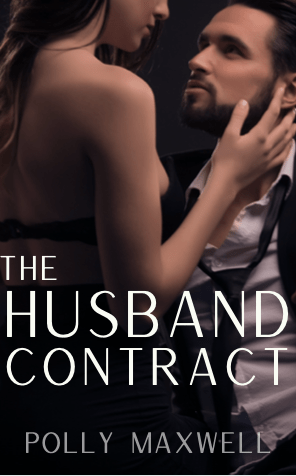
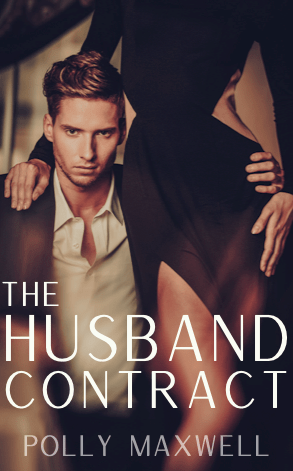
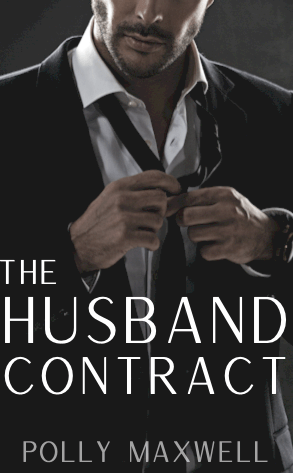
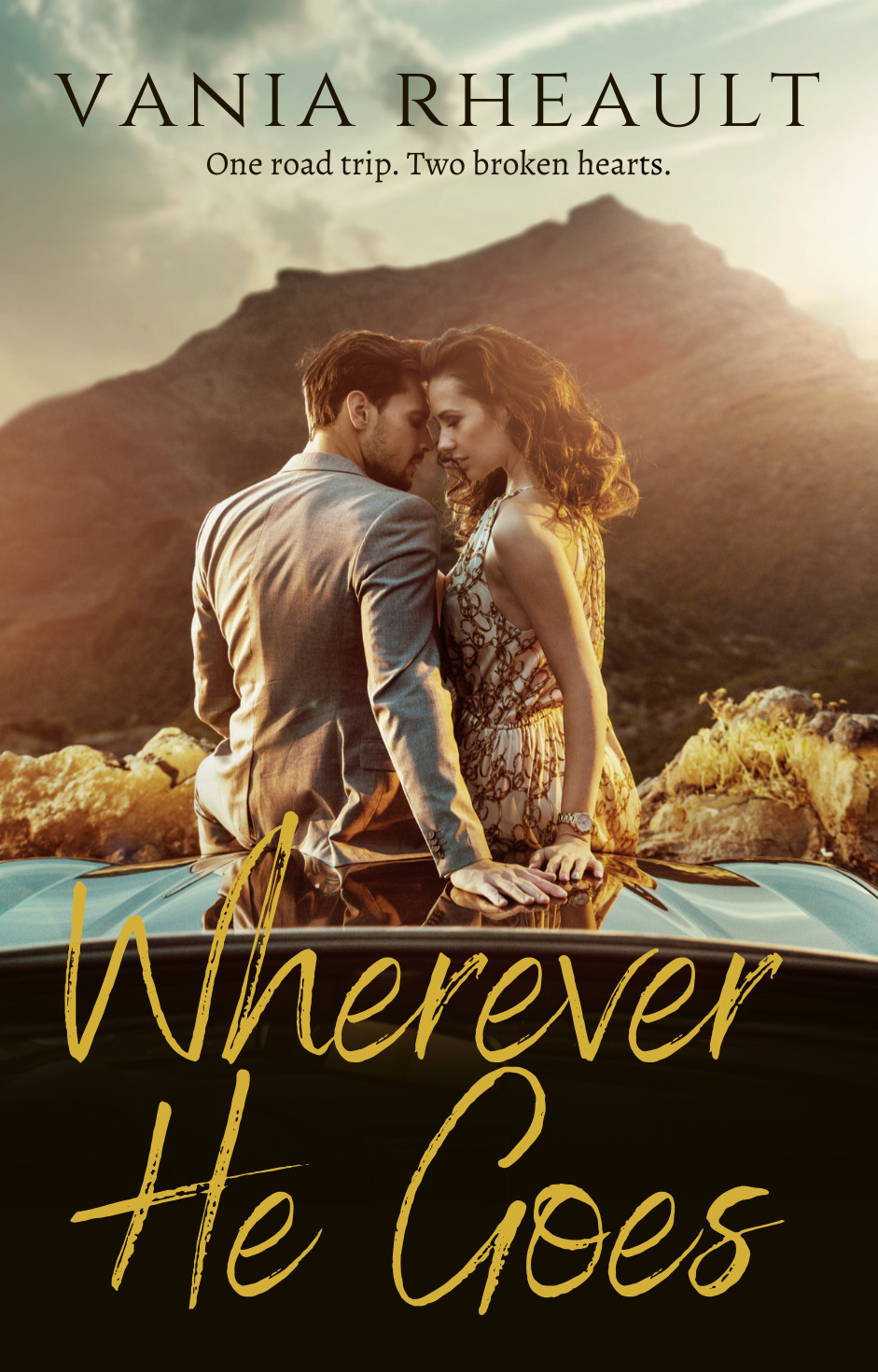
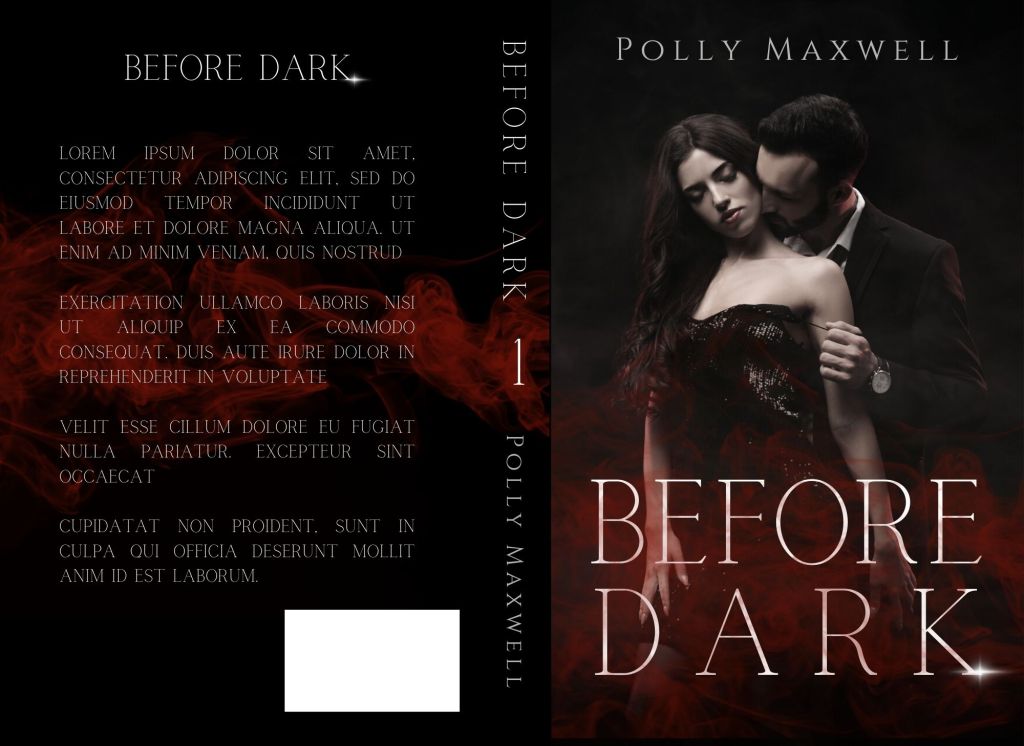
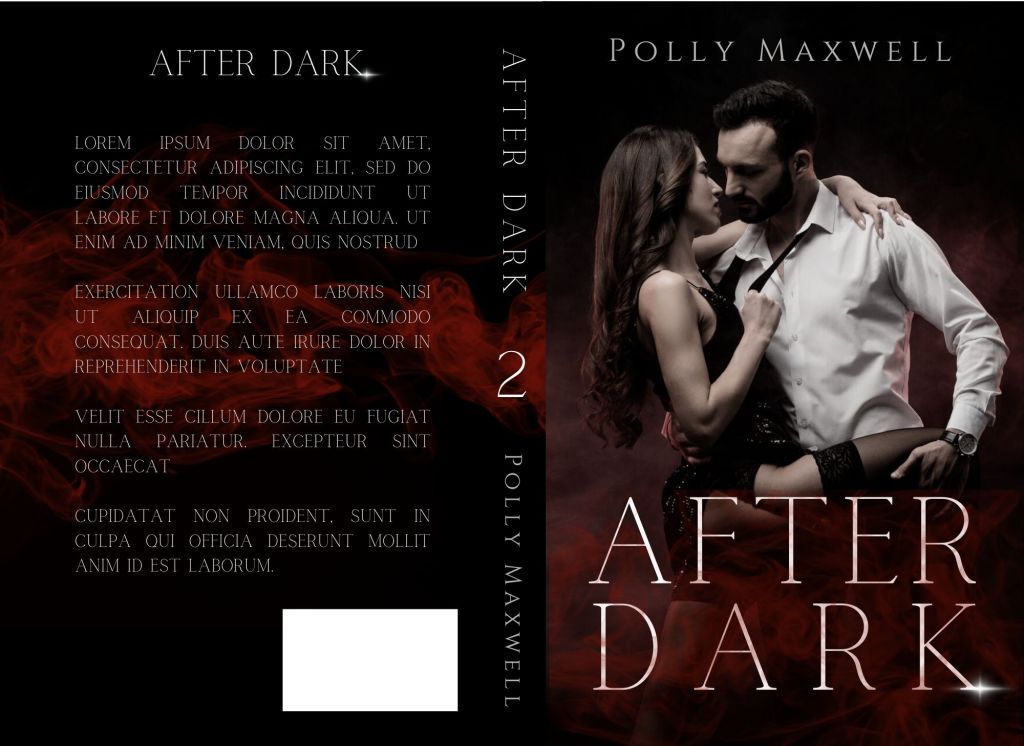
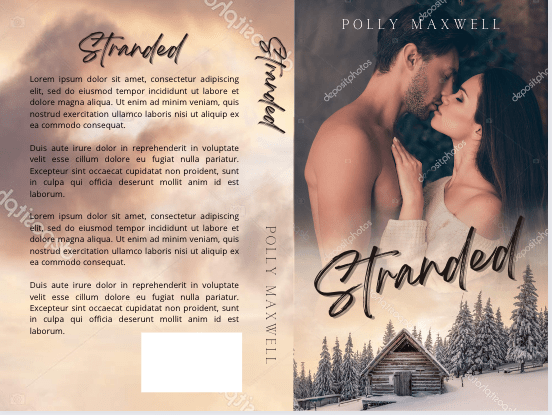
Vania: Through trial and error, I’ve realized that Amazon Ads are very cover-dependent. (Who knew, right? 😵💫) I always show this as an example:
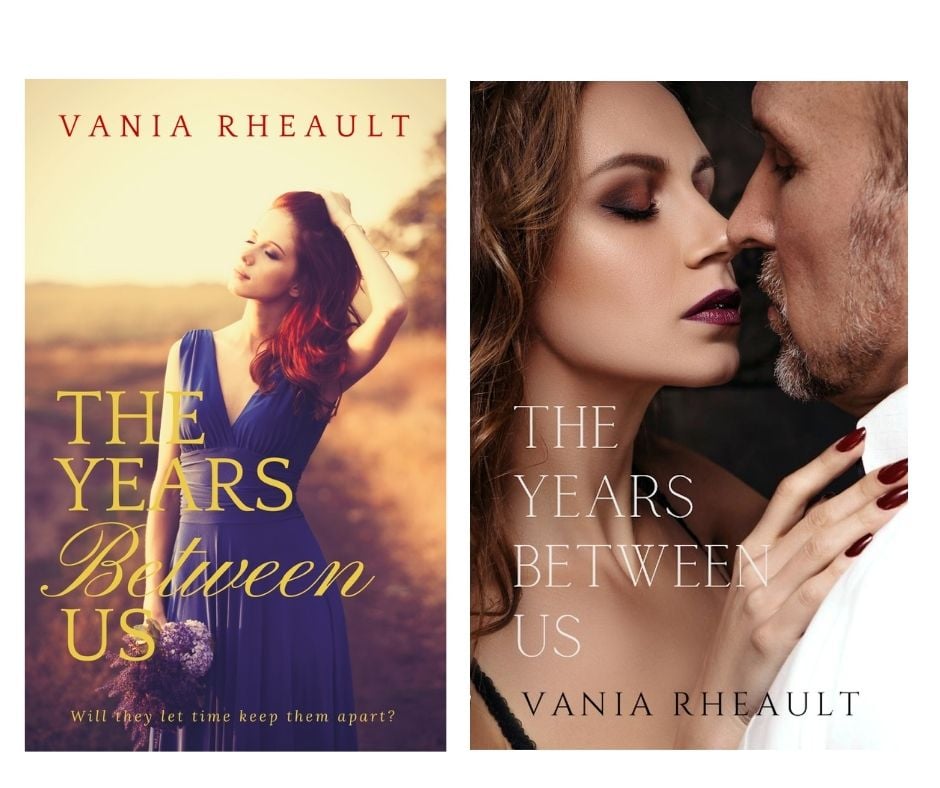
I had one cover for my age-gap romance, but it screamed women’s fiction. I was getting a ton of clicks because the cover was pretty, but once they read the blurb, they wanted nothing to do with it. I changed the cover and now at least when I get a click, I’ll sometimes get a sale. At least I’ve stopped wasting money.
Jeanne: That’s the problem for me. Besides that I don’t like the platform, mine just is not spicy.
A.K.: Ohhhhh. Yeah, those are totally different genres. Smart move!
Vania: But I don’t have enough books to scale. Under my name was sub-genre hopping, and now under my initials I don’t have enough books out to say either way. I make money off my ads, just not a lot.
Jeanne: Yeah, I think I had that same problem. At first I could get some clicks, but the cover looks more “grown up” historical fiction, and the blurb reads more juvenile lust fest, so the 2 don’t match up, so now Amazon just won’t show the ads. Why should it bother? Lol
Vania: I don’t wanna do TikTok. I have carpal tunnel, and the thought of being on my phone like that makes my skin crawl. I know there are ways of posting on my laptop, but ugh.
Jeanne: Hey, if you make money rather than lose it, you are ahead of the game!
Vania: To play with TikTok’s algos, don’t you also have to follow and comment on other people? That sounds like sensory overload to me.
A.K.: Making money from ads is great! My plan for the winter is learning Amazon ads. Yes, TikTok is all about engagement. You need to do a lot to get a little in return. As for marketing, I’m looking to redo the cover of my first novel. I think it’s holding me back. Just need to figure it out!
Jeanne: And to do it well, you have to be so purposeful. To be honest, I’m just not interested in being that purposeful about anything. It’s exhausting, and I’ve pretty much given up on the idea that I will ever actually be “successful.” I’m trying to get back to just having fun and enjoying it. The only thing I do wish is that I had more readers. I think my books are great, for the right people, and I think there are more ppl out there who would like them, so I would like to get them into those people’s hands. Same here. I KNOW my covers don’t help me. I just cannot figure out what they should be instead, and …
Vania: If Amazon doesn’t know where to put you, they will definitely bury you. On the bright side, if you run them and they do that, they don’t cost you any money LOL
Jeanne: I’ve been feeling perverse about it lately, like, “these are the covers, dammit! And I’ve gotten some ppl to read the book, even with unlike covers. My covers.” That’s so unhelpful to myself, but I’ve been feeling feisty. I’ll get over it!
A.K.: Covers are hard. I need outside opinions because I’m not certain of how to do visual expression.
Vania: I don’t want to use TikTok to sell my book. I want to use it because I enjoy being on it, you know? Posting mini book trailers all the time or “teasers” for the sole purpose of selling my book seems even more scammy than tweeting a link all the time.
A.K.: Hahahaha. TikTok is overwhelming that way. It feels scammy for sure.
Jeanne: Yeah, Amazon is definitely happy to bury me! Unpopular opinion here, but I have no issue spamming my book.
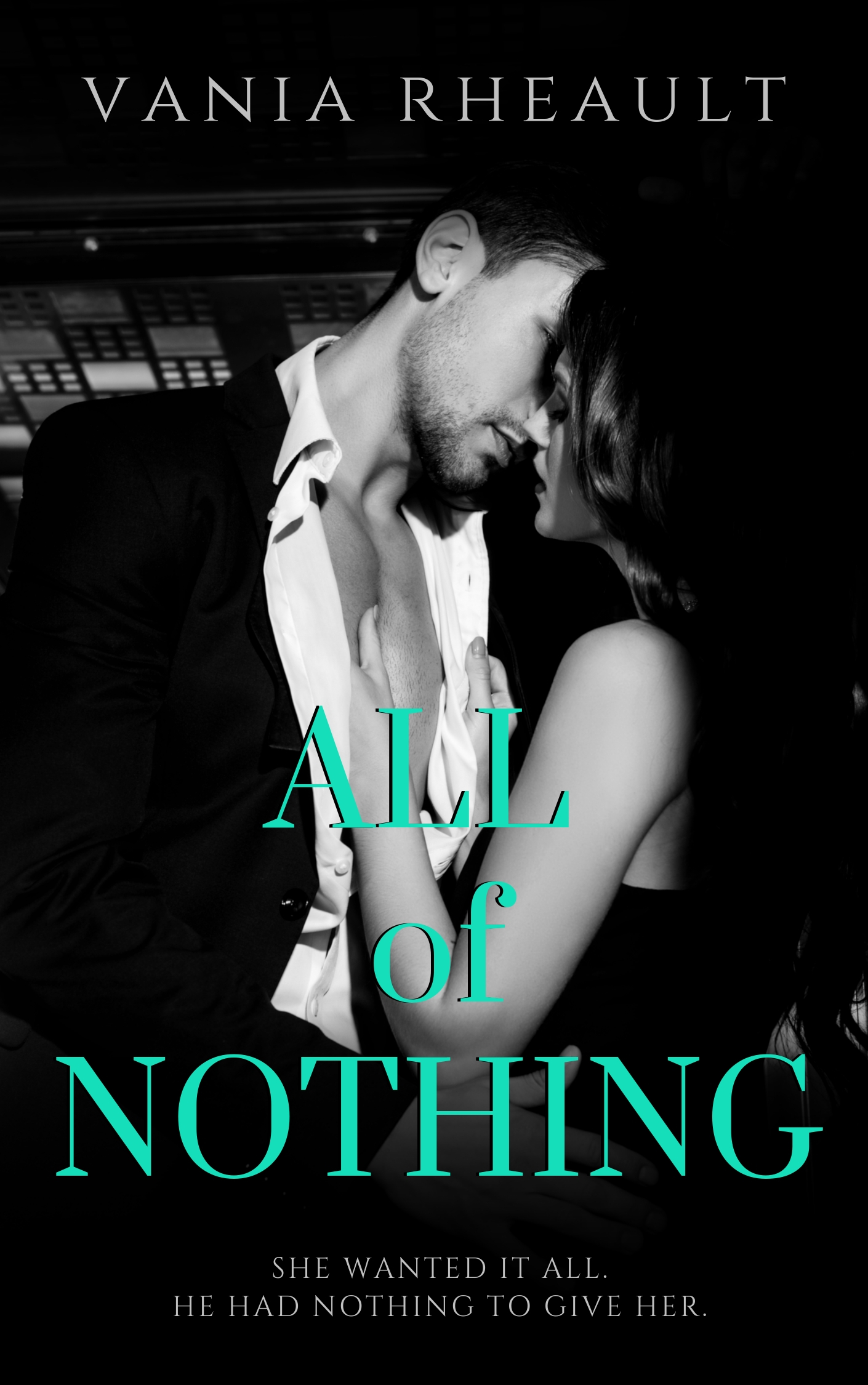
Vania: When I was doing my trilogy covers, I took it very personally. I wanted what I wanted, and I liked the models that chose the first time, and honestly, you just have to disconnect that part of yourself and say, I’ll put what I need to sell my books on them and be done. So I used some guys that have been used before and did a background that would blend in with other books, and I just hope it’s enough. I don’t mind buying ads, but when you’re on a social media platform and that’s all you use it for, or that’s all you go into it thinking that’s what you’re going to use it for, that’s hard for me. I have no interest in TikTok and that’s all it would be for me.
Jeanne: I know. And I’ve been *this* close to changing. But I don’t know what to change them to, or even if the covers are really the issue. Maybe it’s the blurb. Maybe it’s just the books – they are for a specific audience, and maybe that’s not a big audience anymore.
Vania: I do all my own covers, A.K. I’m happy to brainstorm with you anytime.
A.K.: For my second book, I had my friend read it and suggest a cover for me and I was like “thank you!” Because I never would have gotten there. Is it a marketable cover? Not sure, but I love it and it fits my book.
Jeanne: Oh yeah, I have no interest in TikTok. If my books were spicy, then sure. I’d pretty much have to, but then I’d have ready-made content and I’d be pretty sure eventually it would help me sell the books. As it is? I already find myself overselling the “sexiness” of my books, b/c that’s what people want, and there is a lot of lust and sensuality, but that’s not the essence of my books, and I feel sleazy afterward.
A.K.: Thank you, Vania!
Vania: Sex sells, but you can’t be too misleading either, or you’ll disappoint readers who are looking for that and then it’s not there.
A.K.: I like making videos sometimes, so I do it. TikTok though requires a schedule and a commitment, etc. I work full time so it’s not really possible.
Jeanne: To be honest, I hired someone to do my cover at the beginning. I was going to get a professional cover! Yay! And then I felt like even though it was supposedly super reputable and a great place for indies and yada yada yada, I felt like I got scammed. So I was still willing to pay again, but to whom? Who could I trust to give me a great cover and not rip off a defenseless nobody? That’s when I made my own.
A.K.: People get very upset if they go into a book they think is smutty and there’s no sex. I always tag mine #nospice on TikTok to avoid backlash. Haha. Yes, it’s hard to know who to pick!
Jeanne: Ah, yeah – mine’s YA so I think that should be at least clear that it’s not going to be smut! It’s probably a little spicy for YA, not b/c of what happens, but because of the adult sensibilities and sensuality, but hey. I had a reviewer call it “panty-melting PG,” lol.
A.K.: Some YA can get pretty spicy without crossing the line. Haha that’s an awesome review.
Jeanne: Yeah, also calls the MMC “Darcy on steroids” – love that, too.
A.K.: Sometimes reviewers know how to sum up our characters and plot better than we do. Haha. That’s great though.
Jeanne: For sure! Sometimes they remember what happened better than I do, too.
A.K.: Haha! I went to BookCon and apparently one author uses fan art or fan wikis to remember characters eye colours. I wish I could remember which author said that. Made me laugh.
Jeanne: Right now I’m doing an event on my author FB page that I’m calling “13 day of Journeys,” posting a series of posts w/ content and interactive stuff Journeys’ publication. It’s a lot of work but it’s very fun — just a really small little group of participants, but it’s great. That’s hilarious! I usually don’t mention my characters’ eye colors, so that’s helpful, ha!
A.K.: What? That’s so cool! Such an awesome idea.
Jeanne: Yeah, I wish I’d thought it out a little better so it had better content, but it’s been fun. If you’re bored and want to check it out to see what I’ve done, I put a hashtag on it so that ppl could mute it if it was too much for them & their feeds, but that also means you can search it. It’s #13daysofjourneys.
A.K.: I will!
Vania: I wish I was as creative as you, Jeanne! Even just what you tweet on Twitter is amazing!
Jeanne: It’s all pretty juvenile, but that’s me. If I have to be entirely professional about it all, what’s the point? I’ve already got a profession! Oh, gosh! Thanks! I think I have a really big advantage, and that’s that I don’t really have to care if I ever “make it” as a writer. I’m old, I have a full-time job. I’ve already accepted that I won’t support myself with it. So I can just have fun with it all. That’s very freeing. It means I don’t have to follow all of the “rules”.
Vania: If we can’t have fun writing, we might as well all stop. The second this becomes a chore, I’m out. I need to love what I’m doing, or I might as well get a second job. I could use the money LOL
Jeanne: Oh, sure–I could use money! But in fact I’m losing money on my book, so …!
A.K.: Yes! I would just like to work my day job a little less and write a little more. That’s my goal!
Vania: Are you guys winding down? We actually hit most of the questions unless you want to answer my last, and that is, what do you have planned for 2023 when it comes to your writing, publishing, and marketing? Seems so simple yet so far away, doesn’t it, A.K.?
Jeanne: Sure, I’ll answer. I have GOT to get book 3 out! I’ve already got readers who want it, and I want to finish it for myself, too. As for marketing, that’s the rub, isn’t it? It’s going to be a long time before I have a new book, and then it’s a number 3 in a continuous series, so … yeah, marketing is pretty dead for me. That’ll be interesting!
Vania: How long does it take you to write 600 pages?
A.K.: For 2023, I’m hoping to have at least one more book out in the world! I would like to learn more about marketing and the best way to reach ideal readers. It seems like a good next step with two books out. Looking forward to what 2023 holds for this journey. 😊
Jeanne: Ha ha! It’s all relative. That first book … when I came back to it and got on a roll, I wrote most of it in about 8 months or so …
A.K.: 600 in 8 months is wild! Awesome!
Jeanne: The second book (1273 KENP, so figure! It’s longer) took me a lot longer, b/c I didn’t have the same ability to stay in the flow and just write. It took me some years. And it all depends for me on the writer’s block/ inspiration. If I’m writing the right thing, then I can write fast. But if I’m not … if I’m thinking about it wrong or have the wrong things happening and I get stuck, well … I might never finish! This book 3 has been kicking my ass.
Vania: It’s the fortunate writer who actually has time for it.
Jeanne: Yeah, I have none. and it isn’t just time. It’s mental clarity/mental “time.” Last year was the worst of my whole life. It took all the momentum out of everything. It didn’t leave a lot of room for creativity. But I also care about these books. They don’t have to be great. Or masterpieces. Or anything. BUT it does matter to me that I can feel that I like them, love them, even, and that’s not always easy to achieve. Just writing down the words to tell the story isn’t enough for me for this series. I really need to feel like I’ve done a decent job of it, at least, and I’m not sure I can do that.
A.K.: Sometimes it’s hard to get that clarity. I have a lot of family things always on the go and it takes up a lot of my mental capacity. I try to squeeze it in, but it can sometimes be hard!
Jeanne: Yes, family and kiddos take up so much energy! And I’ve learned the hard way.
A.K.: For sure. I am child-free but I help my aging grandma and chronically ill mom. I’m lucky they’re more independent than children. But it’s still draining.
Jeanne: Writing when I’m not “feeling it” is detrimental. I end up with garbage on the page but after it gels for a while, it is hard for me to change. It’s like I’m a potter making a pot. While the clay is fresh, I can change it. But once it dries, it’s the pot. I can’t do anything but try to disguise the flaws with glaze. Oh yes! I’ve got an aging mother and I know how stressful that can be – even though she’s in a retirement apartment so I’m not doing the care myself.
A.K.: That makes sense! It’s good you know your limit or what you need at least. I, on the other hand, need to keep writing even if I don’t want to because getting out of a routine is bad for me. I just don’t force myself to write anything specific.
Vania: I am so sorry, A.K. that does sound like it would take a lot of time and energy. I’m sorry you’re going through that. I understand, Jeanne. I have never been a “write every day” kind of person. I need to want to write or else why bother. A.K. that’s why I blog–if I don’t feel like writing, at least I’m still putting words somewhere. it’s a different outlet for me that keeps my hand in.
A.K.: Good call! Well, I do have to head out! Have some pre-bed time things to take care of around the house. I just want to thank you, Vania, for facilitating this! It was wonderful learning about your processes and your writing lives! Also, for allowing me to share about my own. ❤️
Vania: Thanks for taking the time, A.K.! I appreciate it very much. Have a wonderful night!
A.K.: It was lovely chatty with you both. Have a good night!
Jeanne: Thanks for hosting this, V! Great chatting w/ you guys.
Vania: You’re welcome! It was fun sharing what we’ve been working on and what we find frustrating about the business. Maybe we can do this again sometime. Goodnight!
If you want check out Jeanne’s and A.K.’s books or follow them on social media, here are the links:
Jeanne: Her books are available on Amazon, on Kindle, Kindle Unlimited, and Paperback. https://www.amazon.com/dp/B09L6KZ8D7
And you can also like her author Facebook page here: https://www.facebook.com/jeannerolandwrites
A.K.: You can find her books on Amazon here: https://www.amazon.com/A-K-Ritchie/e/B09HJX6R6P
And check out her author website: www.akritchie.com



















 Vania Margene Rheault