Snobbery in the publishing industry.

In one of my Facebook groups I’ve since left, there was a gal, let’s call her Ella. She was a traditionally published romance author, but she said due to burnout, she hasn’t written for quite some time. I know how real burnout can be–especially in romance where publishing three to four books a year is the norm.

But throughout some discussions that I lurked in on, I realized one thing. Burnout hasn’t kept her from writing. Snobbery has.

You see, Ella stopped writing when her book deals dried up and she refused to indie-publish further books.

When I made this realization (and maybe it’s a realization she herself hasn’t come to) I sat back, stunned.

Of course, I don’t speak to Ella and her real reasons are all my conjecture at this point, but it’s worth talking about.

Snobbery in the publishing industry is real. There’s snobbery against indie publishing, there’s snobbery against romance in general, which makes Ella’s reasons for not writing anymore all that more laughable because she’s writing in a genre that is looked down upon more than any other genre on the planet. If we gave in to snobbery, there wouldn’t be romance (considered fluff by many) erotica, for sure, or most genre fiction. We wouldn’t have comic books (considered a low form of “reading” by some). We wouldn’t have audiobooks (listening is not reading!) and so much more.

Ella’s bitter because she blames indie-publishing for stealing her book deals and won’t contribute to a system she feels is beneath her. But we all know the traditional publishing industry is broken–the mid-list didn’t disappear overnight, and it’s no one’s fault but the big houses’ that indie authors stepped up and filled that gap.

But let’s say Ella has a point. What can she do?

*She could pivot. Being capable of adjusting is vital with any career choice. (I have an HR degree, and I shudder when I think about all they have gone through with COVID and work-from-home protocols. Not once in any of my HR classes did we talk about a pandemic.) She could switch from romance and write literary fiction. She could spend the next five years writing the next great American novel. She could then query, obtain her precious book deal, and watch her book sell a thousand copies, maybe win an award, if she’s lucky.

*She could write women’s fiction which seems to have a little more meat than straight-up romance and grab a book deal and hope to become the next Jennifer Weiner. Or she could write women’s fiction, swallow her pride, and build a following like other women’s fiction indie authors (see: Jane Davis and Jessie Newton), and hope to gain a “respectable” and “sophisticated” audience.

*She could keep writing what she loves and indie-publish because after all, there is no better marketing than writing the next book and her front list would sell her backlist (the books she’s most proud of, I guess. Shrug.).

So instead of letting bitterness about something she has no control over dictate how she writes, Ella does have choices. Instead she chooses to let snobbery and resentment win.

Maybe she’s tired. The system can be disheartening at times, and in this business, it’s important to understand your WHY. Why was Ella writing in the first place? For the glory of the book deal? The validation (good reviews?)? To reach readers who love to read romance? She can still reach readers indie-publishing. More, in fact because she’ll have complete control of her books. She can run ads, host giveaways, build a newsletter, and she’ll share less royalties than if she were still traditionally-published.

I’m not a snob, though sometimes I may sound like I am. I believe there is room for every genre, every story. My problem is I wish authors would take a little more pride in their work, and maybe in the end, that’s all Ella’s problem is too. Books that are unedited or poorly written because the author published before her skills were up to snuff. We’ve all read that one book that had potential but just wasn’t quite there. I mean, there’s snobbery and then just wanting to see a bit more quality in the industry. That’s nothing to feel bad about–as authors, we shouldn’t be asking readers to part with their money unless what you’re giving in return is a good, enjoyable read.

I feel sorry for Ella, that her snobbery, resentment and bitterness keeps her from doing something she loves. If I’ve learned anything about the industry in the last four years I’ve been writing and publishing is that anger and resentment have no place here.

A couple years ago, I heard something funny. When we talk about quality in the inde-publishing space a saying that you might often hear is, “Cream floats to the top.” Meaning, the best books will rise to the top despite what everyone is publishing. Then I heard something I hadn’t heard before, the rejoiner: “Yeah, and so does sh*t.” It made me laugh. You can say books like Fifty Shades of Grey and Twilight are the sh*tty books that have floated to the top, but it just goes to show that there is space in this industry for everyone.

I hope Ella finds hers.


Another article about the midlist from The Guardian: ‘There’s no safety net’: the plight of the midlist author

If you’re interested in hearing an interview with Jane Davis, Joanna Penn interviewed her a little while ago, and you can listen to it here:

Publishing Plan & Launch Plan: How they’re different and why you need both.

I’m struggling. I’m struggling for a myriad of reasons (some not related to writing–anyone know how to quiet an old cat at night?!), but the prevalent one for me right now is my publishing plan for the books I have written, and the launch plan I’m going to need to find readers for those books.

It’s tough because when you press publish, you aren’t guaranteed readers. It would be nice if we were, if we became overnight sensations, but that rarely happens and if it does, there’s a tremendous amount of work that goes into it behind the scenes.

The difference between a publishing plan and a launch plan to me is when we talk about a publishing plan, I think about how many books am I going to be able to publish in a given year, two years, three? How far out am I looking when I plan how many books I’m going to be capable of writing? That’s different for everyone. How fast you can write depends on your living situation, if you have kids, if you have a full-time job. Obviously, if you’re single with no kids and you’re already a full-time author, you’re going to be able to write quicker than a woman with a husband and children, a job, and maybe a sick pet. It also depends on where you are with your craft. If you can write your first draft so that you consider it practically your last draft, you can publish books faster than someone who needs a few months of editing. It’s important not to over-extend yourself, especially since Amazon allows year-long preorders. Due to COVID they are giving you grace if you have to move your preorder date, or cancel altogether, but that might not always be the case. Before COVID, if you missed your preorder date, you were suspended from creating preorders for a year, and I would imagine that at some point, they will go back to those guidelines.

A launch plan for the release of a book can consist of a Goodreads giveaway, stacked promotions, newsletter swaps, and everything in between.

How to optimize those things will be different for everyone, and while you can grab tips for a great launch, genre, how well your book is written, cover, the size of your newsletter and the authors you swap with, your backlist, how much you can afford to pay in ad spend, even what’s going on in the world, and I have no idea how many other factors, can influence how well your book does on launch day.

Planning your publishing schedule while optimizing your launch can be a nightmare. When you look at your launch plan/publishing plan it’s important to know your strengths and your weaknesses.

Newsletter. This is definitely a weakness of mine. I don’t have one . . . yet. Not even one for my 3rd person books I can hit up on the off chance there would be some crossover readers. Some authors have a large enough newsletter their whole launch plan consists of sending out an email to their newsletter and that’s it. It’s enough to make them sticky in the stores and their loyal readers will leave reviews.

Networking/Swaps. This is another area where in the four years I’ve been publishing I have failed. I have writer friends, sure. But I had no idea how important it is to network with other authors in your genre. Without a strong newsletter I can use for reciprocation and without romance author friends who are willing feature my books in their newsletter, I’ll have to rely on the kindness of strangers until I can pay those favors back with my own list.

Number of Books. This is one strength of mine, at least. Your launch plan will definitely look different if you haven’t banked some books, or if you don’t have a backlist written in your chosen genre. If you’re launching a new first in series, it’s better to have another book or two written so your readers know that more books will eventually come. Putting book two on preorder and linking the preorder to the back matter of book one can help. Fickle indie authors aren’t the only ones teaching consumers to be wary. Streaming platforms like Netflix can pull the plug on a new series before wrapping it up, and a lot of consumers now won’t try something new unless all the seasons (or books) are available. I know for me as a consumer, I was really disappointed when Amazon Prime released the first season of Carnival Row, but maybe because of COVID I haven’t heard of another season in the works. BUT as I have found out, rapid releasing when no one knows about you or your books doesn’t do anything and when I released my Rocky Point Wedding series last year, it didn’t matter how fast I released them–I didn’t have readers. I have this weird thing where I need to write a whole series first before I can even think about publishing. I many need to change my way of doing things to streamline my publishing schedule.

Ad spend. I’m fortunate that I have a little money for some ad spend. I can afford to book a promo with Freebooksy or BargainBooksy, ENT, etc. So far, if I put my first in series for free and pay for a Freebooksy with Written Word Media, I gain back my fee with sales and page reads. But that has never elevated my status or made my book “sticky” in the charts. I also play with Amazon Ads, but I’ve never worked with them to create second or third generation ads because I’d rather write more books than spend time playing with ads. Also, keep in mind that if you do plan to run ads at some point, your cover can’t be too racy. With stricter guidelines in place, Amazon has determined my Rocky Point covers are too sexy and they won’t let me run ads which could be a problem for you if you’re counting on an ads boost.


So, here’s my dilemma. First of all, I’m banking books as is my usual custom. I have six books in a series (serial, meaning no entry point except book one) that are completed. They’ve gone through a couple editing sweeps by me, and unless I’ve missed something, they sound strong: no plot holes, complete character arcs, etc. I spent the majority of 2020 writing and editing those. I needed a break, so I…

…wrote what I thought would be a standalone novel just to publish for the sake of hitting that publish button, but then I realized it could be a really cool book one of a series and while a paid beta reader read it and made her notes, I wrote book two of what will be another six-book series. That one has since been edited by me a couple of times, and is just sitting on my computer while I…

…thought I was writing a reader magnet for this newsletter I need to get going this year. The problem is, it’s a good book. It’s going to be a really good book, and I don’t know if I want to “waste” it by offering it up as a freebie. Obviously building up a newsletter is not a waste, and offering a full 85k book will be a good incentive to sign up for my newsletter. But, even though eventually I can put it up for sale, I would then need a new magnet anyway. So what difference will it make if I sell it now or later?

I’m at a loss, and while having 8.5 books on my computer almost ready to go (besides covers, formatting, and blurbs) is a good problem to have, I’m tired of publishing to crickets. I’m rebranding, writing new books under my initials instead of my first name, and if I can’t figure out how to make things better than the last four years, all I’m going to be doing is releasing books to no one. And let me tell you, I’m getting real tired of that.

Y’all, I’m tired of starting from zero. At some point, an author shouldn’t have to do that.

Another problem I’m having is that this is a new direction for me, and stockpiling books before I know if my style and voice are going to resonate with readers is ill-advised at best. Because now I’m stuck between a rock and a hard place. If I can’t find readers, then ALL the books I have on my computer I may not have a use for. I doubt that will happen–I don’t write in a vacuum and someone has looked at all the books in some way, shape or form–but it’s something to think about (like there isn’t enough to worry about, right?)

That’s why I’m interested in releasing one standalone just to see how readers react. While it wouldn’t be a huge release, I know a little bit to at least get a few readers and if I add a cookie to the back, it might not be a bad way to start building my list with organic signups. On the other hand, if it makes more of a dent than I expect, I would want something to publish next in the not so distant future.

The uncertainty is enough to give me a headache, but I appreciate you listening to me brainstorm. I mean, there are things I can do. Hire a consultant for one. There are a few indie authors out there who will chat for an hour for a fee. I can ask for opinions in my FB groups, and I think I will be doing that. Maybe an experienced indie author can give me a few pointers.

I know one thing–I need to publish something, soon. I need the high. But like a drug hit, it may not be the best thing for me. Or it could change my life. You just never know.

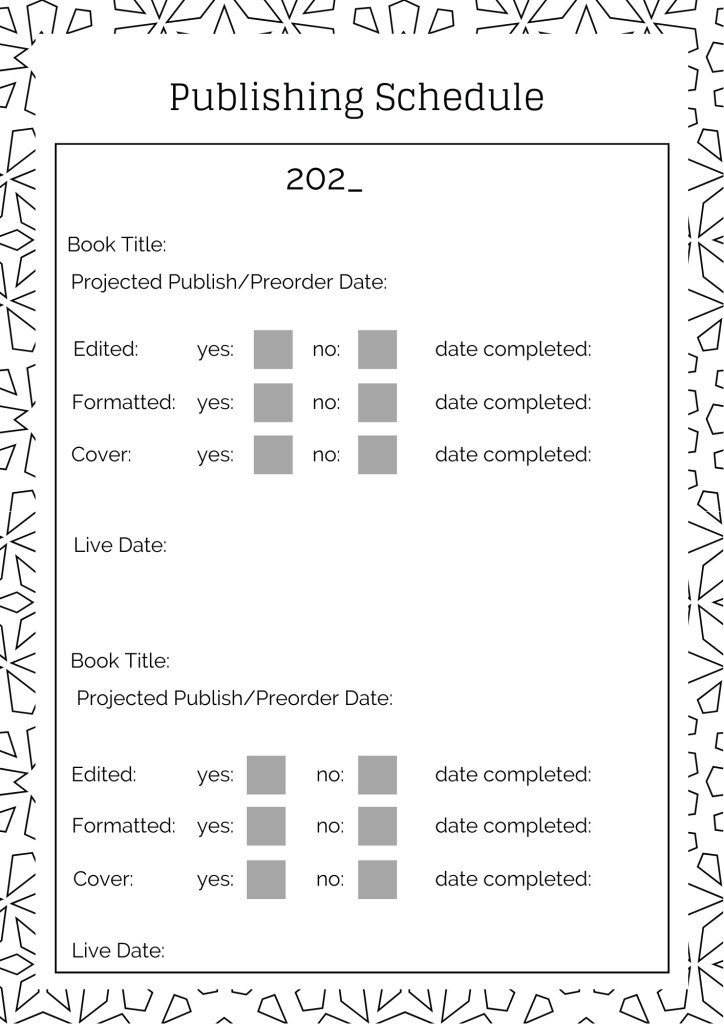
Here are a couple things that can help you with a publishing plan:

This is printable! Save it and print it for your own use.

A Book Production Schedule for Indie Authors: IngramSpark Blog

As for a launch, I’ve never had a successful one. I’ve never put the time and the effort to set up blog tours, newsletter swaps, promo stacking, the list goes on with what you can do. Normally I press publish, run some ads, and then feel sad when my book doesn’t make the splash I was hoping for.

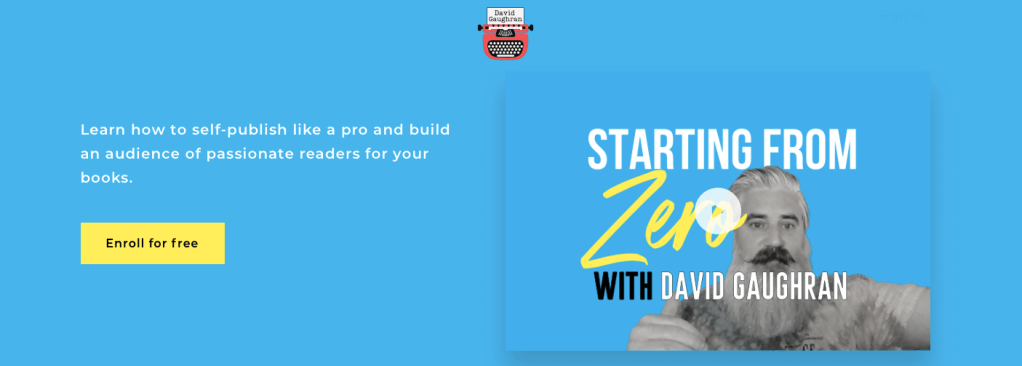
Since I’m starting at zero, this is worth another peek:

Screen grab taken from his website.

David’s course is free, and if you want to sign up, click here.

He also has an updated list of Promo Sites and you can find that here.

As for what else you can do for a launch, the resources can be it’s own blog post, and this is already a lot longer than I wanted it to be. I hope you find this useful, and thanks for tagging along on this journey with me!

Until next time!

Author Interview: Women’s Fiction author Brickley Jules

I’d like to welcome Brickley Jules to the blog today. I’ve known Brickley for years, and it’s one of those friendships where I can’t remember where we met (probably Twitter) because she’s been a friend since I started writing. She has a new release coming out that I was happy to edit for her last year. With so little time, every launch is a victory, and I’m happy to be a part of her launch and the rebranding of her series. I asked Brickley a few questions about writing and publishing around such a busy schedule. Thanks for tuning in!


You published Her Unexpected Life in 2016. How has indie publishing changed since then? Anything stand out to you as better?  Worse?

The two publishing entities [CreateSpace and KDP] I used in the past have combined meaning I only have one place to go to get my work out to the public which is easier. But I’m a creature of habit so I’m not as fond of the changes as others might be.

More books are published than ever before. Can you share what you plan to do in terms of marketing after your launches?

I plan to do some more research on marketing to stay up to date and I’m going to utilize every free source of marketing I can. 

Facebook for example has many different free options like Facebook Live, Groups, Author Pages, Cover pictures and videos, and Events. These can be used together to do Release Parties and Anniversary Release Parties etc.

Twitter, Instagram, Pinterest, Goodreads, Google, and several other social media outlets can be utilized to get the word out for free about my releases without costing a thing.

I also intend on using my WordPress Blog to post about my novels.

If you could go back to 2016 and tell yourself one thing that you know now, what would it be?

If you get burnt out writing, editing, or after your computer crashes step away for a bit but don’t completely quit. Don’t allow yourself to make and use excuses to justify not working on your book or educating yourself on your craft. Take a break, pick up a friend’s novel, and do some relaxing studying.

Brickley Jules is a pen name. Do you have any tips for an author thinking about publishing using one? How did you choose yours?

Brickley Jules to me has a science fiction feel and the original manuscript, Out of the Blue, I was intending on publishing, was a spicy mermaid romance but it has overall arc problems, plot holes, and needed a lot of work so I didn’t publish it. I had already done all the leg work though of establishing Brickley Jules on social media so instead of starting over with another pen name that fits my Women’s Fiction book, Her Unexpected Life, I stuck with Brickley. I do think Brickley Jules works with my erotic motorcycle romance, Vested in Her.

My advice would be to look at other works in your genre and see what vibe the names give off. Maybe do some research on the matter but ultimately you have the choice to use whatever name you want to.

A long time ago we were talking about publishing and how difficult it is when you don’t know what you don’t know. How have you gone about filling in those knowledge gaps? 

I have a great group of writer friends who have helped me fill in the gaps and lots of other great writers have published blog posts on their experiences along their writing journey I read those. Otherwise I’m a trial and error girl.

You have a family and work full time. How do you carve out writing time?

It’s hard to find extra time but recently I busted up my ankle and had eight weeks to work on finishing the revamping of the interior vibe of Her Unexpected Life and updating its cover.

I also took some time to work on something new for my readers. More to come on that later.

Normally I have to carry my laptop around in my mom taxi and work on my books while my daughters are at their practices.


Thanks for sharing your experiences, Brickley!

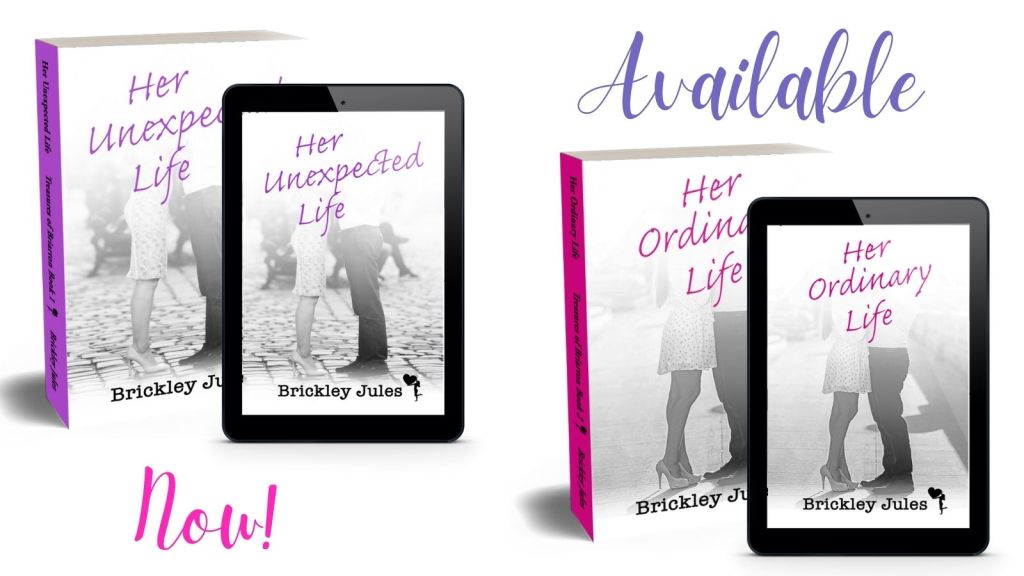
She recently revamped her book, Her Unexpected Life, and is publishing the next in series, Her Ordinary Life. You can find both of these and her erotic Motorcycle Romance, Vested in Her on all your favorite retailers!

Amazon

Facebook Author page

Goodreads

Instagram

Thanks for reading. Until next time!

Monday Musings and Happy March!

I don’t know about you, but to me, these past two months flew by! March can be the crappiest time of year in Minnesota, but if we can get through the month without a blizzard, that would be wonderful. Spring lands on March 20th, and we have daylight savings this month, too, on the 14th, when we go back to lighter mornings and darker evenings, for a while.

My goals for March are mostly the same as every other month. Work hard on my books, try not to stress too much about things I can’t control, wait for it to warm up. I don’t have much going on in my life where I measure time by an upcoming event. Life slips away while I work, write, spend time with my family and friends. I wonder if I feel some discontent because my characters talked about this not long ago. “Do you ever think, this is all there is?” she asks. And sometimes that’s me. Is this it? Would I be happy if it were? What am I working toward? They say happiness isn’t a destination, it’s a journey, but you still have to know where you’re going. All those who wander are not lost, but you still decided to put your foot on that path and take the first step, right?

I guess I’m just a little reflective because of the past couple months. I’ve had a hard time transitioning from work to working from home, my cat, even though he’s on medication, still won’t let us sleep, and I’ve been dealing with a sensitive health issue. There is good news on that front, and I’m on an antibiotic now. I hope I can start feeling better. I’ve been dealing with this for eight weeks. Please don’t ever let a doctor tell you you’re okay if you feel like you’re not. The third doctor I saw finally found the problem (hopefully) and I would be dealing with something potentially dangerous if I had given up. Plus, I have a mammogram scheduled for tomorrow (Tuesday), so I am taking my health seriously from here on out. While I won’t turn this blog into a health and diet diary, I am on a mission to lose a little weight, and I hope now with warming temps on the horizon that will be easier.

On that note, what else have I been thinking about lately?

We can’t please everyone. No one knows that better than an author. A while back, I signed up for Derek Murphy’s newsletter and in one post he talks a little bit about his new book Book Craft. It turns out the book that I like very much a lot of people don’t. It’s difficult when you put your heart and soul into something only to be told it’s not good enough. We do that all the time when we publish and always, without fail, there will be someone who has to say that they don’t like it. Sometimes they’ll pick it apart bit by bit–the review is longer than the book itself! That’s why authors are told not to respond to reviews. It’s not worth it. If you want to read the blog post where he talks about his book, look here. While he had a pragmatic approach to looking at the bad reviews, it still makes me feel bad he’s going through this.

So, yeah, we can’t please everyone, and we’ll only hurt ourselves trying. All of you know about the kerfuffle with a certain author I had over the weekend. I don’t go for click bait, nor do I want to stir the pot like Jerry Springer or Perez Hilton. I don’t need the drama for the views, prefering to give my readers useful information. This isn’t a gossip blog. I want to share my experiences with writing, publishing, and marketing, my opinions on what’s going in with the industry. I’m not going to change what I like to write about because I make one or two people unhappy.

That being said, I’ve come to realize that there is a dark side to indie publishing, and it’s not just the bookstuffers trying to make an extra buck in KU, or the authors using ghostwriters who plagiarize. When I decided to publish my books, I had no idea this other side existed, and now that I know it does, I’m going to stay as far away from it as possible. It shouldn’t have surprised me there’s a dark side because there’s a dark side to anything. I’ve heard about the dark web, and the dark side of Twitter where only the accounts with hundreds of thousands of followers are allowed to go. When authors start making millions of dollars a year publishing books, they are elevated to a stratosphere many of us can only dream of, and with software like Publisher Rocket, that information is available to us with just a few clicks of a mouse. (And I’m beginning to think that’s information we shouldn’t have.) Where authors have the power to tear down another author out of fear, jealousy, or spite. Where an author can destroy another author’s career simply by siccing their fans onto that author’s Goodreads profile and trashing her books.

I entered this industry thinking everyone is kind to everyone else, but I guess when you’re making millions and your livelihood is at stake, you’ll do anything to protect it. We hear all the time that people will say if they find some kind of success that they won’t let it change them, but of course we change. We may just change for the better, when some people change for the worse.

Like a lot of my blog posts, I’m not quite sure where I’m going with this. I beta read, I edit, I format for others when they can’t afford to do it for themselves. I give back and I don’t keep score. I would like to think success won’t change me–if I find it. Entitlement is nasty, and this pandemic brought out the bad side in more than a few people. I’m blessed with what I have and I’m saying I’m sorry to everyone who reads this blog that something I wrote was taken the wrong way and my post was dragged unnecessarily through the mud. It’s not what I want for my blog, or the readers who loyally come back every week to see what I have to say.

We can’t please everyone, we can only control our response and move on the best we can. I have a lot of things to look forward to, and I hope you do too!

Happy Spring, everyone! Until next time!


She flicks a glance at me. “Do you ever wonder if this is all there is?”

“What do you mean?” I shift in my seat, suddenly uncomfortable. 

“Like, this is it. Work. Dates with people who don’t mean anything to you. Won’t mean anything more. Can’t, really, because they’ll never understand you. More work. A party here and there. It all feels so, I don’t want to say useless, but I want my life to go somewhere. You know?”

“You mean you don’t want your life to be one big party?” I can’t keep the bitterness out of my voice, and she catches it, loud and clear.

She turns in her seat and meets my eyes, her irises blazing in the firelight. “You think all of us have let you down.”

Christ. Talk about not beating around the bush.

“Yeah, yeah, I do.”

“I can see why you would think that, but don’t you also think that we’re allowed to go our own way?”

“Why? I wasn’t.” 


Flexibility: When time and patience aren’t enough to achieve your goals.

Spotted in my Instagram feed.

As indie authors we have a lot of flexibility. Blurb not working? Change it. Cover not working? Change it. Didn’t edit your novel well enough the first time, give it another editing sweep and upload the new file. We have a lot of flexibility when treating our writing like a business. We can pivot faster than any traditionally published author, chasing trends if we’re fast enough writers, or researching sub-genres and hopping onto a hugely-demanded but underserved niche.

This quote jumped out at me this morning as I scrolled all my social media feeds while I sipped on my much-needed first cup of coffee. I like it because as indies, we’re able to search out new ways if something we’re doing isn’t working. The problem is, there is such variety out there that it’s difficult knowing when to give up and try something new or sticking with what we’re doing and hoping that our tenacity will be rewarded. We need to give something ample time to see if it’s going to work, and bailing too quickly before something can stick could cut off something that could be really viable to your business. On the other hand, sticking with something that’s not working out of fear of the unknown won’t get us very far, either.

Knowing when to keep trying and when to throw in the towel is something that needs to be taken as case by case basis and perhaps the thing you’ve moved on from could work for you later. With all the information available to indies right now, it’s easy to get overwhelmed with all the choices.

Here’s a not-so-quick list of some of the things that we as indies have control over, when to let things ride, and when to maybe give new things a shot:

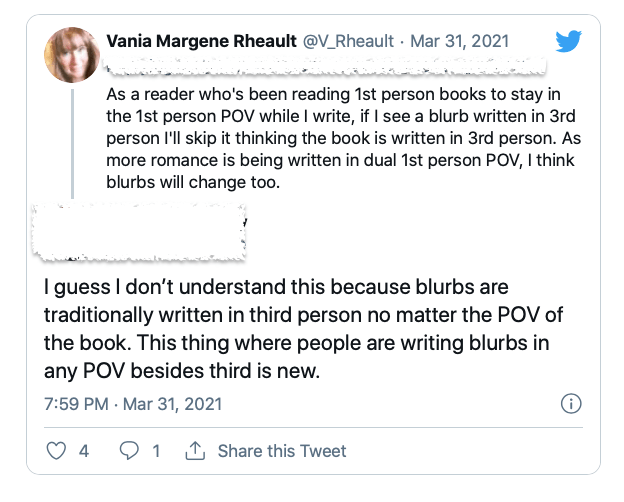
  1. POV. Changing up a POV may not be an option for some people. You need to definitely work with your strengths and admit your weaknesses. If you rock 3rd person past, it wouldn’t be wise to change to shaky 1st person present just because that’s what’s trending in some genres right now. The quality of the work should always come first, or what you do after that won’t make much sense. I find writing 1st person present easier than 3rd person past. I can write faster, and as my paid beta reader just got through the first book my first series and liked it, I feel I’m capable in that area. A comment made on this blog on one of my posts said I didn’t like writing it, but that’s not true. I wasn’t sure if it was the right choice when I decided to write a book in it, that’s true. It wasn’t what I gravitated toward when I started writing because I’d read 3rd person past all my life and stuck with what I knew. But my books also were not selling that well, and since I had nothing to lose, I mixed it up. This is one area where I probably could have stuck with 3rd person past and eventually seen some level of success. On the flip side, my 1st person present books could flop. I don’t know. The amount of flexibility we have can be a pro as well as a con. If you’ve been writing in a POV you may not click with, or you haven’t found readers to click with it, change it up. You never know where a new POV will take you.

    If your current POV is not clicking with readers, you don’t have to change POV to find traction. Maybe changing subgenres would help. When I was writing 3rd person past, I wrote steamy contemporary romance. I didn’t have to change to 1st person present to make a change–I could have started writing women’s friendship fiction, or domestic thrillers, or literary fiction. Again, you need to know where your strengths are. I like writing romance and have a difficult time plotting anything that doesn’t revolve around a man and woman falling in love. Changing POVs made more sense to me than seeking out another subgenre, but I could have made a less drastic change and started writing clean romance as well. There are all sorts of things you can do if what you’re writing isn’t hitting the mark and finding an audience. I was lucky and stumbled upon first person present billionaire romance. I enjoy writing it, I feel I’m good at it, and I’m hoping that even though that subgrene has peaked, I will still find readers when I’m ready to publish.

    POV: Choosing Between First-Person and Third Person Writer’s Digest


  2. Ad platforms. This is a tricky one because your ads can only do a well as the book you’re selling. Bailing on Amazon Ads in favor of Facebook ads may not do anything for you except eat up money faster. You also have to know what your business goals are. If you’re in Kindle Unlimited, it makes sense to run Amazon Ads, but if you’re wide, Facebook can reach more people who read on all platforms. I see some authors give up on ads saying they don’t work, but they aren’t advertising a book written to market, or the cover is bad, or the look inside is full of telling. Another important thing to consider is if you learned how to use the platform. There are a lot of free resources out there and I would never try to put together an ad on a platform I wasn’t familiar with. Once you are familiar and know your ad budget then you have to figure out if your return on investment is worth it to keep running ads. It may not be. So you table that ad platform and write another book, or just hold off on ads for a bit, or try BookBub ads instead. You have to give something time to work. When I was doing Bryan Cohen’s ad challenge, there were so many people who wanted to throw in the towel after the first couple of days. If you feel like that, then maybe you don’t have confidence in your product and your gut is trying to tell you something. If you know you’re advertising a good book, then you should have patience and faith in your product. Your book will be on sale forever (unless you pull it). You can afford to wait a couple months to gather ad data to make good choices.

    The quick and easy guide to Facebook and Amazon (AMS) ads for authors by Derek Murphy

  3. Newsletter. If you haven’t started one, you can start one anytime. If your newsletter has low open rates, figure what why readers don’t want to open your mail. Maybe you’re not giving them anything of value. Maybe you’re not emailing frequently enough. Maybe the only mail you send out is when you have a new release and readers are tired of your “buy buy buy” message you send out every three or four months. Maybe you need a new aggregator because the one you’re using now sends everyone’s mail to their spam folder. If you aren’t getting the results you want, figure out why. Change your newsletter sign up cookie, or offer the readers you already have more content. There is a lot of flexibility here and you can make it work for you.
  4. Your book’s package. It’s easy to fly off the handle with changes when Canva makes it easy to create a book cover, and changing the blurb is as simple as writing something quickly and logging into your KDP account. The thing is though, you have to wait to see if what you already have can work. Run ads, ask in reader groups, or send out your cover and blurb in your newsletter and ask for feedback. I’ve blogged before that it took me a year to change the cover of The Years Between Us, and when I did, I saw immediate results. But when I changed the cover of Wherever He Goes, it did nothing for sales. Whenever I do Bryan Cohen’s Amazon Ad challenge, the first part of the challenge is always taking a look at the product and making sure your book is sellable. Covers get changed, blurbs get changed, categories are added. I have no doubt that a lot of those changes are for the good of the book, but also if you’re running ads for the first time for only a handful of days and you’re not seeing impressions, that may not have anything to do with your book and going through the hassle of changing your cover may be for nothing. Oftentimes it’s helpful to take a step back and give yourself, and your book, time to breathe while collecting data.

When we talk about old ways keeping doors closed, what we’re doing is talking about years of collected data. I can look back on my 4+ years of indie publishing, and I know what I did wrong. I didn’t network with other romance authors, I don’t have a newsletter. Had I done those two things, maybe my 3rd person present stuff would have sold better. Maybe my POV switch wasn’t necessary and I was just grasping at straws making such a drastic change to my writing career. OR, it could breathe new life into my writing and it could offer more opportunities than I ever thought possible.

That’s the thing with being flexible. My third person books will always be there and I can always go back to them if my first person stuff doesn’t work out, or I need a change of pace. In fact, I had a good standalone idea for my next book that I was going to write before I made the change. Now I can write it in first person or put the idea on hold. I also have 20k of a book that I need to rewrite and finish that was part of a writing prompt I stumbled upon a couple years ago. I wasn’t in a place writing-wise where I could finish it, but my skills have come a long way, and I’d like to revisit it and finish it up.

We have a lot of flexibility as indie authors. Don’t get bogged down with the way you’ve always done things. You could be missing out on a new opportunity!

Until next time!


Another case of plagiarism. My question is why?

I follow Zoe York’s Facebook author page, and she brought to our attention another plagiarism case–S. M. Soto was found to plagiarize from author Kim Jones and Sylvia Day and possibly a couple other authors. I went to Twitter because you can always count on #romancelandia to give you the scoop, and it seems like this is the first person who shared Kim Jones calling out S. M. Soto, at least on Twitter. If you want to read the thread, click here. And if you want to read the Kim Jones’s Facebook post, click here.

A few other people confirm she did it. It’s difficult to give attribution to who posted first, but with the plagiarizing software out there, it’s easy for others to confirm it, like Claire Ryan who created her own software to help out. If you want to look at this thread, click here.

The author herself didn’t confirm or deny, only posted some wishy washy apology on her Facebook author page.

“As some of you may know, there’s been an issue with me and another author. I’ve been accused of plagiarism among other things. I wasn’t sure if I should even make a post but I wanted to share with my readers what’s been going on. On Sunday morning I was woken up by my PA over an alarming post she had seen. I immediately went to check my DMs, which were flooded with hateful messages, including one from the author who was accusing me. I immediately reached out to her and we had talked on the phone. I’m not one who checks my messages—in fact, I rarely do. I didn’t believe this would escalate as quickly as it did. What should’ve been a day of me enjoying my release party and spending the day with my family quickly turned sour. I understand that this shouldn’t have happened and I’ll be doing everything to make the appropriate changes. I can assure you I’ve never had the chance to read this author’s books so all of this is just a huge misunderstanding. I’m in the middle of rectifying this misunderstanding. Given the circumstances of the allegations, and after much thought, I have decided to unpublish the version that contains ANY similarities in wording or phrases to this author’s work. A new version will be put up soon after. I sincerely apologize for any misunderstandings and anyone that was potentially hurt. Being that this is a product with my name on it and I should be aware of every piece, every word, and every phrase that goes in, this is a decision I don’t take lightly, but do believe is necessary. I understand that this shouldn’t have happened and I’ll be doing everything to make the appropriate changes. Up until today, I’ve always stayed quiet about my personal life. I am a very private person and I don’t like bringing what’s going on in my personal life to my work life, which is the book community. I have a son, a family, which will always be my priority. 2020 affected us all in many ways and I was no exception to the hardships. I was able to get through some of the toughest emotional times I’ve ever gone through by having a few good friends along with my family by my side.The one part I will speak on is the witch hunt that has started. In the past forty-eight hours, I’ve contemplated leaving this community more so than I ever have before. The part that alarms me about this situation the most is the witch hunt that has started. The nasty messages I’ve received, the lies and stories that have been twisted, and the disgusting racial slurs and messages I’ve received. Yes, I am Mexican and I’m proud of it. I’m proud that I speak two languages, I’m proud of my heritage and my family. I won’t allow anyone to drag my family down. I won’t allow others to bully me into being ashamed of my race, ever. I could sit here and share all the messages that I’ve received but what good would that do? It will only fan the flames and create a bigger situation. It has become the standard for authors to share every tidbit of their lives with their readers, while I respect that, that’s not who I am. I like to keep my personal life separate. If you’re expecting that from me, you’ll be disappointed. I will share with you all what I find to be important. I reserve the right to share personal information to those who are closest to me. If you’re expecting a perfect author, then I’m not for you. I make mistakes daily. I lose my temper, I cuss more than I should, I shut down when I’m hurt, and you know what? That’s okay because I’m human and flawed. I’ve never portrayed to be anything other than a flawed human being. I don’t participate in drama or bullying posts. I’m always offline and I’m usually the last to know what’s going on with this community, and frankly, I enjoy being that way. There’s too much going on for me to add more things to my plate. I’m not here to do a he-said-she-said post. I won’t post screenshots, I won’t discuss what transpired on the phone call I had with the author. That will stay between me, my team, and my family—at least on my end. If you want to leave my group or not read my books anymore, I understand and respect your decision. I apologize for this misunderstanding. If you need me, please feel free to reach out to my PA. She’ll continue to answer any messages via email or Messenger. I’ll be offline until further notice.”

This makes the plagiarizing scandal that happened last year when someone stole work from Nora Roberts among others feel very close. I never heard the outcome of what happened to  Cristiane Serruya. Nora Roberts blogged about taking her to court and donating the proceeds, but Nora’s had other things on her plate in the past few months, namely the scandal when her first book in her trilogy ended on a cliffhanger and her poor readers who have to wait a year for the next book, and more recently, when Alyssa Milano was cast as the lead in a movie based off one of Nora’s books. Apparently, Alyssa is too political and maybe leaning too far to the left for some of Nora’s readers to be happy with the casting. It wouldn’t surprise me if Nora pushed that plagiarizing lawsuit onto her attorneys and forgot about it.

In any case, it seems like history will repeat itself this year, only we’ll swap Cristiane with S.M. Soto and Nora Roberts for Sylvia Day.

As a romance writer and reader, it’s hard for me to wrap my mind around that a romance author would do this to their readers. If you’re a real romance author, you want to nurture your readers, turn them into true fans. That doesn’t include duping them with books that have been ghostwritten, or filling your books full of another author’s work.

In the comments of the various Facebook posts authors and readers agreed that if you can’t write, don’t be a writer. Meaning, if you can’t write your own books, don’t publish. In the words of Kristine Kathryn Rusch, among others, there are easier ways to make money. The only thing though,I can’t think of anything that a normal person can do that can bring in the amount a fantastic-selling romance book can bring in per month.

Because sales rank and book price are public information, it’s aggravating to indie authors to see other authors raking in the bucks. Industry leaders can say, well, a book is #5 in the Kindle store, and at this price, they’re making this much per month. Maybe there is a thing about too much information being a bad thing. I quickly looked up S. M. Soto before the scandal spread too widely, and one of her books was set to bring in over $5,000 this month. Just one of her books, in just one month. The money is out there, and many authors are on a quest to find it–by ethical means or not.

It wasn’t hard for me to find places to hire ghostwriters. A search on Craigslist brought up a few local options, and also Upwork yielded some results. Fiverr brought up the most viable options, and I’m sure that’s where a lot of writers who want to use ghostwriters look first.

I don’t know what S. M. Soto’s personal life is like, or why she would hire a ghostwriter. I know in romance there’s a constant urgency to go go go and write more more more, a trap that I’ve fallen into myself resulting in some anxiety that I’ve been dealing with this past month and a half. Maybe she just needed a break and hoped that hiring a ghostwriter would give her a chance to breathe. We all need a break now and then, but when you’ve cultivated a following and they expect you to produce, I would imagine that can get pretty stressful. Romance readers are voracious, reading hundreds of books a year, especially in KU. If you’re courting that kind of reader, the pressure is serious to produce that level of content.

This won’t be the last we see of plagiarism. S. M. Soto wasn’t unique. Nora Roberts has taken other authors to court for plagiarizing her work, and in the indie space, authors (using the term loosely) like Chance Carter and Faleena Hopkins have been accused of hiring ghostwriters too. They were even associated with an underground group that sold already-published manuscripts.

I could never put my name on someone else’s work, a whole manuscript or even purchasing a plot. Which I didn’t know was a thing until only recently when someone in one of my Facebook groups was talking about it. I have to admit, plotting is hard. Trying to come up with characters, their backstories, conflict, stakes, and everything else is difficult. Not only do your characters need to grow and change, their backstories need to hold them back from what is happening in present time. Purchasing all that feels like cheating too, but there are freelancers who do it and sell off the outlines and there are authors who buy them and quickly write the book because the hard part is already done.

My problem is, my books have little pieces of me in them, and readers will eventually know they’re being duped by a ghostwriter because your books will lack sincerity and authenticity.

I think S.M. Soto even knew that when she wrote her FB post defending herself: she doesn’t get personal. But I can’t think of anything more personal than writing a book. That’s the real reason why authors want to sell books. Because when a book sells, and readers enjoy it, identify with the characters and their hardships, they are identifying with you, the author.

When we publish a book, we are putting pieces of ourselves out into the world, and that’s scary. We can talk about royalties and hitting the top ten, and those are things to aim for, but nothing means as much to us as a reader who loves our work and takes the time to say so either in a review or an email. Maybe you can’t pay rent with a good review, but there are other ways to get paid.


Tell me what you think about ghostwriting! Would you hire one? Let me know!

PS: WordPress ate half this blog post, or maybe my internet dropped and it stopped autosaving. At any rate, I think the first version definitely sounded better, but I tried to finish it up to the best of my ability even though I was pissier than hell. Haha! Have a great weekend, everyone!


Happy Monday! Catching up and leaving FB groups.

Good morning, dear readers. I hope you had a restful weekend!

Congratulations to Avalon Greene for winning Derek Murphy’s book! Unfortunately she can’t claim her prize because of her location, but I wanted to thank her for commenting on last week’s blog post!


Last week I started book 2 of a new series while my other series breathes and I can take a step back and give those books another edit with a fresh eye to look for inconsistencies. It’s a huge interconnecting story with a handful of plot threads and before I pass it on I need to take one more look at it. I’m not sure how long I’ll wait before I open those files again, but I’m enjoying working on this new series and I’m not in any rush to publish. 2021 is the year to do things a new way, a better way, and realize how I’ve been publishing isn’t helping me gain readers or make a foothold for myself in the publishing industry. I’m 17,000 words into this new book and my soft deadline is for Valentine’s Day. We’ll see how it goes.

In other news, I’ve culled a few more FB writing/marketing groups from my list. Here are three I dropped and why:

  1. An Amazon Ads group. This group was created by a participant in the Bryan Cohen Ads Profit Challenge last year. It was a group that was supposed to help each other by sharing information and tips and tricks to keep our Amazon ads successful. While it’s smart to know the basics when starting to use Amazon Advertising for the first time, there is only so much Bryan can help you with (especially if you don’t want to pay to join his ad school). The members of this group didn’t understand (or stubbornly didn’t want to understand) that ads are only part of the puzzle when it comes to writing, publishing, and marketing. Many were trying to sell only one book, some had not so great covers, some weren’t consistently publishing, and I began to feel like I didn’t fit in there. There is always going to be more to sales and building a readership than tweaking your bid pennies here and pennies there. The Amazon algorithms favor new releases, which is why publishing consistently helps Amazon help you. (Not such great news for me since I sit on books, but there may come a day where I’m confident in my abilities and can publish as I write.) I’m not the ads police, and watching these people over and over debate on what a “good” ad consists of when they’re trying to sell a mediocre book made me clench my jaw too many times. I’m not going state the name of the group because I made some friends there and I wish them the best.
  2. An IngramSpark publishing group. I’m not sure what I thought I was going to get out of this group. I use IngramSpark to publish my paperbacks wide. It didn’t take me long to realize that while authors are smart for using Ingram to get into the bookseller’s catalogue, you should upload your paperback directly to Amazon. I thought it was a well-known fact that Amazon doesn’t play nice with others and if you use IS to distribute to Amazon, your book will frequently show not available. There isn’t a day that goes by when someone wasn’t posting about that in the group and it’s a newbie mistake I was tired of seeing. Use KDP Print to fulfill to Amazon. Use IngramSpark for everywhere else. For your ebook, use KDP to fulfill to Amazon, and try to go direct to Apple (ibooks), Nook, Google Play, and Kobo. The more direct you can go, the less you’ll split your royalties. When you use an aggregator like Draft2Digital, they take a cut distributing your book, then the platform, like Apple, takes another cut for selling it. When you’re trying to make money off a .99 book, there’s not a lot left for you. Use D2D or PublishDrive or even Smashwords to publish to the obscure platforms, but go direct where you can. At least Kobo so you have access to the promotions tab where you can apply for promotional advertising opportunities. Anyway, so many of these groups have members who post questions that can be simply answered by a Google search, and in this new year I’m too busy for that, and my patience wears thin rather quickly these days.
  3. A Book Promotions group. I must have joined this group when I thought it would be a good way to advertise my book. After listening to podcast after podcast explain how (they think) the Amazon algorithms work, and how important your also-boughts are, I would never post my book in a generic group like that. A sale isn’t just a sale–who buys your book and their reading/purchasing history is just as important. That’s something that took me a long time to learn, and authors, even in my Amazon Ads group that I left this morning, don’t want to see it. That’s okay. I’m patient. I’d rather not sell to the wrong people and wait for the right readers to purchase my books. If you think a sale is a sale, and a handful a month is your version of success, then I have nothing to say about it. That is your journey, but we are definitely not taking the same path.

I’m sure I’ll cull more in the coming months. Working full time takes more of my time than I remembered, and my main priority these days will be just getting words on the page. I’m going to turn the Level Up Romance Writers group into my main hub and network and learn from those amazing authors. Going forward, I’m going to make sure the groups I’m involved in align with how I’m running my business and that they aren’t a time-suck or put me in a bad mood. I can’t control what people do or think or feel, I can only control my reactions to those things. I’ve been really good about muting/unfollowing “friends” who condone the violence our president seems to revel in, and though a vaccine is on its way, we are still in a pandemic, most of us hanging in there with our fingernails.

I used to have a huge fear of missing out, but this pandemic has made me see that my bubble is my safe place and that there is no place I’d rather be right now.

I’m being a little more active on Instagram this month, taking part in a #newyearnewwip challenge, which is fun for me since I just started book two. If you want in on the challenge or want to follow me there for the prompts and the snippets I’ll be sharing, look here.

It might be strange to tell you about the groups I’m not in any longer, but there’s also no need to join groups that will do nothing for you. If you’re still kind of new to publishing, join Self Publishing Formula hosted by Mark Dawson. I see newbie questions there as well, but that’s a group that I don’t want to drop so I grin and bear it.

Do you have a favorite writing/marketing/publishing Facebook group? Let me know!


Writerly things I’m enjoying right now!

Happy New Year and welcome to my first blog post of 2021. I thought I would take this blog post as an opportunity to tell you about a few things that I’m enjoying this month! I know money is tight, and I do like to recommend low cost or no cost items on this blog. Read to the bottom to enter into a giveaway for CreativIndie, Derek Murphy’s new book, Craft Book, a book on, well, you guessed it, craft. It’s one of my favorite things this month.

Let’s get started!

Bryan Cohen’s Amazon Ad Profit Challenge
If you’ve read my blog at all, you’ll know that I am a fan of this challenge. Bryan has taught me what I need to get started with ads, and if I pay attention to ad spend there are very few months where I lose money. It take a little time and patience–comparing ad spend to royalties and pausing ads that are spending more than they are bringing in, but I’m just at the beginning of this journey and what Bryan teaches you is free. While it is a tactic to bring in students to his ad school, he DOES teach you enough to get started. I’m well aware of the webinars and infomercials that are full of “Information” but don’t tell you a damned thing. Bryan’s ad challenge isn’t like that. In the challenge he’ll teach you how to:

*contact KDP and add categories to your book and ebook to optimize the category ad placement in the ad dashboard
*ad a subtitle to your ebook to highlight subgenre or trope to your potential reader.
*teach you to write easy ad copy for the kinds of ads where you can add a hook
*find relevant keywords for your ads
*find a workaround if you published via a different platform than KDP and still want to run ads
*what to bid and what your daily budget should be to be profitable with ads
*teach you what conversion means. If you have plenty of clicks and no sales, something is wrong. He’ll help you puzzle out why your book isn’t selling.

The group also offers a ton of support. His successful Amazon Ad School students help him moderate the FB group page and answers all the questions! They also moderate his FB live segments. There is plenty of support if you missed something or need clarification.

Some information is the same, some is different as between each challenge, Amazon tweaks the ad dashboard. I participate in the background to glean new information, but this will be my 5th ad challenge, and I don’t think I can do anything more with the information he’s given me except 1) join his ad school and/or 2) publish more books.

If you’re interested in his next challenge, it starts January 11th, and you can click here for the signup website.*

*This is not an affiliate link. I don’t get anything for recommending this challenge to you.


The 2021 Author’s Planner
I’m not much of a planner, but when Craig Martelle from 20booksto50k mentions something, it’s worth taking a look. He posted about this author’s planner, and I went ahead and bought a copy. His link is for Lulu, and the book is spiral bound. That is great for not ruining a book’s spine if you need full access to write on the page. Amazon also offers one with a perfect-bound spine, meaning as with KDP it’s glued together. That’s not such a big deal if you need to save a little money and you don’t mind cracking a spine to have access to the whole page. I’m pretty hard on my books and cracking a spine never has bothered me. (Don’t look at the covers of books I’ve taken into the bathtub!)

Taken from the Amazon Product page

The book looks fun and helps you stay on track with writing, publishing, and your newsletter. I’m excited because I have a lot going on in 2021, with new releases, and new “pen name” and the start up of a new newsletter. It’s difficult for me to pivot this way, but I’m going to use what I learned in the last four years to really make a mark with my books. Having a plan will go a long way to keeping me accountable!

Here is the link for the Amazon perfect bound edition.*

Here is the link Craig posted for the Lulu spiral bound edition.*

Let me know if you buy it and what you think.

*These are not affiliate links. I don’t get anything for recommending this book to you.


Five-Minute Focus by Craig Martelle
Speaking of Craig Martelle, what I’m really enjoying these days are his 5 minute focus videos on YouTube. He takes 5-6 minutes to talk about something like hooks, blurbs, covers, motivation, whatever and he’s just a lot of fun to listen to. He’s making a lot of money with his books, and he has a right to be excited, but no matter where you are in your author journey you have a lot to be excited about too, and his enthusiasm is infectious.

Here’s a taste of what I’m talking about. Listen to them all at once, or one a day. He seems to record them regularly. I also like the talks between him and Michael Anderle. If you want to listen to two men talk successful indie publishing with a huge dose of gratitude for what they have, these are your men.


A Book on Craft
Last, but not least, is Derek Murphy’s book Book Craft: How to write books readers love, from first draft to final polish. I’m only fifteen percent into it, but I’m really enjoying it so far. It’s not stuffy like some nonfiction books, and I like his voice and his stories. Just a warning though, if you don’t like books that tell you to write to market, you may not enjoy this one. Derek is all about helping you write a novel and while he wants you to write your passion project, he also wants to guide that project into a book that readers will want to read.

Me reading this book is like listening to a preacher while I’m standing in the choir, but we all need to be reminded now and then that after our book is written and published, it’s up to the readers to decide if you’ve written what they are going to enjoy.

I’ve been in this business long enough (and have learned the lessons) that you can’t make it if you don’t write what readers what to read and package it in a pleasing manner. I’ve seen authors publish books in the double digits and barely sell any every month for the simple fact their covers are bad or the look inside is boring because they started their story in the wrong place.

While it’s not fair to leave a glowing review of a book when I’ve only finished 15%, I have a feeling I’m going to enjoy the whole thing, and I think you will too!

Here are the cover and the blurb:

Image and blurb taken from Amazon.

Everybody wants to write a book, but most authors fall short.

You have a gift, but it’s not enough. Deep magic isn’t a spontaneous explosion of creative energy. That burns too hot. It’s unstable and unpredictable. Real power comes from deliberation, skill and craft. But you need a guide to unlock a writing practice that ignites your true potential. This is it.

You have been told that writing is a type of magic, that all craft-based strategies are blasphemy. But smart authors recognize that even if writing is an art, it’s also a craft to be mastered. It’s time to peer beyond the veil, and unlock your unique brand of powerful book craft.

This is not a book, it’s an initiation. You’re here because you love the alchemical process where your creativity and inspiration bleed onto the page. You’ve tasted the power of using letters to communicate ideas and cast spells, bewitching readers and captivating them with the powers of your mind.

You’ve got a taste for it, but you want more. So you’ve sought me out, and here we are. This information took me decades to uncover, and I don’t reveal it lightly. Not every author is ready to hear the valuable lessons I’m about to share with you, but this book isn’t for them. It’s for you.

The truth is, there are things that great books have in common- and even more informative, there are definitely signs of weak writing, which can be easily identified and avoided. 

This book will help you to…

  • Plot your book without stifling your creativity
  • Hit crucial turning points to keep readers engaged
  • Improve pacing & backstory without info-dumps
  • Increase stakes, drama and conflict
  • Double your word count and stay motivated
  • Avoid common amateur mistakes & lazy writing
  • Heighten intrigue & suspense to keep readers invested
  • How to know your book will sell before you write it
  • Why readers stop reading and how to fix it
  • Simple plotting and outlining strategies so you can write faster 
  • Revise and edit your first draft and identify problems fast 
  • Save thousands of dollars on editing and increase book sales

Ready to move from the slush pile to the bookshelf?
Scroll up and improve your writing today!

If this is a book you think you’ll enjoy, leave a comment at the end of this blog post, and on January 11th I’ll choose a winner and send the winner a copy of the ebook.


2020 is over and it’s time to kick the dust of your boots. There’s a meme out there that says you can’t claim 2021 as your year, but hell yeah, do it anyway. I have. 2021 is a fresh start to many aspects in my life, and I bet it is for you too! Hopefully these tools can help you succeed! Happy New Year!

What. Ever.

Cliffhangers. Are they a good thing or do they spell trouble?

Cliffhangers have been on my mind lately. Partly because in the serial I just finished a couple of books within the serial end on cliffhangers–which is why I’m calling it a serial and not a series. A reader has to start at book one. There are no other entry points like a series can have.

Another reason why is because the last Nora Robert’s book, the one that caused a lot of drama over on her blog, ended in a cliffhanger and the fans were both excited for the next installment and appalled they had to wait until Fall of 2021 to see what happens next. (Laura, Nora’s publicist, defended her by saying Nora rarely ends a book with a cliffhanger, which could be why readers were so up in arms about the whole thing.)

One particular cliffhanger that I didn’t appreciate was the cliffhanger season two of Virgin River on Netflix ended with. By now there are spoilers online, and if you don’t know what I’m talking about, I’ll leave it to you to look it up (or watch the show!). I was wondering why the credits played out when I realized it was because that was the last episode of the season.

Of course cliffhangers have a reason for their existence–they spur readers and viewers on to the next book or season/episode.

While big authors like Nora Roberts can tell readers to wait and not receive too much flak for it (or simply not care), indies aren’t so lucky. Some indies write what they want and only consider the reader or their feelings when they start getting bad reviews. Writing and publishing what you want, your passion project, your project from your heart, whatever you want to call it, is all fine and good. We should be excited about our projects or why bother to write? But you also want your readers to love what you’re writing just as much as you do.

When does a cliffhanger work against you? Here are my thoughts and you can tell me if you agree or not:

*When you know you’re going to have too much time between books. Do you remember a long time ago when Mad Men’s last season was split into two parts? How many people hung around and waited for those last few episodes to drop? I didn’t. If you end your first book with a cliffhanger, and you’re not even writing the second book yet, think about when you should publish the first. You CAN sit on a book. Most indies are too excited to publish to think about hanging onto a book. And as Andrea Pearson likes to say on the Six Figure Author podcast, your book won’t make you money sitting on your computer. But. How worth it is ticking off your first wave of readers, earning some poor reviews (and maybe even some spoilers thrown in). Bad reviews won’t make you write faster–the opposite is probably true. Nothing kills motivation more than a reader saying they hated what you wrote.

*You (maybe) kill off a beloved character. We all know the last scene in the book–will he or won’t he . . . live. He’s lying on the floor, gasping for breath, an arrow sticking out of his ribs just below his heart. Fade to black. And your readers see red. This is especially bad if you don’t know if he’s going to live or die. There’s a big difference between an upbeat cliffhanger and a horrible, horrible readers-are-crying ending to your book.

*Your cliffhanger is too sad and it makes readers angry. Like I explored a little above, if your cliffhanger is devastating and it makes readers mad, that’s a big difference between something happy–like your MMC about to propose to his girlfriend and someone interrupts them. Now you have a “will they or won’t they,” and it’s a different tone, more anticipation rather than dread. Like in the Fifty Shades of Grey (movies, I didn’t read the books) when Ana leaves Christian’s penthouse. They’ve just broken up over his lifestyle choices–but there are two more books in the serial. They will get back together. Readers know it. There’s anticipation in the how. How will they get back together? Will she forgive him? Will he change for her? The second movie ended on a cliffhanger too–but not with such a steep drop. We see Jack Hyde skulking in the shadows planning his revenge against Ana and Christian. Ana and Christian are HFN (happy for now). He’s proposed, she’s said yes. But we want to know, what will Jack do? Will Ana and Christian be okay? We want them to have a HEA.

*If you think you won’t finish at all. There is a surprising amount of unpublishing in the indie community, more than I ever thought I’d see when I first started writing. I can name two of my writing acquaintances off the top of my head who have unpublished incomplete series. Maybe because they think they won’t finish, or maybe their sales weren’t what they thought, or more likely, their writing wasn’t what it could have been. Writers are a neurotic bunch, and we can get hit hard with criticism and scrutiny. But no matter why you choose to unpublish, and unpublish a book with a cliffhanger, it’s a poor business choice that screams unprofessionalism and poor planning. I have read the series that have been unpublished, and yes, maybe I am their only reader, (disappointing one customer is too many as far as I’m concerned) but it leaves a bad taste in my mouth. I will never know how those stories end. And what’s worse is when I asked, I didn’t get an apology, only a virtual shrug and an “it is what it is.”


In my blog post about Nora Roberts and her readers’ entitlement, I talked a little about how indies are spoiling readers with quick release dates. Traditional publishing is mainly a book a year model, and Nora tried to explain this. As indie writers take more slices of the reader pie, fewer and fewer readers are going to want to wait. Even for their favorite trad pubbed author. It makes me wonder if traditional publishing will finally start making some changes. Quick release dates aside, maybe readers are more tolerant of cliffhangers in traditional publishing because they know the books after will eventually come. Indies, unfortunately, aren’t held to contracts, they only write on their own steam and deadlines. They can unpublish, not finish, or take years on a book, and no one (besides readers) are telling them to get to work.

Is there anything you can do if you have to end your book with a cliffhanger?

*Have the pre-order link set up at the end of the book. Depending on the kind of cliffhanger you write, you’ll either have readers clamoring for the next book or throwing their ereaders across the room. Having a pre-order available won’t ensure you’ll have the book done (I’ve seen plenty of pre-orders canceled) but having a self-imposed deadline will give you a date to shoot for.

*Have an excerpt in the back of the book for the next book. Having an excerpt might cool some tempers if they don’t like the way your book ended. Ideally, you’ll want to include the first scene of the next book but anything that will clear up a question will keep readers interested–especially if you can announce a release date for the next book.

*Offer a newsletter sign in exchange for clues about what will happen next. This is advice I’ve gotten from other authors, and I have no idea if it works. Some say you do get lots of email signups if you can offer a hint at what happens next, or maybe an alternate ending, or an epilogue not available anywhere else. Something that will tie up some loose ends to appease your readers until the next book is done/available.

The bottom line is, when you end a book with a cliffhanger, you need to be professional about how you go about it. The best way is to have the book ready and either rapid release, or offer the book on preorder and make sure you meet the deadline (and don’t schedule it too far out, either). There’s no excuse not finishing a series, especially ones that end in a cliffhanger. We are all in charge of our own careers, and if you mess up, there’s no one to blame but yourself. We’re all adults here.

Here are some more thoughts on ending books with a cliffhanger:

Ask The Writer: Ending on a cliffhanger

https://writing.stackexchange.com/questions/12370/is-it-okay-to-end-a-novel-with-a-cliffhanger

The Pros and Cons of Cliffhangers


Thanks for reading! Until next time!

Thursday Musings: Why are people so cranky (toward Amazon)?

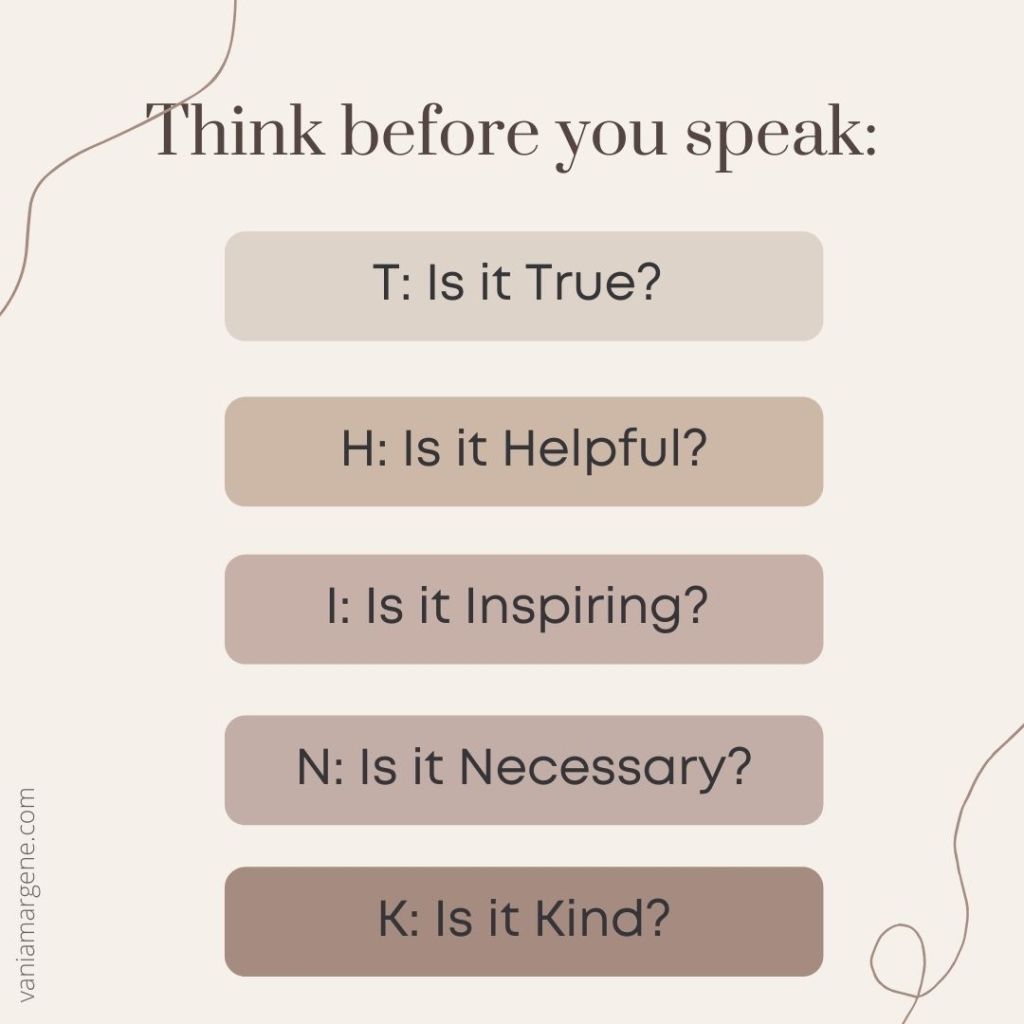
Be kind whenever possible. It is always possible. Dalai Lama

There’s a lot of animosity for Amazon (and IngramSpark for that matter) online in the author groups these days. Authors are angry because they aren’t getting their author copies and proofs in a reasonable amount of time. One woman was experiencing a glitch on the KDP website while trying to figure out a pre-order (which is pretty common all year round, not just December) and there was so much rage in her post my laptop started smoking.

Indies have a really weird love/hate relationship with Amazon. We love them for the opportunity they gave us to bypass gatekeepers (agents) and publish our own work. We hate them for what? Spotty customer service, perhaps. Locking us into KDP Select when authors want the benefits of KU but the flexibility of still publishing wherever they like. We hate the lagging in reports on our ads dashboard, and I don’t know what else. That’s all that I can think of trying to remember what some people have complained about. We easily forget that with the invention of the Kindle and their self-publishing platform that indie publishing is what it is today. There are lots of other factors involved like other platforms coming into play (Nook, Apple, Google Play) and other distributors jumping on the bandwagon (Draft2Digital, PublishDrive, among others like Lulu and Bookbaby) and business/industry dealings I have no interest in following (pricing wars of ebooks, the big publishing houses consolidating) that have affected how indies can publish their books.

You can hate Jeff Bezos for his billions, but Amazon has made several indie author careers. Ask Mark Dawson, or Bella Andre, or Hugh Howey, Andy Weir, or any of the other huge indie authors who found their start publishing a single ebook to KDP. Many, (actually, I think all) of them have gone on to some form of traditional publishing be it in the form of new book deals or paperback only deals, or translations, what have you. Everyone knows The Martian made it to the big screen. Plus, with Amazon’s own publishing imprints, Amazon is luring away big trad authors like Dean Koontz, Sylvia Day, and Patricia Cornwall. They drank the Kool-Aid and are happier for it.

Of course, Amazon played a small role in those things–the authors can take the most credit by having a solid product that people wanted.

I see that as another reason for authors’ rage against Amazon. Amazon Advertising is blamed for taking money but not selling books. They feel ripped off, they feel like Amazon is double dipping–taking royalty money and charging for ad spend. Authors feel like they’re being played. But take a look at some of those books, and you can see why they feel that way. Their books are sub-par, they don’t follow industry standard, their covers are bad, and their books are full of telling not showing.

It’s a lot easier to blame someone else for your mistakes, isn’t it?

I experience the same glitches as everyone else. I hate when they ask you to fix the highlighted mistake, but there is no highlighted mistake. I’ve published enough books, and spoken with support, to figure out what I did wrong. My last problem was a price change that made my royalties in India 0. Amazon won’t let you do that. That section wasn’t highlighted, and it took a call to support for her to quickly look through my book’s profile and tell me what the issue was. One of the mistakes that threw me for a loop was when they stopped taking my imprint as my publisher name. I had to call and ask them why when they had in the past. They said I could list my imprint as my publisher name if I wanted to screen shot my ISBN numbers on the Bowker website and prove that my imprint name is attached to my ISBN numbers. No thanks. That was a battle I had no intention of fighting. I dislike they’re tightening their creative guidelines and I can’t run ads to my series because the covers are too steamy. It’s irritating because I don’t think the covers, in relation to other contemporary romance steamy cover, are that racy. But my ads get declined over and over and I stopped trying to slip past their moderators. It’s not worth making them mad at me.

Those are the types of things that can make a person angry, right? But the thing is, you’re running a business, and there’s no business on the face of this planet that doesn’t have some kind of issue every day. Be it employees calling in sick, or the internet is down, or a water pipe burst and your store is flooded. You’re running a small business. Things happen, and as a responsible business owner, if you’re planning a release and something happens, that’s for you to take care of, it doesn’t matter who is to blame.

The pandemic doesn’t make things any better. I don’t know how KDP sets up their support. Depending on who answers my call, it sounds like they sometimes outsource their calls. I don’t call enough to figure out when–I speak with both people with Asian accents as well as American accents. During the global pandemic, we don’t know how COVID is affecting Amazon’s employees. Maybe KDP support is working from home, or maybe they work in call centers and they are short-staffed. Their POD printers must be pumping books out like crazy, but Amazon workers oversee those and box up the copies for shipping.

Sometimes authors forget that Jeff Bezos isn’t all of Amazon. Behind Amazon’s logo are thousands of workers. They have lives. They have families. They get sick.

Your entitlement doesn’t look good on you.

Keep it out of the groups.

The bottom line is, you don’t have to publish with Amazon. You can take all your energy and ad money and use it to build a readership on other platforms. There are indie authors who do very well wide. Lindsay Buroker publishes wide and she makes a million dollars a year. Not all of that comes from Amazon. She once said that Google Play had been trying to contact her to update her banking information. When she finally got around to it, she said she had enough royalties built up there she went out and paid cash for a brand new truck. You can make other platforms work for you. Kindle Select isn’t the end-all, be-all of your publishing business. You can make money if your books aren’t in KU. You have to work for it. Just like any business owner.

Kindness and politeness are not overrated at all. They're underused. Tommy Lee Jones

Being in some of the author groups is such a drag right now. It’s all complain, complain, complain. I love being in the 20booksto50k group. Every single post is moderated and they don’t allow any negativity. That takes a lot of work. There’s a lot of negativity out there aimed at both KDP and IngramSpark. From the complaints I’ve read online, IngramSpark might be doing even more poorly than KDP. Personally, I’ve never liked IngramSpark’s website. Uploading books there is a bear and it’s the last thing I do when I publish because I hate it so much. I only do that so my paperbacks are available everywhere just in case. From my own experience, their POD quality isn’t any better than KDP Print. I use it for the distribution and that’s all. But we have to remember that IngramSpark services thousands of authors, and those authors are publishing books every day. You are not a special snowflake and you have to stop acting like you are.

You can accomplish by kindness what you cannot by force. Pubilius Syrus

I’ve worked in customer service all my life in one way or other. Going off on a customer service agent is the best way to ensure you don’t get the service and results you want. We remember you. We make notes. The second your name pops up, we cringe inside. Who knows if the customer service reps at KDP have access to a notes portion of your profile. Do you want them to say “Nice author to work with. :)” Or do you want them to say, “Angry. Yelled at me and used expletives.” The next time you call, what kind of treatment do you think you’ll receive?

Craig Martelle likes to remind us that you, as an indie author, are part of a whole. We make up that whole. You represent us. Every shitty thing you say to an Amazon rep is reflected back on indie authors. When I need to call or email, I am pleasant, I wish them a nice day. I chit chat and tell them to stay safe and healthy. I thank them for being there. They are at work to earn a paycheck to feed their families. Show some kindness. At the end of they day when they log off, they don’t care about your book. Remember that.

Remember there's no such thing as a small act of kindness. Every act creates a ripple with no logical end. Scott Adams

I’m not quite sure what I wanted to do with this post. It’s the holiday season, people are cranky because of the pandemic. Lots of us don’t have jobs, can’t buy presents for our kids this year. I’m not without my own issues this month. But it is never okay to take your anger out on someone else. If you have that much rage built up inside you that you have to go off on an Amazon rep because something happened to your pre-order, find a therapist.

There’s not much left of 2020. Make the most of it!