Thoughts on the RWA

rwa header

I’m a member of the Romance Writers of America. I like being part of a group of people with similar interests. I was especially proud to belong when they stepped up to bat during #cockygate. (For those interested in following along with the hashtag on Twitter, look here.) I feel it’s an organization that has my best interests at heart as a writer and author and wants to help me succeed. In fact, I’ve been a member for a while now, and I haven’t even started to explore all the resources they offer their members.

I was listening to the Sell More Books Show and they featured a blog post by Allison Brennan who left the RWA because she felt like the organization operated more for indie writers than traditionally published romance authors.

While I don’t have a problem with the RWA operating this way because I am an indie author, I did notice this, too, as I paged through the Romance Writers Report. I’ve read articles about marketing, discoverability. How to work with editors and book cover designers. These articles are written with the self-publishing author in mind (trad-pubbed authors don’t have to worry about editing their own books, or hiring their own cover designer). Even in the June issue I have on hand, some of the articles include:

  • Romance Law School is Now in Session: How to include law in your fiction in a realistic manner.
  • Fifty Ways to Show the Spark without the Heat
  • Proofreading Hats

I’m not saying traditionally published authors don’t need how-to articles like these, but I am saying that indie or new writers could find more value in them. I suppose a veteran writer could use the Fifty Ways article for writing prompts, or read the Romance Law School is Now in Session article for ideas on how to write a new series featuring a lawyer. But the Report also features ads, and they are geared to the indie writer–lots of editing, proofreading, and formatting ads no traditional published author is going to need.

So the question is, is this the right move for the RWA?

They want to support all their members, and if indie membership outweighs traditionally published author membership, then perhaps it is a good direction for them to take.

However, it feels like there are more organizations aimed at supporting indie writers than ever before. The Alliance for Independent Authors is very supportive offering an array of services from podcasts to a services directory where an author can find professional editors, cover designers, and formatting professionals. There are other organizations as well, such as the Independent Book Publishers Association.

There is support for us indies. So does Allison have a point? Where do traditionally published authors go for support if they find RWA lacking? Do they even need support? After all, they are where a lot of us hope to be someday. Is the RWA pushing them from the nest because they are ready to fly? Do traditionally published authors get enough writing and publishing support from their publishing houses and their agents? Where do they go for networking opportunities if they are slowly being ousted from the organization?

Allison does make a good point, too: if all the traditionally published authors leave the RWA because they don’t feel RWA has anything more to offer, what becomes of us who look up the traditionally-published authors? Who would judge the RWA contests? Who would be our mentors? Who would be our professional critique partners and our chapter leaders?

But let’s be honest, here, too. If the RWA wants to support writers, and by support, I mean, help them make (more) money, then self-publishing is a viable way to go. At least for romance. (If you want to read about indie romance authors dominating the self-publishing industry, click here.)

To me, it makes a lot of sense for RWA to shift. After all, the distinction between traditional and indie publishing is blurring more and more every day. And a lot of traditionally published authors are still the ones who do a lot for their books: marketing, platform building. Some authors have to set up blog tours, book signings, that kind of thing.

Being a traditionally published author today doesn’t even guarantee you’ll end up on a bookshelf. Maybe a virtual bookshelf, but the chances of seeing your book at Barnes and Noble shrink every day. I took a quick peek at Harlequin’s mail service, and if you subscribed to every line and subscribed to the maximum they mailed you in that line every month, you would receive 86 books a month. It isn’t possible that every book would find shelf space, even for just four weeks.

So what does it mean to be traditionally published? To pass the gatekeepers? Is this Allison’s main guff with RWA supporting indies? Perhaps she wants the RWA to nurture us to being published traditionally. But not one way is going to be the right way for everyone.

The publishing landscape is changing. Maybe Allison Brennan doesn’t want to see it. Maybe she sees indies as her competition, not her colleagues. Maybe she sees herself as better because she’s traditionally published. The problem is, that way of thinking divides indies from the traditionally published authors, and that’s just not the way things are anymore.

One day traditional publishing won’t give Allison what she needs, and then she’ll need the RWA to help her gain her footing in a constantly changing publishing landscape that she’s refused to acknowledge.

rwa missionRomance writers are all the same. We all want the same thing. To write quality books and make a reader swoon over a happily ever after. And the RWA supports that, no matter how those stories are published.

Issues like #cockygate affect all of us, and we all need an organization like RWA to have our backs.

I’m proud to belong.

The Scary World of Amazon Marketing Services

Writers need to get their books out there. Twitter doesn’t sell books. Neither does Facebook–at least not on your personal profile. There are only so many copies Aunt Edna wants. And she’s not going to pay your bills. (If she is, that’s no one’s business but yours.)

So what is an author to do? Well, you can write more books. You should be anyway. What else? Instagram the shit out of your life hoping to draw some attention to your fabulous #writerslife.

What else?

Pay for promos, maybe. I’m assuming I’m still getting some KU page reads from a Freebooksy promo I did a few months ago. (To read about that, click here.)

I’ve come to the conclusion after a few years on Twitter, the only way to find readers is to write books and tell people (who aren’t on Twitter) about them (you know, actual readers). I’ve decided to dip my toes into the world of Amazon ads.

amazon adsNow, lots of people have told me that they don’t work. I bought Brian Meeks’ book, and he tells me they do. But you gotta be smart, and you gotta be patient, and you gotta test. Test and Test. And Test.

Oh, by the way, you have to have a decent book, good cover, good blurb. Because if you don’t have a quality book, no amount of advertising will sell your POS. (Sometimes people forget about that part.)

So, I’ve been running ads for a couple of weeks. Brian says this isn’t hardly any time at all, and I agree. Buying and running ads on Amazon isn’t the magic trick to selling books and getting famous. You need to have patience, and you need to know what you’re doing.

At first, I bid low (like Brian advised–he walks you through the entire process), and piecing together information from other sources, I realized this was way too low. I write contemporary romance, and it’s a highly competitive market.

The thing with Amazon ads is you need to bid high enough that Amazon will show your ads, but not so high that if someone clicks on your ad but doesn’t buy, you don’t go broke paying for clicks that don’t turn into sales.

It’s called a sweet spot, and from what I can tell, few people have the patience to get there. Or they are too scared they are going to waste a lot of money trying.

I’ve been running ads for 13 days, and this is what I have so far:

ams ads so far june 18

Remember, 13 days isn’t hardly any time at all. But for anyone scared to run ads, take a look: I have 12 ads running right now, and I’ve spent 35 cents. Not dollars, cents. None of the ads are doing particularly well, and I assume it’s because I’ve bid too low. The ad for Don’t Run Away that has over 3,000 impressions, hasn’t cost me anything. But those impressions could have given me a few page reads in KU if someone saw the ad, but didn’t click and just decided to try the book in KU anyway. Where and when someone decides to read your book if it’s enrolled in KU will always be a mystery.

Here are my KU page reads for DRA. I took this screenshot on June 18th. The same day I took the screenshot of my ad dashboard.

sales and ku reads for dra

Nope, I don’t have any sales yet. But I haven’t gone broke trying, either.

So anyone who is wanting to try this but is afraid of losing money can err on the side of caution, figure a few things out, and go from there.

I’m surprised that DRA is getting impressions, as the second set of ads I did for Wherever He Goes is a higher cost per click (which you would think would buy me more exposure), and I think the cover for WHG is better than DRA. But maybe the blurb is better written, or the characters resonate better with readers.

So where do I go from here? I plan to bid a bit more for WHG, and see if I can’t get some impressions, at least. Maybe I could even do another set of ads for DRA at a higher bid, and see if that doesn’t ramp up my impressions even more and hope those turn into clicks. Or I could do nothing, and wait to see what happens, because 13 days of ads is hardly any time at all.

But I’ll keep an eye on it. I just wanted to let you know a high daily limit doesn’t have to scare you.

And if you take anything away from this it’s this: if your ads are successful, and you are getting a ton of clicks but they aren’t turning into sales–you need to look at your book. You need to look at your cover. Your Look Inside pages. Your blurb. Don’t pay for ads for a crappy book. Make it better.

I’ll keep you posted!

Beach Reads Giveaway Coming Soon!

Super fun beach reads giveaway!


Even though I said I wouldn’t do many giveaways anymore, it’s SUMMER and that means an opportunity to do a beach reads giveaway!

Let’s break out the beach towels, hit the beach, or the pool, or even the backyard and the sprinkler, and pull out those books while you bake out your brains and try to banish those hold-over winter blues!

I’m in the process of putting together a fabulous giveaway. Need a beach towel–I’ve got you covered. Hypo-allergenic sunscreen? Check! Pool-safe beverage container? Check! Cooler? Check! And most importantly, books.

domenico-daniele-411075-unsplash

Did someone say SHARK????

Lots and lots of books!

I’ve got my fellow author friends sending me books–all the books! And that means an awesome assortment for you to try your luck at winning.

Mystery/thriller, Women’s Fiction, Romantic Tragedy, and Contemporary Romance are just a few of the genres that will be included in the giveaway!

I’ll post a link soon, so keep an eye out for more information!

Until then, enjoy the weather, and keep reading!


Photos by Unsplash


How Do You Create Well-Rounded Characters?

From time to time I’ll read a book written by an indie author. I like to see what’s going on in the world of self-publishing and what my competition friends are writing. But I’ve happened upon a common theme–new authors don’t understand the concept of three-dimensional characters. Or if they do, they can’t correctly express it on the page.

What do we mean when we say readers want a well-rounded character?

When you read editing books, (and shame on you if you aren’t!) you’ll read a section on show, not tell. Show me your Female Main Character is tough, don’t just tell me she is.

angry-2878934_1920

This is so much harder than it sounds because you need to begin your character-building from page one and continue the building through the entire book.

Say your FMC is moving, and she drops a box on her foot. Or she’s hanging a picture and she slams her thumb with a hammer. She doesn’t cry. She’s tough. You’ve shown us she can hurt and not give in to tears.

So what?

That means nothing to the reader. We want to know why. Why is she tough?

Did her father beat her mother whenever she cried, so your FMC has trained herself not to cry? Maybe her father beat your FMC for being weak. (Gotta love some horrific backstory, right?)

This makes your character tough. Now we have a reason. How does that tie in with the story? Because it always has to tie in. Your characters’ traits need to blend into the internal conflict and external conflict.

Your characters’ traits are involved in your characters’ emotional growth. And your characters’ emotional growth is propelled forward by the plot.

Readers need the emotional arc to care and invest in your characters, their lives, and their problems.

Let’s have a quick example:

Felicity is starting a new life. She’s tough–life has made her that way. She grew up watching her father beat her mother. Her new apartment in a new city is a fresh start.

She clicks with a mover who delivers her new furniture. He has a temper, and after dating she realizes he has anger management issues. He reminds Felicity of her father. She gets scared of him, though he would never hurt her, or anyone, for that matter.

We have some fabulous internal conflict now:

  1. Felicity is tough on the outside, but as you write her backstory and weave it into the plot, we’ll see she’s actually vulnerable on the inside.
  2. The man she falls in love with brings her back to fearful and unhappy times.
  3. He loves her, but can’t control his rage enough to make her feel safe around him.
  4. She needs to learn that not every man she meets is like her father.
  5. He needs to learn he has to calm down and get help or they have no future.

This isn’t enough for a full plot, of course. Maybe someone is after her (she’s running from something/someone) and she has to trust him despite being scared of him.

Maybe he already knows who she is, and he was assigned to protect her–but he knows if he can’t control his temper, she won’t trust him and he won’t be able to do his job.

At any rate, we have reasons and backstory. (I focused on Felicity, but we see that our MMC has issues as well, and you could make up a fabulous backstory for him, too.) We have an explanation as to why they behave the way they do.

Your characters are people who have traits that have been cultivated by events in their lives.

For your reader, it’s not enough to make your FMC a bitch, or moody, or pissy. Readers need reasons tied to backstory and internal conflict, or all they have is an unlikeable main character.

Even your villains need reasons for being evil. Some of the best villains are characters readers feel sorry for, even relate to.

Jaime Lannister is a good example. Everyone despised him for pushing Bran out the window in A Song of Fire and Ice. But when his hand was cut off in A Storm of Swords, we almost feel sorry for him. And, possibly, everyone wanted a romantic relationship to develop between him and Brienne. Even though there wasn’t a character less deserving. (Oh, that was only me? Sorry. Must be my romantic coming out in me, again.)

Make your character a bitch, and all she is is a bitch. Make your character a bitch with reasons, feelings, and a desire to change, or she’ll lose what matters most, and you have internal conflict and a character growth arc.

The best books are both plot-driven and character-driven.

Readers want change–to go on a journey with your characters. They need internal/emotional growth while going with your characters from point A to point B.

Some of the writers I’ve read have the plot down, but haven’t yet perfected revealing backstory, explaining why the characters behave the way they do.

Sometimes this can be easily solved by getting to know your characters better. Spend time with them. What are their hopes, fears, ambitions, and flaws?

An author will have a difficult time introducing their characters if they don’t know who their own characters are. And if the writer doesn’t know, the reader sure as hell won’t.

Traits, negative or otherwise, does not a well-rounded character make.

For more tips on writing a well-rounded character check out WRITERS HELPING WRITERS®. The assortment of books for traits and emotions can go a long way to helping you figure out who your characters are and how to write them in a way readers can understand and empathize with.


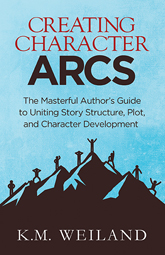
Creating Character Arcs is another good book written by KM Weiland. Check out her blog here. She dishes out fantastic tips on writing, and I own all of her nonfiction books.  Happy writing!
Creating-Character-Arcs-165

Writing to Market vs. Chasing a Trend

I talk about writing to market all the time. To the indie writing community, there seems to be something fundamentally wrong with a writer who sits down at their computer, looks at their WIP, and says, “Who would want to read this besides me?”

adult-attractive-beautiful-1036620

As James Scott Bell phrases in his book Just Write: “Without readers, a writer has no career.” Of course, writers write for more than just money, but if you’re reading my blog, you probably want to sell some of your stories. And that means writing what people like to read.

Writing to market is primarily writing popular commercial fiction. Nora Roberts, Stephen King, Dan Brown. Tom Clancy. They sell books by the truckload. Every book they write ends up selling thousands of copies. There are other writers who write commercial fiction too, like most big romance writers who don’t always make the list: Lisa Marie Rice, Susan Mallery, Kristin Higgins, Brenda Novak, Laurell K Hamilton. They write consistently what people consistently read. They don’t vary because something is popular. In other words, they don’t chase trends.

action-couple-fashion-432506

It used to be a writer was warned off chasing a trend because traditional publishing moves too slowly for that to work.

When Twilight was popular, if you wanted to jump onto Stephenie Meyer’s coattails with a traditional book deal, it would have been almost impossible. First, you have to actually write the book. Then you have to find an agent, and she has to shop you around. If she succeeds, then your book is stuck in the publishing process that moves slower than my kids getting dressed for school.

Sometimes movies can draw out the popularity of a trend. Like with 50 Shades of Grey, there were a couple authors I know of that managed to get in on the action, though if it was just timing, or a thought out plan, I guess we won’t know. Sylvia Day wrote The Crossfire quartet, and Jennifer Probst lucked out with the Marriage Bargain. (An experience she shares in Write Naked.)

And sometimes that can backfire. I’m sure I wasn’t the only one who was glad when Fifty Shades Freed, the movie, was released, and that trilogy could be put to bed. Literally and figuratively. If people are sick of a trend, it’s far too late to try to get in on it.

But with self-publishing, if you can crank out a book in 3 months, and publish it, you could very well get in on a trend before it dies.

Is that a bad thing? I’m going to express an unpopular opinion and say no. Why not? If grip – lit is still going strong and you can write a good book in that vein, why not try?

Trend chasing isn’t evil. But I say that with a couple of caveats.

witch-3202467_1920

1. You can’t build an audience that way. The writers who make it, or seem to be making a go of it, remain consistent in their writing. If you want to chase a trend and can spare the time, maybe write in a pen name.

2. You still have to love what you’re writing. People think when a writer writes to market they don’t love their work, that they are just chasing the almighty dollar. To find a foothold in the industry you need an extensive backlist, and the only way to create one is to stick with it for however long that takes. And that means loving what you write. If you love the trend you’re chasing by all means. But if werewolves are trending, and you hate them, don’t bother. Which leads me to a third caveat:

3. You need to be familiar with the genre so you can hit all the tropes. If werewolves are trending, but you’ve never read them, don’t think you can write them. You’ll disappoint your readers who do know the genre and will be upset they spent their money on your book.

So, chasing a trend isn’t a cop-out. If you can plan it into your writing schedule, if you have a great idea that could potentially be published before the trend fades, why not? What is trending now? It seems like women’s fiction, mystery-driven domestic (family/wife/children) pop up on the list.

As for something sweeping the world by storm, such as Twilight, The Hunger Games, or The Girl on the Train, sometimes all it boils down to is the lucky timing of when the book was published. Ruth Ware, who wrote The Woman in Cabin 10 and The Lying Game, seems to be doing okay. But I wouldn’t accuse her of chasing a trend. Perhaps just lucky, because she’d written a few books before The Woman in Cabin 10 made her a household name.

There is a difference between writing to market and chasing a trend. I write straight up contemporary romance. Tropes, plots, and characters like those will never date themselves. For now, I’m not interested in chasing trends. Mainly because if I missed the mark, that’s time wasted on a book that won’t sell. I’d rather invest my time in books for my backlist that will never go out of style.

You are in control of your own career. Chase a trend, write to market, write that thing that’s weird, but you can’t stop thinking about it. We all have different variations of success, and you have to be honest with yourself about what those are. Only you know what will make you happy. Good luck!


Happy writing Vania Margene


Why authors shouldn’t chase trends

On Chasing Trends…. And why you should just write the book you want to write…


Deciding What’s Really Worth It

Because of some personal circumstances, I went back to full-time work a couple weeks ago. To say that I have not adjusted well is an understatement. I don’t want to sound whiney, like a little kid being made to do something she doesn’t want to do, but it’s definitely a rude awakening when all of a sudden all the writing time I’ve enjoyed is gone.

I know most, if not all, my adult writer friends also have some kind of full-time job, and many of those also add small children to the mix. There, at least, I am fortunate. My son is 18 and will be graduating from high school soon. My daughter is 12 and as soon as she comes home from school, she runs and hides, all her energy gone from putting up with her peers all day long. But that doesn’t mean I don’t have laundry to do, dinner to make. By the time I have a free moment, I am spent. Not maybe physically, but emotionally, all I want to is mindlessly scroll Twitter until it’s time for bed.

So, lately, I’ve been exploring what I can give up, and what I want to keep, in order to have the time and energy to keep writing.

office-620822_1920And it’s more than that, too. I consider myself an indie writer, publisher, marketer of those books. That means staying on top of publishing trends, practicing writing, reading about craft. I just finished Stephen King’s On Writing. There is always something to do when you are an indie writer: build your platform, market your books, run ads.

What do I do on a daily, weekly, monthly basis? Let’s explore:

Daily:

  1. There isn’t anything that I do absolutely every day, except be on Twitter/Facebook (and I can’t even claim I post regularly on my FB author page, either!). I enjoy it, and I follow influencers, top people in the publishing industry. Agents, editors, other writers. It’s easy to write this off as a time waster, but if you follow the right people and use it for more than watching weird gifs, it can be a great networking tool. I’m fortunate to have the account I do, and for that reason alone, I like to try to keep up with it. I have a lot of friends and support on there. Sometimes I do fall behind, and for that, I apologize.
  2. I should add writing to this, but for the most part, I can’t. Sometimes I am physically unable to write. Lack of time or whatever, sometimes I just can’t. It doesn’t help that right now I am formatting and creating my cover for my current novel. Any free time I have is going to that just to get it done. I’m tired of looking at it, and I would love to start a new book.


Weekly:

  1. Listen to podcasts. I try to keep up with these as they come out. To give myself a podcasts-2633018_1920two-fer, I try to go for walks as I listen, to get my exercise in. There are two that I absolutely love: The Sell More Books Show and Print Run Podcast. The Sell More Books Show talks about indie news, and I keep up on a lot of things going on in the indie-publishing world. Print Run is run by an agent and editor out of Minneapolis, and they talk about the traditional publishing industry. They’ve opened my eyes to a lot of things, and to their credit, they are candid about their jobs. Others that I try to listen to:

    a) The Science Fiction and Fantasy Podcast. I don’t write fantasy, but a lot of the guests on there talk about their marketing strategies that can work for everyone.
    b) The Creative Penn. Joanna runs a great podcast and keeps you updated on everything from indie news, craft, author interviews and more. At this point, she’s a staple of the indie writing community.
  2. Write. Finally, I can put this on the list. I would go nuts if I couldn’t write. Even when I have to write longhand at work, it’s better than nothing. When I was working part-time, I could write 5,000-10,000 words a week. Especially if the story was going well. Now, well. I haven’t been working long enough to fall into a routine to see how far I can push my limits. And now with summer coming, I just don’t know. All I can do is my best, and so far, I feel like I am failing miserably.
  3. Read craft books/editing books. Being I can read at work if it’s slow, (no internet/computer/device access though, that’s why I buy my books in paperback) I can read a lot. I read Stephen King’s book in two days. I read lots of books, which is a major boon for me. It’s harder to write at work on certain days since a) I can only writing longhand and 2) if it’s busy, I lose track of what I’m doing and my writing becomes choppy. It depends on the day, and what calls I’m scheduled to take. Weekends are better for writing.


Monthly: 

  1. Blog. My blogging schedule leaves a lot to be desired. Some of my most dedicated arms-3404941_1920friends will crank out two blog posts a week. I can’t do that. Not only do I not have time, Good Lord, where do they find the content? I’ve added book reviews to my blog schedule (of craft and other non-fiction books) just to add some filler. But contrary to what others say about how important blogging is to your platform, this is the one that I let slip first.

  2. Helping others. Sometimes I’ll edit for free for someone just because I know how hard it is to find help at a reasonable rate. While I limited that to once maybe every three months, or when I come across someone who really needs the help and have nowhere else to turn, I fear I may not be able to do any of that anymore. Which saddens me, because I really enjoyed it.
  3. Author interviews. I don’t do this often, but this falls into blogging, and while it might be easy to email questions, formatting the answers into an enjoyable blog post (see my lovely interview with Aila Stephens) can take a lot of time.
  4. Spend some time on Goodreads. I try to add all the books I’ve read to my shelves, and give a star review, even if I can’t write a quick review on there. Sometimes I’ll try to copy and paste the review I write for my blog into the review on Goodreads, like I did for The Continent.


So, obviously, as an indie writer, you need to make time to write. If you’re not writing, you’re not doing much of anything. But if you are writing and publishing, it’s hard to figure out what you can drop since you’re running two or three businesses single-handedly while working a job and raising a family.

business-3385079_1920What could I drop? Blogging, probably. I blog for indie writers, and well, indie writers don’t read indie books. That is not where my audience is, and it was one of my mistakes when starting up my blog. I could give up Twitter, but it’s my main source of writerly companionship. Sometimes I don’t walk as much as I want to, and that’s sad, because MN weather is really nice right now, and I don’t want my podcasts to pile up (when I don’t walk, I listen to podcasts to make the chores and errands go a little bit faster).


This probably isn’t a good time to figure out a writing schedule since I’ve only been working full-time for three weeks, and in that time I’ve been editing Wherever He Goes and have moved on to formatting and creating the cover. I’ll have a more accurate depiction of how I can figure out a writing schedule when I start my next book.

All in all, I’ll just have to try to find some balance like everyone else I know. Pull up my big girl panties, and write when I don’t feel like it. Walk when I’d rather take a nap. Be careful not to burn out.

Lots of people seem to have a handle on it, and lots of people seem like they don’t, too. I’ll just have to look at this as a speedbump in my writing career. It’s not easy to think that way, since I write romance, and romance is notorious for the pressure. It’s not unheard of for a romance writer to publish anywhere from 5-10 books a year. I’ll never get to that point. Even if I didn’t have to work, at all. I’d never make it.

So, I’ll echo the advice I hear over and over, and something I have even told others: Find a balance. Do the best you can. Work with what you have.

It’s all you can do.

The Four Kinds of Indie Author

When I first entered the world of indie writers/publishing, I was dazzled. I thought anyone who published, published good books. I mean, I hadn’t been exposed to anything but traditionally published books, so of course, I was naive and not aware that with self-publishing, there isn’t a gatekeeper, and people can, and did, publish whatever they wanted.

garbage-heap-354510_1920

As I began reading indie, I realized there are four types of indie authors.

  1. The indie who writes poorly in an uncommon genre.
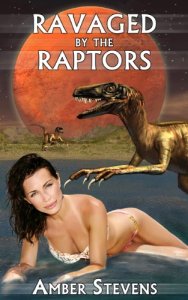
    To me, this is a double-edged sword of bad. And I’m not even talking about poorly written erotica–that’s a different category of writer. No, I’m talking about the poor writer who writes Bigfoot Romance, or anybody having sex with something that is not human, be it squids, dinosaurs, ghosts, aliens. Though alien romance is becoming more popular these days. Or other genres like a romance between a

    naomi-august-138149-unsplash

    I know, baby. It makes me sick, too.

    kidnapper and a hostage, or a specific kind of mystery/thriller where hamsters solve crimes. Not only is the writing bad, the genre is just as weird, and even if you, as a writer, could find a readership, your poor writing would turn them off. These are the writers who experiment and just throw up (literally and figuratively) anything they want. These are the writers who give indie writers a bad name, and without gatekeepers, they will continue to do so.
    Examples: Let’s not do that to ourselves, shall we?

  2. The indie who writes poorly in a popular genre.
    This isn’t terrible. I’ve heard time and time again that a good story or good pacing can save a book in a popular genre. Readers are willing to overlook a lot if they like your characters or the storyline, or you have a great twist that blows people’s minds. In a popular genre, you can find readers, or at the very least, at some point, someone may bump into you. Readers may not put you on their favorite list, and you may very well lose readers even if elements of your story are fantastic. Life is too short to read crappy books, and readers are realizing this. Too bad these writers

    canstockphoto12471933

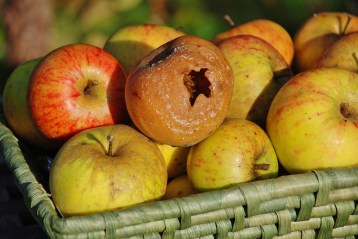
    One rotten fruit in the whole bunch.

    can’t/won’t give their careers more of a chance and find an editor. Even trade beta reading with some proofreading is better than nothing.

    Examples: Well, EL James is a good one. There’s no disagreeing her writing could have used better editing. But her storyline was good, her characters solid. If someone could have gone and deleted all her adverbs, reading her books would have been a more enjoyable experience.

  3. The indie who writes well in an uncommon genre.
    It makes me sad when I see writers do this. It shouldn’t because they are writing what they like, and that’s the whole point of writing, right? That’s my writing to market side coming out, and far be it from me to judge someone’s genre choice. Being a good writer will give you readership, uncommon genre or not, just

    rupert-britton-526882-unsplash

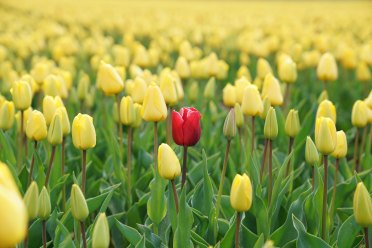
    Stand out!

    probably not as big if you write mainstream fiction. There’s always going to be someone who gets off reading your story about sex with dogs (pun intended) or your fabulously written story about forbidden sex with your brother. But one would hope that if you have writing chops, you branch out so more people can discover your talent.

    Examples: Let’s Do Butt Stuff. Of course I read this! I’m totally not afraid to admit it. *shifty eyes* Argh. Delilah Dallas has a decent voice. It’s a short story, and I read it all the way through. She could do well if she branched out into longer, maybe less weird, work. And I guess anal isn’t an “uncommon” genre, but it’s very niche and can be limiting.
    There was something else I read on Smashwords that struck me as good writing, and it was about a woman who had sex with her husband’s dog. I can’t find the author now, and after Smashwords went through and started being more strict with their erotica genres, they could have buried it. But the good writing stuck out to me, (no pun intended) and even after a couple years of stumbling upon it, I still remember the writing for what it was. And this story just goes to show that if she had written mainstream romance, perhaps I could have found it, maybe even recommended her writing. After all, I can’t tell someone how much I liked the writing if I can’t find it anymore.

  4. The indie writer who writes well in a popular genre.
    vsmilelx-627451-unsplash

    Being the same can have some advantages.

    You would think this is where every indie would want to be. You stand the most to gain writing well in a genre that has lots of readers. Of course, it’s also difficult to get recognized in a saturated genre, but if you can make a name for yourself, you’ll have readers for the rest of your writing career.

    Examples: Citing examples for this genre is almost unfair because most of these authors have done it for years. Lauren Blakely, Kira Blakely, Mark Dawson. You might mistake Lauren Blakely for a trad-pubbed author, but her paperbacks are published by CreateSpace, as are Kira Blakely’s. Both have made a list. You could almost do a study on what all they are doing, and how that has worked for them in terms of “making it.” Covers, prolific releases, etc. Consistency.  They both write romance.
    Mark Dawson is also prolific, and publishes his paperbacks with CreateSpace, pegging him an indie. But his books have been picked up for a TV series, and, yeah, he’s been able to quit his day job. He writes in the thriller genre.
    I’m sure there are lesser known indies out there who are starting solid careers writing well in a genre well-received.

In conclusion, you have to decide what you want for and from your writing career. You may not want to “make it” and are fine publishing naughty short stories about fish. Maybe you’ll have three or four people read your stuff, and that’s good enough for you. No one can define your idea of success except you. If you’re happy writing books that only your friends and family will buy because you’re not interested in . . . how do I say this without sounding judgmental or derogatory . . . if you’re not interested in putting in the work to do better, then that’s your choice.

There’s no excuse for poor writing. Learning your craft can only help you find more readers, no matter your genre.

Good luck you Butt Stuff writers!


Genre-hopping: Why writers do it and should they?

Writers need to genre-hop. We need to explore what we like to write and how we want to write it.

I genre-hopped. I stayed within romance, but I explored romantic fantasy and erotica. I explored enough that I knew I didn’t want to write them anymore–and that is the whole point of genre-hopping. I settled into contemporary romance, and that’s where I’ll stay.

But say you want to build your writing career, actually make some money selling your books. It’s important to your customers they know what they are getting when they think of your name. Like what Stephen King is to horror, or what Danielle Steele is to romance, you want to build your brand on your name and be consistent with what you’re selling.

cardboard-box-155480_1280

Do readers really know what they are getting when they buy one of your books?

I remember clicking on a romance author on Amazon. I can’t remember her name, and I wouldn’t call her out anyway, but she had several books published. When I went through them, though, some were written in first-person, some in third. Some in present tense, some in past. Maybe you like her third person past books, but when she releases a new book or if you try to read through her backlist, you may not always like what you buy. Maybe then you don’t read it, or you slog through it because you spent money on it and you don’t want it to go to waste.

Is this how you want your readers to feel about your work?

I started thinking about this because I wondered how the big names do it. How did Stephenie Meyer go from the Twilight series to The Host to The Chemist? Was it seamless for her because adults read Twilight, so her adult fiction wasn’t a departure from her original work? Or did she lose millions of readers because the teenagers enamored by Edward and Bella had no use for her adult fiction?

Is genre-hopping like jumping from a cliff--career suicide_

Photo by nour c on Unsplash

I think about Nora Roberts, too. She writes under a pen name as well, but under Nora Roberts, she writes contemporary romance with maybe a bit of paranormal or magic thrown in. She’s well known for her trilogies, and she has many contemporary standalones to her credit. But her newest release under her name is a post-apocalyptic called Year One. Does Nora have a big enough audience that they will read whatever she writes, or will she lose readers who are not interested in a new genre? Would she have been better off releasing this new book, which is the first in a trilogy, under a new pen name? I guess until reviews and sales numbers come in (there are a few 1-star reviews that indicate that some readers aren’t happy she took a detour), we won’t know. I admire her for spreading her writing wings and trying something new, and by now, maybe she doesn’t care if her career takes a ding because she took a chance.

No matter how much I preach you have to write with your reader in mind, you still have to like what you’re writing.

There are other reasons for genre-hopping, but you have to decide if it’s right for your brand:

1. Maybe the genre you write in is dead or not selling. Trends come and go, and if you can quickly write a book and publish it, perhaps you can ride the high of the next new thing.

2. You’ve depleted your ideas. Maybe you have no choice because if you didn’t genre-hop, you wouldn’t be able to write anymore.

3. Maybe a complete plot fell into your head, and you don’t want to waste the idea.

4. You have an opportunity to collaborate with an up-and-coming author in a different genre, and you are excited by the chance of exposure.

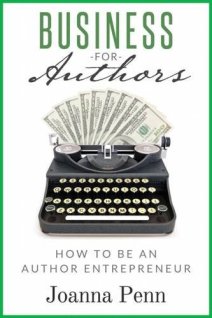
One of the problems I see indies having is they aren’t thinking about their books as abusiness for authors business. Joanna Penn, on a podcast I listened to a while back, said her Business for Authors book is her poorest selling book and she can’t understand why. I know why–because indies don’t like to think of their books as a business (yet they are quick to pout when their books don’t sell).
Think of this analogy: Say you have a favorite chocolate store; you go there all the time. You know the owner, you love the chocolate. But one day you take the time to drive there, and they don’t sell chocolate anymore. The store is full of baseball cards. You get disgusted, not to mention confused AF, and leave.

Do you go back? Maybe once to see if they started selling chocolate again, but when you find out that they haven’t, you won’t go back.

Or maybe you want your books to be like a flea market. Something for everyone. Or will you end up with nothing for no one? You never know what you’ll find at a flea market.

I used to be super against genre-hopping, and for my brand, I still am. I want to be known for contemporary romance written in the third person. When I use the pre-order feature, I want my readers to get excited that I have a new book being released because they’ll know exactly what kind of book it will be.

I don’t want my readers to look at my pre-order like it’s a white elephant sale.

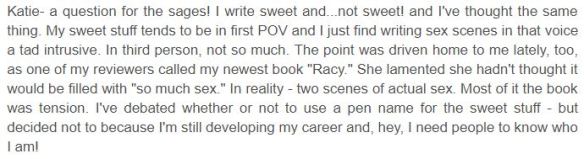
If you decide to genre-hop and publish under your name, you’ll have to market it differently, and you’ll have to be prepared for readers to be unhappy if they inadvertently read something they didn’t mean to. Take this comment from this blog post:

blog comment

Her reluctance to use a pen name is costing her reviews. Well, one, but maybe more in the future. Where do you cross the line between knowing you need a pen name, or not to genre hop, and when to keep going? You would think that readers would be able to tell between racy and sweet by looking at the covers, reading the blurbs. But on the same token, don’t you want everyone who likes you to read everything you ever write?

Unfortunately, I paid for the ISBN numbers for the genre-hopping books I published. Maybe one day I’ll yank them because as my backlist grows, they will not fit into my library. It’s the price I’ll have to pay for not thinking ahead, or for experimenting and actually publishing them.

Maybe you won’t care, and that’s okay. We all do what we need to do to achieve our goals.

analytics-2697949_1920

Where do you want your book business to go?

So think where you want to be in five years, in ten. How will your genre-hopping fit into your plans?

It’s never too early to plan–or do damage control.

Do you have thoughts on genre-hopping and pen names? Let me know!

Other articles about genre-hopping:

Genre Glue

Thinking About Writing in Multiple Genres? Here’s What You Need to Know

The Pros and Cons of Switching Genres — Guest: Summerita Rhayne

Happy writing Vania Margene

Write Naked: A Bestseller’s Secrets to Writing Romance & Navigating the Path to Success by Jennifer Probst–A book review

Every writer could use a guidebook, a map, perhaps a mentor who can say, “If it were me I do this.”

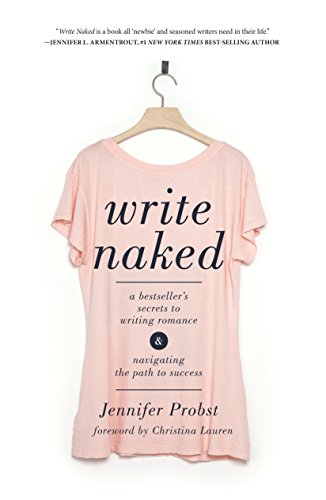
I read Write Naked: A Bestseller’s Secrets to Writing Romance & Navigating the Path to Success last year, but as a series of book reviews I’m starting for my blog, I pulled it out again and reread some of my favorite chapters.write naked

In Write Naked, Jennifer Probst takes you through from the beginning of her career, when she didn’t think she would make it, to present time, when indeed she has made it, evidence being she’s able to add best-selling author after her name.

It’s gratifying to know that even a best-selling author has fears, flaws, and has made mistakes, but being she has made it to the other side, she also gives us tips and tricks to overcome our fears and if you really want this thing called a writing career, what to do to achieve it.

Some of my favorite chapters include:

Chapter 4
Green With Envy
Jennifer acknowledges that yes, writing is a community, but that community is steeped in jealousy, cruelty, and fear. I see it on Twitter. I read it in a poor book review by another author, sometimes even a malicious review. I see it in the passive-aggressive interactions between me and my other writer friends. Pretty soon you don’t know whom to trust, who really is happy for you and your success. Jennifer writes a chapter on this–a very honest and forthcoming chapter. She says on page 34 of the paperback  . . .  “jealousy . . .  is an endless vicious cycle.” Don’t let it consume you; there will always be someone doing better than you, and you will always be doing better than someone else.

Chapter 5
The Write Path
1. You’ll make mistakes. Costly mistakes.
2. Overnight success is never overnight.
3. Once you reach the top, there is nowhere to go but down.

This may seem like a downer of a chapter, and perhaps it is. Jennifer reminds you that a writer’s journey is tough. There is a reason why writing is compared to running a marathon or climbing a mountain. Your journey takes a ton of preparation–years of writing, years of learning the craft, refining your work. It takes many books. One foot in front of the other for years. Then what do you do when you reach the top of the mountain? When you bury a flagpole in the summit and can call yourself a success? You climb down and do it all over again.

Chapter 8
Trademarks of Bestselling Authors
There are no shortcuts. Sit down, do the work. But what is the work? Jennifer, along with other romance authors, gives you an idea of what it takes to get where they are. This chapter includes writing advice, networking tips, and thinking about writing as a career, not a hobby.

Chapter 12
The Indie Revolution
Jennifer did publish as an indie author, and she gives her readers a few tips on how to publish a good book. You may not like what she has to say, but all of her advice has merit. Probably the biggest takeaway from this chapter is indies need to remember they are writing for readers. You want and need them to like your books. Publish accordingly.

Toward the end of the book, say the last third or fourth, Jennifer goes into what makes a romance book an addicting read. Snappy first lines, lovable characters. Setting up and delivering on a hook, keeping up the sexual tension, keeping your middle from sagging. She touches very briefly on all these and more, so if you think you have any of these issues in your own writing, find other craft books to study with, because these chapters tell you what I know many don’t want to hear – write a good book and keep reader expectations in mind as you write. As with any genre, there are tropes and rules you must follow, or all you’ll do is make your reader mad, and that could result in a bad review.

Jennifer’s last chapter is Happy Endings. She coaches you on how to end your book on the best note possible. But finishing one book isn’t the end! There will always be another book to write, another mountain to climb, another race to run.

Jennifer-Probst-2-1Jennifer won her gold medal, and she tries for another every time she sits down to write.
I recommend reading this book in its entirety, and I pull it out every now and again for a pick-me-up or a reality check.

You can find it on Amazon here.

Thanks for reading! Do you have any books from authors you like to read that give you tips or a much-needed reality check? Let me know!


Happy writing Vania Margene


Toxic People–How Do We Get Them Out of Our Lives?

Humans are creatures of habit. We like to park in the same parking spot every day, be it at work, school, the shopping mall. We buy the same seat locations for movies. We use the same person at the salon.

It’s the same thing for the people we interact with. We all have that friend from elementary school, we brag we’ve been married for 10+ years, we’re still in touch with college professors, even though you’ve been graduated for twenty years. We latch on to people, and we can’t let go.

But what if that person we meet at our coffee klatch, or writing group, or your daughter’s best friend’s mother, what if that person you thought to be a good friend . . . isn’t?

You know the one I’m talking about, even if you don’t want to admit it. That friend who never has anything nice to say about your work. That friend who can’t compliment you unless it compliments her. That friend who can’t do anything nice for anyone unless she benefits from it as well, in some way. That person who promised you she would do something and never does, though she’s full of apologies.

That kind of behavior can sneak up on you, and maybe it takes years. And maybe that person is so fully ensconced in your life that booting them to the curb seems . . . maybe a little too dramatic. I mean, after all, it’s not really harmful they treat you that way. Is it? If they hurt your feelings, that’s not on them, it’s on you for being too sensitive. Because she did do that one thing for you a few months back, though it was a couple weeks too late, and you didn’t need it by then, but she made the effort, right?

Friendship-quotes-Bad-Friend-Quotes-Picture-Quotes
http://pinit.top/quotes/friendship-quotes-bad-friend-quotes-picture-quotes-3/

Maybe you’re part of a group, and others can’t see her for what she is, and if you extricate yourself from the group, you won’t just be rid of her, but you’ll lose a couple of good friends.

And maybe, this is what will always be in the back of your mind, WHAT IF SHE TREATS OTHERS BETTER THAN SHE TREATS YOU.  That this isn’t just her personality, but something personal she thinks and feels toward you? She kicks you, and you come back for more because that one thing was a fluke, and she’ll never do it again. Only, she does. But they are small things, a back-handed compliment, a comment that doesn’t quite sit well with you, but maybe you’re touchy because you’ve had a bad day, and you keep brushing them off.

The thing is, you’re not imagining this stuff. It’s how that person is really treating you. Once you can face it, once you can fully understand that it is HER and not YOU, you need to figure out what to do about it. This “friendship” has probably been years in the making, and you just realized after one too many pretty insults that you can’t take it anymore. But she’s a major stakeholder in your life now. You talk all the time. Your kids have playdates. Maybe your husband is best friends with yours. These are real-life examples, but I’ve been burned by people I’ve met online. Sometimes dumping someone in real-life is easier than online. You stop answering texts, you stop going on double dates. If it’s your daughter’s best friend’s mother, think of it as a favor to your daughter. How is your daughter’s friend going to grow up with a catty woman like that for a mom?

No, online is a bit different because I’m swimming in an aquarium of writers (sometimes there are sharks in there!), where everyone knows everyone else, and cutting someone out of your life means not knowing what they are doing anymore. Professionally. You don’t want to miss what they are going to do next, what kind of contacts they make. Because not only could something they know help you, it could elevate your career to the next level. And this isn’t a joke. Networking is important. It’s important in any career–it’s why all industries have conferences, retreats, etc. So this isn’t in your head, and it’s okay to have FEAR OF MISSING OUT when you think of cutting someone out of your life.

But honestly, how much of a career will you have if you are not taking care of your mental health? Being a writer is hard enough as it is without having to suit up in armor every time you jump online.

Here are a couple tips to help you sweep out that pesky person who just cannot be nice.

  1. Shake things up in your real life first. Park in a different parking spot at work. Take the kids to school using a different route. Try a new restaurant. Doing small things like this can alter your brain’s neuropathways, and you can teach yourself that change isn’t bad. Especially change you instigate yourself. Studies show that you can handle change better when you start it. I’m not saying dump her before she can dump you, but disentangling yourself from that kind of friendship may be easier on you if you do it, rather than if she does it a few months or years down the road. Other ideas: Take your evening walk in the morning. Walk it backward. Not backward backward, you could hurt yourself! But from finish to start. If you take road trips with your sister and always head east, go west. This is good for your writer’s brain. You’ll discover more, engage more with your surroundings.
  2. If you truly do fear for your professional career, take matters into your own hands. Book a writer’s conference, follow a few more influencers and leaders in the writing community, add another publishing podcast to your playlist. If you can fill the hole not talking to your “friend” anymore will create, it won’t be so hard to say goodbye.
  3. Make new friends. Twitter has a gazillion users, start talking to some of them! Start a book club on Facebook, or start an online writer’s group that will share promo sites, inexpensive cover designers, editors that will swap work with you. Whatever you think you are going to miss from your friend, there are others who know just as much or more than she does.
  4. You do have people in your life that mean more to you than she does, so cultivate those relationships. Maybe you haven’t spoken to your old walking buddy in some time, or that coworker you used to like to hang out in the breakroom with, but she got a new job and you haven’t spoken with her since she left.

Fear of missing out is a real thing, but it’s still just in your head. It comes from being chosen last during gym class at school, or your friends ganging up on your on the playground. It comes from people flocking around a writer who just got an agent, and you feel left out in the cold. No one wants to be excluded. But the fact is, no one puts all their problems online–you only know the shiny parts, what they choose to display. Insecurity, jealousy, and fear are probably three of the main reasons your “friend” treats you the way she does. That’s not an excuse but a reason. Maybe she has a serious case of writer’s block, and she hasn’t written for months, or maybe sales weren’t what she thought they’d be during release week, and she’s jealous of your KU page reads. It could be anything. But the fact is, you don’t have to put up with it.

You don’t need to burn bridges or start tweeting or posting derogatory things about her. Or tweeting subliminal tweets about how good friends should behave. You don’t even need to unfollow (on Twitter) or block. Facebook makes it easy to stay friends with someone but not see their posts anymore. Unlike her author page. You can be a grownup about it; just stop engaging. Because you and she are both part of a community, and there’s no point in slinging mud. Be civil. Chances are she may not notice. Chances are she has a lot of friends and a few weeks of distancing yourself may just do the trick because she’s friends with a lot of different people.

Probably the biggest piece of advice I have for you is this: social media is good for networking, for getting to know people, for learning the tools of your craft and business, but overall, social media doesn’t sell books. If you’re in it to sell books, you need to write more and find ads and promo sites that work for you. Networking can help you do that, but that’s all it has to offer. Social media can be a support or a distraction, but it won’t skyrocket you to bestseller status. Only you can do that, in front of your laptop–writing.

Do you have other tips to help ignore or get rid of toxic people in your life? Let me know!


Happy writing Vania Margene