I’ve ran into a couple of people on Twitter and in some Facebook author groups who are trying to use both KU and wide tactics, at the same time, to bring in readers. I love reading threads like this, not only because I’m curious what people are thinking and how they’re running their businesses, but sometimes I’ll chime in and try to help someone who seems to be genuinely floundering. I had a back and forth with this guy, and it made me think–can we play the Amazon KU vs. Wide game successfully, and if we can’t, who loses? The question the original tweeter asked is, Do you have your books enrolled in Kindle Unlimited.
Splitting up your books is never going to work well because you’re going to alienate one set of readers somehow. Enrolling book one of a series in KU and publishing the rest of the books in that same series wide is a terrible idea, but they think:
a) the KU readers will buy the rest of the books in the series and b) the wide readers will buy all the books anyway
Not only is this just plain old being a jerk and trying to game the system, but:
1) KU readers don’t buy. They already pay for a KU subscription–which is the whole point of paying the subscription fee, and 2) Not everyone reads on a Kindle or uses the Kindle app, which is the whole point of going wide, right? To reach the readers who read on a Nook or uses the Apple Books app. Or likes Kobo.
I wondered why these authors didn’t want to mark their first book at .99 or even free and ask Amazon to price match, but then I realized it’s because they would make more money on page reads (a 250 paged book brings in about $1.10 if a reader reads the whole thing) and more than what Amazon pays out for a .99 cent book. (KDP pays only a 35% royalty on a book priced that low.)
So they really are trying to game the system. The only thing is, it’s the readers they are trying to bring into their fanbase that are hurt. If you want to appeal to readers, you have to think like them. I have a KU subscription, and just the other day, I saw a Facebook ad from a wide author I was curious about who was giving away a first-in-series. I downloaded it and read it, and had I wanted to continue the series, I could have bought the others, but I didn’t. The book didn’t grab me enough that I wanted to continue. That’s another thing these authors don’t think about trying to game the system–your writing has to be TOP NOTCH to make a reader shell out money to keep reading. I mean, that’s a no-brainer anyway, but had her series been in KU, I would have read the next one even though the first book didn’t engage me all that much. But to buy them, there are three more in the series, each priced at $4.99, that would have been a costly stretch for me. Fifteen dollars to finish a series where the first book didn’t grab me… ah call me cheap like the guy in the tweet, but that’s just way too much. (And if I were to pay that for a book–I would go to Barnes and Noble and buy a beautiful hardcover by an author I know I’ll enjoy.)
You might be wondering where I’m going with this, and it’s this: I’m obviously not her reader. With her books having 1,500 reviews a piece, she knows who her readers are, and they are willing to pay for each book. True, giving away a free book can definitely bring in new readers, but you are taking the chance and if you don’t hit the mark, you’ll lose those new readers just as quickly as you brought them in.
When it comes to building a fanbase, you are much better off focusing your energy on doing things the right way than spending all your time scheming the best way to “pull one over on Amazon.” This could stem from a hatred of Amazon–no one likes having to be exclusive to gain the rewards of participating in KU. But while you think you’re being smart, what you’re doing is hurting readers who want to read your books. KU readers aren’t cheap–they just aren’t your readers.
What can you do if you’re wide? How can you reach the maximum number of readers? Well, if you’re going on the assumption that readers are, indeed, cheap, and don’t want to pay for books, yet you want those vile creatures as your readers (I’m kidding, kind of), Kobo does have a subscription service similar to KU, but your books do not have to be exclusive. The only problem with enrolling your books into that program is that to have access to it, you have to publish directly with Kobo, not let a distributor like Draft2Digital or Smashwords publish on your behalf. Kobo Plus is similar to KU in that readers pay $9.99 for access to a library of books and Kobo pays the author based time and pages read. (You can look at the full article about royalties here.) So while you may not like the idea of losing out on KU readers, nurture Kobo readers, enroll your book into Kobo Plus and use your marketing tactics to tell people that your book is enrolled there. Readers don’t need a Kobo device to read Kobo books, either. The Kobo app is free to download and will turn any tablet or phone into a reading device. (Although, if you like to read in the tub like I do, some Kobo Readers are waterproof, and you can find the list here.)
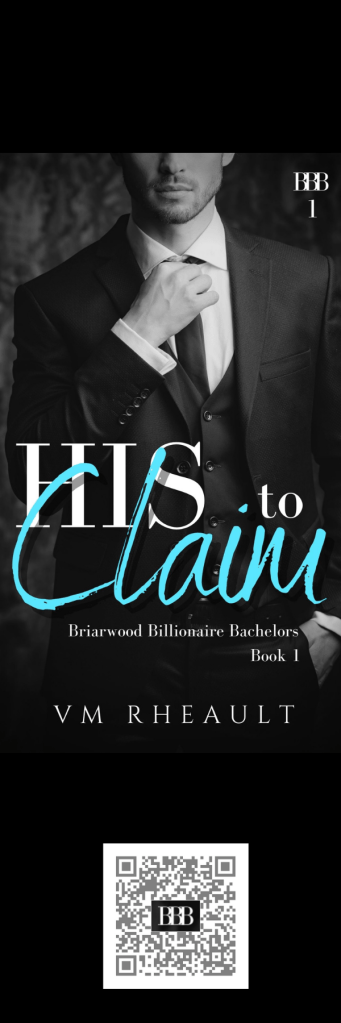
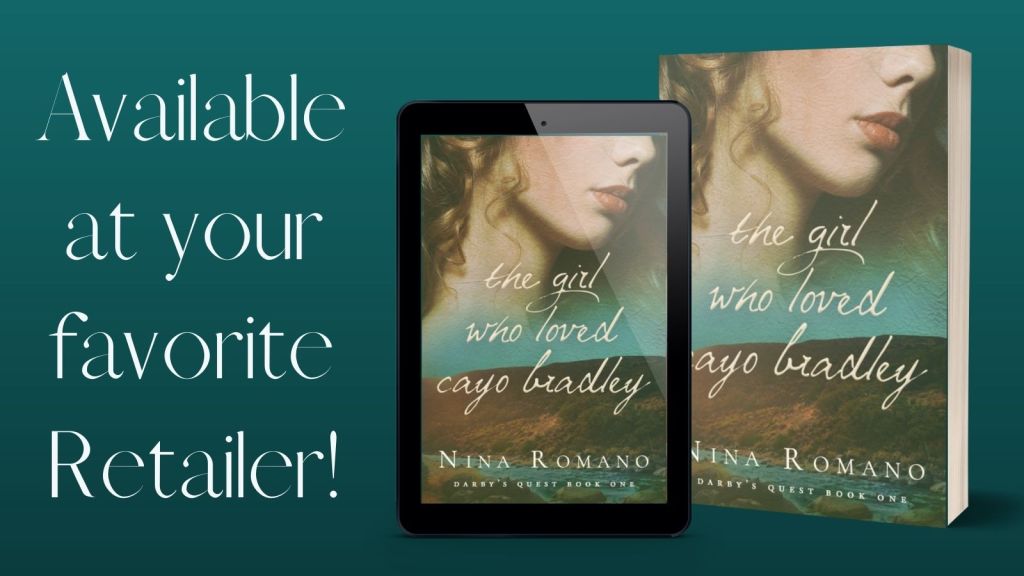
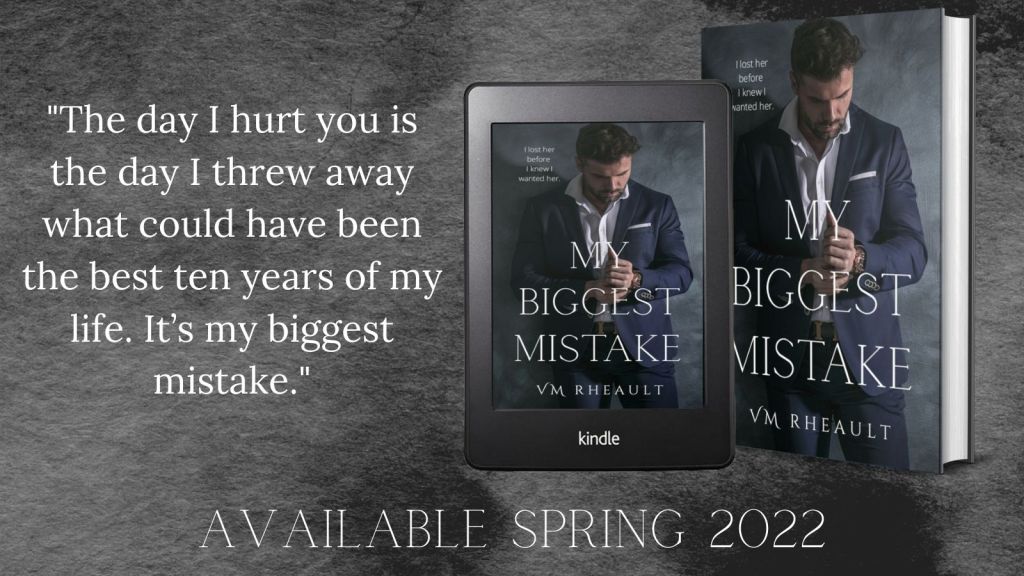
Instead of complaining because you think the grass is greener on the other side, pick a side and water that patch. It’s easy to let your Kobo readers know your books are available in the Kobo Plus library. For all the time I spend on Twitter, never ever have I seen a tweeted ad like this:
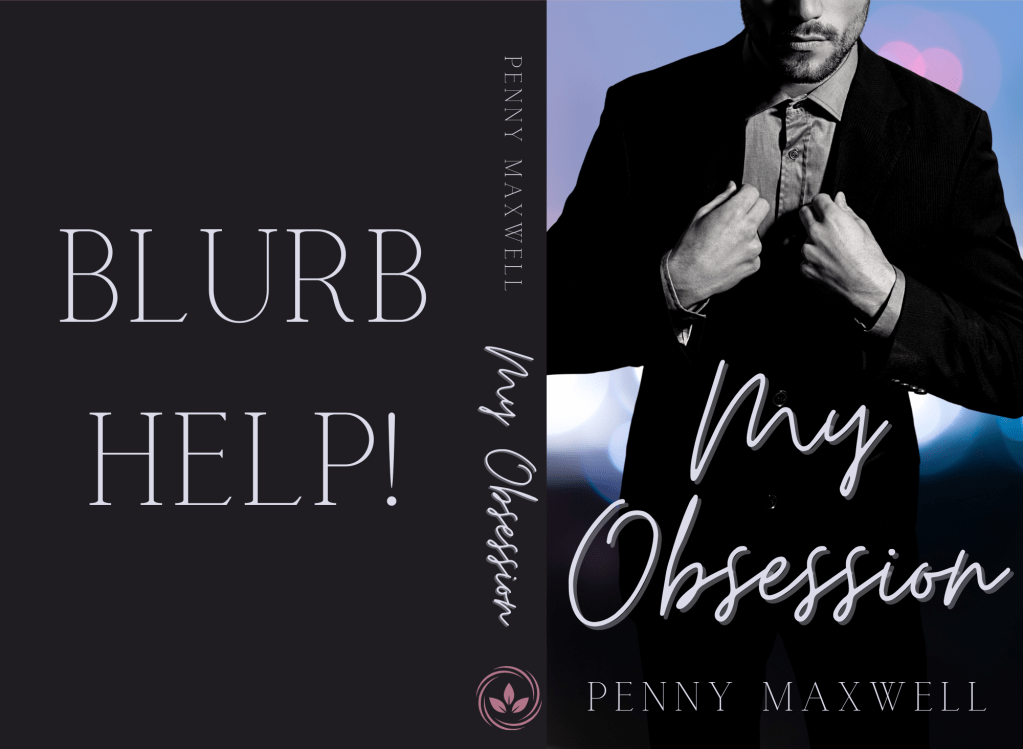
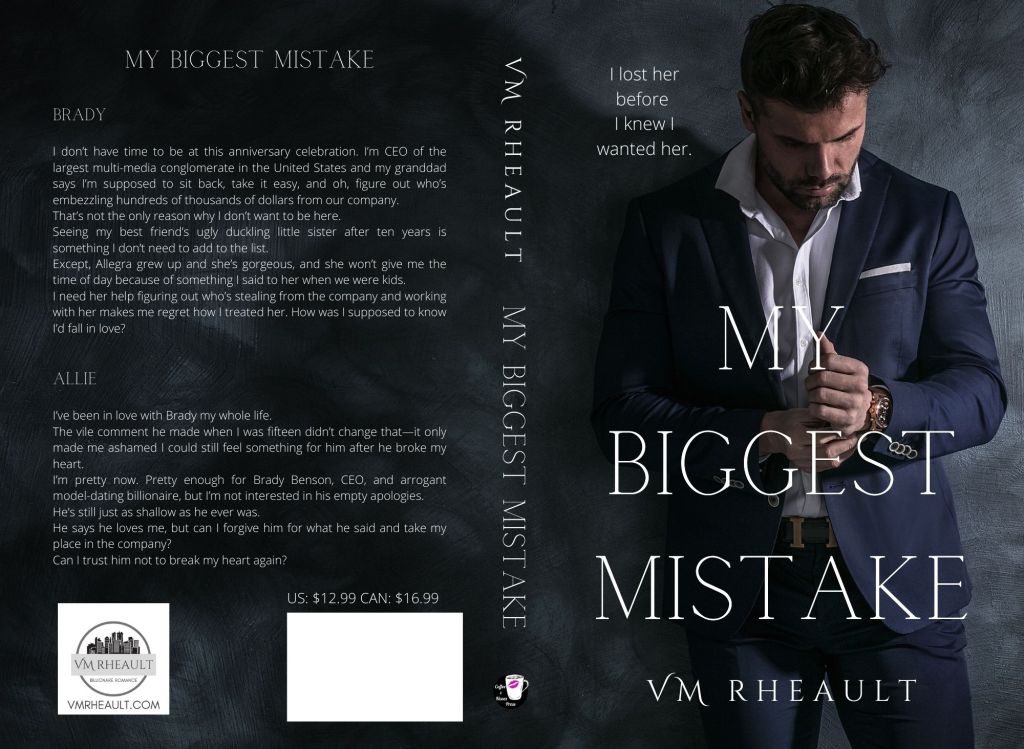
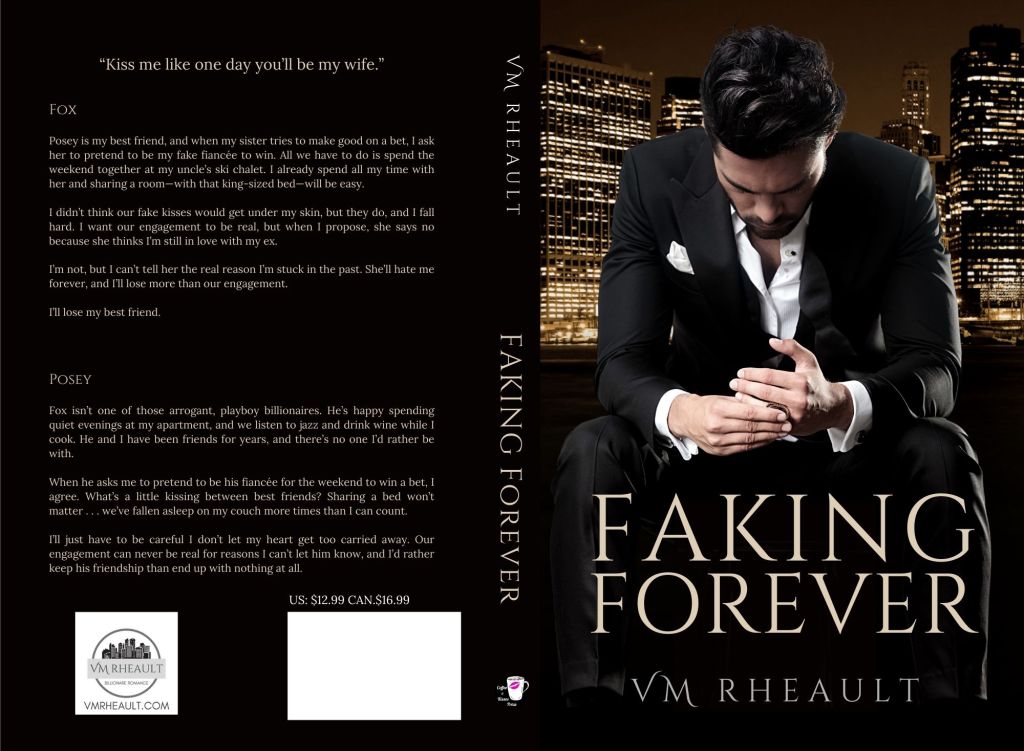
It took me longer to decide on the Kobo logo to use than it did to put that together. (I already had the fake cover mockup made–I’m assuming if you promote your books you’ll already have a few graphics made, too.)
I mean, I guess there’s no help for the people who think it’s funny to try to pull the wool over Amazon’s eyes enrolling their books in Kindle Select while their books are published on other platforms:
Truly lovely human being, there. (And I would love it if Amazon reached out to that author and asked to be reimbursed for all the KU royalties he earned while breaking their exclusivity policy.)
This Twitter thread showed the true colors of some indie authors, and I didn’t like what I saw. Most blamed Amazon for having to stoop to their underhanded ways or crappy attitudes, but, no one, not one person, ever said you have to sell on Amazon, exclusive or not. And then we wonder why indies have such a bad reputation as authors, business owners, and publishers. You know, I feel sorry for people who have to deal with us. I really do.
There are a ton of wide resources out there, and I’ve blogged about them before. Don’t like KU, don’t be in it. Want the page reads, enroll in it, and suck it up you can’t be anywhere else. Plenty of authors make a good living off of KU, and plenty of authors make a good living wide. I can list a number of things that enable them to do it, and if you can’t, it would help your business to figure it out. (I’m not making money yet because I’ve spent the past four years learning what’s on that list. I can only hope making changes to the way I run my own business will help.)
Stop trying to have your cake and eat it too. All it will do is give you a stomachache.
The 80/20 rule is pretty simple. You want 20% of your effort to bring in 80% of your results. If you did 80% of work for only a 20% ROI, you’d get burnt out pretty fast. So what does this rule really mean? When it comes to writing, publishing, and marketing, you have to figure out what will require the least amount of effort that will give you the most return. That can be different for everyone. Here are some tips to getting ahead with 20% of effort because no one has time to work for nothing.
What are you writing? Bryan Cohen came up with an excellent analogy during the last webinar I listened to. He said, if you’re not selling books, take a look at what you’re writing. Is there a demand for it? He used underwater basket weaving memoirs as an example. If you’re writing a series about your experiences with underwater basket weaving but no one is into that, writing book after book isn’t going to help you find readers or increase sales. You’re just adding supply where there is no demand. You’re wasting a lot of effort for little return and eventually you’ll get burnt out and possibly give up. What can you do to fix that? Think about what you want to write. That is always important because you need to like what you’re writing. There are other genres I’m sure you like to write besides underwater basket weaving. If you can find what you enjoy writing and match that up with a genre that’s selling, you’ll be a lot closer to that 20% of effort because you won’t be spending so much time writing something that won’t sell.
Find an ad platform that works for you. Beating your head against a wall trying to figure out Facebook ads and how to use them without going broke might be a huge waste of your time if Amazon’s auto placement ads bring in steady sales with a low cost-per-click. On the other hand, maybe your ads aren’t working at all because your cover isn’t on target for your genre and you’re getting plenty of impressions but no clicks. You’re wasting 80% of your effort trying to make ads work, and when you only gain maybe 20% in return, you’re either losing money on clicks that don’t generate sales or you’re wasting time fiddling with click cost, daily budget, and ad copy, which can be just as valuable, or even more so, if your life is packed and you have a limited amount of time in which to write. Amazon ads work well if your categories are set correctly, the keywords you chose when you published are accurate and relevant, and you have a good cover/title/blurb. Contrary to popular belief, if you show Amazon evidence you have a good book, they will help you promote it by showing your ad. Facebook ads work well if you can zero in on your target audience and can create a good ad–stock photo, headline, maybe an excerpt from your book. How you go about learning those platforms is up to you, as we all learn differently and click with different people teaching those classes.
Choose your social media platforms wisely. If you’re on Twitter 80% of your “free” time and your engagement isn’t encouraging sales, maybe it’s time to rethink where you spend your time. It’s different if you’re on for social hour to relax or blow off steam, or if you’re wanting to make connections and network, or join in a chat, but tweeting promos all the time with no engagement (on your followers part) and no sales seems like a gigantic waste of time to me. You’d be better off creating a Facebook Author/Reader group and posting engaging content on there, or blogging about genre-specific topics to encourage your readers to buy your books. You could also start a newsletter and write a reader magnet, or if your reader magnet is old, create fresh content to spice things up. Whatever you do, if you’re not seeing a return for the investment of your time, it’s time to try something else.
Make a list of what’s working… or not. If you’re like me, you haven’t been in the game long enough to know what works, or at it long enough to know what doesn’t. I’m not making much money. The five years I’ve been writing and publishing have been true lessons of what not to do. How can we make a list of the things that work if we don’t know them? Look to the pros. Everyone says newsletters are the key to a good launch and steady sales. I don’t have evidence to the contrary, so I started one. Writing without a niche didn’t give me very far, so I’m drilling down. Not networking in my genre has left me feeling lonely and I don’t have any opportunities for collaboration or newsletter swaps, so I’m joining in more. Those are all big mistakes, but if I correct those and experiment to see if those are things that will work for me, I can add them to the list.
Chances are, if you’re a writer, you can never go wrong with spending the most time writing your books. Building a back list can increase your overall sales, and consistently adding books to your front list will keep the algorithms at Amazon happy.
Ultimately, you want to work less but while doing so, achieve more. This is especially important if you’re like me and writing isn’t your day job. I have a lot of places for my time and attention to go, and doing things that won’t move my business forward will only be a waste of time in the end.
What are your 20% activities? What are some that are considered part of your 80% but still enjoy doing? Let me know!
If you’re like me, you’re scrolling through Facebook and you see an ad for a book, so you click on the READ MORE and read the excerpt the author provided, or you click the Amazon buy-link and take a look. Not only could you find a new read that way, but all of a sudden your feed is full of books because the FB algorithms have decided that you love to read and they’re going to show you every ad under the sun. This can work out to your advantage because you can look on the author’s page and see the kinds of ads the author is running–and how many. This could be a big help if you see an ad with lots of engagement, or if you know an author is moving books and want to know the kinds of ads s/he’s running.
I don’t want to single out an author or her ads because I’ve been getting reprimanded for that lately (haha, it’s okay, I just have to be more careful with what I say on here) but I can show you how to do it and you can use the steps to look up ads that pop up on your own feed. We all read and write different books anyway, so if you want to take a look at an author’s ads library on FB here’s how:
First find an author or group that is running ads. This can be an author running ads from her FB author page or a group such as Ravaged Romance that runs ads for authors and books. Click on the page to go to their profile and on the left hand side should be a Page Transparency box. You may need to scroll down a bit to see it. Click on SEE ALL.
After you click on See All, scroll down in the box that pops up and click on GO TO AD LIBRARY.
When you do that, you’ll see all the ads that page is running. You’ll have to turn your ad blocker off if you want to see them–because they are ads and your blocker won’t let you preview them. It took me a minute to figure out why the page wouldn’t load on my Mac.
There you can see all the ad copy that author or group is using with what kind of blurb, excerpt, headlines, and creative (stock photo).
You want to research authors who are writing what you write and then you can see what makes their ads so popular. Like with covers, you don’t need to copy down to the letter, but borrowing the vibe or feel of the ad could help you with reach and conversion.
Some of the smaller authors I chose for this experiment didn’t yield a lot of data, but if you look at a bigger indie author if you click on the SEE AD DETAILS, on the ads no longer active, you’ll be able to see the number of impressions, the potential reach of the audience chosen, how much that author spent on the ad, and who the ad was shown to.
I think it’s interesting to see what kind of ads authors are using on Facebook, and, if anything, it’s another way to waste time poking around when you should be writing.
If you want to take a Facebook Ads class for beginners and can’t afford a lot, I signed up for Mal Cooper’s Facebook Ads for Beginners, and it’s only $50.00. I read both of her Help! My Facebook Ads Suck books, and taking a Zoom class with her should be as interesting as it will be fun. I don’t have a book to promote yet, but I”m hoping the class will prepare me for when I do. If you want to look into her class, look here: https://www.thewritingwives.com/service-page/facebook-ads-beginner-class
That’s about all I have for today. Facebook Ads were something I couldn’t get to work for me, but there are a lot of reasons for that. I wasn’t writing in a niche and hadn’t really nailed down a brand. When you don’t do those things, it’s difficult to figure out who your audience is. With my billionaire romance, I have a ton of comp authors, and finding my audience will be a lot easier. If I can figure out how to create an ad and keep it on point, I hope I won’t lose too much money.
These links aren’t affiliate links. I just thought I would share since Mal’s been in the industry for a long time and knows her stuff.
So, funny thing. I thought I already published this! Then I saw it in my drafts, and I must have forgotten I didn’t schedule it. Since I have more time sensitive material for a different post, this is going out three weeks later than I initially thought, and I’m sorry for the Monday I missed when I thought this went out!
There’s a lot of talk about video for book marketing these days, and if you’ve heard conversations about TikTok and the news that Instagram is going to be more video-focused to compete with the newish platform, then you’ve maybe thought that you should give it a go, too.
I haven’t jumped on the TikTok bandwagon for a variety of reasons, and not just because I don’t particularly care to be in front of a camera. I’m 46 years old and it took me 46 years just to be reasonably comfortable being filmed and having my picture taken. A lot of it comes down to not having any f*cks to give, and what completes that pie is knowing that I look better than I have most of my life because I’m happy with where I’m at and don’t care what other people have to say about me.
On the other hand, I know I could lose weight, my old, crying cat keeps me up at night and if I don’t want to look like a zombie, I need a full face of makeup, and my hair is a limp mess if I don’t do anything with it. That sounds like a lot of work for a sixty-second video, and while people say you don’t have to look your best when you’re in front of the camera, I wouldn’t NOT want to look my best–especially if I’m talking about my books or promoting someone else’s.
And then we get into voice modulation (who wants to sound like a cow, dying or otherwise?), the background (my space is extremely small without a bare wall to be had anywhere), and background noise (see cat above).
It all seems to take too much time away from writing. I have very little patience with that at is it. I’m doing the cover for my first billionaire standalone and waiting for cover critique and blurb feedback makes me restless. I haven’t written new material in weeks (that makes me twitchy), but I just can’t with the amount of books I have on my computer right now. I have to start putting out material or I’m going to be so overwhelmed with the work it will take to put them out I’ll suffer from analysis paralysis and won’t do anything.
You can’t get away from video talk, and I’ve listened to some useful rooms in Clubhouse about TikTok and using video to stay in the algorithm’s good graces on other platforms. Whether or not I’ll try video remains to be seen. It’s not only putting my pretty big nose face in front of a camera, it’s also learning the platform you’re going to post on, and if need be, learning editing software (internal or external) to make your videos look like you know what you’re doing.
I’m not on TikTok, and I get annoyed with people who post their videos other places. I know it’s a timesaver to repurpose your content, but I’ve complained for years about people posting the same content everywhere. There’s no point in me following you on IG, Twitter, FB, and anywhere else you are if you’re going to post the same stuff–practically at the same time. I might as well follow you one place and open my time up for other things. I’ve muted accounts that do that, and I’m sure others do it too. Videos can be shared a lot of places, and I have no idea how useful it is to share your TikTok video on YouTube, FB, and Instagram. If you’re going to go viral (which sounds like a goal for most people) it would make more sense to let/encourage OTHERS share your video other places otherwise you just look spammy. I’ve seen Dea Poirier’s tweets lots of places, and not because she puts them there. She’s had viral tweets of her own and not once that I’ve seen is because she’s shared on every platform she can find. The true test of popularity is when others start to share your content.
This is one of Dea’s tweets I saw EVERYWHERE on FB after she tweeted it. In fact, it took me five seconds to find it searching murder recipe meme.
Anyway, I believe it’s better to find one or two platforms you enjoy (for me that would be this blog and Twitter) and focus your time and attention there instead of spreading yourself thin and offering mediocre content because your book is under deadline and you’re pressed for time. Maybe I gravitate toward my blog and Twitter because there isn’t much call for video on these platforms. I was talking with a friend the other day, and I told her I don’t like IG because of the toll it takes on my hands holding my phone. Holding my phone aggravates my carpal tunnel. I like things I can do on my computer and while I can post on IG on my laptop, I feel like I’m missing the point of the platform when I do that. You’re supposed to be experiencing the world and sharing those experiences with others–something I’m not very good at because when I’m out and about, besides taking a picture a drink or two when I’m with my sister, I try to stay off my phone.
I’m not good on social media–my Twitter engagement is abysmal, I haven’t posted to my FB author page in months, and on my personal FB page all I share are photos of raccoons. I don’t have much use for social media. I think I come across as prickly and hard to get to know. That’s me in real life as well. I’m a loner at heart and it takes a long time for me to warm up to someone. (Though the friends I have made on Twitter I’ve had since I joined in 2013.) It’s not an ideal way to be if you’re hoping to connect with thousands of readers, and I am trying to put myself out there more in my romance group and asking for feedback on my covers and blurbs. I’m also terrible at taking a hint. I have a few people on Twitter who RT everything, or like all my Tweets, and I never reciprocate. They want to interact because they like my content, and I need to be more mindful of the people who WANT to talk to me.
If you’re looking to get started in video, these tips I’ve gathered might be of use to you, too:
Look at what other people are doing. If you’re a romance writer, look at what other romance authors are doing. Study their viral videos. What made them pop? The music they chose? A new book they’re talking about? We don’t need to copy others, but pick up tips from other authors who are killing it. We do this with covers, with blurbs, even POV (switching from 3rd person to 1st) and we can learn from our peers in other ways, too.
Choose who you’re going to be. If you’re going to film yourself without makeup or your hair done, be okay with that, make your peace with it, and embrace it. I don’t know how beneficial it would be to look like a beauty queen for the first six months while you build and audience then all of a sudden “be yourself.” Be yourself from the start and then you can’t fall off that path.
Figure out what your platform is. Romance is easy–hunky cinnamon roll guys, swoony love stories. I’ve never been good with posting about romance, when it should be my number one go-to for any post. I should read it as much as I write it, and I should embrace all my book boyfriends–the ones I create and the ones I love to read about. How I would get that into videos that promote me as a romance author, I have no idea. I’ve kind of turned into a billionaire romance author, and if Jamie Dornan wants to come over and make out with me while I film it for TikTok, that would probably be a good start. He’s married though, so I doubt his wife would be on board.
Focus on one. If you want to do TikTok, make it a primary goal to build your platform there. Like any social media app, it takes interaction for some algorithm love, and not just by your fans. You have to comment, you have to reply to comments. That takes time and it will be easier to find the time if you just have one platform you need to worry about. If you already have a following on Instagram and want to start posting video there, then do that. But no matter where you post a video, remember it’s the books that are the most important. You don’t have anything to market if you’re not writing.
Look at your genre and where your audience is. TikTok feels younger, but is it? I don’t know. If you’re running Facebook Ads and they work for you, can you say your audience is older? A quick Google search says the average age of a Facebook user is 40 years old. Does that mean your audience is older? Maybe they aren’t on TikTok. If you write Young Adult, it might be a place to consider. If you’re writing “seasoned’ romance and your target audience is a divorced woman in her mid-fifties, it might not be the best place for you to spend your time. Doing some market research and figuring out where your audience is on social media will at least keep you from wasting time on a platform where your readers aren’t hanging out. Romance readers seem to be everywhere, which makes it hard for a romance author not to (want to be) be everywhere, too, but I can look up the top ten billionaire romance authors and if they aren’t on TikTok, that takes some of the pressure off.
Stay out of the author/writer community. For most authors, Twitter doesn’t sell books because we’re so deep into the #writingcommunity we can’t see straight. Unless you’re happy with a handful of sales for the lifespan of your book, other authors are not your readers. This is why Craig Martelle says it over and over again in the 20booksto50k group, it’s why in most FB author groups there is no self promo. Because the other members are not your readers. It’s going to be the same with TikTok and Instagram. Don’t tell other authors in your groups to follow you there, because your account will be following authors, and other authors will be following you. It’s really difficult to find that line in the sand and stay on the right side. Especially since we’re supposed to read in our genre, and I like to promote the romance books I’ve enjoyed. It will take more time to build a fanbase made up of readers, but it will be worth it in the end.
I don’t have many resources for this blog post. BookTok is still new and you will probably get the most out of joining the TikTok for Authors Facebook group. Clubhouse is now open to everyone (though I have 10 invites if you want to be personally invited into the app–DM me on Twitter), and there is a TikTok for Authors Club on there, too. You can join and listen in on conversations where they discuss what is working for them, and after a bit you might have a tip to share!
Search for the room in the app!
The last resource I have is a book I read a while ago when I was looking into getting video. Amy Schmittauer’s book, Vlog Like a Boss: How to Kill It Online with Video Blogging, has a lot of great advice when it comes to vlogging and those tips can help you at least feel comfortable in front of the camera.
Image taken from Amazon.
Getting comfortable and understanding your goals and the content you want to provide is half the battle when it comes to using video to promote your books. Consistency will help, and if you enjoy what you’re doing, that will come out in your videos too. I don’t know if I’ll ever get into video. It’s difficult not to jump into the next big thing when you want to market your books and feel like sales have stalled, but the one thing I can count on is writing the next book which is where you can always find me, no matter what kind of hot new platform comes along. Good luck!
I’ve been struggling with content for this blog for a little while–maybe that’s a good thing as it means the indie community is quiet. Whatever the reason, I’ve decided to still post four times a month, but my more informational blog posts on the first and third Monday of every month, and now that I’m back into publishing, a personal update on the second and fourth Thursday of every month. I think that will still provide my subscribers with the content they find helpful but it will take some of the pressure off me to keep my blog posts relevant. I still very much enjoy this blog and don’t plan to stop blogging, and who knows . . . maybe things will pick up once the summer is over and there will be more things to talk about again. Thanks for understanding!
Being so fully immersed in the indie community, I see a lot of support indie authors. I think it’s great, you know, who doesn’t want to be supported? But we also say this a lot: who publishes our books doesn’t define us or the quality of our craft. So can we have one without the other? Can’t we say we should support ALL authors–because what we’re doing is hard, no matter who publishes us.
I don’t mind being defined by the fact I’m an indie author. I never wanted the stress of querying, and I never considered a book deal to be anything but giving my rights away for pennies on the dollar. But, if I’m running my business correctly, I don’t feel I need any more support than any other author. Traditionally published authors rarely get much help from their publishers except for certain cases like they’re already a household name, or a book sold at auction and the publisher markets the heck out of that book and author because they want to earn their advance back and then some. If you read a book, do you review it? Are you more inclined if it’s an indie book with 5 reviews, or a trad book that already has 1,000? Maybe it’s a nitpicky thing to be thinking about on a Saturday morning, but I was scrolling through the WordPress reader before I set up this blog post, and because I follow a lot of indie authors, I saw this phrase this morning and it stuck out.
Do indie authors need any more support than any other author? I know a couple of authors who are published by small presses. Smaller than small, tiny, presses, and to be honest, I feel like they need more support than I do! Those presses don’t have the budget for marketing their authors, yet those authors, in essence, gave their rights away and now they don’t have access to their KDP dashboard to run ads. If they do run ads off of their Facebook author page, they are paying for ads for a small percentage of royalties. At least I know if I sink time and money into my books, it’s for me. It must be difficult to accept that if you spend time and money on your books and you’ve been published by a tiny press that you’re not only working for yourself, you’re working for them, too. I suppose it depends on what you’re willing to give up and what little you’re willing to receive in return. You can support me, but I’m thinking another author might need it more.
The RWA and Vivian Awards
I just erased about 600 words of what I thought about the RWA and the Vivian awards and all that’s going on with that organization. The more I thought about it, the more uneasy I felt, and I think I’m going to take the easy way out and not say anything. I’m glad my membership expired last year and I’m glad I didn’t renew. I had high hopes for the restructuring of the organization, and for what the new president could do. It seems like it’s going to be more of the same, and in a world where we’re all moving forward in every way possible, it’s not right for an organization who says they champion all writers to hang back. Inclusion can’t just be a concept. It has to be a way of life. I don’t ever want to be a member of an organization that can say it, but not mean it and prove it by their actions.
KDP and A+ Content
I’ve also been hearing a lot about A+ Content on KDP. I haven’t tried it yet, though I know with the impending releases I have coming soon, I’ll have to decide if I want to invest in the time it takes to make the graphics to put anything together. If you use a lot of graphics on social media, you may already have something you can repurpose, and if you pay for Canva Pro, resizing them to the pixels KDP requires is pretty easy. It sounds like an utter time suck to me. I like to play on Canva as much as the next person, but thinking about adding all that extra to my books’ sales pages gives me hives.
If you’re interested, Dave Chesson has a comprehensive blog post outlining its features, and I’m sure in the coming months now that the Kindle Vella sensation is pretty much over, we’ll be hearing more about it and if it’s working for other authors. For now, I can only assume that a good title, good cover, good blurb, and a fantastic look inside will get your further than spending time making graphics. On your book’s product page, you have to scroll to reach the extra content, and if your cover isn’t good or your blurb isn’t hooky enough, a reader isn’t going to spend time on your product page anyway. It all depends on where you want to spend your time. My creative brain would rather write, but my business brain knows there’s no point in writing if I can’t get readers to the words.
Book Marketing with Jane Friedman
taken from her website
Speaking of finding readers, if you are looking for new ways to market your book, I suggest you give Jane Friedman’s book marketing webinar a try. She knows the industry inside out and I’m sure she’ll have new insights as to what is working now and what you can avoid. It’s only 25 dollars and you get the replay if you can’t watch it live, the files she uses, and you can download the video if you want to be able to watch it again. I’ve taken several of her mini-webinars (as I call them) and there is so much value. Look here for the course description. Effective Book Marketing for Any Author (Even If You’re Starting From Scratch)
Billionaire Romance Stats by Alex Newton of K-Lytics
Screengrab taken from Alex’s K-lytic’s site.
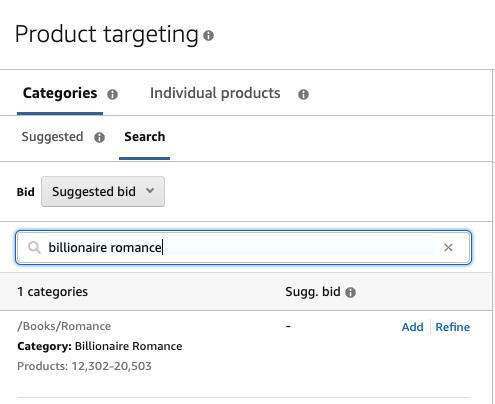
If you’re looking at writing billionaire romance like I am, Alex Newton of K-Lytics did a report you can purchase for $37.00. The pre-recorded webinar talks about what is selling in the billionaire romance market, how hot the niche is, what book covers are selling, etc. It’s interesting information, and just knowing that I chose a subgenre that will never die (like vampires he says) gave me some security. He also analyzes different genres and subgenres and all of his mini-reports are chock-full of information. A great value! You can find the Billionaire Romance Report here.
That is all I have for today. I’m 18k into a new project while I get my blurb and cover together for the first book I’m going to release…I’m not sure when. I wanted to this year, and maybe I still will if I can figure out some kind of launch/release plan. Obviously I’m not going to hit it out of the park with one single standalone, but that one single standalone is going to be a foundation for a new pen name and I want to make sure every book I release from here on out counts. Pressing Publish and walking away did nothing (and I’m not quite sure why I thought it would), so I have to figure some things out. If that means waiting, that means waiting, but I’m not going to wait too long. I’d rather publish for a handful of readers than keep these books on my laptop for any more time. I will keep you posted!
I did it. You can finally stop hearing about it . . . after this post. I took the time to watch a few YouTube tutorials and set up the sign up for my newsletter. As with anything when you’re diving into things you don’t know, you learn as you go and sometimes that means taking a step back before you can move forward. Here are a few things I had to figure out during the process. I hope maybe I can save you some headaches. Please check the resources at the end of this post–I’ll direct you to what helped me set this up.
Attach your name/pen nameto the correct website. Way back when I was thinking about my newsletter, I didn’t have a pen name on the horizon, or maybe I did, but didn’t understand the technical side of creating a newsletter. When you set up an account through MailerLite you can’t run your newsletter through Gmail, Yahoo, etc and they ask for an email connected to a website. I bought an email account through this website vaniamargene.com and when I did that they assigned my email address as vania (at) vaniamargene.com. I thought that was fine and never thought any more about it. (If I had it to do over again, I would have used vaniarheaultauthor or something like that. I don’t know what possessed me to use my middle name, but here we are.) But now since I did decide to to use a pen name, VM Rheault, I noticed that since my MailerLite account is attached to this website, my emails are going to show up like this in the from field: VR Rheault from vania (at) vaniamargene.com. That’s not such a big deal because I’m not hiding who I am–I couldn’t put on a different persona full time, and I didn’t want to distance myself too much from my books because I’m proud of them and billionaire romance isn’t that different from the contemporary romance I used to write. This would have been a big setback had I chosen a completely different pen name. So if you’re looking to set up a newsletter, make sure the website and business email you choose is going to be connected to the newsletter and everything will be one name.
Think about branding before starting your newsletter. I didn’t think this was a big deal either until watching a couple YouTube videos and learning just what a landing page is and how you can customize it. Brand is such a vague concept to us authors anyway, but when I say brand in this context, you’ve already got the font down you’ll want to use for your author name, maybe a tagline. You know the genre you’re going to be writing under this name, and the images you choose will reflect that. This is my landing page and thank you page after they’ve signed up:
How my sign up page looks on a desktop.
How my sign up page looks on a cell phone.
The thank you page.
Billionaire romance is usually set in a huge city with penthouses, limos, elegant events, private planes, etc. This is where it’s important to know your genre and what readers are going to expect. Any reader who consumes billionaire romance is going to to be familiar and recognize the big city lights. (There is even a Big City fiction category on Amazon.) I make up all my big cities mainly because I’ve never been to New York and I would never be able to set my books there with any degree of believable detail. I’ve been to Chicago a handful of times and of course, Minneapolis/St. Paul and I can write the vibe of a big city but as far as landmarks and restaurants and famous hotels, not so much. It’s easier for me to make up cities and then I can do what I want. Anyway, I had to make this graphic on the fly, but luckily I had already decided what font I wanted for my author name (and it will go on the my book covers) and it didn’t take much searching through Deposit Photos for an appropriate skyline. This skyline will look nice on bookmarks if I ever wanted to make them, or magnets, business cards. I didn’t by the extended license, so I can’t sell anything, but swag I make using this graphic to give away will fit right into my brand.
You don’t need a website. I thought you needed at least a page on a website for sign ups, but that’s what your landing page through MailerLite is for. Once you create a landing page for your sign up, they give you a link that you post around social media and in the back matter of your books. The only reason you would need a website is if you wanted to add a pop up box for newsletter sign ups. This is good news for me as I didn’t really want to start a new website for my pen name, but I did add a page to this website where I’ll list all my books as I start to publish. To give credit where credit is due, a while back, Liz Durano told me I didn’t need to start a new website and because I had no idea what a landing page was, I didn’t understand what she meant. Now I do. You don’t need to spend time or money setting up a website, though if you’re going to write a lot of books under your name it may be better in the long run to have one. Eventually I’ll end up creating a new website for my VM Rheault books, but I won’t do it solely to have a pop up box for a newsletter.
Chances are you won’t need the business plan for your website, either. When I thought I needed to add the MailerLite plugin to my website, I upgraded my WordPress site for a whopping $200.00/year. That’s a lot of money to me, but I would have paid it out for the sake of my business. Then after I paid, I got a cute little notice saying that they would take away the follow button that allows people to follow me through the WordPress Reader. I’m going to be blogging on this website over anything else I do (I don’t try to sell my books on here anymore, not that I tried to do that so much anyway) and I wanted to keep the button. After I realized I didn’t need to integrate MailerLite with my WordPress website for sign ups, paying that was even harder to swallow. I contacted WordPress customer service through chat and they refunded me and put me back on the plan I had before–they give you 14 days to change your mind. When I get around to making another website for my books, I won’t pay for a business plan then, either. I’m so used to being directed to a landing page for email sign ups, that I’m sure everyone else is, too.
After you have the sign up link, it hits home that you need a reader magnet. When I created my sign up and the thank you page and created my welcome email they’ll receive upon signing up, I realized that you don’t have anywhere to put the link if you’re not giving anything away and you’re not publishing at the moment. Of course, I’ve heard the sign ups you want come from the links in the backs of your books, known as organic sign ups–your true fans. But you only get those when you’re publishing, and I’m working on my books right now. So I have the link but nowhere to put it, and no, I’m not giving it to you because chances are 99% you don’t read billionaire romance and don’t need to sign up for my newsletter. I need to work on my welcome email a little bit more, too. Make sure it sounds how I want it to sound and details what my books will be about and what readers can expect from me down the road. That being said, I need a reader magnet so I can at least put my link up on a site like BookFunnel and maybe join a promo or two for sign ups. Advertising your newsletter looks a lot more attractive if you can give something away, though I know you can be adding freebie seekers to your list. Maybe though, if they read your reader magnet, you will make them a fan. You won’t know until until you know. And by that I mean you won’t know until you release a book readers are expected to pay for.
The writing community is not your reader. You’ll figure this out when you tweet your newsletter link or put it in a post on Instagram. Other writers don’t care about your newsletter–at least if you’re writing fiction. I have subscribed to several non-fiction newsletters that pertain to indie publishing from authors like David Gaughran and Dave Chesson at Kindlepreneur, but hey, guess what, I have never read any fiction by those authors. (Some indies are surprised to learn they write fiction at all.) Just like I consume anything Joanna Penn does for the indie author community, but I have never read one of her thrillers she writes under J. F. Penn. The only newsletter sign up link I would share here is if I wanted to start collecting emails for a potential non-fiction book. I don’t think I have anything to offer in way of a how-to book that you can’t find other places and I’m content to blog about my mistakes and successes. You’ll save yourself a lot of weeding down the road if you only give out your sign up link to readers of your genre. You may not grow your list as fast as if you gave out the link to everyone, but most newsletter aggregators charge you based on the number of sign ups you have, and if you’re paying for people to be on your list who are not going to buy your books, they are dead weight and will cost you money.
This begs the question though as to where you can put it, and here are my ideas: Your Amazon Author Page. You can put the link in your bio. Your Goodreads bio if they allow it. I tried to Google it but didn’t find any information. Never know until you try. Add it to your FB author page and/or reader group. Run ads from your FB author page for sign ups. This will probably only work if you have a reader magnet to give away and want to throw a little money at building your list. (Some advise against this so research for your own conclusions.) Your books’ back matter. Promo sites like BookFunnel and StoryOrigin if you use those services to build your list.
I didn’t realize how much I would need to know and while I was setting up my newsletter, it was one step forward and two steps back. Luckily, as I said, I already had an idea as to what I wanted to do with branding, and I was familiar with expectations of the billionaire genre. It’s probably not that big of a deal, you can always go back and change anything, but part of building a brand is brand awareness and for some subscribers, your landing page and thank you page will be their first impression of you.
There are other things I’m still going to have to learn as I begin to collect email addresses. Some authors split their lists between readers who signed up organically and readers who signed up for a freebie. Some have split their lists many different ways, and I don’t know if I’ll do that or how to, at this point. Curating my list and offering them content will be a continual learning process–at least until I’ve done it for a while. But even after publishing for four years, I don’t think you ever can really learn it all. Probably the one thing I can say I did right from the get-go is research the newsletter providers. I’ve heard good things about MailerLite and so fair their platform has been easy to navigate. Unless for some reason down the road I can’t afford them, and have to switch, I will probably always stay with them.
It might have been premature to do this now when I don’t have a reader magnet or book coming out, but I think the hard part is over–starting is always the scariest part.
Resources
I watched a few YouTube videos, and I learned quickly that there are a lot of differences between the paid and the free versions of MailerLite. I’m working with the free right now and this tutorial was the best I found. She uses a free plan and starts from the beginning:
MailerLite has their own academy but the tutorial starts with a paid plan–that’s not so helpful.
I made my graphic using Deposit Photos and a website template on Canva. The font I used for my author name is Cinzel and Cinzel Decorative. They are free and you can download it free for commercial use here. (They come in the same zip file so don’t worry if you can’t find the decorative part of the font. It’s included when you download the font.)
Okay, this blog post is super long. I’m going to call it, and see you next time!
I’ve come across this question a lot these days, mostly I think because a lot of authors use Canva for their ebook covers and graphics for promos. Some bloggers have compared Canva to Book Brush, and while Book Brush can do many things Canva can’t, I feel that Canva is more versatile and I prefer to use it over Book Brush. Especially since Book Brush is more expensive and if you already pay for Canva Pro, you’re not looking to plop down another $146 (for their popular package) a year on another program.
I’ve never made a full wrap in Book Brush, though it is a feature they have available in their paid plans. I made my first paperback wrap in Canva not even knowing if it was possible. It was the old cover for Wherever He Goes and it was a complete experiment applying what I knew from making covers in Word before I knew Canva existed. I ordered a proof not knowing what to expect, but the cover came out beautifully, and since then I’ve done all my wraps in Canva and for a couple other authors too.
These days if there is trouble with a cover, it’s probably a KDP Print glitch. Their POD printers are overworked and underpaid just like all of us these days and I’ve heard reports of covers not printing well, interiors that are crooked, pages falling out of the binding, and even text of other books inside yours. That is a KDP Print problem, not a Canva problem. The only issue I’ve ever encountered doing a paperback wrap in Canva is that IngramSpark requires a CMYK color file while Canva saves in RGB as does GIMP. IngramSpark will still accept your file, but they warn you the coloring in the cover might be off. If this is truly a concern of yours, don’t use Canva for a full wrap. Learn PhotoShop or hire out. I publish with IngramSpark and in a blog post from a couple years ago, I compared the books from IngramSpark and KDP Print. While everyone insists IngramSpark prints with better quality, I did not find that to bethe case, and Canva had nothing to do with it.
That being said, there are a couple things you need to know before you do a full wrap in Canva.
Your stock photo must be in 300 dpi. I buy my photos from Deposit Photos, and lately when I download a photo, the image size is huge but the dpi is only 72. You have to fix this or your cover will come out pixelated and you won’t know why. You can download GIMP for free and use the SCALE IMAGE (under Image in the menu) to fix this, or if you already have Photoshop, adjust the dpi and save. That is the photo version you want to upload into Canva.
This is the screenshot from a photo I used to make a mock cover the other day. You can see that the dpi is only 72. And if you take a look at the width and height, sometimes that is too huge for Canva to accept and they’ll ask you to fix the size. The width and the height doesn’t matter so much, and you can change the width to a lower number. This is a horizontal photo and I chose 3000 for the width. Press Enter and it will automatically resize the height. With the DPI set to 300, export it as a jpg or png, it doesn’t matter, Canva accepts both. (If I’ve lost you on this step, you’ll have to do your own digging. I rarely use GIMP and this post is by no means a tutorial on how to use it, because yeah, I don’t know how to do very much.)
You have to have your interior already formatted for paperback. That includes the front and back matter, the font you chose, gutters and margins and all the rest. Unless you want to play, it’s helpful if this is the final version of your paperback interior. It’s already been through betas and your editor. It should be ready to publish. If it’s not, you can experiment with your cover for practice, but you need the final number of pages for your spine’s width. KDP Print gives you ten pages of wiggle room. That’s not much and more often than not, they’ll make you resize your cover using an updated template.
Choose the trim size you want and page color you want. I see this question all the time in the FB groups, and most say it doesn’t matter. It doesn’t matter. Though if you’re concerned with printing costs, the more pages you have–250+–the larger the trim size you want (6×9 is best) because more pages means higher printing cost. My novels run anywhere between 70k to 90k and the only thing that I use as a yardstick is this: My series books are 5×8. My standalones are 5.5×8.5. I don’t know why I do this, but it’s a system I’ve fallen into. If you write epic fantasy and your books are 400 pages, choose the 6×9.
This is one of Lindsay Buroker’s epic fantasies. Amazon makes it easy for you to check out what other authors in your genre are doing. You can see that this book is 528 printed pages and she chose a 6×9 trim size. Her spine is 1.32 inches. It’s a thick book. When you publish and set your prices, KDP Print will offer you a royalty calculator and you can price your book based on the royalties you’ll make when you sell a paperback. Price too high and you won’t get many takers. Price too low and you won’t make anything on the sale. Try to find a happy medium and fit in with what other authors in your genre are doing.
As for the color, I always choose cream for fiction. Seems the standard is cream for fiction, white for nonfiction. There may be exceptions, but that’s what I go with.
When you have the number of pages from the formatted file, know your trim size and page color, you can Google KDP paperback templates.
This is only for paperback. As of this writing, they are rolling out a hardcover option. It’s in beta right now, but offering a hardcover is what you’ll need to decide based on your business goals. I write romance and I focus my marketing on readers in Kindle Unlimited. A hardcover edition of my book doesn’t interest me, and if I ever wasted the time to create one, it would be for vanity purposes only.
Download the template. It will come in a ZIP file. Open it up and save the PNG as a name you’ll be able to find later. You can’t upload a PDF into Canva, only download, so the PNG is the one you’ll want.
Now it’s time to do some math.
When you want to do a full wrap in Canva, you need to know the canvas size. This is where I think a lot of people get tripped up. How do you figure out the size of the canvas so your template will fit? Your canvas size has to be the size of your book’s trim, plus spine width, plus the bleed. These numbers will change based on the trim size you choose for your books and the spine size. You won’t be able to use the same canvas size over and over unless you choose the same trim size AND your book is the same number of pages every time. That’s going to be highly unlikely, so it’s best just to realize you’re going to need to learn how to do the math.
We’ll start with the template:
The template will tell you how wide your spine is. You need this for the math. There is another way to figure out spine if you don’t download the template first, but this is the easiest way so no use giving you more math.
Then this is how you figure out the size of the canvas:
For the width of the canvas: The width of the back cover plus bleed, plus spine, plus the width of the front cover plus bleed.
If we use the template above as an example, the template is 5.5 x 8.5. This is what we add together:
That is the inch width you put into the custom dimensions box in Canva. The default is pixels, you’ll need to change it to inches.
If you need to see it in a different way, I made this for a friend:
The height of the book is 8.5 + the bleed .25 = 8.75. This is the number you put into the height box in the custom dimensions.
Hit enter or click on Create New Design and you have the canvas for a 5.5x 8.5 sized book with a .65 spine. It might not look like much, but now you can upload the PNG of your template and put that into the canvas.
It will take a little moving around, but keep as much orange as possible because that’s your bleed line. Anything on the orange or beyond has a chance of getting cut off in printing. The spine guidelines keep your text from bring printed on the front or back covers. Make sure the template covers the entire canvas.
You might have noticed I didn’t tell you your template needs to be at 300 dpi, and it doesn’t. You’ll be building your cover on top of this template and you won’t see it at all when your book is printed.
When I say that you’ll be building your cover on top of this, I mean you’ll be putting the stock photo and all the text on top of the template. What you use for your front cover and the back cover is going to be up to you. Some authors use a horizontal photo like the woman on the dock above and use it to create a full wrap from the one photo, like this:
Woman in white dress sitting alone on the pier. Back view (purchased from Deposit Photos)
You can see I flipped her and used a filter, but I used the whole photo for a full cover wrap. I built it on top of the template using the transparency feature and it looks like this:
Using the bleed lines, you can put the font where it needs to go. It’s not perfect–the author name isn’t centered and can come down more. When you’re done with the bleed lines, change the transparency of the photo back to 0 and this is what you’ll download. Download the file in print-ready PDF for your KDP dashboard when you upload your files for publishing.
Lots of people say they don’t know what to put on the back of their covers. The sky is the limit, really, from just the blurb to reviews of the book to your author photo. I’ve only done my author photo once, and that was for the back of All of Nothing:
The only thing I would caution you on is you don’t need to make the blurb font huge. It was one of my mistakes first starting out. And if you don’t want to put a white box for the bar code, you don’t have to. KDP Print will add it when they print your cover. Google for more full wrap ideas.
For the woman on the dock, I blew up the part of the water giving the back cover a grainy texture that matched the photo but some authors like the full photo wrap. It keeps them from. having to worry about getting the bleed lines on the spine perfect for printing. POD printing isn’t an exact science anyway, so chances are even if your PDF is perfect, the spine will be a little off. No matter how centered my title and author name are, almost 100% of the time they won’t be centered on the spine when you order a copy. Now that I’ve done it both ways, I think I prefer the full photo wrap.
I added a white gradient (that you can find in Canva) to the bottom to white out the dock a little bit making Penny’s name more readable. When it comes to cover design you know your own abilities. I’ve often said I’m lucky I write romance and can find a cute couple and slap some text over them and call it good. It’s not that simple, obviously, but if I wrote in epic fantasy, or even thriller, I would have to hire out. I’m not interested in learning beyond what I know. I’m a writer, not a graphic designer.
Developing an eye for book covers takes time and a lot of practice. Sometimes what you think looks good on the screen won’t translate well to a printed cover at all and you’ll be back to the drawing board. If you’re tackling book covers for the first time, you may be investing in some proof copies just to see how your work looks printed. If your business model makes paperbacks important, then you’ll put a lot of time into learning how to make your paperbacks look amazing. Like I said before, my business model centers around KU readers and it’s more important to make sure my cover grabs attention at thumbnail size and indicates to readers the second they look at it what genre it is.
It might seem like I skimmed over the most important part: the math. We can do another book with a different trim size just for practice.
This is the template the first book in my Rocky Point Wedding series. The trim is 5×8 and the spine is .70 inches. If we do the math for the Canva canvas it would look like this:
5.0 (back cover) + .125 (bleed) + .70 (spine) + 5.0 (front cover) + .125 (bleed) = 10.95. That is the width you would need to put into the custom box.
The height would be 8.0 (cover) + .25 (bleed) = 8.25. That is the height you would put into the custom dimensions box.
This is the cover I did for the first book in the series:
I did most of it in Canva, though I added some transparent gradient in GIMP for blending the two photos. Everything I know I taught myself, and it’s not fair i’m trying to shove four years of practicing and learning into one blog post. You’ll have to do your own experimenting.
Some odds and ends I picked up on the way:
Don’t buy a bar code. You don’t need one. KDP Print and IngramSpark will generate one for you. I buy my own ISBNs though, and that will be a choice you need to make if you’re in the States and expected to pay god-awful prices.
Don’t use free photos from Unsplash, Pixabay, Pexels, et al. Cover your butt and secure your business and use photos that you pay for from trusted sites like Shutterstock or Deposit Photos. Same with fonts. Not everything is available for commercial use. Be careful.
Use caution when choosing the models on your covers if you write romance. Amazon has gotten very picky lately, and the cover for His Frozen Heart disqualifies me from being able to run ads on Amazon Advertising to that series. Needless to say, that sucks.
You can use the same canvas size for an IngramSpark template. The one difference between an IS template and a KDP Print template is the spine for IS is narrower. The only adjustment you’ll be making is your font size for your title and author name on the spine will be smaller.
Elements (font, symbols ) can shift when you download your PDF and they will look “off” when you upload to KDP. I haven’t found a solution for this except to overcorrect, save, and re-download so the elements are in the place they are supposed to be. When you download the PDF, check the file before uploading to KDP. You’ll see if anything has shifted and you can correct it. The KDP Print previewer will show you exactly how your book cover and interior will print. If you don’t like ANYTHING in the previewer, fix it because printing won’t change it.
There are videos on how to create a full cover wrap in Canva–and you might find them helpful–but the few I’ve watched leave out important steps like making sure your photo is 300 dpi. This is going to take some trial and error. I remember being soooo nervous waiting to see if the cover for Wherever He Goes was going to look good.
I think that’s all I have. I know it seems like a lot of information, but blogs and videos won’t take the place of practice. If you have any questions, leave me a comment. I’ll answer to the best of my ability. If you’re making covers with my tips, tweet me at @V_Rheault on Twitter. I want to see what you’re doing.
This isn’t really a craft post, more like a, “let’s dig into the messages of your writing and explore where they come from” post.
I listened to Lyz Kelley speak on Clubhouse the other night and she gave a really great talk on finding the messages in your stories and how you can build your brand and market your books off those themes.
Sometimes we don’t even recognize the themes we’re putting into our books until we go through our backlist and can pinpoint the themes and messages that have come up over and over again. Recognizing themes can help us when we have writer’s block and show us the way to new stories, plots, and character arcs.
Where do those themes come from?
Usually we put a little bit of ourselves into every one of our books. Our characters have our flaws and our dislikes and likes, or we give them stories that we wish we could have experienced in our own lives. When it comes to crafting characters we dig deep into our own emotional wells and create characters that are just as injured and damaged as we are. Sometimes they get a happy ending, such as if you’re writing romance, or sometimes they learn a life lesson that maybe you learn with them as they go along, like women’s fiction, or the hero’s journey in an epic fantasy.
What Lyz pointed out though, is that a lot of times our themes come from a trauma that we experienced, usually in our early teens. Unconsciously, that trauma pops up in our writing. When that happens frequently over the course of many books, you are finding the “why” of why you write. Not the generic why, such as you want to make readers happy or forget their problems for a while or give them a good beach read, but more of a deeper “why.” For example, for most of your life you’ve felt unloved and you want readers to know it’s possible to find love despite the odds.
This makes a lot of sense to me. Anyone who’s read my books knows that my characters have issues with their parents. They were abandoned, or their parents passed away when the character was small, or their parents are demanding and my characters scramble for parental approval. No matter what happened in the past with their parents, it affects who they are today, in their story. I write contemporary romance, so my characters’ relationships with their parents almost always affects their romantic relationships. Maybe if they were abandoned they don’t feel good enough to be loved, and that’s part of their character arc–learning they deserve love. Or they want approval and will do anything to get it, and that includes betraying their love interest or choosing their parent over the person they’re falling in love with.
It’s easy to pinpoint my why: When I was fifteen I knew my parents weren’t going to make it. They fought all the time. I was an only child and my mother experienced severe empty nest syndrome. She went on to have two more kids (sisters I’m very close to despite our age differences), but that didn’t save their marriage. In fact, it made things worse, and because of this, I have never touched the “a baby will save our relationship” trope. My father started having an affair with a woman he met at church and my mother took my sisters and moved to Florida, where she was originally from. She was very angry when she asked me to move with her and I said no. I’d met the man who would become my husband and didn’t want to leave Minnesota. She didn’t talk to me for over a year.
Because of other reasons that I don’t need to get into here, I haven’t been on good terms with my dad for many many years and my mother passed away from breast cancer eleven years ago this month. To say I had a poor relationship with my parents is an understatement and that comes out in my writing.
I can use those themes in marketing and branding my work. When I was writing my 3rd person books, my tag line was “Find Home.” My characters didn’t feel like they had a home a lot of time because of their relationships with their parents–in their past and in their present–and when they fell in love, they found the acceptance and love they were looking for that didn’t come from their mom and/or dad. I still carry those themes with me while I’m writing my billionaire romances. In the story I’m writing now, my male character, Dominic, has a very sticky relationship with his parents. His mother has never loved him, and it’s part of the plot as he finds out why. Because he grew up without his mother’s love, he’s strived to earn his father’s all his life, even doing things that are against his moral compass because he knows his father will approve of them. Most of Dominic’s character arc is going to be realizing that his father’s love shouldn’t have to come at a price–and that price is the woman he’s falling in love with.
Knowing what kinds of themes and messages you use in your books can help you from repeating plots and backstories. Not every character is going to have mommy and daddy issues, and I need to make sure I explore other areas for my characters’ development.
When you’re struggling with finding your themes or messages you want to convey in your writing, take Lyz’s advice and think back to when you were younger and what happened that molded you into the person you are today.
It’s funny because depression hit me when I was about thirteen. Mental health awareness wasn’t as prevalent as it is today and my mom didn’t know where to go to get me help (okay fine; she didn’t even acknowledge I had a problem). I cut for ten years and tried to commit suicide three times. I say it’s funny because even though depression affected my life for many years, my characters do not struggle with depression. My relationships with my parents have more weight in my writing than my mental health. I wonder if it’s because I’m no longer depressed, yet I still feel guilty for the way I treated my mother and for not moving with her when she asked. I often wonder how my life would have turned out if I had moved with her and not stayed in Minnesota. I’ll never know, but I put that melancholy and wistfulness into my writing.
So when you’re looking for themes or messages that you want to convey, look at your childhood. Maybe you didn’t have friends and now all your characters grapple with a friendship issue: they struggle to keep friends or their “friends” betray them. Maybe you have a disability and an event shaped your life and now your characters share that same disability. In Lyz’s example, an author’s theme is all her characters are curvy and her tag line is “Curvy girls deserve love, too.” Maybe as a child one of her parents told her to lose weight, or a boyfriend broke up with her because she wasn’t skinny. Things have a way of simmering in the background and manifesting in our writing in ways we never thought possible.
What are your themes? Why do you write? What kind of messages do you want to send to your readers? That it’s okay to have a mental illness? That it’s okay to have one best friend than a hundred okay ones? That you don’t need your parents’ love to be a functioning human being and that you yourself can be a good parent despite how you were raised?
I find self-exploration fascinating, but it’s difficult for some to face the demons of their past. Especially if they still affect you right now. I think though, that the more self-awareness you have the deeper you can explore your characters wants, needs, motivations, and in turn recognize what their stakes and consequences and rewards are. And knowing what ties your characters together will help you brand your books and market them to the readers who will want to read those messages.
When writers finish a book there’s a lull. We’ve finished what we’ve been working on, maybe for months, sometimes years, and there’s a . . . silence after we type The End. There’s a strange letdown even as we’re excited to finally finish. Sometimes that can lead to confusion because we don’t know what to write next, or we get excited to start a new project while that one breathes, or we love editing and jump head first into reading and rewriting.
No matter what your plans are, chances are you go through a period where you just don’t know what to do, and that feeling is even worse once you publish and that project is done forever. Multiply this feeling by 100 if you wrap up a series.
But how done is it?
Do you really move on when you finish a book? Do the characters let you? If you’ve established a fanbase, do your readers? I’ve been thinking about this lately as I try to figure out some kind of publishing plan for my books. “They” say rapid release can be great to keep the Amazon algorithms going in your favor and to keep readers happy. But based on my experience when I rapid released my series last year, that only works if you already have an audience who is waiting for the next book. That isn’t me or anyone trying to start a new pen name.
One thing I heard on the Six Figure Author podcast not long ago is the idea to give your books room as you publish because that gives readers time to build a community around your books. This makes sense and takes some of the pressure off to publish quickly. Posting to a Facebook reader group and giving out extras to your newsletter subscribers will keep readers excited, and it will give you more time to run ads and build book buzz.
But then I think, well, how long is an author supposed to linger over a series or readers’ favorite characters?
Authors like E L James and Stephanie Meyer, J K Rowling, and Sylvia Day keep getting sucked back into their bestselling worlds. Do you think that Erika ever gets tired of thinking about Christian and Ana, or do you think she’s just grateful they made her the bestselling author she is today? I mean, what happens when your readers are hooked on one book or series, but your author mind has already moved on to something else?
Granted, it’s a nice problem to have, and if it ever happens to me, I won’t complain, but it doesn’t give an author room for something new. Maybe if you have fans clamoring over your books like that, it doesn’t matter if they want short stories and more books and/or the same books and scenes from different points POV–you’ll be happy to give that to them. It’s just hard for me to wrap my mind around giving your readers all these extras from books and worlds that you, as the author and creator, might have already moved away from.
That brings me back to the beginning of the post when I talk about downtime between books. Is there downtime? I suppose it all depends on your mindset and if you can keep up the excitement for all your characters and their worlds and if you can, or even want, to whip up a short story or novella (2.5 anyone?) here and there or an extra bonus scene for a series or novel that, in your mind, is old, because you’re excited about a new project. Lindsay Buroker seems she can do this easily enough, even though she’s very prolific and has several series that contain several books for sale.
Slowing down and taking time to smell the insides of my books will be an interesting concept.
One I will be tackling soon because I just can’t keep writing without stopping to edit and publish one of these days. I don’t know how much time I want to wait between releases. How much is not enough, or how much is too much because we can say take all the time you want and do things the way you want to do them, but consistency is important and staying relevant with Amazon can make a big difference when you need exposure and discoverability.
I’m taking a mini-course by Mark Dawson about his launches. He has an established audience, so his launches are going to look a lot different from mine, but he pads a lot of time before the launch. He posts to his author page on Facebook regularly, months before the launch. He offers giveaways and changes the banners to all his social media to graphics that feature that particular release. I have never done that. I don’t recall ever changing my banner for a release of any book. He also changes the text on the graphic from a pre order request to a buy it now order when it’s live. But while he’s doing all that, I’m assuming he’s writing the next book, and maybe it’s just how I’ve functioned for the past few years, but I’ve only ever thought about one book at a time. And maybe, if I’m fortunate enough, I may need to start thinking about past books for years.
E L James first published Fifty Shades of Grey in April of 2012. Let’s not go into the history of the book as it was when she self-published it. It’s not really important unless you want to add even more time to how long Erika has lived with these characters. Fast forward to now of 2021, and she’s still publishing in that world, the last book in Fifty Shades with Freed coming out in June, in Christian’s POV. That’s nine years of living with Christian and Ana. Some readers might not even remember she published The Mister in 2019. (I still think she ended that on a slight cliffhanger and I’m waiting to see if it’s the first in a trilogy I think it is or if she’s going to write something different.)
We can do the same with Stephenie Meyer. She published Twilight back in 2007 and she just published Midnight Sun, Twilight from Edward’s perspective this year. Not to mention she did a few other projects based off Twilight such as The Short Second Life of Bree Tanner: An Eclipse Novella (The Twilight Saga) and Life and Death: Twilight Reimagined (The Twilight Saga). Someone in my NaNoWriMo group accused Stephenie of writing her own fan fiction, but I don’t know how that’s possible if she’s doing what the fans want. As a reader, I’ve always enjoyed the male POV more so than that of the female main character, especially when we’re talking romance, and it could just be both E L and Stephenie were giving fans what they wanted.
Sylvia Day didn’t have to write completely different novels in Gideon’s POV when she wrote the Crossfire series. She wrote three books in Eva’s POV only, then incorporated Gideon’s POV into the remaining books. I’m betting because fans wanted his POV and her publisher told her to start writing in his POV. Unless she started just to round out the remaining books, but I doubt I’ll never know the real answer. She, too, was unable to leave behind Gideon and Eva so easily when she wrote Butterfly in Frost, where the female main character is friends and co-workers with Eva. We get a glimpse of how, seven years later, Eva and Gideon are doing, and what happened to Cary, Trey, Tatiana, and the baby they were going to have together. The first Crossfire book was published in 2012 and she came out with Butterfly in Frost in 2019.
I’m only bringing this up because I can’t fathom still being interested in a world I created seven years later. I may need to get over that as backlist books are bread and butter to a lot of authors, both indie and traditionally published, and doing promotions on older books, particularly first in a completed series, can bring in a steady stream of sales. I’m not going to stop running ads to my 3rd person books, but I know that not taking a personal interest in them any longer won’t help sales. Don’t get me wrong, I love all my books and all my characters, but when I give them their happily ever afters, their stories are done in my mind. Bad thing? Good thing? I have no idea.
How do you feel about looking back? As readers, it’s natural to have a favorite book, I’ve read The Sun Also Rises several times, but I wonder how often Ernest Hemingway thought of it after his career took off and he was immersed in writing other books. I’ve read several of Nora Roberts’ books over and over again as well. Nora’s publicist is in charge of her social media, so it’s Laura (or her assistant) who pulls quotes and makes graphics from Nora’s backlist to keep the buzz going. Nora, with help, has her mind free to always be thinking forward. To me, and to many other authors who can’t afford a virtual assistant, that’s a luxury.
Anyway, you have sat through 1600 words of musing, and for that, I thank you. I was thinking of going into a personal update, but I’ll do that on Thursday. Have a great week everyone!
My local mall doesn’t have a lot to offer. You might think that’s crazy–why would the city mall in Fargo, ND be lacking? Joking aside, there aren’t many stores in the mall anymore. “Back in the day”, there used to be something for everyone: toy stores, candy stores, bookstores, clothing and shoe stores for every family income range. Back to school used to be an exciting day-long event.
Now, not so much.
The other day I noticed they are putting in a Sephora–that’s expensive makeup to anyone who doesn’t know.
Last month they opened an Athleta to replace Gap. That’s an expensive workout clothing store to anyone who doesn’t know.
I wondered why they put in an Athleta when we got a Lululemon last year. That’s more expensive workout clothes if you didn’t know. Pair those stores with a Dry Goods and a Francesca, and the only affordable place left is JC Penney with customer service so bad I don’t bother to shop there. I don’t want to go through the hassle of paying for something if I find something I want.
You’re probably wondering where I’m going with all this, and my point is, if you’re financially challenged, you’re not shopping at my local mall. You’re going to bring your limited spending money to places like Kohl’s (don’t forget your coupon!), TJ Maxx, Old Navy, and Marshall’s.
This made me start thinking about where the mall finds their customers, and how indie authors find their readers.
Whether my mall has intended to do so or not, they are shutting out the little shoppers. Shoppers who can’t afford $100 dollars for workout leggings. Shoppers who could spend $100 at Kohl’s and buy three or four pieces of clothing–maybe more.
When you price your book at launch and you choose if your book is going to be in Kindle Select to take part in the Kindle Unlimited program, or wide (on other platforms like Books and Nook) you are consciously deciding where your readers are coming from and how much money they have.
In KU, readers pay $9.99 a month to read an unlimited number of books. Granted, not all books are in KU–a lot of traditionally published books are not, so a reader is sacrificing selection for value (though with the number of books published every year, month, and day that’s not much of a sacrifice if you ask me).
Anyway, so KU readers are one type of readership. They may be whale readers and read a book a day, or every two days, and their subscription fee pays for itself in a week and the rest of the month really is “free” for them. They may love indie authors and binge every book that author has written before they move on to another author. No matter how or what they read, they have limited income and $9.99 a month is a bargain.
Being wide cultivates a different readership, though you do have more flexibility with your prices and sales–if you choose to use them and many indies do not. When indies are wide they expect readers to pay for their books (duh). They can’t be borrowed like the KU model (unless you’ve enrolled your book in the program Kobo offers, but if I’m not mistaken you have to publish directly to Kobo instead of using an aggregator for the option to join).
Readers on other platforms may have more disposable cash and will buy your $2.99 book if they really want to read it. They won’t blink an eye at spending $11.97 for a four-book series at $2.99/each. Sometimes indies will do a permafree book, meaning it’s free everywhere, usually the first book in a long series to draw readers in, or they’ll run a .99 cent sale, but when you’re wide, you have to figure out your marketing strategy or no one will know you’re having a sale.
I’ll scroll through Twitter and see a book promo that makes me interested enough to click on it. Sometimes I’ll click on that link and see the book isn’t in KU, but the author hasn’t added any other store links to the tweet to indicate they are selling on other platforms, too. That ends up wasting my time, and other readers’ time when they have a KU subscription and are looking for books to read in KU. What’s the point of going wide if all you’re going to do is promote your Amazon buy-link?
This isn’t a blog post about enrolling into KU versus selling your books wide. There are plenty of those, and I don’t need to add my voice to the noise. But what this blog post is about is knowing who your reader is and guesstimating how much money they have to spend on books. With all the free content out there, and sales, too, a reader with a KU subscription or limited funds isn’t likely to spend $4.99 on an ebook. Especially if that ebook is only 50k words like a lot of romances out there. My opinion may be unpopular, especially with indies being told these days to “know your worth.” I know my worth, and I also respect my readers’ pocketbooks.
So what exactly am I proposing?
*If you’re wide, promote your books and all their platforms. You can use Books 2 Read, a universal link creator that will create a link to your book that will point your reader in the direction of their favorite retailer.
*Make your reader aware of sales. You can use social media for this, and your newsletter, but also use promo sites that let readers know your book is on sale. Some readers who like you when your books aren’t in KU or Kobo Plus have to wait until your book is on sale, and that’s the choice you’re making not enrolling into one of these programs.
*Read Wide for the Win by Mark Leslie Lefebvre. This is a great resources for reaching all the readers you can while publishing wide. Which is why you went wide in the first place, right? Joanna Penn interviewed him recently on her podcast, and you can listen to it here:
*Research how to sell books at regular price. More often than not you’re asking readers to buy a book at full price. Some readers still have a hard time swallowing the idea of parting with money for something they can’t hold in their hands–like an ebook. Check out David Gaughran’s video on how to sell your book at full price:
*Research how to reach wide readers with ads specifically for wide books. David Gaughran also has a really awesome book on how to use BookBub ads, and you can find it here. Mal and Jill Cooper has a fabulous book out on how to use FB ads, and you can find it here.
*Make your books available in the library system. This is one of the sad things about having to be exclusive with Amazon while my books are in KU. I can’t add my ebooks to the library system. When you are wide, aggregators like Draft2Digital will enroll your books in library systems like Overdrive and bibliotheca. Ask readers to request your book from their local libraries.
My local mall has lost sight of who its customer is. Unfortunately because of what they offer (or don’t) I can no longer be one of them. I can’t afford to shop at most of their stores, and the one or two that interest me aren’t worth the hassle of finding a parking spot, navigating down the corridors to the store and then leaving again. Customers with money can browse the high-end selection from Lululemon or buy games and other computer/gaming equipment from Best Buy–an anchor store that replaced Sears when the chain went out of business.
When you sell anything, you have to know who your customer is so you can tell them about the products you have. Probably the most profound piece of marketing advice I ever heard was this: Don’t force customers come to you, you go to your customer. I don’t know who said it first, I think Craig Martelle said it in one of his YouTube videos–it could have been anyone in indie marketing space, honestly–and it’s true. “Build it and they will come” doesn’t apply to books. My mall needs to show me they want my business by offering me stores I can afford to shop at. Since they aren’t, they’re telling me they don’t care about my business, that the customers who can afford to shop there are enough for them.
When you’re wide and you only put your Amazon link in a tweet, you’re telling a potential customer that a) you don’t care if they have a KU subscription or you’re hoping they don’t and b) you don’t care if they like to read on a different platform.
I don’t care if you’re wide or not, your business plans are not any of my concern, but if you are, I can’t buy your book, not unless you somehow let me know your book is on sale. Unfortunately, that’s the kind of reader my income has turned me into and there are a lot of readers like me out there.
What’s really interesting is that just this morning I was listening to Andrea, Lindsay, and Jo on their newest podcast episode of Six Figure Author, and Andrea polled her newsletter subscribers. She asked them why her newest series hasn’t done so well, and the resounding answer was that readers lost a lot of disposal income due to COVID. Also a lot of people just weren’t in the mood to read because the past year has been so stressful. If you want to listen to the podcast you can listen here:
Find your reader, market to them.
Coming up, I’m going to have an author interview with Barbara Avon and maybe a giveaway too! Have a good week, everyone!