Happy Monday! Author updates and thinking about 2022

Happy Monday after US Thanksgiving! I hope you all had a fabulous holiday and were able rest and relax over the weekend! I missed last Monday’s blog post. I was so swamped with getting my edits on my book done and overall burnout that I dropped the ball. I should have at least told you I would be skipping, but I hope to make it up to you all with the goodies I have to talk to you about for the rest of the year!

I did have something else I wanted to talk about today, but it’s getting pushed until next week because I need more time to write it, so I’m going to do a short author update and talk about goals for 2022.

I’m done with my third read-through of my kind-of Beauty and the Beast retelling. It veered from that as some stories do, and I won’t be using that description as a marketing ploy when it’s published. Anyway, I never usually edit books so quickly after finishing them–I’ve always been a huge fan of letting books breathe–but something about this book has hooked me. Maybe it’s because I finished it so quickly, or maybe because I didn’t want to leave the loose ends untied, but whatever it is, I’m finished reading and moving on to plotting book two. I don’t count drafts, but after this third read-through it sounds fantastic and unless book two requires that I make changes to book one, all it needs now is a proofread. I’ve been mulling over what I want book two to be about–mostly I need to wrap up the over-arching plot of book one. I didn’t intentionally not finish, but it just kind of worked out that way, and it’s fine. It’s giving me more room to figure it out, so I need to find a way for my female main character to do what the FMC in book one failed to do (though she tried her best). I was also thinking about tropes and naturally, as a much younger sister, there’s going to be an age gap that I didn’t count on, but won’t drill down on either. I was thinking about a secret baby, but an age-gap/secret baby is what I did for The Years Between Us and while this will be written in 1st person under my pen name, I dislike reusing plot devices. Their ages are set–there isn’t much I can do about that, but he might not knock her up after all. Brainstorming and coming up with backstories for my characters and how those affect their present stories is a lot of fun, and I can’t wait to sit with pen and paper and think about all the ways I can make their lives miserable.


I listened to a great room on Clubhouse last week during the Monday Marketing hour for my Level Up Romance group. The question they asked today was, what is one thing you’re going to work on for 2022?

That’s an interesting question to me, especially since I’ve started helping someone as an alpha reader/editor/critique partner. She’s been with small presses and is looking to indie publish. Today I asked her what she wanted for and from her books.

It’s such an important question because with so many books on Amazon and so many choices going wide on other platforms, publishing isn’t just about putting up a book and walking away. Publishing now requires a lot of thought as to where you want your career to go. How many books can you write/edit/publish a year? What is your genre? Where are your readers? KU? Wide? A lot of authors don’t understand that marketing begins while writing the book. If you can figure this out before you waste too much time, you’re ahead of the game. It took me five years to learn this.

What do I want to work on next year that will help me and my business? I’d like to expand my squad. Find beta readers that will consistently help me (I’m more than willing to help in return!). Maybe find an editor that I can afford–at least a proofreader so I can have that extra confidence I’m putting out a typo-free product. Possibly find a cover designer, because honestly, while I enjoy it, I’m tired of doing my own covers. (This part is actually a lie. I probably will never trust anyone to do my covers, but it would be nice to have help.) For the amount of books I’m going to have coming out in the next little while, it would be super not to have to do all the work for each and every one. But, networking and connecting with people who offer services is difficult and sometimes you have to waste spend money to realize that someone isn’t going to work out.

The paid beta reader I used a few months back didn’t give me enough feedback for what I paid. Maybe that was my fault because I didn’t know the questions I should ask, but after the lack of feedback, I know now (and that can be a blog post for a different day). So while her fee wasn’t a complete waste–I learned a lot about myself and what I need–it didn’t go toward what it could have, either, which is a bummer. I never talked to her about it, and that was another mistake, I just figured to leave well enough alone and to try someone else. That’s not a great way to build relationships–you should always be able to talk to the person you’re doing business with, and possibly I could hire her again only this time be clear with what I need because what she did give me was fine–it was what she didn’t that I had a problem with.


What am I loving right now?

There is so much information that I haven’t consumed yet–from the K-lytics reports that I’ve paid for and the free ones Alex made available, to all the 20booksto50k talks from the conference in Vegas earlier, that I am downing in content and I have many many many hours of watching and listening ahead of me.

If you want to start in on the conferences, I did watch Elana Johnson’s talk and she touched upon what she’s going to be working on in 2022. How she’s going to market all the books she’s going to be putting out, and doing it all without going crazy. She has a great sense of humor, too, so listening to her speak was a lot of fun. You can watch it here.

I’ll be sharing the ones I like best as I watch them.

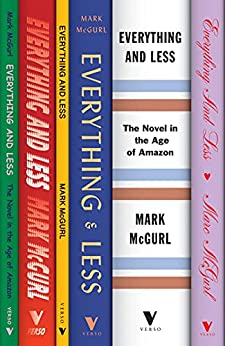
Another thing I’m loving right now is the book, Everything and Less: The Novel in the Age of Amazon by Mark McGurl. Hat tip to Jane Friedman for pointing out the New Yorker’s article about the book (follow her on Twitter for more insights into the publishing industry). You can read the article here. After I read the book, I’ll probably do a blog post about it. How Amazon has shaped, and is shaping, the publishing industry is fascinating to me, and how Amazon molds how indies write is really interesting, too. (And how some indies rebel against it.) For example, the idea of making the first 10% of your book the best it can be because that’s the amount of sample pages Amazon lets a reader skim to help them decide if they want to purchase your book. Another example is how Amazon pushes its own imprint books and how that dictates how readers find the books they want to read while perusing Amazon. Of course Amazon is going to push the books they publish, and being they are the biggest book retailer in the US, those books will do well with Amazon’s power behind them. How does that shape what’s trending, what’s popular, and how do indie authors respond to that with the books they write hoping to cash in on what is selling on the top 100 lists? I love reading about that kind of thing, so I will definitely check back in. If you want to take a look at the book yourself, you can find it here.

So, needless to say, I will be quite busy in 2022. It would be too much for me to hope that I can finish writing book two of this duet before Christmas being that I don’t even have a plot for it yet, but If I can get it finished by the end of the year and work out a few things, I would love to publish these as the first two books of my pen name in the spring. I’m doing that because unfortunately, and I have lamented about this in the past, you cannot build a readership on standalones. You can certainly publish standalones, but the real butter for your bread comes with read-through of a series. Any indie making it will tell you that. In fact, I was going to go ahead and rebel, and publish two standalones at the beginning of next year, but changed my mind after listening to Lindsay, Jo, and Andrea talk abut what they would do now if they were to start over knowing what they know now. Not one of them said they would publish a standalone, and while that was disheartening to hear, I also have to take their advice. Publishing a duet first is my compromise. Read-through to book two will be nice while I get a feel for my readers and they get a feel for me. I’ve said in the past I don’t write billionaire romance the way the other top 100 authors do. My characters are older and they hit upon issues that I haven’t found in a lot of the billionaire romances out there. So this will be me slowly testing the waters, and all I can do is see if it works. If you want to listen to that podcast where they talk about that, you can listen to it here:

I think that is all I have for now!

Until next time!

Happy Monday! Creating a Logo for a Series and short author update.

Good morning and happy Monday! If you’re participating in NaNoWriMo, I hope you’re getting all your words down so you can take a (much needed) break around Thanksgiving if you celebrate!

I’d like to congratulate Barbara Avon for winning the fall gift basket I gave away in association with Nina Romano’s fabulous interview we did! Incidentally, I interviewed Barb last spring, and you can read her interview here.


I don’t have much going on for myself. My daughter’s birthday is this week (on the 18th) and we’ll be heading out to dinner to celebrate her turning the big sixteen. It makes me feel old to have a daughter that age, though I’ll be turning 47 on the 28th, and that really isn’t that bad. I haven’t spoken about it for a long time, but I’m still dealing with some girly issues. It’s been a long year. Luckily, I haven’t let how I’m feeling get in the way of writing, and I hit 78k on my latest novel. A friend asked me if I’m ever going to publish them, or if I’ll just hoard my books like a dragon guards his gold, but one day I’ll publish something. After the holidays, at least. I probably will be publishing without a reader magnet, but that’s a choice I’ll be making because I haven’t written anything I want to give away.


What I wanted talk about today is logos for series. I’ve been seeing so many of them lately, and I like looking at them and how they’re associated with the books. There are a few reasons why you would want to make a logo for your series, but you’d have to think about branding and how your covers are going to look before you publish book one. Indies are terrible at looking ahead (I know–I was one of them) but all it takes is a little pre-planning to make your series shine. Why do a logo?

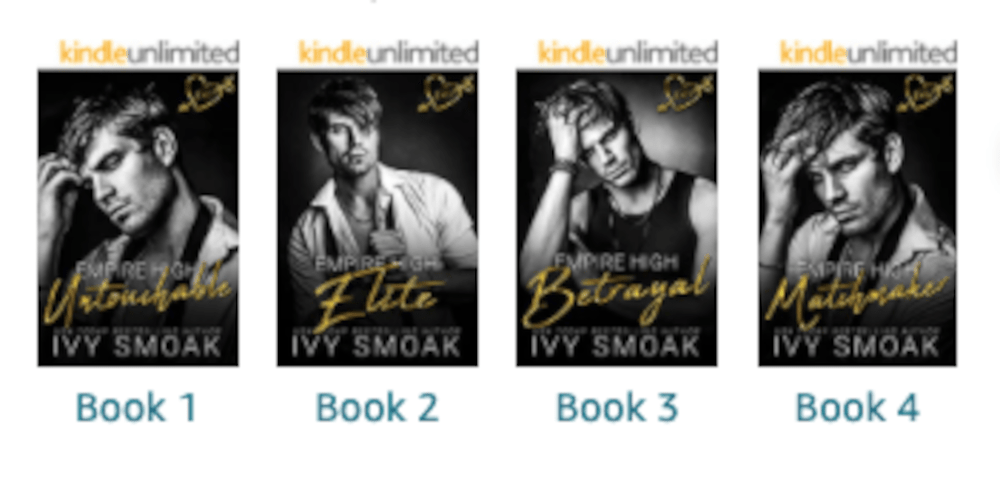
It will make the reader aware the books are in the same series. If you have deep backlist, a logo will help separate one series from another. I say help, because your logo shouldn’t be the only thing to tie your series together. Take, for instance, Ivy Smoak’s gorgeous covers for her Empire High series. (Check them out here!) They all look similar, with the same font, stock photo model, and overall vibe.

Screen grab taken from Amazon

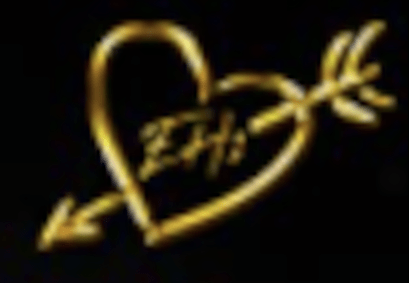
Here is a close up of her logo for the series. It might be a little pixelated–all I could do is take a screenshot of it and blow it up, but you get the idea.

It’s great for marketing purposes. It probably doesn’t need to be said that having a logo identifier is great for branding and marketing purposes. How? That’s the million dollar question everyone asks. How do you market? How do you promote your brand?

The first thing I thought of when doing this blog post was swag. Bookmarks are the go-to for authors and many of us turn our book covers into bookmarks to give away at events, or even just to leave in places like coffee shops. You never know who is going to pick up a bookmark and then go on to look up your book because of the hunky stock photo guy or book cover you used. But, I’m also thinking of using Dave Chesson’s QR code creator (it’s FREE). With his QR code creator, not only can you add a logo to to the code, but you can make the code go right to your Amazon series page or your Amazon Author page.

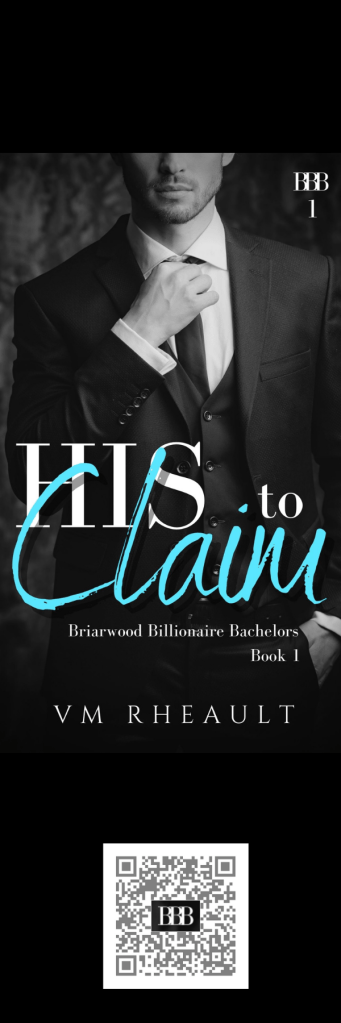
This is a poor and quick attempt to show you what I mean:

Of course, you can do better than this. It’s a very poor attempt to show you that you can match the logo on your book’s cover to the logo you can put in the center of the QR code. This is a cover I made up for one of my books while I was goofing around with concepts. It turns out it’s going to be book one of a six book series, and I only have two written right now. I’ll get back to those after I get all these standalones out of my system. But for now we’ll use the fake cover as an example. I made the bookmark in Canva (search bookmarks and they will give you a variety of templates), but VistaPrint is another great place to make bookmarks. I’ve seen their quality and they are a great resource for swag.

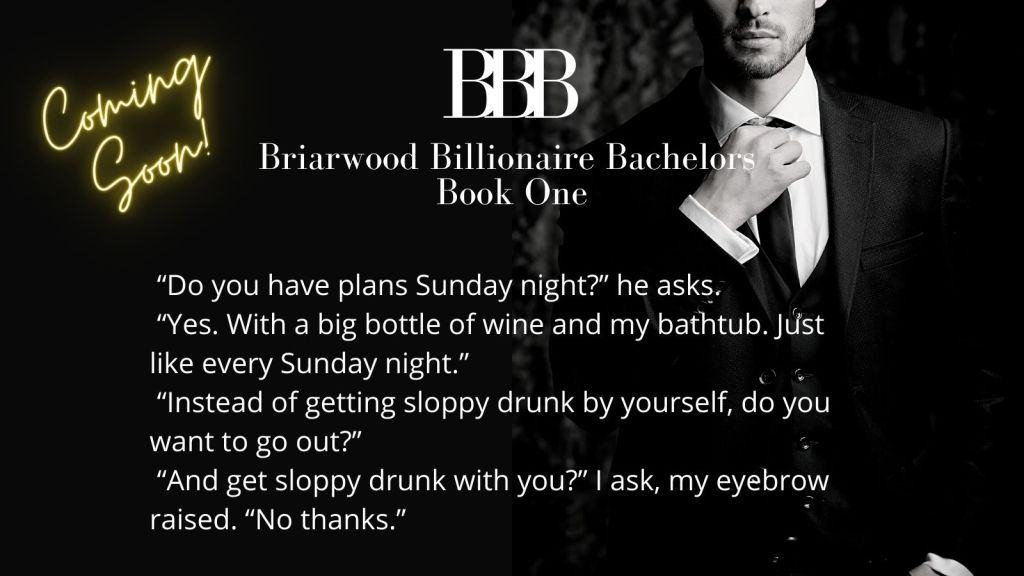
Another thing you can do with a logo is put it on all your graphics. Even if you don’t use ads, you can make graphics for your FB author page, Twitter, and Instagram. Here is something I whipped up for this blog post using Canva with my fake cover and the logo.

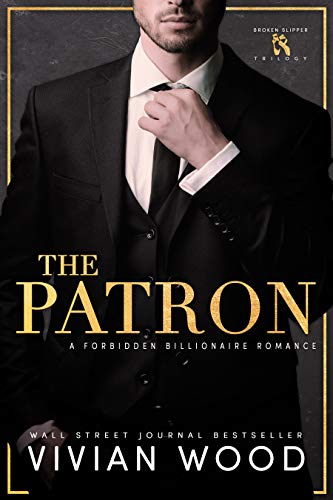
It can be clever identifier to what the books are about. The BBB for my logo isn’t a great example, but the ballet slippers that author Vivian Wood used is. We know right away her trilogy is going to be about dancers of some kind.

Taken from

It is a funny coincidence that our cover models are the same man–such is life in the life of a romance author with limited stock photos.

But this brings me to a really great point about logos. A lot of logos you will make for your covers are just going to be elements that you hunt up yourself unless your cover designer also makes them for you. Going on depositphoto.com and searching for vectors is probably the best way to find something you’re looking for, and I found a similar pair of ballet slippers Vivian used for her cover:

All it would take is a little know-how with GIMP or Photoshop to strip this pair of their sepia background and color the shoes gold to fit in with her color scheme. Like anything else you do with your cover, it’s best to buy your elements. In fact, this article from The Cover Counts says DepositPhotos is the ONLY place you should buy logo elements because different stock sites have different terms of service and vectors may not be allowed to be used a part of a logo.

When we talk about logos, we’re not talking about trademarking it as part of your official brand, author brand, or book brand. It’s more a part of your cover like the font you use than it is some of real legal value. Just like the guy above we both used as a cover model, there’s nothing that says an author can’t like your logo so much they want it as part of their own series and copy it. Indies are a pretty good group of people though, and I don’t hear of thievery like this very often, especially in romance author circles. But because we’re all limited by stock choices out there, one can only hope that an author’s or cover designer’s creativity will keep them from having to copy someone else.

How do you make a logo? It would be tempting to go into Canva and search logos and and alter one to suit your needs, but you should make your own with elements you purchase (please stay away from pixabay, unsplash, pexels, and other free sites) and use fonts that you have purchased or you know are free for commercial use. I’ve been thinking about the logo I’m going to make for the duet I’m currently writing, and my King’s Crossing 6-book series will definitely need one.

Canva is the easiest way to try a design, using their free elements, and then when you think you might have what you need, look to DepositPhotos and buy what you can find that will fit.

Most authors have an author logo, too, and I made one for my pen name. For now I’ve been placing the on the backs of my books in the empty bottom left hand corner of the cover. The cityscape theme matches the stock photo I use on my newsletter signup, and If I rebrand the author page on Facebook I have now, or start a new one, the cityscape can be part of the header too.

You can have a lot of fun with a logo for a series, and it’s great way to tie your books and covers together, and with splashing it everywhere, maybe you can build some brand awareness!


I don’t have much else today. It’s going to be a busy week, and I’m going to try to get this book done before Thanksgiving so I can rest a few days during the holiday. I still don’t have a plot for book two, but I left a lot of loose ends in book one (not for the couple, they’ll have their HEA) but book two is definitely needed now, and all I have to to do is figure out how to do it.

I’ll think of something.

Until next time!

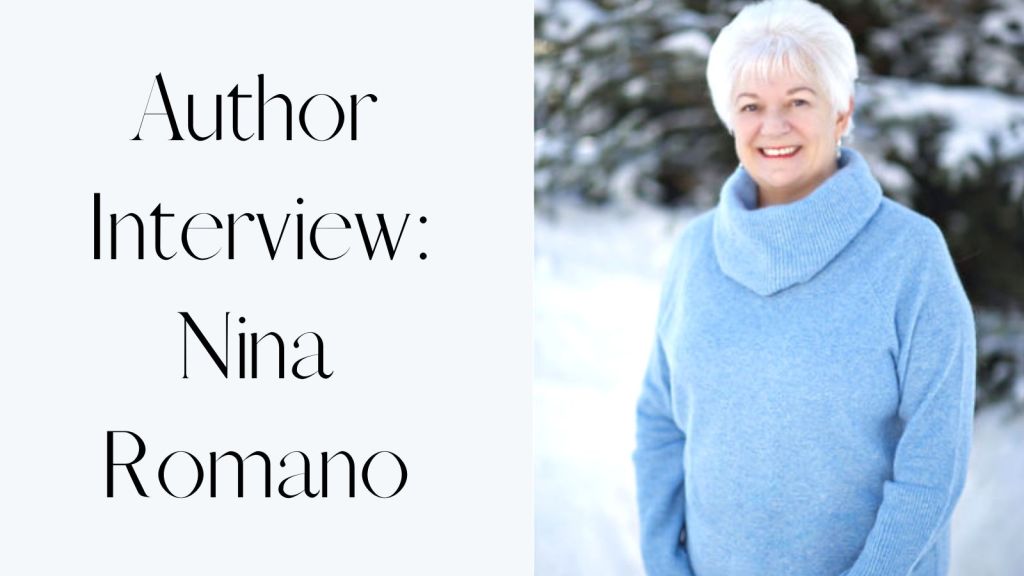
Author Interview: Nina Romano

I got to know Nina on Twitter, and when she asked if I would interview her for my blog, I was all in! I’m so excited to share this interview with you! I hope you find something valuable in the interview I did with Nina. Thanks for reading!


You’ve been writing and publishing for many years. Do you have any advice for an author just starting out?

When I was starting to publish, I used to submit poems and short stories, nonfiction pieces every Friday. That was the day of the week I stopped writing and did the “business” end of writing. So pick a day to submit and make sure you send your writing out somewhere. This also can be a query to an agent, editor, or small publisher.

How do you keep the energy and momentum going over such a long period of time?

Each writing project brings with it a different set of problems to solve and research to be done because I mostly write historical fiction. It’s these various unresolved complications that spark interest.

I must say, I read a great deal of fiction, and when I read a well-executed novel, this, too, will boost my momentum and energy. With each new novel I write, I try to obtain a higher level of commitment to the piece in hopes that it’ll be more unique and render a better one than my last. I’m not in competition with anyone but Nina Romano.

We always say writing and publishing is a marathon, not a sprint, but what does that mean to you?

It’s the long haul dedication to excel, and with everything I write, I find challenges which in the short term equal the sprint and might be accomplished rather quickly. However, it’s the persistence to meet each task with the accrued knowledge from past experiences which aid in finalizing a new more difficult piece of writing. I never make it easy on myself—what would be the purpose of that?

Your books have won various awards, and I think that’s something a lot of authors, indie and traditionally published, hope for. Congratulations! I think what every author would like to know, myself included, is does winning an award help with sales, or do you find it’s a personal achievement?

Thank you, Vania. I can’t really say that winning awards or making it to a finalist category in a contest helps with marketing books. I can attest to one thing—it’s a lovely satisfaction to know you have a winner or at least a mighty strong contender. It gives you confidence to continue to attempt achieving a degree of excellence. 

You can’t win a race if you don’t participate—I think some authors are either afraid to put themselves out there for contests or perhaps it’s another issue—these contests are expensive, and that may be a super drawback to many fine authors. (My note: Poets and Writers has a great list of contests and you can look at it here.)

I’ll bet there are many people writing today who just want to write—uncaring of prizes, awards, commendations. But the world we live in doesn’t afford us the luxury to do just that. It’s a competitive world, so we must endeavor, struggle, and strive to do our best. A finalist or first place win in a particular category is merely someone’s pat on the back saying, you’ve succeeded. But it’s a lovely accomplishment and we must celebrate all the accolades we can garner. It especially helps to remember these on a dark day when you receive a negative review! 

You are published by various publishing houses and presses. Can you tell us a little bit about what went into submitting and them ultimately publishing your books?

This is a loaded question—I could write an entire thesis on it. At one point I had an agent.  To secure that agent I wrote eighty-four query letters.  We went our separate ways, but I always knew I wanted a traditional publisher. For years, every Friday I would send out poems, short stories, nonfictions pieces, articles, blogs, parts of novels to literary journals, small magazines, and blog sites—in print and online. It’s relatively easy to publish individual poems and stories.  When I had enough poems and a theme, I put them together and made collections—how?  I began to write poems or revise them to fit the theme, which I then submitted to publishers. I did the same with stories. I submitted five poetry collections and one story collection to small, independent publishers, and they were accepted and published.

When it came to novels, I did things differently. Some of my novels grew out of short stories that I had published. I took back the novel, Lemon Blossoms, from the agent, and it became the second book of my Wayfarer Trilogy. I worked backwards and wrote the prequel to that novel: The Secret Language of Women. It took me nine years to get that manuscript into the shape I wanted. I then submitted the manuscript to three small, independent, traditional publishers. I received a letter after a week from Turner Publishing saying they wanted to publish the book. I then sent them Lemon Blossoms, which was accepted, and I was under contract with them to write the third book of the trilogy, In America, which was a great challenge because I had to do it in one year.

Can you give our readers any tips on successfully submitting a manuscript?

Make sure the manuscript is in the best possible shape it can be before submitting—that means completely edited and flawless with regards to research. I had many readers for all of my books—some critiqued for me and others only read. You can never have too many pairs of eyes on a manuscript before you decide to submit it. If a writer doesn’t have good readers, they should pay a professional editor.

Never assume or think that because an editor or a publisher asks for a partial or the entire novel that it will be accepted.  It’s an exhilarating feeling, but by no means is it the gold ring on the carousel ride. At one time, I had eight agents reading one of my novels—not one took me as their client.

Don’t get discouraged. I could paper all the walls of an entire bathroom suite with rejections.  A rejection is only one person’s subjective opinion.  Read the rejection for any positive points to see if you can correct a flaw in the writing. Then, repackage the piece and submit it elsewhere.

I was told years ago that you have to have twelve to twenty submissions circulating in order to get picked up. Never waste time waiting for a single response from an agent or publisher.  SEND! SUBMIT! REPACKAGE! MAIL OUT! And keep on doing it till someone sees the kernel of gold in your writing.

I am by nature a tenacious individual. I worked hard in school, but never quit and have four university degrees to prove it. I worked hard at writing and never quit, and that’s what every writer who wants to publish should do: work hard. Today, things are easy—you can self-publish.  Amazon has a plethora of self-published books. Do they have merit? I can’t guarantee that. The old saying is: “Everyone has a story,” but that doesn’t mean everyone can write a story. My mentor John Dufresne used to say—if you can do or be anything else but to be a writer—do it. I took many writing workshops and seminars, attended numerous writing conferences, readings, author presentations and writing panel discussions. Writing is hard and not all succeed at it.  But what is success, anyway?

Success for me is the thrill of someone reading one my novels. I’m doubly thrilled if it had for the reader an aspect of universality and hit a core with them and they wrote a positive review. My books haven’t made the BEST SELLERS list of the NY Times and they may never. Are the books of intrinsic value? Do they merit being translated into other languages—I believe so. Are they novels I’m proud to say that I’ve penned? You bet they are! And are they books that could be turned into a screenplay and be made into a movie? Yes, if someone with inclination and imagination decided to, that’s also a possibility. Writing abounds in a world of possibilities—it’s what you make of it. So my advice is this: persevere. Be persistent. Never give in or give up.

There is so much that goes into writing, publishing, and marketing. What do you find to be the most challenging?

Marketing. Without a doubt. You can spend a fortune on a publicist—which I did and it didn’t pay off! I lost the advance payment of two novels! I say: don’t bother. You can take out advertisements that are costly but won’t be worth it—in fact, you can lose your knickers and won’t even break even. You can spend hours on social media and it’ll amount to the same thing—zero sales. And what’s worse it’ll be time taken away from your writing, or finding other ways to sell books.

What works? Word of mouth! And for me, personal contact with people almost always pays off. I’ve taught seminars and workshops at writing conferences, attended book fairs, given readings, presentations, and appeared on panel discussions. For me to garner sales is when I have a connection with people.  Put me in front of an audience, a classroom full of eager future writers, or a group of readers and something clicks—I’m a people person and I don’t have an introverted bone in my body. 

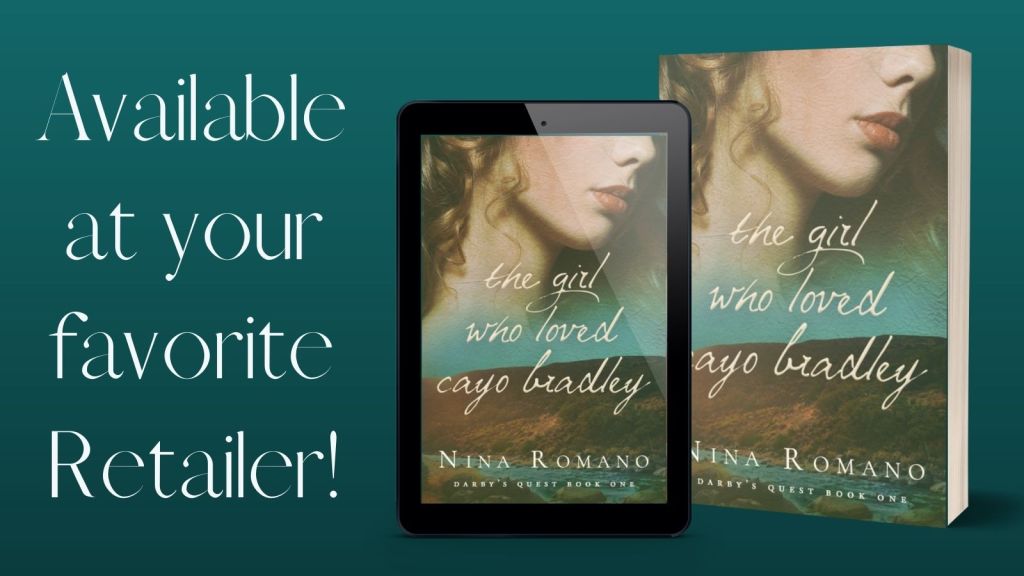
You’re re-releasing The Girl Who Loved Cayo Bradley. Can you tell us why you decided to make changes and if someone is thinking to re-release a book what they can expect and what to look out for?

I had originally wanted to publish this book with my new publisher Speaking Volumes, LLC.

Unfortunately, their acceptance came right after I’d already signed a contract with a small, independent publisher. The contract ran for three years and then I had the option of taking back the rights, which I did.  I resubmitted the manuscript to SV. Why did I do it?  The first publisher only wanted one book, whereas Speaking Volumes wanted a trilogy. In my mind, that’s a no brainer! Done deal!

But that’s my experience.  Everyone else will have a different spin on why they would switch publishers, or re-write and release a book. I did a great many edits on this book, but it happens that sometimes when you fix something, another problem will arise. I hope the end product will be a finer one then was first published.  I know one thing for absolute positive certain—the cover is a knockout and I’m hoping that readers will think the material contained therein is also!

What a gorgeous cover!

I try to tailor my questions to the authors I’m interviewing, and I noticed you have given quite a few interviews! Can you give our readers any tips on approaching a blog or website and asking them to promote you and your novels?

I have been asked to write guest blogs and do many interviews, which are always fun and help give an author visibility. Some even help promote books, and although I’d like to say that sales improve, there are never any guarantees.

I’ve even approached people directly, like this interview with you, Vania. I asked you if you’d be interested in interviewing me. My advice is be polite and straightforward, and don’t take a “no” personally. If the answer is negative—just try someone else.

Is there anything else you’d like to add to the conversation before we wrap up?

I want to thank you, Vania, for these provocative questions and your valuable time. I very much enjoy talking about writing and books—so this was a great pleasure. My hope is that a writer who reads these questions and answers gains some personal insight they can put to good, practical use.


Thank you, Nina! That was amazing! I’m sure everyone who reads this will find something useful that they can use for their own writing and publishing careers. I love it when we can support and help each other!


Read on for Nina’s author bio and all her social media links:

Nina Romano earned a B.S. from Ithaca College, an M.A. from Adelphi University and a B.A. and an M.F.A. in Creative Writing from FIU. A world traveler and lover of history, she lived in Rome, Italy, for twenty years, and is fluent in Italian and Spanish. She has taught English and Literature as an Adjunct Professor at St. Thomas University, Miami, and has facilitated numerous Creative Writing and Poetry Workshops at Writing Conferences throughout the States.
Romano has authored a short story collection, The Other Side of the Gates, and has had five poetry collections and two poetry chapbooks published traditionally with independent publishers. She co-authored a nonfiction book: Writing in a Changing World, and has been nominated twice for the Pushcart Prize in Poetry.

Nina Romano’s historical Wayfarer Trilogy has been published from Turner Publishing. The Secret Language of Women, Book #1, was a Foreword Reviews Book Award Finalist and Gold Medal winner of the Independent Publisher’s 2016 IPPY Book Award. Lemon Blossoms, Book # 2, was a Foreword Reviews Book Award Finalist, and In America, Book #3, was a finalist in Chanticleer Media’s Chatelaine Book Awards.

Her Western Historical Romance, The Girl Who Loved Cayo Bradley is a semifinalist for the Laramie Book Awards.

Her novel, Dark Eyes, an historical thriller set in Soviet Russia, is forthcoming in 2022 from Speaking Volumes, LLC.

Amazon Author: https://amzn.to/2SUamoF

The following three books are in hard cover, softcover print, and Kindle:
Amazon: The Secret Language of Women https://amzn.to/2MQZpNC
Amazon: Lemon Blossoms https://amzn.to/2TWqzYt
Amazon: In America https://amzn.to/2Hl2VzT

The following book is available in softcover print and Kindle:
Amazon: The Girl Who Loved Cayo Bradley https://www.amazon.com/dp/1645405397
Barnes & Noble: https://www.barnesandnoble.com/w/the-girl-who-loved-cayo-bradley-nina-romano/1130663914?ean=2940161021804

Goodreads: https://bit.ly/3vCJ871

Twitter: https://twitter.com/ninsthewriter
@ninsthewriter

Facebook: https://bit.ly/2BFi38l

BookBub.com: https://www.bookbub.com/profile/nina-romano

Can You Follow Advice from Someone Who Isn’t Successful?

There is no shortage of advice. Everyone has an opinion on what to do and what not to do, and not many are afraid to shove it down your throat either, or take offense when you don’t follow what they say, or want you to drop down on your knees in gratitude they gave you five seconds of their time.

I think about this when I’m blogging and sharing my experiences, tweeting my own opinions, and especially when I’m scrolling through Twitter and my Facebook writing groups. I was poking around for motivational quotes for another blog post, and this one caught my eye:

I really like this because we’re all struggling writers, all trying to find that magic bullet that will catapult our book to bestseller status (with as little work and money as possible, if we’re being honest here), and we should be open to advice. We should be open to learning from other people’s experiences.

Probably one of my favorite topics to blog about is scammers–people offering a service they aren’t qualified to provide. The indie community is full of them, and how many indies finding ways to game the system or relieve you of your money knows no bounds. I got into a discussion with someone on Twitter the other day who is getting to the blurb-writing business. I asked politely, as I have never had a problem with this person before, if he had a refund policy in place for the blurbs that don’t convert to sales. He said that blurbs aren’t part of marketing that therefore he had no refund policy in place as it wasn’t his responsibility to market your book and that conversion on a new blurb wasn’t measurable. I said I wished him well and that I hoped his own sales success was proof that he could write a good blurb. He said he was doing just fine. I took a look at his book rankings, and unless he meant something other than book sales, no he wasn’t doing just fine.

So he 1) didn’t believe a blurb was part of marketing a book, 2) didn’t have a refund policy in place if you were unhappy with conversion 3) didn’t believe blurb conversion could be measured and 4) his own books weren’t doing well sales-wise. I hope people followed along our tweets because there is no way this person should be offering a blurb-writing business AT ALL. I did the best I could to call him out, but there’s only so much I can do, especially without looking like a big B. I think I already have a reputation on Twitter as being a bit aggressive, and I’m trying to soften up my look. It’s not working.

This goes for a lot of other advice too–writing advice, cover advice, marketing advice. I know one writer who loves to give writing advice, is always sharing excerpts of her work, but it’s all telling and she’s not selling books. People who don’t know what covers are hot in their genre love to give advice on what they like and don’t like. Maybe their advice is valid, maybe it’s not, but if you’re trying to ask for advice from a perspective that others don’t share (like writing to market, covers to market, writing commercial fiction, or the other way–if you want to write your own thing getting advice from someone who doesn’t share that viewpoint won’t help), it can be tough. You’ll be inundated with opinions that would never help.

Sometimes a fresh set of eyes can help whether the people those eyes belong to have had their own success or not. I feel like I know what goes into a bestseller, and I can say easily that depending on Twitter for sales will only go so far, or you need to learn an ad platform, or you need to change your cover, simply for the fact your cover is horrendous and I don’t need to be a bestselling author to know it.

I think that’s why I like Bryan Cohen’s free Amazon ad challenge so much. When he shares his screen/Amazon Ads dashboard during the videos, we can see that he’s selling books. We can see that he’s written books that people want to buy. Yes, he spends a lot of money on ads, but he also makes it all back and more. His ad challenge wouldn’t be worth much if he wasn’t selling books.

Just the other day in a group someone was asking about a different indie author who offers classes (that aren’t free) and one poster said, “I stopped taking his classes when he stopped selling books.” Like the blurb-writing guy, people forget that it doesn’t take much time to go onto a book’s product page and see the ranking in the Kindle store. You can go onto any of my books’ sales pages and see that I’m not selling many. I’m very transparent–in fact it’s practically the premise of my whole blog–I’m not selling books, this is why I think that is, how I’m changing that, and I hope what I try can help you. I’m not interested in making money off this blog. When I get a couple of readers who thank me for the resources or thank me for sharing my experiences, or tell me they tried something and it worked, I consider my job well done.

So what do I suggest you do when you might consider taking someone’s advice?

  1. Take a look at their success rate if at all possible. Look at their covers if they are going into business creating covers and see if they know market trends, what’s selling right now. Look at their books’ rankings and decide for yourself if they’re qualified to give the advice their giving.
  2. Ask yourself if what they’re saying makes sense. Trends change, and maybe someone isn’t up on the newest thing–like that lady who told me my first person blurb isn’t how everyone else is doing it, when actually most are now, at least where billionaire romance is concerned. But it could be that you missed the boat with something and their advice is legit. Check it out and see if it’s something you want to experiment with.
  3. Where else are they online? Sometimes Amazon sales rank won’t always be the greatest measure of success. LIke the guy who wants to write blurbs, maybe he is successful somewhere else (like writing ad copy for his day job), but if he doesn’t make that known, it reflects poorly on the business he wants to start. Some writers publish to Wattpad and have a large following there. Some write for blogs that have good traffic and they have a large following in that circle. Some submit to literary journals and are published in lit mags. Dig deeper. You might be surprised–and learn their opinion is steeped in more experience than you think.
  4. Do they have a good track record giving advice? Sales aren’t the end all be all, I know that. Sometimes questionable books do quite well and no one can figure out why. Maybe someone has a great marketing tip that didn’t work for themselves but worked really well for someone else. Maybe they know a secret ingredient and it turns out to be the last piece of your own puzzle that can bring your books to the next level, like a promo that didn’t do much for them but made another author’s book rank high in the charts. I edit on the side for friends who can’t afford it. Just because my sales aren’t great doesn’t meant I’m not a good writer or editor. I have a handful of people who could tell you that I’m good at what I do and that I’m qualified to give grammar, punctuation, and writing advice.
  5. Look at the viewpoint of the person giving the advice. I tweeted about this not long ago–taking the advice from one writer on Twitter when there are a million readers out there probably isn’t the best idea. Writers read differently, and what would bother a writer may not faze a reader. I catch myself doing that all the time–stressing while editing or writing about something a writer said they disliked. Why should I care if a writer says she doesn’t like the word moist (or whatever?) Chances are 99.99% that she will NEVER read any of my books. So why does it matter? All that matters is what readers think–and they will tell you.

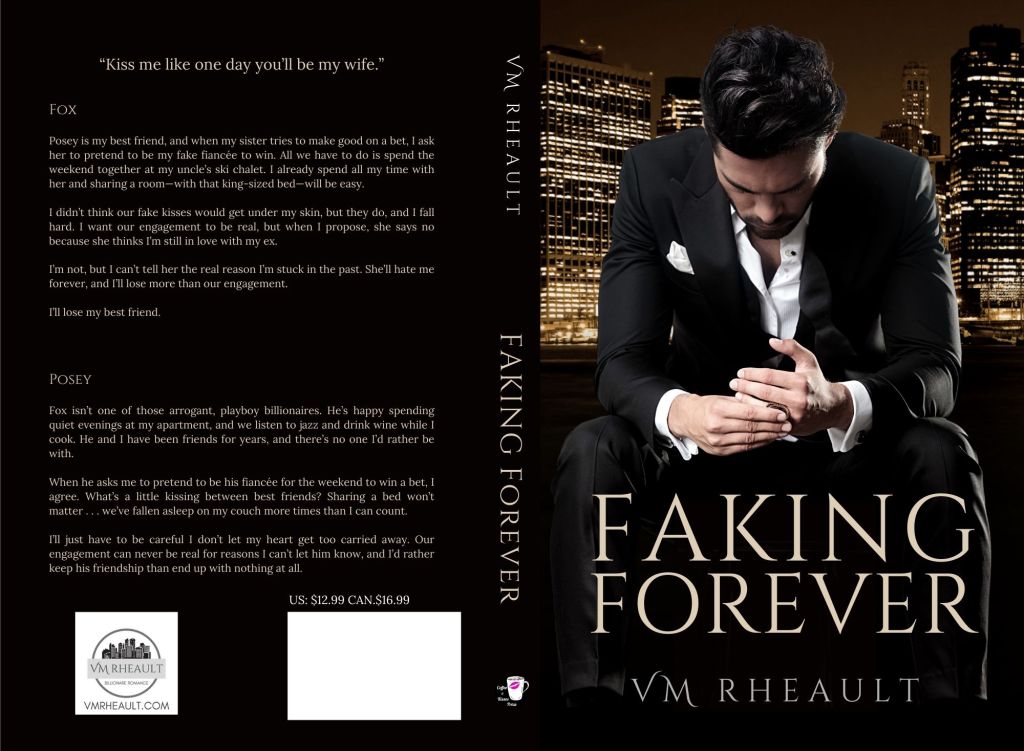
I’ve taken advice (and my cover for Faking Forever is better for it), but I’ve ignored my fair share. I’ve also given a lot of advice, and usually in some way the people I’ve spoken with aren’t ready to hear it–even if they’ve asked for it. I’ve told plenty of people their covers aren’t working. I’ve looked inside a lot of books and said they need another editing pass. I’ve pointed out blurbs that aren’t written well, and I don’t think a day goes by where I haven’t told someone that they need to branch out from Twitter for marketing if they aren’t seeing the results they want. Usually my advice consists of either spending time or money (it’s work, y’all), but you have to invest something in your books if you want to find readers and nurture an audience. Just today someone on Twitter said he would take down his YouTube channel if he couldn’t get up to a certain number of followers by the New Year, but when I asked him what he did to drive traffic to his channel besides Twitter, he didn’t answer me. So in that non-answer I know the answer. Nothing. I don’t need to be a YouTube guru to tell him he needs to promote his channel to expand his audience and threatening to take his channel down won’t do anything to build his audience. The opposite, in fact, because why would someone invest time in something that may disappear?

At the very heart of your business, only you can make decisions for you, and only you can decide what to apply to your book business and what not to apply. If you’re not seeing the results you want in blog follows, sales, YouTube subscribers, whatever it is you’re trying to accomplish, that will be the true test. Trying to achieve different results doing the same thing over and over again will not work, and you don’t need anyone to tell you that. (And if you can’t admit it, it won’t matter how many people tell you–you won’t believe them anyway.)

So, after all that, should you follow advice from someone who isn’t successful? I guess the murky answer is maybe. I certainly wouldn’t pay for anything if the person dispensing said advice couldn’t put his money where his mouth is, and in the indie publishing business, that usually means book sales. There are quite a few top-tier indies who do dispense advice through podcasts, non-fiction books, interviews, and various classes they’ve decided to teach. Some will do consulting, some blog and offer their advice for free. There is plenty of advice out there from indies who are making it, so maybe there’s no need to take advice from someone who isn’t. It could be that simple.

Do you give advice? Take it? Let me know!

Until next time!

Advertising Your Book–Categories, Targets, and Comp Authors

I was browsing through my social media writing groups the other day, and someone said something so profound that it has stuck with me ever since reading it. You know I’m a big fan of writing to market, a true believer in the idea that if you want to write a book that people want to read, write a book like the ones people are already reading.

We resist that idea because no one wants to write what someone else is writing or has already written, even going so far as to say they don’t want to write the same tropes because they have already been done before. This isn’t a blog post about that, per se, but along the same lines, I suppose.

When we write a book and publish it, that’s only half the work, something we don’t find out until the book sinks like a stone in the rankings because no one knows it exists. We might tweet about it, put it up on Facebook somewhere, create some pretty graphics and post on Instagram, or try our hand at some videos via TikTok, the new kid on the block. That bumps us up a little bit, but eventually we’ll run out of new people because free social media only goes so far (ask anyone who relies on Twitter for sales to tell you how far free social media can really take you).

So we turn to paid advertising, and what that author said blew my mind–write what you can advertise.

Just that simple thing. Write what you can advertise.

What does that mean, exactly? Can’t we advertise any book?

Yes. But can we advertise any book to success? Not necessarily.

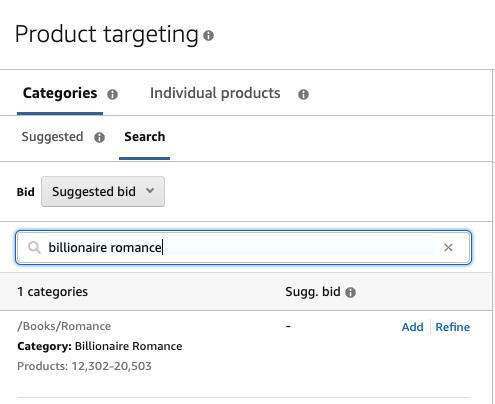
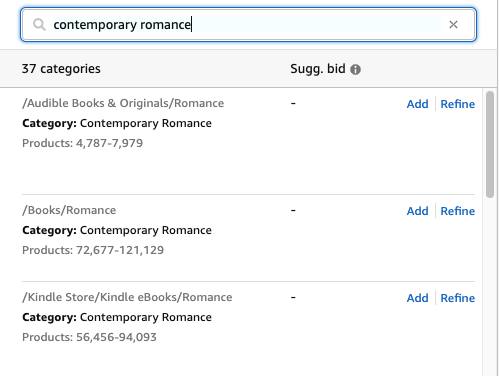
You can advertise any book, say on Amazon, but if Amazon doesn’t know where to put your book, they won’t show your ad and you’ll get zero impressions and no clicks. That makes genre and categories really important. When you create an ad on Amazon, you have a few ad type choices: you can do an auto ad and let Amazon do the work in figuring out who to show your ad to, you can run a category targeted ad, or you can use comparison authors and comparison titles as keywords. You can also target ASIN’s of books like yours, which I have heard works better, but I can’t tell you from my own experience that it does. I’ve done all four, and I didn’t realize until just now why, but All of Nothing is a billionaire romance and one of the reasons why it has always done so well when I ran an ad is because there is actually a billionaire category to choose from when creating a category ad on Amazon:

taken from Amazon Advertising ads platform

If I choose that, and my metadata matches, Amazon knows exactly who to show my ads to–readers who want to read a billionaire romance.

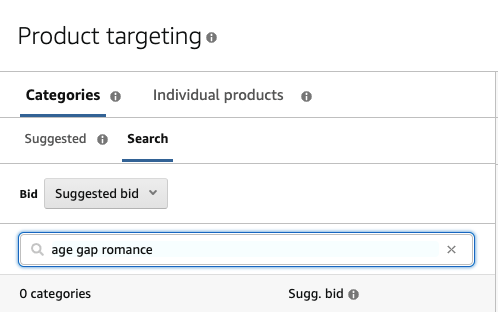
My age-gap romance, The Years Between Us, doesn’t have its own category, and choosing Contemporary Romance gets me impressions, and even clicks, but if someone isn’t in the mood to read age-gap, or doesn’t like it for whatever reason, I lose that sale. The same goes for Coming of Age, which I have listed The Years Between Us under, but even though it can be considered Coming of Age as my FMC is 18, readers may not like the age gap element of the novel.

taken from Amazon Advertising ads platform
taken from the Amazon ads dashboard
taken from the Amazon Ads platform

There’s a lot more competition using an umbrella category like contemporary romance.

You can always use comp authors and comp book titles as keywords, but if you’re writing a very niche genre (like age gap, haha), or mashing together more than two, you’ll have trouble targeting the correct authors because there aren’t that many. Targeting authors is something you can do on Amazon Ads, Facebook Ads (if the author is available in the list and I’ve heard from several people that list is arbitrary), and on BookBub. If you’re one of few writers in that genre, ads may not work. Not because your book isn’t good, but because the platform doesn’t know who to show your ads to or the audience isn’t large enough.

Does this man you can’t write what you want? No. Does this mean you can’t still advertise? No. But you may not get the results you want. You may waste money figuring that out or come to the conclusion that ads don’t work which won’t be true. I stopped using Coming of Age completely because I lost a lot of money on clicks and I should probably take that book out of that category as it doesn’t honestly represent the book.

I still advertise The Years Between Us but when I do, I use the Contemporary Romance category on Amazon to mixed results. Readers like my ad copy (He’ll do whatever it takes to keep her safe . . . even if that means breaking her heart), they like the cover, but once they read the blurb and realize it’s an age gap romance, sometimes I lose them. Not always, but until I started keeping track of the ads for that book and pausing them when the spending overtook the sales, I lost money on the readers who decided that book wasn’t for them.

I’ve only dabbled with Facebook ads, and I don’t understand enough to give you any kind of guidance steeped in experience. I know that targeting books isn’t as zeroed-in as Amazon, which can be better and can be worse depending on your point of view. Facebook seems to have more flexibility allowing you to cast a wider net, but that flexibility can also cost you money if people are clicking on your ad and deciding your book isn’t for them after all. There are plenty of billionaire romance authors out there, even if you discounted EL James and Sylvia Day. The idea is to drill down as narrowly as you possibly can so the ads platform you’re using shows your ads to only those readers who would want to buy it. But not so narrow that you don’t have anyone in your audience! Creating a viable audience is probably the trickiest thing about Facebook Ads but I’m willing to keep trying because so many authors say that it works for them.

So what does this mean for writing to market and writing to ad platform? Already lots of indie authors balk at writing to market. They want to write what they want to write, as did I when I thought writing “Contemporary Romance” would be enough to build a career on rather than focusing on subgenre. Marketing and targeting those books was expensive and some books I couldn’t get to sell no matter what, like my road trip romance because Road Trip Romance isn’t a category, nor is Close Proximity, and besides Contemporary Romance there isn’t another category I can try. (I experimented with Romantic Action and Adventure, but my cover didn’t fit and I got some impressions, but no clicks.)

Taken from the Amazon Ads platform

I did everything I could from swapping out covers to rewriting the blurb more times than I could count and still, I just can’t sell it. My Tower City trilogy doesn’t sell either, because while there is a sports romance category on Amazon, my covers aren’t made to the sports romance subgenre, and it turns our long distance running isn’t sexy and no one is interested in it. Who. Knew.

taken from the Amazon Ads platform

The best thing you can do is a little research before you start writing. Who are your comp authors? Are they writing what you write? How is your writing different? Is it too different?

You can use bklnk.com (click author tools and use the cat finder) and find all the categories that a book similar to yours is listed under by searching the ISBN or ASIN. Then you can email Amazon and have those categories added to your book. That way you can run auto placement ads and Amazon will know where to place your ad. I asked around to see if there’s a list of categories available in the Amazon Ads platform, but unfortunately there isn’t one.

Nobody likes to be told what to write, but everyone likes to find readers. Make finding readers easier on yourself and do a little market research before you begin to write. I wish I would have known this before I started publishing. I love all the books I’ve written so far–they are some really good stories and I’m proud of them–but I truly do love writing billionaire, and I think I’ve found a niche I can have fun with for a long time. And also as importantly as enjoying the subgenre, I know there is a market for them and I’ll be able to advertise them.

What do you think? Is thinking about how to advertise your book taking it a little too far? Too limiting? Let me know what you think!

Thursday Thoughts and Controversial Subjects in Novels

**This blog post contains a sensitive conversation about miscarriage. If this is a topic delicate for you, please continue with caution. Thank you.

Happy Thursday!

I was going to write about this topic for a Monday blog post, but all of my Thursday posts are more personal, so I thought the topic at hand would be better suited for today. Monday I’ll be blogging about advertising, comp titles, comp authors, and categories, so come back for that!

But first, a quick update on where I am:

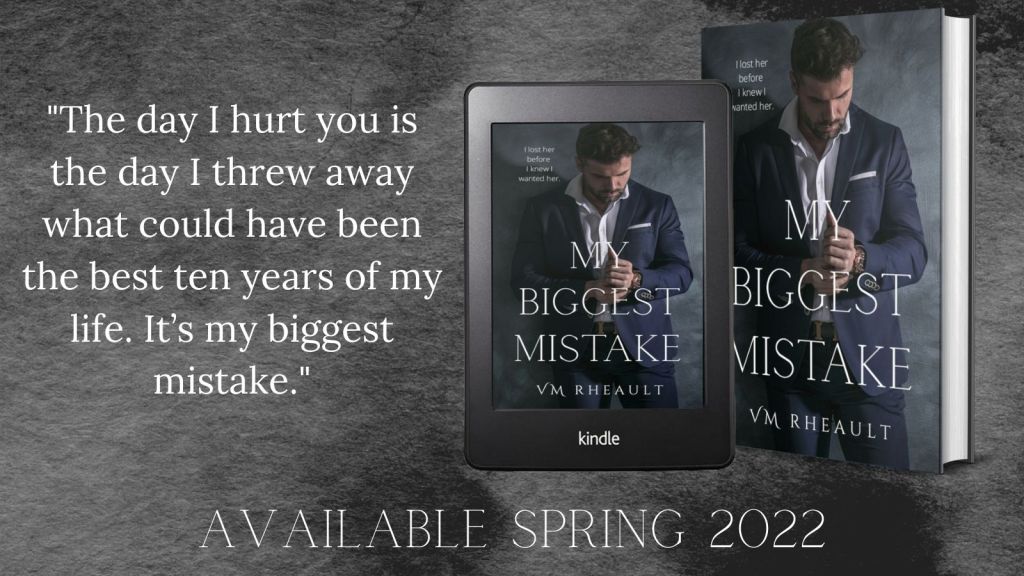
I’m waiting for the proofs, the regular print and the large print, of My Biggest Mistake to come in the mail.

Made with Canva on a Twitter post template and a free 3d mock up generator https://www.creativindiecovers.com/free-online-3d-book-cover-generator/ by Derek Murphy

I’ve already proofed one paperback, so these are just to make sure the changes look right. I’m still unsure when I’m going to publish, and if I do, the books will go on a preorder for no longer than a week. Dave Chesson of Kindlepreneur said a longer preorder if you’re in KU can hurt you, that goes along with what Mal Cooper said in the FB ads Zoom class I took with her earlier this month. Because we’re heading toward the holiday season, I’m not going to bother with releasing books until after the new year. There really isn’t a point, and Amazon is going to be bogged down soon enough with people Christmas shopping. This seems to always up the cost per click when running ads, so I think it’s better to just wait until January before I try to do anything. I have plenty to do in the meantime, and my box set of my Rocky Point Wedding series is up for pre-order until October eighth for .99. I took a few minutes to zoom in on their faces to adjust the covers per Amazon’s guidelines, trying to take away the “in bed” look so I can run ads. The one ad I tried for the box set was approved, so I’ll create a few more Amazon ads and maybe even do a Facebook ad just to practice with the platform. These are steamy, small-town holiday, so this would be the perfect time to push them.

If you want to hear the Dave Chesson interview where he talks all things Amazon with Lindsay, Jo, and Andrea on the Six Figure Authors podcast, here it is. He knows SO MUCH about Amazon, and it’s really helpful to store away these tips!


The one thing I wanted to talk about today is writing about controversial things in your novels. There was an interesting article in the Guardian about Sally Rooney and people thinking she’s a racist because of some of the things her characters say. All authors put a little bit of themselves into their characters, but any writer knows that characters take on a life as their own, especially as the book develops and we get to know them better and better. None of us would be very good writers if we couldn’t separate ourselves from the people we create, and all of our characters would sound the same because eventually they would all be us.

Humans have a dark side, and it stands to reason that characters can have a dark side, too. If they didn’t we wouldn’t have novels about serial killers and the investigators who solves the crimes, or vigilantes looking for their own justice, or even male characters who treat women like crap, and women who do the same, honestly. Humans aren’t perfect, and I believe adding that layer, those flaws, can make a character feel real.

Romances aren’t always roses and champagne, there’s usually a “big bad” that breaks up the couple 3/4 of the way through the book, and the “will they or won’t they” keeps readers hooked until the end. There wouldn’t be a big bad breakup if the characters were rosy and sunny and treated everyone else in their lives in a decent manner.

We can write about delicate situations like divorce and miscarriage, death from things like cancer or suicide, and we should write about those things because that’s life. So when I wrote a character who’s ex-girlfriend lost their baby, and while he was devastated, he was also relieved because it gave him the out he was looking for in their relationship, it gave me pause. No one should be happy a miscarriage happened, and Fox wasn’t happy. I tried to make that clear he wasn’t happy about it, and I didn’t want him to come across as an asshole because he was anything other than completely destroyed. In the book he was about to break up with her when she announced her pregnancy and after she miscarried, they did break up, she ending it before he reconciled with the loss.

It’s a hard conversation to have–in the book and in real life. When I was in college, I was depressed, suicidal, and I drank a lot. I slept around and at 21, I got pregnant. I miscarried, and while I was sad, I too, was relieved. I wasn’t ready to be a mom, I didn’t have the mental health I needed to be a good mom, and that miscarriage saved me. I drew on a lot of my feelings from that time and a lot of what Fox feels, I felt too. Can you find something good in something so tragic? Should you? Are you allowed to?

This worries me, not because of how I’m going to be perceived–I was practically a kid who made bad choices and somehow I was saved from having to pay for the choice of sleeping around without protection. Anyone who wants to judge me has the right to do so, and I don’t care. But I’m not a male hero of a romance novel, and I know readers have limits of how far they are willing to go to give a character space to be themselves. I’ve read lots of asshole male characters in the billionaire/mafia/dark romance subgenres (reviewers going so far as to call some of them rapists in dubious consent novels), and maybe I shouldn’t be nervous that Fox was anything other than human. When I talk aloud about it, I can see how maybe I could be turning a molehill into a mountain, on the other hand, readers can be unforgiving.

So what can I do short of rewriting it? I don’t want to rewrite because it’s my truth, and it’s also Fox’s truth. His ex’s miscarriage saved him from going down a path he didn’t want to go down, living a life he didn’t want to live, and I made sure that she got the help she needed–as did I–because grief is real, mourning is real, even if you can see the good in something terrible.

I’m not one for trigger warnings, but I will add one to this book. The conversations ARE controversial. Some women will have been in a situation where a miscarriage has gotten them out of a sticky situation, while others will have lost babies that were 100% completely wanted. I went on to have three more miscarriages between my son and daughter after I was married to their father, so I have felt both sides of grief.

I may also write an author’s note for the back of the book, explaining why Fox felt the way he did. I can’t try to appease every reader who may read Faking Forever, but I want to try to explain why I wrote him the way I did. Maybe Fox’s feelings would have found a better home in a women’s fiction novel (perhaps something more serious than a billionaire romance book? Though that discredits romance as a “real” genre) but in the novel I tried to explain that all our feelings have validation and that he has a right to feel that way (and he also admitted and learned from the fact he never should have gotten her pregnant in the first place).

Anyway, it’s a touchy subject, and I don’t normally go that deep with my writing. Do you write about controversial subjects? How do your readers respond?


There isn’t much else that I wanted to update you on–just a few Clubhouse rooms and free classes if you’re interested in taking a peek.

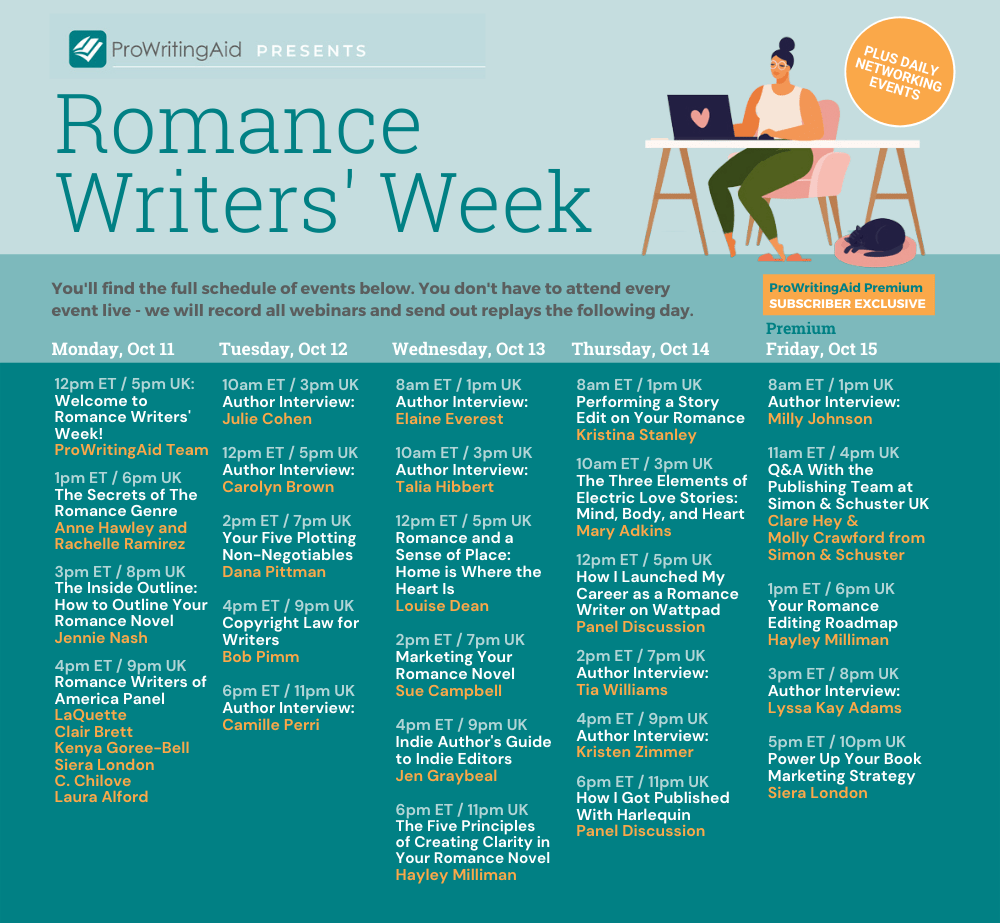
ProWritingAid is hosting a Romance Writer’s online Conference in October, and you can look at all the information here (this isn’t an affiliate link): https://prowritingaid.com/romanceweek?utm_campaign=Romance.

And here is the at-a–glance list of speakers. Bookmark the ones that you are most interested in. The lineup can seem demanding, but you don’t have to attend live.

Another writing conference I want to tell you about is on the app Clubhouse, hosted by The Author Conference the weekend of October 15 & 16.

Clubhouse is now available to anyone using either an iPhone or Android. Download the free app, and create your profile. Search the rooms for the Author Conference and follow the club. There is so much information available and it’s all free–anything from Amazon Ads with Janet Margo, to book launches with Pamella Kelley and others. This is such a great resource–and you never have to speak! I’ve been listening to rooms for months now and I still have never spoken to ask a question or add a comment.

Join the Clubhouse Authors Facebook group for more information!

I guess that’s all I have for today! I need to put in a few hours of editing the first book in my series. Have a great weekend, everyone!

When others ask for blurb feedback, how do YOU respond?

Blurb writing will get to the best of us. It’s difficult to separate yourself from the work and look at it as someone who’s never seen it before. Some say that’s almost impossible, and they are probably right. You know too much about the story, the characters, the ending, to write something that will effectively draw a new reader in without giving too much away.

It took me a long time to recognize this of myself, doing most of the work for the past ten books alone without much help, paid or otherwise. Because I’m starting this new pen name with the idea that I’m going to put all my knowledge I’ve learned in the past five years into practice, I’ve started doing things I’ve never done before, and that includes asking for feedback in the various Facebook groups I’ve joined. While I’ve gotten some really great advice I was able to use, there were some, I feel, who posted just to jab at me, listen to themselves talk, or, I don’t want to make assumptions, but really just wanted to say something nasty because they were probably jealous. You know the posters I’m talking about. They aren’t supportive because you’re doing something they want to do, and I’ve seen this behavior in more than just writing groups. You’re making progress, they aren’t, and it shows. But no matter what their reasons are for being nasty, it still hurts, and sometimes it gets to the point where you wish you never would have asked for feedback at all. The only thing is, being a writer/author isn’t a one-man ship, and you’ll sink if you try to do it all alone. Sinking will be different for everyone–no sales, burnout, a combination. We need help and finding your crew is easier said than done. It can take years to find a handful of friends you trust and who will always have your back, and bonus if they’re writing the genre you write in so you know their advice is solid.

Anyway, I posted the blurb to My Biggest Mistake, and while yes, there were some really great people who wanted to help, and did, there were a few nasty people, too, and here’s what I learned. I want to say, too, that I’ve been guilty of doing these things and being subjected to it will definitely shape how I help people in the future.

If you don’t have a real answer, then don’t answer. In one group, someone just threw up a “how to write a blurb link” and called it a day. While that might have been helpful, I wasn’t asking for resources, I was asking for help, advice, opinions. I didn’t expect anyone to rewrite my blurb (though there were a couple who did–more on that later) but throwing up a link to an article wasn’t helpful, and for the work he put into answering me, and the work I put into skimming by it, he could have just not posted at all.

If you have a criticism, offer a way to fix it. My blurb was too long, I knew that when I posted it, so when a couple people said, it’s too long, but didn’t offer a way to cut it down, that’s not helpful. I already knew it was, so if you’re going to say something obvious without offering a solution, you’re better off not saying anything at all.

If a romance writer is asking for help, be a romance writer if you want to answer. This goes for all genres. Sometimes writing is writing, so you can get away with helping someone that doesn’t write in your genre, but have something concrete to offer if you’re straying outside your lane. One woman was particular nasty, insulting my first person blurb saying it looked “homemade” and I need to do what others in my genre are doing because I need to fit in if I want readers. She obviously doesn’t read or write billionaire romance because almost 100% of the billionaire romances written in first person POV also have blurbs that are also written in first person. I told her this and thanked her for her input. She treated me like I was a first-time author who didn’t know what I was doing, and I really struggled with being the nice guy and not putting her in her place. If I had been just starting out and needed some true advice, she could have driven me to tears. Her comment was not helpful in the least and she could have kept her opinion to herself.

Be careful if you’re going to take the time to rewrite someone’s blurb. A couple of people in one group did this, and I really really appreciated the time they took to do that. Sometimes you can get a few great lines out of doing it their way. In the past I’ve rewritten blurbs (mostly chopping up what they already had and making it tighter) and I feel like they’ve always been positively received. But when you’re rewriting someone’s blurb, especially if the blurb is written in first person, that blurb is written in your voice, not theirs. One person rewrote my blurb and while her voice was strong, it sounded nothing like my characters. She gave me some ideas for what I could add to mine, but keep in mind doing this for someone may not reflect their voice so don’t be offended if they can’t/don’t use it, and when you’re on the receiving end of a rewritten blurb, be careful of taking it in its entirety. (Not to mention, you’re treading heavily on supposed copyright issues and some indie authors are really weird about that. You don’t want a cease and desist email hitting your inbox six months later because you used their blurb verbatim and it made them angry.) Your blurb needs to reflect you as the author and your characters as people your reader wants to get to know. The person who helped me made my characters sound young, and there definitely would have been a disconnect between the blurb and my book. I did grab some ideas though, and thanked her for her time.

Never offer unsolicited advice. This caught me a few weeks ago when I looked up someone’s blurb after she she sent me the cover to look at in a Twitter DM. I noticed her blurb was written in third person, but her book was written in first. I DM’d her back (I know–I deserved what I got) and said a lot of blurbs now are going the 1st person POV way if the book itself is in 1st person. I don’t want to say she went off on me, but she wasn’t pleased with the advice. I get it. She hates first person blurbs; she published her book the way she wanted it published, etc. I apologized for overstepping and I will never offer unsolicited advice again. It’s getting to the point where I rarely offer any advice at all (especially on that bird app). There are some people who are just so precious about their books that Stephen King could offer advice and they still wouldn’t take it.

In the end, I think I was able to rework the blurb so it sounds better, shorter, and there were a couple of things that confused the people who took the time to help me, and I was able to rewrite and clear those up. I think the blurb sounds good now, and if it doesn’t resonate, I can always change it on the book’s buy-page.

It would be nice if we didn’t need help; if we could do all this 100% on our own and come out with a successful product. Unfortunately, that’s not going to be the case with most books or authors and if you can find author friends who can help you in an honest and kind way, hold on to them. For some reason, I don’t have good luck posting things to FB for feedback. I might have cultivated an abrasive attitude over the years; stiff and know-it-all-y is the tone I present without meaning to. I’m trying to be better, and in the group where I received the most feedback, I’ve been posting with the intent of helping rather than getting back. Some people only post when they need something, and that’s fine if they can get the feedback they need without giving anything in return.

The fact is, I don’t want to do this alone, and my books are better for it if I don’t try. I hope when you post looking for feedback that you are able to find good people who are truly trying to help you and that you have the mental health needed to ignore the rest.

What are you tips and tricks for writing blurbs? Do you have a FB group you like, or do you tweet out for help on Twitter? Let me know!

Until next time!

Thursday Thoughts and Personal Update

I think it was two weeks ago I blogged a list of the things I needed to accomplish in the short term to get the ball rolling on publishing some books. I am happy to say that I’ve managed to check of quite a few of those.

I proofed the proof for Faking Forever, put the changes into Vellum, generated new files and corrected the mistakes on the cover/full wrap–more on that. I created a Large Print edition and ordered a new proof of the regular print and the proof of the large print. Since I never used to utilize the back matter of my 3rd person books, it was strange to add a sign up link to my newsletter to the back matter of these. I should add a buy link to the next book as well, but I’ll have to go back and edit those as I have books available. For now the back matter only has one call to action, and that’s to sign up for my newsletter. Organic sign-ups are the best though, so I will be happy if I get any from that.

To ease some of the pressure of learning Bookfunnel and how to segregate lists in MailerLite, I decide to forego offering a reader magnet for the moment. I can write something quickly, maybe after Christmas, but I was putting too much pressure on myself when really what I want to do for right now is publish a couple standalones and start getting my pen name out there. I don’t know how Bookfunnel works, and I need to figure that out and spend more time in the MailerLite dashboard to figure out who goes where when they sign up for what. It will help when I get some signups, and then I can see what happens. I don’t want anyone not to be offered a free book because I don’t know what I’m doing. Needless to say, I decided to sell the book I’d decided to use as a reader magnet, but once I get the ball rolling and familiarize myself with my newsletter I’ll write something else. It was a blow, but at the same time a ball of anxiety loosened in my chest. I know offering a reader magnet is the best way to entice people to sign up, and I will get to that eventually, but for now. I just want to focus on getting some books ready to publish.

I also formatted My Biggest Mistake and did the cover. I have another blog post coming about this, but I asked for feedback on the blurb in my various FB writing groups. Here is the cover for this ugly duckling standalone, and the interior I formatted with Vellum:

Probably I’m not going to be able to use a dark-haired sad guy looking down again, since he looks similar to the cover to Faking Forever:

Initially I had my name at the top, above his head, but since I’m trying to keep more of an idea of branding for my books and not having to go back and redo anything, I moved my name to the bottom. I think it looks nicer. The proofs I have coming will have my name at the top, but I won’t need to order proofs again for such a small change.

I have seen other photos of the two men, and they are two different gentlemen (with some stock photos, you never know), but I’ll have to keep this in the back of my mind and go for a different look for my next few books. That should be easy to do since after I proof the proof to My Biggest Mistake, I’ll be starting to (finally) edit and get my series ready that I wrote last year during the lockdown. I am really excited to take a look at those books with fresh eyes, and it will be a challenge to do six covers, a trilogy for Zane and Stella and a trilogy for Zarah and Gage, but have them all feel similar since the story reaches over all six books. I should do the smart thing and hire out, but I like the control, and with so many scammers out there, trust is hard to come by.

This week I’ve been taking a break–it’s hard not be writing anything, but the proof for My Biggest Mistake will come Saturday, and after that I’ll be jumping into a few months of non-stop work. I’m trying to enjoy the time off, but not actively writing anything, especially since I know what I want to write next, (and it isn’t a reader magnet) is a bit strange. I’ve been reading a domestic thriller I bought a few months ago and I need to format and do a cover for the box set of my wedding series. I think that is the biggest item on my list I haven’t crossed off yet. It’s not hard–just moving Vellum files over to create a large one, but it’s busy work. I need to make a mug of coffee one evening, put on some music and get it done. I don’t want to wait too long–the Christmas books are already starting to pop, and I think I could get some good KU page reads and sales, especially if I sell it at .99 from October until December.

They’re all in KU singly, but I haven’t gotten many reads on them in the past few months. In fact, I’ve stopped looking at my sales dashboard, and only keep an eye on my ads to the extent that they are breaking even. I was going to try to find a different couple for the front so I can run some ads to the box set, but I don’t know if it’s worth it. I tried looking for a different pose of the couple on the first book, but they are all in bed, or doing dopey things like being sad at a pregnancy test result. I could zoom in on their faces to take the “lying down” element out of it and see if that works, but as they are positioned right now, Amazon won’t let my ads go through, and it’s been very hurtful for the series as a whole.

That might actually work. It would be an easy fix to upload new ebook covers for books without having to change too much if the new cover could get through Amazon’s cover guidelines. All I can do is try to submit and see what happens. It would be nice to be able to advertise these this winter. I can add zooming in on their faces to my to-do list.

As far as health news goes, my infection is gone, but an ultrasound revealed an ovarian cyst that is making me feel not so great. So I have a follow up next month to see what’s going on with that. I’m not in pain, just a sense of discomfort most days and some bloating. I’m getting old though, so I suppose it’s to be expected.

I guess that’s all for now. Things are moving along, though this week slowly. It will be nice when things pick up. I didn’t want to start writing a book. Then I would be suck for six weeks while I finished it. I’m trying to convince myself that having a week off isn’t a bad thing, and today all I’ve done is take a walk and write this blog post.

Later I’ll be creating author interview questions for Nina Romano, and there will be a giveaway…I’m thinking for fall… so stay tuned for that in coming weeks.

Thanks for checking in! Have a great rest of your week!

Looking at Books on Preorder: What it can do for you

There are many reasons why a writer or author would love to have a crystal ball. If we could predict trends or subgenres that are going to be seeing a lot of reader love in the coming months or even years, we could adjust our writing accordingly. We could write that dark romance vampire book, or the new YA with the talking pets as sidekicks. If we knew what readers are going to want in six months to a year, then we could hop on the query train or quickly write a series and get her ready to go just in time to ride that wave.

While we don’t have anything so magical, what we can do is look for what’s coming in the months ahead by using the Amazon advanced search and looking at what books are popping up on preorder in your genre.

First fo all, how do we do this? Go to an incognito window and head over to Amazon. Click on Books and use the Advanced Search.

There you’ll find the search fields and you can enter in the genre and preorder dates you want to search for. I’ll search for Billionaire Romance because that’s what I’ll be releasing in the next few months:

After you click Search, you can also click on Kindle Unlimited books to narrow your search further, if you’re planning on releasing into KU:

You can look at any date, any genre, wide or in KU and see what’s going to be released. Why would we want to do that? Here’s a few ideas:

  1. If you’re planning on making a genre switch you can see by the results if the genre is glutted or if there will be room for you. Billionaire romance looks crowded, but that’s a good and bad thing. Good because billionaire romance hasn’t lost its popularity, but bad because I know I’ll be doing a lot of advertising to compete. On the other hand, there will be a lot of authors and book titles for Amazon Ads keywords, but because of the competition, cost per click might go up.
  2. You can take a look at what authors are doing for covers. Cover trends change, but it looks like billionaire romance is still going to be dominated by a single rich-looking guy probably showing some abs. Knowing what is working for covers in your genre is important because you want your cover to fit in. I’ve heard the best way to see if your cover is going to fit in is to screenshot the top 20 and put your cover next to them. If your book doesn’t look like it belongs, a reader will pass you by. A quick scroll through the search results tells me a dark cover with a title in neon green, teal, or red still indicates a dark romance, or a man in muted color without much background can signify a billionaire romance though not necessarily dark.
  3. You can research titles. Titles are an important part of your book, and often overlooked. When you look ahead using the advanced search, you can find what authors are using as titles, and in billionaire romance, the word billionaire is still a popular part of the subtitle.
  4. You can find the categories these books are listed under and you can add them to your own book. Some of the books are too far out for the ranking and categories to be listed under their product information, but some do, and you can make note of the categories authors are listing their books under.

Searching preorders to find out what’s coming in your genre will probably be the closest thing you’ll get to telling the future. If you want a deeper look at what authors in your genre are doing, you can look at their Amazon author pages and see if they have any preorders that may have not shown up in the search. When I experimented with the keywords and dates, etc, the preorder results changed, so do your due diligence with your comp authors.

Alex Newton of K-lytics talks about this a lot better than I can, and he has a free webinar hosted by Jane Friedman on her YouTube channel (I link it below). I like diving into anything that has to do with the publishing industry, genres, trends, writing-to-market and what books are selling and why. Staunch traditionally published authors say there is no way to predict a trend and that by writing to trend you’re already behind because by the time you query and are possibly published, that trend is over. Well, when traditional publishing is two years behind (seriously, I have friends on Twitter with book deals and books that won’t be coming out until 2023) they are guessing just as much as we are. Maybe more so because if an author can write and publish a book in six months, that’s a far cry from waiting two years and they have a better chance of riding the wave of what’s selling right now. But as Alex says in his webinar, even in indie publishing things don’t change overnight.

I will definitely be doing more looking into preorders as I do more with my books.

Here is the webinar with Jane and Alex. Let me know what you think!

Thursday Thoughts, Personal Updates, and what I need to finish by the end of the year

Last night I sat in on a wonderful Facebook Beginners Ads class by Mal Cooper. She was great! It was a bit of a surprise because of all the webinars and classes I’ve attended that use Zoom, I’ve always been a behind the scenes participant, but with Mal’s class, our cameras were on, and at the end she encouraged us to ask questions (something I did not do, letting my introvert insecurities get the best of me and now I need to email my question). I’d never participated in a Zoom class like that before, but it was fun and after a couple minutes of indecision, I turned my camera on. Luckily I had showered and done my hair and makeup for the day. I feel more productive when I do that, and these day with social media who knows when you’ll need to pop on somewhere and say hi. Anyway, I learned a lot and it was well worth the fee.

There are two more webinars scheduled for this week but I’ll be working and I’ll need to watch the replays. I could probably spend 24 hours a day consuming classes and information!

I’m stalled a bit with my latest novel. I thought of a couple of things that would make the book better, and I’ve paused writing to fix those. I liken changing a scene to pushing over a domino. It can change a lot more than just the scene and can affect the entire book. A lot of writing craft gurus say to keep going and not edit as you go along, but I prefer to have a pretty clean first draft when I’m finished so I do go back and edit and fix inconsistencies as they arise. I still can finish a book in a decent amount of time and I don’t need to get it all on the page in order to finish a book. Life being what it is, I haven’t been able to work on my book much this week at all, but I should have a quiet weekend and make some good headway and probably finish it next week some time. With my appointments for my girly bits and my son’s wound checkups and scheduled dental appointments for both kids, somehow September has grown quite busy. Still trying my best, but my best feels like trying to run a marathon in quicksand and the more I try to work, the more bogged down I get.

I work well with lists, and find I don’t feel so overwhelmed if I can write out what I need to do in the coming months. Here’s a quick list:

  1. Finish current WIP.
  2. Double check everything is how I want it in MailerLite for my newsletter landing page, welcome email, and unsubscribe page.
  3. Proof the proof of Faking Forever and make changes to the ebook and paperback interiors:
    a) add my newsletter sign up to the back matter
    b) add price to the back cover of paperback (check to see if I need a price increase for IngramSpark)*
    c) fix title name font size on spine
  4. Order another proof and check it over to be sure everything is the way I want it.
  5. Format the interior for My Biggest Mistake, (title not set in stone) the ugly duckling trope that is going to be my reader magnet.
  6. Create a cover for it, front and back because I’m going to upload it to KDP so I can proof a paperback proof of it. It can stay in KDP because after it grows stale as a reader magnet I’ll publish it.
  7. After I proof it and make sure there are no typos in it, create a Bookfunnel account and upload it. Ideally I would like to have 1,000 emails on my newsletter before I start to publish anything.
  8. And last, but not least, before November, create a box set of my Rocky Point Wedding series, and run a .99 promo on it for the holidays. I’ll probably do a couple of smaller promos like Ereader News Today or Robins Reads. I’ve never tried them before. I did a BargainBooksy through Written Word Media that didn’t do too well for a .99 promo of Wherever He Goes. Their FreeBooksy is always great, but not sure if I want to give away a complete 4-book boxed set. Even .99 is low, but my royalties will come from the page reads I’ll get in KU, so maybe I will do free. Not sure. The books are already over a year old and I don’t know if I’ll write anymore 3rd person books. I’m more than comfortable writing what I’m writing, but never say never.

*IngramSpark sent out an email saying they needed to up their pricing due to rising costs in the industry, and they are slowly going through everyone’s books to see if their pricing will stay on the positive after the price increase. If your book is set to go into negative royalties, they’re going to ask you to up your price. Which isn’t a big deal normally, but IngramSpark forces you to match your price to the cover if you put it on there, which I do, right above the ISBN box on the back. So if I have to raise the prices for any of my books, I’ll need to make the changes on the covers as well, and resubmit. I don’t care if my books make fewer royalties–I rarely sell paperbacks anyway–and if my books can stay in the black, I’ll leave my older books how they are and price higher any books I publish through them from now on. If you want to read their announcement, you can find it here.
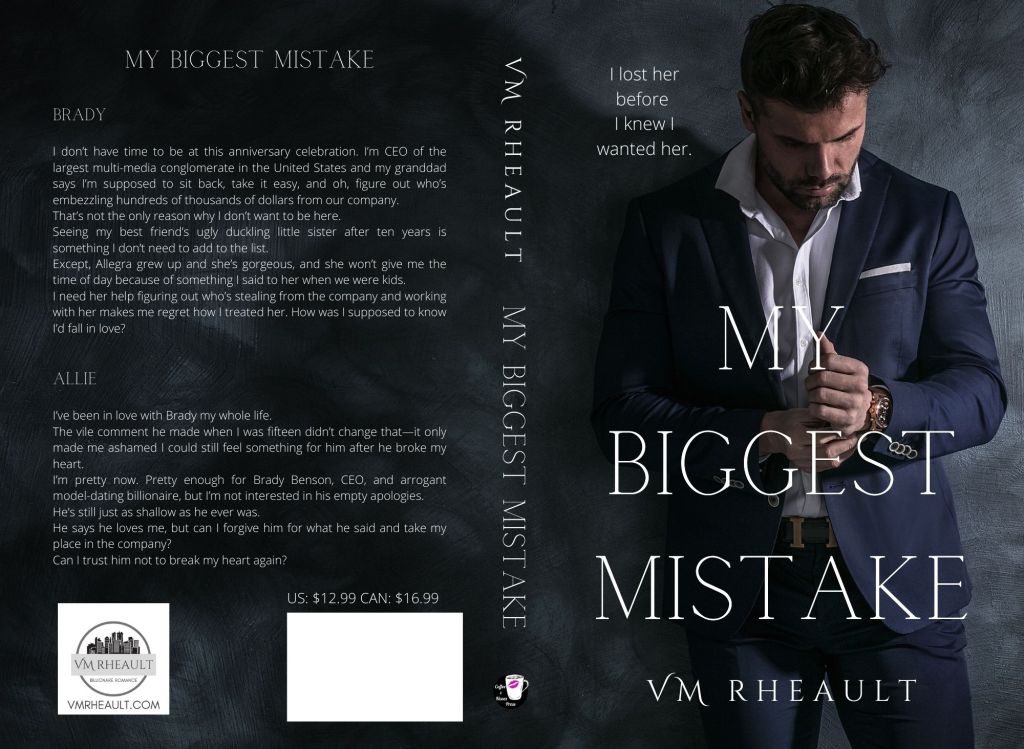
It’s difficult to know what to do first. It makes sense to publish Faking Forever so I have a buy-link to put in the back of my reader magnet so when they finish reading a free book, there’s one available to purchase. On the other hand, publishing it without a newsletter in place to announce the launch and depending on paid newsletter mentions like BargainBooksy, ENT (Ereader News Today, Robins Reads, Fussy Librarian, etc) and ads may not be enough to give me a good launch as a new pen name without a backlist. Mal said something that I agreed with in the Facebook Ads class last night too, and she said it doesn’t make much sense to put a book that’s going to be in KU on preorder because KU subscribers will wait to read it anyway. I guess I’ll be trying to get newsletter signups and promoting my reader magnet without a book for sale, but I’ll have it all ready to go into KDP so when I do decide to publish it, all I’ll have to do is press publish and approve proof. The only good I can see of doing a preorder while you’re in KU is having the buy-link to post in places. Something to think about.
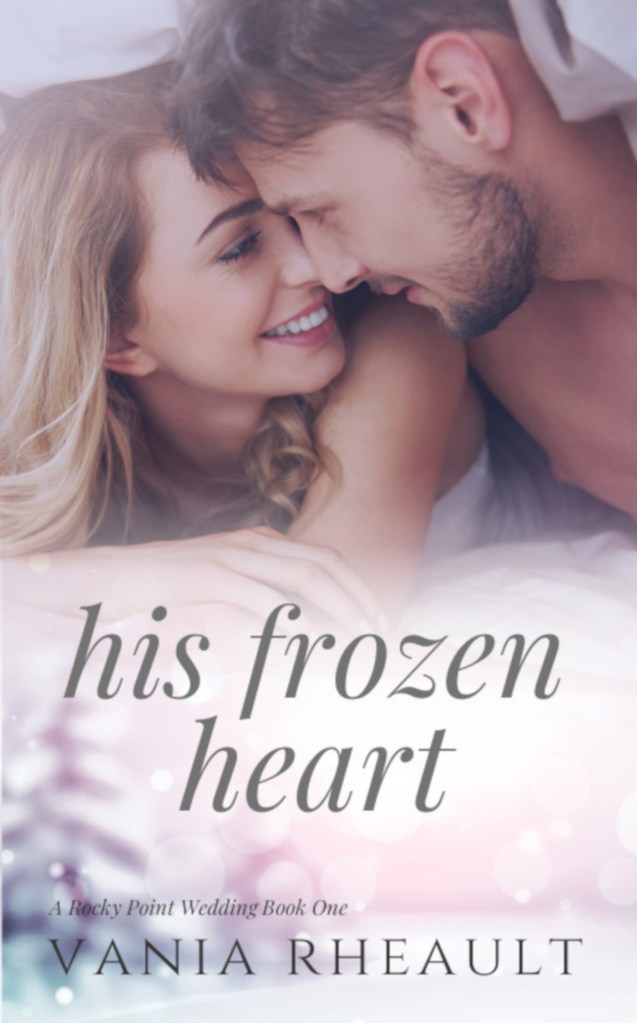
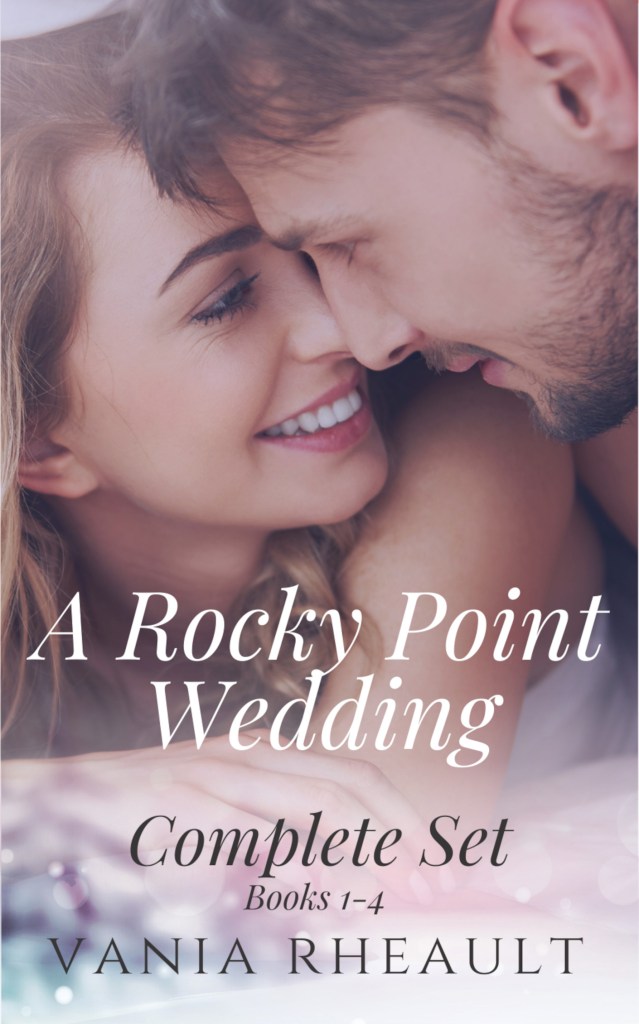
Probably one of the hardest lessons I’ve learned in the past five years I’ve been publishing is for me, at least, it just is not working to publish as I get books done. There is no consistency in a publishing schedule when I’ve done that. There are a couple of indies who do well publishing as they finish books, but I think those are the exceptions that prove the rule. The indies who make consistent money are the ones who are a few books ahead in their schedules. It’s tough because I’ve talked about this before: you have to be okay with keeping books while you stock up, and then you have kind of a conveyor belt feel to the entire process. I don’t want to feel like that, but I also don’t need the pressure of writing and publishing a book every four months without a Plan B. I don’t know. All I know is that I need to get through some of my list and as I do hopefully I’ll find readers and starting an avalanche of readers, email subscribers, and releasing books won’t seem as daunting as it does right now.

What I’ve enjoyed this week:

The Six Figure Authors Podcast is back from their summer hiatus, and I enjoyed listening to their first episode! They talk about taking your writing from hobby to career level, and you can watch it here.

I also loved this episode of the Wish I’d Known Then podcast. Thomas Umstattd Jr. had a lot of interesting and possibly controversial things to say about treating your books like your business. There are so many writers and authors who don’t want to look at their books as a product to sell, but then when it comes to marketing, they don’t understand what to do. Give it a listen and tell me what you think. Do you agree with what he has to say?

Monday I’ll talk a little bit about writer’s block and why it seems I never suffer from it. Come back for those tips!

Until next time!