Thursday Thoughts: Keeping daily word counts and other bits and pieces.

Keeping a Daily Word Count.

A couple months ago, a romance writer offered a Google spreadsheet to anyone in our romance group on FB. We could add our name and enter our daily word counts. This isn’t a private total–anyone who added their name can see (and be motivated by) others’ word counts, and they can see yours. I’ve never needed the motivation, but I’d never kept visual track of my daily word counts either, and I thought, what the heck.

It was addicting, to say the least.

I love(d) (the challenge isn’t over yet) adding my daily word counts and watching as other did the same. One author in a column close to mine does high numbers too, and subconsciously, or maybe not so “sub”, I tried to keep up with her. It was fun.

But keeping track in a public way like that was also hard. Here’s why:

  1. You are keeping score. You’re not supposed to compare yourself to others, or if you do, you’re supposed to do it in a positive manner. That doesn’t always happen.
  2. It can make you feel bad on the days you can’t write and you have to put in 0. That’s tough when the person next you logged in 5,000 that day. The problem is, you don’t know how another person’s life is. They can be a full-time author where 5,000 words a day is the norm for them and a 0 day means they had an emergency. Sometimes a 500 word day for someone else is a great day because they work a full-time job and have kids. I didn’t like my 0 days. Especially when I had a week of them between books.
  3. Added pressure. It’s addicting to enter in a number at the end of the day. This can make it so you don’t give yourself enough grace if you have a bad day. Some say bad words are better than no words, but I don’t agree with that. If something else is taking up headspace and I know I can’t sit down and write something decent, I won’t bother. I know I can make it up later. Because I do. Giving yourself grace only works as far as you putting in the work later.
  4. There wasn’t a way to claim editing words. I wanted to log in the new words I wrote for that challenge. There were a few days I put in 0 because I was rereading and smoothing out the first third of my book. I was working, but I couldn’t log in any numbers. Entering in that 0 made me feel like I hadn’t worked that day.
  5. Writing and publishing isn’t always about writing new words. We couldn’t modify the spreadsheet because there’s a formula that tallies up our words and entering anything else in the field makes the formula not work. But if I were to make my own spreadsheet, I would make room for days that I did something else so I could still feel productive.
  6. Seeing the words add up is a great motivator. There are some negatives when doing a challenge like this, but I like seeing my words add up. Right now since January 4th when she offered us the spreadsheet, to March 20th, I’ve written 141,826 words, and I’ll have more before the challenge is over (April 13th) because I have a book to finish. But I won’t be starting another project, so as soon as this book is done, I’ll be entering in zeros for the rest of the challenge. That will be hard for me, but i’ll just have to make peace with it because I know I’ll still be working.

Would I recommend doing this? Yes, if you can keep yourself from getting carried away and playing the comparison game in a negative way. Your fellow writers’ successes should bolster your own, not drag you down.


In other news, I’m still going through my infection issues. Eventually I’ll get better, but it may take another round of antibiotics (I’m on my third and I can’t drink while on them which is a real bummer!). I need to make another appointment but I’m going to take a small break so I can have a glass of champagne over the weekend. I want to celebrate the completion of my second book of 2021. I may already be done with it by the time you read this post, I’m not sure. I’m 61k into it right now, and I tend to drag my feet toward the end because no matter how eager I am to move on to the next, I’m still attached to my characters and hate to say goodbye.


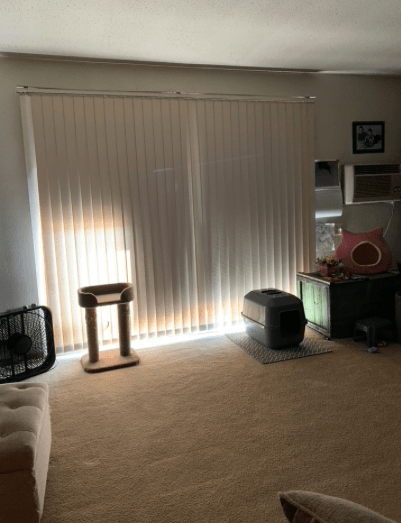
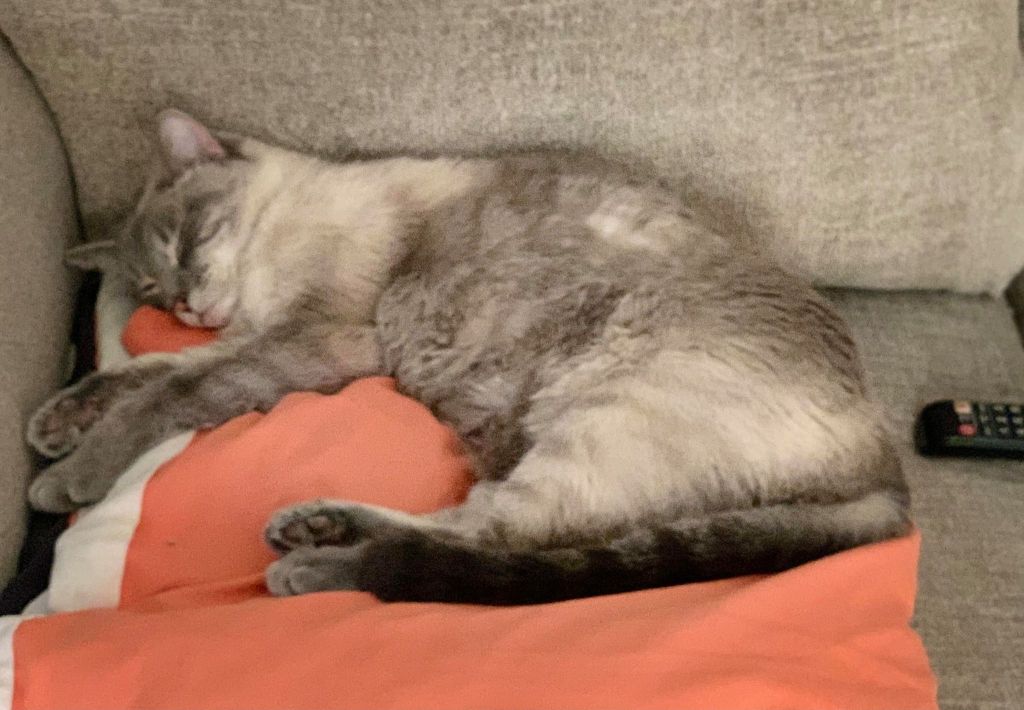
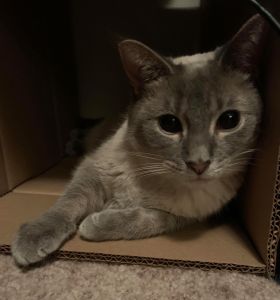
I’m not the only one with medical issues, and I had to bring my cat in to the vet. She kept going to the litter box, and I’m glad I trusted my instincts–it turns out she had a UTI. They gave her an antibiotics shot and I think it made her feel not that great. She sleeps a lot and doesn’t have her usual spunk. I’m hoping once the antibiotics do their job she’ll be back to her old self, but I’ll probably need to make her a follow-up appointment just to be sure. I know all about lingering infections and I don’t want to her to suffer. Here’s a picture of her if you don’t follow me on IG or you’re not friends with me on FB.

Blaze is a two-year-old Siamese Ragdoll mix.

One more thing I’m excited to share with you–Savannah Cordova from Reedsy is going to guest blog on Monday, March 29th! When she first reached out to me, I didn’t think it was real! I’m happy she thought my writing and publishing blog was relevant enough to contribute, and I hope you get a lot out of what she’s going to be sharing with us.

If you don’t know what Reedsy is, they are a team writing/marketing/publishing experts and professionals that help you with your journey. They offer lists of vetted freelance editors and book cover designers. They offer a FREE book formatting feature on their website (similar to Draft2Digital’s) and I’ve often blogged about the free classes they offer right to your email inbox that allow you to complete them at your own pace along with a short quiz at the end of each course. They really are amazing, and Ricardo Fayet, founder of Reedsy, wrote and is offering his book How to Market a Book: Overperform in a Crowded Market (Reedsy Marketing Guides Book 1) free on Kindle right now. I’m so honored to host Savannah on my blog!


Lastly, even though I haven’t been feeling 100% and I’ve been dealing with a sick cat and I’m always going to the grocery store for milk, I am trying to spend time outside and this is the pretty picture I captured the other day on a walk. With spring coming almost a full month early, this has been beautiful, cool, crisp weather to walk in. These are the golden days in Minnesota–when the weather is warming up but the bugs haven’t caught on yet. I love an evening walk in weather like this.

Enjoy your weekend! May it be productive! Check in with Savannah on Monday…. hope to see you there! 🙂


Monday Musings and Happy March!

I don’t know about you, but to me, these past two months flew by! March can be the crappiest time of year in Minnesota, but if we can get through the month without a blizzard, that would be wonderful. Spring lands on March 20th, and we have daylight savings this month, too, on the 14th, when we go back to lighter mornings and darker evenings, for a while.

My goals for March are mostly the same as every other month. Work hard on my books, try not to stress too much about things I can’t control, wait for it to warm up. I don’t have much going on in my life where I measure time by an upcoming event. Life slips away while I work, write, spend time with my family and friends. I wonder if I feel some discontent because my characters talked about this not long ago. “Do you ever think, this is all there is?” she asks. And sometimes that’s me. Is this it? Would I be happy if it were? What am I working toward? They say happiness isn’t a destination, it’s a journey, but you still have to know where you’re going. All those who wander are not lost, but you still decided to put your foot on that path and take the first step, right?

I guess I’m just a little reflective because of the past couple months. I’ve had a hard time transitioning from work to working from home, my cat, even though he’s on medication, still won’t let us sleep, and I’ve been dealing with a sensitive health issue. There is good news on that front, and I’m on an antibiotic now. I hope I can start feeling better. I’ve been dealing with this for eight weeks. Please don’t ever let a doctor tell you you’re okay if you feel like you’re not. The third doctor I saw finally found the problem (hopefully) and I would be dealing with something potentially dangerous if I had given up. Plus, I have a mammogram scheduled for tomorrow (Tuesday), so I am taking my health seriously from here on out. While I won’t turn this blog into a health and diet diary, I am on a mission to lose a little weight, and I hope now with warming temps on the horizon that will be easier.

On that note, what else have I been thinking about lately?

We can’t please everyone. No one knows that better than an author. A while back, I signed up for Derek Murphy’s newsletter and in one post he talks a little bit about his new book Book Craft. It turns out the book that I like very much a lot of people don’t. It’s difficult when you put your heart and soul into something only to be told it’s not good enough. We do that all the time when we publish and always, without fail, there will be someone who has to say that they don’t like it. Sometimes they’ll pick it apart bit by bit–the review is longer than the book itself! That’s why authors are told not to respond to reviews. It’s not worth it. If you want to read the blog post where he talks about his book, look here. While he had a pragmatic approach to looking at the bad reviews, it still makes me feel bad he’s going through this.

So, yeah, we can’t please everyone, and we’ll only hurt ourselves trying. All of you know about the kerfuffle with a certain author I had over the weekend. I don’t go for click bait, nor do I want to stir the pot like Jerry Springer or Perez Hilton. I don’t need the drama for the views, prefering to give my readers useful information. This isn’t a gossip blog. I want to share my experiences with writing, publishing, and marketing, my opinions on what’s going in with the industry. I’m not going to change what I like to write about because I make one or two people unhappy.

That being said, I’ve come to realize that there is a dark side to indie publishing, and it’s not just the bookstuffers trying to make an extra buck in KU, or the authors using ghostwriters who plagiarize. When I decided to publish my books, I had no idea this other side existed, and now that I know it does, I’m going to stay as far away from it as possible. It shouldn’t have surprised me there’s a dark side because there’s a dark side to anything. I’ve heard about the dark web, and the dark side of Twitter where only the accounts with hundreds of thousands of followers are allowed to go. When authors start making millions of dollars a year publishing books, they are elevated to a stratosphere many of us can only dream of, and with software like Publisher Rocket, that information is available to us with just a few clicks of a mouse. (And I’m beginning to think that’s information we shouldn’t have.) Where authors have the power to tear down another author out of fear, jealousy, or spite. Where an author can destroy another author’s career simply by siccing their fans onto that author’s Goodreads profile and trashing her books.

I entered this industry thinking everyone is kind to everyone else, but I guess when you’re making millions and your livelihood is at stake, you’ll do anything to protect it. We hear all the time that people will say if they find some kind of success that they won’t let it change them, but of course we change. We may just change for the better, when some people change for the worse.

Like a lot of my blog posts, I’m not quite sure where I’m going with this. I beta read, I edit, I format for others when they can’t afford to do it for themselves. I give back and I don’t keep score. I would like to think success won’t change me–if I find it. Entitlement is nasty, and this pandemic brought out the bad side in more than a few people. I’m blessed with what I have and I’m saying I’m sorry to everyone who reads this blog that something I wrote was taken the wrong way and my post was dragged unnecessarily through the mud. It’s not what I want for my blog, or the readers who loyally come back every week to see what I have to say.

We can’t please everyone, we can only control our response and move on the best we can. I have a lot of things to look forward to, and I hope you do too!

Happy Spring, everyone! Until next time!


She flicks a glance at me. “Do you ever wonder if this is all there is?”

“What do you mean?” I shift in my seat, suddenly uncomfortable. 

“Like, this is it. Work. Dates with people who don’t mean anything to you. Won’t mean anything more. Can’t, really, because they’ll never understand you. More work. A party here and there. It all feels so, I don’t want to say useless, but I want my life to go somewhere. You know?”

“You mean you don’t want your life to be one big party?” I can’t keep the bitterness out of my voice, and she catches it, loud and clear.

She turns in her seat and meets my eyes, her irises blazing in the firelight. “You think all of us have let you down.”

Christ. Talk about not beating around the bush.

“Yeah, yeah, I do.”

“I can see why you would think that, but don’t you also think that we’re allowed to go our own way?”

“Why? I wasn’t.” 


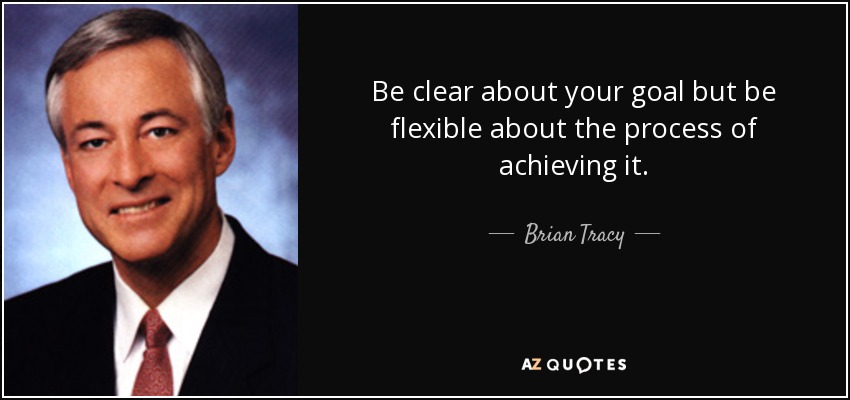
Flexibility: When time and patience aren’t enough to achieve your goals.

Spotted in my Instagram feed.

As indie authors we have a lot of flexibility. Blurb not working? Change it. Cover not working? Change it. Didn’t edit your novel well enough the first time, give it another editing sweep and upload the new file. We have a lot of flexibility when treating our writing like a business. We can pivot faster than any traditionally published author, chasing trends if we’re fast enough writers, or researching sub-genres and hopping onto a hugely-demanded but underserved niche.

This quote jumped out at me this morning as I scrolled all my social media feeds while I sipped on my much-needed first cup of coffee. I like it because as indies, we’re able to search out new ways if something we’re doing isn’t working. The problem is, there is such variety out there that it’s difficult knowing when to give up and try something new or sticking with what we’re doing and hoping that our tenacity will be rewarded. We need to give something ample time to see if it’s going to work, and bailing too quickly before something can stick could cut off something that could be really viable to your business. On the other hand, sticking with something that’s not working out of fear of the unknown won’t get us very far, either.

Knowing when to keep trying and when to throw in the towel is something that needs to be taken as case by case basis and perhaps the thing you’ve moved on from could work for you later. With all the information available to indies right now, it’s easy to get overwhelmed with all the choices.

Here’s a not-so-quick list of some of the things that we as indies have control over, when to let things ride, and when to maybe give new things a shot:

  1. POV. Changing up a POV may not be an option for some people. You need to definitely work with your strengths and admit your weaknesses. If you rock 3rd person past, it wouldn’t be wise to change to shaky 1st person present just because that’s what’s trending in some genres right now. The quality of the work should always come first, or what you do after that won’t make much sense. I find writing 1st person present easier than 3rd person past. I can write faster, and as my paid beta reader just got through the first book my first series and liked it, I feel I’m capable in that area. A comment made on this blog on one of my posts said I didn’t like writing it, but that’s not true. I wasn’t sure if it was the right choice when I decided to write a book in it, that’s true. It wasn’t what I gravitated toward when I started writing because I’d read 3rd person past all my life and stuck with what I knew. But my books also were not selling that well, and since I had nothing to lose, I mixed it up. This is one area where I probably could have stuck with 3rd person past and eventually seen some level of success. On the flip side, my 1st person present books could flop. I don’t know. The amount of flexibility we have can be a pro as well as a con. If you’ve been writing in a POV you may not click with, or you haven’t found readers to click with it, change it up. You never know where a new POV will take you.

    If your current POV is not clicking with readers, you don’t have to change POV to find traction. Maybe changing subgenres would help. When I was writing 3rd person past, I wrote steamy contemporary romance. I didn’t have to change to 1st person present to make a change–I could have started writing women’s friendship fiction, or domestic thrillers, or literary fiction. Again, you need to know where your strengths are. I like writing romance and have a difficult time plotting anything that doesn’t revolve around a man and woman falling in love. Changing POVs made more sense to me than seeking out another subgenre, but I could have made a less drastic change and started writing clean romance as well. There are all sorts of things you can do if what you’re writing isn’t hitting the mark and finding an audience. I was lucky and stumbled upon first person present billionaire romance. I enjoy writing it, I feel I’m good at it, and I’m hoping that even though that subgrene has peaked, I will still find readers when I’m ready to publish.

    POV: Choosing Between First-Person and Third Person Writer’s Digest


  2. Ad platforms. This is a tricky one because your ads can only do a well as the book you’re selling. Bailing on Amazon Ads in favor of Facebook ads may not do anything for you except eat up money faster. You also have to know what your business goals are. If you’re in Kindle Unlimited, it makes sense to run Amazon Ads, but if you’re wide, Facebook can reach more people who read on all platforms. I see some authors give up on ads saying they don’t work, but they aren’t advertising a book written to market, or the cover is bad, or the look inside is full of telling. Another important thing to consider is if you learned how to use the platform. There are a lot of free resources out there and I would never try to put together an ad on a platform I wasn’t familiar with. Once you are familiar and know your ad budget then you have to figure out if your return on investment is worth it to keep running ads. It may not be. So you table that ad platform and write another book, or just hold off on ads for a bit, or try BookBub ads instead. You have to give something time to work. When I was doing Bryan Cohen’s ad challenge, there were so many people who wanted to throw in the towel after the first couple of days. If you feel like that, then maybe you don’t have confidence in your product and your gut is trying to tell you something. If you know you’re advertising a good book, then you should have patience and faith in your product. Your book will be on sale forever (unless you pull it). You can afford to wait a couple months to gather ad data to make good choices.

    The quick and easy guide to Facebook and Amazon (AMS) ads for authors by Derek Murphy

  3. Newsletter. If you haven’t started one, you can start one anytime. If your newsletter has low open rates, figure what why readers don’t want to open your mail. Maybe you’re not giving them anything of value. Maybe you’re not emailing frequently enough. Maybe the only mail you send out is when you have a new release and readers are tired of your “buy buy buy” message you send out every three or four months. Maybe you need a new aggregator because the one you’re using now sends everyone’s mail to their spam folder. If you aren’t getting the results you want, figure out why. Change your newsletter sign up cookie, or offer the readers you already have more content. There is a lot of flexibility here and you can make it work for you.
  4. Your book’s package. It’s easy to fly off the handle with changes when Canva makes it easy to create a book cover, and changing the blurb is as simple as writing something quickly and logging into your KDP account. The thing is though, you have to wait to see if what you already have can work. Run ads, ask in reader groups, or send out your cover and blurb in your newsletter and ask for feedback. I’ve blogged before that it took me a year to change the cover of The Years Between Us, and when I did, I saw immediate results. But when I changed the cover of Wherever He Goes, it did nothing for sales. Whenever I do Bryan Cohen’s Amazon Ad challenge, the first part of the challenge is always taking a look at the product and making sure your book is sellable. Covers get changed, blurbs get changed, categories are added. I have no doubt that a lot of those changes are for the good of the book, but also if you’re running ads for the first time for only a handful of days and you’re not seeing impressions, that may not have anything to do with your book and going through the hassle of changing your cover may be for nothing. Oftentimes it’s helpful to take a step back and give yourself, and your book, time to breathe while collecting data.

When we talk about old ways keeping doors closed, what we’re doing is talking about years of collected data. I can look back on my 4+ years of indie publishing, and I know what I did wrong. I didn’t network with other romance authors, I don’t have a newsletter. Had I done those two things, maybe my 3rd person present stuff would have sold better. Maybe my POV switch wasn’t necessary and I was just grasping at straws making such a drastic change to my writing career. OR, it could breathe new life into my writing and it could offer more opportunities than I ever thought possible.

That’s the thing with being flexible. My third person books will always be there and I can always go back to them if my first person stuff doesn’t work out, or I need a change of pace. In fact, I had a good standalone idea for my next book that I was going to write before I made the change. Now I can write it in first person or put the idea on hold. I also have 20k of a book that I need to rewrite and finish that was part of a writing prompt I stumbled upon a couple years ago. I wasn’t in a place writing-wise where I could finish it, but my skills have come a long way, and I’d like to revisit it and finish it up.

We have a lot of flexibility as indie authors. Don’t get bogged down with the way you’ve always done things. You could be missing out on a new opportunity!

Until next time!

Monday Musings and where I’m at right now.

Happy Monday! I hope you all are having a terrific start to your week!

I don’t have much to share with you this week–I’m only going to be talking about a few things that I’ve enjoyed in the past few days and catch you up with what I’ve been doing.

First of all, I want to thank all my subscribers who come back week after week to consume and participate in the content. Last week I made it to 500 followers, and WordPress gave me this cute little congratulations.

Blogging is a slow road and sometimes it feels like you’re blogging to no one and without thanks. Building your SEO and reputation is long, arduous work, but I love blogging. It gives me a break from the novel-writing part of my brain, and I enjoy dipping into the publishing part of being a writer/author. I like sharing my ups and downs, mistakes and the (few) things I’ve done right. I hope to continue my blog and offer useful and relevant content in the years to come. Thanks for sticking with me, and I hope you find all the information I post on here useful and relatable.


I finished my WIP last week, the second book of the second series I’m writing in first person present. Since finishing to now blogging about it, not only have I finished it, I’ve given it two editing sweeps. To be honest, I’m not sure what my publishing plan is, or how fast I’m going to release any of the eight books I’ve written this and last year and are now just sitting on my laptop. They all need to be edited to some extent, so they aren’t exactly ready. The first thing I want to do, though, is take a break from this series and write my reader magnet for my newsletter. While I write my newsletter, I’m going to learn how MailerLite, Bookfunnel, and StoryOrigin work. I’ll keep you posted on the blog. My reader magnet will only be available for newsletter signups, and I’d like to have a few subscribers before I start launching books. I have a glimmer of an idea for it, but I have to plot it out and write it. Soft deadlines are good for me, so I want to finish it by the middle of April. I’m giving myself some extra time because I’ll be learning a whole bunch of stuff and well, I don’t even know what my characters’ names are yet, so I better get brainstorming!

Excerpt from Finn and Juliet, book 2 of my Billionaires of Briarwood series.

Last week, I listened to a really great author interview on the 6 figure author podcast. Lindsay, Jo, and Andrea interviewed Elana Johnson. I might have heard her name here and there, but to be honest, I didn’t know who exactly she was before the interview, now I want to gobble up all her content! One of the things that really stuck out to me was when she said, “The package is the promise, and you have to deliver on the promise.” What she meant is, you need a good cover and blurb that is genre-relevant, and then what is inside the cover matches reader expectations of that genre. Not a lot of authors talk about craft because they’re worried about stepping on toes, etc. And to be fair, it’s difficult to tell an author her books need more work. I’ve only said that to a couple people in my whole life and only because they asked for advice. A writer never really stops learning, but I like how Elana phrased it. The package is the promise. And the promise is you’ve written a great story. Besides being a bestselling author, she also writes nonfiction, and I’ll be reading her books soon. To look at the first book in her nonfiction series, click here. And here’s the interview if you want to give a listen.


That advice is similar to what I’m learning in Suzy K. Quinn’s Self Publishing Formula class, How to Write a Bestseller. I wish I could outline everything I’ve been learning, but that wouldn’t be fair to Suzy, who’s making an income off the class and would be disrespectful to the time she put into creating the class, and it wouldn’t be fair to me, really, who’s paid for it. But I will say, she starts the class by encouraging you to think about the book’s package. The genre, the cover/vibe, who your audience is. Create a tagline, and put together what the book will be when it’s finished. That’s not so far off from Elana saying, your book’s package is your promise to your reader. With this reader magnet, I’m going to create the package first before I begin writing it. I suppose you could say that creating the package is the fun part, but having everything in place will keep the book on the straight and narrow and give me an ending point to look forward to. I can’t wait to start!


In other news, I got the first book in my series back from my paid beta reader. I only went over the overview she sent me. (She liked it!) I haven’t gone into her track changes yet since I’m not ready to start editing that book, but I’m excited to see the things she liked and the parts of the book where she thought I could use a little more plumping. The few things she did touch on I agreed with, but I didn’t want to edit it too much more without feedback. I feel editing too much without feedback wastes time because I can’t see all the mistakes myself. So I’m making progress! I feel like I’m hoarding a secret and I can’t tell anybody what I’m doing until I’m ready.


On a more personal note, I asked to go back to work vs. working from home, and they told me no. I think now working from home has more to do with cost-saving measures rather than protecting us from COVID, and while I wasn’t surprised they said no, I was disappointed. This means if I do have some anxiety because of the cut-off feeling I have not going in to work, I’ll have to figure out a different way to alleviate that anxiety. I’m not feeling too much of it lately–having another day off during the week has helped and I don’t feel so stressed with getting my words in every week. As far as my butt pain goes from sitting on a hard chair, I’m standing up more during my shifts and it’s fading. Anything I’ve read about pelvic pain that has nothing to do with an infection (which I don’t have–remember I’ve been to the doctor twice to make sure) says that it can take up to 12 weeks for the pain to go away. I’ve been taking Aleve, too, and sitting on an ice pack when I do sit and it’s making a difference. BUT if I’m not feeling better by the end of the month, I’ll schedule another appointment. You just never know.


For Amazon ads check in, I’ve spent under 8 dollars this month, and I’ve grossed in royalties almost 50. (Net, around $42.00). I’ll have to think about what I want to do with these books. I still get a lot of my royalties from KU but if I’m not going to write in 3rd person past anymore (or not anytime soon) I may put them wide. I’m not sure. I don’t feel like I have the energy to market them wide and I may just leave them in KU. I don’t know. It’s the age old question of what’s best for your business and leaving all your eggs in one basket vs. multiple streams of income. It’s a tough choice. At least this month I’m in the black, and it’s still nice to see that people are reading all four of the Rocky Point Wedding books. That read through is always nice, and the validation you wrote a strong series can keep you motivated to write more. Soon it will be the one year anniversary of book one and I think it will be time to make up a boxed set. Luckily Velllum is good with that, and it won’t take me long at all.

Read-through for all the books in the series is small, but I’m grateful readers are reading from beginning to end.

My friend and fellow author Sarah Krewis is planning a Facebook live on her author page on the first of March. She’s giving away a paperback copy of my book, Wherever He Goes. Follow her page here and mark on your calendar to join in! Thanks, Sarah!

taken from Sarah’s FB author page

I guess that’s all the news I have for this week. I’ll be drifting a little bit as I plot out my reader magnet. I always feel hazy when I’m not actively writing–but since I don’t have a team and prefer to stay hands on with most aspects of the publishing and marketing side of things, there will always be times between books when I’m doing admin and production stuff. I enjoy it all, but I do get antsy when I’m not writing.

Have a good week everyone, and thanks for reading!


Another case of plagiarism. My question is why?

I follow Zoe York’s Facebook author page, and she brought to our attention another plagiarism case–S. M. Soto was found to plagiarize from author Kim Jones and Sylvia Day and possibly a couple other authors. I went to Twitter because you can always count on #romancelandia to give you the scoop, and it seems like this is the first person who shared Kim Jones calling out S. M. Soto, at least on Twitter. If you want to read the thread, click here. And if you want to read the Kim Jones’s Facebook post, click here.

A few other people confirm she did it. It’s difficult to give attribution to who posted first, but with the plagiarizing software out there, it’s easy for others to confirm it, like Claire Ryan who created her own software to help out. If you want to look at this thread, click here.

The author herself didn’t confirm or deny, only posted some wishy washy apology on her Facebook author page.

“As some of you may know, there’s been an issue with me and another author. I’ve been accused of plagiarism among other things. I wasn’t sure if I should even make a post but I wanted to share with my readers what’s been going on. On Sunday morning I was woken up by my PA over an alarming post she had seen. I immediately went to check my DMs, which were flooded with hateful messages, including one from the author who was accusing me. I immediately reached out to her and we had talked on the phone. I’m not one who checks my messages—in fact, I rarely do. I didn’t believe this would escalate as quickly as it did. What should’ve been a day of me enjoying my release party and spending the day with my family quickly turned sour. I understand that this shouldn’t have happened and I’ll be doing everything to make the appropriate changes. I can assure you I’ve never had the chance to read this author’s books so all of this is just a huge misunderstanding. I’m in the middle of rectifying this misunderstanding. Given the circumstances of the allegations, and after much thought, I have decided to unpublish the version that contains ANY similarities in wording or phrases to this author’s work. A new version will be put up soon after. I sincerely apologize for any misunderstandings and anyone that was potentially hurt. Being that this is a product with my name on it and I should be aware of every piece, every word, and every phrase that goes in, this is a decision I don’t take lightly, but do believe is necessary. I understand that this shouldn’t have happened and I’ll be doing everything to make the appropriate changes. Up until today, I’ve always stayed quiet about my personal life. I am a very private person and I don’t like bringing what’s going on in my personal life to my work life, which is the book community. I have a son, a family, which will always be my priority. 2020 affected us all in many ways and I was no exception to the hardships. I was able to get through some of the toughest emotional times I’ve ever gone through by having a few good friends along with my family by my side.The one part I will speak on is the witch hunt that has started. In the past forty-eight hours, I’ve contemplated leaving this community more so than I ever have before. The part that alarms me about this situation the most is the witch hunt that has started. The nasty messages I’ve received, the lies and stories that have been twisted, and the disgusting racial slurs and messages I’ve received. Yes, I am Mexican and I’m proud of it. I’m proud that I speak two languages, I’m proud of my heritage and my family. I won’t allow anyone to drag my family down. I won’t allow others to bully me into being ashamed of my race, ever. I could sit here and share all the messages that I’ve received but what good would that do? It will only fan the flames and create a bigger situation. It has become the standard for authors to share every tidbit of their lives with their readers, while I respect that, that’s not who I am. I like to keep my personal life separate. If you’re expecting that from me, you’ll be disappointed. I will share with you all what I find to be important. I reserve the right to share personal information to those who are closest to me. If you’re expecting a perfect author, then I’m not for you. I make mistakes daily. I lose my temper, I cuss more than I should, I shut down when I’m hurt, and you know what? That’s okay because I’m human and flawed. I’ve never portrayed to be anything other than a flawed human being. I don’t participate in drama or bullying posts. I’m always offline and I’m usually the last to know what’s going on with this community, and frankly, I enjoy being that way. There’s too much going on for me to add more things to my plate. I’m not here to do a he-said-she-said post. I won’t post screenshots, I won’t discuss what transpired on the phone call I had with the author. That will stay between me, my team, and my family—at least on my end. If you want to leave my group or not read my books anymore, I understand and respect your decision. I apologize for this misunderstanding. If you need me, please feel free to reach out to my PA. She’ll continue to answer any messages via email or Messenger. I’ll be offline until further notice.”

This makes the plagiarizing scandal that happened last year when someone stole work from Nora Roberts among others feel very close. I never heard the outcome of what happened to  Cristiane Serruya. Nora Roberts blogged about taking her to court and donating the proceeds, but Nora’s had other things on her plate in the past few months, namely the scandal when her first book in her trilogy ended on a cliffhanger and her poor readers who have to wait a year for the next book, and more recently, when Alyssa Milano was cast as the lead in a movie based off one of Nora’s books. Apparently, Alyssa is too political and maybe leaning too far to the left for some of Nora’s readers to be happy with the casting. It wouldn’t surprise me if Nora pushed that plagiarizing lawsuit onto her attorneys and forgot about it.

In any case, it seems like history will repeat itself this year, only we’ll swap Cristiane with S.M. Soto and Nora Roberts for Sylvia Day.

As a romance writer and reader, it’s hard for me to wrap my mind around that a romance author would do this to their readers. If you’re a real romance author, you want to nurture your readers, turn them into true fans. That doesn’t include duping them with books that have been ghostwritten, or filling your books full of another author’s work.

In the comments of the various Facebook posts authors and readers agreed that if you can’t write, don’t be a writer. Meaning, if you can’t write your own books, don’t publish. In the words of Kristine Kathryn Rusch, among others, there are easier ways to make money. The only thing though,I can’t think of anything that a normal person can do that can bring in the amount a fantastic-selling romance book can bring in per month.

Because sales rank and book price are public information, it’s aggravating to indie authors to see other authors raking in the bucks. Industry leaders can say, well, a book is #5 in the Kindle store, and at this price, they’re making this much per month. Maybe there is a thing about too much information being a bad thing. I quickly looked up S. M. Soto before the scandal spread too widely, and one of her books was set to bring in over $5,000 this month. Just one of her books, in just one month. The money is out there, and many authors are on a quest to find it–by ethical means or not.

It wasn’t hard for me to find places to hire ghostwriters. A search on Craigslist brought up a few local options, and also Upwork yielded some results. Fiverr brought up the most viable options, and I’m sure that’s where a lot of writers who want to use ghostwriters look first.

I don’t know what S. M. Soto’s personal life is like, or why she would hire a ghostwriter. I know in romance there’s a constant urgency to go go go and write more more more, a trap that I’ve fallen into myself resulting in some anxiety that I’ve been dealing with this past month and a half. Maybe she just needed a break and hoped that hiring a ghostwriter would give her a chance to breathe. We all need a break now and then, but when you’ve cultivated a following and they expect you to produce, I would imagine that can get pretty stressful. Romance readers are voracious, reading hundreds of books a year, especially in KU. If you’re courting that kind of reader, the pressure is serious to produce that level of content.

This won’t be the last we see of plagiarism. S. M. Soto wasn’t unique. Nora Roberts has taken other authors to court for plagiarizing her work, and in the indie space, authors (using the term loosely) like Chance Carter and Faleena Hopkins have been accused of hiring ghostwriters too. They were even associated with an underground group that sold already-published manuscripts.

I could never put my name on someone else’s work, a whole manuscript or even purchasing a plot. Which I didn’t know was a thing until only recently when someone in one of my Facebook groups was talking about it. I have to admit, plotting is hard. Trying to come up with characters, their backstories, conflict, stakes, and everything else is difficult. Not only do your characters need to grow and change, their backstories need to hold them back from what is happening in present time. Purchasing all that feels like cheating too, but there are freelancers who do it and sell off the outlines and there are authors who buy them and quickly write the book because the hard part is already done.

My problem is, my books have little pieces of me in them, and readers will eventually know they’re being duped by a ghostwriter because your books will lack sincerity and authenticity.

I think S.M. Soto even knew that when she wrote her FB post defending herself: she doesn’t get personal. But I can’t think of anything more personal than writing a book. That’s the real reason why authors want to sell books. Because when a book sells, and readers enjoy it, identify with the characters and their hardships, they are identifying with you, the author.

When we publish a book, we are putting pieces of ourselves out into the world, and that’s scary. We can talk about royalties and hitting the top ten, and those are things to aim for, but nothing means as much to us as a reader who loves our work and takes the time to say so either in a review or an email. Maybe you can’t pay rent with a good review, but there are other ways to get paid.


Tell me what you think about ghostwriting! Would you hire one? Let me know!

PS: WordPress ate half this blog post, or maybe my internet dropped and it stopped autosaving. At any rate, I think the first version definitely sounded better, but I tried to finish it up to the best of my ability even though I was pissier than hell. Haha! Have a great weekend, everyone!


Publishing Predictions of 2021: Pricing

I love the new year! Not only for fresh starts, but because of all the publishing predictions that come our way. It’s so interesting to me how the publishing industry changes shape, like water poured into differently shaped containers. Authors and publishers will always be around in some form, but we have no idea what form it will take!

I was listening to the 6 Figure Author podcast last night while I was making dinner and cleaning the kitchen, and they broke down a few of Mark Coker’s predictions. He founded Smashwords, an ebook aggregator for authors who want to publish their book wide. He keeps his fingers on the pulse of the industry, and his hate for Amazon aside, it’s always interesting to hear his take.

If you want to read his predictions in its entirety, look here, and thank you to 6 Figure Authors (Lindsay, Jo, and Andrea) for discussing some of the topics, too! And if you want to listen to them instead of read me, that’s cool, and you can find their episode here. They talk about some of Mark’s predictions during the first half of the show.

Anyway, so what I want to talk about today is pricing your book. The decision takes a lot more thought than just wondering if you want to sell your book for $3.99 or $2.99, and one of Mark’s predictions states that authors will lose more and more of their royalties. Here are a couple of his reasons:

Subscription service. Of course, this is a jab at Kindle Unlimited, and it’s a business decision if you want to enroll and be exclusive in Kindle Select or if you want to be wide (on other retailers besides Amazon). What a lot of authors don’t think about though is do they want the sale or the page reads? And do they want 70% royalty or 35% royalty. I price my books at 2.99, which earns me a 70% royalty. I earn a little over two dollars for a sale, but when someone reads my book from start to finish in KU I only earn $1.64 give or take depending on how long my book is. (My small town wedding series falls between 69k-72k). Mark says that the subscription service devalues our work, and maybe that’s true. On the other hand, on the podcast they talked about how a subscription service allows more people to read than ever before. A KU subscription is about 10 dollars a month, and Amazon is always doing promotions. Enrolling my book in KU could find me readers I may not find other places because they can’t afford to purchase books singly. Kobo also has a subscription service, but authors don’t need to be exclusive to Kobo to join. Of course, this is what we want from Amazon, too, but don’t count on that happening.

Paying for advertising. No one wants to pay for visibility and discoverability, but there is no business where you don’t have to, either.

And it only makes sense to advertise on Amazon when a customer is already looking at books and in the mood to buy and read. Mark’s problem with this is we’re already paying Amazon to sell our book, we shouldn’t have to pay them to advertise it, too. When you think about it though, indies who are making a lot of money off their books don’t rely solely on Amazon Ads. Like I said in my other blog post about why I left an Amazon Ads FB group, indies making a living wage aren’t agonizing over the price of their bids. The bulk of their sales come from their newsletter subscribers, newsletter swaps, and in general, publishing consistently and letting Amazon do a lot of the discoverability work on their behalf. To be successful, you don’t have to buy Amazon Ads. Craig Martelle put it best: Amazon ads bring in new readers–your newsletter keeps them.

What should you look at then, when pricing your ebook?

How new are you? When you’re new and you spent a lot of time on that first book, you want to get paid for it. That’s what I’ve come across, anyway, speaking with new authors. That makes them price their book too high, and in a world where readers, yes, are used to a subscription model, you are not going to find sales. I found this book when I was scrolling through one of my FB groups:

I’m sorry, but this is her first book, and the look inside is all telling. She’s not going to get $5.99 for this book. She’s also wide, not in KU, so she can’t even count on a few page reads to bolster her spirits.

How many books do you have out? If you only have one, you’re better off pricing it as competitively as possible and quickly writing the next book. Once you have a large catalogue you’re freer to experiment. Have a permafree first in series, create box sets and run promos on those. The author above can’t use free days that a Kindle Select participant can. When you have more books published, you can have some of your backlist a little cheaper and charge more for the new releases. All my books are $2.99, but my catalogue is in KU and I don’t think too much about my prices because I concentrate on KU readers.

What is your genre? Supply and demand is a huge consideration when pricing your book. I write romance where there is a huge supply, but there is also great demand. It makes visibility difficult and there is too much supply for an author to overprice their books. Readers don’t have to pay to find books to read. In fact, a romance reader could download free books and read for the rest of their lives. There is just too much free content out there. Whether or not that reader is getting what they pay for is something else entirely and I’ve talked to death about quality on this blog. That poor author above writes romance, and she will never sell a book for $5.99 when that is more than half a subscription cost to KU for a month.


Mark Coker is all about readers trained to devalue our work, but it’s not just the publishing industry that has this problem. Spotify has been known for not paying their artists, and Audible will only give you a higher rate for your audio book if you are exclusive with them. And who wants to be now that their gross return system is all over the news?

If you want to be paid for your work, there are only a couple things you need to do: put out a good product–no one likes to pay for junk, and that includes a poorly written book–and nurture an audience. If you have a group of readers who will read you no matter what, you can price your books accordingly and know your readers will pay because they enjoy your books.

Amazon isn’t the problem. Subscription models aren’t the problem. It’s indies who are impatient and don’t publish quality. They give their books away to whoever will read them (especially in exchange for reviews), and they can’t nurture an audience because they don’t publish consistently. Everyday in the groups I see the indies who are doing it right, and the indies who are doing it wrong, like the romance author above. Of course, it took me a few years to figure out what I’m doing wrong, and now I’m adjusting accordingly and hoping to learn from my mistakes.

My main point is, your readers will pay you.You just have to find them first.

Another interesting article about pricing and how much authors are paid. It’s not just indies having a tough time: https://mybookcave.com/authorpost/how-much-do-authors-make/

Do you agree? Disagree? With me or with Mark? Let me know!


My Highs and Lows of 2020

I’m tackling this blog post a little early since I plan to spend the rest of the month getting started with the first round of editing on my current WIP and celebrating Christmas. If we count from January 1st to December 31st, the numbers will be a little off, but not by too much.

2020 wasn’t the sh*tstorm for me as it was for some others. I still managed to write a lot of books, publish, and keep up with my blog. Let’s take a look at my numbers for 2020. I know some writers/authors who did a hell of a lot more than I did, but if I managed to get a little more work done than you this year please take it as a form of motivation for what you can do in 2021 rather than feel bad you didn’t get much accomplished. This year was unlike any other I’ve experienced and I count my blessings every day.

Books Published in 2020: 4 I spent all of 2019 writing my four-book Rocky Point Series. I published the four as a rapid release strategy at the beginning of this year. I don’t have a cultivated readership, and those books released without fanfare. How much have they earned me so far? These numbers are taken from BookReport, a Chrome browser extension.

This screenshot from BookReport says 8 books because the paperbacks are included in the count. I didn’t sell any paperbacks, and without the FreeBooksy promo I did in July, I don’t think my sales and read-through would have be been as good. And good is subjective. I have my sights set pretty high–these numbers don’t come close to what I want for my author business.

I am definitely not ungrateful–I know lots of authors would love to have these numbers. But when it comes to an author career, this is just a drop in the bucket–and I paid for those reads and sales with promos and ads. When I take a look at ad spend, I’m willing to bet I broke even. Which is fine, I’m finding readers, but without a newsletter or active FB author page, I have nowhere to keep them interested.

Sales as a whole for 2020: I have three standalones and a trilogy (also some novellas I don’t market) and these are my total numbers across all my books for 2020:

Take the 32 books with a grain of salt–I have boxed sets in there, as well as the individual Kindle and paperback versions. This number will also include the Large Print version I have of The Years Between Us. I was really hoping my series would take off, but I’ve made almost as much with All of Nothing ($634.16) as I have with the four Rocky Point books. And after I changed my cover, The Years Between Us has been doing exceptionally well too with sales of $609.24 for the year.

If you want to enlarge it, here is the breakdown for all books for the year:

Readers read a little bit of everything, which is fine. These books are an example of what not to do. Hopping around within the contemporary romance genre hasn’t done me any favors, but I’ve blogged about that and won’t bother going into it again. Needless to say, I learned a lesson and 2021 will be a new direction for me.

I also just want to add, it breaks my heart I never could get Wherever He Goes to move. I’ve run ads to that book relentlessly, and I just can’t drum up interest. I did a Kindle Countdown for it this year, and nada. Not one sale or KU page read off that promotion. It’s such a lovely little story and I hate I can’t make people read it. I’ve changed the blurb for it couple of times and I love the cover. Something isn’t right, but sometimes you just have to give up and move on. If anyone wants a free copy, let me know. Some reviews would probably help. 🙂

Thanks to BookReport for letting me pull those numbers so quickly. It’s a free Chrome browser extension and it’s a nice (free up to a certain royalty earning) tool to have around.

Total Ad Spend for 2020: After seeing my royalties for the year, how did I do with ad spend? I know with some ads I lost money, and I lost some money on single books while other books made up for it. Let’s see how much I spent in ads and if it will make me cry.

This isn’t as scary as I thought it would be:

It seems I did come out ahead with an ad spend of $1,289.91 over this year. Amazon tightened their creative guidelines and I wasn’t able to run ads to my first in series for the past couple of months, and you can see that dip toward the end of this year. I would have cranked up my ads for that first in series if they wouldn’t have done that as my series is a small-town holiday wedding series that would have been a perfect read between October and now, but Amazon is Amazon and there’s not much you can do about it besides go through with the headache of changing out covers, something I did not want to do.

Ad spend needs to include a FreeBooksy promo for $110, and a promo through eBookSoda for $29.00. Even adding those two things I came away with a royalty earning of $816.46. That’s four and a half car payments, or 136 cups of coffee at $6.00/cup or 1.25 rent payments. It helps to say things like that to put into perspective. But $816.46 definitely does not cover the hours and hours of writing, formatting, and cover design, not to mention podcast-listening and non-fiction reading I do for my books.

Still, though, you have to count your blessings. I’ve had people read and enjoy my books. That’s a great feeling.

Number of books written in 2020: 7. I wrote a six-book serial and just finished up a book one in a new series. These are all billionaire romance and that is the direction I’m going to take my writing in the new year. Each book is 85-90k which gives me a total of 595,000 words written, conservatively. I know some authors in some of my FB groups have written a million words this year, but I’m going to take my accomplishment and have an extra glass of champagne on New Year’s Eve. I don’t know what my publishing schedule will be like next year. My six-book serial has only gone through a couple of editing sweeps, and I still need to edit them a couple more times and listen to them, too. Then the formatting and cover design. At this point in the game, you’re supposed to take royalties and sink them back into your business, but my $800 would barely buy me three decent covers, let alone six. And if I went with a paid beta reader, $800 wouldn’t cover what she charges, not for all six. I’ll have to think about what I want to do in regards to that. I definitely don’t want to push them out without another set of eyes, yet I simply can’t afford to hire someone to help me, and that level of favor is a pretty big ask. Anyway, I’ll keep you in the loop on the blog.

Speaking of the blog, number of blog posts written: 73. I’ve tried to be consistent this year, and I made it to 450 followers, earning, on average 1-2 new followers per blog post. Here are the stats WordPress gave me when I looked:

I’ve written enough blog posts they could be a book. Add that to my novel word count, and I’m pretty impressed with myself this year. WordPress also gave me my top commentors, and I want to thank them for consistently reading and commenting on my blog. I appreciate you and you readers are who keep me posting week after week.

Coincidentally, when I logged into my WordPress account this morning, they congratulated me on being with them for five years. I think this is just a lesson to those who think an overnight success can actually mean that. Starting up a blog is hard work, keeping it consistent is hard, if not harder. Thinking of something to write about week after week, and staying relevant, is hard work. One of my friends loves to say, if you don’t like starting, stop quitting, and that is so true in this case. Building a blog, a following, takes patience and tenacity. Thank you for being here.

As for any other highs and lows this year, I wish for as many people who have read my books either through KU or purchased them, that I would have gathered a few more reviews. We’re told not to read reviews, but when we make graphics or whatnot sometimes it’s nice to add a glowing review to encourage people to buy.

So for 2020 here is my weirdest review from His Frozen Heart:

I’ll never begrudge a review, bad or otherwise because I think they’re all helpful and I appreciate anyone who takes the time to write a little something, and for her to say she couldn’t get it out of her head could be taken as a huge compliment. Stumbling upon it did make me smile.


I applaud anyone who has managed to get through 2020 with their sanity intact. Or at least most of it. I started working from home which has been a thrill–nothing like having a cat on your desk or being able to avoid those pesky coworkers. I’ve had a few personal problems crop up, but who hasn’t. My carpal tunnel pain is still under control with those stretches that Aidy Aaward posted earlier this year (I still thank her from the bottom of my heart for them) and with a few visits to the dentist, my mouth pain is under control too, though I am sitting here with one less tooth and hopefully a plan to rectify that situation next year. I started working full-time, but so far that hasn’t stopped my productivity.

I don’t know how many books I’ll write next year while the ones I have written now are releasing. I still have to figure out a newsletter because I know after five years of writing and publishing, that is where I went wrong. If I could redo any of my choices since I started this crazy adventure, it would be building a newsletter from the very beginning of my career.

My plans for 2021?

Start/build a newsletter. Stick with a subgenre. Network more with other romance authors. Stay grateful. Stay hungry.

What will you do in 2021?

Happy New Year!

Amazon Ads: A discussion

A love a good round table talk about things that are working in the indie community. Be it a new marketing tactic or a new way of doing things, I’m all in. I may not take any action–mostly because I know I’m not already doing what I could using tried and true methods, like building a newsletter. But I really enjoy reading discussions about something I’ve tried and can compare what their opinions and expreiences, especially when heavy-hitters in the industry weigh in with what is working for them–and what isn’t.

Trust me, if something isn’t working for them–you’re not going to get it to work for you.

And as always, we have to think of what our definition of success is. When it comes to selling books, that may mean one stranger buying your book. That may mean your first review from someone you don’t know. When you get to the people who are trying to make a living, usually their version of success is making money to live on, quitting their day jobs, maybe using their royalties to have a more comfortable retirement. Indies just starting out think small. A book here, a book there, clicks and tons of impressions are all that is needed to spur them on. I get annoyed, mostly because if you think small, you’ll be happy with peanuts. Someday I would like to quit my day job. I doubt that will never happen, but if I don’t at least aim for it, it won’t, for sure.

So I was pleasantly surprised when I stubbled upon a discussion in the Self Publishing Formula Facebook group headed by Mark Dawson. Mark runs an ads course and is a very successful indie in his own right. Other big names who were chiming in included AG Riddle and Russell Blake. I really want to copy and paste parts of the discussion, but it’s a private group and I don’t want to get kicked out. If you’re an indie and want to join, the link is here: SPF Community.

AG posted a poll: Do Amazon Ads work? In later comments he amended his question to, Do Amazon Ads work right now? And I feel that while some people are still getting their ads to work, the consensus was actually, no they don’t.

At least, not in the way we hope they will.

Lots of things come into play here, and the one that I’m reminded of most is that while Amazon Ads won’t let your book sink down the rankings into obscurity, what you want the ads to do is help your book get sticky enough that Amazon helps you sell it. Email blasts, recommending your book, hitting the popularity list being chosen for a Kindle Daily Deal. Ads alone aren’t going to help you do this. This is what I gleaned from the conversation, and you can tell me if you agree.

Do Amazon Ads work?

*Yes. If you have a series. Someone commented and said that ads don’t truly work if you’re counting on read through to cover the cost of the click. This is a good point and why the number one piece of advice is to write in a series. But the ad is still putting book one in front of readers. It’s up to the strength of the book (is it well-written) and if the other books are available if the ad spend is going to be worth it.

Let’s look at the cost of a click for a standalone book at .99. You don’t get .99 off that sale–your max royalty amount is 35%, so about .35 cents. If you bid .35 on a click, you’re breaking even, right? That’s what I’m doing right now on my first in series. I put it on sale for .99 until the end of the year because it’s a holiday romance. My other books in that series are 2.99. With dynamic bids down, my clicks won’t always cost the exact amount I bid, and I may make .10-.15 on that first book. My others are priced at 2.99, in which I get my 70% royalty, or 2.09.

*Yes. If your book sells well at full price or is in KU. I’ll make more off a .99 cent book in KU than I will selling it for that price. I can spend .35 a click because a full KU read of book one will earn me 1.35. Which is a dollar in royalties.

*Yes. If you have all your categories and targeting situated. There’s nothing Amazon hates more than showing your book to people who won’t buy it. It’s a waste of time for them and for their customer. Customer satisfaction is all Amazon wants and if you’re trying to show your book to as many people as possible and you lose relevancy, Amazon will stop showing it. That’s tough for authors who genre-mash, write without thinking and have no idea what their genre is, or have poor product pages. I didn’t consider why an ad would stop working until I read Robert J Ryan’s book, Amazon Ads Unleashed.

*Yes. If your book is a good product and has the reviews to prove it. There’s not much to say here, and I’ll quote two of the comments:

Ads can only give extra visibility to what you’ve got – they can’t make it sell better. The product does the selling, not the ads.

Robert J Ryan

A very long time ago I got a degree in advertising. One of the bits of wisdom I remember is that good advertising will kill a bad product quicker.

Jennifer L Anderson

*Yes. If you know how to use them. Figuring out how the platform works takes a bit of time, and even though you may not spend much, if you want to see traction, you have to be able to afford some spending money for clicks. As I write this, I’m 19 dollars ahead for the month, but I wouldn’t be there if I couldn’t afford the 10 dollars I’ve already spent on clicks.

The problem is, Amazon ads will help you, but by a very thin margin. Using ads won’t make you a millionaire over night. I break even every month, sometimes make a little–a cup of coffee little. I have ten books out, I’m writing more (or trying to. My life has been a bit trying lately), and my covers, at least, I think, are on point even if I’ve done them myself. It took a long time for me to realize I wasn’t writing what was selling, and lots of authors do that. Maybe they’re writing fantasy, but they aren’t hitting the tropes. Maybe they’re planning a series, but only have book one released.

It’s obvious the better product you have, the more successful you’ll be. Mark Dawson has professional covers, and he writes in a couple popular series. Plus, he’s a good writer. I think all the big indies who have “made it” can safely assume their writing is good and resonates with readers. If you’re pushing water up hill as Robert J. Ryan likes to say in his book, then you need to take a look at the product, not blame the ads.

I enjoyed the discussion very much, and I hope you look it up if you haven’t. I think one of the key takeaways from the discussion is that everyone agreed they used to work better than they do right now. The market is super saturated, and by some very talented authors. We have to work with what we’ve got, and using other platforms in conjunction with Amazon ads may be the better way to go. All the big indies who joined in the discussion have large email lists and they use ads to bring new readers in, not keep readers from disappearing. That’s an important observation, and one I have taken note of.

Have you found a secret ingredient to make Amazon ads work for you? Let me know!


Impatient readers. A gift or a burden?

You know what I love more than anything in the world? Realizing at 8 pm the night before a blog post is due that I haven’t written it yet! This week has been just a crazy time with some personal issues, a cat that won’t let me sleep, and a maintenance man in our bathroom. I’m exhausted, and for the first time in a long time, I didn’t get much done on my book this week. I stalled out around 64k and I need to dig my heels in and get it finished if I want to meet my goal of the middle of December. For the first time in forever I don’t have the next book planned, so I may actually take that break I wrote about 6 books ago. Maybe.

What was interesting this week is a little drama over on the Nora Roberts blog. She released a first in a trilogy (which apparently ended in a cliffhanger) and already her readers are clamoring for the second. The comments on the blog got a little heated, and Nora and her publicist Laura shut it down pretty quickly:

For those of you who can’t read that one of her readers says: NR trilogies used to be published all in one year a month apart. now they are a year apart.
what the heck

Her publicist, Laura, came back with: The trilogies are longer, more complicated books. Nora needs the time to write them.

And Nora herself said: I did the three in three months in paperback trilogies once or twice. That schedule was by no means usual or regular. As it was, doing that cramped my writing schedule and seriously impacted my personal life.

I can’t write that fast!!!

It takes time to write, and it takes a lot of time to write these longer, more complex hardcover trilogies.

It does take time to write. Anyone who has written a book knows that. And the more subplots that are interwoven into the main plot, the more complicated and more time consuming it is. I’ve read several of Nora’s trilogies and she has each book with it’s own plot that gets tied up at the end but also an overarching plot that gets resolved at the end of book three. Those take time to plan.

You can dig through all of the discussion here, if you want.

The discussion upset Nora so much she had to write a blog post about it to, I don’t know. Defend herself, I guess. And in reality, does she have anything to apologize for? She publishes under Nora and her pen name, JD Robb, and her blog post says she write four books a year. That is more than some indies who aren’t under any publishing constraints.

And then Debra has a whole article written about her, and I happened to find her comment going deeper in to The Awakening thread:

Nora’s response is long and available at this article or in The Awakening comment thread I posted the link to earlier in the blog, but I’ll copy and past it here for fun.

Nora: I have personally explained the process to you, Debra. You are not stating facts but opinions. But you continue to contradict me, as you apparently think you know more about publishing than I do, and more than the industry professionals I work with.

FACT: Publishing the trilogy a year apart is not a marketing strategy. 

I haven’t finished writing the second book, and won’t begin to write the third until next fall. 

Your opinion that the publisher should wait a year or two—holding a completed ms, or two —is in fact not how publishing works. 

You’re not commenting, but contradicting and insisting against every fact given you that you’re right and I’m wrong, that Laura’s wrong, that everyone who disagrees with you is wrong.

Once again, I ask: Do you work in publishing?

If so you’d know that in order to publish a major release in less than 6-8 months means serious added cost—it’s called crashing for a reason.

This is not how the process is intended to work or should.

You can keep insisting you’re right, you know better than I do how publishing works. 

But that won’t turn your opinion into a fact.

The most interesting part though, is Debra’s opinion on the publishing industry:

Debra: Please stop making comments on a blog about the publisher setting release dates according to their timeline and not considering the customer? What is wrong with suggesting that the publisher can alter a release schedule? They can and they do. Many times. Assuming that just because we read Nora’s books we have no idea about anything that a publisher does is insulting. It is a business. It should consider its customer. Without the customer there is no business. This is business 101. I am sorry that you do not want me to state facts. Publishers can and do publish books in less than 6-8 months. Fact. It does not have to affect Nora’s writing time. Fact. A publisher does sit on MS’s when it is prudent or they are waiting for an event before they release. Fact. Publishing trilogies a year apart is simply a marketing strategy. Fact. I am reading the book for a second time. Fact. I will read it again before the next book drops. Fact. That does not mean I cannot comment on the fact that the publisher, that controls the release date, cannot change the release dates. If you do not want people to post facts-do not have a blog open for comments.

Of course, I don’t agree with her going off the rails on Nora Roberts. Nora does what her publisher tells her to do, and that’s it. All Nora cares about is writing a good book, and she does. Four times a year.

But what this does tell me is that Debra reads a lot of small press and indie. Indies and small presses who have a lot more flexibility in their publishing schedules. Indies who write books, save them up, and rapid release them especially so their whale readers can binge an entire series in one sitting. This is definitely a different kind of publishing than what Nora does, and quite honestly, I’m expecting the worlds to collide more frequently as more and more authors turn indie and more and more readers grow aware of that fact.

Debra has forgotten that even though Nora finishes a book she’s put into a queue same as other authors. With cutbacks there are fewer editors who edit the books, and her cover artist isn’t solely working on her book. Indies are in charge of their own editing schedules and buying a premade for a book cover doesn’t have much of a wait time involved.

Where does that leave us? Especially those of us who write romance? When customer demand outweighs supply, that can be a good thing, right? Except when indies try to write ten books a year and get burnt out on reader expectation.

Sometimes the customer isn’t always right. Sometimes she’s a Karen who feels entitled to getting what she wants when she wants it. I’ve seen that behavior more than ever before with COVID and the horrible things some authors have said about KDP (Amazon’s POD service) and IngramSpark. They forget that these call centers and POD printers are run by people. People who may have gotten sick and need to go home and quarantine to get better and prevent others from getting sick. I’ve seen some nasty treatment of workers for the POD companies right now and it’s disheartening. A sick employee doesn’t GAF where your proof is, Karen.

Indies are the same. We get sick. We have to look after sick family members, not just in COVID times, but all the time. Some of us still have day jobs and we write when we can. Some of us write through pain of carpal tunnel or other illnesses like depression. Nora, in a previous blog post some time ago has said she has dental issues and finds herself in a dentist’s chair frequently. Having had a tooth pulled a couple months ago, I can agree that teeth issues are not fun.

I won’t even get into quantity over quality simply because yes, some authors do need time to daydream, take walks, think about their book and where they need it to go, what their characters are telling them. Just because I’m not sitting at my keyboard pounding out letters doesn’t mean I’m not in some capacity writing every single second of my day. And it’s exhausting.

Debra got a lot of flack online for trollsplaining to Nora Roberts, but I’m interested in what she’s saying, even if she could have put it in a nicer way. Indies are spoiling readers. They want what they want, and they get it. And if you sign up for an indie newsletter, you get more than just the books. You get excerpts of coming books, deleted scenes, novellas, just-for-newsletter subscribers short stories and in some cases character art, word searches, crossword puzzles, and coloring pages, exclusive giveaways. It takes a lot these days to keep a reader of indie books happy, and if you don’t believe me, read Debra’s comments again.

So far, I don’t have a readership clamoring for my books, but I don’t think it would be a bad thing. At least, not until I have a Debra trolling my website hounding me for the next book.

What do you think?

Happy Monday everyone! Have a great week!


Catching up with what I’m doing and Bits and Pieces of Publishing News.

Lately my blog posts have been a hodgepodge of little things to make up a whole post. It’s tough when you don’t have a lot going on, and sometimes I feel like my blog posts are the blind leading the blind. I don’t have much to offer in way of advice, particularly because I haven’t found anything that is working for me sales-wise.

Anyway, like everyone else, I’m glad the election is over, though I”m sure we’re far from finding peace. Hopefully that won’t deter readers from reading like it has over the past few weeks. I can’t tell you the number of authors who have complained about sinking sales. It is what it is. I’m in the hole with my ads this month and I paused all of them and created a few new ones to target holiday romance for my series. What’s really nice is that Amazon now lets you run ads to your series page which allows a reader to pick up all the books with one click.

We’ll see how that goes. I haven’t done the math to look at read-through for all my books, but I can do that now, out of curiosity. The last book was published in May of this year, so I only have five month’s of data too interpret. Using the read-through instructions and formula by Malorie Cooper on Dave Chesson’s Kindlepreneur website, read-through is dividing the copies of the second book sold by the copies of the first book sold. You have to do a little math if you’re in KU.

Remember, the number of KU pages read divided by the number of KENPC pages in your book will tell you how many books those page reads equal to.

Doing the math, I have sold 214 of the first book in my series between June 1st 2020 and October 31st. That total includes both sales and KU pages read.

I have sold 97 books (together with sales and KU pages read) of book two.

That’s a read-through of 40%. 40% of my readers who read book one went on to read book two.

A profitable series will have a strong read-through for all the books, and we can calculate read-through of book two to three doing the same math:

Book two’s sales and KU page reads was 97 books. Book three has a total of 76 books sold. (Together with sales and KU reads.) That makes read-through (76/97=) 78%

And read-through from book 3 to book 4 using all the same formulas: 88% read-through. Meaning 88% of people who read book three will finish the series and read book four.

According to Mal Cooper, my 40% read-through from book one to book two could indicate a problem. I already know from reviews that the reception of my male main character is lacklustre at best. As I’ve said in the past, a physically damaged character is neither sexy nor romantic. Besides trying to market the book as a beauty and the beast retelling, there’s not much I can really do. His injuries make the whole book. It’s nothing I can go and change to encourage read-through. My sales from book one to two will just have to be a lesson in the future. It’s also a reminder if you’re going to invest time in a series, you need to hit it out of the park or the other books won’t matter. Your book one won’t be good enough to entice readers to read them.

I will keep an eye on my ads, make sure they stay profitable. With the holiday season approaching, if I can grab a couple sales and come out ahead, it will be worth advertising.


photo taken from their website

In other news, IngramSpark has decided to give ISBNs away if you publish through them, like Kindle Direct Publishing has done all along. The only problem with that is if you publish on Amazon and use their free ISBNs, you can’t turn around and use those on Ingram. Then you take the free ISBNs from Ingram and all of a sudden your book is listed under many numbers, and that doesn’t sound good to me.

I realize buying ISBNs in the States is a big pain, not to mention very costly, but when people say you need to invest in your business, this is what they’re talking about. You need to protect your work. I buy my ISBNs from Bowker and use the same paperback ISBN on both Amazon and Ingram. That way my paperback is listed under one number. The one I paid for that belongs to me. That’s important to me. I also use an ISBN number for each of my ebooks. Some will say that’s a waste of money because Amazon will assign your book to an ASIN number, but then if you’re wide, you can’t use that ASIN number as that belongs in only Amazon’s system. So there again, you have different identifying numbers for every ebook platform you publish on.

There is has been argument in the past that you can’t use the same ISBN number for a .MOBI file and an ePub because they are different formats. Then you have people who say that a digital file is a digital file. When I went wide, I used the same ISBN number for my ebooks across all platforms and nothing bad happened. I can’t imagine this would even be an issue now that Amazon asks you to upload an ePub to their platform instead of a .MOBI file.

You can have Ingram distribute to Amazon, but I’ve heard of people having trouble with their books being available (listed “out of stock” instead) and you don’t have access to your KDP dashboard and you can’t run ads if Ingram supplies your books to KDP. It’s always better to go direct where you can. It might take a little hassle, but then, we went indie to stay in control, didn’t we?


I’m 20k into my new project, about a man tasked to finding a husband for his boss’s daughter in exchange for a portion of the company he helped build. It’s going well, though I feel like no matter how much planning I’ve done with this book, I’m pantsing it. Maybe I’m just tired or maybe I’m still not used to writing in first person present, but it’s coming along, and if I keep up the slightly faster pace than a NaNo participant, I should be done with it by the end of the month. We’ll have to see if that happens. I have a lot coming up in the next couple of weeks, namely a longer work schedule, Thanksgiving, a couple of birthdays and possible jury duty. I write when I can, though, so if not by the end of the month, by the middle of December, for sure. Here’s a sneak peak of a sliver of a scene I wrote the other day. There is potential for spin-off books, but I still have my 6 book series I need to polish to release next year. I’m grateful there is so much to write about.

Man in suit leaning against a grey stone wall. Text:
I meet his eyes. They’re hard, bits of frosted green glass. “We’re beyond that now, don’t you think?”

We aren’t talking about sex, we aren’t talking about love. We’re back to his fucking fifty percent and what he’ll do to get it.

“I—”

“I’ll fulfill my end of Dad’s bargain. Sit back and collect.”

He nods, turns to go.

“Don’t come back, Colt. There’s nothing between us anymore.”

“Don’t fool yourself, Elayna. There never was.”
created with Canva Pro. Photo purchased on depositphotos.com

That’s going to be all for today! I hope you have a productive week! Good luck to those participating in NaNo!