Being a Career Author. Do you have what it takes?

In this blog series, I’m breaking down Written Word Media’s author survey. They released their findings in October 2019, and I’m breaking down their points as an emerging author who has six books in her catalog and has made less than 60k a year from her writing. In all total, I’ve made less than 2,000 dollars in the three years I’ve been publishing.

In their first point, they said emerging authors, on average, have six books in their catalog, authors making 60k a year have 22, and authors making 100k a year have 28.

In their second point of this survey, WWM focuses on time.

Emerging authors, on average, spend 18 hours a week writing, 60kers, 28 hours a week, and 100kers 32 hours a week.

Marketing-Is-Hard-2-indie author writing time

graphic taken from survey article linked above

And this makes sense if you’re going to call yourself a career author, or if you want to be one. Treating writing as a job isn’t something you can just say you’re doing–it’s something you have to do.

A while back, I listened to an indie author interview and it might have been Adam Croft who said before they started earning career-author-money he worked 16-hour a days: Eight at his day job, and eight hours a day writing.

This doesn’t come without sacrifices, and this is one of those things where you have to ask yourself how bad do you want it, and how long are you willing to work at it until you succeed?

I don’t watch much TV. If I read, it’s at work during slow times. I’m a single mom of two with a job, three cats, a clunky car and I live in a place where the clouds dump snow on us four months out of the year. My time can fill up if I let it.

We all have lives, but the fact is, writers who write 20-32 hours a week just aren’t finding time. They’re MAKING time. And once you start making a bit of money, if you don’t make time to write, your royalties will dry up and what you were using to pay the rent will be gone.

personal organizer and pink flowers on desk

Ink in an hour every day.  Photo by Kaboompics .com on Pexels.com

The math is pretty simple. If you can write a 1,000 words a day, in three months you can write a 90,000 word novel. Rinse and repeat three times a year, and you have a steady publishing schedule. The writers who write 20-32 hours a week honestly love to write. They don’t have to force themselves to write. They don’t have to bribe themselves. They love it. They don’t HAVE TO write. They GET TO write.

If you’re someone who needs to be on Twitter sprinting all the time, who needs one of those apps that start deleting your words if you’re not typing, if you’re on Facebook three hours a day when you could be writing, then be honest with yourself.

As Kristin Kathryn Rusch says in the high-powered author panel at the 20booksto50k conference last month, there’re easier ways to make money. If you don’t like writing, figure out why. Maybe you don’t enjoy the genre you’re writing in, or maybe you’re a pantser when really you would work better from an outline. Maybe vise versa and you find an outline too restrictive. Maybe you’re new to writing and you’re struggling with craft. Whatever the reason is, get it figured out–if you want to call yourself a career author and start making career-author money. (If you’re happy writing five hours a week, putting out a book a year, if that, then obviously, this post isn’t for you.)

(Here’s the panel if you’d like to watch it. It’s very informational!)

I write whenever I can, and if life events take me away from it for too many days at a time, I get crabby. I get life interferes, and I’ve never been one to promote writing every day, but I don’t waste the time I do have binging Netflix and Amazon Prime Videos.

I don’t keep track of how much time I spend writing, but I do produce 10-15k words a week without fail. Since January 1, 2019 to right now, December 9, 2019, I’ve written approximately 385,000 words.  I’ve completed 4 books in a series (they are being edited and proofread even as I type), and I’ve written one and a half books that will be a trilogy under a pen name I’m going to start next year. That number doesn’t include the blogging I do, either.

What can you do?

  1. Keep track of your time. Are you napping when you could be writing? Watching a movie? Where can you make time to write?
  2. Figure out why you have to force yourself to write. If it’s not enjoyable to you, you won’t want to do it.
  3. Find a partner. We all need support. I have a couple people who love read what I write. That helps.
  4. Realize that writing and publishing is a profession just like any other: doctors, lawyers, teachers, HR directors. Listen to podcasts, go to writing conferences if you can. Network with other writers. Join an organization like RWA, or the IBPA. Act professional, be professional.
  5. Read good books. Reading fuels your brain. Don’t worry about copying another author’s ideas or style. That’s crazy. Read for pleasure and just enjoy yourself.


Reading is inhaling.
Writing is exhaling.

What it boils down to is mindset, and there are a few great books out there on the topic:

The Indie Author Mindset: How changing your way of thinking can transform your writing career by Adam Croft

Become a Successful Indie Author: Work Toward Your Writing Dream
by Craig Martelle

The Successful Author Mindset: A Handbook for Surviving the Writer’s Journey (Books for Writers) by Joanna Penn

I’ve read all of them, and they’re great. (These are not affiliate links; I do not benefit from your purchase of these books.)

Thanks for reading the second post in this series! If you have a unique way of making time to write, let me know!

Next up is the survey’s third point about using an editor! Don’t miss it!

See you then!


end of blog post graphic

End of the Year, Where I’m at with my Wedding Quartet, and more.

Well, Ladies and Gentlemen, we only have 21 days until the New Year. That means wrapping up a few things, freaking out because my writing time is suddenly gone because of Christmas, taking time to enjoy the holidays, and figuring my plan for 2020.

Quartet Update

My books are technically done. I’m waiting for my proofers to get through them all. One is almost done with book two, the other is closer to being done with book two, and this leaves me with what I’m going to do with beta-ing/proofing/editing moving forward. The two proofers are friends of mine, and they volunteered. That means I’m working on their timetable, and they both know how impatient I am. When you hire someone to help you, you are working on their timetable, too, being sandwiched in with their other clients, Hopefully they feel they must work a little faster to keep their clients happy. This isn’t a brag at all, and I’m sure other indies who write quickly are in the same position: I write too fast to depend on free help anymore. So in 2020 I’ll be looking for an affordable beta- reader/proofer in my genre who can help me polish my novels before publication.

In the meantime, I’ll put out the quartet with the resources and friendships that I have and decide what I’m going to do with the 1st person trilogy I’m writing that will be released under a pen name in the early spring of 2020.

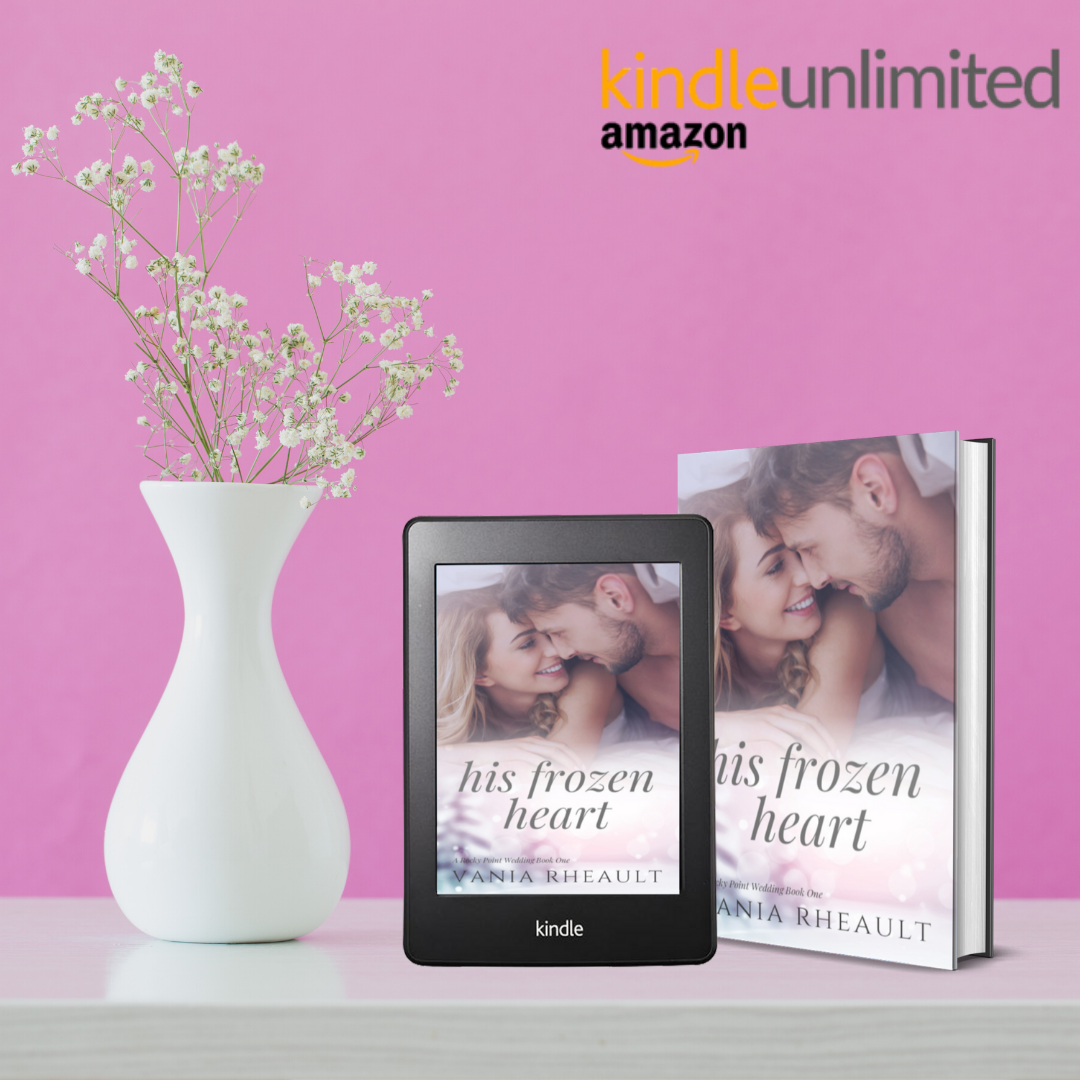
As far as the quartet covers go, I received good feedback on the mockup for the first one, and I will definitely be keeping this couple as I haven’t seen them on a cover of a book before. (If you have, don’t tell me!) I have a few more couples bookmarked on Deposit Photos, I just need to see how they look shoved into the template. I thought I found one, but the way he was positioned put his nipple in the exact center of the front cover. Once I saw it, I couldn’t unsee it, and I know a lot of people would have noticed it too. Finding couples is hard!

a rocky point wedding book cover mock up for blog

I’ve been looking at fonts and buying a few to try during the holiday sales to replace the bad Scriptina font, and at work one day I did take about six hours to brainstorm titles for all of them.  I just need to find the notebook they’re in now. Jeez. Blurbs are next, and I wish I had 1,000 dollars to hire Bryan Cohen and his blurb writing business to crank them out for me. I also need to get going on the blog posts a writer character writes for her newspapers blogs. I haven’t gotten many of them written yet, and I don’t know how many I’ll do. With what goes on in all four books, there is a lot of subject matter to choose from.

I should just make a list and get going because I missed the deadline of when I wanted to start publishing these. But taking my time will be worth it. I don’t want to have to fix anything after these are out in the wild. And feedback is pretty important, too.

It seems surreal to me I started writing the first book in the series around this time last year, trying to get as much done before my surgery as I could. Now they’re done. I worked really hard this year, and I’m going to have to think of a special way to celebrate once they’re all ready to go.

First person trilogy

I’m experimenting with first person for my next romance, and I’m going to publish under a pen name. I know authors who go back and forth with POVs under one name, but I’d like to keep them separate. In the little research I’ve been doing, it feels to me like the audiences are different (first person present readers seem younger to me somehow) and that might affect how I do some marketing. Eventually I might reveal what my pen name is, but the plan is to keep the launch separate and see what happens. Vania Rheault doesn’t have much power anyway, so it’s not like I’m missing out by not using my readership to launch a new trilogy. Joanna Penn and her mother released Penny Appleton books without telling anyone. Joanna just used what she knew of marketing, and it sounds like she did okay. I feel like these are better for the market right now, so I won’t be shy with throwing a little money at the first book’s launch and see how they do. I’m excited to try this different path in my writing career.  Stay flexible!

Other Bits and Pieces

It’s cold here now. It seems like winter decided to smack us in the face a little earlier this year.

photo of snow field near trees

It’s pretty until you have to live in it.   Photo by Burak K on Pexels.com

It makes the winter months drag, and I’m already tired of the bitter cold and snow. Seasonal/situational depression sucks, and there’s nothing you can do except keep chugging along and trying to take more good out of the bad. I’ll be writing as much as I can, of course, trying to go outside when frostbite isn’t a sure thing, and just trying to keep my sanity until the weather warms up in four long months.

This time last year I was also dealing with two sick pets, and my kitties seem to be doing okay now. Blaze and Harley still don’t get along, and that will always be a stress in the back of my mind. (If you want to see pictures of them on a fairly regular basis, follow my Instagram: https://www.instagram.com/vaniamargenerheault/ where you’ll also see I have a penchant for martinis.) Harley’s stress made her pretty sick, and 2,500 dollars later she seems to be okay. So I can count my blessings in that regard, anyway.

Still thinking about doing a newsletter, and looking at aggregators for that. MailChimp still seems to come out on top because of their free service up to 2,000 subscribers (even after their changes) but I’m also hearing good things about Mailerlite. Mailerlite is free up to 1,000 email subscribers, and that seems to be the one a lot of indie authors use. You

shallow focus photo of woman sitting on couch

can change aggregators, but I would prefer to choose the one I’m going to stick with for the long haul. I know that my blog is for indie writers looking for publishing advice, and a newsletter needs to be for your readers in the genre you write in. So I need to decide if I can scrape up content for a newsletter that would go out about twice a month and still have the time/energy/brainpower to keep my blog going. I love blogging. It gives me a chance to switch gears from fiction to nonfiction. So in 2020 we’ll see what happens.

I suppose that’s about it for now. Just wanted to catch you guys up. I’m still working really hard on the quartet, though things seem to be at a standstill as I wait. There are background things I should be doing, and I’ll focus more on those in the coming weeks. My second book in my first person trilogy is at 63k, and I have to admit, I work on that when I shouldn’t be; I’m just having so much fun! I have about 15,000 more words to go and it will be done. I know what I need to write, I just gotta do it. I primarily write that in longhand at my work so I don’t think I’ll have a problem finding the time to finish it before the end of the month. Bits and pieces of the third book come to me, and I’ll have to plot that out a little more when I’m ready to write it. Writing in 3rd person and 1st person are very different, and writing 1st person (to me) seems easier.  But, if it’s any good remains to be seen! Ha!

I’ll have more of my Written Word Media survey blog posts coming out in the coming weeks, too, so look for that. If you missed the first one, you can read it here.

Thanks for checking in with me, and I will talk to you soon!


end of blog post graphic

Being a Career Author. Do you have what it takes?

When we think of being a career author, what do we picture? Sitting in our pajamas all day with a pet at our feet, snacking and drinking coffee all day while we do what we love: write.

Untitled design

he’s loving all the royalties pouring in (taken from Canva)

We don’t often picture what it takes to get us there–we only dream we’re earning enough to pay our bills and buy a lovely writing retreat in the woods sans mosquitoes and flies.

In October, Written Word Media, the company that brings you Freebooksy and Bargainbooksy promo tools (both services I have used) put out an author survey. (You can read the whole survey here, but don’t forget to come back to the blog!) In this survey, indie authors weigh in on everything from how much they make to how much they pay for services.

They breakdown their survey into categories, and in similar fashion, I’ll breakdown my thoughts in this blog series.

To start us off, they brokedown the authors they surveyed into three categories:

  1. Emerging Authors
  2. 60kers
  3. 100kers
Marketing-Is-Hard-average number of books per author

graphic taken from the survey linked above

My views will be as an emerging author who, in total, in the three years since I’ve been publishing, has made less than 2,000 dollars.

This brings us to their first point, and the only one I’ll be covering today, though we do touch on their second point just a little as they are related.

The first point the survey goes into is the number of books you have your catalog matters to your income.

According to the survey, (stats are median):

  1. emerging authors have 6 books in their catalog
  2. 60kers have 22 and
  3. 100kers have 28

The numbers of books for those authors making some actual money look pretty intimidating. But I’ve blogged about this before: books are not necessarily full-length novels anymore.

The survey didn’t break down the length of these authors’ books, but I doubt that when we talk numbers of books published, that all of them are full-length novels of 70+ words.

I know this is also genre-specific. Romance in particular is a good genre for spin-off novellas, shorter-in-length prequels, and more. Look at the catalog of any bestselling romance author. When you find the print-length of their work, you’ll see some as few as 16 pages to as many as 400. Companion pieces and side stories of favorite secondary characters can be moneymakers, too, if your readers are invested in your characters (although I can understand using these projects as newsletter presents for your subscribers).

I’m not sure about other genres, and interestingly enough, this survey did not breakdown the authors by genre.

So if you’re thinking to make 100k a year from your writing that you need 28 or more full-length novels, that may not be true. Especially since the very definition of a full-length novel differs from person to person, genre to genre. I’ve seen 40,000 words described as full-length! If you can write 1,000 words a day, that’s only a little more than a month to produce a book. [How you can make a living writing short stories, novelettes, and novellas, and things like serials are out of the scope of this blog post.]

I wrote novellas for a little bit. On the Corner of 1700 Hamilton (what an atrocious name, blah) is made up of two novellas, and Summer Secrets, my experiment with erotica, is also made up of six novellas, packaged three in one book and three in another (plus an ebook box set of all six).  These are not in the genre I chose to make as my career, and I do not count them in my backlist (though writing them was fun and good practice). The six books I do count are full-length novels of 70k words or more, but in the series I’ll be releasing soon, there is room for a prequel and short stories about other characters that didn’t get their time to shine. Whether I’ll take the time to write them is a different matter.

What can you do?

  1. Add to your catalog. Obviously, the more books the better.
  2. Do your research. If your genre supports short(er) works, pepper in novellas and short stores if you like. Just keep in mind that if you’re in KU, you earn more in page reads for longer books (providing a reader reads the entire book) so you need to decide if it’s worth your time to write shorter pieces or if you should focus on writing full-length books.
  3. Plan a publishing schedule and stick with it. A friend of mine said the other day if he can’t write two books a year, he might as well forget it. I’m not sure how true that is. Jami Albright is famous in the indie community for publishing one book a year and she’s a 100k/year author. Now she has four books in her backlist, and she says she depends heavily on ads between releases. But she does it. Does that mean you can, too? That’s the nightmare of indie publishing. No two books are the same. Authors and their connections are different, and it could just be that people love her voice and what she writes about (romcoms).

Here’s Jami’s talk from the 20booksto50k conference in Las Vegas last month.

I’m of the mindset that if you want it bad enough two books a year is doable for most people, though I might just need a reality check. But it’s hard to argue with the math. 1,000 words a day for 200 out of 365 days a year, [no one can write every day] is 200,000 words. That’s a lot of words.

If you always see 28 books as an unclimbable mountain, you’ll never be able to make it to the top.

Next, the survey goes into how much time authors put into their writing. I’ll weigh in on that next time!

See you then!


end of blog post graphic

Author Panels, Advice, and Mixed Messages. What works for a different author might not work for you.

A while back I joined an author group on Facebook. I’ve blogged about them before, and they are great for motivation, tips, tricks, the list goes on. They also hold a huge author/marketing conference in November and even though I haven’t been able to attend in person, I watch the videos on YouTube. It’s really interesting to hear about how some of the indies making a living wage writing speak about their journeys.

This isn’t without its pitfalls. Listening to several different speakers tell you how they made it, as you can imagine, well, you’ll get several different results.

I have noticed though, how there are some mixed messages, even among the speakers on some of the same panels.

magic spell

It’s proof that there is no magic bullet, and what works for someone might not work for you. As I watch more of the videos from the conference, I’ll let you in on some more of the things I find, but for now we’ll start with a couple that popped into my head this morning while I was in the shower mulling over part of a romance panel I watched last night.

Disclosure:
These are my thoughts on public YouTube videos. The group very generously puts them out so authors who can’t attend can still benefit from the speakers and panels. I love this, and I am in no way saying derogatory things about this group, nor am I sharing information that isn’t available to everyone who is willing take the time to watch them. 

1.  Enroll your books into KU, but take advantage of Prolific Words (AKA Instafreebie) and Bookfunnel to build your email list and take advantage of genre promos.

l hope new authors understand that your book can’t be available anywhere else if its enrolled in KU. KDP’s terms of service is a bit hazy . . . you are allowed to give your book away for free for review purposes, and you are allowed to have up to 10% of your book available in other places. If you want to ride the edge of KDP’s TOS, good luck to you. I prefer not, and when I used BookSprout for reviews, I pulled my books out of there before I enrolled in KU.
How do you get around this? Make your book available on those sites before you publish and then take them down when you’re ready to publish, or use those sites before you enroll in Select. (You can publish with KDP and not be in Select.) If you have the time, and I prefer this method, write something that is only available to newsletter subscribers. If you’re taking advantage of a genre promo on Bookfunnel or Story Origin (I have done neither), it’s better to have a book that’s wide or not in KU so you don’t have to worry about it.
As far as the KU opinion goes, Alex Newton of K-lytics did a lovely talk about who is making the money (out of any author: traditionally published, small press, indie, and other), and it’s indies in KU. Alex is funny, and you’ll enjoy his presentation. You can watch his talk here:

2. You don’t need money to advertise/launch a book, but it’s really best if you have some money.

One romance author said her books depend on Facebook ads. Another said if she’s not advertising, her sales die. But I don’t think it’s fair when an author making money tells you that you don’t need to invest in ads and that investing time on free social media works just as well. They say starting small on ads works, too, and I will spend five dollars here, five dollars there. But do I have steady sales? No. What you need to keep in mind is a lot of these authors have been writing and publishing for years. Five dollars a day here and there probably did work for them five years ago, but that’s not true today. To have a good launch, you HAVE TO be able to throw some money at your book. To have steady sales, you have to be able to invest a little. Hopefully your book is solid (good cover, good blurb, good writing on the inside) and you always make more than what you spend.

3.  You shouldn’t be wasting your time on social media instead of writing, but you should really be on social media.

This one kind of drove me nuts because what some of those authors did on that romance panel made me want to puke. I saw hours and hours of writing time go up in smoke as one author said you should start your own reader group, and join other reader groups (in your genre) to get your name out there. Mostly it was all Facebook-centered, and that goes against almost everything I have ever heard about depending on another platform for your real estate. Drive everything to your website is what I’ve been told time and time again, but a couple romance authors swore up and down that they would not be where they are today had they not joined and started reader groups.


So what should you be doing? What did they agree on?

1.  Start a newsletter. While there was some disagreement on the best way to gather email addresses (some said to do the promos like Bookfunnel, StoryOrigin, and other means that require giving away a piece of writing in exchange for an address) others said that they do paid promotions on Facebook to gather email addresses, and another mentioned adding an opportunity for your readers to have access to secret content  to the back of a book that they’ll only receive if they sign up for your newsletter. An alternate ending would be an example. Or an epilogue. No matter which way you decide to start your list, that is top thing they all agreed on.

2.  Network. So far there have been quite a few authors who said their careers wouldn’t be where they are today if they hadn’t networked. They made friends “higher up” in the publishing totem pole, and it paid off for them. That’s not to say you’re networking to use people. People can spot false friends and you’ll be outed fairly quickly. But networking and getting to know other authors in your genre could pay off in the end with newsletters swaps, being asked to participate in a collection/anthology/promo, etc.

3.  Fulfill reader expectations. They couldn’t emphasize this enough in one of the romance panels I watched. You need to make your readers happy, or it’s all for nothing. Read in your genre and understand what your peers are offering their readers. If you decide to break a trope, do it in a way that won’t piss off your readers. The moderator of that panel used the example of a billionaire romance taking place in a small town. She said she was disappointed because the premise behind billionaire romance is that it takes place in a big city. He’s usually the head of a giant corporation. If you go against this trope and place a billionaire in small town (for example, maybe he’s on the run or in the witness protection program) perhaps it’s not a billionaire romance you’re writing but a romantic suspense. Give your readers what they expect out of the genres and sub-genres they enjoy. It’s why they picked up your book. Because your marketing/title/cover/blurb told them that’s what it is. Your insides have to match your outsides.

4.  Keep in mind your competition. This is a still from Alex’s talk, and if it doesn’t give you nightmares, nothing will. You HAVE TO FIND A WAY to push to the top. And if that means learning an ad platform, learn it. If that means starting a reader group, start it. If that means starting a newsletter, start it. I think some writers/authors live in a bubble, and they don’t realize just HOW MANY books are out there.

2019-11-24


At some point Craig Martelle said there is close to 50 videos on YouTube you can watch from the conference last month. It will take a while to get through the ones that interest me. Follow my blog and I will keep you updated as I parse through them!


I hope you had a wonderful holiday, and enjoy this last month of 2019!

end of blog post graphic

Amazon Also-Boughts. Just a quick word about why they’re important.

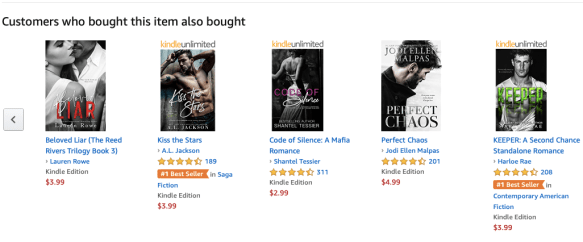
Not many first-time authors know how important their also-boughts are on Amazon sales page.

I didn’t either.

When you’re a new author, and your friends are published authors, your also-boughts probably reflect that because you’ll buy each other’s books. Chances are your friends write in different genres so your also-boughts are full of steampunk, urban fantasy, and fantasy when you write romance. We laugh and take screenshots because Amazon has linked us to our Twitter friends.

That’s less than ideal because this is Amazon telling you they don’t know where your book goes on the virtual bookshelf. This is bad.

If Amazon doesn’t know what your book is, they can’t recommend it to readers in the correct genre.

This is why when someone on Twitter says they have birthday money and want to buy a couple of indie books, I get mad at all the people who try to entice them into buying their books. When it comes to Amazon, the biggest book retailer in the United States, a sale isn’t just a sale. I stopped advertising my books on writer Twitter a long time ago.


Why do you care what the also-boughts are on your books product page? Because when Amazon knows what genre your book is, Amazon will put your book in other authors also-boughts. This is really powerful. This is like free advertising. Amazon recommending your book on another books’ sales pages? Yes, please.

This is why you don’t want just anyone buying your books. You want readers in your genre buying your books.

This also goes for the first wave of sales that go to your family and your friends. Don’t ask them to buy if that’s not what they read and buy from Amazon on a regular basis. I know it’s hard, but training Amazon to know what you’re selling is beneficial in other ways. Mainly, ads.

Did you know Amazon won’t show your ad, no matter how much you bid, if the algorithms say no one is buying it? Amazon wants to make money. If they can’t make money selling your book, they’ll bury it.

But, you might say, they’re getting my money from ads with cost per click, right?

Yes, but that’s only 50% of what they can make if people are clicking and not buying. Amazon wants their 30% of your book royalties, too, and they go with the sure thing.

Training Amazon to know what genre you publish in is half the battle. That’s why you hear from established authors that say you shouldn’t genre-hop until you have an established audience.

Loading your book into Yasiv if to see if your book is connected to others in your genre is a good start. If it’s not, buy some promos. Your first order of business is getting readers of your genre to buy your book.

The second is to write more books.

The 3rd is to stop asking just anybody to buy it. If you’re hoping for reviews, give your book away.

You want Amazon to show your book to people who read in your genre. They’ll even email readers suggestions of books they might enjoy. We all get those emails. It takes a little work, but in the end it can be worth it.

What are my also-boughts like?

all of nothing also boughts

All of Nothing‘s also-boughts are solid. It’s my biggest seller (which isn’t saying much) but I’ve done the most ads for it.

The Years Between Us needs some work, apparently, and I’ll be doing a promo for it for my birthday coming up. I still need to change out the blurb though. This isn’t good, and I’ll be taking my own advice.

also boughts for the years between us


Want to learn more about also-boughts? Read Chris Fox’s Six Figure Author. He goes in depth with also-boughts and the Amazon algorithms.

What to hear more about how Amazon sells your book? Listen to an interview with author Russell Blake and Michael Beverly who runs AMS Ad Werks, an Amazon Ad management company. Listen to Joanna’s podcast here (or read the transcript).

Michael was also on the Self-Publishing Show with Mark Dawson and James Blatch. You can listen to the podcast, or watch them on YouTube.


That’s all I have for today! With the holidays coming, I can’t guarantee I’ll stay on a consistent schedule, but I’ll try.

I hope you all have a splendid week ahead!


end of blog post graphic

Launching your book. Is there anything you can do to have a great launch?

your book launch

I have to get this disclaimer out there: I suck at launches. I hit PUBLISH and kind of move on. In fact, this goes in line with what Andrea Pearson says on the new 6 Figure Authors Podcast with Lindsay Buroker and Joseph R. Lallo. She recommends not bothering to market until you have at least ten books out.

As I found out being $70 bucks in the hole doing Amazon ads for The Years Between Us (I still haven’t updated that blurb, dammit!) sometimes spending money on marketing and advertising is just a waste of money that you may not ever get back.

But sometimes you wanna throw a little money at a new book, and maybe if you can hit the right notes it can take off and Amazon might show your book some love. That chance is getting smaller and smaller because of the competition, but it never hurts to try. You might get lucky.

Launching can take some planning, so I’ve been mulling over ideas. Because only half the books are edited, I don’t have blurbs or titles yet, and I only have basic concepts for the covers, my launch is going to go into next year. I’m a little embarrassed since I’m 18k into book 2 of my SUPER SECRET PROJECT trilogy, and I’ve been spending more time writing that than I have working on my series. That’s what you get when you chase after the shiny objects. 

When we talk about launches, probably the top two things seasoned authors will tell you is to announce it to your email list and reach out for newsletters swaps.

I can’t do this because 1. I don’t have a email list, and 2. because I don’t have a newsletter (email list) I can’t ask around. I mean, I could ask, but I would have to be clear that I cannot reciprocate. So I’m reluctant to ask because swapping implies doing it in return at some point, and I can’t. To me it would feel like asking for favors, and I don’t like owing people.

If you don’t have a street team, email list, or friends to help you out, what can you do? The only options are then to fling some money at your book.

But first, before you shove money at it, try to get some reviews.

This is my tentative plan when I have my series ready to go:

  1. Put my book on BookSprout before I put the ebook in KU. You can publish your paperback ahead of your Kindle book. Reviewers can’t put up a review on a preorder so the way authors are getting around this is publishing the paperback before the Kindle book. That way, when you do publish your Kindle book, it will have reviews. (You may have to contact Amazon to have them linked up to make the reviews show up for both versions.)
    In a previous blogpost, I questioned the quality of the reviews from BookSprout, but you have to weigh what you need versus what you want. If you can grab four or five reviews from them at least you have something to get your book off the ground. Some readers won’t read anything that doesn’t have a review. And if you have only one book out and no one knows your name, your chances of a reader picking up your book without reviews is even lower. BookSprout will offer your book to 20 ARC readers for free. If 25% of them leave a review, you can publish your Kindle book with a few stars, at least.your book launch (2)
  2. Buy some promos. I want to have my whole series published when I do this. That way the promo for book one is actually going to be for all the books in the series, and I’m hoping for some serious read-through.
    The two places I’m going to try are: Red Feather Romance. This is a promo site run by Written Word Media who also offers Freebooksy and Bargainbooksy. I’ve tried both of those before, and I’ve had better luck with Freebooksy. But I tried Bargainbooksy on a standalone, and I’ve come to realize marketing a standalone is not cost-effective. Ereader News Today. I haven’t tried this service, but other authors swear by it. I like trying something new every time I release a book, if anything, just so I can blog about it.When you look at promo sites, make sure before you apply that they don’t have a minimum review policy. Some don’t, some do, so it’s best to be sure you don’t need 10+ reviews before you apply for a promo. It saves time.

    Also keep in mind your publication date. Popular promo sites book out a couple weeks in advance. If you’re launching  your Kindle version on January 10th, you may need to rethink it if you can’t get a promo date until February.

    This brings up the subject of release pricing. I think I’ll release the first book in the series at .99 and release the other books at 2.99.  I’ve tried 3.99 and that seems to be too high. When you’re releasing into KU, price doesn’t seem to matter as much because you’re going more for the page reads than you are sales. If you’re wide, price matters a little more, and then you have to research in your genre what other books are going for.

  3. Ads. I may still do some Amazon ads a few weeks after the release of book 4. That might keep my sales and page reads up after the 30 day drop off when I run out of books to release. I’ll have my SUPER SECRET PROJECT close to being done, probably, but that will be under a different name so I won’t have the power of this release behind it. What little power there might be.

your book launch (1)

I’m being realistic with this launch. My kind of books are not what’s selling right now. You might wonder how that’s possible, because romance is romance. But if you take a look at the top ten, only three of them are written in third person past, and one of them is from Nora Roberts. I don’t count her.

  1. Dirty Letters by Vi Keeland and Penelope Ward: 1st person past
  2. The Family Journal by Carolyn Brown: 3rd person past
  3. Crazy for Loving You: A Bluewater Billionaires Romantic Comedy by Pippa Grant: 1st person present
  4. Havoc at Prescott High (The Havoc Boys Book 1) by C.M. Stunich: 1st person present
  5. A Nora Roberts reprint from 2009: 3rd person past
  6. No Broken Beast by Nicole Snow: 1st person present
  7. Winter Cottage by Mary Ellen Taylor: 3rd person past
  8. My Big Fat Fake Wedding by Lauren Landish: 1st person present
  9. Insatiable: A Cloverleigh Farms Standalone by Melanie Harlow: 1st person past
  10. Stealing the Bride by Nadia Lee: 1st person present

You can dig deeper down the list and keep counting, but that small sample is enough for me. I’ve blogged about this before, too, how I think that 3rd person past is going out of style, and after my wedding quartet, I’ll have to decide if it’s even worth writing anymore. I mean, there’s no telling when 3rd person past might come back around. Everything circles around if you give it time. But you also have to resist banging your head into a brick wall trying to sell books readers don’t want.


Anyway, I’ve talked enough about my launch plans. It seems the best plans will incorporate a little teamwork by way of newsletter swaps, but it puts you in a hard place if you don’t have one of your own.

If you find this is the case, you can be stubborn like me and keep doing what you’re doing, or you can start a newsletter, and realize that it’s going to take you a couple years to build a list of readers where you can tell them about your releases and other books you enjoy. Also, there’s no time like the present to reach out and make some friends in your genre. If they’re your friends and want to help, maybe they won’t ask you for anything in return. Some people out there are still nice. Just be careful not to take advantage.

Got any other launch ideas? Let me know!


end of blog post graphic


Playing catchup and bending under pressure: a lesson in what not to do.

Hello, November!

Hello, everyone. Sorry I have been MIA. I think I did post last week, but I try to hit Mondays and this week was a fail. What have I been up to? Glad you asked!


Yesterday my proofer gave me back book one of series. He liked the story overall, and found some typos. I found some more running it through Grammarly, and I think it’s going to be as perfect as humans can make it. So, that’s book one down.

a rocky point wedding social media graphicWill I be able to start publishing near Thanksgiving like I hoped? Nope. I’ve decided I want him to read through all four and make sure they are consistent with details and plots. Waiting will make my life a lot easier if he finds anything. I could go ahead and start publishing because I’m hoping I would know if I left behind any giant plot holes, but I am not 100% confident in my abilities. I admire the authors who can publish books one by one in a series. I prefer to not chance it, but I should be able to start publishing before the end of the year, so I’m not that far off the mark. Editing always takes more time than I think.

Also, yesterday, I woke up in a lot of pain. My left shoulder blade and arm were hurting pretty badly. This could have been from all the typing I did on Monday since I transcribed the last of my SUPER SECRET PROJECT, and the final word count before editing came in at 80,500 words. Monday I transcribed to the tune of 6,000 words and that may have just been a little much.

But you know, I probably just slept funny. All those “after 40” memes are pretty accurate. Someone can look at me wrong, and my back will hurt the next day. Because aches and pains are going to be part of life from here on out, I try not to take too many pain meds and save them for the worst days. Yesterday was one of those days, and I took some before bed too, which gave me a decent night’s sleep. Except for the cats, of course.

I feel like my life is a box of clichés.


Anyway, this segues into something I’ve been thinking about.

We’re all under a lot of pressure. It’s something we don’t like to talk about. The pressure to create content, the pressure to publish. Especially in romance, the genre I write in. I haven’t published anything since May of this year, and that gap in a publishing schedule is practically unheard of (by authors who are making money). Never mind that in total this year, so far I have written four full-length novels and half of one that I started in December 2018.

We see authors cranking out content and we want to do that too. Sometimes we try. Sometimes we can, most times we can’t. This is a secret that I learned, and not that long ago.

You have no idea what is going on behind an author’s name. Or, more precisely, a pen name. You think, one name, one person. And a lot of time, I can’t say how many times because authors keep this secret pretty close, a prolific author name has two, three, or more writers behind it. It’s how they can crank out material so fast. We’re over here killing ourselves trying to keep up, and oh, look, a couple of top ten romance authors have two people writing the books.

I’m definitely not saying this is bad. If you can find someone who matches your style and you get along, hell yeah, collaborate. Why not? In fact, if you listen to any publishing prediction for any upcoming year, more collaboration is always one. Why? Because it’s smart. Why not share the work? Why not dominate in your genre if you can. Half of thousands in royalties is better than none, am I right?

But for those of us who write solo, it’s very deceptive. And it can be dangerous.

Another thing you have to watch out for if you’re comparing yourself to prolific writers is what the word count of their books is. Yes, they are writing full-length books, BUT, if you look closely, you’ll see that their catalog is peppered with novellas, novelettes, and even short stories. Lots of those are “add-ons” or “companions” to the full-length book, and it’s a fun way to give readers a little extra. But you do have to keep in mind that counting an author’s titles isn’t a fair way to compare how much time they spend writing versus how many books they have published.

I could publish two novellas a month if that how I wanted to build my backlist. For now I’d like to continue to offer my readers full-length novels of 70+ thousand words. You have to do what’s best for you and the readers you want to attract.

If you’re going to have comparisonitis, at least be smart about it.

Having passion and working hard at something doesn’t have to be a bad thing. When I used to run, I would run injured all the time. Anyone can tell you that’s bad, and it just sets you up for more injury. But whether it’s bad or not, it’s common. Runners even have memes about it:

runnign while injured

There are a lot more than this one, but it depicts how runners really feel about taking time off to relax and heal.

Writers can be the same way. I am very passionate about my SUPER SECRET PROJECT. It was fun to write, and I don’t feel like I was racing to get it done. It’s book one of a trilogy, and I probably won’t be able to release them until early next year when my series is out. Why was it so important I finish it so quickly?

zane and stella stats


Who knows, except, again, it was fun. But I could have afforded to go a bit slower, just to take better care of my health. Mental and physical.

There is pressure to publish, and to publish quickly. We scramble because it feels like other writers are gobbling up pieces of the reader pie and there won’t be any left by the time our book comes out.

The indie publishing space is drowning in books. But hurting yourself and making yourself burn out isn’t the way to make a grab for your piece.

Hello, November! (1)

I’m going to try to be more mindful of writing time. If I have twenty pages to transcribe, I have to remind myself it’s not a race to get them typed up.

Take care of yourself and don’t bow under the pressure. Especially with the holiday season coming. Sometimes you won’t have time to write, and that’s okay. Take a rest, tolerate enjoy your family, and eat a piece of pie while you watch TV. Just be mindful of what your goals are!

I’ll end with that for now. It’s early here yet, even though it’s pitch black outside. I have time to edit for a few more hours.

Just kidding!

No . . . I’m not. 😀

Have a great week everyone!


end of blog post graphic


Is your book fitting in where it should be? Find out by using Yasiv!

A really cool way to figure out if your book is fitting in with others in your genre is using a site called Yasiv.  You put in the ASIN of your book, and it will pop up books that are related to yours–if readers of that genre have been buying your book.

If your book is not connected to others in your genre, then the right people (your audience!) are not reading your book.

I’ll show you what I mean:

This is Stuart Bache’s book about making book covers, The Author’s Guide to Cover Design. He’s a popular cover designer and wrote a book about cover design. He did an interview on Joanna Penn’s podcast a bit ago if you want to listen to it.

Anyway, it’s a good selling non-fiction book, and if you look at the books his is connected to, he’s found a good foothold in the non-fiction for indie authors arena.

2019-10-29

This is also a great way to find other books you’re interested in. There are a few in this graphic that I wouldn’t mind reading. But I also see a ton of books that I have read as well.

Let’s try with a fiction book.

2019-10-29 (1)_LI

Don’t Run Away is on the outskirts of all these romance books.

Though my book is low in the rankings right now because I don’t promote it, at least steamy contemporary romance readers are reading it.

What else can you get from using Yasiv?

You can see if your cover is cutting it with others in your genre. This is a great tool to use as research to make sure your cover is going to meet reader expectations of your genre.


What can you do to get readers reading your book?

Buy a promotion. You need to get your book in front of readers (and not your friends!) and buying a promo is the best way to do that. Use a free day if you’re in KU and set up a Freebooksy promo in your genre. It may cost a little bit to give your book away, but it’s better money spent than wasting money on ads if you don’t know what you’re doing. (Plus I always see a little bump in KU page reads so you may not completely lose out on your promo fee.) I lost 70 dollars on ads for The Years Between Us. That money may have been better spent on a promo instead.

Freebooksy has lots of genre categories, and you can look here for the complete list.

Another popular one is E-reader News Today. I haven’t tried this service, but I have a release coming up and this is a service I’ll try.


Anyway, this is a fun little tool to help you find where your book is fitting in, and also finding books to read that are connected to your favorites.

Other articles about Yasiv that you can take a look at:

Using YASIV to understand your market and improve your marketing

Finding Readers with Yasiv

Tell me what you think!


end of blog post graphic

You Can’t Have Something New if You Don’t Try Something New.

I’ve thought about this a lot in this lately. I see lots of posts from people who give themselves permission to not be uncomfortable. And I respect that. It’s tough being uncomfortable. You don’t feel good, it can make you have an anxiety or panic attack, it can make you physically ill. There are certainly bad kinds of uncomfortable. You don’t want to force yourself to be around someone you don’t like, or who gives you bad vibes. You want to listen to your gut, your intuition, and if it’s telling you to get the f*ck out of a situation, you do it.

But there’s something to be said for being uncomfortable. You can’t have something new if you don’t try something new. And let’s face it, trying something new is usually uncomfortable.

You can't HAVE something new, if you don't TRY something new.

You sit outside a building because you’ve never been in it before and don’t know where anything is. You sure as hell don’t want to go inside and make an ass of yourself wandering around. You wait outside a new meeting spot until you know a friend is already there so you’re not first to arrive and you have to sit by yourself.

A lot of people asked me if I was nervous going to that book signing a couple weeks ago. To be honest, no, I wasn’t.  There was the potential to be, sure. Who wants to drive fifteen minutes away, go into a conference center they’ve never been in before, set up all their books, and talk for six hours about their work to strangers, and hope they buy your books? Who the hell needs that when there’s Amazon, right?

I wasn’t nervous because I have a degree in Human Resources, and setting up for that book signing picture3book signing felt exactly like sitting at a table at a job/career fair. I did that a lot. A lot. On both sides of the table. I was used to standing, holding out my hand, making eye contact and, yeah, speaking. (Gross.) If I didn’t have two years of that behind me, I probably wouldn’t have gone.

But that’s the point of this blog post, too. Giving yourself permission to skip things because they make you uncomfortable won’t help you get anywhere. If I had let myself do that, I would have skipped the writing meeting where I met the woman who asked me to participate in the book signing in the first place. Let me tell you, the Monday evening we met, I was a nervous ball of energy, and I didn’t write all day.

As writers and authors, we’re going to be asked to do things that make us uncomfortable. If we strike it rich (and even if we don’t) we’re going to be asked to speak at panels, and give talks. Go to book signings, speak about our craft, our journey. We’ll be asked to encourage others, help others on the same journey.

While it’s okay to give yourself permission to avoid things you don’t want to do, keep in mind all that you’ll be missing if you can’t take that leap.

Many of us are afraid of change. We don’t want to find a new job, or we stay with a partner we may not even really like because breaking up is too hard. We don’t find a new apartment because moving sucks.

So think about what that means the next time you give yourself a pass, or encourage someone to skip something because it’s not what they want to do.

You can’t miss what you never had, but you may never have another opportunity.

1593399-Bobby-Unser-Quote-Success-is-where-preparation-and-opportunity

I really like this quote. Not only do you have to be prepared, but you have to be ready to take a leap, take a risk. An opportunity can present itself, but if opportunity is knocking, you have to be able to open the door.


public speaking joanna pennJoanna Penn has a new non-fiction book out about public speaking, called, well, Public Speaking. Public speaking sucks, and as authors, every once in a while we’re going to be asked to do it. Give a talk, participate in a panel. Even if we’re sitting in a writing group and we’re asked what we’re working on, you could have 2-10 pairs of eyes on you, listening to what you have to say.

You would think as writers all we would be asked to do is sit in a dark room and pour our hearts out into our laptops. This isn’t the case, unfortunately.

vlog like a bossAnother book that can help us put our faces out there besides Joanna’s public speaking book is Amy Schmittauer’s book, Vlog Like a Boss.  In it she gives out really great information on how to vlog, what to vlog about, and how to present yourself. It’s a good resource if you’re thinking about starting to put your author face out there!

Joanna’s public speaking book is also pretty cool, and since she’s been speaking forever, she knows what she’s talking about. I would recommend giving both these books a try.

Being uncomfortable sucks, but if you always give yourself a pass, you may never know what opportunities you’ll miss.

What have you done lately to step outside your comfort zone? Did it pay off?

Let me know!

nohting changes if nothing changes


end of blog post graphic

Author integrity, where I’m at with my series, and what’s going on for the rest of the year.

Author integrity and what building a brand means.

I got some bad news this weekend. An author friend of mine, who has been saying (for quite a while now) she’s rewriting her first book posted on social media that she has decided not to. She’s rebranding, and the old book will be republished under her new pen name, cover, and reformatted interior. I was bummed, and I’m sure I’m not the only person she let down.

When we start building our businesses and start thinking about author brand, we think right away about our website, our logos, pen names, and everything in-between. But building a brand is more than the color palette we’re going to use on our website. Building a brand is letting readers (i.e. the public on social media) know who we are as people. Are we honest? Do we do what we say we’re going to do? Do we treat our peers with respect? Do we run our businesses with integrity? Do we have follow-through? I see plenty of authors who like to be jerks online. They say people are too sensitive, or people are too easily offended, and that gives them an excuse to say what they want without regards to other people’s feelings. I see authors publish without follow-through. We write the first book in a series or trilogy, publish it, then nothing. For years. Or authors who release less than stellar books and then get upset (sometimes online by way of responding!) when their reviews reflect that. That does not inspire loyalty from readers, and doing something like that won’t build a readership.

honest

Building a brand is showing people who we are. We want to inspire trust. We want readers to know that if they buy one of our books, they know what they are going to get. Quality. A good story. Authors like Stephen King and Nora Roberts are household names for a reason. Even big named indies like Melissa Foster and Mark Dawson have created brands that a lot of us can identify just by hearing their names. Their names bring to mind who they are as public figures and as authors.

You’ll lose readers if you aren’t kind and honest, don’t produce quality work, and don’t have follow-through. Keep your promises. Be a professional.

I love this quote by Rachel Hollis, author of Girl, Wash Your Face and Girl, Stop Apologizing:

integrity quote by rachel hollis

Your brand is your business, and your business will sell your books.

I wish my author friend well. I wish her lots of success.

If you’re interested in reading Rachel’s books, Girl, Wash Your Face is right here, and Girl, Stop Apologizing is right here.


Where I’m at with my A Rocky Point Wedding series.

I sent books one and two to the proofer/beta reader. He’s going to tell me how they sound and if there’re any typos. With these books I’m cutting out a couple of editing steps, but adding one I haven’t done for the past three books. This time I will proof the paperback proofs as they come in. Hopefully that will make up for the two I’m skipping.

I’m done editing book three. It’s sounds great, and the only thing I did so far is deleting sections that don’t fit/slow down the flow and finding typos. I must have been feeling good when I wrote this book, or I liked the characters a bit more, because this couple is punchier than the other two. Ivy’s got an attitude, and I like her very much. Here’s a small snippet of something I came across that made me laugh:

“You’re going on the sleigh ride with us, aren’t you? I don’t want you to be hungry, and there’s not enough time to go home first. Come on, we’re meeting in the dining room.”

He looked good in jeans and a dark blue sweater. His blonde hair glinted in the sunset sparkling in from the huge windows that overlooked the slopes. Logan had always hated his glasses, but Ivy liked them. They made him look smart and handsome.

That hadn’t changed.

“I can grab something in the kitchen. It’s where I take my breaks, anyway,” she said, crossing her arms in front of her chest.

Logan scowled.

Ivy enjoyed it.

He’d paid for her time; she didn’t have to make it easy on him.

He sighed. “Please?”

“Honey, don’t turn down the pleasure of this hunk’s company,” Lola said, nudging Ivy’s shoulder.

“You don’t even like men,” Ivy said.

“Doesn’t mean I can’t appreciate the finer of the species,” she said, winking a heavily made up eye with silver sparkly eye shadow and a million coats of mascara.

Ivy glared at Logan. “Fine, but that doesn’t mean I’m happy about it.”

When she went to the stockroom for her jacket, she heard Lola say, “She’ll come around, honey. She doesn’t date much.”

“Much?” Logan asked, and he sounded way more interested than he should have been.

“Okay, none. She needs a little fun, and a little fun.”

Ivy could picture Lola leering.

“Oh, I’ve got that covered,” Logan said.

Dammit. He could charm an Eskimo into buying ice.

“That’s enough,” Ivy snapped, stomping out of the stockroom.

Lola whistled. “Honey, you ain’t got that covered enough.”

“I’ll keep working on it,” Logan said, laughing. He took her arm in a strong grip, and Ivy let him lead her out of the lounge.

Book four will take a little more work since I haven’t looked at it since finishing it a few weeks ago. The time away will help me find what needs fixing, but I doubt I’ll get it to the proofer before the holiday stuff kicks in.

I’m not in any hurry to get these out. I did plan for book one to be released around Thanksgiving, and I don’t see that as an issue as long as everything stays on track. I don’t want to have too much time between releases, but my timing might just be a little off. It depends on how fast my proofer goes, as well.

A little side project.

I am doing a little side project to keep me sane while I edit. I write that in longhand at work then when I get tired of editing my wedding series, I transcribe what I have so I can start fresh the next day I work. It’s been working really well and will be the first book I’ve written completely in longhand.

It makes the editing tolerable, and I’m already 51,400 words in.  This is something I’m thinking of publishing under a pen name, and it won’t be out until my series is fully released. So maybe in the spring. I’m not sure. It’s already plotted out, and it will be a full-length novel trilogy.

It’s fun trying a new direction!


Thanks for stopping in. I’ll be talking about change and being in uncomfortable situations.

Have a productive weekend, everyone!

end of blog post graphic