I don’t know when IngramSpark started distributing to Walmart.com.
A few weeks ago I saw someone post about having trouble with the pricing of their books on Amazon because they were on sale on Walmart.com. At the time I thought the only way you could have your books on the retailer’s site was if you published your ebook with Kobo. With their partnership with Walmart, Walmart sells Kobo ebooks in their books section. I didn’t think anything of it, attributed it to the operator and not the machine and moved on.
But then I listened to an episode of The Sell More Books Show podcast, and they also featured an author who was having pricing problems on Amazon due to their paperbacks being on Walmart.com. (I tried to find the episode that news clip was featured on and I don’t remember when I listened to it.)
Of course, then I had to look for my own books. If you remember from a past blog post, I did have my ebooks on Walmart.com when I was wide through Kobo. That didn’t last long, and as I far as I know, I didn’t sell one through that channel either.
The problem that’s been going around online now is that Walmart.com is willing to take a loss on books, and they have no problem discounting them. The person who does have a problem with it? Amazon. They’ll get on your butt right away for having a cheaper product than them somewhere else, and they’ll price match as soon as they find out. Some authors are even being told to contact Walmart and ask them to not discount their book(s), but of course, that’s impossible.
To combat this, authors are upping their prices on IngramSpark. That seems crappy though because 1) your book is suddenly more than you wanted it to be and 2) if you have your price anywhere on your cover you have to adjust your price on the cover so the prices match. I ran into that problem more than once, so I know first hand that Ingram won’t let you update your files unless they match.
Is publishing with IngramSpark worth it? I don’t know. It depends on what your goals are. How many books have I sold through Ingram? I only have my paperbacks there to take the place of expanded distribution on Amazon. I don’t go onto my dashboard very often because print isn’t part of my business model, but let me check:
I’ve sold five copies. I’m not even sure where to look to find out where those copies were sold from. Maybe it was Walmart, maybe Waterstones, maybe Barnes and Noble. Not sure, and to be honest, five copies? I guess it doesn’t really matter, either, does it?
So what am I going to do? At this point I’m not going to do anything.
It used to be a big draw for me to have my books available to be sold in bookstores. A lot of times authors don’t understand that if you want your books in bookstores or libraries it has to be available through IngramSpark. You can always sell your books on consignment or donate your book to a library, but if you want them to order your book properly, it needs to be available through the Ingram catalogue, and that is the sole reason I published there. I still haven’t approached my Barnes and Noble or local indie bookstore to ask if they’ll carry my books–even in the local authors section. I haven’t bothered to ask my library to carry it. (If you want your ebook part of a borrowing app like Libby, you need to be wide and published through OVERDRIVE which is an available option through Draft2Digital.)
But since my ebooks can’t be in libraries because I’m in KU, and taking into account my dismal paperback sales on other platforms, it makes me wonder just how worth it is to publish on Ingram if I’m going to have to go through the hassle of keeping my eyes on my prices. I don’t want Amazon mad at me. They are going to be a huge part of my income once my books start moving and I would prefer to stay on their good side.
As for me, maybe the sale on All of Nothing doesn’t have anything to do with prices on other platforms. Maybe it doesn’t have anything to do with Walmart. I know Amazon will occasionally run sales on certain titles, and I never had a problem with that because I know that if AMAZON runs a sale on your book that you’ll receive full royalties. But do you if they price match behind your back? Hmmm.
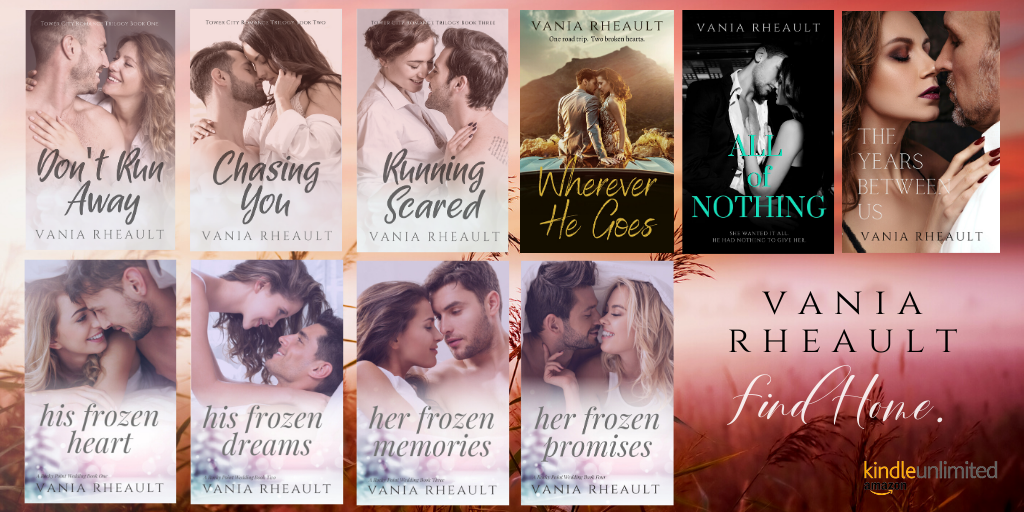
Here’s the first row of my books on Barnes and Noble. Everyone wants to discount All of Nothing it seems.
Well, I’m not going to freak out about it until Amazon asks me to stop offering my books at a lower price on other platforms. I don’t know if this sale is by them or not. Usually these flash sales don’t last long, and I’ll just keep an eye on my prices.
I usually don’t blog without something to say, but today finds me in a good mood, and I’m just going to ramble for a bit about what’s been going on with me.
We’re 21 days into 2020. How is that going for you? Have you started a new project? Wrapped up something you were working on? Or in some cases, just trying to get through day by day because work is a drag, or your spouse is in a bad mood all the time, or you have a sick pet, or a continually sick kid. There always seems to be something, and if you can find an hour to yourself to sip a cup of coffee and do something productive, that’s going to be a win. I’ve blogged before about winter putting me into a slump, but this week we’re supposed to have mild temps–20-30 degrees F, and in January in Minnesota, that’s pretty great. So I’m going to bundle up and make the most of it.
As far as writing news, my quartet is almost done. I’m waiting for book 4 to come so I can proof the proof. My “second set of eyes” finished with the last book as well, and I’ll be incorporating his findings as I proof.
Even though my response to the Booksprout Review Service was lukewarm and lackluster, it did make me think about what a book launch looks like without reviews. So, I published the paperbacks of the first three books in the series, (I’ll do the same with book four as soon as I’m done proofing it for typos one last time) and put up those books onto the service for reviews upon the ebook publication. Will it make a difference? I have no idea. There is a section for a message from you to the reviewer, so I did ask them to be honest with their overall impression, how they like the stories from one to the next, how they all fit together. I’m not sure if it will do any good–from what I hear, a lot of people who read ARCs for Booksprout are only in it for the free books, but it never hurts to ask.
Here are the four completed covers:
Do you know all brunet men with beards look the same? There is one male model who gets around, and it’s tough finding men who look different. But I think these will be okay for small town, contemporary romance. I looked covers for the top 100 small town contemporary romances and there is no one “set” way those covers look. My books also have older characters, so having a hot 20-something couple on the cover wouldn’t suit, but I can’t have them all fully clothed either, because then they look too “sweet.” When I had clothed couples on my trilogy, they sent a lot of mixed messages, so I’ve learned to keep my men half naked to readers know to expect a little sex. It’s such a strange, weird balancing act when it comes to romance, genres, and the covers.
But I will be glad these are out and then I won’t have to bother you with my griping anymore. LOL
If you want ARCs of any or all the books, let me know. I have them in pdf, generic epub, and mobi.
In other news, I finally started working on the third book of my first person present trilogy. I’m excited to launch that pen name, and if first person present stays hot, then I might be writing under that name for a while. These have younger characters, are grittier (Think 50 Shades of Grey or the Crossfire Series by Sylvia Day but with a little less sex), and features a hot billionaire. The books take place in a fictional huge city that’s a cross among Savannah, Georgia, the Twin Cities in Minnesota and New York. Not as big as New York, and not detailed enough since I have never been there, but I wanted the vibe and the energy, at least.
This is one of the posts that I did for my pen name’s author page on Facebook. I’ve been sharing pieces of the books along with a relevant stock photo and boosting those to get a little attention. I was careful when I picked out my targeting audience, and while my FB author page doesn’t have a lot of attention yet, I can shift my focus when my quartet is done.
I’ve been thinking about what I want my pen name’s “brand” to be. Not with logos, or colors, or what her website looks like, but what she writes. Listening to author panels and getting feedback from my backlist under my own name has made me realize I need to stick with a theme. So my pen name’s theme is probably always going to be the big-city, rich lifestyle. And have the glitz and glamour of that life be the tie that binds my books.
Also, in taking a look at my other plots and characters’ backstories, I do know that a lot of the time a message I send to my readers is you need to be happy for yourself and with yourself before you can be happy with someone else. And another thing my characters find is when they fall in love, they find “family.” I try not to let that be too prominent, in the way falling in love with the perfect man saves the woman from a bleak and unhappy future, but as for the guy, too, finding a woman who will love him despite his flaws, or if he’s hurt her in the past, and building a foundation despite that hurt. How to turn those themes and feelings into marketing will be a different matter all together, but if a reader reads your books and the themes are similar they’ll connect the dots themselves and hopefully leave the reviews to reflect that, too.
I’ll be paying special attention to these covers to make sure that the feeling will travel across everything my pen name writes.
As for what I’m doing for the rest of my day, I wrote 7,000 words yesterday, and usually after a creative spurt like that I don’t get much done the next day. I would still like to get a couple thousand in later, but I need to run to the grocery store, and tonight is movie night with my sister. We saw Uncut Gems–my pick–a couple weeks ago, and it was not to our liking, so it’s her pick now. I don’t know what we’ll see. Have you watched any good movies lately? I’ve been watching The Witcher at night, one episode, or half an episode, ever evening (I don’t have tolerance for much more TV than that). I tried reading the books a while back, but didn’t care for the 3rd person omniscient they’re written in. I might go back and try again, since I’m enjoying the show.
I hope you all are having a fantastic 2020 so far!
In this blog series, I’ve been going through results of a survey by Written Word Media conducted in September of 2019. In it, they surveyed Emerging Authors who make less than 60k a year and have 6 or less books in their catalog, 60kers who have 22 books in their catalog, and 100kers who have 28+ books in their catalog.
The last point in the survey is pricing.
In their findings, they discovered 20% of emerging authors have a book priced at $10.00 or more. I’ve come across this attitude many times, even from some of my writer friends. Their attitude is this: I spent a lot of time writing that book. I want to be compensated for it. The first book is always the hardest. Sometimes it takes the longest to write. But, unfortunately, a first book is usually the weakest of the collection as well.
Usually, after not selling a book for a while, or after more than a handful of people telling them that they’re crazy, those authors drop their prices to something a little more competitive. I mean, if you can sell an ebook for $9.99, would you rather sell one copy, or sell three copies at $2.99? The amount you earn is the same, but you have two more readers who may end up being lifelong fans.
graphic taken by survey linked above
The survey also says that 50% of emerging authors think a free book is a good marketing technique, whereas 63% of 60kers and 100kers think giving away a free book is a good idea.
graphic taken from survey linked above
Of course, that makes sense. The reasoning is the fewer books you have, the less likely you are to want to give them away.
Authors who are wide and have several series out are more likely to have a permafree first-in-series. If you’re exclusive with Amazon, if you want to do a free book, you can only do a promo with the free days KDP allots you.
Pricing low or free is helpful for a first in series, proving your first book is strong enough to entice your readers to read the rest.
I would say the easiest way to price your book is to do what other successful indie authors in your genre are doing. A 100k word epic fantasy is going to be priced differently than a 25k word romance novella. Readers won’t show you any mercy, and they’ll be quick to give you a bad review if they feel like you’ve ripped them off.
What can you do?
Price competitively. Do research and find the most popular price point in your genre, then stick with that.
Realize readers don’t care what you went through while writing the book. They want a good read at a fair price.
If you don’t want to give your book away, then don’t. No one’s forcing you. You may not like the idea of KU either, and that’s fine. Do what is best for you. It takes 24 hours for a price-change to take effect on KDP; you’re not bound to a decision.
As for what I do? I’ve learned giving my standalones away won’t do too much. The survey implied readers will read your other books, but that’s not always true. Especially a reader who has never read you before. They don’t feel a connection to you, or a loyalty to you yet.
Probably the most successful time I’ve ever gave my book away is when I used a free day in Select and paid for a Freebooksy. Because the book I gave away was the first in a trilogy, I made the promo fee back with KU reads over all three books. I broke even which is better than losing money, and I got some reviews out of it, too.
In truth, set a book or two at 2.99 or 3.99 depending on genre and word count, then go write more books. Worrying about the price of one book isn’t going to do you any favors, and paying to give one book away if it’s your only one doesn’t make sense.
Save the strategy for when you have a few more books in your library.
In the next blog post, I’ll wrap up this series, and we’ll explore the extra data WWM supplied after the survey came out.
Hello from chilly Minnesota! I’m glad I’m a writer with stuff to work on, otherwise I don’t know what I would do while I wait for the weather to warm up. According to weather.com, we’re not looking at higher (and by higher I mean, actually comfortable) weather until the end of March, but if the temperatures they’re predicting for that time of Spring holds true, I’ll be one happy camper. (Not literally. I hate camping.)
This slideshow requires JavaScript.
Releasing this series is definitely giving me something to do.
I haven’t give you all an update for a while because I didn’t want to bore you, and I’m sure you all know I’ve been working diligently to get these done.
I just did the cover for book four. Books one and two are completely done. I’ve proofed the proofs, added the changes, tweaked the covers. Book three is almost done. I’m waiting for the second proof to come in the mail so I can look it over. None of the books are published yet, and I’m still wondering what kind of launch I want to have. Put them all on pre-order? Publish book one and put the others on pre-order? I’m not sure.
I do know I’m going to publish them three to four weeks a part and write like crazy on something else between releases. Whether I schedule those or drop them manually, I’m not sure yet. I don’t know if a pre-order will do me any good. I don’t have an audience, no one is really waiting for these. Book one isn’t going to create a huge splash, though I do plan to throw some money at it in some way, shape, or form. Since it is a series, and I have a little more faith in them than I do my trilogy (which is misguided, but it is what it is) I’m going to market these to an older audience and hope for page reads in KU.
Keywords for the Amazon ads will be important. I don’t want to target books written in first person. I don’t want to target books with young, coming of age/college-age heroines. My books have older characters (middle thirties) some of them dealing with divorces and second marriages. Some raising children as single parents. But I do have to find some middle-of-the-road comp authors because simply targeting Nora Roberts won’t work. Romance is competitive. I can’t spend a dollar a click to compete with other authors. So in the coming days I’ll be researching comp authors and putting together a list of authors and book titles to target in ads.
This is part of the reason why it’s important to be a voracious reader in your own genre. You need to know who you’re competing with. You need to know where your book fits in so you can target those readers.
Ignore the cat hair on my bed. I know for book three I needed to zoom in more on the couple, and that was one of my tweaks besides correcting the typos I found while proofing the proof.
I did get some feed back from a FB Book Cover group and they did say that they like these. I’m always making sure (lesson learned) that my covers fit in with what’s currently out there. There are so many sub-genres now, and these are going to be categorized as small town romance along with the plain contemporary romance. Amazon will let you put your book into 10 categories, but you do you have to email or call them and ask.
I’ll be happy when these are done. I feel like I’ve been working on them forever, though it’s only been 13 months. A series is a pretty big undertaking–especially when you decide to hold them all until they’re done.
What am I going to work on next? I do have my first person stuff I need to finish for a spring release. I’ve been going over books one and two so I can write three and make sure I have all the loose ends tied up. This is more of a romantic suspense and as I edited I made a list of everything I needed to remember for the last book. These first person ones are a bit on the long side–the second one, after a first sweep of editing, is clocking in at a crazy 89k. It’s the longest book I’ve written.
It’s different writing in first person present, though I feel like I adapted my writing style to it without much trouble. The first book sounds a bit choppy, and while I was editing, part of that was smoothing out sentences and paragraphs to make them sound more conversational.
Otherwise, I don’t have much to report. My back/neck/arms are doing well. I’ve been having a string of really good days. But it does take a lot of maintenance on my part, checking in with my body to give it what it needs. I wear my elbow compression sleeves a lot, also my wrist splints. I don’t often wear them at the same time, though. I haven’t had to shovel much this winter, which has been a blessing as well, so I hope the weather continues to cooperate with me.
Anyway, that’s about it for now. I’ve been having a lot of fun with the Written Word Media survey and dissecting that as a new author. I’d like to do more youtube videos about book covers, too, but it’s hard for me to find quiet time. I have to threaten the kids to leave me alone for an hour. They ignore me any other time, but when I want to record, they’re all up in my face. Goofballs.
I hope you have fun weekend plans! Catch you here next time!
Hey writers and authors, welcome back to my blog series that is breaking down Written Word Media’s survey from October of 2019. In it they surveyed three groups of authors: Emerging authors who earn less than 60k a year from their writing and who have six books in their backlist, 60kers who have 22 books in their backlist, and 100kers who have 28+ books in their backlist.
Enrolling your book(s) in KDP Select will always be a tough decision. Have access to all the readers with a KU subscription (in a different article, WWM estimates that to be around 2,488,000) or have access to readers who read on other devices like a Kobo reader, Nook, or an iPad (one would assume readers are reading on the iBooks app, but there is a Kindle app available for iOS devices).
When Written Word Media surveyed their authors, 91% of Emerging Authors said they make the most money from their books sold on Amazon while 93% of 60kers and 100kers say Amazon is their top retailer.
taken from survey linked above
According to the chart, that income may or not be due to KU page reads–38% of 100kers are in Select, 33% of 100kers have a mix of books in KU and Wide, and 29% of 100kers have absolutely no books in Select.
What does this mean for you? If you’re an emerging author, it makes sense to focus on one platform. Even Joanna Penn who is a multiple-streams-of-income cheerleader admits that KU has its place, and the Penny Appleton books she co-writes with her mum are enrolled in the program. If anyone in the whole world can make wide work, it would be Joanna. So even the top indies can see the value of being exclusive.
I went wide for a little bit, but I became too sales-focused and I put a lot of pressure on myself to sell books. I didn’t like feeling like that, and after two months I went back to KU. It felt like a weight being lifted of my shoulders, and I started to enjoy writing again.
There is money to be made on other platforms, but it takes time to build an audience. You need to think about what your long-term plans are.
I like having page reads. Right now I’m trading being wide for earning a couple bucks every day in KU. This might not be a sound business decision–especially since my goal is being a 100ker author–but it makes me feel better to know a couple of people every day are reading my books versus the absolute nothing I was getting being wide.
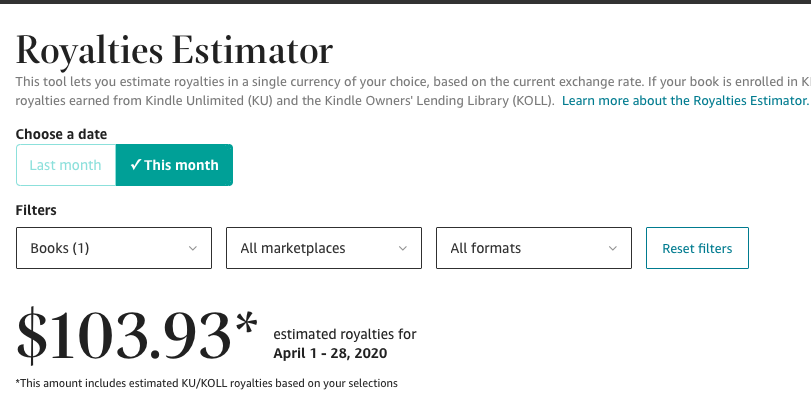
The KDP royalties estimator says I’ll make about $12.00 from January 1-11, 2020 and while that’s barely anything I should be making with the amount of books I have out, I don’t advertise, I don’t have a newsletter, and $5.00 week is more than I was making wide.
There are cons being exclusive though:
It makes marketing tricker. It’s hard to give your book away after already enrolling in Select. You can’t participate in some promotions on Bookfunnel and Story Origin, and it’s tough to give your book away on review sites and still stay in line with KDP’s terms of service. That also means if you have a book in KU and you’re asked if you want to put it in an anthology, you have to pull your book out of Select to participate. That might not be a big deal . . . but I have a short story in an anthology, and the author who put it together enrolled the collection into KU. She didn’t buy my rights from me, so the story is still “mine” but because my short story is in KU I can’t do anything else with it. Not unless she takes the anthology out of KU.
You might be missing out on other audiences. There are people who read on other devices other than a Kindle. Enrolling your book into Select will keep you from finding those readers.
But obviously, there are pros to being in KU as well:
Easy to upload onto one platform. Only dealing with KDP is nice. But when I went wide, it didn’t take that long to set up accounts and upload my books. There’s just a lot of copying and pasting. Setting prices in other countries is time-consuming because on other platforms you set the price yourself–KDP does this for you.
You can get page reads almost right away.
KDP gives you Kindle Countdown deals and free days to use as marketing tools. These can help boost sales. I don’t use them nearly enough and I need to make them a part of my marketing strategies moving forward.
Enrolling doesn’t have to be forever. You can always pull your books out. Just remember going back and forth between wide and Select won’t help you find readers and will only make the other platforms mad at you. D2D and Kobo are run by real people, and you’ll look like a waffling idiot if you try to go back and forth too many times. I fully admit that the two moths I was wide wasn’t enough. But I tried going wide when I wasn’t ready. When my backlist is bigger I may do what a lot of indies do–have a mix. But for now my main goal is building a readership in KU.
Personally, I don’t think Amazon is going anywhere, and some of the bigger traditionally published authors think that, too. Dean Koontz and Sylvia Day are just two of a list that is getting longer of authors who like the direction Amazon is going and the money that can be made there.
I wish the Amazon imprints were available to query without an agent. For the disdain Amazon seems to have for the traditional publishing industry, I’m surprised they won’t deal with an author directly. I wouldn’t turn down a book deal with Montlake, that’s for sure.
Anyway, being exclusive or going wide is a choice you need to make for your business and as the survey suggests, there is no wrong way to publish. Building a readership takes work, no matter where you publish.
Consistency is key. Stick with with the path you choose, find an ad platform that works and write a lot of books. It’s easier said than done! Good luck!
The in the last point they touch on, we’ll talk about pricing to market. I hope you stop in. Thanks for reading!
They broke down three types of authors–the ones who make less than 60k a year and have six books in their backlis, 60kers who have 22 books in their backlist, and 100kers who have 28+ books in their backlist. They broke those groups into sections on who pays how much for what.
My last blog post was a convoluted 2000 word monstrosity on how even though everyone advises authors to have a professional cover made, if you write in a genre that supports a simpler cover, there’s no reason why you can’t learn how to do them on your own. At any rate, you can read it here, and watch my rudimentary YouTube video on how to use Canva templates for an e-book cover so you don’t have to start from scratch. I hope to do a few more of those videos–if I can make a cover, anyone can.
The next installment of this blog series is marketing.
For fiction, marketing isn’t what it used to be. Even three years ago when the words “author platform” were the buzzwords in the author community, hardly anyone says those words now because nobody cares. (And this is for fiction. Memoir and nonfiction have their own rules and nothing I’m going to get into here.)
For fiction, author platform isn’t as important as a simple newsletter, and before, author platform meant your presence on everything from Twitter to Google Plus. That’s not true anymore.
If the author platform is falling by the wayside, how do you “market?” Marketing is simply finding out what kind of books people want and/or need to read and telling them about your book if your book fills that want or need. That’s it. Author platform used to do that. You would use your platform to draw readers to you and your content.
But as the survey points out, you can use promos and let them tell readers about your book. That’s a lot easier than tweeting into the void.
graphic taken from survey linked above
According to the chart, BookBub came in first for promos. Not everyone will be approved for a featured deal, and sometimes Amazon doesn’t like them. The too-swift uptick in sales flags their algorithms. I’ve heard from some authors that they’ve had their books frozen due to suspicious activity. They get it sorted out but it takes time and they lose sales. Also, featured deals are expensive. I know in some genres they can cost up to $600 so they aren’t an option for all authors.
Promos like Freebooksy and Bargainbooksy work better than ads. I have found that for my own books, anyway. And as the article points out, there is no learning curve. Set your sale, set your promo, and walk away. Let the promo platform deliver your book to their readers.
graphic taken from survey linked above
But what the article doesn’t say is it makes the most sense to use a promo on a book one in a series. If you run a Freebooksy promo on a standalone, yeah, you’re paying to give your book away. And contrary to that poor delusional soul on Twitter who thought being on the top 10 list of free books on Amazon made her a bestseller, unfortunately that isn’t the case. A bestseller implies you are selling books. Nice try though.
If you’re in KU, sometimes you can get some page reads from a Freebooksy on top of giving your book away because instead of downloading it for free, a reader who has a membership with Kindle Unlimited will read your book there instead.
Ads aren’t bad, but they’re complicated and keeping tabs on them so they don’t lose money is time consuming.
If you’re in KU it makes the most sense to learn Amazon ads–then you’re advertising for sales and page reads. If you’re wide and are everywhere like Kobo, Google Play, iBooks, Nook, using Facebook and BookBub ads (not the featured deal) makes sense. Though there is a way when creating your Facebook ad to choose Facebook users who like the Kindle, and that would target only those who buy books from Amazon.
I have dabbled in all the ad platforms and lost money on all of them, too. Your ads will only work if you have a killer product (cover, blurb, title, and look-inside) and it’s only after you lose money when you find out that your cover may have missed the mark or your blurb sucks.
Promos also feature your book’s cover and promos like Freebooksy and BargainBooksy gives you 130 characters or so for a short piece of ad copy so it’s worth it to take the time to write a short hook for each of your books.
Of course, the saying that the best marking marketing for your book is writing another book will never be wrong, and a steadily growing backlist will ensure your readers that you’re going to be around for a while.
Which may also take the place of author platform. Why be everywhere when you could be writing?
What can you do?
Write more books. Promos only work if you have a library to offer your readers. Unless you’re looking for reviews. Freebooksy is around $100 a pop. Not in the BookBub featured deal pricing, but still spendy. Know what your goals are and make the fee count.
Make sure your book is solid. It’s all a waste if you don’t have a good book to offer.
Don’t be scared to stagger promos or overlap them for a longer sales tail. If you put your book on sale for .99 schedule a BargainBooksy and an E -reader News Today (also known as ENT). Authors who are trying to get in on a list like the USA today bestseller list schedule a ton of promos for the same time.
If you want to learn an ad platform there are lots of resources out there:
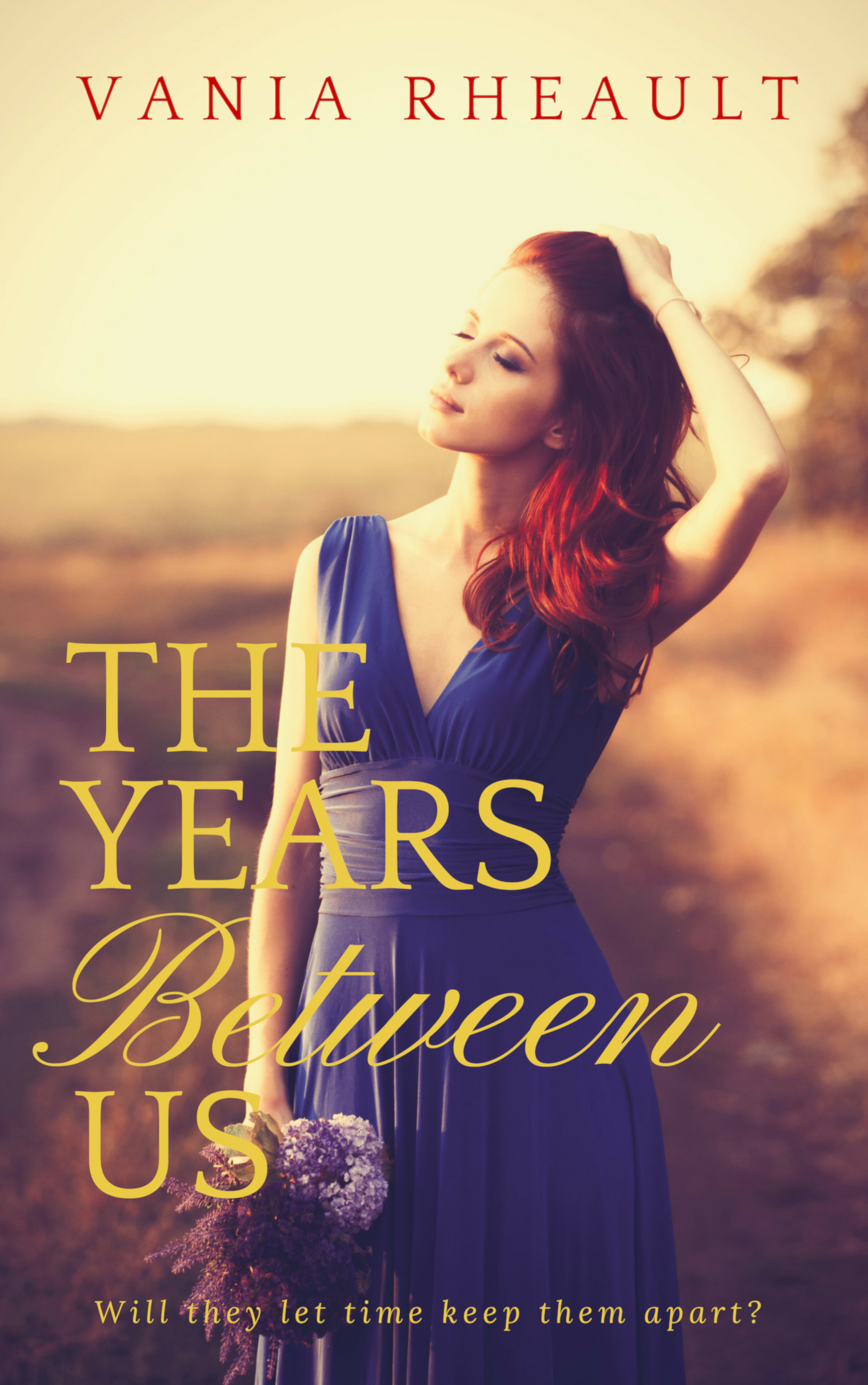
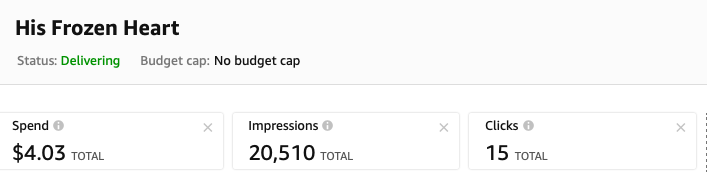
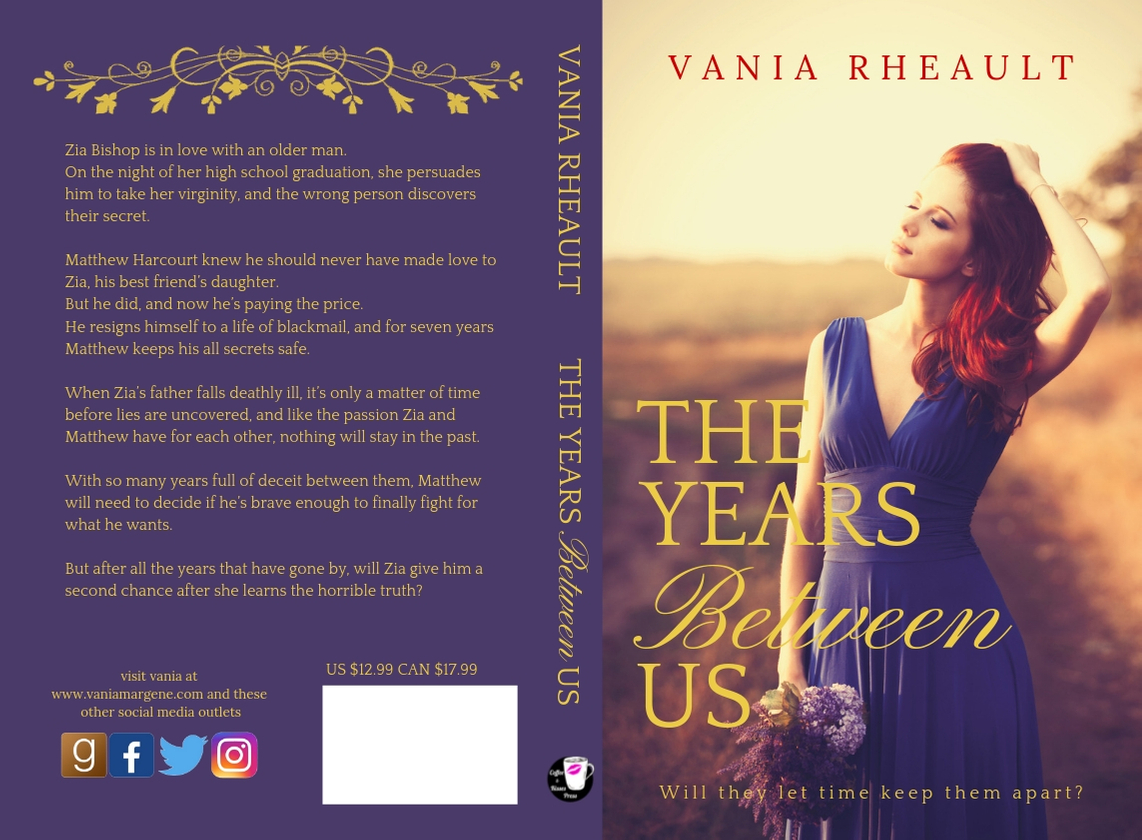
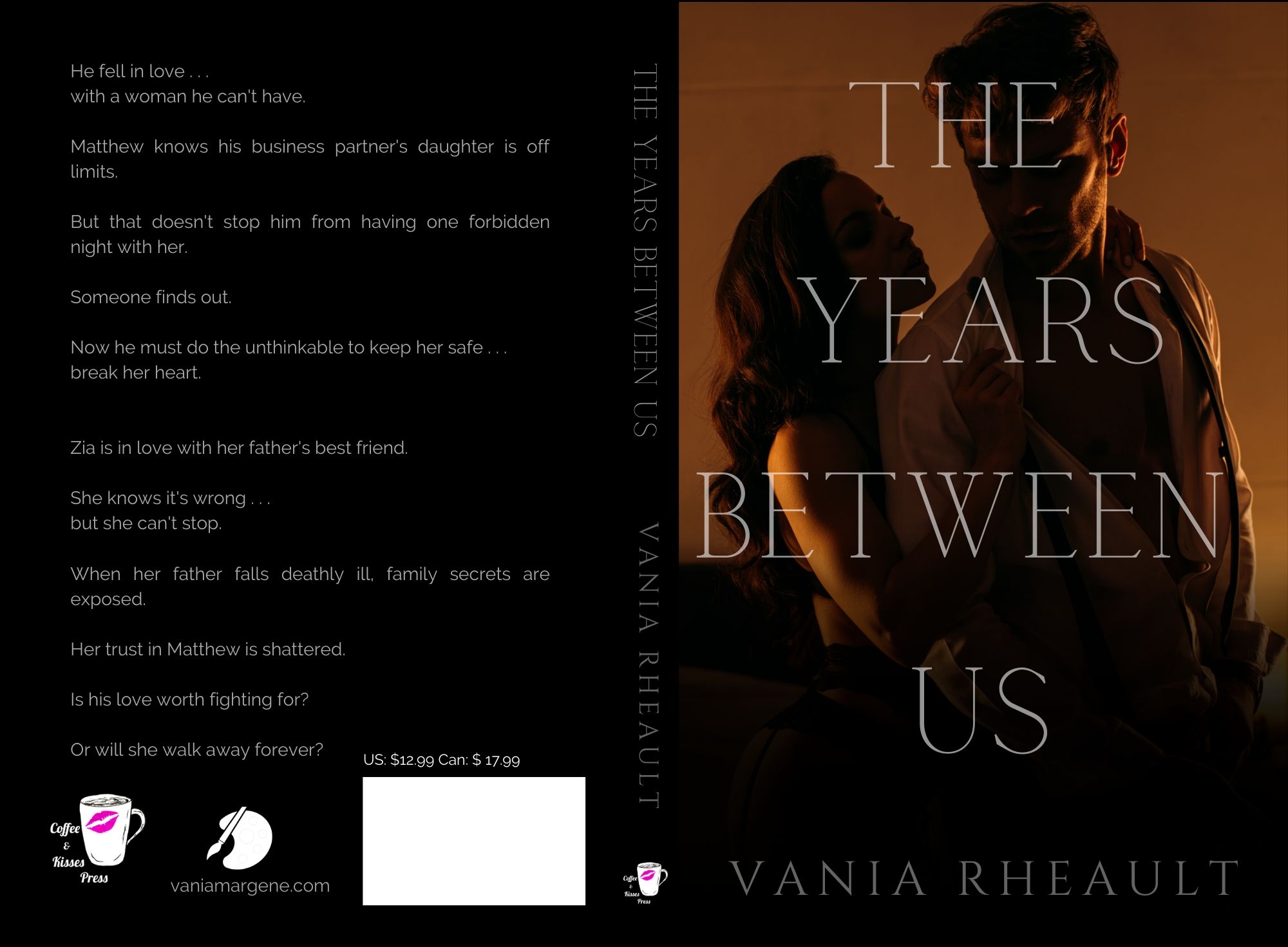
For Amazon ads, the best thing you can do is follow Bryan Cohen on Facebook. Ask to join his Selling for Authors Facebook group, and do the 5 day mini challenge he’s starting on January 13th. It’s free, and he will teach you how to use the platform correctly and not go broke. Oh, but I thought you said you lost money, you ask. Yes, yes I did. It wasn’t due to following his instructions, but because an ad for The Years Between Us took off, and no one liked the blurb. So I got plenty of clicks on that super awesome ad, but no sales. I should have killed the ad sooner, but I didn’t and that’s my fault.
BookBub. BookBub has a newsletter they send out to all their subscribers. At the bottom of every newsletter are sponsored books. You bid like you would on Amazon, and if you win, your book has a place at the bottom of the newsletter.
Readers click and it takes them to wherever you linked the ad. The best resource I can direct you to is David Gaughran’s book. He knows how to run that platform, and I would’t try to do any BookBub ads without reading that book cover to cover. When I was wide for two months, I tried BookBub ads. I wasted the money to test ads, to test the graphic, whatever. Don’t Run Away was permafree, and I got a lot of downloads. That didn’t lead to sales of the other two books in the trilogy, and only after two months I went back to KU.
Facebook ads. Mal and Jill Cooper came out with the second edition of their book, Help! My Facebook Ads Suck! They explain the platform, what works, how to target your audience. I wouldn’t do a Facebook ad without at least skimming this book so you know what kind of ad to choose, how to put it together, and what kind of graphic to use. I haven’t done much with FB ads. Sometimes I’ll boost a post off my FB Author page. I did that a few times to announce I was back in KU, and I got a small bump in page reads for a little while. I also am boosting posts from my pen name author page to start a little awareness of the books I’ll be releasing in the spring. But nothing too hardcore.
They do include a page about Instagram ads. Since IG is owned by FB, you can run Instagram ads from your FB ad account. I never tried it, so I can’t tell you anything about my experience.
It’s best to focus on one ad platform and learn it really well. I’ll stick with Amazon Ads. Bryan is really easy to understand, and what he teaches you works. But he can only hold your hand for so long. You need to have a viable product or it won’t matter if you choose ads or promos. Nothing will work.
That’s all that I have on marketing. No two books are alike, so no two books are going to sell alike. Find your audience. Are they like you? Where you do you find your books? Market your books there. Sounds simple, but in the end, it’s enough to make you swear off writing forever.
Good luck!
My next post talks about exclusivity vs. going wide and what the Written Word Media survey has to say about that! See you then!
Social media has been inundated with lists, lists, and more lists. I won’t bother with the best books I’ve read of the decade, or what all I’ve accomplished or not accomplished. I’m not going to bother ruminating about how 2019 was a dumpster fire in every way (actually, it wasn’t for me) or the million ways I’m going to make 2020 “my year.”
It’s silly to use January 1st to reinvent yourself. You are who you are, and a new date on the calendar won’t help. But that’s not to say I don’t have a few goals I’d like to tackle this year.
In past blog posts I’ve written about the slow sale of my books. It’s difficult to keep up your spirits when you work so hard for so little in return. But this year I’m going to take responsibility for some of that. Instead of being a trout fighting my way upstream, I need to stop resisting and go with the flow.
Part of that is realizing I’m not doing 100% of what I need to do to sell my books, and I have to admit that part of the reason is I’m scared. I don’t have faith in my Tower City trilogy. It’s the first three books I count in my contemporary backlist and somehow I’ve gotten it into my head that they are not good. Book one was chopped and diced to the point I probably should have written it over from the start. But the reviews indicate they’re pretty good, and I should get over the idea that they’re not. Sure, I may have gotten strong as a writer since I published them, but I have to stop thinking they’re bad books.
I have a few reviews of Don’t Run Away on Amazon, and I remember this is the first review from someone I didn’t know. It was a proud moment–there’s even a ToC in it now thanks to formatting with Vellum:
I need to have faith in my ability and not be scared when people read my work.
I also need to start a newsletter. I’m not very active online. My unanswered notifications on Twitter are months old. I don’t update my Facebook author page, and all I post on Instagram are pictures of my cats. (As cute as they may be, they don’t sell my books, dammit!) I need a hub for my readers. Either a newsletter or an active reader group on Facebook where I’ll actually post something, probably both. I know I’m doing myself a disservice not having a newsletter. This means focusing my attention on readers and not spending time on Twitter or using Canva to make pretty Instagram posts the same 10 people will like over and over again.
This year I also want to do more networking in the romance/indie-publishing space. I’ve been writing and publishing for three and a half years. I’ve made a lot friends in that time, lost some too, and some of the writers I know have been in the same place they were three years ago. I’m constantly learning about the industry, always listening for the new thing, I like listening to podcasts and keeping up with industry news. I need to start chatting with like-minded people who understand the value in that. Who treat their writing like a business and put in their 20-40 hours of writing time a week. Writing is really lonely. You’re by yourself with a laptop for hours and hours at a time and I need to find peers who know what that’s like and still do it anyway.
Photo by bruce mars on Pexels.com
I like the phrase, “Never be the smartest person the room.” I also feel like lately I’m the only writer in the room, and it will be nice for that to change.
These aren’t life shattering revelations, but they’re what I need to focus on moving forward if I want to start selling the books I spend so much time writing.
It’s not a secret that these next few months are a little hard on me. Winter in Minnesota is long and dreary. It’s hard to want to go anywhere because the temperatures are horrible and the roads are constantly clogged with snow. It takes a lot of energy just to get through a day with no sunshine, and I need to focus on releasing my wedding series and appreciating the little things while I wait for warmer temps and the sun to come back.
I do have a selling/marketing summit in May that I’ll be attending with David in Nashville, and I’m looking forward to that. No matter how long winter seems, spring always comes back around.
Just keep moving forward the best you can, and better times will come.
Tell me your goals for 2020. How do you plan to move forward? Let me know!
I hope you all had a lovely holiday if you celebrated! I’m currently snowed in, and I’ve been working on some book-related stuff. I apologize for not posting last week, but let’s pick up where we left off . . .
The next installment in the Written Word Media survey looks at book covers. To recap, they surveyed indie authors to see how much time they spend writing, and how much they spend on products and services such as editing and marketing.
According to the survey, as you can see by the graphic, emerging authors do both almost equally–they design their own covers and use a professional designer. The 60kers and the 100kers use a professional cover designer way more than they design their own.
graphic taken by survey linked above
The article says the leap from emerging authors to 60kers is because emerging authors realize that without a professional cover, they aren’t going to sell books.
Of course, that’s true, and I’m not disputing it at all. But I have another explanation to offer. I’m not saying their conclusion is wrong. Emerging authors, after a bad book launch, probably do realize that their covers don’t cut it. But when you are an emerging author, it’s hard to know where to go for help. Quite possibly, emerging authors do their own covers because it’s quicker, easier, and they don’t have to worry about whom to trust. Indie publishing is a jungle. When an emerging author spends a couple years networking, they make friends, are put in touch with industry professionals, and can form relationships with people who know what they’re doing.
Especially with book covers, it’s imperative you find someone who knows where to find stock photos, and what fonts are okay to use and why they’re safe. There are so many people getting into the business who shouldn’t. They use free pictures from free sites like Pixabay or Unsplash and that is one of the biggest mistakes you can make. I still do my own covers rather than trust anyone else. Some people are idiots, and I’m not paying for their stupidity or mine for hiring them.
I think another reason emerging authors do their own covers is because they like to be 100% in control. It feels good to publish a book you did cover to cover. Espeically if you can design a decent cover that earns you compliments. Granted, the emerging authors who can make genre-appropriate covers are few, but no one is saying they still can’t be proud. It’s a learning process.
What the survey does say though, is publishing a book with a bad cover will set you back, and you’ll end up redoing it at some point anyway. (Which is a good reason, in my opinion, not to pay for a high-priced cover. You may want to refresh after a couple of years.)
Of course, the 60kers and 100kers don’t have time to do their own covers. These guys are writing, and they probably don’t have interest in cover design beyond that it looks good and will sell their books. I would also hazard a guess that by the time you have twenty books out, you’ve developed a relationship with someone, or at least found a premade site that sells decent work.
The survey then goes into the cost of book covers. As you can see by the graph, 100-249.00 is the most popular price range for all three types of authors. $100.00 for a cover is at the lower end of the scale for something that needs lots of manipulation, and at that price, it may not include a full wrap for a paperback.
graph taken from survey linked above
The authors paying 0-49.00 might only be having the e-book cover made. Most, if not all, designers charge extra for the spine and back cover if you’re also publishing a paperback.
The genre you write in will also determine the cost. A fancy cover for an epic fantasy or a tricked-out cover for an urban fantasy or paranormal will cost more than a romance cover. There are simply more elements needed to have a girl wearing a plaid skirt holding a fireball in front of a haunted high school for an urban fantasy academy novel than for a couple kissing in field for a plain contemporary romance novel. That’s just the way it is. If you write a genre that includes any kind of magic, you’ll be looking at having a cover made (providing you have zero photo manipulation skills). You need to blend in with the other books in your genre and finding a stock photo that contains all the elements you need is probably slim to none. Especially if you’re writing in a series.
It would be to your advantage to look for a cover designer while you are writing your book if you’re writing in one of those genres. Collect covers you like for a frame of reference. Create a logline (also called a six second elevator pitch) so your designer knows what your book is about and then go ahead and start looking. Join book cover groups on Facebook and ask for recommendations. Sometimes putting your budget out there will help so you don’t fall in love with a designer’s work you can’t afford. Find out where they buy their photos of models. If any of them mention a free site, pass them by. Your fee should include the cost of a photo. Cover designers charging you for a free photo is nothing but a scam and it’s dangerous too.
What can you do if you are absolutely stuck making your own cover?
Look at what makes a good cover in your genre. It’s not only the photo, though that’s a good part of it. Its font placement. Where the author name is on the cover. If there’s a tagline and where that is.
What are the elements in your genre? Sci-fi needs spaceships. Fantasy–dragons. Chris Fox calls these symbols. What symbols do your readers look for in your genre? Look at what is selling on the top 100 in that genre on Amazon. List the elements they all have. Yours will need them too. This isn’t the time to be different or to “stand out.” Sorry.
Realize you may be able to offer only an ebook for the short-term. Learning how to do a full cover wrap isn’t as easy as an ebook cover. You need spine calculations based on how thick your formatted manuscript is, and what you want for the back cover. Blurb? Author photo? Imprint logo? It’s best to give yourself plenty of time to practice and itching to press publish when your book is done being edited isn’t the time to teach yourself.
Search stock photo sites to see what’s out there. My tips are for the person who has little to no experience with Photoshop or GIMP. The easiest way to do a cover is to find a photo that you can use without a lot of manipulation. My go-to sites are depositphotos.com and canstockphoto.com.
Watch tutorials. There are a ton of tutorials out there for both Photoshop and GIMP. I have GIMP (which is a free download) on my laptop and there are tutorials out there ranging from isolating a color in a black and white photo to gradients to font manipulation. People are generous with their time–take advantage.
I’ve been told, and have seen other people be told, that if they can’t afford a professional cover, they shouldn’t bother publishing. That’s not particularly helpful, but you do have to consider what your goals are. Do you want to make covers for all your books going forward? Then you’re going to have to learn how. If you’re writing in a genre that requires fancy covers, you’ll be creating a cover to squeak by until you can afford something better.
I do everything myself, and over three years I’d like to think I’ve developed a bit of an eye. It takes a long time, and practice. Instead of watching another show on Netflix, open Canva, put on some music, and practice. Canva isn’t just a software for design, they also offer “classes” that will teach you the elements of a good cover.
I do covers in my spare time. I practice font placement, choosing a cover-worthy photo, that kind of thing. I mess around with concepts for my friends. Even if they don’t turn out that great, practice is never a waste of time. You never know what new trick you’ll pick up. I scroll through stock photos and favorite photos that have potential for future covers. Mine or someone else’s.
Cover design is a career on its own, and you can spend as much time messing around with font as you do writing and editing.
But the point is, if you put enough time into it, you can make a passable cover yourself, if the genre you write in supports it. Women’s fiction, romance. Some mystery thrillers.
If you put out a homemade cover that doesn’t meet reader expectations, or doesn’t fit in with other books, realize that’s going to effect your sales.
Here are a few covers I’ve done, both for myself and others using Canva.com. I pay for a pro membership, and if you plan on doing a lot of covers or using it for graphics for marketing materials, it’s worth the fee. They add new features all the time.
I did these for the first two of my quartet. I haven’t done the third or fourth ones yet:
When you do a series, it’s important they look like they belong together. And before I ordered the proofs, I put the covers on top of another to make sure the placement of all the elements are the same. I might do a blog post explaining how I did them.
Daisy Parker isn’t real. I was fooling around one night and came up with it. The photo is as-is and made in Canva.
Do You Trust Me took a little work as this photograph was in color and I isolated the red blindfold in GIMP. The font needs work, but I was playing one night and came up with this in about an hour.
So far I haven’t bothered to open a premade business, or sell covers on the side. I help out my friends when I can, and I like to play when I don’t feel like writing or there’s nothing going on online (I’m not a big TV-watcher). I know what my limitations are, and when anyone asks me for help, I make sure they know it, too.
She looks happy–she must have gotten her issues worked out. Photo by bruce mars on Pexels.com
As a business owner, you have to do some things you don’t wanna do. Switch graphic artists for your covers if yours isn’t working out. Fire your virtual assistant if you’re paying them to hang out on Facebook instead of doing what they’re supposed to do. Running your own business can be unpleasant. And one of those unpleasant things is having to make a phone call.
You all know I’m right. Calling sucks. But it’s so much more efficient than sending an email or doing, you know, nothing, and complaining about your issue instead.
We all have a love hate relationship with Amazon. Love them for letting us get our books into the world, hate them for making the process difficult (I’ve heard lots of complaints about KDP vs. CreateSpace and printed author copies that don’t look good, to name a couple of issues). But you have to take the good with the bad, and well, not having gatekeepers is pretty damned good, I say.
But you definitely have to deal with the bad, and I had to call this morning to figure out what in the heck was going on with my ISBN numbers and my imprint.
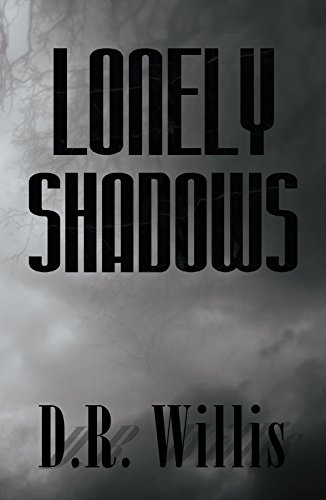
I bought a pack of ten ISBN numbers not long ago. I am the publisher, because I’m me, but I also have an imprint I created with mystery/thriller author D. R. Wills. Not only is he a fellow writer, he’s my fiancé and we’re getting married next year. That has nothing to do with the story, I’m just happy.
Anyway, we’ve had this imprint for three years, and I’ve published all my books under it just fine until yesterday.
I’m trying to upload my files for books one and two of my series and order proofs. It’s a common thing for us indies, right? But I had to call this morning because I kept getting a warning/error message saying that my ISBN does not match my imprint. Why this is happening now, I have no clue, so I called KDP, or rather requested they call.
This is where you look to get a call back:
Click on the unhappy face in the upper left hand corner. I go this route so you’re still in your bookshelf in case you need to reference something while you’re on the phone.
Click the contact us.
Choose the best way they can help you.
I chose ordering proof copies because that was one of my concerns, but they’ll help you with anything once you get them on the phone.
If you choose CALL ME RIGHT THE F NOW, be prepared for them to call you right away. I was still untangling my earbud cords when my phone rang.
All the reps there are very polite, and you should be polite too. It goes without saying that the rep who is talking to you is not responsible for the problems you’re having with your books. Remain friendly, and they’ll be friendly in return. And besides, who knows how they can mark up your profile. You don’t want them noting your account that you’re a big dick because then other reps won’t be so happy when you call in with something else that needs attention.
Anyway, so I did ask about why I wasn’t able to order my book proofs right now, and he said they were having system issues and no one is able to order proofs or author copies at the moment. He said they had techs working on the problem, but I didn’t ask if he thought he knew when the issue would be resolved. I figured it’s Christmastime, and I’m not going to bother to order proofs until after the new year. There’s no point in banging my head against the wall.
Then I asked him about my imprint issues. I bought a pack of ten, and listed the imprint as Coffee & Kisses Press. I’ve been publishing this way for three years, and never had a problem until now. When I talked to Kyle at KDP, he said my imprint name is actually my name. He suggested I call Bowker (My Identifiers). So I did and was amazed I didn’t have to wait on hold forever. The rep at Bowker said that the reps at KDP have limited information, and they see my name as the publisher name and that’s all. So if I really need to list my imprint name as the publisher, I need to screenshot my account information on Bowker and send it to KDP. I asked him if I would have to do this for every book I publish and he said yes.
Now, I know you’re going to ask me two things:
Why am I still buying my ISBN numbers instead of a new Coach bag, and
Is having my imprint listed as the publisher really that important?
The answers are simple, my vices are chocolate and champagne, not purses, and no, it’s not that important.
I buy my ISBN numbers for the protection I feel it gives me and my work. I know some authors do the copyright thing, some don’t do anything accept take the numbers Amazon gives them, press publish, and walk away. But I want some control over my work, so I protect my books with ISBN numbers. I don’t know if this makes a lick of difference, or if I’m just wasting money, but I’ll probably always protect my books with ISBNs. I don’t apply for copyright . . . I email myself as a backup, and go with the “poor man’s copyright” that way. But at least there is a record that the work is mine, and I paid to have that work be considered as mine. In some other countries, it’s not even an issue. Like Canada, for example, ISBN numbers are free. It’s the United States that has to make everything for-profit, or this wouldn’t be a problem. It’s the fact that they are so dang expensive, too, that makes it hard for authors to afford them.
It doesn’t make that much of a difference who is listed as the publisher of my books. I’ll keep the imprint on all my stuff. That won’t change. And Coffee & Kisses Press is listed at Bowker as my imprint, so officially that hasn’t changed, either. Sometimes you just gotta lose a few battles to win the war.
Anyway, so I got the answers I needed, and for now my series is stalled out. I’m waiting for two betas to get through books three and four, I still have Autumn’s blog posts to write, which I will this weekend at work, (though I may not get through all of them), and proofing the proofs is really important to me this time around though I don’t know why. I’m just going to keep listening to my gut.
And what does this mean for paperbacks? I know Amazon’s preferred method is Kindle books. And not just Kindle–they love it when you’re in KU, and they love readers who read books from KU. Author copies and paperback sales may not mean that much to them. Especially since that’s the old-school way of doing things, and Amazon is all about moving forward.
Some indies don’t bother with a paperback version of their book, and that may be a decision more indies are going to have to make as time goes on.
So what can we learn through all this?
Have patience. Sometimes that’s hard if you’ve promised a release date to your readers, but the fact is, things happen. Keep your schedule flexible, or having your publishing date a ways into the future so if you hit any snags your release date won’t be affected.
Call if you need help. Calling took me five minutes, and he told me what I needed to know. It was easier than emailing, and it was a lot easier than just stewing about it. And you can pass along the information once you have it. The first thing I did was tweet it out, because you are probably not the only one wondering what is going on.
Dealing with unpleasant things is part of being a business owner. Can’t get around it. Creating is fun, but we must take our creative caps off at times and put on our business hat.
Hopefully what I found out has helped some of you. If you’re having an issue uploading your files and you’re getting an error message about your ISBN and imprint name, more than likely they have your name listed as the imprint name because you are the publisher. I changed my imprint name from Coffee & Kisses Press to Vania Rheault in the imprint field in my KDP dashboard, and it all worked.
Lesson learned for future books.
I’ll have one more blog post on Monday, and then I’m going to take a small break for the holidays!
Hello writers and authors! This is the third blog post in this series that is exploring the findings in an author survey conducted by Written Word Media, the company that brings you Freebooksy and Bargainbooksy and other promotional tools.
The third thing this survey found about these authors is that they invest in professional editing.
Editing can be costly and scary, but it’s much needed by every author.
Remember, emerging authors have six books in their catalog, have never made more than 60k in a year, and spend on average 18 hours a week writing.
60kers have 22 books in their catalog, and, on average, spend 28 hours a week writing.
100kers have 28 books in their catalog and spend, on average 32 hours a week writing.
As we can see by the graphic below that accompanied the original survey, all three kinds of authors use a professional editor the most. But when it comes to editing, new authors have it tough. We’re not making money yet, but we never will if we’re not selling a good product.
And while technology makes it easier than ever to find typos (thanks, Grammarly) technology makes it easier for readers to complain. When you read a book on a Kindle, for example, a reader can highlight a typo or mistake and report it.
Crazy, huh?
It stands to reason a well-edited book will earn you more money in the long run. But when you have no money, it’s hard to come up with the fees.
Not to mention, there are different types of editors, and you may not understand what kind you need, and the cost can add up if you need more than one kind.
If you’re a new writer, you may want to invest in a developmental editor. They’ll weigh in on character arcs, character development, plotting, and pacing. Readers aren’t going to like a book with flat characters and plot holes. Learning craft is hard, but you may only need to hire a developmental editor once to steer you on the right path for the rest of your writing career.
A line editor is different. They check facts (does your sun set in the west and rise in the east?), word usage, and syntax. They’ll correct you if you used the word sporadic when you meant erratic. If you’re not good with details, this kind of edit can help you a lot. I still use advice and tips I learned from the people who beta read and edited my earlier books. I used a lot of garbage words and learned how not to echo words in the same sentences and paragraphs.
Proofreading is a quick read through of the book as a last step for typos, missing words, etc. before publication. This is also the cheapest kind of editing.
If you can afford editing, make sure you ask for a sample first. The indie community is full of people charging for services they have no business providing because they don’t know what they’re doing. Be smart. Reedsy offers a list of professional editors, as well as Joanna Penn.
As for me, as I said above, early on I asked for lots of feedback and I took a lot of their advice. My first beta reader, Joshua Edward Smith, gave me invaluable advice that I still use (and I still laugh over some of my mistakes and his comments).
These days, against popular opinion, I do a lot of my own editing. I have nothing in my defense except that so far I’m not making a lot, and it’s hard to justify the expense. I do use beta readers, and they’ll look for typos for me after I run my manuscript through Grammarly.
You could argue I’m not making any money because my books aren’t edited properly. Maybe. But I’ll use this reasoning instead. Remember Alex Newton’s K-lytics report from one of my previous blog posts? I prefer to blame the saturation of the industry. Shh! I don’t spend much on marketing, so I would prefer to think people don’t know my books are out there.
Can you get by without an editor?
That depends on where your skills are with the craft, how much writing you do, how much feedback you listen to and apply. It depends if you can catch all your own typos, or if you know enough to use Grammarly effectively. (Not everything Grammarly flags needs to be fixed, so you can’t trust it blindly.) Usually the answer to those questions is no.
Would I advise a new author to publish without an editor? Nope. There’s no denying a book will sell better with a strong plot, three-dimensional characters, great grammar and punctuation than one without those things. And if you’re a new author, you’re unlikely to catch all those things on your own, or even know what to look for while editing.
You can building a writing career on a bad book, but it will take you longer than if you start strong.
What can you do?
Join a writing group on FB and swap with someone in your genre. Just be careful and have a thick skin. Ideally, you’d want to form relationships with people in those groups before you ask. At least if you’re more than acquaintances they’ll hopefully be kind and actually be helpful. People can be cruel, and some just like to tear others down out of their own self-esteem issues, or they think they’re better than everyone else. You may need to pick through a few people before you find a good match. Twitter is also good if you search #betareader with maybe a hashtag of your genre. There’s been lot of activity on the #writingcommunity hashtag in the past six months or so. Just look for someone who will be willing to give you some real and useful feedback.
Do what you can on your own when it comes to craft and grammar. The cleaner your manuscript when you hand it off, the less time an editor will have to spend on it, and that can cut down on costs. There are a lot of books out there that can help. Two of my most favorite books are James Scott Bell’s VOICE: The Secret Power of Great Writing and Grammar Girl’s Quick and Dirty Tips for Better Writing. Sit down and read it just like you would any other book. Mignon is funny and very easy to understand. She didn’t write it like a reference book, and you’ll be amazed at what you didn’t know. Another good editing book that everyone at the Santa Barbara Writers Conference I attended a couple years ago said was a must have is Self-Editing for Fiction Writers. How to Edit Yourself into Print.
Publish on WattPad for feedback. I don’t really condone this, as I feel that if you’re going to use the platform as a publishing site, putting up work only to take it down to publish it elsewhere might not sit well with your readers. On the other hand, I’ve heard from other writers that do this, and it seems to be an acceptable thing. If WattPad has turned into kind of a testing site for books and stories, then I’m not one to say anything. It’s something to consider at least, if you think a plot isn’t working, or you want general feedback overall.
Keep an open mind. When you ask for feedback you need to keep an open mind. I hear some writers say they would never change their plot/characters/POV whatever based on feedback alone, yet they say they’re querying. A book being published without needing edits is almost unheard of, so if you’re querying without an open mind, you’ll never get published and you’re wasting everyone’s time. If you are honest and know that you’re not going to take people’s valid opinions into consideration, you’ll never grow as a writer. There is always room for improvement.
This wraps up the editing portion of the survey. Smart authors get their books edited/apply feedback, and the authors who don’t will deal with the consequences (ie, bad reviews and poor sales).
Next up, the survey asks about book covers and what the three levels of career authors do in that instance.