Past Decisions and Their Consequences

Words: 1535
Time to read: 8 minutes


Too tired to look for a stock image. Imagine something pretty here.


Everything we do results in some kind of consequence, some kind of reward, whether we know it or not. Whether we want to admit it or not.

Last week was another crazy day on social media when I saw someone encouraging people to use KDP’s POD, but mark up their paperback prices on Amazon to $200.00 so they could sell off their website instead. This is such a bad take for so many reasons, and when I replied saying that at least IngramSpark was a better option because you can print without distributing, she went off on me saying IS wasn’t viable for everyone and that I was toxic and privileged for even suggesting it. That really hurt and I dropped out of our conversation because I’m not going to let people assume how I live. It’s not toxic to suggest a better way of doing things, it’s not privilege to suggest a platform many authors have access to. She wanted to be right, and there were plenty of people who agreed with her. That’s fine. Look like an idiot selling your paperback for $200.00. Doesn’t bother me at all.

The main issue is that IngramSpark costs money. If you live in the US, you know how expensive ISBNs are. Part of her privilege insult was because she assumed I buy my ISBNs and that I was telling people they should do the same by suggesting they use IS. She doesn’t know that yeah, I did buy a pack of 100 (costs $575 which was almost as much as my rent) but I charged them on a credit card and it took me several years to pay them off. My ex-fiancé said he would buy them for me, but you know how that turned out and I ended up paying off a massive credit card bill that he said he would take care of. Anyway, the outcome of that story is that yeah, I did buy own ISBNs, and it’s none of her business it took me years to pay them off.

Very rarely on this blog do I suggest you spend money on your book business, but on the flip side, I’m very clear that I believe you can’t start a business properly without spending some cash. If you want to sell YOUR book off YOUR website because you’re running a business YOU own, why would you want to use an ISBN that didn’t belong to you? That’s MY main reason for buying ISBNs. They belong to me, I’m registered as the publisher, and if Amazon is ever a dick and closes my account, my books are safe. For all the hating on Amazon over on the sewing platform, they’re quick enough to take what Amazon gives them.

Anyway, so when you use free ISBNs you’re taking a risk Amazon will treat you well and if you take free ISBNs from anywhere else, you’re accepting any eventual consequences.

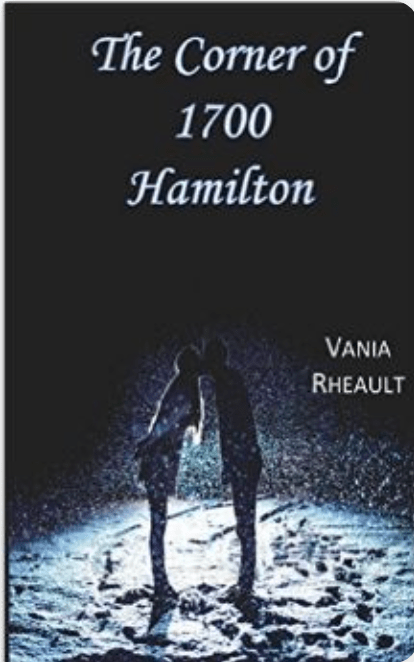
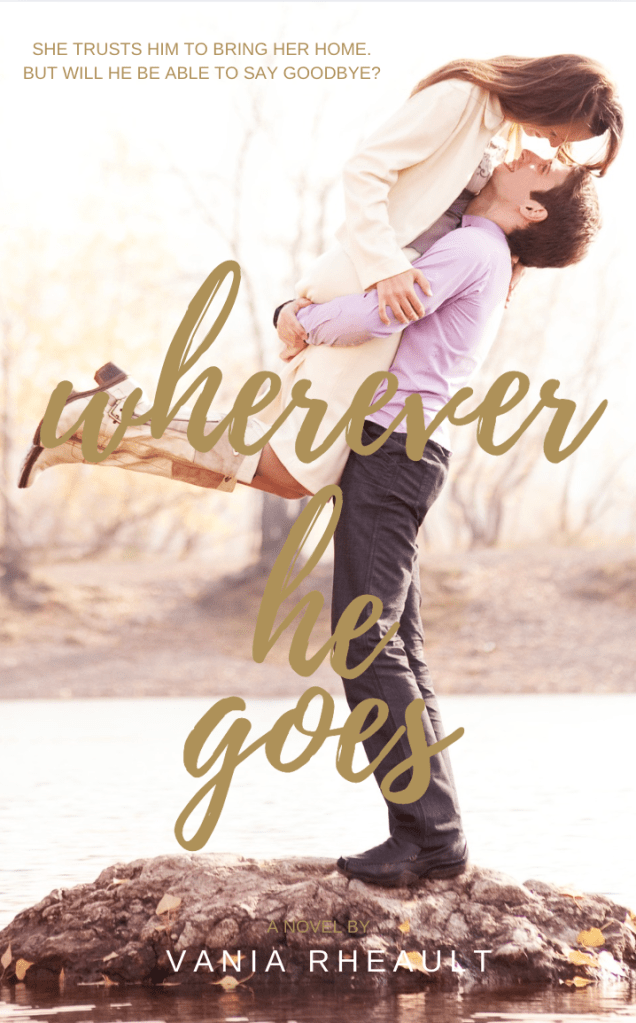
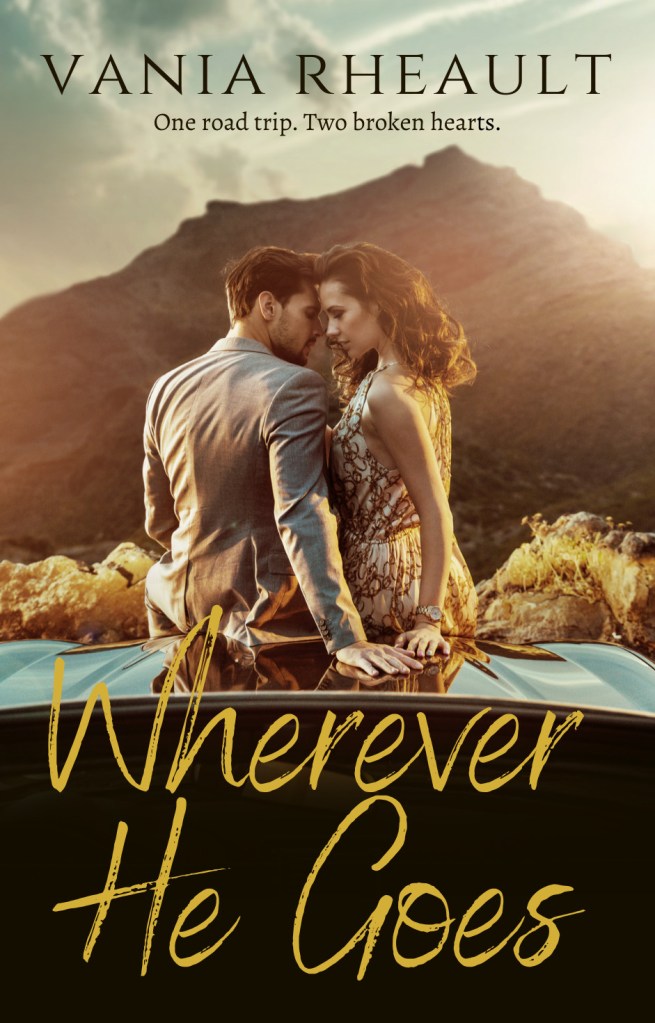
This isn’t a post just about ISBNs. You take risks making your own covers, especially if you don’t have the skill to create a cover that will tell readers what your genre is and won’t look homemade. Just the other day someone was bemoaning the fact he couldn’t get preorders for his book. I told him to look at his cover and maybe redo it, that it looked homemade. He actually was very nice about it, and maybe he will change it, I have no idea. That kind of consequence you may never see–you could not sell any books and blame it on lack of marketing or algorithms. Unless someone you believe and trust says your cover is garbage and you change it, you could go years without knowing what kind of damage your cover caused. I mean, you know I do my own covers, and back in the day they weren’t great. I still see the free stock photo I used on 1700 Hamilton other places, and I published that book eight years ago now. Canva templates taught me a lot, and I still like how this cover came out, the first for Wherever He Goes, even though I changed it to something sexier later that’s still the cover on the book now.

Not listening to your editor and having a book bomb after the fact can have dire consequences–a reader won’t give you another chance if they spent money on a book that had plot holes and grammatical errors every two sentences. And, you know, poor reviews last forever. I’ve been editing my own books for a while, and I know the risks, may have even suffered from some of them. God only knows who’s read my books and said they’d never read me again. I also know the risks of trusting people, and well, tired of that, so you have to choose the lesser of the two evils.

My biggest regret so far was not starting a newsletter sooner, and I wonder how far I’d be now if I had given as much attention to a newsletter as I have to this blog. Maybe because of the change in direction I decided on in 2020, it wouldn’t have mattered, or those people who signed up wouldn’t have cared either way.

After unpublishing some hardbacks and Large Print, I thought about unpublishing a couple of my first books, just because they aren’t the quality of the others, nor are they in the genre I decided to write in. Some say romance is romance, but my romantic speculative fiction could probably go, also my erotica that I decided I couldn’t write because there was just too much sex. (If you have to remind yourself to put in the sex scenes, erotica probably isn’t for you.) When you say you want to write and publish whatever, those consequences can catch up with you. Difficult to make a brand out of “whatever” and you may look back in five years at all the word salad you hoped people would buy.

The one thing all these have in common is that no one can tell you these things. I mean, yeah, the advice is out there, cover to market, hire an editor, start a newsletter, buy your ISBNs if you can. All that’s out there but it’s funny because we’ve turned being indie into defying the rules and maybe some rules are meant to be broken, but this is a business and whether we like it or not, there are best practices.

I almost didn’t write this blog post because I realize the subject is boring and repetitive, even if I’ve made similar mistakes. The bad advice out there can really take me aback, and that woman who had supporters telling people to price up their book left me speechless. What would readers think stumbling upon a book that cost $200.00? How is that author going to tell those readers she preferred to sell off her website? It all seemed so bizarre to me, yet people agreed, said they were going to try it. I don’t know, it just seems like one of those things that you could look back on later and say, “What was I thinking?” Of course, you can do that for just about anything, the cover that wasn’t right, blowing off your editor, not listening to someone who knew what they were talking about because you were determined to fail on your own. That’s how people learn, and I’ve had people tell me to hire an editor, but some things are easier said than done.

So this post is 1200 words of drivel (it’s almost Thanksgiving in the US so I’ll refer to it as turkey gravy), but honestly, my brain is fried. I’m halfway through editing my age-gap. I’m really loving the story and it’s fun to see how far my writing as come, but editing is tiring, probably more so than simply writing. I also have to proof my series proofs, and that will take a minute, but I’m hoping that I’ll get everything wrapped up by the end of the year. I want to start working on my first person stuff again, putting into practice the things I finally know that I didn’t before. I’ve come a long way working on my King’s Crossing series. Really, smoothing out over a half a million words taught me a lot, and I know it did because working on my Rocky Point series was really eye-opening. I agree that sometimes you have to fail on your own to learn, but you do have to keep working on your craft and level up on your own if you don’t want to take anyone’s advice.

That’s all I have for this week. I’ll probably post my Billionaire post next week. I think it’s still relevant, and tempers, while they haven’t cooled all the way down, aren’t so hot, at least, and even if it makes some readers crabby, I think it was wise to wait.

After that, well, it’s year-end stuff, and before you know it, it will be January. The world keeps spinning, no matter what kind of rut you’re in. Do your best to keep moving forward, and hopefully you’ll see more rewards than consequences.

Every Time Someone Reads Your Book….

….you might not actually get paid.

Words: 1798
Time to read: 10 minutes

There seems to be an idea floating around the author community that you should get paid every time someone reads your book. This is especially true when we talk about pirating. The main concern is that we aren’t getting paid for those reads. I get it, especially since two years ago I pivoted to first person present and focused on billionaires in an attempt to find a readership that will read all the books I’ll ever write.

But when it comes to books, we’re always saying books are meant to be shared. These days, we mean more word of mouth so that other people will take those recommendations and buy their own copies. Sharing books, physical or passing around a Kindle, has turned into something of a no-no because as an author, we want our cut, no matter how small that ends up being.

Nothing a book loves more than to be collected.

Eloise Bridgerton, Bridgerton, Season 3

I don’t know if the idea of not sharing is more popular now because pirating is more prevalent, authors complaining that the second their books are available online they end up on a pirate site, or because we’re fighting against all the legitimately free books out there. A reader can sign up for newsletter promos like Freebooksy, Red Feather Romance (that does feature free books sometimes) Ereader News Today, Robin Reads, and other newsletter promos that promote free books. If a reader opened those newsletters every day and took advantage of all their offerings, there’s a good chance that person wouldn’t have to buy a book to read ever again. And then there are subscriptions to programs like Kindle Unlimited and Kobo Plus, where readers aren’t paid as much as a sale (at least, that’s the way it is if an author participates in Kindle Select), and yeah, authors love to put Amazon down for it. And we can’t forget the huge free book blasts that are becoming more and more popular. (You can read about some of them here: https://www.bookbub.com/blog/stuff-your-kindle-day.) I joined one last year and there were over two thousand free books available for download. If a reader downloaded every book, even if they are voracious readers, how long do you think it would take them to read every single one? A year? Longer? And those blasts can happen two or three times a year, depending on the genre you like to read.

Free books are out there. And yours, whether you like it or not, might be one of them.

I’ll be fifty years old this year, and I remember when there weren’t Kindles, there wasn’t KU. There wasn’t online reading at all. Okay, you got me. There wasn’t internet, haha. If you wanted a book you needed to go to the library, pick up a paperback at a K-Mart or PAMIDA, if you remember those from so long ago. This was back when bookstores actually carried books and not toys and games and music, and if you wanted to read a series, you were very lucky if you could find them all in one place. There were other ways to get books, other ways that didn’t always ensure an author would see their royalties–thrift stores selling secondhand books, rummage sales. I have totes and totes of Harlequin Desires and Temptations because there’s not a thrift store I can’t go into without loading up.

Is it fair to an author?

At some point, I think it’s better if you let go of the idea you’re going to get paid for every read. The way books were created and designed was to be shared, and it’s been that way with other printed media like newspapers and magazines for decades. Publications try to curtail this loss of income by using online paywalls for their digital editions, but more often than not, if you hit a paywall, you click out, or you use an internet extension to bypass it if you can. To some extent, we think information should be free, but just like an author wants to be paid for their work, so does a journalist or, in some cases, a blogger or newsletter creator. Indie authors who go the nonfiction way to help other authors find a balance between free and paid information. Dave Chesson gives indie authors tons of free resources, everything from QR code and barcode generators to free Amazon ads classes. But, he also charges for things like Publisher Rocket and his formatting software, Atticus. There are other indie authors who give out free marketing advice or answer questions by giving up time to be interviewed or joining in podcasts but offer things authors can buy (I’m thinking of Zoe York who is very free with information on her YouTube channel who has written nonfiction books about writing a series and fiction writer Alessandra Torre who hosts an authors’ convention called InkerCon and runs a Facebook group of the same name).

Some authors do give away books, a reader magnet like I do, or a free first in series if they’re not exclusive with Amazon. You’d have to ask them why they’re okay with giving away books. Some of them have a large readership and just consider these books a loss leader because they know the return on investment is worth it. Some are very guarded with their books and rarely give anything away for free, thinking they deserve every penny for every second spent writing. In my opinion, this kind of attitude comes off as miserly. There was even one person in Mark Dawson’s Self Publishing group on Facebook (that I am no longer a part of) who said he wouldn’t be offering a paperback version of his book because he didn’t want people to share it. With that kind of attitude, I wonder if he found any readers at all.

This isn’t a post about giving away books. I’ve written about that before (https://vaniamargene.com/2022/11/28/author-update-thoughts-on-getting-blocked-and-giveaways-are-they-worth-it/). It’s really a personal and business choice and discussion around it can get very heated at times. What I’m really getting at here is that after someone purchases your book, what happens to it afterward can be out of your hands. They can give it to a friend, put it in a LFL (little free library), put it in a donation box for charity. When my son put together my bookshelves, I went through all my books that aren’t in storage. I gave my local library three big boxes of books I knew deep in my heart I would never read or didn’t want to keep (and yes, some of them were indie). I didn’t feel like I was cheating the authors out of royalty money. Some of the books I did buy from places where the authors would get their cut like Amazon, Barnes and Noble, the grocery store, and Walmart. Some I didn’t, like secondhand bookstores and thrift shops. I’m getting older and have trouble reading smaller print, and while I still love to hold a book, I prefer to read on my Kindle, and between the Freebooksy newsletter I subscribe to and my Kindle Unlimited subscription, I have plenty to read for many, many months.

There will always be someone selling the books they’ve purchased–third party sellers on Amazon and people trying to get rid of their copies on eBay. Some of my books are on eBay going for a helluva a lot more than if they would just buy from Amazon, and maybe sometimes those sellers make money but probably most of the time they don’t.

When it comes right down to it, authors make very little off their books, and that could be why authors are so guarded. I particularly see this attitude from newer authors who only have one book available and who’ve found their book on the pirating sites. They realized that when you print a 500 page book and have to price it at 25 dollars readers are paying Amazon for paper and those authors are lucky to make fifty cents (that’s actually an exaggeration, and if you you want to play with a print calculator, you can find it here https://www.draft2digital.com/podcalc). They don’t want to give books away for free, don’t see a value in it because they do only have the one book. I see authors raising their prices to try to make any kind of money at all, and that’s a business decision. Personally, I’d rather keep my prices reasonable, even on the low side. I’d rather have two readers for the price of one, but not everyone thinks like that. I’d rather have a reader in KU than lose out on page reads because I hate Amazon and I’m wide. We all have to make the choices that are best for us, but while owning a business can be stressful, there are things you can choose not to stress over and one of those things are readers reading your books for free. It will happen.

I don’t mind if people share my reader magnet after downloading it from Bookfunnel. I don’t care if someone buys one of my paperbacks and ten people read it after her. I’ve read free books, and it would be hypocritical not to expect it to happen to me because I’ve done it all my life. The idea that people shouldn’t be able to read a book for free needs to die down. There will always be free books everywhere, and if you believe you should get paid for every page, I’m sorry to say that you may be in for a hard time business-wise. There is value in ARCs, reader magnets, and loss leaders. There might even be value to your books being read on pirate sites. Who knows where you’ll pick up a fan.

Laura Zats and Erik Hane, the hosts of Print Run, recorded an interested podcast about the topic of secondhand books, more specifically, the used bookstore Half Price Books in Apple Valley, Minnesota. They’re agents who live in the Twin Cities area, so they talk about the trad side of things, but their conversation was interesting nonetheless, and you can listen to it here: (https://soundcloud.com/printrunpodcast/episode-166)

That’s all I have for this week. I’ll have an author update for you soon, and hopefully that will have some good news. I also would like to talk more about ads and I’m still mulling over what I want to talk about based off a comment about AI and algorithms I saw on Threads not long ago.

I hope you’re having a great summer. It’s two-thirds gone, and if you wanted to get anything done before fall hits, you might want to get on that. Summer will be gone before you know it!

Take care and thanks for reading!

Policing Other People’s Work

Words: 1225
Time to read: 6 minutes

This isn’t as fun as it looks.

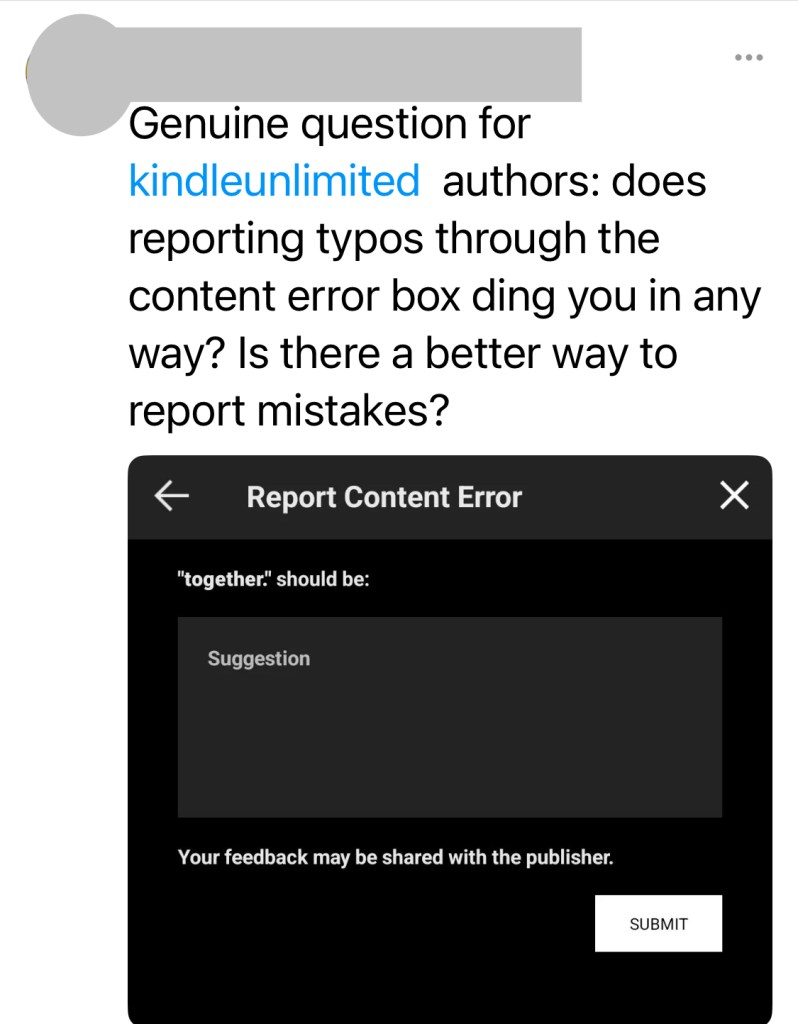
One thing that has always puzzled me about authors is their need to police other people’s work. I see it all the time, from the authors who defend their right to leave bad reviews (thinking they’ll teach that author how to write correctly) to people who are loud and proud about the books they do not finish (DNF) for whatever reason. I came across this jewel the other day, and I gave myself a cookie for not responding:

genuine question for kindle unlimited authors: does reporting typos through the content error box ding you in any way? Is there a better way to report mistakes?

Picture of reporting screen on a kindle

I actually see this a lot, with authors who are asking if it’s okay to email other authors about mistakes, or direct message them to inform them of errors. This isn’t the first time I’ve seen someone ask about the actual reporting feature on a Kindle either, and it just makes me so confused as to why someone would waste the energy to do something like this while they’re supposedly reading for pleasure.

This is one of the big reasons I don’t promo my books where other authors hang out. I have never met a more judgmental or pickier group. And not only are they judgmental and picky, they are not afraid to let others know. The reporting system on a Kindle is anonymous, but just the fact that she posted that on Threads tells me she actually uses it, or wanted to use it. Maybe the responses changed her mind, but knowing she would think about it gives me the ick and I don’t want her reading my books.

I’ve given this some thought as to why authors would want to police someone’s book:

So they can feel better about their own writing. I know this is a pretty crappy reason, and maybe that tells you something about me that I mentioned it first. I think the worst of people? Maybe, but I’ve also seen it enough that I do think authors enjoy being able to report typos or call a book out for bad editing. They like to feel like their books are better than someone else’s. It’s not a terrible thing, really. I think we all have read a book that we thought was bad and said, “If this book is a bestseller, then my books have a chance.” We need the validation, but that’s not a good way to go about getting it. Putting someone else down, even in the guise of being helpful, will never lift you up. It might make you feel better for a little bit, but as most authors become aware, what goes around comes around, and someone reading your book may not take so kindly to your typos, either. And trust me, no matter how many times you go through it, you’ll publish your book with a couple.

They really do want to be helpful. I don’t jump completely to negative assumptions–there are authors out there who genuinely want to tell an author what the problems are in their books so the authors can fix them. The problem is, not everyone has access to their files. If they’re traditionally published, or if they’re published by a small press, telling them about the typos, or plot holes, or that the male main character’s eye color changed halfway through the book, won’t help. You can report it, sure, maybe eventually Amazon will alert the author of the quality issues and prompt their publisher to submit the edits (from what I know this would be very unlikely), but what good is that going to do? You can email, but if every person emailed that author about their typos and they can’t do anything, think of how defeating that would be. You get an email once a week about an issue you can’t fix….how demoralizing that is. Detrimental to that author’s mental health, even. So you being helpful can turn into anything but being helpful.

I understand that you might want to help an author fix their book, but after publication is not the time for that. If you truly want to help, help a writer beta read, or offer to proofread. That book you’re so eager to give feedback on, that book could have gone through multiple rounds of editing, or maybe that author couldn’t afford an editor at all, did the best they could, and you’re rubbing salt in their wounds by needing to mention all the typos, words used in the wrong context, and punctuation errors.

Writers and authors have a really difficult time turning off their editing brains to read for pleasure. It’s part of the reason I don’t read as much as I should. It’s difficult for me to find authors whose writing styles I mesh with. Sometimes I don’t like the author’s voice from the first page, and it takes me a chapter or two to let go of my dislikes and get into the story. I, too, am picky, and I dislike characters who don’t act their age, or dual point of view books that have too much of the female point of view and not enough of the male’s. I’ve read books where the author couldn’t decide between past and present tense, books where the author (or editor) didn’t know how to punctuate dialogue. Books that didn’t take time to flesh out characters. Never, not in my wildest dreams, have I ever wanted to report an error through my Kindle, email an author, or direct message them. I would never take the time to edit a book like that or tell them that something they were doing didn’t work for me. Chances are really good that they wouldn’t care anyway, so when you think about reaching out to an author, figure out what you want the outcome to be. Do you want them to thank you? Is gratitude what you’re after? Will you be disappointed if you don’t get a response? What would you say if they wrote back and said, “Thanks for letting me know, but I’m published with a small press and I can’t do anything.”? Apologize for saying something? Not respond? Get embarrassed and crawl into a hole? Because that’s what I would do if that happened to me. You have no idea what an author’s circumstances are, and even if you are coming from a sincere place of wanting to help, you could be doing more harm than good.

I’ve known authors who police books, giving “honest” reviews, or even editing snippets of books on Twitter, and it’s never great when it comes back to them (and Karma’s like a Boomerang–it will). I keep my nose out of people’s business. Years ago I used to write “honest” reviews, too, even some on this blog that I have since trashed because it was a hard lesson learned that no one is better than anyone else and we’re all in this together.

If you just can’t stop yourself from emailing an author, at least offer to beta read their next book or join their ARC team. Offer some help instead of just emailing them a list of typos and expecting a thank you. Be kind and realize that they may actually not want your help. They might not be able to do anything with it, anyway. I’ve seen vindictiveness and I’ve also seen it returned. Instead of focusing all that energy on someone else’s book, concentrate on yours. It will be better spent.

Brief Author Update and KDP Changes

Words: 2543
Time to read: 13 minutes

I haven’t been doing much except re-editing my Lost & Found trilogy and redoing the covers. I said in a previous blogpost that book one didn’t have the problems books two and three had, but I was mistaken. I went back and edited it more thoroughly which took time, and then I read all three of them again just to make sure I didn’t edit in any typos. My proofs come today, but I’m not reading them–okay I might spot-check them, but that’s all–I’ll page through them to look for formatting errors and make sure the back matter is how I want it, and then I need to move on. They are going to be as good as they’re going to be and I’ll have to be happy with that. I’m pleased with cover changes, and I hope that it will bump up sales. I haven’t been pushing them because I didn’t like the covers, but now I can promote them with confidence. I’ve said I don’t have imposter syndrome, but maybe I do. I’ve never been fully confident thinking my books are any good to read, but my trilogy is good, and I remembered that editing them. It’s a good story arch, and I want people to read them.

Just because I like the story, I’m reading my duet over again. Not with the express desire to edit them, though I am making changes and editing out the “when” sentence structure if I come across it. I also like “because” and with a quick sentence rewrite, I can usually edit it out. These aren’t bad–I hadn’t fallen into a writing tic while I was writing these, and I’m reading more for pleasure than to edit them. After those are done, I have a lot of admin stuff to do, and I’ll spend most, if not all of my free time in in the second half of November and all of December getting them done:

*Changing from the MailerLite Classic to the updated and newer version of MailerLite. We need to do that by February and I’ve heard stories ranging from it’s super simple to horror stories of lost email addresses. There’s a tutorial somewhere, so I need to watch it. Luckily, I don’t have anything complicated there, just one landing page and one welcome email that is sent to everyone regardless of how the sign up. It should be cut and dried, if not, dare I say, easy, but we’ll see. I’m going to set aside a whole day for it because I don’t want to stress myself out. This is a good time to redo my welcome email anyway, make it prettier, but I think I’ll have to redo the integration I have set up with Bookfunnel. I have 771 subscribers right now. I’m not running an FB ad to my freebie at the moment, so the past few subscribers I’ve managed to gain have been through the back matter of my books only. I’ll send an email letting my subscribers know that my Christmas novel is live, then I won’t send one out until I’ve moved my account over. That’s the top item on my to-do list for now.

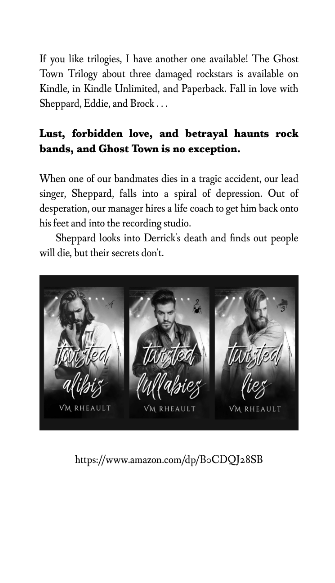
*Publish my rockstar trilogy to IngramSpark. I always let a couple of months go by between publishing on KDP and publishing on IngramSpark. I’ve heard it’s good to let them settle, and it’s what I’ve always done. I’ve never had an issue publishing to IS after KDP, so I’ll keep doing it that way. The interiors are the same, but I’ll have to tweak the covers. IS uses different paper and the spines are thinner, which means I usually have to adjust the font to avoid it lapping over to the front or back covers. I can’t do that until my trilogy is done and published with new covers. I want to put the Lost & Found covers back there pushing readers who like trilogies to buy my other one. This is a back matter page of Safe & Sound telling readers I have my rockstars available:

I made the graphic in Canva. One of the best things you can do is use your back matter wisely! I do the same things with all three of my standalones–if you like this standalone, I have another available, and you can find it here.

*Make hardcovers for the rest of my books. I offer hardcovers of my Cedar Hill Duet and Rescue Me. That was all the further I got with my hardcovers, but now that my books will be 100% finished, I can make hardcovers of the rest. I’ve never sold a hardcover (only a handful of Large Print I can’t offer anymore because KDP blocks them as duplicate content) but I like how the buy-page shows more than one buying option and it shows readers that I’ve invested in my book to make other versions available.

*Try to enjoy the downtime and the holidays. That list will take me more than a few days, and while I’m not writing, I’m going to try to enjoy the holidays. I have a tooth that’s going to need to come out soon (I have PTSD from a root canal gone bad and I will never subject myself to another one) but I’m going out of town from November 15-18th and I would like to have it done after I come back. There’s no good time to have an extraction, and my November is busier than it’s ever been, but having an achy tooth in my mouth ups my anxiety, and I would like it out the sooner the better.

*Plan my next books. I’m thinking of another duet, but bigger ones, 150k per book or so. I want to incorporate the underground king concept I blogged about here, with the kidnapping/psychic element that’s been knocking around in my head. To write these as well as I want, I’m going to need to read some dark mafia books. I want these dark too, but not in the sex kind of way, well, not only the sex kind of way. Drugs, crime. Violence. The vibe I was looking for when I wrote All of Nothing. I don’t have a plot yet, and I still have to put my series up, but it’s never to late to plan.

*Try to enjoy walking more. I have a lot of negative feelings associated with going for walks, and I’m trying to sever those ties. When my ex-fiancé and I would talk, I would go outside for privacy. As our relationship deteriorated, I didn’t go outside just for privacy, I would go outside because we were fighting and I needed to walk off the nervous energy (and the fear but let’s not get into that). Walking now brings back a lot of those memories and feelings. We’ve been split up for a long time, and I’m used to him not being in my life anymore. Our five years together were more tumultuous than happy and splitting up was better for both of us. Still, those feelings are still there, and I need to push them aside to enjoy walking again. I also walked to get air at the beginning of the pandemic to try to quell my anxiety. I wasn’t anxious because of COVID though I know many were. I was anxious because unbeknownst to me at the time, I picked up a box of Snuggle dryer sheets, and they were wreaking havoc on my girlie parts (more specifically, they gave me bacterial vaginosis). Three years later, I’m still having issues my gynecologist doesn’t seem to understand, and now walking brings back those feelings too–of sucking air into my lungs, trying to calm down because while those dryer sheets were screwing up my body, they were also screwing up my mind. I’m still dealing with the side effects of that unfortunate purchase, but at least I know the cause of my health issues. There’s nothing keeping me from going for a walk and enjoying what that time outdoors used to mean to me–plotting my next book, listening to music, listening to publishing podcasts, and enjoying the health benefits that come with moving your body. I’m already doing better for myself recognizing those ties, I just need to do better with making time to do something about it.


I should probably make this a different blog post, especially since I don’t know if I’ll have time to post anything next week, but I wanted to chat about some of the new features KDP has been rolling out.

The first one is KDP will allow you to schedule when your paperback goes live. This isn’t the golden ticket people think it is though. While it’s nice you can schedule a release date, that doesn’t mean it’s on preorder. The only way you can schedule a preorder of a paperback is to publish it through IngramSpark, and I really discourage you from using IS to fulfill Amazon orders. You’ll end up with a bunch of problems, that, unfortunately, will be difficult to fix with the way I’ve heard IS’s customer service is since the pandemic and Robin Cutler’s exit. I’ve also heard that you need to have your files available before you choose a date (this was in an FB group and I have no idea if it’s true or if placeholder files can be used), but that actually makes sense, because the only nice thing I can see about pre-scheduling is that you can order author copies before your book goes live, and they won’t have the ugly stripe over the front. Paperbacks aren’t a big consideration when it comes to my books–most of my sales come from KU. I like to offer paperbacks, and Vellum makes it easy to format them and make them pretty. Lots of people were excited about this new development, but they still need the 72 hours to review your book and you can’t order author copies until your book has passed that review. As far as I can see, nothing much has changed there, except you can schedule and check it off your launch list.

For more information about using IS with KDP, look here: https://www.authorimprints.com/ingramspark-pre-order-amazon-kdp/#:~:text=Pre%2Dorders%20are%20accumulated%20in,or%20before%20the%20publication%20date.

The other thing KDP is playing with now is opening up audiobook creation using AI. So far, it’s by invitation only and in the beta stages. Beta in KDP language can take years (look a how long the new reports were in beta and how long the old reports hung around) and how long it will take to open to all of us (or at all) will be something to keep an eye on.

Of course this caused an uproar in the writing and author communities. Some are really against AI anything, and some totally embrace whatever AI has to offer. I like to be in the middle–there are good and bad aspects of it, and I think if you totally brush it aside because of the bad, you can miss out on the good. I don’t like using AI art for covers, and it’s becoming prevalent with romance authors because hot men who haven’t been used to death are becoming harder and harder to find–especially for authors on a budget who can’t afford to look beyond DepositPhotos. The only problem is, I can spot these a mile a way and all the covers that use AI to generate a man standing in a suit with a blurry background behind him are starting to look the same. No matter how long or how hard I have to dig, I will always buy stock. I believe in paying the photographer and I believe in paying the model. I don’t think creating an audiobook is entirely in the same category as using art. AI in this regard, I believe, is just technology moving forward. There is already text-to-voice options on devices, and using AI in this way is just opening up accessibility for readers who want to listen to the books they consume and for authors who can’t afford to pay a narrator. I don’t like gatekeeping and telling someone they shouldn’t create an audiobook because they can’t afford it is in its own way. There could be drawbacks to using text-to-voice, and we won’t know what those are until authors start reporting back. There needs to be way to correct the voice if it pronounces something incorrectly. The voice has to sound natural, but those voices are getting better day by day. On the author side, you have to take the time to listen and edit if that option is available. You can’t just upload your book, let AI spit out an audio version and put it up. There was one woman on Twitter who was using AI to translate her books into German, but she wasn’t using someone who knew German to double-check the translation. That’s irresponsible and scary. God only knows what it was coming up with. The last thing I want is to be a laughingstock in Germany. Good luck to her, I guess.

When it becomes available, I’ll give it a try. Apple already has given its authors a chance to create audiobooks with AI, (and people were excited about that, so I don’t know why KDP is getting flack) so it will be interesting to see how this goes. Just because I try it doesn’t mean I’ll publish with it. I might not like the voice choices, or because I write dual first person POV, I may not be able to publish using a female voice for the female POV and a male voice for the male POV. I’m definitely not going to shun something before I can even experiment with it. Ethics aside, you have to think of what you want for your business. I don’t listen to audiobooks–my mind drifts too much for me to concentrate–but I’m hearing now that listening to an audiobook is experience. It’s doubtful something that KDP offers will compete, but it’s nice to have to the option.


That’s about all I have for this week. I’ll be out of town November 15-18th. We’re driving down to the Twin Cities and we’ll be going to Mall of America, looking at a few museums, and going to the zoo if the weather permits us to be outside. I may take a pass at blogging or just put up a quick post I’ll write Sunday. Things won’t be calming down much after that either–we have The Ballad of Songbirds and Snakes to watch that following Tuesday, then Thanksgiving. We’ll be at the end of the month after that, and I have my birthday to celebrate. We’re going to Napoleon and out for a fancy dinner so I’m really looking forward to that. All in all a very busy month and I think I’m going to sleep all of December.

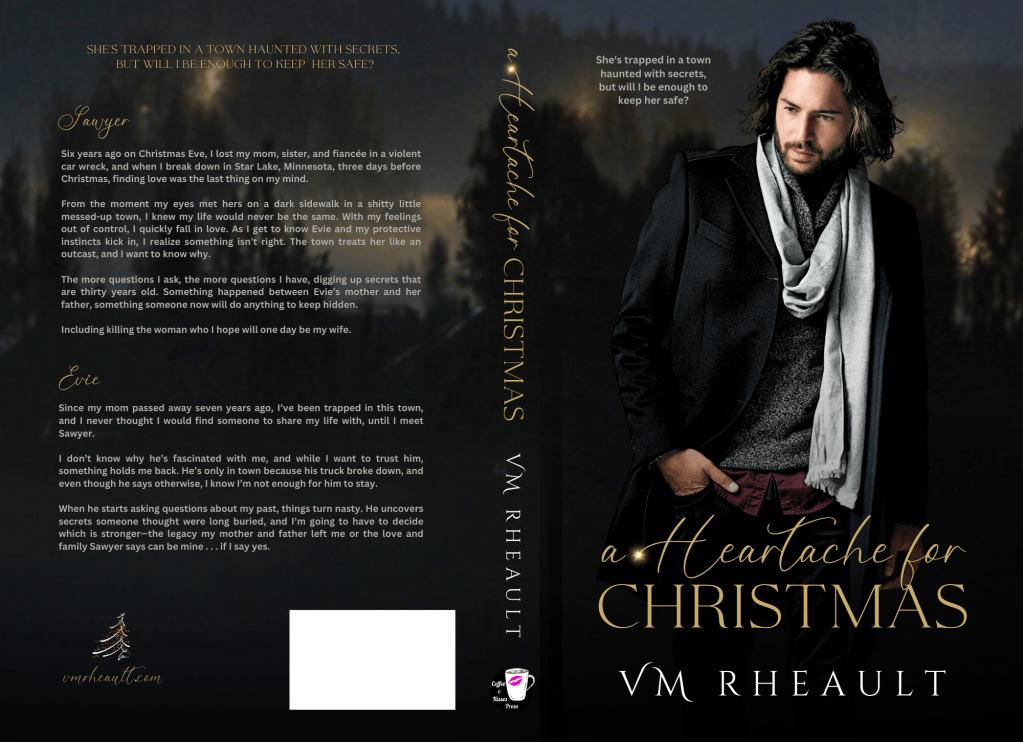
For my last piece of news, A Heartache for Christmas is available right now–it went live today! The reviews have been coming in through Booksprout, and readers are really touched by the story (and I am really really in love with the cover!). You can find it here: https://www.amazon.com/Heartache-Christmas-VM-Rheault-ebook/dp/B0CM2BLRPF/

Enjoy your week, everyone!

Thursday Thoughts and Author Musings

Because Monday is my year-end recap, I can use today’s post to update you on the progress I’ve made this week.

I’m 56k into my new WIP. The book goes in fits and starts, but I’m getting there and should have it done by the middle of January if I can keep up a consistent pace. The longest book I’ve written is a standalone still on my computer in third draft stages that’s 97k words (and I have no idea when I’ll publish it). I don’t know how long this book is going to be, as they haven’t touched on a couple of bigger plot points and they still haven’t had sexytimes. They also haven’t had the 3rd act break up yet, but as a planster, I at least know what that is going to entail, just not how they’re going to get there.

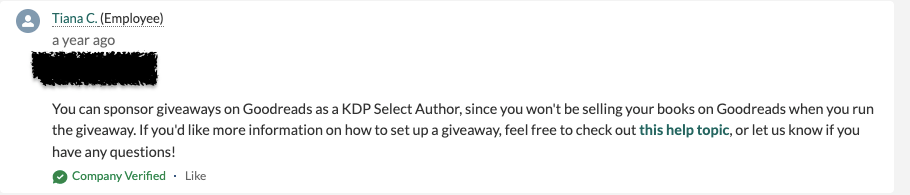
I had a great idea to offer a Goodreads giveaway on the first book in my trilogy. I had a question if you’re allowed to participate in a giveaway while your book is enrolled in Kindle Select, and a Goodreads employee said it was allowed as you aren’t selling books on a different platform, only giving them away.

Under any other circumstance I would question this as even the FAQ at Booksprout said they recommend your book is not enrolled when it’s available for reviews, but since Amazon bought Goodreads and they’re connected, I’ll take it with a grain of salt and hope it’s true. If I get into trouble, it will be Tiana’s fault. LOL But we’ll see if my level of organizational skills is up to the challenge. I suspect not. I also have to figure out what my advertising budget is going to be for this trilogy. I want to give away the first in my duet to at least create some buzz for this pen name as well, but I was looking through the Vellum file for excerpts for graphics for my FB author page and found a couple of typos (of course I did) I should fix before I run any kind of promotion.

I sent out my newsletter for December, but I didn’t get the open rate or downloads I usually get in the past. I only had 8 downloads of the first in my trilogy (I opened it up to 30 downloads) and I had 5 people unsubscribe. I guess the unsubscribers aren’t totally uncommon, but I was hoping for more of a response to the ARC copies I made available through Bookfunnel. (If you want an ARC, you can click here.) I’ll go ahead and put it on my FB author page and see what happens. It’s been stagnant for a long time, and the only people who like my page now are friends and family.

I submitted Rescue Me to IngramSpark, and of course I didn’t do the cover correctly. There’s always something I’m doing wrong, and it usually takes a bit of moving the cover elements around because either they’re too far away from the spine or too close. KDP will publish you no matter if you have your cover bleeding onto the spine or not (in my case the spine is usually bleeding onto the front cover), and again, I wish Ingram had a visual for you to see when you upload your files instead of waiting for the review process for them to tell you that you messed up. I’ll fix it and resubmit. When I was doing Addicted to Her, I went around and around with them a couple of times before I got it right. Canva is great, but it’s too easy not to lay the template over the cover properly to determine where the spine boundaries are.

I don’t have that much else going on. I’m trying to promote more on my FB author page and my reader page. I just discovered that I DID set up a reader group and a reader page. I had to set up the page so I could run ads and I guess I set up the reader group so my readers would have a place to find me on Facebook if they wanted. I was scheduling posts on Canva and they were posting to my reader page and I was wondering why my reader group looked so bare. Now that I know I have both, I can choose which one when I use their scheduler. Though now that I’m posting to Instagram, my FB author page, and a reader group and page, I feel like my content is a bit thin. I know people do cross-post, but putting the same content four places seems a bit much, so I’m going to have to pick and choose where I want content to go, especially since right now my reader page and group don’t have any followers and my FB author page, like I said, only has family and friends following it right now. The last thing I want to do is get caught up in all that, or I’ll never write again.

After Christmas I’ll publish my trilogy paperbacks so I have links for Booksprout, and I can probably put my ebooks on preorder so their buy pages look complete. Doing covers for the hardbacks is the last thing I have to do for them besides publishing them to IngramSpark, but I’ll do that this summer when they’re well established on Amazon first. I’ll probably wait to hunt for typos in my duet (again) until after I finish writing Twisted Lies and Alibis. I’ve written on this book long enough (I started at the beginning of November, and I’m usually done with a book by now) and I want to get the first draft finished and let it breathe while I do other things.

A writer’s work is never done, and I probably will write all day Thursday and jump in on Sunday after my family and I celebrate Christmas. My daughter will be on winter break, and if I buckle in, I can get a lot written between Christmas as New Year’s Day. My 2023 looks bright, and I hope I can level up this year with my releases.

I hope you all have a Merry Christmas if you celebrate and bring in the new year safely and with much love and happiness!

Being an indie author means using what works for you, no matter the source.

I had an interesting conversation with a friend the other day. Not really a conversation I guess, because it’s long been established that we don’t see eye to eye on writing, publishing, and marketing, and that’s okay. Just looking at her back list and mine makes it clear we have different paths and different goals. She’s 100% indie, does her own thing when it comes to books, genres, writing craft, as well as covers and where she publishes her books. She’s happy, (I’m assuming she is as she has never told me otherwise) and wants to stay on that path.

I learned over the five years I’ve been writing and publishing romance is just because I want to do it the way I want to do it, it may not align with my business goals and what I want for my books. That’s an important distinction. Just because it’s the way I want to do it, it may not be the best way to make the dreams I have to come true. So, I’ve learned to niche down to a sub-genre and study what’s on the covers of the books doing well in that sub-genre. I create my covers not only with what I like (and what my skills will allow), but I also have to take into consideration what is selling, and what will meet Amazon’s guidelines when it comes to ads. Just because you’re indie doesn’t mean your books can’t look and read as professionally as they should, and this made me think: we can publish indie books while borrowing from the best of indie and trad worlds.

What do I mean?

Covers: Think like a trad author.
As an indie you can put whatever you want on your cover, but the fact is, after you publish, you aren’t competing with only indie authors. In fact, the line between indie and trad grows blurrier every day. Readers don’t care who publishes your book as long as they get a good read for a fair price. You’re in complete control of your cover, but once you start tweeting your book to generate interest, or you run any kind of ad, you’re going to compete against a lot of other authors. Authors who are traditionally published by the Big Four, authors who are published by a small press, authors who can afford to spend $500 dollars on a cover, authors who know a photo manipulation software backward and forward, and authors who put their cover together in the middle of the night high on caffeine using Microsoft Paint. This is an area where we can learn from traditional publishing. Create your cover to fit in with other books in your genre. People do judge books by their covers and who knows how many readers pass you by if your cover isn’t up to standards. Unfortunately, you may never know.

Blurbs: Think like an indie.
Up until recently, and I mean, like the past couple of years (which is recent when you’re talking about publishing) blurbs (plot teasers on the product page, not one-sentence praise from your peers) were written in third person present tense. It was just the way things were done, and there are still indie authors who write their blurbs this way, despite that their book is written in first person/present/past. It took me a long time to wrap my mind around a romance that was written in first person, and it took me actually writing a romance in first person dual POV for me to fall in love with it (no pun intended). While this was going on, the savvy authors started writing their blurbs in first person, using the voice of their characters. If you look back, the authors who started that and bucked the system were GENIUS. Blurbs have always been, and always will be, a marketing tool. Because it’s a trad thing to write your blurb in 3rd person present, there have been some people who are reluctant to move away from that (and I blogged about that too.) Personally, I think blurbs written in first person makes sense (and only applies to authors who write in first) and you can have a lot of fun writing your blurb that way. This is time for a good reminder that you should always research what other authors are doing in your genre and what reader expectations are. Writing your blurb in third could lose you readers, or make readers unhappy when they read a 3rd person blurb and expected a book written in 3rd person as well. There are some readers who detest first person books and go out of their way to avoid them. If you like to troll Twitter (and I mean scroll, not be a jerk) you can read some more thoughts on 3rd person vs. 1st person blurbs using these Twitter search results:
https://twitter.com/search?q=1st%20person%20blurbs&src=typed_query

Release schedules: Think like an indie.
Being an indie when it comes to how often you can publish and when can help you build an audience quickly. Trad authors are stuck to once a year, maybe twice if they’re with a small press with a flexible schedule. It seems Amazon imprints like Thomas and Mercer or Montlake allow their authors to publish a little faster, but all in all, authors who can release a book quarterly (3-4 a year) have a better chance at building an audience so why not use that to your advantage? It hurts to save up books, but if you’re a slow writer, why not? Write, edit, and package three, then write more as you release. this can start a publishing schedule that you can maintain and after a while, your growing audience will know when to look for a new release. In the time a trad author publishes three, an indie could publish nine to twelve, and that just means more money in your pocket.

Series: Think like an indie and trad author.
Indies are getting better at this, but I’ve seen some books in a series that don’t look like they’re a series because their covers don’t look the same and don’t have a similar vibe. Trad has always been great with series branding, using the same fonts, backgrounds, and characters. For instance, the first book in the Flowers in the Attic series was published way back in 1979.

photo taken from https://thebookmelon.weebly.com/blog/flowers-in-the-attic

Series branding is important, but these days in the era of fickle attention spans, a trad house may pull the plug before a series is complete because it’s not selling. Sometimes an author gets a chance to wrap up, but sometimes not. Readers get angry, but like my friend Dea pointed out on Twitter the other day, it’s not up to an author if they have a book deal whether or not to continue a series [unfortunately since I wrote this post, Dea left Twitter and the link no longer works]:

This is where being an indie can make all the difference. IF YOU’RE AN INDIE AND YOU’RE WRITING A SERIES, FINISH IT, OR AT LEAST WRAP IT UP! Readers don’t like being left hanging, and when you’re publishing your own books, there’s no reason not to finish. The release consistency subject above also comes into play here. If you’re going to make use of a cliffhanger, you better have the next book ready to go (hopefully on very short preorder), or you’ll get bad reviews like this one:

Use your freedom to your advantage and keep your readers informed. I was tweeting with this author, trying to figure out the best way to let her readers know so this didn’t happen again. Is posting a publishing schedule in the first book’s blurb the way to go? Perhaps this would be a good reason to use A+ content? I’m publishing a six-book series next year, and yes, I do use cliffhangers. But unlike the author above, they are all written and I will be releasing all six in one year. When I read the Crossfire series by Sylvia Day, she did give the characters a happily for now ending just for the fact she’s a trad author, knew her readers would have to wait a year between books, and wanted to give her readers a bit of closure until the next book came out. When you’re indie and you need time, maybe that is the better way to go. Personally, I’m not sure what the answer is, but I will never not have all my books written in a series before I publish. Just for the fact avoiding small plot-holes and consistency issues will always be reason enough for me to wait to publish while I write.

The overall look of your book: think like a trad author.

A lot of authors don’t know this, but there is a set of guidelines you can (should) follow when you publish. The Independent Book Publisher’s Association lists them on their website and covers everything from what you should have in your copyright page to reminding you that your interior should be full-justified. It’s amazing that you can be a life-long reader, but when it comes to assembling your own book, how a book should look flies right out of your head. I’ve seen books that are left-justified only, no page numbers, spaces between paragraphs (this is okay for non-fiction, but I’m referring to fiction books), double spaced, no front matter except a title page, nothing in the back, not even an About the Author page. There’s no reason you can’t put out a professional product. To find the list of guidelines, look here:
https://www.ibpa online.org/page/standardschecklist

While I understand the disgust thinking about traditional publishing can evoke in an indie, there are lessons trad can teach us. Your book should look professionally put together, even if you’ve done it all yourself. When you’re asking a reader to pay for your product, it’s up to you to make sure they are paying for quality. It doesn’t matter how you reach that standard, it’s only important that you do. If that means hiring out every step of the way, then that’s what it means. Some may only need an editor, some can edit their own work and do just fine. Some indies are a one-stop shop and do every single thing for themselves, or use $50 dollar premades to cover their books that go on to make thousands of dollars. As indies, we have so much flexibility, but don’t use that as an excuse to do what you want. Once you put your book out into the world, you want readers and you want readers who will recommend your book to others. You want people to take photos of your books in their gardens, next to their cats, at the beach, and they won’t do that if your book has a crappy cover on it.

You CAN have your cake and eat it too. Just maybe scrape a little frosting off it first.

Until next time!

Author Update: Emailing Jeff Bezos and what I’m working on now.

I’m writing a quick Thursday author update because on Monday I’m posting updated instructions on how to do a full wrap for a paperback in Canva. Both Canva and KDP made changes that have made my post from last year basically obsolete, and anyone who reads it now will be like, what? because the site where you can download your cover template has changed. So, you gotta stay with the times. (But no video as of yet. I know I promised, but making a video is nerve-wracking and I’m not excited to jump into it.)


I emailed Jeff Bezos’s email address this morning about my large print book. I submitted Captivated by Her in a large print edition, but KDP blocked it as duplicate content. I was a little pissy since I was able to publish two other large print books without an issue. So I wrote to his email address asking if large print was going to be blocked as duplicate content (which doesn’t make any sense to me anyway because it is) then why give us the option? There’s even a little box when you’re publishing asking if it’s large print. You can check it, and I assumed that publishing a regular print book along with a large print was a no-brainer. I guess not. In the email, I didn’t even ask them to unblock my book. I don’t care about that so much because I can publish them through IngramSpark (which is a hassle, but you do what you gotta do). I know on Amazon that can be hit and miss with availability, but it’s better than not publishing at all. I just wanted an explanation, and if they really don’t want us to publish large print, take the option away and force us to use IngramSpark. I hate seeing my blocked book on my dashboard, and I don’t want to do anything that will cause KDP to close my publishing account. I’ve always been on the up and up with them, and treat my books as a business. I just get mad when things don’t go how they should go. Anyway, I don’t expect a response. I’m sure Large Print books are not on their list of priorities, but at least i can say I tried.


I’m 30k into a new first book in a trilogy. I’ve got loose plots for all three books, and I’m having fun writing it. I was going to write the remaining four books in a different series I started last year, but the characters in this book wouldn’t leave me alone, so they’ll get slotted into my publishing schedule in 2024, and then I’ll have the other series to release in 2025. It’s a bit crazy that I’m that far ahead, but I don’t have to be.

The books I’ll publish between now (Captivated came out June 1st) and the beginning of 2024. I’ll release them 2 months apart.

I could release as quickly as I want, but there’s no point in turning on the faucet in a gush if there’s no one around to appreciate the water. I’ll slowly release while I gather email subscribers and hopefully readers. My launch (though I haven’t reached the 30 day cliff on Amazon yet) hasn’t done anything but with one book and it being half of a duet, I kept my expectations low. My plea to my newsletter subscribers who downloaded it as an ARC for a review went unanswered, and it doesn’t even have one to make the product page look nice. Maybe I should have gone with Booksprout after all. Oh well. We’ll see where I am next year at this time, though I don’t know if I’ll be doing much better. It takes so long now to build a readership, I may not be looking at any kind of momentum until 2024. But that’s par for the course in these times. I just have to work harder on building my list and learning how to take advantage of promos on Bookfunnel. Earning a reader’s trust takes time and lots of consistency. I’ll get there, I just hope I don’t burn out before I do.

My Facebook ad for my newsletter sign up is going well, and I have 218 subscribers. I’ll need to shut my ad off in a couple of days though since I’ll have reached a 100 dollar ad spend, and I don’t want to spend any more than that. I’m already paying for Bookfunnel, so I should explore that more. And I think I’ll turn off my FB ad for Captivated as well. I’m getting a few clicks but they are really expensive (26 cent a click), and my sales dashboard is a big goose egg for that book. I knew this was going to be an uphill battle, but I want to save a little money to push the book when the second comes out. Pacing in a book is important, but it’s also important when you’re blowing your budget. My Amazon ads are also dead in the water, probably because I’m not bidding high enough for them to be shown to anyone. For right now, I’m using Bryan Cohen’s method of a thirty cent click bid, and that is not enough for a romance genre, especially one as popular as billionaire. After I shut my Facebook ads off I can create a few more on Amazon with a higher bid and see if that helps. In the words of almost every professional marketer out there: Test, test, test!

That’s about all I have for today. I’m happy to be writing again, and I’ll be busy with this trilogy until the end of the year.

I hope you’re having a great month so far!

Monday Musings and Author Update

Hi! It is so good to be back. It feels like forever since I’ve blogged, andI I thank my guest bloggers and my author interviewee for the the time they took out of their busy schedules to help me out while I recuperated from surgery. Four weeks post-op, I’m feeling better. I’m surprised, really, at how it knocked me off my feet and I was wondering if the surgery did what I wanted it to do. But four weeks isn’t that long, and I feel like over the weekend I turned a corner of sorts. Right now I’m just trying to take it easy and work as my body allows.

What am I working on now?

Despite being laid up, I finished listening to my 6 book series, again. Rewriting to “take” out the takes and makes, come and gives (two other words I found I like to use a lot) was worth it though it did set me back a few weeks. I did the same thing with my reader magnet and duet, and I just finished that up a few days ago. It seems I can’t merge my business brain with my creative brain, (which may spell trouble for me later on down the road) and I wasn’t able to set up my newsletter and get that going until I was done editing. But I do have my reader magnet set up in Bookfunnel, and I figured out how to integrate my Bookfunnel account with my Mailerlite account. When someone opts in to my newsletter after they download my book, they’ll receive a welcome and thank you email that I created as an autoresponder. It took a lot of figuring things out, but I was able to add two and two and actually get four (though I think it took me about four hours). A friend tested it for me as by then I had run out of email addresses to try, and it worked for her. But I’m going to ask a couple more people if they’ll test it for me before I start promoting it. All I have to say is, thank goodness for YouTube!

Now that that’s out of the way, I can start formatting my duet. I’ve been getting a little feedback from a couple people in an FB group about the blurbs, and Sami Jo (I did her author interview last week) and I have been trading back and forth. She gave me a couple suggestions, so at least the hard part of that is done. It’s looking like if I continue to feel better and nothing else comes up, I can put the first one on preorder sometime in June. I still need a couple of weeks to proof the paperback proofs, so I don’t want to rush. I need to put my first book on preorder for a week or so so I have time to claim my Amazon author page, my Goodreads author page, my Bookbub author page and start running some low cost Amazon ads. I don’t want to put the preorder up for longer than a week though, because preorders that don’t do anything can hurt you, and as a “new” author without one person waiting for my book, no one is going to preorder it. Dave Chesson has a great YouTube video explaining this, and you can watch it here:

Once I get all that done, it’s time for a break! Just kidding. I need to re-edit the fake fiancé standalone I’m going to release sometime in September or October, and once that’s done and the cover finalized (I think I’m going to swap it out though that will cause some extra work for me) I want to write a Christmas novel to release in November. I have some kind of an idea, a second chance trope, I think, but only a glimmer of a plot. So we’ll see what happens. That means four books this year squished together, but I’ll be releasing 6 in 2023 because I’m tired of looking at that series and just want it done. During that time I need to finish a series I started last year (2/6 done) and after THAT I think I can slow down and fall into a three books a year schedule since I can promote my backlist by then.

Craft Tip:

While I’ve been trying to recuperate I started watching the Marvel movies again. My sister and I watched them during lockdown when our movie theaters closed since I hadn’t seen them before and it gave us something to do. Since then, I’ve become obsessed with piecing together each movie into the whole. There is so much going on within each movie and the over-reaching arc of the entire plot. I have watched all the movies once, and my favorites ended up being the last two since I have a thing for post apoc, and l love when Scott pops out of the quantum realm not knowing what Thanos did. So the other night I watched Captain America and it struck me as Steve and Peggy were talking about finding the right dance partner, that the end scene of Endgame where Steve and Peggy are dancing circled back to that first movie and their conversation. I think that is a brilliant example of tying the beginning of a story to the end and wrapping things up. Much like my speech teacher told us to tie in the end of our speech to the thesis statement at the beginning, there’s a sense of closure when you reference the beginning in the end. I don’t know if I always do this, as I write romance and the ending is already laid out, but I’m going to keep this in mind going forward. If you haven’t watched the Marvel movies, I would give them a try if only to pick them apart story-wise. They drive me crazy, but in a good way.

What I’m loving right now:

I can’t say I’m really loving this, but the Six Figure Author podcast ended last week. I will miss them, but I’ve come to realize that you can listen to all the marketing advice out there but if you’re writing in a small niche or something “out of the box” you’ve already chosen a rough path for yourself. The book content needs to come first and then the marketing advice, and I’ve been working on the subgenre/story/tropes and studying the covers of the newest releases, so the technical part of marketing has kind of fallen to the wayside and when it comes to listening, I’m behind. Toward the end of the last podcast, each host gave their own advice and it was heartening to hear that they all thought that a new author could still make it in this business, though it may take longer than it would have ten years ago or even five years ago. Indies are getting savvy with content, covers, and blurbs and slapping something together isn’t going to work anymore, not if you want to compete. Quality is the number one factor when starting up an author career, and even if you think your book is up to par, it may not be. If you want to listen to their last podcast, you can do it here.

Another thing that I’ve been loving is this book, Titans Rising: Publishing in the 21st Century. The sub, subtitle says it’s about writing SFF and Horror, but the lessons can be applied to any genre. I’m half of the way through it, and while they do talk a lot about SSF and Horror, they also talk about the publishing industry as a whole, a conversation I’m always eager to listen in on.

That’s Blaze, and she’s rowdy.

By the way, I saw someone on Twitter charging 17 dollars for something like this. While her video was just a little longer and it had more elements, it’s not worth paying for. I made this in Canva in two minutes. You want one, I’ll do it for free. FFS.

That’s all I have for this week. Not much has changed in the past month, though I’m making progress. I’m excited to publish again and even more excited that I’m figuring out some of the technical stuff with my newsletter.

Enjoy your week, everyone!

End of the Year Wrap Up! Goodbye, 2021!

I always look forward to the end of the year wrap up! I love looking back to all that I accomplished over the year and making a mental note of what I can do better during the next year.

Here’s a look at what I did during 2021:

Books/Novels/WIPS

Number of books published: 0
I didn’t publish anything this year. In fact, I haven’t published anything since February of 2020 when the last of my Rocky Point Wedding series released. And even as I was releasing those, I had been writing my first person books, so in my head, I had essentially already moved on. I am planning to release in the spring of 2022, but we’ll see how that goes. I had every intention of publishing this year, but I got too caught up in writing to take the time to do any production or marketing of anything I’ve done.

Number of books written: 6.5
I’m 57k into the second book of the duet I plan to release in the spring, so I can’t count it as a full book I’ve written this year. I won’t finish it before December is over, but that’s fine. I’ve written approximately 560,000 words this year (which is 30,000 less than last year, ha!) and here is the list of couples and the month I started their book:
Finn and Juliet (book two of a series I haven’t completed. I wrote Colton and Elayna, book one, in November/December of 2020) January 2021
Fox and Posey (Faking Forever, standalone) April 2021 This book is loaded into KDP and all I need to do is hit publish
Dominic and Jemma (standalone) May 2021
Brady and Allie (My Biggest Mistake, standalone) July 2021 This book is also complete and loaded into KDP
Sam and Lily (standalone) August 2021
Rick and Devyn (Book one of Cedar Hill Duet) October 2021
Beau and Talia (Book two of Cedar Hill Duet) November 2021; will finish January 2022

I have a small gap between Finn and Juliet and Fox and Posey because this year I had a health thing with my girly parts. I’ve blogged about that a little bit–no one wants to hear about my health issues–but I can’t believe I’ve been dealing with consequences from using the wrong dryer sheets for 12 months. I had a reaction to Snuggle (and I only realized that was what it was after hours of reading through women’s online health forums) which gave me Bacterial Vaginosis, and I am still dealing with unbalanced vaginal pH even though my infection is gone. Suffering from that, getting it diagnosed, and trying to figure out treatment and a cure took up a bit of time (and headspace), but, let me tell you, I am very proud of myself for writing through it and not giving in to the crappy mindset dealing with this has put me in. Am I feeling better now? Yes and no. I’m feeling better than I did at the beginning of the year but not completely. I am in a better place mentally because at least I know what I’m dealing with and doing what I can to get back to normal. For three months I didn’t understand what was going on because I had no idea dryer sheets could do that. I’m hoping my body can right itself, and that 2022 will be better for me than just selling books.


I haven’t stopped running ads to my backlist. Even though I won’t write 3rd person again in the foreseeable future, running low cost-per-click ads doesn’t hurt as long as I keep an eye on them and don’t lose money.

Here are my stats for ads and royalties:

I didn’t quite make $1,000 this year, but what I did make was a surprise considering I haven’t published anything for a while, and I don’t promote that often. Ignore the 34 books. I have 10, but I have a couple of boxed sets, too.

As for Amazon ads, this is my year to date, and I’m actually pretty impressed that I made more than I spent in ads.

I stopped babysitting them, mainly because for a little while, Amazon didn’t mind the covers to my Rocky Point Wedding Series, and later they deemed them against their guidelines and my ads were suspended. That, as you can imagine, was a big disappointment, but by then, I was writing my 1st person billionaire stuff and I didn’t bother changing the covers. It was a huge lesson to keep Amazon’s guidelines in the back of your mind when designing your cover or hiring out. I was looking at premades not long ago, and some of the “billionaire” stock photo models were holding alcoholic drinks. (Rich guys sure like their aged whiskey, haha!) But those covers would never pass Amazon’s restrictions and you end up paying for a cover you can’t use to run ads. Anyway, so I stopped running a lot of ads to my books, which, in turn, didn’t translate well into sales. But, you live and learn and change your covers.

I spent another $25.00 on a promo when I created a boxed set to my Rocky Point series and ran it at the beginning of November. I didn’t earn the fee back. I did, but not on the boxed set, only sales overall, so I considered it a fail.

I used three free days for my Rocky Point boxed set just last weekend and gave away 41 boxed sets. Nothing to write home about, but I didn’t buy a promo for them. I usually grab a spot in a Freebooksy newsletter to promote my freebies, but I didn’t care enough, and I’ll be looking forward to something new in 2022.

That’s it for my books (and my health).

Website/Blog Stats

I blog every Monday and most Thursdays and since I’ve fallen into a schedule, I’m seeing growth little by little every year.

taken from my WordPress stats

A few days ago, WordPress just congratulated me on 6 years of blogging, and I can’t believe so much time has gone by. I truly enjoy blogging about my writing, publishing, and marketing experiences.

As you can see, even staying on topic and blogging consistently my growth is slow. Right now, I think I get about 30-50 visitors a day, and gain 1-2 new blog followers every time I post.

One thing I have learned this year is to have a goal to work toward, or you’re just ambling through the brush. I don’t have a plan for this blog except that I’ll keep writing and trying to help you all through the weeds of publishing and marketing by writing about my mistakes and what has worked for me. I have no plans to try to monetize it with ads or affiliate links. Writing a non-fiction book about indie publishing doesn’t interest me, nor does starting a podcast. I like blogging because if i don’t feel like writing fiction, I can come here and blog about whatever, and I’m still writing and keeping my fingers in the pie.

Probably one of the strangest things I’ve come across since publishing is how little indies care about what’s happening in the industry. It’s difficult (and time-consuming) to listen to podcasts, read other blog posts, and join in webinars, but I don’t understand how authors expect to make it in this business if they don’t know what’s happening. Maybe I’m the only one who enjoys it? I have no idea, but you can be sure I’ll always keep you posted!

What are my 2022 plans?

I will release next year. I said it this year, but I have to get over my fear of releasing to no one. I’m going to move forward with the knowledge I’ve accumulated over the past few years, and even if it takes another five, I’ll be in a better place in 2027 than I am right now. Nothing is a waste. You can’t succeed unless you fail, but as Jo Lallo said in an episode of the Six Figure Authors podcast, there is no greater reason for burnout than working hard without achieving some success.

One of the best podcast episodes I heard this year was when they talked about what they would do starting fresh if they had the knowledge they have now. It was really eye-opening and helped me plan out the next two years of releases. You can listen to it here:

Maybe they’ll give you some tips on how you can run your book business in 2022.


I’m not going to go into what I’m planning for next year. I’ve blogged about it quite a bit, and things change. What I have in place now might not work, but I am trying to make a writing and publishing schedule I can stick to without sucking the joy out of what I like to do most: write.

Probably the biggest lesson I learned about myself this year is that while I want to write for readers and start making money, I am afraid of turning something I love into something I have to do to pay bills. That might not happen, and even if I found moderate success, I like my day job and probably would never quit. There’s no point in worrying about something like that, but as I read books about writing and publishing systems, schedules, and all the talk about planners (HB90 is a popular one this year, y’all), it’s a concern that’s in the back of my mind I can’t quite pry loose. I guess we’ll see where this crazy business takes me.

I hope you all have a wonderful New Year’s, and I’ll see you back here in 2022!

Until next time!

Buzzword: Consistency

When you follow any type of industry, Human Resources, Business, Publishing, lots of buzzwords get thrown around. They’re trendy you know? No one does more “reaching out” or “approaching” than an HR rep. Every profession has their own language, and it’s been interesting to me to hear some of what publishing’s words and phrases are. (A while back I did a post on relevancy, and you can read it here.)

Lately, I’ve been hearing a lot about consistency. In HR, consistency means a lot of things. As an employee, one of the biggest ones you probably appreciate is when management treats everyone the same. Transgressions are punished equally, it doesn’t matter who the employee is. One of the best (or worst) examples of inconsistency I’ve seen in the workplace is preferential treatment given to smokers. They need their smoke breaks and are allotted time others aren’t to be away from their desks. I’ve seen employees come and go because of inconsistent training, inconsistent treatment, inconsistent guidelines, and inconsistent pay. (Ever work for a company where a new hire makes more than someone who’s been there for years because they didn’t adjust the pay of the other employees? Sucks, right?)

In indie publishing, consistency is almost a naughty word, but if you think about your life outside of writing and publishing, I can’t think of an instance where consistency is bad. Your body likes it when you go to bed at the same time and wake up at the same time. It appreciates it when you consistently feed it nutritious food and consistently exercise. Sometimes consistency can be a matter of health: who reading this needs to take medication at the same time every day? Who goes to the doctor every month? Every six months? The dentist? And you visit the same doctor right? You have a family practitioner you’ve developed a rapport with, someone who knows your medical history.

Here are other instances where consistency is good:

*You pay your rent/mortgage on the first of every month, you renew your lease at the same time every year.
*You go to work and leave at the same time every day.
*Probably you park in the same parking spot, too.
*Your work pays you at the same times every month. Wouldn’t it suck for you if they decided to pay you whenever they wanted?
*You train your pets to expect food at the same time every day. They don’t appreciate it when you forget.
*You pick up your kids from school at the same time very day. They don’t appreciate it when you forget, either. (Haha!)
*You bring your car in for an oil change every three months because you can’t afford the potential repairs if you don’t.

There are so many more ways in which consistency helps you or when/where you depend on it. In fact, we love consistency and routine so much that we fight change. (Who ignores their computer and phone updates?) We hate it, we can’t cope with it, and it causes us anxiety. There’s a reason why we say, “Jump before you’re pushed”– because we need the control in an otherwise uncontrollable situation.

So why then is consistency such a nasty word when we apply it to our books and our book business?

For one, I think we fear it will stifle our creativity. When we hear the advice to “stay in our own lane” or to “niche down and find a subgenre you like and stay there” we automatically think we won’t be able to be as creative, but that is actually the opposite of how our brains respond. Humans find freedom in boundaries. Take little kids–they thrive on schedules. They need to know what is happening because they find safety in routine. They have a difficult time coping being shuttled from parent to parent in a divorce, and not knowing where they’re going to sleep from one night to the next causes them anxiety and fear. Routine for children and adults is conducive to good mental health.

You can apply that to what you write. If you choose a niche instead of being a multi-genre author, your readers will have an easier time finding something in your catalogue to enjoy (hopefully everything!). I can use myself as an example. Under Vania Rheault, I wrote in all the subgenres: billionaire, age gap, small town. I thought I was writing “contemporary romance” but publishing has changed and while I was writing that, I was technically genre hopping and it didn’t help with sales. I had a difficult time marketing. I decided to write billionaire under VM Rheault, and I have been writing and hoarding books for the past two years. I’ve written 13 books plus the one I’m writing now. That might not be much, not when we’re talking about a career, but I already have plans for four more books to round out a series I’m not done with, and I’m rereading the Crossfire Series by Sylvia Day and making notes to write another long billionaire series.

Rather than think that I’ll eventually run out of things to write about billionaires, I think the opposite. I can take any trope I want and make it a challenge. How can I take this trope, apply it to the billionaire subgenre and write a book or series readers of that subgenre will fall in love with? Giving yourself too much freedom can actually cause writer’s block. We wonder how prolific writers can write so fast, and it’s because they thrive with the boundaries they write in.

Covers are the same. You need your cover to convey your genre and fit in with the other books in that genre. I didn’t understand that, and in romance, steam level also dictates how much clothing a couple on the cover is wearing. Amazon’s new guidelines haven’t helped with this and has made covering our books that Amazon will approve for ads a little more trickier. Billionaires are pretty easy–you have a suave, handsome man in a suit, or a bad boy in a black and white photo glaring into the camera. Readers are used to what they want, and if you’re too different, they’ll think they won’t like what you have to offer. Do you ever see packaging for a favorite product change? The first thing they do is put on the front in bold letters NEW LOOK! SAME GREAT TASTE! They don’t want to scare you off when they decide to rebrand. We are automatically repelled by the change, and companies know that.

Being that there is no room on a book cover to comfort potential readers and assure them that even though your cover is different there is still a story in there they will enjoy, just give the audience you’re trying to reach what they’re used to. Why fight it when the cover is only a small thing to compromise on. You want readers right? Yeah, you do.

Be consistent with a publishing schedule. This is a big one with me, and something I struggled with. The indie authors I know who are making it publish on certain days every month, every year. I would like to publish three-four books a year, though I’m not 100% sure what those days and months will be. I want readers to know, for example, in April I’ll have a book out, and then July, and then October, and then December if I happen to have something for Christmas. I know a lot of indies have an issue with this because they write when they have time to write and publish when the book is done. Then they do it over and over again without any real schedule. It can take a couple of years to figure out how fast you can write a novel, how fast your editor will give it back to you (if you have one), how fast you can put those changes in, how fast it will take you to secure a cover. We don’t like to think of books as products, but there is a “production” process very book goes through before it’s ready to be sold. In Elana Johnson’s book, Writing and Releasing Rapidly, she encourages you to figure this out. It takes me six weeks to write a 80k word novel, but because I don’t have a “team” to help me, I do a lot of the editing/proofing myself and that takes time. Going through stock photos and playing with how the cover will look takes more time than ordering a premade or hiring a designer. Formatting might not take that long with Vellum, but it’s still time you have to put aside.

If all that sounds crazy and unattainable because you have little kids and a day job, of course you won’t be releasing ten books a year, unless you write novellas and you can write one in two weeks. It’s a process to understand what your strengths and weaknesses are and work with them instead of letting them work against you. Begin how you wish to continue. Under-promise and over-deliver, so during good years if you can crank out an extra novel, your readers will be pleasantly surprised instead of disappointed because you overtaxed yourself and can’t meet a deadline.

Be consistent in the length of your novels. We don’t talk about length of a novel very often. If you’re in KU you are paid by the page read, and obviously the longer the book is, the more you’re paid. Some authors write with this in mind, and only offer full-length novels. I don’t write novellas. Not only for that reason, but because I can’t plot a novella. I always have too much going on, and when you’re writing in 1st person, I have found (for me, at least) that it takes up a lot more space on the page. Readers like to know what they’re getting. They don’t want to pay $3.99 for a novella when they think they are buying a full-length novel. That’s not to say you can’t disperse a novella here and there as extra content, for example extra content between books in a series. Plenty of authors do that, but I think it would be very difficult to find a readership when you write full-length novels, novellas, novelettes, and short stories. Write a consistent word count so your readers don’t have to guess what they’re buying when you release a new “book.”


Consistency is anything but boring. In a world where chaos reigns, consistency is a comfort. If you can change your mindset and give consistency a chance instead of eschewing it because you think you’ll be bored, you may be pleasantly surprised. I love writing billionaire. They are people too, and they suffer the same problems everyone else does. Do they have different ways of solving problems? Sure, but all of my characters, (and most I’ve read by other authors, too) learn that money can’t buy happiness, and by the end of the book would happily throw their fortunes away for true love.

Maybe this makes sense and it will encourage you to take a look at your business in a new way. Maybe you think I’m full of crap and you’ll continue to write and publish whatever whenever you want, but the next time the road you take to work is closed and you’re forced to take a detour, think about how you feel, how utterly inconvenienced you feel. Suddenly your morning routine is gone and the rest of your day is messed up. Your readers like consistency, they like knowing exactly what they are paying for when you release a new book.

I mean, this whole blog post is only my opinion, though I do have a list of resources below that back me up. If you’re writing whatever and publishing whenever, and you don’t have a problem with the results that brings your business, don’t change; this blog post isn’t for you. But if you’ve been publishing for a while and not finding the results you want, it never hurts to take stock and figure out where you can do better.

That’s what I did, and I will let you know how it works for me!

Until next time!


Resources:

Finding that middle ground between your daily routine and new opportunities will get you the best of both worlds and make for a happy, fulfilling life

Do You Need More Restrictions on Your Writing?

The Paralyzing Effect of Freedom

The Psychology of Limitations: How and Why Constraints Can Make You More Creative