Thursday musings: What I’ve completed, what’s next, and a small pet peeve.

Brown Photo Independence Day Twitter Post

Happy Thursday! It’s a rainy day here and I thought the picture was apt. I’m not having as much fun as they are, but that’s okay. Rainy days are good for writing, or in this case, catching you up on all that I’ve been doing.

I’m going to start with a something that has been bothering me a lot in the past couple days. All the writing groups on Facebook can provide an endless stream of fodder for any blogger, and the other day I took particular offense to one post. I won’t mention the group because I don’t to get kicked out, and I don’t want to mention the poster because maybe she didn’t know what she was doing (though I’m sure she did). At any rate, she posted something to the effect of, “Whew! I wrote two books this month! Now it’s time to relax and celebrate!”

Of course she got the obligatory congratulations, and there were some people who were a little down, because, hey, that announcement really sounds like something good. Who doesn’t want to be able to write two books a month?

The problem is, and I’m sure you know where I’m going with this is, what really is a “book?” How many words is that? You know me and my big mouth and my nosiness couldn’t leave it be and I asked her how many words she’d managed to write in a month’s time.

You know what? She didn’t answer me. It could be that she missed it. It could be she never checked that post again, because the whole point was to a brag in the guise of, “If I can do it, you can do it, too!” Or it could be she didn’t want to admit that she wrote two novellas that were about 25,000 words a piece.

Even if she did do that, it’s an accomplishment and I don’t want to take that away from her. But I think it shows complete lack of courtesy for the writers and authors in that group who struggle just to write a couple thousand words a week. Be proud of yourself, share your victories, but come on, be honest about it too. You’ll get more appreciation that way.

Brown Photo Independence Day Twitter Post-2

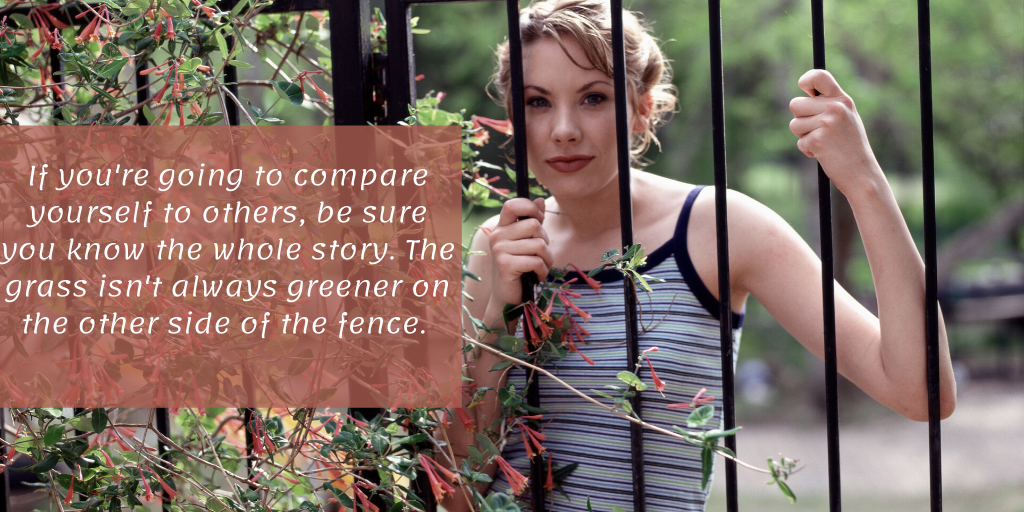
This is why comparisonitis is a bad thing. You don’t know the real story. You don’t know what is really being accomplished. It could be she “wrote” 100,000 words–in dictation, and hired someone to transcribe it all. That sounds pretty cool, too, but not how the majority of us write. Be careful who you compare yourselves to. Get the real story, then mine their experiences for the real-life tips that can help you achieve your own level of success.


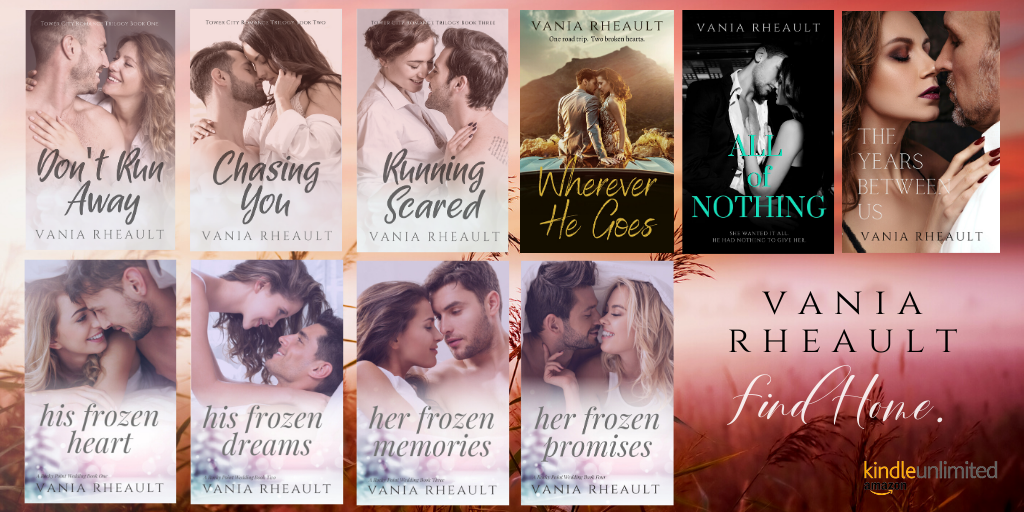
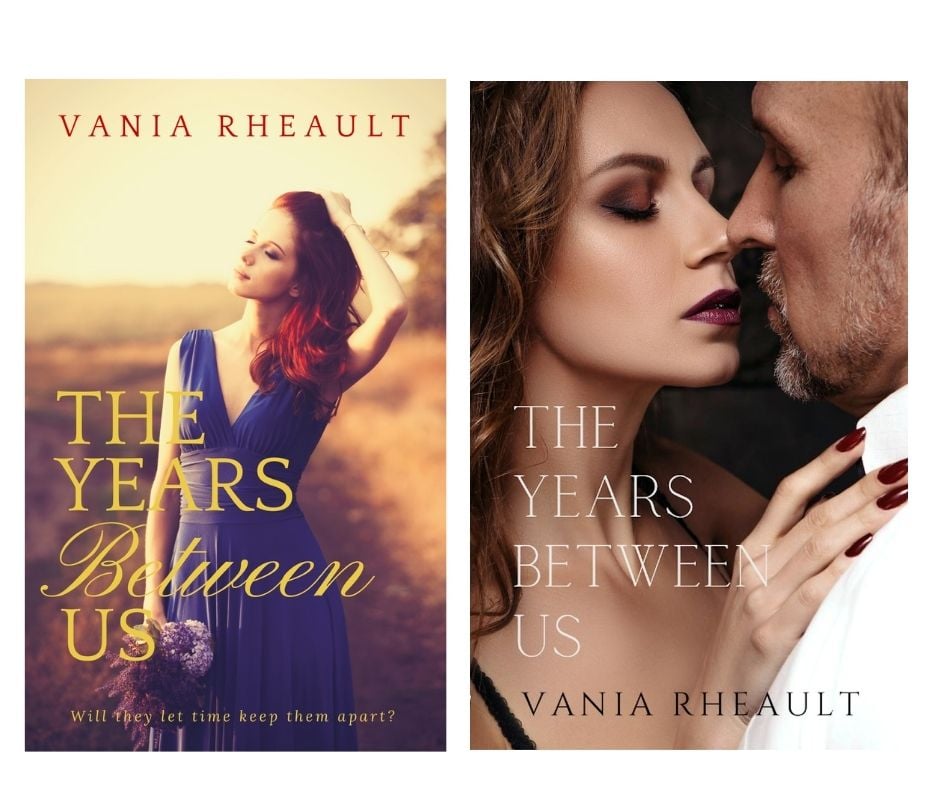
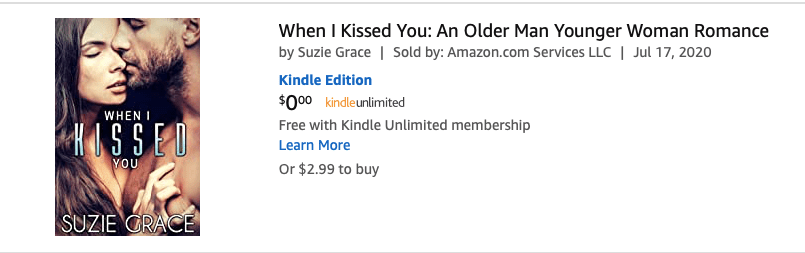
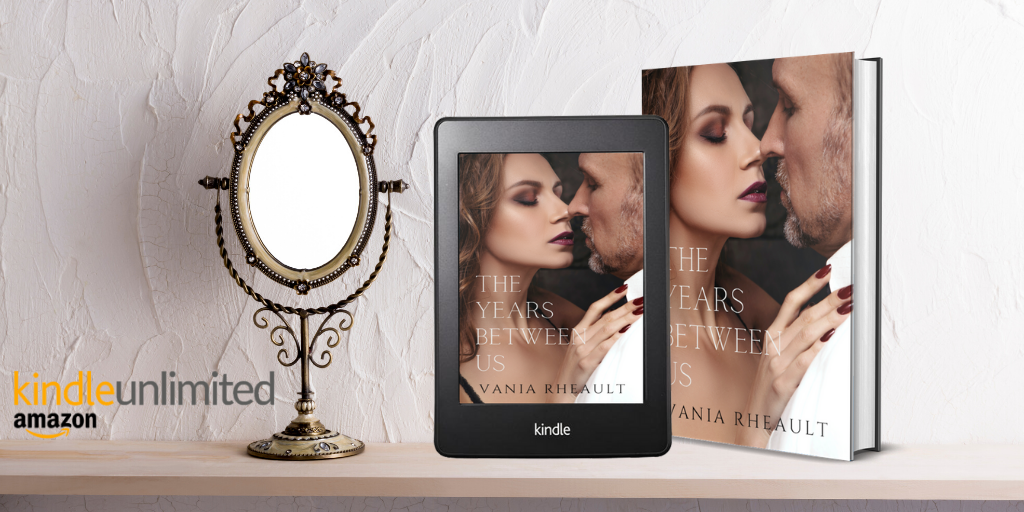
I took the feedback from comments on a different blog post, and I found a different photo for The Years Between Us. I think there were a few photographers who uploaded new stock photos on depositphotos.com because I had never seen this couple before, but they hit the nail on the head when it came to my characters.

After I changed out the cover and ordered a proof to make sure it looked good in print, too, I started running some ads using keywords from Publisher Rocket. The ads haven’t turned on yet, so I’m getting some impressions but not many. As I said in a previous blog post, a new cover, a fresh editing sweep, and a new blurb is the best I can do for this book. It could just be that I didn’t hit the mark, and it will never sell. That’s something I’m going to have to come to terms with, but at least I can say I gave this book my all.

Brown Photo Independence Day Twitter Post-3

I’m not going to write it off just yet. I can bid very low and continuously run ads to it, as impressions are free and running ads as long as they don’t cost you money without return never hurts. I’ll keep you posted.


I am using COVID-19 and the #stayathome order to still go back and get some messy housekeeping done.

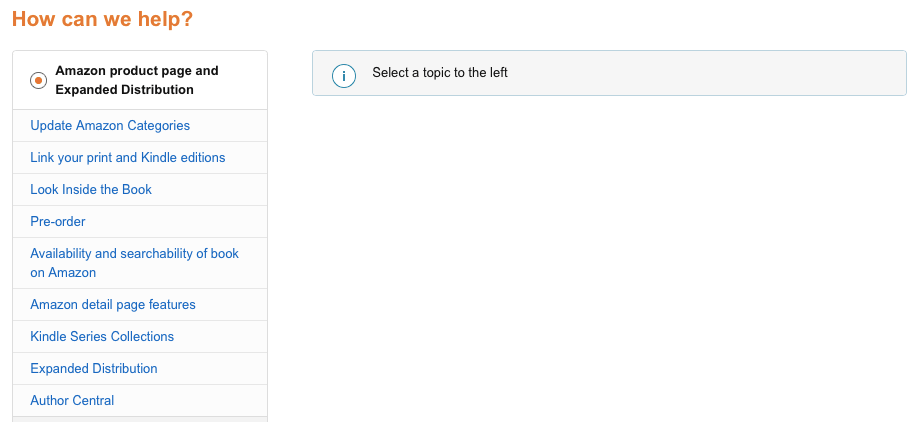
Yesterday I went on IngramsSpark and uploaded new insides and uploaded new covers for some of my books. I have this thing where my books need to be the same everywhere, and even though dealing with IngramSpark can be a pain, and I did three out of six books. I’ll wait to make sure they go through then do the other three. They do not have the online previewer that KDP does, so you can upload your files, but you won’t know if they pass until someone from Ingram looks them over. At least with the KDP previewer you have an idea if the file is going to be approved, or if you see a mistake you can fix it before submitting. Ingram did make some changes to their website and it’s more user friendly, but it still doesn’t work the way I wish it did.

I did my standalones, next I’ll do my Tower City trilogy. When those are all uploaded and approved, I’ll publish my Rocky Point Wedding Series there. I haven’t done that yet, though I did not select expanded distribution on Amazon. I do like seeing my paperbacks other places even if they’re not selling.

Screen Shot 2020-05-13 at 12.36.22 PM

And please keep in mind for anyone who does not know, you have to be listed in the IngramSpark catalogue for someone to walk into Barnes and Noble and ask them to order your paperback. They will not purchase a book from Amazon. You may approach the manager of your local Barnes and Noble and see if they will carry your book on consignment and then bring in your author copies from Amazon, but you’ll look more professional if you say your book is available through the IngramSpark catalogue. It is a pain dealing with them, but they will list your paperback book on all the marketplaces. You do have to buy your own ISBN though. IngramSpark won’t take the free one Amazon gives you if you go that route.

Robin Cutler is the director of the indie side of Ingram, and she did a wonderful interview with Craig Martelle in the 20booksto50k group! Take a few minutes to give it a listen. There’s some really great advice there if you’re interested.


I wanted to add a little bonus content to my Tower City trilogy. After I edited the books again (took out some telling, smoothed out the writing) I wanted to add a little something to the boxed set. I intended to write a novelette, but it turned into a 29k novella. I’ve been writing that for the past few days (ten to be exact, ahem) and I’ll spend the weekend cleaning it up and putting together a new boxed set with extra novella. Then I’ll run some ads to it and see if I can’t get some page reads. I said in a previous blog post I didn’t think my books were worth selling, and I feel better now that I’ve given them a read through and corrected a few typos and small inconsistencies. I haven’t looked at those books since I published them, and going at them with a fresh eye was beneficial.


That is all the news I have to share–unless you want a quick update on my ads.

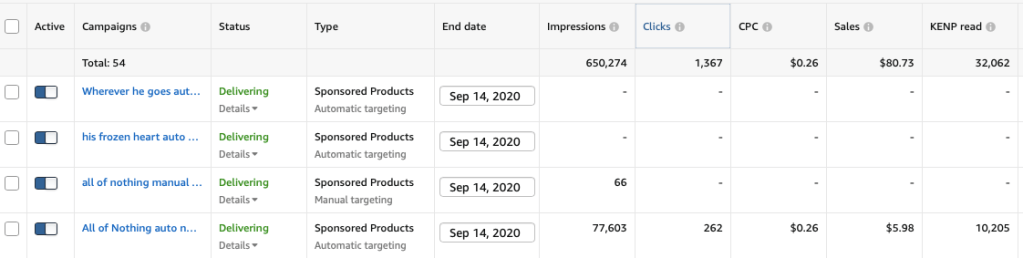
I lost 14 dollars for the month of April with a spend of $180.97 and royalties across all my books of $166.92.  I turned off my big spenders to see if my KU page reads would eat up the difference. Not so much, but I’ve operated in the red before. Obviously the main goal is making money, but at this point I’ll be happy to break even. It’s cool. Still learning, still playing. Going forward I won’t bid so much and hopefully lower cost per click.

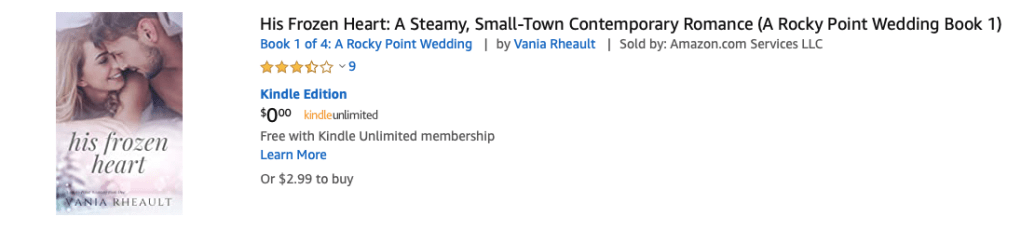
I’m up for the month of May, with an ad spend so far of $41.16 and estimated royalties of $78.73. I only have two ads going right now for All of Nothing, still my biggest earner. I put up some fresh ones for The Years Between Us, but nothing to write home about yet, and Wherever He Goes is DOA. Not sure what I can do to revive that either. His Frozen Heart is going okay, and I’ll run a promo later after the last book in the series releases at the end of this month. As I said, it was an ill-timed release, so maybe a Christmas in July type thing. We’ll see.

I really will shut up now since I talked your ears off. I hope all of you are having productive days and weeks, as it seems this may not get back to normal until the fall, and maybe not even then. It’s hard to keep your head in the game, but every little bit helps!

Until next time!

end of blog post graphic


Scammers Gonna Scam

2020 indie publishing predictionsI’ve fallen a bit behind with the 2020 predictions published by Written Word Media at the beginning of this year. I try to always finish what I start and I wanted to at least end this series even if half the year has already gone by and maybe no one really cares what’s going on because we’re dealing with bigger things right now.

I’ve forgotten where we are when it comes to the numbering of this series, but we’ll keep going.

Another prediction that Written Word Media predicts is that scammers are going to become even more prevalent as the the industry grows.

There will always be scammers. From the big guys who ask $10,000 to publish your book to the jerk who charges $25 to use a free photo and slap some text on it to make a book cover, someone is always looking to take advantage of someone else.

This is the part of the in the industry that I despise. There isn’t a day that goes by when I’m not online getting bent out of shape about something. I’m a member of lots of groups on Facebook and every day there’s someone who posts, “My client asked for XYZ for their book and I don’t know how to do that.”

This bothers me on two levels: 1) these guys are charging for a service they don’t know how to provide. If you don’t know how to do something like hell you should be charging for it. And 2) they’re asking the group to do the work. You have the audacity to charge for a service you are not qualified to provide then you ask someone else for the answer.

A case in point: Lots of people have started a formatting service using Vellum. Fine. Whatever you want to do, but if you are going to charge for your time and “expertise” the least you could do is look up answers for yourself. I’m not the one getting paid to answer your questions.

Another thing I can’t stand is all the crappy book covers for sale. Buying a book cover from a shady designer will get you into trouble. If they steal artwork, or use photos not available for commercial use, or they use fonts not available for commercial use, that is all on you – your name is on that book.

There are scammers out there who have whole premade cover businesses made entirely on free images off Pexels, Unsplash, and Pixabay, put some text on it in Canva and sell it for $50 or $100 for paperback. Some of these people don’t know any better. They think anything online is fair game, but some just want to make a quick buck off a new indie author who is excited they wrote a book and want to publish it.

These guys are dangerous. Trusting them is stupid, and with a couple of hours of practice in Canva you can do for free what they are charging for.

Another place where scamming has become popular is editing. You need an editor to proof or edit your book and you have a ton of offers when you ask around on Twitter. A lot of people who edit charge way more than their experience allows, or they shouldn’t be editing at all.

There’s a guy on Twitter who wanted to edit for me, for a fee, and I’m glad I never took him up on it. He published a book and it’s complete trash. If you’re going to solicit at least put out some quality work on your own or you’re going to look like a complete ass–not to mention look like an asshole–charging for a service you have no business telling people you can provide.

At any rate, those are only my pet peeves. The predictions article is a bit more encompassing.

Don’t pay someone to publish your book. Watch out for “small presses” where it’s just a guy living in his mom’s basement eating Cheetos and charging you to upload your book into KDP.

Learn how to do things on your own. Or network and develop a couple friendships and add them to your publishing team. Always ask for a sample and/or reviews and testimonials from other authors. Be responsible or you’ll pay $500 for an edit and your book will come back with typos and a million other things wrong with it.

There are legitimate people out there. Take your time in look. And seriously, if you aren’t happy with what you get as a finished product, say something. If you find out you’ve been scammed, maybe you can file a claim with PayPal if that’s how you paid or ask your bank for a stop payment.

You can contact Writer Beware if you feel you have been scammed. There are resources to assist you in legal action, and perhaps add the person who scammed you to a list so they can’t scam anyone else. This is a wonderful resource provided by SFWA and you can look at it here. Also, you can, and should, look at the list before you hire someone and make sure some else hasn’t reported them.

Your books are your business and responsibility. Take care and be careful. On the same token, don’t charge for a service you don’t have the skill or expertise to provide.


The article didn’t go into this kind of scammer but they are out there. One type are the writers who take advantage of Kindle Unlimited. Scammers like Chance Carter, who used to bookstuff and offer prizes to readers who would review the most.

Or the authors who will put blank spaces between paragraphs (making their book “longer”) to up their page read. In fact, I just read the look inside of a book like that a couple days ago. Sometimes this is ignorance–authors don’t know how to properly format a book. Most times it’s

intentional, trying to scam Amazon out of page reads. And hurts us. Kindle Unlimited Authors are paid out of a giant fund, and if those funds go to authors who haven’t earned the page reads, then they are stealing our royalties.

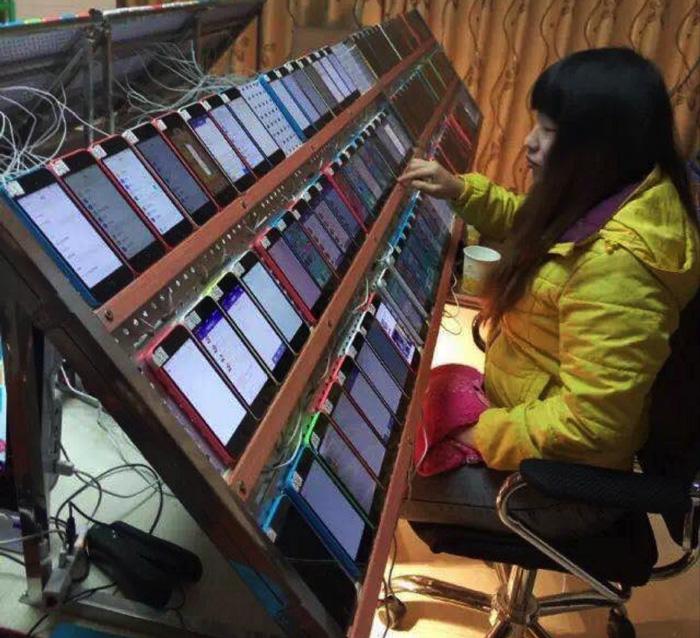
Another type of author scammer is the kind that uses click farms to get page reads. It was rumored that the writing duo/trio Alexa Riley used click farms for page reads to catapult them to the top of the charts. That was what I had heard in a romance group I’m in on Facebook. Upon looking up an article to link to this post, it seems they were banned from Amazon for bookstuffing, but it could be they were also using click farms for page reads.

Another author said they were plagiarizing and using ghostwriters to publish their books faster. Whatever is true, and whatever is not, Amazon took their books down for violating terms of service and/or using their account illegally.

David Gaughran likes to keep track of these “black hat” authors as he calls them, but he doesn’t publicly denounce them. Lots of us want to know who they are so we can avoid them, not work with them, etc. But as he states, there does come a risk when pointing fingers and sometimes it’s best just not to say anything at all.

The point I’m trying to make is that scammers can be on both sides of publishing. Yes there are people who offer services and charge exorbitant prices for those services, when they do not have the skills required to offer any type of services at all. And then there are the authors who think they can make a quick buck or two scamming Amazon and Kindle Unlimited, and therefore, their fellow authors.

It’s too bad that an industry can be so riddled with people who would do anything to make a bit of cash. (And sometimes it’s a lot more than a bit. A top selling book on Amazon has the potential to make thousands of dollars a month.)

The one thing you can remember is that authors like Chance Carter and Alexa Riley, even Faleena Hopkins, do end up getting theirs. I’ve heard that Chance has tried to come back under different pen names such as Abby Weeks, and Amazon has blocked those as well. Alexa Riley may end up coming back too. She could already be out there writing books under a different pen name. It’s difficult keeping track of these authors when you are trying to build your own business.

Scams will continue to pop up as the article suggests. They aren’t going to go away.

As an author who requires services, be careful who you hire.

If you’re an author who needs to supplement their income by offering services, make sure you know what you’re doing and that you’re earning your fees ethically.

And for the love of God, don’t try to earn a quick buck with your books. Even a simple question like “Can I publish a book in KU but put a different version wide?” will put you into scammer territory. (This is a real question I’ve seen posted to try to take advantage of being in KU but also being able to sell her books wide. The answer is no.)

I fell down the rabbit hole looking up what Chance Carter, Faleena Hopkins, Alexa Riley, Cassandra Dee and others have done. There’s not much recent, a lot of it comes between 2015-2019, but it’s interesting reading all the same. I’ll add some links below if you, too, don’t have anything else to do today besides read what kinds of things authors will do to make it to the top of the charts.

It’s fun, y’all. 

This isn’t going away. Keep your eyes open, and your white hat on.

Want to read more about Chance, Alexa, Faleena, Madison Faye? Here are some links I skimmed to write this post:

#BOOKSTUFFING AND WHY IT MATTERS

Kindle Unlimited – A Cheater Magnet

An interesting Twitter thread from two years ago:
https://twitter.com/CAlmeidaAuthor/status/1002942665019846656

More by David Gaughran: https://davidgaughran.com/2018/06/10/cassandra-dee-mosaic-book-stuffing/

Reactions to the Amazon Clickfarming Scandal

BAD ROMANCE To cash in on Kindle Unlimited, a cabal of authors gamed Amazon’s algorithm


We have one or two more blog posts to finish up this series. Next up, a prediction that ebooks will continue to be grow and be the top way indies make their money.

See you there!

2020 Indie Publishing Predictions: Pay-to-Play and ad platform resources for indie authors

2020 indie publishing predictions

Thank you for staying with me through this blog series about Written Word Media’s predictions for 2020. I’m discussing these predictions as an Emerging Author who has less than 10 books published and making less than $60,000 a year (let’s be honest according to my 1099s I made less than $2000 in 2019).

In the last post we talked a little bit about author collaboration because there is power in numbers, though the group opportunities don’t mean much to me because I’m still building my own career in my own right. Just as I’m sure most readers of my blog are.

The next point WWM predicts is that running ads will become a requirement. This isn’t a prediction so much as it’s already a fact. You need to learn an ad platform and not be afraid to use it. Meaning, you can’t be afraid to spend a little money to make a little money.

Various people say that Amazon ads are the smartest way to go. You’re putting your ad in front of shoppers who’re already in the mood to buy books. I like Amazon ads, too, because you’re selling books to readers who do not have a KU subscription and your enticing readers to borrow your book if they do.

It shouldn’t need to be said that running successful ads means you’re advertising a quality product. Unfortunately you may waste a little money on clicks figuring this out. You may recall in a prior blog post of mine where I described losing some money in ads for The Years Between Us. My ad copy was good, my cover was good, but I was losing people at the blurb. The Years Between Us is an older man/younger woman novel, but it’s not naughty. I was marketing it as a older man/younger woman, when maybe my blurb should have emphasized the forbidden love aspect instead. At any rate, you may need to experiment. If your ad doesn’t get any clicks, but you are getting some impressions, maybe your ad copy isn’t hooky, or your cover looks too homemade or doesn’t reflect the genre clearly. In any case, the blurb cost me clicks. I should have turned my ads off a lot sooner than I did. I was optimistic and I paid the price.


Mark Coker has is own opinion on this prediction–it’s evident he hates that Amazon took this direction. He claims that being pay-to-play makes us compete against other authors. He also states that since Amazon took away the also-boughts at the bottom of the product pages and replaced those with sponsored ads, Amazon is pitting us against each other. (Amazon is always playing with their platform looking for ways to improve the customer experience. Just because they are gone today doesn’t mean they won’t be back tomorrow, or a variation of them.) My book, All of Nothing, does still have some also-boughts, and I’m happy to say that they seem to fit into the kind of book All of Nothing is.

Screen Shot 2020-03-14 at 6.33.41 PM

It’s true that when you search an author, their product pages can be peppered with ads. That’s business. It’s no different than driving down the main strip of the city and having your choice of Dairy Queen, Hardee’s, Burger King, McDonald’s, Sonic, Popeye’s, KFC, and a million other places. It’s up to their marketing team to make them stand out, just like it’s up to you to have a good cover, blurb, title, and look inside, so your potential reader isn’t lured away by a prettier cover and better ad copy.

The motto of the 20booksto50k group is a “A rising tide lifts all boats.” There’s no competition. Be the best you can be, put out the best quality product you can. If you write against the grain (the book of your heart), and/or can’t afford an editor and/or can’t find someone to trade with you, if you have to make your own cover, these are choices in situations you’re going to have to work with. Your book isn’t anyone else’s responsibility.

I don’t agree much with Mark Coker. We aren’t competing against each other. It helps to look at other authors as allies instead of competition. Make friends, not enemies, and stay in control of what you can–the quality of your own books.

I like Amazon ads. They don’t cost much money, and they are surprisingly easy to learn how to use. I haven’t ventured into the UK, or Germany territory. I advertise in the US store, and small sales I do have are because I run ads. But you may find better luck with Facebook or Bookbub ads. In my experience, they eat up money faster. We can blame, or try to blame, Amazon for a lot of things, but taking your money isn’t one of them. Except for when they do–but then that usually is due to operator error not the machine.

No matter where you advertise, you’ll need comp authors and their book titles. You need these because in Amazon’s case they’ll be your keywords, in Facebook’s case they will help you find an audience to target. That’s why it’s important to know what genre you’re writing in, and what books fit with yours. Always stay up-to-date with what’s happening in your genre. Keep an eye on authors who are doing well who write the same kinds of books you do.

Take time to learn how ads work. There are a lot of free resources out there. All they take is a little bit of time to listen to a podcast or to read a book a generous person (usually an indie author himself or herself) has taken time to write for the rest of us. Going in blind is silly and will cost you money. As a writer, you should be used to researching. This isn’t any different – you’re only researching wearing your businessperson’s hat and not your writer’s hat. I’ll list them at the bottom of the blog post.

When it comes to this prediction, the future is now. You won’t get far without some kind of paid advertising. You won’t have a launch, strong or otherwise, without ads, and they are especially important in keeping your book in front of readers if you’re going to take a while to release another. Jami Albright has said she wouldn’t make the money she does releasing one book a year without depending on ads.

They are a huge piece of the indie–publishing puzzle.


Resources

Amazon

Bryan Cohen hosts an Amazon ads challenge every once in a while. The next one is scheduled for April 2020. In this ad challenge, he teaches you the fundamentals of Amazon ads: where to find keywords, how much to bid, what to set your daily limit at. Ultimately, he wants you to buy his Amazon Ads course, but in the challenge, he’ll teach you beginning information for free and it’s enough to get you started. It runs for a week, then a week after that he closes down the information. If you miss participating, you have to wait until he does it again. Eventually he may stop doing the ad challenge and think of something else to advertise is Amazon Ad course.

Follow Bryan on Facebook. This is his Facebook group for his business, Selling for Authors. Join his group for lots of Amazon ad tips, blurb help, copywriting tips and more. This is where he’ll announce a new ads challenge. You can request to join the ads challenge group here. He may not approve your request until the ads challenge opens up again. He’s very generous with his time, and if you have a question, he’ll do his best to answer it. He posts a lot of info on Instagram, too. I would follow him there, as well.

Dave Chesson has made how-to-learn Amazon ad videos. You can access them for free and watch at your own pace. He teaches you the same as Bryan: how to find keywords, how much to bid, how much to set your daily limit. His way is a little different from Bryan’s methods. Though like Bryan, he wants to sell you something and Dave wants to sell you a Publisher Rocket, a software to analyze what the competition is doing, how much they’re making, how many books are selling. It’s also a keyword grabber, though both gentlemen kindly teach you how to find keywords for free. I have Publisher Rocket and it’s worth the money.

Reedsy also has a course that is delivered in chunks to your email. Taught by Ricardo Fayet, this course is free, and you can sign up for it here. 

Facebook

There is only one free way to learn Facebook ads, that I know of, that’s signing up for the email class by Reedsy. Otherwise, you need buy a book explaining how to do them, or take a paid class. I recommend you do something before diving in because Facebook loves to take your money, and if you don’t have the proper audience targeted, or your ad isn’t put together correctly (bad graphics, bad ad copy) you’ll be broke and your ads won’t attract any engagement, never mind convert to sales. Mal Cooper is the powerhouse here, and she has an updated Facebook ads book available (you can even download the ebook version for free though I would encourage you to throw her some coin for being so great!), and she was just interviewed about Facebook ads on the 6 Figure Authors podcast. You can watch it here.


Bookbub

41hhK-35Z0L._SX311_BO1,204,203,200_As with Facebook ads, free ways to learn the platform are scarce. To be clear, Bookbub ads are not the same as being approved for a featured deal. Those are expensive and you have to submit and be approved. Bookbub ads are what they sound like — ads you make yourself using Canva or BookBrush that are placed at the bottom of their newsletters they send out to their subscribers. The only authority I know of is David Gaughran. He wrote a book about them, and you can find it here. In partnership with Reedsy, he also did a course that is delivered in segments for free to your email address. You can sign up here.

He’s very generous with his time, and he includes links in the book to a forum where you can ask questions. He’ll answer or someone else will help out. The book is a year old, so if you have a question and you search the forum you might find your answer without having to ask. But Bookbub is good for discounted books only. That’s the basis of their whole platform and they’ve trained their readers to look to them for deals. Don’t advertise a full-priced book there. You’ll get plenty of clicks and no sales.

The pros say to choose one platform and get really good at it.

Good luck!

PS: Since I love throwing podcasts at you, this is one by Joanna Penn with Russell Blake and Michael Beverly. Michael founded Adwerks, a business that runs Amazon ads for indie authors who don’t have the time to manage them on their own. They are a wealth of information on how the Amazon ads work, and they give you a peek into the mysterious Amazon Algorithms. I highly recommend it!


The next prediction that Written Word Media talks about is the Big Five putting books into KU. See you there!

end of blog post graphic

An Author’s Thursday Thoughts: How book one is doing, what’s up next, and cliffhangers.

Happy Thursday!

Happy Thursday! March seems to be going just quickly as February did! I hope you’re getting a lot done while the weather is still a bit dreary, as I know how difficult it is to get those words down when all you want to go is go outside.

I’m still doing the 2020 publishing predictions from Written Word Media with a dash of Mark Coker (from Smashwords) thrown in for good measure. But sometimes life gets in the way. My son had a procedure done that needs wound care, so that has created a new morning and evening schedule. It wasn’t serious, and he’s healing, but I’m still his mother and sometimes doing something while you’re stressed doesn’t work. Hopefully things will get back to normal in a couple weeks.

Until then, I can update you on a few things.

My second book in A Rocky Point Wedding will drop at the end of the month. My manuscript is loaded into the pre-order, but I still need to go in and add the pre order link to book three to the back matter. Not that it matters. Because I have one pre-order for book two. So I’m doubtful if putting the pre-order link in the back of book two for book three will do anything. Such is life.

His Frozen Heart went live on February 11th, 2020, and I suppose you want to know how the launch did. It didn’t break any records, and even though I tried to drum up a little enthusiasm, which is a lot more than I usually do before a release, it didn’t help. Since its release I’ve made $16.51 and that includes both KU page reads and ebook sales. I’ve had no paperback sales. I think the only thing I’ve managed to do is gather some bad reviews, which I have to admit, let bother me for a little while. Now I just shake it off because it is what it is.

I tried to keep an open mind given the fact that both the main characters went through something unpleasant. Truthfully, even the other characters seemed to be carrying enough baggage to sink a ship, which makes up for unnecessary drama.
This is a nice enough book, it started well for me then just went downhill fast because of some of the character’s wishy-washy attitudes. — Goodreads Reviewer

Anyway, I’ve blogged a lot about what I think is selling right now, and we’ll just see what happens with the other books I have lined up to release under a pen name this year. I think I’ll concentrate on the pen name for a little bit. I’m having more fun than I thought writing first person, and I have a continuation in mind that is spun-off from one of the characters from this new trilogy. I’ll spend my summer writing that, and honestly, trying not to worry so much about sales.


I’m done with the last book in my trilogy I just mentioned. It took a little longer than usual to finish this book, mainly because I wanted to make sure that I ended the trilogy on a good note, and end that book well in general. I have a tendency to rush endings because, well, it’s the end, and even with what I have I’ll probably add a little more in editing. I’ve been looking at stock photos for the covers, may have even picked out the couple since I managed to find a nice male and female in different poses that might look good next to each other.

But there is one thing about this trilogy that has me thinking now. I was scrolling through Mark Dawson’s Self Publishing Facebook group and there was a woman posting about cliffhangers, particularly in romance. Should she, shouldn’t she? Do readers like them? Loathe them? A little of both?  As you can imagine, she got quite an earful, both pro and con.

Happy Thursday!-2

Then it made me wonder, I have a MASSIVE cliffhanger at the end of book one. I had already planned on releasing these books pretty close together, for that very reason. It’s one big story, after all. A reader has to read book one first, or two wont’t make sense, and reading three before either one or two, well, they just wouldn’t get anything out of it. Now I’m wondering if that’s the death knell for the whole entire series. I mean, I’m all for writing what you want, do that (at your own peril) and if I can avoid some issues before publication, then I should do that. But honestly, I have NO IDEA how I would fix the cliffhanger short of just taking a little bit from the beginning of book two and tacking it on there. But that’s silly. I started book two exactly where I wanted to start it, and it would water down book one’s ending.

It’s a dilemma.

As a writer, we don’t care we write cliffhangers, because the information and “what’s next” is at our disposal. But as readers, is it fair to make them wait, even one second? Would an excerpt from book two be enough to appease them?

I’ve already thought that this isn’t your typical romance. I might not even categorize these as such. Perhaps domestic thriller with romantic elements, or plain thriller, though there’s not too much mystery involved. The thing is, the couple featured aren’t together all that much, though the romance part of it is more than a subplot. I already knew in the back of my mind trying to market it as a full-blown romance won’t cut it.

That’s what happens when you write from your heart, kids. You have a book you don’t know what to do with.

Well, whatever, I suppose. I’ve had more pressing problems in my real life at the moment.

On that note, I am going to bed. It’s already been a long week. With my son’s wound care, sister time, editing for a friend of mine, and of course, all the cats doing all the things, I’ve been pretty busy.

There’s never a dull moment.

I hope all of you are doing well, and I will try my best to be back at it on Monday! Have a lovely weekend!

Happy Thursday!-3


Do you need money to write? A poor indie author weighs in.

Words: 1998
Time to read: 11 minutes

There’s an article in the Guardian that is making the rounds on social media right now. Written by Lynn Steger Strong, she talks about writers and money. The title is an eye-catching:

A dirty secret: you can only be a writer if you can afford it.

If you read my blog, you know I love to talk about money. In particular, writers making money, or more precisely, not making money. This is a favorite topic of mine because I’m convinced there is money out there, somewhere, but only the lucky few find it, and even fewer are able to hang on to it for any length of time.

Lynn, (I’m sure she won’t mind if I call her that) publishes traditionally, has a Master’s in I’m going to assume, writing of some kind, and teaches college classes. That’s a pretty common way to be a “serious” “full-time” writer and author. Through her graduate program, she found an agent, and she teaches, again I’m going to assume some kind of English class, creative writing class, or even literature. She says her husband’s job helps, and she seems (according to the tone of the article) content, or at the very least semi-satisifed, to write and publish the academia way.

But not everyone can do that, or even wants to do that. A lot of writers I know whom I have met on Twitter, especially, don’t have an English degree, or American Lit, or Brit Lit, or have never taken a creative writing course. So, right away, opportunities (teaching jobs and agent referrals) aren’t accessible to many writers who want to go the traditional route. And surprisingly, many still do. It’s actually quite amazing to me how many writers want to query, want the book deal. They think theyr’e going to be the next JK Rowling, Cassandra Clare, Sarah Maas, Leigh Bardugo. They write epic YA fantasies, or they’re trying their hand at “serious” literary novels, wanting to be short-listed for the Booker, and they think “book deal” means money and fame, and really, does traditional publishing even deliver that anymore?

It’s no secret even if you get The Book Deal, you’re often on your own with marketing and publicity, (and editing. I hate throwing Jasmine Guillory under the bus, but go on Goodreads sometime and look at the reviews for her books. It’s a shame really, that her publishing house *cough* Penguin, couldn’t invest in a a couple editing sweeps and continued to let her flounder for many subsequent books) something new writers who query still don’t seem to understand. Even Lynn, in this article, mentions a published author spending her advance on a publicist. I suppose some want book deals because they think they’re going to luck out and land an agent who will hold their hand through their whole career. They’ll nurture them, and guide them, mold their novels into bestsellers. (Where did you go, Max Perkins?)

Publishing doesn’t do that anymore. In fact, Lynn’s way to publishing, I’m going to predict, will go the way of the dinosaurs in the next few years. Indie publishing is taking over, and the die-hards don’t want to admit it because there are still some successes. In Scratch, by Manjula Martin, you can read an account of how Cheryl Strayed lived hand to mouth with her husband while she wrote Wild. It paid off because she landed a huge book deal, and was able to pay off the credit cards they lived on while she wrote. She didn’t give numbers, but she also admitted that when Reese Witherspoon picked up her book for a movie deal, that also help her finances. I’m sure it did. She must have had a huge amount of faith to think her creative memoir was going to sell big. And she was lucky it did. Who else can put their rent on a credit card? I wouldn’t want to.

So, yeah, sure, you need money to write. Time is money, and if you have time because your significant other pays the bills, or your kids are old enough not to need daycare and you don’t have to make that up in wages, or you’re renting instead of buying and your rent is half the cost of a mortgage, you’re fortunate and have twenty hours a week to write.

But, you need money to sell your books. How many of you would really, let’s be honest now, throw your book deal advance into marketing? How many of you would would throw your 10,000 dollar advance at a publicist? Really? Whether you’re trad published or not, you still need to pay for marketing your own book.

This is where I think most people get hung up. They make time to write, and maybe it takes six months to a year to finish a novel. But then what? Never mind paying for ads. If you’re a debut novelist and you don’t have an MFA or even an under graduate degree in creative writing, you’re going to need a developmental editor ASAP, and those don’t come cheap. Because let’s face it, every day people publish absolute crap. They do. Some of them even know it, but they don’t know how to fix it. Everyone says, hire an editor, but people (often the people who can afford it) forget that a developmental editor costs as much as two months of my rent. I’m sure it’s that way for other people, too. Hmm, a roof over my head, or an editor? Sometimes you can’t choose. So they publish crap and moan when they don’t sell books.

Then there’s the cost of cover design and formatting and throwing a great launch, and paying for ads for the rest of your life.

You can be a writer–that’s free. It’s the rest that slows us down.

I understand where Lynn is coming from. Hell, I’ve even been tempted to try to apply to an MFA program. I picture us sitting around a university classroom, sipping on espresso and discussing why Hemingway was such an asshole, or if F. Scott Fitzgerald was a good writer because he was an alcoholic, or despite it. I picture myself pulling a Donna Tart and spending the next ten years writing the next great American, Pulitzer prize-winning novel while I teach English 101 classes to kids who can’t spell because our educational system is going down the toilet. But how am I living doing that? Hand to mouth because teachers don’t make anything, and programs at universities are shrinking because no one can afford school anymore.

What can you do then?

  • Recognize that it’s going to take a lot of work and a lot of time to start making good money. I’ve been writing and publishing for three years, and I made sixty dollars in the month of February–and you need to subtract the 20 dollars I spent on ads. A 40 dollar return on investment is nothing, and at this stage of the game, I’d be better off appreciating the fact that people are paying to read my books, even if that number is few. But, forty dollars won’t even pay my cell phone bill every month.
  • Do what Lynn suggests in the article and find a job that won’t zap all your creative energy so you have the mental and emotional capacity to still write at the end of the day while you’re trying to make it big.
  • Find the sweet spot between what’s selling and what you love to write. You don’t have to write a literary work of art. Half the battle is writing what people enjoy reading. 
  • Focus on craft. We all can do better with plotting, character arcs, and finding our voices.
  • Learn an ad platform and make it work for you. You can start small–five dollars a week.
  • Network with bigger players in your genre and see if you can get a little help with the marketing end of it with newsletters swaps and sniff out promotions that won’t break the bank. One can hope that you’ll always make more money than you spend.

There is money out there. There are readers out there. They want to read good books. Write one and then pay to find them.

No teaching required.


If you need proof there’s money in indie publishing, Publisher Rocket has the goods. I use that software to find keywords for my Amazon ads, and it scrapes data from Amazon. How much is the hottest contemporary romance novel projected to make this month?

51QY58RfpnL

Lauren Landish put out a book a few days ago: The Dare. At the time of this writing, it’s number 10 in the entire KINDLE STORE, and number 1 in her genre categories. Do you know how much that book is projected to make this month? Almost a quarter of a million dollars. Yes you read that right. It seems almost . . . I don’t know, illegal, to have that kind of information out there. So much for privacy in the digital age. But no one, especially traditionally published authors, wants to admit that that kind of money is out there. That it’s ACHIEVABLE. (I would also be amiss not to point out that her book is exclusive to Amazon, and I bet most of that money comes from KU reads since her book is available in Kindle Unlimited.)

And admittedly, that book is number one in contemporary romance meaning she must have worked her ass off to get that far, and she’s written a lot of books. So there’s no way I’m going to resent her that income. But let’s try the book that’s listed in the 100 slot in the top 100 of contemporary romance today:

41F7yYZ+yJL

The book is by Rich Amooi, and I have to admit, I’ve never heard of him before. He’s projected to make $12,000 dollars this month. That’s a steep drop from Lauren’s paycheck, but probably you wouldn’t turn your nose up at that kind of royalty check from KDP.

Lynn, the author of the Guardian article, has a book coming out, Want: A Novel, and I wonder how much her advance was from Macmillan, how much of it went to her agent, and what her own plans for marketing her book will be when her book is finally published (it’s on preorder). I wonder if she looked at genre trends, researched the market before she wrote her book. I wonder how long her agent shopped it around before she found the book a home. I wonder if she’ll earn out her advance. She’s not going to make a quarter of a million dollars. I’d bet my next year’s royalties on it.

So where am I going with all this? 1900 words later, I guess I want to say that the money is there, but it depends on the path you choose to determine how long it’s going to take you to find it. I’m working my butt off–I write every day, I try to publish consistently and put out good books. My books haven’t caught on yet, and that’s okay. I’m exploring new things, (switching to first person present for one) and I’m flexible (I don’t mind learning what’s going on the indie publishing world). I’m lucky that my fiancé supports my writing–he pays my rent and makes a credit card payment every once in a while so I can buy groceries. My ex-husband pays me alimony and child support, and I do work. I piecemeal an existence together like a lot of writers. It’s probably why I sound so hardcore whenever I blog about writing. I don’t want to waste the time granted to me by other people’s generosity. I want to make that time count. My life would look very different if I didn’t have money coming in from different avenues, and I probably wouldn’t write as much. It’s Lauren’s numbers that keep me going.

I’m going to make it some day.

And you can, too.


end of blog post graphic

2020 Indie Publishing Predictions: Indie Authors and Marketing Collaboration

2020 indie publishing predictionsThe third 2020 prediction offered by Written Word Media is that authors will collaborate on marketing. I don’t think this is a prediction so much as it is them saying, indies will do more of it, or they will be forced to do more of it because it’s harder than ever before to get anywhere on your own.

This is where the evil networking comes in. A favorite marketing technique right now is newsletter swaps, but that comes with its own pitfalls. When you agree to recommend a book to your readers, you’re telling them, “I liked this book, and I think you’ll like it too.” You don’t want to lose trust of your readers because you swap with authors who may not be writing quality books. It takes time to read books by your fellow authors, and I would imagine it would be difficult for you to say, “I don’t want to swap with you. I don’t think your book is something my readers would enjoy.”

You also don’t want your book to be in a swap where the author has recommended a lot of books. Too many recommendations means fewer eyes on your book. Unfortunately, this advice is only good for authors who have a newsletter and you have hundreds to thousands of email sign-ups. Building a list takes a long time, and you may not be able to use this marketing technique for a few years.

2020 indie publishing predictions

That number seems extraordinary if you don’t have a newsletter yet!

The article also suggests that group giveaways will be popular marketing technique. I can tell you as an emerging author with no email list or audience that posting or tweeting about a giveaway to no audience is a huge waste of time. Group giveaways only work if every author in that group already has an audience who likes their work. And those are the authors who don’t necessarily need to market – they already have a solid readership. They are just rewarding their readers for being fans.

If you’re an emerging author, you can always network, and maybe one day you can be invited into a giveaway with other authors doing better than you. I know from experience banding together with other emerging authors won’t do much.

With my series, I have the potential to put together a really cute gift box of Minnesota Untitled design-2items and include my books. I haven’t because anytime I try to give something away, I hear crickets. But that’s my fault. I haven’t cultivated an audience, I genre-hop under my contemporary romance umbrella, and I haven’t made connections with other romance writers. I don’t have a newsletter or reader group to announce my giveaway to. I could put together the cutest giveaway and no one will care. And that is the danger of emerging authors coming together. As an emerging author, you have to cultivate your own audience before you can market with others.

Another thing the article points out is that not everyone is trustworthy. In the era of scammers both on the publishing and author sides, you have to be careful who you work with. Everyone needs to do their share (time-wise and money-wise) and you have to market with authors who write good books or your book will be labeled terrible by association.

If you want any hope of being asked to collaborate in any way, your book has to be well-written, your cover must be spot on, and your blurb on point or no author will want to work with you.

2020 indie publishing predictions-2

What can you do?

As an emerging author, don’t worry about this right now. Work on your own audience. Your loyal fans will be the most important thing to your writing career. Then start slow. Honestly recommend books you like without asking for anything in return. Build your relationship with your readers with trust and integrity. Keep writing and producing good books. All this marketing talk won’t matter if you don’t have good books in your back list and if you’re not producing regularly.

I’m at a place where I’d rather throw some money at ads than network, and that’s only half the problem. I’m an introvert and don’t like talking to people, but I believe that this prediction or some variation will eventually come true – especially since I’m writing romance. There’s huge potential in the romance genre for group projects, and I can’t let myself shy away from meeting people. I could let some really good opportunities pass me by.

This is one of my 2020 goals for myself – be more involved in my romance groups and start a newsletter. Have I done either? I’m researching newsletter aggregators and I have started to post more online. Not enough to help but it’s a start.

I’ve been busy writing books, and I’ll be releasing seven this year. But I do have to meet in the middle and find a balance among writing, marketing, and networking.

How do you feel about this prediction? Are you ready to collaborate with your fellow authors? Let me know, and thanks for reading!


end of blog post graphic

Where Did Organic Reach Go? (And what you can do to find it.)

2020 indie publishing predictions

The reason we’re so crazy about marketing is that organic reach is disappearing.

What is organic reach? It’s when someone finds what they need without the company or publisher spending money on advertising. When people talk about ads and marketing  and say organic reach has disappeared, they mean free advertising.

2020 indie publishing predictions-2


Click on the graphic to read the entire article.

Free platforms on social media. Free exposure. There isn’t a day that goes by that I don’t see an author in one of my writing groups ask how they can find exposure for their book without spending any money.

Twitter has promoted tweets. Facebook makes you boost posts on your own page so everyone will see it. Instagram (in conjunction with Facebook) will promote your posts. Authors are clamoring for attention, and if you can’t, or don’t want, to pay, your post will get lost in the fray.

Is there anyway for an author to find free traction? There are some ways to get around disappearing organic reach, but they take a lot of time and work, and there are no guarantees you’ll see results.

  1. Look for other websites that pertain to you and your genre, and ask them to interview you or ask if you can write a blog post about your book. That’s free. Check the blog for the kind of content it offers and ask to contribute. Everyone is looking for quality content. You’re helping them, and they’re helping you. But make sure they have a good-sized audience or you’ll be wasting time.
  2. Simply ask. Ask for a retweet or ask for a share. If you’re blogging, use hashtags on Instagram, Twitter, and Facebook to tag your work when you and others share your post. I can get quite a few eyes on a blog post on a Monday using Rachel Thompson’s #MondayBlogs hashtag on Twitter. That’s for my blog, though. I don’t push my books on Twitter, and she has a strict no self-promo rule. Research hashtags and use them appropriately on social media platforms.
  3. Network. People don’t like to network because it takes time to build relationships. It can take years to build a foundation in your genre. Join groups that read the genre you read and write in. After you establish trust and made friendships, you can say, “This month’s selection was amazing. I have a book I just launched that is similar if anyone wants to give it a try.” And that’s it. Taking years to build a group only to be able to say one or two things about your book is a huge time suck. But if you can’t spend the cash, you have to spend the time.
  4. Ask your local newspaper or area magazine to interview you. I’ve even seen local authors on my local morning news program. Who knows who is watching at 5:30 AM but if you can’t spend money on ads and promos, every little bit helps.
  5. Send out a press release. There are press release templates online. Explain what your book is about and send it out into the world. You can find a list of paid and free places to submit a press releases here. You can Google a list of press release templates, and Word has a press release template you can search for in their templates menu.
  6. Write for Medium. Instead of blogging, write on Medium and build an audience there. This is especially ideal if your book is nonfiction. Then you can write short articles on your topic. If you don’t know how to go about it, but it sounds interesting you to you, check out Make Money on Medium: Build Your Audience and Grow Your Income with Medium.com.
  7. Start a newsletter. Start it now, even if you don’t have a book out yet. Some email aggregators don’t charge until you reach a certain amount of subscribers. It can take a while to build your list, but the sooner you begin, the better off you’ll be.
  8. Contact your independent bookstore in your area and develop a relationship with the

    68439602_2590399361023194_7744828669033447424_n

    Photo taken from Black Birch Books’ Facebook Page.

    manager and staff. A good example of this is Dave Koster. He has a relationship with Black Birch Books in his city. They carry his book and have hosted book signings for him. He gets to post about it on social media to build buzz, and he’s making local connections. If you don’t have money to spend on ads, or don’t want to take the time to learn how to use them properly, you will have to do the footwork to try other things. (To take a look at Dave’s book on Amazon, click here. If you want to follow him and his publishing journey, click here and follow his blog. He has another book coming out soon!)


A lot of the 2020 predictions are based on the fact that organic (free) reach is gone. Everything is pay to play, and this isn’t going to change. How much money do you think Amazon makes double-dipping their authors by charging to sell their books and charging them to advertise? The more important question – how much do you think Amazon makes off indies who waste money on their ad platform because they don’t know what they’re doing?

Mark Coker accuses Amazon of stealing the author platform, that we need Amazon to sell books, but I don’t think that’s only an Amazon problem. Facebook makes you boost a post in your own group or not everyone will see it. Some of Kobo’s prime promotions are paid or you aren’t eligible. They have free ones you can apply for too, but as you can imagine, they are very competitive and difficult to secure. Amazon isn’t the only one making you pay for exposure, yet they seem to take the most heat for it.

2020 indie publishing predictions-3

If you’re going to depend on free marketing when you publish, start building your platform long before your book comes out. Have all your social media intact in the niche or genre you’re writing in. Every little bit helps, I just can’t promise you how much.

Some other blog posts on organic reach:

https://www.tckpublishing.com/why-authors-should-not-use-social-media/

https://www.janefriedman.com/author-without-social-media-presence-now/


Do you have other ideas for free exposure? Let me know!


end of blog post graphic

Indie Publishing Predictions for 2020: Audiobooks

If you read Mark Coker’s predictions back to back with Written Word Media’s, you’ll see they have two very different ideas about what audio is going to do this year for us indies. According to Mark Coker, audio for indies has come and gone. According to Written Word Media, audio will continue to grow and more indie authors will invest.

Which is it?

I guess the more important question is, do you have the money to care?

Audiobook creation is expensive, and there are a couple of things you need to weigh before choosing to spend thousands on an audiobook.

  1. Where? Amazons ACX will trap you in a seven-year contract, and you do not have control of your own pricing. Seven years is a long time. You can create an audiobook through ACX and opt out of exclusivity to Amazon, but your royalties are lower through Audible. Findaway Voices is another place for audiobook creation, but once again, if your audiobook is wide, you’re looking at lower royalties from Audible, though there are more places to sell audio than ever before.
  2. How much will it cost? Lots to consider here. How long is your book? I’ve heard you want to give listeners their bang for their buck. Credits on Audible will buy any book, so listeners are more inclined to spend their credits on longer books. But for indies, these are more expensive to produce. It makes no sense to pay a narrator to narrate your novella because production will be cheaper for you. Audible subscribers won’t waste a credit on it.
  3. Distribution and marketing. You decide to go wide with your audiobook and opt out of exclusivity with ACX (Audible). That’s cool, but if you’re strapped for cash and you were searching couch cushions to pay for your voice actor, you won’t have money to market your audiobook. If you can’t market it, no one will know about it. Kind a like your ebooks, huh?

Written Word Media predicts the audio market will grow. Mark Coker says the audio market will become saturated and indies just starting out have already missed the boat. What does that mean? Audio will likely remain out of your reach until you start making money on your e-books. If an average indie can’t make a regular income until they have 20+ books published, audio in the near future isn’t likely.

Finding a narrator who will do a royalty split with you instead of being paid upfront is getting harder and harder. As Bryan Cohen, on a recent episode of the Sell More Books

woman inside studio

Voice actors have their own audience and have to take care of their own reputations.                     Photo by The Teens Network Daytime Show Studios on Pexels.com

Show says, voice actors are becoming savvy. They know they won’t earn their time/money back if they do a royalty share and will only do work paid upfront. Voice actors have their own wallets and reputations to look out for. If your e-books aren’t selling, you’ll have a difficult time finding a reputable narrator to work with you.

What does this mean for an indie starting out? For audio, at least for now, we feel rushed because we are. If the audiobook industry is saturated now, what will it look like in 2025? There’s no way to know, but you’d be better off writing than worrying about trying to find a foothold you can’t afford.

What if you really want to get in on the action? You don’t have to be completely left out, but even if it doesn’t cost money, it will cost you some time. As an emerging author, you have to decide if it’s worth it, or if you’d be better off writing.

  1. Do live recordings. Go on Facebook or YouTube. Save the recordings and post to your social media and blog. True, you’re not going to make money with free recordings, but at this point you’re building your back list and audience and/or hoping for a newsletter subscribers. My son is listening to free Witcher readings on YouTube. Sometimes it’s not all about sales but exposure, which at this point is what you want.
  2. Create your own. Joanna Penn used to narrate her non-fiction in a closet. Winter jackets can create a soundproof room. But you’ll still have to figure out some kind of editing software because a listener isn’t going to want to hear you flubbing every other line. (By the way, ACX and other platforms have quality control. Even if you happen to have the patience to read your whole book aloud, that doesn’t mean it’s good enough for sale.) Narrate your book in chapters and put it on Patreon, or hope for traffic on your blog. You don’t have to be left out of the audio loop, but you’ll be going about it in a different way.
  3. Explore AI. Audiobook distributors don’t accept text to audio files right now, but that’s not to say you still can’t create an AI file. Be careful using text to voice software because sometimes they aren’t available for commercial use unless you pay their fee. I tried to find something to link up to this blog, but the voices  sounded bad, or the fee was too much to bother with, usually both. Maybe you’ll find something if you decide to go this route.
  4. If you want to offer different mediums, publish your books in Large Print and hardcover. Find someone with Vellum; Large Print is a formatting option with that software. Adjust your cover to a larger spine, and you’re done. KDP has a Large Print box you can select when publishing, and your book will be labeled that way on your book’s product page. Pretty simple to offer your book in a different way. If you buy your ISBN numbers, you can publish your book with a hardcover on IngramSpark. Not necessarily a HARDCOVER that requires you also design a jacket, though that is an option, but you can publish your books with a harder cover like a children’s book. You don’t have to offer audio to sell your books in different ways.

I haven’t done anything with audio yet. Anyone who knows me knows my favorite part of all this is the actual writing and anything that takes my attention away from it I have no use for. The pragmatic side of me knows I need to explore more ways to sell books, but my stubborn side says screw it. I can’t afford audio, and even if I could, my books aren’t selling well enough to warrant it. Maybe in my case, Mark Coker is right – I missed the audiobook opportunity. Or maybe something else will come along. At some point AI text to audio will be acceptable. Us poor indies can wait for that day.

In the meantime, keep writing. You can only have an audiobook if you have a book in the first place. When it comes to this prediction, keep your eyes on your own paper and don’t worry what other indies are doing. As an emerging author, you can only do what your situation allows you to do.

As for me, I don’t care. I can’t afford audio. I listen to my book through Word’s text to voice during my editing process so I know how it will sound spoken aloud if I can ever afford it. At least lay the groundwork for a successful audiobook in case the opportunity ever presents itself.

For more resources on audiobooks, Joanna Penn is coming out with Audio for Authors, it’s on preorder right now, and you can take a look at it here.

She is also interviewed by Lindsay, Jo, and Andrea on the 6 Figure Author podcast, and you can listen to it here.

If you’re interested in tips on how to vlog, or do live videos, in the past I’ve recommend Amy Schmittauer’s book, Vlog Like a Boss. She gives you lots of practical tips for looking and sounding good on camera.

Next we will explore Written Word Media’s second prediction – indie authors and organic reach.

See you then!


end of blog post graphic

Formatting Your Book Descriptions on Amazon

This blog post is outdated. KDP has its own formatting tools and you don’t need outside resources to make your buy-page pretty. There are other tips in this post, but you don’t need Dave Chesson’s generator anymore.


When you add your book’s blurb to the description field on KDP while publishing your book, you may add spaces between the sentences/paragraphs only to find after your book is published they didn’t take on your Amazon’s product page.

Anytime you hear advice about your Amazon product page, you hear that a lump of text is not conducive to sales. Meaning, readers aren’t going to wade through a huge block of text to figure out what your book is about.

I didn’t use a generator for one of my paperback books, and this is how the description looks for the second book in my series:

Screen Shot 2020-02-05 at 10.06.10 AM

That doesn’t look good. Maybe the first sentence is enough of a hook for potential customers to keep reading, or their eyes will glaze over before they even read the first word.

It’s also confusing because when you do the description for your KINDLE book, usually the spaces will stick. And that makes things weird, too, because now your descriptions for your KINDLE book and your PAPERBACK don’t match.

How do you want your description to look?

Screen Shot 2020-02-05 at 10.06.46 AM

This is my description for All of Nothing. I used an HTML generator to make the spaces between the sentences and the paragraphs, and I also added bold which is eye-catching to a potential customer.

How can you do that?

Dave Chesson from Kindlepreneur has a FREE Amazon Book Description Generator, and all you have to do is copy and paste your description into it, and generate the text with HTML code for spaces, bold, italics and more. Then you copy and paste the new generated code into your KDP dashboard under your book. KDP makes making changes a headache, and some authors get confused with the process because KDP calls making changes “publishing” but it only takes a day for the change to go into affect.

Here are the steps:

  1. Go to https://kindlepreneur.com/amazon-book-description-generator/
  2. Paste your unformatted description into the box.
    Screen Shot 2020-02-05 at 10.29.07 AM
    Add the spaces you want and the bold, italics, or other formatting to your text. This is where you make it look like what you want it to look like on your Amazon product page.

    Like you would in Word, highlight the text you want to change, then click on the Style and Structure to apply the formatting.
    Screen Shot 2020-02-05 at 10.40.53 AM

  3. Then click GENERATE MY CODE. Your description will have a ton of HTML attached to it, but you want that. KDP will read it and put up your description the way you want it on your product page.
    Screen Shot 2020-02-05 at 10.44.07 AM
  4. Go to your KDP account, find your book in your BOOKSHELF, and click on edit book details. This generated code works Paperback only. If you try to use it for your Kindle book, you’ll receive an error message saying invisible characters cannot be accepted.
    Screen Shot 2020-02-05 at 10.36.04 AM
  5. Delete the description you already have there, and paste in the HTML code you generated from Dave’s description generator.
    Screen Shot 2020-02-05 at 10.36.47 AM
  6. Go through the steps to re-publish your book. The changes take affect in about 24-36 hours depending on how fast KDP gets around to it.

Then your description will have the spaces and bold that you want to catch a potential reader’s eye when they browse your product page.

Screen Shot 2020-02-05 at 10.50.11 AM

This is the description for the first book in the series. It looks like I missed some spaces between periods. But the bold and the spaces between lines and paragraphs look better than the block of text from book two.

Of course, the actual writing of the blurb is another headache that I won’t get into now, but with Dave Chesson’s Amazon Book Description Generator, at least it will look pretty!

Thanks for reading this tip, and I hope you can make it work for you!

Until next time!

end of blog post graphic

2020 Indie Publishing Predictions Blog Series

2020 indie publishing predictions

Sometimes when you’re just beginning, you don’t pay attention to the world around you. You think most news doesn’t pertain to you, or if something cool is happening, you can’t participate anyway.

Maybe you feel ill-equipped to do anything with new information, so why bother to know it? Or you automatically think you’re not going to be able to afford it, because let’s face it, us indies don’t have a lot of money to put toward our books.

With indie publishing, something changes every second, and it’s hard to keep up, weed out the useless information from what could help you get ahead, and apply those things to your career.

This is the the first week of the second month of the New Year. 2020 predictions have come and gone, but we still have a full eleven months of the year to go, and as any pregnant woman knows, eleven months can be a long time, and lots can change.

So let’s not ignore the predictions of the indie publishing industry because there is a lot of time for some to pan out, and time for you to apply some of these tips to your own career if you’re so inclined.

Written Word Media put out its own predictions with some of the indie heavy-hitters weighing in, including but not limited to Michael Anderle, (creator of the 20booksto50k Facebook group and conference, not to mention head of his own publishing empire) Mark Lefebvre, Bryan Cohen, David Gaughran, and Mark Dawson.

Their predictions touch on audiobooks, author collaborations, pay-to-play marketing, and much more.

I’ll also be combining Mark Coker’s 2020 predictions for the indie-publishing industry. Founder of Smashwords, an e-book distributor and publisher, he weighs in on what he thinks is going to happen to the indie-publishing space, and his dire predictions when it comes to Amazon and Kindle Unlimited.

I’ll be looking at these predictions through an emerging author’s eye. Remember from previous blog posts, Written Word Media classifies an emerging author as an author with six or less books in their backlast who makes less than 60k a year. Transparency–I made less than $2000 in 2019 with KDP, my short stint wide, and my paperbacks through IngramSpark.

As a beginning author, I’ll give you my opinion on what’s important and what you can put on the back burner in favor of writing more books. Which is usually a better choice.

When you don’t have much money to spend, you need to choose carefully where you throw your money. Not everything is of equal importance, and only when you’re near burnout do you realize how true this is.

Thanks for joining me on this next blog series. I’ll try to keep posting these on Mondays and continue giving you personal updates on Thursdays or Fridays. I haven’t had much to say on those days as you can just assume I’m plugging away at my wedding party series I’m finishing all that up so they are finally published, or working on book three of my first person trilogy.

In the back of my mind with all this going on, I’m wondering what I want to write next. I hate thinking that I’ll either write third person past stuff if my series sells well, or first person present stuff if my trilogy sells well. You should never write for money, and that is not something I want to encourage to my readers. But I have always had the opinion that you need to write what readers want, and it’s always the best when you can combine what you love to write with what readers love to read. In that sweet spot you’ll find your career. I have enjoyed writing first person present. I didn’t think I would, but it was a pleasant surprise. I am also only reading first person present books right now, so I don’t confused myself with other tenses.

Writing to Market

In these days of pay-to-play, I know books only sell as much as you market, and that is one of the predictions Written Word Media goes into that we’ll talk about.

So, sit back, relax, and don’t worry. You won’t need your sunglasses. According to Mark Coker, our futures aren’t that bright.

We’ll be exploring audiobooks first! See you then!

end of blog post graphic