The authorpreneur I am versus where I was five years ago.

It’s never fair to compare yourself to where you were five years ago, or more precisely, four and a half years ago, unless you haven’t changed and you can’t see in your rearview mirror through all the regret of wasted time.

16114241When I joined Writer Twitter, I was writing a huge epic fantasy and I thought I needed to be on social media to sell those books. Independent publishing was always a no-brainer, even when I didn’t know exactly what it was, and how I’d heard of it, I have no idea. Probably the one thing that pushed me along was a friend from work who was majoring in publishing at our local university. She gave me one of her textbooks, APE: Author, Publisher, Entrepreneur–How to Publish a Book, by Shawn Welch and Guy Kawasaki. It was my first taste of independent publishing, and being independently published fed into my control-freak nature. (I try to keep that under wraps, so don’t be surprised if it’s the first you’ve heard of it.) I don’t recommend the book now–this industry moves too fast for a book that’s eight years old to hold much relevance.

41ZRJBd-fUL

These are delightfully naughty stories, and I highly recommend them!

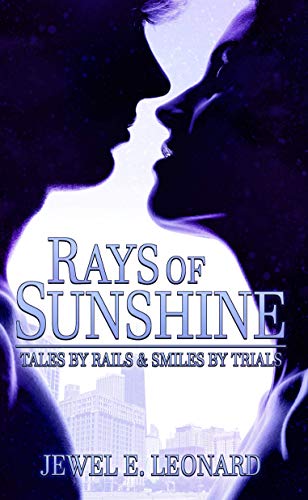
Back then, I was a wide-eyed, starry-eyed girl. People were publishing, they knew a helluva a lot more than I did, and they made the industry sound exciting. I wanted in. I read indie. Lots of indie. Bought lots of indie paperbacks, some from people who don’t write anymore or who have dropped off the grid because other things got in the way. I held books in my hands from people I knew, actually talked to online, and I wanted to hold my books too. One of the very first books I read was by Jewel E. Leonard, Rays of Sunshine. She did everything herself. Her husband helped her with the cover, but she wrote it and edited it, formatted the insides. She was my inspiration, and I started 1700 to publish like she did. (And can you read a blog post I wrote about writing to write and writing to publish here.)

Except, I had no idea how much work it would be to be let in. Because if it’s something that I’ve repeated on this blog for as long as I’ve been blogging, is that behind the cover designers and editors, the huge Twitter accounts, behind the shop talk, and Twitter chats, and blog tours and cover reveals, is this very one important thing. None of that matters if you haven’t written a good book. 

And this isn’t going to be another one of those blog posts. Everyone is going to publish crap. No one is immune from it, and very few are exempt. I’m no exception.

But the thing that probably saved me was the fact that I didn’t know it was crap. I went on my merry way, writing and writing and writing, and publishing and publishing and publishing and blogging about it, too! It was cool. I was a loser who didn’t know I was a loser.

Eventually, I got better. It’s just something that happens if you write enough words. You get better. Since I’ve started publishing, not including the fantasy still on a memory stick that I go back and forth between deciding to edit or not, I’ve written 1,227,000 words. Some of those aren’t published yet, as they belong to a first person trilogy that I haven’t edited. I’m going to write the sister trilogy to that before I release them. But they are written, and I’ll include them in my word count.

That figure isn’t to brag. I know I have a lot of time, and I do use the time I’m given.

But I think back to almost five years ago and how much the industry has changed. I did my book covers in Word. I used a free photo for The Corner of 1700 Hamilton, which I learned is a huge no-no. I formatted my documents myself using the templates KDP still has available though Vellum is so easy to get your hands on these days.

Besides the few people I had help me in the beginning, once I got the hang of writing again, I started editing my own books and for others.

There is something to be said for going back to basics. I learned a lot. I learned what a cover consists of, what bleed means. I can spot extra spaces between words in sentences in a manuscript and how not to put two spaces after a period. I know how terribly a Tab can screw up formatting, and even still today, I’m still learning how important it is to back up files (thanks disappearing Vellum files).

I’ve always moved forward, never gone back too often. Dean Wesley Smith calls this “overwhelming” your book. I call it burying it. But that’s hard to do if you want all your books to count. I say The Corner of 1700 Hamilton and my erotica novellas don’t count toward my backlist, but they have my name on them. They count. Even if I’ll never promote them. I put them out there, they are mine, and I own them.

For me, the glitz and glamour of being an independent author has gone away. You can scroll through writer twitter and maybe see some of those writers who haven’t published yet interacting with other writers with the same wide-eyed look. It’s not that I’ve become jaded–I still get teary-eyed whenever I finish a book and press publish–but it’s not long after that I’m on to the next thing, because there will always be another story.

What is this blog post about? It was supposed to be about how I revamped The Corner of 1700 Hamilton, but I’ll save it for another day.

I guess being quarantined has made me a bit nostalgic. I’ve come a long way in four and a half years. I’ve cried over lost files and bad reviews, I’ve virtually high-fived other authors and shared in their successes. I’ve shaken my head at others who keep making the same mistakes, and I feel bad for them because I don’t see their careers going anywhere. I know authors who are still working on the same story as the one when we met. This isn’t the career for those who can’t be tenacious, who can’t look ahead, who can’t see what they want in ten years and put in the work now. This industry isn’t for the faint of heart. Or for the weak.

I’ve come a long way in the almost five years I published 1700, and I plan to go even further in the next five. I WILL have a bestseller. Just wait and see.

What have you accomplished in the last five years? How has the industry changed since you’ve joined the writing community?

Let me know!


I read more than just Jewel’s book when I first joined Writer Twitter. Take a peek at the books I read that I very much enjoyed, and that I still recommend today. If you’re interested, click on the cover and it will bring you to Amazon. Some of them are in KU if you have a subscription. Some of the publishing dates reflect earlier dates, and I can only take that to mean that the authors have gone in, made changes, and republished. That’s one of the perks of being your own publisher. 🙂

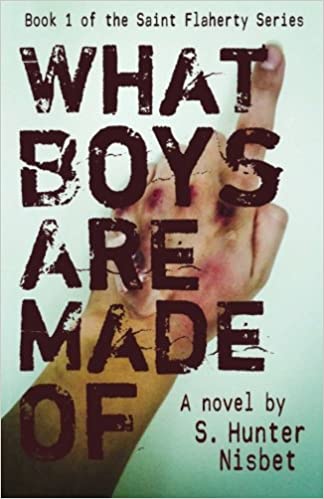
I can’t link you to What Boys Are Made Of and the other books in the series because I think Stephanie is redoing them. It’s too bad she unpublished while relaunching them though, because they were really good. Probably some of the best indie work I’ve ever read. I hope she gets them put back up really soon. They deserve to be out in the world.

51xSbxNCXCL._SX322_BO1,204,203,200_


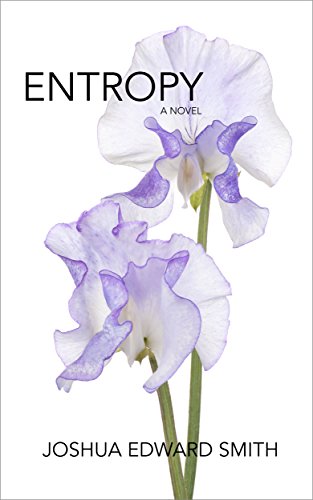
Entropy is the first in a trilogy, and I’ve read them all. I’ve mentioned before Joshua helped me by beta-reading Don’t Run Away, and we formed a friendship after meeting on Twitter. He has quite a few books in his backlist now, and if you want to read his next book, Perplexity, he’s blogging the scenes for a little entertainment due to COVID-19. You can find his blog, Perplexitybook.com, here.

41-CcnUwF5L

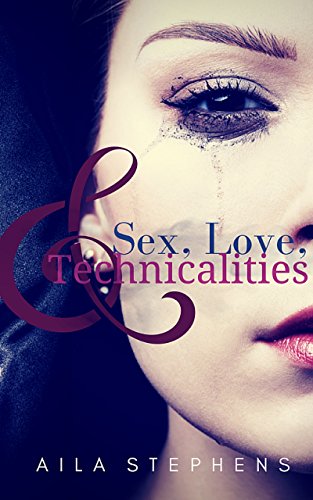
I love Aila with all my heart, and she knows her stuff. She introduced me to Canva, knows her way around IngramSpark, and is all around a fantastic writer. Sex, Love, and Technicalities is the first in a duet, and I helped her edit the second (which is why I’m attached to it, not because I helped her write it). Aila and I have been friends for a really long time.

51SHmVSUYlL

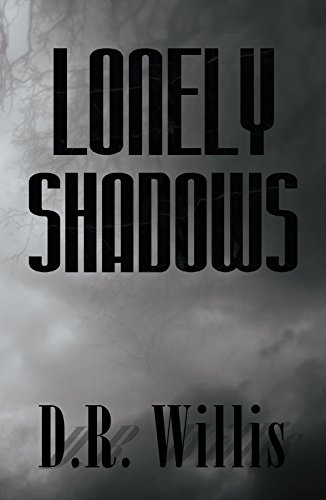
One of the first indie books I read was David’s Lonely Deceptions. Originally published as a novella trilogy, Austin Macauley squished them together and published them as a whole. Not that I would recommend going with a vanity press, David was fortunate and they paid him, not the other way around. Just recently he wrote the sequel and sent it off to Austin so the books would be consistent (they gave him an advance for that book also). Right now he’s working on something new that will be published under a pen name because he says he’s tired of people thinking he’s a doctor. LOL

41AoQWMhVBL

Tom is another writer who kind of fell off the grid, though I think he’s active on Goodreads. I haven’t spoken to him in years, but I’ve read all of his books, and he was one of my first Writer Twitter friends. I think Jewel introduced us. His books are hilarious, but dark, and I recommend empathetic all the time. It’s laugh-out-loud good.

5127jCie4nL


Another update, because, why not? And other musings of a #stayhome life

I had a blog post planned for today, and it’s even written out in my notebook. I need to type it up and get it out there, because it’s part of the 2020 predictions from Written Word Media. I would like to get that series finished up so I can blog about other things. Though, with this virus stuff going on, (and I don’t mean to make light of it at all; I know it’s affected many people) it feels almost strange to be carrying on in any normal sort of way.

silhouette-4233622_1920Even with my rah-rah-sis-boom-bah, write, write, write mentality I like to shove down people’s throats on this blog, I haven’t been doing much of that.

That’s not to say I haven’t been doing something. I was dismayed to find one day that some of my Vellum files for my books went missing. It’s not technically a big deal. I mean, I still had the .mobi files for Kindle the PDFs, but I didn’t like not having the actual files that upload into Vellum. So I took it upon myself to take the PDFs, convert them back into a Word docx and put them back into Vellum.

It’s just as convoluted as it sounds, and when you convert a PDF into a Word docx, the formatting isn’t 100% the same. And when you put that Word docx into Vellum, it gets messed up even more. So what I did (for my own peace of mind and my weird anxiety I get when I think about my books) I decided that while I was fixing the formatting in Vellum, I would give them a light edit and push them back into the world.

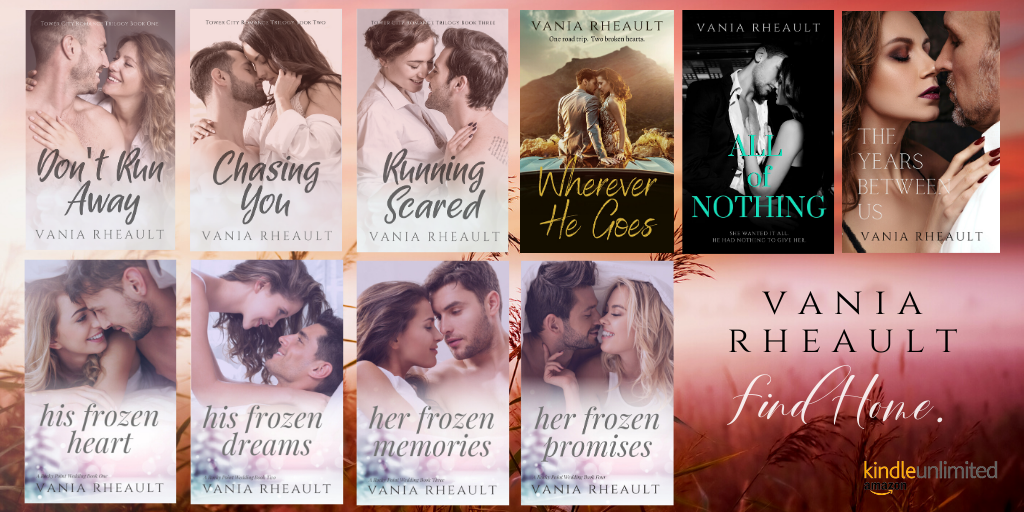
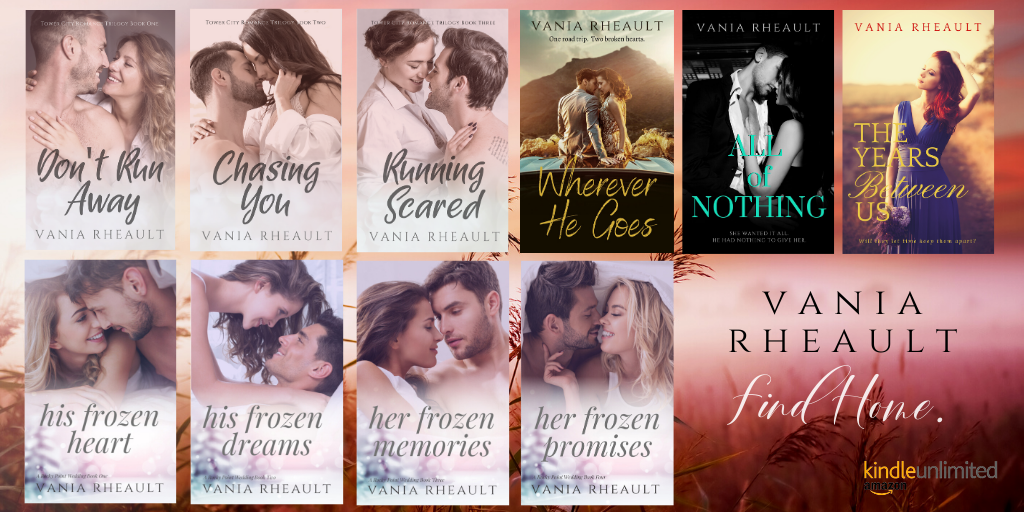
I’ve taken the last two weeks and I did All of Nothing, The Years Between Us, and Wherever He Goes. I guess because the formatting changed, or maybe I chose a different font for the text, who knows, I had to redo cover dimensions for All of Nothing and Wherever He Goes. That wasn’t too big a deal, since everything was saved in Canva and I had all my stock photos still saved there. Recreating them with a different canvas size didn’t take too much time, and I’m getting good enough that I didn’t bother ordering proofs before publishing them (something I used to do every time I made a change to the paperback).

It was actually kind of interesting to go back and read my books again, and I learned a couple things along the way:

1. I need to keep my baby name book with me. ALWAYS. I used the same names over and over again. There’s a Jared in Wherever He Goes, and there’s a Jared in my Wedding series. I reused the name Max, as well. Dismayed, I found I used Erik in All of Nothing, and there’s an Eric in Don’t Run Away. There’s an Elmer in Wherever He Goes, and an Elmer in the new trilogy I’m editing (I’ll change his name, for sure). You know, there are so many names available, I shouldn’t have reused the names at all. It’s not like I’m 60+ into my backlist and I’ve run out of choices. For consistency and scared I would do more harm than good, I didn’t change any of the names. Maybe in the future an Excel sheet will come in handy.

2. I use the same imagery. I’m consistent in imagery, and I guess that’s what people mean when they say they know a book’s author by the way it’s written. Though some of the metaphors and cliches change from book to book, it’s evident I like the sound of a certain way of comparing things.

In the mirror, I give myself one last look. The dress shows off just enough leg, my hair is a blonde mess of curls down my back, my eyes have just the right amount of shadow and eyeliner.

I’ll pass, if no one looks too closely.

After all, even imitation gold shines in the light.

This is an example of some of the language I like to use from book to book, and while it’s pretty, I need to make sure that I’m mixing up my imagery or my books will start to sound the same.

3. My themes are the same. This isn’t necessarily a bad thing. In fact, I’ve been told that a consistent theme weaving your books together will help with marketing. My theme, so far, is when you fall in love with the right person, you can find your place, you can find your home. Of course, in romance you have to be careful that the woman isn’t losing herself in her man, that her world doesn’t revolve around him. So it’s important that you give your female main characters their own backstories and make sure they have their own arcs so they fall in love and find their place with their man on their own terms. All my female characters battle their own demons before allowing themselves to find happiness in a relationship. This is the way romance has evolved, but I don’t have any complaints. No one wants to read about a doormat who doesn’t have her own life outside of her love interest.


I could tell that when I was writing Wherever He Goes that I was a bit stiff at the beginning and I did take the chance to smooth out some sentences and make the scenes and paragraphs flow a little better. I didn’t hit my stride with that book until the middle, and I find it interesting because already by Wherever He Goes I had already written quite a few words. But that book was my first standalone after the my Tower City Trilogy and I guess I was getting used to new characters and plot.

I don’t know if I’m going to do every single book I’ve published. The box set file for my trilogy is still intact, so pulling those out and making the books single again to recover my Vellum files won’t take that long, and they won’t require proofing unless I want to go back and read them. I suppose I could since in the back of my mind I feel like those are mediocre offerings at best and I’m reluctant to advertise them. If I read through them and fix typos, etc, then maybe the time I invest doing that will come back to me since I’ll be more comfortable promoting them. That’s committing to a lot of work, and for now I’m going to do 1700. I don’t have the file for that cover anymore–that was way back when I was doing covers in Word, and Canva wasn’t available yet. So I want to revamp that and reformat the insides with Vellum. I’m excited to do that–and it won’t take me long. The whole book is barely 50k. I already edited an old paperback so I just need to add them in and make the interior pretty. It’s a romantic fantasy, and once I update the cover and keywords, it might actually make a few sales. It’s a cute little story, and even though it’s the first one I published, I’m still proud of it.

I think I even found a stock photo that might work:

depositphotos_321067012-stock-photo-young-elegant-couple-hugging-while

I know the font will play a big part of the cover, and to be honest, I totally fucked myself with the title. On the Corner of 1700 Hamilton is atrocious, and if I cared at all, I would unpublish and start over. But while it’s a sweet little thing, it doesn’t mean enough to me to completely revamp it. As they say, mistakes were made, so what’s the point of pretending they weren’t?

Anyway, so that’s what I’ve been doing with my time. It’s amusing, at any rate, and it’s actually kind of heartening to know that I like what I write and I feel like though there were typos I had to take care of, my books are solid and I’ll have confidence in running ads to them in the coming years.

Tell me what you’ve been up to! Are you doing little things to keep your mind busy or have you been able to write?

Let me know!


end of blog post graphic

COVID-19 Check in, what’s been going on, and still trying to get things done.

This is a hard time for everyone, and I just wanted to check in with my readers and ask how everyone is doing. How many of you are working from home? How many of you are not working at all because your workplace has closed? How many of you are considered essential personnel and still need to go in? If you’re still working, please be safe, and thank you for doing all you can during these trying times.

when-you-find-out-your-nomal-daily-lifestyle-is-called-quarantine-memeI’m considered essential personnel (I type for the deaf and hard of hearing) so I still go in for my shifts at the call center. For right now, things haven’t changed too much in my life. My daughter is no longer in school, and her teachers are preparing to start online learning soon. Tomorrow she has to go to school and clean out her lockers and bring everything home. Though they haven’t announced it for her school, I don’t think she’ll be going back to finish out the school year.

My son had a wound check last week, and we were screened by gowned and masked nurses before being allowed into the clinic. They pushed back his next appointment to the middle of next month, but I have a feeling that that appointment, too, will be pushed back. He’s healing well, though, so I give thanks for that. It would be hard to worry about him and feel like we don’t have access to his doctor and nurses. I know they are limiting people going in and out, and I’m thankful we’re not in a position to need them on a regular basis. I pray for those who do still need to attend the doctor regularly.

I go to the grocery store only when necessary, and I went yesterday for milk and a few things for dinners. I won’t have to go back for a while now.

I still try to have some motivation to get things done regarding my books. The secondkeep motivated during qurantine book in my series will release on March 31st. I’m working on my first person trilogy. I sent book one to my friend Sarah, and she proofed it and found some mistakes. She was also a bit taken aback because this trilogy is going to be more of a serial than a series, and book one ends on a massive cliffhanger. She did have one observation, so I’m going to take a look at the ending and see what I can do in regards to that, but otherwise, I think she liked it.
It’s hard to focus during a time like this, but I have to remind myself that if I let this time go by, once it passes, I’ll feel terrible that I didn’t get anything done. I know lots of people are panicked now, and a lot of us are just trying to get through one day at a time. But if you can, try do a little something for your writing every day. If you have the time to write a little, you should try to put some words down. If you can’t focus on the words, there are other things you can do to forward your career.

  1. Keep blogging. If you choose topics that don’t depend on current events, you can write evergreen posts that will always be part of your platform. Lots of us are reading more, so post reviews, recommend books in the genre you write in, or if you’re writing to writers, dissect books and explain what you liked about them as a writer, what you learned as a writer reading them, and how you can apply what you learned to your next book.
  2. Look back at your 2020 goals and see what you can check off the list with some of your new free time. Did you say you wanted to start a newsletter? Revamp your website? Trust me, after all this is over, if all you did was binge Netflix because you couldn’t wrap your mind getting something done, you’ll regret it later.
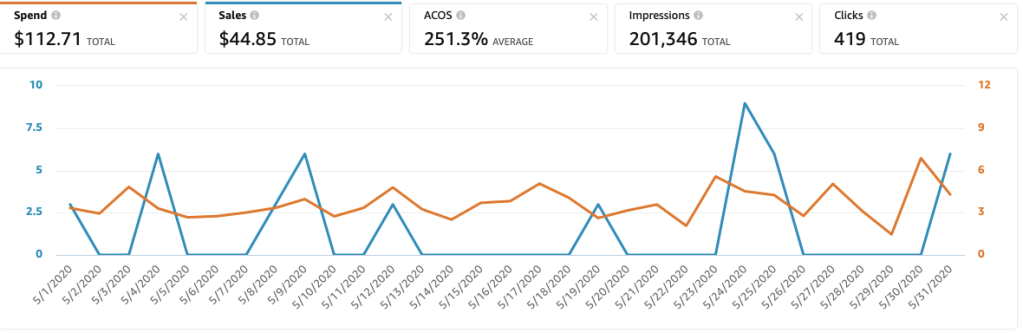
  3. Learn an ad platform.posted quite a few free resources that can help you learn ad platforms, and now is a great time to dip your toes into experimenting  with something. There’s been a lot of talk of stopping ads during this time, and authors are reluctant to promo because it seems self-serving. There are a lot of books out there, and I don’t see the harm in running ads and helping people who are stuck at home find good reading material. I haven’t turned off my ads, but I’m not making all that much anyway. I’m still coming out ahead, making about .50 a day in sales after subtracting ad cost. But learning is just that, learning, and it takes practice to figure out what will work for you.
  4. Practice something else that you wanted to master. Lots of authors do their own covers just because it’s difficult to afford editing, formatting, and cover services. There are lots of tutorials out there that will help you learn GIMP and Photoshop, and Canva has free online resources that teach you how why things look pleasing to the eye. The best thing you can do is practice. Look up the top 100 on Amazon in your genre and practice copying the elements that make the cover look good. This is one of those things where you’re going to have to take time over the course of months and maybe even years because developing an eye is just something that takes time.
    This is an example of doing your own cover and graphic just as practice for when you need to do the real thing. I took a look at the top 100 Contemporary Women’s Fiction books on Amazon right now.
    I liked this one. It’s doing pretty well. Number four in sister’s fiction in the Kindle store at the time of this blog post.
    515+yEzlUHL
    So I decided to try my own hand at it, and I came up with this:
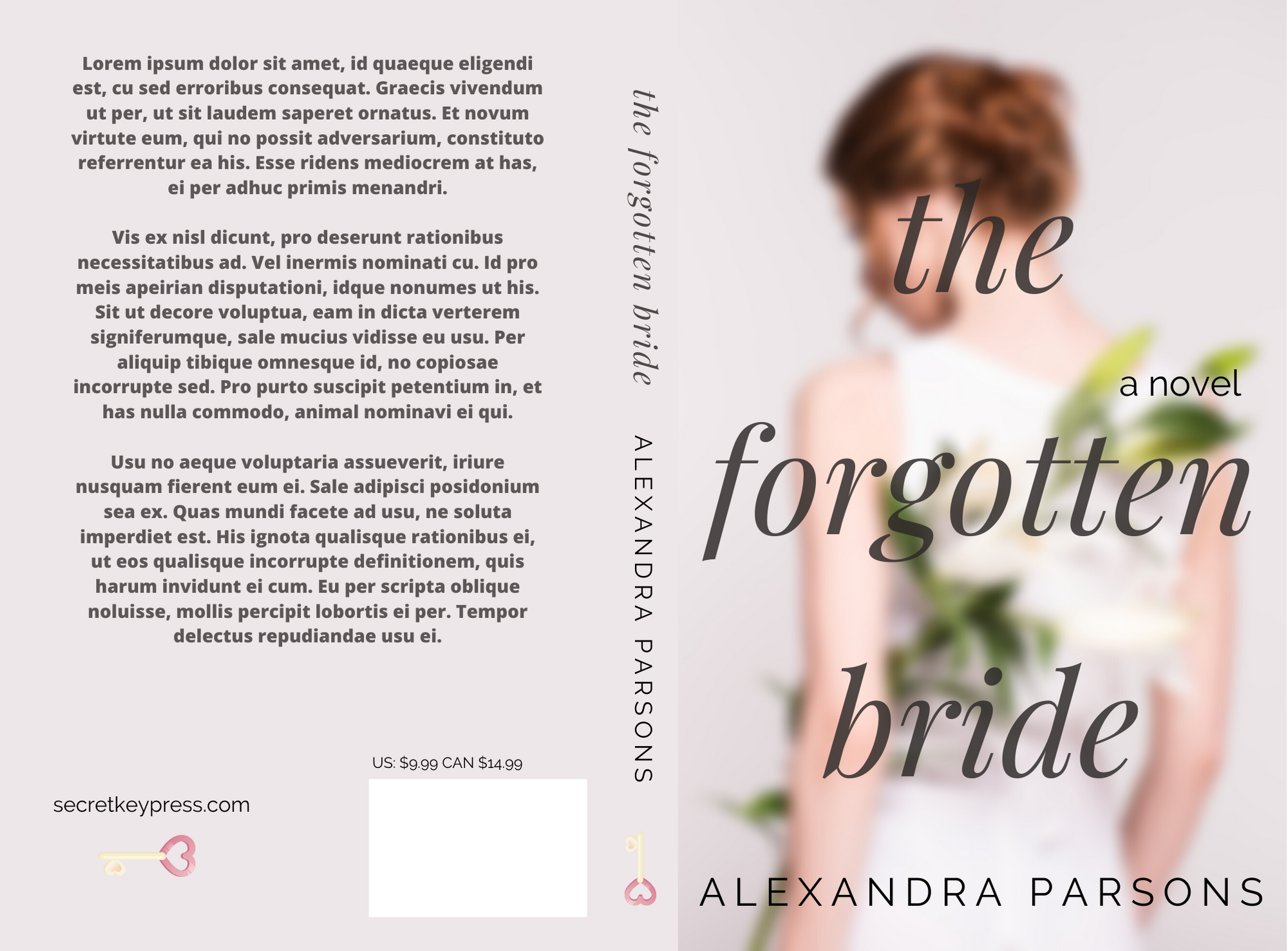
    the forgotten bride
    It’s not exactly the same. I don’t like the swirly things on the other one, but I did like the concept of the blurry woman. Here’s my take on it. Us indies are held to a slightly different set of standards, and it’s frowned upon to have a review on the cover of our books, so I skipped that part, too. But you get the idea. The image was purchased on depositphoto.com and the cover was made entirely with Canva. The Font is an italicized Playfair Display, and the font for the author’s name is Raleway. And I do practice what I preach. I try my hand at fake covers a lot.
  5. Do some busy work. Is there a book that needs to be reformatted? Were you going to refresh a cover and didn’t want to make the time? Rewrite a blurb? If you can put on some music and lose yourself in an activity, you’re not wasting time, and you’re doing something that can have rewards later on. Even if you just sit in your email and unsubscribe from some pesky emails that you never look at and always delete, that can be helpful, too.
  6. Work on craft. If you can’t sit down and work on your book, try a short story, flash fiction, poem, or something else.
  7. Get outside. Social distancing and living in quarantine doesn’t mean you can’t go outside. In Minnesota, the weather is warming up, the snow is melting. I spent a lovely day yesterday at Buffalo River State Park getting air, hiking around. Take the opportunity to get away from the news and plot out a new book or work out a plot hole that you can’t resolve. Sometimes unplugging can be a stress reliever and exercise will give you a hit of endorphins that can ease anxiety.

The fact is, we’re not sure when this will all be resolved. It could take months. I’m not planning to go to my book marketing summit in May. Even though they haven’t canceled it yet, it wouldn’t feel the same, and I think we’ll still be dealing with the aftermath of all that’s occurred. To be sure, it won’t have the same feeling as before the coronavirus outbreak, and it’s best to just stay home and look forward to a conference in 2021.

For right now I’m working on my trilogy and planning the second trilogy that will end the first. There will be six books in this series, and I hope to write these and be done with them by the end of the year. I wrote the first three very quickly but with summer coming, I do have plans, and may be a little slower with the second three.

Anyway, we’ll see how it goes.

I hope you all are doing as well as you can, and try to remember that even if you’re self-isolating, you’re not alone.

Until next time!

the forgotten bride graphic


end of blog post graphic


An Author’s Thursday Thoughts: How book one is doing, what’s up next, and cliffhangers.

Happy Thursday!

Happy Thursday! March seems to be going just quickly as February did! I hope you’re getting a lot done while the weather is still a bit dreary, as I know how difficult it is to get those words down when all you want to go is go outside.

I’m still doing the 2020 publishing predictions from Written Word Media with a dash of Mark Coker (from Smashwords) thrown in for good measure. But sometimes life gets in the way. My son had a procedure done that needs wound care, so that has created a new morning and evening schedule. It wasn’t serious, and he’s healing, but I’m still his mother and sometimes doing something while you’re stressed doesn’t work. Hopefully things will get back to normal in a couple weeks.

Until then, I can update you on a few things.

My second book in A Rocky Point Wedding will drop at the end of the month. My manuscript is loaded into the pre-order, but I still need to go in and add the pre order link to book three to the back matter. Not that it matters. Because I have one pre-order for book two. So I’m doubtful if putting the pre-order link in the back of book two for book three will do anything. Such is life.

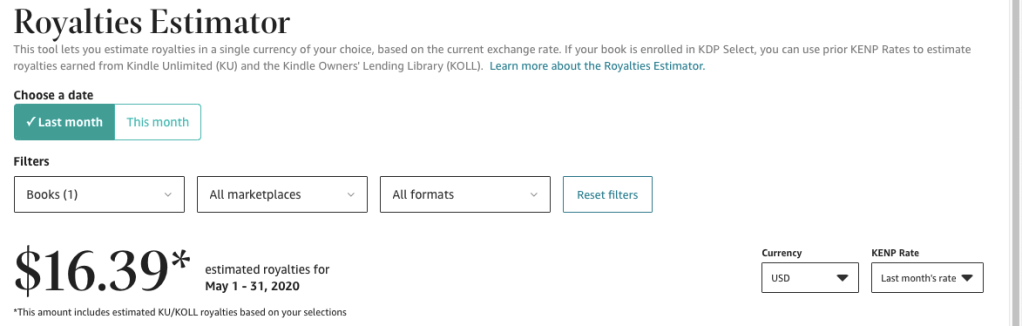
His Frozen Heart went live on February 11th, 2020, and I suppose you want to know how the launch did. It didn’t break any records, and even though I tried to drum up a little enthusiasm, which is a lot more than I usually do before a release, it didn’t help. Since its release I’ve made $16.51 and that includes both KU page reads and ebook sales. I’ve had no paperback sales. I think the only thing I’ve managed to do is gather some bad reviews, which I have to admit, let bother me for a little while. Now I just shake it off because it is what it is.

I tried to keep an open mind given the fact that both the main characters went through something unpleasant. Truthfully, even the other characters seemed to be carrying enough baggage to sink a ship, which makes up for unnecessary drama.
This is a nice enough book, it started well for me then just went downhill fast because of some of the character’s wishy-washy attitudes. — Goodreads Reviewer

Anyway, I’ve blogged a lot about what I think is selling right now, and we’ll just see what happens with the other books I have lined up to release under a pen name this year. I think I’ll concentrate on the pen name for a little bit. I’m having more fun than I thought writing first person, and I have a continuation in mind that is spun-off from one of the characters from this new trilogy. I’ll spend my summer writing that, and honestly, trying not to worry so much about sales.


I’m done with the last book in my trilogy I just mentioned. It took a little longer than usual to finish this book, mainly because I wanted to make sure that I ended the trilogy on a good note, and end that book well in general. I have a tendency to rush endings because, well, it’s the end, and even with what I have I’ll probably add a little more in editing. I’ve been looking at stock photos for the covers, may have even picked out the couple since I managed to find a nice male and female in different poses that might look good next to each other.

But there is one thing about this trilogy that has me thinking now. I was scrolling through Mark Dawson’s Self Publishing Facebook group and there was a woman posting about cliffhangers, particularly in romance. Should she, shouldn’t she? Do readers like them? Loathe them? A little of both?  As you can imagine, she got quite an earful, both pro and con.

Happy Thursday!-2

Then it made me wonder, I have a MASSIVE cliffhanger at the end of book one. I had already planned on releasing these books pretty close together, for that very reason. It’s one big story, after all. A reader has to read book one first, or two wont’t make sense, and reading three before either one or two, well, they just wouldn’t get anything out of it. Now I’m wondering if that’s the death knell for the whole entire series. I mean, I’m all for writing what you want, do that (at your own peril) and if I can avoid some issues before publication, then I should do that. But honestly, I have NO IDEA how I would fix the cliffhanger short of just taking a little bit from the beginning of book two and tacking it on there. But that’s silly. I started book two exactly where I wanted to start it, and it would water down book one’s ending.

It’s a dilemma.

As a writer, we don’t care we write cliffhangers, because the information and “what’s next” is at our disposal. But as readers, is it fair to make them wait, even one second? Would an excerpt from book two be enough to appease them?

I’ve already thought that this isn’t your typical romance. I might not even categorize these as such. Perhaps domestic thriller with romantic elements, or plain thriller, though there’s not too much mystery involved. The thing is, the couple featured aren’t together all that much, though the romance part of it is more than a subplot. I already knew in the back of my mind trying to market it as a full-blown romance won’t cut it.

That’s what happens when you write from your heart, kids. You have a book you don’t know what to do with.

Well, whatever, I suppose. I’ve had more pressing problems in my real life at the moment.

On that note, I am going to bed. It’s already been a long week. With my son’s wound care, sister time, editing for a friend of mine, and of course, all the cats doing all the things, I’ve been pretty busy.

There’s never a dull moment.

I hope all of you are doing well, and I will try my best to be back at it on Monday! Have a lovely weekend!

Happy Thursday!-3


Do you need money to write? A poor indie author weighs in.

Words: 1998
Time to read: 11 minutes

There’s an article in the Guardian that is making the rounds on social media right now. Written by Lynn Steger Strong, she talks about writers and money. The title is an eye-catching:

A dirty secret: you can only be a writer if you can afford it.

If you read my blog, you know I love to talk about money. In particular, writers making money, or more precisely, not making money. This is a favorite topic of mine because I’m convinced there is money out there, somewhere, but only the lucky few find it, and even fewer are able to hang on to it for any length of time.

Lynn, (I’m sure she won’t mind if I call her that) publishes traditionally, has a Master’s in I’m going to assume, writing of some kind, and teaches college classes. That’s a pretty common way to be a “serious” “full-time” writer and author. Through her graduate program, she found an agent, and she teaches, again I’m going to assume some kind of English class, creative writing class, or even literature. She says her husband’s job helps, and she seems (according to the tone of the article) content, or at the very least semi-satisifed, to write and publish the academia way.

But not everyone can do that, or even wants to do that. A lot of writers I know whom I have met on Twitter, especially, don’t have an English degree, or American Lit, or Brit Lit, or have never taken a creative writing course. So, right away, opportunities (teaching jobs and agent referrals) aren’t accessible to many writers who want to go the traditional route. And surprisingly, many still do. It’s actually quite amazing to me how many writers want to query, want the book deal. They think theyr’e going to be the next JK Rowling, Cassandra Clare, Sarah Maas, Leigh Bardugo. They write epic YA fantasies, or they’re trying their hand at “serious” literary novels, wanting to be short-listed for the Booker, and they think “book deal” means money and fame, and really, does traditional publishing even deliver that anymore?

It’s no secret even if you get The Book Deal, you’re often on your own with marketing and publicity, (and editing. I hate throwing Jasmine Guillory under the bus, but go on Goodreads sometime and look at the reviews for her books. It’s a shame really, that her publishing house *cough* Penguin, couldn’t invest in a a couple editing sweeps and continued to let her flounder for many subsequent books) something new writers who query still don’t seem to understand. Even Lynn, in this article, mentions a published author spending her advance on a publicist. I suppose some want book deals because they think they’re going to luck out and land an agent who will hold their hand through their whole career. They’ll nurture them, and guide them, mold their novels into bestsellers. (Where did you go, Max Perkins?)

Publishing doesn’t do that anymore. In fact, Lynn’s way to publishing, I’m going to predict, will go the way of the dinosaurs in the next few years. Indie publishing is taking over, and the die-hards don’t want to admit it because there are still some successes. In Scratch, by Manjula Martin, you can read an account of how Cheryl Strayed lived hand to mouth with her husband while she wrote Wild. It paid off because she landed a huge book deal, and was able to pay off the credit cards they lived on while she wrote. She didn’t give numbers, but she also admitted that when Reese Witherspoon picked up her book for a movie deal, that also help her finances. I’m sure it did. She must have had a huge amount of faith to think her creative memoir was going to sell big. And she was lucky it did. Who else can put their rent on a credit card? I wouldn’t want to.

So, yeah, sure, you need money to write. Time is money, and if you have time because your significant other pays the bills, or your kids are old enough not to need daycare and you don’t have to make that up in wages, or you’re renting instead of buying and your rent is half the cost of a mortgage, you’re fortunate and have twenty hours a week to write.

But, you need money to sell your books. How many of you would really, let’s be honest now, throw your book deal advance into marketing? How many of you would would throw your 10,000 dollar advance at a publicist? Really? Whether you’re trad published or not, you still need to pay for marketing your own book.

This is where I think most people get hung up. They make time to write, and maybe it takes six months to a year to finish a novel. But then what? Never mind paying for ads. If you’re a debut novelist and you don’t have an MFA or even an under graduate degree in creative writing, you’re going to need a developmental editor ASAP, and those don’t come cheap. Because let’s face it, every day people publish absolute crap. They do. Some of them even know it, but they don’t know how to fix it. Everyone says, hire an editor, but people (often the people who can afford it) forget that a developmental editor costs as much as two months of my rent. I’m sure it’s that way for other people, too. Hmm, a roof over my head, or an editor? Sometimes you can’t choose. So they publish crap and moan when they don’t sell books.

Then there’s the cost of cover design and formatting and throwing a great launch, and paying for ads for the rest of your life.

You can be a writer–that’s free. It’s the rest that slows us down.

I understand where Lynn is coming from. Hell, I’ve even been tempted to try to apply to an MFA program. I picture us sitting around a university classroom, sipping on espresso and discussing why Hemingway was such an asshole, or if F. Scott Fitzgerald was a good writer because he was an alcoholic, or despite it. I picture myself pulling a Donna Tart and spending the next ten years writing the next great American, Pulitzer prize-winning novel while I teach English 101 classes to kids who can’t spell because our educational system is going down the toilet. But how am I living doing that? Hand to mouth because teachers don’t make anything, and programs at universities are shrinking because no one can afford school anymore.

What can you do then?

  • Recognize that it’s going to take a lot of work and a lot of time to start making good money. I’ve been writing and publishing for three years, and I made sixty dollars in the month of February–and you need to subtract the 20 dollars I spent on ads. A 40 dollar return on investment is nothing, and at this stage of the game, I’d be better off appreciating the fact that people are paying to read my books, even if that number is few. But, forty dollars won’t even pay my cell phone bill every month.
  • Do what Lynn suggests in the article and find a job that won’t zap all your creative energy so you have the mental and emotional capacity to still write at the end of the day while you’re trying to make it big.
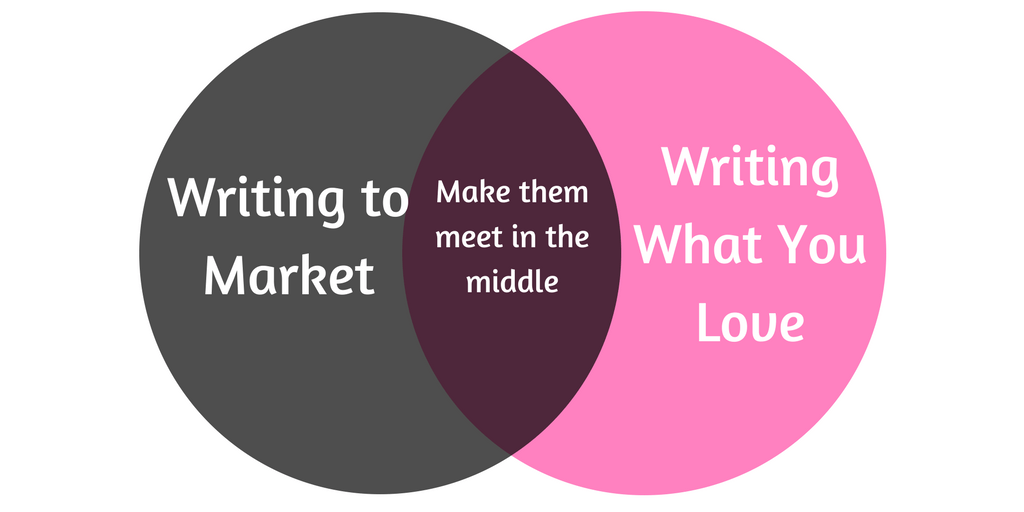
  • Find the sweet spot between what’s selling and what you love to write. You don’t have to write a literary work of art. Half the battle is writing what people enjoy reading. 
  • Focus on craft. We all can do better with plotting, character arcs, and finding our voices.
  • Learn an ad platform and make it work for you. You can start small–five dollars a week.
  • Network with bigger players in your genre and see if you can get a little help with the marketing end of it with newsletters swaps and sniff out promotions that won’t break the bank. One can hope that you’ll always make more money than you spend.

There is money out there. There are readers out there. They want to read good books. Write one and then pay to find them.

No teaching required.


If you need proof there’s money in indie publishing, Publisher Rocket has the goods. I use that software to find keywords for my Amazon ads, and it scrapes data from Amazon. How much is the hottest contemporary romance novel projected to make this month?

51QY58RfpnL

Lauren Landish put out a book a few days ago: The Dare. At the time of this writing, it’s number 10 in the entire KINDLE STORE, and number 1 in her genre categories. Do you know how much that book is projected to make this month? Almost a quarter of a million dollars. Yes you read that right. It seems almost . . . I don’t know, illegal, to have that kind of information out there. So much for privacy in the digital age. But no one, especially traditionally published authors, wants to admit that that kind of money is out there. That it’s ACHIEVABLE. (I would also be amiss not to point out that her book is exclusive to Amazon, and I bet most of that money comes from KU reads since her book is available in Kindle Unlimited.)

And admittedly, that book is number one in contemporary romance meaning she must have worked her ass off to get that far, and she’s written a lot of books. So there’s no way I’m going to resent her that income. But let’s try the book that’s listed in the 100 slot in the top 100 of contemporary romance today:

41F7yYZ+yJL

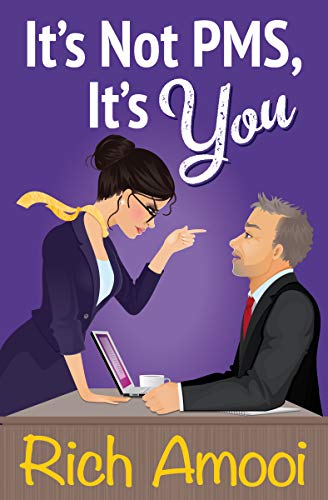
The book is by Rich Amooi, and I have to admit, I’ve never heard of him before. He’s projected to make $12,000 dollars this month. That’s a steep drop from Lauren’s paycheck, but probably you wouldn’t turn your nose up at that kind of royalty check from KDP.

Lynn, the author of the Guardian article, has a book coming out, Want: A Novel, and I wonder how much her advance was from Macmillan, how much of it went to her agent, and what her own plans for marketing her book will be when her book is finally published (it’s on preorder). I wonder if she looked at genre trends, researched the market before she wrote her book. I wonder how long her agent shopped it around before she found the book a home. I wonder if she’ll earn out her advance. She’s not going to make a quarter of a million dollars. I’d bet my next year’s royalties on it.

So where am I going with all this? 1900 words later, I guess I want to say that the money is there, but it depends on the path you choose to determine how long it’s going to take you to find it. I’m working my butt off–I write every day, I try to publish consistently and put out good books. My books haven’t caught on yet, and that’s okay. I’m exploring new things, (switching to first person present for one) and I’m flexible (I don’t mind learning what’s going on the indie publishing world). I’m lucky that my fiancé supports my writing–he pays my rent and makes a credit card payment every once in a while so I can buy groceries. My ex-husband pays me alimony and child support, and I do work. I piecemeal an existence together like a lot of writers. It’s probably why I sound so hardcore whenever I blog about writing. I don’t want to waste the time granted to me by other people’s generosity. I want to make that time count. My life would look very different if I didn’t have money coming in from different avenues, and I probably wouldn’t write as much. It’s Lauren’s numbers that keep me going.

I’m going to make it some day.

And you can, too.


end of blog post graphic

Is writing a hobby, or are you just telling people it is?

Happy March! I’m taking a break from my Written Word Media blog series on 2020 indie-publishing predictions to give you a blog post full of motivation that will hopefully bolster you through until Spring! I’m sure the New Year, New Me, New Goals enthusiasm has cooled off, but let’s find that spark to keep you going back to your laptop!

You teach people how to treat you-4

So, let’s discuss hobbies! Is your writing a hobby?  More than that? It’s probably not a career yet–not if you’re making twenty dollars a month in sales. But maybe you’re hoping your writing is somewhere in between a hobby and full-time profession. I fall into that crack . . . not making a whole lot, I still have a day job, but I put A LOT of time into my writing.

But when I take a little down time, I scroll Twitter, and the other day I came upon this tweet:

Untitled design

All the comments were along the lines of “what a jerk”, or “how insensitive”, or “why would he say something like that”?

My first instinct was to agree, because I know not everyone’s significant other is supportive. But then I thought, wait. And I responded, “That depends. Do you take your writing seriously? Are you writing? Publishing? Querying? He can only see what you let him see.”

He didn’t respond, but he’s not the first person who’s complained people in their lives don’t take their writing seriously. And sometimes I wonder why that is. Oprah says, “You teach people how to treat you.” I believe this 100%. If you don’t take writing seriously for yourself, you have no reason to be offended when others don’t, either.

You teach people how to treat you

Do you defend your writing time? Do you respect your writing time once you have it? Meaning, do you actually use the time to write and not play on social media or secretly watch Netflix? Do you turn down friends if you haven’t gotten your words down for the day?

How can you get angry at someone calling your writing a hobby if that’s how you treat it? When someone doesn’t take you seriously because you find reasons you can’t write, or you keep breaking self-imposed deadlines, or that book you say is coming and never does, can you justify being angry when someone calls you out on it?

What can you do to change people’s perceptions?

  1. Change your own perceptions. Treat yourself how you want others to treat you. If you want to be treated as a writer, you have to write.
  2. Be realistic. Sometimes we don’t have a lot of time. Maybe 1000 words is all you can do in a day. That’s fine. You don’t have to put out 12 books a year to be a writer, or six, or three, or even one. You can only do what you have time to do. But if you’re wasting the time you do have, that’s no one’s fault but your own.
  3. Stop breaking deadlines. Or don’t make them in the first place. You announce goal after goal on social media hoping for accountability. And then you break deadline after deadline, promise after promise. What does that do for you? What message does that send to people on social media? You have to be accountable to yourself before others will hold you accountable. Keep deadlines and promises for yourself. Stop letting yourself down and you’ll build up your self-esteem and confidence.
  4. Protect your writing time and respect the time you’ve been given. If you’re not going to write during the time you fight for, why fight for it? Train your friends and family to understand writing is important to you. Then act like it is. And show them results.
  5. Realize you don’t have to be a writer. It’s okay to want to do other things. If you’d rather go out with friends, or be a gamer, or read instead of write. It’s okay to write two hours a week or write 1000 words a month. That’s your choice, it’s your life. But you can’t be upset when someone calls your writing a hobby because that’s what it is.

You show people what and who you are by your actions. Writers write. They produce books to query and publish, and going back to the guy on Twitter, I have no idea if he’s querying, or publishes, or writes short stories for magazines, or nonfiction for Medium or anything in between. I have no idea if his partner is right or wrong. He never replied. In fact, I don’t think I even follow him.

The point is, everyone pointed a finger at his partner, and I wanted to bring attention to the idea that it’s not always the other person. Sometimes it’s you. And if it is, there’s nothing you can say to defend yourself because you taught them to see you that way, and only you can fix it.

You teach people how to treat you-2

This is one of the rare times I didn’t bring up money and writing (okay, maybe I did a little bit). Maybe that’s what his partner’s problem is–he’s not making money at writing, or like in my case and some of my friends’ situations, writing and publishing actually costs money. There’s not a lot you can say to someone who expects you to have overnight success (or any kind of success right out of the gate. Sometimes it takes years to find a foothold in this industry). All you can do is point out that without the work, there’s no success and hope that they accept it.

You teach people how to treat you-3

What are your plans for the rest of 2020? Land an agent? Publish a book? Do you have a big launch planned for this summer?

Get busy, and let me know how you do!

Thanks for reading!

If you want to read more articles on writing as a hobby, look here:

Writing: Is It a Hobby or a Job? by Brian A. Klems

Five Reasons Why Your Writing Matters (Even if No-One Will Take You Seriously) By Ali Hale


end of blog post graphic

A Rocky Point Wedding Update: Drawing to a close.

This will be one of the last blog posts I’m going to write about this series, unless I update you with sales or if any of my advertising stuff works exceptionally well.

Mich and Callie His Frozen Heart Kindle CoverI published book one, His Frozen Heart, yesterday, quietly, and without a lot of fanfare. I posted it on Instagram and that was about it.  I put book two up on preorder, and put the preorder link in the back of book one.

That was one thing I wanted to change this time–optimize my back matter. I’ll link up the other books when the preorders go live, and that will be that. I also blatantly asked for reviews at the end of the books. If I’m not mistaken, though, if you read on a Kindle, Amazon will prompt you to leave a review when you’re done. I don’t read on my Kindle very often because I prefer a paperback, but that helps authors, too.

Going back to fix back matter was kind of a pain in the butt, but if it helps readers find the next book without much work, then I’m all for that. We’ll see if it works.

It’s a bittersweet moment. I started this series in December of 2018 and spent all of 2019 writing them. Almost a year to the day, I completed the four books. I worked on them through one of the crappiest winters we’ve ever had, my carpal tunnel surgery, the adoption of a kitten who turned out to be pretty sick. My other female cat (Harley) didn’t take to her, and it caused her to have stress bladder issues that resulted in surgery. 2019 was a long year, but having my writing made a difference.

2020 has been exceptionally better already, and I’m almost done with a new trilogy writing in first person present. It’s a little different from the 3rd person past stuff that I’ve been writing, and honestly, I can’t say which I like better.  Both have their own challenges, but I have to admit, writing first person present is a lot faster for me for some reason.

Anyway, I kind of missed the boat with the wedding series. They take place in Minnesota in the winter, and the bride featured is having a Christmas-themed ceremony. That might make marketing these a little difficult since everyone now is hoping Punxsutawney Phil is right and we’ll have an early spring. I’ll just have to remember to market these as a Christmas in July thing, and in October when all the holiday books start coming out.

But that doesn’t mean I won’t market these at all. Once they’re all available, I’ll push some ads at them, and hopefully a reader will tear through them in KU.

What did I learn putting these out?

  1. Doing the covers drove me crazy. One hour of looking at stock photos is equal to about a million hours in hell. I played with a few concepts before deciding on the winter scene at the bottom and the couple at the top. There’s no set way small town romance looks, so I was on my own when it came to fitting in. My books are starting to blend together . . . my trilogy looks similar to these . . . but that’s not necessarily a bad thing. If your books can possess the same qualities, readers will start to associate the covers with you. A good brand will tell readers they’re your books without even seeing your name on the cover.
  2. I need to get my attention span under control, or I’ll never like writing series. I struggled writing the fourth book. I had already started writing Zane and Stella. That plot kind of plopped into my lap (don’t you love it when that happens?) and I didn’t want to lose the spark. Toward the end of book 4 I had to force myself to finish it, and it was difficult not lose enthusiasm for the series.
  3. Don’t promise something if you won’t deliver. I thought it was a GREAT idea to add some of Autumn’s blog posts to the end of book four. She’s a reporter and blogger for the Rocky Point Daily Journal. I wanted to add some extra content, and I thought that was a great way to go about it. I should have written them while I was writing the books, but I didn’t. So I had blog post promises to fulfill, and my heart wasn’t in it anymore. I did about 10 posts that I published in the back of book four, and I think they turned out well. But truthfully, if hadn’t bleated about it, I probably wouldn’t have written them. It held me accountable though, so maybe in the long run it wasn’t a bad thing. Or maybe they’ll go unappreciated anyway. You never know.
  4. Trust my abilities. It would have been nice to put these out as I had written them, but I didn’t trust myself not to have inconsistencies from book to book. Eventually I’ll be able to put them out as I write them. I’ll need to if I ever want to write more than 4 books in a series. Saving them up made it so I only published one book in 2019, The Years Between Us. And I only published that in May of 2019 because I held onto it. I could have published it long before that.

I guess that’s my wrap-up for this series! I’ll give you advertising updates as I do them, but it’s a relief to move on to something else.

If you’re interested in checking out His Frozen Heart, you can grab it here. This is the link for Kindle, but it’s available in paperback, too. I contacted Amazon to link them up, but it can take a day or so for that to reflect on Amazon.

Have you put out a series? Anything you’d like to share about making things easier? Let me know! Thanks for reading!


end of blog post graphic

2020 Indie Publishing Predictions Blog Series

2020 indie publishing predictions

Sometimes when you’re just beginning, you don’t pay attention to the world around you. You think most news doesn’t pertain to you, or if something cool is happening, you can’t participate anyway.

Maybe you feel ill-equipped to do anything with new information, so why bother to know it? Or you automatically think you’re not going to be able to afford it, because let’s face it, us indies don’t have a lot of money to put toward our books.

With indie publishing, something changes every second, and it’s hard to keep up, weed out the useless information from what could help you get ahead, and apply those things to your career.

This is the the first week of the second month of the New Year. 2020 predictions have come and gone, but we still have a full eleven months of the year to go, and as any pregnant woman knows, eleven months can be a long time, and lots can change.

So let’s not ignore the predictions of the indie publishing industry because there is a lot of time for some to pan out, and time for you to apply some of these tips to your own career if you’re so inclined.

Written Word Media put out its own predictions with some of the indie heavy-hitters weighing in, including but not limited to Michael Anderle, (creator of the 20booksto50k Facebook group and conference, not to mention head of his own publishing empire) Mark Lefebvre, Bryan Cohen, David Gaughran, and Mark Dawson.

Their predictions touch on audiobooks, author collaborations, pay-to-play marketing, and much more.

I’ll also be combining Mark Coker’s 2020 predictions for the indie-publishing industry. Founder of Smashwords, an e-book distributor and publisher, he weighs in on what he thinks is going to happen to the indie-publishing space, and his dire predictions when it comes to Amazon and Kindle Unlimited.

I’ll be looking at these predictions through an emerging author’s eye. Remember from previous blog posts, Written Word Media classifies an emerging author as an author with six or less books in their backlast who makes less than 60k a year. Transparency–I made less than $2000 in 2019 with KDP, my short stint wide, and my paperbacks through IngramSpark.

As a beginning author, I’ll give you my opinion on what’s important and what you can put on the back burner in favor of writing more books. Which is usually a better choice.

When you don’t have much money to spend, you need to choose carefully where you throw your money. Not everything is of equal importance, and only when you’re near burnout do you realize how true this is.

Thanks for joining me on this next blog series. I’ll try to keep posting these on Mondays and continue giving you personal updates on Thursdays or Fridays. I haven’t had much to say on those days as you can just assume I’m plugging away at my wedding party series I’m finishing all that up so they are finally published, or working on book three of my first person trilogy.

In the back of my mind with all this going on, I’m wondering what I want to write next. I hate thinking that I’ll either write third person past stuff if my series sells well, or first person present stuff if my trilogy sells well. You should never write for money, and that is not something I want to encourage to my readers. But I have always had the opinion that you need to write what readers want, and it’s always the best when you can combine what you love to write with what readers love to read. In that sweet spot you’ll find your career. I have enjoyed writing first person present. I didn’t think I would, but it was a pleasant surprise. I am also only reading first person present books right now, so I don’t confused myself with other tenses.

Writing to Market

In these days of pay-to-play, I know books only sell as much as you market, and that is one of the predictions Written Word Media goes into that we’ll talk about.

So, sit back, relax, and don’t worry. You won’t need your sunglasses. According to Mark Coker, our futures aren’t that bright.

We’ll be exploring audiobooks first! See you then!


end of blog post graphic

Being a Career Author. Do you have what it takes? Wrap Up!

In this blog series we’ve been going through a survey by Written Word Media, and what it takes to be a career author. They surveyed authors who are emerging authors, authors who make 60k and authors who make 100k from their writing.

I went through their points as an emerging author who has six books in her library and I make less than $2,000 a year from my books. They went through how much authors spend in editing and covers. It’s no surprise that they found authors who put out quality books make more money.

They went through how they marketed, with easy and affordable promo sites heading the list.

They surveyed authors about being wide or exclusive and found it didn’t matter – authors still need to take time to build a readership no matter where they publish.

They also went into the time authors write, which not surprisingly, revealed at 60kers and 100kers spent the most time writing. In that blog post I tried to hammer in to the emerging authors that to make the leap from emerging author to 60ker, you still need to put in the writing work, no matter how many hours you put into your day job or how tired you are. Career money requires career time.


There are some variables as to why some authors make more than others, and the bonus material revealed some of these differences.

But first if you were curious about the amount of money an Emerging Author makes, take a look:

The difference between the emerging author and the 60ker. It’s quite a leap to be sure. If you’re single, you don’t need to make 60k to support yourself. At least in my area, you can get by okay on $30,000 a year. You’re not living in the lap of luxury, but a nice two-bedroom apartment with its own washer and dryer runs about $700/month. As an emerging author, even if I made an extra $300 a month, that’s a car payment on a newer car I desperately need. You can take a look at the graphic to check how much an emerging author makes.

EA-Income-768x400


Now for some of the reasons why one author would make more than another:

  1. Audiobooks. While audio is on the rise and it’s easier than ever to hire a narrator and get your audiobook out into the world, there’s no point in spending the money if the e-book isn’t selling. It makes sense to invest in audio if your book takes off, but if it doesn’t, there’s no point in spending the money to make an audio version. So while audio is a great supplement for 60kers and 100kers, they were already selling books and the audio is a complement to their library. Also, when audio finally fits into your publishing plan, indies now have their shit together and release the paperback, ebook, and audio all at the same time.

    Audiobook-s-768x560

  2. Genre differences. I’m surprised they didn’t add this to the original survey because the genre you choose to write in is really important. As you can see by the graphics, authors made the most writing commercial fiction. Romance took the lead, and mystery, science fiction, and fantasy follow closely behind.

    Genre-Differences-768x400Genre-non-Differences-768x400
    Children’s books are a hard sell as they depend heavily on print, bookstore and library sales.

    Young adult is broken into lots of sub genres like fantasy and romance, and broken down further into sub sub genres like coming of age, new adult, or college. I don’t see many indies right now writing plain YA like Five Feet Apart or The Fault in Our Stars. They tend to lean more toward dystopian or fantasy like the Hunger Games or Harry Potter. At least, that’s what I get from seeing what others on Twitter are writing about. (Agents turned authors are the ones writing vanilla YA like Eric Smith’s Don’t Read the Comments. Maybe because they have their fingers on the pulse of the market and they’ll write what sells. Who knows.) If you look at indie romance YA, they tend to lean toward paranormal or urban fantasy. Paranormal Academy is hot right now and that usually includes a younger MC. It’s difficult to completely separate the genres, especially since indies like to mash as many genres together as possible.

    And with Amazon allowing you to choose 10 categories for your books, there’s a lot of space to move around.

    We can all agree that while you can make money writing nonfiction, it’s a lot different than writing fiction and it takes a different set of skills to market it. Authors like Bryan Cohen who wrote How to Write a Sizzling Synopsis, Mark Leslie Lefebvre who wrote Killing it on Kobo, and Brian Meeks who wrote Mastering Amazon Descriptions, all have solid foothold in the indie community and pretty much have a built-in audience. They’ve been a part of the indie community for many many years, and they have the platform required to succeed.

    In my experience many indies who venture into non-fiction write creative nonfiction also called memoir. Let’s face it. Everyone’s life is hard. I could write a book about how I survived my divorce, but that wasn’t anything special. I just joined the 50% of other American couples who also have divorced. Hardly book worthy. Unless you have something super special to say, it will be difficult to be the next Michelle Obama.

    Most emerging authors have no platform, and that’s what you need to get a nonfiction book off the ground.

    When you’re an indie, it makes a difference what you choose to write, and, not only that, what you keep writing. Genre-hopping has never done an emerging author any favors, either, something I am finding out subgenre-hopping under my Coming soon!-2contemporary romance umbrella. From what I can see, the most successful indies stay within the same sub-genre like Aidy Award and her curvy girls or Alex Lidell’s academy books. Even Jami Albright writes romcoms and makes a killing with her Runaway Bride trope.

    Mystery, too, is seeing more segregation with subgenres, and authors who choose to write run-of-the-mill detectives might always want to stay with that, only moving the setting to other states, different police departments, and other tragic backstories.

    Indies do like to go their own way, though, and I like to write the stories I like to write as well. Hopefully we can all find a happy medium between writing what we want in writing what sells.

  3. The last point they went into was if the authors had a job outside of their writing. It’s not surprising emerging authors worked. Bills need to be paid somehow. The problem with needing to work is that sometimes your day job is so emotionally draining you don’t have any emotional energy left to write. I’m lucky that I can write and read at my job and that it isn’t emotionally draining. But I do trade that luxury with a lower wage and only because I have help paying bills can I continue to do so. I’m working hard to write as fast as I can to build my backlist so I can eventually hop from emerging author to 60ker. Eventually the sacrifices I’m making to put so much time into my writing will pay off. I’ll make sure it does.

employment-1-1-768x384


Even though they did add some additional data, they did leave out some other variables that I find are important in making an author successful.

  • Newsletter. The survey mentions newletter swaps saying that swaps aren’t an effective marketing tool. But that’s only swaps. Swapping implies an author has one to begin with, and I’m willing to bet there is a large gap between emerging authors who don’t have a newsletter and the 100kers that do.
  • The cost of ads. While the survey did go into how authors promoted their books, it’s not often authors reveal how much they’re spending on ads. If you make $50,000 a year but you’re spending $10,000 in ads you’re still doing well obviously, but the amount that author is claiming to have made is a bit deceiving. Bryan Cohen, when he does his mini ads courses, says any profit is good profit. At the core that is true. But if you have to babysit your ads so you make $2.00 for every $1.75 you spend, at some point you have to decide if you’d be better off writing. Ad creation takes time, especially when you need to take the time to write (or learn how to write) catchy ad copy. If you start a newsletter and add the link and call to action in the back of your books and pay for a promotion now and then, you may find that a bit easier, and a little less terrifying, than learning an ad platform and watching your ads like a hawk so overnight you suddenly aren’t $50 in the hole because people hated your blurb.
  • Writing in a series. I hate to keep harping on this, but this is also another component that the survey didn’t go into. Readers like series. They get invested in the outcome. They fall in love with the characters they follow through all the books. 60kers and 100kers know that and they capitalize on it. Emerging authors write what they want, and that isn’t always a series. But I would’ve liked the survey to ask its authors how many emerging authors versus how many 100kers write series. I doubt I would be surprised by the answer.
  • Frequent publishing. The survey didn’t go into how often authors publish. It stands to reason that the faster you put out books, the faster you can make money. But emerging authors have a hard time with timely output. They have their jobs. They are probably still learning craft and the critique partner/beta-reading stages they go through slow them down. Besides Jami Albright, I haven’t heard of an author who is not prolific making $60-$100,000 a year. And she admits she has to rely heavily on ads and other marketing techniques between releases. She knows her limits and embraces them. But you have to wonder if she could write more than one book a year, what that would do for her bottom line. I write as fast as I can, but I am not 100% confident in my ability. So the beta-reading stage slows me down as well, as does making sure of consistency and wanting no potholes in my stories. Maybe one day I won’t need so much reassurance. But I’d rather do it right the first time than pay for my haste with bad reviews.

In conclusion, the money is out there. There are different paths to the pot of gold at the end of the rainbow. But whether anyone wants to admit it or not, some paths are easier than others. Write commercial genres. Publish quality work. Publish often. Start a newsletter. Use promos like Freebooksy and Bargainbooksy to promote your work.

If you’re not doing these things, success may take longer to come. We all make mistakes and maybe telling your story the way you want to tell it is more important to you than money. That’s cool too, but be honest. Writing the story you want, with no editing, using a cover that’s not professional, and tweeting it out day after day won’t earn you any sales. So no whining when it doesn’t.


Thank you for joining me in this blog series where we broke down the Written Word Media Survey and the bonus material they later released. I hope the information given can steer you in the right direction to a productive and lucrative writing career.

Thanks for reading!


end of blog post graphic

Being a Career Author. Do you have what it takes? Part 7: Pricing

My Book

In this blog series, I’ve been going through results of a survey by Written Word Media conducted in September of 2019. In it, they surveyed Emerging Authors who make less than 60k a year and have 6 or less books in their catalog, 60kers who have 22 books in their catalog, and 100kers who have 28+ books in their catalog.

The last point in the survey is pricing.

In their findings, they discovered 20% of emerging authors have a book priced at $10.00 or more. I’ve come across this attitude many times, even from some of my writer friends. Their attitude is this: I spent a lot of time writing that book. I want to be compensated for it. The first book is always the hardest. Sometimes it takes the longest to write. But, unfortunately, a first book is usually the weakest of the collection as well.

Usually, after not selling a book for a while, or after more than a handful of people telling them that they’re crazy, those authors drop their prices to something a little more competitive. I mean, if you can sell an ebook for $9.99, would you rather sell one copy, or sell three copies at $2.99? The amount you earn is the same, but you have two more readers who may end up being lifelong fans.

10-768x494

graphic taken by survey linked above

The survey also says that 50% of emerging authors think a free book is a good marketing technique, whereas 63% of 60kers and 100kers think giving away a free book is a good idea.

free-book-1-768x494

graphic taken from survey linked above

Of course, that makes sense. The reasoning is the fewer books you have, the less likely you are to want to give them away.

Authors who are wide and have several series out are more likely to have a permafree first-in-series. If you’re exclusive with Amazon, if you want to do a free book, you can only do a promo with the free days KDP allots you.

Pricing low or free is helpful for a first in series, proving your first book is strong enough to entice your readers to read the rest.

It wasn’t until recently that I learned that traditionally published books will have a higher ebook price because those publishers want you to buy the paperback or hardcover edition. Their whole business model is based on print. So if you’re looking at trad pubbed pricing, keep that in mind while pricing your book.

I would say the easiest way to price your book is to do what other successful indie authors in your genre are doing. A 100k word epic fantasy is going to be priced differently than a 25k word romance novella. Readers won’t show you any mercy, and they’ll be quick to give you a bad review if they feel like you’ve ripped them off.

What can you do?

  1. Price competitively. Do research and find the most popular price point in your genre, then stick with that.
  2. Realize readers don’t care what you went through while writing the book. They want a good read at a fair price.
  3. If you don’t want to give your book away, then don’t. No one’s forcing you. You may not like the idea of KU either, and that’s fine. Do what is best for you. It takes 24 hours for a price-change to take effect on KDP; you’re not bound to a decision.

As for what I do? I’ve learned giving my standalones away won’t do too much. The survey implied readers will read your other books, but that’s not always true. Especially a reader who has never read you before. They don’t feel a connection to you, or a loyalty to you yet.

Probably the most successful time I’ve ever gave my book away is when I used a free day in Select and paid for a Freebooksy. Because the book I gave away was the first in a trilogy, I made the promo fee back with KU reads over all three books. I broke even which is better than losing money, and I got some reviews out of it, too.

In truth, set a book or two at 2.99 or 3.99 depending on genre and word count, then go write more books. Worrying about the price of one book isn’t going to do you any favors, and paying to give one book away if it’s your only one doesn’t make sense.

Save the strategy for when you have a few more books in your library.

In the next blog post, I’ll wrap up this series, and we’ll explore the extra data WWM supplied after the survey came out.

See you then!


end of blog post graphic