Flexibility: When time and patience aren’t enough to achieve your goals.

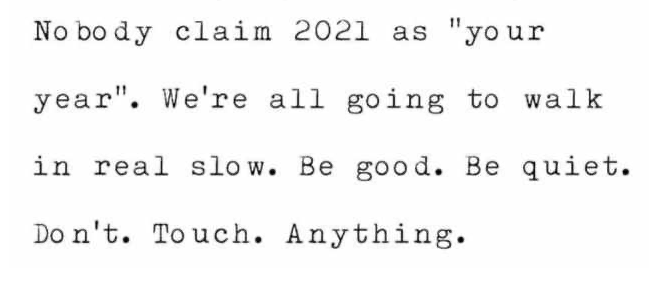
Spotted in my Instagram feed.

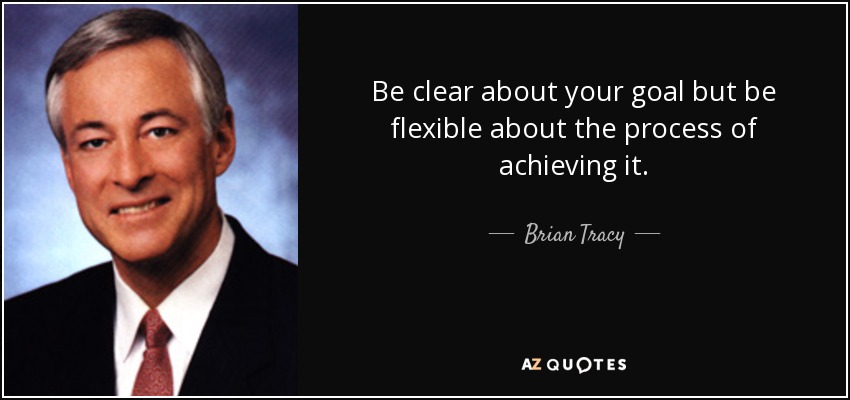
As indie authors we have a lot of flexibility. Blurb not working? Change it. Cover not working? Change it. Didn’t edit your novel well enough the first time, give it another editing sweep and upload the new file. We have a lot of flexibility when treating our writing like a business. We can pivot faster than any traditionally published author, chasing trends if we’re fast enough writers, or researching sub-genres and hopping onto a hugely-demanded but underserved niche.

This quote jumped out at me this morning as I scrolled all my social media feeds while I sipped on my much-needed first cup of coffee. I like it because as indies, we’re able to search out new ways if something we’re doing isn’t working. The problem is, there is such variety out there that it’s difficult knowing when to give up and try something new or sticking with what we’re doing and hoping that our tenacity will be rewarded. We need to give something ample time to see if it’s going to work, and bailing too quickly before something can stick could cut off something that could be really viable to your business. On the other hand, sticking with something that’s not working out of fear of the unknown won’t get us very far, either.

Knowing when to keep trying and when to throw in the towel is something that needs to be taken as case by case basis and perhaps the thing you’ve moved on from could work for you later. With all the information available to indies right now, it’s easy to get overwhelmed with all the choices.

Here’s a not-so-quick list of some of the things that we as indies have control over, when to let things ride, and when to maybe give new things a shot:

  1. POV. Changing up a POV may not be an option for some people. You need to definitely work with your strengths and admit your weaknesses. If you rock 3rd person past, it wouldn’t be wise to change to shaky 1st person present just because that’s what’s trending in some genres right now. The quality of the work should always come first, or what you do after that won’t make much sense. I find writing 1st person present easier than 3rd person past. I can write faster, and as my paid beta reader just got through the first book my first series and liked it, I feel I’m capable in that area. A comment made on this blog on one of my posts said I didn’t like writing it, but that’s not true. I wasn’t sure if it was the right choice when I decided to write a book in it, that’s true. It wasn’t what I gravitated toward when I started writing because I’d read 3rd person past all my life and stuck with what I knew. But my books also were not selling that well, and since I had nothing to lose, I mixed it up. This is one area where I probably could have stuck with 3rd person past and eventually seen some level of success. On the flip side, my 1st person present books could flop. I don’t know. The amount of flexibility we have can be a pro as well as a con. If you’ve been writing in a POV you may not click with, or you haven’t found readers to click with it, change it up. You never know where a new POV will take you.

    If your current POV is not clicking with readers, you don’t have to change POV to find traction. Maybe changing subgenres would help. When I was writing 3rd person past, I wrote steamy contemporary romance. I didn’t have to change to 1st person present to make a change–I could have started writing women’s friendship fiction, or domestic thrillers, or literary fiction. Again, you need to know where your strengths are. I like writing romance and have a difficult time plotting anything that doesn’t revolve around a man and woman falling in love. Changing POVs made more sense to me than seeking out another subgenre, but I could have made a less drastic change and started writing clean romance as well. There are all sorts of things you can do if what you’re writing isn’t hitting the mark and finding an audience. I was lucky and stumbled upon first person present billionaire romance. I enjoy writing it, I feel I’m good at it, and I’m hoping that even though that subgrene has peaked, I will still find readers when I’m ready to publish.

    POV: Choosing Between First-Person and Third Person Writer’s Digest


  2. Ad platforms. This is a tricky one because your ads can only do a well as the book you’re selling. Bailing on Amazon Ads in favor of Facebook ads may not do anything for you except eat up money faster. You also have to know what your business goals are. If you’re in Kindle Unlimited, it makes sense to run Amazon Ads, but if you’re wide, Facebook can reach more people who read on all platforms. I see some authors give up on ads saying they don’t work, but they aren’t advertising a book written to market, or the cover is bad, or the look inside is full of telling. Another important thing to consider is if you learned how to use the platform. There are a lot of free resources out there and I would never try to put together an ad on a platform I wasn’t familiar with. Once you are familiar and know your ad budget then you have to figure out if your return on investment is worth it to keep running ads. It may not be. So you table that ad platform and write another book, or just hold off on ads for a bit, or try BookBub ads instead. You have to give something time to work. When I was doing Bryan Cohen’s ad challenge, there were so many people who wanted to throw in the towel after the first couple of days. If you feel like that, then maybe you don’t have confidence in your product and your gut is trying to tell you something. If you know you’re advertising a good book, then you should have patience and faith in your product. Your book will be on sale forever (unless you pull it). You can afford to wait a couple months to gather ad data to make good choices.

    The quick and easy guide to Facebook and Amazon (AMS) ads for authors by Derek Murphy

  3. Newsletter. If you haven’t started one, you can start one anytime. If your newsletter has low open rates, figure what why readers don’t want to open your mail. Maybe you’re not giving them anything of value. Maybe you’re not emailing frequently enough. Maybe the only mail you send out is when you have a new release and readers are tired of your “buy buy buy” message you send out every three or four months. Maybe you need a new aggregator because the one you’re using now sends everyone’s mail to their spam folder. If you aren’t getting the results you want, figure out why. Change your newsletter sign up cookie, or offer the readers you already have more content. There is a lot of flexibility here and you can make it work for you.
  4. Your book’s package. It’s easy to fly off the handle with changes when Canva makes it easy to create a book cover, and changing the blurb is as simple as writing something quickly and logging into your KDP account. The thing is though, you have to wait to see if what you already have can work. Run ads, ask in reader groups, or send out your cover and blurb in your newsletter and ask for feedback. I’ve blogged before that it took me a year to change the cover of The Years Between Us, and when I did, I saw immediate results. But when I changed the cover of Wherever He Goes, it did nothing for sales. Whenever I do Bryan Cohen’s Amazon Ad challenge, the first part of the challenge is always taking a look at the product and making sure your book is sellable. Covers get changed, blurbs get changed, categories are added. I have no doubt that a lot of those changes are for the good of the book, but also if you’re running ads for the first time for only a handful of days and you’re not seeing impressions, that may not have anything to do with your book and going through the hassle of changing your cover may be for nothing. Oftentimes it’s helpful to take a step back and give yourself, and your book, time to breathe while collecting data.

When we talk about old ways keeping doors closed, what we’re doing is talking about years of collected data. I can look back on my 4+ years of indie publishing, and I know what I did wrong. I didn’t network with other romance authors, I don’t have a newsletter. Had I done those two things, maybe my 3rd person present stuff would have sold better. Maybe my POV switch wasn’t necessary and I was just grasping at straws making such a drastic change to my writing career. OR, it could breathe new life into my writing and it could offer more opportunities than I ever thought possible.

That’s the thing with being flexible. My third person books will always be there and I can always go back to them if my first person stuff doesn’t work out, or I need a change of pace. In fact, I had a good standalone idea for my next book that I was going to write before I made the change. Now I can write it in first person or put the idea on hold. I also have 20k of a book that I need to rewrite and finish that was part of a writing prompt I stumbled upon a couple years ago. I wasn’t in a place writing-wise where I could finish it, but my skills have come a long way, and I’d like to revisit it and finish it up.

We have a lot of flexibility as indie authors. Don’t get bogged down with the way you’ve always done things. You could be missing out on a new opportunity!

Until next time!


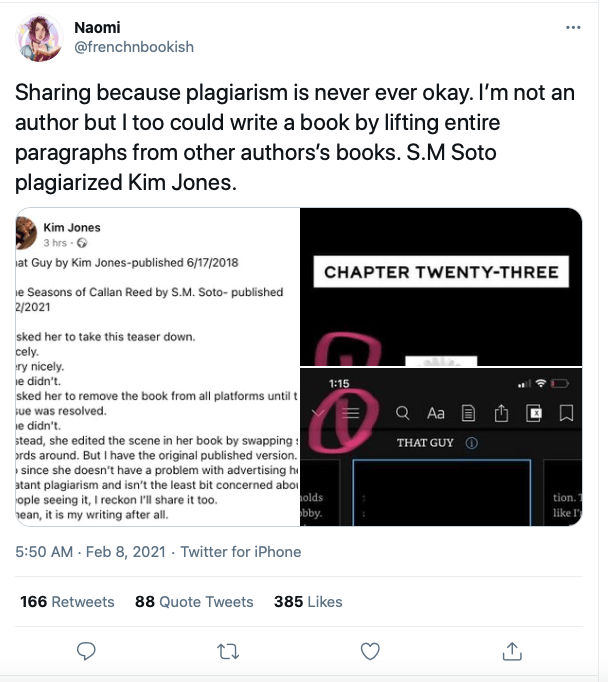
Another case of plagiarism. My question is why?

I follow Zoe York’s Facebook author page, and she brought to our attention another plagiarism case–S. M. Soto was found to plagiarize from author Kim Jones and Sylvia Day and possibly a couple other authors. I went to Twitter because you can always count on #romancelandia to give you the scoop, and it seems like this is the first person who shared Kim Jones calling out S. M. Soto, at least on Twitter. If you want to read the thread, click here. And if you want to read the Kim Jones’s Facebook post, click here.

A few other people confirm she did it. It’s difficult to give attribution to who posted first, but with the plagiarizing software out there, it’s easy for others to confirm it, like Claire Ryan who created her own software to help out. If you want to look at this thread, click here.

The author herself didn’t confirm or deny, only posted some wishy washy apology on her Facebook author page.

“As some of you may know, there’s been an issue with me and another author. I’ve been accused of plagiarism among other things. I wasn’t sure if I should even make a post but I wanted to share with my readers what’s been going on. On Sunday morning I was woken up by my PA over an alarming post she had seen. I immediately went to check my DMs, which were flooded with hateful messages, including one from the author who was accusing me. I immediately reached out to her and we had talked on the phone. I’m not one who checks my messages—in fact, I rarely do. I didn’t believe this would escalate as quickly as it did. What should’ve been a day of me enjoying my release party and spending the day with my family quickly turned sour. I understand that this shouldn’t have happened and I’ll be doing everything to make the appropriate changes. I can assure you I’ve never had the chance to read this author’s books so all of this is just a huge misunderstanding. I’m in the middle of rectifying this misunderstanding. Given the circumstances of the allegations, and after much thought, I have decided to unpublish the version that contains ANY similarities in wording or phrases to this author’s work. A new version will be put up soon after. I sincerely apologize for any misunderstandings and anyone that was potentially hurt. Being that this is a product with my name on it and I should be aware of every piece, every word, and every phrase that goes in, this is a decision I don’t take lightly, but do believe is necessary. I understand that this shouldn’t have happened and I’ll be doing everything to make the appropriate changes. Up until today, I’ve always stayed quiet about my personal life. I am a very private person and I don’t like bringing what’s going on in my personal life to my work life, which is the book community. I have a son, a family, which will always be my priority. 2020 affected us all in many ways and I was no exception to the hardships. I was able to get through some of the toughest emotional times I’ve ever gone through by having a few good friends along with my family by my side.The one part I will speak on is the witch hunt that has started. In the past forty-eight hours, I’ve contemplated leaving this community more so than I ever have before. The part that alarms me about this situation the most is the witch hunt that has started. The nasty messages I’ve received, the lies and stories that have been twisted, and the disgusting racial slurs and messages I’ve received. Yes, I am Mexican and I’m proud of it. I’m proud that I speak two languages, I’m proud of my heritage and my family. I won’t allow anyone to drag my family down. I won’t allow others to bully me into being ashamed of my race, ever. I could sit here and share all the messages that I’ve received but what good would that do? It will only fan the flames and create a bigger situation. It has become the standard for authors to share every tidbit of their lives with their readers, while I respect that, that’s not who I am. I like to keep my personal life separate. If you’re expecting that from me, you’ll be disappointed. I will share with you all what I find to be important. I reserve the right to share personal information to those who are closest to me. If you’re expecting a perfect author, then I’m not for you. I make mistakes daily. I lose my temper, I cuss more than I should, I shut down when I’m hurt, and you know what? That’s okay because I’m human and flawed. I’ve never portrayed to be anything other than a flawed human being. I don’t participate in drama or bullying posts. I’m always offline and I’m usually the last to know what’s going on with this community, and frankly, I enjoy being that way. There’s too much going on for me to add more things to my plate. I’m not here to do a he-said-she-said post. I won’t post screenshots, I won’t discuss what transpired on the phone call I had with the author. That will stay between me, my team, and my family—at least on my end. If you want to leave my group or not read my books anymore, I understand and respect your decision. I apologize for this misunderstanding. If you need me, please feel free to reach out to my PA. She’ll continue to answer any messages via email or Messenger. I’ll be offline until further notice.”

This makes the plagiarizing scandal that happened last year when someone stole work from Nora Roberts among others feel very close. I never heard the outcome of what happened to  Cristiane Serruya. Nora Roberts blogged about taking her to court and donating the proceeds, but Nora’s had other things on her plate in the past few months, namely the scandal when her first book in her trilogy ended on a cliffhanger and her poor readers who have to wait a year for the next book, and more recently, when Alyssa Milano was cast as the lead in a movie based off one of Nora’s books. Apparently, Alyssa is too political and maybe leaning too far to the left for some of Nora’s readers to be happy with the casting. It wouldn’t surprise me if Nora pushed that plagiarizing lawsuit onto her attorneys and forgot about it.

In any case, it seems like history will repeat itself this year, only we’ll swap Cristiane with S.M. Soto and Nora Roberts for Sylvia Day.

As a romance writer and reader, it’s hard for me to wrap my mind around that a romance author would do this to their readers. If you’re a real romance author, you want to nurture your readers, turn them into true fans. That doesn’t include duping them with books that have been ghostwritten, or filling your books full of another author’s work.

In the comments of the various Facebook posts authors and readers agreed that if you can’t write, don’t be a writer. Meaning, if you can’t write your own books, don’t publish. In the words of Kristine Kathryn Rusch, among others, there are easier ways to make money. The only thing though,I can’t think of anything that a normal person can do that can bring in the amount a fantastic-selling romance book can bring in per month.

Because sales rank and book price are public information, it’s aggravating to indie authors to see other authors raking in the bucks. Industry leaders can say, well, a book is #5 in the Kindle store, and at this price, they’re making this much per month. Maybe there is a thing about too much information being a bad thing. I quickly looked up S. M. Soto before the scandal spread too widely, and one of her books was set to bring in over $5,000 this month. Just one of her books, in just one month. The money is out there, and many authors are on a quest to find it–by ethical means or not.

It wasn’t hard for me to find places to hire ghostwriters. A search on Craigslist brought up a few local options, and also Upwork yielded some results. Fiverr brought up the most viable options, and I’m sure that’s where a lot of writers who want to use ghostwriters look first.

I don’t know what S. M. Soto’s personal life is like, or why she would hire a ghostwriter. I know in romance there’s a constant urgency to go go go and write more more more, a trap that I’ve fallen into myself resulting in some anxiety that I’ve been dealing with this past month and a half. Maybe she just needed a break and hoped that hiring a ghostwriter would give her a chance to breathe. We all need a break now and then, but when you’ve cultivated a following and they expect you to produce, I would imagine that can get pretty stressful. Romance readers are voracious, reading hundreds of books a year, especially in KU. If you’re courting that kind of reader, the pressure is serious to produce that level of content.

This won’t be the last we see of plagiarism. S. M. Soto wasn’t unique. Nora Roberts has taken other authors to court for plagiarizing her work, and in the indie space, authors (using the term loosely) like Chance Carter and Faleena Hopkins have been accused of hiring ghostwriters too. They were even associated with an underground group that sold already-published manuscripts.

I could never put my name on someone else’s work, a whole manuscript or even purchasing a plot. Which I didn’t know was a thing until only recently when someone in one of my Facebook groups was talking about it. I have to admit, plotting is hard. Trying to come up with characters, their backstories, conflict, stakes, and everything else is difficult. Not only do your characters need to grow and change, their backstories need to hold them back from what is happening in present time. Purchasing all that feels like cheating too, but there are freelancers who do it and sell off the outlines and there are authors who buy them and quickly write the book because the hard part is already done.

My problem is, my books have little pieces of me in them, and readers will eventually know they’re being duped by a ghostwriter because your books will lack sincerity and authenticity.

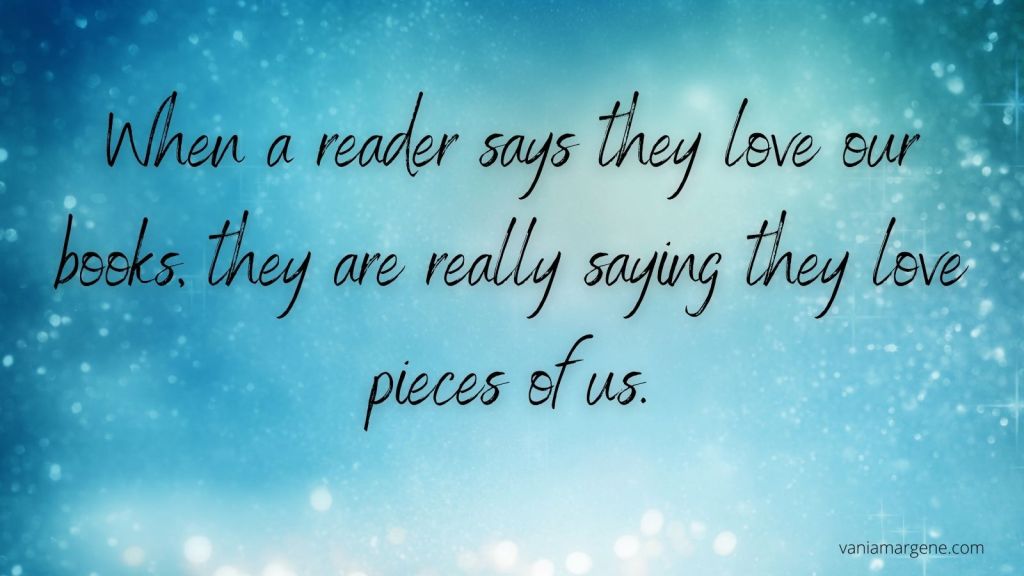
I think S.M. Soto even knew that when she wrote her FB post defending herself: she doesn’t get personal. But I can’t think of anything more personal than writing a book. That’s the real reason why authors want to sell books. Because when a book sells, and readers enjoy it, identify with the characters and their hardships, they are identifying with you, the author.

When we publish a book, we are putting pieces of ourselves out into the world, and that’s scary. We can talk about royalties and hitting the top ten, and those are things to aim for, but nothing means as much to us as a reader who loves our work and takes the time to say so either in a review or an email. Maybe you can’t pay rent with a good review, but there are other ways to get paid.


Tell me what you think about ghostwriting! Would you hire one? Let me know!

PS: WordPress ate half this blog post, or maybe my internet dropped and it stopped autosaving. At any rate, I think the first version definitely sounded better, but I tried to finish it up to the best of my ability even though I was pissier than hell. Haha! Have a great weekend, everyone!


Happy Monday! Catching up and leaving FB groups.

Good morning, dear readers. I hope you had a restful weekend!

Congratulations to Avalon Greene for winning Derek Murphy’s book! Unfortunately she can’t claim her prize because of her location, but I wanted to thank her for commenting on last week’s blog post!


Last week I started book 2 of a new series while my other series breathes and I can take a step back and give those books another edit with a fresh eye to look for inconsistencies. It’s a huge interconnecting story with a handful of plot threads and before I pass it on I need to take one more look at it. I’m not sure how long I’ll wait before I open those files again, but I’m enjoying working on this new series and I’m not in any rush to publish. 2021 is the year to do things a new way, a better way, and realize how I’ve been publishing isn’t helping me gain readers or make a foothold for myself in the publishing industry. I’m 17,000 words into this new book and my soft deadline is for Valentine’s Day. We’ll see how it goes.

In other news, I’ve culled a few more FB writing/marketing groups from my list. Here are three I dropped and why:

  1. An Amazon Ads group. This group was created by a participant in the Bryan Cohen Ads Profit Challenge last year. It was a group that was supposed to help each other by sharing information and tips and tricks to keep our Amazon ads successful. While it’s smart to know the basics when starting to use Amazon Advertising for the first time, there is only so much Bryan can help you with (especially if you don’t want to pay to join his ad school). The members of this group didn’t understand (or stubbornly didn’t want to understand) that ads are only part of the puzzle when it comes to writing, publishing, and marketing. Many were trying to sell only one book, some had not so great covers, some weren’t consistently publishing, and I began to feel like I didn’t fit in there. There is always going to be more to sales and building a readership than tweaking your bid pennies here and pennies there. The Amazon algorithms favor new releases, which is why publishing consistently helps Amazon help you. (Not such great news for me since I sit on books, but there may come a day where I’m confident in my abilities and can publish as I write.) I’m not the ads police, and watching these people over and over debate on what a “good” ad consists of when they’re trying to sell a mediocre book made me clench my jaw too many times. I’m not going state the name of the group because I made some friends there and I wish them the best.
  2. An IngramSpark publishing group. I’m not sure what I thought I was going to get out of this group. I use IngramSpark to publish my paperbacks wide. It didn’t take me long to realize that while authors are smart for using Ingram to get into the bookseller’s catalogue, you should upload your paperback directly to Amazon. I thought it was a well-known fact that Amazon doesn’t play nice with others and if you use IS to distribute to Amazon, your book will frequently show not available. There isn’t a day that goes by when someone wasn’t posting about that in the group and it’s a newbie mistake I was tired of seeing. Use KDP Print to fulfill to Amazon. Use IngramSpark for everywhere else. For your ebook, use KDP to fulfill to Amazon, and try to go direct to Apple (ibooks), Nook, Google Play, and Kobo. The more direct you can go, the less you’ll split your royalties. When you use an aggregator like Draft2Digital, they take a cut distributing your book, then the platform, like Apple, takes another cut for selling it. When you’re trying to make money off a .99 book, there’s not a lot left for you. Use D2D or PublishDrive or even Smashwords to publish to the obscure platforms, but go direct where you can. At least Kobo so you have access to the promotions tab where you can apply for promotional advertising opportunities. Anyway, so many of these groups have members who post questions that can be simply answered by a Google search, and in this new year I’m too busy for that, and my patience wears thin rather quickly these days.
  3. A Book Promotions group. I must have joined this group when I thought it would be a good way to advertise my book. After listening to podcast after podcast explain how (they think) the Amazon algorithms work, and how important your also-boughts are, I would never post my book in a generic group like that. A sale isn’t just a sale–who buys your book and their reading/purchasing history is just as important. That’s something that took me a long time to learn, and authors, even in my Amazon Ads group that I left this morning, don’t want to see it. That’s okay. I’m patient. I’d rather not sell to the wrong people and wait for the right readers to purchase my books. If you think a sale is a sale, and a handful a month is your version of success, then I have nothing to say about it. That is your journey, but we are definitely not taking the same path.

I’m sure I’ll cull more in the coming months. Working full time takes more of my time than I remembered, and my main priority these days will be just getting words on the page. I’m going to turn the Level Up Romance Writers group into my main hub and network and learn from those amazing authors. Going forward, I’m going to make sure the groups I’m involved in align with how I’m running my business and that they aren’t a time-suck or put me in a bad mood. I can’t control what people do or think or feel, I can only control my reactions to those things. I’ve been really good about muting/unfollowing “friends” who condone the violence our president seems to revel in, and though a vaccine is on its way, we are still in a pandemic, most of us hanging in there with our fingernails.

I used to have a huge fear of missing out, but this pandemic has made me see that my bubble is my safe place and that there is no place I’d rather be right now.

I’m being a little more active on Instagram this month, taking part in a #newyearnewwip challenge, which is fun for me since I just started book two. If you want in on the challenge or want to follow me there for the prompts and the snippets I’ll be sharing, look here.

It might be strange to tell you about the groups I’m not in any longer, but there’s also no need to join groups that will do nothing for you. If you’re still kind of new to publishing, join Self Publishing Formula hosted by Mark Dawson. I see newbie questions there as well, but that’s a group that I don’t want to drop so I grin and bear it.

Do you have a favorite writing/marketing/publishing Facebook group? Let me know!


Welcome Guest Blogger Women’s Fiction and Domestic Thriller Author Sarah Krewis

a stack of books. quote says: what i learned when i published my debut novel
Provided by Sarah

I want to thank Vania for allowing me to guest post on her blog today. Our friendship began a little over four years ago, I believe, and with it has come some pretty stellar conversations about the life of an indie author. Today I want to talk about a few tools necessary if you want to succeed in this business, based on personal experience. 

When I began writing my debut novel, four years before I published it the first time, I had no idea what I was doing. Through research, my love of reading, and a handful of supportive people on Twitter, I figured out the barebones of how to write and publish a novel. It still wasn’t enough. 

I was stupid and naive. I thought that because I had a cover made, I had someone edit the book, and someone else to format it too, that it was all I needed to publish my story. Sure, my book cover was really well done. But I was impatient. I didn’t have a clear vision for my story so I wasn’t able to work with the designer to get it how I wanted because I didn’t fully know what I wanted. My editor gave it a first glance edit and made constructive notes. I made changes that I thought needed to be made, then I was done. I thought one round of edits would be enough and I didn’t need to have anyone else look at the book. I had set a publishing date, made the announcement on social media, and was two steps ahead of anyone who’d graciously offered to help me. 

I imagine now, when I look back on that time, a clear picture of those who helped me, standing on a sidewalk. Shock and disappointment on their faces, watching the cloud of dust behind me as I flew straight for the finish line with my unfinished project that I was so sure was this great thing. Back then, I had a lot of support on social media. I felt important, accepted, and successful. 

Then, I published. And I fell flat on my face. 

It seemed like overnight I lost 95% of support from social media. I sold approximately 25 books that first day, which isn’t bad but most of those were family members. Then sales dropped off a few days until I had months with no sales. The friends that were still in my corner were concerned for me and I was lost in a darkness of shame and disappointment in myself. I had no backbone for the blows I endured during that time and I felt defeated. 

My first review was from a FB friend who hadn’t even bought or read the book. That 5-star review was posted on the day the book went on sale. Before there were any sales.  Then, family members finished reading the book a few weeks later and I got more 5-star reviews. A few friends who read the book gave 5-star reviews or 4 stars. I was so excited! 

After about six months, I finally sat down and read my book again as a reader. I couldn’t believe it. The book wasn’t a 5-star book. At. All. At best, if I’m being nice, I’d give it a three. Once we got settled into our new home, I began a new edit and commissioned a new cover. December 1st, 2019, I released the newly edited version of my debut novel, Broken Tomorrows

It’s still not a 5-star book. 

Over the last three years since I first published the novel, I have grown and learned as an author. I have attempted to mend some of the friendships that I lost, and I took a good look at how I reacted and how sensitive I came across to those who knew me. If they left a 5-star review because they didn’t want to hurt my feelings, that’s on me. I never want anyone to feel like they can’t be truthful with me because it’ll hurt my feelings. 

In 2020, I took six months and focused on myself. I reviewed my life since I joined this business of writing and I asked myself some really tough questions, like, is writing really what I want to do with my life? I also stripped Broken Tomorrows off Amazon and redid about 75% of the story with the intent of republishing a third time. How do I know I’ve grown? I took a step back and realized that I need to write something new and fresh. I need to walk away from my characters and meet new ones. I do have a plan for what I rewrote of Broken Tomorrows, but that will come in a couple of years after I’ve shared some other characters with my readers. 

Authors should never pick up the task of writing a book unless they are prepared for everything that goes into it. Here are five tools you MUST understand before you begin writing that book, tools that I learned the hard way are essential to the craft.  

Read Reviews with Caution: As authors, we aren’t supposed to read reviews as they aren’t really for us. They are for other readers to share if the book is worth buying. I can do a whole other blog post about my thoughts on reviews, but I’ll save that for another time. IF you find yourself peeking (believe me, it’s hard not to do), take them for what they are: Someone else’s opinion. Read it, process it, check it, and then move on. 

Get a Backbone: This was one of my biggest lessons I had to learn, and it’s not something that happens overnight. Sometimes we need to read bad reviews and get negative feedback to strengthen us. But we also need to be stronger than the sensitive versions of ourselves. How to do this? Don’t take everything so personal. If someone gives you a negative reaction, take the good you can learn from it and grow. 

Have a solid Writing Community: I went into this business thinking that everyone in the writing community were supportive and loving people. That’s not true. There’s a saying out there that says something like, “other writers aren’t our competition” but in reality, not everyone believes that. While I did eventually find a handful of really great writers who support each other, it’s rarer than you might think. Reach out to other authors in the genre you write and support them. Some of those people may give you support back, or some may use you because your support goes a long way. Know what to look for and at the end of the day, understand that when people say writing is a lonely business, it’s not a false statement. 

Own Save the Cat Writes a Novel: I wish I had this book back in 2014 when I first started drafting Broken Tomorrows during NaNoWriMo. It gives a clear breakdown on each scene that needs to be written and why. It’s the perfect guide for those who enjoy outlining their novels. I get nothing for recommending this book to you, I just really believe in it. You can find the book on Amazon by Author Jessica Brody. 

Invest in Yourself: I used to scoff when people would tell me to do this. I mean, when you don’t have the money for an editor or cover designer, you don’t have it. But, while you may not be able to afford that $1800 Developmental Edit, you can buy books that will teach you how to edit yourself. You can find a way to enroll in inexpensive courses online to teach you the craft. Groupon got me into a Write Academy course and a 6-month subscription to The Writer Magazine. There are deals out there you just need to look for them. Sell items that you don’t use anymore and start a Writing Fund. Network with other authors and reach out to University students. 

Vania knows a lot about making writing a business. If this is your first time on her blog, I recommend following her because she has a lot of useful advice based on personal experience. I’ve learned that you have to treat this like a business if you want to make it as a successfully published author. Don’t let these tips above discourage you from doing what you love, if writing is what you feel destined to do. Writing has a lot of tough moments, but when you are holding your bestseller in your hands, you’ll remember those tough moments as paying your dues for success. 


Writerly things I’m enjoying right now!

Happy New Year and welcome to my first blog post of 2021. I thought I would take this blog post as an opportunity to tell you about a few things that I’m enjoying this month! I know money is tight, and I do like to recommend low cost or no cost items on this blog. Read to the bottom to enter into a giveaway for CreativIndie, Derek Murphy’s new book, Craft Book, a book on, well, you guessed it, craft. It’s one of my favorite things this month.

Let’s get started!

Bryan Cohen’s Amazon Ad Profit Challenge
If you’ve read my blog at all, you’ll know that I am a fan of this challenge. Bryan has taught me what I need to get started with ads, and if I pay attention to ad spend there are very few months where I lose money. It take a little time and patience–comparing ad spend to royalties and pausing ads that are spending more than they are bringing in, but I’m just at the beginning of this journey and what Bryan teaches you is free. While it is a tactic to bring in students to his ad school, he DOES teach you enough to get started. I’m well aware of the webinars and infomercials that are full of “Information” but don’t tell you a damned thing. Bryan’s ad challenge isn’t like that. In the challenge he’ll teach you how to:

*contact KDP and add categories to your book and ebook to optimize the category ad placement in the ad dashboard
*ad a subtitle to your ebook to highlight subgenre or trope to your potential reader.
*teach you to write easy ad copy for the kinds of ads where you can add a hook
*find relevant keywords for your ads
*find a workaround if you published via a different platform than KDP and still want to run ads
*what to bid and what your daily budget should be to be profitable with ads
*teach you what conversion means. If you have plenty of clicks and no sales, something is wrong. He’ll help you puzzle out why your book isn’t selling.

The group also offers a ton of support. His successful Amazon Ad School students help him moderate the FB group page and answers all the questions! They also moderate his FB live segments. There is plenty of support if you missed something or need clarification.

Some information is the same, some is different as between each challenge, Amazon tweaks the ad dashboard. I participate in the background to glean new information, but this will be my 5th ad challenge, and I don’t think I can do anything more with the information he’s given me except 1) join his ad school and/or 2) publish more books.

If you’re interested in his next challenge, it starts January 11th, and you can click here for the signup website.*

*This is not an affiliate link. I don’t get anything for recommending this challenge to you.


The 2021 Author’s Planner
I’m not much of a planner, but when Craig Martelle from 20booksto50k mentions something, it’s worth taking a look. He posted about this author’s planner, and I went ahead and bought a copy. His link is for Lulu, and the book is spiral bound. That is great for not ruining a book’s spine if you need full access to write on the page. Amazon also offers one with a perfect-bound spine, meaning as with KDP it’s glued together. That’s not such a big deal if you need to save a little money and you don’t mind cracking a spine to have access to the whole page. I’m pretty hard on my books and cracking a spine never has bothered me. (Don’t look at the covers of books I’ve taken into the bathtub!)

Taken from the Amazon Product page

The book looks fun and helps you stay on track with writing, publishing, and your newsletter. I’m excited because I have a lot going on in 2021, with new releases, and new “pen name” and the start up of a new newsletter. It’s difficult for me to pivot this way, but I’m going to use what I learned in the last four years to really make a mark with my books. Having a plan will go a long way to keeping me accountable!

Here is the link for the Amazon perfect bound edition.*

Here is the link Craig posted for the Lulu spiral bound edition.*

Let me know if you buy it and what you think.

*These are not affiliate links. I don’t get anything for recommending this book to you.


Five-Minute Focus by Craig Martelle
Speaking of Craig Martelle, what I’m really enjoying these days are his 5 minute focus videos on YouTube. He takes 5-6 minutes to talk about something like hooks, blurbs, covers, motivation, whatever and he’s just a lot of fun to listen to. He’s making a lot of money with his books, and he has a right to be excited, but no matter where you are in your author journey you have a lot to be excited about too, and his enthusiasm is infectious.

Here’s a taste of what I’m talking about. Listen to them all at once, or one a day. He seems to record them regularly. I also like the talks between him and Michael Anderle. If you want to listen to two men talk successful indie publishing with a huge dose of gratitude for what they have, these are your men.


A Book on Craft
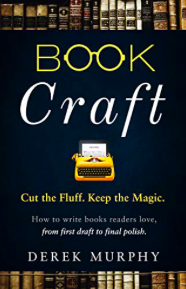
Last, but not least, is Derek Murphy’s book Book Craft: How to write books readers love, from first draft to final polish. I’m only fifteen percent into it, but I’m really enjoying it so far. It’s not stuffy like some nonfiction books, and I like his voice and his stories. Just a warning though, if you don’t like books that tell you to write to market, you may not enjoy this one. Derek is all about helping you write a novel and while he wants you to write your passion project, he also wants to guide that project into a book that readers will want to read.

Me reading this book is like listening to a preacher while I’m standing in the choir, but we all need to be reminded now and then that after our book is written and published, it’s up to the readers to decide if you’ve written what they are going to enjoy.

I’ve been in this business long enough (and have learned the lessons) that you can’t make it if you don’t write what readers what to read and package it in a pleasing manner. I’ve seen authors publish books in the double digits and barely sell any every month for the simple fact their covers are bad or the look inside is boring because they started their story in the wrong place.

While it’s not fair to leave a glowing review of a book when I’ve only finished 15%, I have a feeling I’m going to enjoy the whole thing, and I think you will too!

Here are the cover and the blurb:

Image and blurb taken from Amazon.

Everybody wants to write a book, but most authors fall short.

You have a gift, but it’s not enough. Deep magic isn’t a spontaneous explosion of creative energy. That burns too hot. It’s unstable and unpredictable. Real power comes from deliberation, skill and craft. But you need a guide to unlock a writing practice that ignites your true potential. This is it.

You have been told that writing is a type of magic, that all craft-based strategies are blasphemy. But smart authors recognize that even if writing is an art, it’s also a craft to be mastered. It’s time to peer beyond the veil, and unlock your unique brand of powerful book craft.

This is not a book, it’s an initiation. You’re here because you love the alchemical process where your creativity and inspiration bleed onto the page. You’ve tasted the power of using letters to communicate ideas and cast spells, bewitching readers and captivating them with the powers of your mind.

You’ve got a taste for it, but you want more. So you’ve sought me out, and here we are. This information took me decades to uncover, and I don’t reveal it lightly. Not every author is ready to hear the valuable lessons I’m about to share with you, but this book isn’t for them. It’s for you.

The truth is, there are things that great books have in common- and even more informative, there are definitely signs of weak writing, which can be easily identified and avoided. 

This book will help you to…

  • Plot your book without stifling your creativity
  • Hit crucial turning points to keep readers engaged
  • Improve pacing & backstory without info-dumps
  • Increase stakes, drama and conflict
  • Double your word count and stay motivated
  • Avoid common amateur mistakes & lazy writing
  • Heighten intrigue & suspense to keep readers invested
  • How to know your book will sell before you write it
  • Why readers stop reading and how to fix it
  • Simple plotting and outlining strategies so you can write faster 
  • Revise and edit your first draft and identify problems fast 
  • Save thousands of dollars on editing and increase book sales

Ready to move from the slush pile to the bookshelf?
Scroll up and improve your writing today!

If this is a book you think you’ll enjoy, leave a comment at the end of this blog post, and on January 11th I’ll choose a winner and send the winner a copy of the ebook.


2020 is over and it’s time to kick the dust of your boots. There’s a meme out there that says you can’t claim 2021 as your year, but hell yeah, do it anyway. I have. 2021 is a fresh start to many aspects in my life, and I bet it is for you too! Hopefully these tools can help you succeed! Happy New Year!

What. Ever.

Cliffhangers. Are they a good thing or do they spell trouble?

Cliffhangers have been on my mind lately. Partly because in the serial I just finished a couple of books within the serial end on cliffhangers–which is why I’m calling it a serial and not a series. A reader has to start at book one. There are no other entry points like a series can have.

Another reason why is because the last Nora Robert’s book, the one that caused a lot of drama over on her blog, ended in a cliffhanger and the fans were both excited for the next installment and appalled they had to wait until Fall of 2021 to see what happens next. (Laura, Nora’s publicist, defended her by saying Nora rarely ends a book with a cliffhanger, which could be why readers were so up in arms about the whole thing.)

One particular cliffhanger that I didn’t appreciate was the cliffhanger season two of Virgin River on Netflix ended with. By now there are spoilers online, and if you don’t know what I’m talking about, I’ll leave it to you to look it up (or watch the show!). I was wondering why the credits played out when I realized it was because that was the last episode of the season.

Of course cliffhangers have a reason for their existence–they spur readers and viewers on to the next book or season/episode.

While big authors like Nora Roberts can tell readers to wait and not receive too much flak for it (or simply not care), indies aren’t so lucky. Some indies write what they want and only consider the reader or their feelings when they start getting bad reviews. Writing and publishing what you want, your passion project, your project from your heart, whatever you want to call it, is all fine and good. We should be excited about our projects or why bother to write? But you also want your readers to love what you’re writing just as much as you do.

When does a cliffhanger work against you? Here are my thoughts and you can tell me if you agree or not:

*When you know you’re going to have too much time between books. Do you remember a long time ago when Mad Men’s last season was split into two parts? How many people hung around and waited for those last few episodes to drop? I didn’t. If you end your first book with a cliffhanger, and you’re not even writing the second book yet, think about when you should publish the first. You CAN sit on a book. Most indies are too excited to publish to think about hanging onto a book. And as Andrea Pearson likes to say on the Six Figure Author podcast, your book won’t make you money sitting on your computer. But. How worth it is ticking off your first wave of readers, earning some poor reviews (and maybe even some spoilers thrown in). Bad reviews won’t make you write faster–the opposite is probably true. Nothing kills motivation more than a reader saying they hated what you wrote.

*You (maybe) kill off a beloved character. We all know the last scene in the book–will he or won’t he . . . live. He’s lying on the floor, gasping for breath, an arrow sticking out of his ribs just below his heart. Fade to black. And your readers see red. This is especially bad if you don’t know if he’s going to live or die. There’s a big difference between an upbeat cliffhanger and a horrible, horrible readers-are-crying ending to your book.

*Your cliffhanger is too sad and it makes readers angry. Like I explored a little above, if your cliffhanger is devastating and it makes readers mad, that’s a big difference between something happy–like your MMC about to propose to his girlfriend and someone interrupts them. Now you have a “will they or won’t they,” and it’s a different tone, more anticipation rather than dread. Like in the Fifty Shades of Grey (movies, I didn’t read the books) when Ana leaves Christian’s penthouse. They’ve just broken up over his lifestyle choices–but there are two more books in the serial. They will get back together. Readers know it. There’s anticipation in the how. How will they get back together? Will she forgive him? Will he change for her? The second movie ended on a cliffhanger too–but not with such a steep drop. We see Jack Hyde skulking in the shadows planning his revenge against Ana and Christian. Ana and Christian are HFN (happy for now). He’s proposed, she’s said yes. But we want to know, what will Jack do? Will Ana and Christian be okay? We want them to have a HEA.

*If you think you won’t finish at all. There is a surprising amount of unpublishing in the indie community, more than I ever thought I’d see when I first started writing. I can name two of my writing acquaintances off the top of my head who have unpublished incomplete series. Maybe because they think they won’t finish, or maybe their sales weren’t what they thought, or more likely, their writing wasn’t what it could have been. Writers are a neurotic bunch, and we can get hit hard with criticism and scrutiny. But no matter why you choose to unpublish, and unpublish a book with a cliffhanger, it’s a poor business choice that screams unprofessionalism and poor planning. I have read the series that have been unpublished, and yes, maybe I am their only reader, (disappointing one customer is too many as far as I’m concerned) but it leaves a bad taste in my mouth. I will never know how those stories end. And what’s worse is when I asked, I didn’t get an apology, only a virtual shrug and an “it is what it is.”


In my blog post about Nora Roberts and her readers’ entitlement, I talked a little about how indies are spoiling readers with quick release dates. Traditional publishing is mainly a book a year model, and Nora tried to explain this. As indie writers take more slices of the reader pie, fewer and fewer readers are going to want to wait. Even for their favorite trad pubbed author. It makes me wonder if traditional publishing will finally start making some changes. Quick release dates aside, maybe readers are more tolerant of cliffhangers in traditional publishing because they know the books after will eventually come. Indies, unfortunately, aren’t held to contracts, they only write on their own steam and deadlines. They can unpublish, not finish, or take years on a book, and no one (besides readers) are telling them to get to work.

Is there anything you can do if you have to end your book with a cliffhanger?

*Have the pre-order link set up at the end of the book. Depending on the kind of cliffhanger you write, you’ll either have readers clamoring for the next book or throwing their ereaders across the room. Having a pre-order available won’t ensure you’ll have the book done (I’ve seen plenty of pre-orders canceled) but having a self-imposed deadline will give you a date to shoot for.

*Have an excerpt in the back of the book for the next book. Having an excerpt might cool some tempers if they don’t like the way your book ended. Ideally, you’ll want to include the first scene of the next book but anything that will clear up a question will keep readers interested–especially if you can announce a release date for the next book.

*Offer a newsletter sign in exchange for clues about what will happen next. This is advice I’ve gotten from other authors, and I have no idea if it works. Some say you do get lots of email signups if you can offer a hint at what happens next, or maybe an alternate ending, or an epilogue not available anywhere else. Something that will tie up some loose ends to appease your readers until the next book is done/available.

The bottom line is, when you end a book with a cliffhanger, you need to be professional about how you go about it. The best way is to have the book ready and either rapid release, or offer the book on preorder and make sure you meet the deadline (and don’t schedule it too far out, either). There’s no excuse not finishing a series, especially ones that end in a cliffhanger. We are all in charge of our own careers, and if you mess up, there’s no one to blame but yourself. We’re all adults here.

Here are some more thoughts on ending books with a cliffhanger:

Ask The Writer: Ending on a cliffhanger

https://writing.stackexchange.com/questions/12370/is-it-okay-to-end-a-novel-with-a-cliffhanger

The Pros and Cons of Cliffhangers


Thanks for reading! Until next time!

Thursday Musings: Why are people so cranky (toward Amazon)?

Be kind whenever possible. It is always possible. Dalai Lama

There’s a lot of animosity for Amazon (and IngramSpark for that matter) online in the author groups these days. Authors are angry because they aren’t getting their author copies and proofs in a reasonable amount of time. One woman was experiencing a glitch on the KDP website while trying to figure out a pre-order (which is pretty common all year round, not just December) and there was so much rage in her post my laptop started smoking.

Indies have a really weird love/hate relationship with Amazon. We love them for the opportunity they gave us to bypass gatekeepers (agents) and publish our own work. We hate them for what? Spotty customer service, perhaps. Locking us into KDP Select when authors want the benefits of KU but the flexibility of still publishing wherever they like. We hate the lagging in reports on our ads dashboard, and I don’t know what else. That’s all that I can think of trying to remember what some people have complained about. We easily forget that with the invention of the Kindle and their self-publishing platform that indie publishing is what it is today. There are lots of other factors involved like other platforms coming into play (Nook, Apple, Google Play) and other distributors jumping on the bandwagon (Draft2Digital, PublishDrive, among others like Lulu and Bookbaby) and business/industry dealings I have no interest in following (pricing wars of ebooks, the big publishing houses consolidating) that have affected how indies can publish their books.

You can hate Jeff Bezos for his billions, but Amazon has made several indie author careers. Ask Mark Dawson, or Bella Andre, or Hugh Howey, Andy Weir, or any of the other huge indie authors who found their start publishing a single ebook to KDP. Many, (actually, I think all) of them have gone on to some form of traditional publishing be it in the form of new book deals or paperback only deals, or translations, what have you. Everyone knows The Martian made it to the big screen. Plus, with Amazon’s own publishing imprints, Amazon is luring away big trad authors like Dean Koontz, Sylvia Day, and Patricia Cornwall. They drank the Kool-Aid and are happier for it.

Of course, Amazon played a small role in those things–the authors can take the most credit by having a solid product that people wanted.

I see that as another reason for authors’ rage against Amazon. Amazon Advertising is blamed for taking money but not selling books. They feel ripped off, they feel like Amazon is double dipping–taking royalty money and charging for ad spend. Authors feel like they’re being played. But take a look at some of those books, and you can see why they feel that way. Their books are sub-par, they don’t follow industry standard, their covers are bad, and their books are full of telling not showing.

It’s a lot easier to blame someone else for your mistakes, isn’t it?

I experience the same glitches as everyone else. I hate when they ask you to fix the highlighted mistake, but there is no highlighted mistake. I’ve published enough books, and spoken with support, to figure out what I did wrong. My last problem was a price change that made my royalties in India 0. Amazon won’t let you do that. That section wasn’t highlighted, and it took a call to support for her to quickly look through my book’s profile and tell me what the issue was. One of the mistakes that threw me for a loop was when they stopped taking my imprint as my publisher name. I had to call and ask them why when they had in the past. They said I could list my imprint as my publisher name if I wanted to screen shot my ISBN numbers on the Bowker website and prove that my imprint name is attached to my ISBN numbers. No thanks. That was a battle I had no intention of fighting. I dislike they’re tightening their creative guidelines and I can’t run ads to my series because the covers are too steamy. It’s irritating because I don’t think the covers, in relation to other contemporary romance steamy cover, are that racy. But my ads get declined over and over and I stopped trying to slip past their moderators. It’s not worth making them mad at me.

Those are the types of things that can make a person angry, right? But the thing is, you’re running a business, and there’s no business on the face of this planet that doesn’t have some kind of issue every day. Be it employees calling in sick, or the internet is down, or a water pipe burst and your store is flooded. You’re running a small business. Things happen, and as a responsible business owner, if you’re planning a release and something happens, that’s for you to take care of, it doesn’t matter who is to blame.

The pandemic doesn’t make things any better. I don’t know how KDP sets up their support. Depending on who answers my call, it sounds like they sometimes outsource their calls. I don’t call enough to figure out when–I speak with both people with Asian accents as well as American accents. During the global pandemic, we don’t know how COVID is affecting Amazon’s employees. Maybe KDP support is working from home, or maybe they work in call centers and they are short-staffed. Their POD printers must be pumping books out like crazy, but Amazon workers oversee those and box up the copies for shipping.

Sometimes authors forget that Jeff Bezos isn’t all of Amazon. Behind Amazon’s logo are thousands of workers. They have lives. They have families. They get sick.

Your entitlement doesn’t look good on you.

Keep it out of the groups.

The bottom line is, you don’t have to publish with Amazon. You can take all your energy and ad money and use it to build a readership on other platforms. There are indie authors who do very well wide. Lindsay Buroker publishes wide and she makes a million dollars a year. Not all of that comes from Amazon. She once said that Google Play had been trying to contact her to update her banking information. When she finally got around to it, she said she had enough royalties built up there she went out and paid cash for a brand new truck. You can make other platforms work for you. Kindle Select isn’t the end-all, be-all of your publishing business. You can make money if your books aren’t in KU. You have to work for it. Just like any business owner.

Kindness and politeness are not overrated at all. They're underused. Tommy Lee Jones

Being in some of the author groups is such a drag right now. It’s all complain, complain, complain. I love being in the 20booksto50k group. Every single post is moderated and they don’t allow any negativity. That takes a lot of work. There’s a lot of negativity out there aimed at both KDP and IngramSpark. From the complaints I’ve read online, IngramSpark might be doing even more poorly than KDP. Personally, I’ve never liked IngramSpark’s website. Uploading books there is a bear and it’s the last thing I do when I publish because I hate it so much. I only do that so my paperbacks are available everywhere just in case. From my own experience, their POD quality isn’t any better than KDP Print. I use it for the distribution and that’s all. But we have to remember that IngramSpark services thousands of authors, and those authors are publishing books every day. You are not a special snowflake and you have to stop acting like you are.

You can accomplish by kindness what you cannot by force. Pubilius Syrus

I’ve worked in customer service all my life in one way or other. Going off on a customer service agent is the best way to ensure you don’t get the service and results you want. We remember you. We make notes. The second your name pops up, we cringe inside. Who knows if the customer service reps at KDP have access to a notes portion of your profile. Do you want them to say “Nice author to work with. :)” Or do you want them to say, “Angry. Yelled at me and used expletives.” The next time you call, what kind of treatment do you think you’ll receive?

Craig Martelle likes to remind us that you, as an indie author, are part of a whole. We make up that whole. You represent us. Every shitty thing you say to an Amazon rep is reflected back on indie authors. When I need to call or email, I am pleasant, I wish them a nice day. I chit chat and tell them to stay safe and healthy. I thank them for being there. They are at work to earn a paycheck to feed their families. Show some kindness. At the end of they day when they log off, they don’t care about your book. Remember that.

Remember there's no such thing as a small act of kindness. Every act creates a ripple with no logical end. Scott Adams

I’m not quite sure what I wanted to do with this post. It’s the holiday season, people are cranky because of the pandemic. Lots of us don’t have jobs, can’t buy presents for our kids this year. I’m not without my own issues this month. But it is never okay to take your anger out on someone else. If you have that much rage built up inside you that you have to go off on an Amazon rep because something happened to your pre-order, find a therapist.

There’s not much left of 2020. Make the most of it!


December! The last month of 2020 to get anything done.

There were a few memes/quotes around this year trying to bolster productivity and motivation like this:

Image found on Google search

I would imagine they came from places of good intentions, but really, all they did was make people who weren’t productive more ashamed of themselves. Even in this blog I tried to, maybe not bolster your spirits because I’m a little too blunt for something like that, but I didn’t want you to waste the year away either.

So whether you were able to write a book a month, or you’ve barely been existing, there’s only one more month left of 2020, and you have the chance to make the most of the last four weeks of the year.

What do I have planned for the next four weeks? I’m not calling it quits quite yet, and I have a book to finish up. I’m at 63,000 words, and I would love to write another 20k in the coming two weeks before Christmas. One of my big 2020 goals was to learn a newsletter aggregator, and I even went as far as to set up an email address for this website and to sign up to MailerLite. I haven’t watched any of the tutorials on how to use that product yet, and I do not have a newsletter sign up link yet. I still have four weeks to accomplish this, and I need to so I can put the link the back of this WIP when I publish it. I guess I’m balking because then I have to learn how to use Bookfunnel and StoryOrigin, and while I miss going to school, studying up on those platforms is not something I’m looking forward to. On the other hand, once I learn them I won’t have to do it again.

On Black Friday, Mark Dawson bundled three of his courses and I purchased them, including the one by Suzy K. Quinn on how to write a bestseller that I’d been drooling over for a little while. I don’t have a timeframe on when I want to get those classes done, but I have started Suzy’s course, and it will be very interesting as well. I like studying what goes into a bestseller–what makes books popular. I’m taking almost a scientific outlook to that course, picking apart the elements of a bestseller. Always keep learning. You never know what will help you later.

I’ll keep up writing this blog through the month of December (I’ve already seen some 2020 recaps, but I’m not there yet). I rarely go on Twitter after I announced my break, and I don’t miss it. I miss a couple of friends on there and in 2021 I may start a new and more intimate account. I’ll lose big followers like Jane Friedman, Lindsay Buroker, Mark Leslie Lefebvre, and Robin Cutler among others whom I have gotten to know over the past five years. Or I may just leave it alone as Twitter wasn’t giving me anything constructive anyway.

I did try to stay motivated during 2020, but like everyone else, I went through some rough patches. Not that my life changed all that much. I’m an essential worker, which means I never had to worry about my job or where rent was coming from. My only change there has been being able to work from home, an option that hadn’t ever been available to us before. I’m surprised by how much I like it, but it could have something to do with the cat company on my desk.

This was my favorite meme to come out of quarantine.

My sister and I used to have Tuesday movie night, but we had to change it up and we watched the Marvel Universe movies in order because I had never seen them before. That turned into a regular Sunday thing and it kept us occupied for a few months.

I’m decorated for Christmas and my cat loves to sleep under the tree:

This post does sound like a recap after all, but I’ll go into all my highs and lows at the end of the month.

There are four weeks of 2020 left. I’m going to make them count, and I hope you do too!


Content Marketing, easier said than done.

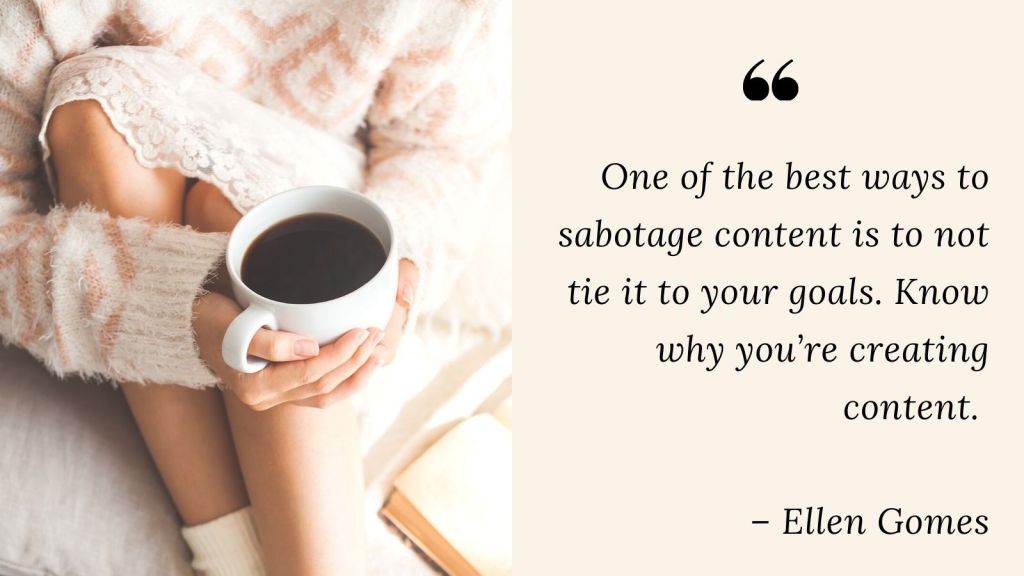
woman holding coffee cup quote:One of the best ways to sabotage content is to not tie it to your goals. Know why you’re creating content. 

– Ellen Gomes

When we think of content marketing (and really, who doesn’t think about it at least once day) a lot of us probably have no idea what that is. We hear the phrase a lot, especially us authors who have a lot of content to sell and share. At least, we should have a lot of content to sell and share. After all, we’re creators, and we should be creating content on a regular basis.

I had a friend a while ago (we don’t talk anymore–she’s one of those people who have faded off) and she had this problem. She desperately wanted to be part of the writing community. Her debut novel flopped, and her self-esteem took a hit. She was never really the same after that, though she tried. The problem was, and still is, she’s not writing. So you can imagine the difficult time she has trying to fit herself into the writing community when she’s not writing. Or more specifically, she has no content to share on social media. I see her really struggle find her place on Instagram, create her Facebook Author Page, she hasn’t blogged for months, and nothing she has found works. She’ll post, delete her profile, lay low, come back, post, delete her profile, and I feel like I’m on some weird merry-go-round. I can’t imagine how she feels. And lest you think this is me just poking at her for something to blog about, let me be clear, when we were talking, I tried to tell her this. Many many times. You have no content if you’re not writing.

So what is content marketing? Content marketing is sharing content for free, to lead customers into paying for other content. Where does this content come from? See, this is my ex-friend’s problem. If you’re playing the writing and publishing game, I’m assuming you’re creating it. If you’re not, then you have nothing to share. Novels, novellas, short stories, even flash fiction. The best content can be repurposed. Blog a short story for feedback, then sell it. Give away novellas, then box them up and sell them. Take excerpts from your books and make pretty graphics. If you pay for Canva Pro, it now lets you schedule your graphics onto your FB author page and you don’t have to worry about remembering. Blog a first chapter then put the buy link at the bottom and encourage your readers to buy the book to read the rest. Newsletters too, are all about giving your readers something for free and then when you have something to purchase, they will.

What my ex-friend needs to do is stop worrying about social media and start writing.

What else can you post on social media?

*Share books you like. I’m assuming (lots of that going on here) that you write what you love to read. If you think of your FB author page as a community rather than something you have to do, it might help. Share the books you have loved, talk about why you liked them.

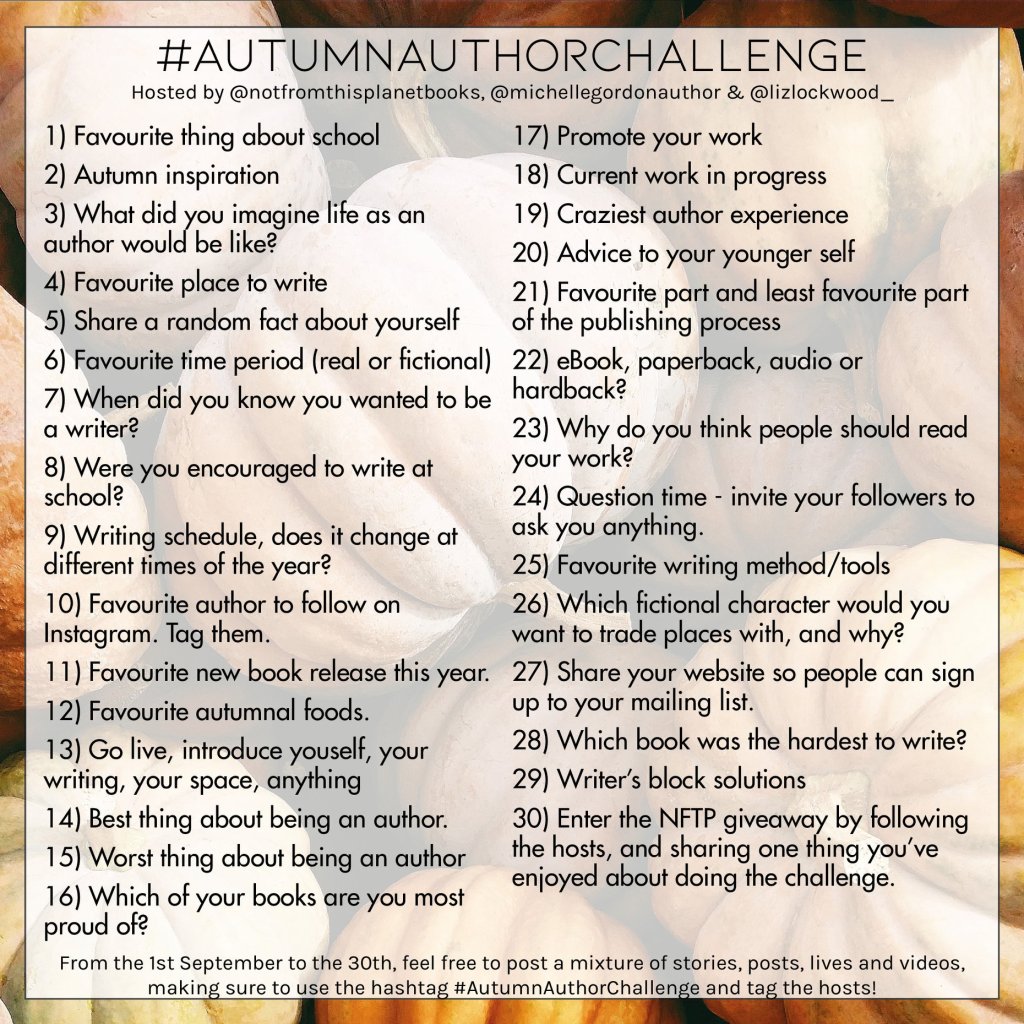
*Find a “calendar” of things to post. These are floating around social media–the challenges authors post for 30 days of content. Every day is something new. A selfie and five things no one knows about you. Your favorite writing spot, the pets that keep you company while you write. A favorite quote from a book. This is an example someone posted in an Amazon Ads group I’m in for Instagram. You can grab some of these ideas to help brainstorm. Some of these are more for fellow writers than readers, and you’ll have to be careful you don’t start posting more for your peers than your readers. A lot of us fall into that trap, but the writers I know aren’t the readers who will sustain my lifelong publishing career.

#autumnauthorchallenge daily social media ideas

*And of course, you want to share your works in progress. Talk about your characters, what sparked that idea. Why you’re writing what you’re writing. You can give updates on release dates, ask for reviews, if you have two potential covers for a book, take a vote.

If you’re creating content, actually creating it regularly, you shouldn’t have a problem sharing, even if it’s raw, unedited. Sometimes readers like that content best. They get in on the ground floor of a building and can watch how it’s built, from the basement all the way up to the penthouse.


These are all ideas I need to start doing for myself. Trust me, I only have 128 people liking my FB author page, and for good reason. There’s nothing but tumbleweeds drifting by because I don’t think of my FB author page as a community where readers of romance can come together and chat about books. I feel it’s a time suck, just a place where I have to go to waste time instead of writing. Content marketing doesn’t have to take long, though, and that’s something I need to remember. As long as you are writing regularly, the hard part is already done. Making time to write consistently is difficult for a lot of people because they’ve hit a snag or they’ve lost faith in their abilities. Imposter syndrome can hit hard. I’m not going to say people run out of time, because in 24 hours in a day, if you really want to find time to write, you will. If you have time to watch a television show, you have time to write.

Deleting profiles and putting them back up only to take them down again has a lot of consequences, mainly people will lose faith in your ability to stick it out for the long haul. Every time you delete your profile, you have to start from zero. It’s hard enough doing it the first time. I remember posting my very first blog post and I had zero subscribers. I can’t imagine doing that willingly every couple of months. It also hits your SEO.

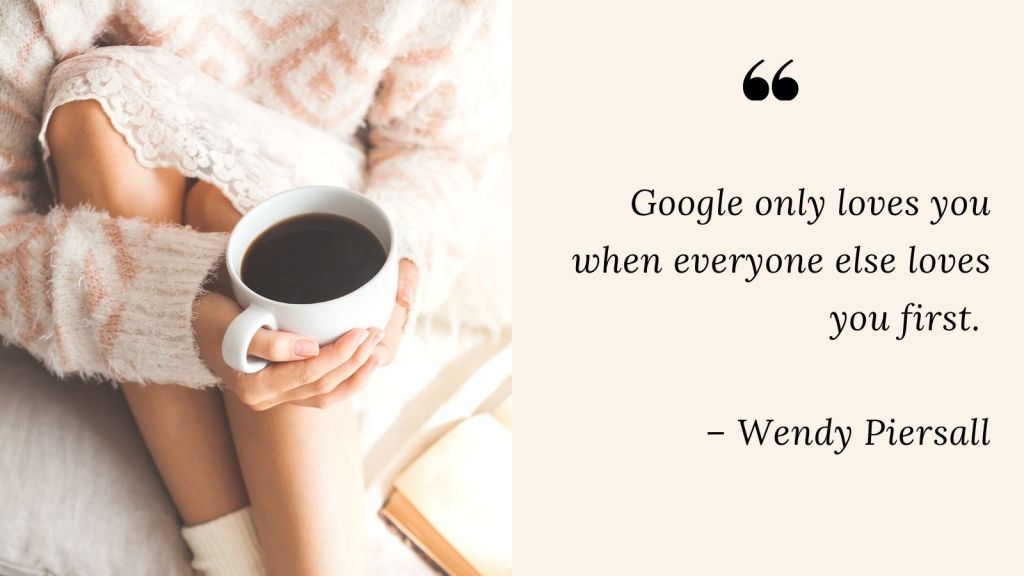
woman holding a coffee cup. quote: google only loves you when everyone else loves you first. wendy piersall

Search engines like Google favor websites and content that has been around a long time and that offers current and relevant information to the person using the search bar. Every time you start over, you’re starting you SEO from scratch too, and that’s not a smart thing to do. In a private window, I searched for Chance Carter. A couple years ago I wrote a blog post about the things he’d done to his readers scamming the indie community. If you search for Chance Carter now, my blog post is on the second page of results. He was so popular he still takes up the first page of his own search results, but I find it pretty fascinating that something I wrote about him is still so popular that I get hits on that post every day, and lands me on the second page of Google results. I never would have gotten there if my website didn’t have an online history.

I sincerely hope my ex-friend finds her place. We don’t talk anymore, mainly because like a drowning person struggling in the water, I didn’t want her to take me down with her. These past few months I’ve been trying to make connections with authors who have the same work ethic and visions for their writing careers as I do. Maybe one day she’ll find her path, and I hope she does. It’s hard for me to watch anyone hurting.

She will continue to struggle though, if she’s not creating. Write those books, those novellas and short stories and share them with your readers! Create your content, create your community, and you’ll find content marketing will be a lot easier when you have something, and someone, to share it with.


Tuesday Thoughts, Large Print, and Getting Rid of Twitter

Hi, everyone! I know I usually post on Mondays, but to tell you the truth, I’ve been struggling with finding things to blog about lately. I go through that sometimes. I feel like anything I have to say has already been said a million times by someone else, and especially when it comes to writing and publishing, I don’t have much new to share.

I did decide to take a Twitter break, and if you follow me, you can either friend me on FB, or like my FB author page and we can touch base that way. I just couldn’t take the negativity anymore, and it was bringing out my own negativity toward other people. Twitter as a whole is very emotional, and I just can’t handle how sensitive (and insensitive) people can be and when they lash out because of it. I’m not a fragile flower, but geez, there are only so many times I can be “put in my place” without feeling it. To be perfectly honest, I don’t feel like a whole lot of people are writing over there anyway, and it’s not such a great place to find supportive writers who want you to succeed. Last week, I made a graphic and congratulated an author on her release, and she never bothered to retweet it. I think that was the start of me being so discouraged I just wanted to leave. If you can’t support me supporting you, then why are you on there?

twitter logo bird with a red circle through it. no more twitter

I didn’t delete my profile or deactivate my account, but I did pin a “see you next year” tweet to my profile and I deleted the app off my phone. I logged out on my laptop to remind myself when I go on there just to go on there that I’m trying to break the habit. I’m sure it’s one of those things where I’ll go through withdrawal for a few days and after it’s over I’ll feel better.


I blogged about doing large print for The Years Between Us, and I got the proof in the mail the other day. It looks great! I approved the proof and I didn’t have any problems with KDP flagging it as duplicate content. I may do some other books as time allows, though Amazon has stopped putting Large Print as a buying option on the book’s product page. So even though I know there are visually impaired people who would appreciate a Large Print book, I have to weigh time versus return on investment. In the scheme of things, doing the Large Print didn’t take very long, so I could do most of my backlist in the next year or so if I did one per month. We’ll see how it goes. I buy all my own ISBNs, and I have to keep in mind that expense as well. With the way Ingram has been glitching lately and not accepting Vellum files, this book is only available on Amazon, and I didn’t check the box for expanded distribution. I’m impressed that I could price it at 14.99 and still make a couple dollars. In expanded distribuion, I would have made fifty-six cents.


I’m still editing my series, and I suppose that’s going to be something you’ll hear from me for the next little while. I get discouraged when I think about needing to figure out newsletter stuff. I’ve looked around StoryOrigin, and I don’t think I’m going to be using it for right now. I feel like authors forget that cultivating a newsletter list is more than just getting people to sign up for it. You’re supposed to be collecting emails from readers who are going to be fans of your work and support you. I may get the newsletter stuff figured out so I can encourage them to sign up in the backs of my books and aim for as many organic signups as possible. I don’t want to lure readers with a free book to sign up. I know that’s the thing to do, but freebie seekers will cost money eventually because you’ll pay for them to be on your list but they won’t buy when you send out email blasts about a new release.

You guys, I know the rules, but I’m tired of playing this game. I just wanna write and make money doing it. Yep.

Well, I don’t have much else. I did Bryan Cohen’s ad profit challenge, but he didn’t offer anything new from what he showed us in his last challenge. I don’t think I’ll be doing any more of those, though I have met some nice people doing them.

I’m always on the look out for new non-fiction to read, but I haven’t been reading much since I’ve started working from home. It’s a lot easier to get words down now that I am, and I’m reading less. Which is probably why I’m all dried up when it comes to blogging. That said, I’m still listening to podcasts, and the Six Figure Authors podcast has Sara Rosett on this week. She wrote a non-fiction book about writing a series. Since that is one thing I’ve managed to make myself bend for (I prefer standalones) I figure anything that could make the process more tolerable (and profitable!) I need to look into. I ordered How to Write a Series, and I will tell you how I like it. I didn’t realize there is also a workbook that goes with it until I accidentally clicked on it trying to grab the link for you all. Check them out!


If you want to listen to her interview on the podcast, you can find it here:

Thanks for reading!