Where do you find readers for your books? Part 1

finding readers for your books blog posts part 1

This question sucks because 1) no one knows the answer, and 2) even if they do, their answer might not work for you.

What are the variables that make one person’s amazing results different from someone else’s?
* Genre. Thrillers. Contemporary Romance. Urban Fantasy. Epic Fantasy. Someone might have just had a great launch of their Suspense novel and you want to duplicate that for your Bigfoot Romance. Their methods probably won’t work for you.
* Quality. Your friend may have paid out $400 for a quality cover, had two editors edit it, and used a professional formatter to make their insides look as professional as they can look. You don’t have a budget like that. If you don’t, you’re already a million miles behind your friend–even if you write in the same genre.
* Your friend has a backlist and you don’t.

If you take into consideration these three things, answers to the question, where do you find readers, are going to be incredibly different.

A quick note about GENRE before we move on: you’re writing what you want, but you do have to keep in mind that the more niche you write the more you shrink your audience. On the other hand, you have a better chance at standing out in a smaller niche. At any rate, here’s a nice chart. If your goal is finding readers in a bookstore (you’re probably querying then), you need to know where the little high school girl who stocks books after classes is going to put yours. Knowing your genre also makes marketing a bit easier because, hey, no one reads all the books, and you only want people who read your genre to read your book.
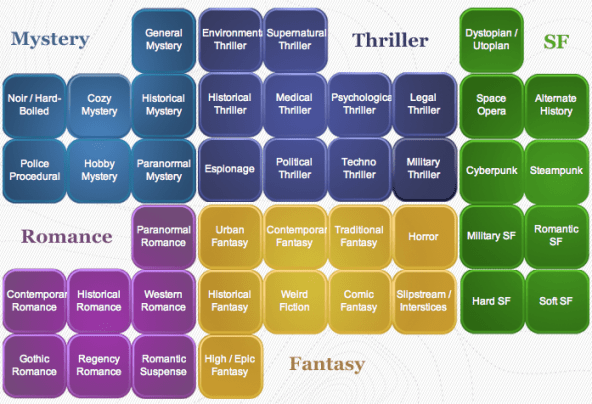
Literary_Genres

click the picture to read about the 17 literary genres

Quality

You know how in the grocery store you have to choose between a dented can and a can that’s not dented? Which do you choose? The undented one, right? Because we’re trained to look for things that are perfect. We don’t buy apples with bruises, we buy the milk behind the first one. When you are asking your potential reader to choose between your poor-quality cover, bad blurb, and insides with typos against a book with a nice cover, an intriguing blurb, and insides without typos, who do you think they are going to choose?

This seems like a no-brainer, but authors are too close to their own books to see if something is working, or, more specifically, not working. I’ll show you what I mean:
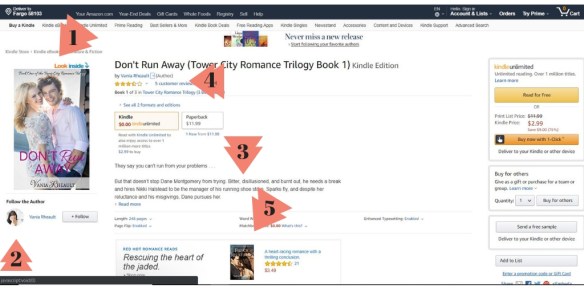
amazon sell page of a book

This is the sell page of my book, Don’t Run Away. It’s the first in a trilogy. People look at these things when they bring up your book be from an ad, from a friend’s recommendation, whatever.

  1. A good cover. You need one. YOU NEED ONE. I’m not saying mine is the best, but hoo-boy, it’s better than some out there.
  2. A nice author photo. No one talks about these, but with social media, readers want to interact with their favorite authors. They want to see you are a real person. If they tweet to you that they enjoyed your book, or if they say Hello on your FB author page, they think it’s really cool when you say thank you, or Hi! back.
  3. Well-written blurb. You need a good blurb to draw them in.
  4. The reviews help. The more the better, obviously, because. . .
  5. Amazon is more than happy to show your potential reader something else they can buy instead of your book. If your cover and blurb miss the mark, they offer another choice in the same genre your potential reader can click on.

If you take a look at the screenshot above, you can see the book they are advertising at the bottom has a nice cover and more reviews than mine. At that point, I’m hoping my blurb brings them in, or the first couple sentences of the look inside if they make it that far.

If you’ve written a strong blurb and you make your potential reader click READ MORE look what happens:

screen for blog 2

The ad disappears. We don’t have very long attention spans. A good blurb could mean the difference been a sale and a pass.

I watched Bryan Cohen and Chris Fox tear part a couple of covers and blurbs on a recording from a 20 books to 50K conference this year in Vegas. Take a look and see if you can make your selling page better:

Backlist

No one thinks about backlist when we look for readers. But the fact is, self-publishing is a vicious and competitive environment. These days to find any traction, you need to have about 15-20 books written already. When I first started publishing, that number was six. Self-publishing has exploded to the point where 50,000 books are self-published every month. (That stat was pulled, I think, from Michael Anderle during this same conference.)

The most important thing that self-published authors have is a backlist of 15-20 books. This is because most self-published authors make the bulk of their money on their backlist.  — The Complete Creative

The idea is that if you manage to pull one person into your readership, you can offer them more than just one or two books. You want them to read them all.

You can liken finding readers to any cliche you want. Rome wasn’t built in a day. Publishing is a marathon, not a sprint. Start at the base of the mountain and work your way up. It all amounts to the same thing–finding readers takes a lot of time.
book-publishing-quotes-by-jo-linsdell-315693

No one disagrees it starts with the best book you can produce. And then write another.
the best advertising you can do

Stay tuned for part two of where to find readers!

Until next time!

My Writing Plans & Goals for 2019

hello 2019

Lots of people feel like 2018 sucker punched them right in the gut. But to be honest, I think a lot of people felt like that about 2017, too. Each year may be better in some ways, worse in others, but it’s fair to say that each year brings about new challenges. Sometimes we can rise to the occasion and kick ass, and sometimes we can’t.

I got a lot done in 2018. I released two books I’m proud of–Wherever He Goes and All of Nothing. Each book brings me closer to improving my craft and realizing my goals of being a career writer.

I went through a divorce and came out, for the post part, unscathed, due to my kids, the support of my sister, and the love and a support of a special man in my life. We’ve had our ups and downs, too, and I hope in 2019 we have more ups than we do downs, but time will tell.

As far as my writing goals for 2019, it’s something that I talk a lot about on this blog. Write what you want, but don’t be disappointed if it doesn’t sell. So I’m going to follow my own advice. While my stand alones are doing okay (for the lack of marketing I do for them) there’s lots of evidence out there that series sell. I’ve seen this myself in read-through for my trilogy (at least when I boost up the first book with a promo).

That being said, it’s time to write another series. I’m going to set aside 2019 and write four books in my Bridesmaid Quartet. That subtitle may change–I may change it to The Wedding Party, or something else entirely as the wedding that brings this group of friends together will remain in the background and is only a catalyst for the things that happen. I’m even tinkering with making the Bride a matchmaker of sorts. These four books are in the planning stages, as you can tell, while I edit The Years Between Us. I’m going to edit my May/December romance, send it out to betas (if you want to read it, send me an email or DM on Twitter!) and more than likely put it on an extended preorder. I released All of Nothing on October 16, and I need to sit on The Years Between Us while I write my series. I won’t wait for a long time–I’m thinking maybe an April release–but I don’t want to publish it as soon as it’s done because then I won’t have anything for quite a while.

To make up for that time where I’m not publishing anything, I’m going to be doing a lot more blogging and maybe some Instagram posts in regards to my series’ progress.  I’ll be doing aesthetics, sharing more snippets than I have in the past. I’ll be releasing my character sheets for my characters. In short, I’ll be blogging about what goes into writing a four book series, and all the headaches that go into tackling 200,000-280,000 words.

Right from the start this presented a challenge because I already wrote about a group of friends with my novellas, Summer Secrets. Those were erotica, but still. It’s easy for a writer to write the same thing over and over again, so I need to be careful to make these different. Comparing my sexy novellas to this series will always be in the back of my mind.

plans and goals for the new year

Other things that will be happening in 2019:

I’ll be getting carpal and cubital tunnel surgery done on my left arm in January. The 10th to be exact. Progress on my series will only go as quickly as I can recuperate. I’ve heard from several people that it’s a piece of cake, and even my doctor said I’ll be back to everyday activities after two weeks. I’ll then be scheduling my surgery for my right arm.

If surgeries and recovery go according to plan, I’ll be attending the Sell More Books Show Summit in Chicago in May. I cannot wait to take a short vacation, meet some other authors, and learn how to sell more books!

I’ll be moving my list wide and paperbacks to Ingram Spark extended distribution. I blogged about that already, but since my books don’t drop entirely from Select until February, dispersing them wide and doing the covers to meet IS guidelines will be a project that will take a few months. I think I’ll be doing a lot of that during recovery as I’m hoping that tweaking my covers to fit the IngramSpark cover templates won’t be too complicated.

Learning a screen-recording software so I can record some barebones tutorials on how to make book covers in Canva. I scouted around YouTube a few months ago to see if making a full cover (back, spine, and front) for a paperback was even possible using that particular software. I didn’t find anything that had all the steps a newbie writer would need to successfully make a cover, and for it to actually come out looking nice.

Unfortunately, this isn’t going to be one of those things that is on the top of my list. First off, because I’m not sure how deep I really want to go into the non-fiction sector. There are some full-time writers who split their time between fiction and non-fiction, like Joanna Penn. I still have a day job, and if I have a few hours, I’d rather write my fiction books. But because I didn’t find anything about this topic, I think it would be a real help to the indie community if I could record a couple how-to videos. Especially since I’ve done it twice now and have the paperbacks to prove it can work. But I would need to find/buy software and learn how to use it. Then I would need to take the time to map out the videos and record them. I don’t know how to edit anything, either. So. Plus I’ve been tinkering around with writing an self-publishing self-editing book, and I don’t want to put my fingers into too many pies.

Mostly though,  I abide by the old, “Should you be writing, instead of . . . ?” question when thinking about doing other things, and the answer is almost usually “Yes.” It’s what I enjoy the most and what I hope to build my career on–my fiction books.

Because, after all, who doesn’t love a happy ending?

Happy New Year, everyone, and I hope 2019 goes very well for you!

the end

Writing a May/December romance and what it means to me in the #metoo era.

I have to admit, that even though this book is my 6th, it was still bittersweet to write the last scene, save it, email it to myself, and close the file. Besides editing, I can say goodbye to Matthew and Zia and start to plot a massive project I have decided to take on in 2019.

blog post maydecember romanceThe Years Between Us is a May/December romance. Writing it involved some tricky scenes, as she’s twenty-five and he’s fifty, and while I tried, tried so hard, to make that the most romantic thing in the whole world, the fact is, it can be a bit creepy, too. Especially since at the beginning of the novel, she’s eighteen and he’s forty-three, and in an intimate scene I’m going to try very hard to edit just right, he takes her virginity. Don’t get me wrong, their ages get them into trouble, but fast-forward seven years, it still ends happily-ever after.
May/December romances used to be sweet. The innocent ingenue taken under the wing of a mature, wise gentleman willing to take care of her, guide her into womanhood. My mother read them, and I grew up reading the books she finished and set aside for the next trip to the library. These were more of the gothic romance variety: a young woman, for whatever reason, finding herself in a dark castle, falling in love with the older-than-her-by-a-lot gentleman who has been turned bitter by the ways of the world. She turns his heart with her purity. Their ages are rarely mentioned, but the covers of these books told it all. Silver fox, strawberry-haired girl.

Matthew and Zia are my take on these favorites.

But my mom read those books a long time ago. Before Harvey Weinstein, before a hashtag was created specifically for women to band together against men who use their power and position as a way to force women into sexual activities they don’t want or ask for. We live in time now where the fairy tales are looked down upon because a prince kissed a sleeping princess without her consent. We live in an era where cheeky christmas carols are called upon as sexual harassment, and not seen for the fun and flirtation that they were intended to be.

dark romance

So, what is it like to write a May/December romance now? How will it be received? I don’t know. I don’t make their ages an in-your-face issue. Sure it causes problems, but despite their ages, they are only people who love each other. How wrong can that be? I guess it depends on how they feel while they’re in their relationship, and after it’s over.

Joyce Maynard. You may not know who she is. I didn’t. Not until I recently read an article about her in Vanity Fair.  She evokes both sympathy and scorn. People sympathize with her because at 18, she had an affair with JD Salinger, who at the time, was 53. She dropped out of college to live with him, put up with his abuse, and ultimately, he kicked her out. Scorned because, well, forty-six years later, she’s still talking about. She’s accused of stretching her fifteen minutes just a little too long. Does she have a right to do so? People accuse her of using his fame to catapult hers. She says she keeps talking about it because he used and abused her and she wants the world to know. They say he has a right to privacy. She says because of what he did, he doesn’t deserve any.

Would their story had turned out differently had true love been involved? If they had gotten married? I don’t know the details, but maybe, I’m going to go out on a limb and say, he used his reputation to get her into bed, she, as a wannabe writer was dazzled, and that’s that. Only, she can’t let it go. She places full blame on him. He used her. He made her drop out of school to live with him.

Can’t 18 year old girls think for themselves?

Are we giving teenage girls any credit if we say no?

It’s something I touch on in my novel.  Matthew sends Zia away, and she goes to college where she nurtures her talent to become a famous artist. At one point, he’s asked if he regretted doing that to her, for her. And he says,

“. . . She was fresh out of high school; she needed to explore, find her talent. She never would have become what she had without me sending her away. There were nicer ways to make her go, but it still would have broken her heart.”

He took it upon himself to make sure she had a full life, and that meant without him (for a while). Do we give men any credit if we say they aren’t capable of that in real life?

wedding rings with leaves

I have a couple men friends who are “older” (age is subjective, isn’t it?) and I asked them about this. One, a gentlemen I work with at my job, said there’s a rule men follow: “half your age plus seven.”  I didn’t understand it, so I asked him to explain. He said, men have a rule when deciding how young is too young. You take your age, halve it, then add seven. He said it keeps men from dating anyone who could be young enough to be their daughter.

Applying this logic to my book, Matthew’s age for most of the book is 50. Half that, you get 25, then add 7, making the youngest he could go 32. Zia is 25 for most of the book, so my main male character fails miserably at this. I hadn’t heard of this rule before, but it intrigued me and in a weird way, kind of made sense. I don’t know of any women who follow a rule like this. My sister is 27, and she said the oldest she’d date is 60. I wonder how people would look at them in public if she were to be involved with a man that much older than she.

I wanted to write a novel about love, and that’s what I did. Of course I’m going to offend someone. Probably lots of someones. But I get offended too, reading books about rape, about violence against women at the hands of men. I just move on because these books should still be written. Real life is full of harsh realities, and books reflect that.

You can call Zia stupid for falling in love with an older man. You can call Matthew a pervert for wanting an eighteen year old girl. But the fact is, they loved each other. Call them right or wrong, but they both made sacrifices for each other, and no one can say that her sacrifices meant any less because she’s younger that he is.

It will be interesting to see how people like this book. I’m excited for the feedback that will surely come my way.

Tell me what you think. Do you like May/December romances?

Let me know!

What to read about other May/December real-life romances? Check out this link.

More articles about Joyce Maynard:

Revisiting the legacy of Joyce Maynard, the teenager Salinger had an affair with

The Queen of Oversharing
The personal essay may be over—but Joyce Maynard isn’t.

You can find Joyce’s memoir here.

Blog signature

Shop local, they said. It will be fun, they said.

I went to the local bookstore today. Not the big box Barnes and Noble I promised to take my nephew to later this month, but a small independent bookstore located in downtown Fargo, ND.  My sister and I did a little shopping, and after we ate lunch.

This doesn’t seem like such a big thing. Maybe because we were out and about on Tuesday when most people are at work. Maybe because you can usually find me on Tuesday morning/afternoon hunkered in with a cat writing because my daughter is in school, I’m off work, and I can be a writer instead of Mom for a few hours. 

But today my sister had a dentist appointment so afterward we hung out a little bit. And like I said, it wasn’t a big deal.

Until.

I love our indie bookstore. It’s where I could ask them to carry my books if I were brave enough. They have other things like ladles in the shape of the Loch Ness monster that I regret not buying. Or the measuring spoons with the kitten toppers, that I also regret not buying. They had a couple books that I picked up. Lauren Groff’s Florida, Jodi Picoult’s A Spark of Light, and Liane Moriarty’s Nine Perfect Strangers. All lovely books. All of them I’ve wanted for quite some time. I was pleased . . . until I had to pay. 

Shop local. Support local business. I was proud I was. Until I was charged $82.00 for three hardcover books. It’s hard to be pleased when you’re paying $27.00 a book. I get where the money is going. As a published author, I totally get it. The shop owner draws a paycheck, pays his rent, pays his staff. The publishers and printers and agents take their cut. Whoever else takes a little until the author ends up with the pennies at the end. I get it.

But you know what else I get? To make $84.00, I have to work for six hours. $82.00 will buy me and my two kids groceries for a week. 

So what is the blog post about? That shopping local is expensive? No, not really.

Let’s back up a minute here. 

There’s been a lot of disgust about what Amazon has been up to lately with regard to our (“our” meaning indie authors’) ebooks disappearing and being made unavailable in certain countries. Amazon released a statement about it saying they knew what was going on and they were trying to fix it. This isn’t the first thing Amazon has done to make indies mad (like the hassle of switching from CreateSpace to KDP Print), and it won’t be the last. There’s been a long love/hate relationship with regards to Amazon and books, both from the authors who sell on the platform, and the readers who buy their books from there, be it paperbacks, Kindle, or paying for the subscription for Kindle Unlimited. 

Is Amazon the Devil? We can all say derogatory things about any business. Walmart treats their employees like crap. Hobby Lobby won’t support birth control for their employees. Choose a company,  you can find something bad about it. That’s real life. But you know what else? Walmart is affordable. Hobby Lobby carries art supplies no one else in the area does. Amazon sells cheap books. 

Amazon sells cheap books.

I looked on Amazon, added the books I purchased today at my indie store to my cart, looked at the tax. I have Prime (and I won’t add the cost of that to my total as most people do have Prime these days and I use free shipping on more than just books) so shipping was free. Had I purchased my books on Amazon, I would have saved $30.00. That’s two hours of work. That’s two hours in my pocket I could spend writing my own books. That’s maybe two other books to read. Two other authors I could have supported. 

This subject has gone around and around, and the truth is, there’s no easy fix. Bookstores are on their way out. Blame Amazon, or the publishers, or whomever you like, but that’s the reality. And it isn’t any wonder when a full price hardcover book is almost $30.00.

So, what could I have done? I could have purchased from Amazon instead. I could have waited until all the books came out in paperback. I could have waited even longer and hoped that one day I could find them in one of our thrift stores. But by then, I would have forgotten that I wanted to read these books. Because as every reader knows, there’s always another book.

I guess I don’t have a point to this blog post except to say, I can’t afford to shop local, at least, not consistently. I can’t afford to support small business, not every time I want to buy something. And that really sucks, because as a publisher of my own books, I am a small business. I know how cool it is to have people support me when they buy my books.

How do you support local business? Let me know your thoughts!

Author Interview with CJ Douglass

cj douglass author pictureI met CJ Douglass, erotica writer extraordinaire, on Twitter, and I was lucky enough for her to agree to an interview. We chat about writing erotica, the bad rep indie erotica has in the publishing community, and her real thoughts on Faleena Hopkins!
Make a cup of coffee, grab a seat, and lean in!

Let’s start!


pink panties1. For the most part, you write short fiction (novelettes, novellas). Do you think short work is easier or harder to sell? 
In my line of work (Erotica) the shorter the better! Which is what makes my recent fondness for only novellas somewhat unfortunate…

For pure smut, people seem to want to read something hot and short. Get a quick hit of the sexy and get out. I myself, though, like a little more story in there most of the time, and so my word counts have slowly been increasing. As my sales resultantly decrease. For less NSFW tales, however, longer works definitely sell better.

pink panties2. Your genre of choice is erotica. Do you find it hard to market? For example, Amazon loves to bury my erotica novellas in search results. How do you combat that? 
Amazon doesn’t let you advertise Erotica on their platform, so there the best you can hope for is to optimize your search results and pray.

There are tools for aiding in this (which I have not yet availed myself of, but plan to) but otherwise my main outreach is on Twitter. Not for advertising, exactly. I post promos, sure, but not that often. I like to put myself out there, let people get to know me – and one day perhaps those folks will check out one of my stories because of this relationship. Then another. Maybe even tell a friend!

Blogging is a tool many use – and I’m sure it’s helpful, but I just don’t have any writing energy left over for it! I do have a few free stories on my website that people can read to get a taste of what I have to offer in my paid-for work. Mostly though, yeah. Get my keywords right, and have as good a cover as I can create.

pink panties3. Indies have to push against the idea our work in inferior. Writers who publish poorly written erotica enforces this idea (and OMG, you know there’s some out there). How do you push back against this misconception? (For example, do you read craft books, have an English degree, hire an editor.) 

I don’t have money for an editor (my stories sometimes don’t make back the handful of dollars I spend on a cover image) but for anything novella-length or above I use beta readers, for sure.

I’ve spent my whole life reading and writing (I literally started reading novels at the age of four) so I have a sense of what the language should sound like. I took creative writing in high school (though my college classes were more science-based) and yes, I’ve read my share of craft books (and internet articles).

Odd as it may sound, screenplay craft really has helped me hone my skills. It doesn’t help with the prose, (that is down to my own dedication and extensive rereading and revision) but it does aid in the creation of the story itself. Indie books (not just Erotica, but all genres) tend to suffer from a lack of editing of the concepts and basic storycraft – even if it has been line-edited by a professional.

Making sure your plot and story (two different concepts, incidentally) build and flow well is of vital importance – and getting it right immediately lifts your work above the crowd (in my opinion).

Screenplays, being condensed stories, are good training in this particular art.

pink panties4. Will you ever write longer work? Perhaps a full-length novel? 

Funny you should bring that up! I’m getting a draft of my novel ready for beta readers as we speak. It’s an epic, post-apocalyptic tale – but a very heightened one, that should be fun and empowering as well as dark and depressing. I’m really excited about this book, as it’s a concept I actually came up with when I was thirteen or fourteen, and have only recently dug back out and developed properly.

pink panties5. How did you become a part of Writer Twitter? Do you find it beneficial in sales? How do you like the writing community in terms of support?

I resisted Twitter for a long time, actually. It seemed pointless to me. How wrong could I have been? I have met some of my best friends there, and the support from my peers has been priceless.

You also get a chance to connect with readers (both your own and others’) to share in the joy and to see what people like.

As for sales? It has a certain impact, for sure. I’d venture to say that a good chunk of my meager sales came from letting people know about the stories on that platform. I doubt Twitter is useful as a large-scale marketing tool for books, however. It’s more for generally making people aware of your presence than specifically selling your work.

pink panties6. You told me in a couple of Tweets you design your own covers. Can you take us through the process? Where do you find your inspiration, photos, etc. 

The process, generally, is me hopelessly moving images around in my template until something looks half-way decent! Usually, I’ll have an idea in my head – and then can’t find any images to fit that general concept. I then settle for something which is not at all like that first notion, but which suits the story anyway.

When I am planning ahead, I browse for photos (either free ones on places like Pixabay, or cheap ones at 123rf.com) first and allow them to inspire me for a good cover idea. This way, I’m not fighting a preconception, but can evolve a cover idea based on the available
images.

If I had any design training, I could tell you why something looks right in a certain place, and more easily find that balance. As it is, I haphazardly arrange elements until they “feel” right to me. I also involve my Twitter followers in the process sometimes, too!

pink panties7. You have a book titled The Cocky Author. Is this a hat tip (or perhaps a sneer) to Faleena Hopkins? Can you share your thoughts on how all that went down? 

Cocky Romance Author was the quickest I’ve ever written a story.

When Faleena Hopkins’ now-notorious copyright scandal came to light, I immediately wanted to thumb my nose at her for it – despite not generally being a Romance author. (I have since written some stories that might be classifiable under that banner, however.)
I knew if I was going to do it, I’d have to do it quickly. This wasn’t about creating a work of art; I was making a statement.

So the next day, I typed up the 9,000 word story (it was supposed to be shorter, but I found myself unable to write something without a good underlying character arc) and cleaned it up a little to post that evening. I wasn’t the first to get out a protest “cocky” story, I don’t think, but I was right up there. I made the story as cheap as Amazon would allow me to (99c) because it was not about profit, but about activism and generally making noise about this divisive issue.

It should be obvious to anyone that a common descriptive word cannot be copyrighted in this way – but it did not stop Miss Hopkins or those following in her footsteps from doing precisely that.

Thank goodness these spurious claims keep getting shut down – eventually.

pink panties8. You run your website through Wix. How has your experience been? 

Wix is a generally decent site builder, I think. Better than some I have used. I only have a free one for the moment, though I think paying for it would allow the site to be found in search engines. Hard to justify the expense for now, though. What it needs right now is an overhaul! I’m still using the very first template I threw together, and really have to get it redone. Whenever I can find the time…

I love being able to host a place that gathers together not only links to my books (Amazon does that already!) but lets me include free stories that give potential readers a place to sample my work in tales that are complete – not mere snippets of a longer story.
Whether it helps my sales or not I can’t say, but theoretically it ought to be useful for curious readers!

Thank you CJ! It sounds like you have a lot going on right now! Thanks for taking the time to answer my questions and explain a little bit about your writer’s life. 🙂

You can find CJ on Twitter, Amazon, and Goodreads! Check out her author website for the free goodies, and as always, don’t forget to sign up for the giveaway! It will run for a little bit, so don’t forget to tell your friends.

Thanks for joining us, and check back when I talk about shopping in your local indie bookstore, and how my Freebooksy promo did for All of Nothing!

Until next time!


My not so happy review of the Happy Book Reviews service

I listen to the Sell More Books Show podcast. I love listening to the self-publishing indie news they cover every week. Some weeks are lighter than others, but it’s a great way to keep up with all the changes in the industry.

The show is hosted by Bryan Cohen and Jim Kukral who are also hosting the 2nd annual Sell More Books Show summit I’m delighted to attend next year in Chicago.

Bryan does a lot for the indie community. He’s published several non-fiction books including How to Write a Sizzling Synopsis,  a book I recommend regularly, as I use it every time I need to write a blurb. He also runs a business based off that book, in case you ever feel like you just can’t write another synopsis.

Jim Kukral also does a lot for the author community: creator of Book Marketing Club, he also founded and curates the Happy Book Reviews website.

I went into the brief history of these gentlemen because I trust them and I admire all the hard work they do for us indies.

But sometimes things don’t work as well as they could, or should, and Jim’s Happy Book Reviews is one of those things.

feedback-2800867_1280

As indies, we all want those five-star reviews for our books. 

At $25.00, he promises to put your book in front of thousands of readers who want to download your book for free and leave a review. This sounds great! At this low fee, my book was available for twenty-five downloads on a first come, first serve basis, to people who would read it and review it with no obligations for me to do the same.

It really could be a boon for us authors who need reviews for that social proof we’ve written a good book.

But my enthusiasm waned the moment I received the email that contained the newsletter that featured my book.

In the whole month my book was available for download, my book was downloaded twice. Yep. Twice. Out of twenty-five copies available.

There were, in my opinion a few reasons for this:

When you sign up, you’re encouraged to sign up for the newsletter. This seems like a no-brainer because you want to see what your book looks like in the newsletter. But as my friend Aila points out–if all the recipients of the newsletter are other indie
authors . . . writers don’t read. If they do, they are helping out their friends by beta-reading or acting as a critique partner. Jim promises he’ll put your book in front of readers, but I suspect that what he’s doing is putting your (and my) book in front of a whole lot of indie authors. Who don’t read other indies, at least, not for pleasure.

The first email went into my Promotions tab and not my inbox. You can fix this, of course, but how many emails do people miss because their email marks the newsletters as ads? (Which, technically, they are.)

Happy Book Reviews will take anything. I’d never speak negatively about someone else’s work, but I have to admit, I was appalled at the company my book kept. I try to be professional in all ways. And while my books may look indie (there’s really no help for that no matter how good you are) some of the books featured in that newsletter looked downright cruddy. Jim will accept any book when what he should be doing is vetting them. While the information isn’t available to me, I wonder how many readers unsubscribe when they see the lack of quality in these books.

quality control

Someone needs to be in charge of quality control


**I can understand why he doesn’t do this. Jim and Bryan frequently talk about gatekeeping and I realize Jim doesn’t want to be in the position of determining what is “good.” But I don’t think this is any different than any other promo site where they only allow in quality books. They have a readership to keep happy, and offering them schlock is not the way to go about it. Someone, somewhere, will always play God, and with the products and services Jim, as a book coach, offers, he’s in a better position than some to determine what is “good.”

Only the blurb is available. I know it would take up more space or cost more to send it out the newsletter, but it would help if a potential reader could read the first couple pages of the book they’re considering downloading. It would have helped me avoid the boring contemporary romance I downloaded 1) because I wanted to try the service myself and 2) the cover and blurb looked okay.

The newsletter isn’t broken up into genres. My book sat next to children’s books, paranormal romance, thrillers, and history books. If he could separate the books into genres that could help readers find the books they like. I had a positive Freebooksy experience because of this.


The time for my book has run out, and there’s no time limit for those two people who have downloaded my book to leave a review. So I’m not even sure if those two people who downloaded my book will come through. But $25.00 for two reviews is too much.

I know why Jim will never do any of my suggestions–it’s too much work. He’s a savvy businessman, and I’m sure these suggestions have been brought up to him by other people in the past.

But it must work for some authors, or he’d close down the website. Everyone who uses his service can’t have the experience I did, or his inbox would be full of complaints.

Maybe I’m a black sheep, but somehow, I don’t think so. Wherever He Goes is a solid book. Anyone who reads the first page knows I don’t head hop, I don’t have any typos, and my inciting event happens on the first page of the book. Not Chapter 4.

Unfortunately, I do not feel like my book fit in with the others featured, and unless he makes changes, I won’t be using his service again.

You may have a different experience, and at $25.00, it’s a cheap risk. But I’m also aware that $25.00 could buy you two paperback books, five Starbucks coffees, or could reimburse a beta-reader for her time. If you’re poor, $25.00 can go a long way, so you’ll have to decide if it’s worth the risk.

My blog is about my experiences with the services offered to indies, and my adventures in publishing my books. I want to help. This was my experience, and unfortunately, it could have been better.

I’ll still listen to the podcast (and I encourage you, too) and I’m looking forward to the meeting Jim at the summit.

But the Happy Book Reviews feature isn’t for me, and I wish you luck if you decide to ever give it a go.

Weak writers, strong characters?

I am a part of a DM group on Twitter. We were talking about the weather where we live, and I live in Minnesota. I mentioned blizzards and the potential hazards. I said now that my husband has moved out, this winter may be a little nerve-racking as I’ll need to shovel and get my daughter to school by myself. I have to deal with maybe my car not starting or getting into an accident because some moron doesn’t know how to drive on the snow and ice.

I said, “I’m sorry. I know I sound weak. It’s just nice to have a man around sometimes.”

What exactly was I apologizing for? All the women in my group are married to men. They know it’s nice to have a partner, someone around to help.

In our society today, we encourage strong women. We have #GirlPower. Women are encouraged to raise their daughters to be strong and independent. We fight for equal pay. We fight the glass ceiling. We fight for our reproductive rights. We pay our own bills we make our own way.

glass ceiling

Women don’t need men.

I write romance. I make sure my heroines can take care of themselves. They have jobs; they pay their bills. Sometimes they’re searching for love, sometimes love finds them. My heroines don’t need a man.

But they want one.

Does that make them weak?

powerful woman 2

Even in the comics, Diana Prince was paired with various men over the years. The epitome of a kick-ass woman, she still likes to snuggle at night.

I’ve been told, “Don’t make the man rescue the woman.” But isn’t that what a romance is? I mean, rescuing a woman because he has to. It’s part of a mission. She’s been kidnapped because her father is a billionaire. She needs a bodyguard. She’s cured cancer, and people want to kill her. She’s a rock star, and someone is out to get her. There are a million plots to go with that trope. The hero rescues the heroine, they fall in love. The end.

There’s a reason why that trope is popular.

Women take care of themselves (and their children) alone all the freaking time. Reading is an escape. We want our man to step in and say, “Let me take care of this because I’m falling in love with you.” My favorites, and hopefully the kind of books I write, is when they rescue each other. Maybe he can get her to the hospital for her life-saving surgery, but when she opens her eyes, he knows she really saved him, by repairing his broken heart and giving him his life back.

Most times after the “big fight” I have my man go to his woman first. Not because I want to put my woman in a position of power. Not because my heroine wants a man groveling at her feet. But because it’s romantic. It feeds into what women fantasize about. Men saying, “I was wrong. I can’t live without you. I’m sorry. Marry me.”

What I didn’t realize though, is that it takes a strong woman to give a man the space he needs to figure it out and admit that. For him to have time to see his mistakes and go to her.

It takes a lot of bravery for a woman to face heartbreak if the man she loves doesn’t come for her. For her to say, “If he can’t admit he was wrong and apologize and admit that he loves me, I can’t have the kind of relationship I need with him to be happy.”

Women in romance can be kick-ass and still want a man. I’ll never write a sniveling idiot as a female main character.  Men, characters or otherwise, don’t want a woman who acts like that. Women who act like that in real life never find true happiness or true love. 

So in my DM, what was I apologizing for? Because in my group, we are all writers and we all pride ourselves on writing kick-ass women characters. How can I write a strong woman character when I, myself, I am not a strong woman in real life?

kick ass woman

Maybe not this kind of kick-ass. 

I’ve been on my own now for two months, since my husband moved out. I pay my bills with my own money (and a little help from alimony and child support). I work full-time. I’ve always paid our bills so balancing a checkbook was nothing new, I just don’t have as much money to work with. I drive a dumpy car, and it’s not lost on me I’ll have to work a car payment into my budget at some point.

But guess what? I have written characters who have also live paycheck to paycheck. That’s real life.

I have good friends. My sister lives in the same town as me. Even my soon to be ex-husband would help me out if I ever find myself in serious trouble. I’m not alone, and I don’t feel like I am. Our split was amicable, and I haven’t been this happy in a long time.

I am a strong woman even if at times I don’t feel like it. We all need love, security. We all want love, someone to protect us, have our backs. That doesn’t make us weak.

I write romance.

My characters fall in love.

They aren’t weak, either.

They’re human.

October through the end of the year goals.Whatever.

Everyone is doing October/end of year goals, so I thought I would, too.

I don’t have many.

  1. Finish All of Nothing. This includes finishing the editing, writing the blurb, doing the full cover for the paperback, formatting for both Kindle and paperback. Sending it out for betas and hopefully publish by Halloween. It was my target goal from the beginning, with Thanksgiving being the ultimate maximum amount of time I wanted to take. It looks like Halloween is more than doable–at least for the Kindle. Using KDP Print for the paperback takes longer, just for the simple fact ordering and waiting for a proof is a lot more time consuming than it used to be through CreateSpace. If you’re launching a paperback by a certain date, be prepared and give yourself plenty of time for the KDP Print hassle.

    Here’s the working cover I made in Canva. We’ll see if I stick with it.

    allofnothing
    Made with a Canva template and a photo I purchased from CanstockPhoto, it’s a simple cover which I hope conveys the darkness of the story.  No chick lit for this author. 😛

  2. I have 2,000 words into my next book (a beautiful May/December romance that will be a counter to the dark romance I’m editing now) already written, and a few pages longhand that I need to type up. I would at least like to get the handwritten stuff typed up this month. I would love to get the whole thing written and published by March of next year. I have a bookselling summit I’m attending in May, and the more in my backlist, the better.
  3. I did a Happy Book Reviews feature for Wherever He Goes that I am not terribly impressed with. I’ll do a full blog post on how it turned out. But for now, it’s safe to say, don’t waste your money. If it sounds too good to be true, it probably is.
  4. In my other blog post about marketing, I said I was writing a non-fiction book on self-editing. I’m going to be working hard on that in the coming months, and hopefully have that ready to go by no later than this summer. My fiction comes first, and I want my new book to be ready by the summit, but depending on my health (see number 5) I’d like to get the editing how-to book done by June.
  5. I have carpal tunnel and I’ll be going for a nerve test this Thursday. My carpal tunnel runs from my elbows into my neck, shoulder blades, and back. Meaning, I’m in a ton of pain a lot of the time. I let it go too long. I know. And I’m paying for it now. But the truth is, I’ll more than likely be having surgery and the recovery time for both arms will set me back. I know voice-to-text can be a life-saver to some, and I may still be able to blog that way for a bit, but chances are, I won’t be able to work on my fiction for a while. The break is much needed, but not that wanted. We’ll see how it goes.
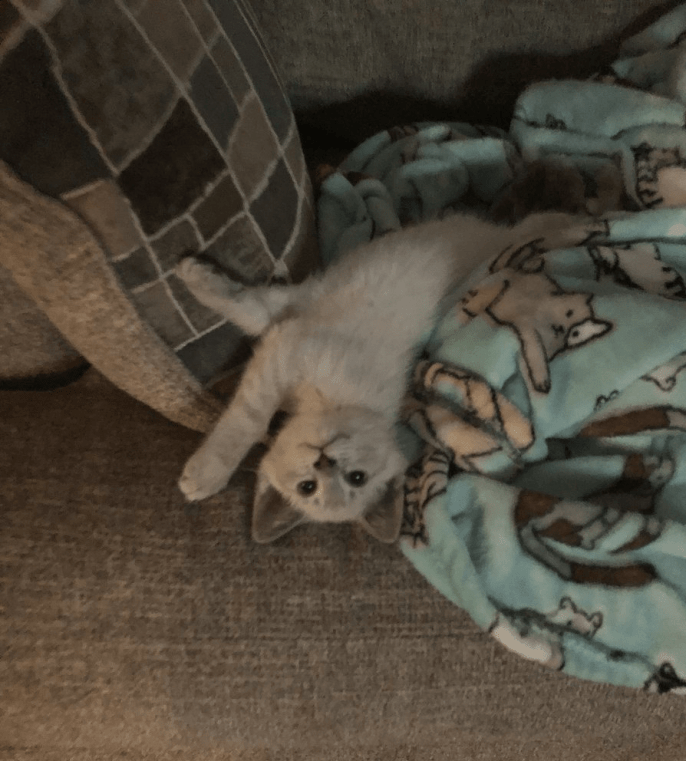
  6. These are lofty goals when I have a new kitty to play with! My husband moved out, and the kids and I replaced him with a new kitten named Blaze. It wasn’t really like that (LOL) but it’s hard to resist playing with her, or snuggling with her when she’s sleeping. She’ll be a good recovery pal. Here’s a pic:

    blaze
    It’s tough not to share pictures of her all the time, so if you follow me over on Instagram, you can see a lot more of her. 🙂

Those are pretty lofty goals for the next few months, but I’m hoping it’s nothing I can’t get accomplished. All of Nothing is the big item on my plate right now, along with keeping this blog going with indie news and writing tips.

Also, since I will be working on my editing book, if there is anything you struggle with when it comes to self-editing LET ME KNOW! I would love love love to include anything and everything indie writers struggle with.

Happy Fall, Everyone!

book and fall leaves

Branding. What Does it Mean for You as an Author?

There are a lot of questions about how marketing and branding are different and how they are the same. In this two or three part blog series, I’ll explore what branding and marketing are, and how they work together.

What is branding?

What do you think when you think of a brand? Sometimes you think of a logo right away.

Starbucks mermaid.
The Nike swoosh.
The golden arches of McDonald’s.
Verizon’s red check mark that looks like a V.

But brand is just more than a cute logo. What do you think of when you think of Starbucks? Pumpkin spice lattes. Fairtrade coffee. Maybe sensitivity training after that one barista called the cops on those two black men who hadn’t gotten around to ordering coffee yet because they were waiting for a friend.

As a business, when people see your logo, or think of your brand, you want them to think about good things. Pumpkin spice lattes. Good. Fairtrade coffee. Good. Racist employees. Not good.

McDonald’s has yummy fries. Cheeseburgers. Heart attacks and obesity. Shake machines that never work. Probably every big-named brand will have some things that will mar their reputation.

As a person, you have a brand whether you realize it or not. As an employee, are you dependable? A team player? The person your boss knows will stay late? Or are you a slacker? No one wants to work with you on projects because your coworkers know you won’t pull your weight.

You have a brand as a friend. Are you always late? Maybe it’s so bad your friends tell you a different time than when they show up because they’re tired of waiting for you. You have a brand as a bad friend. Or maybe you always buy the drinks when you go out for dinner. Good friend. Good brand.

These brands associated with you take years to cultivate, years of the same behavior. That’s why creating a brand as an author is difficult and confusing. It takes years.

branding a heifer

Author branding doesn’t have to be this painful! Poor cow! 

It’s also why thinking about your brand when you are just starting out is important, because once people start to think of you in a certain way, it’s hard to change their minds.

What do you want your readers to think of you in relation as an author?

You don’t want people to hear your name and have bad thoughts associated with you and your author brand or books.

Examples of bad things people can associate with your brand (YOU):

  • She fights with people who leave poor reviews
  • He doesn’t put out books in a timely fashion. She makes her readers wait.
  • Her books are full of typos
  • She’s not friendly or supportive of other authors in her genre
  • She complains a lot online. ie, she’s a whiner
  • He doesn’t seem friendly, and fans are hesitant to reach out

The way you are perceived by people who pick up details about you, as an author, is your brand.

If you don’t believe me, think of some big-time authors:

Stephen King
His brand is horror. Other things I think of when I hear his name: He hates Trump. He got hit by a truck and almost died. He probably didn’t intend the latter, but I read about it in his book, On Writing. The former wouldn’t surprise him—his tweets are full of disgust for our President.

Nora Roberts
Contemporary Romance Author
Redhead
Maybe you think of her pen name, JD Robb
Prolific. She always has a new book out. And it’s always a bestseller, too.
I’ve read a lot of her books, and I know she loves Ireland. Lots of her books are set there. It’s part of her brand to me.

JK Rowling
Harry Potter, naturally
Billionaire, philanthropist
Maybe you think of the Harry Potter theme park. Maybe you’ve been there.

EL James
Overnight success
Poor writing
BDSM
Twilight fan fiction
Bitch

Her brand is less than favorable. Be it jealousy, or whatever else, maybe the way she behaves in interviews, rumors of the way she acted on the set of the 50 Shades movies, no one likes her. She’d have to hire a good public relations firm to fix her reputation–if she cared what you thought.

You really don’t want people hearing your name and thinking “bitch” or “asshole.” No matter what area of your life you’re talking about.

First and foremost, write good books. Your brand won’t matter if your product sucks. You’ll have a great brand with nothing to sell.

Be friendly online. Be professional. It won’t take much for people to associate you with being a nice person—if you really truly are a nice person. Help people. Stay away from drama. Don’t interact with trolls. Don’t defend yourself and your books if someone gives you a one-star review.

Maybe look at creating a logo. Some authors’ trademark is simply having their names look the same on all their books. I suck at this because I have fun designing my own covers. But that’s a conscious choice I make whenever I release a book.

melissa foster books


Maybe my imprint will catch on. I could make a different logo with a free logo maker, but I don’t want to give people too much to remember.

When people hear my name I want people to think Contemporary Romance. Well-written books. Happy endings. Friendly, cheerful. Awesome blogger. Maybe people will think about my cats because I post pictures of them on Instagram from time to time. These are all good things.

That is author brand. It takes time to build. You have to start slow and you have to do it right.

That’s why publishing just an “okay” book your first time out is a bad idea. That “okay” book may not be enough to impress your readers and they won’t give you another chance.

Wow them from the get-go. In every aspect!

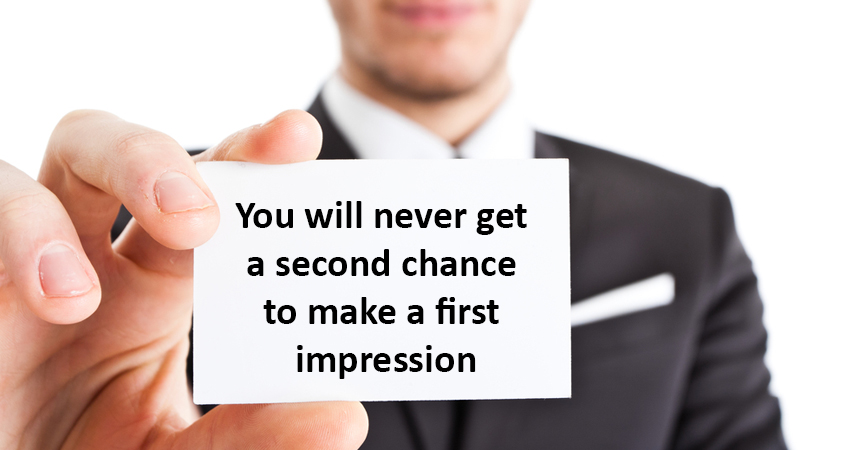
You never get a second chance to make a first impression.

You-will-never-get-a-second-chance-to-make-a-first-impression-1

And if you have to turn your brand around, that makes the marketing part of it that much harder and difficult for you.

This blog post is already close to 1,000 words, so we’ll visit Marketing in the next post, and talk a little bit about how to combine Brand and Marketing!

See you next time!

end of blog post signature


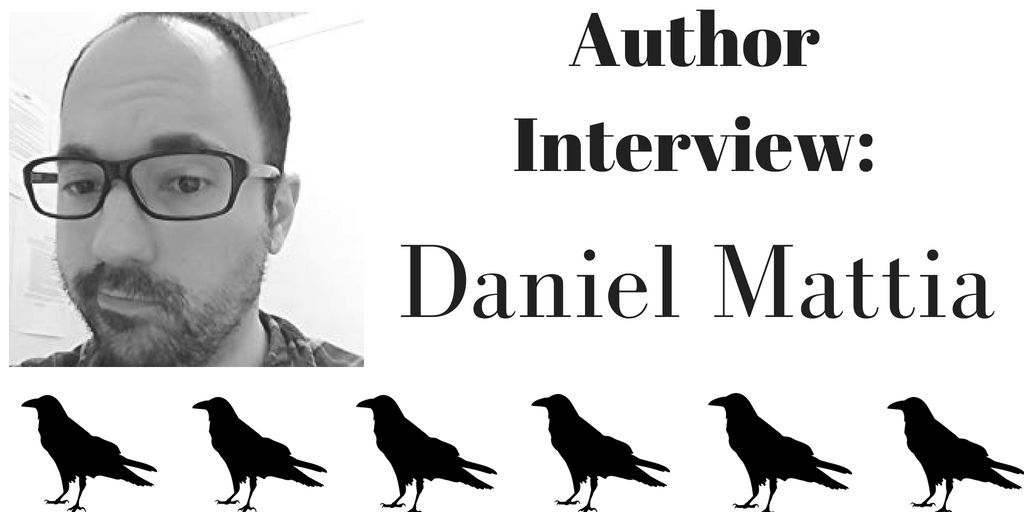
Author Interview with Daniel Mattia, Author of Debut Novella In Crows’ Claws

author interview daniel mattia


Dan and I chit-chat on Twitter a little bit, and I asked if I could interview him, and he was amazing and said yes! Dan published his debut novella, In Crows’ Claws on July 7th of 2018. Writing and publishing is hard work, and everyone has a different experience when it comes to publishing. Listen in to see how he fared in the big bad world of indie-publishing!


crowHow long have you been writing? How long did it take you to write
In Crows’ Claws?

I’ve written almost all of my life. I’m 28 now, and remember writing short stories and tales all throughout my childhood. I continued writing throughout my early teens, then stopped for a few years until about 2010.

During that time, I was at the tail-end of a severe bout of depression and found solace in my writing. It was during this time that I started crafting the fantasy setting of Fyrndell, the world in which In Crows’ Claws is based. I wrote quite a few short stories during this time, all of which have helped me to further flesh out and build upon this setting, but In Crows’ Claws is the first I’ve published.

I wrote the first version of In Crows’ Claws in 2010 or 2011 as a weekly web serial. It was a way to ensure I wrote on a consistent basis and the accountability of publishing a new chapter on a set schedule held me to that promise (for the most part).

The original serialized version took about three or four months to write and was fairly raw. That’s not to say it wasn’t written well-enough for publication, but it certainly didn’t meet my current standards.

crowWhat surprised you most about the writing process of this novella?

The emotions I had to invoke in order to represent the mindset of certain characters. I generally write without much personal emotion; I think there needs to be a sort of cold logic when you’re going through the actual craft of writing. I’m not writing how I feel, but how my characters feel, so it’s important for me, as the author, to be as emotionless as possible.

But as I wrote – particularly in the cases of Ahri and Nextiarc, two of the main characters in In Crows’ Claws – I discovered myself feeling how they felt in some of their specific chapters. Ahri, especially, starts off as an excited and optimistic young man who quickly finds out that the world of Fyrndell is a cold, dark place and the “truths” he felt he knew aren’t entirely accurate. The second-to-last chapter, especially, makes me tear up every time I read it – and, again, I’m not someone who has that happen often.

The chapters written from Nextiarc’s point-of-view surprised me even more. They were actually the most difficult to write because, in order to write from the POV of a literal monster who not only enjoys killing but venerates the very act, I had to adopt a rather dark and violent mindset. I had to write his POV chapters in short bursts because writing in his mindset for long actually frightened me.

crowWhy did you decide to publish?

To prove to myself that I could. I have so many stories I want to tell, particularly in the world of Fyrndell, but I’m someone who often has a self-defeatist attitude and can easily give up before I even try. Forcing myself to publish a finished work (along with the encouragement of some close friends) was what I needed to do first before I could even think of repeating the process.

crowWhat was the biggest obstacle when publishing your novella? What did you do to overcome that obstacle?

Formatting. My workflow, and the software used, is atypical from the workflow used by many other Kindle authors. I had to adapt and figure something out for myself despite there not being much information available for how to do it. Luckily, I discovered the Kindle Create software, which helped me to format and publish the Kindle version without much pain – after, of course, I had converted the book to the proper file format.

crowWhat do you mean by workflow?

In this context, workflow basically means process. Like you were witness to on Twitter during my editing/formatting phase, I didn’t write the novella in Word so exporting from the software I used (yWriter, something akin to Scrivener) meant much of the formatting advice I found online needed some tweaking to apply to my situation. On top of that, I completed the last editing phase in Kindle Create instead of the actual doc, which was a stupid idea, since it meant the final editing copy was locked to a proprietary format and couldn’t be easily converted to a friendlier format, ie. a .doc or .pdf.

crowWith publishing your debut novella, what is one piece of advice you would pass on to a writer who is thinking about publishing for the first time?

Don’t underestimate the value of editing. No matter how much or how little editing your work needs, it will always be better after you’ve put some solid editing time into it. I’d recommend hiring an editor to do it for you, but there’s no excuse for not editing yourself if you can’t afford an editor. Do at least three editing passes in which you read every word and every line.

crowWhat is next for you writing- and publishing-wise?

In Crows’ Claws is sort of the spiritual precursor to what readers can expect from the next Tales of Fyrndell book. My next work will be a novel in the same setting that takes place in a distant kingdom under siege from an invading neighbor, eventually introducing readers to a cold war that’s heating up quickly.

crowWhat will you do differently the next time around?

I’ve already identified where in my workflow I need to make changes to make the formatting process easier and more simple. The next release will come out in both Kindle and paperback format and will (fingers crossed!) not be such a pain to format and release into the world!

Thanks for the interview, Dan! It sounds like we have some spectacular stuff to look forward to!


yWriter is a free writing program similar to Scrivener. If you have been thinking about Scrivner, but don’t want to pay, try yWriter. You can find it here.

Editing and formatting your books for publication can be kind of tricky. Dan isn’t the first author to . . . put it informally . . . mess up. Even after the books I’ve published, I still find shortcuts and different ways of doing things every time.

Formatting your Word file for conversion to download to KDP (Kindle) doesn’t take that long at all. I blogged the instructions here.

If you’re interested in reading In Crows’ Claws you can find it here.


In Crows’ Claws Description

“This desert is the domain of death.”in crows claws cover for blog

The world of Fyrndell is a place of ancient powers, myriad races, and untold secrets. It is a world where gods may or may not exist, where heroes are few and far between, and where technology progresses at a haphazard pace.

IN CROWS’ CLAWS tells the story of two opposing armies as they race across the continent to a recently-unearthed desert tomb believed to be the final resting place of the goddess Konia. Read the letters sent home from Ahri Vestesson, crowkeeper for the Order of the Orthodox Knights of Fyrndell’s Crusade Army, as he wrestles with matters of faith and purpose while longing to return home to his betrothed. The letters of Marshal Taves Khest, veteran general of the Imperial Expedition Force of the Mhedorian Empire, will demonstrate his duty and ability while he leads his army to and through the desert to claim the glory of capturing the Tomb of Konia in the name of his empress.

But the desert holds many secrets and even more dangers still, for both armies will encounter a brutish and violent warband sworn to the service of Tavradyss, God-Prince of Conflict, and led by the even more vicious Nextiarc.

IN CROWS’ CLAWS is a tale full of action, ambiguous divinity, and heartbreak as three armies converge on the Tomb of Konia, desperate to lay claim to its hidden secrets…


Check Dan on these awesome platforms and thanks for reading!

crowAmazon   crow  Goodreads  crow  Twitter  crow  Facebook crow