Author Interview with CJ Douglass

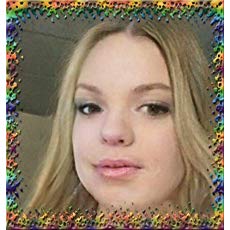
cj douglass author pictureI met CJ Douglass, erotica writer extraordinaire, on Twitter, and I was lucky enough for her to agree to an interview. We chat about writing erotica, the bad rep indie erotica has in the publishing community, and her real thoughts on Faleena Hopkins!

Make a cup of coffee, grab a seat, and lean in!

Let’s start!
 

pink panties1. For the most part, you write short fiction (novelettes, novellas). Do you think short work is easier or harder to sell? 

In my line of work (Erotica) the shorter the better! Which is what makes my recent fondness for only novellas somewhat unfortunate…

For pure smut, people seem to want to read something hot and short. Get a quick hit of the sexy and get out. I myself, though, like a little more story in there most of the time, and so my word counts have slowly been increasing. As my sales resultantly decrease. For less NSFW tales, however, longer works definitely sell better.
pink panties2. Your genre of choice is erotica. Do you find it hard to market? For example, Amazon loves to bury my erotica novellas in search results. How do you combat that? 

Amazon doesn’t let you advertise Erotica on their platform, so there the best you can hope for is to optimize your search results and pray.

There are tools for aiding in this (which I have not yet availed myself of, but plan to) but otherwise my main outreach is on Twitter. Not for advertising, exactly. I post promos, sure, but not that often. I like to put myself out there, let people get to know me – and one day perhaps those folks will check out one of my stories because of this relationship. Then another. Maybe even tell a friend!

Blogging is a tool many use – and I’m sure it’s helpful, but I just don’t have any writing energy left over for it! I do have a few free stories on my website that people can read to get a taste of what I have to offer in my paid-for work. Mostly though, yeah. Get my keywords right, and have as good a cover as I can create.

pink panties3. Indies have to push against the idea our work in inferior. Writers who publish poorly written erotica enforces this idea (and OMG, you know there’s some out there). How do you push back against this misconception? (For example, do you read craft books, have an English degree, hire an editor.) 

I don’t have money for an editor (my stories sometimes don’t make back the handful of dollars I spend on a cover image) but for anything novella-length or above I use beta readers, for sure.

I’ve spent my whole life reading and writing (I literally started reading novels at the age of four) so I have a sense of what the language should sound like. I took creative writing in high school (though my college classes were more science-based) and yes, I’ve read my share of craft books (and internet articles).

Odd as it may sound, screenplay craft really has helped me hone my skills. It doesn’t help with the prose, (that is down to my own dedication and extensive rereading and revision) but it does aid in the creation of the story itself. Indie books (not just Erotica, but all genres) tend to suffer from a lack of editing of the concepts and basic storycraft – even if it has been line-edited by a professional.

Making sure your plot and story (two different concepts, incidentally) build and flow well is of vital importance – and getting it right immediately lifts your work above the crowd (in my opinion).

Screenplays, being condensed stories, are good training in this particular art.

pink panties4. Will you ever write longer work? Perhaps a full-length novel? 

Funny you should bring that up! I’m getting a draft of my novel ready for beta readers as we speak. It’s an epic, post-apocalyptic tale – but a very heightened one, that should be fun and empowering as well as dark and depressing. I’m really excited about this book, as it’s a concept I actually came up with when I was thirteen or fourteen, and have only recently dug back out and developed properly.

pink panties5. How did you become a part of Writer Twitter? Do you find it beneficial in sales? How do you like the writing community in terms of support?

I resisted Twitter for a long time, actually. It seemed pointless to me. How wrong could I have been? I have met some of my best friends there, and the support from my peers has been priceless.

You also get a chance to connect with readers (both your own and others’) to share in the joy and to see what people like.

As for sales? It has a certain impact, for sure. I’d venture to say that a good chunk of my meager sales came from letting people know about the stories on that platform. I doubt Twitter is useful as a large-scale marketing tool for books, however. It’s more for generally making people aware of your presence than specifically selling your work.

pink panties6. You told me in a couple of Tweets you design your own covers. Can you take us through the process? Where do you find your inspiration, photos, etc. 

The process, generally, is me hopelessly moving images around in my template until something looks half-way decent! Usually, I’ll have an idea in my head – and then can’t find any images to fit that general concept. I then settle for something which is not at all like that first notion, but which suits the story anyway.

When I am planning ahead, I browse for photos (either free ones on places like Pixabay, or cheap ones at 123rf.com) first and allow them to inspire me for a good cover idea. This way, I’m not fighting a preconception, but can evolve a cover idea based on the available
images.

If I had any design training, I could tell you why something looks right in a certain place, and more easily find that balance. As it is, I haphazardly arrange elements until they “feel” right to me. I also involve my Twitter followers in the process sometimes, too!

pink panties7. You have a book titled The Cocky Author. Is this a hat tip (or perhaps a sneer) to Faleena Hopkins? Can you share your thoughts on how all that went down? 

Cocky Romance Author was the quickest I’ve ever written a story.

When Faleena Hopkins’ now-notorious copyright scandal came to light, I immediately wanted to thumb my nose at her for it – despite not generally being a Romance author. (I have since written some stories that might be classifiable under that banner, however.)
I knew if I was going to do it, I’d have to do it quickly. This wasn’t about creating a work of art; I was making a statement.

So the next day, I typed up the 9,000 word story (it was supposed to be shorter, but I found myself unable to write something without a good underlying character arc) and cleaned it up a little to post that evening. I wasn’t the first to get out a protest “cocky” story, I don’t think, but I was right up there. I made the story as cheap as Amazon would allow me to (99c) because it was not about profit, but about activism and generally making noise about this divisive issue.

It should be obvious to anyone that a common descriptive word cannot be copyrighted in this way – but it did not stop Miss Hopkins or those following in her footsteps from doing precisely that.

Thank goodness these spurious claims keep getting shut down – eventually.

pink panties8. You run your website through Wix. How has your experience been? 

Wix is a generally decent site builder, I think. Better than some I have used. I only have a free one for the moment, though I think paying for it would allow the site to be found in search engines. Hard to justify the expense for now, though. What it needs right now is an overhaul! I’m still using the very first template I threw together, and really have to get it redone. Whenever I can find the time…

I love being able to host a place that gathers together not only links to my books (Amazon does that already!) but lets me include free stories that give potential readers a place to sample my work in tales that are complete – not mere snippets of a longer story.
Whether it helps my sales or not I can’t say, but theoretically it ought to be useful for curious readers!

Thank you CJ! It sounds like you have a lot going on right now! Thanks for taking the time to answer my questions and explain a little bit about your writer’s life. 🙂

You can find CJ on Twitter, Amazon, and Goodreads! Check out her author website for the free goodies, and as always, don’t forget to sign up for the giveaway! It will run for a little bit, so don’t forget to tell your friends.

Thanks for joining us, and check back when I talk about shopping in your local indie bookstore, and how my Freebooksy promo did for All of Nothing!

Until next time!
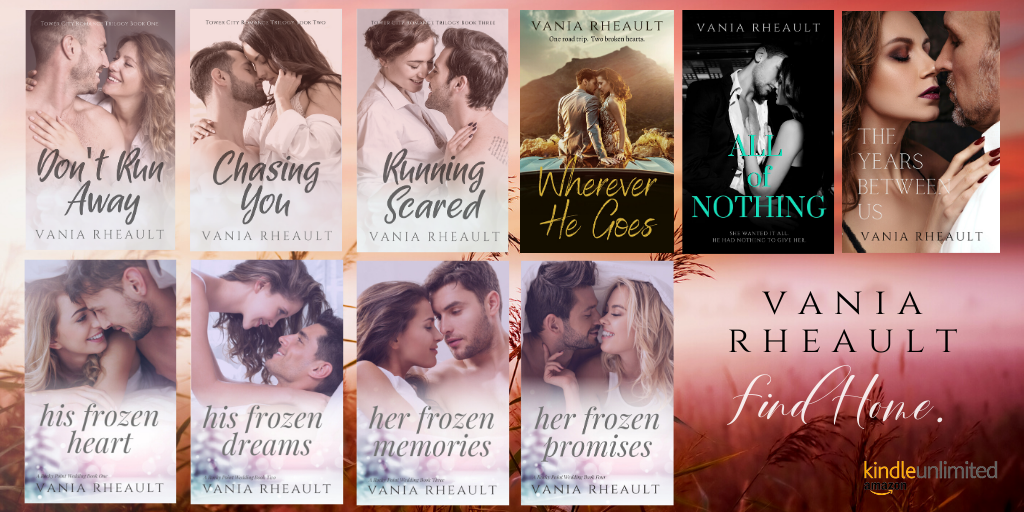
 

Marketing Our Books. It Sucks, so Let’s Talk About It!

Marketing is different from branding. Marketing is the act of pushing your book/brand/product out into the world.

social-media-1795578_1920


I think this is one reason indies get branding and marketing confused. We’re often told to start marketing ourselves before we have a solidified brand, or before we’ve published a book.

Build your brand (remember, that’s who you are as an author) by blogging, tweeting and posting about what interests you. You need to build your brand, then market that brand.

What can you do to prepare to market your brand?

Start a Blog 

But who are you blogging for: readers or writers? They usually are not the same audience. Joanna Penn is a good example of this. Joanna Penn writes non-fiction to help indie writers like herself. Her blog contains information for indies. But she also writes paranormal thrillers under JF Penn, and JF Penn writes a blog for her readers about her books. Right out of the gate I’m going to guess you don’t want to run two blogs. So choose who you are writing for. Then when you have a following you can use your blog to market your book by posting snippets of your WIP, short stories, etc. Hopefully, you’ll be cultivating your blog followers to want to buy your book when it comes out.


Tweet

Tweeting is easy, but again if you dive into Writer Twitter you won’t sell many books. Writer Twitter is helpful to your author brand if you can cultivate a helpful image. Offer to beta read. Retweet helpful articles about the publishing industry. Follow agents and retweet their query tips.  Network with others. Make writer friends.

This is also helpful if you ever decide you want to dive into non-fiction to help your fellow authors. I’m currently outlining a self-editing book. If there is something you know about the publishing process and you can help others by writing a book about it (you just might want to someday!) Writer Twitter is the perfect audience for a helpful resource book! 

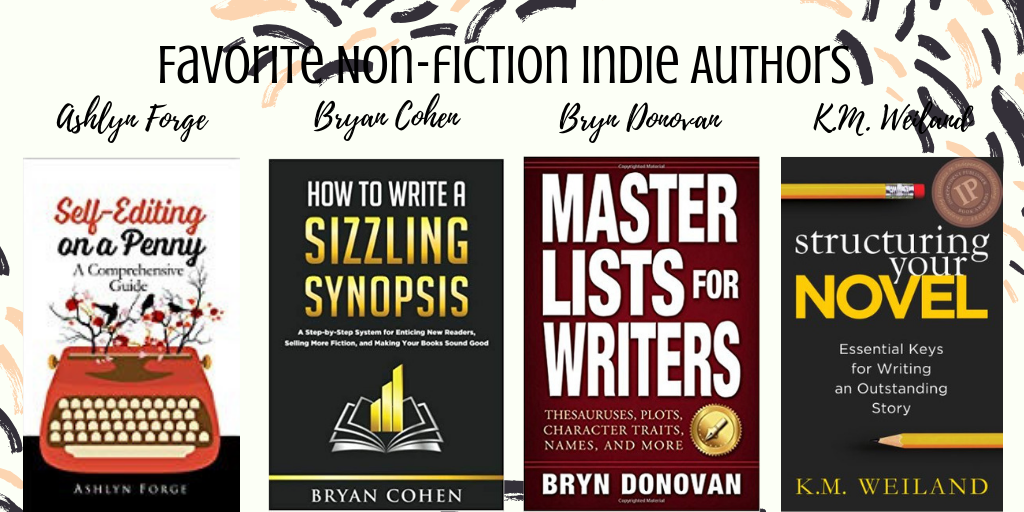
My favorite indie nonfiction books:

favorite non-fiction indie authors


Join Goodreads as a reader.

Read books in your genre and join discussion groups. This can take years, but the idea is that your friends on the platform will organically want to read your book after your release. If you read the study released by Goodreads about Celeste Ng’s book Little Fires Everywhere, it explains why and how her book was so successful. One of the points was that she was an active member of Goodreads for 10 years before she published. Her network helped make her book popular.


Join Instagram

This platform is the only one where I get personal. I’ve posted selfies. Pictures of my cats. Things that are interesting to me. And as my numbers grow I do post graphics with a line or two of my WIP, to build buzz for my books. I don’t do it often, maybe one photo ten will be something about my book.

Instagram is a good example of both branding and marketing. My photos allow my followers to get to know me. Chocolate. Cats. Books I’m reading. Pretty scenery. I’m a  chocolate-eating, coffee-drinking writer who loves to read. I hope my Instagram reflects that.

For a good list of writer hashtags you should use when posting a picture, look here.


Start a Facebook group for readers who love your genre.

Because not only do you write [insert genre here] you’re supposed to be reading it, too. Announce a book every couple months then talk about it. Authors these days, if you tell them their book is featured, may even participate in a question-and-answer discussion. If you read indie, that’s a win-win. A win for the indie author because it gives them exposure. A win for you because you’re networking and supporting a fellow author.

These types of marketing ideas are connected to your brand. You are a nice, friendly writer who writes yummy books your readers will want to devour, right?  Right. 

There are other marketing strategies that don’t take so much time and/or participation:

Pay for promos. Pay for Amazon ads. Pay for Facebook ads.

After you publish, use your promo free days if you are in Select to build buzz, or if you’re wide, price a prequel novella to a series permafree.

If you’re just starting out, you may not have a series, or a novella for that matter, which brings me to a good point: it’s easy to get caught up in all of this brand-building and not have time to write a word. Remember, you don’t need a brand if you don’t have something to sell. Get your book written. Blog about it – post snippets. But in the end, the following/readership you’re building will eventually want to see some progress. Namely a book they can buy to support you.

So where do I fall in all this? I don’t market much. I play on Twitter, but as I said, Twitter doesn’t sell books. I buy a promo here and there. But to be clear, even though I have my trilogy and a standalone, and another standalone I hope to release next month, I still consider myself a baby in this industry. I do very little with my author page on Facebook. I’ve heard popular indies post two or more times a day

I’m liking Instagram more. I bought the Canva app, and I’m playing with that so I can post cuter graphics on the platform. I haven’t quite gotten the hang of it yet, as it’s a little different from the desktop software.

The strategies I’m living by right now?

Blog. I like to help; it’s part of my brand.

Write. There’s no better marketing for your book then releasing another.

I’m going to keep studying. I read a ton of self-publishing books. Marketing books. Editing books. That may not do too much for me marketing-wise currently, but they’ll help me write better books and market them more effectively in the long run. And anything I learned I pass on to you. 🙂 

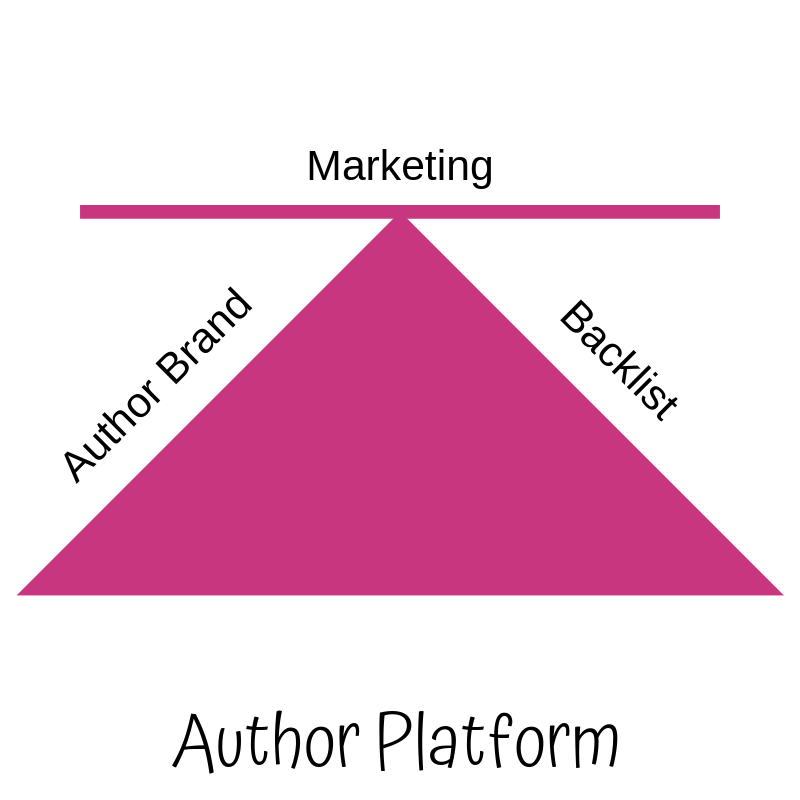
Throwing money at, and trying to market, one or two books won’t do you any good. Fiction is a long-term game, and your focus should be on building your backlist.

But by the same token, Rome wasn’t built in a day, and there’s no harm in building your brand. Eventually, you’ll want your brand and your backlist to meet where your marketing efforts will do something rather than waste money. I’ve been publishing for two years and still at the foot of the mountain. I won’t reach the top for a long time.  But that means I won’t stop trying.

author platform


It will take a while, but you can do it!

Tell me what you think.


Happy writing and book selling!

When Do You Recommend Your Friends’ Books?

The indie writing community is very tight-knit. Make one of us mad, we all get mad. I think Faleena Hopkins figured that out quick enough. We support each other; we help each other. We do free things for each other: cover help; editing; beta reading.

We even do some naughty stuff like review trading.

We tweet each other’s books.

Lately, there have been a couple of people asking for book recommendations from indie authors. They want to start a list on their website, or they want to start reviewing indie books.

There were lots of tweets, as you can imagine.

And there was something that surprised me, but I guess it shouldn’t have. Someone was recommending books they haven’t read. How do I know this? For one, I know she doesn’t read indie. Two, she’s a very picky writer, and I don’t think she would have recommended these books had she read them. (That is a polite way of saying they could have used more editing.)

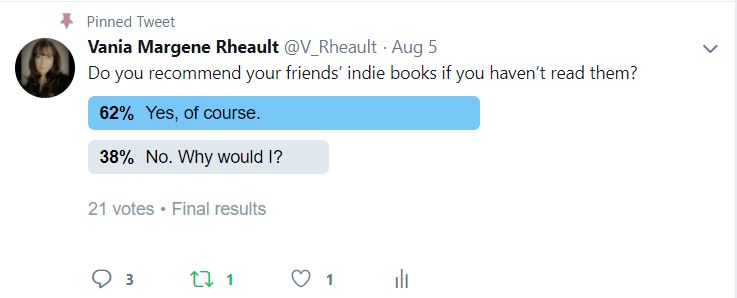
This made me do one of my super researching techniques: I ran a poll on Twitter. While the participant number was low, the results still stunned me.

indie books

I’m trying to figure this out because this bothers me.

Why would you recommend a book to someone if you haven’t read it? Would you walk into a bookstore, grab any old book off the shelf, and tell your friend it was fabulous and a must-read? Of course not.

This seems to be an indie-only thing, like not full-justifying your margins in your books when you format or adding your cover designer to the book’s contributors when you publish. Indies start stuff traditionally published authors don’t do. And the more indie authors do it, the more it becomes acceptable and the more newbie authors do it.

Of course I want to support my friends. But we all know indie writers don’t read that much. We might beta read, or be a critique partner, and that’s fine. It’s a little different in that I would assume the published book is different from a draft a beta or CP read. But at least you know the gist of the story, know if the book has proper punctuation and grammar.

At least you know the story makes sense.

But what are you doing to your own credibility if you recommend a book to someone you haven’t read and that someone takes you seriously? What if that someone takes a peek at the look inside on Amazon. What if that book has no established POV, or doesn’t have a good hook (AKA boring as f*ck)? What if the formatting is messed up, or has typos in it? What if the first paragraph head-hops into five different heads?

There were a couple comments in that tweet thread that asked the question: Who doesn’t read their friends?

Well, quite a few if my own track record is anything to go by. I can count on one hand the number of my friends who have picked up Wherever He Goes and read it cover to cover.

And if you want to ask me what indies I’ve read in the past few months, I can say one. And it was someone I edited for back in February. Otherwise, I’m busy writing or reading craft books, or reading trad-pubbed romance books. I don’t read indie simply for the fact that most of my friends don’t write what I like to read–contemporary romance. And then another reason I don’t read indie much anymore is if they find out I’m reading their book, they expect a review. I won’t leave a bad indie review. I won’t do it. So I don’t want my friends to wonder where their review is because there won’t be one if I don’t like their book.

Given those reasons, I rarely recommend indie books on Twitter. I recommend how-to publishing books or marketing books. I recommend trad-pubbed books that do something well that could be used as an example to my fellow writers.

I think it’s great that we help our friends. But if we want to help our friends, we should do it in a different way. Pass along promo sites. Recommend books you’ve read on how to do proper Facebook ads or Amazon ads. Marketing your friends’ books is not your job.

Sure, I’m flattered when someone posts a picture of my book on Instagram, or tweets about it. (And yeah, less five people have done that for me anyway.) But I don’t expect it and I don’t ask. My readers aren’t on Twitter. They aren’t even following me on Instagram right now–I got sucked into the writing world there, too. {KT Daxon is a good one for this, and I have to give her credit where credit is due. She does a great job of promoting the books she reads, and she truly does read the books she says she does.}

I would only recommend books I’ve read. It’s honest.

And you want people to be able to trust you, not question your taste.

Not question how good your books are.

I know this blog post sounds like I don’t think indies can write and publish good books. That’s not the case. What I am saying is that some indie books could use more editing. And I understand why indies don’t. It’s expensive and time-consuming. Waiting for an editor to get back to you is like sitting on pins and needles, and then you have to put in all the edits once you get them back. A total edit could push your pub date back by several months. But let’s not pretend that indies aren’t impatient, and rushing to publish is a mistake a lot of indies make.

This reminds me of the trad-pubbed writing community. I’m exposed to a lot of YA on Twitter and Instagram. It seems like a lot of YA authors do read other YA authors and tweet about their books and support each other. Being trad-pubbed is like being in a club, and those authors have each other’s backs.

Romance writers are the same way:

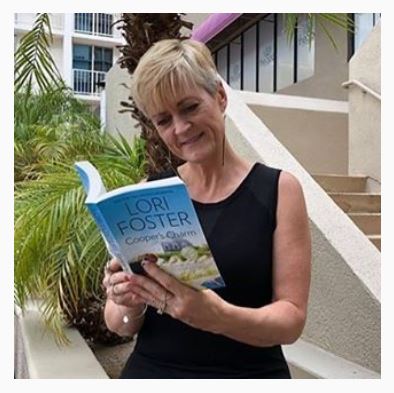
lori foster brenda novak

Here’s Brenda Novak reading Lori Foster for a book club Brenda is going to hold in her Facebook Author Group.

That’s real support. That’s real networking and collaboration.

There’s lot of bad things to say about the traditional publishing industry, but this isn’t one of them.

Let’s support our friends the right away.

Read the books you’re recommending. Because reading a book and having a discussion about the book with its author would mean a lot to the author, and a tweeted conversation about a plot twist or an evil character is true promotion.

Do you have any good reasons for recommending books you haven’t read? Let me know!


Blog book promo for the end of blog posts


I Did an Amazon Giveaway–and It Did Pretty Much Nothing

THIS POST IS ARCHIVED AS AMAZON DID AWAY WITH GIVEAWAYS IN 2019 AND HAS SINCE NOT REPLACED IT WITH AN ALTERNATIVE. THANKS FOR READING!

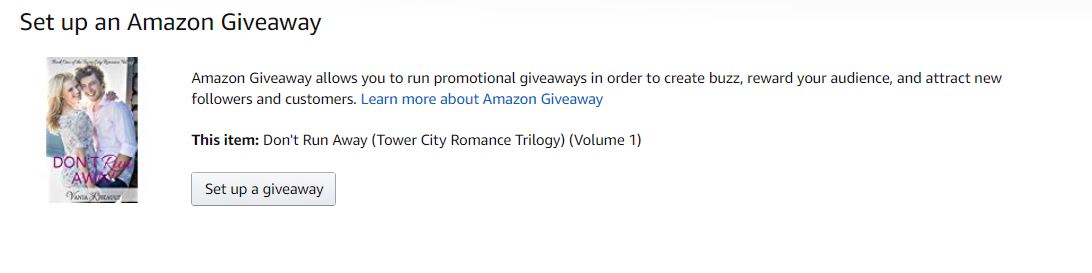
I was always curious about the Amazon giveaways–you know the cute little button at the bottom left of your books’ (or any products’ really) page. You have to scroll down pretty far to find it–after reviews and two sets of sponsored product ad strips.

amazon giveaway blog

You can give away paperback or Kindle versions, and it’s obviously cheaper to give away Kindle versions. Amazon makes you pay for your book, so if you gave away paperbacks, you’d be paying the price you set in CreateSpace or KDP Print, plus shipping.  There’s no shipping with Kindle files, but there is tax. So make sure you’re looking at the correct page, and Amazon tells you which version you’re giving away–it’s in the blue to the right of your book’s cover.

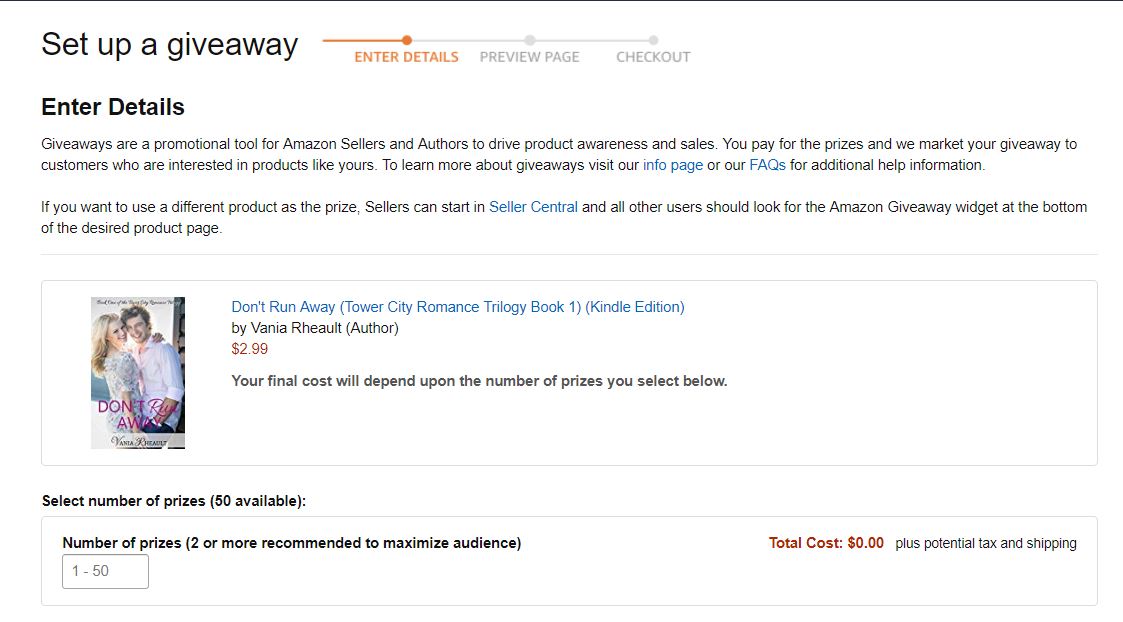
Choose your number of prizes:

amazon giveaway blog 2

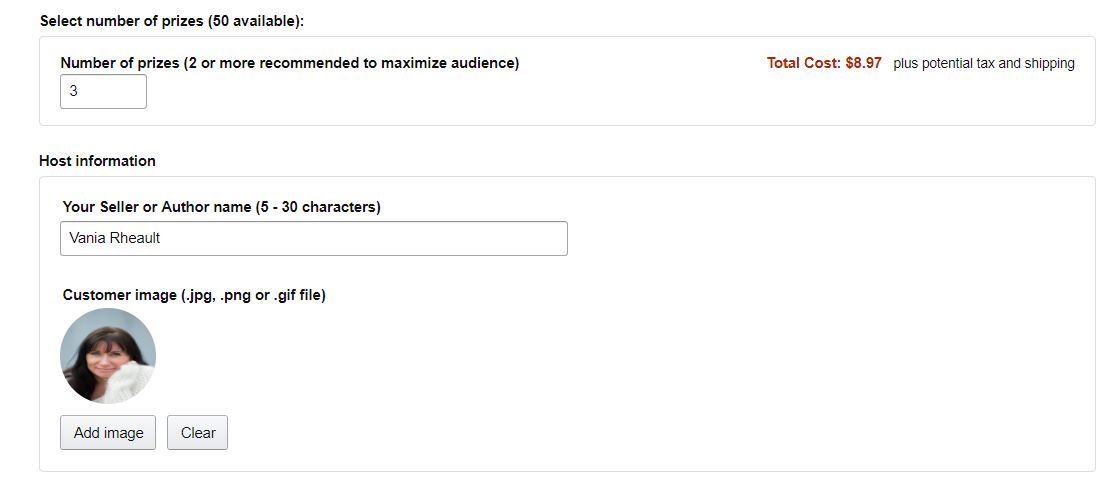
I’ll give away three Kindle file copies. I did five when I did my giveaway for Wherever He Goes, so I feel like I’ve already spent money on something that probably won’t do anything for me.

amazon giveaway blog 3

Add your photo. I chose a different pose of my author photo that I use everywhere else, but I still look like me.

The next part is where I royally screwed up because I had no idea giveaways ran that quickly, or that people would enter, or maybe I just didn’t understand the stats of a giveaway like this.

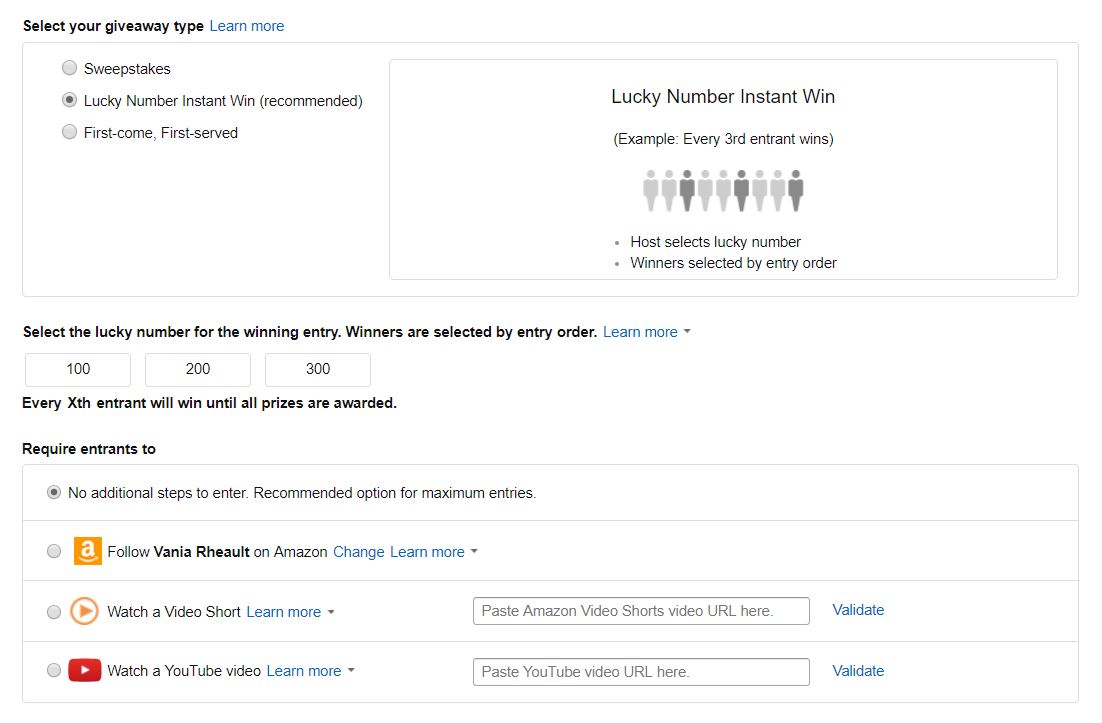
amazon giveaway blog 4

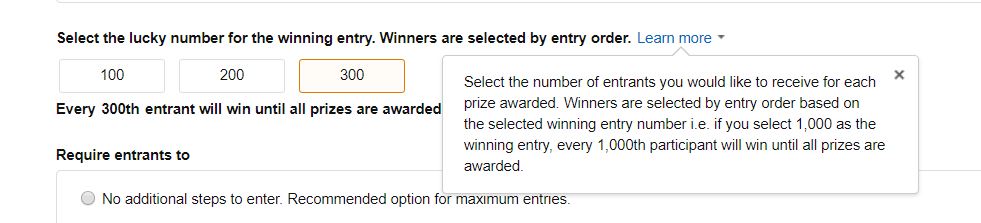
I did the recommend Lucky Number Instant Winner, and I chose 100 for the lucky number for the winning entry.

This is what it says if you click on LEARN MORE:

amazon giveaway blog 5

My giveaway lasted fifteen minutes. So When I chose 5 prizes along with the 100 entrants,  500 people entered my giveaway and every 100th entrant won a copy of my book. The fact that it only too 15 minutes for my giveaway to end blows my mind.  So will be going with a higher number next time.

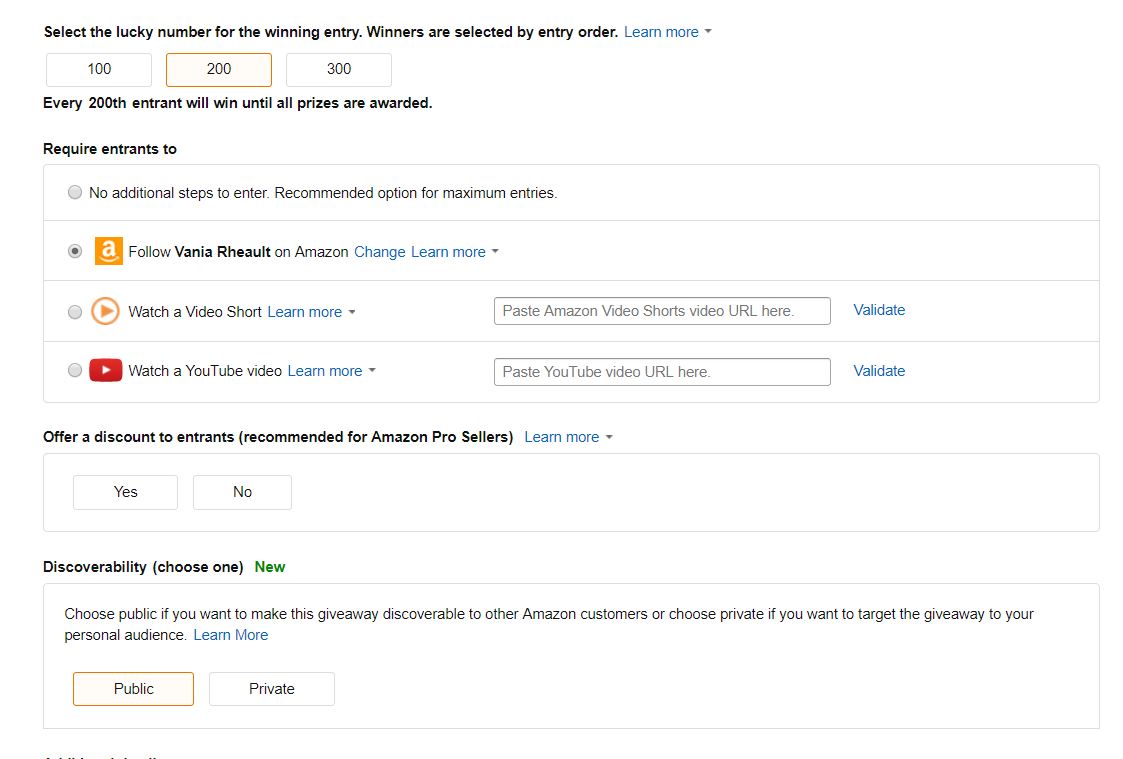
And then, of course, I have them follow me on Amazon.

amazon giveaway blog 6

I made it public of course, because the more the merrier.

To recap, I’m doing 3 copies of Don’t Run Away. I have the number of entrants set at 200 per prize so 600 people have to enter to win three copies. They all have to follow me on Amazon.

You would think this would be a great thing. But the thing is, most people enter giveaways just to enter giveaways. That is what they do. Just for the rush of winning, I’m assuming.

I don’t think this giveaway is going to go any slower than my other one, but we’ll see.

Click on no for not offering discounts, then click next.

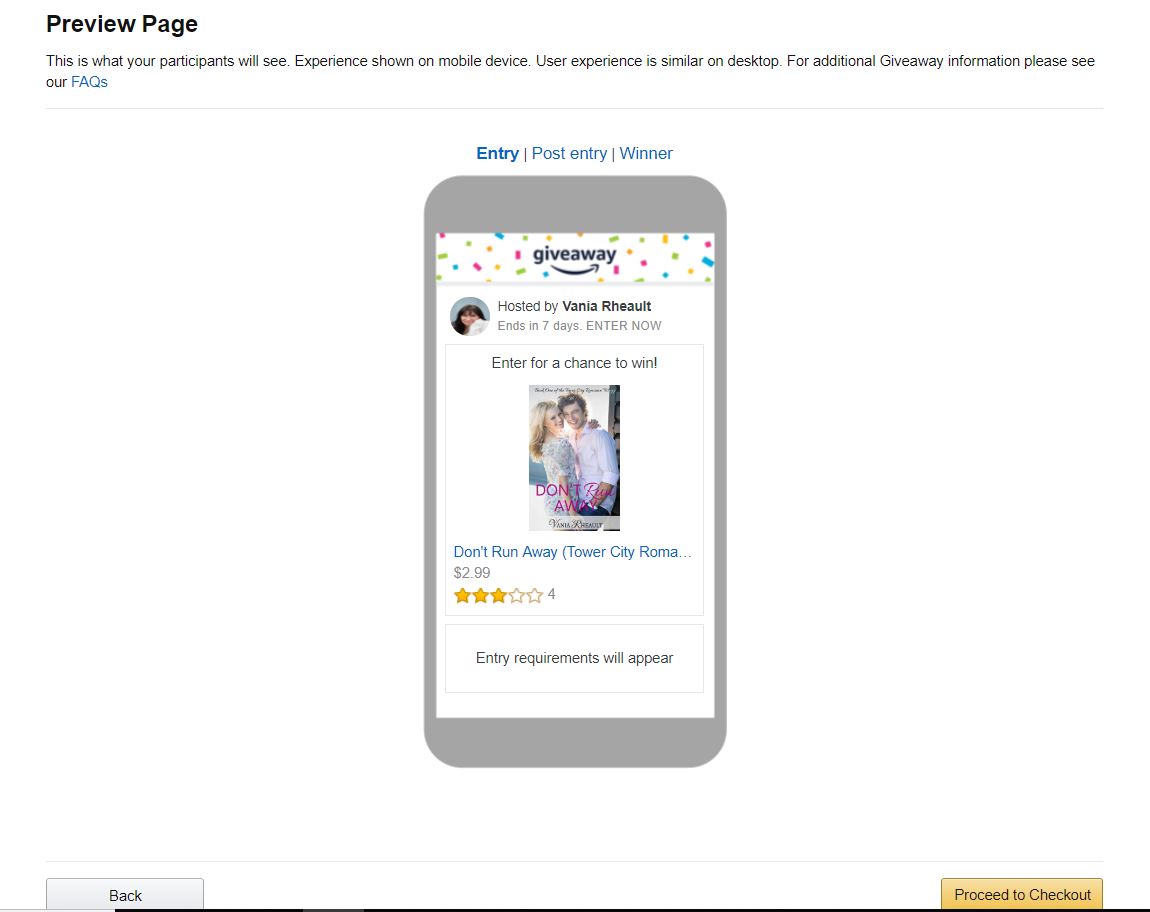
amazon giveaway blog 7

This is the last page, and it’s laughable. It’s probably where my high expectations came in. The giveaway will end in 7 days? Yeah right.

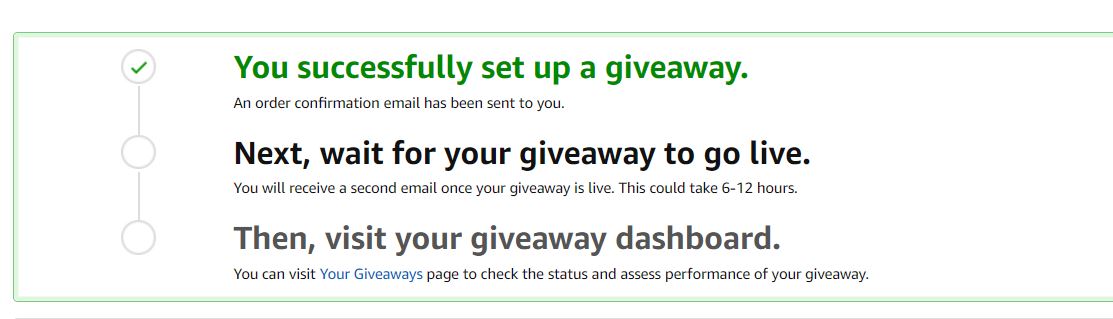
Then you get your shopping cart screen and you purchase your giveaway. I didn’t screenshot that because you don’t need to see my stuff. After you buy it, you get this:

amazon giveaway blog 8

And you’re all set.

You get an email when your giveaway is live, and for me, fifteen minutes later, I got an email saying my giveaway was over.

Amazon doesn’t tell you how many followers you have, but at some point, hopefully when they email your followers when you release a new book, that some of them will buy it.

Don’t turn blue holding your breath.

While I was typing this up, my giveaway went live–I got the email.

We’ll see how long it takes for the giveaway to end . . . . go get something to eat. I’ll wait.

At any rate, did the giveaway for Wherever He Goes do anything for me?

Not really that I could tell. At least with my AMS ads, even with little results, those are still measurable. These giveaways seem like a waste of time and a waste of money.

Maybe I’ll do a Goodreads giveaway when my new book comes out.

It will be something to blog about anyway.

Did you have a good experience with an Amazon Giveaway? Let me know!

Blog book promo for the end of blog posts


Can You Please Stop Saying Your Work Sucks? What if Someone Believes You?

hatewriting2

You would think writers would love their work. We sit for hours and hours holding pencil or pen to paper, or sitting in front of our laptops, or holding a microphone to our mouths weaving plot and character together to hopefully create story.

Yet, writers are first to degrade their own work so completely that if you listened to every word they said, you’d fully believe your kitten could do better.

Why do we do this to ourselves?

I don’t mean insecurity, or doubts while you’re writing. We all have those. We should have those. We all have more to learn and we need to stay open to new ideas. Thinking you’re the best will close your mind.

Mainly, what I’m talking about is Twitter behavior in the #amwriting community. And perhaps this isn’t such a big deal. But writers have to remember Twitter is still a public forum. Do you want a potential reader to stumble upon your handle, excitedly look through your tweets only to find you bashing your own work?

Of course not.

But we do it.

I’ve seen it enough times by authors that, no, I won’t spend money on their books. Why should I waste money on a book when its own author says it’s crap? They would know, wouldn’t they?

Why do writers hate on their own work publicly? I have a few ideas:

  1. They do it to fit in.
    The #amwriting community is full of doubt, insecurity, and competition. We need allies in this writing war. Why stand out when you can blend in? You don’t want to alienate anyone by actually being proud of you what you’re writing. Blend in or get out. No one wants to be your friend if you know what you’re doing and like it.
  2. You need sympathy and people to commiserate with you.
    There’s nothing more boosting to your ego than if you tweet that you just wrote twenty-five pages of crap and have ten people pat you on your virtual back and say, “You did not! Read it in the morning and you’ll be pleasantly surprised.” Or, “I just deleted two chapters of sludge. Here’s a hug and shot of whiskey [insert whiskey GIF here].” Uplifting. Encouraging. You’re not suffering alone.  Well done.
  3. You want to put your work down first.
    Say all the bad things before anyone else can. Beat them to the punch. There’s nothing better than posting a snippet with an “I know this is bad, but I’m tweeting it anyway” warning label. Besides, you know it’s not that great, even if you did rewrite it five times before you tweeted it.
  4. You’re not going to brag because what if you think it’s good, but it really does suck?
    There’s nothing worse than saying you are super proud of your work, and then later finding out it’s only sub-par. Too many filler words. You tried to be too flowery, so WTF does your line even mean? Better to admit it’s crap because really, your betas and editor will tell you it is anyway.

The thing is, at some point, you have to be proud of your work. You have to be. Or you wouldn’t query, submit to contests, or publish. Very few authors honestly look at their work, say, “This is crap,” and while believing it, still click publish.

publish image

So if you have pride in your work, why not say so? Maybe your excitement will boost someone else. Maybe your enthusiasm will open a door. You could be invited to participate in an anthology, or an agent who is thinking of signing you will be charmed by the simple joy you have in your projects.

Why sabotage your writing career?

We all have doubts but find a trusted friend and vent offline. Not everything belongs in a tweet.

Stop saying you hate your work.

Because you don’t. If you really did, you would stop writing.

And we all know you don’t want to do that.

self-confidence-2076793_1920

Thoughts on the RWA

rwa header

I’m a member of the Romance Writers of America. I like being part of a group of people with similar interests. I was especially proud to belong when they stepped up to bat during #cockygate. (For those interested in following along with the hashtag on Twitter, look here.) I feel it’s an organization that has my best interests at heart as a writer and author and wants to help me succeed. In fact, I’ve been a member for a while now, and I haven’t even started to explore all the resources they offer their members.

I was listening to the Sell More Books Show and they featured a blog post by Allison Brennan who left the RWA because she felt like the organization operated more for indie writers than traditionally published romance authors.

While I don’t have a problem with the RWA operating this way because I am an indie author, I did notice this, too, as I paged through the Romance Writers Report. I’ve read articles about marketing, discoverability. How to work with editors and book cover designers. These articles are written with the self-publishing author in mind (trad-pubbed authors don’t have to worry about editing their own books, or hiring their own cover designer). Even in the June issue I have on hand, some of the articles include:

  • Romance Law School is Now in Session: How to include law in your fiction in a realistic manner.
  • Fifty Ways to Show the Spark without the Heat
  • Proofreading Hats

I’m not saying traditionally published authors don’t need how-to articles like these, but I am saying that indie or new writers could find more value in them. I suppose a veteran writer could use the Fifty Ways article for writing prompts, or read the Romance Law School is Now in Session article for ideas on how to write a new series featuring a lawyer. But the Report also features ads, and they are geared to the indie writer–lots of editing, proofreading, and formatting ads no traditional published author is going to need.

So the question is, is this the right move for the RWA?

They want to support all their members, and if indie membership outweighs traditionally published author membership, then perhaps it is a good direction for them to take.

However, it feels like there are more organizations aimed at supporting indie writers than ever before. The Alliance for Independent Authors is very supportive offering an array of services from podcasts to a services directory where an author can find professional editors, cover designers, and formatting professionals. There are other organizations as well, such as the Independent Book Publishers Association.

There is support for us indies. So does Allison have a point? Where do traditionally published authors go for support if they find RWA lacking? Do they even need support? After all, they are where a lot of us hope to be someday. Is the RWA pushing them from the nest because they are ready to fly? Do traditionally published authors get enough writing and publishing support from their publishing houses and their agents? Where do they go for networking opportunities if they are slowly being ousted from the organization?

Allison does make a good point, too: if all the traditionally published authors leave the RWA because they don’t feel RWA has anything more to offer, what becomes of us who look up the traditionally-published authors? Who would judge the RWA contests? Who would be our mentors? Who would be our professional critique partners and our chapter leaders?

But let’s be honest, here, too. If the RWA wants to support writers, and by support, I mean, help them make (more) money, then self-publishing is a viable way to go. At least for romance. (If you want to read about indie romance authors dominating the self-publishing industry, click here.)

To me, it makes a lot of sense for RWA to shift. After all, the distinction between traditional and indie publishing is blurring more and more every day. And a lot of traditionally published authors are still the ones who do a lot for their books: marketing, platform building. Some authors have to set up blog tours, book signings, that kind of thing.

Being a traditionally published author today doesn’t even guarantee you’ll end up on a bookshelf. Maybe a virtual bookshelf, but the chances of seeing your book at Barnes and Noble shrink every day. I took a quick peek at Harlequin’s mail service, and if you subscribed to every line and subscribed to the maximum they mailed you in that line every month, you would receive 86 books a month. It isn’t possible that every book would find shelf space, even for just four weeks.

So what does it mean to be traditionally published? To pass the gatekeepers? Is this Allison’s main guff with RWA supporting indies? Perhaps she wants the RWA to nurture us to being published traditionally. But not one way is going to be the right way for everyone.

The publishing landscape is changing. Maybe Allison Brennan doesn’t want to see it. Maybe she sees indies as her competition, not her colleagues. Maybe she sees herself as better because she’s traditionally published. The problem is, that way of thinking divides indies from the traditionally published authors, and that’s just not the way things are anymore.

One day traditional publishing won’t give Allison what she needs, and then she’ll need the RWA to help her gain her footing in a constantly changing publishing landscape that she’s refused to acknowledge.

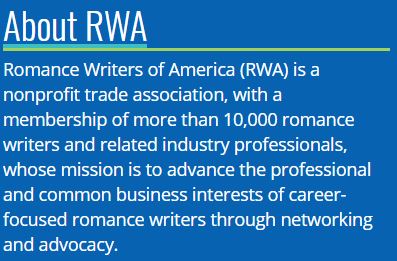
rwa missionRomance writers are all the same. We all want the same thing. To write quality books and make a reader swoon over a happily ever after. And the RWA supports that, no matter how those stories are published.

Issues like #cockygate affect all of us, and we all need an organization like RWA to have our backs.

I’m proud to belong.

Beach Reads Giveaway Coming Soon!

Super fun beach reads giveaway!


Even though I said I wouldn’t do many giveaways anymore, it’s SUMMER and that means an opportunity to do a beach reads giveaway!

Let’s break out the beach towels, hit the beach, or the pool, or even the backyard and the sprinkler, and pull out those books while you bake out your brains and try to banish those hold-over winter blues!

I’m in the process of putting together a fabulous giveaway. Need a beach towel–I’ve got you covered. Hypo-allergenic sunscreen? Check! Pool-safe beverage container? Check! Cooler? Check! And most importantly, books.

domenico-daniele-411075-unsplash

Did someone say SHARK????

Lots and lots of books!

I’ve got my fellow author friends sending me books–all the books! And that means an awesome assortment for you to try your luck at winning.

Mystery/thriller, Women’s Fiction, Romantic Tragedy, and Contemporary Romance are just a few of the genres that will be included in the giveaway!

I’ll post a link soon, so keep an eye out for more information!

Until then, enjoy the weather, and keep reading!


Photos by Unsplash


Acknowledgements and Dedications

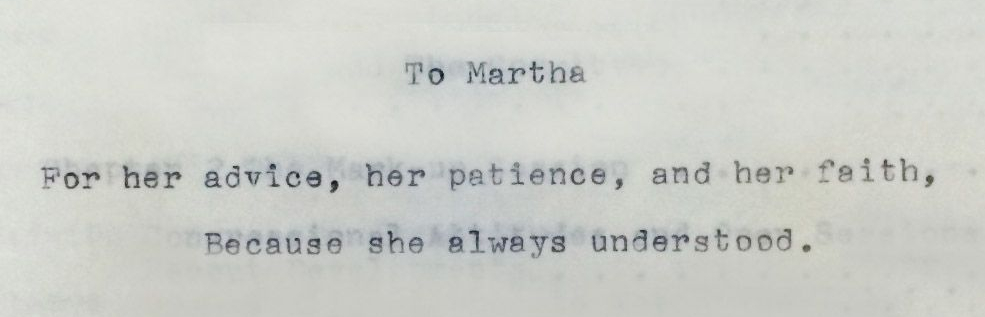
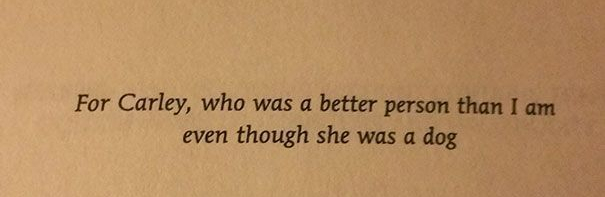
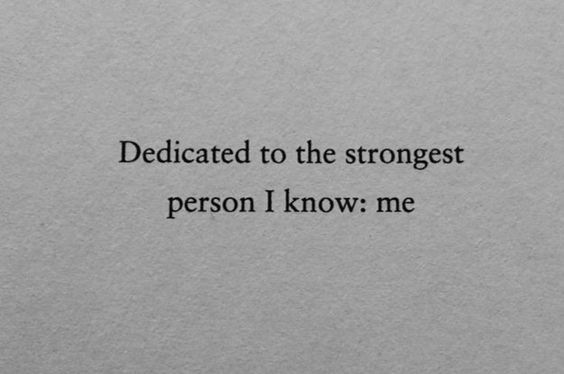
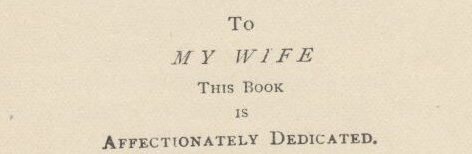
dedicationRelationships come and go. No one knows this better than people ensconced in social media, or, more specifically, the writing community online. One day you’re good friends with someone, and the next they’re not talking to you anymore. Blocked. You don’t know what you did, what you said, but suddenly you are no longer in communication with someone you used to speak with every day.
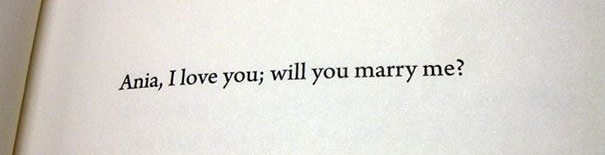

And it hurts.

For my mental health, I’ve pulled back with speaking to some people I used to talk with quite frequently on Twitter and Facebook. For one thing, there’s not enough time in the day to talk to everyone, and for another, it’s easy to get wrapped in a relationship that’s one-sided. While I love to support my friends, sometimes, dammit, I need a little support too.

That being said, I’ve made good friends online. Such good friends, I’ve mentioned some of those people in the acknowledgments of my books.

dedication4

Until recently, my dedications have been to my kids, “family” in general, my mother. And while I’ve been married for 16 years, never once have I dedicated a book to my husband. I always felt like a dedication belonged to someone who cared about me and my writing, and while I know my husband loves me, he’s never been interested in my writing. This isn’t anything I’ve kept to myself, sometimes tweeting my frustration. On the other hand, part of that is entirely my fault. I never wanted him to be a part of my writing. I wanted something that was just for me, and that’s what writing is for me. My escape. My passion. So maybe, in all this, I was punishing him for something that was my own doing. I don’t know.

But this post is about what happens when you acknowledge someone, or dedicate your book to someone, who no longer holds that significance in your life.

I realized that looking at my proof for Wherever He Goes I have a choice to make.

Some of my closer friends know I met someone on Twitter. A friendship that began because of our love of writing turned into something more. At least, as more as something could turn into with him living down south and me stuck in the frozen tundra of Minnesota. And through it all, I drifted further from my husband than I already was, and just these past couple months we decided to separate.

dedication3

That’s when I finally dedicated my book to a significant other, someone who loved me, supported me, supported my writing, believed my books could take me all the way.

Only, the joke’s on me because that relationship crumbled around me, and now I’m left with nothing but words on a printed page.

So I have a dilemma. Do I change my dedication page?

Authors every day have that choice. With self-publishing, making changes to your book is simple and the changes take effect almost immediately. You can wipe out a whole relationship in 24-72 hours. Actually, KDP only takes you about 4-6. Whole friendships, whole relationships, poof.

Should authors do that, though? How right is it? People move in and out of our lives. They teach us something, give us something, and then sometimes they move on. We do the same for other people, maybe without even knowing it. A simple tweet, a DM. Those friendships can grow deeper–you help a person publish a book. You bitch talk about the publishing industry; you are a person’s cheerleader while they query. You help them through a bout of depression, a case of writer’s block. Someone does the same for you, and you thank them for it. Then, one day, you’re not talking anymore. They’ve moved on.

dedication6

But the acknowledgments and dedication pages are still there, remain untouched, a testament that those people affected us, helped us grow, changed us for the better.

My southern gentleman did all that for me, until he couldn’t anymore. It doesn’t make our relationship less meaningful. It doesn’t make what he did any less important to me.

But every time I open that book, I’ll hurt. I’ll have to swallow back tears because the support I treasured, the support I needed, is now gone.

It’s up to you on a personal level if you want to change your acknowledgments and dedications. I understand completely if someone did something to you that you cannot, ever, forgive.

Your readers won’t know the history behind your acknowledgments and your dedication pages.  I’m willing to bet some readers don’t even read them.

My mantra is always move forward, always move on. There will always be another book. There will be pages and pages of acknowledgments and dedications ahead of me, if I’m lucky.

And, you know, if I ever run out of people, I haven’t dedicated any of my books to my cats, yet.

dedication5

You never know.

Dedications1

Writing to Market vs. Chasing a Trend

I talk about writing to market all the time. To the indie writing community, there seems to be something fundamentally wrong with a writer who sits down at their computer, looks at their WIP, and says, “Who would want to read this besides me?”

adult-attractive-beautiful-1036620

As James Scott Bell phrases in his book Just Write: “Without readers, a writer has no career.” Of course, writers write for more than just money, but if you’re reading my blog, you probably want to sell some of your stories. And that means writing what people like to read.

Writing to market is primarily writing popular commercial fiction. Nora Roberts, Stephen King, Dan Brown. Tom Clancy. They sell books by the truckload. Every book they write ends up selling thousands of copies. There are other writers who write commercial fiction too, like most big romance writers who don’t always make the list: Lisa Marie Rice, Susan Mallery, Kristin Higgins, Brenda Novak, Laurell K Hamilton. They write consistently what people consistently read. They don’t vary because something is popular. In other words, they don’t chase trends.

action-couple-fashion-432506

It used to be a writer was warned off chasing a trend because traditional publishing moves too slowly for that to work.

When Twilight was popular, if you wanted to jump onto Stephenie Meyer’s coattails with a traditional book deal, it would have been almost impossible. First, you have to actually write the book. Then you have to find an agent, and she has to shop you around. If she succeeds, then your book is stuck in the publishing process that moves slower than my kids getting dressed for school.

Sometimes movies can draw out the popularity of a trend. Like with 50 Shades of Grey, there were a couple authors I know of that managed to get in on the action, though if it was just timing, or a thought out plan, I guess we won’t know. Sylvia Day wrote The Crossfire quartet, and Jennifer Probst lucked out with the Marriage Bargain. (An experience she shares in Write Naked.)

And sometimes that can backfire. I’m sure I wasn’t the only one who was glad when Fifty Shades Freed, the movie, was released, and that trilogy could be put to bed. Literally and figuratively. If people are sick of a trend, it’s far too late to try to get in on it.

But with self-publishing, if you can crank out a book in 3 months, and publish it, you could very well get in on a trend before it dies.

Is that a bad thing? I’m going to express an unpopular opinion and say no. Why not? If grip – lit is still going strong and you can write a good book in that vein, why not try?

Trend chasing isn’t evil. But I say that with a couple of caveats.

witch-3202467_1920

1. You can’t build an audience that way. The writers who make it, or seem to be making a go of it, remain consistent in their writing. If you want to chase a trend and can spare the time, maybe write in a pen name.

2. You still have to love what you’re writing. People think when a writer writes to market they don’t love their work, that they are just chasing the almighty dollar. To find a foothold in the industry you need an extensive backlist, and the only way to create one is to stick with it for however long that takes. And that means loving what you write. If you love the trend you’re chasing by all means. But if werewolves are trending, and you hate them, don’t bother. Which leads me to a third caveat:

3. You need to be familiar with the genre so you can hit all the tropes. If werewolves are trending, but you’ve never read them, don’t think you can write them. You’ll disappoint your readers who do know the genre and will be upset they spent their money on your book.

So, chasing a trend isn’t a cop-out. If you can plan it into your writing schedule, if you have a great idea that could potentially be published before the trend fades, why not? What is trending now? It seems like women’s fiction, mystery-driven domestic (family/wife/children) pop up on the list.

As for something sweeping the world by storm, such as Twilight, The Hunger Games, or The Girl on the Train, sometimes all it boils down to is the lucky timing of when the book was published. Ruth Ware, who wrote The Woman in Cabin 10 and The Lying Game, seems to be doing okay. But I wouldn’t accuse her of chasing a trend. Perhaps just lucky, because she’d written a few books before The Woman in Cabin 10 made her a household name.

There is a difference between writing to market and chasing a trend. I write straight up contemporary romance. Tropes, plots, and characters like those will never date themselves. For now, I’m not interested in chasing trends. Mainly because if I missed the mark, that’s time wasted on a book that won’t sell. I’d rather invest my time in books for my backlist that will never go out of style.

You are in control of your own career. Chase a trend, write to market, write that thing that’s weird, but you can’t stop thinking about it. We all have different variations of success, and you have to be honest with yourself about what those are. Only you know what will make you happy. Good luck!


Happy writing Vania Margene


Why authors shouldn’t chase trends

On Chasing Trends…. And why you should just write the book you want to write…


Deciding What’s Really Worth It

Because of some personal circumstances, I went back to full-time work a couple weeks ago. To say that I have not adjusted well is an understatement. I don’t want to sound whiney, like a little kid being made to do something she doesn’t want to do, but it’s definitely a rude awakening when all of a sudden all the writing time I’ve enjoyed is gone.

I know most, if not all, my adult writer friends also have some kind of full-time job, and many of those also add small children to the mix. There, at least, I am fortunate. My son is 18 and will be graduating from high school soon. My daughter is 12 and as soon as she comes home from school, she runs and hides, all her energy gone from putting up with her peers all day long. But that doesn’t mean I don’t have laundry to do, dinner to make. By the time I have a free moment, I am spent. Not maybe physically, but emotionally, all I want to is mindlessly scroll Twitter until it’s time for bed.

So, lately, I’ve been exploring what I can give up, and what I want to keep, in order to have the time and energy to keep writing.

office-620822_1920And it’s more than that, too. I consider myself an indie writer, publisher, marketer of those books. That means staying on top of publishing trends, practicing writing, reading about craft. I just finished Stephen King’s On Writing. There is always something to do when you are an indie writer: build your platform, market your books, run ads.

What do I do on a daily, weekly, monthly basis? Let’s explore:

Daily:

  1. There isn’t anything that I do absolutely every day, except be on Twitter/Facebook (and I can’t even claim I post regularly on my FB author page, either!). I enjoy it, and I follow influencers, top people in the publishing industry. Agents, editors, other writers. It’s easy to write this off as a time waster, but if you follow the right people and use it for more than watching weird gifs, it can be a great networking tool. I’m fortunate to have the account I do, and for that reason alone, I like to try to keep up with it. I have a lot of friends and support on there. Sometimes I do fall behind, and for that, I apologize.
  2. I should add writing to this, but for the most part, I can’t. Sometimes I am physically unable to write. Lack of time or whatever, sometimes I just can’t. It doesn’t help that right now I am formatting and creating my cover for my current novel. Any free time I have is going to that just to get it done. I’m tired of looking at it, and I would love to start a new book.


Weekly:

  1. Listen to podcasts. I try to keep up with these as they come out. To give myself a podcasts-2633018_1920two-fer, I try to go for walks as I listen, to get my exercise in. There are two that I absolutely love: The Sell More Books Show and Print Run Podcast. The Sell More Books Show talks about indie news, and I keep up on a lot of things going on in the indie-publishing world. Print Run is run by an agent and editor out of Minneapolis, and they talk about the traditional publishing industry. They’ve opened my eyes to a lot of things, and to their credit, they are candid about their jobs. Others that I try to listen to:

    a) The Science Fiction and Fantasy Podcast. I don’t write fantasy, but a lot of the guests on there talk about their marketing strategies that can work for everyone.
    b) The Creative Penn. Joanna runs a great podcast and keeps you updated on everything from indie news, craft, author interviews and more. At this point, she’s a staple of the indie writing community.
  2. Write. Finally, I can put this on the list. I would go nuts if I couldn’t write. Even when I have to write longhand at work, it’s better than nothing. When I was working part-time, I could write 5,000-10,000 words a week. Especially if the story was going well. Now, well. I haven’t been working long enough to fall into a routine to see how far I can push my limits. And now with summer coming, I just don’t know. All I can do is my best, and so far, I feel like I am failing miserably.
  3. Read craft books/editing books. Being I can read at work if it’s slow, (no internet/computer/device access though, that’s why I buy my books in paperback) I can read a lot. I read Stephen King’s book in two days. I read lots of books, which is a major boon for me. It’s harder to write at work on certain days since a) I can only writing longhand and 2) if it’s busy, I lose track of what I’m doing and my writing becomes choppy. It depends on the day, and what calls I’m scheduled to take. Weekends are better for writing.


Monthly: 

  1. Blog. My blogging schedule leaves a lot to be desired. Some of my most dedicated arms-3404941_1920friends will crank out two blog posts a week. I can’t do that. Not only do I not have time, Good Lord, where do they find the content? I’ve added book reviews to my blog schedule (of craft and other non-fiction books) just to add some filler. But contrary to what others say about how important blogging is to your platform, this is the one that I let slip first.

  2. Helping others. Sometimes I’ll edit for free for someone just because I know how hard it is to find help at a reasonable rate. While I limited that to once maybe every three months, or when I come across someone who really needs the help and have nowhere else to turn, I fear I may not be able to do any of that anymore. Which saddens me, because I really enjoyed it.
  3. Author interviews. I don’t do this often, but this falls into blogging, and while it might be easy to email questions, formatting the answers into an enjoyable blog post (see my lovely interview with Aila Stephens) can take a lot of time.
  4. Spend some time on Goodreads. I try to add all the books I’ve read to my shelves, and give a star review, even if I can’t write a quick review on there. Sometimes I’ll try to copy and paste the review I write for my blog into the review on Goodreads, like I did for The Continent.


So, obviously, as an indie writer, you need to make time to write. If you’re not writing, you’re not doing much of anything. But if you are writing and publishing, it’s hard to figure out what you can drop since you’re running two or three businesses single-handedly while working a job and raising a family.

business-3385079_1920What could I drop? Blogging, probably. I blog for indie writers, and well, indie writers don’t read indie books. That is not where my audience is, and it was one of my mistakes when starting up my blog. I could give up Twitter, but it’s my main source of writerly companionship. Sometimes I don’t walk as much as I want to, and that’s sad, because MN weather is really nice right now, and I don’t want my podcasts to pile up (when I don’t walk, I listen to podcasts to make the chores and errands go a little bit faster).

This probably isn’t a good time to figure out a writing schedule since I’ve only been working full-time for three weeks, and in that time I’ve been editing Wherever He Goes and have moved on to formatting and creating the cover. I’ll have a more accurate depiction of how I can figure out a writing schedule when I start my next book.

All in all, I’ll just have to try to find some balance like everyone else I know. Pull up my big girl panties, and write when I don’t feel like it. Walk when I’d rather take a nap. Be careful not to burn out.

Lots of people seem to have a handle on it, and lots of people seem like they don’t, too. I’ll just have to look at this as a speedbump in my writing career. It’s not easy to think that way, since I write romance, and romance is notorious for the pressure. It’s not unheard of for a romance writer to publish anywhere from 5-10 books a year. I’ll never get to that point. Even if I didn’t have to work, at all. I’d never make it.

So, I’ll echo the advice I hear over and over, and something I have even told others: Find a balance. Do the best you can. Work with what you have.

It’s all you can do.