Thursday Thoughts and Controversial Subjects in Novels

**This blog post contains a sensitive conversation about miscarriage. If this is a topic delicate for you, please continue with caution. Thank you.

Happy Thursday!

I was going to write about this topic for a Monday blog post, but all of my Thursday posts are more personal, so I thought the topic at hand would be better suited for today. Monday I’ll be blogging about advertising, comp titles, comp authors, and categories, so come back for that!

But first, a quick update on where I am:

I’m waiting for the proofs, the regular print and the large print, of My Biggest Mistake to come in the mail.
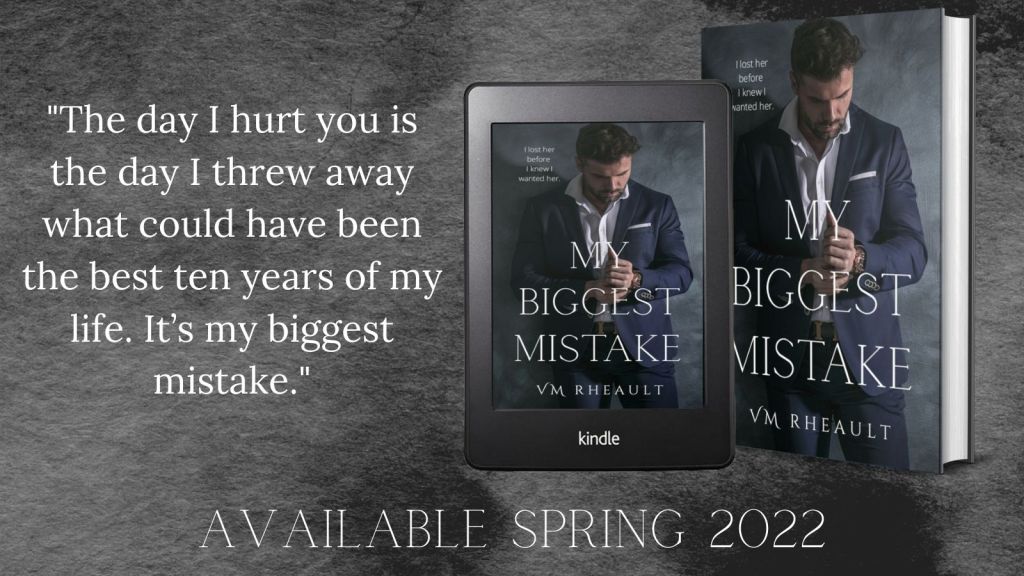
Made with Canva on a Twitter post template and a free 3d mock up generator https://www.creativindiecovers.com/free-online-3d-book-cover-generator/ by Derek Murphy

I’ve already proofed one paperback, so these are just to make sure the changes look right. I’m still unsure when I’m going to publish, and if I do, the books will go on a preorder for no longer than a week. Dave Chesson of Kindlepreneur said a longer preorder if you’re in KU can hurt you, that goes along with what Mal Cooper said in the FB ads Zoom class I took with her earlier this month. Because we’re heading toward the holiday season, I’m not going to bother with releasing books until after the new year. There really isn’t a point, and Amazon is going to be bogged down soon enough with people Christmas shopping. This seems to always up the cost per click when running ads, so I think it’s better to just wait until January before I try to do anything. I have plenty to do in the meantime, and my box set of my Rocky Point Wedding series is up for pre-order until October eighth for .99. I took a few minutes to zoom in on their faces to adjust the covers per Amazon’s guidelines, trying to take away the “in bed” look so I can run ads. The one ad I tried for the box set was approved, so I’ll create a few more Amazon ads and maybe even do a Facebook ad just to practice with the platform. These are steamy, small-town holiday, so this would be the perfect time to push them.

If you want to hear the Dave Chesson interview where he talks all things Amazon with Lindsay, Jo, and Andrea on the Six Figure Authors podcast, here it is. He knows SO MUCH about Amazon, and it’s really helpful to store away these tips!


The one thing I wanted to talk about today is writing about controversial things in your novels. There was an interesting article in the Guardian about Sally Rooney and people thinking she’s a racist because of some of the things her characters say. All authors put a little bit of themselves into their characters, but any writer knows that characters take on a life as their own, especially as the book develops and we get to know them better and better. None of us would be very good writers if we couldn’t separate ourselves from the people we create, and all of our characters would sound the same because eventually they would all be us.

Humans have a dark side, and it stands to reason that characters can have a dark side, too. If they didn’t we wouldn’t have novels about serial killers and the investigators who solves the crimes, or vigilantes looking for their own justice, or even male characters who treat women like crap, and women who do the same, honestly. Humans aren’t perfect, and I believe adding that layer, those flaws, can make a character feel real.

Romances aren’t always roses and champagne, there’s usually a “big bad” that breaks up the couple 3/4 of the way through the book, and the “will they or won’t they” keeps readers hooked until the end. There wouldn’t be a big bad breakup if the characters were rosy and sunny and treated everyone else in their lives in a decent manner.

We can write about delicate situations like divorce and miscarriage, death from things like cancer or suicide, and we should write about those things because that’s life. So when I wrote a character who’s ex-girlfriend lost their baby, and while he was devastated, he was also relieved because it gave him the out he was looking for in their relationship, it gave me pause. No one should be happy a miscarriage happened, and Fox wasn’t happy. I tried to make that clear he wasn’t happy about it, and I didn’t want him to come across as an asshole because he was anything other than completely destroyed. In the book he was about to break up with her when she announced her pregnancy and after she miscarried, they did break up, she ending it before he reconciled with the loss.

It’s a hard conversation to have–in the book and in real life. When I was in college, I was depressed, suicidal, and I drank a lot. I slept around and at 21, I got pregnant. I miscarried, and while I was sad, I too, was relieved. I wasn’t ready to be a mom, I didn’t have the mental health I needed to be a good mom, and that miscarriage saved me. I drew on a lot of my feelings from that time and a lot of what Fox feels, I felt too. Can you find something good in something so tragic? Should you? Are you allowed to?

This worries me, not because of how I’m going to be perceived–I was practically a kid who made bad choices and somehow I was saved from having to pay for the choice of sleeping around without protection. Anyone who wants to judge me has the right to do so, and I don’t care. But I’m not a male hero of a romance novel, and I know readers have limits of how far they are willing to go to give a character space to be themselves. I’ve read lots of asshole male characters in the billionaire/mafia/dark romance subgenres (reviewers going so far as to call some of them rapists in dubious consent novels), and maybe I shouldn’t be nervous that Fox was anything other than human. When I talk aloud about it, I can see how maybe I could be turning a molehill into a mountain, on the other hand, readers can be unforgiving.

So what can I do short of rewriting it? I don’t want to rewrite because it’s my truth, and it’s also Fox’s truth. His ex’s miscarriage saved him from going down a path he didn’t want to go down, living a life he didn’t want to live, and I made sure that she got the help she needed–as did I–because grief is real, mourning is real, even if you can see the good in something terrible.

I’m not one for trigger warnings, but I will add one to this book. The conversations ARE controversial. Some women will have been in a situation where a miscarriage has gotten them out of a sticky situation, while others will have lost babies that were 100% completely wanted. I went on to have three more miscarriages between my son and daughter after I was married to their father, so I have felt both sides of grief.

I may also write an author’s note for the back of the book, explaining why Fox felt the way he did. I can’t try to appease every reader who may read Faking Forever, but I want to try to explain why I wrote him the way I did. Maybe Fox’s feelings would have found a better home in a women’s fiction novel (perhaps something more serious than a billionaire romance book? Though that discredits romance as a “real” genre) but in the novel I tried to explain that all our feelings have validation and that he has a right to feel that way (and he also admitted and learned from the fact he never should have gotten her pregnant in the first place).

Anyway, it’s a touchy subject, and I don’t normally go that deep with my writing. Do you write about controversial subjects? How do your readers respond?


There isn’t much else that I wanted to update you on–just a few Clubhouse rooms and free classes if you’re interested in taking a peek.

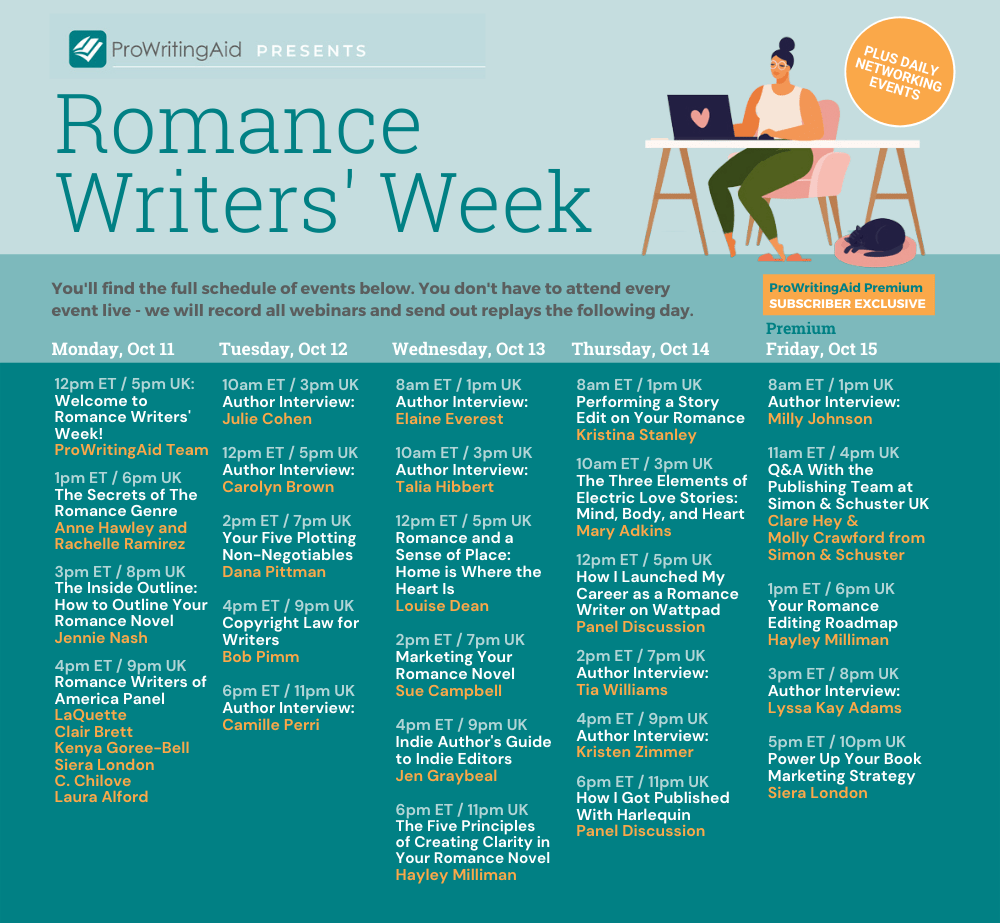
ProWritingAid is hosting a Romance Writer’s online Conference in October, and you can look at all the information here (this isn’t an affiliate link): https://prowritingaid.com/romanceweek?utm_campaign=Romance.

And here is the at-a–glance list of speakers. Bookmark the ones that you are most interested in. The lineup can seem demanding, but you don’t have to attend live.
Another writing conference I want to tell you about is on the app Clubhouse, hosted by The Author Conference the weekend of October 15 & 16.
Clubhouse is now available to anyone using either an iPhone or Android. Download the free app, and create your profile. Search the rooms for the Author Conference and follow the club. There is so much information available and it’s all free–anything from Amazon Ads with Janet Margo, to book launches with Pamella Kelley and others. This is such a great resource–and you never have to speak! I’ve been listening to rooms for months now and I still have never spoken to ask a question or add a comment.

Join the Clubhouse Authors Facebook group for more information!

I guess that’s all I have for today! I need to put in a few hours of editing the first book in my series. Have a great weekend, everyone!


Looking at Books on Preorder: What it can do for you

There are many reasons why a writer or author would love to have a crystal ball. If we could predict trends or subgenres that are going to be seeing a lot of reader love in the coming months or even years, we could adjust our writing accordingly. We could write that dark romance vampire book, or the new YA with the talking pets as sidekicks. If we knew what readers are going to want in six months to a year, then we could hop on the query train or quickly write a series and get her ready to go just in time to ride that wave.

While we don’t have anything so magical, what we can do is look for what’s coming in the months ahead by using the Amazon advanced search and looking at what books are popping up on preorder in your genre.

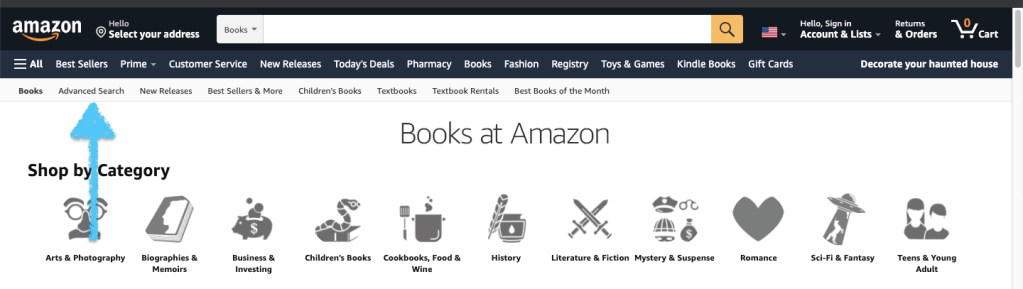
First fo all, how do we do this? Go to an incognito window and head over to Amazon. Click on Books and use the Advanced Search.

There you’ll find the search fields and you can enter in the genre and preorder dates you want to search for. I’ll search for Billionaire Romance because that’s what I’ll be releasing in the next few months:

After you click Search, you can also click on Kindle Unlimited books to narrow your search further, if you’re planning on releasing into KU:

You can look at any date, any genre, wide or in KU and see what’s going to be released. Why would we want to do that? Here’s a few ideas:

  1. If you’re planning on making a genre switch you can see by the results if the genre is glutted or if there will be room for you. Billionaire romance looks crowded, but that’s a good and bad thing. Good because billionaire romance hasn’t lost its popularity, but bad because I know I’ll be doing a lot of advertising to compete. On the other hand, there will be a lot of authors and book titles for Amazon Ads keywords, but because of the competition, cost per click might go up.
  2. You can take a look at what authors are doing for covers. Cover trends change, but it looks like billionaire romance is still going to be dominated by a single rich-looking guy probably showing some abs. Knowing what is working for covers in your genre is important because you want your cover to fit in. I’ve heard the best way to see if your cover is going to fit in is to screenshot the top 20 and put your cover next to them. If your book doesn’t look like it belongs, a reader will pass you by. A quick scroll through the search results tells me a dark cover with a title in neon green, teal, or red still indicates a dark romance, or a man in muted color without much background can signify a billionaire romance though not necessarily dark.
  3. You can research titles. Titles are an important part of your book, and often overlooked. When you look ahead using the advanced search, you can find what authors are using as titles, and in billionaire romance, the word billionaire is still a popular part of the subtitle.
  4. You can find the categories these books are listed under and you can add them to your own book. Some of the books are too far out for the ranking and categories to be listed under their product information, but some do, and you can make note of the categories authors are listing their books under.

Searching preorders to find out what’s coming in your genre will probably be the closest thing you’ll get to telling the future. If you want a deeper look at what authors in your genre are doing, you can look at their Amazon author pages and see if they have any preorders that may have not shown up in the search. When I experimented with the keywords and dates, etc, the preorder results changed, so do your due diligence with your comp authors.

Alex Newton of K-lytics talks about this a lot better than I can, and he has a free webinar hosted by Jane Friedman on her YouTube channel (I link it below). I like diving into anything that has to do with the publishing industry, genres, trends, writing-to-market and what books are selling and why. Staunch traditionally published authors say there is no way to predict a trend and that by writing to trend you’re already behind because by the time you query and are possibly published, that trend is over. Well, when traditional publishing is two years behind (seriously, I have friends on Twitter with book deals and books that won’t be coming out until 2023) they are guessing just as much as we are. Maybe more so because if an author can write and publish a book in six months, that’s a far cry from waiting two years and they have a better chance of riding the wave of what’s selling right now. But as Alex says in his webinar, even in indie publishing things don’t change overnight.

I will definitely be doing more looking into preorders as I do more with my books.

Here is the webinar with Jane and Alex. Let me know what you think!

Conquering Writer’s Block

A lot of people ask me how I write books so quickly. I always say I love writing, and that’s true. I couldn’t spend 20+ hours a week doing something I didn’t like. I guess there is a running joke that writers hate writing, but if that were really true, there would be a lot fewer of us out there. I don’t suffer from writer’s block, in fact, I think I may suffer from the opposite. I have so many ideas for novels in my head that I could write for the next year and a half (at my pace) and not run out of books to write. What is my secret? I’m not sure, but I can pass along some tips that I use to keep myself fresh and ready to write.

Use your time wisely. That means if you have time to write, write, so when you don’t, you’re not beating yourself up about it. I’ve never written every day. My life doesn’t play nice and there are days I simply can’t. Sometimes I’m so busy that by the time I can steal an hour to myself I’m drained and don’t feel like it. I know there are people who say to write anyway, and sometimes I’ll read what I had written during a previous session and that helps boost my spirits enough to get a few words down. Usually, if I don’t feel like writing, I don’t. It doesn’t happen often, as I said before I enjoy writing and not much keeps me from it. But because I used my time wisely in the past, I don’t feel guilty when I can’t write and I’m not forcing myself to get words down because I haven’t written all week. Don’t force yourself to write out of guilt or shame. Write when you feel good and have time, then give yourself a pass when you don’t.

You’re stressed out. There are plenty of writers and authors out there who haven’t been able to write because of the pandemic. They are so worried about themselves and loved ones there is no room for anything else. I don’t know how to fix that. If you live with a lot of stress and that’s preventing you from writing anything, you’ll have to take a look at your own life and figure things out. There are some things I’ve been stressed with–my health for one that has only now turned around with working with my doctor for the past seven months. While I wasn’t feeling well, I took refuge in my stories and characters and used my writing time to think about something else other than my next doctor’s appointment. Not everyone can do that, and I completely get it. Not everyone can write after a day at a crappy job (I’m lucky I like mine), not everyone can write when they have sick children. Some stressors can’t be fixed, and you may have no choice but to put writing away for a little while and take a break. It could do your mental health good not to worry about the next book.

You’re tired. I have an old cat who cries a lot at night. There’s not much we can do for him. He’s on thyroid medication. Sometimes when he’s hungry he doesn’t like the food we give him and he’ll walk away still hungry and that makes him cry (and trust me, I’ve tried a lot of brands and flavors to no avail). (He reminds me of me when I was suffering from morning sickness–I was hungry but nothing sounded good.) He’s just old and our vet is reluctant to medicate him, so he wanders around the apartment at night and cries. I love the old coot, but he doesn’t make getting rest easy. I take naps when I can, go to bed early if my schedule allows it, and generally I work around him because one day he’s going to be too old to keep going and our vet will recommend putting him down. Sometimes getting enough sleep means being responsible and going to bed at a decent hour, and not staying up late reading or watching TV. I’m not your mom (I have two kids and don’t need any more) so you’ll make the choices you make, and if your writing suffers, you’ll have no one to blame but yourself. I can’t write when I’m tired. I don’t believe in the old adage “bad words are better than no words.” Not to me they aren’t, and if I’m tired I won’t bother to try and write.

You haven’t spent enough time with your novel in your head.

If you sit down and have no idea what to write, you haven’t spent enough time with your characters. There are plenty of memes out there that say writing is so much more than putting words down on paper, and this is true for me. I’m thinking about my book all the time. Plot points, character arcs, running dialogue like I’m an actress in a play. I spend more time with my characters inside my head than I do writing, but that makes writing much easier. In these days of social media, we are bombarded by information. There are podcasts to listen to, webinars to participate in, YouTube videos to watch, and Clubhouse rooms to listen in on. There is so much out there that takes up brain space that sometimes if you don’t give yourself time to THINK, you won’t be able to spend the time you need with your book. I don’t think we give enough emphasis to the thinking part of writing–time to unplug and daydream is more important than we like to believe. That’s why so many people have great ideas in the shower, or while they’re driving. It’s only when they are forced to take a moment to themselves that their brains are able to think about something else. This is really hard for me as I have a big fear of missing out. I’m always worried I’m going to miss the next big thing in marketing if I don’t listen to that webinar, or sit on on that room, or sign up for that class, but when it comes right down to it, there’s no reason to know any information about anything if you don’t have a book written. I take baths without a book, I go outside and sit without my phone. I snuggle my cats and doze and daydream about my book. Turn your brain off and see what happens.

You don’t like what you’re writing. Maybe you’ve been working on it for too long, or you’ve written yourself into a corner and you have no idea of how to fix it. Maybe this was supposed to be a standalone book and you decided to turn it into a series and now you regret it. There could be any number of things that make you loath to sit down and work on your work in progress. I had a friend who started something new whenever her current project got too hard, or she wrote herself into a corner, or she had no idea where the plot was going and decided it would be easier to start something new than figure out the book she was working on. That resulted in a lot of unfinished novels, burn out, and she hasn’t published anything in five years. If your characters aren’t playing nice, or you’ve written yourself in corner, or your character said something that changed everything, well, chin up because writing can be hard. I had a great idea for the book I’m working on now, but that required me rewriting a sex scene toward the beginning of the book. I know it will make the book a lot better, but I’m going to have to force myself to sit down rewrite it, and make it fit with the rest of what I have. If you’re hating writing your current project think about why, and be honest. If you’re just avoiding the real work of writing, then push through it. If you’re tired because you’ve been working on it for a long time, write something else and mix it up for a while. If you’re bored because you’ve lost interest, give yourself permission to write something different. No one should hate what they’re working on. On the other hand, you’re a professional and you have to show up and do the work.

I think the overall consensus is there is no such thing as writer’s block–only circumstances and situations that make it harder for us to write. Some of these we can control through better choices, some we can’t and we have to push through if we can. A change of mindset can help. If you’re a hobbiest and you don’t mind if you go days, weeks, or months without writing, then that’s great! If you’re trying to turn your writing into a day job so you can make a living doing what you enjoy, there isn’t going to be a lot of room for “writer’s block.” We’re all in different places in our writing careers with different goals. Whatever your plans are for your writing, I wish you the best!

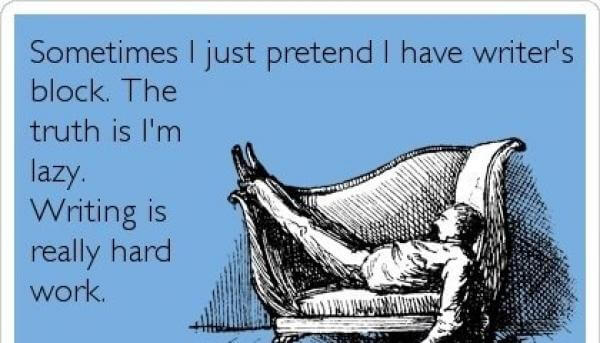
And if you’re tired, a nap. I know I love mine.

Until next time!

found on Pinterest

Resources:


How to Overcome Writer’s Block: 14 Tricks That Work

How to Overcome Writer’s Block: 20 Helpful Tips

Thursday Thoughts, Personal Updates, and what I need to finish by the end of the year

Last night I sat in on a wonderful Facebook Beginners Ads class by Mal Cooper. She was great! It was a bit of a surprise because of all the webinars and classes I’ve attended that use Zoom, I’ve always been a behind the scenes participant, but with Mal’s class, our cameras were on, and at the end she encouraged us to ask questions (something I did not do, letting my introvert insecurities get the best of me and now I need to email my question). I’d never participated in a Zoom class like that before, but it was fun and after a couple minutes of indecision, I turned my camera on. Luckily I had showered and done my hair and makeup for the day. I feel more productive when I do that, and these day with social media who knows when you’ll need to pop on somewhere and say hi. Anyway, I learned a lot and it was well worth the fee.

There are two more webinars scheduled for this week but I’ll be working and I’ll need to watch the replays. I could probably spend 24 hours a day consuming classes and information!

I’m stalled a bit with my latest novel. I thought of a couple of things that would make the book better, and I’ve paused writing to fix those. I liken changing a scene to pushing over a domino. It can change a lot more than just the scene and can affect the entire book. A lot of writing craft gurus say to keep going and not edit as you go along, but I prefer to have a pretty clean first draft when I’m finished so I do go back and edit and fix inconsistencies as they arise. I still can finish a book in a decent amount of time and I don’t need to get it all on the page in order to finish a book. Life being what it is, I haven’t been able to work on my book much this week at all, but I should have a quiet weekend and make some good headway and probably finish it next week some time. With my appointments for my girly bits and my son’s wound checkups and scheduled dental appointments for both kids, somehow September has grown quite busy. Still trying my best, but my best feels like trying to run a marathon in quicksand and the more I try to work, the more bogged down I get.

I work well with lists, and find I don’t feel so overwhelmed if I can write out what I need to do in the coming months. Here’s a quick list:

  1. Finish current WIP.
  2. Double check everything is how I want it in MailerLite for my newsletter landing page, welcome email, and unsubscribe page.
  3. Proof the proof of Faking Forever and make changes to the ebook and paperback interiors:
    a) add my newsletter sign up to the back matter
    b) add price to the back cover of paperback (check to see if I need a price increase for IngramSpark)*
    c) fix title name font size on spine
  4. Order another proof and check it over to be sure everything is the way I want it.
  5. Format the interior for My Biggest Mistake, (title not set in stone) the ugly duckling trope that is going to be my reader magnet.
  6. Create a cover for it, front and back because I’m going to upload it to KDP so I can proof a paperback proof of it. It can stay in KDP because after it grows stale as a reader magnet I’ll publish it.
  7. After I proof it and make sure there are no typos in it, create a Bookfunnel account and upload it. Ideally I would like to have 1,000 emails on my newsletter before I start to publish anything.
  8. And last, but not least, before November, create a box set of my Rocky Point Wedding series, and run a .99 promo on it for the holidays. I’ll probably do a couple of smaller promos like Ereader News Today or Robins Reads. I’ve never tried them before. I did a BargainBooksy through Written Word Media that didn’t do too well for a .99 promo of Wherever He Goes. Their FreeBooksy is always great, but not sure if I want to give away a complete 4-book boxed set. Even .99 is low, but my royalties will come from the page reads I’ll get in KU, so maybe I will do free. Not sure. The books are already over a year old and I don’t know if I’ll write anymore 3rd person books. I’m more than comfortable writing what I’m writing, but never say never.

*IngramSpark sent out an email saying they needed to up their pricing due to rising costs in the industry, and they are slowly going through everyone’s books to see if their pricing will stay on the positive after the price increase. If your book is set to go into negative royalties, they’re going to ask you to up your price. Which isn’t a big deal normally, but IngramSpark forces you to match your price to the cover if you put it on there, which I do, right above the ISBN box on the back. So if I have to raise the prices for any of my books, I’ll need to make the changes on the covers as well, and resubmit. I don’t care if my books make fewer royalties–I rarely sell paperbacks anyway–and if my books can stay in the black, I’ll leave my older books how they are and price higher any books I publish through them from now on. If you want to read their announcement, you can find it here.

It’s difficult to know what to do first. It makes sense to publish Faking Forever so I have a buy-link to put in the back of my reader magnet so when they finish reading a free book, there’s one available to purchase. On the other hand, publishing it without a newsletter in place to announce the launch and depending on paid newsletter mentions like BargainBooksy, ENT (Ereader News Today, Robins Reads, Fussy Librarian, etc) and ads may not be enough to give me a good launch as a new pen name without a backlist. Mal said something that I agreed with in the Facebook Ads class last night too, and she said it doesn’t make much sense to put a book that’s going to be in KU on preorder because KU subscribers will wait to read it anyway. I guess I’ll be trying to get newsletter signups and promoting my reader magnet without a book for sale, but I’ll have it all ready to go into KDP so when I do decide to publish it, all I’ll have to do is press publish and approve proof. The only good I can see of doing a preorder while you’re in KU is having the buy-link to post in places. Something to think about.

Probably one of the hardest lessons I’ve learned in the past five years I’ve been publishing is for me, at least, it just is not working to publish as I get books done. There is no consistency in a publishing schedule when I’ve done that. There are a couple of indies who do well publishing as they finish books, but I think those are the exceptions that prove the rule. The indies who make consistent money are the ones who are a few books ahead in their schedules. It’s tough because I’ve talked about this before: you have to be okay with keeping books while you stock up, and then you have kind of a conveyor belt feel to the entire process. I don’t want to feel like that, but I also don’t need the pressure of writing and publishing a book every four months without a Plan B. I don’t know. All I know is that I need to get through some of my list and as I do hopefully I’ll find readers and starting an avalanche of readers, email subscribers, and releasing books won’t seem as daunting as it does right now.

What I’ve enjoyed this week:

The Six Figure Authors Podcast is back from their summer hiatus, and I enjoyed listening to their first episode! They talk about taking your writing from hobby to career level, and you can watch it here.

I also loved this episode of the Wish I’d Known Then podcast. Thomas Umstattd Jr. had a lot of interesting and possibly controversial things to say about treating your books like your business. There are so many writers and authors who don’t want to look at their books as a product to sell, but then when it comes to marketing, they don’t understand what to do. Give it a listen and tell me what you think. Do you agree with what he has to say?

Monday I’ll talk a little bit about writer’s block and why it seems I never suffer from it. Come back for those tips!

Until next time!

KU vs. Wide (Can you have your cake and eat it too?)

The answer is no.

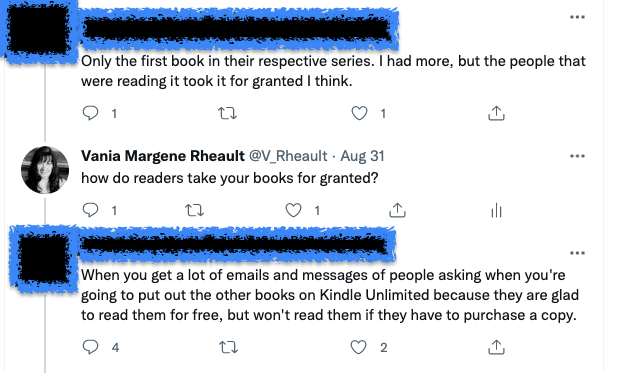
I’ve ran into a couple of people on Twitter and in some Facebook author groups who are trying to use both KU and wide tactics, at the same time, to bring in readers. I love reading threads like this, not only because I’m curious what people are thinking and how they’re running their businesses, but sometimes I’ll chime in and try to help someone who seems to be genuinely floundering. I had a back and forth with this guy, and it made me think–can we play the Amazon KU vs. Wide game successfully, and if we can’t, who loses? The question the original tweeter asked is, Do you have your books enrolled in Kindle Unlimited.

Splitting up your books is never going to work well because you’re going to alienate one set of readers somehow. Enrolling book one of a series in KU and publishing the rest of the books in that same series wide is a terrible idea, but they think:

a) the KU readers will buy the rest of the books in the series and
b) the wide readers will buy all the books anyway

Not only is this just plain old being a jerk and trying to game the system, but:

1) KU readers don’t buy. They already pay for a KU subscription–which is the whole point of paying the subscription fee, and
2) Not everyone reads on a Kindle or uses the Kindle app, which is the whole point of going wide, right? To reach the readers who read on a Nook or uses the Apple Books app. Or likes Kobo.

I wondered why these authors didn’t want to mark their first book at .99 or even free and ask Amazon to price match, but then I realized it’s because they would make more money on page reads (a 250 paged book brings in about $1.10 if a reader reads the whole thing) and more than what Amazon pays out for a .99 cent book. (KDP pays only a 35% royalty on a book priced that low.)

So they really are trying to game the system. The only thing is, it’s the readers they are trying to bring into their fanbase that are hurt. If you want to appeal to readers, you have to think like them. I have a KU subscription, and just the other day, I saw a Facebook ad from a wide author I was curious about who was giving away a first-in-series. I downloaded it and read it, and had I wanted to continue the series, I could have bought the others, but I didn’t. The book didn’t grab me enough that I wanted to continue. That’s another thing these authors don’t think about trying to game the system–your writing has to be TOP NOTCH to make a reader shell out money to keep reading. I mean, that’s a no-brainer anyway, but had her series been in KU, I would have read the next one even though the first book didn’t engage me all that much. But to buy them, there are three more in the series, each priced at $4.99, that would have been a costly stretch for me. Fifteen dollars to finish a series where the first book didn’t grab me… ah call me cheap like the guy in the tweet, but that’s just way too much. (And if I were to pay that for a book–I would go to Barnes and Noble and buy a beautiful hardcover by an author I know I’ll enjoy.)

You might be wondering where I’m going with this, and it’s this: I’m obviously not her reader. With her books having 1,500 reviews a piece, she knows who her readers are, and they are willing to pay for each book. True, giving away a free book can definitely bring in new readers, but you are taking the chance and if you don’t hit the mark, you’ll lose those new readers just as quickly as you brought them in.

When it comes to building a fanbase, you are much better off focusing your energy on doing things the right way than spending all your time scheming the best way to “pull one over on Amazon.” This could stem from a hatred of Amazon–no one likes having to be exclusive to gain the rewards of participating in KU. But while you think you’re being smart, what you’re doing is hurting readers who want to read your books. KU readers aren’t cheap–they just aren’t your readers.

What can you do if you’re wide? How can you reach the maximum number of readers? Well, if you’re going on the assumption that readers are, indeed, cheap, and don’t want to pay for books, yet you want those vile creatures as your readers (I’m kidding, kind of), Kobo does have a subscription service similar to KU, but your books do not have to be exclusive. The only problem with enrolling your books into that program is that to have access to it, you have to publish directly with Kobo, not let a distributor like Draft2Digital or Smashwords publish on your behalf. Kobo Plus is similar to KU in that readers pay $9.99 for access to a library of books and Kobo pays the author based time and pages read. (You can look at the full article about royalties here.) So while you may not like the idea of losing out on KU readers, nurture Kobo readers, enroll your book into Kobo Plus and use your marketing tactics to tell people that your book is enrolled there. Readers don’t need a Kobo device to read Kobo books, either. The Kobo app is free to download and will turn any tablet or phone into a reading device. (Although, if you like to read in the tub like I do, some Kobo Readers are waterproof, and you can find the list here.)

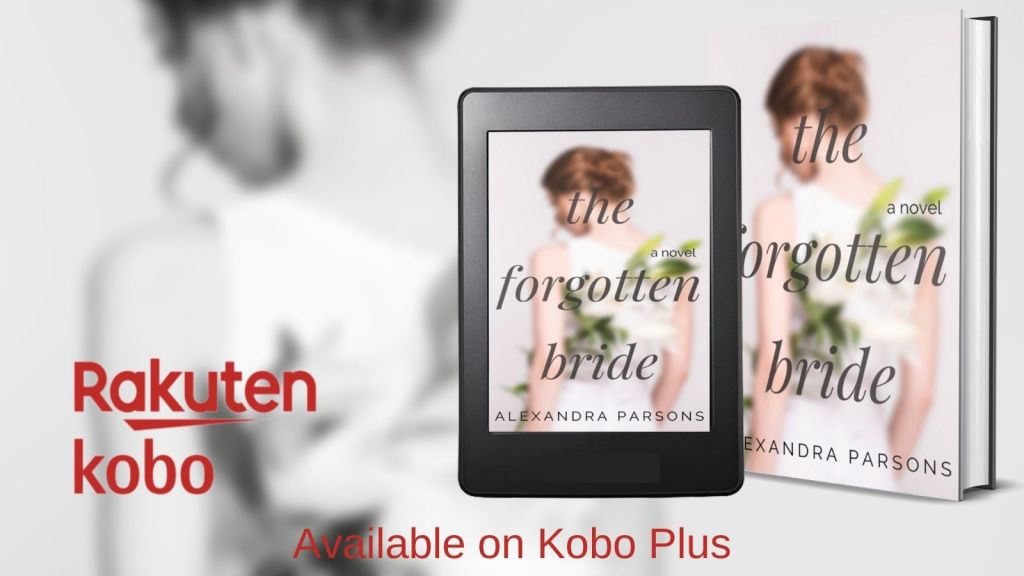
Instead of complaining because you think the grass is greener on the other side, pick a side and water that patch. It’s easy to let your Kobo readers know your books are available in the Kobo Plus library. For all the time I spend on Twitter, never ever have I seen a tweeted ad like this:

It took me longer to decide on the Kobo logo to use than it did to put that together. (I already had the fake cover mockup made–I’m assuming if you promote your books you’ll already have a few graphics made, too.)

I mean, I guess there’s no help for the people who think it’s funny to try to pull the wool over Amazon’s eyes enrolling their books in Kindle Select while their books are published on other platforms:

Truly lovely human being, there. (And I would love it if Amazon reached out to that author and asked to be reimbursed for all the KU royalties he earned while breaking their exclusivity policy.)

This Twitter thread showed the true colors of some indie authors, and I didn’t like what I saw. Most blamed Amazon for having to stoop to their underhanded ways or crappy attitudes, but, no one, not one person, ever said you have to sell on Amazon, exclusive or not. And then we wonder why indies have such a bad reputation as authors, business owners, and publishers. You know, I feel sorry for people who have to deal with us. I really do.

There are a ton of wide resources out there, and I’ve blogged about them before. Don’t like KU, don’t be in it. Want the page reads, enroll in it, and suck it up you can’t be anywhere else. Plenty of authors make a good living off of KU, and plenty of authors make a good living wide. I can list a number of things that enable them to do it, and if you can’t, it would help your business to figure it out. (I’m not making money yet because I’ve spent the past four years learning what’s on that list. I can only hope making changes to the way I run my own business will help.)

Stop trying to have your cake and eat it too. All it will do is give you a stomachache.

Good luck!

Resources:

Wide

Killing It on Kobo by Mark Leslie Lefebvre

Wide for the Win by Mark Leslie Lefebvre

Wide for the Win Facebook Group

Amazon

Amazon Ads Unleashed: Advanced Publishing and Marketing Strategies for Indie Authors by Robert J Ryan

Amazon Ads for Authors: Tips and Strategies to Sell Your Books by Deb Potter

Amazon Ads FREE course by Dave Chesson

And if you just want to get back to basics and start over, David Gaughran put together a free course on starting from day one:

David Gaughran, Starting from Zero

Thoughts on video and why it’s not my go-to marketing tool.

So, funny thing. I thought I already published this! Then I saw it in my drafts, and I must have forgotten I didn’t schedule it. Since I have more time sensitive material for a different post, this is going out three weeks later than I initially thought, and I’m sorry for the Monday I missed when I thought this went out!


There’s a lot of talk about video for book marketing these days, and if you’ve heard conversations about TikTok and the news that Instagram is going to be more video-focused to compete with the newish platform, then you’ve maybe thought that you should give it a go, too.

I haven’t jumped on the TikTok bandwagon for a variety of reasons, and not just because I don’t particularly care to be in front of a camera. I’m 46 years old and it took me 46 years just to be reasonably comfortable being filmed and having my picture taken. A lot of it comes down to not having any f*cks to give, and what completes that pie is knowing that I look better than I have most of my life because I’m happy with where I’m at and don’t care what other people have to say about me.

On the other hand, I know I could lose weight, my old, crying cat keeps me up at night and if I don’t want to look like a zombie, I need a full face of makeup, and my hair is a limp mess if I don’t do anything with it. That sounds like a lot of work for a sixty-second video, and while people say you don’t have to look your best when you’re in front of the camera, I wouldn’t NOT want to look my best–especially if I’m talking about my books or promoting someone else’s.

And then we get into voice modulation (who wants to sound like a cow, dying or otherwise?), the background (my space is extremely small without a bare wall to be had anywhere), and background noise (see cat above).

It all seems to take too much time away from writing. I have very little patience with that at is it. I’m doing the cover for my first billionaire standalone and waiting for cover critique and blurb feedback makes me restless. I haven’t written new material in weeks (that makes me twitchy), but I just can’t with the amount of books I have on my computer right now. I have to start putting out material or I’m going to be so overwhelmed with the work it will take to put them out I’ll suffer from analysis paralysis and won’t do anything.

You can’t get away from video talk, and I’ve listened to some useful rooms in Clubhouse about TikTok and using video to stay in the algorithm’s good graces on other platforms. Whether or not I’ll try video remains to be seen. It’s not only putting my pretty big nose face in front of a camera, it’s also learning the platform you’re going to post on, and if need be, learning editing software (internal or external) to make your videos look like you know what you’re doing.

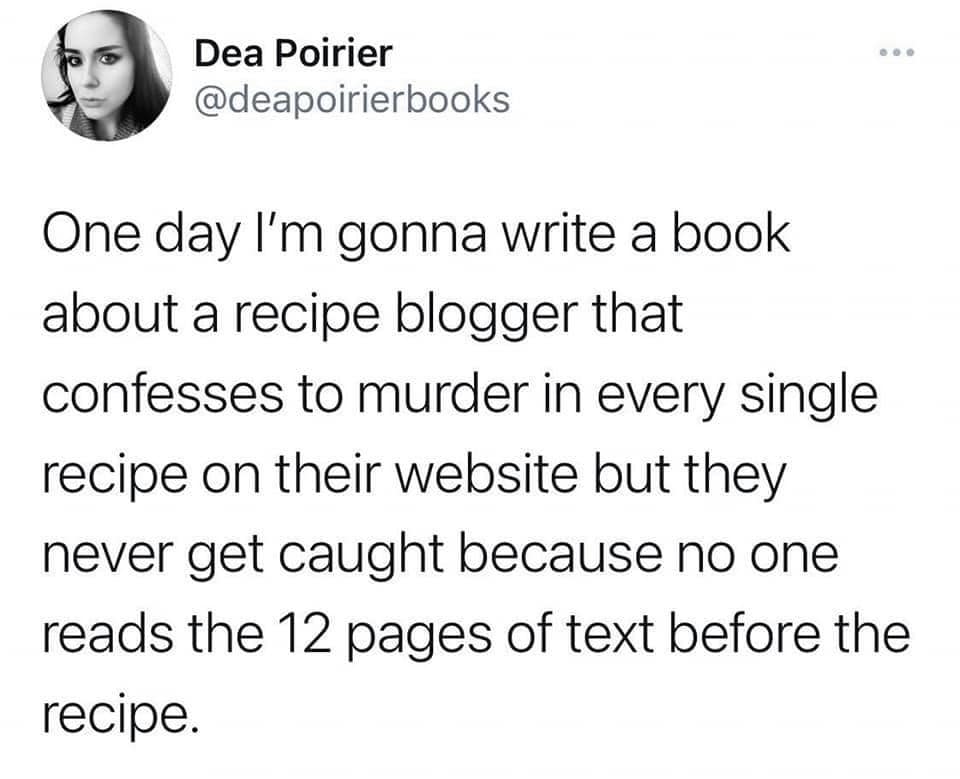
I’m not on TikTok, and I get annoyed with people who post their videos other places. I know it’s a timesaver to repurpose your content, but I’ve complained for years about people posting the same content everywhere. There’s no point in me following you on IG, Twitter, FB, and anywhere else you are if you’re going to post the same stuff–practically at the same time. I might as well follow you one place and open my time up for other things. I’ve muted accounts that do that, and I’m sure others do it too. Videos can be shared a lot of places, and I have no idea how useful it is to share your TikTok video on YouTube, FB, and Instagram. If you’re going to go viral (which sounds like a goal for most people) it would make more sense to let/encourage OTHERS share your video other places otherwise you just look spammy. I’ve seen Dea Poirier’s tweets lots of places, and not because she puts them there. She’s had viral tweets of her own and not once that I’ve seen is because she’s shared on every platform she can find. The true test of popularity is when others start to share your content.

This is one of Dea’s tweets I saw EVERYWHERE on FB after she tweeted it. In fact, it took me five seconds to find it searching murder recipe meme.

Anyway, I believe it’s better to find one or two platforms you enjoy (for me that would be this blog and Twitter) and focus your time and attention there instead of spreading yourself thin and offering mediocre content because your book is under deadline and you’re pressed for time. Maybe I gravitate toward my blog and Twitter because there isn’t much call for video on these platforms. I was talking with a friend the other day, and I told her I don’t like IG because of the toll it takes on my hands holding my phone. Holding my phone aggravates my carpal tunnel. I like things I can do on my computer and while I can post on IG on my laptop, I feel like I’m missing the point of the platform when I do that. You’re supposed to be experiencing the world and sharing those experiences with others–something I’m not very good at because when I’m out and about, besides taking a picture a drink or two when I’m with my sister, I try to stay off my phone.

I’m not good on social media–my Twitter engagement is abysmal, I haven’t posted to my FB author page in months, and on my personal FB page all I share are photos of raccoons. I don’t have much use for social media. I think I come across as prickly and hard to get to know. That’s me in real life as well. I’m a loner at heart and it takes a long time for me to warm up to someone. (Though the friends I have made on Twitter I’ve had since I joined in 2013.) It’s not an ideal way to be if you’re hoping to connect with thousands of readers, and I am trying to put myself out there more in my romance group and asking for feedback on my covers and blurbs. I’m also terrible at taking a hint. I have a few people on Twitter who RT everything, or like all my Tweets, and I never reciprocate. They want to interact because they like my content, and I need to be more mindful of the people who WANT to talk to me.

If you’re looking to get started in video, these tips I’ve gathered might be of use to you, too:

Look at what other people are doing. If you’re a romance writer, look at what other romance authors are doing. Study their viral videos. What made them pop? The music they chose? A new book they’re talking about? We don’t need to copy others, but pick up tips from other authors who are killing it. We do this with covers, with blurbs, even POV (switching from 3rd person to 1st) and we can learn from our peers in other ways, too.

Choose who you’re going to be. If you’re going to film yourself without makeup or your hair done, be okay with that, make your peace with it, and embrace it. I don’t know how beneficial it would be to look like a beauty queen for the first six months while you build and audience then all of a sudden “be yourself.” Be yourself from the start and then you can’t fall off that path.

Figure out what your platform is. Romance is easy–hunky cinnamon roll guys, swoony love stories. I’ve never been good with posting about romance, when it should be my number one go-to for any post. I should read it as much as I write it, and I should embrace all my book boyfriends–the ones I create and the ones I love to read about. How I would get that into videos that promote me as a romance author, I have no idea. I’ve kind of turned into a billionaire romance author, and if Jamie Dornan wants to come over and make out with me while I film it for TikTok, that would probably be a good start. He’s married though, so I doubt his wife would be on board.

Focus on one. If you want to do TikTok, make it a primary goal to build your platform there. Like any social media app, it takes interaction for some algorithm love, and not just by your fans. You have to comment, you have to reply to comments. That takes time and it will be easier to find the time if you just have one platform you need to worry about. If you already have a following on Instagram and want to start posting video there, then do that. But no matter where you post a video, remember it’s the books that are the most important. You don’t have anything to market if you’re not writing.

Look at your genre and where your audience is. TikTok feels younger, but is it? I don’t know. If you’re running Facebook Ads and they work for you, can you say your audience is older? A quick Google search says the average age of a Facebook user is 40 years old. Does that mean your audience is older? Maybe they aren’t on TikTok. If you write Young Adult, it might be a place to consider. If you’re writing “seasoned’ romance and your target audience is a divorced woman in her mid-fifties, it might not be the best place for you to spend your time. Doing some market research and figuring out where your audience is on social media will at least keep you from wasting time on a platform where your readers aren’t hanging out. Romance readers seem to be everywhere, which makes it hard for a romance author not to (want to be) be everywhere, too, but I can look up the top ten billionaire romance authors and if they aren’t on TikTok, that takes some of the pressure off.

Stay out of the author/writer community. For most authors, Twitter doesn’t sell books because we’re so deep into the #writingcommunity we can’t see straight. Unless you’re happy with a handful of sales for the lifespan of your book, other authors are not your readers. This is why Craig Martelle says it over and over again in the 20booksto50k group, it’s why in most FB author groups there is no self promo. Because the other members are not your readers. It’s going to be the same with TikTok and Instagram. Don’t tell other authors in your groups to follow you there, because your account will be following authors, and other authors will be following you. It’s really difficult to find that line in the sand and stay on the right side. Especially since we’re supposed to read in our genre, and I like to promote the romance books I’ve enjoyed. It will take more time to build a fanbase made up of readers, but it will be worth it in the end.


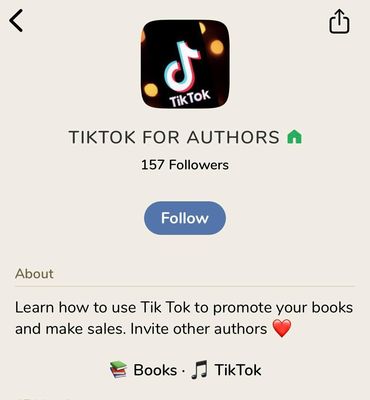
I don’t have many resources for this blog post. BookTok is still new and you will probably get the most out of joining the TikTok for Authors Facebook group. Clubhouse is now open to everyone (though I have 10 invites if you want to be personally invited into the app–DM me on Twitter), and there is a TikTok for Authors Club on there, too. You can join and listen in on conversations where they discuss what is working for them, and after a bit you might have a tip to share!

Search for the room in the app!

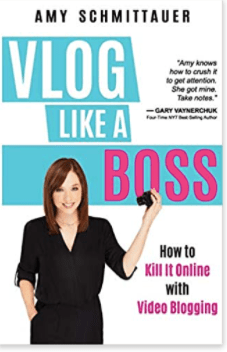
The last resource I have is a book I read a while ago when I was looking into getting video. Amy Schmittauer’s book, Vlog Like a Boss: How to Kill It Online with Video Blogging, has a lot of great advice when it comes to vlogging and those tips can help you at least feel comfortable in front of the camera.

Image taken from Amazon.

Getting comfortable and understanding your goals and the content you want to provide is half the battle when it comes to using video to promote your books. Consistency will help, and if you enjoy what you’re doing, that will come out in your videos too. I don’t know if I’ll ever get into video. It’s difficult not to jump into the next big thing when you want to market your books and feel like sales have stalled, but the one thing I can count on is writing the next book which is where you can always find me, no matter what kind of hot new platform comes along. Good luck!


I’ve been struggling with content for this blog for a little while–maybe that’s a good thing as it means the indie community is quiet. Whatever the reason, I’ve decided to still post four times a month, but my more informational blog posts on the first and third Monday of every month, and now that I’m back into publishing, a personal update on the second and fourth Thursday of every month. I think that will still provide my subscribers with the content they find helpful but it will take some of the pressure off me to keep my blog posts relevant. I still very much enjoy this blog and don’t plan to stop blogging, and who knows . . . maybe things will pick up once the summer is over and there will be more things to talk about again. Thanks for understanding!

Monday Musings: Thoughts on being an indie author, the RWA, and what I’m loving right now.

Being an Indie Author

Being so fully immersed in the indie community, I see a lot of support indie authors. I think it’s great, you know, who doesn’t want to be supported? But we also say this a lot: who publishes our books doesn’t define us or the quality of our craft. So can we have one without the other? Can’t we say we should support ALL authors–because what we’re doing is hard, no matter who publishes us.

I don’t mind being defined by the fact I’m an indie author. I never wanted the stress of querying, and I never considered a book deal to be anything but giving my rights away for pennies on the dollar. But, if I’m running my business correctly, I don’t feel I need any more support than any other author. Traditionally published authors rarely get much help from their publishers except for certain cases like they’re already a household name, or a book sold at auction and the publisher markets the heck out of that book and author because they want to earn their advance back and then some. If you read a book, do you review it? Are you more inclined if it’s an indie book with 5 reviews, or a trad book that already has 1,000? Maybe it’s a nitpicky thing to be thinking about on a Saturday morning, but I was scrolling through the WordPress reader before I set up this blog post, and because I follow a lot of indie authors, I saw this phrase this morning and it stuck out.

Do indie authors need any more support than any other author? I know a couple of authors who are published by small presses. Smaller than small, tiny, presses, and to be honest, I feel like they need more support than I do! Those presses don’t have the budget for marketing their authors, yet those authors, in essence, gave their rights away and now they don’t have access to their KDP dashboard to run ads. If they do run ads off of their Facebook author page, they are paying for ads for a small percentage of royalties. At least I know if I sink time and money into my books, it’s for me. It must be difficult to accept that if you spend time and money on your books and you’ve been published by a tiny press that you’re not only working for yourself, you’re working for them, too. I suppose it depends on what you’re willing to give up and what little you’re willing to receive in return. You can support me, but I’m thinking another author might need it more.


The RWA and Vivian Awards

I just erased about 600 words of what I thought about the RWA and the Vivian awards and all that’s going on with that organization. The more I thought about it, the more uneasy I felt, and I think I’m going to take the easy way out and not say anything. I’m glad my membership expired last year and I’m glad I didn’t renew. I had high hopes for the restructuring of the organization, and for what the new president could do. It seems like it’s going to be more of the same, and in a world where we’re all moving forward in every way possible, it’s not right for an organization who says they champion all writers to hang back. Inclusion can’t just be a concept. It has to be a way of life. I don’t ever want to be a member of an organization that can say it, but not mean it and prove it by their actions.


KDP and A+ Content

I’ve also been hearing a lot about A+ Content on KDP. I haven’t tried it yet, though I know with the impending releases I have coming soon, I’ll have to decide if I want to invest in the time it takes to make the graphics to put anything together. If you use a lot of graphics on social media, you may already have something you can repurpose, and if you pay for Canva Pro, resizing them to the pixels KDP requires is pretty easy. It sounds like an utter time suck to me. I like to play on Canva as much as the next person, but thinking about adding all that extra to my books’ sales pages gives me hives.

If you’re interested, Dave Chesson has a comprehensive blog post outlining its features, and I’m sure in the coming months now that the Kindle Vella sensation is pretty much over, we’ll be hearing more about it and if it’s working for other authors. For now, I can only assume that a good title, good cover, good blurb, and a fantastic look inside will get your further than spending time making graphics. On your book’s product page, you have to scroll to reach the extra content, and if your cover isn’t good or your blurb isn’t hooky enough, a reader isn’t going to spend time on your product page anyway. It all depends on where you want to spend your time. My creative brain would rather write, but my business brain knows there’s no point in writing if I can’t get readers to the words.


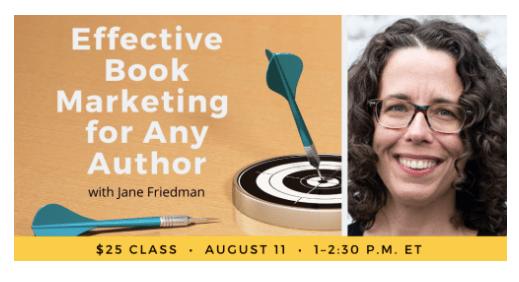
Book Marketing with Jane Friedman

taken from her website

Speaking of finding readers, if you are looking for new ways to market your book, I suggest you give Jane Friedman’s book marketing webinar a try. She knows the industry inside out and I’m sure she’ll have new insights as to what is working now and what you can avoid. It’s only 25 dollars and you get the replay if you can’t watch it live, the files she uses, and you can download the video if you want to be able to watch it again. I’ve taken several of her mini-webinars (as I call them) and there is so much value. Look here for the course description. Effective Book Marketing for Any Author (Even If You’re Starting From Scratch)


Billionaire Romance Stats by Alex Newton of K-Lytics

Screengrab taken from Alex’s K-lytic’s site.

If you’re looking at writing billionaire romance like I am, Alex Newton of K-Lytics did a report you can purchase for $37.00. The pre-recorded webinar talks about what is selling in the billionaire romance market, how hot the niche is, what book covers are selling, etc. It’s interesting information, and just knowing that I chose a subgenre that will never die (like vampires he says) gave me some security. He also analyzes different genres and subgenres and all of his mini-reports are chock-full of information. A great value! You can find the Billionaire Romance Report here.


That is all I have for today. I’m 18k into a new project while I get my blurb and cover together for the first book I’m going to release…I’m not sure when. I wanted to this year, and maybe I still will if I can figure out some kind of launch/release plan. Obviously I’m not going to hit it out of the park with one single standalone, but that one single standalone is going to be a foundation for a new pen name and I want to make sure every book I release from here on out counts. Pressing Publish and walking away did nothing (and I’m not quite sure why I thought it would), so I have to figure some things out. If that means waiting, that means waiting, but I’m not going to wait too long. I’d rather publish for a handful of readers than keep these books on my laptop for any more time. I will keep you posted!

Until next time!

It’s all about genre.

Happy Monday! It’s almost the end of July and then we have just a few more weeks of summer left! While fall is my favorite season (woodsmoke! crunching leaves! cooler weather!) I don’t like to rush my time along, and I’m going to make the most of August and the lazy days still ahead.


At any rate, I love being plugged into the indie industry, listening to what other top indies are doing, and where their heads are at right now. Mostly, at least last week while I was consuming information, it seemed the subject was choosing genre.

Choosing genre can be really hard for some writers, reluctant to settle on one thing for fear it will stifle their creativity, or they choose not to do it all together, claiming to be multi-genre authors with “something for everyone.” While I agree that we should write what we want to write so we never lose that spark of wanting to create, I’m still of a mindset that if we want readers to consume our work, then we need to figure out how to deliver that work into the hands of the people who will enjoy it most. A friend of mine writes in several genres, never publishes under a pen name and she spends a lot of time on Twitter directing readers to books she thinks they’ll enjoy. That’s great, and if she’s willing to network and “show people to their seats” like a theatre usher, then she should have at it. But while she’s curating her own library for her readers, when is she writing the next book? “Something for everyone” is hell on marketing.

I was listening to the Wish I’d Known Then Podcast for Authors with Jami Albright and Sara Rosett, and they interviewed guest Lee Strauss. I haven’t read any of Lee’s work (she doesn’t write a genre I read) but she had some great advice about choosing genre and figuring out what you like to write best through trial and error. (Hint: what you LOVE TO READ BEST is probably a good starting point for figuring out what you’d like to write best. And don’t @ me and say you read everything–I read widely as well, but if you take an honest survey of what you read, you’ll find a genre that tips the scales.) I commented on their FB page for their podcast that while this kind of information is great, the writers listening probably already know settling on a genre is the best way to go. Jami gentle corrected me and said you never know who will need to hear something like that. I agreed, but, on the other hand, a listener also has to be open to hearing the information, accepting it, and willing to apply it to their own careers.

Back when I started writing, if someone had told me to focus on one genre, I would have said, “But I am.” Little did I know that contemporary romance isn’t a genre. Contemporary romance is the ocean. Thriller is the ocean. Mystery is the ocean. Women’s fiction is the ocean. Drilled-down subgenre is a pond, a little pond where you can specialize in what you want to be known for to your readers. A duck can get lost in the ocean. Probably eaten by a shark. A duck is cute and safe in a pond. Lee’s interview proves my point–she settled into historical (1920s) cozy mystery. Can’t get any more drilled down than that.

If you want to listen to her interview here it is. She also goes a little bit into character attachment and what that means to a reader. I found it really interesting and may write a blog post about that another time.

I think talking about genre is interesting. There are so many people who think that choosing a genre will pigeon-hole them they refuse to do it, yet they try to query. Agents don’t want a book that’s a mix of three different genres. Your agent wants to see your book on a bookshelf at Barnes and Noble just as much as you do, and if you’ve ever gone into a bookstore, their shelves are still divided by genre. If you’ve got a romantic fantasy horror just waiting to get out, where is the manager of that Barnes and Noble going to stick your book? Romance? Fantasy? Horror? (Never mind what that cover is going to look like :P)

I like writing romance, I’m always shipping couples who don’t need to be shipped. I look for romance everywhere. It wasn’t hard for me to figure out that’s what I wanted to write, but when I say contemporary romance isn’t a genre, I mean it’s too big of a genre to write in, too many subgenres and tropes, and like my friend who writes everything, my readers have to pick through my books to figure out what they’re going to enjoy most. That’s not a way to keep readers and, while it isn’t difficult, doesn’t have the return on investment that it could.

I think we get a little confused because when we publish on Amazon, or Kobo, Nook, iBooks, Google Play, we no longer think of shelves. There aren’t any shelves in the Amazon store, no end caps featuring the latest deal or overstock stores want to get rid of. Because of this, browsing is a lot harder for a reader, and they need to search for what they like, such as Vigilante Justice, or Small Town Romance. Then, if you have your keywords and categories correct, your book will show up on the results page. But, you’re saying, you can genre-hop and this will still work.

It will. When someone wants small town romance, maybe my Rocky Point Wedding series will pop up. (Likely not since my books are old and they don’t have many reviews, rending me useless to Amazon.) But say they like your Women’s Divorce Fiction you wrote under the Women’s Fiction genre–and they want more Women’s Divorce Fiction. Oh, you only wrote the one book, too bad, and they move on. Chances are really really good that they might read another one of your books anyway, but if you had more Women’s Divorce Fiction for them to choose from, you just caught yourself a reader who will read your entire backlist. Think of your Amazon Author Page as a store, and your list of books as a shelf. Do they all fit on that shelf? My books fit in Contemporary Romance, but with a sports romance trilogy, enemies to lovers, age gap romance, close proximity, then a four-book small town romance series, you can kind of see why a reader would like to read my enemies to lovers then drop off from the rest of my backlist. They aren’t similar enough to hold a reader’s interest. I wanted to be like Nora Roberts–able to write everything. I’ll never be like her. Her career and mine will never be the same.

I can see why you’d be balking, even to me it sounds extremely limiting, but the secret is to choose a subgenre and then have fun with the tropes. I chose Billionaire Romance to start up my pen name, but I can do anything I want with tropes. Enemies to lovers, fake fiance, my brother’s girlfriend is off limits, even a little mystery suspense. I’ll grab every reader who wants billionaire and more importantly, keep them because they know that’s all I’ll offer them. Had I known that, maybe I would have focused all my other books on small town romance. I am from a small town, after all, but it actually wasn’t until recently that it occurred to me to even write to trope. After four years of writing, you’d think that would have clicked into my brain a long time ago, but like many new authors, I was just writing the stories as they came to me and assigning the genre/subgenre/trope after the book was written, if there was even a trope after all was said and done. My sports trilogy and my Rocky Point Wedding series don’t follow tropes very well. It’s no wonder the ten books I have out never really did anything. I didn’t have a direction. Maybe all those who wander are not lost, but my books now are out in the weeds and there’s no pulling them back.

As for readers of blog posts like this, and listeners of podcasts like Jami and Sara’s, and even writers and authors who watch YouTube videos by indie authors like Derek Murphy who extol the idea of writing to market and writing to trope, maybe you aren’t ready to do things this way. Maybe you never will be, content to be a theater usher using social media and marketing to direct readers to that one book in your backlist they’ll enjoy. That’s okay. I don’t think my friend will ever change how she does things–she says she enjoys writing whatever she wants. Maybe you enjoy the creative freedom so much that you’ll take worrying about where your readers will come from in exchange. Or maybe in a couple years you’ll think back on this post and realize you’re in the same spot you were in when you read this and you’ll be open to a new way of doing things. And maybe Jami is right after all–maybe there are writers out there who don’t know there’s a better way to do things.

If you want to watch Derek Murphy’s latest video, here it is:

For me, this kind of content is interesting. While I was listening to Lee, I kept nodding, smiling even, because what she found out, I too have found out the hard way by way of little traction and no audience.

If you’re interested in trying it my way, and the way of other indies who have built and audience and are making a livable income off their books, how can you start?

  1. Pick an ocean genre. Contemporary romance, thriller, women’s fiction. The biggest umbrella you can find. Because while I said most readers don’t hop around, some do, and this wide net will catch a lot of fish. But then–
  2. Choose a subgenre. Subgenres are not tropes. Subgenres are niches within the larger genre such as billionaire romance, small town romance, vigilante justice, hard-boiled detective, family saga.
  3. Then choose your tropes. You might think that Billionaire Romance is limiting, but I’ve written 11 books so far, and I haven’t run out of ideas yet. It’s kind of like the idea “free as a bird in a cage.” You have boundaries and you know what they are so you have more fun playing. If you feel safe, you’re more secure in your story, and your confidence will come out in your writing.

Of course, coming from me, it would make more of an impact if I could say, see, my Billionaire Romance has made me $100,000 this year (God, that would help me with so many worries!). Of course, I can’t, but you can take a look at any indie author making it to see they stuck to a certain subgenre and used familiar tropes in their writing to see that I’m not wrong.

As far as genre and subgenre and tropes as buzzwords, I guess they’ll always be around. No matter how much you want to brush them off for the sake of your creative freedom, they are there for reasons that may we not understand let alone want to accept. That will have to be a choice you make, and I wish you the best!

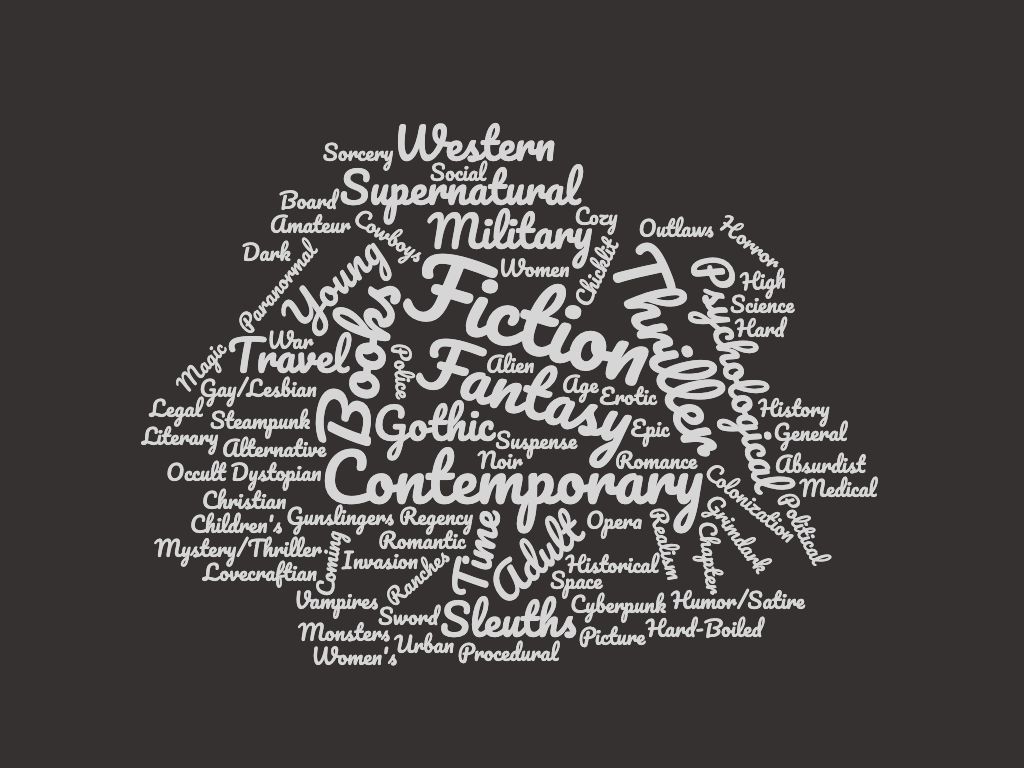
Here is a good list of Genres and Subgenres from Writer’s Digest. I can’t help but note what the start of the article says. 114 Fiction Sub-Genre Descriptions for Writers

I didn’t find a list of subgenres or tropes for Women’s Fiction. Indie publishing has drawn hard lines when it comes to romance, something it took me a lot of time to discover. Women’s fiction is blurrier, but if you look women’s fiction authors, they still tie their books together, like Pamela Kelley and her Nantucket series, or Elizabeth Bromke and her family sagas. I did find a list of themes, and I think the article explains women’s fiction well and worth a read if that’s what you’re looking to write: Themes in Women’s Fiction


This is it for me this week. You can think of this blog post as filler, if you’d like, because I’ve blogged about this before (I hope it will be the last because I’m even starting to bore myself), but I’m spending the week in Georgia and my mind is already on vacation. I think genre, subgenre, and tropes are important though, they are the core of each book we write whether we want to admit it or not. Something clicked with me when I decided to write to trope, and maybe it will for you, too. Have a great week ahead!

Monday Musings, Fear of Success, and Where I’m at Now.

Happy Monday! It seems a little crazy to me that summer is half over. Time is flying by and I hope that you’ve all been productive! Not only is summer half over, we’ve past the halfway point of 2021 as well (which was July 2nd). What have you accomplished in the first half of the year, and what do you still want to get done before we say goodbye to this year?

This year, so far, I’ve written three and a half books. Well, maybe three and three quarters as I started one in December of 2020, but I don’t need to get too picky about it. I have slowed down and started (finally) editing these, and I’m going to release one, if not two, this year. I think I’m going to release my fake fiancé trope first, as I feel that is a stronger book than my ugly duckling trope. I just finished the second read-through of it and I’ll listen to it this week to check for typos and syntax issues. After I do that, I’ll format it in Vellum and start working on the cover. The cover and blurb will take the longest because I don’t have a team and I workshop these in various Facebook groups for feedback. Formatting, editing, and cover always take longer than I think they will, but I’m hoping for an October release.

I don’t have a Christmas story to publish this year, so I may wait to release again until after the New Year, though I always have to keep Amazon’s 30- 60- and 90-day cliff in mind. Next year I’ll begin releasing my six book series and after that, the third standalone I just finished up. It’s nice to be able to look ahead with a tentative plan, but I also want to keep writing new material and I don’t know how the more prolific indies can work on three or four things at a time to keep their production moving along. It seems almost crazy to me that authors can write and publish four books a year, though in some FB threads I’ve read the authors who do this the best are about 6 months to a year ahead of their own schedules. That makes sense and I could get my six book series ready. If I publish them two months apart, I would have a whole year of a buffer to write more books, but that seems to call for more organization than I have, especially since as I said, I don’t have help and need to keep all the details of my business straight on my own.

I was listening to the I Wish I’d Known Then podcast with Jami Albright and Sara Rosett, and they interviewed Lucy Score. Lucy is a 7-figure author and has created her own mini publishing empire. While I admire her and she’s a very motivational figure, her success scares me in some ways, too. I wouldn’t feel equipped to deal with it. I don’t have a team, or a circle of people I trust, really, to help me. Her husband works for her, her brother, they have friends who help, and she pays these people. To think about people depending on my writing for their livelihood gives me anxiety and while I too, want to be a 7-figure author, the idea scares the crap out of me.


That does bring to mind something I’ve been thinking about lately, and that is fear. We all fear being a failure in our writing, releasing a book and having it fizzle out the second we hit publish. Our books can fail in a myriad of ways, and it’s tough to determine which hurts more. Maybe we publish and we get zero sales, or maybe we publish and we have a great first week only to sink and never recover. Or maybe, and I think this scares all of us, is we publish our book and no one likes it. No one likes it, and they aren’t shy about letting us know–usually in the form of a scathing review.

Fear comes in other ways, too, like success. We fear success because we don’t know how to handle it, or we’re afraid we won’t be able to replicate it. The second book syndrome is real, and even if it’s not your second book, any book you write on the heels of a successful one could cause you some fear and anxiety. Nobody wants to be a one-hit wonder.

And so we do nothing. We put off writing, or in my case, we put off publishing, thinking if we just do this one thing (write another book, wait for a life event to finish, wait for a new month, wait for a new year) then we’ll start. If you’re putting off something, like writing, publishing, querying, ask yourself why. Are you afraid to fail? Or are you afraid to succeed? You can hide behind your fear, but at least be honest about it. You can always carve out writing time–1,000 words a day will net you a decent sized book in two and a half months. If you’re not doing that, if you’re saying, I need to wait until…. that’s a huge red flag that you’re scared. I’m scared. For the past year I was telling myself I’ll publish when I finish the next book, then the next, then the next, and if I keep writing without publishing, I’ll feel like I’m drowning in the books I have on my computer. Maybe if you’re not writing you’ll suffocate on the words that are supposed to be there but they’re not. The only person who can fix that is you.

So, anyway, that’s where I’m at. I may need to learn to work on more than one thing at a time if I want to be able to write while I have books in the production phase of publishing. My mind kind of took that fake blurb I wrote for the fake cover I did for my blog post on how to create a full wrap paperback cover in Canva and ran with it, and I have an amazing romantic suspense novel stewing around in my head that won’t let me think about anything else. I love writing standalones, and the interview with Lucy helped me come to terms with that. She writes standalones as well–it isn’t always about series all the time–and it made me feel better about the standalones I’ve been writing lately. The six-book series I wrote last year during the COVID lockdown will be my shining star–I’ll never be able to do it again–but I have a less complicated series that I started (I’m two books in) and I should finish those before I lose the thread and the want to finish them up.

I’m supposed to be going out of town next Monday, a trip to Georgia, but we’ll see how things go. I’ve had bad luck traveling lately, and my daughter just informed me she has a cavity that I would like to get taken care of before I go but my dentist has a busy office and that may not be possible. I don’t know if I’ll have a blog post for next Monday. Summer has slowed down for everyone, and at this point in time, I wouldn’t know what to blog about. It wouldn’t hurt to take a week off, but since I’ve started this crazy publishing path, when have I ever done that?


Coincidentally, Craig Martelle did a 5 Minute Focus on the price of success. He just streamed it today, so i will leave you with that, and a reminder of a couple things going on this week. Make the most of the rest of your summer!

Until next time!


Bryan Cohen started his Amazon ad challenge today. Amazon thought so highly of it that they featured his challenge in their blog. If you want to learn the basics of how to put together an Amazon ad for your book or series, check out his challenge. It’s all free, and if you join the FB group attached to the challenge, he, along with some of his staff at his blurb writing business and some of his successful students of his Amazon Ads school are around to help you out. I learned everything I know taking these challenges, and if I keep my eye on my ads dashboard, I never lose money.
If you want to check out the Amazon blog post, click here.
If you want to sign up for his ad challenge, click here. (This is not an affiliate link.)
If you want to join his Amazon Ad Challenge Facebook group, click here.
If you don’t want to join a FB group, he expanded this challenge to a slack group, and you can click here to join.


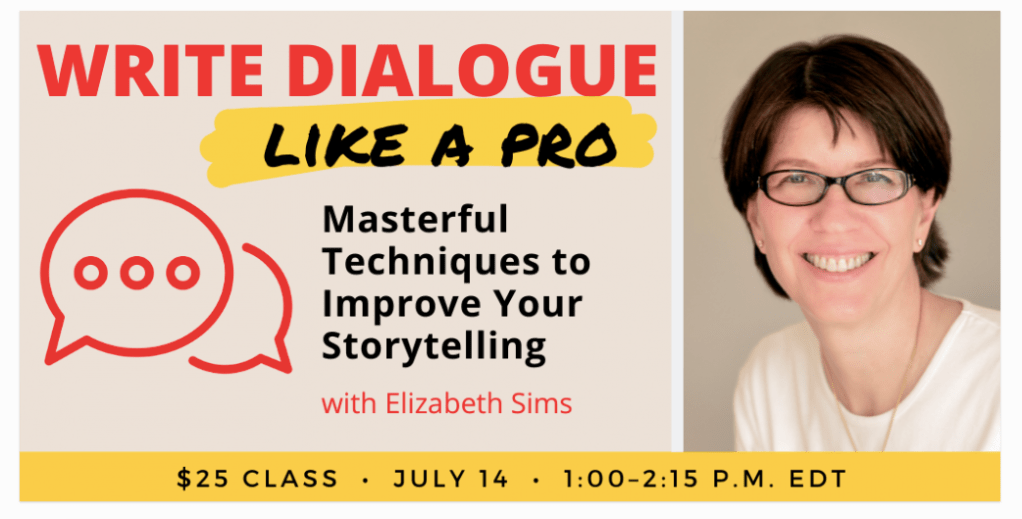
Wednesday, July 14th, Jane Friedman is hosting Elizabeth Sims in a Zoom webinar about writing dialogue like a pro. I’ve signed up for it, and for $25, all the information is worth it. There is a replay if you can’t watch it live, and Jane sends you the files afterward to download to keep. It really is a great value, and as far as I know, everyone can use a little help with their dialogue. If yours is stiff, doesn’t sound natural, or if you have a problem with dialogue tags, this class is for you. Click here to read more about it and to sign up. (This is not an affiliate link.)

Enjoy your week!

Thursday Thoughts and grabbing ideas from big-time indie authors.

Happy Thursday! I can’t believe it’s already June 10th. I have a feeling this summer is going to fly by. Last Tuesday night I went out for my usual dinner with my sister and the restaurants were packed! I think that with summer, the COVID vaccine, and most places lifting the mask mandate, more and more people are going to be to out and about. That’s not a bad thing, but our businesses here haven’t caught up with demand. So many restaurants need staff and have signs out front. Fargo, ND, is also getting an Amazon distribution center soon, and it’s going to take 500 jobs away from local businesses that look like they already need help. I’m not against Amazon and I think it’s great we have a distribution center coming here, but it will make for some interesting times ahead and the push/pull it will create in the job market. Maybe I still have a little human resources in me after all.


As for a personal update, I’m 57,500 words into this new book, and I should be done with it by the end of the month. It’s going to be longer that my other standalones. Usually I’m just about getting to the “big bad” or it’s already happened, and I still have a few more scenes to write before I get there. While that rests I’ll get working on my newsletter (no more about that or your eyes will start to bleed) and maybe look through my list of tropes to find something simple to offer as a newsletter magnet. You know, I like writing and can write 50,000 words in about three weeks (according to my document information, I created my current WIP on May 15th). So whether I want to or not I will write something to use as a magnet, and the fun part will be figuring out what that is.

I’ve been feeling okay lately, though I’m far from kicking the infection I’ve had since December. I’m writing a side project on how I’ve been dealing with it and what I’m doing on my own outside my doctor’s help to get rid of it. I’ve done quite a bit of research and let me say that in this area of women’s health, the advancements are sorely lacking. When it’s done I’ll put a link up to it so you can take a look if that’s what you really want, but this blog isn’t the place for that type of thing. I’ll probably put it up on Amazon and other platforms for free as I don’t want to make money off it–just offer awareness in all the places that I can. It will be about 10,000 words, and formatted that might be enough to put it into a hardcopy form but I’ll have to look up KDP Print’s minimum page number count.


You all know I’m on Clubhouse and over the weekend they had an Indie Author’s Conference. They had a variety of speakers, and one evening a 7-figure author spoke about how she launched her books. Of course the “room” was packed and I sat with a notebook and was prepared to take a million notes. I have launches come up too, and I am soaking up a lot of launch plan information right now. Quickly I learned that her launch plan was going to be very different from my launch plan and I left the room discouraged. This author has been publishing for years, has a giant newsletter following, has a lot of books across four pen names and the information, while great, didn’t contain much I was going to be able to use. I am so grateful to the indie authors who are making it who are willing to share their information, but when you’re starting from zero like me and my new pen name and the only information I have is what I’ve learned on my own publishing the last four years, the information they share you may just not be ready for. There were little things like the promo sites she uses (David Gaughran has a great list here) and of course, everything I hear these days is to start a newsletter to keep your readers engaged, and she does reiterate that your book has to be ready to launch. Edited, good cover, good blurb, back matter up to snuff with the call to action of your choice (preorder link for next book perhaps) otherwise it’s not going to matter how you launch, your book will be DOA. I understand all that, but it is still a shame that authors giving advice have to remind other authors of that. At any rate, I will keep scrounging for information first, second, third, or even fourth time launchers can use. Here are the top items in my launch plan that I will start using and keep using going forward:

  1. Start/keep up a newsletter, though I’m not going to be able to participate in swaps until I can get something going and have something to offer in return.
  2. Use promo sites like Freebooksy/Robins Reads/ENT. Every once in a while you hear of a name that hasn’t been shared before that I forget too, like Red Feather Romance, part of Written Word Media specifically for romance authors.
  3. Use Amazon ads. Once I get my pen name up and going I may try Facebook ads again. The few times I have they haven’t worked very well, sucking up my money with no conversion or sales on my end, but that could be an operator issue and not a machine issue. Also, I think that what I wrote in my last blog post is absolutely true: ads work when your book is already selling well. I’ve learned you can’t press publish and walk away. I dropped the ball many times when I should have been working harder than ever to use that new release energy.

When you’re absorbing info from other authors you have to decide what you can use and what you’re not ready for. There is no shame to admit that some of the information you’re hearing is over your head. I understand why organizers of these events ask the big-time authors to share what works for them because the info they provide is invaluable. Not only do they show us the technical/business side of the writing, they show us that it is actually possible to make a living, to create a reader following.This author has been writing and publishing for years and has built an audience and more importantly, keeps that audience fed with consistent releases. You may not be ready for the information for different reasons. You can’t release that fast, or you can’t afford all the things she’s doing, or maybe you don’t even know what genre you want to write in yet and you’re exploring your options. There’s no shame in admitting you aren’t at someone else’s level. In fact, it’s smart or you’ll get overwhelmed and you’ll just go crazy trying to keep up with someone you have no chance at keeping up with. And possibly spending money you don’t have. This isn’t comparisonitis, it’s simply taking what you can, if anything, and moving on to an author more your level who is killing it in their own way. I kind of came to this realization too, while listening to Mark Dawson’s launch plan mini-course I purchased from his SPF University. He’s so far from where I am, all I can do is take bits and pieces and hopefully twist what he does into what I can use for my own purposes.

I like listening to Clubhouse chats, and there are so many people out there who are willing to share what they know. Maybe one day I’ll be sharing what I know on Clubhouse too, but I’ll definitely be starting from zero.

What I’m liking now:

David Gaughran Starting from Zero course graphic. Blue with author photo.

Speaking of starting from zero, David Gaughran has a free course that takes you through exactly that. You can find it here. (Image taken from his website.)

The Six Figure Author podcast did an episode where the hosts talked about what they did wrong at the beginning of their careers. This episode is especially interesting to listen to if you haven’t published yet, and you can listen to it here.

That’s all I have for today! I hope you all have a wonderful weekend!