Do You Wanna Write a Novel?

927 words
5 minutes read time

snowman wearing orange and white hat and scare sitting in front of a laptop outside blue sky

It’s that time of year when everyone is thinking about writing a 50k word novel in November. I’ve only done NaNoWriMo one time, way back in, I think it was around 2014. A couple people at my work found out I was writing what would now be my shelved fantasy books and asked if I wanted to join them. I said sure, and we started meeting at various places, including Perkins, which I always enjoyed because I have a thing for French Silk pie. I stopped writing my fantasy book and started what would be Don’t Run Away, the first in my Tower City trilogy. It was fun, if not a little intimidating for this introvert, because we met with some of their friends whom I didn’t know. My kids were older so I had a lot of time to write and I “won” the first and only time I officially participated–and by that I mean creating a profile on NaNoWriMo’s website and logging my words written.

I remember the thrill of meeting with other writers, talking shop and sharing a common interest. It’s a high I think a lot of people still chase–that feeling of belonging.

I found it for a few years on Twitter and tried to replicate the in-person feeling by joining a writing group in the town where I live, but that ultimately didn’t work out. I’m not saying they were unfriendly, but they were established, having written for many years together, and wiggling in took more energy than I really wanted to spend. Productivity-wise I’ve never needed something like NaNoWriMo to keep me going. I love to write, and while I can understand the concept when people say they love “having written” putting words down isn’t a chore. I’ve never had a problem sitting down with a cup of coffee and writing couple thousands words in an afternoon.

Back when I was hardcore about treating my books like a business, I knew how beneficial it was to have a backlist and a steady stream of new books. For me, that was plenty of motivation. These days, since the beginning of 2025 at least, I let go of the idea this will ever be a career and have lightened up a lot when it comes to how many books I want to write and publish in a year. I only have one book scheduled to release in 2026, and while I’ll still be writing, dedicated productivity just doesn’t seem as important as it once was.

NaNoWriMo might have gone away, but a writer’s desire to belong to a group of like-minded people is still there and this month a few alternatives have popped up to fill that need. I signed up for one, not because I need encouragement to write, but because lately I’ve been looking for something different. I don’t know if Novel November, ProWritingAid’s answer to the now-defunct original writing challenge, will be what I’m looking for, but this is the first year in a long time that I’ll actually be able to participate because I’m not editing something, helping someone with one of their books, or taking a break.

If you’re looking for an alternative to NaNWriMo, here’s what I’ve come across online:

ProWritingAid
ProWritingAid started Novel November and after looking around the dashboard, it’s feels pretty close to what NaNoWrimo was. PWA has offered author services for years and I have a good feeling about participating. If you want to sign up or take a look around, you can find it here: https://prowritingaid.com/novel-november

Successful Indie Author
This is Craig Martelle’s Facebook group and he started No Excuse November (NoNo). Right now information is only in his group, but it looks like he’s partnering with Draft2Digital and creating a website as well. I know Craig hit a few bumps while he was a part of 20booksto50k that banged up his reputation, and if you have no interest because of that, that’s okay. I’m just offering all the alternatives I’ve come across online. His Facebook group is large, with 8k members, so you’ll find plenty of support there if you join his challenge. He also has May I Write a Novel that happens in May, so there are two challenges a year if that’s something you were looking for or need. I think NaNo had writing camp in July, so Craig’s group would be a good substitute. You can find his group here: https://www.facebook.com/groups/successfulindieauthor

Reedsy
Reedsy created the Reedsy Novel Sprint 2025. It looks like you have to write in their Studio to be eligible for all their benefits, but if that doesn’t bother you, this challenge looks like it will be very supportive. There are already 15,000 authors signed up and you can join events like First Line Frenzy™: Submit Your Opening Line. If you’re interested in looking around, you can find it here: https://reedsy.com/studio/challenges/reedsy-novel-sprint-2025

I’m sure there are others, and a lot of authors are making up their own.

I’m actually kind of excited to be participating in PWA’s Novel November. I’ve loved writing all my books, but since I left Twitter, I haven’t felt part of a group. Like everyone is working on something bigger than we who are as individuals, if that makes sense.

Are you going to join in a challenge? Let me know.

If you know of a challenge that I didn’t mention or are putting on your own, mention it in the comments. Someone might want to join in!

Thanks for reading and have a great week!

Networking with the Right People at the Right Time

1,554 words
8 minutes read time

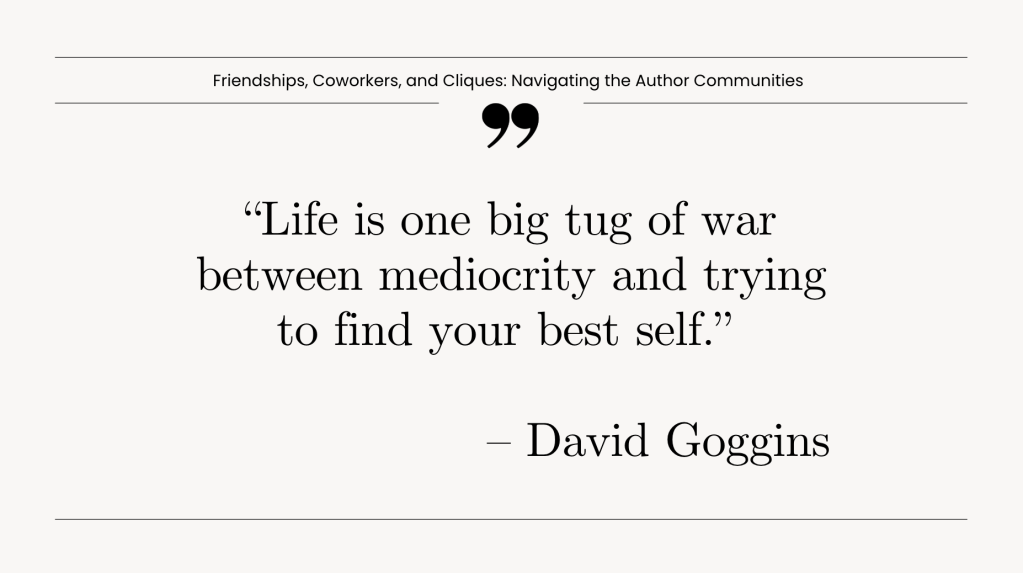
"life is one big tug of war between mediocrity and trying to find your best self"  david goggins

quote on cream background

In my last blog post, I talked about the writing community and meeting and networking with the right, or wrong, people. I see this on Threads, even today, though not at the scope it was on Twitter say, eight years ago. Back then, there were, like I said, themed days to post your work, like #1linewed​ #2bittues​ and #fridaykiss​ ​(that has since been moved to Instagram). The #writingcommunity​ was a melting pot of genres and publishing levels. It was easy to get swept away by how “professional” everyone seemed with their websites and debut books. Talk was cheap and sounding like you knew what you were doing had more weight than actually knowing what you were doing. I’m not sure how many books I bought that had fabulous covers that just sounded blah inside. And of course, the number of followers topped everything, and someone with 30k followers interacting with you or retweeting a tweet was like Christmas morning.

It was easy to lose sight of the real reason (if you knew the reason at all) you should have been networking, and a realization like that takes years to come, if it ever does.

If I were to do it over again, I’d stay off Twitter and focus on Facebook groups. I was there, too, in groups like Bryan Cohen, Mark Dawson, and 20booksto50k. But those groups were like being on Twitter–a mishmash of genres. I’d definitely focus more on romance groups and getting to know those authors. Once I started publishing, I did do that a bit, and joined the Romance Writers of America, but I didn’t get involved to nearly the extent I should have. That brings me to where I am today. Not having very many romance author friends and not having the energy (or time) to fix it.

I sound like I’m all gloom and doom, regretting and maybe resenting the path I didn’t realize I was taking, but that’s not entirely true. There’s a lot of good that came out of it, but it doesn’t benefit me in the way I’d like it to now.

When I dove into the Do-It-Yourself part of indie publishing, I didn’t hold back because I love the entire process. The formatting, even back before Vellum existed and we were formatting our CreateSpace manuscripts in Word, and book cover design, also in Word before Canva was around. I bought a book on how to use WordPress and set up my own website. Then tools like Vellum and Canva did come into existence, and with the encouragement of my friend Aila, I started using Canva and learned how to make graphics and later, book covers with it. I remember I wanted to do my book cover for Wherever He Goes in Canva, but I wasn’t sure if it was possible. Up until then, I was doing them in Word with instructions that I found online somewhere, but I thought, A PDF is a PDF, so why not try? So, I did the same thing I was doing in Word but in Canva, and I actually made a very nice (for what I was capable of back then) cover. If you want a sample of what I was doing back in 2017, you can look here: https://vaniamargene.com/2017/03/14/your-books-back-cover/ (Also, yikes!)

I was very into the soup to nuts of indie-publishing like a lot of people were, and while I do think it set me back in some ways, there are some skills that I don’t regret nurturing like learning how to use WordPress so I can maintain my own blog, or learning how to use Vellum so can I re-edited and update back matter whenever I want. The Canva tutorial on how to make a full paperback cover wrap has helped thousands of people, and I never would have been able to write it if I hadn’t learned how to do it myself.

But leaning into nonfiction really wasn’t what I had in mind when I was first starting out. Actually, I’m not really sure what I was doing. I never really thought I’d be able to turn my books into a career, and didn’t know how to go about it anyway. It took many years to figure out that other authors weren’t readers, that your cover, title, and blurb are more important that you realize, and when you’re just starting out, your books aren’t going to be very good. Meaning, I really do think it takes a million words or more to find your voice and style and actually write books that sound good. I think the only way I could describe what I was doing is fucking around, but seriously. Seriously fucking around. While I had good ideas, (I still love the short story I wrote about a woman inheriting a huge mansion on the coast in Oregon and falling in love with its caretaker) we all know that good ideas do not build a readership.

Which is probably why I’m stalled now, because I’m still seriously fucking around. My books have gotten better since I first wrote to publish back in 2016 when I wrote On the Corner of 1700 Hamilton, but I’m still stuck in the same DIY pattern I was back then, doing my own covers, doing my own formatting, and doing my own editing. What was popular and “wow” worthy back then really isn’t so much now, but with the way things have shifted in the industry, it’s not so easy to fix.

That brings us back around to having not met and networked with the right people and forming those connections that I could have used to find trustworthy editors and cover designers that don’t cost a fortune and who won’t use AI. It’s not impossible to find those people now, but it is a lot harder. Editors who will charge you only to feed your book chapter by chapter into AI or ProWritingAid, or book cover designers who use AI and try to hide it. So, not only am I stuck in the DIY trenches, it would take a lot of work to climb out of it.

I mean, where I am isn’t bad. It’s not, especially when you see other authors who are doing the same thing, either out of trust issues or lacking the financial budget to hire out. If your book is mediocre and it’s floating in a sea of mediocre books, it’s not mediocre now, is it?

I think I lost the thread.

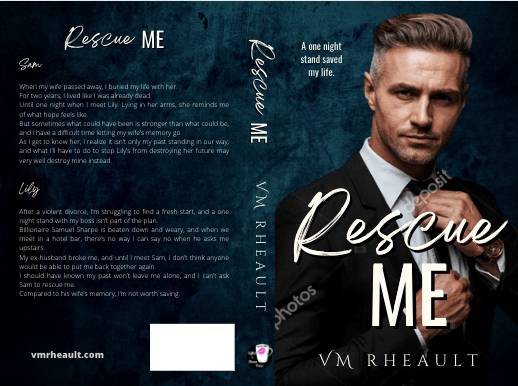
What I’m trying to say is, had I networked differently, I could have went down the professional path rather than the DIY path, and maybe I would be in a different place. I say maybe because I have improved a lot over the years, even just re-editing Rescue Me, Faking Forever, and A Heartache for Christmas has shown me that and improvement like that has to come from doing the work. But had I hired an editor and bought premade covers for my books instead of insisting on doing them myself, maybe I could have gotten here faster. I’m not sure.

I don’t know why I threw myself into the nonfiction side of indie-publishing (and giving advice when I had no right to be giving it). Maybe back then I thought blogging was a way to sell books, just like I thought networking with whoever would also sell books, but besides giving me joy because I’m helping people and giving me a way to voice my thoughts to someone who might get something out of them, it’s not doing anything for me professionally. I don’t plan on writing a nonfiction book–I thought about it for five minutes then realized it wasn’t for me–and I’ll never monetize this blog. I don’t have the heart for it and I’m not arrogant enough to think that my opinion and advice is worth a cup of coffee.

So, the way I see it is, I have two choices now that I know what I’m doing: I can go professional and network with romance authors, hire an editor instead of doing it myself, and buy covers that look better than what I’ve been making, or I can keep doing things on my own and hope that it’s good enough to eventually lift me to the next level. Networking alone won’t help so I have to decide what I want to do.

The decision is harder than it seems because the work I’ve been doing for myself has been fine compared to what’s out there. But “fine” rarely makes headlines, so if you’re in my situation where you’re doing what you can but still not where you want to be, be it networking or sales, you can choose a different path. It might be scary since the road you’re on is familiar and you already know all the twists and turns, but we all know finding success won’t be where you’re comfortable. That means networking with the right people and making your product shine, so when those opportunities do come, you’re ready to take them and make the most out of them.

Next week I’ll catch you up on what I’ve been doing and chat about some things that have been happening in the indie community.

Talk to you next week!

Friendships, Coworkers, and Cliques: Navigating the Author Communities

1,973 words
10 minutes read time

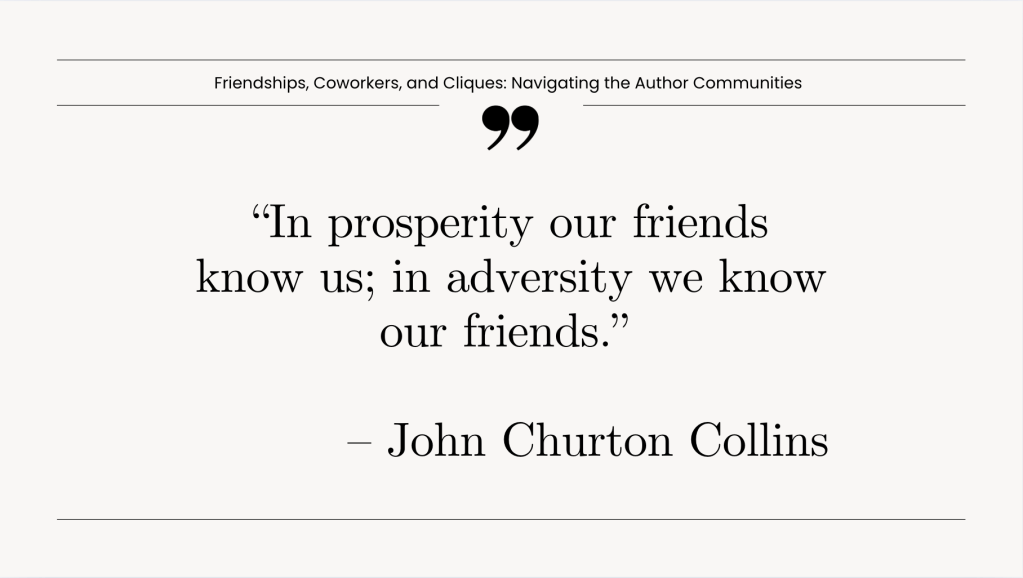
“In prosperity our friends know us; in adversity we know our friends.” 

– John Churton Collins

There has been a lot of talk about author cliques on Threads lately, and while I didn’t feel the need to contribute to those conversations, I do have a lot of thoughts about friendships that I’ve collected over the ten years I’ve been doing this. Not friendships. Thoughts. Though, I guess, maybe friendships too. Friendships are complicated, made even more so by expectations and reciprocation. Here’s a breakdown of what I think friendships, coworkers, and cliques are, and if you’ve been at this for a while, in the comments you can tell me if you agree or what you’d add to the conversation.

Indie Friends
When I first got into the writing community, I made lots of friends. That was back when I was writing my high fantasy series that will never see the light of day. Anyway, I thought, “I should join Twitter so once it’s ready, I’ll have readers.” It was a naïve way of thinking at best, but even back then I was aware that I would need some kind of marketing strategy once my books were released. I already had a Twitter account made from when I was in school for human resources and I changed the focus of my profile from HR connections to the writing community. There I made lots of friends, joined chats like #1linewed and #2bittues and even made my own chat called #smutchat. The tweets are still there if you search the hashtag. Anyway, so I got in with a group of people, some of whom I still talk to today, and life was good. We beta read for each other, retweeted each other’s tweets, and everyone supported my blog when I first started writing it.

Of course there were the usual troubles when it came to those friendships. Some of them became one-sided, some people dropped off because they stopped writing. (One of my friends even had to deactivate his Twitter account because a person he had grown close to started stalking him. Yikes!) Some people you just learn you don’t really mesh with and you stop talking to them or they stop talking to you. I definitely had my share of rocky relationships, some of which I’ve documented on this blog over the years, notably when you mix business with friendship: https://vaniamargene.com/2019/03/11/when-friends-turn-into-business-partners-sometimes-it-doesnt-work-out/

Some of the talk I’ve been seeing alluded to the idea that if you don’t have the “right” kinds of friends, they can’t/won’t help you propel your book business to the next level. I’ve reached out to a couple people here and there who I’ve met on Threads and they weren’t too interested even after posting they were looking for friends. It wasn’t until this morning in the shower that I realized it was because they probably took a look at my socials and sales and realized being friends with me wouldn’t get them anywhere. It was an “oh, shit” moment, but it didn’t hurt my feelings. If all they want to do is use me, I don’t need them as friends anyway.

When I was at my Twitter “peak,” I had a different kind of friendship experience. What I found out was that making friends on Twitter wasn’t the same as finding your readers, and some people I know still get caught in the trap of making author friends with the idea that those authors will buy their books. They confuse making friends and networking with marketing and that only ends in frustration.

The indie author friends I was making wrote all different kinds of genres, were happy to boost my work and support my blog and I reciprocated. Those times are gone and I haven’t replaced the real friends I lost. While I have made connections, I’ve come to realize those people are coworkers, and if you have a day job, you know, and hopefully not through trial and error, your coworkers aren’t your friends.

Coworkers
Coworkers are what people mean when they say you should be networking in your genre. Coworkers are going to be the connections that offer things like newsletter swaps, promo opportunities, anthology opportunities and more. They help you with ads, they might beta read for you or put you in touch with who they use. They help you find ARC readers and open the door to things like book conventions. They’re like Deb in they cubby next to you. She’s not your friend but she’s happy to tell you about what went on in the meeting you missed because you were sick.

What a lot of authors get confused is that these coworkers are not your friends. They don’t touch base on a daily basis. You don’t talk to them about your kids. They don’t text you privately or want to meet you in person if they happen to be in your area. We all know what friends are, and these people are not it. But, to have these kinds of coworkers, you also have to be pulling your own weight, meaning, your books are selling and you have your own opportunities and experiences to share. You do your share of the work in anthology compilations and book blasts, and you can do your share because you’ve put in the work to have a large newsletter, Facebook group, and reader base. You bring something to the table and you share the sides with the other authors who also have something to bring to the table.

When I see authors complain about not being invited into networking circles, I can take a look at what they’re doing and know right away why no one wants to work with them. They don’t have an author platform, they don’t have a newsletter. They don’t have a solid backlist that’s selling. They haven’t worked on an individual basis to get the results they need to get invited into the group. No one wants to do your work for you. I know that puts some authors in a quandary because they say they can’t get to that level without help, but you can make headway on your own with social media, ads, and publishing consistently and in one genre. Start smaller and network with authors who are at your level. Grow together and you’ll naturally expand your professional network.

On a smaller, more personal scale, maybe you know how to format and you format for others, either out of kindness or you charge a small fee that’s less than what a professional formatter would charge. Then you don’t hear from that person again until she needs another book formatted. I have quite a few acquaintances I’ve made because I offer help, they take it, and I don’t hear from them again until/unless they need something else. It was actually a surprise to realize they aren’t friends, they’re coworkers, but it’s helpful to know where the line is. Not everyone needs to be your friend. Maybe someday they’ll remember I helped them and pass along an opportunity, but I didn’t offer to help with the idea they would reciprocate. I wanted to help because editing, formatting, and designing covers keeps my skills sharp for when I need to work on my own books.

Unfortunately, I’m still living in a time when I was on Twitter and we all did happily for each other. I don’t think we can ever go back to the way things were and over the past couple of years I’ve been getting used to being an island. You can’t get jaded. If Deb brings peanut butter cookies to put in the breakroom and you have a peanut allergy, just remember your workplace isn’t where you should be making friends anyway.

Cliques
This brings us to cliques. I must not get out enough, because honestly, I haven’t had much exposure to cliques. What I have bumped into online is romance authors who have been writing and publishing for years, who are friends and have been for that same amount of time. They can appear as cliques because they have that history of friendship, but not only that, their careers grew successfully at the same time keeping them on the same playing field professionally. You can say that’s because they had each other’s help, but that’s not necessarily true. What you’re writing has to hit the market, your writing style has to resonate with readers. No number of friendships can help you do that.

When I think of cliques, I think of their members as unkind, and I haven’t met any romance authors that have been truly unkind to me. I used to listen to a romance marketing chat on Clubhouse (that they stopped because it was too much work to keep going) and the hosts were friends and seemed like they had been for years. All the speakers and anyone else who contributed were very nice and eager to share their knowledge and experiences. The same goes for the book blasts I’ve been a part of, and when I do those, I always make graphics to share on social media so others can use if they don’t have time to make their own and post the blast everywhere I can to pull my own weight.

Of course, I haven’t elevated myself to be coworkers or acquaintances of huge romance authors like LJ Shen or Melanie Harlow, but I haven’t wanted or needed to approach them, either. I’ve traded a comment here and there with authors like Lindsay Buroker, Zoe York, and Elana Johnson, and EL James actually responded to a comment I made on her post on Threads, and everyone is very nice. I don’t approach people wanting something because that’s never been who I am and I think the bigger the author is the stronger their BS radar is and they know if you’re just looking to use them.

So, I don’t think author cliques truly exist, not in the negative way some authors say they do because they’re resentful they can’t crack the code to be invited in.

And cracking the code to be invited in will only get harder as time goes on. I mean, let’s be honest here. No one wants to talk to you if you support the orange clown. No one will want to talk to you if you use AI to write or use AI for your covers. No one will want to talk to you if you don’t respect your peers and insist on leaving bad reviews for the books you’ve read. Authors are guarding their space more than ever before and because of that you’re in for a harder time proving yourself. That’s something I can totally understand. Our president is tearing this country apart and I don’t want to talk to anyone who supports him either.

The best thing you can do, in my opinion, is join Facebook groups in your genre and get to know people there. Making friends, good friends, will take time. Share resources, share experiences. Learn from the people you’re networking with and let those relationships grow. Oftentimes I’ve complained about feeling lonely, though that has gotten better as my health improved, and I know that I don’t do enough to expand my circle. I should be participating in romance groups, offering to do newsletter swaps with my small blog, beta read, and format if needed. But right now I’m juggling a few things and don’t have the energy for that. That is also something else you’ll have to take into consideration. How much time and energy do you have to nurture new relationships? Don’t take if you can’t give.

Next week I’ll talk about where I ended up when I started on that path of friending writers and authors who weren’t writing romance.

Hint: It’s not a bad place.

Talk to you next week!

Policing Other People’s Work

Words: 1225
Time to read: 6 minutes

This isn’t as fun as it looks.

One thing that has always puzzled me about authors is their need to police other people’s work. I see it all the time, from the authors who defend their right to leave bad reviews (thinking they’ll teach that author how to write correctly) to people who are loud and proud about the books they do not finish (DNF) for whatever reason. I came across this jewel the other day, and I gave myself a cookie for not responding:

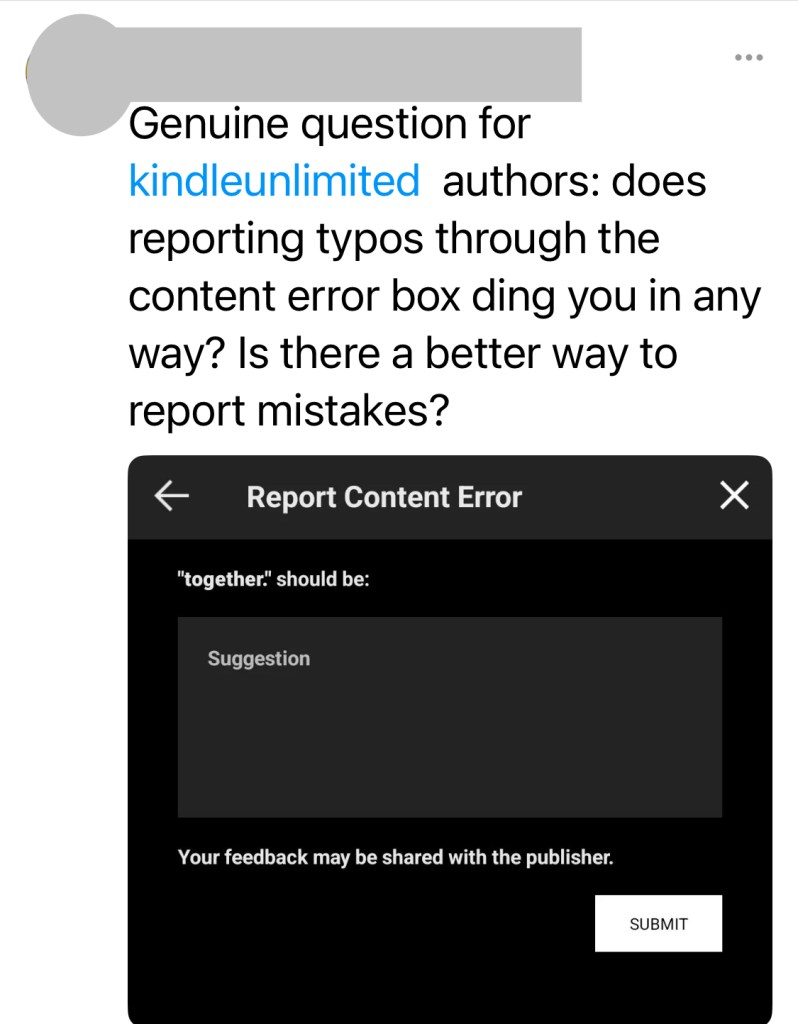
genuine question for kindle unlimited authors: does reporting typos through the content error box ding you in any way? Is there a better way to report mistakes?

Picture of reporting screen on a kindle

I actually see this a lot, with authors who are asking if it’s okay to email other authors about mistakes, or direct message them to inform them of errors. This isn’t the first time I’ve seen someone ask about the actual reporting feature on a Kindle either, and it just makes me so confused as to why someone would waste the energy to do something like this while they’re supposedly reading for pleasure.

This is one of the big reasons I don’t promo my books where other authors hang out. I have never met a more judgmental or pickier group. And not only are they judgmental and picky, they are not afraid to let others know. The reporting system on a Kindle is anonymous, but just the fact that she posted that on Threads tells me she actually uses it, or wanted to use it. Maybe the responses changed her mind, but knowing she would think about it gives me the ick and I don’t want her reading my books.

I’ve given this some thought as to why authors would want to police someone’s book:

So they can feel better about their own writing. I know this is a pretty crappy reason, and maybe that tells you something about me that I mentioned it first. I think the worst of people? Maybe, but I’ve also seen it enough that I do think authors enjoy being able to report typos or call a book out for bad editing. They like to feel like their books are better than someone else’s. It’s not a terrible thing, really. I think we all have read a book that we thought was bad and said, “If this book is a bestseller, then my books have a chance.” We need the validation, but that’s not a good way to go about getting it. Putting someone else down, even in the guise of being helpful, will never lift you up. It might make you feel better for a little bit, but as most authors become aware, what goes around comes around, and someone reading your book may not take so kindly to your typos, either. And trust me, no matter how many times you go through it, you’ll publish your book with a couple.

They really do want to be helpful. I don’t jump completely to negative assumptions–there are authors out there who genuinely want to tell an author what the problems are in their books so the authors can fix them. The problem is, not everyone has access to their files. If they’re traditionally published, or if they’re published by a small press, telling them about the typos, or plot holes, or that the male main character’s eye color changed halfway through the book, won’t help. You can report it, sure, maybe eventually Amazon will alert the author of the quality issues and prompt their publisher to submit the edits (from what I know this would be very unlikely), but what good is that going to do? You can email, but if every person emailed that author about their typos and they can’t do anything, think of how defeating that would be. You get an email once a week about an issue you can’t fix….how demoralizing that is. Detrimental to that author’s mental health, even. So you being helpful can turn into anything but being helpful.

I understand that you might want to help an author fix their book, but after publication is not the time for that. If you truly want to help, help a writer beta read, or offer to proofread. That book you’re so eager to give feedback on, that book could have gone through multiple rounds of editing, or maybe that author couldn’t afford an editor at all, did the best they could, and you’re rubbing salt in their wounds by needing to mention all the typos, words used in the wrong context, and punctuation errors.

Writers and authors have a really difficult time turning off their editing brains to read for pleasure. It’s part of the reason I don’t read as much as I should. It’s difficult for me to find authors whose writing styles I mesh with. Sometimes I don’t like the author’s voice from the first page, and it takes me a chapter or two to let go of my dislikes and get into the story. I, too, am picky, and I dislike characters who don’t act their age, or dual point of view books that have too much of the female point of view and not enough of the male’s. I’ve read books where the author couldn’t decide between past and present tense, books where the author (or editor) didn’t know how to punctuate dialogue. Books that didn’t take time to flesh out characters. Never, not in my wildest dreams, have I ever wanted to report an error through my Kindle, email an author, or direct message them. I would never take the time to edit a book like that or tell them that something they were doing didn’t work for me. Chances are really good that they wouldn’t care anyway, so when you think about reaching out to an author, figure out what you want the outcome to be. Do you want them to thank you? Is gratitude what you’re after? Will you be disappointed if you don’t get a response? What would you say if they wrote back and said, “Thanks for letting me know, but I’m published with a small press and I can’t do anything.”? Apologize for saying something? Not respond? Get embarrassed and crawl into a hole? Because that’s what I would do if that happened to me. You have no idea what an author’s circumstances are, and even if you are coming from a sincere place of wanting to help, you could be doing more harm than good.

I’ve known authors who police books, giving “honest” reviews, or even editing snippets of books on Twitter, and it’s never great when it comes back to them (and Karma’s like a Boomerang–it will). I keep my nose out of people’s business. Years ago I used to write “honest” reviews, too, even some on this blog that I have since trashed because it was a hard lesson learned that no one is better than anyone else and we’re all in this together.

If you just can’t stop yourself from emailing an author, at least offer to beta read their next book or join their ARC team. Offer some help instead of just emailing them a list of typos and expecting a thank you. Be kind and realize that they may actually not want your help. They might not be able to do anything with it, anyway. I’ve seen vindictiveness and I’ve also seen it returned. Instead of focusing all that energy on someone else’s book, concentrate on yours. It will be better spent.

Creating a Community Around Your Books

Words: 1658
Time to read: 9 minutes

To no one’s surprise, I’ve been thinking a lot about my series and how people are going to discover them and how I can market them so people do.

It’s really not so much about discoverability, though that is difficult too. What I’ve come to realize is that we all want to build a community around our books. Discoverability, yes, but we also want people to stick around once they do find our books. We want people buy our books and talk about them. We want people to talk about our books to other people. We want those in our groups to talk to each other and engage in conversations about our books, but not only our books–other books in the genre you’re writing in.

Some authors do this really well–I’m a member of Susan Mallory’s and Brenda Novak’s facebook groups. They have thousands of members and they all talk to each other, get excited for the authors’ new releases, and just have a really good time talking books.

If you look at any author’s successful groups, you’ll find some similarities right away.

They post regularly and have chosen the platform that works best for them. They usually have one spot where they focus all their time. I might be showing my age, and other authors who are my age might be showing theirs, but Facebook groups still seem to be the place where authors and readers like to go. I’ll be 50 this year and I’m guessing Susan and Brenda are older than me. But that also means their readers are around the same ages they are. When I look at my Facebook Ads demographics, women 55+ are the ones who click on my ads the most. Which means that maybe since I’m an older author and my readers may be skewing older, places like IG and TikTok aren’t going to drive sales. The characters in most of my books are usually older than 30 years of age, and that’s a great marketing tool. So not only do they post regularly, they chose the platform that works well for them. It helps to know who your readers are and who you’e writing for. Not only do you want to speak to your readers who build your community, relating to them is important, too.

They encourage reader participation. When you peruse author groups, you’ll find out right away that they always encourage reader participation, be it a giveaway, a poll, or simply asking what their summer plans are. The reason I hesitate to do that is because when you encourage reader participation, especially by asking a question, to be courteous and polite, it is nice, every once in a while, to respond back. This is something I have to work on because I tend to blow off notifications and don’t really like to speak to anyone. That could be a byproduct of how I’ve been feeling and now that I’m feeling better, maybe I will be more open to chatting and engaging with people, but for the past four years, I’ve been a lurker and that’s not really great when you’re running your own group. In the past I have tried to run giveaways and such, but no one really participates because my “group” isn’t cohesive. I have 700 subscribers I moved over to my blog from MailerLite and only 28% of them open my emails. Fewer yet click on links. That’s not great participation. I have fewer than 200 likes and followers on my FB author page, when after all this time, I could have had thousands. It’s not that FB is a dud for me, it’s that I don’t post, and when I do post and people engage, it takes me days to respond back. No one wants to join a group where the host isn’t present so if I want to build my following, I need to put more work into it and be present. That’s what anyone has to do, no matter what platform they’ve chosen.

They have confidence in their work. It’s really difficult to have confidence in your book if you’re the only one who worked on it. Doing your own editing and cover design can make you feel like Wonder Woman, but it also elicits a lot of doubts because it’s rare someone can be a one-stop-shop successfully. I’ve gone through most of my books at least once more since they’ve been published (my duet and my Lost & Found trilogy both got massive scene rewrites). We get better as we go along, and you’ll always find changes you want to make in a book that’s three years old or whatever. Even my rockstars have a “with” and “when” problem, though I seemed to have caught on to that when I was editing A Heartache for Christmas and fixed it in that book. I could go back and re-edit my rockstars but even though I love the stories and wouldn’t mind reading them again, the want to do so just isn’t there, at least, not now. I could change my mind after my series is done and not hanging over my head anymore, but we’ll have to see how I feel. I promised myself a break, and re-editing 300,000 words isn’t a break. So, knowing your book is the best it can be is a big deal, and that gives you the confidence you need to push your book out into the world. If you love your book, love the cover, and are proud if it, you show it to everyone and can’t stop talking about it. If you’re excited, others will be too. It helps to know not every book is going to be perfectly published, and it helps to know that not every author has the same skills. I’ve read some books that were not to my taste that had thousands of 5-star reviews. There’s room for everyone, so grab your seat at the table and shine!

They have newsletters. Building a community takes time and consistency. I would love for all 700 of my blog/newsletter subscribers to also follow my FB page and maybe one day I can ask them to follow me there. Maybe a small percentage of the small percentage that reads my blog will do it. But if I do, then I have to commit to posting there, and I rarely post, hence the fewer than 200 followers. Since I started my newsletter, I have actually been really good about sending it out once a month. Writing is probably my biggest strength (as opposed to finding and posting memes or creating videos) and I do use that to my advantage posting here once a week and sending out a newsletter even though I didn’t have much to say because I didn’t have a new release coming out. I like creating content that way, and maybe during the time leading up to my series, I’ll post twice a month. I’ll have a lot to say, even if it’s just posting the blurbs to my books to build buzz. But if you’re creating a community, starting a newsletter is pretty common. My property management sends out a newsletter, so do my local libraries. My children’s schools sent out newsletters, so do churches and other groups. If you’re saying “I don’t want to send out a newsletter because…” You’ll have to find a substitute because no matter what you tell yourself, people really do want to know what you’re up to. I’d like to think my newsletter/blog will complement my FB author page and vice versa. When I start posting.

So what does all this mean for me and my series? In a nutshell, I don’t post enough. I was happy hiding in my books, churning them out, but that’s only half of what you need to do. Having the books and the backlist will always come first, but a close second is getting the word out, and that does mean posting and talking about my books. I don’t have the confidence to do a FB Live or similar, but I would like to start sharing more videos of myself, especially holding author copies of my books. Videos are rewarded by the algorithms after all, and if you film yourself they can be cross-posted. But like I said in my mental health blog, part of what is wearing me down is the fact that for so long I haven’t felt good, and while that adds to me not wanting to do stuff like that, the years have been hard and show on my face. I don’t really notice until someone takes my picture (like my daughter did of me and my sister during a roadtrip to Bismarck, ND last week) and I can barely recognize myself. Hopefully as things continue to improve on that front, my face will perk up too and I won’t look so rundown and downtrodden.

What are my next steps? While I’m proofing these books, I can create graphics that have quotes from the first book and I can make several at a time and either post when I want or schedule them through Canva. Like this one:

I want to put my covers out there for the next month while I proof and get my ARCs ready to go. I’ve always felt a little weird hyping books that aren’t ready yet, but some authors do it the second they decide to write the book. I have covers in place, blurbs, and plenty of words to search for quotes. I should have no problem creating the content, I just need to have the motivation to do it. But, if I’m interested in building a community, no one congregates where there aren’t people around. That’s why they’re called ghost towns, and yeah, right now, all that’s on my FB author page is tumbleweeds. Not great.

I do want community. I do want people talking about my books.

It just sucks I have to talk about them first.

Have a great holiday week, everyone. Stay safe, and if you’re drinking, stay away from those fireworks!

Monday Madness and Creating a Community Around Your Books

I had a huge post about how ticked off I was at Facebook for restricting my page and turning off the ad to my reader magnet (Bookfunnel link) because I wasn’t following community guidelines (with their bots and lack of communication, I still have no idea what I supposedly did), but during that 24 hours, I appealed and uploaded my photo ID like they requested, and they lifted the restriction on my page and turned my ad back on. It rendered the vent in my blog drafts completely useless, but I’d rather have a useless blog post than a restricted page. I need my page. I need to be able to run ads. So I will just say thank goodness that time was the only thing wasted.

I’m at 103 subscribers now, (squee!) and I’ve had 118 claims on my book so far (with 291 clicks, so a little less than half are taking action). Yes, I’m paying ($27.00 at the moment) and I think I’ll turn it off when I reach $50.00, maybe $40.00 depending on how things go). My click spend is only 9 cents which is pretty good as far as I can tell, but this was just a small thing to get the word out, and I’ll probably run another ad when Captivated by Her is live. Even though I have a tiny bit of money to play around with, I don’t want to blow through it too fast, and there are other ways to build my list without ads. Besides the welcome email they receive when they sign up, I haven’t sent out another, and I’m looking forward to that in the next week or so. I would like to send one before my release so they aren’t hit with a “buy my book” email as the second email they get from me.

But anyway, my anger wasn’t 100% warranted (I had no idea they would help me so fast), though when I set up my ads campaign at the beginning, it would have been nice if they’d asked me for my ID first. I’m running a business, using their business to help me, and I have no problem with providing them with what they need. I just wish they weren’t so heavy-handed with the way they do things.

In the meantime, I ordered two more proofs of Captivated by Her and Addicted to Her just to make sure the changes I made to the covers turned out okay. I flipped through both books and found just a couple of tiny things to change which required me to upload new interior files, too, but I think they are going to look as good as I can get them without going crazy. I should be able to put my pre-order up for book one sooner than I thought, though waiting for June sometime while my FB ad runs a little longer while I get as many newsletter signups as I can is also an option.

This ties in really well with what I’ve been thinking about lately. I don’t read a lot of romance–I’m busy writing it instead–but I realize that an author can’t be part of the {insert genre here} community unless you know what’s going on with your peers and in the industry. I realized this, and anyone who doesn’t know what kind of content they should put in their newsletter or on social media, realizes this, too. You can’t talk about or recommend other authors, other books, romance movies, or anything else if you aren’t consuming that content. If you don’t know what to post in your newsletter, you aren’t dialed in enough. A newsletter is for news. News about you and your books, for sure, but also news about what you’re reading, what you’re watching, information that you think your readers will appreciate because you’re building a community of friends around the genre you like to read and write.

I do this with this blog. If I didn’t keep up to date for my own personal knowledge, I would never have anything to share with you. I keep up to date because it helps me with my own publishing endeavors and then I pass along what I find useful to you.

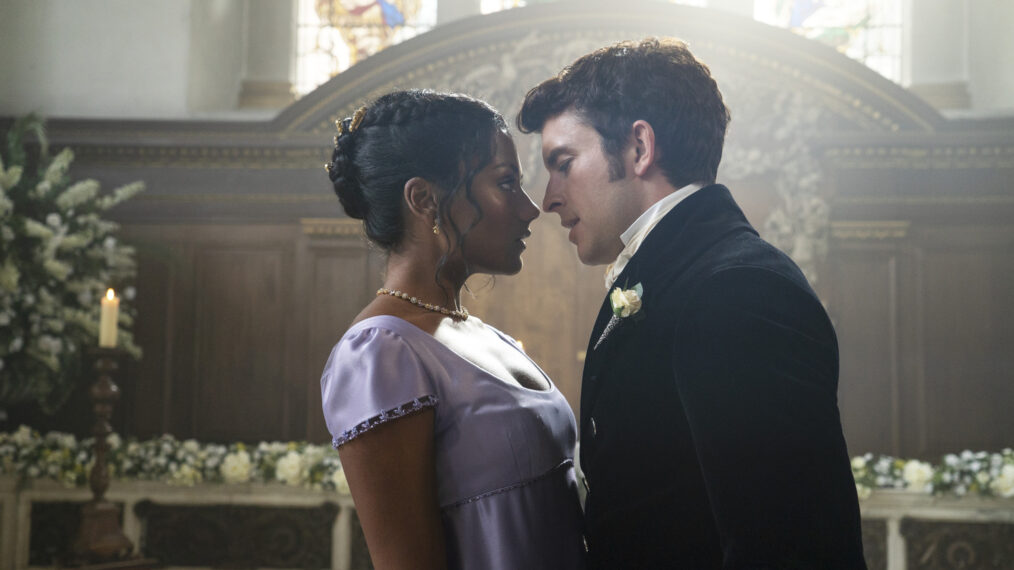
There’s no reason not to be able to do this with fiction. When the second season of Bridgerton dropped on Netflix, every romance reader known to man, even if they didn’t read historical romance, stopped right in the middle of what they were doing and sat down and binged. Because you know what happened if you didn’t? You missed out on all of the conversations that sprang up on social media. You were in the dark. You didn’t understand the outrage caused by a more chaste season, and you couldn’t weigh in on what you thought about their on-screen chemistry.

Taken from: https://www.tvinsider.com/1041720/bridgerton-season-2-storms-to-the-top-of-streaming-rankings/

Another example of this is The Lost City, a movie that came out not long ago with Sandra Bullock. I couldn’t see it in the theatre because I was recuperating from my surgery (and my sister didn’t want to see it, but don’t tell her I told you).

I’ll have to wait and stream it when it’s available, and I’ll be so late to the party everyone will already be nursing a hangover by the time I crack open my first bottle of wine. Being late doesn’t matter so much, as you can always say… “OMG! I just saw… can you believe it?!” and get the conversational ball rolling that way.

Another example I have is when Netflix dropped 365, a movie, I guess, based off a steamy romance book. I should know this. This is my forte. The second I get my words in for the day, I should be gobbling this stuff up! I’m so late to this party, there’s already a part two!

There’s nothing more heady than being able to join in with a group of people who have the same likes you do and find friends to share those things with. (You know how a lot of authors say they find their beta readers and ARC reviewers through their reader groups? This is what I’m talking about. Your readers become more than your readers because you share the same interests and you grow close to each other over time.)

It probably won’t help when I say that building a platform is like making friends because to us introverts, making friends is the scariest thing in the world, and something we aren’t good at. It requires opening up a little bit, sharing things about ourselves, and there’s always a risk of rejection when we do that. On the other hand, maybe it’s not so scary if we can already approach people with things that we have in common. A lot of what making a friend entails is weeding through all the similarities and differences, and sometimes we find that the things that we don’t share in common outweigh what we do. Then the relationship fizzles out. When that happens, what’s the worst outcome? An unsubscribe? A potential reader won’t go on to buy your books? That’s okay. We don’t need fake friends in real life, and we don’t need to hang on to people who won’t read our books.

Trying to get a new pen name off the ground has required a lot of revelations and scrutiny into the past five years to see what I’ve been doing wrong, and figuring out what I’ve done right. That may be a different post. But anyway, how can you make friends through your newsletter and social media? More importantly, how can you make friends in your genre that will draw in readers who will stick with you throughout your career? What do you have to offer them? If you say not much, go read a book in your genre, go watch a movie you can recommend that has the same vibe as your book. See what happens.

Have a good week, everyone! Next week I’ll probably play with how to make a video and record doing one of my book covers. I’ve been getting a lot of requests on how to make a romance cover with only Canva and minimal skill, too. Here’s my latest one I did for the book I’m going to release in the fall. I may do a tutorial on how I did it.

Until next time!

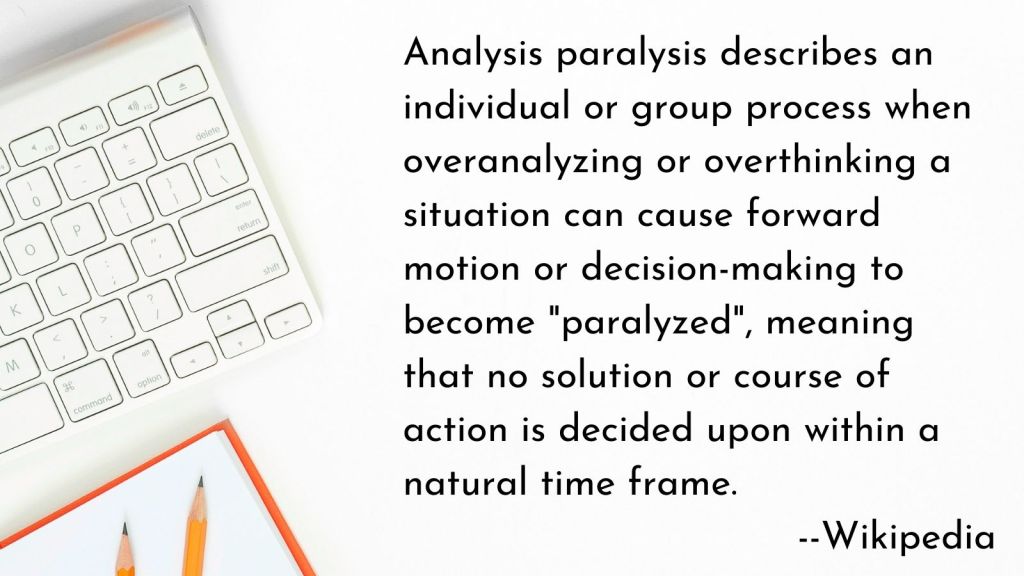
Fighting Analysis Paralysis: What you can do when you feel overwhelmed.

The end of the first month of the new year is upon us, and in Minnesota, that means waiting for February and March to go away so we can start enjoying some milder temperatures. I don’t mind these months so much, especially working from home now, and since I replaced my little Neon two years ago, the winters and the snow aren’t that stressful.

But we can also feel time slipping away, and New Year’s resolutions, for some, are a faint memory. Sometimes we can let these go, but sometimes the passing months just means more time we don’t have to get what we wanted to get done.

I’m starting a new pen name this year, and with it comes pressure to put everything I’ve learned in the past five years toward good, marketable books, while building a readership that will keep coming back for as long as I want to publish. That’s a weighty burden I’ve placed on myself, and to say I struggle would be an understatement. It would be nice if I could find a happy medium between building a readership without losing the joy of writing. I get bogged down with the writing, the editing, the covers, promotions, the newsletter, and sometimes it just makes me want to close out of everything and turn on a movie. Of course, watching Endgame over and over again won’t get me what I want either, but mentally running through everything I can do and should do is stressful all on its own.

How can you combat analysis paralysis in the coming months? Here’s what I plan to do:

Make a list. This can be a huge list of everything you want to accomplish this year, or what you want to get done in a monthly or weekly timeline. A huge master list of what you want to get done in the remaining eleven months of the year might be more stressful than helpful, but giving yourself an overall view of the things you want to accomplish can actually be motivating.

Then chunk it down even further. I know what I want to get done in the next 11 months: release my duet, release a standalone. Write a Christmas novel for this year’s release if I have time and can think of a good story. Edit my 6-book series, format them, and do their covers. Get a proofer to proof the proofs. Get them set up to release in 2023. All of that sounds exhausting, and perhaps, when I’m having a bad day, impossible. Yesterday I was off because I wasn’t feeling well and I was tired, and thinking about tackling my series brought me to tears. That was analysis paralysis at its finest, with some Imposter Syndrome thrown in for good measure. (Is my series good? Is it worth the time to package and publish?) What can I do to make all that easier to swallow? Take it slow. My duet is with a beta. There’s nothing I can with it until he’s done. I can’t format it because there could be changes I need to make and it would be easier to do that in the Word document. I can’t do the covers (not the full one, anyway) because I don’t have the formatted interior files. I have the blurbs written. All I can do is be patient and work on something else, so I’m tackling the first book in my series. The Christmas novel will be a bonus if I have time to write it, and if I don’t, I’m not going to worry about it. Christmas comes every year, and I can write one for 2023.

Don’t worry about what other people are doing. The first the year is terrible with authors tweeting and posting about their New Year goals. Some of the number of books authors say they are going to release is staggering, and you have to keep in mind that you can only do what your life allows you to do. The authors putting up the big numbers do this for a living. They write eight hours a day, or close to it, anyway. They have a system and have managed their obligations so they can write a book in two weeks. If that isn’t you, you can’t worry about it. Analyzing what other authors are doing is a sure way of making yourself feel terrible. Even my schedule might make you wonder how in the world I have time for it all. All I’ve done is write for the past two years, and that was a mistake on its own, but it’s helpful I have books completed–the hard part is already done. Now it’s making time for the busywork and pushing them out there. I’m only releasing three books this year which is a low number by romance genre standards, but I don’t want to be known for putting out ten books a year. You teach your readers what to expect from you, and three books a year is a good number. Not the best, as four books a year keeps you relevant in Amazon’s algorithms, but three books a year is doable for me, and if I can do four, that year will be a bonus. Even if could write full time, I would never be capable of releasing a book a month, and it’s not something I ever want to do.

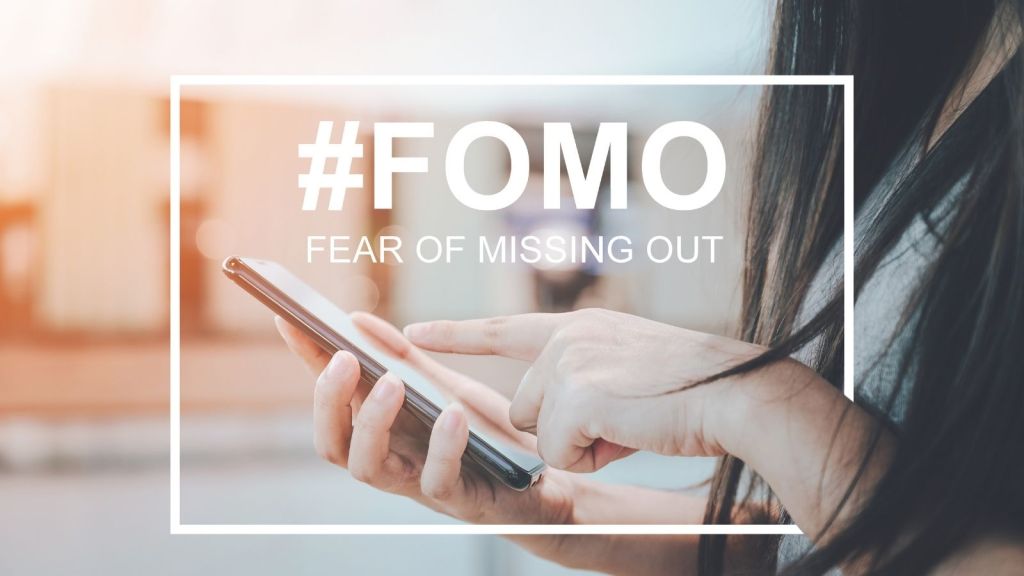
Control your FOMO. My fear of missing out is over the moon, but if you can’t control the fear of all the things you might be missing out on, you’ll never get anything done. There will always be a marketing webinar to watch, a group to join, a Clubhouse room to listen to, a new podcast episode to consume, and if you can’t focus on what needs to be done when it needs to be done, you won’t get anything accomplished. For the meantime, I’ve stopped listening to marketing podcasts, and the only thing I do regularly now is listen to my Level Up Romance Marketing Monday hour on Clubhouse. That is also a networking opportunity for me as well as listening to some great information, and I don’t work Mondays, so it fits into my schedule. Because here’s the thing: If you don’t have good books to publish, nothing else matters. I know what I need to do in terms of marketing: make sure my covers are to market, make sure my blurbs are good, make sure the stories are what people want to read. If you don’t have those things figured out, no amount of marketing is going to help you sell books anyway. I know now to run Amazon ads without losing money. I have a newsletter signup opportunity ready for my back matter along with a reader magnet. I have all the bits and pieces ready to go, and the only thing I have left now is to see if my stories resonate with readers. So think of what you need to do with where you are at the time. Are you working on your first book? Craft and feedback might be more important to you than learning how to run Amazon ads. Can you not afford a book cover? Learning how to your own might be what you need to focus on right now. Narrow your focus on what you need for the place in your writing career you are at, and a weight will drop off your shoulders. I promise.


I had a crappy day yesterday and was doubting my abilities to put out good books. I’m still feeling a lot alone in this endeavor–so many of my friends have dropped out of the writing community since I met them five years ago, or we’ve drifted apart for other reasons. I was feeling overwhelmed with all I wanted to get done this year, and when you feel like you don’t have help, community, or support, a long list can seem quite daunting. A list can put things in perspective, and while I might feel alone, I’m not. I have a great community on Twitter, and I’m doing my best to cultivate relationships with my romance authors on Facebook. Everyone feels inadequate somehow, like they aren’t enough to make it in this business, but you’re not alone in thinking this. Lack of sales can do it, burnout can do it, too. We’re all struggling, but I hope knowing that you’re not alone can jolt you out of your own analysis paralysis and you have a productive 2022.

Until next time!

Happy Monday! Author updates and thinking about 2022

Happy Monday after US Thanksgiving! I hope you all had a fabulous holiday and were able rest and relax over the weekend! I missed last Monday’s blog post. I was so swamped with getting my edits on my book done and overall burnout that I dropped the ball. I should have at least told you I would be skipping, but I hope to make it up to you all with the goodies I have to talk to you about for the rest of the year!

I did have something else I wanted to talk about today, but it’s getting pushed until next week because I need more time to write it, so I’m going to do a short author update and talk about goals for 2022.

I’m done with my third read-through of my kind-of Beauty and the Beast retelling. It veered from that as some stories do, and I won’t be using that description as a marketing ploy when it’s published. Anyway, I never usually edit books so quickly after finishing them–I’ve always been a huge fan of letting books breathe–but something about this book has hooked me. Maybe it’s because I finished it so quickly, or maybe because I didn’t want to leave the loose ends untied, but whatever it is, I’m finished reading and moving on to plotting book two. I don’t count drafts, but after this third read-through it sounds fantastic and unless book two requires that I make changes to book one, all it needs now is a proofread. I’ve been mulling over what I want book two to be about–mostly I need to wrap up the over-arching plot of book one. I didn’t intentionally not finish, but it just kind of worked out that way, and it’s fine. It’s giving me more room to figure it out, so I need to find a way for my female main character to do what the FMC in book one failed to do (though she tried her best). I was also thinking about tropes and naturally, as a much younger sister, there’s going to be an age gap that I didn’t count on, but won’t drill down on either. I was thinking about a secret baby, but an age-gap/secret baby is what I did for The Years Between Us and while this will be written in 1st person under my pen name, I dislike reusing plot devices. Their ages are set–there isn’t much I can do about that, but he might not knock her up after all. Brainstorming and coming up with backstories for my characters and how those affect their present stories is a lot of fun, and I can’t wait to sit with pen and paper and think about all the ways I can make their lives miserable.


I listened to a great room on Clubhouse last week during the Monday Marketing hour for my Level Up Romance group. The question they asked today was, what is one thing you’re going to work on for 2022?

That’s an interesting question to me, especially since I’ve started helping someone as an alpha reader/editor/critique partner. She’s been with small presses and is looking to indie publish. Today I asked her what she wanted for and from her books.

It’s such an important question because with so many books on Amazon and so many choices going wide on other platforms, publishing isn’t just about putting up a book and walking away. Publishing now requires a lot of thought as to where you want your career to go. How many books can you write/edit/publish a year? What is your genre? Where are your readers? KU? Wide? A lot of authors don’t understand that marketing begins while writing the book. If you can figure this out before you waste too much time, you’re ahead of the game. It took me five years to learn this.

What do I want to work on next year that will help me and my business? I’d like to expand my squad. Find beta readers that will consistently help me (I’m more than willing to help in return!). Maybe find an editor that I can afford–at least a proofreader so I can have that extra confidence I’m putting out a typo-free product. Possibly find a cover designer, because honestly, while I enjoy it, I’m tired of doing my own covers. (This part is actually a lie. I probably will never trust anyone to do my covers, but it would be nice to have help.) For the amount of books I’m going to have coming out in the next little while, it would be super not to have to do all the work for each and every one. But, networking and connecting with people who offer services is difficult and sometimes you have to waste spend money to realize that someone isn’t going to work out.

The paid beta reader I used a few months back didn’t give me enough feedback for what I paid. Maybe that was my fault because I didn’t know the questions I should ask, but after the lack of feedback, I know now (and that can be a blog post for a different day). So while her fee wasn’t a complete waste–I learned a lot about myself and what I need–it didn’t go toward what it could have, either, which is a bummer. I never talked to her about it, and that was another mistake, I just figured to leave well enough alone and to try someone else. That’s not a great way to build relationships–you should always be able to talk to the person you’re doing business with, and possibly I could hire her again only this time be clear with what I need because what she did give me was fine–it was what she didn’t that I had a problem with.


What am I loving right now?

There is so much information that I haven’t consumed yet–from the K-lytics reports that I’ve paid for and the free ones Alex made available, to all the 20booksto50k talks from the conference in Vegas earlier, that I am downing in content and I have many many many hours of watching and listening ahead of me.

If you want to start in on the conferences, I did watch Elana Johnson’s talk and she touched upon what she’s going to be working on in 2022. How she’s going to market all the books she’s going to be putting out, and doing it all without going crazy. She has a great sense of humor, too, so listening to her speak was a lot of fun. You can watch it here.

I’ll be sharing the ones I like best as I watch them.

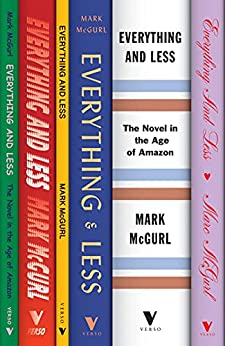
Another thing I’m loving right now is the book, Everything and Less: The Novel in the Age of Amazon by Mark McGurl. Hat tip to Jane Friedman for pointing out the New Yorker’s article about the book (follow her on Twitter for more insights into the publishing industry). You can read the article here. After I read the book, I’ll probably do a blog post about it. How Amazon has shaped, and is shaping, the publishing industry is fascinating to me, and how Amazon molds how indies write is really interesting, too. (And how some indies rebel against it.) For example, the idea of making the first 10% of your book the best it can be because that’s the amount of sample pages Amazon lets a reader skim to help them decide if they want to purchase your book. Another example is how Amazon pushes its own imprint books and how that dictates how readers find the books they want to read while perusing Amazon. Of course Amazon is going to push the books they publish, and being they are the biggest book retailer in the US, those books will do well with Amazon’s power behind them. How does that shape what’s trending, what’s popular, and how do indie authors respond to that with the books they write hoping to cash in on what is selling on the top 100 lists? I love reading about that kind of thing, so I will definitely check back in. If you want to take a look at the book yourself, you can find it here.

So, needless to say, I will be quite busy in 2022. It would be too much for me to hope that I can finish writing book two of this duet before Christmas being that I don’t even have a plot for it yet, but If I can get it finished by the end of the year and work out a few things, I would love to publish these as the first two books of my pen name in the spring. I’m doing that because unfortunately, and I have lamented about this in the past, you cannot build a readership on standalones. You can certainly publish standalones, but the real butter for your bread comes with read-through of a series. Any indie making it will tell you that. In fact, I was going to go ahead and rebel, and publish two standalones at the beginning of next year, but changed my mind after listening to Lindsay, Jo, and Andrea talk abut what they would do now if they were to start over knowing what they know now. Not one of them said they would publish a standalone, and while that was disheartening to hear, I also have to take their advice. Publishing a duet first is my compromise. Read-through to book two will be nice while I get a feel for my readers and they get a feel for me. I’ve said in the past I don’t write billionaire romance the way the other top 100 authors do. My characters are older and they hit upon issues that I haven’t found in a lot of the billionaire romances out there. So this will be me slowly testing the waters, and all I can do is see if it works. If you want to listen to that podcast where they talk about that, you can listen to it here:

I think that is all I have for now!

Until next time!

Thursday Thoughts, Clubhouse, and Time to Think.

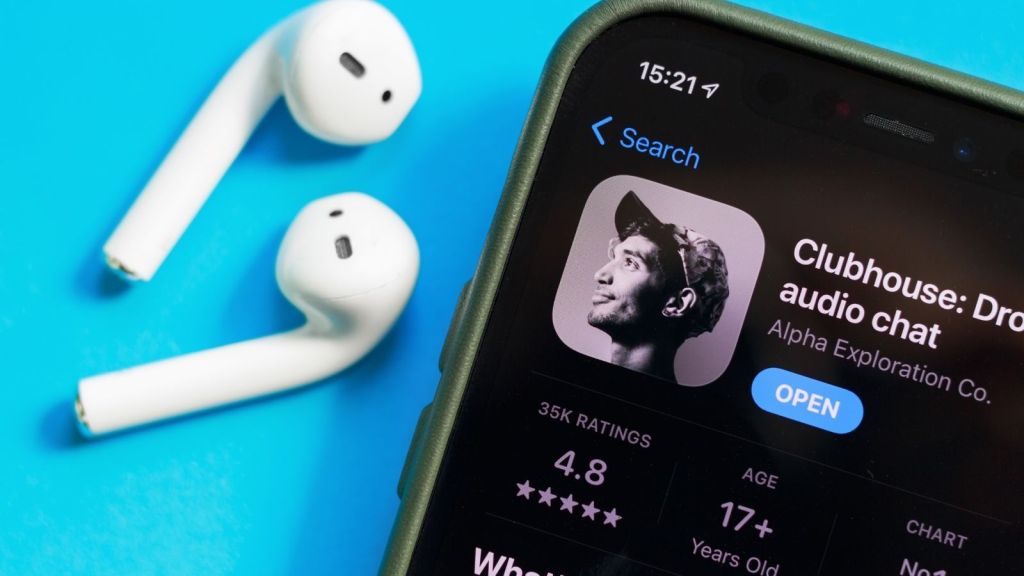
It seems all anyone can talk about these days is Clubhouse, and I was lucky enough to be invited into the app exclusive for iPhone users (thanks Aidy!). If you haven’t heard of Clubhouse, it’s an app where you can drop in on any room of your choosing and be a fly on the wall. I’m a part of a couple of indie writing rooms and a publishing room. One of the rooms, or I guess “club”, is hosted by my Level Up Romance Group on Facebook. There I get to listen to the speakers “on stage” chat about whatever topic they’ve decided on (today it was Kindle’s new platform Vella, but that’s a different blog post). It’s not scripted, not like a podcast where the interviewer answers questions previously given to them by the hosts. It’s fashioned as more of a chat/discussion, or if you’ve ever been to a conference (not just a writing conference but any professional conference) I liken it to dropping into a breakout session and listening in. If you don’t get anything out of it, or you need to attend a different session, you can slip out the door, or in the app’s case, you can press on “leave quietly” and leave the room.

I don’t know all the ins and outs of this app–I’ve never spoken and haven’t been invited to. (My area of expertise is limited and I’m not making any money selling books so I doubt an invitation will be forthcoming in the near future.) I’m still learning how to move about the app (or hallways), and the first time I attended a room, I was scared to blow my nose because I wasn’t sure if I was muted or not. (Unless you’re invited to speak, you are, but it’s up to you to unmute yourself when it’s your turn to contribute.)

As you can imagine, there is a lot of information passed along these casual chats and it feeds right into my Fear Of Missing Out.

I present myself as a pretty stable individual mental-health wise, and for the most part, I am. But when it comes to the indie publishing industry and all the information out there, I have a desperate fear of missing out on the NEXT NEW THING. How are authors making money, what are they doing, what are they trying? I can get a bit obsessive when it comes to gathering information, and it’s only been in the past six months or so where I’ve tried, consciously tried, to loosen the reins and dump some Facebook groups. I don’t listen to nearly as many podcasts as I used to, either. I haven’t listened to Joanna Penn for quite some time, and it’s been while since I listened to the Wish I’d Known Then podcast hosted by Jami Albright and Sara Rosett, though that one should be at the top of my list since they both write romance and interview romance authors on the regular. I don’t listen to The Sell More Books Show since Jim Kukral left. I don’t care for the new format (no offense, Bryan!) and I don’t click with H. Claire Taylor, Bryan’s new cohost. The only podcast that I listen to every week is the 6 Figure Author podcast. I like Lindsay, Jo, and Andrea, though if it’s just the three of them talking, sometimes their information can get a bit repetitive, and I’m not always interested in their guests, though they are more business-minded than some podcasts I’ve listened to about publishing (recently they interviewed Joe Solari).

The reason why I stopped listening to so many podcasts is because if I listened to as many as I think I needed I wanted, or as many as are available, my mind would not rest. I need the time unplugged to think about my books. I need the time to mull over my plots, what my characters are doing, where they’re going, and how they’re going to get there. If I constantly have a voice yipping in my ear, my brain can’t wander, I can’t brainstorm, and my books will never get done.

There isn’t only one way to write a book, but this is my way. It helps me keep writer’s block at bay. There is no quicker way for me to shut down than if I sit at my computer and I don’t know what I need to write during that session. I call myself a planster, and I plot as I go along, and for me, that does mean knowing what I need to write that day even if I don’t know what I need tomorrow.

This applies to blog posts too. I thought a lot about what I wanted to say on the drive home from dropping my daughter off at school. I never would have had that time if I would have been listening to a Clubhouse meeting or a podcast. Sometimes even music takes away the space in my brain, and in the past I’ve been able to write with music in the background, but I’m moving away from that and writing in silence more and more.

So, enter Clubhouse and my need to know everything. So far the app is new, and there aren’t many rooms you can join, which is a good thing for me. To add to the urgency, rooms aren’t recorded. Either you can join and listen at that moment or you can’t. At least with a podcast, webinar (most offer replays though you can’t join in with a live Q & A session), or even a YouTube video, you can listen at your leisure. While Clubhouse could be a fabulous resource for authors down the road (especially once they are out of beta and you don’t need an invite to join) FOMO is real for a lot of people, and it will be interesting to see how others handle their time.

I don’t know everyone who is on stage most of the time, I know a few of the authors who speak, and they are all full-time authors. I mean, if you’re making ten grand a month on your books, I guess you can feel like you can make time to listen and join the rooms. I need all of my writing time still, because I work full time, have three cats (one of which is always needing something) two kids, and a social life. I need time to shut my brain off or my books won’t get written.

Time to think about your stories and blog posts and other content you share on social media is important, and I need to remind myself constantly that I don’t need to know everything. I like knowing what’s going on in the industry, especially romance. I probably wouldn’t have started writing in first person present had I not been keeping my ear to the ground. I wouldn’t have gone with MailerLite if it wasn’t the most recommended newsletter aggregator. Chances are if I wasn’t paying attention to the indie news in general, I wouldn’t have known to ask for a Clubhouse invite in the first place.

But I have to make sure I have space in my brain for books–which is doubly difficult if you’re already worried about something going on in your life. For me, it’s my health, but I’m slowly getting back to normal there, and eventually that space can be taken up with something else–hopefully nothing quite so serious. The next time I need an oil change, maybe, or when I need to make an appointment for a hair trim. It’s emotionally exhausting worrying about something, and when you can find quiet, it’s best to take it instead of cuing up a podcast or joining a room on Clubhouse.

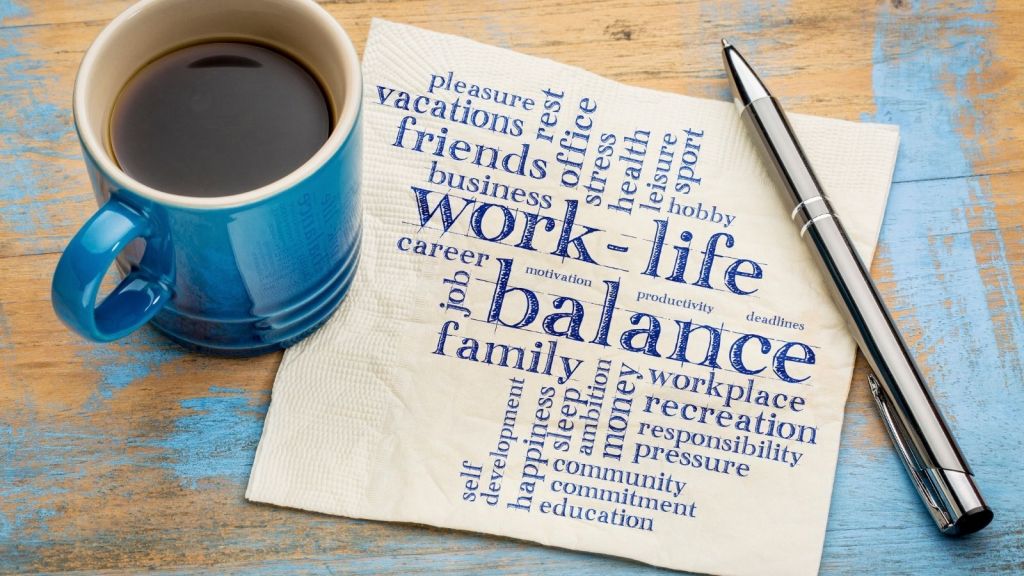
It’s all about finding that elusive balance.

And that’s always easier said than done.

All stock photos supplied by Canva Pro.

Thursday Thoughts: Would you ever leave the writing community behind?

I woke up to a shock yesterday morning: a writing friend blogged a goodbye. She’s leaving the writing community for now and is focusing on other areas of her life. She said many predicted this, but even after all her troubles, I wasn’t one of them.

Why would anyone leave the writing community? She’s not the first friend I have who will disappear, nor will she be the last. I have a friend who wrote a dystopian YA novel and what happened when her publishing house sent out arcs is similar to what happened to Amélie Wen Zhao when she pulled her novel because of racist accusations. My friend isn’t writing anymore and I don’t know if she ever will again.

This industry isn’t for the weak or thin-skinned. It isn’t for the cowardly. I had to find my own courage when that high-profile author bullied me and I don’t think I would have been able to had I been an impressionable twenty-something scared to make enemies. (As a jaded forty-five year old woman who can separate her online life from her real life, it was still difficult for me. I can’t imagine the harm this author has done if she’s targeted other authors.) Even reading reviews from nasty readers can be a lesson in humility, or downright painful, feeling like a 100 lashes of a whip for simply trying to publish a good book.

I have bemoaned many a time about the circus this industry has become, and it’s easy to grow bitter thinking of all the fiery hoops you have to jump through just to find and keep readers these days. It’s not enough to publish a good book, buy some ads, and sit back and enjoy readers reading your story. Newsletters and swaps, reader magnets and websites, and not only do you have learn how to do all that, you have to pay for it too. Newsletter aggregators, and reader magnet aggregators, website hosting, website emails and so much more that it can take years of writing and publishing to break even much less make a small profit off your words.

Of course, you don’t have to do any of that. You can try to find a happy medium of writing and publishing for your own pleasure and if you can make a bit of money along the way and earn a few positive reviews, that’s enough for some people. Honestly, with the way the industry is, it should be enough for everyone.

I don’t plan to leave–like many writers, I’ve been writing in some way all my life, from writing my first short story in sixth grade or winning a voucher in ninth grade to a clothing boutique for an essay about patriotism to graduating with a bachelor’s in English with a concentration in creative writing. Words are in my blood, but I am trying to balance my life just a little bit more. It’s not necessary to write six books a year (like I did in 2020) and I’m trying to spend more time with family and friends, read more books, and watch movies I haven’t made time to see.

I’m as scared to walk away from writing and the community I’ve built for myself over the years as I am to keep going.

Do writers walk away because they’re unsuccessful? Maybe. Do writers walk away because writing is hard and for the most part, lonely? Probably.

Craig Martelle posted this yesterday, and it seemed so fitting. Give a listen to him talk about The Unsuccessful. Do you think about giving up? If you do, why? Writing and publishing is hard, but you can potentially make it harder for yourself if you keep doing the wrong things over and over again. Learning from my mistakes has been the number one priority for this new year. Putting those lessons into practice will be easier said than done, and seeing the results won’t happen for months to come, even if I finally get it right.


In case you missed it, I had Reedsy’s Savannah Cordova on my blog Monday, and you can read it here.


Thanks for reading today and I hope you all have a wonderful weekend! See you Monday!