

The other day I pulled my books out of KU. For those of you who may not know what that is, Kindle Unlimited is a program through Kindle Direct Publishing that is offered to authors who don’t publish their ebooks anywhere else. They get paid from a giant slush fund for “pages” read. Some authors think that Amazon is the best, and there isn’t anywhere else to publish. But where is there to go if you decide you don’t want to give Amazon exclusivity? Kobo, Books (aka iBooks), Nook, Google Play, and a few others that can be reached through an aggregator like Draft2Digital or PublishDrive are available for indie authors. Thank goodness indie authors have a choice.

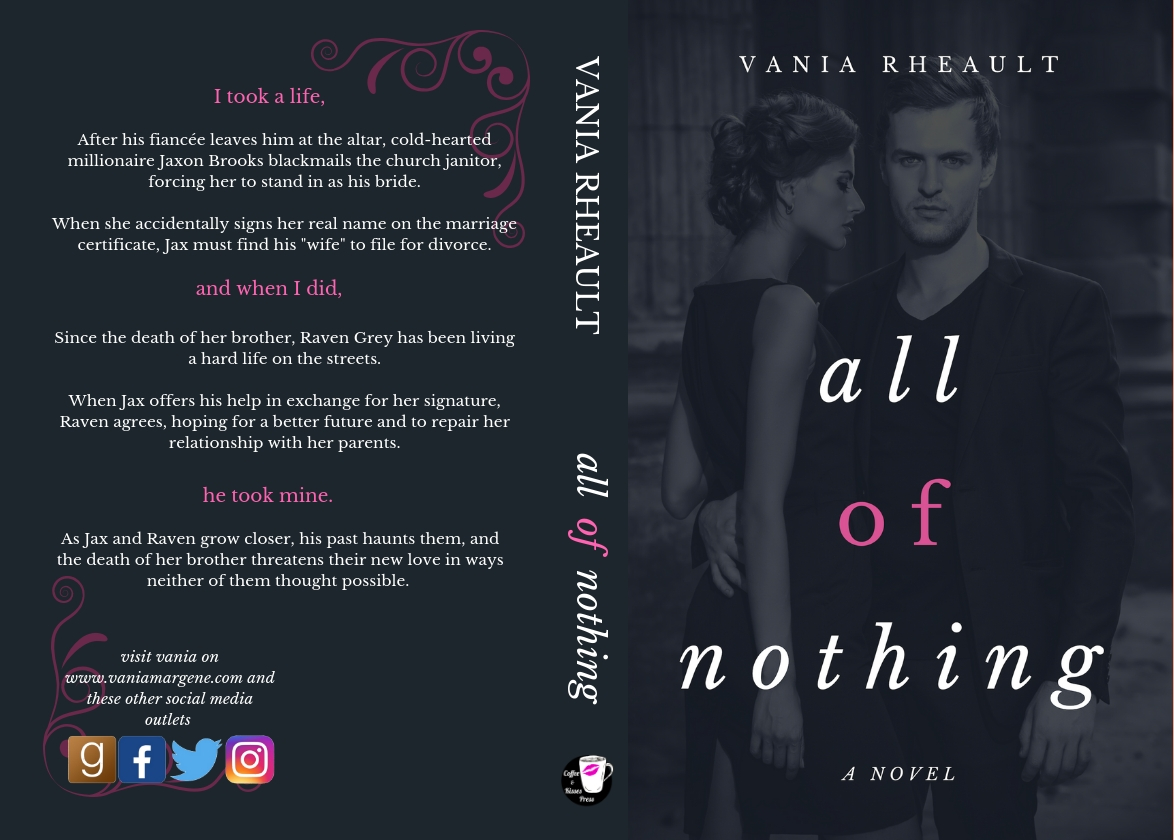
It’s a little scary, since I have been getting a few page reads here and there, mostly since I paid for a FreeBooksy promo not long ago. Usually that will put my book on the radar for a while, but tends to taper off. Like today, I’ve only made $4.81 in page reads, compared to my highest day ten days after my promo, which made me $56.80. That’s just for All of Nothing, when I ran a free promo for it on November 9th. It’s been a pretty long tail, still getting page reads more than a month after my promo, but I’m thinking I can do better.
It is scary, thinking about losing even those meagre page reads, but there is one thing I have to remember: even if my books aren’t in KU anymore, anyone shopping on Amazon who wants to read my books, can still buy them. What I’ve made today in page reads would calculate into 2.5 people buying my book at $2.99. Sometimes I think authors forget about that part of it. Just because you’re not in KU anymore doesn’t mean authors can’t buy your book. That is really a powerful thing for me to remember, and it makes it easier to feel better about the decision I made to go wide.
I’m really excited about the opportunity publish my books on Kobo. Kobo is growing and right now, according to an old 2016 stat, they have 26 million users worldwide. That’s a lot of readers. And with Kobo Writing Life, I’ve heard they are very friendly and want to work with indie authors.
Some indies go wide from the start, but lots more, not knowing how or where to publish, stick with only Amazon. Neither of these paths is wrong. When I first moved into publishing, I was happy to deal with one vendor. I only had to deal with one file to format, and one upload. One price. I stuck my books in KU and mainly forgot about them as I wrote the next.
But as you publish more books, and you start to learn what other successful indies are doing, you have to think about where your want your business to go. You hear about the risks of putting all your eggs into one basket. But then you hear about authors making hundreds of thousands of dollars in KU reads. (And you also hear about how Amazon can, at random, target one of those authors and essentially take all their income away with a single push of a button.)
Joanna Penn continually says you need to think about more than one stream of income. For her that means speaking gigs, writing non-fiction, her podcast, and other things she has going on in her career, but for indies who don’t do as much as she does, it could simply mean not counting on one company for all your income.
I’ll be going direct with Kobo, since that is how you access their promotions tab. But I’ll likely use Draft2Digital to publish my books everywhere else.
If you’re interested in going wide, and you want to learn what Kobo can do you for you, Joanna Penn recently had a guest on her podcast who works at Kobo, Camille Mofidi. You can click here to listen to it. Mark Lefebvre used to work at Kobo, but now has moved to Draft2Digital. I love Mark and used to listen to the Kobo Writing Life podcast where he would frequently talk about what works on Kobo to sell books. He also wrote a book, Killing It On Kobo: Leverage Insights to Optimize Publishing and Marketing Strategies, Grow Your Global Sales and Increase Revenue on Kobo (Stark Publishing Solutions) on how to use Kobo to sell your books. Mark also did a recent interview on The Science Fiction and Fantasy Marketing Podcast hosted by Lindsay Buroker, Jeff Poole, and Jo Lallo. You can check it out here.
My books won’t completely drop out of KDP Select until February, so I have to wait. You don’t want to make Amazon mad at you, so if you decide to go wide, please make sure that your books have completed their three months within the program. If you have several books like I do, you’ll need to wait until they have all dropped out before going wide, as their months could overlap. Plus, they don’t do that automatically–you have remember to uncheck the box in your KDP dashboard.
As for my paperbacks, I am changing that up, too. I’ve seen first hand that if you don’t use KDP Print to distribute to Amazon (or CreateSpace before) Amazon can play hardball and sometimes make your book unavailable or out of stock. To me, this would be a pain in the butt because who has time to police their books all day? I’ve published all my books through CreateSpace/KDP print, and I have found no issues with quality as I’ve heard some complain about. But I have moved my books out of Expanded Distribution on KDP Print and only use them to supply to Amazon. Then, after they drop out of their system, I’m going to publish my paperbacks with IngramSpark and use them for Expanded Distribution. The reason I’m doing this is because I want to approach my local bookstores about carrying my books.
Seeing the benefits of going wide may take a while. But I’m in this for the long haul, and I don’t mind waiting. I need to start thinking about what I want for my business as I grow my backlist, and going wide and using IngramSpark for paperback expanded distribution feels like the right way to go. But only time will tell.
Wish me luck!

for a little while longer. 🙂

 I met CJ Douglass, erotica writer extraordinaire, on Twitter, and I was lucky enough for her to agree to an interview. We chat about writing erotica, the bad rep indie erotica has in the publishing community, and her real thoughts on Faleena Hopkins!
 1. For the most part, you write short fiction (novelettes, novellas). Do you think short work is easier or harder to sell?
  2. Your genre of choice is erotica. Do you find it hard to market? For example, Amazon loves to bury my erotica novellas in search results. How do you combat that?



 to publish them as you write them, or are you going to save up a couple and publish them together? A week apart? Two weeks apart?In this case, being an indie author is definitely a perk. You don’t have to make your readers wait a year between books like the traditionally published authors do. But because of impatience, many indies publish as they write, without a thought as to making a reader wait for the next book. I haven’t met one author who likes to sit on books. (But I have heard of plenty of stories about the benefits to the authors who do.) The minute the book is ready, they hit publish. But what does this mean if you’re writing a series? How fast can you write the next book? Do you do this full-time and can publish the next one in two months, one month? Do you have a team that will edit and format and do your covers for you? What is the point of publishing a book one if it’s going to take you two years to publish the next?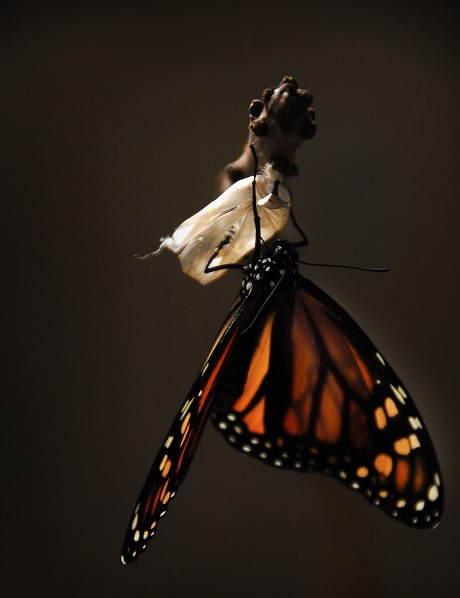
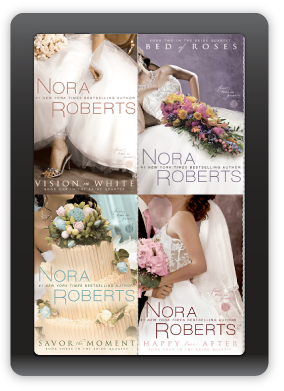 working with a designer, it’s very very very important that your covers not only fit the genre, but that your series will look like a series. That means your author name looks the same, that your pictures you choose are cohesive. It means that the series name is on all the books.Here’s Nora Roberts’ Bride Quartet I was telling you about earlier. It’s a lot easier to plan how your covers will look–at least the first few, if you wait to publish.




















 Vania Margene Rheault