Can You Follow Advice from Someone Who Isn’t Successful?

There is no shortage of advice. Everyone has an opinion on what to do and what not to do, and not many are afraid to shove it down your throat either, or take offense when you don’t follow what they say, or want you to drop down on your knees in gratitude they gave you five seconds of their time.

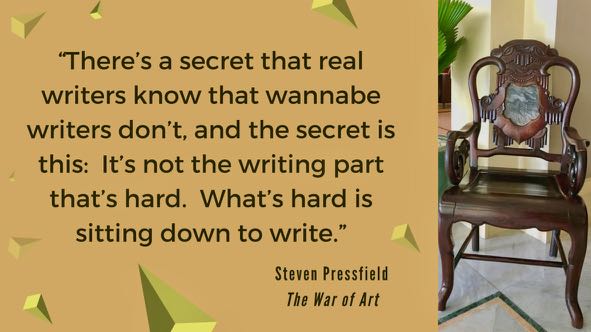
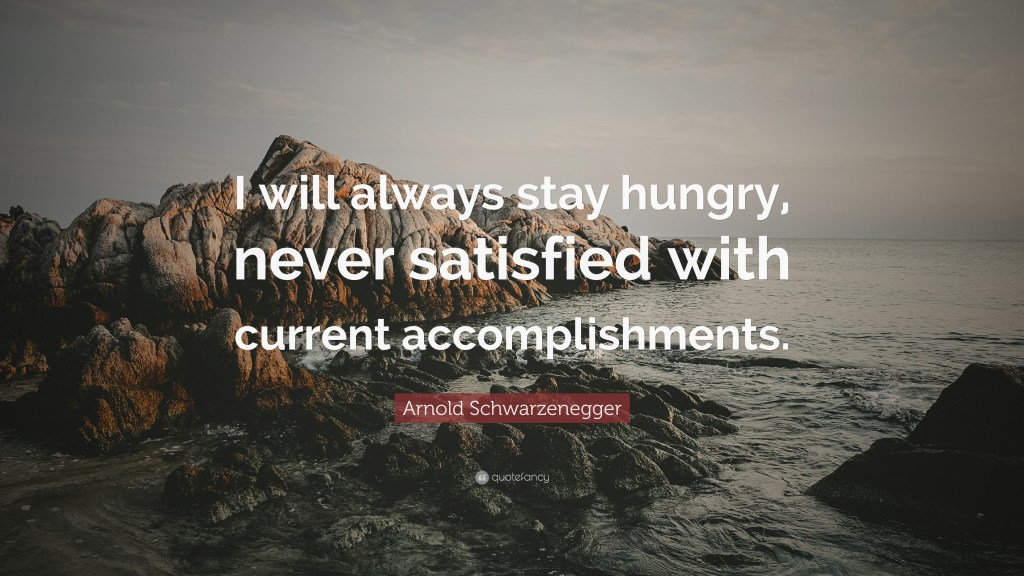
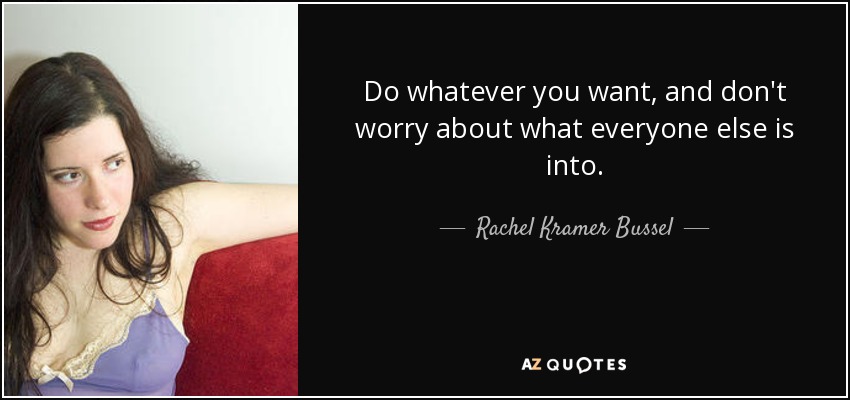
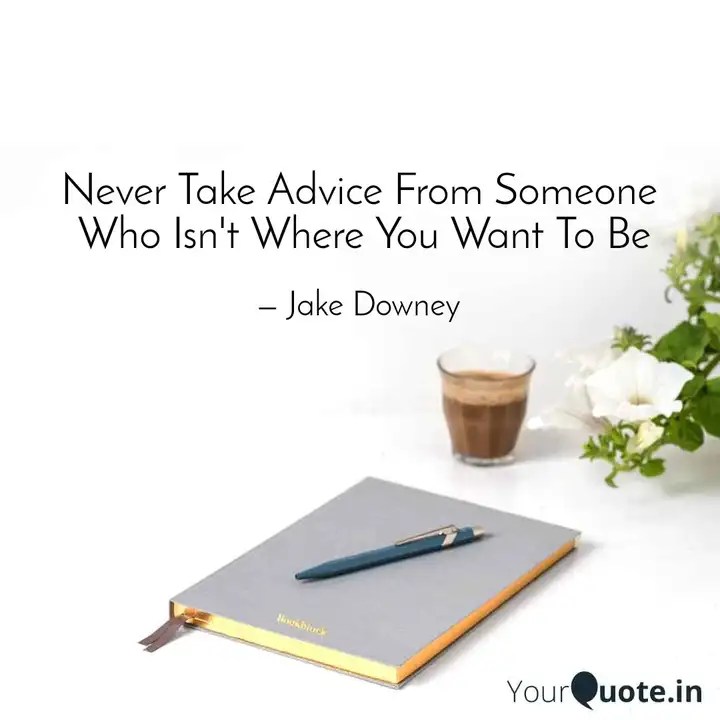
I think about this when I’m blogging and sharing my experiences, tweeting my own opinions, and especially when I’m scrolling through Twitter and my Facebook writing groups. I was poking around for motivational quotes for another blog post, and this one caught my eye:

I really like this because we’re all struggling writers, all trying to find that magic bullet that will catapult our book to bestseller status (with as little work and money as possible, if we’re being honest here), and we should be open to advice. We should be open to learning from other people’s experiences.

Probably one of my favorite topics to blog about is scammers–people offering a service they aren’t qualified to provide. The indie community is full of them, and how many indies finding ways to game the system or relieve you of your money knows no bounds. I got into a discussion with someone on Twitter the other day who is getting to the blurb-writing business. I asked politely, as I have never had a problem with this person before, if he had a refund policy in place for the blurbs that don’t convert to sales. He said that blurbs aren’t part of marketing that therefore he had no refund policy in place as it wasn’t his responsibility to market your book and that conversion on a new blurb wasn’t measurable. I said I wished him well and that I hoped his own sales success was proof that he could write a good blurb. He said he was doing just fine. I took a look at his book rankings, and unless he meant something other than book sales, no he wasn’t doing just fine.

So he 1) didn’t believe a blurb was part of marketing a book, 2) didn’t have a refund policy in place if you were unhappy with conversion 3) didn’t believe blurb conversion could be measured and 4) his own books weren’t doing well sales-wise. I hope people followed along our tweets because there is no way this person should be offering a blurb-writing business AT ALL. I did the best I could to call him out, but there’s only so much I can do, especially without looking like a big B. I think I already have a reputation on Twitter as being a bit aggressive, and I’m trying to soften up my look. It’s not working.

This goes for a lot of other advice too–writing advice, cover advice, marketing advice. I know one writer who loves to give writing advice, is always sharing excerpts of her work, but it’s all telling and she’s not selling books. People who don’t know what covers are hot in their genre love to give advice on what they like and don’t like. Maybe their advice is valid, maybe it’s not, but if you’re trying to ask for advice from a perspective that others don’t share (like writing to market, covers to market, writing commercial fiction, or the other way–if you want to write your own thing getting advice from someone who doesn’t share that viewpoint won’t help), it can be tough. You’ll be inundated with opinions that would never help.

Sometimes a fresh set of eyes can help whether the people those eyes belong to have had their own success or not. I feel like I know what goes into a bestseller, and I can say easily that depending on Twitter for sales will only go so far, or you need to learn an ad platform, or you need to change your cover, simply for the fact your cover is horrendous and I don’t need to be a bestselling author to know it.

I think that’s why I like Bryan Cohen’s free Amazon ad challenge so much. When he shares his screen/Amazon Ads dashboard during the videos, we can see that he’s selling books. We can see that he’s written books that people want to buy. Yes, he spends a lot of money on ads, but he also makes it all back and more. His ad challenge wouldn’t be worth much if he wasn’t selling books.

Just the other day in a group someone was asking about a different indie author who offers classes (that aren’t free) and one poster said, “I stopped taking his classes when he stopped selling books.” Like the blurb-writing guy, people forget that it doesn’t take much time to go onto a book’s product page and see the ranking in the Kindle store. You can go onto any of my books’ sales pages and see that I’m not selling many. I’m very transparent–in fact it’s practically the premise of my whole blog–I’m not selling books, this is why I think that is, how I’m changing that, and I hope what I try can help you. I’m not interested in making money off this blog. When I get a couple of readers who thank me for the resources or thank me for sharing my experiences, or tell me they tried something and it worked, I consider my job well done.

So what do I suggest you do when you might consider taking someone’s advice?

  1. Take a look at their success rate if at all possible. Look at their covers if they are going into business creating covers and see if they know market trends, what’s selling right now. Look at their books’ rankings and decide for yourself if they’re qualified to give the advice their giving.
  2. Ask yourself if what they’re saying makes sense. Trends change, and maybe someone isn’t up on the newest thing–like that lady who told me my first person blurb isn’t how everyone else is doing it, when actually most are now, at least where billionaire romance is concerned. But it could be that you missed the boat with something and their advice is legit. Check it out and see if it’s something you want to experiment with.
  3. Where else are they online? Sometimes Amazon sales rank won’t always be the greatest measure of success. LIke the guy who wants to write blurbs, maybe he is successful somewhere else (like writing ad copy for his day job), but if he doesn’t make that known, it reflects poorly on the business he wants to start. Some writers publish to Wattpad and have a large following there. Some write for blogs that have good traffic and they have a large following in that circle. Some submit to literary journals and are published in lit mags. Dig deeper. You might be surprised–and learn their opinion is steeped in more experience than you think.
  4. Do they have a good track record giving advice? Sales aren’t the end all be all, I know that. Sometimes questionable books do quite well and no one can figure out why. Maybe someone has a great marketing tip that didn’t work for themselves but worked really well for someone else. Maybe they know a secret ingredient and it turns out to be the last piece of your own puzzle that can bring your books to the next level, like a promo that didn’t do much for them but made another author’s book rank high in the charts. I edit on the side for friends who can’t afford it. Just because my sales aren’t great doesn’t meant I’m not a good writer or editor. I have a handful of people who could tell you that I’m good at what I do and that I’m qualified to give grammar, punctuation, and writing advice.
  5. Look at the viewpoint of the person giving the advice. I tweeted about this not long ago–taking the advice from one writer on Twitter when there are a million readers out there probably isn’t the best idea. Writers read differently, and what would bother a writer may not faze a reader. I catch myself doing that all the time–stressing while editing or writing about something a writer said they disliked. Why should I care if a writer says she doesn’t like the word moist (or whatever?) Chances are 99.99% that she will NEVER read any of my books. So why does it matter? All that matters is what readers think–and they will tell you.

I’ve taken advice (and my cover for Faking Forever is better for it), but I’ve ignored my fair share. I’ve also given a lot of advice, and usually in some way the people I’ve spoken with aren’t ready to hear it–even if they’ve asked for it. I’ve told plenty of people their covers aren’t working. I’ve looked inside a lot of books and said they need another editing pass. I’ve pointed out blurbs that aren’t written well, and I don’t think a day goes by where I haven’t told someone that they need to branch out from Twitter for marketing if they aren’t seeing the results they want. Usually my advice consists of either spending time or money (it’s work, y’all), but you have to invest something in your books if you want to find readers and nurture an audience. Just today someone on Twitter said he would take down his YouTube channel if he couldn’t get up to a certain number of followers by the New Year, but when I asked him what he did to drive traffic to his channel besides Twitter, he didn’t answer me. So in that non-answer I know the answer. Nothing. I don’t need to be a YouTube guru to tell him he needs to promote his channel to expand his audience and threatening to take his channel down won’t do anything to build his audience. The opposite, in fact, because why would someone invest time in something that may disappear?

At the very heart of your business, only you can make decisions for you, and only you can decide what to apply to your book business and what not to apply. If you’re not seeing the results you want in blog follows, sales, YouTube subscribers, whatever it is you’re trying to accomplish, that will be the true test. Trying to achieve different results doing the same thing over and over again will not work, and you don’t need anyone to tell you that. (And if you can’t admit it, it won’t matter how many people tell you–you won’t believe them anyway.)

So, after all that, should you follow advice from someone who isn’t successful? I guess the murky answer is maybe. I certainly wouldn’t pay for anything if the person dispensing said advice couldn’t put his money where his mouth is, and in the indie publishing business, that usually means book sales. There are quite a few top-tier indies who do dispense advice through podcasts, non-fiction books, interviews, and various classes they’ve decided to teach. Some will do consulting, some blog and offer their advice for free. There is plenty of advice out there from indies who are making it, so maybe there’s no need to take advice from someone who isn’t. It could be that simple.

Do you give advice? Take it? Let me know!

Until next time!

When others ask for blurb feedback, how do YOU respond?

Blurb writing will get to the best of us. It’s difficult to separate yourself from the work and look at it as someone who’s never seen it before. Some say that’s almost impossible, and they are probably right. You know too much about the story, the characters, the ending, to write something that will effectively draw a new reader in without giving too much away.

It took me a long time to recognize this of myself, doing most of the work for the past ten books alone without much help, paid or otherwise. Because I’m starting this new pen name with the idea that I’m going to put all my knowledge I’ve learned in the past five years into practice, I’ve started doing things I’ve never done before, and that includes asking for feedback in the various Facebook groups I’ve joined. While I’ve gotten some really great advice I was able to use, there were some, I feel, who posted just to jab at me, listen to themselves talk, or, I don’t want to make assumptions, but really just wanted to say something nasty because they were probably jealous. You know the posters I’m talking about. They aren’t supportive because you’re doing something they want to do, and I’ve seen this behavior in more than just writing groups. You’re making progress, they aren’t, and it shows. But no matter what their reasons are for being nasty, it still hurts, and sometimes it gets to the point where you wish you never would have asked for feedback at all. The only thing is, being a writer/author isn’t a one-man ship, and you’ll sink if you try to do it all alone. Sinking will be different for everyone–no sales, burnout, a combination. We need help and finding your crew is easier said than done. It can take years to find a handful of friends you trust and who will always have your back, and bonus if they’re writing the genre you write in so you know their advice is solid.

Anyway, I posted the blurb to My Biggest Mistake, and while yes, there were some really great people who wanted to help, and did, there were a few nasty people, too, and here’s what I learned. I want to say, too, that I’ve been guilty of doing these things and being subjected to it will definitely shape how I help people in the future.

If you don’t have a real answer, then don’t answer. In one group, someone just threw up a “how to write a blurb link” and called it a day. While that might have been helpful, I wasn’t asking for resources, I was asking for help, advice, opinions. I didn’t expect anyone to rewrite my blurb (though there were a couple who did–more on that later) but throwing up a link to an article wasn’t helpful, and for the work he put into answering me, and the work I put into skimming by it, he could have just not posted at all.

If you have a criticism, offer a way to fix it. My blurb was too long, I knew that when I posted it, so when a couple people said, it’s too long, but didn’t offer a way to cut it down, that’s not helpful. I already knew it was, so if you’re going to say something obvious without offering a solution, you’re better off not saying anything at all.

If a romance writer is asking for help, be a romance writer if you want to answer. This goes for all genres. Sometimes writing is writing, so you can get away with helping someone that doesn’t write in your genre, but have something concrete to offer if you’re straying outside your lane. One woman was particular nasty, insulting my first person blurb saying it looked “homemade” and I need to do what others in my genre are doing because I need to fit in if I want readers. She obviously doesn’t read or write billionaire romance because almost 100% of the billionaire romances written in first person POV also have blurbs that are also written in first person. I told her this and thanked her for her input. She treated me like I was a first-time author who didn’t know what I was doing, and I really struggled with being the nice guy and not putting her in her place. If I had been just starting out and needed some true advice, she could have driven me to tears. Her comment was not helpful in the least and she could have kept her opinion to herself.

Be careful if you’re going to take the time to rewrite someone’s blurb. A couple of people in one group did this, and I really really appreciated the time they took to do that. Sometimes you can get a few great lines out of doing it their way. In the past I’ve rewritten blurbs (mostly chopping up what they already had and making it tighter) and I feel like they’ve always been positively received. But when you’re rewriting someone’s blurb, especially if the blurb is written in first person, that blurb is written in your voice, not theirs. One person rewrote my blurb and while her voice was strong, it sounded nothing like my characters. She gave me some ideas for what I could add to mine, but keep in mind doing this for someone may not reflect their voice so don’t be offended if they can’t/don’t use it, and when you’re on the receiving end of a rewritten blurb, be careful of taking it in its entirety. (Not to mention, you’re treading heavily on supposed copyright issues and some indie authors are really weird about that. You don’t want a cease and desist email hitting your inbox six months later because you used their blurb verbatim and it made them angry.) Your blurb needs to reflect you as the author and your characters as people your reader wants to get to know. The person who helped me made my characters sound young, and there definitely would have been a disconnect between the blurb and my book. I did grab some ideas though, and thanked her for her time.

Never offer unsolicited advice. This caught me a few weeks ago when I looked up someone’s blurb after she she sent me the cover to look at in a Twitter DM. I noticed her blurb was written in third person, but her book was written in first. I DM’d her back (I know–I deserved what I got) and said a lot of blurbs now are going the 1st person POV way if the book itself is in 1st person. I don’t want to say she went off on me, but she wasn’t pleased with the advice. I get it. She hates first person blurbs; she published her book the way she wanted it published, etc. I apologized for overstepping and I will never offer unsolicited advice again. It’s getting to the point where I rarely offer any advice at all (especially on that bird app). There are some people who are just so precious about their books that Stephen King could offer advice and they still wouldn’t take it.

In the end, I think I was able to rework the blurb so it sounds better, shorter, and there were a couple of things that confused the people who took the time to help me, and I was able to rewrite and clear those up. I think the blurb sounds good now, and if it doesn’t resonate, I can always change it on the book’s buy-page.

It would be nice if we didn’t need help; if we could do all this 100% on our own and come out with a successful product. Unfortunately, that’s not going to be the case with most books or authors and if you can find author friends who can help you in an honest and kind way, hold on to them. For some reason, I don’t have good luck posting things to FB for feedback. I might have cultivated an abrasive attitude over the years; stiff and know-it-all-y is the tone I present without meaning to. I’m trying to be better, and in the group where I received the most feedback, I’ve been posting with the intent of helping rather than getting back. Some people only post when they need something, and that’s fine if they can get the feedback they need without giving anything in return.

The fact is, I don’t want to do this alone, and my books are better for it if I don’t try. I hope when you post looking for feedback that you are able to find good people who are truly trying to help you and that you have the mental health needed to ignore the rest.

What are you tips and tricks for writing blurbs? Do you have a FB group you like, or do you tweet out for help on Twitter? Let me know!

Until next time!

Thursday Thoughts and Personal Update

I think it was two weeks ago I blogged a list of the things I needed to accomplish in the short term to get the ball rolling on publishing some books. I am happy to say that I’ve managed to check of quite a few of those.

I proofed the proof for Faking Forever, put the changes into Vellum, generated new files and corrected the mistakes on the cover/full wrap–more on that. I created a Large Print edition and ordered a new proof of the regular print and the proof of the large print. Since I never used to utilize the back matter of my 3rd person books, it was strange to add a sign up link to my newsletter to the back matter of these. I should add a buy link to the next book as well, but I’ll have to go back and edit those as I have books available. For now the back matter only has one call to action, and that’s to sign up for my newsletter. Organic sign-ups are the best though, so I will be happy if I get any from that.

To ease some of the pressure of learning Bookfunnel and how to segregate lists in MailerLite, I decide to forego offering a reader magnet for the moment. I can write something quickly, maybe after Christmas, but I was putting too much pressure on myself when really what I want to do for right now is publish a couple standalones and start getting my pen name out there. I don’t know how Bookfunnel works, and I need to figure that out and spend more time in the MailerLite dashboard to figure out who goes where when they sign up for what. It will help when I get some signups, and then I can see what happens. I don’t want anyone not to be offered a free book because I don’t know what I’m doing. Needless to say, I decided to sell the book I’d decided to use as a reader magnet, but once I get the ball rolling and familiarize myself with my newsletter I’ll write something else. It was a blow, but at the same time a ball of anxiety loosened in my chest. I know offering a reader magnet is the best way to entice people to sign up, and I will get to that eventually, but for now. I just want to focus on getting some books ready to publish.

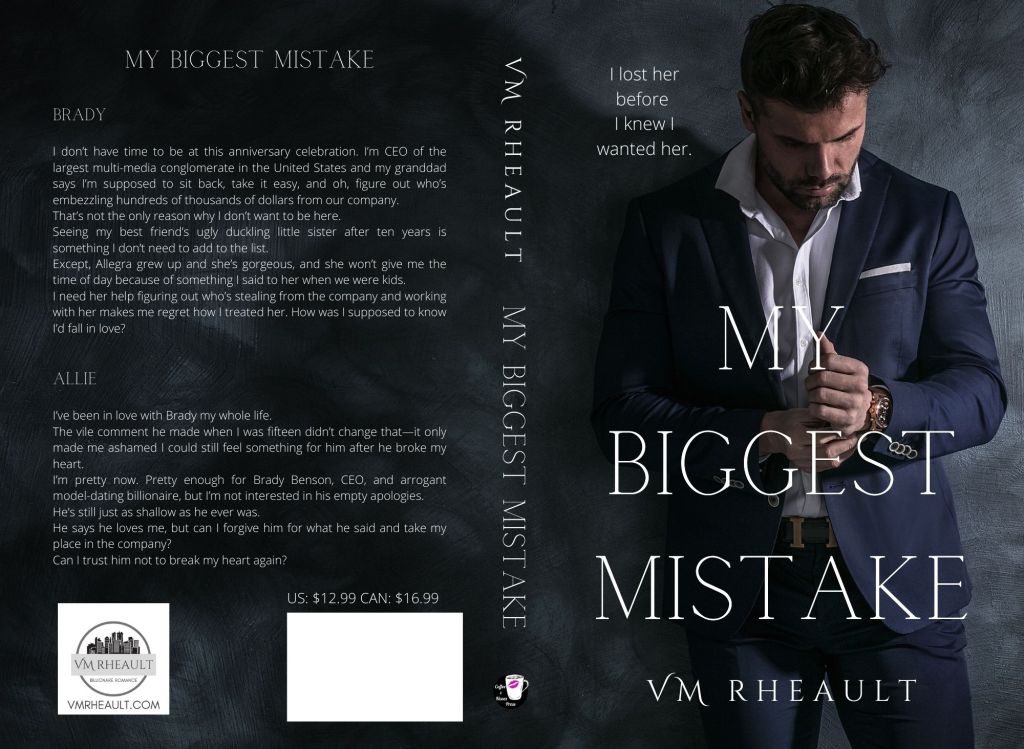
I also formatted My Biggest Mistake and did the cover. I have another blog post coming about this, but I asked for feedback on the blurb in my various FB writing groups. Here is the cover for this ugly duckling standalone, and the interior I formatted with Vellum:

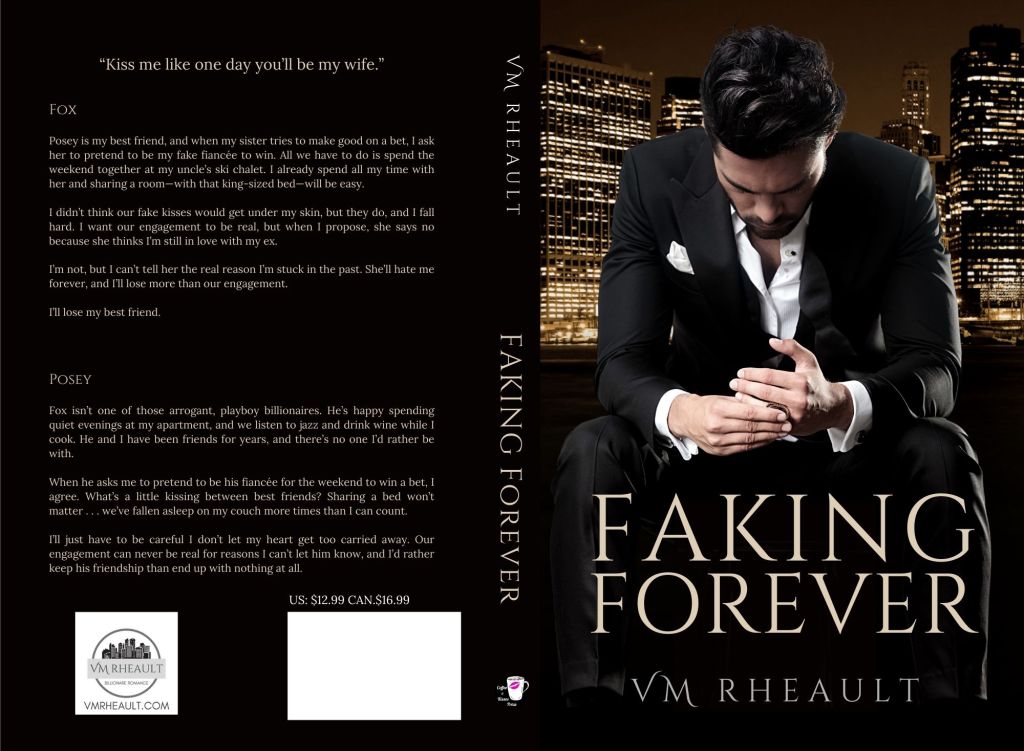
Probably I’m not going to be able to use a dark-haired sad guy looking down again, since he looks similar to the cover to Faking Forever:

Initially I had my name at the top, above his head, but since I’m trying to keep more of an idea of branding for my books and not having to go back and redo anything, I moved my name to the bottom. I think it looks nicer. The proofs I have coming will have my name at the top, but I won’t need to order proofs again for such a small change.

I have seen other photos of the two men, and they are two different gentlemen (with some stock photos, you never know), but I’ll have to keep this in the back of my mind and go for a different look for my next few books. That should be easy to do since after I proof the proof to My Biggest Mistake, I’ll be starting to (finally) edit and get my series ready that I wrote last year during the lockdown. I am really excited to take a look at those books with fresh eyes, and it will be a challenge to do six covers, a trilogy for Zane and Stella and a trilogy for Zarah and Gage, but have them all feel similar since the story reaches over all six books. I should do the smart thing and hire out, but I like the control, and with so many scammers out there, trust is hard to come by.

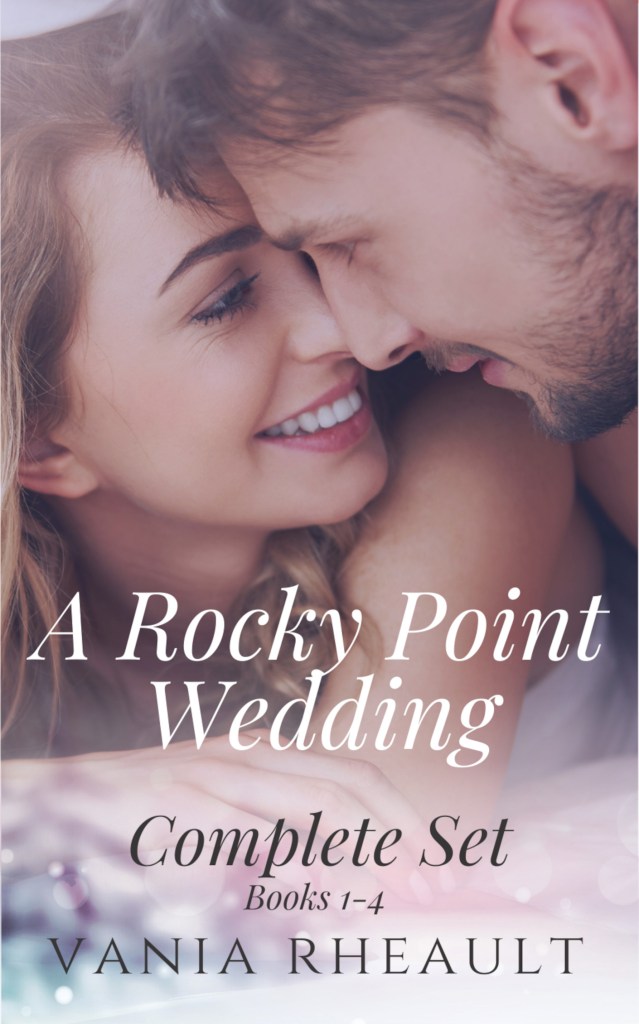
This week I’ve been taking a break–it’s hard not be writing anything, but the proof for My Biggest Mistake will come Saturday, and after that I’ll be jumping into a few months of non-stop work. I’m trying to enjoy the time off, but not actively writing anything, especially since I know what I want to write next, (and it isn’t a reader magnet) is a bit strange. I’ve been reading a domestic thriller I bought a few months ago and I need to format and do a cover for the box set of my wedding series. I think that is the biggest item on my list I haven’t crossed off yet. It’s not hard–just moving Vellum files over to create a large one, but it’s busy work. I need to make a mug of coffee one evening, put on some music and get it done. I don’t want to wait too long–the Christmas books are already starting to pop, and I think I could get some good KU page reads and sales, especially if I sell it at .99 from October until December.

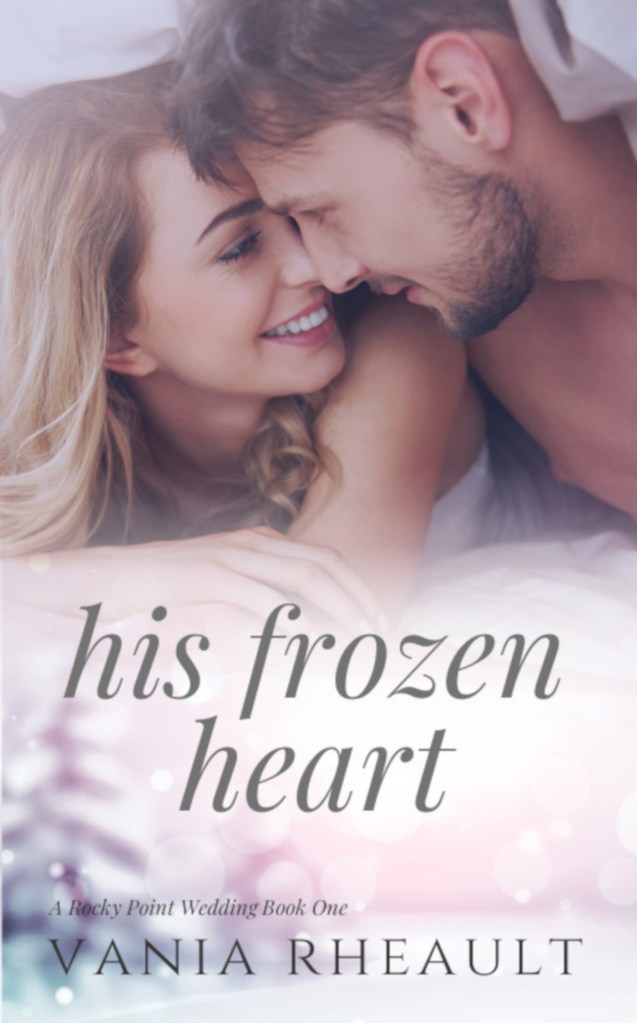
They’re all in KU singly, but I haven’t gotten many reads on them in the past few months. In fact, I’ve stopped looking at my sales dashboard, and only keep an eye on my ads to the extent that they are breaking even. I was going to try to find a different couple for the front so I can run some ads to the box set, but I don’t know if it’s worth it. I tried looking for a different pose of the couple on the first book, but they are all in bed, or doing dopey things like being sad at a pregnancy test result. I could zoom in on their faces to take the “lying down” element out of it and see if that works, but as they are positioned right now, Amazon won’t let my ads go through, and it’s been very hurtful for the series as a whole.

That might actually work. It would be an easy fix to upload new ebook covers for books without having to change too much if the new cover could get through Amazon’s cover guidelines. All I can do is try to submit and see what happens. It would be nice to be able to advertise these this winter. I can add zooming in on their faces to my to-do list.

As far as health news goes, my infection is gone, but an ultrasound revealed an ovarian cyst that is making me feel not so great. So I have a follow up next month to see what’s going on with that. I’m not in pain, just a sense of discomfort most days and some bloating. I’m getting old though, so I suppose it’s to be expected.

I guess that’s all for now. Things are moving along, though this week slowly. It will be nice when things pick up. I didn’t want to start writing a book. Then I would be suck for six weeks while I finished it. I’m trying to convince myself that having a week off isn’t a bad thing, and today all I’ve done is take a walk and write this blog post.

Later I’ll be creating author interview questions for Nina Romano, and there will be a giveaway…I’m thinking for fall… so stay tuned for that in coming weeks.

Thanks for checking in! Have a great rest of your week!

What makes a quitter?

taken from Google search for quitter definition

There’s been a lot of talk about quitting lately, and it’s not just Simone Biles who withdrew from Olympic competition citing mental health reasons.

In the writing community, I’ve seen writers quit querying, quit writing on a certain WIP that wasn’t working, quit Twitter, quit blogging. Quitting has negative connotations, and it’s a terrible thing to be called a quitter. But what if that thing you’re trying is hard? What if it takes too much time, or you don’t have the energy to spare after a long day? Quitting is akin to giving up and giving up implies that you’re weak. When is it okay to give up? When is it okay to say that you can’t handle the thing you’re trying to do anymore and walk away? Is it brave to know your limitations or are you a coward for not finding strength to keep going?

My friend Gareth posted an interesting think piece on his FB Author page, and I’ll quote it here (with his permission) because I think it’s something worth talking about:

The “pull yourself up by your bootstraps” attitude is constantly leveled at people who are struggling. The general concept being: you struggle because you don’t work hard enough. This suggestion is often given unironically by people in privileged positions.

I don’t doubt there was a time when the opportunities were more readily available for a few hard-working souls to make enough money, not just to live on, but to be considered a successful person. Nowadays, I’d argue those opportunities are fewer and further between. People who become successful, often require luck, good timing, or a little help. This is even true of artists and creators.

As a sometimes writer, the whole landscape has changed in the world of writing and the belief is you just have to be talented, lucky… and teach yourself the skillsets of three or four jobs that used to be done by three or four different people. It’s a lot. To become a successful writer is very difficult, especially if you’re doing it alone. At which point JK Rowling is usually brought up. lol. No, it’s not impossible, just much harder than people think.

Beyond the obvious Trumps and Kardashians there are plenty of examples in the artistic and entertainment fields of those who perhaps had their bootstraps yanked up before they got started: Bradley Cooper, Taylor Swift, Paul Giammati, Emma Stone, Rashida Jones, Lady Gaga, Carly Simon, Nick Kroll, Rooney Mara & Kate Mara, Lana Del Rey, Robin Thicke, Kyra Sedgwick, Armie Hammer, Julie Louis-Dreyfus, Salma Hayek, Adam Levine, Edward Norton, Ariana Grande, Miley Cyrus, Tori Spelling, Bryce Dallas Howard, Balthazar Getty, Chevy Chase… the list is long.

There’s no doubt that talent and hard work is important, but the bootstraps mantra is a poisonous misrepresentation of the real world. I doff my cap to those writers who have found some success; to all who achieve their goals, and wish good fortune to those who are still working towards them.

taken from Gareth’s FB post

I see this a lot in the writing community, and even have been a part of it myself. The unrelenting Go! Go! Go! attitude can get exhausting, and I take responsibility for my part in it. You don’t get anywhere without hard work, and that can be said with just about any profession out there, some more demanding than others, such as doctors, lawyers, engineers. But along with that hard work is the need for a little luck. You networked with the right person who featured your book in their newsletter, or you courted the right book blogger at just the right time, or you applied for a BookBub featured deal, and the guy going over the submissions was in a good mood that day and approved yours. Of course, this brings to mind the preparedness+opportunity=success equation, or as Christian Grey told Anastasia during their interview, “I’ve always found that the harder I work, the more luck I seem to have.”

When it comes to publishing, or in Simone’s case, gymnastics, you do need to do the work. You can’t publish a book that hasn’t been written, and jokes aside that marketing is harder than finishing a book, finishing a book to some is the most daunting task. Then you hear that you shouldn’t publish until you’ve written a million words and who wouldn’t be discouraged? Gareth is correct in his author post, too. We do wear many hats–editor, graphic designer, copywriter. If we don’t excel in any of these areas, and we can’t afford to hire out to fill in the gaps of our own skillset, our books can fail. I may have spent as many hours learning what makes a good cover as I have writing because I can’t afford (don’t want to, and there is a lack of trust there, too) to hire out, and after watching tutorials and practicing I realize there’s potential for others to simply not be able to grasp those concepts. I’ve said many times before, if I didn’t write romance I’d have no choice but to hire a cover designer because my time is more valuable than learning how to do a to-market cover for any genre that requires more than what I’ve taught myself to do.

We can say that Simone Biles is a coward for dropping out of competition, but think of the hours of hard work she put into her practices just to make it there. If she had given up at any point in her career, did one hour less practice, slept in every morning she wanted to, she might not have made it as far as she did. Online, I’ve seen people use her withdrawal as an excuse to give up their own endeavors saying it’s brave to know your limits, and it is. But knowing what will break you mentally or physically is a lot different from stepping outside your comfort zone, something, it seems, few people are willing to do anymore. How can you find your best, move your career to that next level, if you’re not willing to push your boundaries? Giving ourselves permission to not do what we don’t want to do because it’s uncomfortable sets a dangerous precedence.

So how much bootstrapping do we need to do? I guess that’s up to you and your personal barriers. I’ve written through a divorce (I wrote All of Nothing during that time), I’ve written during carpal tunnel surgery (and I’ve admitted I probably didn’t give myself as much time to heal as I should have) and since December of 2020 when I contracted a disgusting, persistent, and painful case of bacterial vaginosis from dryer sheets, I’ve written three and a half books. If I had let ANY of that hinder me in any way, I wouldn’t be where I am right now–with a healthy backlist of 3rd person POV contemporary romance books, and a splendid start to a 1st person billionaire romance career.

I’ve worked my day job for twenty years, typing for the deaf and hard of hearing. When you think of your writing like a career–something you plan on doing and enjoying for the rest of your life–you make time for it. You show up whether you feel good or not, much like a regular job you count on to pay your bills. If you’re lucky, you like your day job. I like knowing I make a difference in someone’s life on a daily basis. I like my co-workers, and I like my supervisors. I’d have to, to show up 4-5 days a week for almost half my life. I also like writing, and I love every aspect of publishing–from editing my own books to doing the cover to writing the blurb. Loving what you do makes it easy to show up, and if you love what you do, the energy and the time you put into improving your business isn’t a task. I won’t say writing and publishing isn’t work even if you adore it because it is. It’s work to craft likable characters, it’s work to make sure they have a satisfying character arc. It’s work to nail your grammar and punctuation to give your reader an enjoyable experience.

Part of the problem with bootstrapping, especially in the indie writing community, is no one can tell you how long it takes to make it, how long you have to struggle (two years, five years, ten years?). In other professions, you can have a timetable at least. Night school will eventually lead to graduation, an internship will eventually lead to a paid position. No one can tell you when you’ll “make it” off your books, or what “making it” even entails these days. A living wage? Part-time earnings? $500 a month in royalties would get some authors I know into better living situations, or make it easier to put food on the table, or the vet bills for our cats easier to pay.

But I do know one thing, and it’s this: success won’t come if you quit. Simone didn’t get to where she was because she was a quitter, and the last thing she’d want is for you to use her choices as an excuse to quit. Simone isn’t a quitter, and if you want to see your book out into the world, you can’t be a quitter, either. It’s tough. I know how tough it is. Five years in the industry and all I’ve managed to do is spend money. I’ve learned a lot along the way–and knowledge is priceless–but it’s hard when I see authors who have been writing for less time than I have and are making it. They found a niche, they had their strike of luck, and they’re going gangbusters, making thousands a month on their books. I’m happy for them, but I wouldn’t be honest if I don’t say I’m waiting in line for my turn. That’s what Gareth’s post was getting at: success may never come my way, no matter how hard I work. Working hard without success is a quick way to find burnout, something I’ve been dealing with the past year–especially while I’ve been dealing with my infection.

Does it make me discouraged? Yes.

Does it make me work that much harder because I know it’s possible? Also yes.

The list of artists that Gareth shared all had one thing in common. They believed in their art and they didn’t give up. They kept producing, they kept putting themselves out there. I come from a generation where pop stars made their start at the local mall. I’ve seen videos of Britney Spears, Tiffany, and Debbie Gibson all performing in mall foodcourts, Other artists sing in dive bars and in the streets, anything to get out there. We do the same with our books. We buy ads, we share snippets on Twitter and on our blogs. We do what we can to get noticed.

Bootstrapping isn’t easy, but Taylor Swift still wrote her songs, Simone Biles still practiced, and you still need to write your words. Maybe that means writing through life’s turmoils, and we all have them, some more serious than others, but no one said this was easy. There are days where I haven’t felt good enough to write, in a mental or physical capacity, but I never stopped. I took a break, but I never stopped.

It’s funny because everyone is looking for the magic bullet, not wanting to admit the only magic bullet there is consistent hard work and tenacity, and yes, a lucky break.

So what makes a quitter? I don’t know. I’ve quit some things in my life. You can say I quit my marriage rather than hanging in there. I’ve quit running in favor of writing. I’ve quit friendships that took more than they gave. In doing so, my ex-husband and I will never get back together. It would be impossible for me to run a half marathon anytime soon, and if I wanted to repair those friendships, there’s a good chance that I wouldn’t be able to. Go ahead and quit, burn those bridges if that’s what quitting entails, but be sure to measure the rewards and consequences because sometimes there is no going back.

Until next time!

Monday Musings, Fear of Success, and Where I’m at Now.

Happy Monday! It seems a little crazy to me that summer is half over. Time is flying by and I hope that you’ve all been productive! Not only is summer half over, we’ve past the halfway point of 2021 as well (which was July 2nd). What have you accomplished in the first half of the year, and what do you still want to get done before we say goodbye to this year?

This year, so far, I’ve written three and a half books. Well, maybe three and three quarters as I started one in December of 2020, but I don’t need to get too picky about it. I have slowed down and started (finally) editing these, and I’m going to release one, if not two, this year. I think I’m going to release my fake fiancé trope first, as I feel that is a stronger book than my ugly duckling trope. I just finished the second read-through of it and I’ll listen to it this week to check for typos and syntax issues. After I do that, I’ll format it in Vellum and start working on the cover. The cover and blurb will take the longest because I don’t have a team and I workshop these in various Facebook groups for feedback. Formatting, editing, and cover always take longer than I think they will, but I’m hoping for an October release.

I don’t have a Christmas story to publish this year, so I may wait to release again until after the New Year, though I always have to keep Amazon’s 30- 60- and 90-day cliff in mind. Next year I’ll begin releasing my six book series and after that, the third standalone I just finished up. It’s nice to be able to look ahead with a tentative plan, but I also want to keep writing new material and I don’t know how the more prolific indies can work on three or four things at a time to keep their production moving along. It seems almost crazy to me that authors can write and publish four books a year, though in some FB threads I’ve read the authors who do this the best are about 6 months to a year ahead of their own schedules. That makes sense and I could get my six book series ready. If I publish them two months apart, I would have a whole year of a buffer to write more books, but that seems to call for more organization than I have, especially since as I said, I don’t have help and need to keep all the details of my business straight on my own.

I was listening to the I Wish I’d Known Then podcast with Jami Albright and Sara Rosett, and they interviewed Lucy Score. Lucy is a 7-figure author and has created her own mini publishing empire. While I admire her and she’s a very motivational figure, her success scares me in some ways, too. I wouldn’t feel equipped to deal with it. I don’t have a team, or a circle of people I trust, really, to help me. Her husband works for her, her brother, they have friends who help, and she pays these people. To think about people depending on my writing for their livelihood gives me anxiety and while I too, want to be a 7-figure author, the idea scares the crap out of me.


That does bring to mind something I’ve been thinking about lately, and that is fear. We all fear being a failure in our writing, releasing a book and having it fizzle out the second we hit publish. Our books can fail in a myriad of ways, and it’s tough to determine which hurts more. Maybe we publish and we get zero sales, or maybe we publish and we have a great first week only to sink and never recover. Or maybe, and I think this scares all of us, is we publish our book and no one likes it. No one likes it, and they aren’t shy about letting us know–usually in the form of a scathing review.

Fear comes in other ways, too, like success. We fear success because we don’t know how to handle it, or we’re afraid we won’t be able to replicate it. The second book syndrome is real, and even if it’s not your second book, any book you write on the heels of a successful one could cause you some fear and anxiety. Nobody wants to be a one-hit wonder.

And so we do nothing. We put off writing, or in my case, we put off publishing, thinking if we just do this one thing (write another book, wait for a life event to finish, wait for a new month, wait for a new year) then we’ll start. If you’re putting off something, like writing, publishing, querying, ask yourself why. Are you afraid to fail? Or are you afraid to succeed? You can hide behind your fear, but at least be honest about it. You can always carve out writing time–1,000 words a day will net you a decent sized book in two and a half months. If you’re not doing that, if you’re saying, I need to wait until…. that’s a huge red flag that you’re scared. I’m scared. For the past year I was telling myself I’ll publish when I finish the next book, then the next, then the next, and if I keep writing without publishing, I’ll feel like I’m drowning in the books I have on my computer. Maybe if you’re not writing you’ll suffocate on the words that are supposed to be there but they’re not. The only person who can fix that is you.

So, anyway, that’s where I’m at. I may need to learn to work on more than one thing at a time if I want to be able to write while I have books in the production phase of publishing. My mind kind of took that fake blurb I wrote for the fake cover I did for my blog post on how to create a full wrap paperback cover in Canva and ran with it, and I have an amazing romantic suspense novel stewing around in my head that won’t let me think about anything else. I love writing standalones, and the interview with Lucy helped me come to terms with that. She writes standalones as well–it isn’t always about series all the time–and it made me feel better about the standalones I’ve been writing lately. The six-book series I wrote last year during the COVID lockdown will be my shining star–I’ll never be able to do it again–but I have a less complicated series that I started (I’m two books in) and I should finish those before I lose the thread and the want to finish them up.

I’m supposed to be going out of town next Monday, a trip to Georgia, but we’ll see how things go. I’ve had bad luck traveling lately, and my daughter just informed me she has a cavity that I would like to get taken care of before I go but my dentist has a busy office and that may not be possible. I don’t know if I’ll have a blog post for next Monday. Summer has slowed down for everyone, and at this point in time, I wouldn’t know what to blog about. It wouldn’t hurt to take a week off, but since I’ve started this crazy publishing path, when have I ever done that?


Coincidentally, Craig Martelle did a 5 Minute Focus on the price of success. He just streamed it today, so i will leave you with that, and a reminder of a couple things going on this week. Make the most of the rest of your summer!

Until next time!


Bryan Cohen started his Amazon ad challenge today. Amazon thought so highly of it that they featured his challenge in their blog. If you want to learn the basics of how to put together an Amazon ad for your book or series, check out his challenge. It’s all free, and if you join the FB group attached to the challenge, he, along with some of his staff at his blurb writing business and some of his successful students of his Amazon Ads school are around to help you out. I learned everything I know taking these challenges, and if I keep my eye on my ads dashboard, I never lose money.
If you want to check out the Amazon blog post, click here.
If you want to sign up for his ad challenge, click here. (This is not an affiliate link.)
If you want to join his Amazon Ad Challenge Facebook group, click here.
If you don’t want to join a FB group, he expanded this challenge to a slack group, and you can click here to join.


Wednesday, July 14th, Jane Friedman is hosting Elizabeth Sims in a Zoom webinar about writing dialogue like a pro. I’ve signed up for it, and for $25, all the information is worth it. There is a replay if you can’t watch it live, and Jane sends you the files afterward to download to keep. It really is a great value, and as far as I know, everyone can use a little help with their dialogue. If yours is stiff, doesn’t sound natural, or if you have a problem with dialogue tags, this class is for you. Click here to read more about it and to sign up. (This is not an affiliate link.)

Enjoy your week!

Monday Musings: Is Publishing Your Book like Letting a Bird Fly Free?

Happy Monday! This week is off to a great start! I finished my book yesterday, all 97,000 words of her. I know that will change in edits, and I’ll jump right into the first read through today! My characters have changed a little from the beginning to the end, and I want to clean up the discrepancies while they’re fresh in my head. After that I’ll let it sit, and go to work on the ugly duckling trope I got back from my beta reader/editor a couple weeks ago. While I jump into those edits I’ll get my MailerLite newsletter stuff up and going. It might take a couple of days to figure things out, but as Andrea Pearson says on the 6 Figure Author Podcast, once I take the time, I never have to do it again. Will I jump into a new book? Guys, I have 11 books on my laptop right now–all in various states of editing–from nearly-ready-to-publish to just-finished-yesterday. They include a six-book series I wrote last year during COVID, three standalones, and two books that will belong to another six-book series. Needless to say, all the standalones I’ve written, I’ve written with the intention of using one as a reader magnet, otherwise I never would have taken a break with the second series I’d started. But I NEED to start publishing these, so I’m going to try really really hard not to start writing another book, at least for a little while.


Taken from Jane’s website.

What else has been going on? There are a lot of webinars coming up in the following weeks, and one I’m really excited about is one hosted by Jane Friedman and Elizabeth Sims on writing dialogue. I love craft classes just as much as I love marketing classes and I’m looking forward to it. If you want to check it out, look here.


I came across this opinion the other day, and it kind of flummoxed me that a) someone could feel this way and 2) no one told her there are things you can do for your book and your business that won’t make you feel like you pressed publish and then walked away.

I’m an indie publisher, and never once have I felt like when I published a book it was like opening a bird’s cage and letting the little bird fly away, never to be seen again. Though I suppose that’s how it can feel to some authors when their book sinks in the charts and they don’t know what to do about it. My books may not be successful, and that’s my fault and my fault alone. Today I tweeted that you can learn just a good of a lesson from making a mistake as you can from making a choice that will bring you success. I know why my books aren’t doing well, and that’s why I’m starting a pen name and hoping to apply what I’ve learned these past five years into another five that are more successful.

What can this person do to make sure that when/if she ever self-publishes her book, it won’t feel like she’s letting a bird fly out her window? Here’s what I would tell her, and this is what I plan to do too.

Make sure your cover/blurb/title convey the genre you’ve written in, and make sure your story follows the genre guidelines that readers will expect when they pick up your book. This is more than just “writing to market.” If your book hits it out of the park with genre/plot/characters, readers of that genre will recommend your book to other readers. It all starts with the story and nothing else will get you word of mouth than a compelling story and characters your readers will care about.

Start a newsletter and put the link for sign ups in the back of your book. This was a big fail for me, and who knows where my career would be right now if I had started it years ago. Even if I had decided to go in an opposite direction, I could have asked my readers if they wanted to follow me in the new direction. Some may have, some might not have, but it’s better than starting at zero like I am right now.

Write the next book. Nothing sells your book like writing the next book. Don’t take a break (unless your burnt out, then take a vacation and celebrate all your hard work) and jump right into writing the next book, or if you’re like me and you’re stockpiling, get the next book ready to publish. I have found that rapid releasing doesn’t do much if you don’t already have readers hungry for your books. Until I find a fanbase, I probably won’t rapid release anymore. But writing the next book, or getting the next book ready, will keep your mind off your launch and it’s a much better use of your time than refreshing your sales dashboard every ten minutes.

Run promotions. I understand if you’re traditionally published this may not be something you can do or even something you’ll want to pay for with your own money (though rumor has it this is what your advance is for). You’ve given control to your publisher and what they will pay for is anyone’s guess. But if you’re an indie author, you can mark your book down to .99 or offer free days and buy promotion slots through Written Word Media like BargainBooksy or Freebooksy, or other promotional sites like Robin Reads and Ereader News Today. You can “stack” them (booking them at the same time) for a strong launch, or you can space them out and keep sales steady. Whatever you plan to do, booking promo sites is nothing like letting that bird go.

Learn ads. Even if you don’t have a lot of money, you can run low-budget, low-cost per click ads. While I don’t plan to write more 3rd person past contemporary romance anytime soon, I still run low-budget ads to my books. Without those ads I would sell nothing. Nothing. The two or three books I sell a day because of those ads are more than some authors sell in weeks because they don’t want to take a small risk to see what those ads can do for their book(s). If you’re confident in your cover/blurb/title/story, your ad spend will not be a waste.

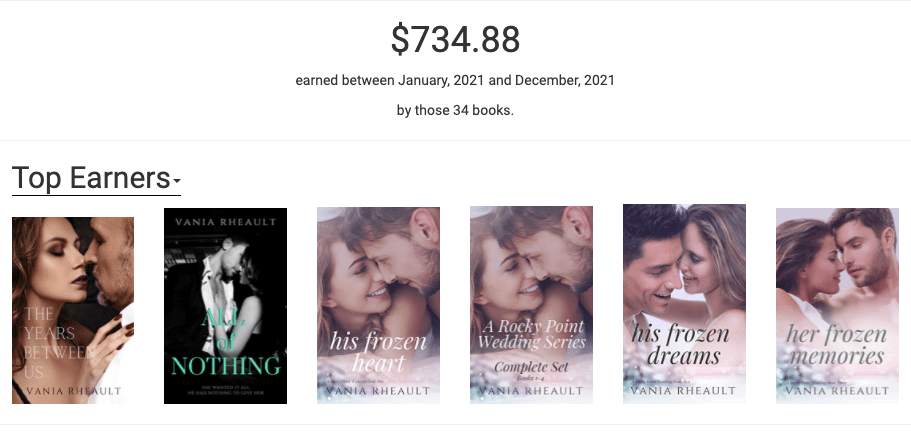
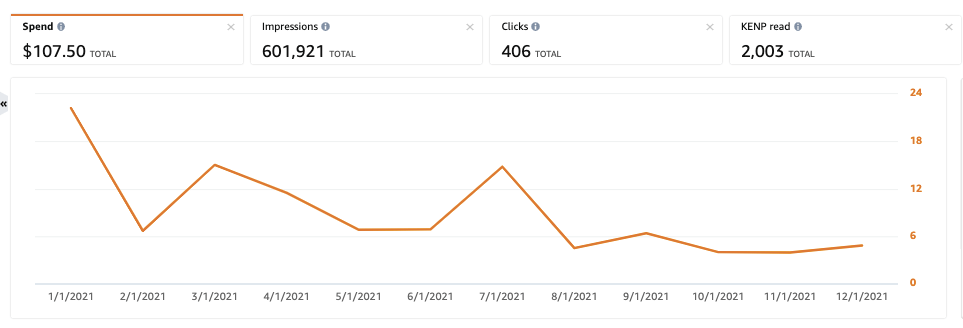
Just to show you that I’m not spending a ton of money on ads here are my stats for June (as of the 23rd): I have ten ads going, a couple for each standalone and the one Amazon approved for His Frozen Heart. (That was a fluke and anytime I’ve tried to create more they always suspend them because of the cover.)

To date my royalties are:

I’ve made 7 dollars this month, but that’s 7 dollars more than I would have without ads and I’m finding readers. Maybe they’ll leave a review. Maybe they’ll tell a friend. Maybe the paperbacks I sold on the 21st will be passed around and a lot of people will read them. I could run more ads and I should refresh my ads with new keywords, but being that I won’t have a new title out under that name, I’ll just leave my ads how they are. That being said, if you’re actively promoting and writing, there’s no reason why you can’t learn an ad platofrm and see what happens. There are a lot of free resources out there and it won’t break the bank to do some testing. You never know. Your book could take off and your royalties will far exceed the cost of the ads. Which is the main goal anyway.

I don’t understand the mentality that once you publish your book is out of your hands. There are all sorts of things you can do to bring readers in. They may cost a little money, and some ideas, like starting a newsletter is a time investment as well. It’s why I’ve put off doing certain things–because the writing is always the fun part to me, and doing anything else is like going to the dentist. It’s a time suck but necessary evil.


Thank you for all the kind feedback regarding the Canva paperback wrap post I did last week. So many people found it helpful! If you know someone who could use the information, pass it along! I love to help!

I think that is all I’m going to post about for now. My carpal tunnel has flared up a bit, so a writing break will be welcome. I haven’t been sleeping well, either. Let’s say say three cats are two cats too many, but they are part of the family so there’s nothing I can do but take naps when I can.

I hope you all have a wonderful Monday, and let me know how you’re doing!

Until next time!

Thursday Thoughts and grabbing ideas from big-time indie authors.

Happy Thursday! I can’t believe it’s already June 10th. I have a feeling this summer is going to fly by. Last Tuesday night I went out for my usual dinner with my sister and the restaurants were packed! I think that with summer, the COVID vaccine, and most places lifting the mask mandate, more and more people are going to be to out and about. That’s not a bad thing, but our businesses here haven’t caught up with demand. So many restaurants need staff and have signs out front. Fargo, ND, is also getting an Amazon distribution center soon, and it’s going to take 500 jobs away from local businesses that look like they already need help. I’m not against Amazon and I think it’s great we have a distribution center coming here, but it will make for some interesting times ahead and the push/pull it will create in the job market. Maybe I still have a little human resources in me after all.


As for a personal update, I’m 57,500 words into this new book, and I should be done with it by the end of the month. It’s going to be longer that my other standalones. Usually I’m just about getting to the “big bad” or it’s already happened, and I still have a few more scenes to write before I get there. While that rests I’ll get working on my newsletter (no more about that or your eyes will start to bleed) and maybe look through my list of tropes to find something simple to offer as a newsletter magnet. You know, I like writing and can write 50,000 words in about three weeks (according to my document information, I created my current WIP on May 15th). So whether I want to or not I will write something to use as a magnet, and the fun part will be figuring out what that is.

I’ve been feeling okay lately, though I’m far from kicking the infection I’ve had since December. I’m writing a side project on how I’ve been dealing with it and what I’m doing on my own outside my doctor’s help to get rid of it. I’ve done quite a bit of research and let me say that in this area of women’s health, the advancements are sorely lacking. When it’s done I’ll put a link up to it so you can take a look if that’s what you really want, but this blog isn’t the place for that type of thing. I’ll probably put it up on Amazon and other platforms for free as I don’t want to make money off it–just offer awareness in all the places that I can. It will be about 10,000 words, and formatted that might be enough to put it into a hardcopy form but I’ll have to look up KDP Print’s minimum page number count.


You all know I’m on Clubhouse and over the weekend they had an Indie Author’s Conference. They had a variety of speakers, and one evening a 7-figure author spoke about how she launched her books. Of course the “room” was packed and I sat with a notebook and was prepared to take a million notes. I have launches come up too, and I am soaking up a lot of launch plan information right now. Quickly I learned that her launch plan was going to be very different from my launch plan and I left the room discouraged. This author has been publishing for years, has a giant newsletter following, has a lot of books across four pen names and the information, while great, didn’t contain much I was going to be able to use. I am so grateful to the indie authors who are making it who are willing to share their information, but when you’re starting from zero like me and my new pen name and the only information I have is what I’ve learned on my own publishing the last four years, the information they share you may just not be ready for. There were little things like the promo sites she uses (David Gaughran has a great list here) and of course, everything I hear these days is to start a newsletter to keep your readers engaged, and she does reiterate that your book has to be ready to launch. Edited, good cover, good blurb, back matter up to snuff with the call to action of your choice (preorder link for next book perhaps) otherwise it’s not going to matter how you launch, your book will be DOA. I understand all that, but it is still a shame that authors giving advice have to remind other authors of that. At any rate, I will keep scrounging for information first, second, third, or even fourth time launchers can use. Here are the top items in my launch plan that I will start using and keep using going forward:

  1. Start/keep up a newsletter, though I’m not going to be able to participate in swaps until I can get something going and have something to offer in return.
  2. Use promo sites like Freebooksy/Robins Reads/ENT. Every once in a while you hear of a name that hasn’t been shared before that I forget too, like Red Feather Romance, part of Written Word Media specifically for romance authors.
  3. Use Amazon ads. Once I get my pen name up and going I may try Facebook ads again. The few times I have they haven’t worked very well, sucking up my money with no conversion or sales on my end, but that could be an operator issue and not a machine issue. Also, I think that what I wrote in my last blog post is absolutely true: ads work when your book is already selling well. I’ve learned you can’t press publish and walk away. I dropped the ball many times when I should have been working harder than ever to use that new release energy.

When you’re absorbing info from other authors you have to decide what you can use and what you’re not ready for. There is no shame to admit that some of the information you’re hearing is over your head. I understand why organizers of these events ask the big-time authors to share what works for them because the info they provide is invaluable. Not only do they show us the technical/business side of the writing, they show us that it is actually possible to make a living, to create a reader following.This author has been writing and publishing for years and has built an audience and more importantly, keeps that audience fed with consistent releases. You may not be ready for the information for different reasons. You can’t release that fast, or you can’t afford all the things she’s doing, or maybe you don’t even know what genre you want to write in yet and you’re exploring your options. There’s no shame in admitting you aren’t at someone else’s level. In fact, it’s smart or you’ll get overwhelmed and you’ll just go crazy trying to keep up with someone you have no chance at keeping up with. And possibly spending money you don’t have. This isn’t comparisonitis, it’s simply taking what you can, if anything, and moving on to an author more your level who is killing it in their own way. I kind of came to this realization too, while listening to Mark Dawson’s launch plan mini-course I purchased from his SPF University. He’s so far from where I am, all I can do is take bits and pieces and hopefully twist what he does into what I can use for my own purposes.

I like listening to Clubhouse chats, and there are so many people out there who are willing to share what they know. Maybe one day I’ll be sharing what I know on Clubhouse too, but I’ll definitely be starting from zero.

What I’m liking now:

David Gaughran Starting from Zero course graphic. Blue with author photo.

Speaking of starting from zero, David Gaughran has a free course that takes you through exactly that. You can find it here. (Image taken from his website.)

The Six Figure Author podcast did an episode where the hosts talked about what they did wrong at the beginning of their careers. This episode is especially interesting to listen to if you haven’t published yet, and you can listen to it here.

That’s all I have for today! I hope you all have a wonderful weekend!

Putting emphasis on marketing over writing: an indie author issue.

It’s probably not a secret by now that I find a lot of my blog post ideas on Twitter. Be that something i don’t agree with, or something I whole-heartedly stand behind, or even something going on that I have an opinion about and want to share with others who might find that event (for lack of a better word) interesting.

Writer Twitter is fascinating, to say the least. Lots of ideas ranging from “you can’t make a living writing” to “a book deal is the only way to go” make a unique experience when you’re scrolling through the #writingcommunity hashtag.

Obviously I have my own ideas when it comes to writing, publishing, and marketing, and I believe in a few things that not all indies agree with: writing to market, picking a genre and sticking with it to build an audience, not using Twitter as a place for successful promo. I could probably list a few more, but it’s not important.

Today I saw a tweet from Joanna Penn, and she had commented on Lindsay Buroker’s tweet about how many books she has published:

I’ve listened to Joanna’s podcast enough that I totally read her tweet in her voice and British accent! Joanna always exudes an enthusiasm with indie publishing and life in general that sometimes it wears me out listening to her. But her excitement is usually infectious and it makes me glad that I’m an indie author and part of her community.

This is a really long intro into what I wanted to talk about today. I think that Joanna’s right in that indies put a lot of emphasis on marketing and not enough (or as much as they should) on the actual writing and publishing side of things.

The saying is true that the best marketing is writing your next book but we get really caught up in the excitement that comes with a launch and we want to push that book as long and as hard as we can. I don’t want to take away the satisfaction that comes with writing and publishing a book–we should always celebrate that–but as another saying goes, this is a marathon not a sprint, and you can celebrate the first mile, but trust me I ran a half marathon (once a long time ago) and the first mile isn’t much when you think you have twenty five more to go.

Lindsay’s brilliant career aside, I made up a list of the real reasons why it’s better to publish consistently, even if that’s just two books a year.

The Amazon algorithms will favor your book around your launch period. Amazon wants to give you boost, and anyone who launches well in their categories without doing any work can tell you this. They give you a head start, so to speak, but it’s up to you what you do with it. Most indies drop the ball because they haven’t mastered ads, or they don’t have a newsletter, or they think they can keep ranking without doing anything. But a good launch ranking is more of an illusion than anything else and if you don’t use it, you’ll sink like a stone. Publishing consistently will at least keep the Amazon’s algorithms eyes on you and as you and your books build momentum, the little push Amazon gives you can turn into something useful. All it takes is a little spark to create a flame.

Here are the stats from an author I know who launched a book during the first week of August 2019:

A friend and I were chatting about how well he was ranking for a first time author without prior books released. We didn’t know then that it’s normal to rank higher during launch week. Those aren’t bad numbers for a new author with no backlist, newsletter, no ads running, and no audience. I can’t give you the exact date he published as he re-released his book in the summer of 2020, but it just goes to show that Amazon wants to help you. Use that to your advantage.

Your Amazon Ads will do better. There are a ton of things I could talk about with ads, but the most relevant one concerning this blog post is the fact that if you’re running ads to old books, it’s like pushing a boulder up a mountain. I think it was Robert J. Ryan in his book Amazon Unleashed that used the metaphor. You might make a little headway, but in the end it probably won’t work that well. I skimmed through the first part of his book trying to find it, but I can’t. I’m pretty sure I read it in his book though, and it’s a great resource if you’re looking for more information about running Amazon ads. It all comes down to relevancy. All my books are over a year old and I try like crazy with ads to sell them. It doesn’t matter how much I bid, how high my daily budgets are, Amazon knows they’re old, and to be fair, Amazon knows they didn’t launch well. It’s tough to make Amazon care about your book and if you waste your launch period, it’s even harder.

Your frontlist sells your backlist. That’s something I’ve heard many times, but it’s not applicable if your lone book is your backlist and no frontlist is forthcoming anytime soon. This is especially important if you’re writing in a series. I still see so many indie authors trying to push a book one, when they aren’t even writing book two. What is the point of that? All that work you’re doing right now to bring readers into your series, you’re going to have to do over and over every time you release a book. Yeah, you can get them onto your mailing list and keep them updated as you write more books, but honestly, I’ve only seen this work for established authors who have an audience and that audience trusts them to follow through with the series. I’m going to stop there because I’ve blogged about that many times. But here are a couple more articles on frontlist selling your backlist.

What is a Backlist?

We Need to Talk About the Backlist

You’re giving readers what they want. As your audience grows, you’ll be giving your readers what they want. Being prolific can add stress and pressure to your career, but when readers are looking forward to your next book, that’s a good problem to have. I feel sorry for George RR Martin. Readers really want the next GoT books, but he’s stated the pressure is so intense it’s given him writer’s block. Of course, we can all hope to have the problem the size of George’s, but as you grow an audience they will look forward to every new release and publishing consistently feeds them. Out of anything on this list, this reason is probably the most important in the argument for consistent publishing.

As indies we talk so much about marketing that we forget we need something to market. I’ll never forget the writer who started Bryan’s Amazon Ads Profit Challenge and asked after we started: Do we need a book published for this? I get we can be excited and sometimes that excitement is putting the cart before the horse. Writing is hard. Learning ads is easy compared to that. Writing is hard. Playing with Canva is a lot more fun. Writing is hard. Writing a blog post or updating your website is a more pleasant way to spend the afternoon. Writing is hard. It’s easier to read in your genre and call it research.

Not everyone can be like Lindsay and have several 10,000 word days a week, but she does, and it’s no secret how she can write a 150,000 word epic fantasy novel in just a few weeks’ time.

Being prolific helps with marketing. It’s a lot easier to market if you have a new launch every few months.

I don’t have a system yet as to how I write and publish books. Publishing consistently gives the process almost an assembly line feel, but I try not to think of it that way. If you have a process, you’re much better off to think of it as being efficient with your time rather than typing The End, looking up from your laptop and yelling, Thank You, Next! a la Ariana Grande and shoving the manuscript on to your editor. Just because you publish frequently doesn’t mean you don’t care about your books or characters less than someone who has to take a year to write a book.

In a previous blog post I talked about taking time with your launches, enjoying your books, giving them room to breathe. I haven’t done that, not with the 13 books I have completed on my laptop because I enjoy the writing process so much. I jump from one finished book to the next without regard for how how I’m going to publish them or when. I may have gotten carried away with the writing part of it, but at least I’ve got the hardest part down pat.

As a friend likes to say, it’s all about the books. But you can’t market if you don’t have any. Create the product then worry about the rest later.

Until next time!

#MondayMotivation and Happy Memorial Day!

Happy Memorial Day! Take a moment to thank a service member and remember the soldiers who have given their lives to protect our freedoms. I know with COVID and masks and the vaccine and the lockdowns and everything else, we may feel like our freedoms have been suppressed or that the government is trying to take control of our lives. Sometimes we forget that being asked to do something as minor as wearing a mask to the grocery store isn’t impinging on our rights, but may in fact, help someone. I don’t want to turn this into a political blog post–we’ve had enough of that in the past fourteen months. But sometimes we have to give a little in order to get a lot back and that’s true in all walks of life, not just wearing a mask when you run to Walmart for chips. Our military members give us the ultimate sacrifice willingly, without complaint. Take a moment to thank them and remember just how much you have while others live with a lot less.


A friend of mine shared this on Facebook today, and it really resonated with me and this journey I call indie publishing.

When I decided to indie publish, like many I didn’t know what I was doing. I did my own cover, did my own formatting, for the most part did my own editing, though I did have some feedback (thank you, Joshua!) and learned how to upload the files to KDP. I did all the research, got a reminder from some friends on Twitter that KDP supplied interior templates for the paperback after crying in front of my laptop because I couldn’t get Word to do the page numbers how I needed them. All of it was a real learning experience, and while I can shake my head and think, “God, what a mess!” I wouldn’t be where I am today without those small steps.

Because I did my own covers in Word (I didn’t know about Canva then, thanks Aila!) I understand the concept of bleed. I understand the math, the principles behind how to make the canvas the size I need to make it to do a full wrap in, yeah, Canva. And even though I use Vellum now, I know I can make a nice interior paperback file using the KDP templates (use the template with sample text), if I had to go back to basics. There is something to be said for learning the little bits and pieces and understanding the little parts that make up the whole.

I thought back then I was doing crappy busy work, a means to an end, but what I was really doing is building a strong foundation for my writing and publishing business. I may have felt like I wasted hours learning how to run Amazon ads, but one day they’ll be an important part of my marketing plan and I know how to create and monitor a campaign that won’t waste money.

Of course, there are some things I tried to jump ahead on, like publishing before building a newsletter, but that’s probably a blessing in disguise. On the Corner of 1700 Hamilton isn’t the kind of genre I stuck with, and building an audience based on that first book would truly have been a waste of time. I jumped full into publishing before networking in my genre (what genre?! I didn’t figure out what I wanted to write, until, well, last year, I guess) and I published ten books in contemporary romance without making many, if any, professional contacts.

When you look at your day to day of writing, publishing, and marketing, no step is too small, no step is too insignificant to skip over. There is a learning aspect to everything we do, every podcast we listen to, every connection made, every blog post we read, every non-fiction book we read and recommend to another writer.

There are a lot of quotes out there that say the same thing along the lines of, keep moving, don’t stop; it doesn’t matter how slow you’re going as long as you’re moving forward. Lots of sentiments about never giving up. But instead of pushing forward, let’s flip that a bit and start saying that every little bit helps. Any little thing you learn could turn into something that could elevate your career to the next level. No small step will be useless.

quotemaster.org

We need to start on the rung closest to the ground, or we’ll be like that person trying for a rung s/he can’t reach.

So, remember, as you plan the rest of your year you may not be publishing a book, or you may be launching but don’t have a significant plan (look at Jami Albright’s for ideas!), or you may be struggling with genre and what you want to write next, and that’s okay. No action is ever wasted as long as you take a lesson away from whatever it is you do.

Good luck and have a wonderful holiday!

Until next time!

Giving your books room to launch and living with your characters: an author’s befuddled musings.

When writers finish a book there’s a lull. We’ve finished what we’ve been working on, maybe for months, sometimes years, and there’s a . . . silence after we type The End. There’s a strange letdown even as we’re excited to finally finish. Sometimes that can lead to confusion because we don’t know what to write next, or we get excited to start a new project while that one breathes, or we love editing and jump head first into reading and rewriting.

No matter what your plans are, chances are you go through a period where you just don’t know what to do, and that feeling is even worse once you publish and that project is done forever. Multiply this feeling by 100 if you wrap up a series.

But how done is it?

Do you really move on when you finish a book? Do the characters let you? If you’ve established a fanbase, do your readers? I’ve been thinking about this lately as I try to figure out some kind of publishing plan for my books. “They” say rapid release can be great to keep the Amazon algorithms going in your favor and to keep readers happy. But based on my experience when I rapid released my series last year, that only works if you already have an audience who is waiting for the next book. That isn’t me or anyone trying to start a new pen name.

One thing I heard on the Six Figure Author podcast not long ago is the idea to give your books room as you publish because that gives readers time to build a community around your books. This makes sense and takes some of the pressure off to publish quickly. Posting to a Facebook reader group and giving out extras to your newsletter subscribers will keep readers excited, and it will give you more time to run ads and build book buzz.

But then I think, well, how long is an author supposed to linger over a series or readers’ favorite characters?

Authors like E L James and Stephanie Meyer, J K Rowling, and Sylvia Day keep getting sucked back into their bestselling worlds. Do you think that Erika ever gets tired of thinking about Christian and Ana, or do you think she’s just grateful they made her the bestselling author she is today? I mean, what happens when your readers are hooked on one book or series, but your author mind has already moved on to something else?

Granted, it’s a nice problem to have, and if it ever happens to me, I won’t complain, but it doesn’t give an author room for something new. Maybe if you have fans clamoring over your books like that, it doesn’t matter if they want short stories and more books and/or the same books and scenes from different points POV–you’ll be happy to give that to them. It’s just hard for me to wrap my mind around giving your readers all these extras from books and worlds that you, as the author and creator, might have already moved away from.

That brings me back to the beginning of the post when I talk about downtime between books. Is there downtime? I suppose it all depends on your mindset and if you can keep up the excitement for all your characters and their worlds and if you can, or even want, to whip up a short story or novella (2.5 anyone?) here and there or an extra bonus scene for a series or novel that, in your mind, is old, because you’re excited about a new project. Lindsay Buroker seems she can do this easily enough, even though she’s very prolific and has several series that contain several books for sale.

Slowing down and taking time to smell the insides of my books will be an interesting concept.

One I will be tackling soon because I just can’t keep writing without stopping to edit and publish one of these days. I don’t know how much time I want to wait between releases. How much is not enough, or how much is too much because we can say take all the time you want and do things the way you want to do them, but consistency is important and staying relevant with Amazon can make a big difference when you need exposure and discoverability.

I’m taking a mini-course by Mark Dawson about his launches. He has an established audience, so his launches are going to look a lot different from mine, but he pads a lot of time before the launch. He posts to his author page on Facebook regularly, months before the launch. He offers giveaways and changes the banners to all his social media to graphics that feature that particular release. I have never done that. I don’t recall ever changing my banner for a release of any book. He also changes the text on the graphic from a pre order request to a buy it now order when it’s live. But while he’s doing all that, I’m assuming he’s writing the next book, and maybe it’s just how I’ve functioned for the past few years, but I’ve only ever thought about one book at a time. And maybe, if I’m fortunate enough, I may need to start thinking about past books for years.

E L James first published Fifty Shades of Grey in April of 2012. Let’s not go into the history of the book as it was when she self-published it. It’s not really important unless you want to add even more time to how long Erika has lived with these characters. Fast forward to now of 2021, and she’s still publishing in that world, the last book in Fifty Shades with Freed coming out in June, in Christian’s POV. That’s nine years of living with Christian and Ana. Some readers might not even remember she published The Mister in 2019. (I still think she ended that on a slight cliffhanger and I’m waiting to see if it’s the first in a trilogy I think it is or if she’s going to write something different.)

We can do the same with Stephenie Meyer. She published Twilight back in 2007 and she just published Midnight Sun, Twilight from Edward’s perspective this year. Not to mention she did a few other projects based off Twilight such as The Short Second Life of Bree Tanner: An Eclipse Novella (The Twilight Saga) and Life and Death: Twilight Reimagined (The Twilight Saga). Someone in my NaNoWriMo group accused Stephenie of writing her own fan fiction, but I don’t know how that’s possible if she’s doing what the fans want. As a reader, I’ve always enjoyed the male POV more so than that of the female main character, especially when we’re talking romance, and it could just be both E L and Stephenie were giving fans what they wanted.

Sylvia Day didn’t have to write completely different novels in Gideon’s POV when she wrote the Crossfire series. She wrote three books in Eva’s POV only, then incorporated Gideon’s POV into the remaining books. I’m betting because fans wanted his POV and her publisher told her to start writing in his POV. Unless she started just to round out the remaining books, but I doubt I’ll never know the real answer. She, too, was unable to leave behind Gideon and Eva so easily when she wrote Butterfly in Frost, where the female main character is friends and co-workers with Eva. We get a glimpse of how, seven years later, Eva and Gideon are doing, and what happened to Cary, Trey, Tatiana, and the baby they were going to have together. The first Crossfire book was published in 2012 and she came out with Butterfly in Frost in 2019.

I’m only bringing this up because I can’t fathom still being interested in a world I created seven years later. I may need to get over that as backlist books are bread and butter to a lot of authors, both indie and traditionally published, and doing promotions on older books, particularly first in a completed series, can bring in a steady stream of sales. I’m not going to stop running ads to my 3rd person books, but I know that not taking a personal interest in them any longer won’t help sales. Don’t get me wrong, I love all my books and all my characters, but when I give them their happily ever afters, their stories are done in my mind. Bad thing? Good thing? I have no idea.

How do you feel about looking back? As readers, it’s natural to have a favorite book, I’ve read The Sun Also Rises several times, but I wonder how often Ernest Hemingway thought of it after his career took off and he was immersed in writing other books. I’ve read several of Nora Roberts’ books over and over again as well. Nora’s publicist is in charge of her social media, so it’s Laura (or her assistant) who pulls quotes and makes graphics from Nora’s backlist to keep the buzz going. Nora, with help, has her mind free to always be thinking forward. To me, and to many other authors who can’t afford a virtual assistant, that’s a luxury.

Anyway, you have sat through 1600 words of musing, and for that, I thank you. I was thinking of going into a personal update, but I’ll do that on Thursday. Have a great week everyone!
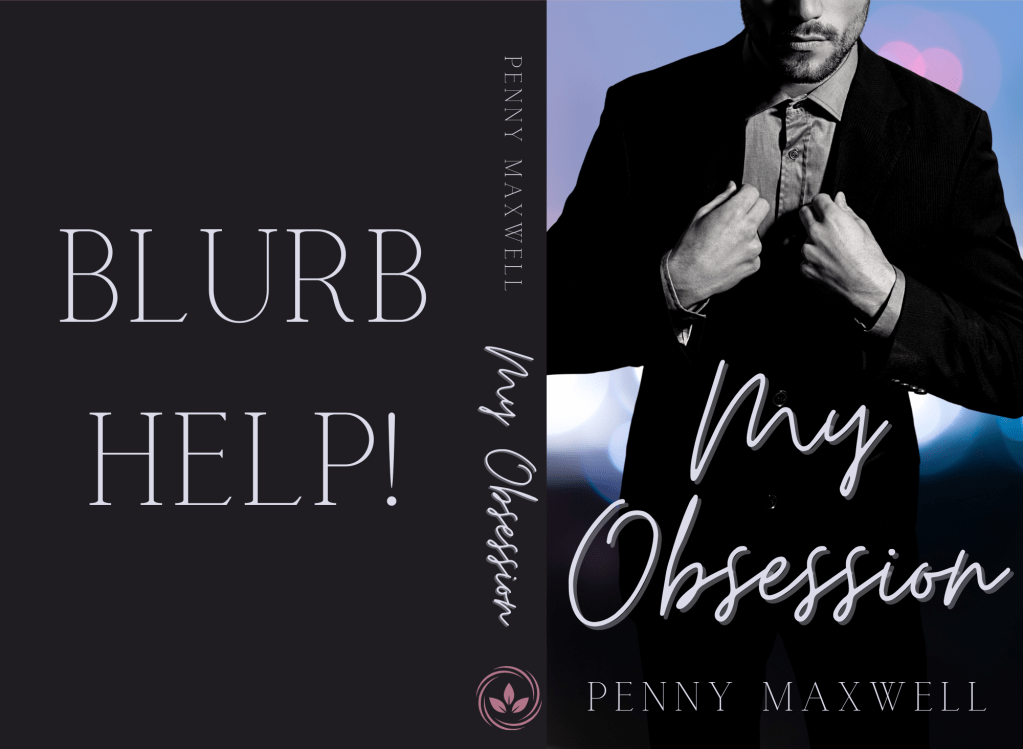
Until next time!