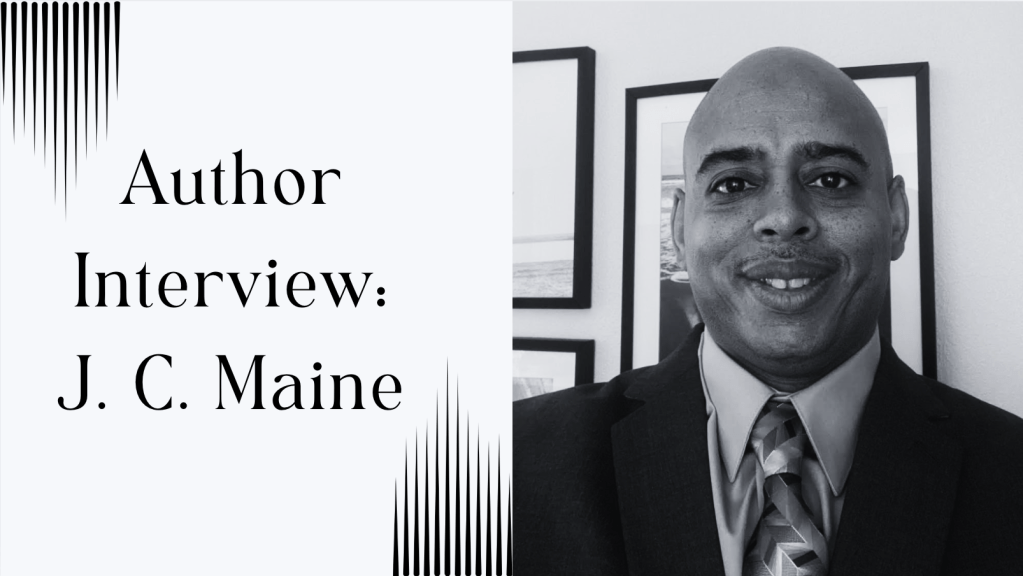
Today’s interview is with J. C. Maine. We met over on Twitter, like most of my online friends, and we managed to stay in touch over the years and a platform change where we reconnected on Threads after I left. I love hearing different experiences with self-publishing and sometimes I learn a little something too. Jump into this short, but sweet, interview!
Let’s talk about social media. Where do you like to hang out and do you find it beneficial to selling books or do you use it only to network with other authors? Most of my time online is spent on Instagram. I think it’s very beneficial for promoting and selling books, because it forces you to be visual. It’s also a good way to network.
You seem to write a little bit of everything. How do you decide which project to write? Whatever moves me at the moment. I was inspired by the dynamic of a real-life couple when I wrote the novel, I Can’t Help It. When Covid-19 disrupted our way of life in 2020, the uncertainty inspired me to write Days of Revelation.
How much of the work that goes into publishing do you do yourself, like formatting, cover design, and editing? Do you like all aspects of it? What is your favorite part? I do my own formatting, and I do the majority of the editing. Occasionally, a beta reader will also help me with editing. I want my book covers to look professional, so I outsource that to someone who specializes in it. I somewhat enjoy the editing. Unfortunately, I’m not a fan of formatting.
What do you think is the hardest part of publishing and what do you do to make this part manageable/affordable/profitable? Definitely the formatting. I have to tinker with it for a few days before I get the inside of my books the way I like it.
Your books are enrolled in Kindle Unlimited. How did you decide to enroll in KU and not publish your books wide? I enrolled in KU because I didn’t want to put pressure on someone who wanted to read my work, but didn’t want to pay a lump sum for it. I write books more for exposure than for profit, so giving readers access to it this way doesn’t bother me. Although there are other self-publishing companies I could use, for me it’s a lot easier to work exclusively for Amazon. Besides, I can always order and sell physical copies of my book.
What are you currently working on and what are your plans for the rest of the year? I’m working on a new thriller. This will be the first time I’ve written a book from a 1st person point-of-view. I’m having fun writing it so far, and I think people will really like it once it’s published.
J.C., I appreciate you taking the time to answer my questions and sharing your experiences with indie-publishing. J.C. is active on Threads, BlueSky, and Instagram, and you can follow him on Amazon and Goodreads.
I hope you all are having a great spring so far, and have a lovely week ahead!
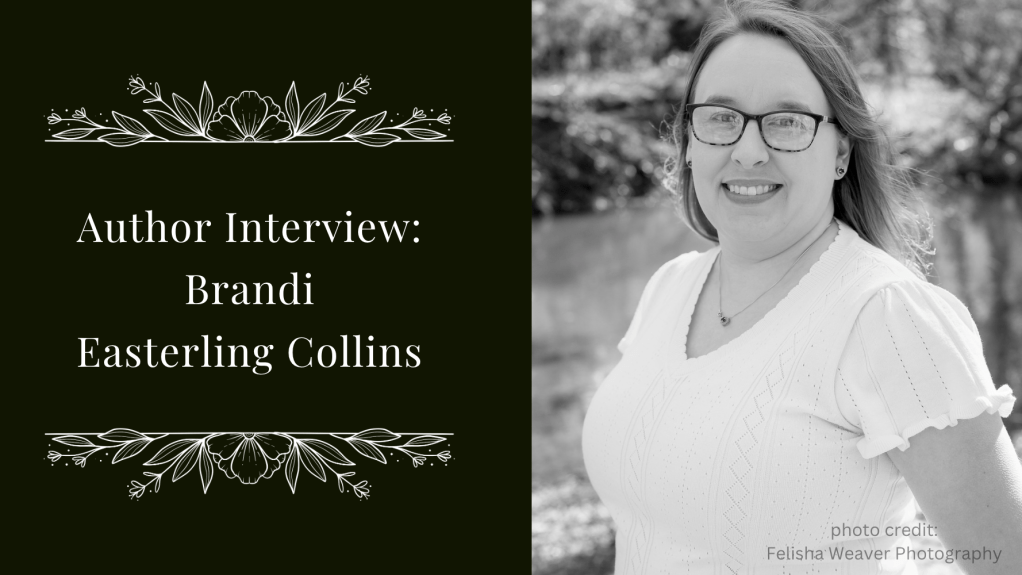
I met Brandi a long time ago, over on Twitter, and over the years we managed to keep in touch. I was really happy when she said she would do an author interview as it gave me a chance to catch up with her. I hope you enjoy her interiew!
You published your first book, Caroline’s Lighthouse, in 2016. How do you think the publishing landscape has changed since then? With so many tools available for indie authors, I think more high-quality indie works are available than ever before. Now is the perfect time for authors to put out quality work as long as they don’t forgo the most important part—editing.
I published my first novel through Archway Publishing, which is fine for someone who wants help. Taking on the process myself has been more fulfilling (and a lot less expensive). After establishing my imprint for my second novel, Jordan’s Sister, I had retained my rights to Caroline’s Lighthouse, so I republished the second edition with Luminesce Publishing in 2018.
You write primarily Young Adult. How did you begin writing that genre? Do you think you’ll write in a different genre, and if you do, what do you think it will be? As a young adult, I read many novels that helped me navigate teenage angst. I write young adult because I want to provide that same enjoyment and help for readers (of any age). I wrote first drafts or notes about all of my published novels when I was between the ages of 13 and 18. The stories have been completely rewritten, but I’d like to think I accurately captured the teenage emotions I felt then. As an adult, I could flesh out the parents and other older characters.
Even now, at 43 years old, I still gravitate toward reading YA novels because they represent a type of journey that just isn’t the same experience you get in other genres. That being said, if I were to venture into another genre, it would be women’s contemporary fiction. My second novel, Jordan’s Sister, and my fifth novel, When Does Life Begin?, are New Adult novels that lean heavily into women’s fiction.
How much of the work that goes into publishing do you do yourself, like formatting, cover design, and editing? Do you like all aspects of it? What is your favorite part? I am almost a one-woman show with my company, Luminesce Publishing. I handle all the writing, editing, formatting, and cover design. Fortunately, I have a day job in content marketing, so I write and edit weekly. Before that, I worked in higher education marketing for 17 years, writing, editing, and managing some graphic design projects.
I have a team of wonderful beta readers who review the second drafts of my manuscripts. A dear friend who is a professional photographer has helped with a few of my author headshots and offered graphic design advice. My amazing husband is a tech guy who helps with website troubleshooting.
You read a lot. How do you balance your reading time and your writing time? Reading is my favorite hobby and lifeline. I read in waiting rooms, during my lunch break, while walking on the treadmill (because it’s boring otherwise!), and before bed to relax. Reading a lot makes me a better writer. My writing time is separate. I typically hit my writing stride between 10 p.m. and 11 p.m. weeknights and late afternoons on Sundays.
What do you think is the hardest part of publishing and what do you do to make this part manageable/affordable/profitable? Selling myself and my work is the hardest part for me. I can praise others’ work all day, but I clam up when I try to tell someone how awesome my books are. I’m proud of my work, so I plan to work harder on advertising in 2025.
This year, I plan to beef up my website, discuss my writing with colleagues and friends, and attend more author events. Since I have very little to devote to advertising, I must make the limited funds count.
Your books are enrolled in Kindle Unlimited. How did you decide to enroll in KU and not publish your books wide? I love Kindle Unlimited because I have discovered so many great authors (including you, Vania!), both indie and traditionally published, through the platform. My paperbacks are published wide, but I was okay with keeping the e-books available exclusively through KU.
[My note: Brandi is the whole reason why I re-edited my Rocky Point Series. She reached out and said she was reading them, and I had a “Oh, crap!” moment. Thanks for the nudge, Brandi! The books are better for it. :)]
What’s next for you in 2025? I plan to populate my publishing company website with writing, editing, and publishing tips for indie authors. Although I’ve owned the domain since 2018, I didn’t do much with the site until earlier this year. Eventually, I plan to open submissions for poetry and short stories to be included in an anthology. It might be 2026 before that happens!
I am also almost finished writing my sixth novel, tentatively titled Four Hearts. The planned publication date is December 10, 2025, my mom’s birthday.
Thanks, Brandi! I really appreciate your time! It sounds like you have a lot going on in the next little while, and I wish you nothing but the best of luck!
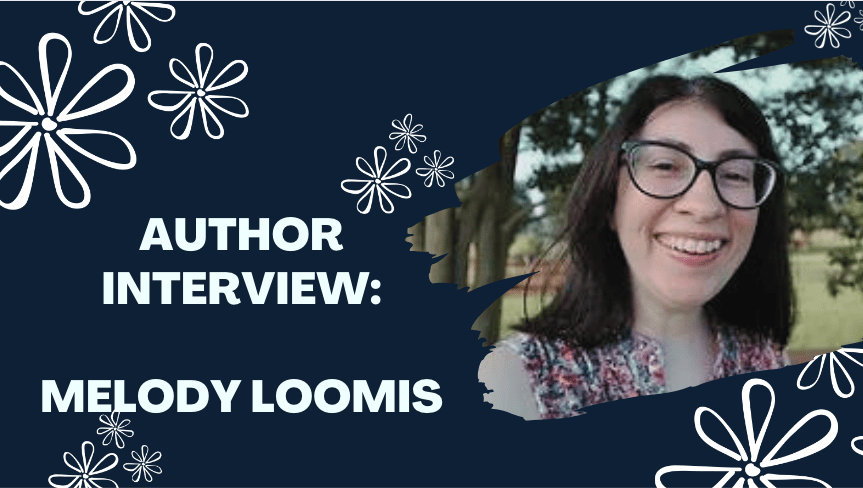
I met Melody on Twitter when she was asking some questions about a Midwestern winter for her WIP. Being I’m in Minnesota, I was happy to help her with all the chilly details. We happened to have several inches of snowfall that winter, and I tweeted her lots of pictures. She asked me to beta read when she was finished, and I was happy to do that, too. We stayed in touch, and now I consider one of my friends. I asked her if she would be willing to do an author interview, and she agreed. Still getting her feet wet with the whole publishing thing, she was happy to share what her past couple of years have been like writing and publishing. She spills on her newest wintery release out this week… (Ironically, we don’t have much snow right now! I’m sure her FMC, Melissa, would love that!)
You write YA and Adult Contemporary Romance. What made you mix it up and do you think you’ll write other genres in the future? I knew before I published my first book that I wanted to write both YA and adult contemporary romance. I’ve always enjoyed a good love story, and growing up, I was very much into Judy Blume and similar authors. So those are the kinds of stories I like to read and write. I considered using different pen names, but in the end, decided it was too much of a hassle. And I think there will be readers who will enjoy both. I’m still writing in the contemporary genre, even though I’m writing for different ages. And I’m mostly targeting a female audience, though not that men can’t read them too!
As for branching out into writing other genres, I might like to tackle writing romantic suspense, because I enjoy reading that too. I’ve also considered writing picture books and humorous essays, but I’m not ready to do any of that yet.
You’re writing a series now. What do you like best about writing in a series and what do you find challenging? I love writing in a series because often, I’m not quite ready to let the characters go! I want to keep writing and find out what happens next in their story. Or, I want to explore the best friend’s story.
The thing I’ve found challenging about writing a series is that sometimes, my muse wants to work on other things, and I have to work hard to keep on track. I don’t want to leave a series unfinished. I’m currently working on my Storm Series, but stories 5 and 6 haven’t been written yet. Stories 3 and 4 need work. I think in the future, I will wait until the series is complete before publishing. That way, I’m not under any pressure to keep writing in that series if my muse won’t cooperate. This will probably be the only way I will ever “rapid release.” I consider myself a slow writer, and I like to put away projects for a long time to let them rest before I go back to revising and editing them.
You do your own covers. What prompted you to try and can you explain your creative process? For my first book, I reached out to a book cover designer, because I didn’t really know what I was doing. When she returned the cover, I thought, “Hey, I could have done that.” Plus, I wanted to try making my own covers to save a little money. I purchased Affinity Photo, which is a great alternative to Photoshop since you don’t have to purchase a subscription. I played around making mock book covers for months. I’m still learning the program, but I discovered that making book covers is a lot of fun.
I only suggest making your own book covers if you really enjoy it and are willing to learn the process, otherwise it can cut into your writing time. But looking at stock images gives me a lot of ideas for future stories, so that’s a plus.
You’re part of the #5amwritersclub. How did you realize early mornings are the best time for you to write and what would you suggest to other writers who are struggling to find time to write? Not everyone wants to get up early, but I’ve always been a morning person. It’s quiet before dawn, and I write best with silence. Also, I like to start off my day doing something that brings me joy. And the earlier I get up, the more time I have to write. Though I write at other times of the day, morning is simply the best time, as my creativity is at its sharpest. By early evening, I’m yawning and can barely keep my eyes open!
The best advice I can give, if you’re struggling to find time to write, is that you’re going to have to give up something. For me, that was a lot of TV shows. And YouTube. I used to have an Authortube channel over there, but making videos cut into my writing time.
Or sometimes, you just have to make time to write. Find a few minutes here and there. Maybe you can write for 15 minutes while dinner is cooking, or if you have kids, when they go to bed. For me, getting up before dawn is easy. But also, having a cat helps. They’ll ALWAYS wake you up early!
You self-publish. What is the hardest thing you’ve encountered about the process and what did you do to tackle it? The hardest thing about self publishing has always been the things I didn’t know or expect, like when my paperback showed up as temporarily out of stock, or when my pre-orders were not fulfilled and customer support wasn’t helpful. I also had an ISBN problem for my second book. And it’s not like I don’t know how ISBNs work. I’m a library assistant, and I look up ISBNs all day! But it surprised me that some sites wouldn’t allow me to use the same ISBN, even though it was one I had purchased.
The only thing I can do when it comes to these issues is to figure out what to do better next time. The first time, I didn’t go “direct” with Amazon for the paperback, and that was a mistake for me. As for the ISBN issue, Draft2digital support helped me out with that one by assigning me one of theirs. Talking to other writers and listening to podcasts has also been helpful in solving these kinds of issues. Maybe by the time I publish my next book, things will go smoothly. Fingers crossed!
Your book went live yesterday (December 17th)! Congratulations! What do you do leading up to your launch? Any marketing secrets you’d like to share? I’ll be the first to say that marketing is not my strong suit. I didn’t do any kind of marketing for my first book, other than social media posts and a YouTube video. For my second book, I did two book promotions through Written Word Media, In hindsight, I think it would have been better if I had spread those promotions out and not done both at once. I have no way of knowing which promotion brought me more sales because I did them at the same time. And once they were over, the sales dropped off again.
For this upcoming book, I’ve scheduled one promotion, and I’ll plan to do another one at a later date. Also, since this is book 2 in my series, and my romance books are in KU, I’m looking into scheduling some free days for book 1 at some point to introduce people to the series and hopefully encourage them to buy the next one. I’ll also do social media posts, what’s left of social media these days. I haven’t done any Amazon or Facebook ads yet. I’m just not mentally (or financially) ready for that. All I want to do for now is to write books, and if people read them, great. I believe my readers will find me eventually. I think for now, I will try to focus on building my email list. I’m still looking for my first 1000 superfans.
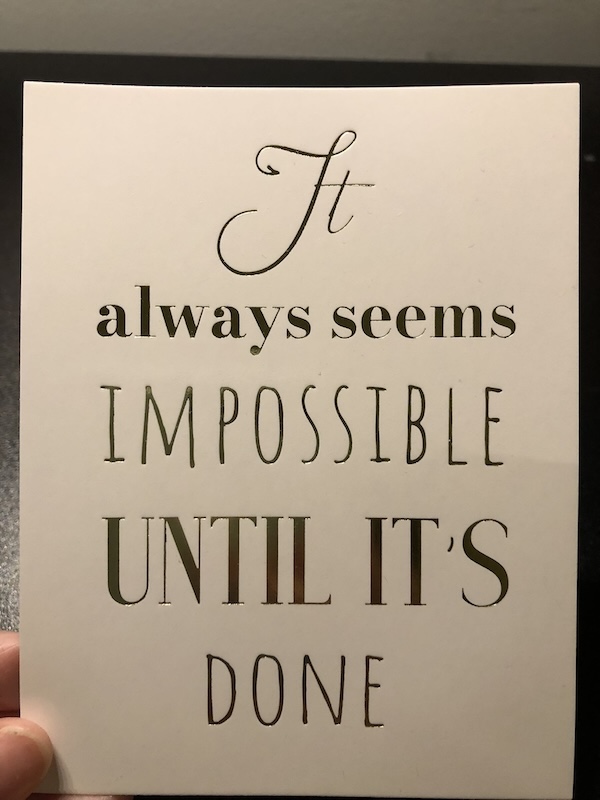
Share your favorite motivational quote about writing. It’s not actually a quote about writing, but there’s this quote by Nelson Mandela. “It always seems impossible until it’s done.” I think about this quote when I’m working on a novel. When the words won’t come, or when I’m stuck in the muddy middle, it’s hard to think that I’ll ever get to the end. But after some determination and butt-in-chair time, the draft gets finished. It always seems impossible until it’s done.
A couple of years ago, I purchased these motivational cards to put on my vision board, and I was excited that one of them had that very quote!
picture provided by Melody
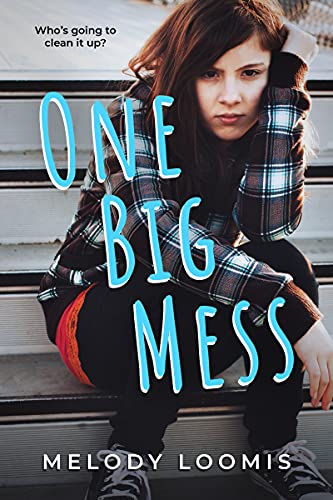
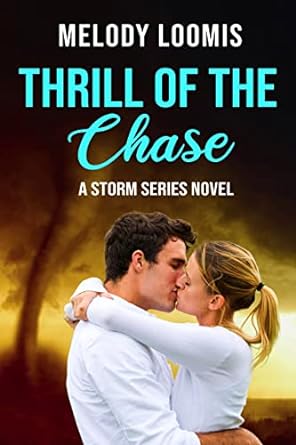
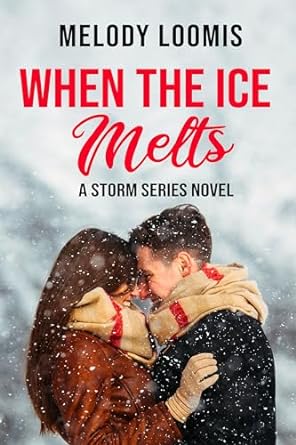
Thank you for your time, Melody! It’s always fun to hear about other authors’ experiences. You can follow Melody at all the platforms listed below, and I pulled her book covers off Amazon so you can see them. You can also join her newsletter for updates at www.melodyloomis.com. Thanks for reading this week!
I met Sami-Jo through a friend and through the years of writing we’ve stayed in touch. I asked her if she would be willing to answer some questions as her publishing journey has been a little twisty, and I always like to pick the brains of people who have had different experiences than me. I hope you enjoy her interview and sign up for her newsletter to stay in touch with her and her publishing journey!
You’ve been published by small presses up until now. Can you explain the pros and cons that go with publishing with a small press?
The absolute best part of having a publisher behind you is that they’re using their own money. Sounds shallow, but while writing can be pure magic, publishing is a whole other mangy beast that incurs a lot of costs for multiple editors, book cover design, formatting, and anything that includes a dollar sign to put out the best possible product.
The downside is that someone else has their grip on your work. They usually get the lion’s share of any profit, you’re bound by their publishing schedule (though it’s quicker than traditional publishing) when all you want to do is hit PUBLISH, and the author is still expected to do their own marketing. Oh! And they can go under at any moment. A plague amongst many small presses since the publisher is sometimes no more than a single person or two with some loyal people to work out all the kinks. When you’re in your groove and suddenly the publisher disappears, your books become homeless. It can be heartbreaking.
You’re looking at self-publishing for the first time. What do you think the biggest challenge of that will be?
Not knowing just how much I don’t know about the process is super daunting. There’s so much to learn if you want to do it right and make an impact right from day one. And, come on, who doesn’t want an amazing launch that catapults your book to the top of some fancy best-seller lists? It’s the dream, but it means more work and since I have a newly minted two-year old, spare time is in short supply. I have to-do lists coming out of my ears.
The series you’re working on will have several books in it by the time you’re done. Do you have any tips for how a writer can put together and publish a large project like that?
I never intended to write a series, but it’s the small things that can make you want to shave your head. Is this word usually capitalized? Does this character already know such-and-such about this character? Was this character’s eyes green or brown? It’s never-ending. A series bible can help by making extensive notes about things such as special words and how they’re used or spelled, having handy character bios including all physical attributes and important events, but be prepared to search back for things when needed. After multiple drafts and rounds of editing, some details are branded in your brain, but do yourself a favor, assume you won’t remember it all, and write it down.
Since you’ve been writing and publishing, what is the biggest lesson you’ve learned?
That you can’t read and reread a contract before signing enough. Not a happy lesson, but an important one. When you’ve spent years on a project and plan on putting it in someone else’s hands, it’s takes an enormous amount of trust. And whether you know the people behind the label or not, publishing is a business and should be treating like one.
I think, during these times in particular, it’s difficult to stay motivated and on track. With a husband and a little one, along with a part-time job, how do you stay motivated to write?
I think the motivation comes for wanting something for myself. I loved writing before having my daughter and it took far too long to get back in front of my laptop, especially after losing my office to her nursery. Writing and publishing is something I enjoy. Being motivated and having the time to utilize that motivation is not always aligned and I repeatedly have to give myself a kick in the ass to get things done when the timing lines up. Motivation is not a one-time deal, it takes daily effort and prioritizing.
You’ve done everything from blogging on your website to vlogging on YouTube. What is your favorite social media platform and why? And can you give us some tips on how to find time for that in a busy schedule?
I tend to use Facebook the most. Some hate it, but I firmly believe that all social media platforms are as good as you cultivate them to be. Your domain, your control. I wouldn’t be published at all if it wasn’t for the writing relationships made on Facebook. If you can figure out your ideal reader, create content with them in mind, and try and have some fun while doing it, you’re golden. Social media is more to connect with people and, if they are readers, they may follow you and your titles based off how they feel about you as a person. These days, the author is as much the product as their book is. Create a bunch of things on a free day or weekend and then schedule their posts along the week or month when you know you won’t have time. There’s lots of programs that can do that for you.
In closing, what’s on your plate for the rest of 2022? And do you have the next couple of years mapped out?
My plan is muddy, but I can vaguely see it somewhere in there. Not ironclad, but my hope is to learn a few more (a million more) things about self-publishing, devise a re-release schedule for the 4 already published books in the Soul Seer Chronicles series while finishing up book 5 and tackling book 6 (They ALL need new covers). Also, to work on another series I haven’t announced yet. Oh, and developing my newsletter subscribers, marketing materials, and update my website. Phew. It’s fine. I’m fine. I can do this. The biggest drive is just to get my books back out there. Not being a published author right now actually feels odd and I’m not a fan. Though, being in control of my titles is super empowering and I am looking forward to reintroducing them to people all over again.
I, unfortunately, don’t have a lot going on for this post today. I’m not doing NaNoWriMo, so there’s nothing to update you there. I’ve never needed the motivation or the camaraderie. I did NaNo one year about 5 years ago, and after a ton of editing, that book turned into Don’t Run Away, the first in my Tower City Romance Trilogy. Since then I’ve never needed to “get serious” or use it as a month to “start over.” I’m actually kind of glad I don’t depend on NaNo to get words down. What do people do the rest of the year? Anyway, I actually have a blog post about why I never participate, and you can read it here, if you want.
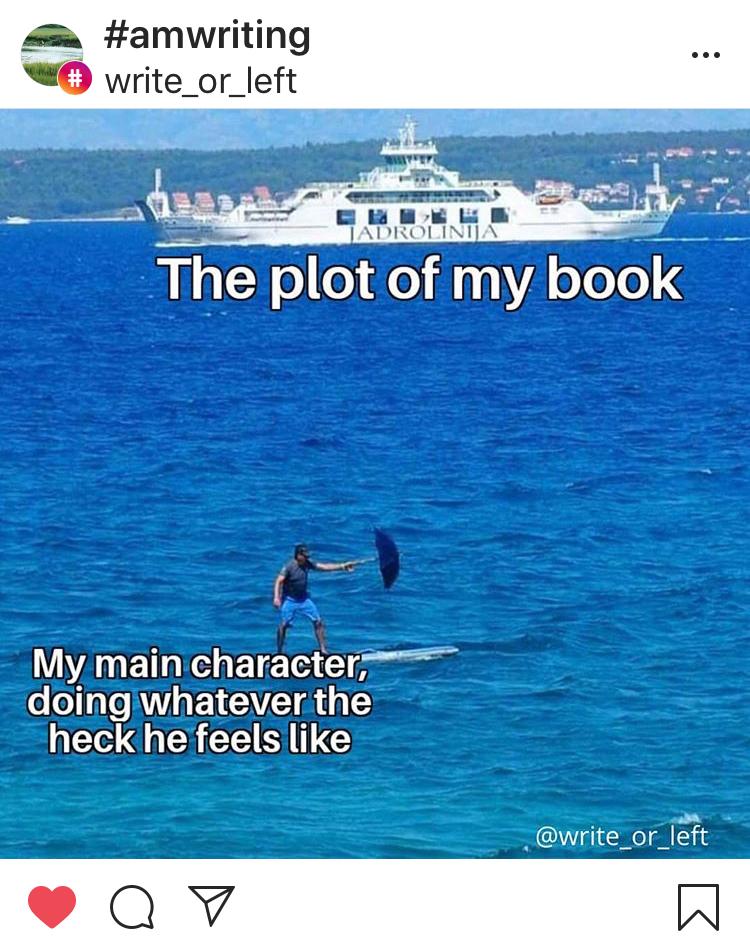
I am, however, 56,000 words into my new novel, and more than likely it will be a duet. My FMC has a sister who is introduced to my MMC’s business partner. It stands to reason they’ll have their own story, even though I don’t have a plot for them. I’m excited for the possibility of a duet since that is something I haven’t tackled, but at the same time, I don’t want to write it. Why would I force myself to write something that hasn’t grabbed me? Mostly because of reader expectations. When you have two secondary characters and they meet and there’re sparks, readers are going to want to know what happens. Can I rewrite what I have so there are no sparks, yes, but it felt natural they were attracted to each other. From one writer to another, you know what happens when characters go off and do their own thing. It’s difficult to rein them in and they end up doing what they want to do, much to our disappointment and disapproval. I like my two side characters, and I hope a nice juicy plot ends up in my lap by the time I’m done with this book.
My favorite meme when it comes to character vs. plot:
Found on Instagram
You might be tempted to tell me to do what I want, regardless of what readers will want after reading this book. That is the indie author refrain after all. I’m an indie, I’m going to do what I want to do, but the funny thing is, the indies on Twitter who say that the loudest also lament about how low their sales are. I could do what I want and let this be another standalone, or I could put my brain to work, think up a few things for these characters, and give my readers what I know they’ll want after they read this book.
Managing reader expectations is important. When they pick up your book based off an ad because you targeted a similar author, and they see your cover, your blurb, the title, they are going to expect certain things. The novel’s content will nudge them to expect certain things. If you’re writing about a group of friends, chances are each friend is going to have her own book–especially if your novel is tagged a Book One, and you indicate it’s part of a series. Your readers will expect that. Writing Book One and then never writing another book–I’ve seen authors do that. They might as well not even have published for all the good that did. So, if I set up for my characters to have their own book, then I should give them their own book. I nag about this topic too much, but Nora Phoenix has a great blog post about this very thing, and you can take a look at it here.
As an extra tidbit, even word count can make a reader happy or disappoint them. You should be well-read in the genre you’re writing, should know the tropes, general feel, and how long the books usually are. A great way to see how long a book is is to use this website Wordcounters. There you can look up a book or better yet, an author, and get an idea of their average book length. Some of the top billionaire romances right now range from 80-110k words per book. Some are longer, but very very few are shorter. The authors I looked up also have their books in KU, so I’m going to guess that a lot of them write with that in mind. Romance can go all over the place, but a lot of the novellas I see now are written to fit between books as extra content, and the main books are full-length novels. All of you know that I’ve been trying to write a reader magnet for my newsletter, and it would be great if I could write a shorter book for that. I’m trying, but first person takes up a lot of room, and my shortest book I’ve written since changing POVs is 74k, my longest, 97k. I still don’t know what I’m doing, but maybe one day I’ll figure it out. I need a plot for a 50k novel I can write in week, please and thank you.
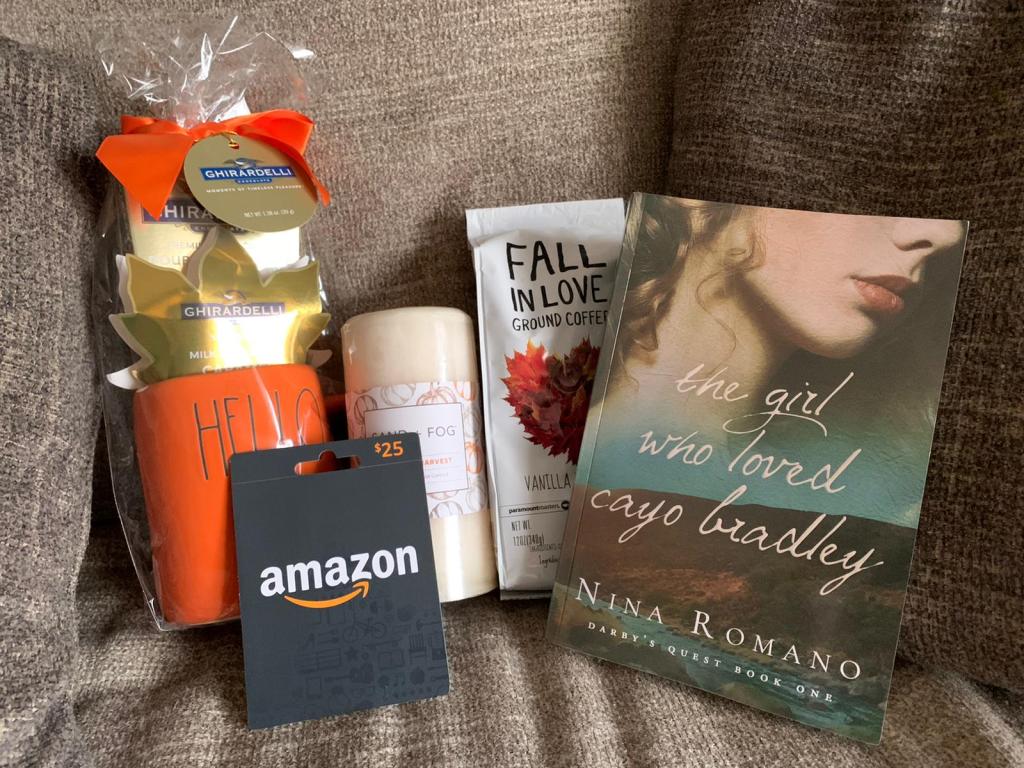
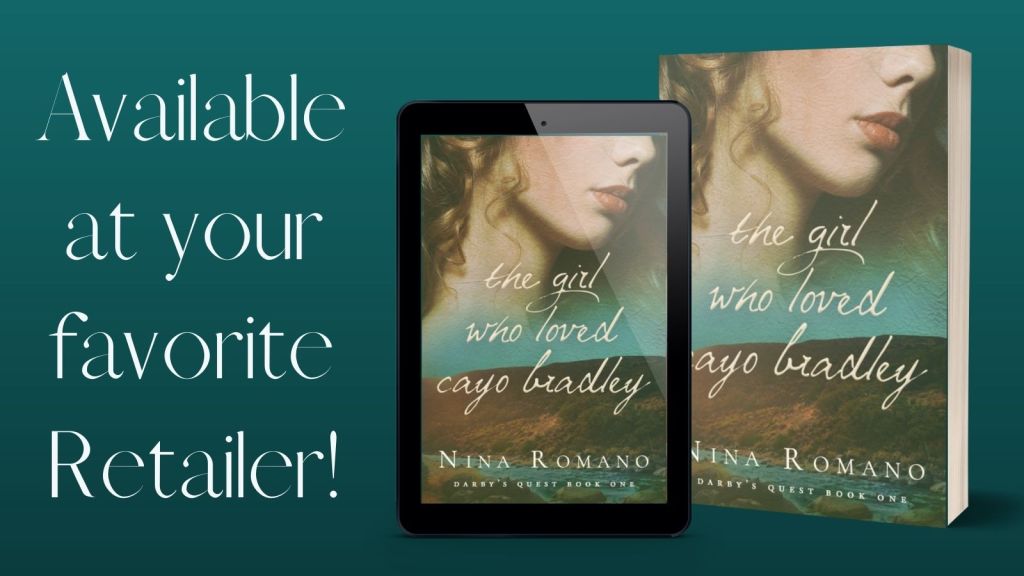
My giveaway I’m hosting for Nina Romano’s interview ends Wednesday, the 10th of November. You can read her interview and enter to win this gift basket full of fall goodies and a beautiful paperback copy of her book, The Girl Who Loved Cayo Bradley. I’ll ship anywhere in the United States and I’ll brave the post office to ship to Canada.
Hello Fall, orange mug with chocolates, a $25 Amazon gift card, Pumpkin candle, Vanilla Nut ground coffee and Nina’s book.
Usually when I read stuff like this, it’s just them preaching to the choir, but I’m hoping she can give me some good ideas on how to launch my books next year, too.
I think that is about it from me. Things, I suppose, will be quiet around here until after the holidays. I’ll be writing and relaxing, and I hope you will be doing the same!
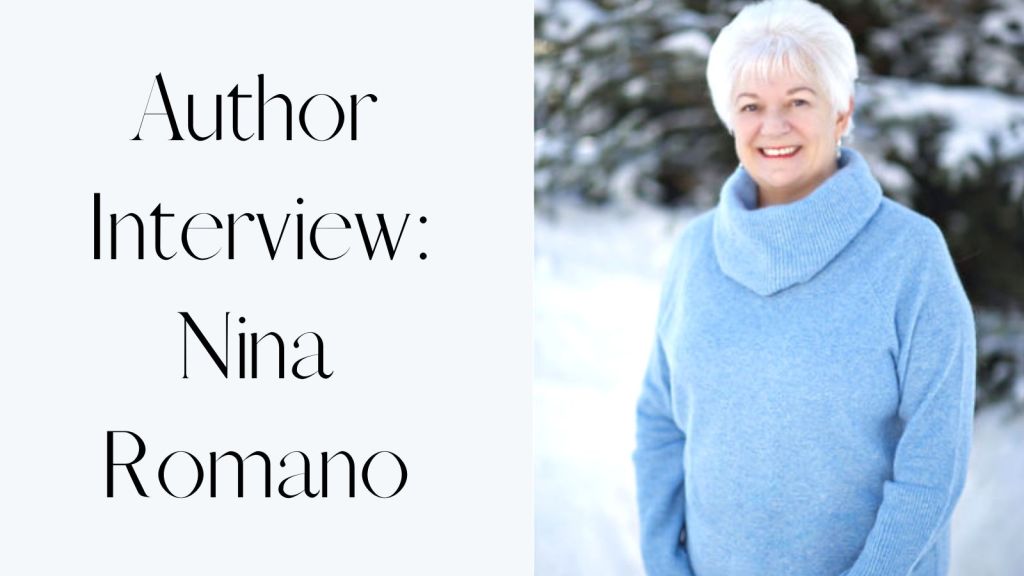
I got to know Nina on Twitter, and when she asked if I would interview her for my blog, I was all in! I’m so excited to share this interview with you! I hope you find something valuable in the interview I did with Nina. Thanks for reading!
You’ve been writing and publishing for many years. Do you have any advice for anauthor just starting out?
When I was starting to publish, I used to submit poems and short stories, nonfiction pieces every Friday. That was the day of the week I stopped writing and did the “business” end of writing. So pick a day to submit and make sure you send your writing out somewhere. This also can be a query to an agent, editor, or small publisher.
How do you keep the energy and momentum going over such a long period of time?
Each writing project brings with it a different set of problems to solve and research to be done because I mostly write historical fiction. It’s these various unresolved complications that spark interest.
I must say, I read a great deal of fiction, and when I read a well-executed novel, this, too, will boost my momentum and energy. With each new novel I write, I try to obtain a higher level of commitment to the piece in hopes that it’ll be more unique and render a better one than my last. I’m not in competition with anyone but Nina Romano.
We always say writing and publishing is a marathon, not a sprint, but what does that mean to you?
It’s the long haul dedication to excel, and with everything I write, I find challenges which in the short term equal the sprint and might be accomplished rather quickly. However, it’s the persistence to meet each task with the accrued knowledge from past experiences which aid in finalizing a new more difficult piece of writing. I never make it easy on myself—what would be the purpose of that?
Your books have won various awards, and I think that’s something a lot of authors, indieand traditionally published, hope for. Congratulations! I think what every author wouldlike to know, myself included, is does winning an award help with sales, or do you findit’s a personal achievement?
Thank you, Vania. I can’t really say that winning awards or making it to a finalist category in a contest helps with marketing books. I can attest to one thing—it’s a lovely satisfaction to know you have a winner or at least a mighty strong contender. It gives you confidence to continue to attempt achieving a degree of excellence.
I’ll bet there are many people writing today who just want to write—uncaring of prizes, awards, commendations. But the world we live in doesn’t afford us the luxury to do just that. It’s a competitive world, so we must endeavor, struggle, and strive to do our best. A finalist or first place win in a particular category is merely someone’s pat on the back saying, you’ve succeeded. But it’s a lovely accomplishment and we must celebrate all the accolades we can garner. It especially helps to remember these on a dark day when you receive a negative review!
You are published by various publishing houses and presses. Can you tell us a little bitabout what went into submitting and them ultimately publishing your books?
This is a loaded question—I could write an entire thesis on it. At one point I had an agent. To secure that agent I wrote eighty-four query letters. We went our separate ways, but I always knew I wanted a traditional publisher. For years, every Friday I would send out poems, short stories, nonfictions pieces, articles, blogs, parts of novels to literary journals, small magazines, and blog sites—in print and online. It’s relatively easy to publish individual poems and stories. When I had enough poems and a theme, I put them together and made collections—how? I began to write poems or revise them to fit the theme, which I then submitted to publishers. I did the same with stories. I submitted five poetry collections and one story collection to small, independent publishers, and they were accepted and published.
When it came to novels, I did things differently. Some of my novels grew out of short stories that I had published. I took back the novel, Lemon Blossoms, from the agent, and it became the second book of my Wayfarer Trilogy. I worked backwards and wrote the prequel to that novel: The Secret Language of Women. It took me nine years to get that manuscript into the shape I wanted. I then submitted the manuscript to three small, independent, traditional publishers. I received a letter after a week from Turner Publishing saying they wanted to publish the book. I then sent them Lemon Blossoms, which was accepted, and I was under contract with them to write the third book of the trilogy, In America, which was a great challenge because I had to do it in one year.
Can you give our readers any tips on successfully submitting a manuscript?
Make sure the manuscript is in the best possible shape it can be before submitting—that means completely edited and flawless with regards to research. I had many readers for all of my books—some critiqued for me and others only read. You can never have too many pairs of eyes on a manuscript before you decide to submit it. If a writer doesn’t have good readers, they should pay a professional editor.
Never assume or think that because an editor or a publisher asks for a partial or the entire novel that it will be accepted. It’s an exhilarating feeling, but by no means is it the gold ring on the carousel ride. At one time, I had eight agents reading one of my novels—not one took me as their client.
Don’t get discouraged. I could paper all the walls of an entire bathroom suite with rejections. A rejection is only one person’s subjective opinion. Read the rejection for any positive points to see if you can correct a flaw in the writing. Then, repackage the piece and submit it elsewhere.
I was told years ago that you have to have twelve to twenty submissions circulating in order to get picked up. Never waste time waiting for a single response from an agent or publisher. SEND! SUBMIT! REPACKAGE! MAIL OUT! And keep on doing it till someone sees the kernel of gold in your writing.
I am by nature a tenacious individual. I worked hard in school, but never quit and have four university degrees to prove it. I worked hard at writing and never quit, and that’s what every writer who wants to publish should do: work hard. Today, things are easy—you can self-publish. Amazon has a plethora of self-published books. Do they have merit? I can’t guarantee that. The old saying is: “Everyone has a story,” but that doesn’t mean everyone can write a story. My mentor John Dufresne used to say—if you can do or be anything else but to be a writer—do it. I took many writing workshops and seminars, attended numerous writing conferences, readings, author presentations and writing panel discussions. Writing is hard and not all succeed at it. But what is success, anyway?
Success for me is the thrill of someone reading one my novels. I’m doubly thrilled if it had for the reader an aspect of universality and hit a core with them and they wrote a positive review. My books haven’t made the BEST SELLERS list of the NY Times and they may never. Are the books of intrinsic value? Do they merit being translated into other languages—I believe so. Are they novels I’m proud to say that I’ve penned? You bet they are! And are they books that could be turned into a screenplay and be made into a movie? Yes, if someone with inclination and imagination decided to, that’s also a possibility. Writing abounds in a world of possibilities—it’s what you make of it. So my advice is this: persevere. Be persistent. Never give in or give up.
There is so much that goes into writing, publishing, and marketing. What do you find tobe the most challenging?
Marketing. Without a doubt. You can spend a fortune on a publicist—which I did and it didn’t pay off! I lost the advance payment of two novels! I say: don’t bother. You can take out advertisements that are costly but won’t be worth it—in fact, you can lose your knickers and won’t even break even. You can spend hours on social media and it’ll amount to the same thing—zero sales. And what’s worse it’ll be time taken away from your writing, or finding other ways to sell books.
What works? Word of mouth! And for me, personal contact with people almost always pays off. I’ve taught seminars and workshops at writing conferences, attended book fairs, given readings, presentations, and appeared on panel discussions. For me to garner sales is when I have a connection with people. Put me in front of an audience, a classroom full of eager future writers, or a group of readers and something clicks—I’m a people person and I don’t have an introverted bone in my body.
You’re re-releasing The Girl Who Loved Cayo Bradley. Can you tell us why you decided to make changes and if someone is thinking to re-release a book what they can expect and what to look out for?
I had originally wanted to publish this book with my new publisher Speaking Volumes, LLC.
Unfortunately, their acceptance came right after I’d already signed a contract with a small, independent publisher. The contract ran for three years and then I had the option of taking back the rights, which I did. I resubmitted the manuscript to SV. Why did I do it? The first publisher only wanted one book, whereas Speaking Volumes wanted a trilogy. In my mind, that’s a no brainer! Done deal!
But that’s my experience. Everyone else will have a different spin on why they would switch publishers, or re-write and release a book. I did a great many edits on this book, but it happens that sometimes when you fix something, another problem will arise. I hope the end product will be a finer one then was first published. I know one thing for absolute positive certain—the cover is a knockout and I’m hoping that readers will think the material contained therein is also!
What a gorgeous cover!
I try to tailor my questions to the authors I’m interviewing, and I noticed you have givenquite a few interviews! Can you give our readers any tips on approaching a blog orwebsite and asking them to promote you and your novels?
I have been asked to write guest blogs and do many interviews, which are always fun and help give an author visibility. Some even help promote books, and although I’d like to say that sales improve, there are never any guarantees.
I’ve even approached people directly, like this interview with you, Vania. I asked you if you’d be interested in interviewing me. My advice is be polite and straightforward, and don’t take a “no” personally. If the answer is negative—just try someone else.
Is there anything else you’d like to add to the conversation before we wrap up?
I want to thank you, Vania, for these provocative questions and your valuable time. I very much enjoy talking about writing and books—so this was a great pleasure. My hope is that a writer who reads these questions and answers gains some personal insight they can put to good, practical use.
Thank you, Nina! That was amazing! I’m sure everyone who reads this will find something useful that they can use for their own writing and publishing careers. I love it when we can support and help each other!
Read on for Nina’s author bio and all her social media links:
Nina Romano earned a B.S. from Ithaca College, an M.A. from Adelphi University and a B.A. and an M.F.A. in Creative Writing from FIU. A world traveler and lover of history, she lived in Rome, Italy, for twenty years, and is fluent in Italian and Spanish. She has taught English and Literature as an Adjunct Professor at St. Thomas University, Miami, and has facilitated numerous Creative Writing and Poetry Workshops at Writing Conferences throughout the States.
Romano has authored a short story collection, The Other Side of the Gates, and has had five poetry collections and two poetry chapbooks published traditionally with independent publishers. She co-authored a nonfiction book: Writing in a Changing World, and has been nominated twice for the Pushcart Prize in Poetry.
Nina Romano’s historical Wayfarer Trilogy has been published from Turner Publishing. The Secret Language of Women, Book #1, was a Foreword Reviews Book Award Finalist and Gold Medal winner of the Independent Publisher’s 2016 IPPY Book Award. Lemon Blossoms, Book # 2, was a Foreword Reviews Book Award Finalist, and In America, Book #3, was a finalist in Chanticleer Media’s Chatelaine Book Awards.
Her Western Historical Romance, The Girl Who Loved Cayo Bradley is a semifinalist for the Laramie Book Awards.
Her novel, Dark Eyes, an historical thriller set in Soviet Russia, is forthcoming in 2022 from Speaking Volumes, LLC.
I’d like to welcome Brickley Jules to the blog today. I’ve known Brickley for years, and it’s one of those friendships where I can’t remember where we met (probably Twitter) because she’s been a friend since I started writing. She has a new release coming out that I was happy to edit for her last year. With so little time, every launch is a victory, and I’m happy to be a part of her launch and the rebranding of her series. I asked Brickley a few questions about writing and publishing around such a busy schedule. Thanks for tuning in!
You published Her Unexpected Life in 2016. How has indie publishing changed since then? Anything stand out to you as better? Worse?
The two publishing entities [CreateSpace and KDP] I used in the past have combined meaning I only have one place to go to get my work out to the public which is easier. But I’m a creature of habit so I’m not as fond of the changes as others might be.
More books are published than ever before. Can you share what you plan to do in terms of marketing after your launches?
I plan to do some more research on marketing to stay up to date and I’m going to utilize every free source of marketing I can.
Facebook for example has many different free options like Facebook Live, Groups, Author Pages, Cover pictures and videos, and Events. These can be used together to do Release Parties and Anniversary Release Parties etc.
Twitter, Instagram, Pinterest, Goodreads, Google, and several other social media outlets can be utilized to get the word out for free about my releases without costing a thing.
If you could go back to 2016 and tell yourself one thing that you know now, what would it be?
If you get burnt out writing, editing, or after your computer crashes step away for a bit but don’t completely quit. Don’t allow yourself to make and use excuses to justify not working on your book or educating yourself on your craft. Take a break, pick up a friend’s novel, and do some relaxing studying.
Brickley Jules is a pen name. Do you have any tips for an author thinking about publishing using one? How did you choose yours?
Brickley Jules to me has a science fiction feel and the original manuscript, Out of the Blue, I was intending on publishing, was a spicy mermaid romance but it has overall arc problems, plot holes, and needed a lot of work so I didn’t publish it. I had already done all the leg work though of establishing Brickley Jules on social media so instead of starting over with another pen name that fits my Women’s Fiction book, Her Unexpected Life, I stuck with Brickley. I do think Brickley Jules works with my erotic motorcycle romance, Vested in Her.
My advice would be to look at other works in your genre and see what vibe the names give off. Maybe do some research on the matter but ultimately you have the choice to use whatever name you want to.
A long time ago we were talking about publishing and how difficult it is when you don’t know what you don’t know. How have you gone about filling in those knowledge gaps?
I have a great group of writer friends who have helped me fill in the gaps and lots of other great writers have published blog posts on their experiences along their writing journey I read those. Otherwise I’m a trial and error girl.
You have a family and work full time. How do you carve out writing time?
It’s hard to find extra time but recently I busted up my ankle and had eight weeks to work on finishing the revamping of the interior vibe of Her Unexpected Life and updating its cover.
I also took some time to work on something new for my readers. More to come on that later.
Normally I have to carry my laptop around in my mom taxi and work on my books while my daughters are at their practices.
Thanks for sharing your experiences, Brickley!
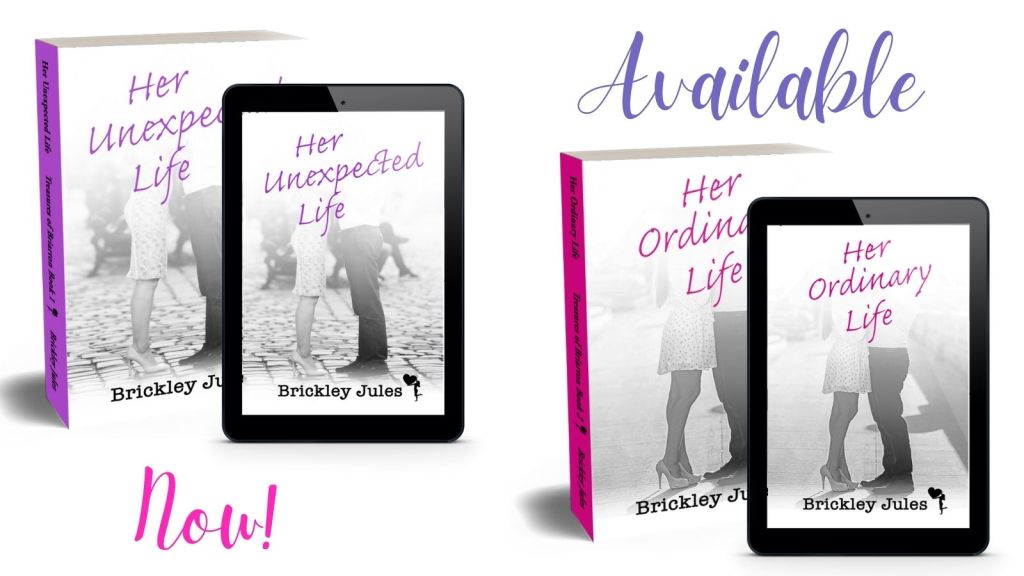
She recently revamped her book, Her Unexpected Life, and is publishing the next in series, Her Ordinary Life. You can find both of these and her erotic Motorcycle Romance, Vested in Her on all your favorite retailers!
Happy Wednesday! I usually post on Thursdays when I have a little something I want to share, but today I’m writing about some time sensitive material, so posting today instead.
We have five more days of this month, and I couldn’t be happier. I’ve always been a Fall girl, and this year, especially, I can’t wait for cooler temperatures and rainy afternoons while the wind whips the leaves from the trees. I don’t even have to dread all the snow we’re predicted to get this year as I got a new vehicle, and hopefully it will take to the snowdrifts better than my crappy little Neon ever did.
Due to COVID-related issues, my trip I was going to take this week has been canceled, and that gave me time to write I didn’t think I’d have. I got 5,000 words written yesterday and I’ll be at 70k soon. I’m aiming for 90k, but since this really is just one long story, if I reach a good ending point, I’ll stop and pick up in the last book of the series. It’s coming along, though some of the planning has dragged a little bit as I’m more pantsing this book than plotting, and I can’t sit down and write until I know what I need. That means a lot of daydreaming or free writing to figure out where my story is going and how to get it there. On the bright side, I know what I need to finish this book, so I should have it done in the next week or so.
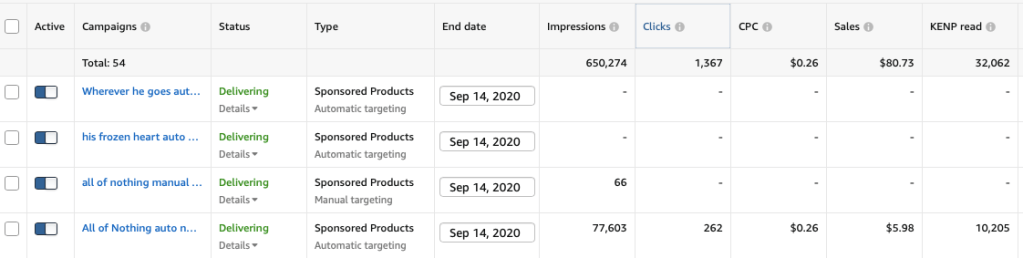
As far as what’s going on in the news, I may be the last to report this, but a couple weeks ago, Amazon Ads have starting reporting page reads in your ads dashboard. That means if your book is in KU you can see if that ad is bringing in page reads. Now, that’s not a sure-fire way of knowing if your ad is profitable, since page reads can come from more places than just an ad. Amazon reporting isn’t the greatest, and we’re encouraged to use the KDP Reports instead of depending on your ads dashboard. But I think a lot of us were just happy that Amazon seems to be trying to make things better for us in terms of working with them. I get that we have a love hate relationship with the big giant, but I tell myself that self-publishing wouldn’t be possible with the creation of the Kindle. I mean, who’s to say if a different company wouldn’t have picked up the reigns, but had that happened, who knows what the indie publishing space would look like now. Better? Worse? Less opportunities? More? It’s nice they listen to our feedback, and I appreciate the opportunities Amazon has given us.
Anyway, if you run Amazon ads, KENP reads are another way of showing you if your ads are profitable.
Here’s a screenshot of one of my well-performing ads:
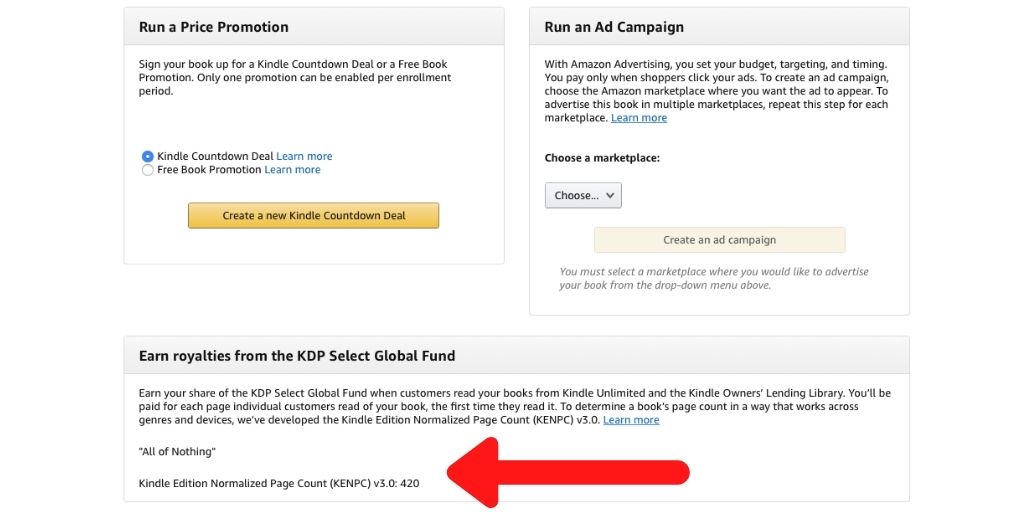
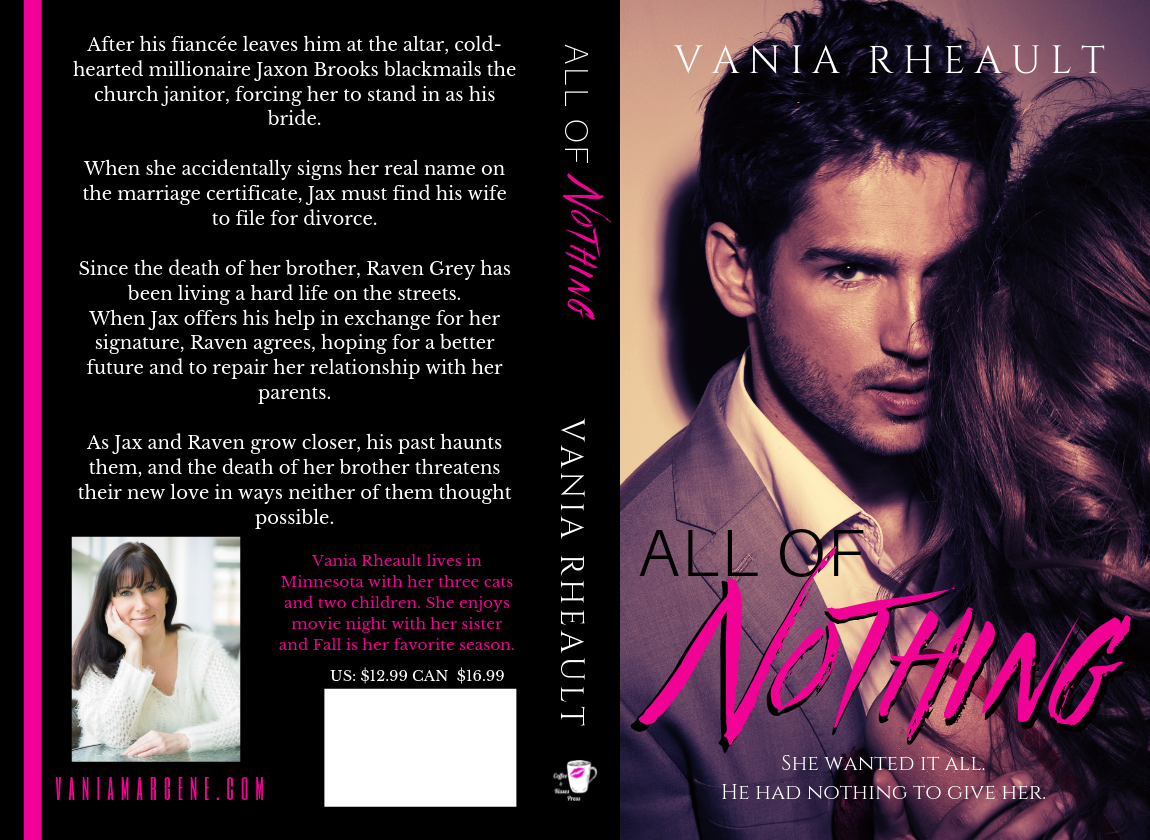
The ad for All of Nothing at the bottom of this picture does pretty good. The total KENP for the ad is 10,205 and that equals into about 23 books. (Divide KENP page reads by the number of KENP pages your book has, and that information can be found under promote and advertise on your bookshelf for your book).
If you’re interested in trying Amazon ads, watch this video with Janet Margo, Craig Martelle, and Mark Dawson. She used to work at Amazon and has some great tips for authors. Also, it’s quite amusing to watch Mark Dawson in the background smoking a cigar and drinking. LOL
In other news with Amazon Ads, they are expanding, and they added Canada and Australia this week! I did put up some Canadian ones to test the waters since I’m in Minnesota near the Canadian border (and some of my books are set along that area as well). We’ll see how it goes. I need to watch them carefully as I don’t know if the bids are the same as in the US. I’m sure the Amazon Ad Profit Challenge Bryan Cohen is going to host in October will have some tips regarding the new countries we can advertise in. It sucks that each country has their own ad dashboard, and you have to remember to calculate all the different spend totals when figuring out if you’re still ahead, which is the most important thing when all is said and done.
I’m a member of an Amazon Ads FB group and when I asked for ideas on blog posts lots of people wanted to know about marketing.
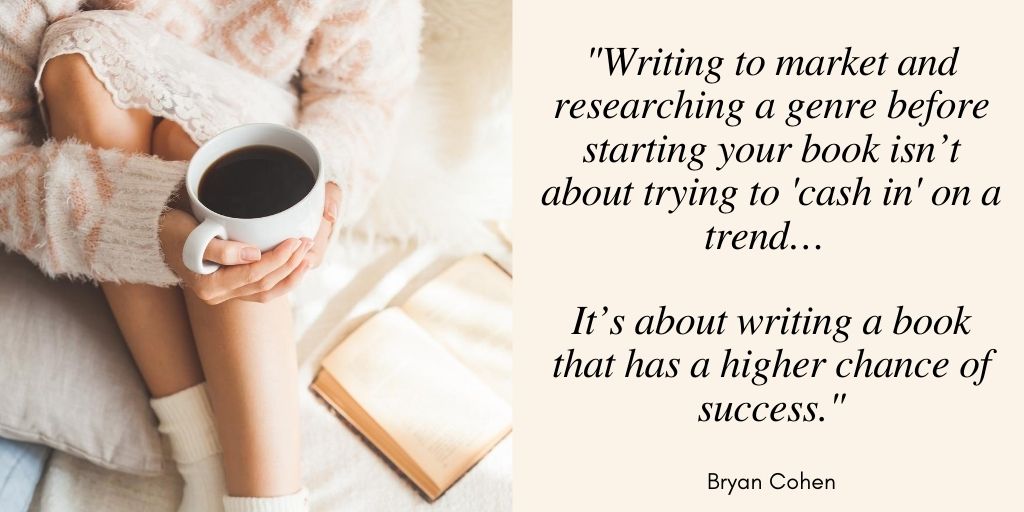
In an email that Bryan Cohen sent out to us (if you’re on his newsletter list) he teamed up with Alex Newton of K-lytics to host a webinar about genre research and he said:
Whether you want to believe it or not, meeting reader expectations is the best way to sell a lot of books. That means knowing your genre. Worrying about how to market your book after you’ve already spent six months to a year writing it isn’t the best time to wonder where your readers are. Just my two cents, especially considering I’m on book 5 of a 6 book series that isn’t *quite* like any of the longer billionaire series I’ve read. But I do agree we have write what we like, too, or we’re trapped writing books we don’t want solely for the paycheck. I hope I hit the mark with the tropes and the characters, and where I didn’t, readers can still enjoy what I did with the plot or overlook the parts they dislike.
If you want to sign up for the webinar, you can do it here: https://k-lytics.lpages.co/webinar-bpf/ It plays Thursday, August 27th, but there is always a replay if you can’t watch it live. I’m working tomorrow, so I’ll be watching the replay when they release it.
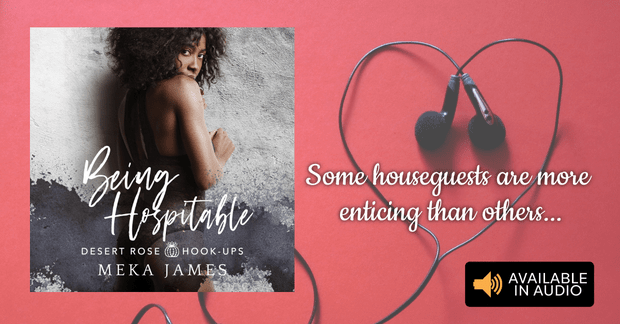
I think that’s all friends! I hope you all have a terrific weekend, and don’t forget to sign up for that giveaway! Read Meka’s interview, too! I asked her a lot of questions about her self-publishing journey!
Hello everyone! Thank you so much for joining me on this fabulous Monday! Today I interviewed romance author Meka James. She’s been publishing since 2014 and has lots of experience in the industry. Grab a cup of coffee and listen in as she tells us about her experiences with indie publishing and dipping her toes in the water of traditional publishing!
You have furbabies, real babies, and a husband. How do you find time to write books and keep up with a blog, too?
**Well, my real babies are older. My youngest is 10, that means they are way more self-sufficient which leaves me time. Plus they are at the age where mom isn’t as “cool” to hang out with. (sad face LOL). As for the husband, he works during the day which also means I have time on my hands. The furbabies sleep 95% of the day. hahaha
You’re a part of the #turtlewriters on Twitter. What are the benefits to writing and publishing slowly? Are there any negatives?
**Taking your time benefits because it’s less stressful. I’m slow and a pantser so I need to let the story form as I’m writing it. It works for me, but everyone’s process is different. The biggest downside would be just keeping relevant. We all know the struggles to find (and keep) readers so the longer you go between releases, the more chances you have in people losing interest in your writing.
You’re a hybrid author, meaning you are both traditionally published and self-published. How did you decide to go this route? Will you look for a book deal in the future?
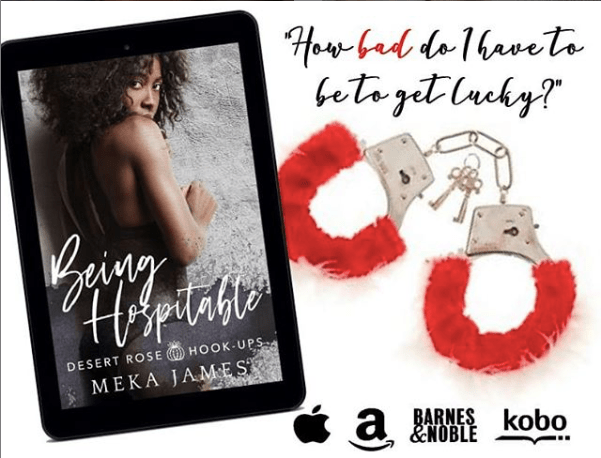
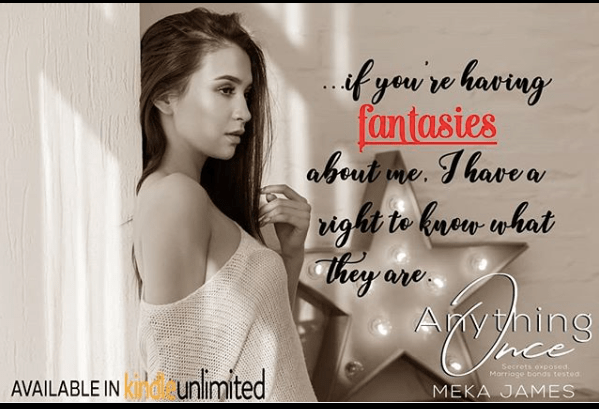
**I started out team Indie. When I began writing it was always my first choice. I joined up with a group of ladies on Twitter in maybe 2013/2014 and at the time I was the only one in the group not in the query trenches. So one year I decided to do a what the hell, and see what it was all about. I wrote the story Being Neighborly with the intent to sub it to Carina for their dirty bits line. Anything Once (Limitless Publishing) I wrote with the intent to just randomly sub it places never stressing too much if it didn’t get picked up because as I said, going Indie was always the option for me with any book. I do have ideas of subbing again but only to help with some of the cost associated with self-publishing. Between covers and editing, it gets pricey as you know, so letting a press handle that would be nice.
You genre-hop and write everything from twisted fairytales to erotica. How does this affect your marketing and establishing a brand?
**hahaha I’m supposed to have a brand? LOL no but in all seriousness I write what I feel like. I mean the one thing that stays consistent is that the stories will be character based and steamy. I do feel like I’m coming into my own now and have a direction. I stick with contemporary and play with tropes. I like to think my characters all end up being down to earth with problems and situations readers can relate to. That I *hope* will be my brand.
You’ve played with Amazon ads and have participated in Bryan Cohen’s 5 Day Ad Profit Challenge, something I’ve written about here on the blog. How was your experience? Do you have any quick do’s and don’ts for our readers?
**Well, Bryan’s great. He hands out the information in easy to understand ways. I appreciate that. However, I’m nowhere near fully understanding how it all works and how to make what I sell actually sell! LOL I guess my best advice is to stick with it. Keep trying. It’s a marathon, not a sprint and that goes with learning the marketing aspects as well as the writing.
You attended RWA in 2019 in NYC. Can you give our readers some advice on what to expect at a huge conference like that and how to maximize your time and funds? I hope one day we can attend them in person again!
**Oh boy! First, expect to be overwhelmed. Seriously, if you’re not a crowd/people person you need to be ready for the onslaught. It’s a lot. The old RWA offered up a lot of classes, some that conflicted, so plan (not my strong suit) so you can know what you want to attend. Also, don’t go too starry eyed over all the free books at the signings. Seriously I did that at my first convention in Denver and ended up having to pay a weight overage fee on my bag. LOL Don’t be me. But have fun. Yes you’re there to network, but also just enjoy the time. Don’t let it be stressful and think you have to be doing something every minute. Downtime is important.
You’re involved in an anthology! Congratulations! That’s so cool, and the proceeds go to the NAACP Legal Defense Fund which is doubly cool. Besides giving back, how is being in an anthology beneficial to your writer platform and career?
**This will be my first anthology and I’m hoping that it will get my name out there to more readers. That is always the goal, to find new people that may enjoy my work. By teaming up with 28 (I think) other authors, that’s a lot of potential for new readers to read me and hopefully go buy through my backlist.
Did you borrow a book from your already-published collection, or did you write something new?
**The story in the anthology is new. It’s a short only about 6k in length.
That’s great! I’ll be sure to look for it! You’ve just released two novellas related to the novella published by Carina. How did your launches go? I know every time I publish a book I make a new mistake. When it comes to launches what would you do differently? What worked well?
**Same. Honestly with each release I feel like I’m starting from scratch. The only thing I do consistently is post teasers on social media. I have gotten away from a lot of paid promotions for launches. I mean I’ve had some success with blog tours, and I still like them to help get reviews, but sometimes it can be hit or miss. So far I don’t know that I’ve done anything particularly well during a launch. They’ve all had the same sort of lukewarm reception, but I keep chugging along. At this point, I do what I’m comfortable with which is mostly the teasers. I know a lot of people don’t think social media sells books, but for me it does.
taken from Instagramtaken from Instagram
What’s next for you in the next six months? What are you working on now?
**I am currently working on my first *planned* series that I’m hoping to publish next year. They are a small town romance that follows three friends, all now in their forties who are falling in love. Like with my Desert Rose novellas, each will have a trope featured. Book 1: Second Chance Book 2: May/December Book 3: Enemies-to-lovers. I’m also hoping to put out another novella by the end of the year, but that is mostly me being way too confident in my slow writing self. LOL But it goes back to the relevancy thing. My last book was published in May, the idea I won’t have another until 2021 is a little nerve-wracking, but sometimes it is what it is.
I did that, too. I released a standalone novel in May of 2019, then didn’t have anything until January of 2020, and I’ll be doing something similar–I won’t have anything to release until probably next year but like you said, it is what it is.
Thanks for taking the time, Meka! Good luck with your new series!
After I gave Meka her questions, she blogged about her experience with AUDIO! I didn’t want to bother her with more questions, but you can read about her experience on her blog. Click on the picture and pick up some tips to see if audio is right for you!
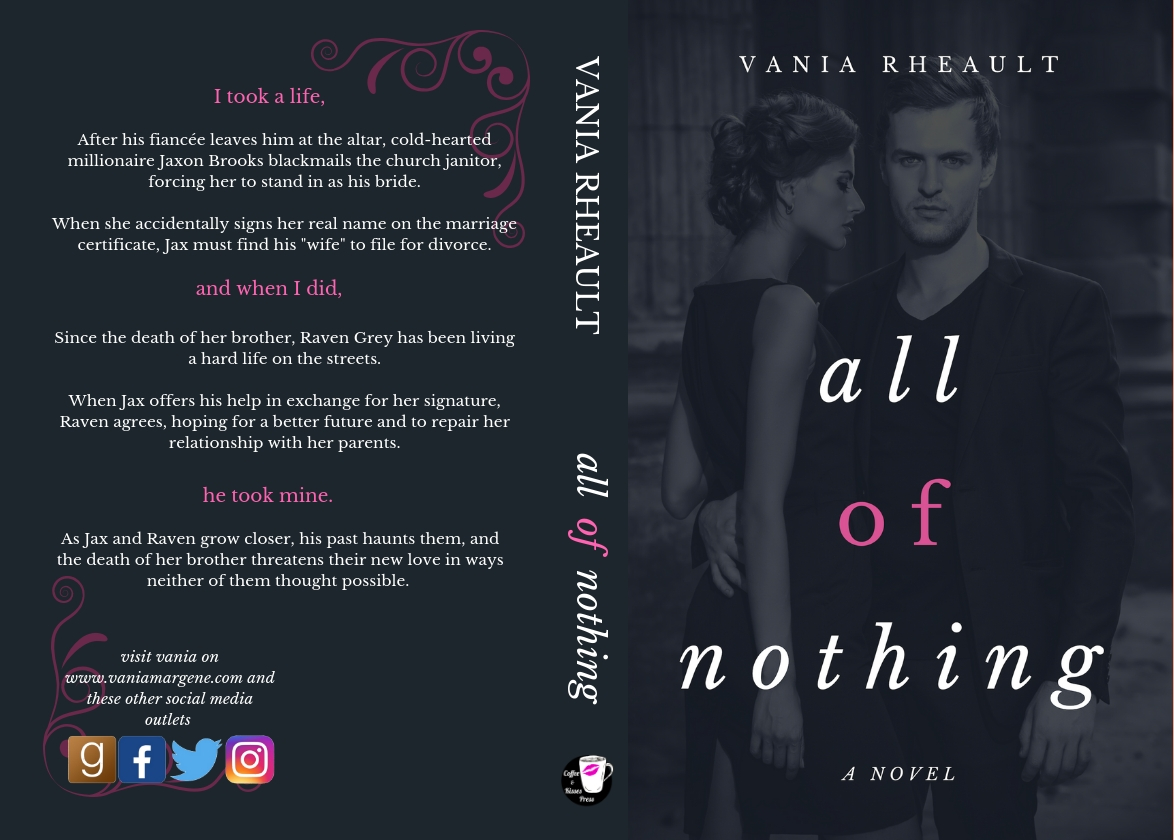
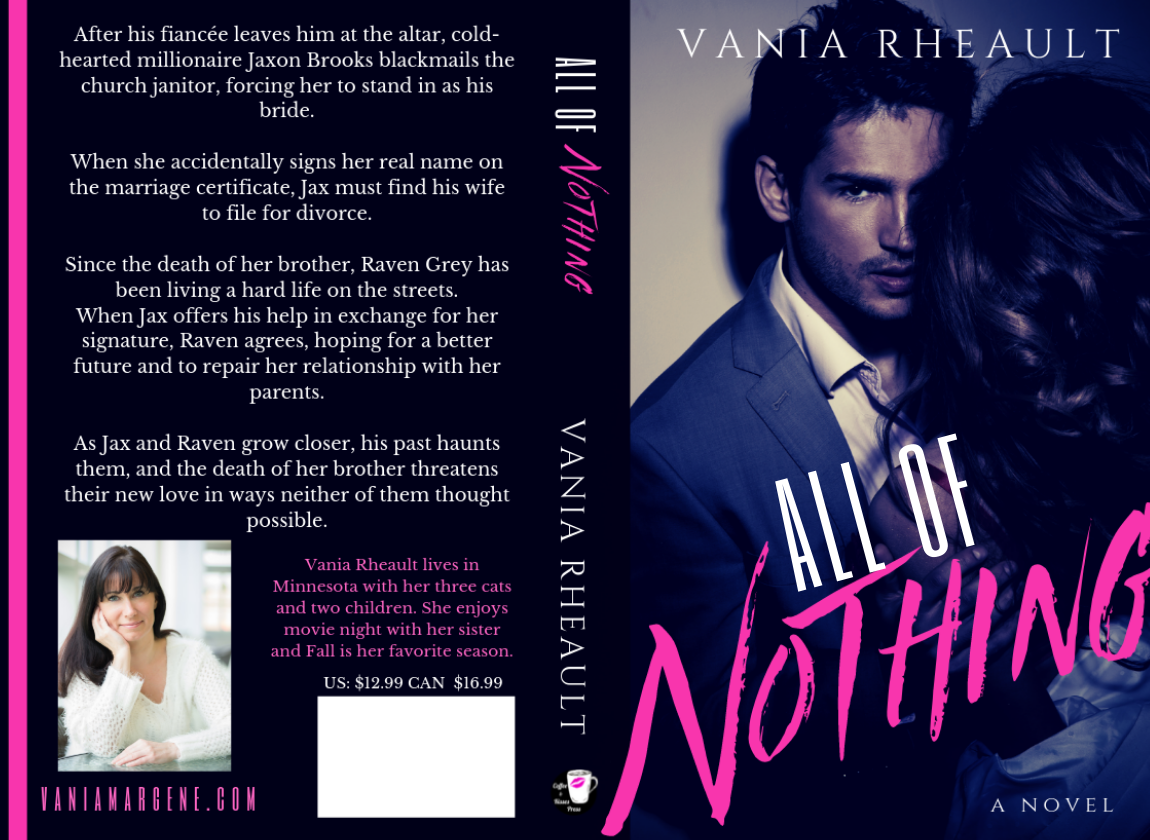
The first thing I did is redo the cover. It went from this:
To this:
I would say that’s an improvement. I don’t have the proof yet, and I suppose writing a blog post about the cover without the proof seems to be a bit too forward thinking, but that’s okay. I can post it when I get it. I know the title doesn’t seem to be centered, but uploading it into KDP Print proved to be one over-correction after another. The title may very well be too much to the left, but what’s what the proof is for.
At any rate, covers can go through a lot of revisions and just all around bad ideas before an epiphany is realized and you think of what you wanted to do all along, or you stumble upon the perfect couple at 2am when you shouldn’t have been awake anyway.
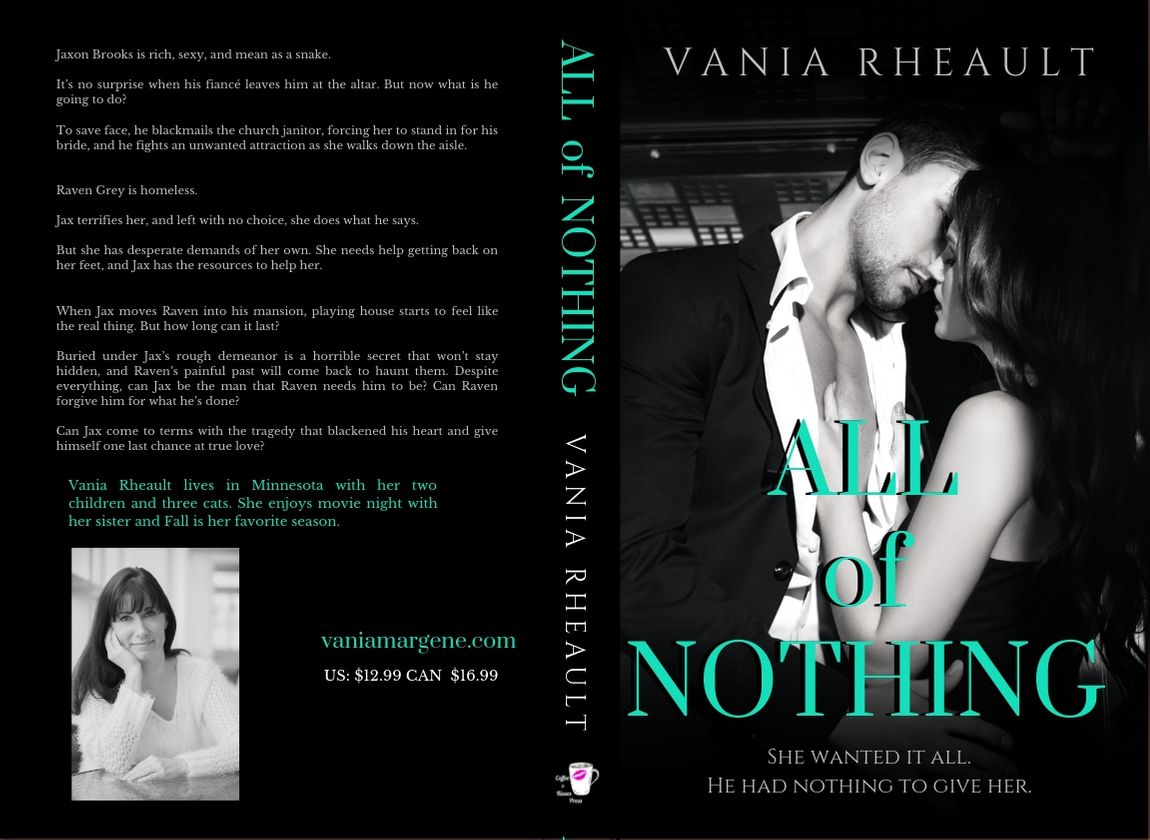
The first cover I came up with looked like this:
No one liked it. I put it on the Indie Book Cover FB group for feedback and while no one had anything BAD to say, no one liked it, either, and everyone agreed to take out A NOVEL at the bottom. I think I came up with a nice tagline to put in its place.
It left me a bit stymied because it has a grittier feel than what I had before, and gritty and kind of mean, more alpha, bad boy, asshole was what I was going for.
But I’m glad I posted it and listened to the feedback because one poster said she bought a premade using the same guy. She even gave me the name of the site. It’s a closed group, so out of respect I won’t post the cover, but I’ll give you the website and you can take a peek yourself if you want to see the cover she bought.
I played around with it some, putting into play some of the advice I received from the group; doing something different with the tint, but overall, I guess I felt it wasn’t doing what I wanted it to do after all, I gave up for a little while.
That wasn’t even all that bad . . . but that’s okay. Trying out new things until you stumble upon something else that could be better is part of the creative process.
Going through DepositPhotos one day I came across this couple:
A lot of what goes through my head when I look at photos is, what is the steam level? That was one of the things I was aiming to up on this cover: fully clothed models weren’t depicting what my books were about. Where can I put my the title? Where can I put my name? With my limited skills, what can I do to it to make it stand out? This is important because my skills are LIMITED. I can only do so much in GIMP, and I need to know if the picture is decent as is, and if it’s not, what needs to change? A cluttered background? Can I get rid of that zooming in? The color? How real are the models. Do they look too model-y, or too human? A nice medium is what I shoot for. I probably looked at this couple while looking for others and I passed them by. Until almost a fully-formed cover with these two popped into my head, and I was able to create almost a perfect cover in half a hour.
I used what little skills I have in GIMP to fade the top and the bottom and using a few tips I learned from my friend Aila’s blog post about Canva, I was able to make the rest there.
Next week I’ll take you through how I rewrote the blurb and my process for doing it!
Plus, on Monday, I’m doing an author interview with my friend, Tom, whom I met at the Sell More Books Show Summit! His debut book will be live Monday, and I’m so happy to be part of his launch! Look for an awesome interview with him, and a $25 Amazon ecard giveaway, too!
Thanks for reading, and I hope you’re enjoying your week! I haven’t made much progress on my 3rd book in my series, as these days off this week just have flown by (plus the weather is gorgeous and I’ve been spending time outside!) but I still plan to have it done by the weekend. 12-15,000 words left. We will see! Wish me luck. 🙂













 Vania Margene Rheault