Is writing a hobby, or are you just telling people it is?

Happy March! I’m taking a break from my Written Word Media blog series on 2020 indie-publishing predictions to give you a blog post full of motivation that will hopefully bolster you through until Spring! I’m sure the New Year, New Me, New Goals enthusiasm has cooled off, but let’s find that spark to keep you going back to your laptop!

You teach people how to treat you-4

So, let’s discuss hobbies! Is your writing a hobby?  More than that? It’s probably not a career yet–not if you’re making twenty dollars a month in sales. But maybe you’re hoping your writing is somewhere in between a hobby and full-time profession. I fall into that crack . . . not making a whole lot, I still have a day job, but I put A LOT of time into my writing.

But when I take a little down time, I scroll Twitter, and the other day I came upon this tweet:

Untitled design

All the comments were along the lines of “what a jerk”, or “how insensitive”, or “why would he say something like that”?

My first instinct was to agree, because I know not everyone’s significant other is supportive. But then I thought, wait. And I responded, “That depends. Do you take your writing seriously? Are you writing? Publishing? Querying? He can only see what you let him see.”

He didn’t respond, but he’s not the first person who’s complained people in their lives don’t take their writing seriously. And sometimes I wonder why that is. Oprah says, “You teach people how to treat you.” I believe this 100%. If you don’t take writing seriously for yourself, you have no reason to be offended when others don’t, either.

You teach people how to treat you

Do you defend your writing time? Do you respect your writing time once you have it? Meaning, do you actually use the time to write and not play on social media or secretly watch Netflix? Do you turn down friends if you haven’t gotten your words down for the day?

How can you get angry at someone calling your writing a hobby if that’s how you treat it? When someone doesn’t take you seriously because you find reasons you can’t write, or you keep breaking self-imposed deadlines, or that book you say is coming and never does, can you justify being angry when someone calls you out on it?

What can you do to change people’s perceptions?

  1. Change your own perceptions. Treat yourself how you want others to treat you. If you want to be treated as a writer, you have to write.
  2. Be realistic. Sometimes we don’t have a lot of time. Maybe 1000 words is all you can do in a day. That’s fine. You don’t have to put out 12 books a year to be a writer, or six, or three, or even one. You can only do what you have time to do. But if you’re wasting the time you do have, that’s no one’s fault but your own.
  3. Stop breaking deadlines. Or don’t make them in the first place. You announce goal after goal on social media hoping for accountability. And then you break deadline after deadline, promise after promise. What does that do for you? What message does that send to people on social media? You have to be accountable to yourself before others will hold you accountable. Keep deadlines and promises for yourself. Stop letting yourself down and you’ll build up your self-esteem and confidence.
  4. Protect your writing time and respect the time you’ve been given. If you’re not going to write during the time you fight for, why fight for it? Train your friends and family to understand writing is important to you. Then act like it is. And show them results.
  5. Realize you don’t have to be a writer. It’s okay to want to do other things. If you’d rather go out with friends, or be a gamer, or read instead of write. It’s okay to write two hours a week or write 1000 words a month. That’s your choice, it’s your life. But you can’t be upset when someone calls your writing a hobby because that’s what it is.

You show people what and who you are by your actions. Writers write. They produce books to query and publish, and going back to the guy on Twitter, I have no idea if he’s querying, or publishes, or writes short stories for magazines, or nonfiction for Medium or anything in between. I have no idea if his partner is right or wrong. He never replied. In fact, I don’t think I even follow him.

The point is, everyone pointed a finger at his partner, and I wanted to bring attention to the idea that it’s not always the other person. Sometimes it’s you. And if it is, there’s nothing you can say to defend yourself because you taught them to see you that way, and only you can fix it.

You teach people how to treat you-2

This is one of the rare times I didn’t bring up money and writing (okay, maybe I did a little bit). Maybe that’s what his partner’s problem is–he’s not making money at writing, or like in my case and some of my friends’ situations, writing and publishing actually costs money. There’s not a lot you can say to someone who expects you to have overnight success (or any kind of success right out of the gate. Sometimes it takes years to find a foothold in this industry). All you can do is point out that without the work, there’s no success and hope that they accept it.

You teach people how to treat you-3

What are your plans for the rest of 2020? Land an agent? Publish a book? Do you have a big launch planned for this summer?

Get busy, and let me know how you do!

Thanks for reading!

If you want to read more articles on writing as a hobby, look here:

Writing: Is It a Hobby or a Job? by Brian A. Klems

Five Reasons Why Your Writing Matters (Even if No-One Will Take You Seriously) By Ali Hale


end of blog post graphic

2020 Indie Publishing Predictions: Indie Authors and Marketing Collaboration

2020 indie publishing predictionsThe third 2020 prediction offered by Written Word Media is that authors will collaborate on marketing. I don’t think this is a prediction so much as it is them saying, indies will do more of it, or they will be forced to do more of it because it’s harder than ever before to get anywhere on your own.

This is where the evil networking comes in. A favorite marketing technique right now is newsletter swaps, but that comes with its own pitfalls. When you agree to recommend a book to your readers, you’re telling them, “I liked this book, and I think you’ll like it too.” You don’t want to lose trust of your readers because you swap with authors who may not be writing quality books. It takes time to read books by your fellow authors, and I would imagine it would be difficult for you to say, “I don’t want to swap with you. I don’t think your book is something my readers would enjoy.”

You also don’t want your book to be in a swap where the author has recommended a lot of books. Too many recommendations means fewer eyes on your book. Unfortunately, this advice is only good for authors who have a newsletter and you have hundreds to thousands of email sign-ups. Building a list takes a long time, and you may not be able to use this marketing technique for a few years.

2020 indie publishing predictions

That number seems extraordinary if you don’t have a newsletter yet!

The article also suggests that group giveaways will be popular marketing technique. I can tell you as an emerging author with no email list or audience that posting or tweeting about a giveaway to no audience is a huge waste of time. Group giveaways only work if every author in that group already has an audience who likes their work. And those are the authors who don’t necessarily need to market – they already have a solid readership. They are just rewarding their readers for being fans.

If you’re an emerging author, you can always network, and maybe one day you can be invited into a giveaway with other authors doing better than you. I know from experience banding together with other emerging authors won’t do much.

With my series, I have the potential to put together a really cute gift box of Minnesota Untitled design-2items and include my books. I haven’t because anytime I try to give something away, I hear crickets. But that’s my fault. I haven’t cultivated an audience, I genre-hop under my contemporary romance umbrella, and I haven’t made connections with other romance writers. I don’t have a newsletter or reader group to announce my giveaway to. I could put together the cutest giveaway and no one will care. And that is the danger of emerging authors coming together. As an emerging author, you have to cultivate your own audience before you can market with others.

Another thing the article points out is that not everyone is trustworthy. In the era of scammers both on the publishing and author sides, you have to be careful who you work with. Everyone needs to do their share (time-wise and money-wise) and you have to market with authors who write good books or your book will be labeled terrible by association.

If you want any hope of being asked to collaborate in any way, your book has to be well-written, your cover must be spot on, and your blurb on point or no author will want to work with you.

2020 indie publishing predictions-2

What can you do?

As an emerging author, don’t worry about this right now. Work on your own audience. Your loyal fans will be the most important thing to your writing career. Then start slow. Honestly recommend books you like without asking for anything in return. Build your relationship with your readers with trust and integrity. Keep writing and producing good books. All this marketing talk won’t matter if you don’t have good books in your back list and if you’re not producing regularly.

I’m at a place where I’d rather throw some money at ads than network, and that’s only half the problem. I’m an introvert and don’t like talking to people, but I believe that this prediction or some variation will eventually come true – especially since I’m writing romance. There’s huge potential in the romance genre for group projects, and I can’t let myself shy away from meeting people. I could let some really good opportunities pass me by.

This is one of my 2020 goals for myself – be more involved in my romance groups and start a newsletter. Have I done either? I’m researching newsletter aggregators and I have started to post more online. Not enough to help but it’s a start.

I’ve been busy writing books, and I’ll be releasing seven this year. But I do have to meet in the middle and find a balance among writing, marketing, and networking.

How do you feel about this prediction? Are you ready to collaborate with your fellow authors? Let me know, and thanks for reading!


end of blog post graphic

Where Did Organic Reach Go? (And what you can do to find it.)

2020 indie publishing predictions

The reason we’re so crazy about marketing is that organic reach is disappearing.

What is organic reach? It’s when someone finds what they need without the company or publisher spending money on advertising. When people talk about ads and marketing  and say organic reach has disappeared, they mean free advertising.

2020 indie publishing predictions-2


Click on the graphic to read the entire article.

Free platforms on social media. Free exposure. There isn’t a day that goes by that I don’t see an author in one of my writing groups ask how they can find exposure for their book without spending any money.

Twitter has promoted tweets. Facebook makes you boost posts on your own page so everyone will see it. Instagram (in conjunction with Facebook) will promote your posts. Authors are clamoring for attention, and if you can’t, or don’t want, to pay, your post will get lost in the fray.

Is there anyway for an author to find free traction? There are some ways to get around disappearing organic reach, but they take a lot of time and work, and there are no guarantees you’ll see results.

  1. Look for other websites that pertain to you and your genre, and ask them to interview you or ask if you can write a blog post about your book. That’s free. Check the blog for the kind of content it offers and ask to contribute. Everyone is looking for quality content. You’re helping them, and they’re helping you. But make sure they have a good-sized audience or you’ll be wasting time.
  2. Simply ask. Ask for a retweet or ask for a share. If you’re blogging, use hashtags on Instagram, Twitter, and Facebook to tag your work when you and others share your post. I can get quite a few eyes on a blog post on a Monday using Rachel Thompson’s #MondayBlogs hashtag on Twitter. That’s for my blog, though. I don’t push my books on Twitter, and she has a strict no self-promo rule. Research hashtags and use them appropriately on social media platforms.
  3. Network. People don’t like to network because it takes time to build relationships. It can take years to build a foundation in your genre. Join groups that read the genre you read and write in. After you establish trust and made friendships, you can say, “This month’s selection was amazing. I have a book I just launched that is similar if anyone wants to give it a try.” And that’s it. Taking years to build a group only to be able to say one or two things about your book is a huge time suck. But if you can’t spend the cash, you have to spend the time.
  4. Ask your local newspaper or area magazine to interview you. I’ve even seen local authors on my local morning news program. Who knows who is watching at 5:30 AM but if you can’t spend money on ads and promos, every little bit helps.
  5. Send out a press release. There are press release templates online. Explain what your book is about and send it out into the world. You can find a list of paid and free places to submit a press releases here. You can Google a list of press release templates, and Word has a press release template you can search for in their templates menu.
  6. Write for Medium. Instead of blogging, write on Medium and build an audience there. This is especially ideal if your book is nonfiction. Then you can write short articles on your topic. If you don’t know how to go about it, but it sounds interesting you to you, check out Make Money on Medium: Build Your Audience and Grow Your Income with Medium.com.
  7. Start a newsletter. Start it now, even if you don’t have a book out yet. Some email aggregators don’t charge until you reach a certain amount of subscribers. It can take a while to build your list, but the sooner you begin, the better off you’ll be.
  8. Contact your independent bookstore in your area and develop a relationship with the
    68439602_2590399361023194_7744828669033447424_n

    Photo taken from Black Birch Books’ Facebook Page.

    manager and staff. A good example of this is Dave Koster. He has a relationship with Black Birch Books in his city. They carry his book and have hosted book signings for him. He gets to post about it on social media to build buzz, and he’s making local connections. If you don’t have money to spend on ads, or don’t want to take the time to learn how to use them properly, you will have to do the footwork to try other things. (To take a look at Dave’s book on Amazon, click here. If you want to follow him and his publishing journey, click here and follow his blog. He has another book coming out soon!)


A lot of the 2020 predictions are based on the fact that organic (free) reach is gone. Everything is pay to play, and this isn’t going to change. How much money do you think Amazon makes double-dipping their authors by charging to sell their books and charging them to advertise? The more important question – how much do you think Amazon makes off indies who waste money on their ad platform because they don’t know what they’re doing?

Mark Coker accuses Amazon of stealing the author platform, that we need Amazon to sell books, but I don’t think that’s only an Amazon problem. Facebook makes you boost a post in your own group or not everyone will see it. Some of Kobo’s prime promotions are paid or you aren’t eligible. They have free ones you can apply for too, but as you can imagine, they are very competitive and difficult to secure. Amazon isn’t the only one making you pay for exposure, yet they seem to take the most heat for it.

2020 indie publishing predictions-3

If you’re going to depend on free marketing when you publish, start building your platform long before your book comes out. Have all your social media intact in the niche or genre you’re writing in. Every little bit helps, I just can’t promise you how much.

Some other blog posts on organic reach:

https://www.tckpublishing.com/why-authors-should-not-use-social-media/

https://www.janefriedman.com/author-without-social-media-presence-now/


Do you have other ideas for free exposure? Let me know!

end of blog post graphic

A Rocky Point Wedding Update: Drawing to a close.

This will be one of the last blog posts I’m going to write about this series, unless I update you with sales or if any of my advertising stuff works exceptionally well.

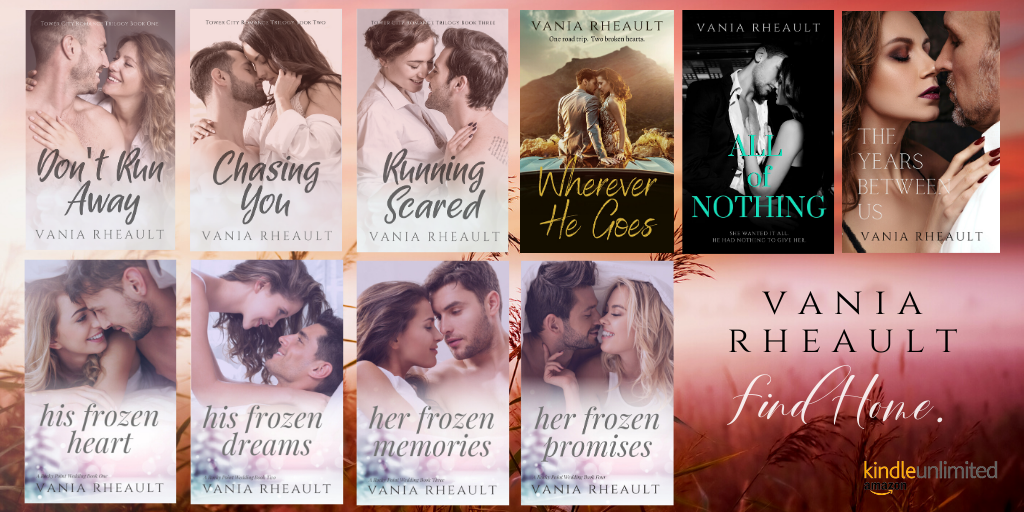
Mich and Callie His Frozen Heart Kindle CoverI published book one, His Frozen Heart, yesterday, quietly, and without a lot of fanfare. I posted it on Instagram and that was about it.  I put book two up on preorder, and put the preorder link in the back of book one.

That was one thing I wanted to change this time–optimize my back matter. I’ll link up the other books when the preorders go live, and that will be that. I also blatantly asked for reviews at the end of the books. If I’m not mistaken, though, if you read on a Kindle, Amazon will prompt you to leave a review when you’re done. I don’t read on my Kindle very often because I prefer a paperback, but that helps authors, too.

Going back to fix back matter was kind of a pain in the butt, but if it helps readers find the next book without much work, then I’m all for that. We’ll see if it works.

It’s a bittersweet moment. I started this series in December of 2018 and spent all of 2019 writing them. Almost a year to the day, I completed the four books. I worked on them through one of the crappiest winters we’ve ever had, my carpal tunnel surgery, the adoption of a kitten who turned out to be pretty sick. My other female cat (Harley) didn’t take to her, and it caused her to have stress bladder issues that resulted in surgery. 2019 was a long year, but having my writing made a difference.

2020 has been exceptionally better already, and I’m almost done with a new trilogy writing in first person present. It’s a little different from the 3rd person past stuff that I’ve been writing, and honestly, I can’t say which I like better.  Both have their own challenges, but I have to admit, writing first person present is a lot faster for me for some reason.

Anyway, I kind of missed the boat with the wedding series. They take place in Minnesota in the winter, and the bride featured is having a Christmas-themed ceremony. That might make marketing these a little difficult since everyone now is hoping Punxsutawney Phil is right and we’ll have an early spring. I’ll just have to remember to market these as a Christmas in July thing, and in October when all the holiday books start coming out.

But that doesn’t mean I won’t market these at all. Once they’re all available, I’ll push some ads at them, and hopefully a reader will tear through them in KU.

What did I learn putting these out?

  1. Doing the covers drove me crazy. One hour of looking at stock photos is equal to about a million hours in hell. I played with a few concepts before deciding on the winter scene at the bottom and the couple at the top. There’s no set way small town romance looks, so I was on my own when it came to fitting in. My books are starting to blend together . . . my trilogy looks similar to these . . . but that’s not necessarily a bad thing. If your books can possess the same qualities, readers will start to associate the covers with you. A good brand will tell readers they’re your books without even seeing your name on the cover.
  2. I need to get my attention span under control, or I’ll never like writing series. I struggled writing the fourth book. I had already started writing Zane and Stella. That plot kind of plopped into my lap (don’t you love it when that happens?) and I didn’t want to lose the spark. Toward the end of book 4 I had to force myself to finish it, and it was difficult not lose enthusiasm for the series.
  3. Don’t promise something if you won’t deliver. I thought it was a GREAT idea to add some of Autumn’s blog posts to the end of book four. She’s a reporter and blogger for the Rocky Point Daily Journal. I wanted to add some extra content, and I thought that was a great way to go about it. I should have written them while I was writing the books, but I didn’t. So I had blog post promises to fulfill, and my heart wasn’t in it anymore. I did about 10 posts that I published in the back of book four, and I think they turned out well. But truthfully, if hadn’t bleated about it, I probably wouldn’t have written them. It held me accountable though, so maybe in the long run it wasn’t a bad thing. Or maybe they’ll go unappreciated anyway. You never know.
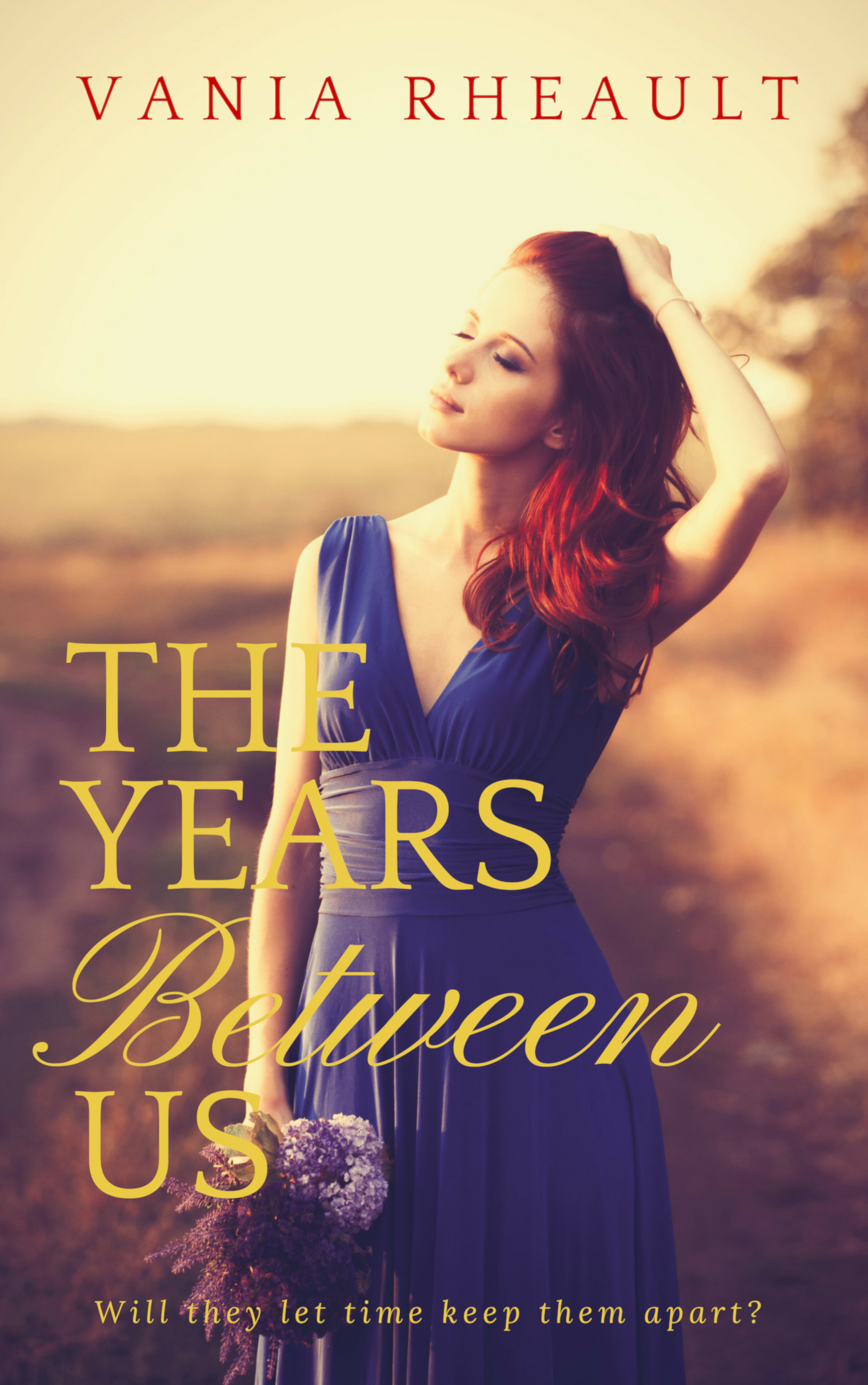
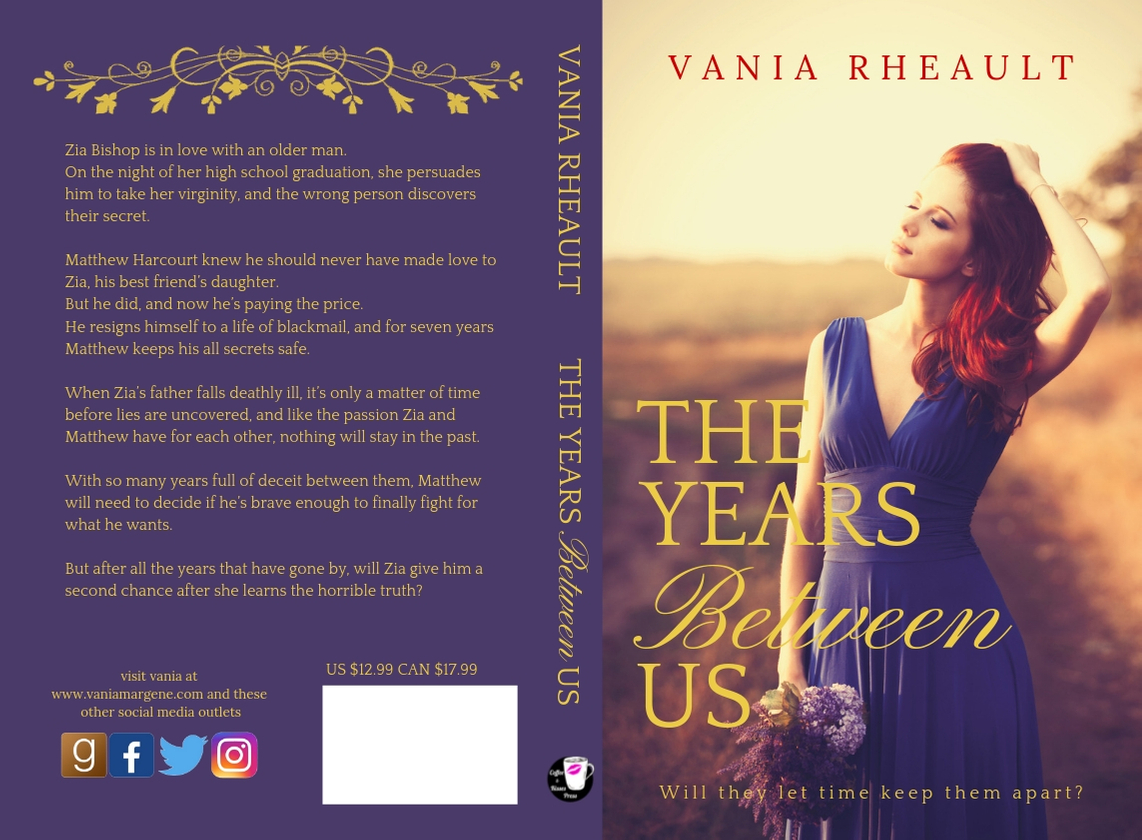
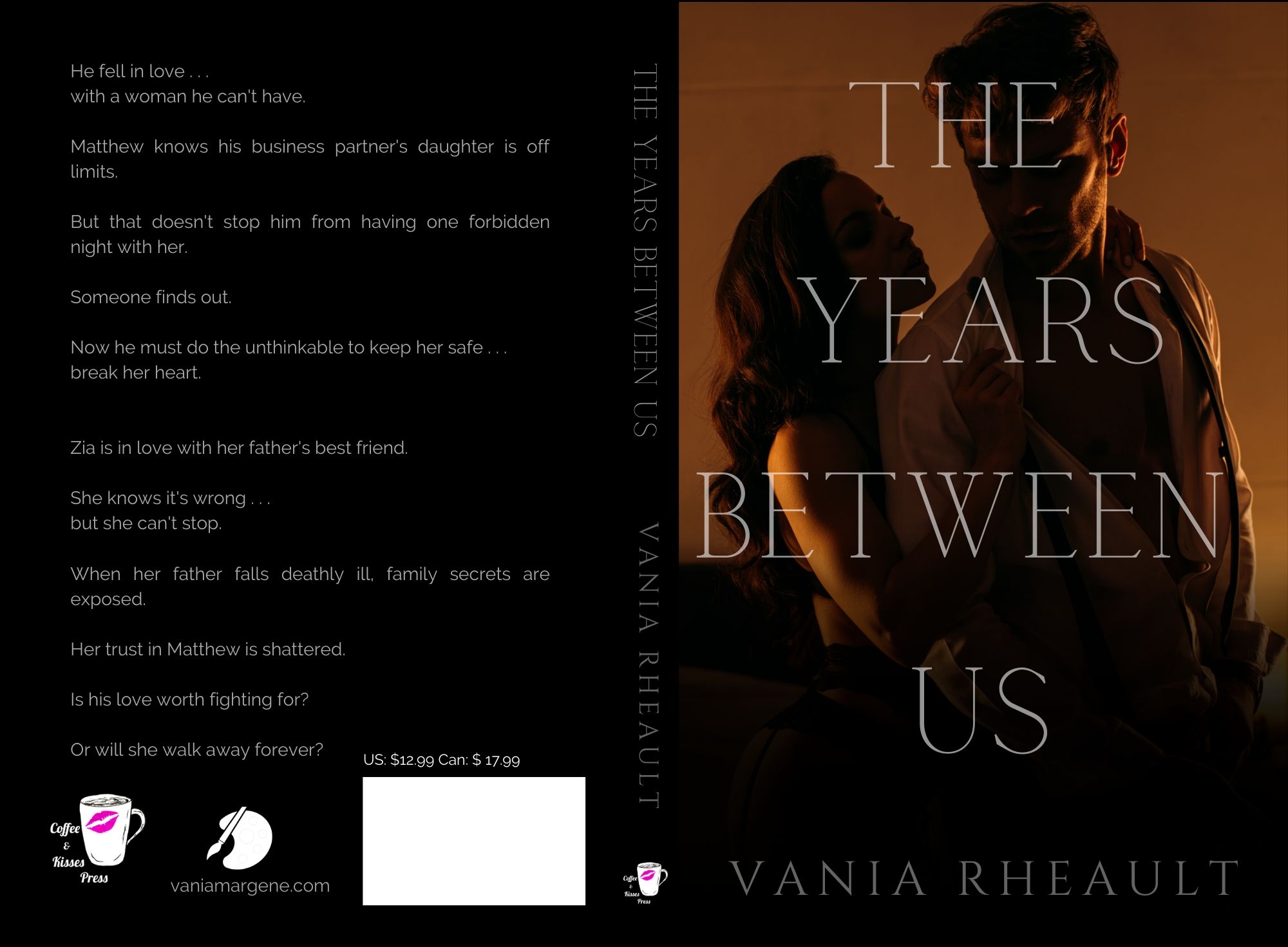
  4. Trust my abilities. It would have been nice to put these out as I had written them, but I didn’t trust myself not to have inconsistencies from book to book. Eventually I’ll be able to put them out as I write them. I’ll need to if I ever want to write more than 4 books in a series. Saving them up made it so I only published one book in 2019, The Years Between Us. And I only published that in May of 2019 because I held onto it. I could have published it long before that.

I guess that’s my wrap-up for this series! I’ll give you advertising updates as I do them, but it’s a relief to move on to something else.

If you’re interested in checking out His Frozen Heart, you can grab it here. This is the link for Kindle, but it’s available in paperback, too. I contacted Amazon to link them up, but it can take a day or so for that to reflect on Amazon.

Have you put out a series? Anything you’d like to share about making things easier? Let me know! Thanks for reading!
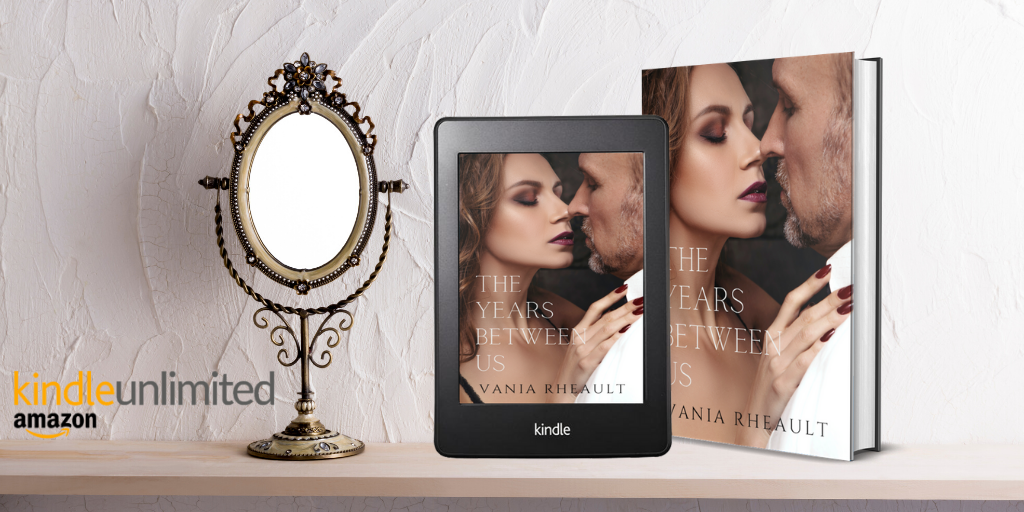

end of blog post graphic

Indie Publishing Predictions for 2020: Audiobooks

If you read Mark Coker’s predictions back to back with Written Word Media’s, you’ll see they have two very different ideas about what audio is going to do this year for us indies. According to Mark Coker, audio for indies has come and gone. According to Written Word Media, audio will continue to grow and more indie authors will invest.

Which is it?

I guess the more important question is, do you have the money to care?

Audiobook creation is expensive, and there are a couple of things you need to weigh before choosing to spend thousands on an audiobook.

  1. Where? Amazons ACX will trap you in a seven-year contract, and you do not have control of your own pricing. Seven years is a long time. You can create an audiobook through ACX and opt out of exclusivity to Amazon, but your royalties are lower through Audible. Findaway Voices is another place for audiobook creation, but once again, if your audiobook is wide, you’re looking at lower royalties from Audible, though there are more places to sell audio than ever before.
  2. How much will it cost? Lots to consider here. How long is your book? I’ve heard you want to give listeners their bang for their buck. Credits on Audible will buy any book, so listeners are more inclined to spend their credits on longer books. But for indies, these are more expensive to produce. It makes no sense to pay a narrator to narrate your novella because production will be cheaper for you. Audible subscribers won’t waste a credit on it.
  3. Distribution and marketing. You decide to go wide with your audiobook and opt out of exclusivity with ACX (Audible). That’s cool, but if you’re strapped for cash and you were searching couch cushions to pay for your voice actor, you won’t have money to market your audiobook. If you can’t market it, no one will know about it. Kind a like your ebooks, huh?

Written Word Media predicts the audio market will grow. Mark Coker says the audio market will become saturated and indies just starting out have already missed the boat. What does that mean? Audio will likely remain out of your reach until you start making money on your e-books. If an average indie can’t make a regular income until they have 20+ books published, audio in the near future isn’t likely.

Finding a narrator who will do a royalty split with you instead of being paid upfront is getting harder and harder. As Bryan Cohen, on a recent episode of the Sell More Books

woman inside studio

Voice actors have their own audience and have to take care of their own reputations.                     Photo by The Teens Network Daytime Show Studios on Pexels.com

Show says, voice actors are becoming savvy. They know they won’t earn their time/money back if they do a royalty share and will only do work paid upfront. Voice actors have their own wallets and reputations to look out for. If your e-books aren’t selling, you’ll have a difficult time finding a reputable narrator to work with you.

What does this mean for an indie starting out? For audio, at least for now, we feel rushed because we are. If the audiobook industry is saturated now, what will it look like in 2025? There’s no way to know, but you’d be better off writing than worrying about trying to find a foothold you can’t afford.

What if you really want to get in on the action? You don’t have to be completely left out, but even if it doesn’t cost money, it will cost you some time. As an emerging author, you have to decide if it’s worth it, or if you’d be better off writing.

  1. Do live recordings. Go on Facebook or YouTube. Save the recordings and post to your social media and blog. True, you’re not going to make money with free recordings, but at this point you’re building your back list and audience and/or hoping for a newsletter subscribers. My son is listening to free Witcher readings on YouTube. Sometimes it’s not all about sales but exposure, which at this point is what you want.
  2. Create your own. Joanna Penn used to narrate her non-fiction in a closet. Winter jackets can create a soundproof room. But you’ll still have to figure out some kind of editing software because a listener isn’t going to want to hear you flubbing every other line. (By the way, ACX and other platforms have quality control. Even if you happen to have the patience to read your whole book aloud, that doesn’t mean it’s good enough for sale.) Narrate your book in chapters and put it on Patreon, or hope for traffic on your blog. You don’t have to be left out of the audio loop, but you’ll be going about it in a different way.
  3. Explore AI. Audiobook distributors don’t accept text to audio files right now, but that’s not to say you still can’t create an AI file. Be careful using text to voice software because sometimes they aren’t available for commercial use unless you pay their fee. I tried to find something to link up to this blog, but the voices  sounded bad, or the fee was too much to bother with, usually both. Maybe you’ll find something if you decide to go this route.
  4. If you want to offer different mediums, publish your books in Large Print and hardcover. Find someone with Vellum; Large Print is a formatting option with that software. Adjust your cover to a larger spine, and you’re done. KDP has a Large Print box you can select when publishing, and your book will be labeled that way on your book’s product page. Pretty simple to offer your book in a different way. If you buy your ISBN numbers, you can publish your book with a hardcover on IngramSpark. Not necessarily a HARDCOVER that requires you also design a jacket, though that is an option, but you can publish your books with a harder cover like a children’s book. You don’t have to offer audio to sell your books in different ways.

I haven’t done anything with audio yet. Anyone who knows me knows my favorite part of all this is the actual writing and anything that takes my attention away from it I have no use for. The pragmatic side of me knows I need to explore more ways to sell books, but my stubborn side says screw it. I can’t afford audio, and even if I could, my books aren’t selling well enough to warrant it. Maybe in my case, Mark Coker is right – I missed the audiobook opportunity. Or maybe something else will come along. At some point AI text to audio will be acceptable. Us poor indies can wait for that day.

In the meantime, keep writing. You can only have an audiobook if you have a book in the first place. When it comes to this prediction, keep your eyes on your own paper and don’t worry what other indies are doing. As an emerging author, you can only do what your situation allows you to do.

As for me, I don’t care. I can’t afford audio. I listen to my book through Word’s text to voice during my editing process so I know how it will sound spoken aloud if I can ever afford it. At least lay the groundwork for a successful audiobook in case the opportunity ever presents itself.

For more resources on audiobooks, Joanna Penn is coming out with Audio for Authors, it’s on preorder right now, and you can take a look at it here.

She is also interviewed by Lindsay, Jo, and Andrea on the 6 Figure Author podcast, and you can listen to it here.

If you’re interested in tips on how to vlog, or do live videos, in the past I’ve recommend Amy Schmittauer’s book, Vlog Like a Boss. She gives you lots of practical tips for looking and sounding good on camera.

Next we will explore Written Word Media’s second prediction – indie authors and organic reach.

See you then!


end of blog post graphic

Formatting Your Book Descriptions on Amazon

This blog post is outdated. KDP has its own formatting tools and you don’t need outside resources to make your buy-page pretty. There are other tips in this post, but you don’t need Dave Chesson’s generator anymore.


When you add your book’s blurb to the description field on KDP while publishing your book, you may add spaces between the sentences/paragraphs only to find after your book is published they didn’t take on your Amazon’s product page.

Anytime you hear advice about your Amazon product page, you hear that a lump of text is not conducive to sales. Meaning, readers aren’t going to wade through a huge block of text to figure out what your book is about.

I didn’t use a generator for one of my paperback books, and this is how the description looks for the second book in my series:

Screen Shot 2020-02-05 at 10.06.10 AM

That doesn’t look good. Maybe the first sentence is enough of a hook for potential customers to keep reading, or their eyes will glaze over before they even read the first word.

It’s also confusing because when you do the description for your KINDLE book, usually the spaces will stick. And that makes things weird, too, because now your descriptions for your KINDLE book and your PAPERBACK don’t match.

How do you want your description to look?

Screen Shot 2020-02-05 at 10.06.46 AM

This is my description for All of Nothing. I used an HTML generator to make the spaces between the sentences and the paragraphs, and I also added bold which is eye-catching to a potential customer.

How can you do that?

Dave Chesson from Kindlepreneur has a FREE Amazon Book Description Generator, and all you have to do is copy and paste your description into it, and generate the text with HTML code for spaces, bold, italics and more. Then you copy and paste the new generated code into your KDP dashboard under your book. KDP makes making changes a headache, and some authors get confused with the process because KDP calls making changes “publishing” but it only takes a day for the change to go into affect.

Here are the steps:

  1. Go to https://kindlepreneur.com/amazon-book-description-generator/
  2. Paste your unformatted description into the box.
    Screen Shot 2020-02-05 at 10.29.07 AM
    Add the spaces you want and the bold, italics, or other formatting to your text. This is where you make it look like what you want it to look like on your Amazon product page.

    Like you would in Word, highlight the text you want to change, then click on the Style and Structure to apply the formatting.
    Screen Shot 2020-02-05 at 10.40.53 AM

  3. Then click GENERATE MY CODE. Your description will have a ton of HTML attached to it, but you want that. KDP will read it and put up your description the way you want it on your product page.
    Screen Shot 2020-02-05 at 10.44.07 AM
  4. Go to your KDP account, find your book in your BOOKSHELF, and click on edit book details. This generated code works Paperback only. If you try to use it for your Kindle book, you’ll receive an error message saying invisible characters cannot be accepted.
    Screen Shot 2020-02-05 at 10.36.04 AM
  5. Delete the description you already have there, and paste in the HTML code you generated from Dave’s description generator.
    Screen Shot 2020-02-05 at 10.36.47 AM
  6. Go through the steps to re-publish your book. The changes take affect in about 24-36 hours depending on how fast KDP gets around to it.

Then your description will have the spaces and bold that you want to catch a potential reader’s eye when they browse your product page.

Screen Shot 2020-02-05 at 10.50.11 AM

This is the description for the first book in the series. It looks like I missed some spaces between periods. But the bold and the spaces between lines and paragraphs look better than the block of text from book two.

Of course, the actual writing of the blurb is another headache that I won’t get into now, but with Dave Chesson’s Amazon Book Description Generator, at least it will look pretty!

Thanks for reading this tip, and I hope you can make it work for you!

Until next time!


end of blog post graphic

2020 Indie Publishing Predictions Blog Series

2020 indie publishing predictions

Sometimes when you’re just beginning, you don’t pay attention to the world around you. You think most news doesn’t pertain to you, or if something cool is happening, you can’t participate anyway.

Maybe you feel ill-equipped to do anything with new information, so why bother to know it? Or you automatically think you’re not going to be able to afford it, because let’s face it, us indies don’t have a lot of money to put toward our books.

With indie publishing, something changes every second, and it’s hard to keep up, weed out the useless information from what could help you get ahead, and apply those things to your career.

This is the the first week of the second month of the New Year. 2020 predictions have come and gone, but we still have a full eleven months of the year to go, and as any pregnant woman knows, eleven months can be a long time, and lots can change.

So let’s not ignore the predictions of the indie publishing industry because there is a lot of time for some to pan out, and time for you to apply some of these tips to your own career if you’re so inclined.

Written Word Media put out its own predictions with some of the indie heavy-hitters weighing in, including but not limited to Michael Anderle, (creator of the 20booksto50k Facebook group and conference, not to mention head of his own publishing empire) Mark Lefebvre, Bryan Cohen, David Gaughran, and Mark Dawson.

Their predictions touch on audiobooks, author collaborations, pay-to-play marketing, and much more.

I’ll also be combining Mark Coker’s 2020 predictions for the indie-publishing industry. Founder of Smashwords, an e-book distributor and publisher, he weighs in on what he thinks is going to happen to the indie-publishing space, and his dire predictions when it comes to Amazon and Kindle Unlimited.

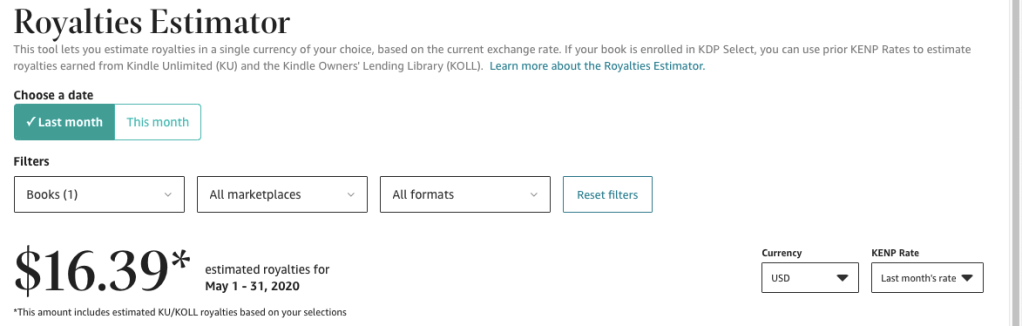
I’ll be looking at these predictions through an emerging author’s eye. Remember from previous blog posts, Written Word Media classifies an emerging author as an author with six or less books in their backlast who makes less than 60k a year. Transparency–I made less than $2000 in 2019 with KDP, my short stint wide, and my paperbacks through IngramSpark.

As a beginning author, I’ll give you my opinion on what’s important and what you can put on the back burner in favor of writing more books. Which is usually a better choice.

When you don’t have much money to spend, you need to choose carefully where you throw your money. Not everything is of equal importance, and only when you’re near burnout do you realize how true this is.

Thanks for joining me on this next blog series. I’ll try to keep posting these on Mondays and continue giving you personal updates on Thursdays or Fridays. I haven’t had much to say on those days as you can just assume I’m plugging away at my wedding party series I’m finishing all that up so they are finally published, or working on book three of my first person trilogy.

In the back of my mind with all this going on, I’m wondering what I want to write next. I hate thinking that I’ll either write third person past stuff if my series sells well, or first person present stuff if my trilogy sells well. You should never write for money, and that is not something I want to encourage to my readers. But I have always had the opinion that you need to write what readers want, and it’s always the best when you can combine what you love to write with what readers love to read. In that sweet spot you’ll find your career. I have enjoyed writing first person present. I didn’t think I would, but it was a pleasant surprise. I am also only reading first person present books right now, so I don’t confused myself with other tenses.

Writing to Market

In these days of pay-to-play, I know books only sell as much as you market, and that is one of the predictions Written Word Media goes into that we’ll talk about.

So, sit back, relax, and don’t worry. You won’t need your sunglasses. According to Mark Coker, our futures aren’t that bright.

We’ll be exploring audiobooks first! See you then!


end of blog post graphic

Being a Career Author. Do you have what it takes? Wrap Up!

In this blog series we’ve been going through a survey by Written Word Media, and what it takes to be a career author. They surveyed authors who are emerging authors, authors who make 60k and authors who make 100k from their writing.

I went through their points as an emerging author who has six books in her library and I make less than $2,000 a year from my books. They went through how much authors spend in editing and covers. It’s no surprise that they found authors who put out quality books make more money.

They went through how they marketed, with easy and affordable promo sites heading the list.

They surveyed authors about being wide or exclusive and found it didn’t matter – authors still need to take time to build a readership no matter where they publish.

They also went into the time authors write, which not surprisingly, revealed at 60kers and 100kers spent the most time writing. In that blog post I tried to hammer in to the emerging authors that to make the leap from emerging author to 60ker, you still need to put in the writing work, no matter how many hours you put into your day job or how tired you are. Career money requires career time.


There are some variables as to why some authors make more than others, and the bonus material revealed some of these differences.

But first if you were curious about the amount of money an Emerging Author makes, take a look:

The difference between the emerging author and the 60ker. It’s quite a leap to be sure. If you’re single, you don’t need to make 60k to support yourself. At least in my area, you can get by okay on $30,000 a year. You’re not living in the lap of luxury, but a nice two-bedroom apartment with its own washer and dryer runs about $700/month. As an emerging author, even if I made an extra $300 a month, that’s a car payment on a newer car I desperately need. You can take a look at the graphic to check how much an emerging author makes.

EA-Income-768x400


Now for some of the reasons why one author would make more than another:

  1. Audiobooks. While audio is on the rise and it’s easier than ever to hire a narrator and get your audiobook out into the world, there’s no point in spending the money if the e-book isn’t selling. It makes sense to invest in audio if your book takes off, but if it doesn’t, there’s no point in spending the money to make an audio version. So while audio is a great supplement for 60kers and 100kers, they were already selling books and the audio is a complement to their library. Also, when audio finally fits into your publishing plan, indies now have their shit together and release the paperback, ebook, and audio all at the same time.

    Audiobook-s-768x560

  2. Genre differences. I’m surprised they didn’t add this to the original survey because the genre you choose to write in is really important. As you can see by the graphics, authors made the most writing commercial fiction. Romance took the lead, and mystery, science fiction, and fantasy follow closely behind.

    Genre-Differences-768x400Genre-non-Differences-768x400
    Children’s books are a hard sell as they depend heavily on print, bookstore and library sales.

    Young adult is broken into lots of sub genres like fantasy and romance, and broken down further into sub sub genres like coming of age, new adult, or college. I don’t see many indies right now writing plain YA like Five Feet Apart or The Fault in Our Stars. They tend to lean more toward dystopian or fantasy like the Hunger Games or Harry Potter. At least, that’s what I get from seeing what others on Twitter are writing about. (Agents turned authors are the ones writing vanilla YA like Eric Smith’s Don’t Read the Comments. Maybe because they have their fingers on the pulse of the market and they’ll write what sells. Who knows.) If you look at indie romance YA, they tend to lean toward paranormal or urban fantasy. Paranormal Academy is hot right now and that usually includes a younger MC. It’s difficult to completely separate the genres, especially since indies like to mash as many genres together as possible.

    And with Amazon allowing you to choose 10 categories for your books, there’s a lot of space to move around.

    We can all agree that while you can make money writing nonfiction, it’s a lot different than writing fiction and it takes a different set of skills to market it. Authors like Bryan Cohen who wrote How to Write a Sizzling Synopsis, Mark Leslie Lefebvre who wrote Killing it on Kobo, and Brian Meeks who wrote Mastering Amazon Descriptions, all have solid foothold in the indie community and pretty much have a built-in audience. They’ve been a part of the indie community for many many years, and they have the platform required to succeed.

    In my experience many indies who venture into non-fiction write creative nonfiction also called memoir. Let’s face it. Everyone’s life is hard. I could write a book about how I survived my divorce, but that wasn’t anything special. I just joined the 50% of other American couples who also have divorced. Hardly book worthy. Unless you have something super special to say, it will be difficult to be the next Michelle Obama.

    Most emerging authors have no platform, and that’s what you need to get a nonfiction book off the ground.

    When you’re an indie, it makes a difference what you choose to write, and, not only that, what you keep writing. Genre-hopping has never done an emerging author any favors, either, something I am finding out subgenre-hopping under my Coming soon!-2contemporary romance umbrella. From what I can see, the most successful indies stay within the same sub-genre like Aidy Award and her curvy girls or Alex Lidell’s academy books. Even Jami Albright writes romcoms and makes a killing with her Runaway Bride trope.

    Mystery, too, is seeing more segregation with subgenres, and authors who choose to write run-of-the-mill detectives might always want to stay with that, only moving the setting to other states, different police departments, and other tragic backstories.

    Indies do like to go their own way, though, and I like to write the stories I like to write as well. Hopefully we can all find a happy medium between writing what we want in writing what sells.

  3. The last point they went into was if the authors had a job outside of their writing. It’s not surprising emerging authors worked. Bills need to be paid somehow. The problem with needing to work is that sometimes your day job is so emotionally draining you don’t have any emotional energy left to write. I’m lucky that I can write and read at my job and that it isn’t emotionally draining. But I do trade that luxury with a lower wage and only because I have help paying bills can I continue to do so. I’m working hard to write as fast as I can to build my backlist so I can eventually hop from emerging author to 60ker. Eventually the sacrifices I’m making to put so much time into my writing will pay off. I’ll make sure it does.

employment-1-1-768x384


Even though they did add some additional data, they did leave out some other variables that I find are important in making an author successful.

  • Newsletter. The survey mentions newletter swaps saying that swaps aren’t an effective marketing tool. But that’s only swaps. Swapping implies an author has one to begin with, and I’m willing to bet there is a large gap between emerging authors who don’t have a newsletter and the 100kers that do.
  • The cost of ads. While the survey did go into how authors promoted their books, it’s not often authors reveal how much they’re spending on ads. If you make $50,000 a year but you’re spending $10,000 in ads you’re still doing well obviously, but the amount that author is claiming to have made is a bit deceiving. Bryan Cohen, when he does his mini ads courses, says any profit is good profit. At the core that is true. But if you have to babysit your ads so you make $2.00 for every $1.75 you spend, at some point you have to decide if you’d be better off writing. Ad creation takes time, especially when you need to take the time to write (or learn how to write) catchy ad copy. If you start a newsletter and add the link and call to action in the back of your books and pay for a promotion now and then, you may find that a bit easier, and a little less terrifying, than learning an ad platform and watching your ads like a hawk so overnight you suddenly aren’t $50 in the hole because people hated your blurb.
  • Writing in a series. I hate to keep harping on this, but this is also another component that the survey didn’t go into. Readers like series. They get invested in the outcome. They fall in love with the characters they follow through all the books. 60kers and 100kers know that and they capitalize on it. Emerging authors write what they want, and that isn’t always a series. But I would’ve liked the survey to ask its authors how many emerging authors versus how many 100kers write series. I doubt I would be surprised by the answer.
  • Frequent publishing. The survey didn’t go into how often authors publish. It stands to reason that the faster you put out books, the faster you can make money. But emerging authors have a hard time with timely output. They have their jobs. They are probably still learning craft and the critique partner/beta-reading stages they go through slow them down. Besides Jami Albright, I haven’t heard of an author who is not prolific making $60-$100,000 a year. And she admits she has to rely heavily on ads and other marketing techniques between releases. She knows her limits and embraces them. But you have to wonder if she could write more than one book a year, what that would do for her bottom line. I write as fast as I can, but I am not 100% confident in my ability. So the beta-reading stage slows me down as well, as does making sure of consistency and wanting no potholes in my stories. Maybe one day I won’t need so much reassurance. But I’d rather do it right the first time than pay for my haste with bad reviews.

In conclusion, the money is out there. There are different paths to the pot of gold at the end of the rainbow. But whether anyone wants to admit it or not, some paths are easier than others. Write commercial genres. Publish quality work. Publish often. Start a newsletter. Use promos like Freebooksy and Bargainbooksy to promote your work.

If you’re not doing these things, success may take longer to come. We all make mistakes and maybe telling your story the way you want to tell it is more important to you than money. That’s cool too, but be honest. Writing the story you want, with no editing, using a cover that’s not professional, and tweeting it out day after day won’t earn you any sales. So no whining when it doesn’t.


Thank you for joining me in this blog series where we broke down the Written Word Media Survey and the bonus material they later released. I hope the information given can steer you in the right direction to a productive and lucrative writing career.

Thanks for reading!


end of blog post graphic

Is IngramSpark distribution pricing causing problems for authors on Amazon?

I don’t know when IngramSpark started distributing to Walmart.com.

A few weeks ago I saw someone post about having trouble with the pricing of their books  on Amazon because they were on sale on Walmart.com. At the time I thought the only way you could have your books on the retailer’s site was if you published your ebook with Kobo. With their partnership with Walmart, Walmart sells Kobo ebooks in their books section. I didn’t think anything of it, attributed it to the operator and not the machine and moved on.

But then I listened to an episode of The Sell More Books Show podcast, and they also featured an author who was having pricing problems on Amazon due to their paperbacks being on Walmart.com. (I tried to find the episode that news clip was featured on and I don’t remember when I listened to it.)

Of course, then I had to look for my own books. If you remember from a past blog post, I did have my ebooks on Walmart.com when I was wide through Kobo. That didn’t last long, and as I far as I know, I didn’t sell one through that channel either.

Screen Shot 2020-01-23 at 10.06.30 PMScreen Shot 2020-01-23 at 10.06.48 PM

The problem that’s been going around online now is that Walmart.com is willing to take a loss on books, and they have no problem discounting them. The person who does have a problem with it? Amazon. They’ll get on your butt right away for having a cheaper product than them somewhere else, and they’ll price match as soon as they find out. Some authors are even being told to contact Walmart and ask them to not discount their book(s), but of course, that’s impossible.

To combat this, authors are upping their prices on IngramSpark. That seems crappy though because 1) your book is suddenly more than you wanted it to be and 2) if you have your price anywhere on your cover you have to adjust your price on the cover so the prices match. I ran into that problem more than once, so I know first hand that Ingram won’t let you update your files unless they match.

Is publishing with IngramSpark worth it? I don’t know. It depends on what your goals are. How many books have I sold through Ingram? I only have my paperbacks there to take the place of expanded distribution on Amazon. I don’t go onto my dashboard very often because print isn’t part of my business model, but let me check:

Screen Shot 2020-01-23 at 9.45.15 PM

I’ve sold five copies. I’m not even sure where to look to find out where those copies were sold from. Maybe it was Walmart, maybe Waterstones, maybe Barnes and Noble. Not sure, and to be honest, five copies? I guess it doesn’t really matter, either, does it?

So what am I going to do? At this point I’m not going to do anything.

It used to be a big draw for me to have my books available to be sold in bookstores. A lot of times authors don’t understand that if you want your books in bookstores or libraries it has to be available through IngramSpark. You can always sell your books on consignment or donate your book to a library, but if you want them to order your book properly, it needs to be available through the Ingram catalogue, and that is the sole reason I published there. I still haven’t approached my Barnes and Noble or local indie bookstore to ask if they’ll carry my books–even in the local authors section. I haven’t bothered to ask my library to carry it. (If you want your ebook part of a borrowing app like Libby, you need to be wide and published through OVERDRIVE which is an available option through Draft2Digital.)

But since my ebooks can’t be in libraries because I’m in KU, and taking into account my dismal paperback sales on other platforms, it makes me wonder just how worth it is to publish on Ingram if I’m going to have to go through the hassle of keeping my eyes on my prices. I don’t want Amazon mad at me. They are going to be a huge part of my income once my books start moving and I would prefer to stay on their good side.

Screen Shot 2020-01-23 at 6.33.58 PM

As for me, maybe the sale on All of Nothing doesn’t have anything to do with prices on other platforms. Maybe it doesn’t have anything to do with Walmart. I know Amazon will occasionally run sales on certain titles, and I never had a problem with that because I know that if AMAZON runs a sale on your book that you’ll receive full royalties. But do you if they price match behind your back? Hmmm.

Screen Shot 2020-01-23 at 10.00.09 PM

Here’s the first row of my books on Barnes and Noble. Everyone wants to discount All of Nothing it seems.

A list of retailers on Ingram’s website indicates they distribute to target.com and also Chapters/Indigo bookstores in Canada. I’m not going to go through the whole list, but I find it interesting, and I haven’t bothered to really look before. Some of my books are available on chapters.indigo.ca but some of the covers aren’t available, and a couple books in my trilogy have the old covers on them. You can look. here if you’re interested.

Well, I’m not going to freak out about it until Amazon asks me to stop offering my books at a lower price on other platforms. I don’t know if this sale is by them or not. Usually these flash sales don’t last long, and I’ll just keep an eye on my prices.

But it is something to be aware of all the same.

Thanks for reading the ramblings of this woman, and if you specifically want to see if my book is still on sale at the time of your reading this or perhaps by yourself a copy, the direct link is here.

Thanks for stopping by, and have an amazing and productive weekend!


end of blog post graphic


Happy Tuesday!

Happy Tuesday!

I usually don’t blog without something to say, but today finds me in a good mood, and I’m just going to ramble for a bit about what’s been going on with me.

We’re 21 days into 2020. How is that going for you? Have you started a new project? Wrapped up something you were working on? Or in some cases, just trying to get through day by day because work is a drag, or your spouse is in a bad mood all the time, or you have a sick pet, or a continually sick kid. There always seems to be something, and if you can find an hour to yourself to sip a cup of coffee and do something productive, that’s going to be a win. I’ve blogged before about winter putting me into a slump, but this week we’re supposed to have mild temps–20-30 degrees F, and in January in Minnesota, that’s pretty great. So I’m going to bundle up and make the most of it.

Coming soon!As far as writing news, my quartet is almost done. I’m waiting for book 4 to come so I can proof the proof. My “second set of eyes” finished with the last book as well, and I’ll be incorporating his findings as I proof.

Even though my response to the Booksprout Review Service was lukewarm and lackluster, it did make me think about what a book launch looks like without reviews. So, I published the paperbacks of the first three books in the series, (I’ll do the same with book four as soon as I’m done proofing it for typos one last time) and put up those books onto the service for reviews upon the ebook publication. Will it make a difference? I have no idea. There is a section for a message from you to the reviewer, so I did ask them to be honest with their overall impression, how they like the stories from one to the next, how they all fit together. I’m not sure if it will do any good–from what I hear, a lot of people who read ARCs for Booksprout are only in it for the free books, but it never hurts to ask.

Here are the four completed covers:

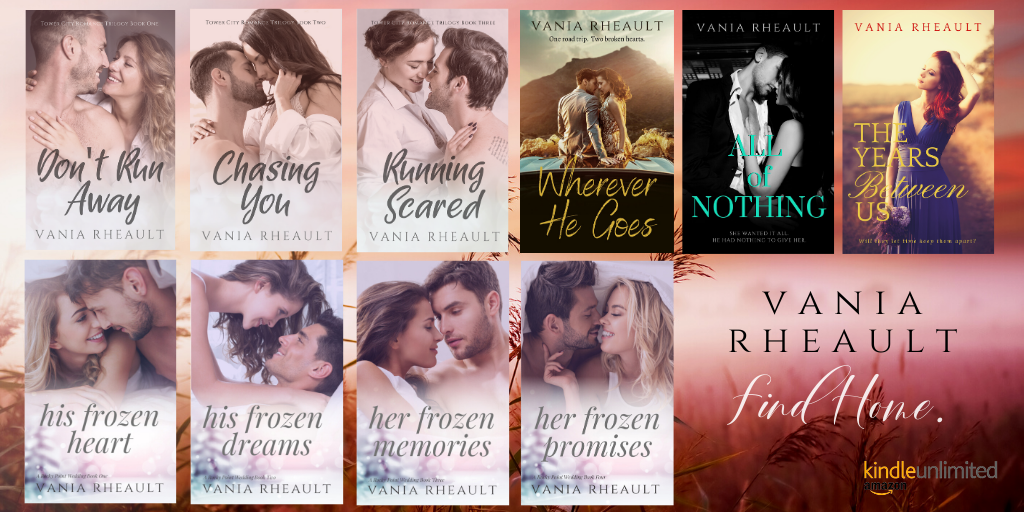
Do you know all brunet men with beards look the same?  There is one male model who gets around, and it’s tough finding men who look different. But I think these will be okay for small town, contemporary romance. I looked covers for the top 100 small town contemporary romances and there is no one “set” way those covers look. My books also have older characters, so having a hot 20-something couple on the cover wouldn’t suit, but I can’t have them all fully clothed either, because then they look too “sweet.” When I had clothed couples on my trilogy, they sent a lot of mixed messages, so I’ve learned to keep my men half naked to readers know to expect a little sex. It’s such a strange, weird balancing act when it comes to romance, genres, and the covers.

But I will be glad these are out and then I won’t have to bother you with my griping anymore. LOL

If you want ARCs of any or all the books, let me know. I have them in pdf, generic epub, and mobi. 


In other news, I finally started working on the third book of my first person present trilogy. I’m excited to launch that pen name, and if first person present stays hot, then I might be writing under that name for a while. These have younger characters, are grittier (Think 50 Shades of Grey or the Crossfire Series by Sylvia Day but with a little less sex), and features a hot billionaire. The books take place in a fictional huge city that’s a cross among Savannah, Georgia, the Twin Cities in Minnesota and New York. Not as big as New York, and not detailed enough since I have never been there, but I wanted the vibe and the energy, at least.

Screen Shot 2020-01-21 at 12.57.53 PM

This is one of the posts that I did for my pen name’s author page on Facebook. I’ve been sharing pieces of the books along with a relevant stock photo and boosting those to get a little attention. I was careful when I picked out my targeting audience, and while my FB author page doesn’t have a lot of attention yet, I can shift my focus when my quartet is done.

I’ve been thinking about what I want my pen name’s “brand” to be. Not with logos, or colors, or what her website looks like, but what she writes. Listening to author panels and getting feedback from my backlist under my own name has made me realize I need to stick with a theme. So my pen name’s theme is probably always going to be the big-city, rich lifestyle. And have the glitz and glamour of that life be the tie that binds my books.

Also, in taking a look at my other plots and characters’ backstories, I do know that a lot of the time a message I send to my readers is you need to be happy for yourself and with yourself before you can be happy with someone else. And another thing my characters find is when they fall in love, they find “family.” I try not to let that be too prominent, in the way falling in love with the perfect man saves the woman from a bleak and unhappy future, but as for the guy, too, finding a woman who will love him despite his flaws, or if he’s hurt her in the past, and building a foundation despite that hurt. How to turn those themes and feelings into marketing will be a different matter all together, but if a reader reads your books and the themes are similar they’ll connect the dots themselves and hopefully leave the reviews to reflect that, too.

I’ll be paying special attention to these covers to make sure that the feeling will travel across everything my pen name writes.

As for what I’m doing for the rest of my day, I wrote 7,000 words yesterday, and usually after a creative spurt like that I don’t get much done the next day.  I would still like to get a couple thousand in later, but I need to run to the grocery store, and tonight is movie night with my sister. We saw Uncut Gems–my pick–a couple weeks ago, and it was not to our liking, so it’s her pick now. I don’t know what we’ll see. Have you watched any good movies lately? I’ve been watching The Witcher at night, one episode, or half an episode, ever evening (I don’t have tolerance for much more TV than that). I tried reading the books a while back, but didn’t care for the 3rd person omniscient they’re written in. I might go back and try again, since I’m enjoying the show.

I hope you all are having a fantastic 2020 so far!


end of blog post graphic